1920s Norman-Style Estate on 77 Acres in New Jersey’s Somerset Hills, 1 Hour from NYC
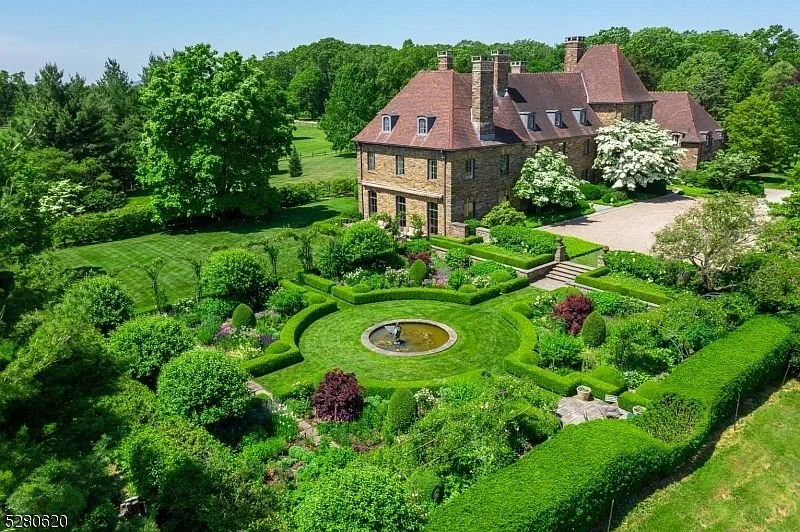
Set behind a private drive in Peapack-Gladstone, Ellistan is one of the most complete surviving early-20th-century country estates in New Jersey’s Somerset Hills hunt country. The property combines architecture, landscape, and equestrian infrastructure across a scale that has become increasingly rare in the region.
The estate was offered at approximately $14,000,000 (≈ €13 million) and is under contract at the time of publication.
Property overview
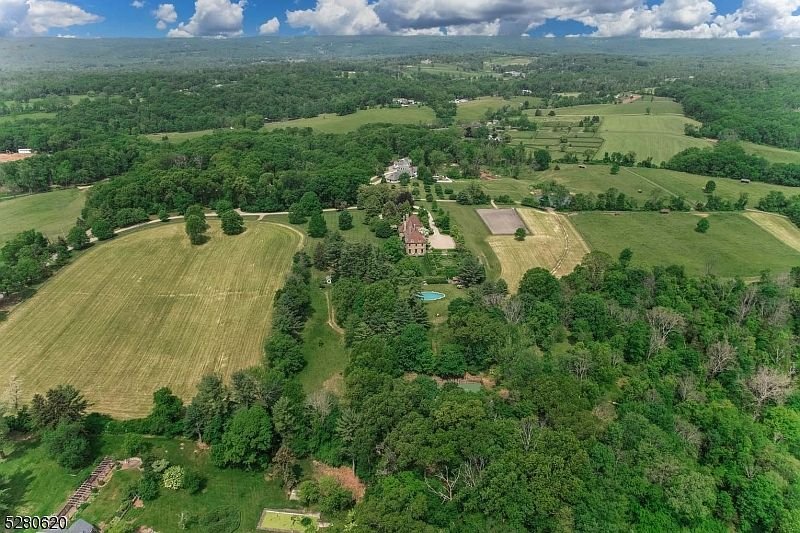
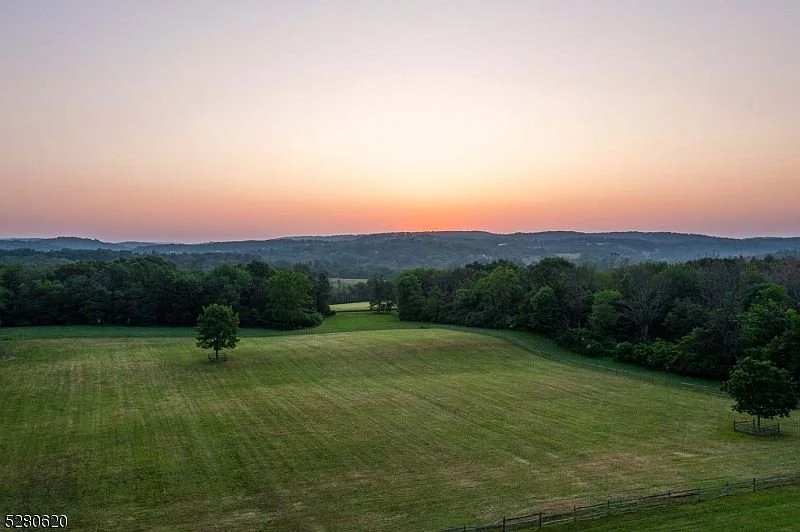
Ellistan encompasses approximately 77 acres of land, equivalent to about 31 hectares. The main residence contains roughly 18,000 square feet of interior space, or about 1,670 square metres. In addition to the primary house, the property includes multiple outbuildings supporting equestrian, agricultural, and estate operations.
Origins and architecture
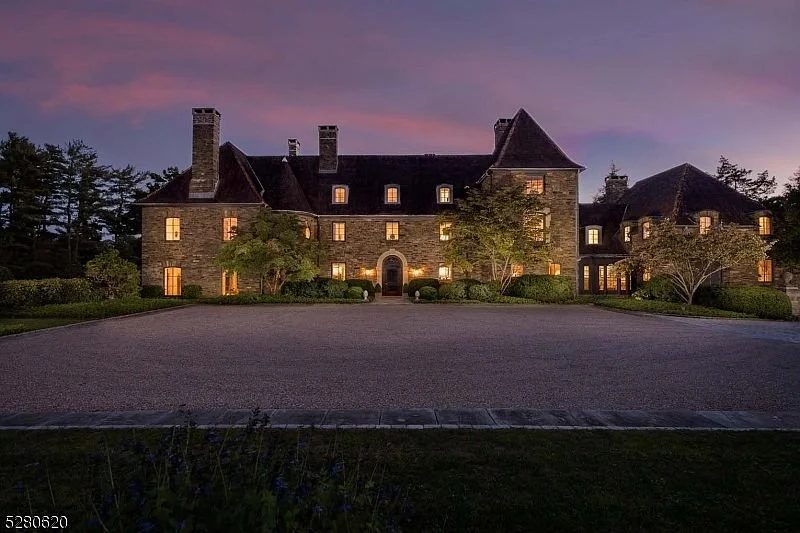
The main house was built between 1928 and 1931 and designed by Albert Musgrave Hyde, a New York–based architect trained at the École des Beaux-Arts in Paris. Hyde was active primarily in the interwar period and is known for designing country houses for private clients rather than public or institutional buildings.
Ellistan was commissioned by Francis Edgar Johnson (1882–1968), a private New Jersey landowner. Johnson was not a public figure and has no documented connection to the Johnson & Johnson pharmaceutical family. His significance lies in his role as the estate’s original patron rather than in wider industrial or political prominence.
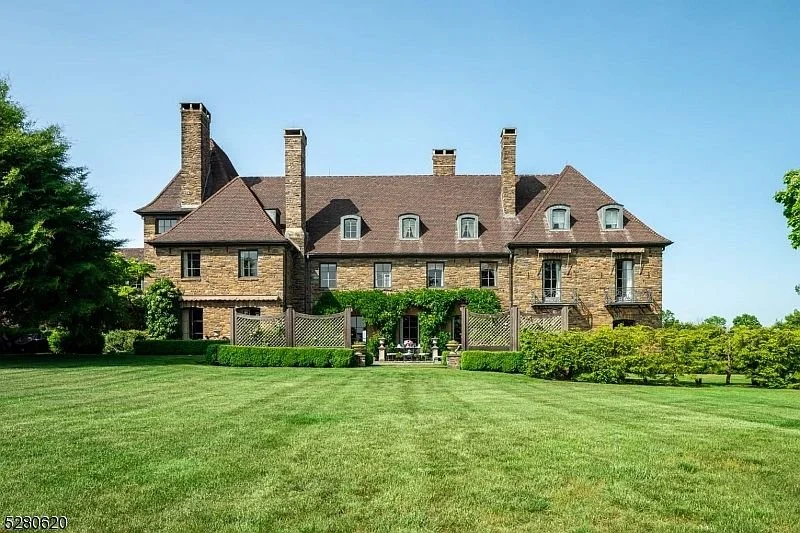
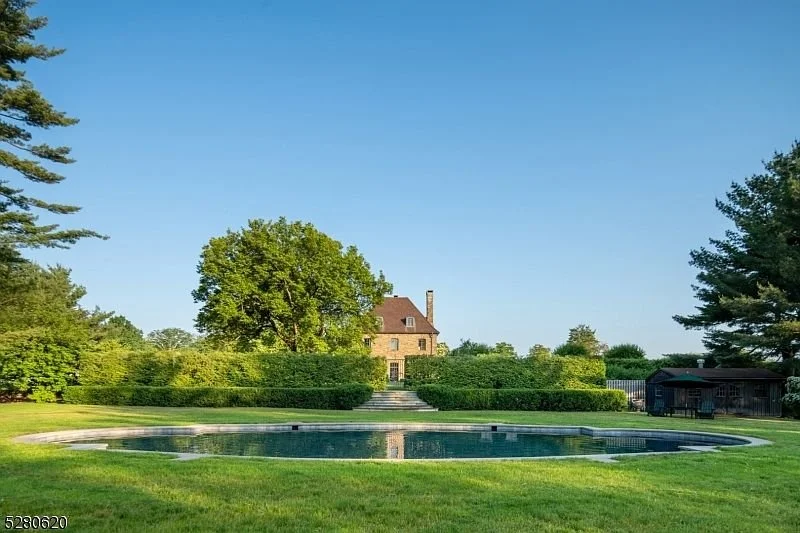
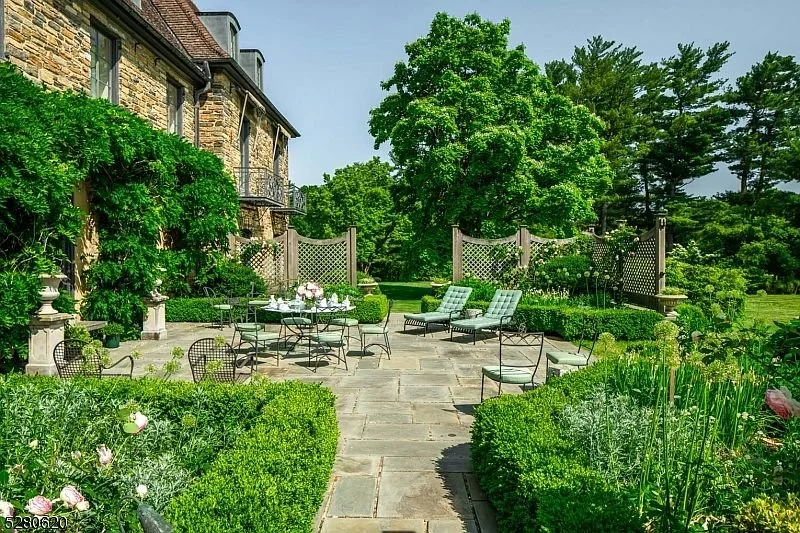
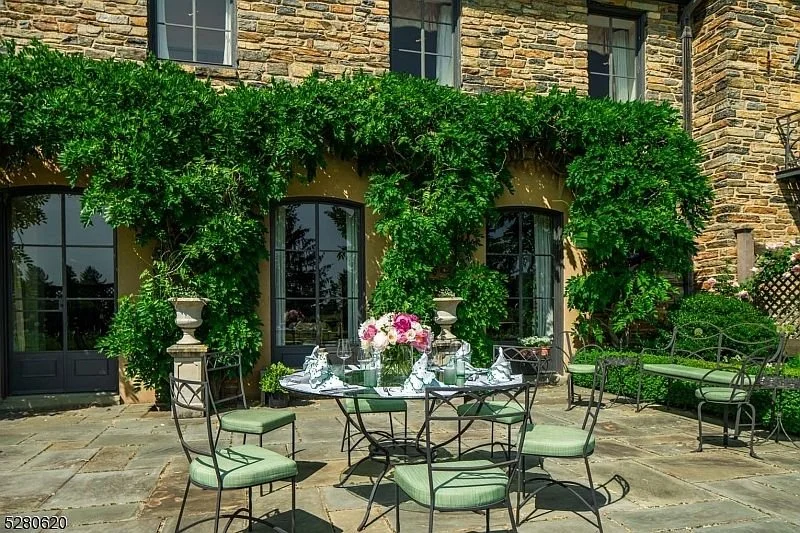
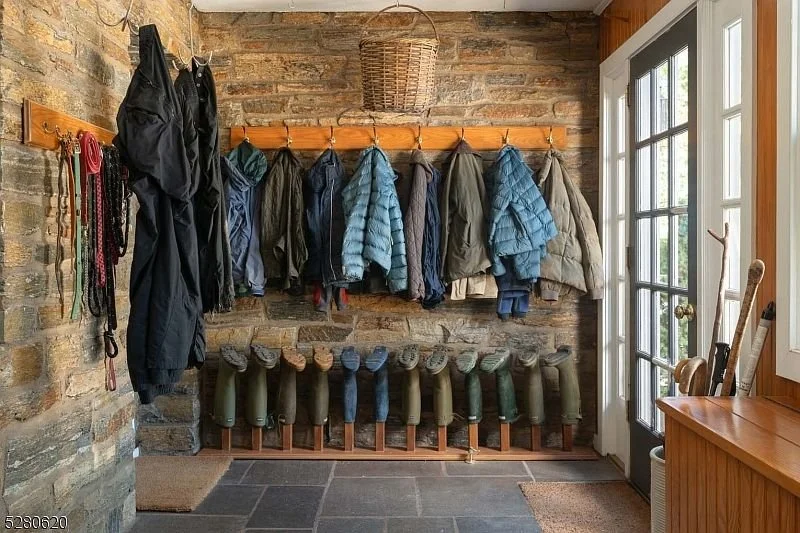
Architecturally, the house is executed in a Norman-style stone idiom, using locally quarried stone and irregular massing to evoke medieval English and French precedents. This approach was popular among American country estates of the period, particularly in hunt-country settings, where permanence and association with the landscape were central design goals.
Land, landscape, and working estate features
The estate was conceived as both a residence and a working landscape. The grounds include:
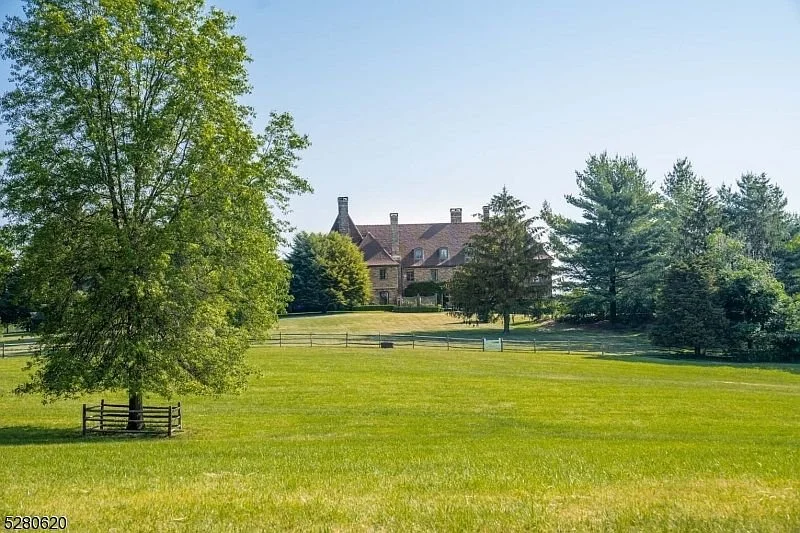
multiple fenced paddocks and pastureland
a riding ring
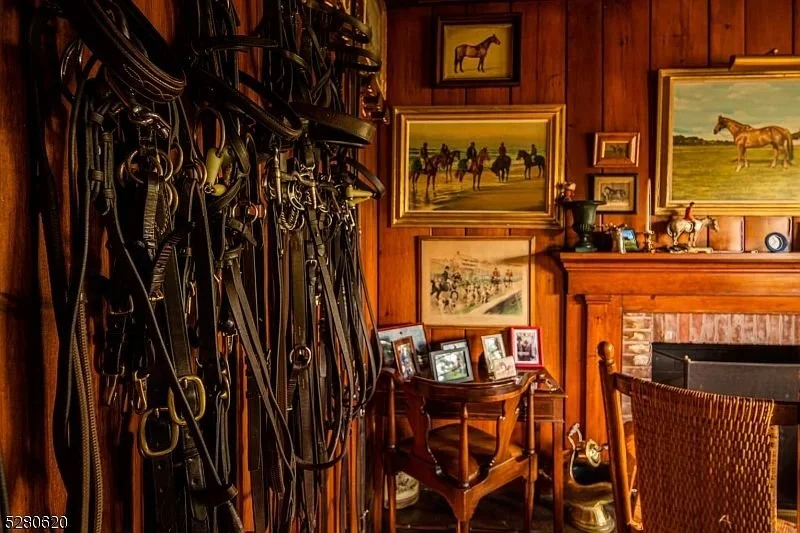
a substantial stable complex with a pine-panelled tack room and fireplace
workshops, dog kennels, and agricultural outbuildings
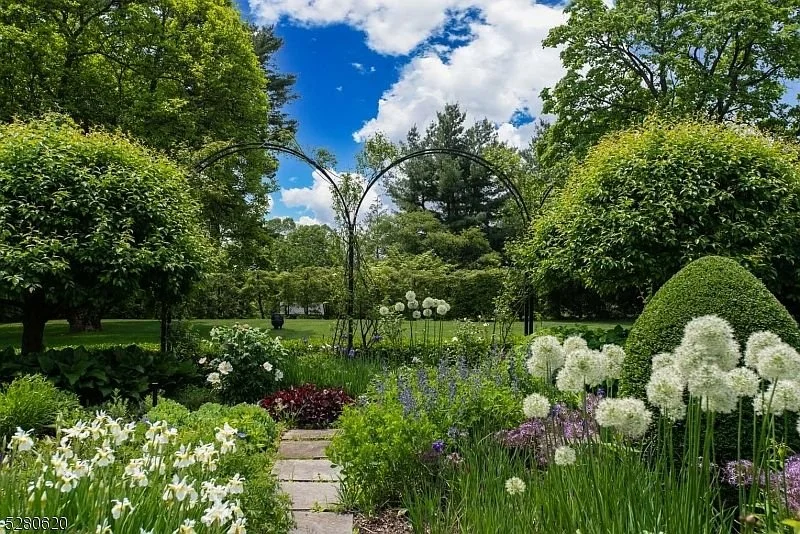
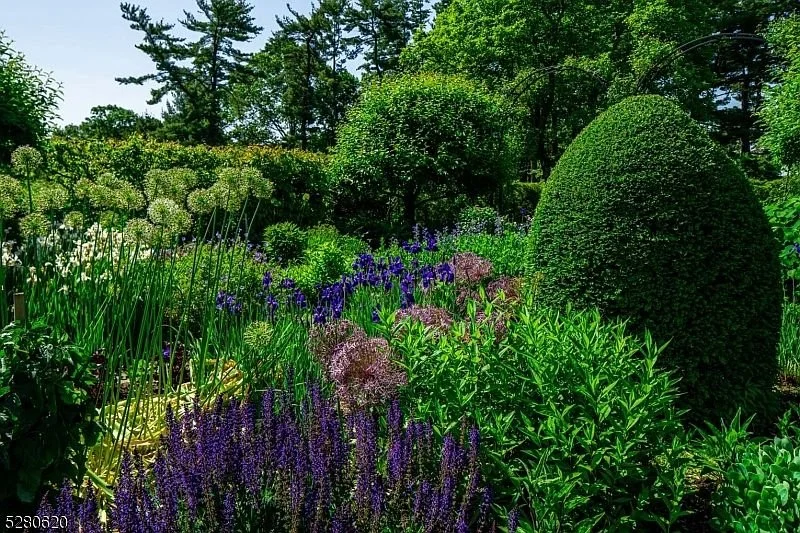
vegetable and flower gardens, beehives, and a hen house
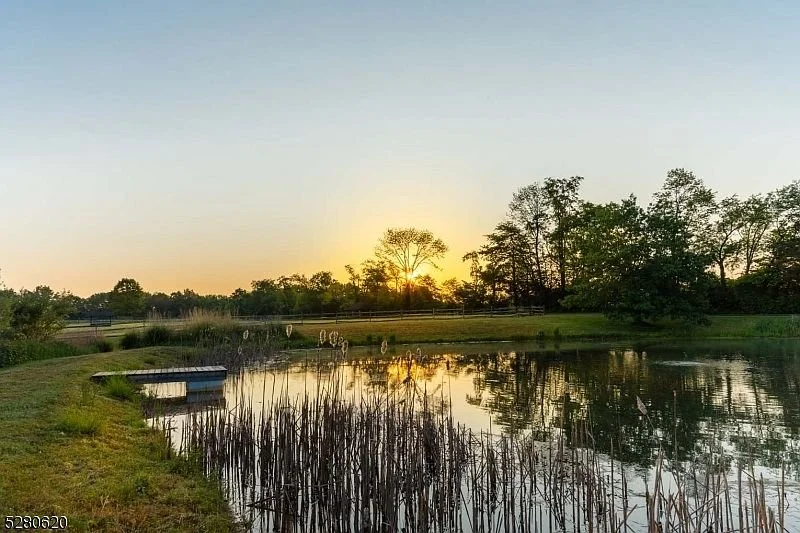
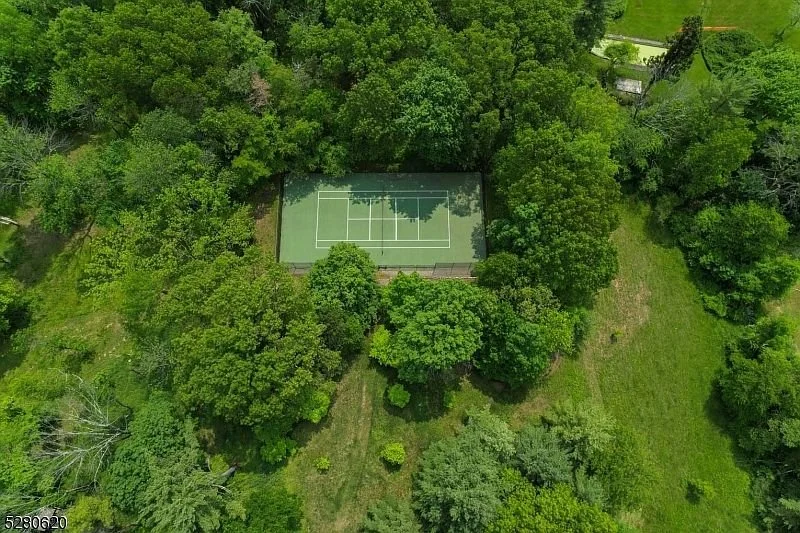
a pond, tennis court, and swimming pool
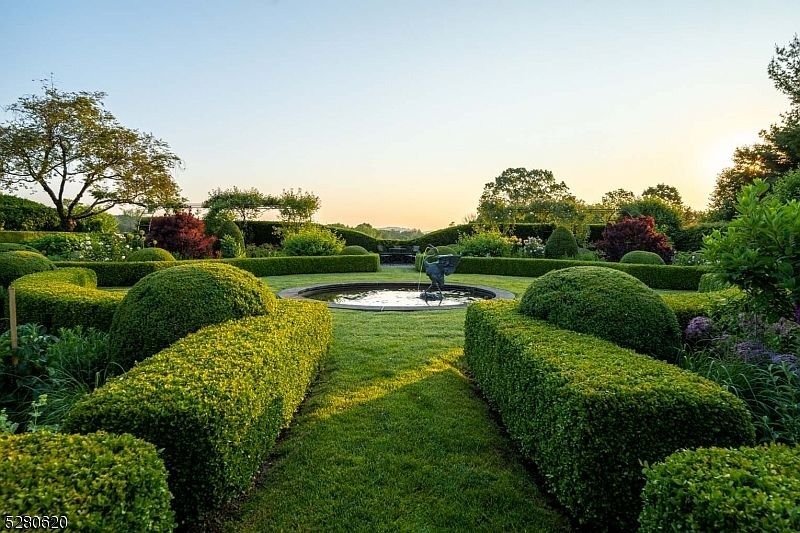
Early landscape work on the property is attributed to Shelby Mellick. Later garden interventions were undertaken by Penelope Hobhouse, introducing more formal garden rooms while retaining long pastoral views across the acreage. These layers reflect evolution rather than replacement, with the estate’s original land use patterns largely preserved.
Equestrian and regional context
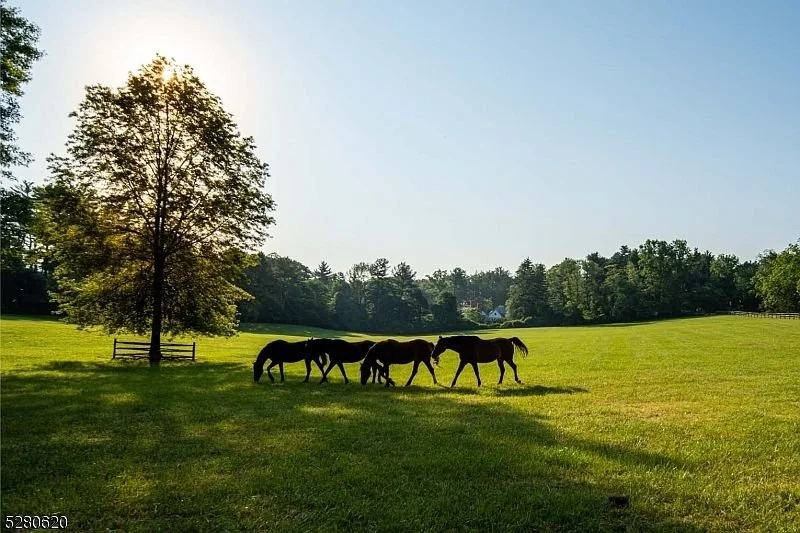
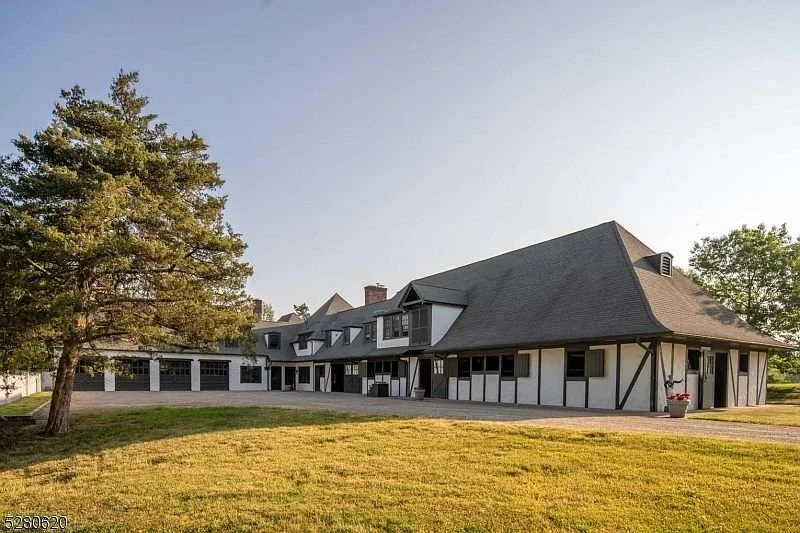
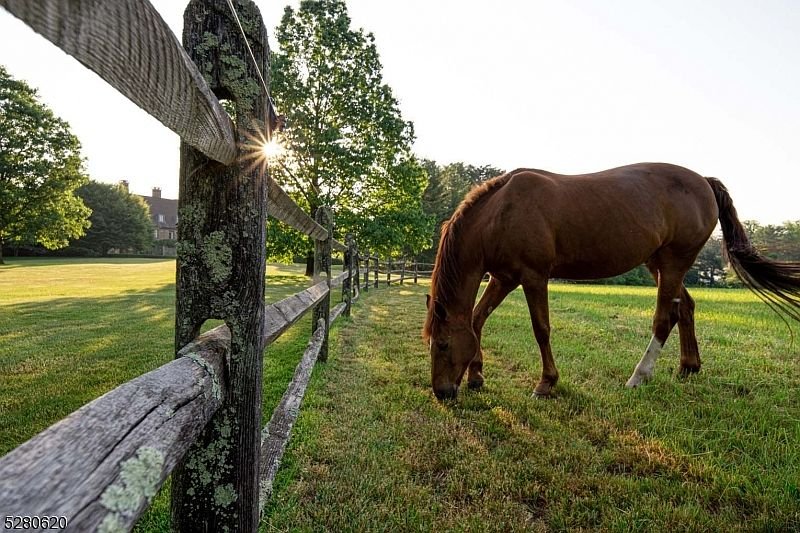
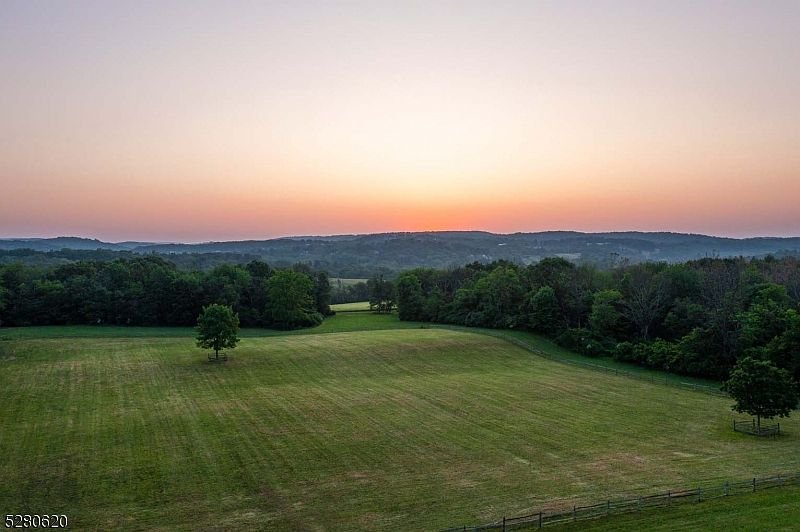
Ellistan occupies a long-established position within New Jersey’s equestrian culture. Since the early 1930s, the estate has served as the venue for the Essex Fox Hounds Thanksgiving Day Meet, an annual event that remains part of the region’s hunt calendar.
Peapack-Gladstone and the surrounding Somerset Hills developed in the late 19th and early 20th centuries as a centre for fox hunting, horse breeding, and country living. Large estates in nearby Far Hills and Bernardsville once formed a continuous landscape of hunt country; many have since been subdivided, making Ellistan’s survival at scale particularly notable.
Design stewardship and continuity
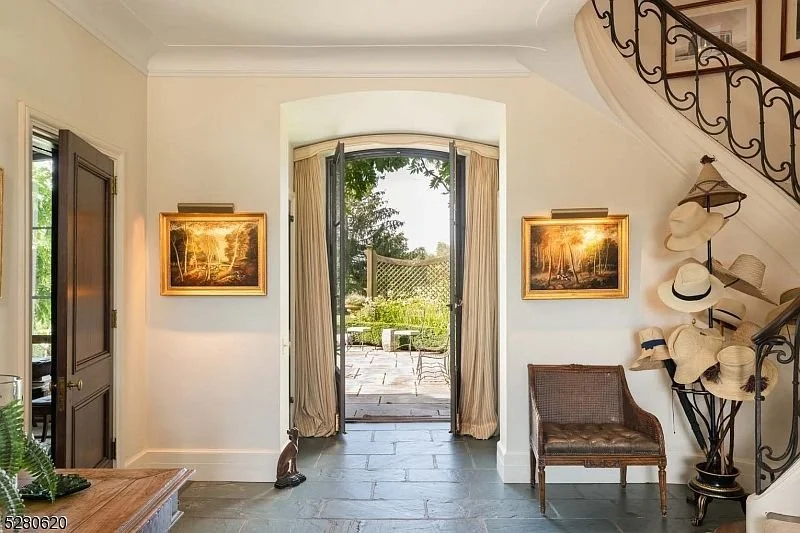
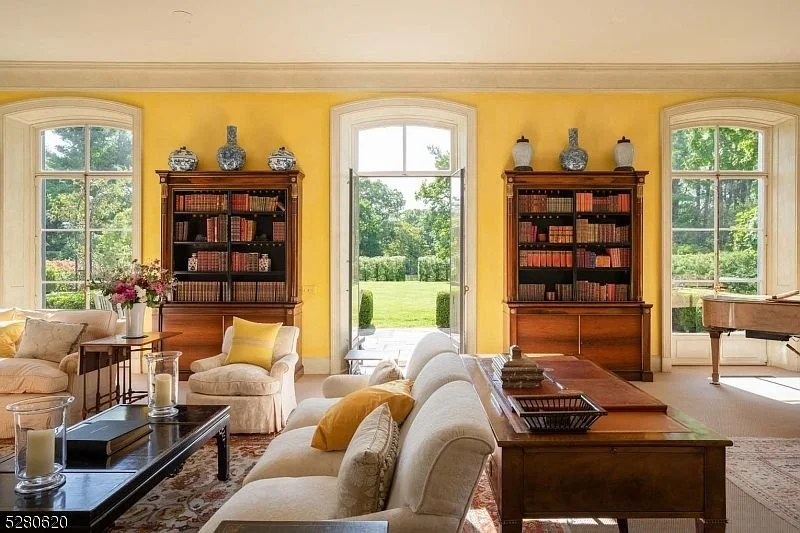
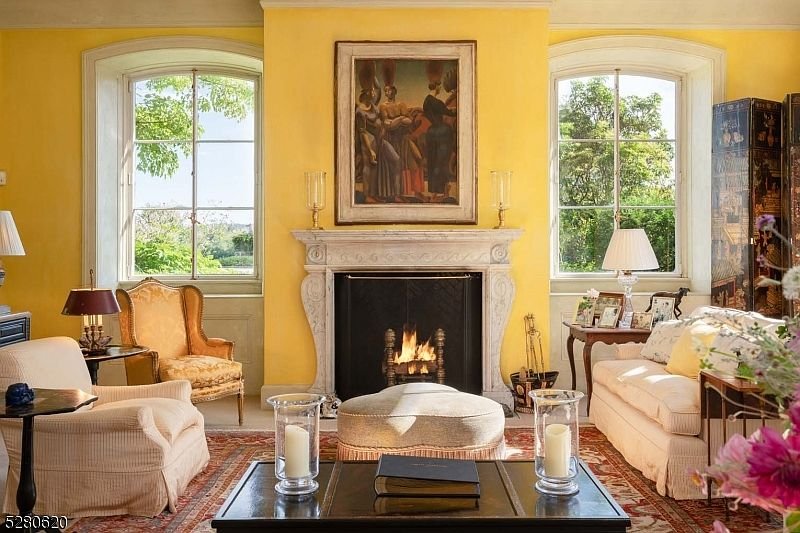
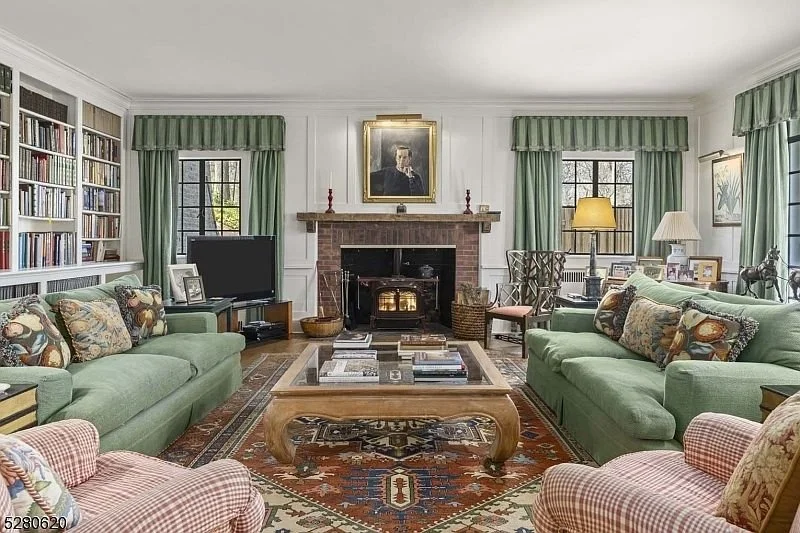
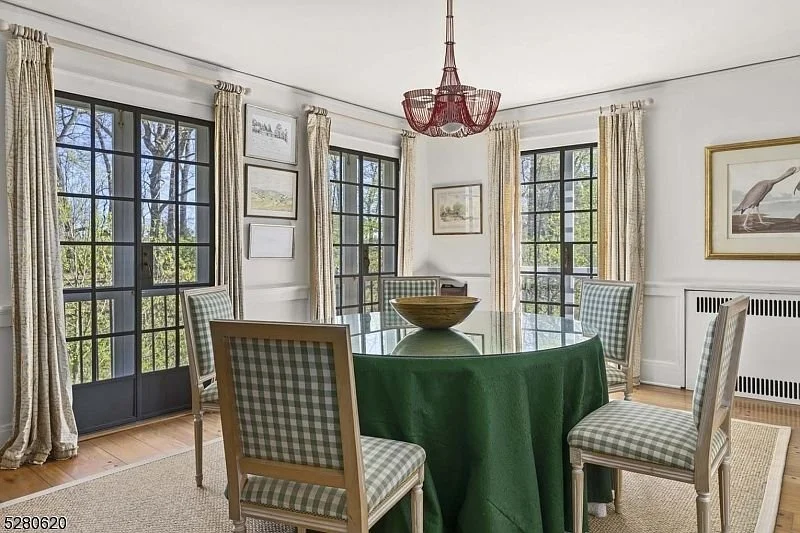
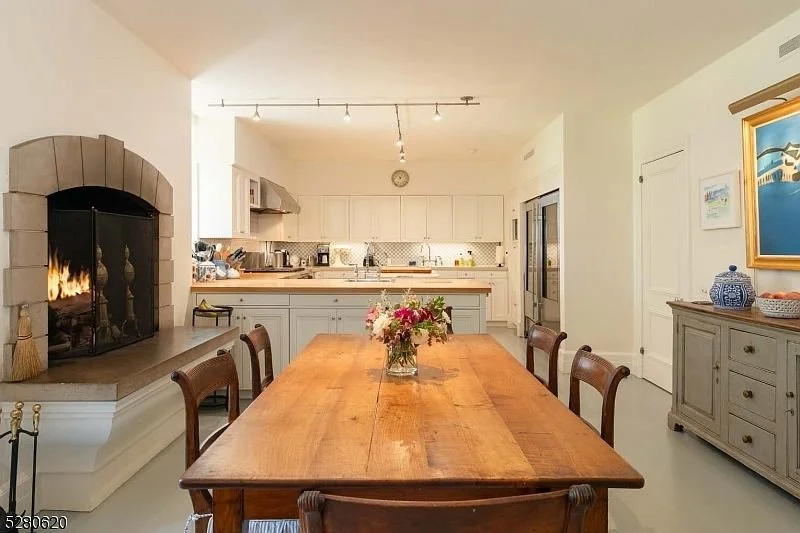
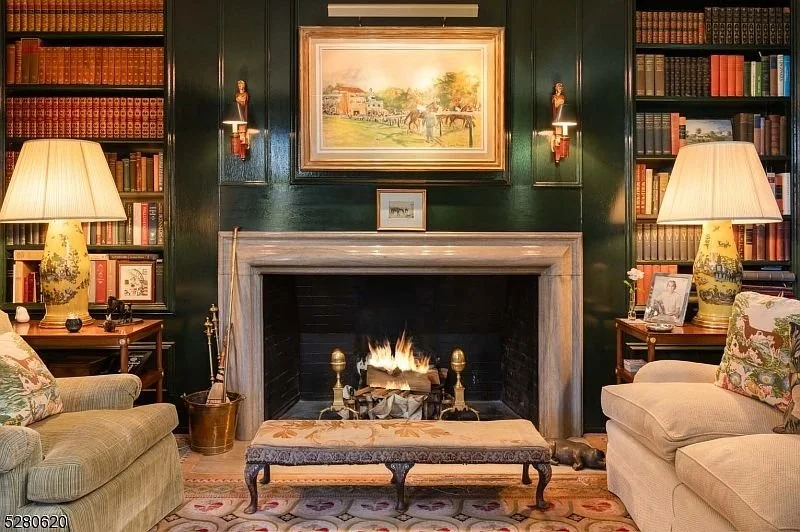
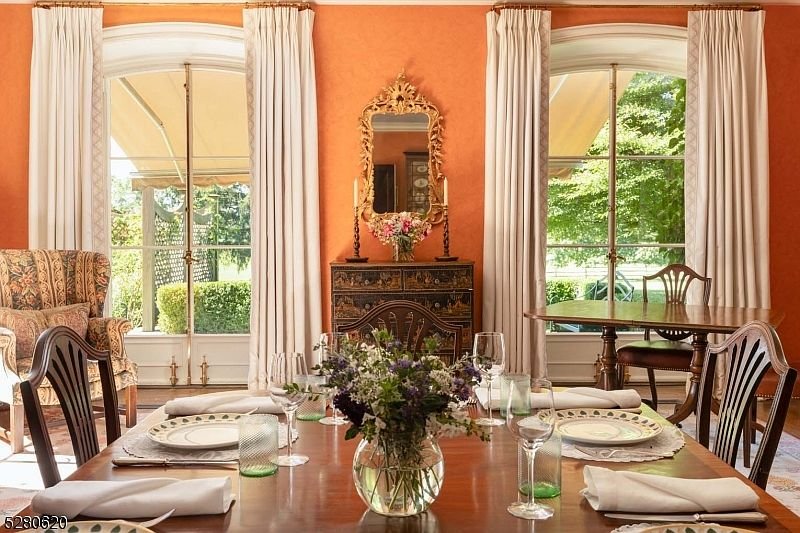
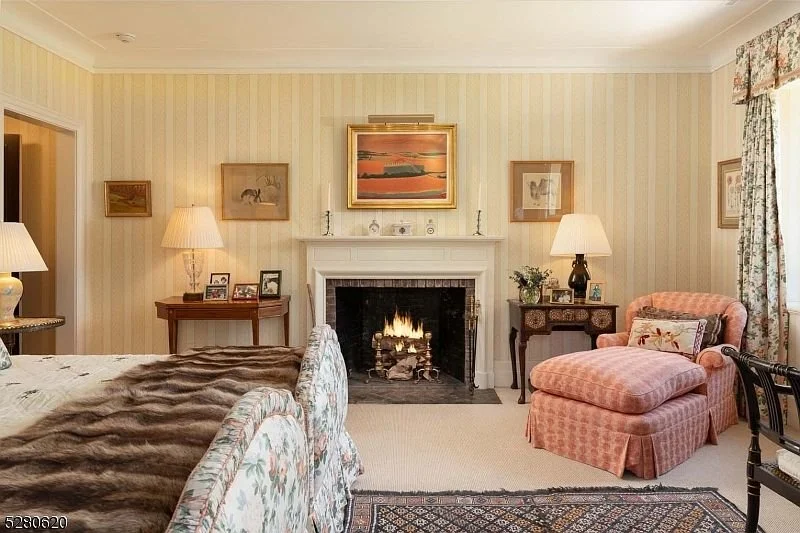
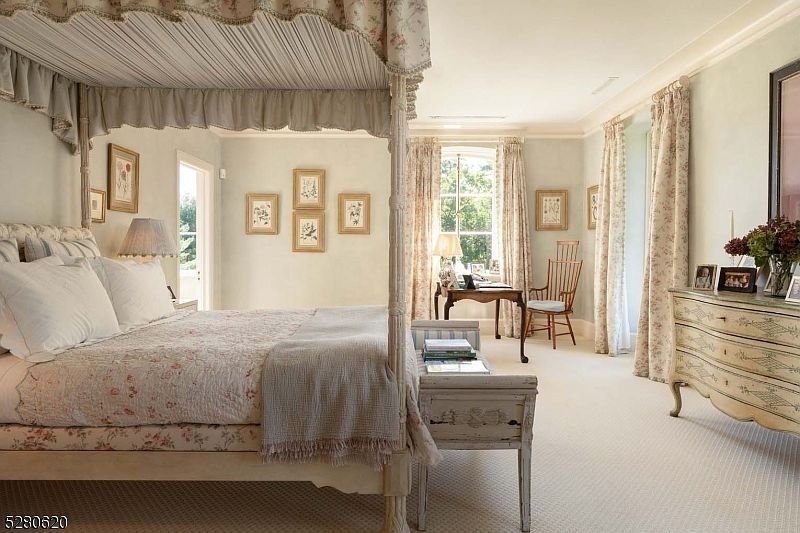
Over the decades, the interiors have been shaped by several prominent decorators, including Sister Parish, Albert Hadley, and Mica Ertegun. Rather than a single period restoration, the house reflects layered 20th-century design stewardship.
The estate has had very few owners across nearly a century, with long periods of continuous ownership. This stability has helped preserve not only the architecture but also the broader estate structure, including land use, equestrian facilities, and gardens.
A rare survivor
Today, Ellistan stands as a largely intact example of an American hunt estate, combining approximately 1,670 square metres of residential architecture with more than 31 hectares of land. Its significance lies less in association with industrial dynasties or celebrity owners than in its completeness and continuity.
In a region where comparable properties have often been fragmented or lost, Ellistan remains a clear artifact of the Somerset Hills’ architectural, social, and equestrian history.
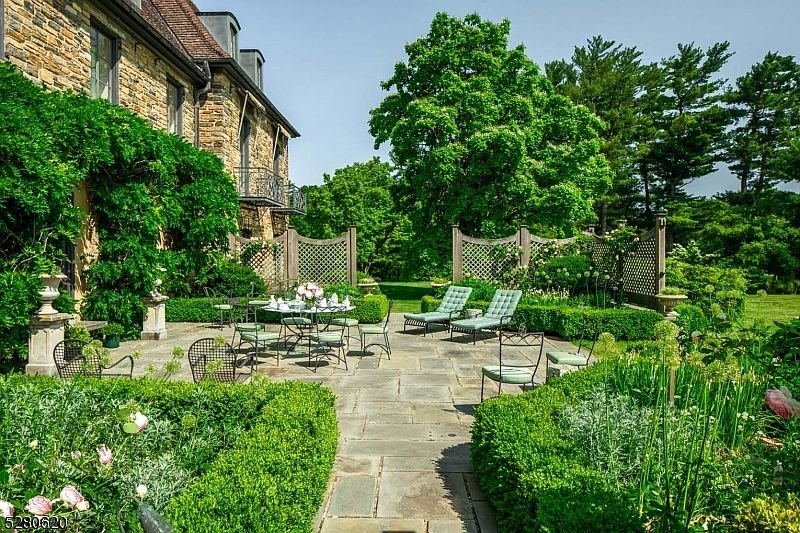
All photos belong to the listing agency.