Interior: 836 m² / 9,000 ft²
Lot: 186 m² / 2,000 ft²
Amenities: Elevator, four-story Carrara marble staircase, oeil-de-boeuf skylight, Samuel Yellin wrought-iron gates and balconies, Louis XV-style salon rooms, Louis XVI-style upper floors, French doors, marble fireplaces, greenhouse, 1,300 ft² / 121 m² basement, CMX-3 mixed-use zoning, one block from Rittenhouse Square.
UPDATE, SEPTEMBER 2026: The Edward C. Knight Mansion has sold for $1.565 million following its June auction with Concierge Auctions, roughly 47% below its previous $2.95 million asking price.
Originally published June 6, 2026
A five-story mansion from Philadelphia’s Gilded Age, built in 1902 for Edward C. Knight Jr., heir to one of the city’s railroad and sugar fortunes, is heading to auction for the first time in a generation with Concierge Auctions.
The Edward C. Knight Mansion at 1629 Locust Street is listed for $2.95 million, with starting bids expected between $1 million and $1.75 million. Bidding is scheduled to open on June 17 and close on June 30. The property is listed by Melanie Stecura and Linda Knox of Kurfiss Sotheby’s International Realty.

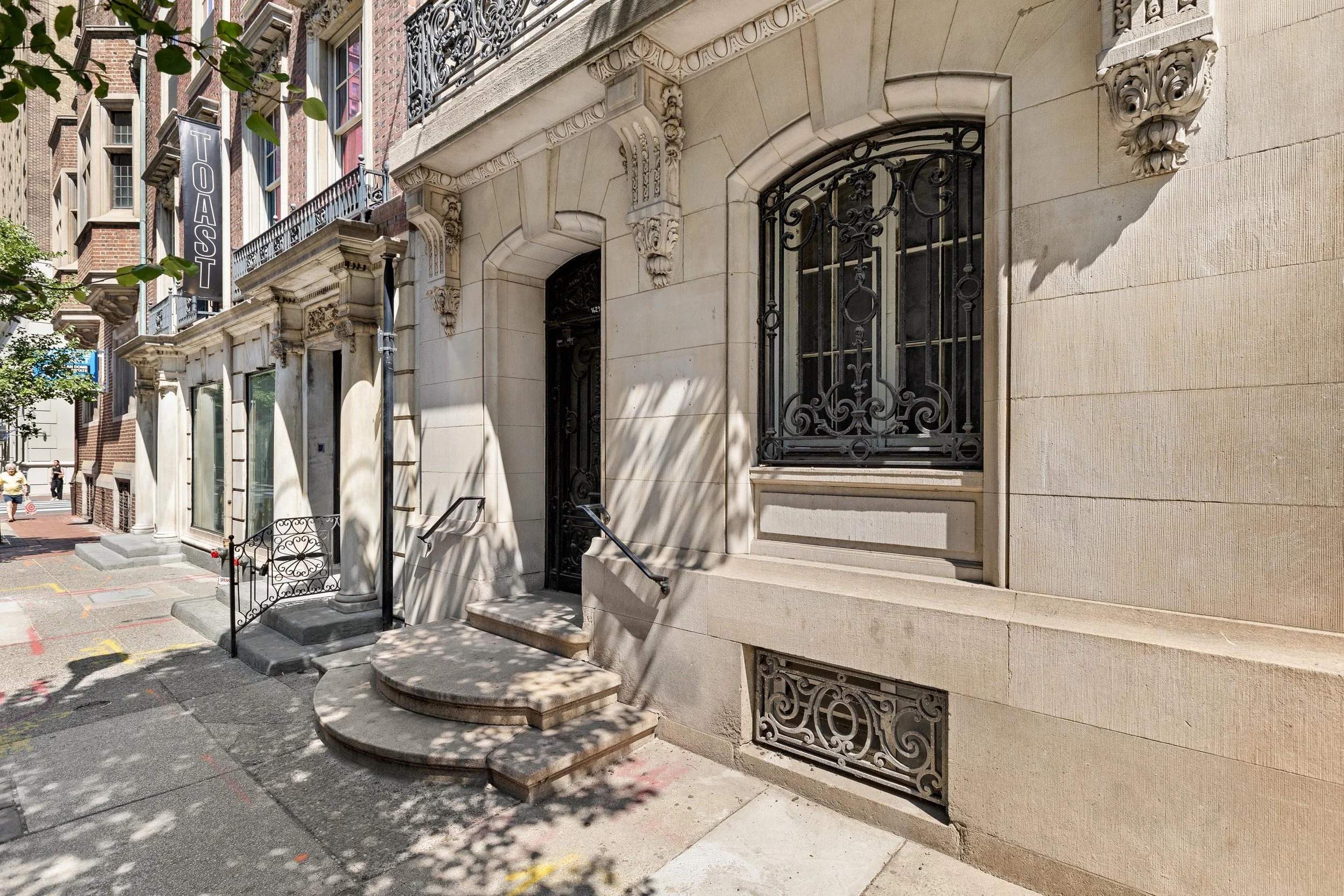
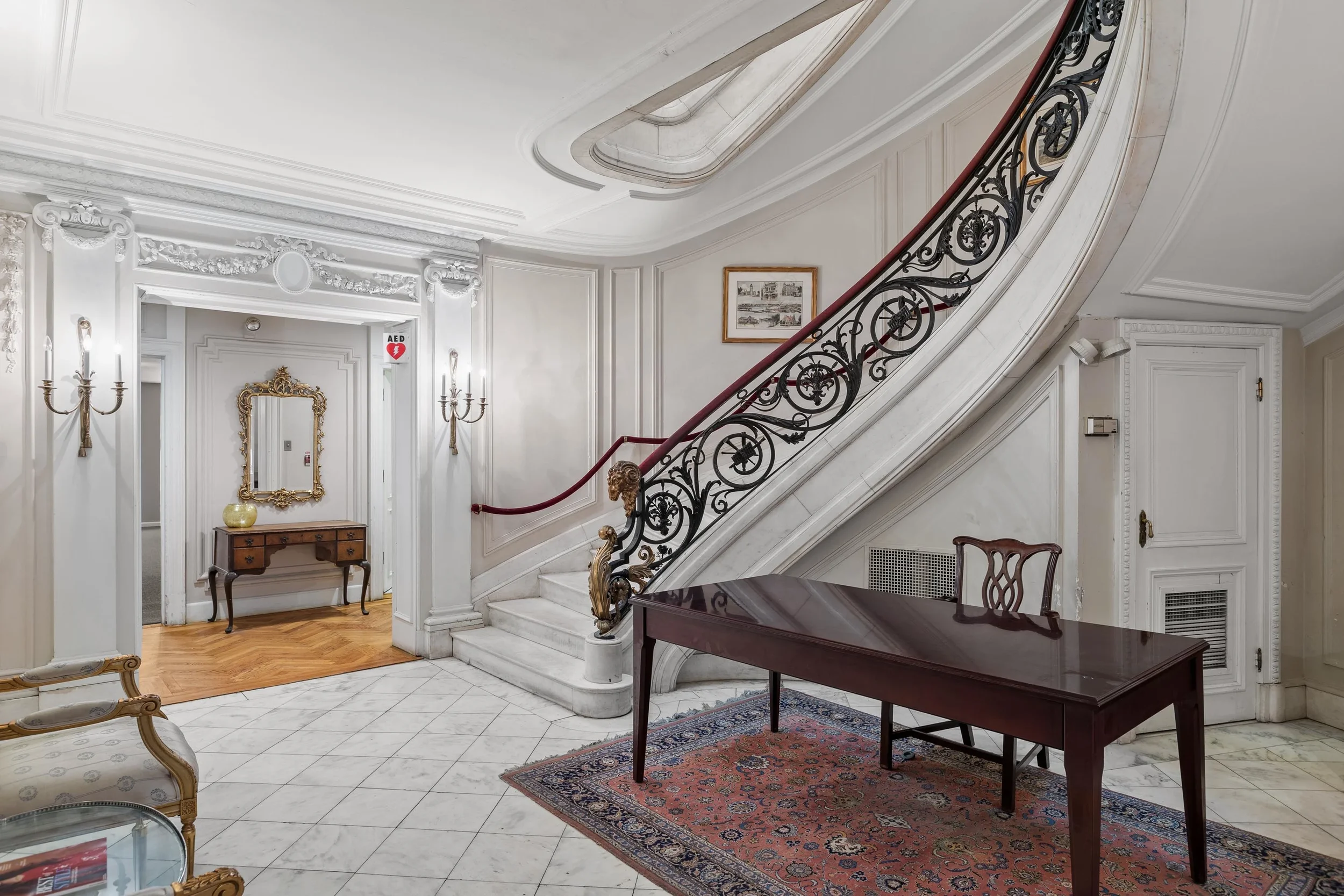
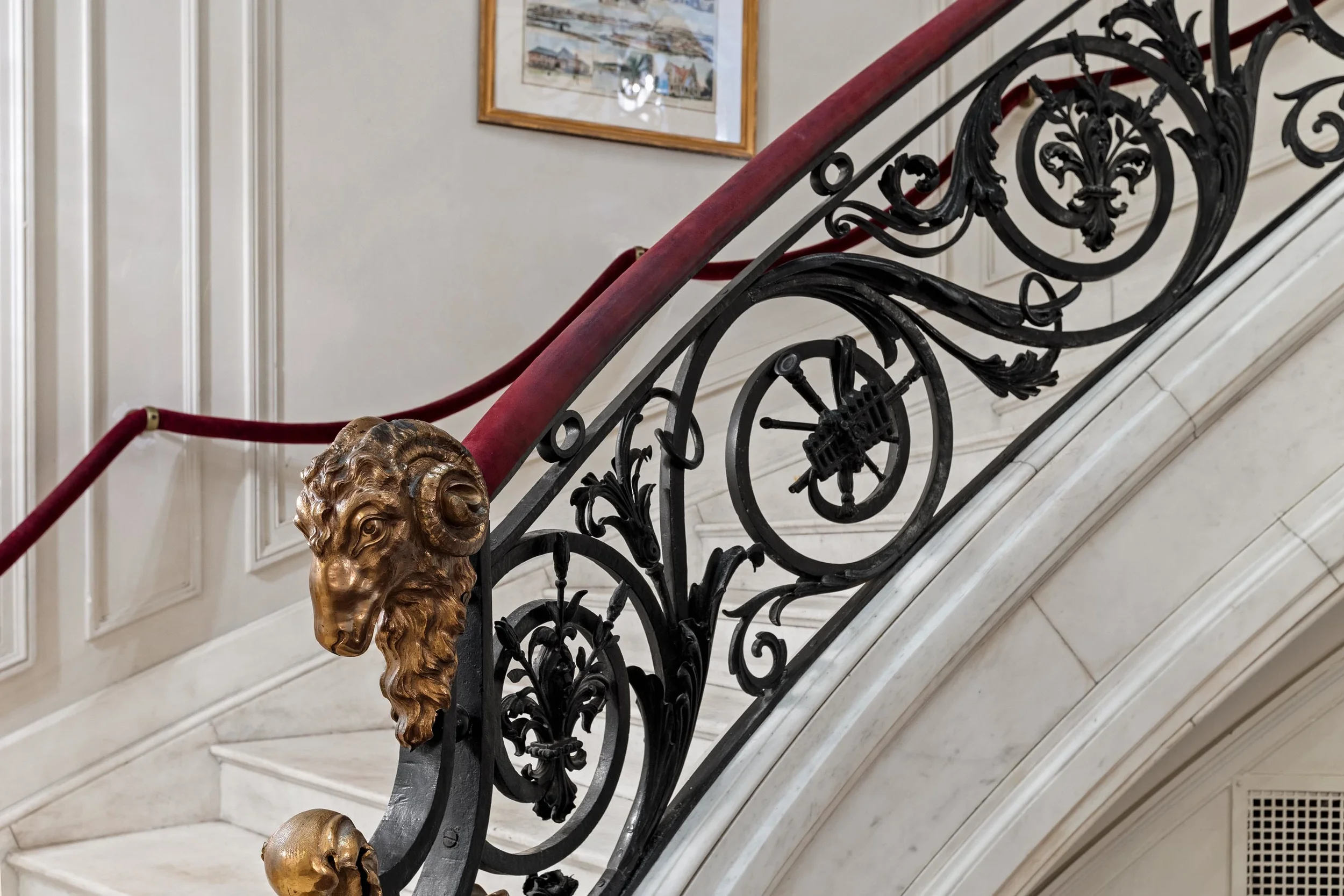
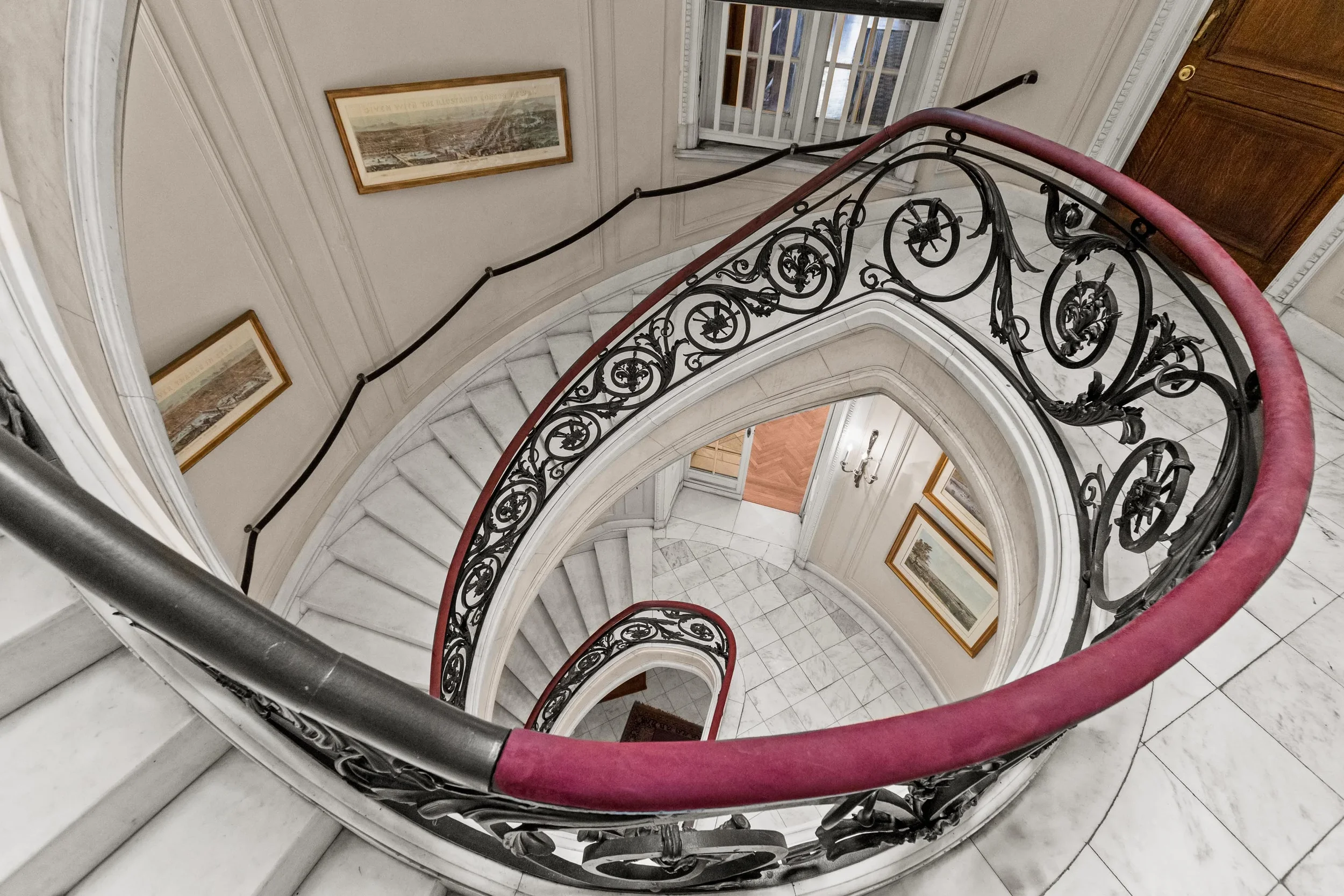
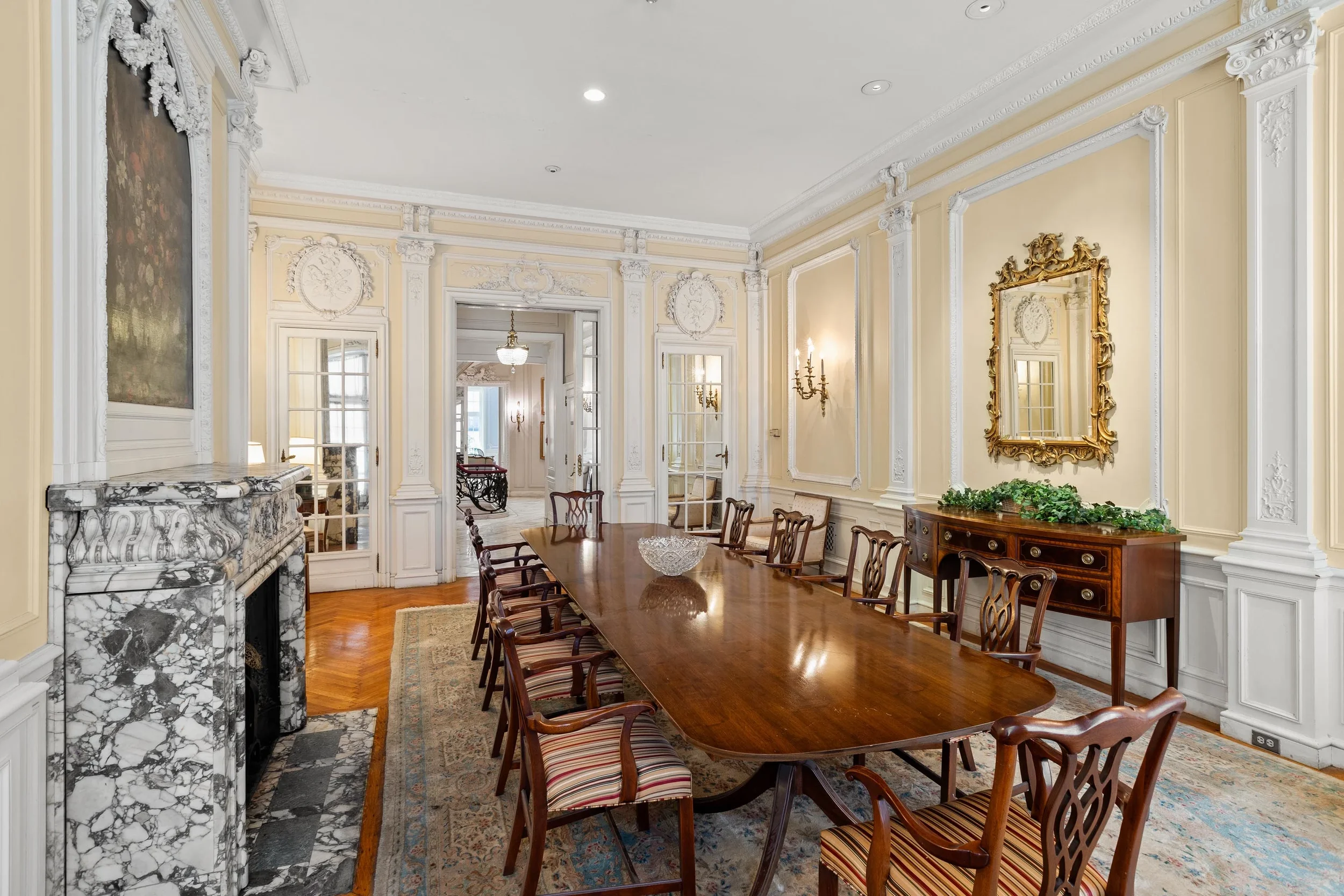
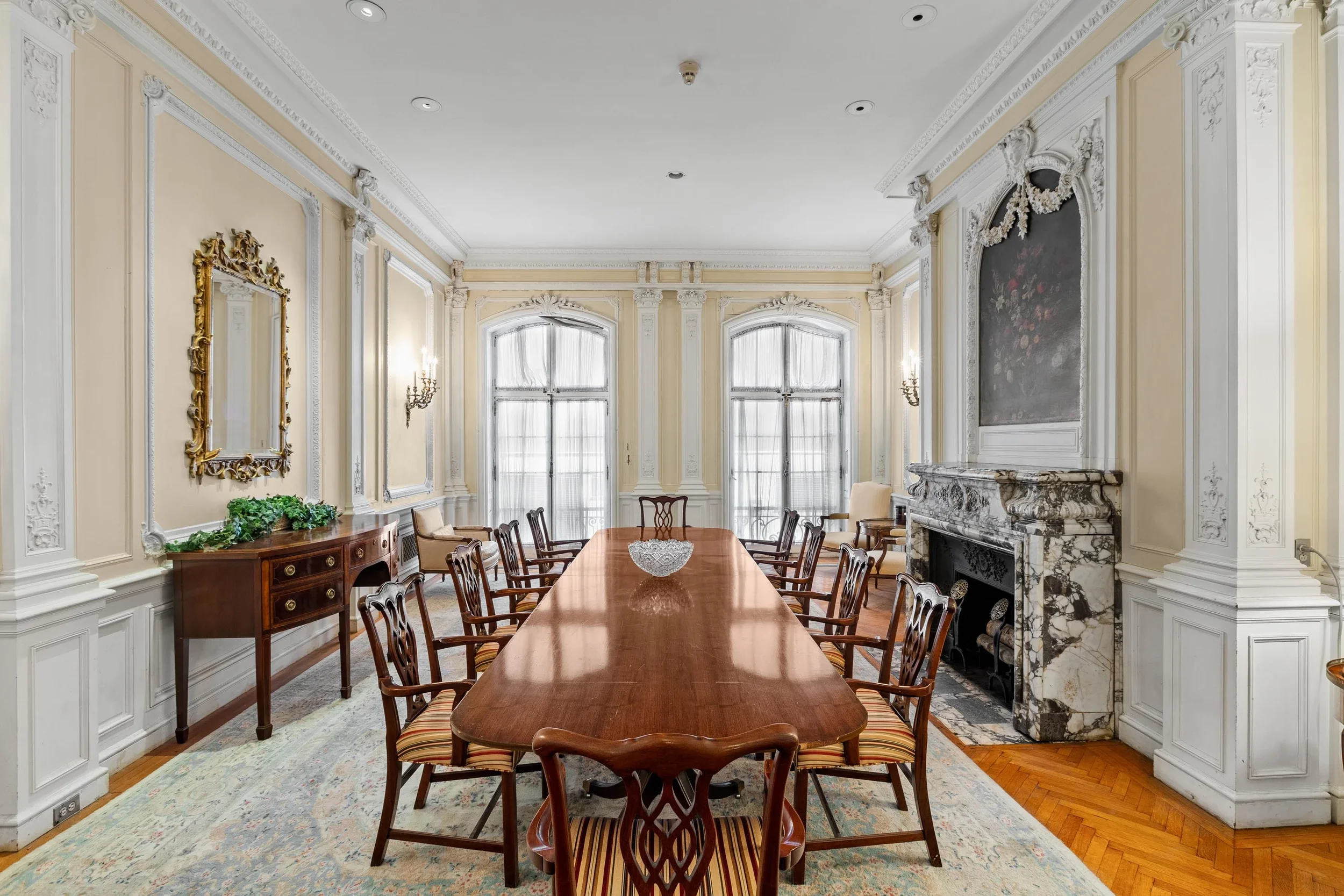
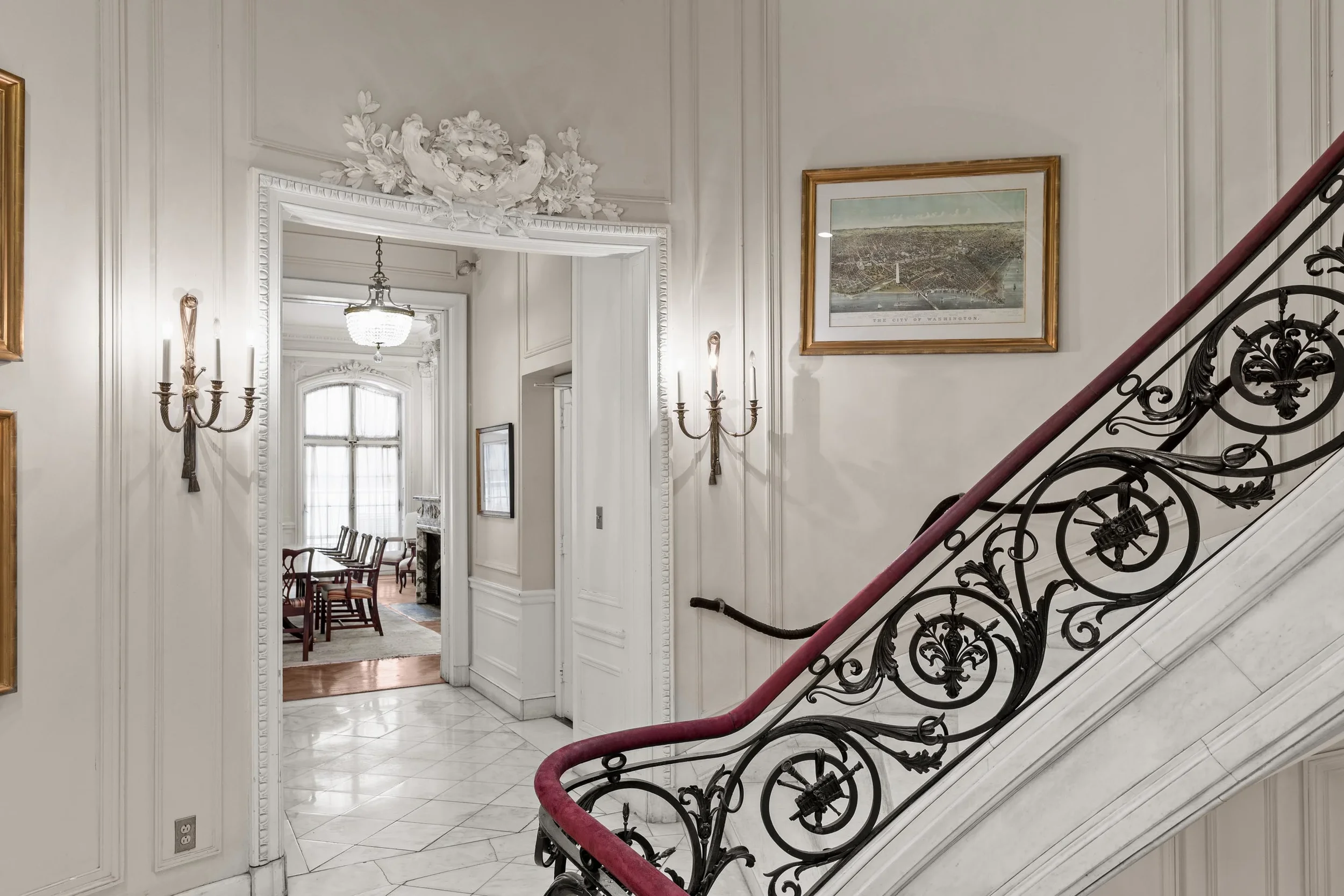
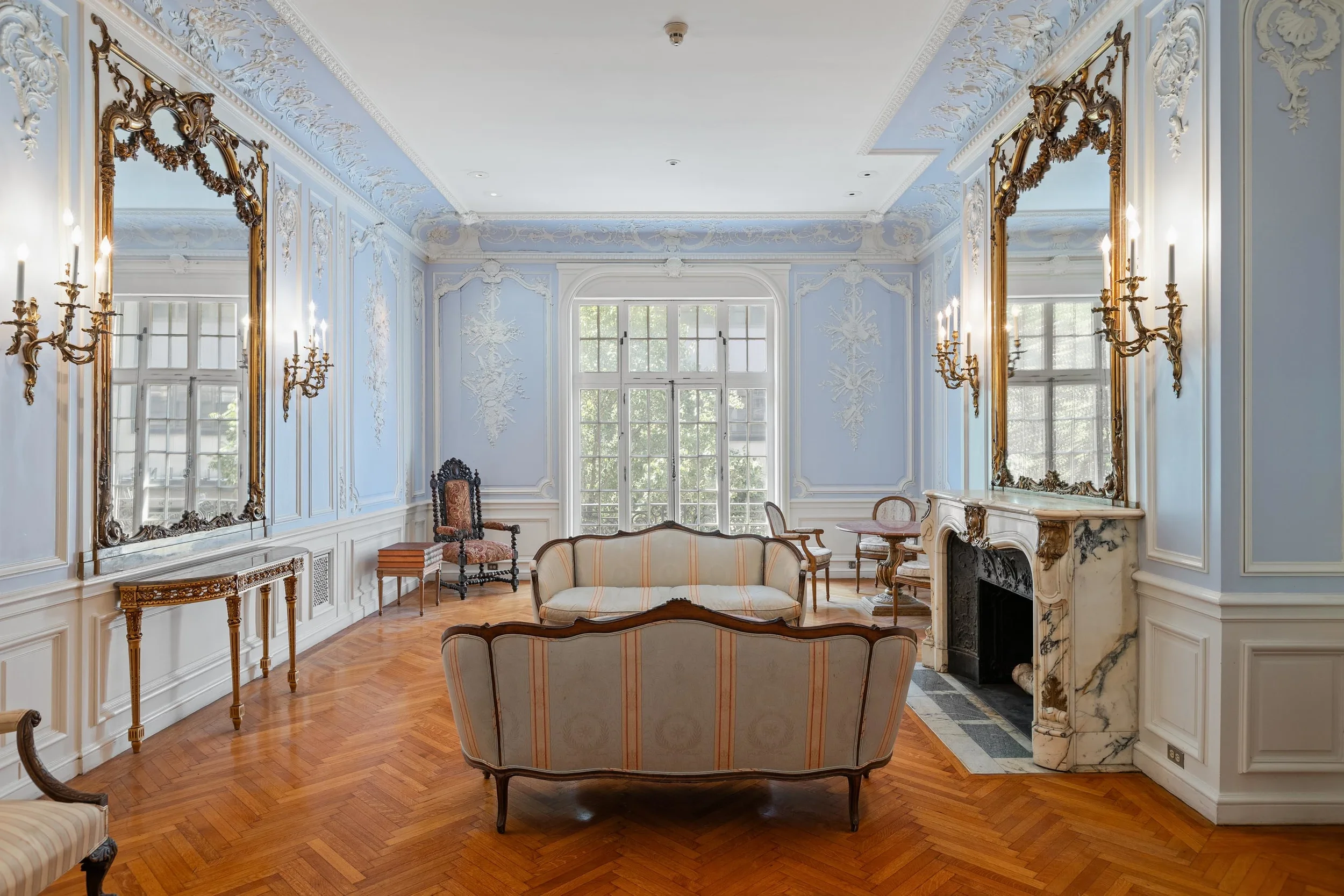
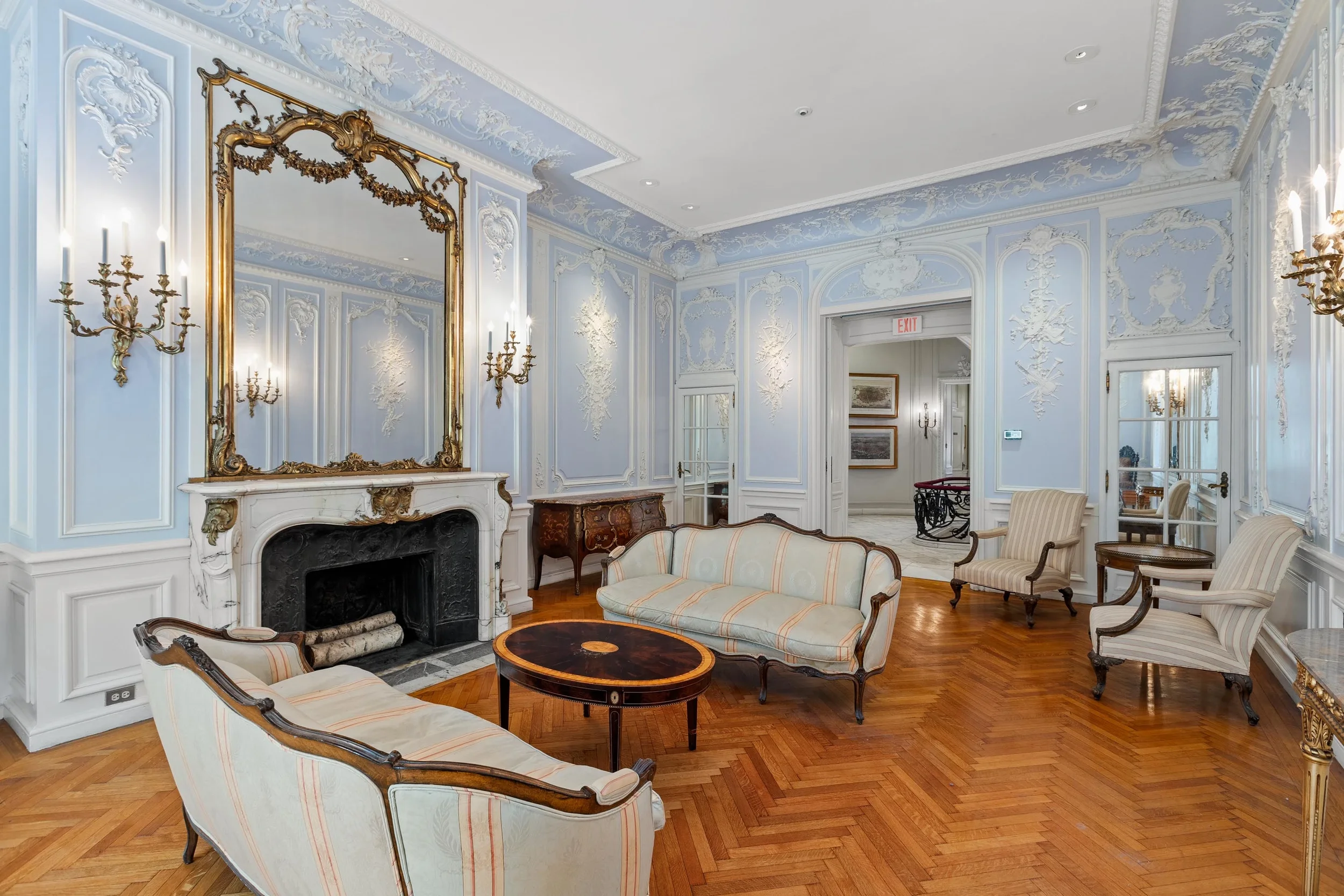
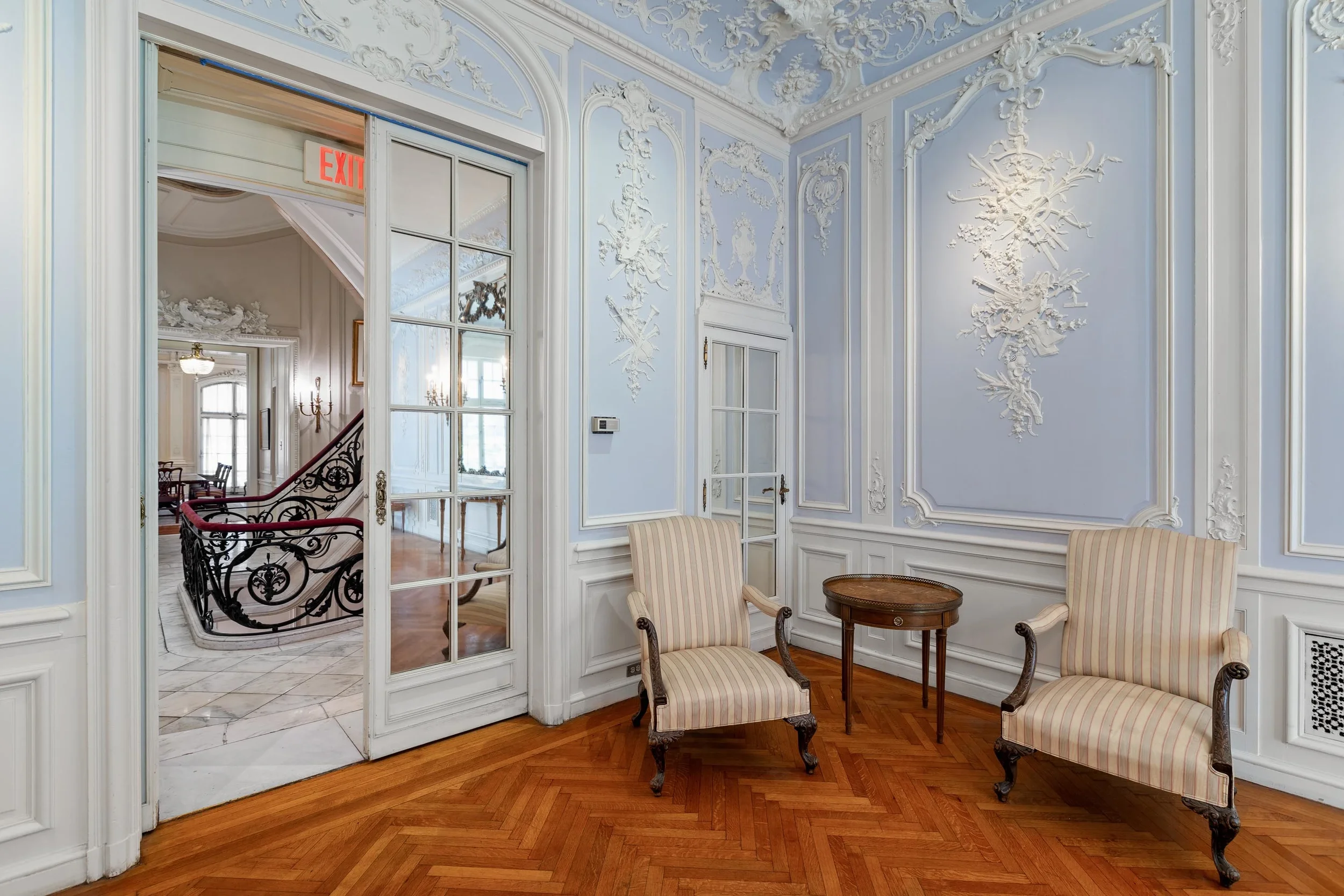
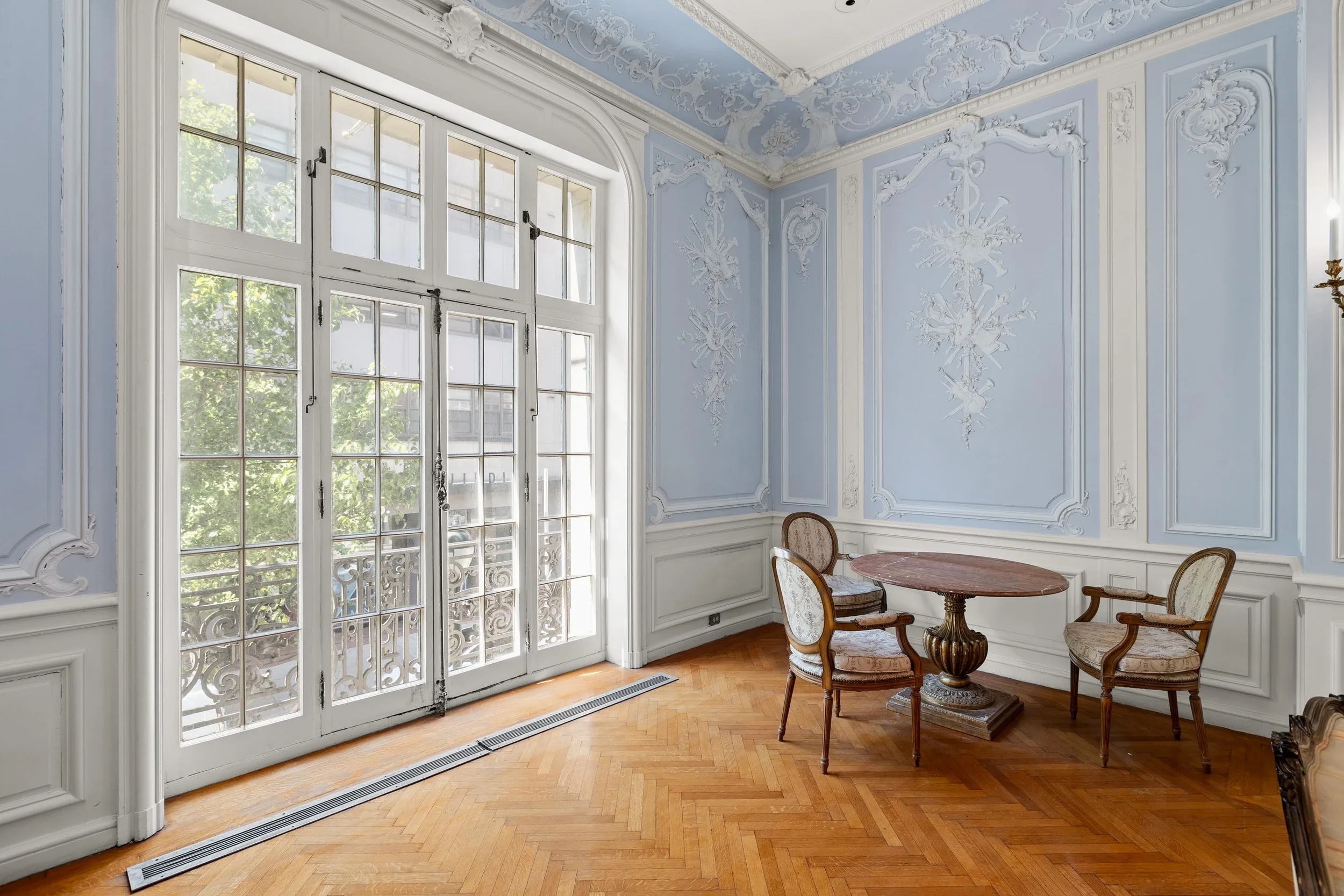
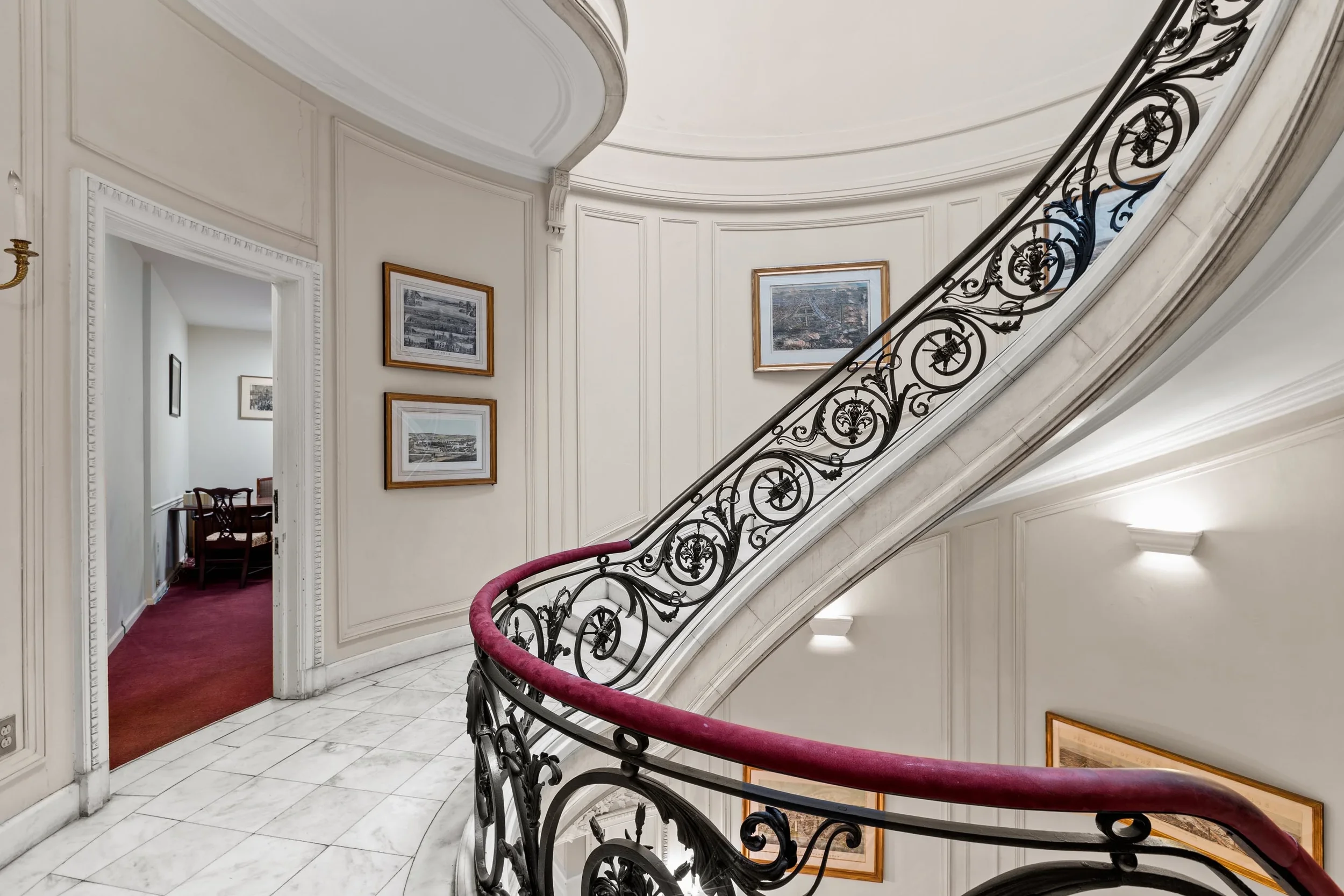
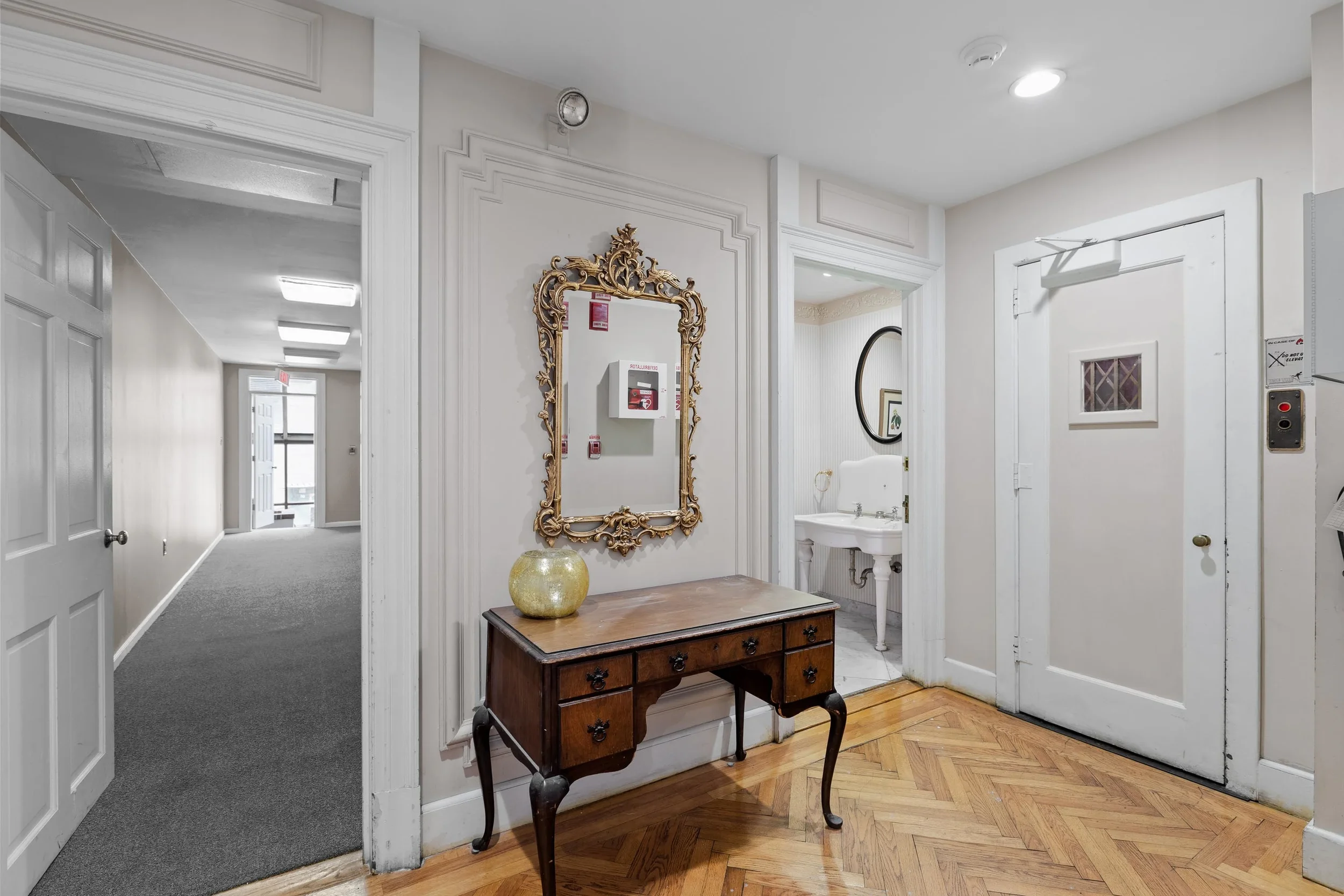
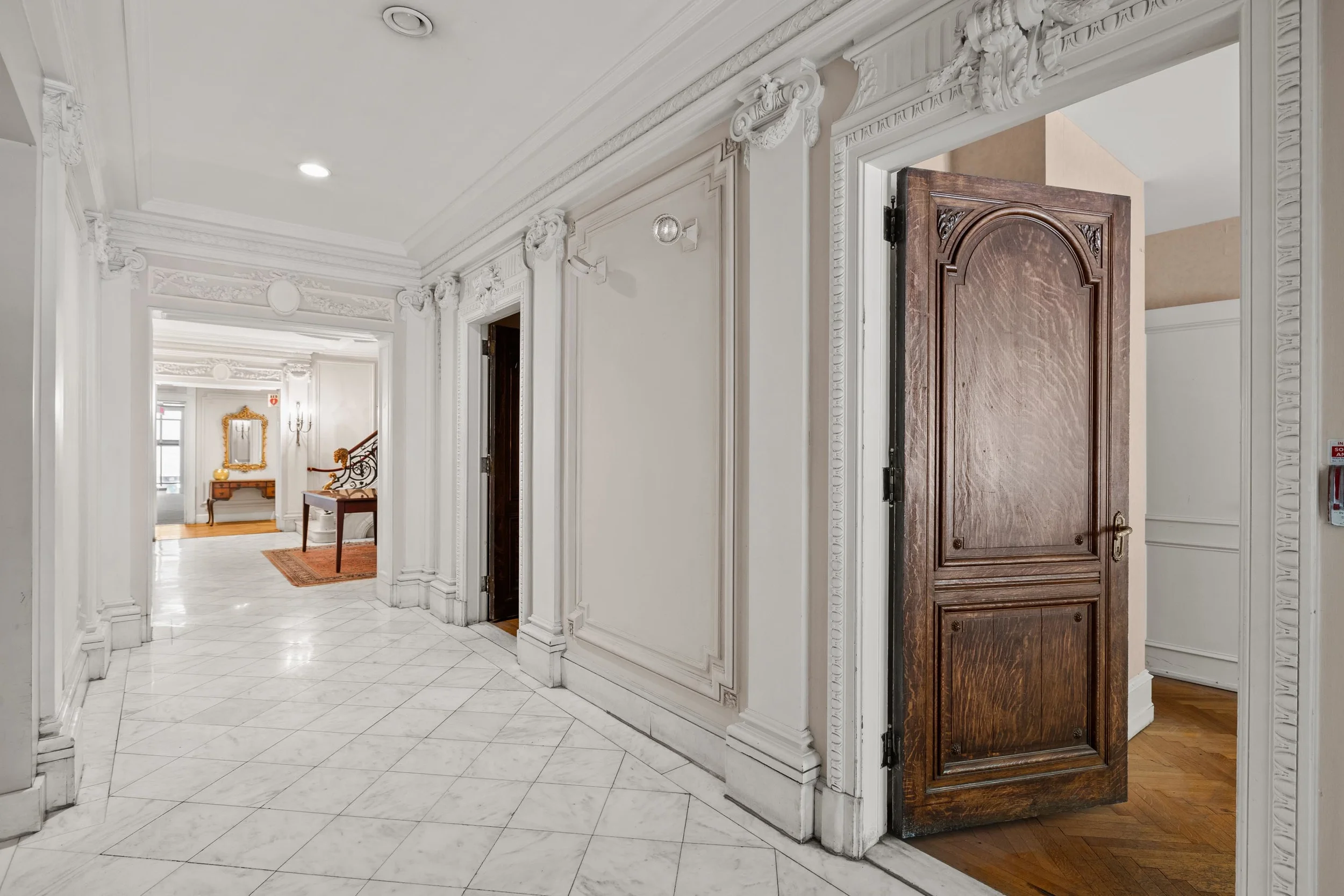
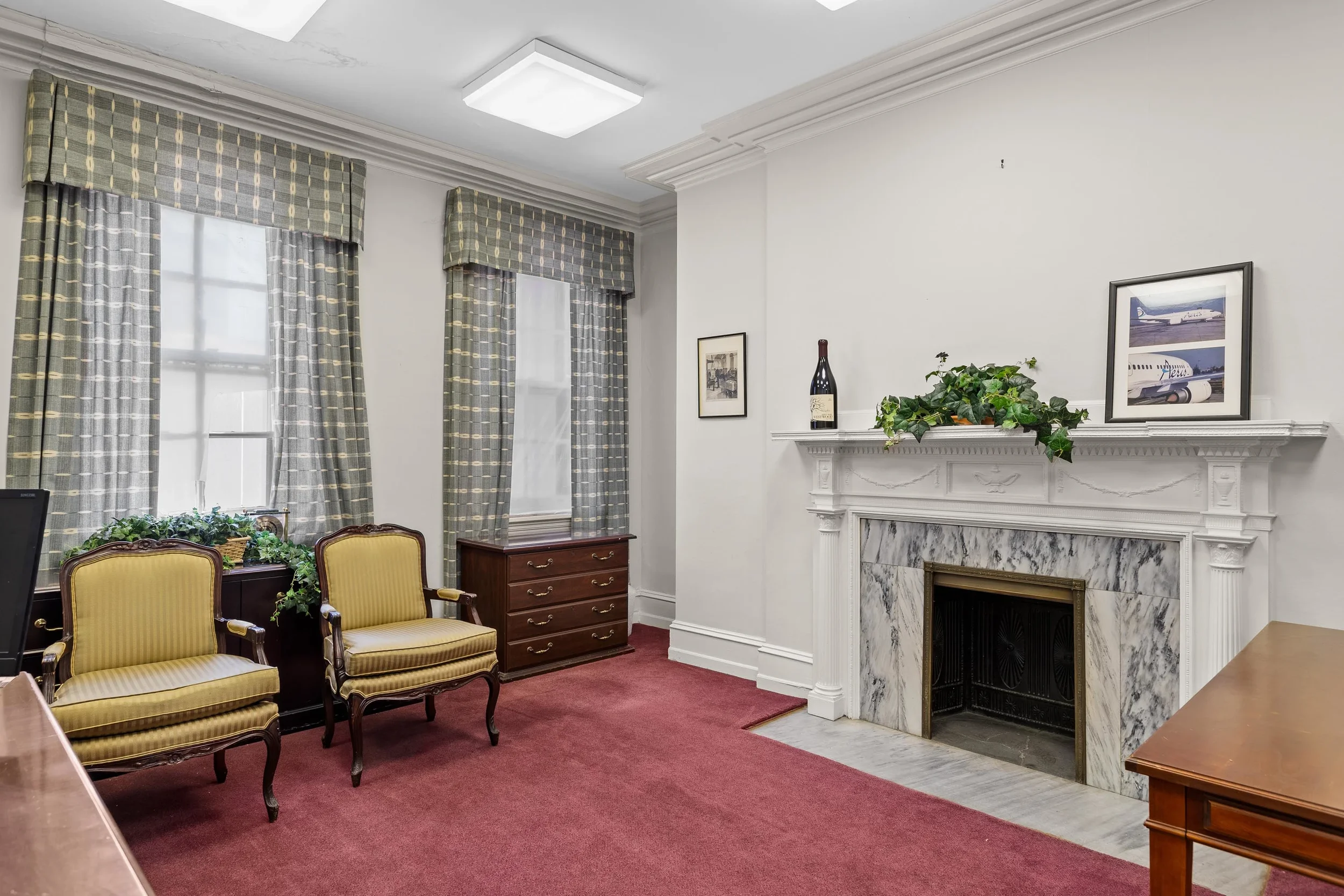
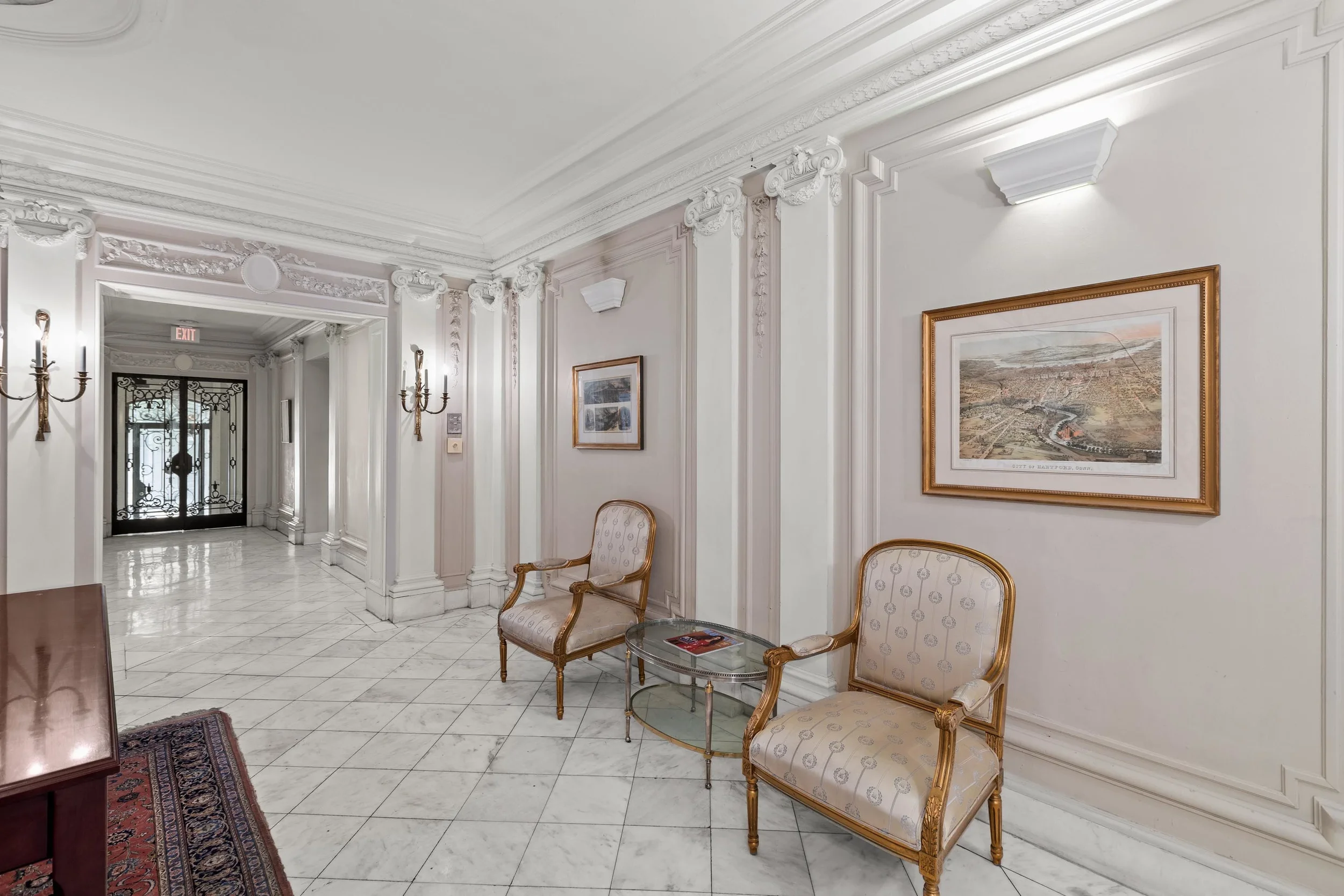
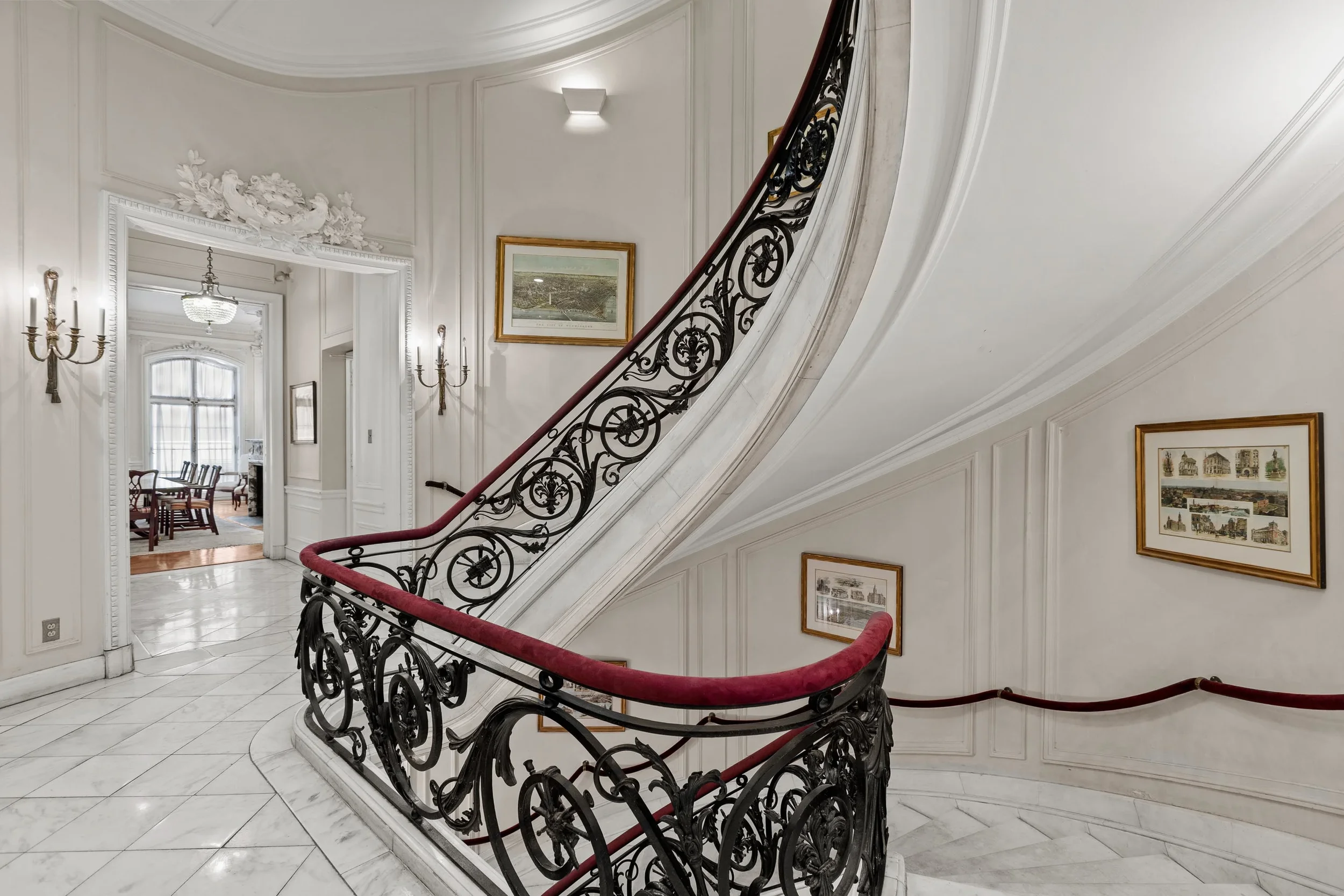
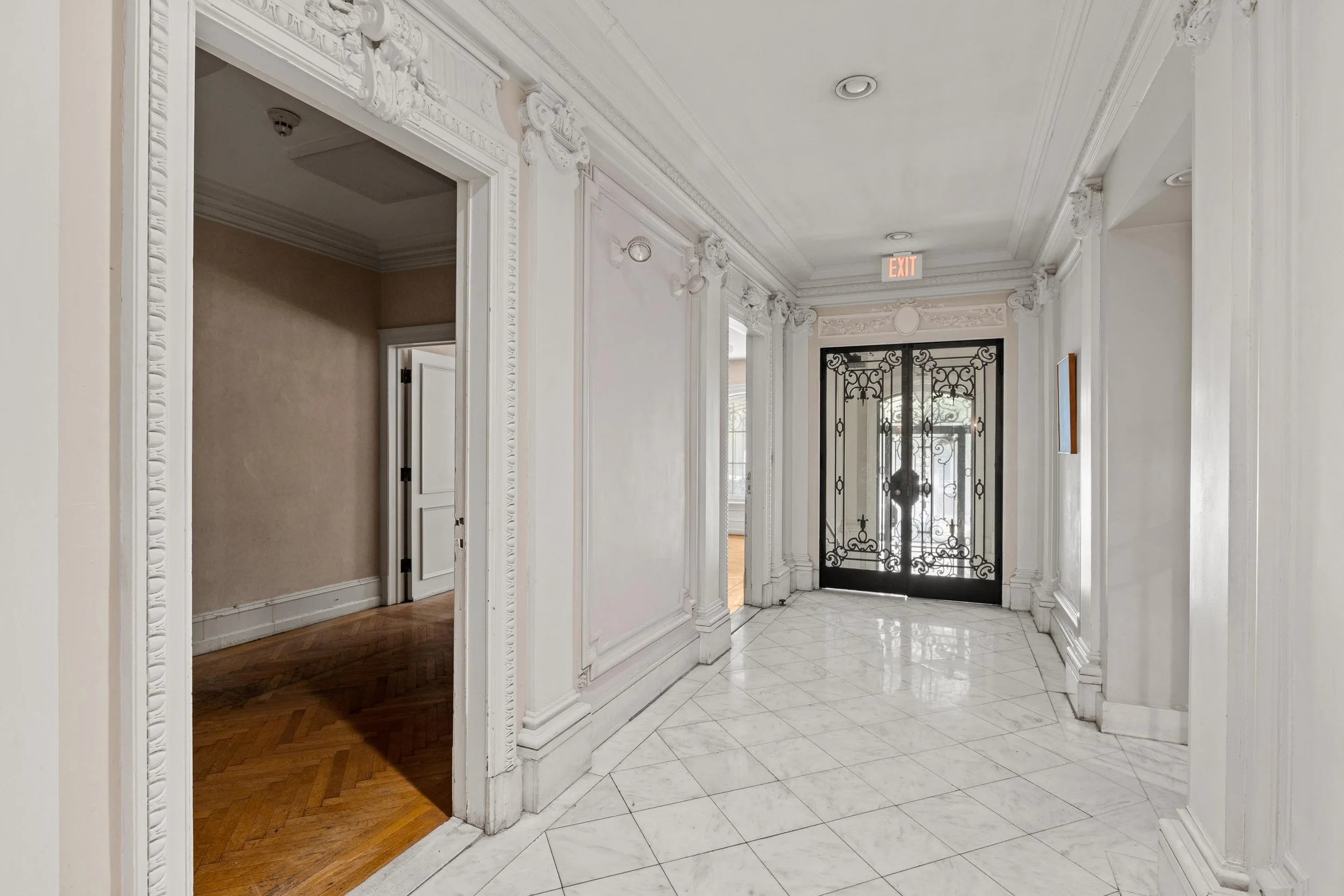
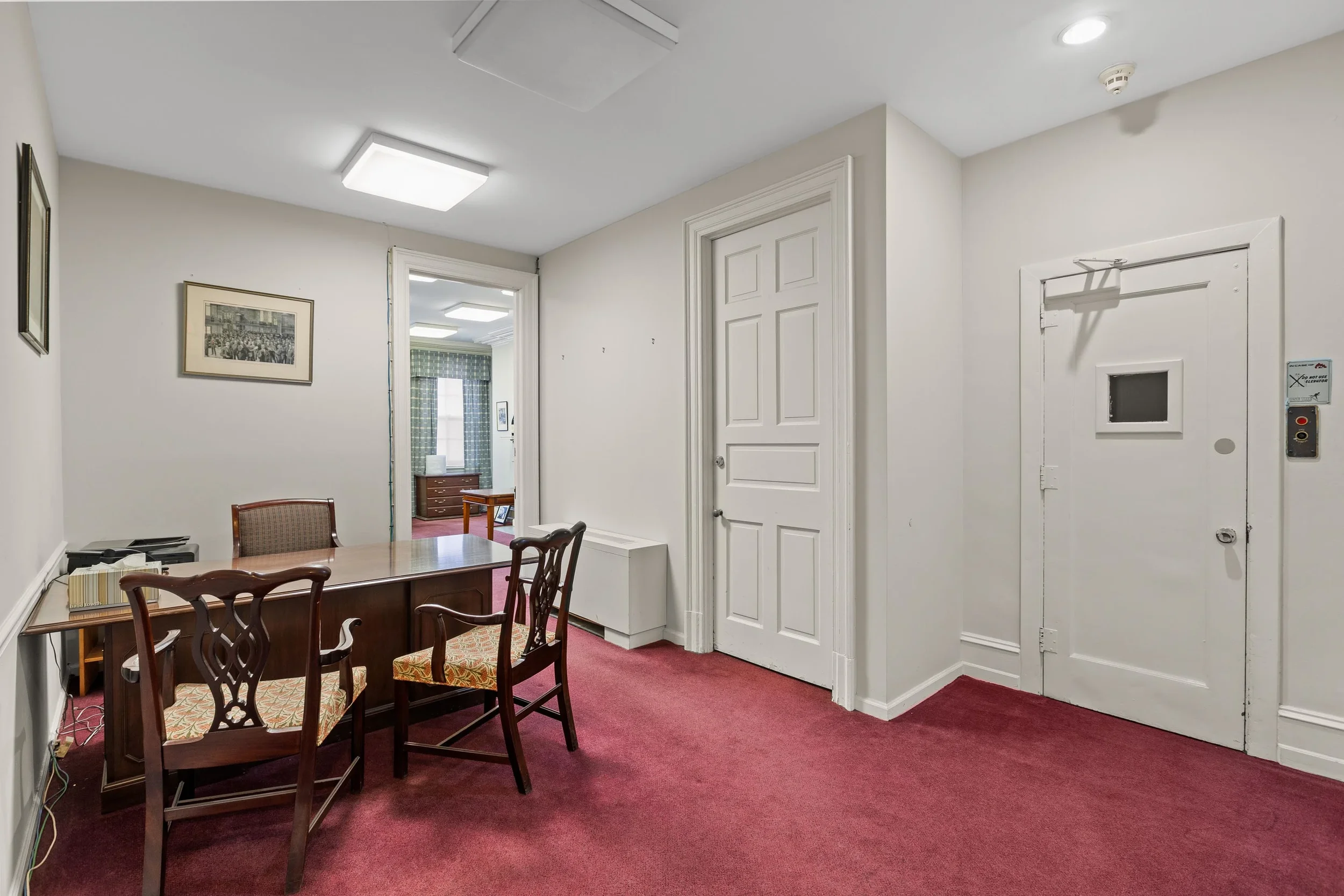
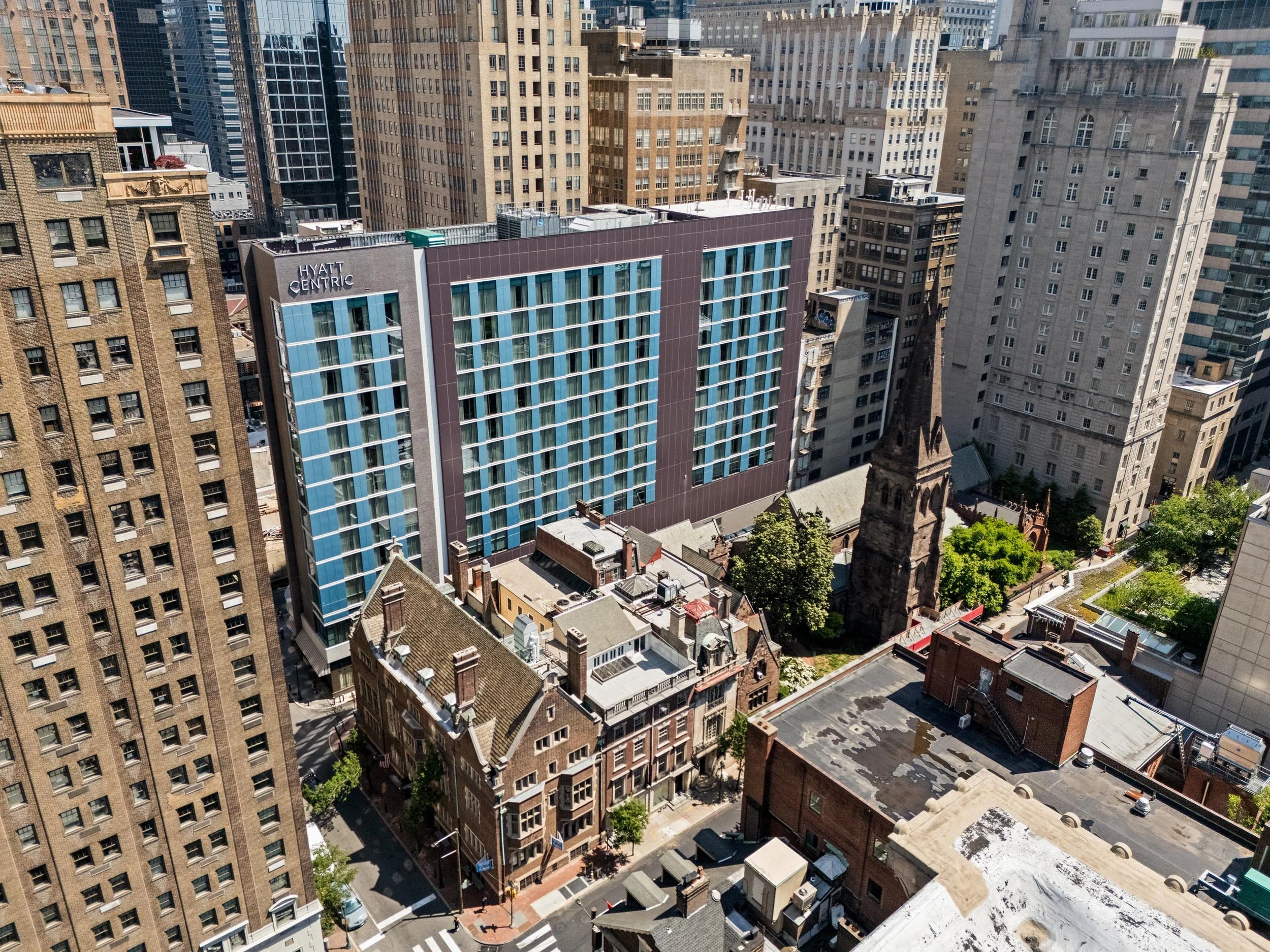
With commercial mixed-use zoning and more than 10,000 ft² / 929 m² of space including the basement, the building is being positioned for potential uses including boutique hospitality, residential conversion, creative office, or a flagship gallery concept.
Set one block from Rittenhouse Square, the house was designed by Horace Trumbauer, one of Philadelphia’s most prominent architects of the early 20th century. Trumbauer built his career designing residences, estates, and institutional buildings for the city’s industrial and financial elite, with commissions connected to the Philadelphia Museum of Art, the Free Library of Philadelphia, and a number of major private estates.
At 1629 Locust Street, he worked in the French Beaux-Arts tradition. The result is a Philadelphia city mansion with a distinctly French architectural vocabulary, from its limestone façade and wrought-iron balconies to its Louis XV-style salon rooms and Louis XVI-style upper floors.
The exterior retains its original wrought-iron gates, window grilles, and balcony railings by Samuel Yellin, the Philadelphia master ironsmith whose work appears across some of the city’s most significant early 20th-century buildings. Inside, the central feature is a four-story elliptical Carrara marble staircase, rising through the house beneath an oeil-de-boeuf skylight.
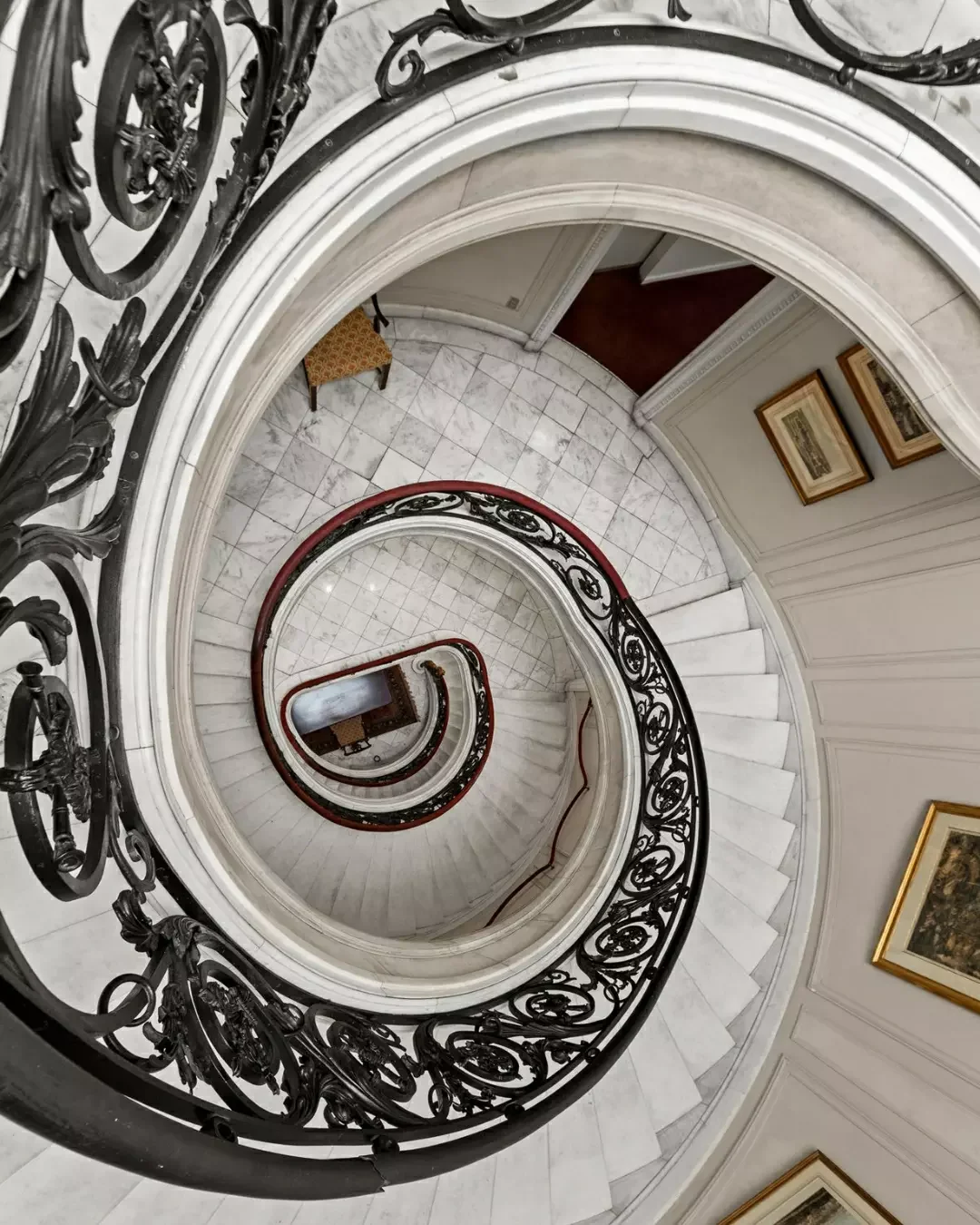
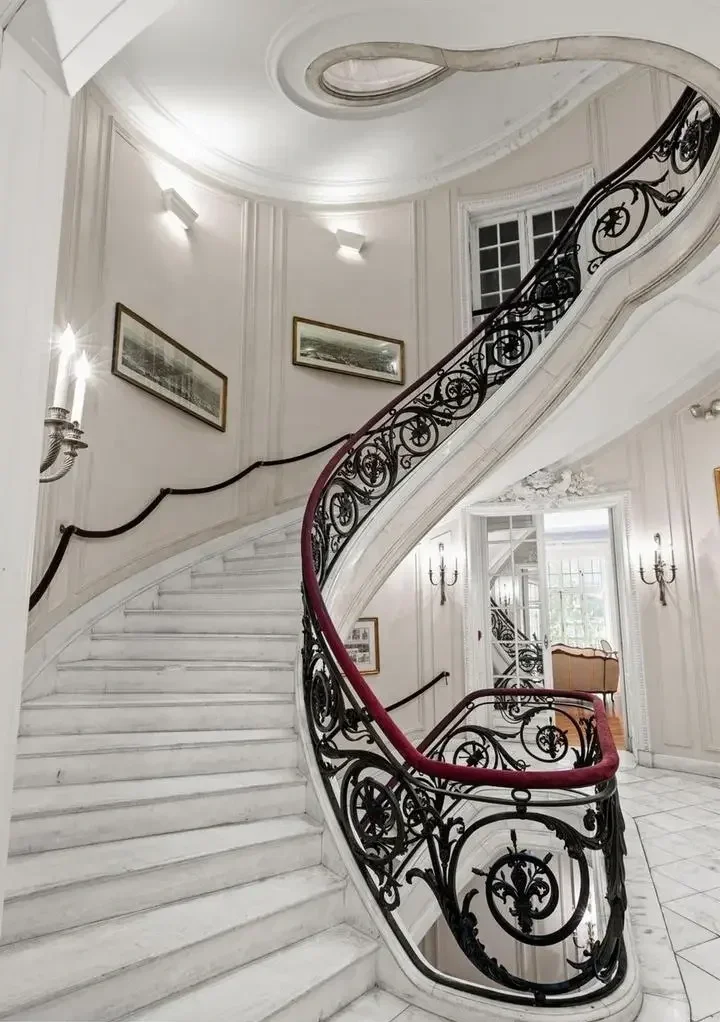
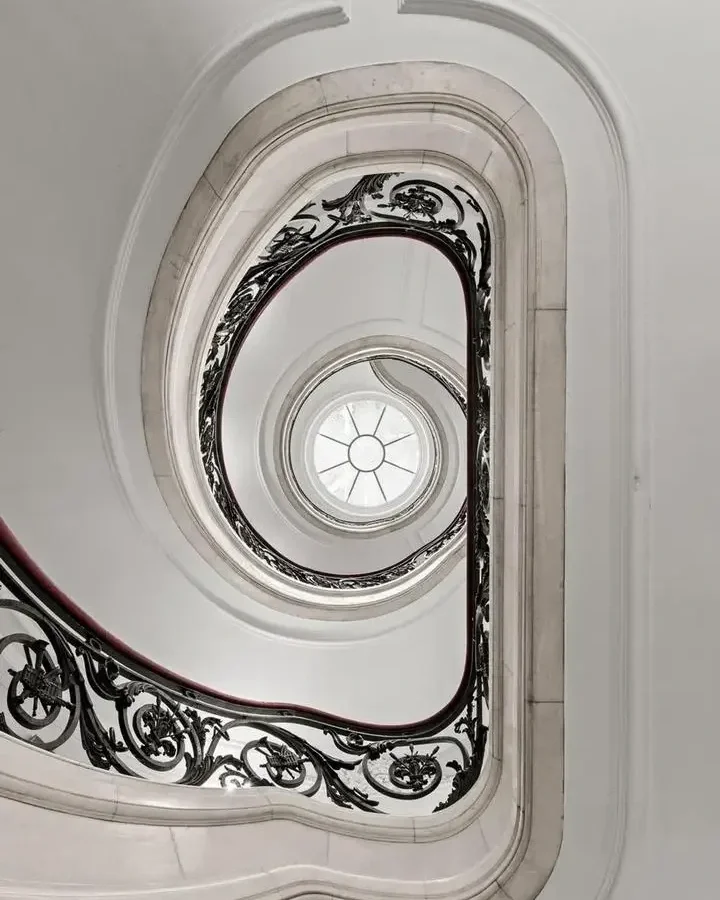
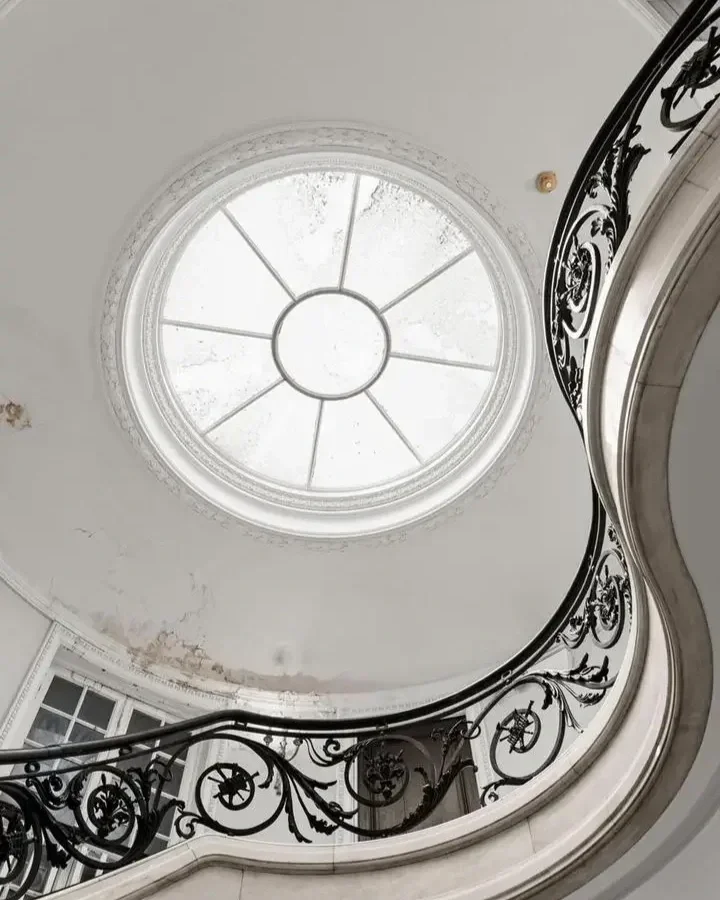
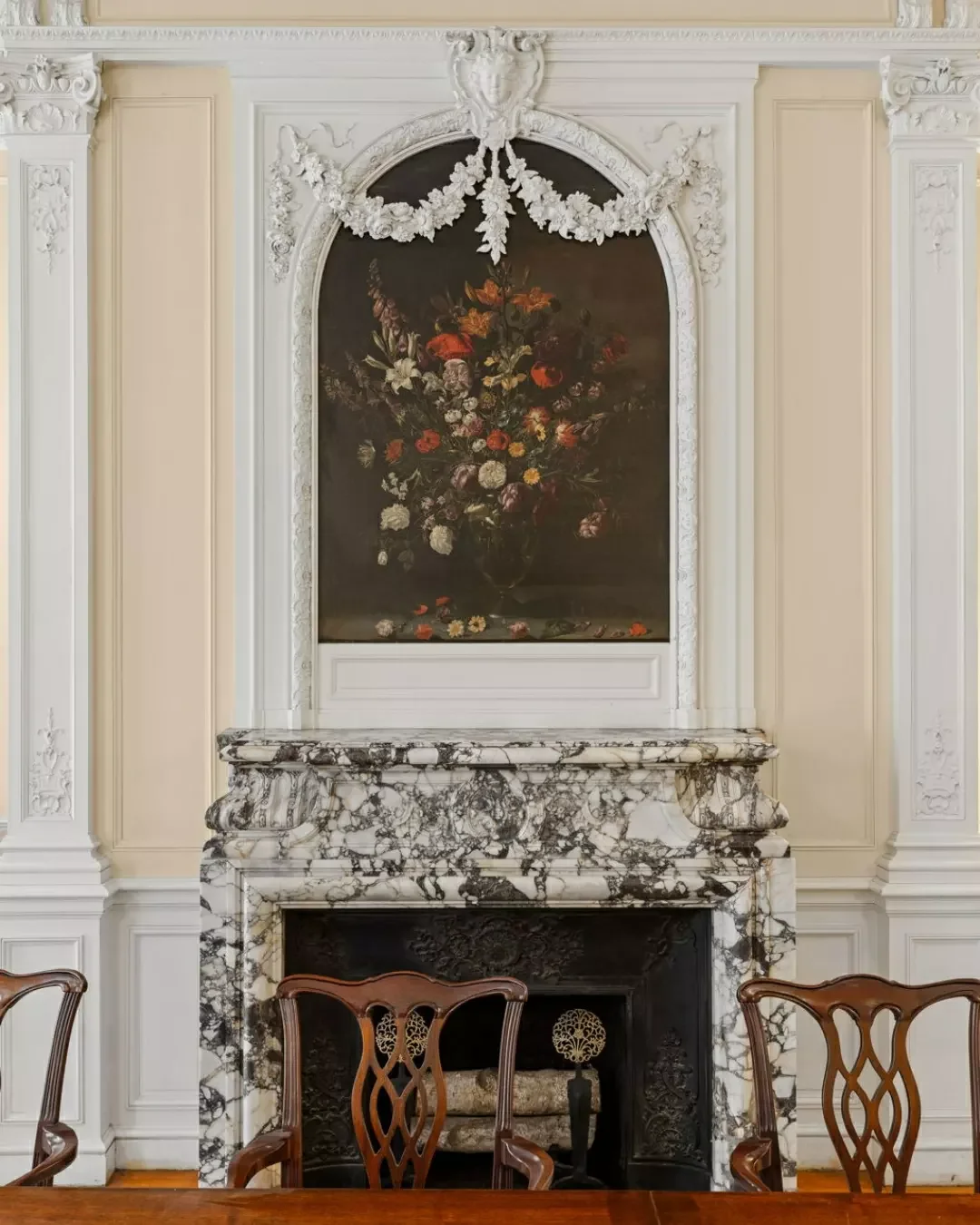
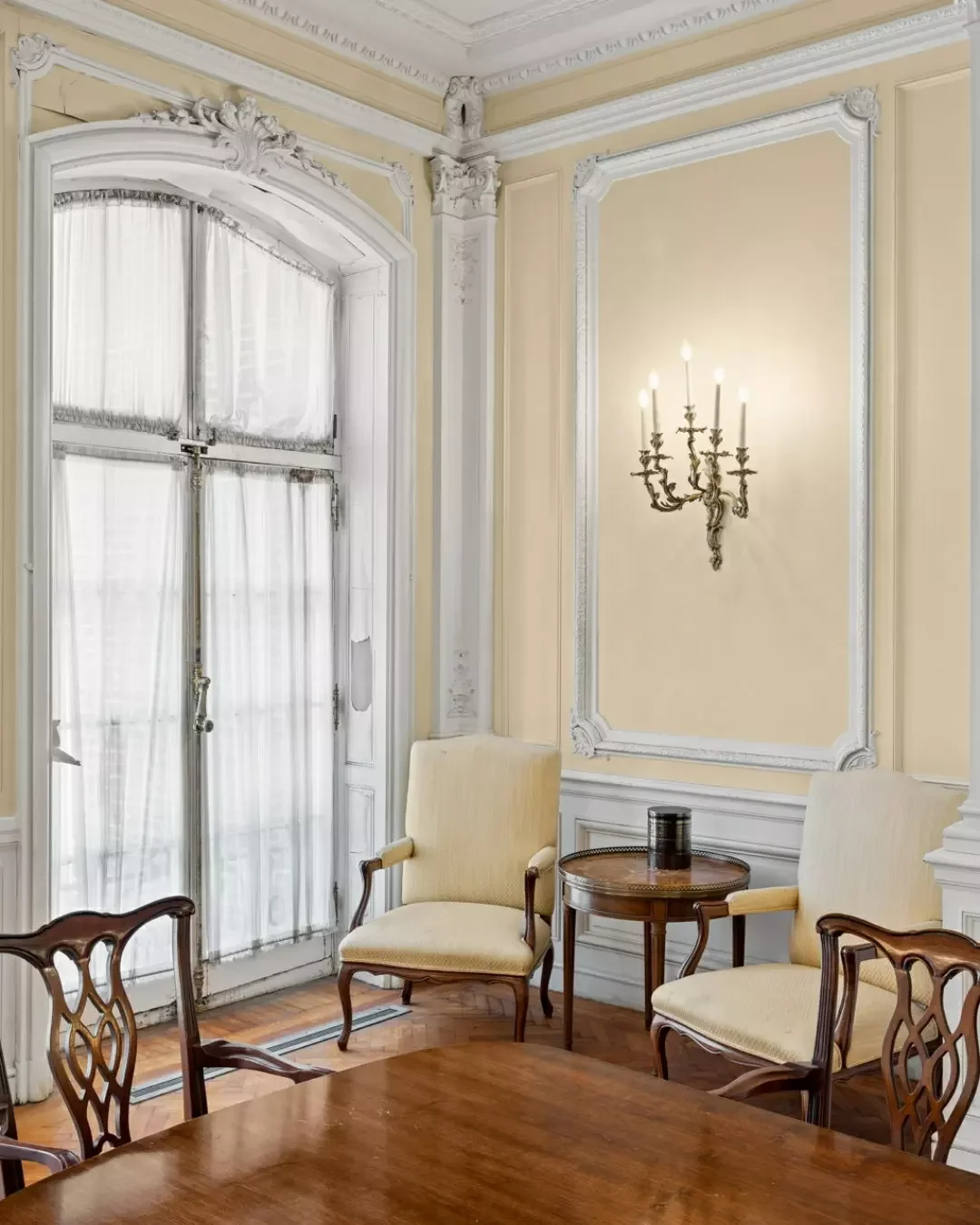
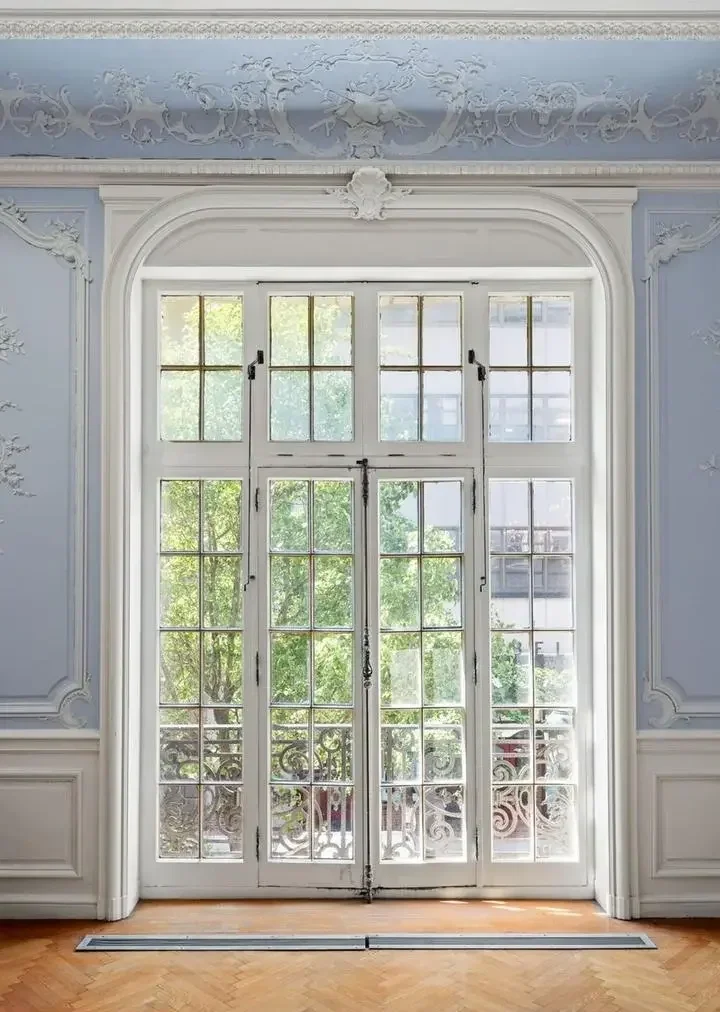
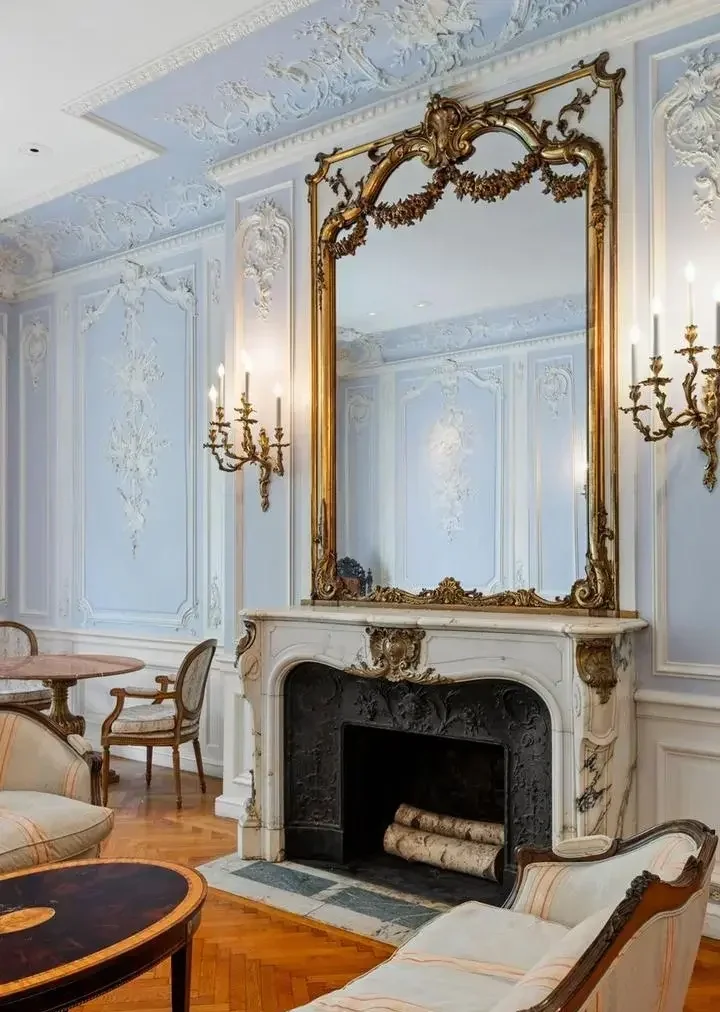
The second floor includes Louis XV-style salon rooms with arched windows, bronze mounts, and molded plaster rondels. The third and fourth floors are appointed in Louis XVI style, while the fifth floor is connected by an interior spiral wooden staircase. Original and later elements remain throughout, including marble fireplaces, crown moldings, carved panels, wainscoting, French doors, plasterwork, and both original and replacement windows.
The mansion was commissioned for Edward C. Knight Jr., the son of Edward Collings Knight, a Philadelphia businessman whose fortune was tied to sugar refining, importing, shipping, real estate, and railroad interests. The elder Knight founded E.C. Knight & Co., built wealth through the sugar trade, and became president of both the Delaware & Bound Brook Railroad Company and the Northern Pennsylvania Railroad Company.
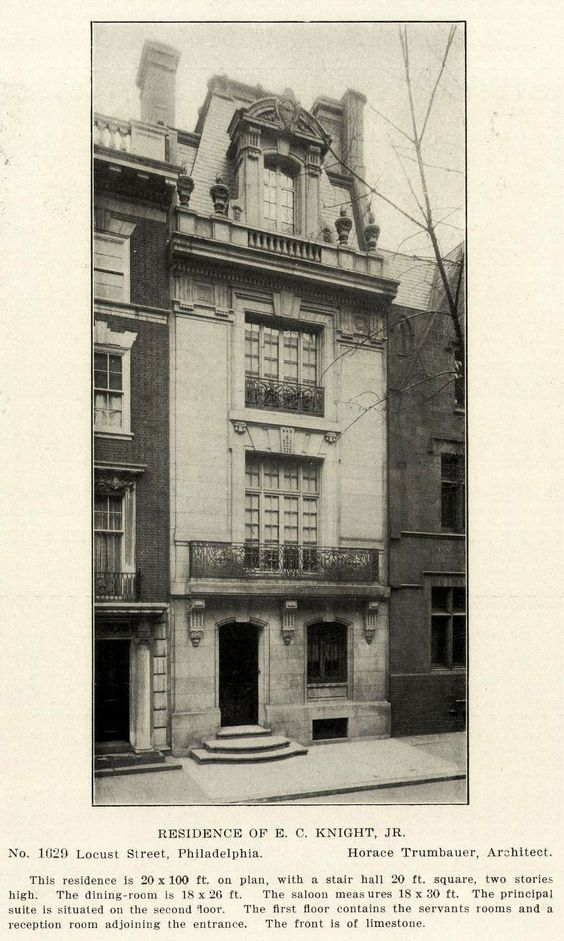
Edward C. Knight Jr. inherited that world of Philadelphia wealth. He later succeeded his father in railroad executive roles, but his legacy is also tied to the architectural commissions made possible by the family fortune. In Philadelphia, 1629 Locust Street served as his city mansion. In Newport, Rhode Island, he was later associated with Clarendon Court, another major Trumbauer-designed house.
The Locust Street mansion remained in private hands after Knight sold it in 1925 to Ralph Gibbs. According to previous reporting, Gibbs’s father-in-law later used the house as a private museum for his art collection. In 1943, the property was sold to Emergency Aid of Philadelphia, beginning its long second life as an institutional and office building.
That conversion changed how the building was used, but it did not erase its original architecture. The former bedrooms became offices, while many of the public rooms, the staircase hall, the French detailing, and the Samuel Yellin ironwork remained intact. The current owner, St. Marks Associates, acquired the building in 1985 and later added a greenhouse at the rear of the first floor.
Today, the property is zoned CMX-3 commercial mixed-use, giving it flexibility beyond a standard private residence. Concierge Auctions notes potential future uses including boutique hospitality, luxury residential conversion, creative office, flagship retail, or gallery space, subject to buyer verification and approvals.
The location adds another layer to the proposition. Rittenhouse Square is one of Philadelphia’s most established and prestigious central neighborhoods, with hotels, private clubs, galleries, theaters, restaurants, and cultural institutions within walking distance. The house is also positioned near the Kimmel Center for the Performing Arts, the Academy of Music, The Rittenhouse Hotel, the Barnes Foundation, the Philadelphia Museum of Art, and the Schuylkill River Trail.
A $10,000 bidder deposit is required to participate in the auction. A 12.75% buyer’s premium applies, and Concierge Auctions is offering a starting bid incentive that may reduce the buyer’s premium by up to 50% for eligible pre-auction starting bids. A 2.5% co-broker compensation is available to properly registered brokers whose clients complete the purchase under the auction terms.
More than a century after it was built for a railroad and sugar heir, the Edward C. Knight Mansion is returning to the market with a different kind of question attached. It is no longer simply a private house, and it is not a conventional office building. It is a French Beaux-Arts mansion with Gilded Age provenance, commercial zoning, and a Rittenhouse Square address, now being offered to the highest bidder.
All photographs belong to the listing agency. See more on Concierge Auctions.