
A 300-Year Family Dynasty Has Ended. Now Ombersley Court Is Looking for Its Next Owner.
Photos by United Kingdom Sotheby’s International Realty
Ombersley Court was built in the 1720s as the country seat of the Sandys family, an English aristocratic dynasty whose wealth, inheritance, and political influence were expressed through the house, its estate, and the collections assembled within its walls. Over more than three centuries of family ownership, successive generations added paintings, furniture, silver, porcelain, military relics, archives, and personal possessions, creating a collection that documented over 400 years of family history.
That chapter ended following the deaths of Richard Hill, 7th Baron Sandys, and Patricia, Lady Sandys, who had no children. The house was sold in 2017, bringing more than 300 years of family occupation to a close, while parts of the collection were later dispersed through a series of auctions at Christie's.
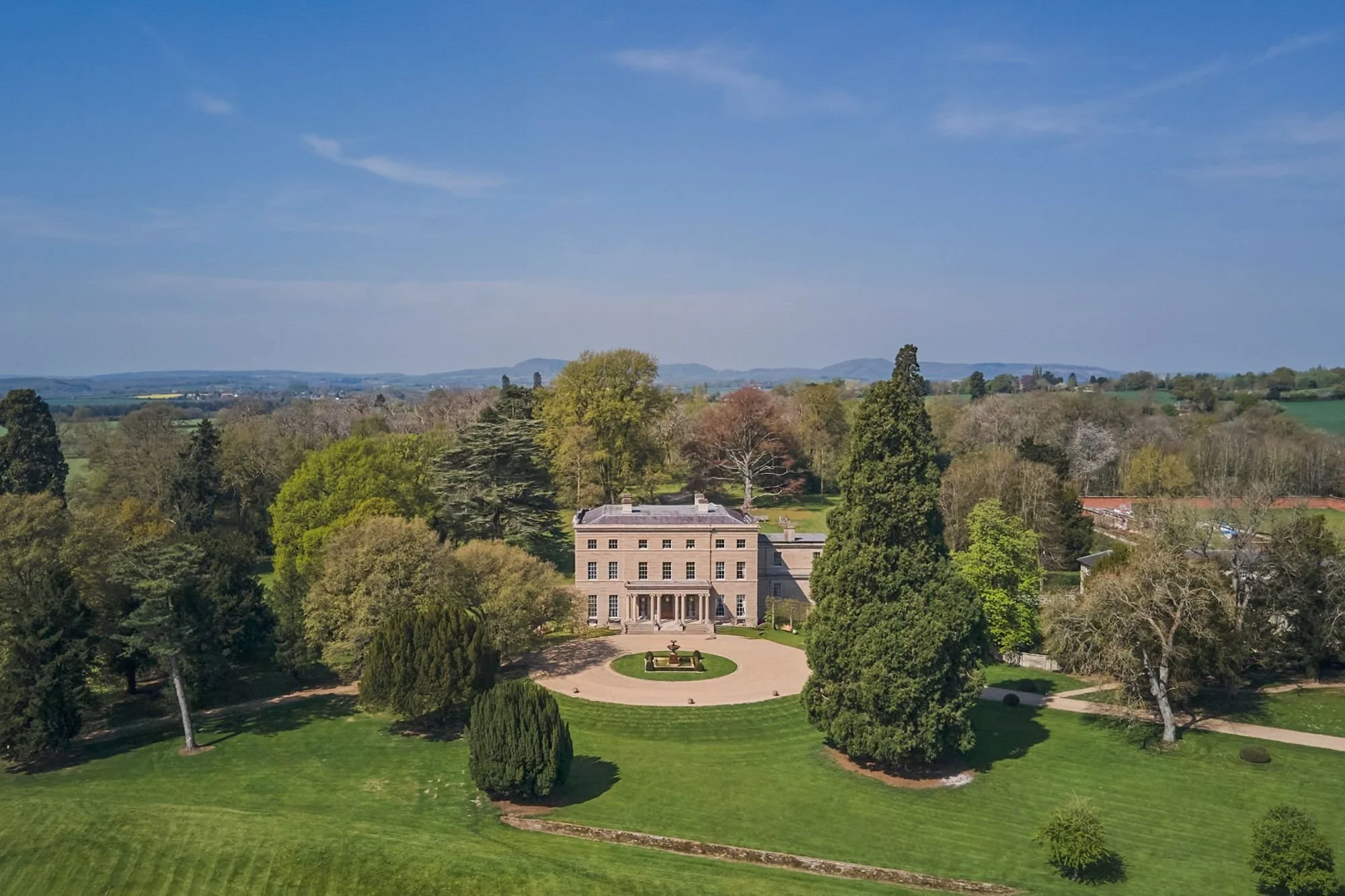
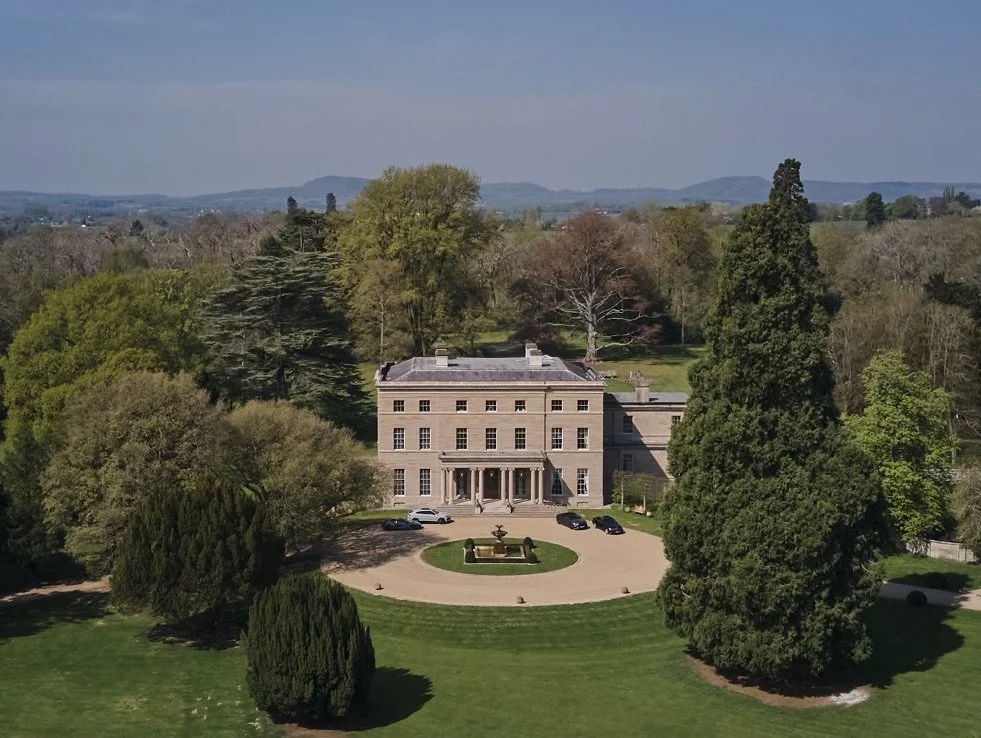
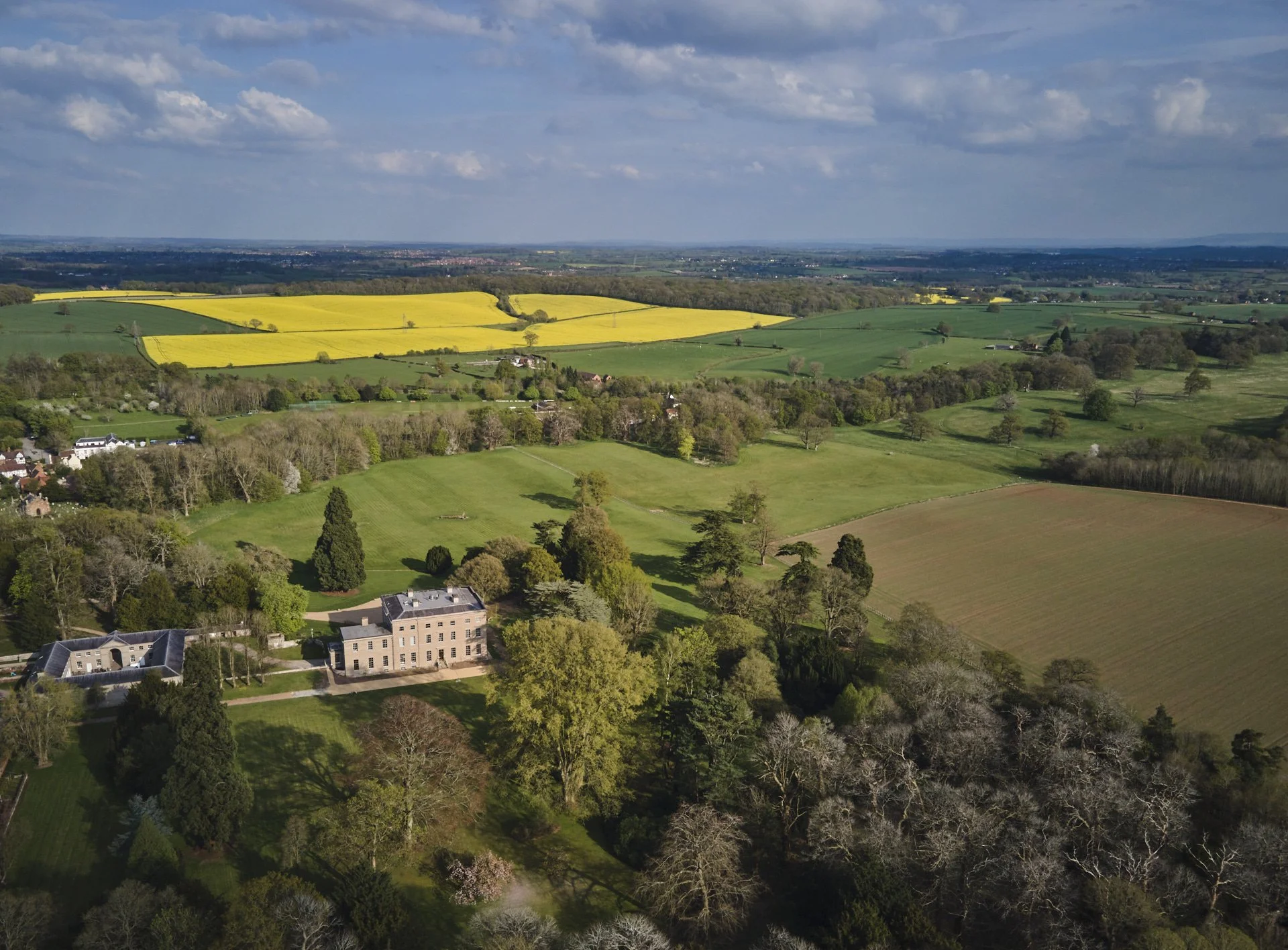
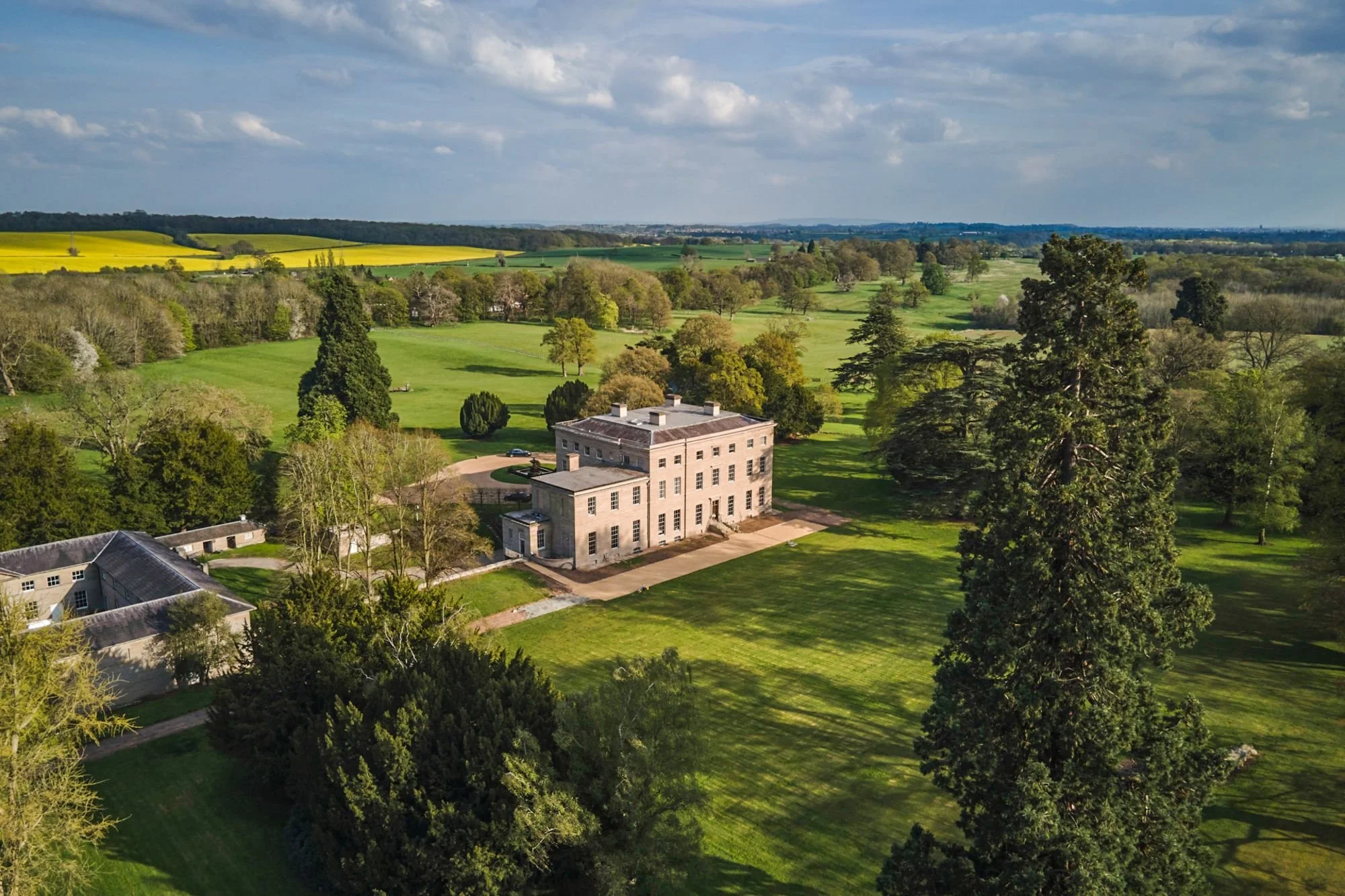
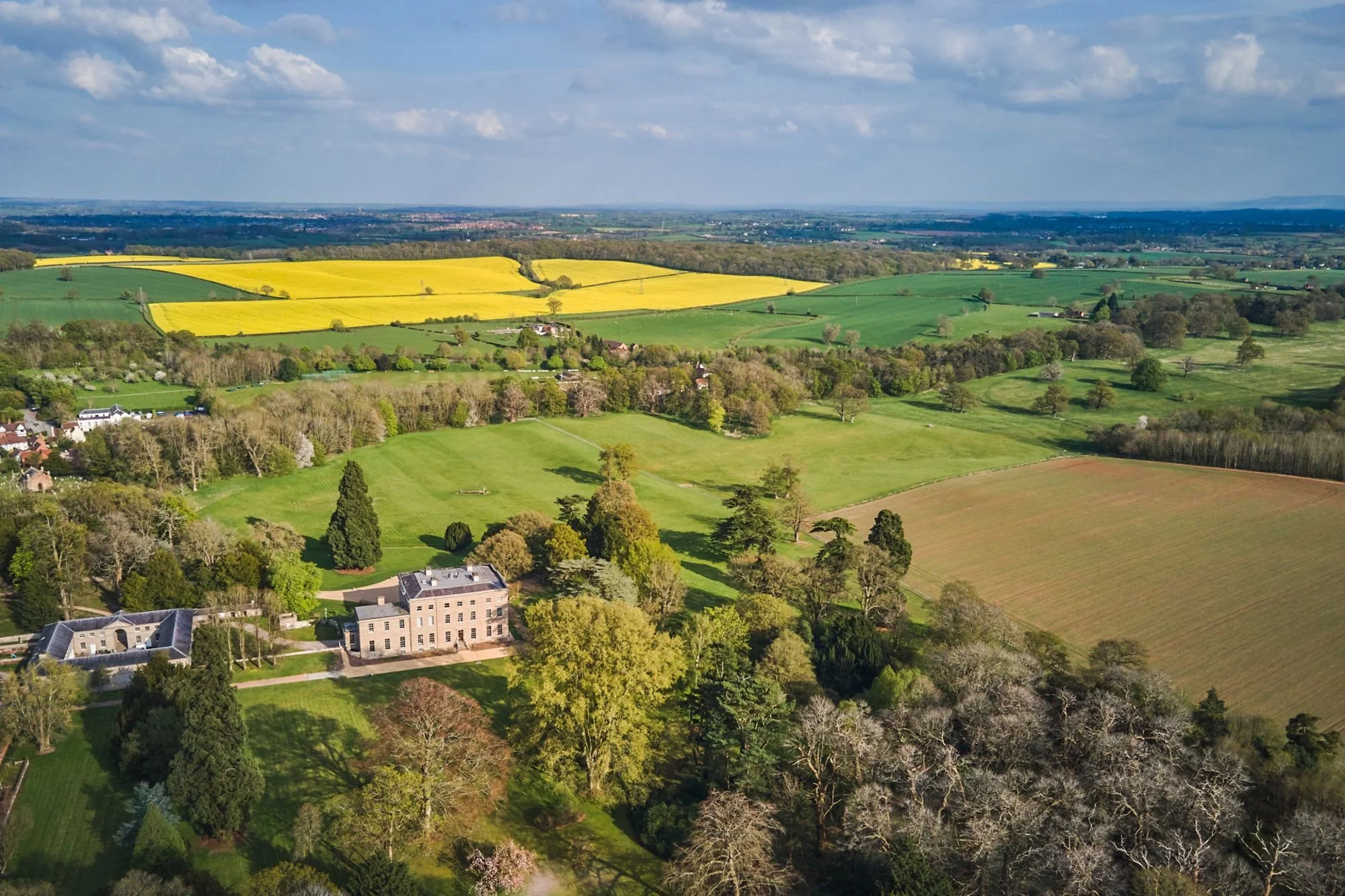
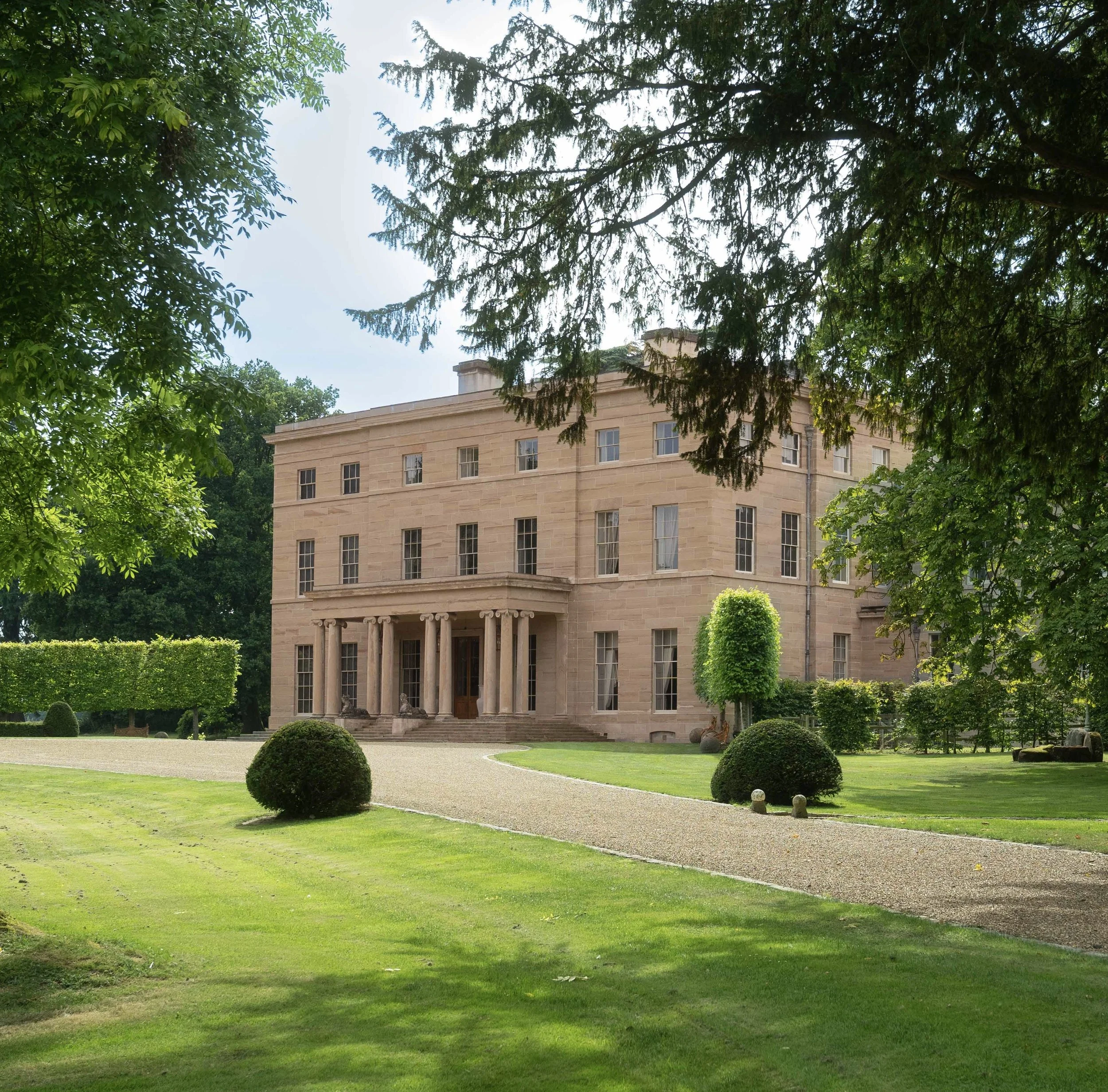
Today, the Grade I-listed estate has returned to the market. Restored by its current owner and set within 36 hectares (90 acres) on the edge of Ombersley in Worcestershire, England, the property is listed for £13.5 million with Andrew Barnes of UK Sotheby's International Realty.
United Kingdom Sotheby’s International Realty
A Georgian Country Estate in Worcestershire
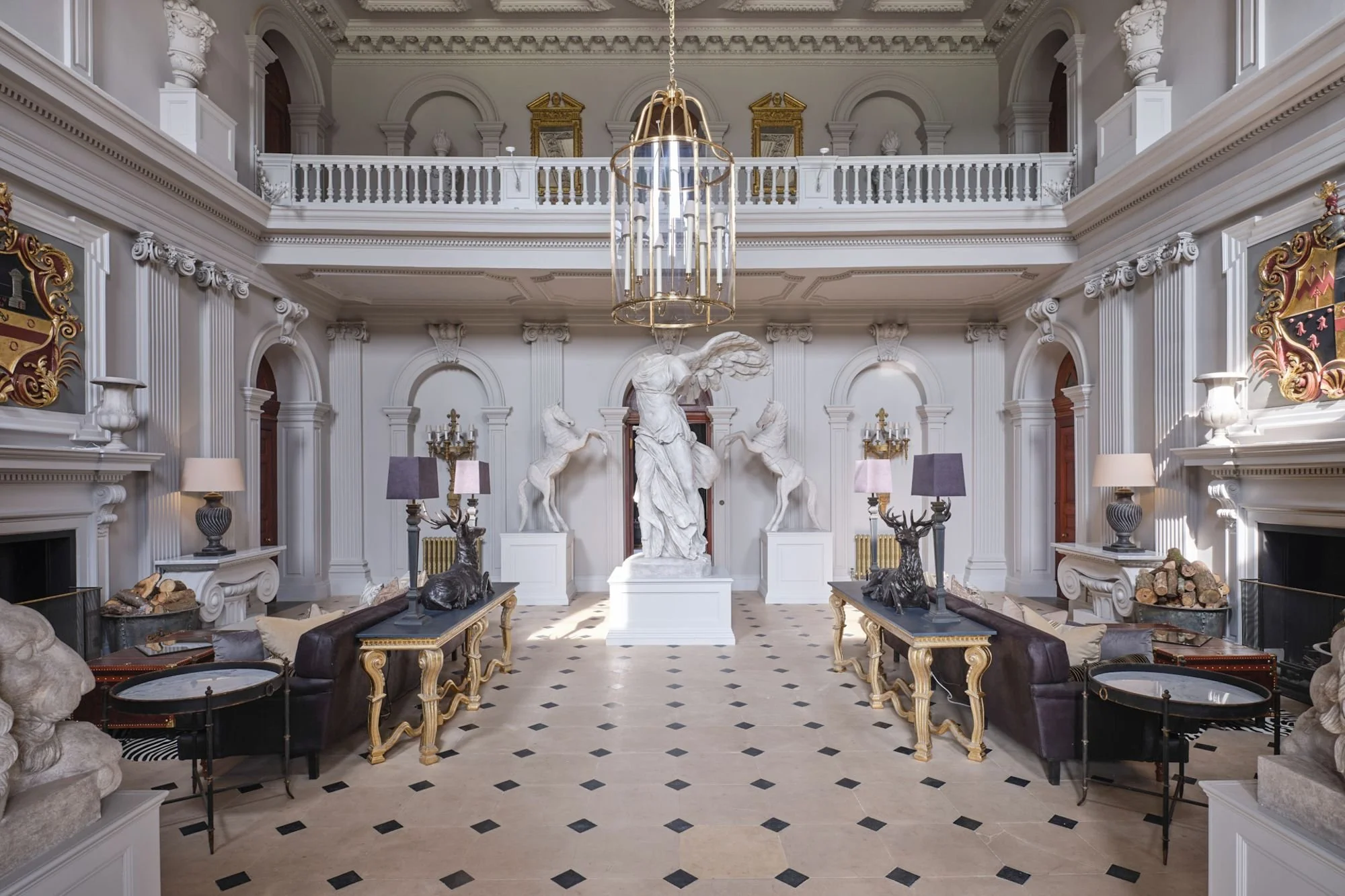
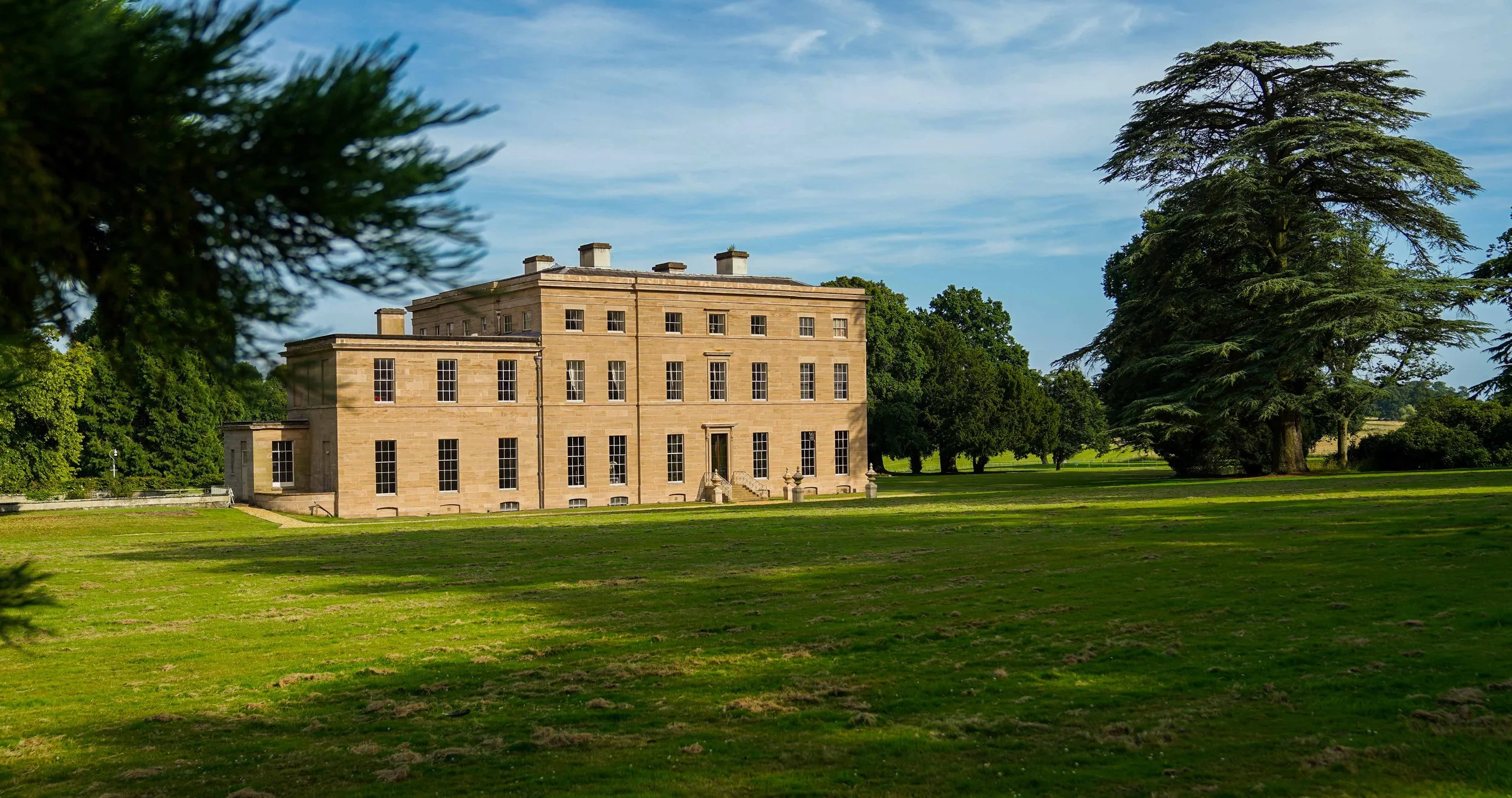
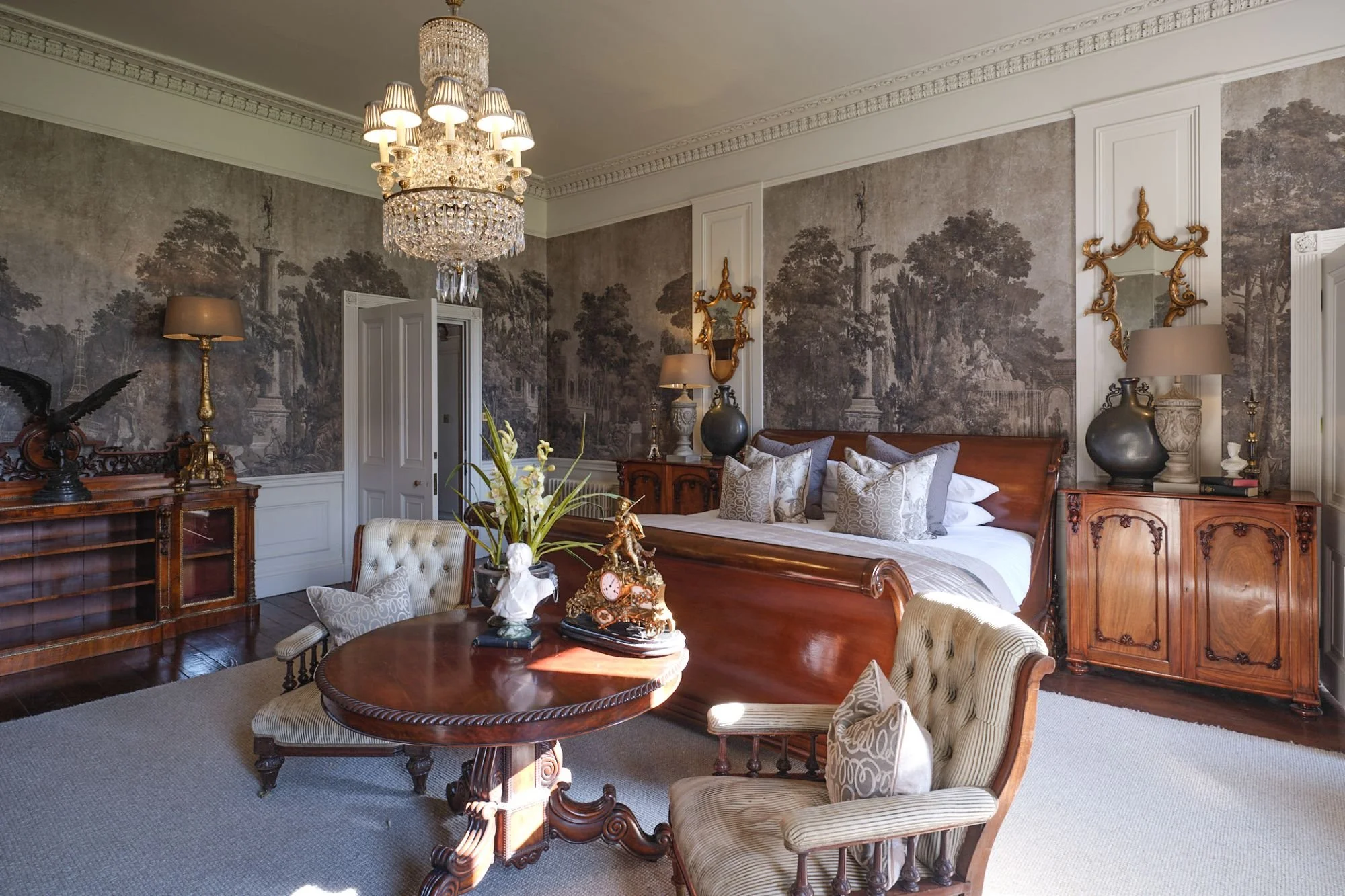
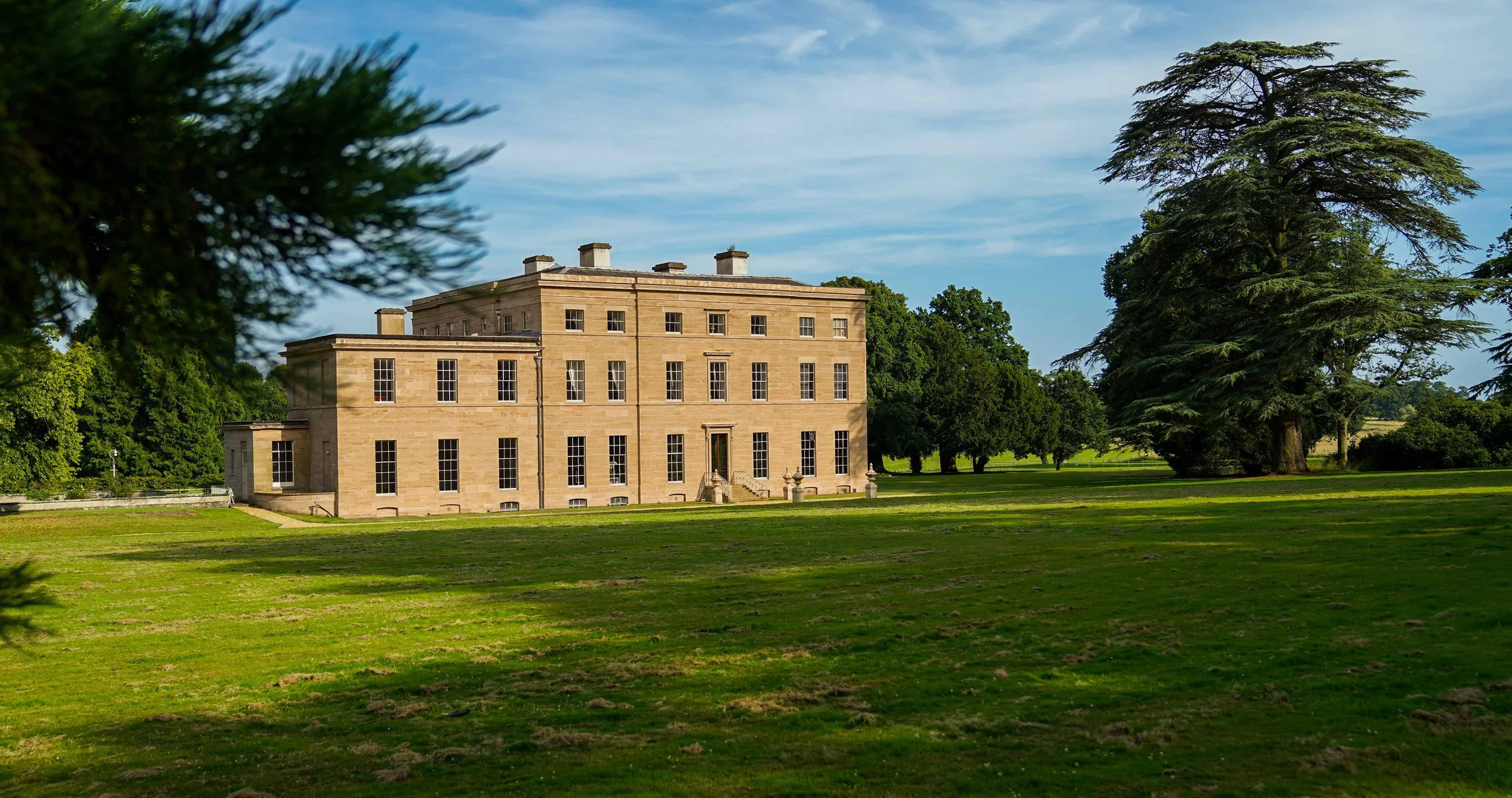
The estate is centred on a 12-bedroom main house extending to approximately 2,508 m² (27,000 sq ft). Its interiors include a double-height Great Hall, formal reception rooms, a library, dining spaces, and a series of bedroom suites arranged across three floors. Beyond the principal residence, the property includes a substantial stable block, guest accommodation, outbuildings, landscaped grounds, and open parkland that preserve the character and scale of a traditional English country estate.
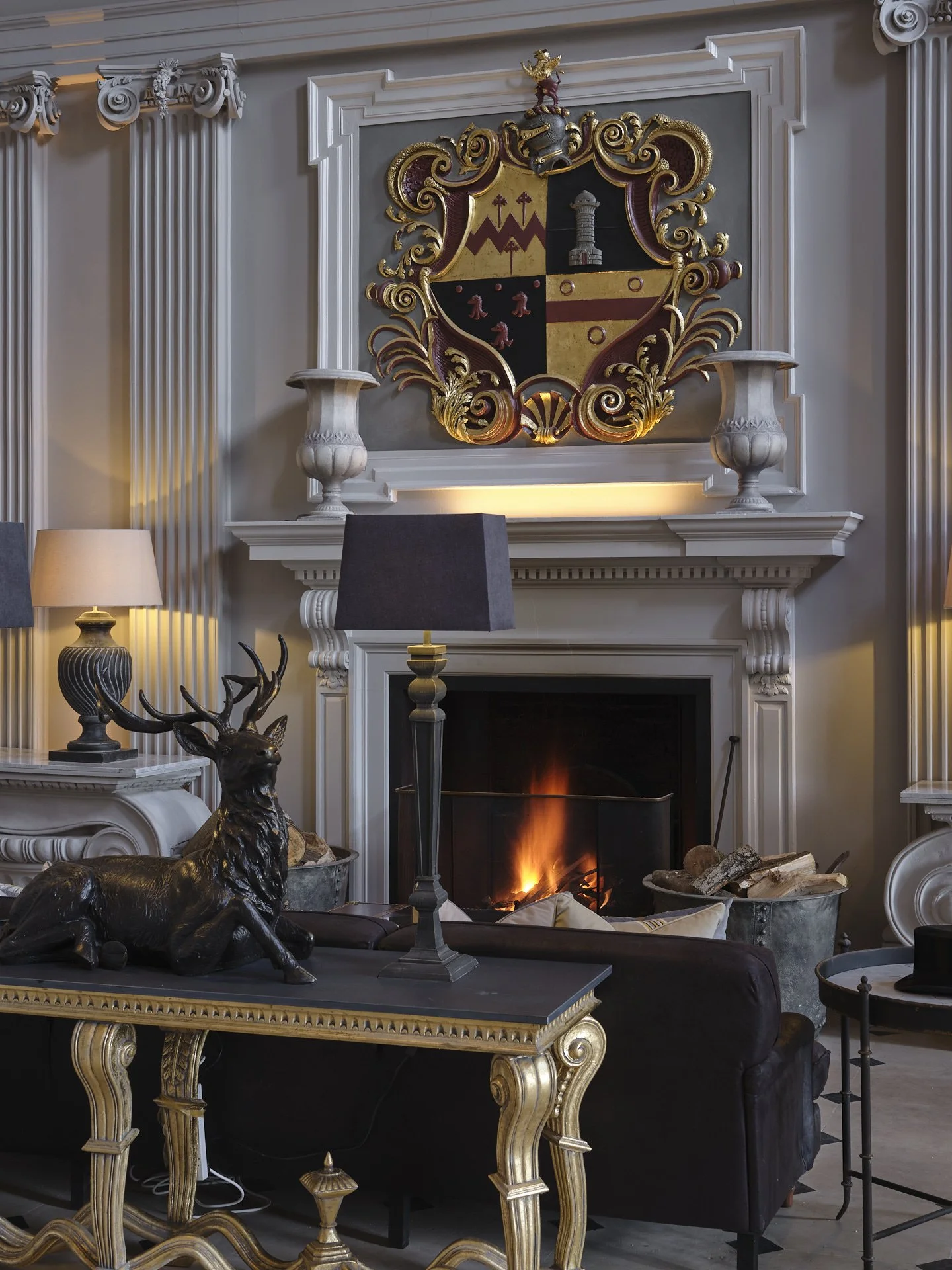
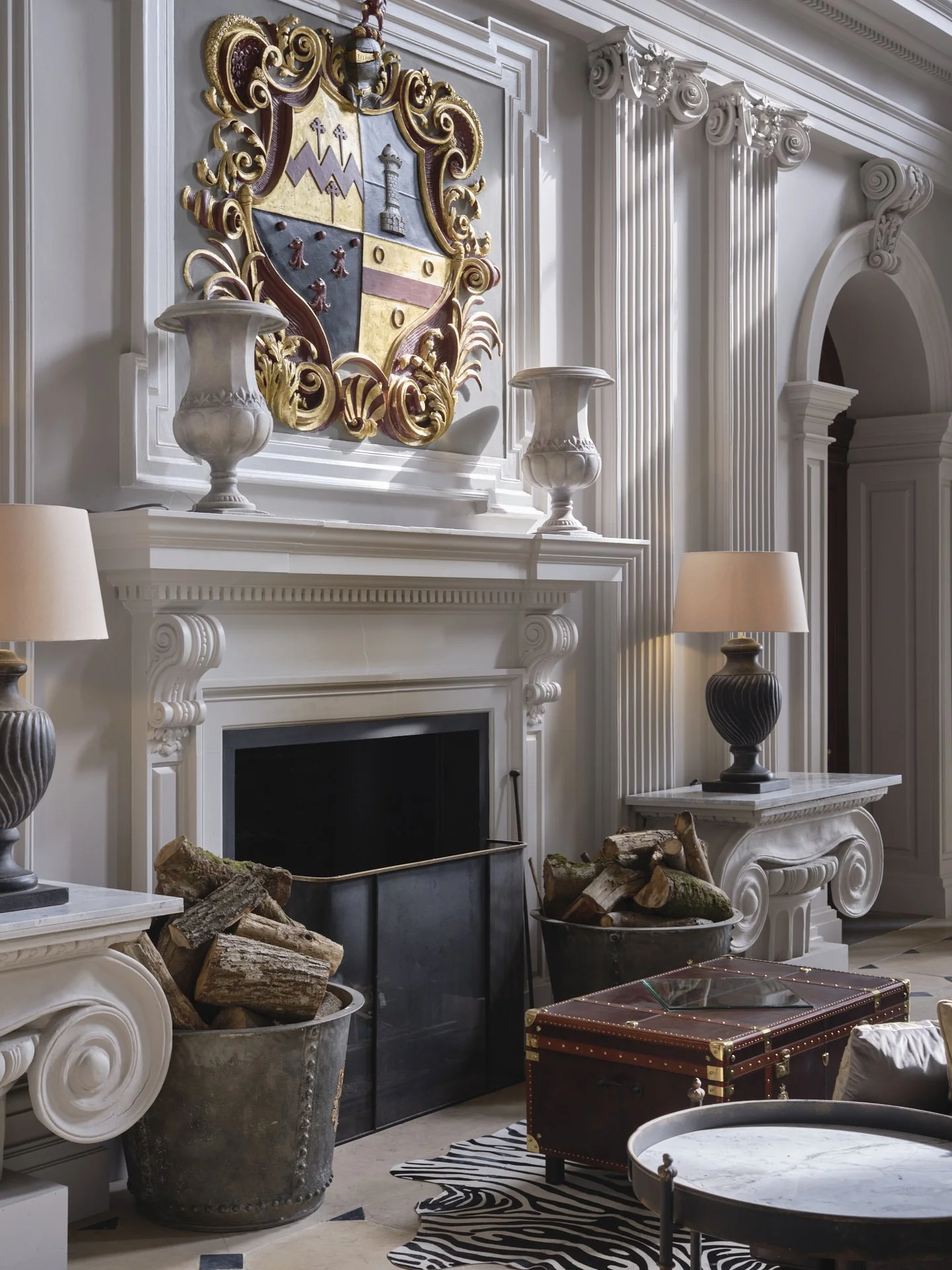
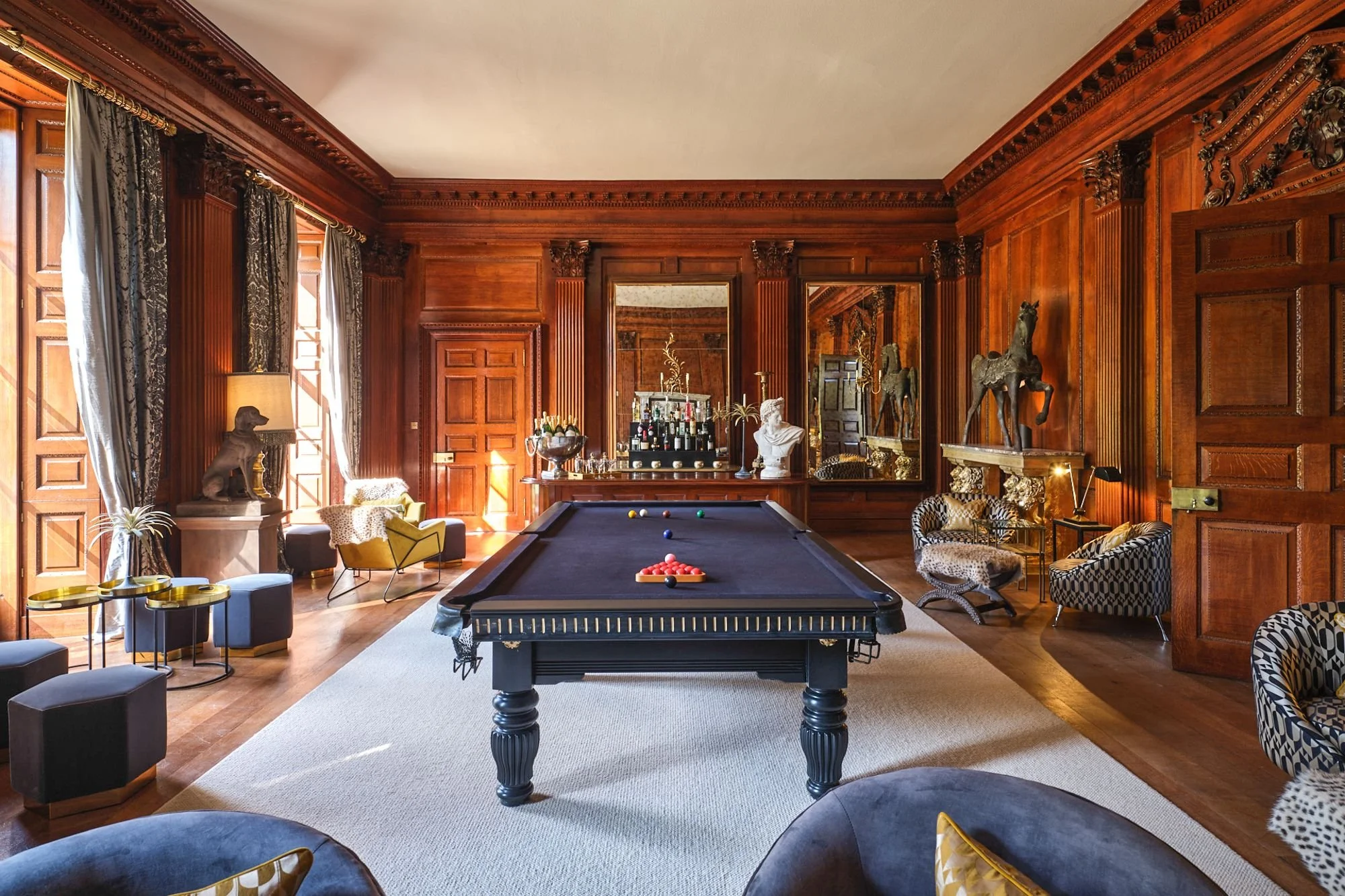
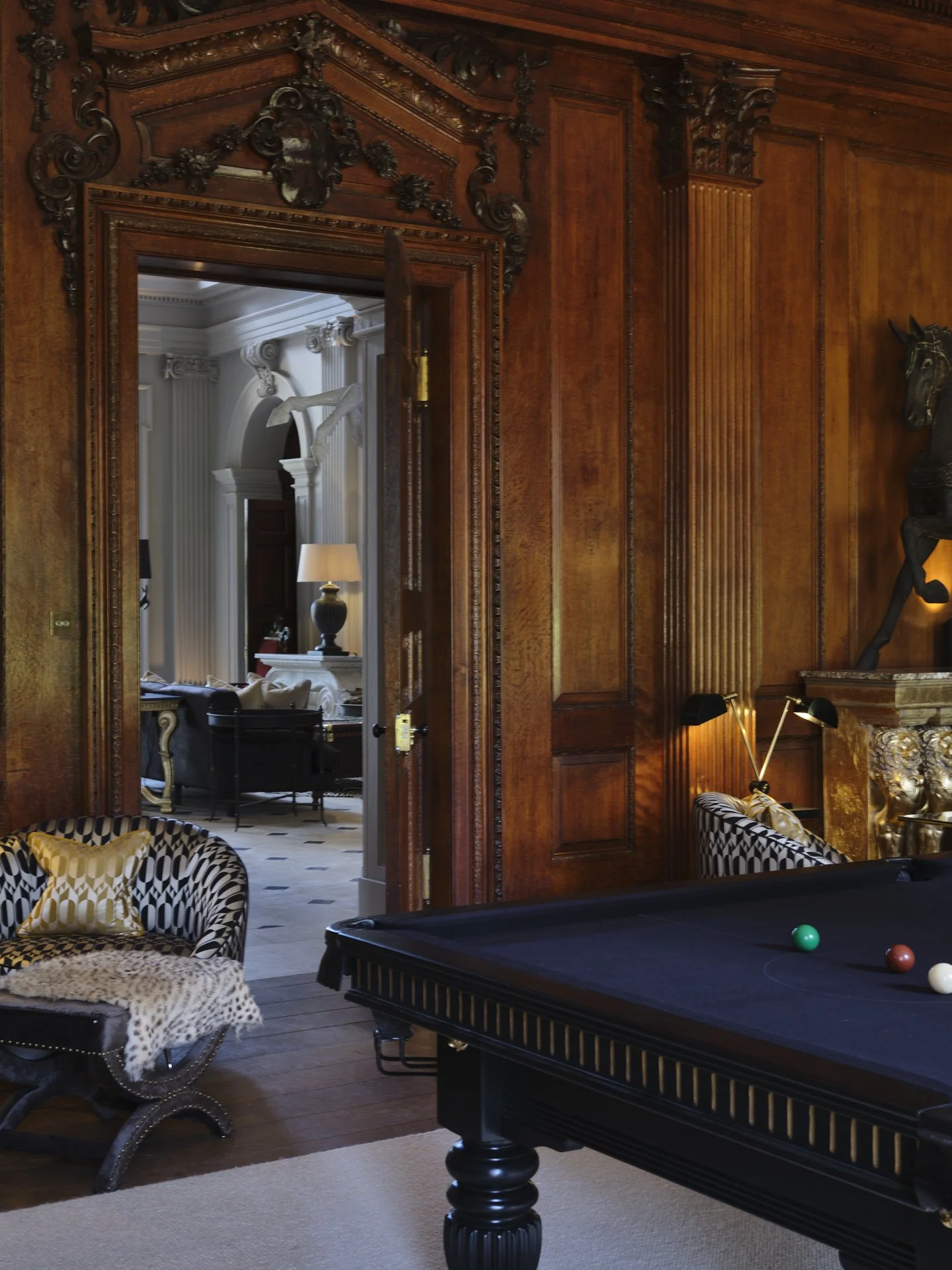
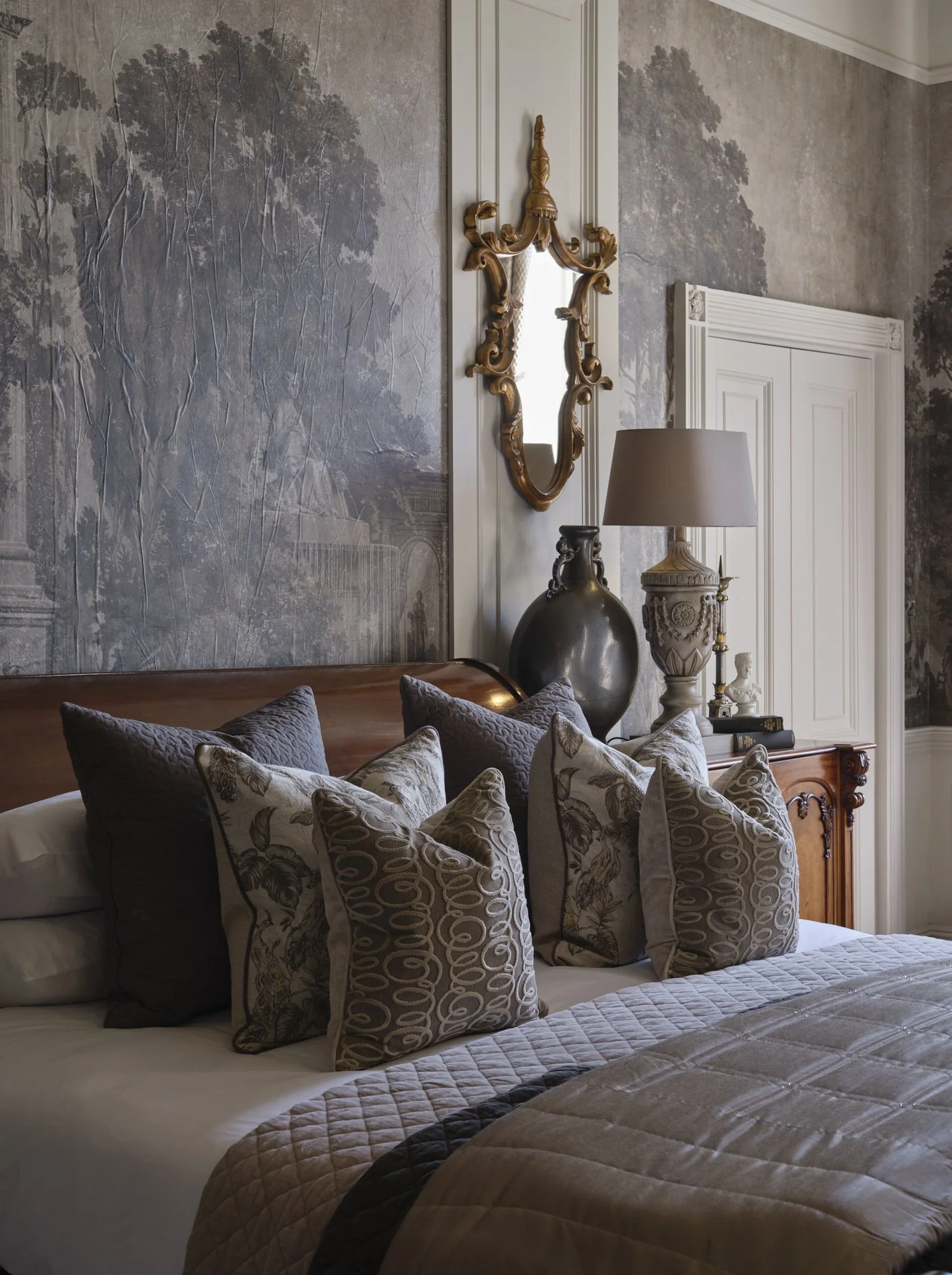
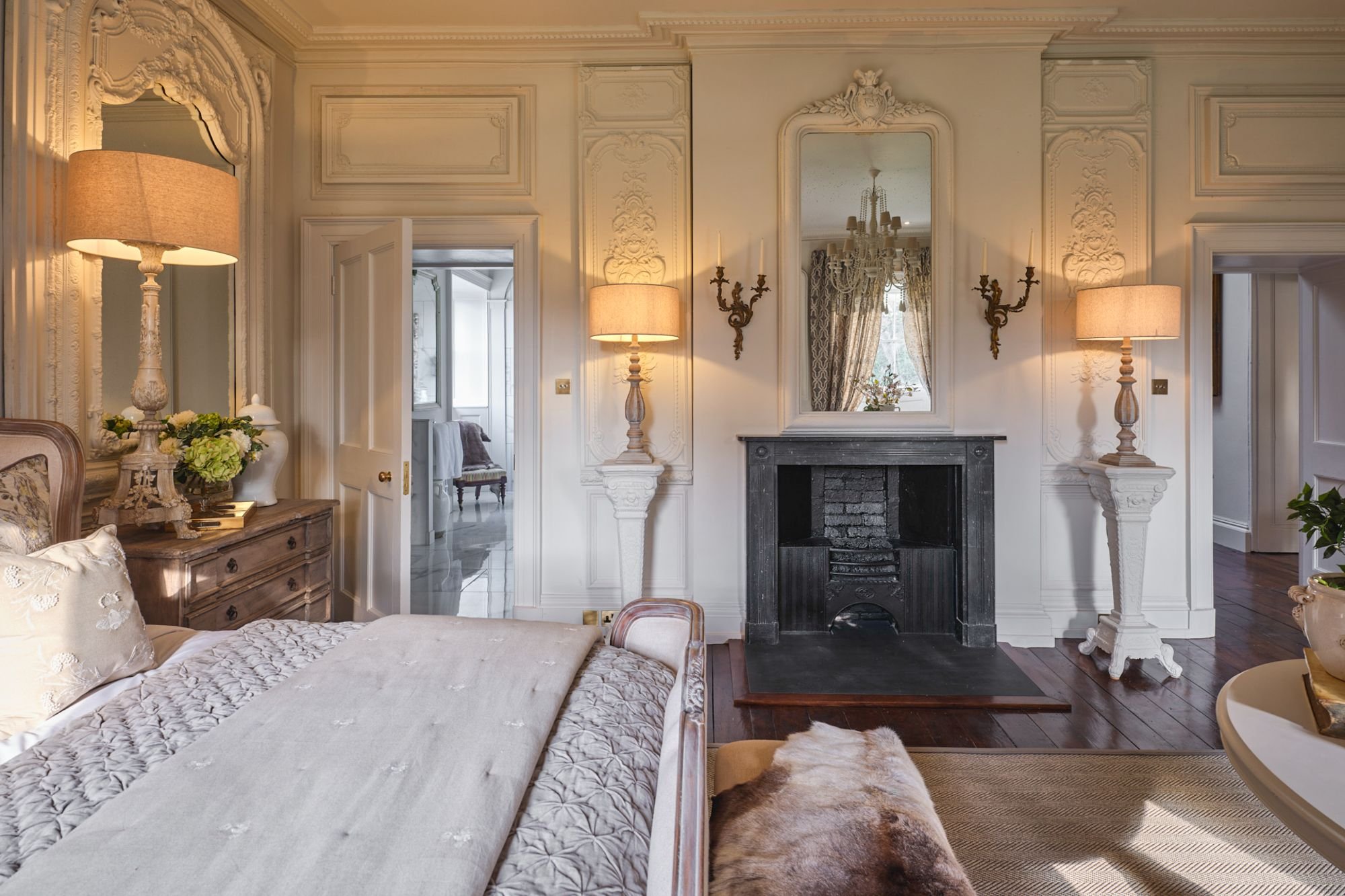
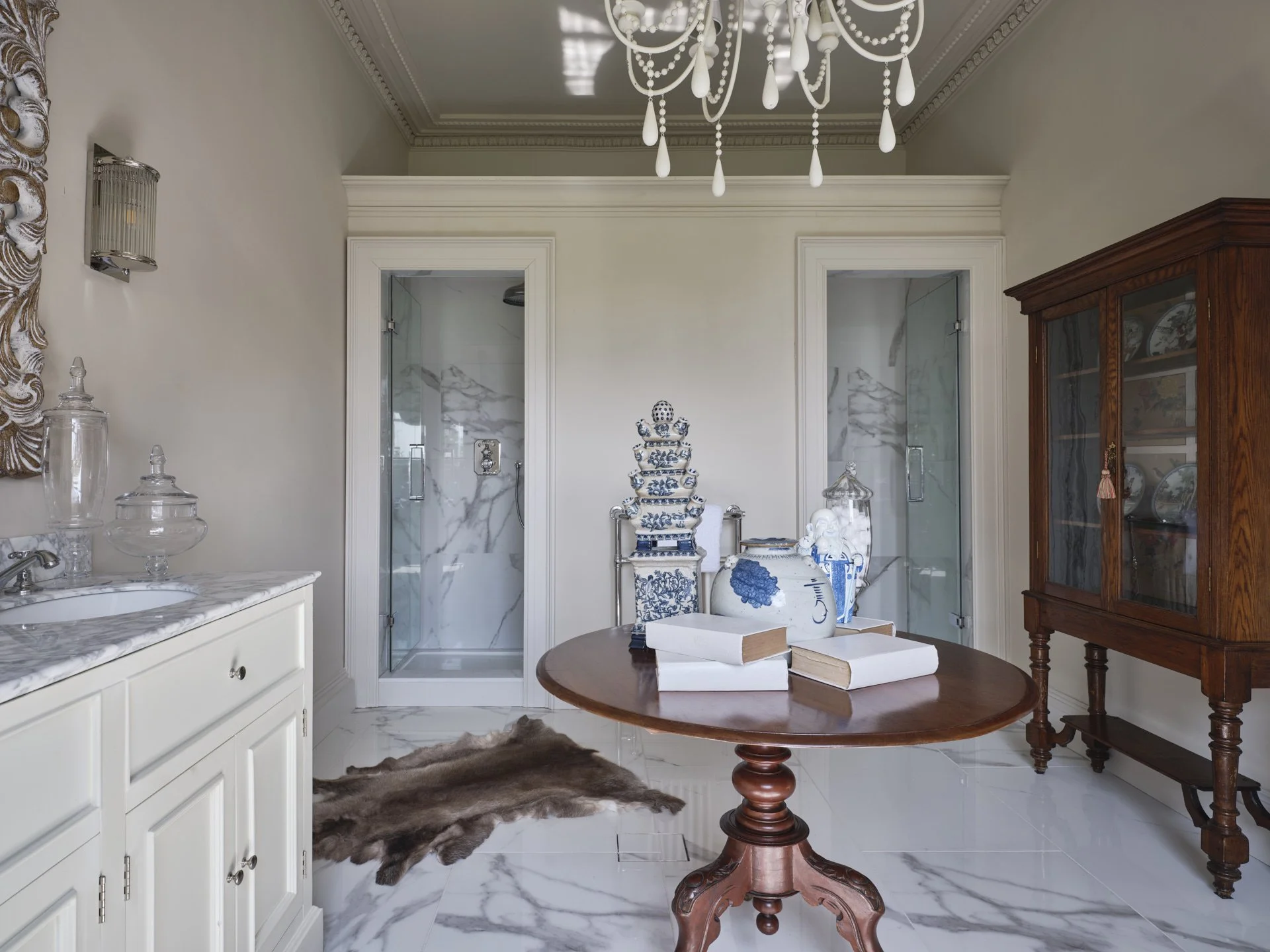
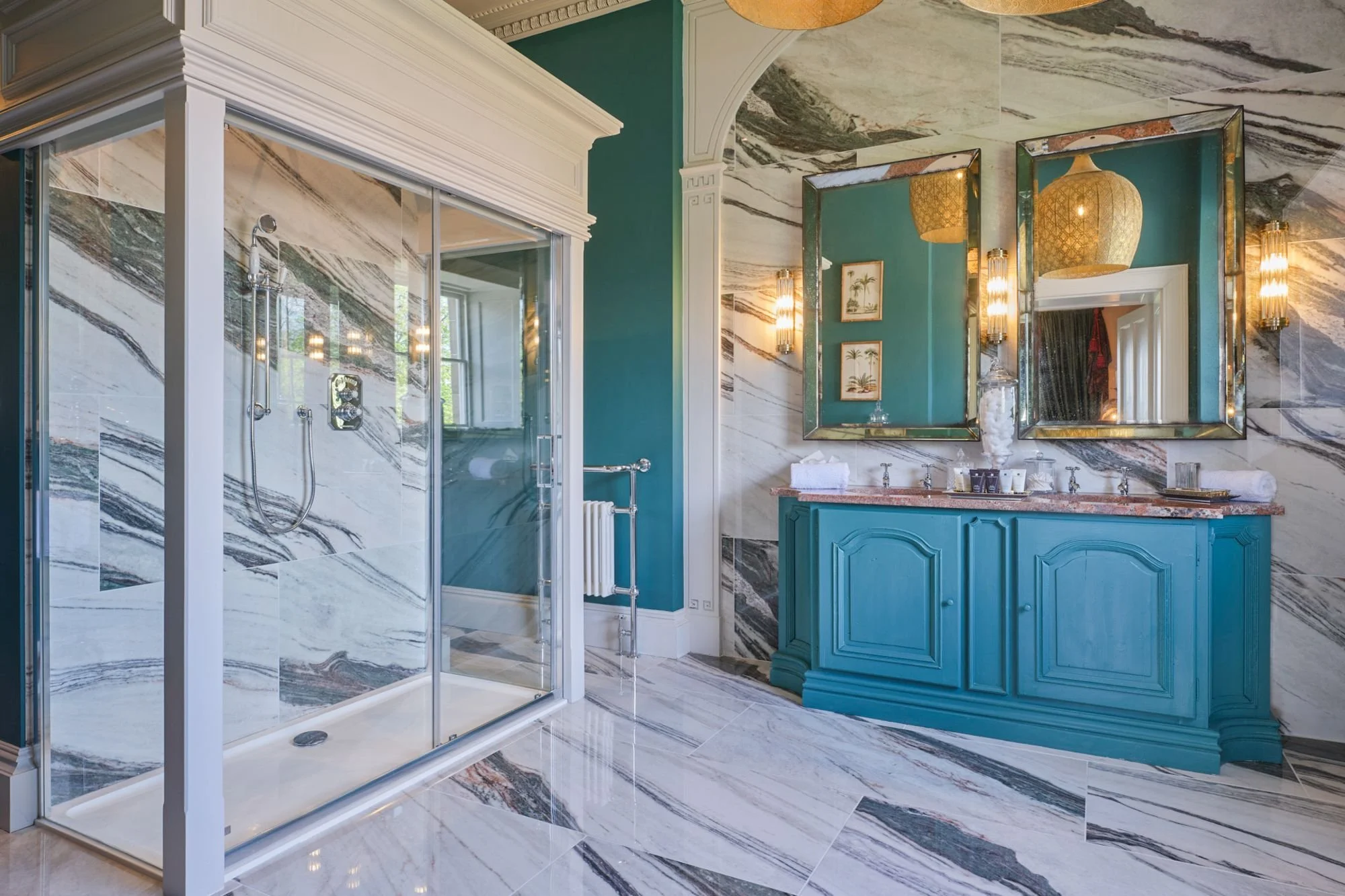
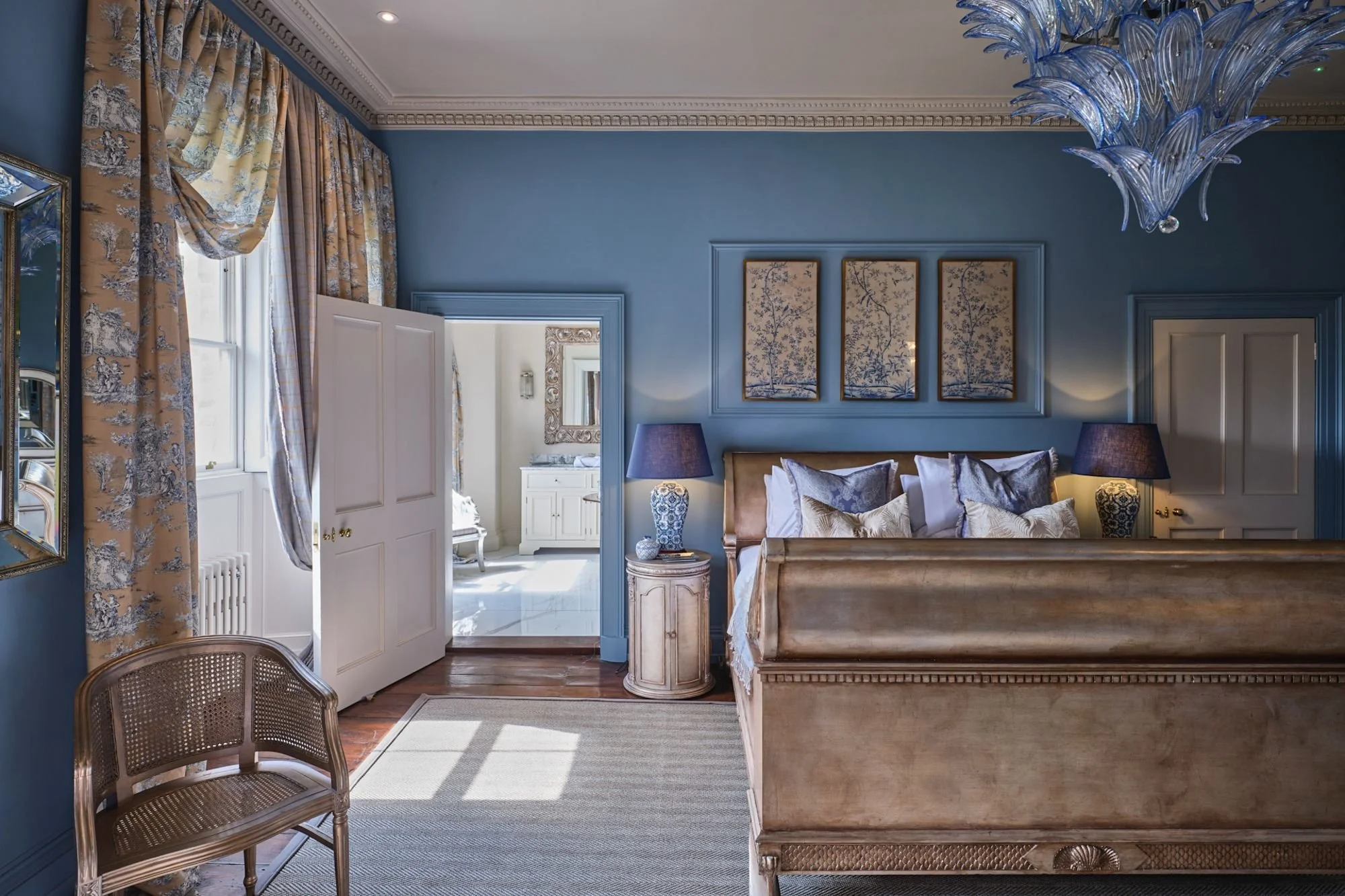
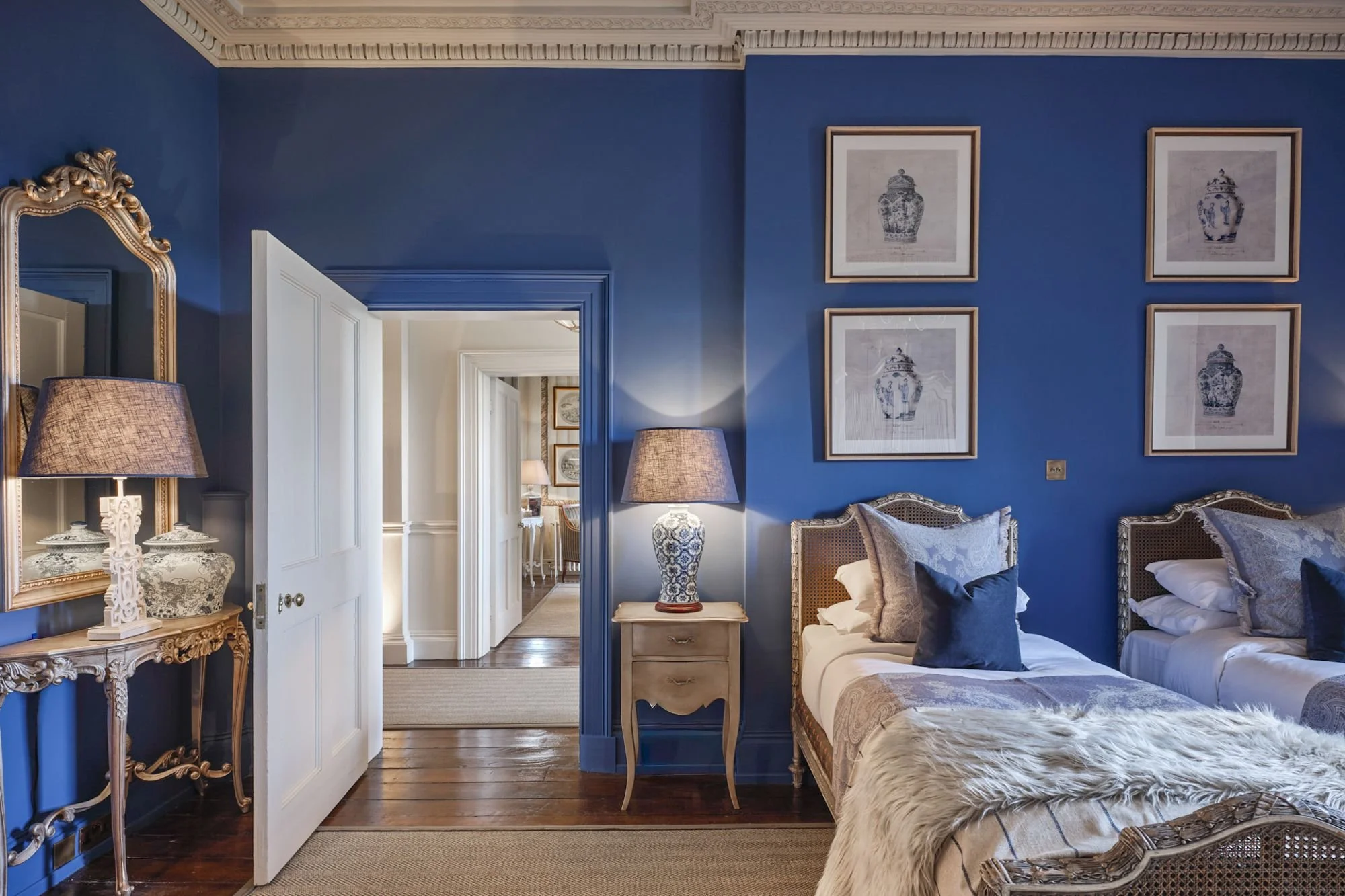
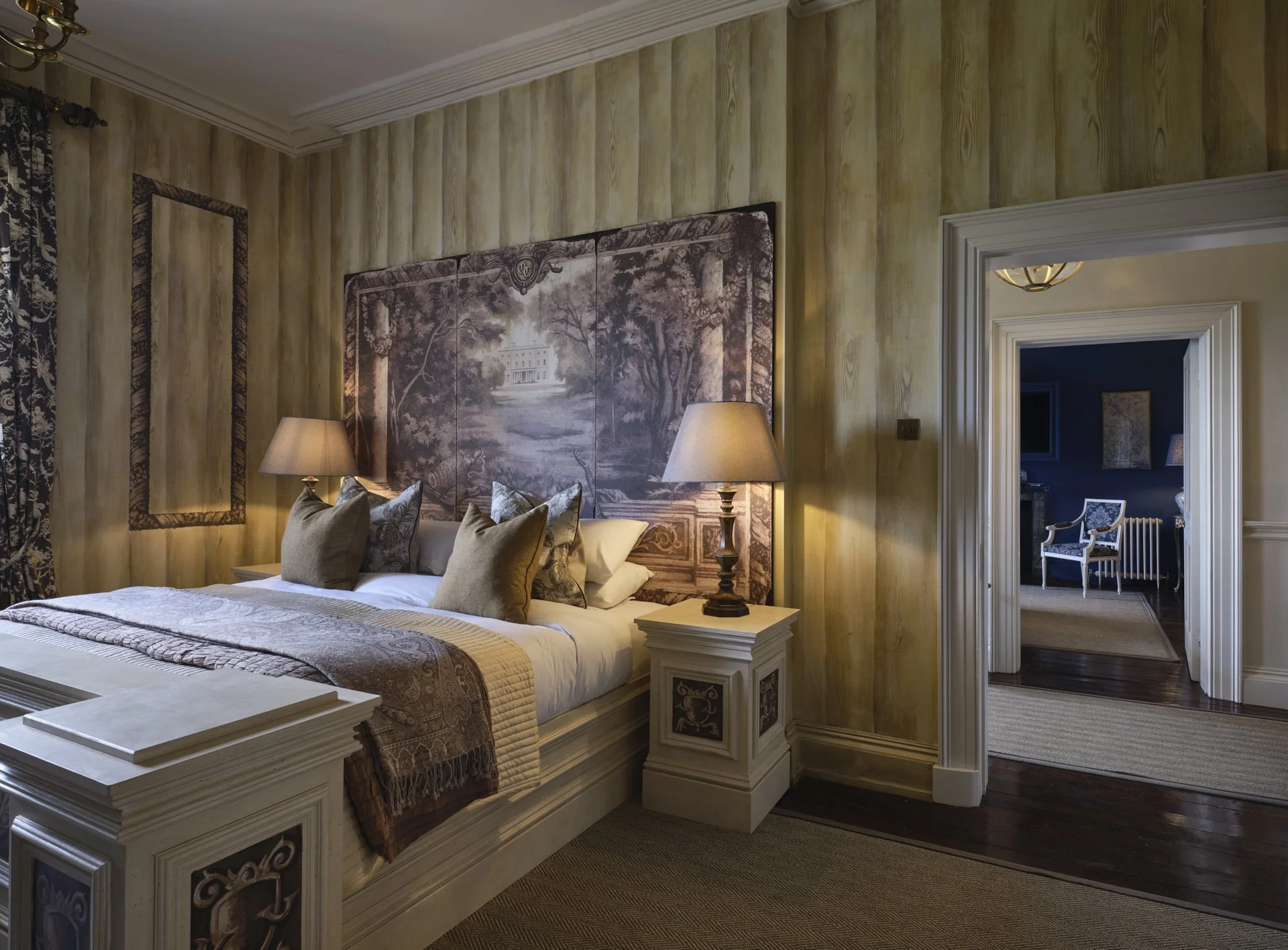
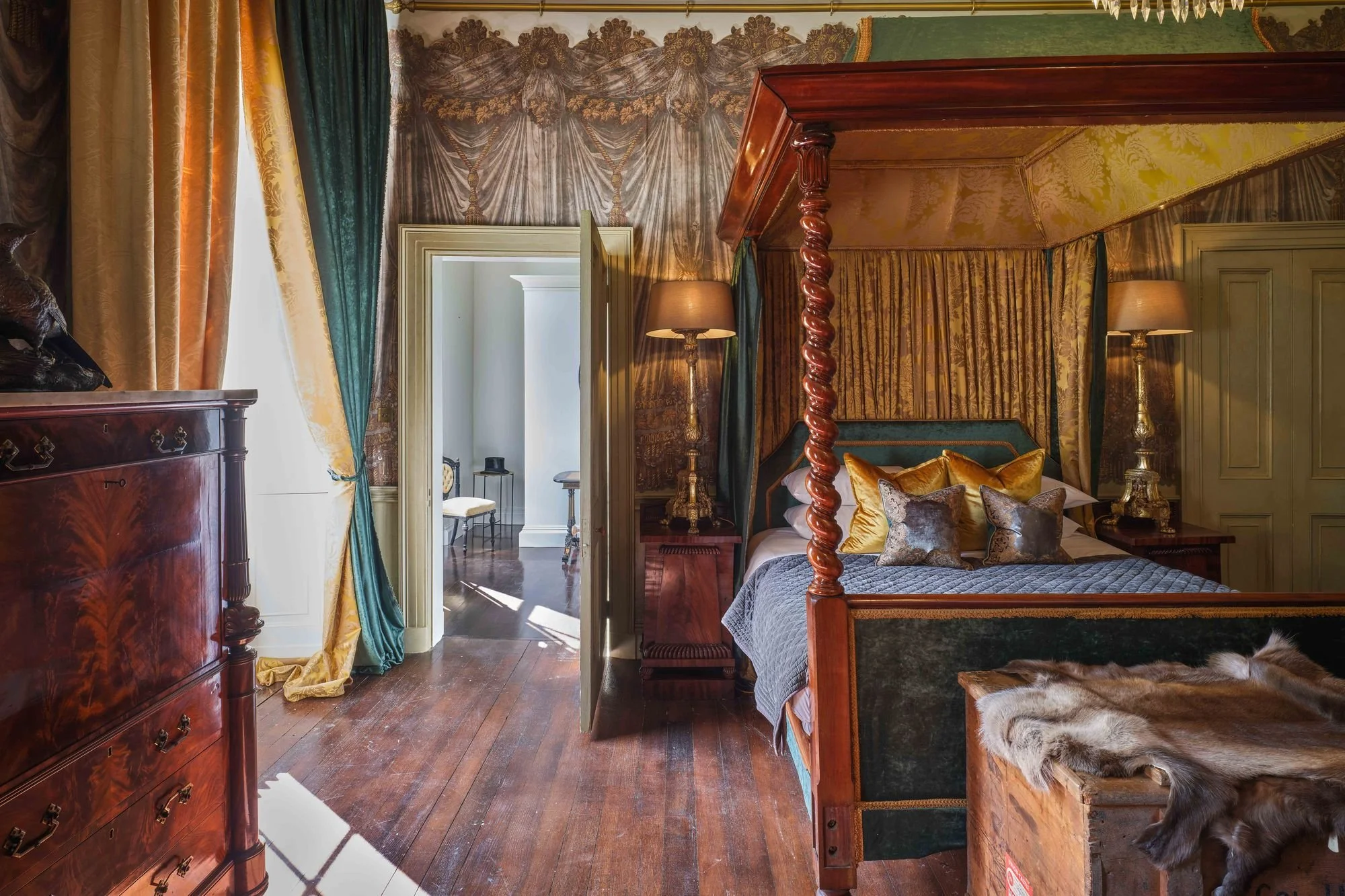
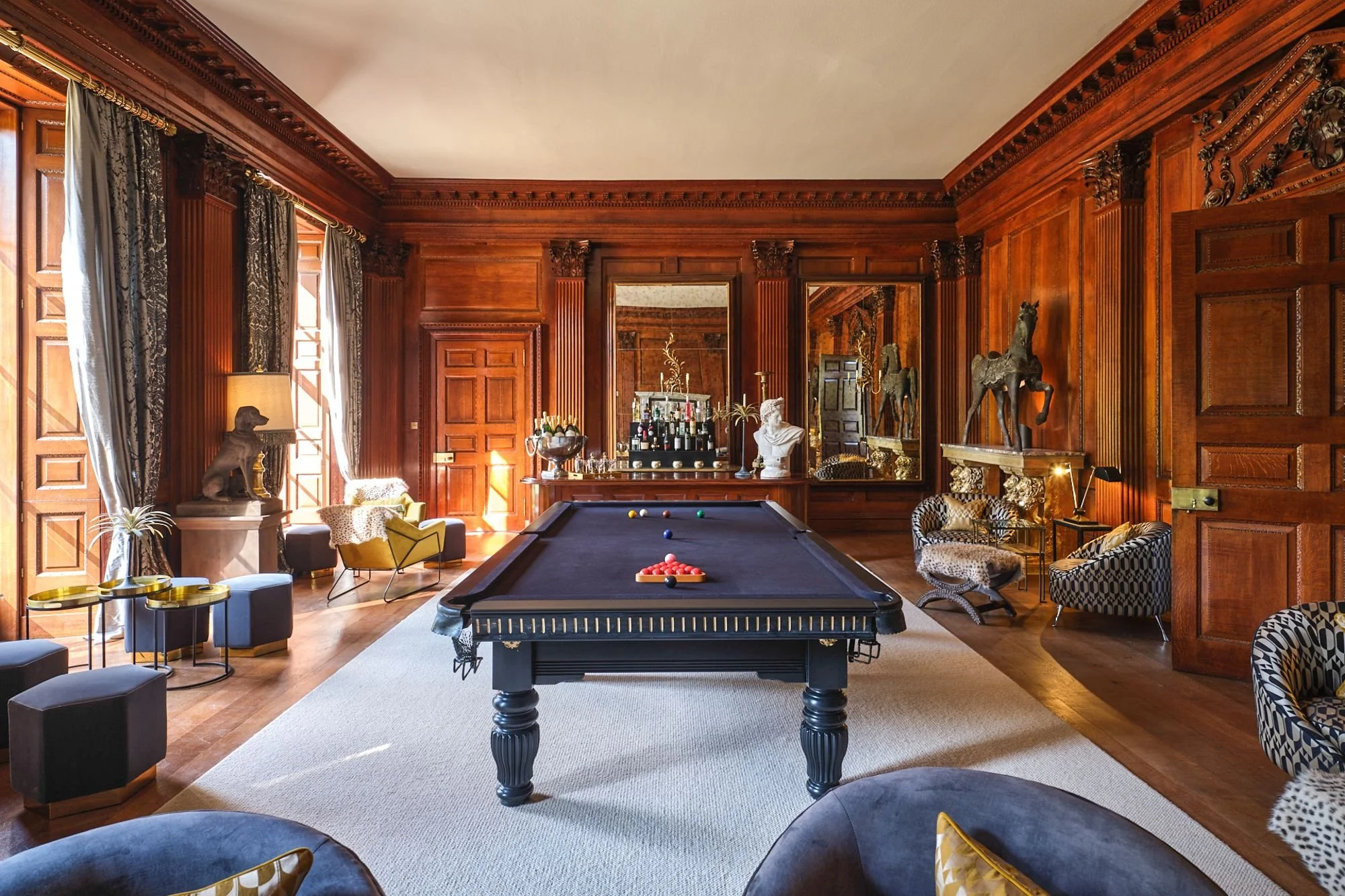
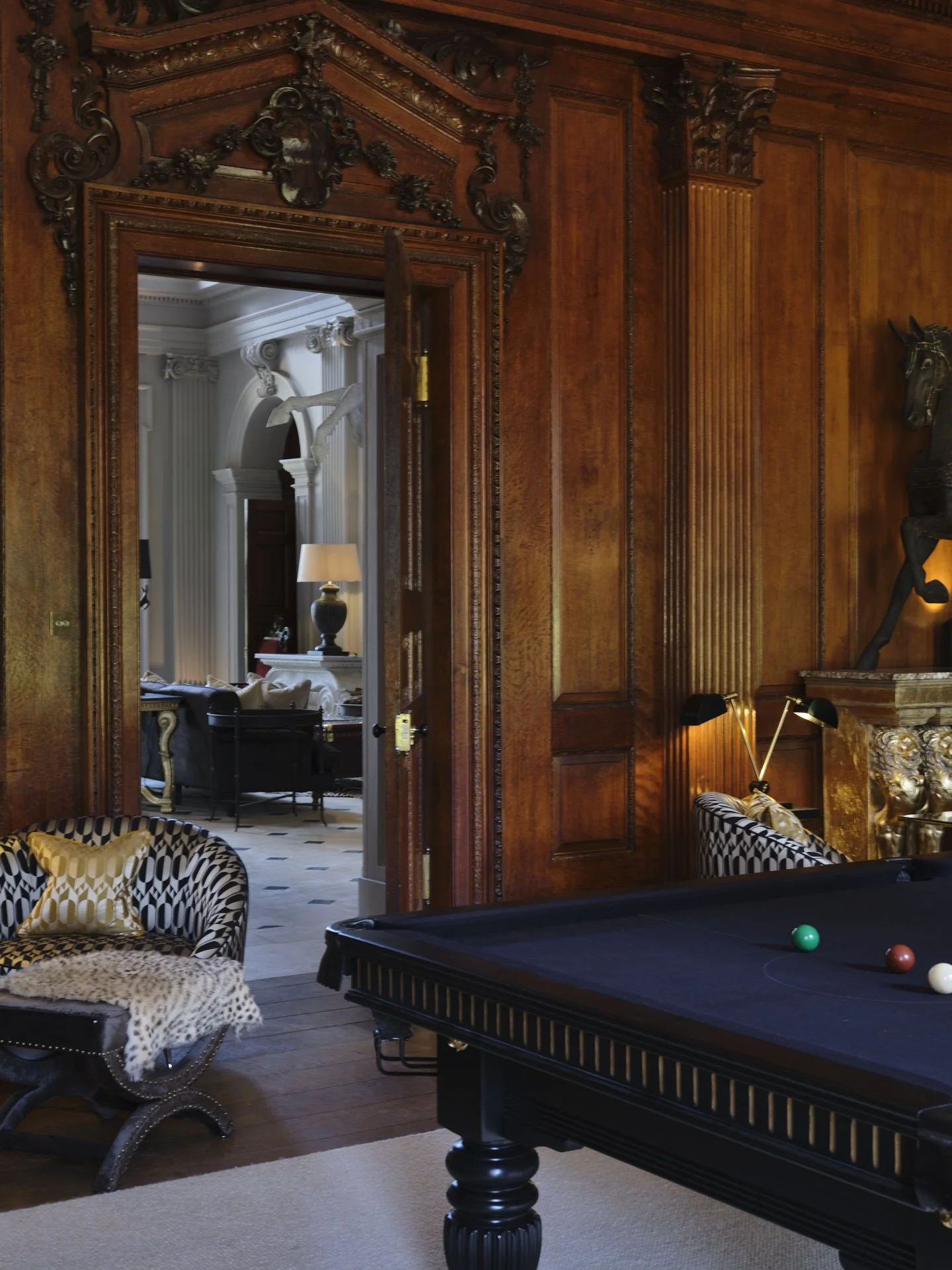
According to the listing, the current owner has undertaken an extensive restoration of the house while preserving its original architectural fabric and period features. Ornate fireplaces, decorative mouldings, oak panelling, and historic detailing survive throughout, reflecting both the house's Georgian origins and its later Regency remodelling.
Alongside the main residence is a substantial Grade II*-listed stable block arranged around a central courtyard, together with guest accommodation, ancillary buildings, and a historic walled garden. The wider estate remains anchored by its parkland setting, preserving the sense of scale that has characterised Ombersley Court since the eighteenth century.
Built for the Sandys Family
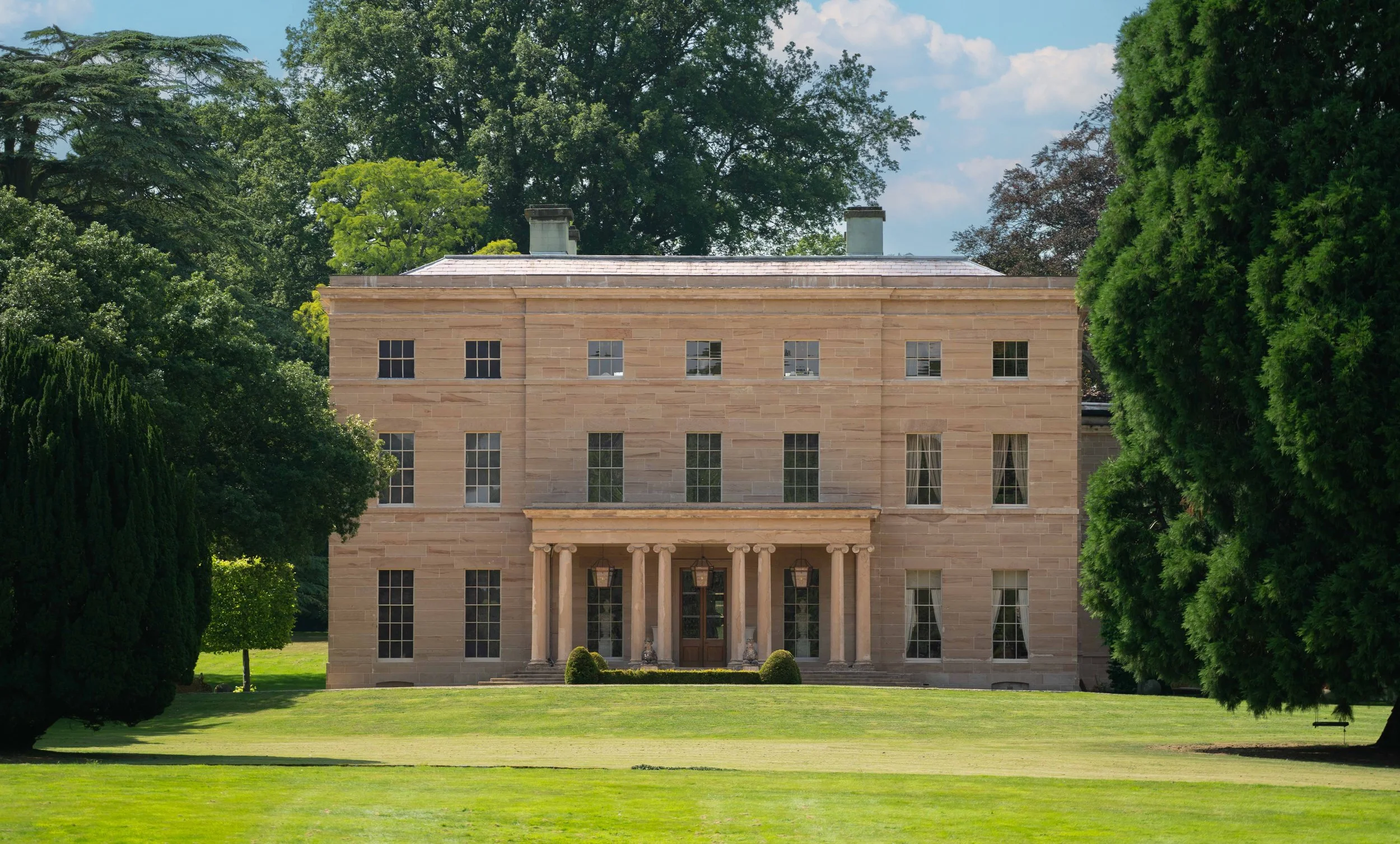
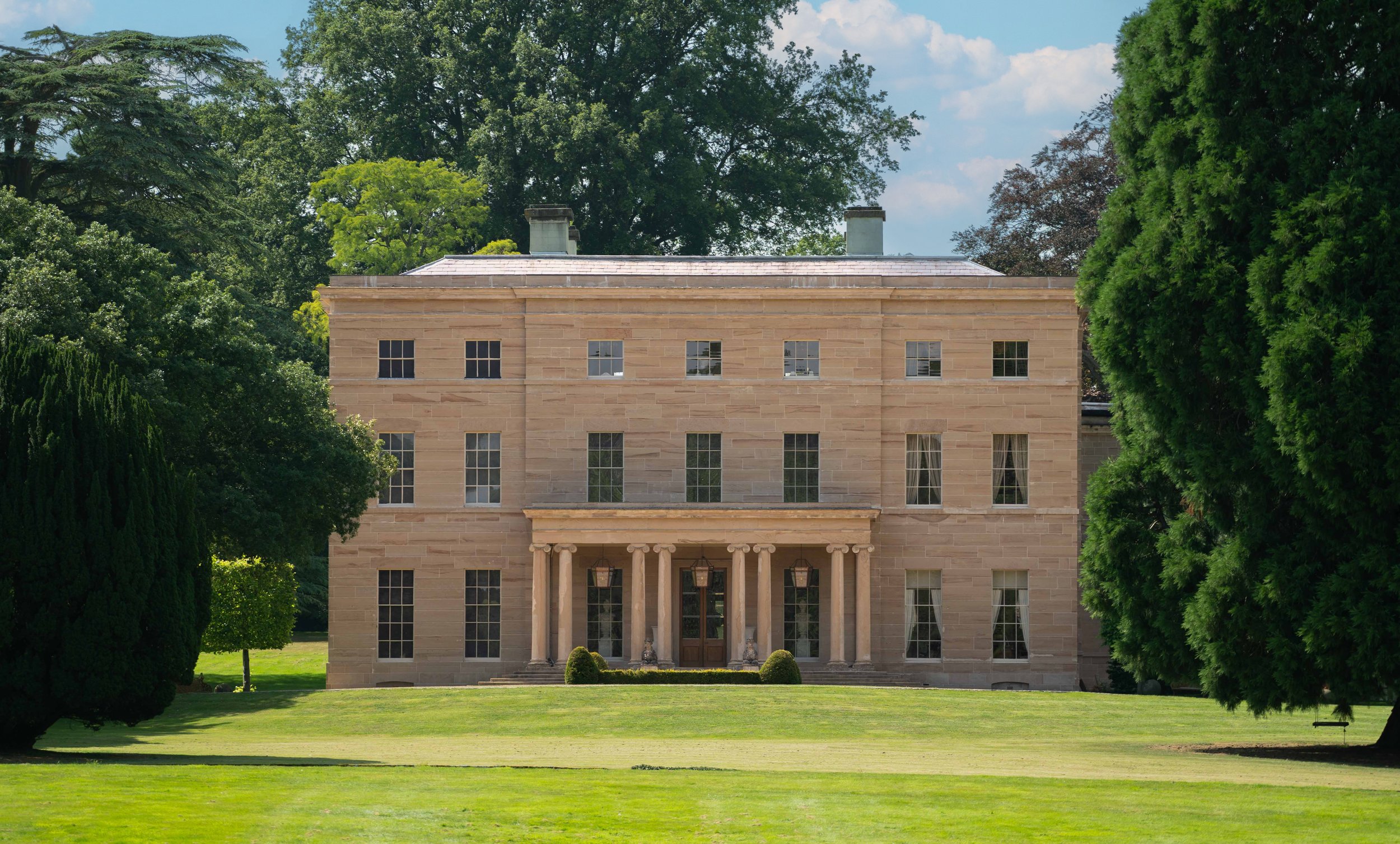
The present house was built in the 1720s for Samuel Sandys, later the 1st Lord Sandys, and designed by Francis Smith of Warwick, one of the leading country-house architects working in the English Midlands during the early Georgian period.
The commission coincided with a period of growing wealth for the family. Sandys had married Letitia Tipping in 1725, a wealthy heiress whose fortune was estimated at around £170,000. By some modern estimates, that wealth could be equivalent to more than £50 million today. Through her inheritance, important works of art also entered the family collection, including paintings associated with Admiral Edward Russell, 1st Earl of Orford.
That combination of title, marriage, inheritance, and political standing helps explain the scale of Ombersley Court. This was not conceived as an ordinary private residence, but as the principal seat of a family establishing its position among the landed elite of Worcestershire. Smith's design provided the estate with its formal Georgian framework, including the Great Hall, Saloon, and a sequence of reception rooms intended for entertaining, family life, and the display of status.
A Regency Transformation
A second major chapter in the house's history began in the early nineteenth century under Mary Sandys, Marchioness of Downshire. Between 1812 and 1814 she commissioned architect John Webb to remodel the property, transforming the appearance of the Georgian mansion.
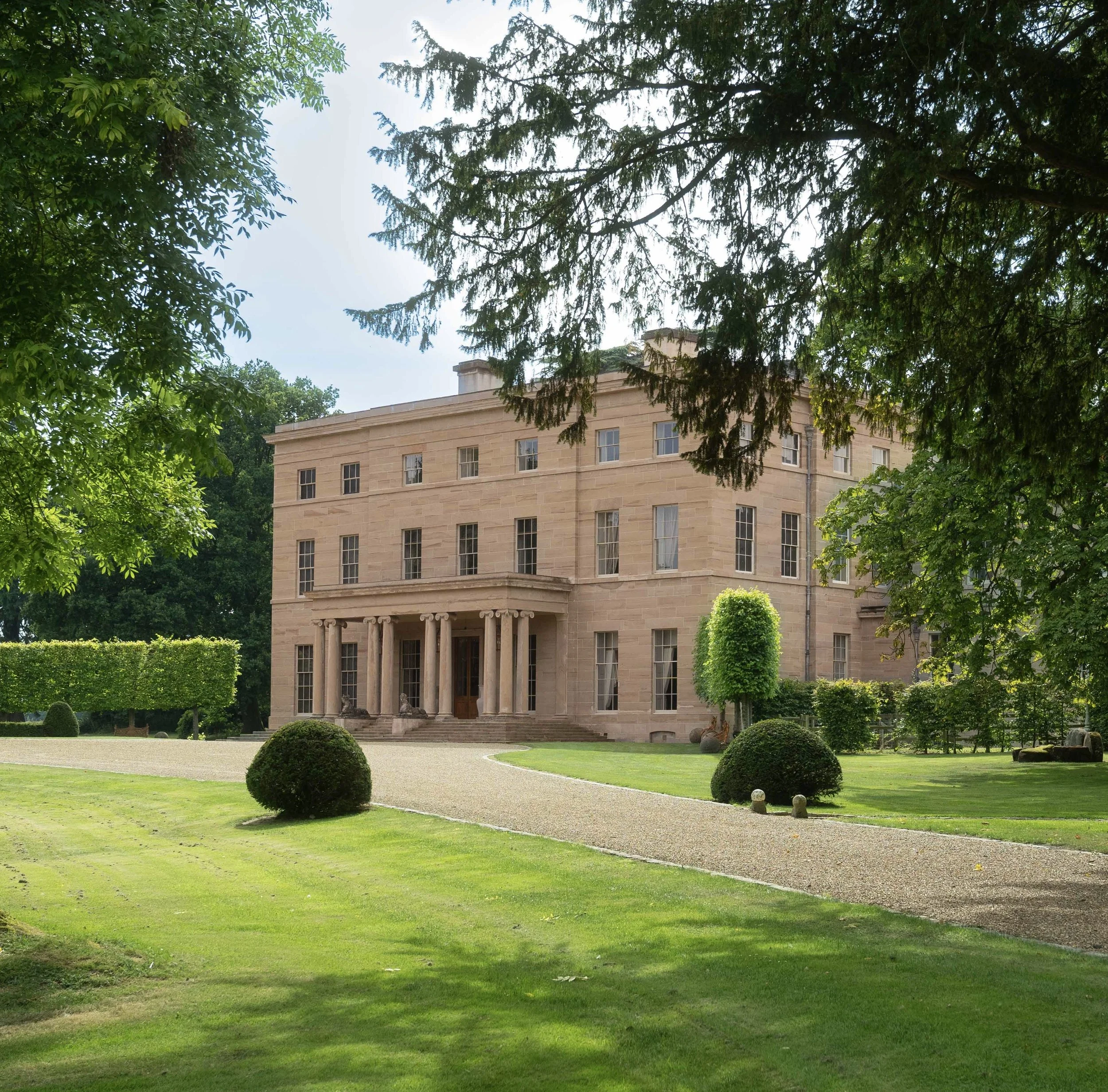
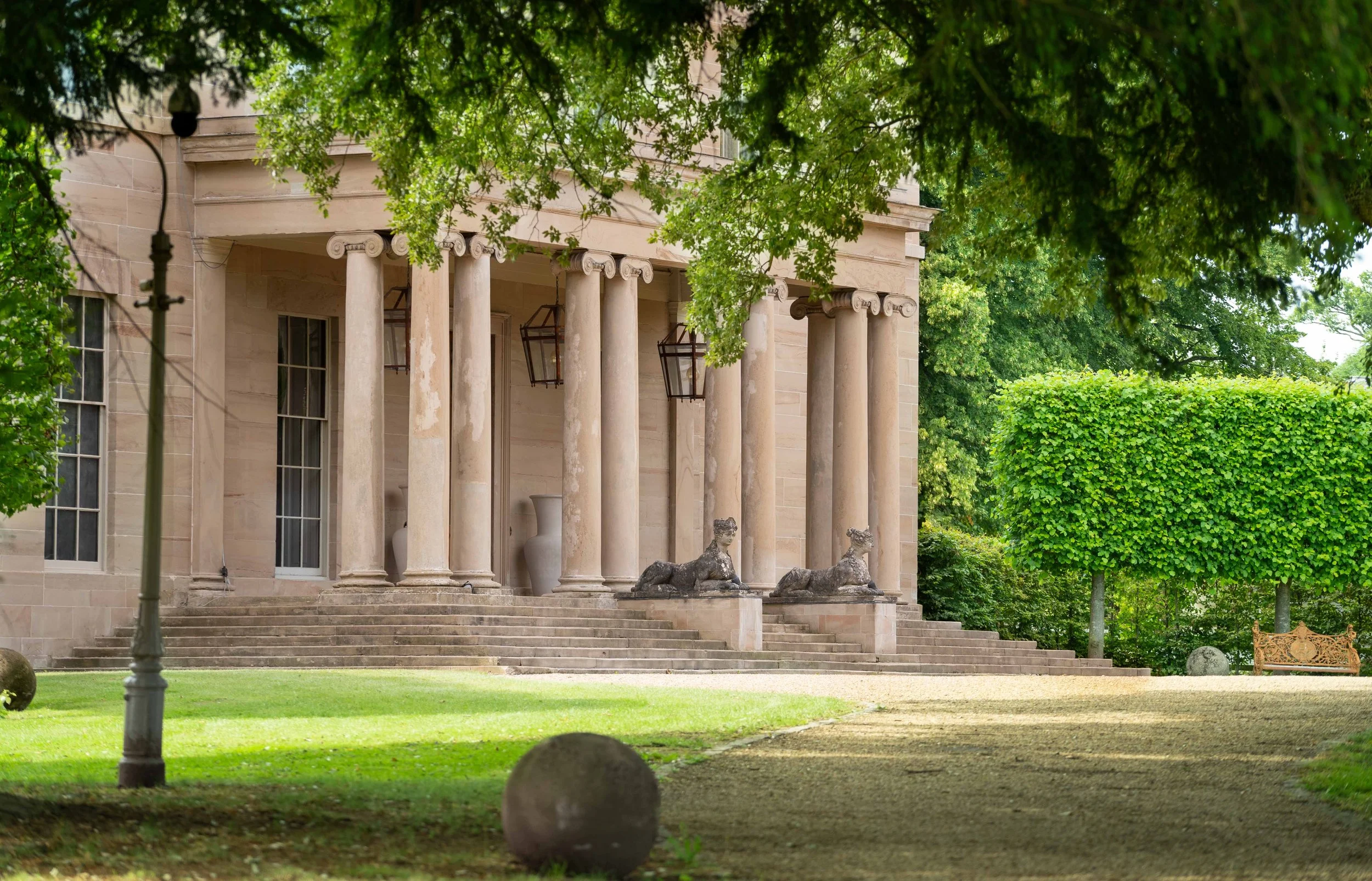
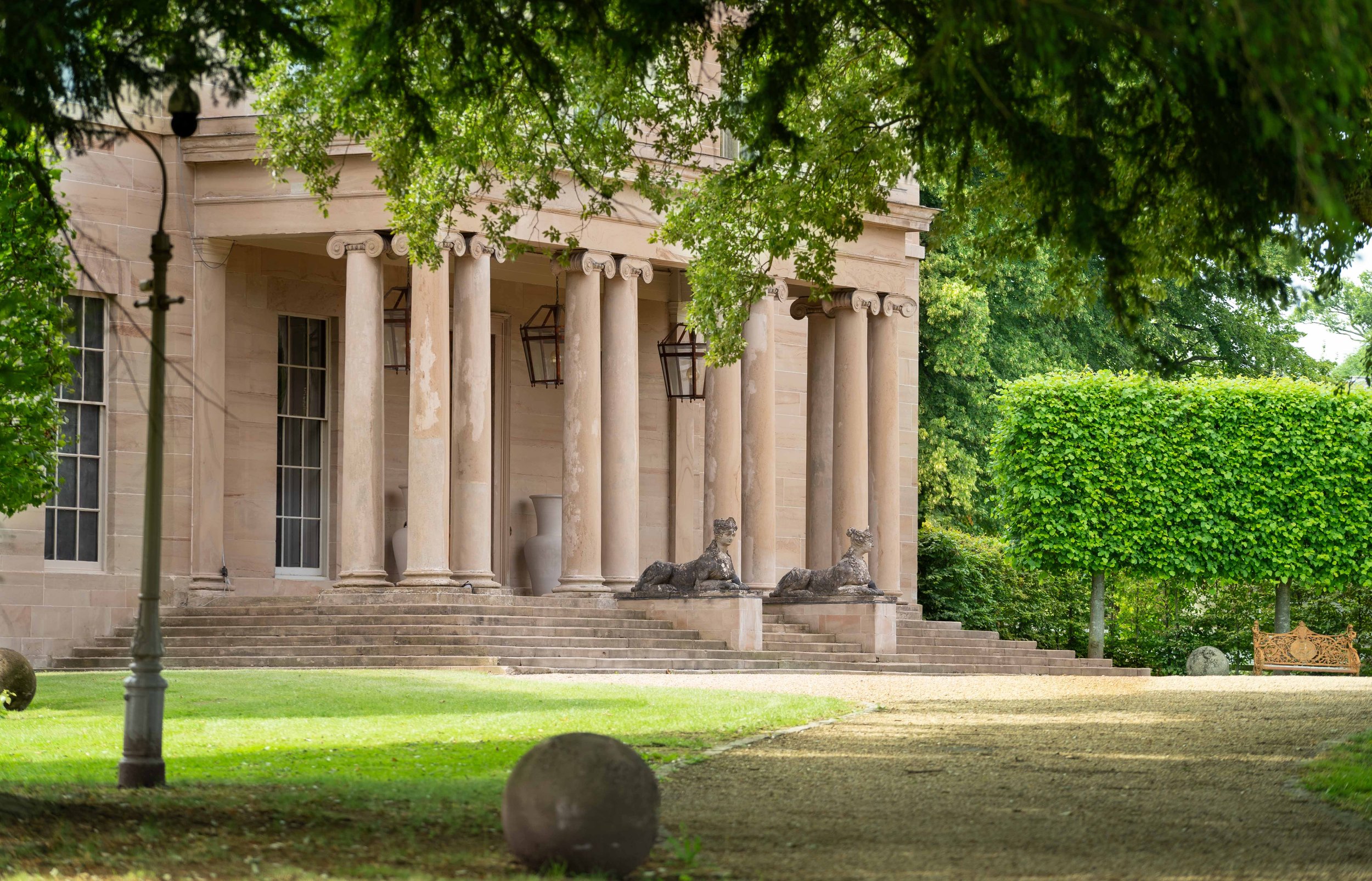
Webb introduced the ashlar stone façade, added the imposing portico with paired Ionic columns, and created new accommodation including a principal dining room and additional bedrooms. The Regency campaign extended beyond the house itself. Webb also redesigned parts of the surrounding estate, shaping the landscape that survives today. Sweeping lawns, mature specimen trees, and carefully composed views across the Worcestershire countryside became part of a broader vision that united house and landscape into a single architectural composition.
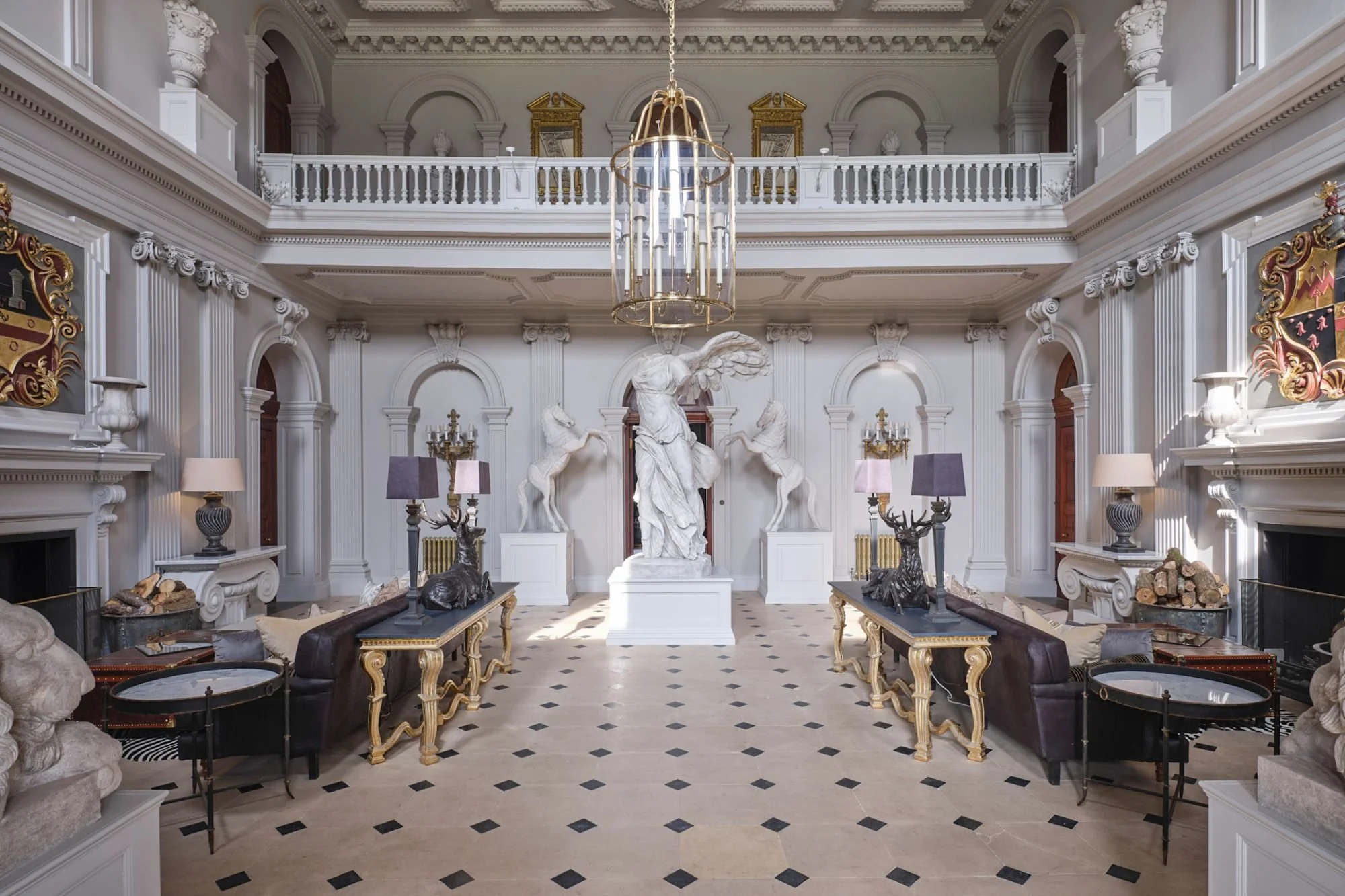
Many of the interiors visitors see today reflect the combined influence of these two periods. At the centre of the house is the Great Hall, a double-height entrance space with a galleried landing, Ionic pilasters, arched openings, and classical detailing. It remains the clearest expression of the house's original purpose: not merely as a family home, but as a place designed to receive guests and represent the standing of its owners.
Royal and Aristocratic Visitors
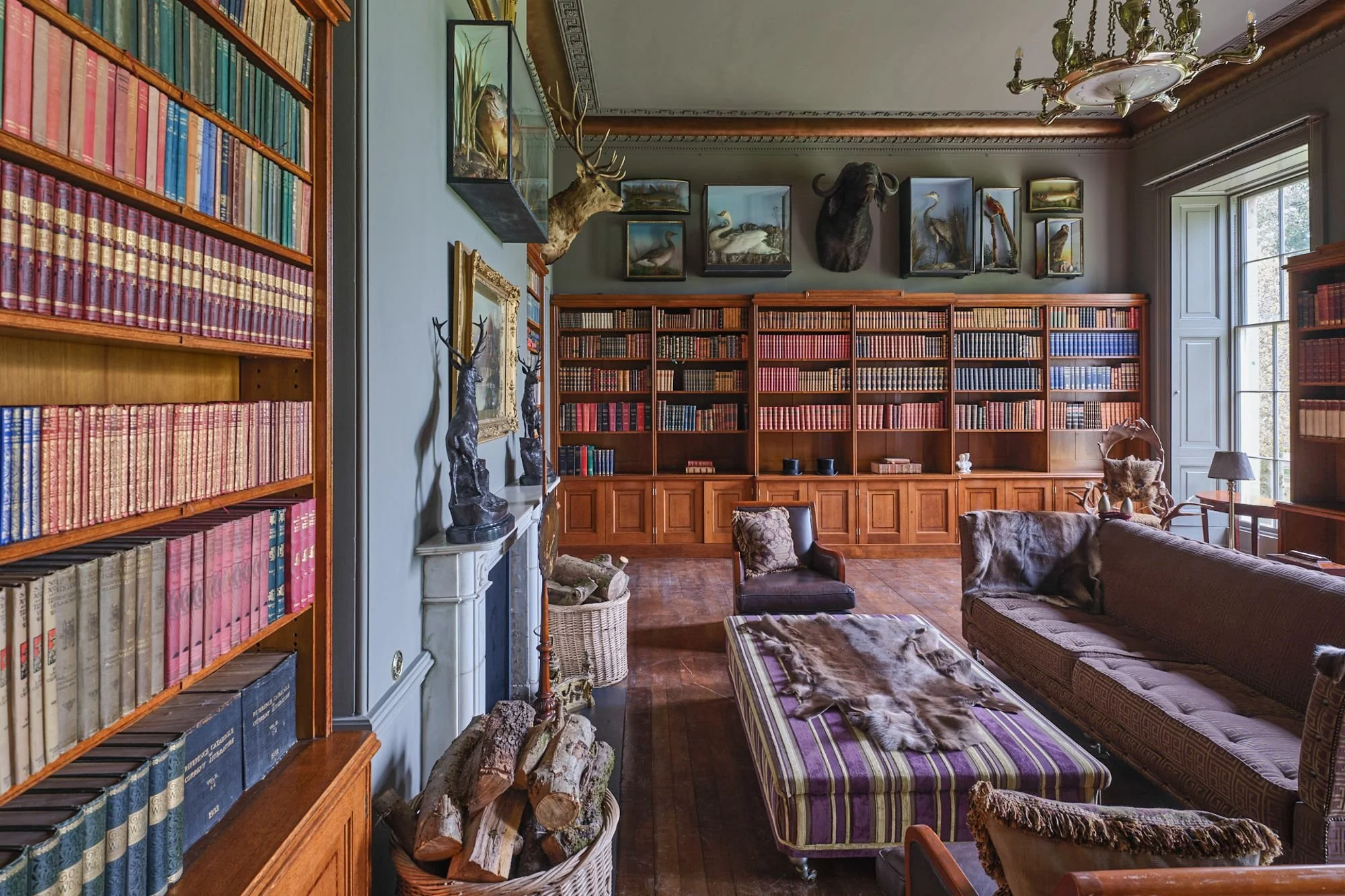
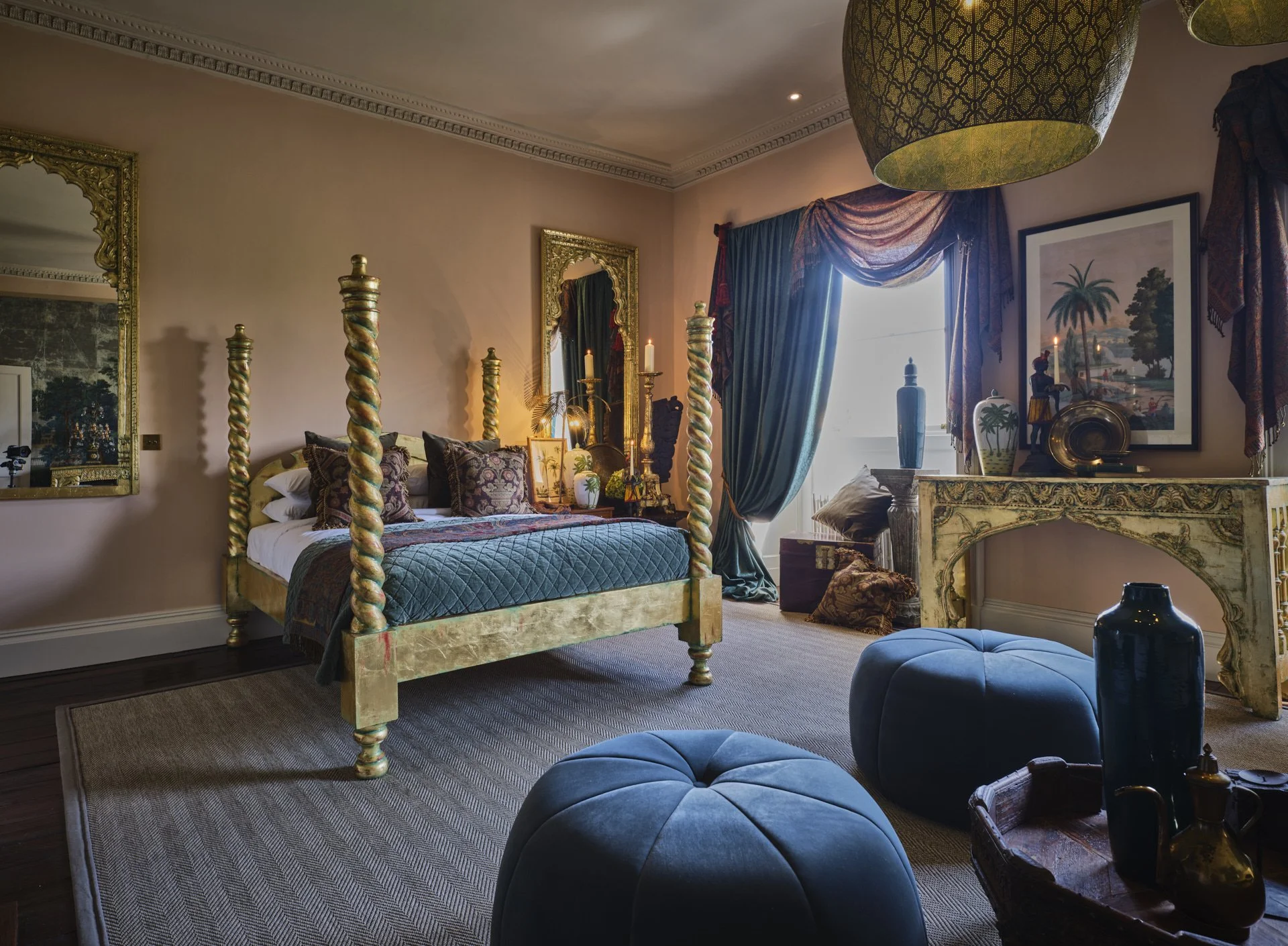
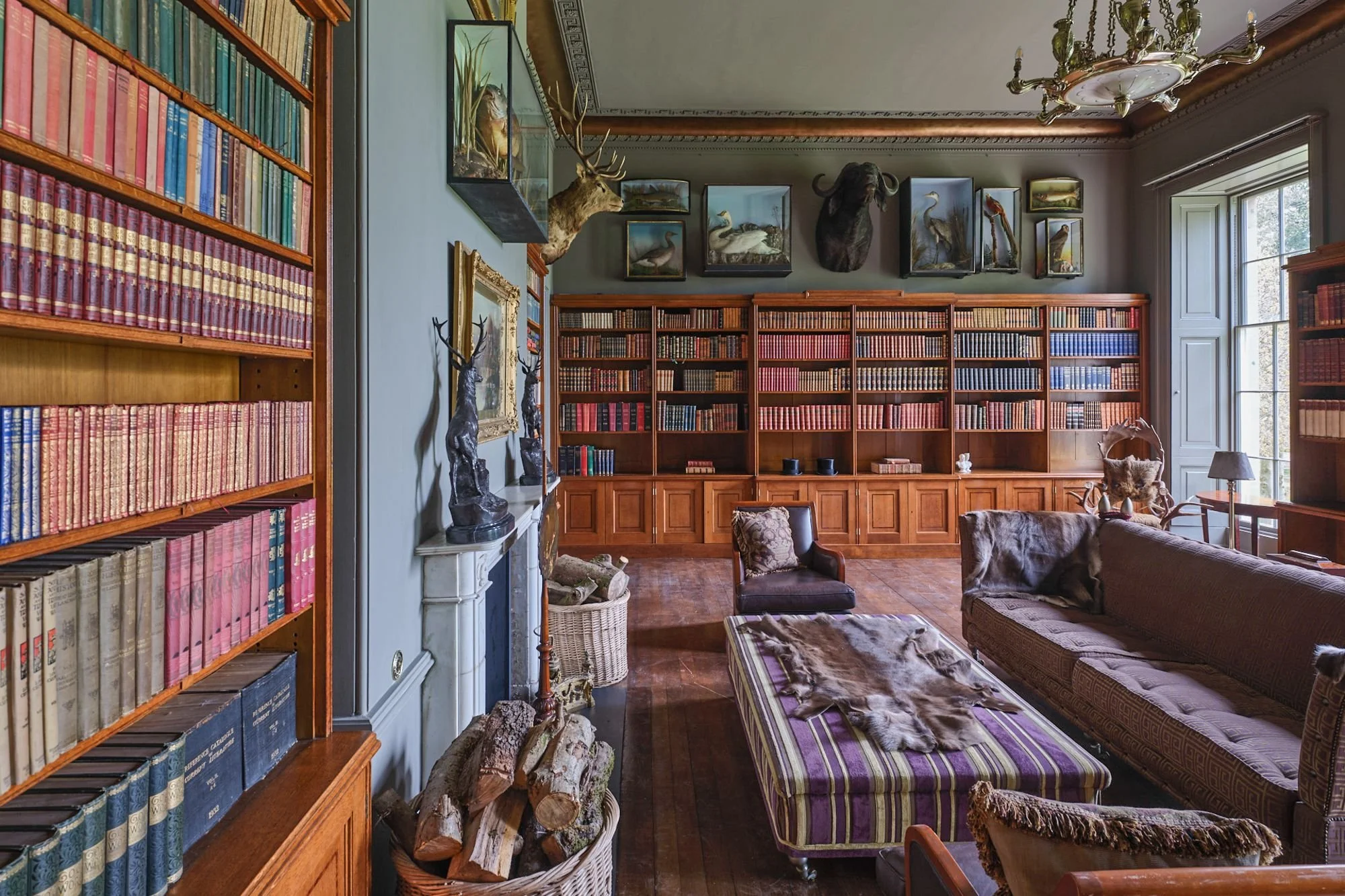
Elsewhere, rooms such as the Saloon, Library, principal dining room, and Chinese Room illustrate how the house evolved across generations. Rather than remaining fixed in time, Ombersley Court accumulated furniture, portraits, books, decorative objects, and inherited collections that reflected the tastes and interests of successive owners.
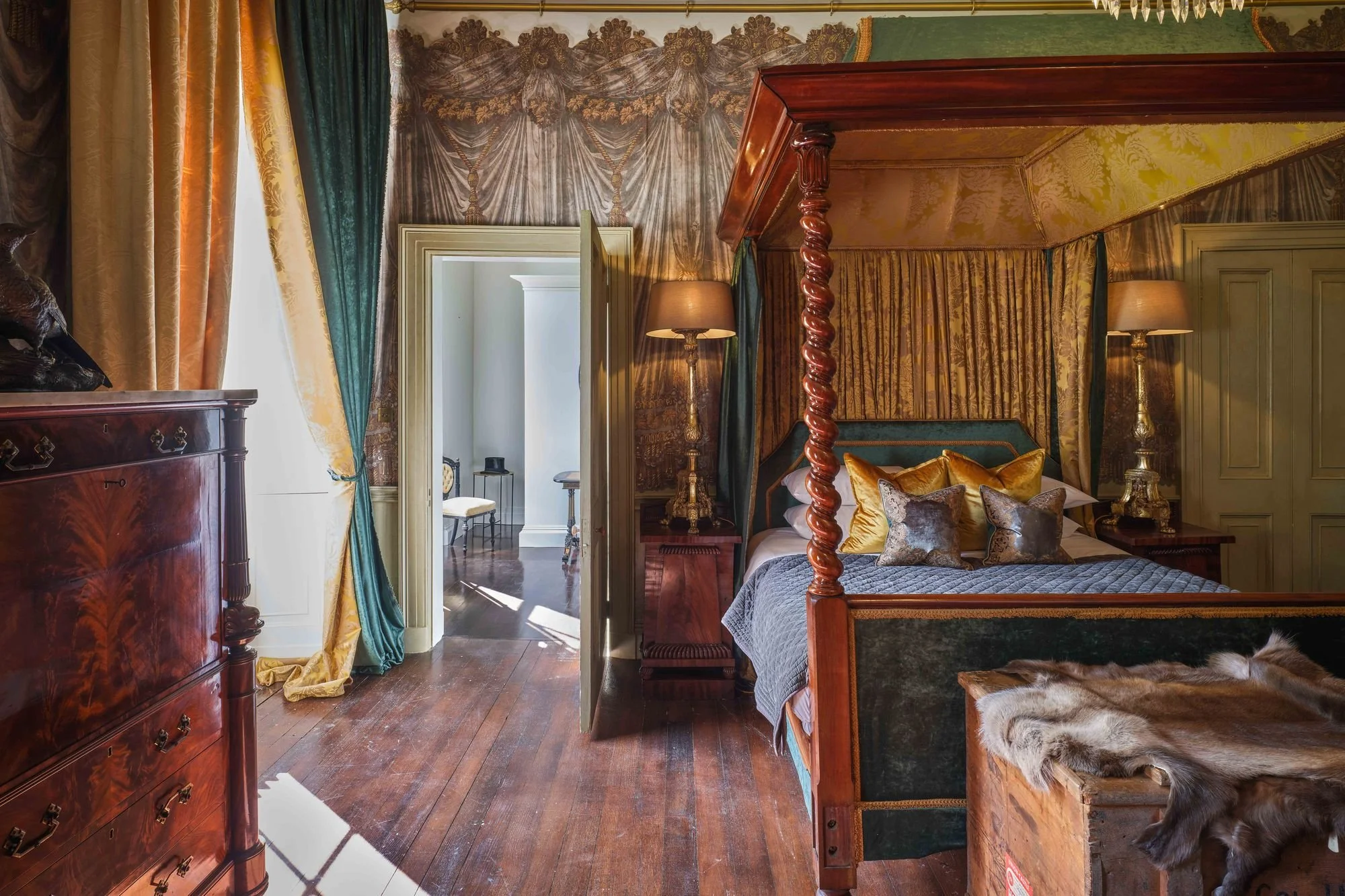
The house also welcomed notable visitors. The Prince Regent, later George IV, is recorded as having stayed at Ombersley in 1807. The Duke of Wellington was another frequent guest and is said to have spent time at the estate following his victory at Waterloo. One of the bedrooms created during the Regency remodelling became associated with him and still bears his name today.
United Kingdom Sotheby’s International Realty
Three Centuries of Family Ownership
What distinguished Ombersley Court from many English country houses was the continuity of ownership. The Sandys family remained associated with the estate for more than 300 years, preserving not only the house but also an extensive archive documenting the family's history and the management of the surrounding lands.
Over generations, the family assembled collections of paintings, furniture, silver, porcelain, militaria, and decorative arts that transformed the house into a record of aristocratic life across several centuries. Together, the house, archives, and collections told the story of a single family across more than 400 years.
The End of the Sandys Era
That chapter came to an end following the deaths of Richard Hill, 7th Baron Sandys, and Patricia, Lady Sandys, who had no children. Ombersley Court was sold in 2017, bringing more than three centuries of family occupation to a close. In the years that followed, parts of the collection were dispersed through a series of auctions at Christie's.
In 2023, Christie's offered more than 200 works from Ombersley Court, including Old Master paintings, English furniture, Asian art, silver, porcelain, and militaria. The auction house described the collection as representing the story of a single English aristocratic family over more than 400 years.
United Kingdom Sotheby’s International Realty
Ombersley Court Today
United Kingdom Sotheby’s International Realty
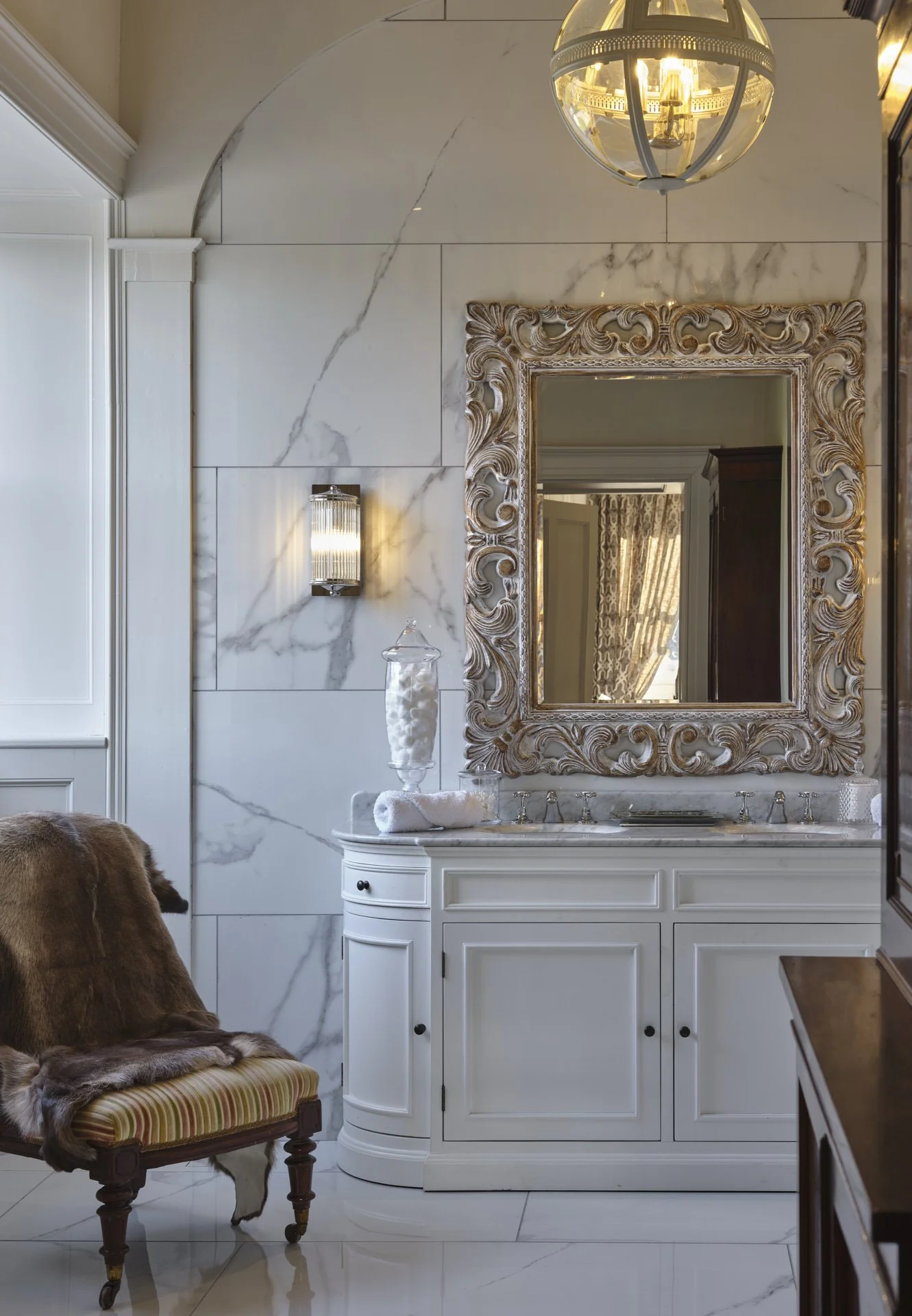
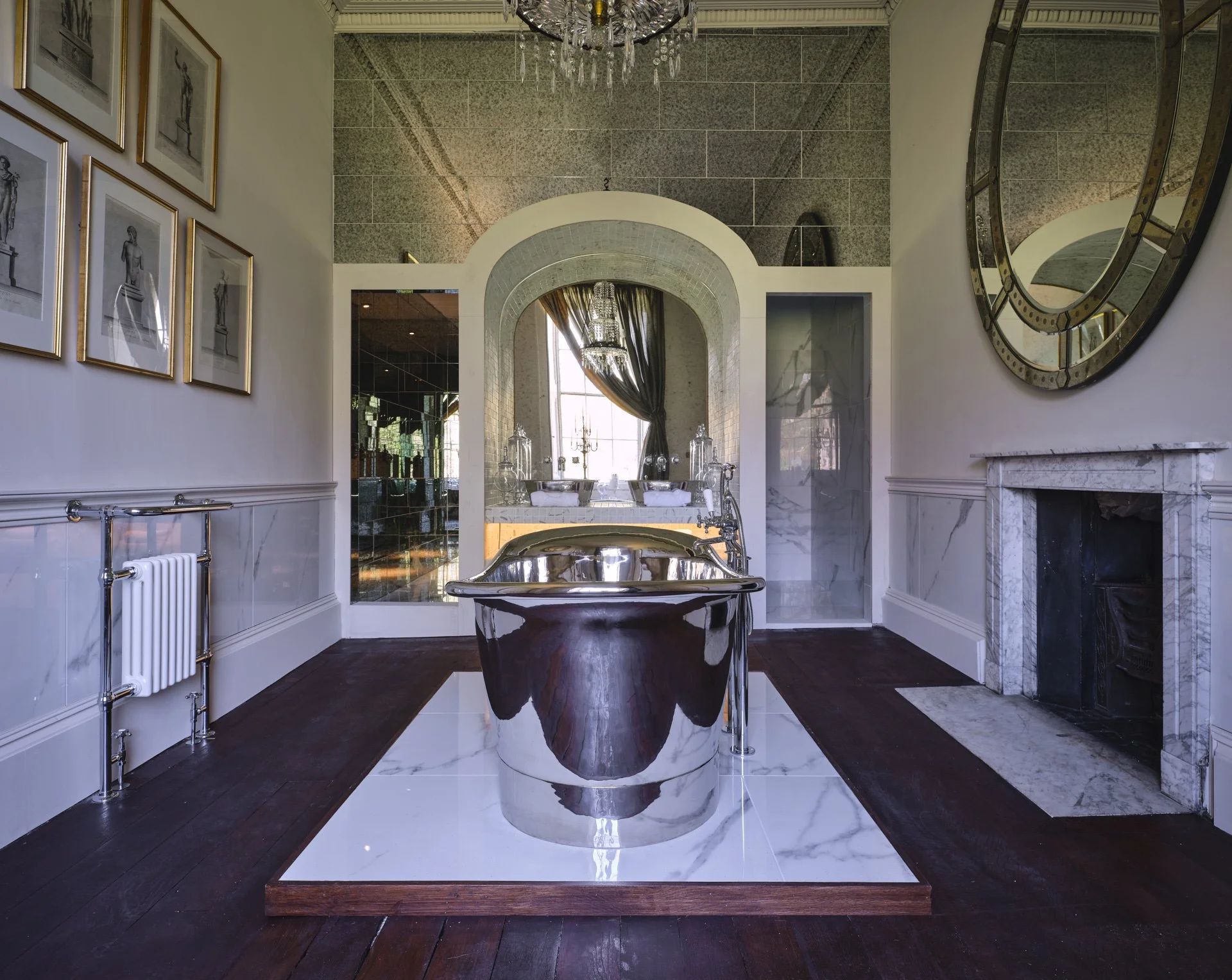
Today, Ombersley Court occupies a different place in the story of the estate. It is no longer an ancestral seat in the traditional sense, but it remains the lasting architectural expression of one. The current restoration has preserved the house's historic character while adapting it for contemporary living, ensuring that the Georgian and Regency interiors continue to function as a private residence rather than a museum.
More than three centuries after it was built for the first Lord Sandys, Ombersley Court returns to the market with a different significance. The family chapter has closed, and much of the collection has moved on. What remains is the house itself: a restored Georgian and Regency country estate that continues to embody the architecture, landscape, and history of one of England's long-established aristocratic families.
All photographs belong to the listing agency. See more on UK Sotheby’s International Realty.