
A Historic Olive Oil Mill in Puglia, Converted to a Design-Led Retreat, Asks €1.8 Million
Bedrooms: 3 Bathrooms: 4 Interior: 250 m² / 2,691 sq ft Lot: 4.3 Ha / 10.6 Acres
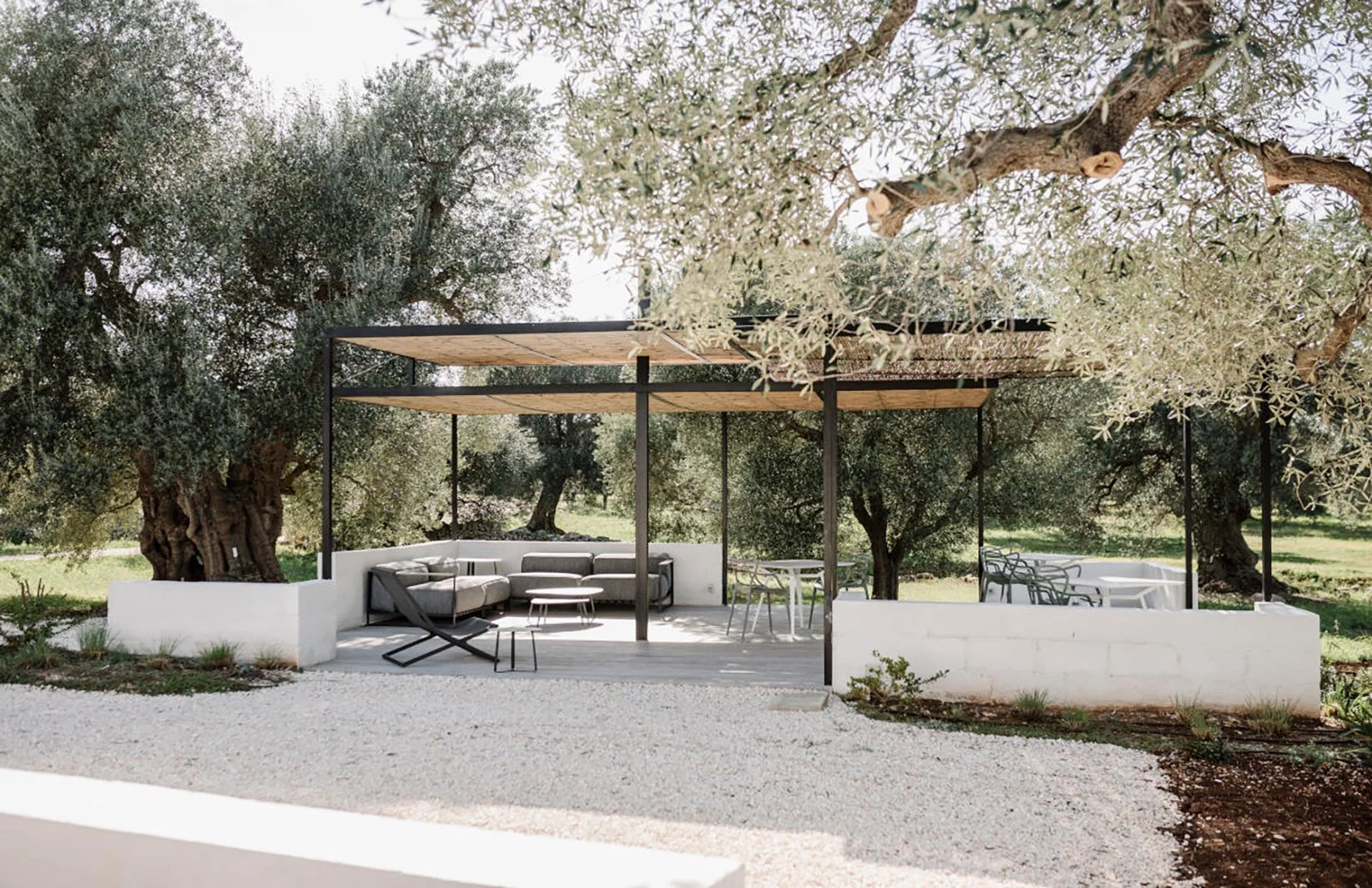
Amenities: Swimming pool; terraces; pergola; 180 m² (1937 ft²) underground frantoio ipogeo; vaulted stone interiors; enclosed courtyard; centuries-old olive groves; independent guest suites.
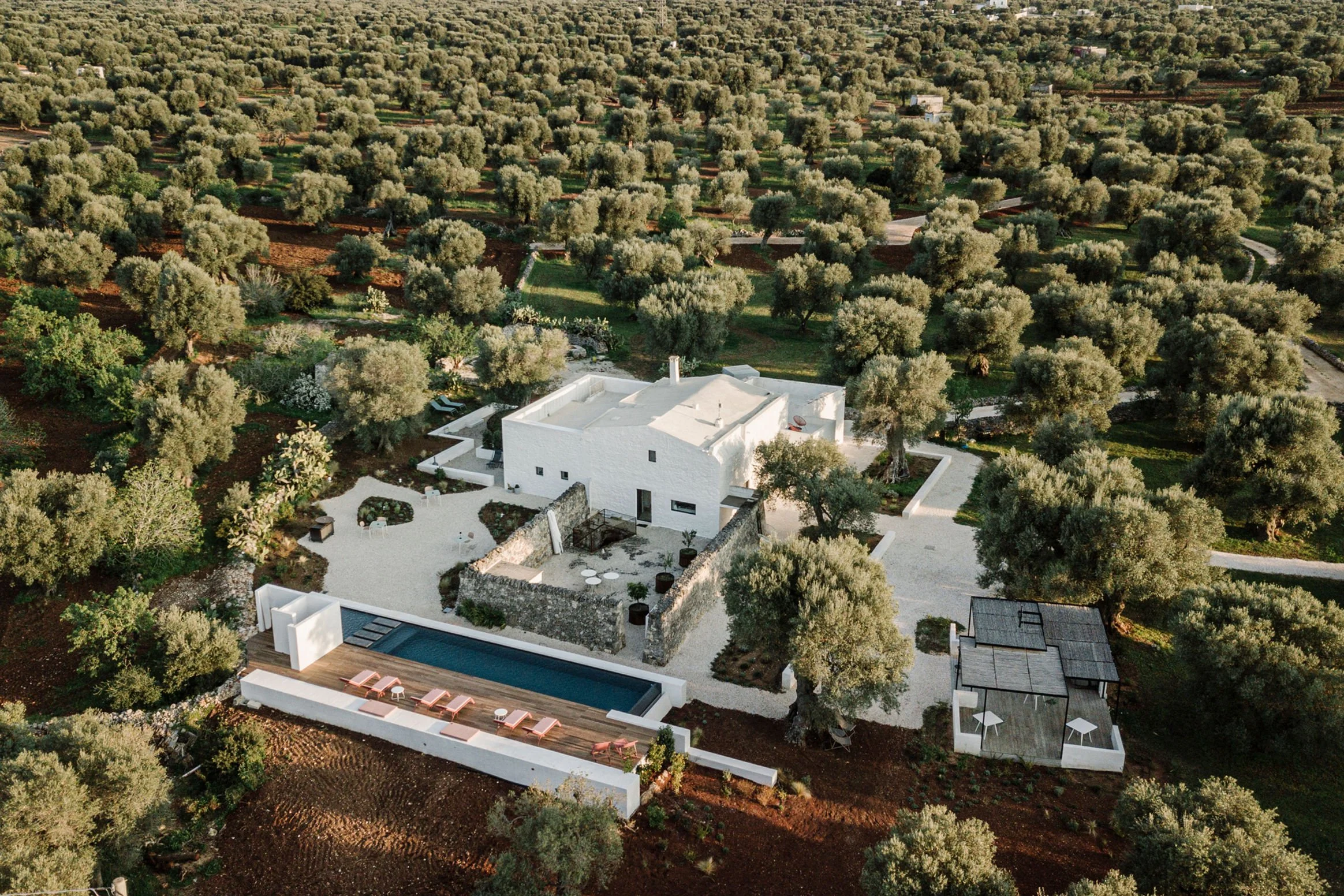
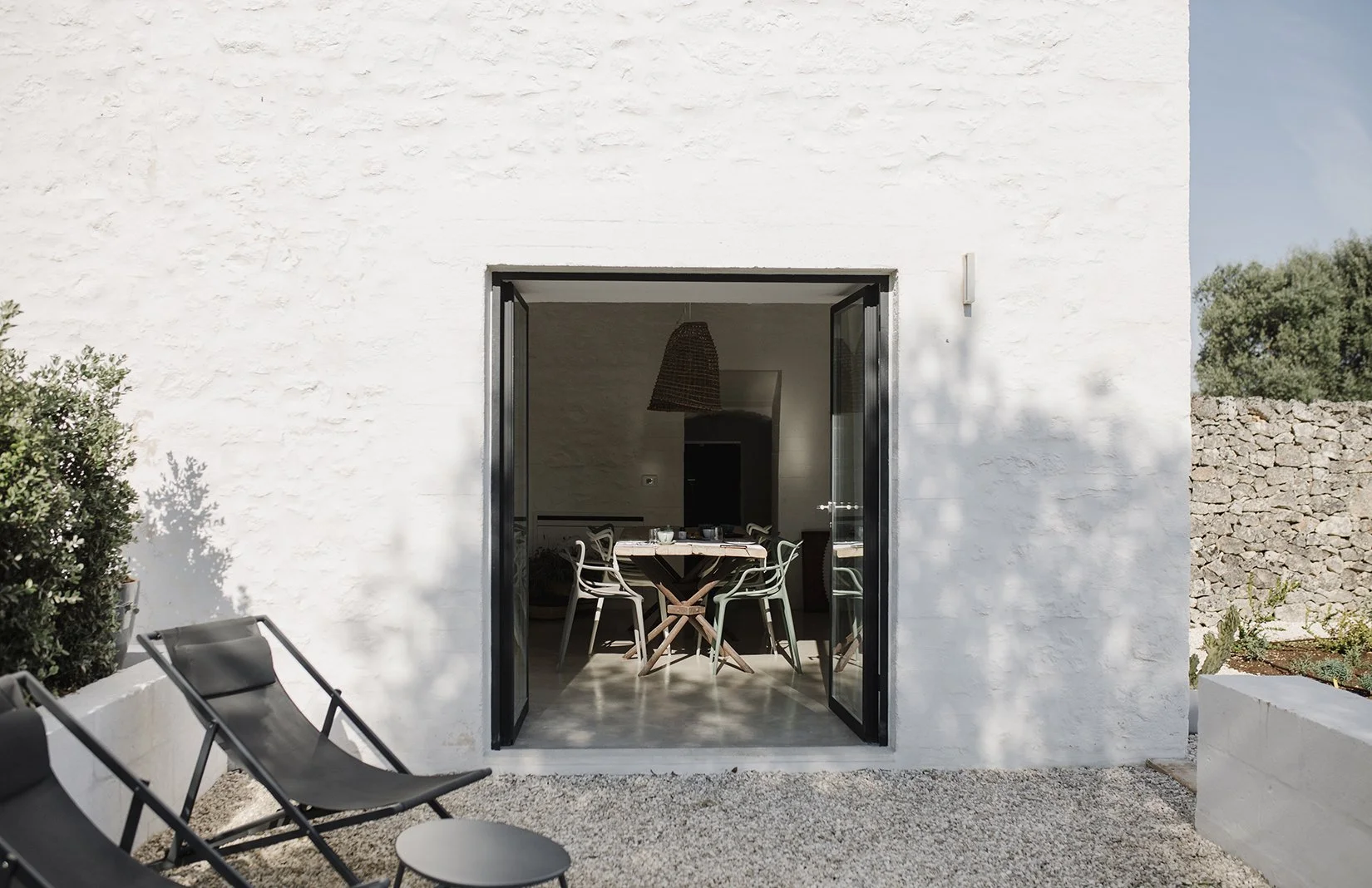
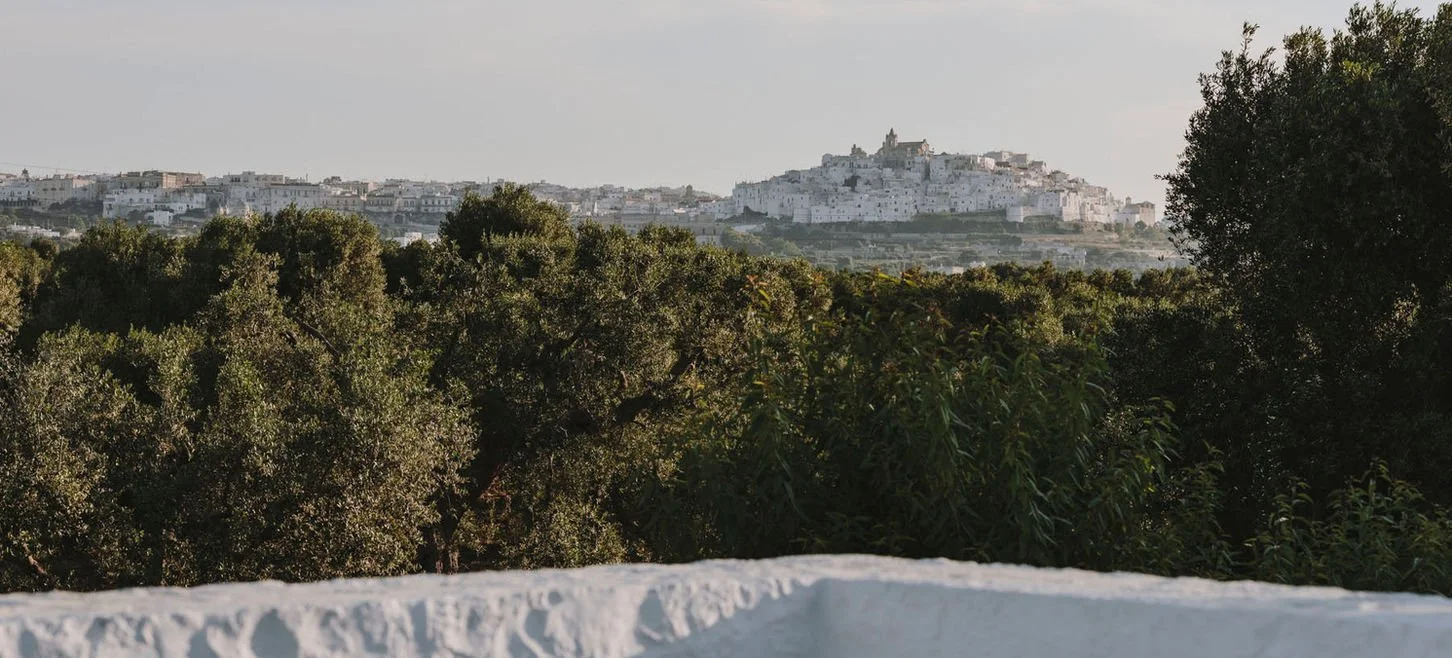
Listed for €1,800,000 with TRRA Studio, Masseria Dagilupi sits within 4.3 hectares (10.6 acres) of centuries-old olive groves between the hilltop city of Ostuni and the Adriatic coast. Originally built as a former olive oil mill, the property combines traditional Puglian agricultural architecture with a contemporary restoration that prioritizes preservation.
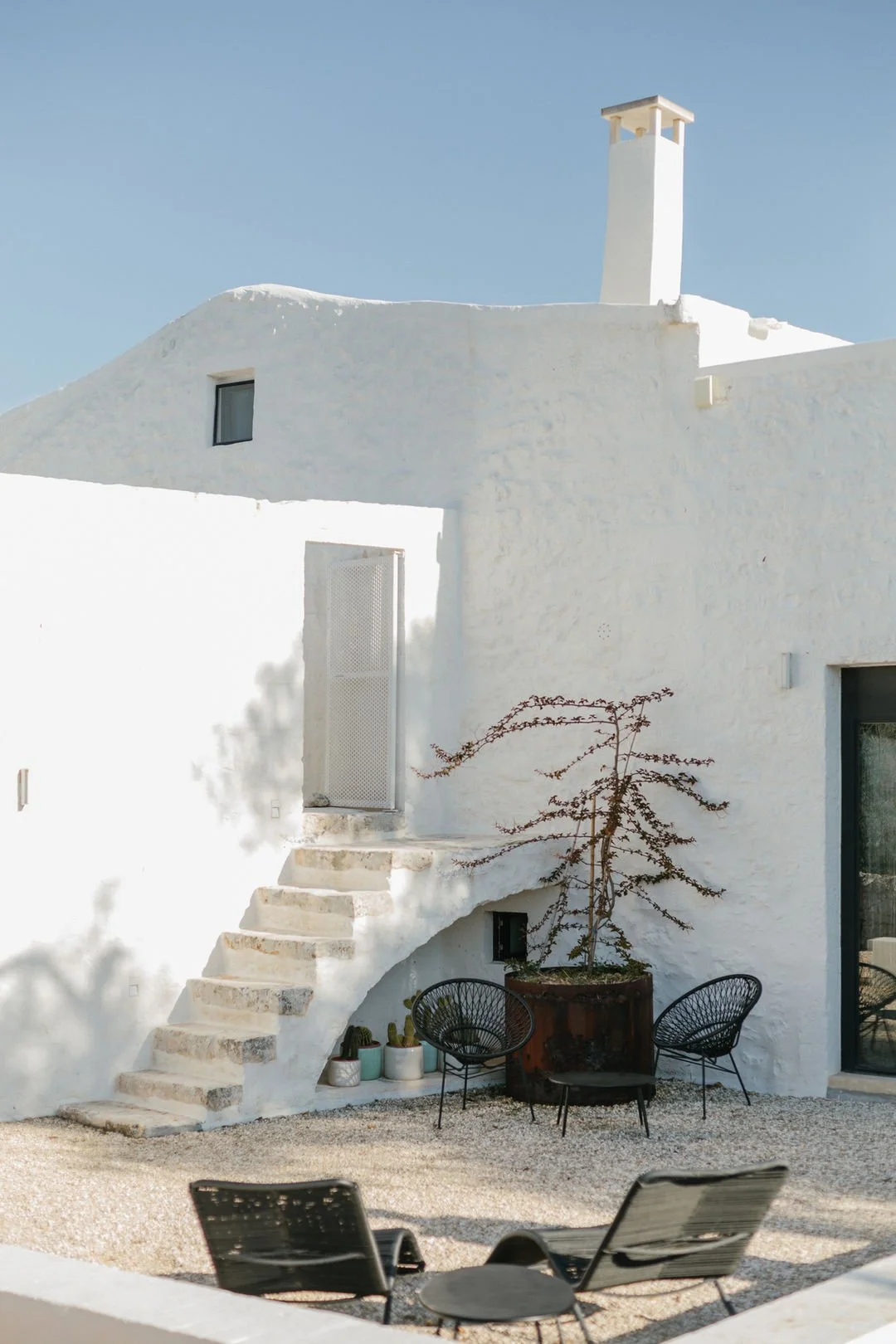
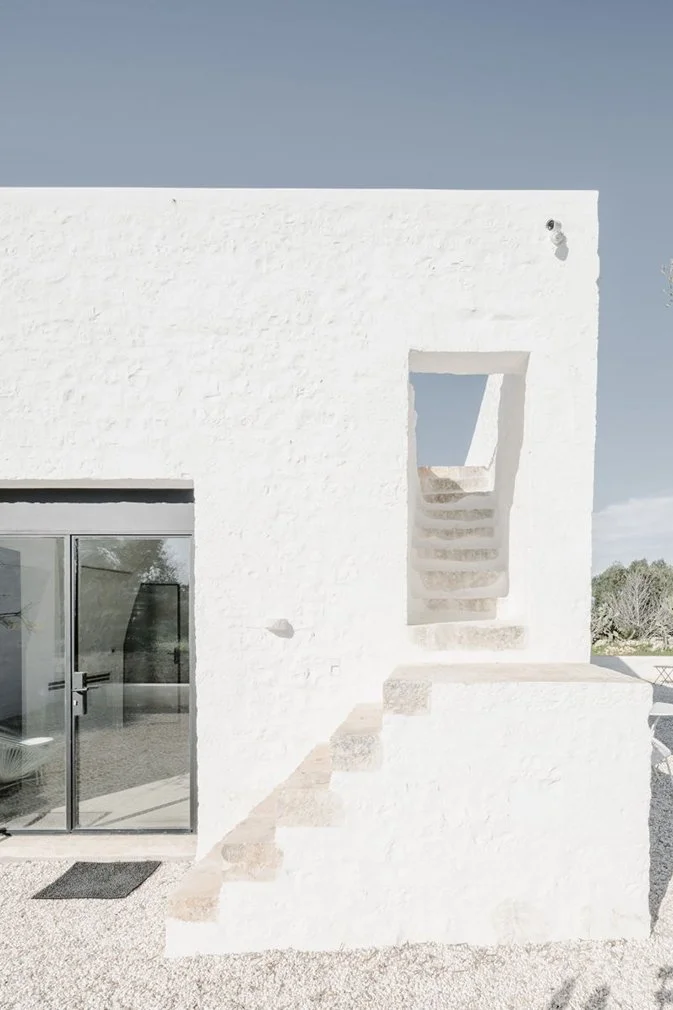
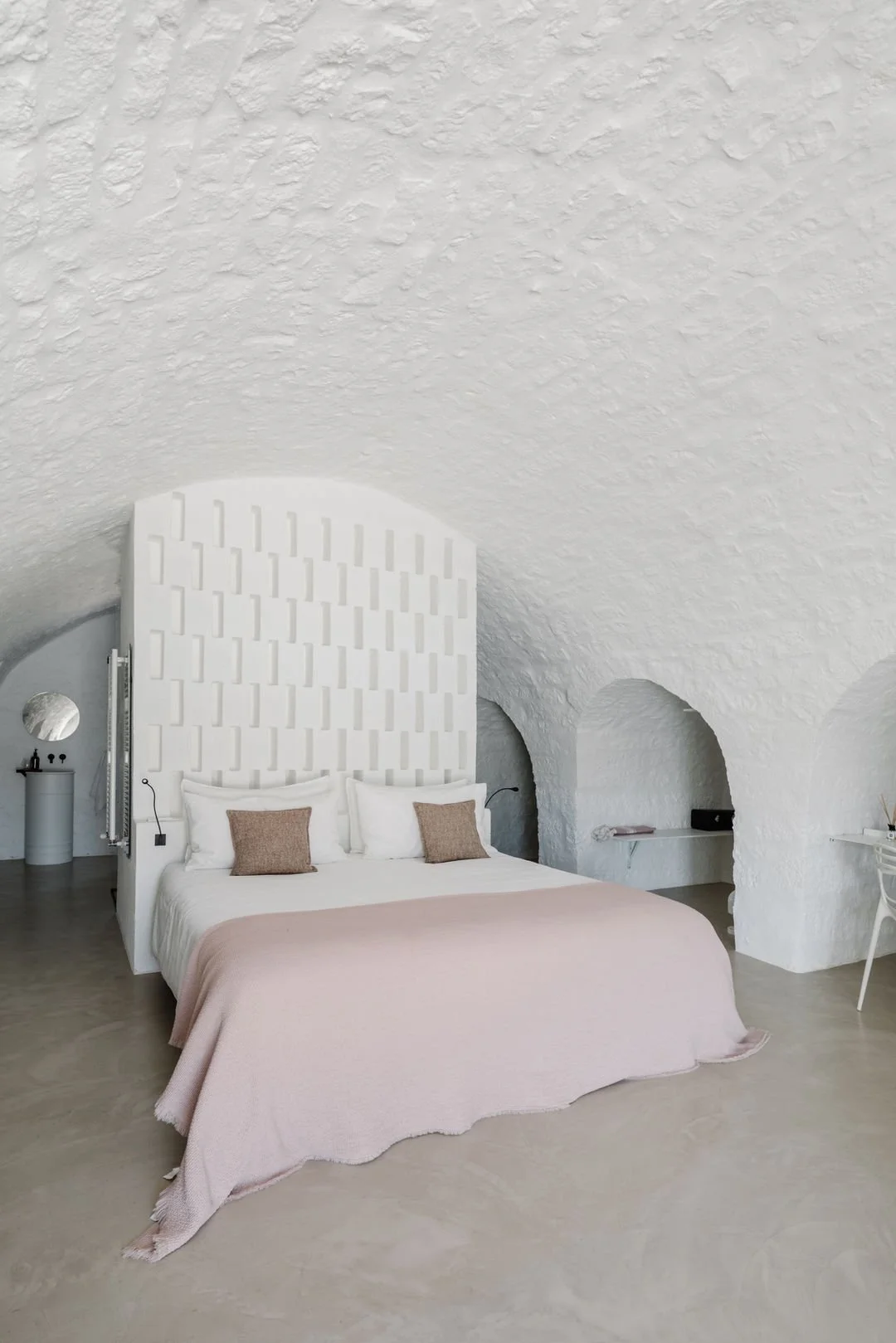
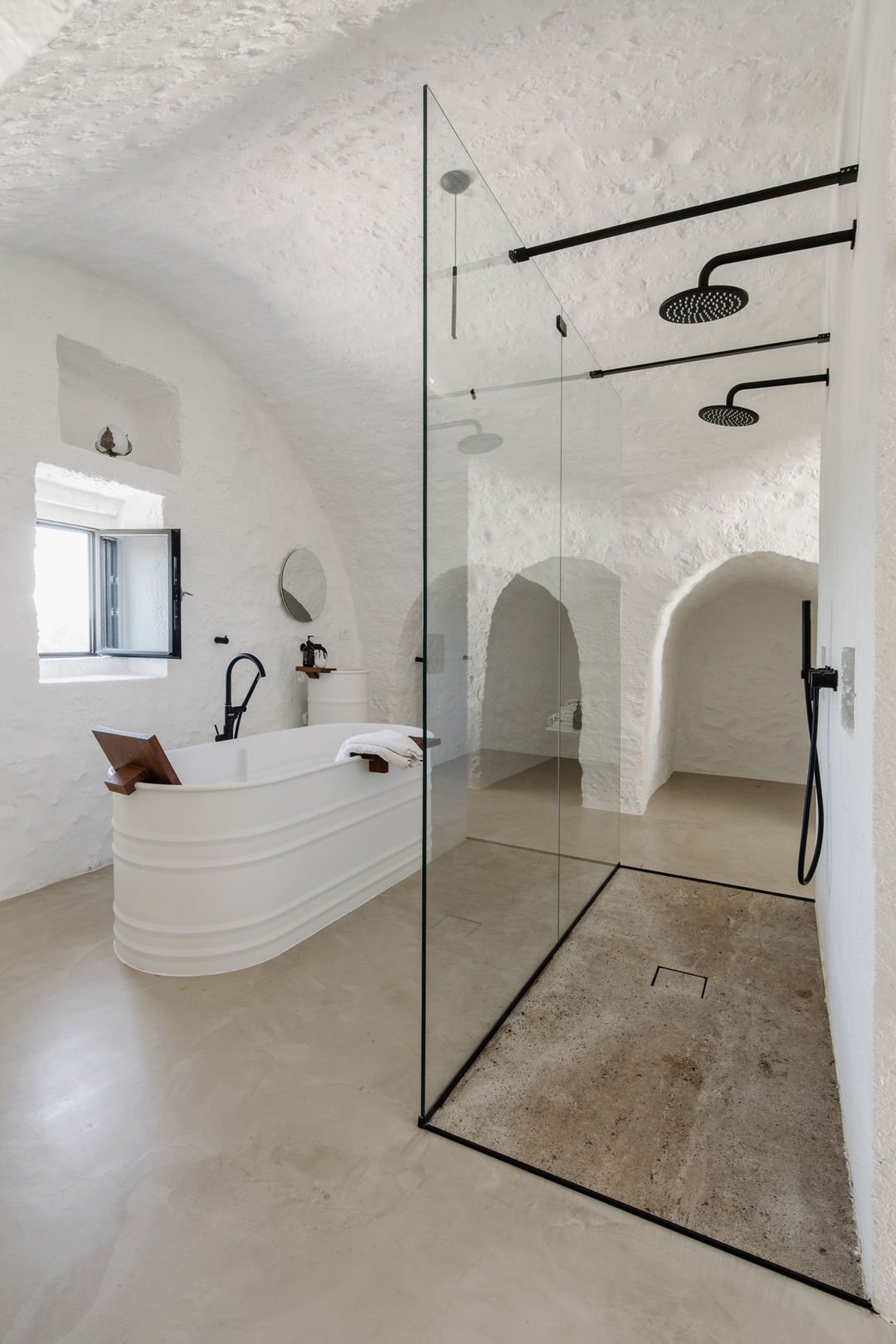
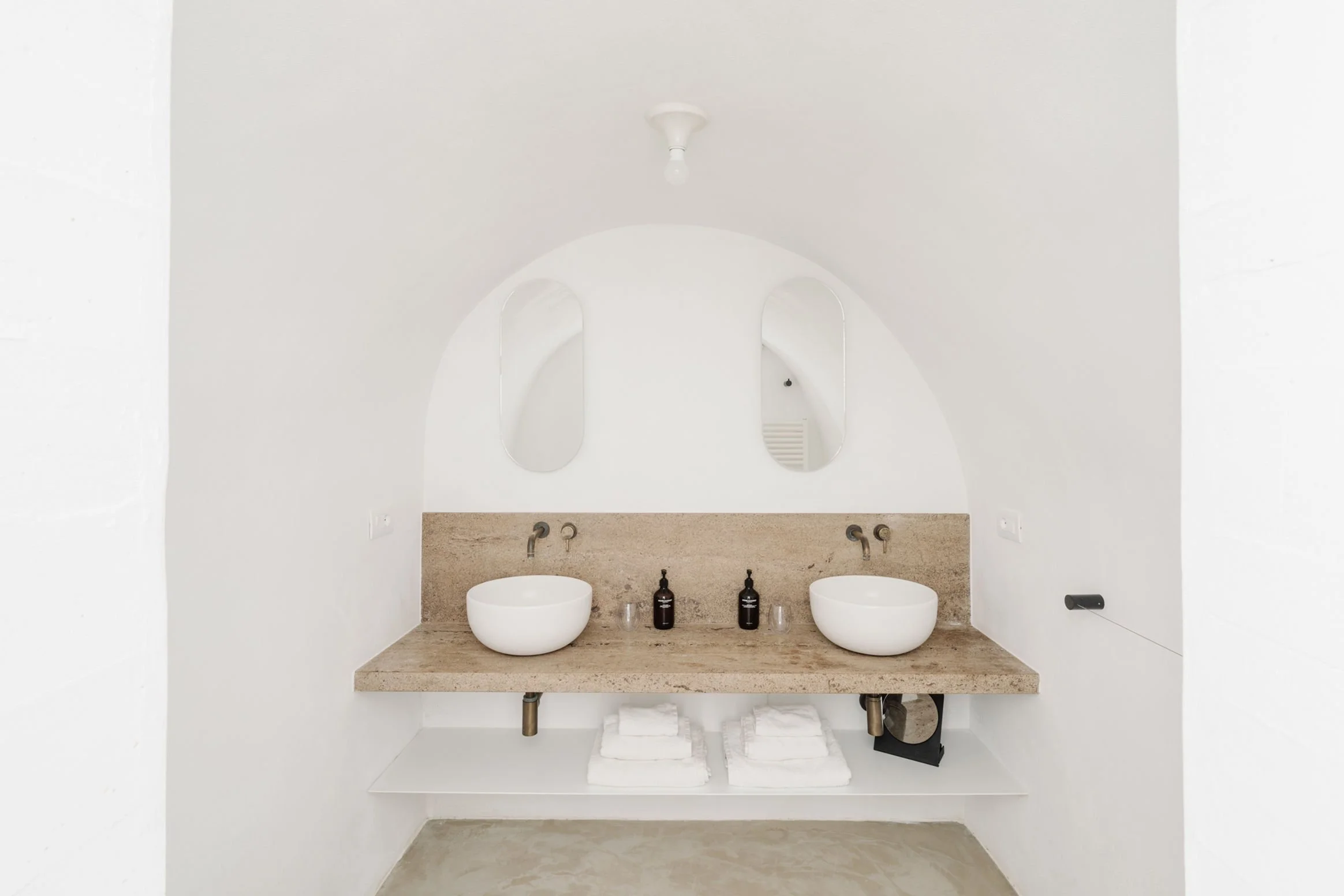
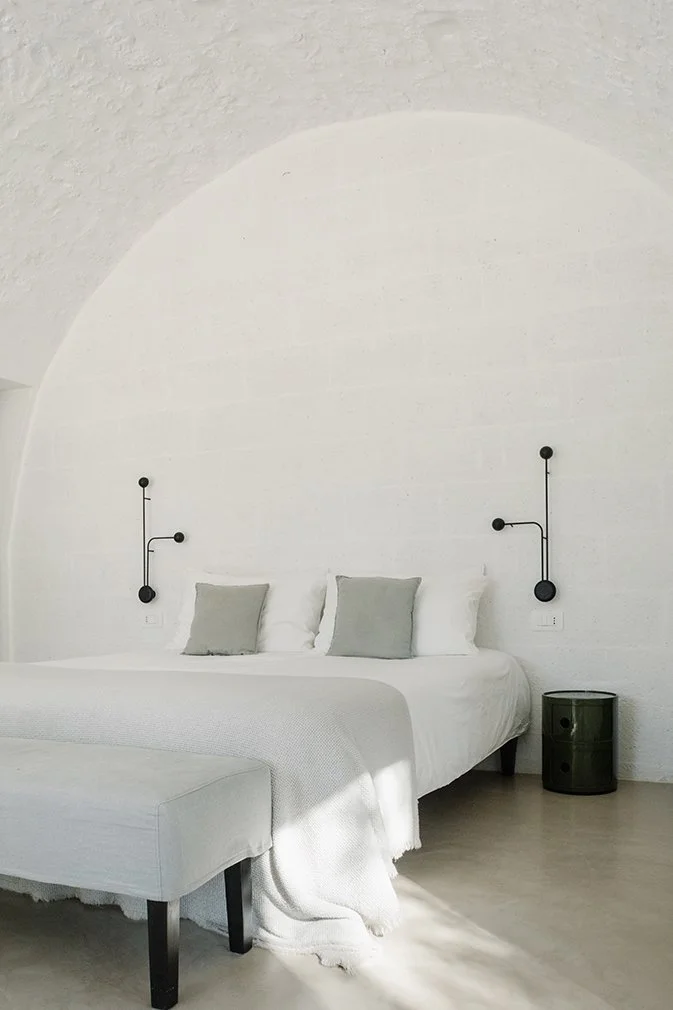
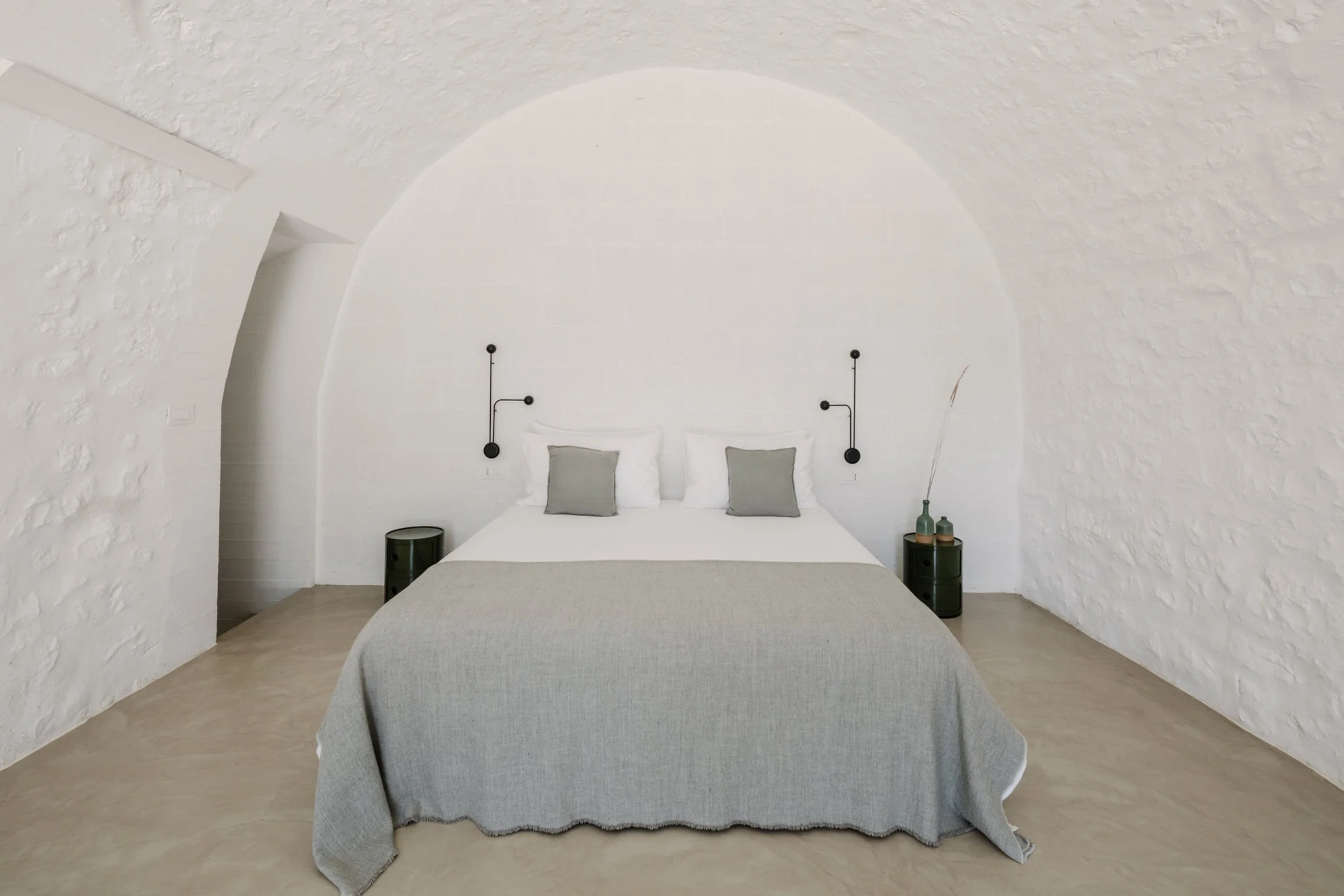
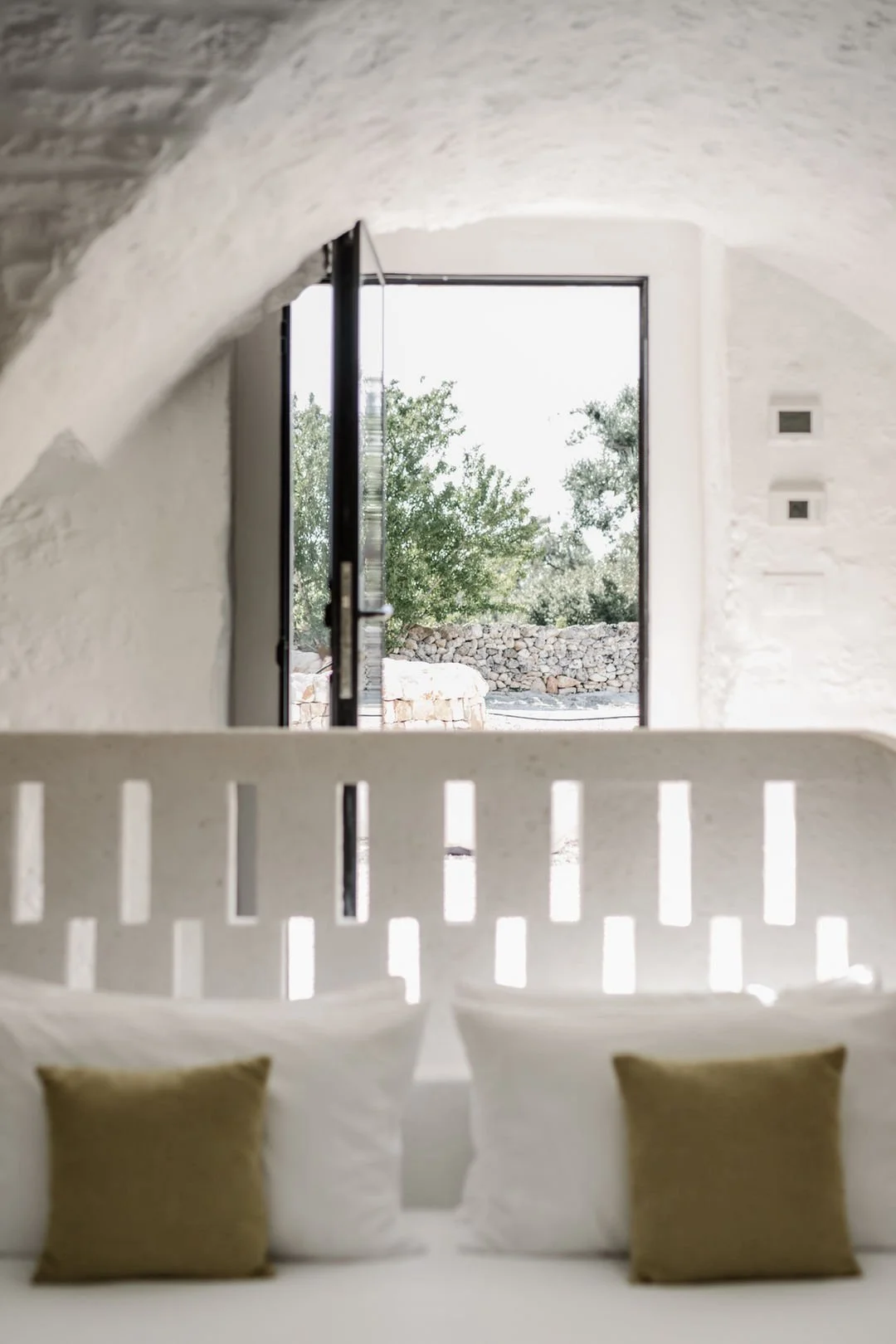
The restoration was completed in 2019 by Corsaro Architetti, whose approach focused on preserving the character of the original masseria rather than transforming it into a polished luxury villa. Different stone surfaces, construction techniques, and traces of previous uses remain visible throughout the property.
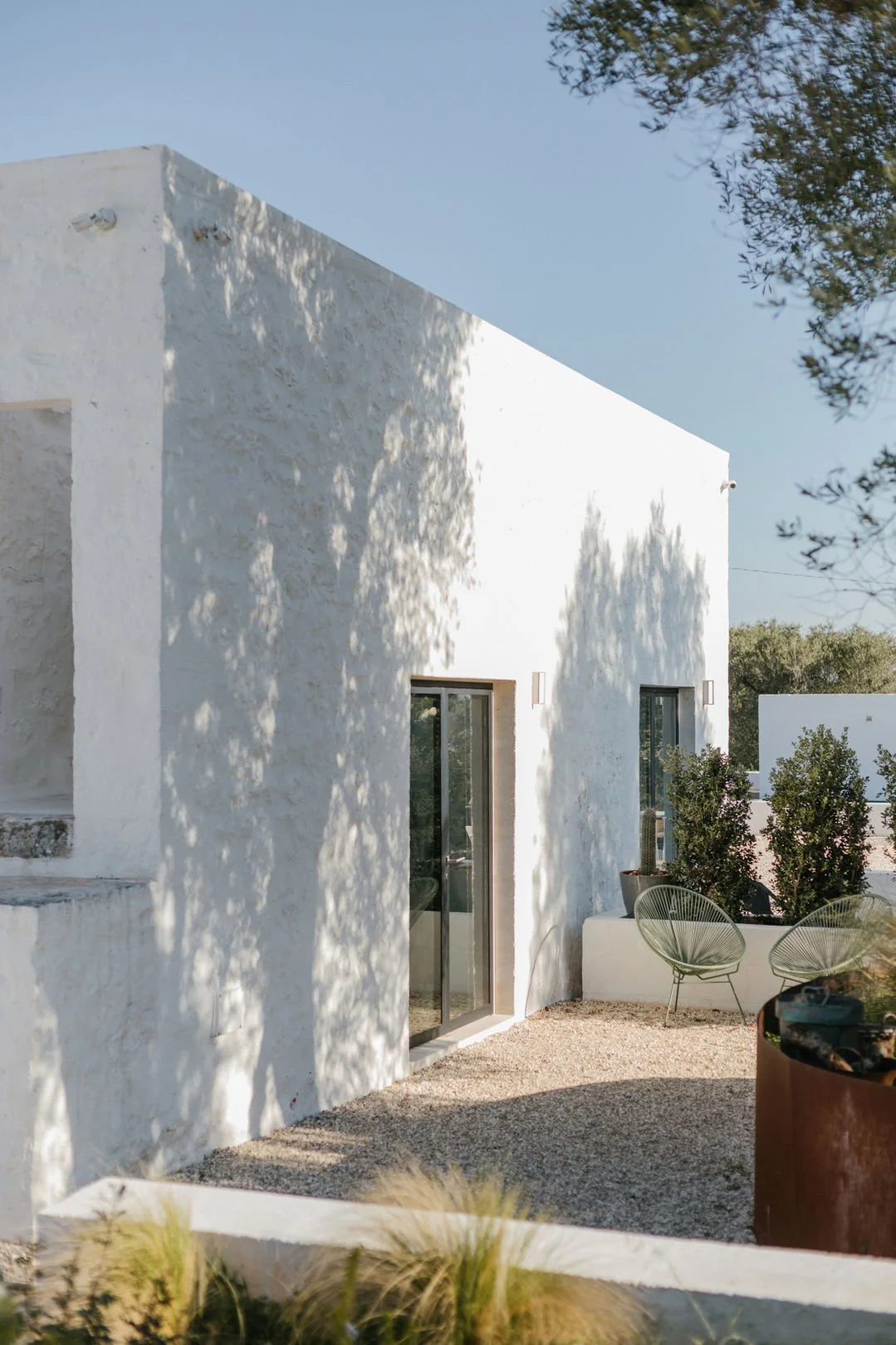
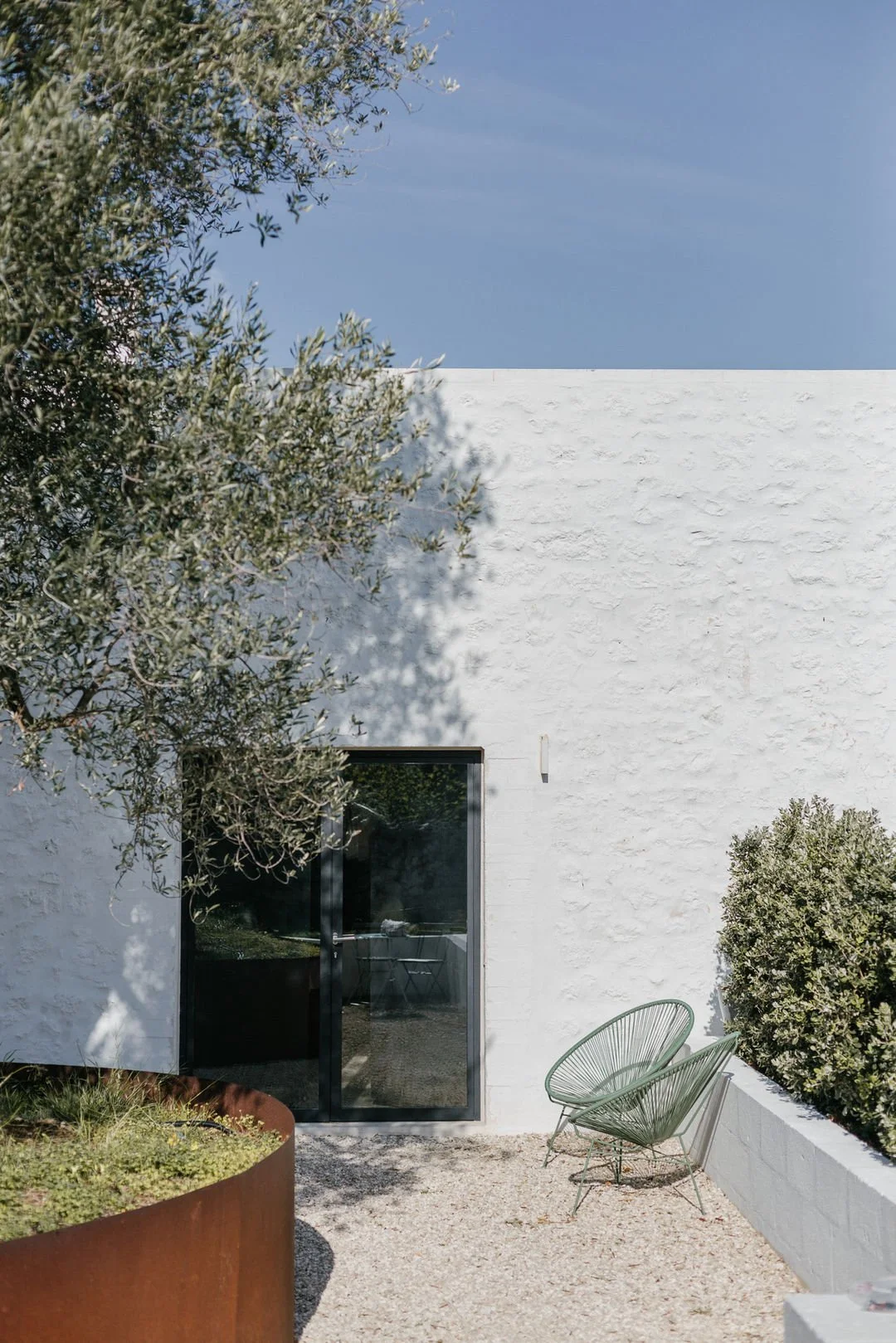
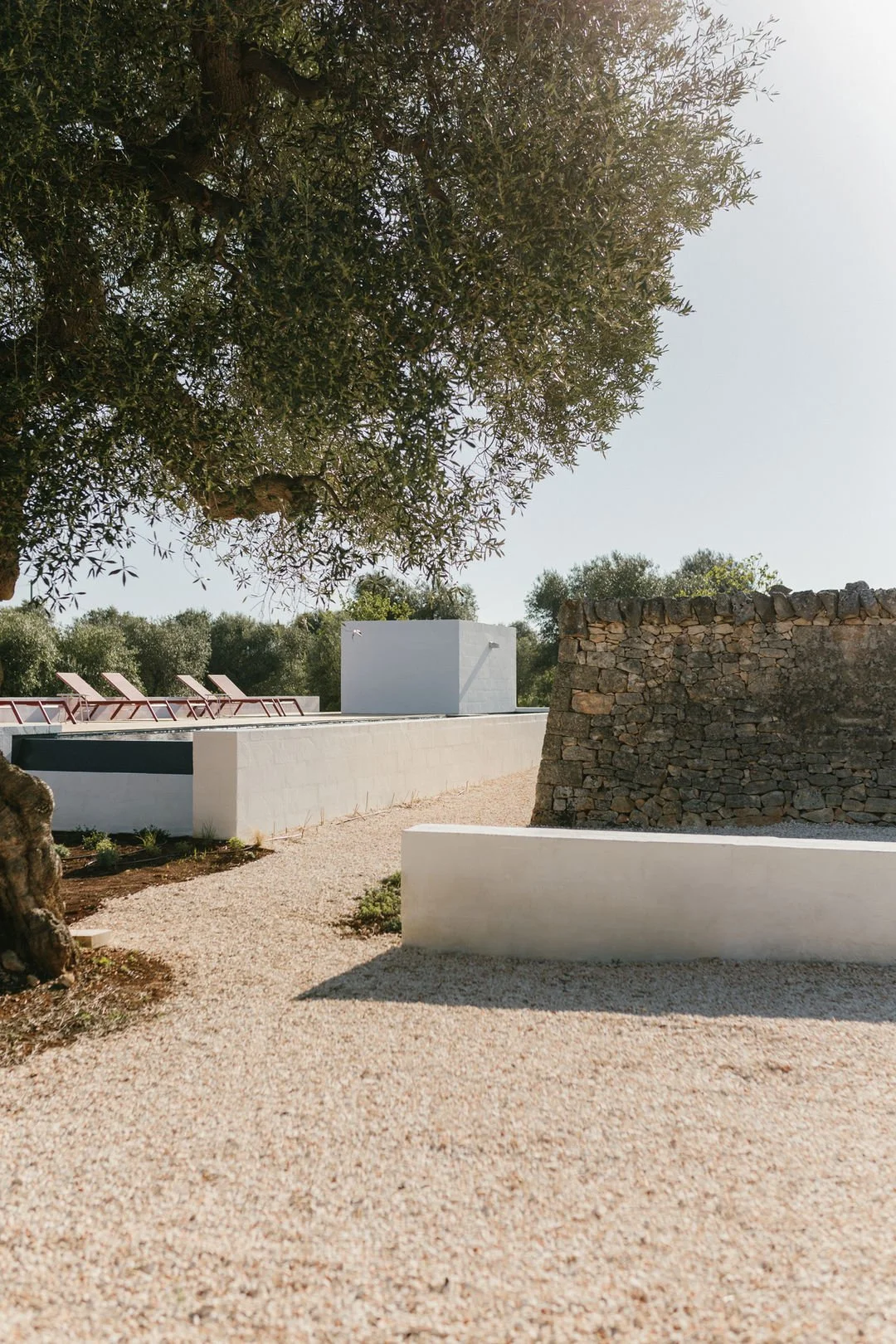
Organized around an enclosed courtyard framed by dry-stone walls, the estate reflects the traditional layout of historic masserie — fortified agricultural compounds found throughout Puglia that were historically tied to olive cultivation, storage, and production.
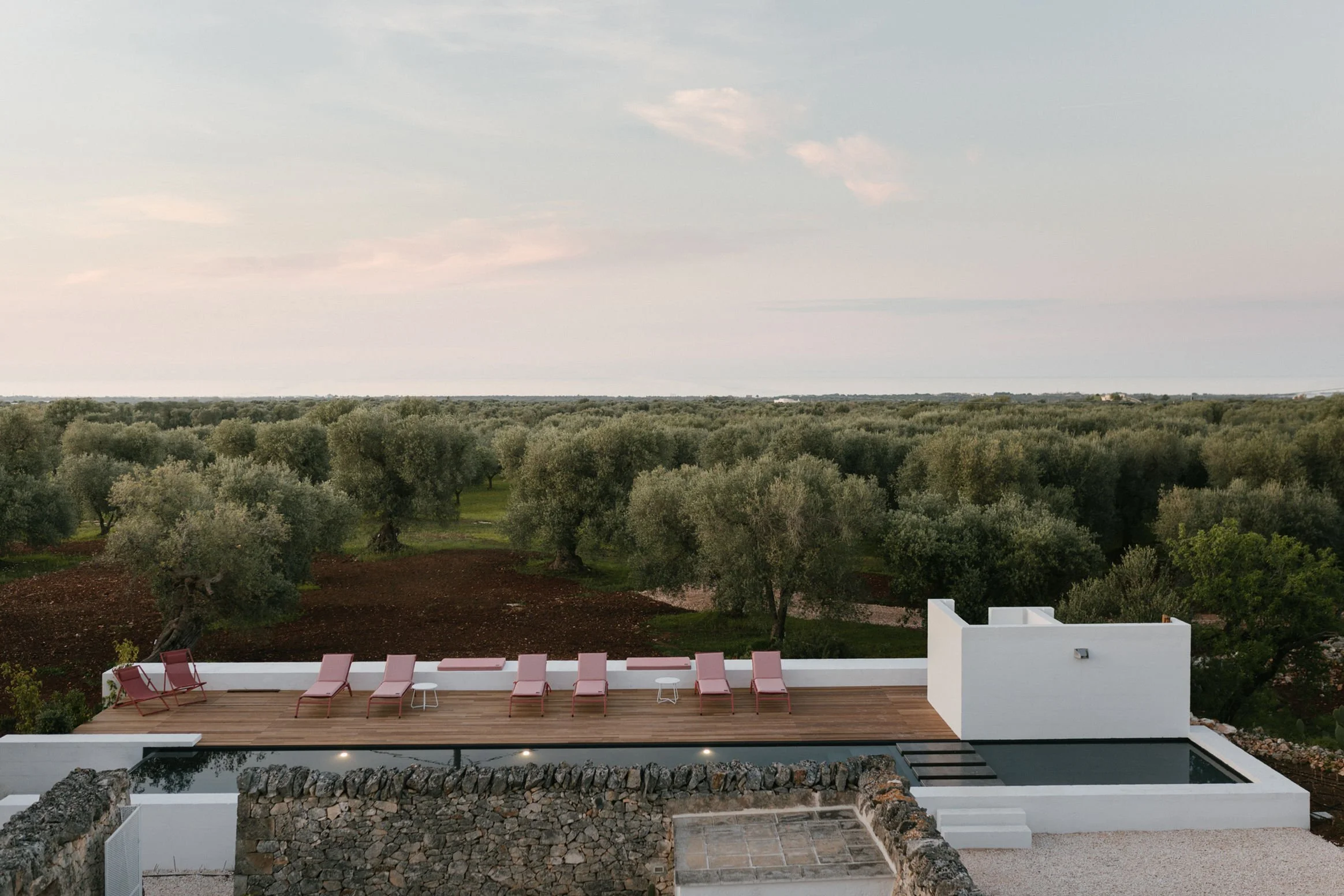
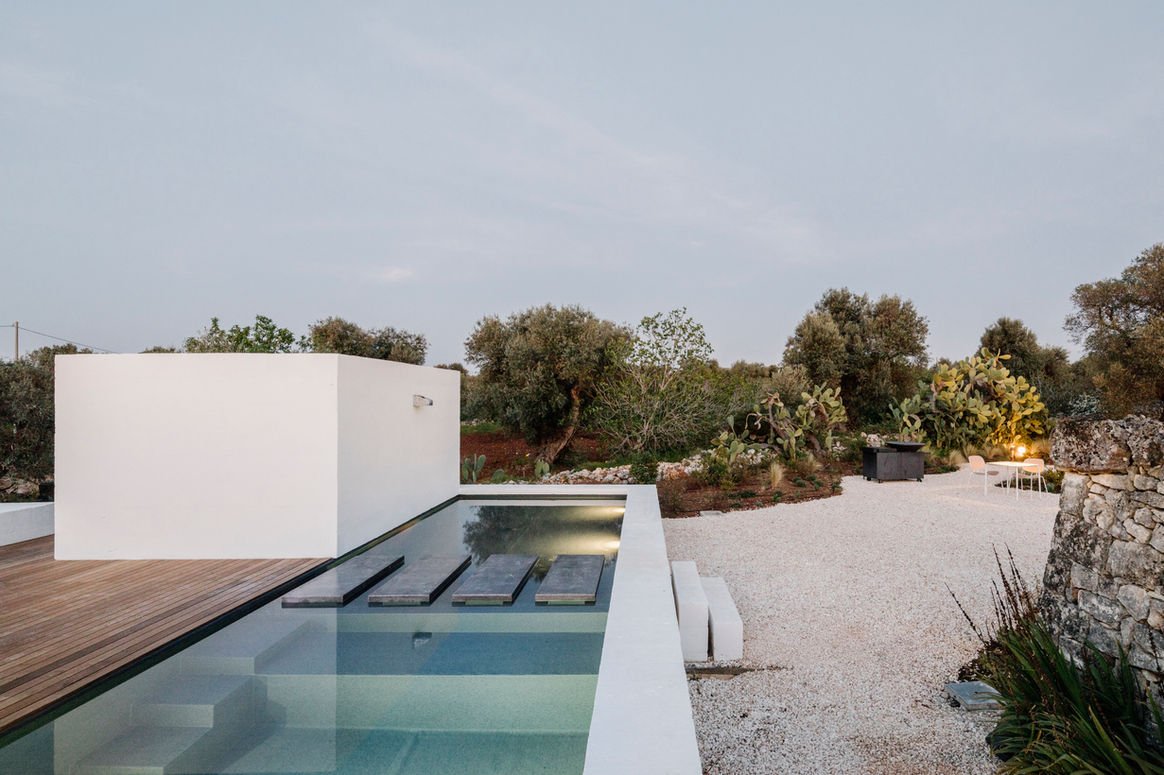
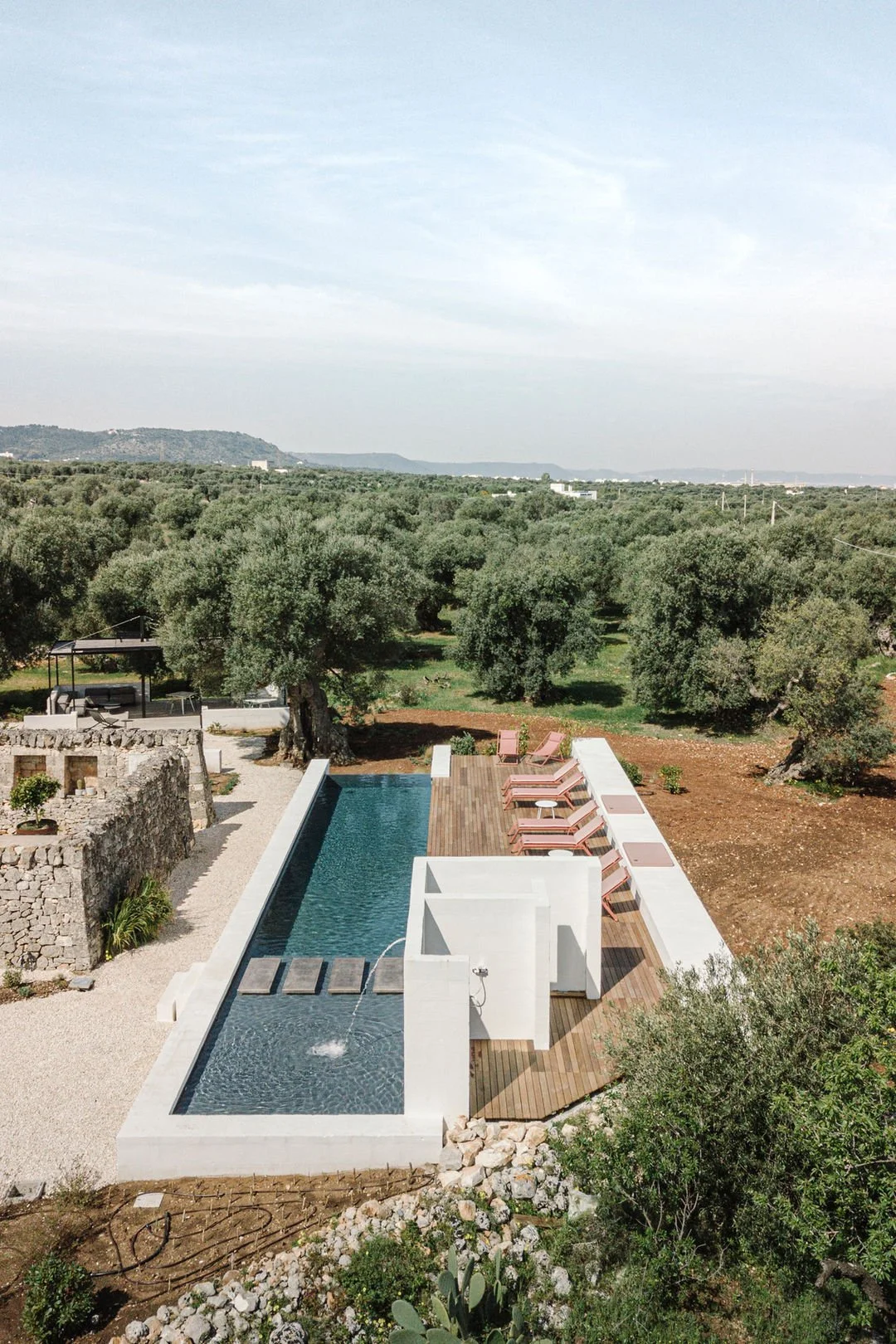
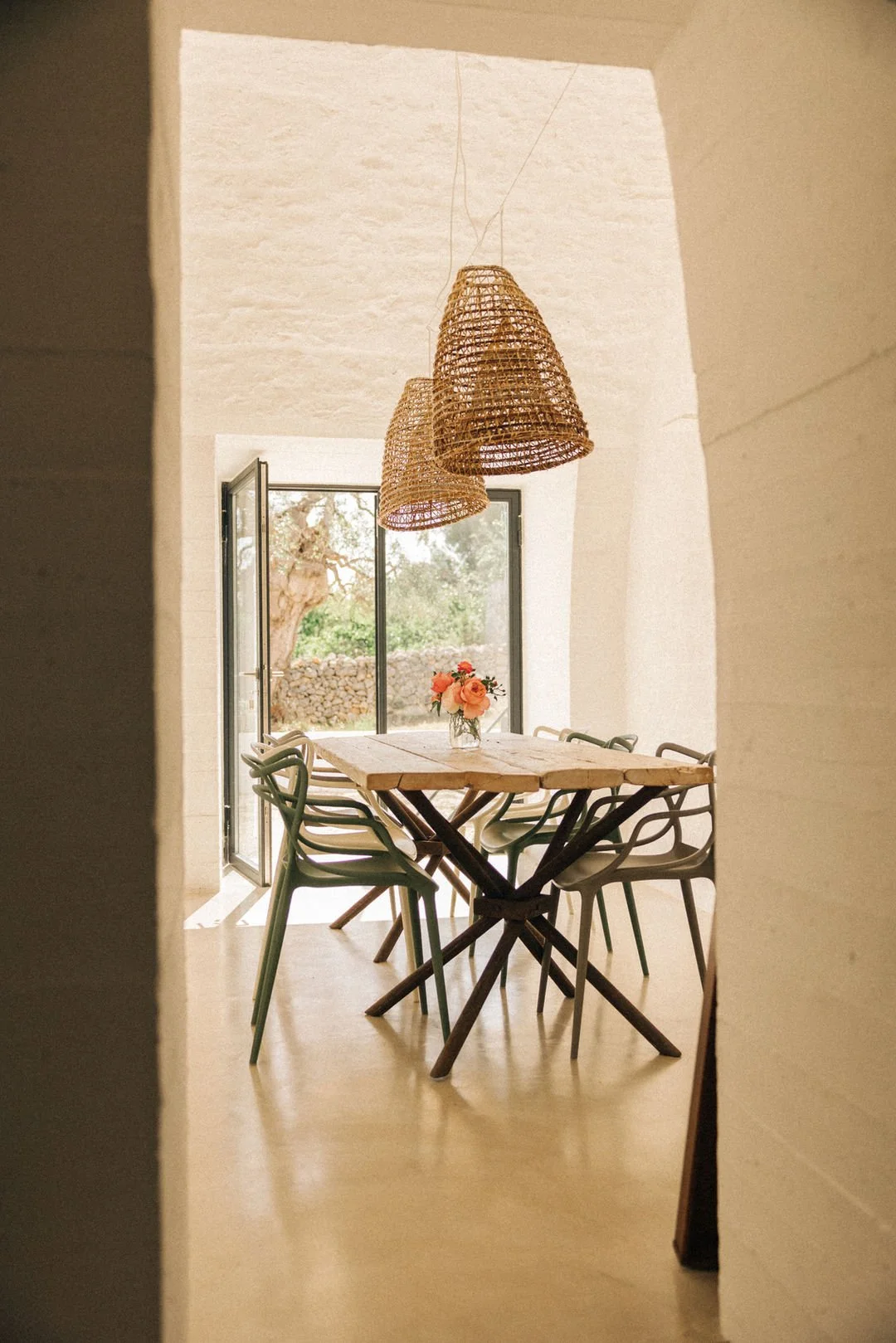
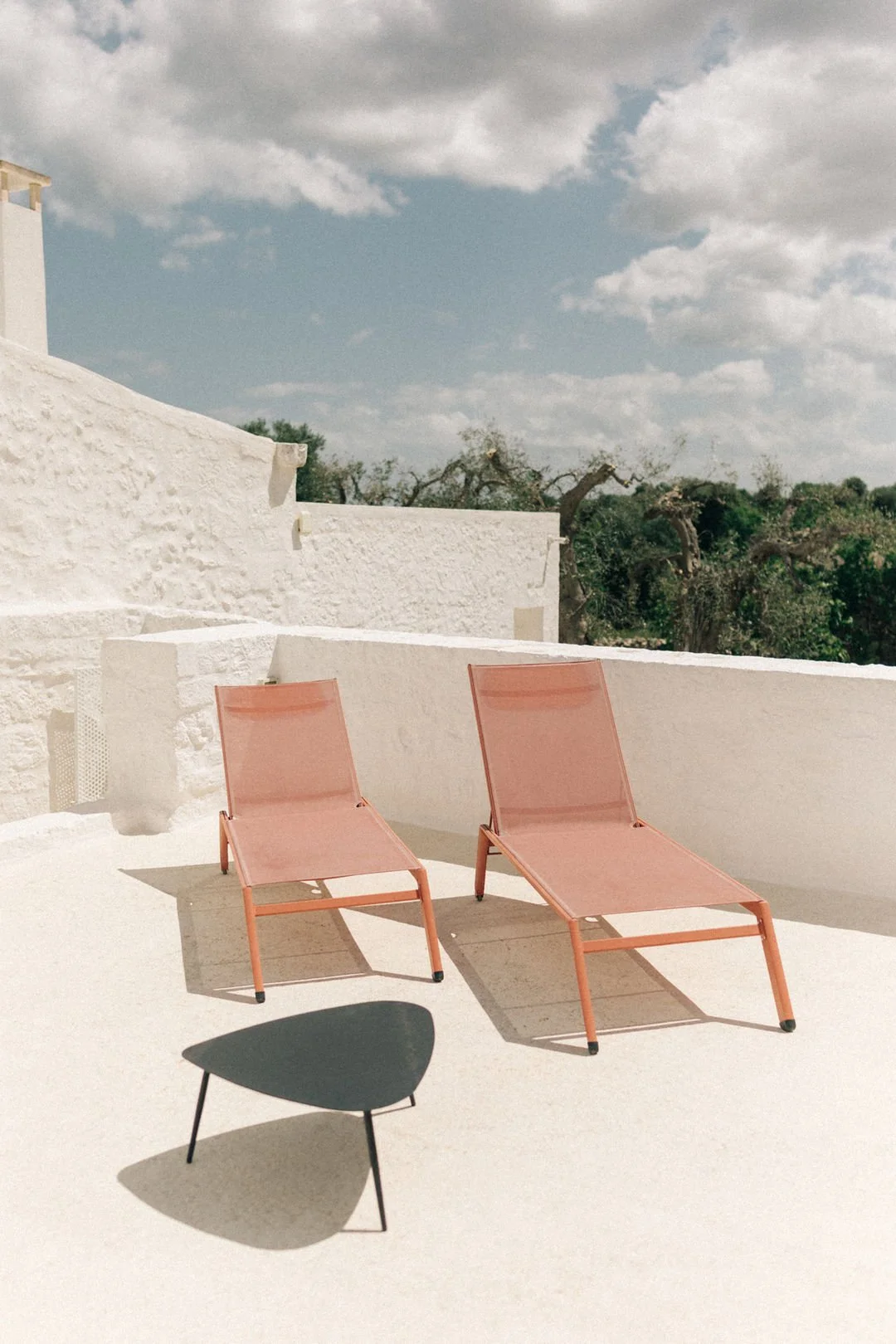
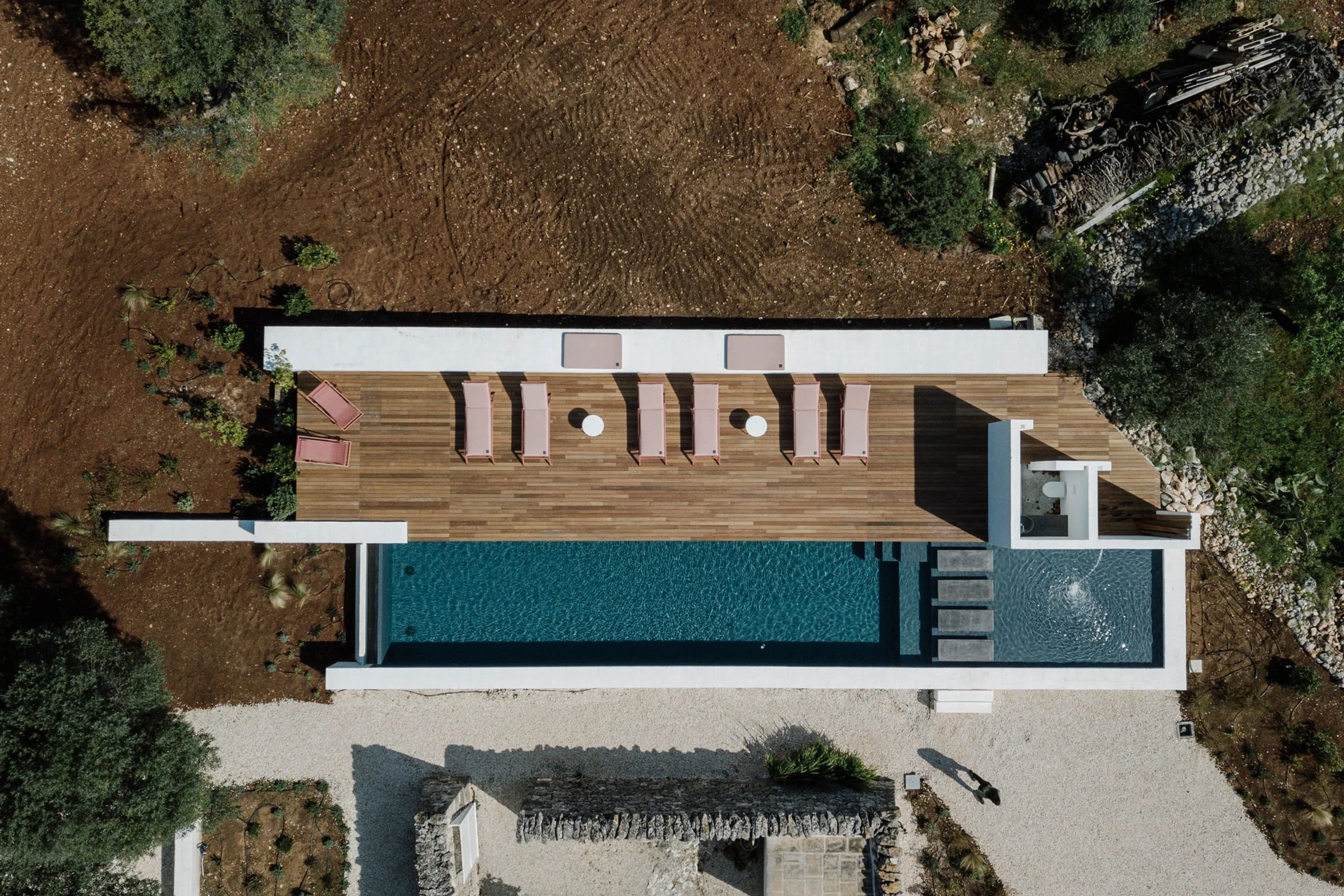
The main residence spans nearly 250 m² (2,691 sq ft) across 2 levels and contains 3 independent suites, vaulted stone interiors, a custom kitchen, dining spaces, terraces, and a pool overlooking the surrounding landscape. Rather than conceal the building’s age, the restoration preserves its original niches, stonework, and historic character.
What distinguishes the property most, however, is the preserved frantoio ipogeo beneath the house — an underground olive mill excavated directly into the calcarenite bedrock. Once the operational core of the estate, the 180 m² (1937 ft²) subterranean space still retains much of its raw architectural character.
Equipped with independent access, water, and electricity, the space has the potential to be transformed into a spa, wine cellar, or gathering area, while preserving one of the property’s most historically significant spaces.
Courtyards, terraces, and shaded outdoor spaces create a strong connection between the interiors and the surrounding landscape.
photographs belong to the listing agency. See more on TRRA Studio.