An 1874 Italianate Residence in Galveston’s Historic East End Lists for $2.8 Million
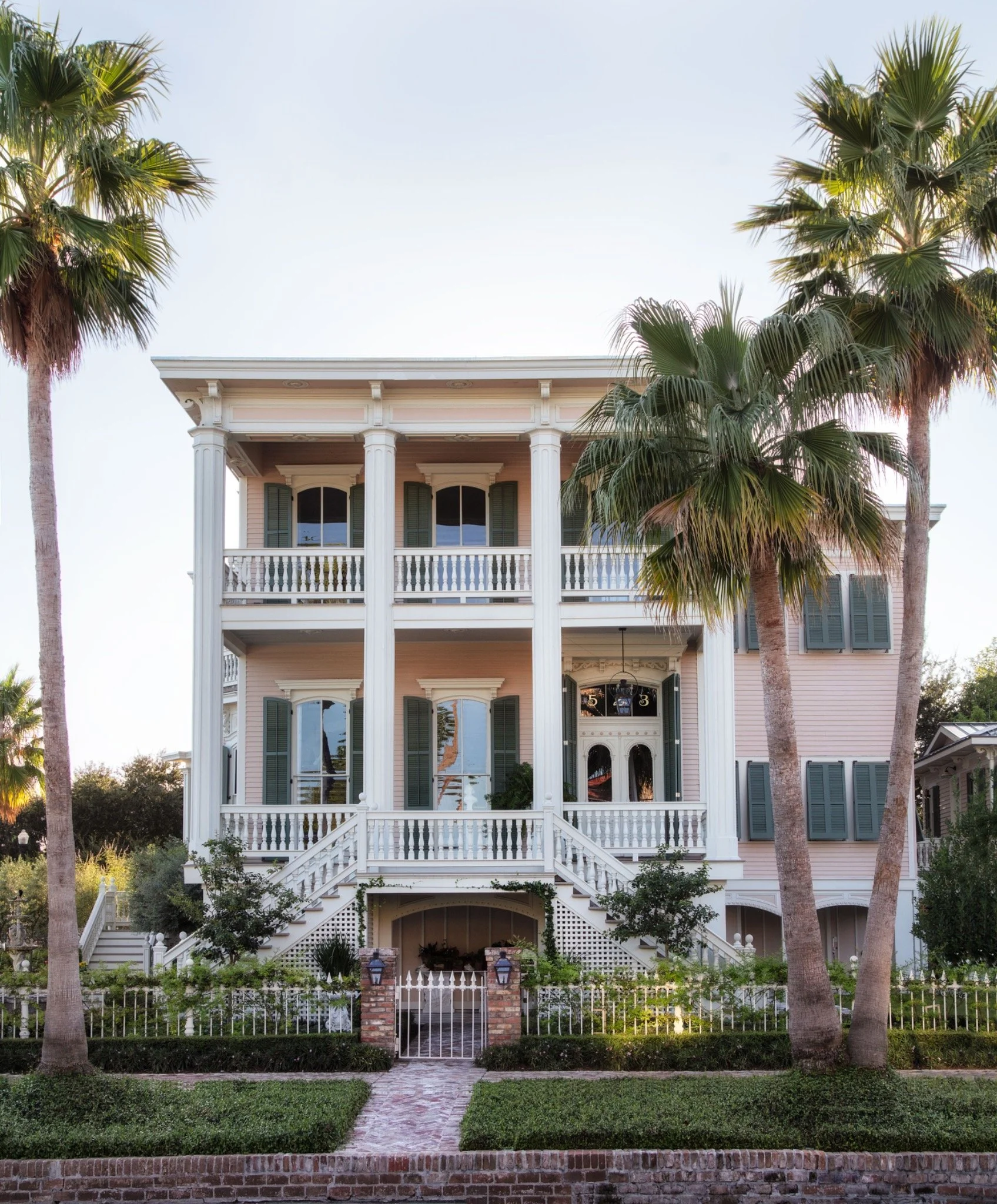
523 10th Street, Galveston, Texas
Suites: 5 Interior: 5,016 sq ft / 466 m² Land: 10,280 sq ft / 955 m²
Additional Structure: Detached carriage house
Amenities: Landscaped garden, courtyard with fountain, outdoor pool, original millwork and hardwood floors, elevator, upgraded kitchen
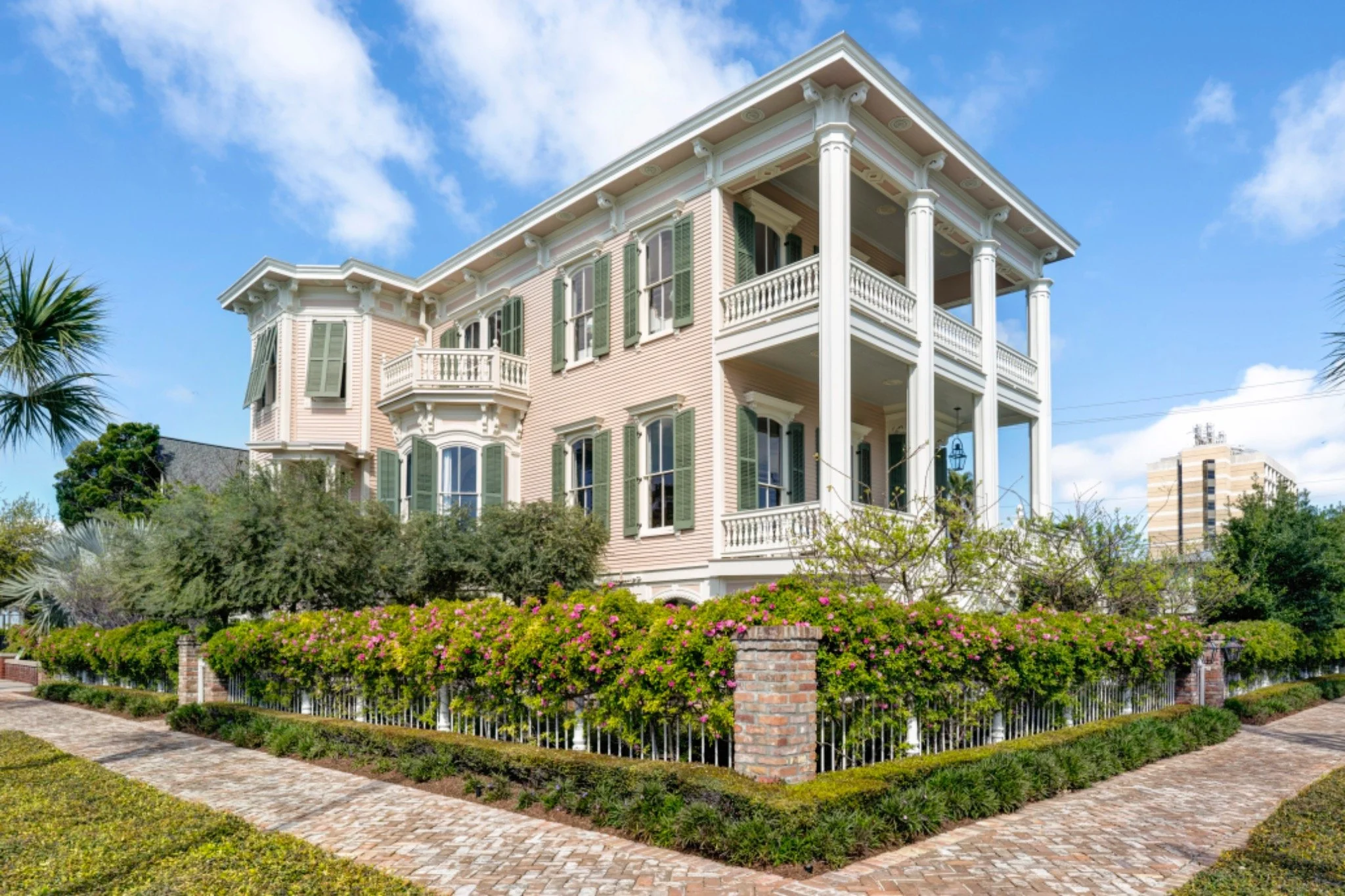
Listed for $2.8 million with Catherine York of Greenwood King Properties, 523 10th Street is a restored 1874 Italianate residence located in the Historic East End of Galveston, Texas, one of the most intact concentrations of Victorian-era architecture in the United States, within reach of Houston.
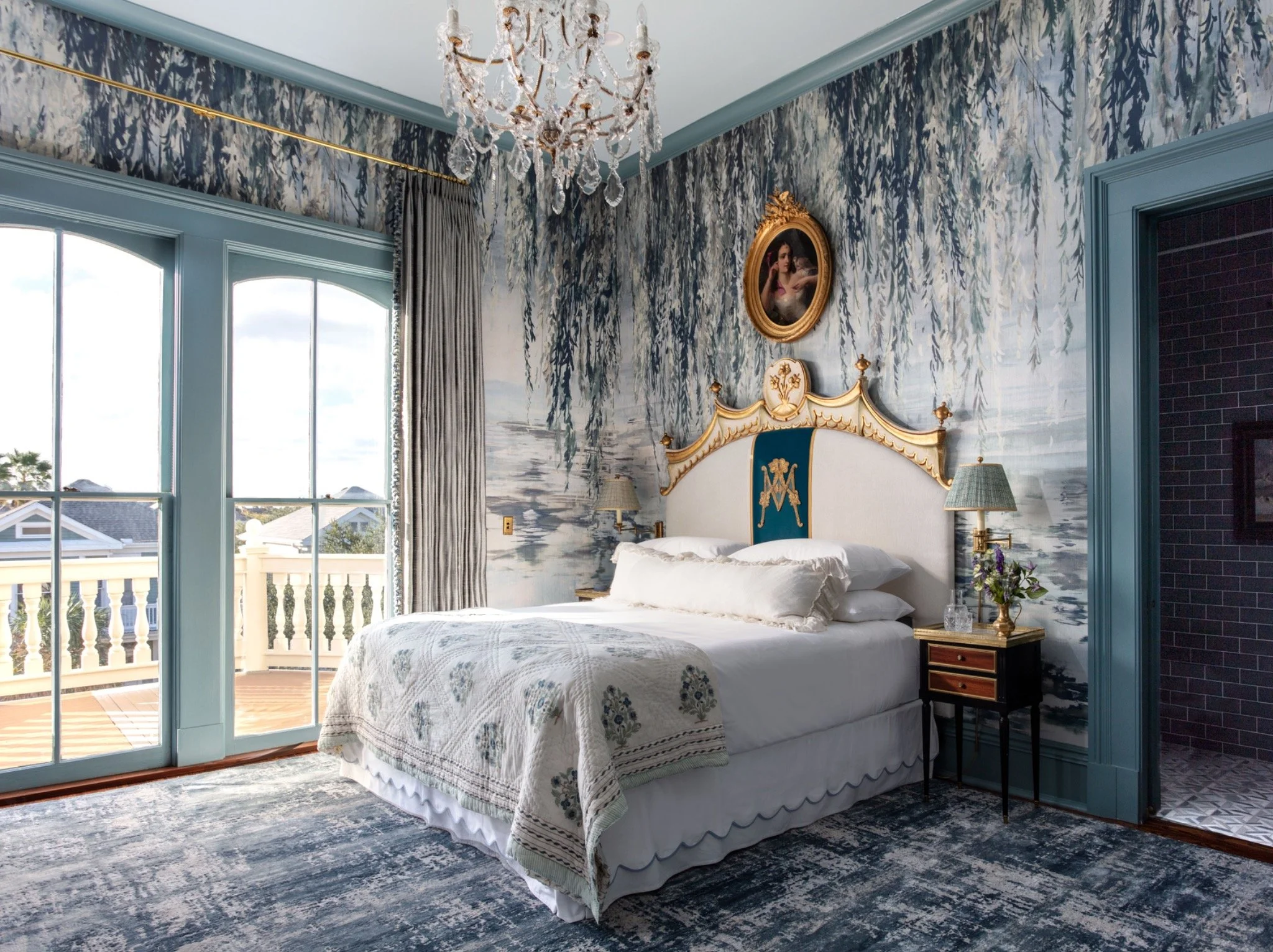
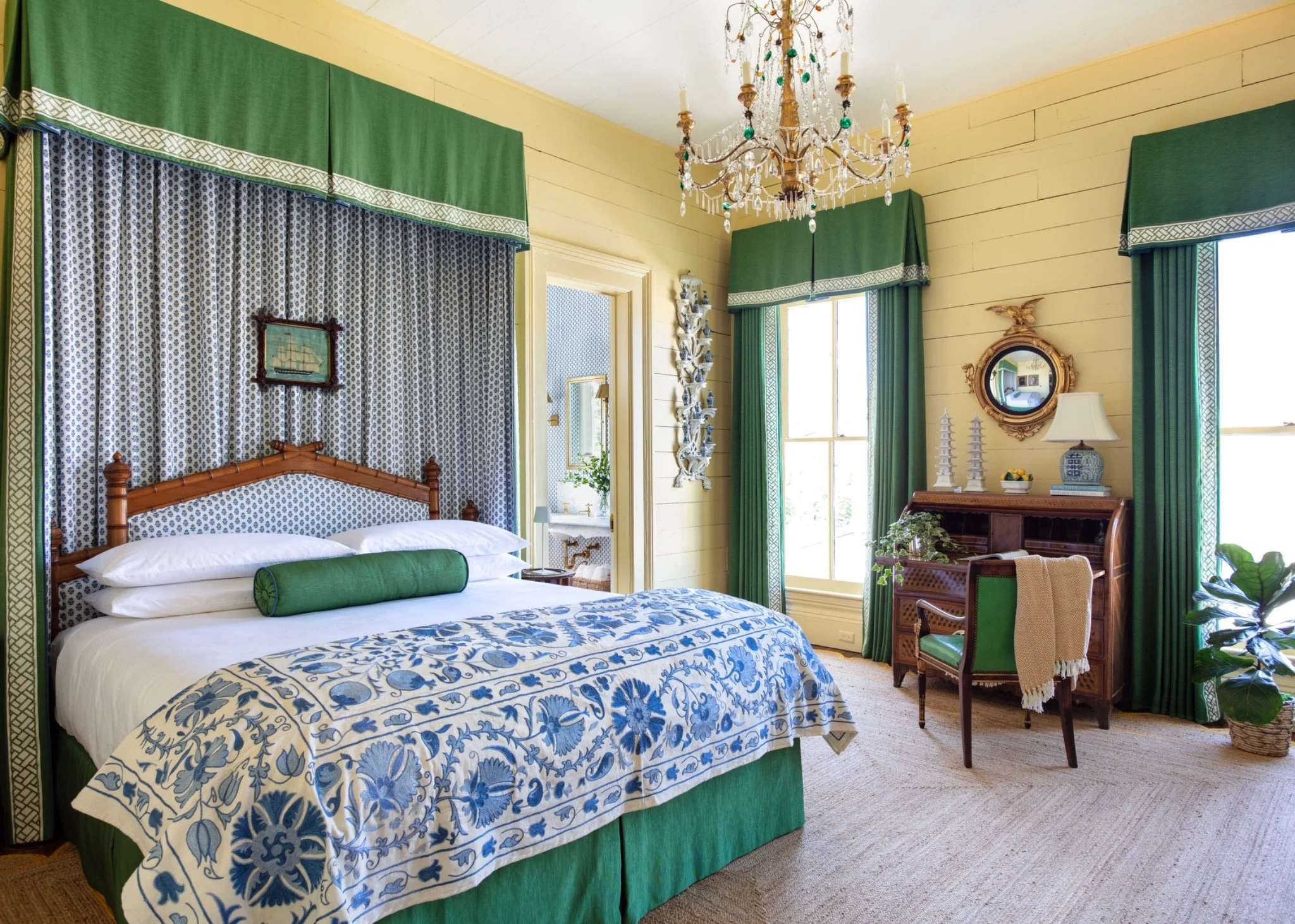
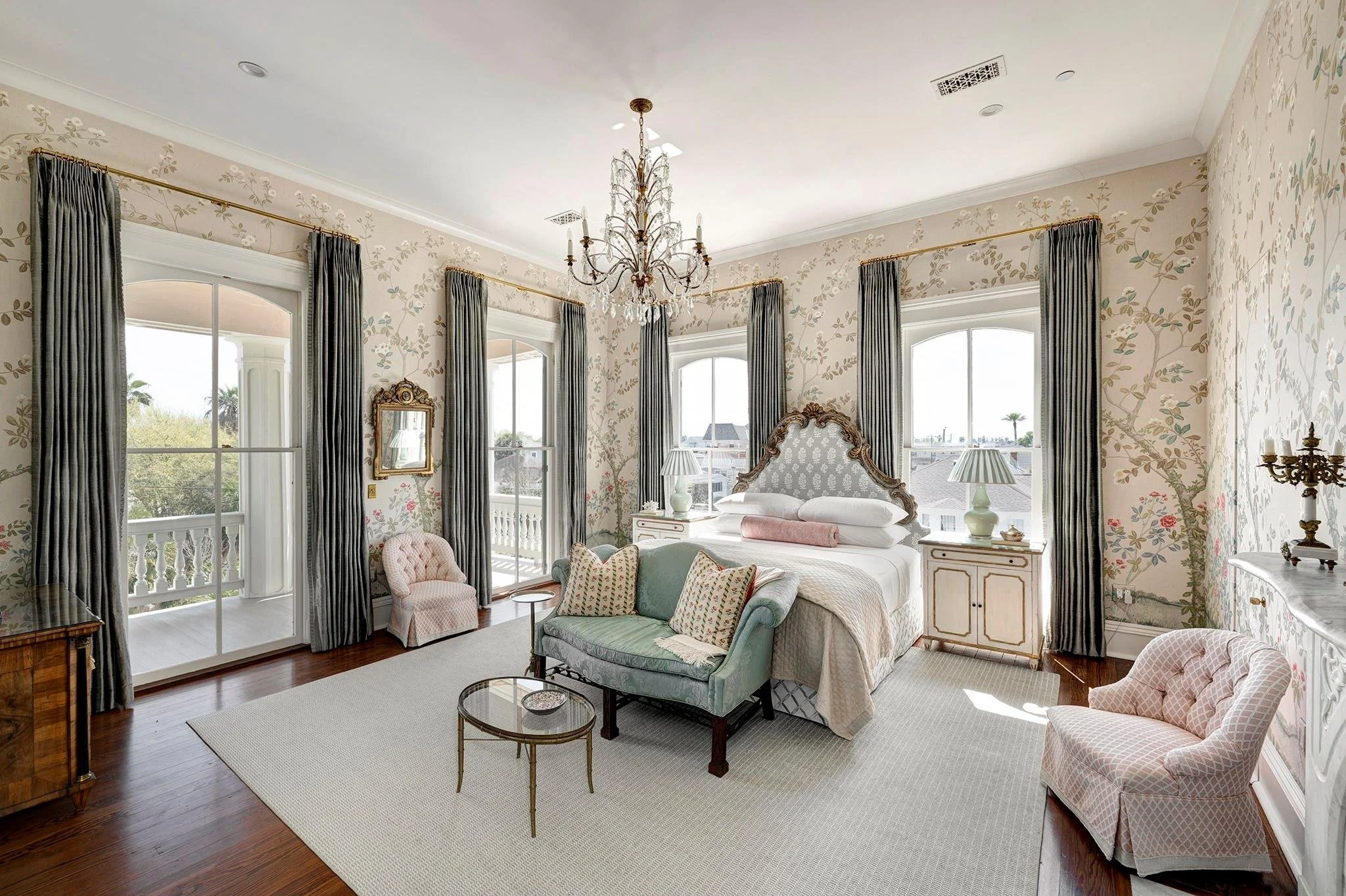
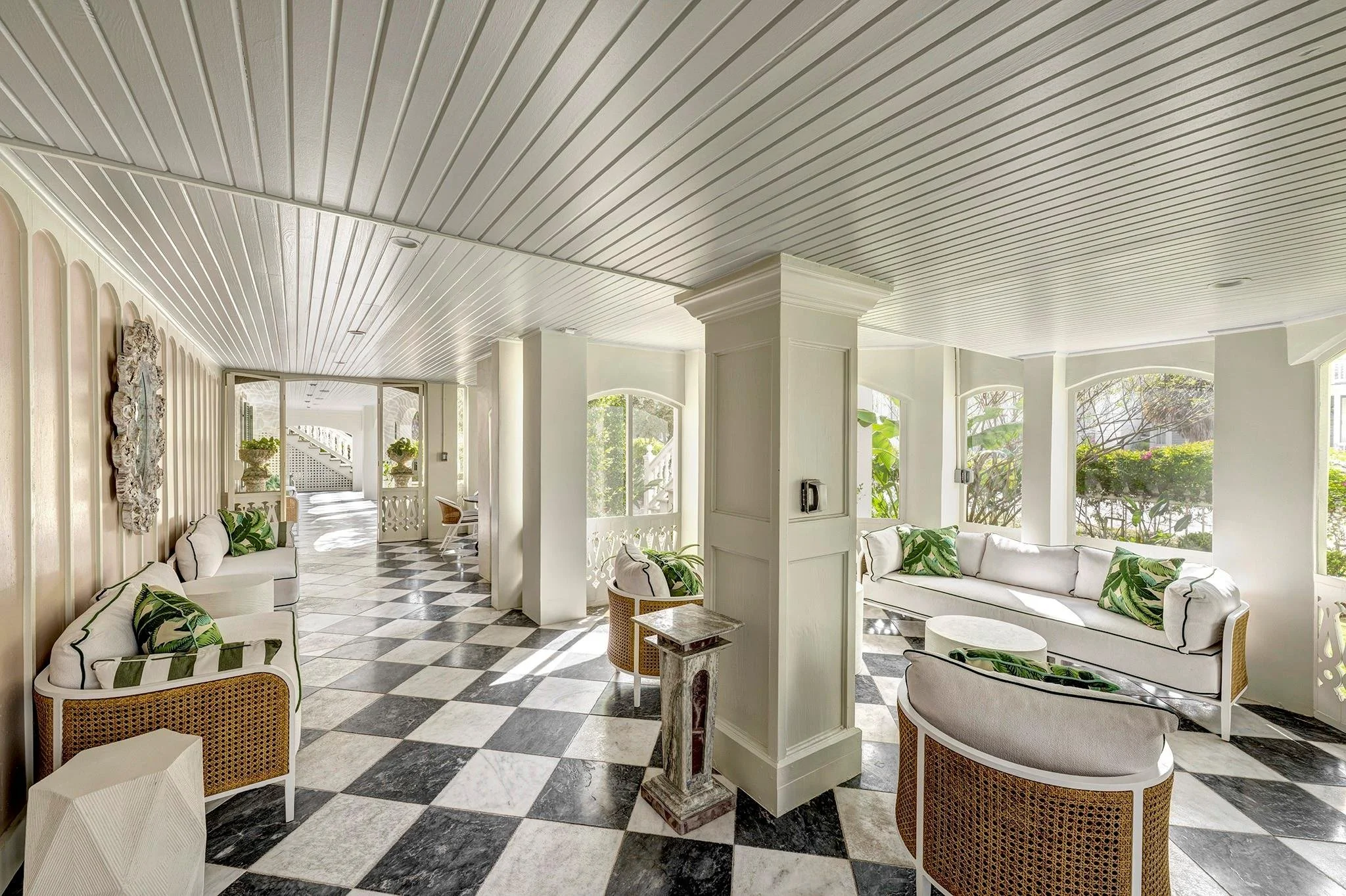
Set on a prominent corner site in Galveston’s Historic East End, just a 13 minute walk to the beach, the residence has undergone a design-led restoration and operated in recent years as a boutique guest house, with interiors that retain the structure’s original character while introducing a more layered, room-by-room approach.
In the late 19th century, Galveston was one of the most important port cities in the United States, at times rivaling New Orleans as a center of trade, finance, and immigration. Much of the East End was developed during this period, resulting in a dense concentration of Italianate and Victorian residences.
That trajectory shifted after the Great Galveston Hurricane of 1900, which destroyed large portions of the island and led to an unprecedented engineering effort in which entire sections of the city were raised by several feet. Buildings were lifted using mechanical jacks and reset on higher foundations to match the new grade. Properties such as 523 10th Street, which predate the storm and were preserved through this intervention, are rare examples of pre-1900 architecture within the district. The structure has been raised twice over its lifetime, first following the 1900 hurricane and again during its recent restoration.
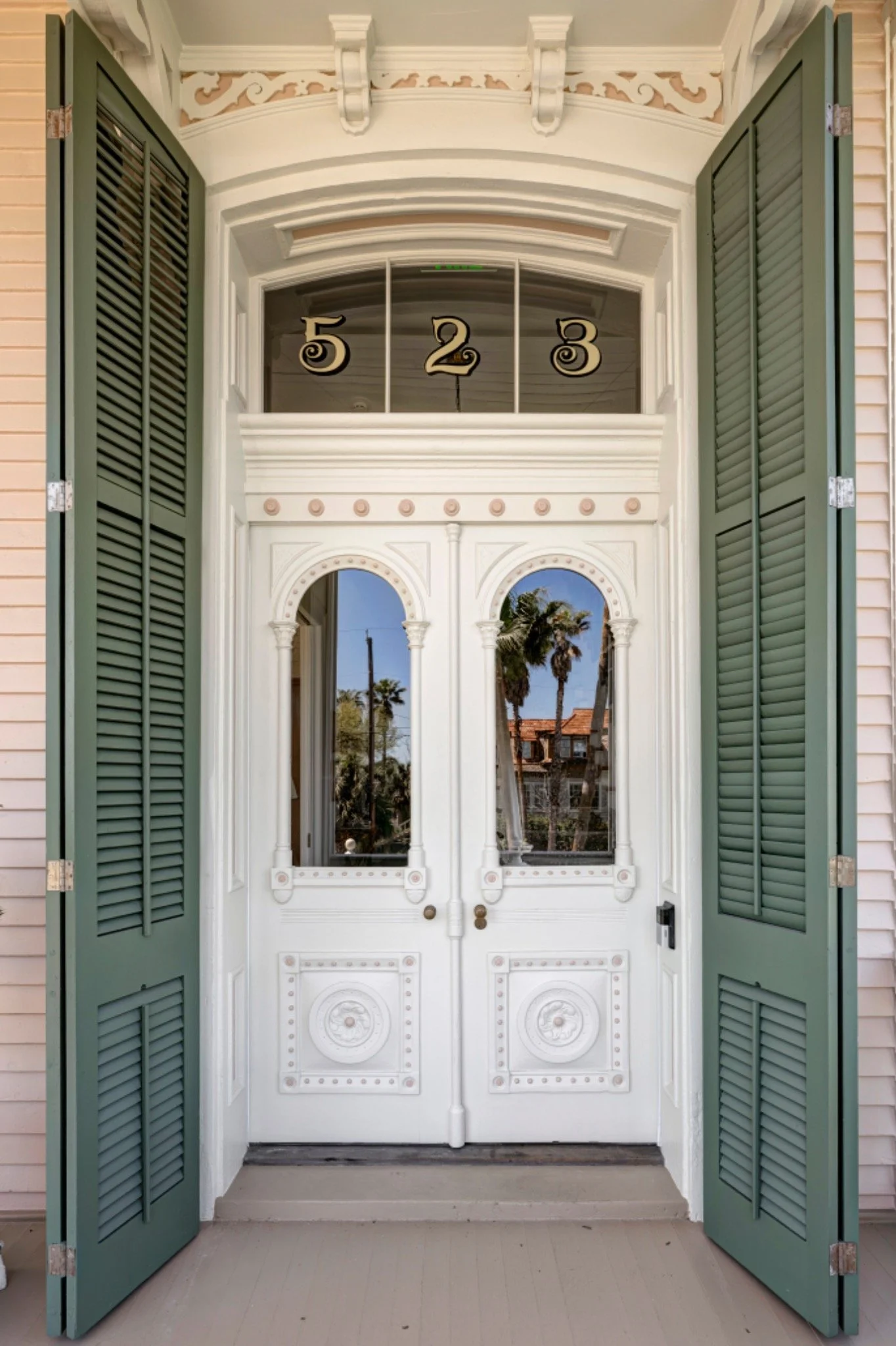
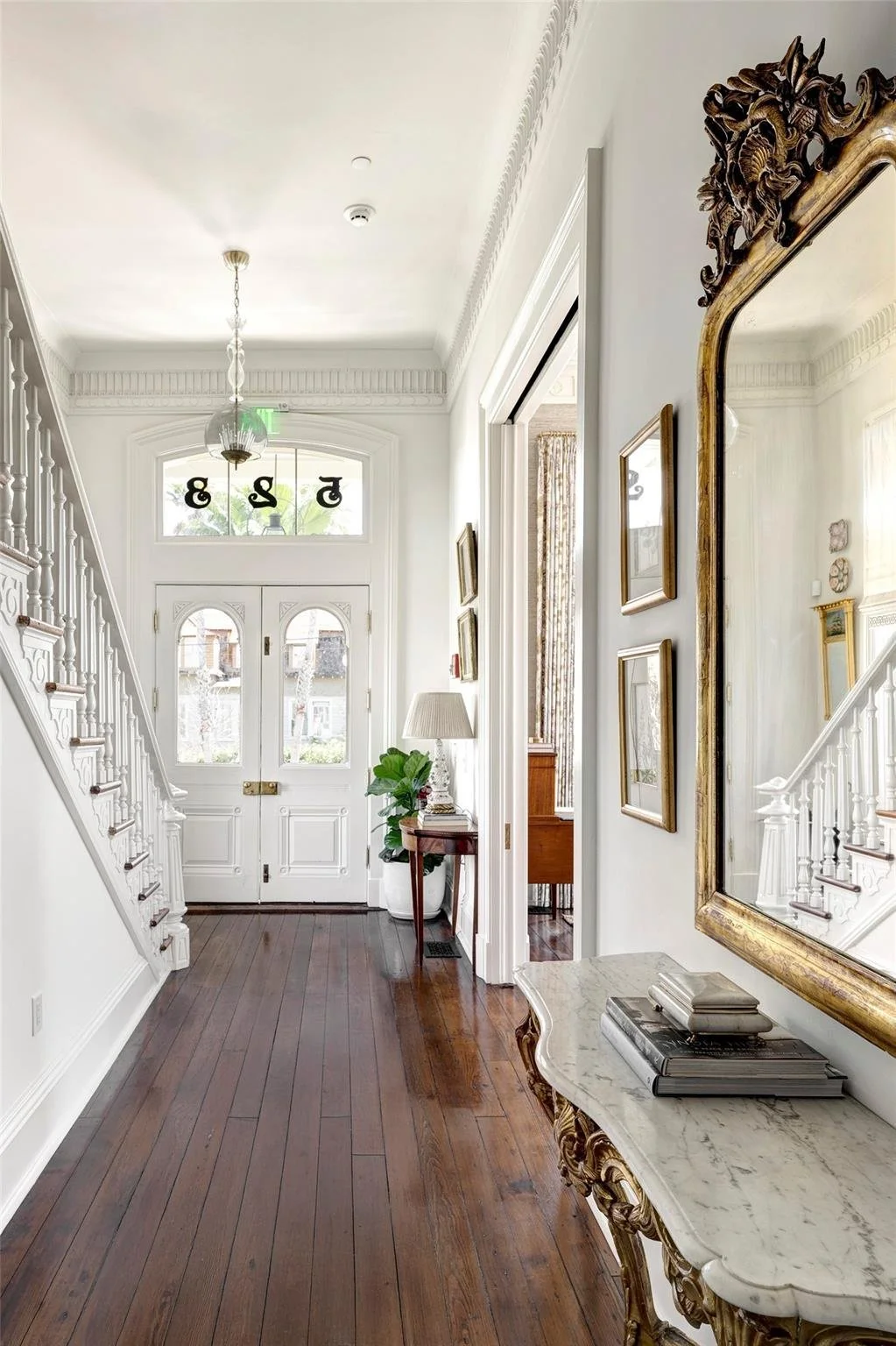
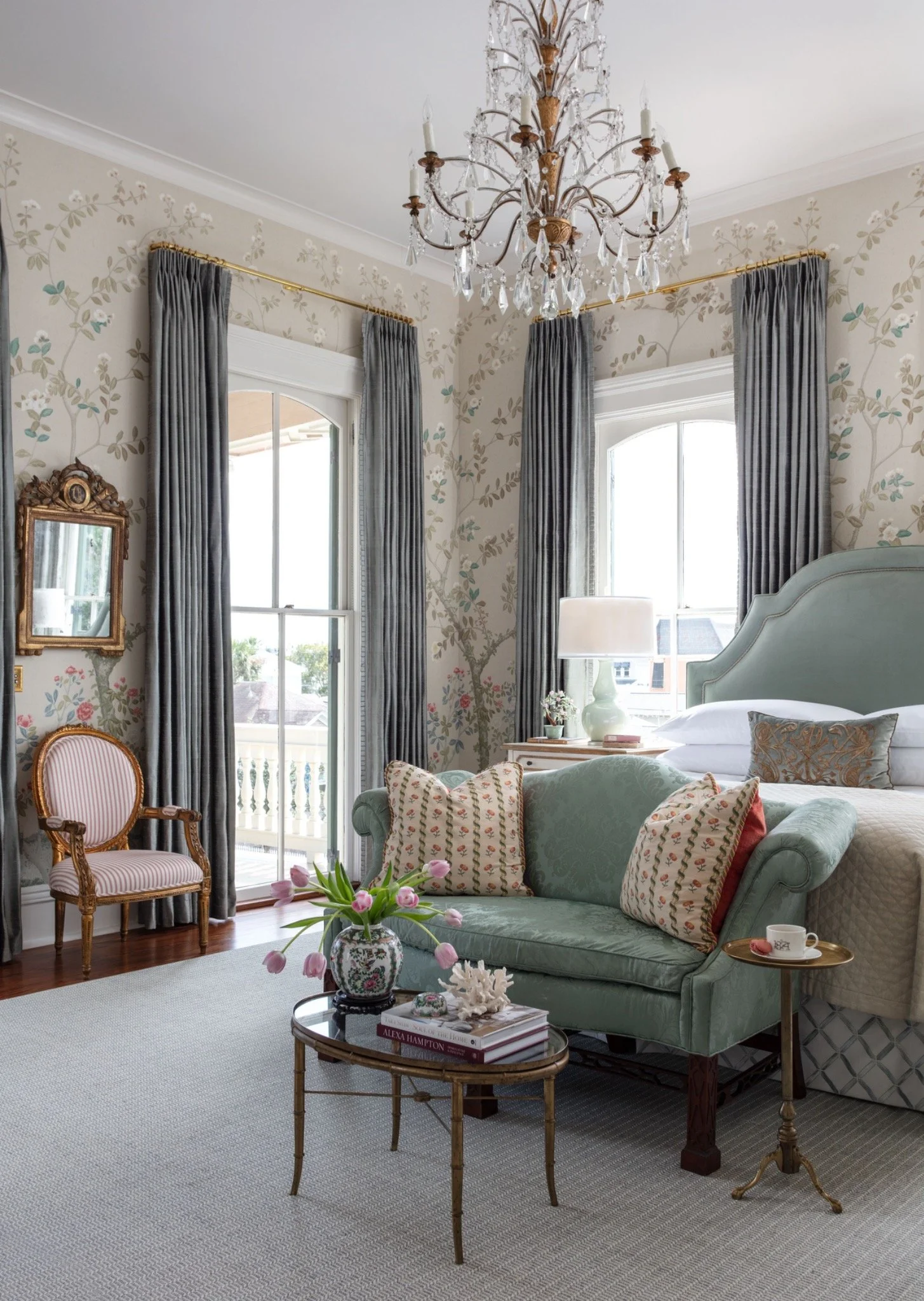
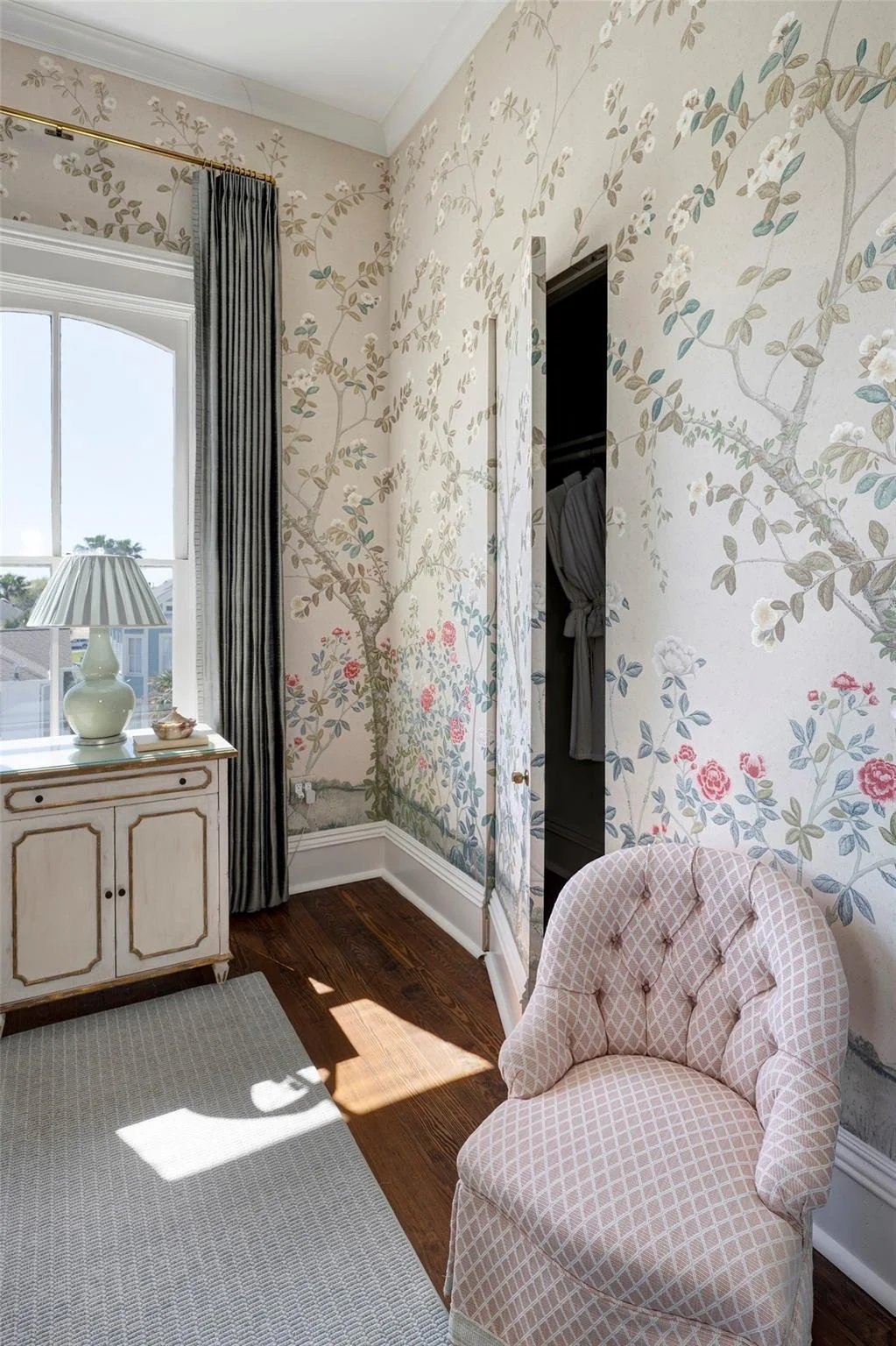
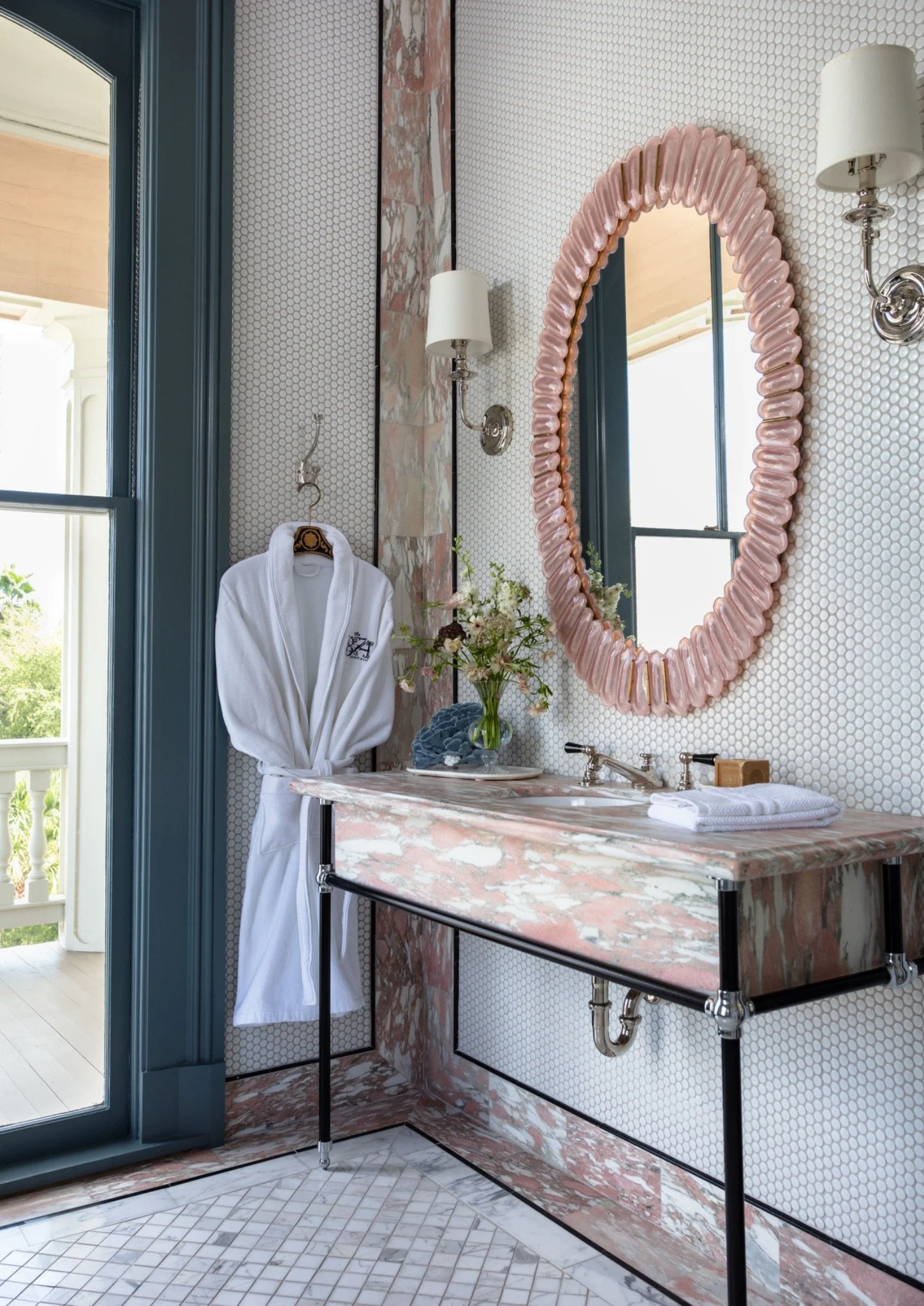
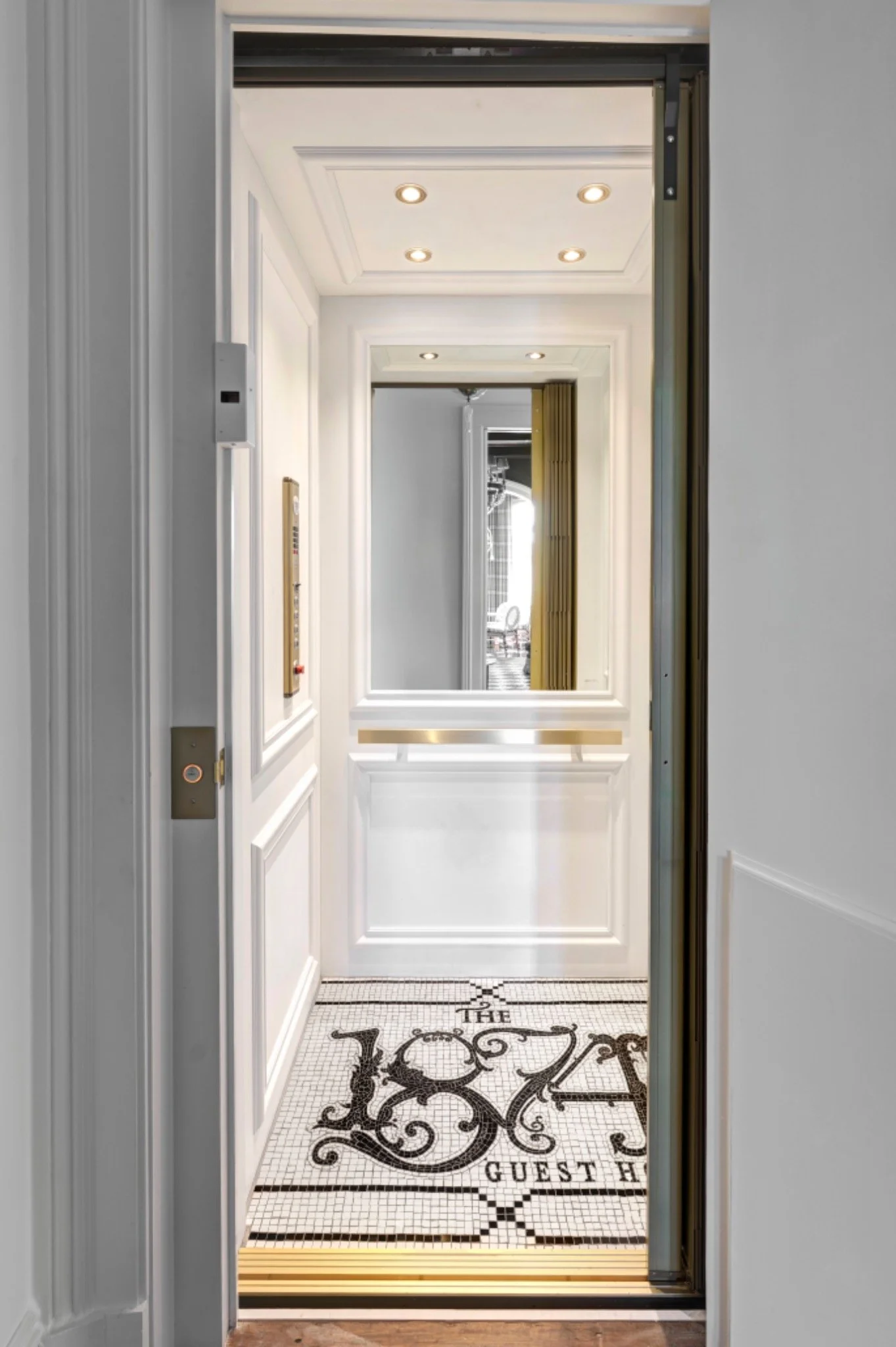
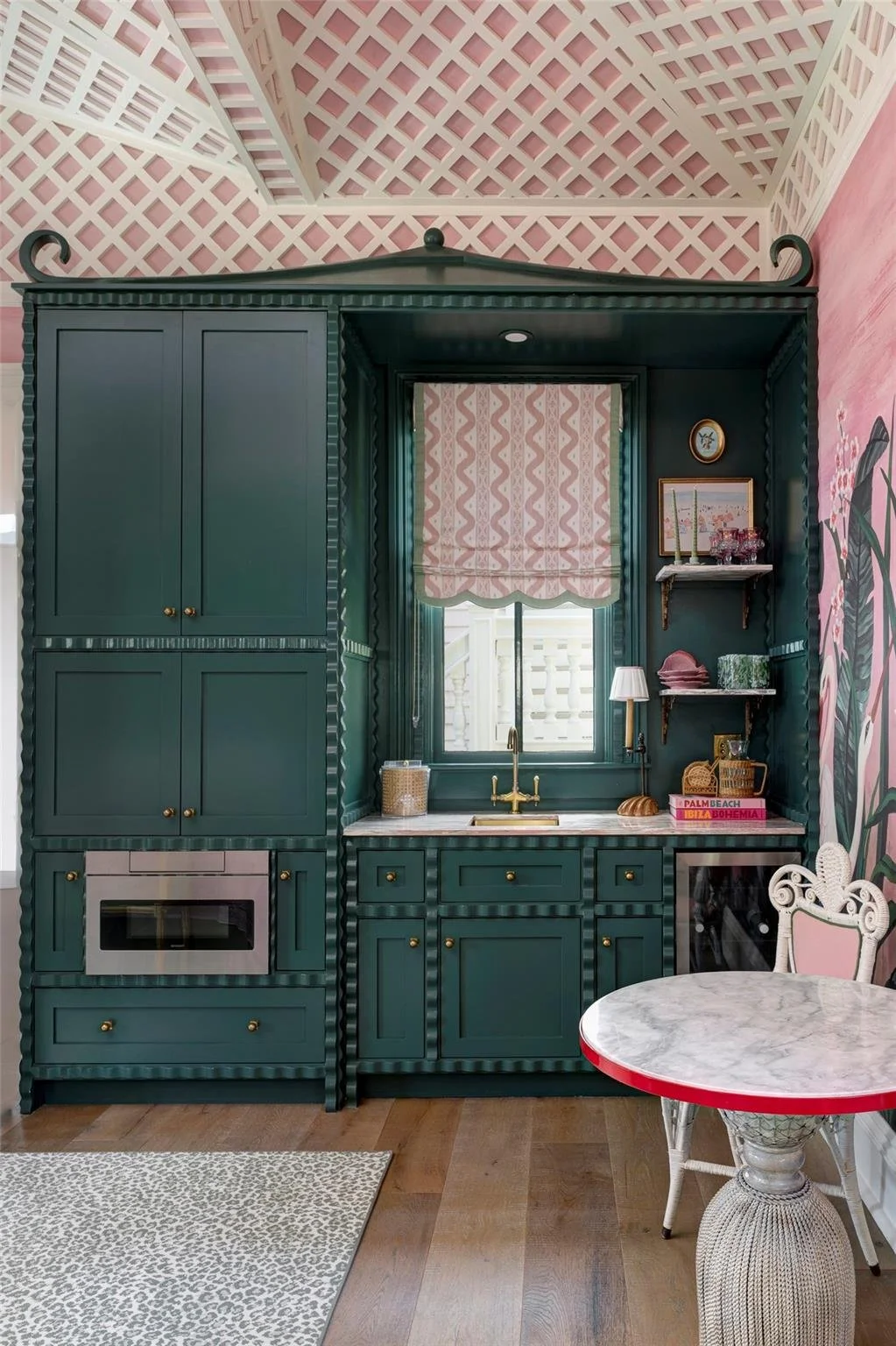
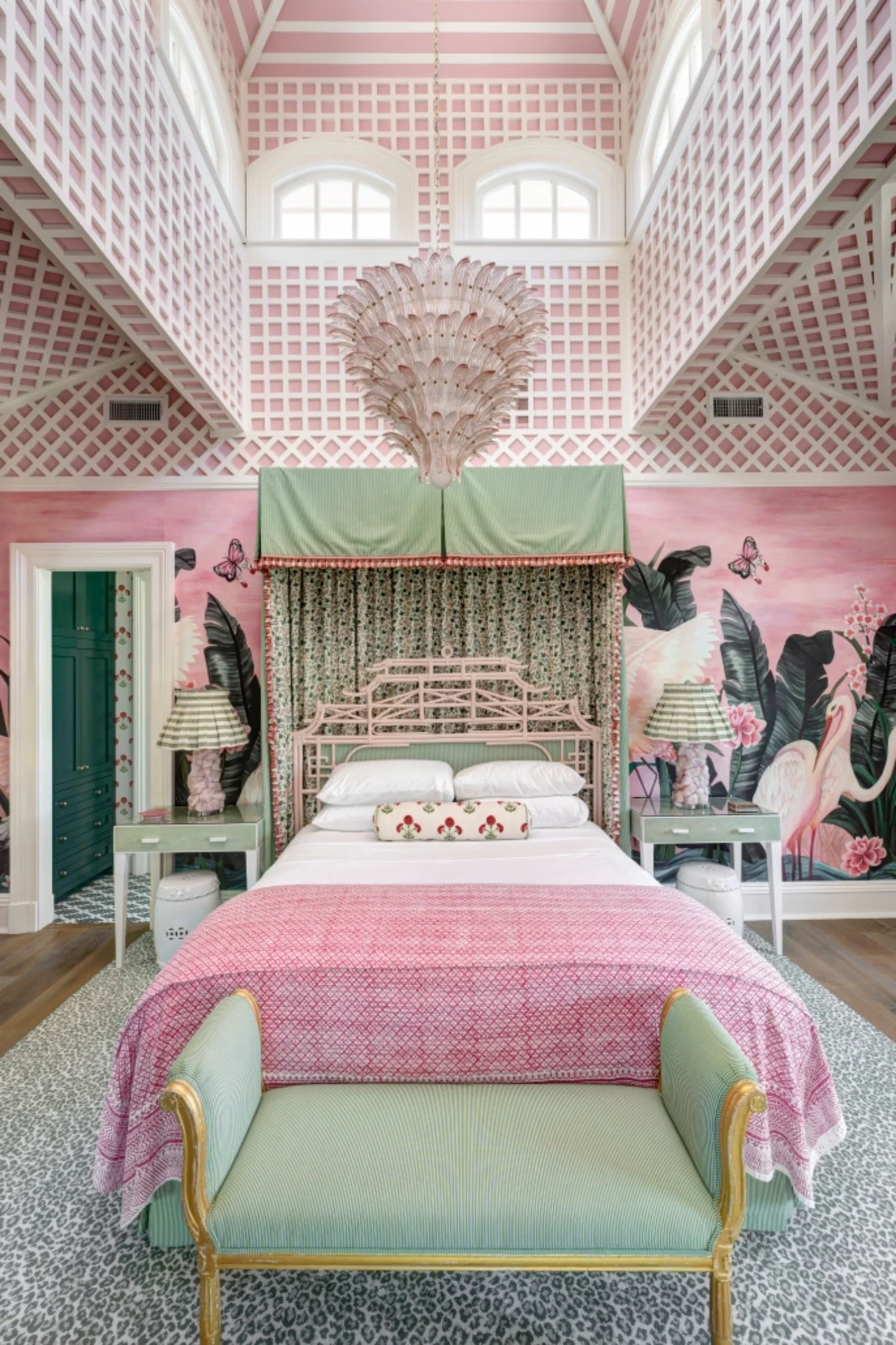
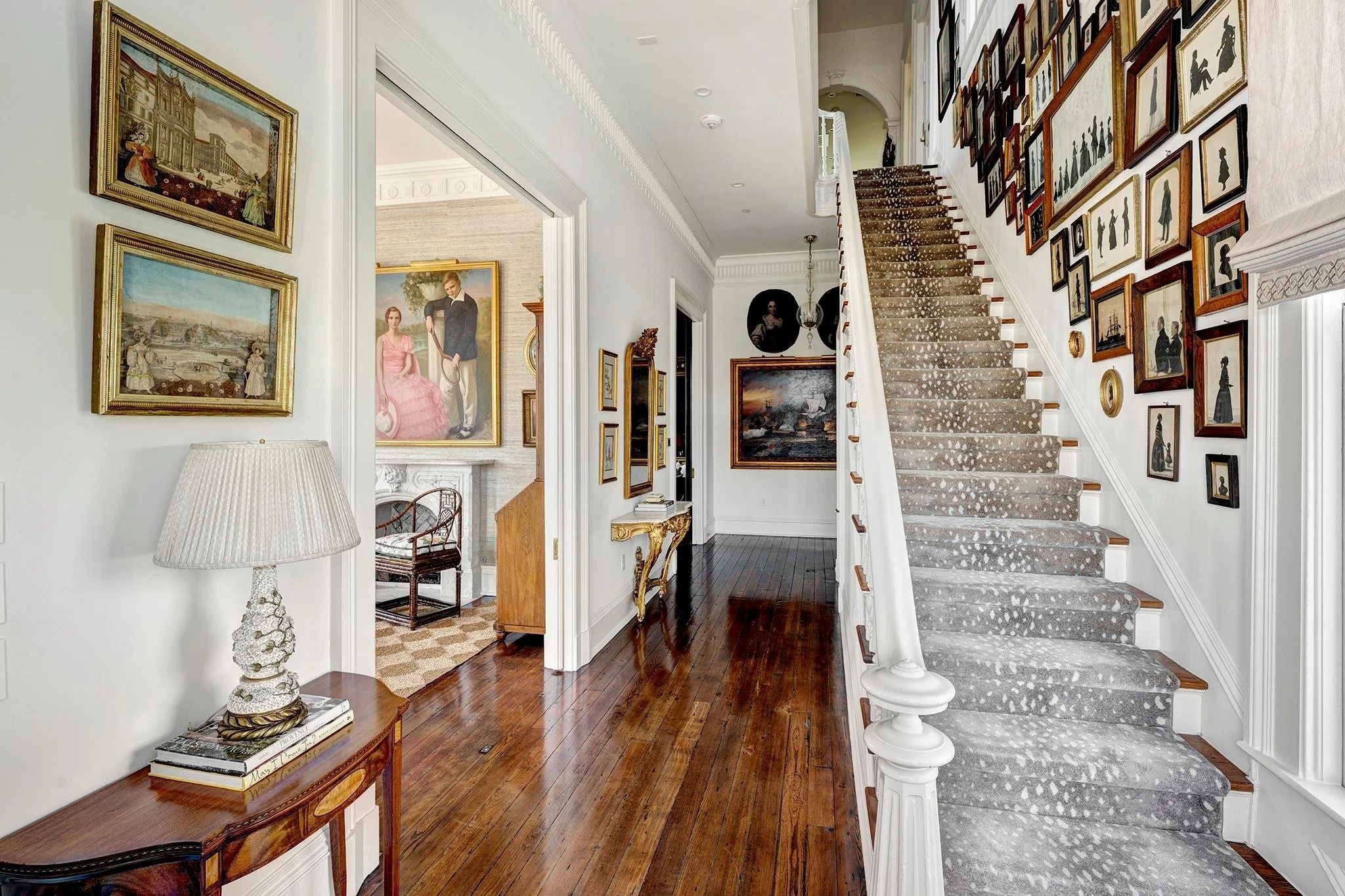
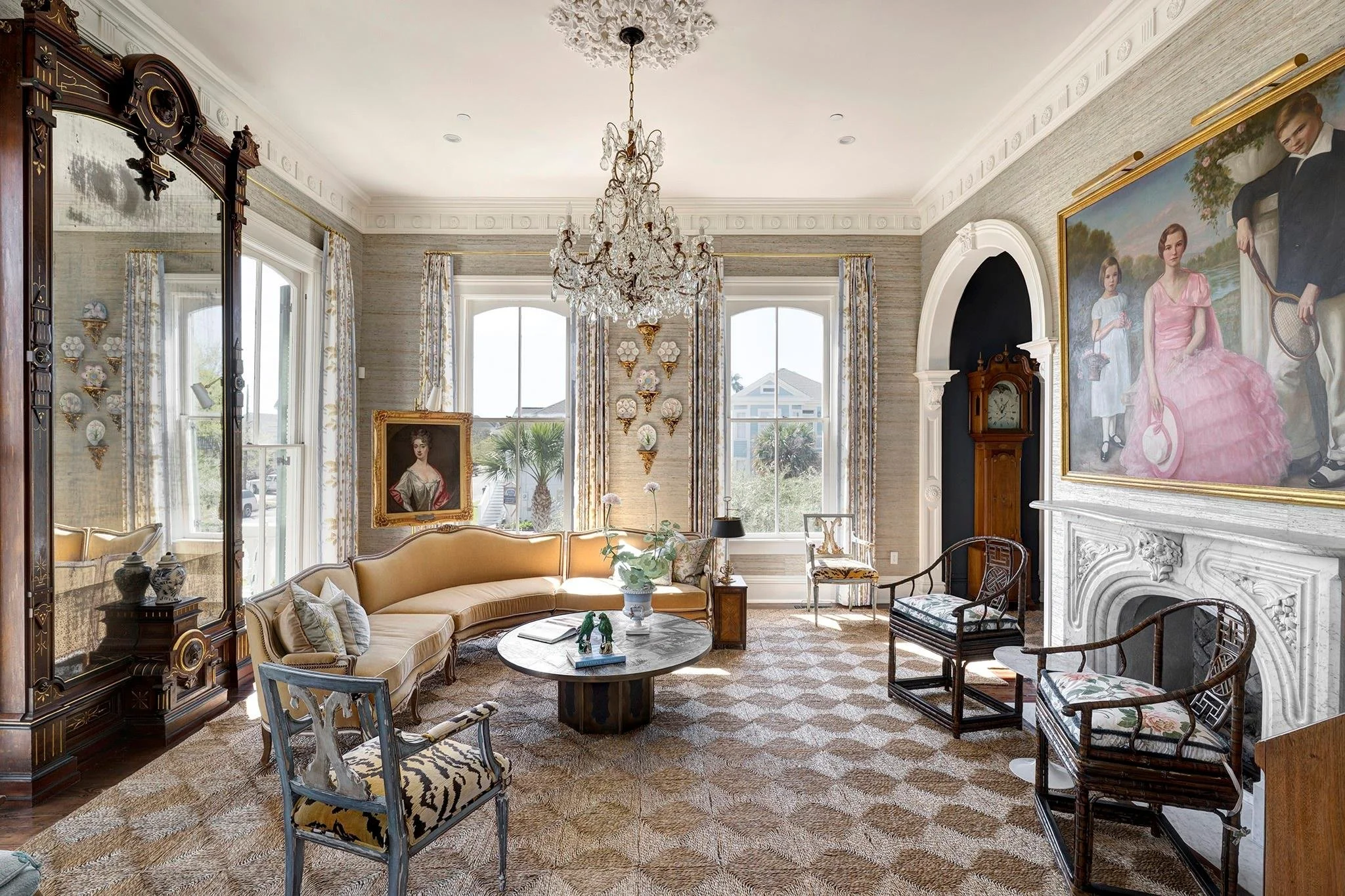
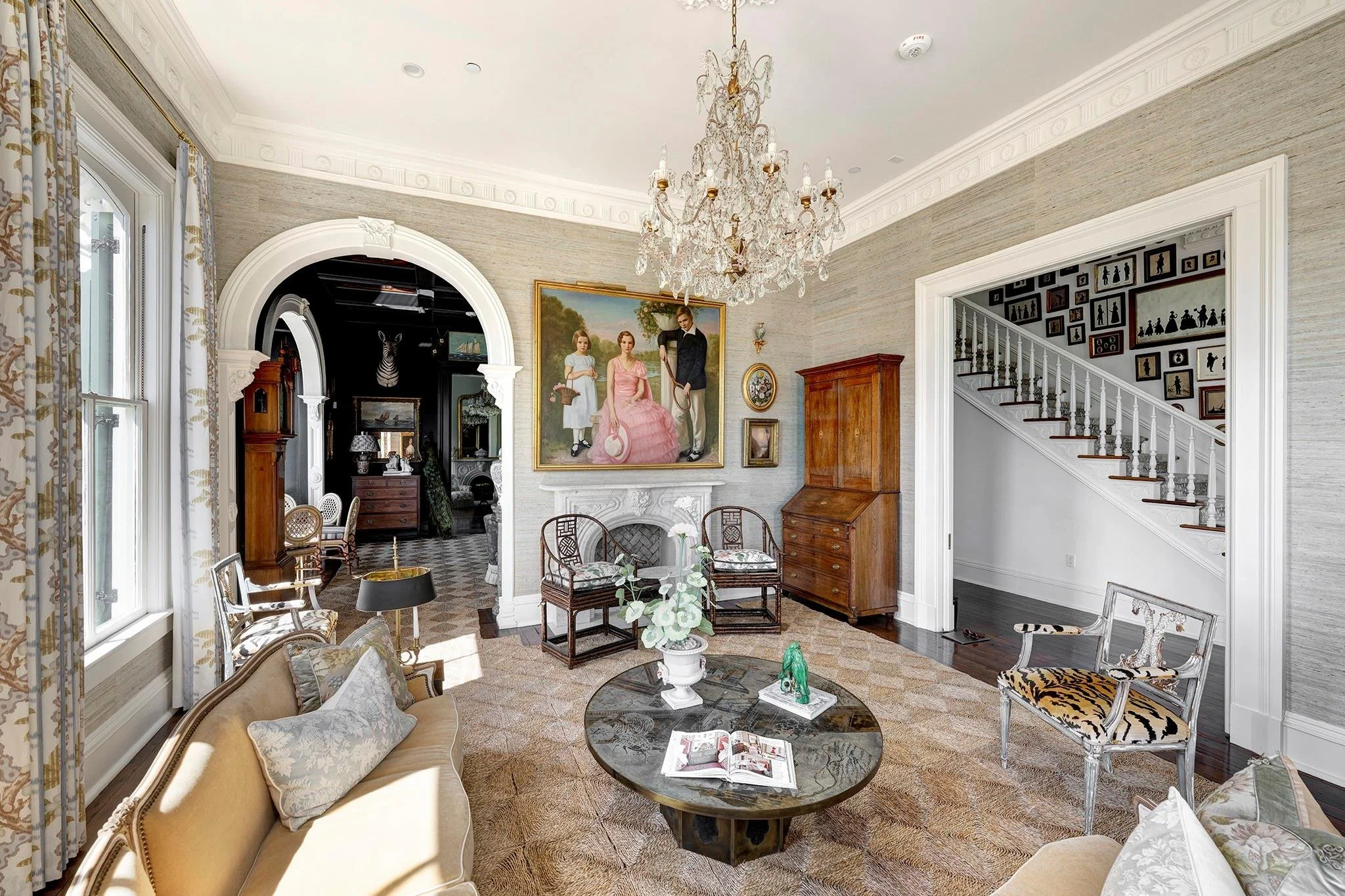
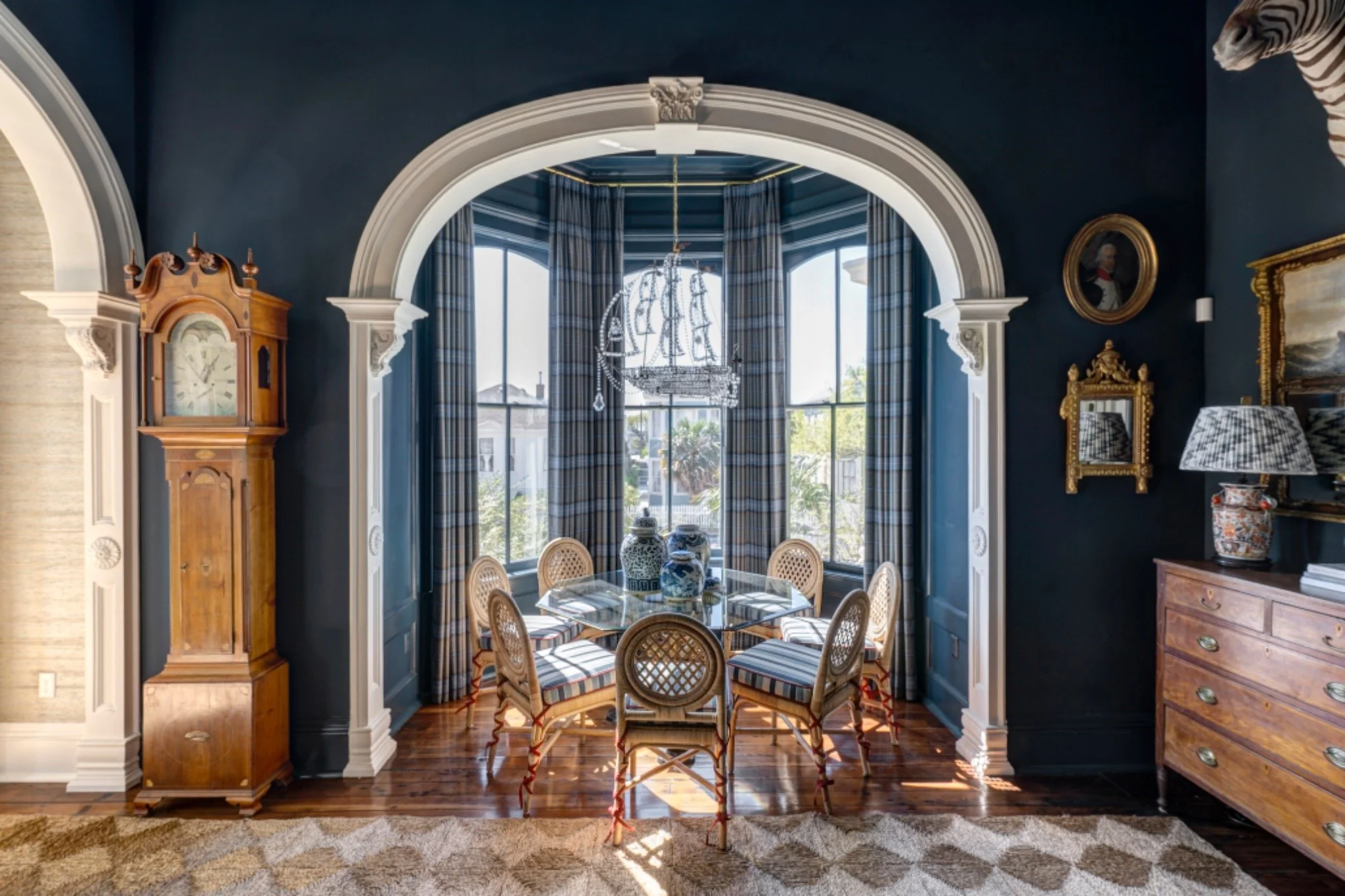
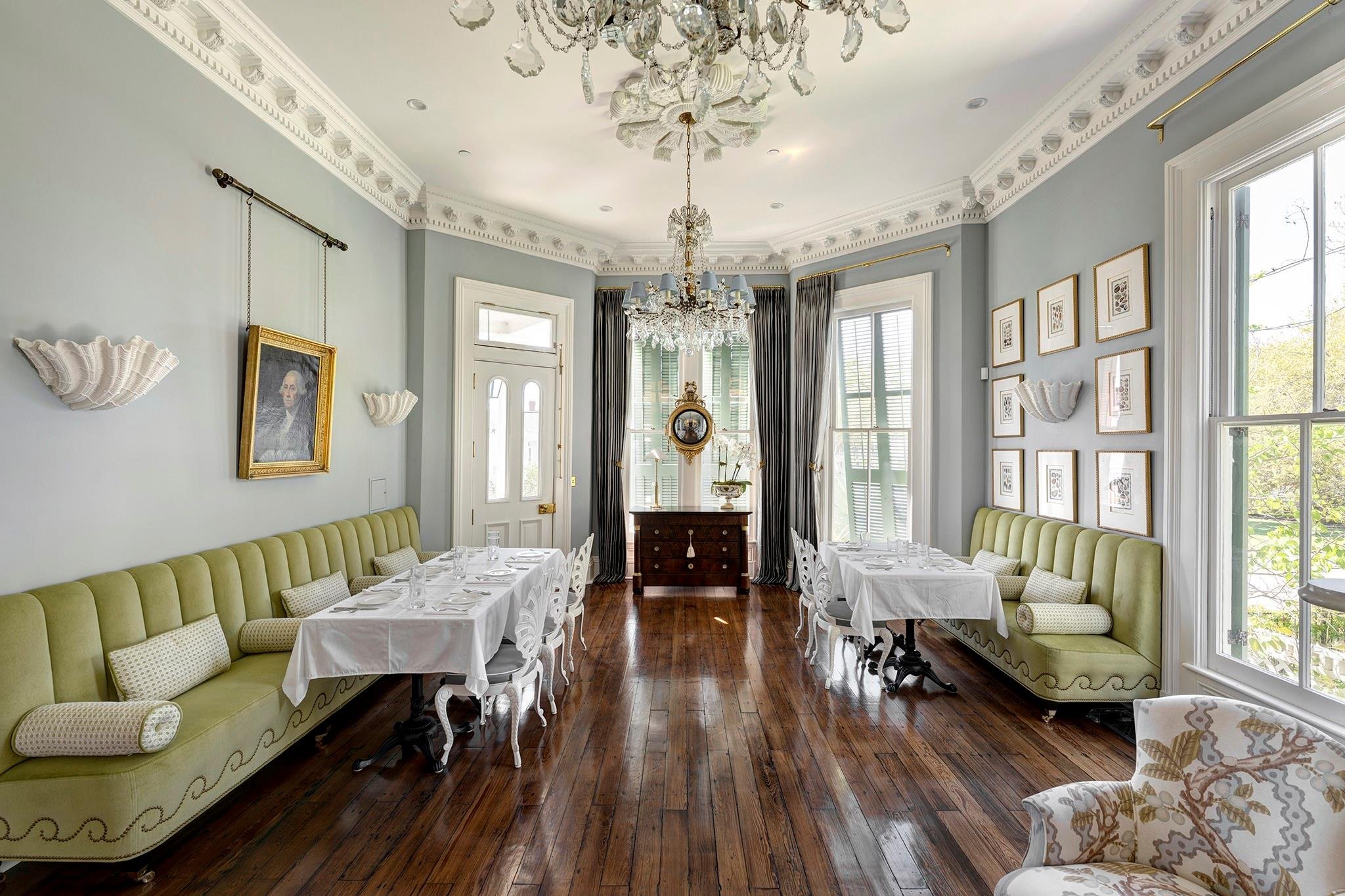
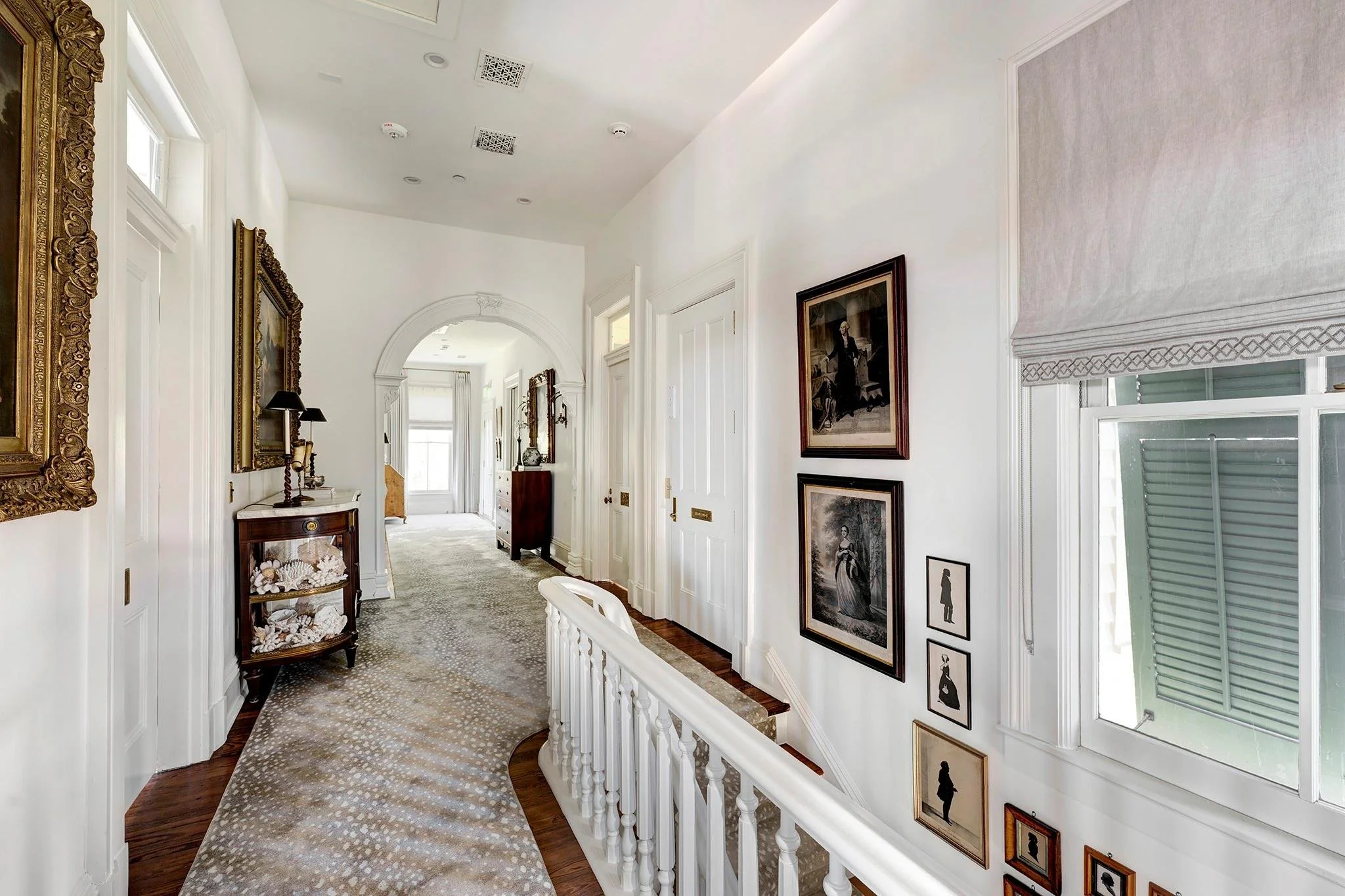
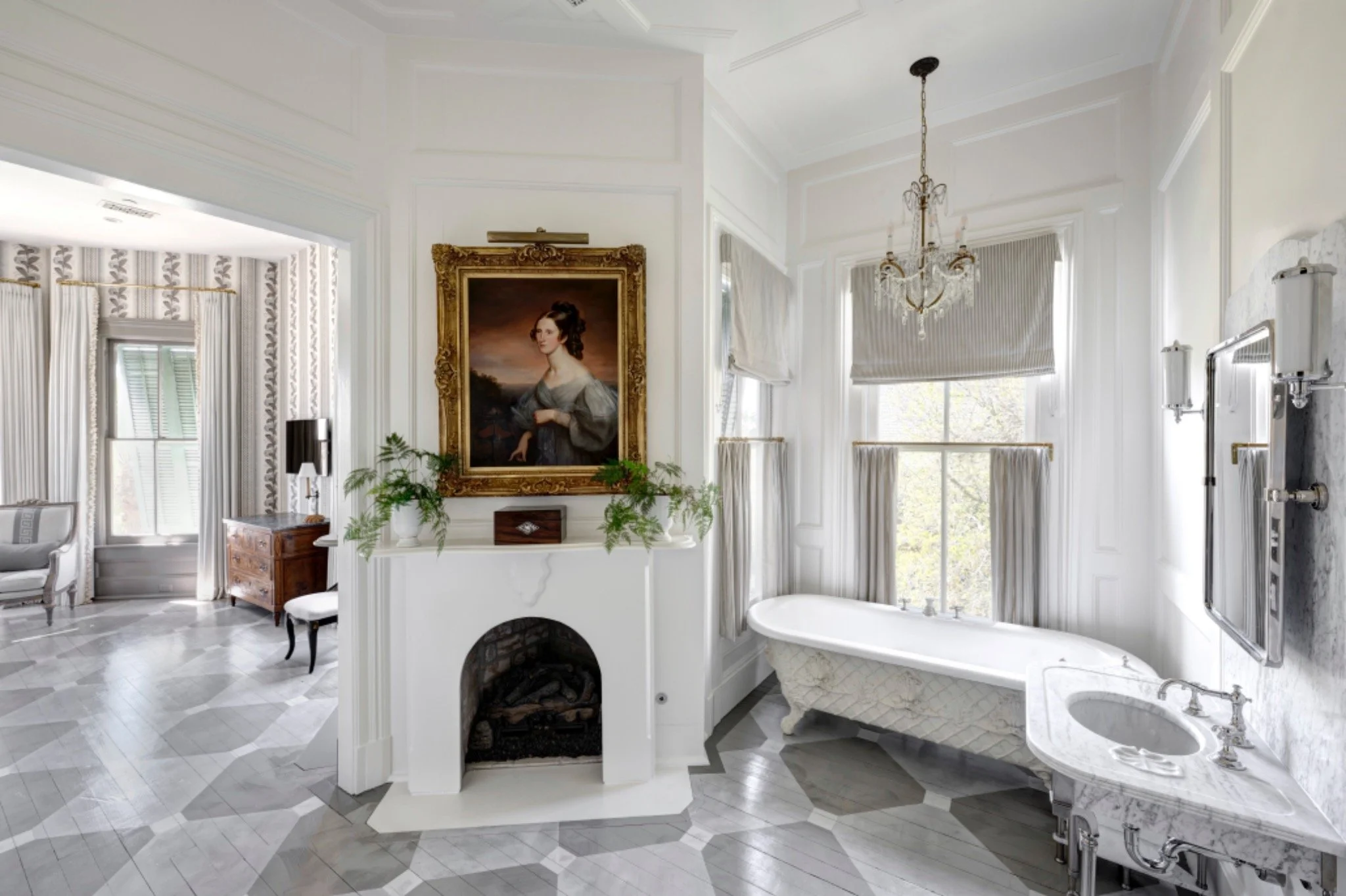
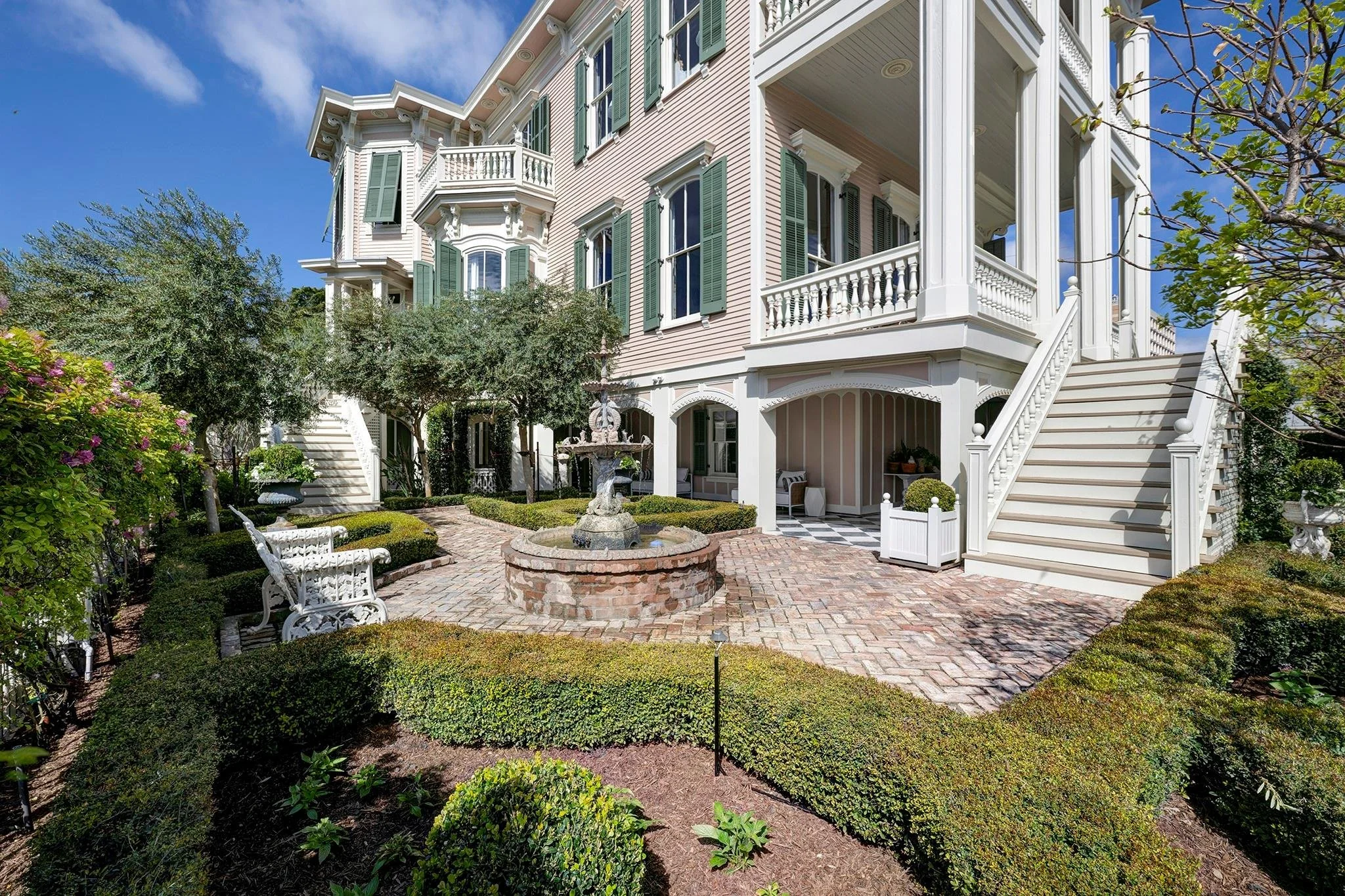
Constructed in 1874, the residence reflects the Italianate style common in Galveston at the time, a form derived from Italian Renaissance villas and widely adopted in American port cities during the Victorian period. Its tall, narrow façade, elongated sash windows, and high ceilings remain intact, along with original hardwood floors and interior millwork preserved through the restoration. The home spans approximately 5,016 square feet (466 m²) on a 10,280 square foot (955 m²) lot and includes a detached carriage house.
The property underwent an eight-year restoration, approached as a long-term preservation effort rather than a redesign.
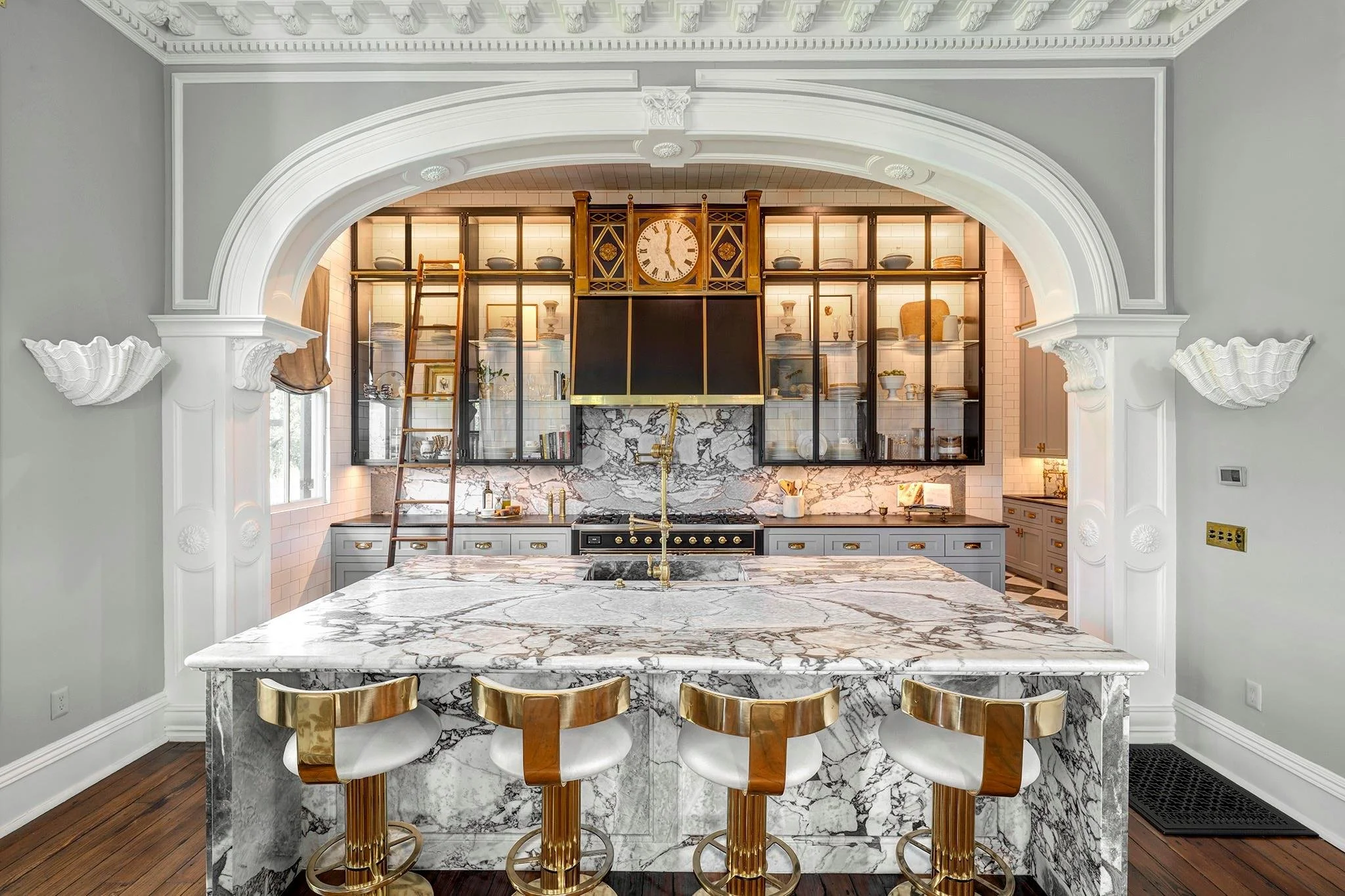
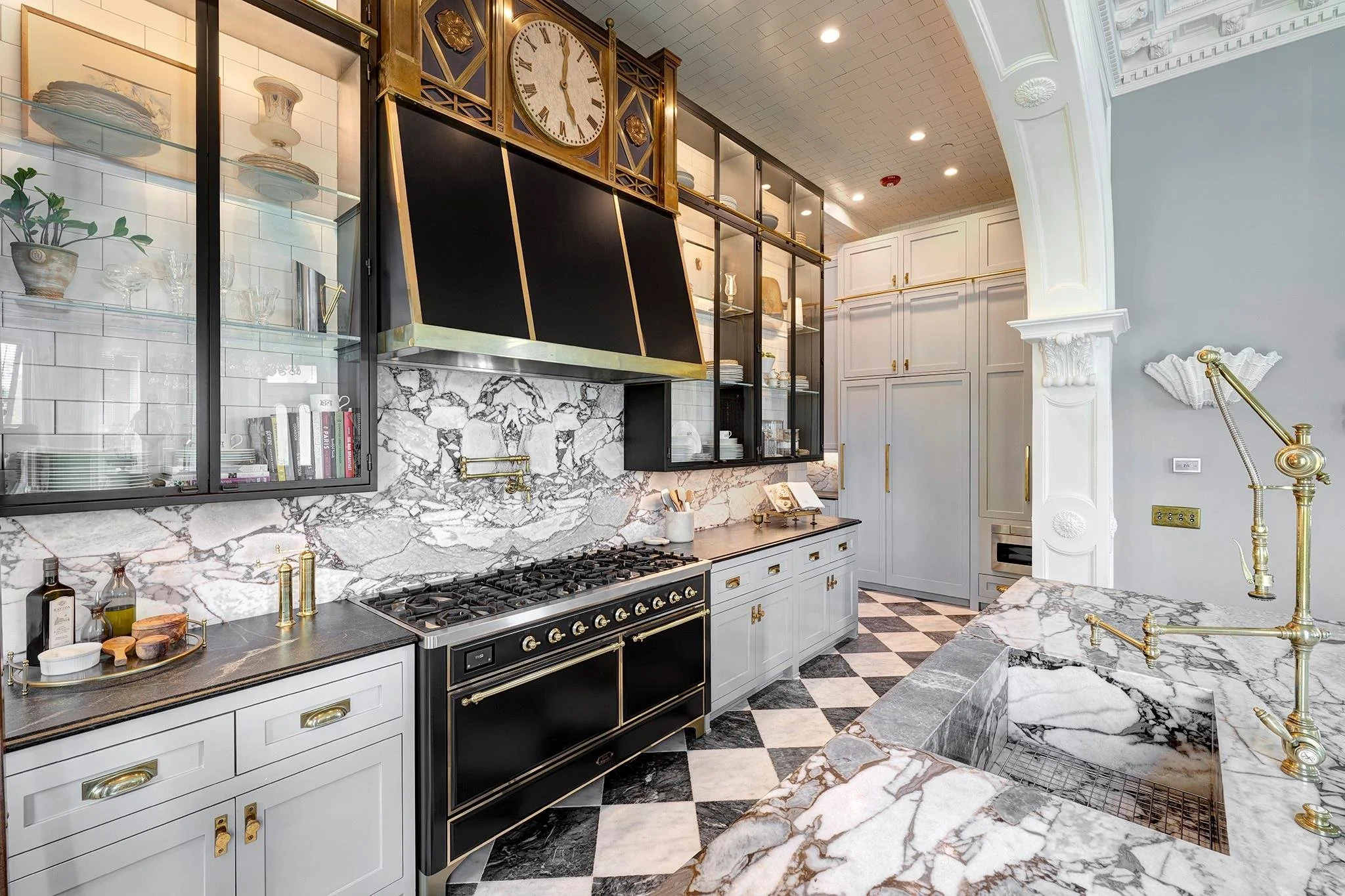
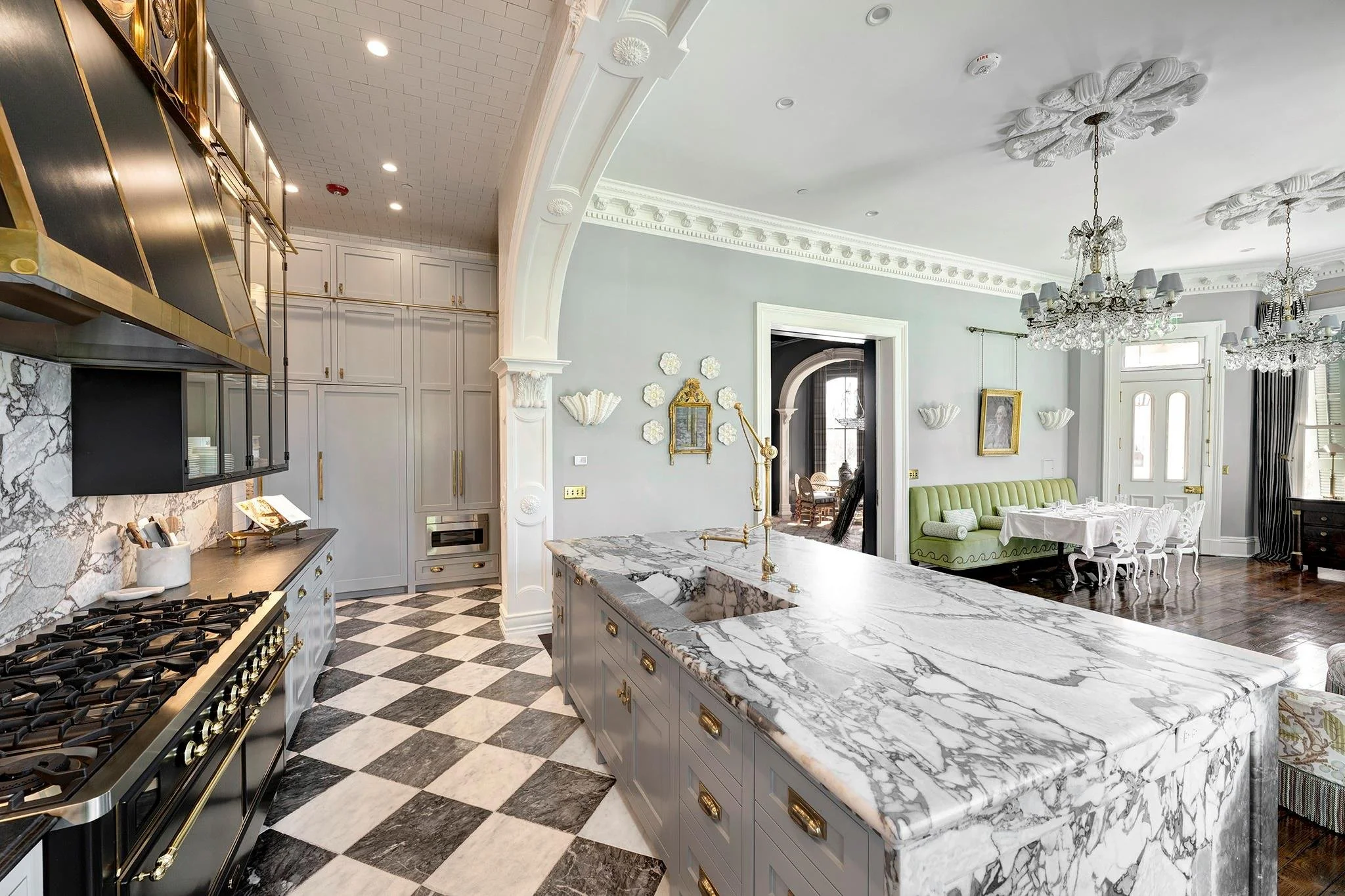
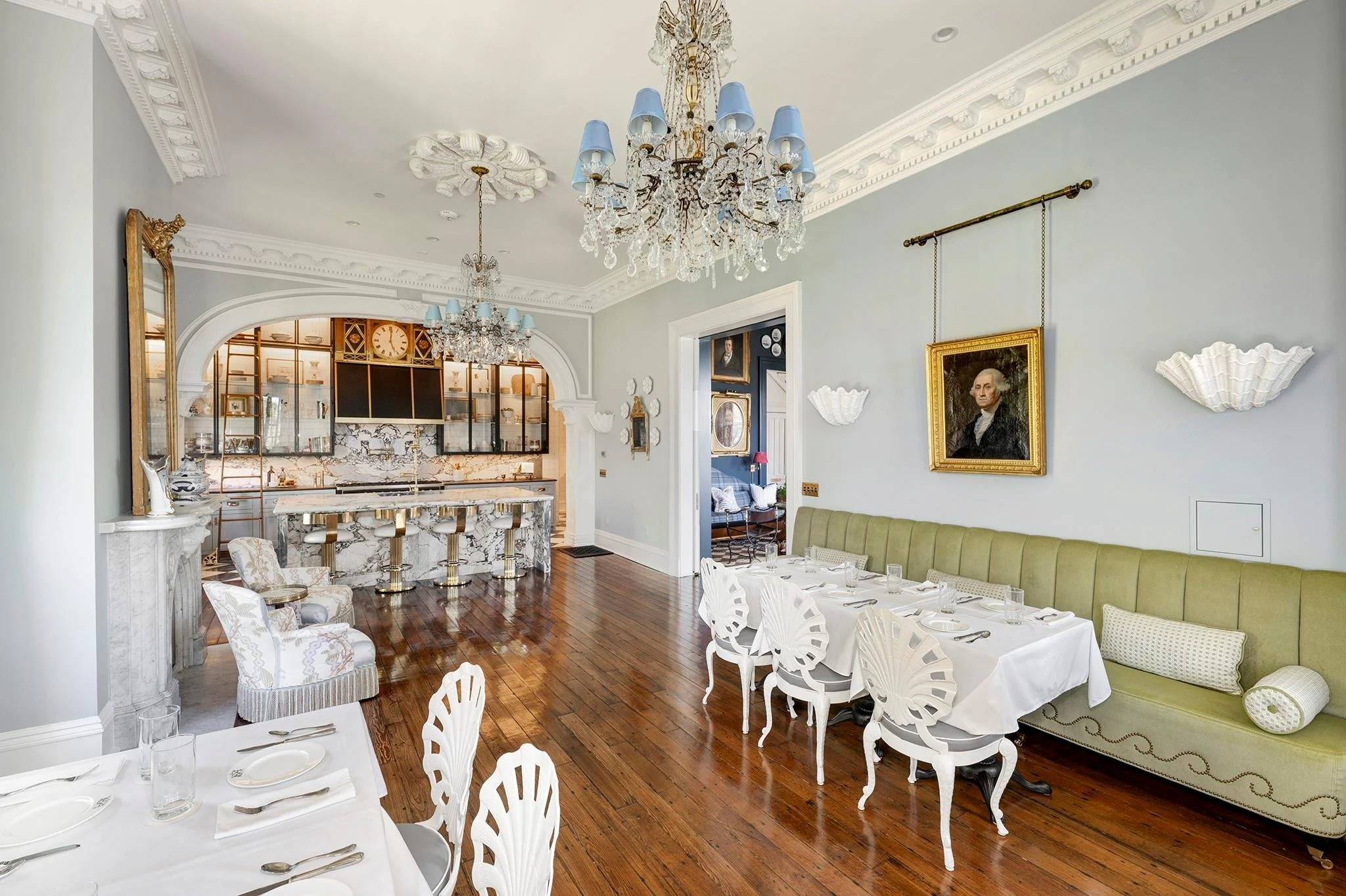
Interiors were developed by Houston-based Alayna Louise Interiors, with a focus on preserving the home’s character while introducing updated finishes. In the kitchen, Plutone marble sourced from Aria Stone Gallery anchors the space, while a custom range hood incorporates a Victorian brass train station clock. Steel upper cabinetry and brass yacht stools introduce a more contemporary contrast. The kitchen functions as a central gathering space.
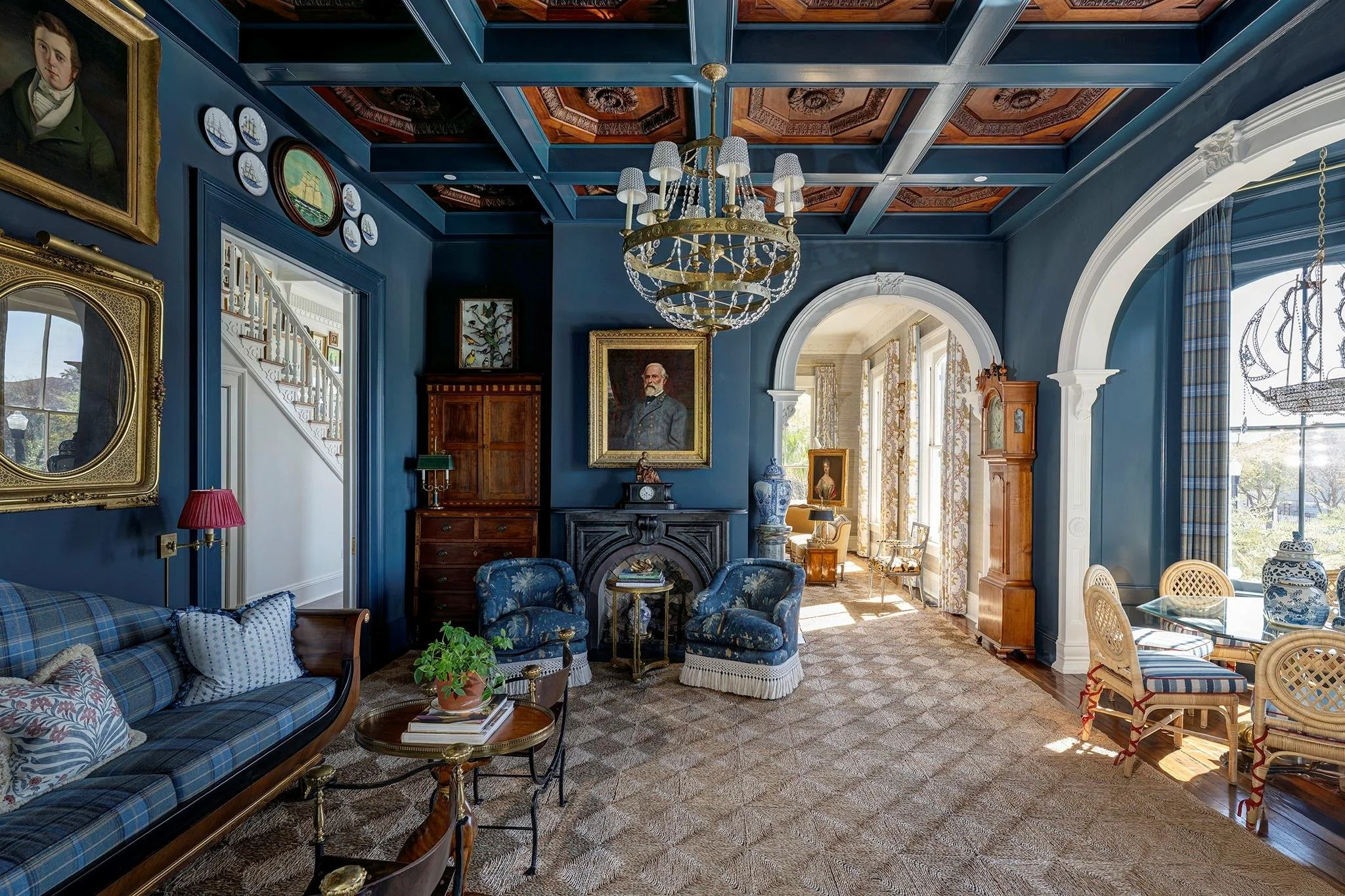
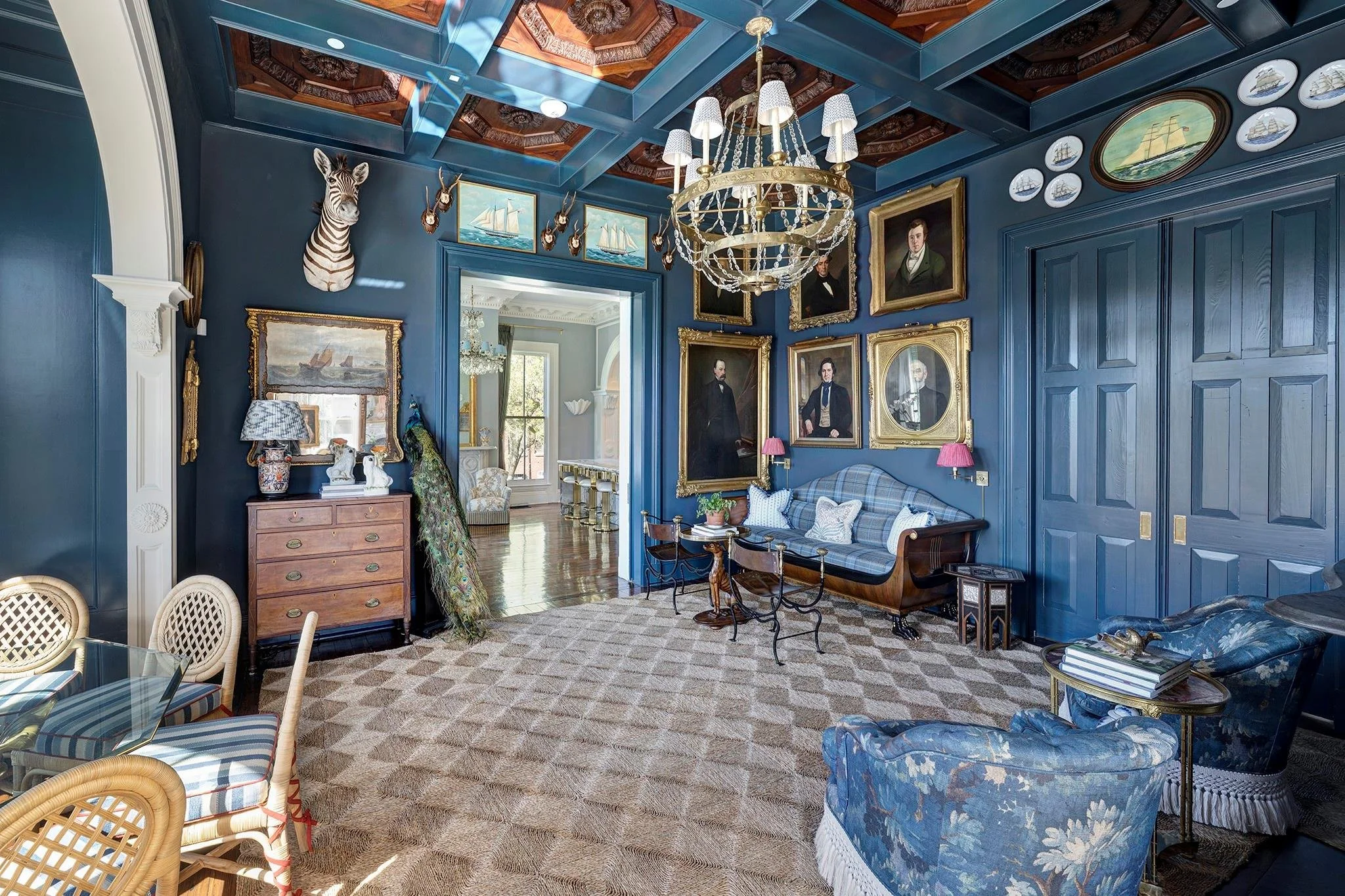
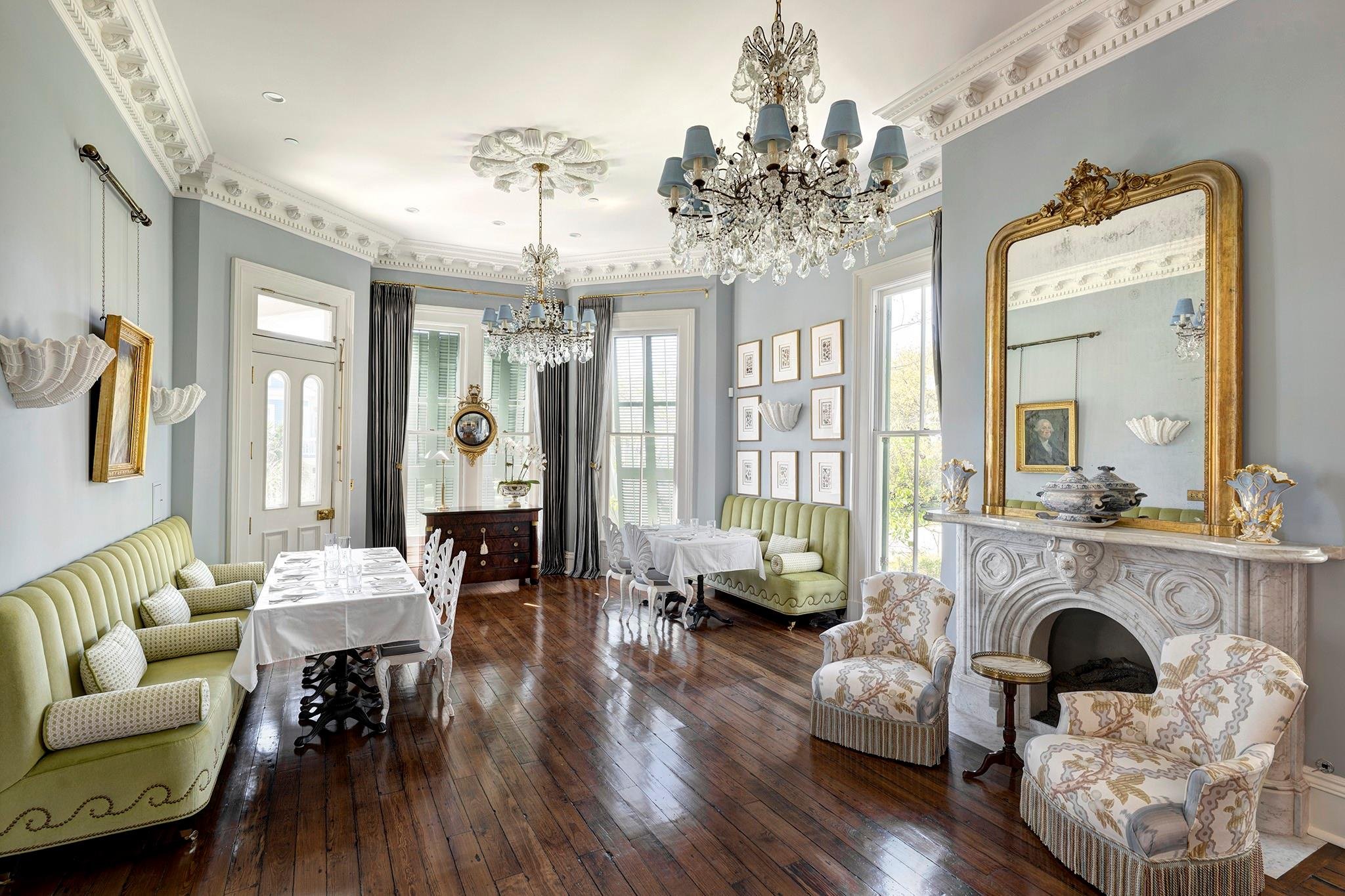
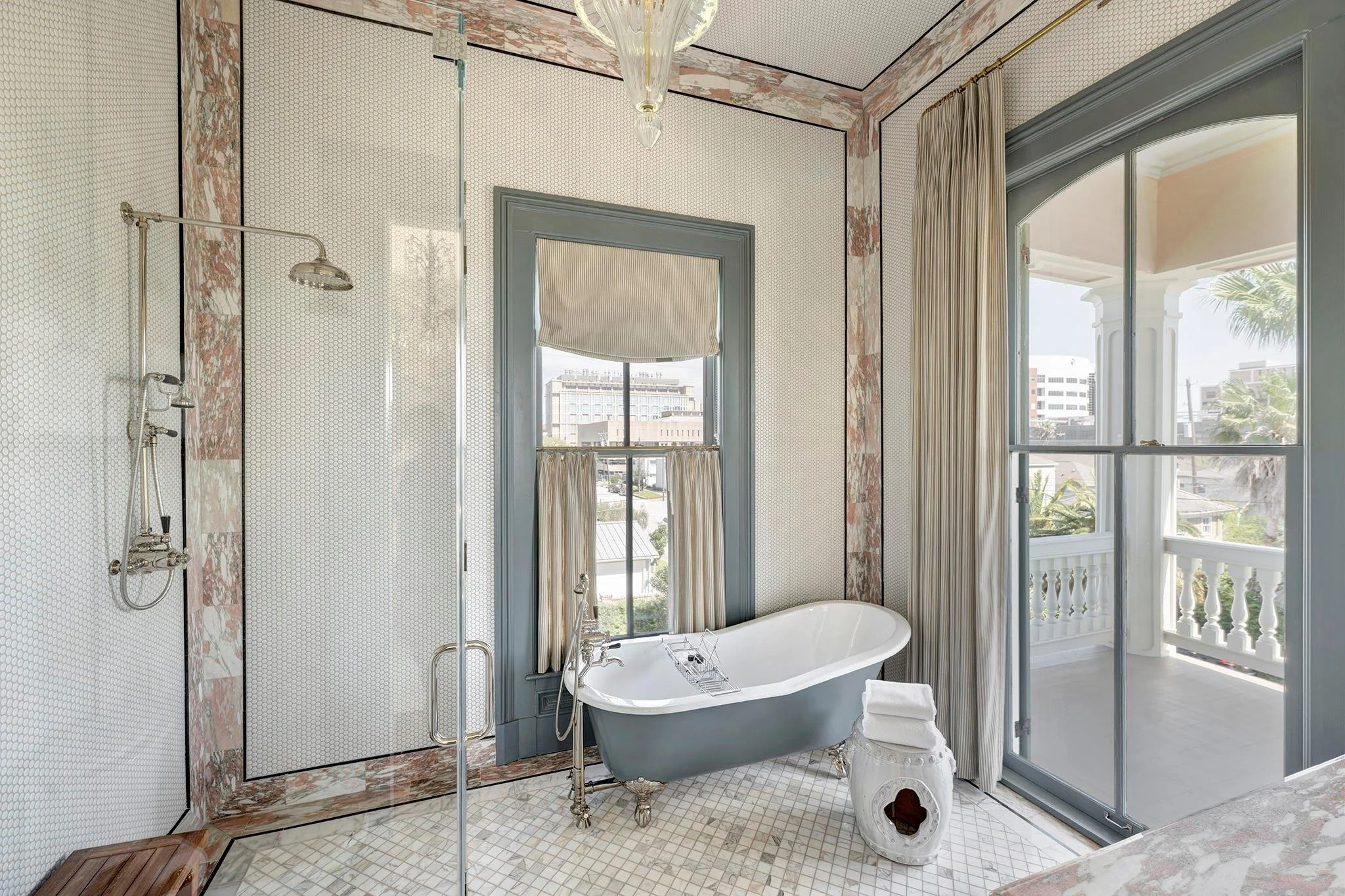
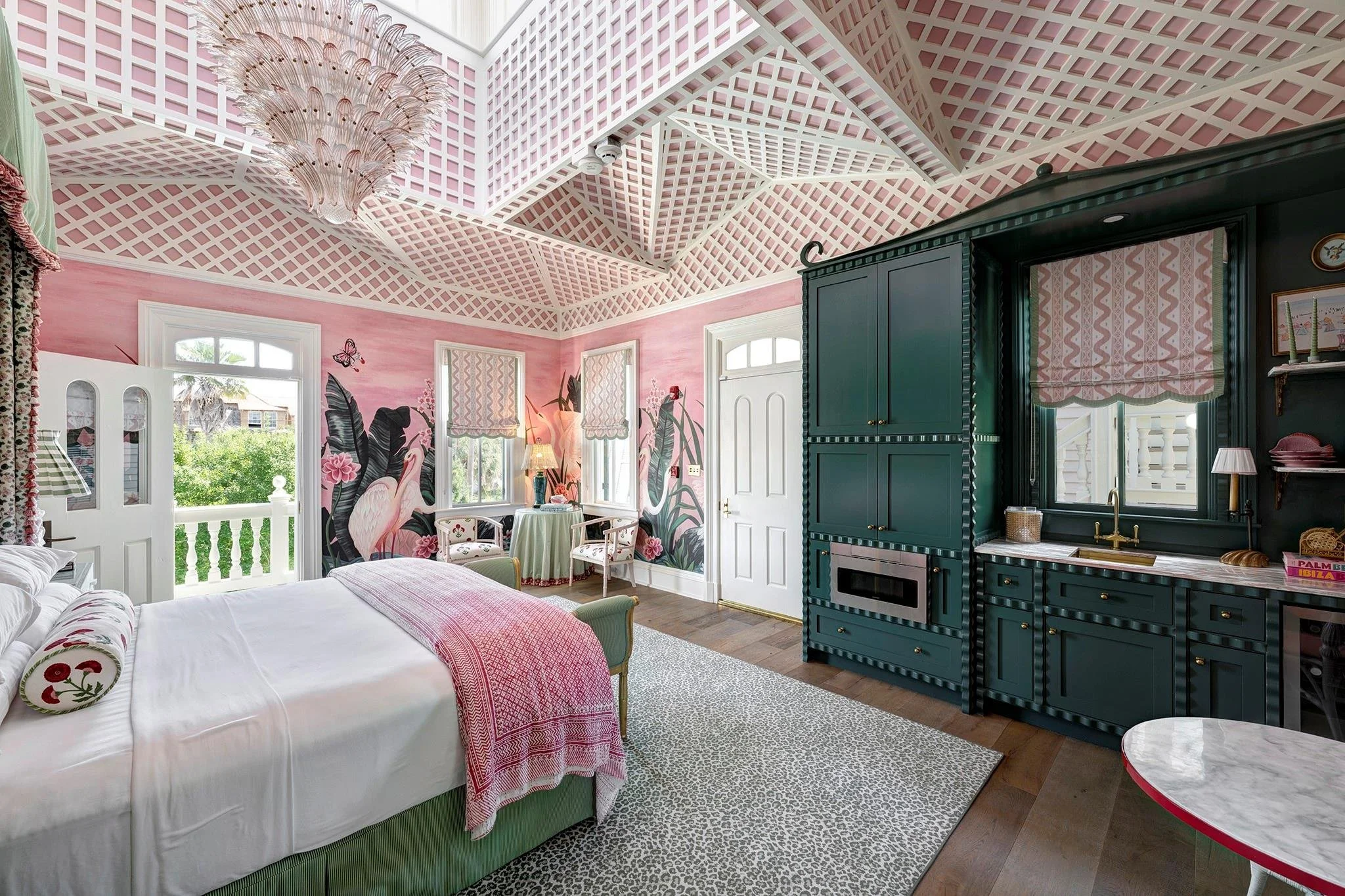
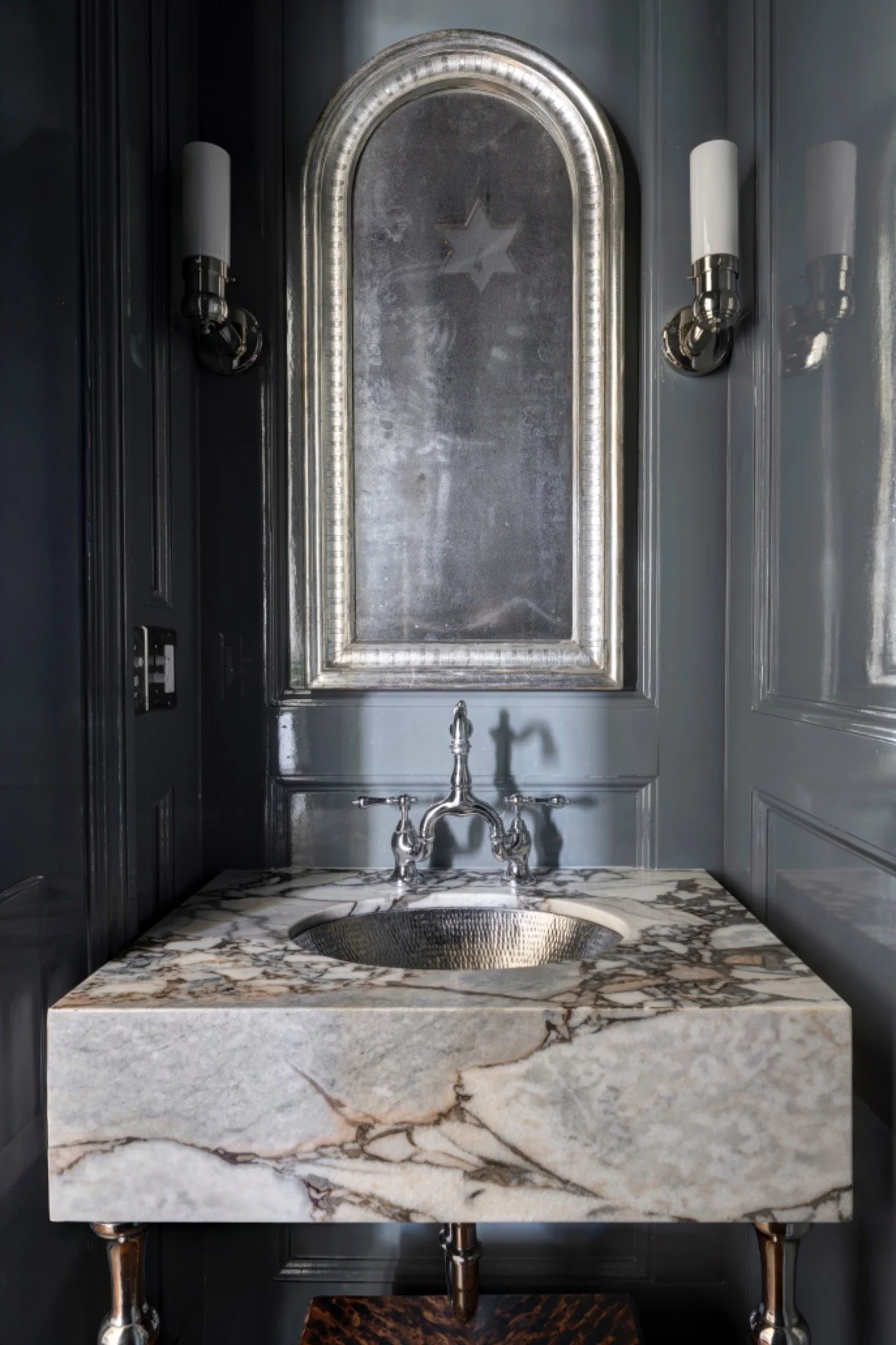
Throughout the home, individual rooms retain distinct identities, with original mantels preserved in select suites and bathrooms incorporating cast iron tubs and fireplaces alongside updated fixtures.
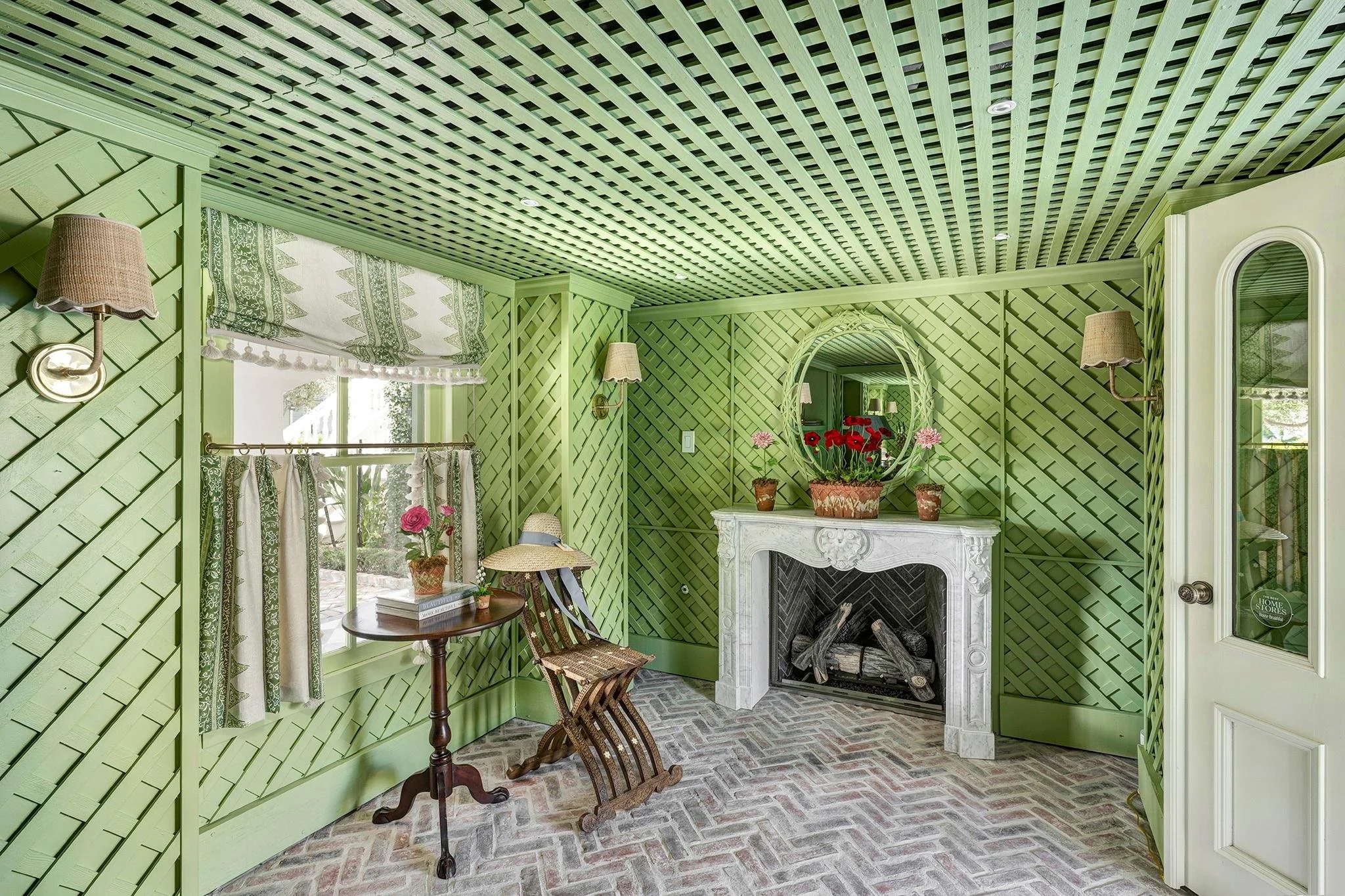
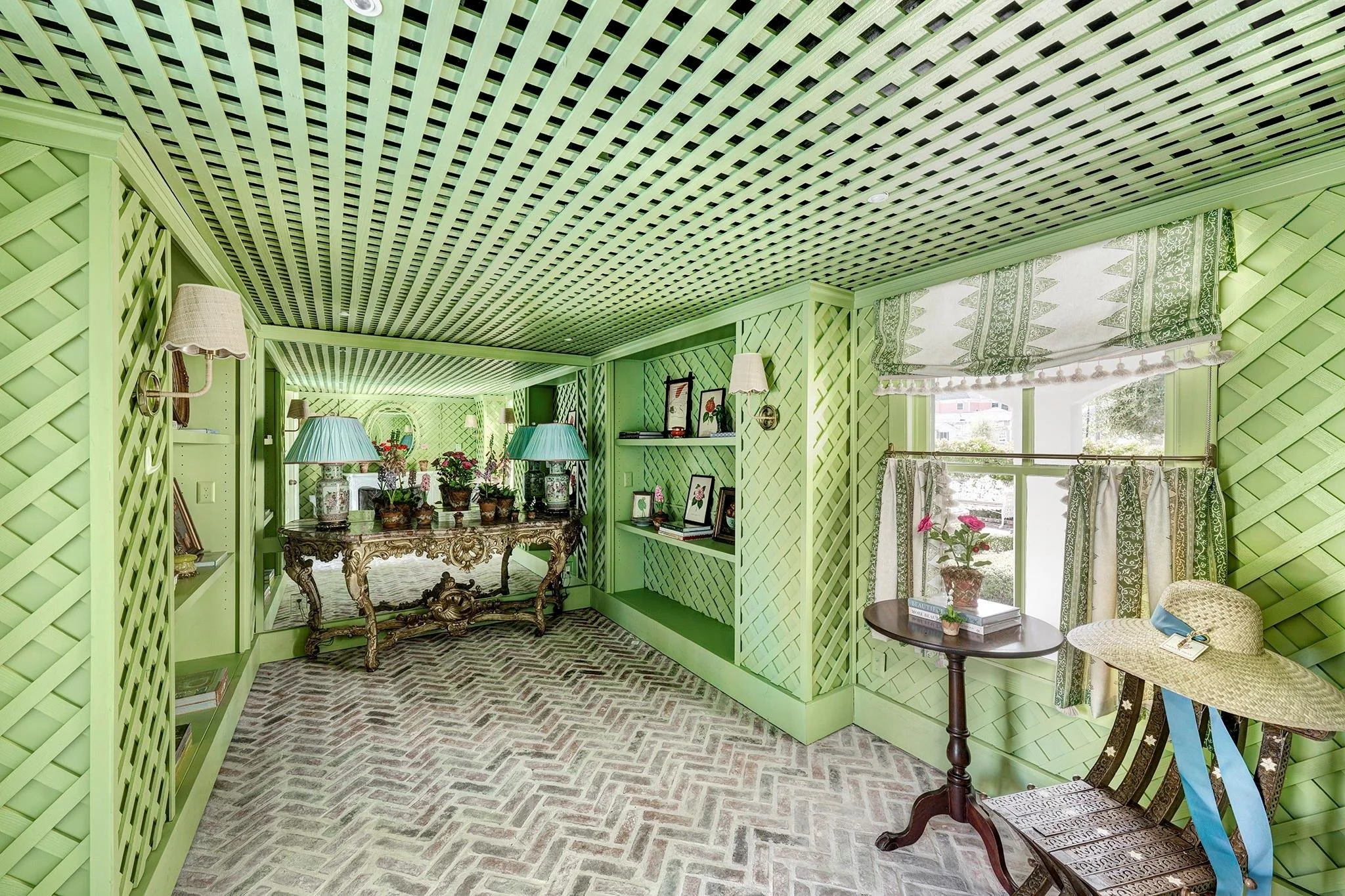
Several details within the home point to its layered history, including a ceiling panel sourced from a 19th-century castle in Genoa and a pier mirror in the parlor believed to have survived both the 1900 hurricane and Hurricane Ike, as well as later periods of use when the property functioned as a medical fraternity residence.
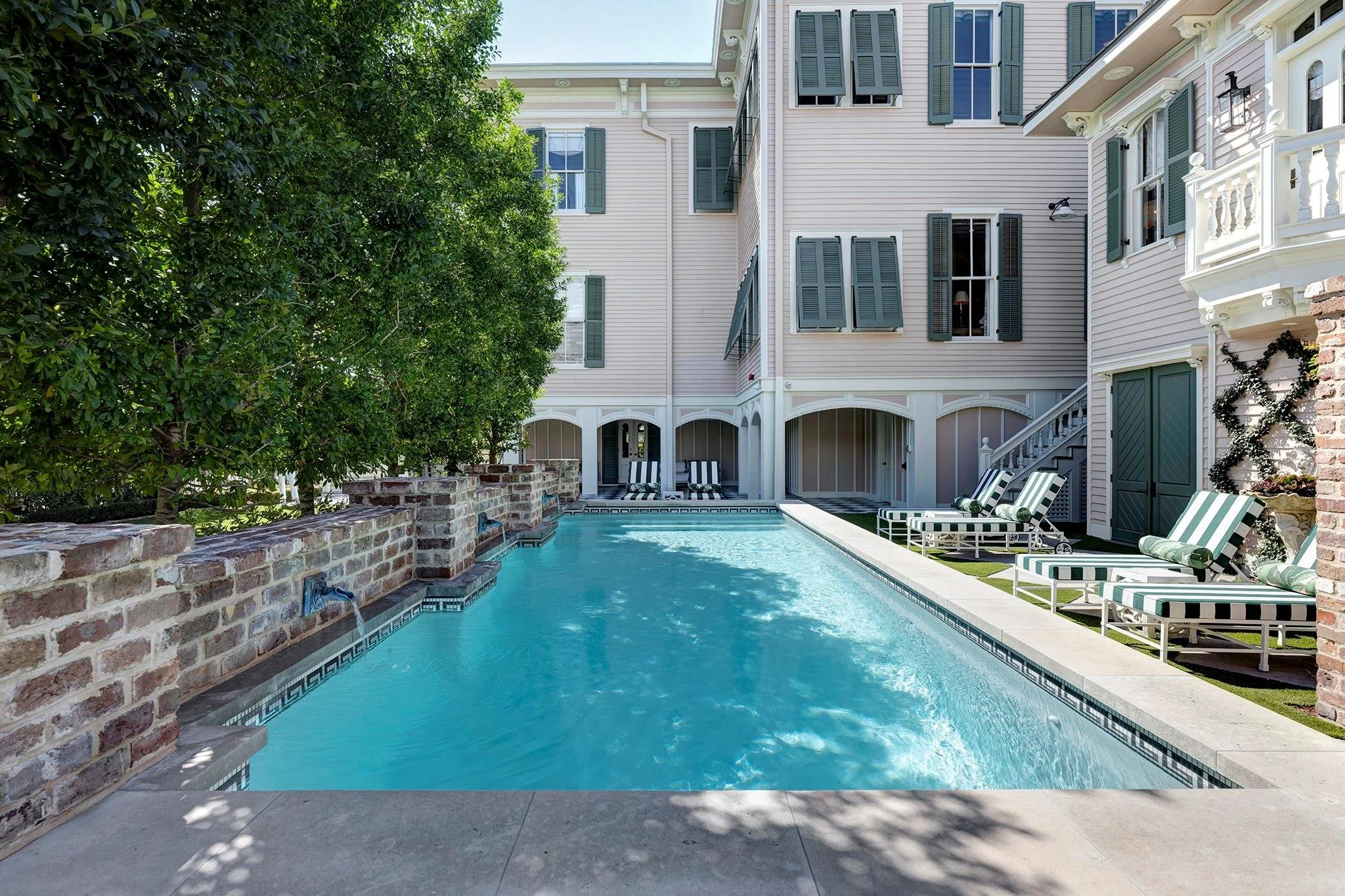
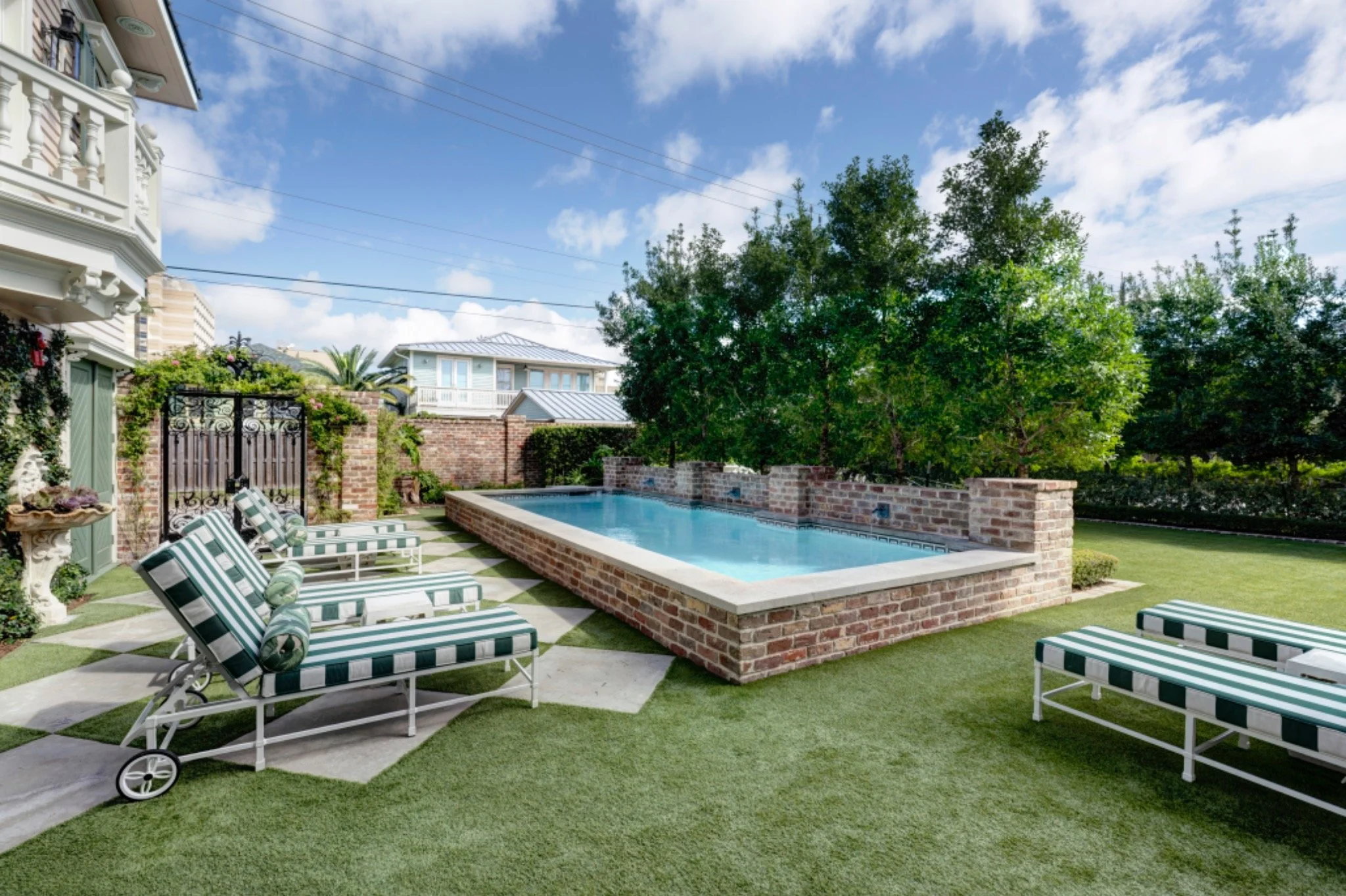
The property has operated in recent years as a guest house, a use supported by Galveston’s steady tourism, a major cruise port, and a well-preserved historic district. The layout remains suited to either private residential or small-scale hospitality use, with connected kitchen and living areas extending toward the garden and pool.
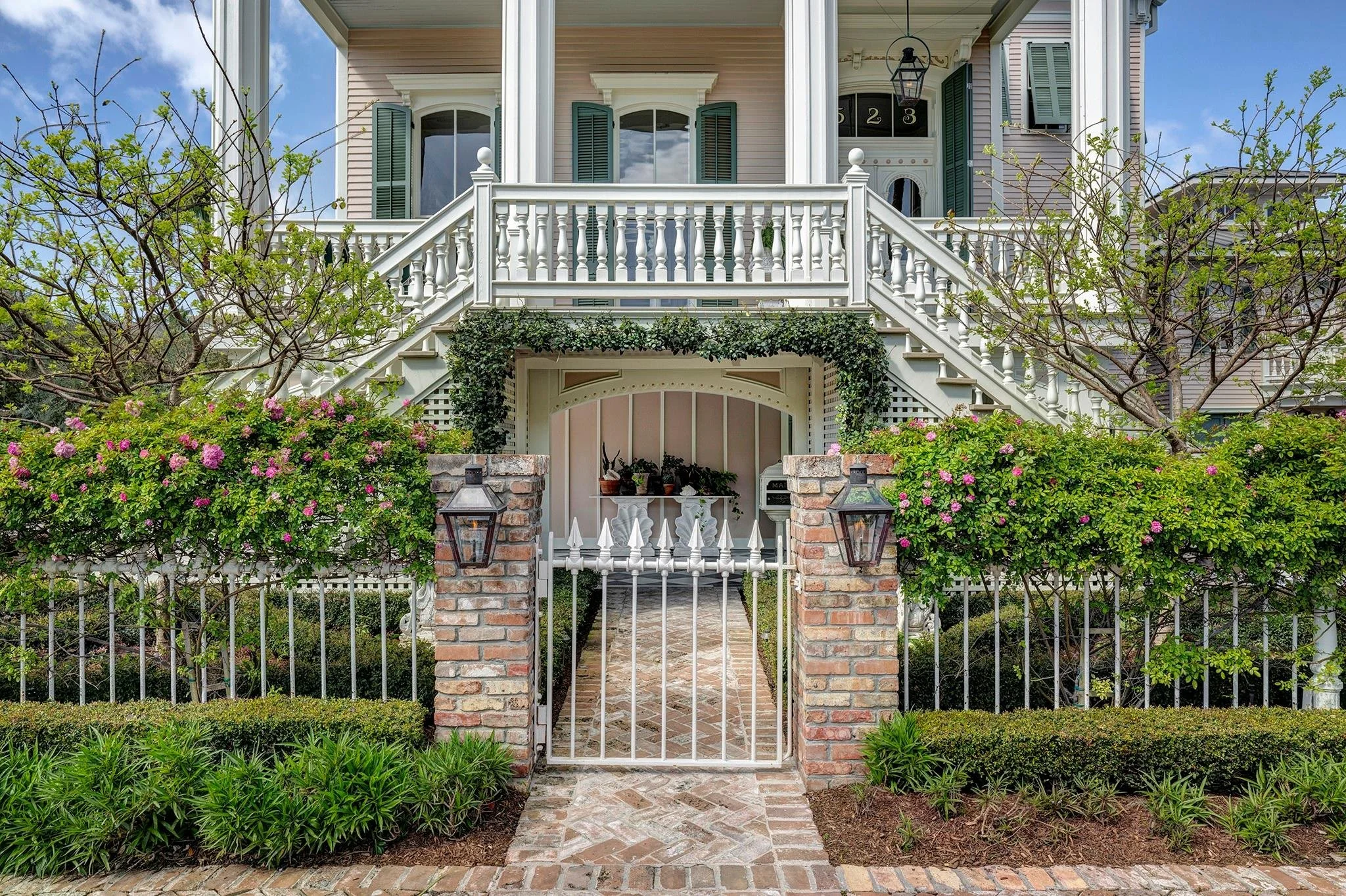
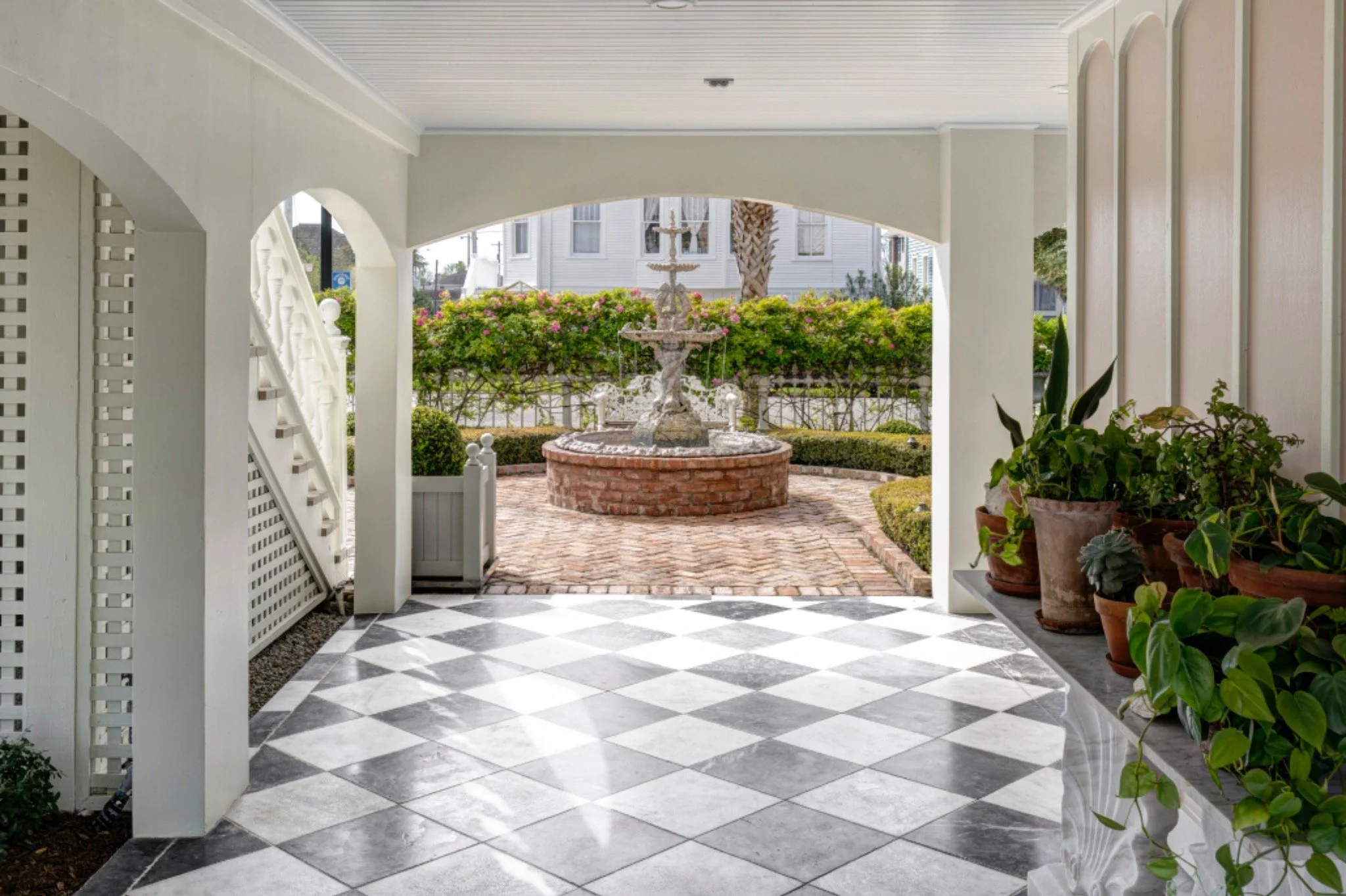
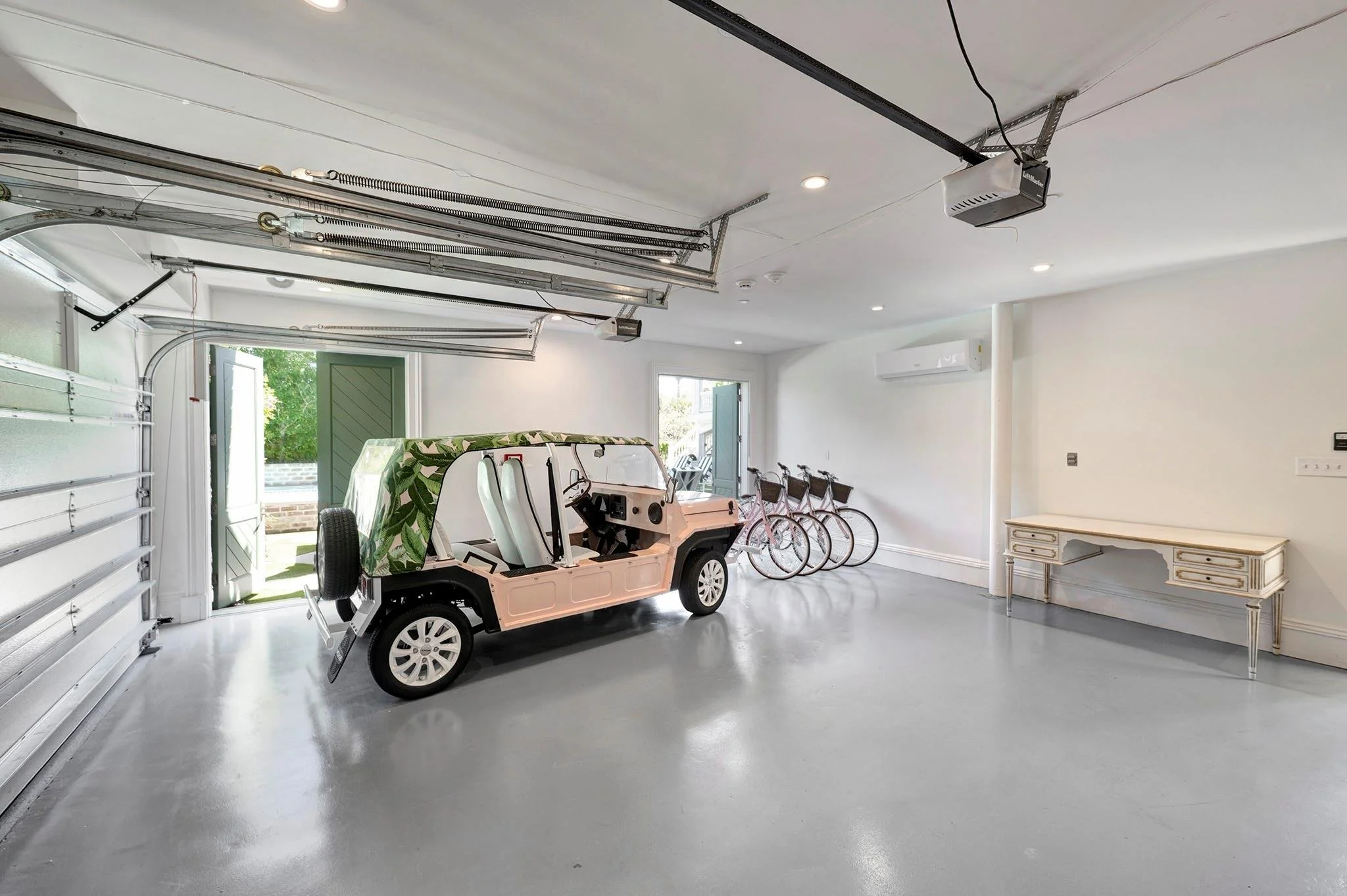
Exterior spaces include established landscaping designed by J. Branch Landscaping, with a mix of boxwoods, roses, and palms, alongside a courtyard with a fountain and a pool. The home’s exterior is accented by green shutters sourced from New Orleans to reflect the property’s period detailing. A detached carriage house serves as an additional retreat, providing further flexibility for guest or residential use.
All photographs courtesy of the listing agency. See more on Greenwood King Properties.