A five-story townhouse at 35 Stuyvesant Street in New York’s East Village has come to market with Nick Gavin of Compass for $3,895,000, offering a rare opportunity to acquire a property within the small historic enclave known as the Renwick Triangle.
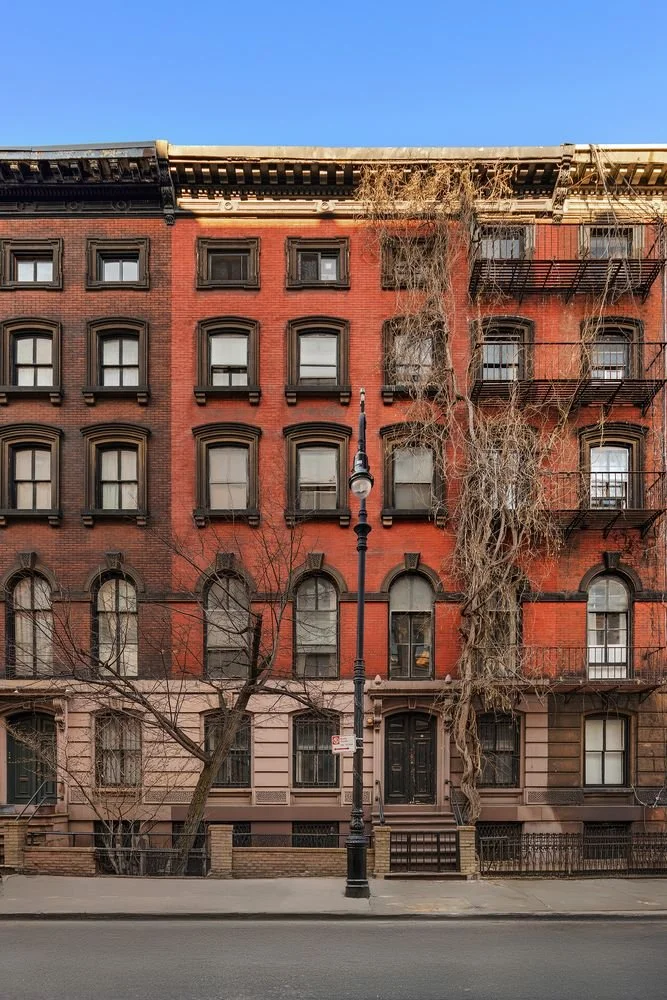
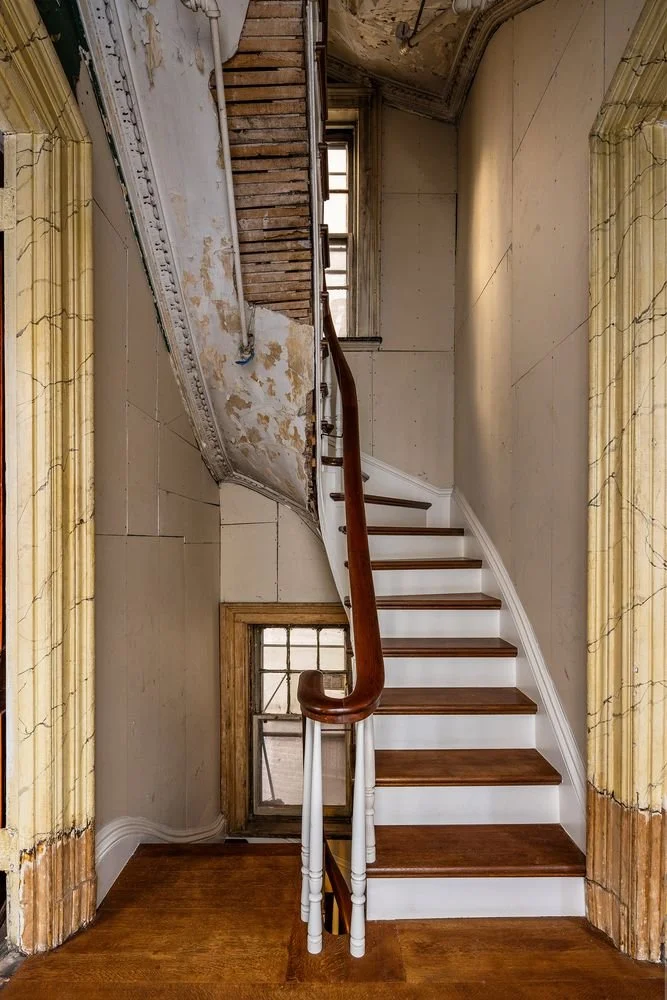
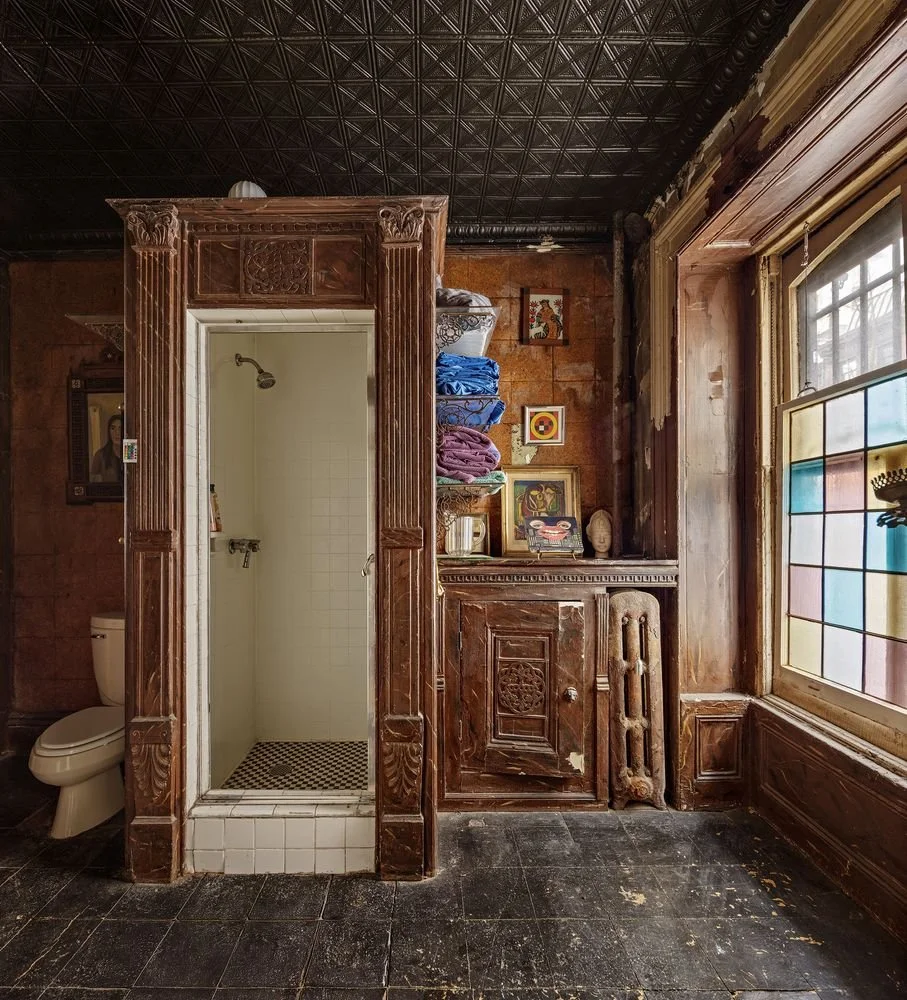
The residence was built in 1861 by architect James Renwick Jr., whose work includes St. Patrick’s Cathedral in Manhattan and the original Smithsonian Institution building in Washington, D.C. The house sits at the intersection of Stuyvesant Street and East 10th Street, where the diagonal Stuyvesant Street cuts across Manhattan’s otherwise rigid grid.
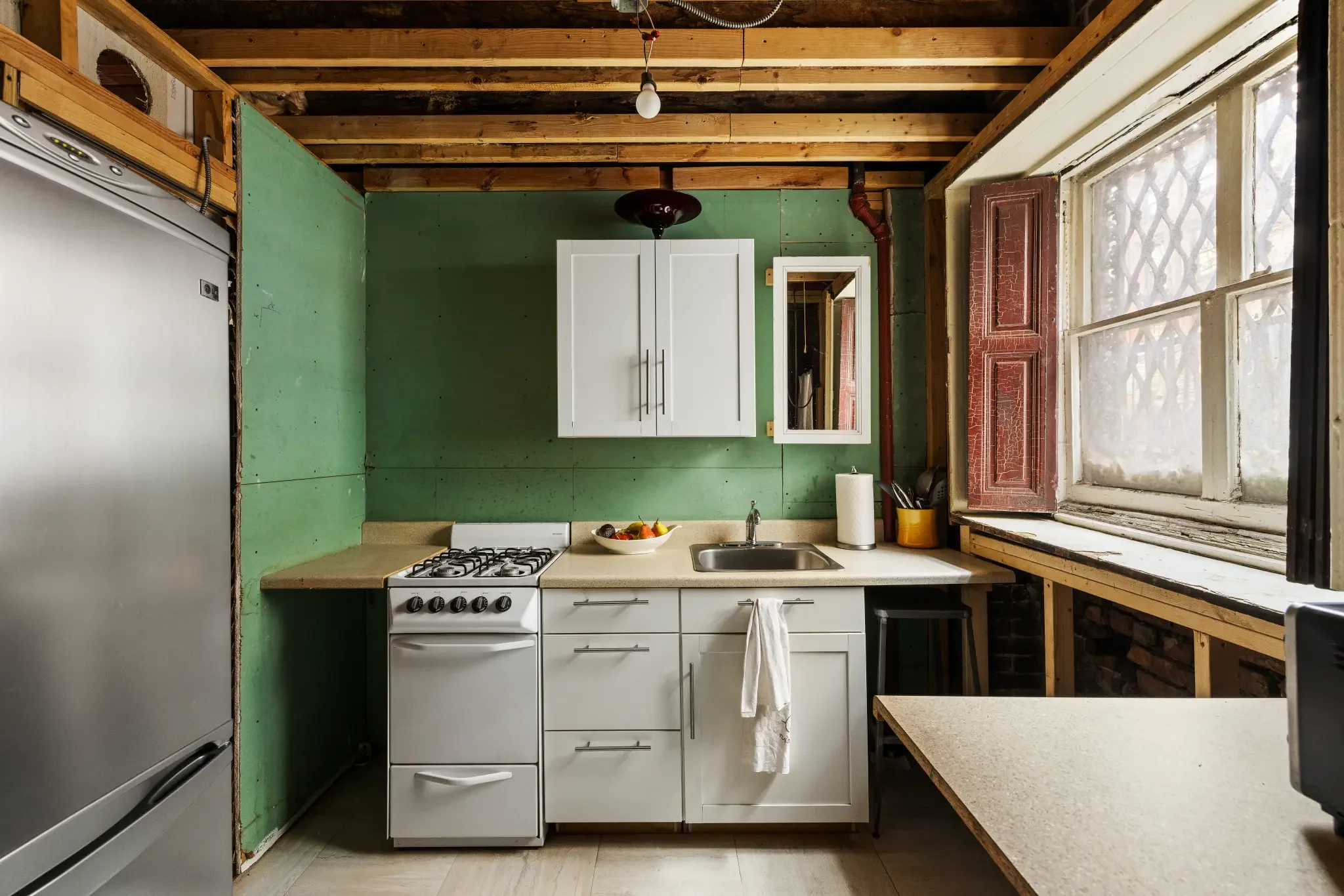
Spanning approximately 3,584 square feet (333 m²) across five stories, with an English basement and cellar, the townhouse is notable for its 32-foot-wide façade, an unusually generous width for the East Village. The exterior combines a rusticated stone base with red-brick upper stories, with four south-facing window bays bringing daylight into the interiors.
During spring, the house is easily recognized by the wisteria vine cascading across its façade, which has become a seasonal landmark on the block.
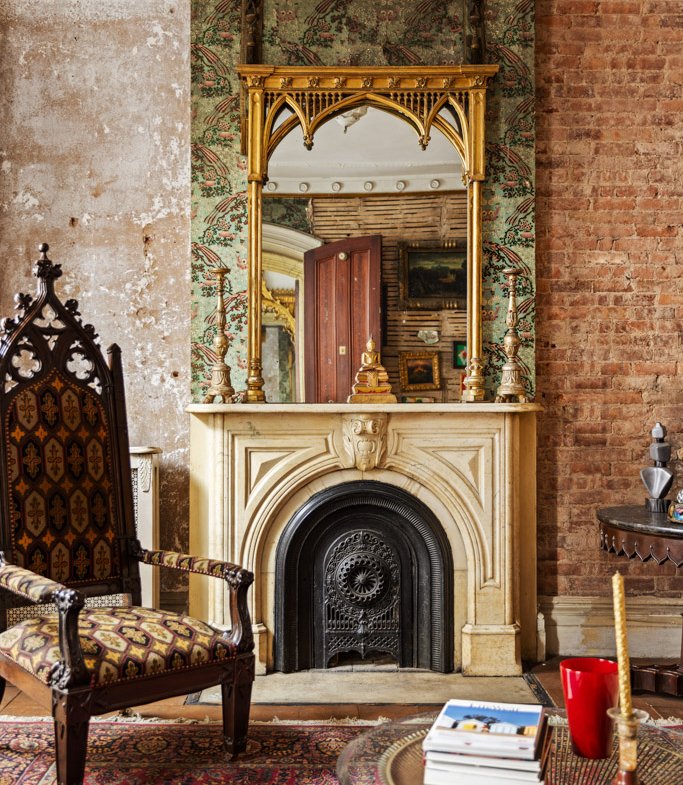
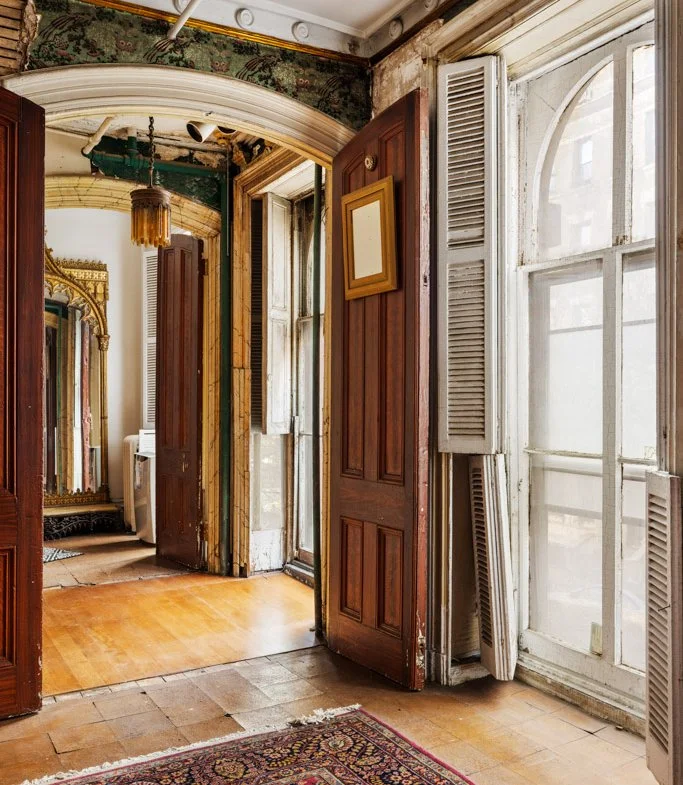
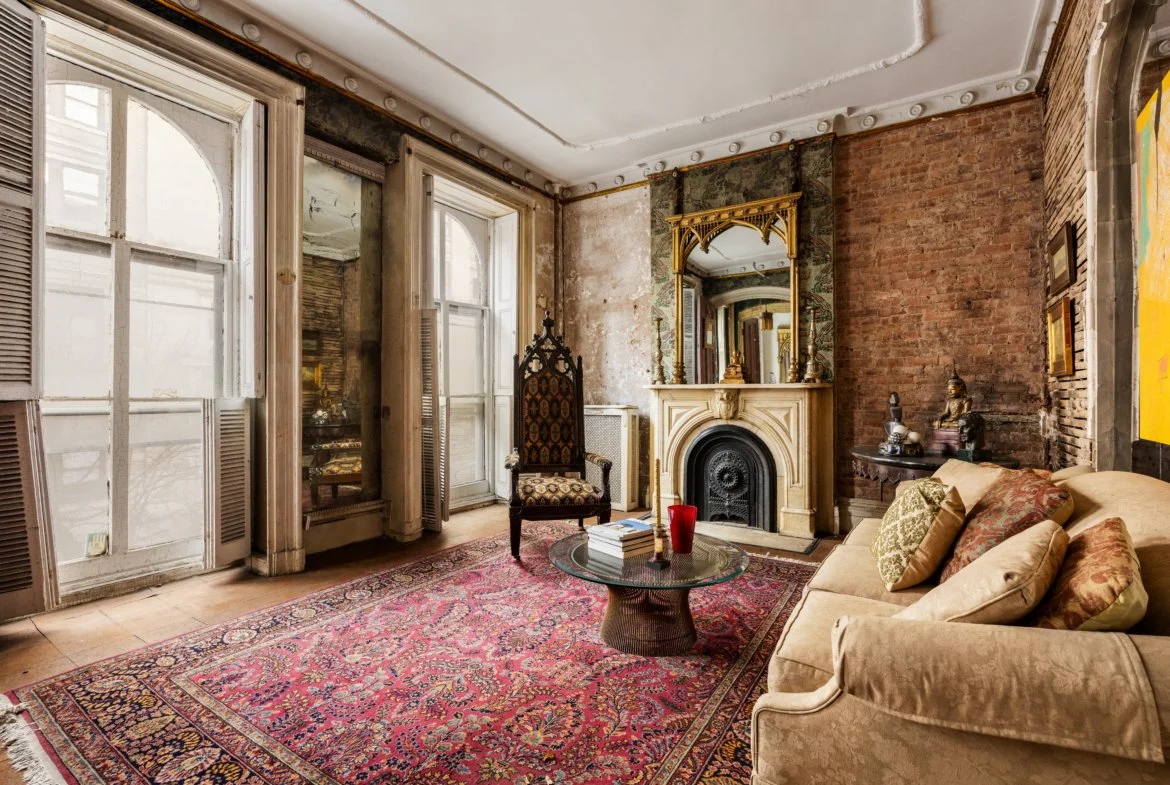
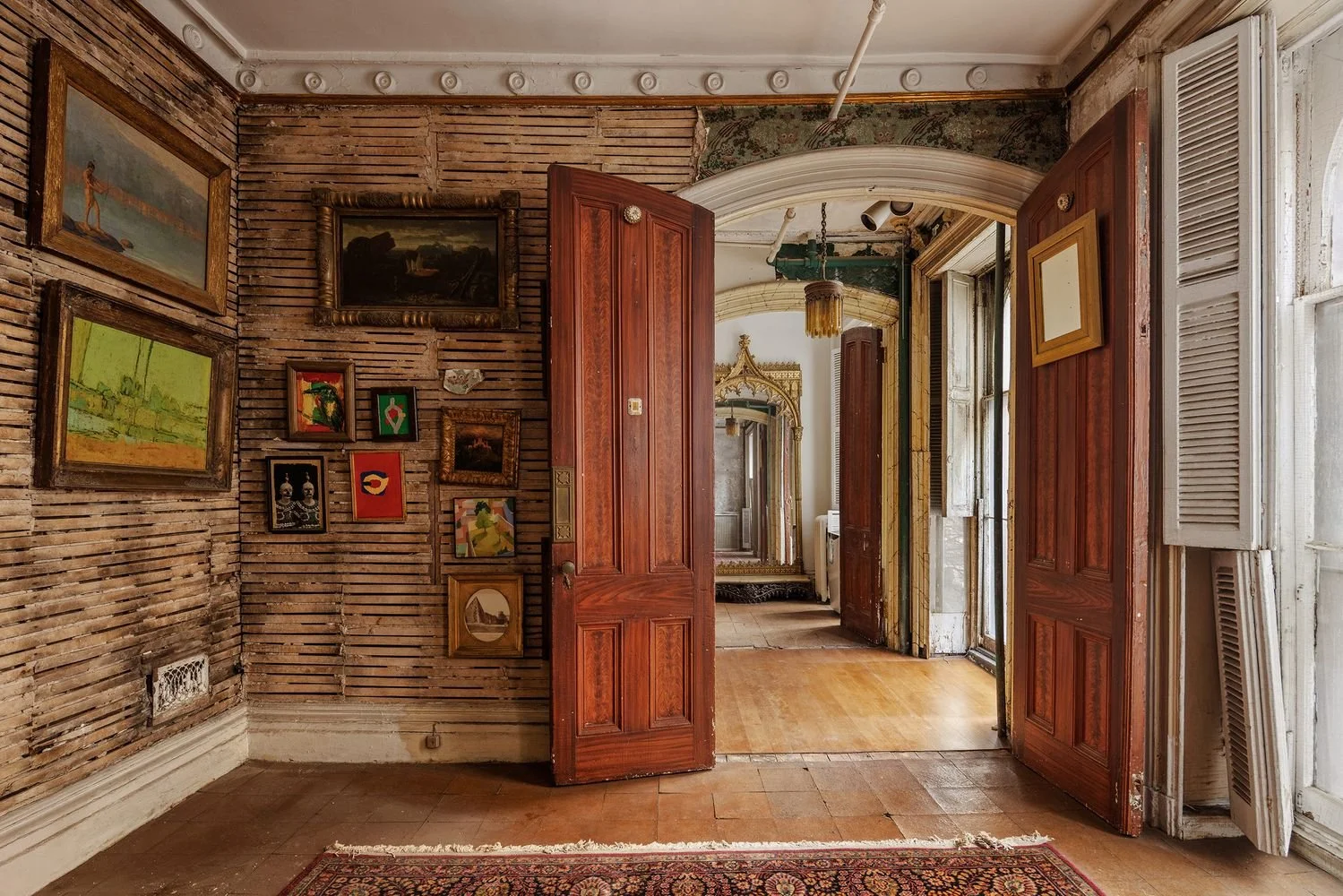
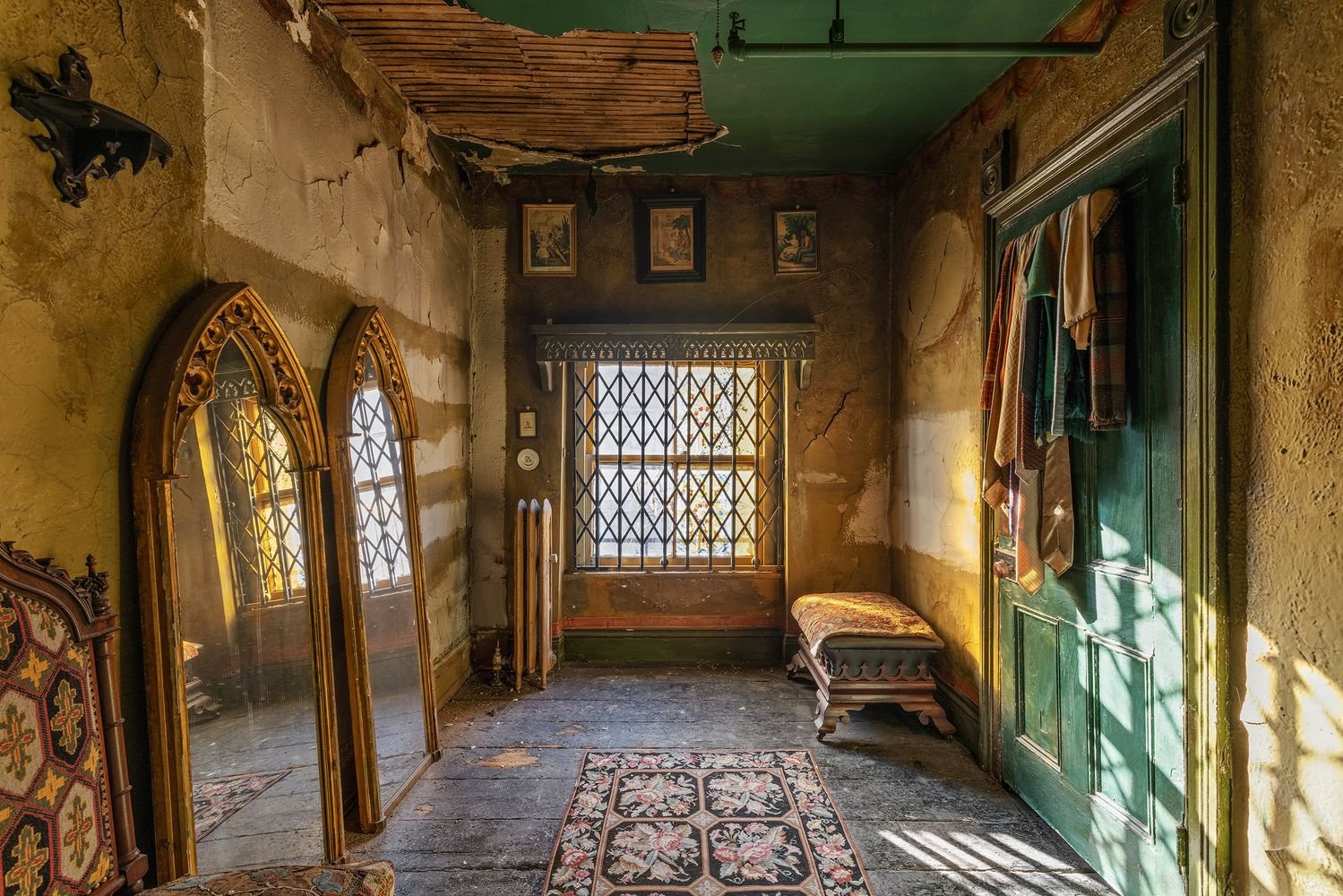
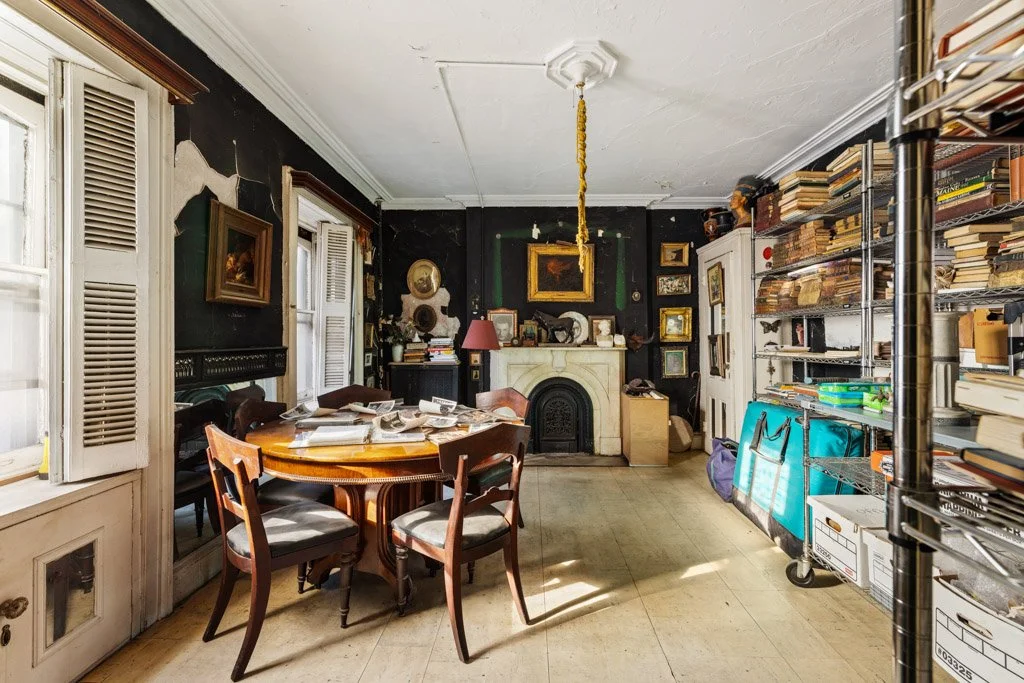
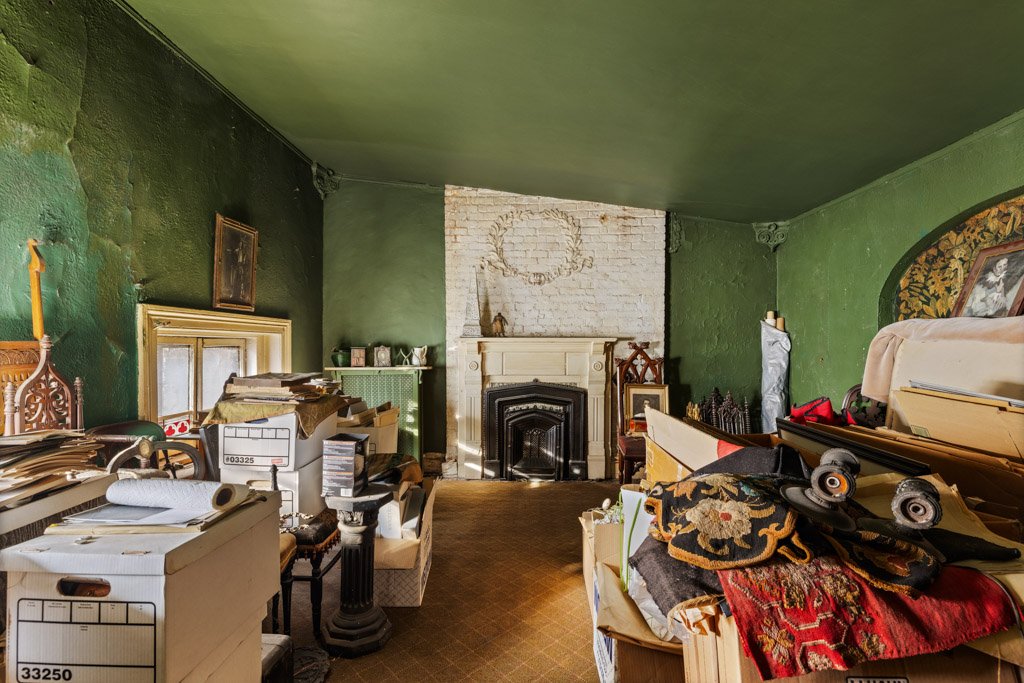
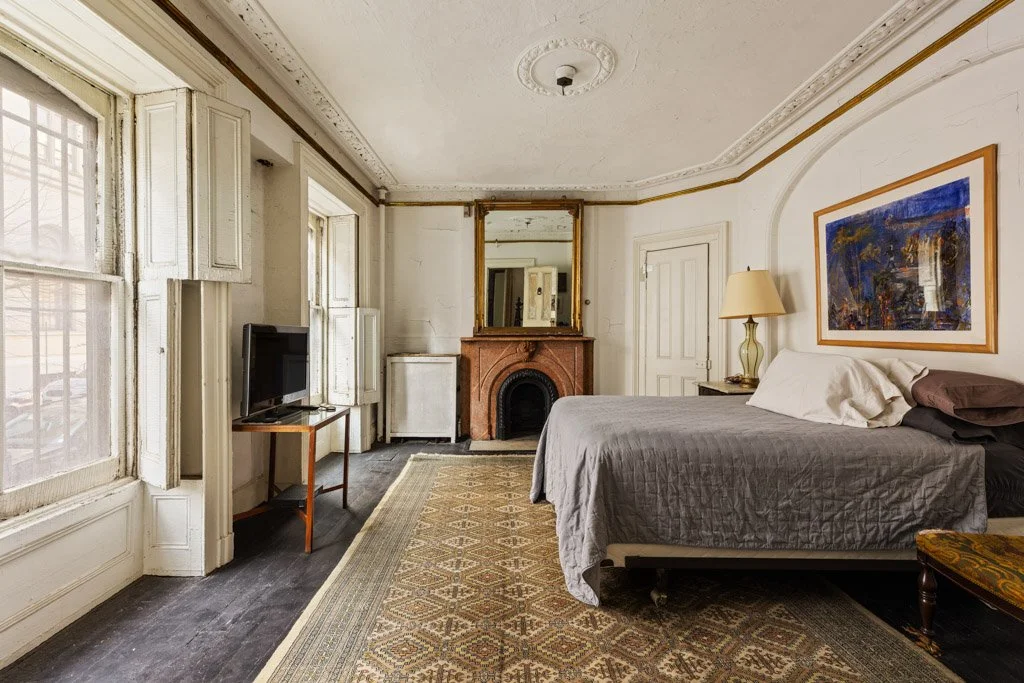
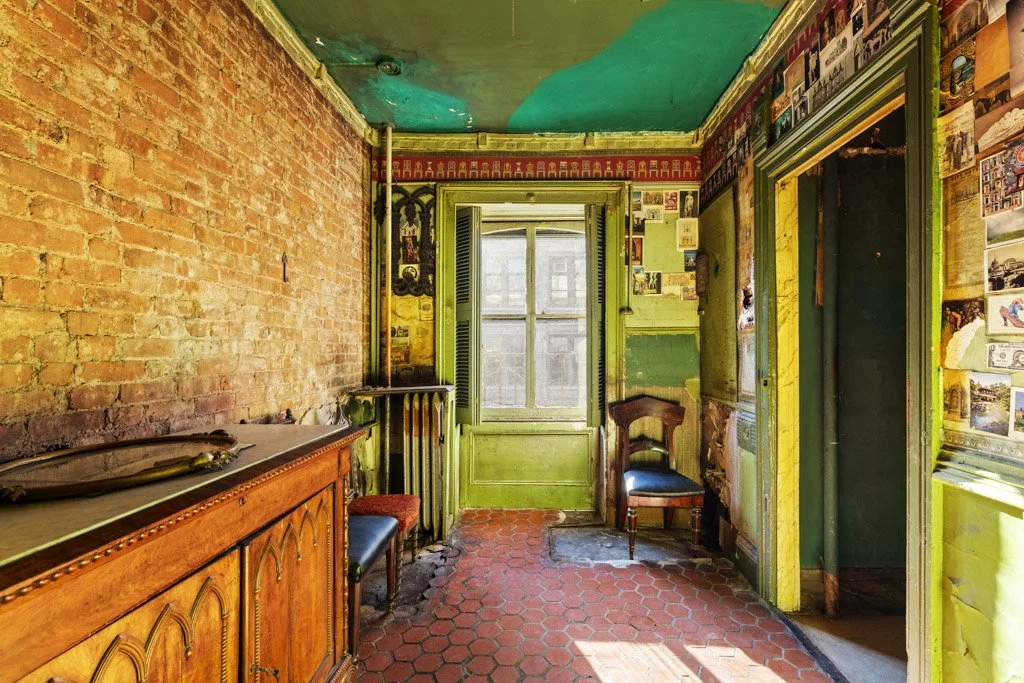
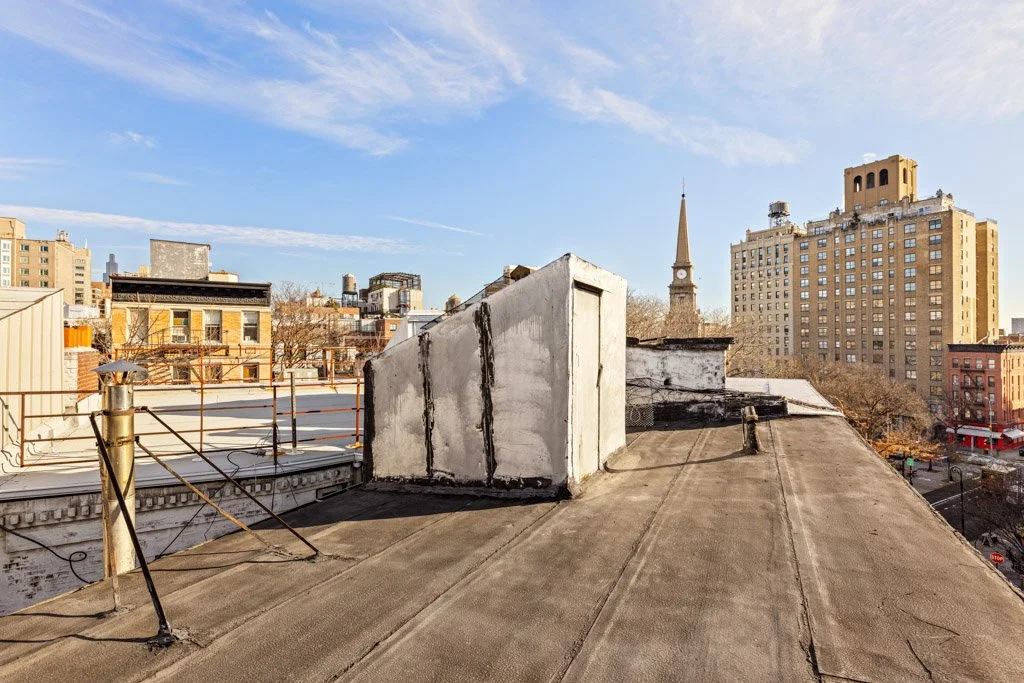
Inside, the home retains a number of historic architectural details, including five fireplaces with marble mantels, decorative tin ceilings, exposed brick, and carved wood paneling. Above the main floors, an unfinished roof presents the potential to create a private terrace overlooking the surrounding historic district.
The townhouse is closely associated with collector Lee B. Anderson, who purchased the property in 1958, reportedly trading paintings to acquire the building when it was still operating as a boardinghouse near the Bowery. Anderson, a former art teacher who later became known in decorative arts circles as the “Godfather of Gothic,” helped revive interest in American Gothic Revival furniture at a time when the style had largely fallen out of fashion.
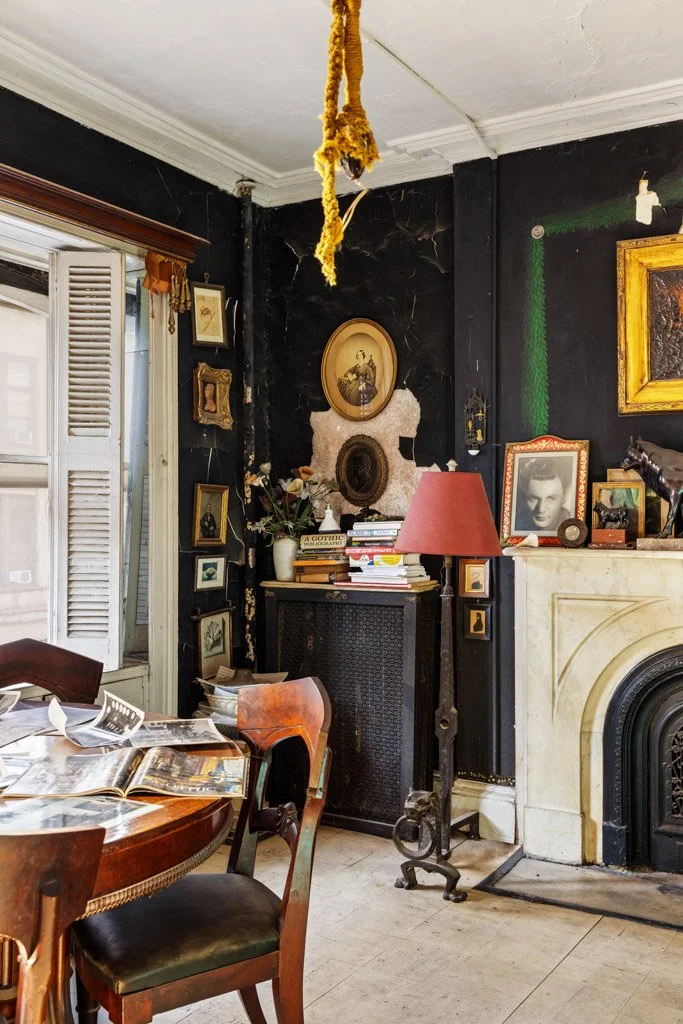
Over time, the house evolved into an informal cultural salon, with visitors said to include Andy Warhol, Halston, Cher, Lee Radziwill, and Sylvia Miles. Anderson’s eclectic collection of furniture and decorative arts eventually filled the townhouse, and the home appeared in publications including World of Interiors and House & Garden.
The wisteria that climbs the building’s façade was also tended by Anderson for decades. In 2003, he received a Village Preservation Award recognizing his efforts to maintain the vine and contribute to the neighborhood’s character.
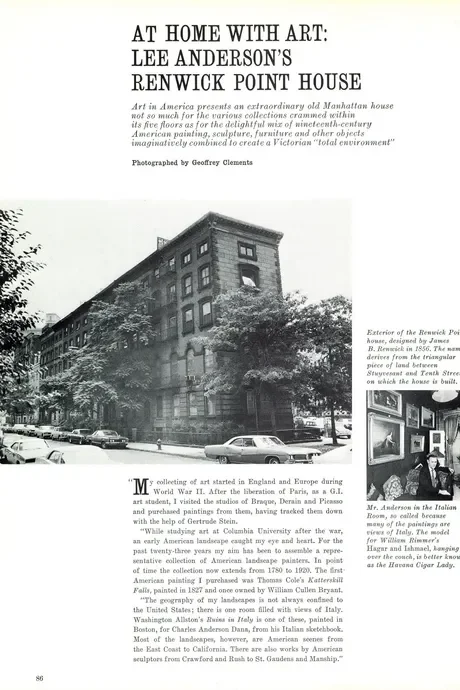
Featured in the 1971 issue of Art in America
Anderson lived in the house until his death in 2010. The property remained associated with the Lee B. Anderson Memorial Foundation, and Anderson’s longtime partner and caretaker Glenn Zecco continued living there until 2023.
Today, the townhouse sits within the St. Mark’s Historic District, on one of Manhattan’s oldest surviving street alignments. Stuyvesant Street predates the city’s grid plan and remains the only street in Manhattan that runs true east to west, tracing the boundary between farms once owned by Peter Stuyvesant, the last Dutch director-general of New Netherland.
The current listing invites buyers to restore and adapt the 32-foot-wide historic townhouse while preserving its architectural and cultural heritage.
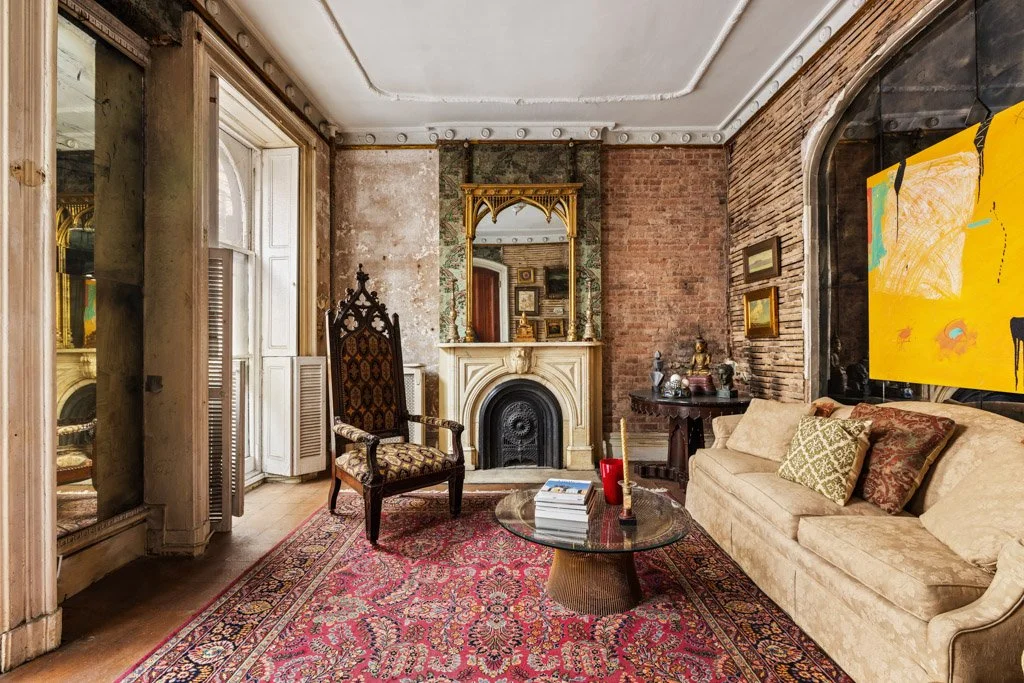
All photographs courtesy of the listing agency, Compass.