An 800-Year-Old French Château on Lake Geneva
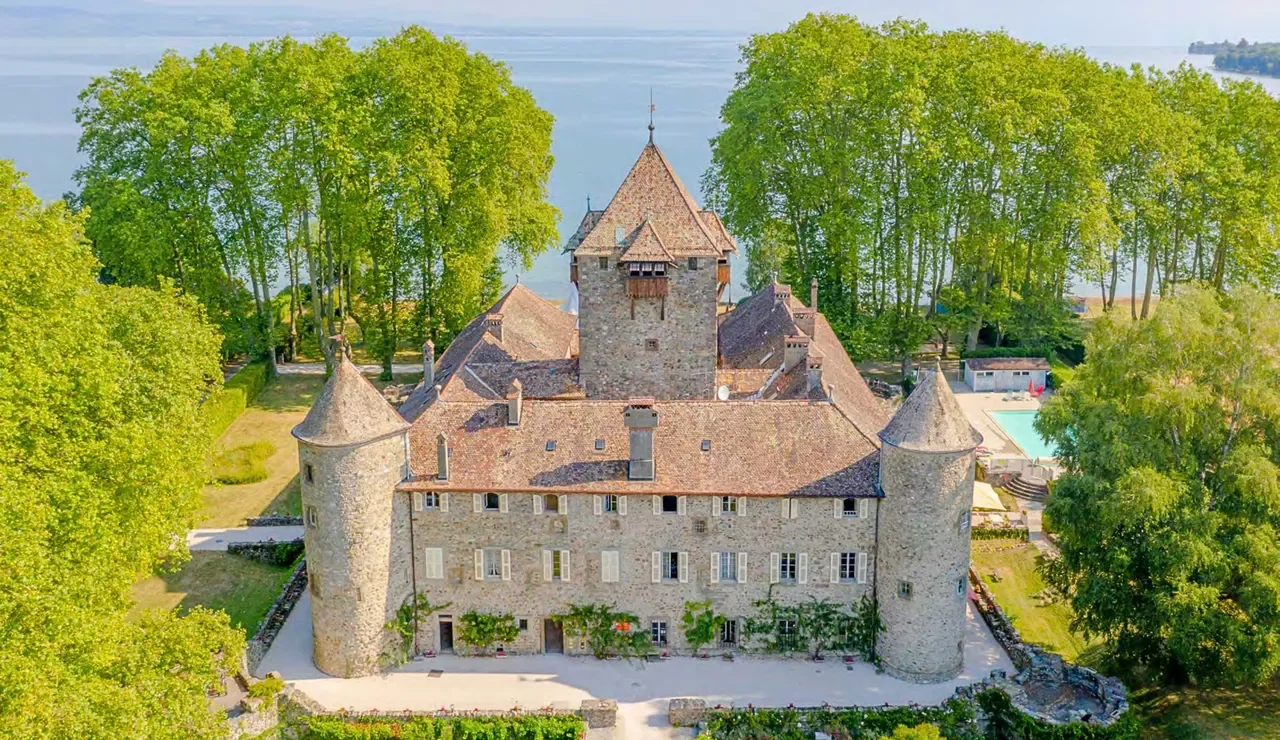
Beds: 18 Baths: 18 Sq Ft: ~2,885 m² / ~31,054 sq ft Lot: ~1.23 hectares / ~3.04 acres
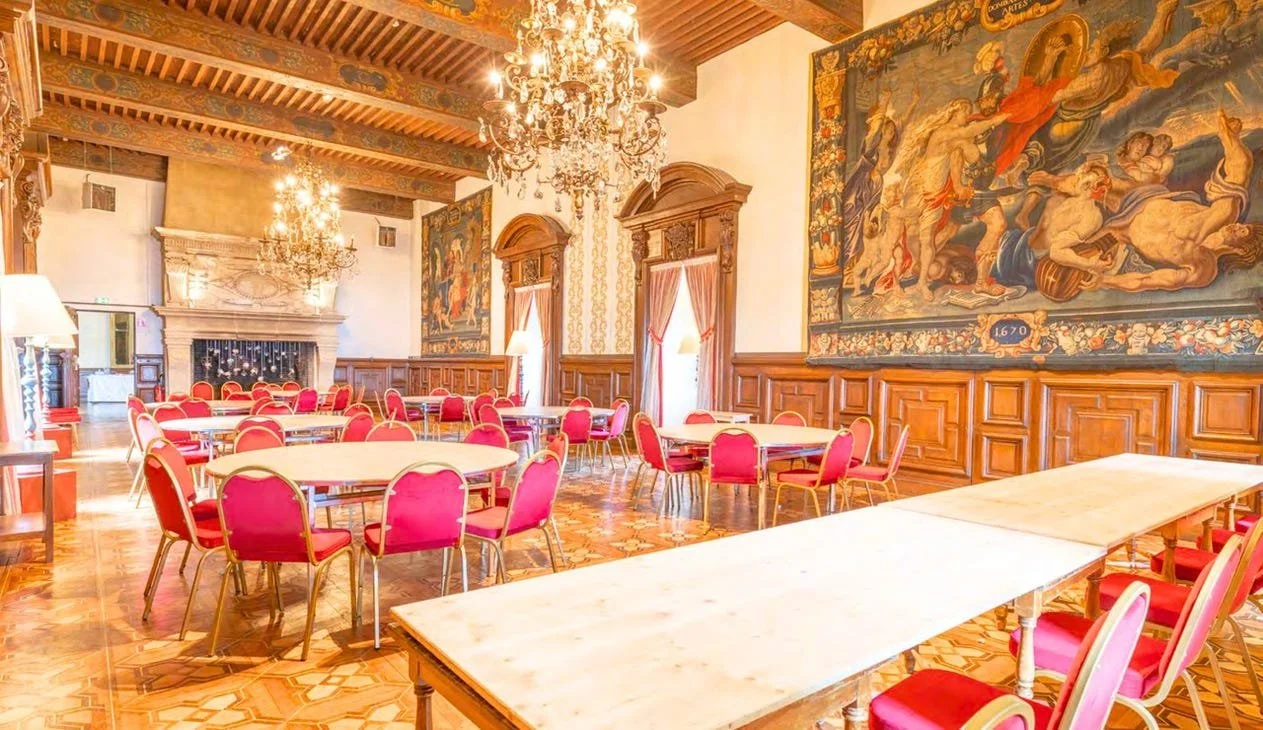
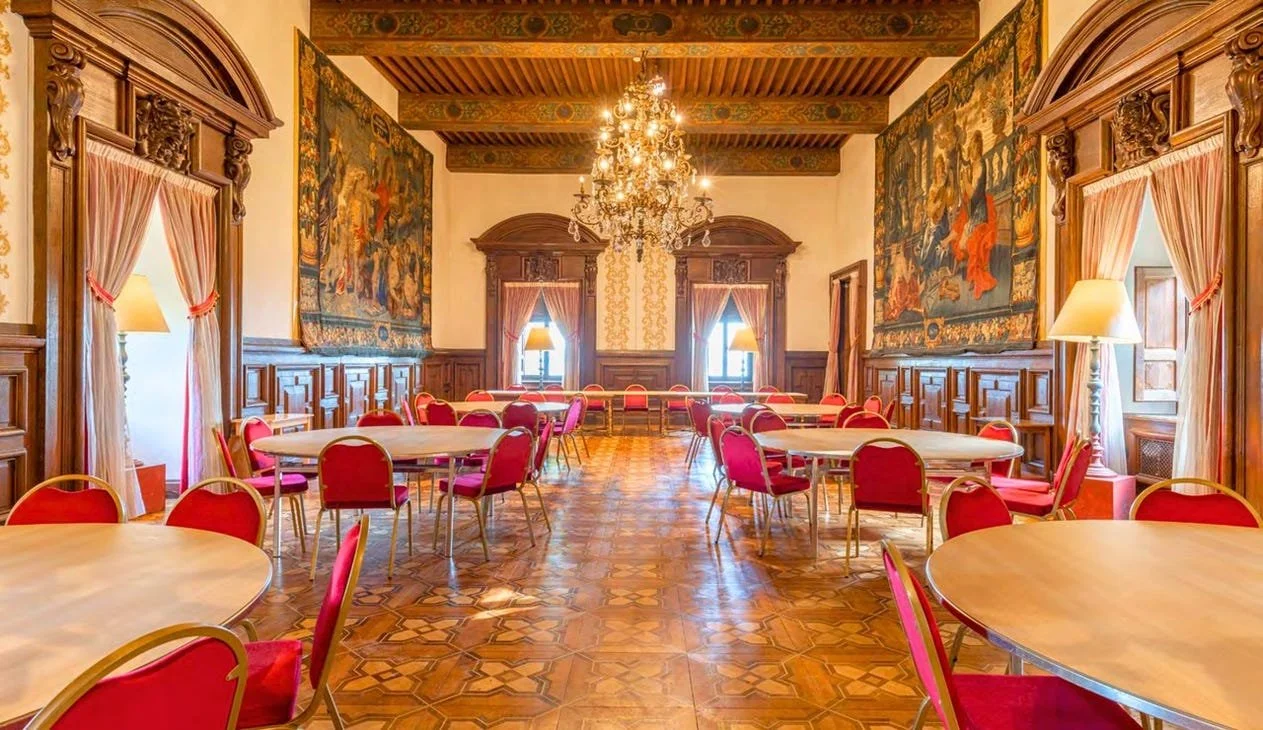
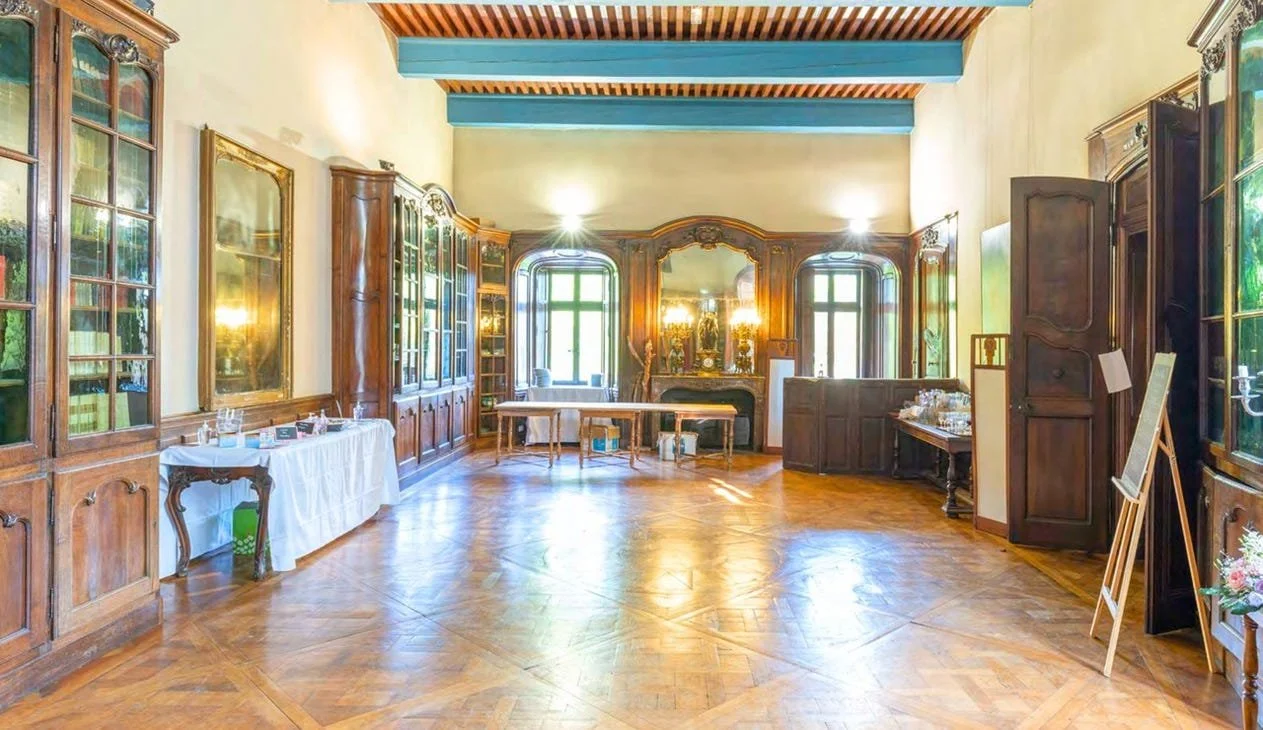
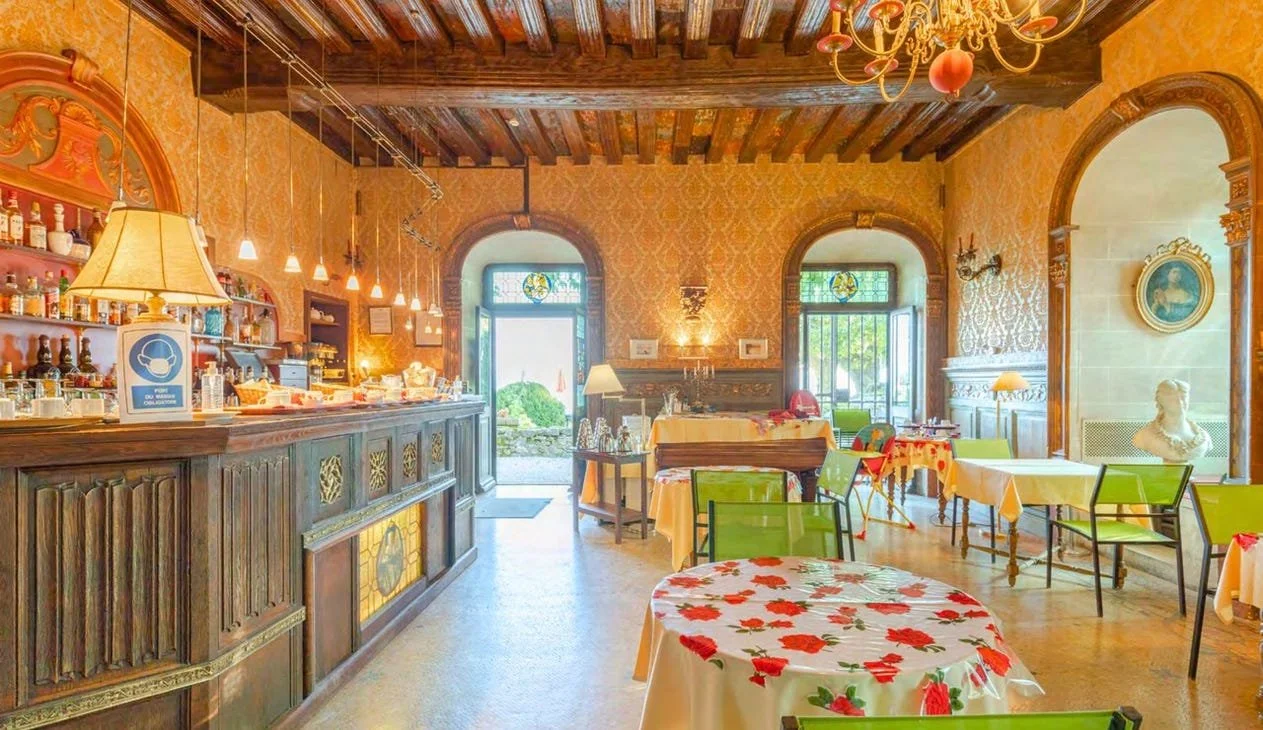
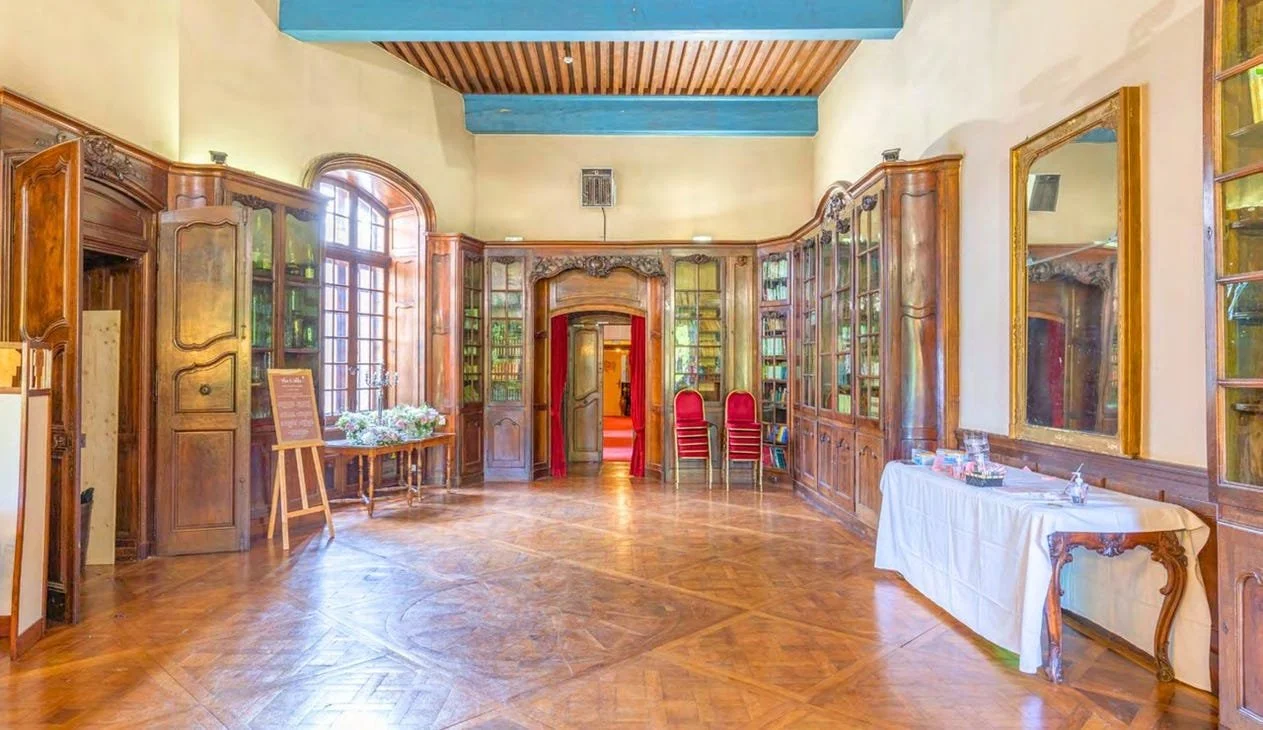
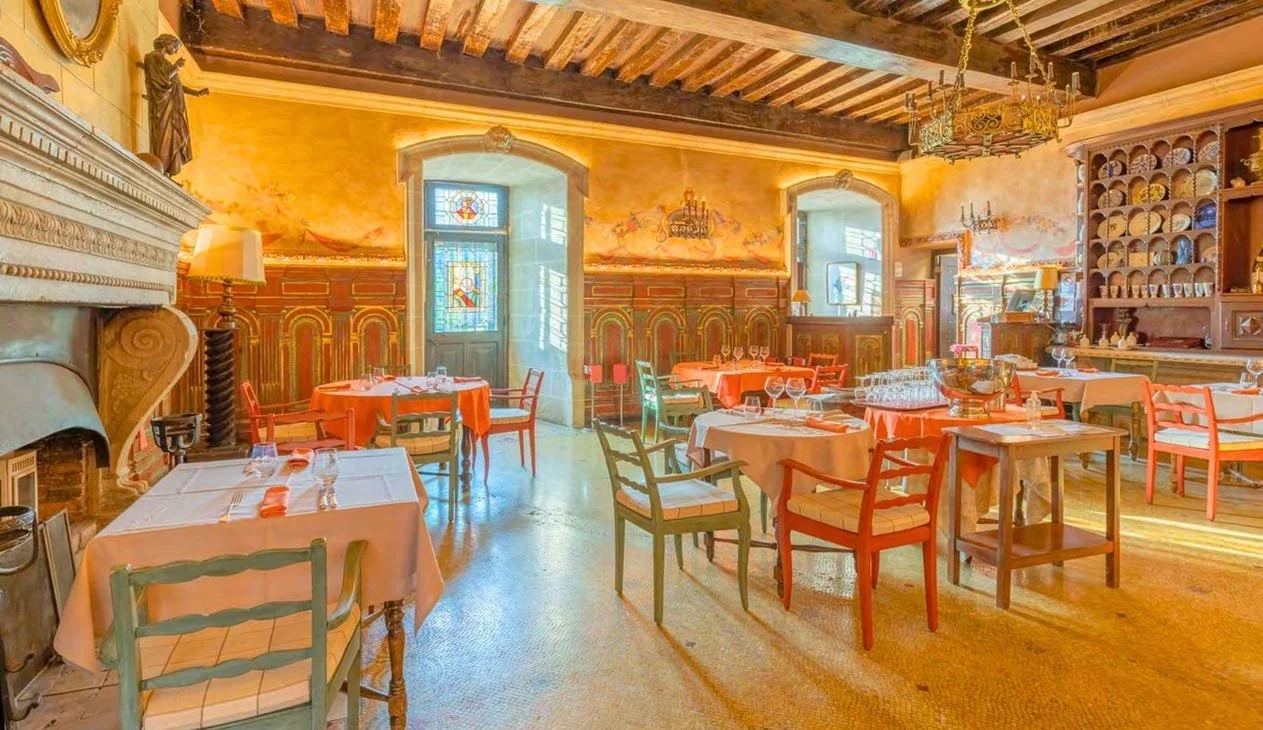
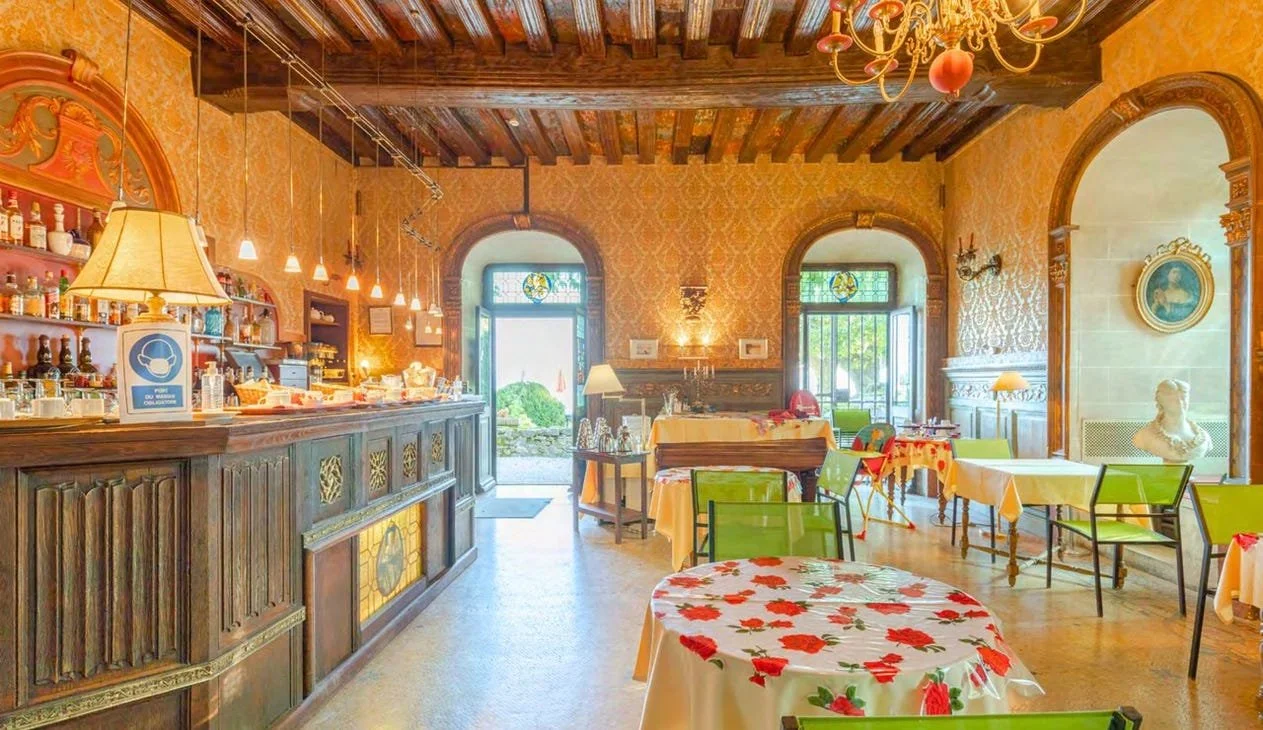
Amenities: Reception hall, 3 salons (including a Louis XV salon), 2 restaurants, bar, professional kitchen, cafeteria, historic tower/dungeon, terrace (~120 seats), chapel, inner courtyard, swimming pool, cellar, ~15 parking spaces, former hotel layout with potential for ~35 en-suite bedrooms, direct waterfront setting on Lake Geneva.
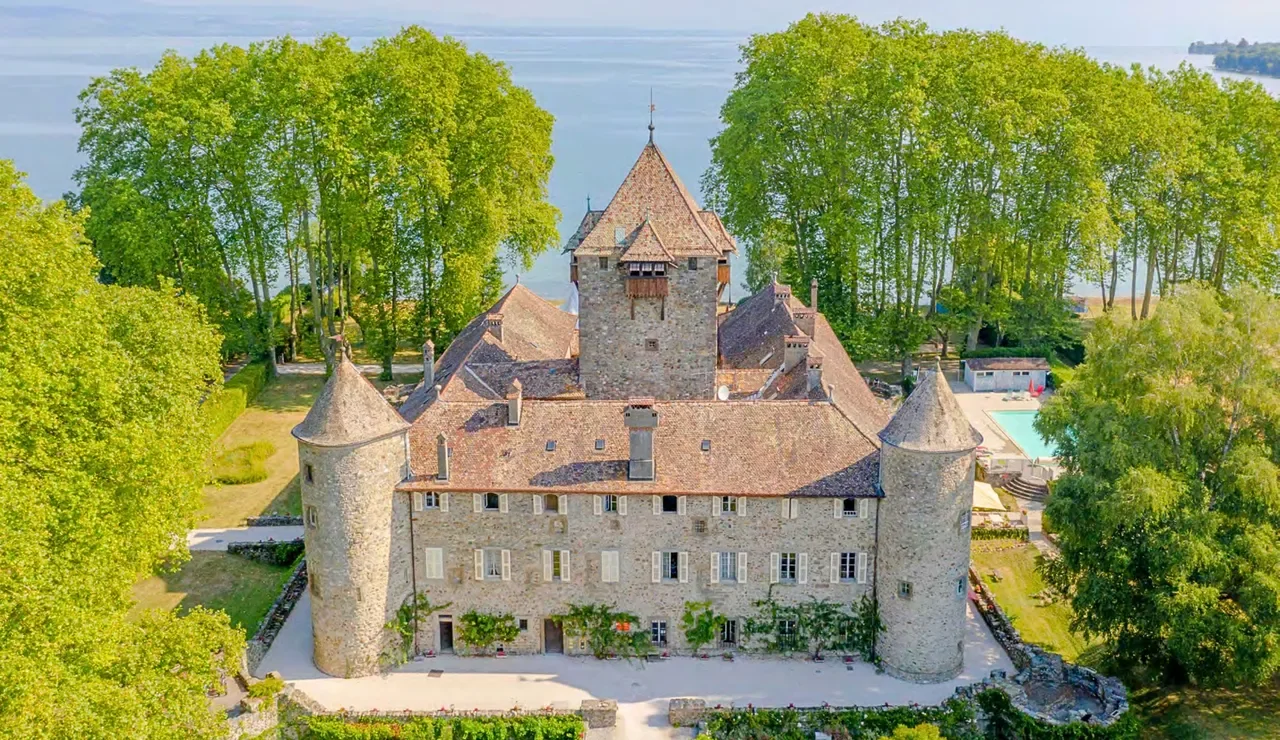
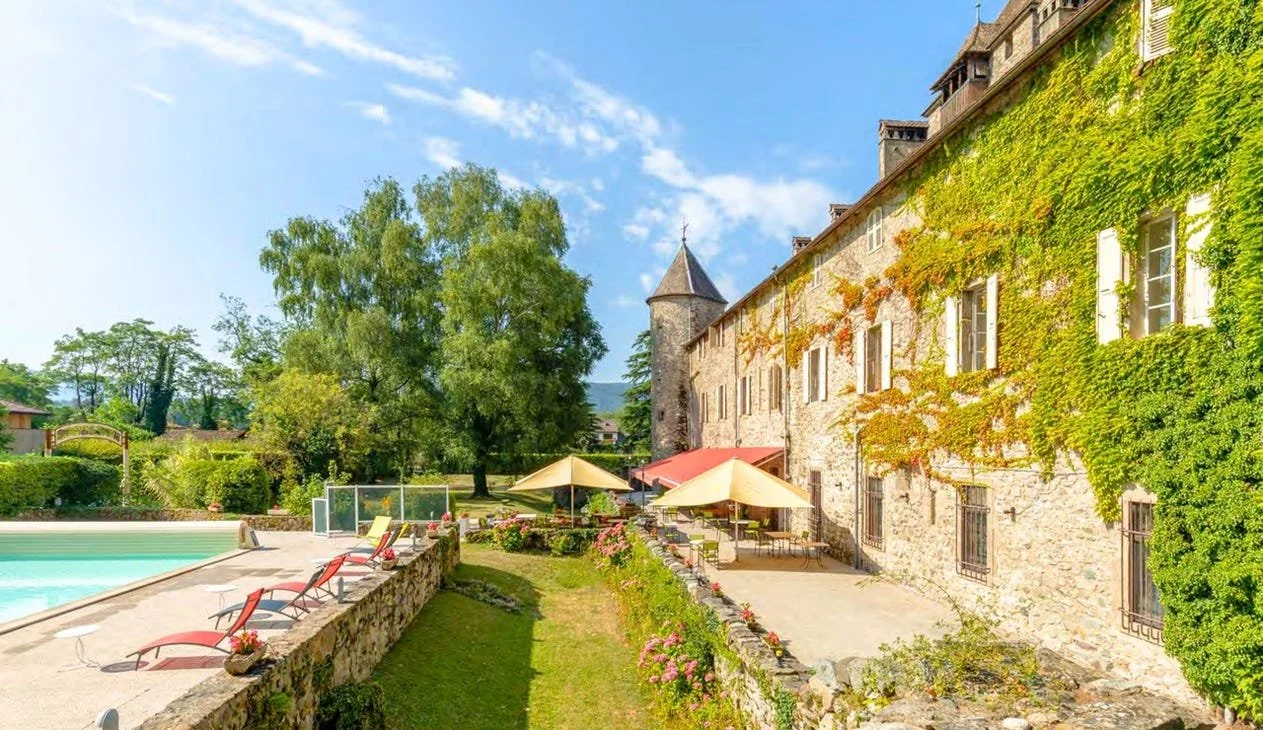
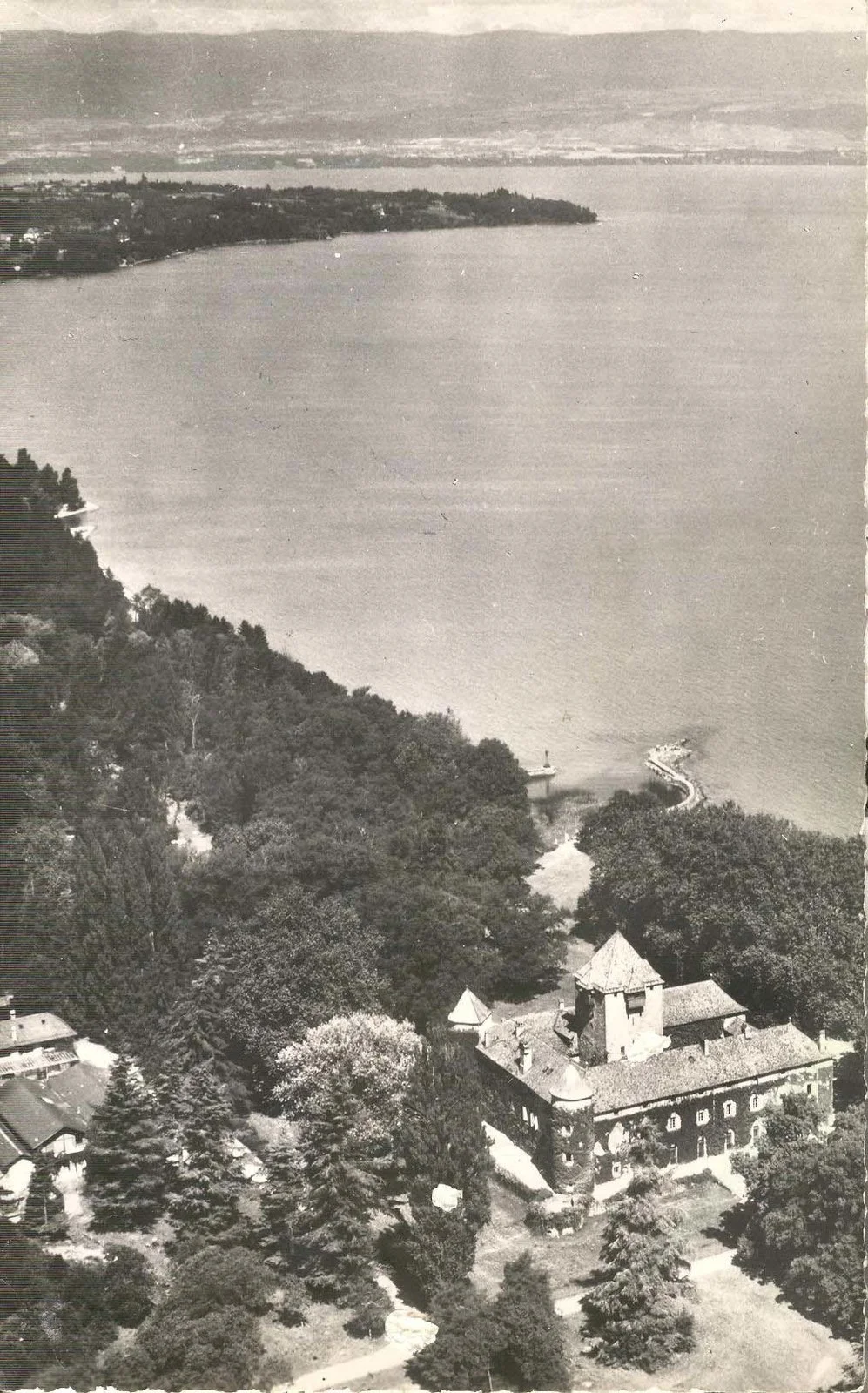
Set directly on the southern shore of Lake Geneva (Lac Léman) in eastern France, within the department of Haute-Savoie, near the Swiss border, the Château de Coudrée is currently on the market listed with Tom Aucouturier, Luxury Places SA for €14.5 million ~ $15.7 million USD. The late 12th-century fortified residence comprises almost 3,000 square meters / ~ 32,300 square feet of interior space, including around 17 bedrooms, reception rooms, a swimming pool, and direct access to the lake via a private beach, along with a dock.
.Located in Sciez, approximately 30 km / ~19 miles from Geneva, the château sits within a region that has long functioned as both a political boundary and an economic corridor between France and Switzerland. Lake Geneva historically linked Alpine territories with wider European trade networks, and control of its shoreline was once directly tied to power.
The stretch of coastline includes towns such as Évian-les-Bains and Yvoire. The surrounding region has developed into part of the wider Geneva sphere, where cross-border economic activity continues to shape demand for property along the lake.
The Residence
A maison forte is a fortified residence of a local lord combining living quarters with defensive features such as walls, towers, and a central keep. It functioned as the center of a local estate, from which surrounding land and resources were managed.
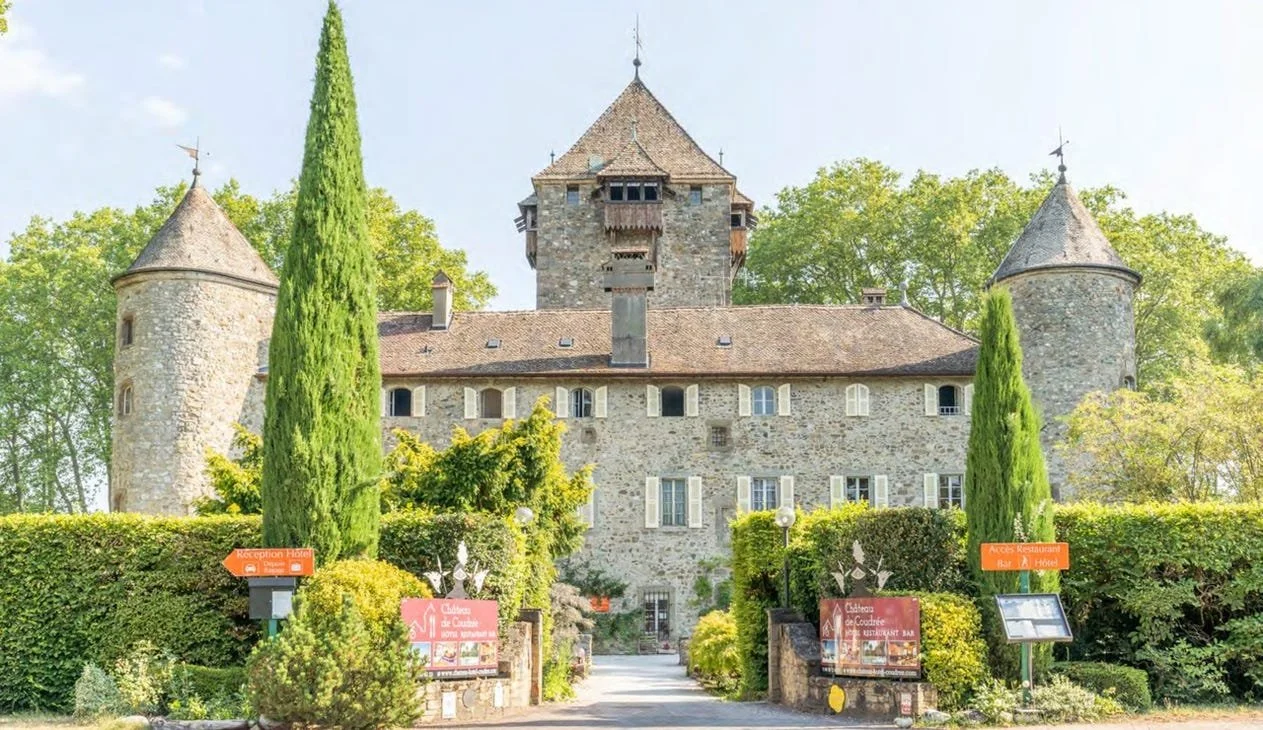
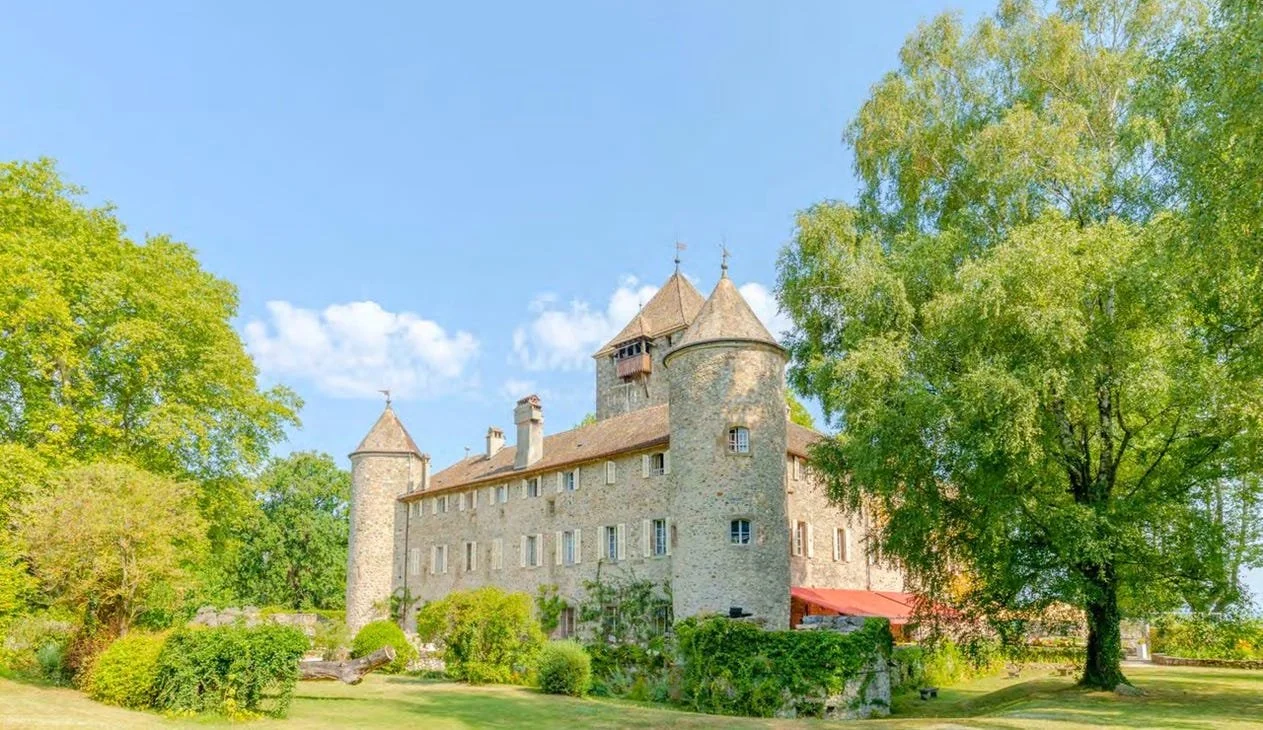
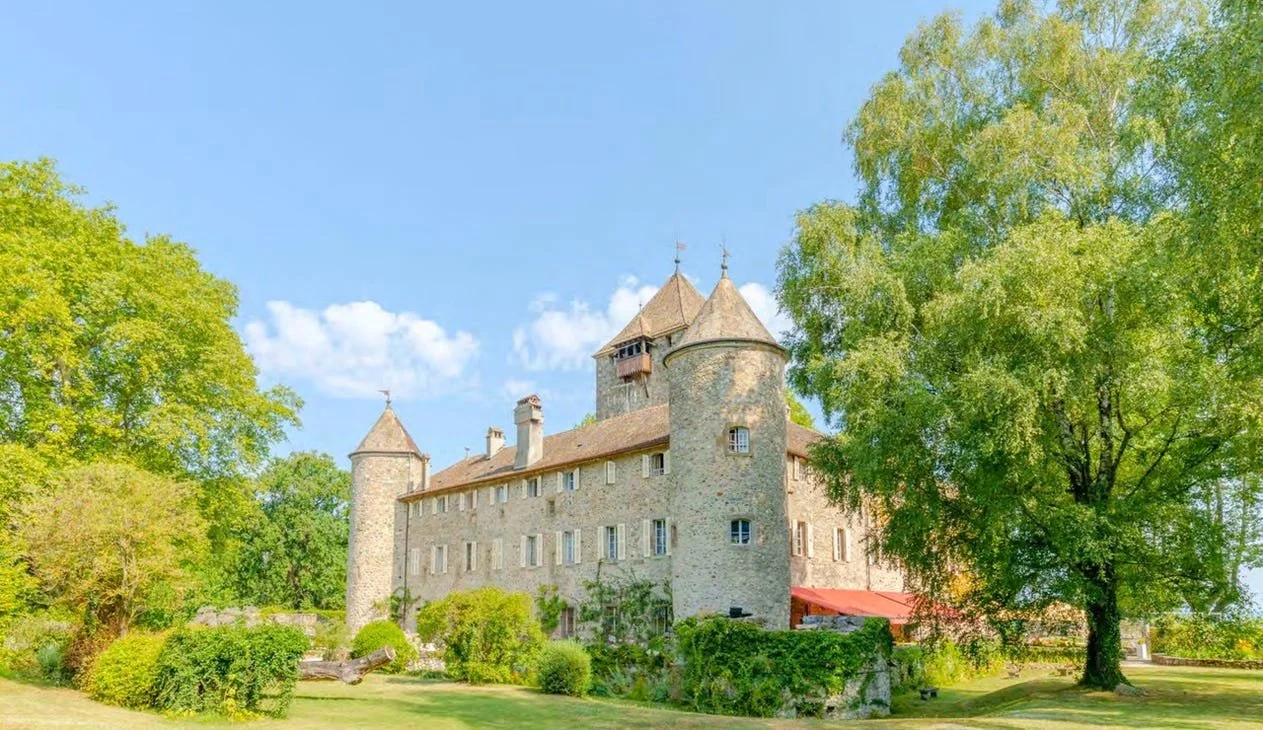
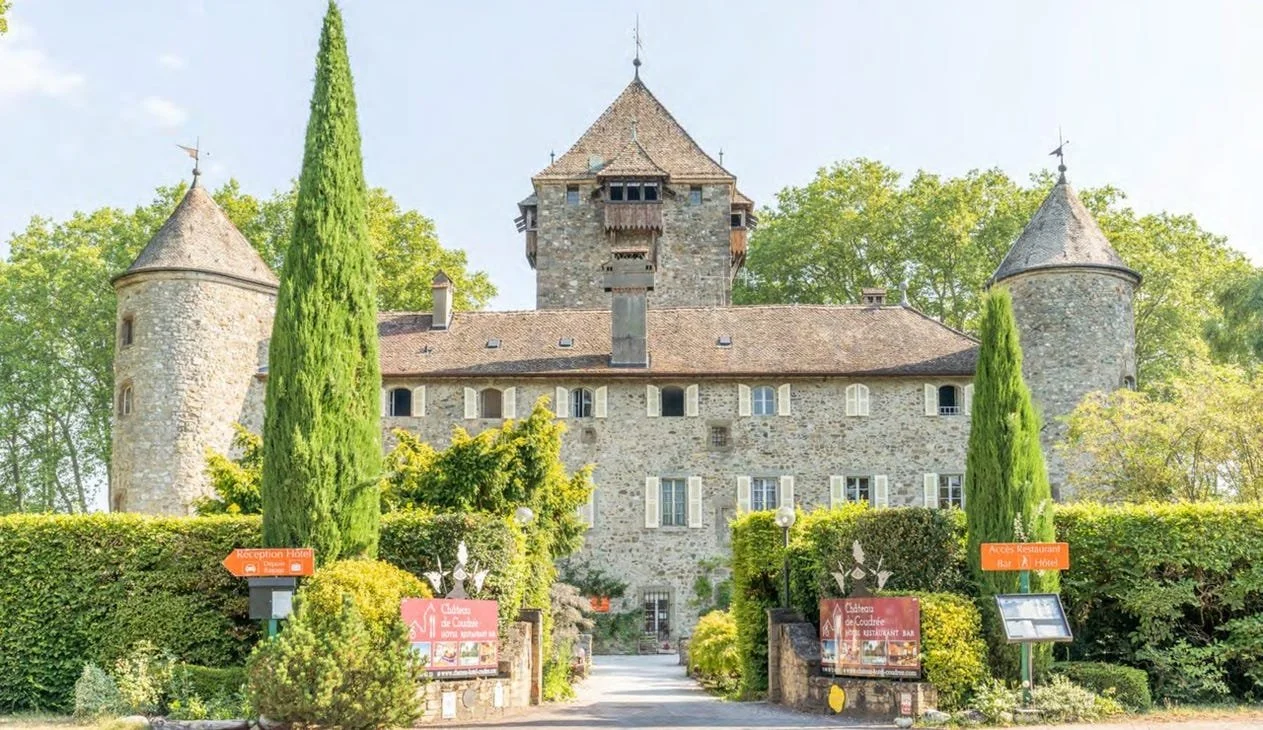
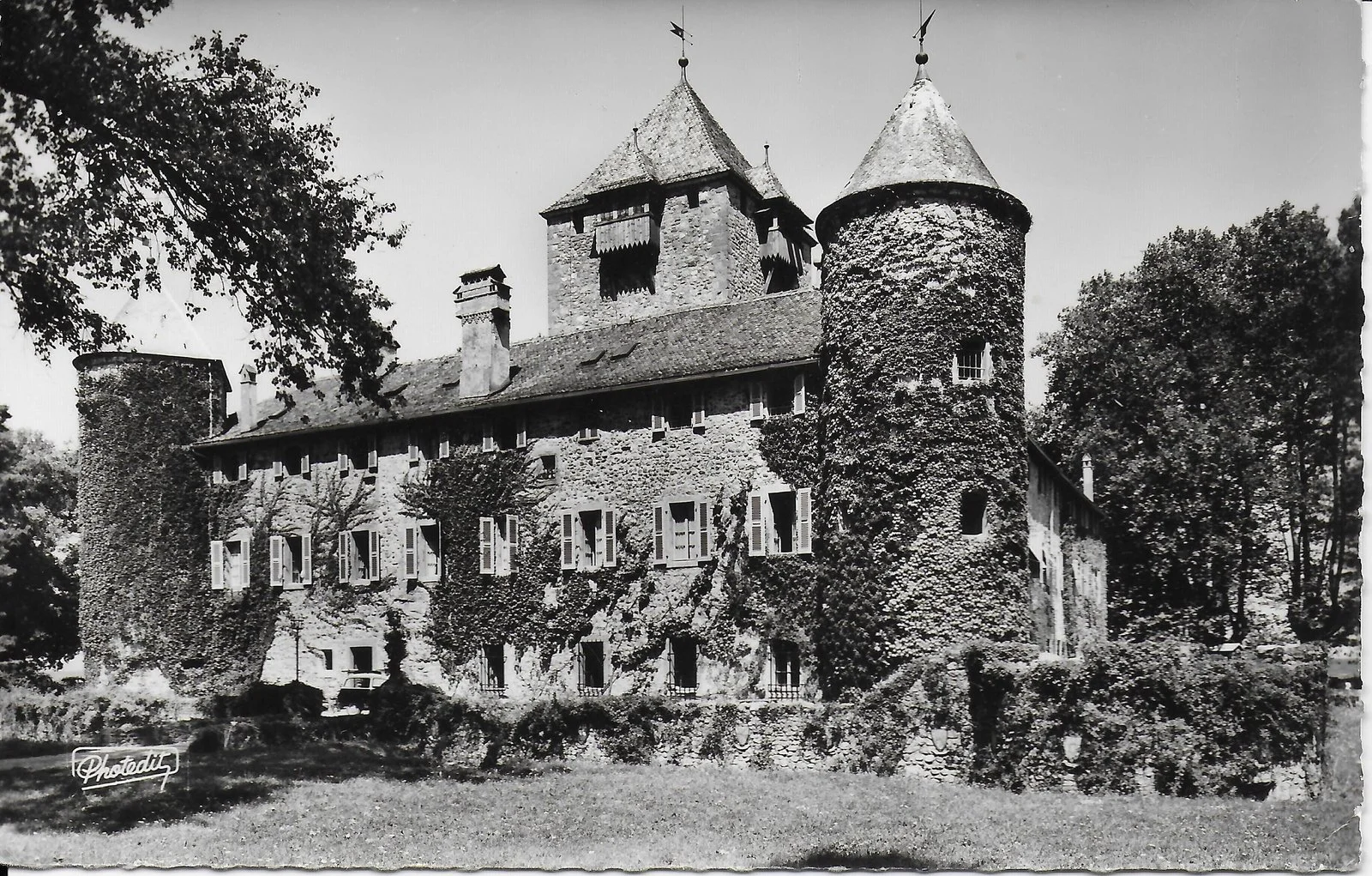
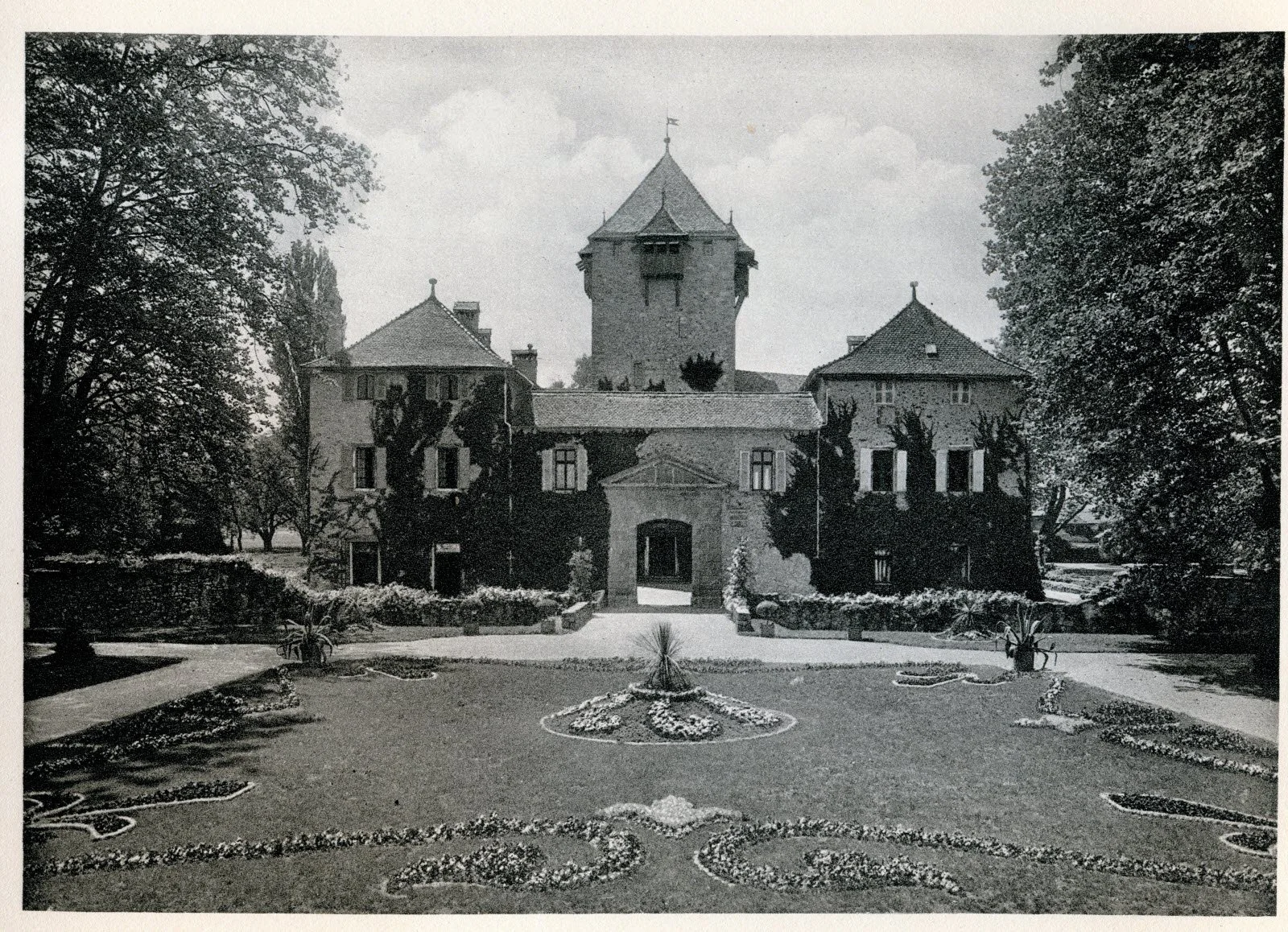
The château is arranged across multiple levels, arranged around a central square keep, with towers integrated into its enclosing walls. While the structure has been modified over time, its overall form remains consistent with its medieval origins.
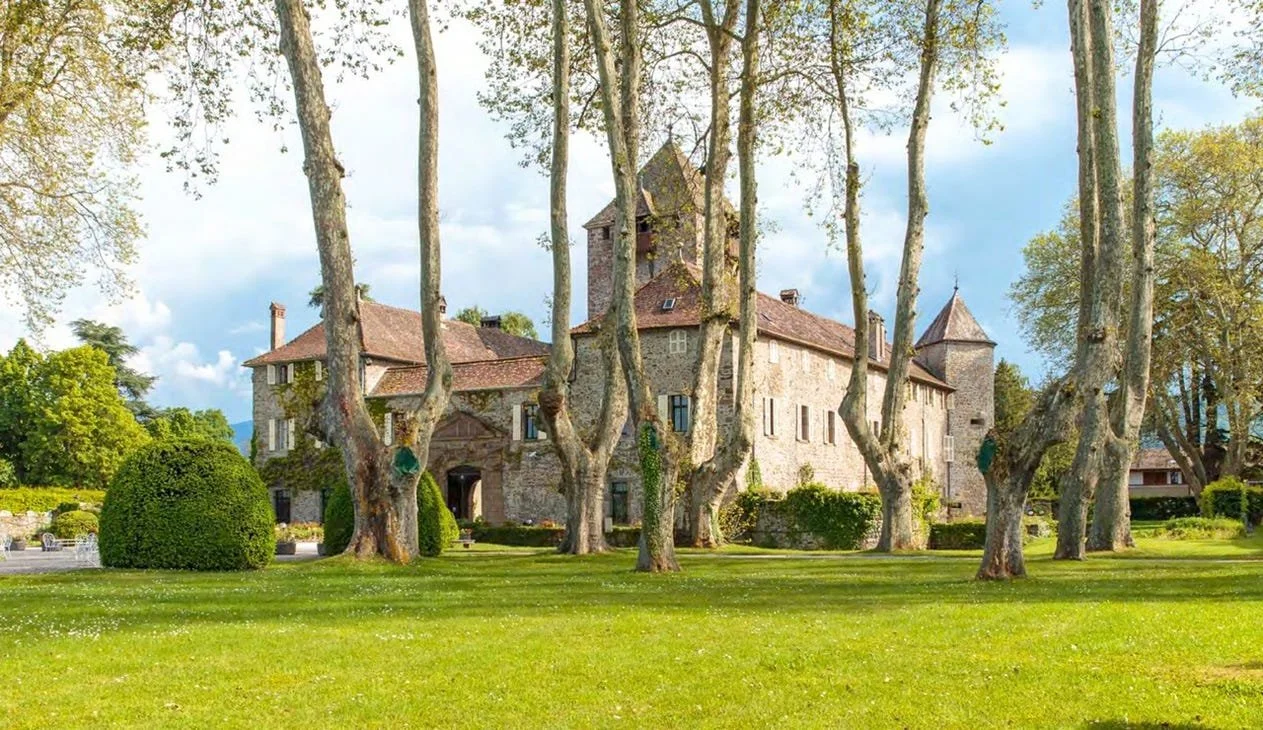
Inside, the building has been adapted for use as a hotel, with reception rooms, guest accommodations, and service areas. In recent decades, the property has operated as a hotel and event venue, hosting weddings, private gatherings, and corporate events. The grounds extend to the lake, where a private pontoon provides direct water access, and outdoor areas include terraces and a pool.
A Strategic Beginning
The château was constructed in the late 12th century during a period of territorial consolidation under the House of Savoy, a ruling dynasty that emerged around the year 1000 and gradually expanded its control across the Alpine region between present-day France, Switzerland, and Italy. Rather than relying on large cities, the Savoyards built their power by controlling strategic routes—particularly mountain passes and lake corridors—used for trade and movement across Europe.
Originally known as “Forons,” the site was built as a maison forte, a type of fortified residence common in medieval Savoy. These structures combined defensive, residential, and land management functions, allowing local lords to oversee surrounding territory while maintaining a permanent presence on the land.
By the 12th century, the Savoyards were establishing a network of such fortified residences at key points of control, including along the shoreline of Lake Geneva. The position of Château de Coudrée directly on the lake was not incidental. From this point, it was possible to monitor movement along the shoreline and across the water, reinforcing its role within a wider system of territorial control.
Feudal Control and the Allinges Family
By the medieval period, the château was held by the House of Allinges, a regional noble family that controlled multiple fortified sites around Lake Geneva. Like many families of the period, they maintained a network of such sites across their territory, using them to oversee land and movement.
A branch of the family, known as Allinges-Coudrée, took its name from the estate, itself derived from a local place name likely referring to a hazel grove.
From the late medieval period onward, the role of private fortifications began to decline. As political authority centralized and military technologies evolved, smaller defensive structures became less critical.
A Change in Ownership
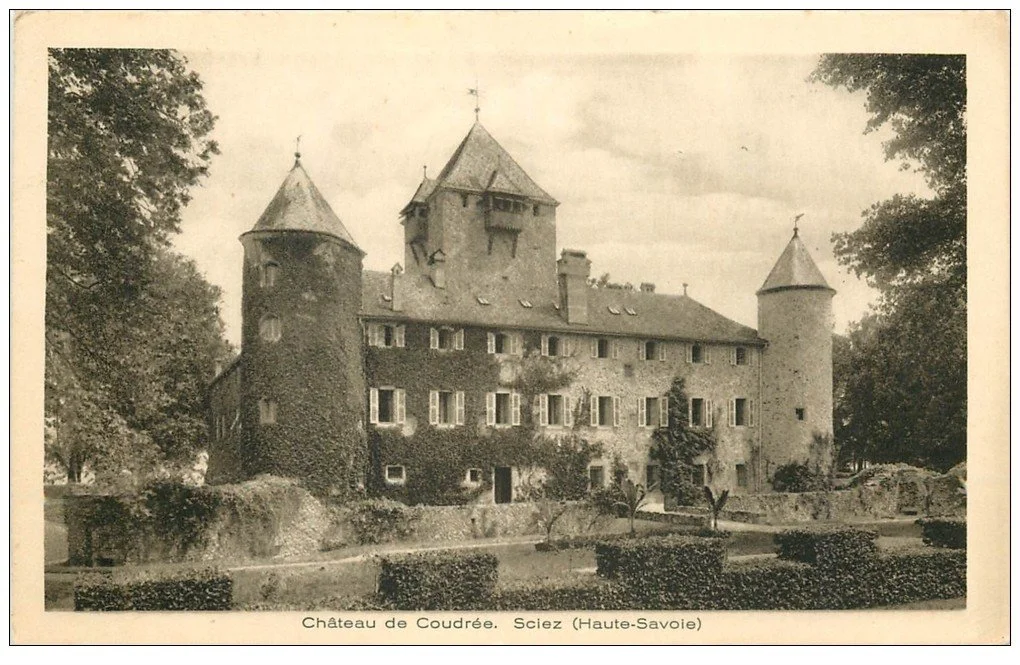
In 1856, the château was acquired by Anatole Bartholoni, a Geneva-based financier, landowner, and politician. His ownership reflects a wider shift taking place across Europe in the 19th century, as historic aristocratic properties increasingly passed into the hands of a new group of buyers.
At the time, Europe was changing quickly. New industries such as manufacturing and railways were creating large amounts of wealth, while banking and finance were expanding in cities like Geneva. As a result, fortunes were increasingly made through business and investment rather than inherited land. At the same time, many traditional aristocratic families owned large estates but lacked the financial resources to maintain them. This led to a transfer of ownership, with castles and châteaux increasingly sold to buyers whose wealth came from these emerging modern economies.
The château remained in the Bartholoni family for many years, and between 1912 and 1914 they carried out a restoration campaign that helped preserve the structure and help shape its current appearance. They did eventually sell.