A 1970s Waterfront Villa on Cavallo Island, the Private Mediterranean Enclave Few Have Heard Of, Lists for €8.5 Million
Cavallo’s transformation into a private residential enclave began in the late 1960s under Jean Castel, a Paris nightlife kingpin turned island tastemaker who helped transform Cavallo into a private playground for Europe’s elite.
In a Mediterranean defined by spectacle—superyachts in Monaco, beach clubs in Saint-Tropez, and the social glamour of Sardinia’s Costa Smeralda—there is one place that operates by an entirely different logic.
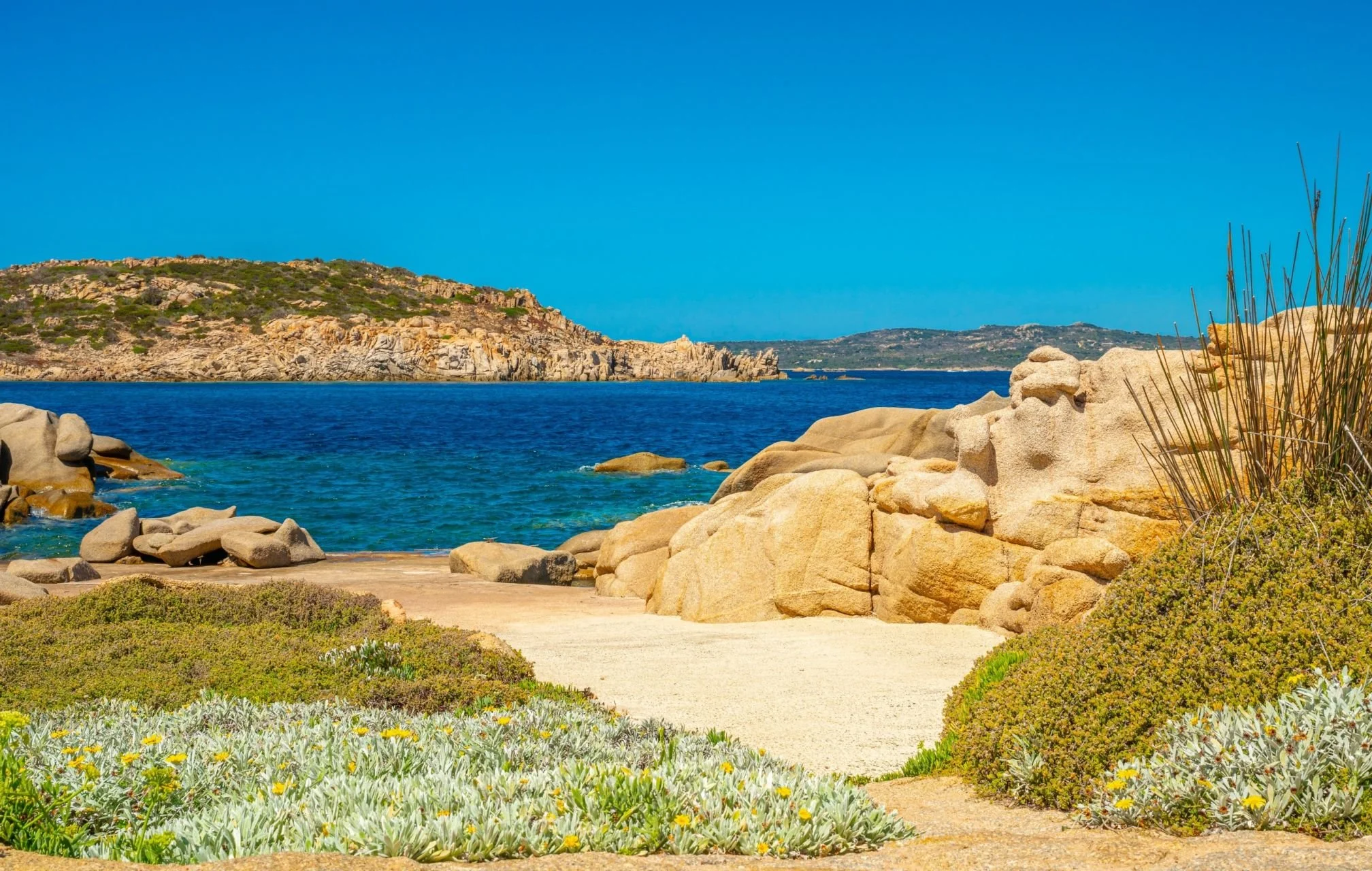
A small granite island in the Strait of Bonifacio, between the French island of Corsica and the Italian island of Sardinia, accessible only by boat, Cavallo sits just a few kilometers off the southern tip of Corsica. It has quietly maintained its position as one of Europe’s most discreet and tightly held residential enclaves—where privacy, access, and control define value more than visibility.
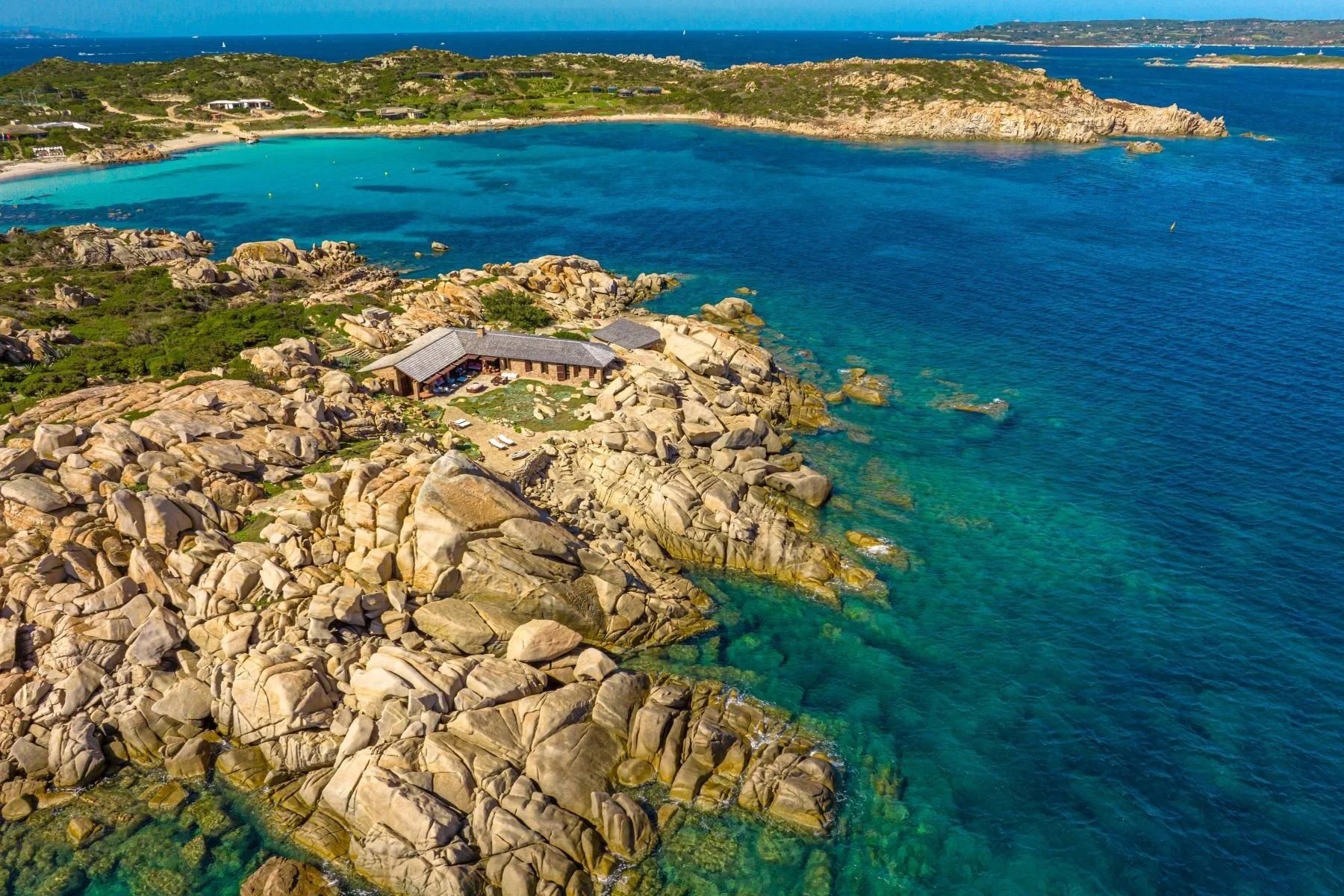
A waterfront villa on the island’s northern edge, dating to the early 1970s, has come to market for €8,500,000, listed with Corsica Sotheby’s International Realty.
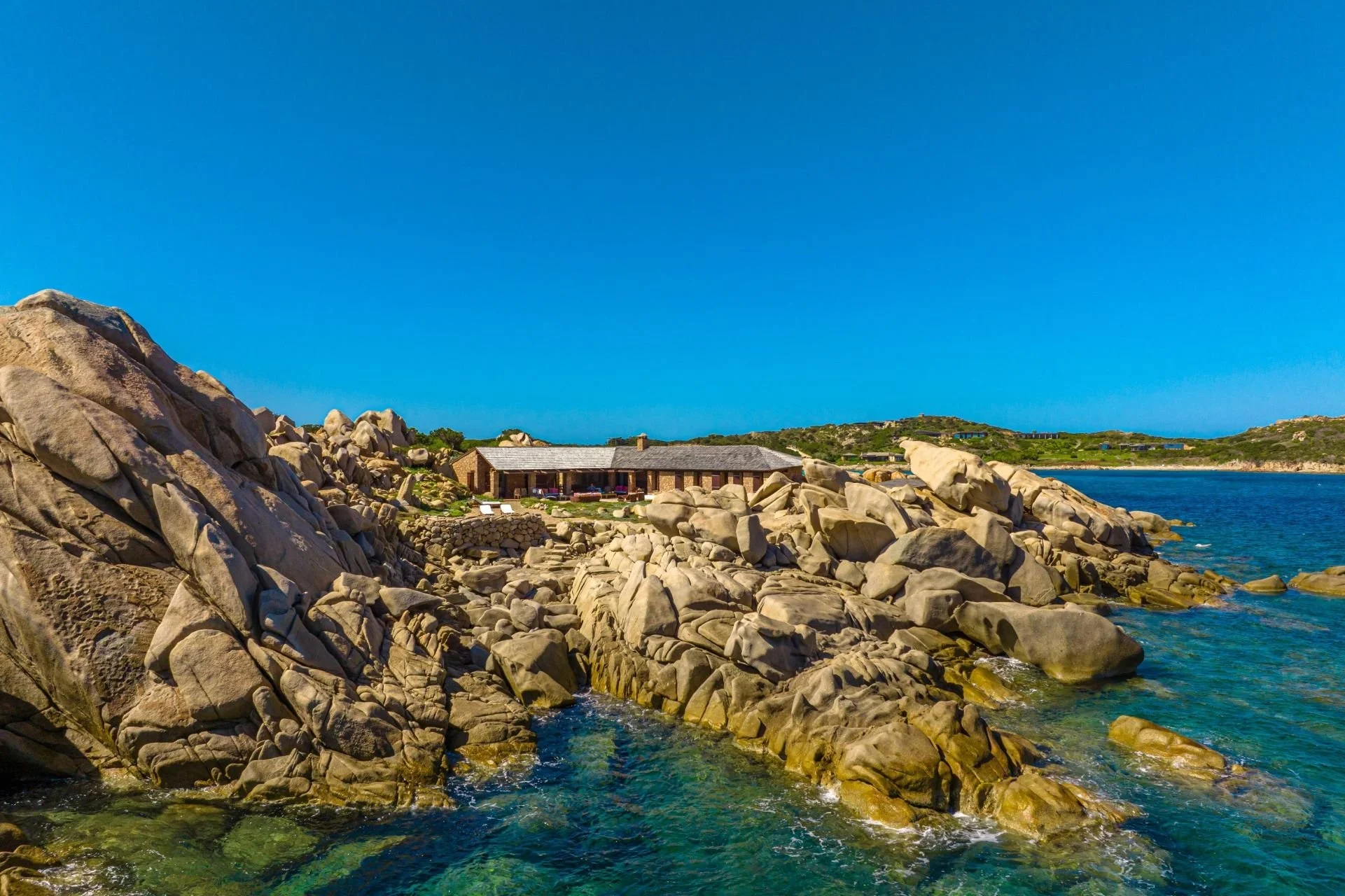
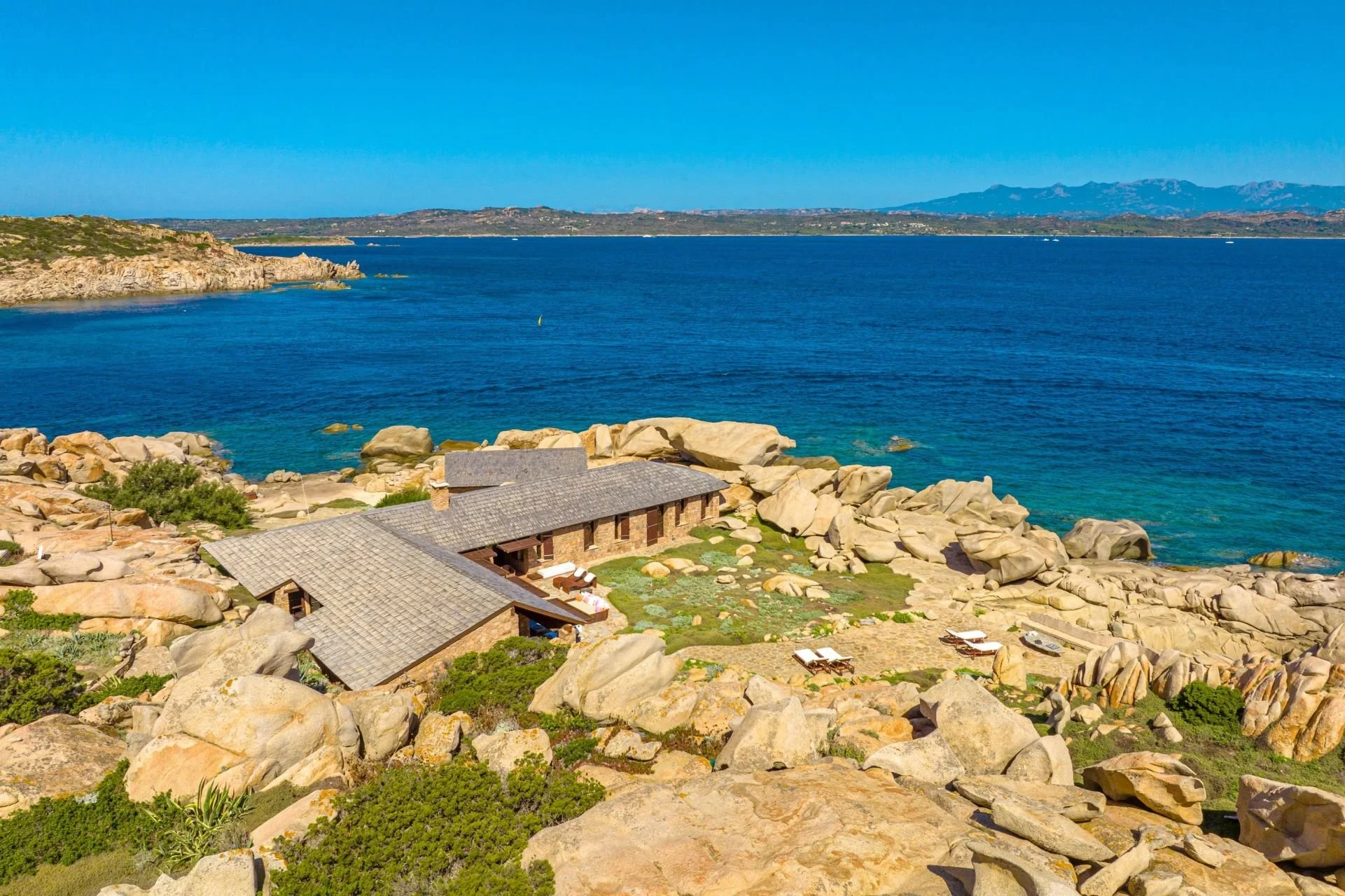
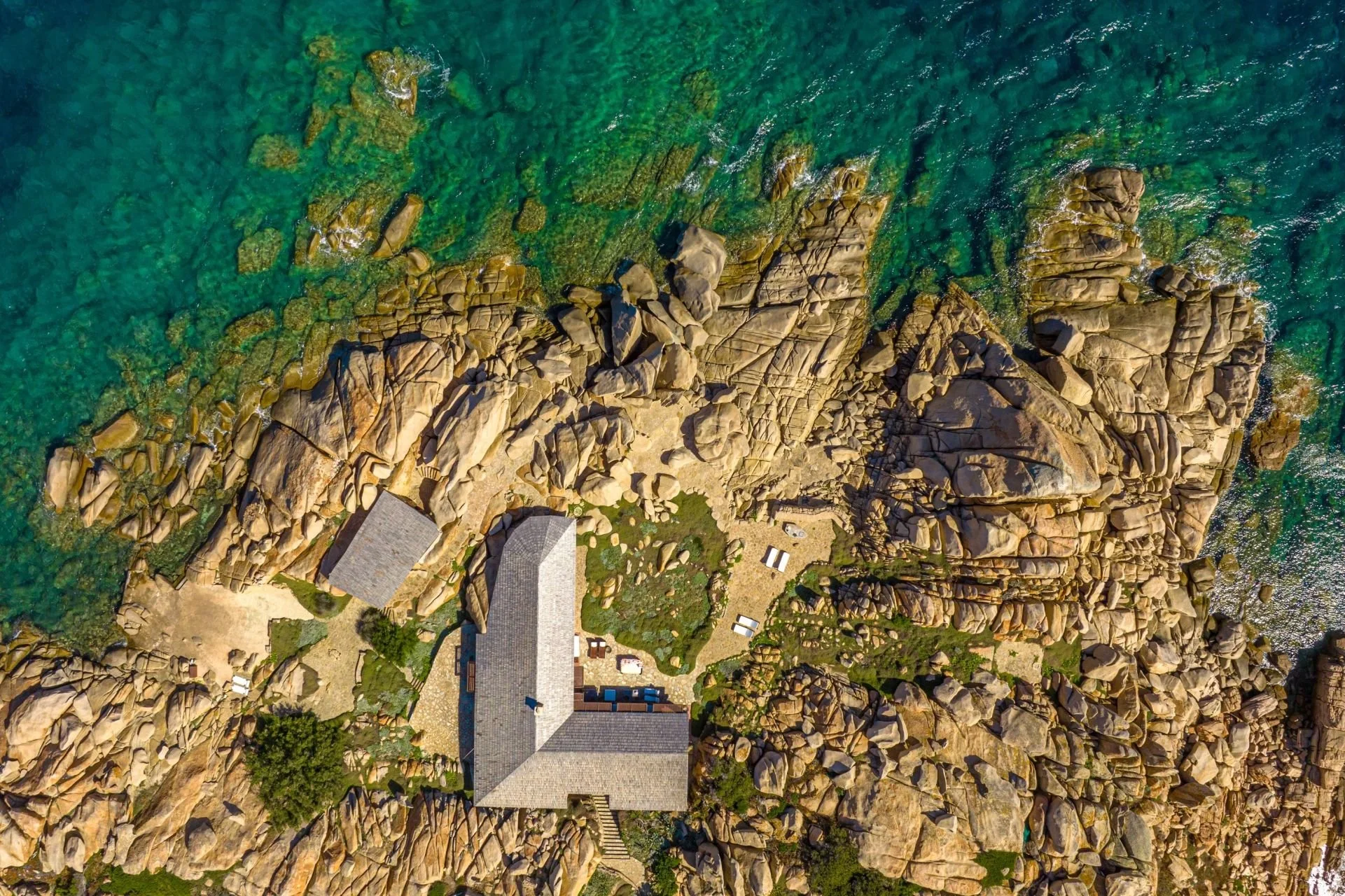
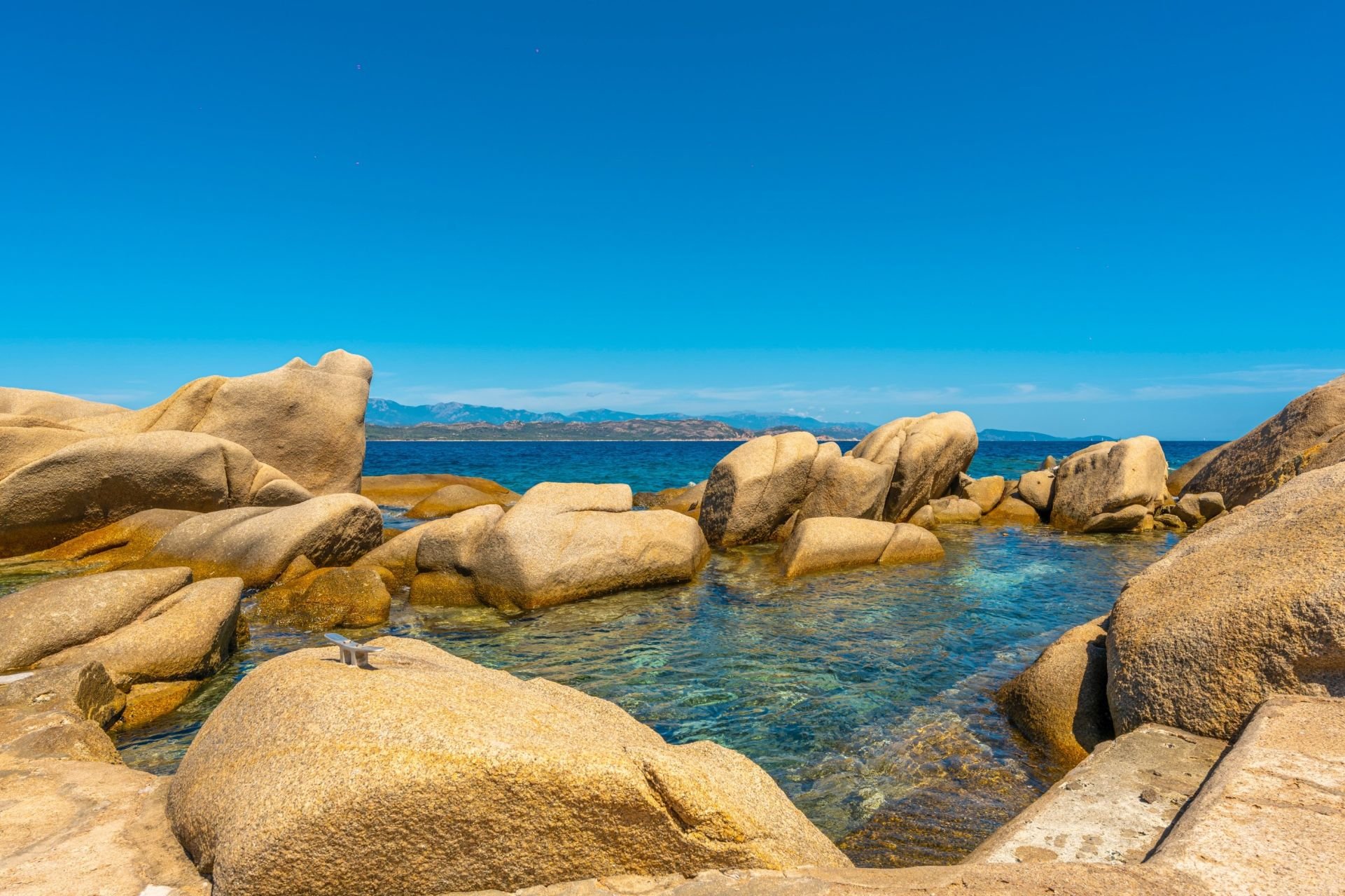
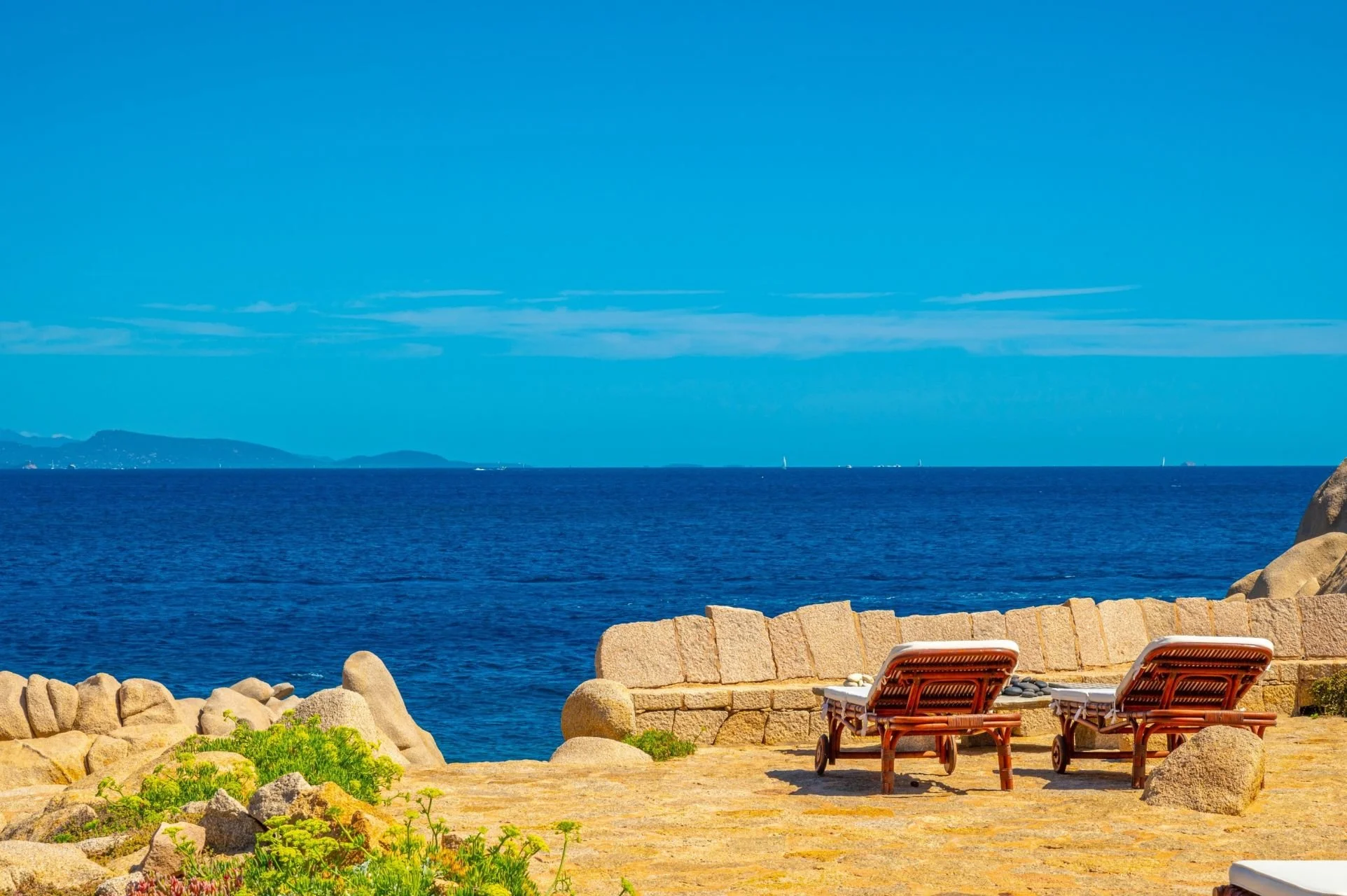
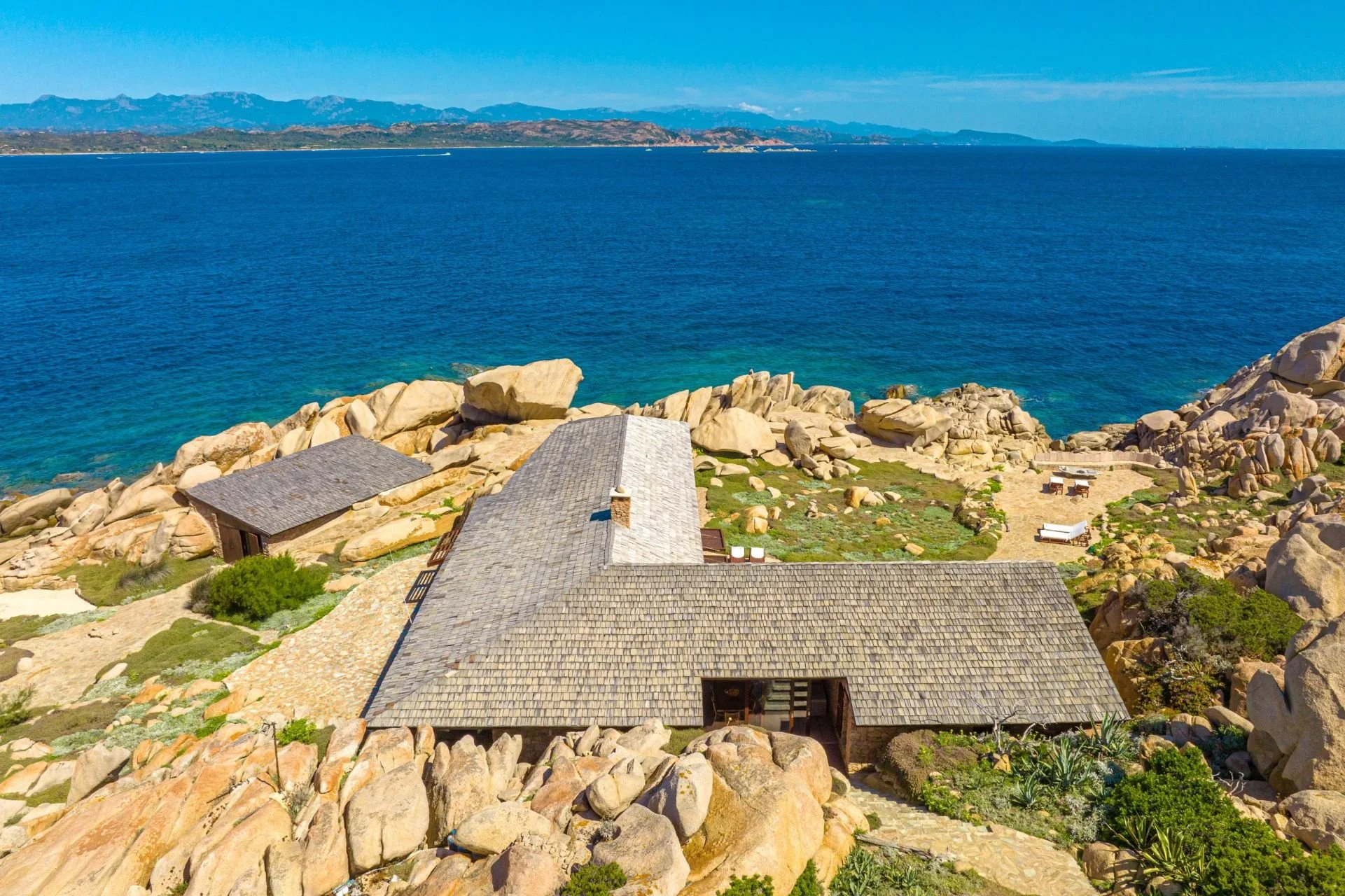
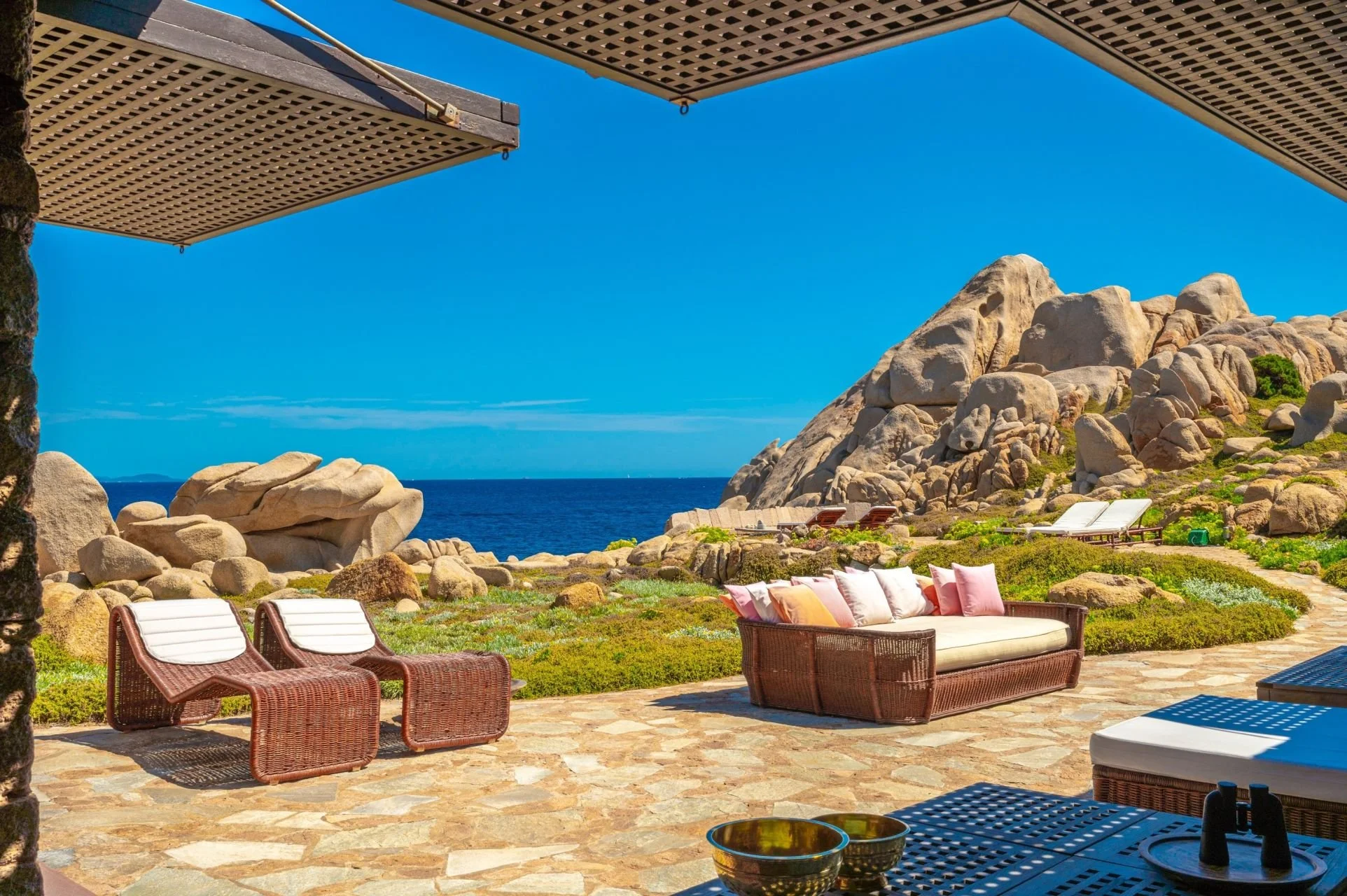
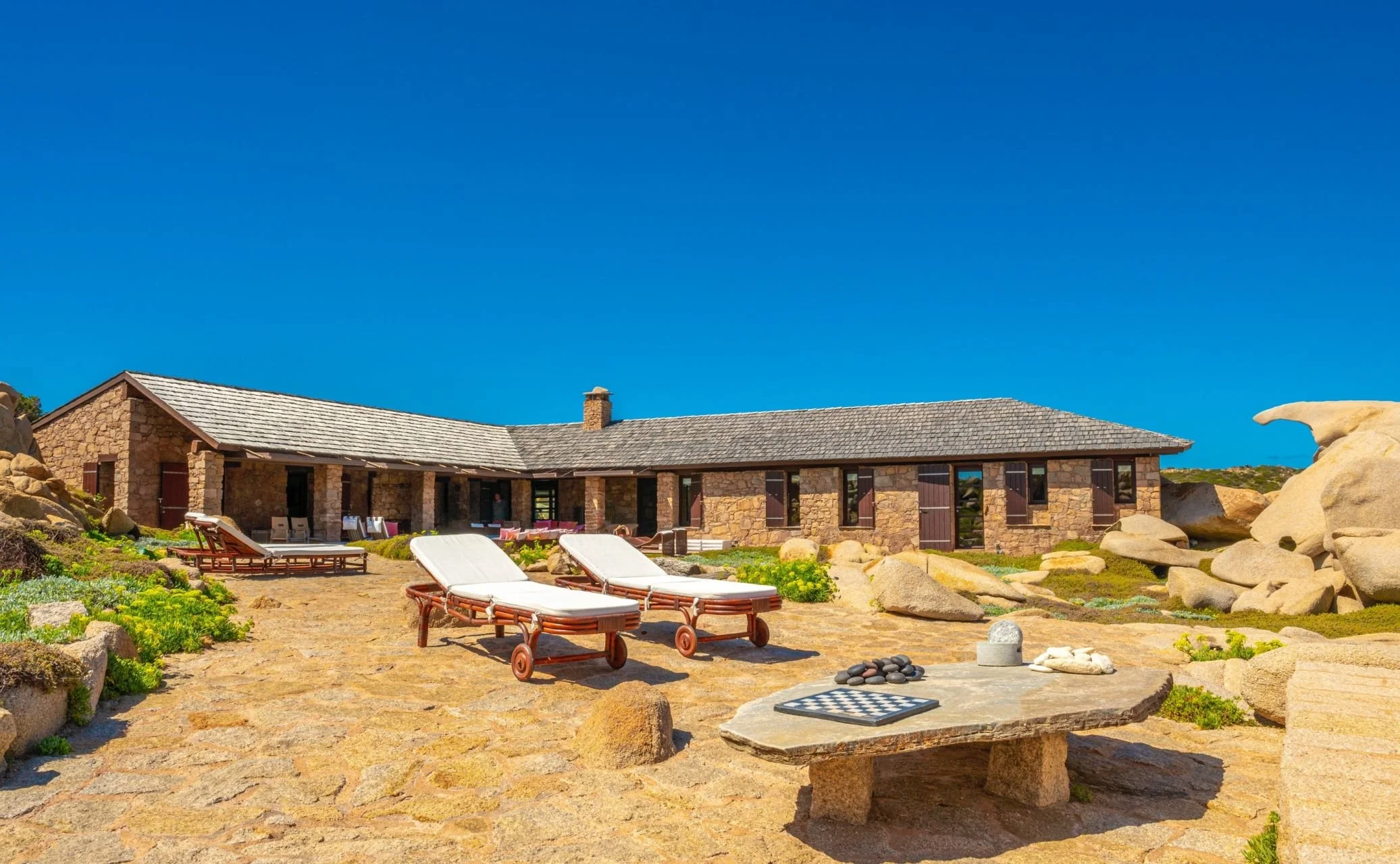
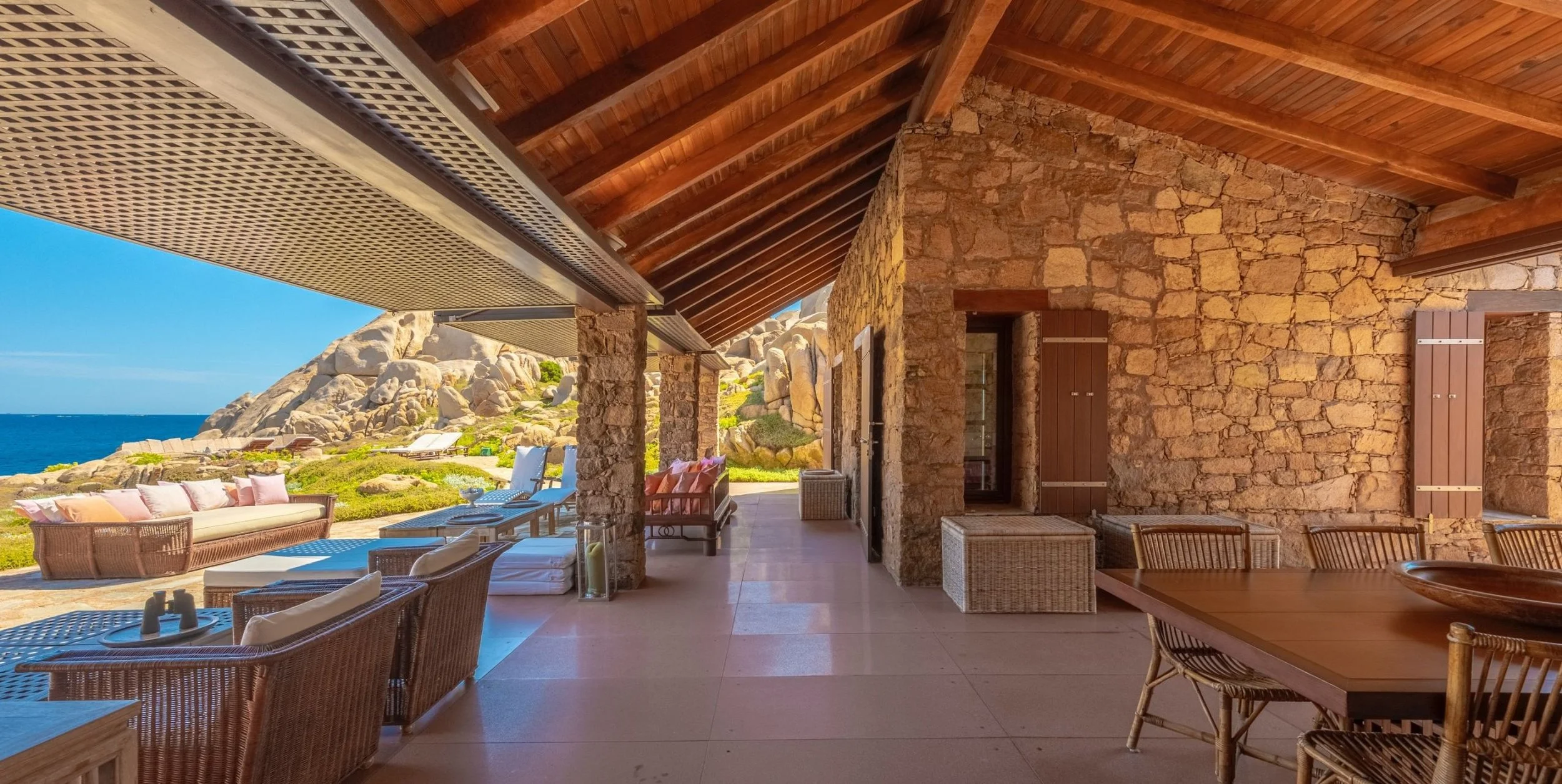
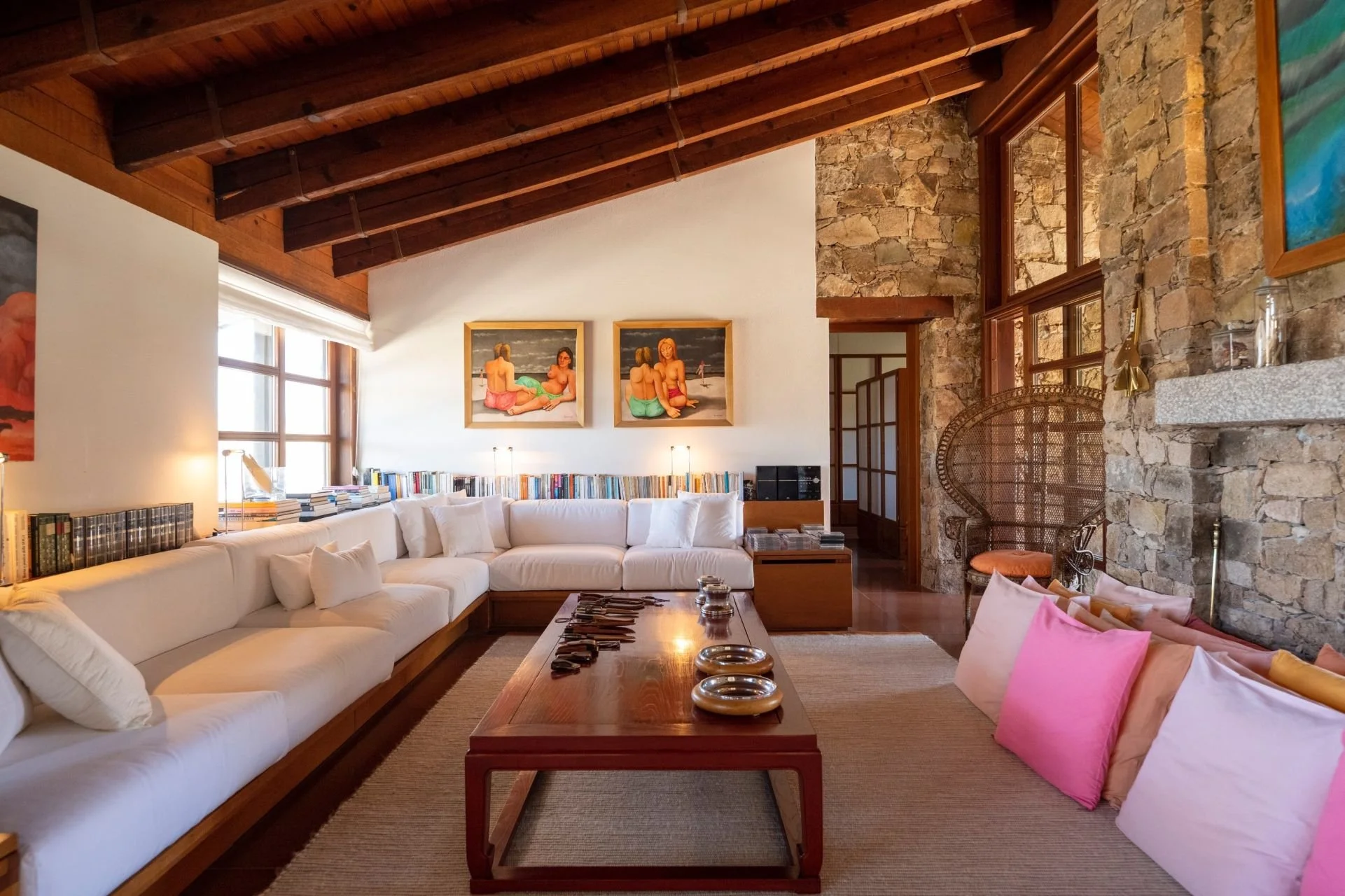
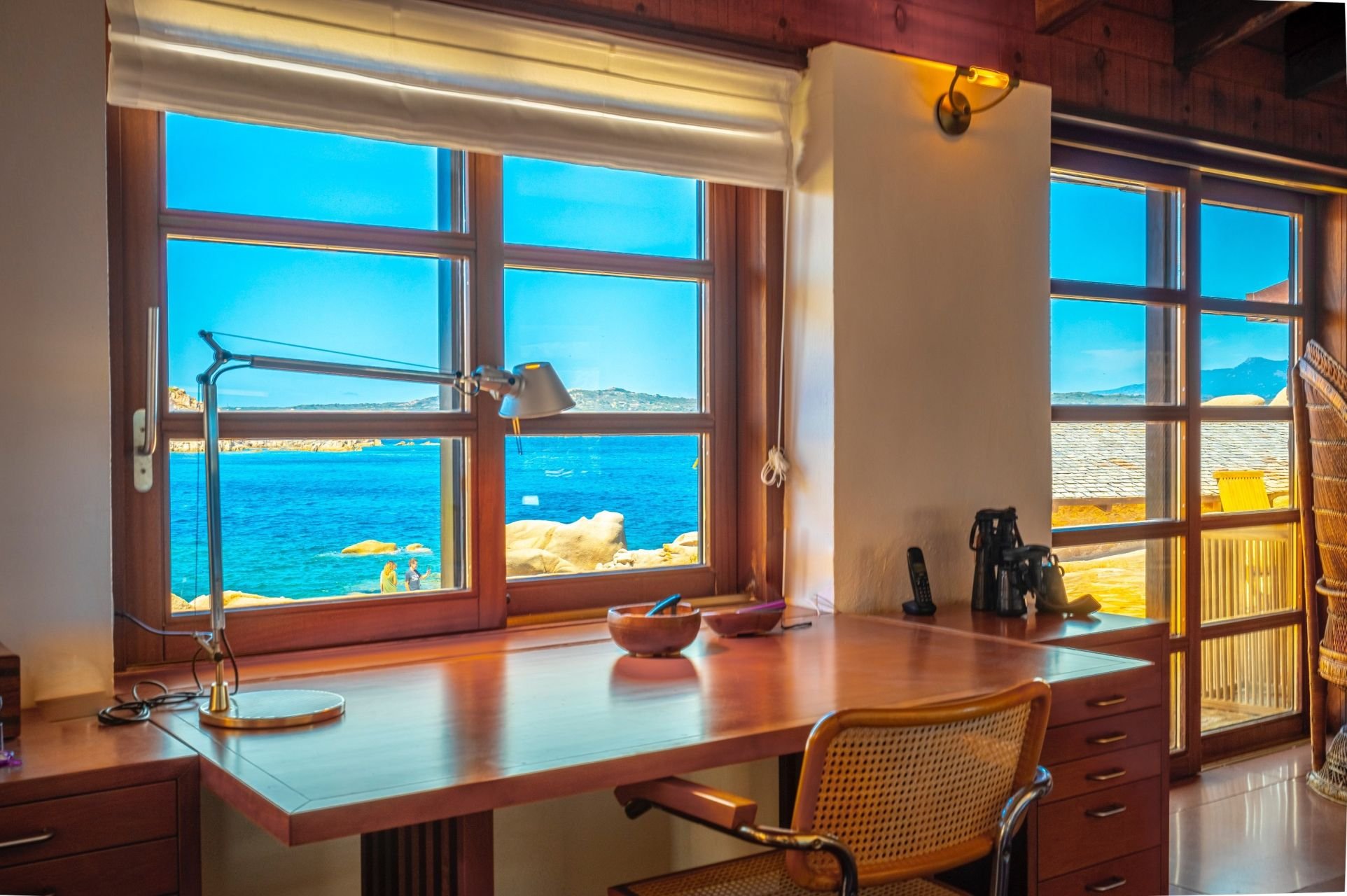
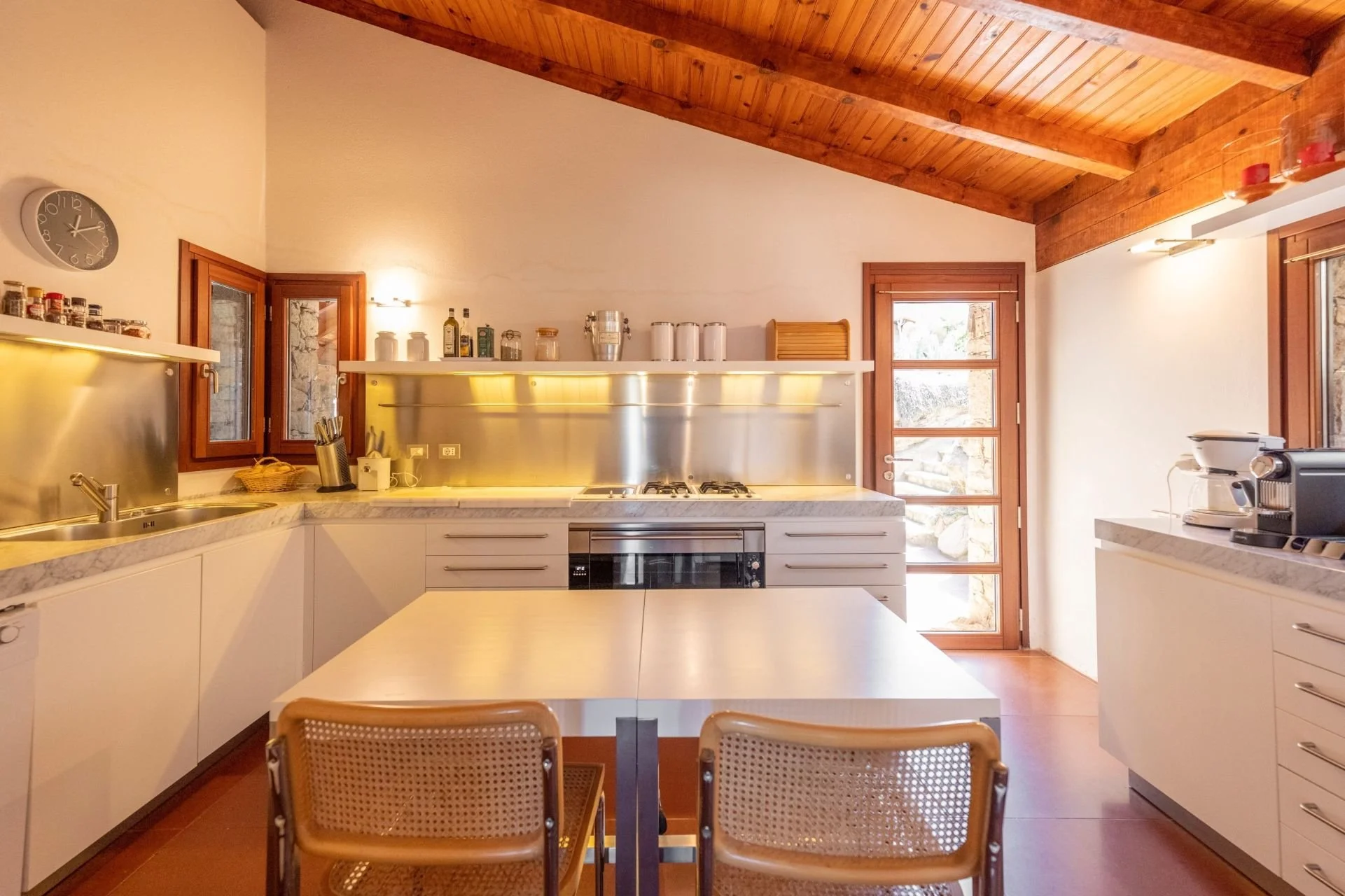
The property offers approximately 270 m² (2,906 ft²) of interior space with 3 bedrooms and 3 bathrooms, set on a 7,000 m² (1.73-acre) plot with direct access to the sea and open views across the Strait of Bonifacio. Positioned on a rocky promontory, the house is oriented toward the water, with terraces extending from the interior spaces into the surrounding landscape.
Development on Cavallo has remained tightly controlled for decades, shaped by its geography and long-standing planning restrictions. There are no large hotels or resort complexes, and infrastructure on the island remains intentionally limited, with daily life still connected to the mainland of southern Corsica.
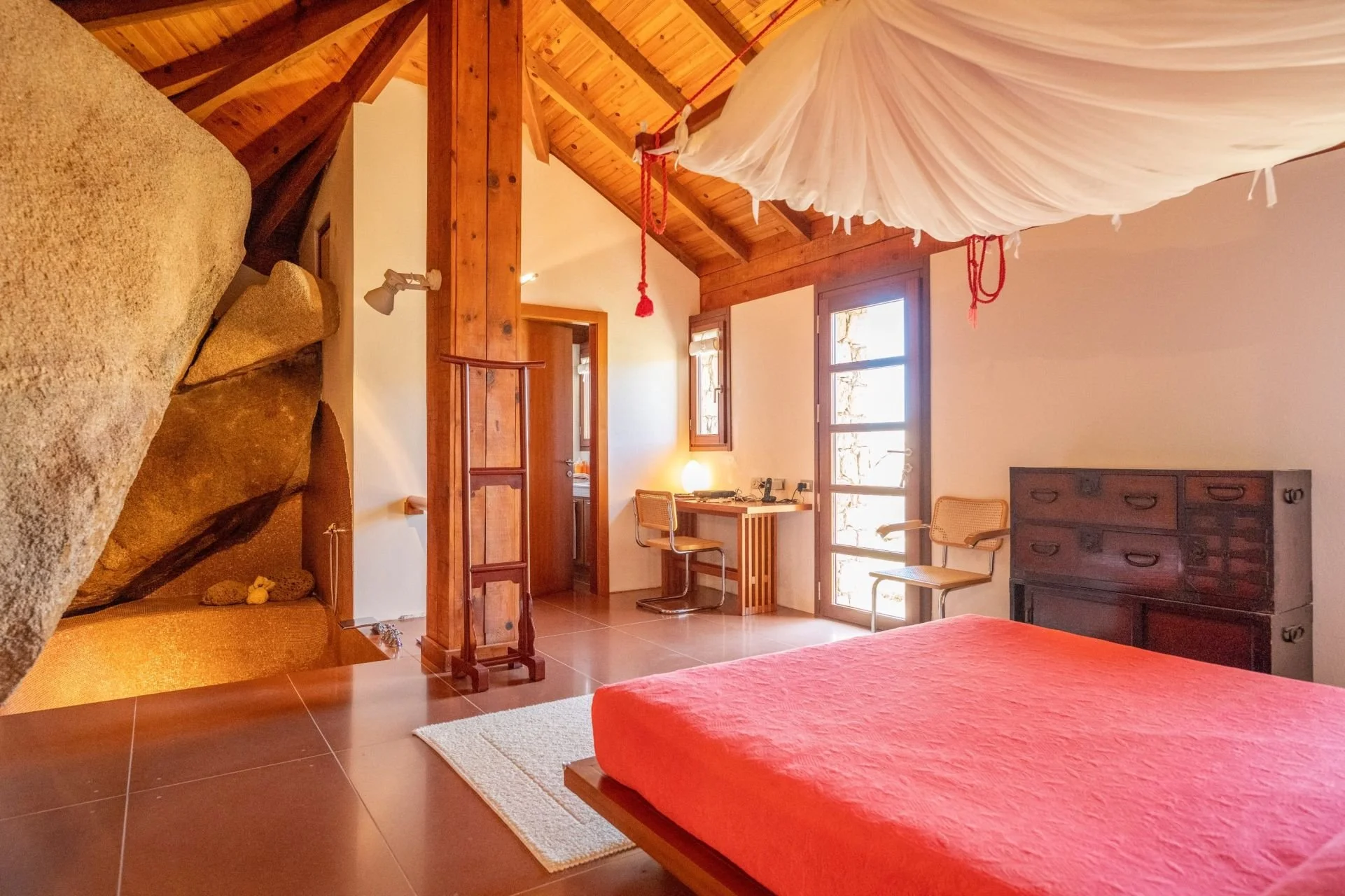
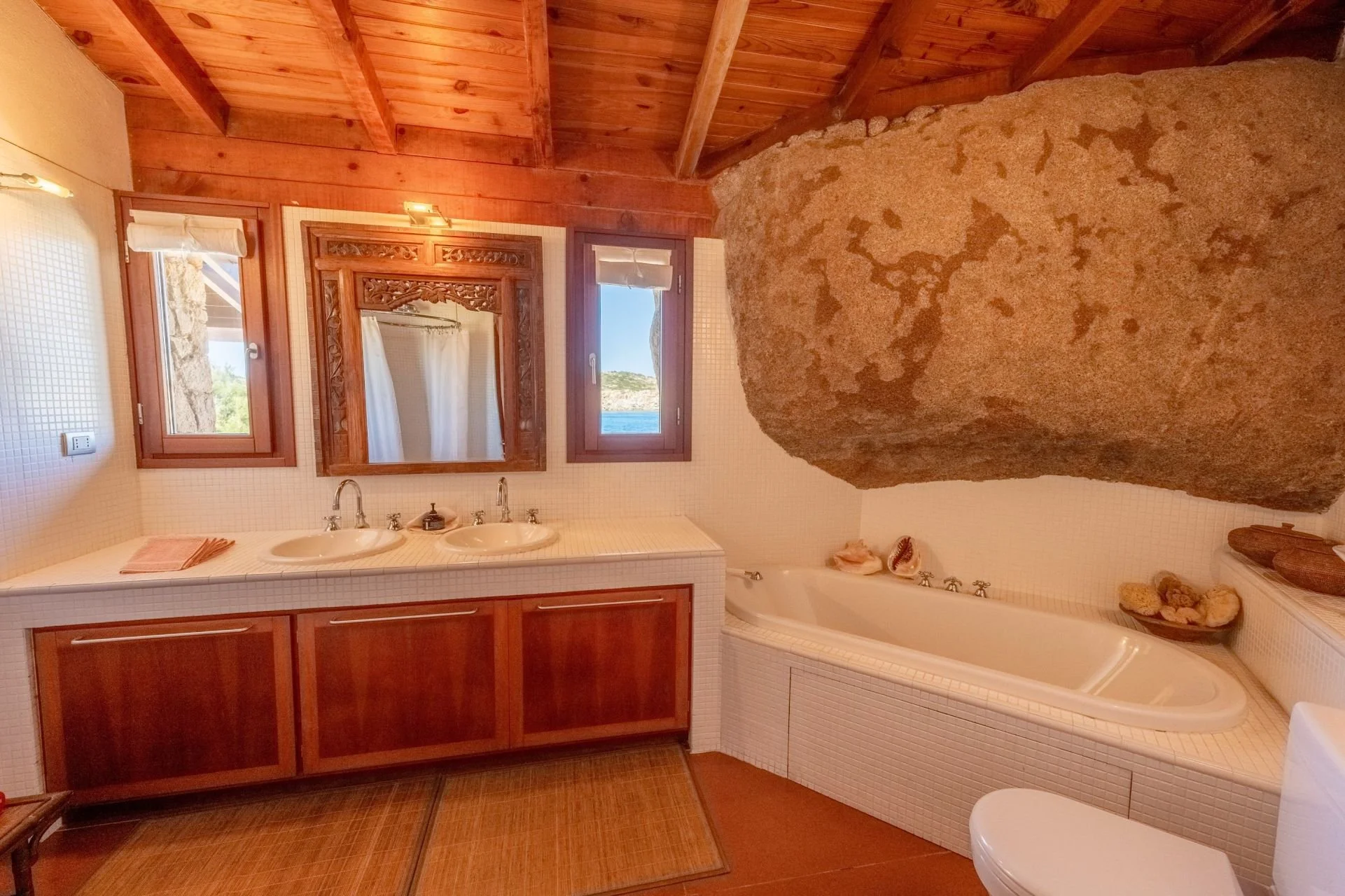
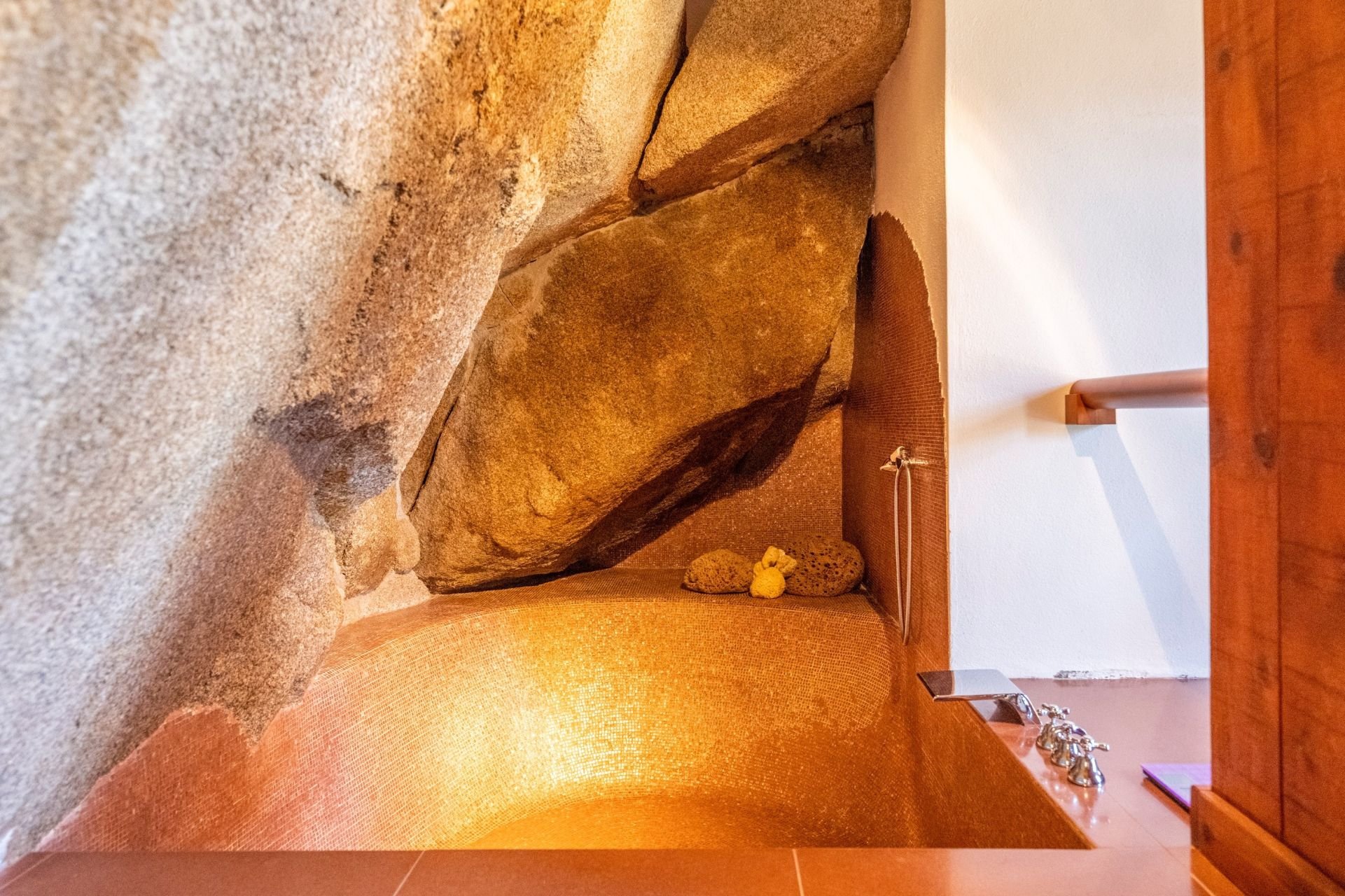
The house was built during the early phase of Cavallo’s modern development, before the construction of the marina, at a time when the island had minimal infrastructure. It was designed by its owner—an architect and painter—who had previously spent years living in isolation on a remote island in Polynesia with his wife before returning to Europe in the early 1970s. That experience is reflected in the way the house is conceived: as a structure that adapts to its environment, with rooms arranged around existing granite formations and openings oriented toward light, wind, and sea.
Cavallo’s transformation into a private residential enclave began in the late 1960s under Jean Castel, a French nightclub owner and businessman who would become one of the defining figures of European social life in the second half of the 20th century. A Paris nightlife kingpin turned island tastemaker, he helped transform Cavallo into a private playground for Europe’s elite.
Castel built his reputation in Paris and along the Riviera, most notably as the founder of Chez Castel, one of the city’s most exclusive private clubs. From the 1960s through the 1980s, it became a magnet for celebrities, aristocrats, artists, and political figures, defined less by its scale than by its selectivity. He cultivated a highly controlled, discreet social environment—one rooted in access, not visibility—establishing a model that would later shape Cavallo itself.
After acquiring the island, Castel did not develop it as a conventional resort. Instead, he envisioned it as a private retreat—an extension of his social world—where access was limited and the environment remained intentionally understated. Plots were distributed selectively, often to individuals within his network, without imposing a unified architectural plan. Many of the early houses were designed by their owners, resulting in a collection of highly individual residences shaped as much by personal vision as by the island’s terrain.
This approach established the architectural identity that still defines Cavallo today. Houses are built low into the landscape, using stone, wood, and natural materials, with forms shaped by the island’s granite topography and exposure to the sea. Many of the earliest properties—particularly those constructed before the marina—retain this original character.
The villa belongs to this earlier phase. Its layout follows the natural contours of the site, with interior spaces positioned between rock formations and exterior terraces extending outward toward the water. The house has remained largely unchanged for more than five decades, preserving its original spatial organization and relationship to the landscape.
From a real estate perspective, Cavallo operates under a distinct set of conditions. Supply is inherently limited, new construction is rare, and properties are defined less by size than by position—proximity to the water, orientation, and privacy within the landscape. Homes dating to the island’s early development period, particularly those designed by their original owners, represent a finite and increasingly scarce segment of the market.
All photographs belong to the listing agency, Corsica Sotheby’s International Realty.