A Frescoed Penthouse at Palazzo Barbaro on the Grand Canal in Venice
Set within the Palazzi Barbaro, a pair of historic canal-front palazzi on Venice’s Grand Canal, a top-floor apartment is currently offered for sale at €6.8 million (USD $7.4–7.5 million). The property is listed with Dimora Italia Real Estate, an affiliate of Christie’s International Real Estate.
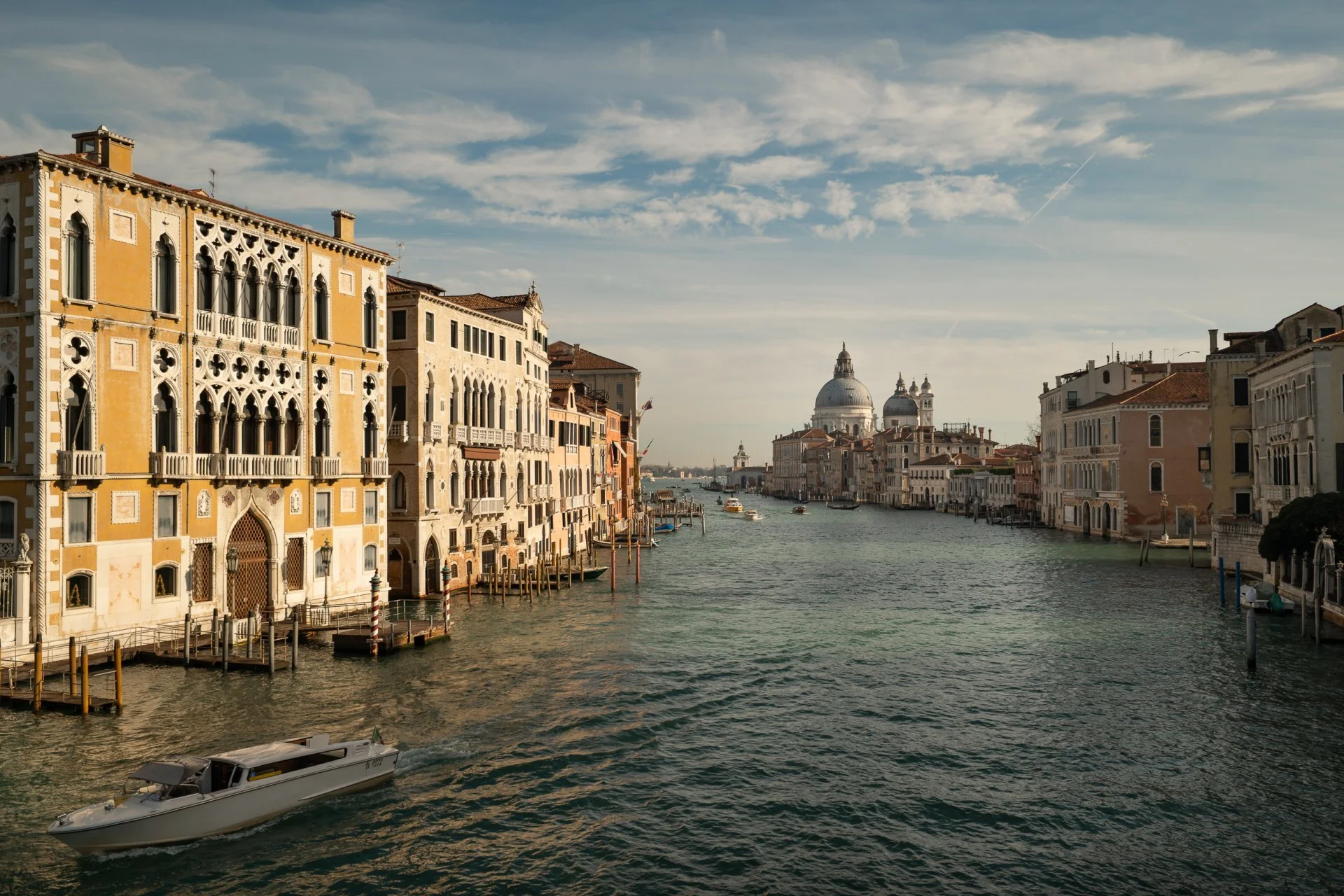
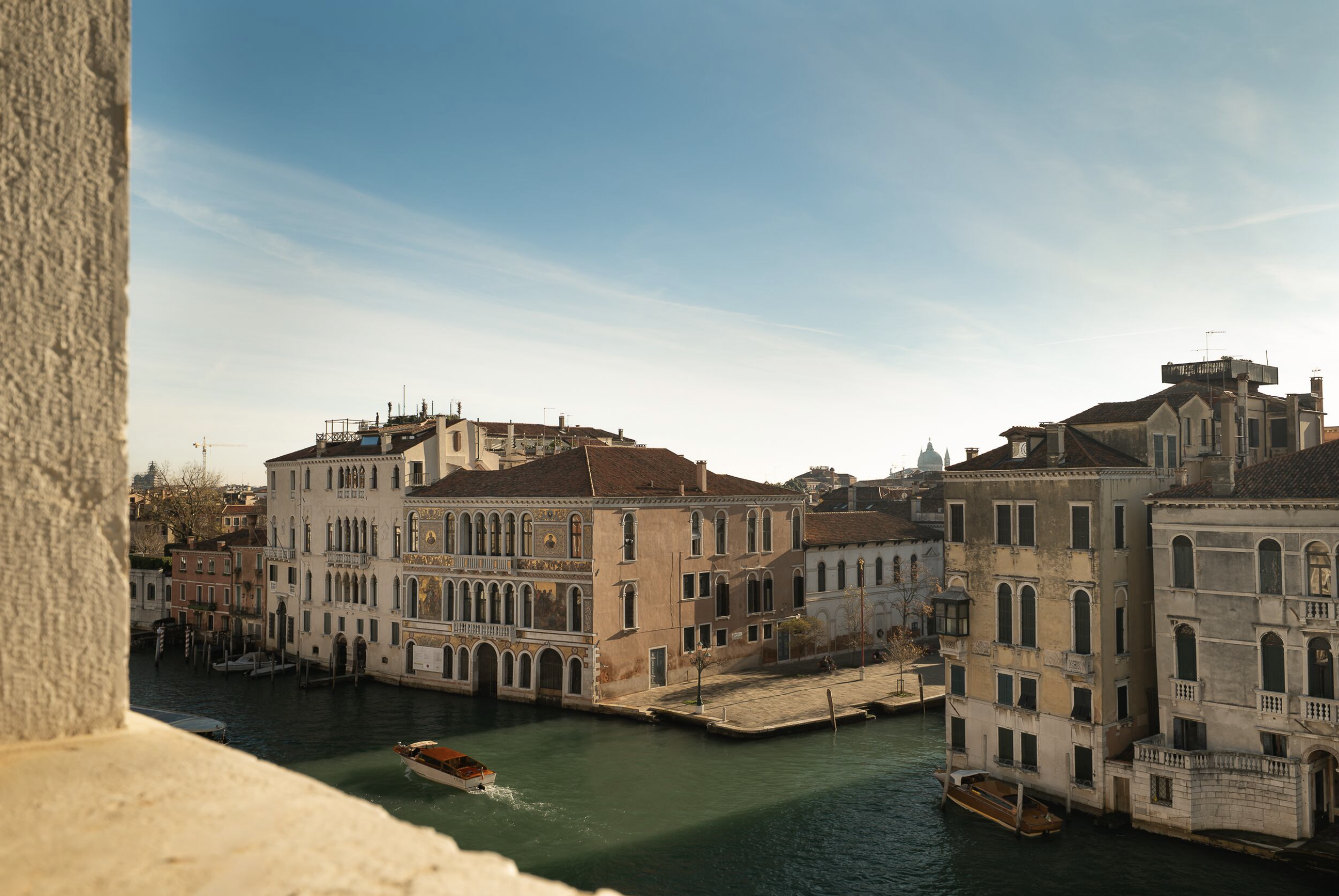
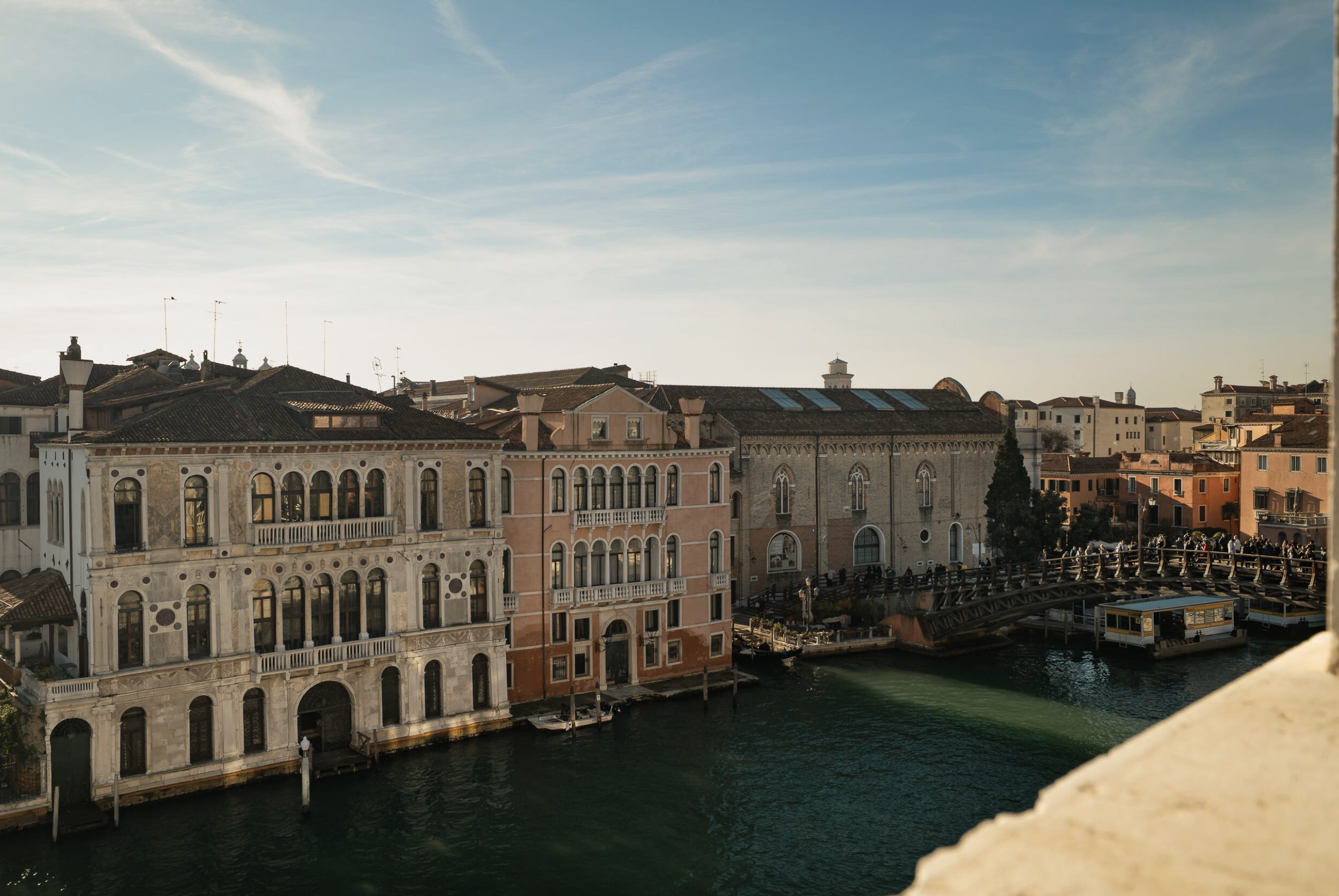
The apartment is a penthouse residence occupying the uppermost level of the building, located in the San Marco sestiere (district) near Campo Santo Stefano. Its principal reception spaces face directly onto the Grand Canal, with open views along one of the city’s most historically significant stretches of water.
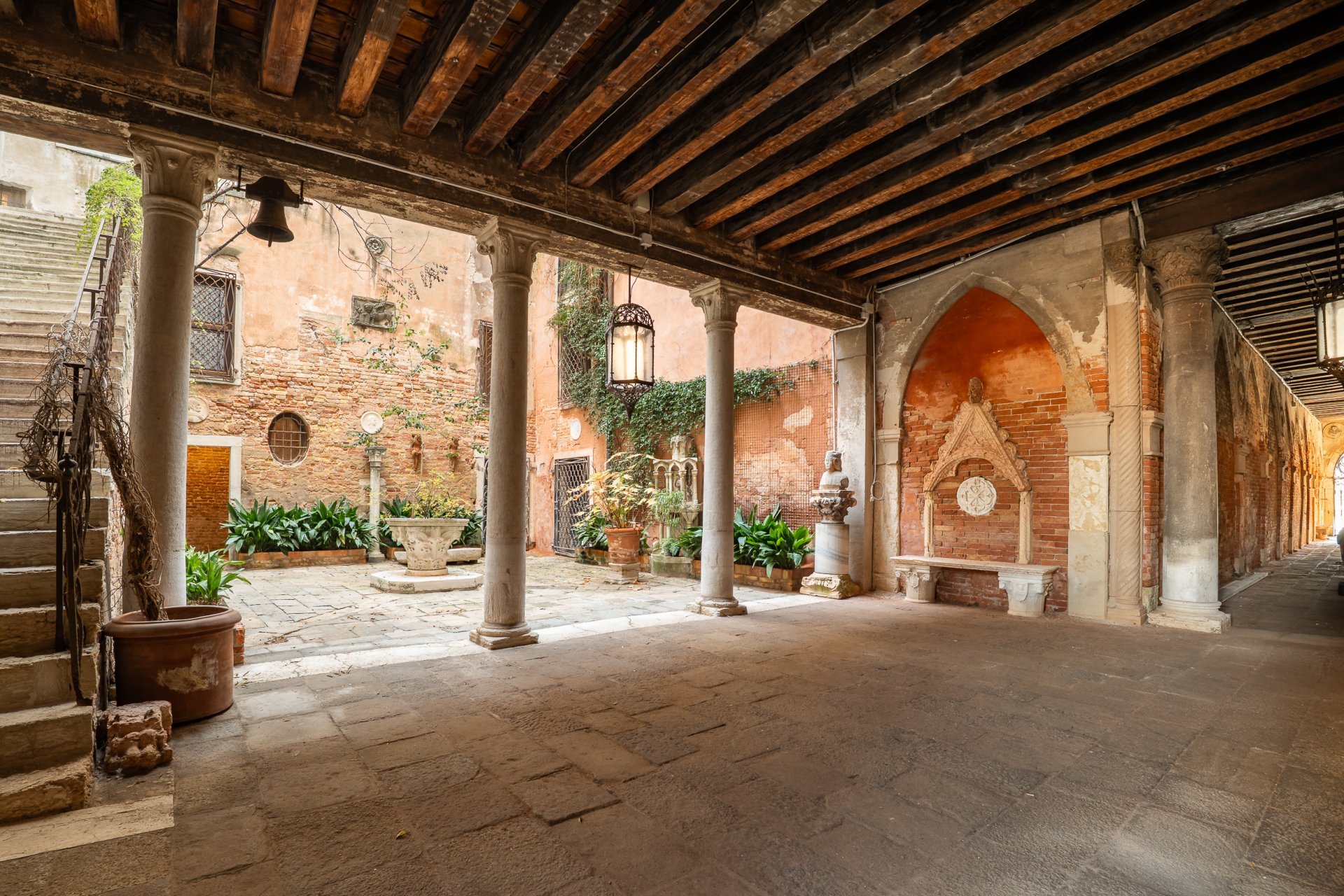
There is shared private water access from the palazzo’s common areas, allowing direct arrival by boat.
The apartment has approximately 543 m² (about 5,845 ft²). It is arranged over multiple levels with elevator access, a notable feature in a historic Venetian palazzo. The layout centres on a large main hall facing the canal, with additional reception rooms arranged alongside it.
There are three bedrooms and two full baths and two half-baths. The rooms are organised as a sequence rather than an open-plan layout, consistent with traditional Venetian residential planning.
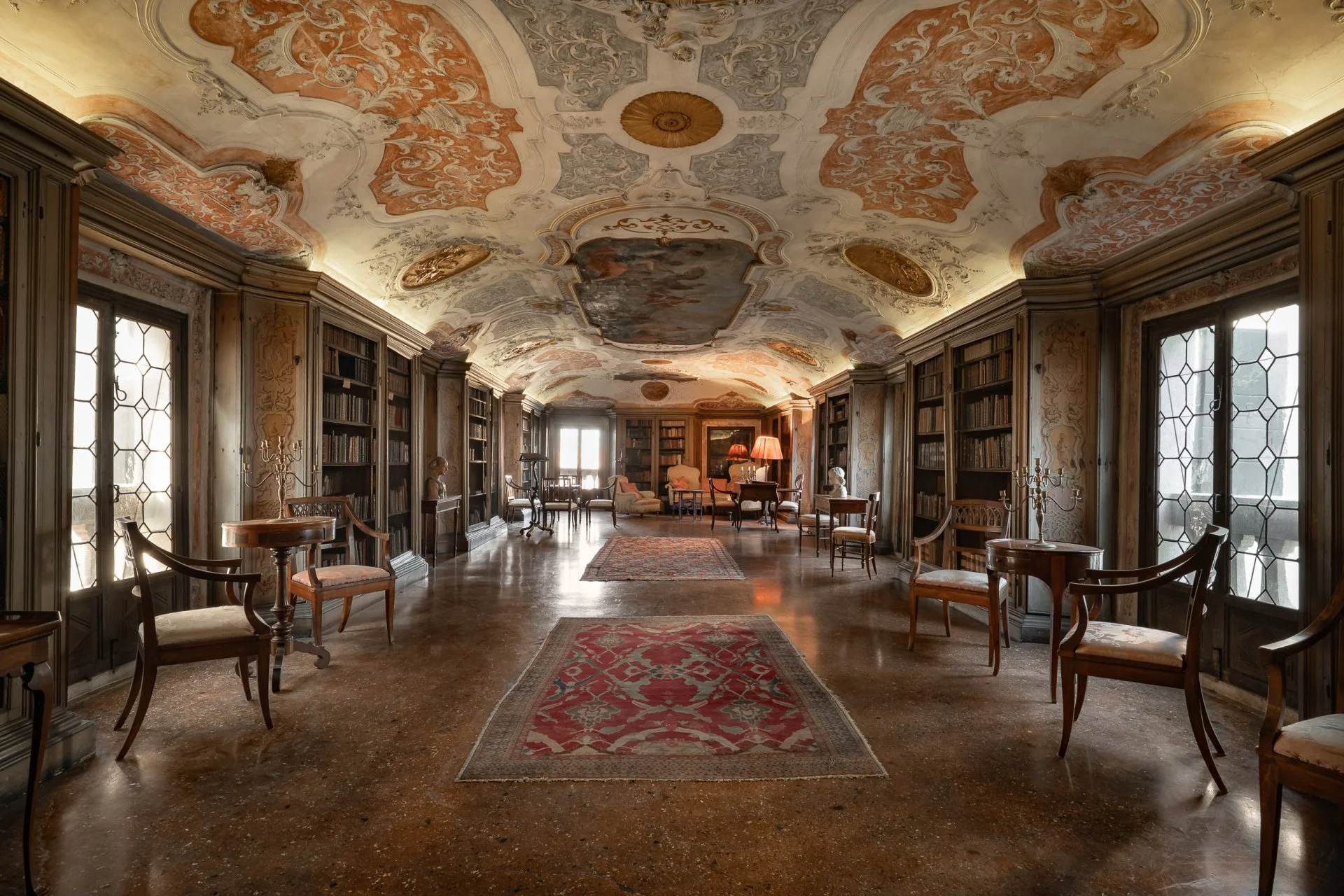
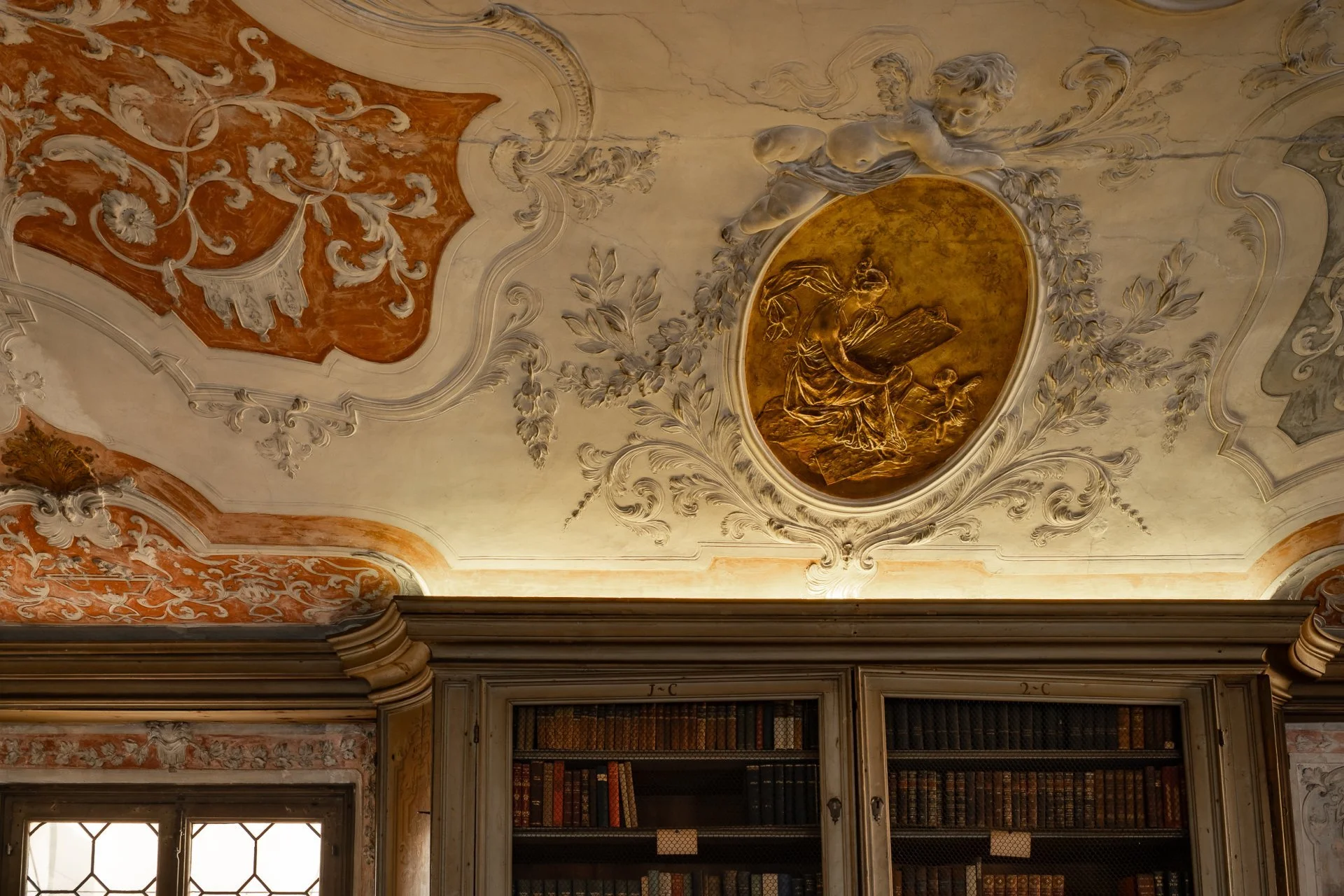
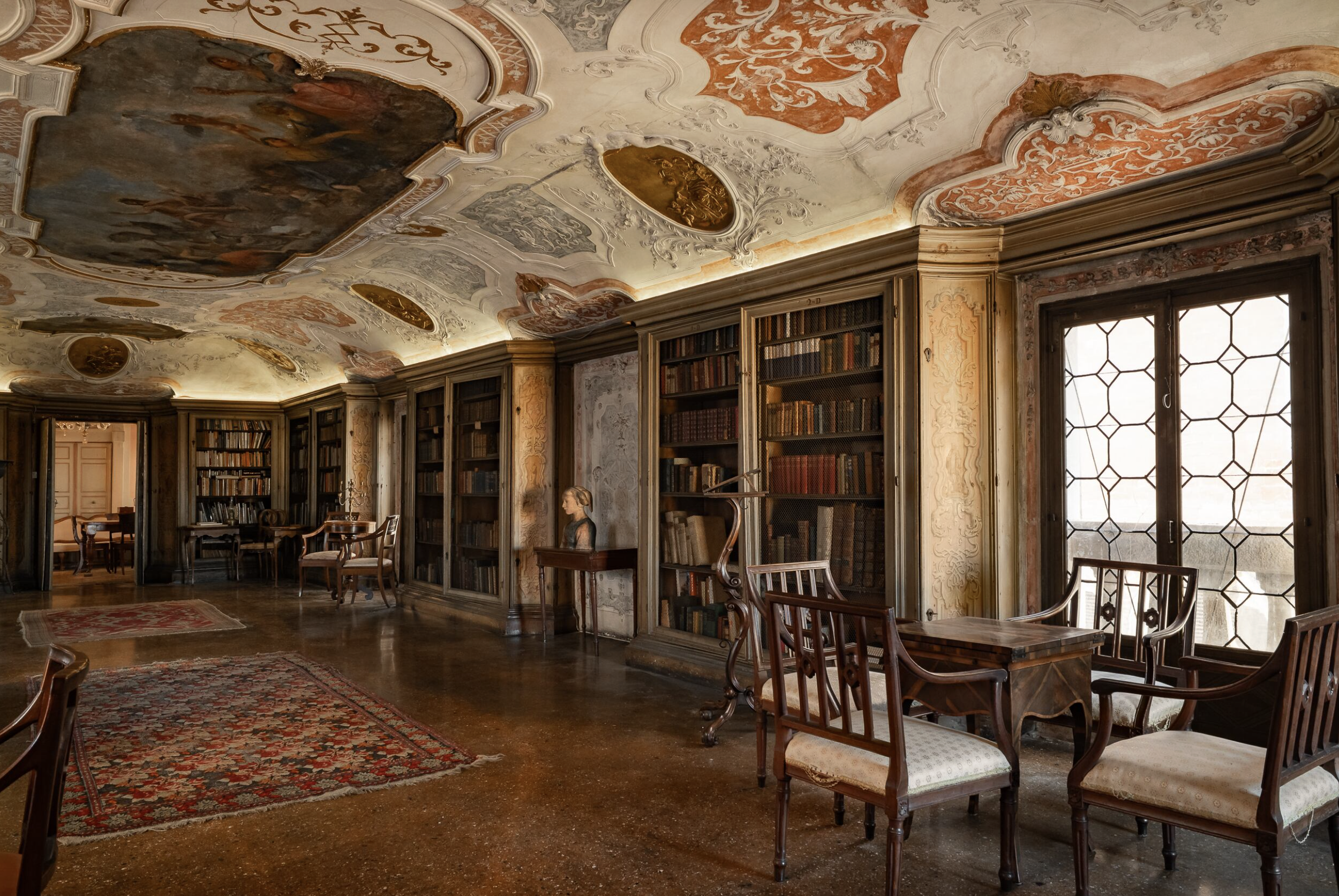
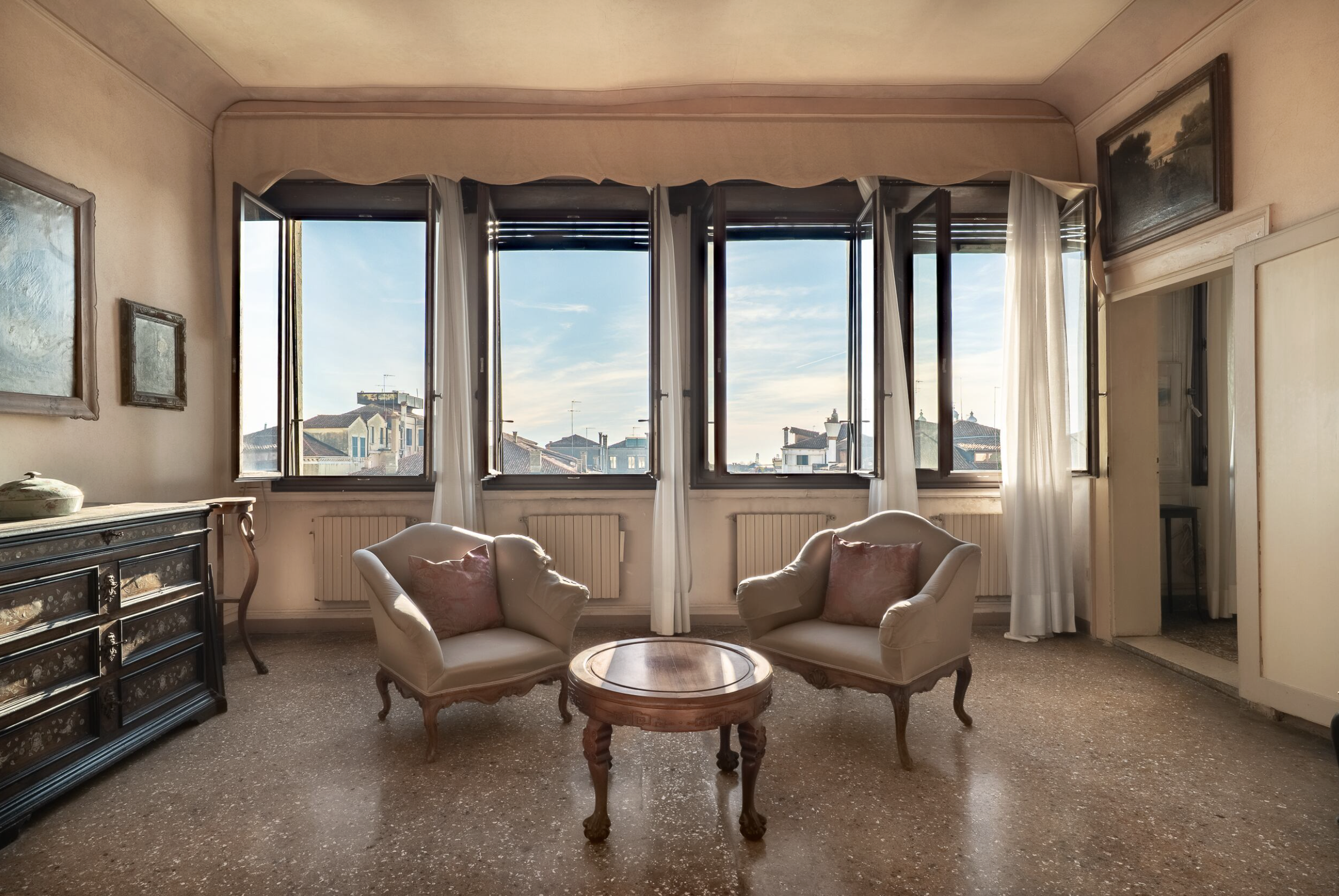
Additional interior spaces include a separate living room, a kitchen extending into the attic level, and a library with preserved fresco decoration. The apartment retains many original historic decorative elements, including high ceilings, traditional Venetian flooring, and period architectural details, while other areas have been updated to accommodate modern residential amenities.
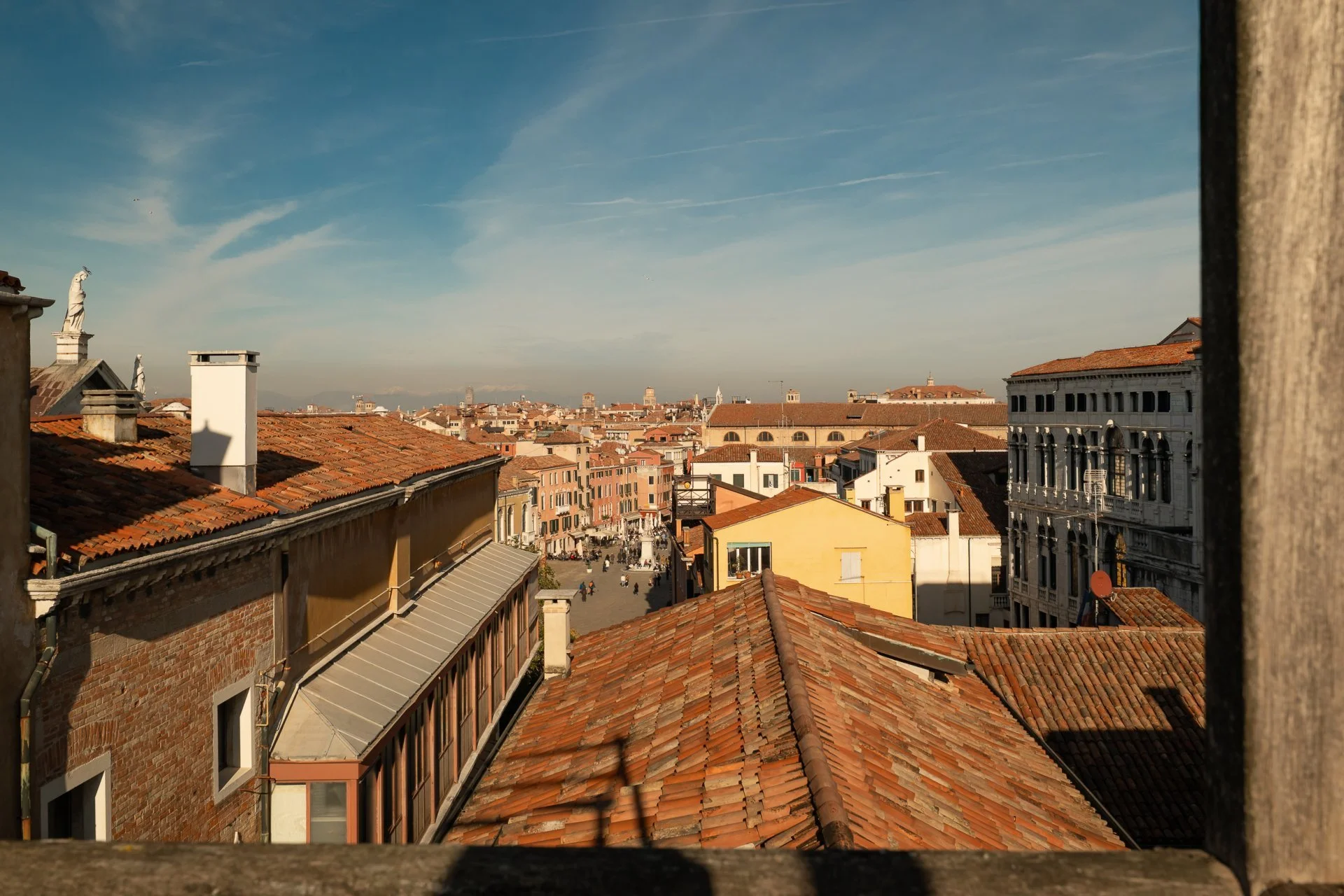
Above the apartment is a traditional Venetian altana, a raised wooden rooftop terrace with open views across Venice and along the Grand Canal. The terrace is directly accessible from the upper level of the apartment.
The History: The Palazzi Barbaro, Venice
The Palazzi Barbaro are two adjacent historic palazzi on the Grand Canal, in Venice’s San Marco sestiere (district), close to Campo Santo Stefano. Although often referred to collectively as “Palazzo Barbaro,” they are two separate buildings, commonly identified as Palazzo Barbaro Curtis and Palazzo Barbaro Wolkoff.
They developed independently and were later linked by ownership history, use, and proximity, which is why they are frequently discussed together in architectural and historical sources.
Origins and Architecture
Both palazzi originated primarily in the 15th century, with later modifications carried out over subsequent centuries. This pattern of gradual expansion and alteration is typical of large Venetian palazzi, which were often adapted as family fortunes, household size, and use changed.
Architecturally, the canal-facing façades are relatively restrained when compared to some of the more overtly decorative palaces on the Grand Canal. Their design prioritises internal space and regular window rhythm over elaborate surface ornament. Internally, the original layout followed the standard Venetian model, with principal rooms facing the canal and secondary rooms positioned behind them, arranged in sequence rather than along corridors.
Over time, interiors were altered, subdivided, or simplified. Decorative schemes, including frescoed rooms recorded in historical accounts, were in some cases removed or sold during the 19th century, a common practice in Venice during that period.
The Barbaro Family
The palazzi take their name from the Barbaro family, one of Venice’s established patrician families. Members of the family held political, diplomatic, and ecclesiastical roles during the period of the Venetian Republic. As was common with noble family properties, buildings were divided among heirs, altered, and sometimes rejoined, contributing to the presence of multiple adjacent palazzi bearing the same name.
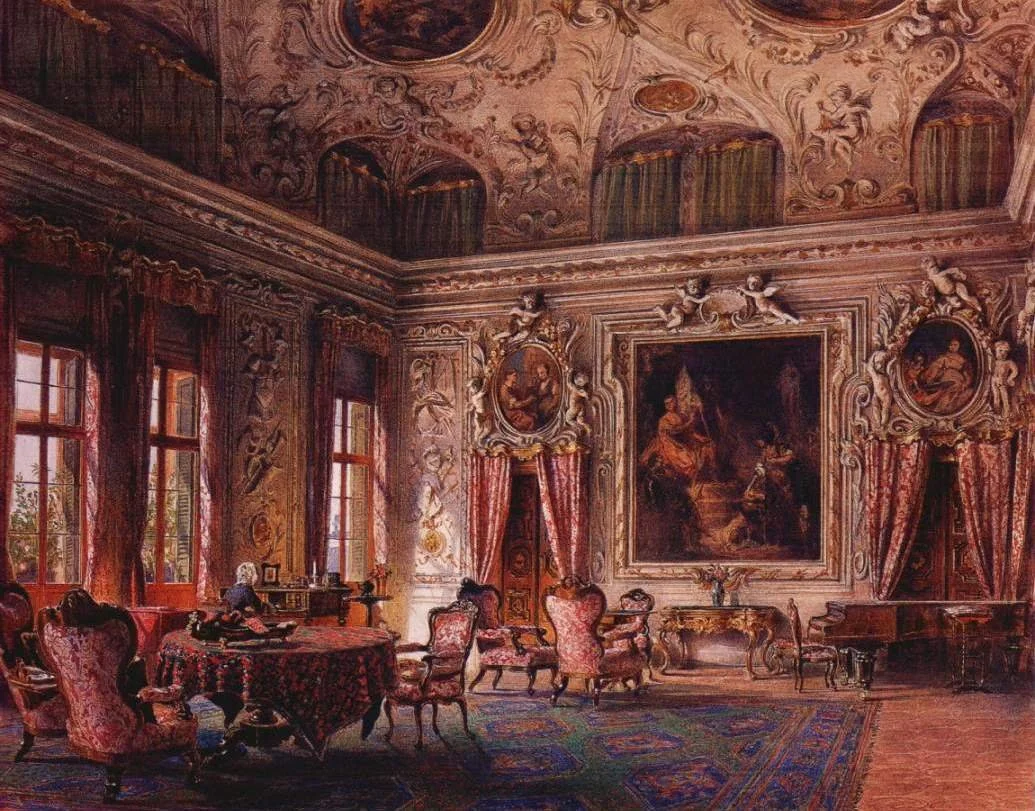
Ludwig Passini, watercolour c. 1855, The Salone of the Palazzo Barbaro
In the 18th century, an elegant library was created on the third floor of the palace, with a ceiling incorporating rich stucco decoration and a central painting by Giovanni Battista Tiepolo, The Glorification of the Barbaro Family. The painting, which originally formed the focal point of the ceiling, was later removed and is now held by the Metropolitan Museum of Art in New York. While Tiepolo’s painted decoration no longer survives in situ, the surrounding stucco framework visible in historic depictions of the library is the same decorative scheme seen in the current apartment
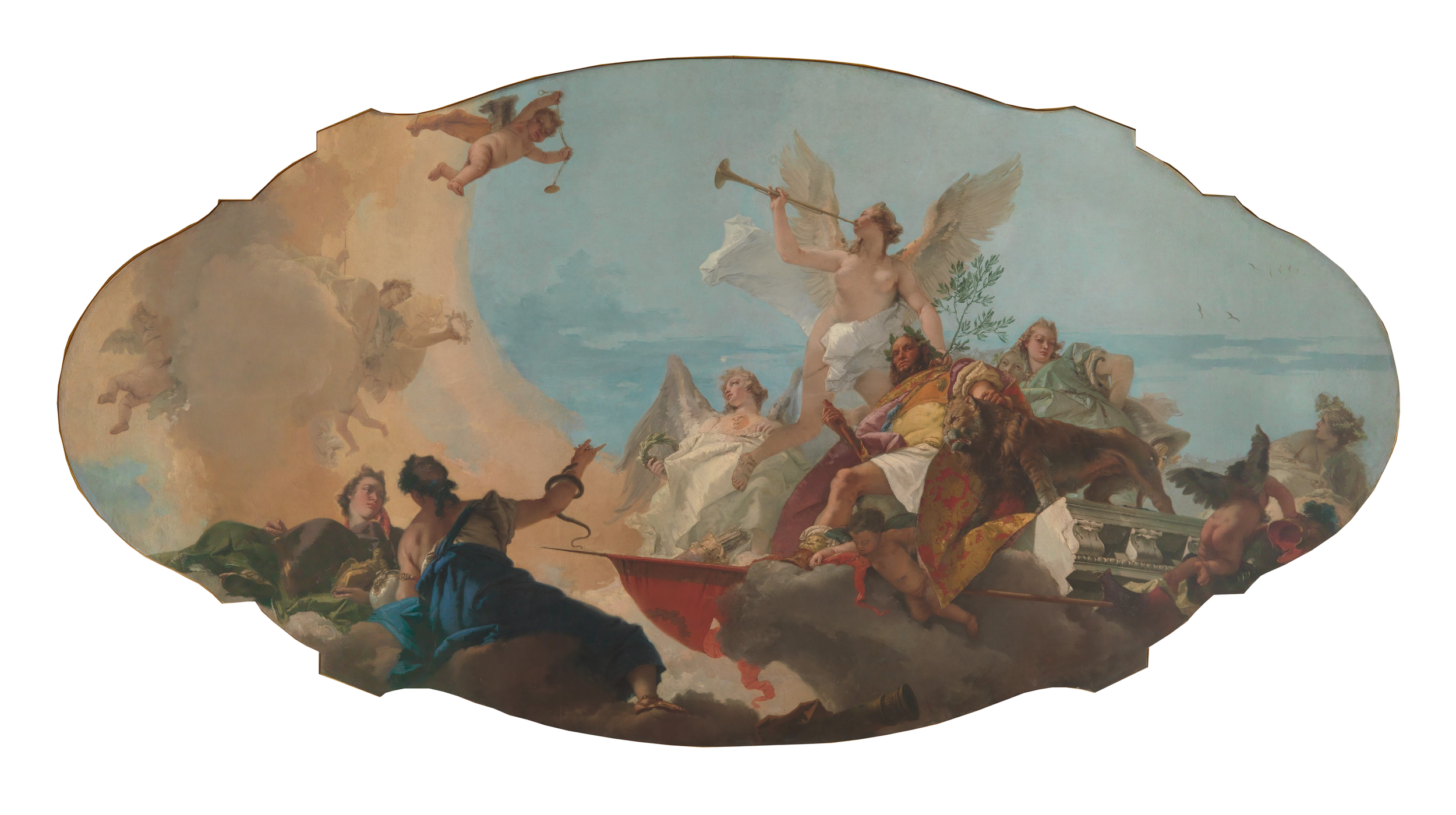
"The Glorification of the Barbaro Family" painted by Giovanni Battista Tiepolo, now located at the Metropolitan Museum of Art, New York
The Curtis Family and the 19th Century
In the 19th century, Palazzo Barbaro Curtis became particularly well documented after it was occupied by Daniel Sargent Curtis and his wife Ariana Randolph Wormeley Curtis, American expatriates from wealthy and well-connected East Coast families. Daniel Curtis was born in Boston into a family whose fortune derived from international trade and shipping, while Ariana Curtis came from the prominent Wormeley family of Virginia, with long-standing social and political connections. They regularly hosted visiting writers and artists.
Visitors included the writer Henry James, who stayed at the palazzo on several occasions and referred to it in letters and nonfiction writing about Venice; the artist John Singer Sargent, who visited socially and was part of the artistic circle that gathered there; and Claude Monet, who stayed at Palazzo Barbaro Curtis during his 1908 visit to Venice while working on his series of Venetian paintings.
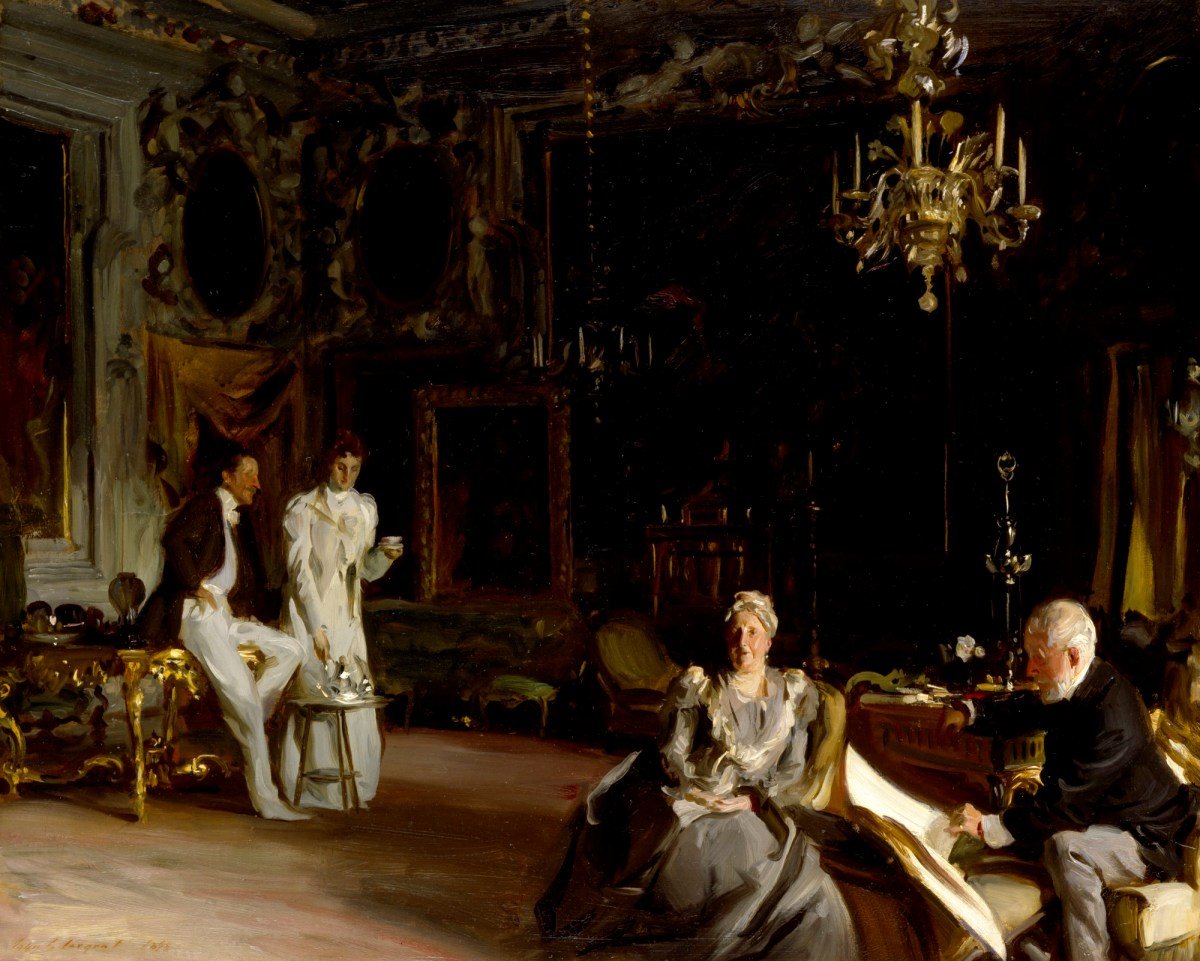
John Singer Sargent — An Interior in Venice (1898)
Painted inside Palazzo Barbaro, this group portrait of the Curtis family is the most iconic image associated with the palazzo’s late 19th-century social life.
Palazzo Barbaro Wolkoff
The adjacent Palazzo Barbaro Wolkoff takes its name from later Russian ownership in the 19th century. While it is less frequently discussed in English-language literature, it forms an integral part of the paired canal-front presence known as the Palazzi Barbaro and shares much of the same architectural and historical context.
Upper Levels and Later Adaptations
As with many Venetian palazzi, the upper levels were adapted later to make use of attic space. Above the roofline sits an altana, a raised wooden rooftop platform characteristic of Venice. Historically used for practical purposes such as air and light, altane later became valued as outdoor spaces. Today, they are relatively uncommon, particularly on Grand Canal buildings, due to structural constraints and preservation regulations.
See the all the lisitings photos, photos courtesy of the listing agency.
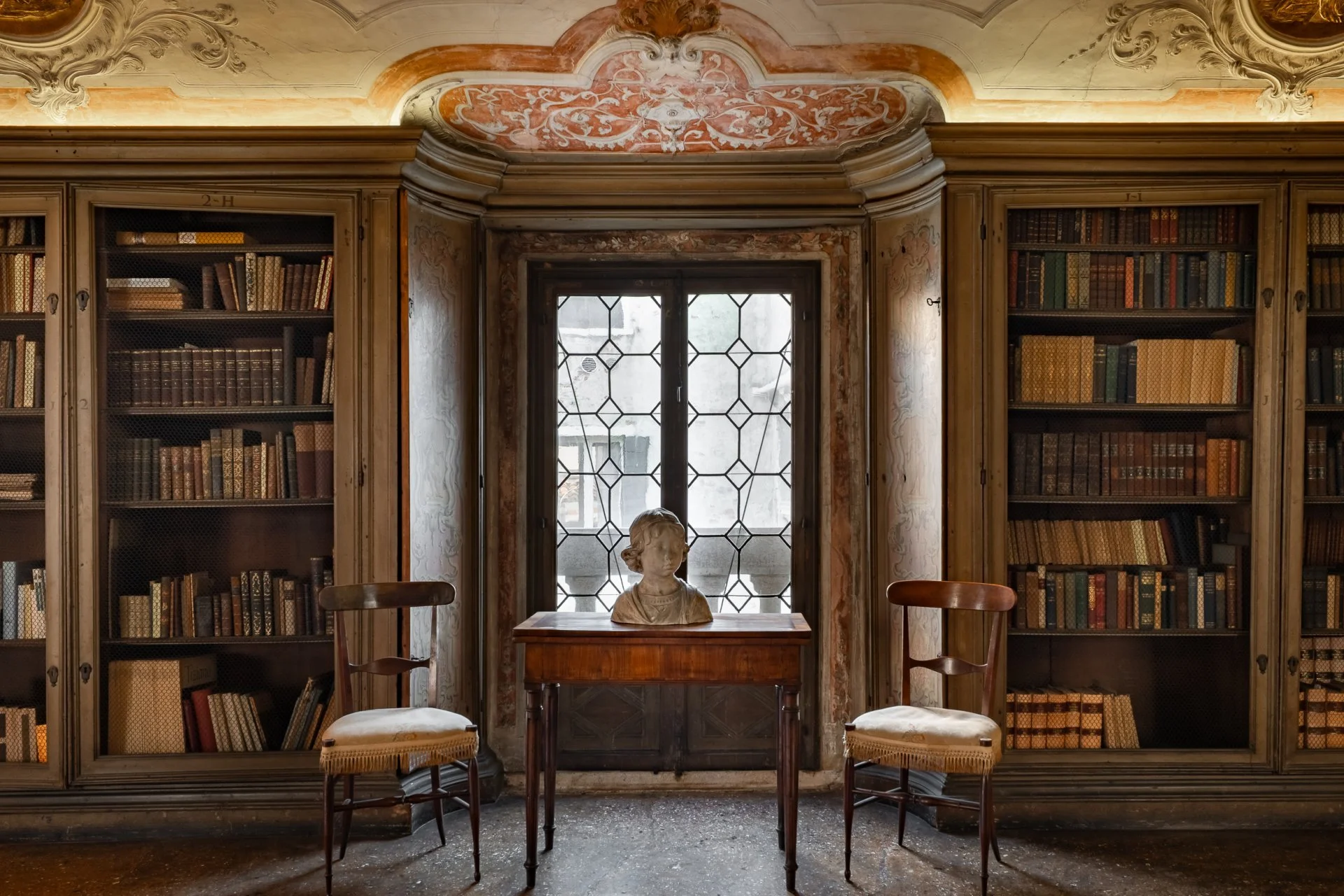
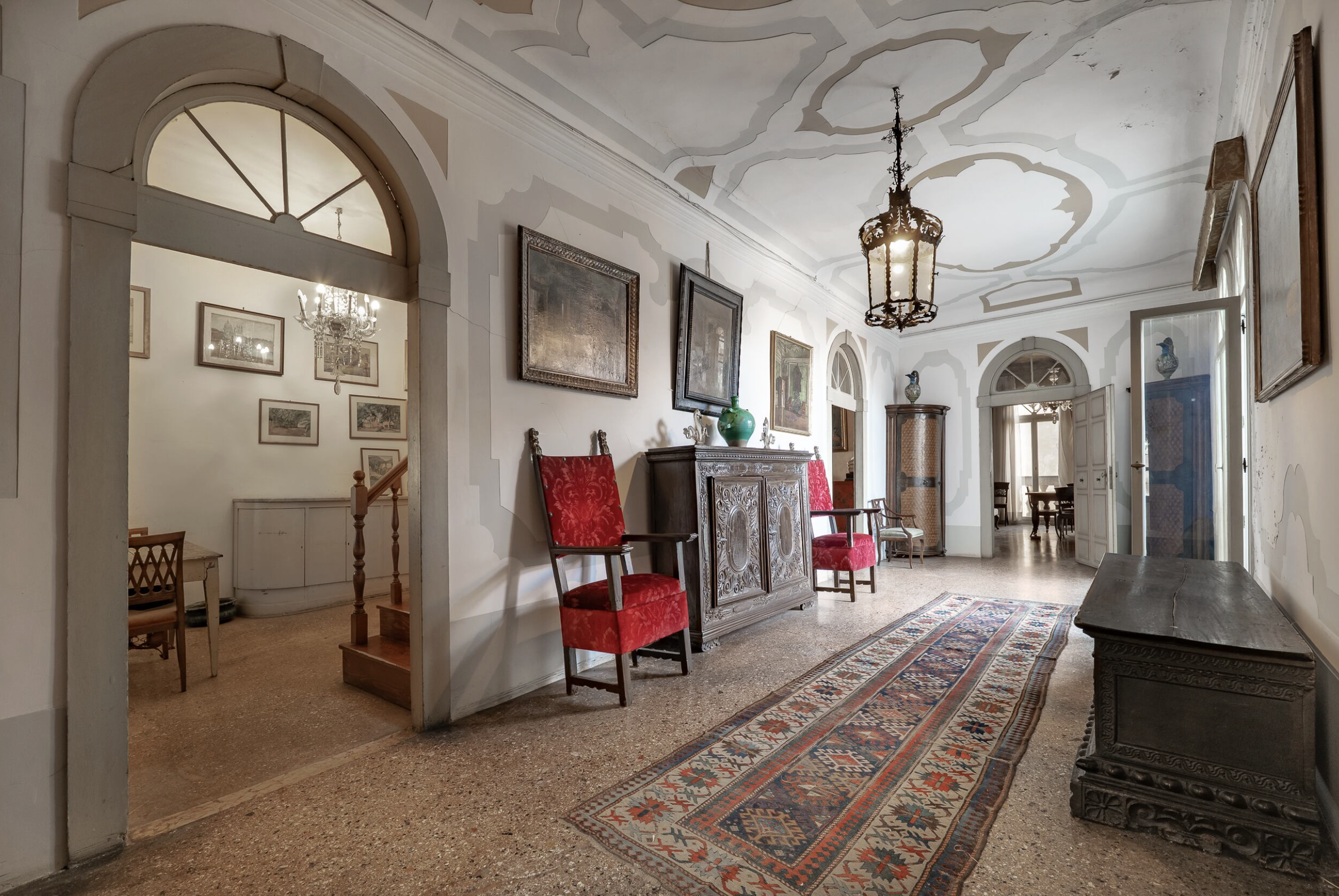
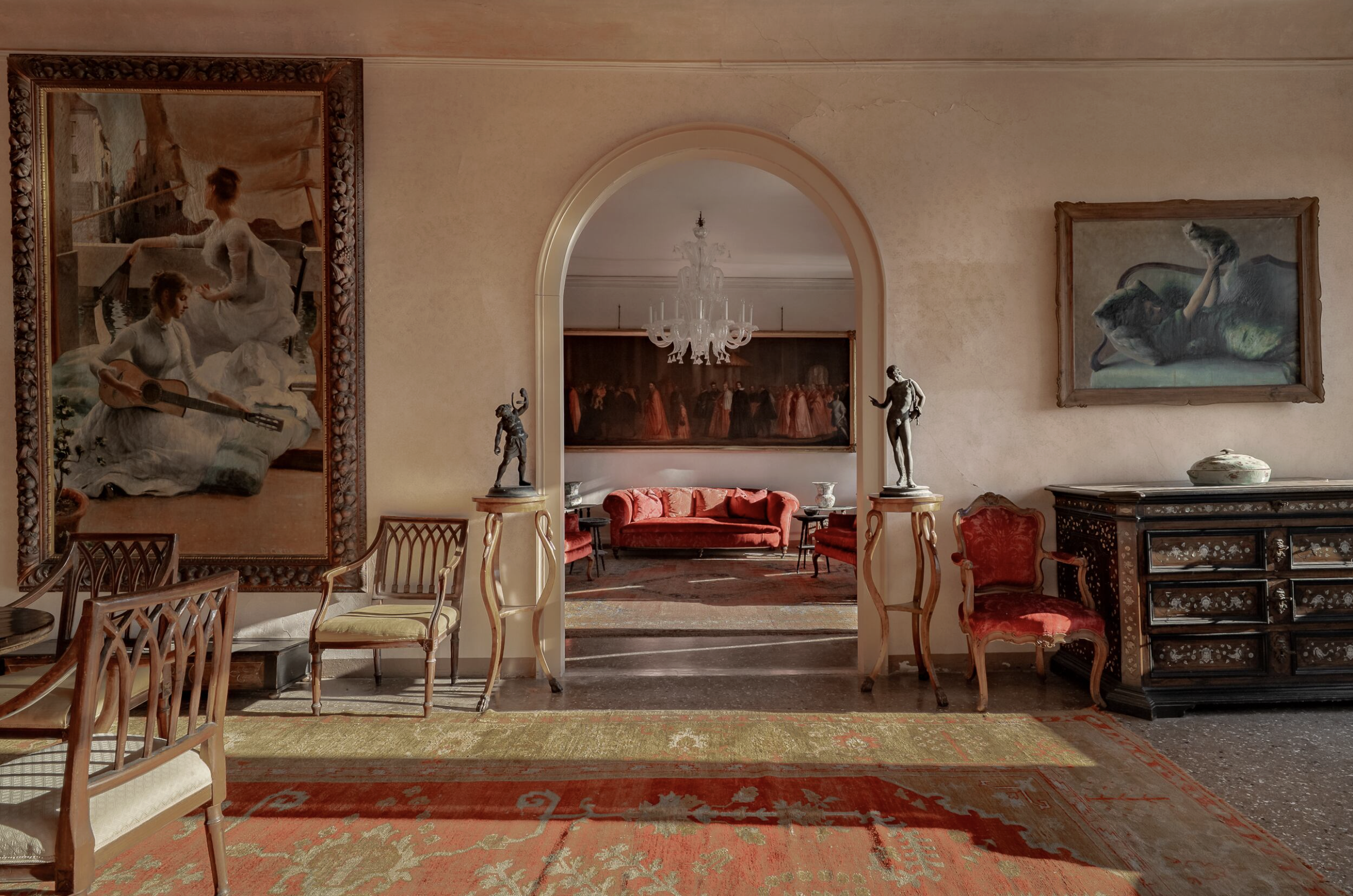
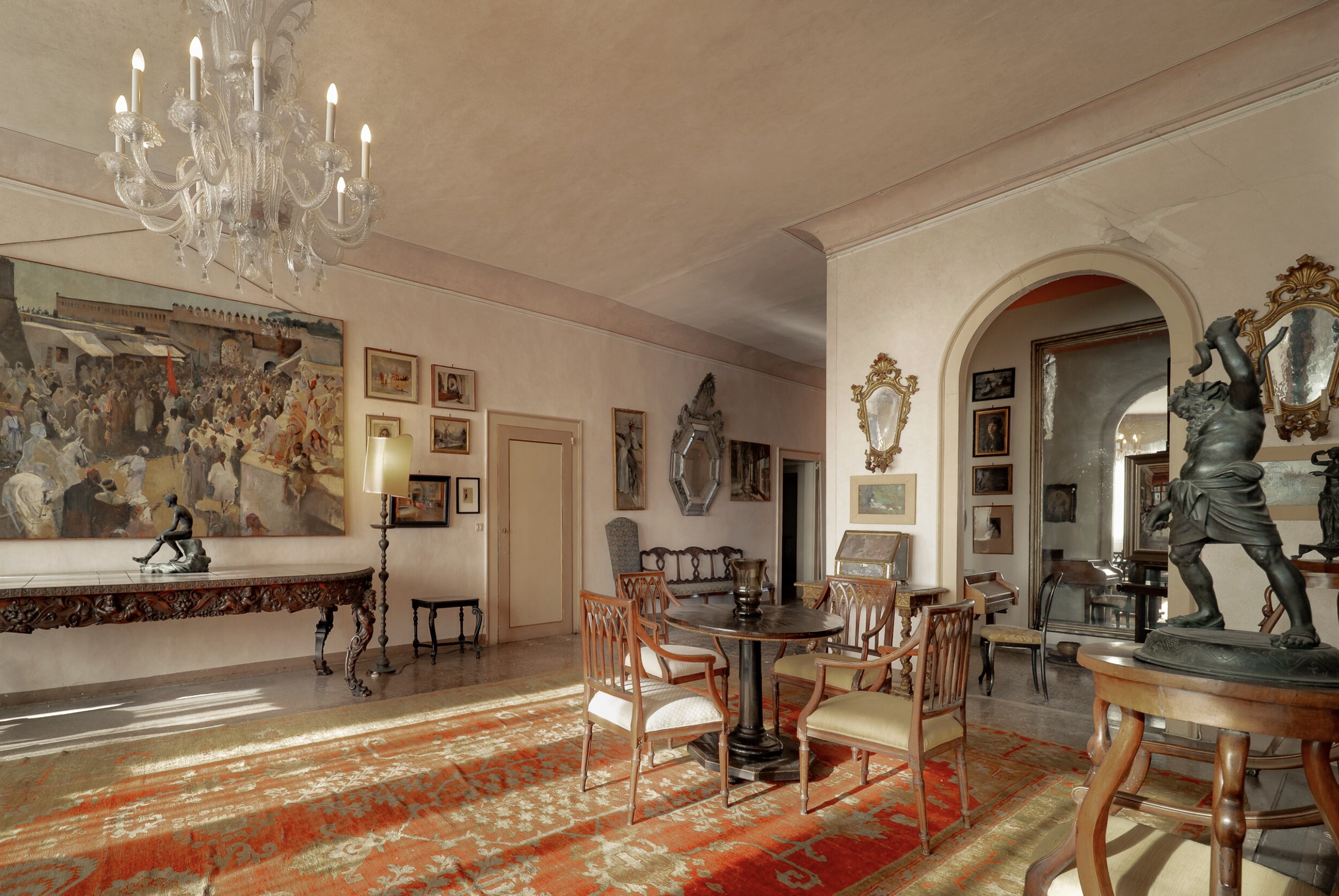
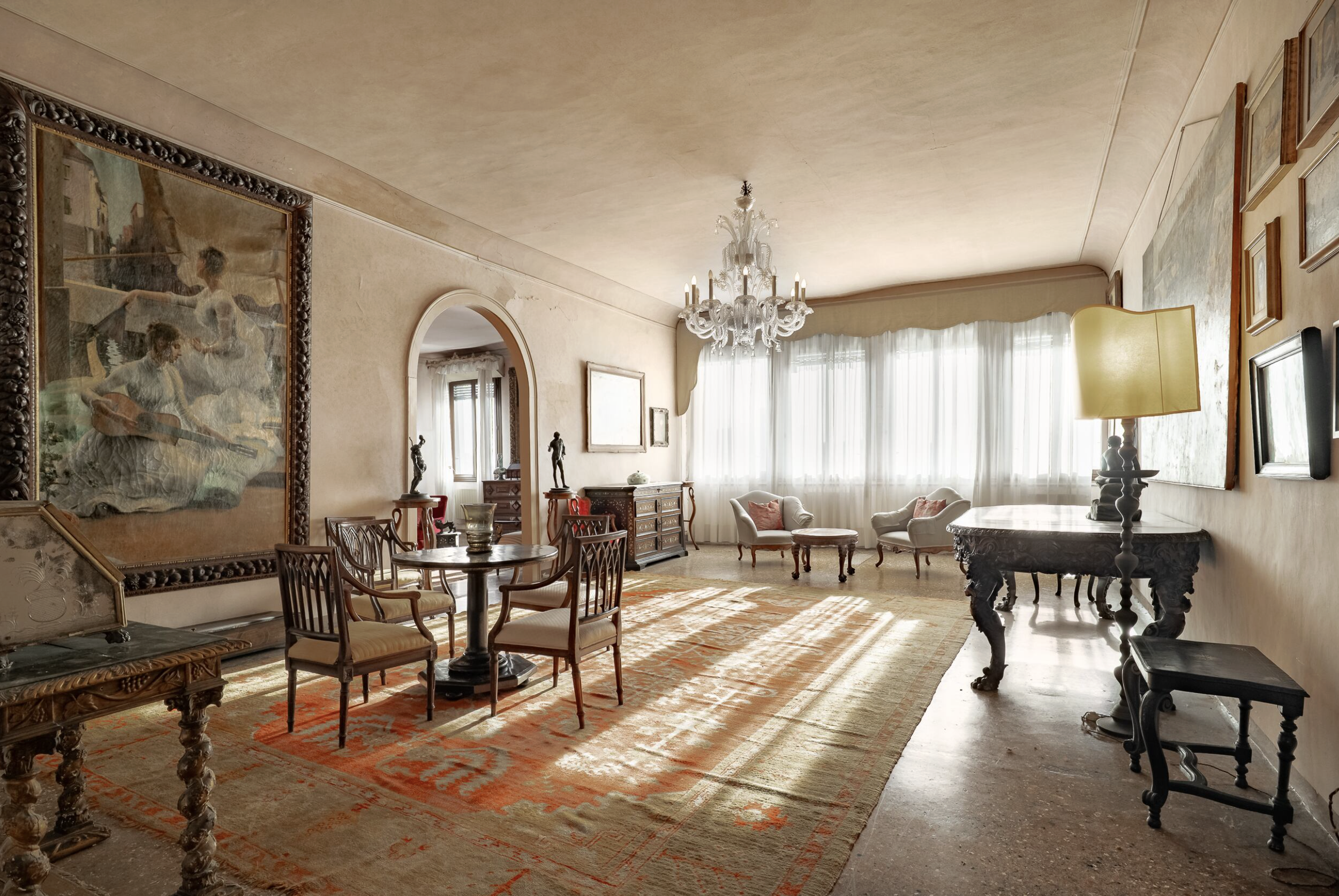
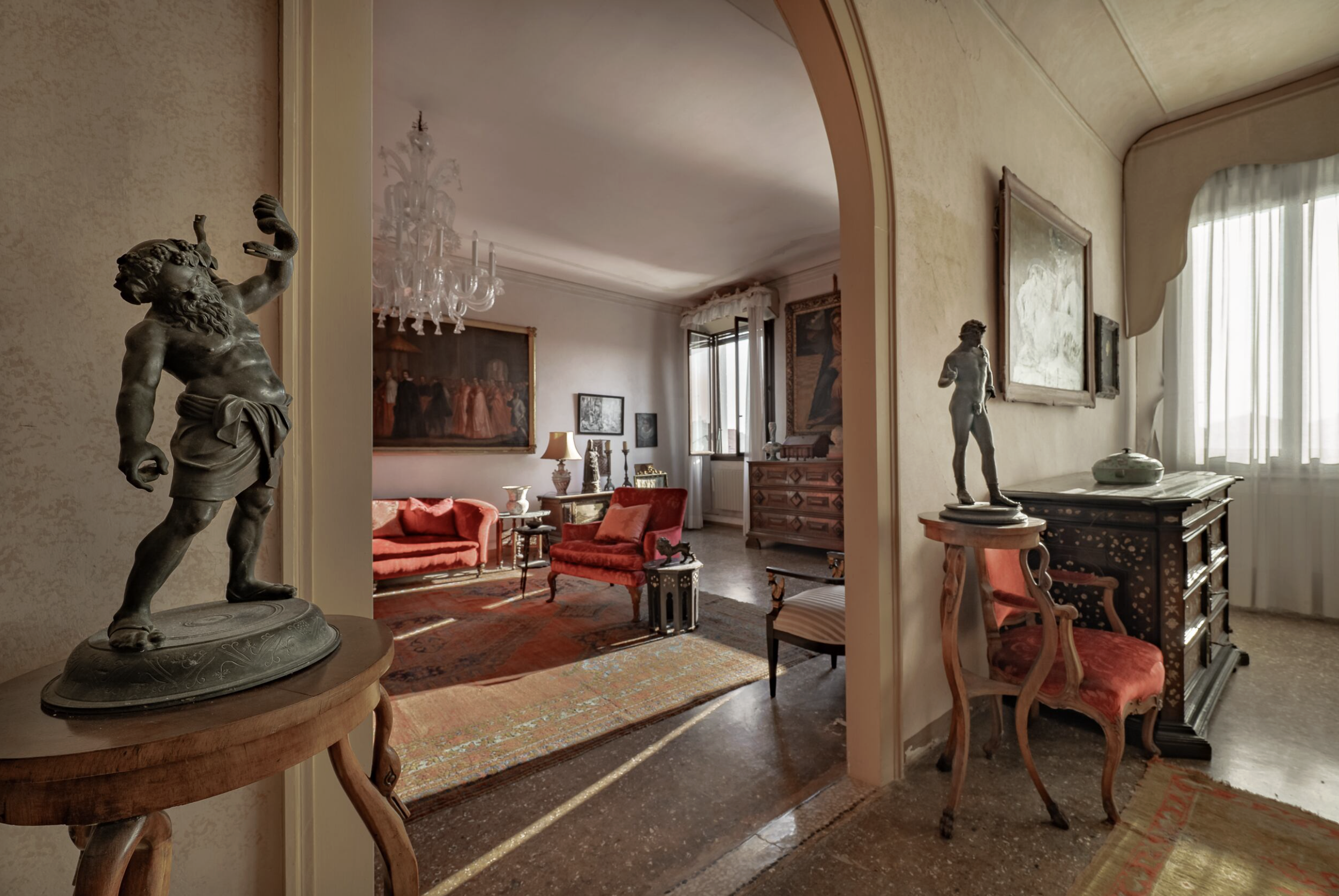
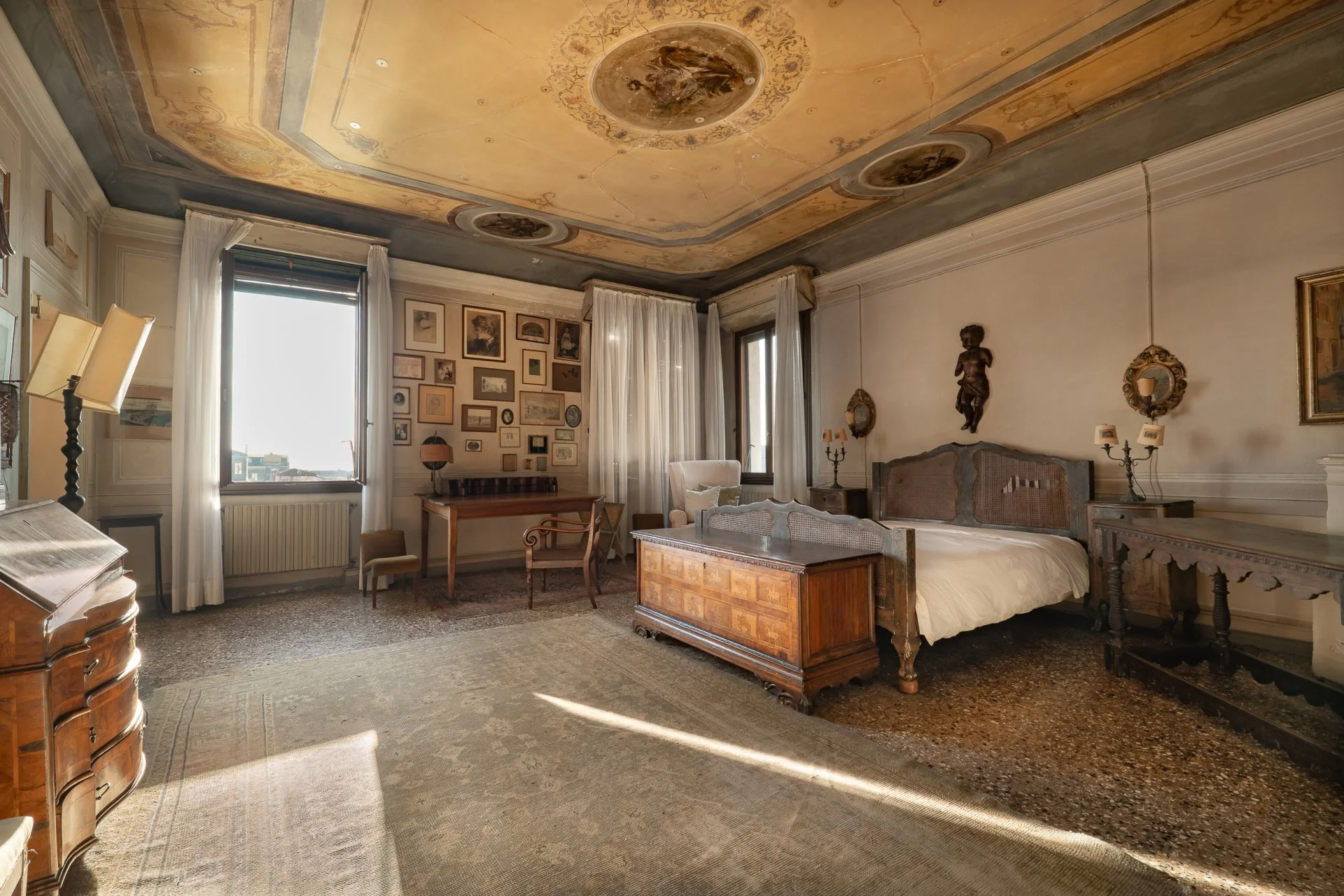
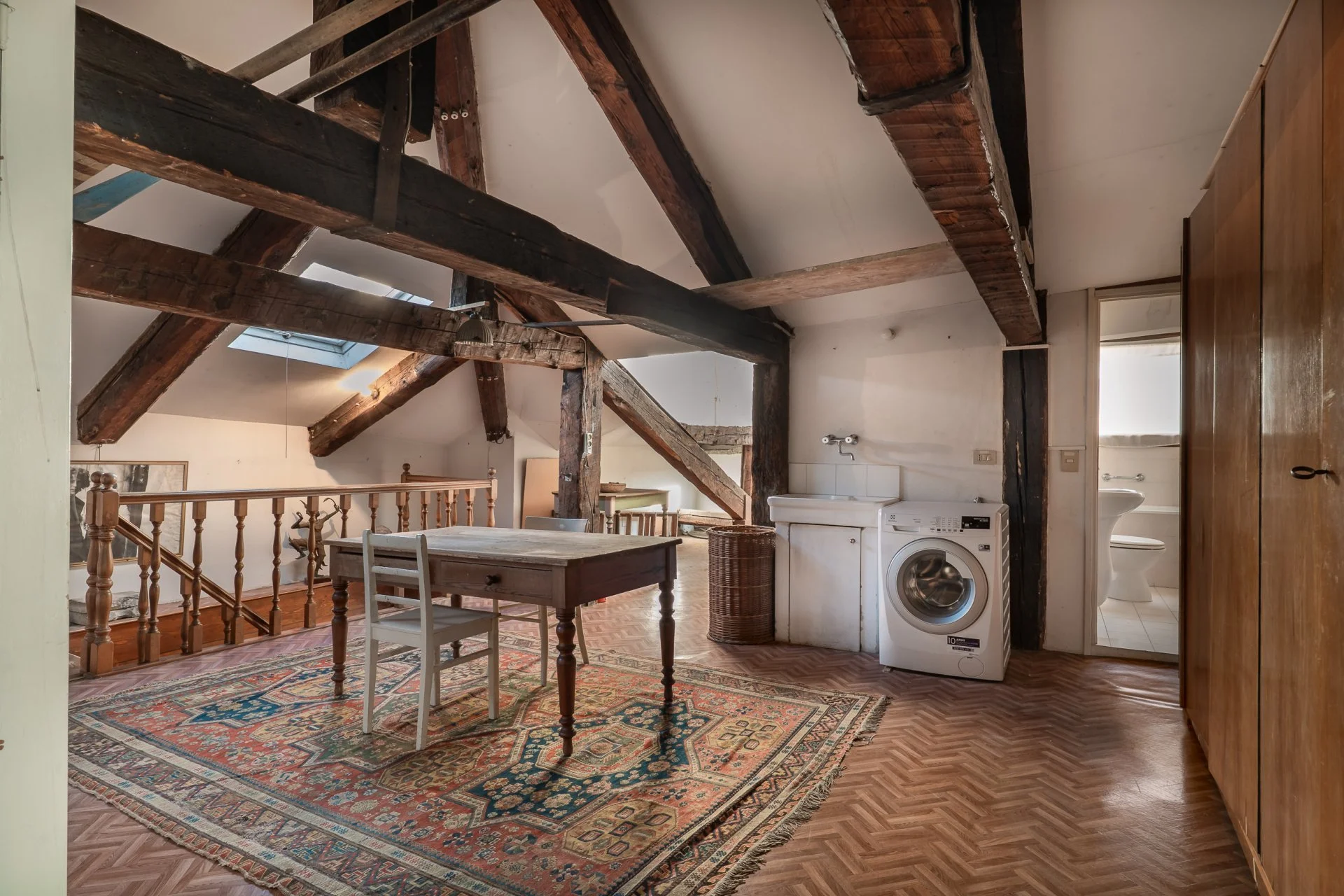
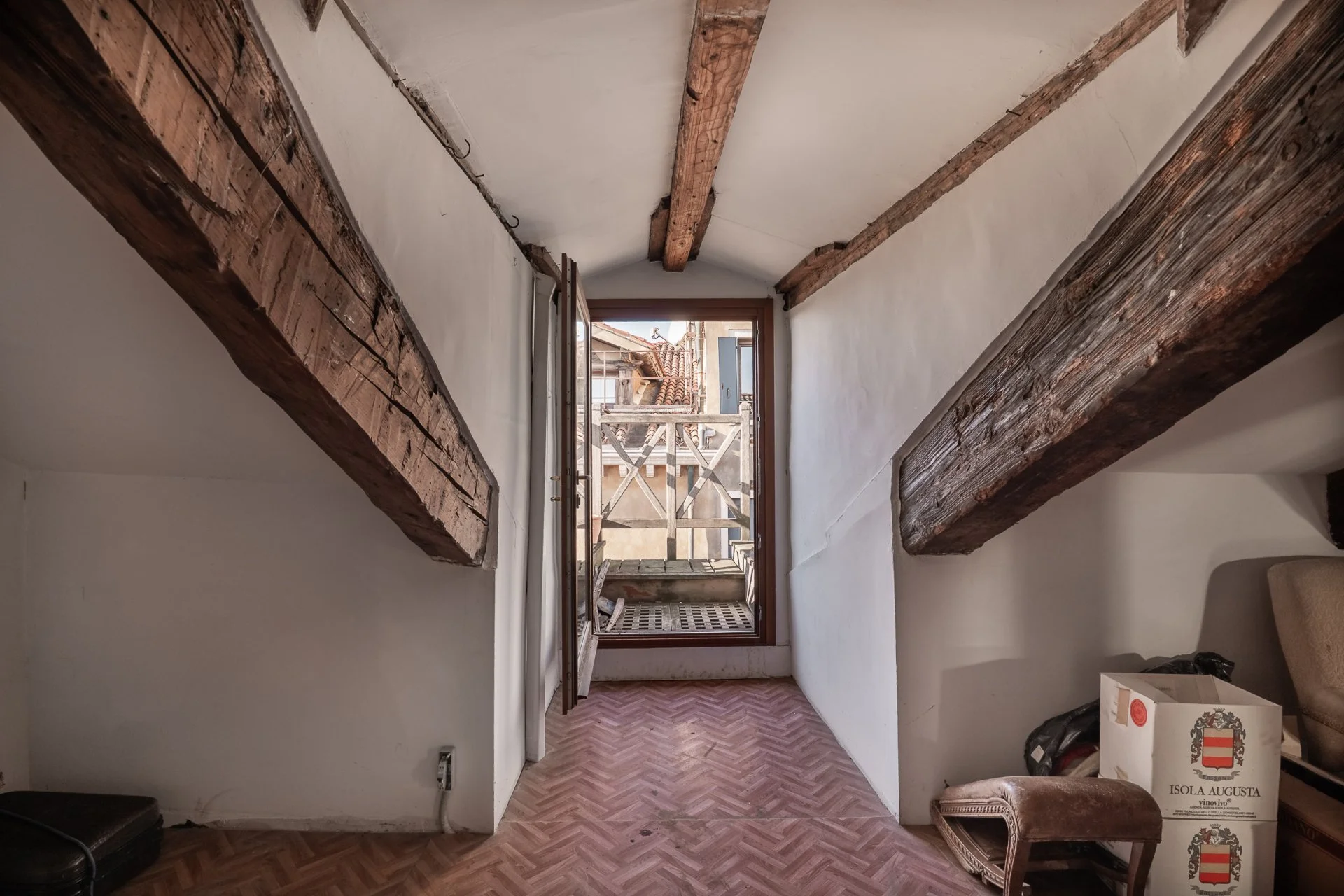
All photos belong to the listing agency.