This $20 Million Home Is Older Than the United States

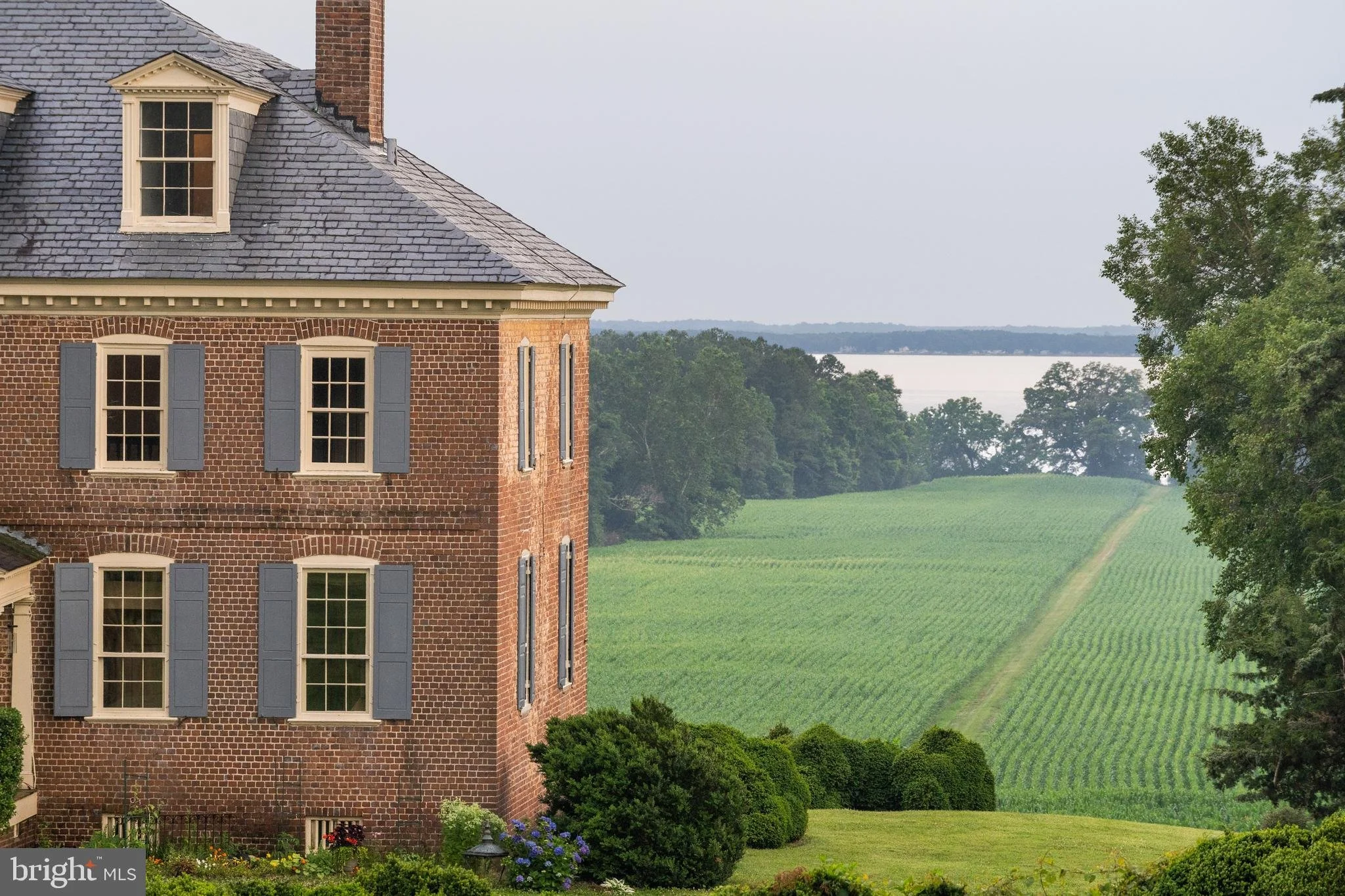
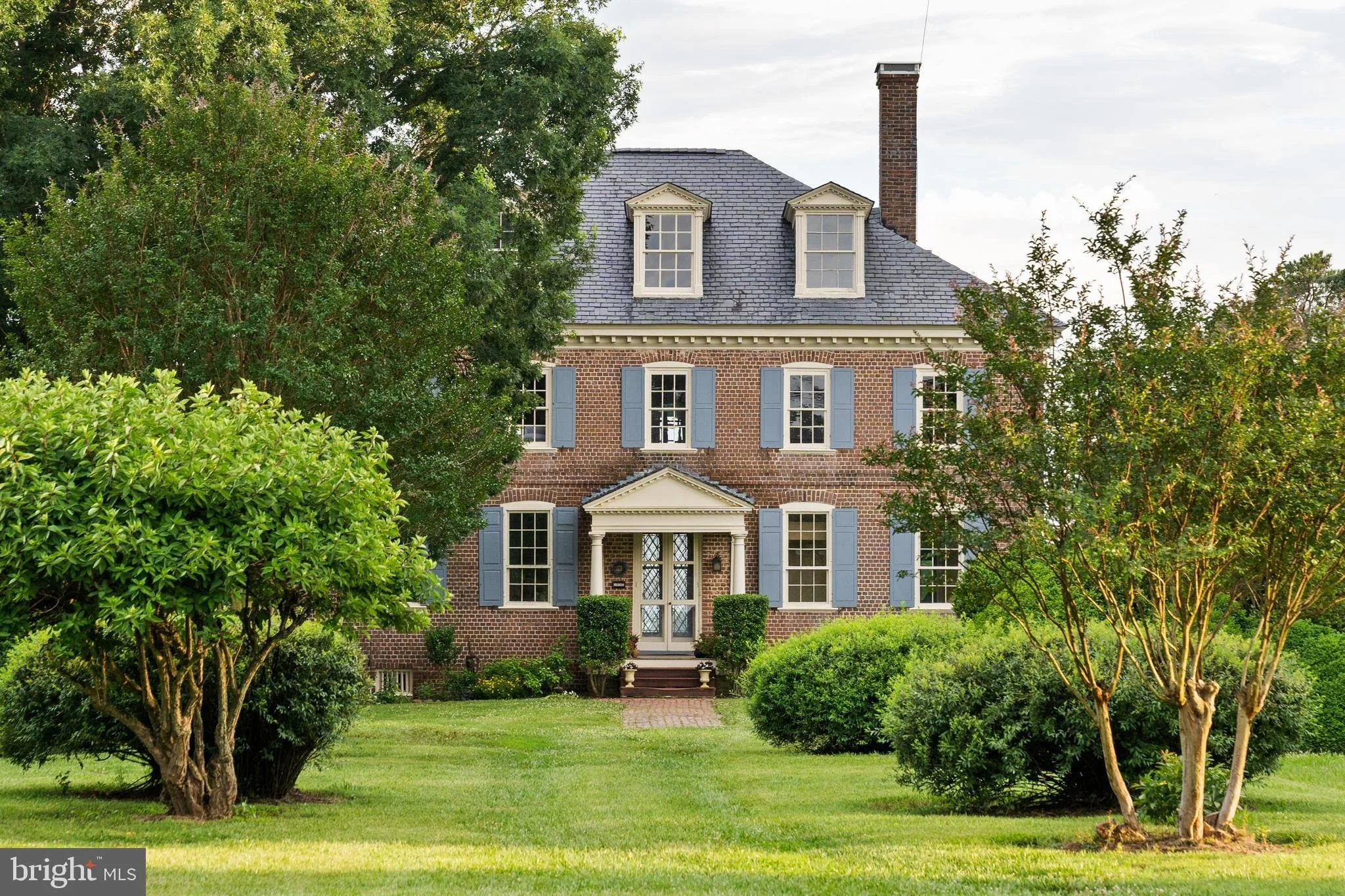
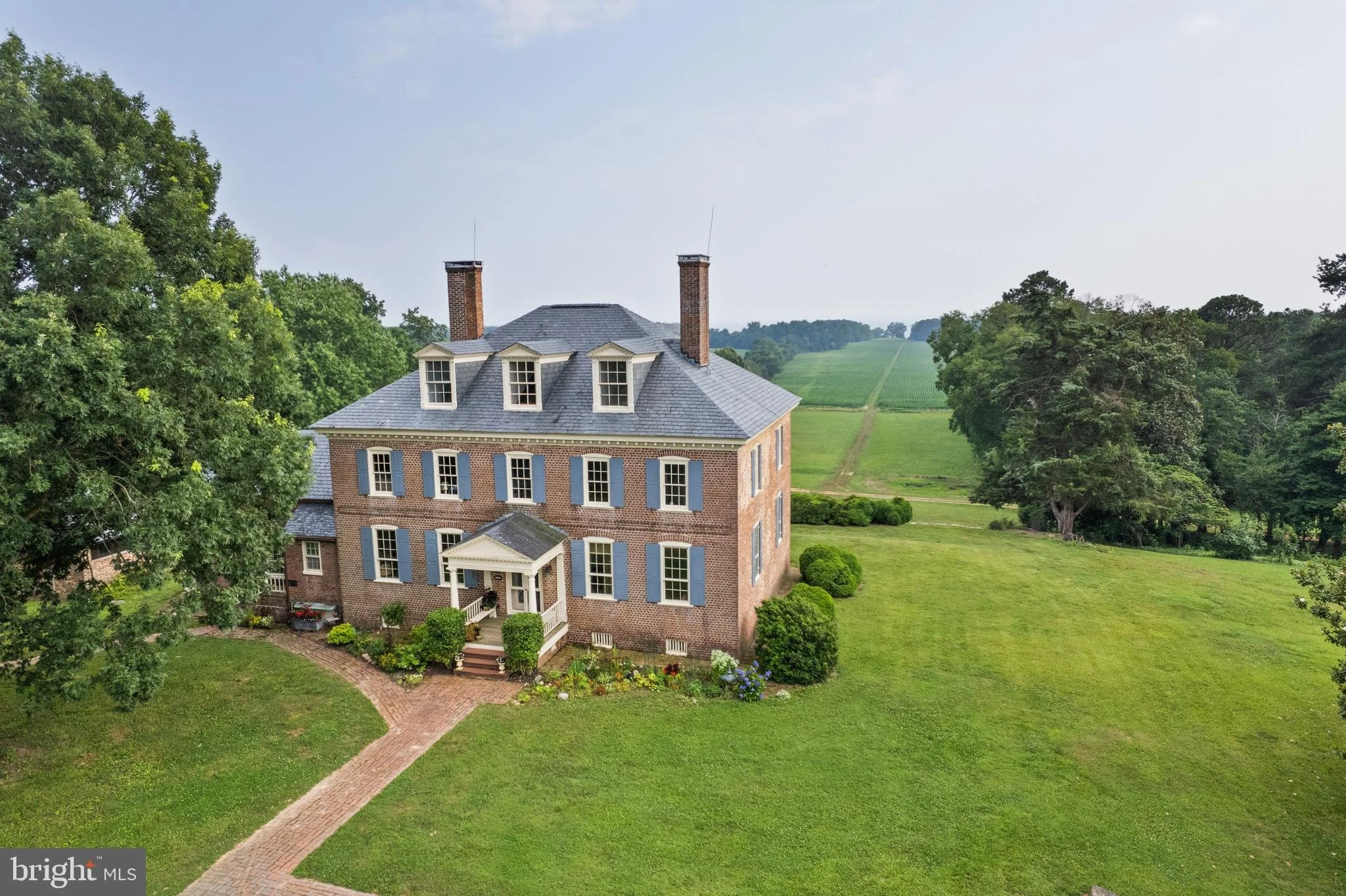
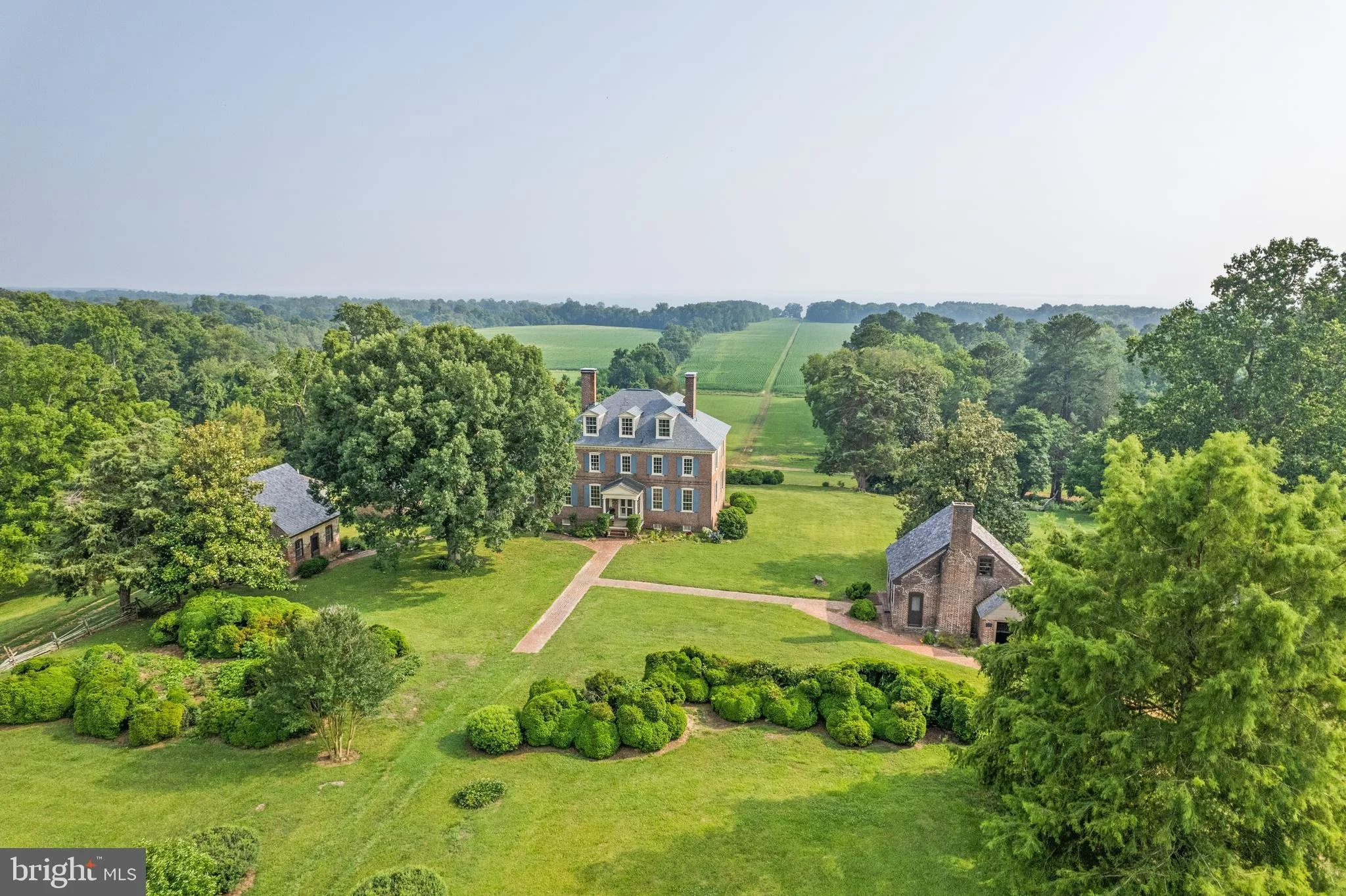
Overlooking the Potomac River in Maryland, Mulberry Fields is a riverfront estate built around 1755, more than two decades before American independence. Located near Leonardtown, the nearly 500-acre property is currently offered for sale at approximately $20 million, represented with Long & Foster Real Estate. It is the only surviving Georgian “mansion-type” house in the county and remains one of the most intact colonial-era properties in the historic Chesapeake Bay region, where river estates once anchored Maryland’s early agricultural economy.
Despite its rural setting, the estate lies approximately 75 minutes from Washington, DC, placing it within reach of the capital while remaining physically and historically removed from urban development.
Origins and Early History
Mulberry Fields was built for Daniel Jenifer, a member of a prominent colonial Maryland family with substantial landholdings in southern Maryland. The house functioned as the principal residence of a working plantation used for agriculture, including tobacco cultivation. Its position along the Potomac River historically provided direct access to river-based transportation routes for agricultural goods moving through the region.
The estate was listed on the National Register of Historic Places in 1973. Historic and conservation easements now govern the site, limiting development and alterations to significant buildings while safeguarding both the house and its surrounding landscape.
Architecture
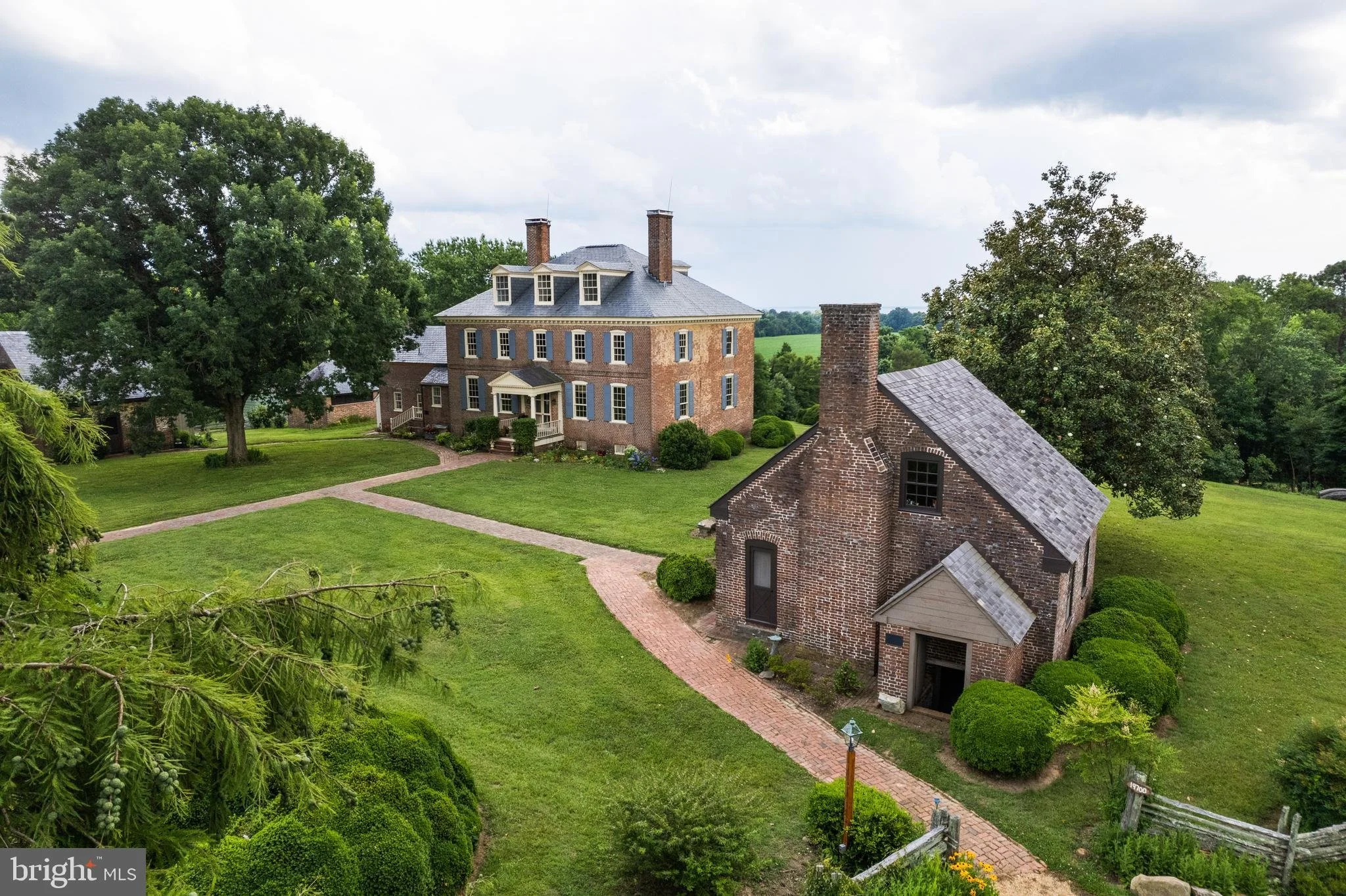
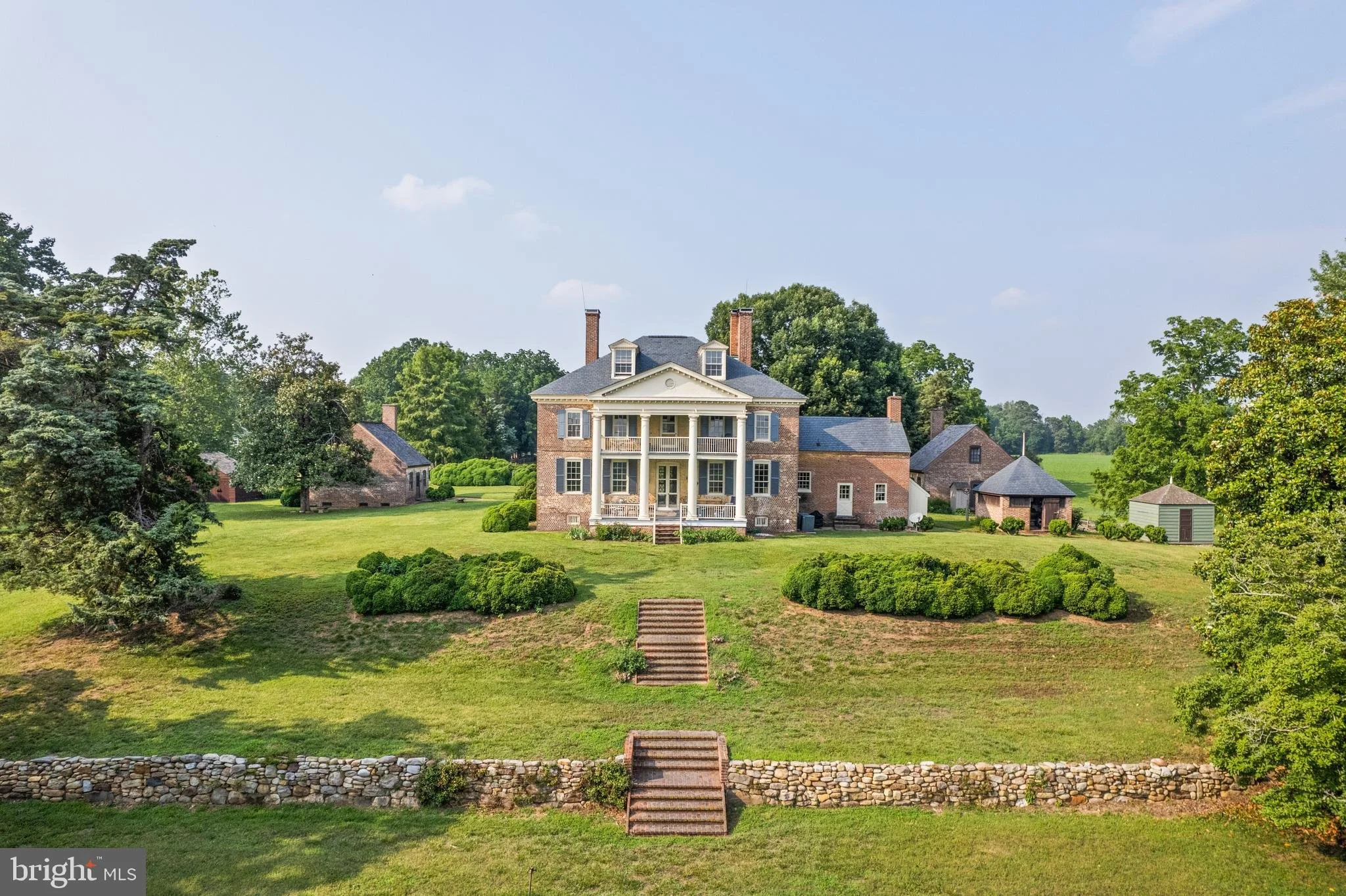
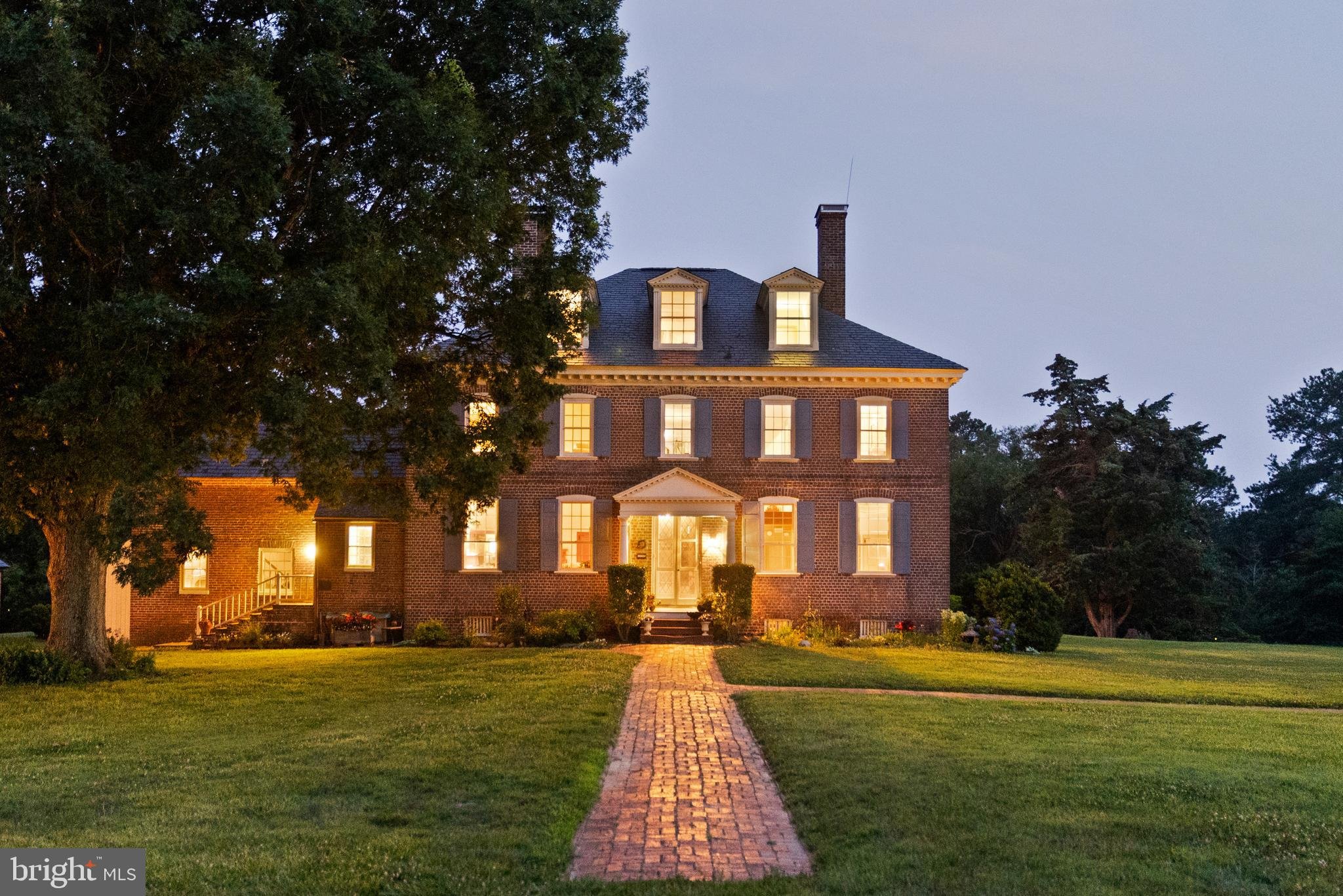
Mulberry Fields is the only surviving Georgian mansion-type house in the county, a distinction that underscores both its rarity and level of preservation. The main residence is a substantial brick structure designed as a Georgian plantation estate, defined by a symmetrical five-bay façade and a central hall plan derived from English architectural precedent.
The building contains approximately 13,458 square feet of interior space across multiple levels, with six bedrooms and four full bathrooms plus one half bath. Exterior materials include brick walls and a slate roof.
Interiors
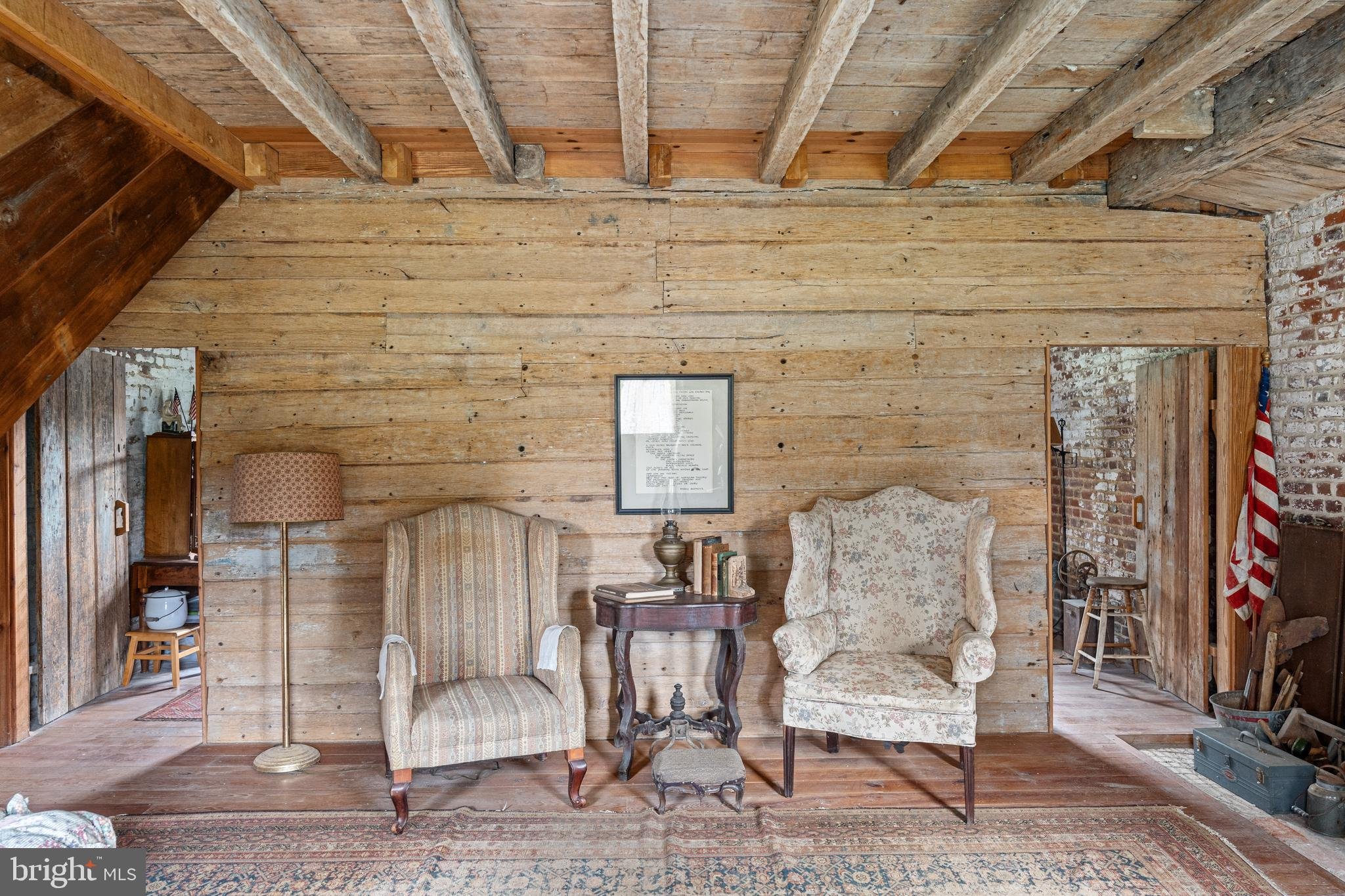
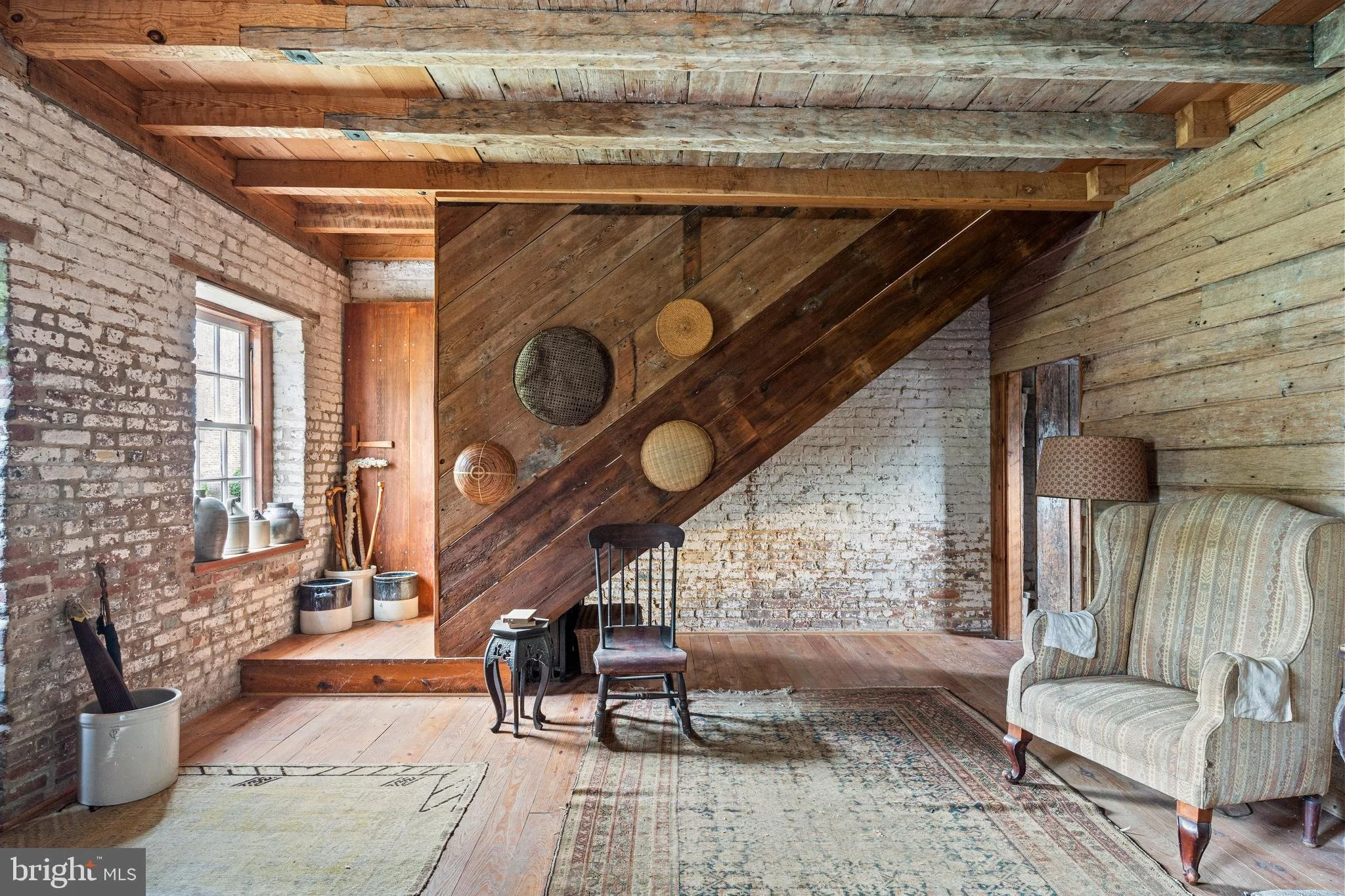
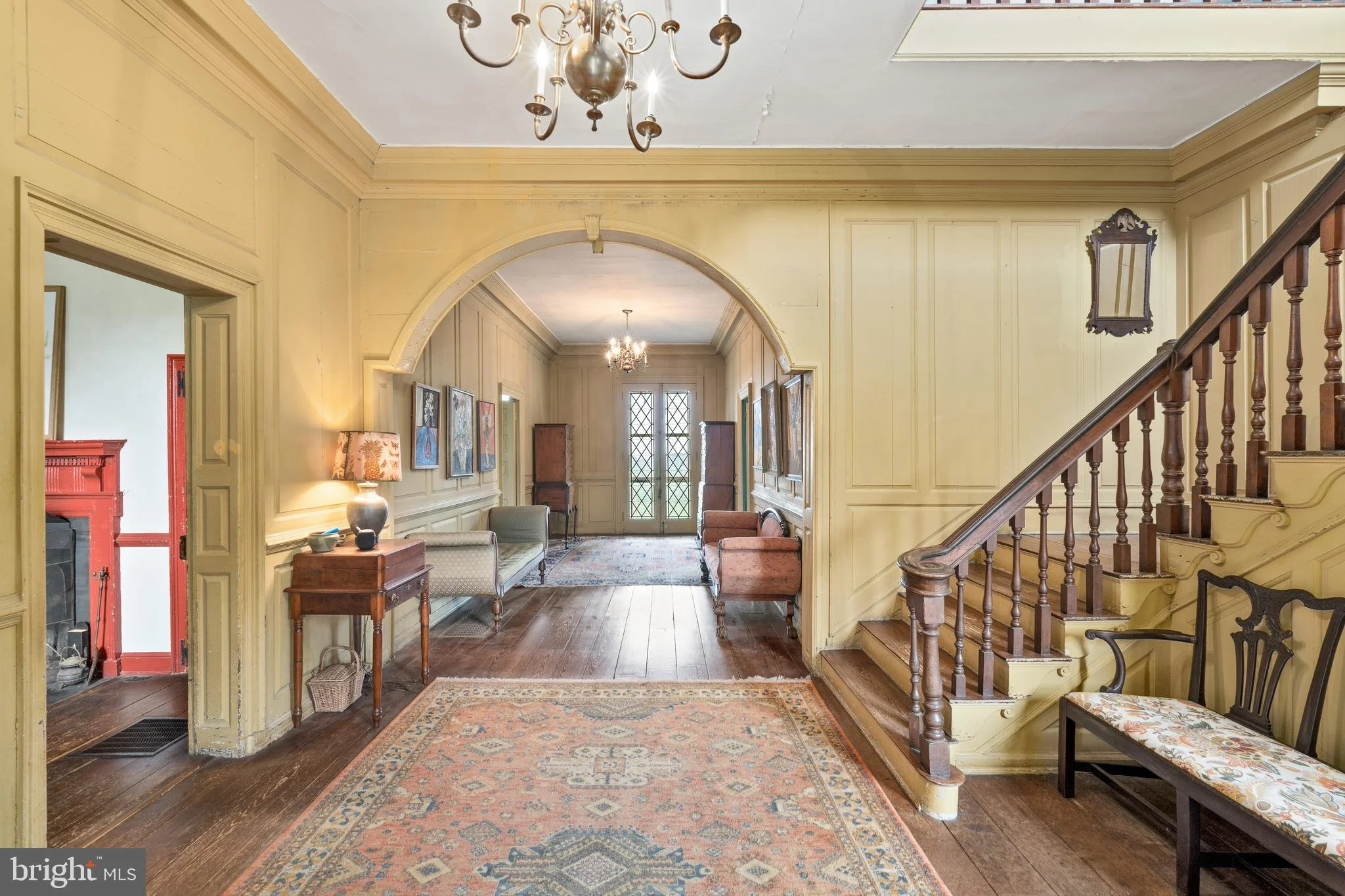
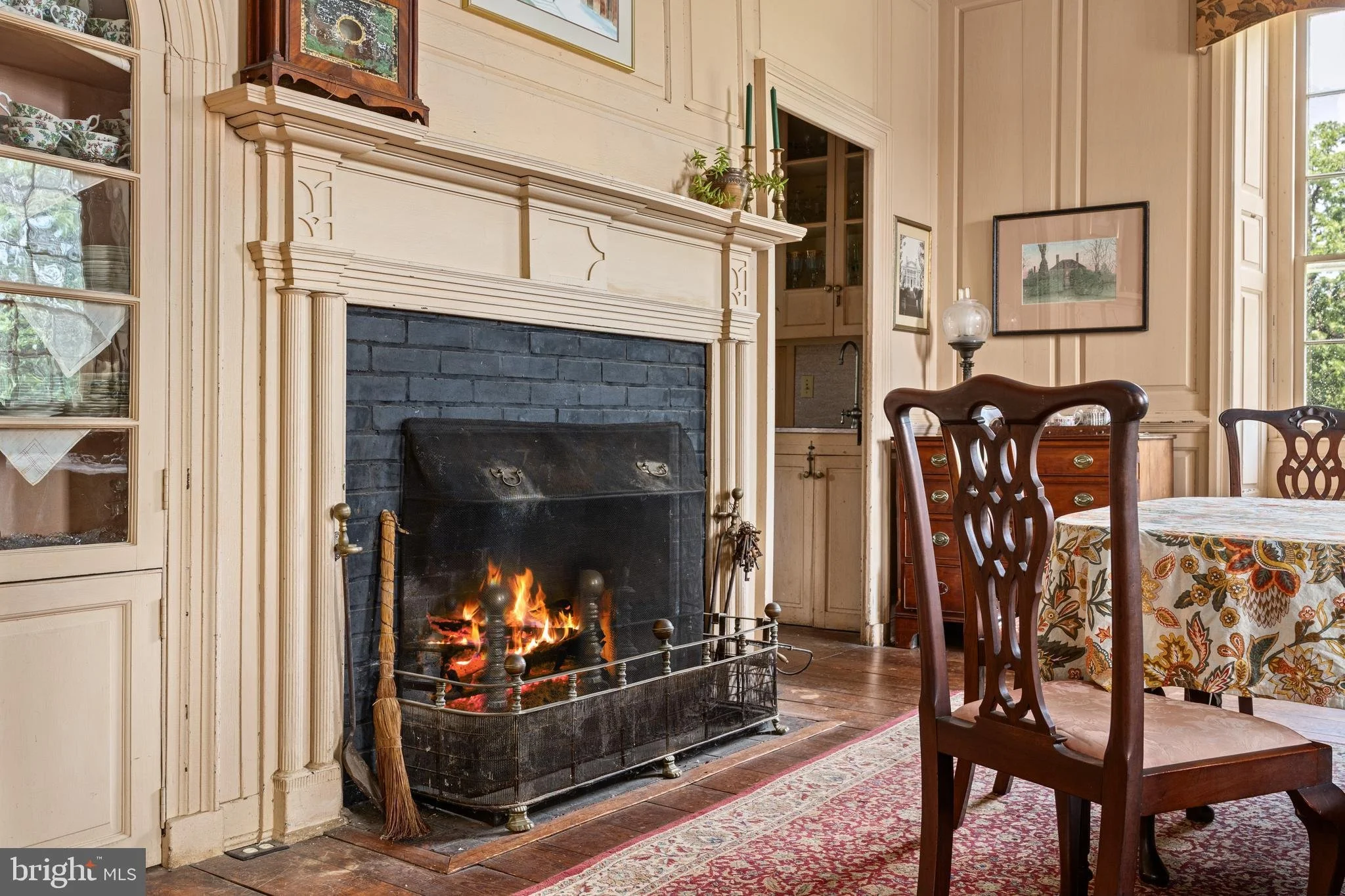
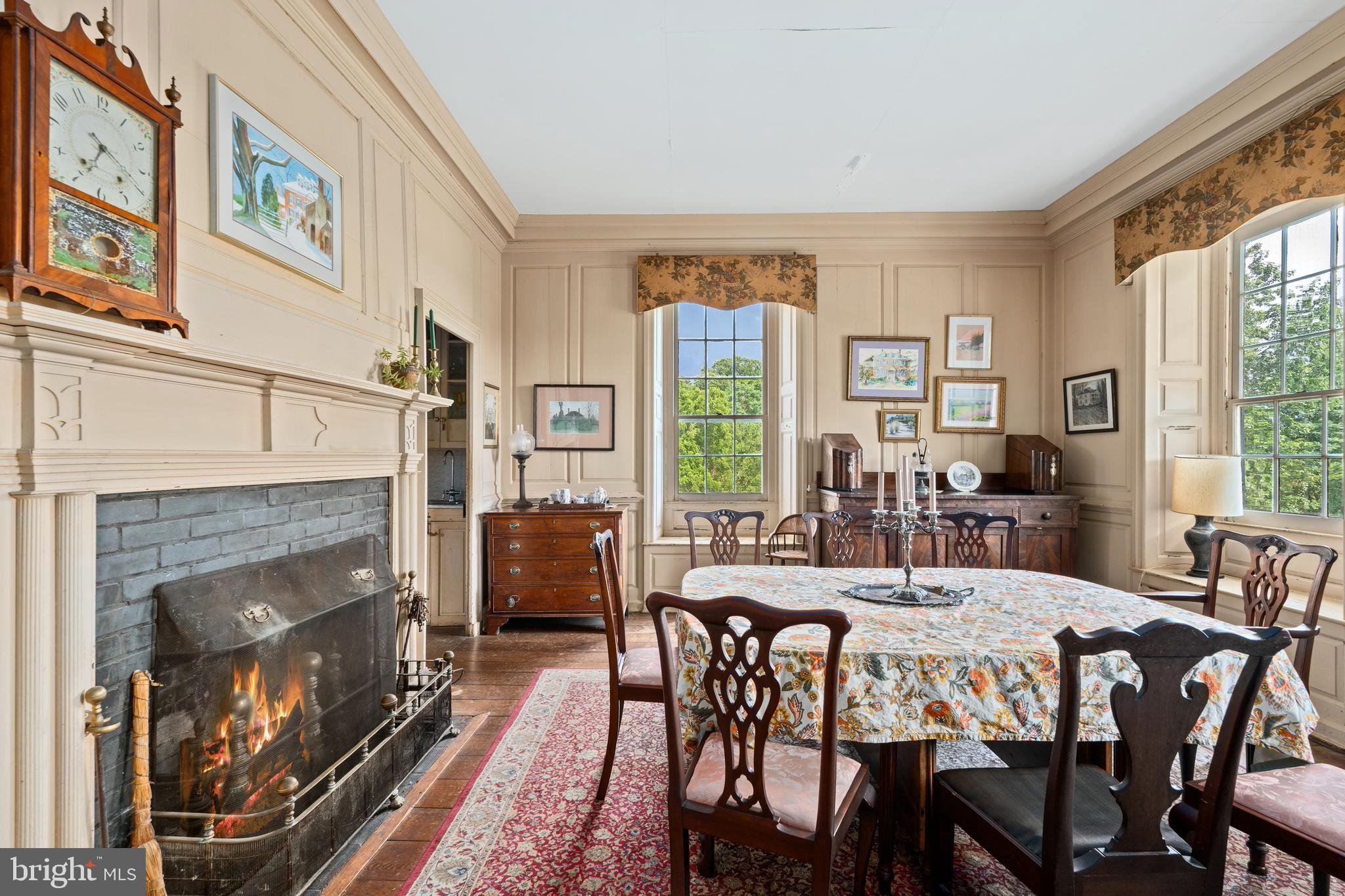
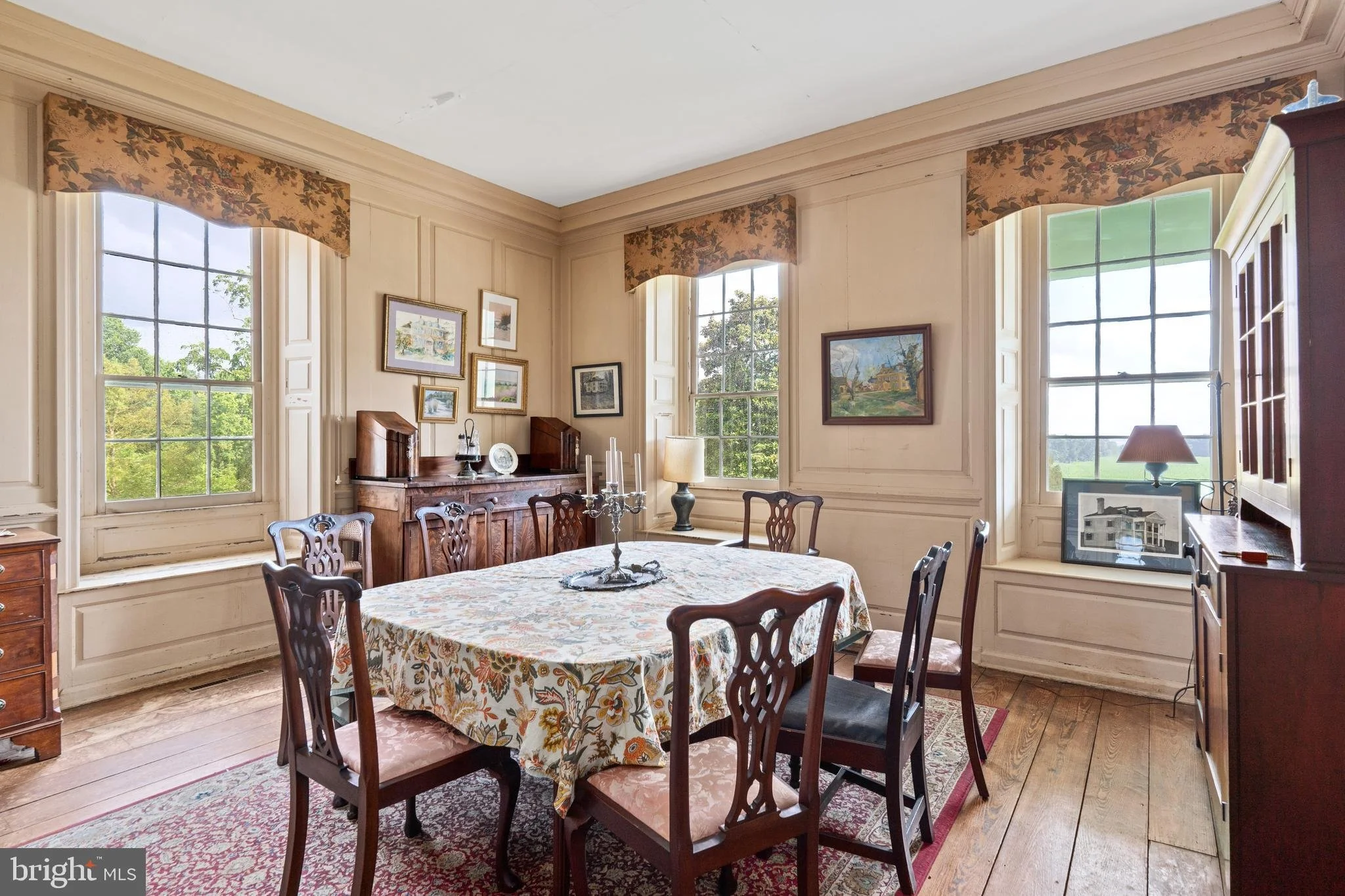
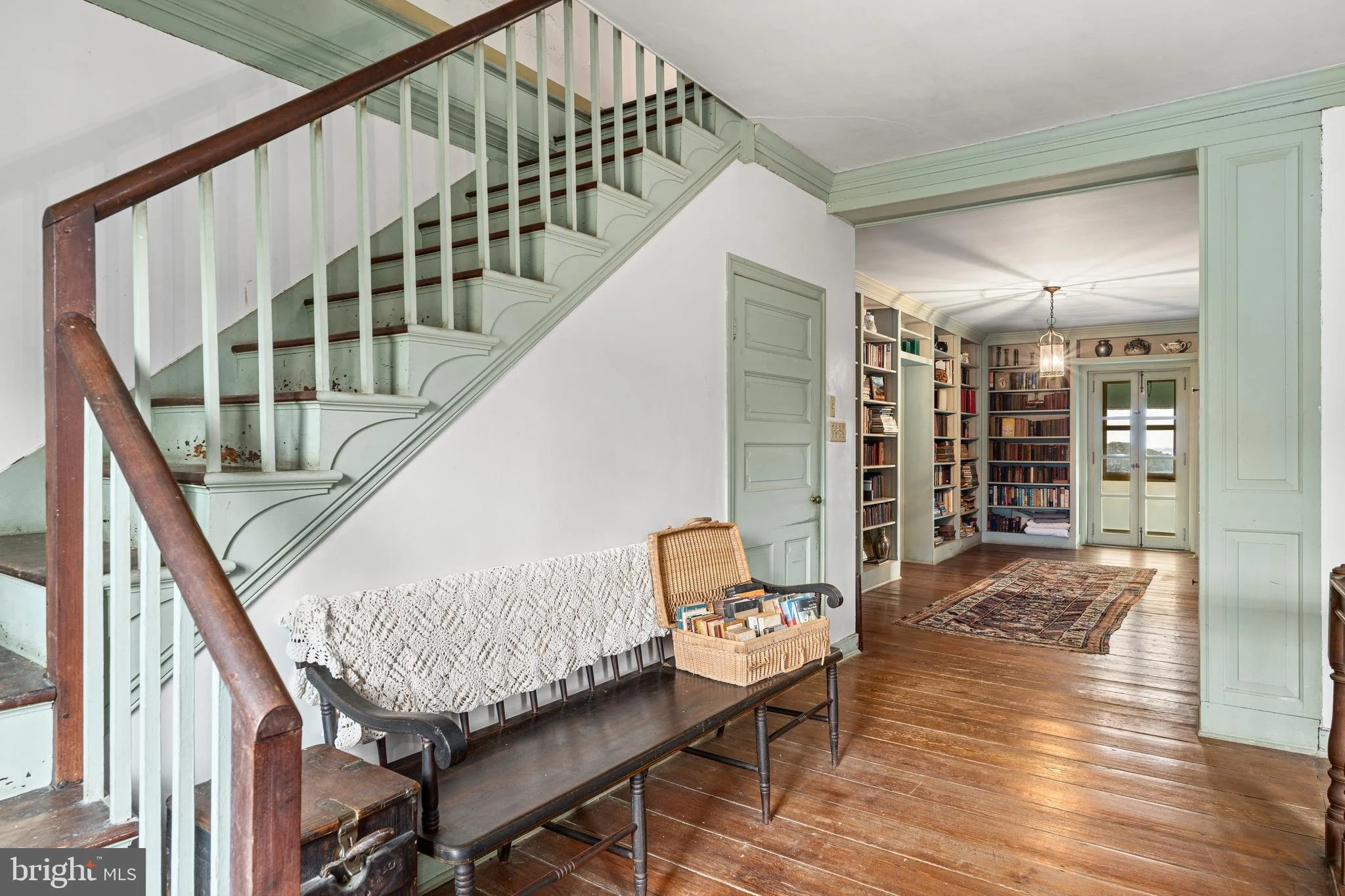
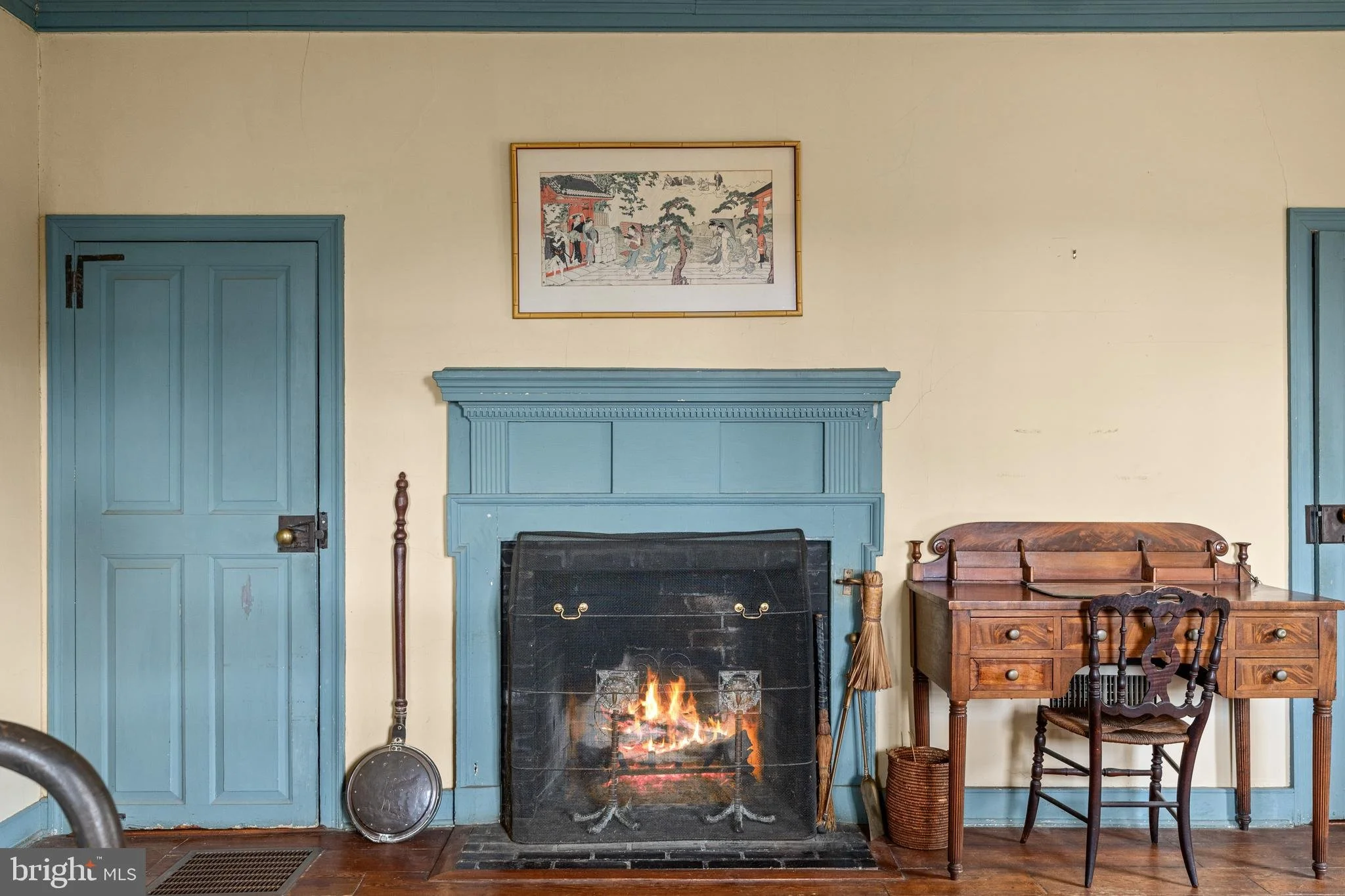
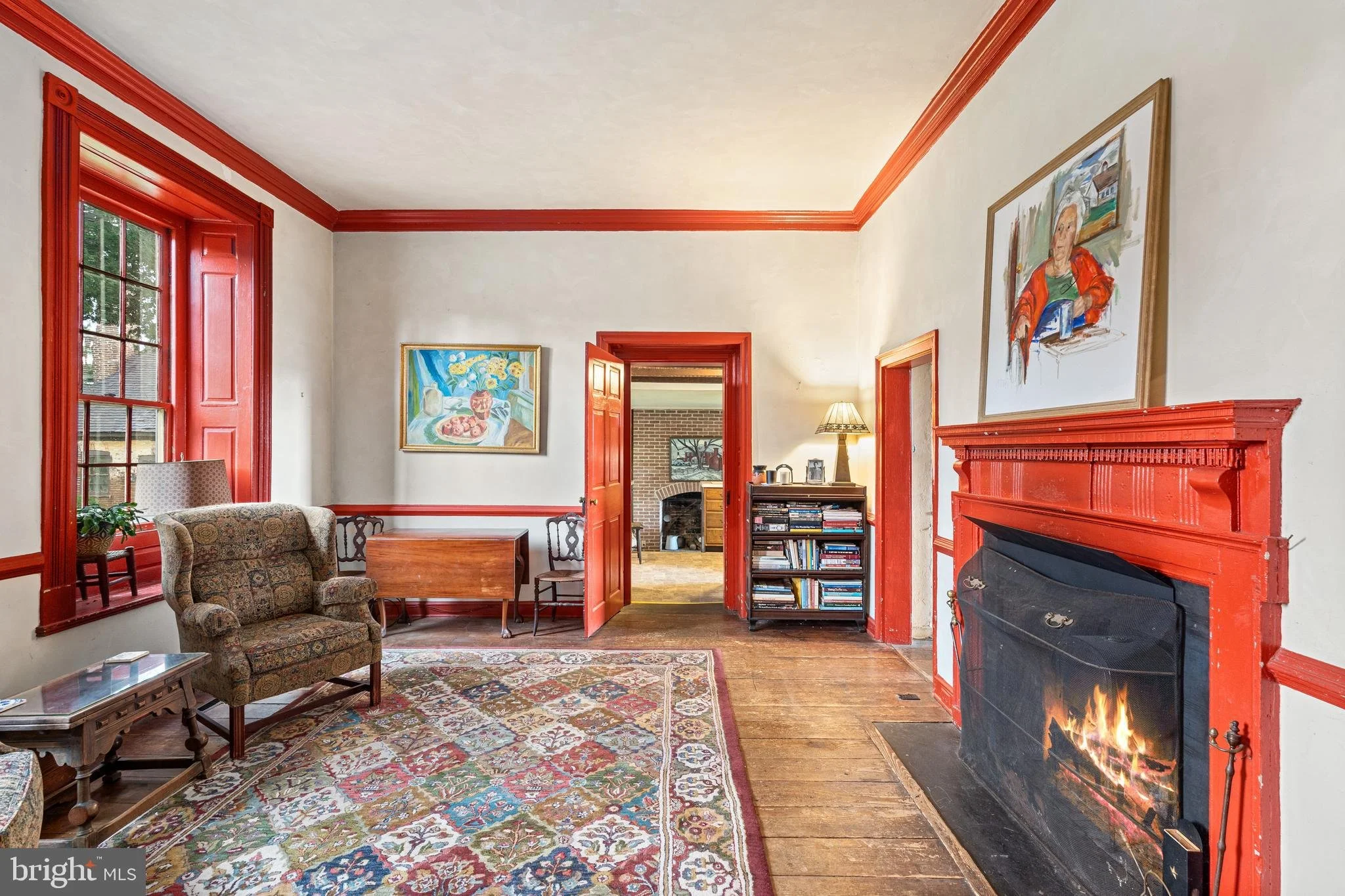
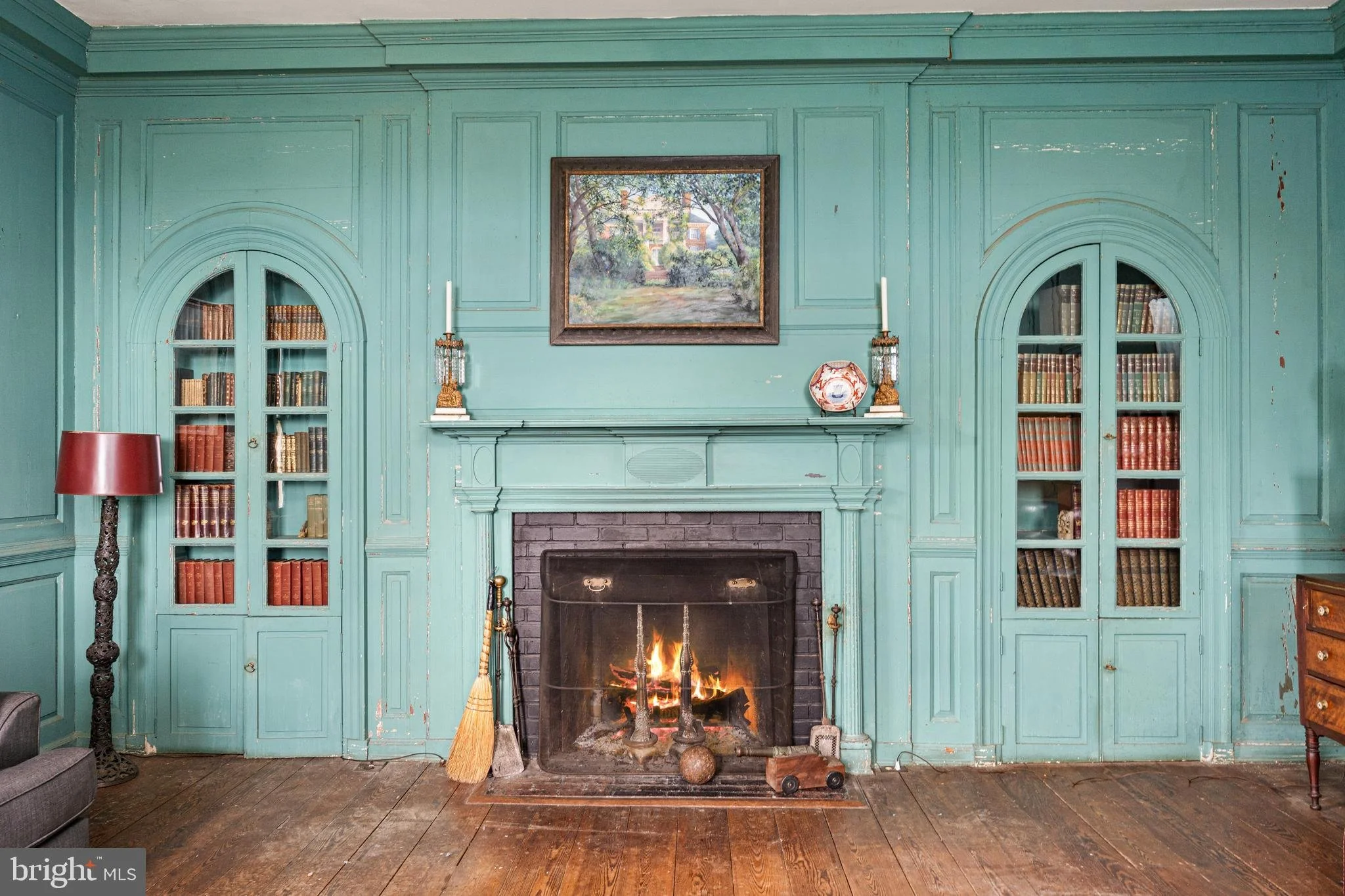
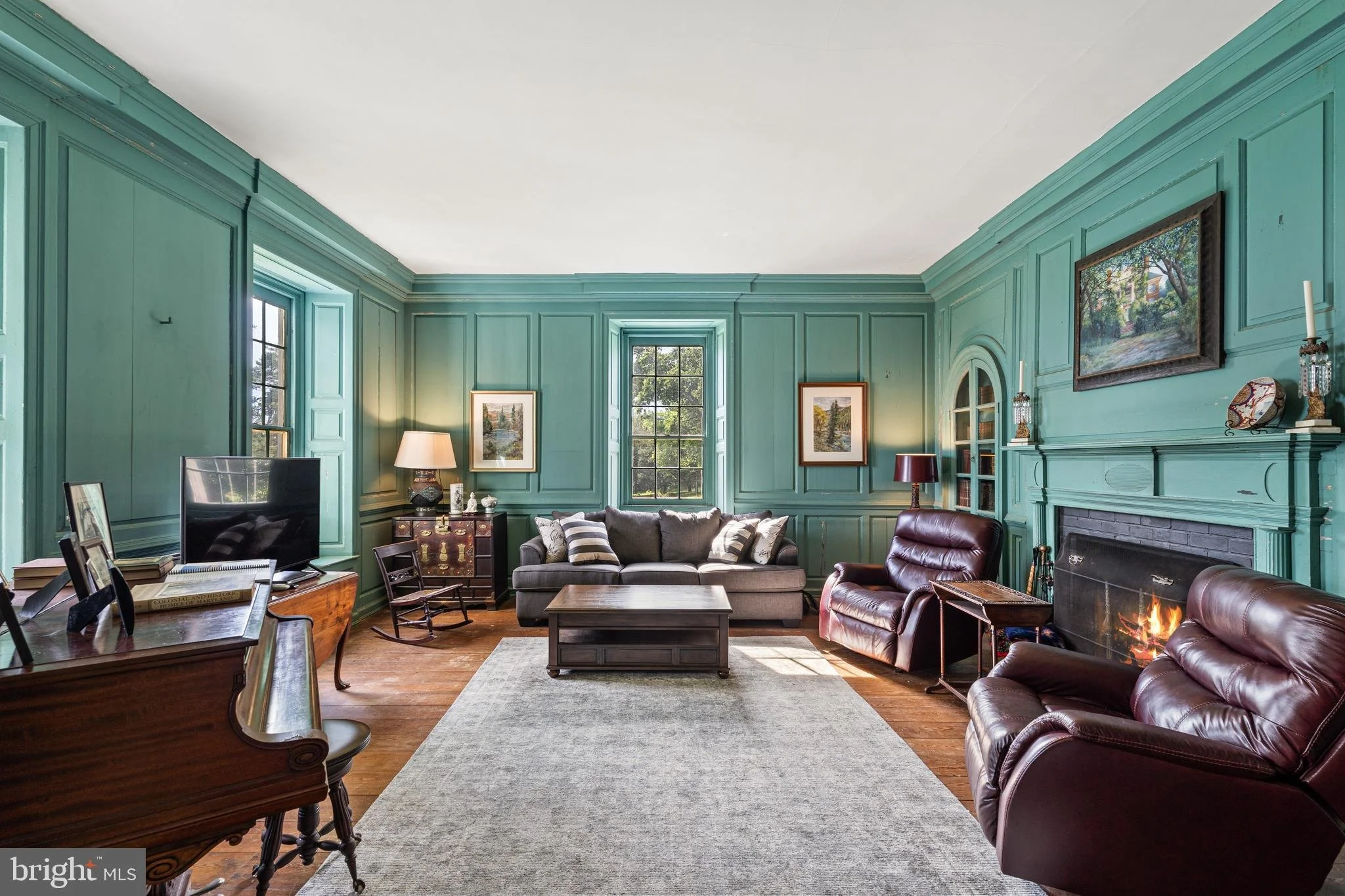
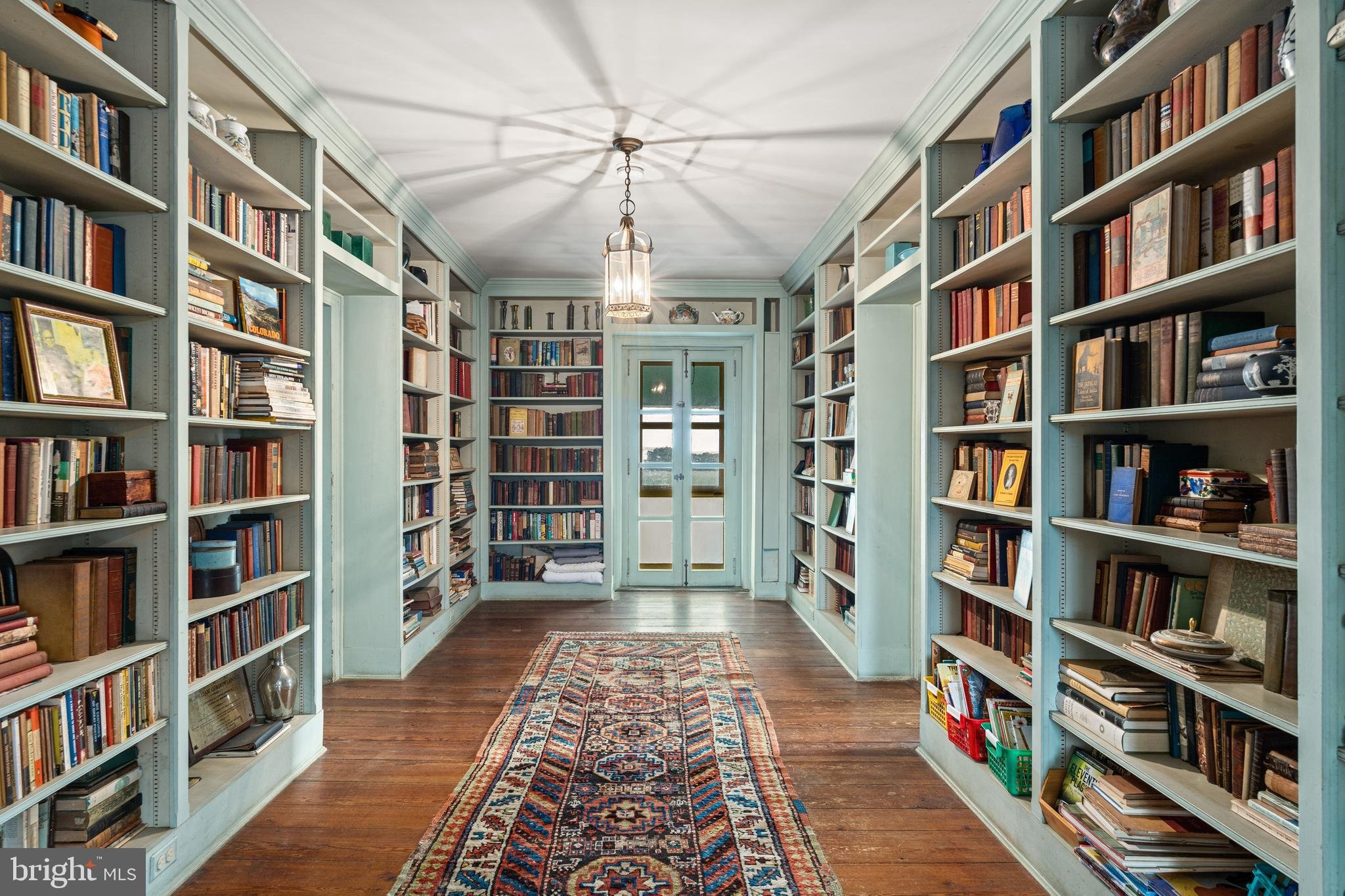
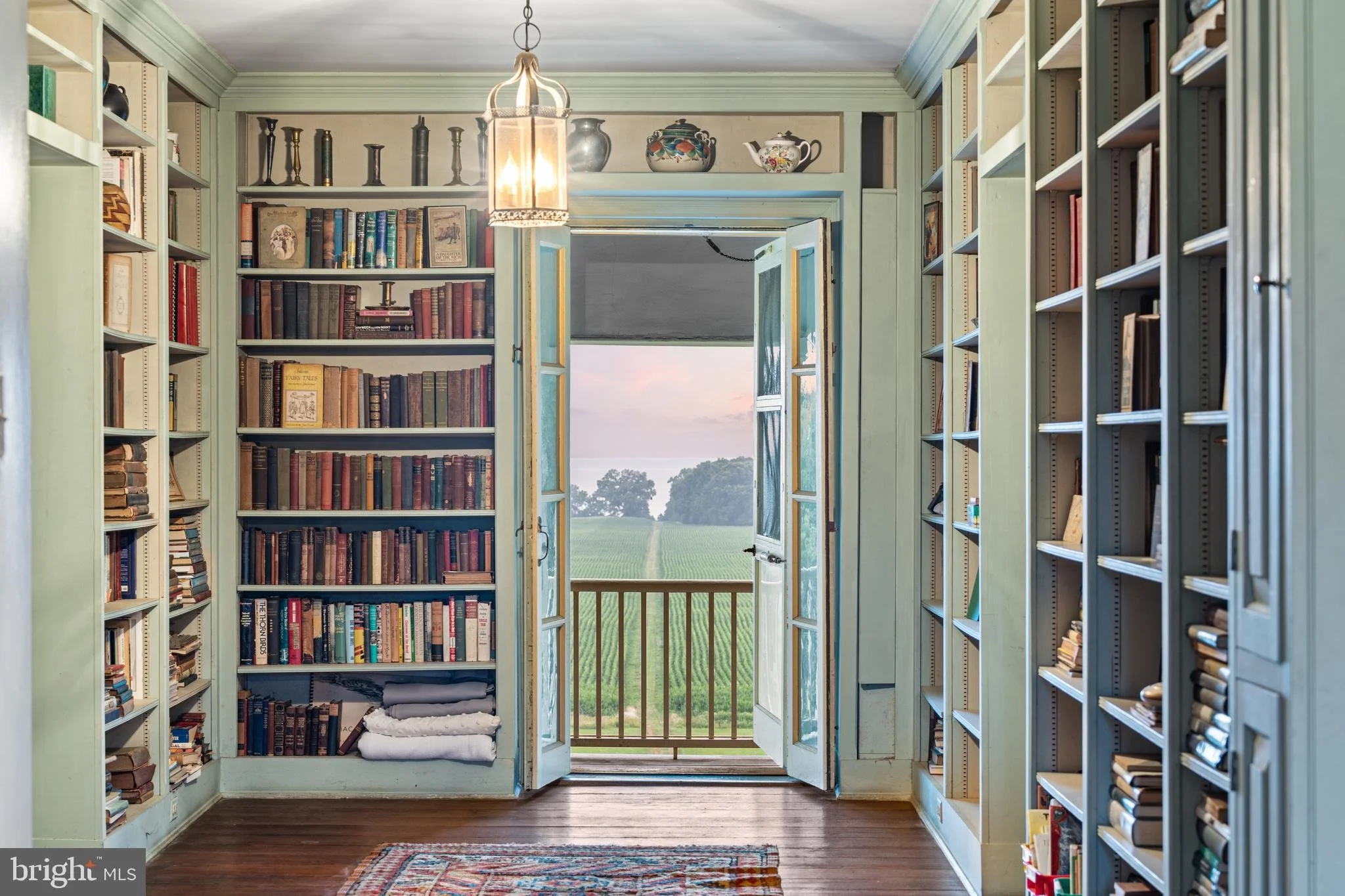
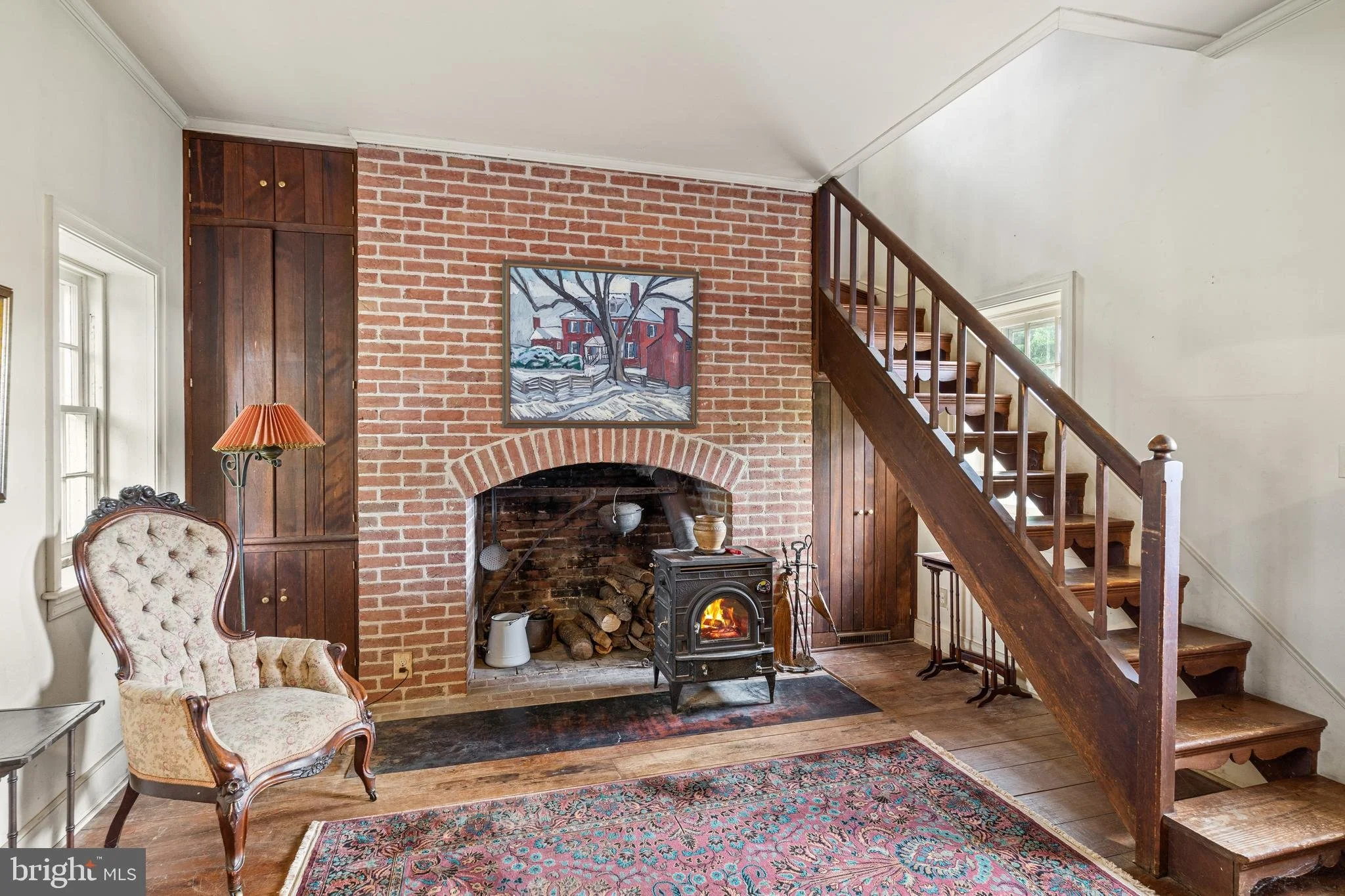
The interior retains an unusually high degree of original 18th-century finishes. Raised paneling, carved moldings, original mantels, doors, stair elements, and multiple fireplaces survive throughout much of the house.
The grand central hall and the principal south-facing rooms retain raised rectangular paneling extending to the ceiling, placing Mulberry Fields among the most completely paneled 18th-century houses in Maryland. Few colonial residences of this scale retain such a complete suite of original interior features, as many comparable houses were altered, subdivided, or partially rebuilt over the centuries. This level of preservation is a key factor in the property’s architectural significance.
Estate Layout and Landscape
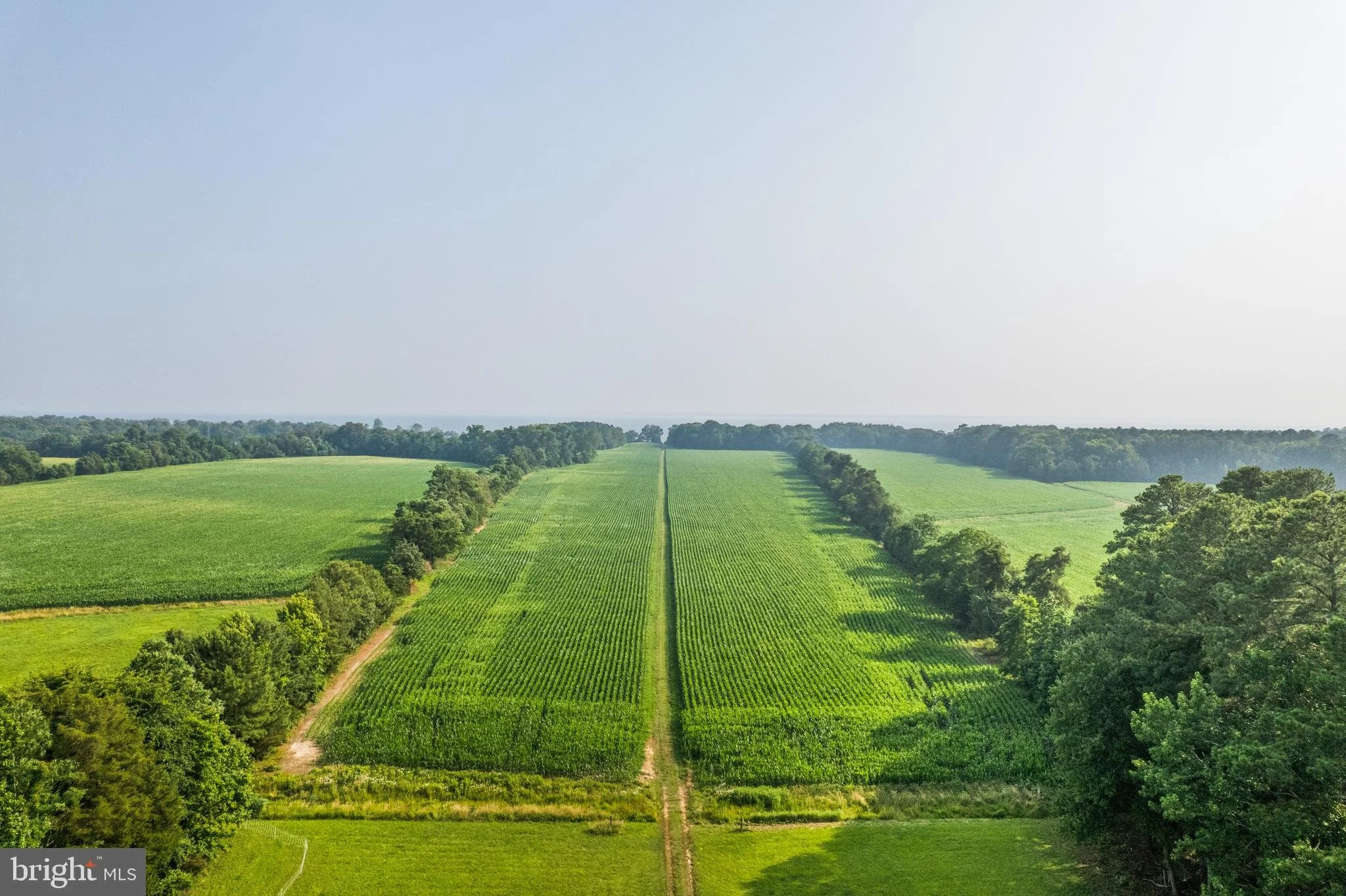
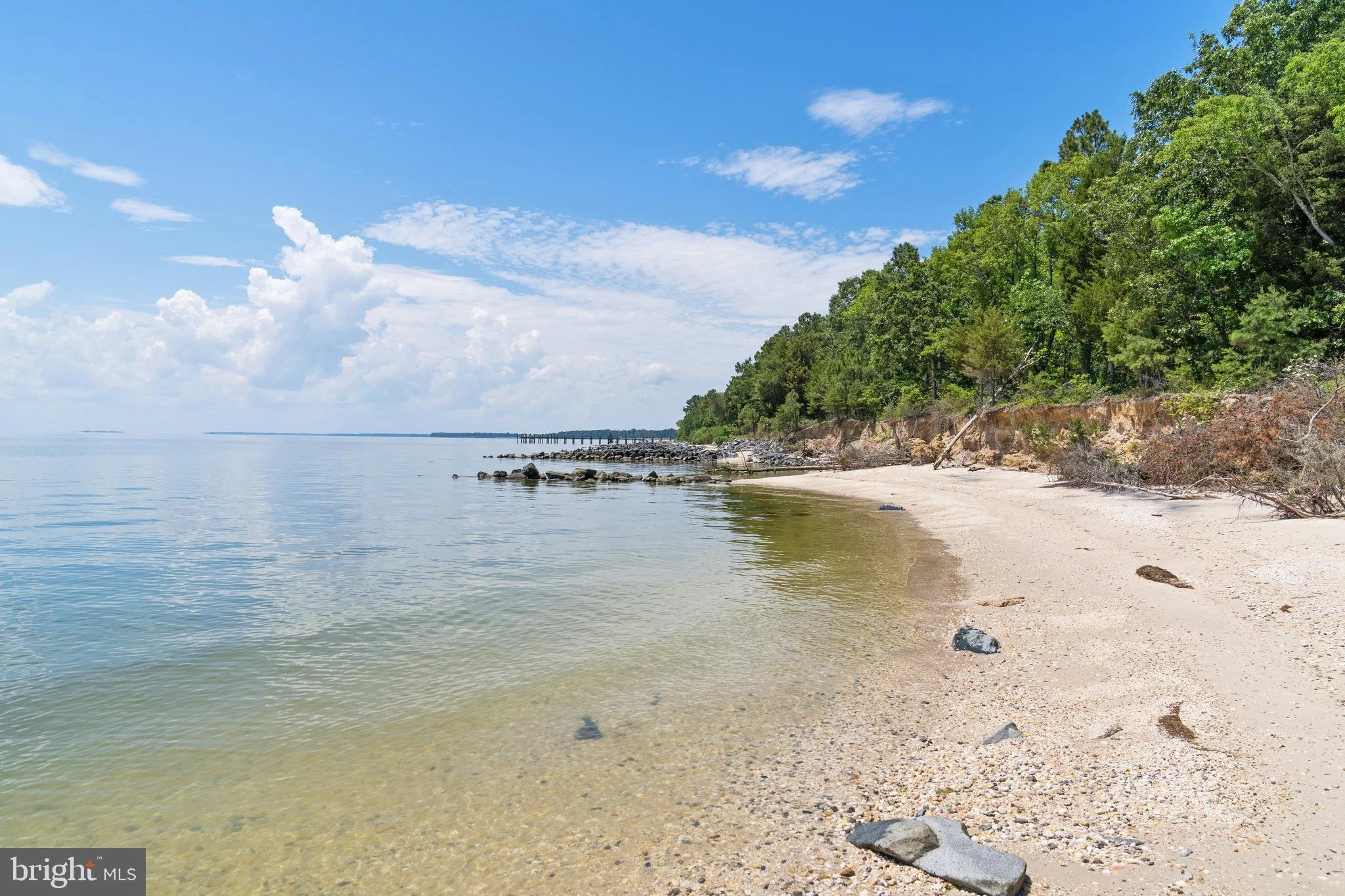
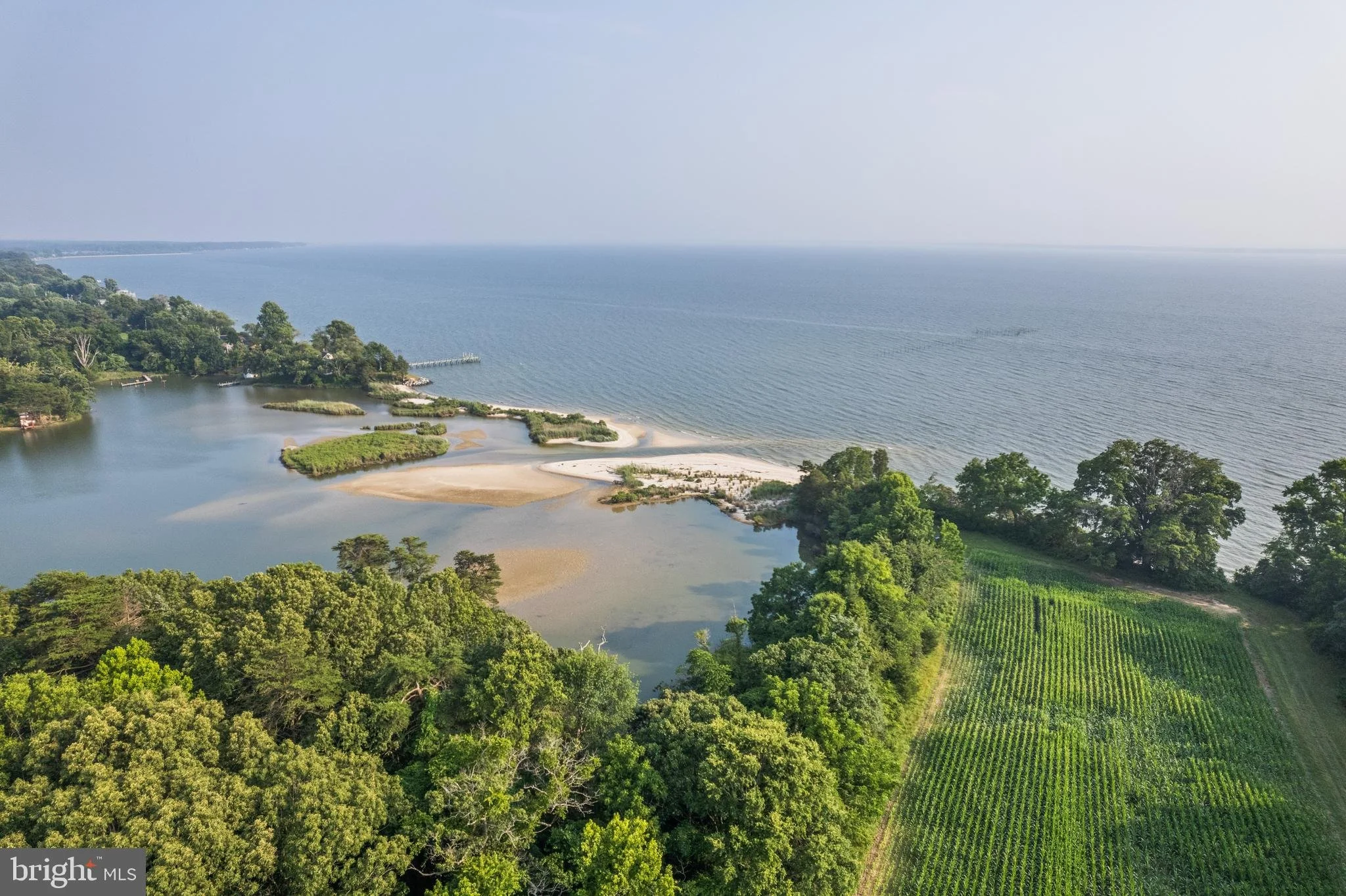
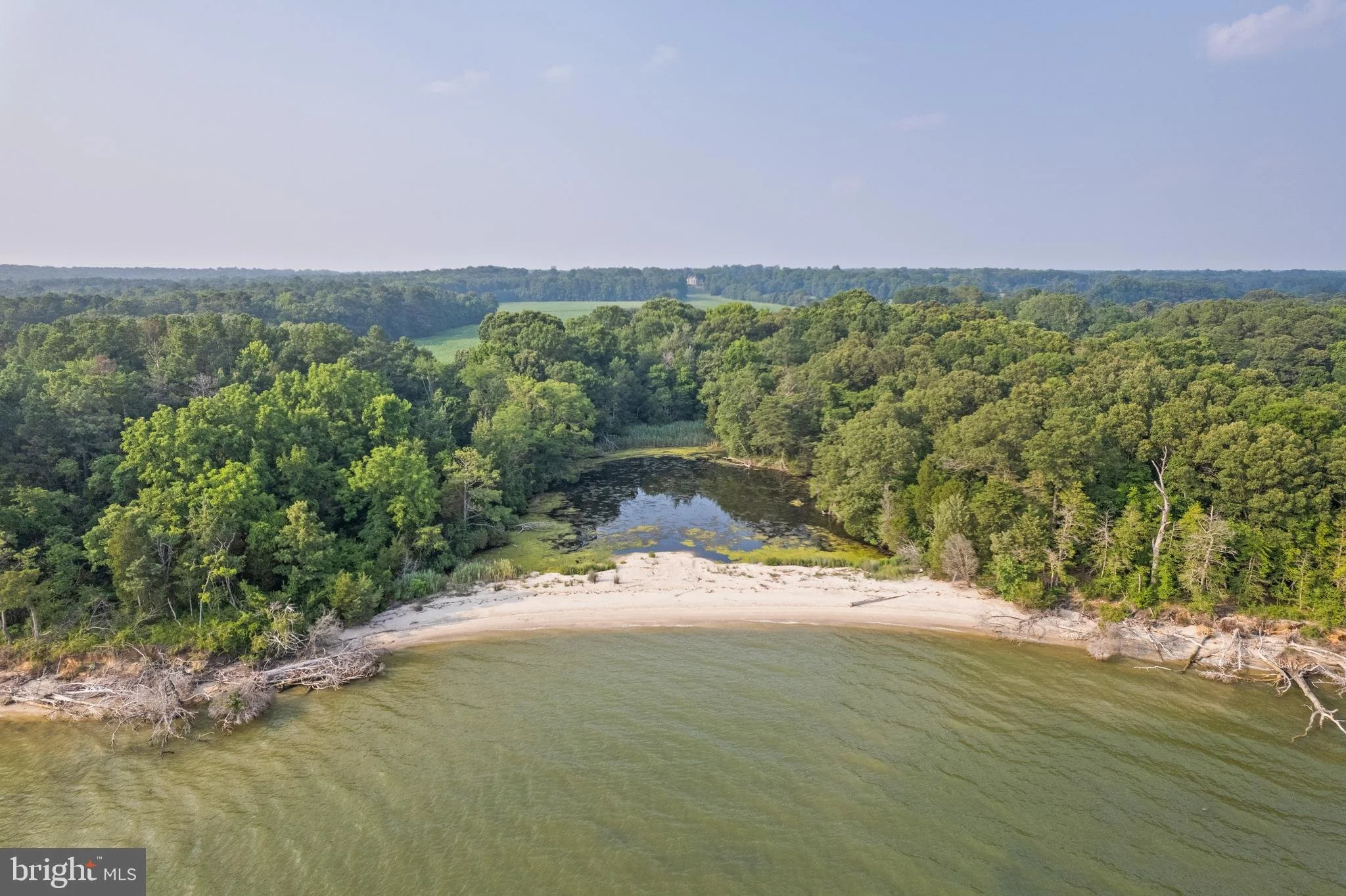
Mulberry Fields encompasses approximately 490 acres of land, including open farmland, woodland, and nearly 5,000 feet of Potomac River frontage with sections of sandy shoreline.
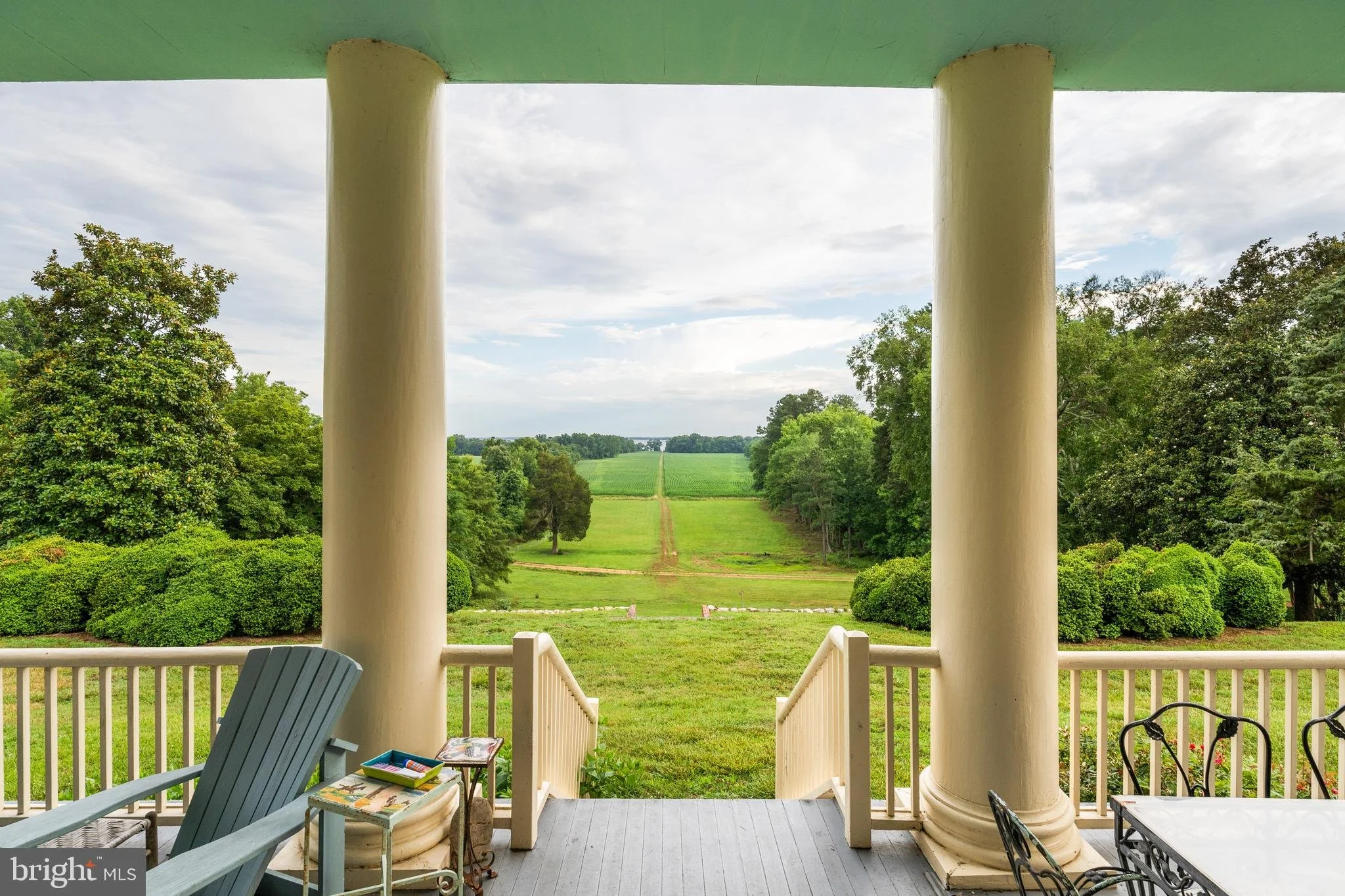
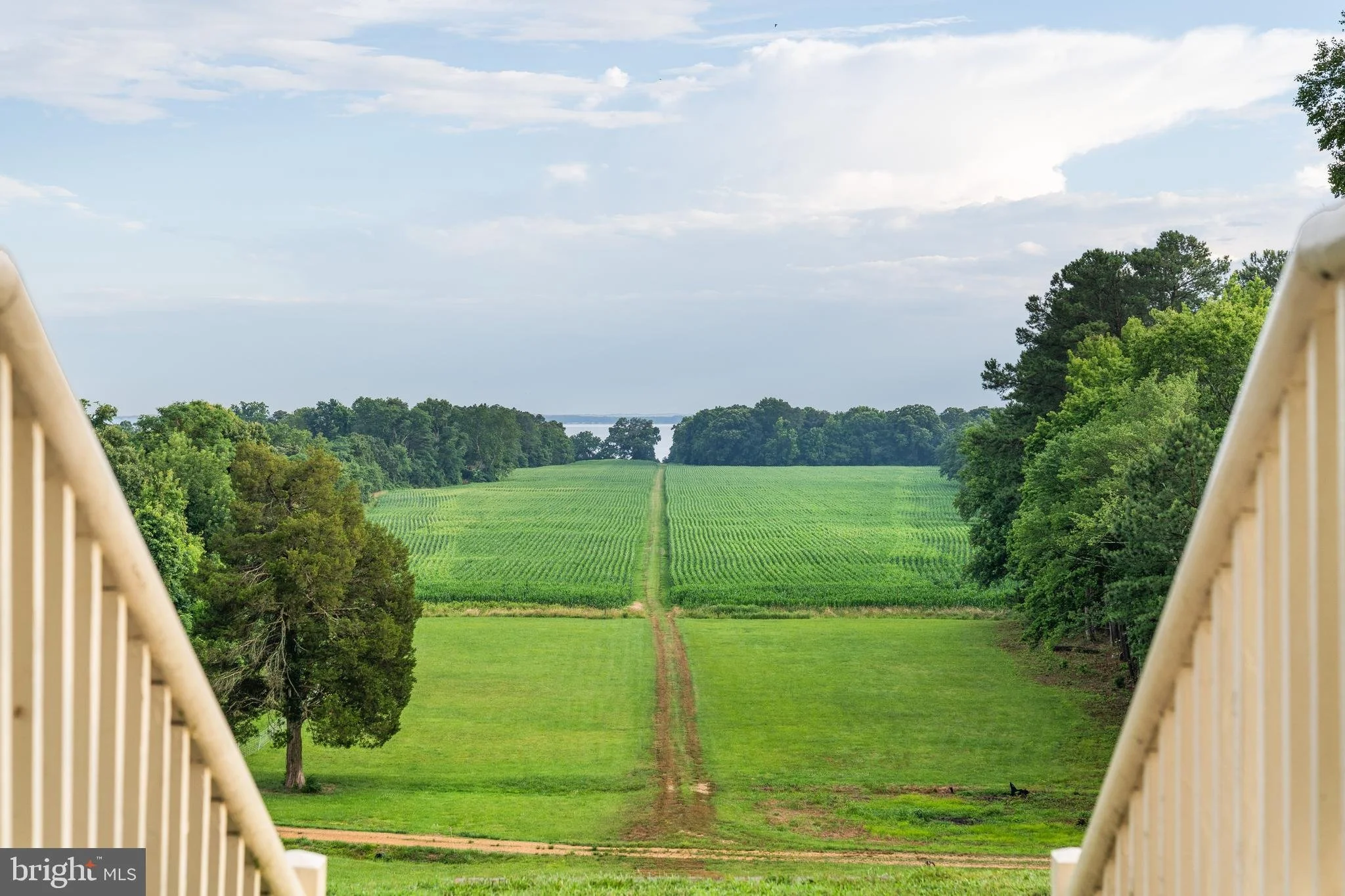
Extending from the south façade of the house is a mile-long, tree-lined field known as the Avenue Field, aligned directly toward the Potomac River. This kind of long, straight axis comes from English estate planning traditions, where houses were deliberately positioned to command views across farmland and toward water, reinforcing both status and function. At Mulberry Fields, the Avenue Field remains intact, clearly expressing how the house, land, and river were originally meant to work together—something rarely preserved as estates of this scale were subdivided or altered over time.
Flanking the north entrance of the main house are two historic brick dependencies, each two stories in height and arranged symmetrically to form a formal service court. This layout reflects Georgian planning principles, in which secondary buildings were carefully positioned to support daily operations while maintaining visual balance and order across the estate.
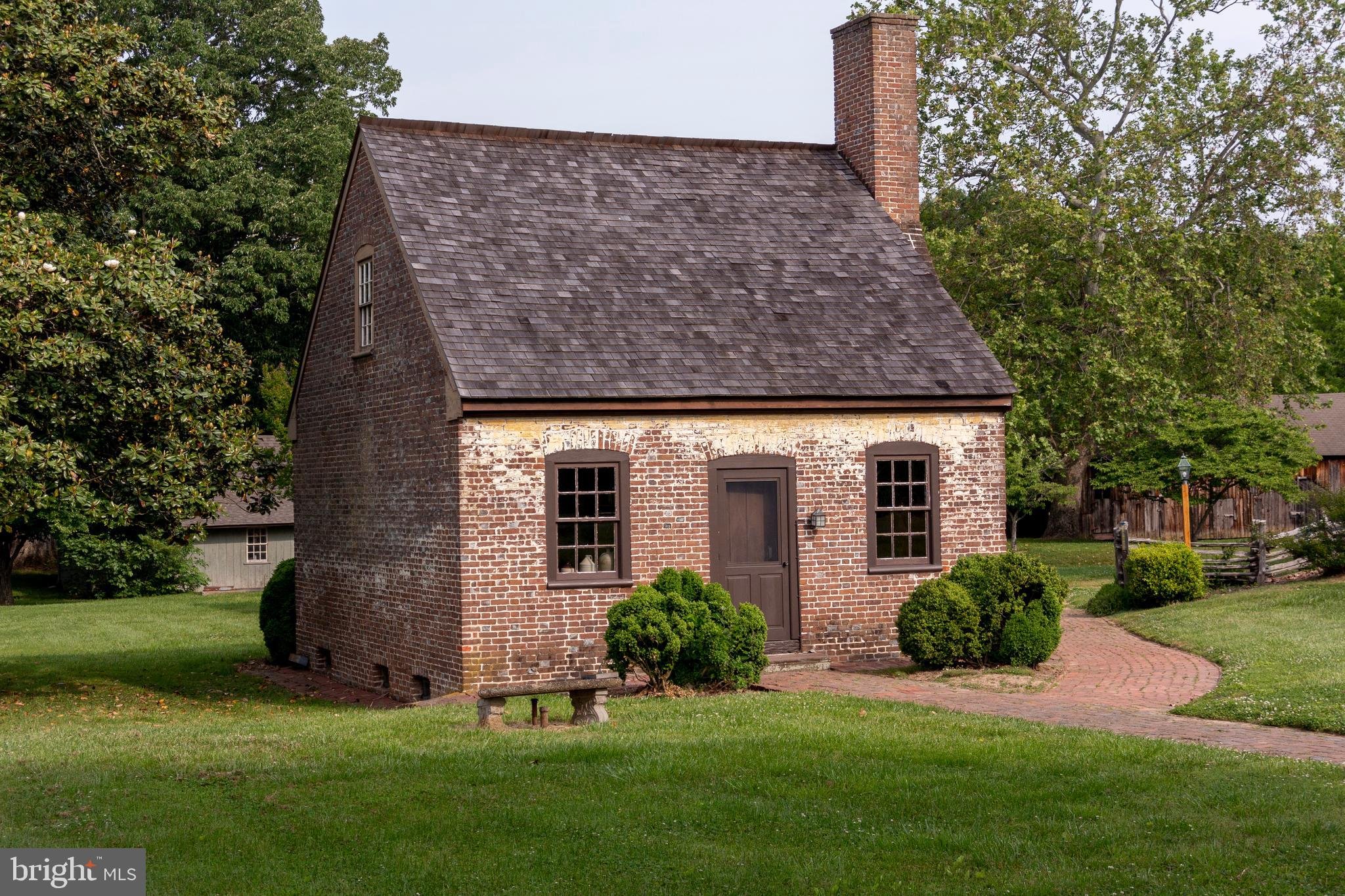
Today, Mulberry Fields functions as a partially income-producing estate. The property includes 6 occupied rental units, consisting of 3 apartments in the former Sheep Barn, 1 four-bedroom farmhouse, 1 one-bedroom cottage created from the historic kitchen building, and 1 one-bedroom trailer, together generating approximately $70,000 per year in gross rental income. Approximately 100 acres of the nearly 490-acre property are subject to an active agricultural lease, while roughly 300 acres are maintained as managed woodland and forest, contributing to conservation value, privacy, and long-term land stewardship rather than active income production. In addition, a navigation signal lease with the U.S. Navy located along the Potomac River provides a separate, modest annual payment. Under existing historic and conservation easements, the estate may support up to 12 total rental units through further rehabilitation of existing structures, offering potential for expanded income while preserving the property’s architectural and landscape integrity.
Photography: Long & Foster Realty