After a €3 Million Restoration, a Château Dating From 1614 in Rural Normandy Lists for €2.68 Million
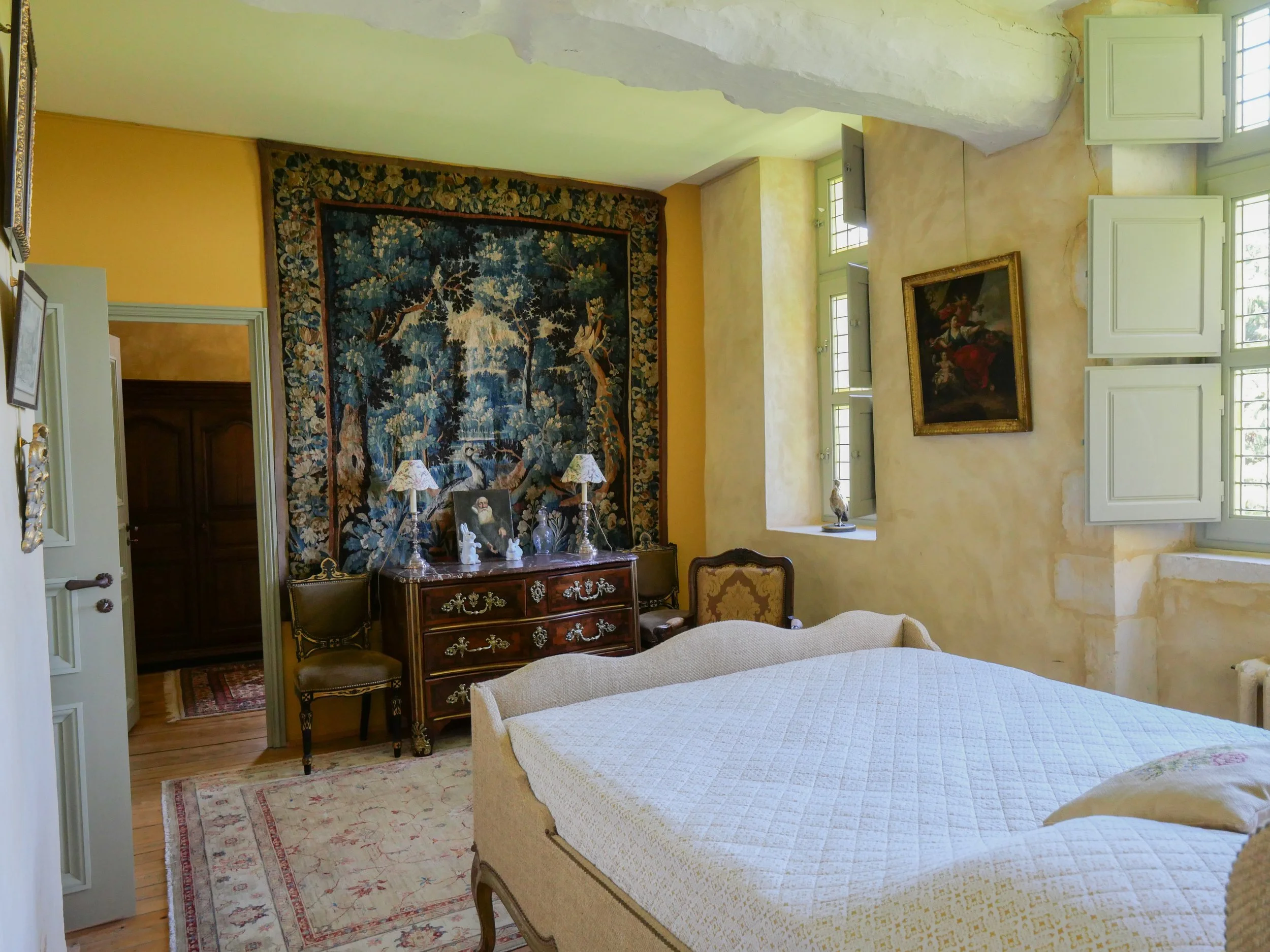
Bedrooms: 7
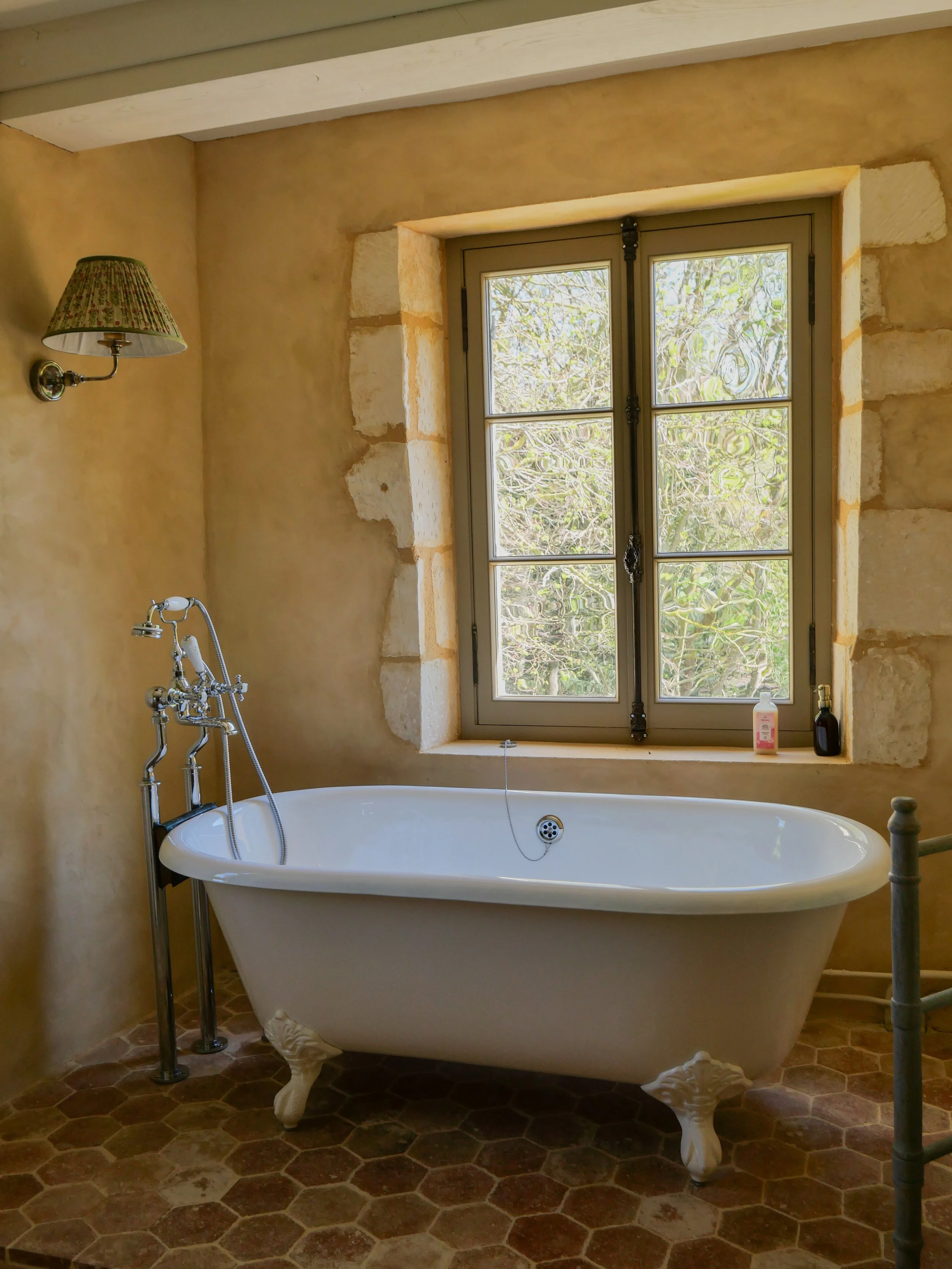
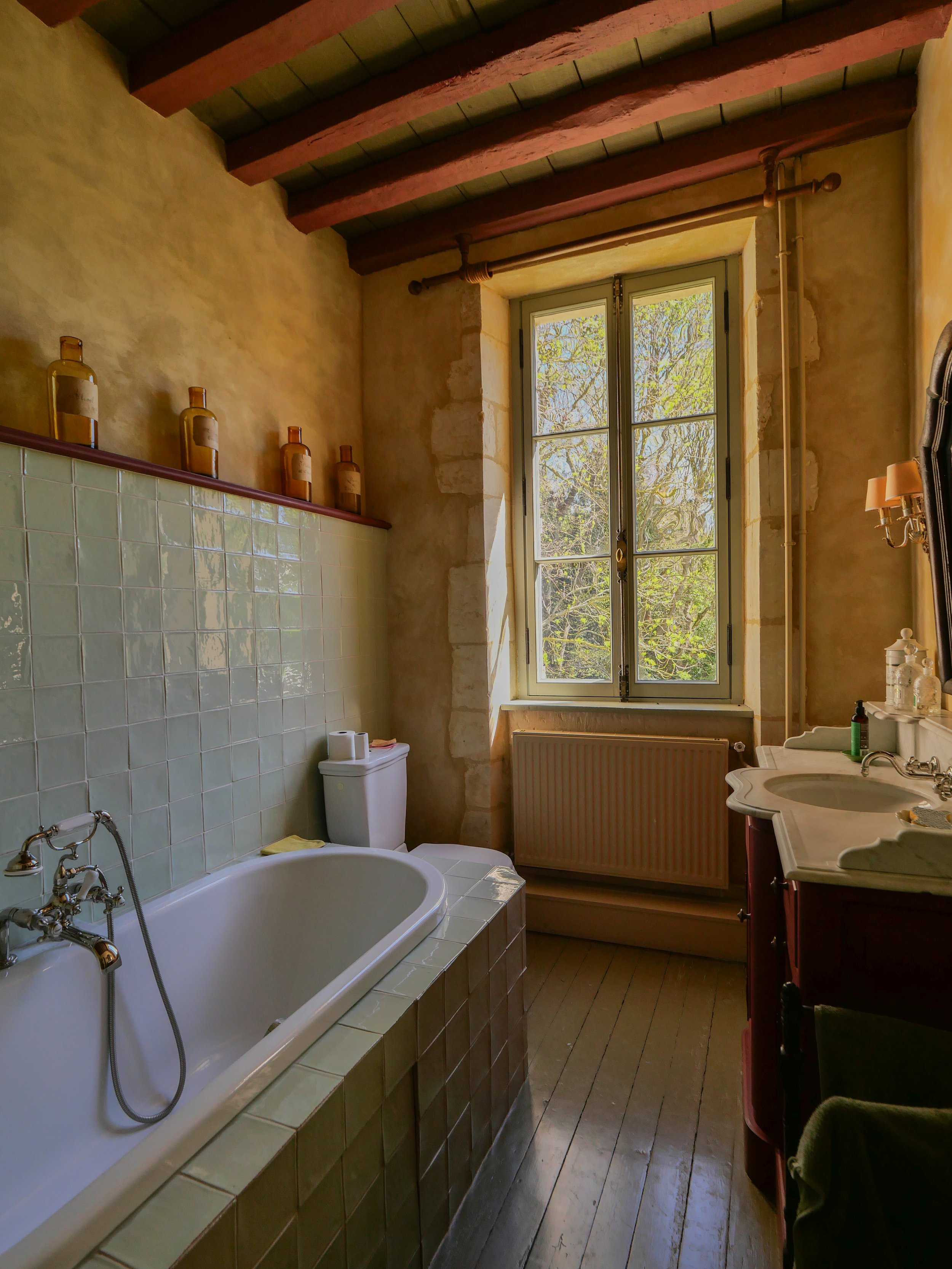
Bathrooms: 5
Interior: 600 m² / 6,458 ft²
Lot: 9 ha / 22 acres
Amenities: Heated saltwater swimming pool, pool house with summer kitchen, landscaped parkland, formal boxwood garden, stream, outbuildings, garages, barn, workshops, former bread oven, vaulted garden-level kitchen, historic farmhouse requiring interior restoration, three access points
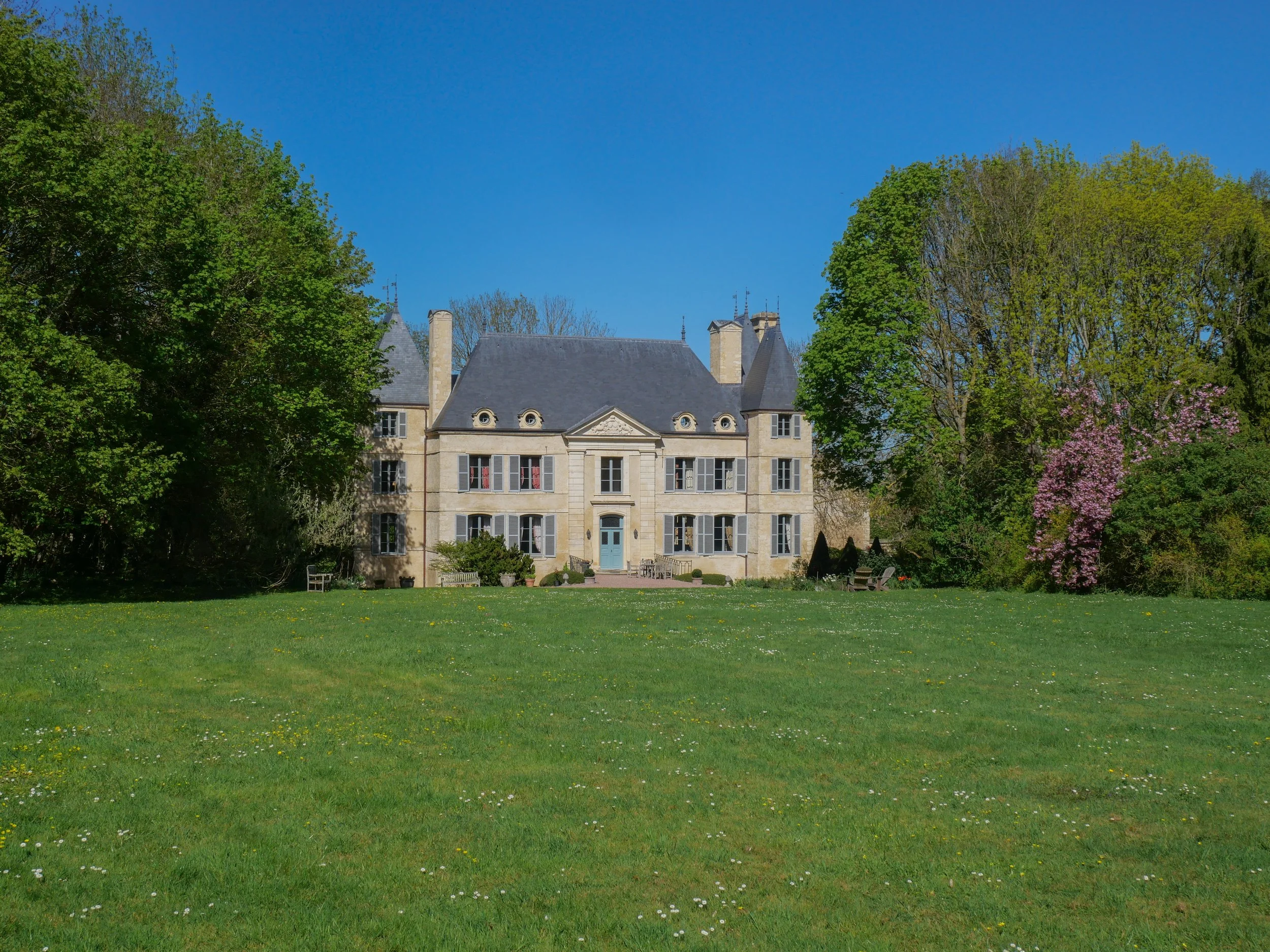
In northwestern France, about 200 km / 124 miles west of Paris, a restored 17th-century château on 9 ha / 22 acres has come to market in rural Normandy. The estate sits near Falaise, the birthplace of William the Conqueror, in Calvados, a department known for its apple brandy as much as its château country, orchards, and historic villages.
Listed with Denniel Immobilier for €2.68 million, the property is approximately 2.5 hours from Paris by car via the A13. It sits about 30 km / 19 miles from Caen, one of Normandy’s main cities, and under an hour from the Normandy coast, placing it firmly in the region’s historic inland landscape rather than its coastal resort belt.
To request further information, including the full property dossier and pricing details, please submit an enquiry through the form below.
Photos by Denniel Immoiblier
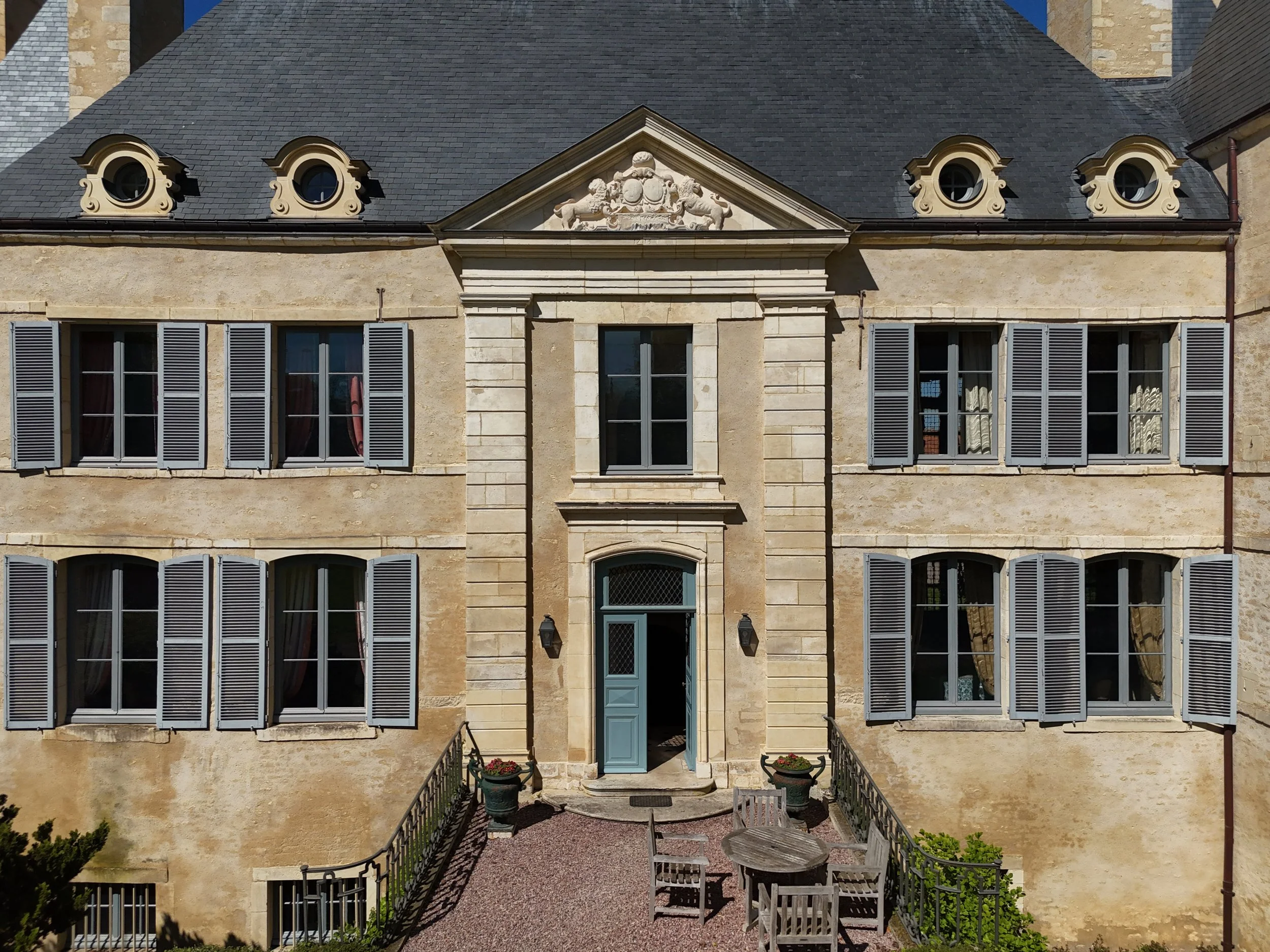
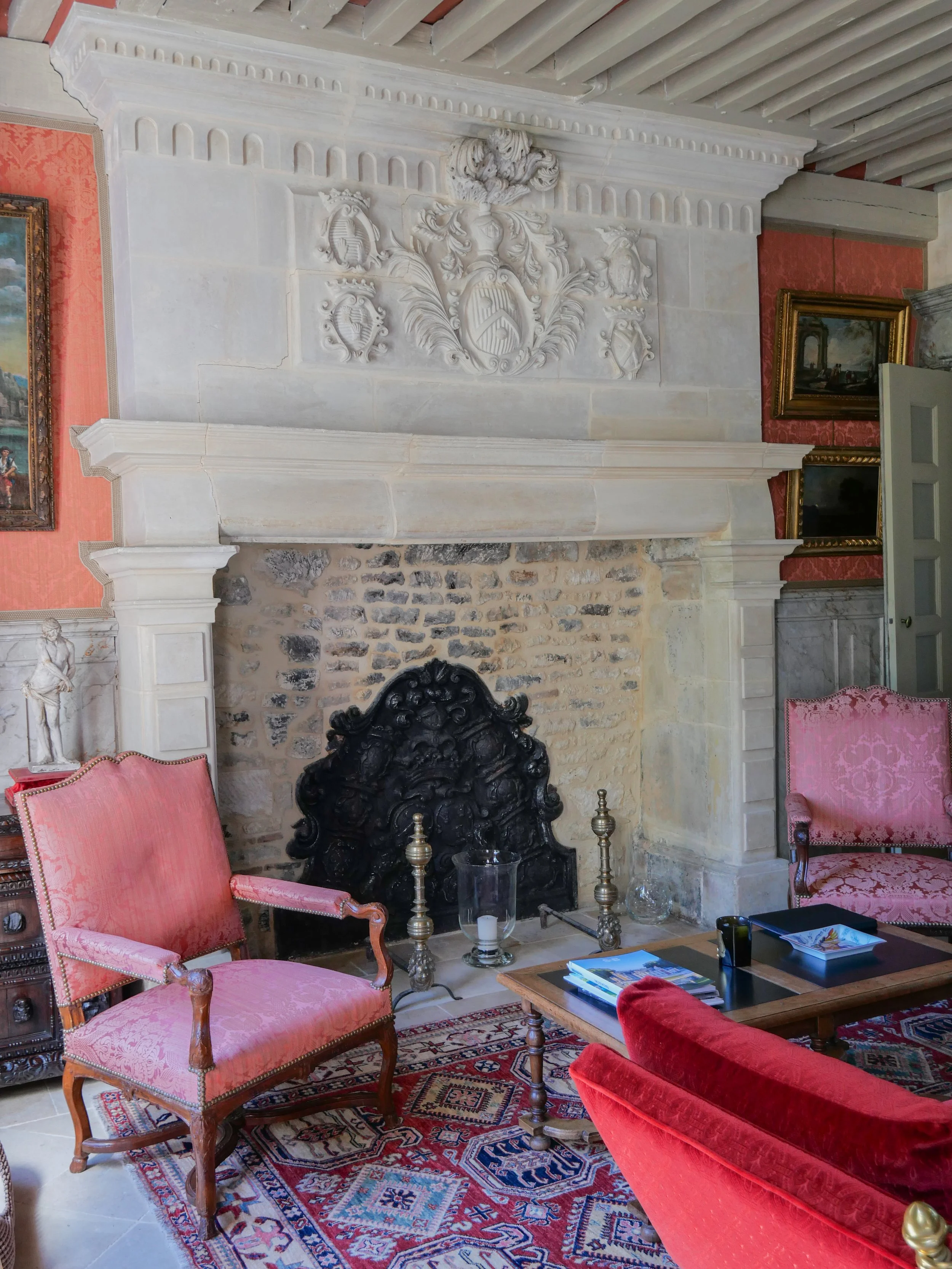
The château was built in 1614 for Guillaume d’Ouézy, a member of a Norman seigneurial family whose coat of arms are still seen in the house. The structure replaced an earlier manor or defensive structure on the site, giving the property roots that predate the present building.
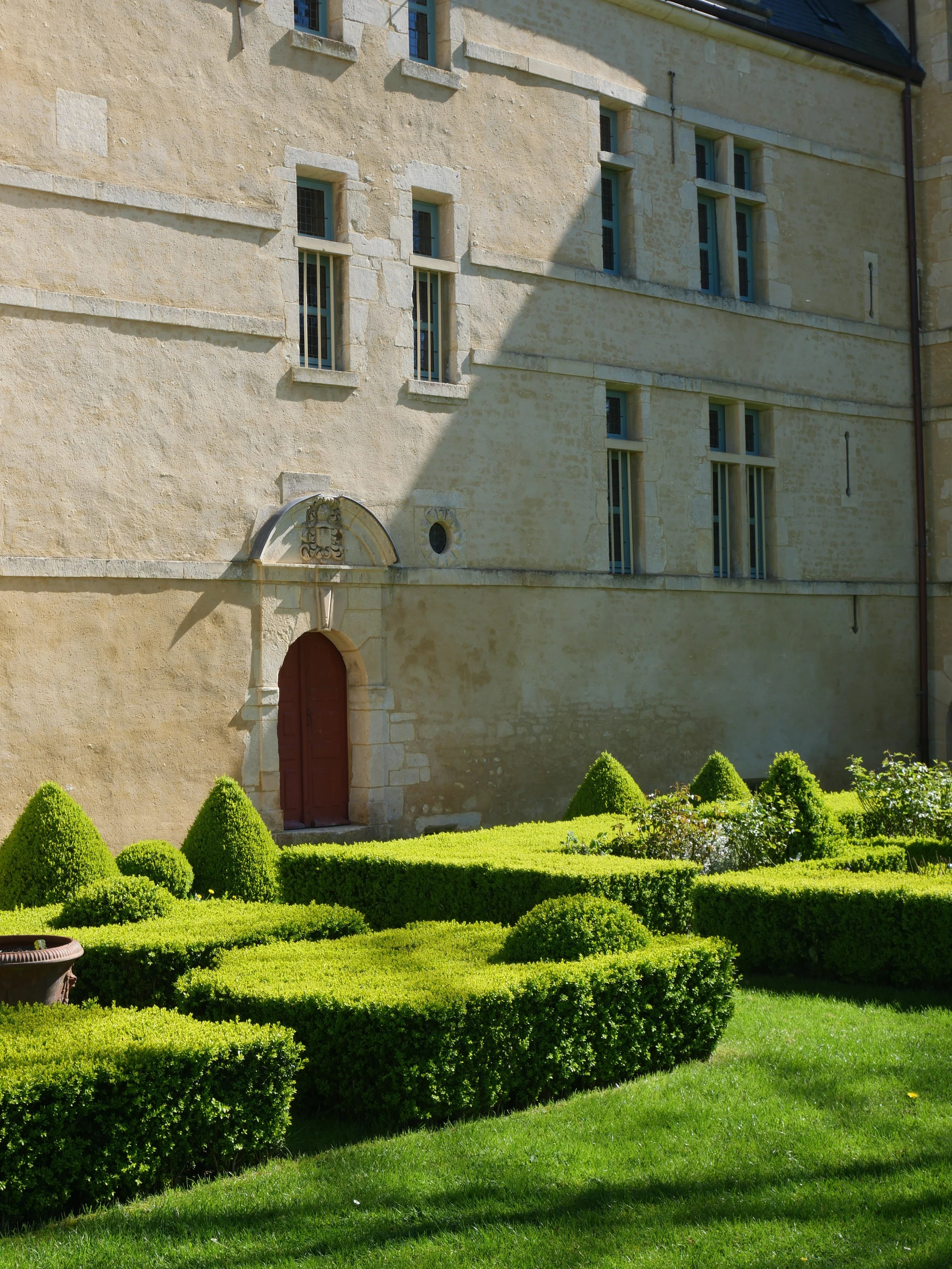
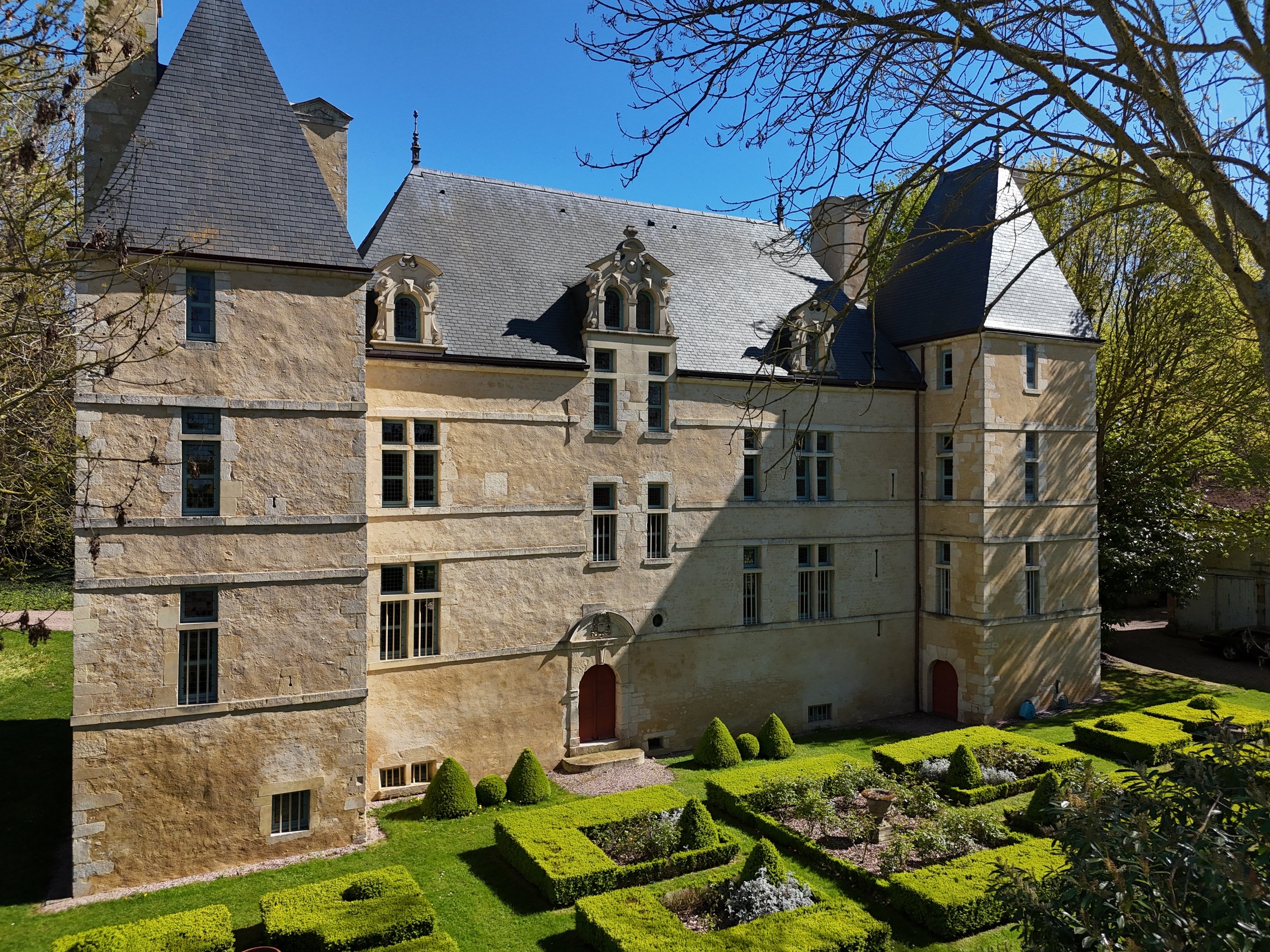
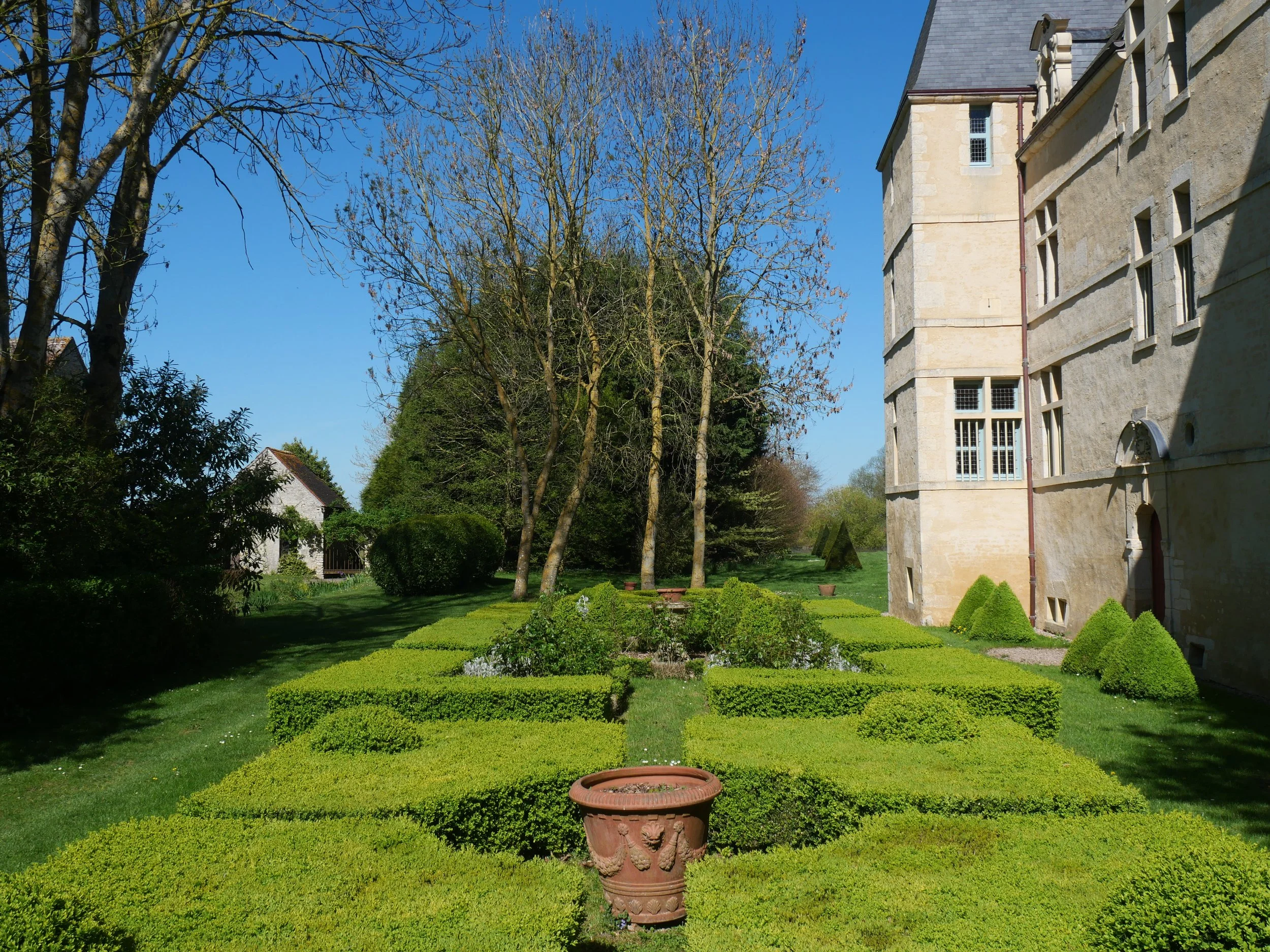
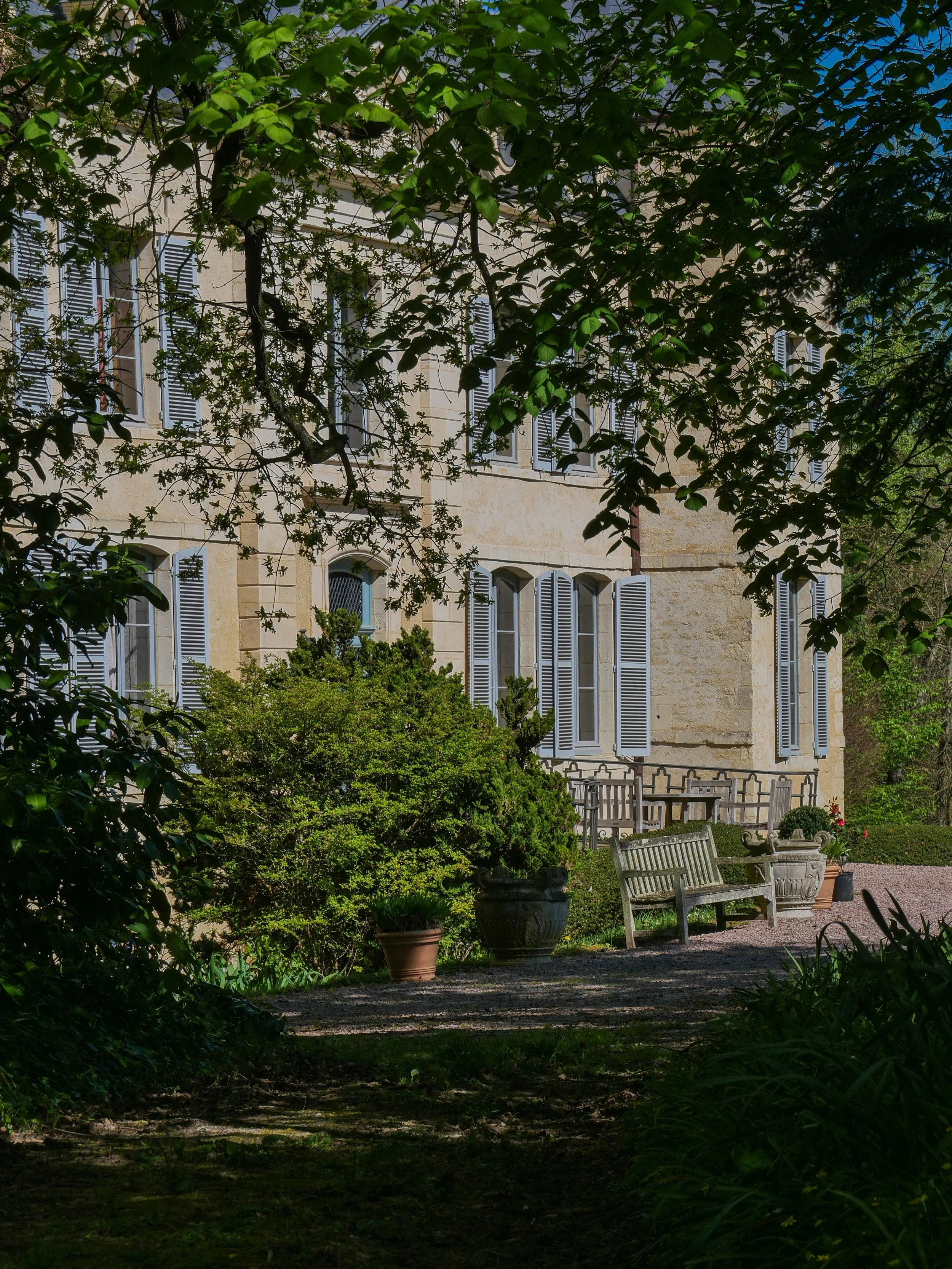
One of the property’s most interesting features is the way its history is preserved across two façades. The older side has the character of a Norman manor, while the main façade was rebuilt in 1715 to give the château a more formal 18th-century appearance, with the family coat of arms above the entrance.
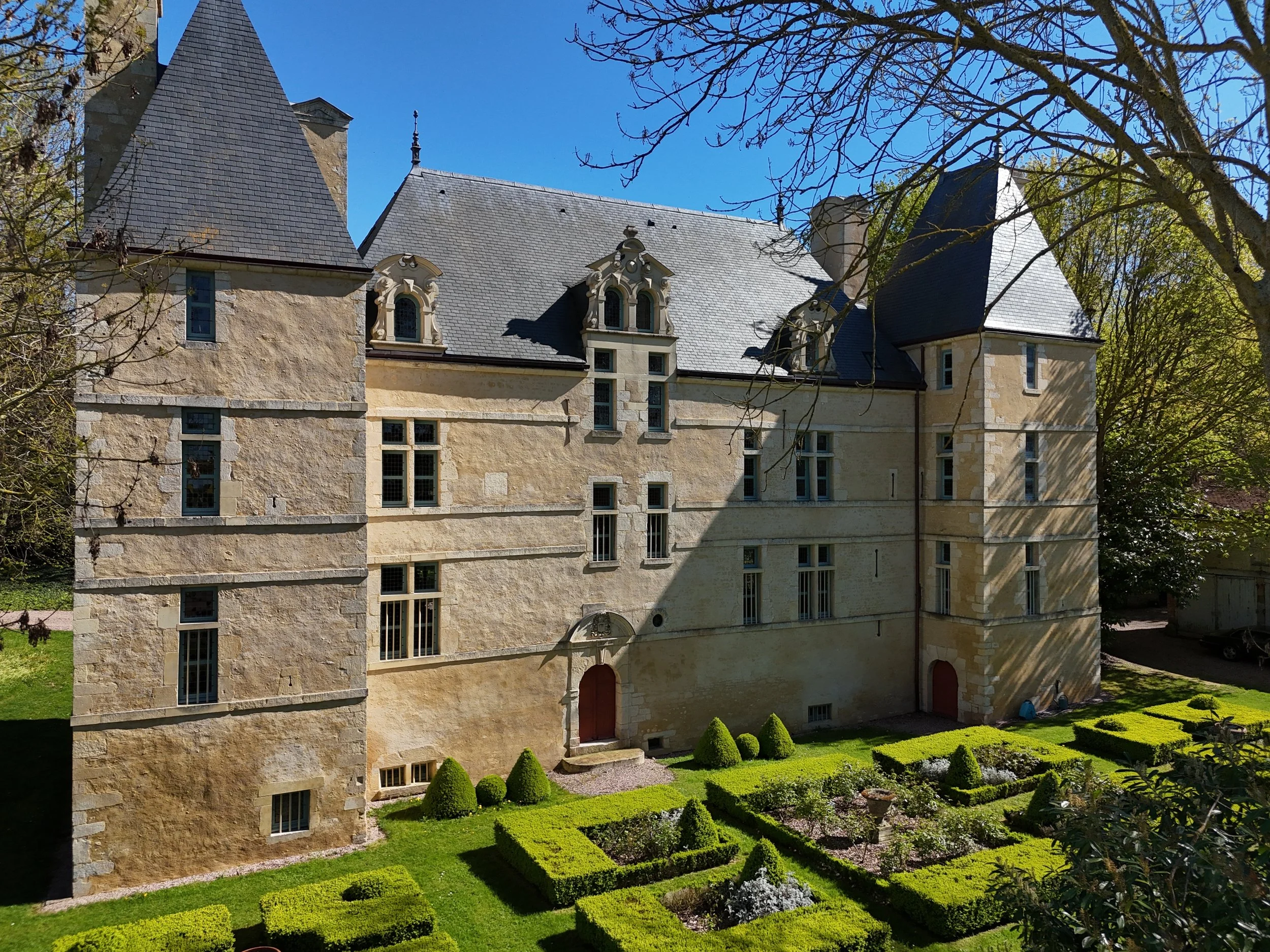
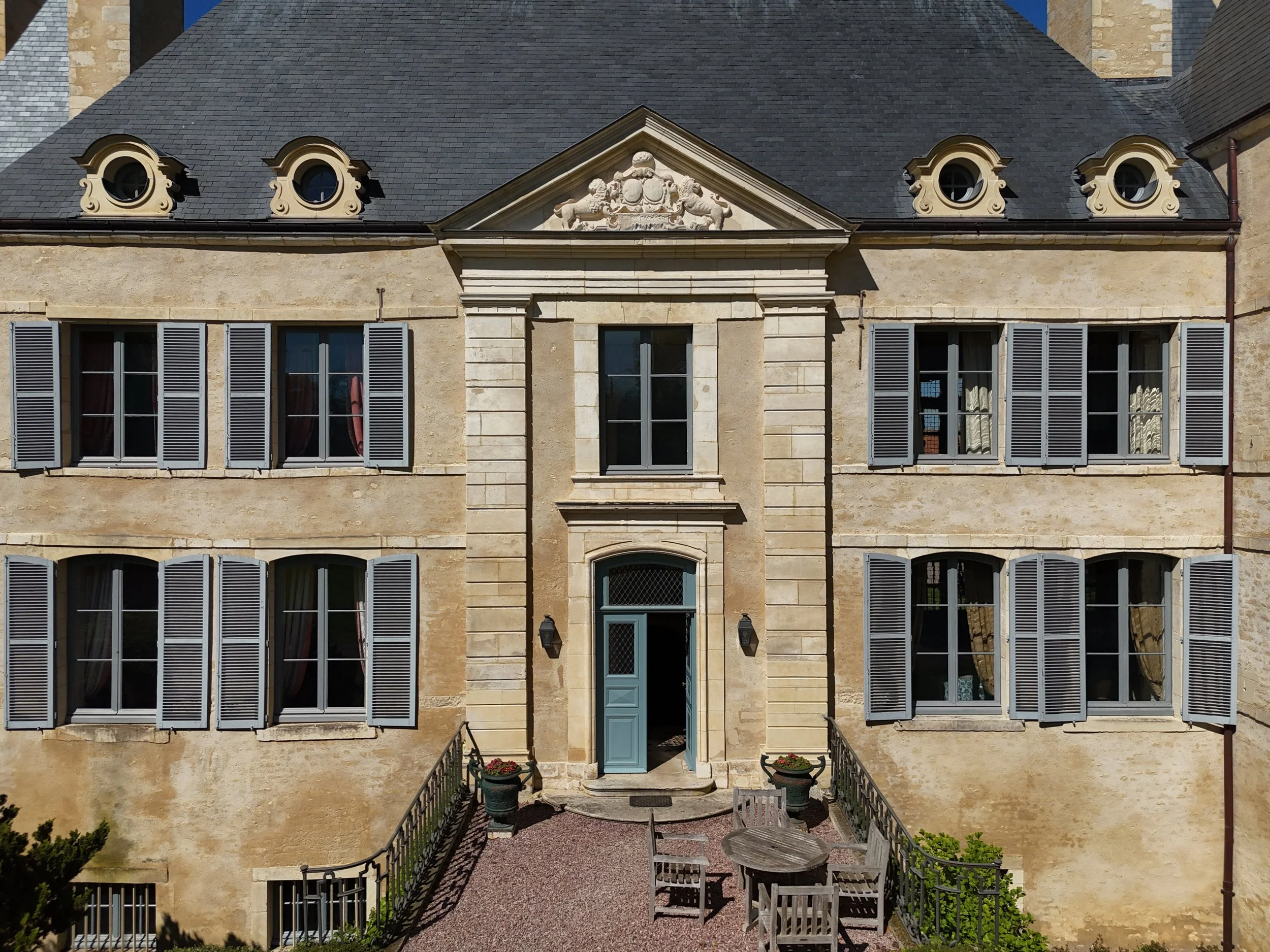
Together, the two façades show how the house changed over time, from an older Norman manor into a more formal country château built for comfort, status, and display.
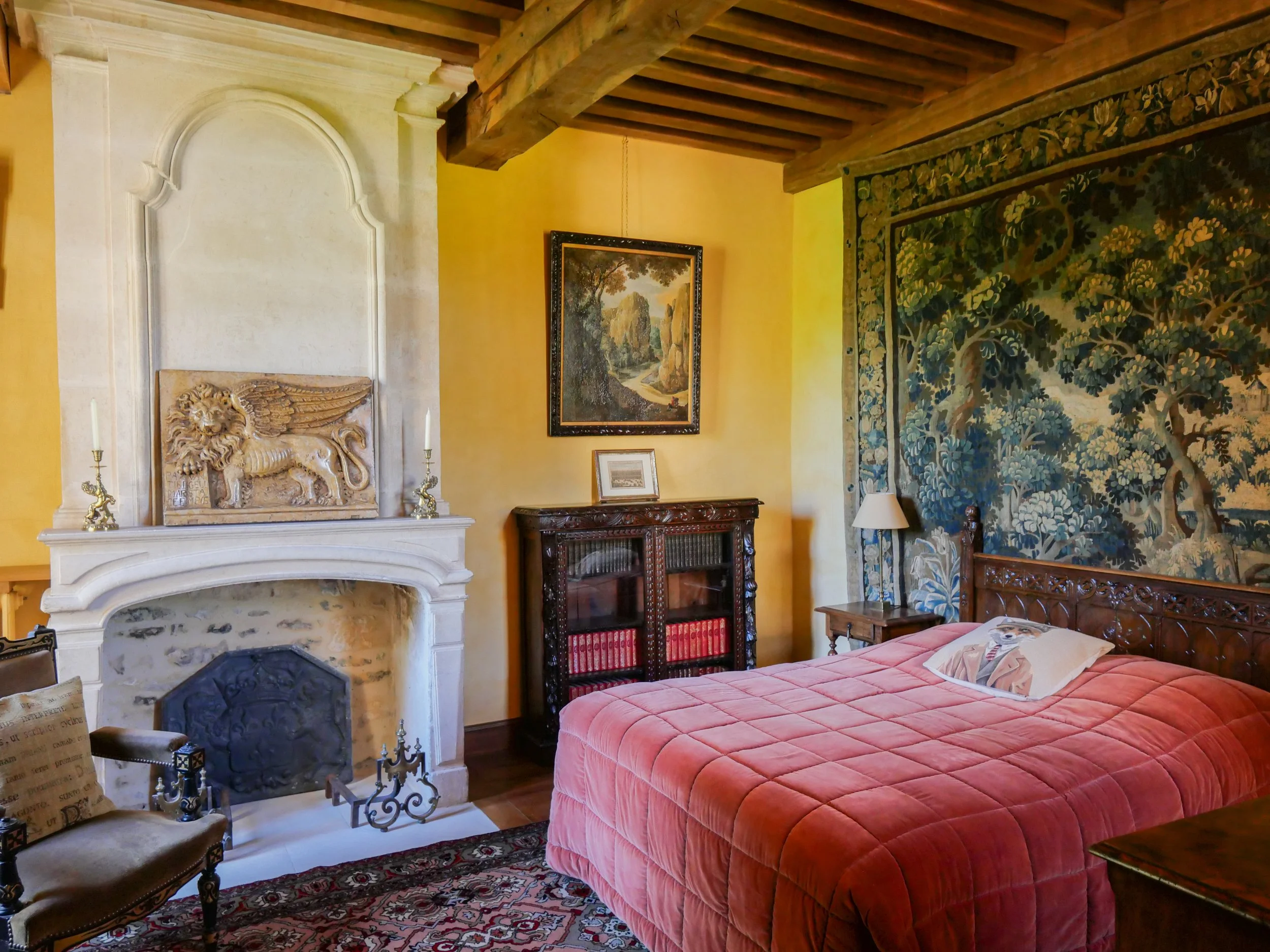
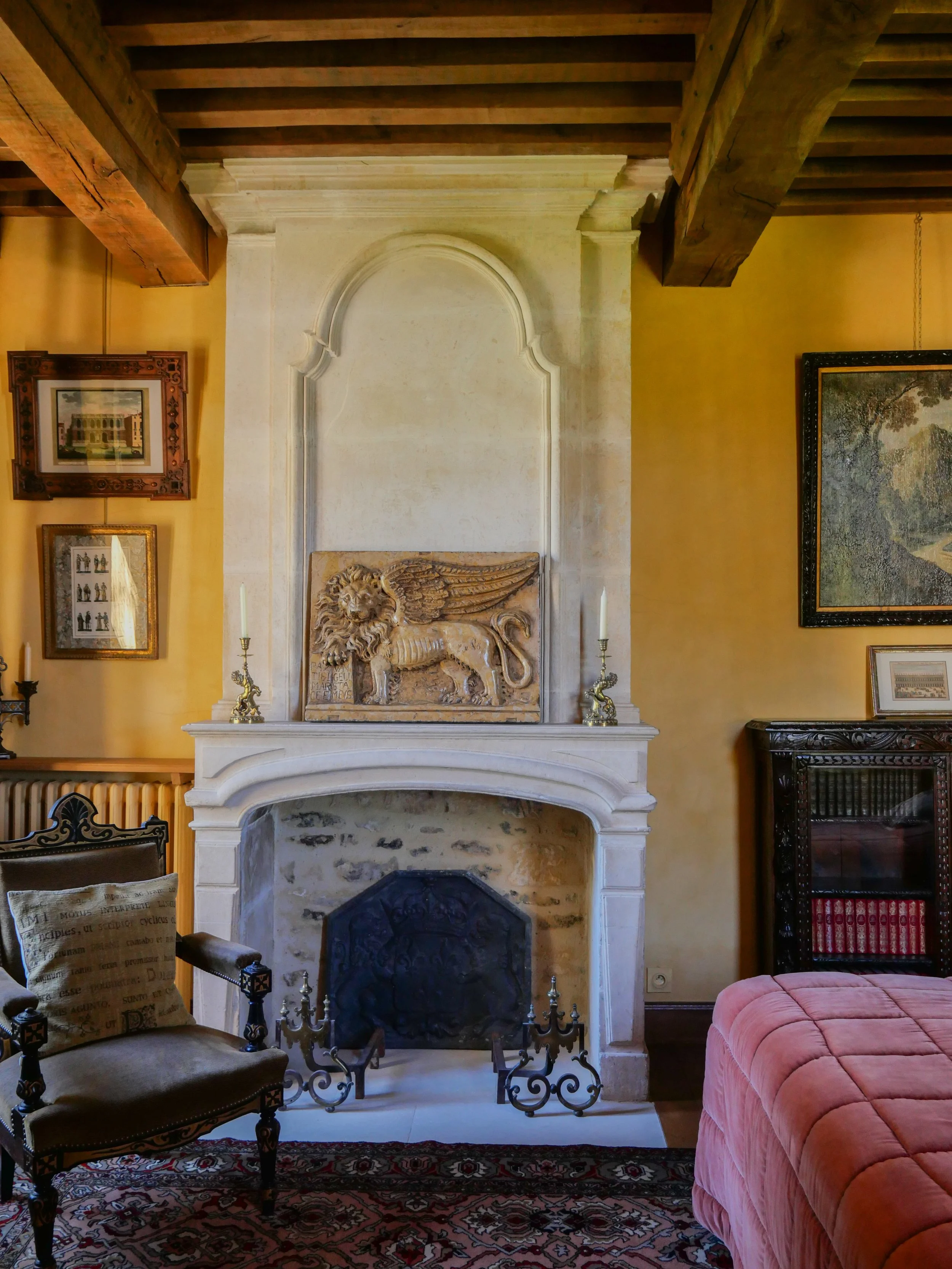
Inside, the family history continues through fireplaces, wood panelling, and decorative details. Heritage records say the 1715 façade works commemorated the baptism of Louis d’Ouézy, whose godfather had been the Grand Dauphin, son of Louis XIV and heir to the French throne. The same records note fireplace plates decorated with the family arms and supported by a dolphin, a visual reference to that connection. It was not a royal château, but the detail shows how the family preserved an important aristocratic link in the house itself.
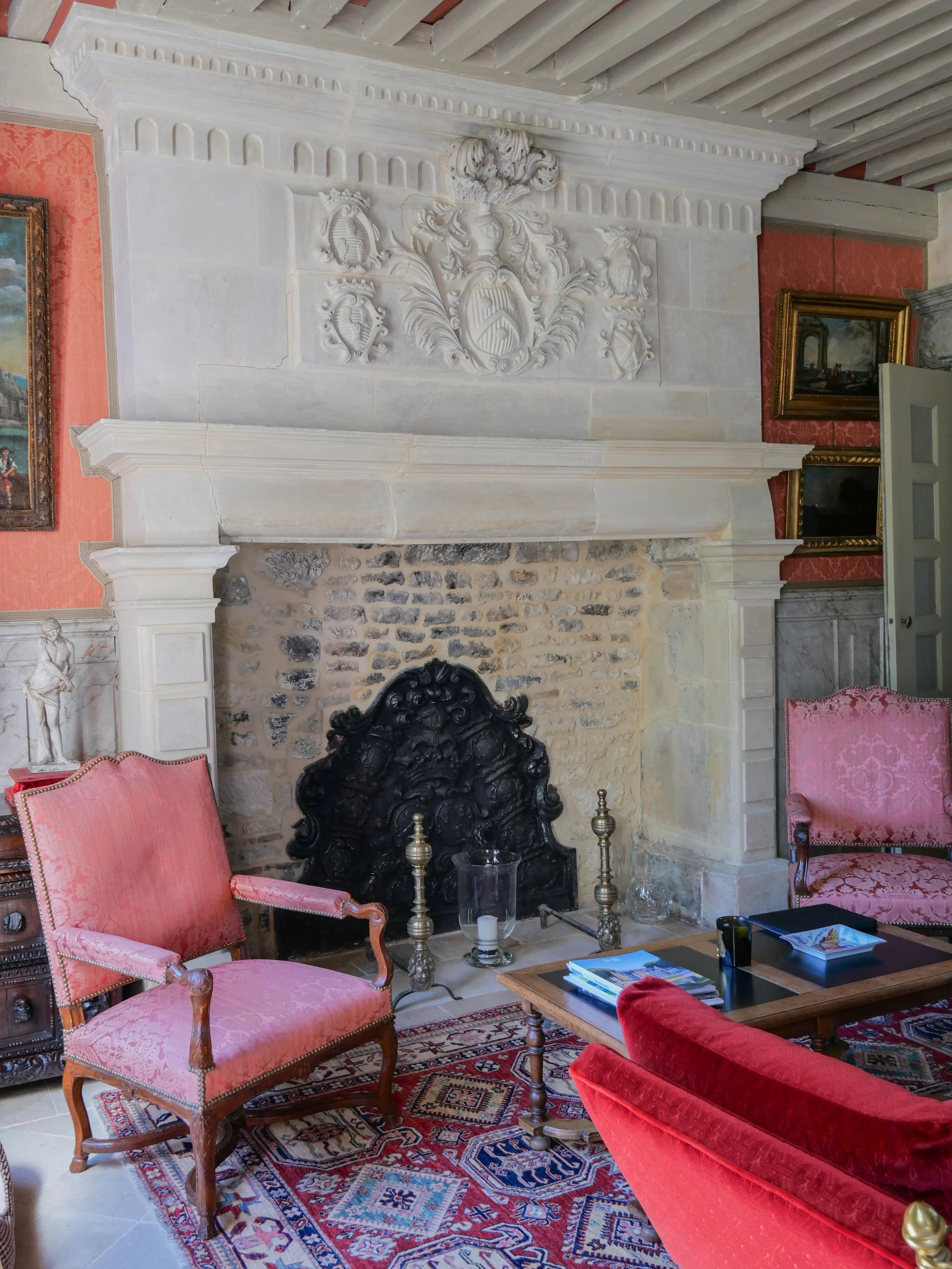
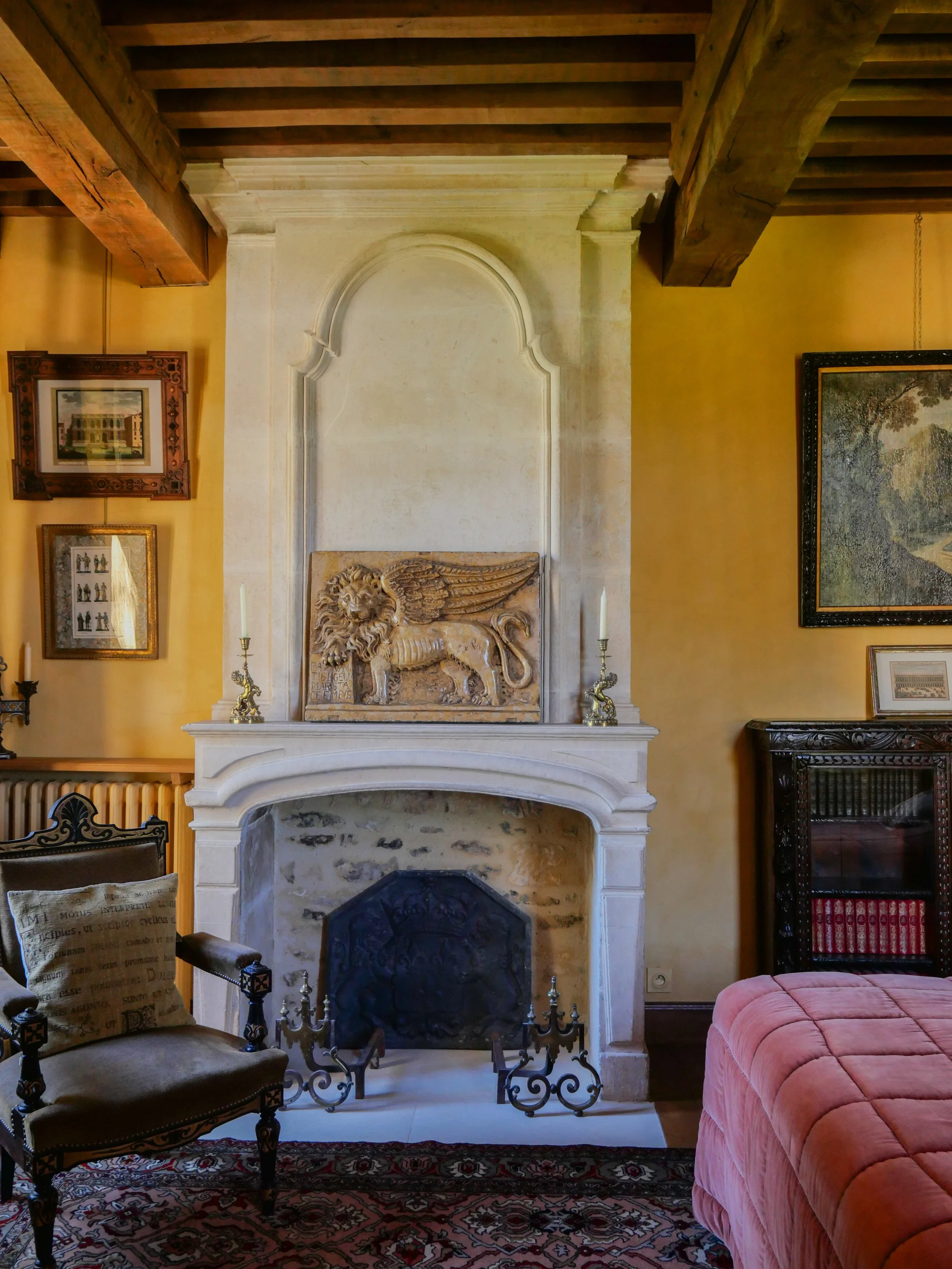
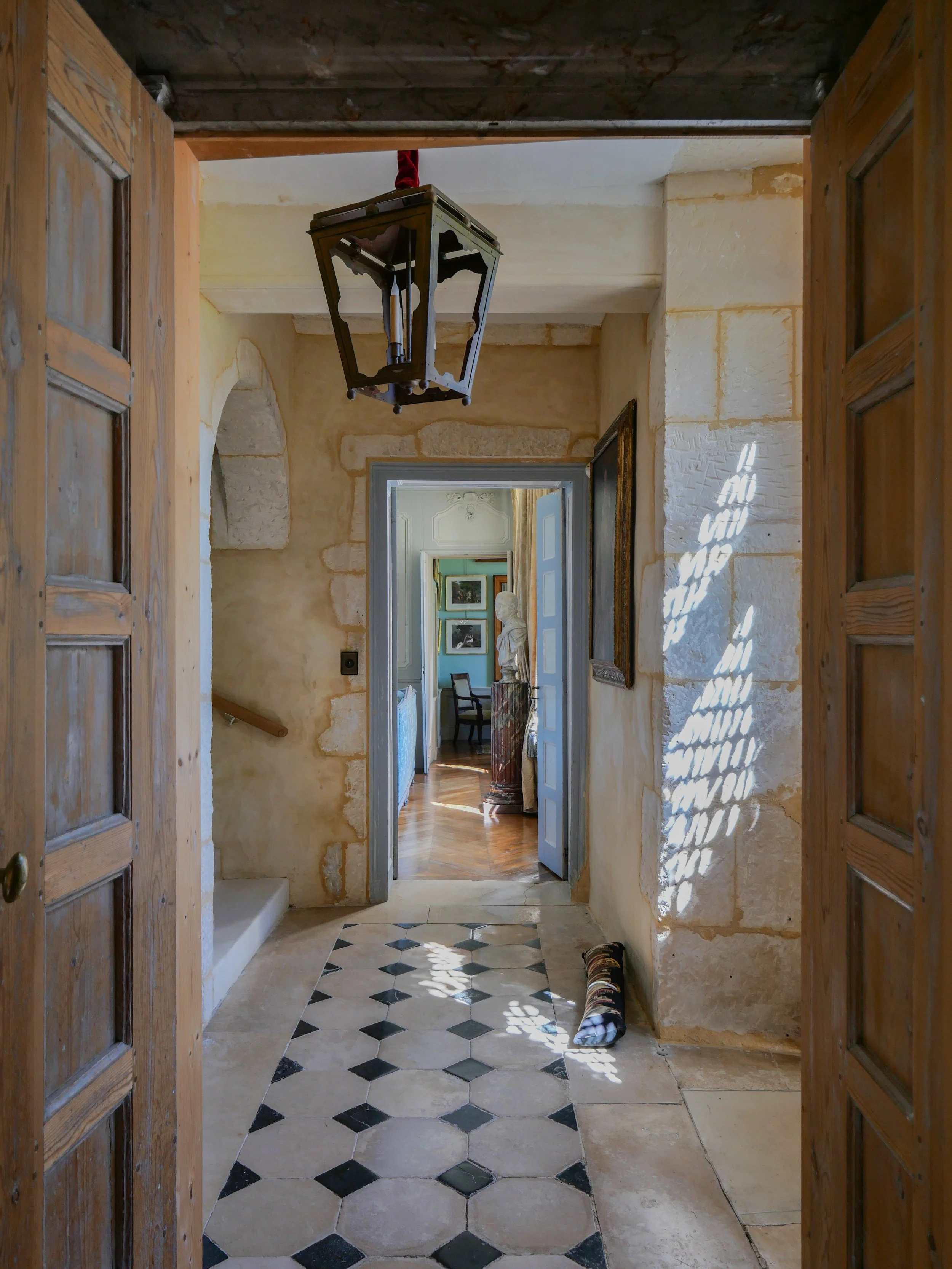
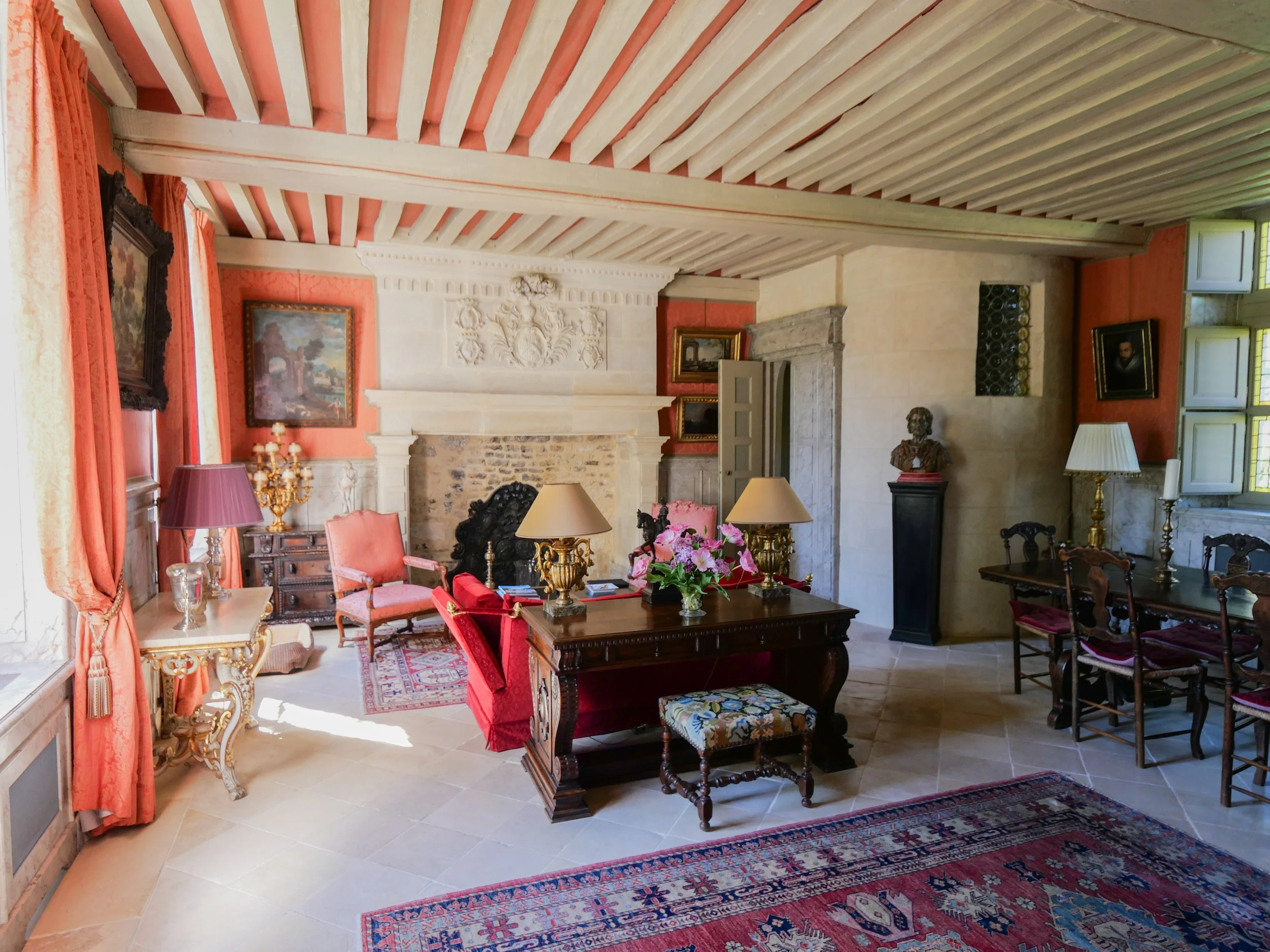
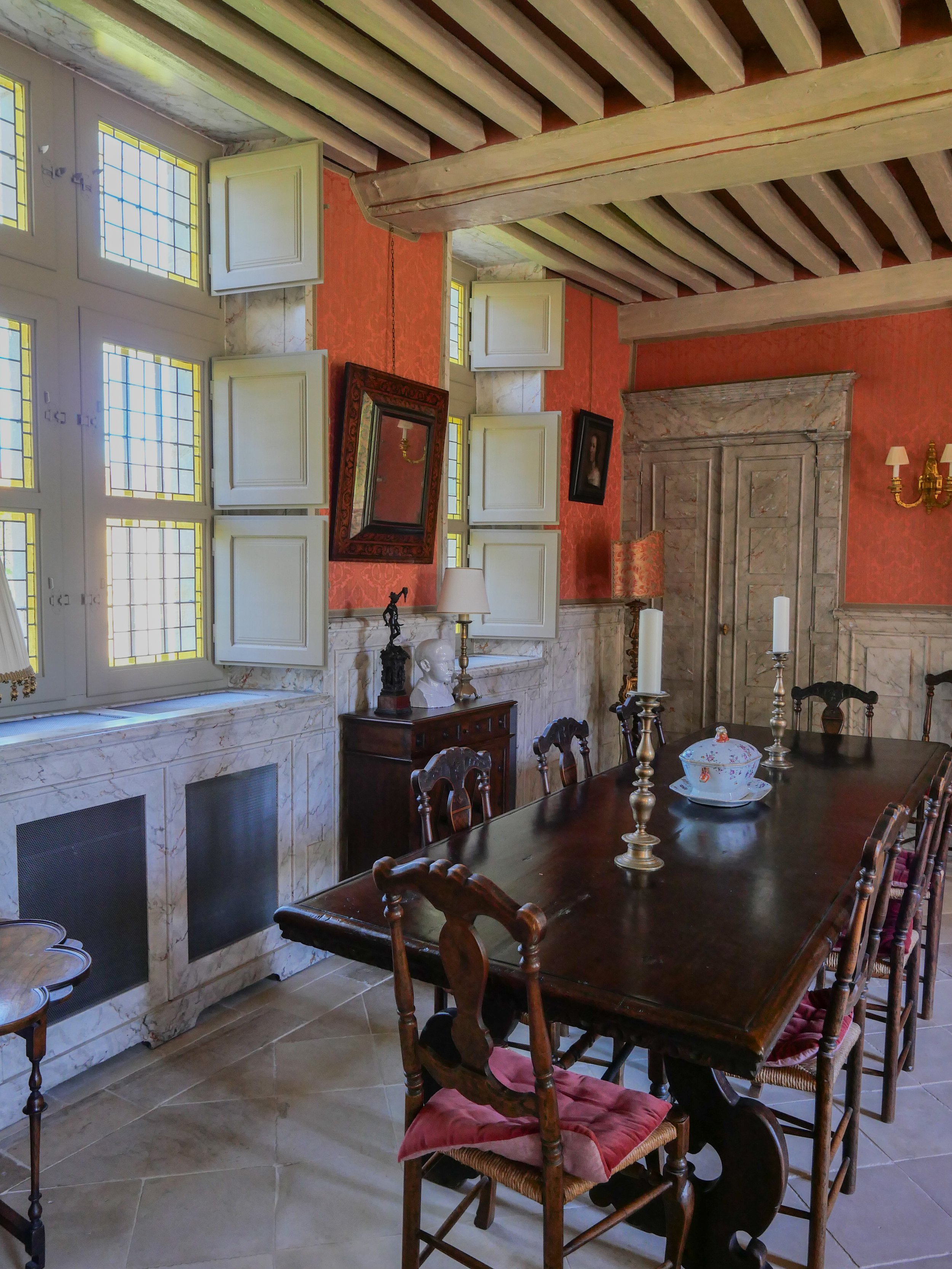
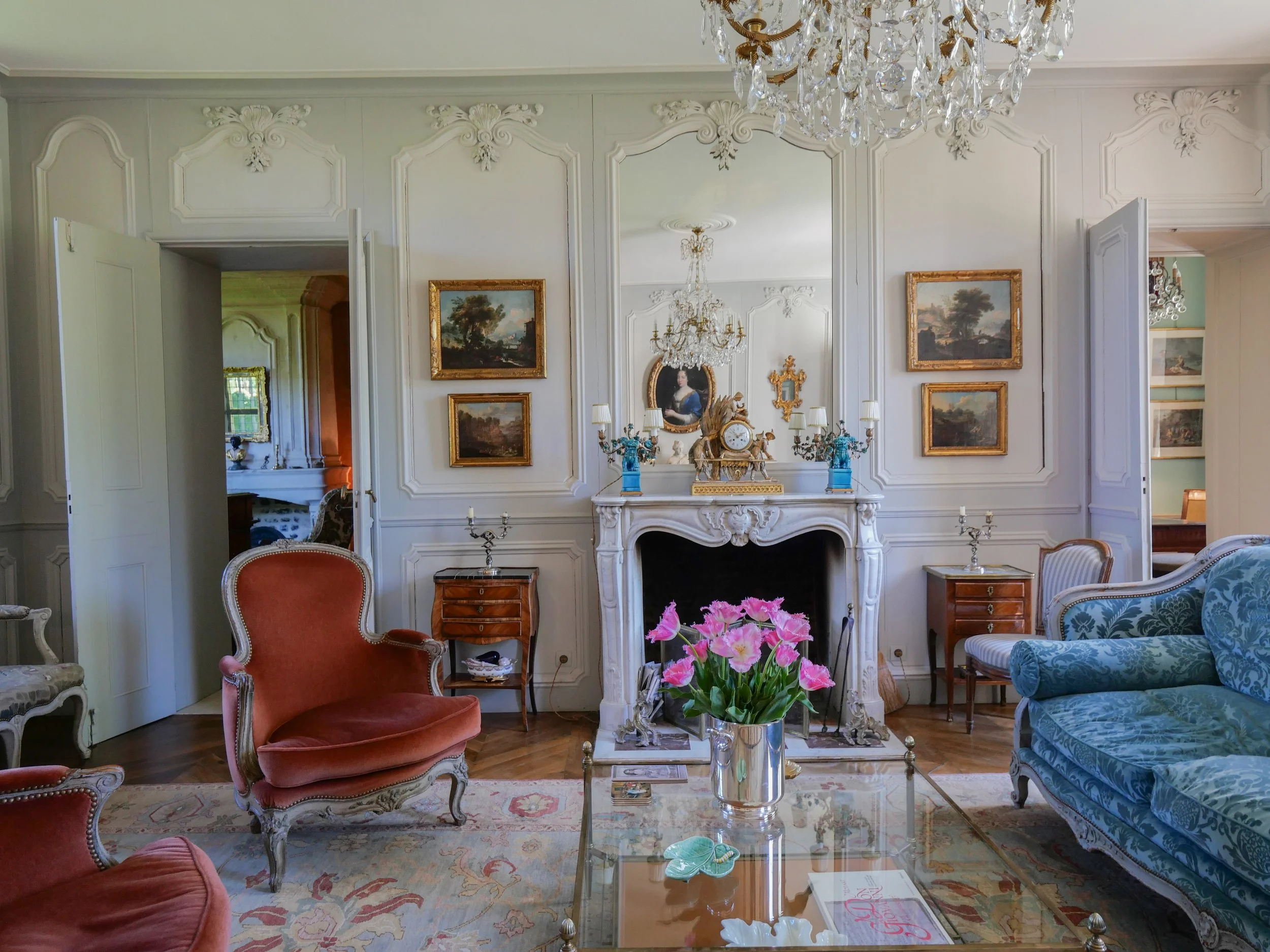
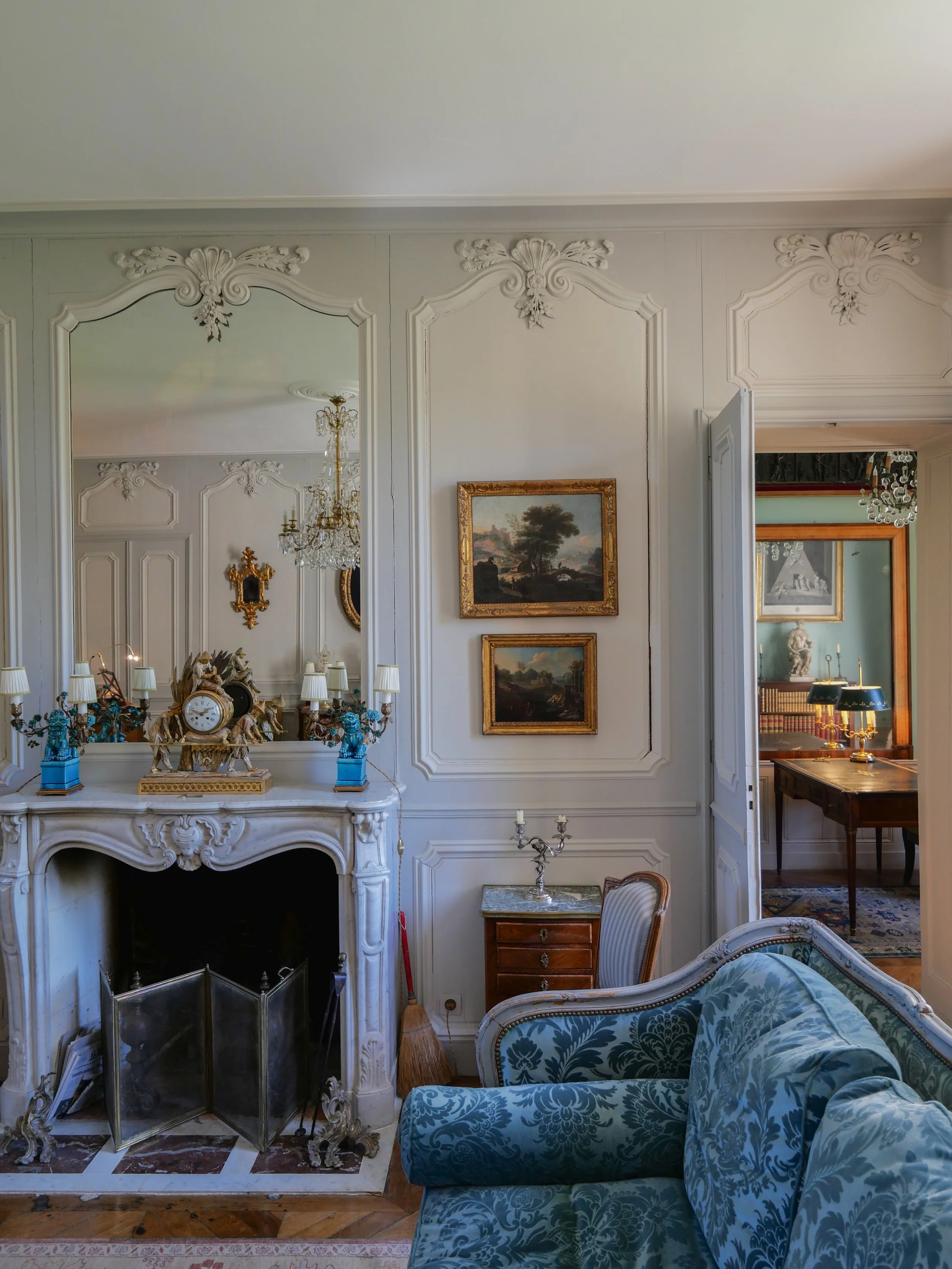
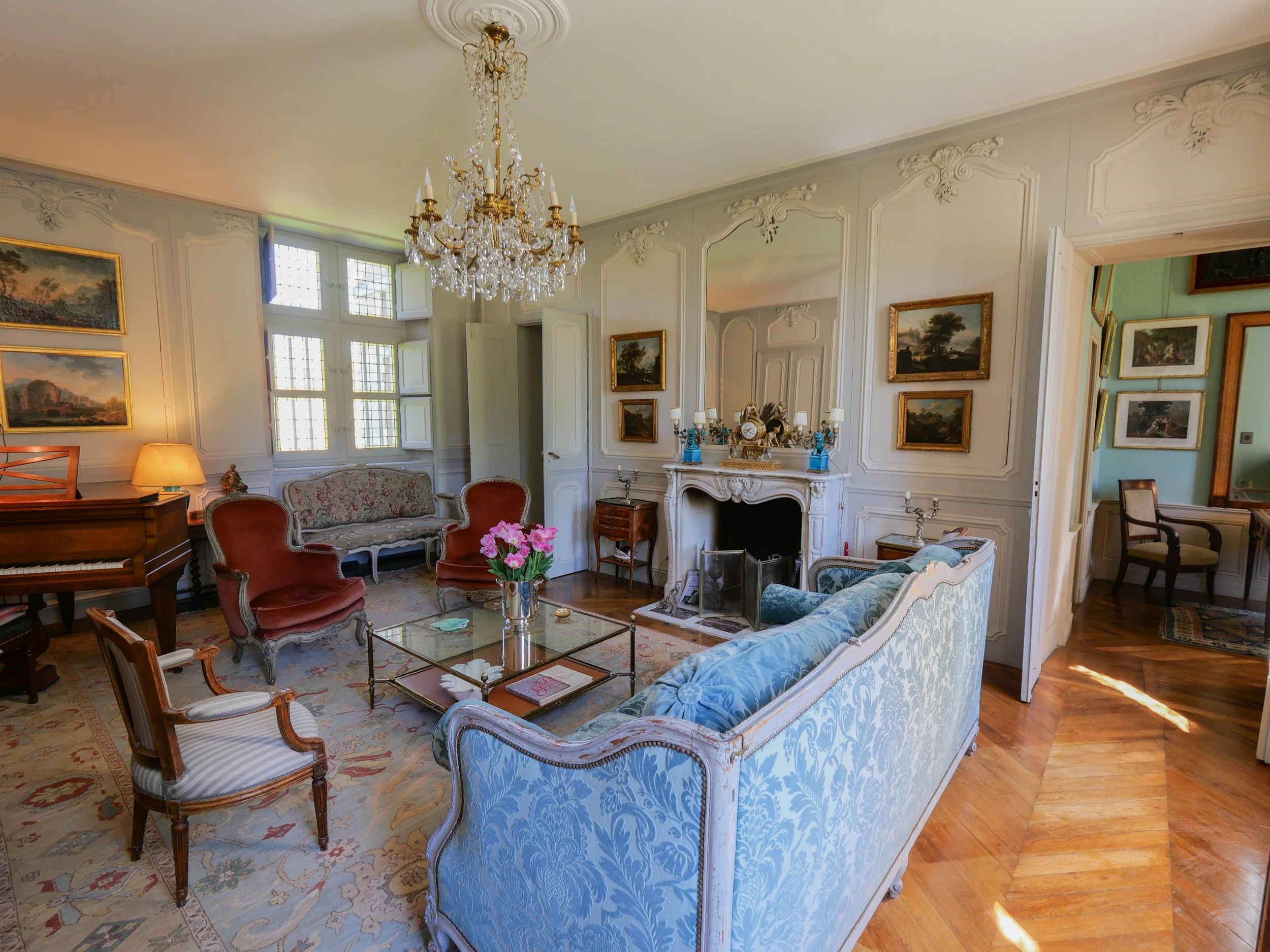
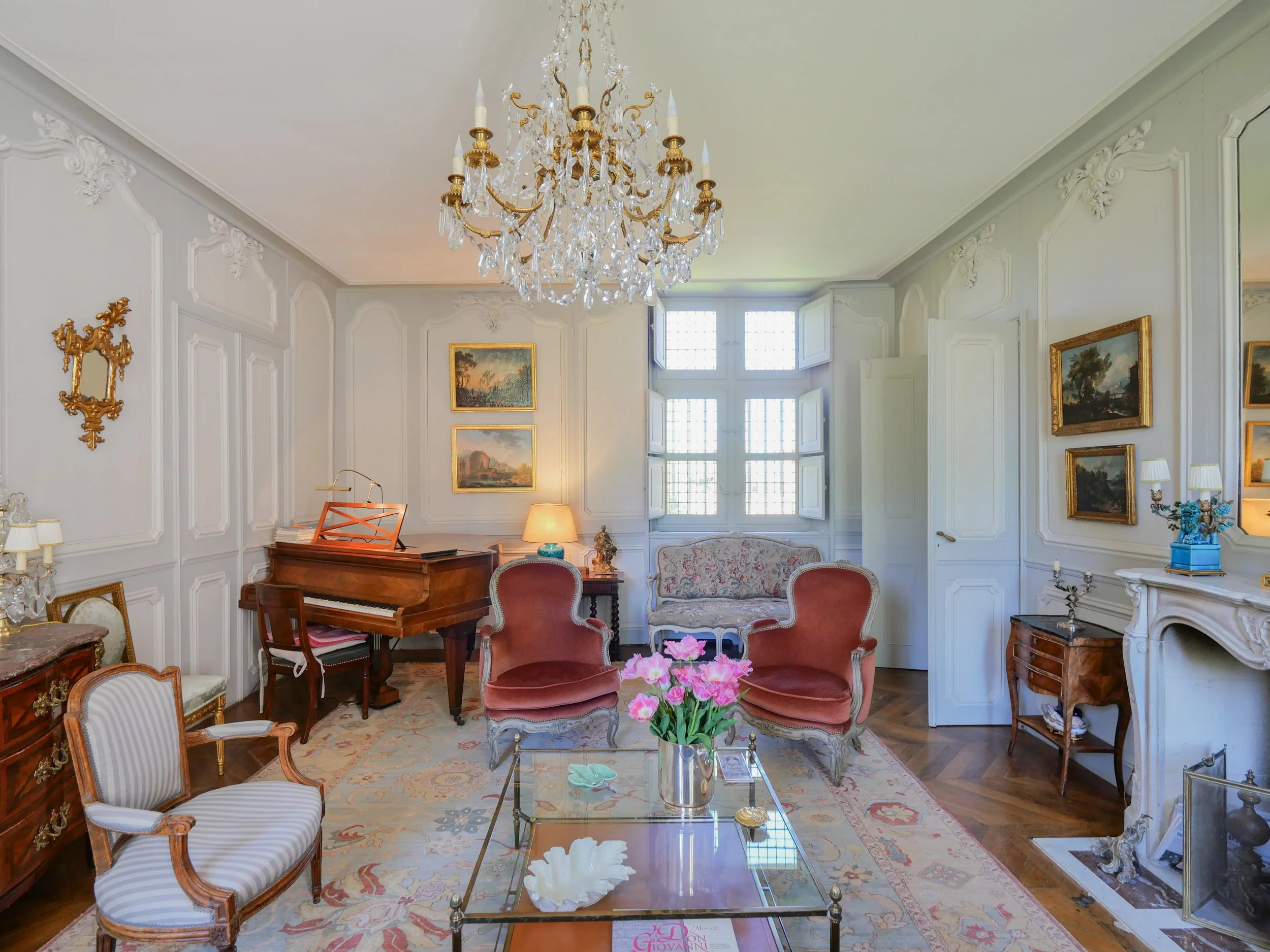
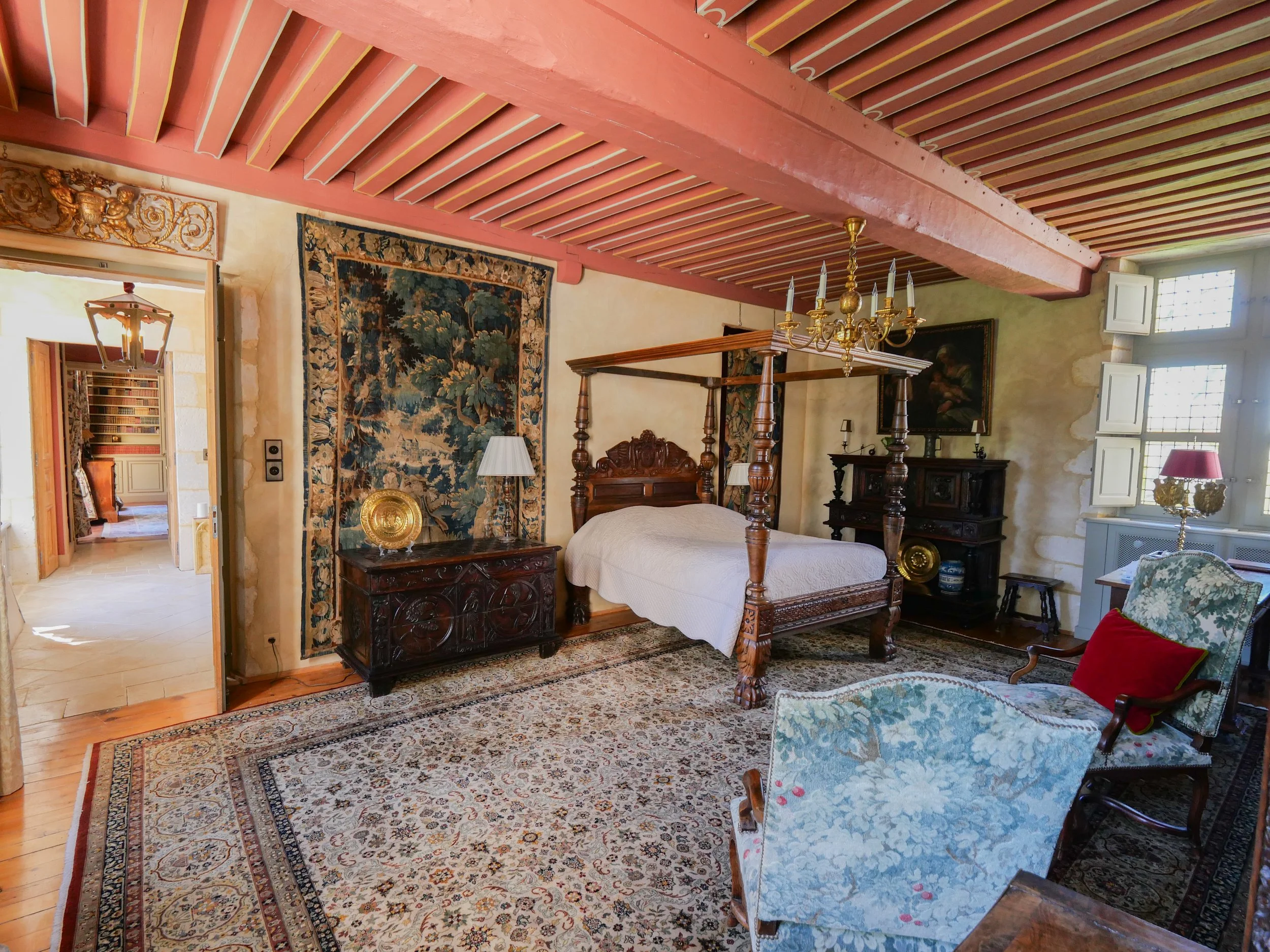
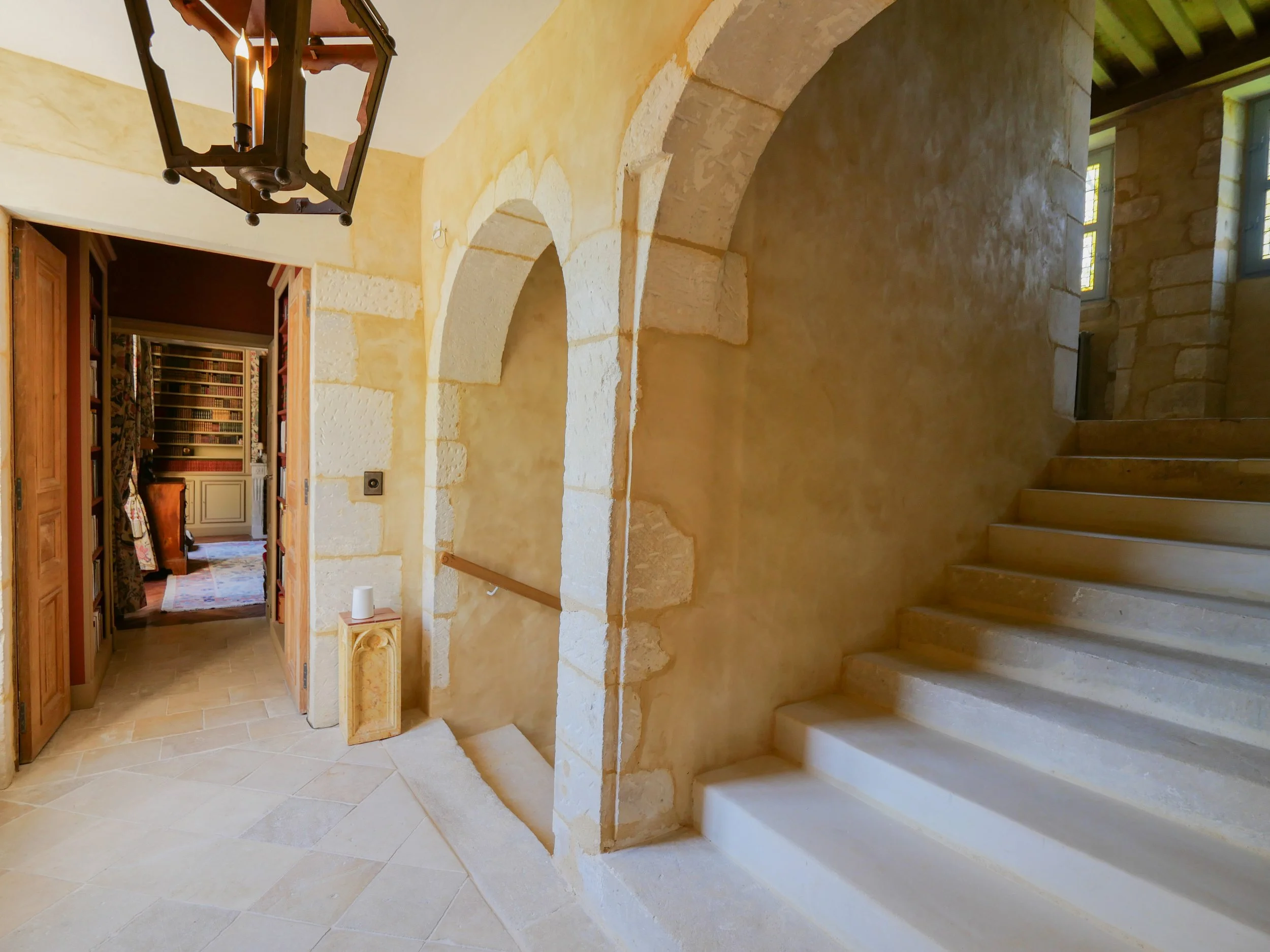
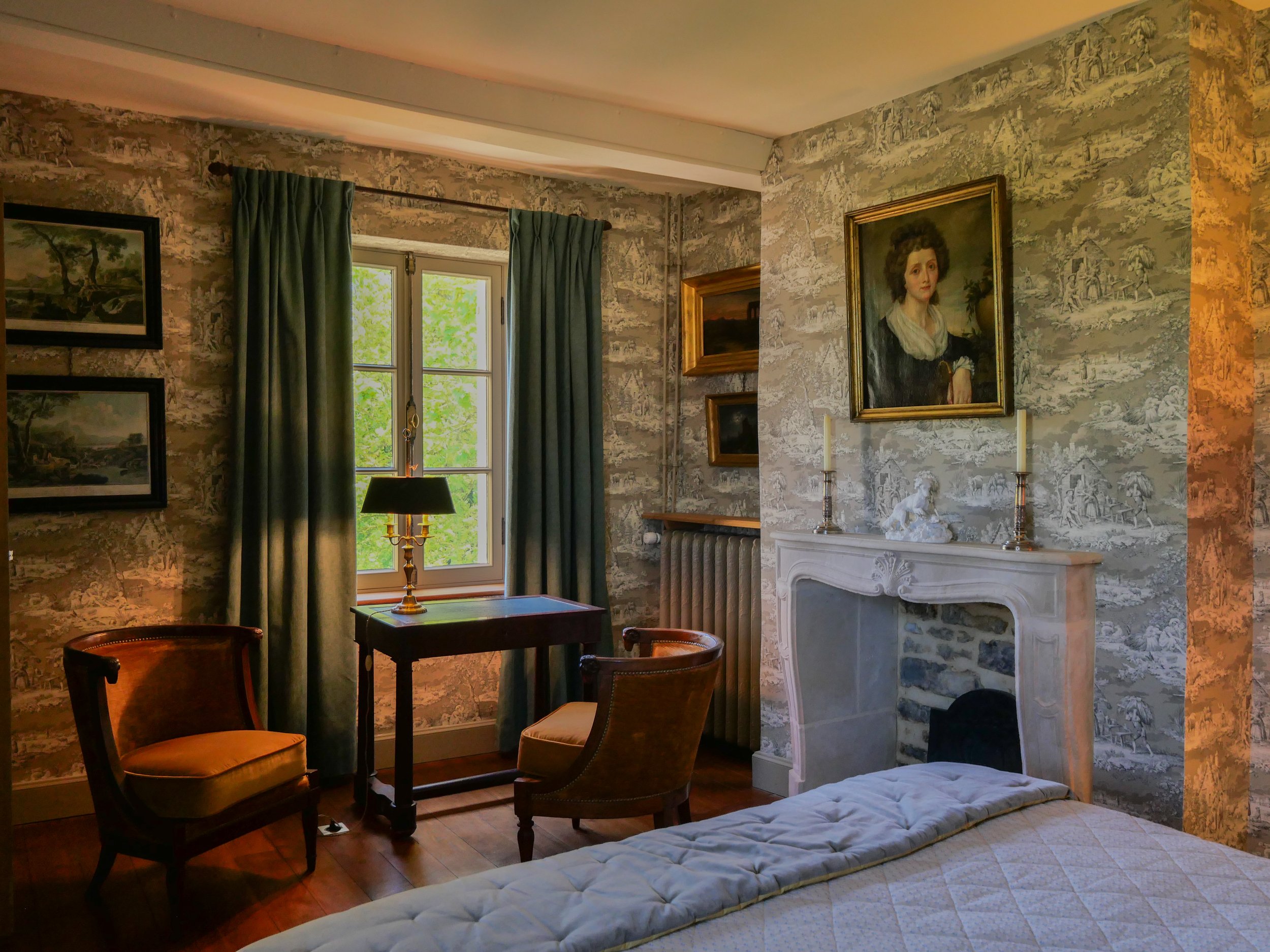
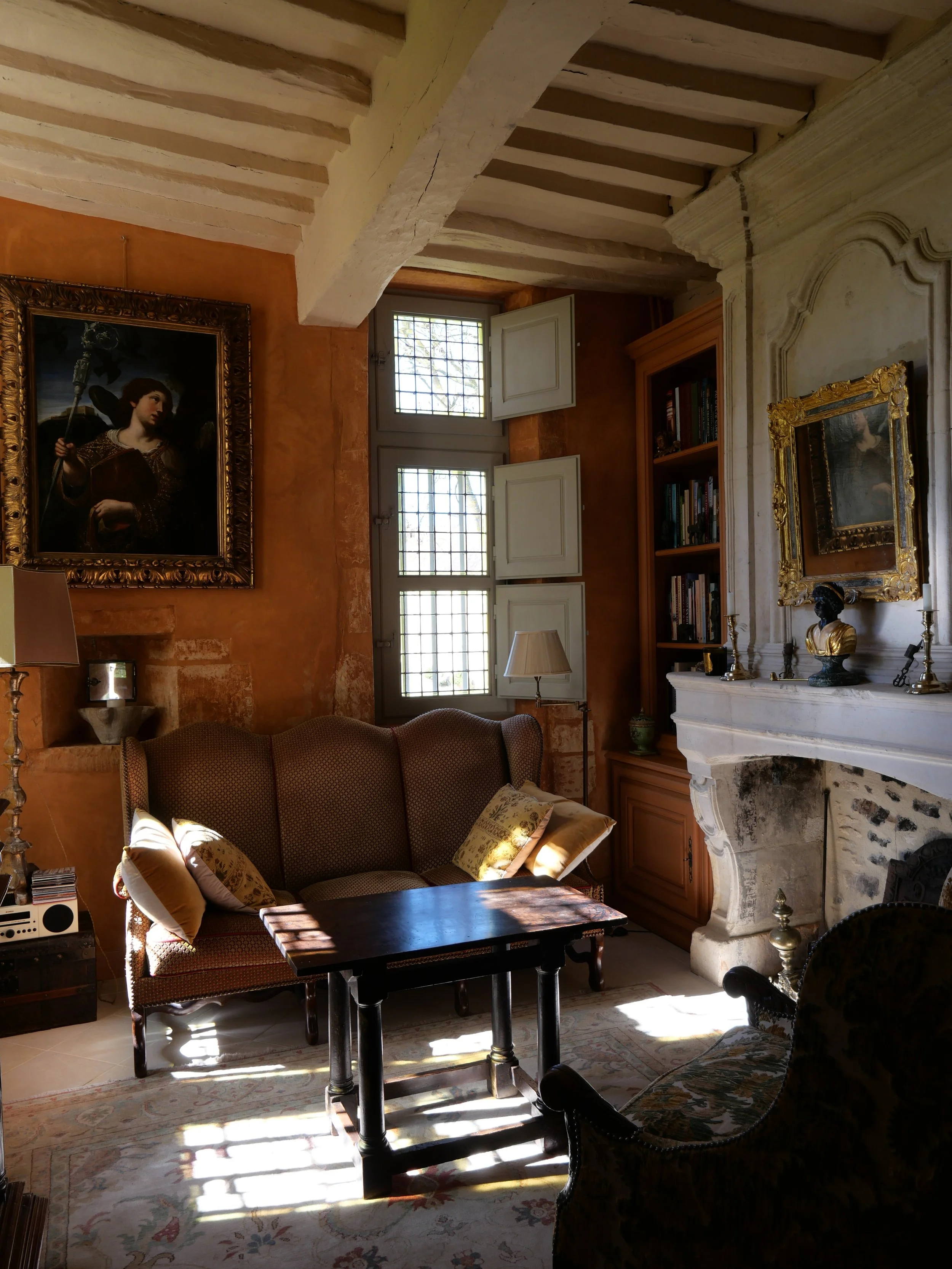
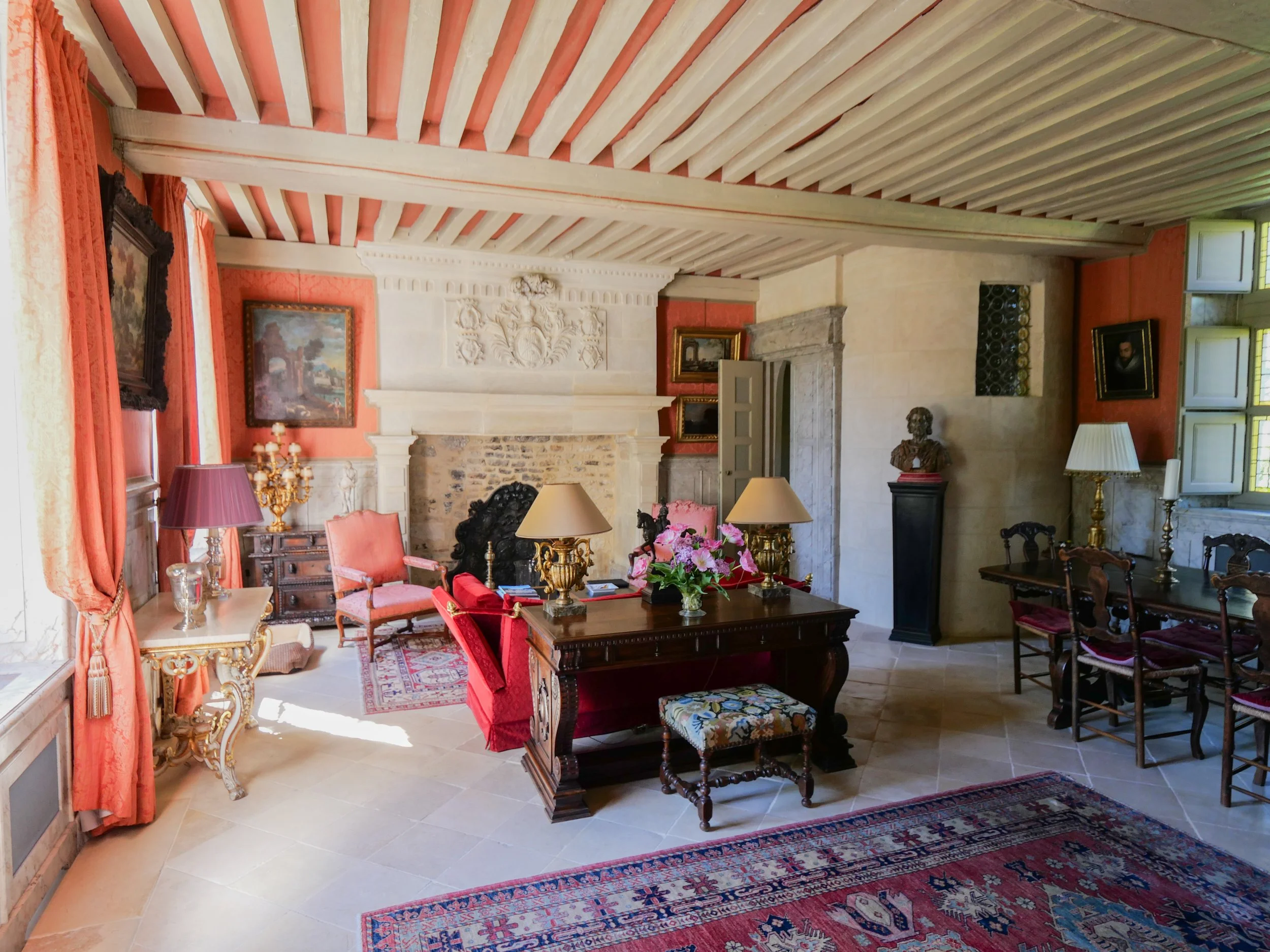
Inside, the château retains 17th- and 18th-century decorative features, including period fireplaces, wood panelling, beamed ceilings, herringbone parquet, cabochon flooring, and a stone staircase with return flights. Partially listed as a Monument Historique since 1997, the protected elements include the façades and roofs, the central staircase, the principal salon with its fireplace and wood panelling, and the fireplaces of three upstairs bedrooms.
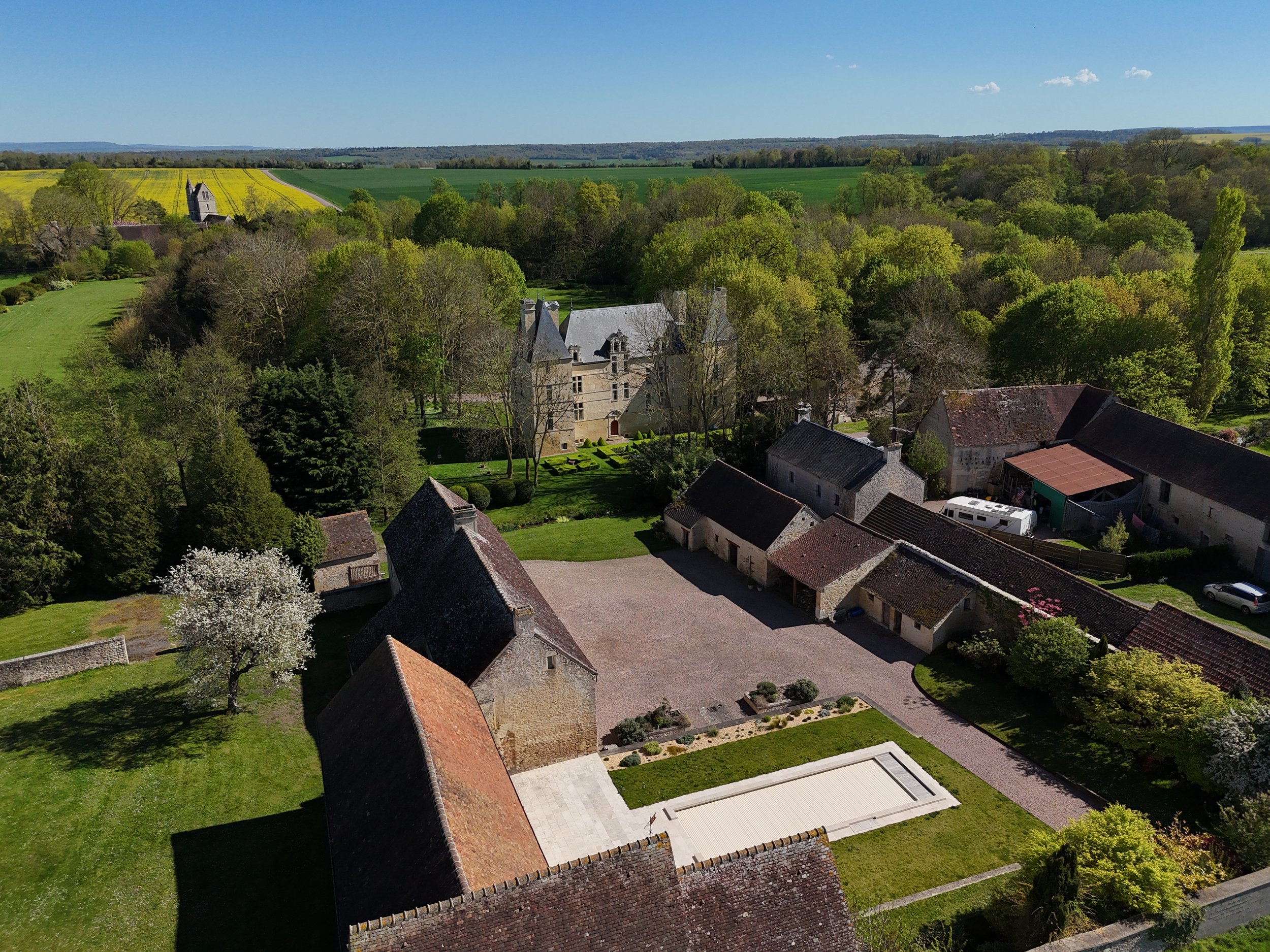
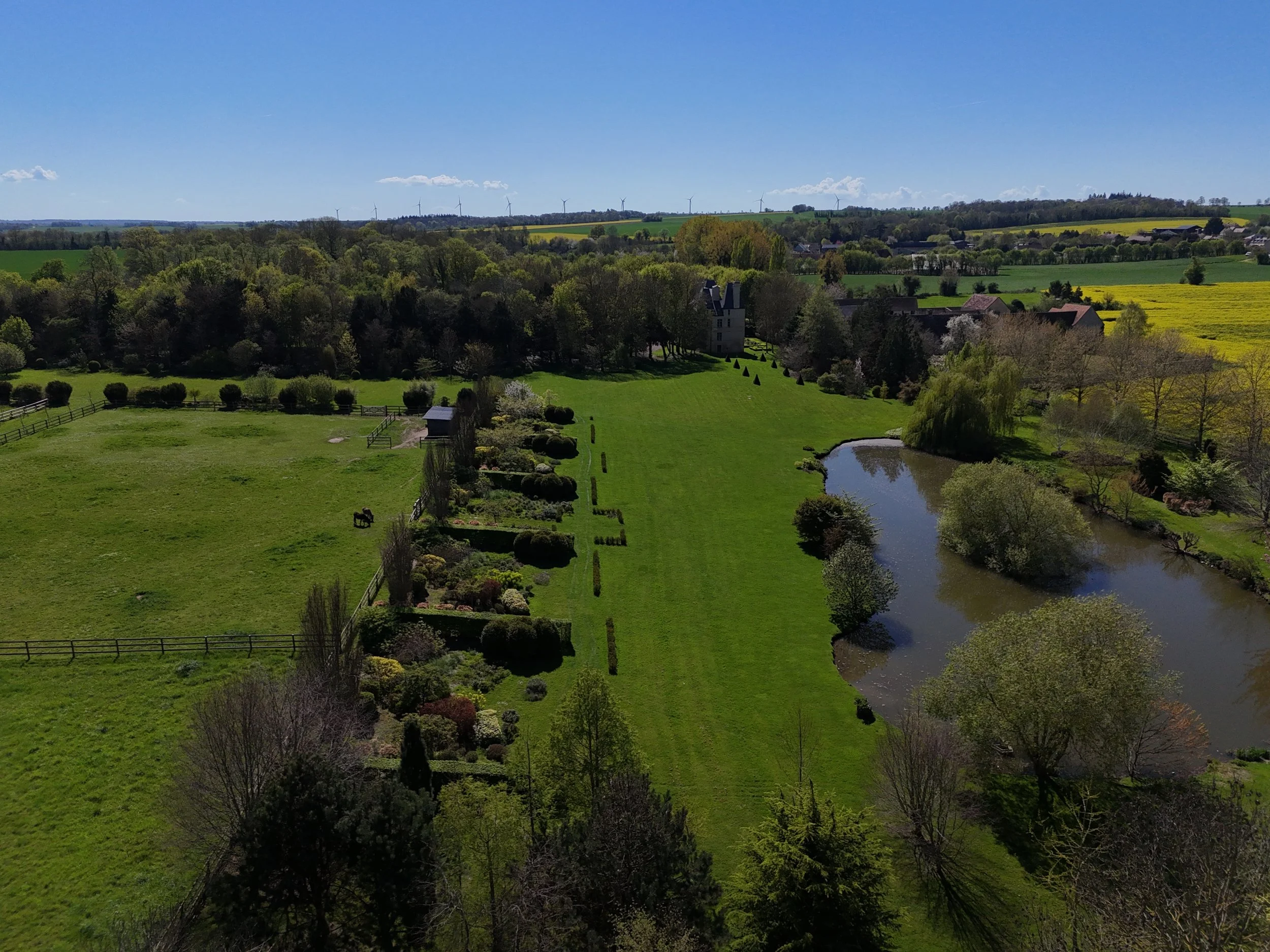
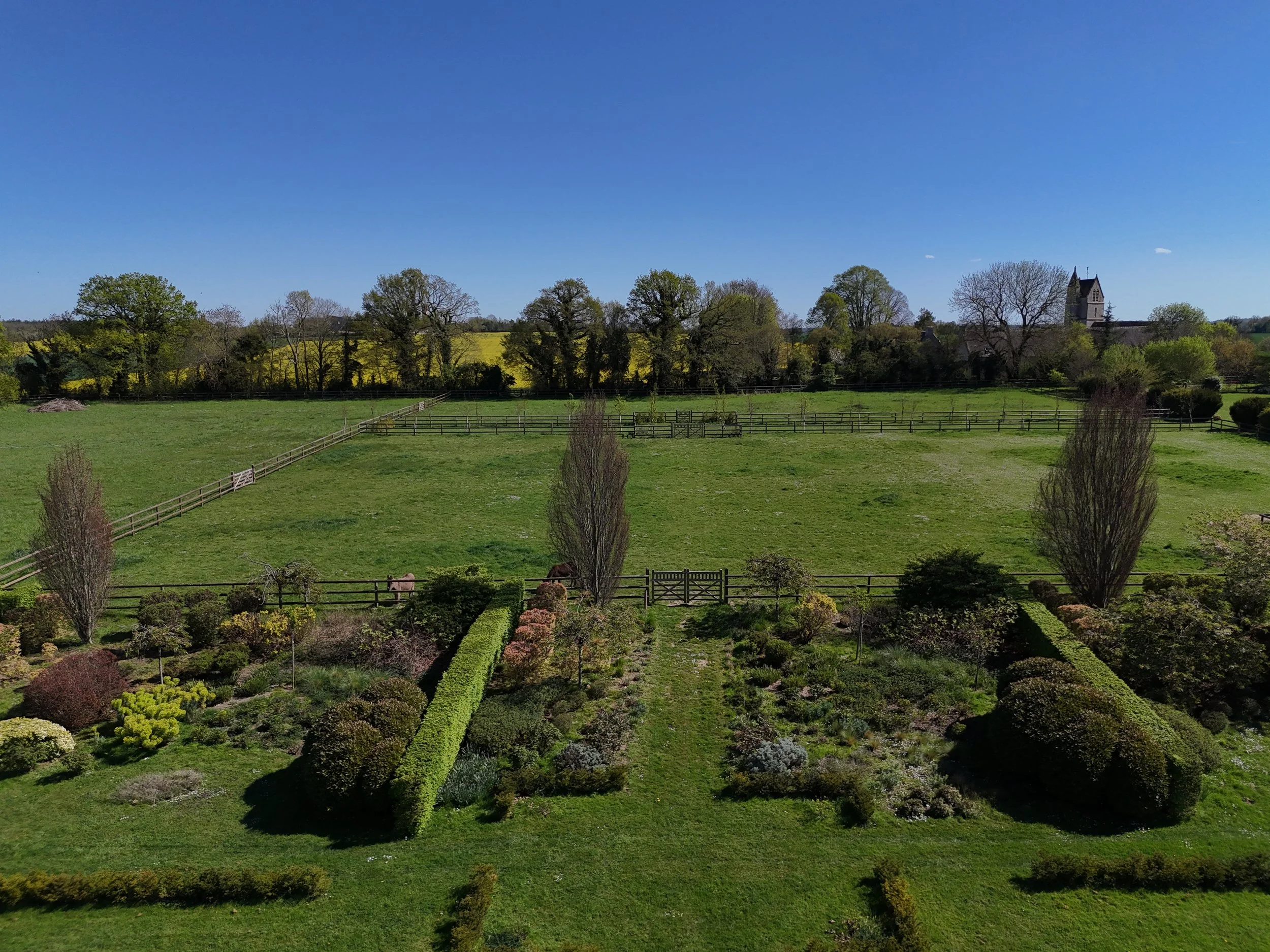
The current owners undertook a major restoration between 2009 and 2024, with more than €3 million invested. The works extended beyond the building itself: the park was enlarged, new gardens were created, and the grounds were developed to strengthen the relationship between architecture and landscape.
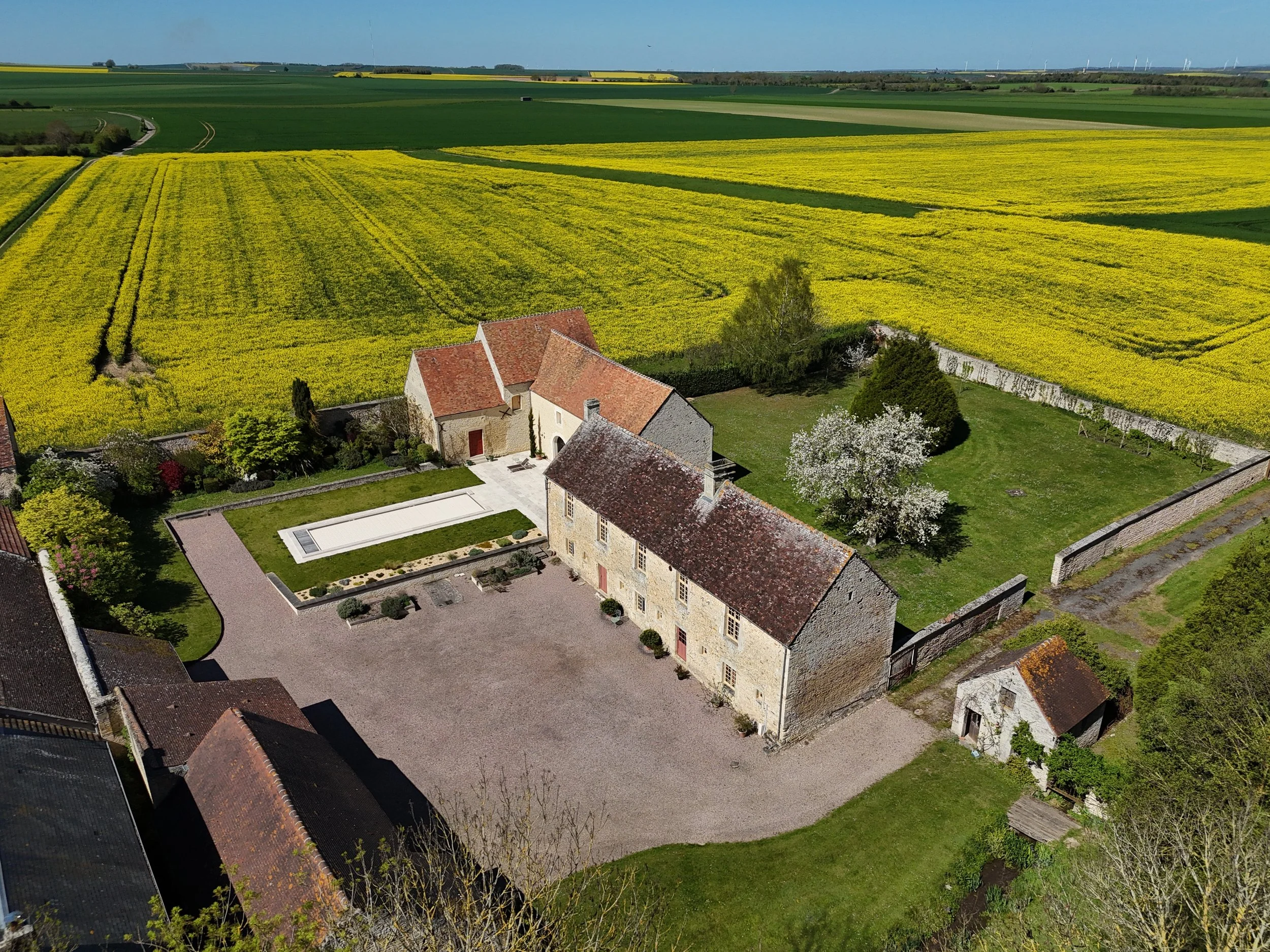
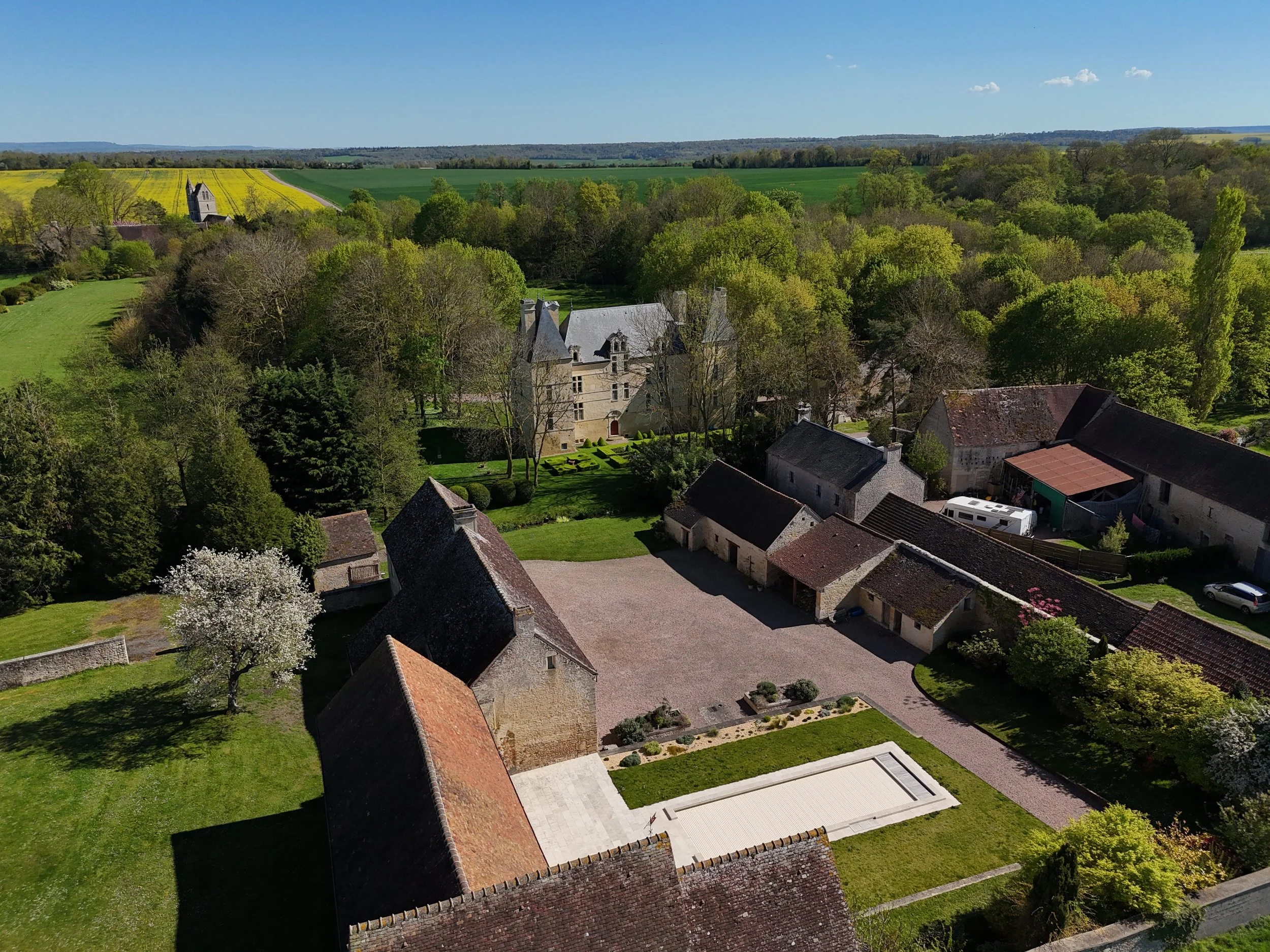
Further works included masonry consolidation, rebuilt vaults, chimney-stack restoration, new slate roofs, lime-rendered façades, bespoke wooden windows with Saint-Just glass, updated services, heating systems, and the restoration or renewal of key structural elements. A heated saltwater pool and pool house were completed in 2023.
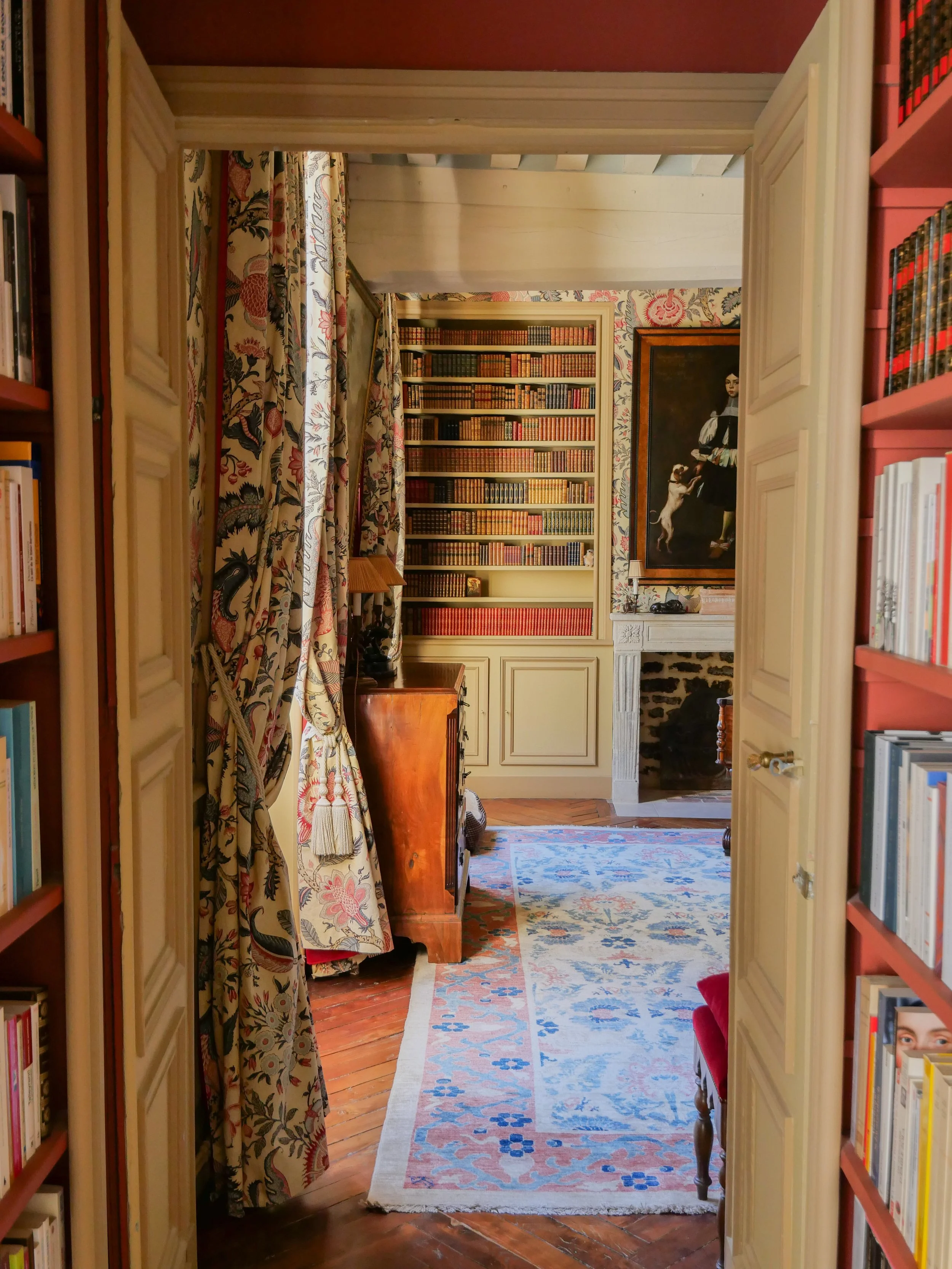
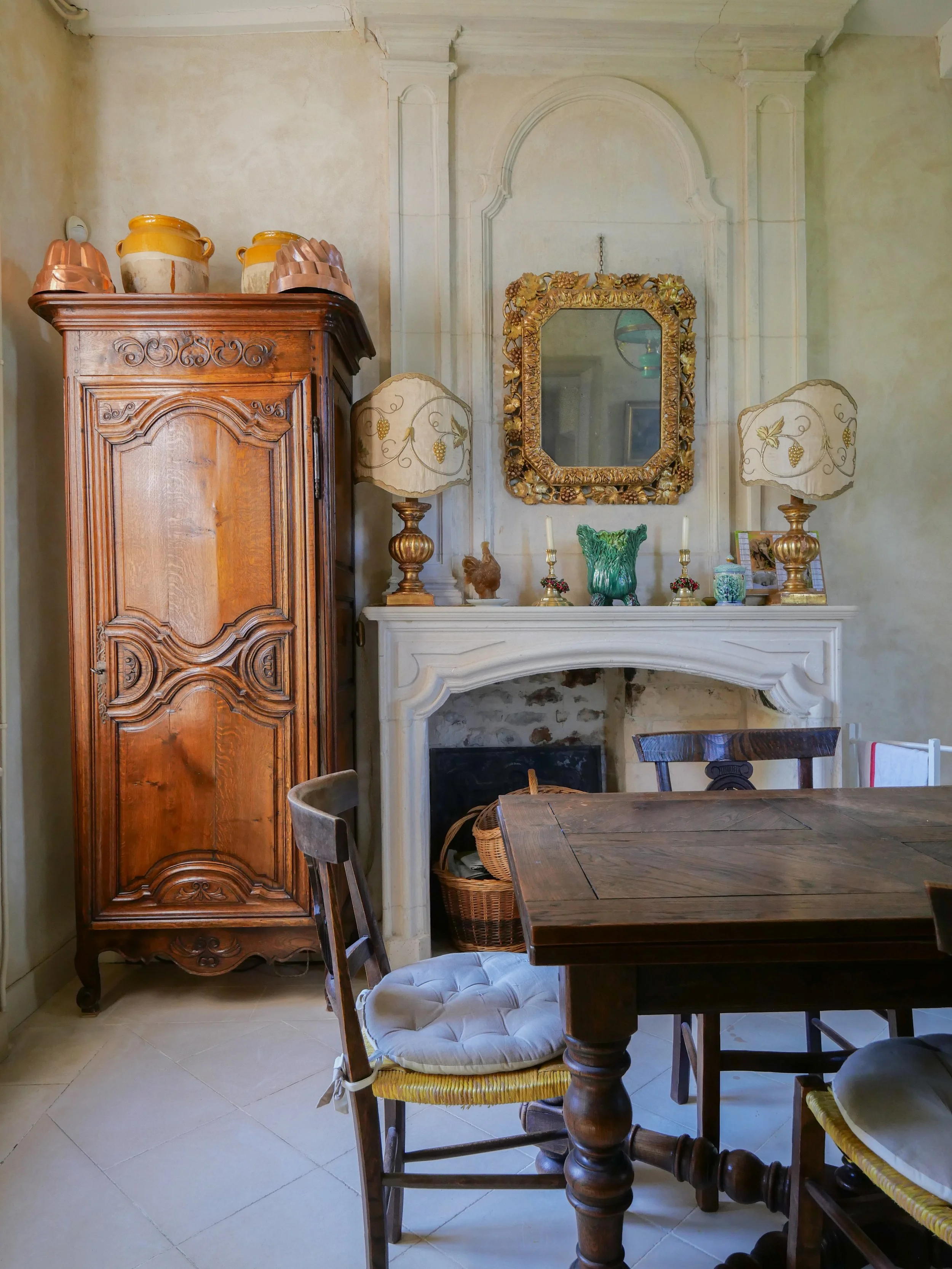
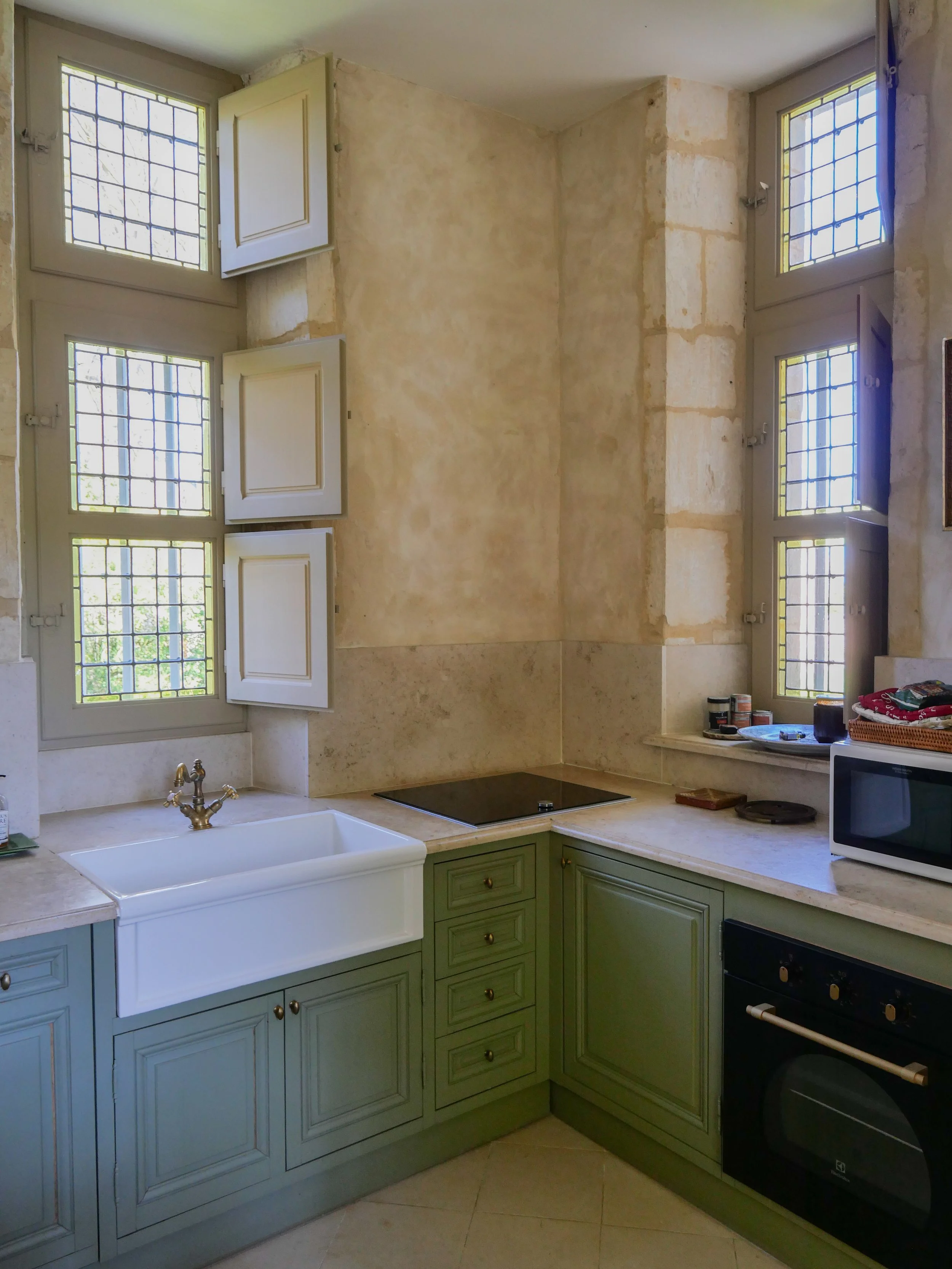
The château offers approximately 600 m² / 6,458 ft² of living space, with seven bedrooms and five bathrooms across its principal floors. Reception rooms include a 17th-century salon with an armorial stone fireplace, an 18th-century salon with Louis XV wood panelling, a study, a large cathedral-style upper living room, and a vaulted garden-level kitchen. The kitchen in the southwest pavilion has triple exposure, Burgundy stone worktops, and an 18th-century stone fireplace.
Photos by Denniel Immoiblier
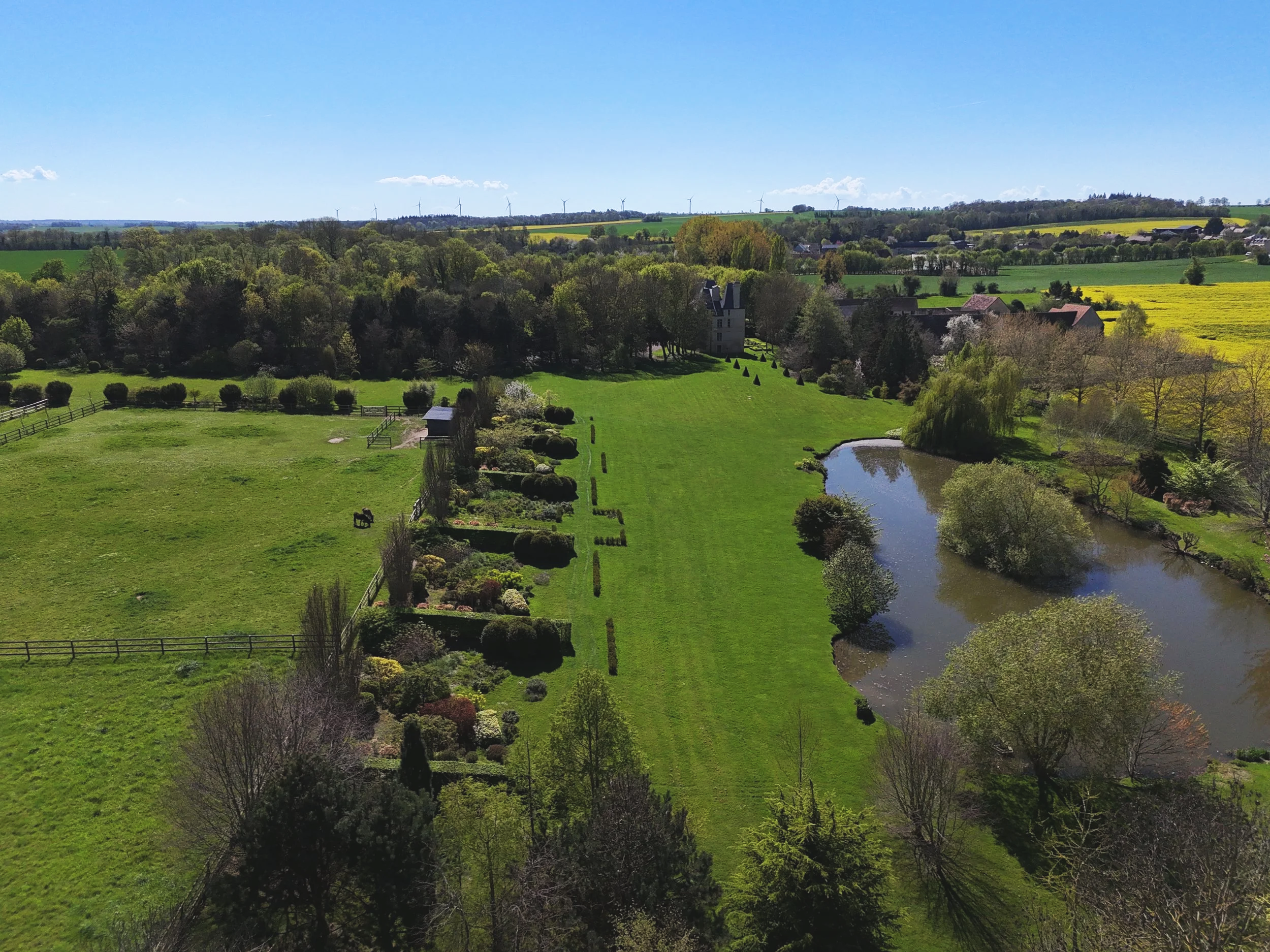
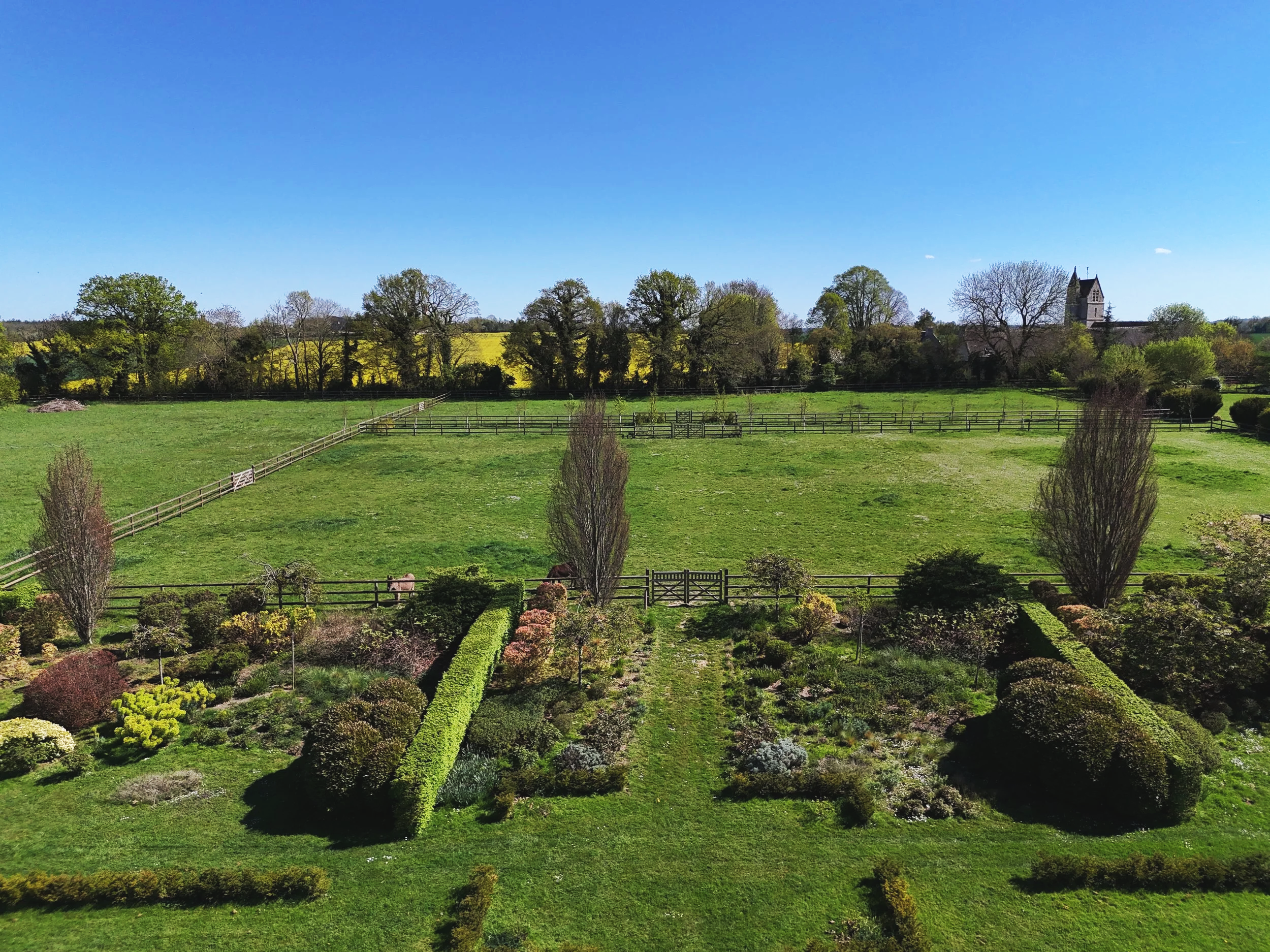
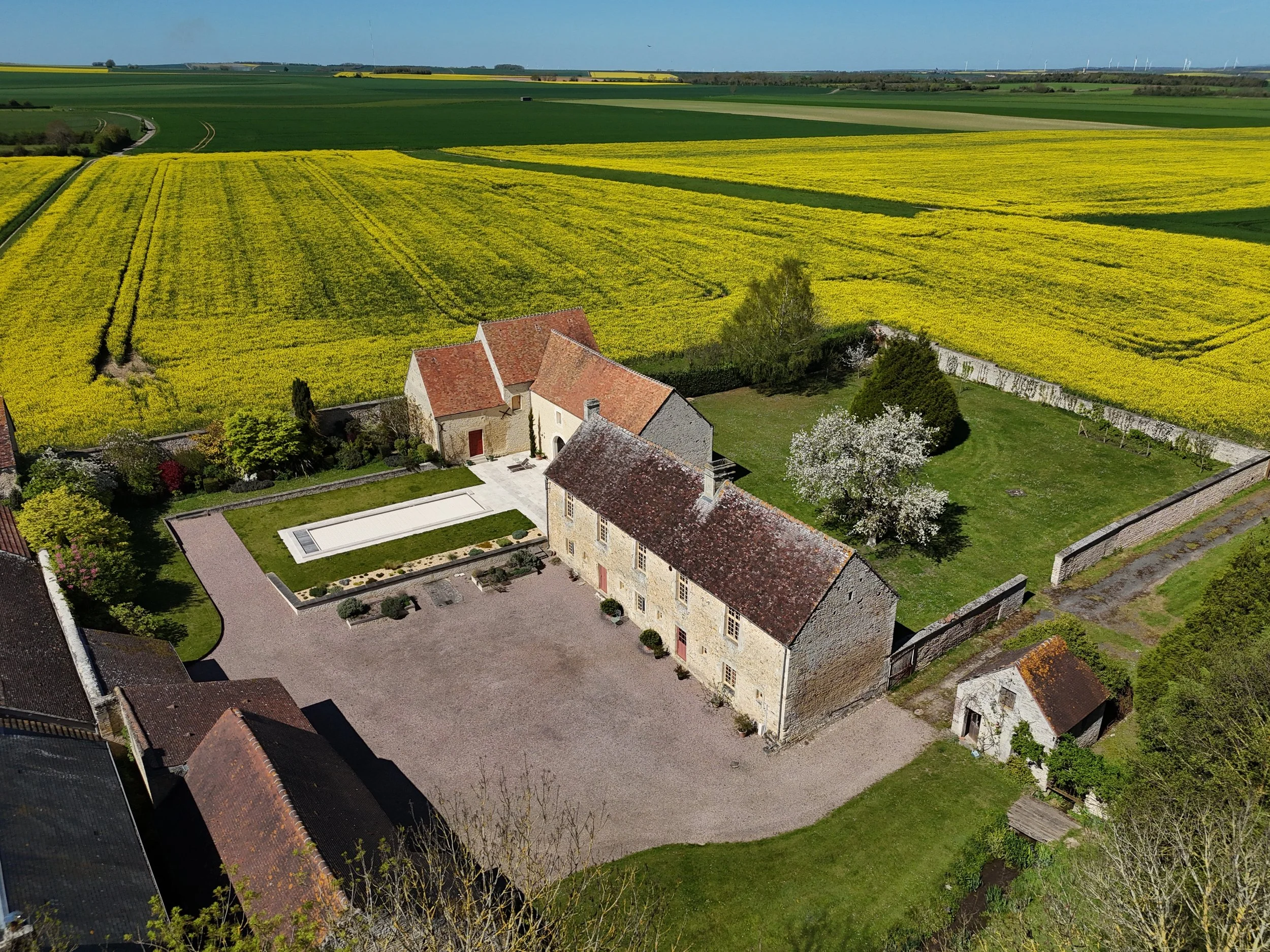
The estate extends to approximately 9 ha / 22 acres of landscaped parkland, arranged around a stream and mature plantings. A formal boxwood garden frames the rear façade, while the wider grounds include lawns, trees, outbuildings, a former bread oven, workshops, garages, storage areas, and a historic farmhouse requiring interior restoration.
The property’s setting adds to its historical weight. Falaise, nearby, is best known as the birthplace of William the Conqueror and remains one of inland Normandy’s major medieval reference points.
For a buyer, the appeal is not simply age or scale. It is the unusual completeness of the story: an earlier manor site, a 1614 château, an 18th-century classical transformation, protected historic interiors, and a substantial 21st-century restoration. In a region more often associated internationally with coastal towns and D-Day history, the estate offers a different Normandy narrative, rooted in inland heritage, architecture, and private preservation.
All photographs courtesy of Denniel Immobilier.