The James Mclean Mansion
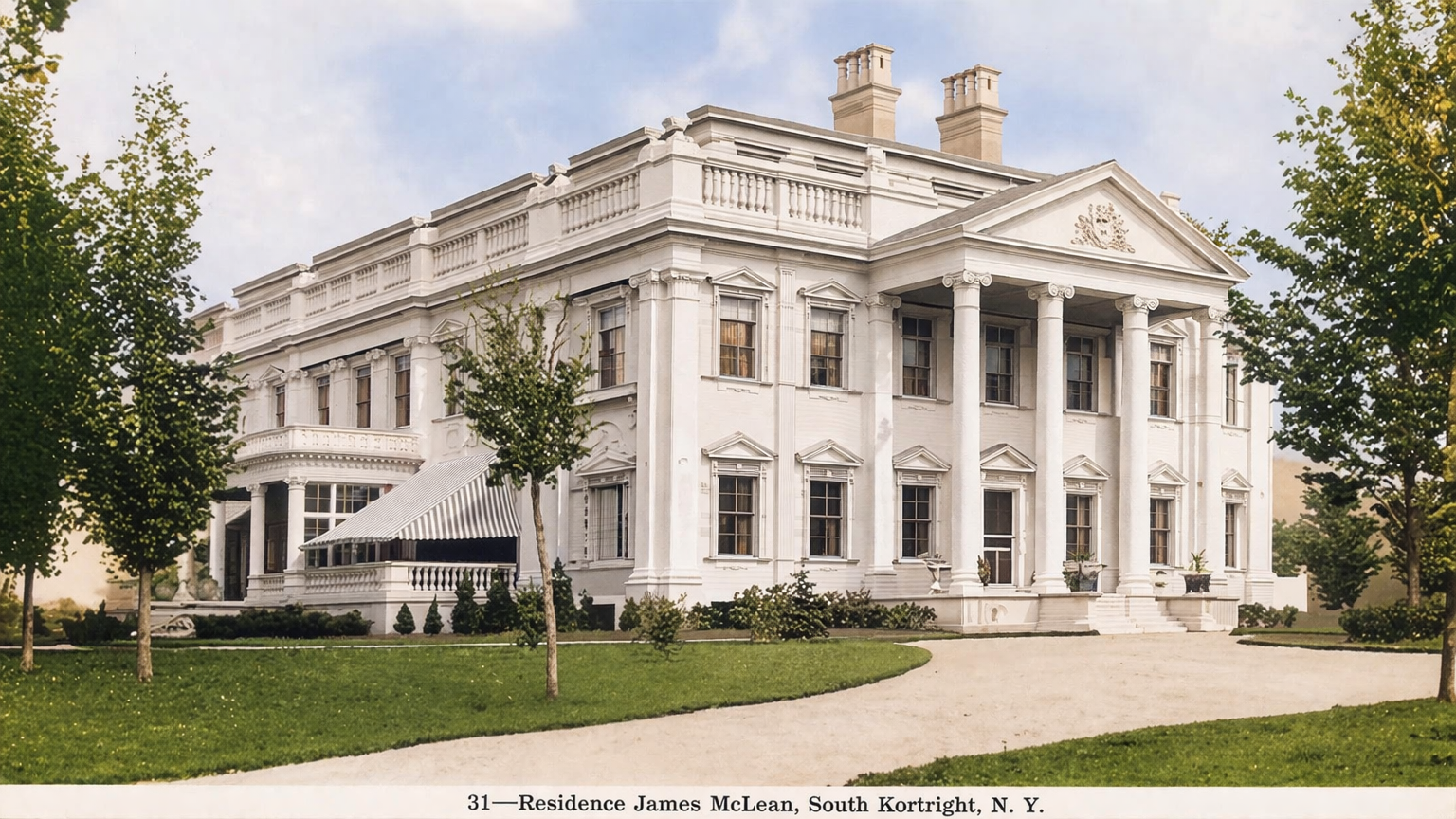
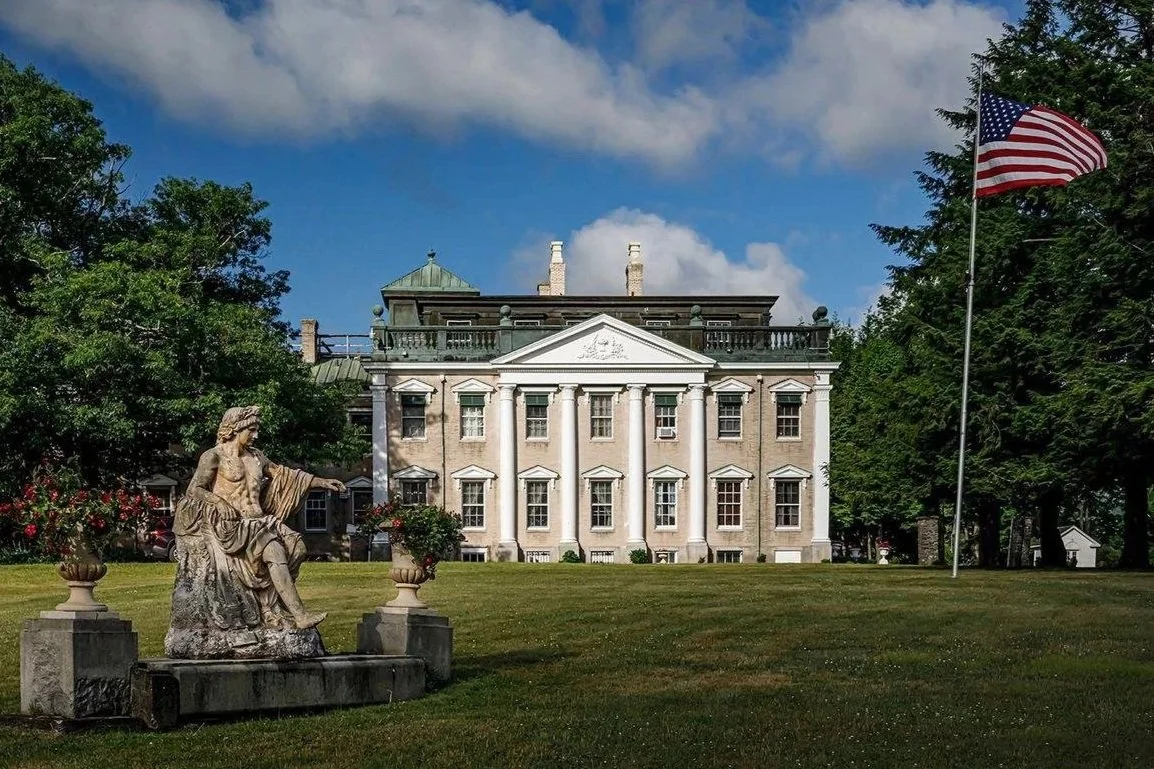
A Gilded Age mansion built for a copper baron in the Catskills is on the market with Sotheby’s International Realty, listed for $2,750,000 (~€2.55M). Set on 38.8 acres, the estate spans 24,692 square feet (2,294 m²) and includes 16 bedrooms and 18 bathrooms, 12 of which are full baths.
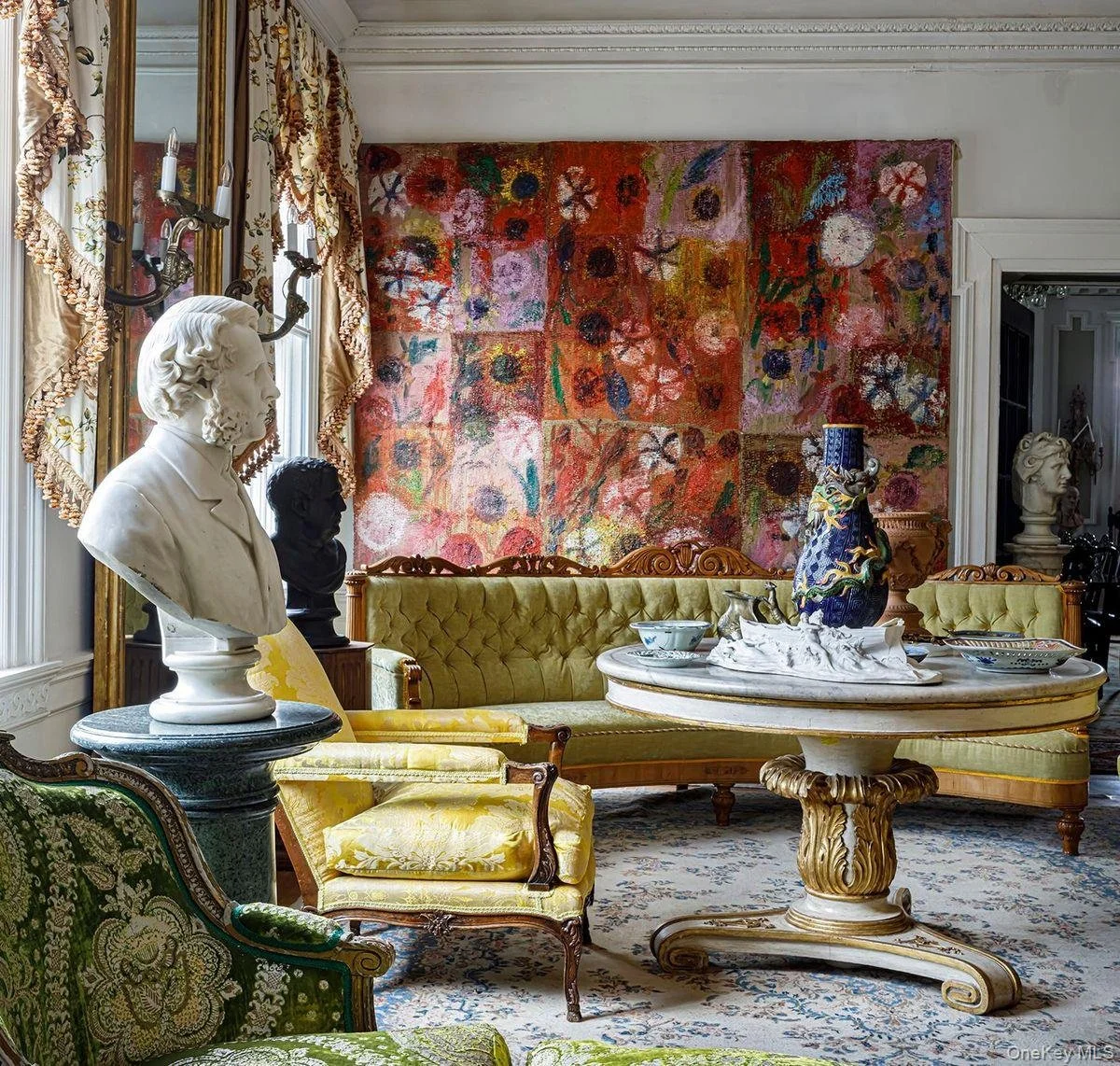
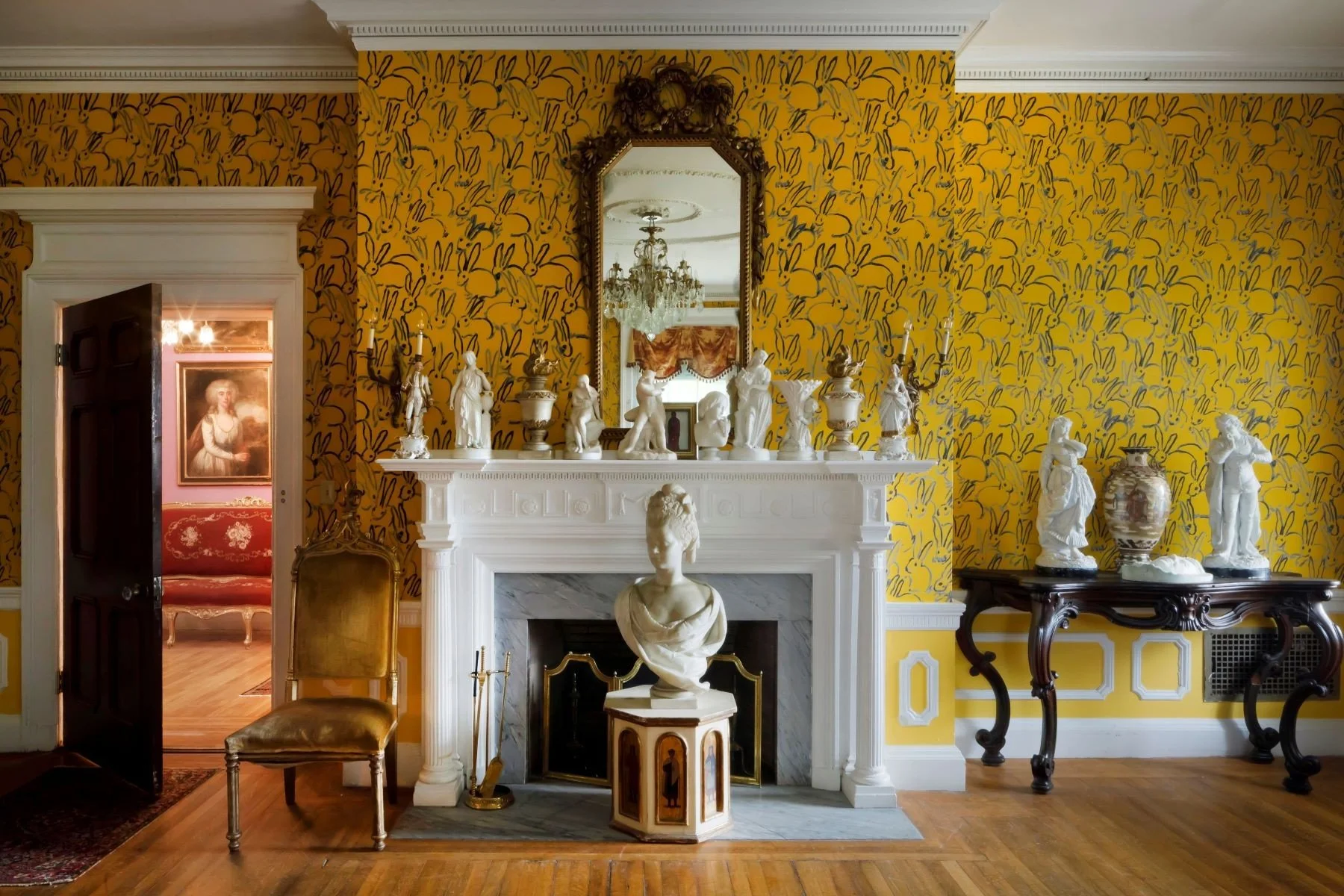
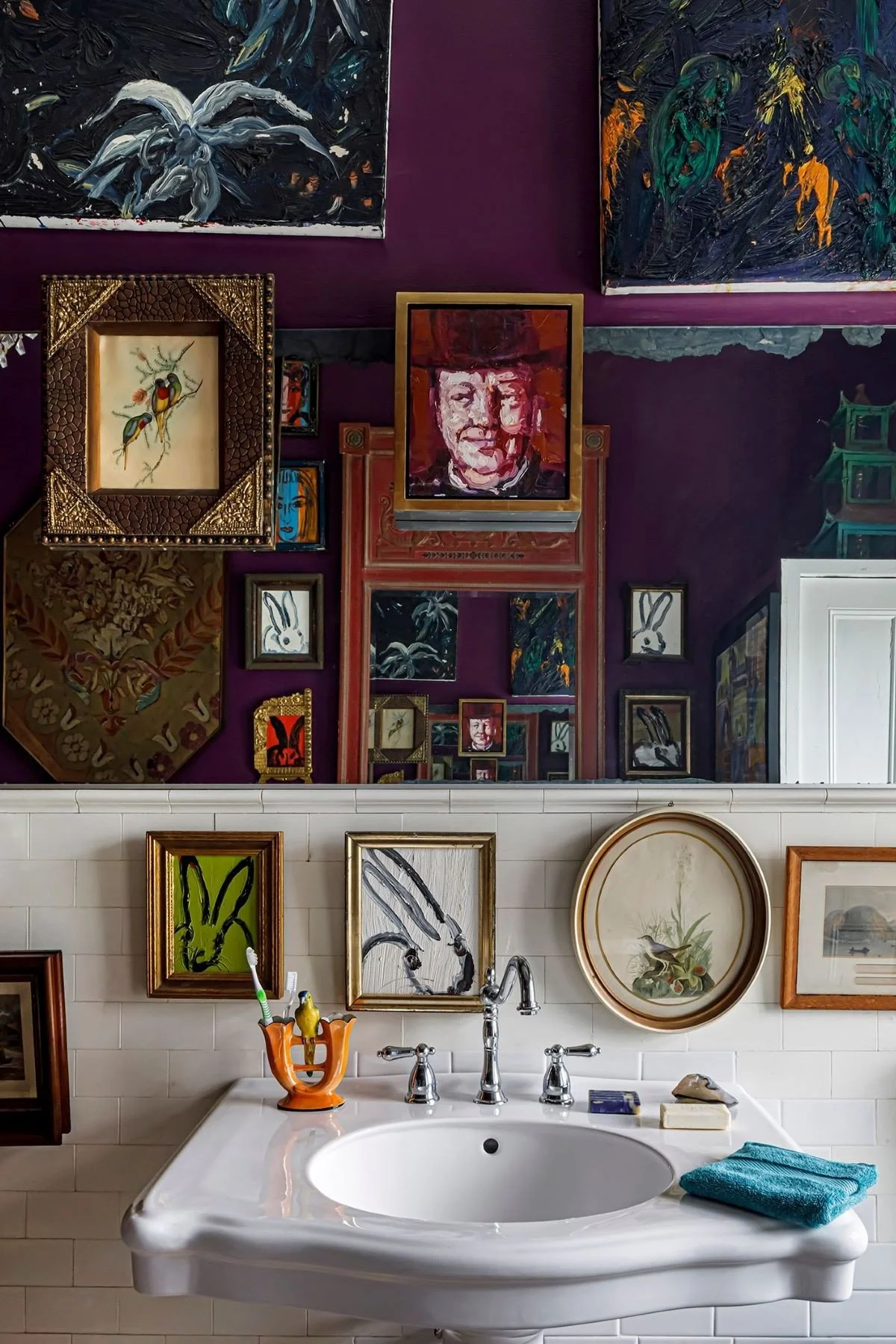
The home was reportedly frequently visited by Eleanor Roosevelt, and is now owned by artist Hunt Slonem, who has undertaken an unconventional restoration. Its interiors have been reimagined with his signature work—layered hand-painted motifs and dense, saturated color woven throughout the historic rooms.
Commissioned in 1906 by James McLean, a Gilded Age industrialist known as the “Copper King,” the property reflects a period when the country’s wealthiest industrialists were building expansive European-inspired estates across the United States. Often conceived as seasonal “cottages,” these houses functioned as both private retreats and social stages for elite gatherings.
McLean was one of the industrial elite during the Gilded Age, a period that followed the American Civil War and was defined by explosive economic expansion in the United States. Industries such as railroads, steel, oil, and finance generated enormous fortunes.
What Is the Gilded Age? Its Surprising Origins
Today, the Gilded Age is widely romanticized as a period of Gatsbyesque opulence, remembered by its incredible mansions, and stunning public works, such as the Grand Central Station or the New York Public Library.
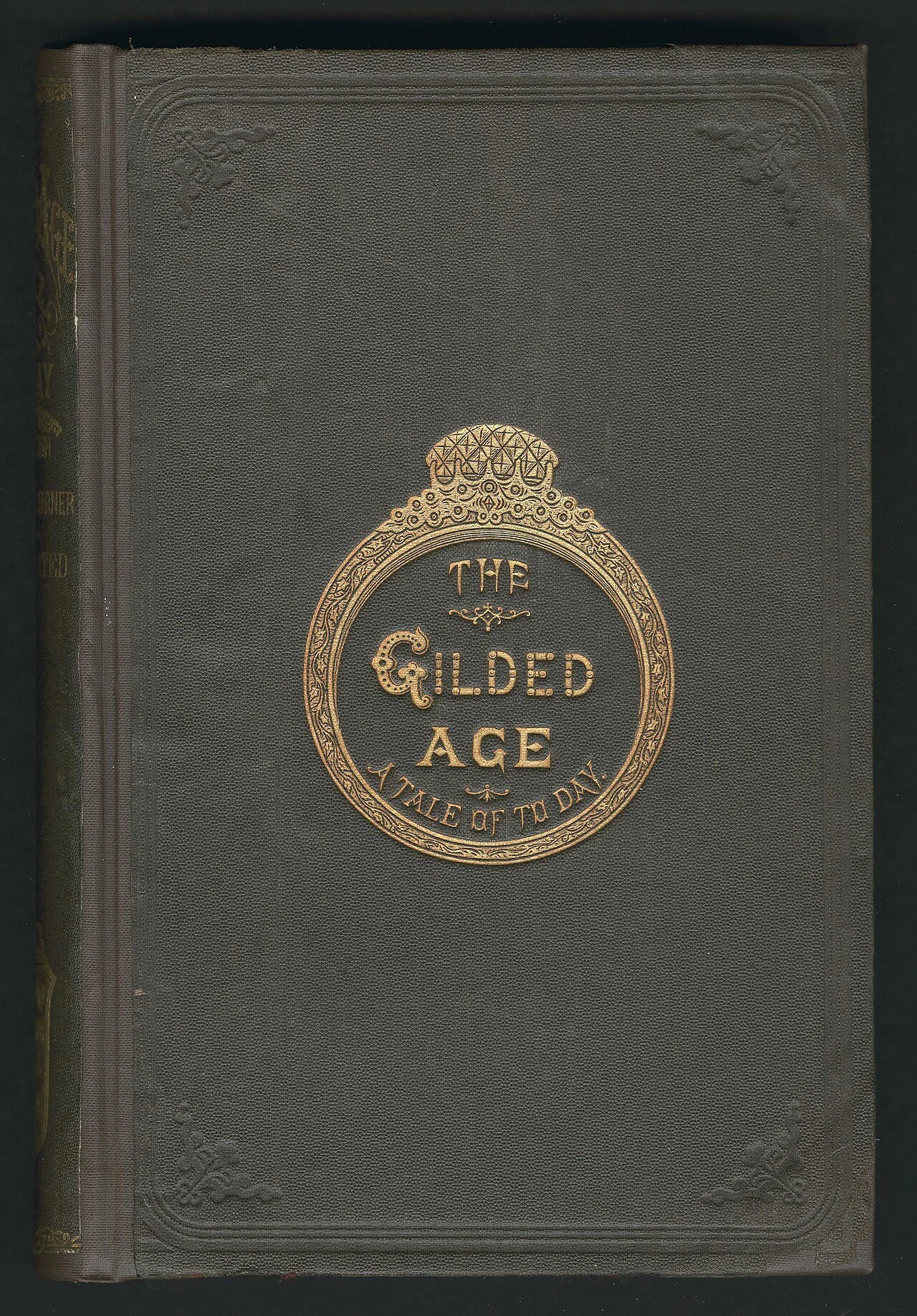
The term “Gilded Age,” coined by Mark Twain and Charles Dudley Warner in The Gilded Age: A Tale of Today, was intended as a critique rather than a compliment. The word “gilded” refers to something coated in a thin layer of gold, suggesting that while the era appeared prosperous and glamorous on the surface, it was underpinned by socio-economic inequality, excess, and corruption.
Although an exaggeration, highlighting the worst parts of that period, the economy grew quickly, people experienced upward mobility, and overall living standards gradually improved into the early 20th century.
Copper, Industry, and the Making of Wealth
McLean’s fortune was tied to the electrification of the United States at the turn of the 20th century, a period when expanding infrastructure transformed cities, industry, and daily life.
He was an executive at Phelps Dodge, which had evolved into one of the largest copper producers in the United States and later became part of Freeport-McMoRan following its acquisition in 2007.
Phelps Dodge operated alongside major firms such as Anaconda Copper and Kennecott Copper, which together dominated U.S. copper production. These companies supplied the materials required for electrification, providing copper for wiring, transmission systems, and the infrastructure that powered the country’s transition into a modern industrial economy.
The Country Estate
The estate is located in the Catskills, which in the late 19th and early 20th centuries developed as a major summer destination for New Yorkers. Large private estates like this one were built alongside a broader resort culture, as wealthy families established seasonal residences in the region.
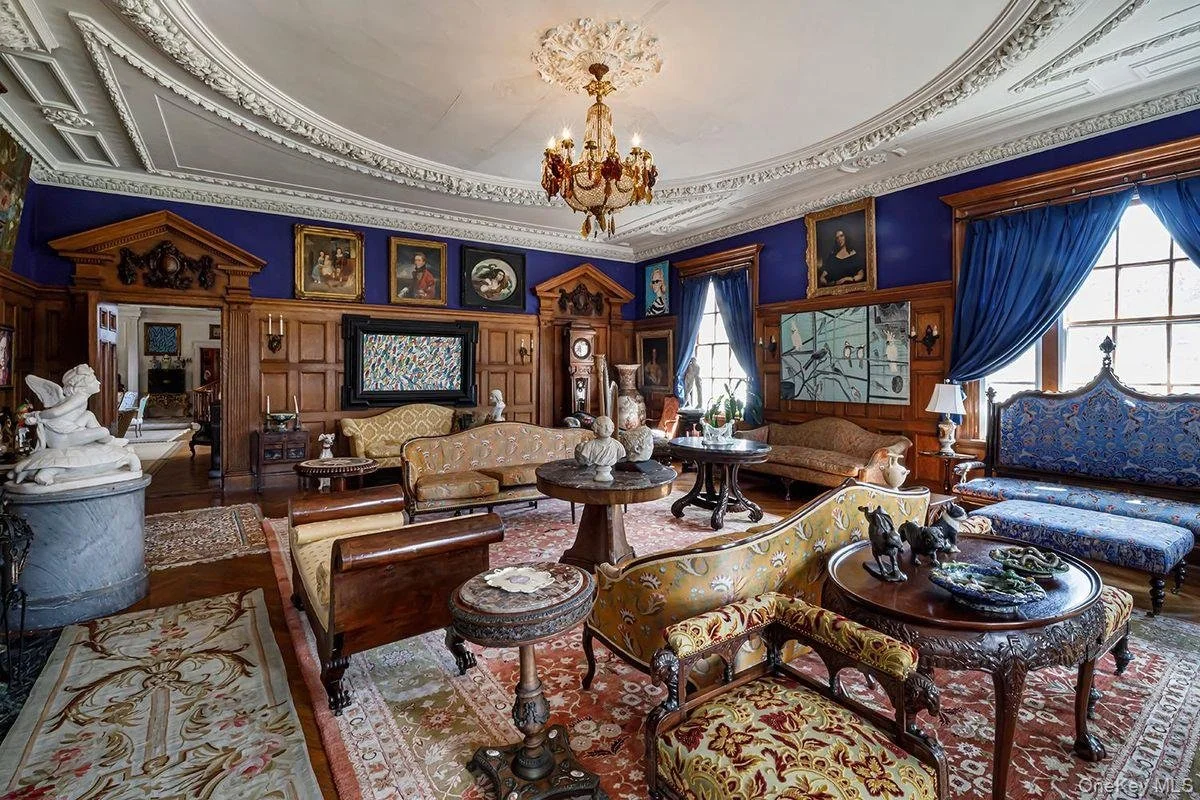
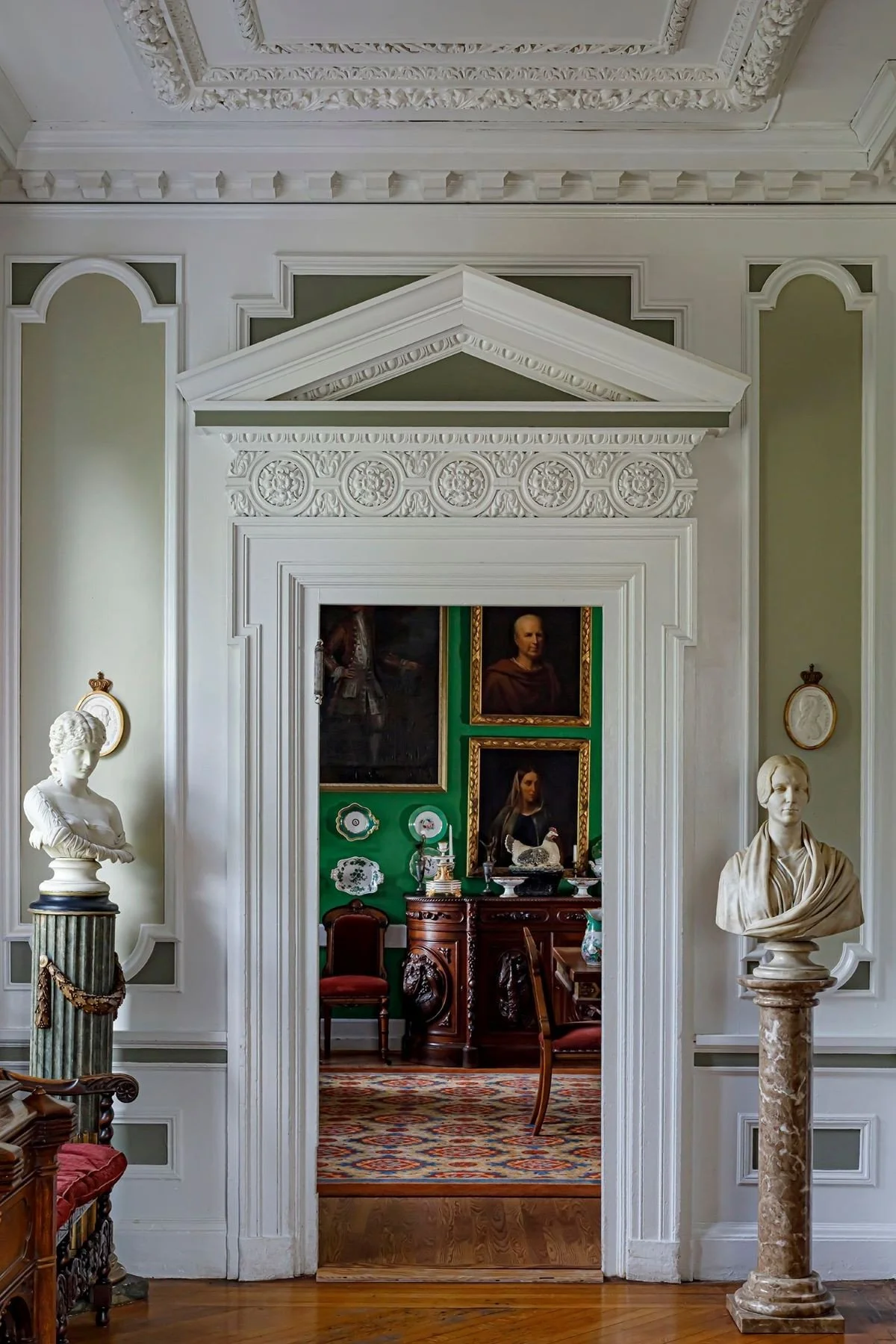
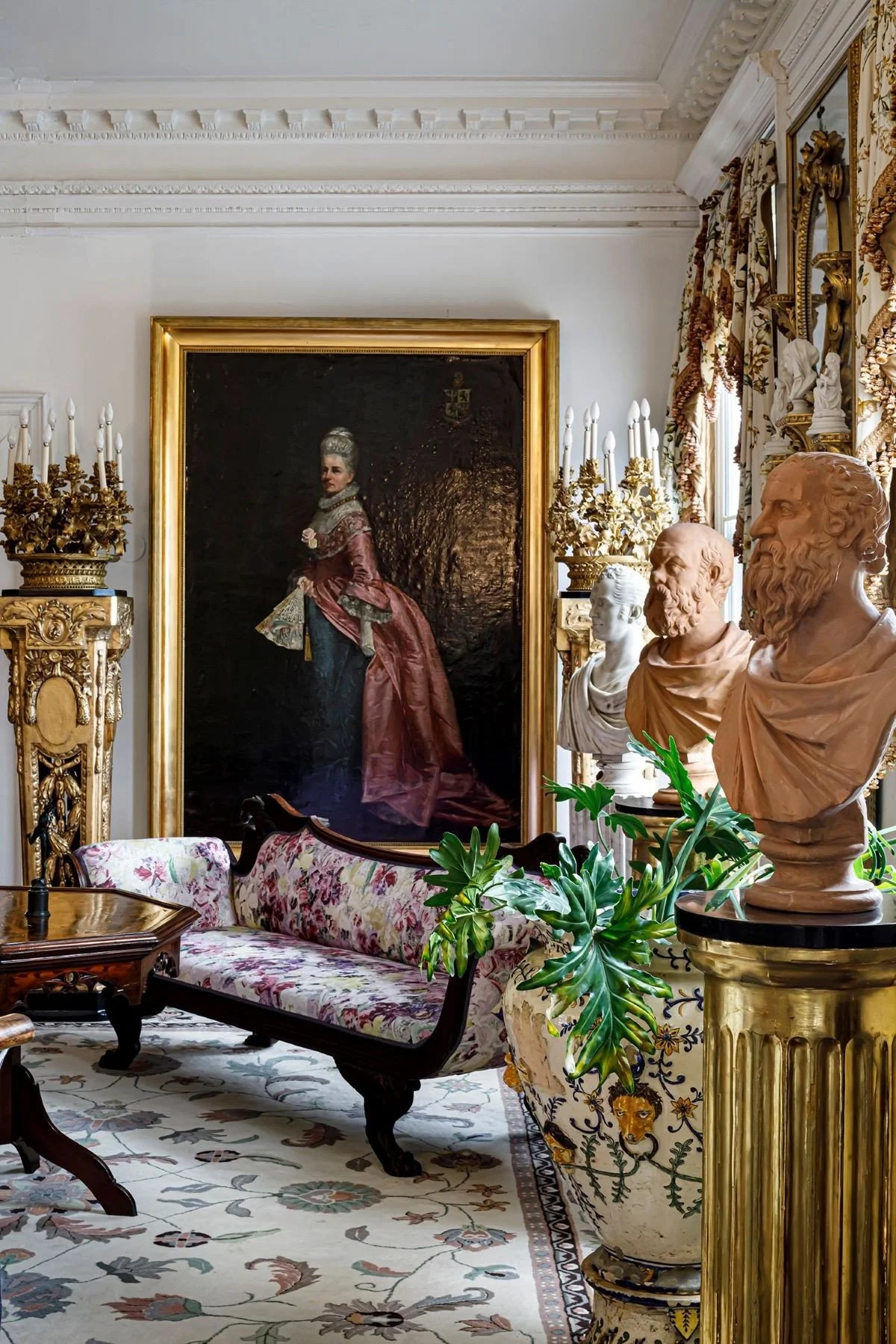
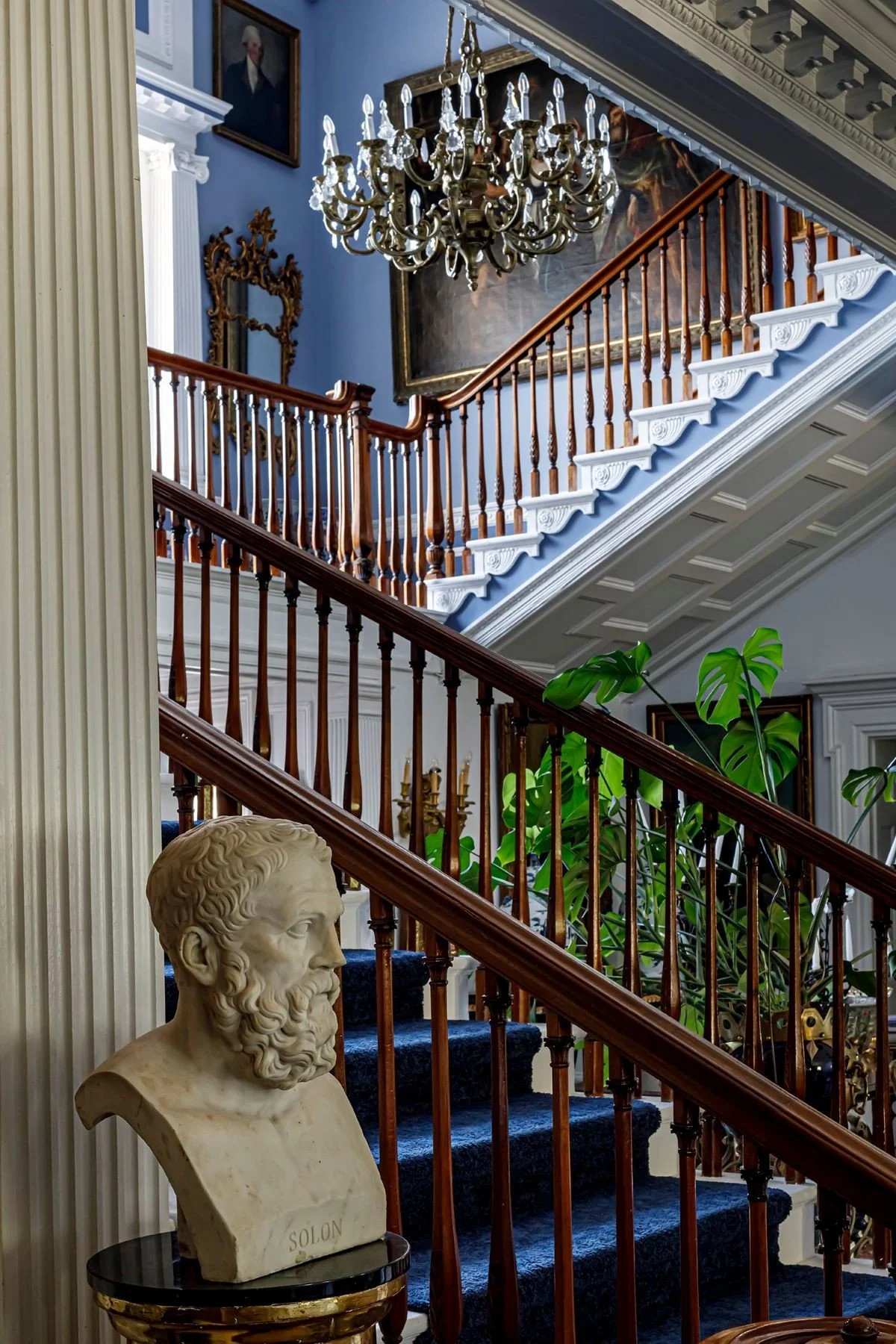
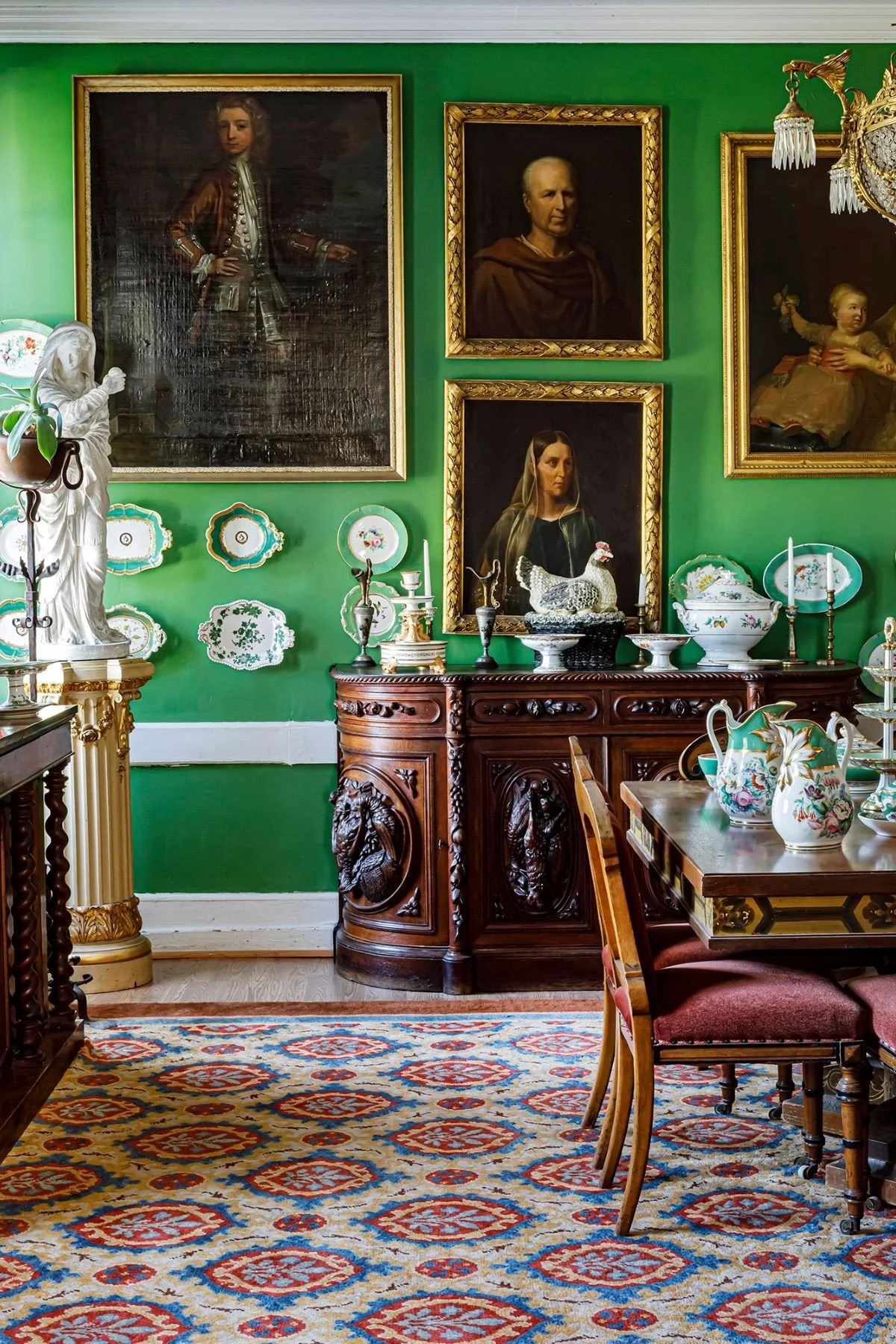
Built in 1906 and expanded in the years that followed, the estate retains many of its original architectural features, including formal entertaining rooms, detailed woodwork, and an early elevator—an uncommon feature for residential construction at the time. Copper elements incorporated into the building’s design are often noted as a nod to McLean’s industry.
From Private Estate to Public Use
Following McLean’s death in 1920, the estate passed to his daughter, Alice Throckmorton McLean.
It has been reported that Eleanor Roosevelt was friends with Alice and a frequent visitor to the estate. In 1946, the property hosted the International Assembly of Women, a gathering Alice McLean hosted with Roosevelt as co-sponsor and attendee, bringing together participants from dozens of countries.
In the decades that followed, the property entered a prolonged phase of institutional use, functioning at various times as a religious institution, a recreational facility, and later a drug treatment center. These uses introduced structural changes that altered the original layout of the house.
Hunt Slonem: Artist and Collector of Houses
The property was purchased in 2017 by Hunt Slonem, the American neo-expressionist artist known for his recurring motifs of bunnies, parrots, and butterflies, whose work is held in over 250 museum collections, including the Metropolitan Museum of Art and the Solomon R. Guggenheim Museum.
Alongside his studio practice, Slonem has undertaken a series of historic restorations over the past two decades, including Searles Castle in the Berkshires, multiple Louisiana estates, a Second Empire residence in Kingston, New York, and a former armory in Scranton, Pennsylvania—projects that have been documented by publications such as Architectural Digest and the Financial Times.
His approach is consistent: acquiring architecturally significant but often altered properties, restoring their structural integrity, and reintroducing them with a highly personal, maximalist interior language rooted in pattern, color, and repetition.
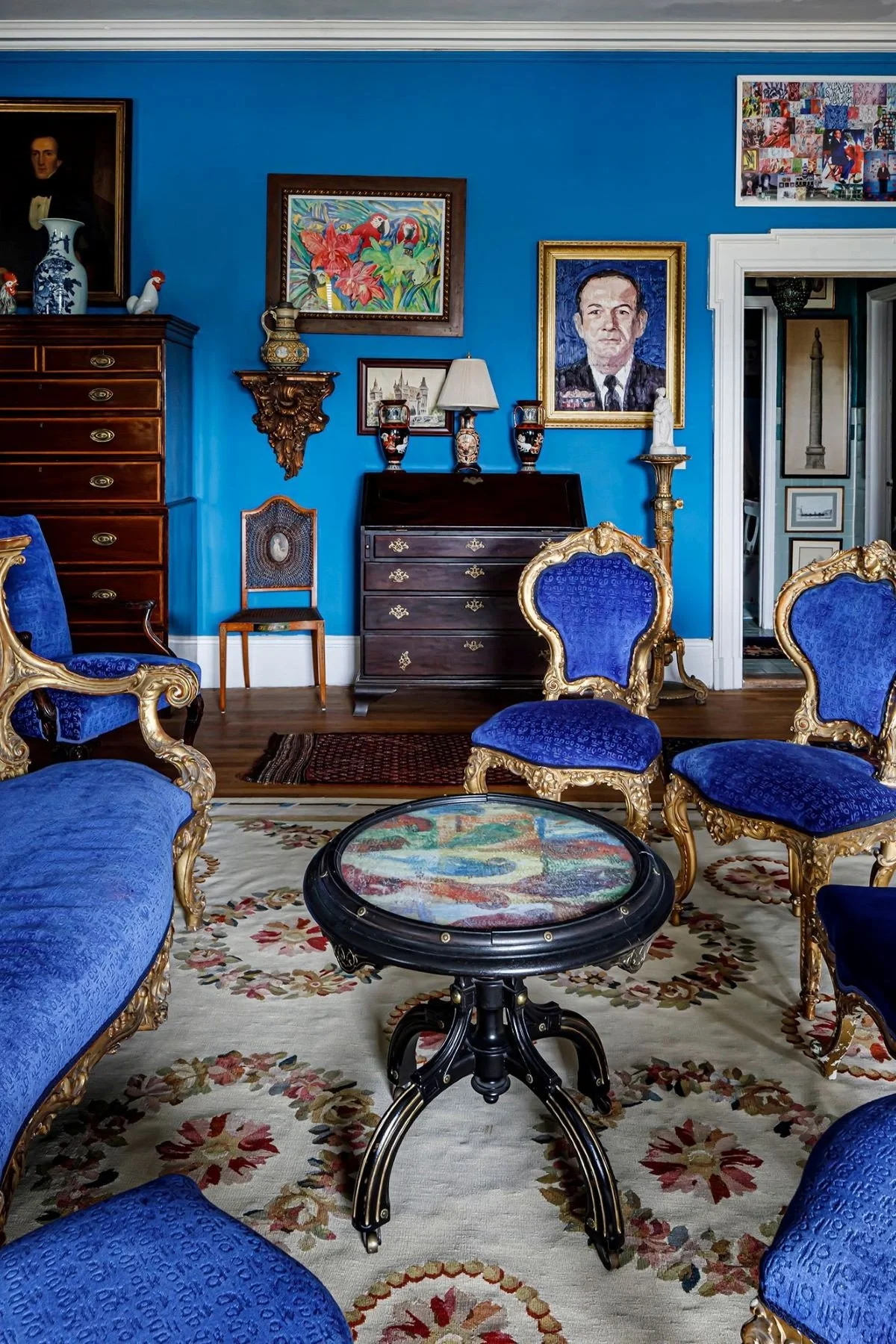
Restoration as Reinterpretation
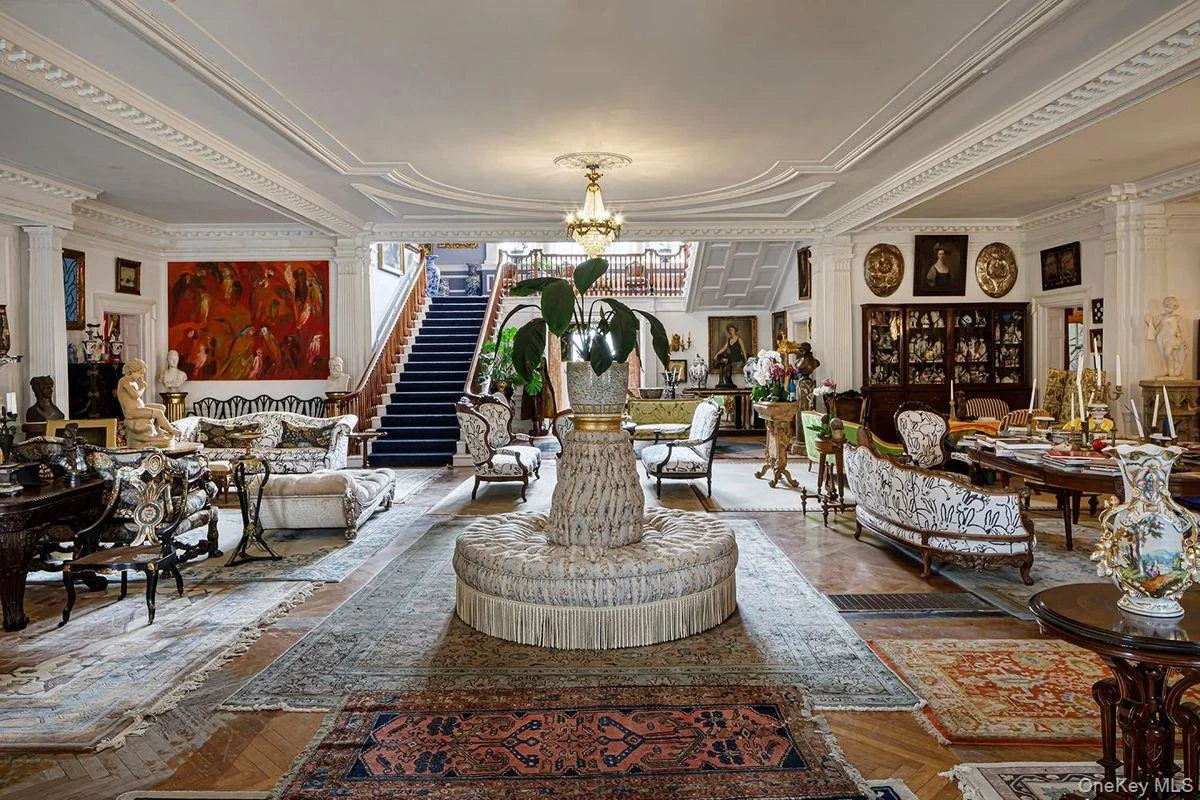
At this estate, Hunt Slonem’s work began with removing later institutional alterations, reopening spaces, and reinstating elements of the original layout and circulation. He restored original moldings, floorboards, stair halls, and the house’s original elevator.
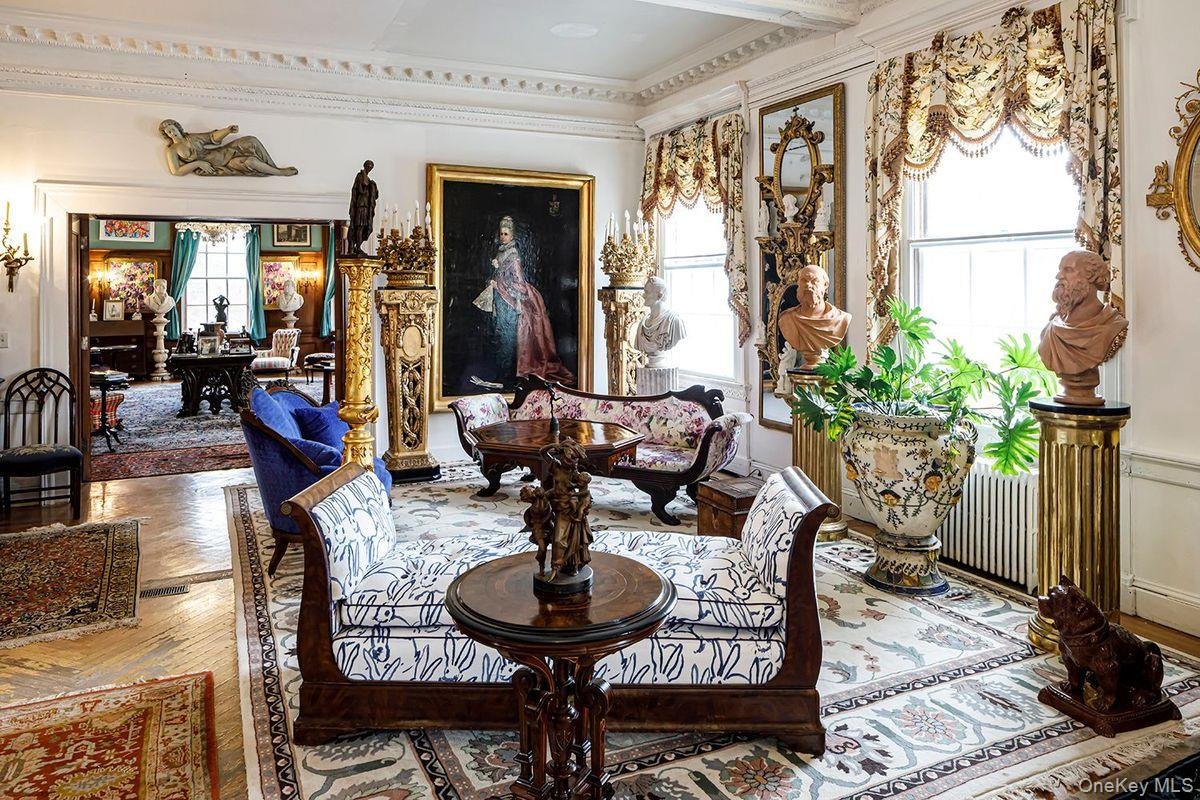
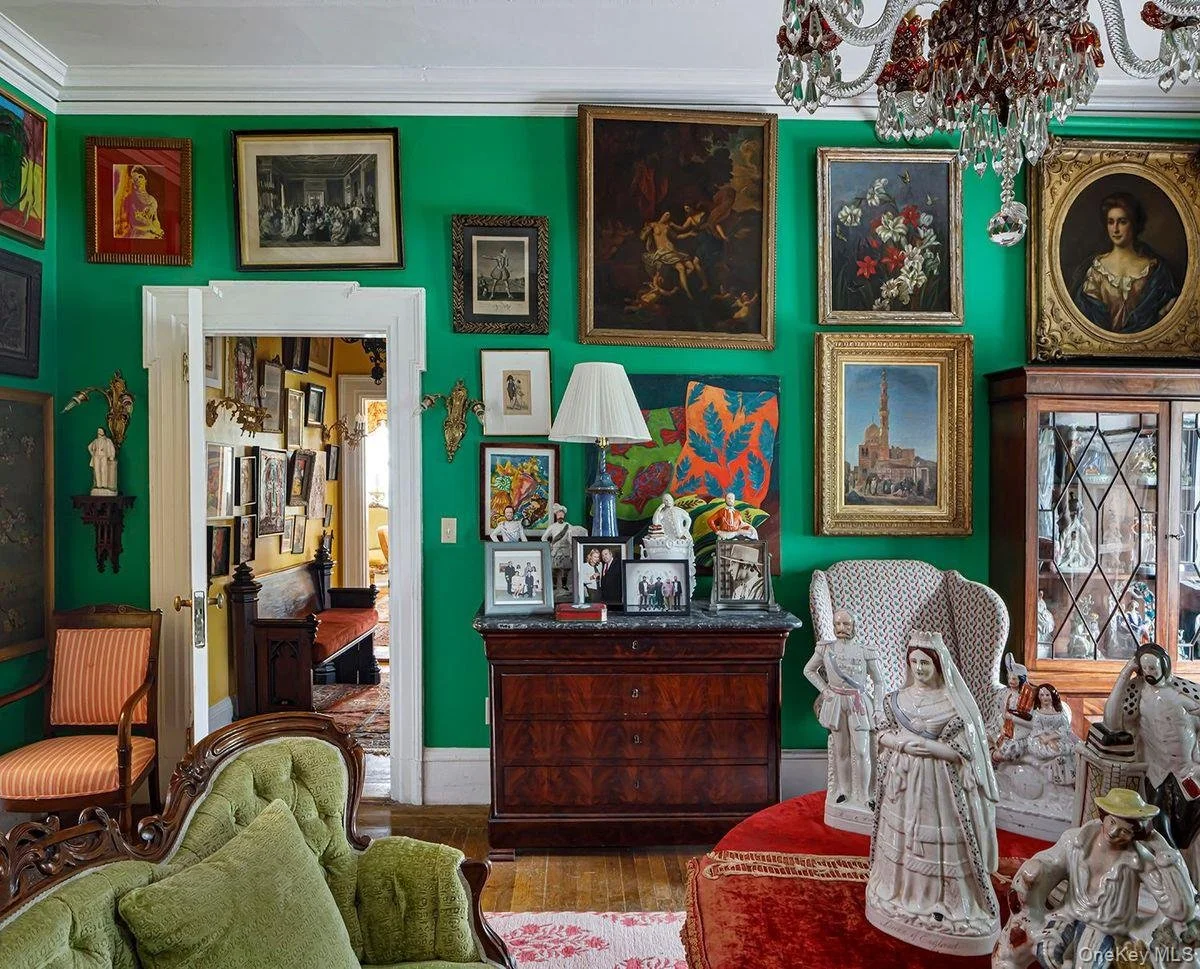
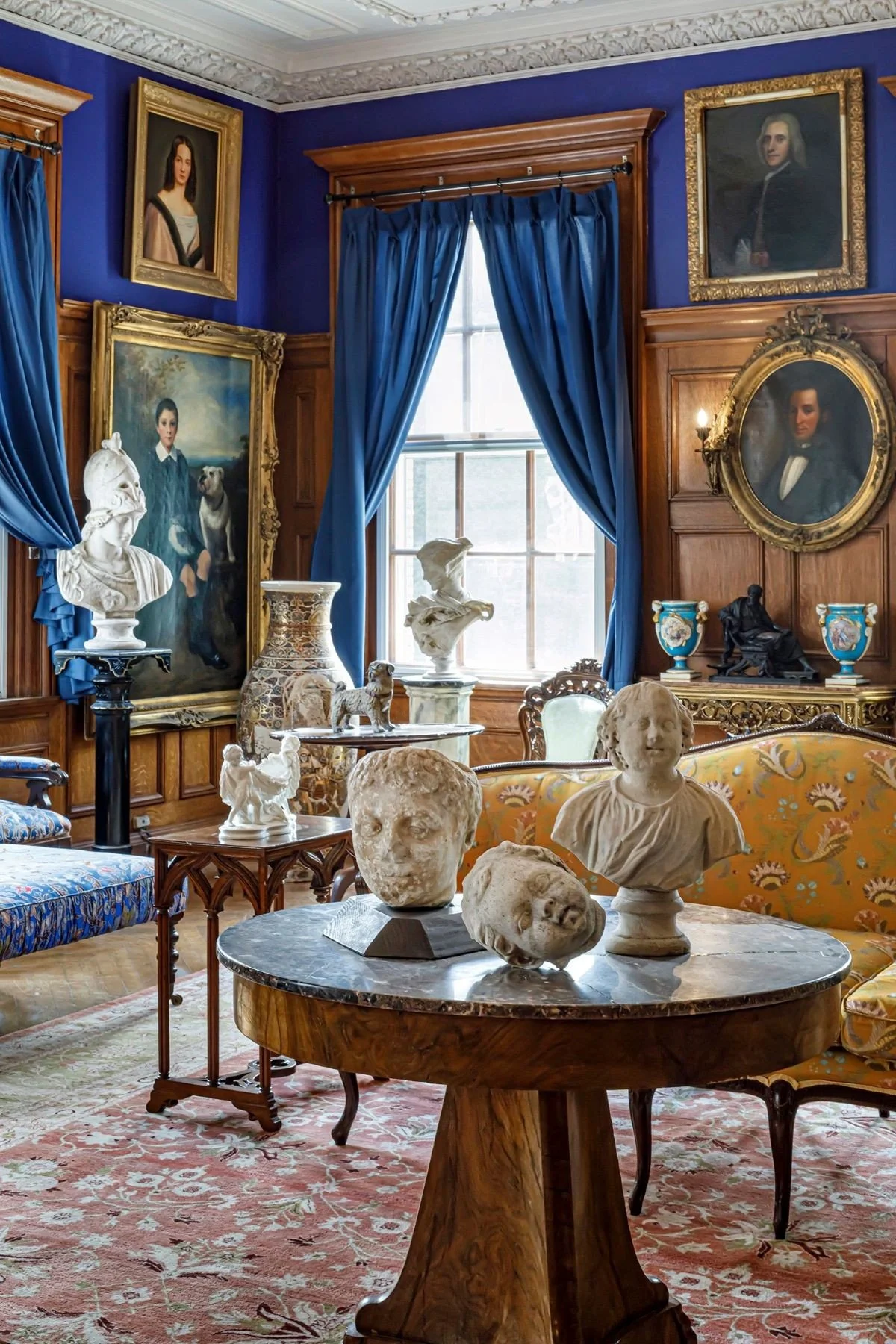
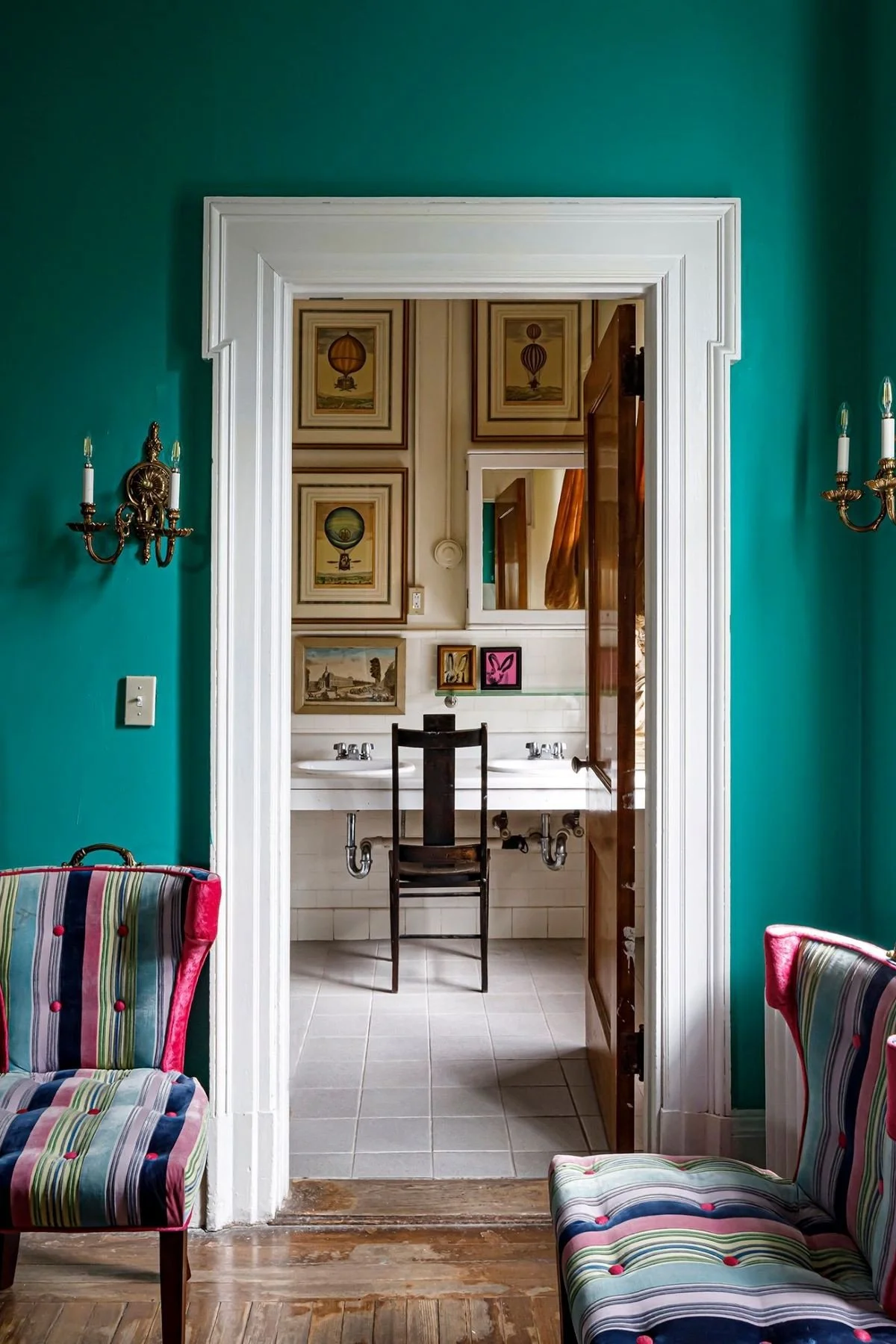
But his approach is not strict museum-style reconstruction. Instead, he preserves the architectural shell while layering it with antiques, art, and decor tied to his own visual world.
In the Financial Times, Slonem said of the objects he adds, “I like to add things, but nothing later than 1880; I’m stuck in that time,” a line that helps explain why his interiors feel both historically grounded and highly personal.
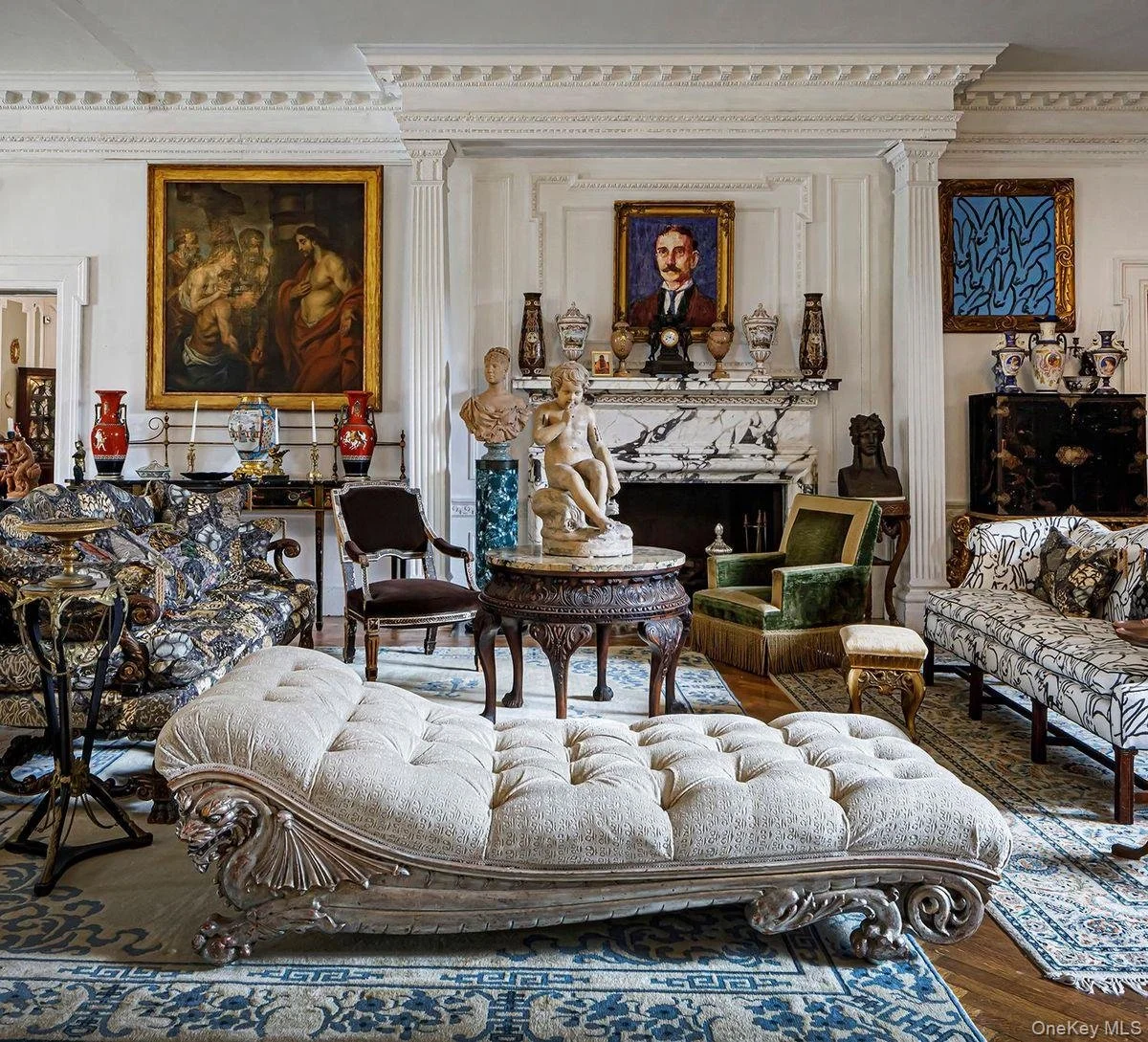
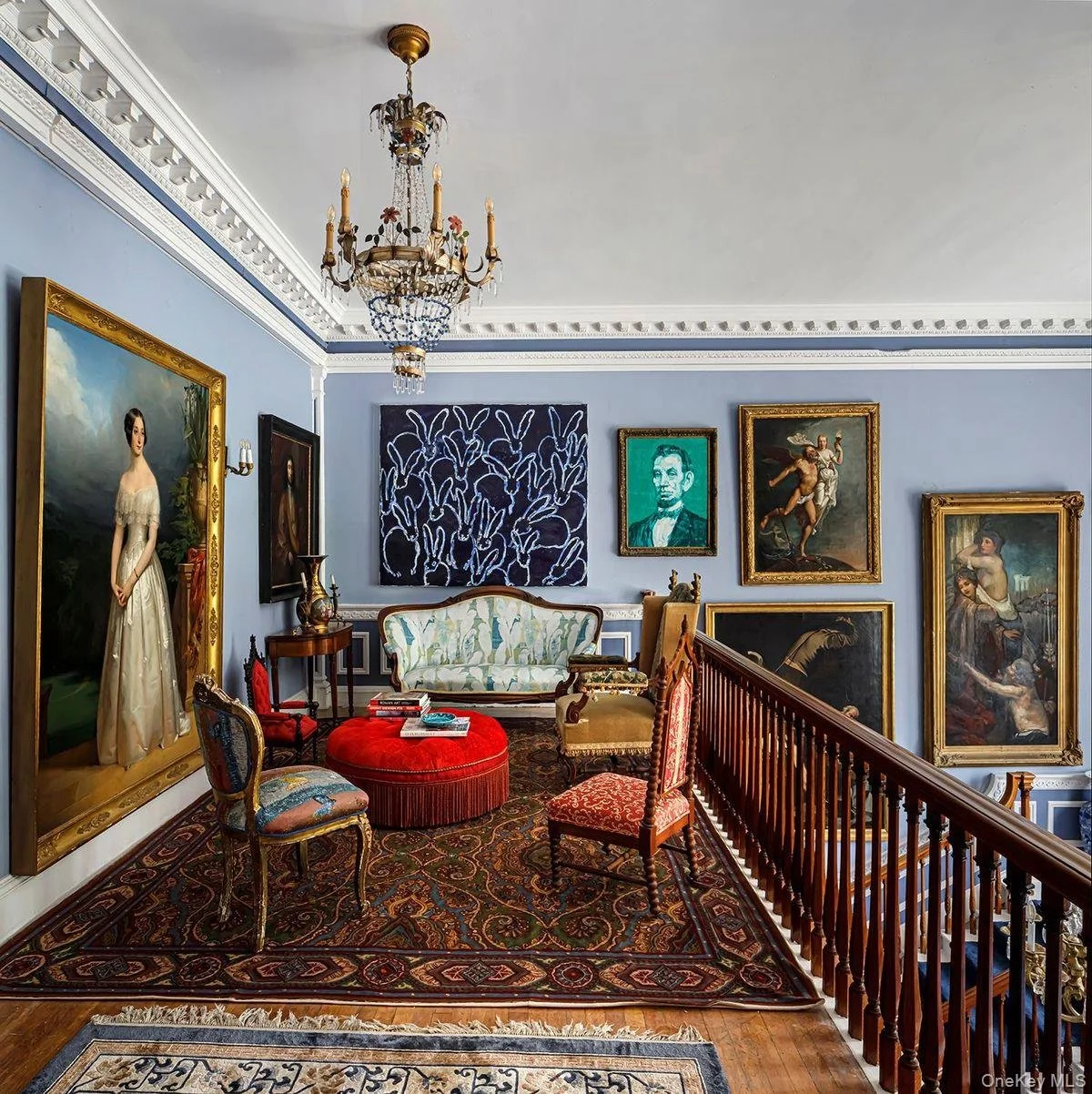
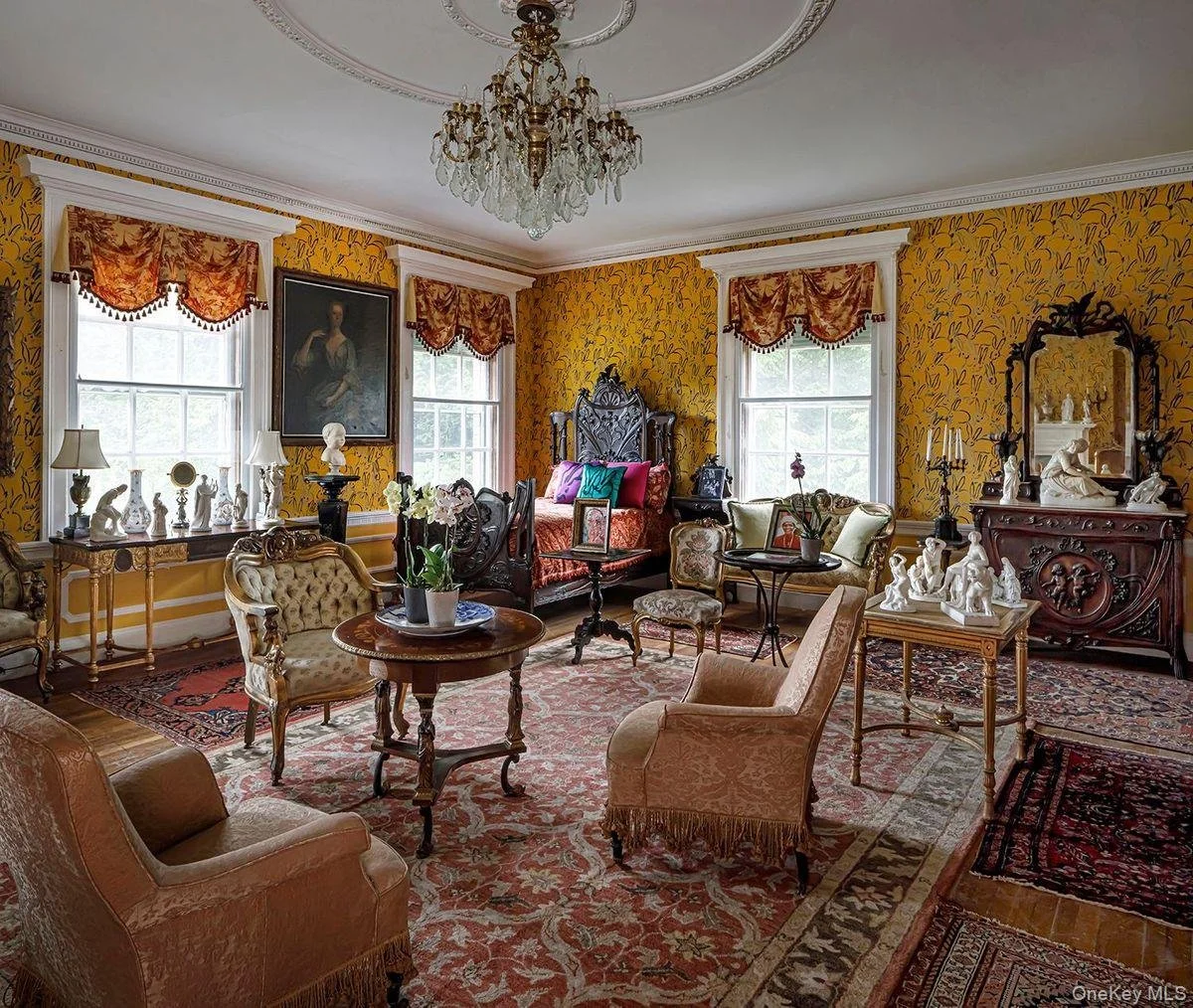
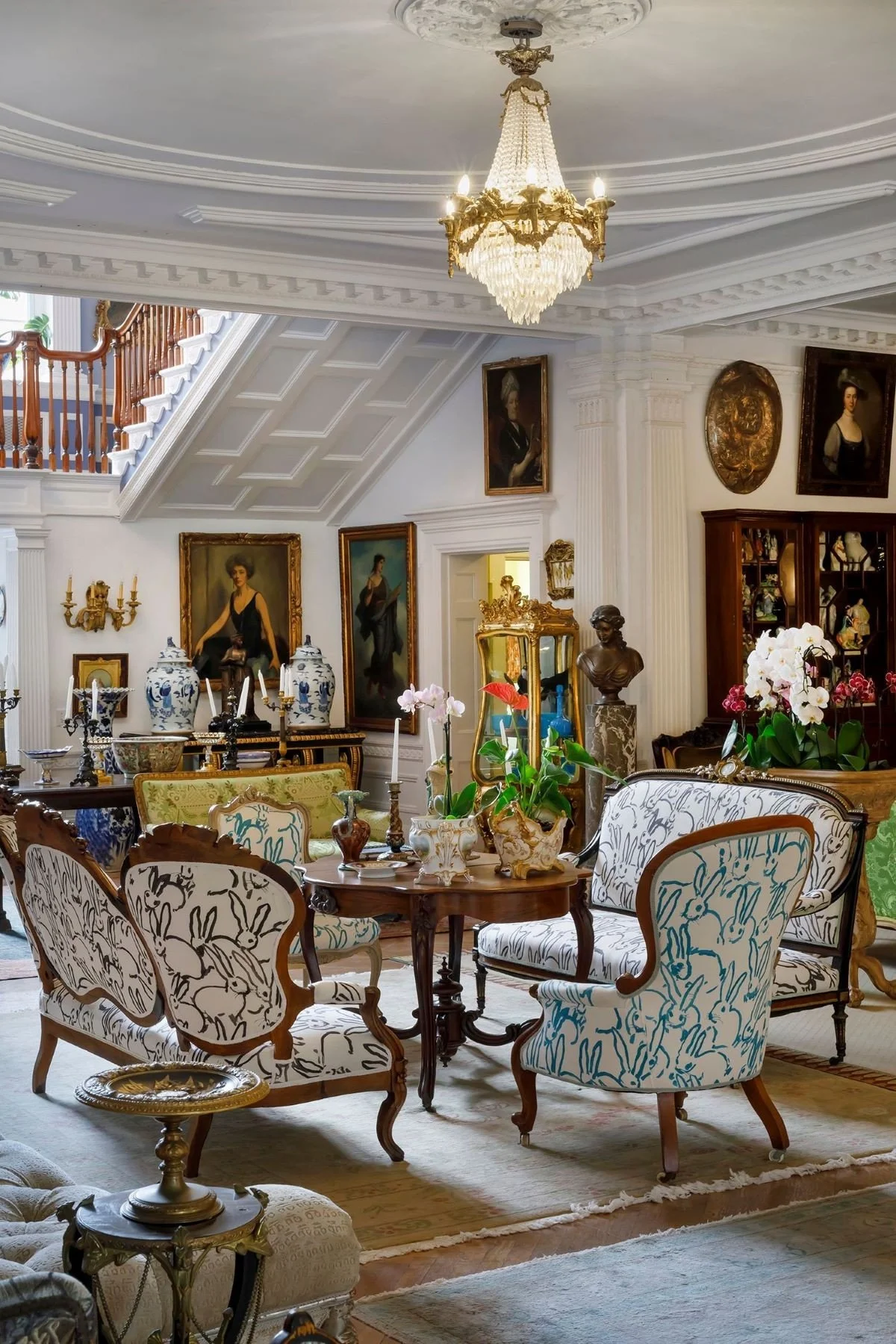
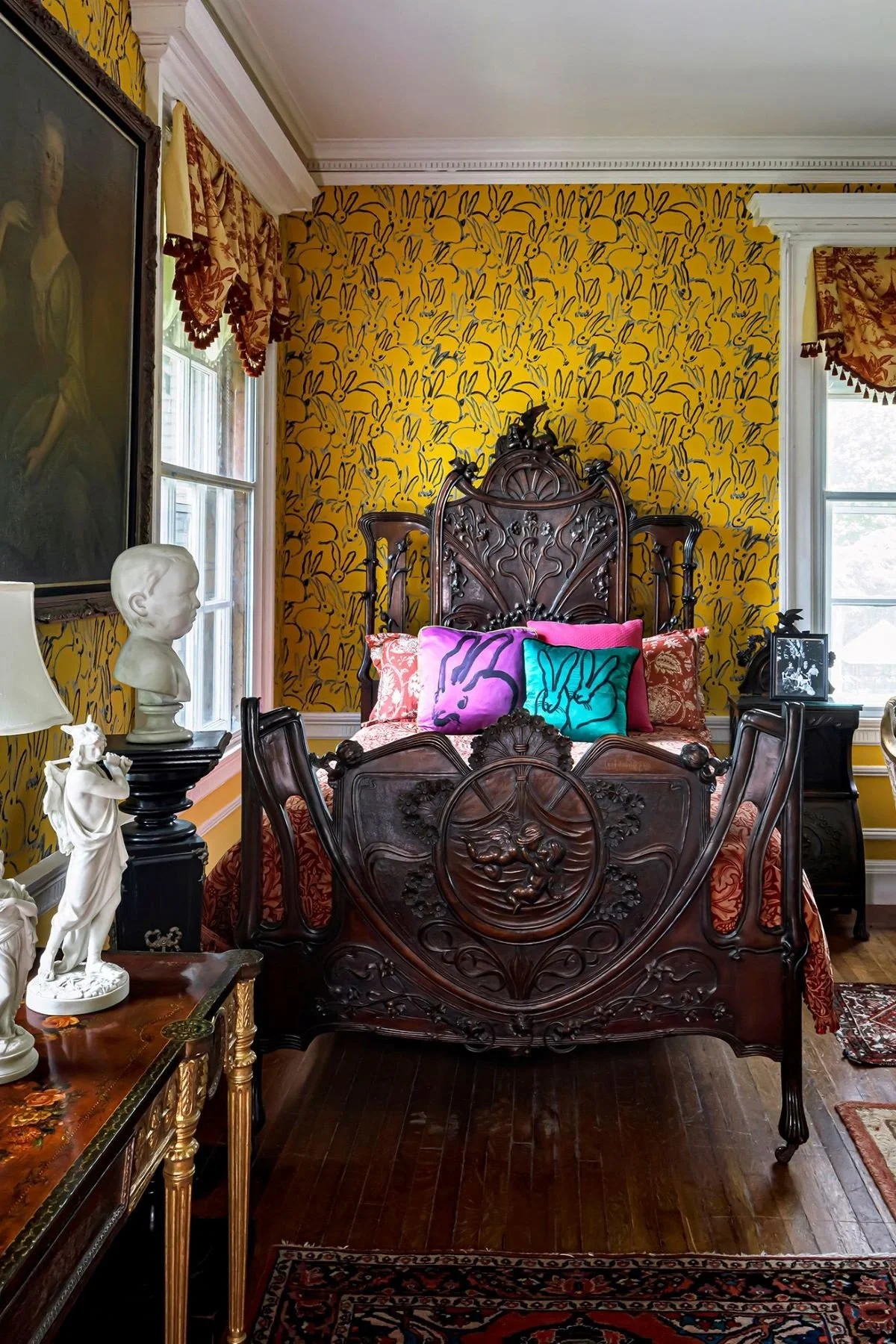
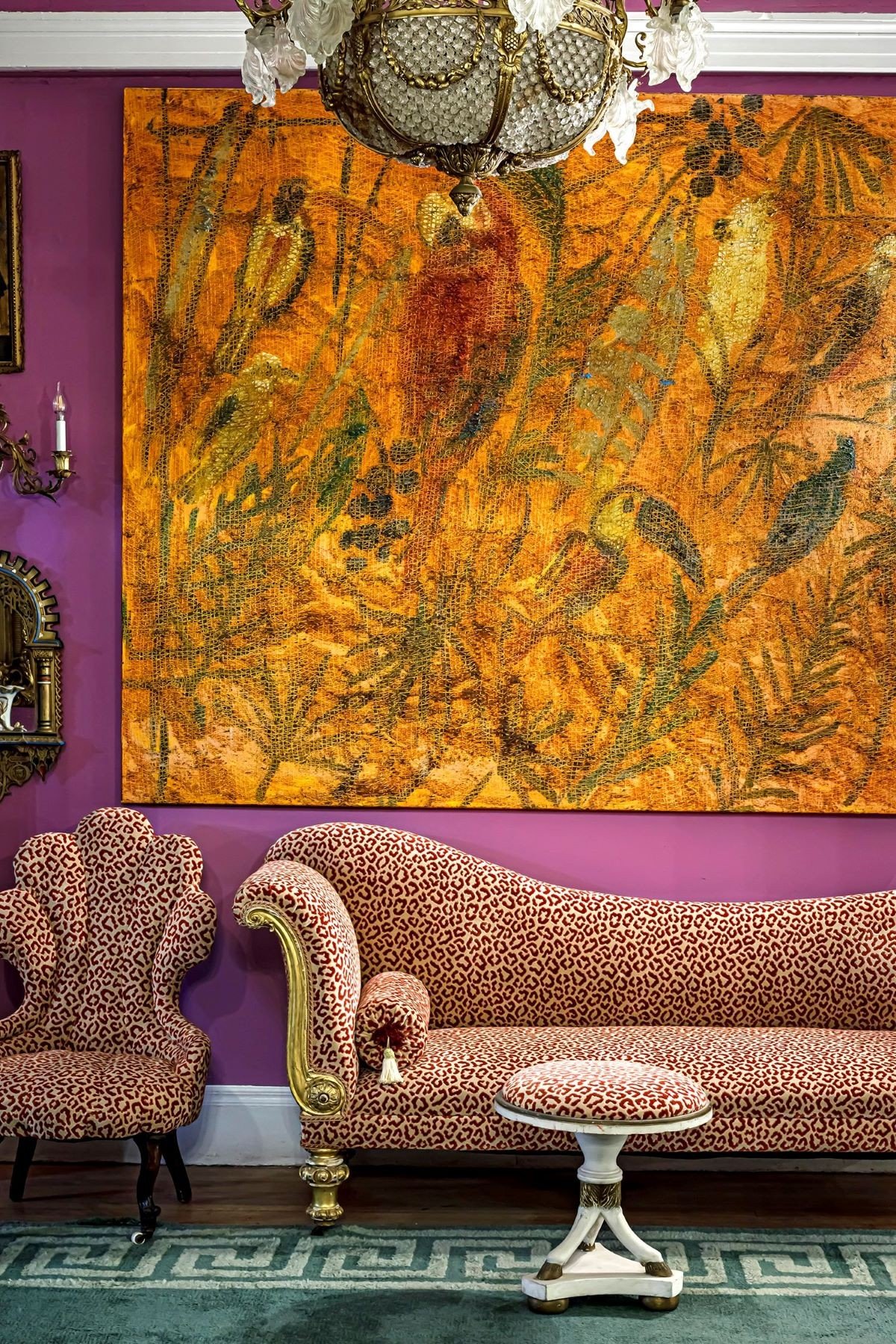
The interiors of the estate are defined by Slonem’s artwork. Displayed throughout the house are his signature motifs—particularly repeated bunny forms — directly on to the walls with his signature wallpaper and integrated throughout the decor. The interiors also include several portraits of Eleanor Roosevelt painted by Slonem throughout the house, reinforcing the connection between the property’s mid-century history and its current artistic identity.
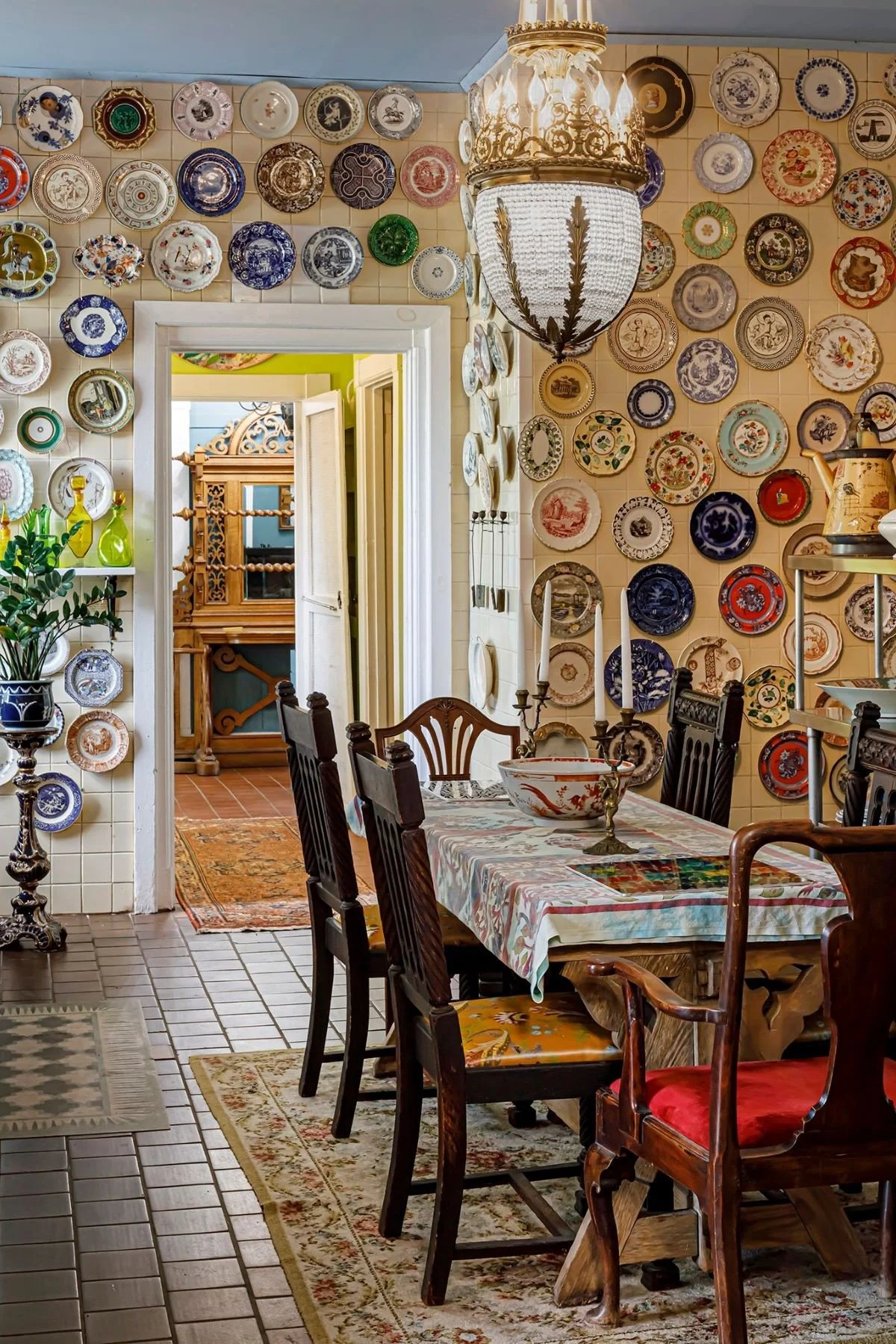
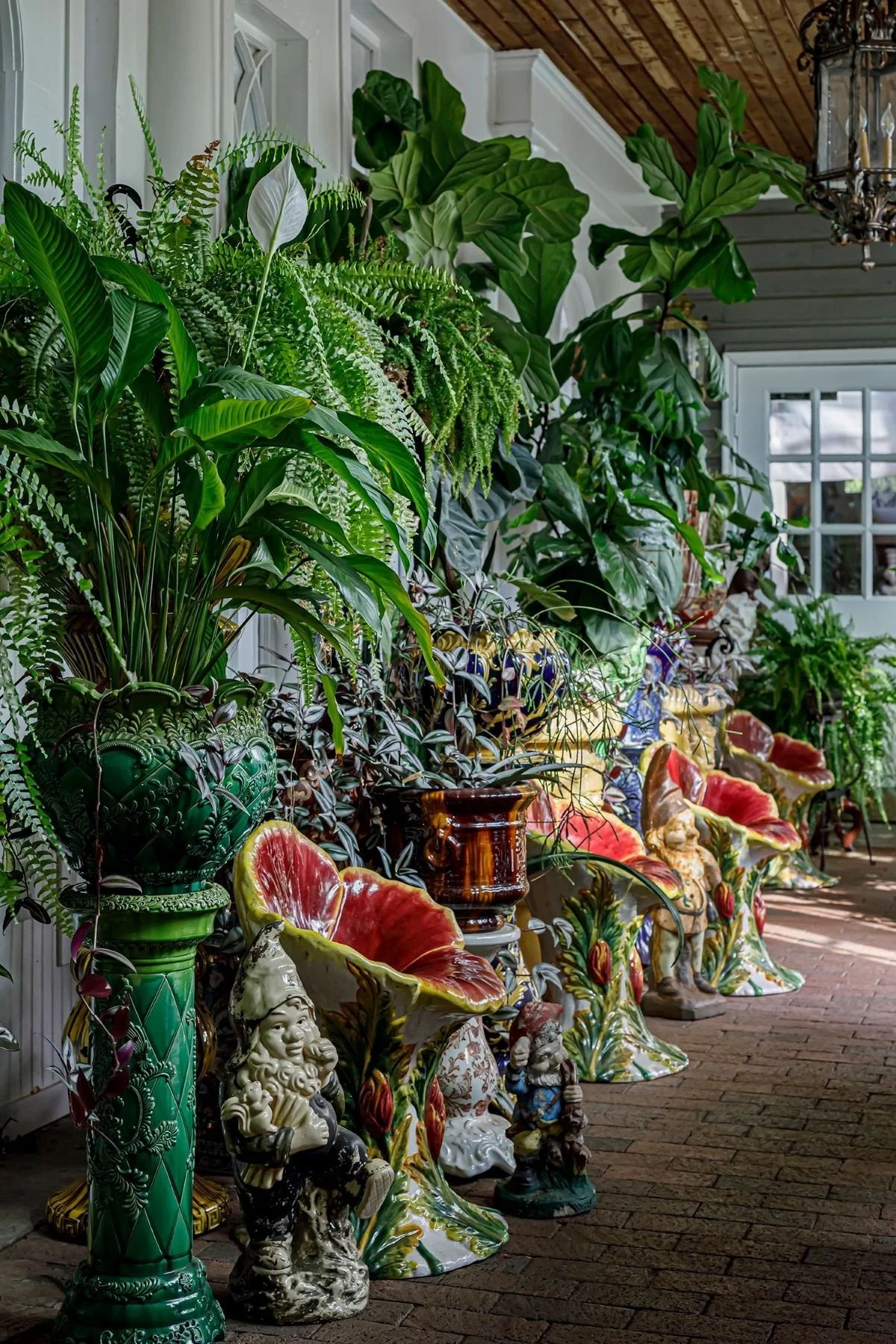
Unlike many high-end listings, the house has not been neutralized for sale. Instead, it remains a fully authored space, with the artist’s presence embedded throughout the property. Rooms are characterized by layered color, pattern, antiques, and objects, creating environments that function less as conventional living spaces and more as immersive compositions.
The estate now exists at the intersection of two distinct narratives. The first is rooted in the Gilded Age, reflecting the wealth generated by the copper industry and the broader industrial systems that shaped modern America. The second reflects its reinterpretation through contemporary artistic authorship.
Hunt Slonem: The Artist
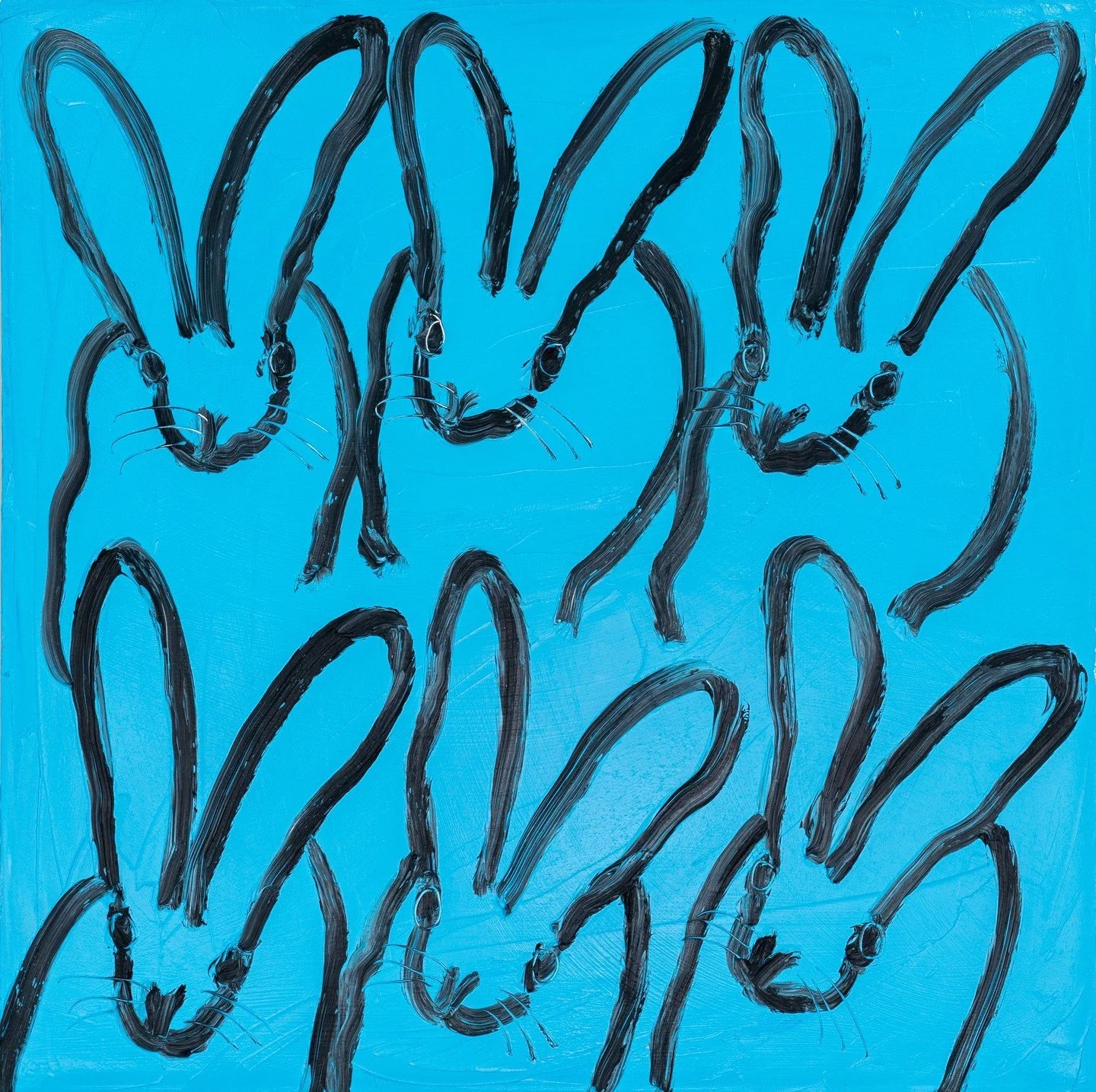
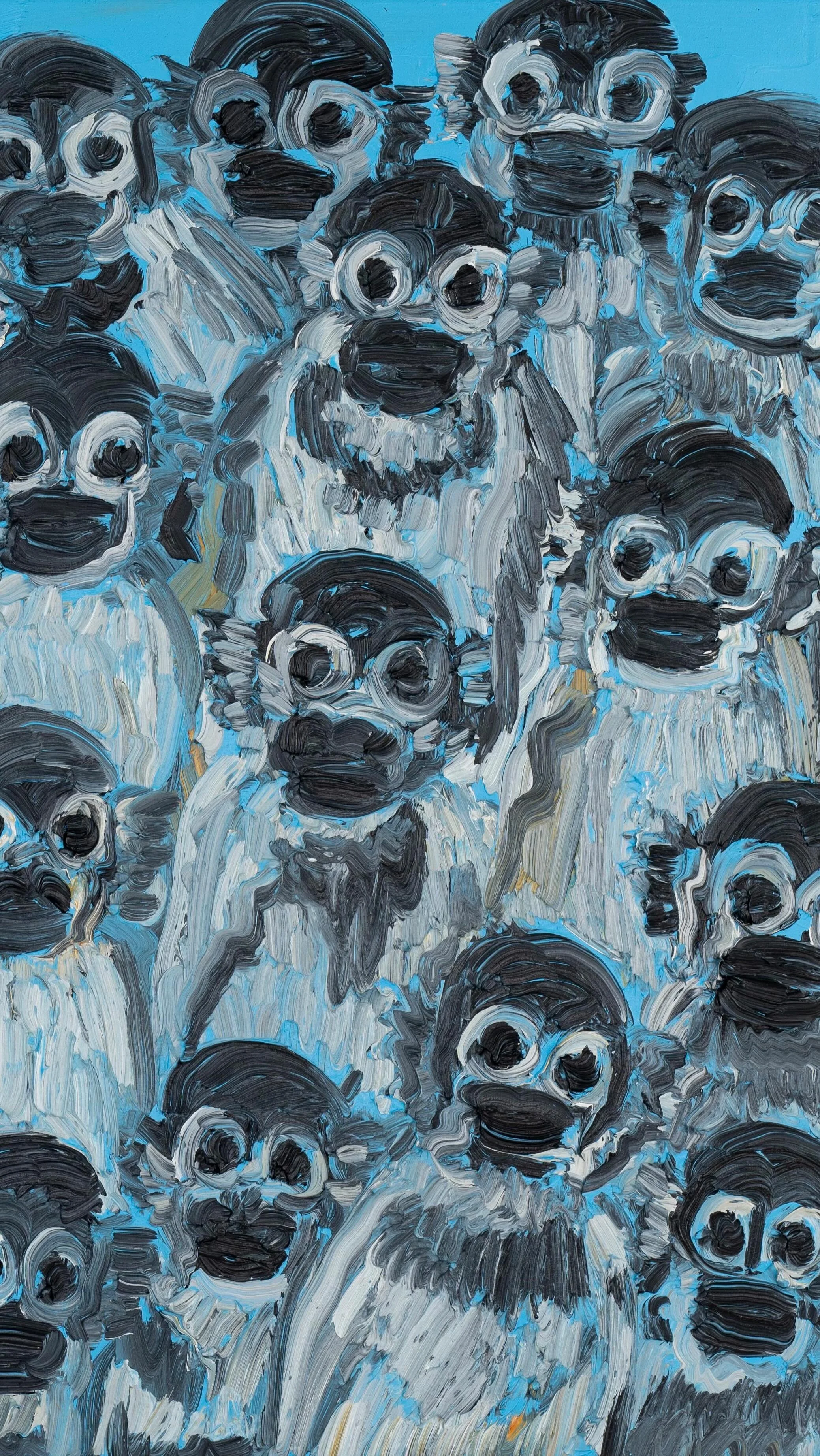
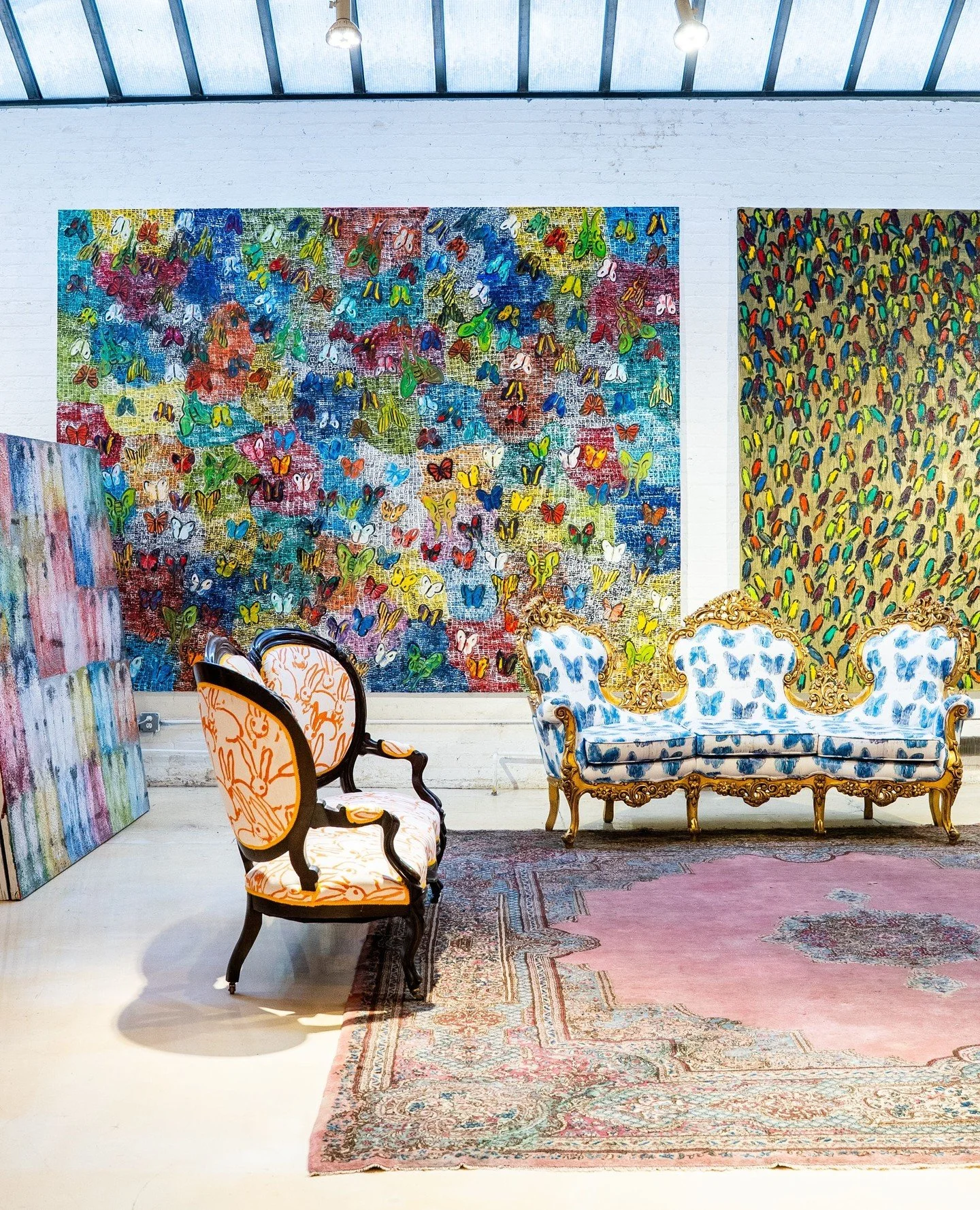
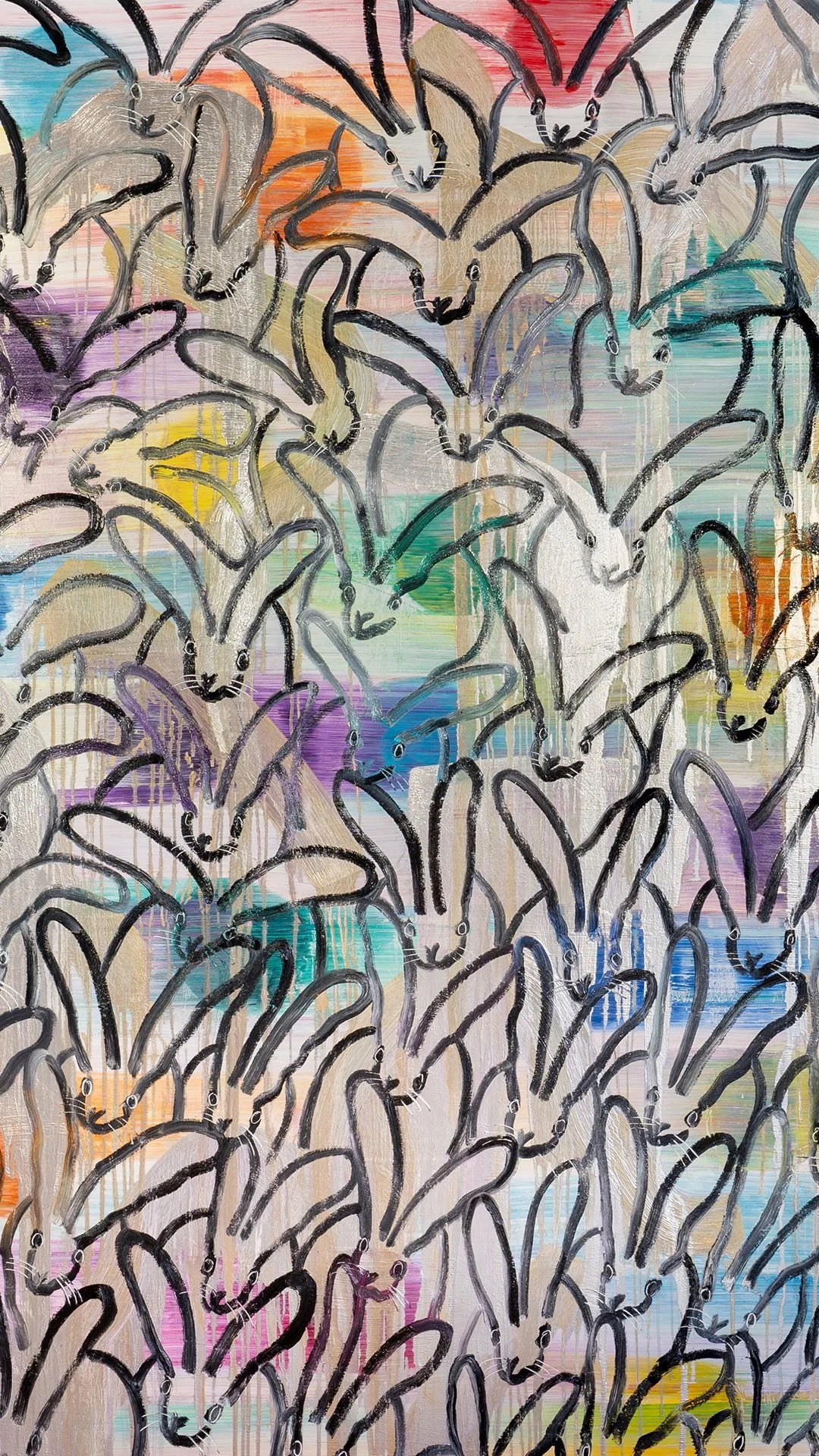
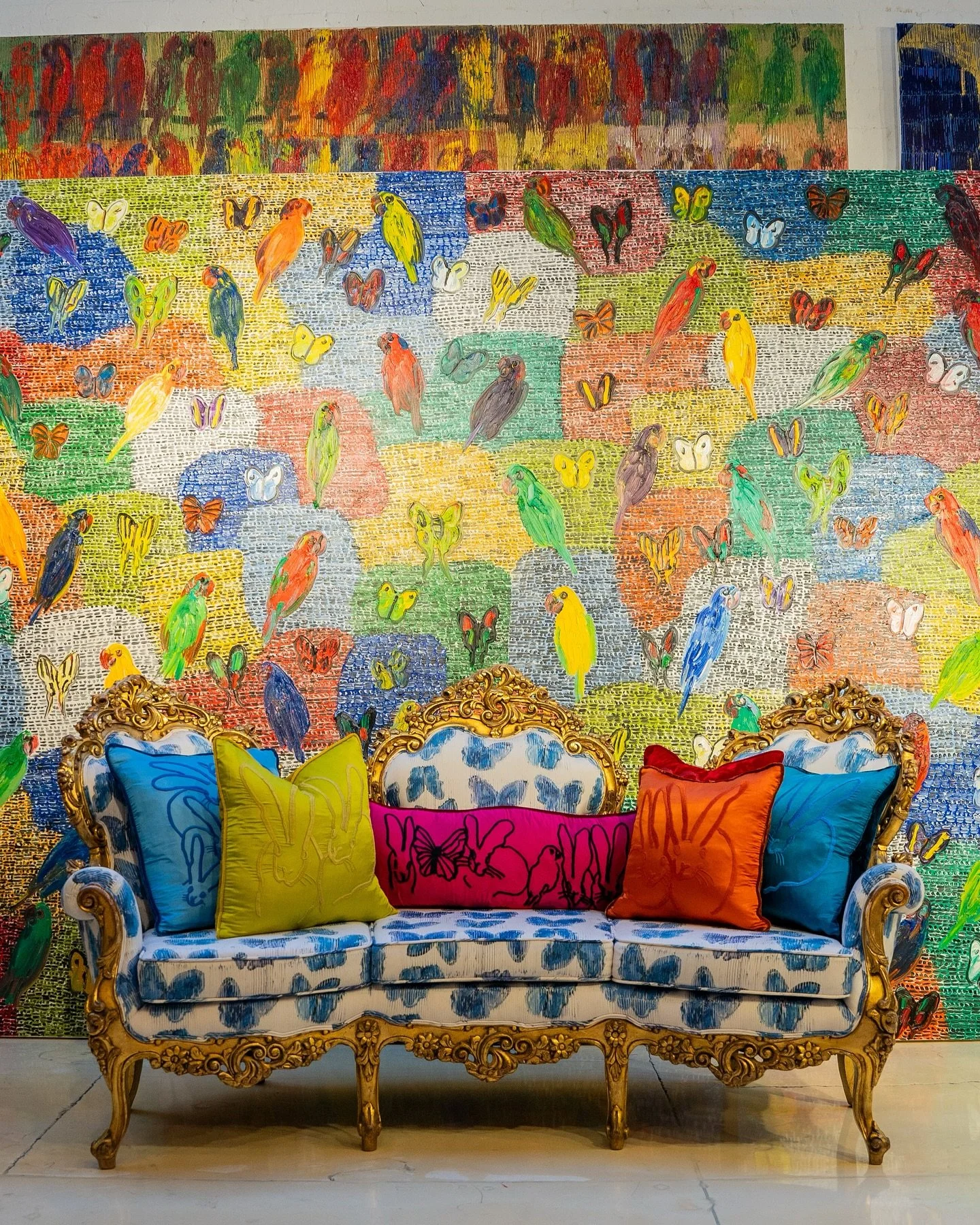
Hunt Slonem’s career developed in the late 1970s and 1980s, placing him in overlapping art-world circles with Andy Warhol.
Slonem entered the New York art scene during the emergence of Neo-Expressionism, a movement characterized by a renewed emphasis on figurative painting, visible brushstrokes, and large-scale canvases.
In the United States, artists such as Jean-Michel Basquiat, Julian Schnabel, and David Salle were central to this development. Their work reintroduced expressive, often confrontational imagery after a period dominated by minimalism and conceptual practices.
This period also coincided with significant growth in the commercial gallery system and increased collector demand for contemporary painting.
Early Work and Positioning
Slonem, born in 1951 in Maine and educated at Tulane University, began exhibiting in New York in the late 1970s. His early work focused primarily on tropical birds, reflecting his childhood in Hawaii, Nicaragua, and Mexico.
While his paintings shared certain formal qualities with Neo-Expressionism—such as visible brushstrokes and an emphasis on the artist’s hand—they differed in structure. His compositions frequently used repetition and grid-like arrangements, creating a more ordered visual field than that of many contemporaries.
This placed him adjacent to, but not fully within, the dominant tendencies of the movement.
Development of a Recognizable Motif
During the 1980s and 1990s, Slonem increasingly concentrated on a limited set of subjects, including birds, butterflies, and rabbits. These motifs were repeated across individual canvases, often arranged in rows or grids.
The rabbit became his most widely recognized subject.
His work has been sold primarily through galleries and private collectors rather than the auction market with prices gradually increasing since the 2000s; some of his “bunny” paintings have sold for more than $100,000.