Historic Winegrower’s House in the Jura, France Listed for €990,000
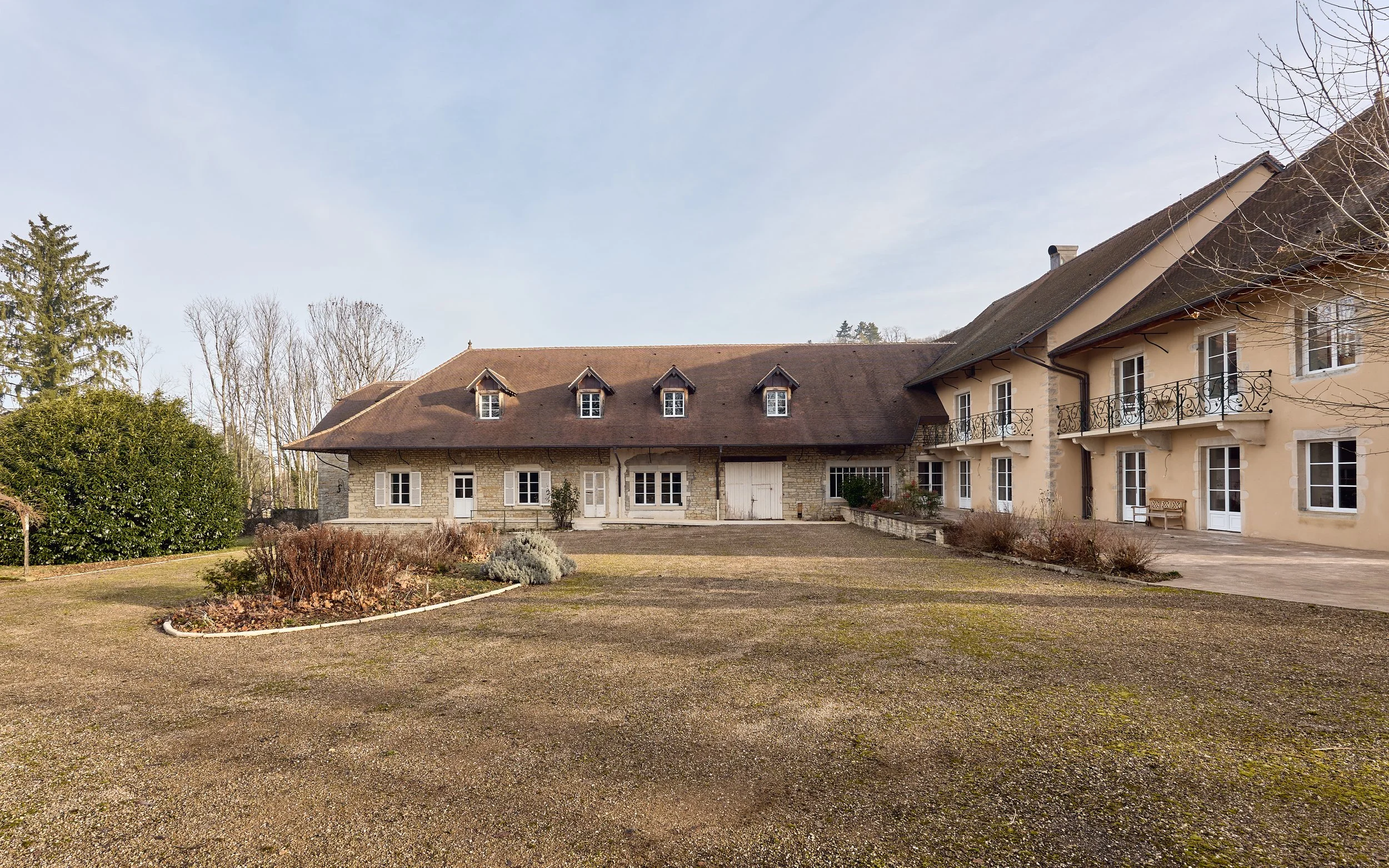
A 19th-century winegrower’s house in France’s Jura—an understated wine region between Burgundy and Switzerland—offers 662 m² (7,126 sq ft) of living space, a vaulted cellar, and a walled garden, near Château-Chalon.
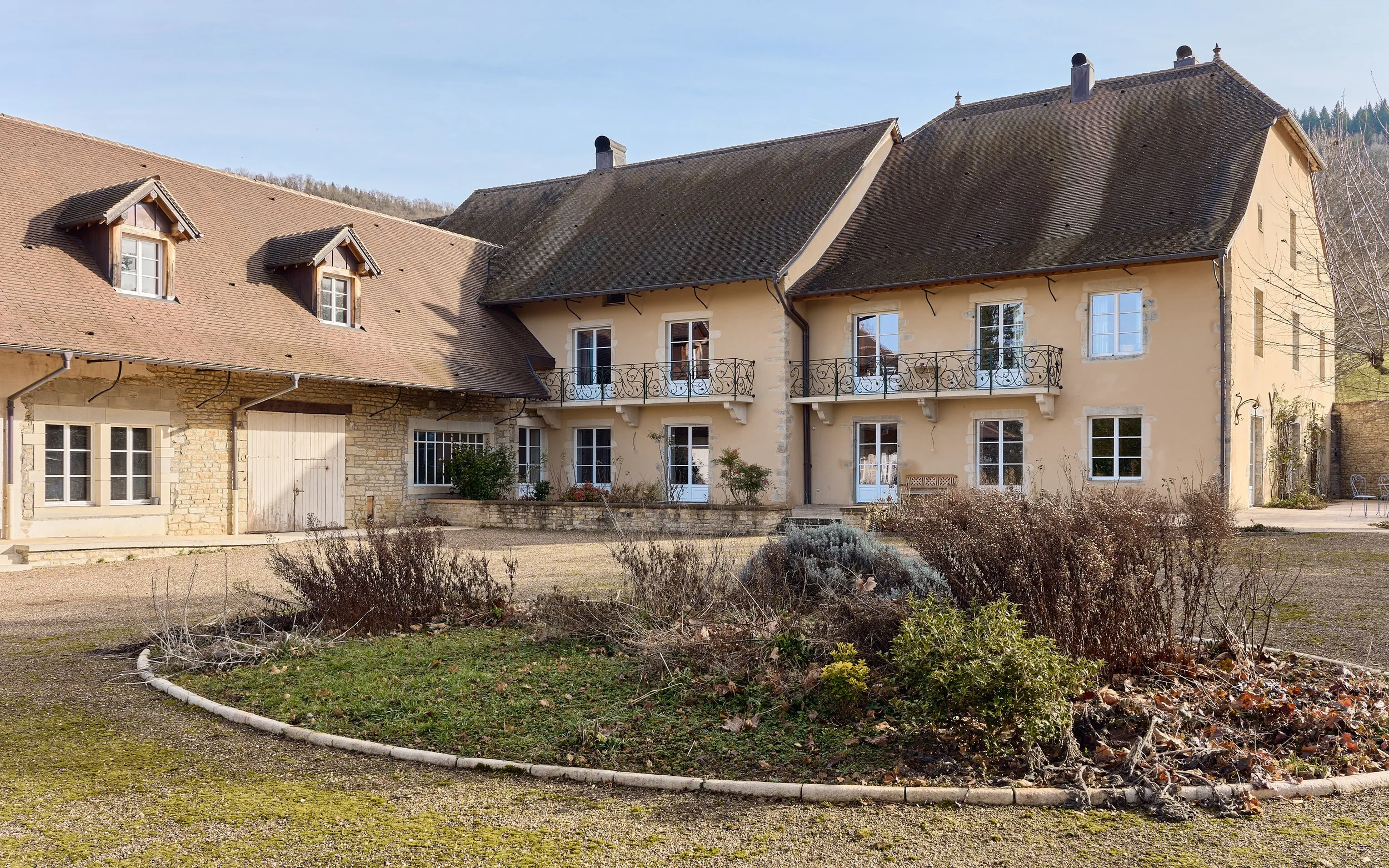
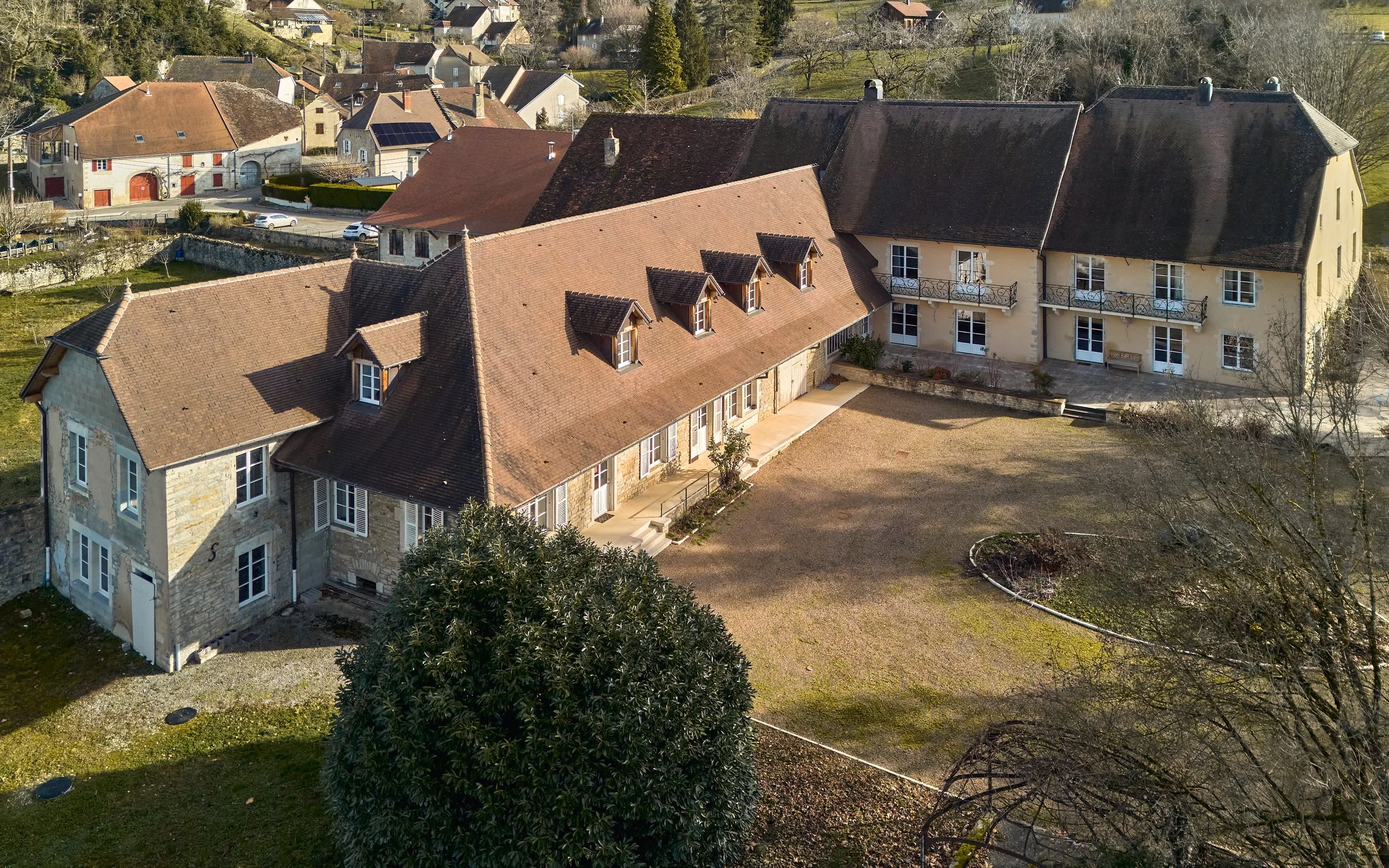
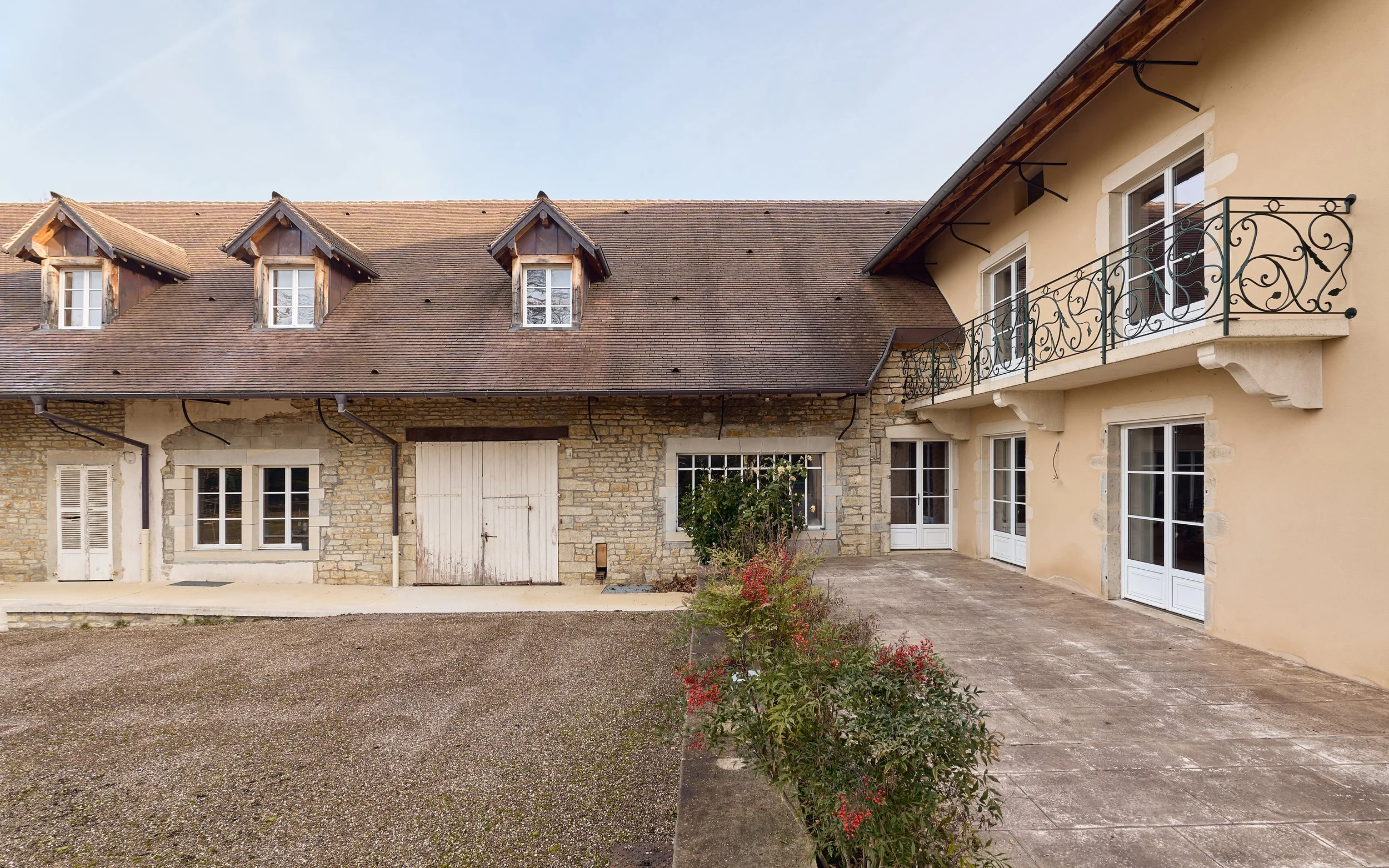
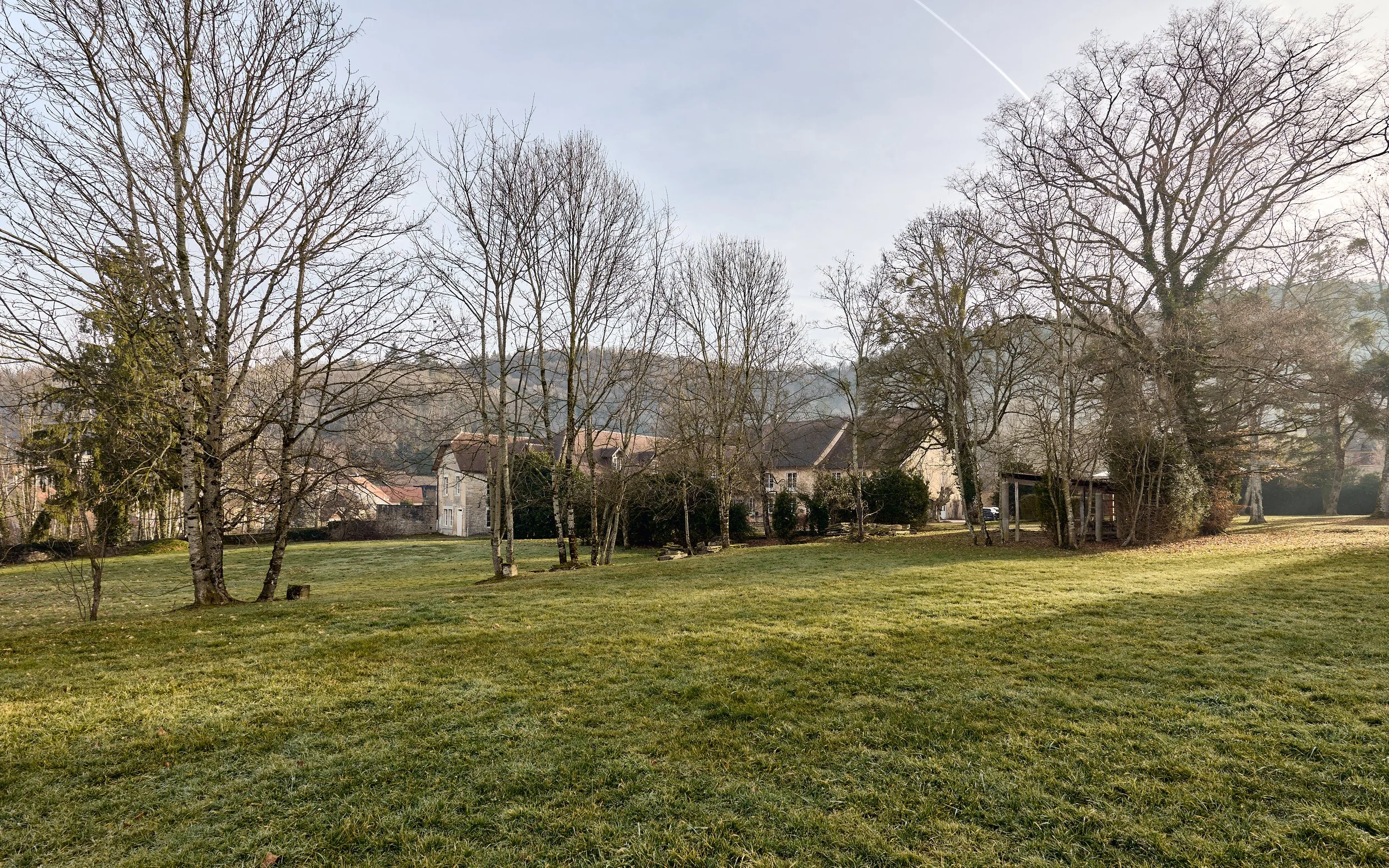
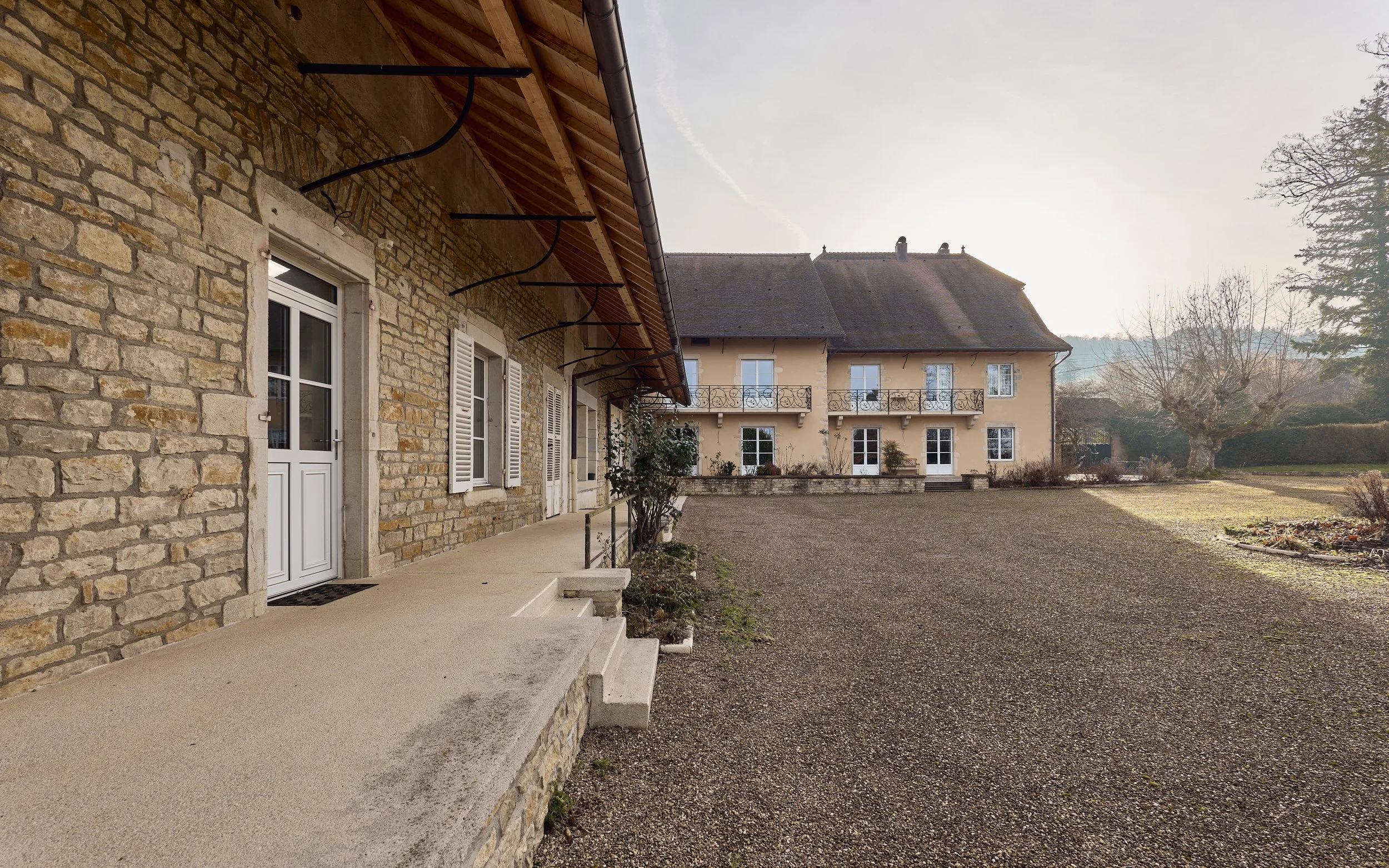
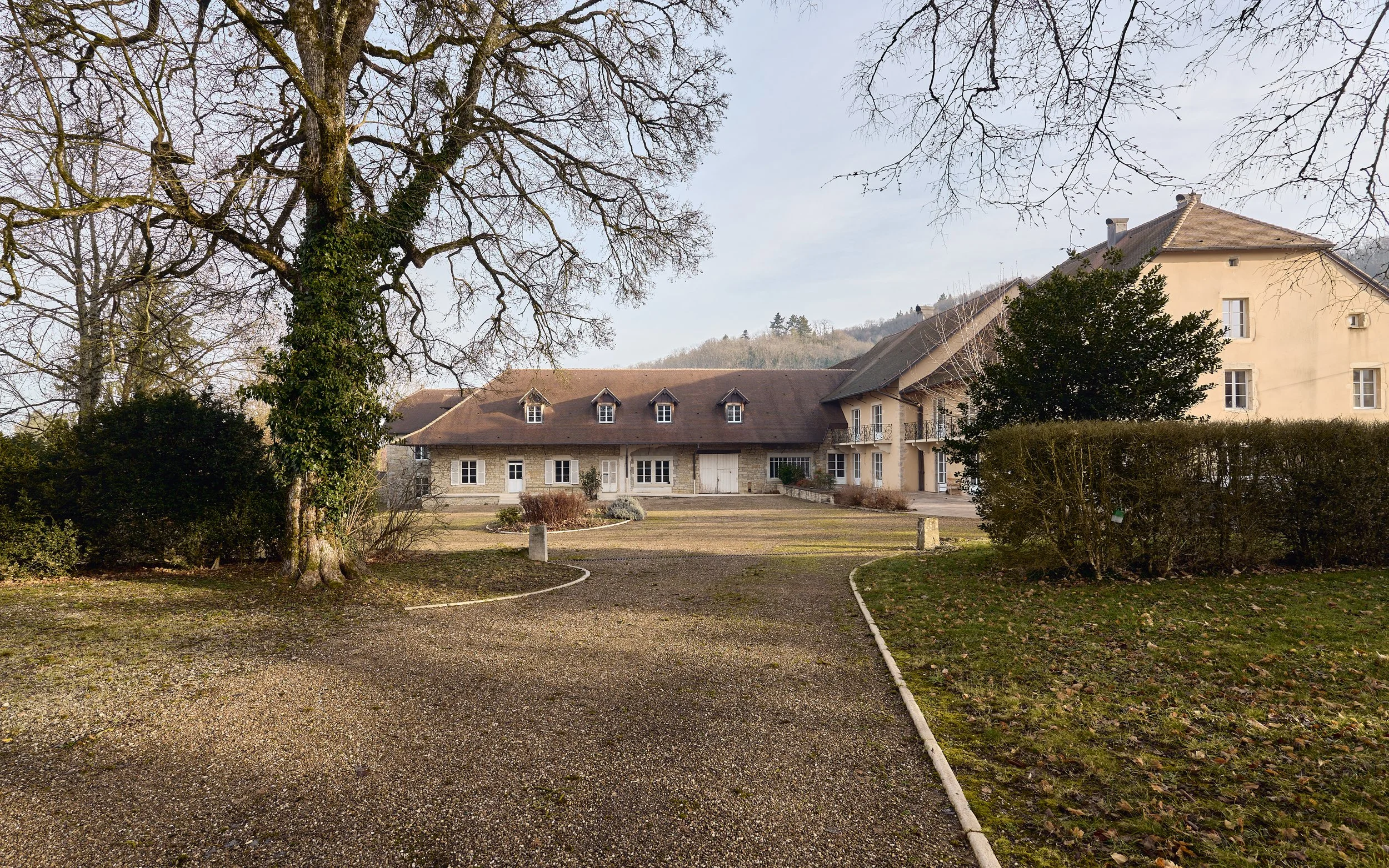
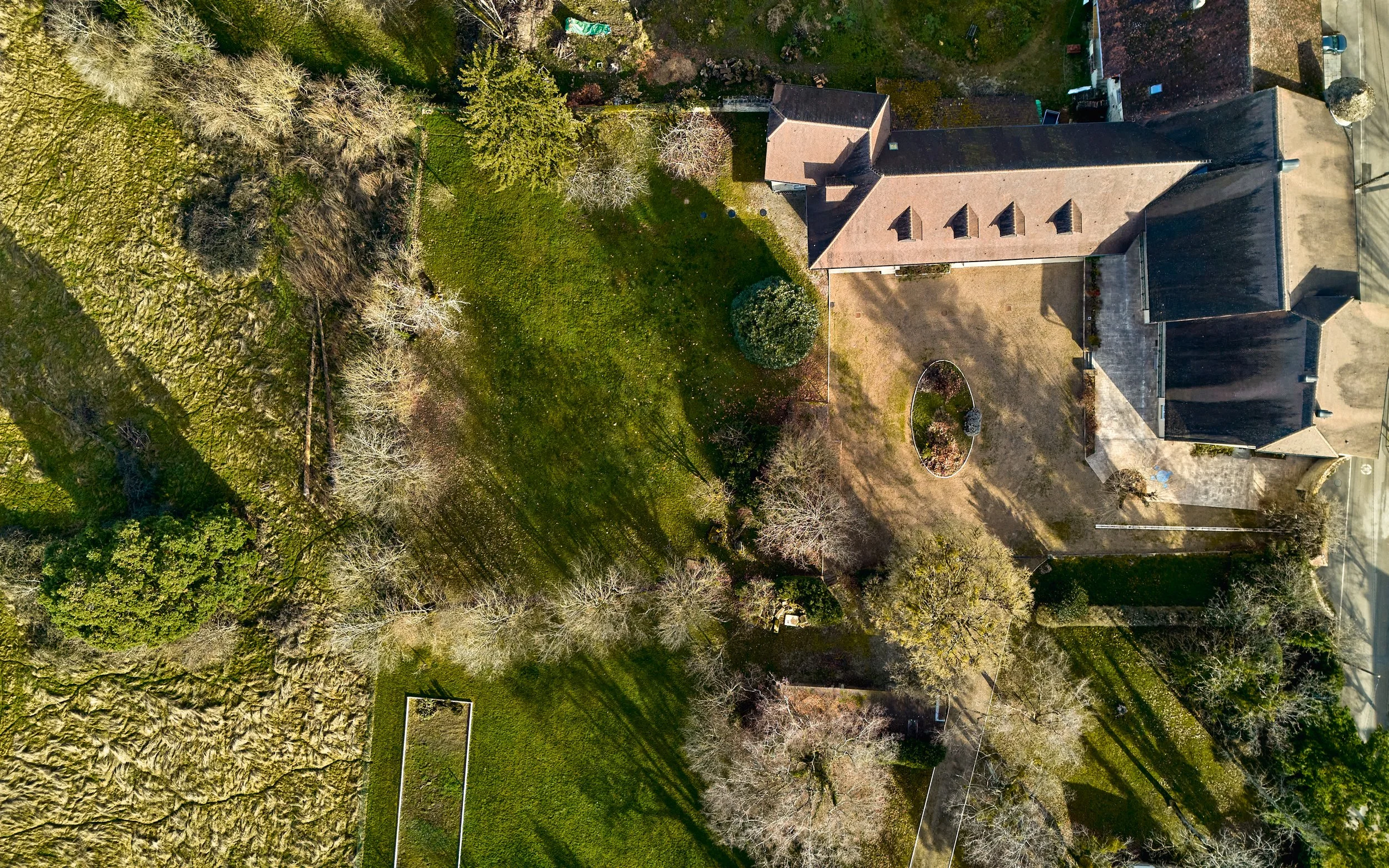
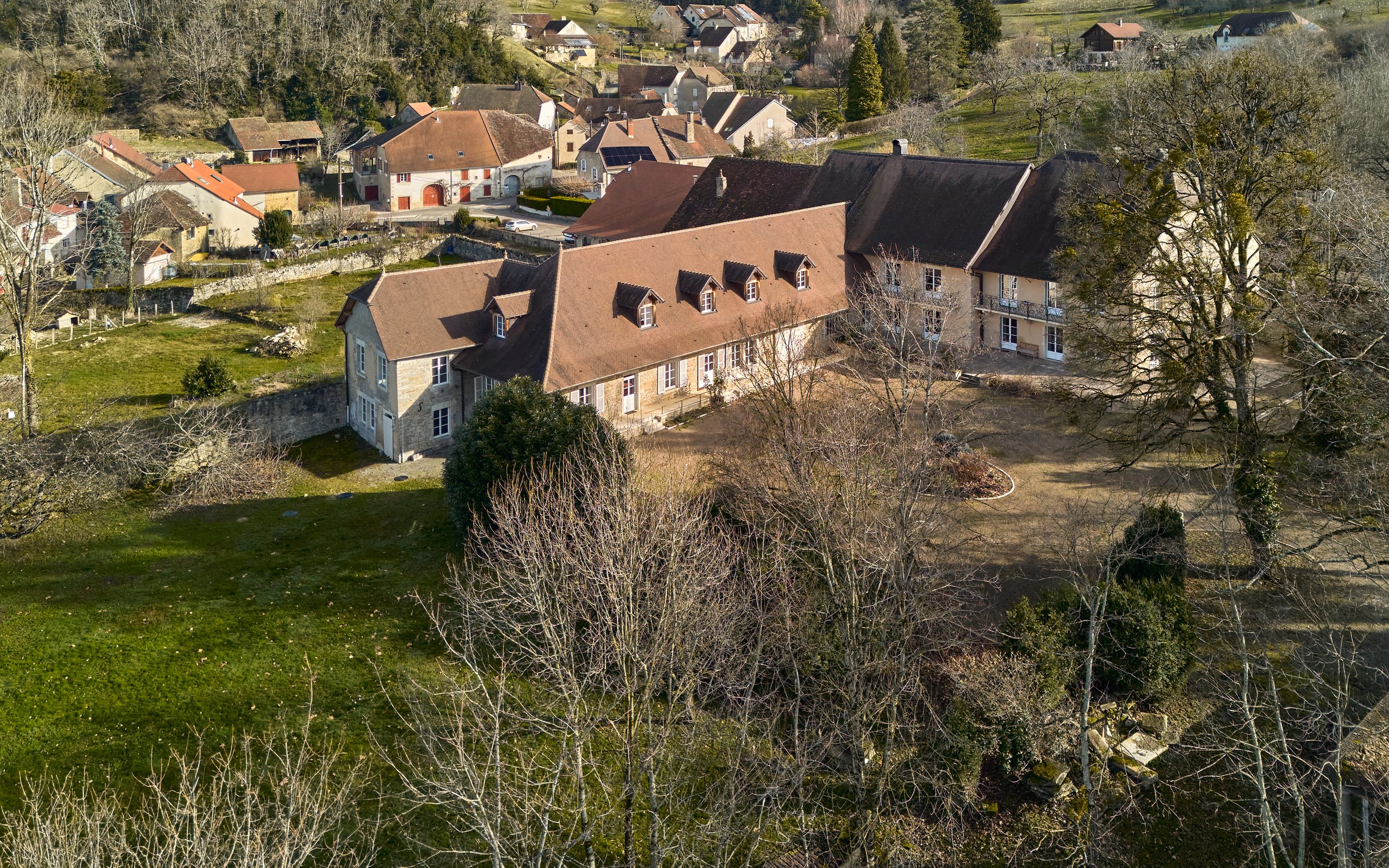
This 19th-century winegrower’s house in Passenans, listed with Arrière-Cour Immobilier for €990,000, offers 662 m² (7,126 sq ft) of living space across 15 rooms, set within a walled garden of 0.8 hectares (1.98 acres) surrounded by vineyards in the Jura, France.
Passenans sits within the Jura, a small wine region in eastern France between Burgundy and the Swiss border, where vineyards follow a narrow limestone corridor known as the Revermont. Nearby Château-Chalon anchors the area with its long-standing association with Vin Jaune, the region’s most distinctive wine, aged for years under strict production methods. Compared to more established regions, the Jura remains quieter, with a strong local identity and a more tightly held vineyard landscape.
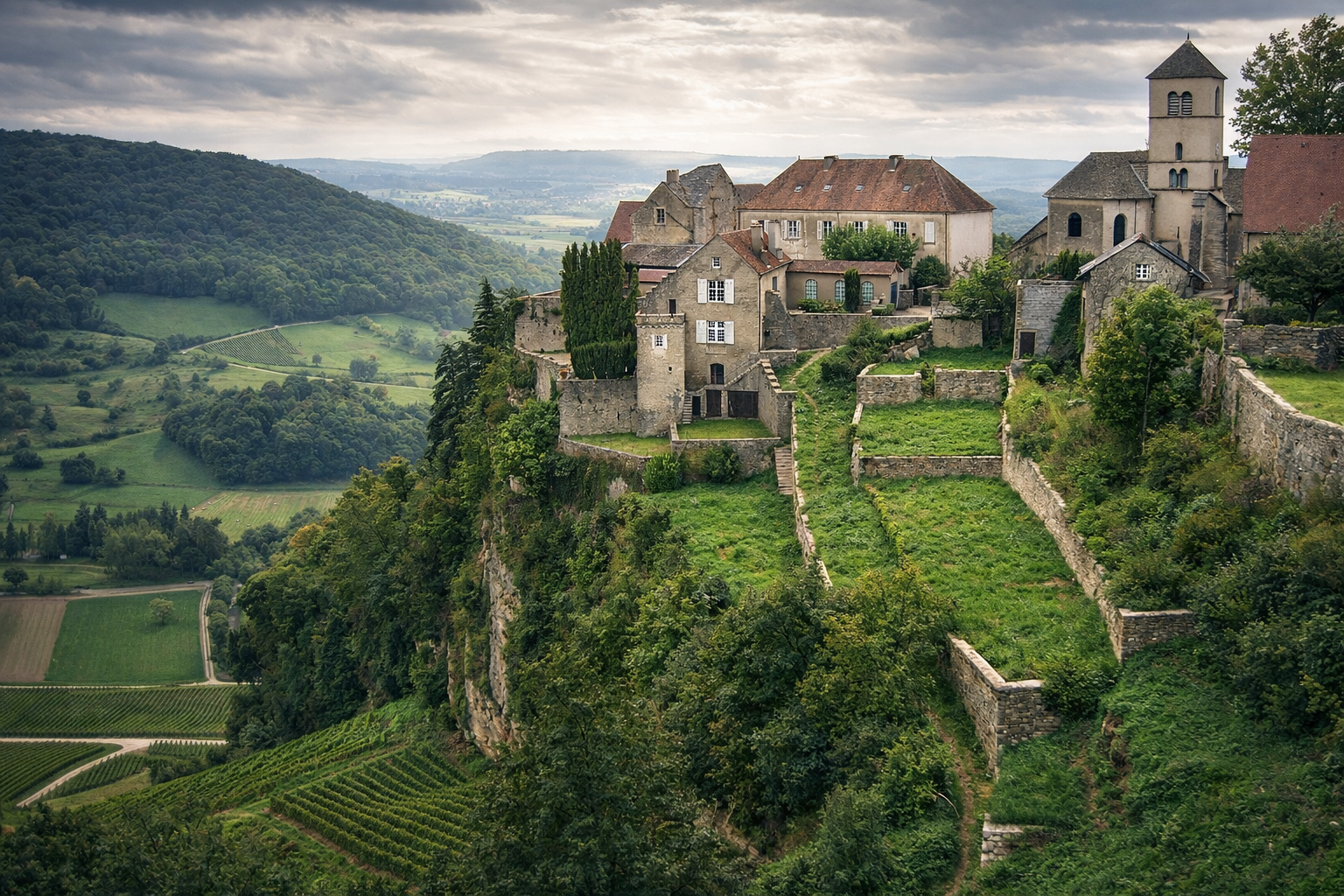
Photo: PRA / Wikimedia Commons — CC BY 3.0 (edited)
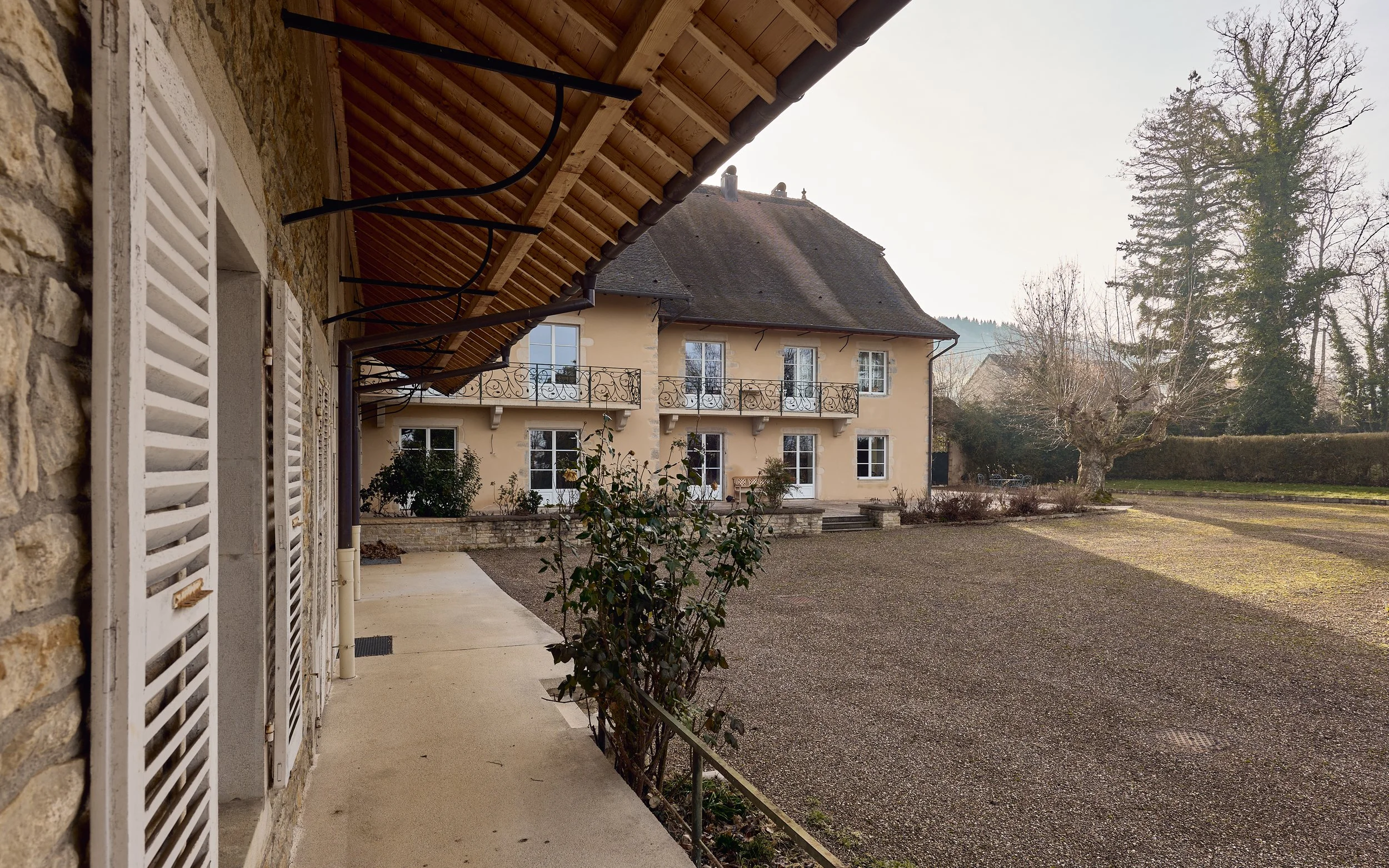
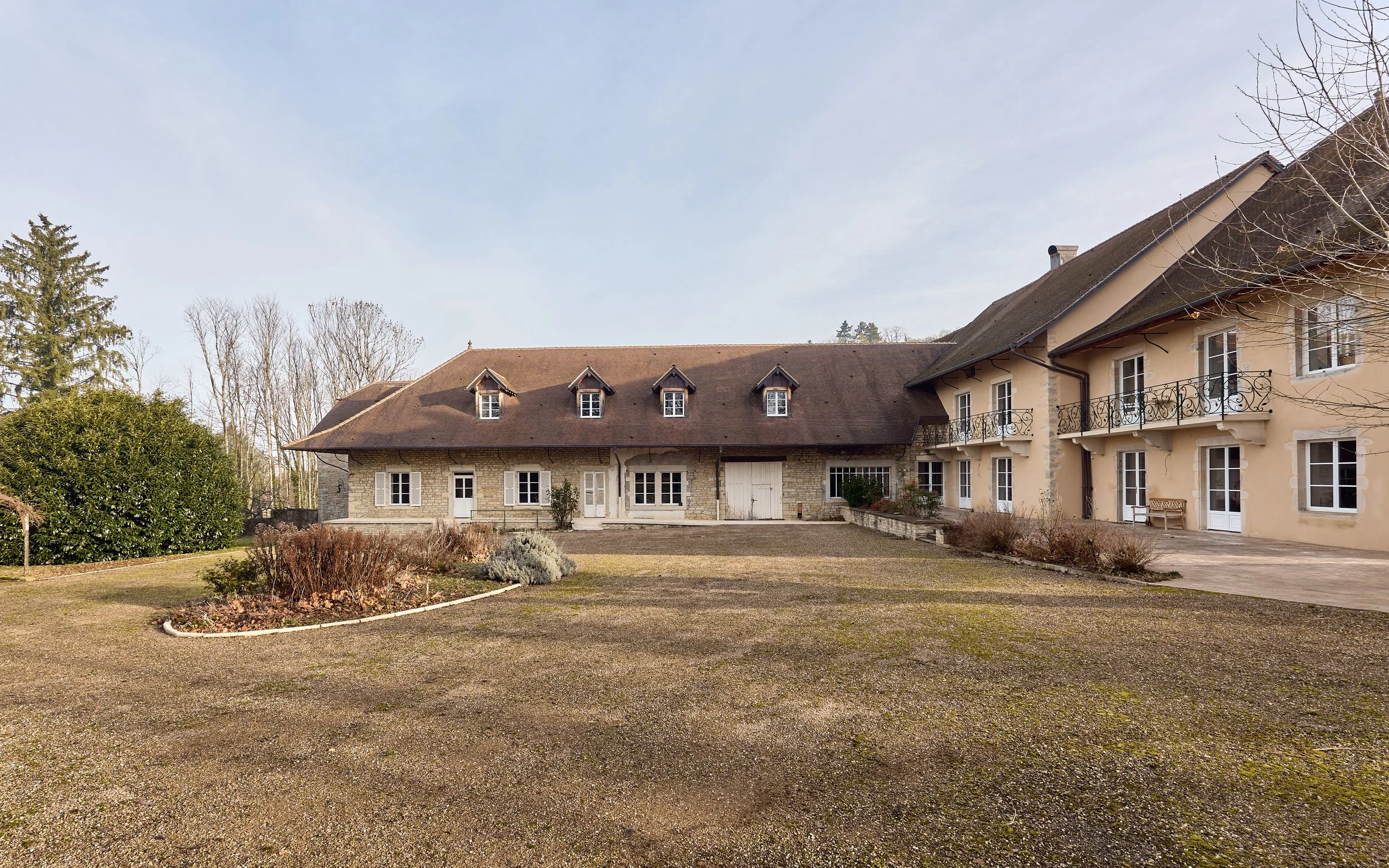
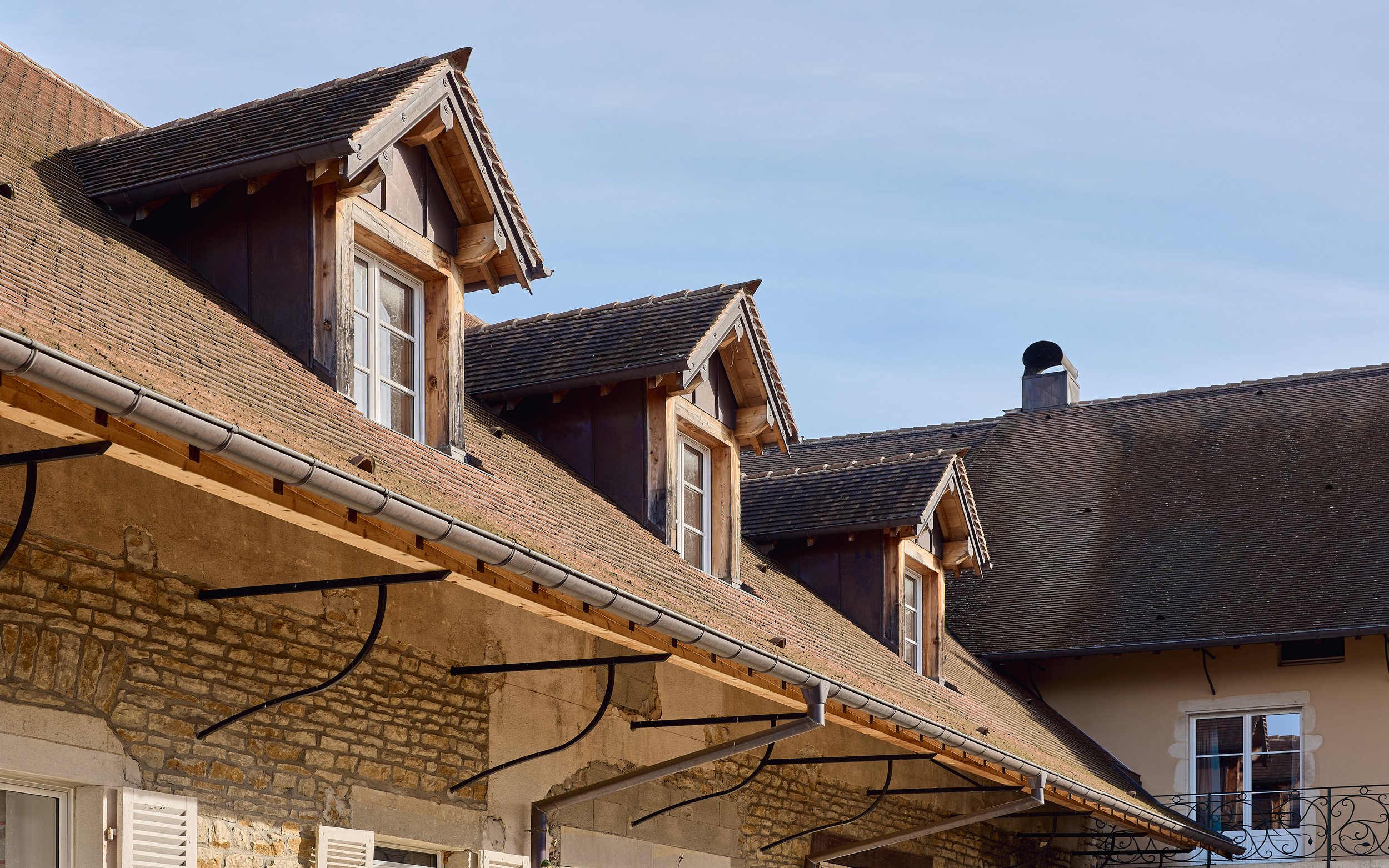
The house reads clearly as a traditional vigneron property. Built around 1800, it reflects a time when domestic life and wine production were closely linked, with spaces designed to support both.
Inside, original elements—including stone walls, fireplaces, mouldings, and period doors—are preserved, while the overall atmosphere feels lighter and more updated. The rooms are generous without excess, and the layout moves easily between spaces, whether for everyday use or when the house is full.
The kitchen is fully equipped and designed for gathering, with a traditional bread oven that connects directly to the house’s past. In total, there are 10 bedrooms and 8 bathrooms, including several suites, giving the property the capacity to host at scale without feeling like a formal guesthouse.
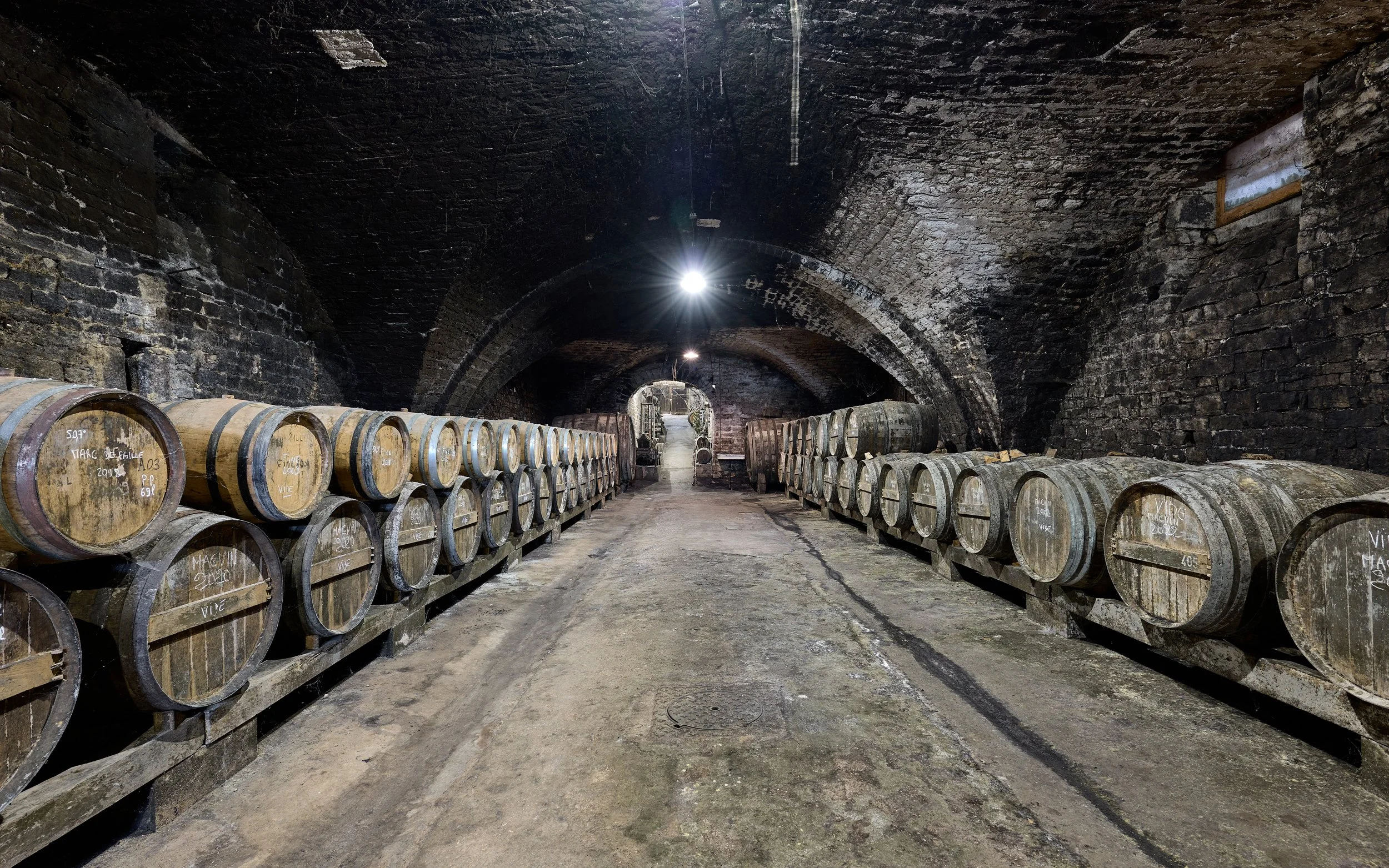
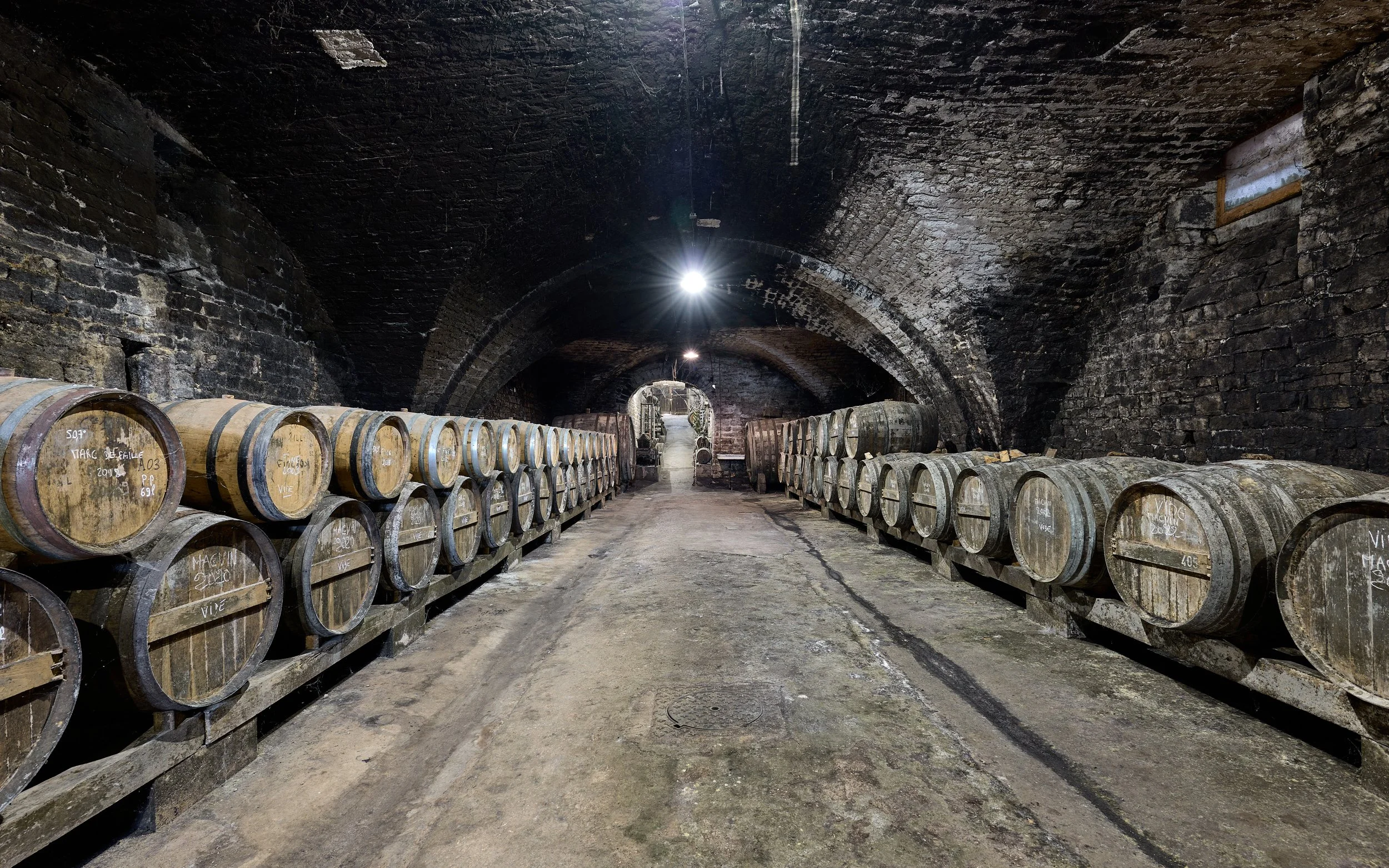
The wine grower’s house comes with a vaulted wine cellar.
A vaulted wine cellar sits at the core of the property. In the Jura, these spaces were central to how winegrower houses functioned, used for storage and ageing, and remain one of the clearest links between the house and the surrounding vineyard landscape.
An independent apartment with step-free access adds flexibility, working equally well for guests or as part of a hospitality setup. The scale of the house, combined with this secondary unit, allows for multiple uses without major changes.
Outside, the 8,000 m² grounds are enclosed and well established. Mature trees, a vegetable garden, and an orchard give the space structure without making it feel overly designed. The setting offers privacy while maintaining a clear connection to the surrounding vineyards and countryside.
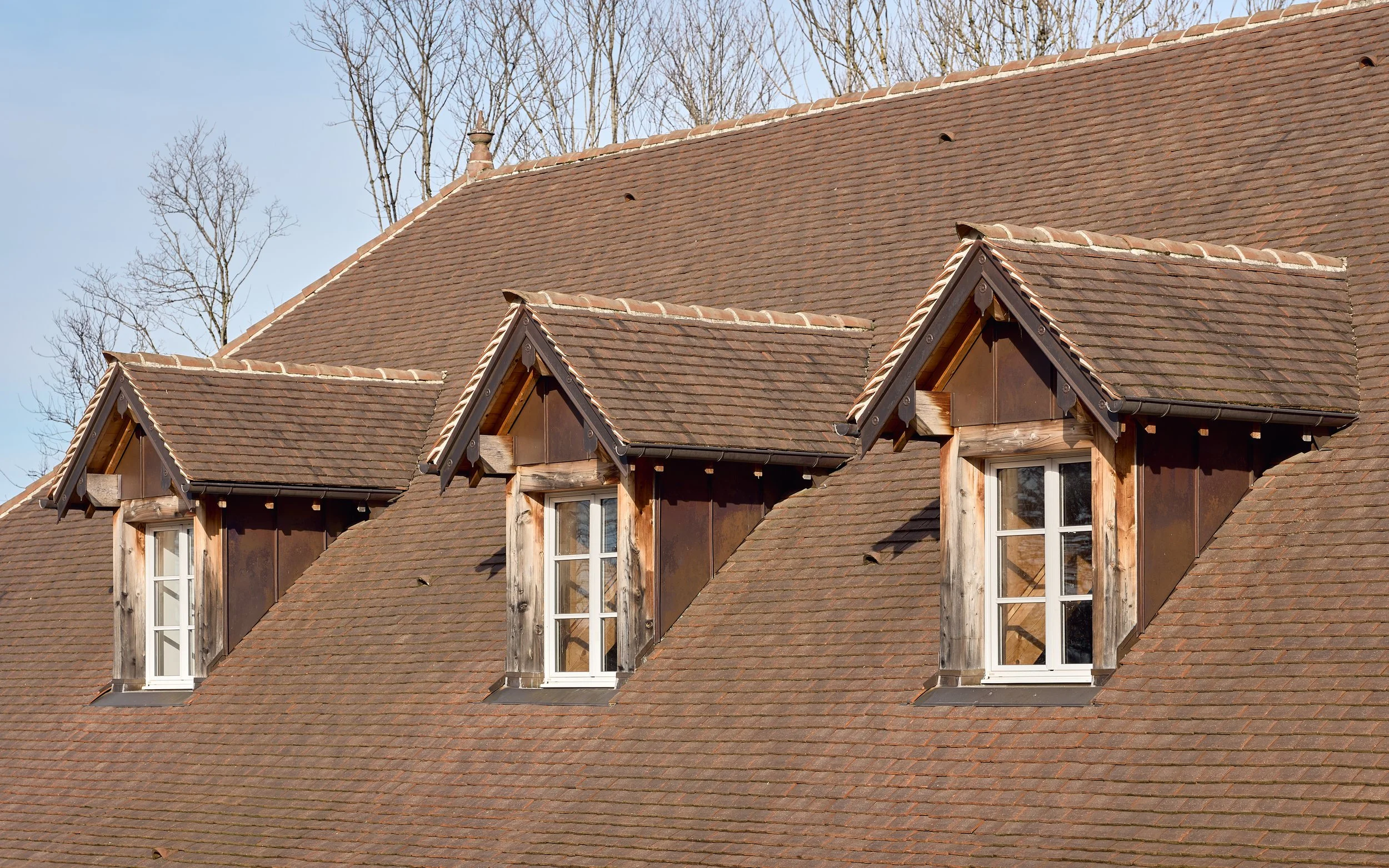
Several outbuildings extend the footprint, including a garage, workshop, former stables, and attic space with potential for conversion. A terrace and small garden pavilion provide additional outdoor living areas, particularly suited to summer use.
Set within one of France’s more understated wine regions, the property reflects a type of house shaped as much by its function as by its setting—grounded in land, production, and long-standing regional continuity.
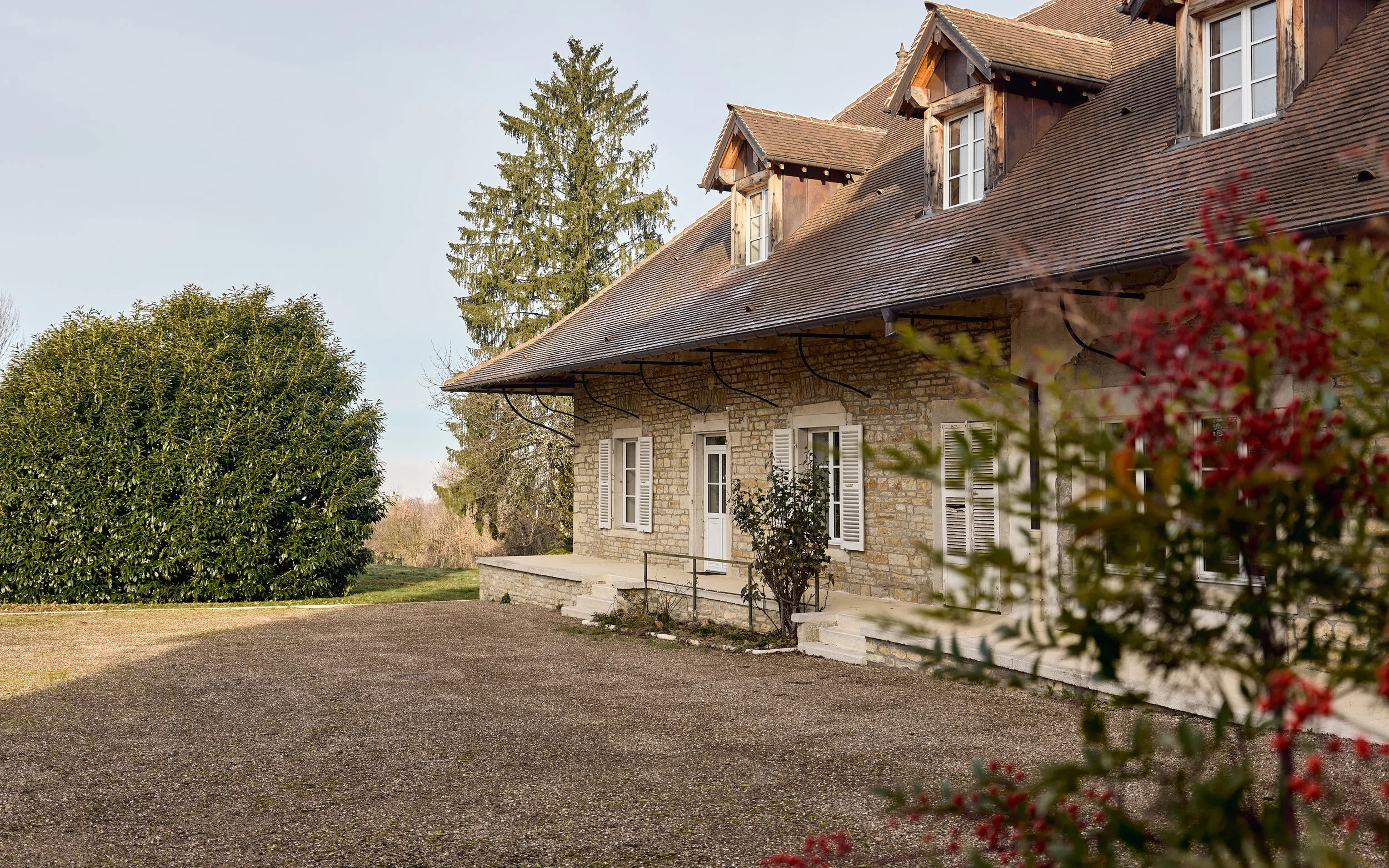
All photographs belong to the listing agency, Arrière-Cour Immobilier.