This €20.5 Million Jet-Set-Era Residence Above Monaco Has One of Grace Kelly’s Favourite Gardens
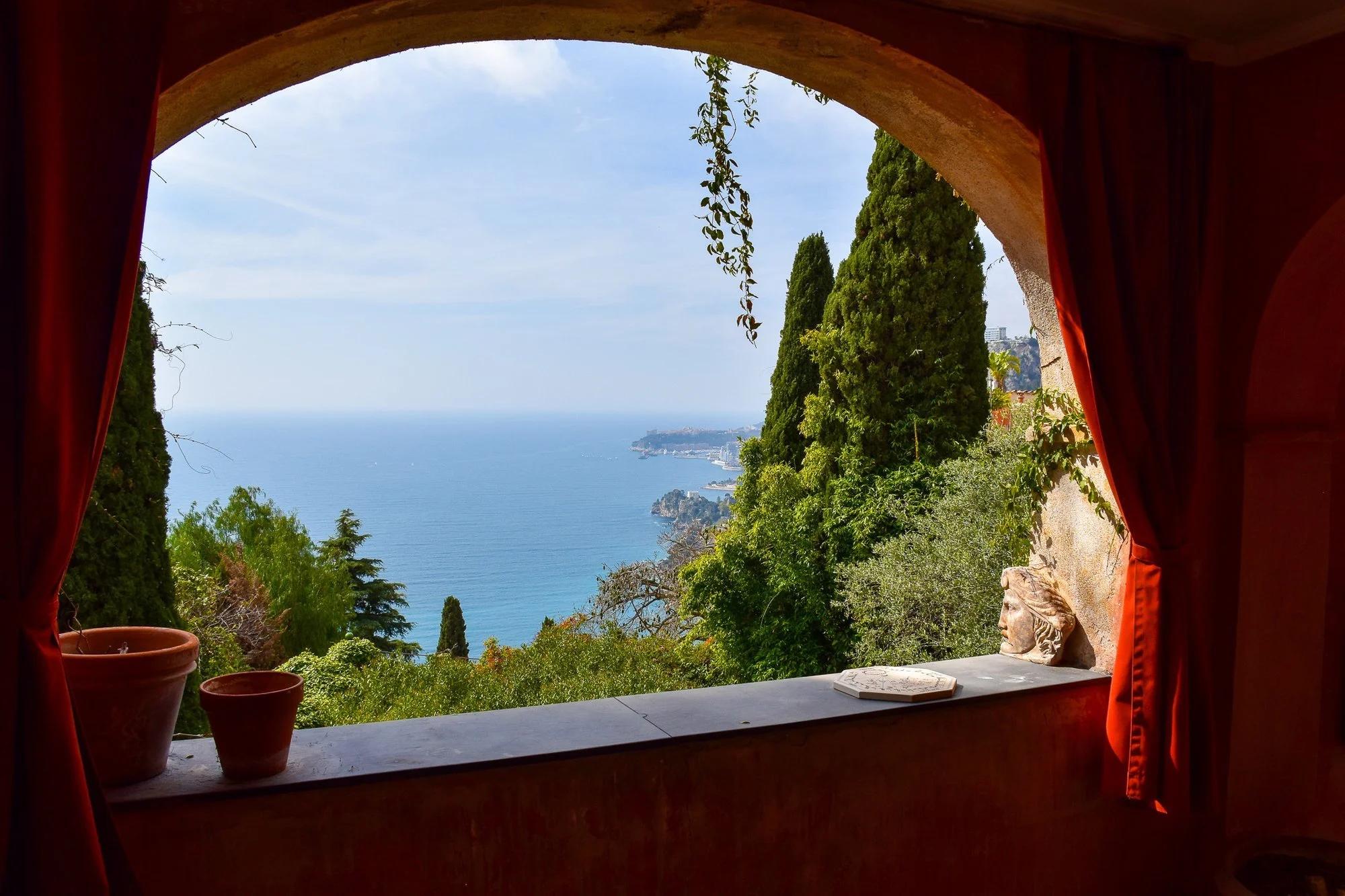
At a glance: €20.5 million / ~$23.8 million Roquebrune-Cap-Martin, French Riviera
Bedrooms: 10 Bathrooms: 11 Interior: 601 m² / 6,469 ft² Lot: 2,000 m² / 21,528 ft² / 0.49 acres
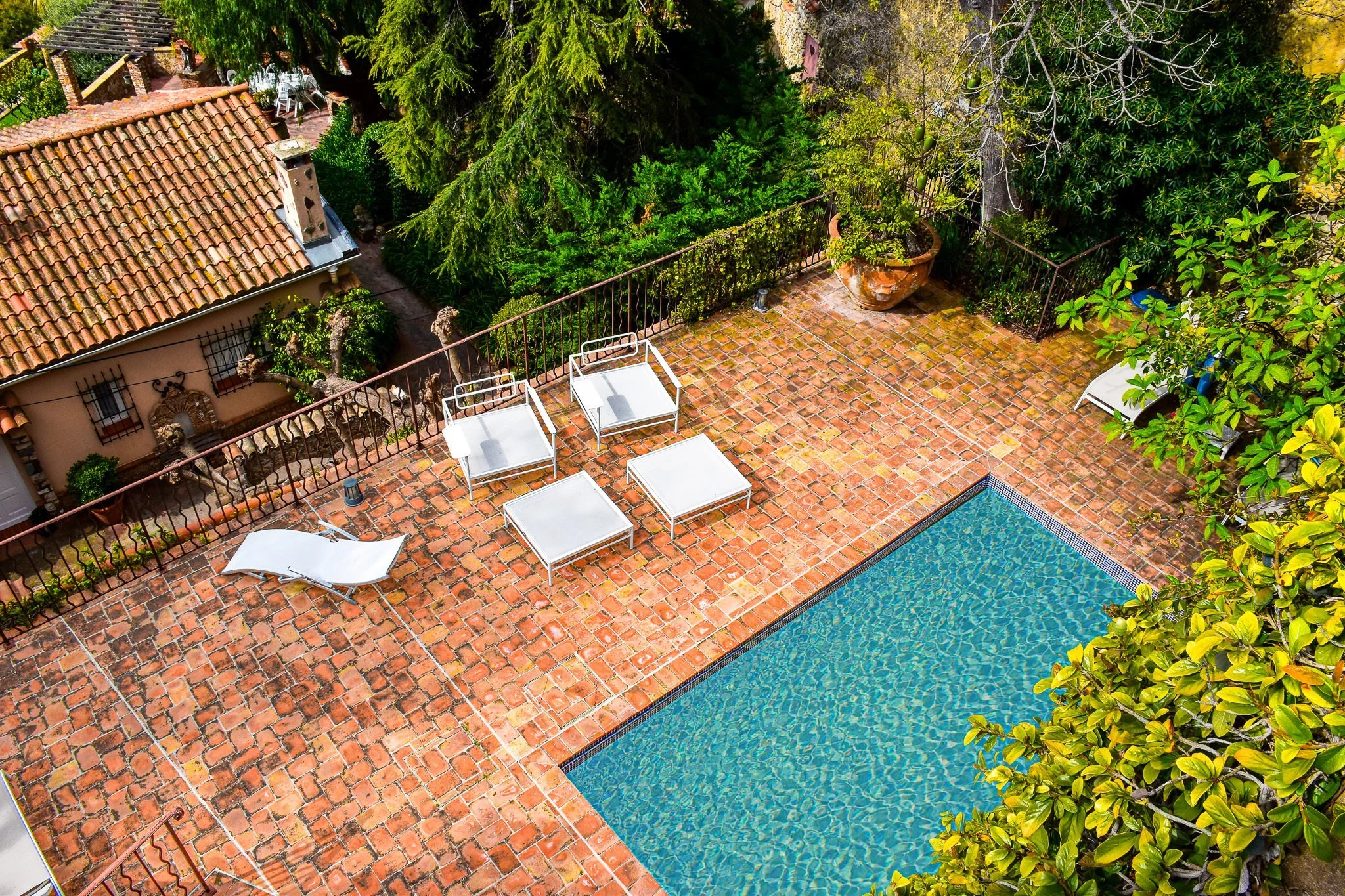
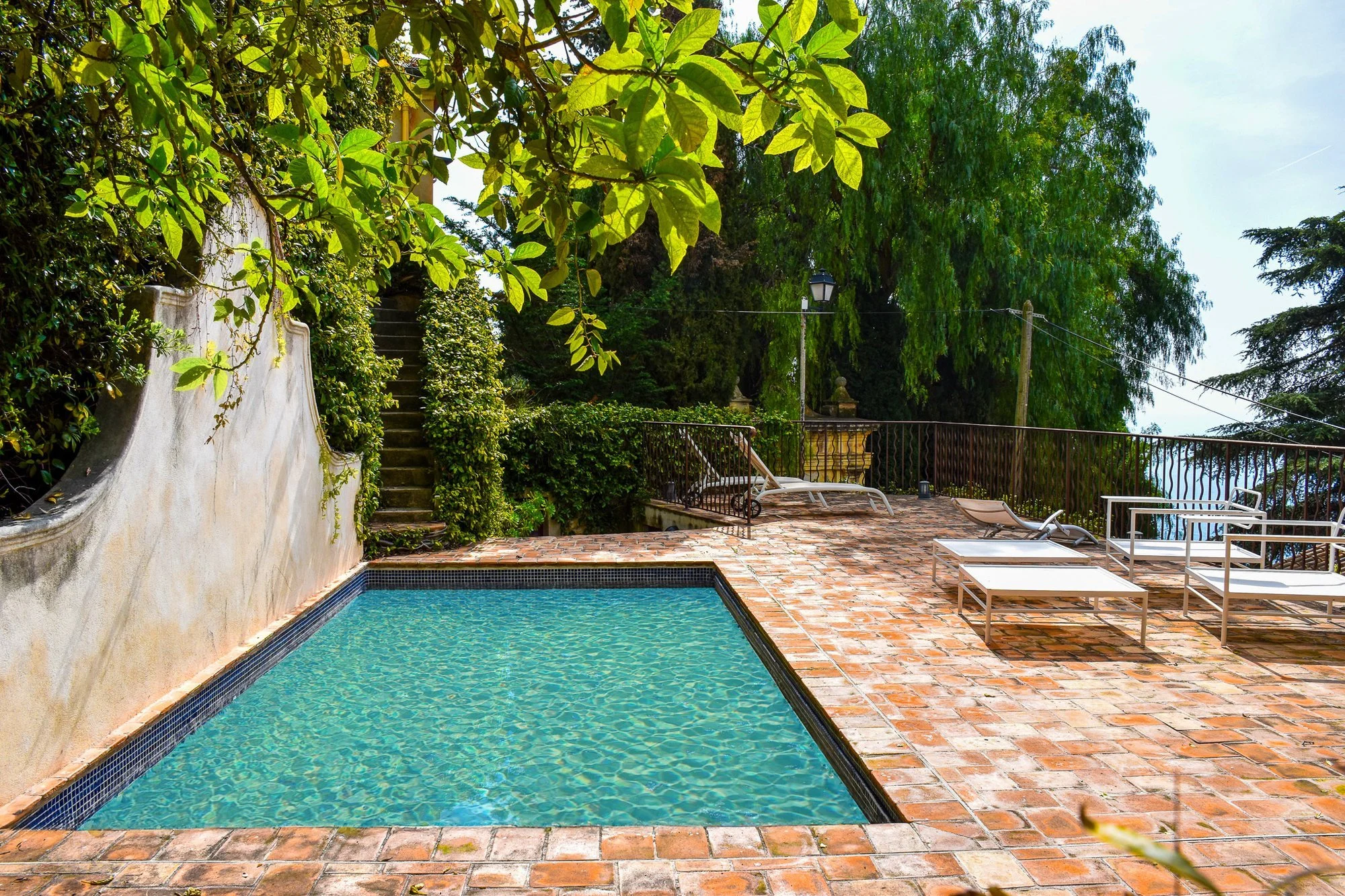
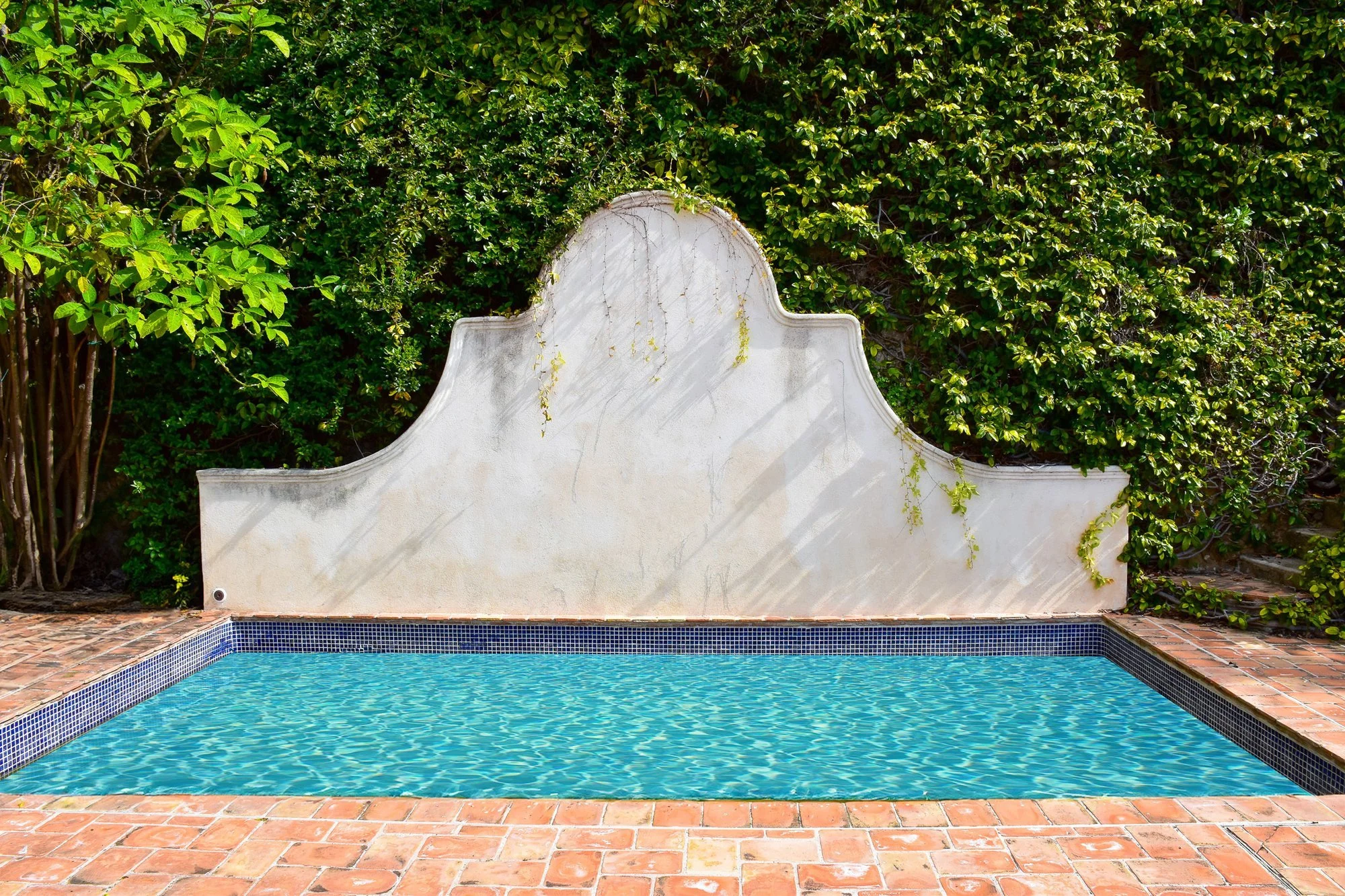
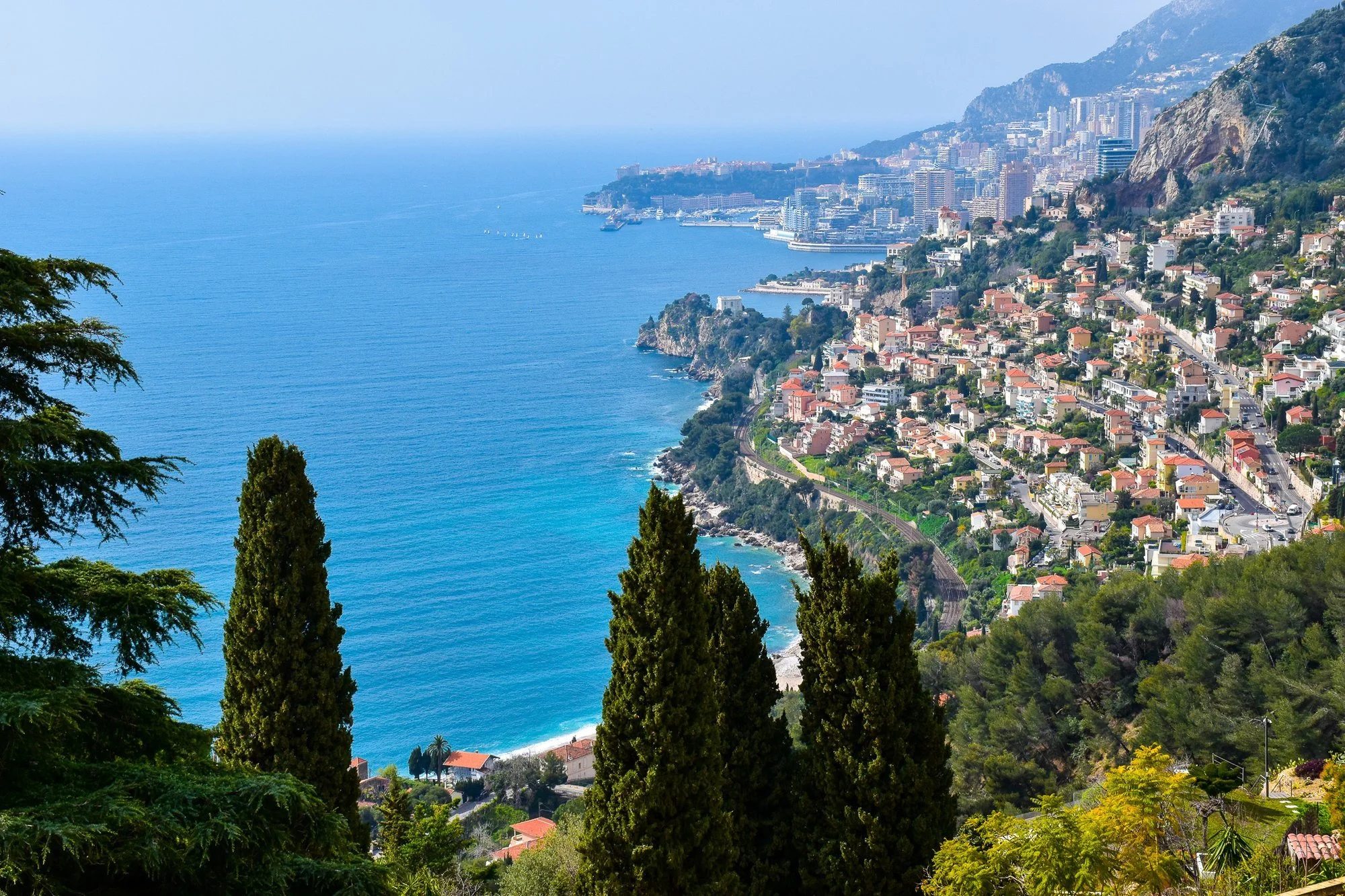
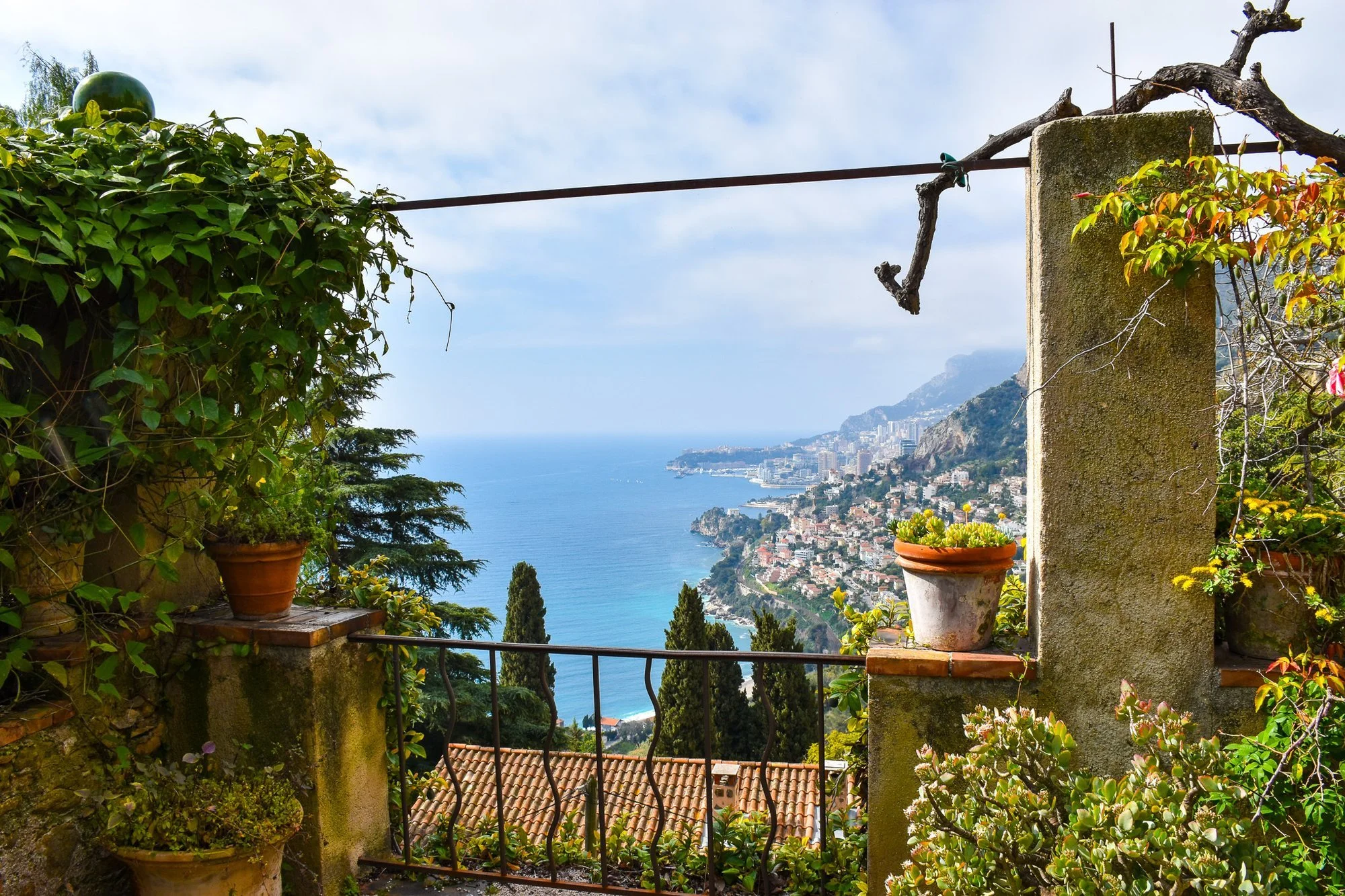
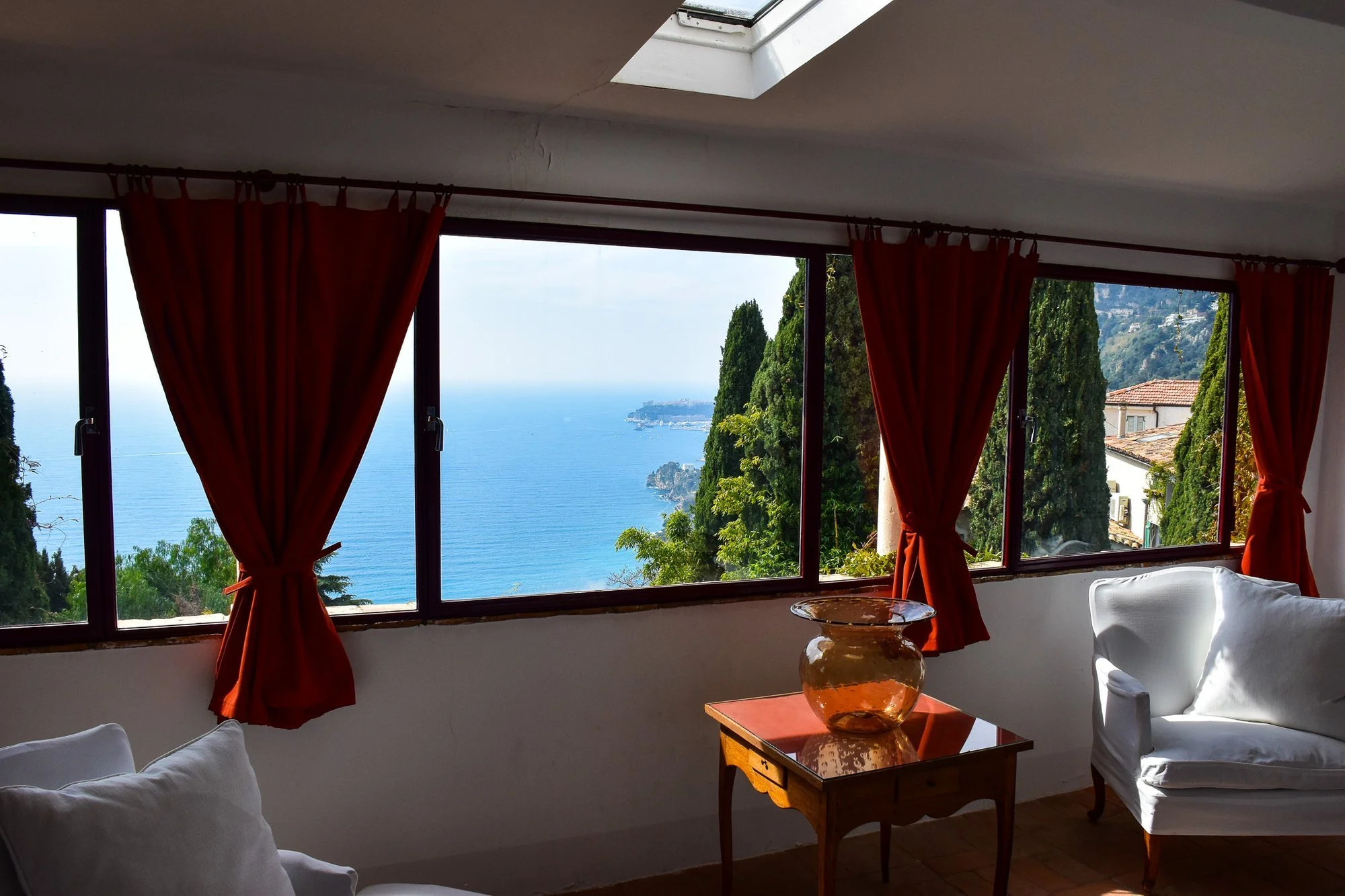
Amenities: Terraced gardens overlooking the sea, views over Monaco and Cap Martin, swimming pool, library, steam room, outdoor kitchen, wine cellar, private garage and parking,
Much of the French Riviera’s enduring image was shaped in the middle decades of the 20th century, when the rise of postwar commercial air travel helped create the early international jet set and turned Monaco, Cap Ferrat, Cannes, Menton, and Cap Martin into a seasonal circuit for fashion photographers, aristocrats, writers, film figures, and international travelers.
It was the world of Grace Kelly and Cary Grant in To Catch a Thief, Vogue location shoots, yacht harbors, terraced gardens, and the cultivated Mediterranean leisure later associated with the visual language of Slim Aarons.
L’Aumônerie, now listed for €20.5 million in Roquebrune-Cap-Martin, belongs to that world — but in a quieter and more unusual way.
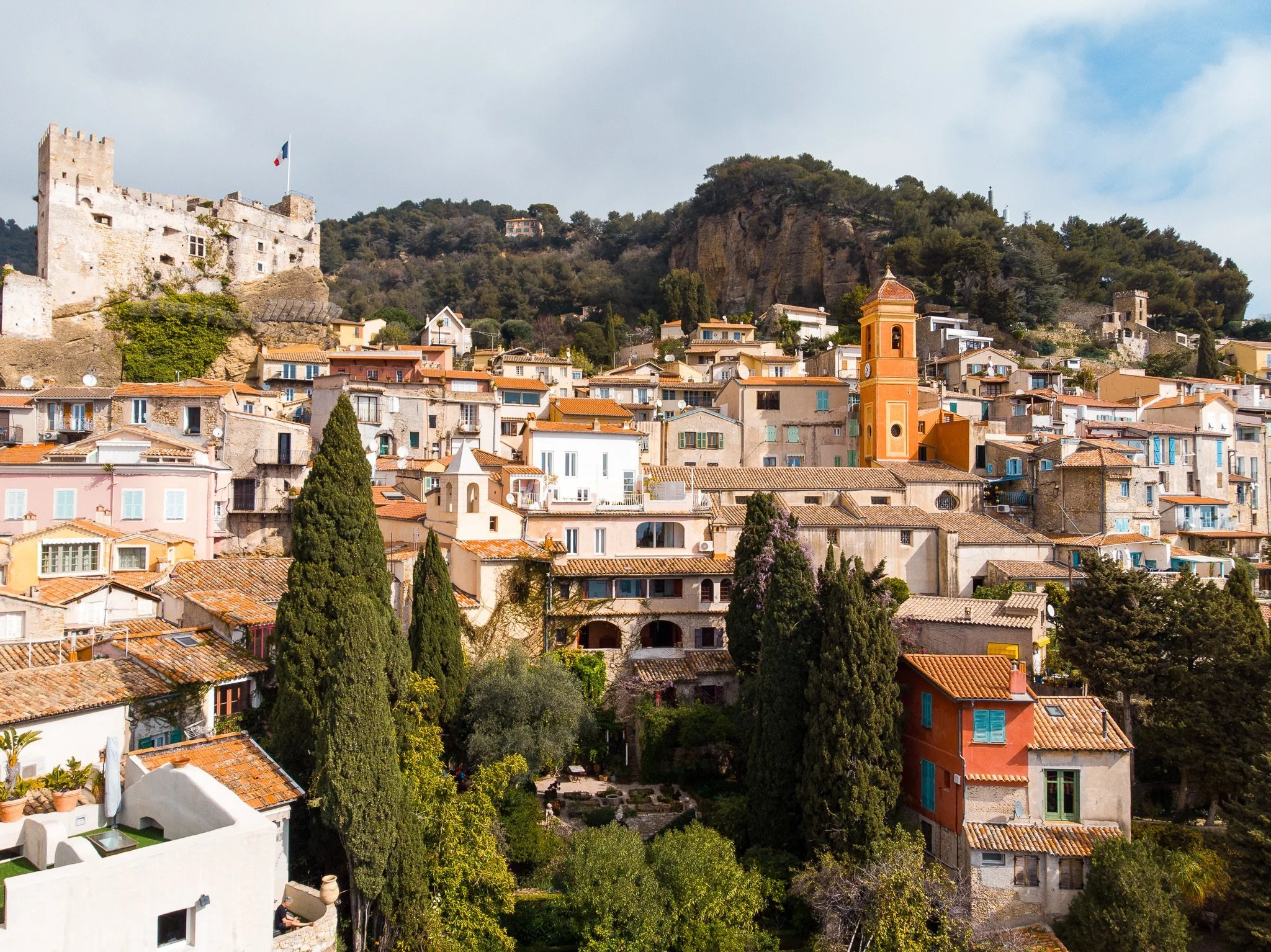
Roquebrune occupies a distinct position on the eastern French Riviera, its medieval village set above the Mediterranean between Monaco and Italy, only a few miles away. Centered around a 10th-century Carolingian fortress, it remains one of the coast’s best-preserved old settlements, with narrow stone streets, vaulted passageways, terraced buildings, and red-tile roofs stepping down the hillside. Below, Cap Martin has long been one of the Riviera’s most desirable residential enclaves.
By the late 19th century, this stretch of coastline had become one of Europe’s great winter destinations, drawing British aristocrats, Russian nobility, artists, and later international residents.
By the mid-20th century, the French Riviera became deeply connected to fashion publishing, cinema, and photography. Films such as To Catch a Thief, directed by Alfred Hitchcock and starring Grace Kelly and Cary Grant, helped establish the Côte d’Azur in the international imagination as a world of Mediterranean villas, grand hotels, coastal roads, yacht harbors, and glamorous social life. Later films including La Piscine and the broader visual language associated with the James Bond era continued to reinforce this image throughout the 1960s and 1970s.
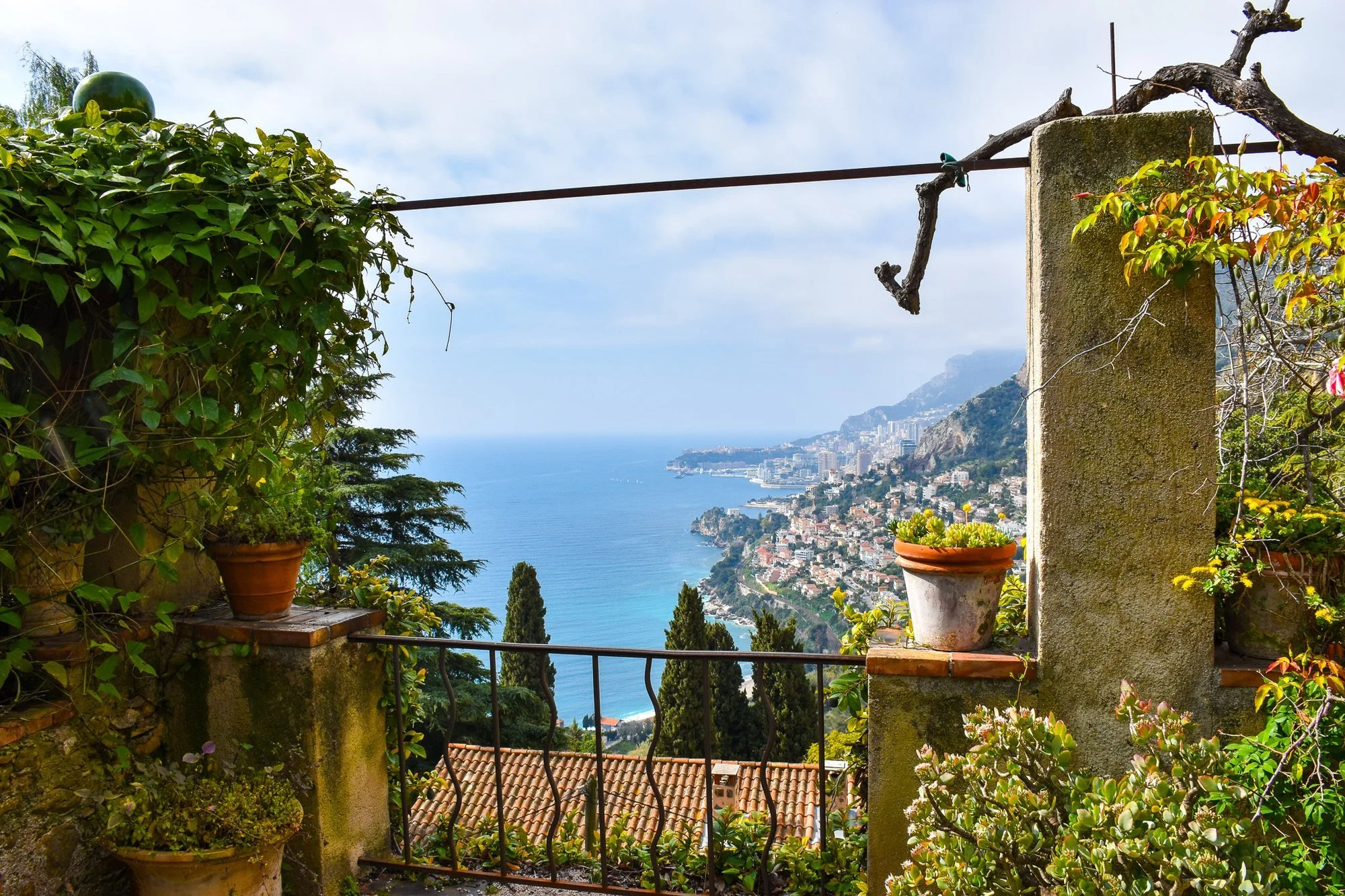
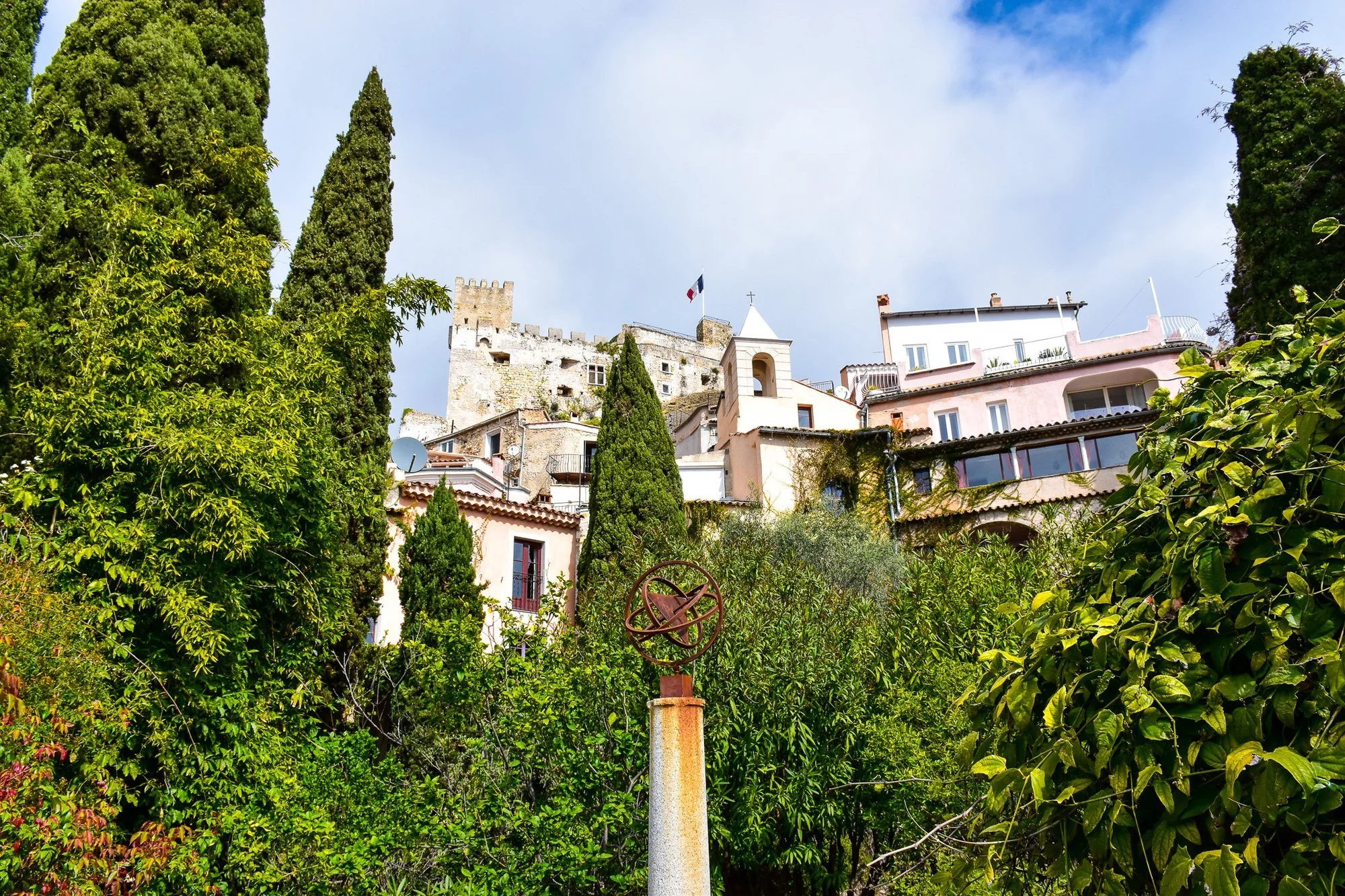
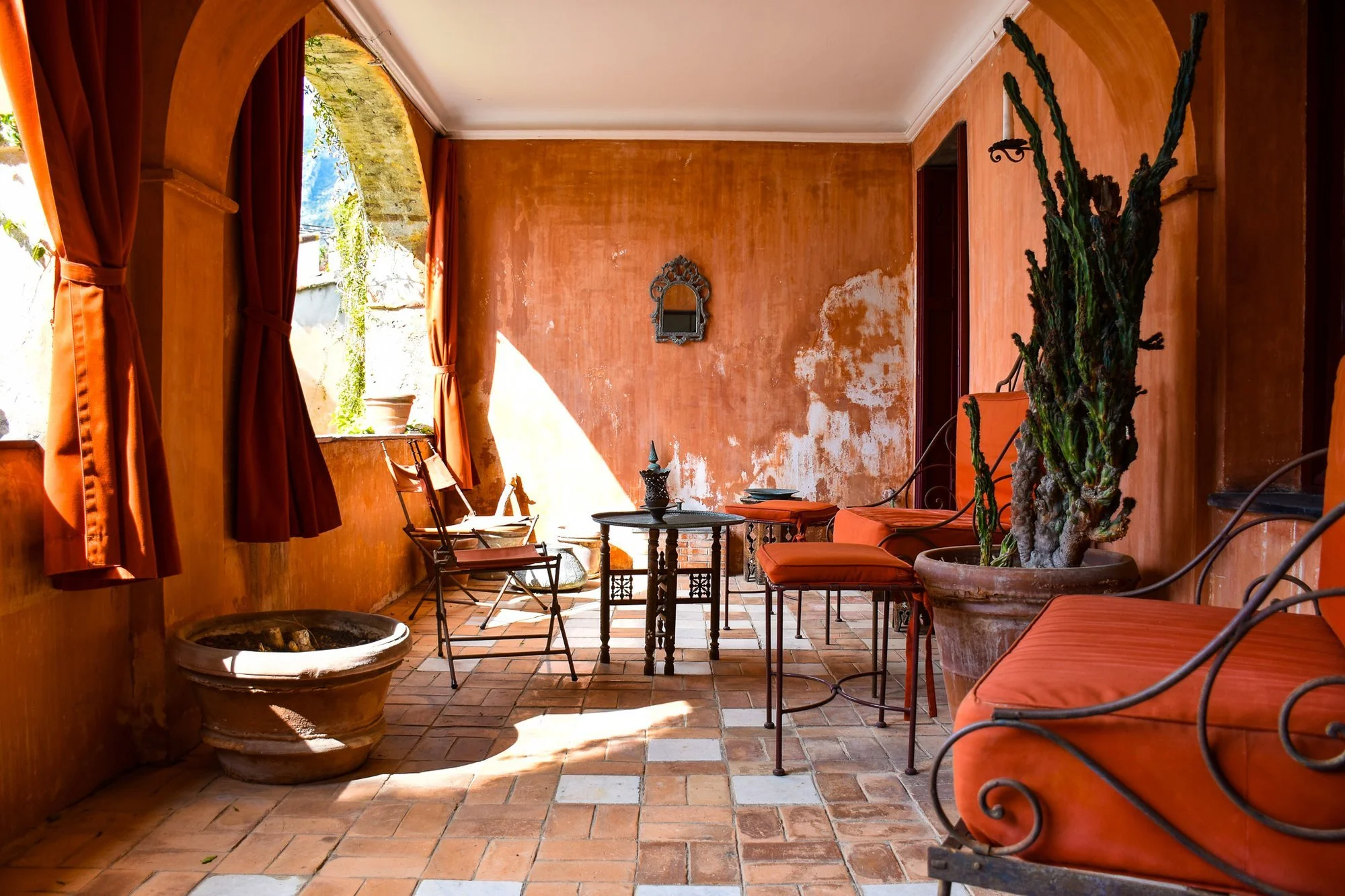
A former church almshouse above Monaco, L’Aumônerie was transformed by Raymond Poteau and Henry Clarke into “la ruche” — a beehive-like village residence of connected medieval structures, terraces, and Riviera views.
L’Aumônerie became part of that cultural world through Henry Clarke and Raymond Poteau. Clarke, one of the defining fashion photographers of the postwar era, worked across Vogue’s French, British, and American editions and photographed figures including Audrey Hepburn, Sophia Loren, Coco Chanel, Maria Callas, Catherine Deneuve, Elizabeth Taylor, and Richard Burton. His images helped shape the visual language of midcentury European elegance, at a time when fashion photography increasingly moved beyond the studio, using villas, gardens, hotels, and Mediterranean landscapes as part of the image itself.
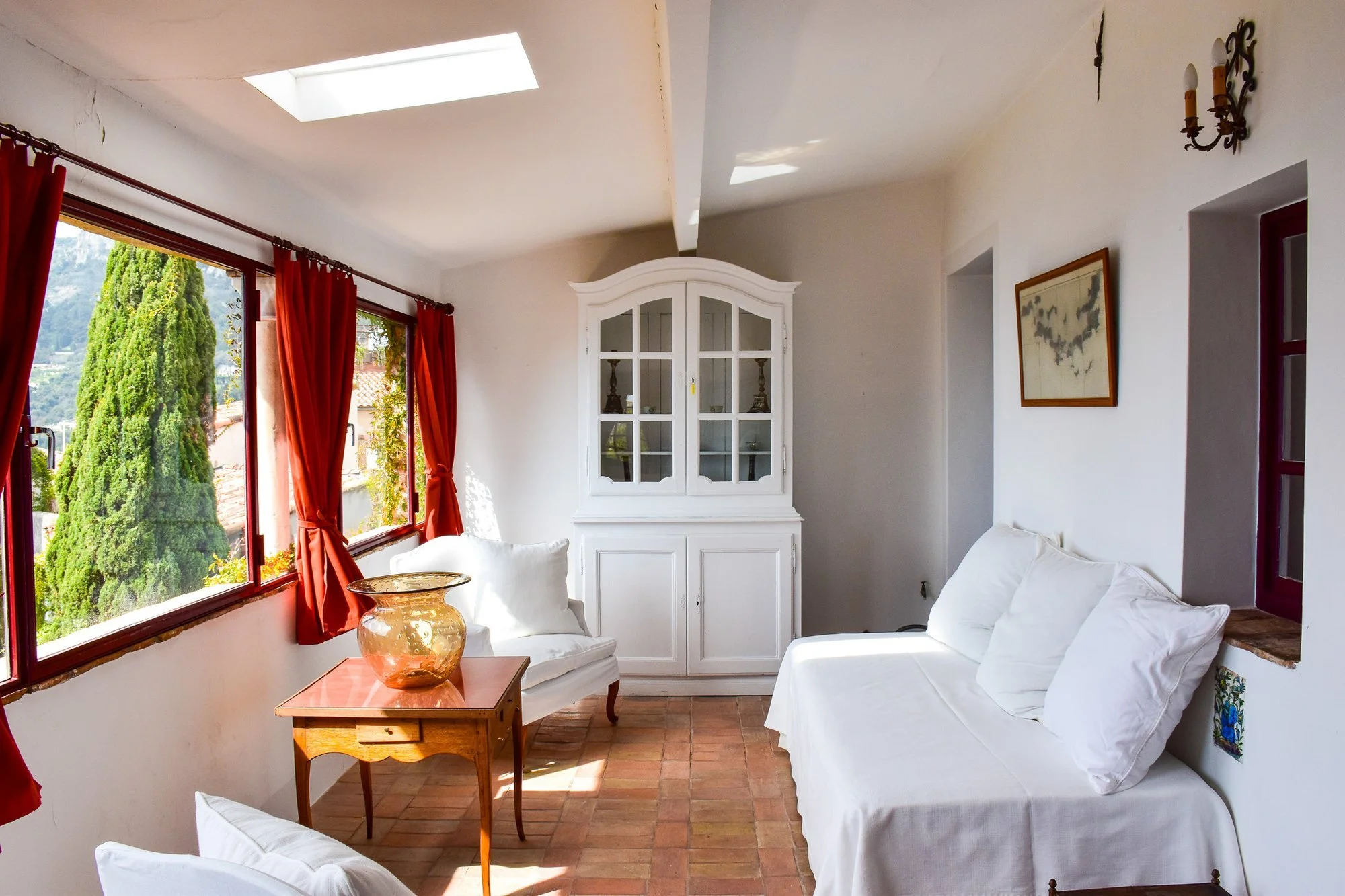
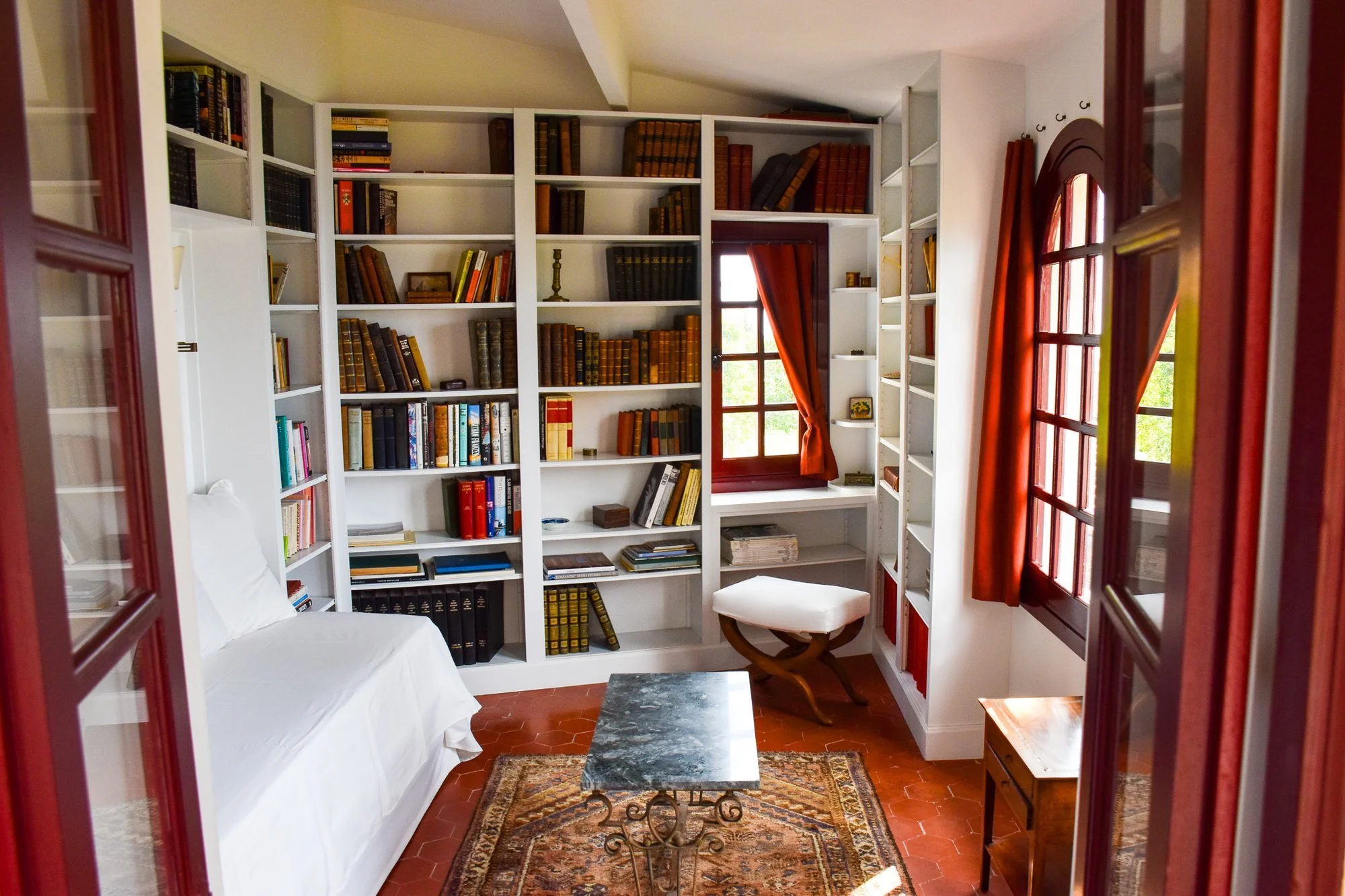
But L’Aumônerie is not a conventional Riviera villa. It is a village residence assembled over time from a former church almshouse and surrounding medieval structures. During the Riviera’s jet set era, decorator Raymond Poteau and Vogue photographer Henry Clarke expanded it into a layered residence of interconnected rooms, passages, terraces, and annexes — a house Clarke reportedly called “la ruche,” or the beehive.
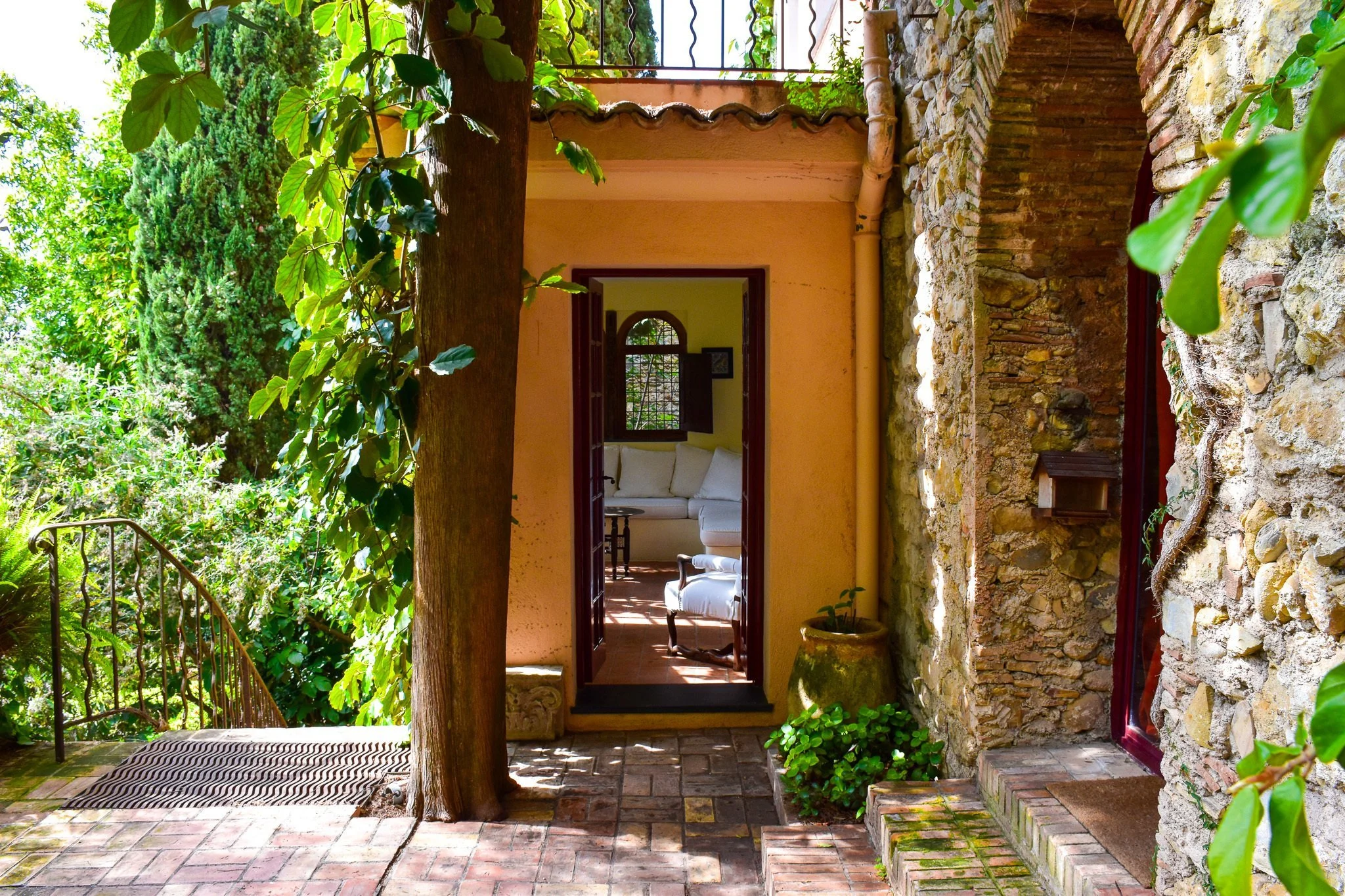
Today, the property extends across multiple connected buildings arranged along the hillside, with entrances opening directly onto different streets of the village and terraces descending toward the gardens and sea.
Poteau brought a different but complementary eye to Clarke’s world of fashion and photography. What began as a historic village structure became a main house and annex spread across several connected buildings, with entrances opening from different streets of medieval Roquebrune and rooms arranged across multiple levels.
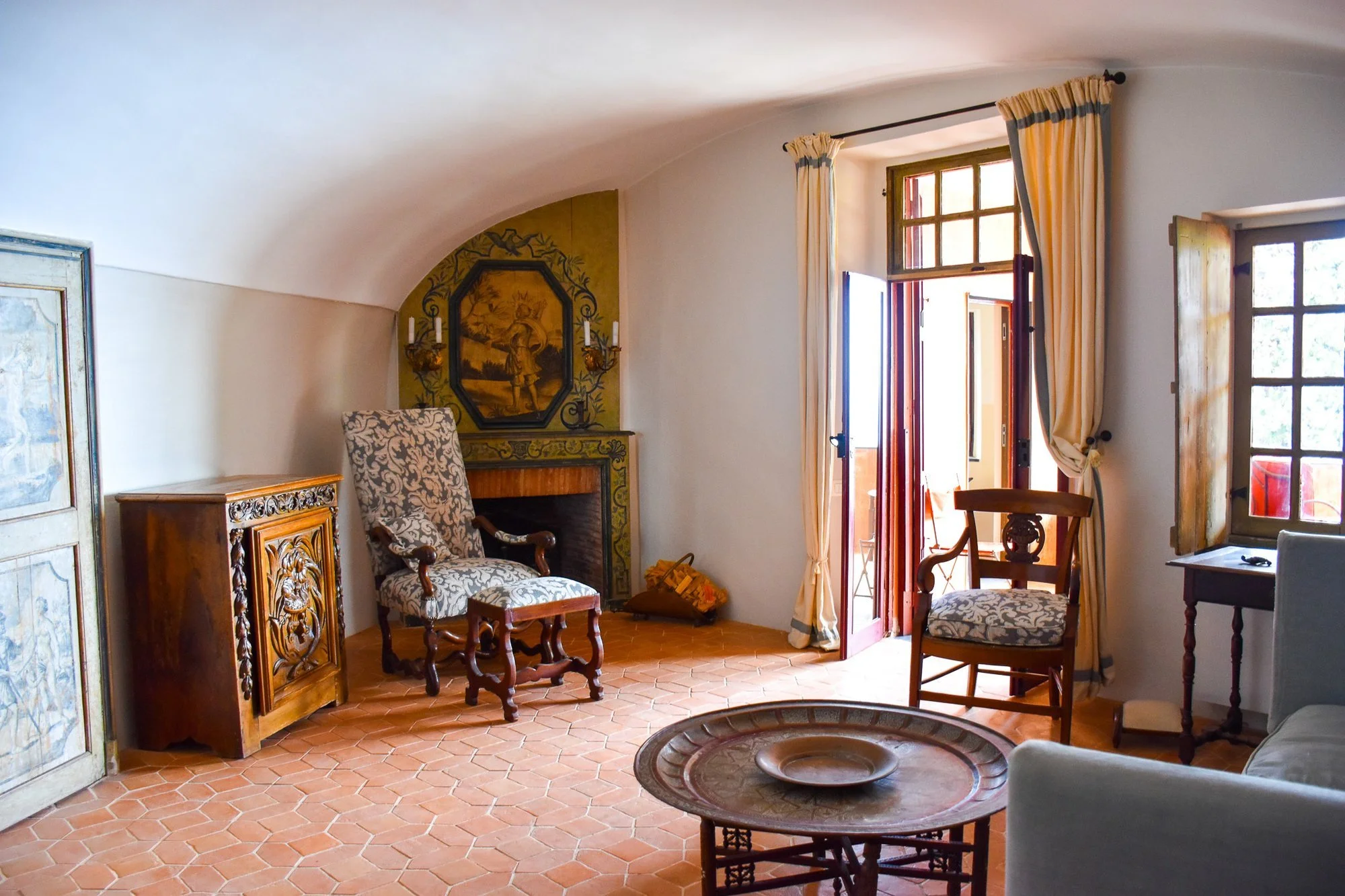
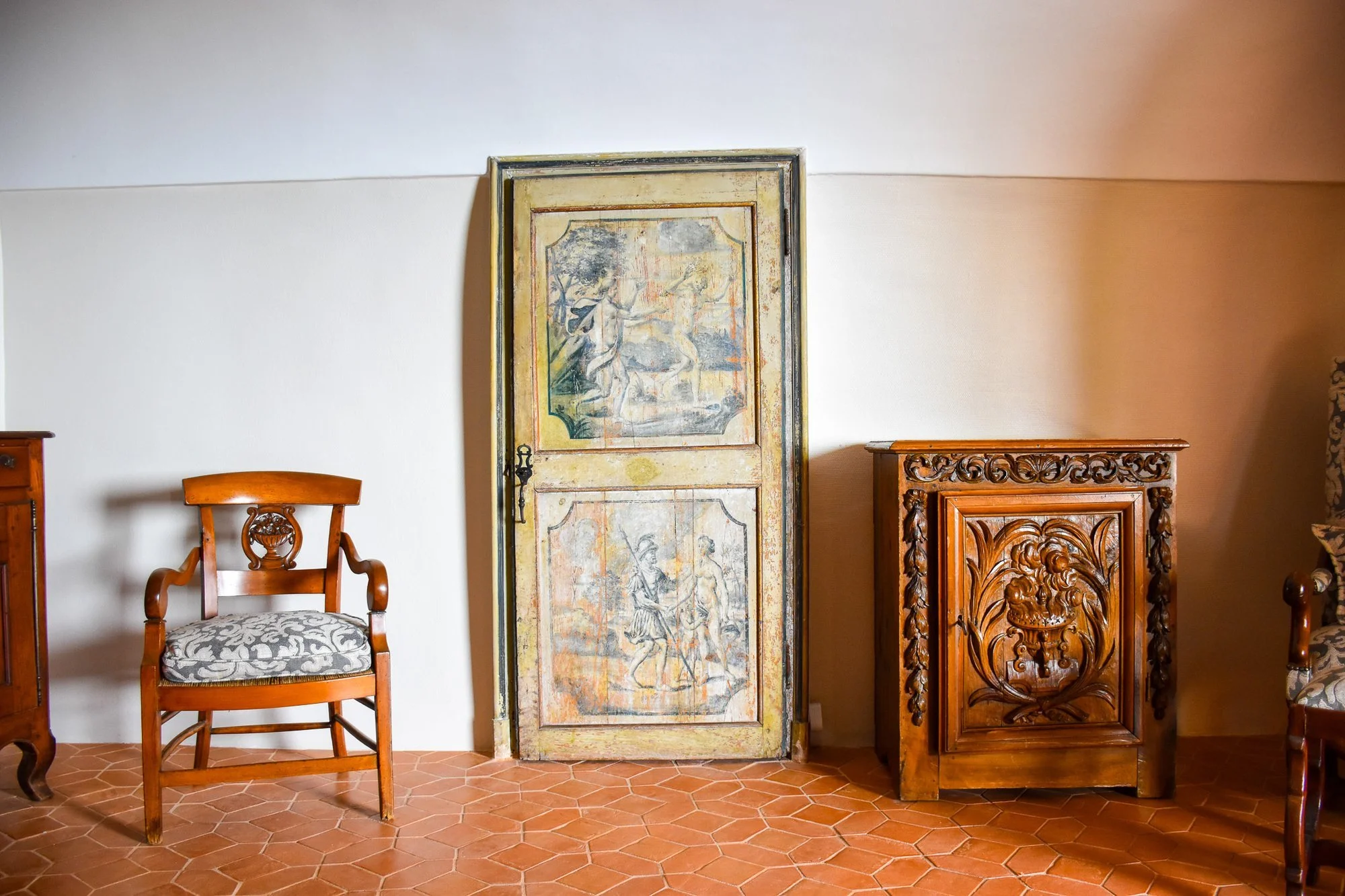
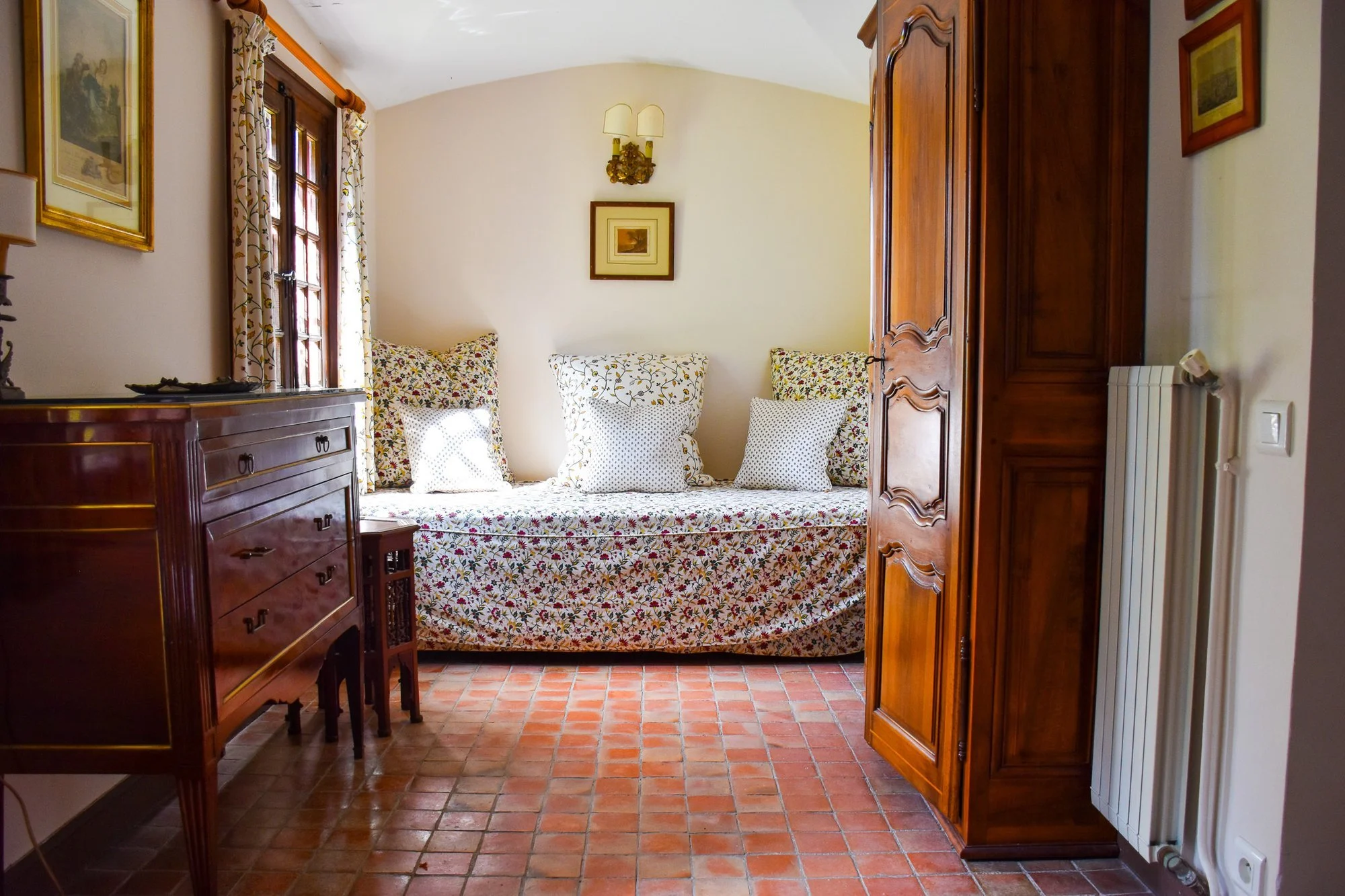
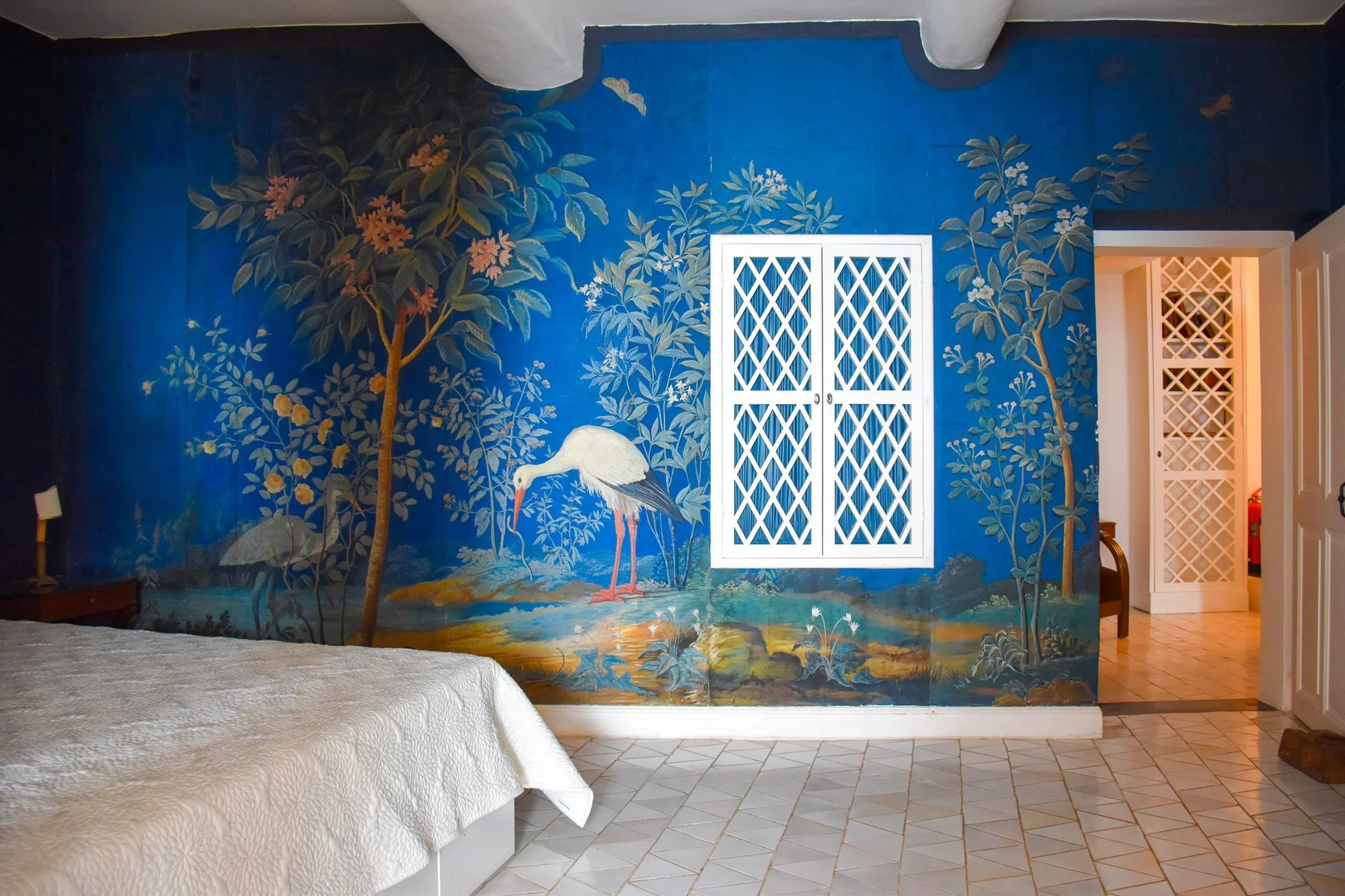
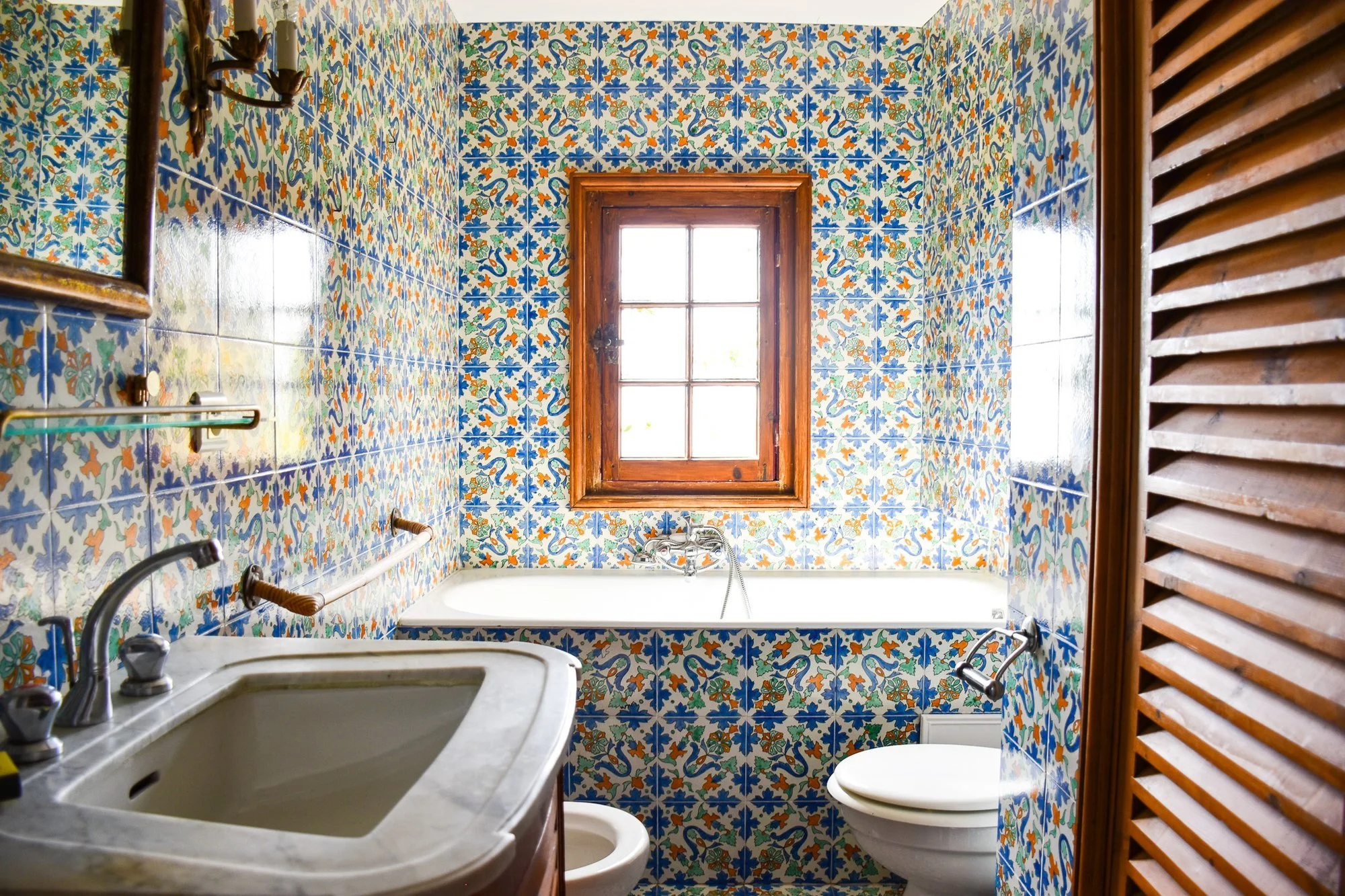
Their renovation created 10 bedrooms and living spaces for more than 20 guests, while preserving the house’s older fabric through fixed architectural and decorative details: Roman and Hellenistic fragments embedded into walls, 18th-century French and Dutch tiles in the bathrooms, Portuguese tilework from the 1960s, clay floors, and 19th-century English hand-painted wallpaper in the primary bedroom.
The current listing also notes antique doors, engravings, painted decoration, and 18th-century panels depicting five exotic birds, each symbolizing a continent.
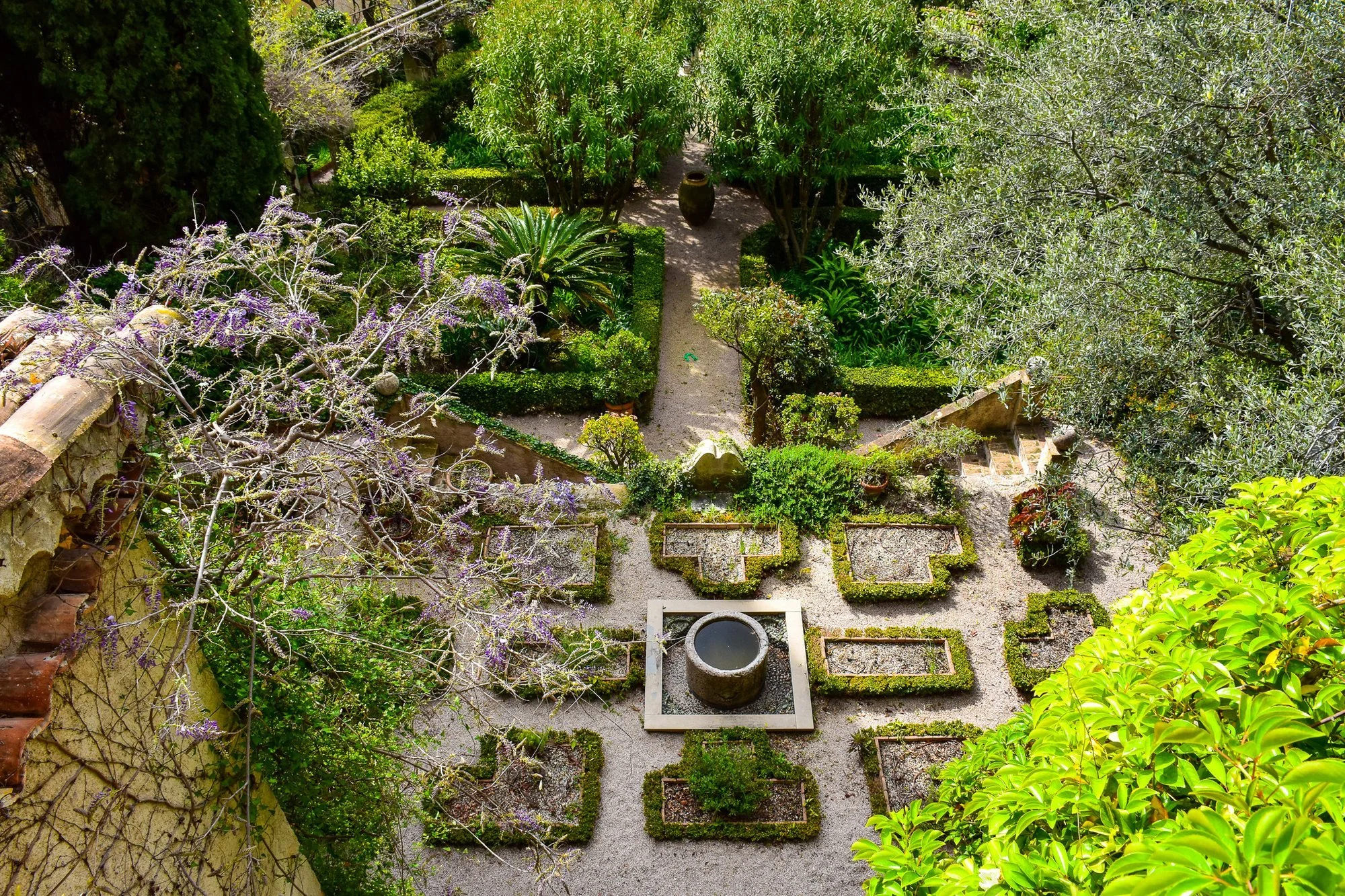
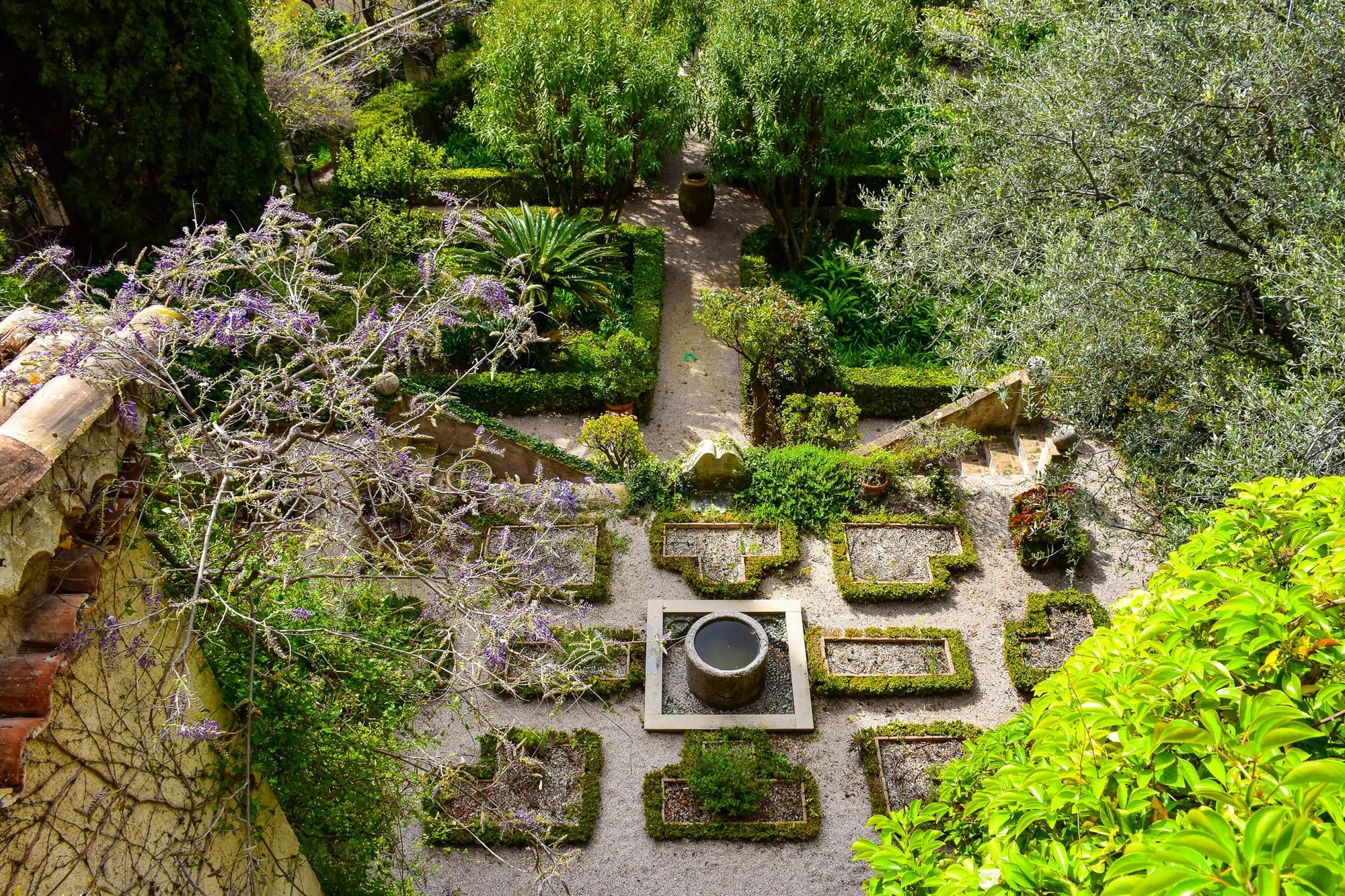
Grace Kelly called L’Aumônerie’s garden “small but precious” in My Book of Flowers. Nice-Matin later reported that she came here “to recharge” and regarded it as one of her favourite gardens on the Côte d’Azur.
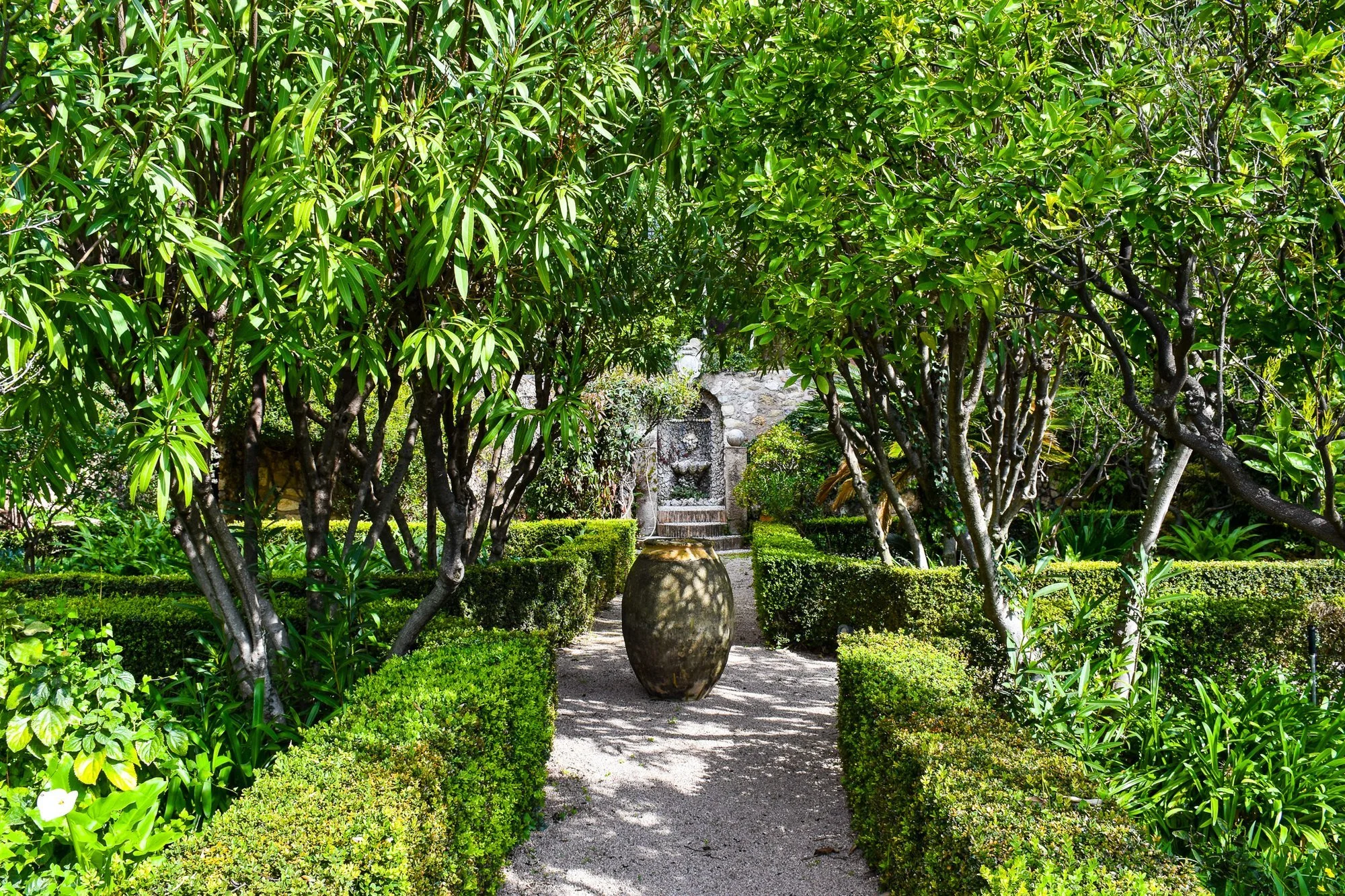
Poteau’s garden began as a walled produce garden below the house. He acquired it parcel by parcel from neighboring villagers and gradually transformed it into a terraced Mediterranean garden reportedly inspired by his memories of Tuscany.
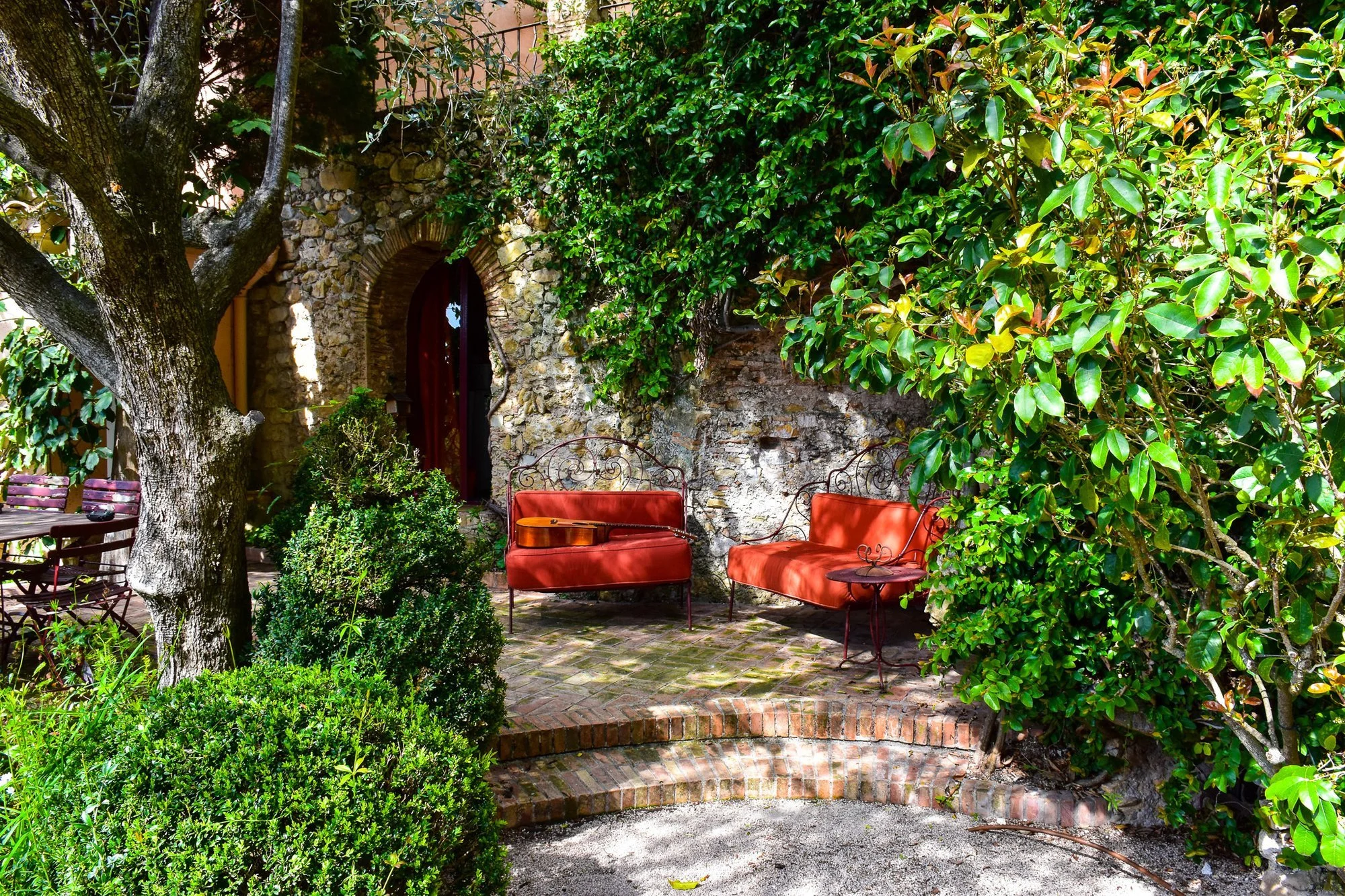
British gardening expatriates brought Poteau cuttings from their travels. Notable plantings include white begonia, black monkey grass, miniature boxwood, cycad and citrus trees, pink oleander, orange trees, Sénateur Lafollette roses climbing a trellis around an outdoor dining table, and night-blooming jasmine planted at the base of the house to perfume the rooms above.
The listing also notes a jacaranda tree described as originating from Madagascar and rare in Europe.
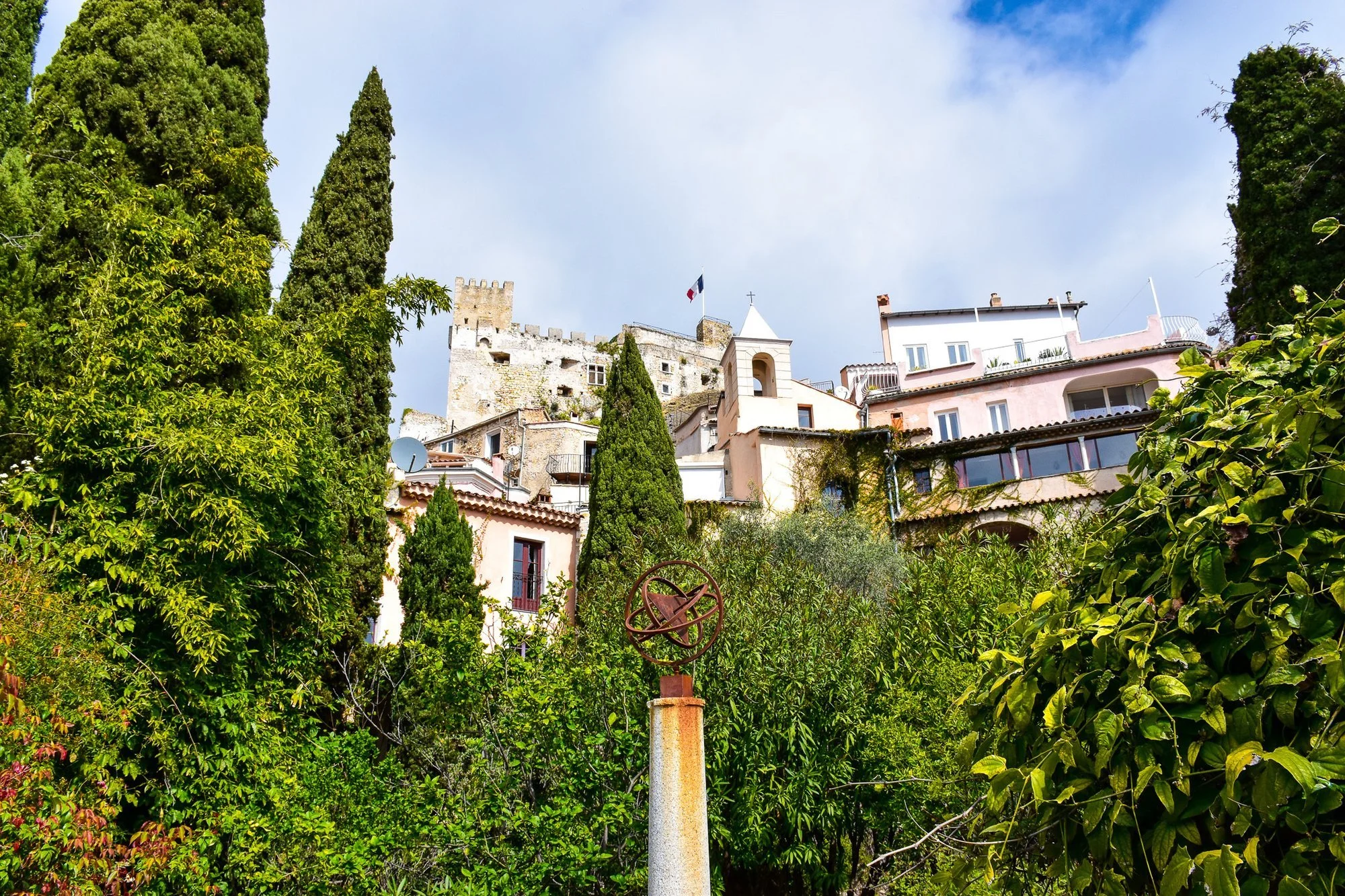
The garden’s unusual column, topped with a triangular symbol, predates the Clarke and Poteau years and may reference Saint Augustine’s triangle, symbolizing the relationship between partners and God.
Among the garden’s more unusual features is a column topped with a triangular symbol, already present during the Clarke and Poteau years. The listing suggests it may refer to Saint Augustine’s triangle, described as symbolizing the relationship between partners and God.
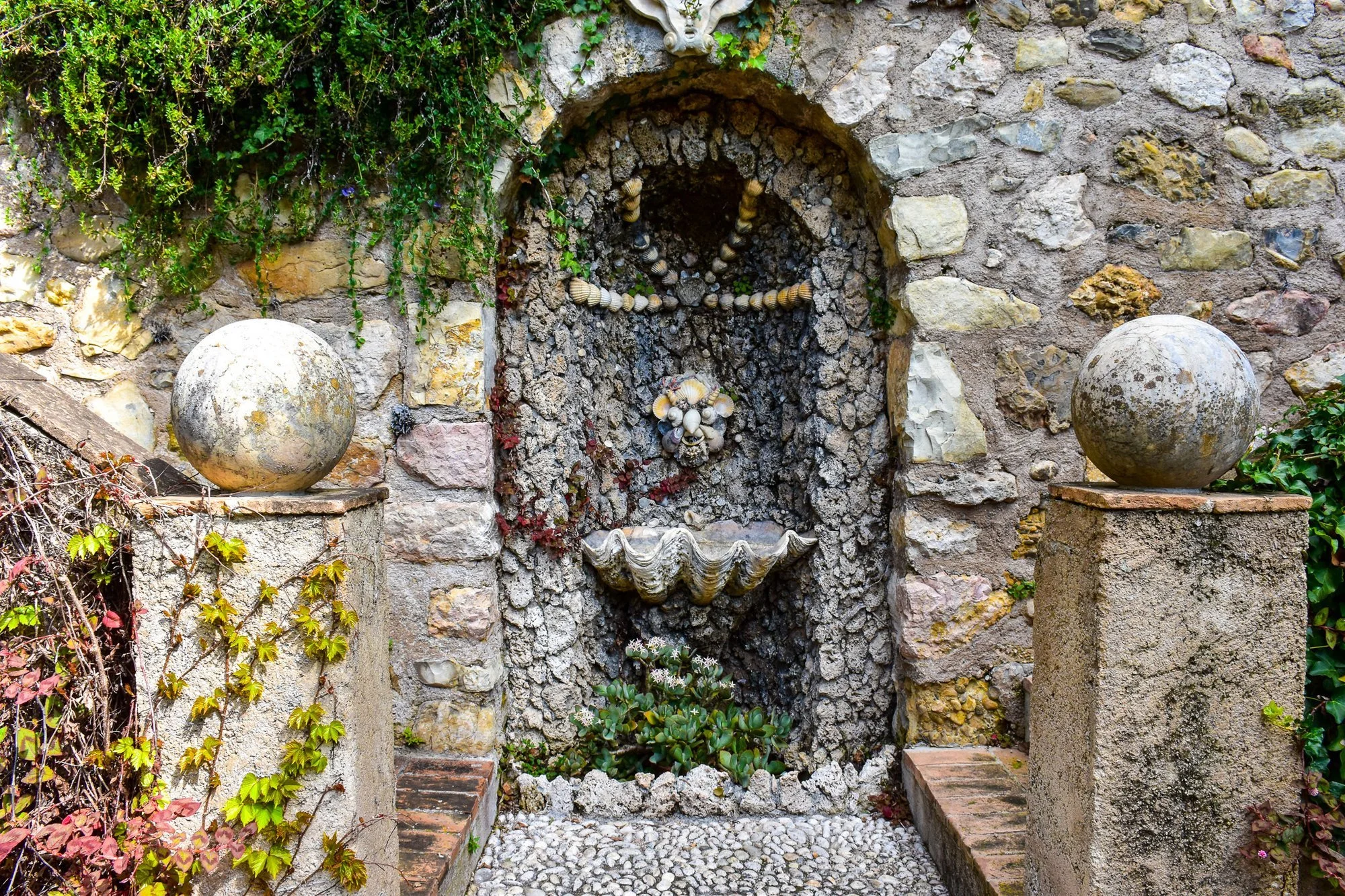
Grace Kelly’s connection to the garden was more than incidental. She later described it in My Book of Flowers as “small but precious,” noting its niches, grottoes, statues, and pots of geraniums, while Nice-Matin reported that she came to L’Aumônerie “to recharge” and regarded it as one of her favourite gardens on the Côte d’Azur.
L’Aumônerie remained closely tied to Clarke and Poteau’s world for decades. Following Clarke’s death in 1996, the house was donated to the Pasteur Institute and put up for auction, before being acquired by Los Angeles interior designer John-Mark Horton, whose connection to L’Aumônerie began with childhood visits to Poteau and Clarke.
Horton updated the electricity, plumbing, and kitchen while preserving much of Poteau’s interior world. The result is a house where the earlier layers remain visible in the doors, engravings, painted details, tilework, and rooms arranged across the old village fabric.
Roquebrune-Cap-Martin sits slightly apart from the Riviera’s more polished tourist circuit. Overshadowed by places like Èze and Cap Ferrat, its medieval village has kept a quieter character of narrow streets, old stone passages, red-tile roofs, and views toward the sea.
Situated in the heart of Roquebrune, L’Aumônerie occupies a private position within the historic village while remaining close to Monaco, the Italian border, Nice International Airport, and the Mediterranean beaches, with access via a scenic walk from a private garage and two parking spaces in the village centre.
All photographs courtesy of the listing agency. See more on Bossi Real Estate.