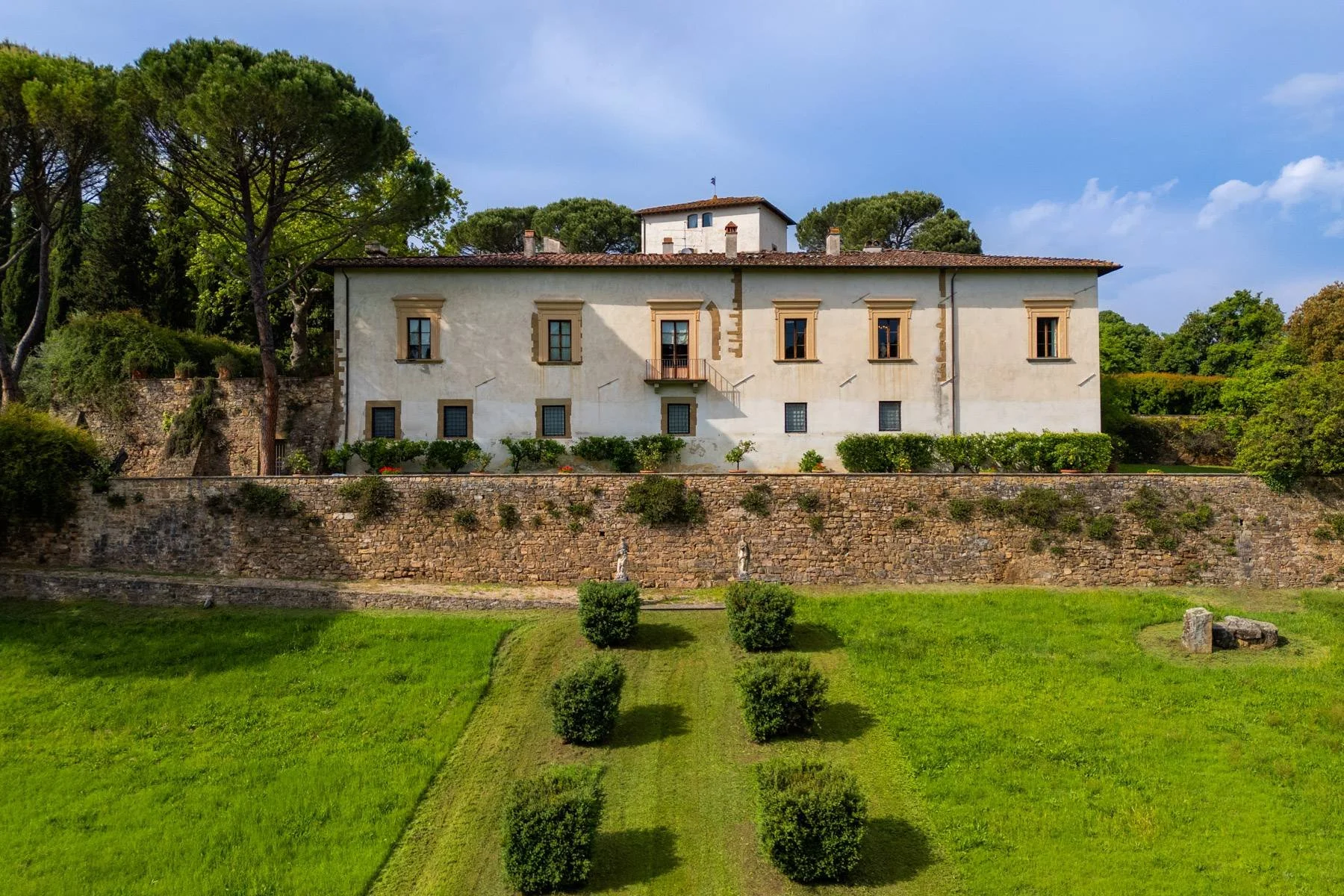
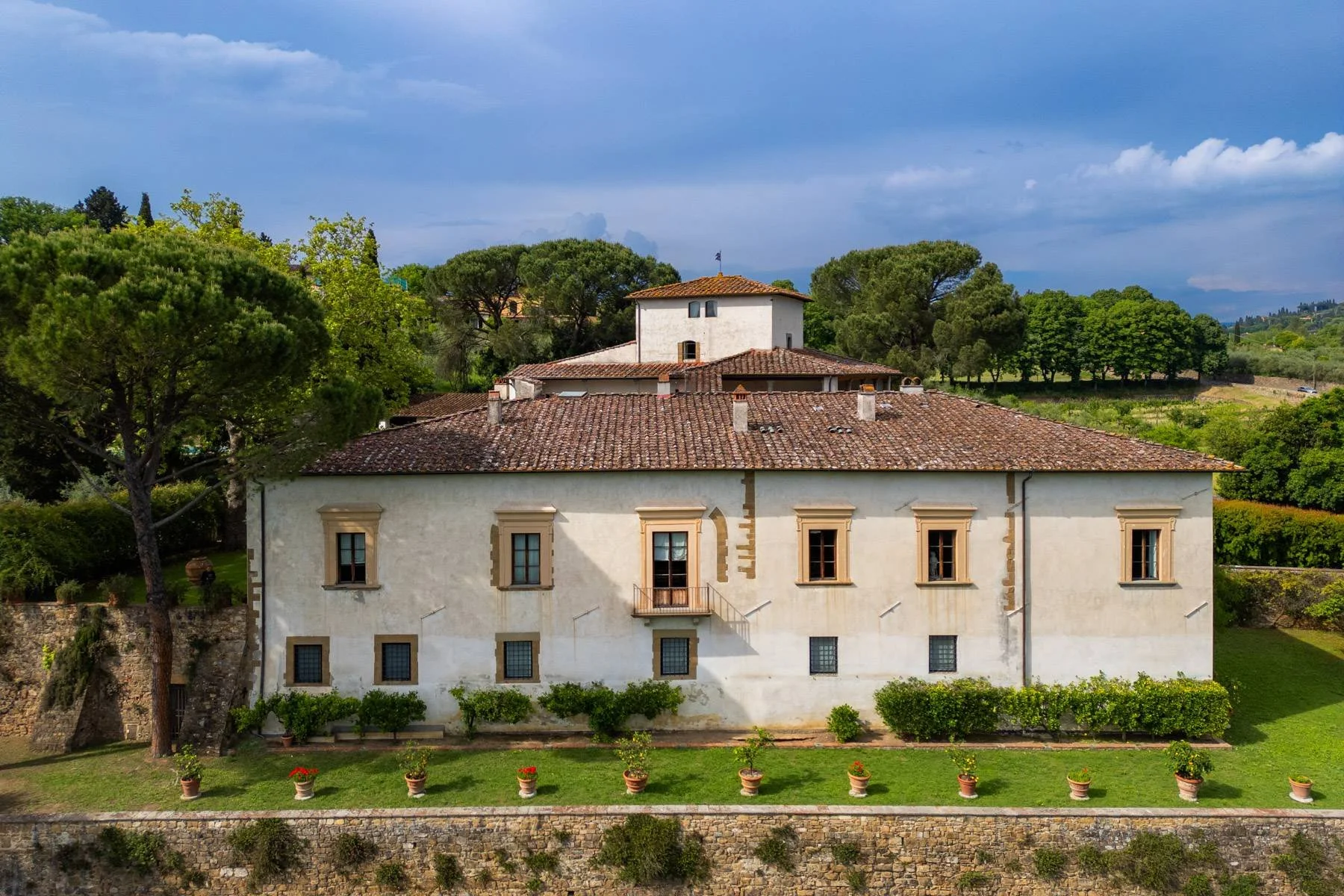
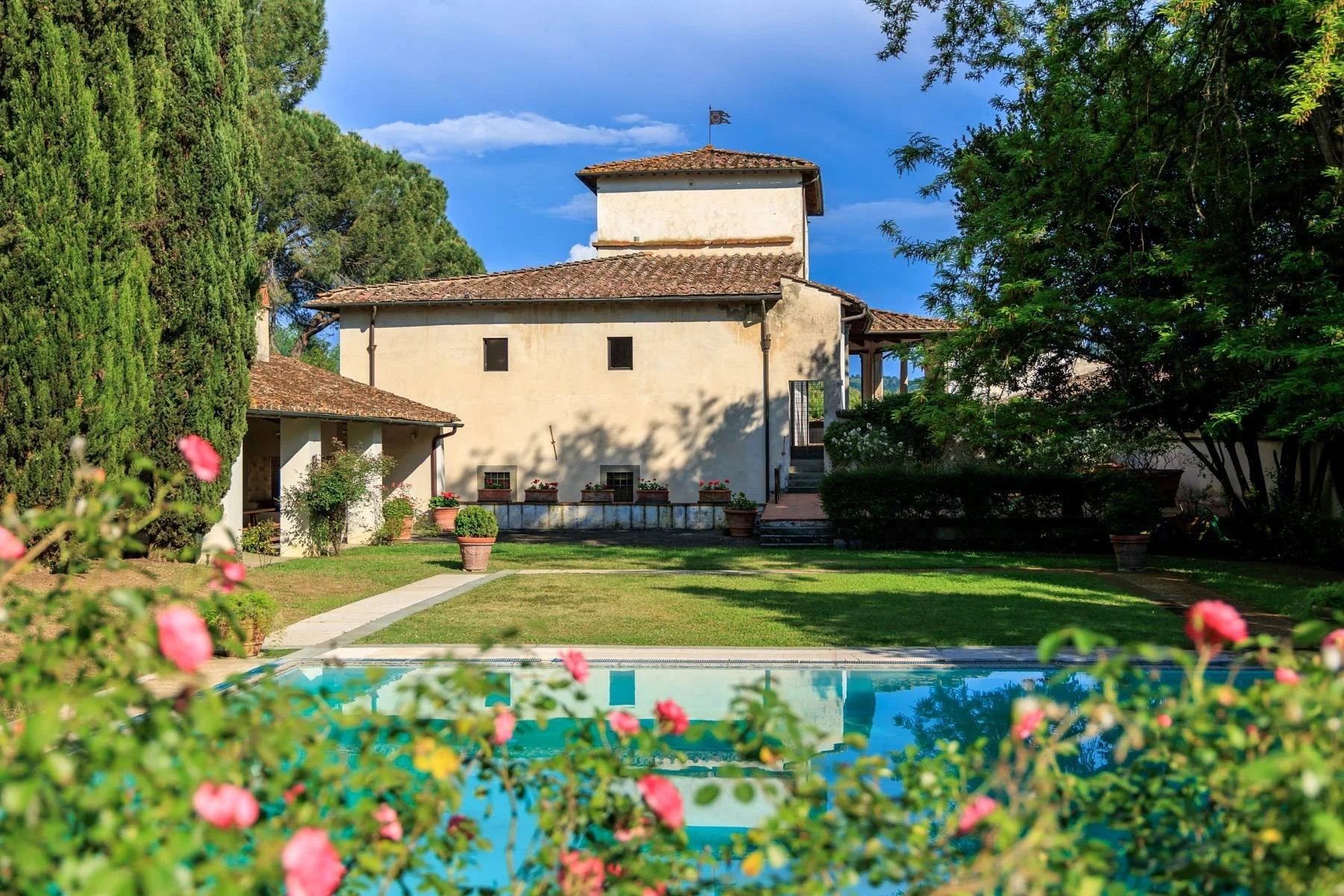
Originally a fortified tower belonging to a medieval Florentine noble family, this historic estate later evolved into a Renaissance villa during the Medici era.
Just beyond Florence’s historic center, in the hills where many of the city’s most powerful families once built their country estates, a historic villa with medieval origins has come to market with Italy Sotheby’s International Realty. Price is disclosed upon application with the listing agency.
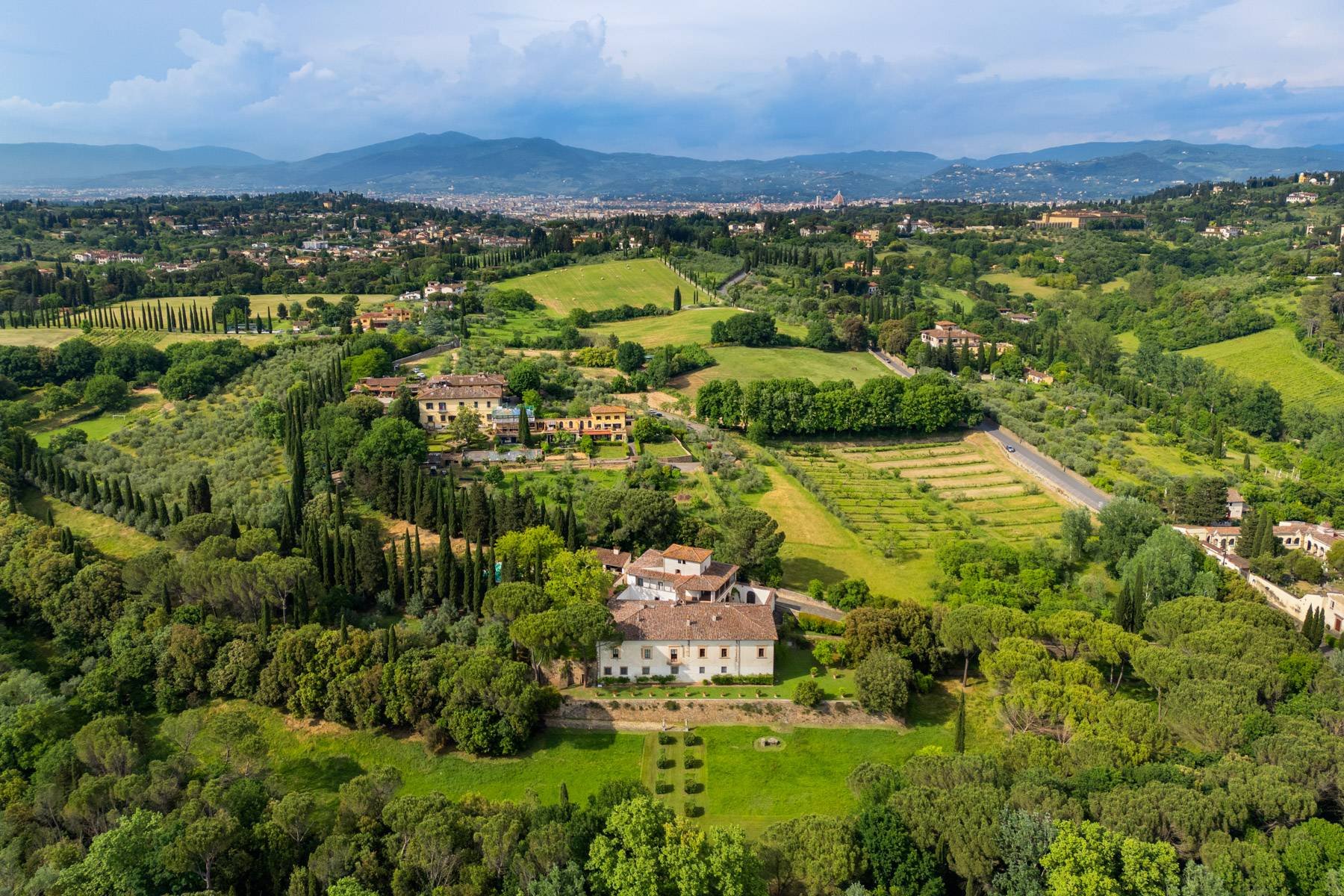
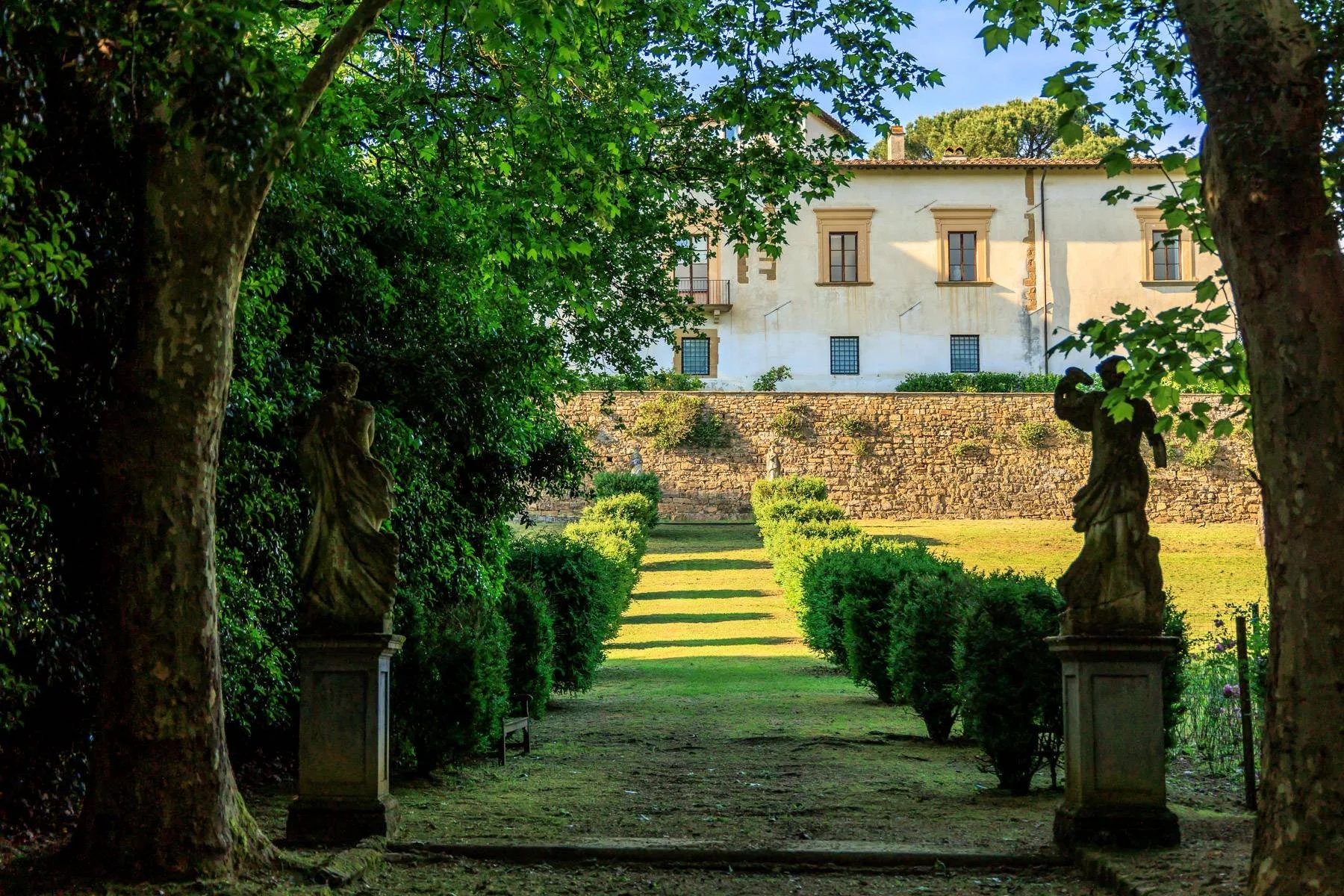
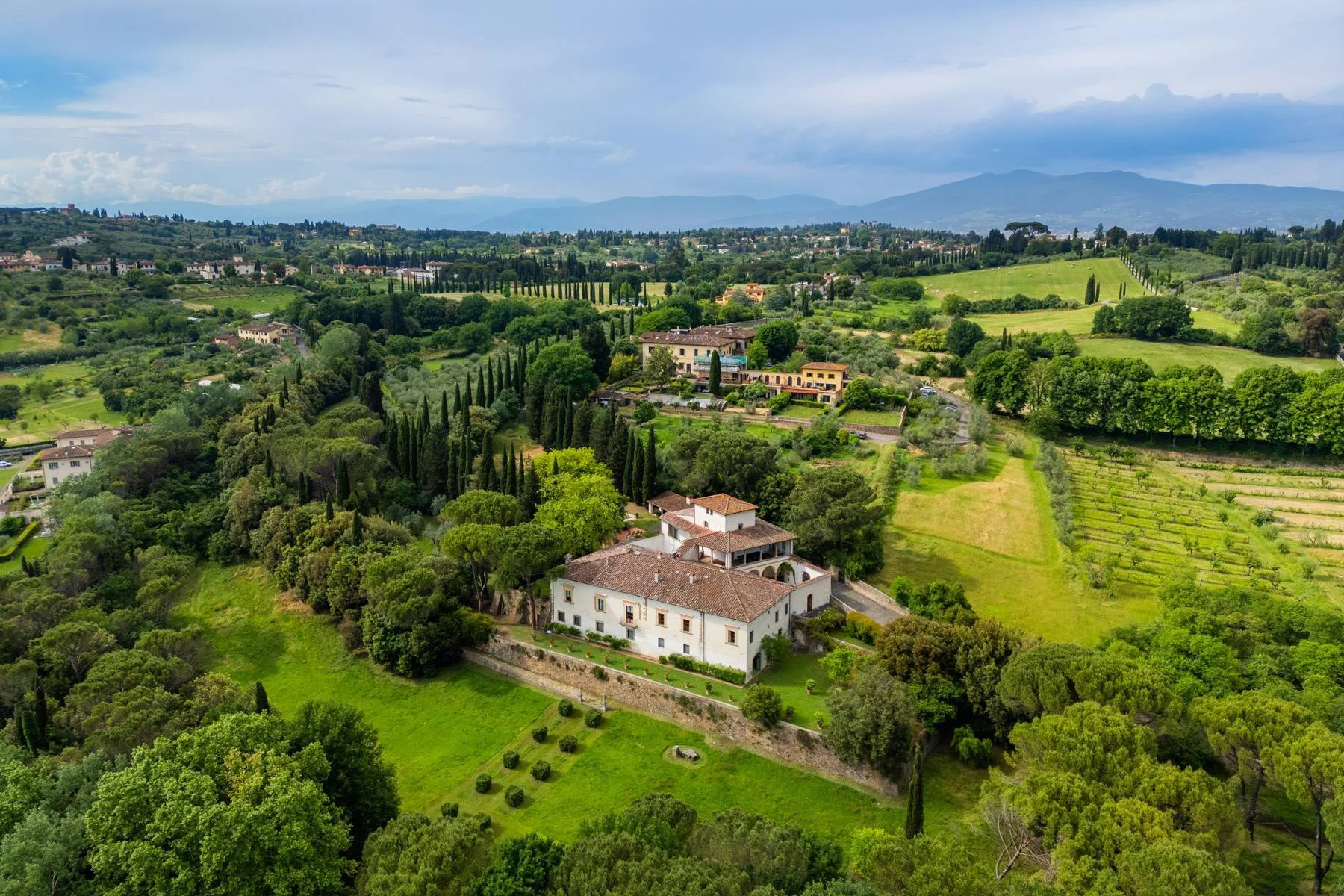
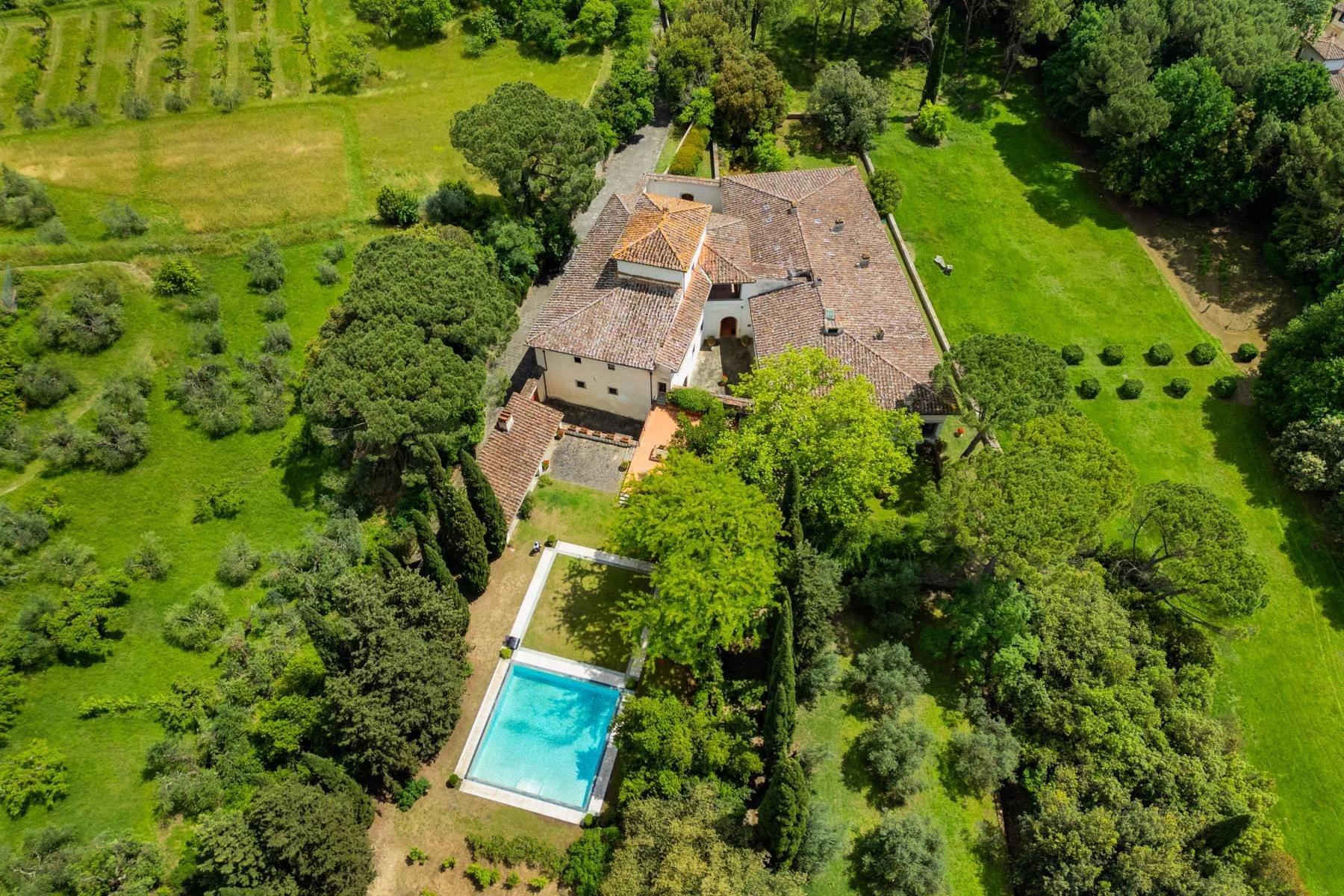
The Renaissance villa sits within roughly 17 acres of gardens and woodland in the hills just outside Florence.
The property began as a fortified tower belonging to the Canigiani family, one of Florence’s noble lineages during the Middle Ages. At the time, tower houses served as both residences and defensive structures, built during a period when rival political factions—the Guelphs and Ghibellines—competed for control of the city.
Over the centuries, the building evolved alongside Florence itself.
By the sixteenth century, during the height of Medici rule, the property had been transformed from a fortified residence into a Renaissance villa. Ownership passed to the Dell’Antella family, who served as treasurers to the Medici and adapted the structure into a country retreat in the hills just outside the city.
The Hills Around Florence
For centuries, Florence’s surrounding hills have been home to the villas of the city’s aristocratic families.
From Fiesole to Bellosguardo and south toward Chianti, these estates formed a landscape of rural retreats within easy reach of the city. Wealthy Florentines would retreat from the dense urban center during the warmer months, establishing villas that offered gardens, views, and space beyond the city walls.
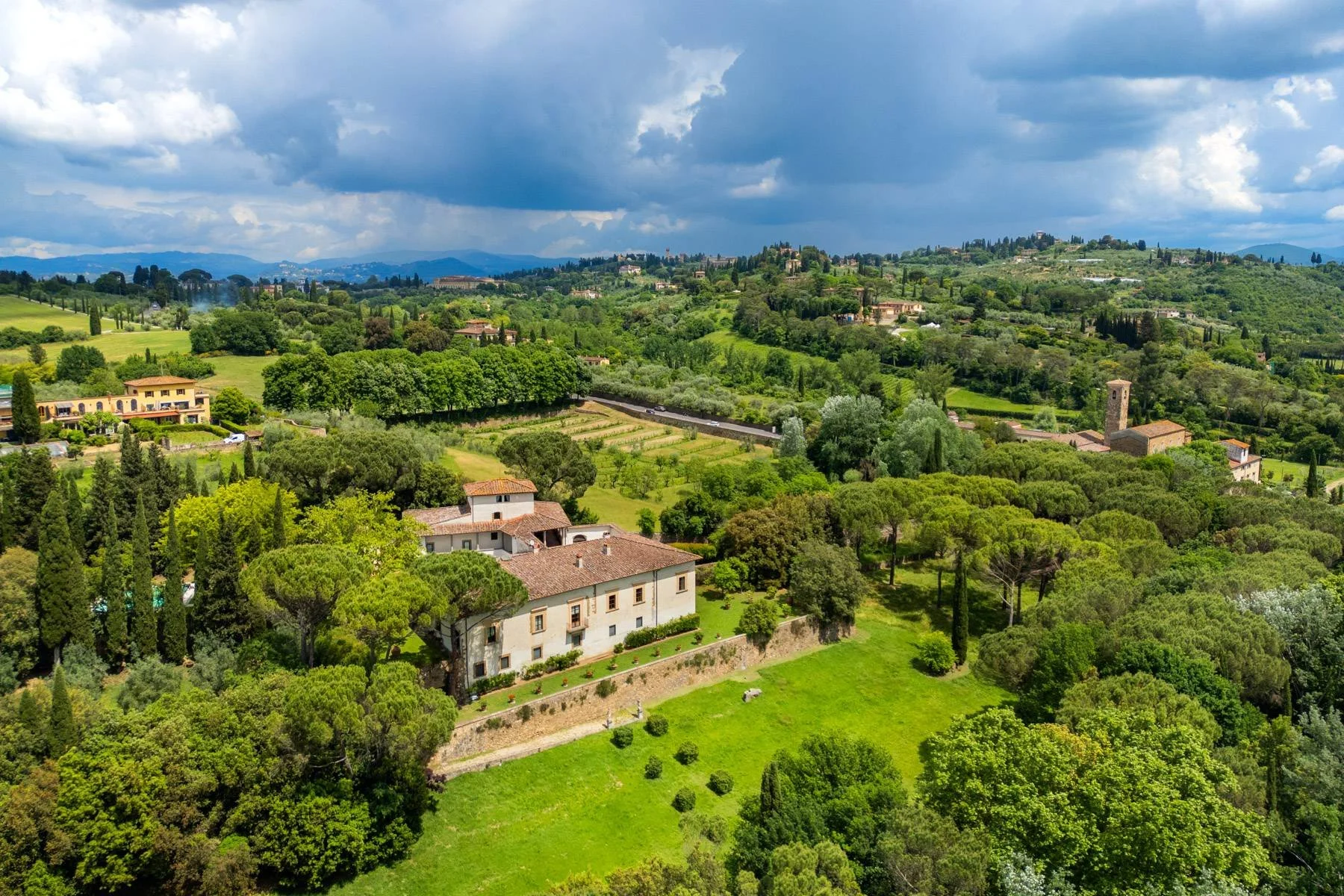
This estate sits within that historic landscape—close enough to reach Florence in minutes, yet surrounded by gardens and woodland.
The Architecture
The villa today reflects multiple periods of Florentine history.
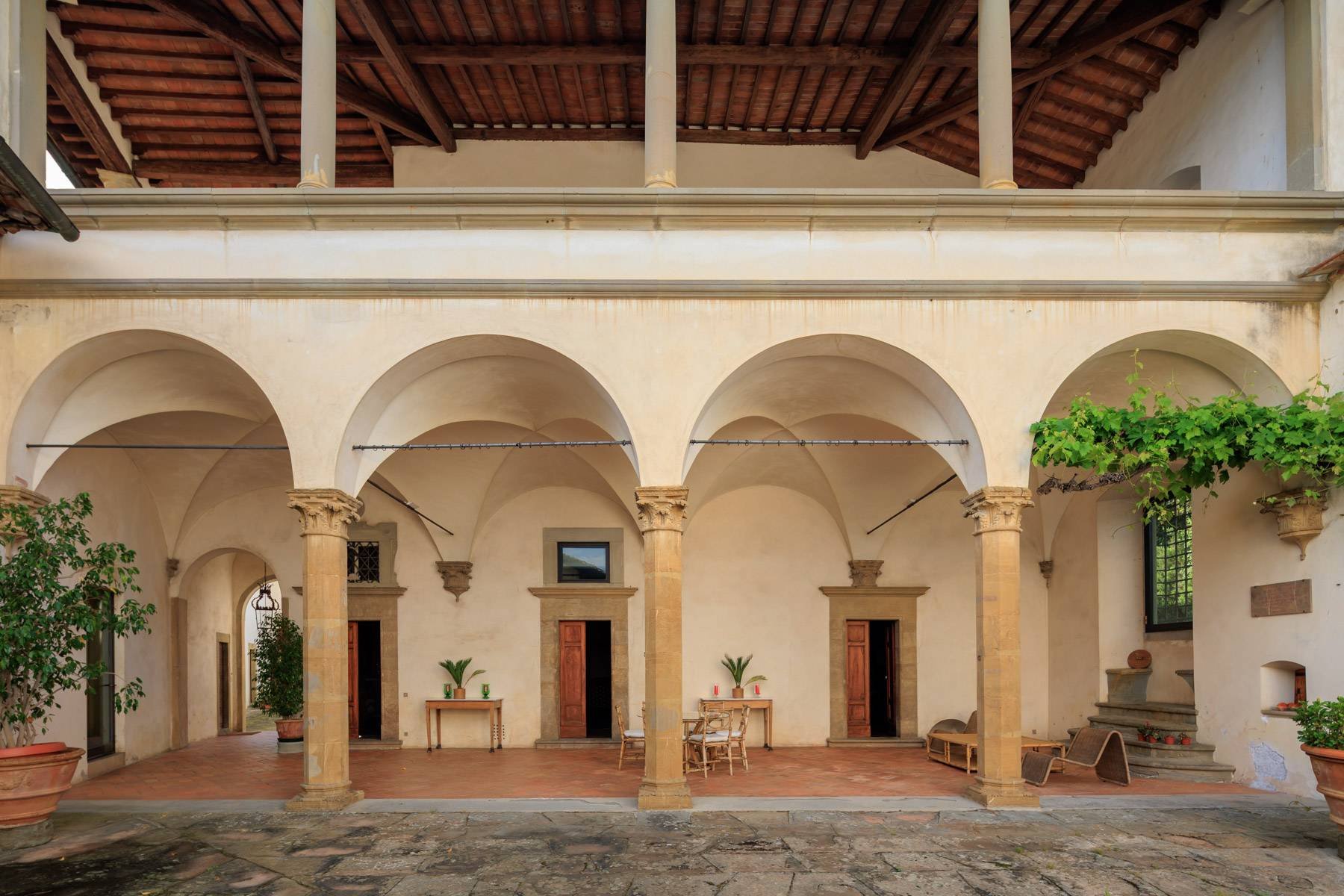
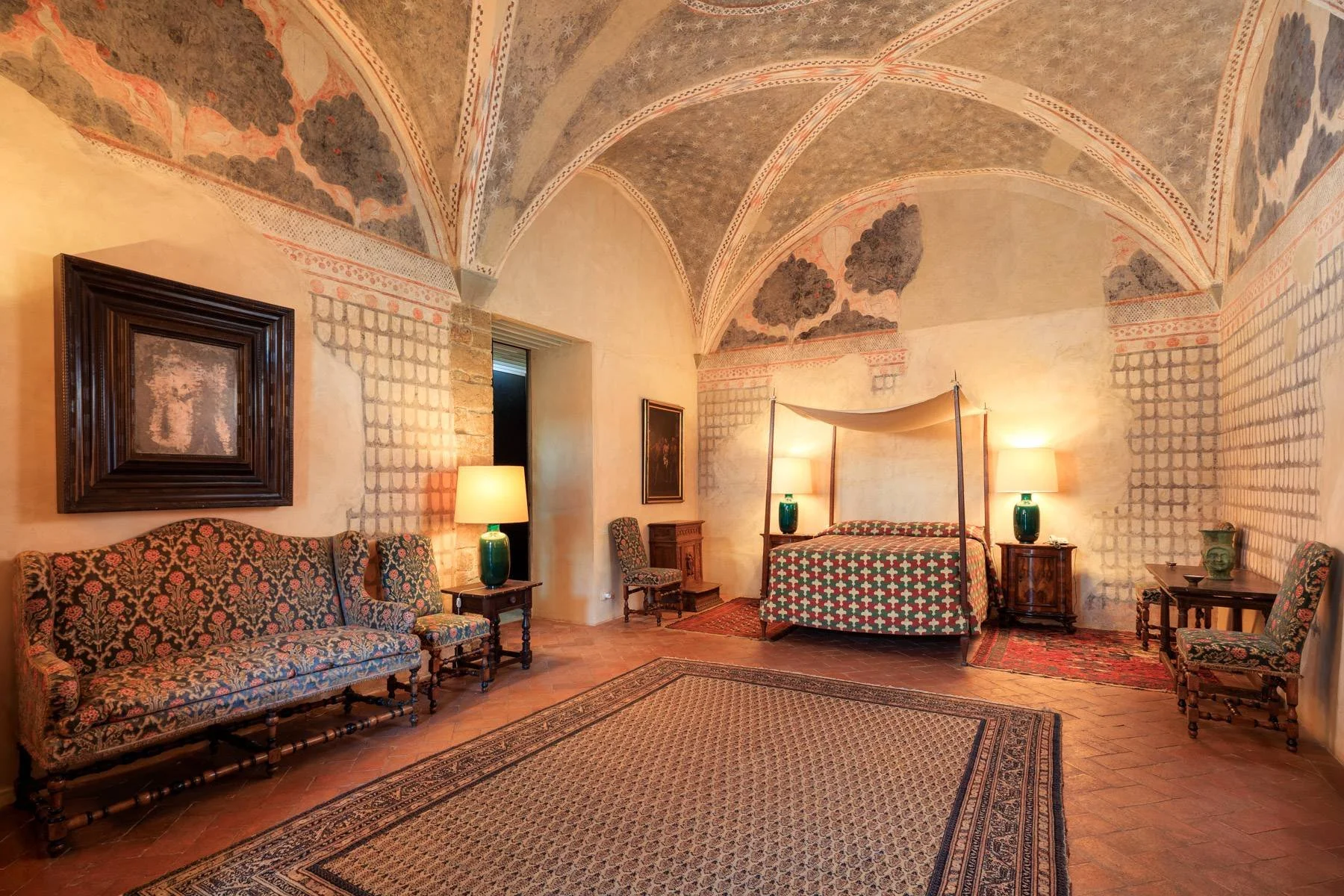
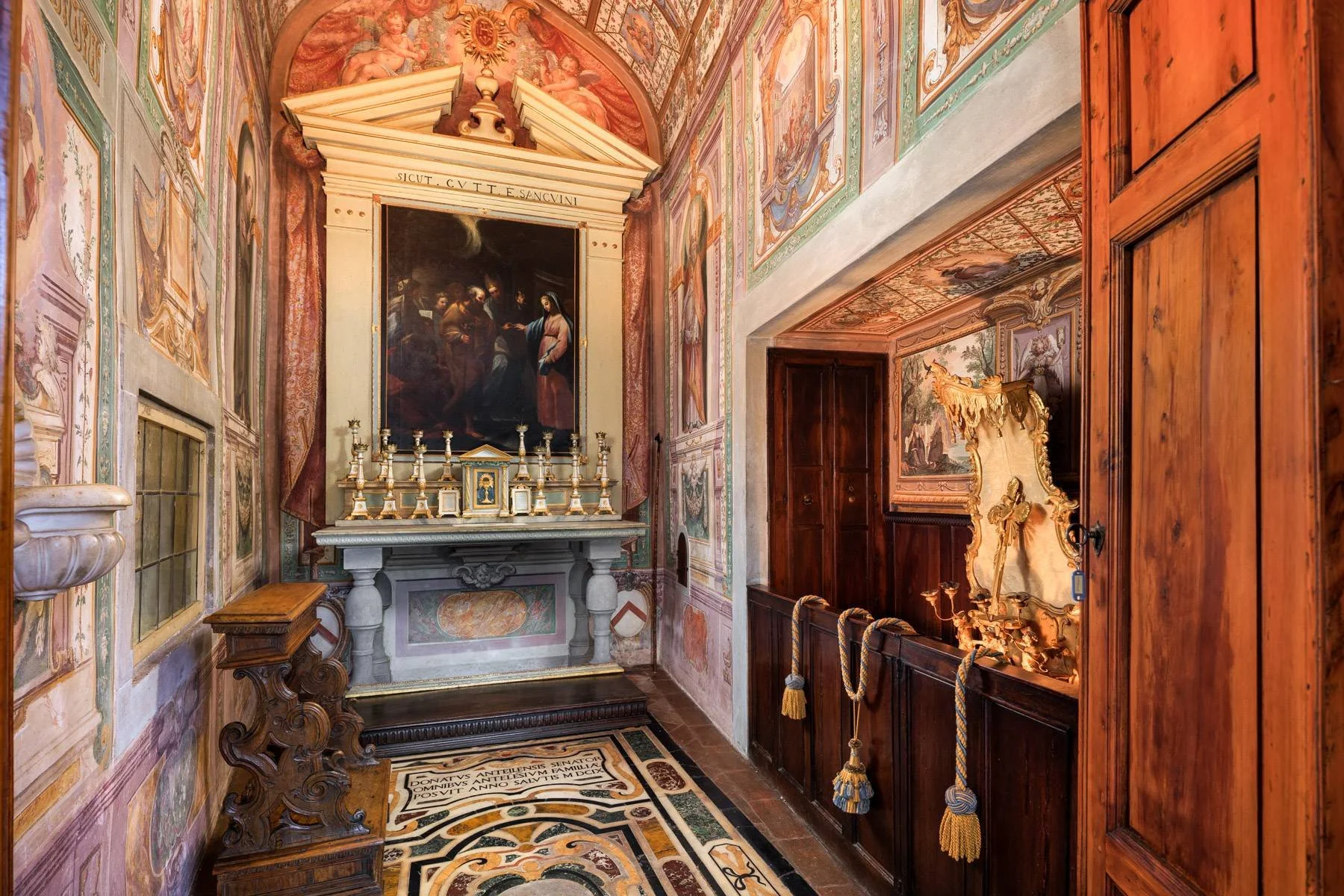
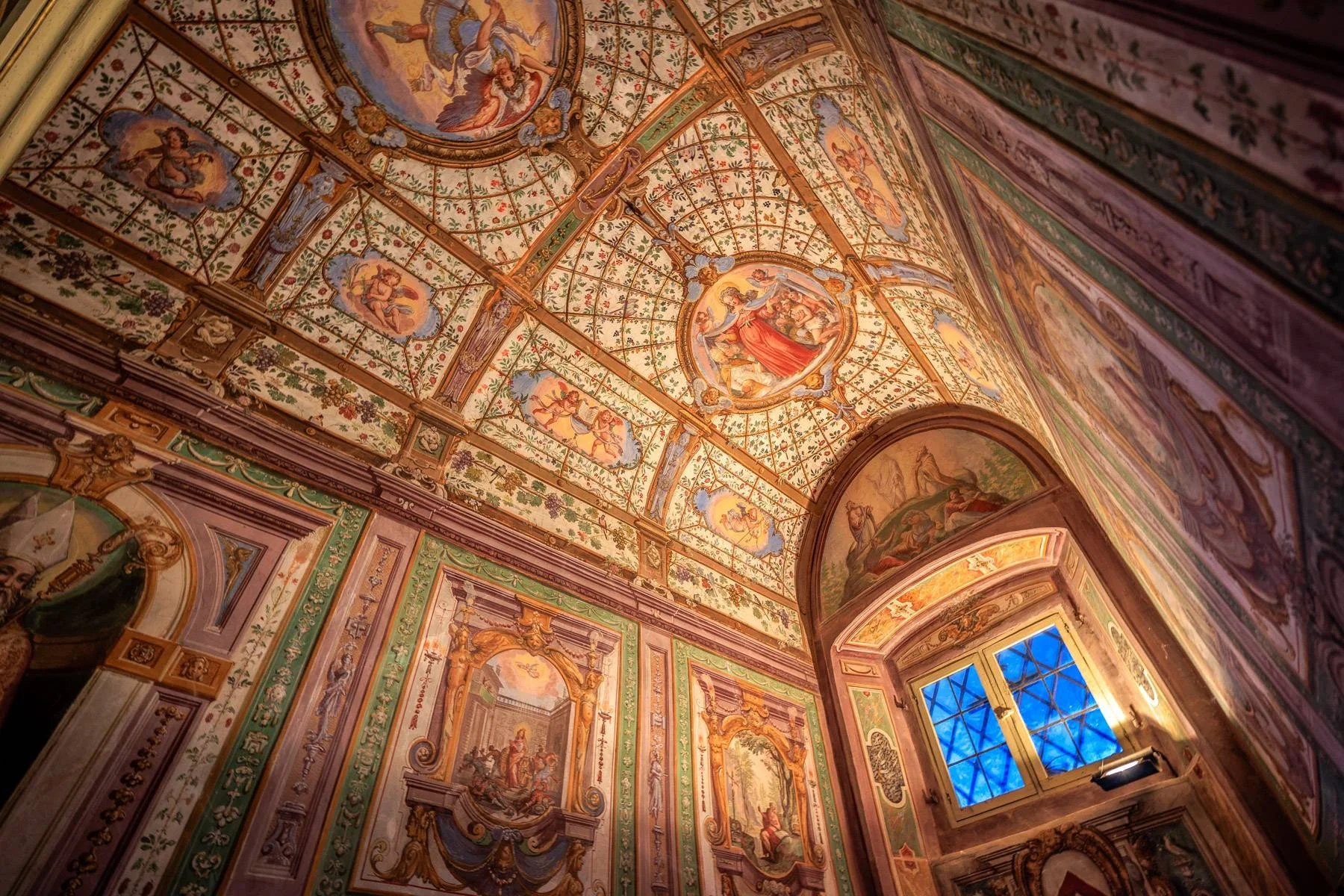
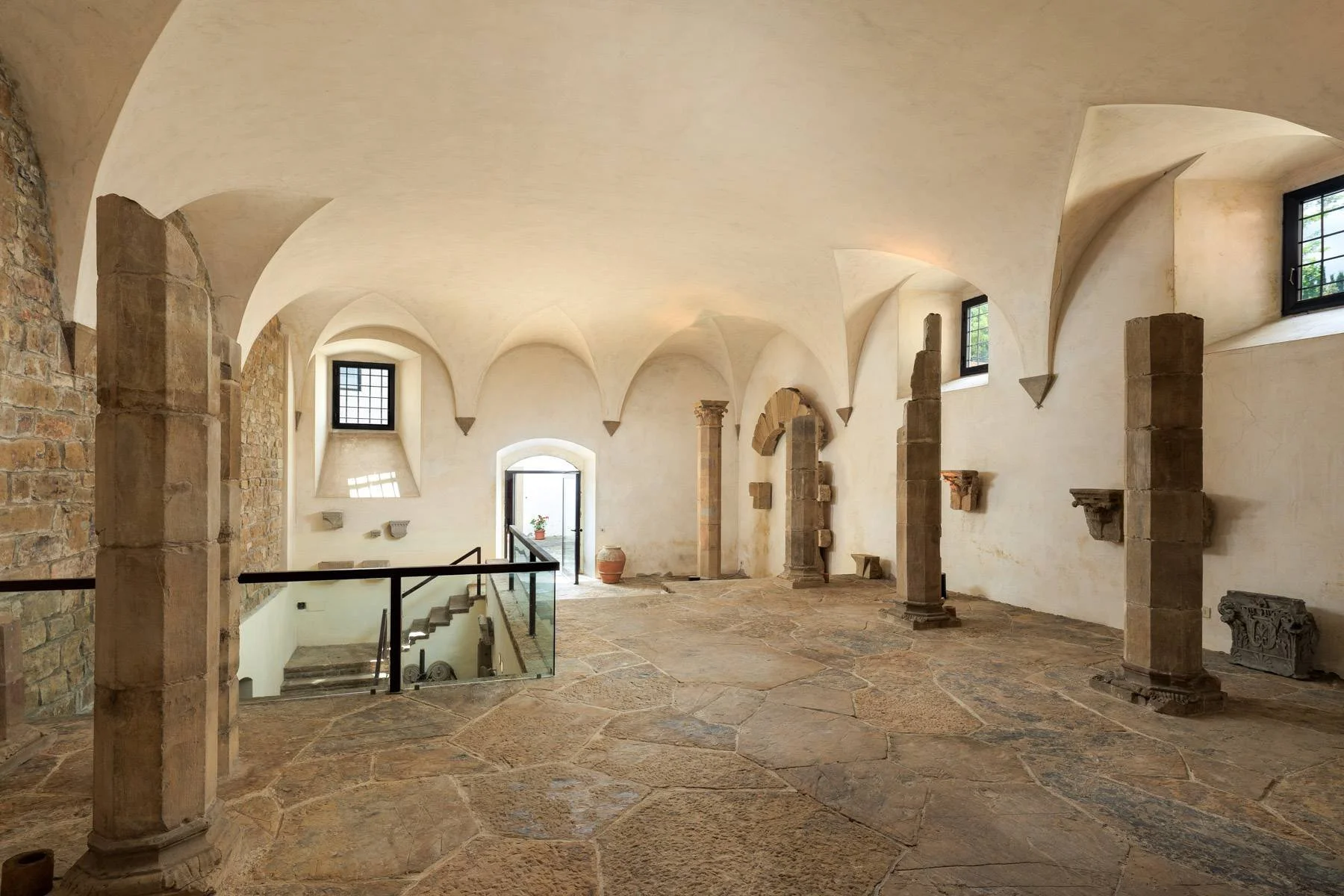
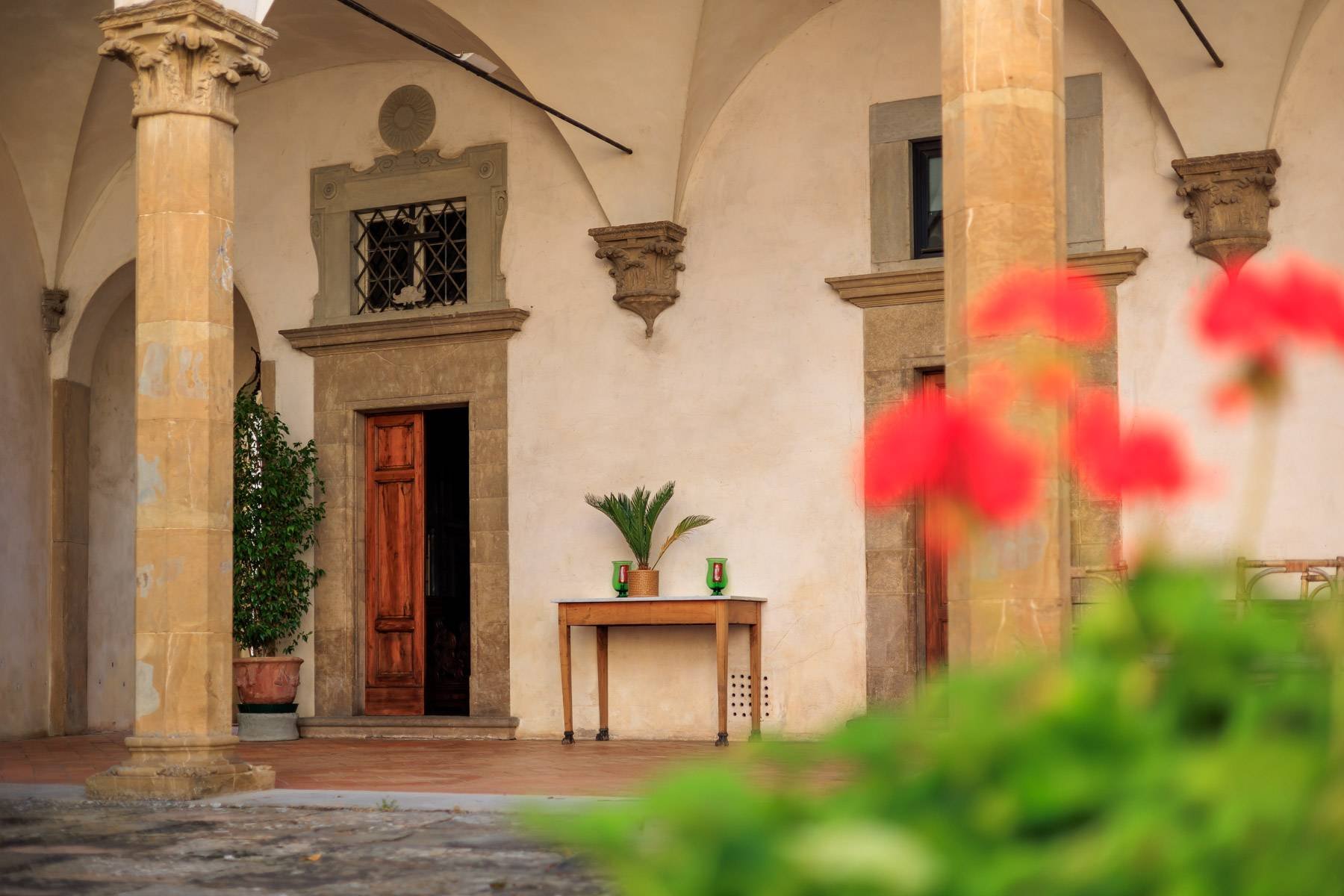
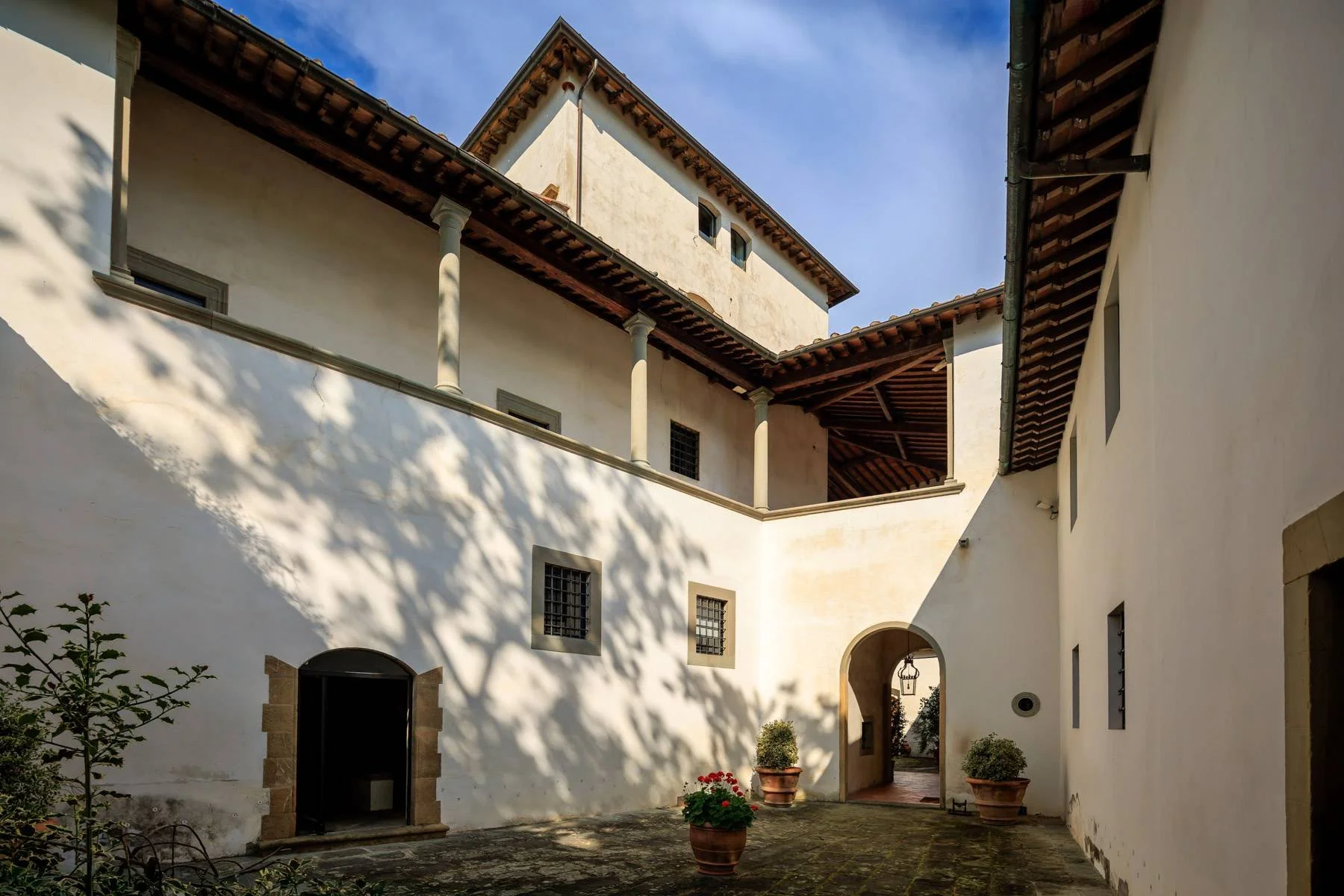
Elements of the medieval structure remain visible in the building’s core, while later interventions introduced Renaissance architectural features. Among them are a barrel-vaulted loggia, a panoramic terrace overlooking the surrounding landscape, and a frescoed chapel executed in the style of Florentine Mannerist painter Bernardino Poccetti.
The property underwent a careful restoration in the 1970s that returned much of the historic fabric to its earlier form.
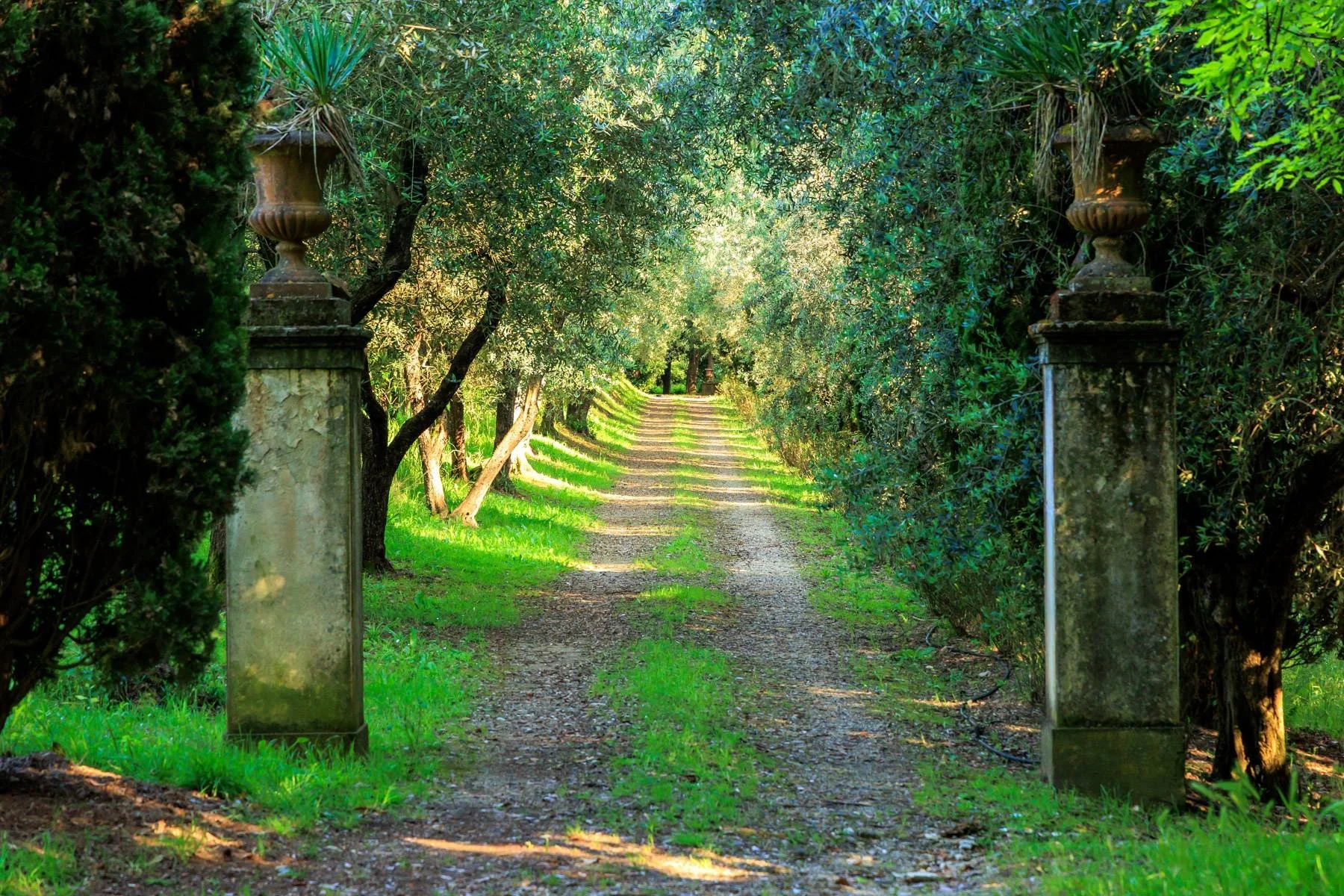
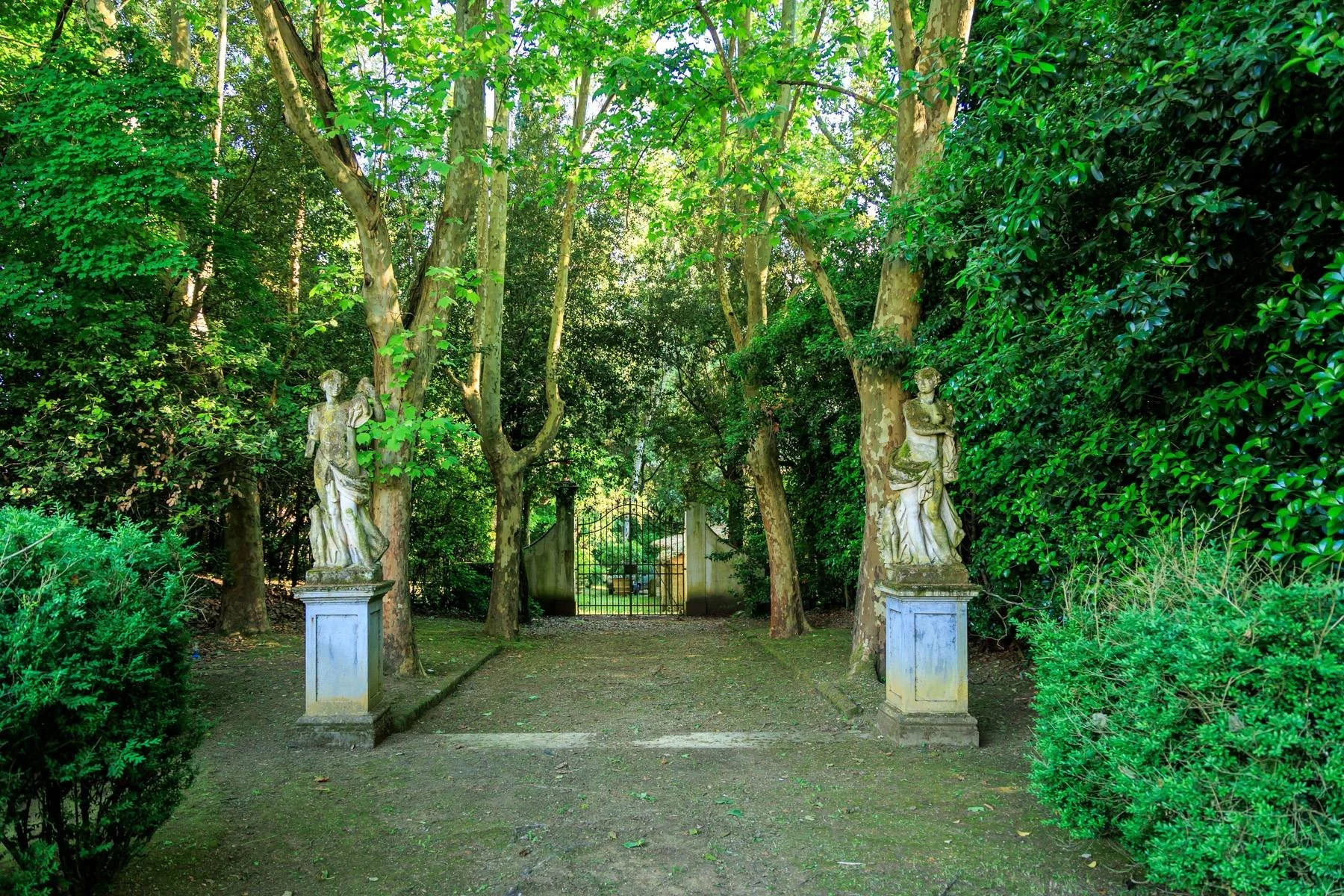
The estate extends across approximately seven hectares—about seventeen acres—of parkland composed of landscaped gardens, tree-lined avenues, and woodland.
Inside the Residence
The main residence spans multiple levels and contains a total of 33 rooms.
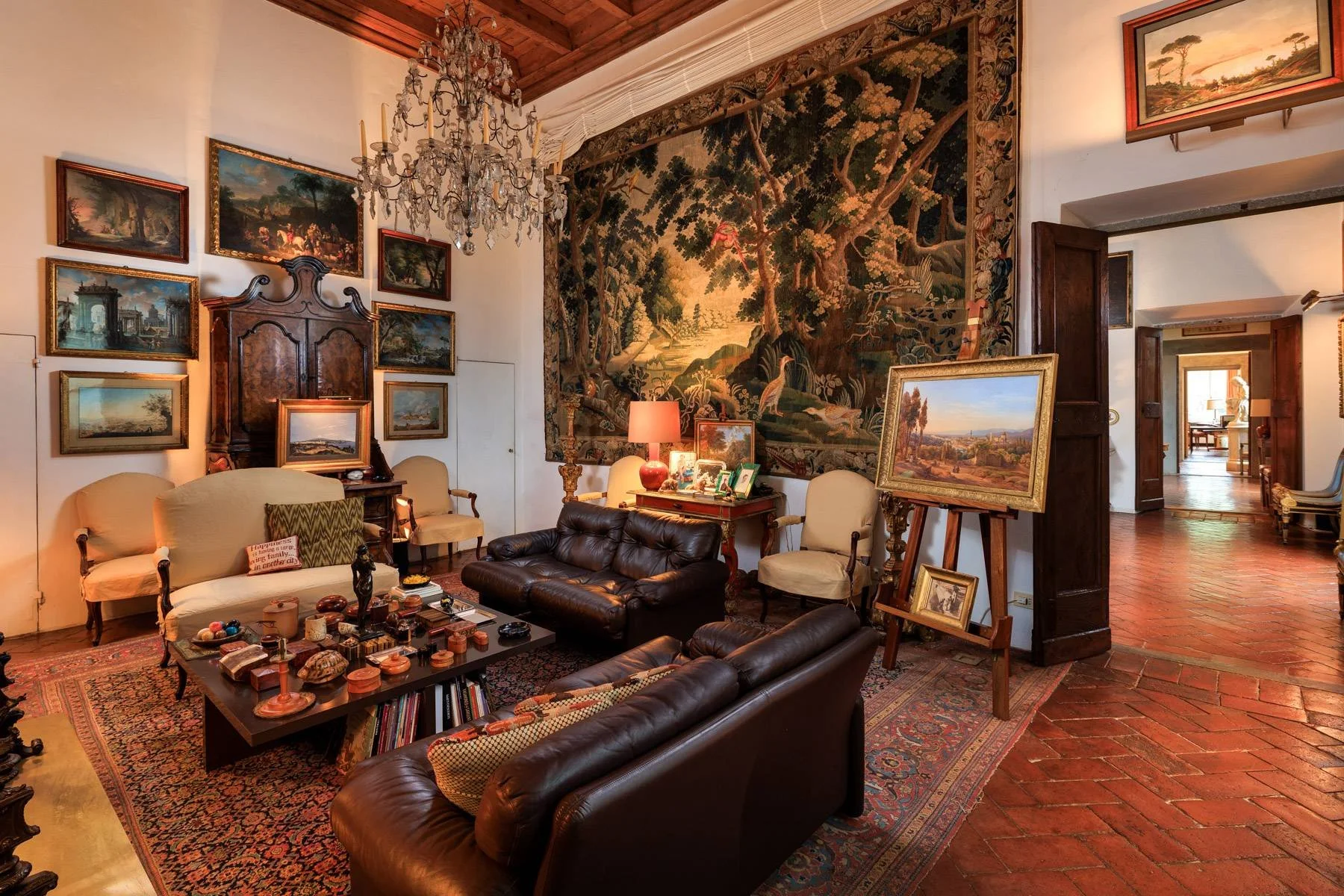
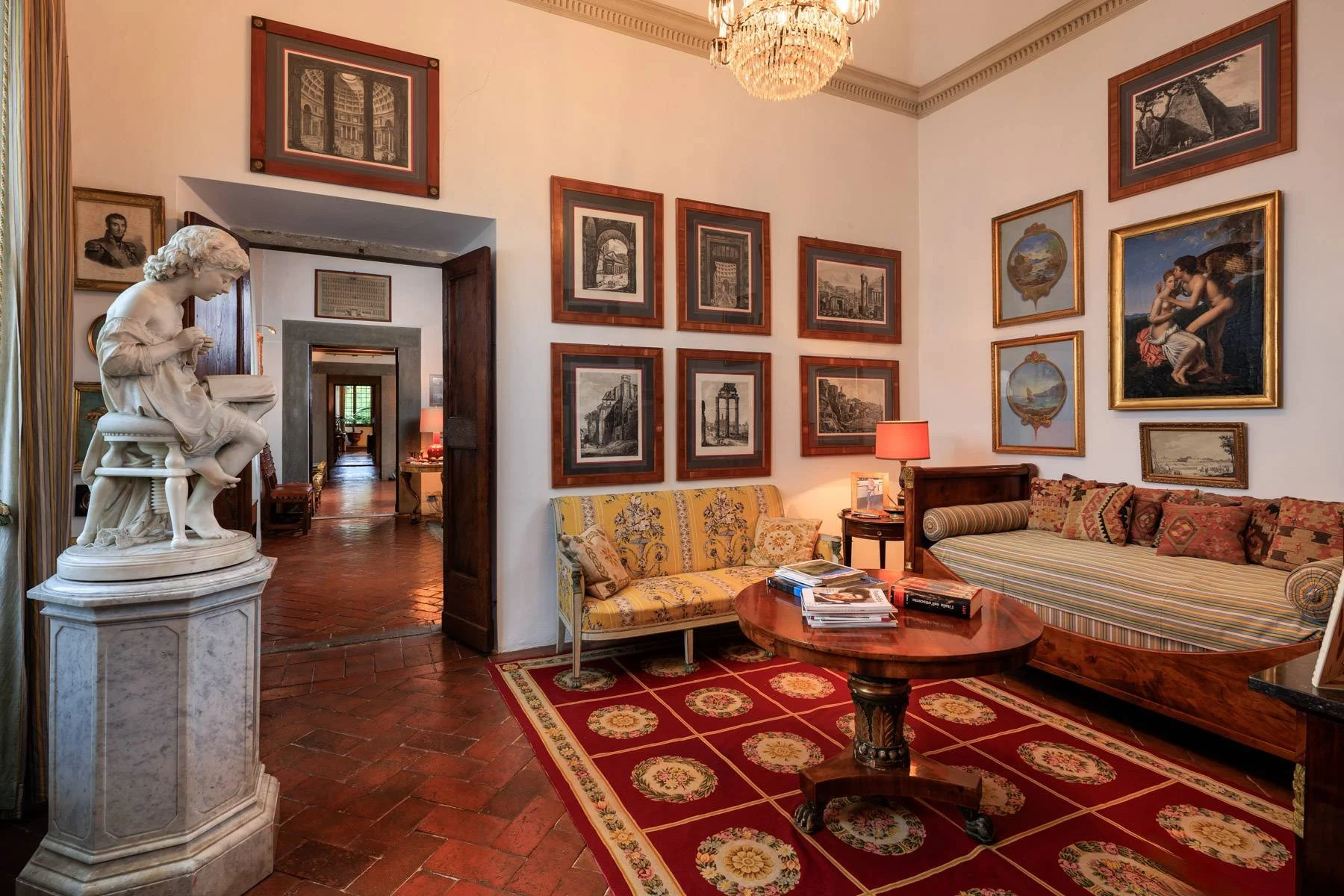
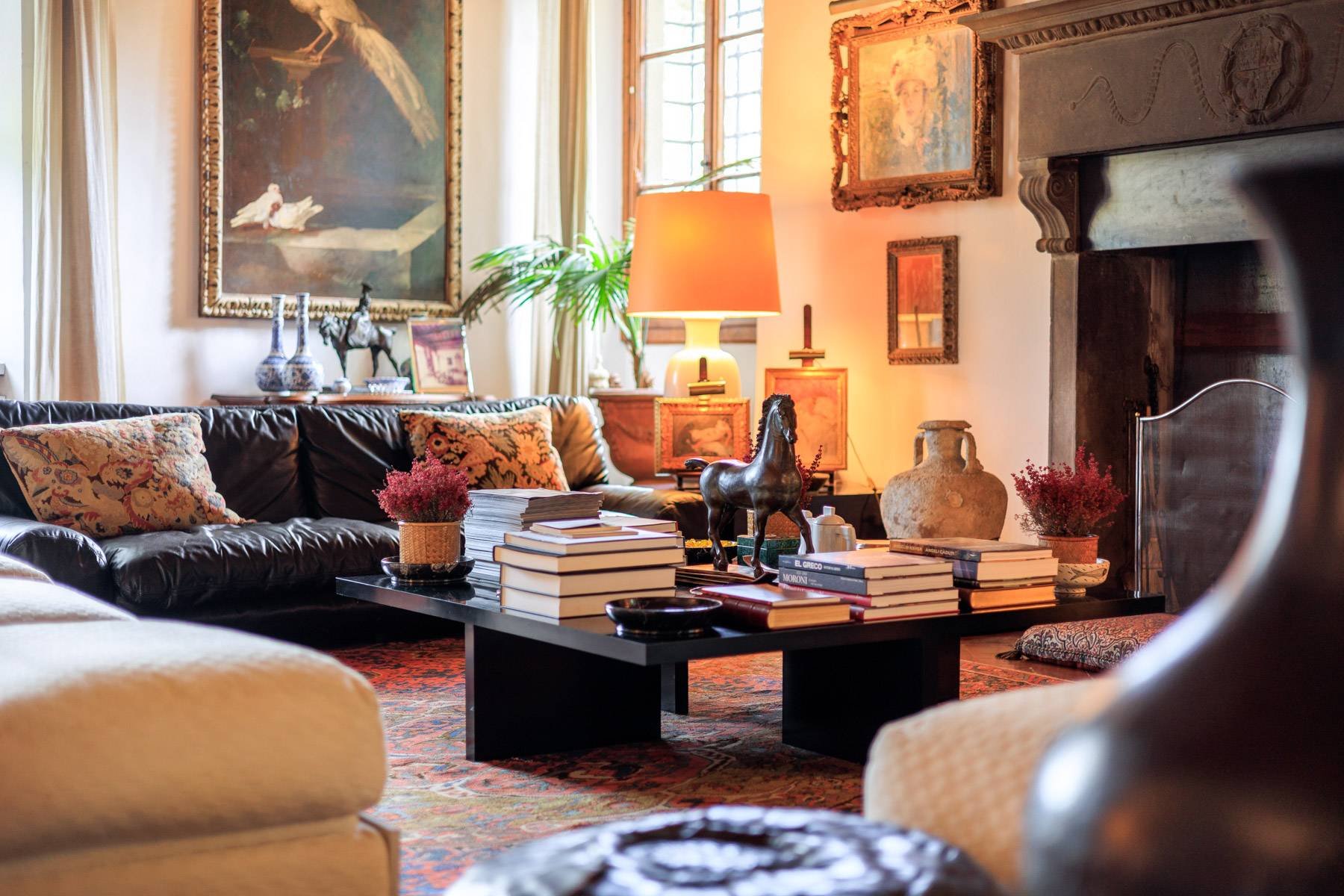
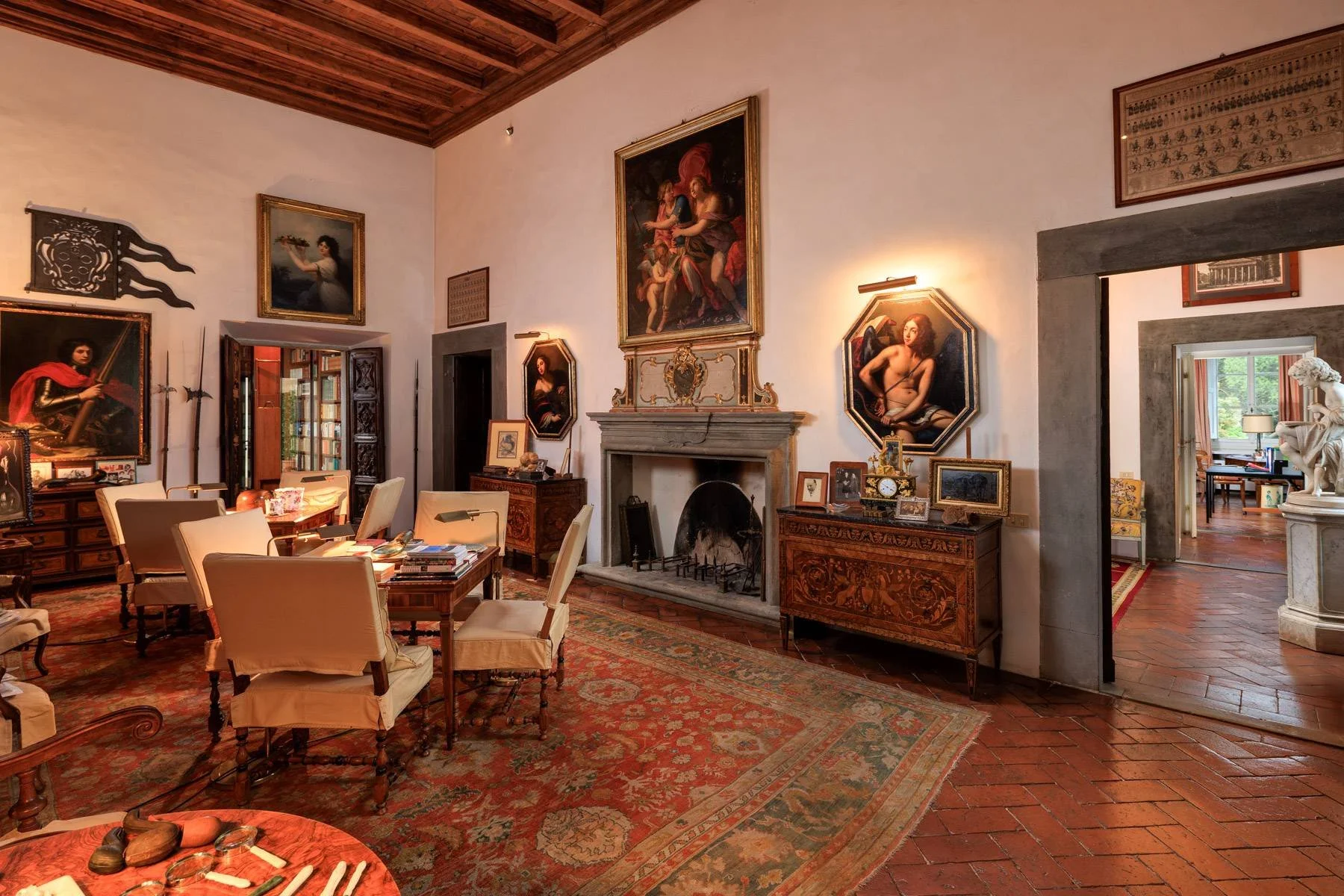
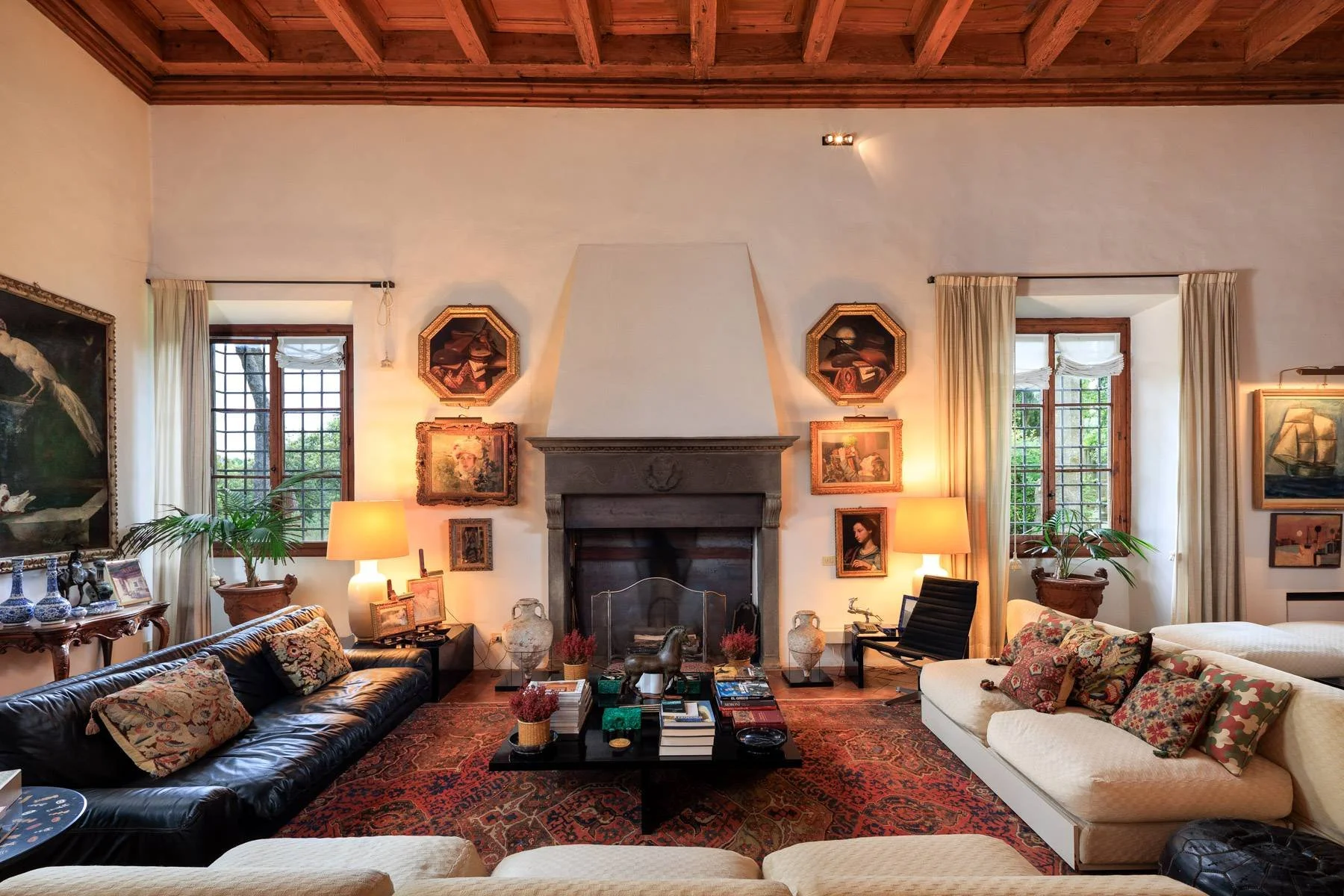
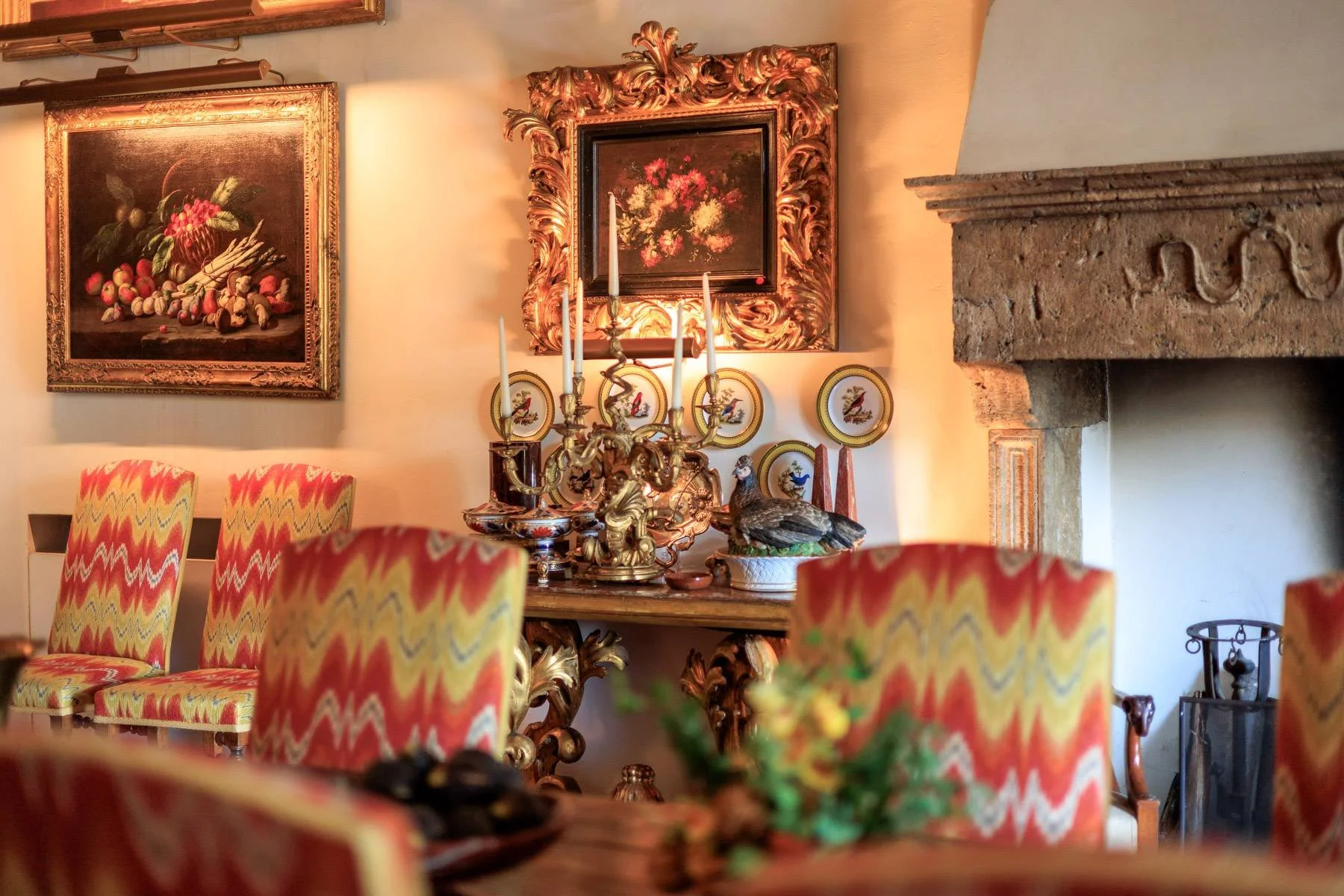
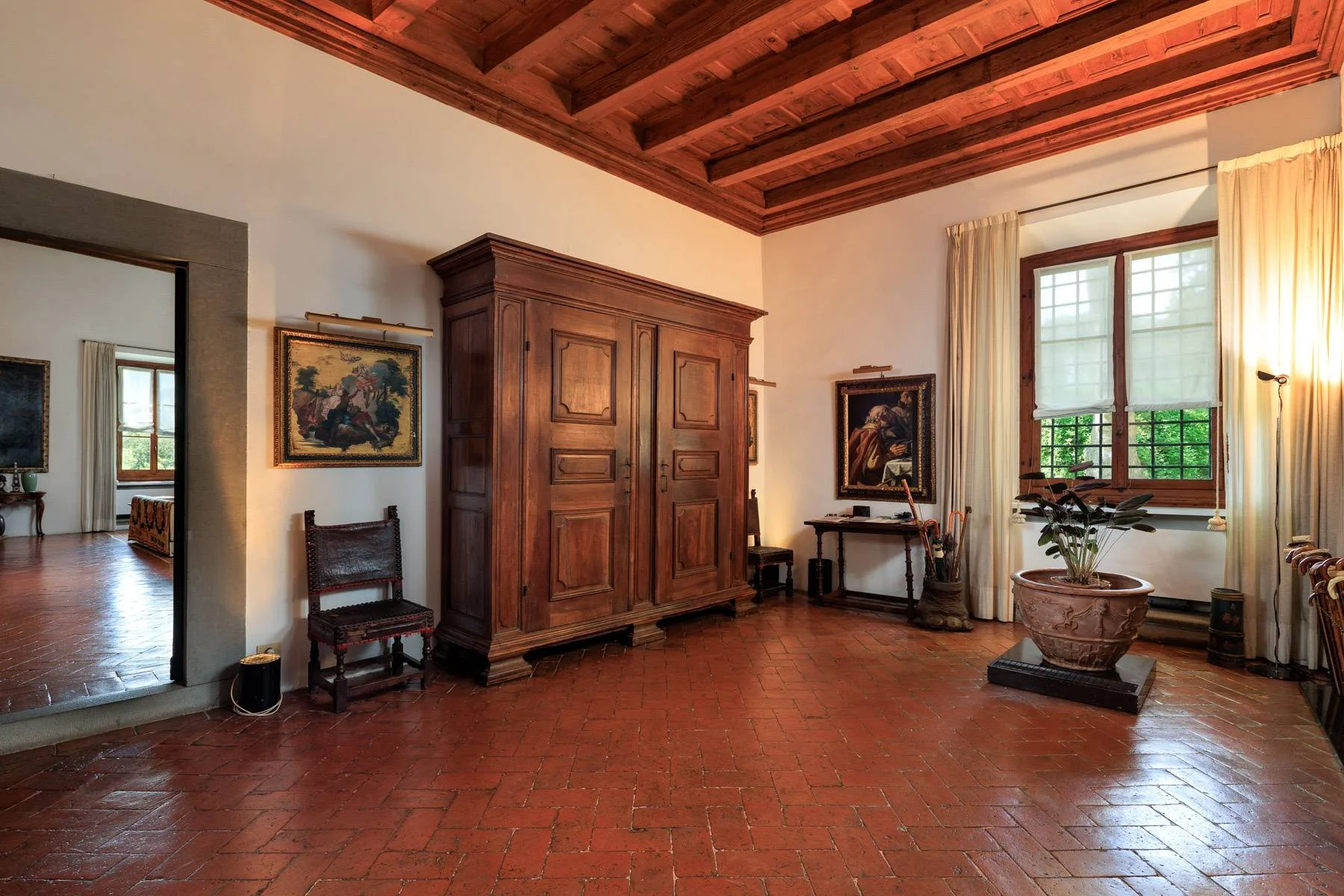
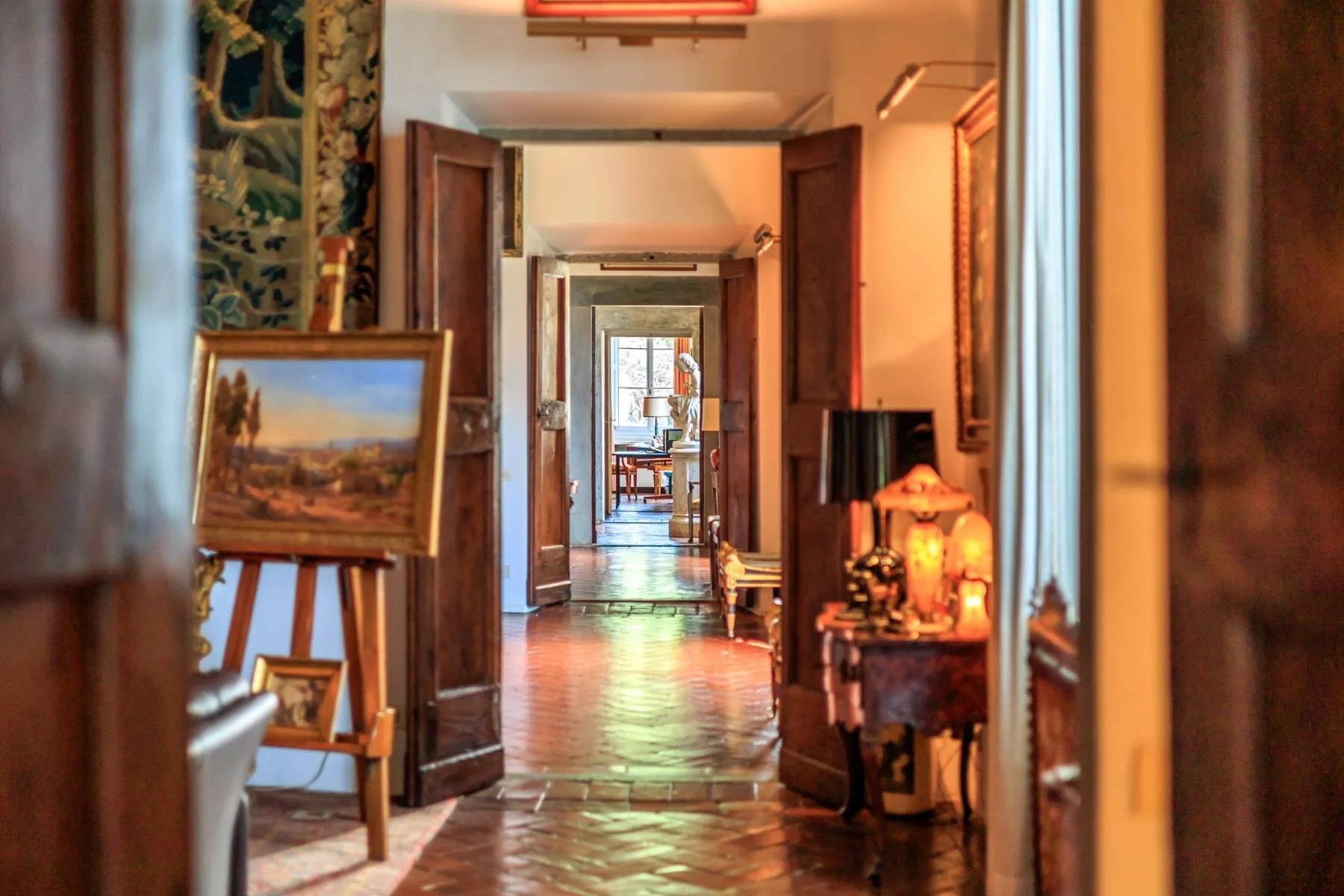
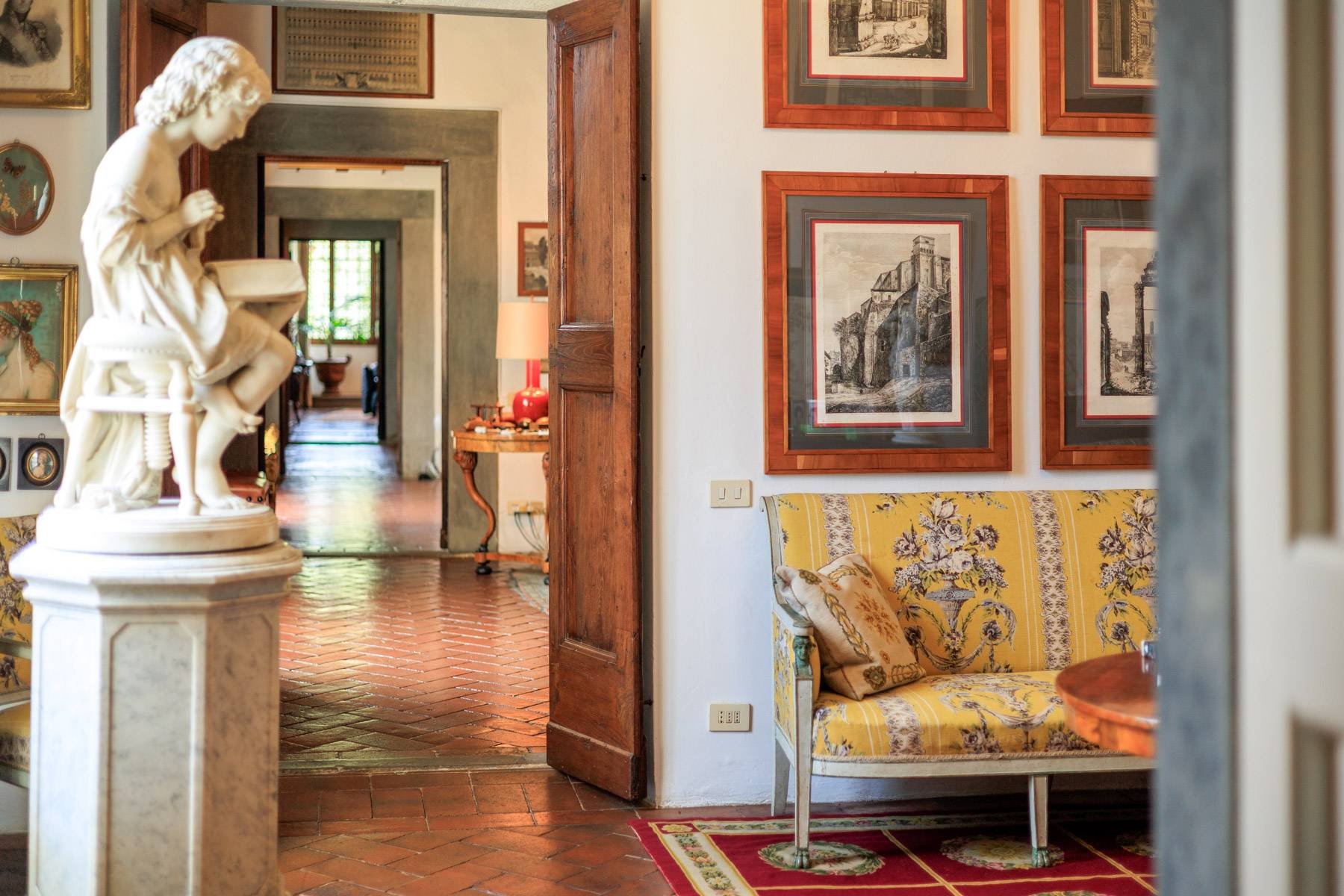
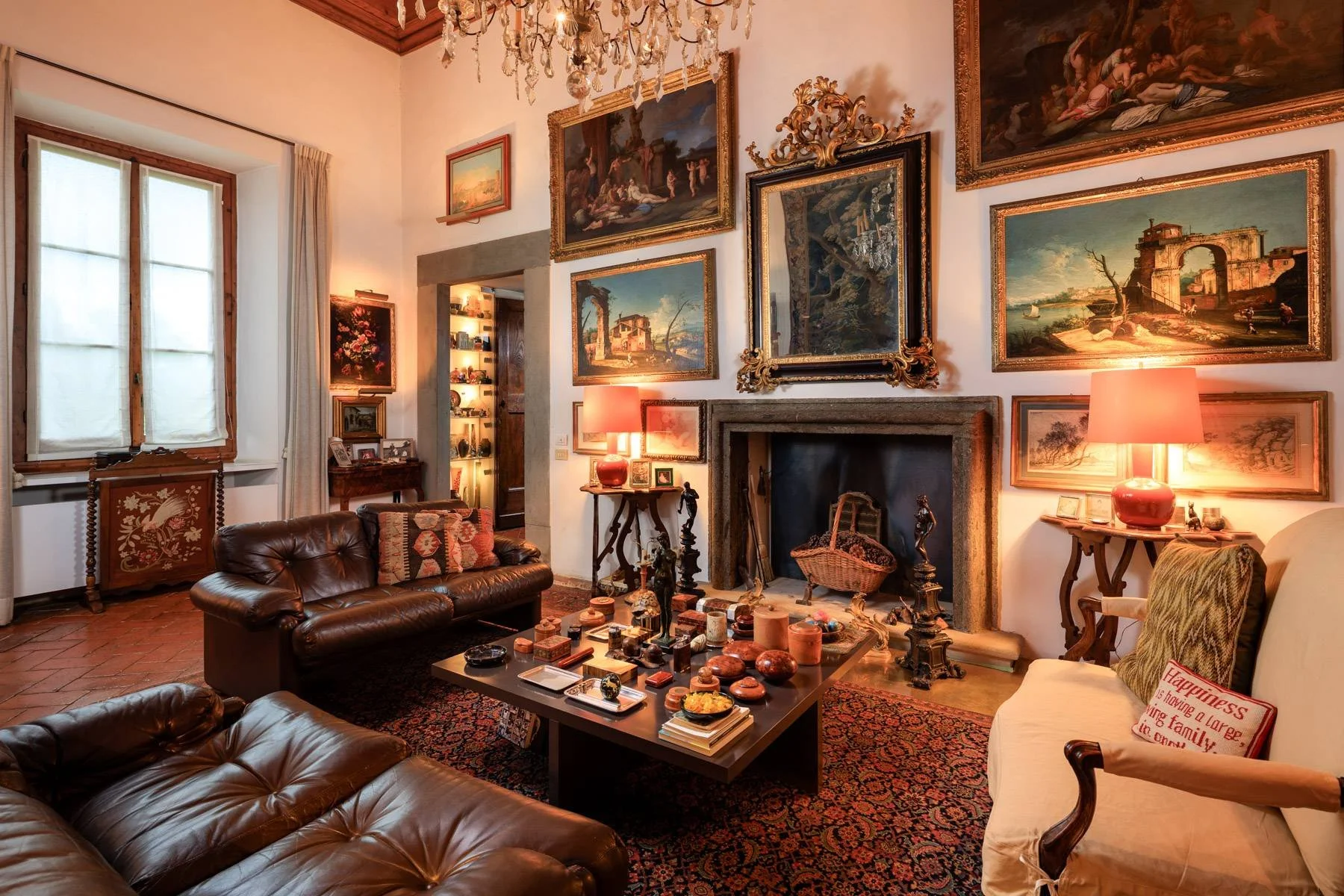
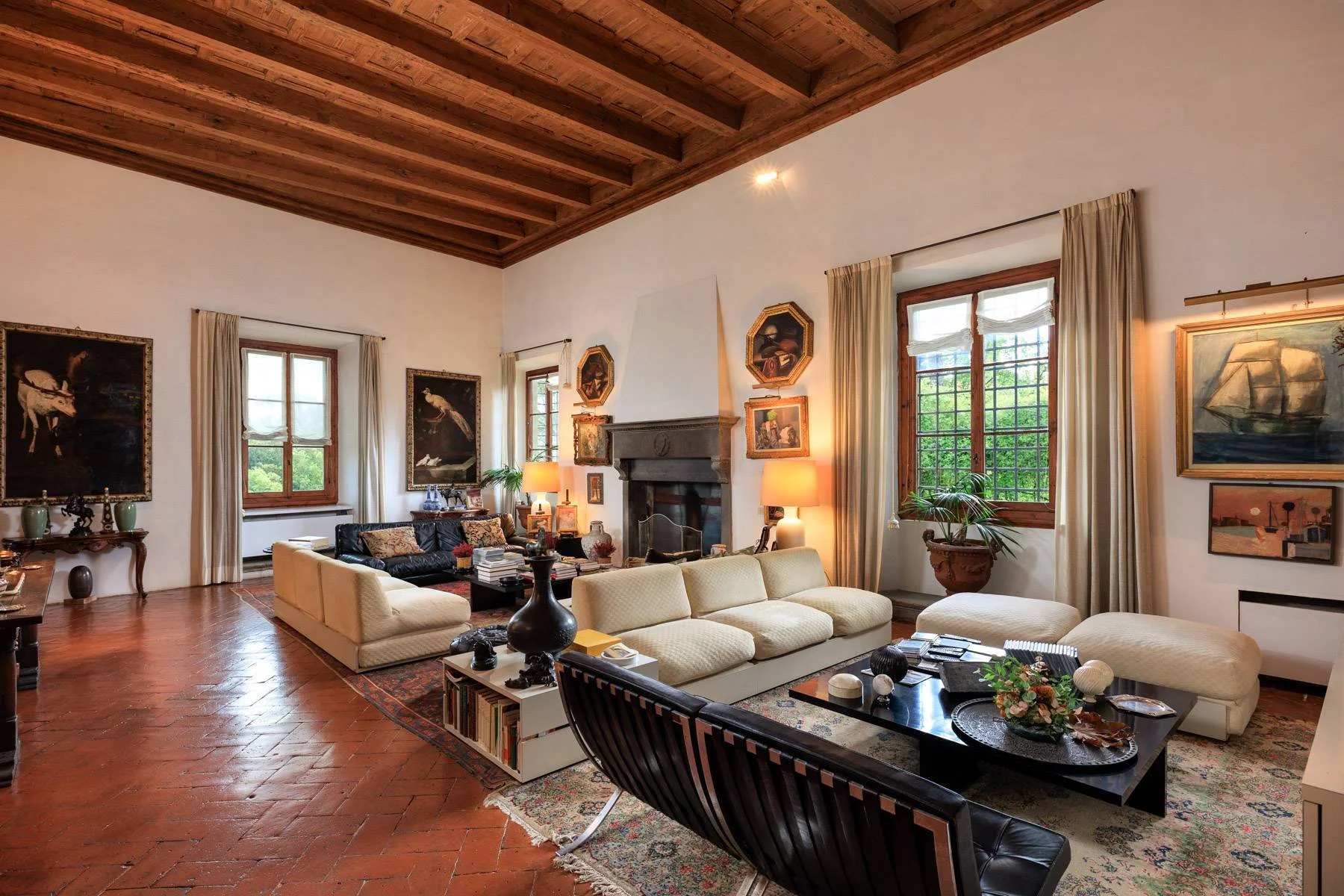
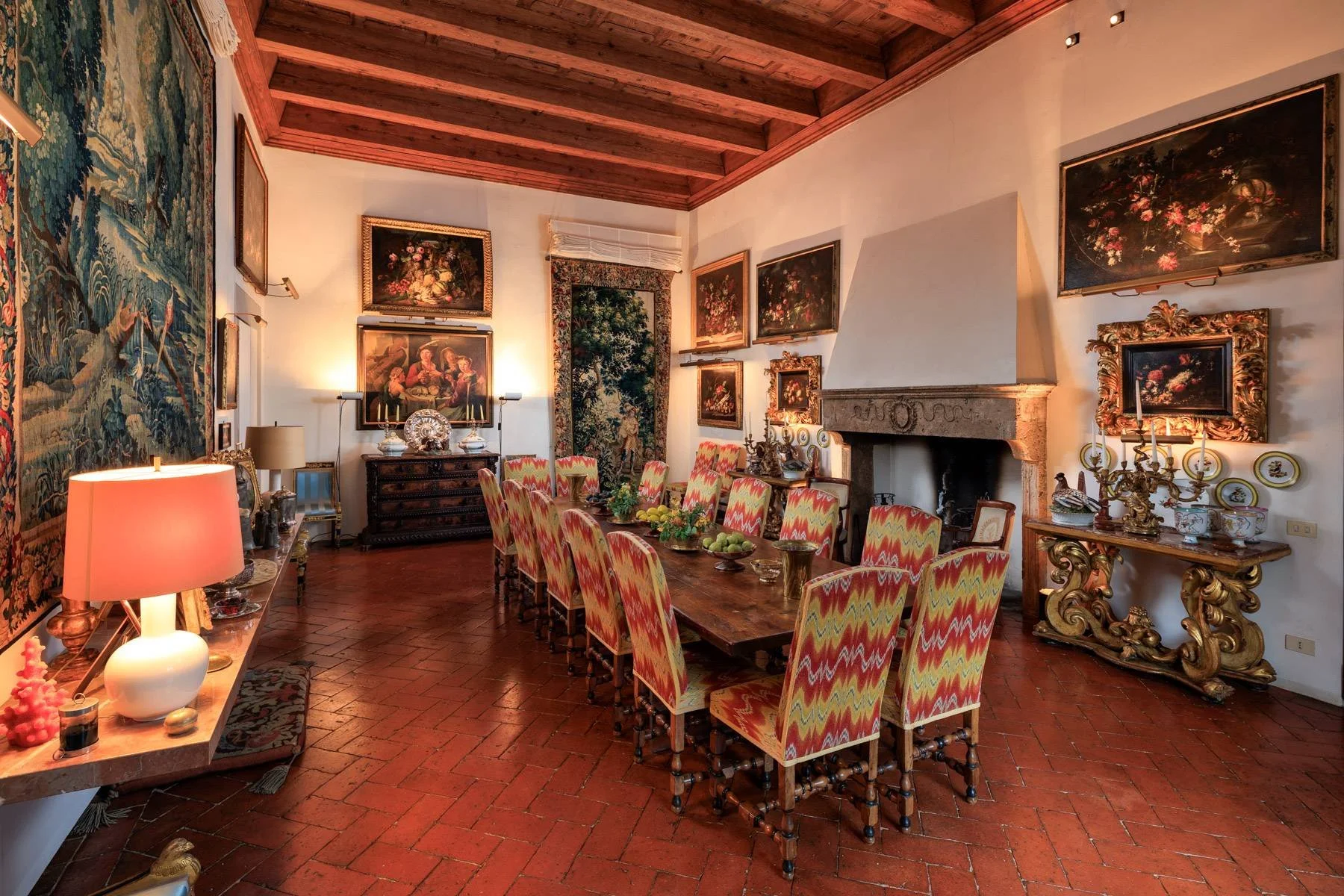
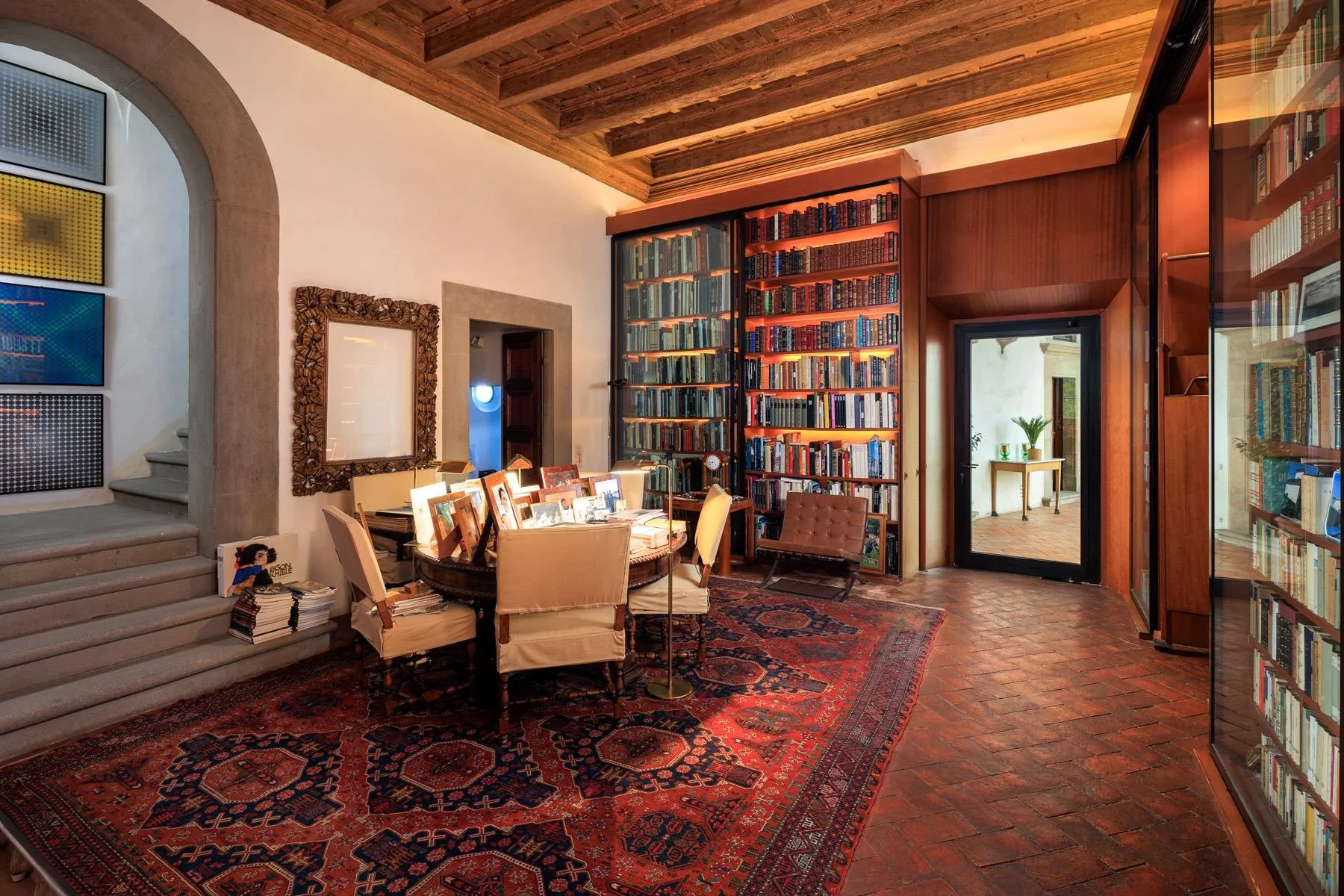
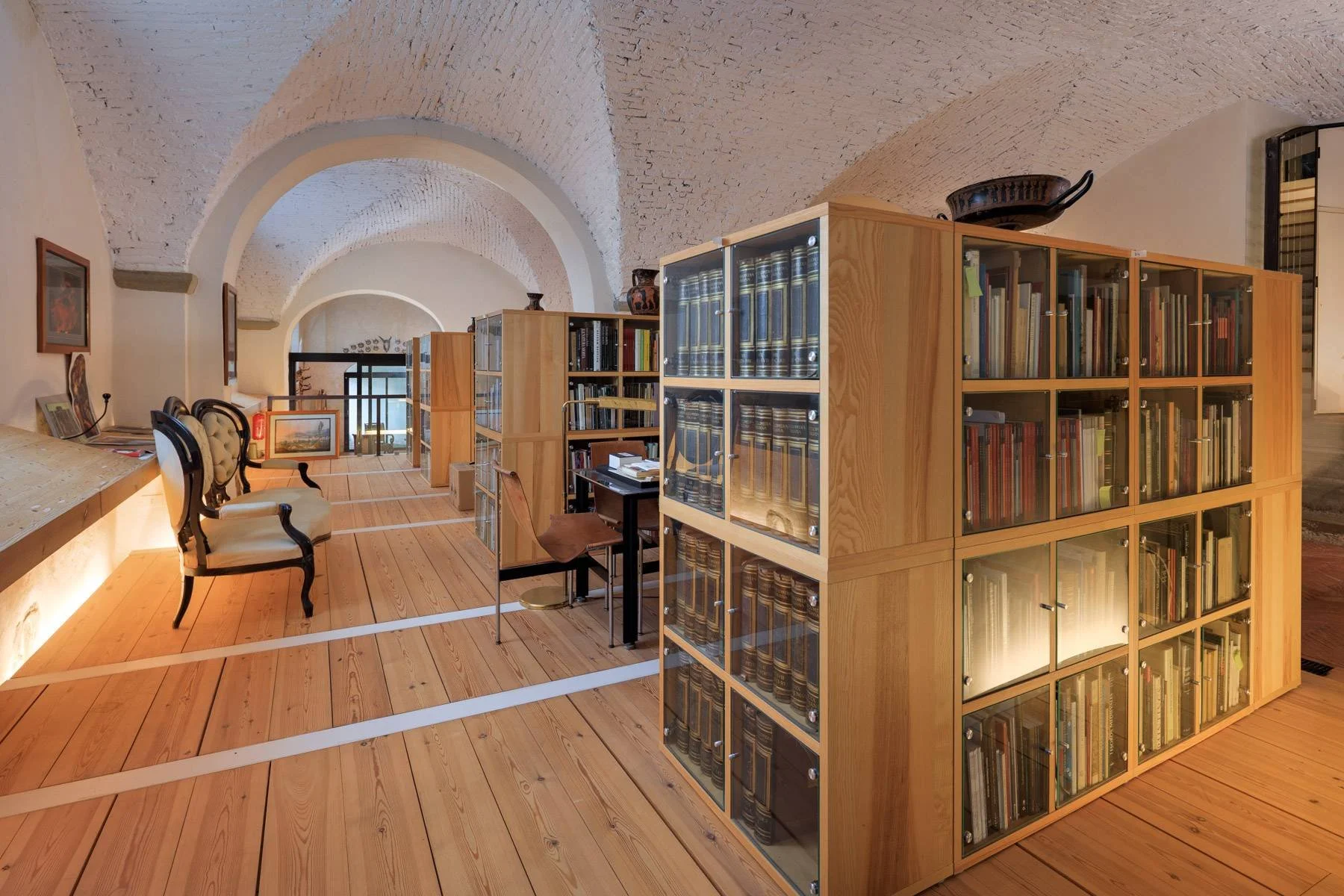
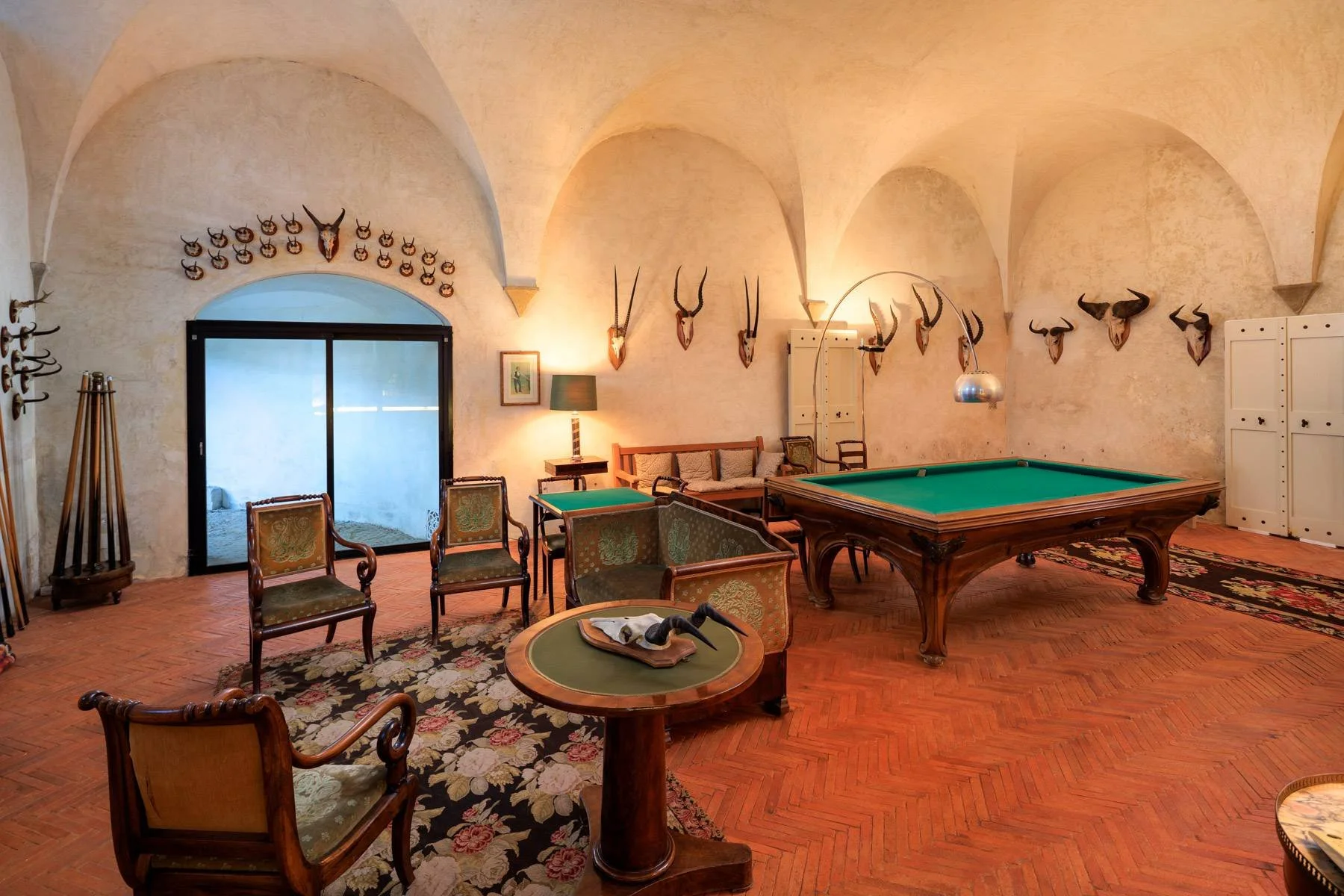
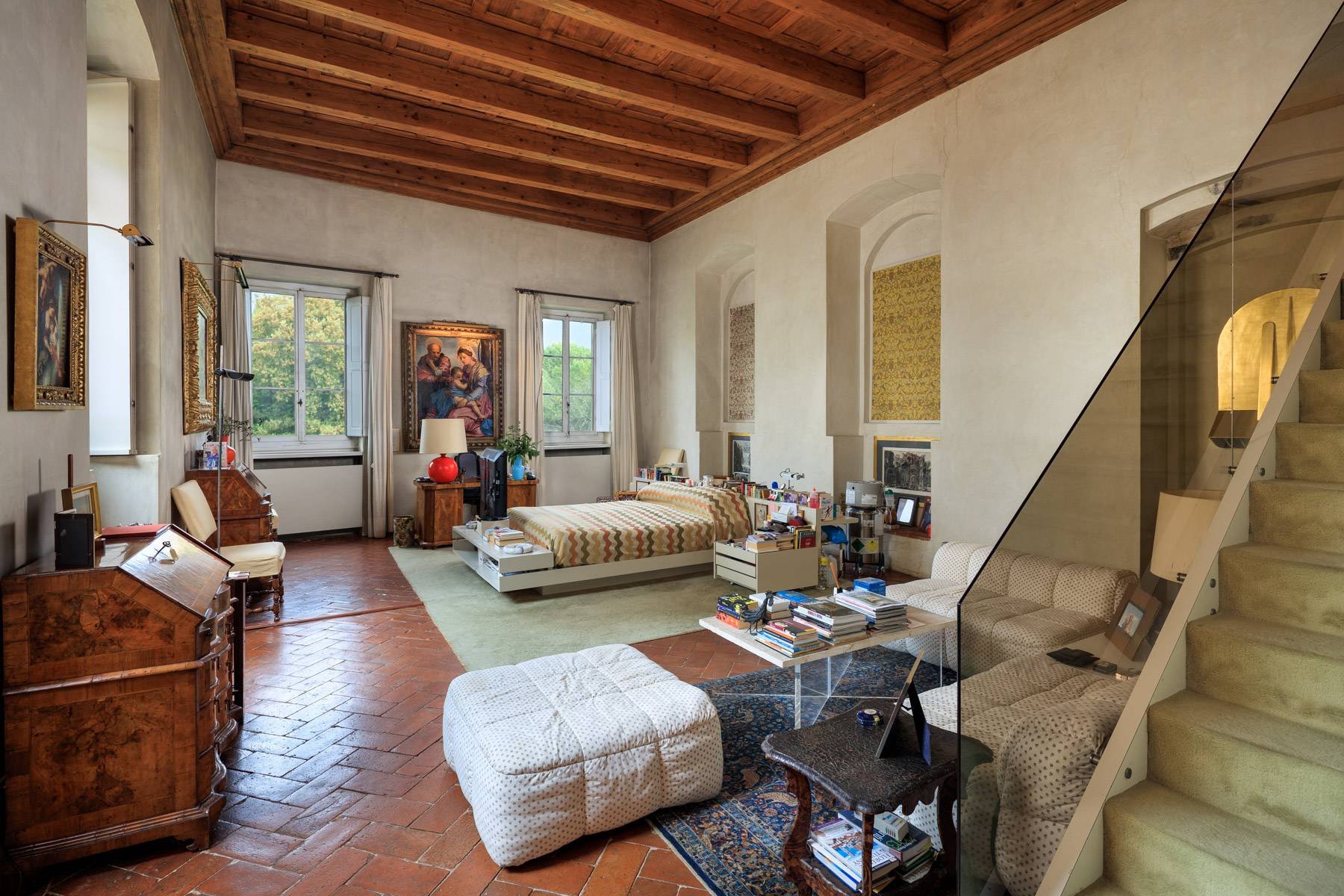
Reception spaces include a grand entrance hall, several living rooms with coffered ceilings and fireplaces, and a large dining room with windows overlooking the park. A secondary entrance hall connects to a library, while a separate billiards room opens directly to the garden.
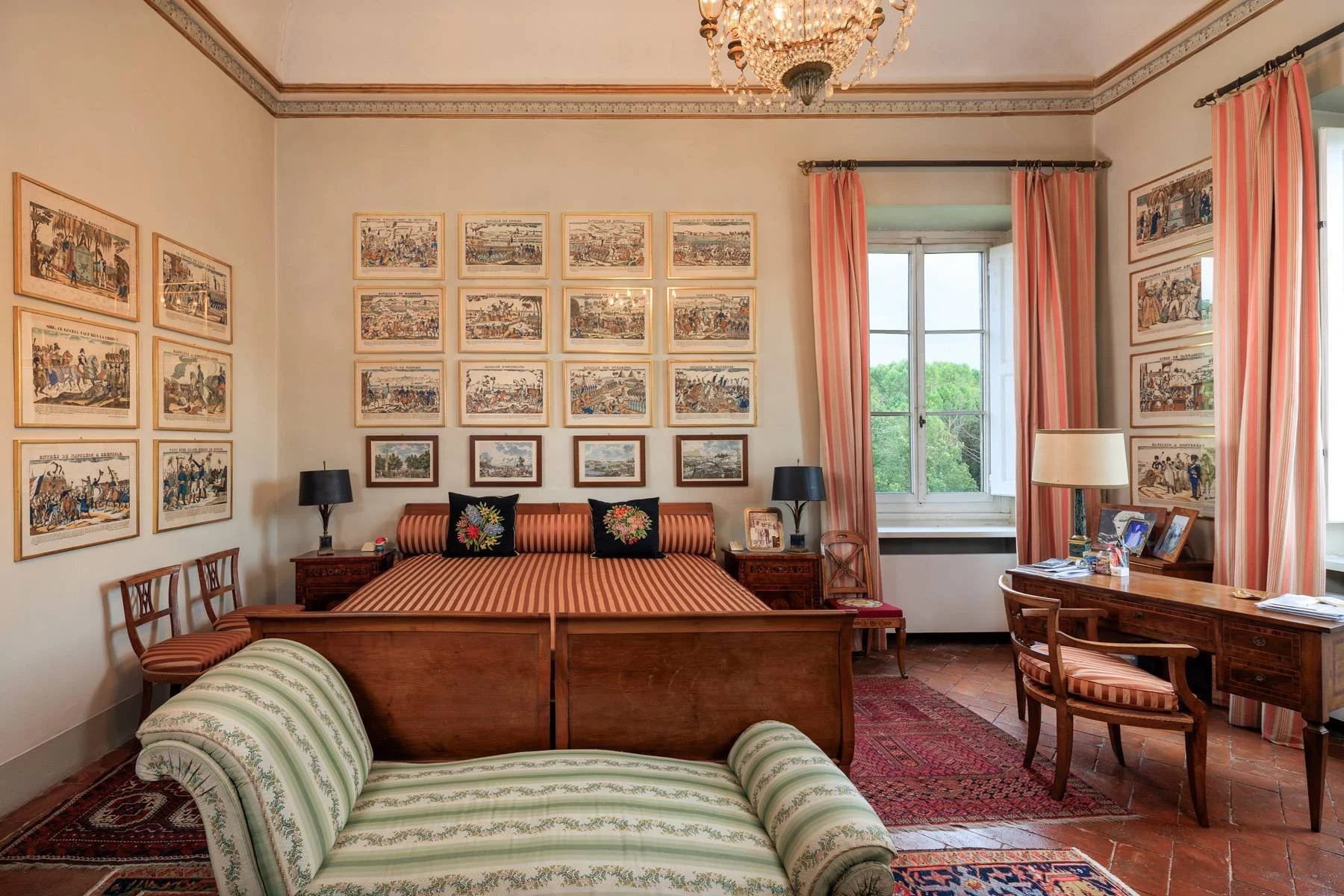
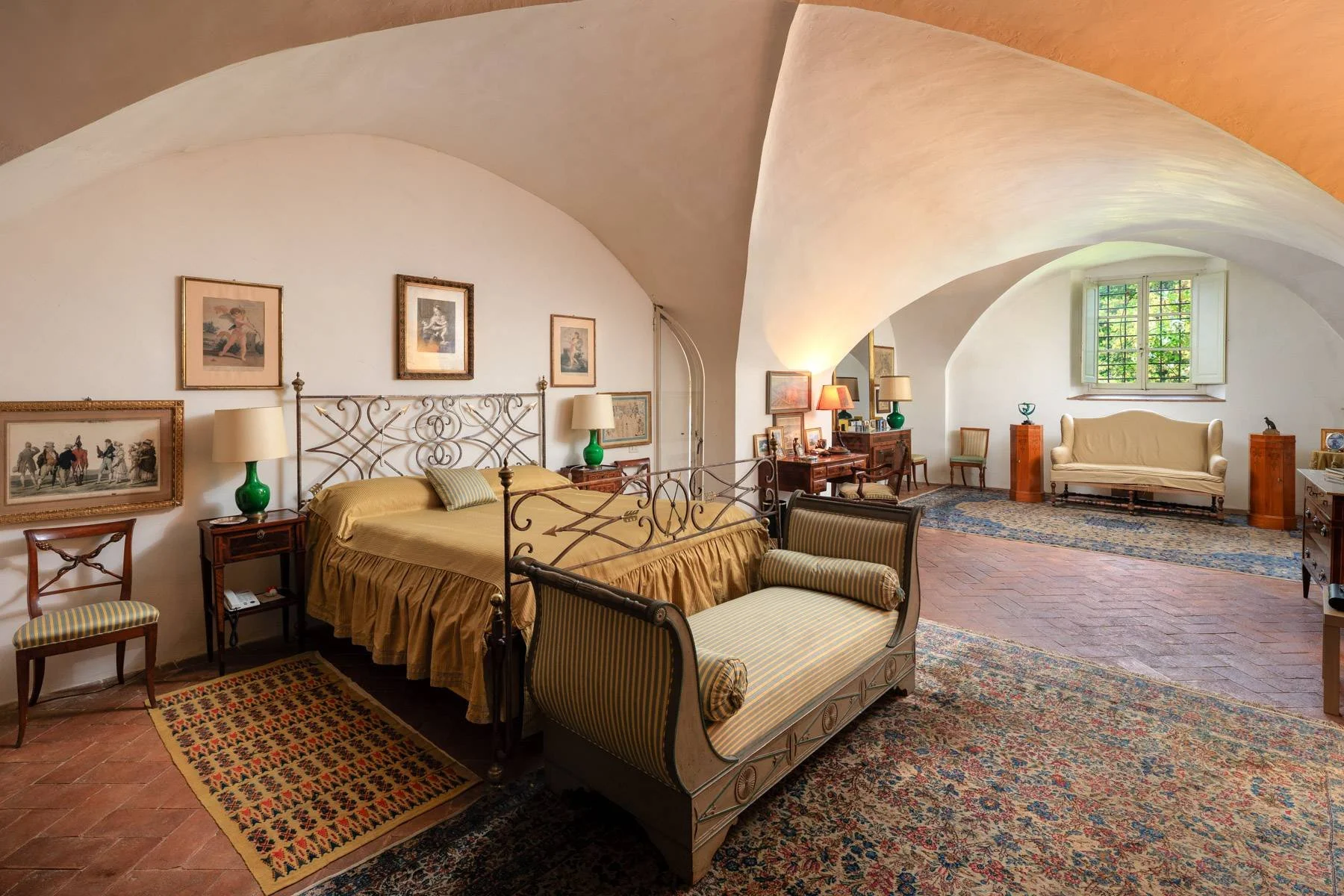
Private quarters include three double bedroom suites with bathrooms and walk-in closets, along with additional guest accommodation and staff areas distributed across the villa’s upper floors.
Florence Today
Florence remains one of Europe’s most culturally significant cities.
As the birthplace of the Renaissance and the historic seat of the Medici family, it shaped the artistic and intellectual movements that defined early modern Europe. The surrounding hills became the setting for aristocratic villas built between the fifteenth and seventeenth centuries, where powerful Florentine families established country residences within easy reach of the city.
Today, these hillside estates continue to define Florence’s historic villa landscape, set just beyond the city within the Tuscan countryside.
All photographs belong to the listing agency, Italy Sotheby’s International Realty.