A Medieval Château in Normandy That Once Exhibited Works by Dalí, Vasarely, and Braque
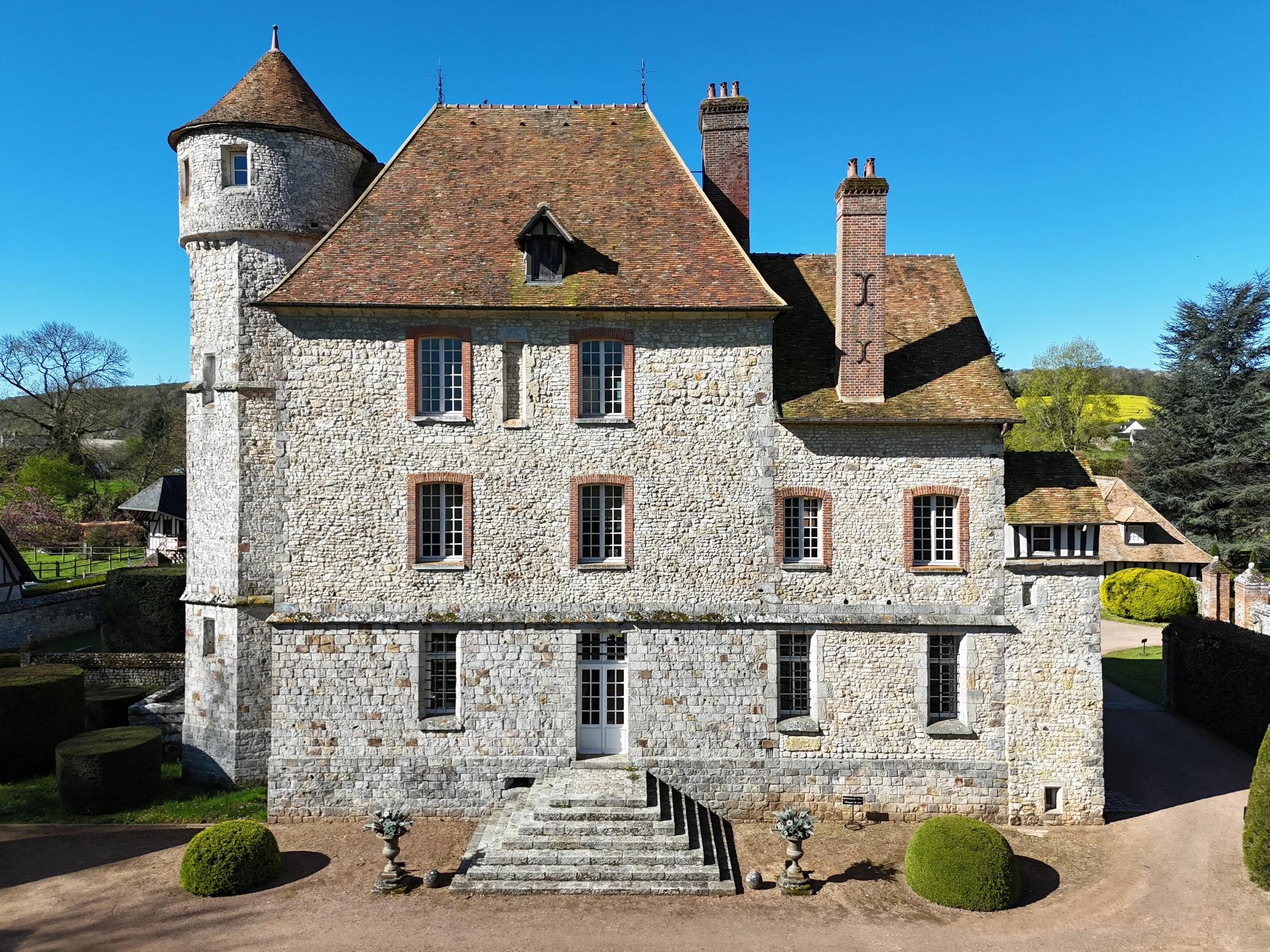
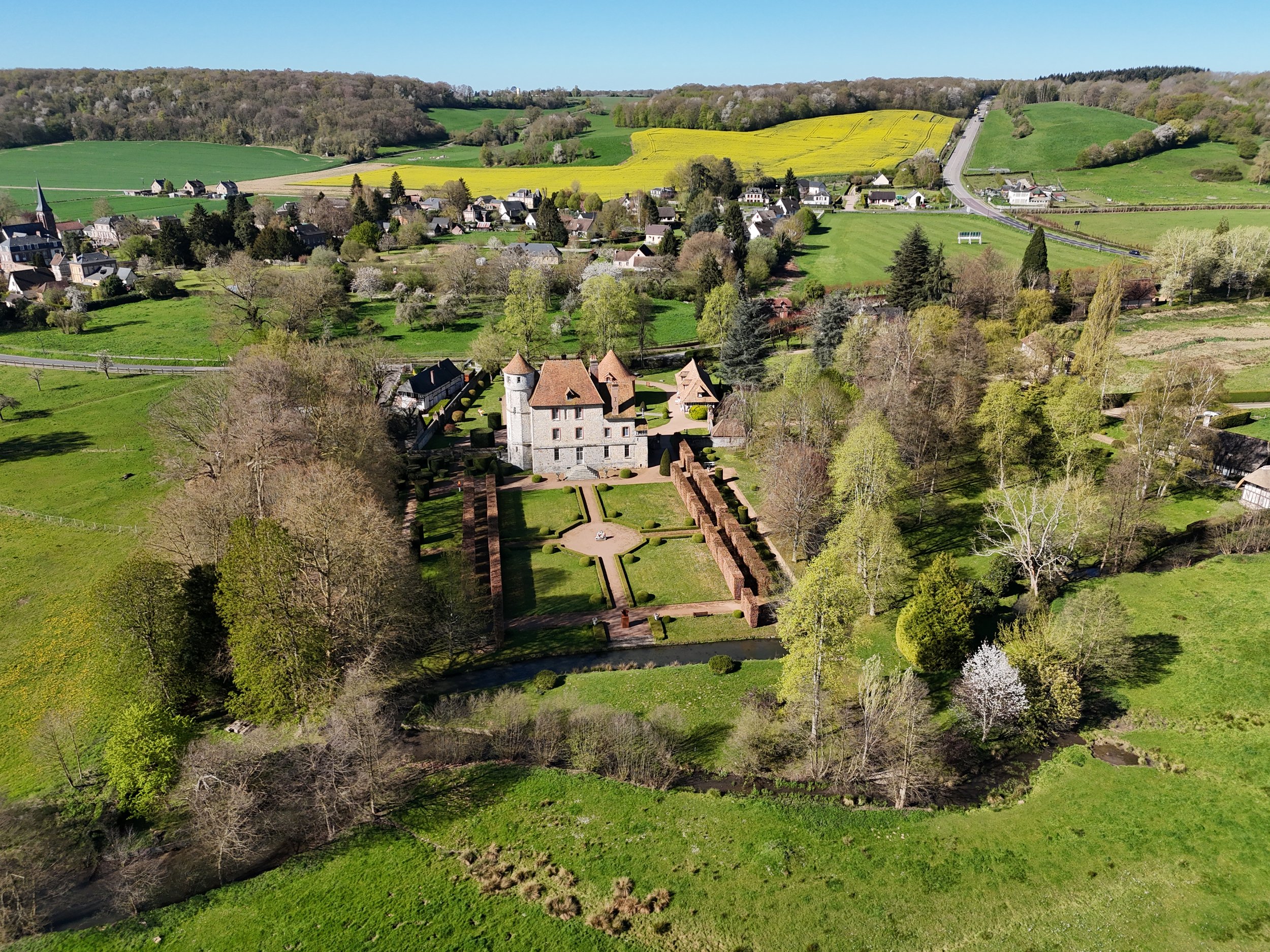
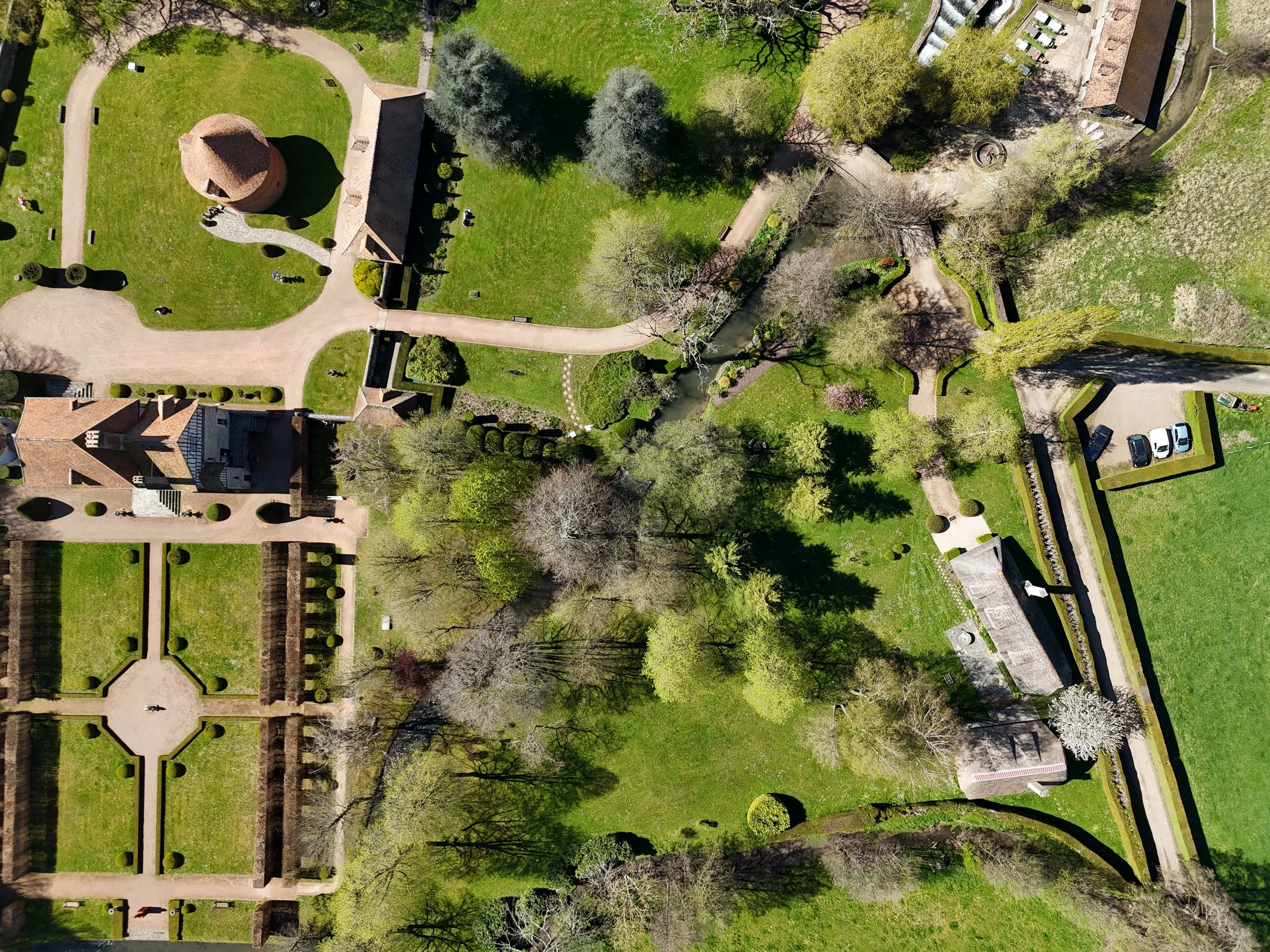
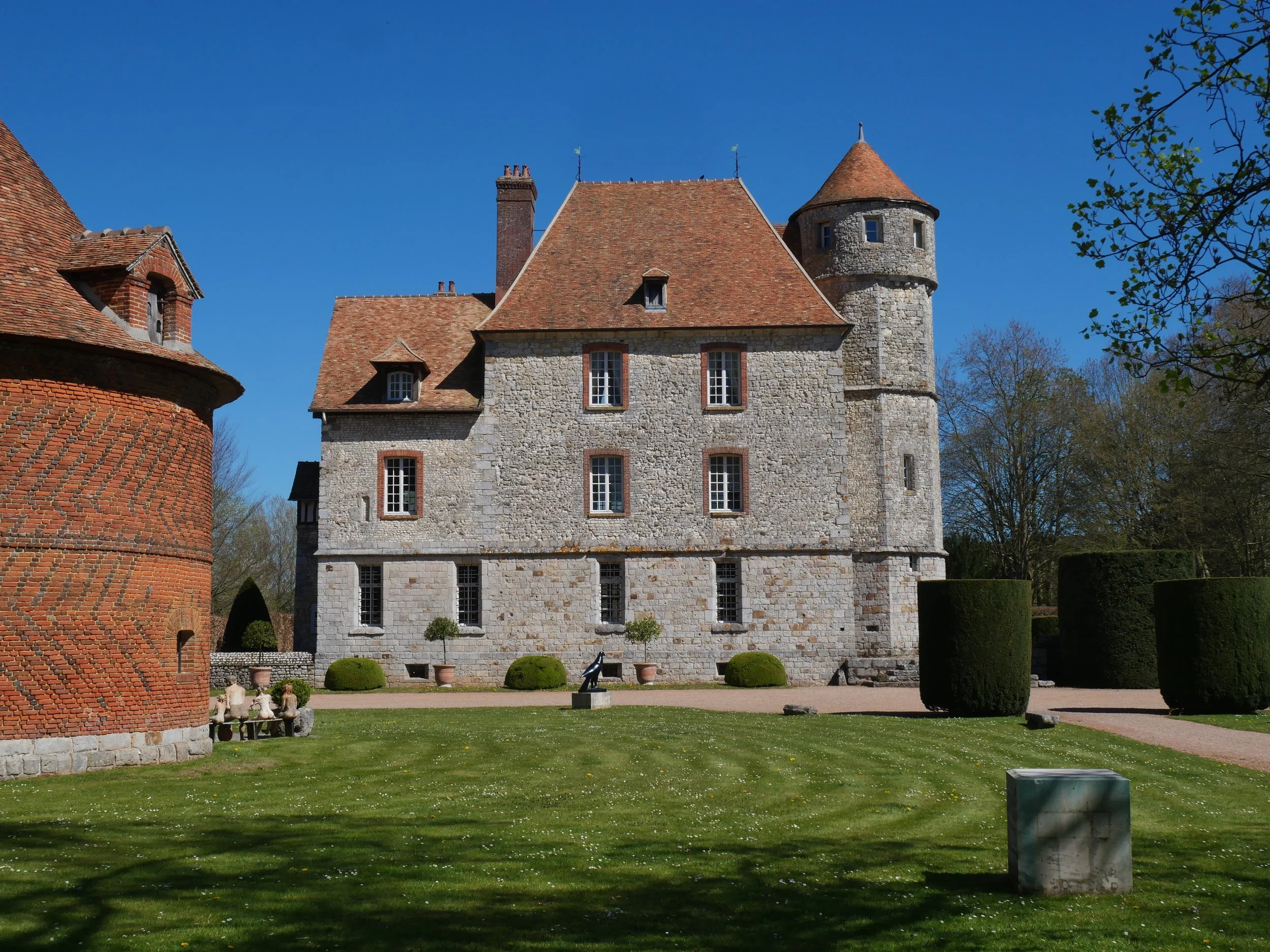
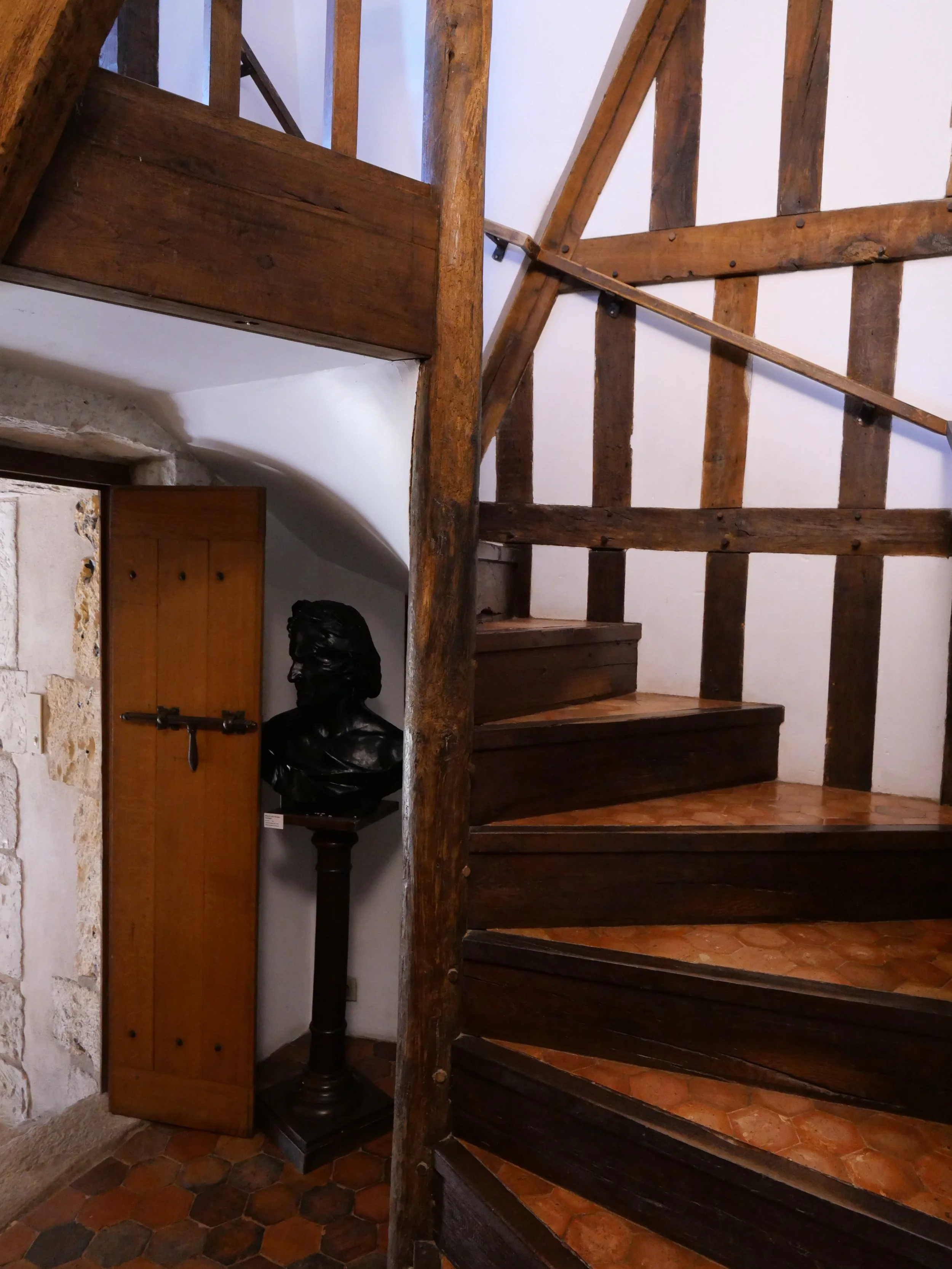
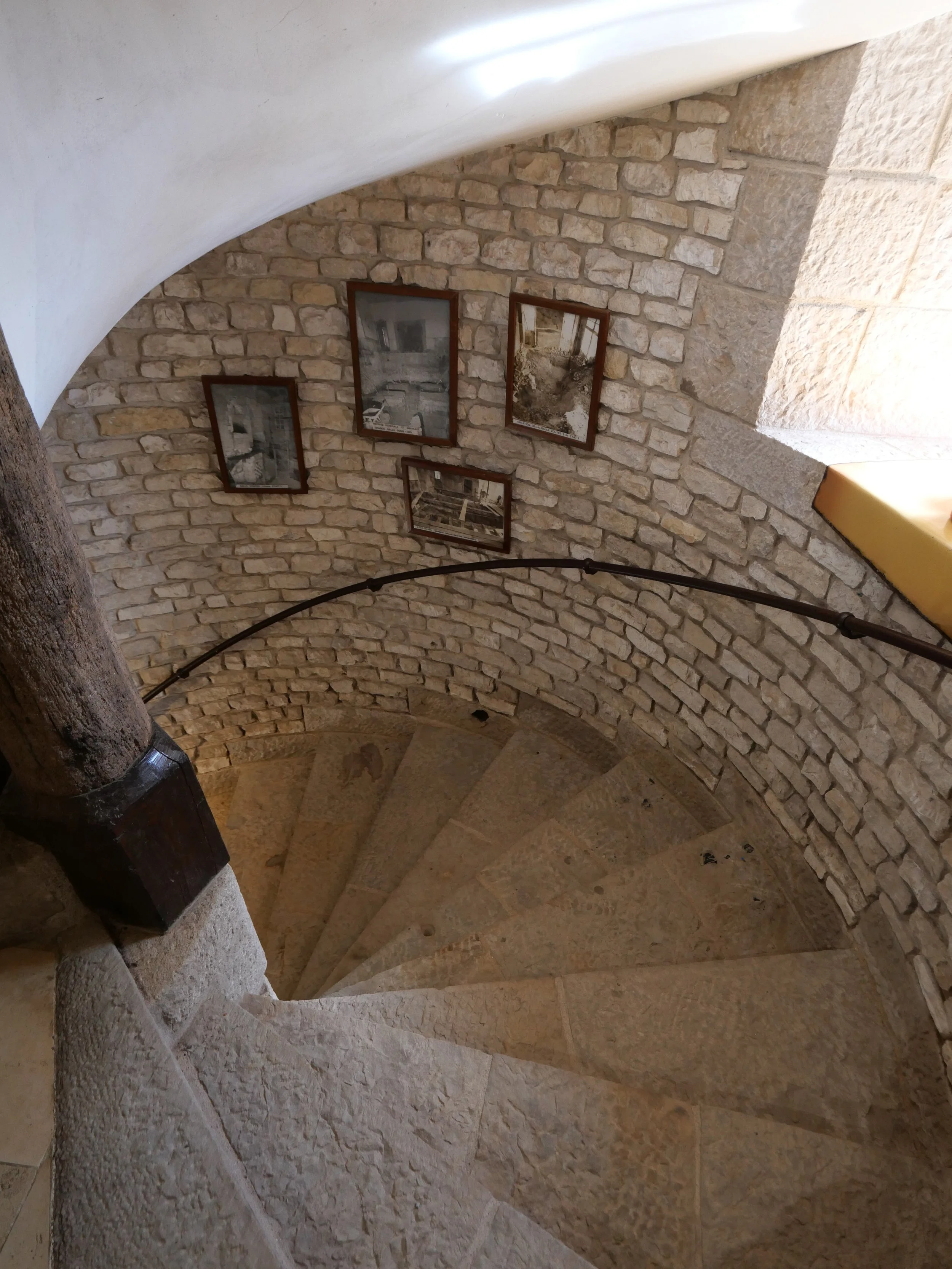
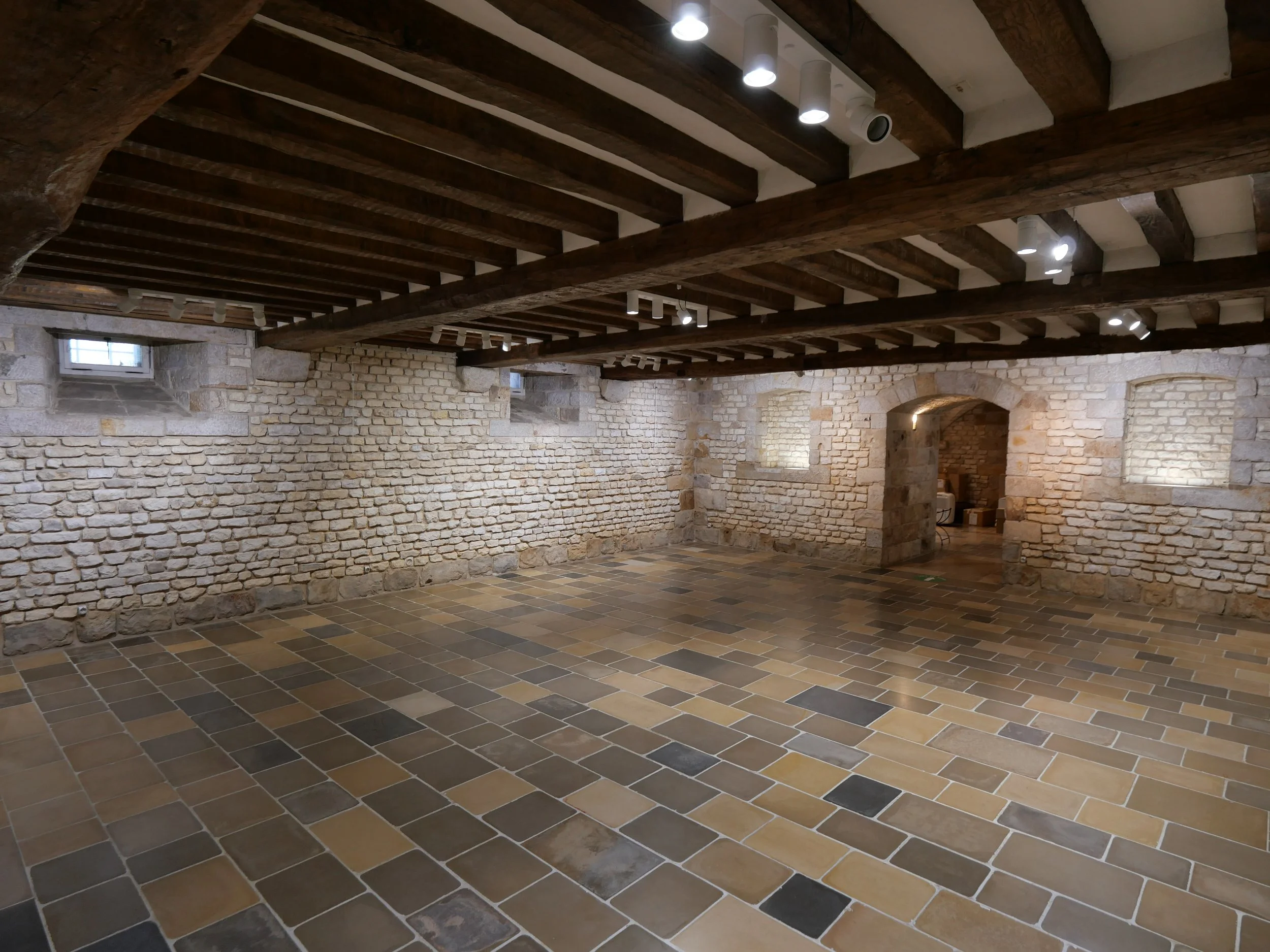
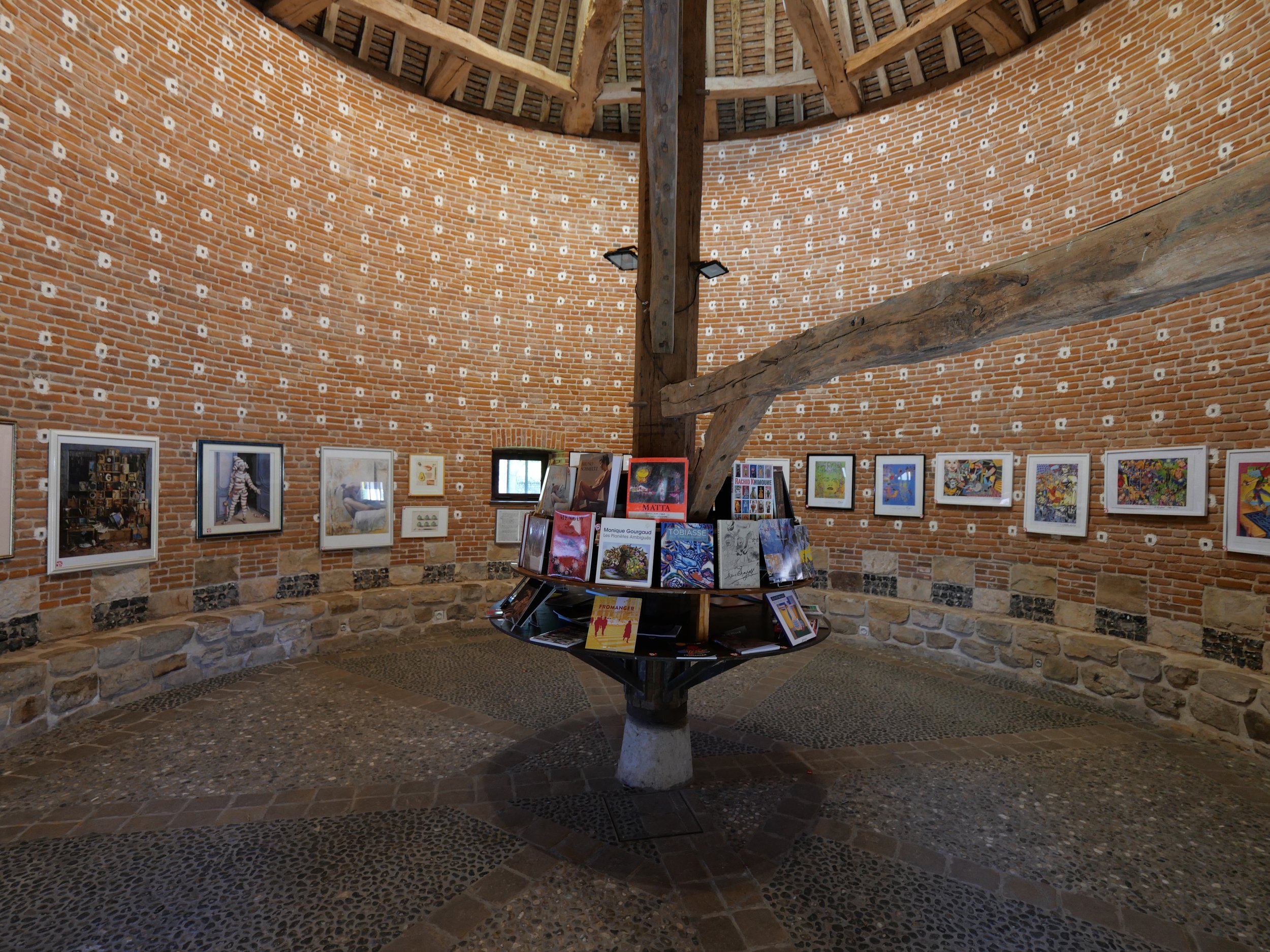
Interior: 1,100 m² / 11,840 ft² Rooms: 30 Lot: 13 ha / 32 acres
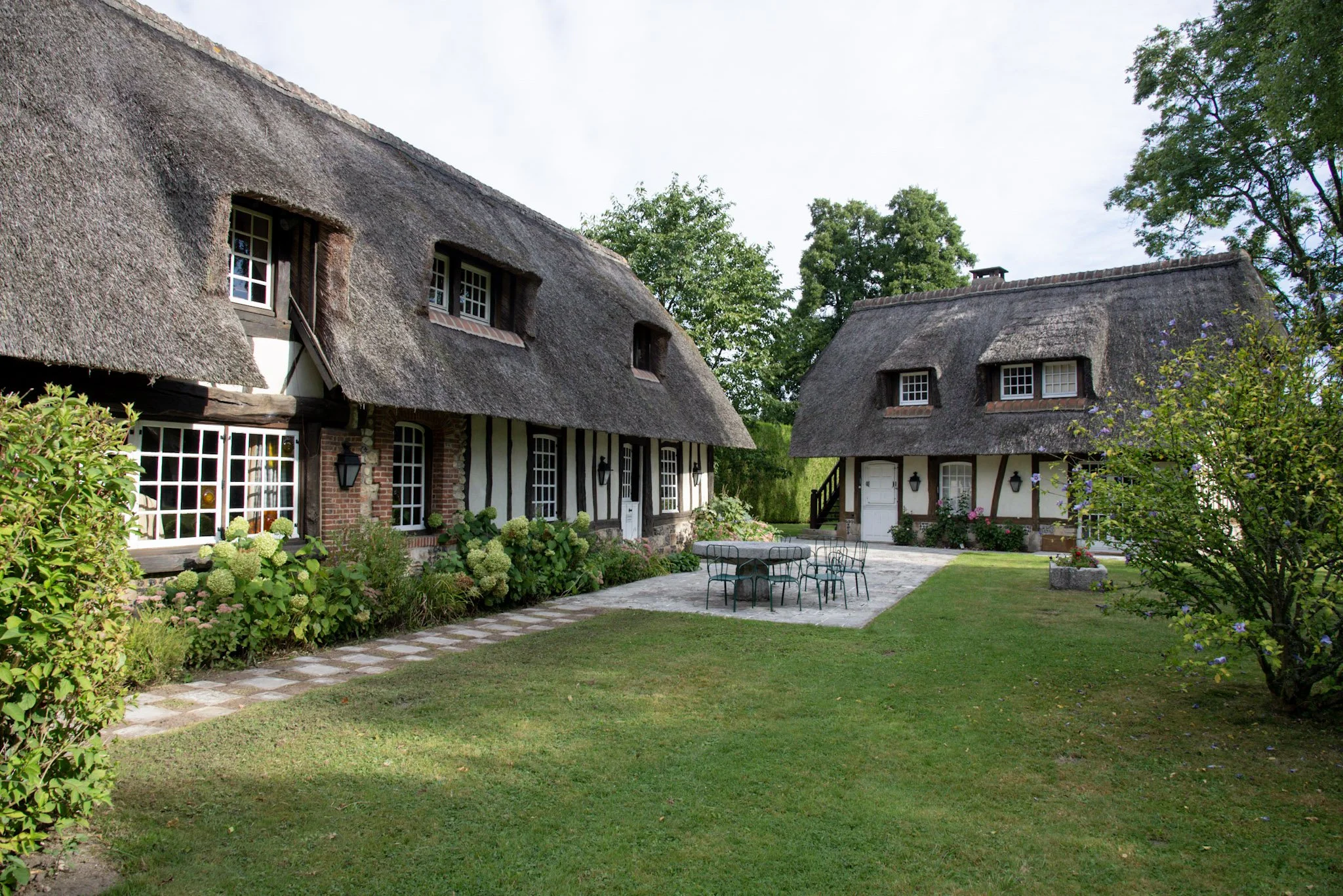
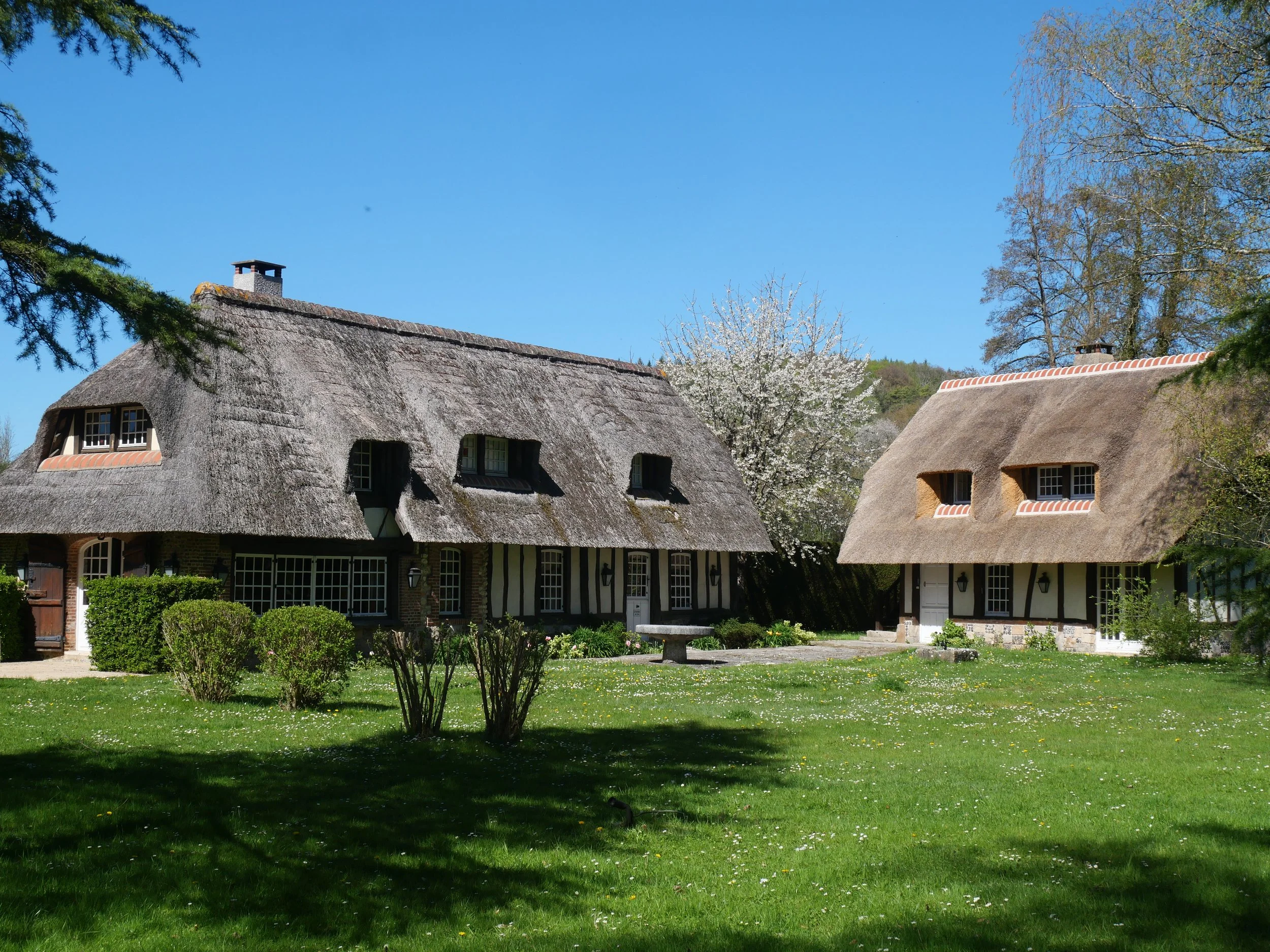
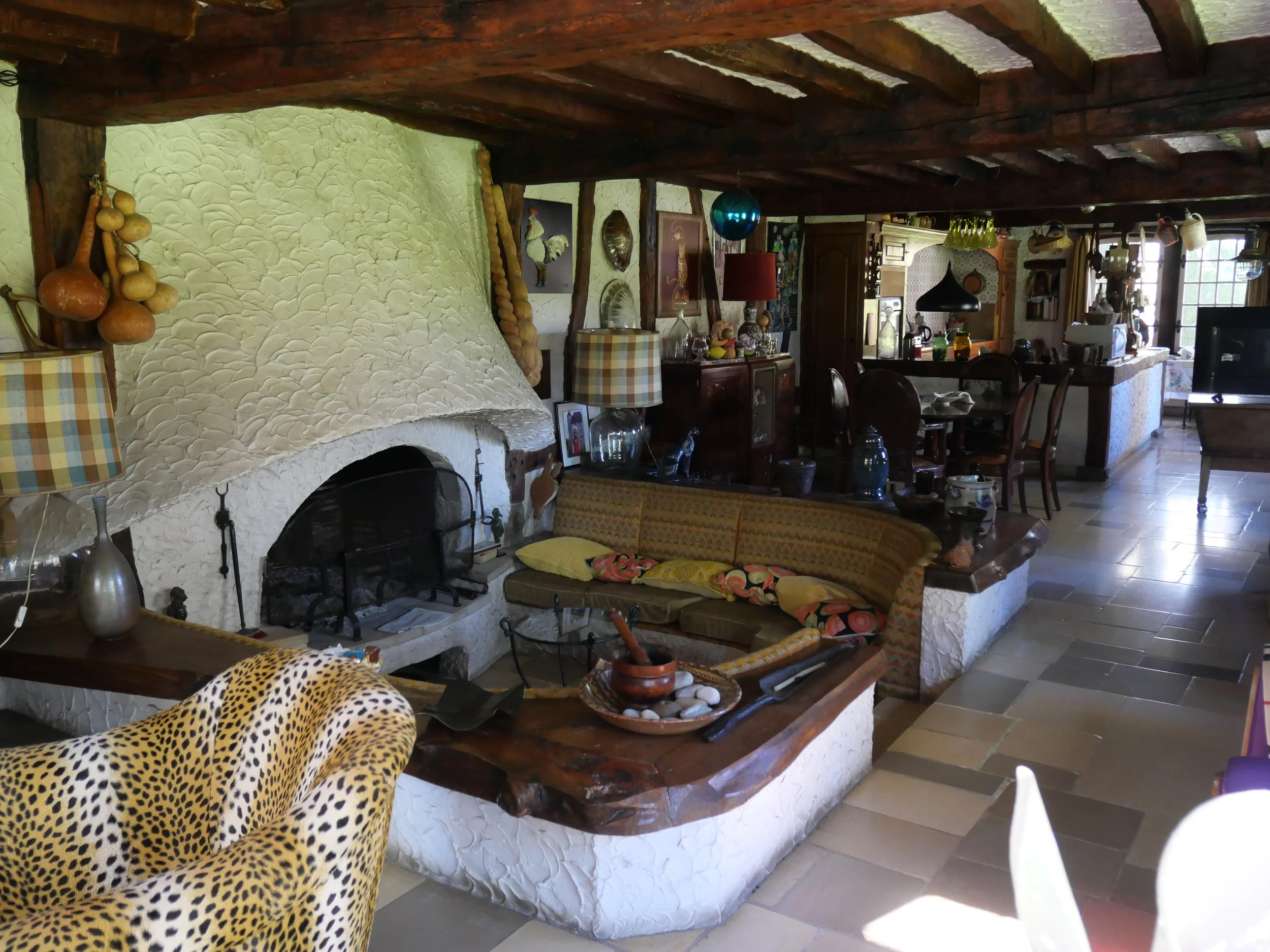
Amenities: Six independent houses, a 550 m² / 5,920 ft² château, historic dovecote, museum spaces, tea-room restaurant with riverside terrace, shop and apartment, two thatched cottages, agricultural outbuilding, formal French gardens, English-style garden, river, and parking for 42 cars.
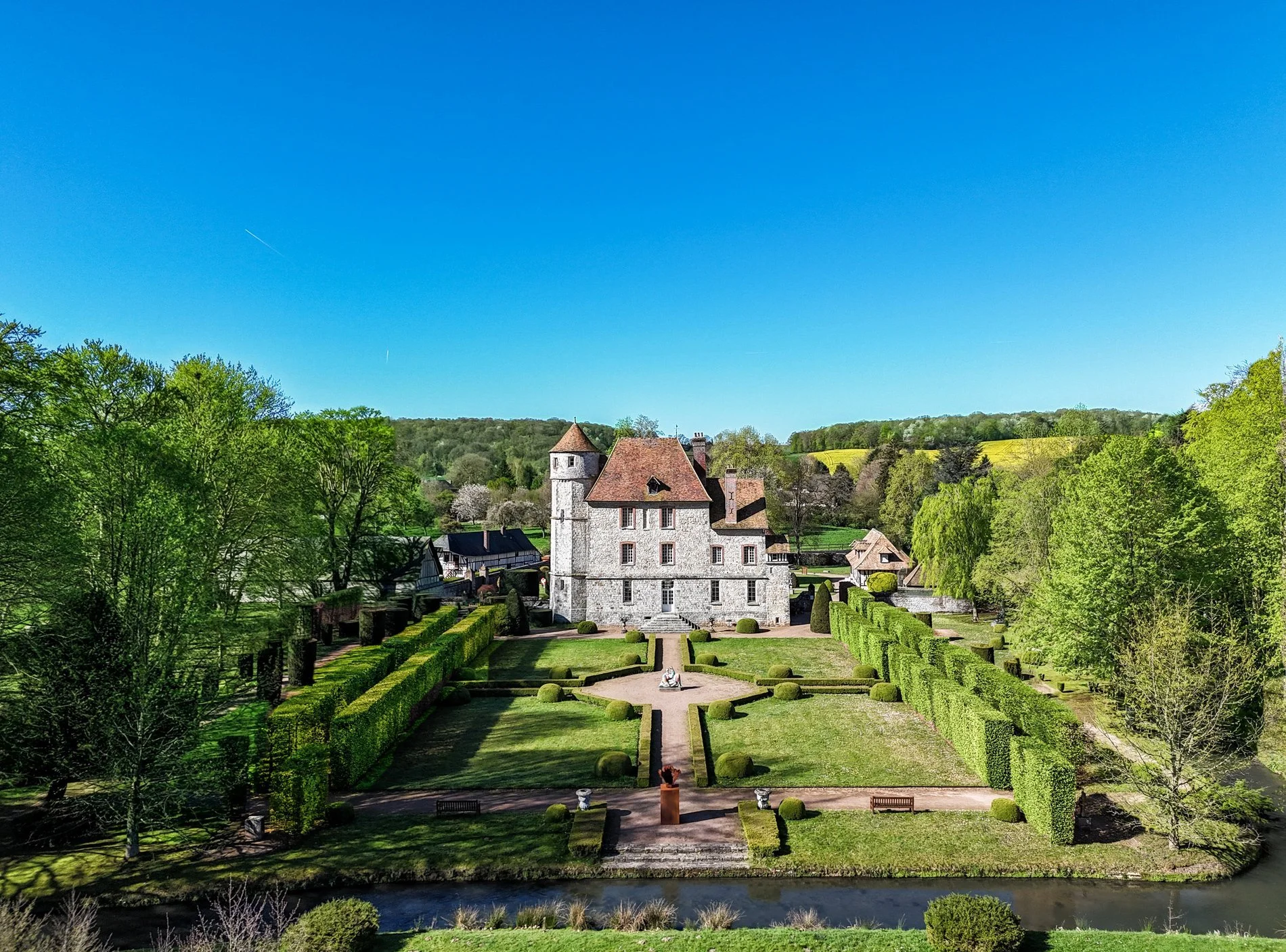
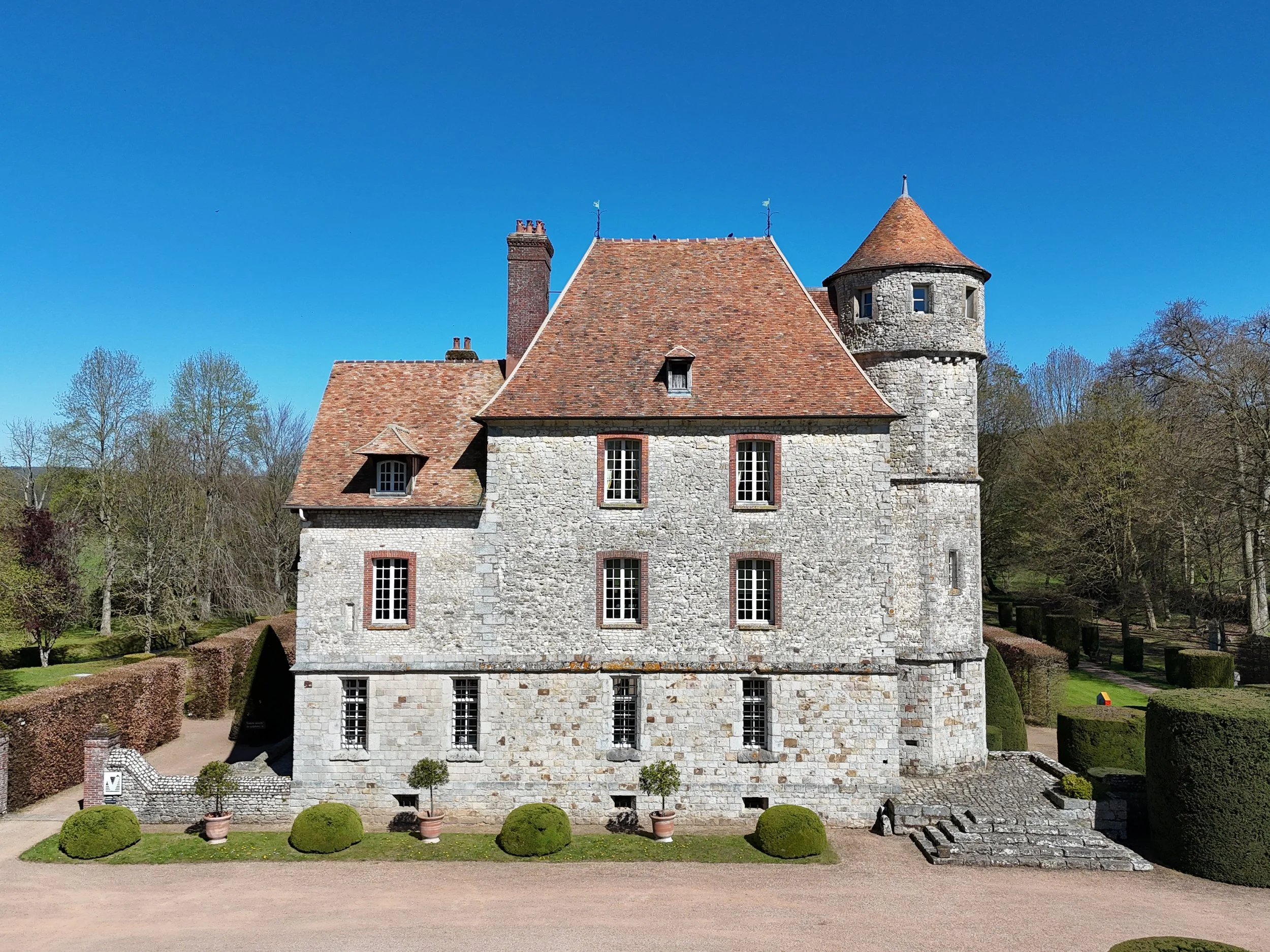
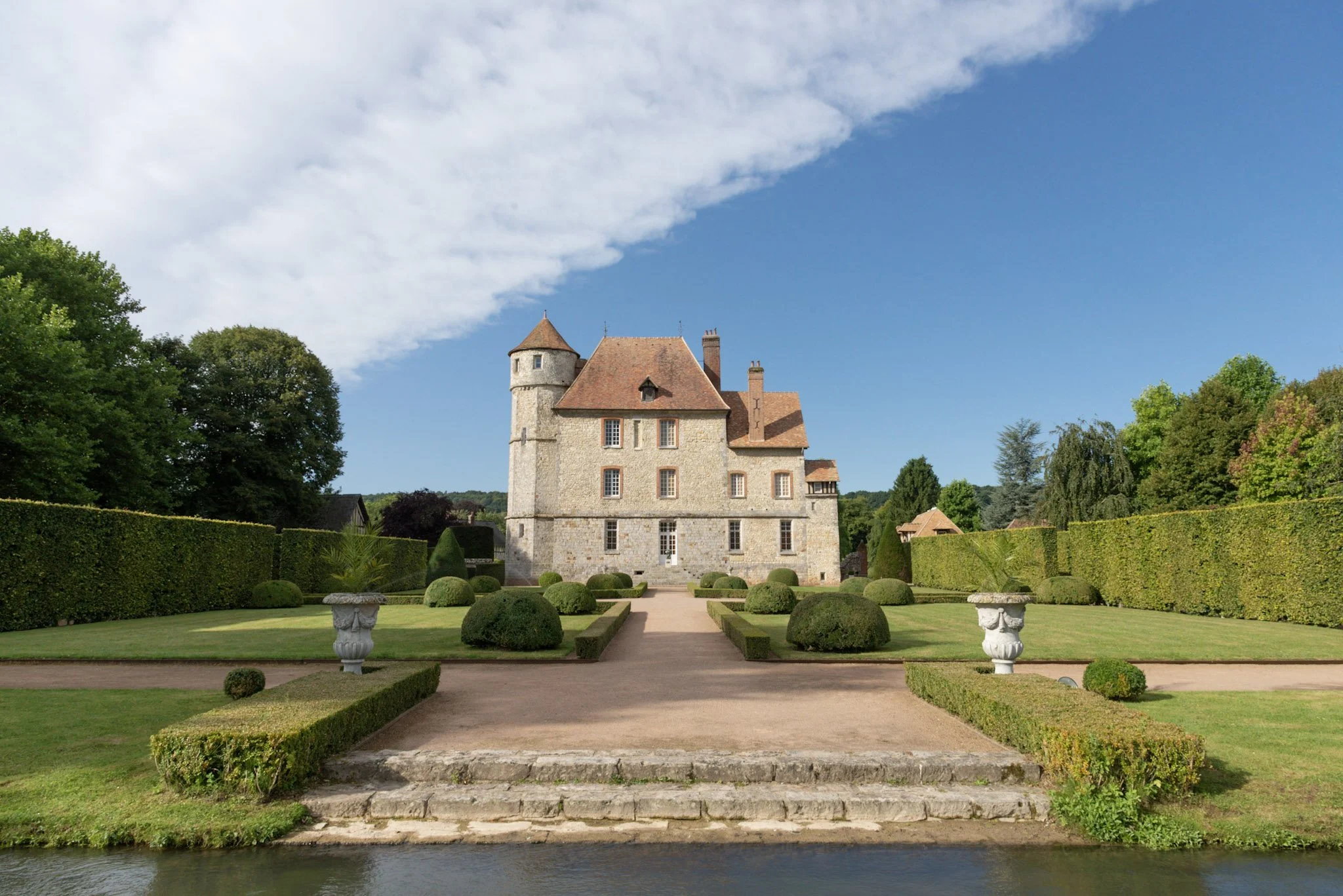
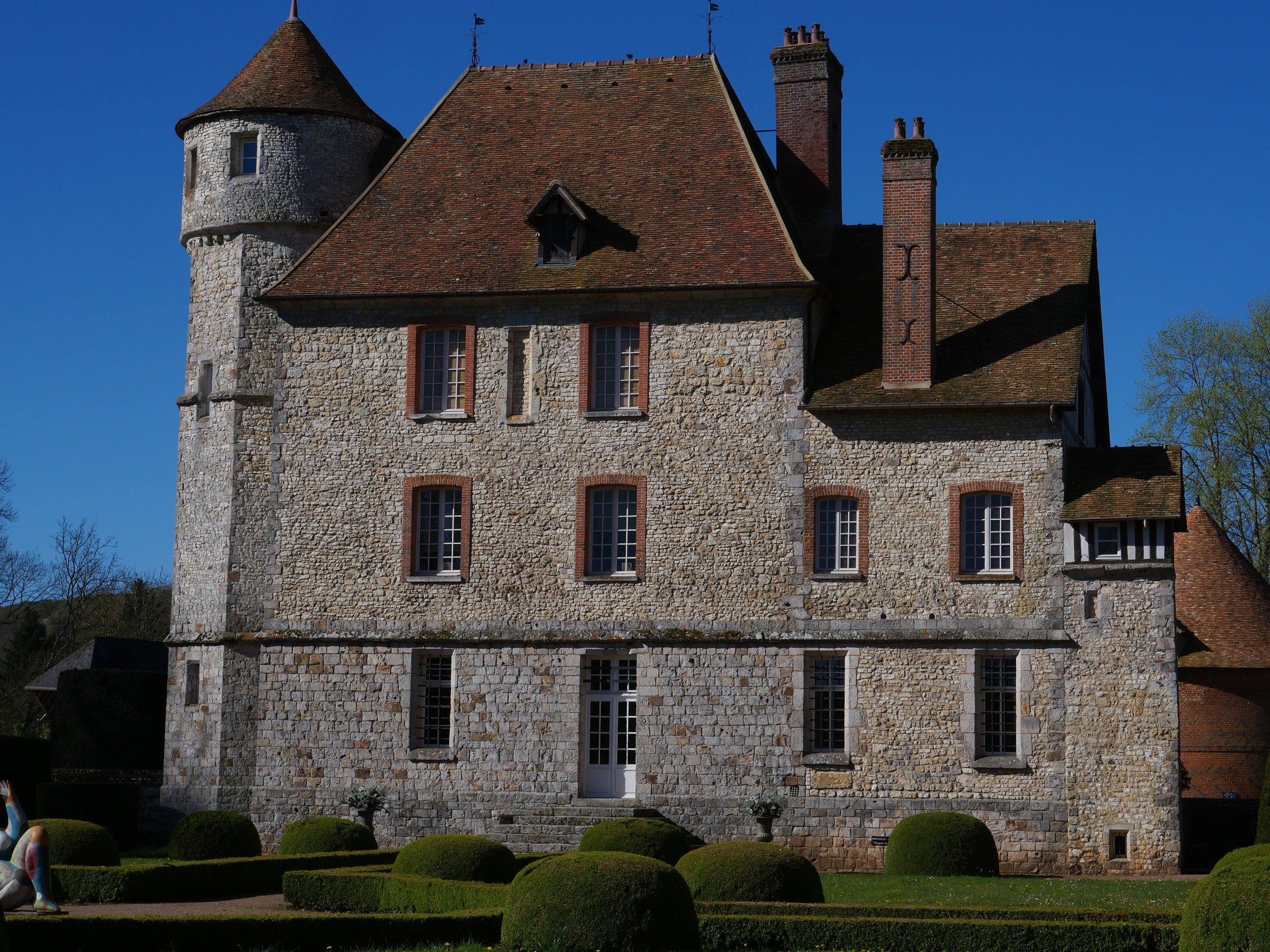
Listed with Denniel Immobilier for €2,982,000, this medieval château in Normandy brings together architecture, literary history, formal gardens, and a long-running contemporary art legacy on a 13 ha / 32 acre estate near Rouen.
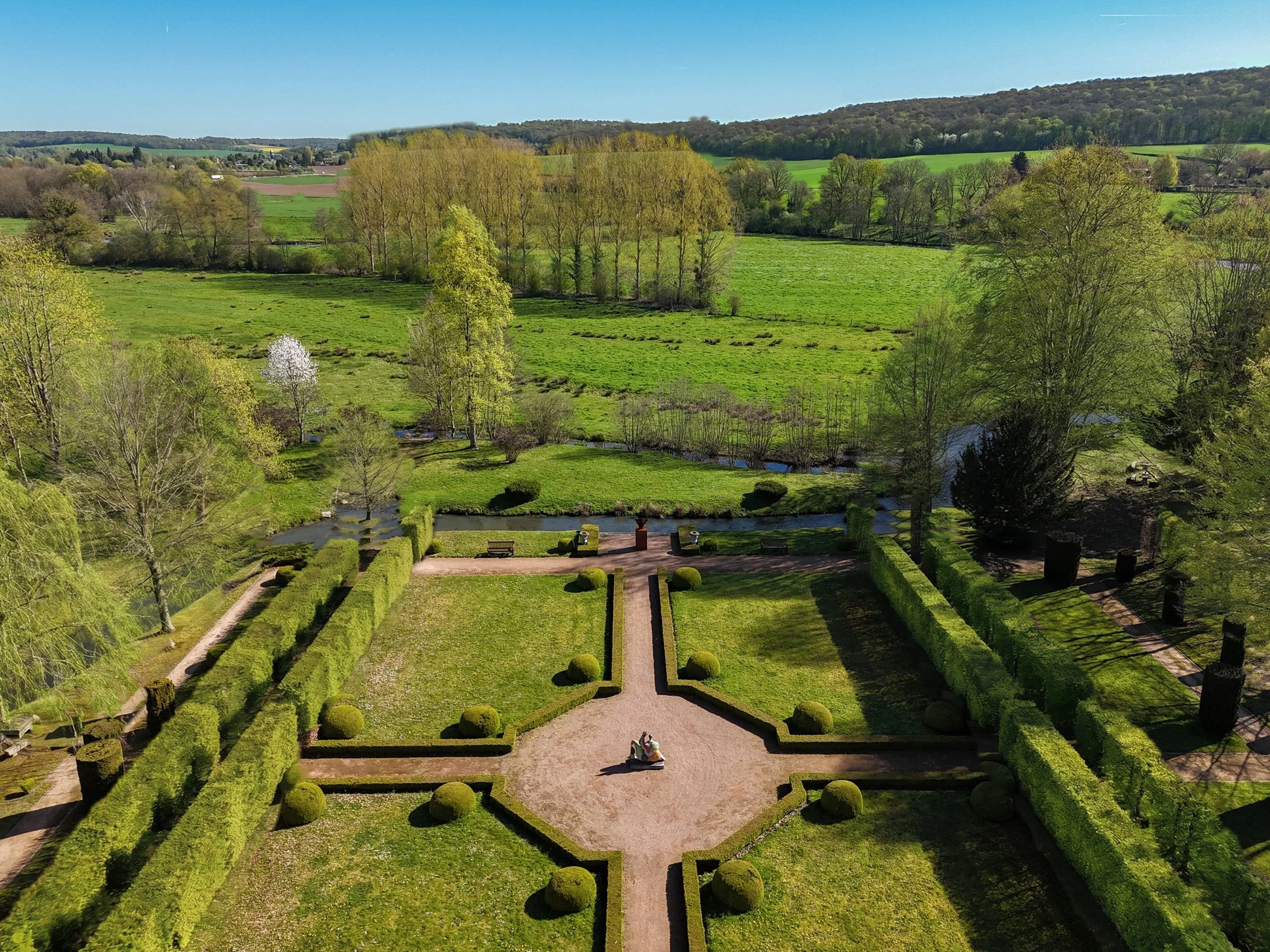
Set in Vascœuil, in the Eure department, the property sits in the Andelle Valley at the edge of the Forêt de Lyons, about 100 km / 62 miles from Paris and roughly 20 km / 12 miles from Rouen. The setting places it within one of Normandy’s quieter historic landscapes, close to Lyons-la-Forêt and within reach of the region’s major cultural routes.
The estate evolved from a fortified medieval house into a rural residence, a writer’s house, and, from 1970, a regional centre for art and history. Its layered identity is part of the appeal: this is not simply a château with grounds, but a site shaped by literature, garden design, exhibitions, and modern sculpture.
Denniel Immobilier
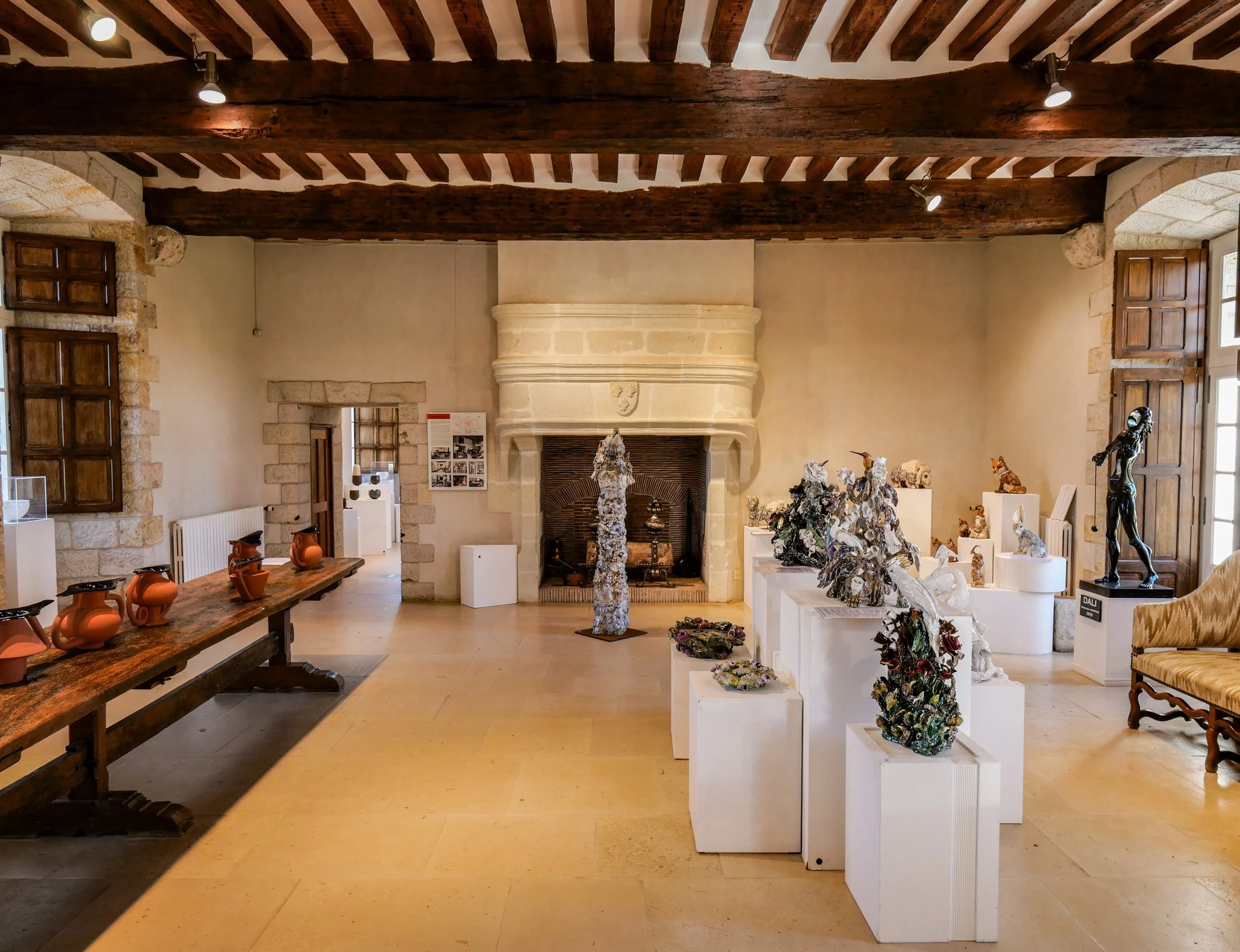
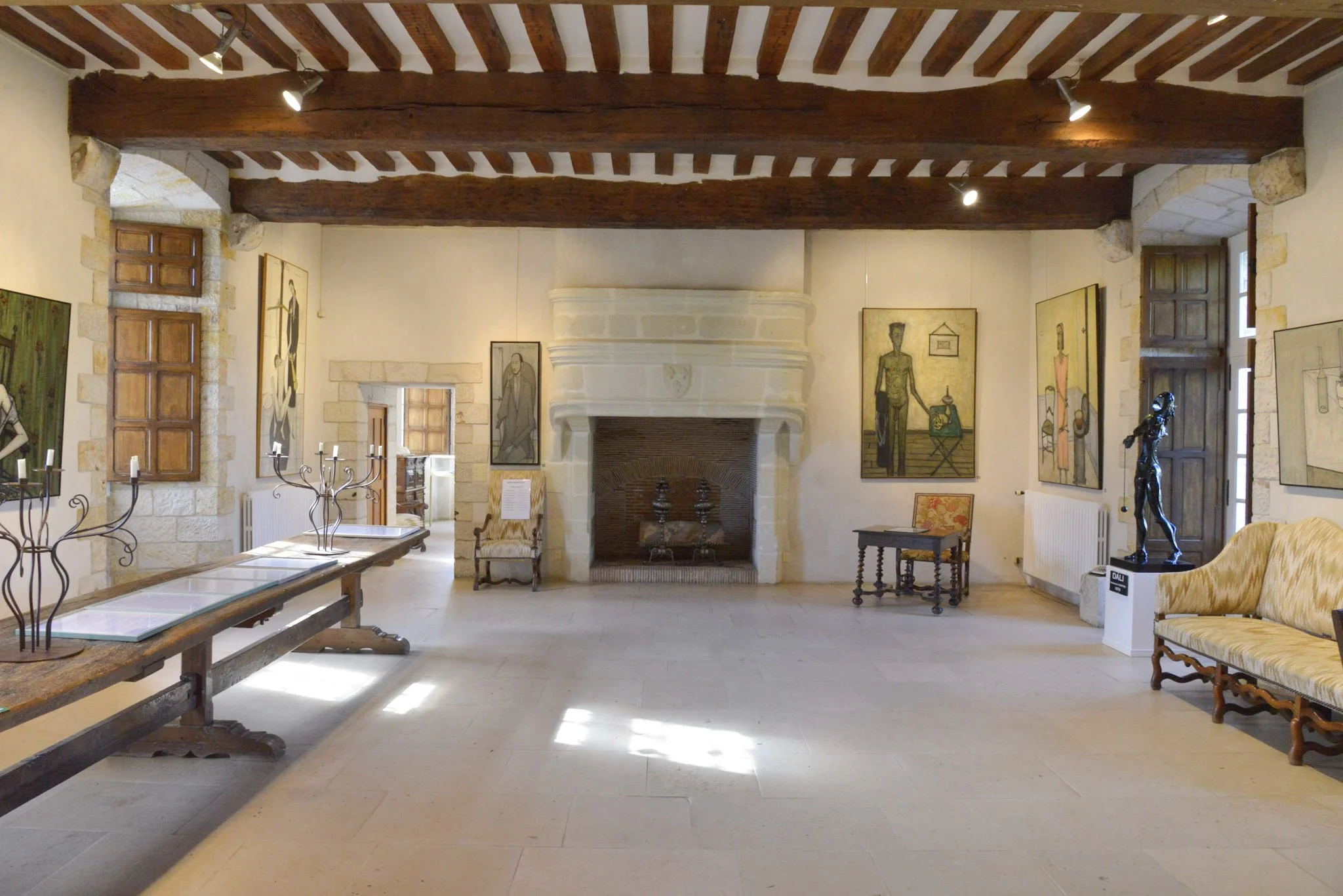
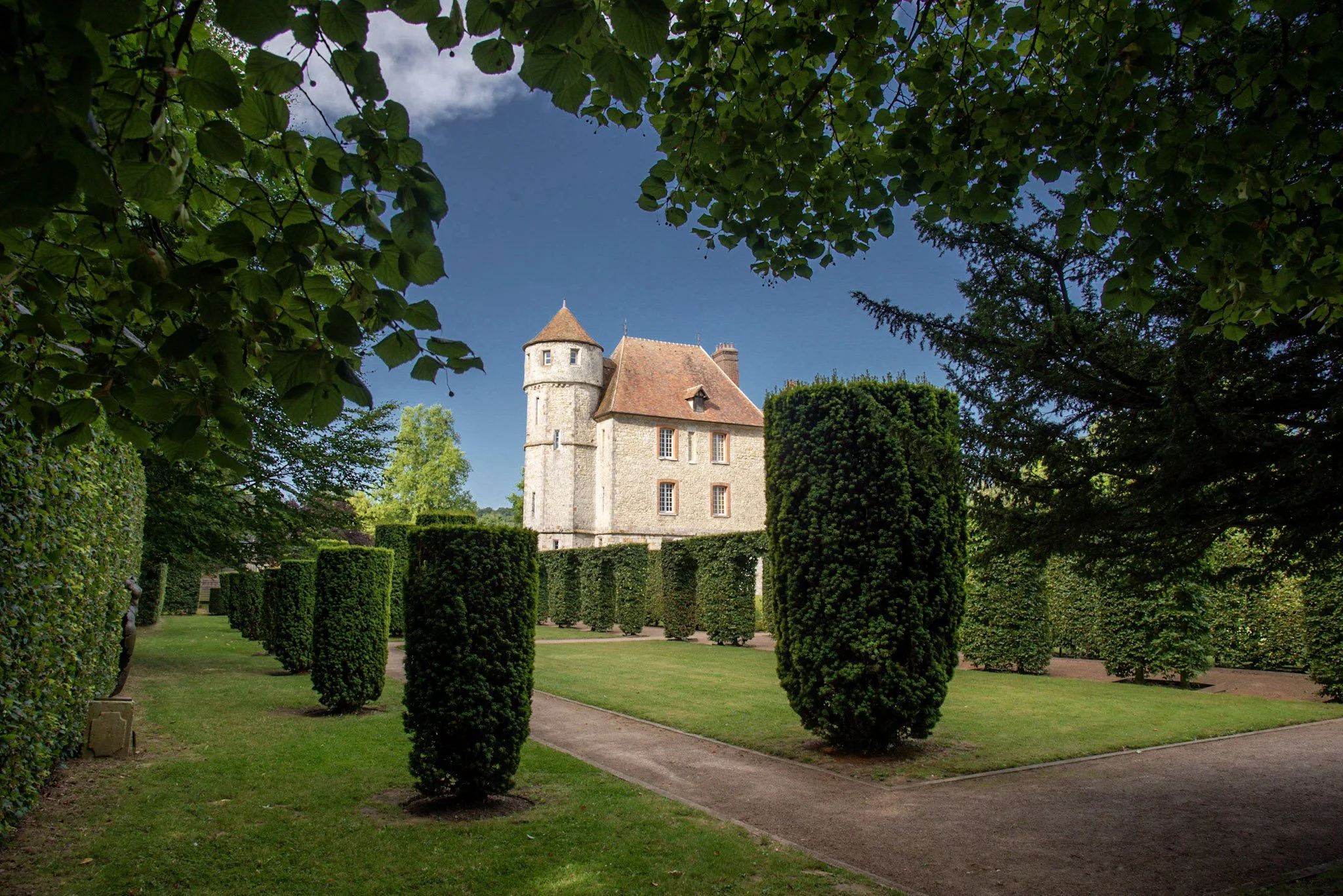
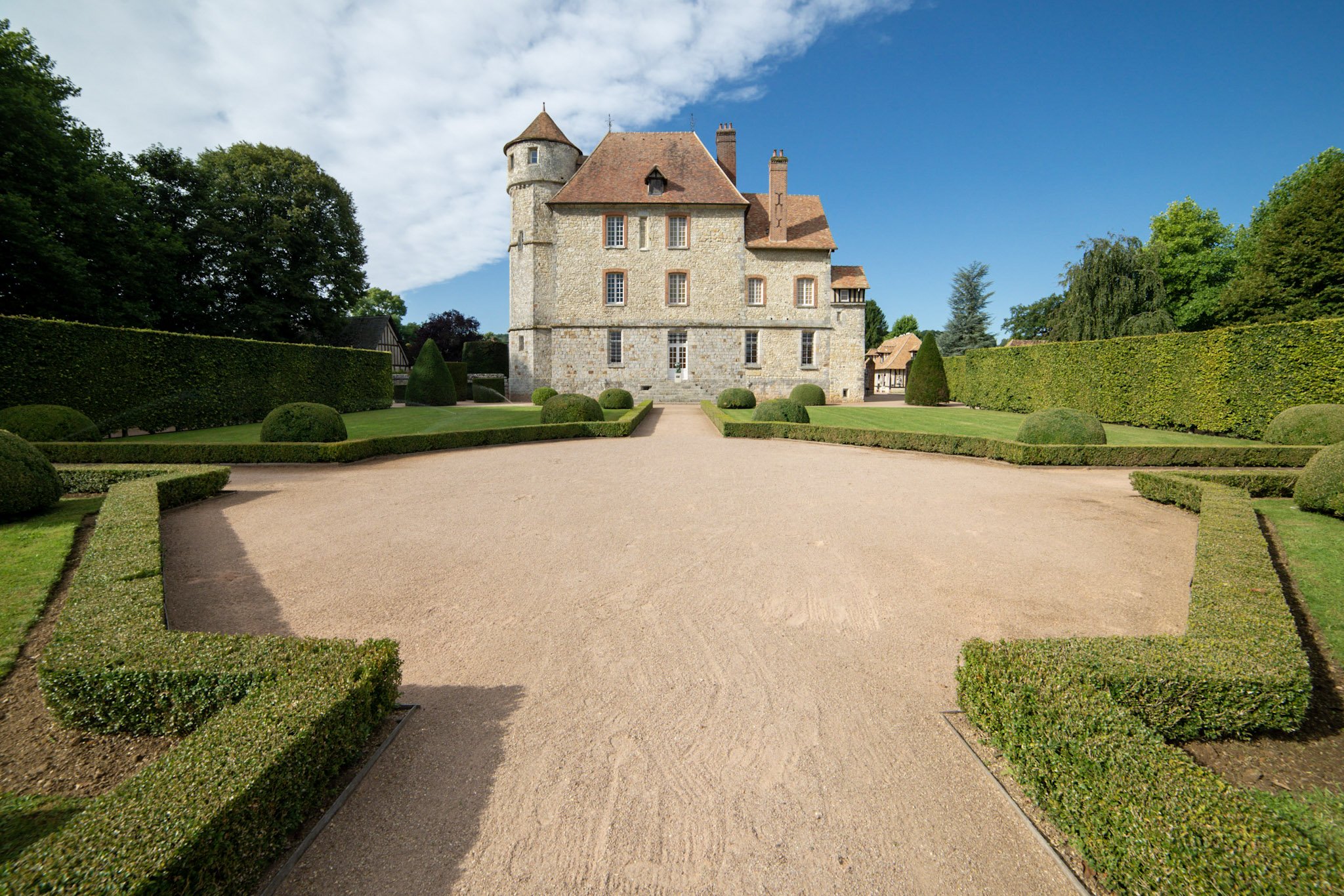
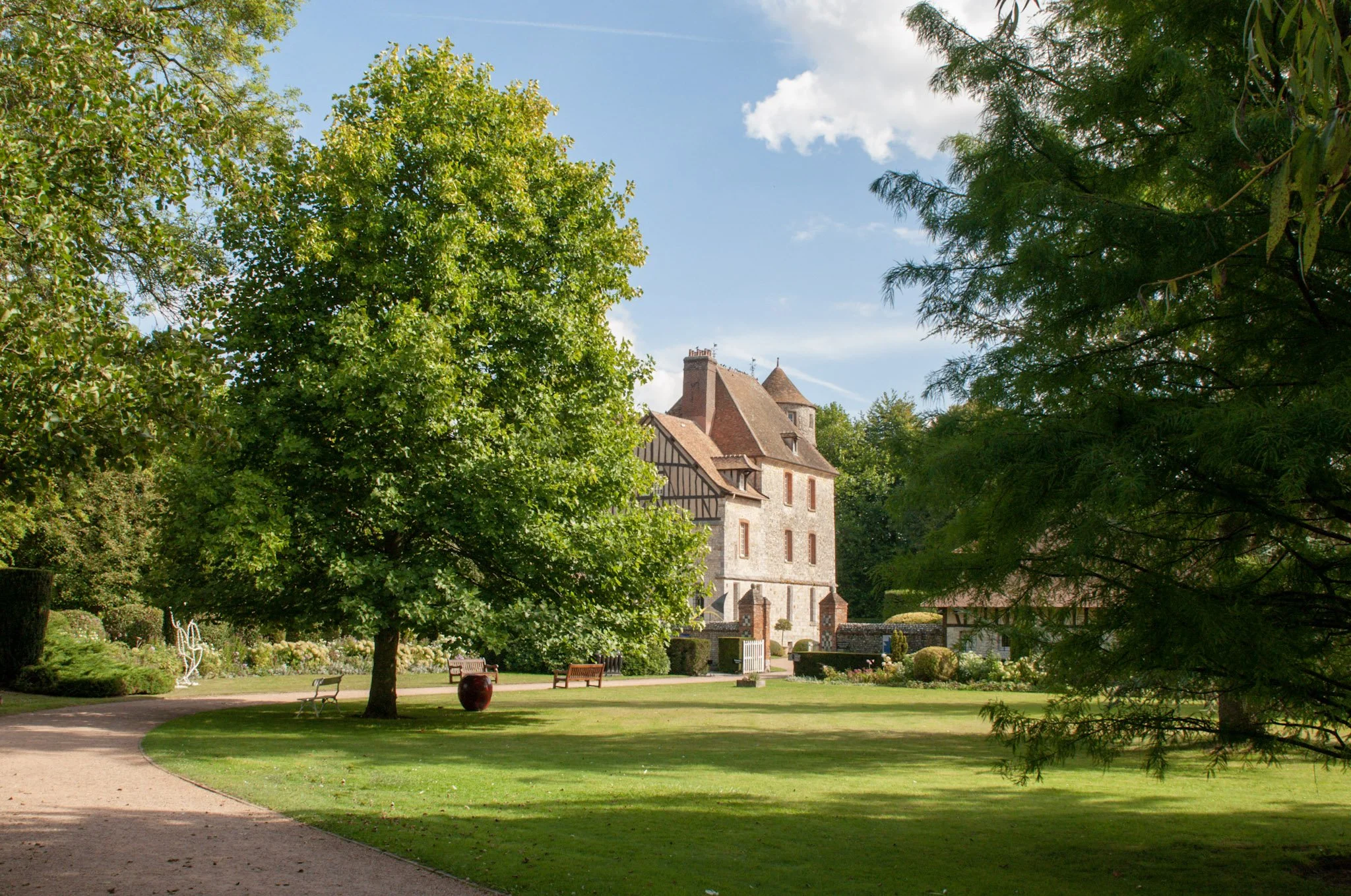
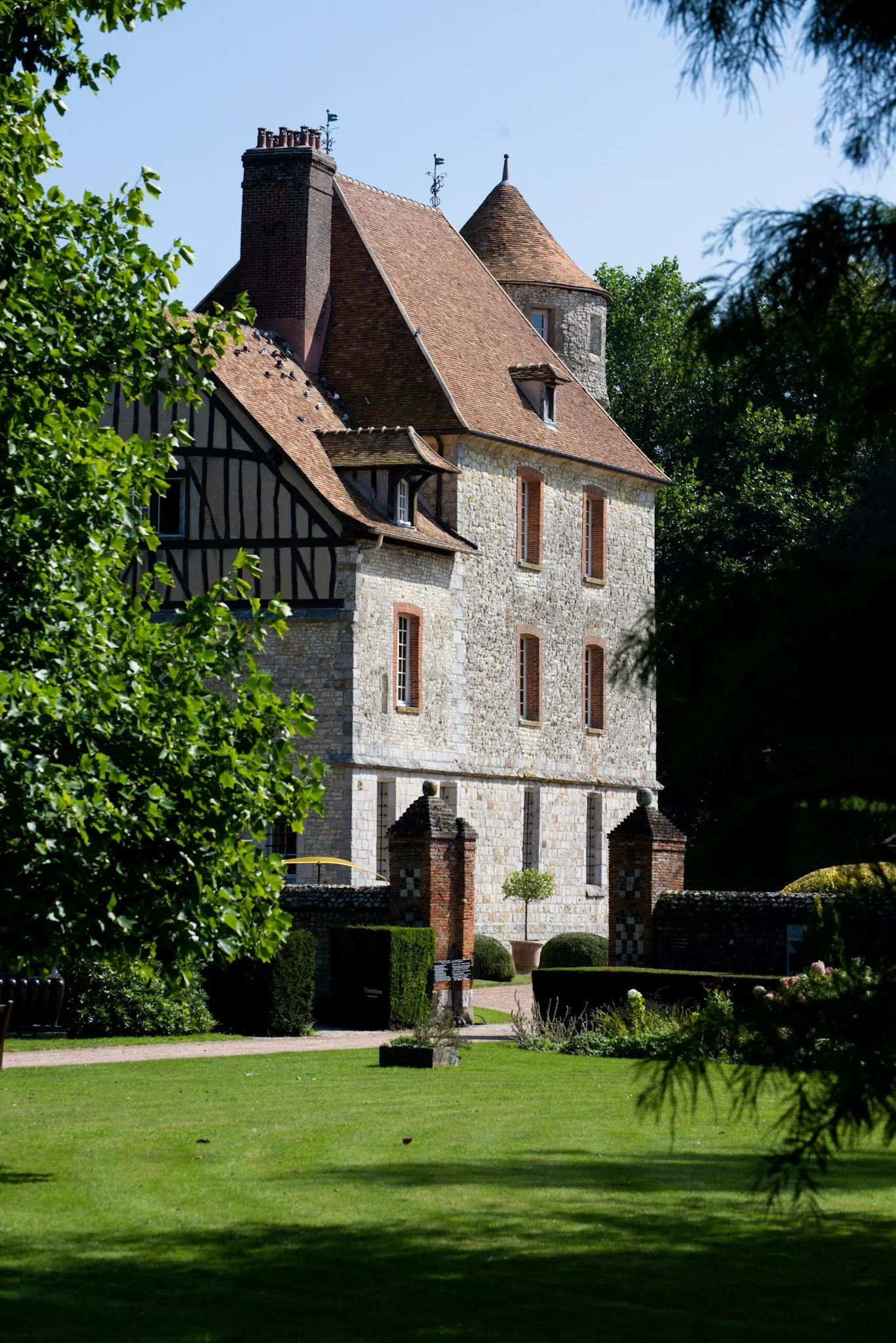
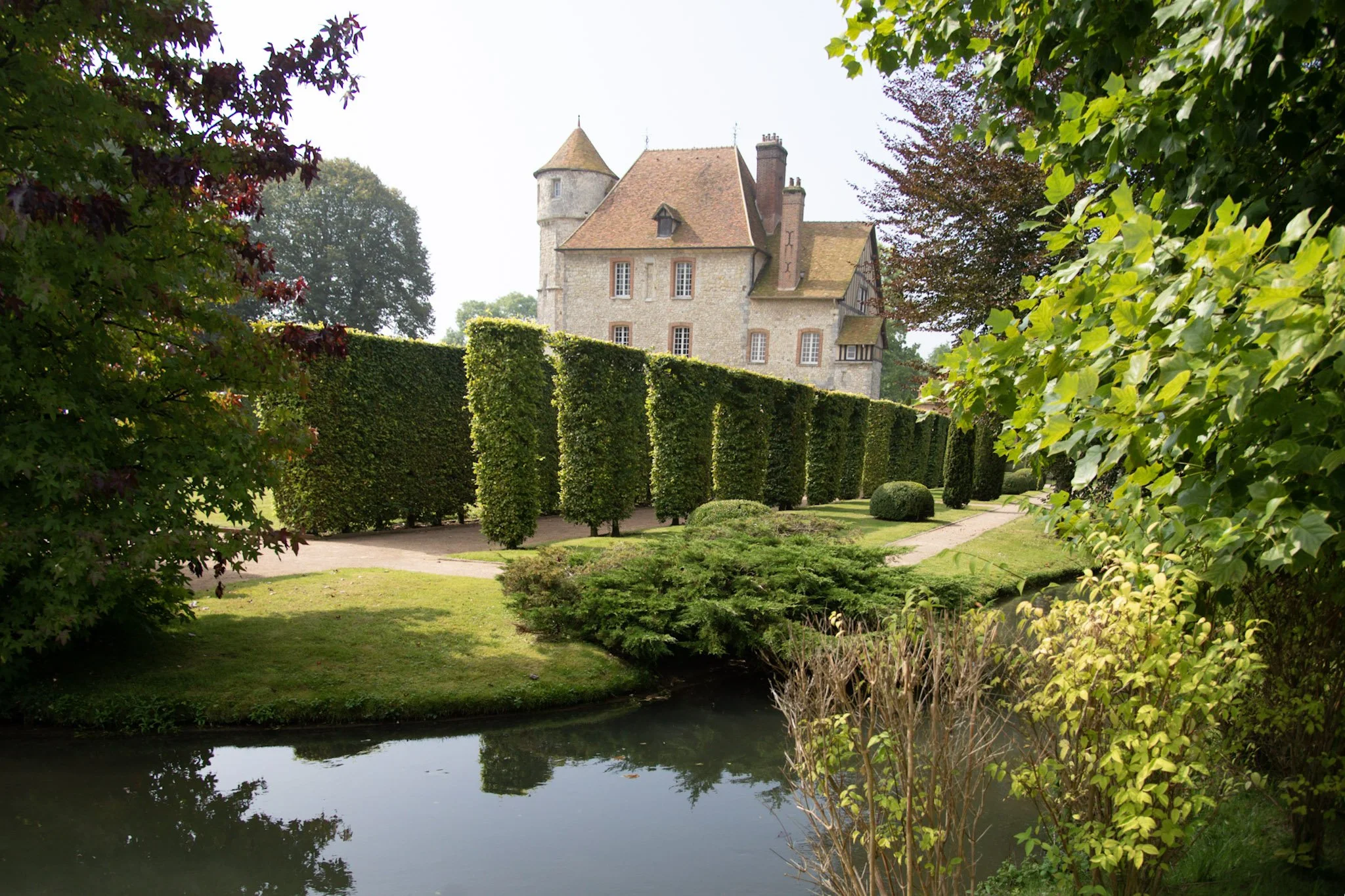
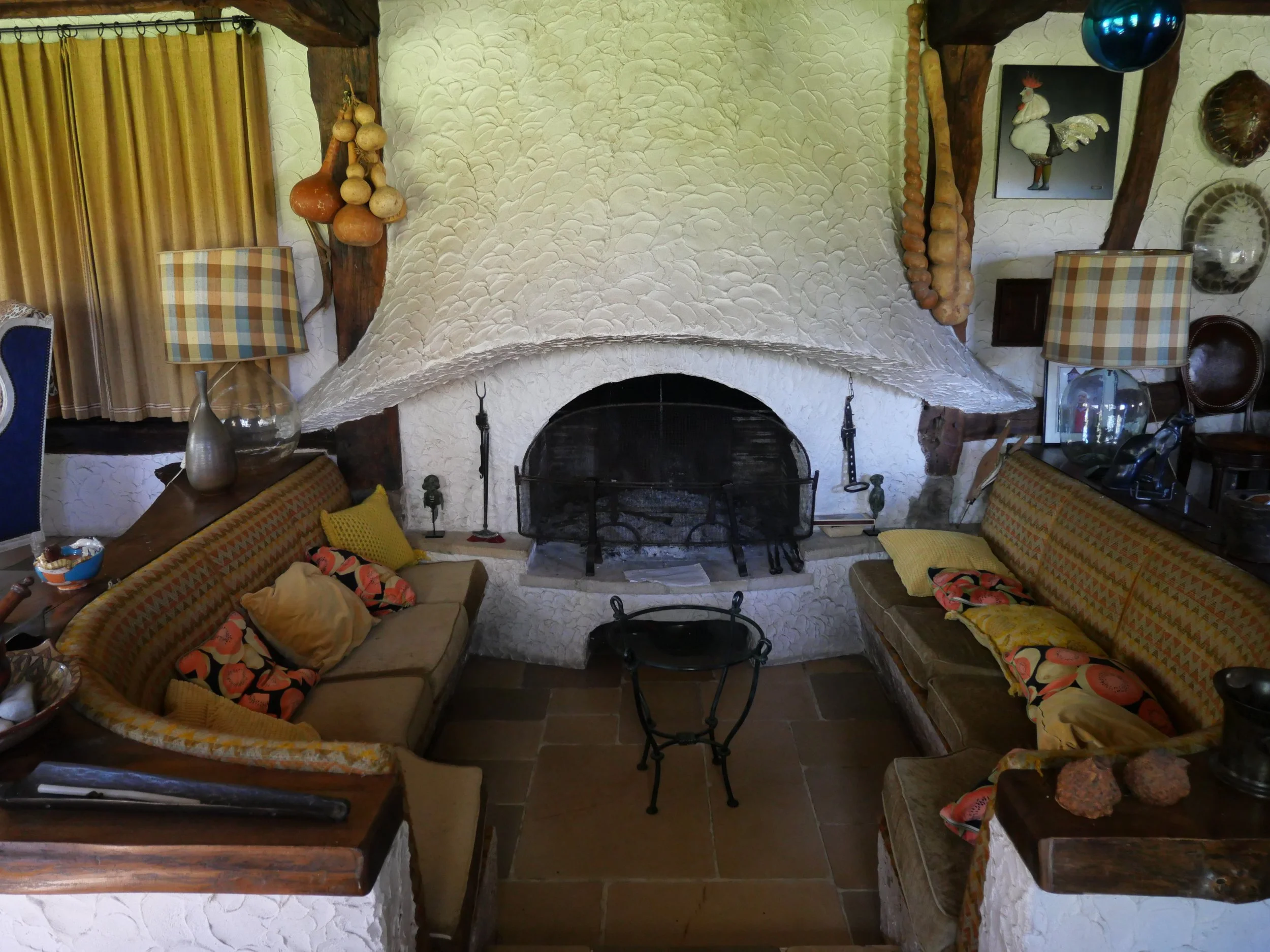
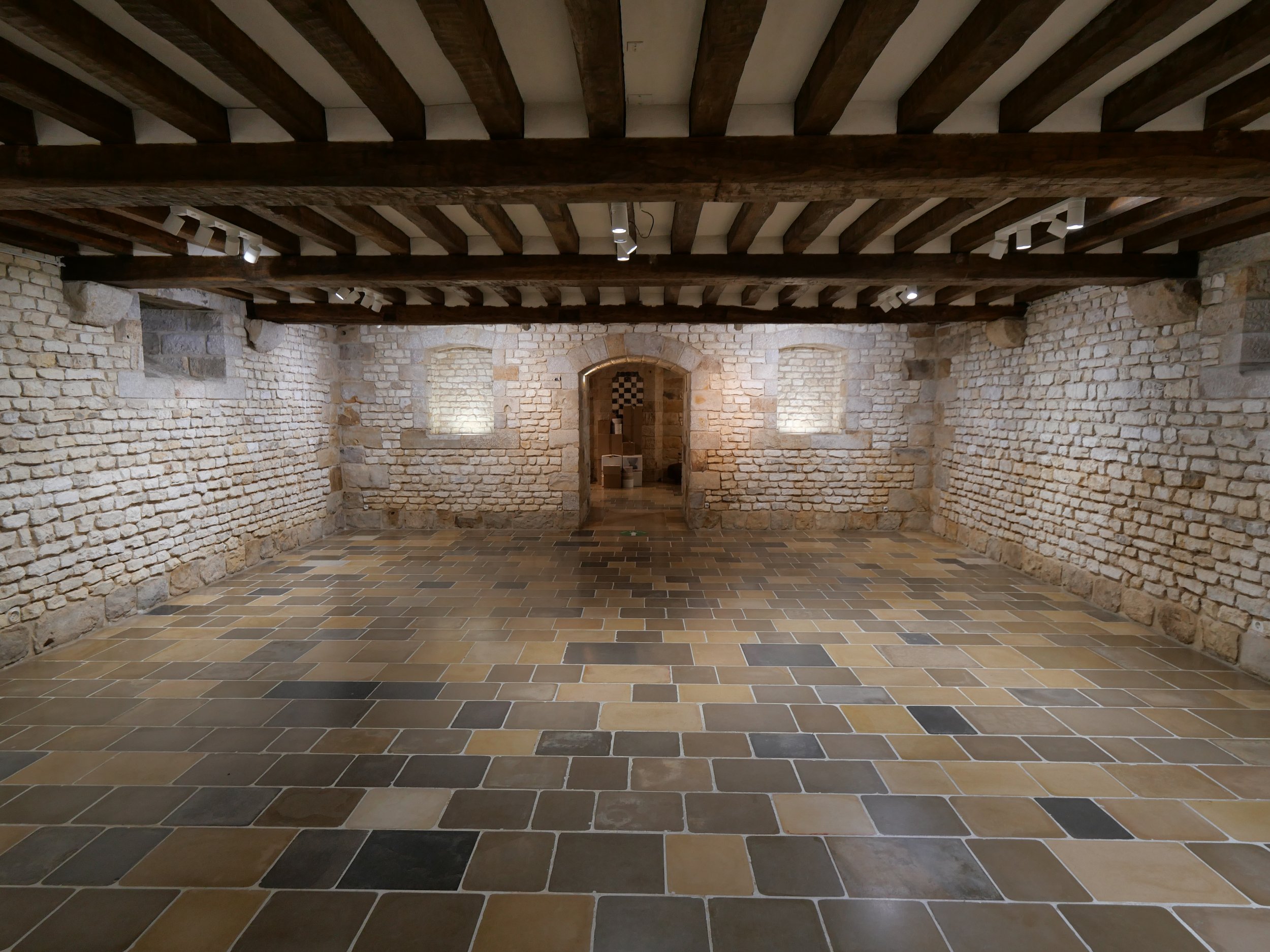
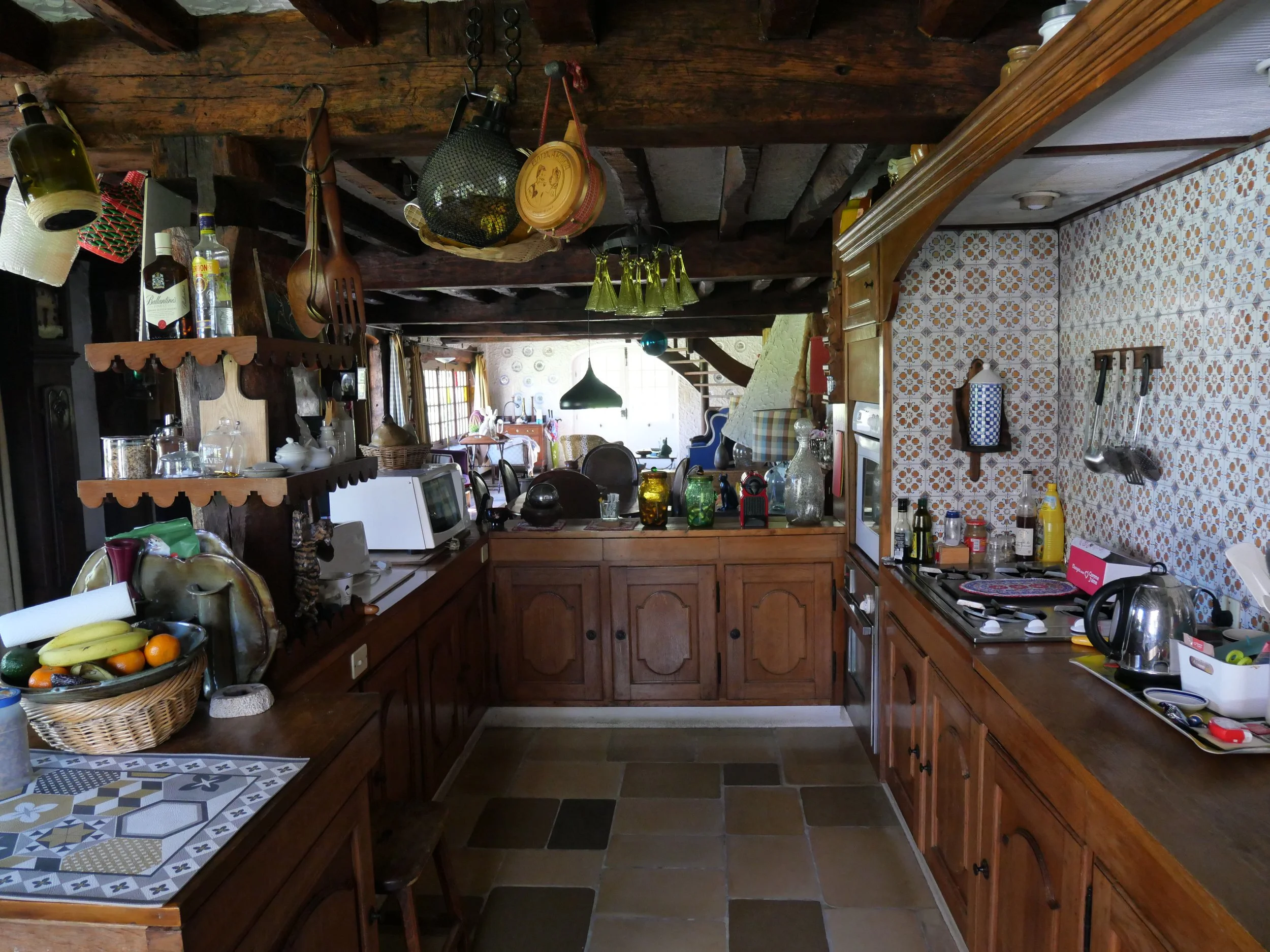
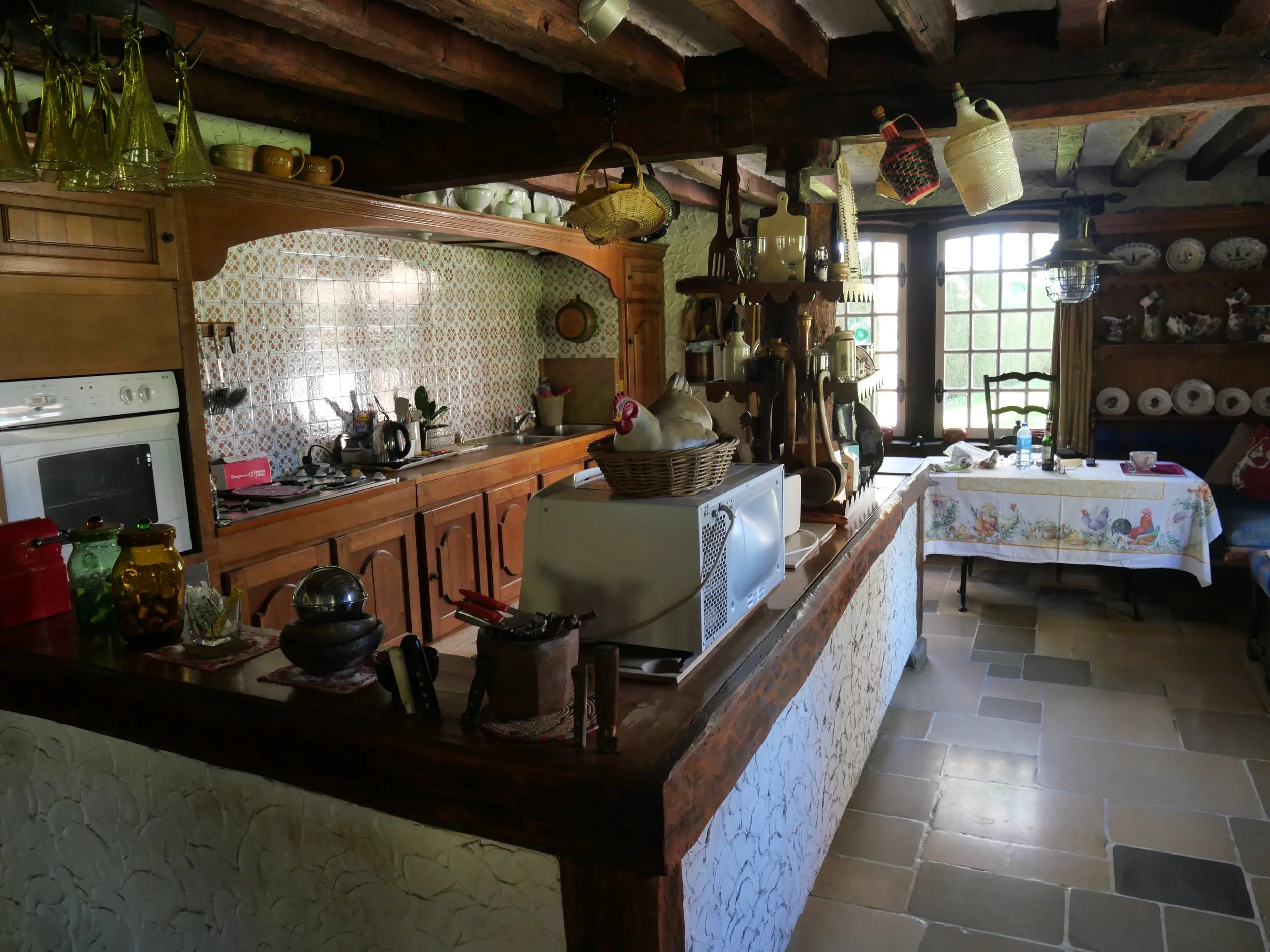
The château itself extends to approximately 550 m² / 5,920 ft², with six large reception rooms, preserved decorative details, and a private apartment. Across the wider estate, the built area totals approximately 1,100 m² / 11,840 ft² and includes six independent houses and several historic outbuildings.
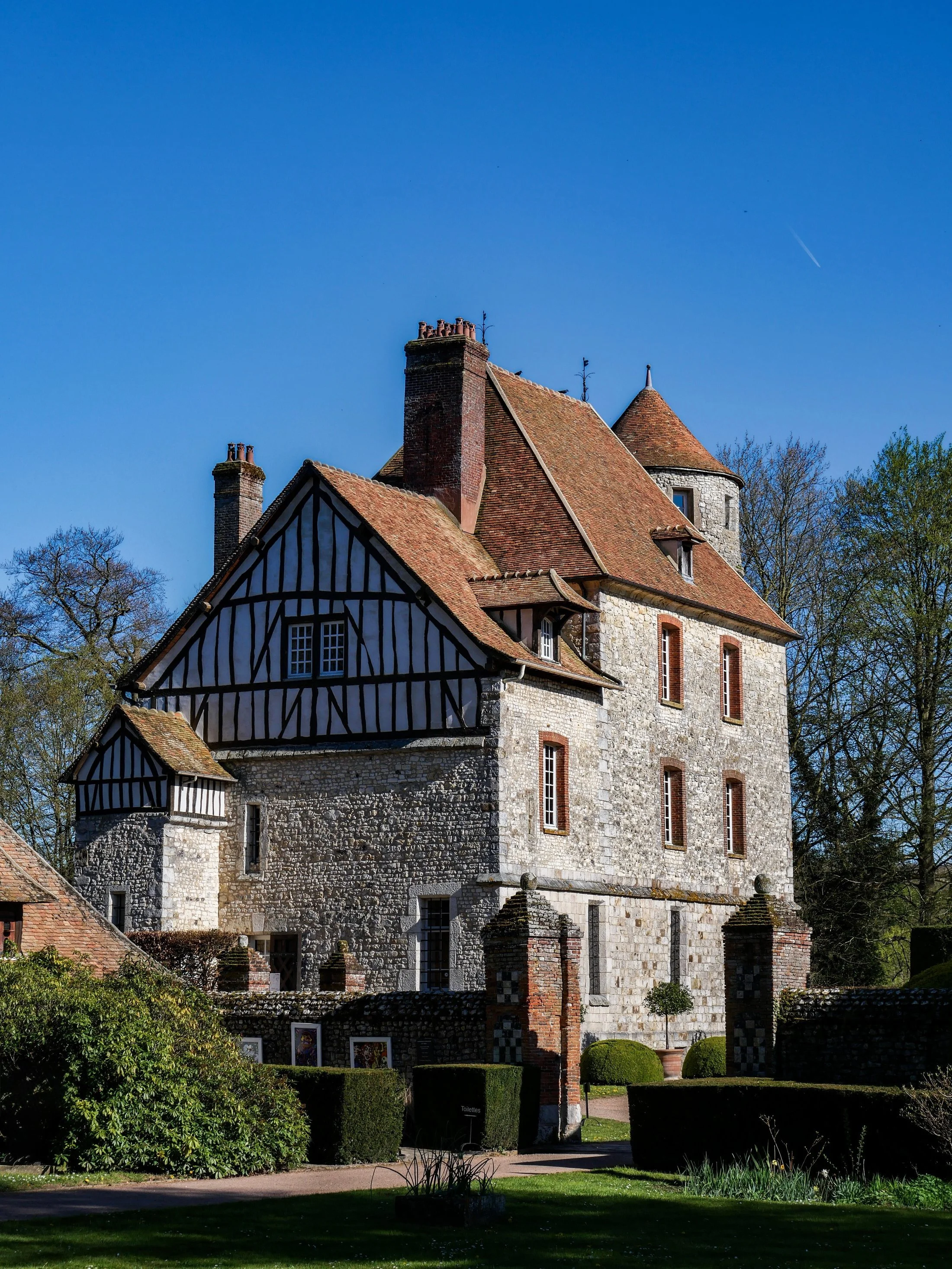
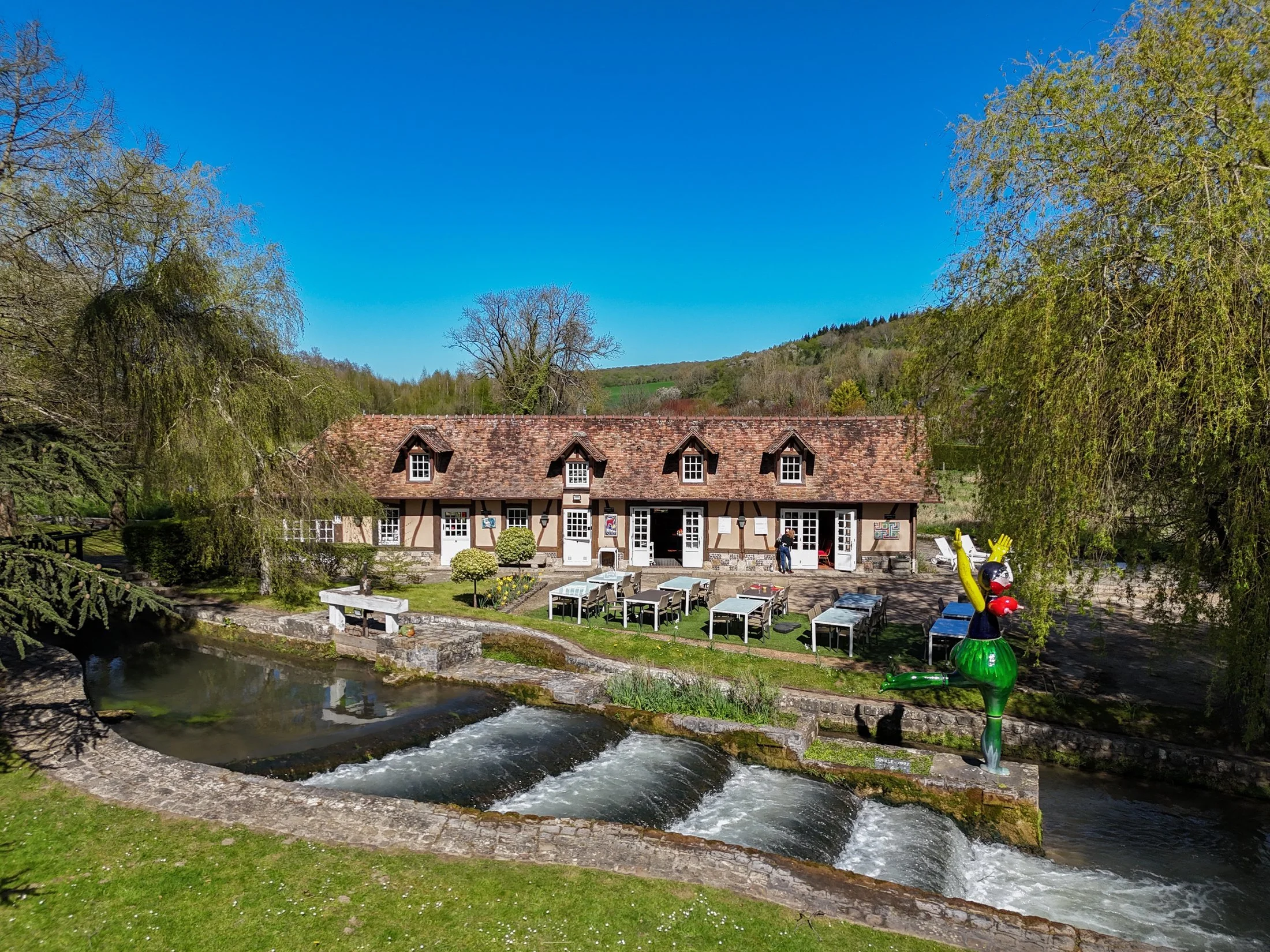
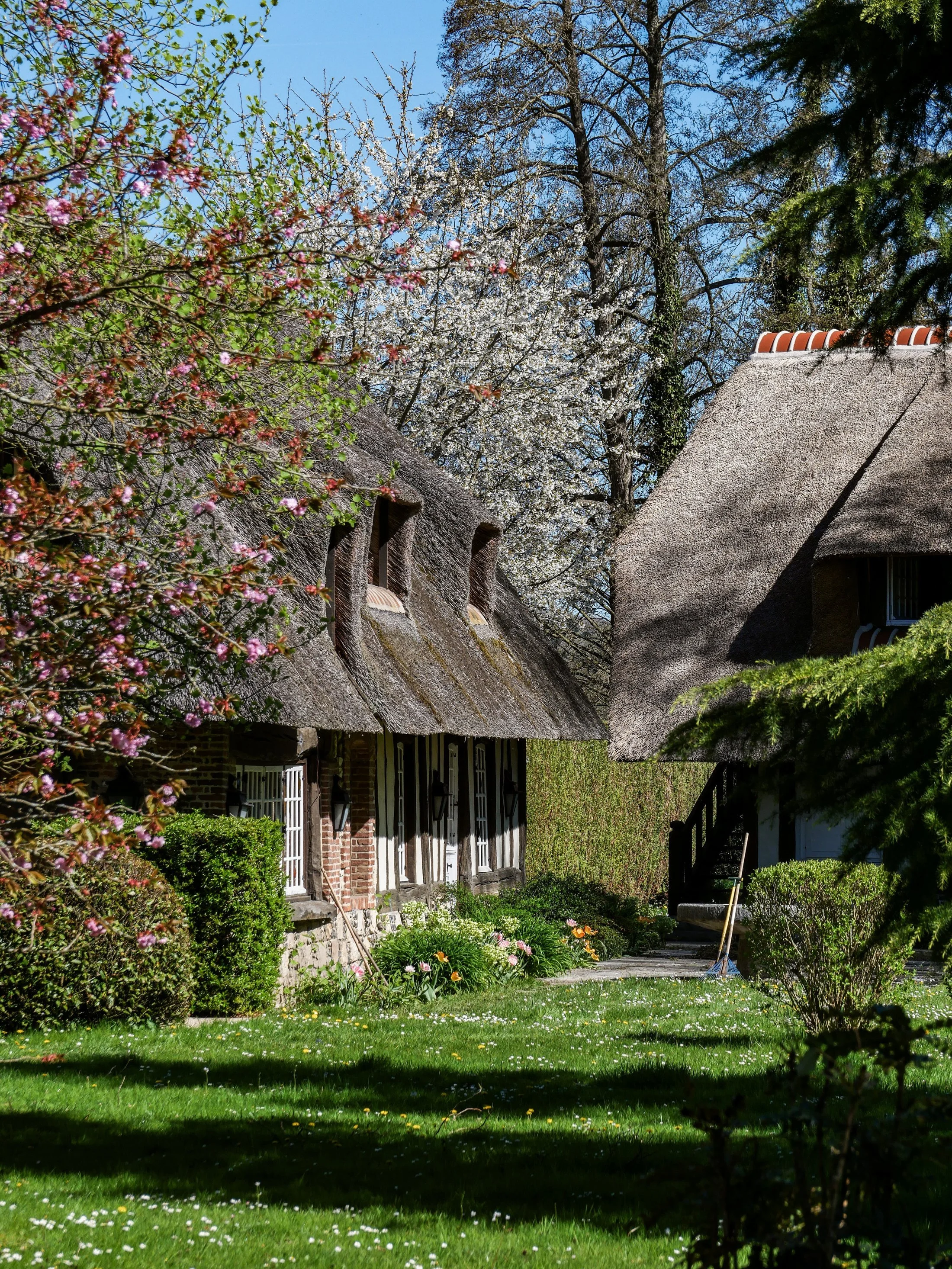
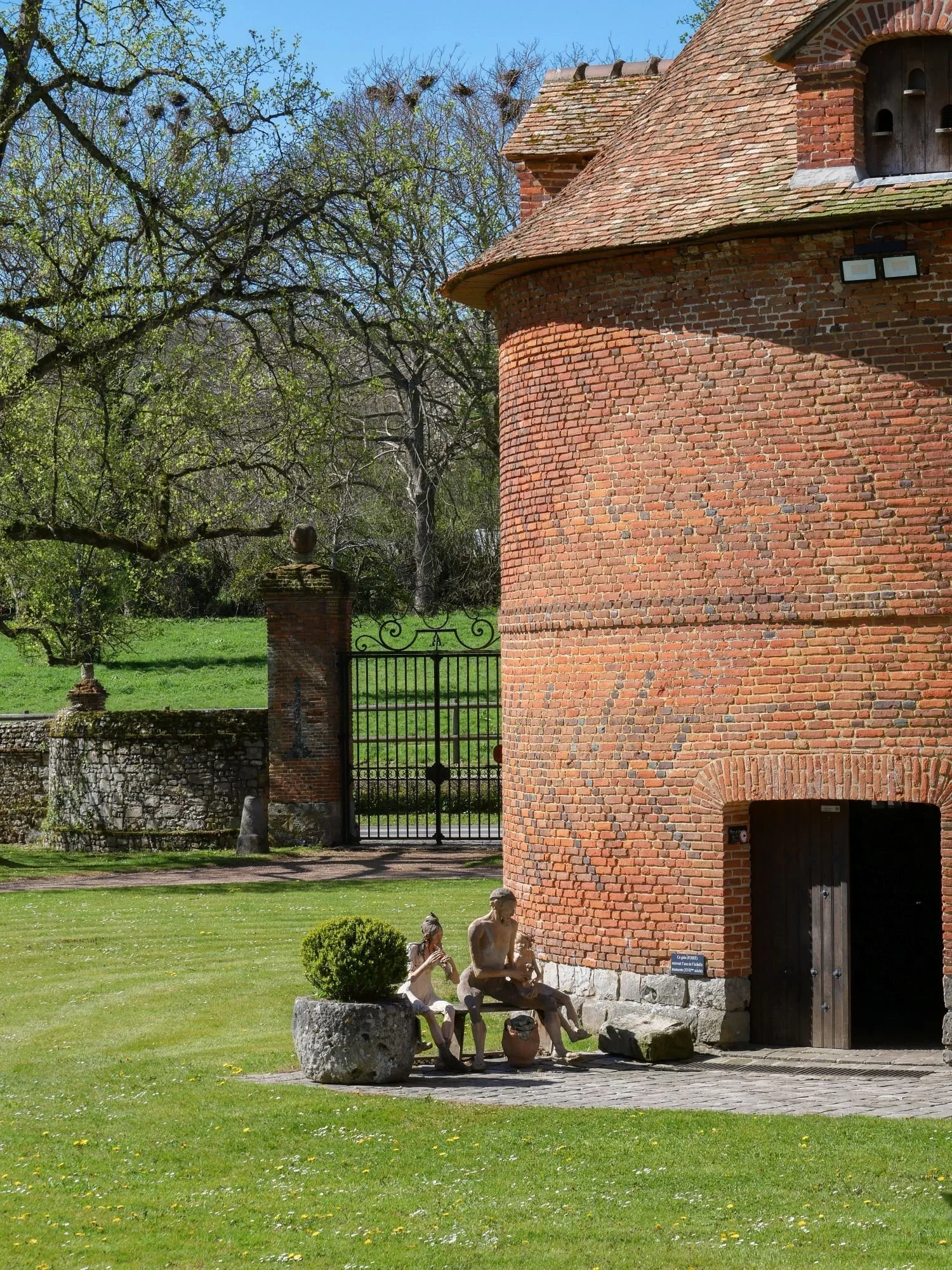
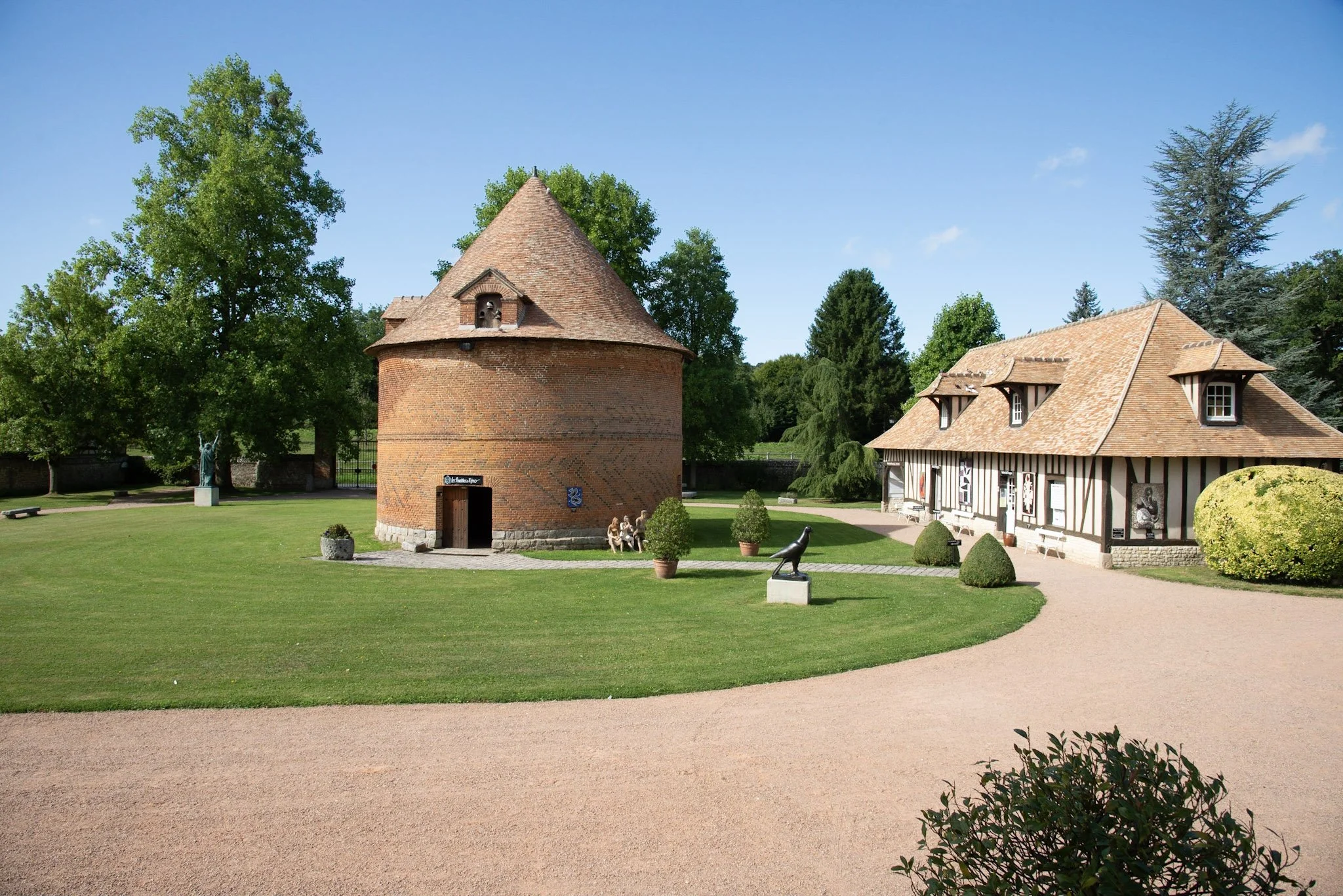
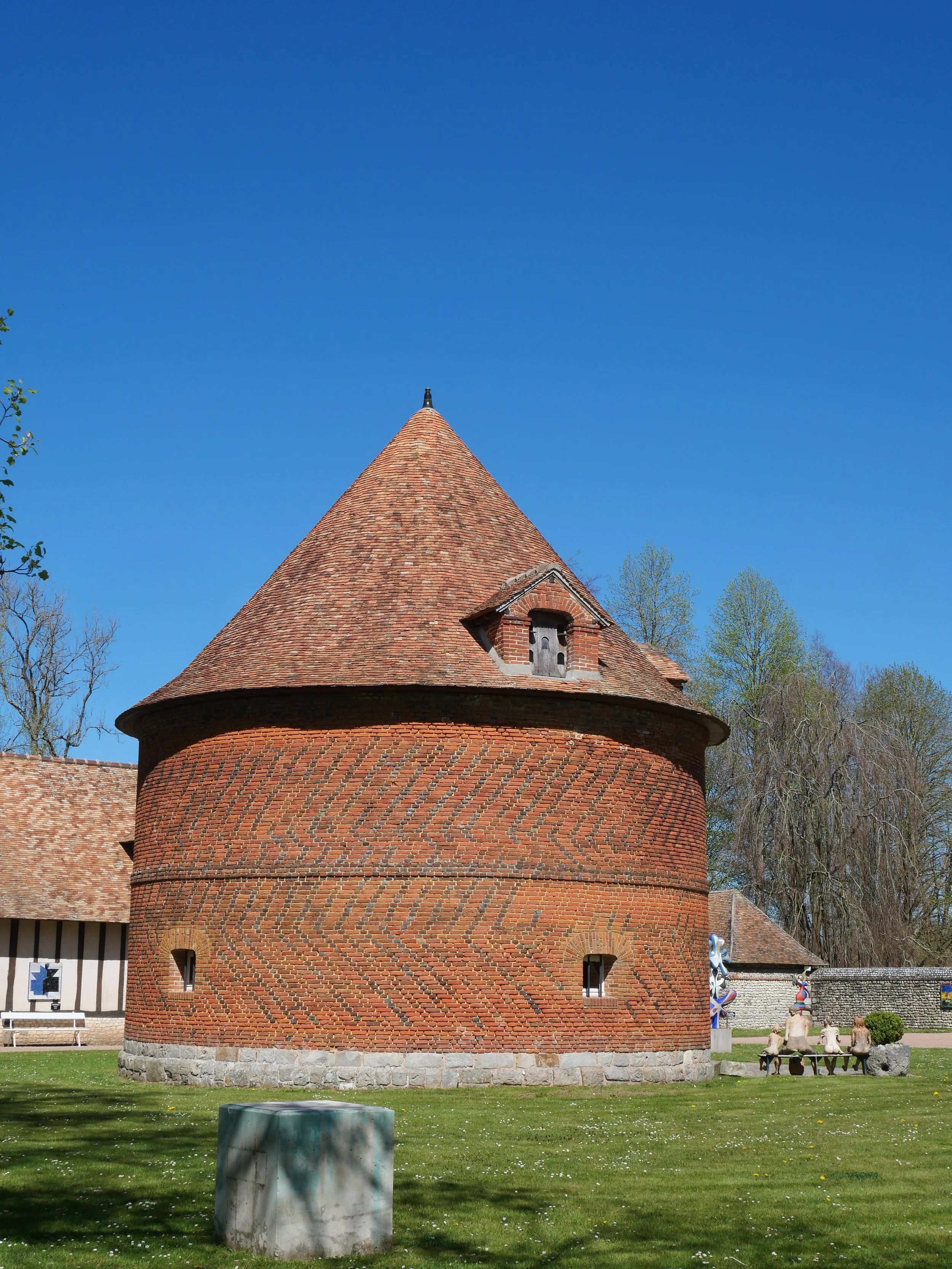
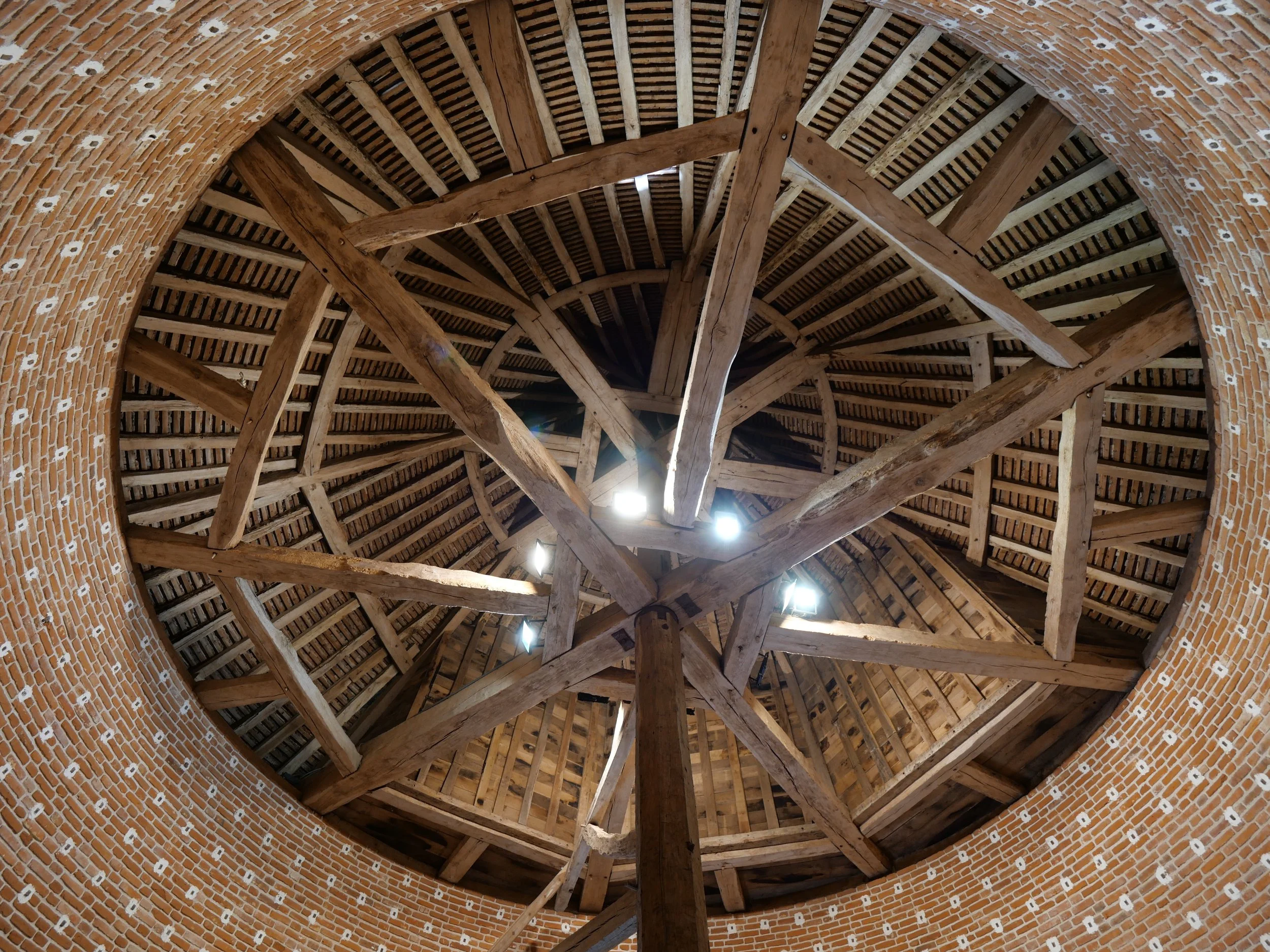
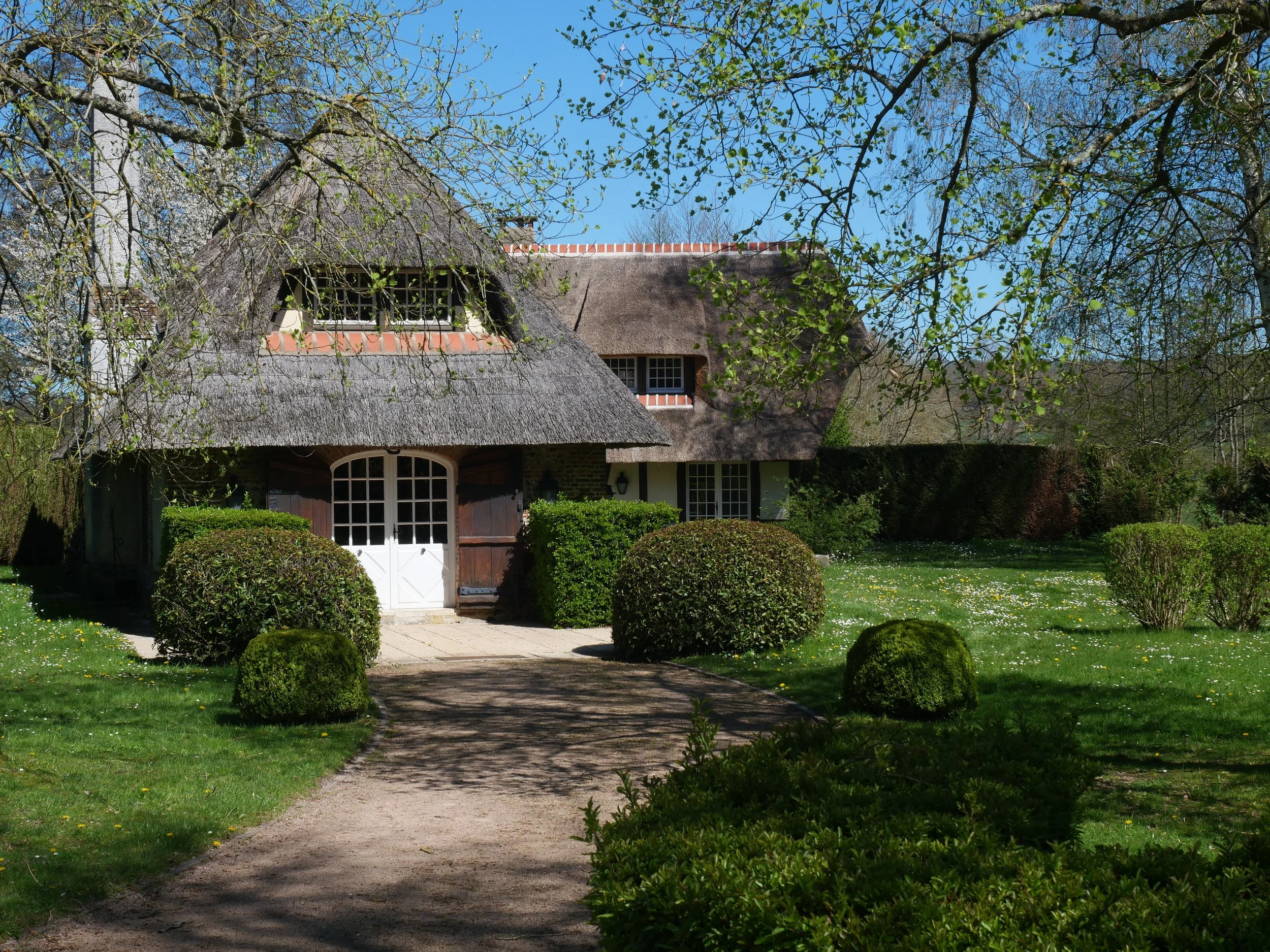
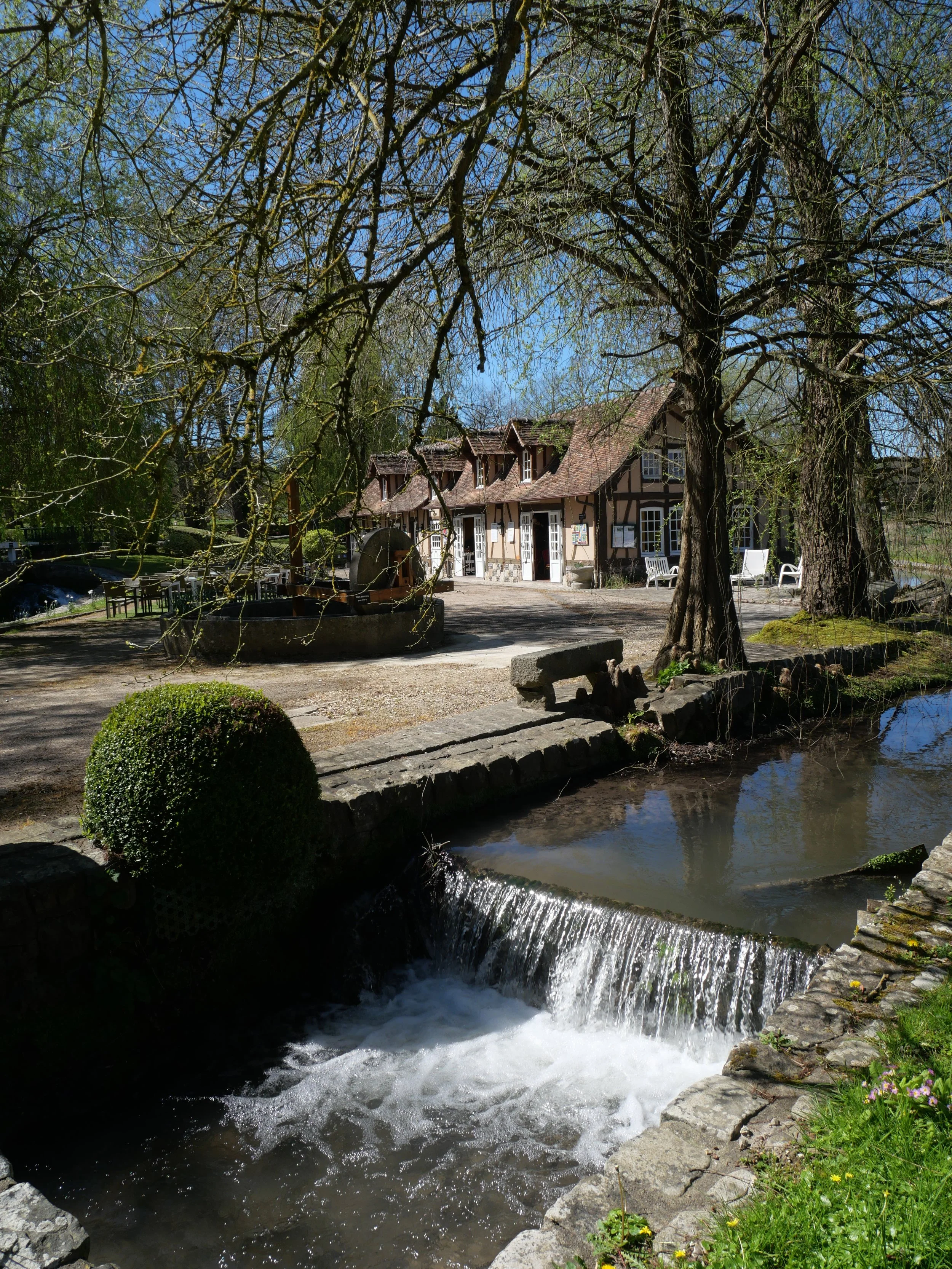
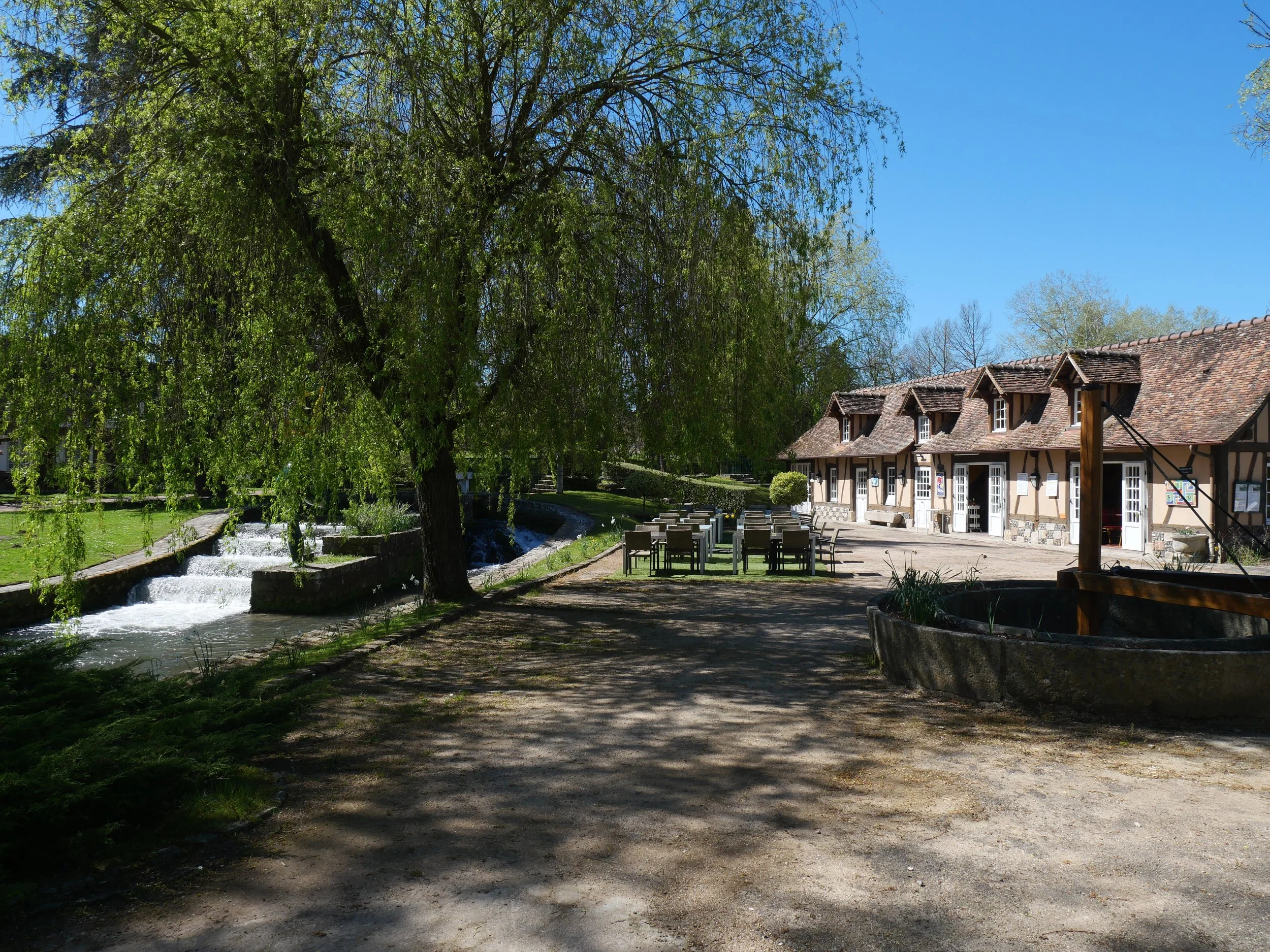
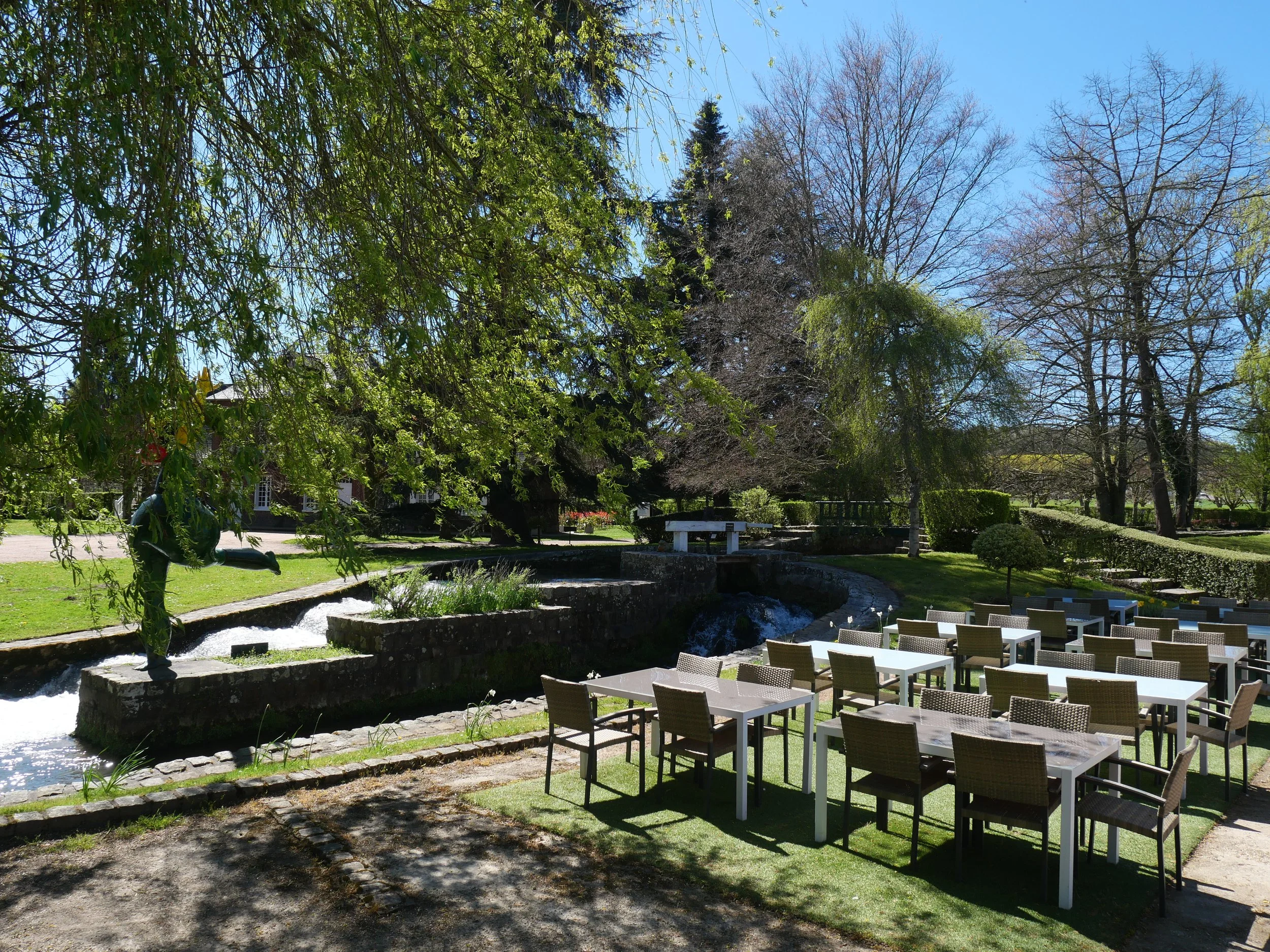
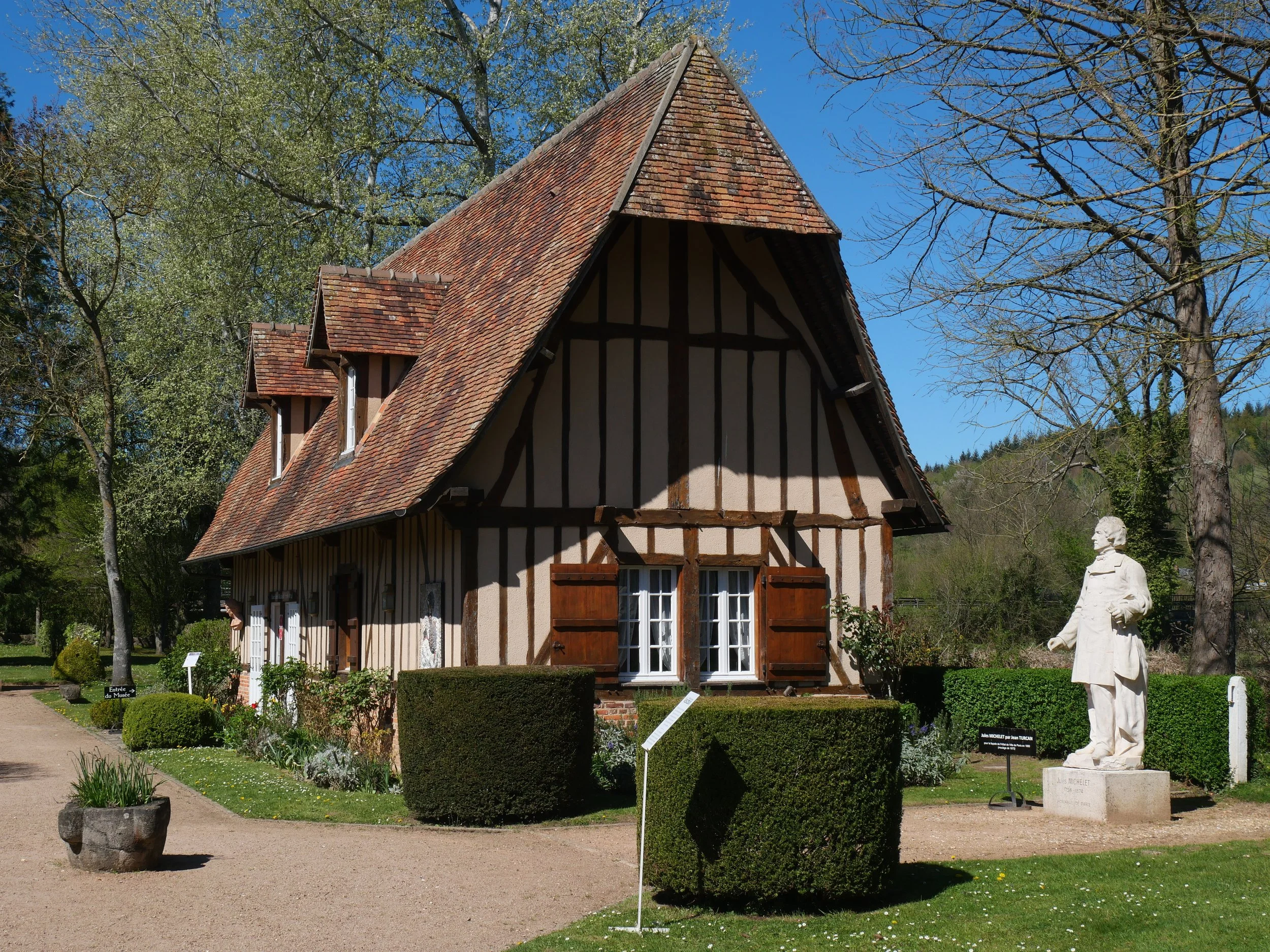
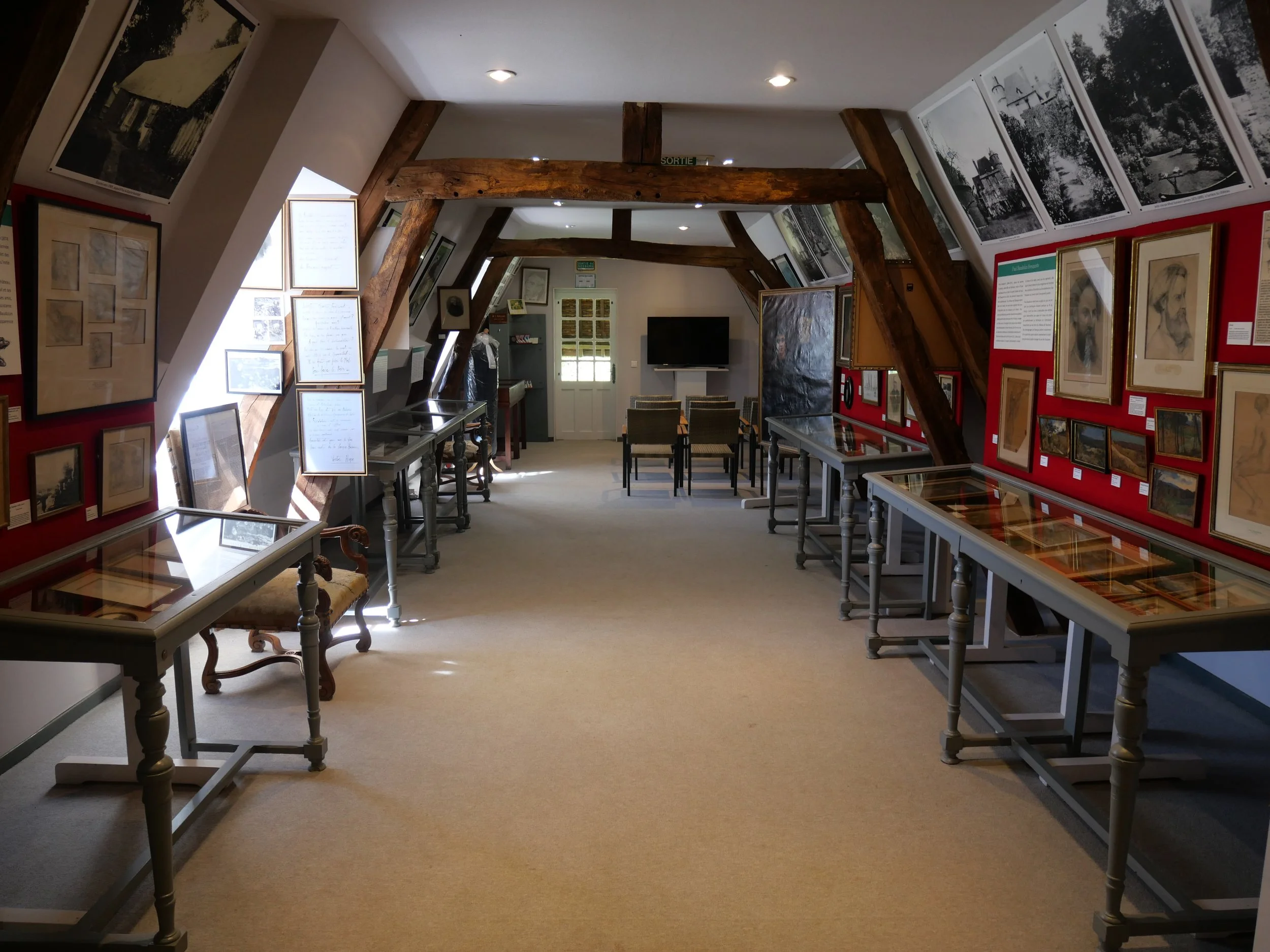
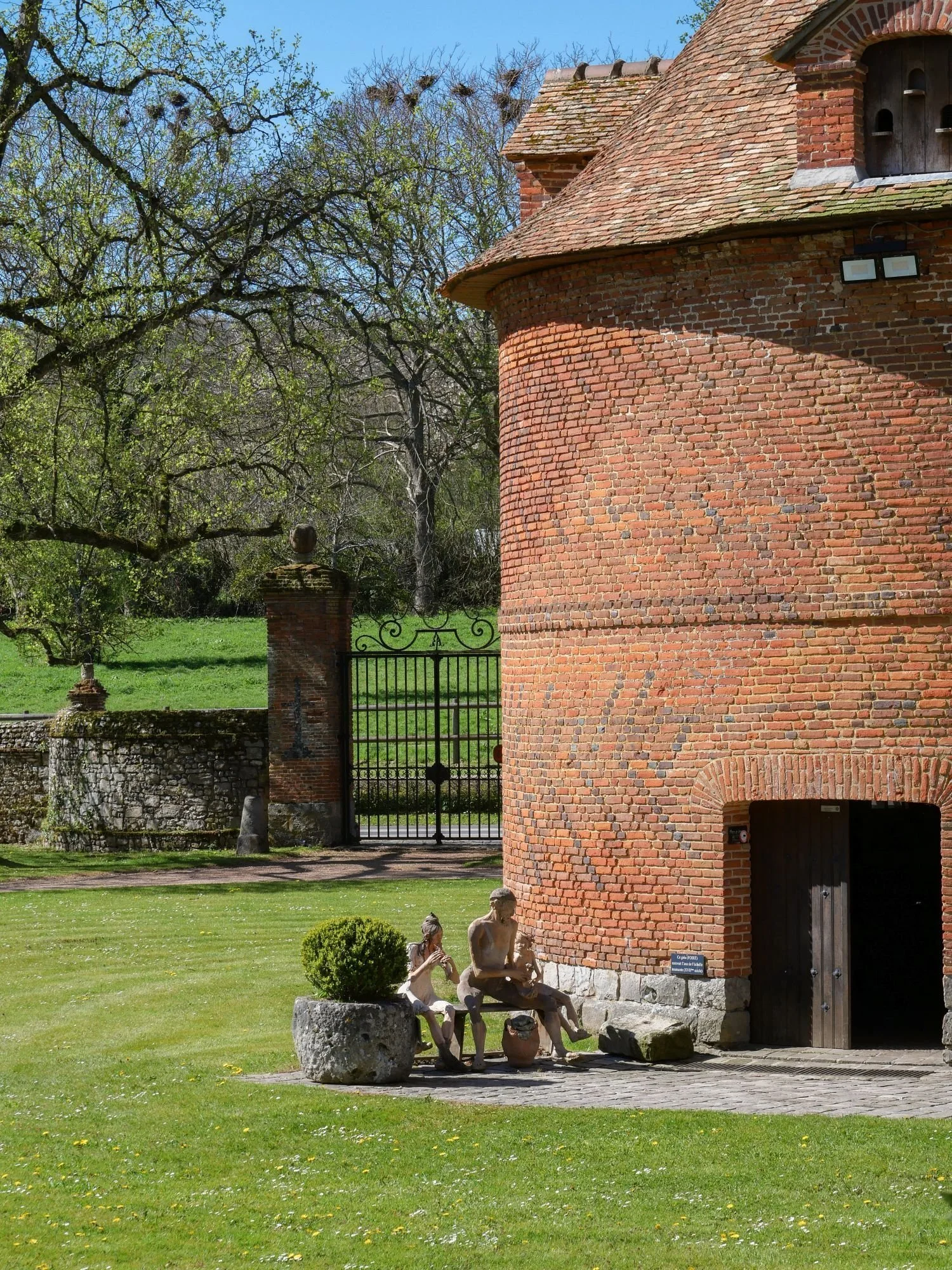
The ensemble includes a 17th-century dovecote with its original timber frame and internal rotating ladder, a 19th-century brick caretaker’s house, restored former half-timbered stables now used as a shop and apartment, an 18th-century half-timbered house converted into a museum, a tea-room restaurant with 70 covers and a riverside terrace, two independent thatched cottages, an agricultural outbuilding, and parking for 42 cars.
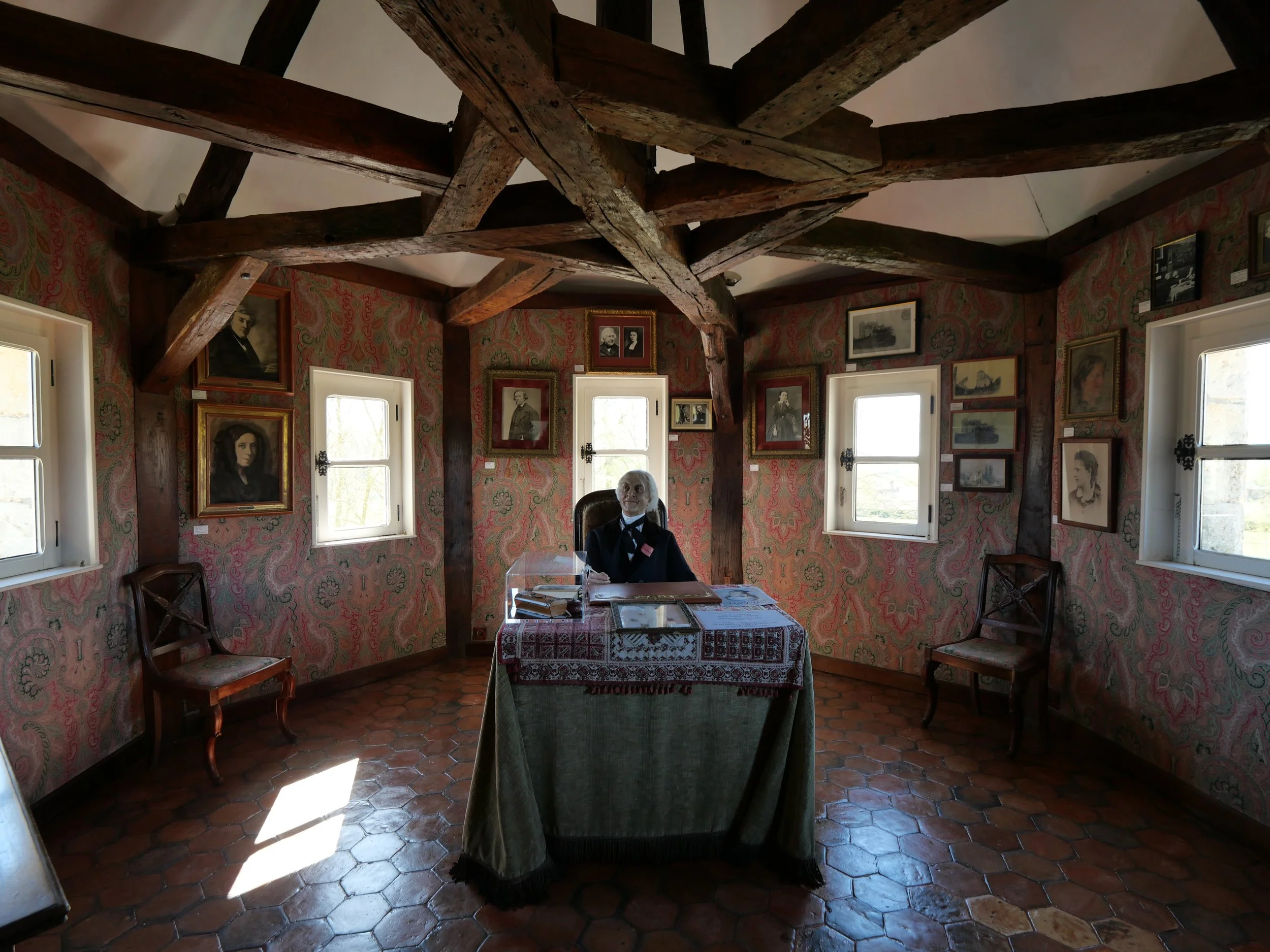
The château’s literary association comes through Jules Michelet, one of the defining French historians of the 19th century. Michelet lived and worked at the estate from 1841 to 1861, writing an important part of his work there, including sections of Histoire de France and Histoire de la Révolution française. His approach helped shape a Romantic and republican vision of French history, one centred not only on rulers and institutions, but on the people, revolution, liberty, and national memory.
A Michelet museum now occupies one of the outbuildings, while the historian’s study has been reconstructed in the château’s tower. The connection gives the estate a literary and intellectual dimension beyond its architecture, linking it to one of the major historical voices of 19th-century France.
In the 20th century, the estate entered a new chapter. In 1970, the château, dovecote, and independent houses were converted into a regional art centre. Since then, the estate has exhibited works by internationally recognised artists, with listing materials naming Victor Vasarely, Salvador Dalí, Leonor Fini, and Georges Mathieu among those connected to its exhibition history. Public tourism materials also describe the estate’s modern sculpture park as including works by artists such as Braque, Dalí, Vasarely, and Volti.
Denniel Immobilier
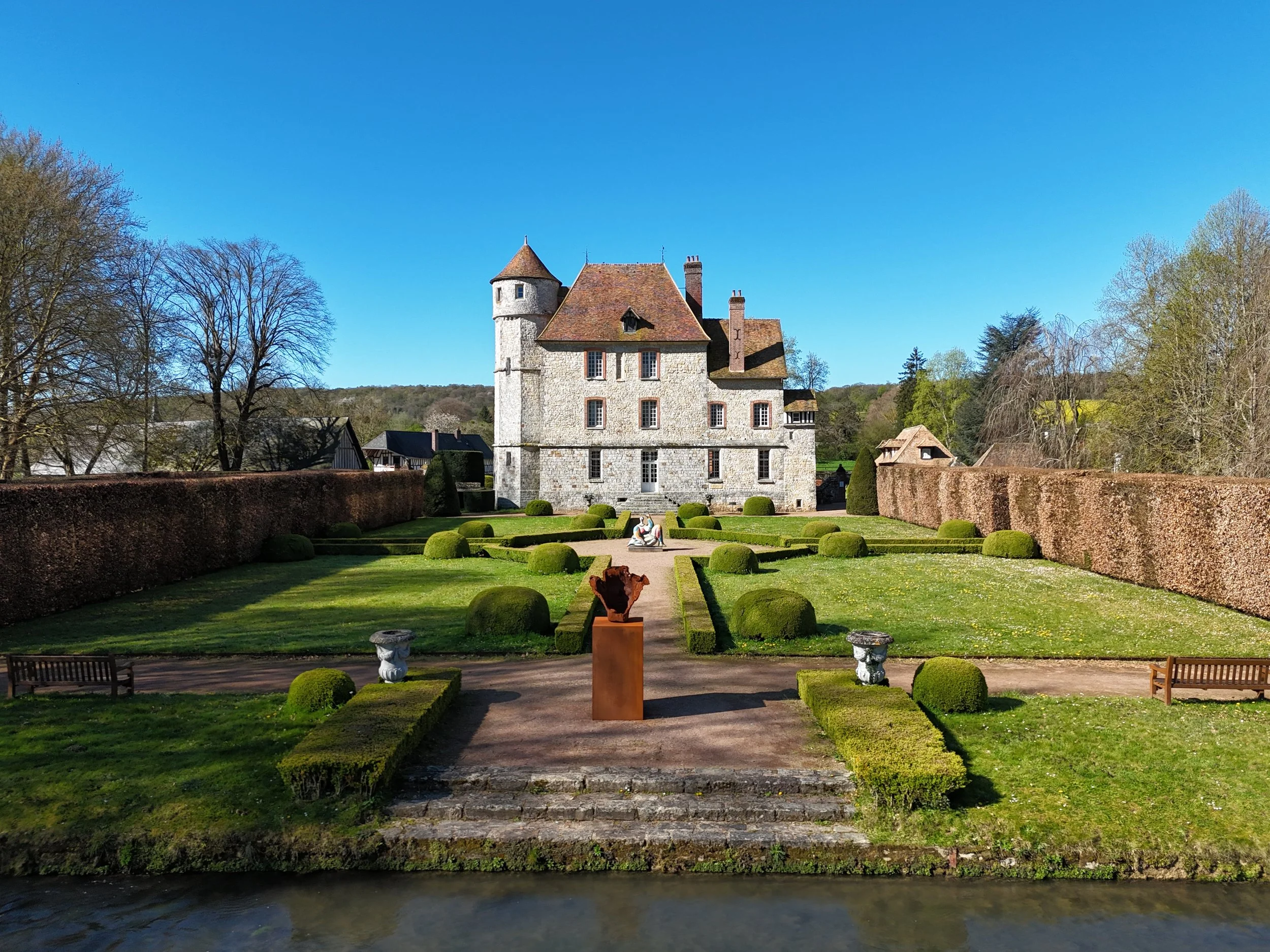
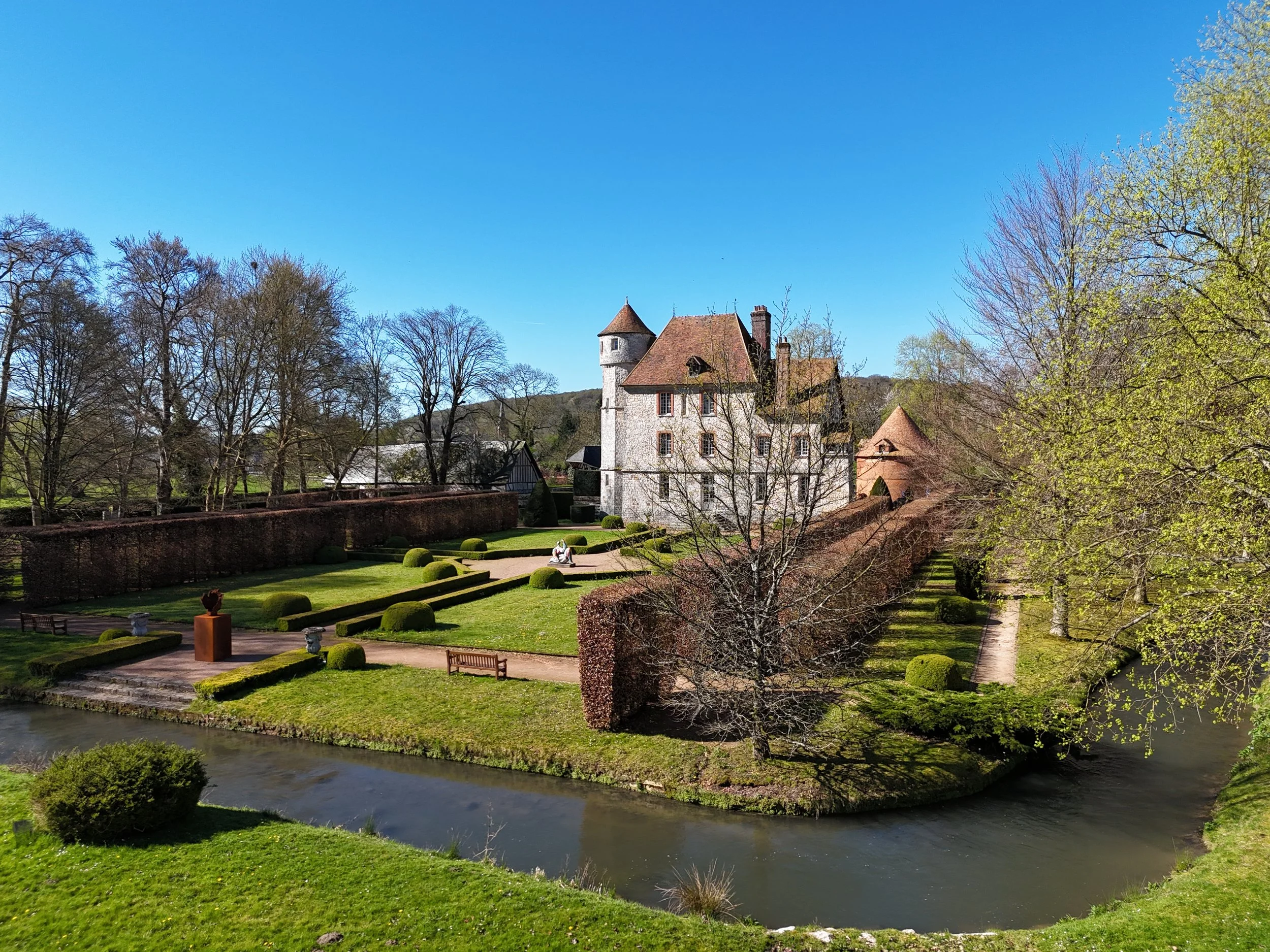
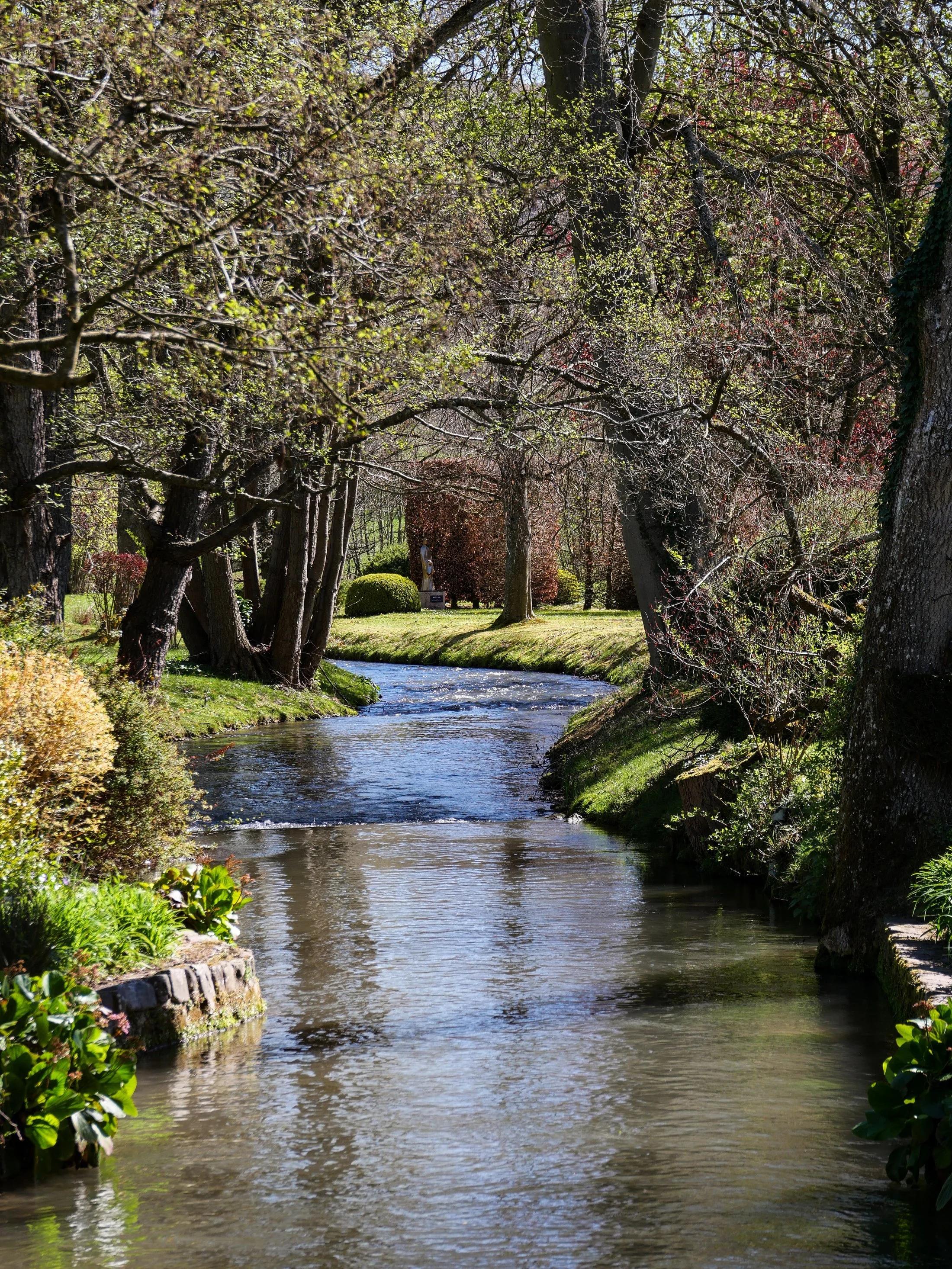
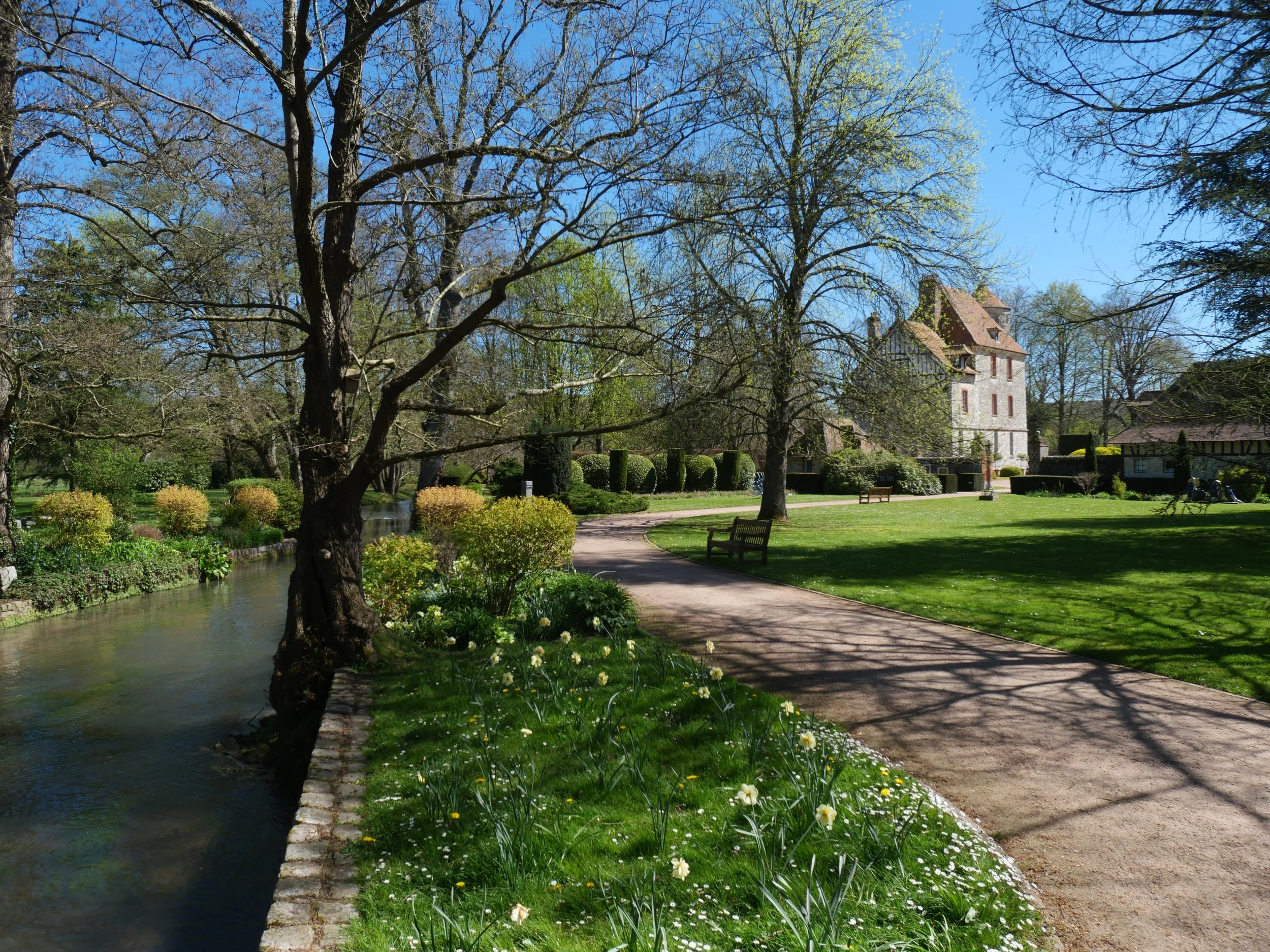
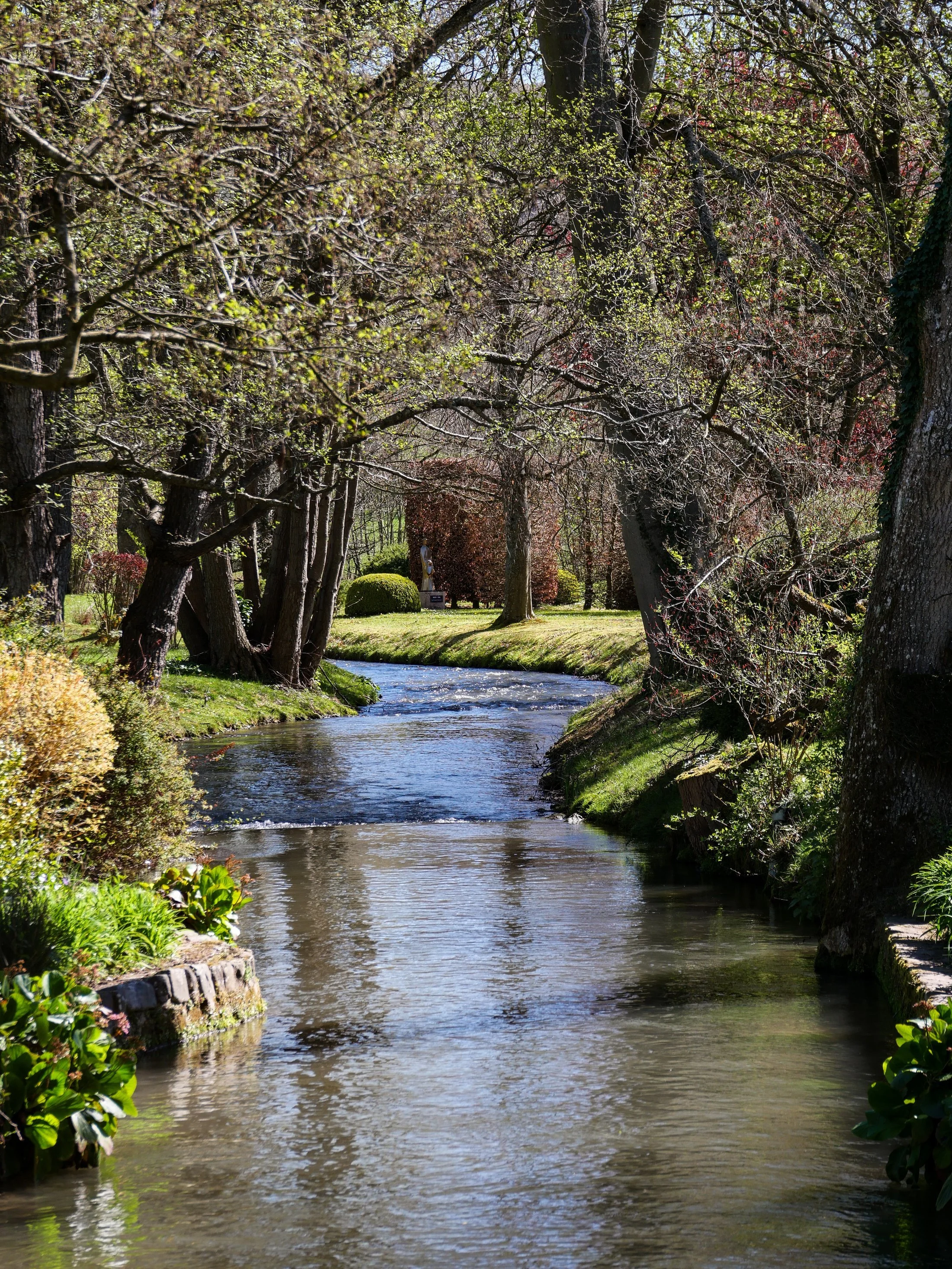
The gardens are central to the property. The estate combines formal French gardens with an English-style garden, crossed by a river and framed by the historic architecture of the château, dovecote, and outbuildings. The garden setting has also become part of the site’s artistic life, with sculpture placed throughout the grounds and the landscape functioning as an open-air extension of the art centre.
The sale materials describe the estate as a protected Historic Monument and registered protected site. They also note the château’s artistic history and the presence of garden and museum spaces, though they do not specify whether artworks or sculptures are included in the transaction.
Beyond the château itself, the estate’s scale and range of buildings give it a wider life than a private residence alone. With six independent houses, museum spaces, a restaurant, gardens, river frontage, and parking for 42 cars, the property has already been shaped for cultural, hospitality, and event use.
In a region known for half-timbered villages, river valleys, and layered architectural history, the estate stands apart for the way it has combined preservation with contemporary art. Its story is not frozen in the medieval period. It is a property that has continued to evolve, from fortified house to writer’s retreat to art centre, with its gardens and buildings carrying each chapter into the next.
All photographs belong to the listing agency. See more on Denniel Immobilier.