
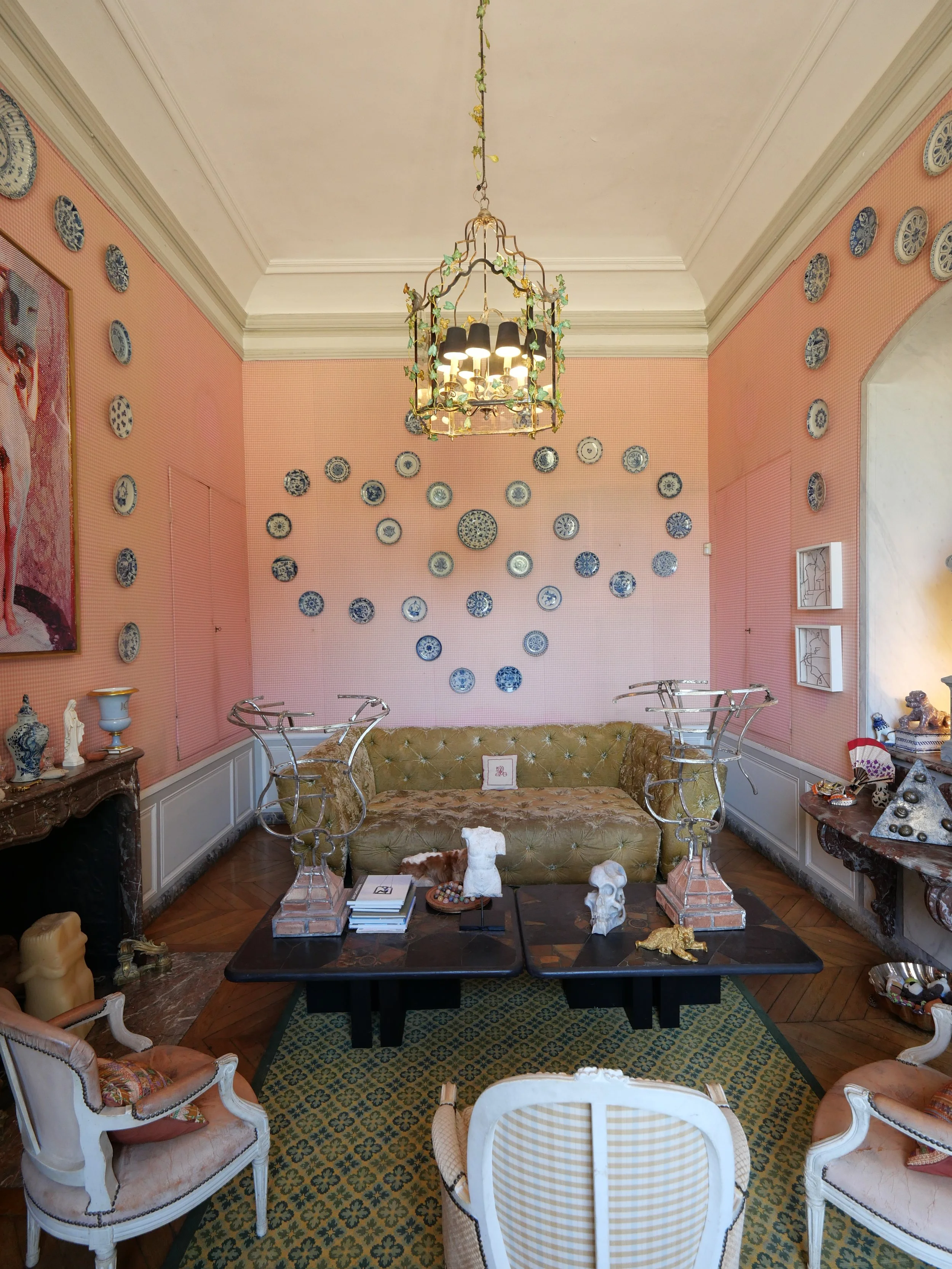
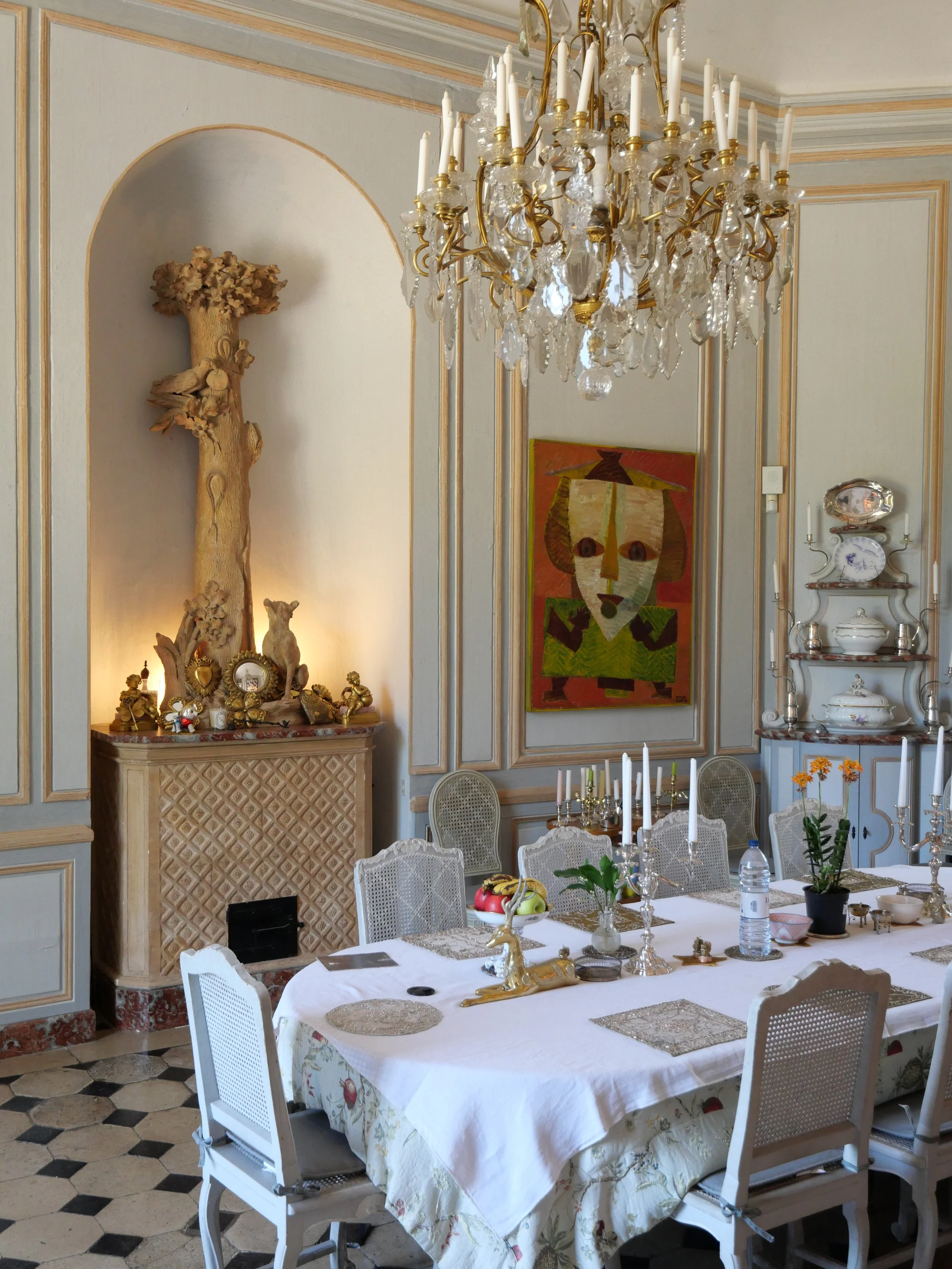
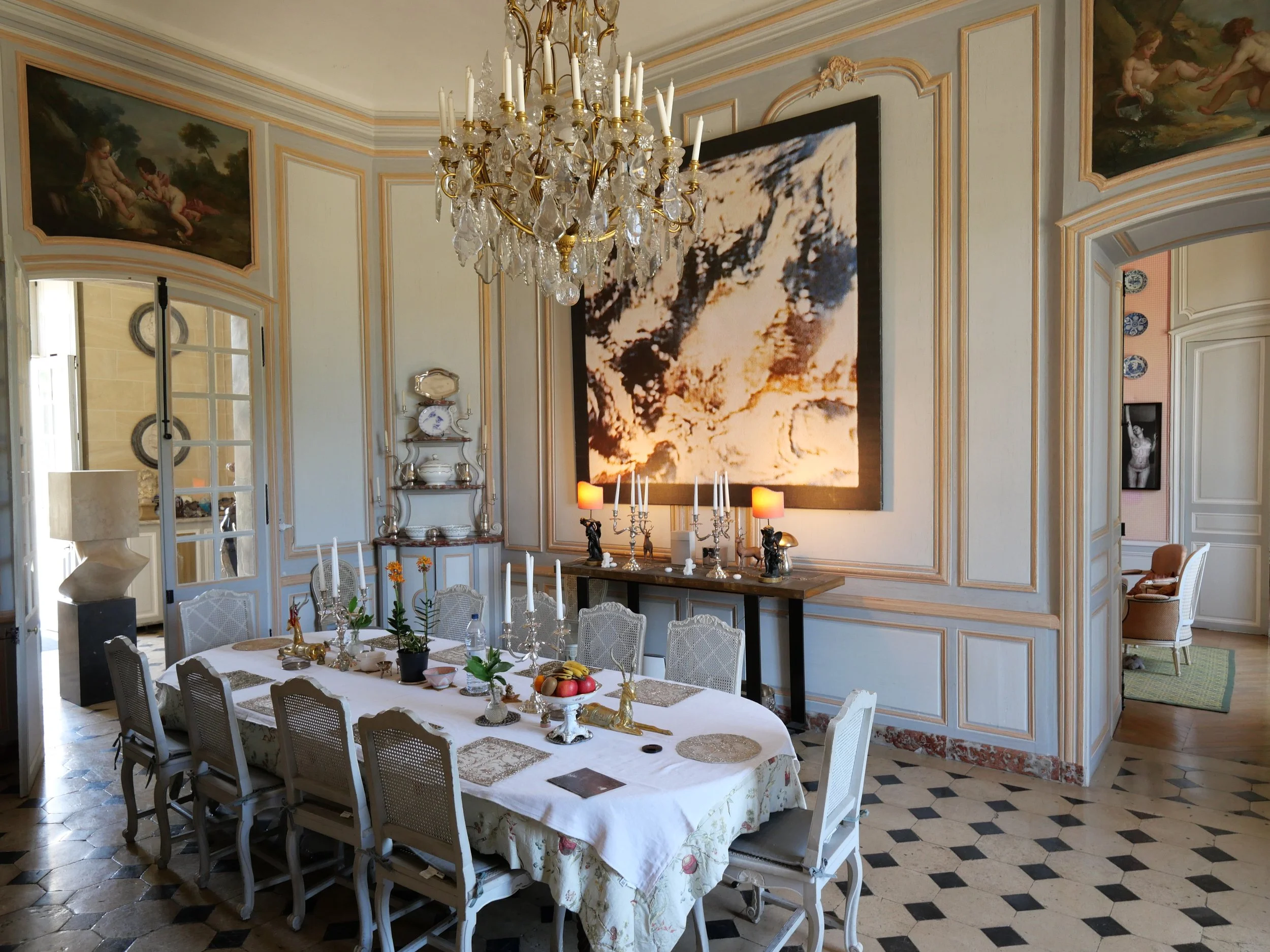
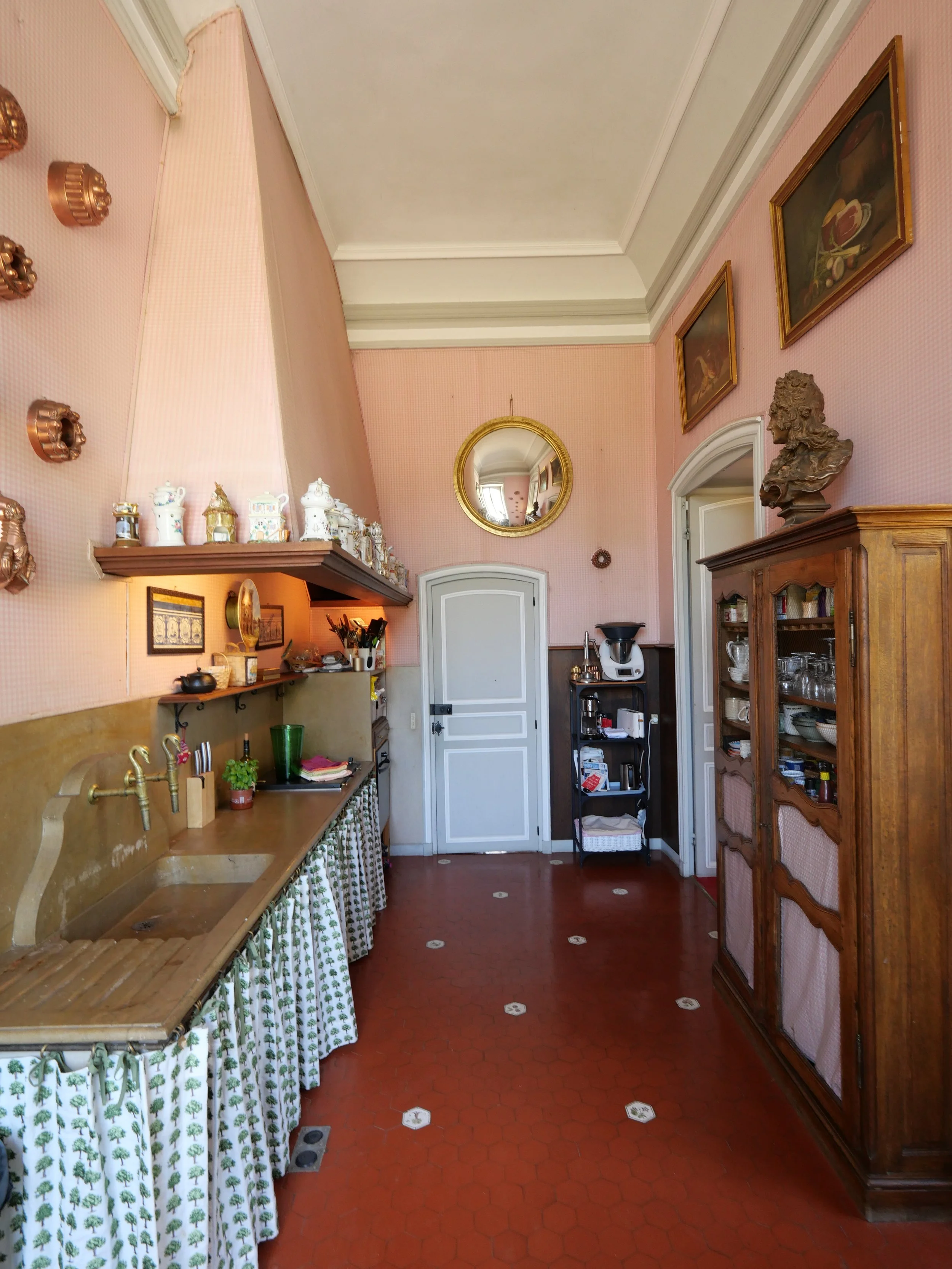
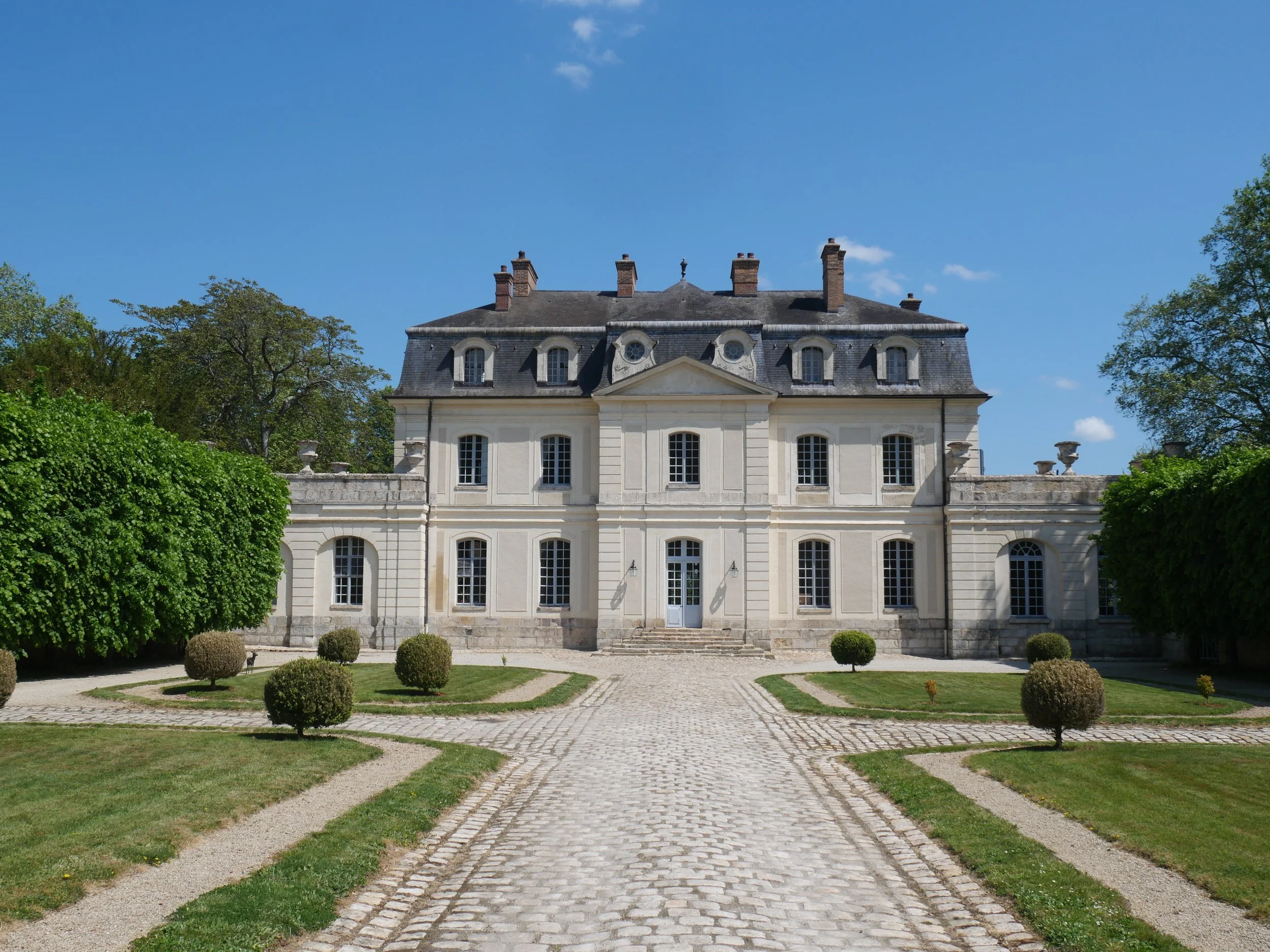
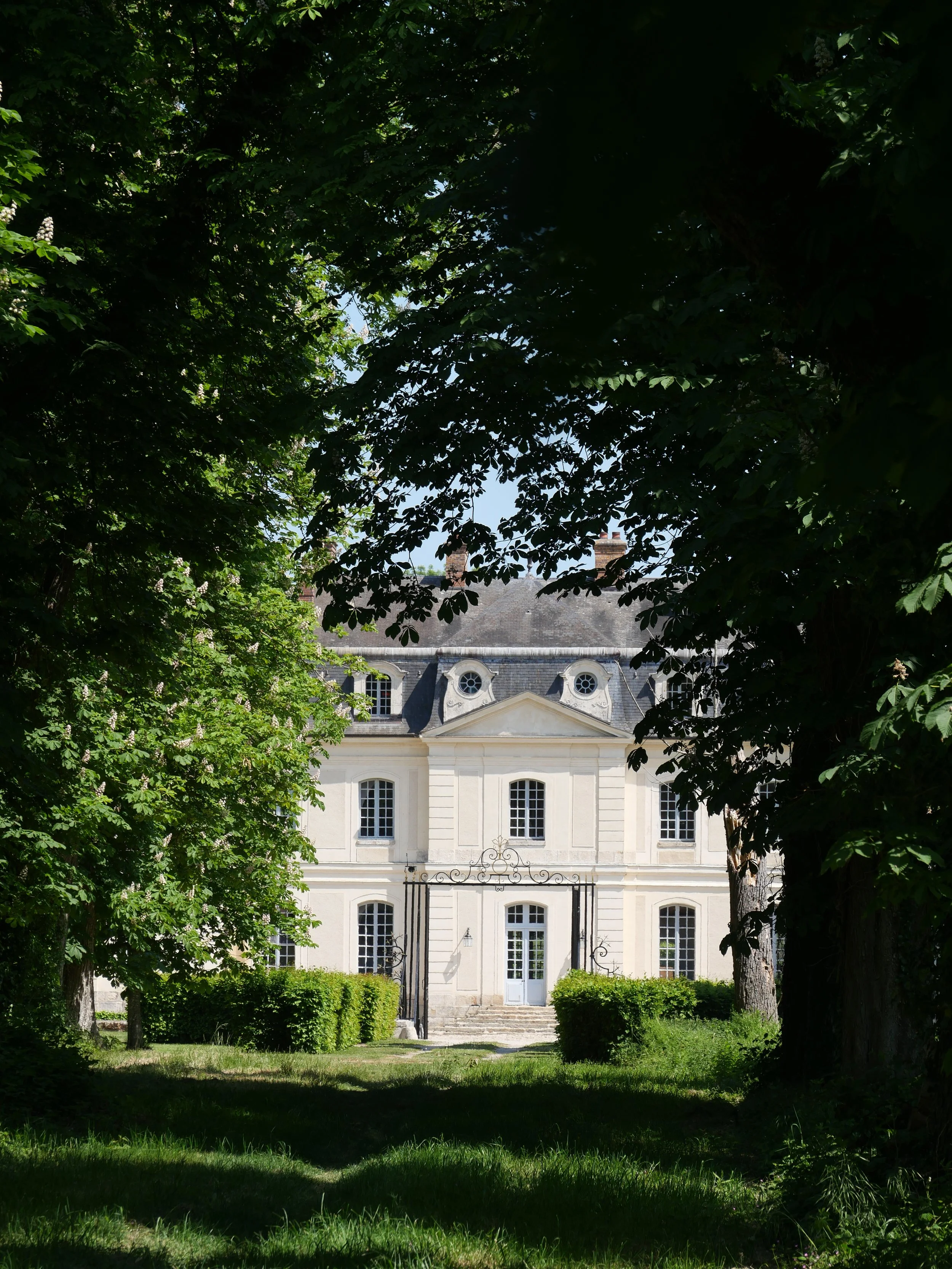
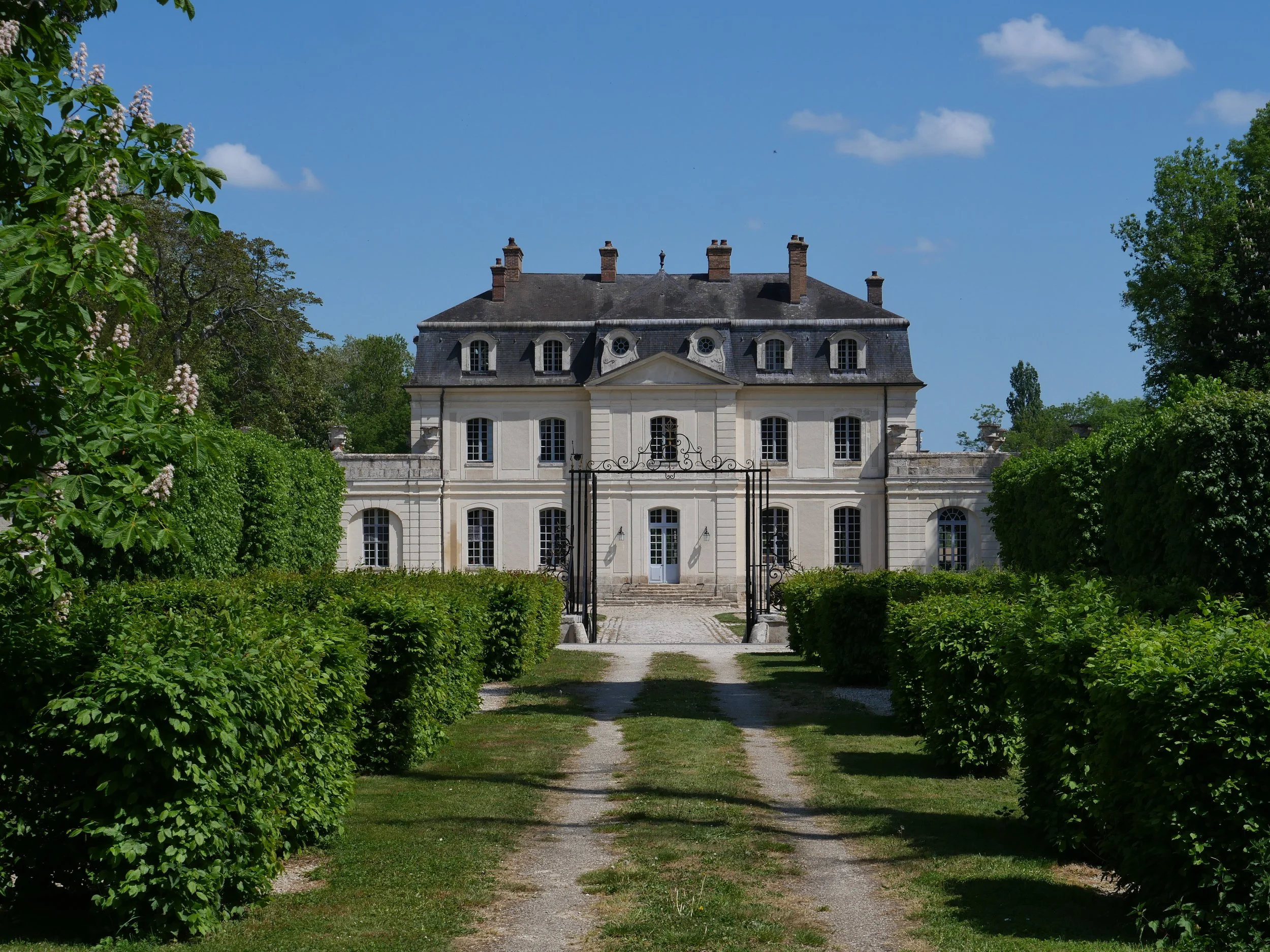
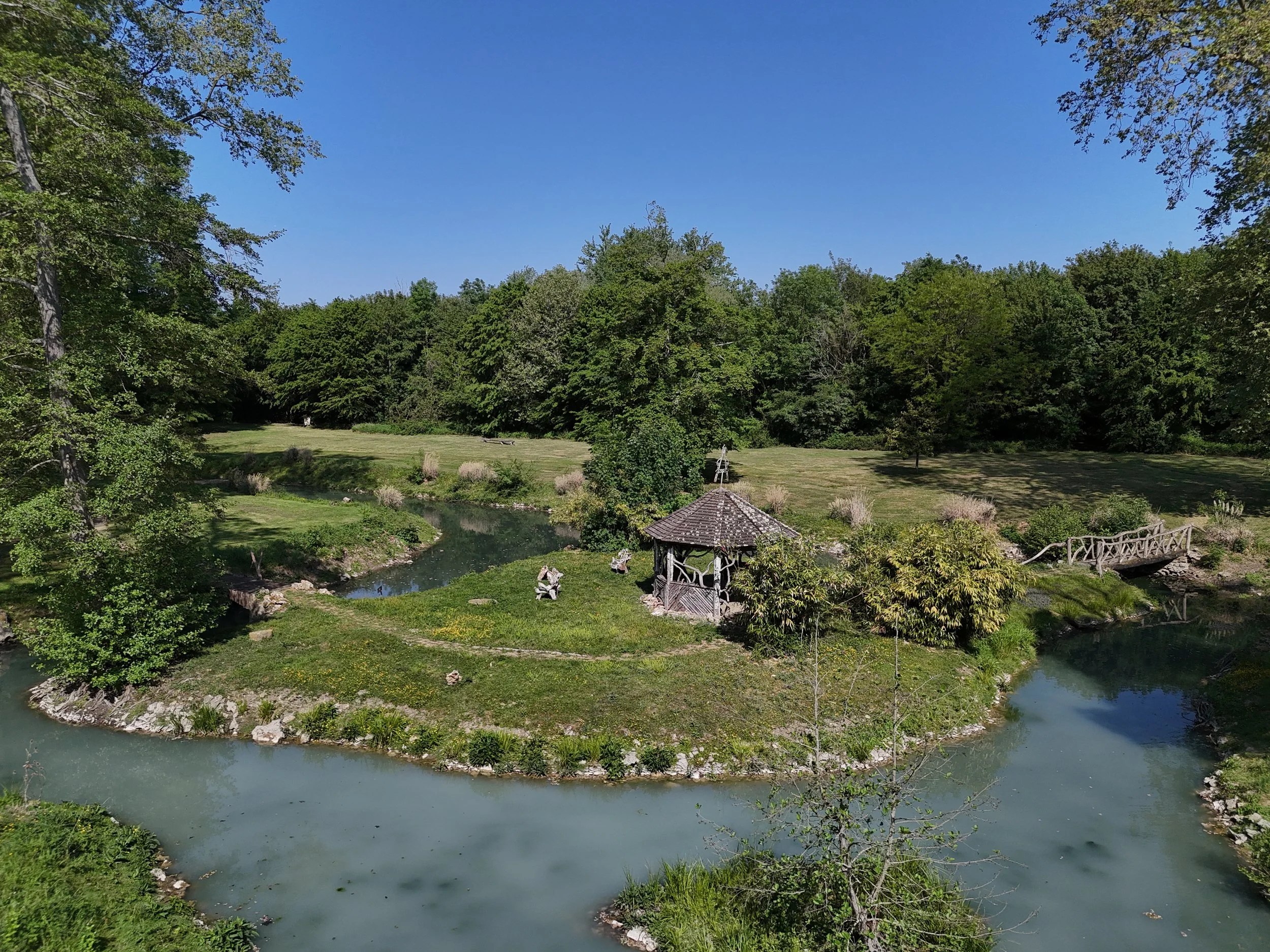
Bedrooms: 10 Bathrooms: 7 Interior: 860 m² / 9,257 ft² Lot: 68 ha / 168 acres
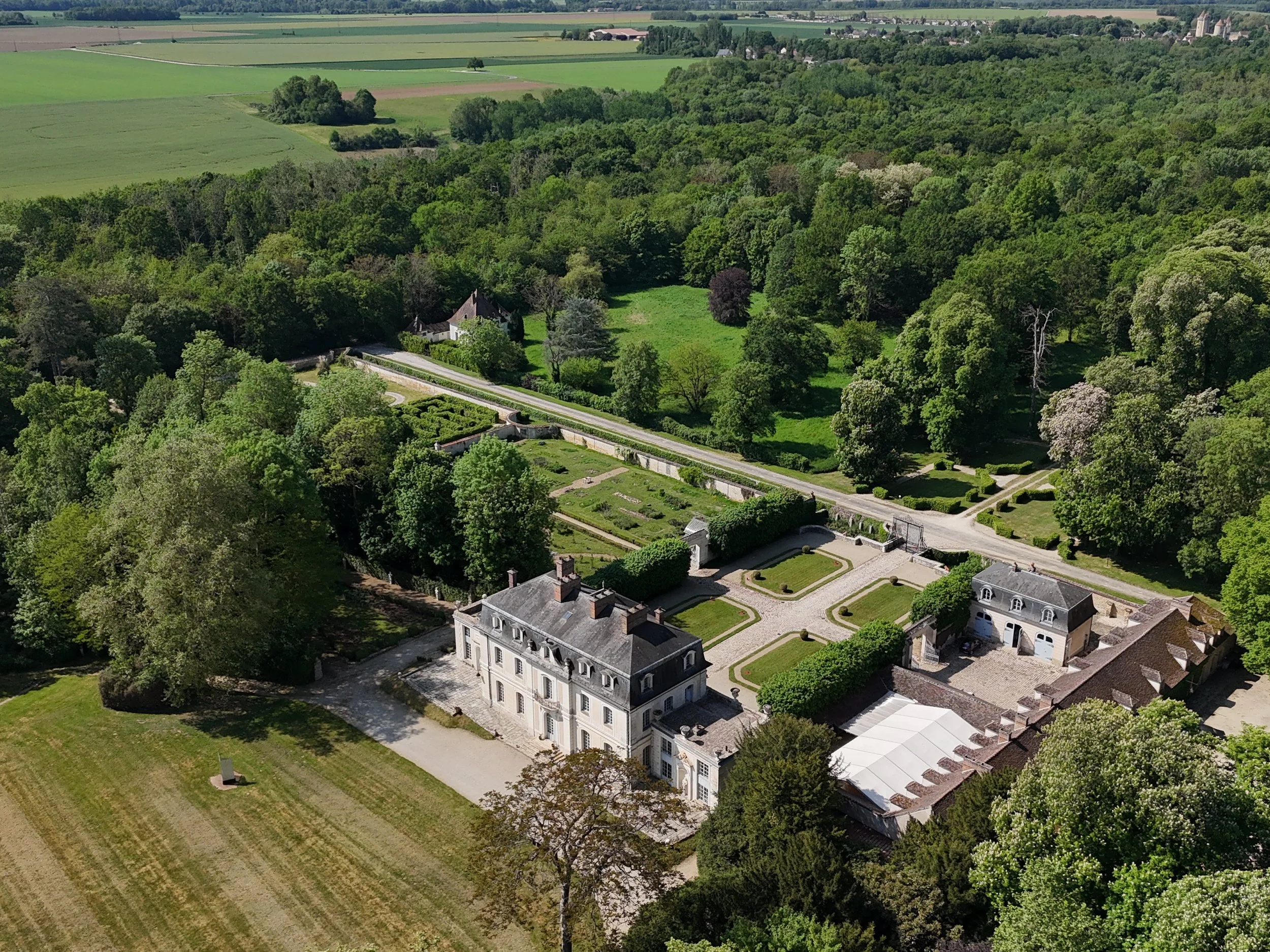
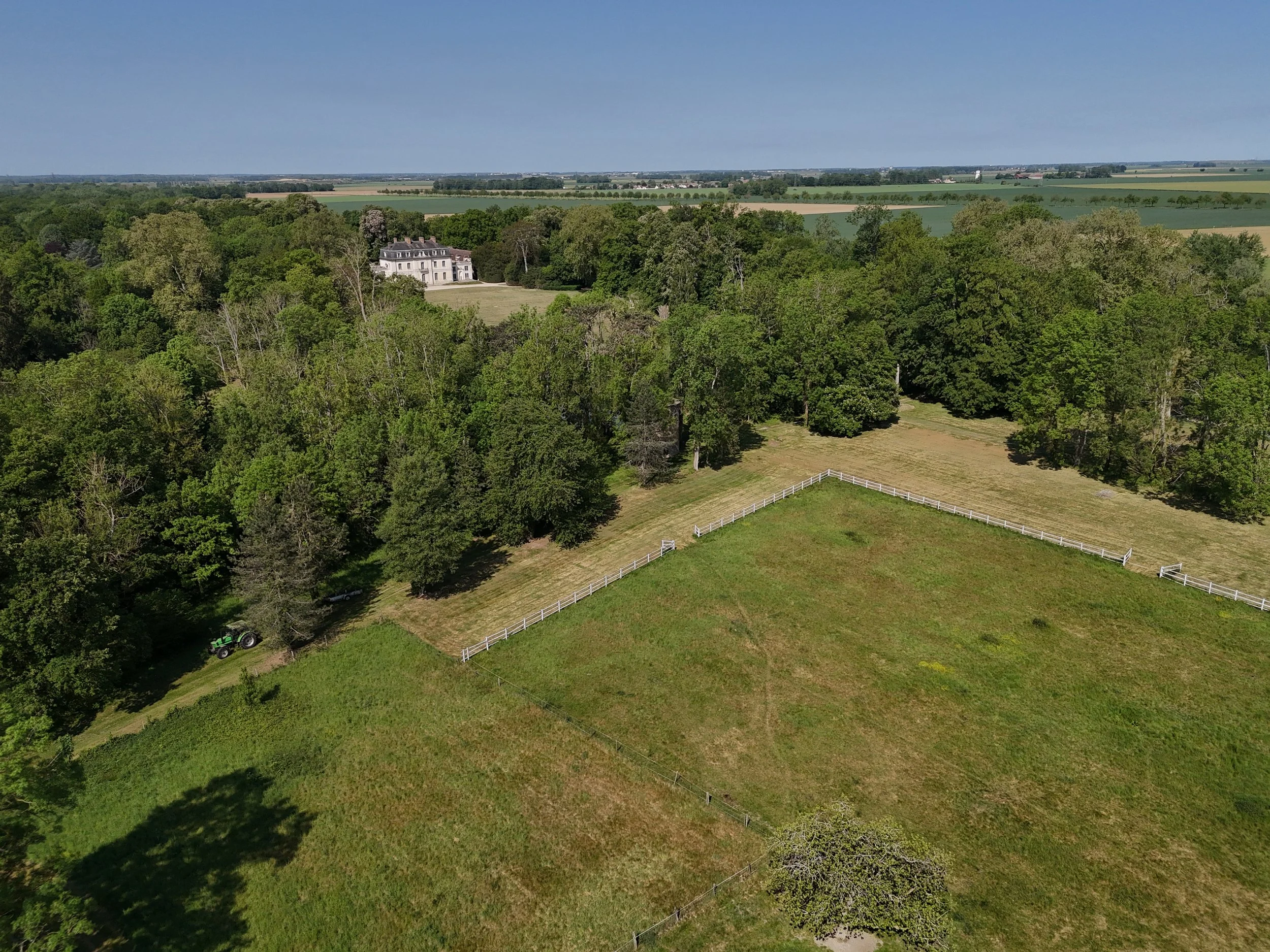
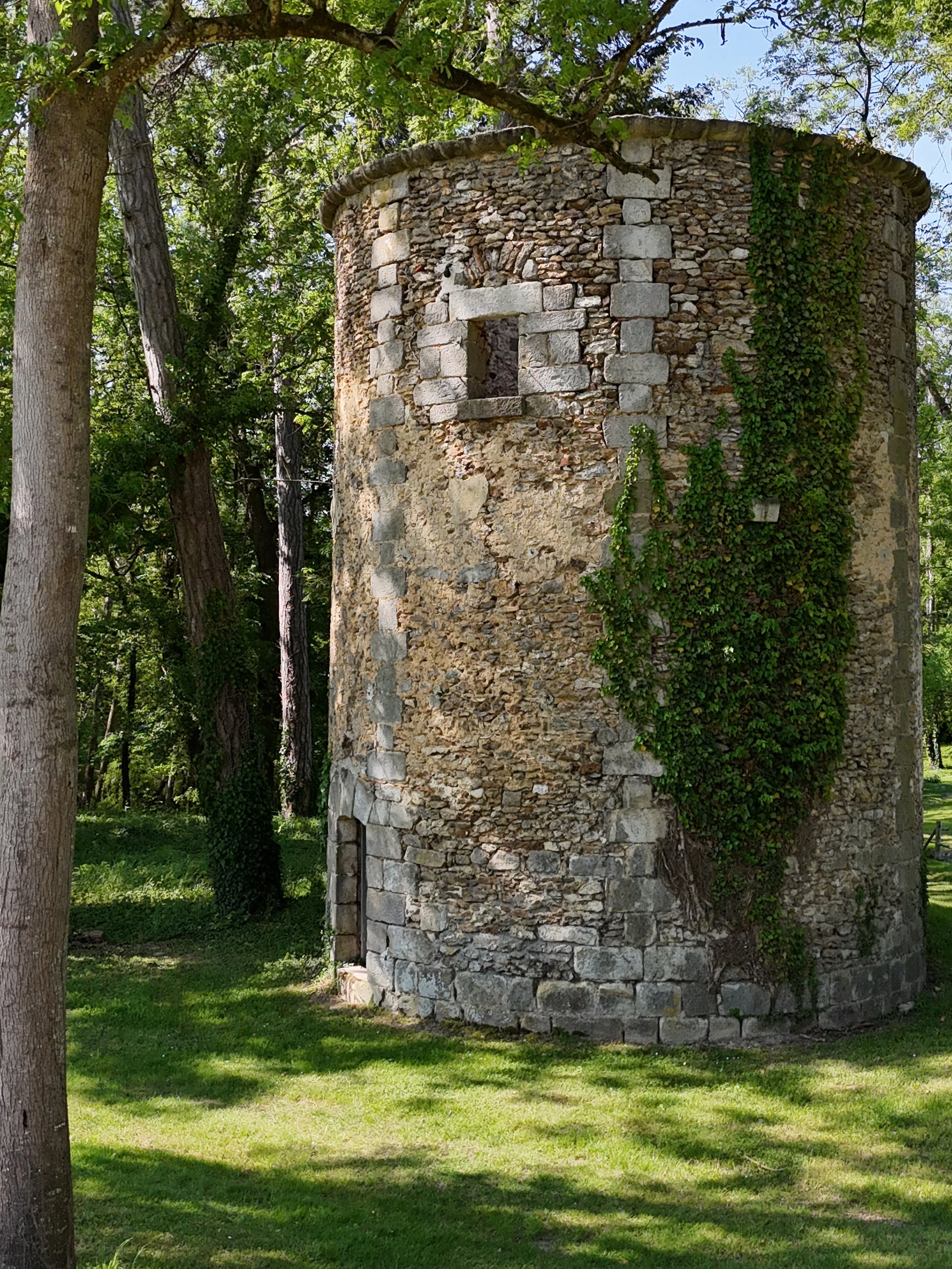
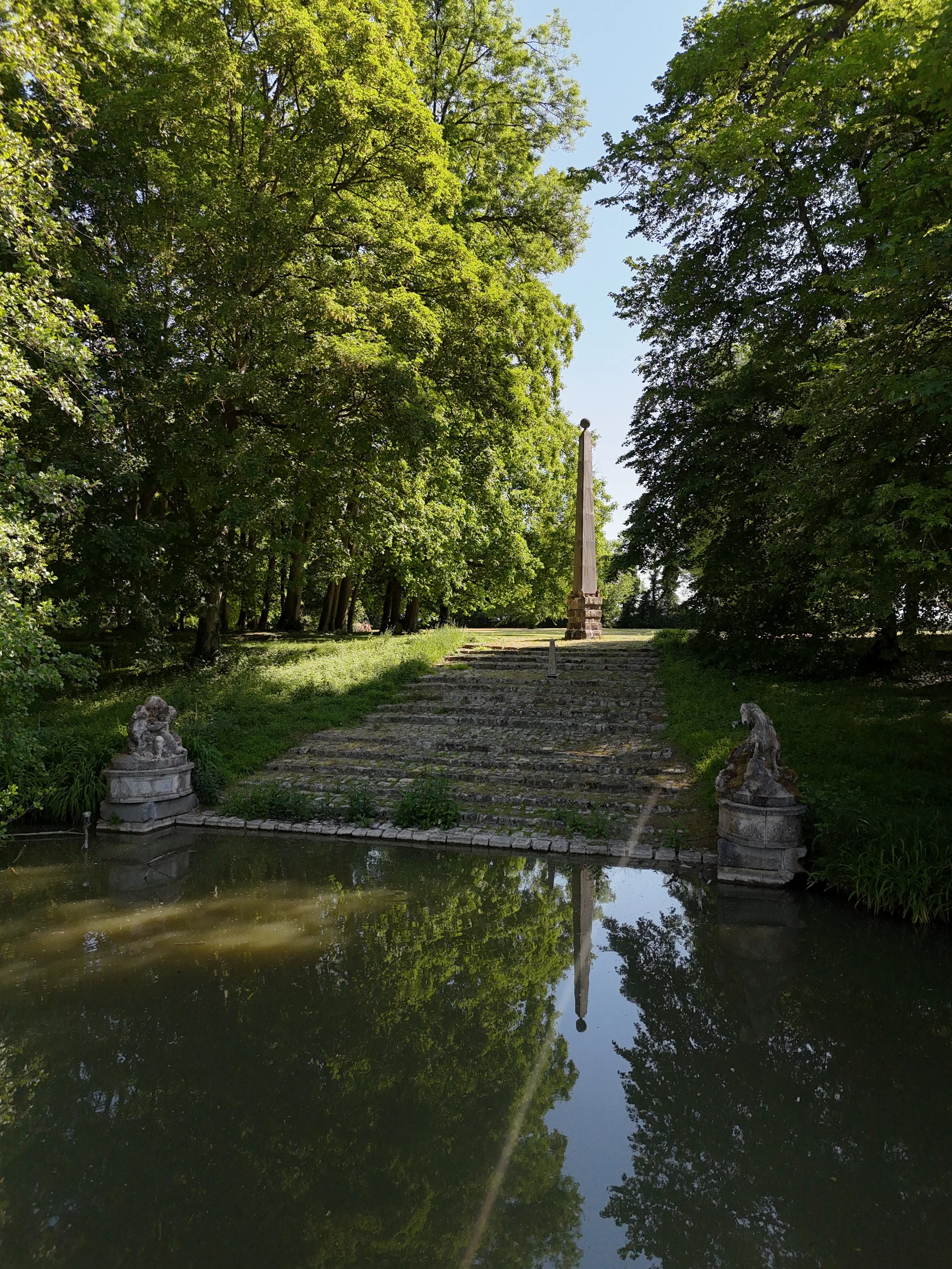
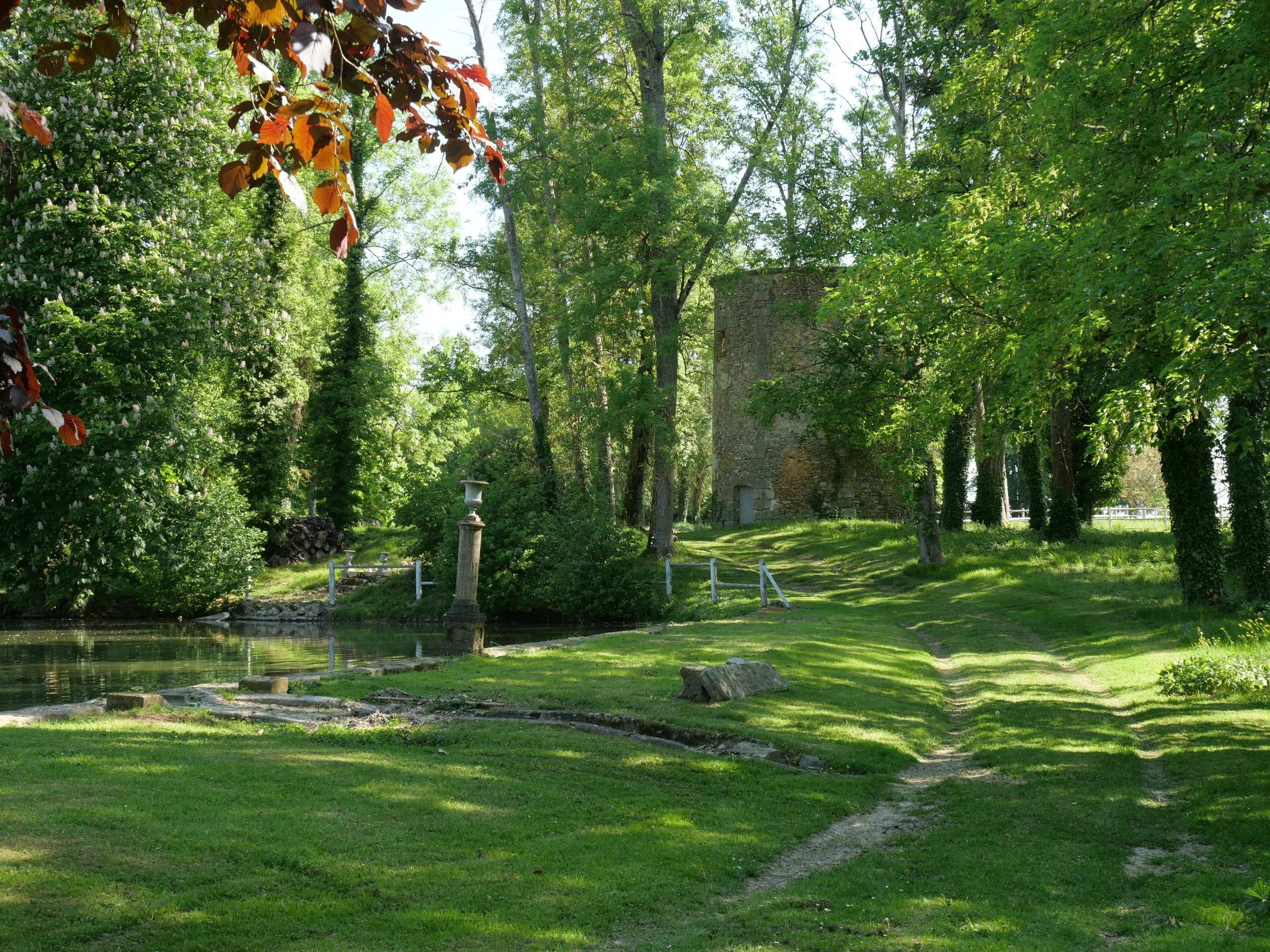
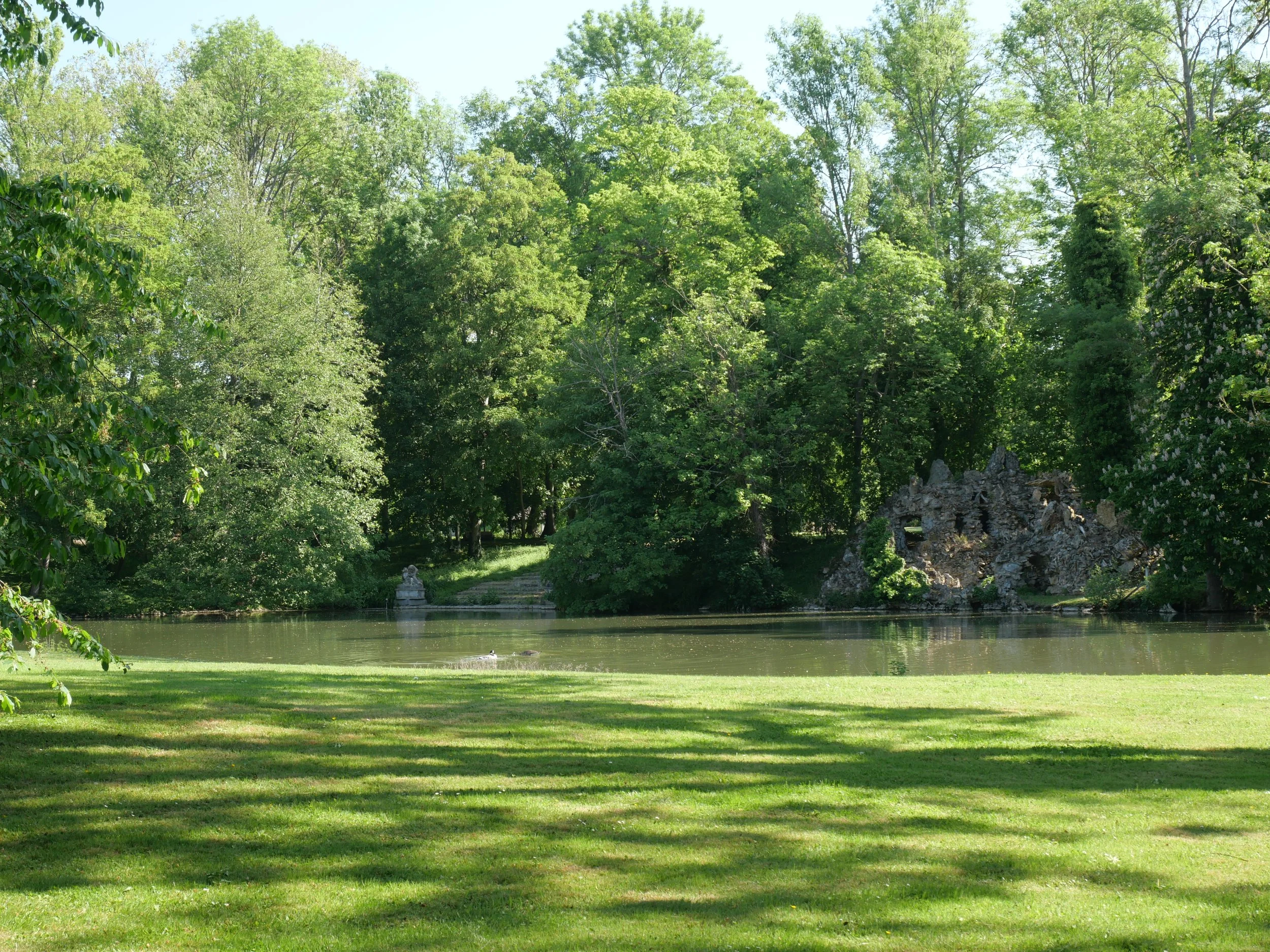
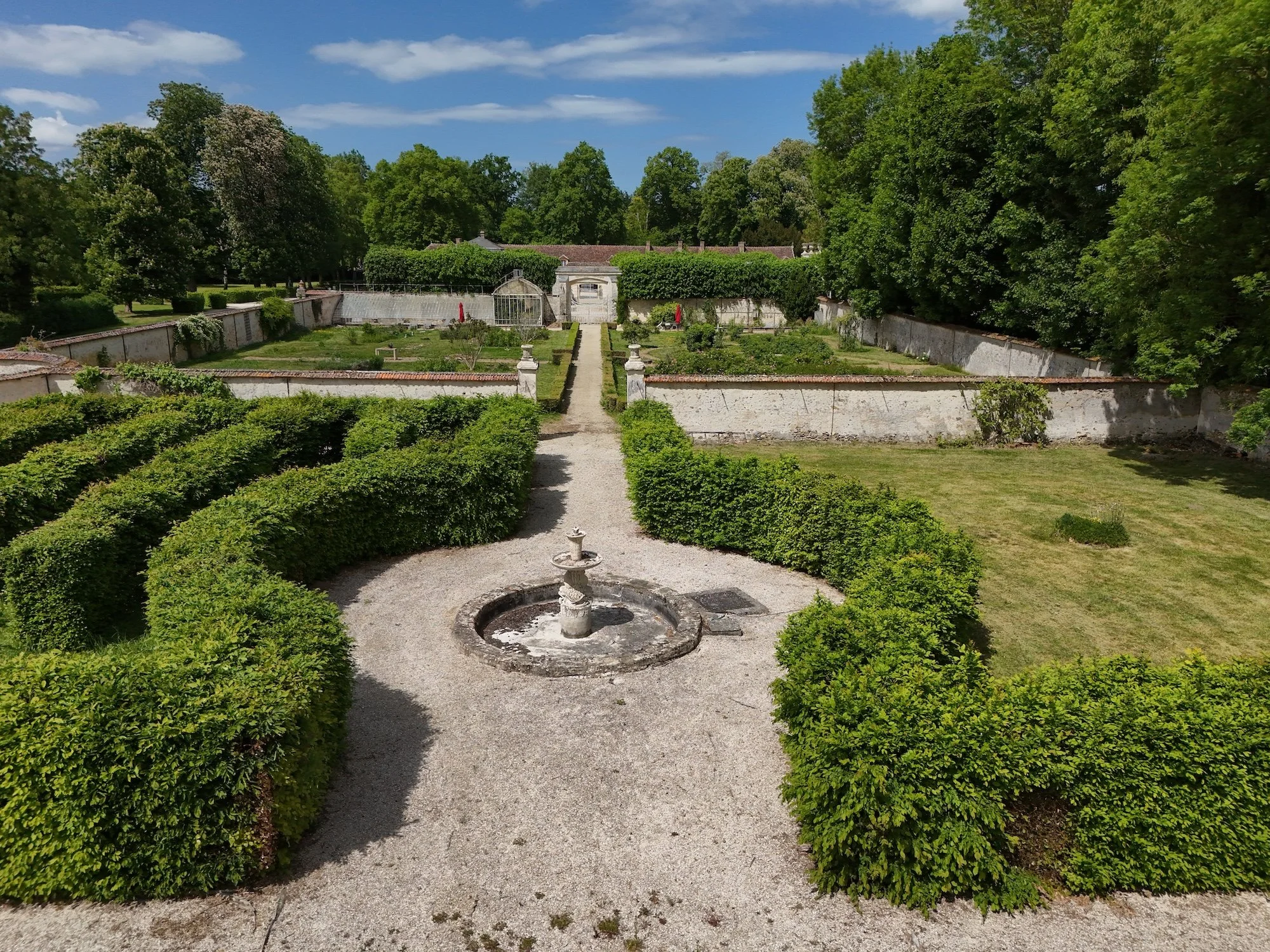
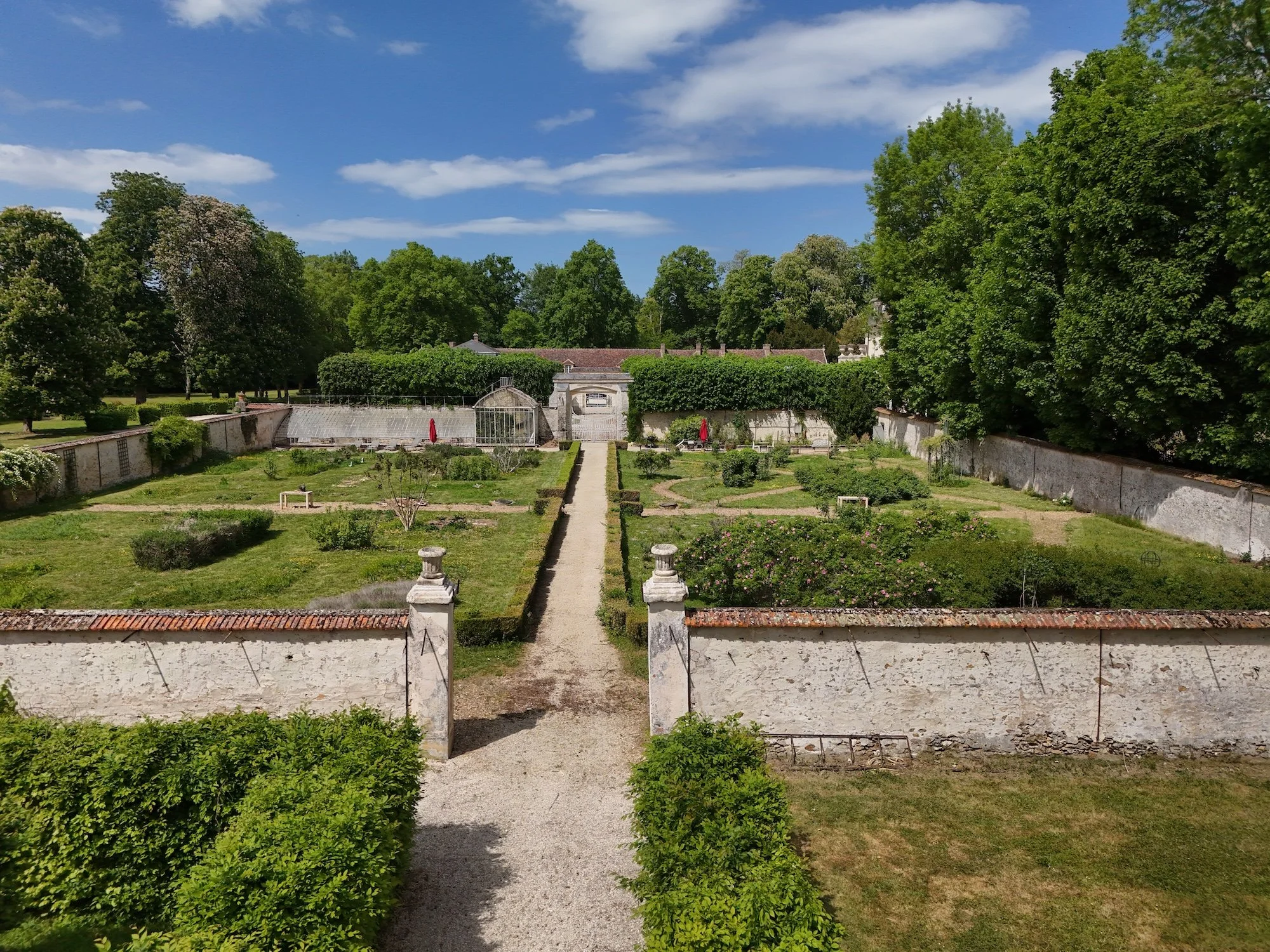
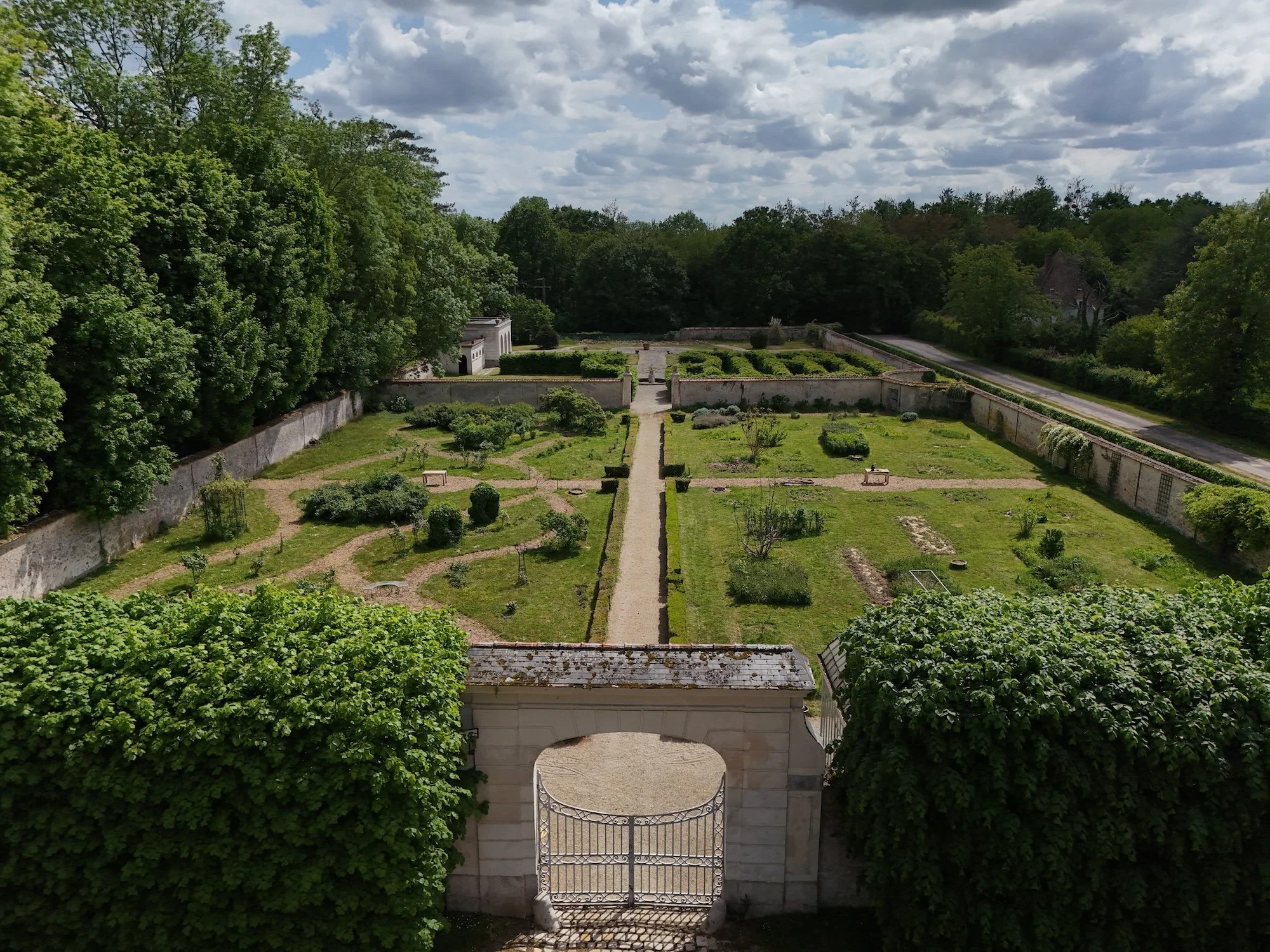
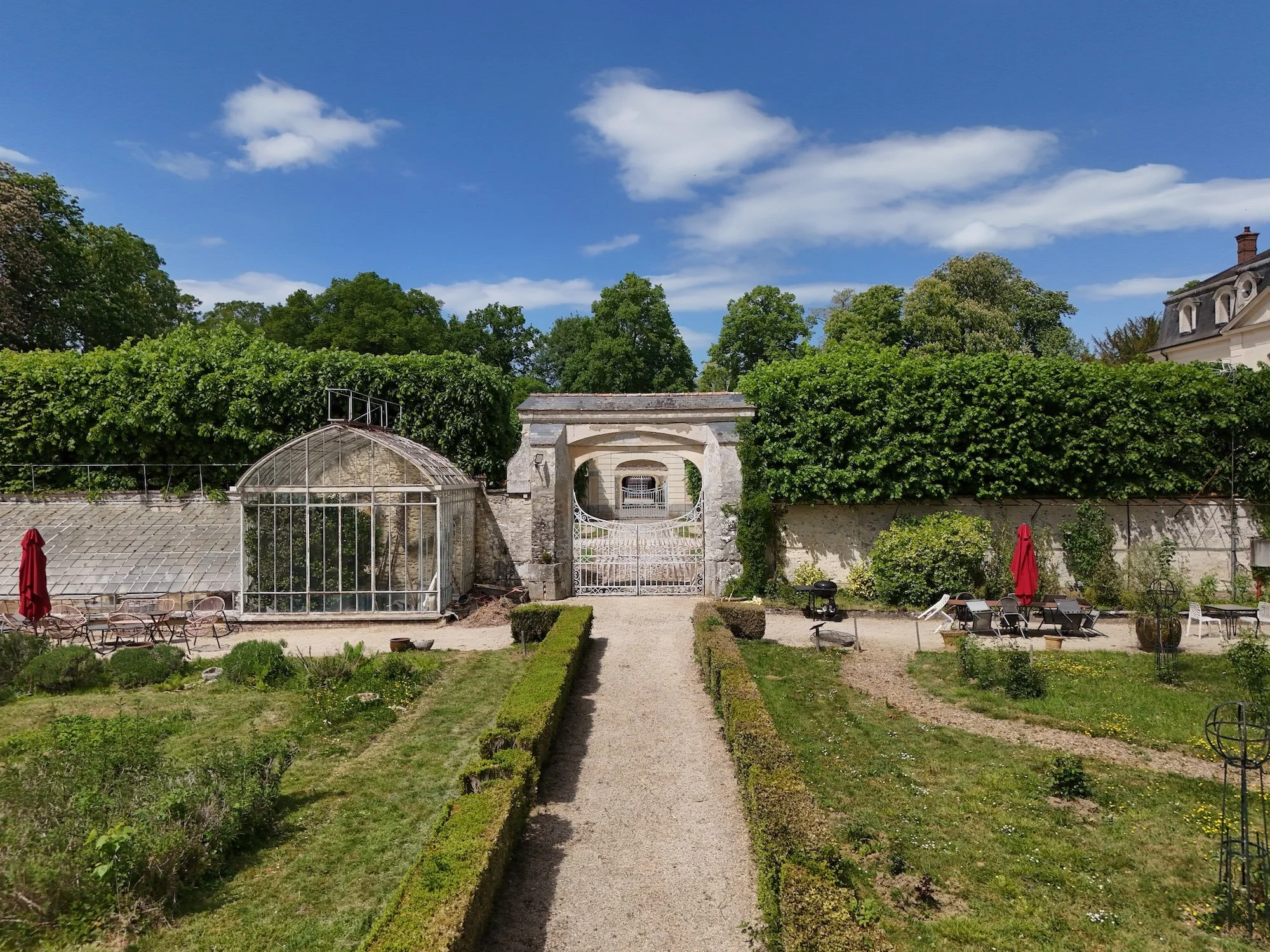
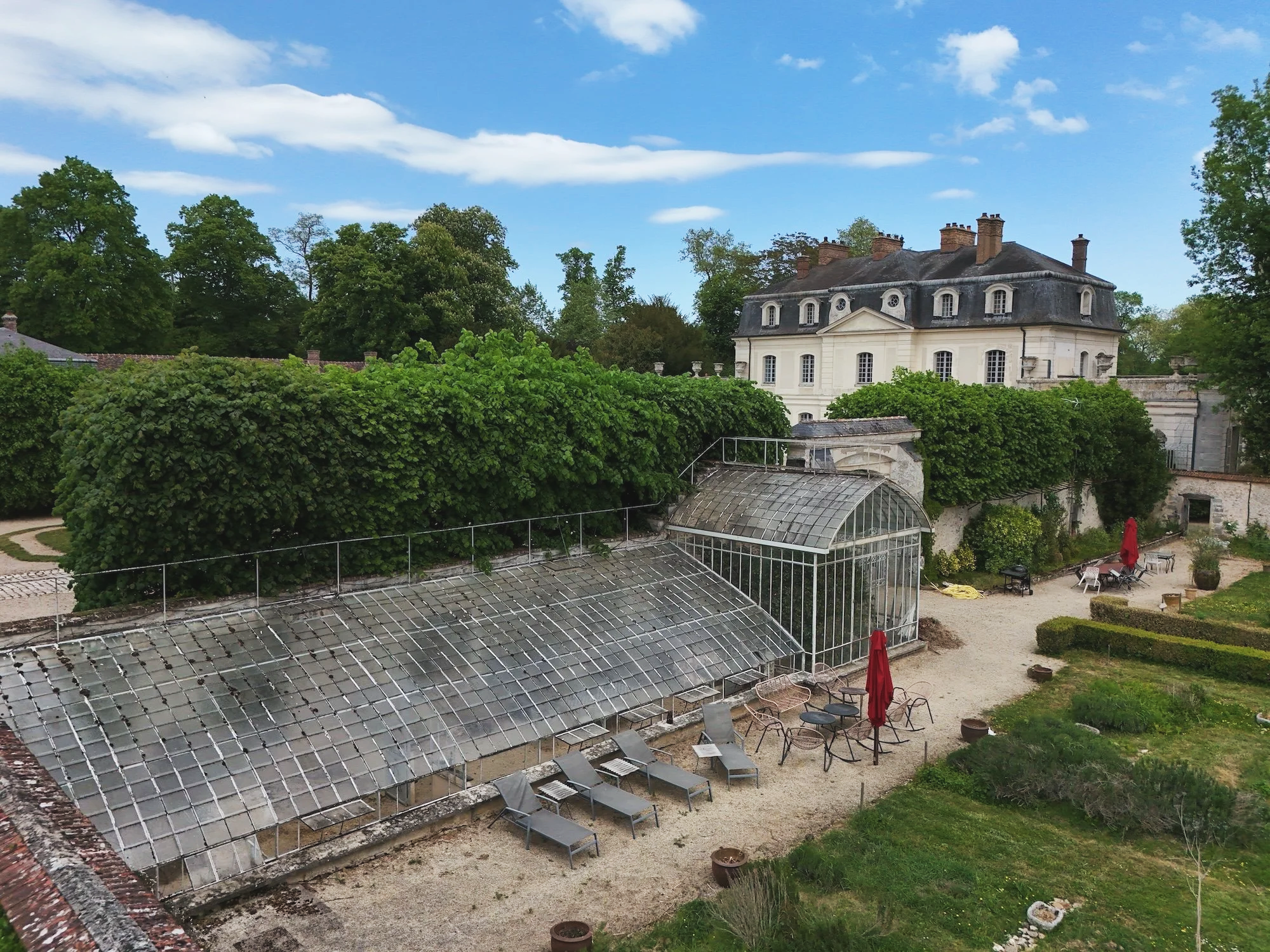
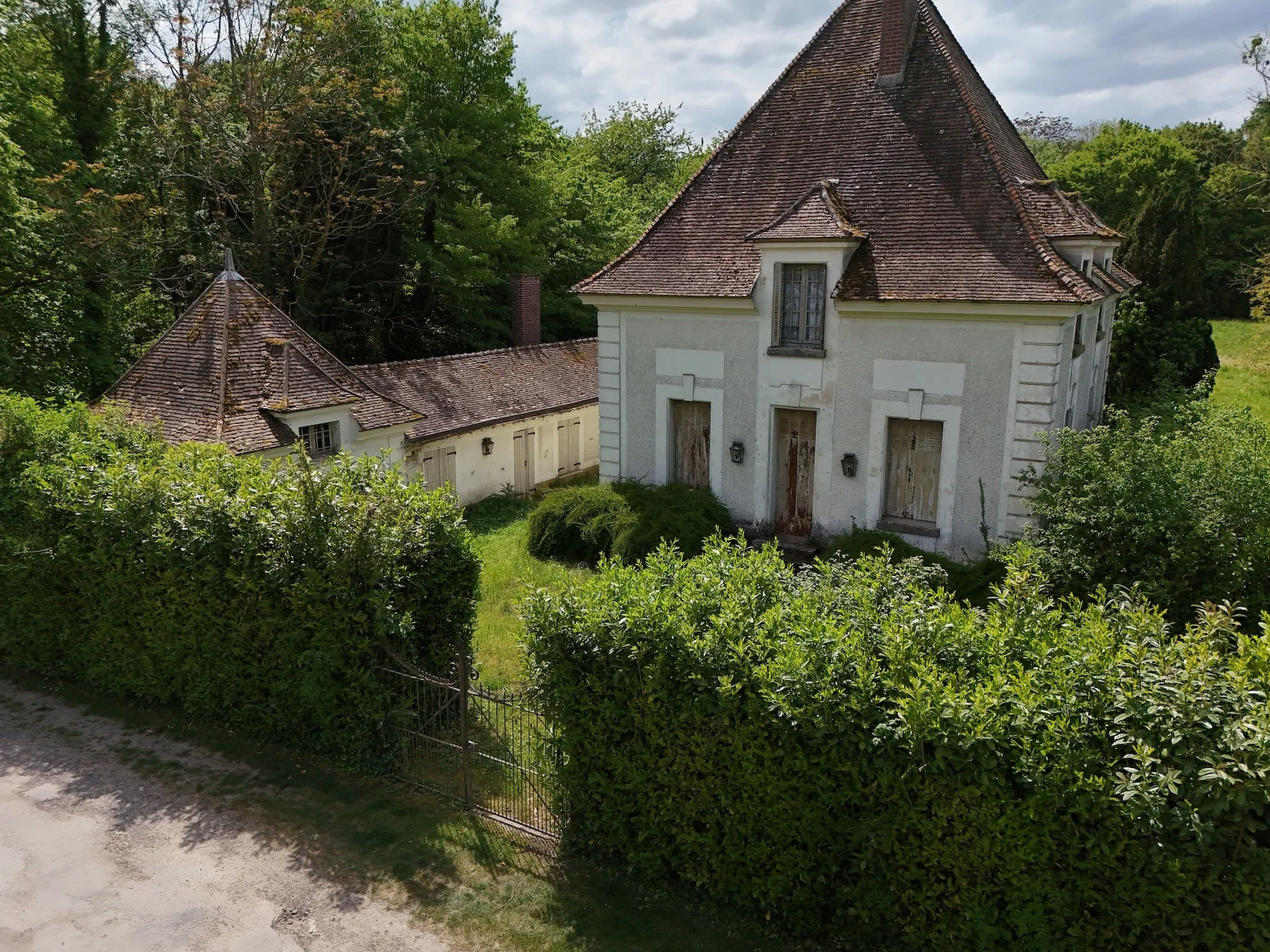
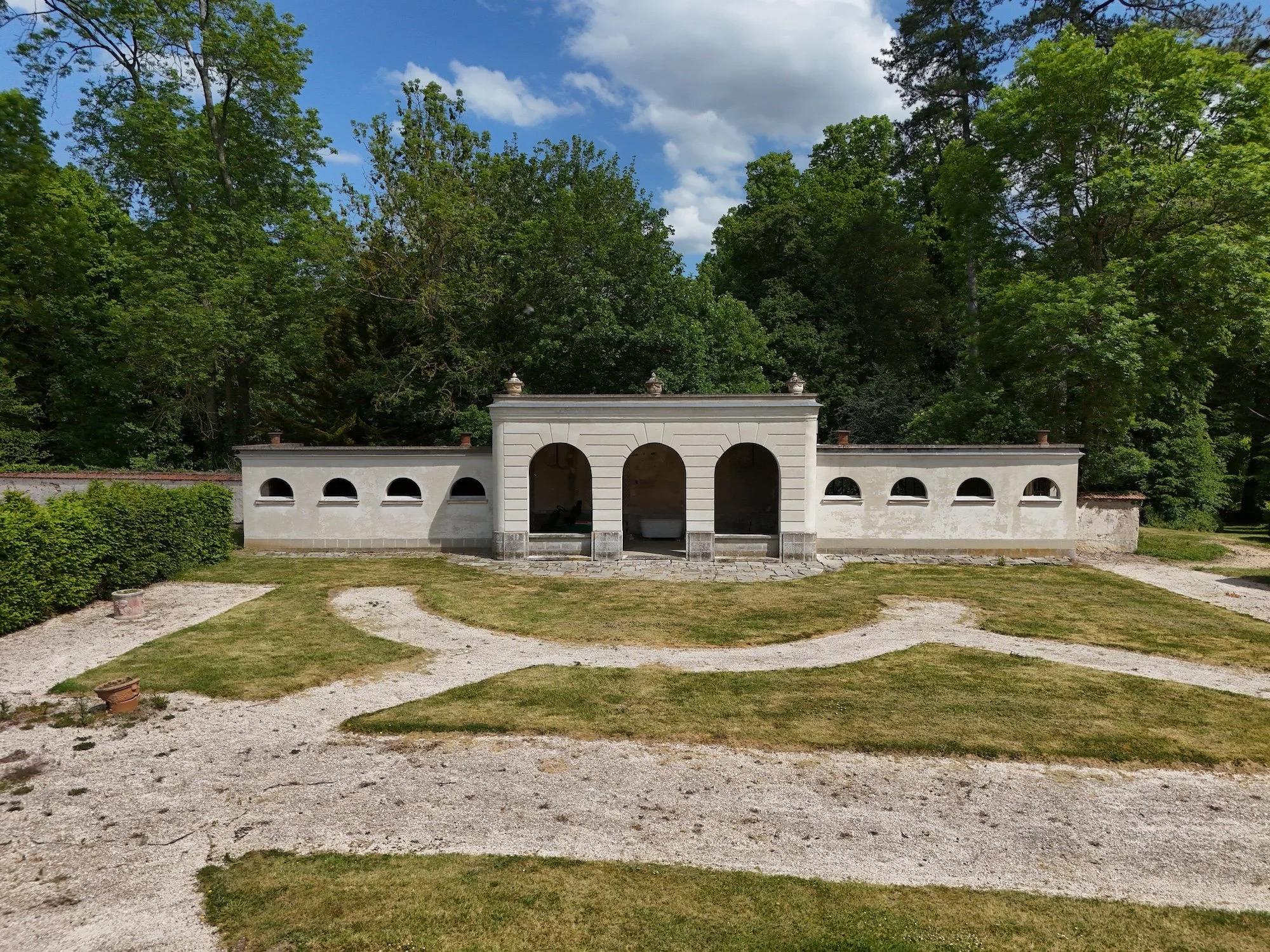
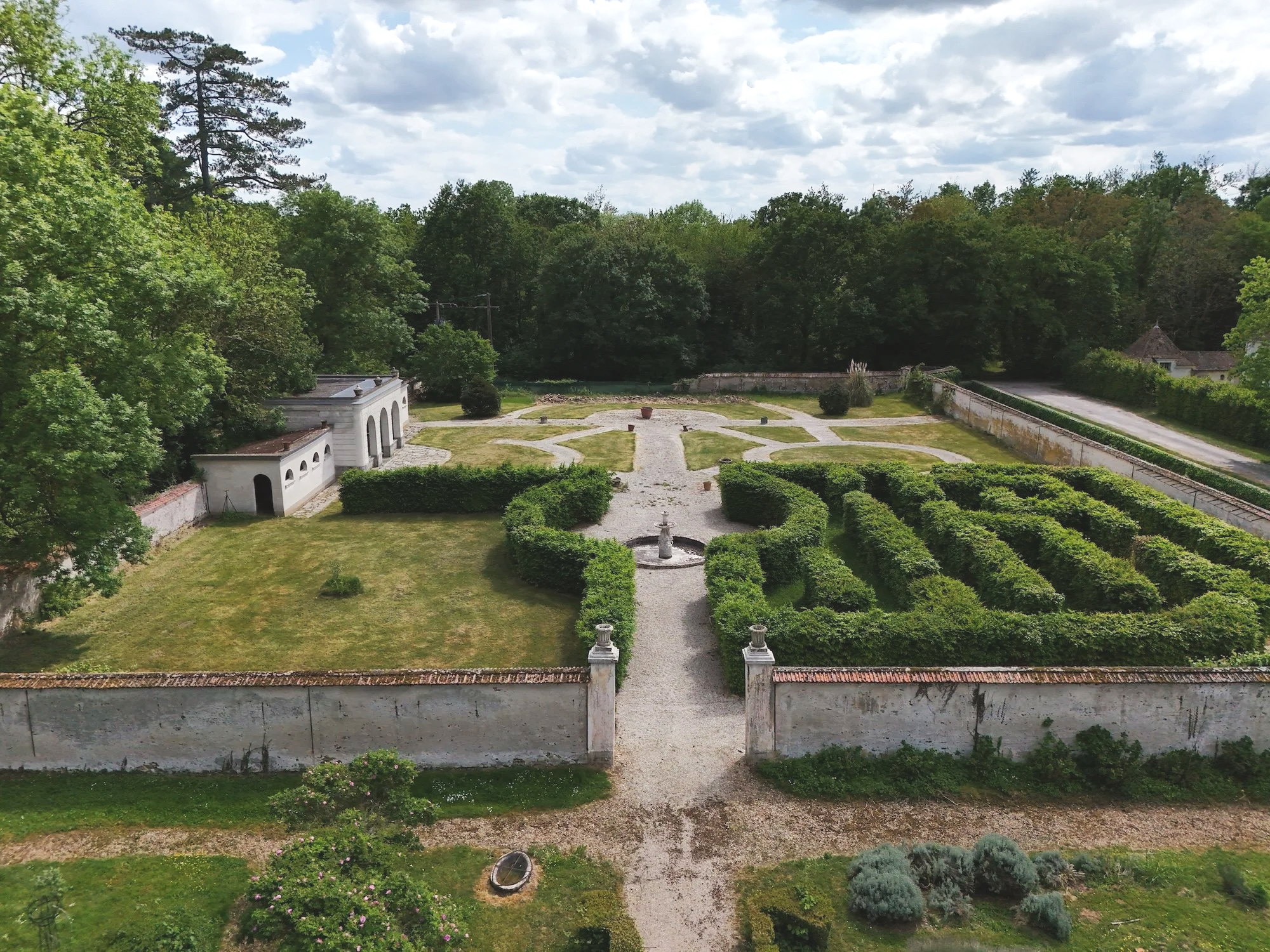
Amenities: 18 ha / 44-acre walled romantic park, three ponds, natural spring, monumental obelisk, hermitage, island pavilion, ruined dovecote, formal walled kitchen garden, 19th-century greenhouse, neoclassical orangery, former stables, vaulted stone cellars, reception spaces, 350 m² / 3,767 ft² covered event space approved for up to 300 guests, gardener’s house, three entrances.
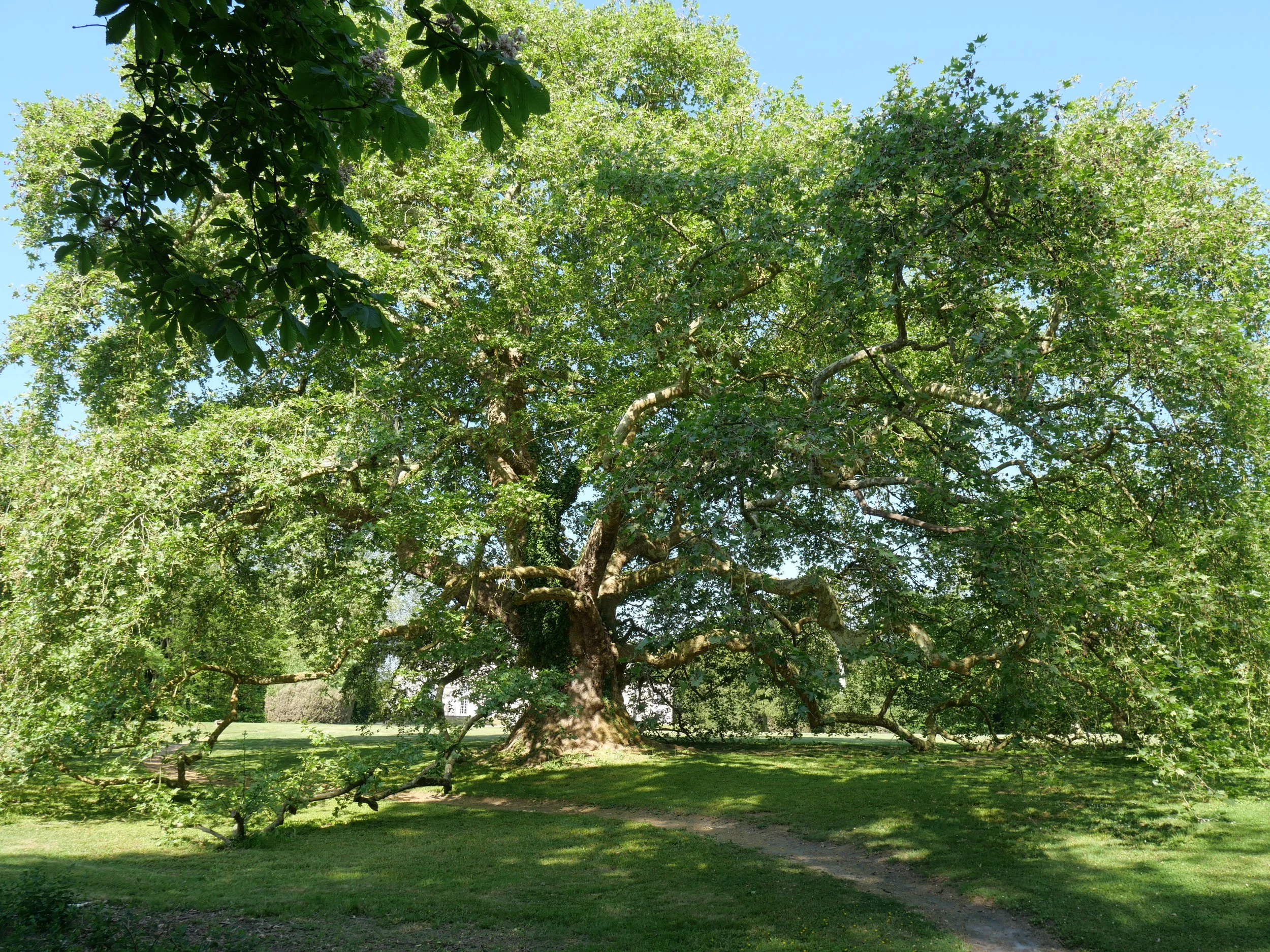
Before designing Parc Monceau in the 8th arrondissement, Louis Carrogis Carmontelle laid out one of France’s earliest romantic parks at this 18th-century château less than an hour from Paris.
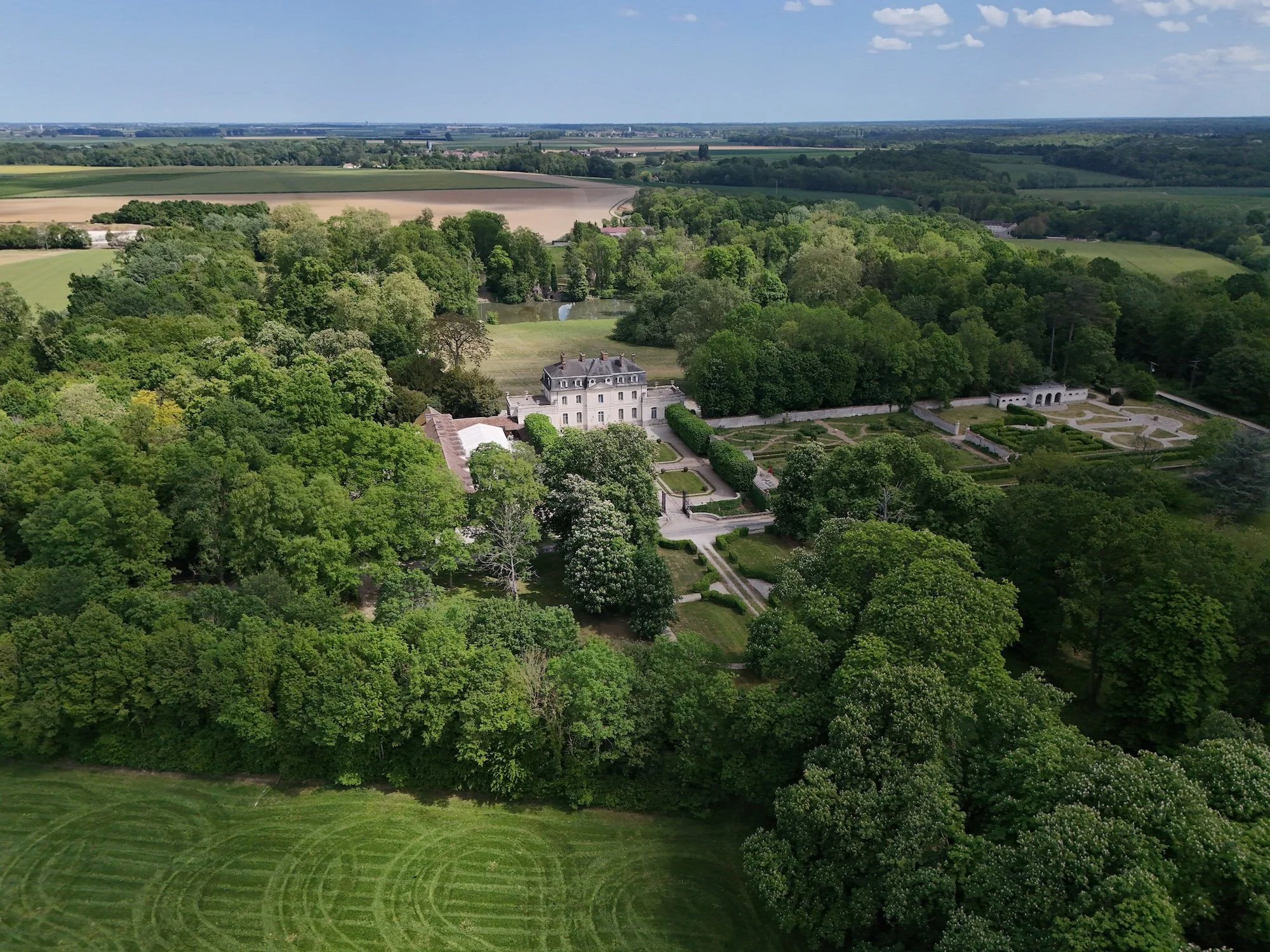
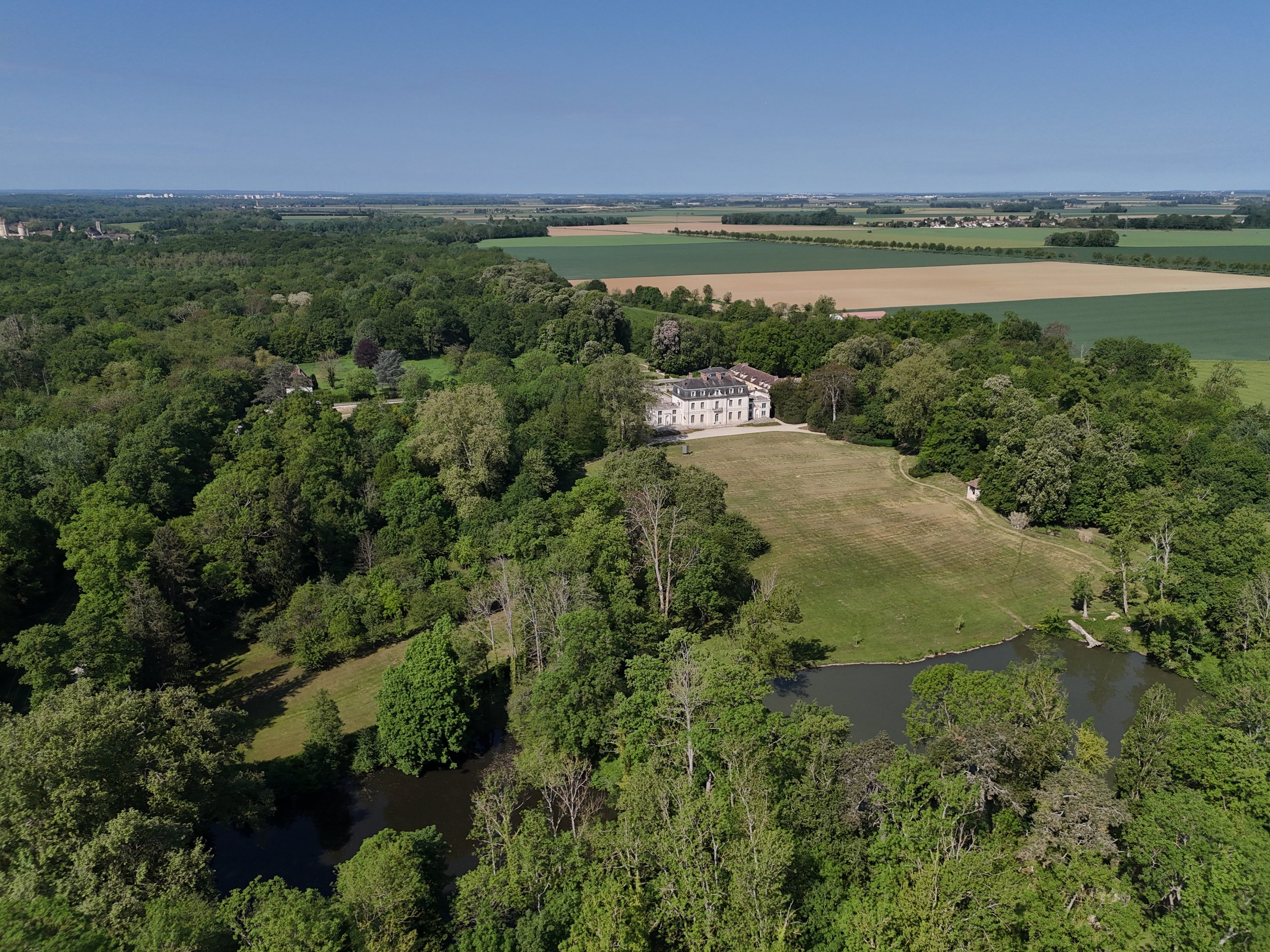
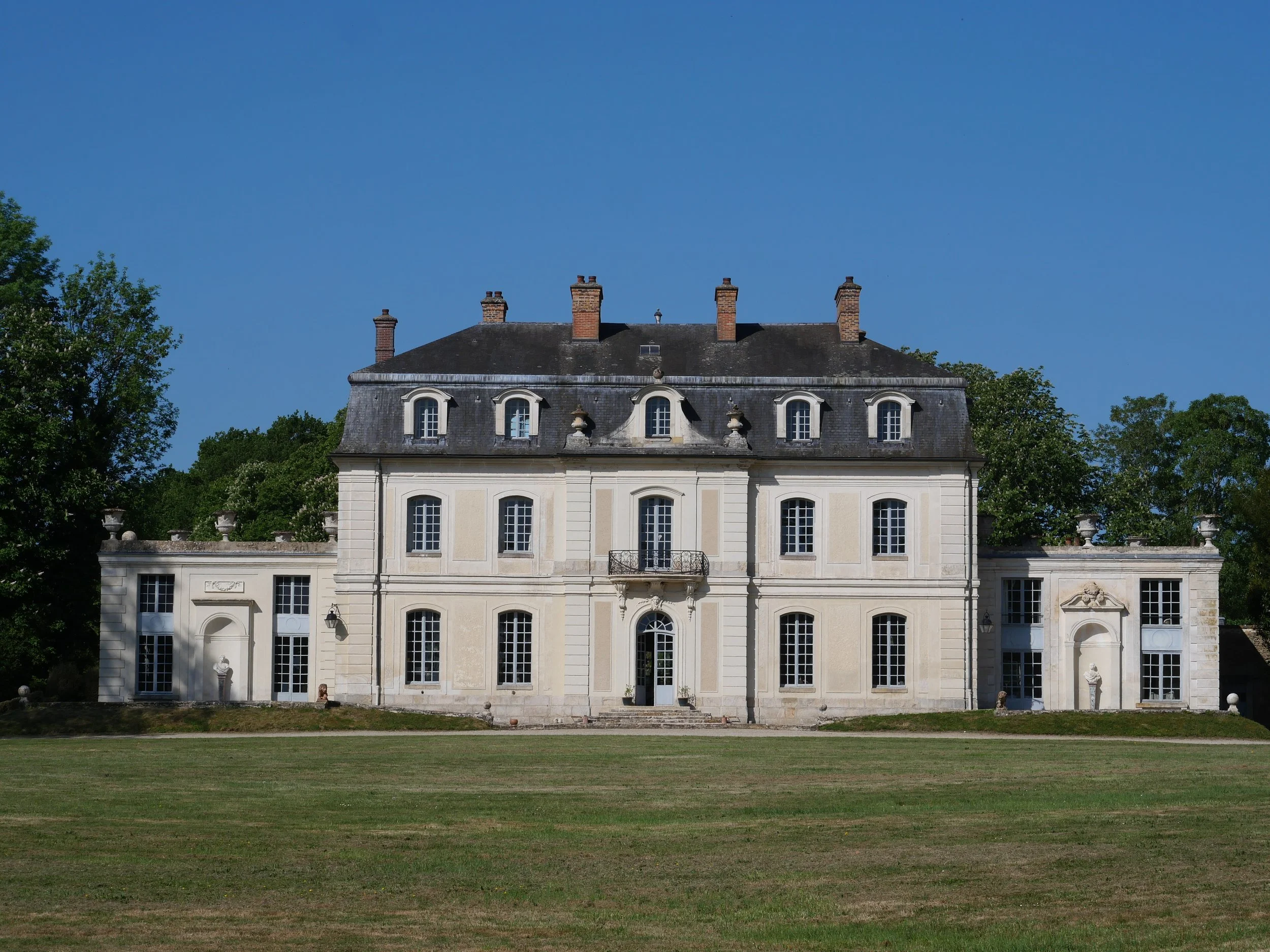
Built in 1750 for Parisian financier Jean-Baptiste Chabert, the château later passed to the d’Aunoy family and Pierre-Jean-Baptiste Gerbier, an Enlightenment-era lawyer connected to Louis François de Bourbon, Prince de Conti. Under this later 18th-century ownership, Carmontelle laid out the estate’s English-style park, an 18-hectare / 44-acre walled landscape considered one of the earliest of its kind in France.
Listed with Denniel Immobilier, the estate is located in Île-de-France, 60 km / 37 miles from Paris and around 45 minutes by car. It sits near Château de Vaux-le-Vicomte and 27 km / 17 miles from Fontainebleau.
To request further information, including the full property dossier and pricing details, please submit an enquiry through the form below.
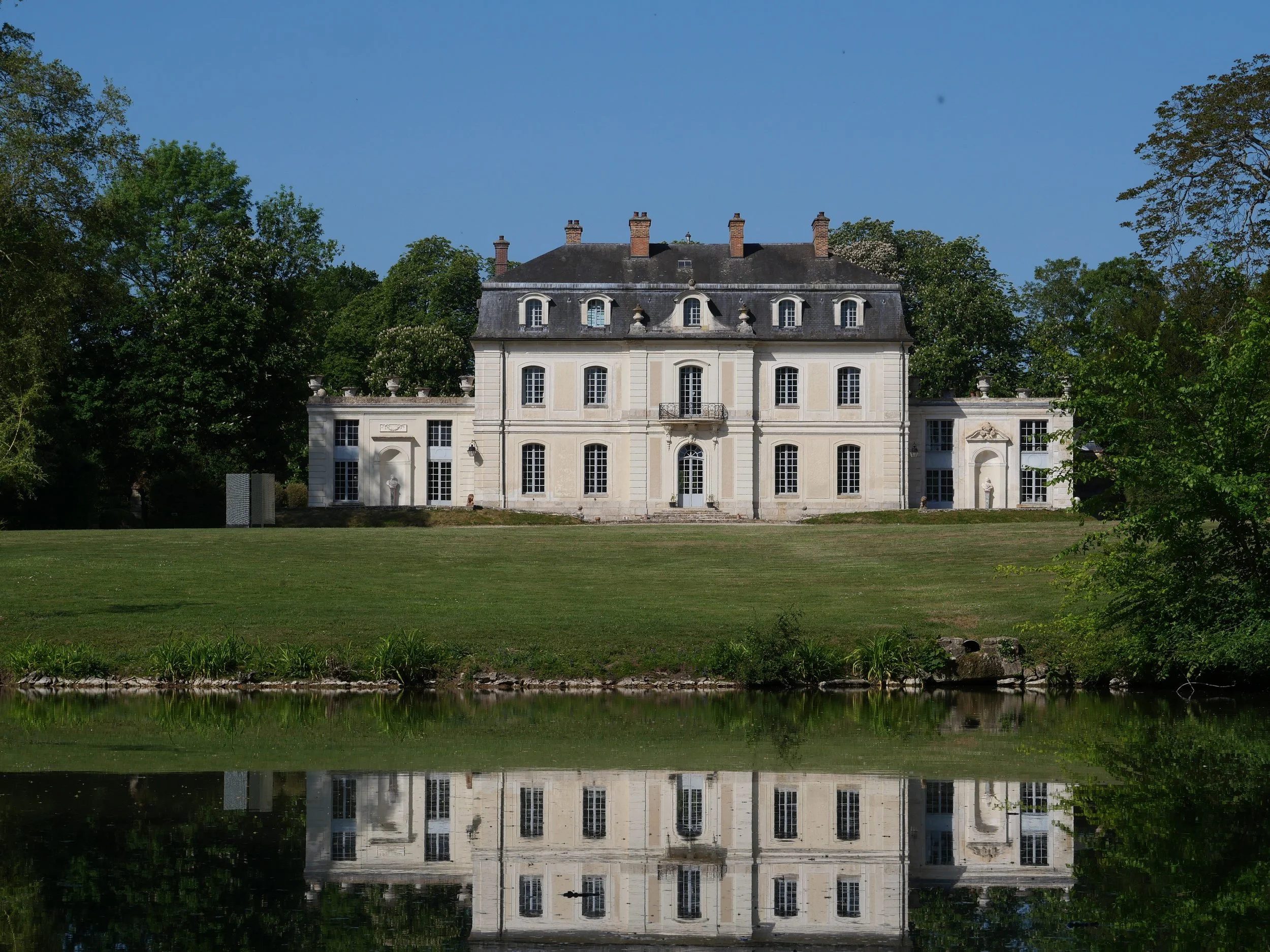
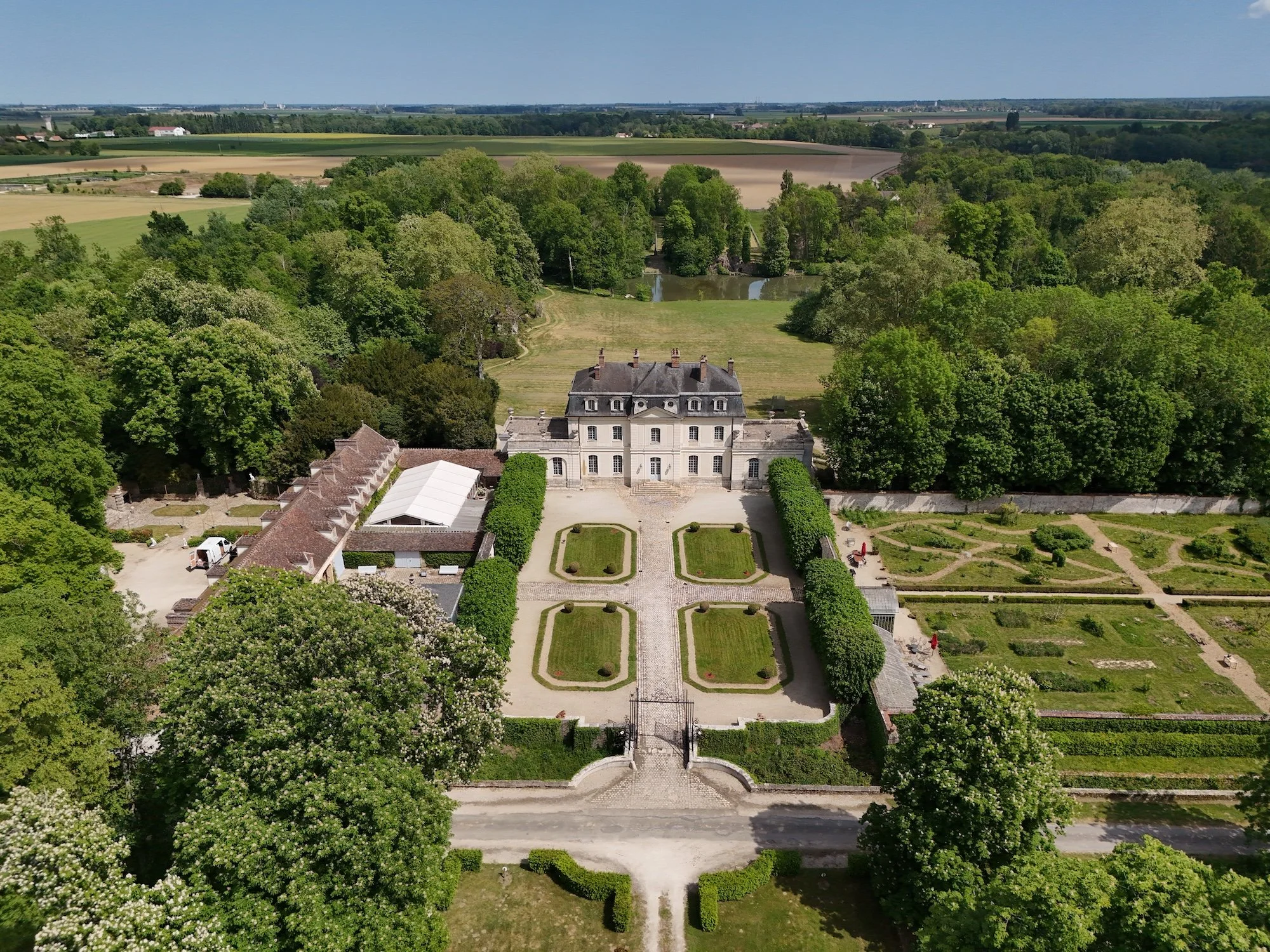
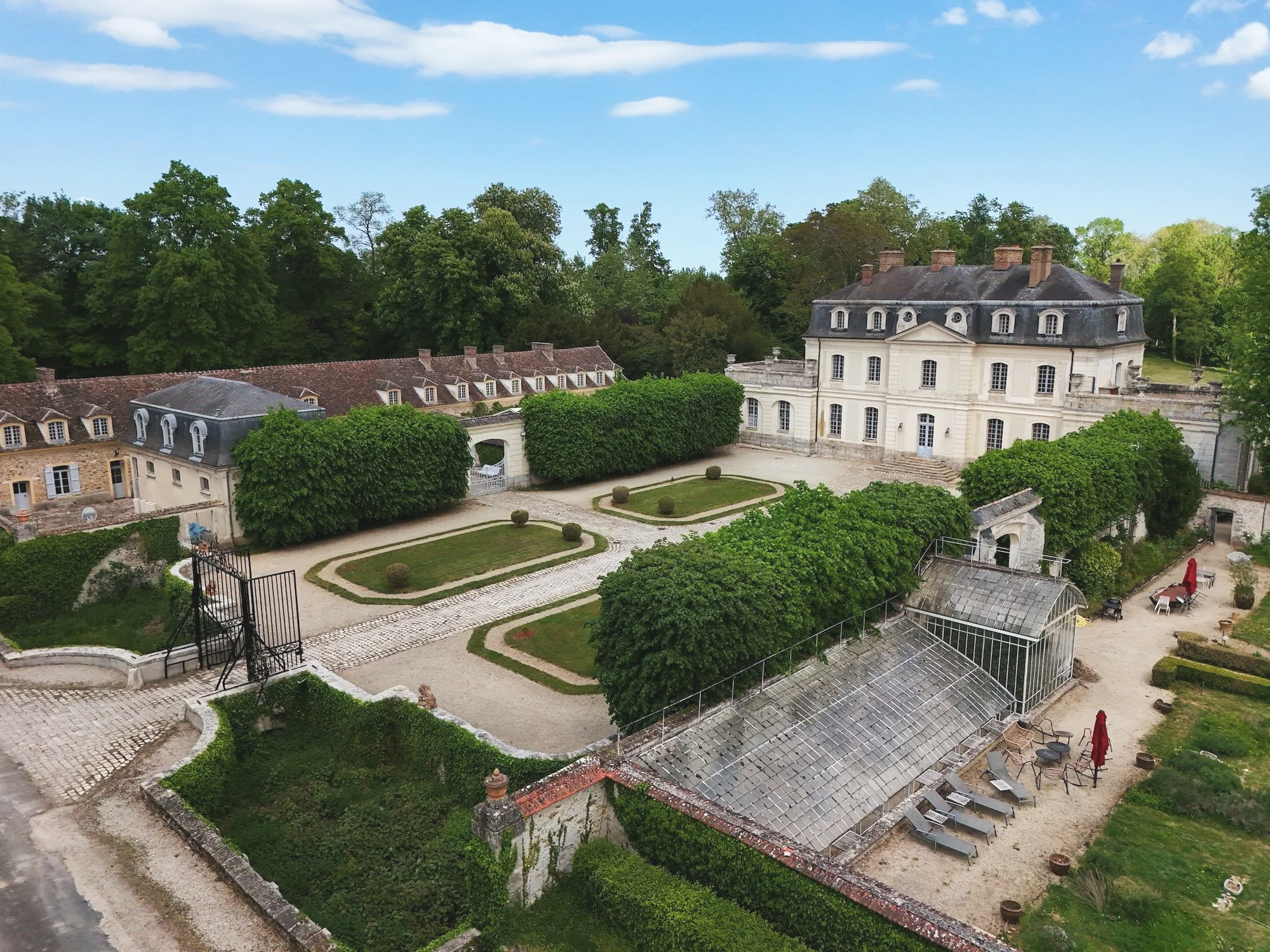
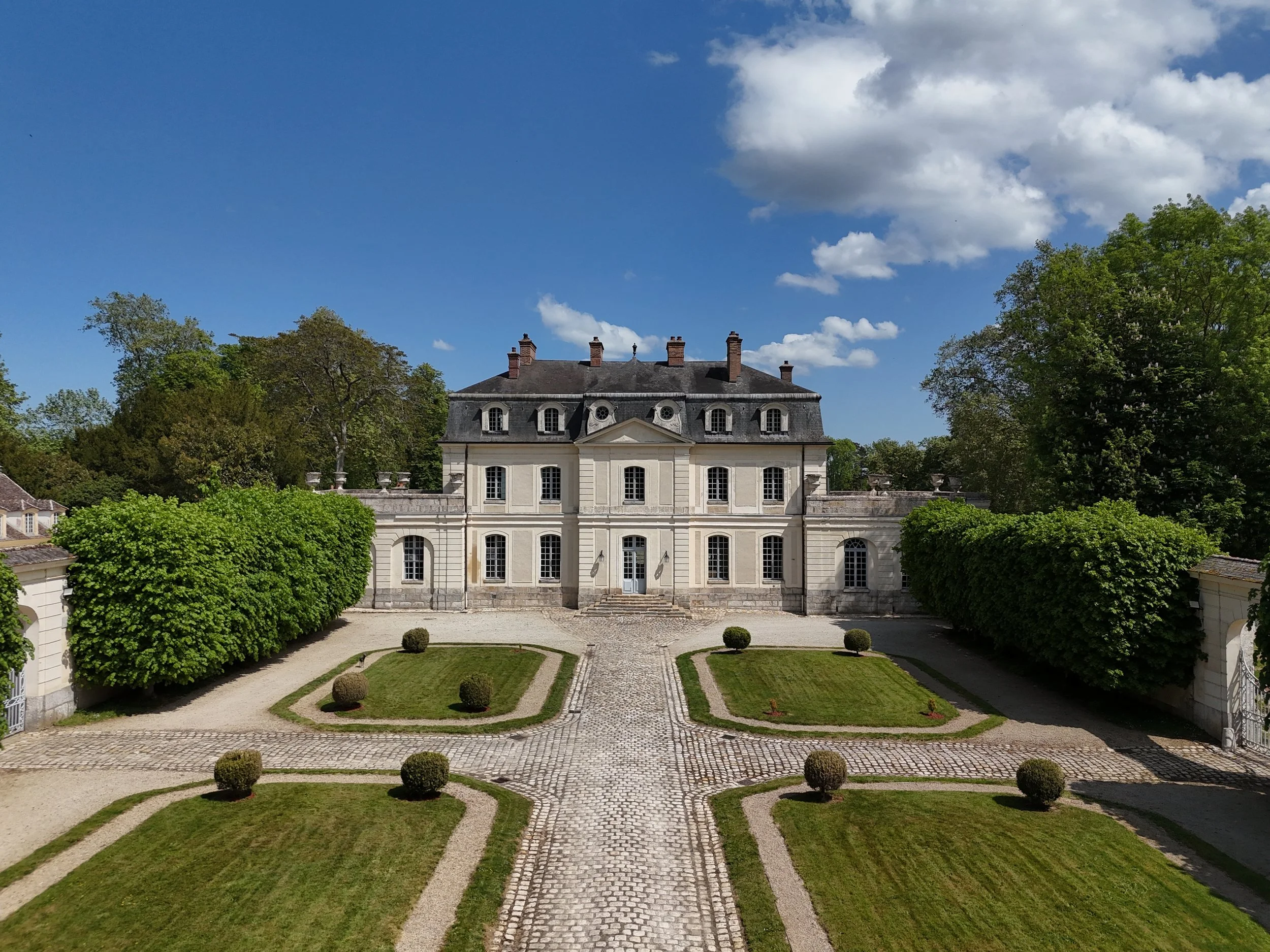
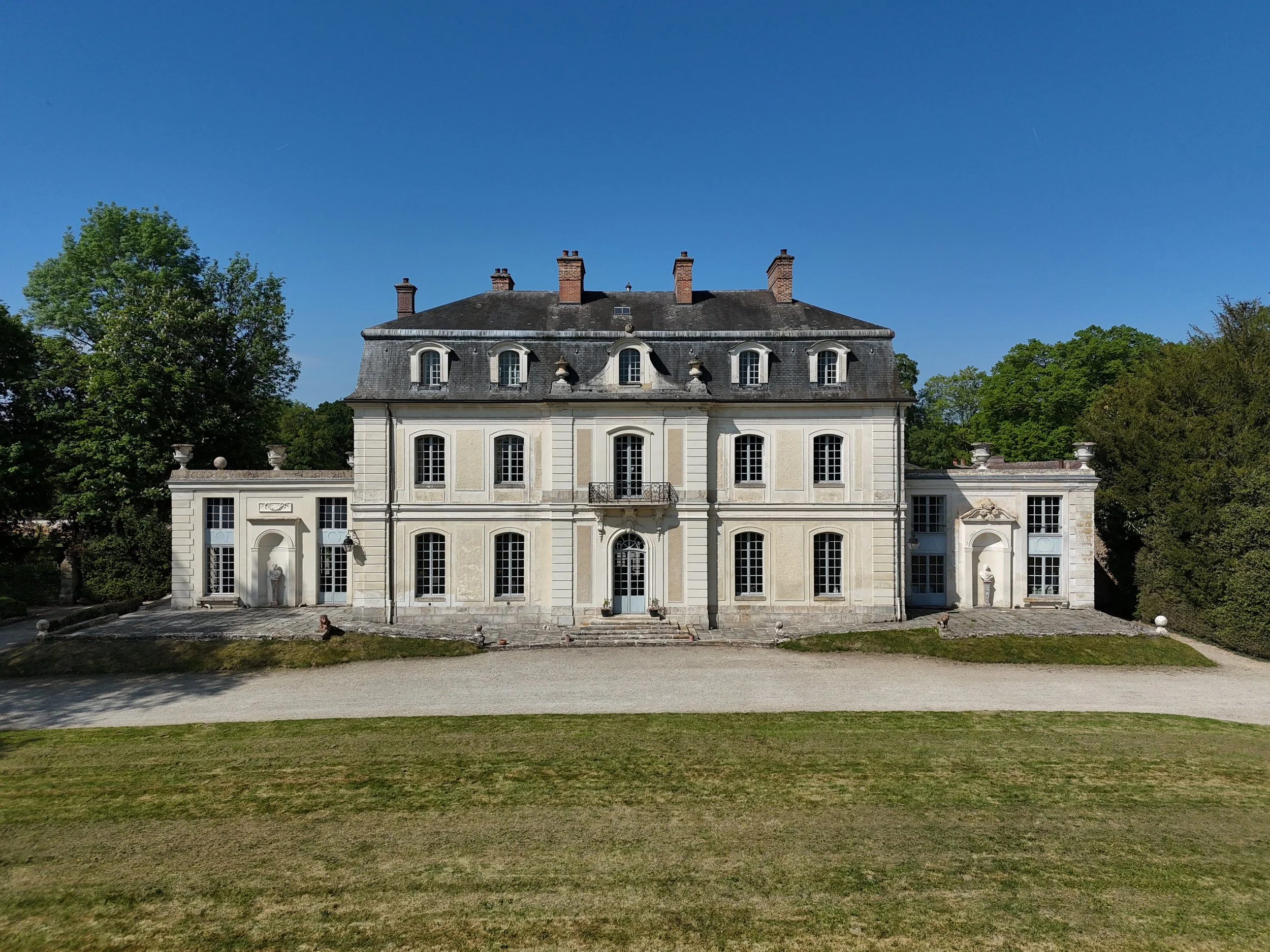
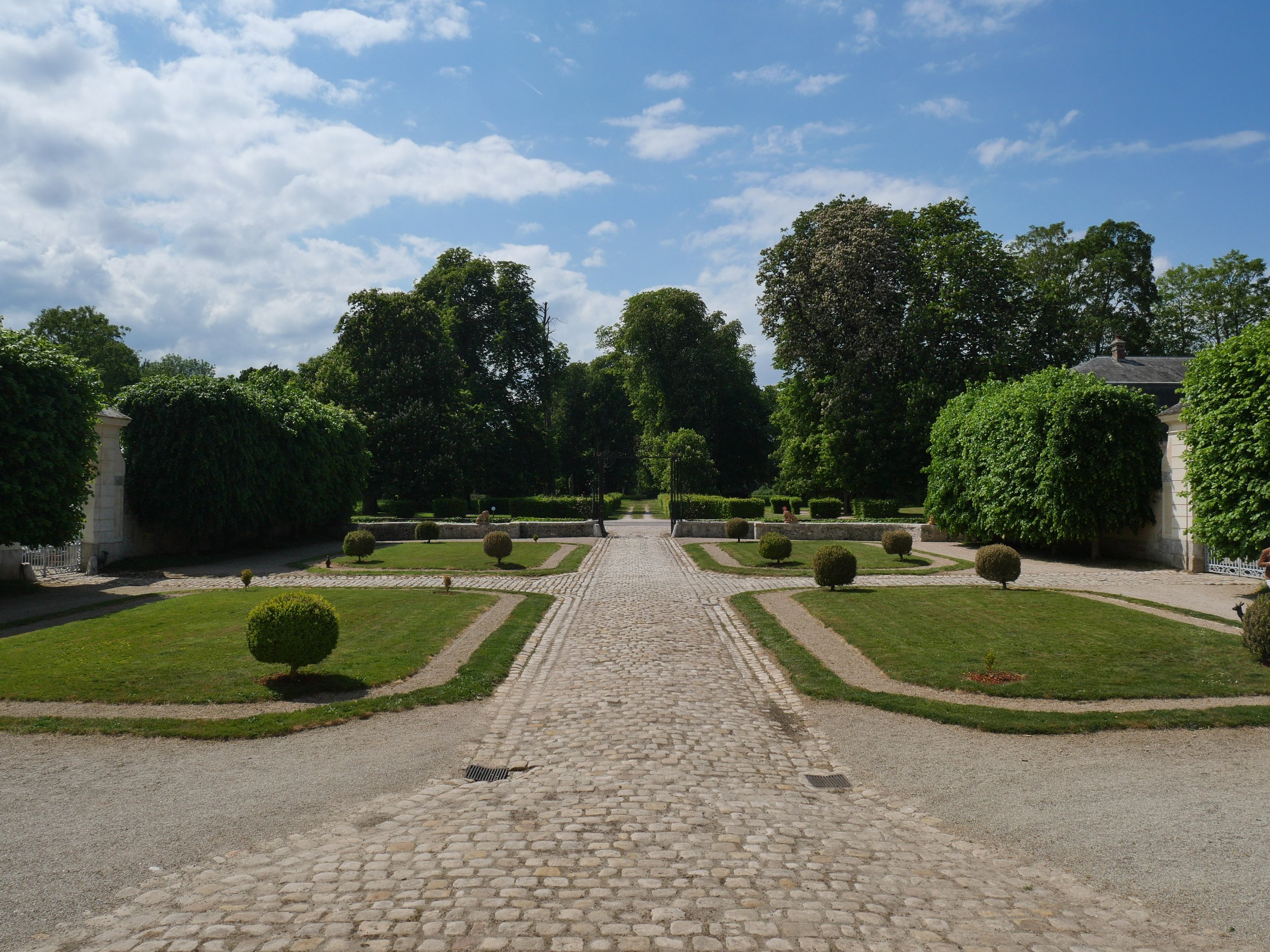
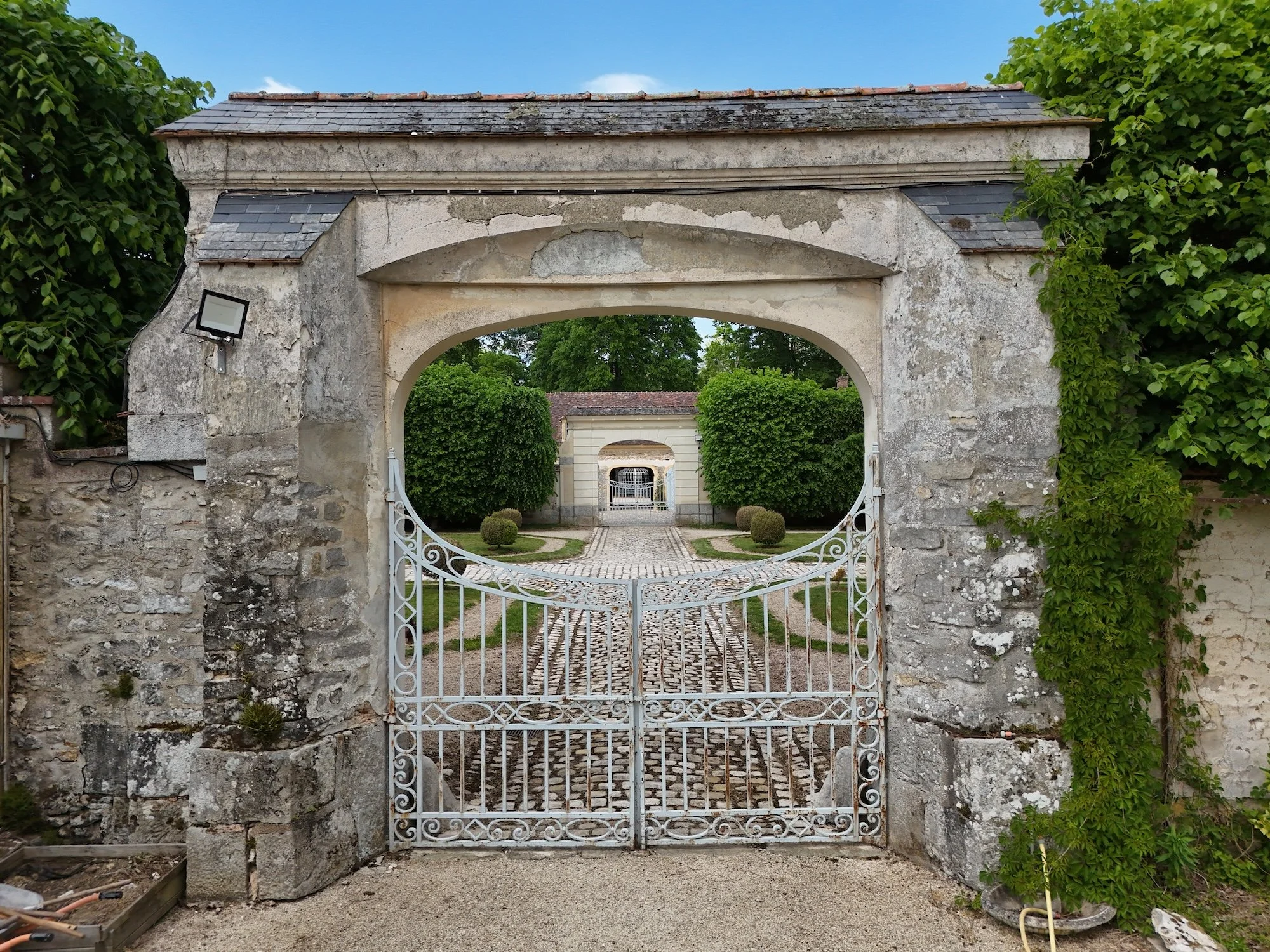
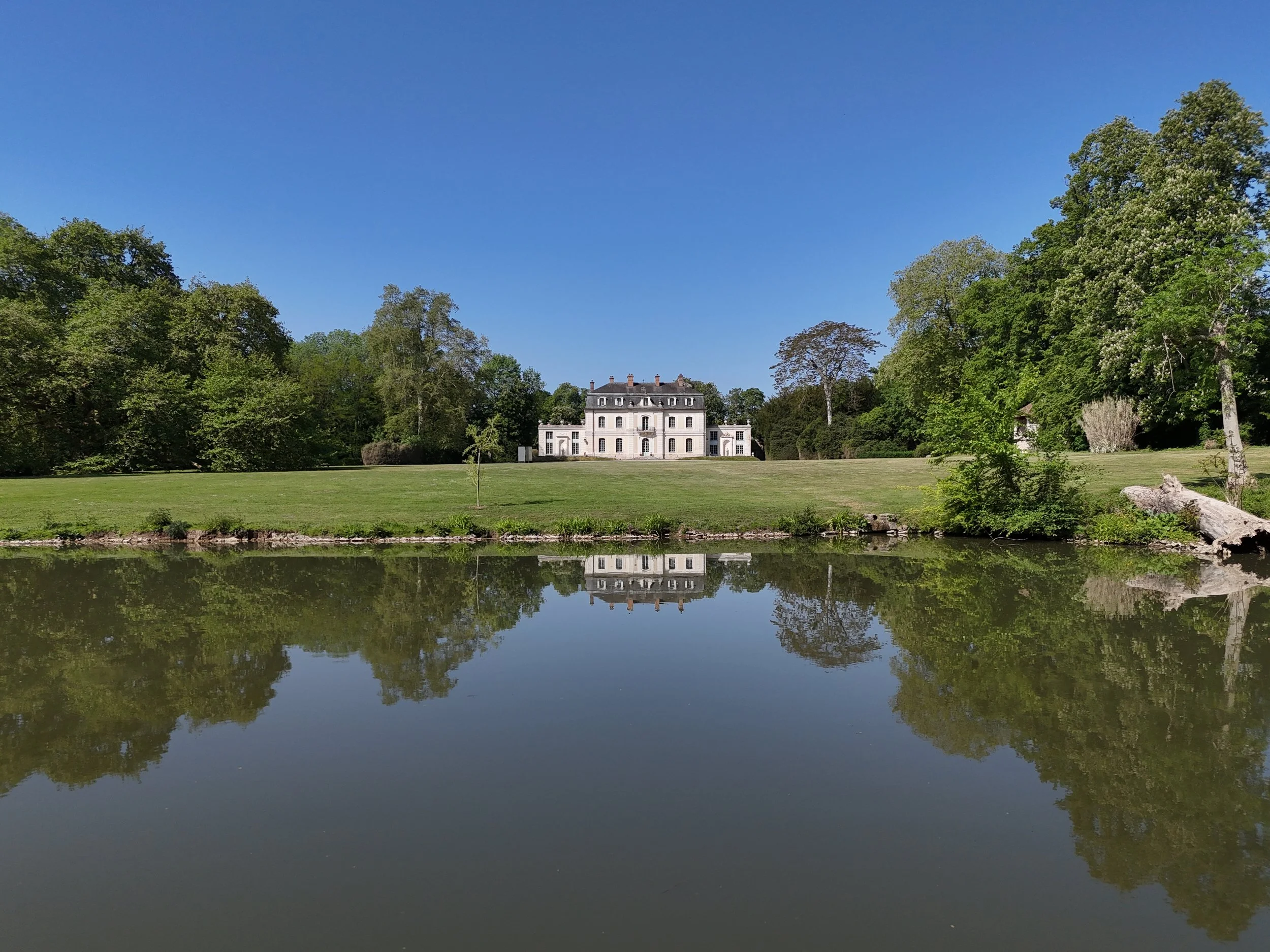
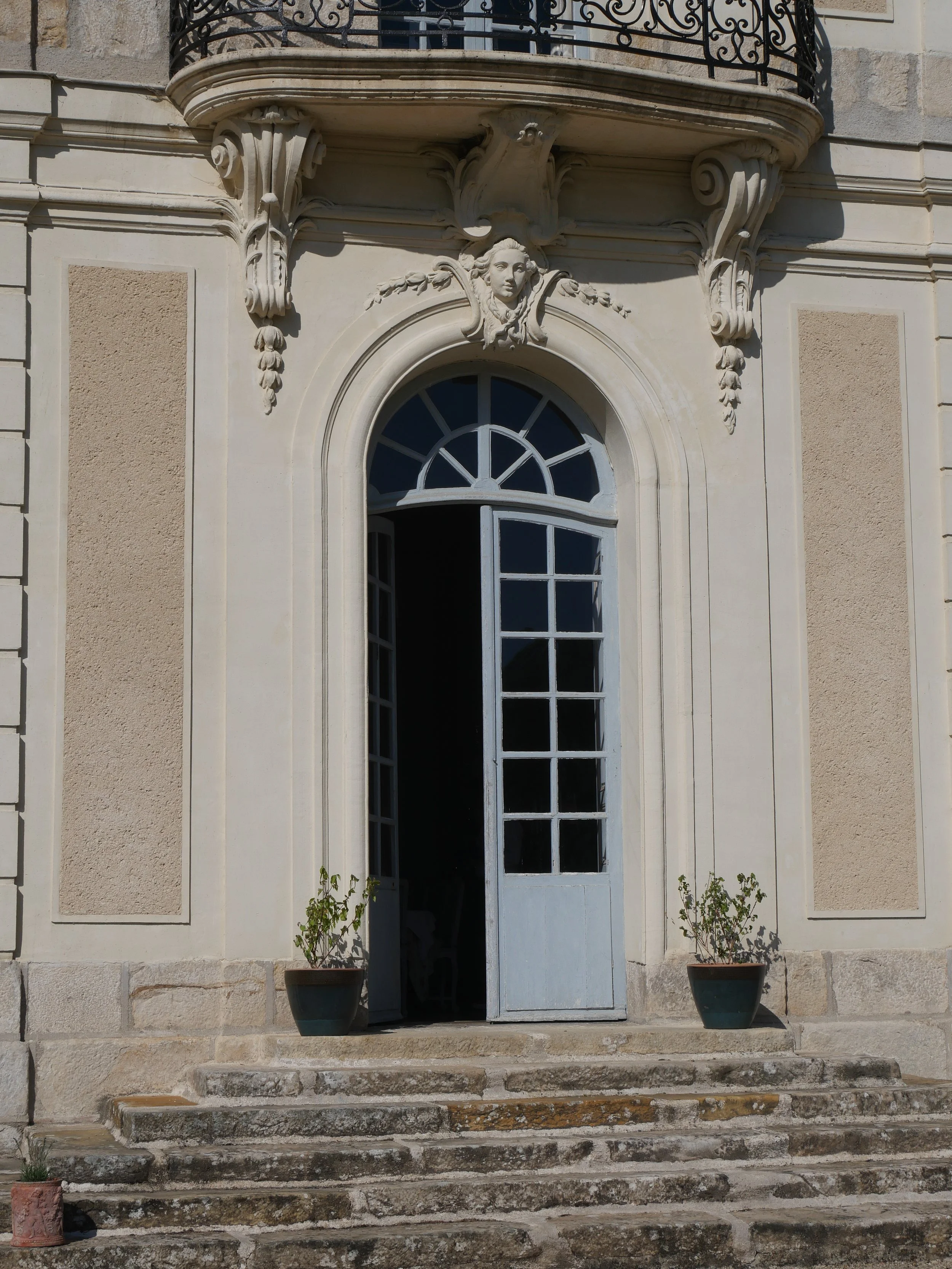
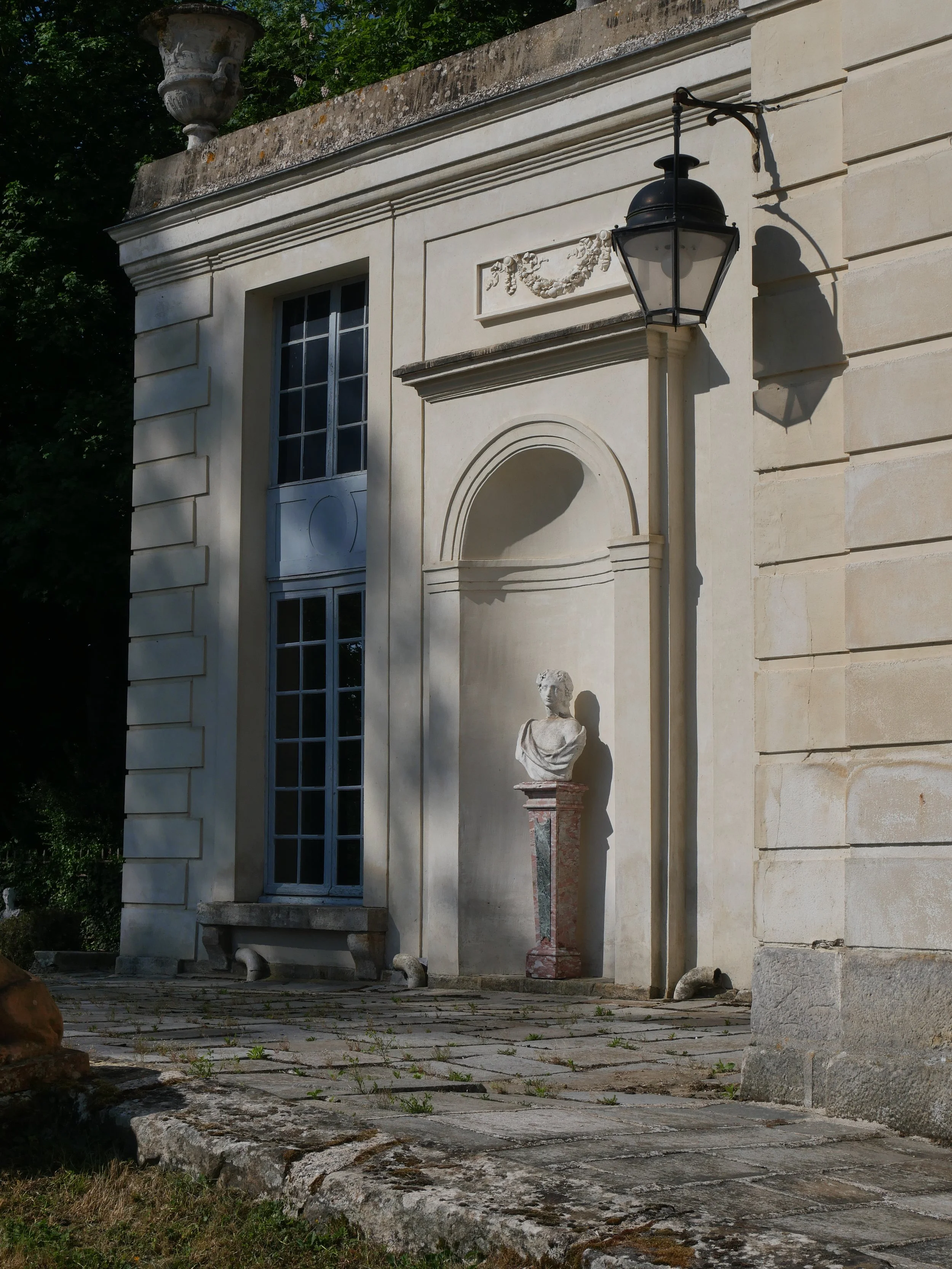
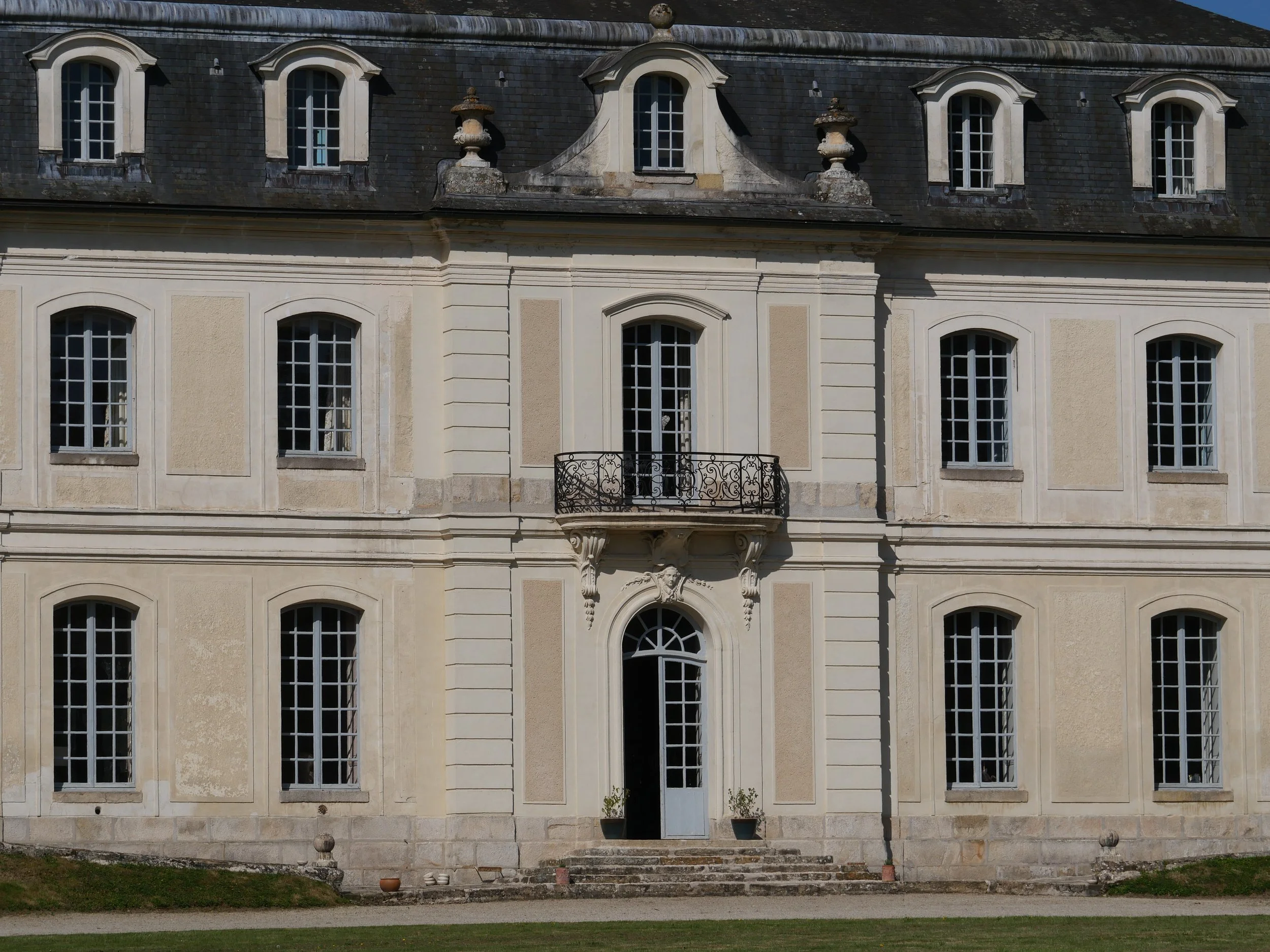
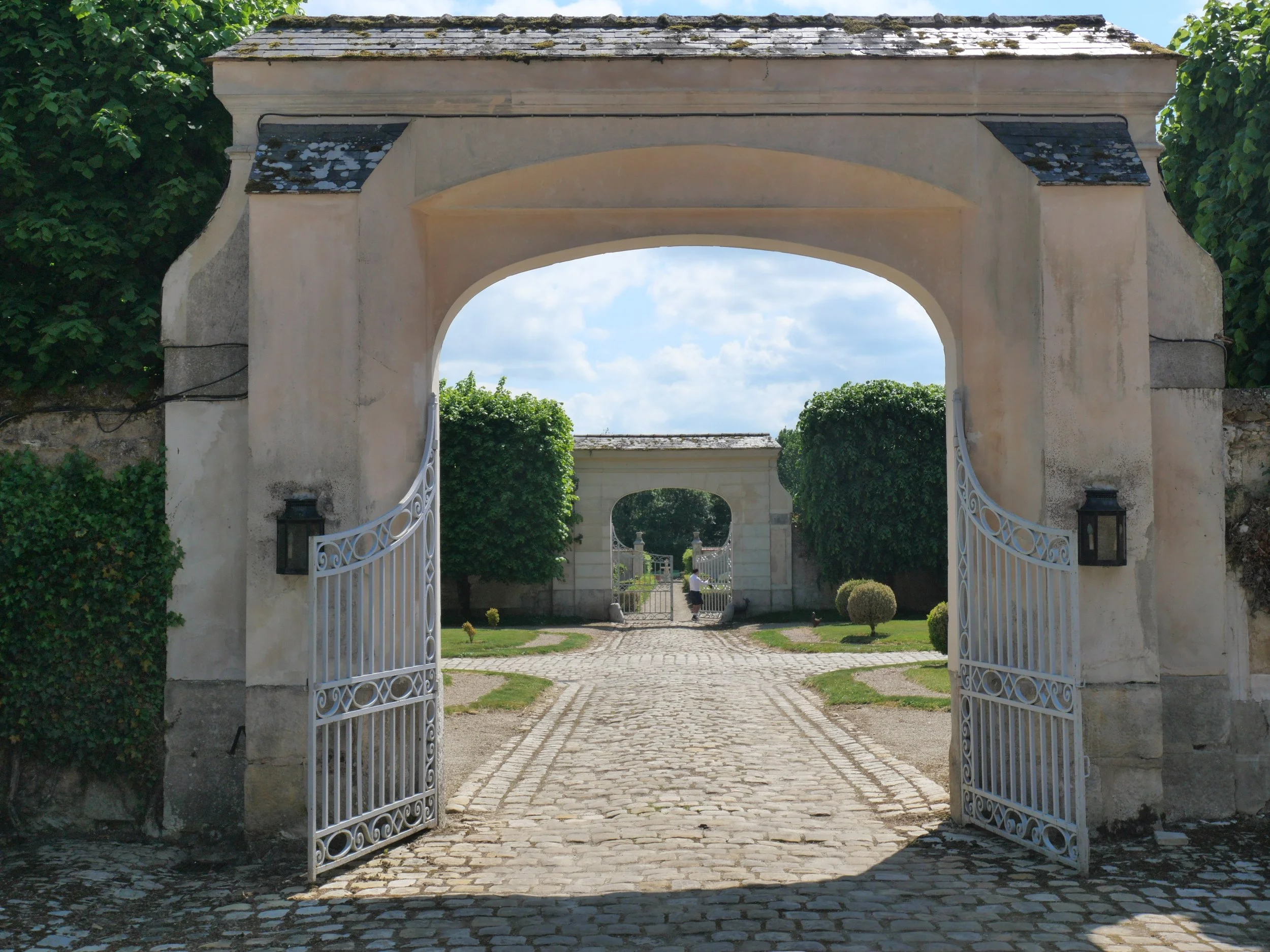
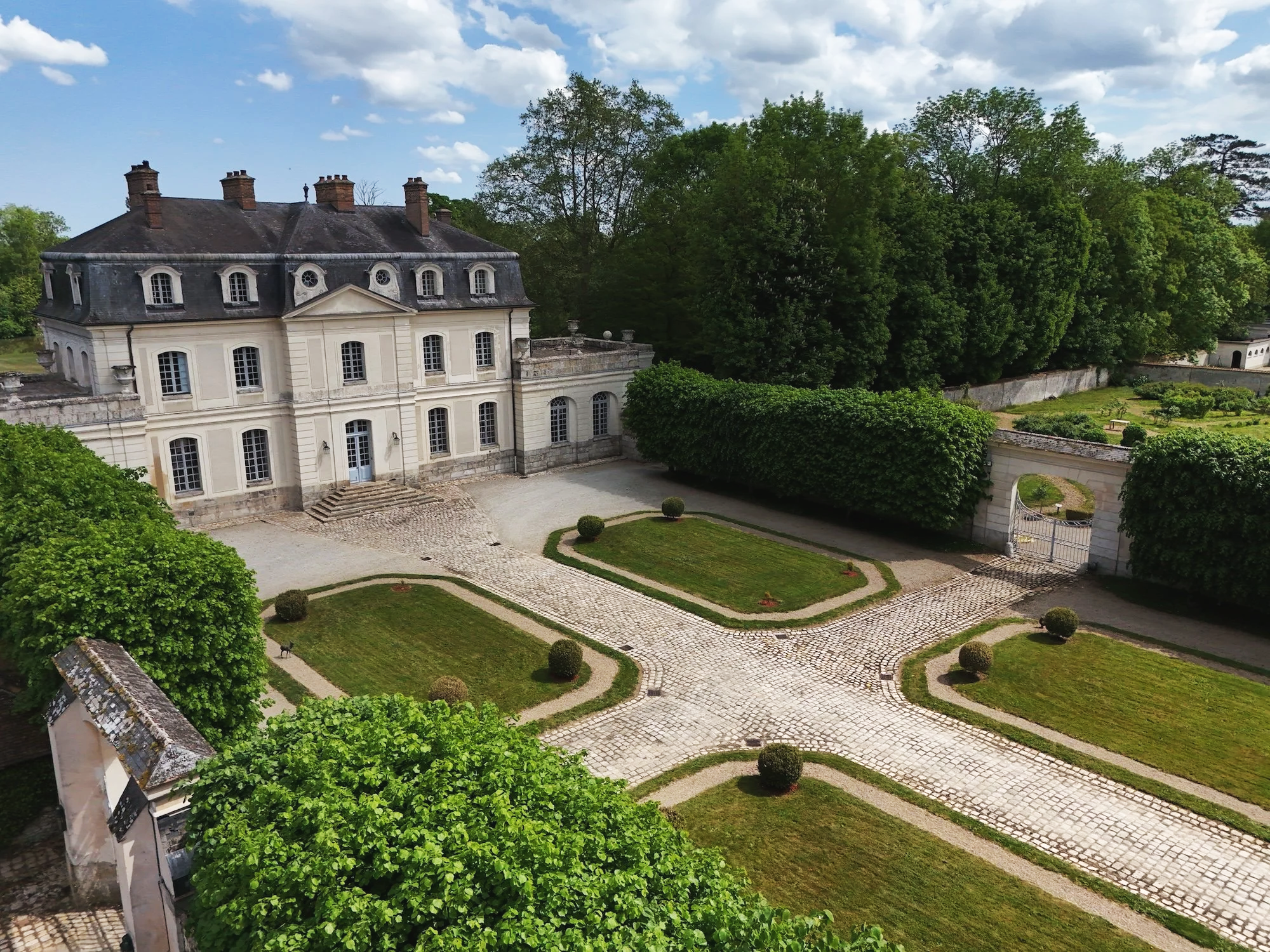
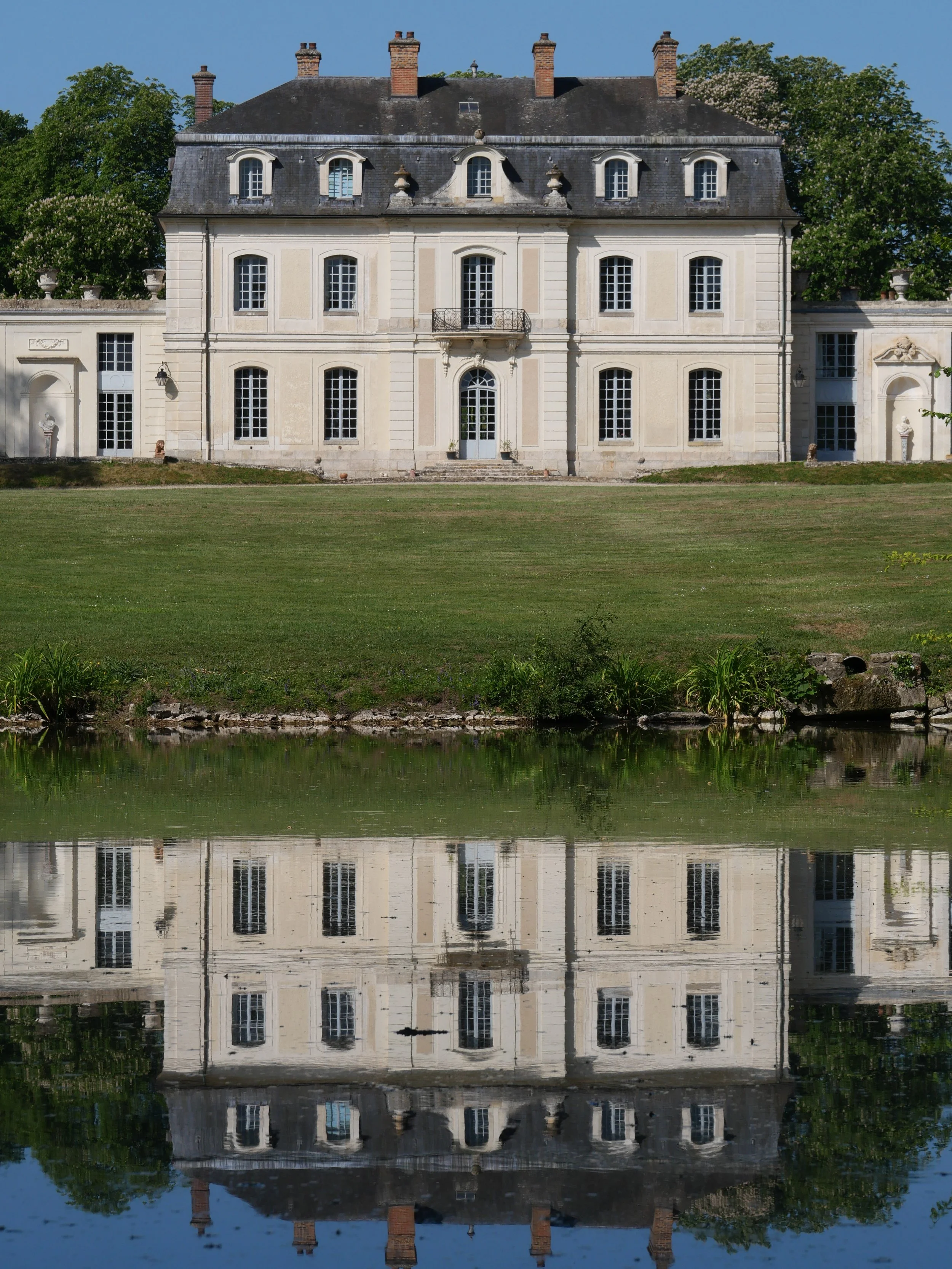
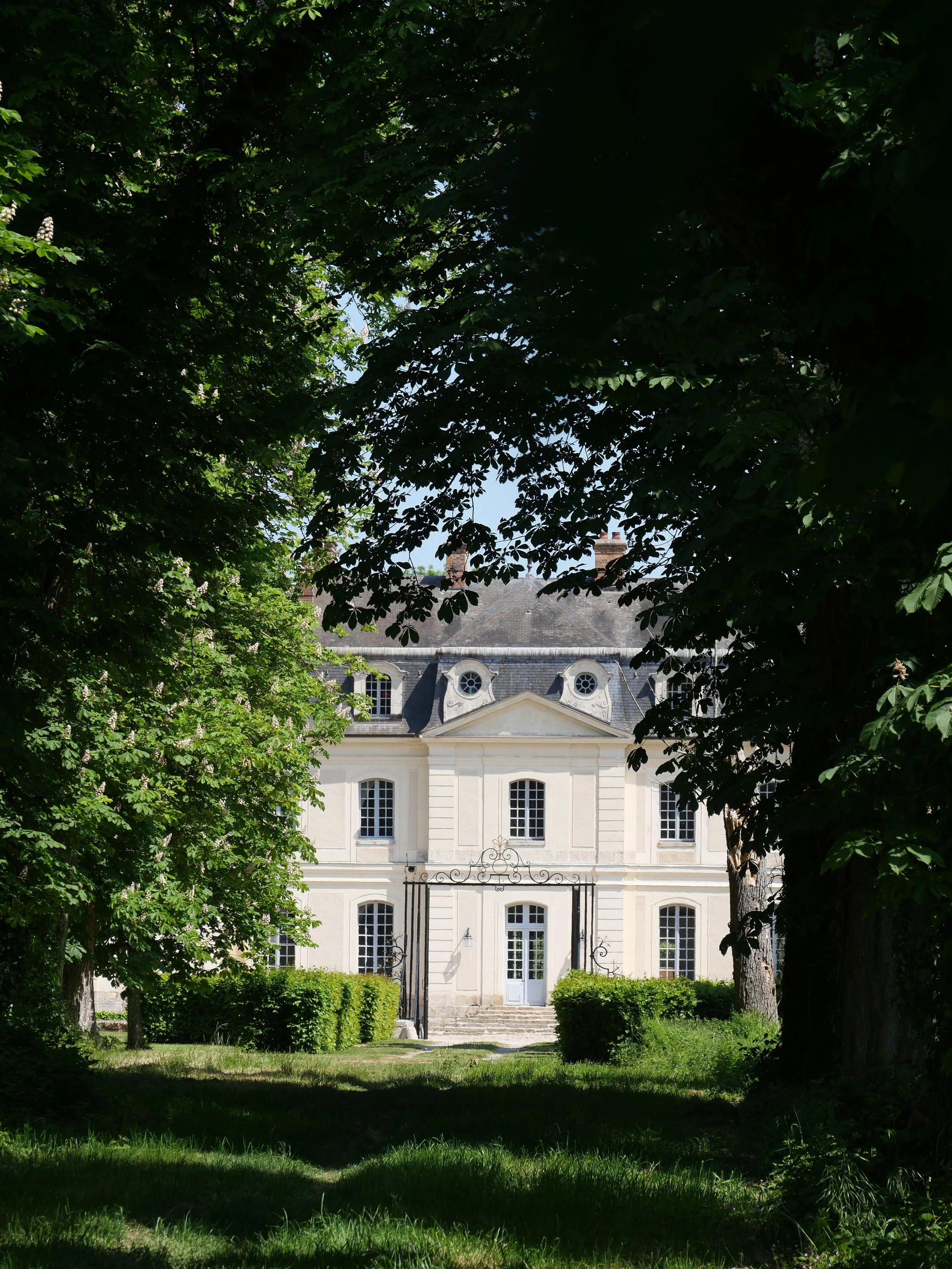
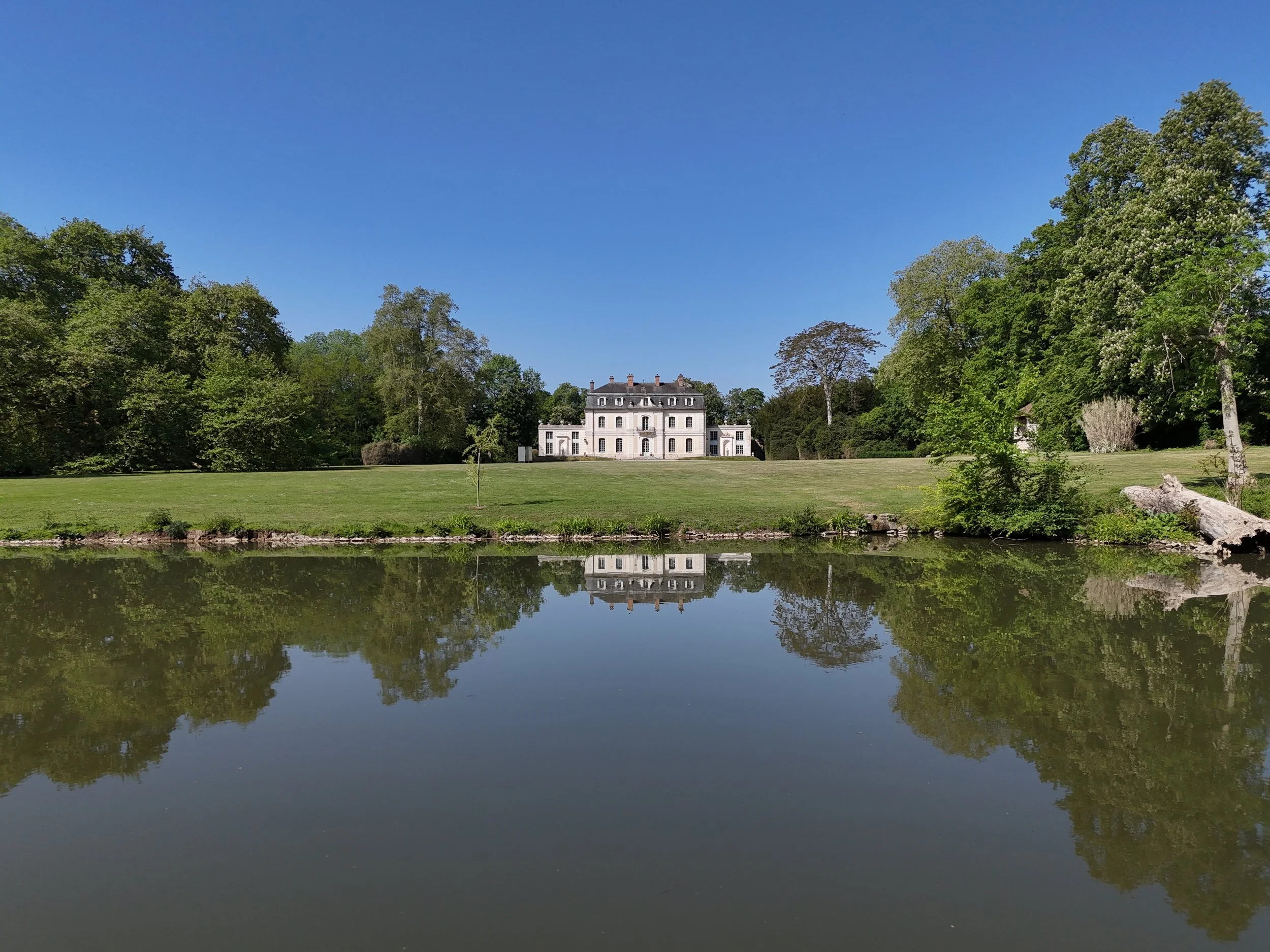
Built on the site of a medieval castle destroyed by fire, the château was rebuilt in stone in the early 1750s, a deliberate response to the earlier structure’s fate. Its architecture follows the balanced classical language of Parisian hôtels particuliers, with a symmetrical façade beneath Mansard roofs and two low wings crowned with antique-style urns. A 300-metre / 984-foot tree-lined drive leads to the entrance, where sunken ha-has frame the approach to the paved honour courtyard.
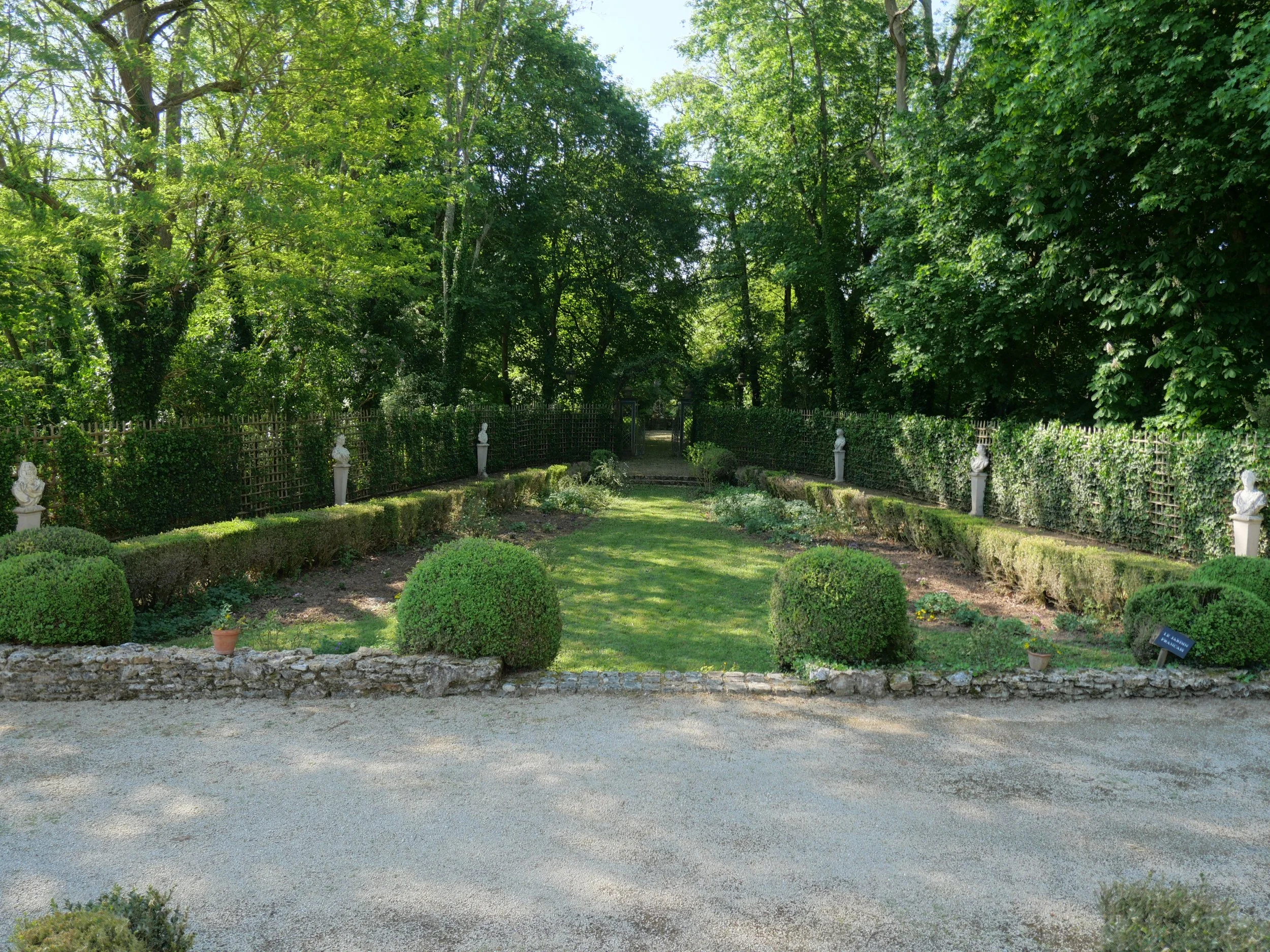
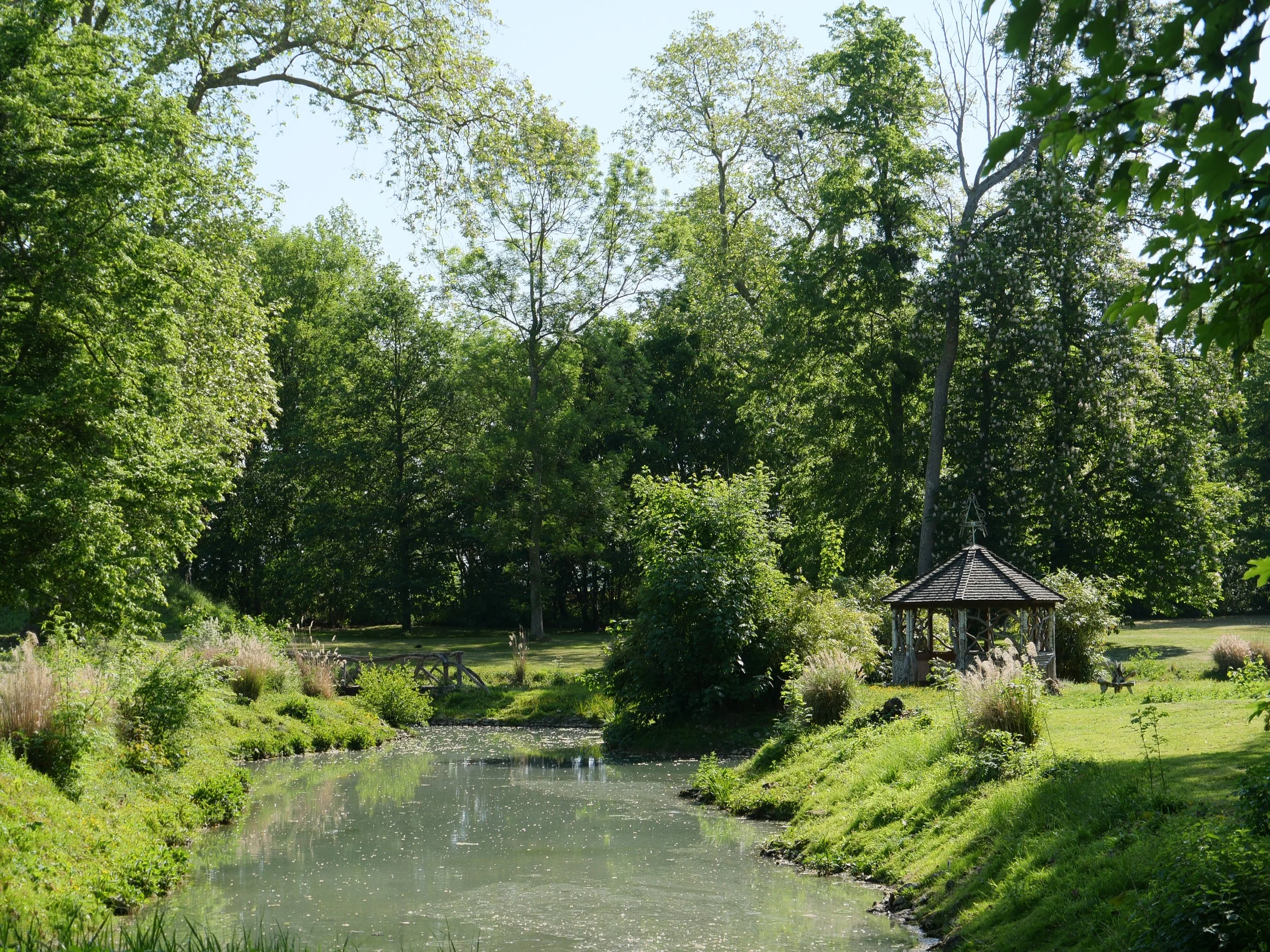
The landscape moves between two design languages: the ordered world of the French estate, with its courtyard, walled kitchen garden, greenhouse, and neoclassical orangery, and the more romantic English-style park beyond. Created in the 1760s, the walled park is arranged around ponds, a natural spring, statues, urns, columns, a hermitage, an island pavilion, a ruined dovecote, and a monumental obelisk.
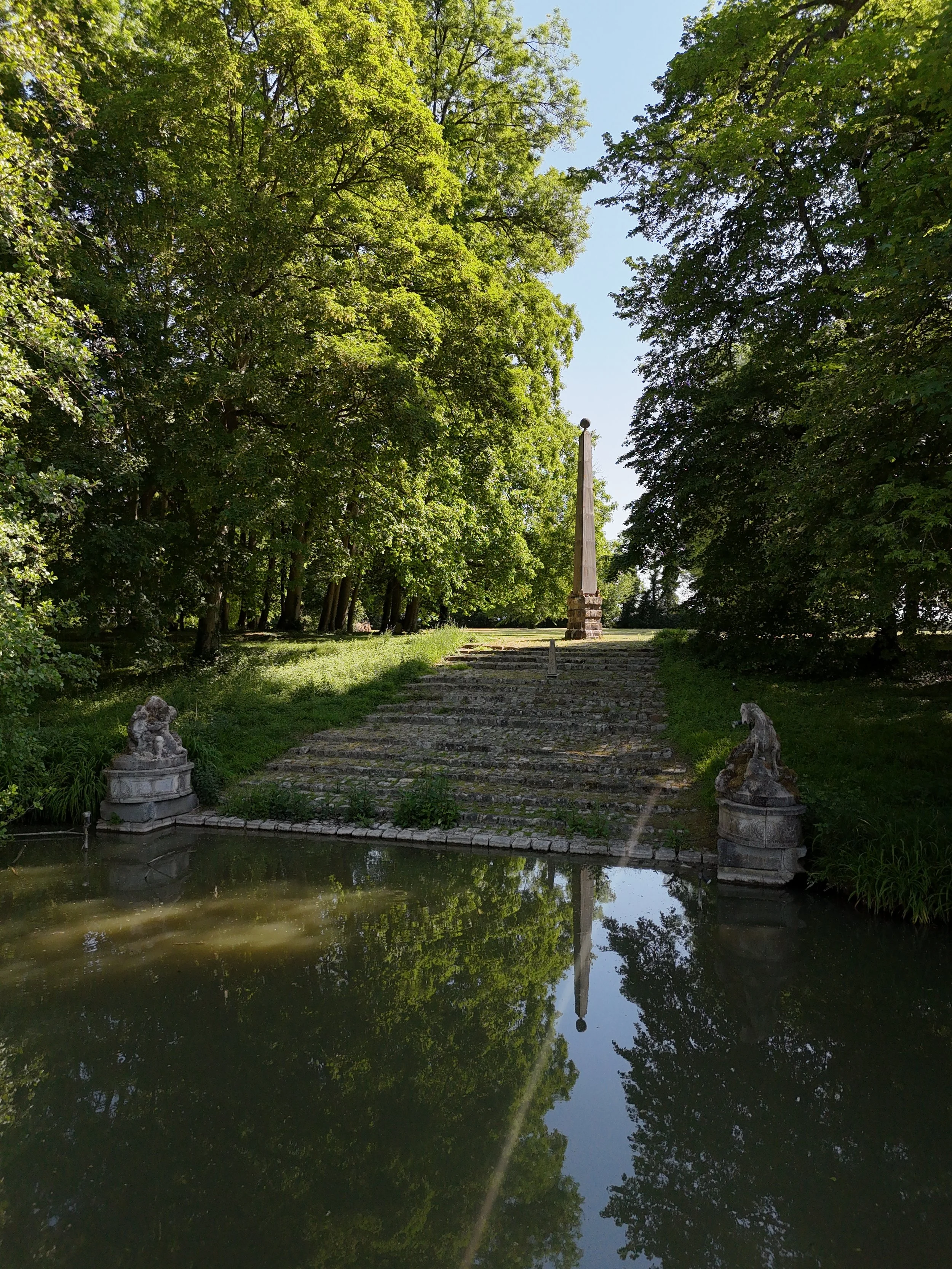
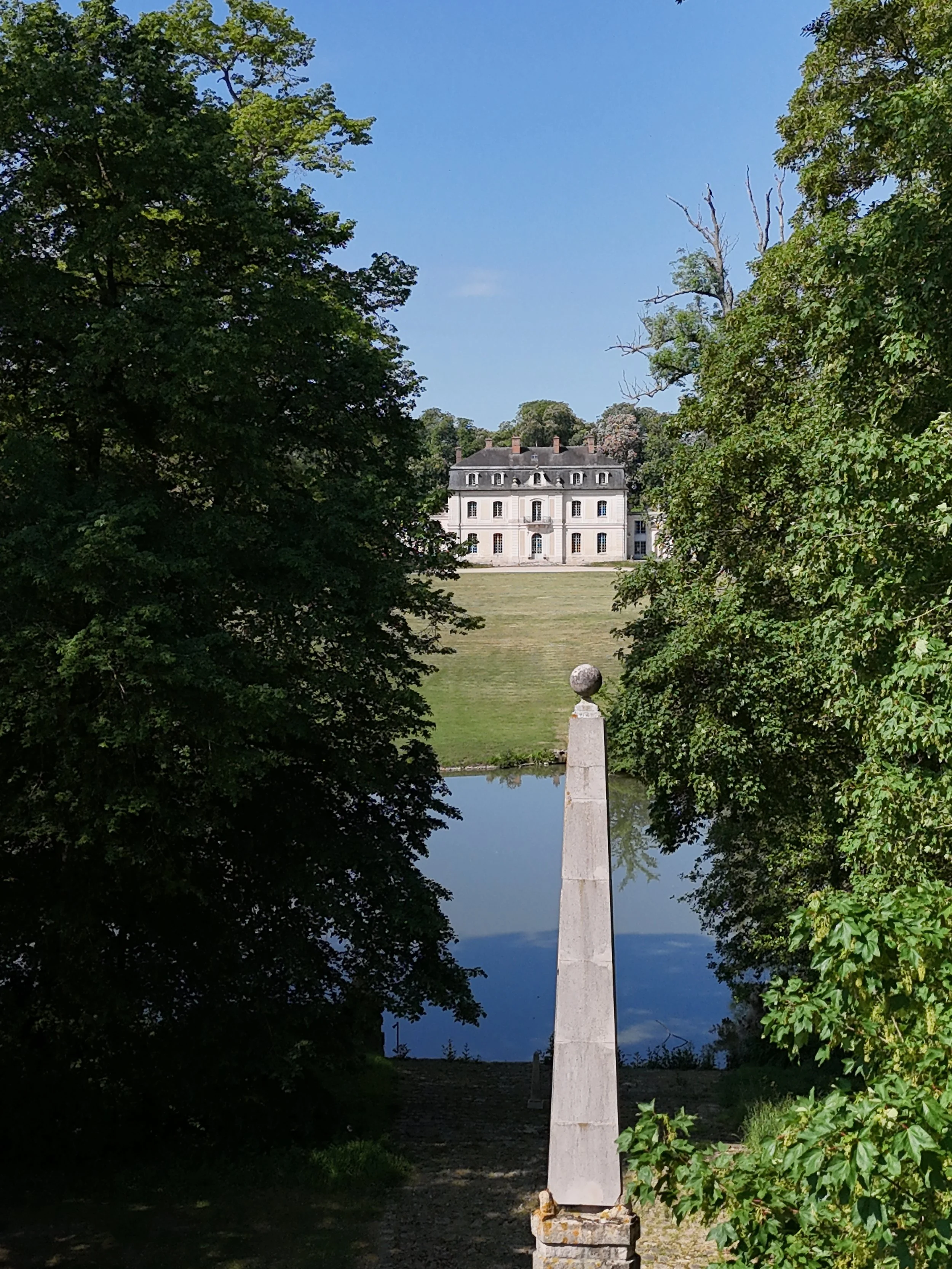
At the time, this was still a new language of landscape in France. While the English landscape garden had already begun reshaping estates across the Channel, French aristocratic gardens remained largely defined by the ordered legacy of Versailles. Here, the design replaced strict geometry with picturesque views, long perspectives, water, follies, and staged moments of discovery.
The park quickly entered an influential circle. It drew the attention of the Prince de Conti, a senior Bourbon prince who was developing romantic gardens at his own estates in L’Isle-Adam, and Marie-Adélaïde de Bourbon, Duchess of Chartres, wife of the Duc de Chartres and great-granddaughter of Louis XIV. Their visits placed the estate within the aristocratic world beginning to embrace the English-style garden in France.
Carmontelle was later commissioned by the Duc de Chartres to design the Folie de Chartres, the private pleasure garden developed in the 1770s that would eventually become Parc Monceau, now one of Paris’s most admired parks.
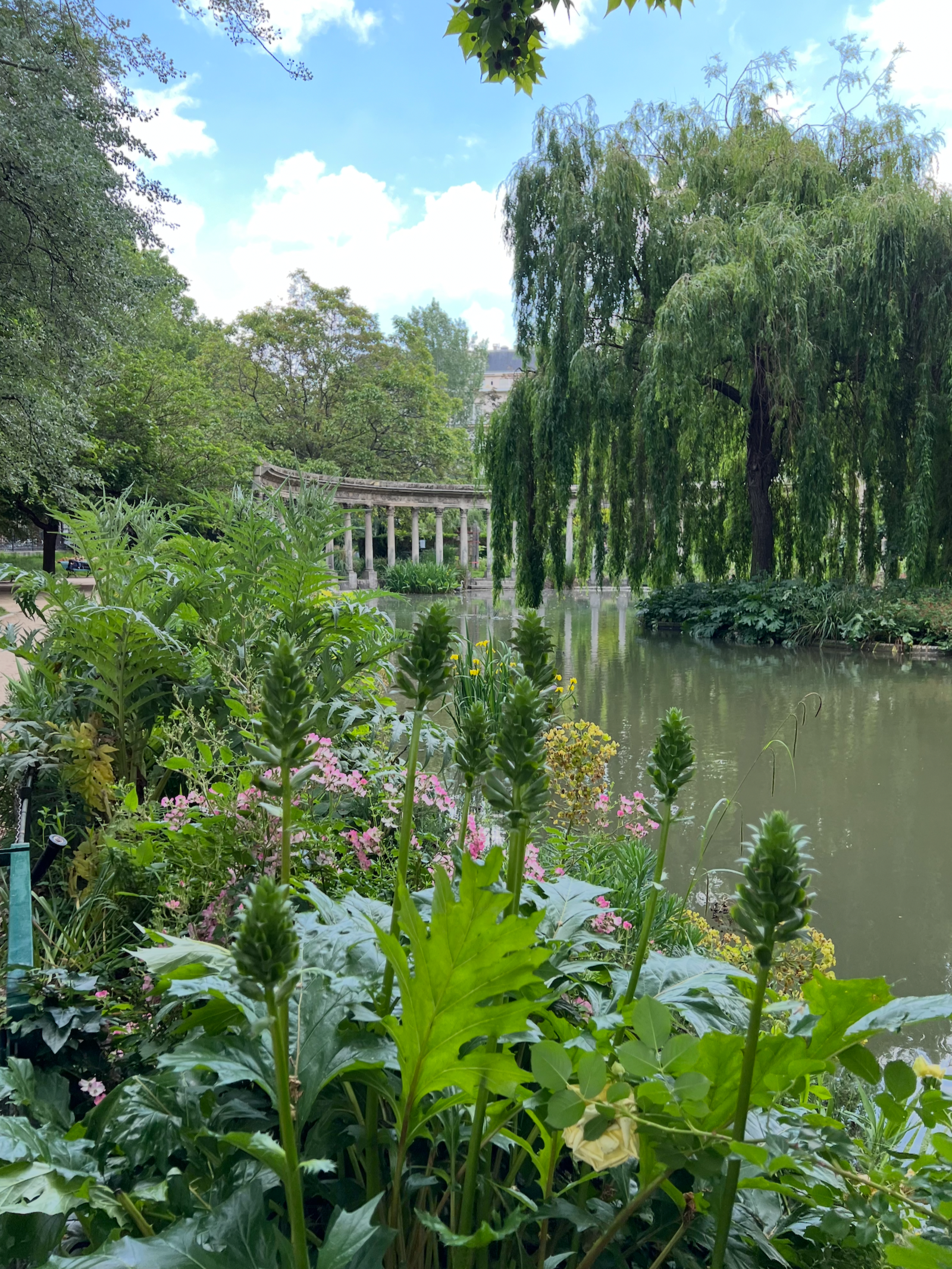
Michael Maka, Parc Monceau
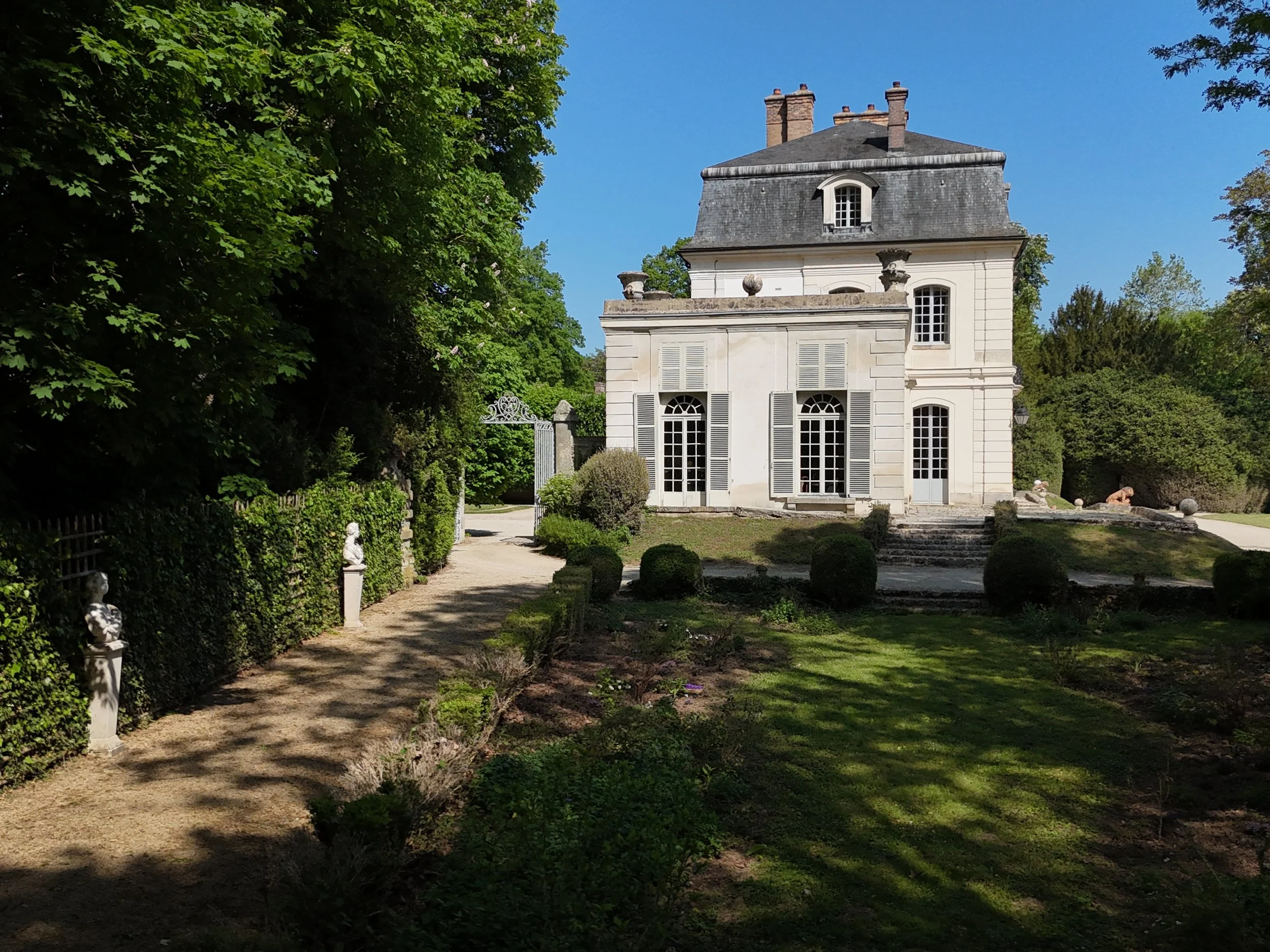
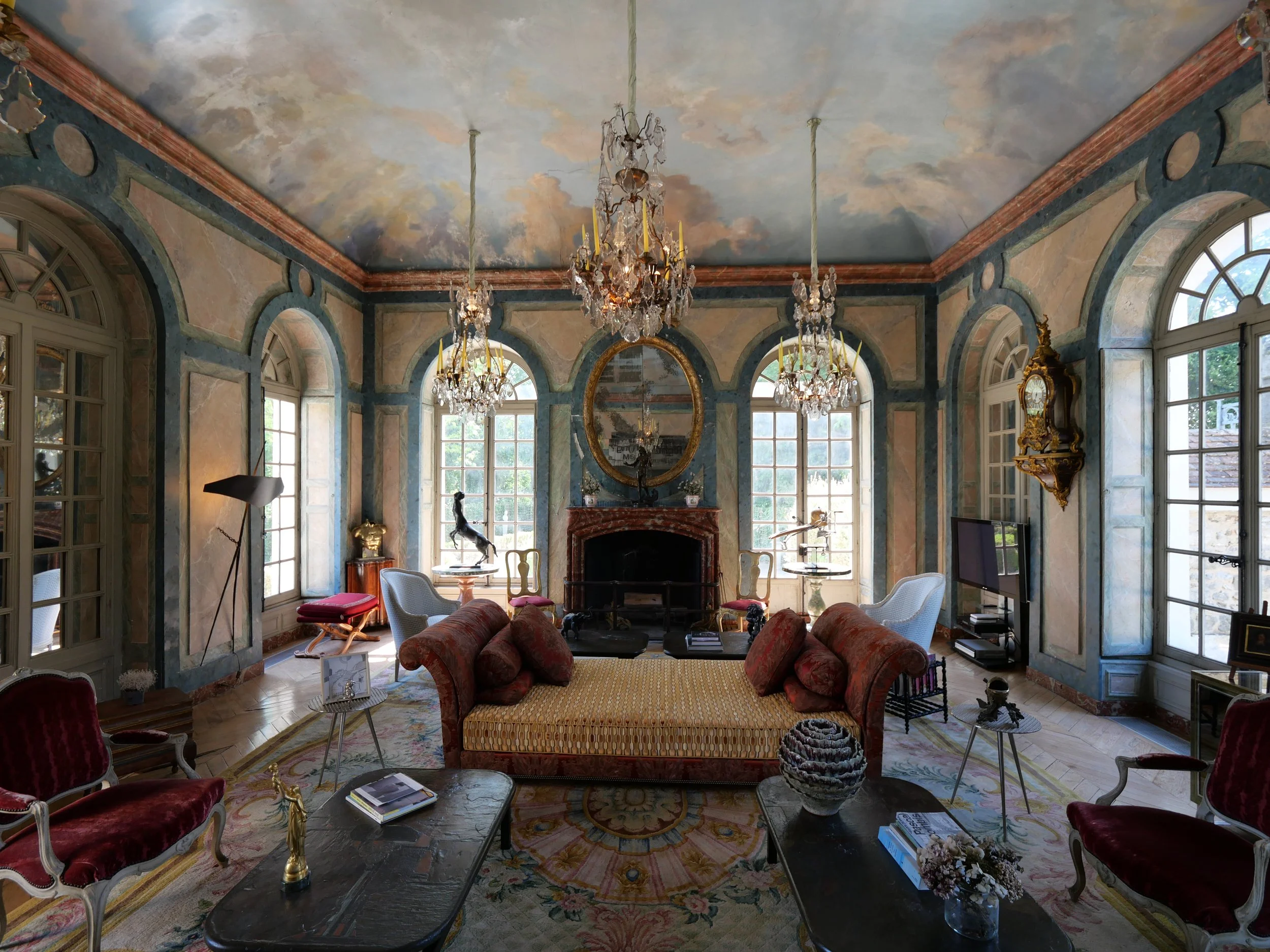
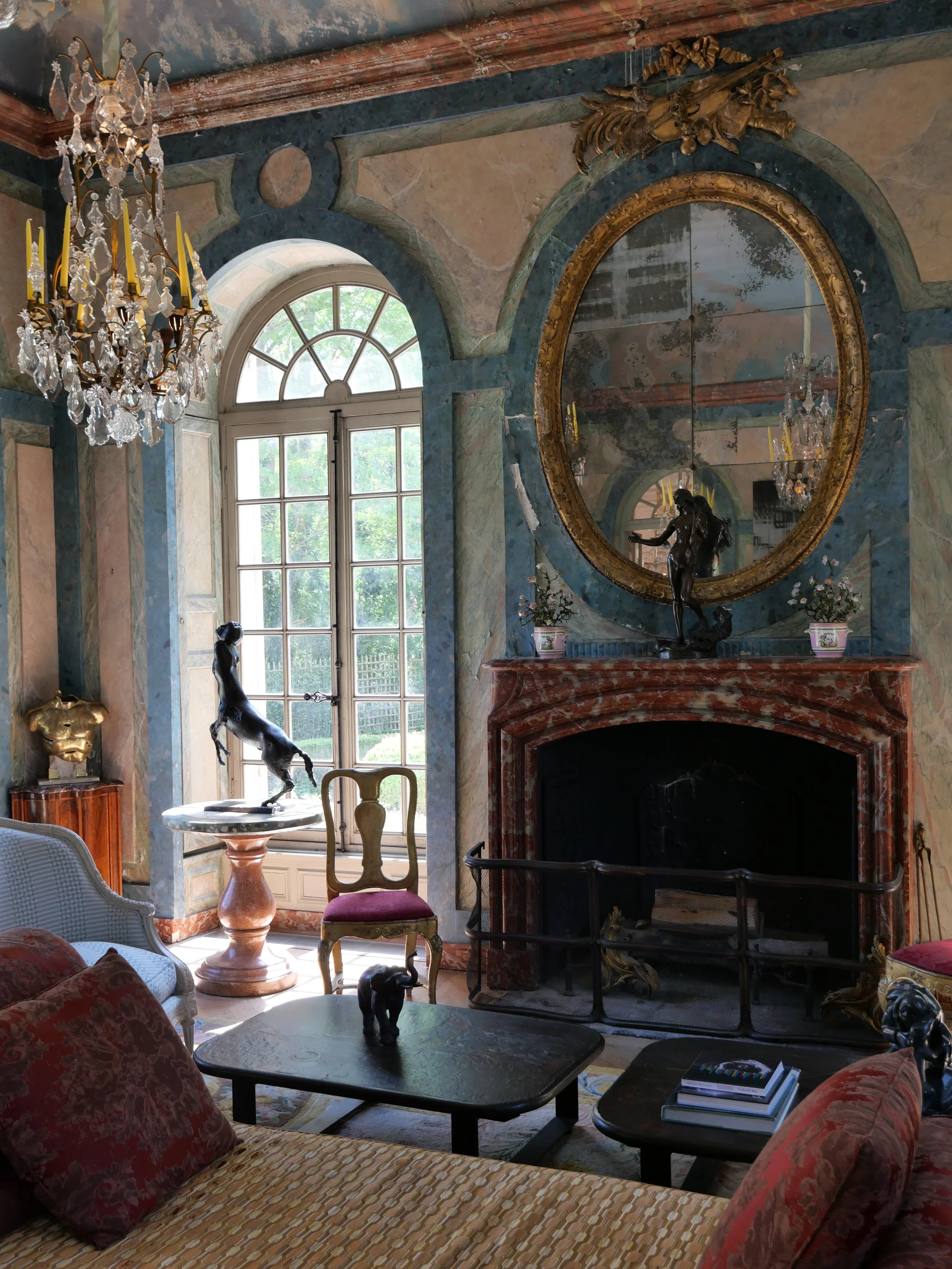
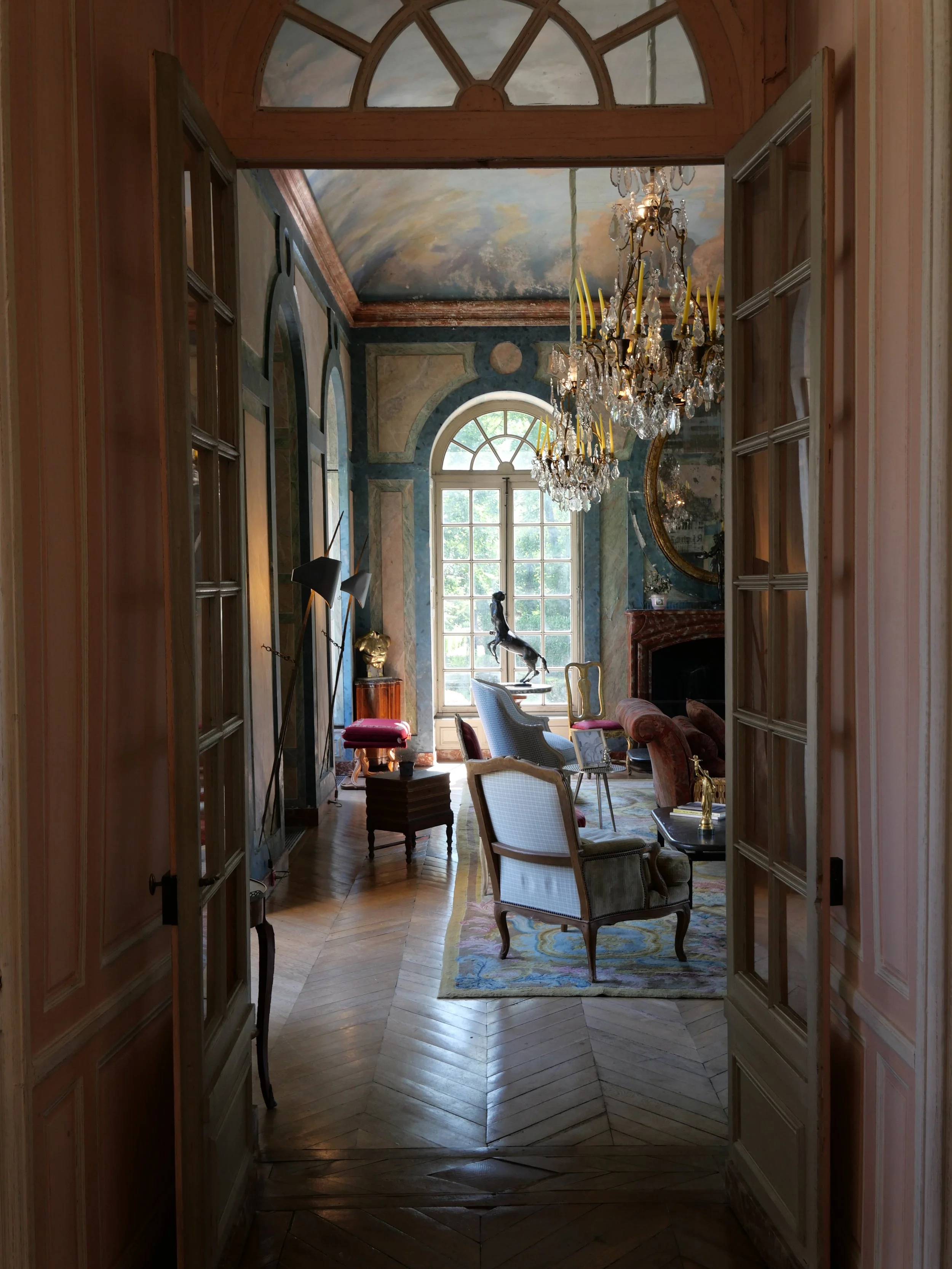
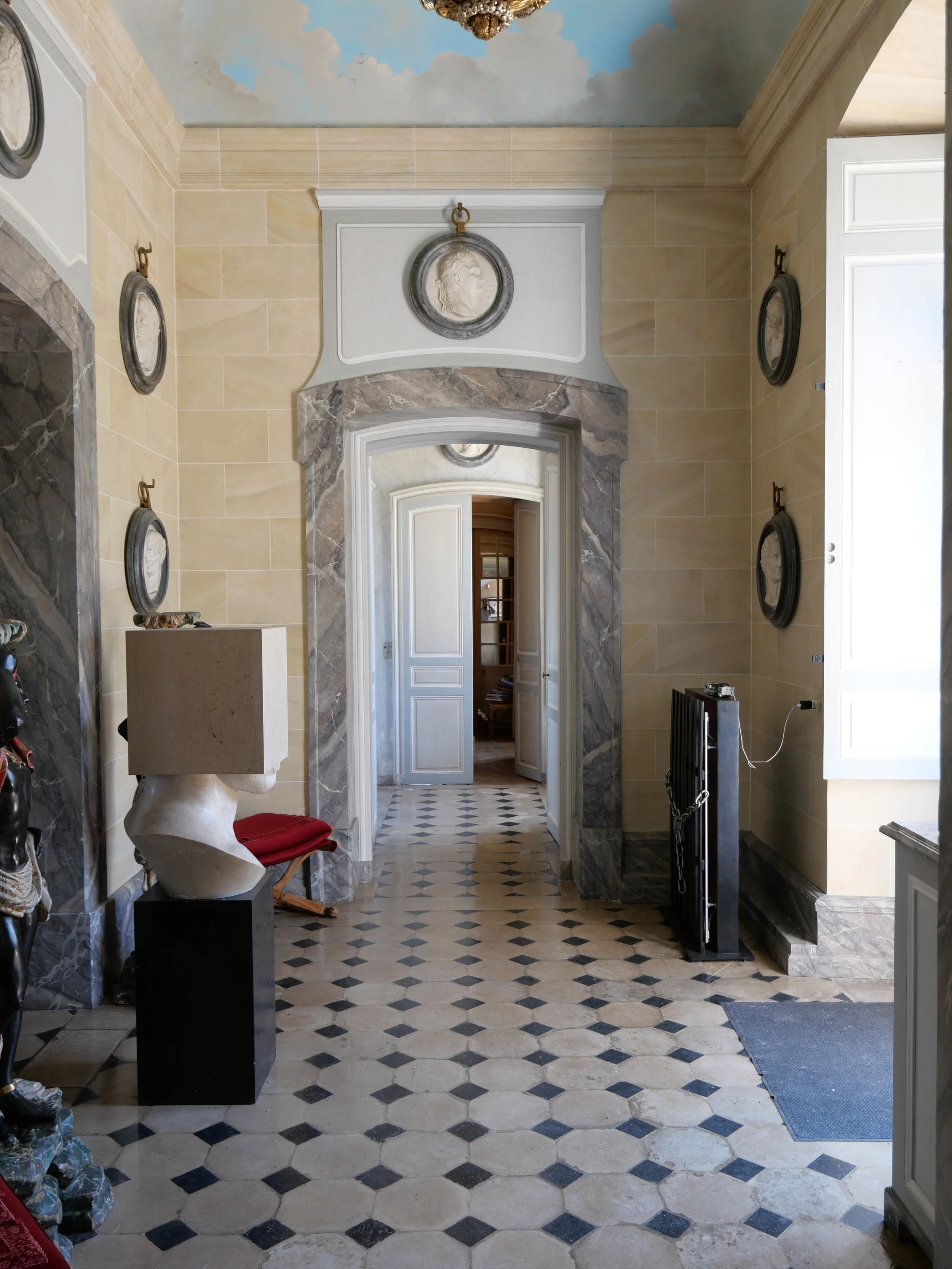
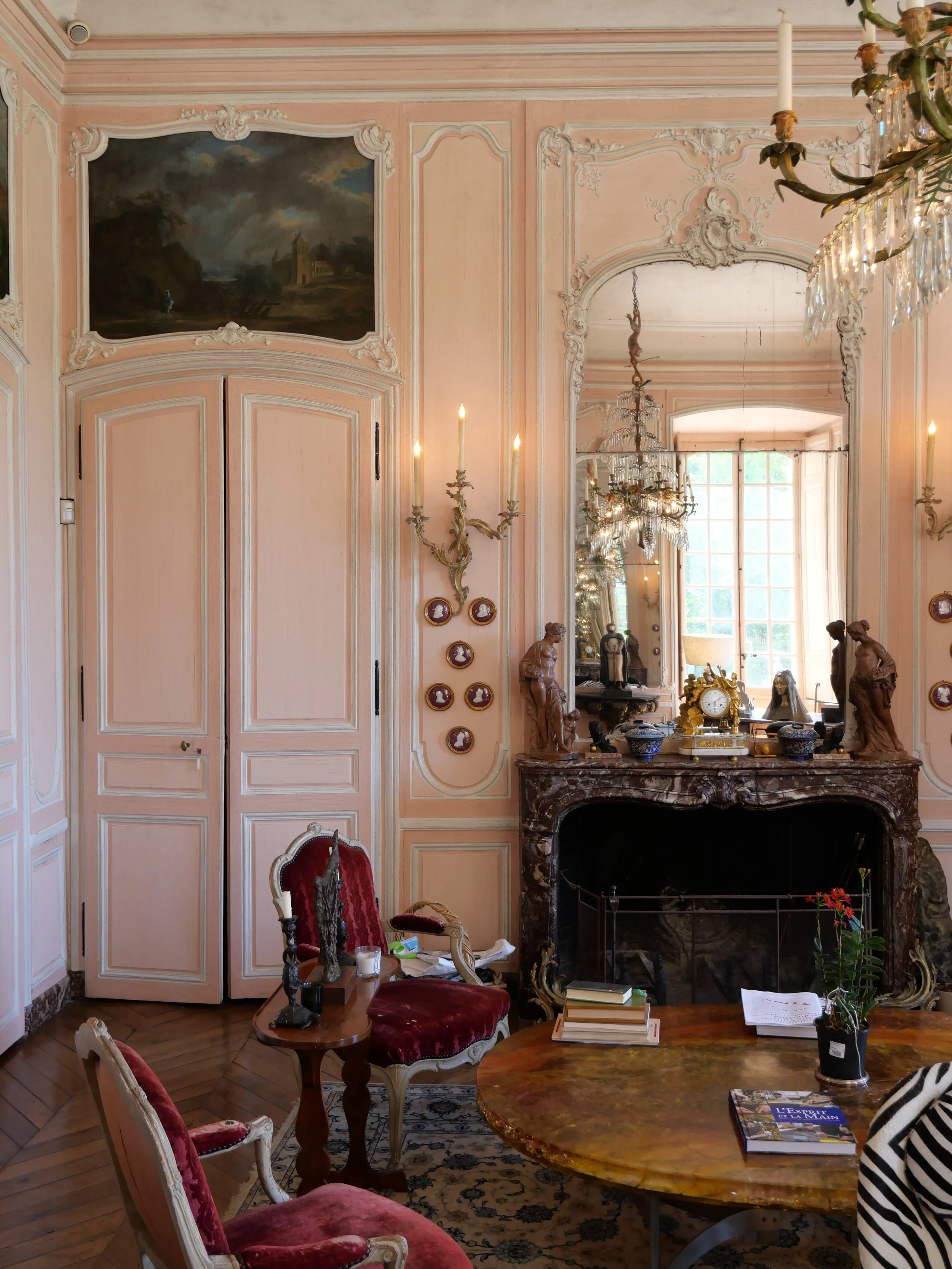
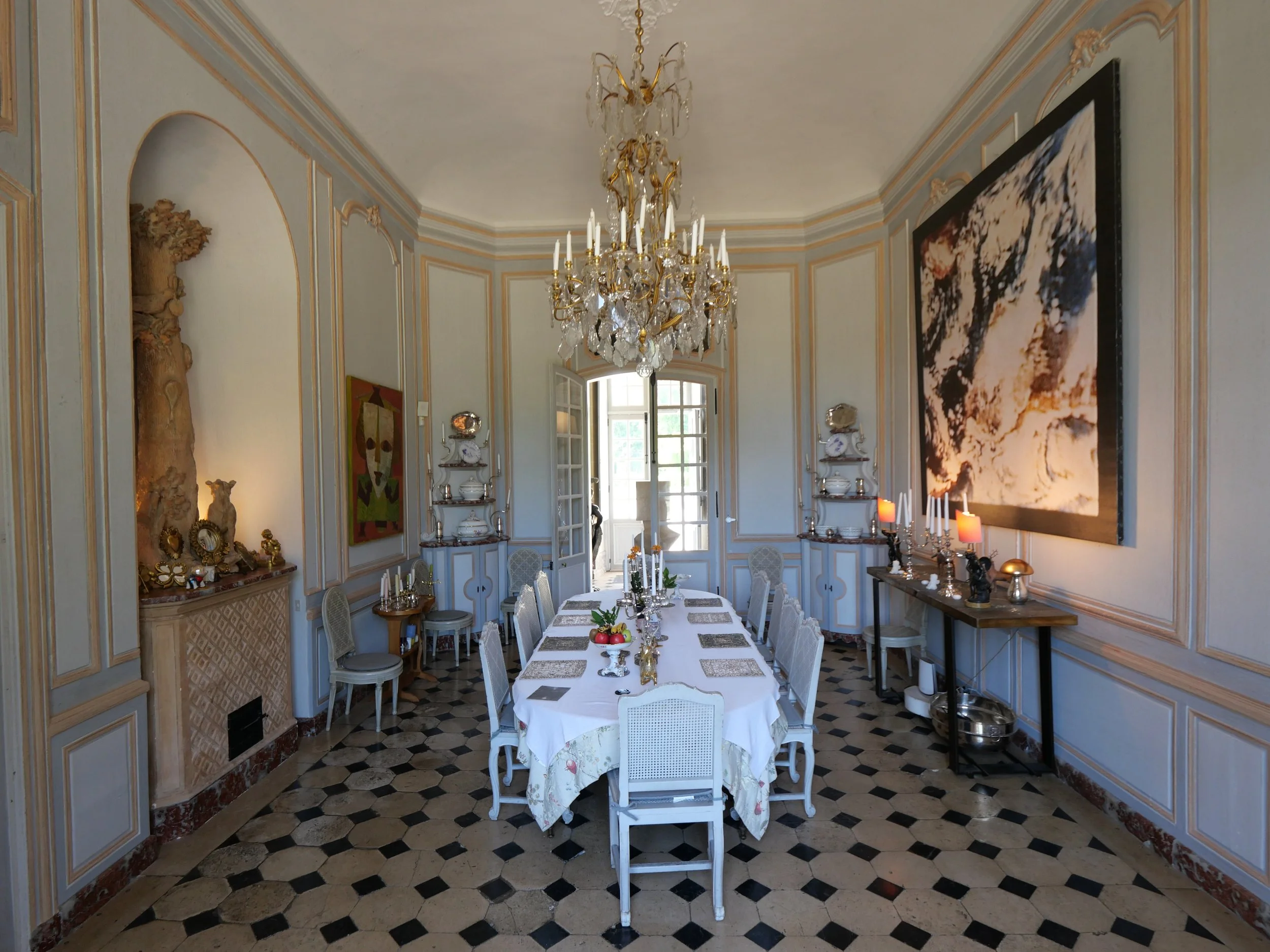
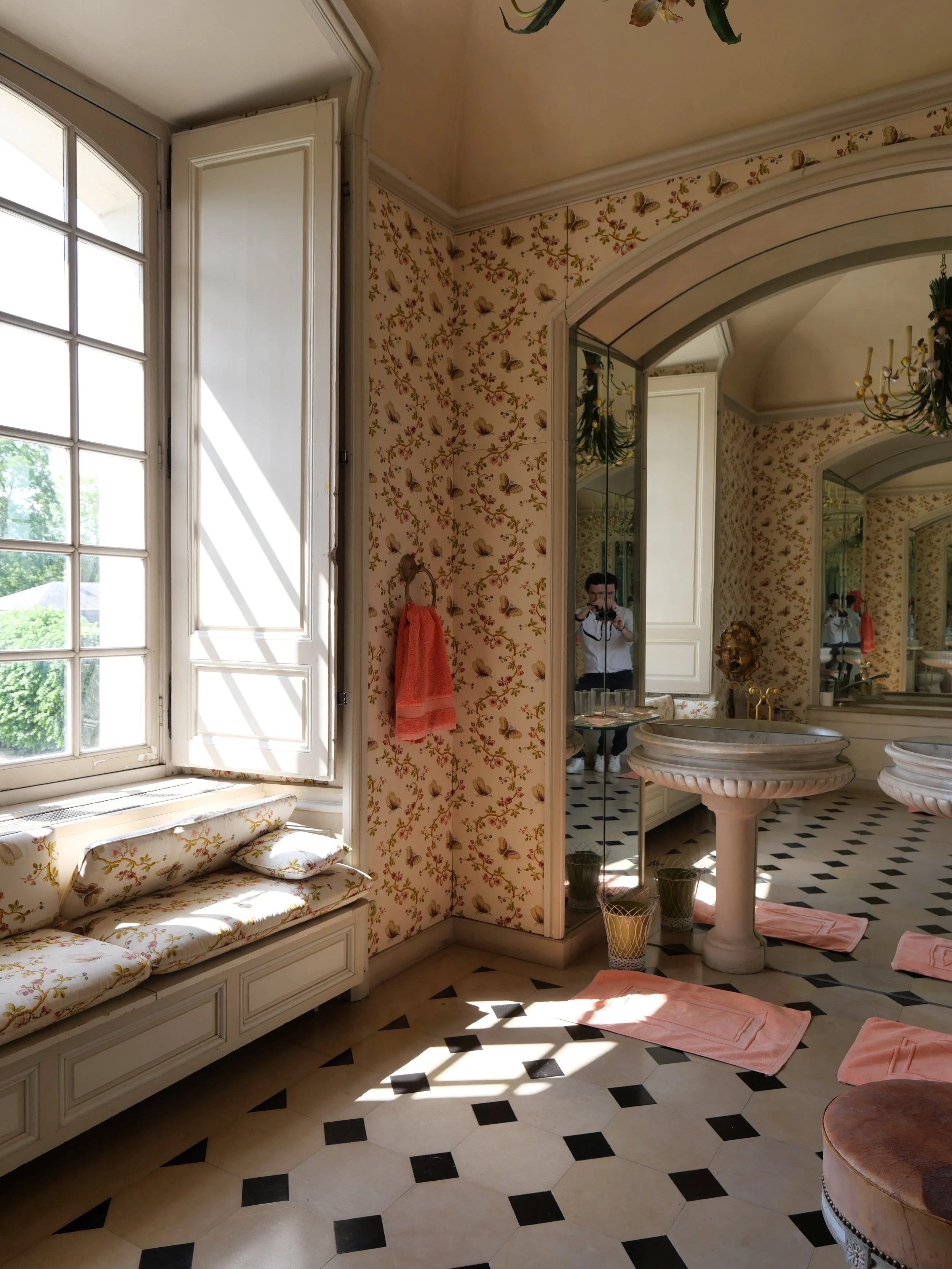
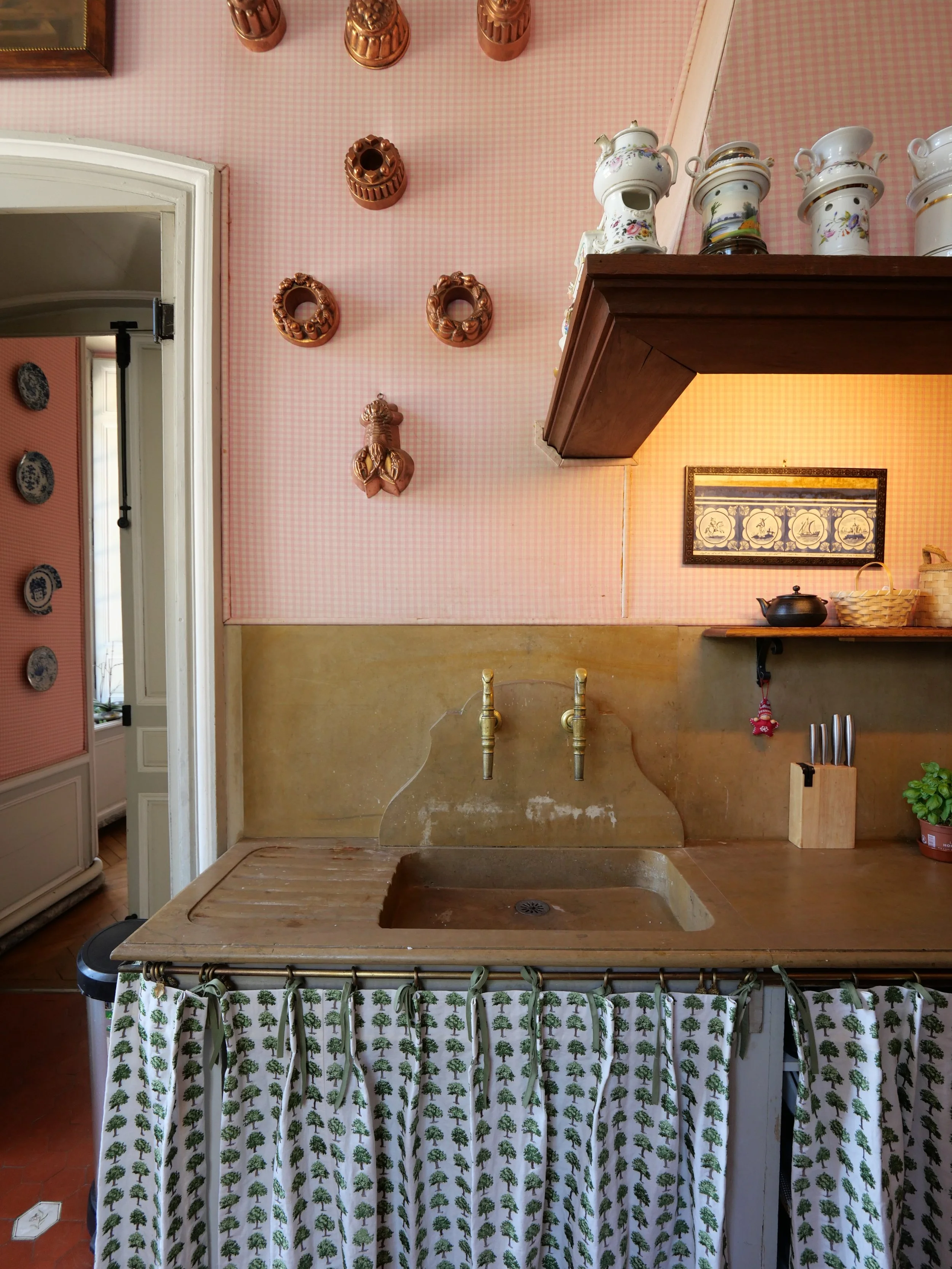
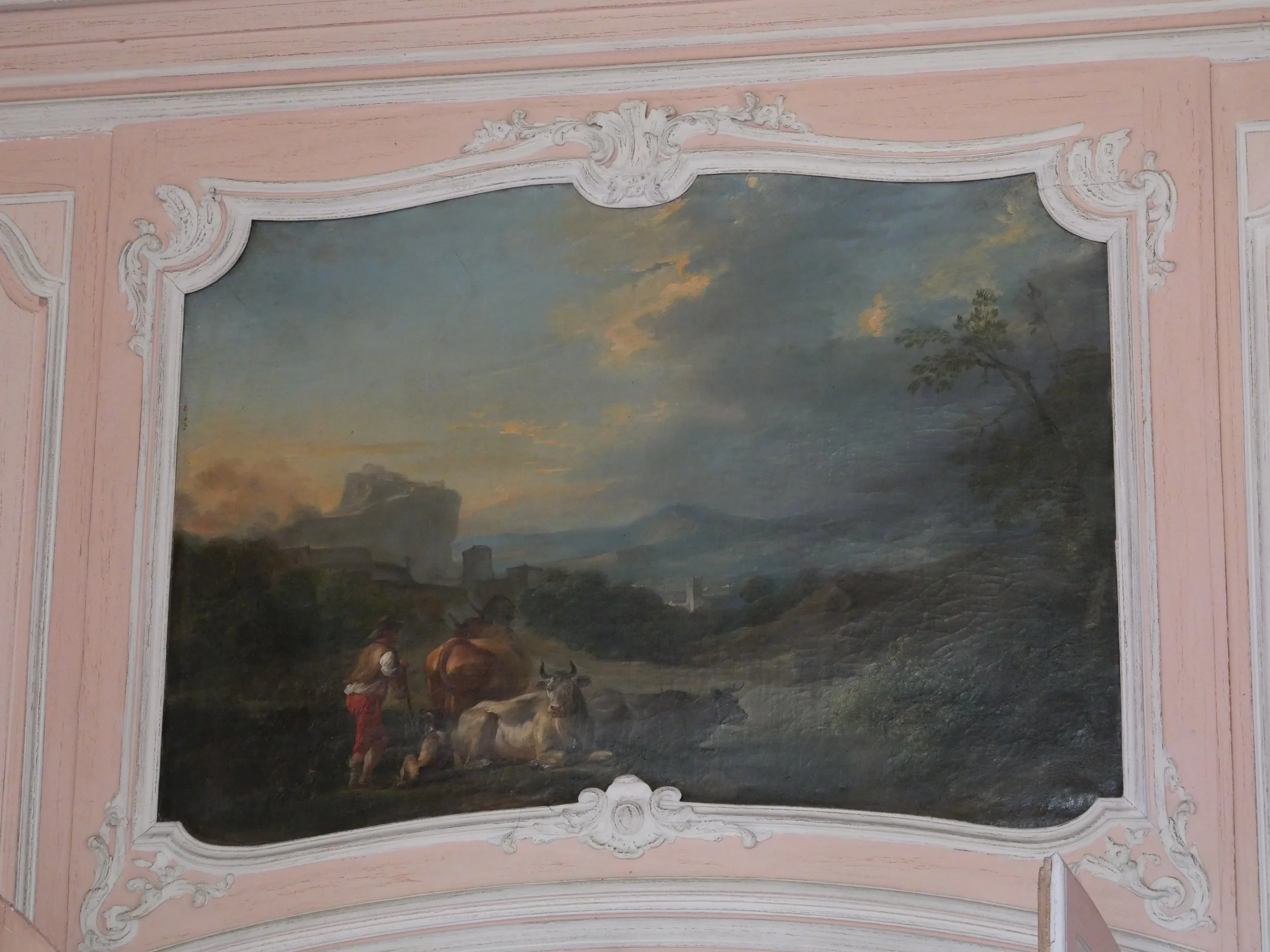
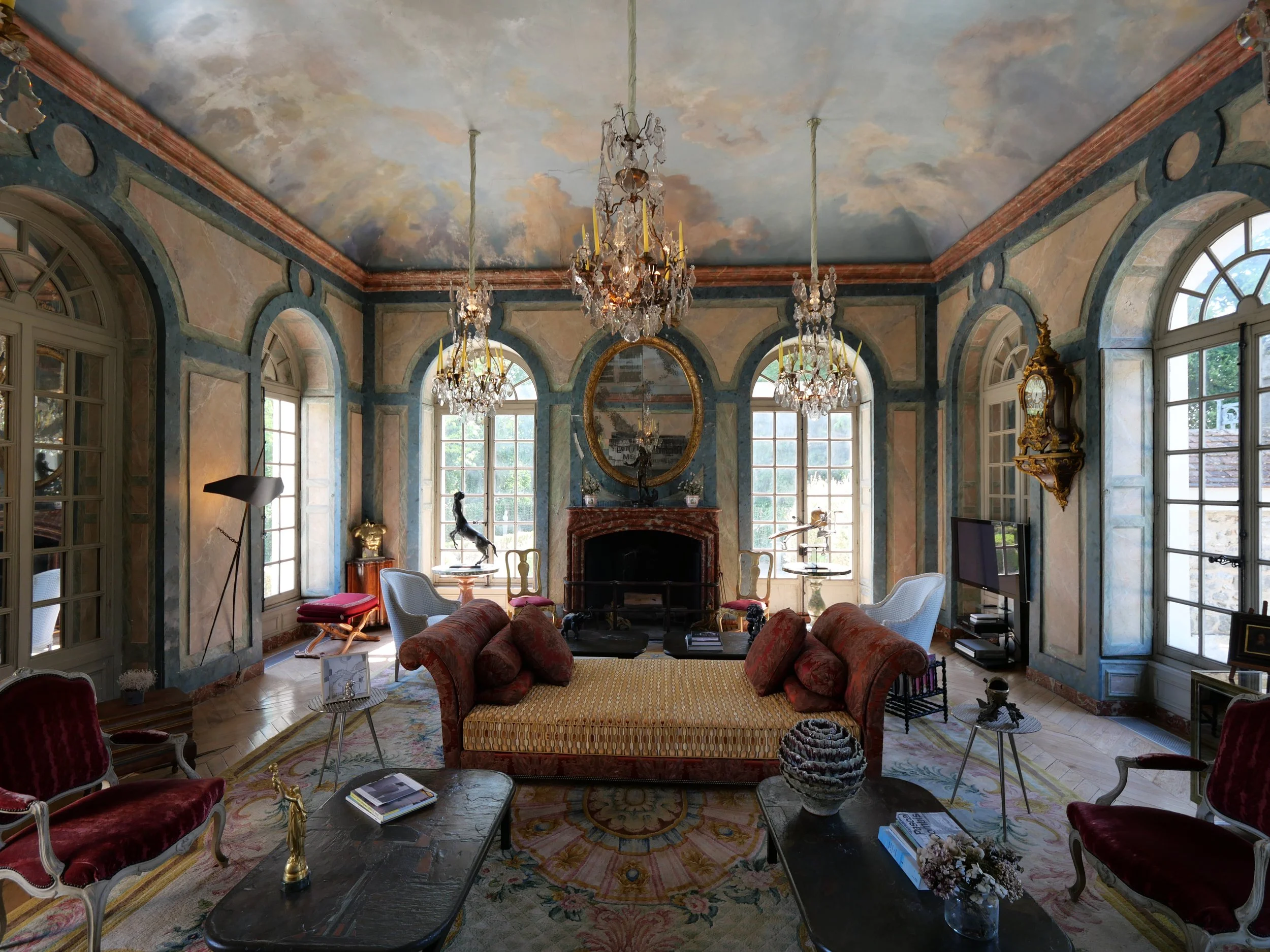
The château spans approximately 860 m² / 9,257 ft² with ten bedrooms and seven bathrooms, and retains the decorative language of the 18th century. The entrance hall has cabochon flooring and faux marble finishes, leading through to reception rooms with wood panelling, marble fireplaces, painted overdoors, and decorative overmantel mirrors. Filled with natural light, the formal rooms have the character of a refined Louis XV-era country residence rather than a fortified château.
The most unexpected intervention came two centuries later. Between 1961 and 1965, the property was restored by Emmanuel Motte, director of Maison Jansen, the Paris decorating house that helped define 20th-century high-society interiors for royal, diplomatic, and international clients. Motte restored the château as his personal residence and created a Louis XIV-style ballroom inspired by the Salon de la Paix and Salon de la Guerre at Versailles, using faux marble, mirrors, and ten French windows opening onto a terrace overlooking the park.
Denniel Immobilier
The estate’s later history added another cultural layer. It has been associated with Helmut Newton photo shoots, Sophia Loren, Céline Dion, Mstislav Rostropovich, Alexandre Lagoya, Philippe Noiret, Jean Rochefort, Jean Dujardin, and Jean-Claude Brialy, and was also used as a filming location for La Fuite à Varennes and Bertrand Tavernier’s Que la fête commence.
The estate later served as a backdrop for Helmut Newton’s 1977 Sleepless Nights series, published in book form in 1978 and later included in Playboy: Helmut Newton.
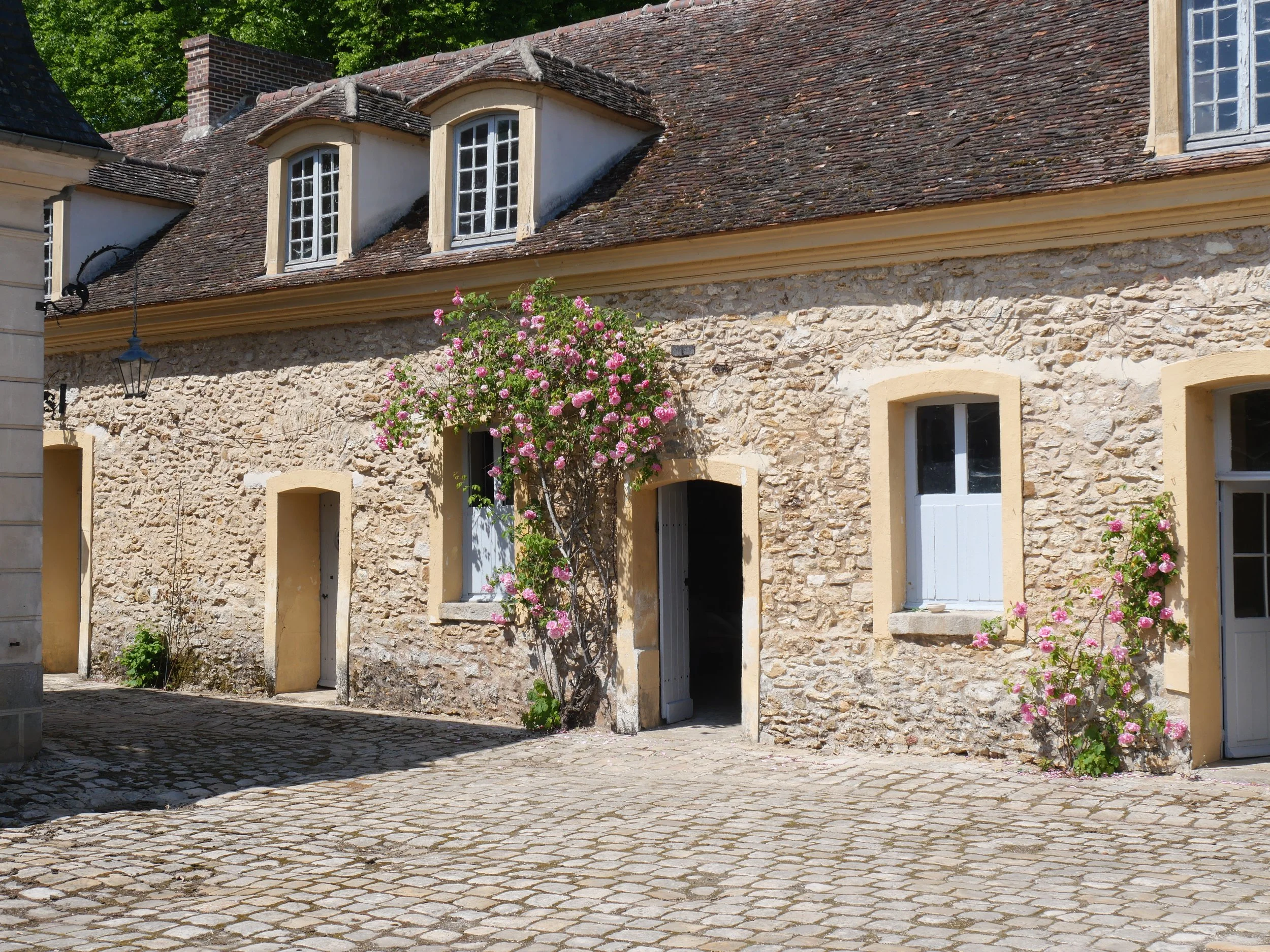
Beyond the main residence, the outbuildings are arranged around several courtyards and include reception rooms, vaulted stone cellars, garages, workshops, apartments, former stables, and a 350 m² / 3,767 ft² covered reception space with the capacity for 300 guests.
Today, the property remains an unusually layered Enlightenment-era estate less than an hour from Paris, combining a classical 18th-century château, one of France’s earliest romantic parks, a Maison Jansen ballroom, and a later cultural life in photography and film.
Denniel Immobilier