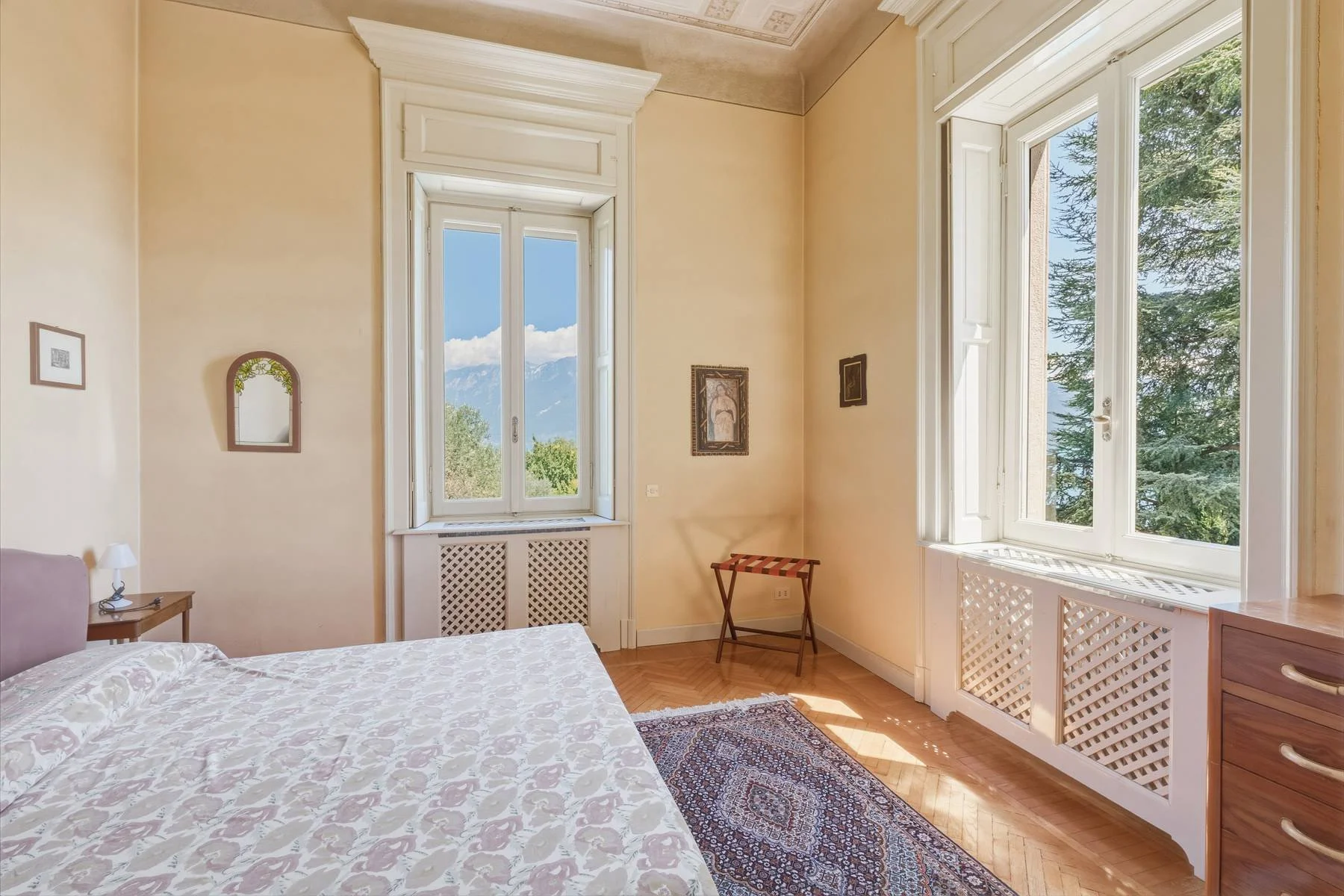
Bedrooms: 8 | Bathrooms: 12
Interior: 18,514 ft² (1,720 m²)
Lot: 3.7 acres (1.5 hectares)
Amenities: Swimming pool, old lemon house, landscaped park, terraces, private elevator, garage, parking and outbuildings requiring restoration.
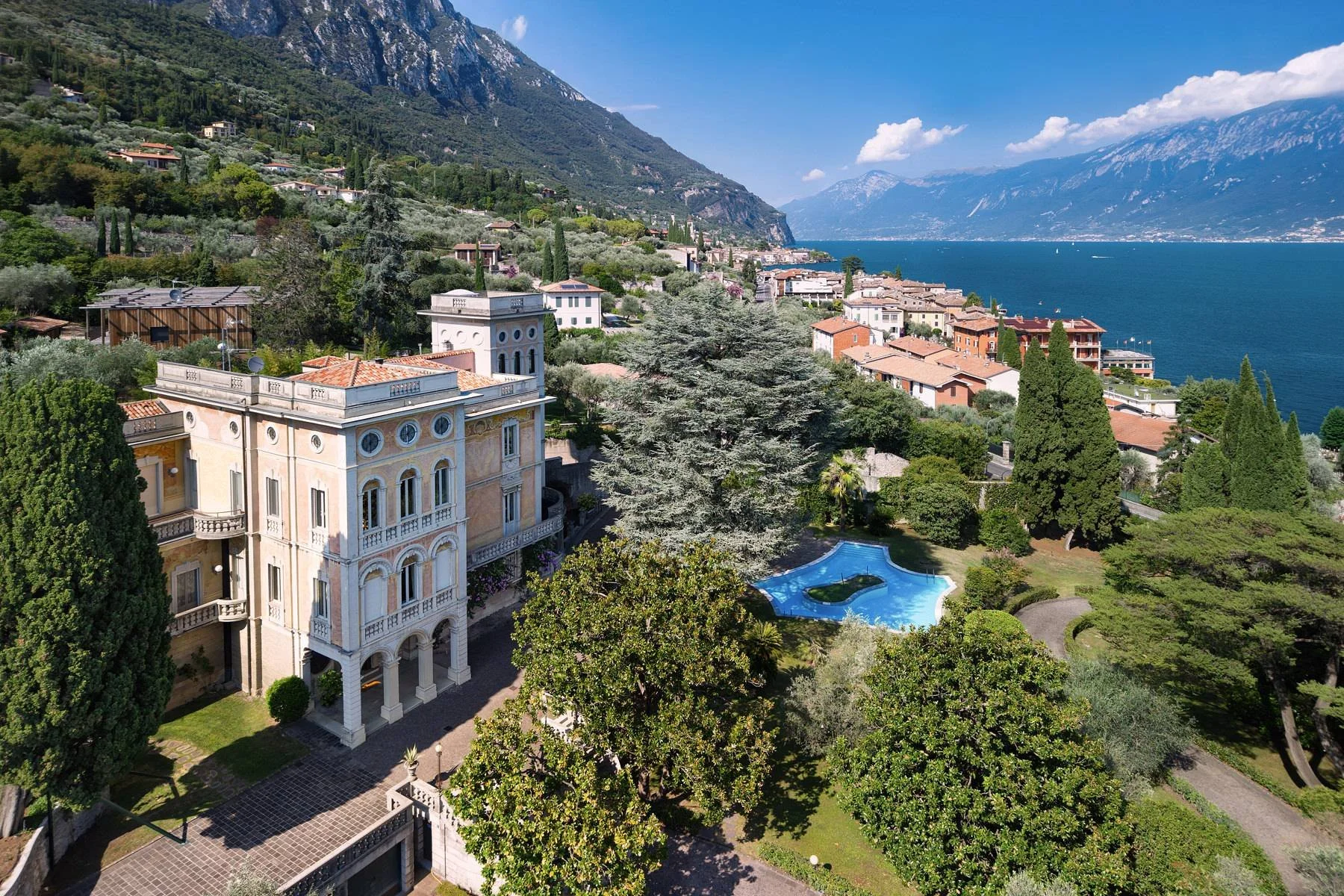
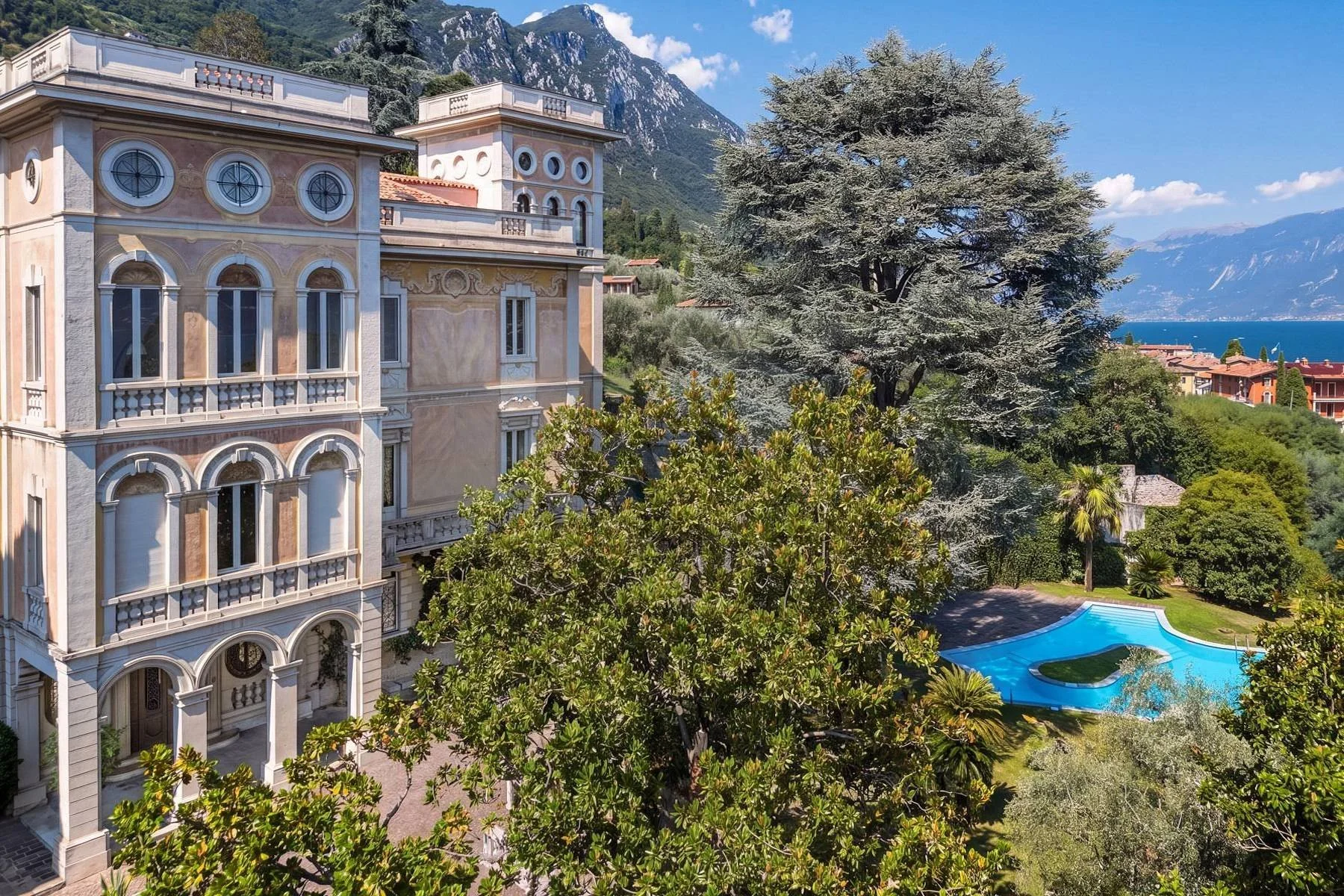
On the western shore of Lake Garda in northern Italy, a pink 19th-century palazzo stands surrounded by 3.7 acres of private parkland overlooking the lake. Known as Villa Tamanini, the property is listed with Italy Sotheby's International Realty for €7.5 million.
Villa Tamanini's old lemon house and several additional buildings are identified by Sotheby's as requiring restoration. The main residence has eight bedrooms and twelve bathrooms, with approximately 18,514 square feet (1,720 square metres) of interior space.
The villa is located in Gargnano, a picturesque town on the northern stretch of Lake Garda's western shore, where the mountains rise steeply above the waterfront and centuries-old olive groves cover the surrounding hills. Surrounded by the Alto Garda Bresciano Regional Park, the town has a mild Mediterranean climate that has supported olive and citrus cultivation for centuries. Its historic centre is gathered around a small harbour, with colourful buildings overlooking the water, narrow streets, old churches and villas dating back several centuries.
Lake Garda is Italy's largest lake and part of the Italian Lakes region, which also includes Lake Como and Lake Maggiore to the west. Each has its own character. While Lake Como is known for its grand waterfront estates and steep, wooded shores, Lake Garda stretches from a broad, relatively flat southern basin into a dramatic mountain landscape in the north. Gargnano sits along the western side of this mountainous section, with Lake Como farther west in neighbouring Lombardy.
Villa Tamanini dates to the late 1800s, a period when wealthy industrialists and prominent families were building elaborate country residences around northern Italy's lakes. These houses were often designed to make the most of their surroundings, with extensive gardens, terraces and rooms positioned to overlook the water.
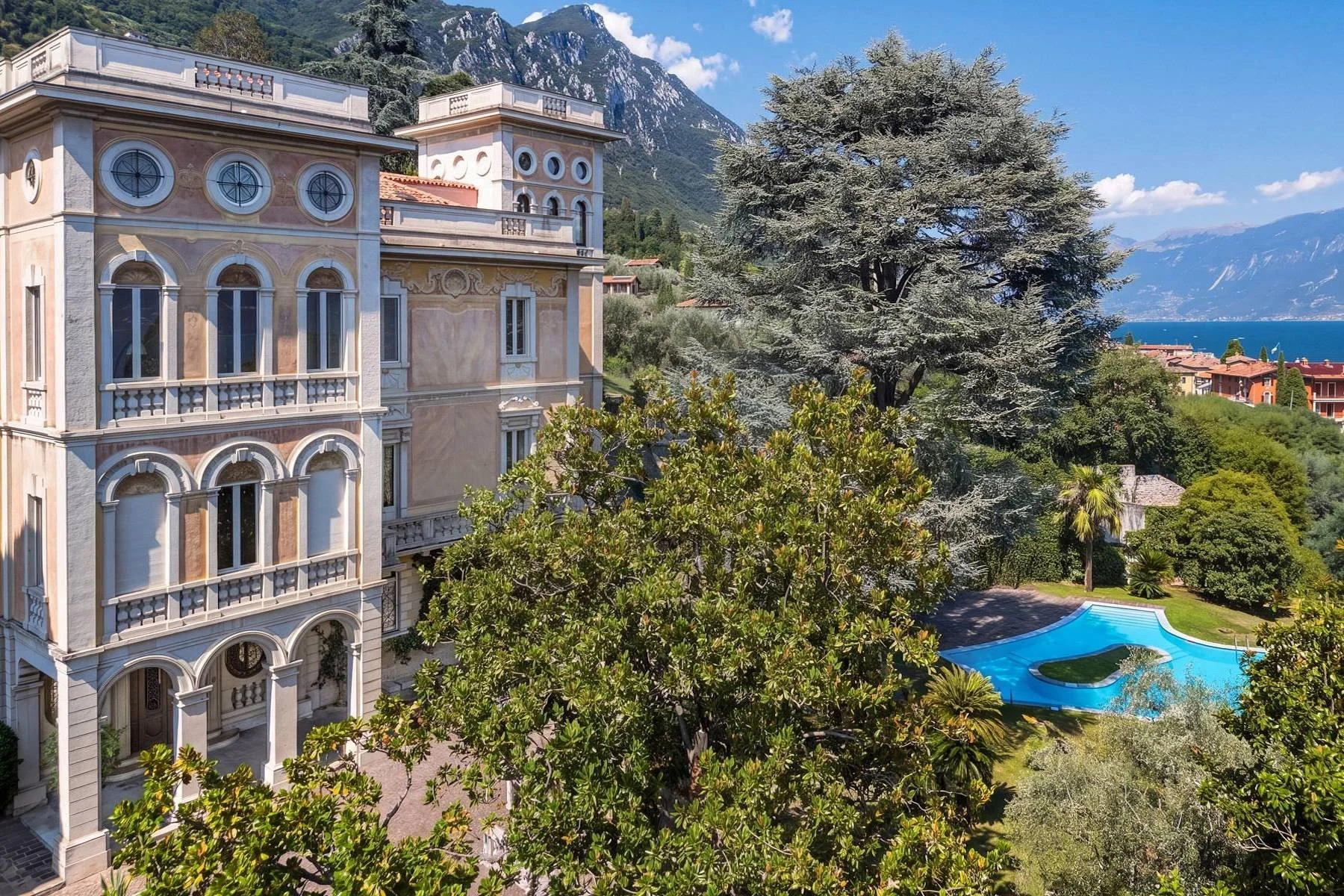
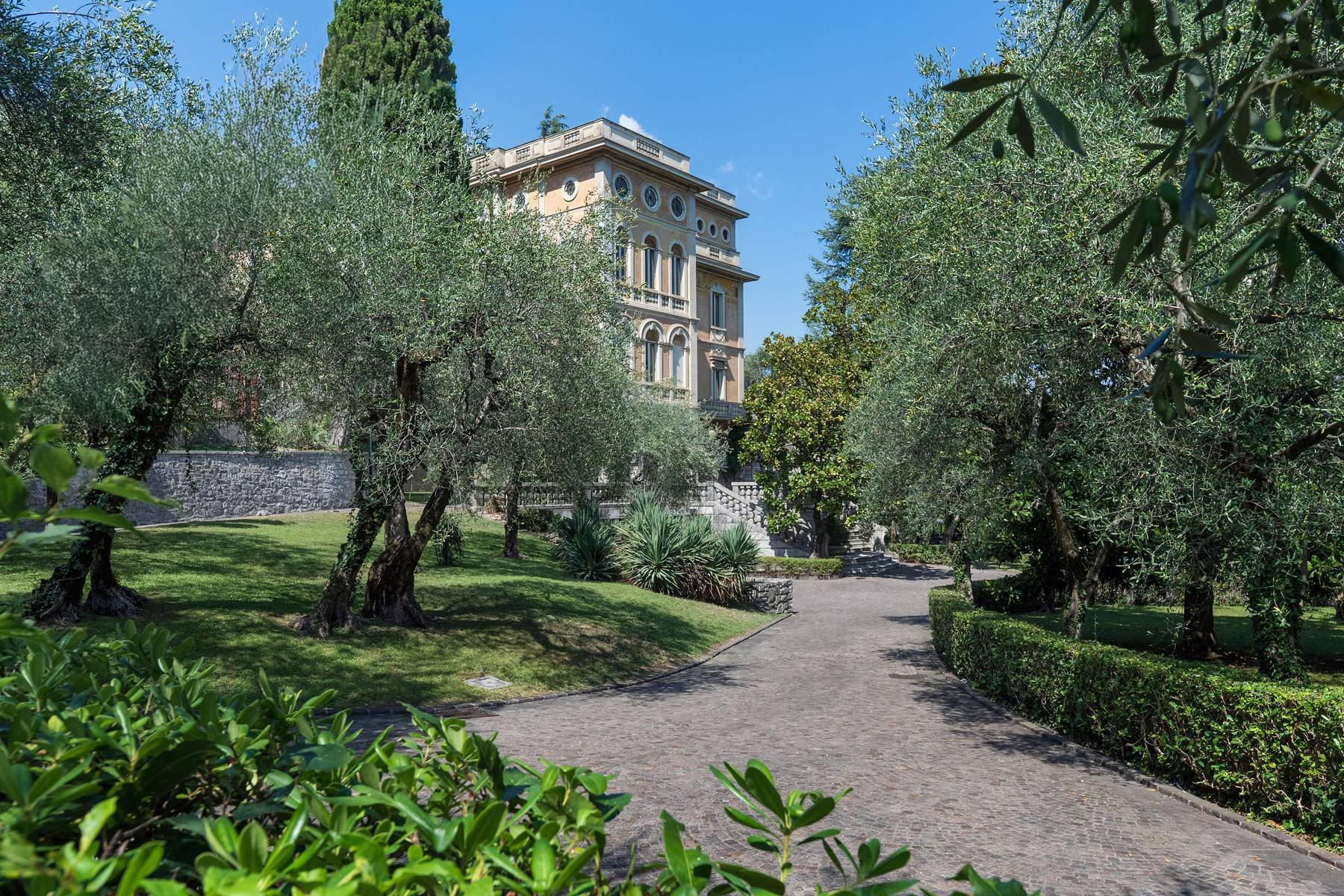
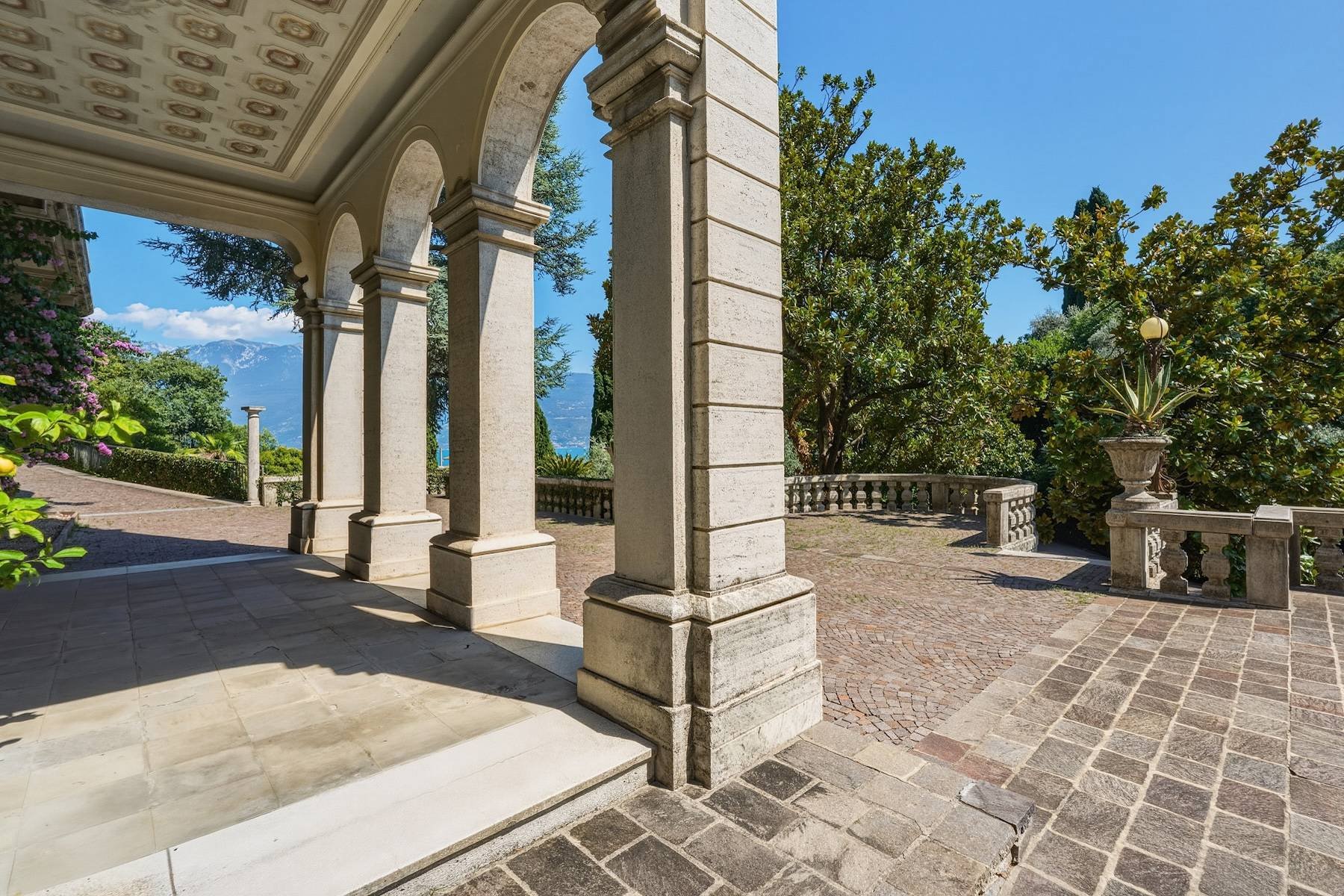
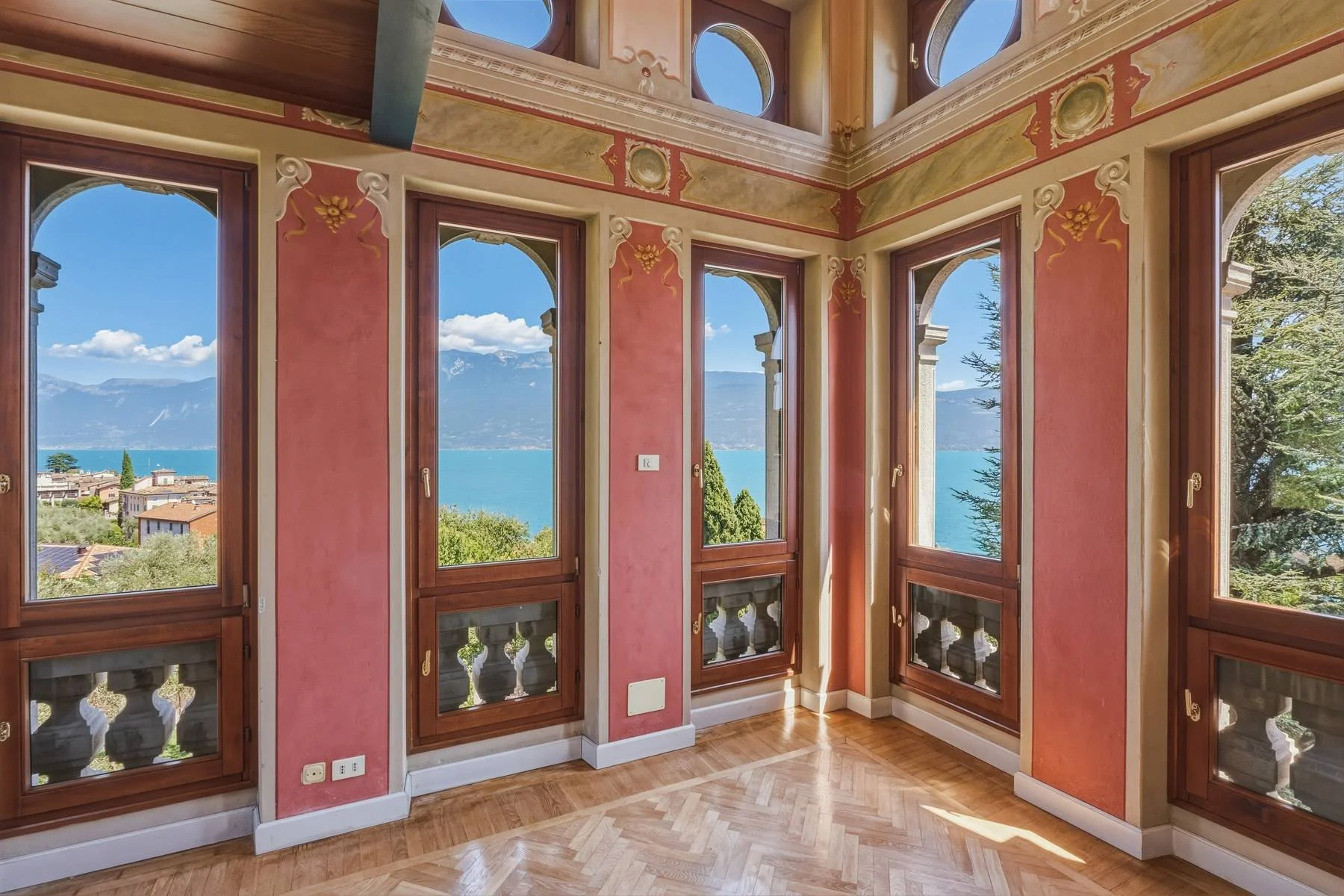
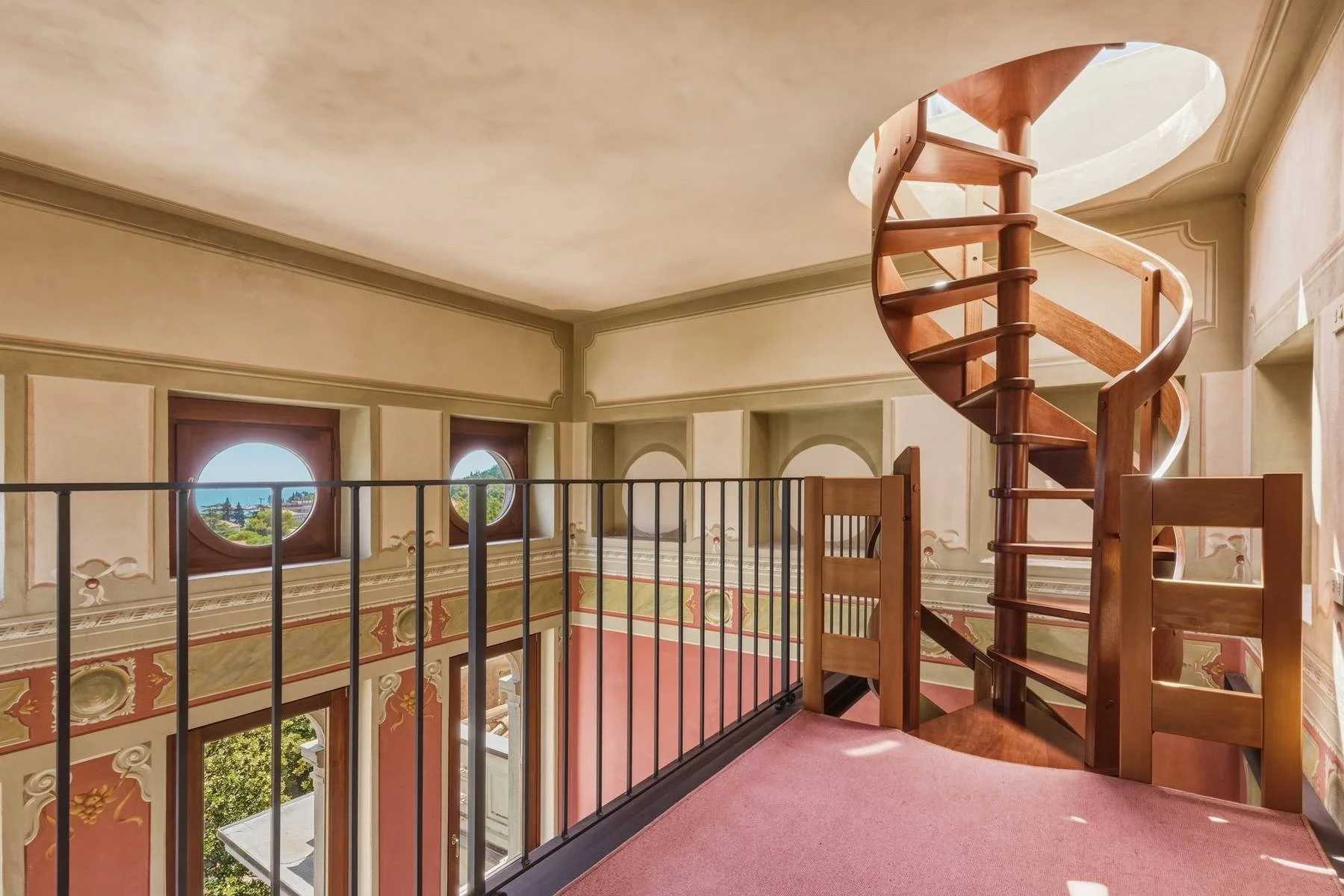
These residences were also often highly decorative, taking inspiration from different periods of Italian architecture rather than following a single style. Renaissance influences were especially popular, with rounded arches, elaborate stonework, towers and terraces appearing in different combinations. At Villa Tamanini, this can be seen in the rows of arches running across the façade, circular windows, decorative plasterwork and balconies. A square tower rises above the main building, another feature found in grand country houses of the period. Beyond adding to the building's appearance, towers like this could serve as viewing points, offering an elevated perspective over the gardens, mountains and lake.
Villa Tamanini wasn't the only grand residence built in Gargnano during this period. The wealthy Feltrinelli family commissioned two of the town's best-known buildings in the 1890s: Villa Feltrinelli, now a luxury hotel, and Palazzo Feltrinelli. Both reflect the same enthusiasm for elaborate, historically inspired architecture, although their designs are quite different.
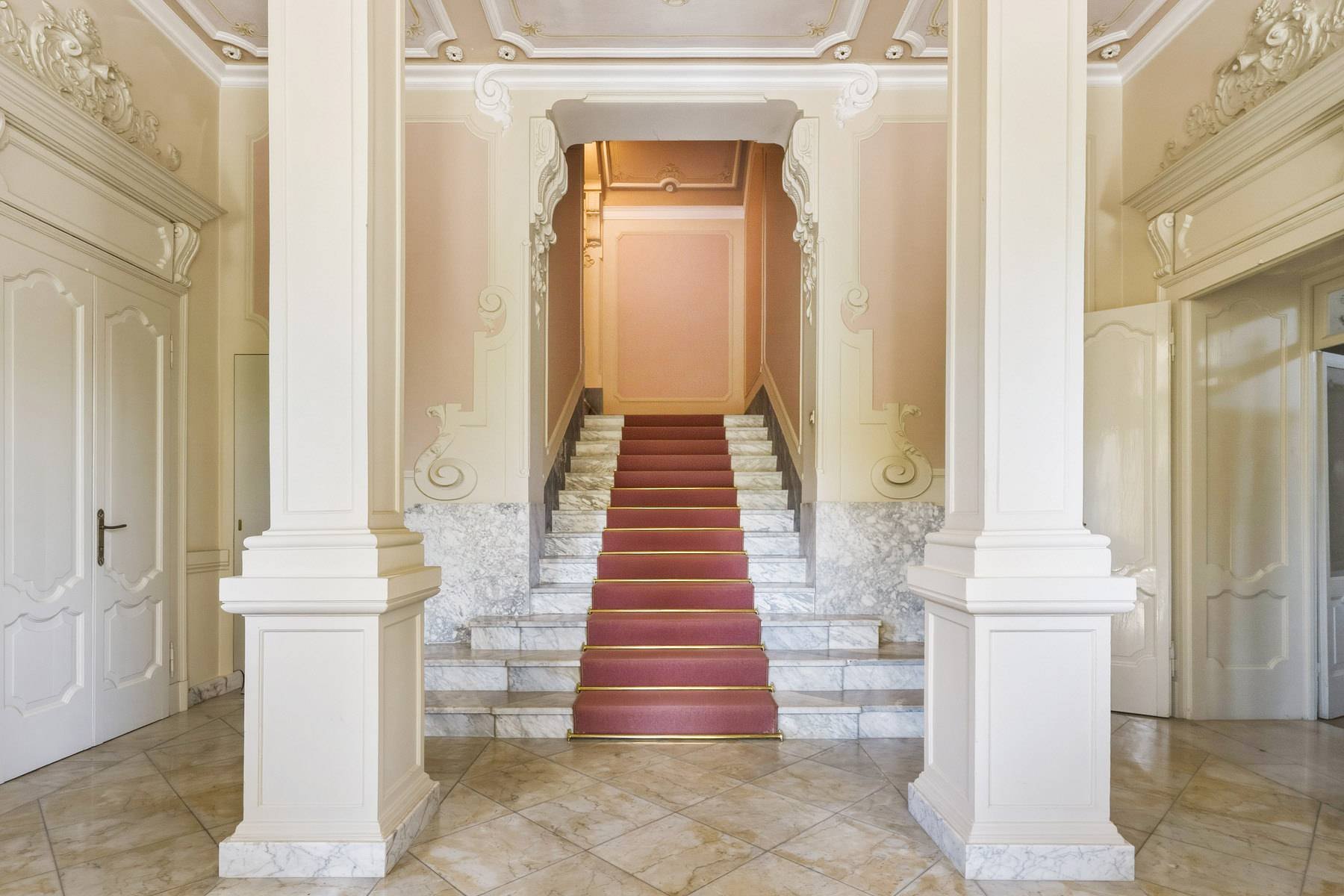
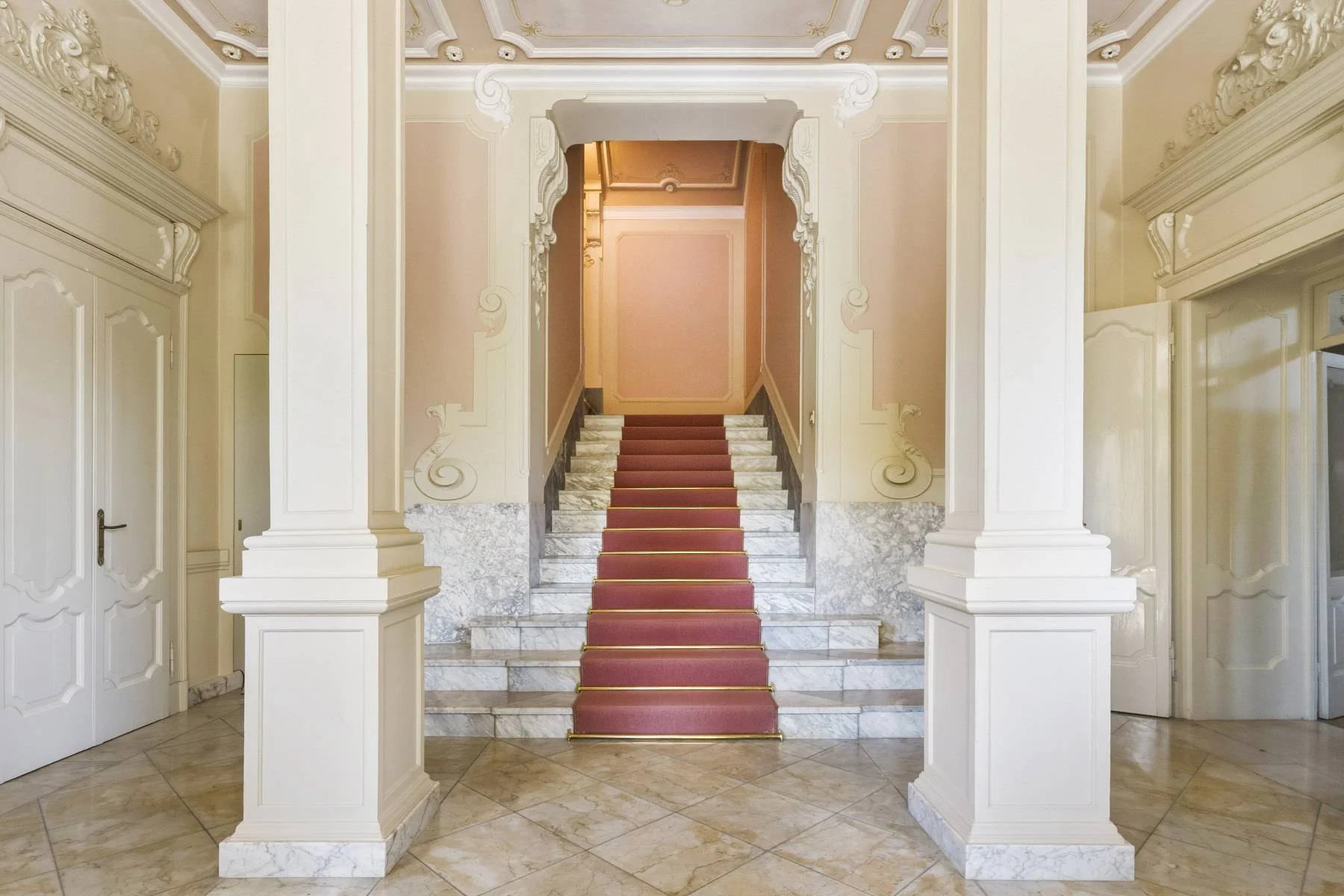
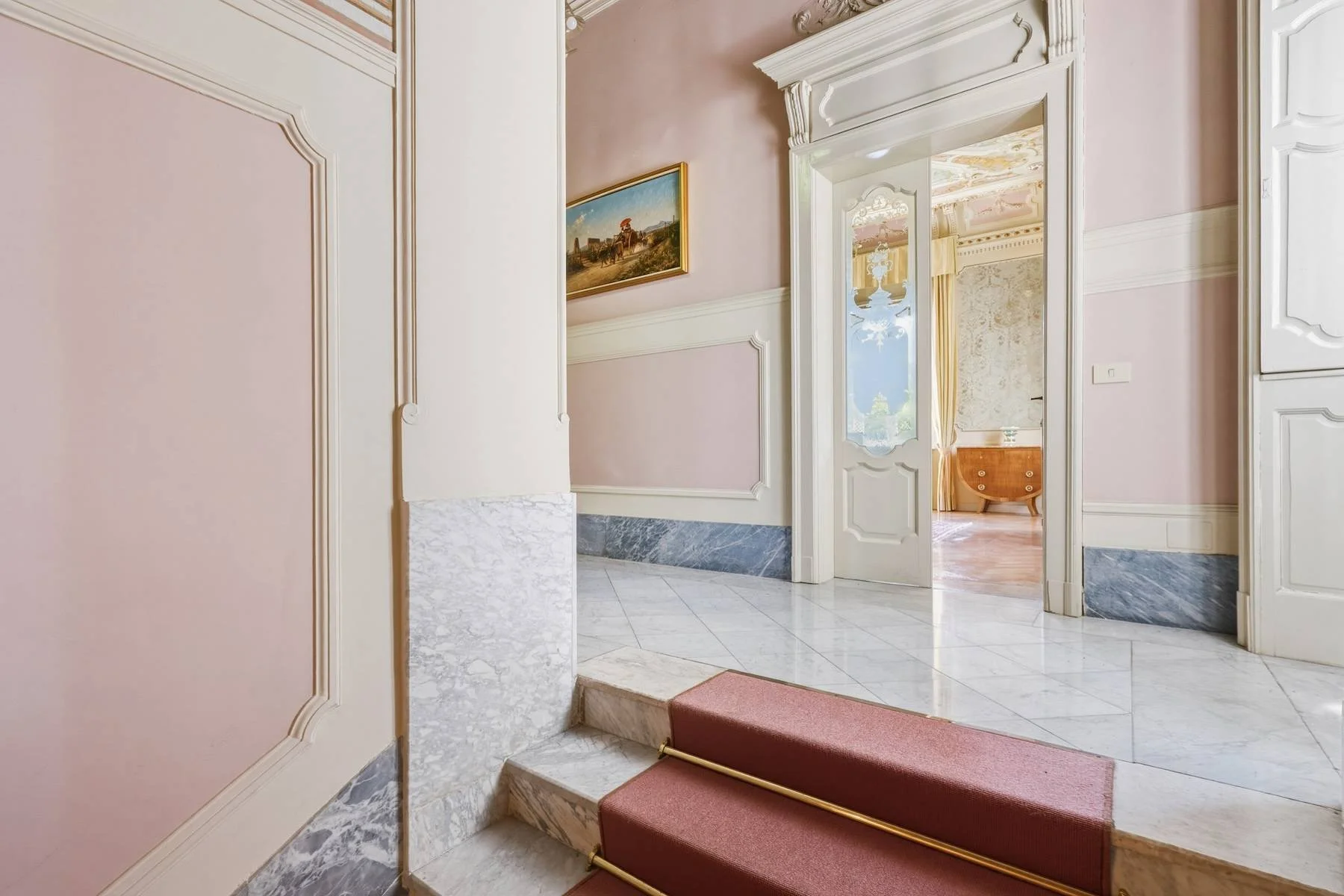
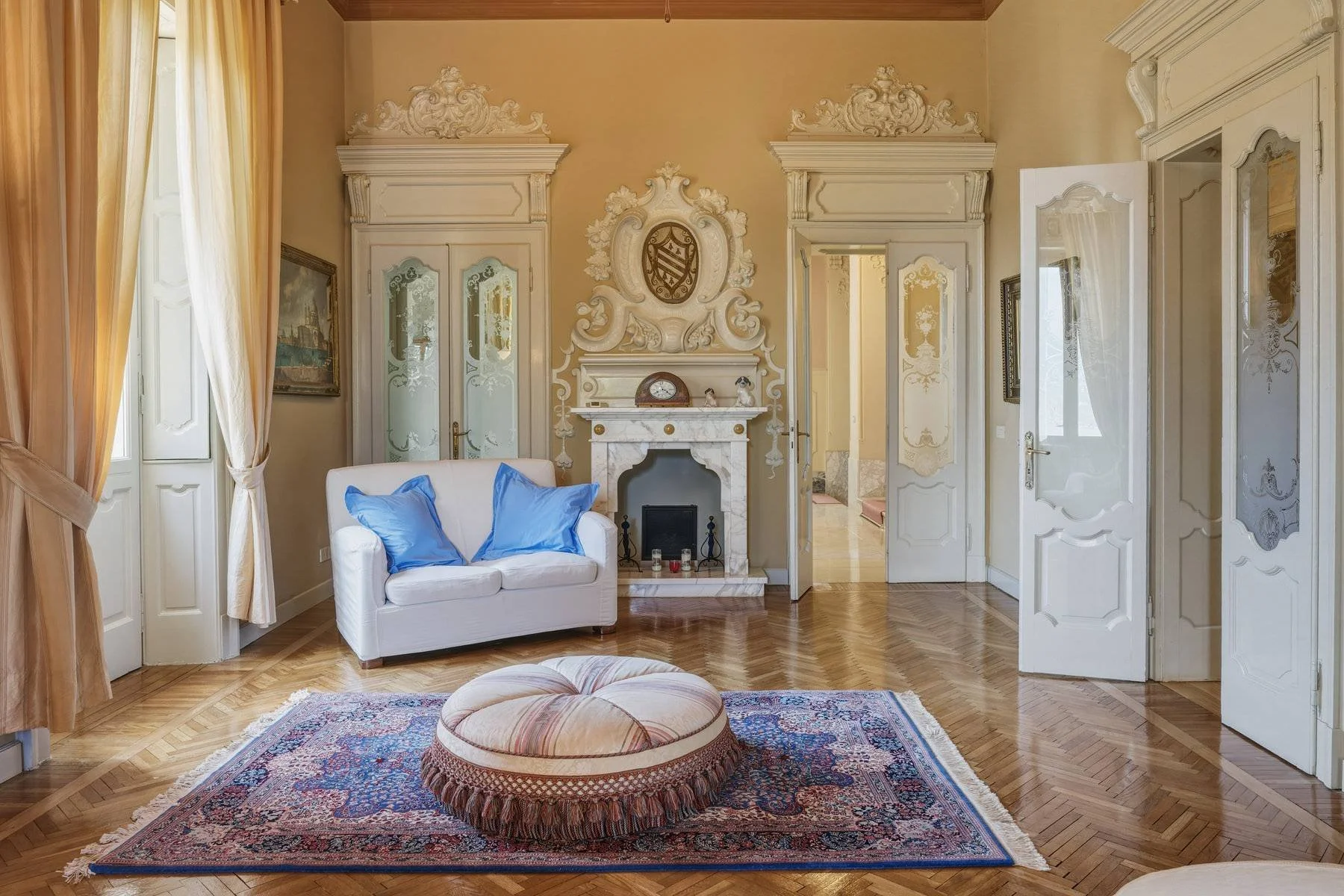
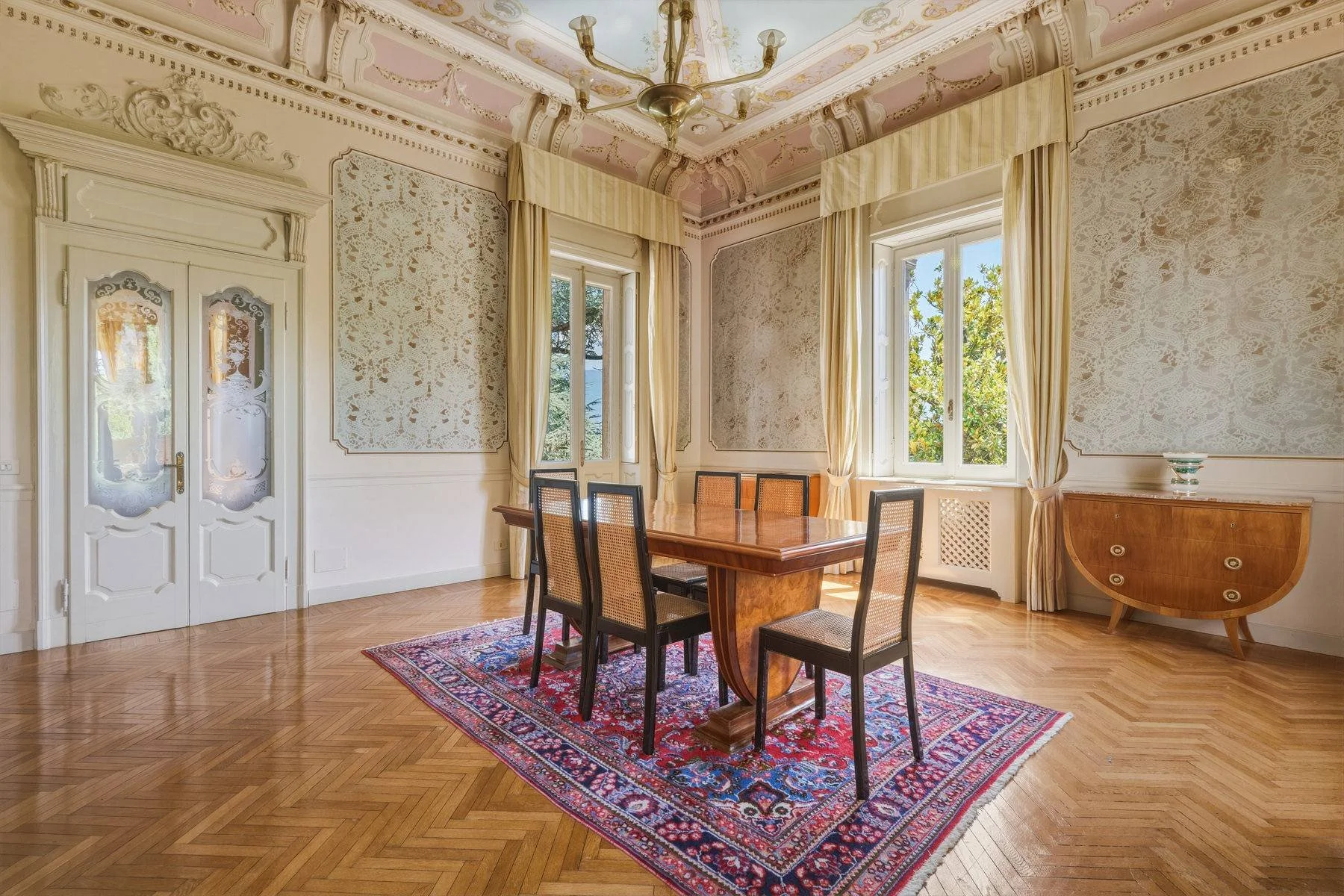
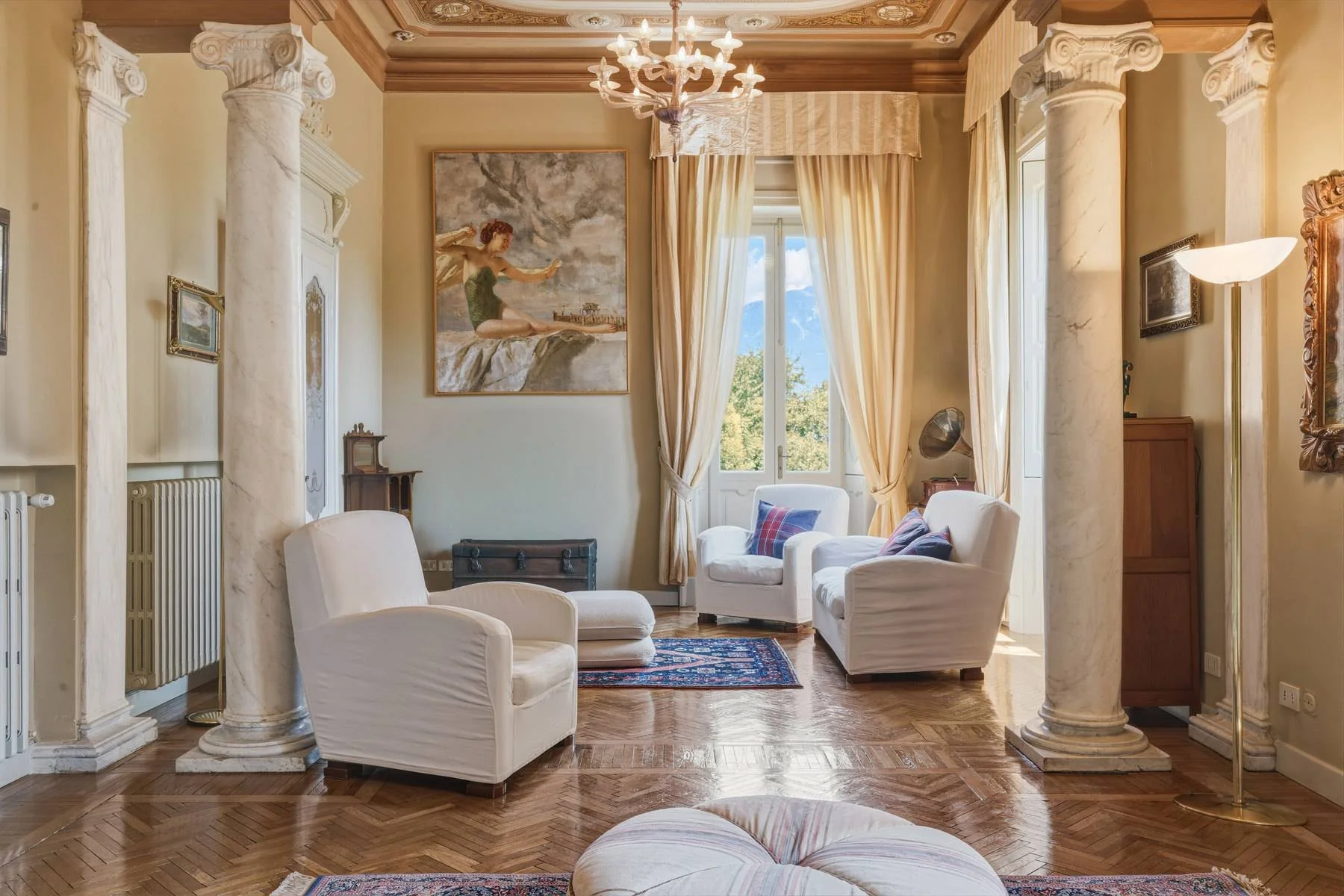
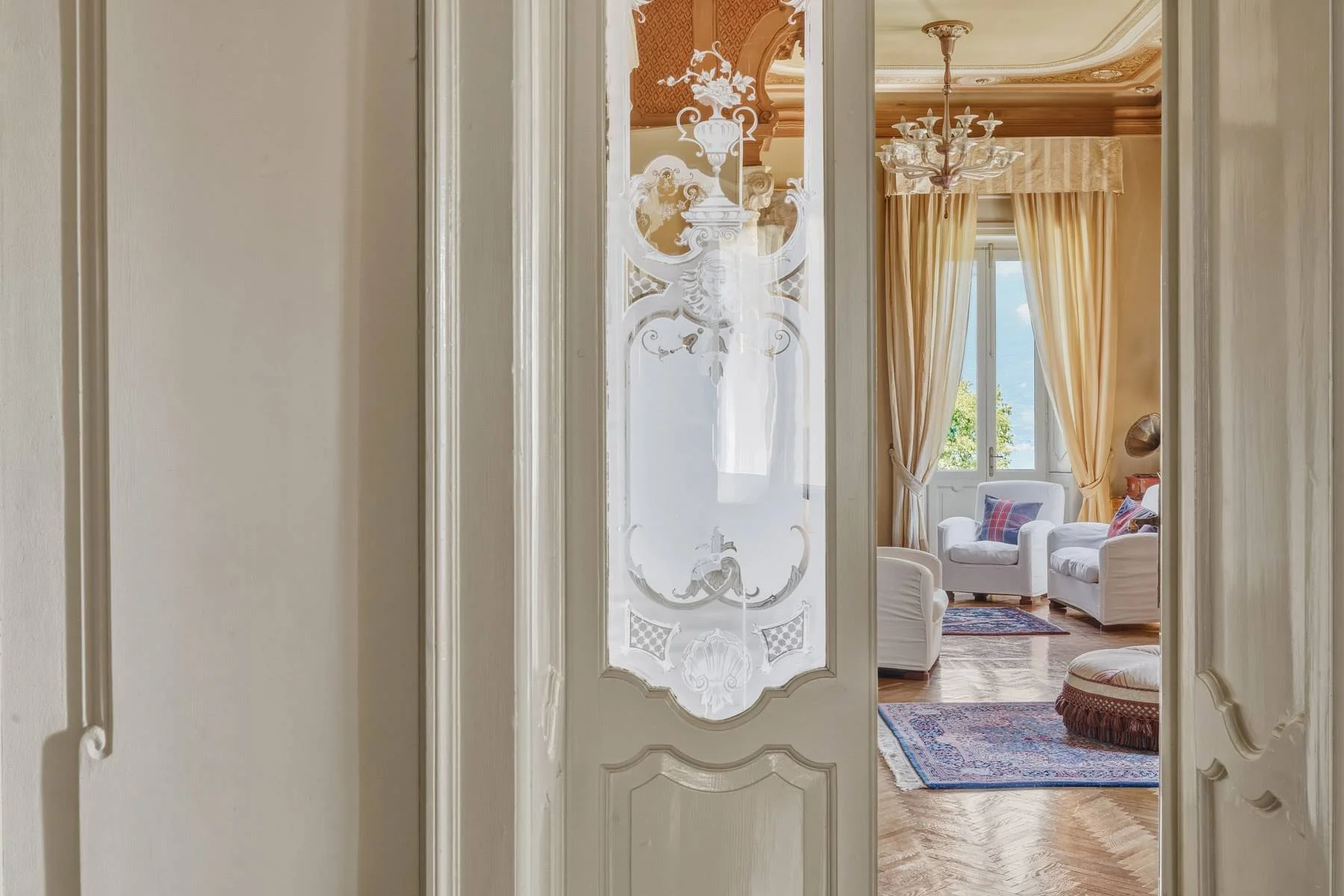
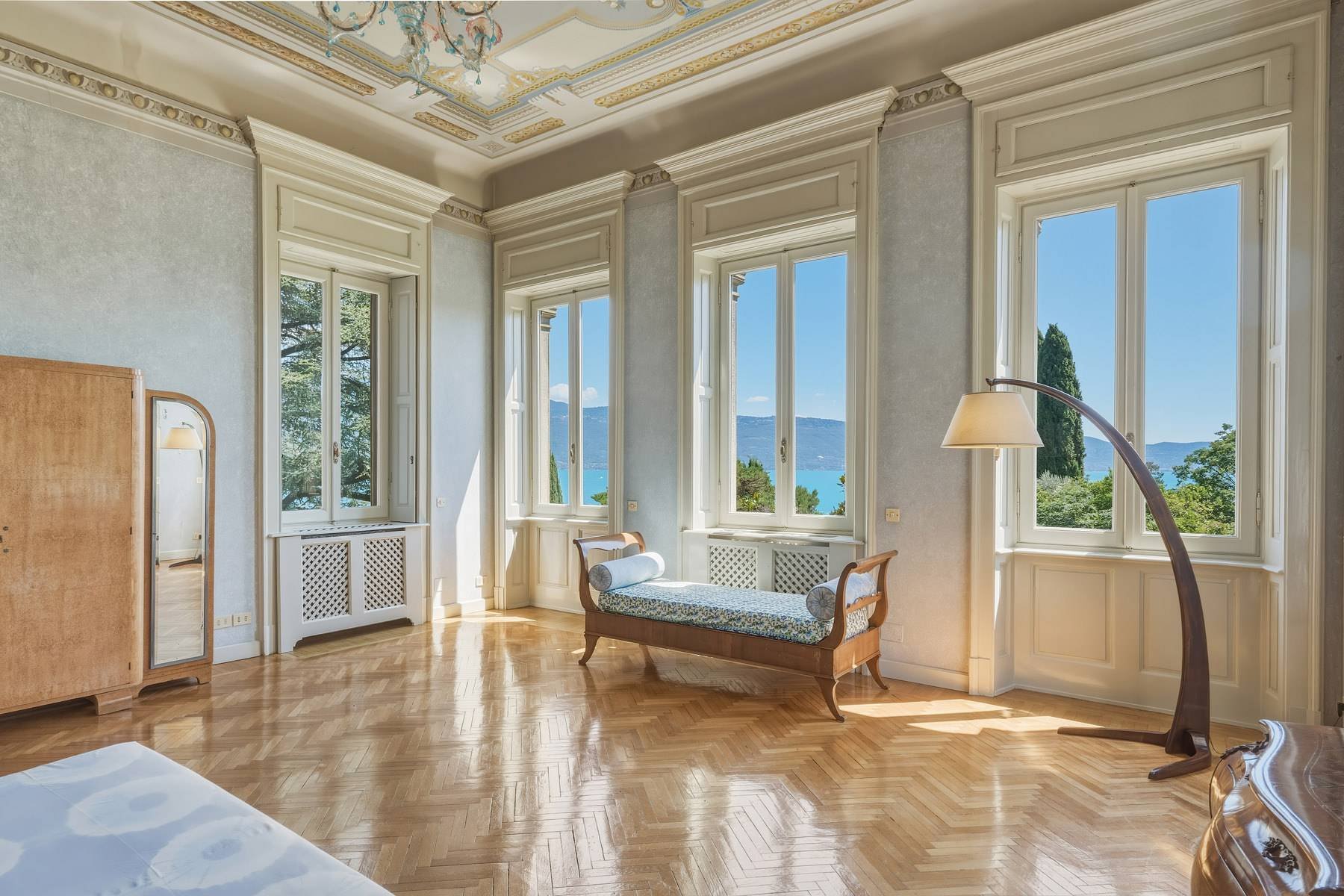
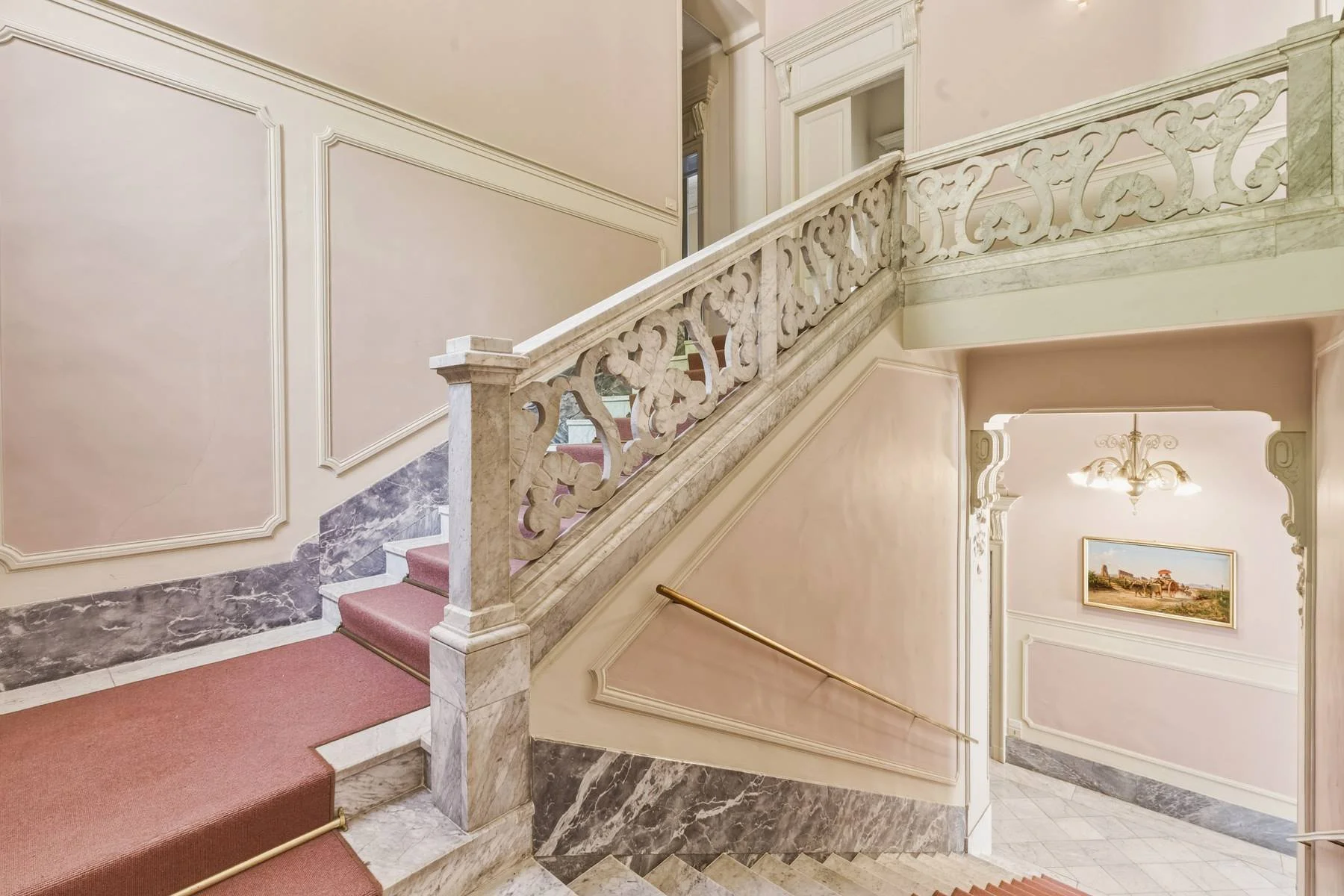
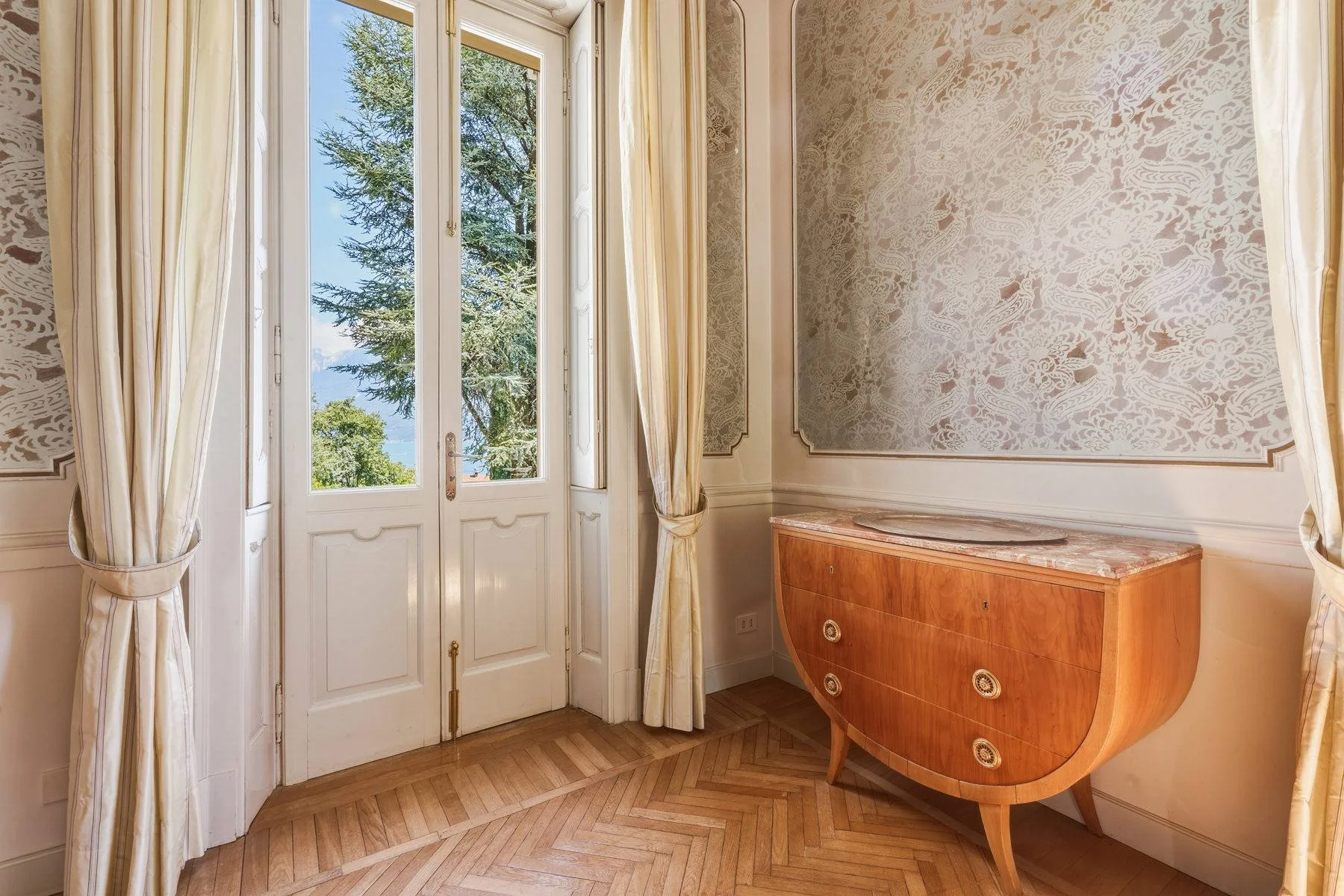
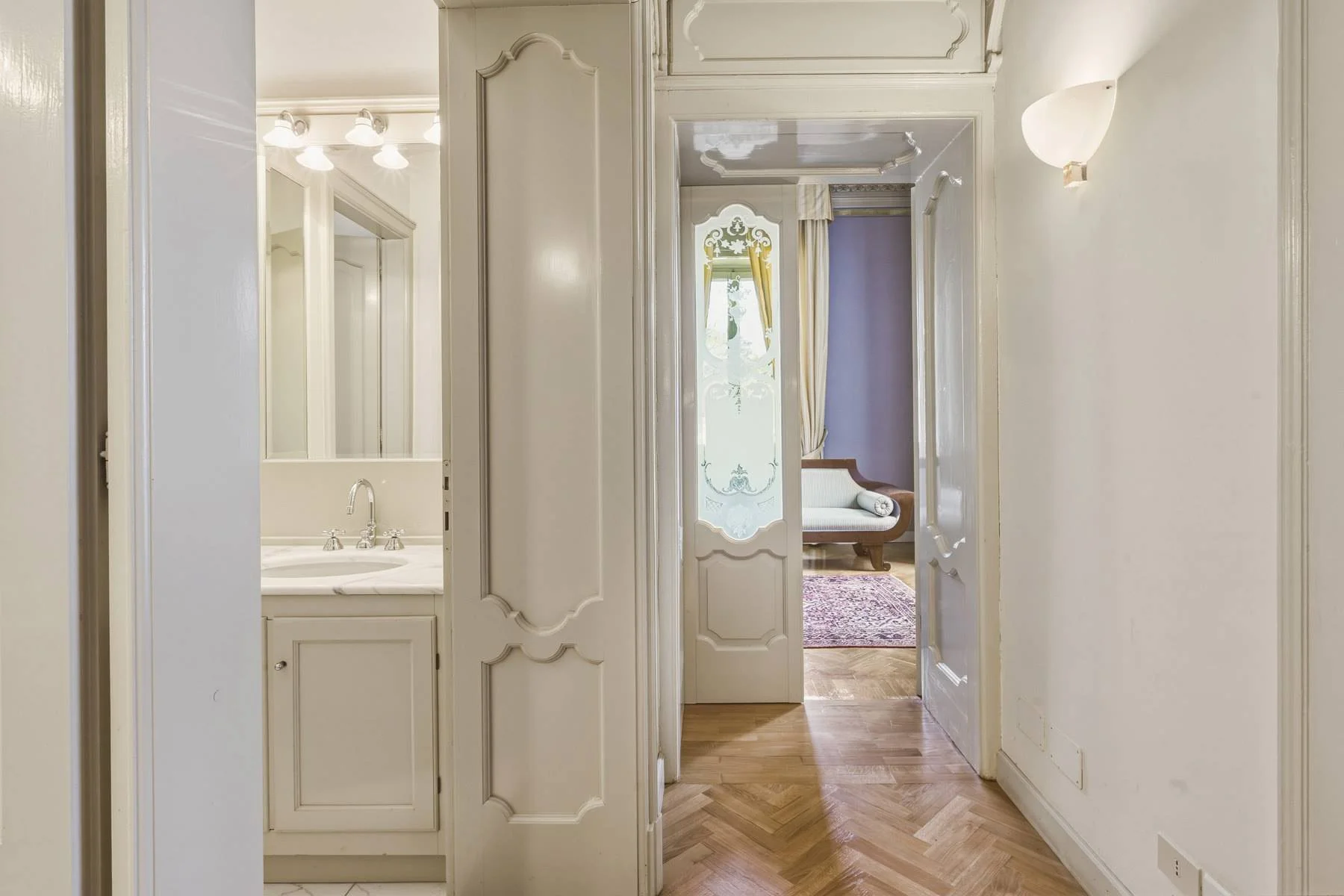
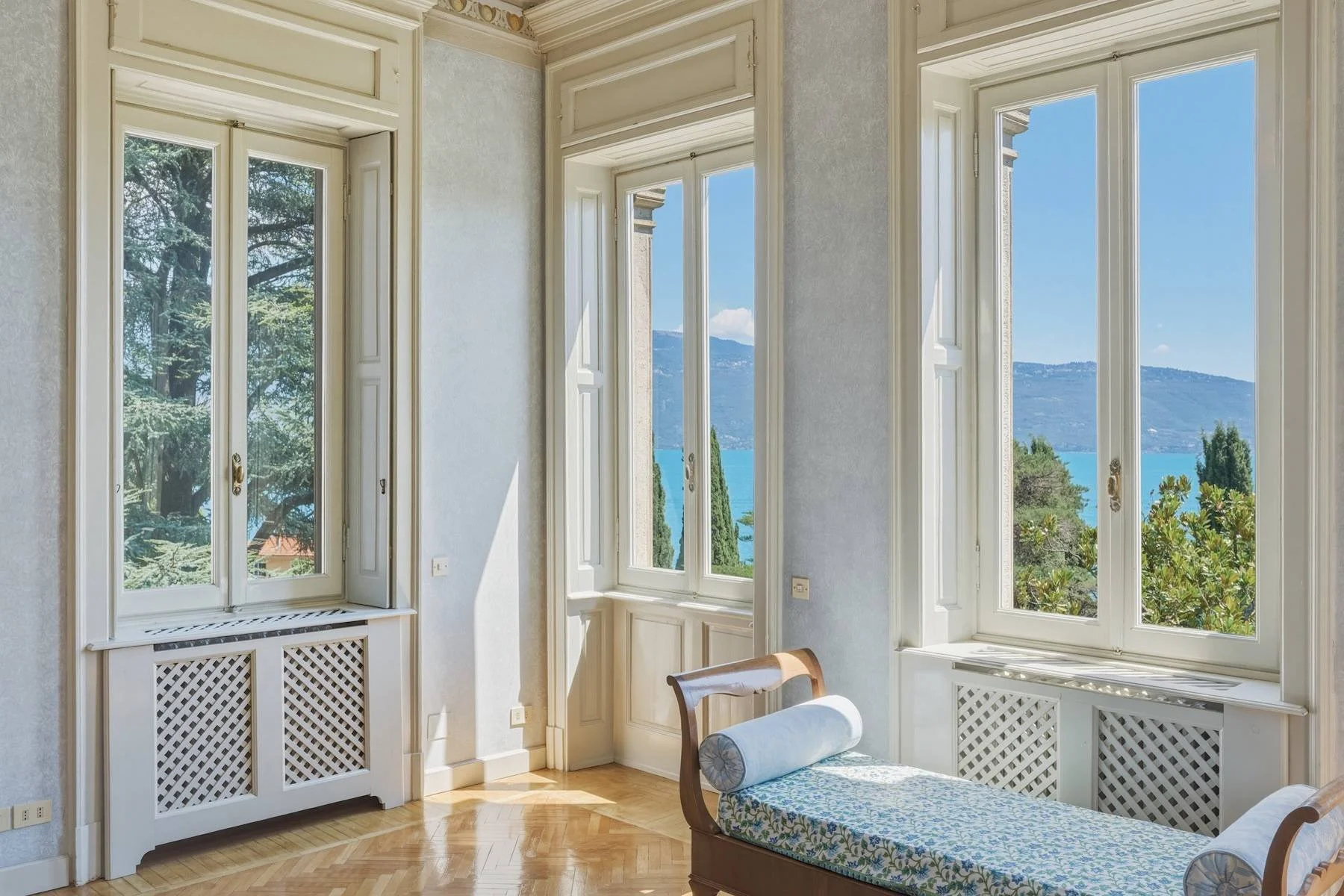
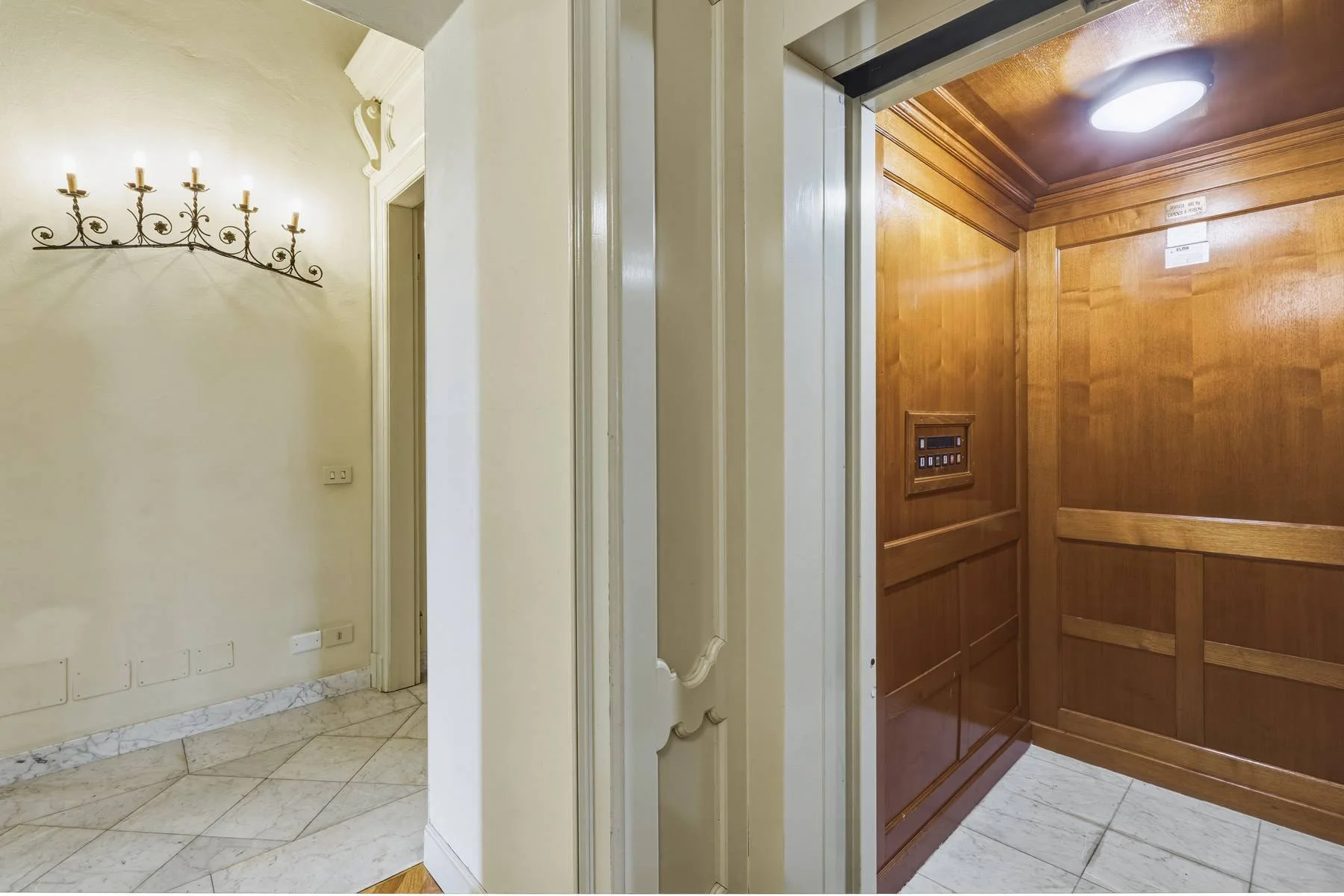
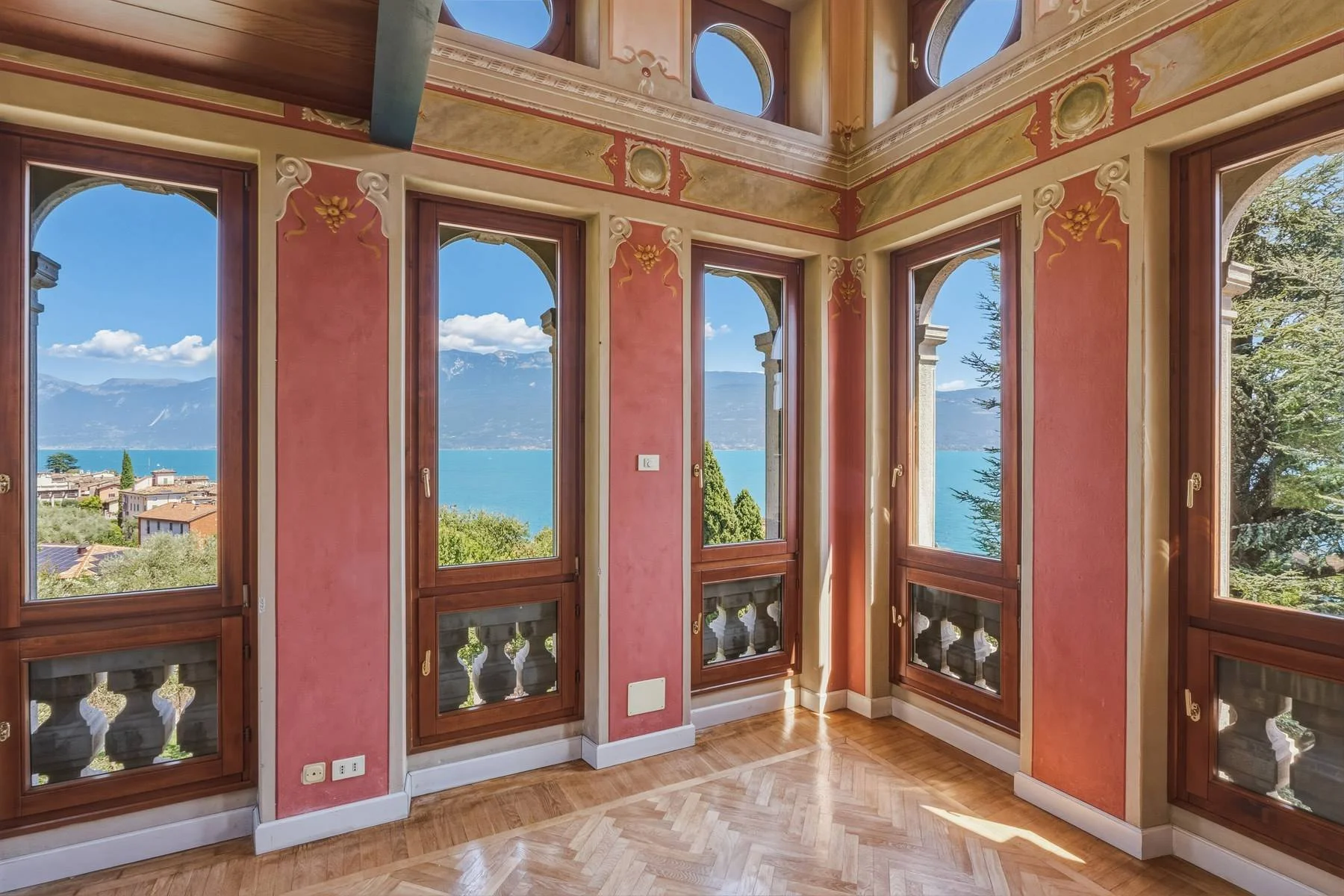
Inside Villa Tamanini, much of the decorative character associated with this period remains visible. Grand reception rooms feature frescoed ceilings, ornamental plasterwork and generously proportioned interiors. A monumental marble staircase is one of the main architectural features, while a private study has tall arched windows framing views across Lake Garda. The residence also includes a private elevator.
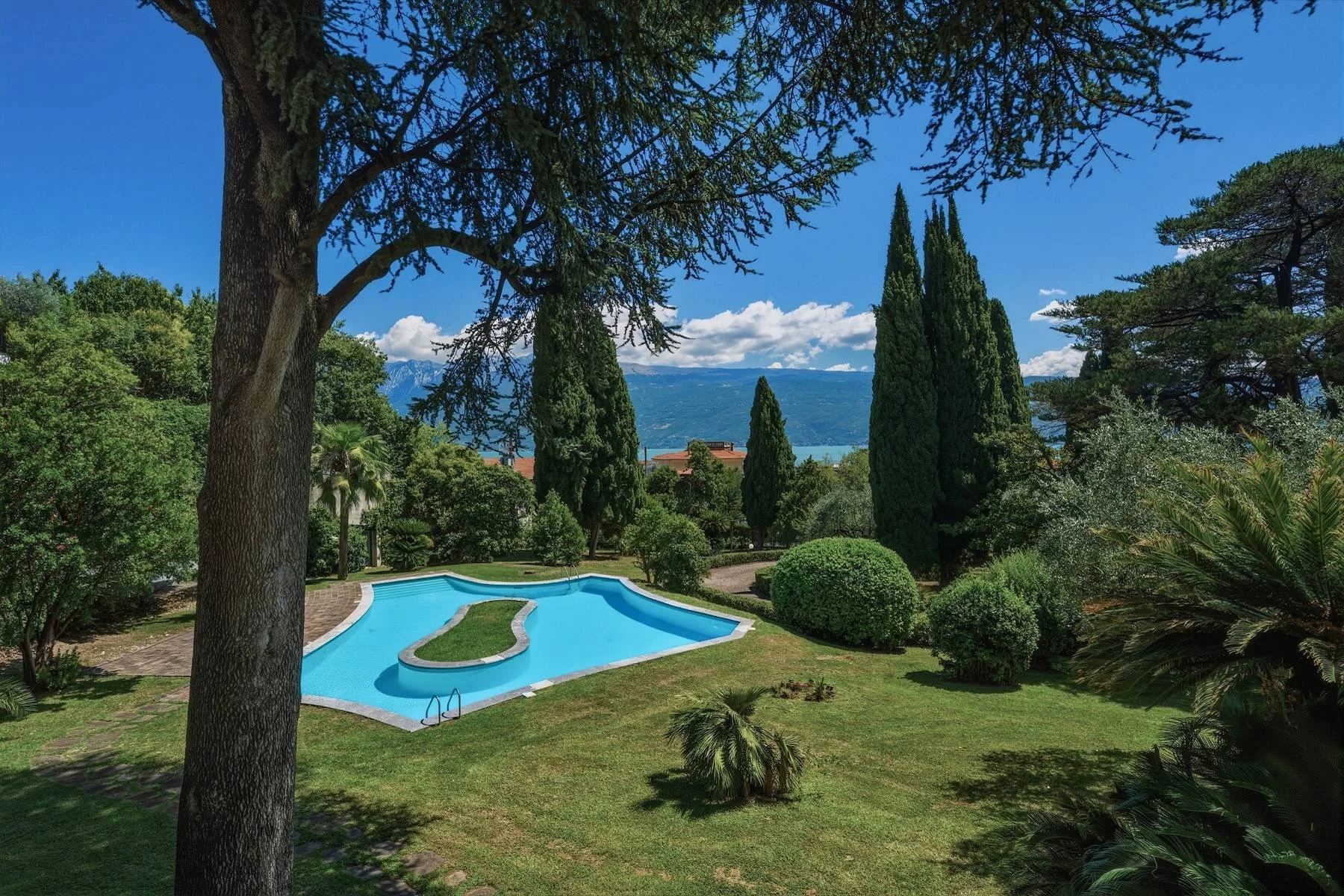
The surrounding park is equally important to the estate's character. Described by Sotheby's as centuries old, its 3.7 acres contain mature cedars, magnolias, olive trees, palms and cypresses, with landscaped grounds gently descending towards the lake. A swimming pool sits among the trees, while the villa's terraces and gardens look towards the surrounding mountains and waterfront.
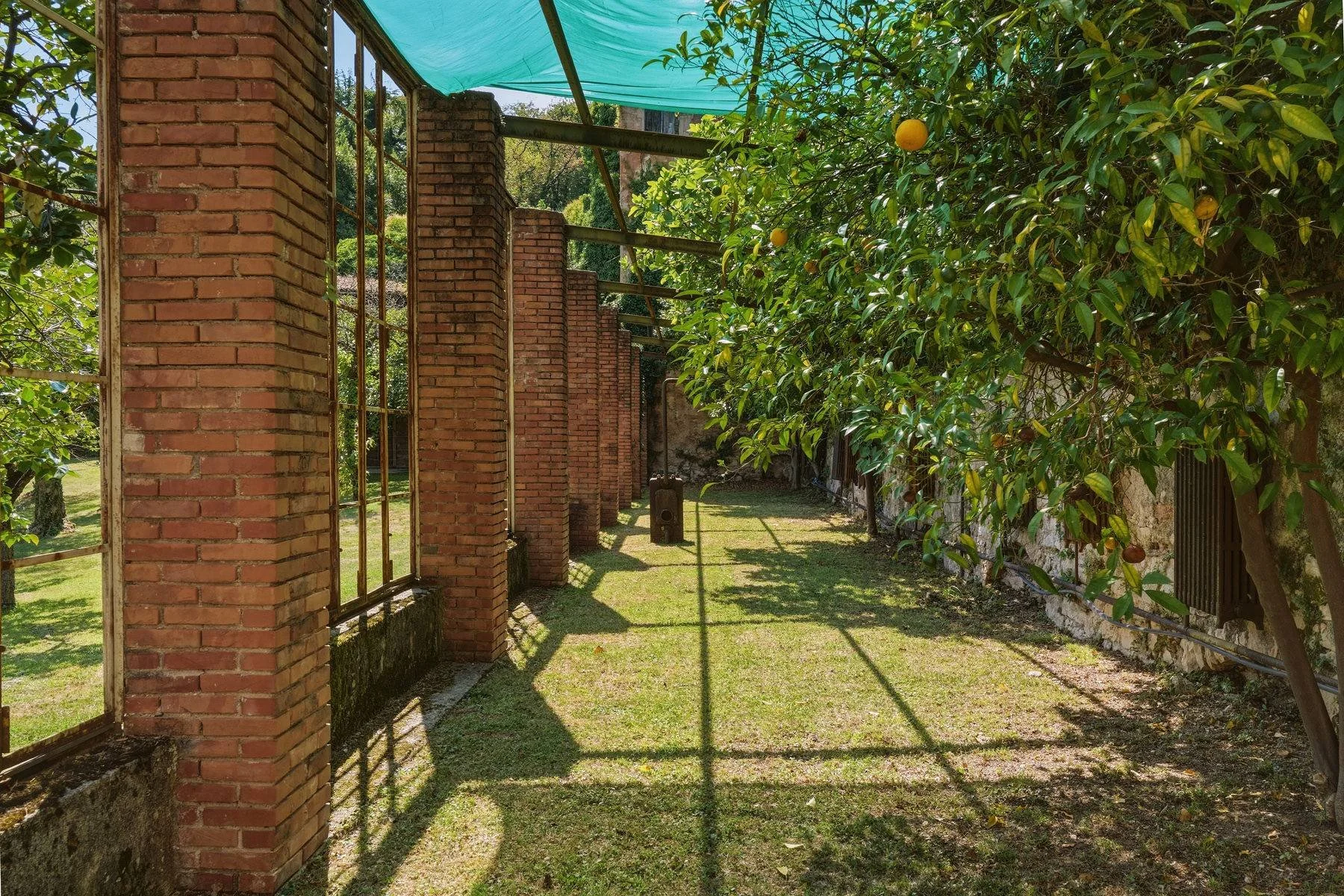
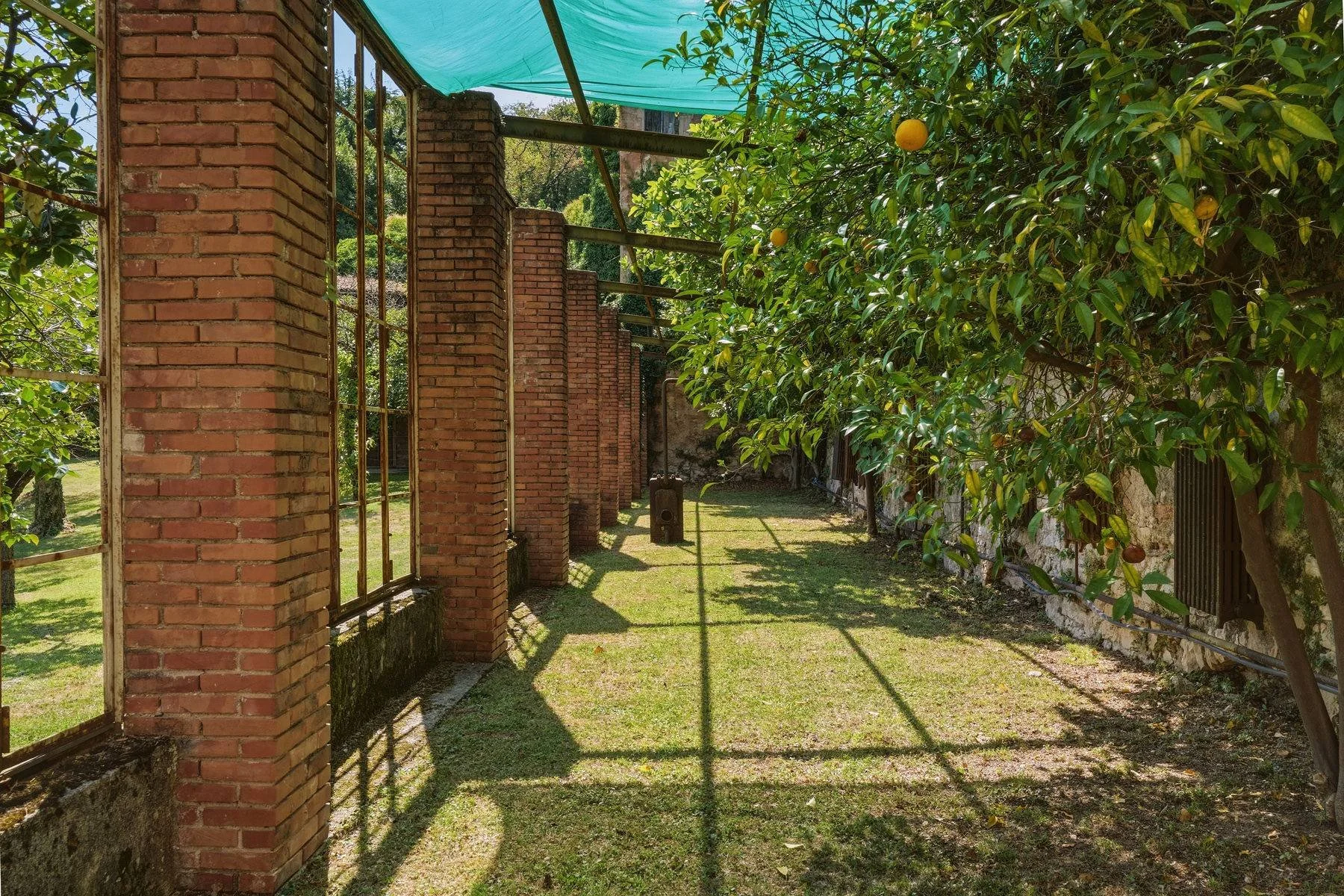
Among the property's more unusual features is an old limonaia, or lemon house. These structures are an important part of Lake Garda's history, particularly around Gargnano, where Franciscan friars are credited with introducing citrus cultivation in the 13th century. Over time, lemon growing became a significant local industry, with growers exporting their fruit to markets across northern Europe.
The lemon houses themselves were built to make this possible. Tall stone walls and pillars supported wooden frames and removable coverings, which protected the citrus trees during the winter months. This allowed growers to cultivate lemons commercially much farther north than the climate would ordinarily permit. Many of these distinctive structures can still be seen along Lake Garda's western shore, including the restored Limonaia La Malora in Gargnano, where lemons continue to be grown.