Interior: 7,621 ft² (708 m²)
Lot: 12.4 acres (5 hectares)
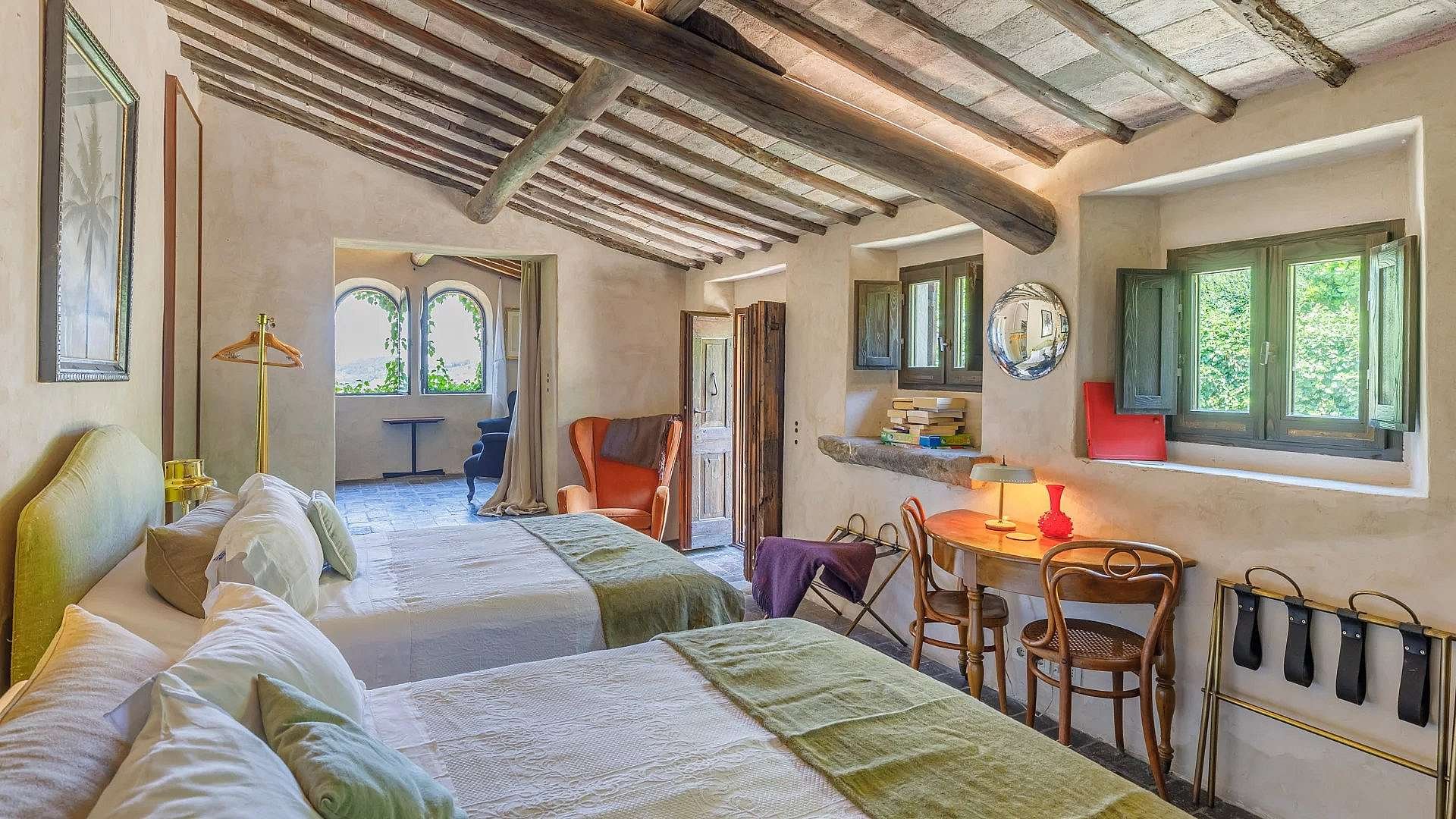
Features: Historic reception rooms, original fireplaces, exposed timber beams, wine cellars, formal gardens, olive grove and woodland
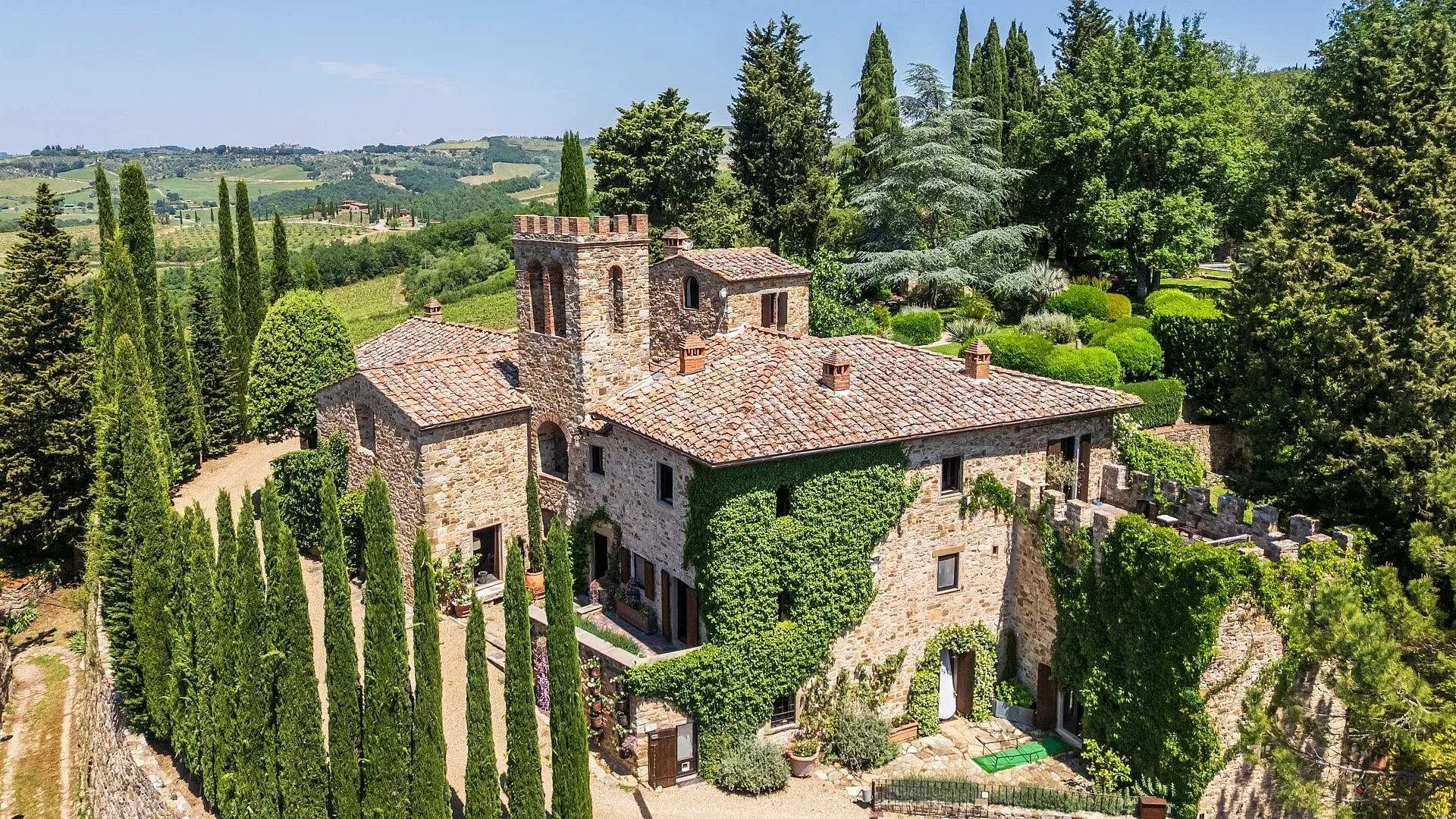
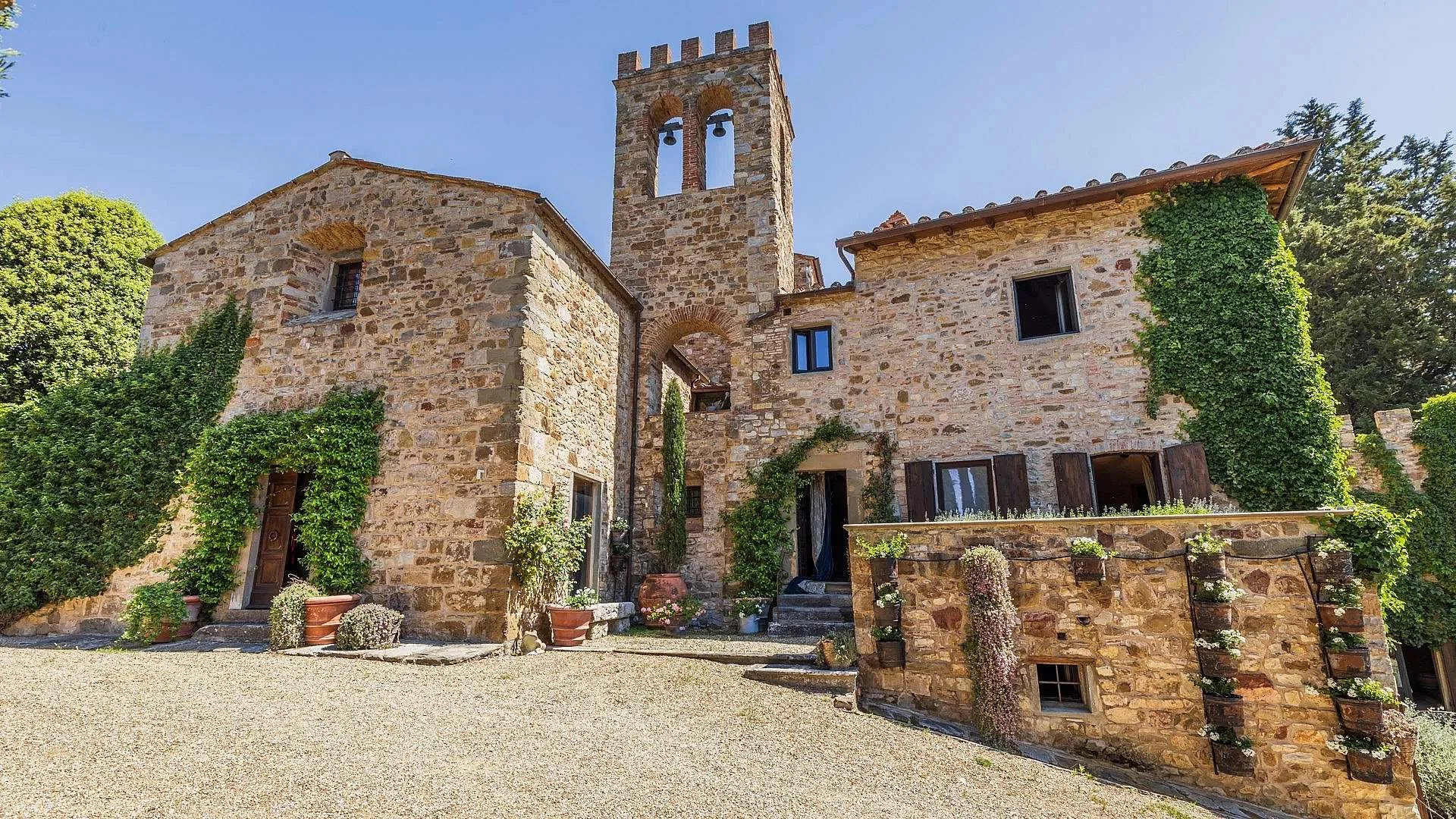
Long before Chianti became famous for its wines, the hills between Florence and Siena were dotted with castles, watchtowers and fortified farmhouses. For centuries, the two rival powers fought over this stretch of Tuscany, and many of the buildings that survive today were originally built to defend the surrounding countryside. One of them is Castello di Monterinaldi, a former fortress whose history stretches back more than 1,000 years.
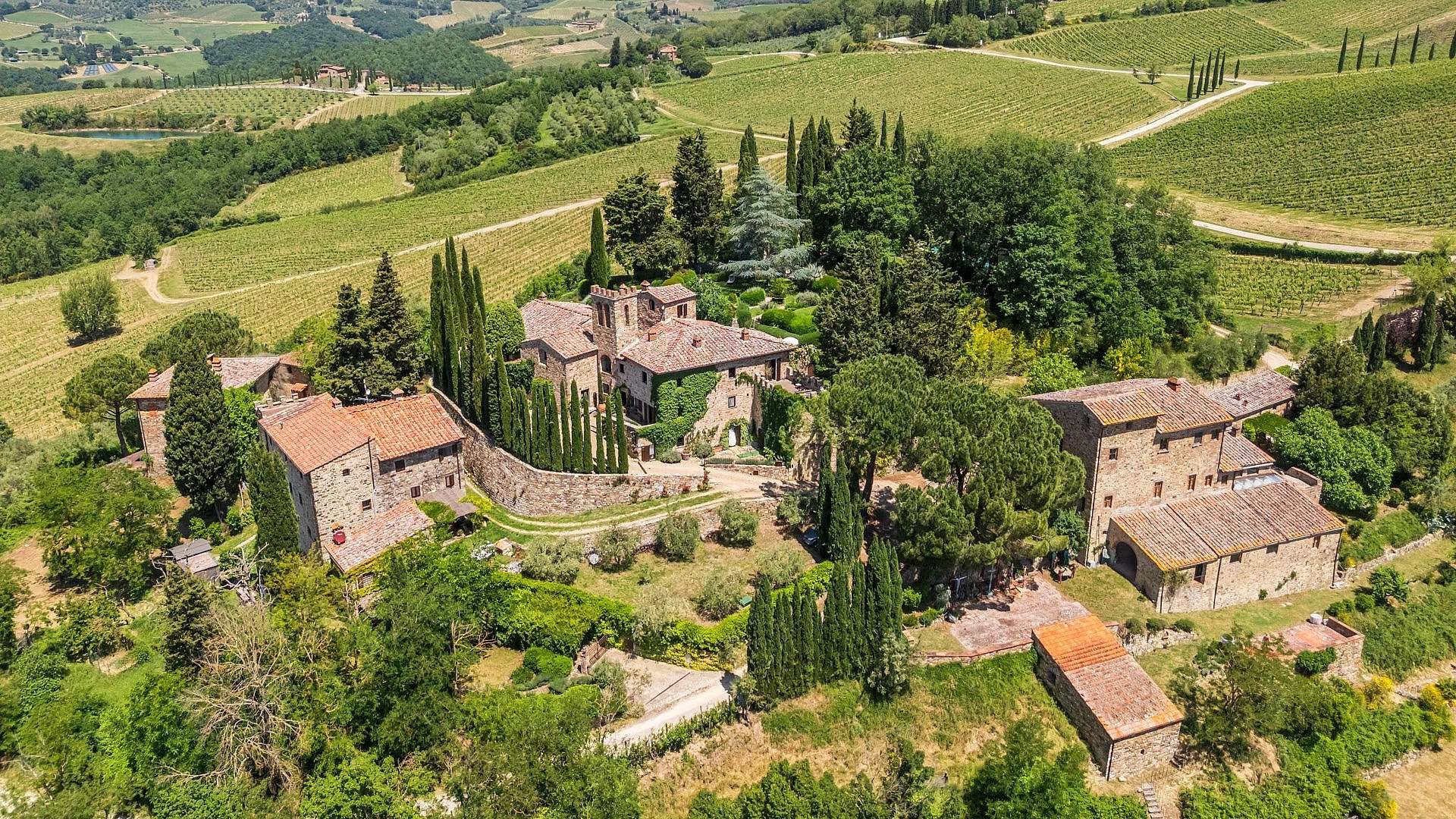
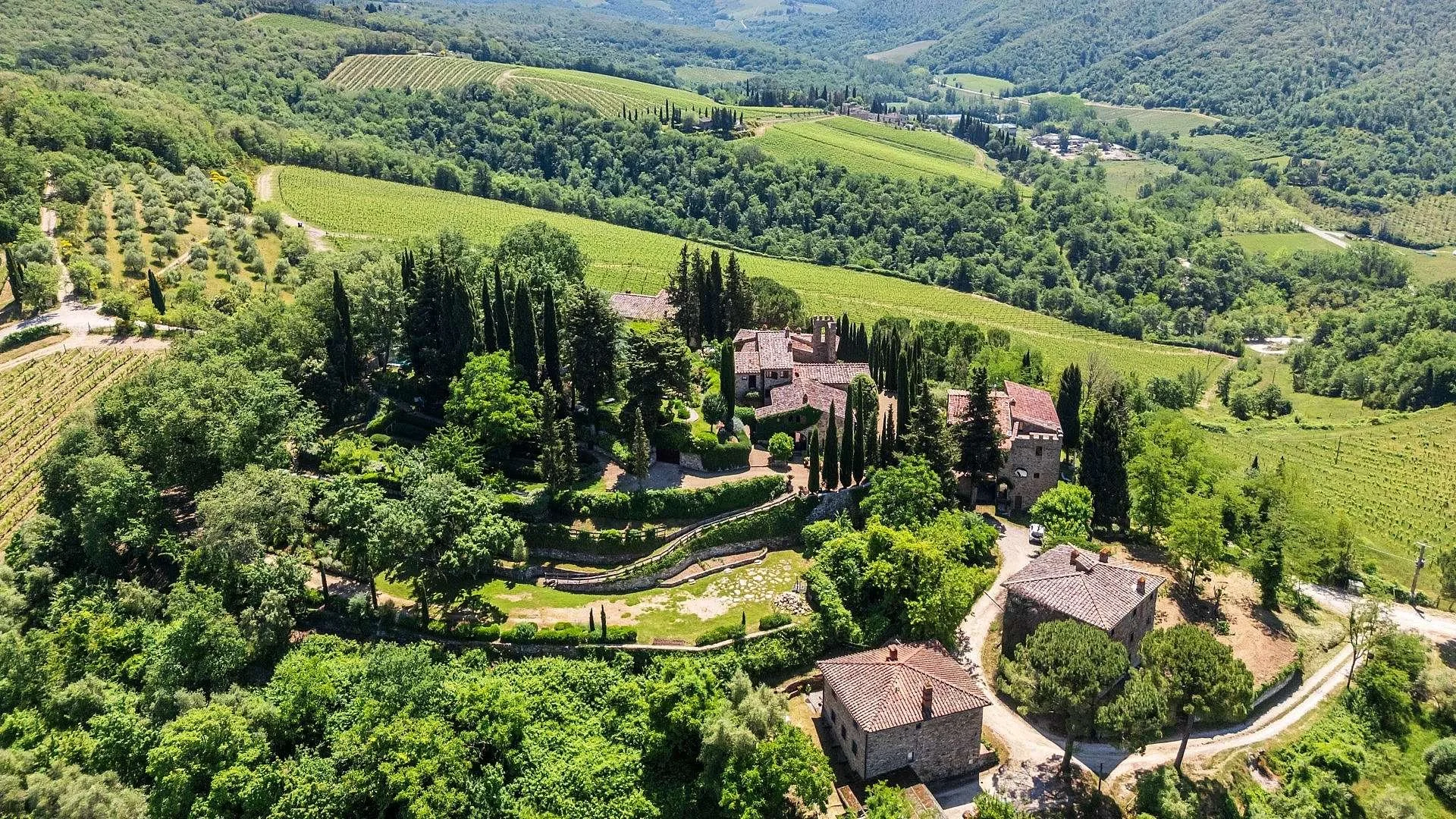
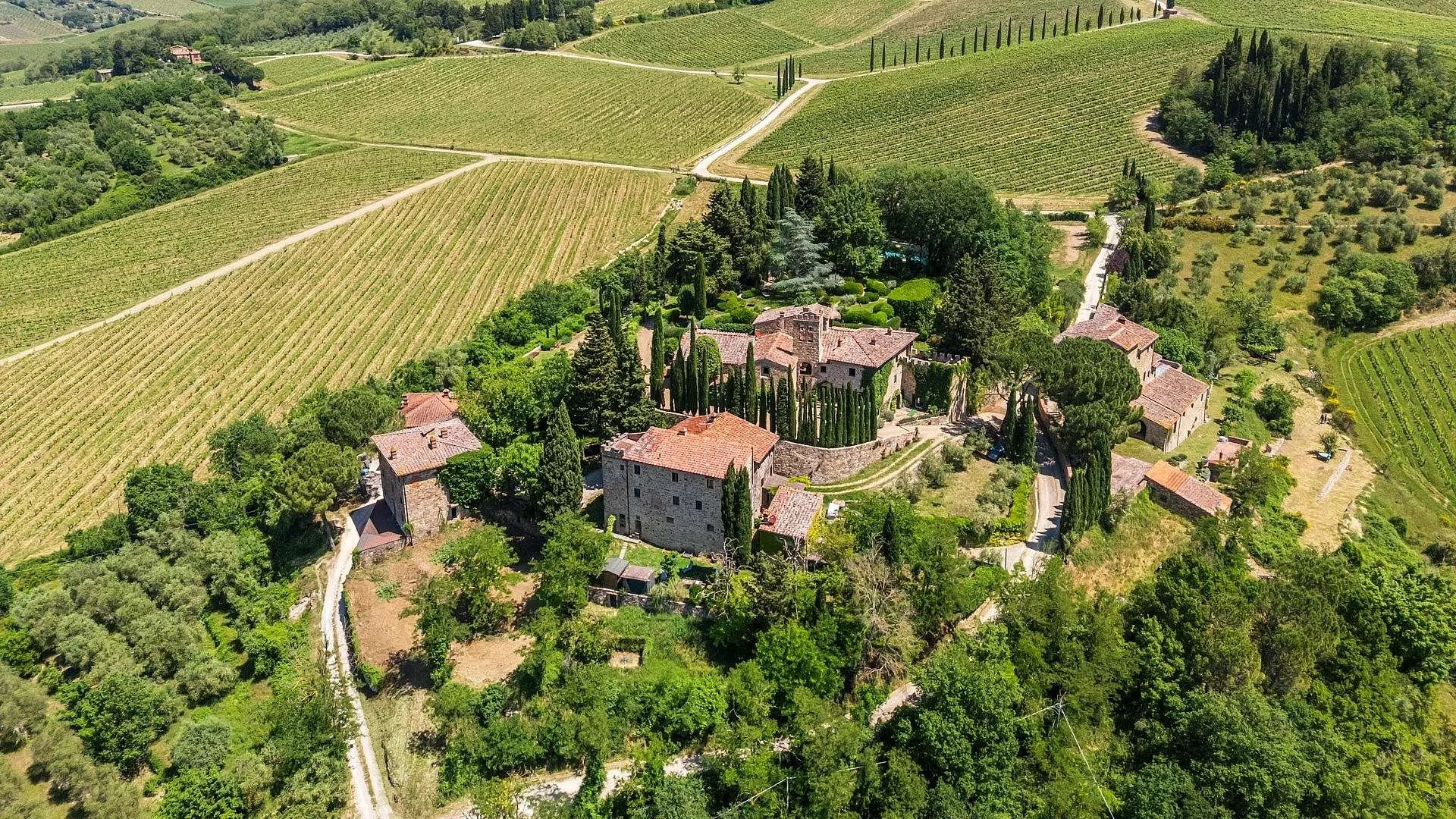
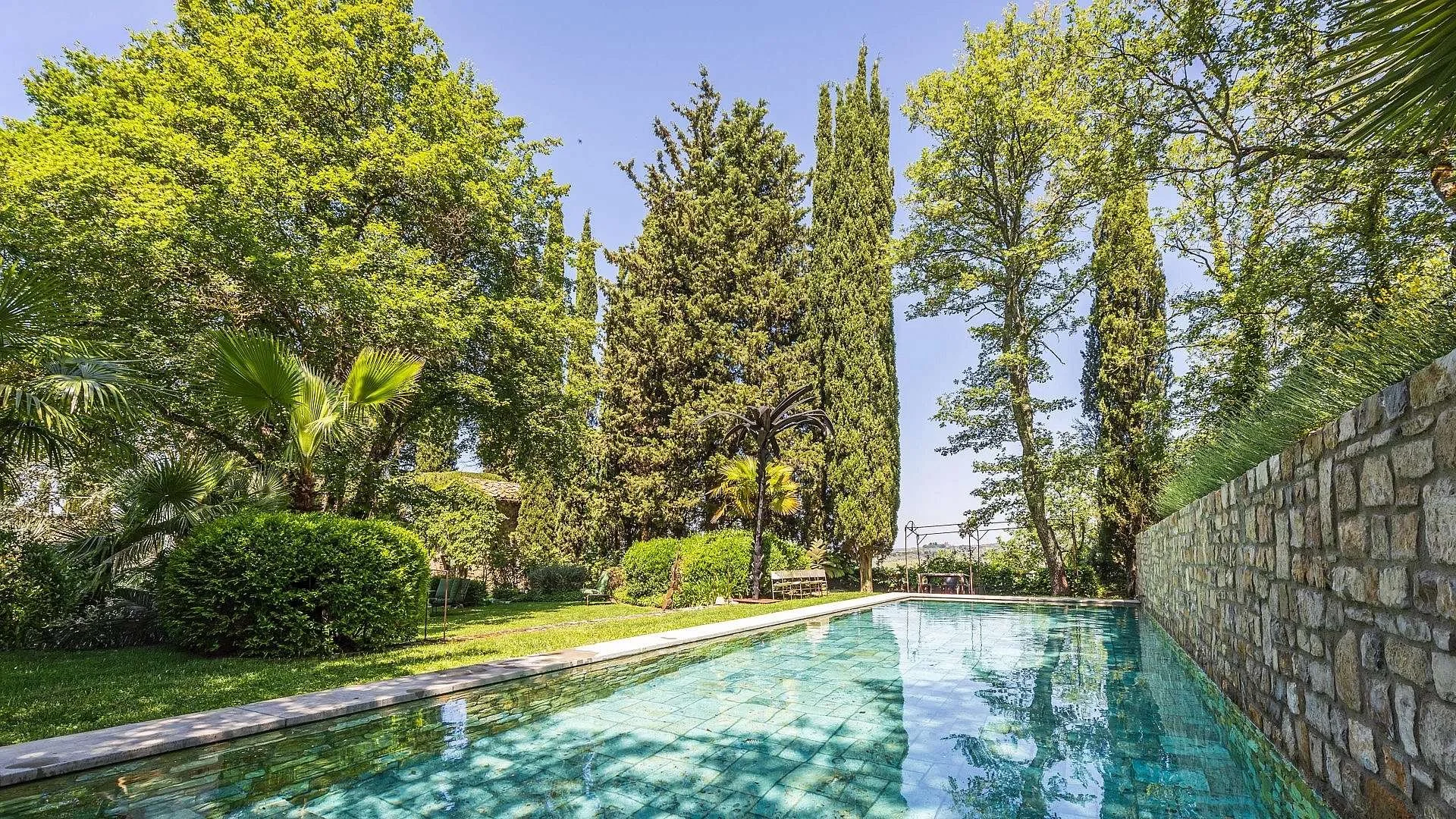
Now listed with Building Heritage | Forbes Global Properties (with pricing disclosed upon application with the listing agency), the restored castle has approximately 7,621 ft² (708 m²) of interior space and 12.4 acres (5 hectares) of private grounds. Set on a hilltop near Radda in Chianti, it has 360-degree views across the countryside, along with historic reception rooms, extensive cellars, formal gardens, an olive grove and woodland.
Monterinaldi was first recorded in 1016, when the site belonged to a Lombard lord named Gottifredo. The castle stood along an ancient Etruscan route, in a part of Tuscany where control of the roads and surrounding land was particularly important. It later passed through the hands of prominent noble families, including the counts of Monte Rinaldi and the Guidi counts, whose influence extended across much of medieval Tuscany.
Its position also made it vulnerable. Following the Battle of Montaperti in 1260, when Siena's forces defeated the Florentines in one of the most consequential battles of their long rivalry, Sienese troops attacked Monterinaldi, damaging its defensive walls, keep and houses. The fighting was part of a much larger struggle for control of the region, which continued for centuries and left its mark on towns and castles throughout Chianti.
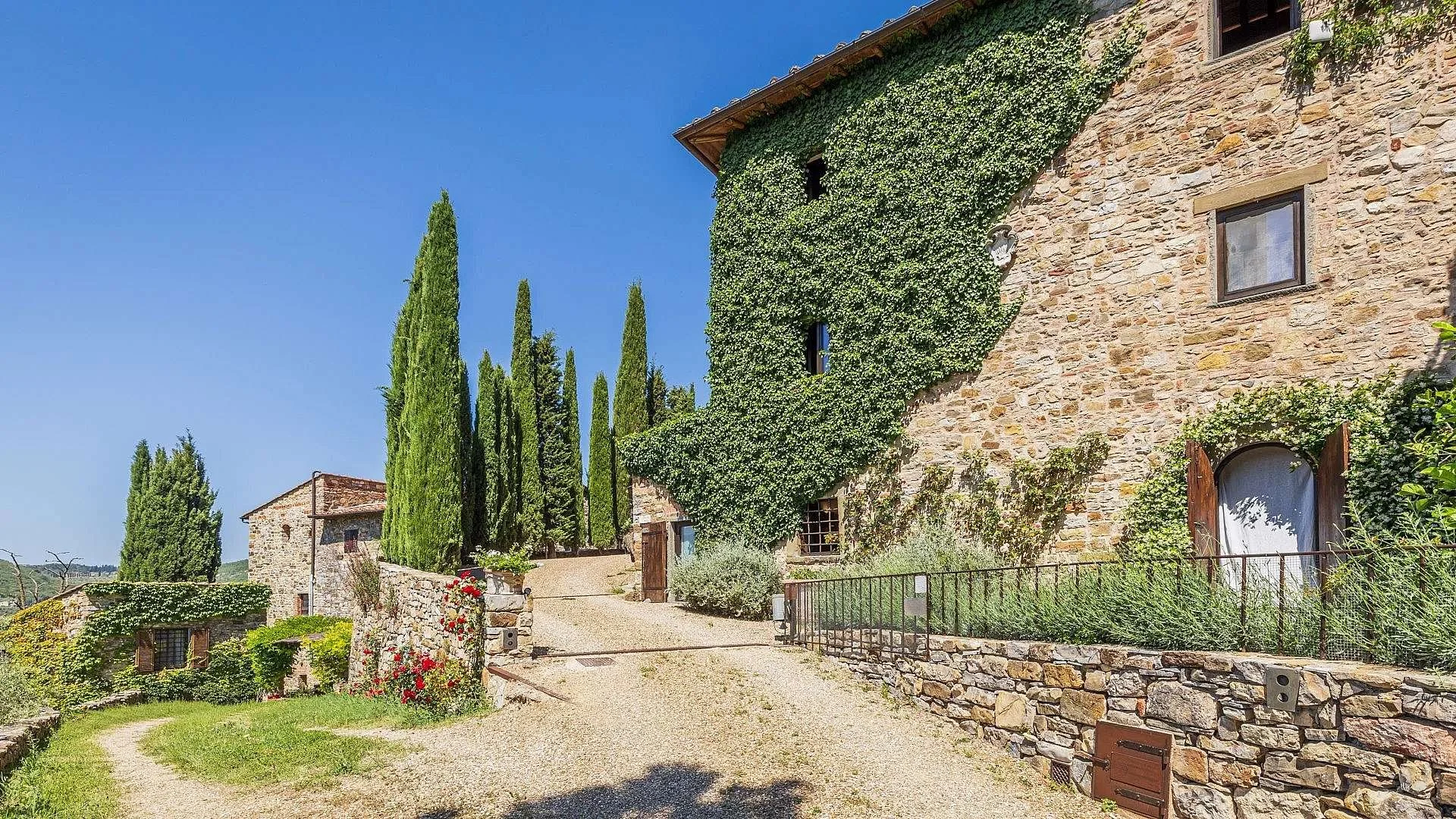
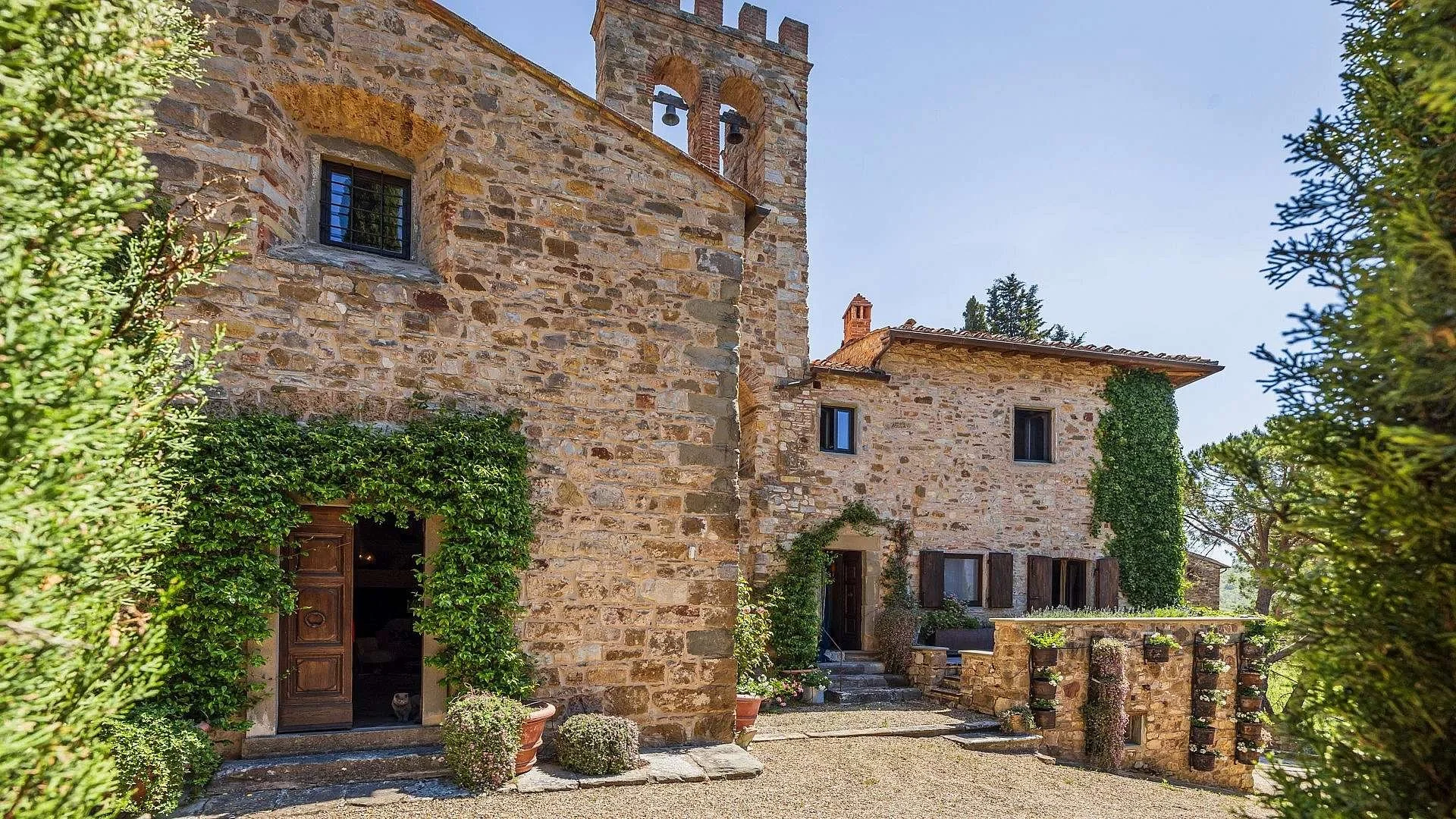
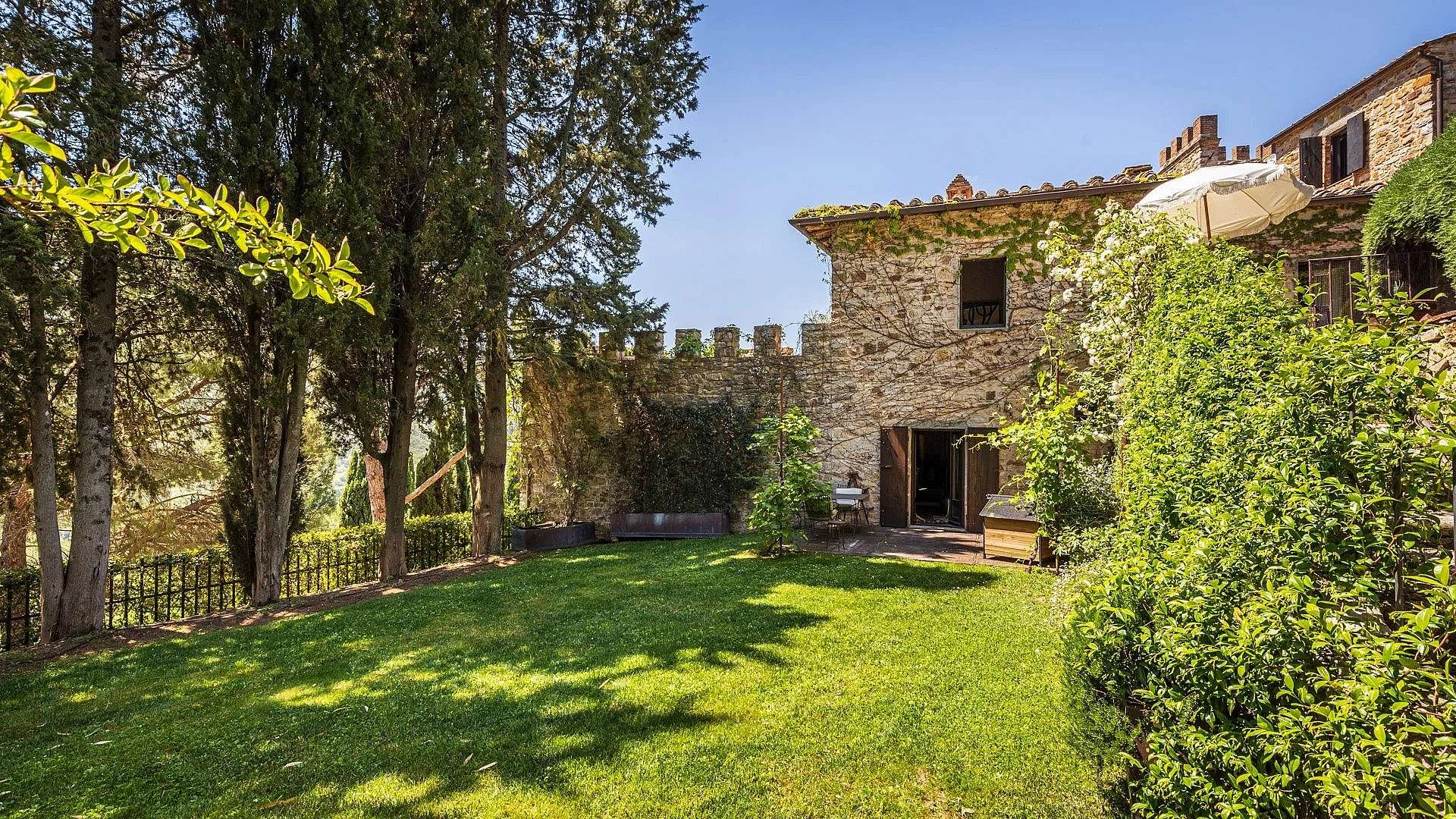
By the mid-16th century, the balance of power had shifted. Siena fell to the forces of Florence and its Spanish allies in 1555, and the wider conflict was settled in the following years. Monterinaldi eventually lost its military importance, and in 1693, under the Florentine Geppi family, the fortress was converted into a manor house. Its elliptical layout still recalls the defensive walls that once surrounded it, even as the building itself took on a more domestic character.
It was a familiar transformation across Chianti. As warfare gave way to agriculture, many of the region's fortified houses became residences for landed families or the centres of working estates. The surrounding countryside was increasingly shaped by vineyards, olive groves and the villa-fattoria, the traditional Tuscan country house associated with agricultural production. Monterinaldi followed a similar path, eventually becoming part of the wine-producing landscape for which Chianti Classico is known today.
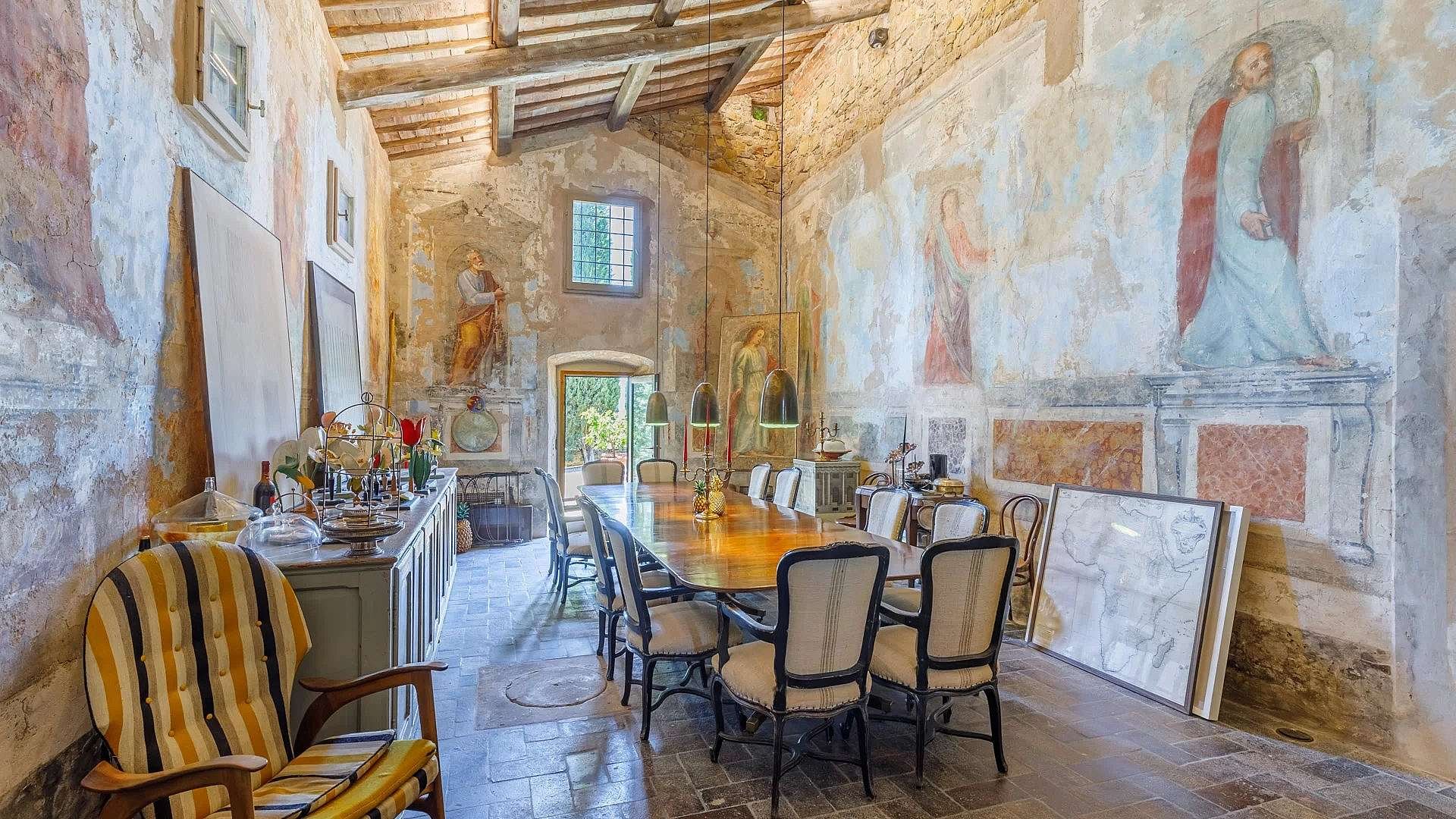
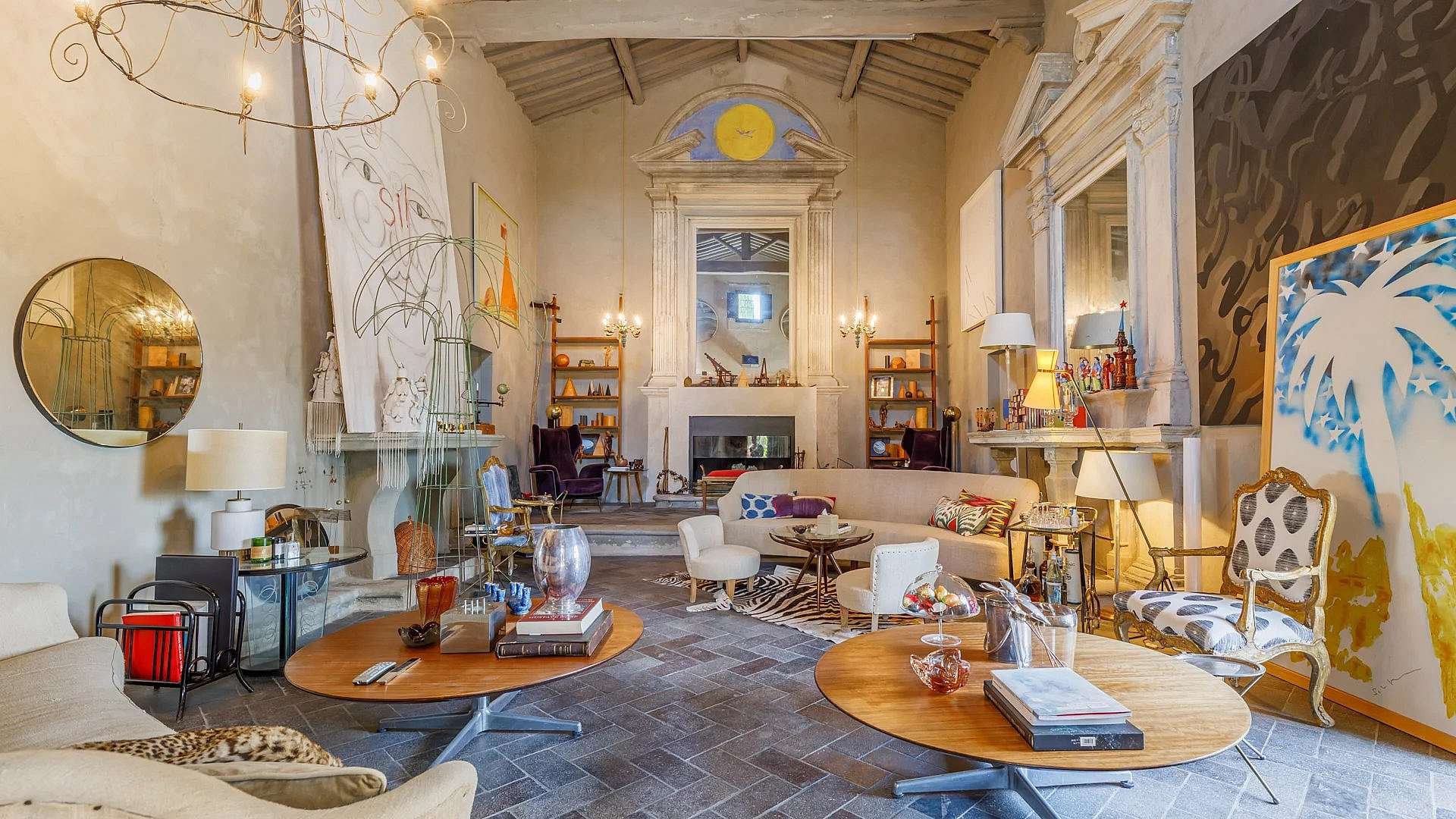
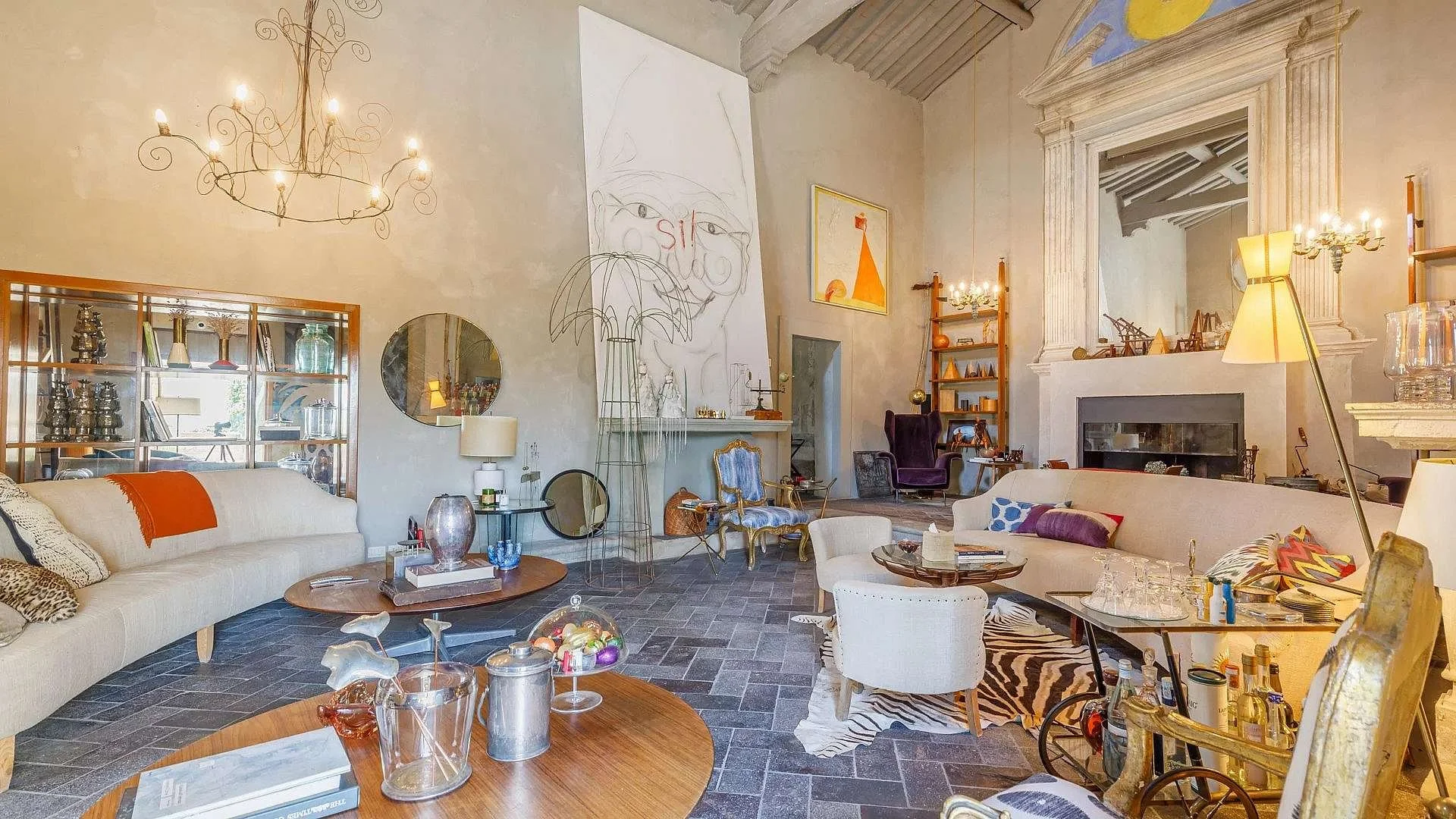
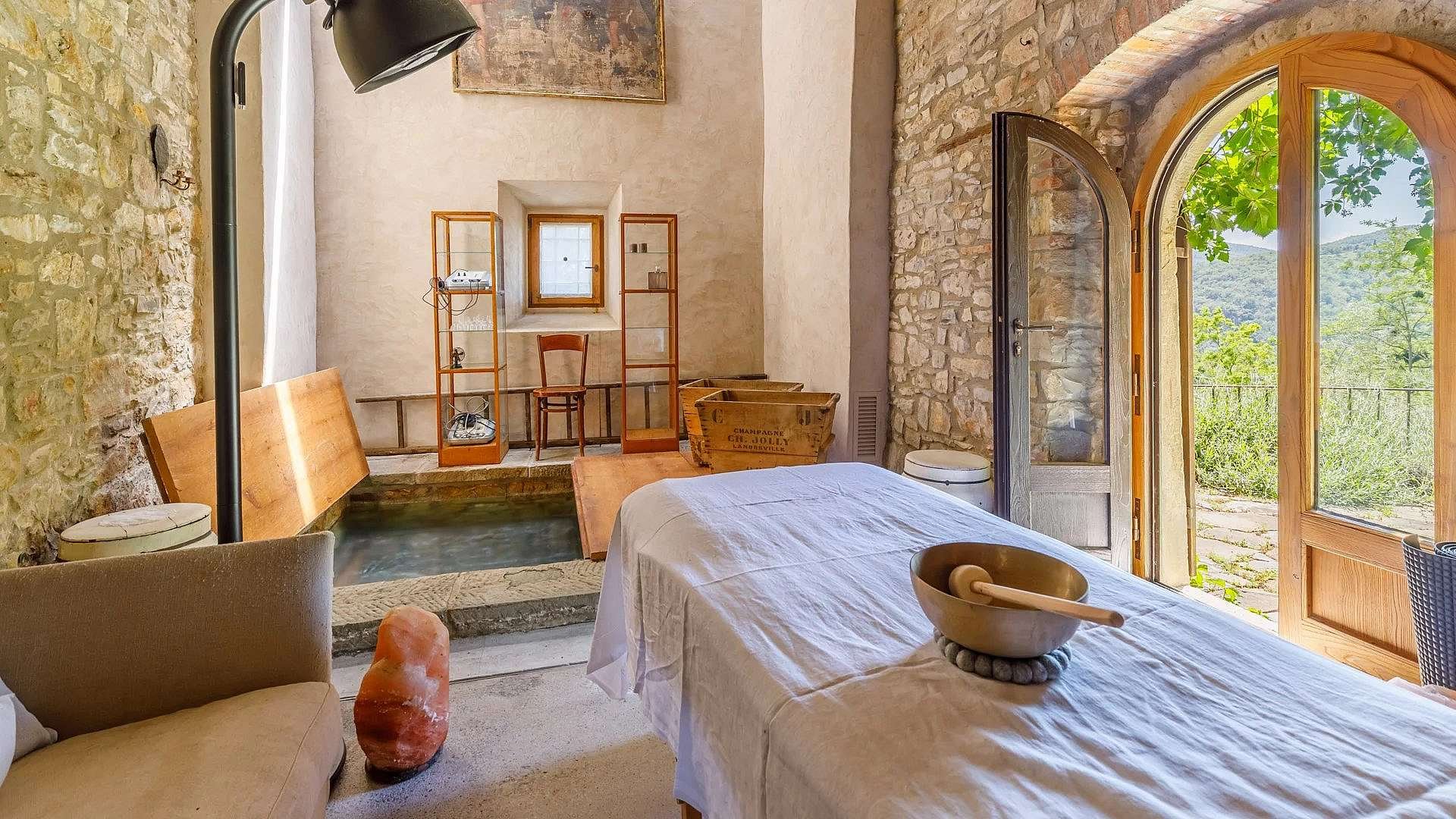
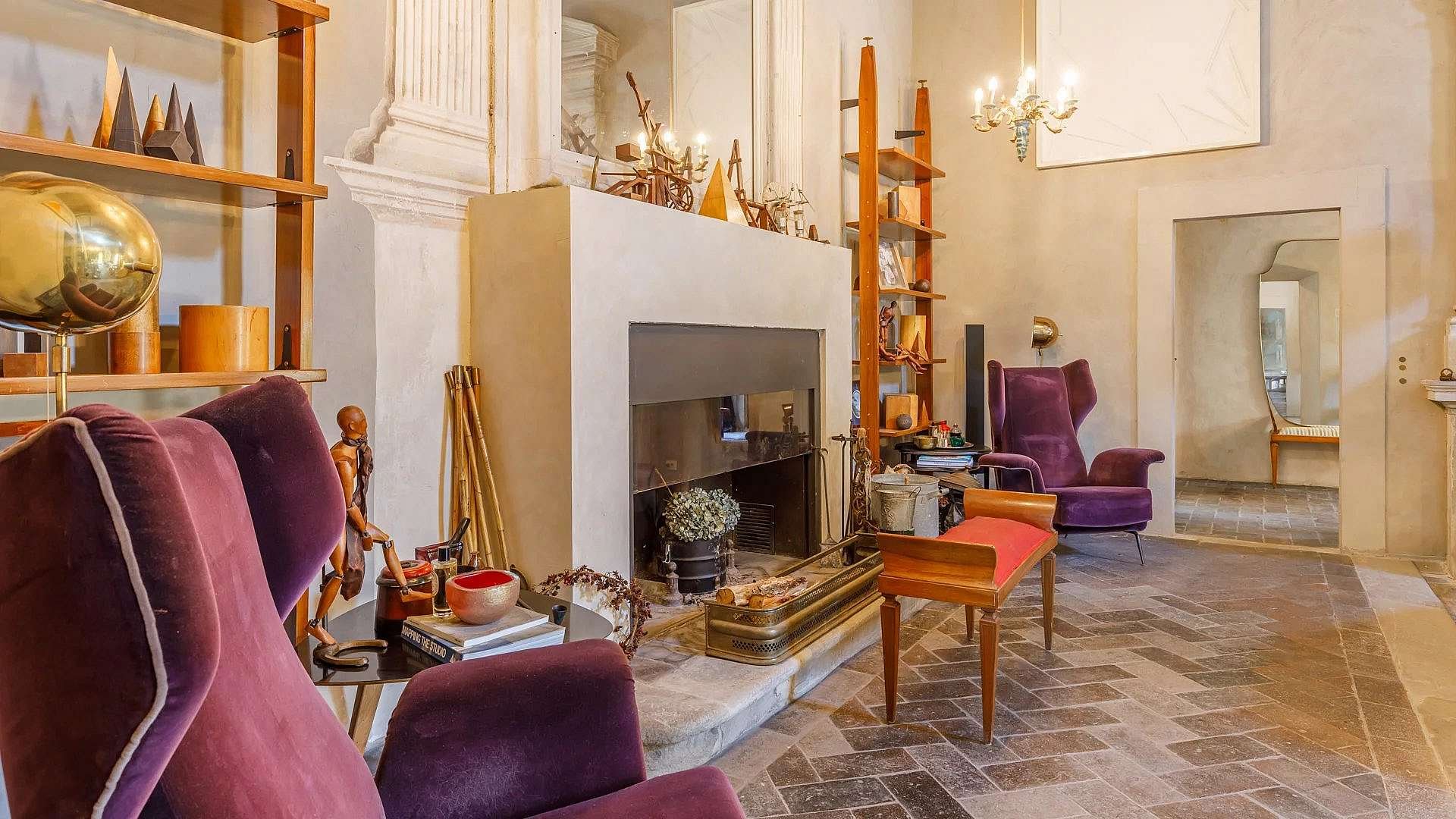
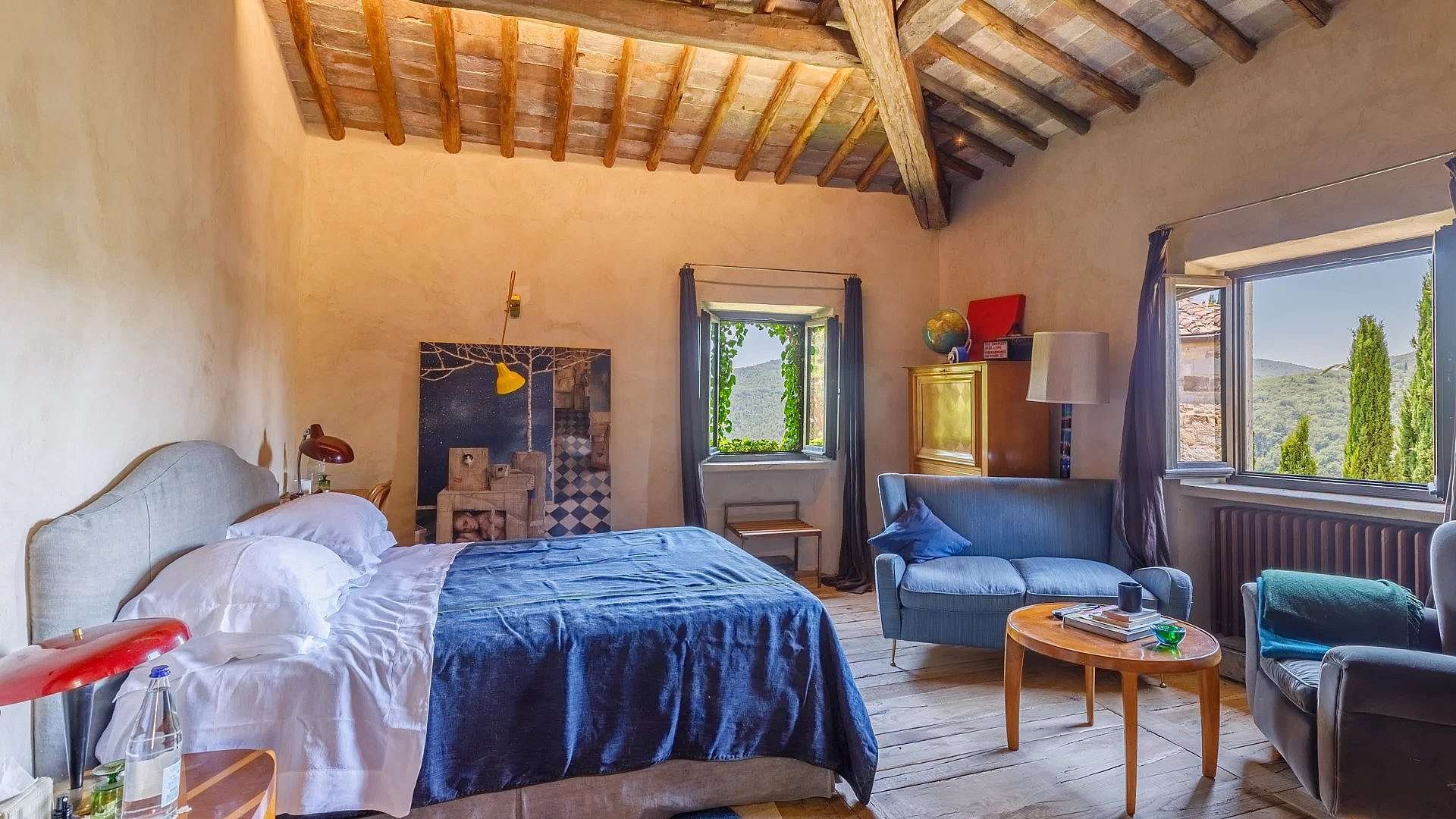
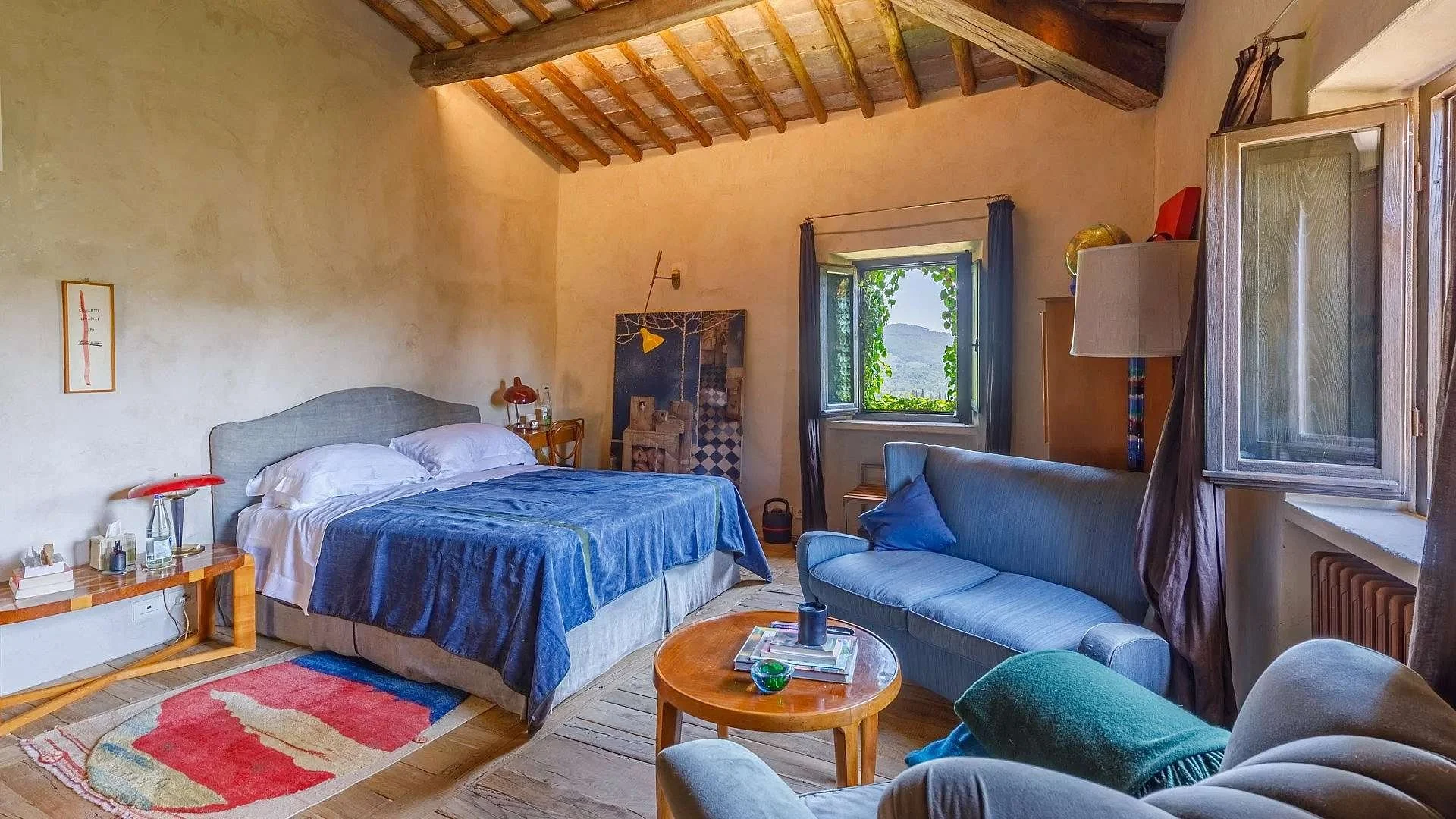
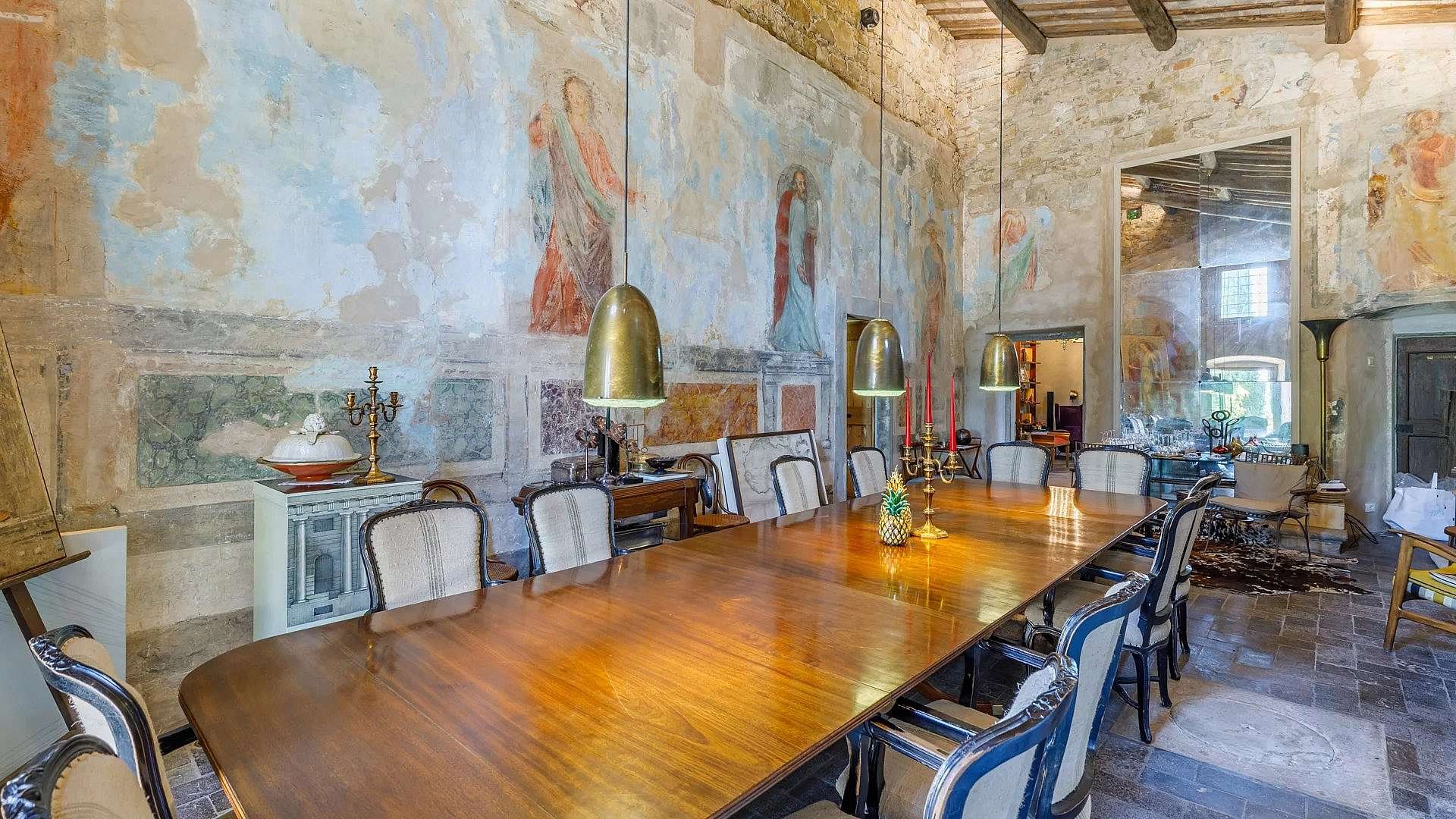
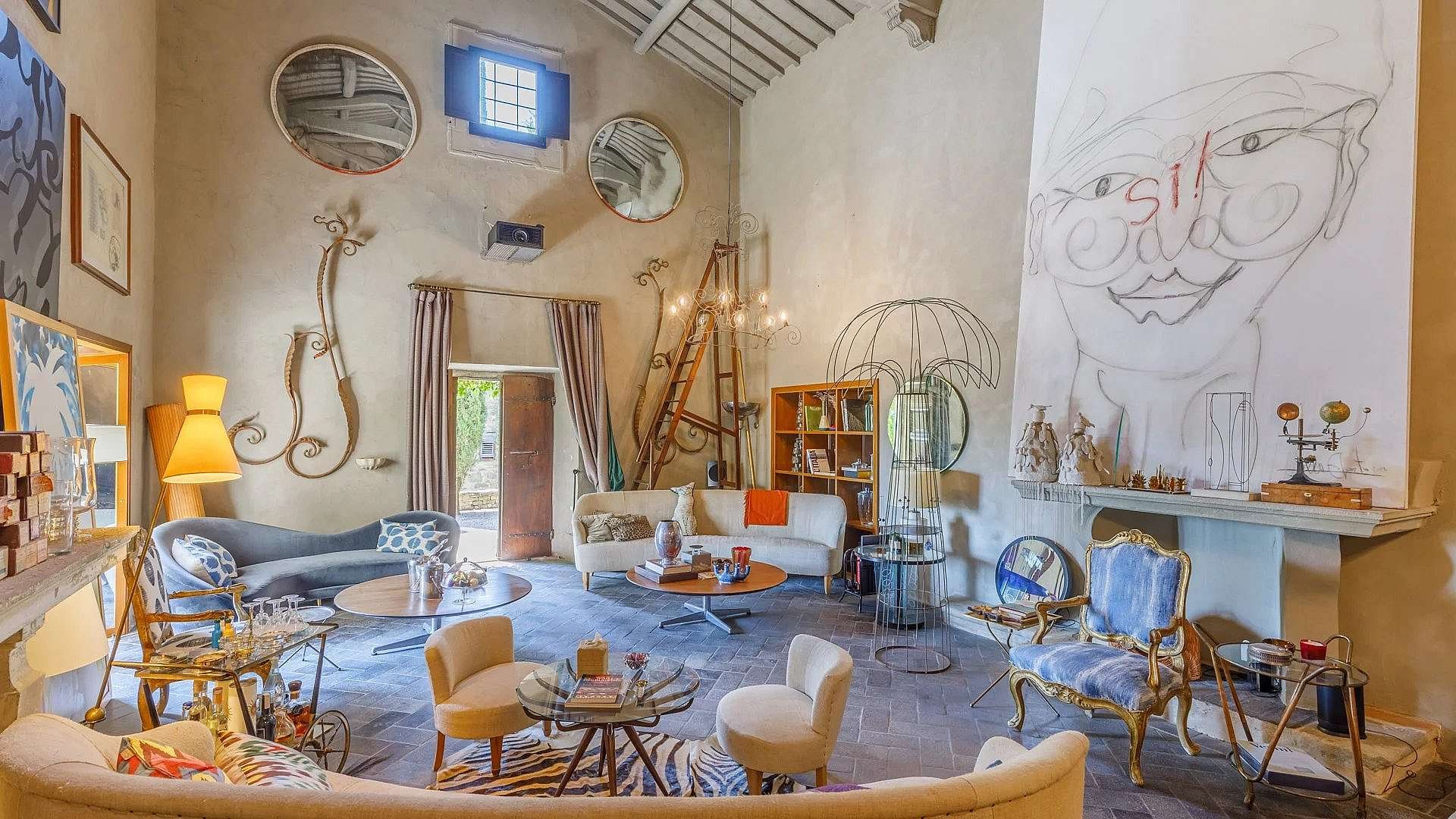
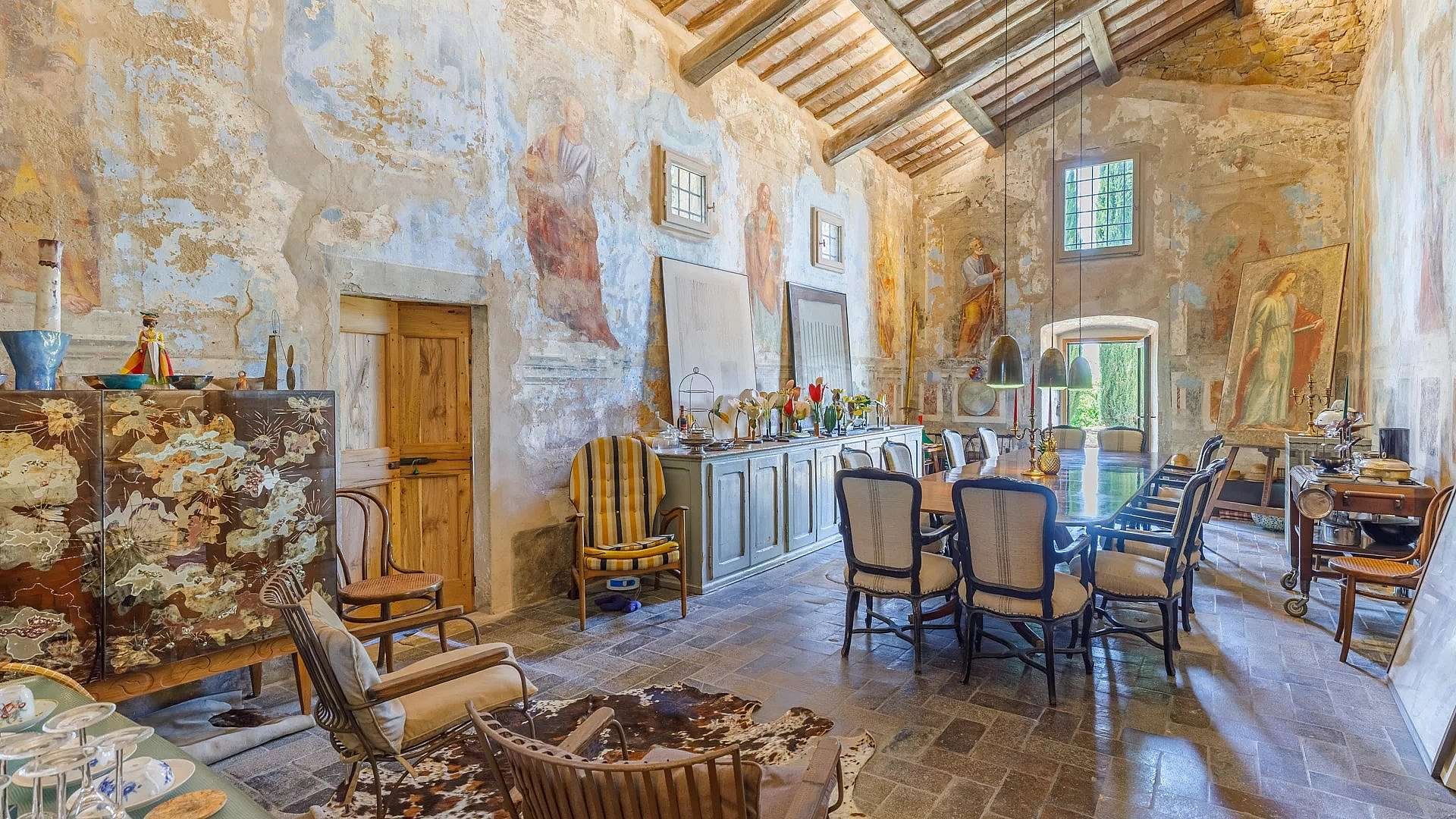
The castle was restored again in the 20th century, notably under the ownership of British writer Raymond Flower in 1965. Today, its interiors retain much of their historic character, with exposed timber ceilings, old fireplaces and architectural details that have been preserved through successive changes to the building. The reception rooms are spacious, but still have the irregular proportions and traditional materials associated with older Tuscan houses.
The wider historic complex also includes the church of San Martino, where late 16th-century frescoes depicting the Twelve Apostles and a gilt-copper censer associated with the Sienese school have been documented. These are reminders that Monterinaldi was once more than a fortified residence. Like many medieval castles, it formed part of a small settlement with its own religious and communal life.
Back in the castle, the historic cellars are among its more interesting spaces. Wine production has been part of the region's economy for centuries, and underground rooms such as these were traditionally used for storing food, agricultural produce and wine. The listing suggests they could now be used for a private wine collection or tasting room.
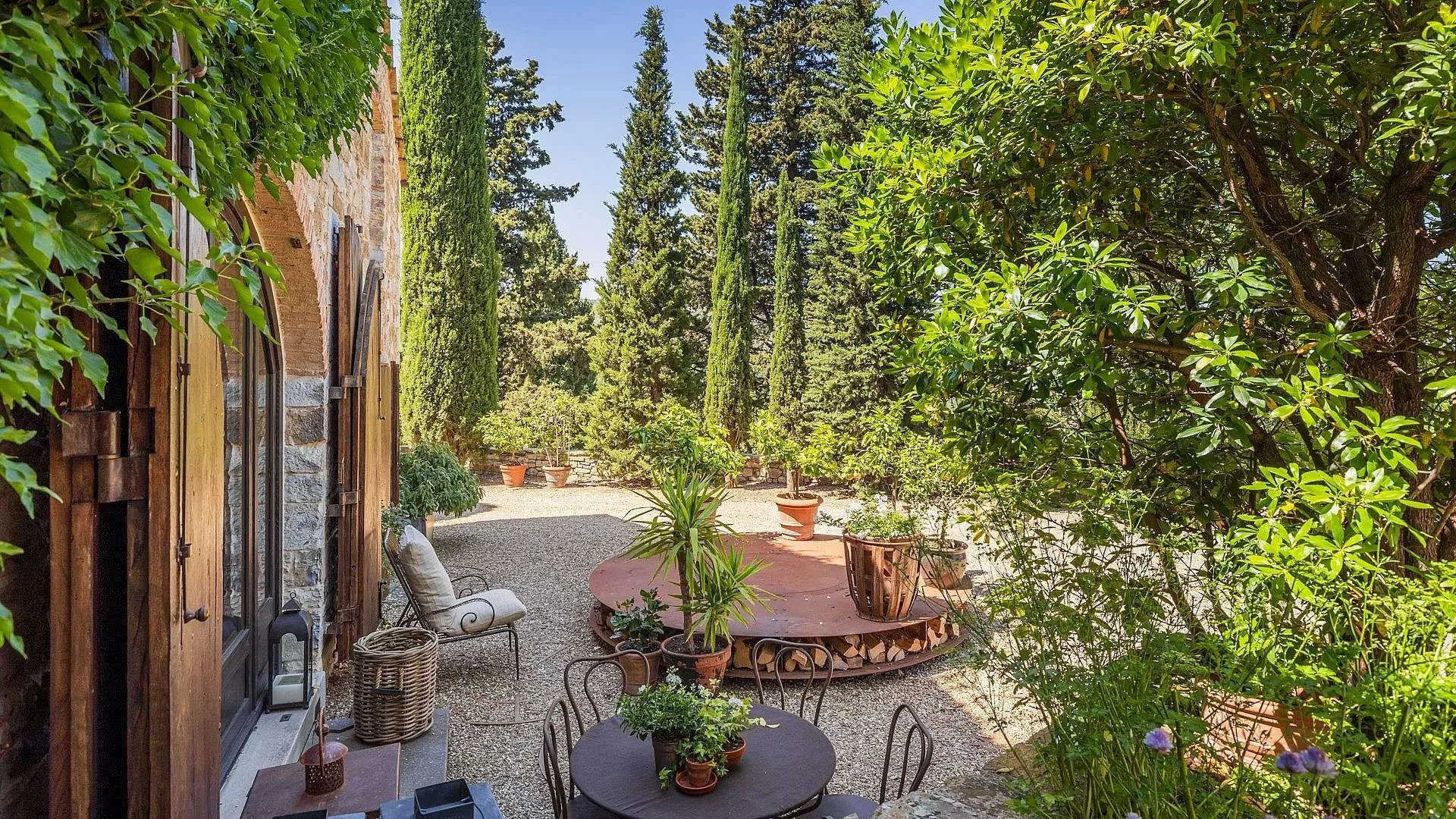
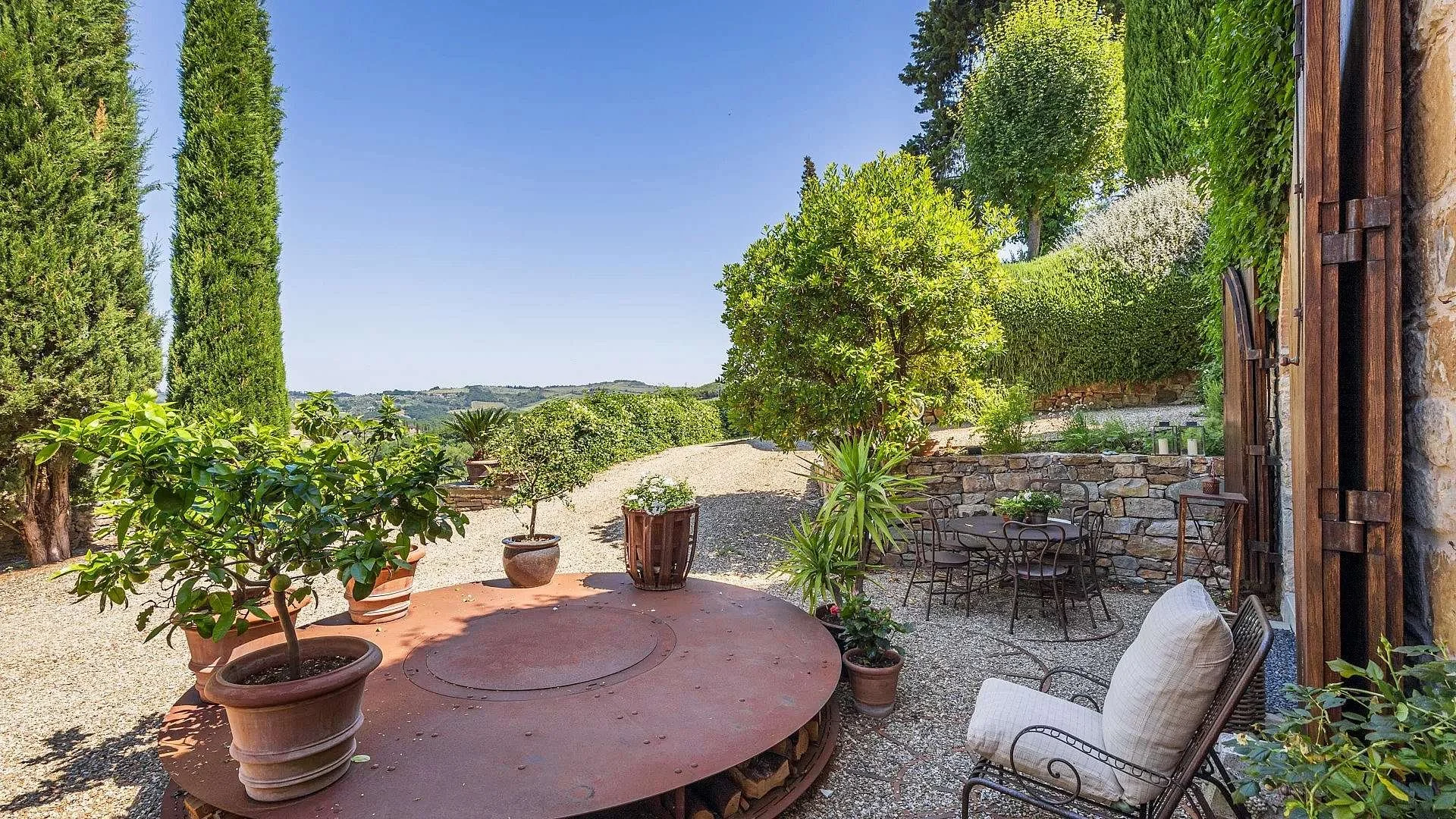
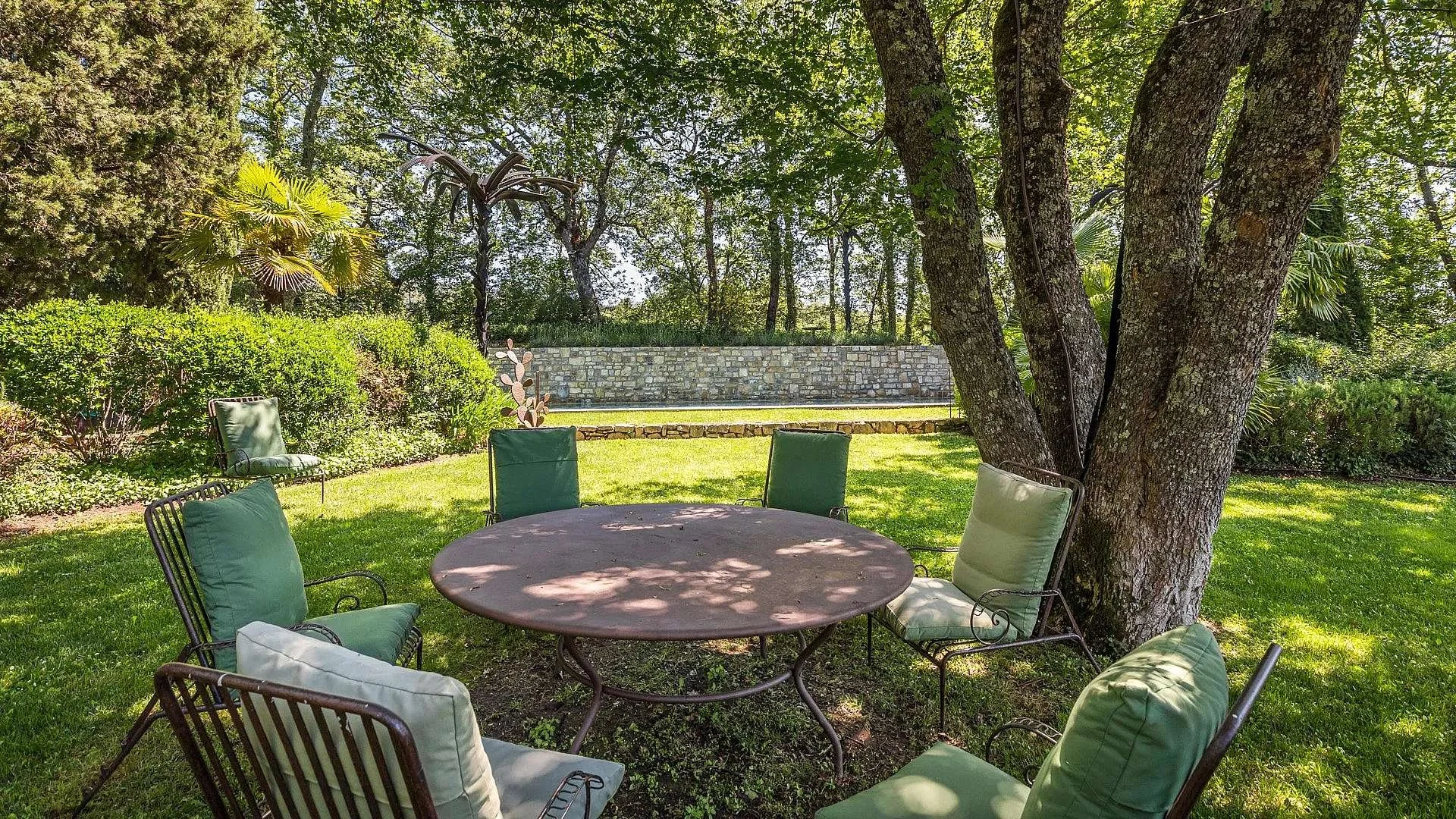
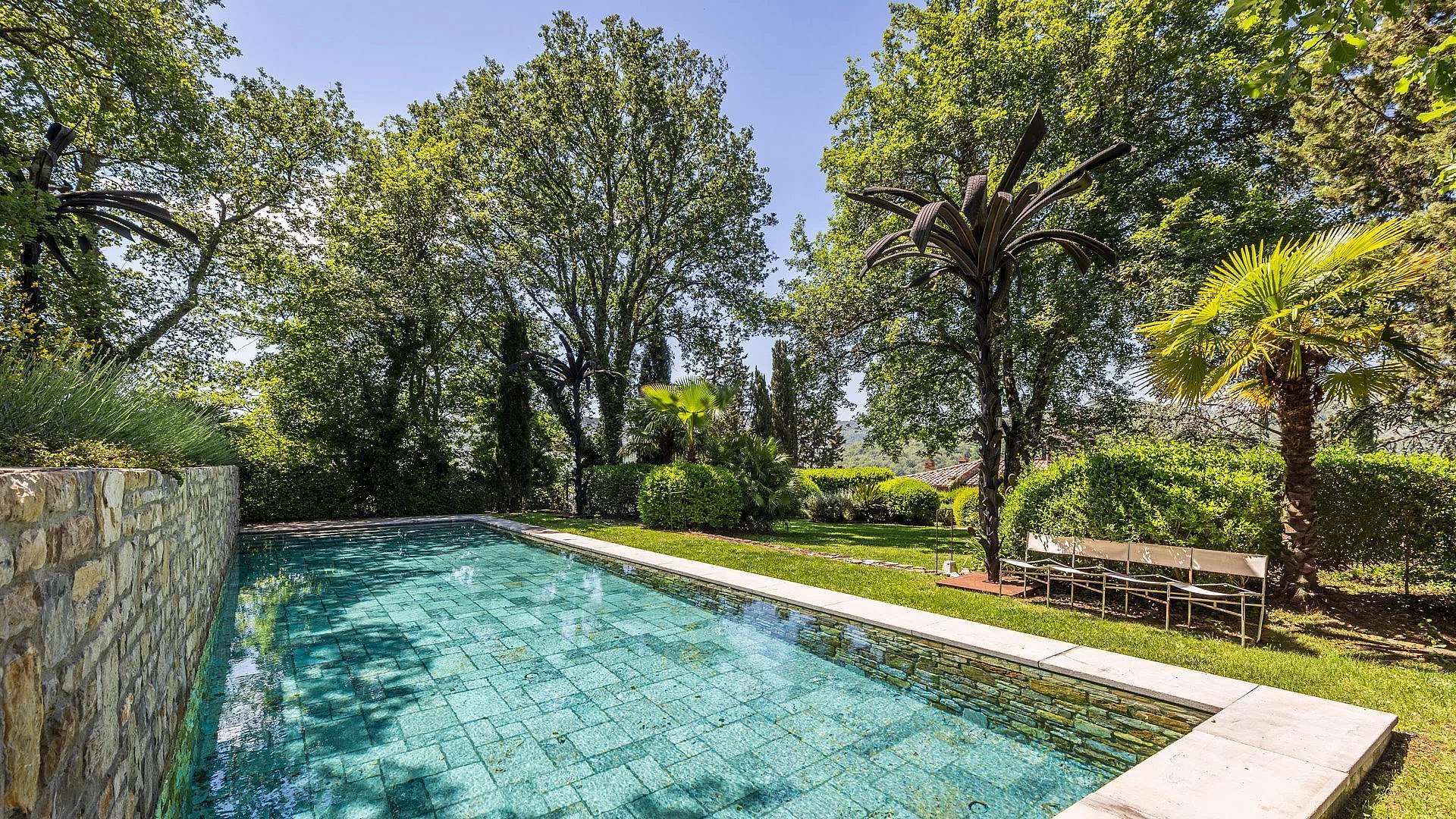
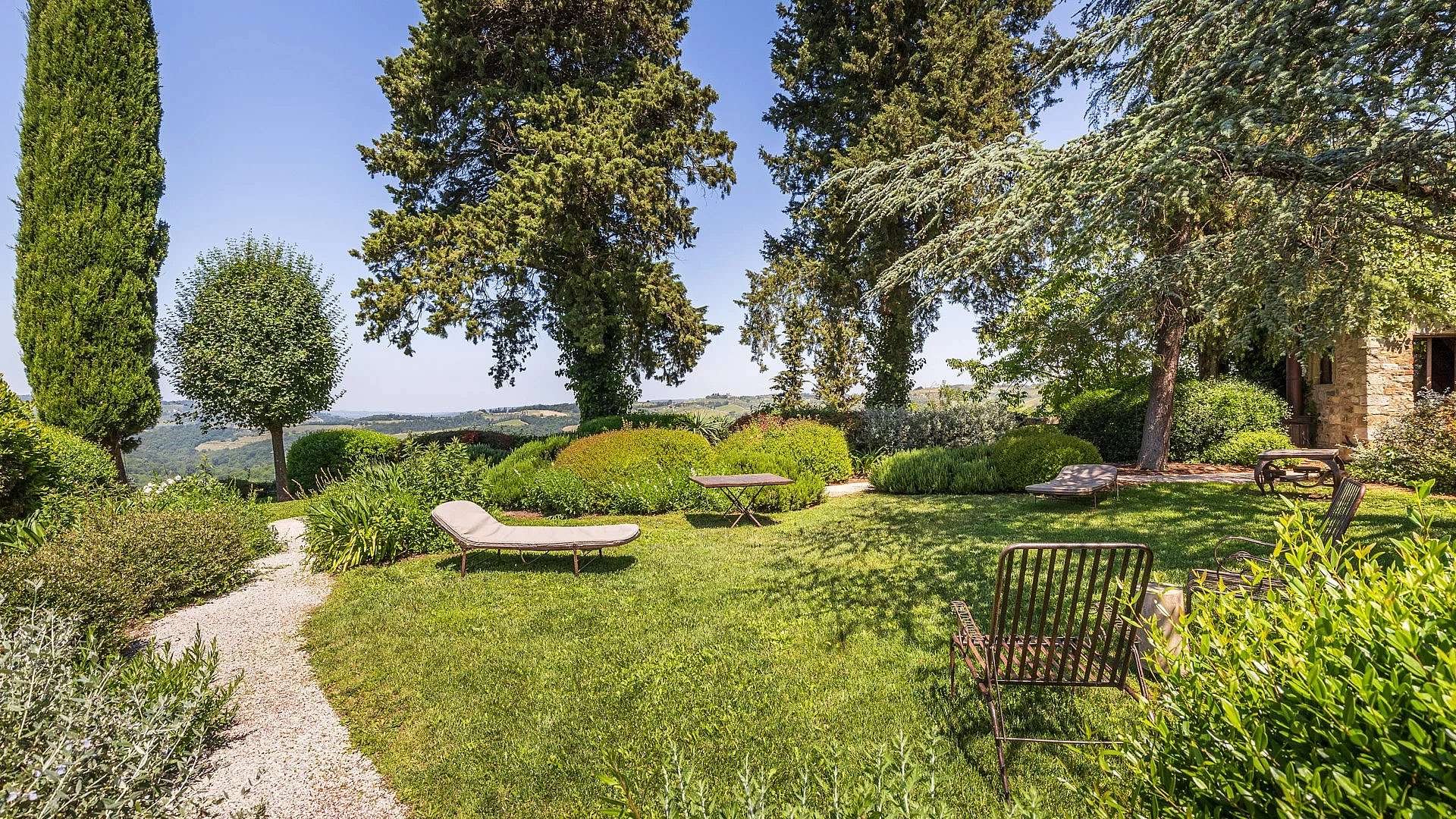
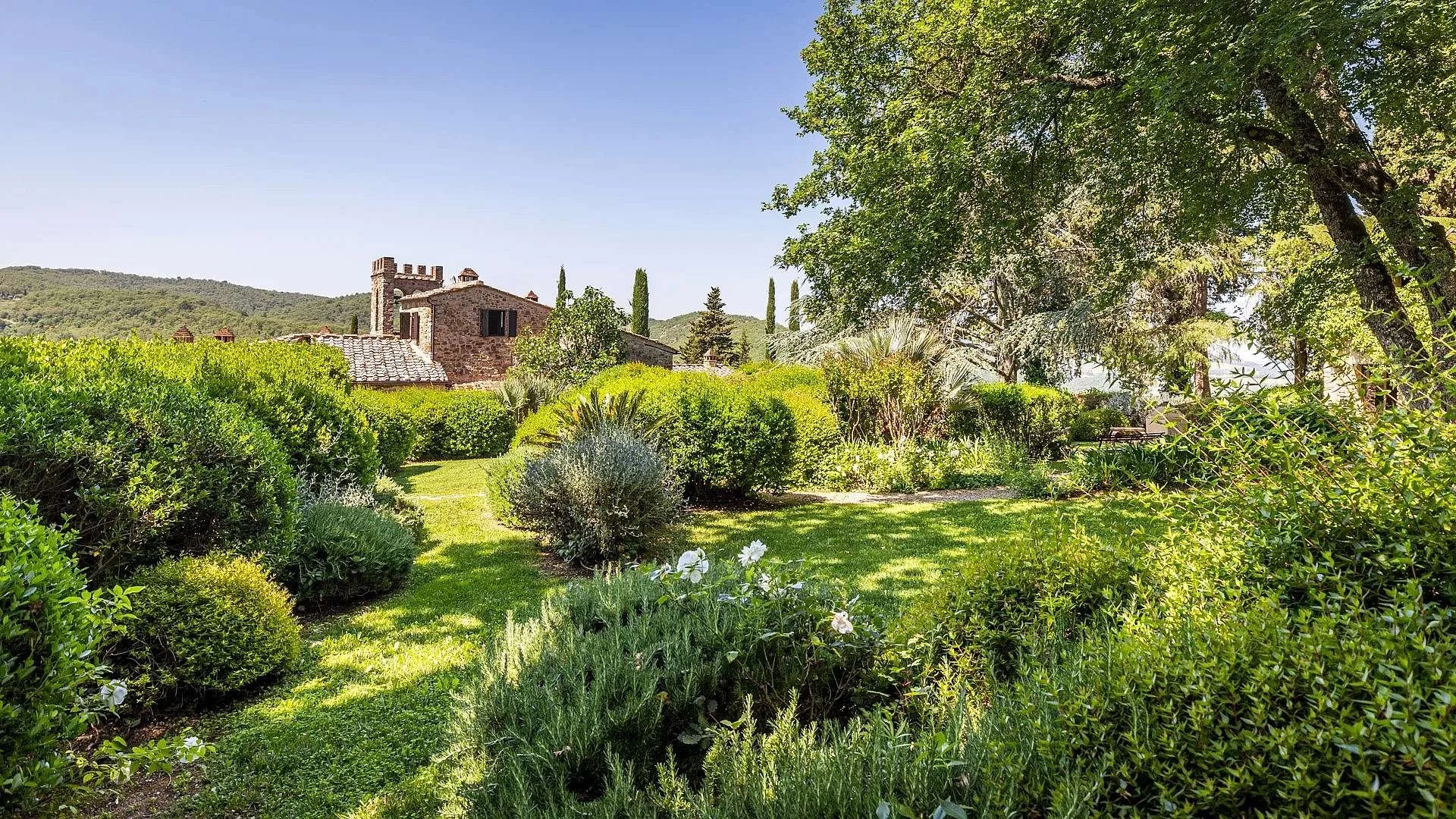
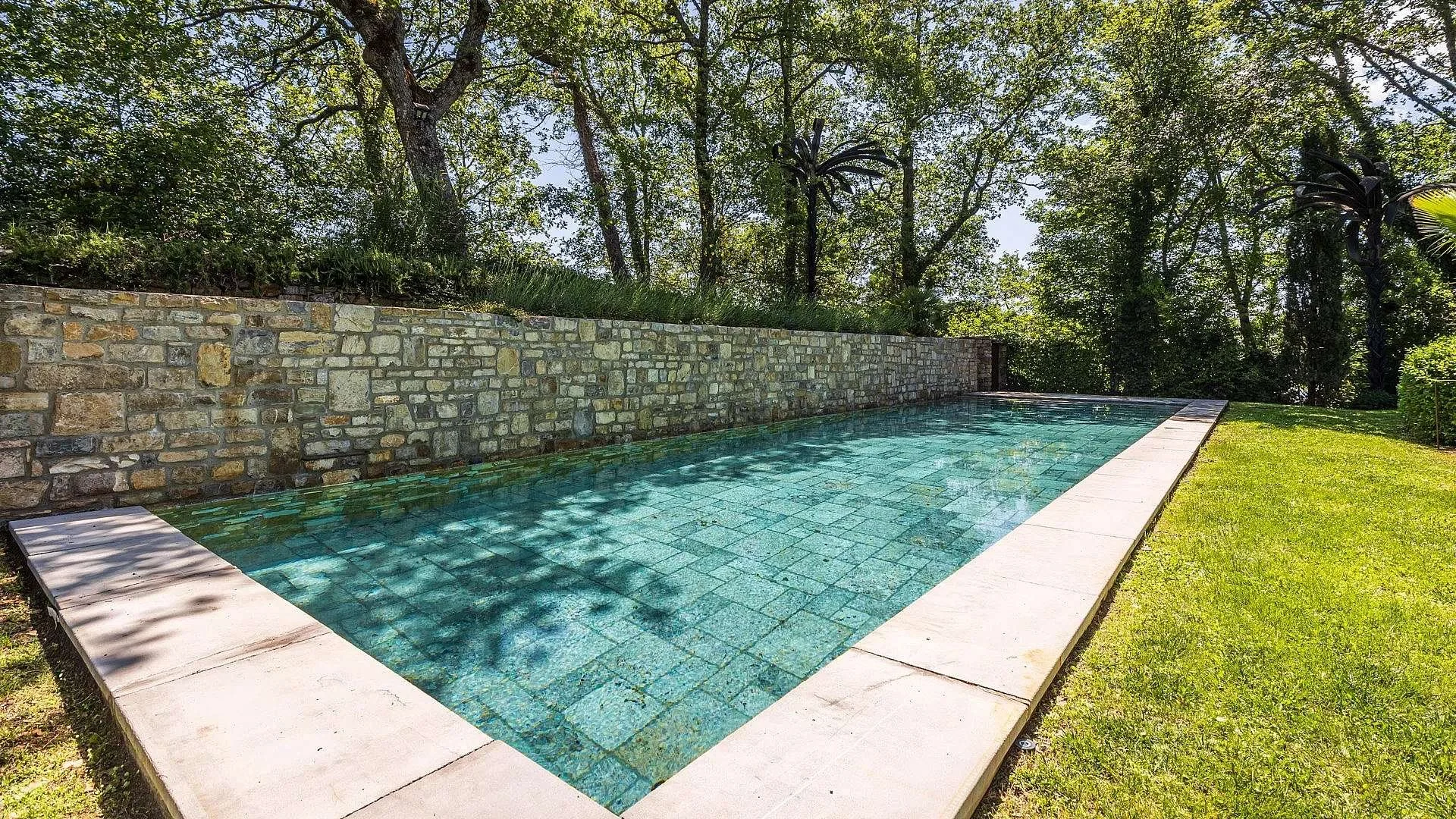
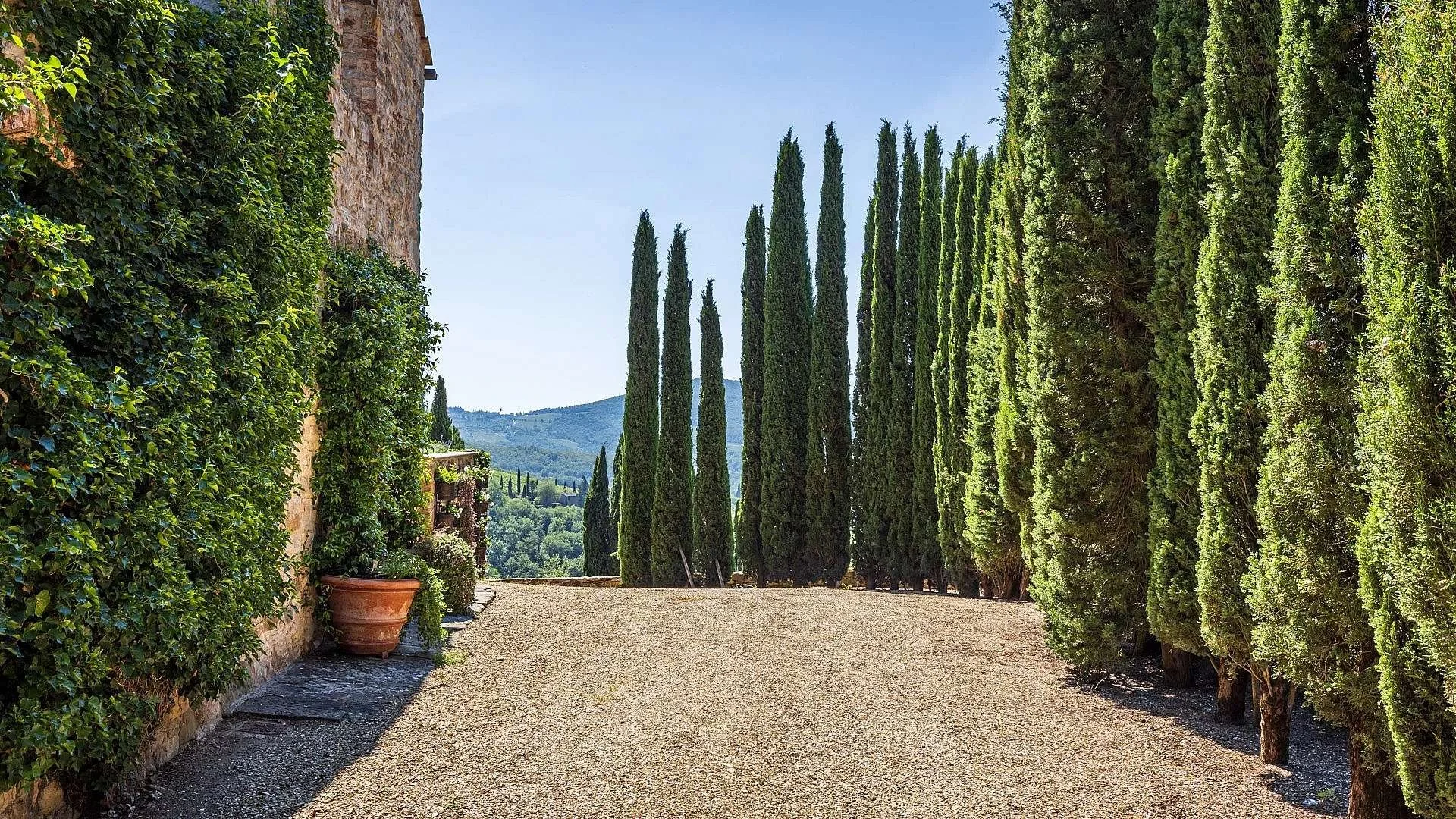
Outside, the castle is surrounded by approximately 12.4 acres (5 hectares), including formal gardens, a productive olive grove and woodland. Its elevated position gives it views in every direction across the Chianti countryside. The grounds provide privacy while keeping the castle connected to the landscape that once made its hilltop position strategically important.
Monterinaldi is also associated with a much larger wine estate. The Castello Monterinaldi winery has around 124 acres (50 hectares) of vineyards divided into 17 plots, producing wines in the Chianti Classico region. The wider property includes a working winery and Villa Pesanella, a 19th-century residence used for tastings, lunches and private events. The wine business was acquired by Paolo Nocentini in 2023.
The current listing appears to cover the restored castle and its surrounding 12.4 acres, rather than the vineyards, winery or Villa Pesanella.
Today, the former fortress is being marketed as a private residence, with the possibility of adapting it for boutique hospitality use, subject to the necessary permissions. More than a thousand years after its first recorded mention, Monterinaldi has gone from a contested medieval stronghold to a country house overlooking one of Tuscany's best-known wine regions.
Photographs courtesy of Building Heritage | Forbes Global Properties. See more.