Château Bellevue in Provence: Former Home of Nadia Léger, One of Modern Art’s Overlooked Female Artists
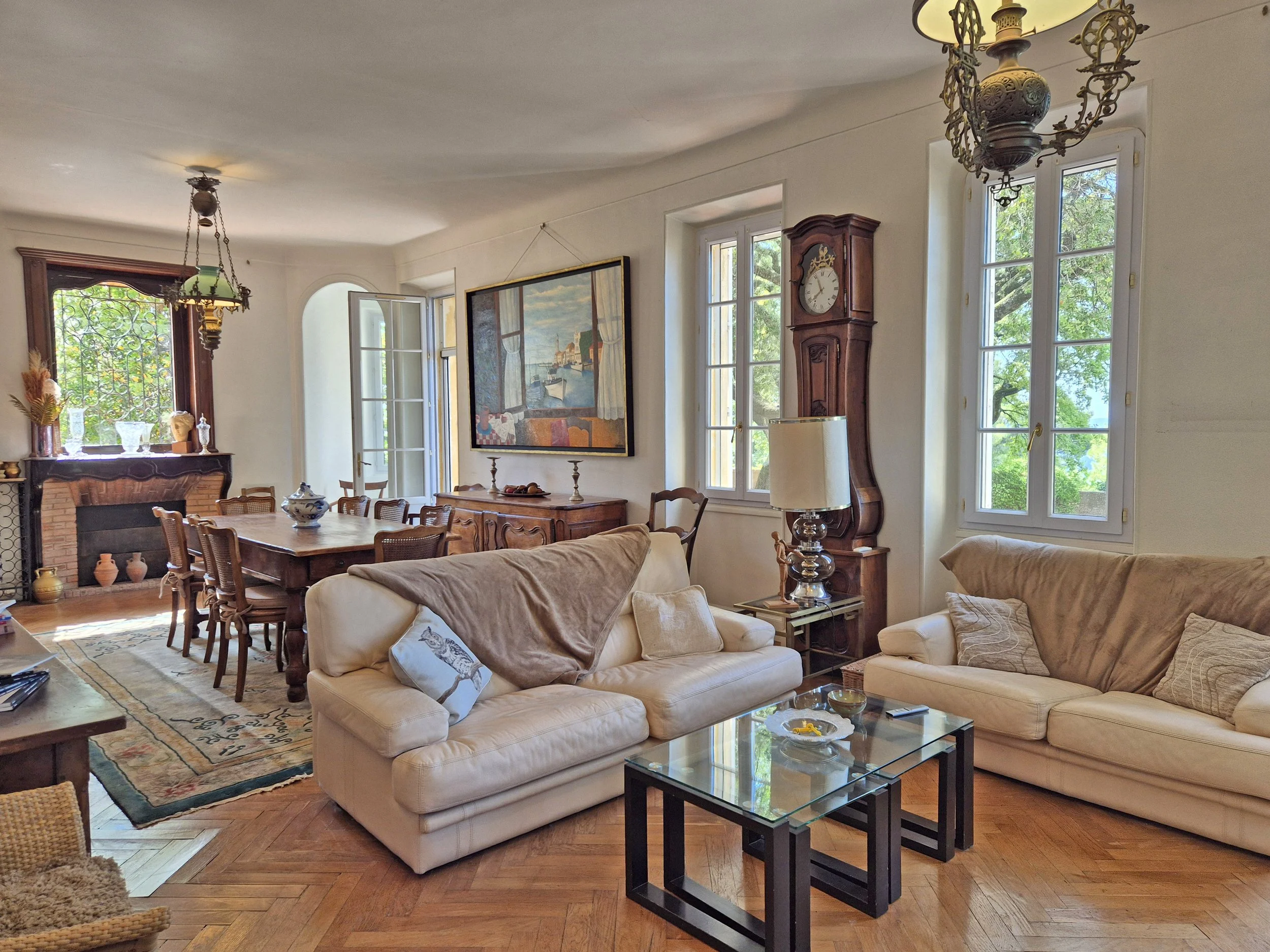
Bedrooms: 7 Interior: approx. 853 m² / 9,182 ft² Lot: 3 Ha / 7.4 Acres
Amenities: Artist’s studio with 4 m / 13 ft ceilings, additional outbuildings and annexes, apartments, garage, storage rooms, swimming pool, wooded grounds, olive groves, panoramic countryside views, event and reception potential
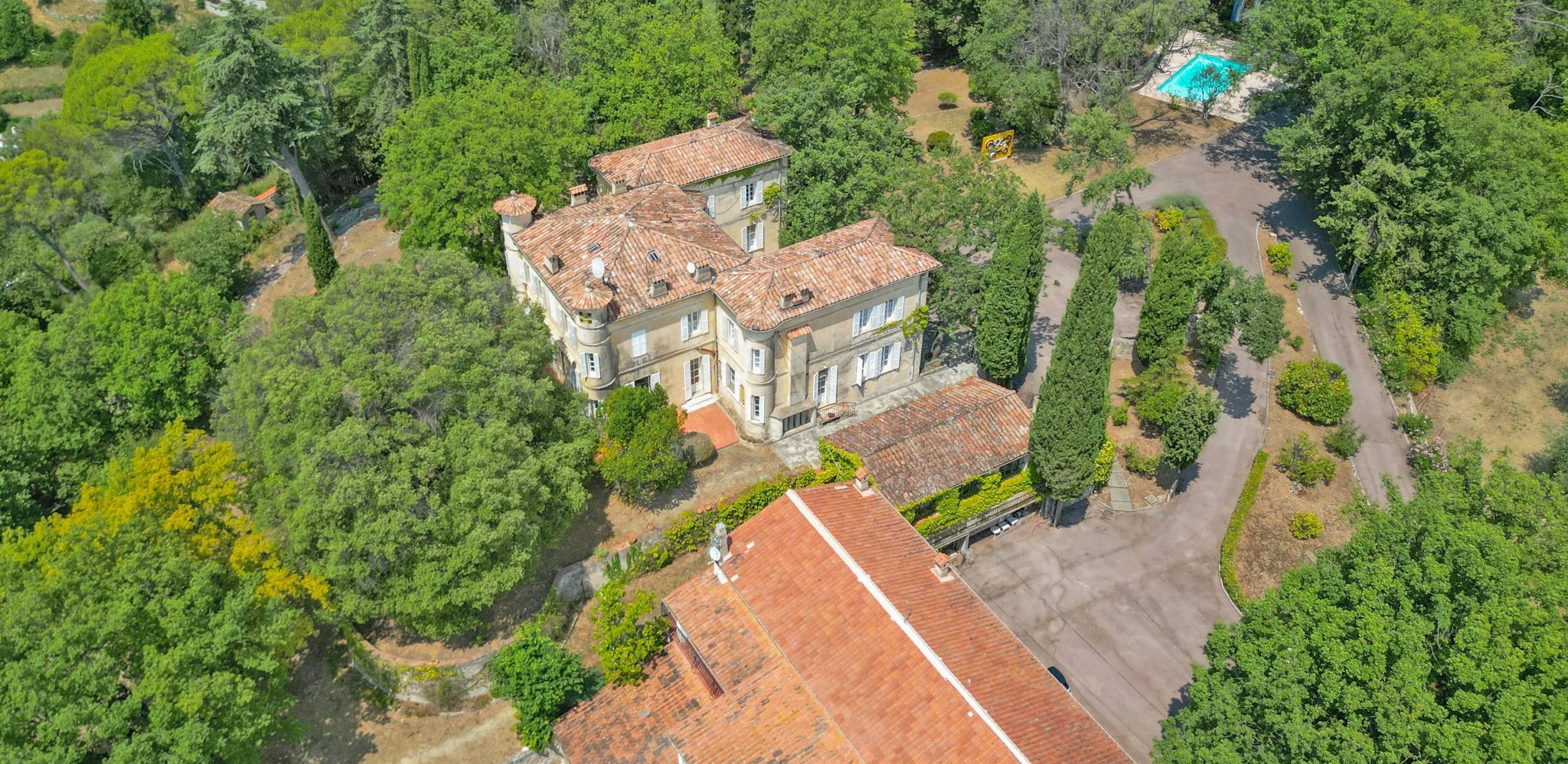
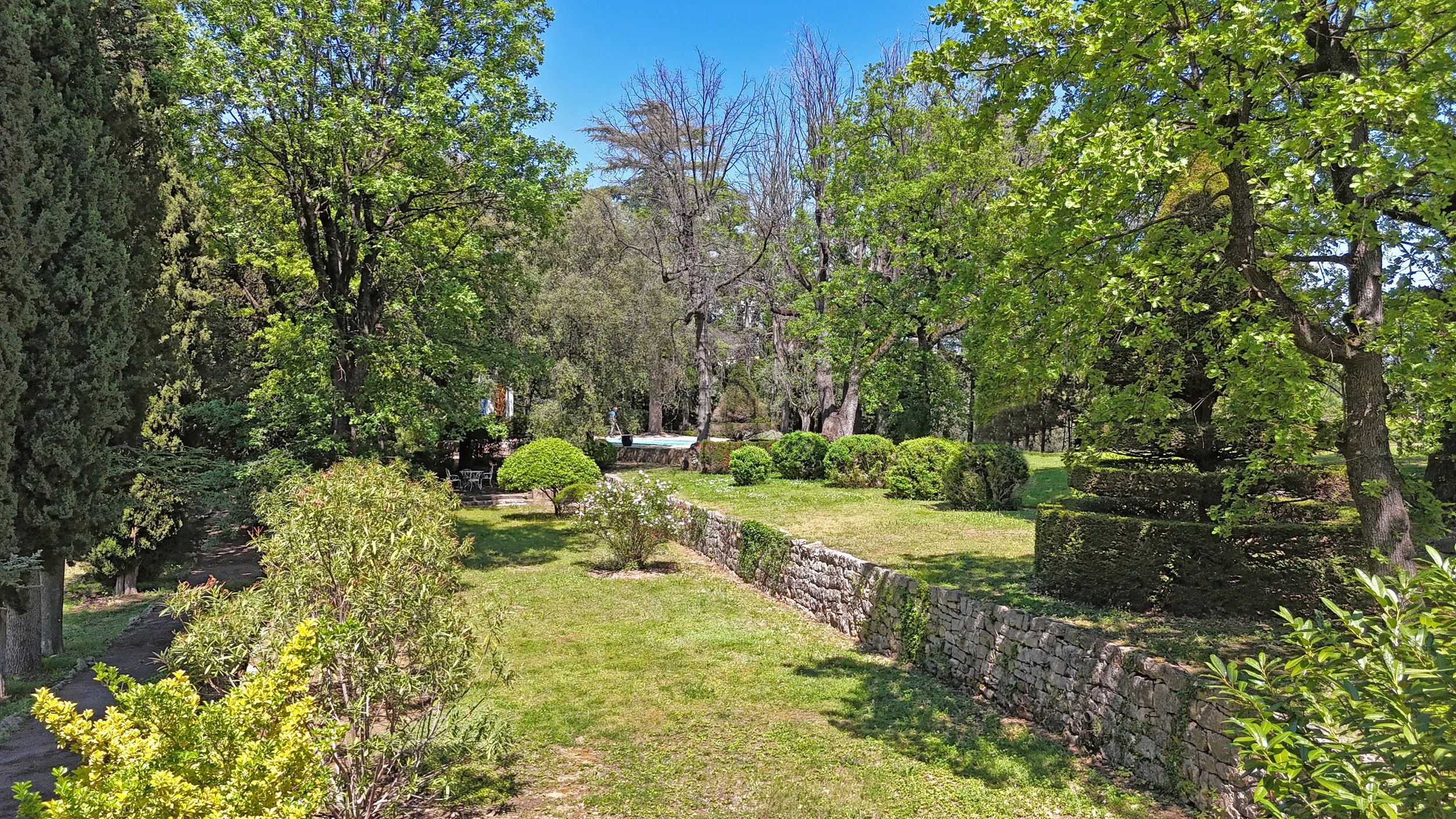
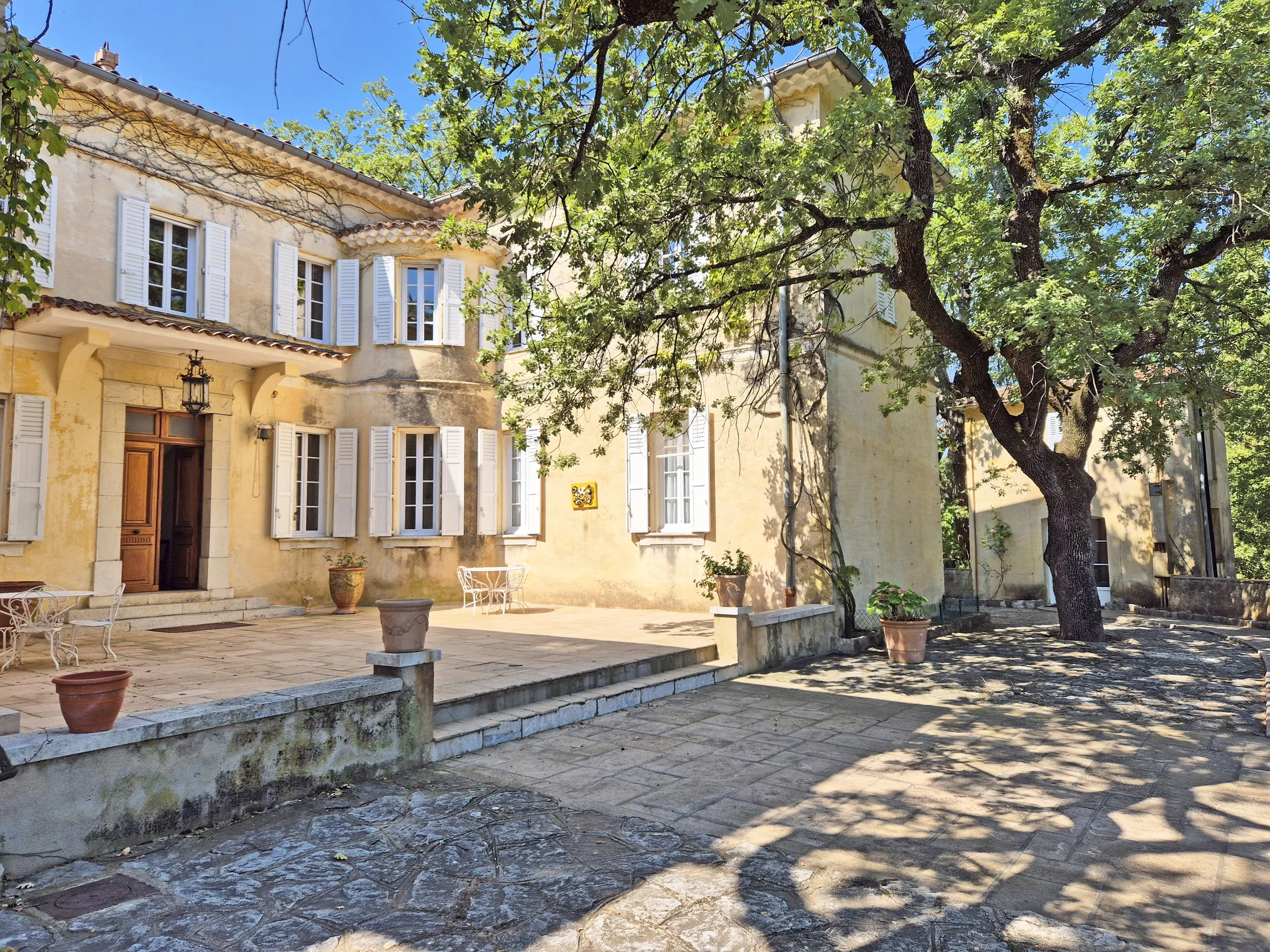
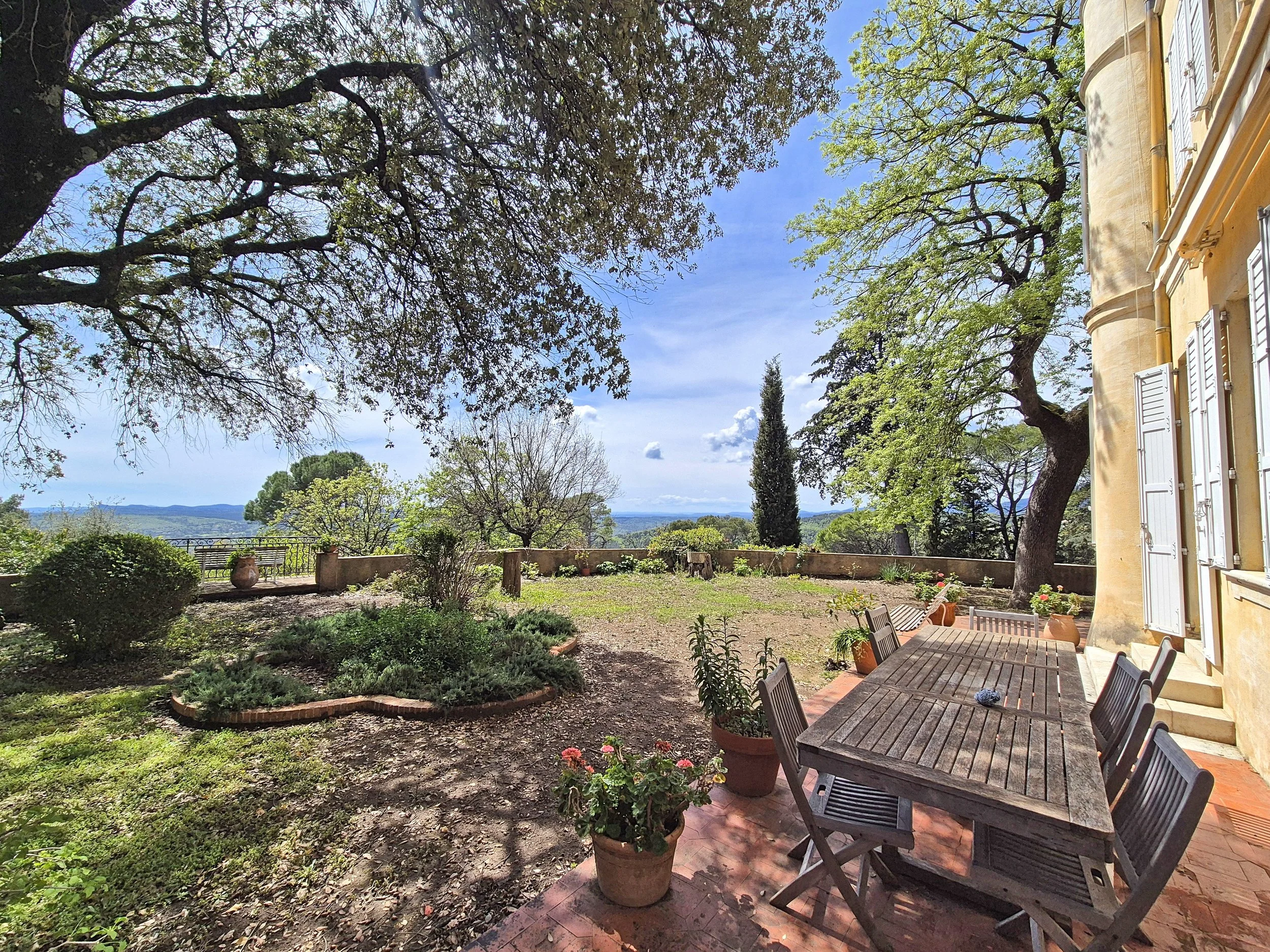
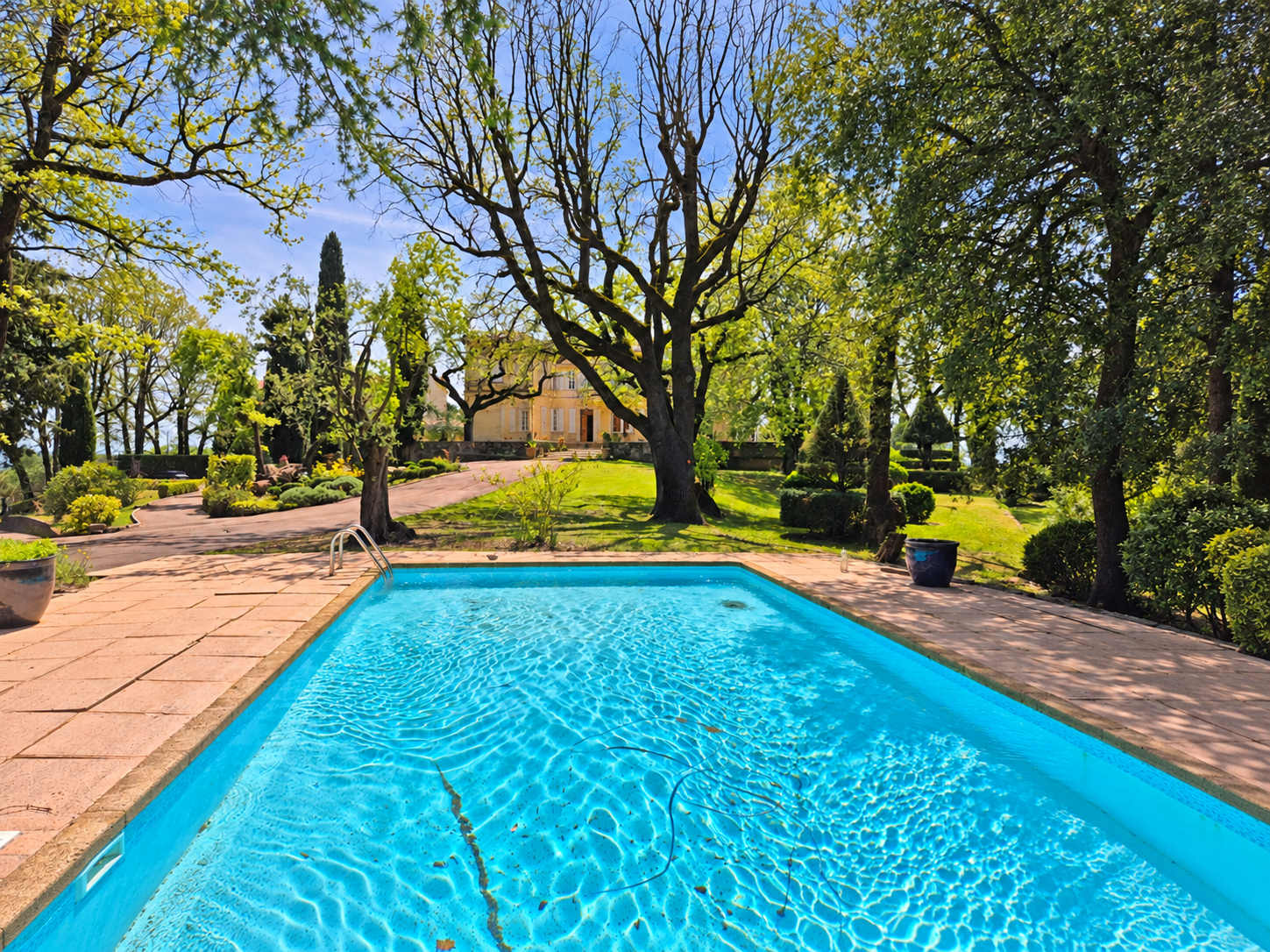
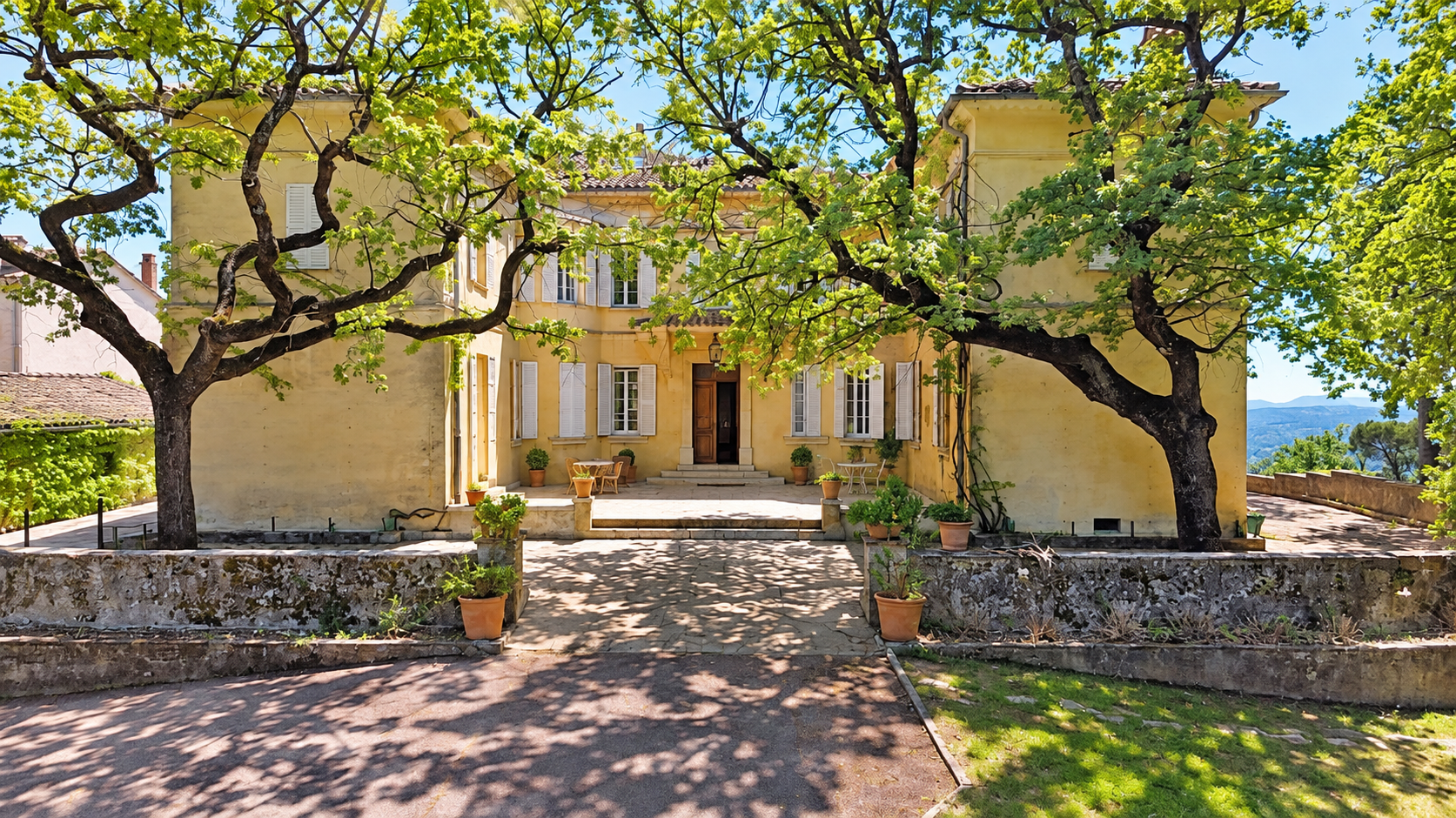
Château Bellevue, the former home and studio of Polish artist Nadia Léger, is on the market for €3.15 million with Émile Garcin. Overlooking the Provençal village of Callian, the estate sits within approximately 7.4 acres (3 hectares) of wooded grounds and olive groves, with broad views across the surrounding countryside.
Callian is a perched Provençal village in the Var, in the Pays de Fayence, inland from the Riviera rather than on it. Its setting is more wooded and rural than the coast, with views towards the Tanneron and Estérel massifs. By the mid-20th century, an unusually concentrated group of artists and cultural figures had settled or spent time here, including Nadia and Fernand Léger, Christian Dior, painter Édouard Goerg and, later, writer Anthony Burgess. Nadia Léger and Dior are both buried in Callian.
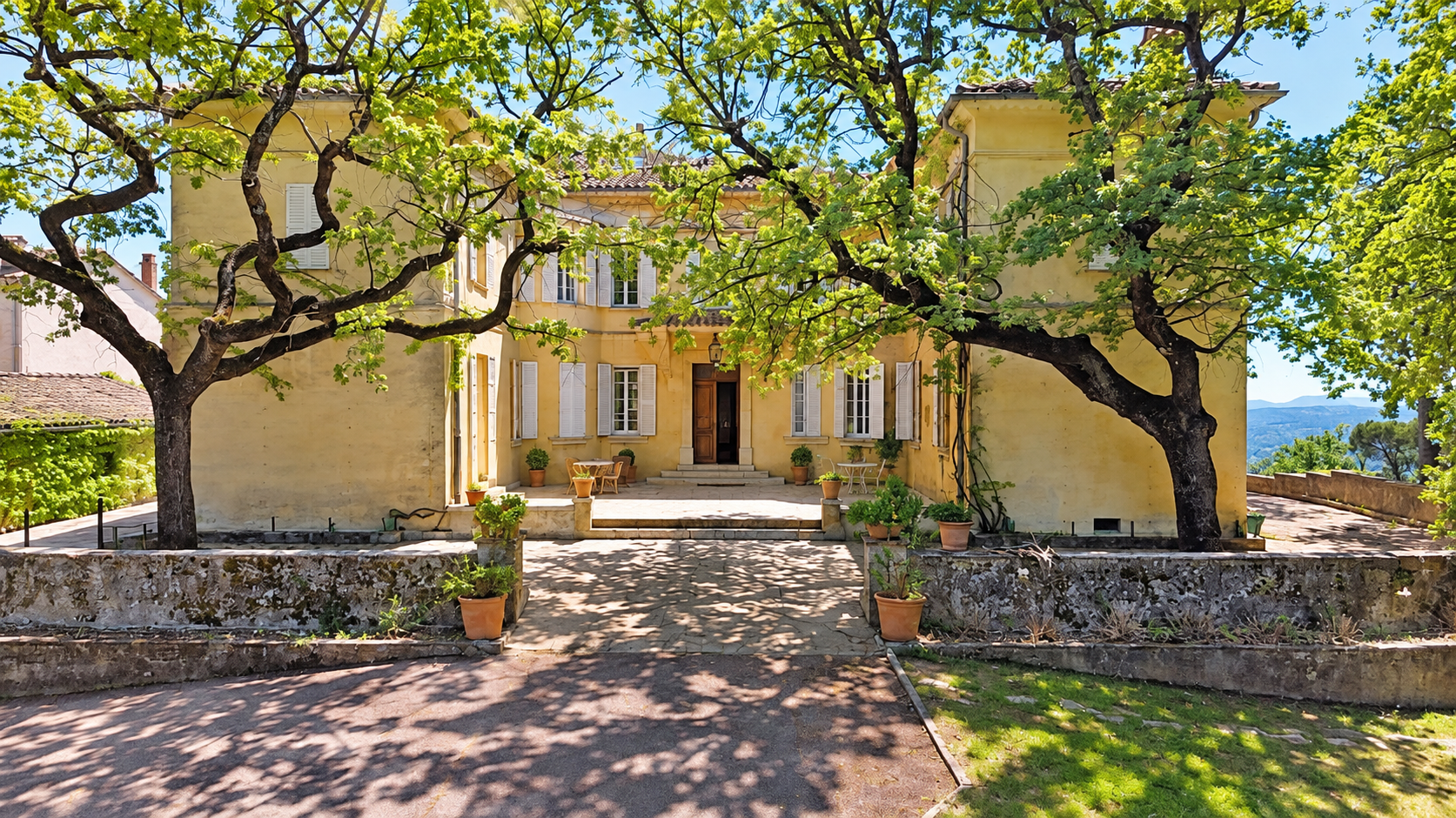
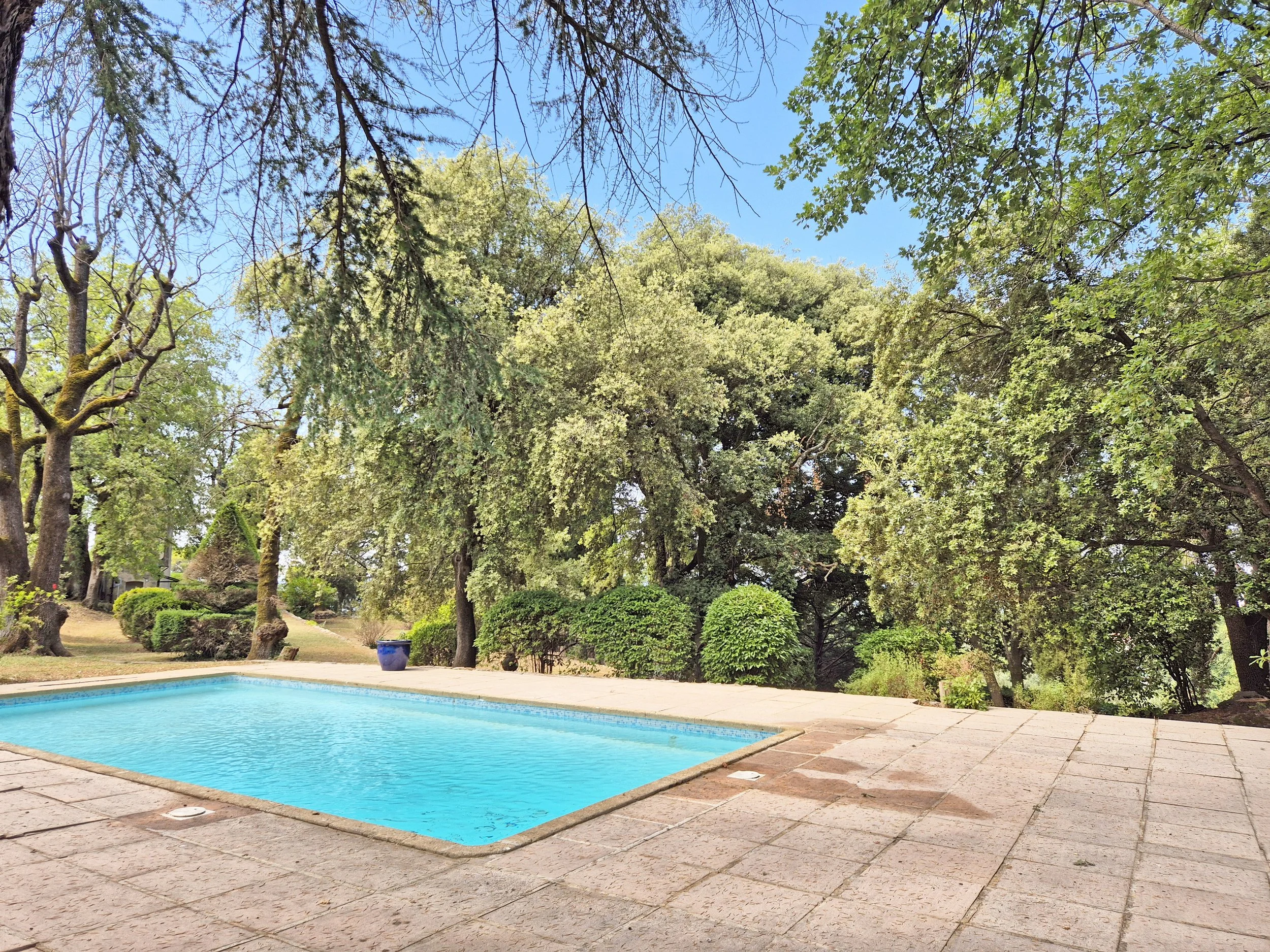
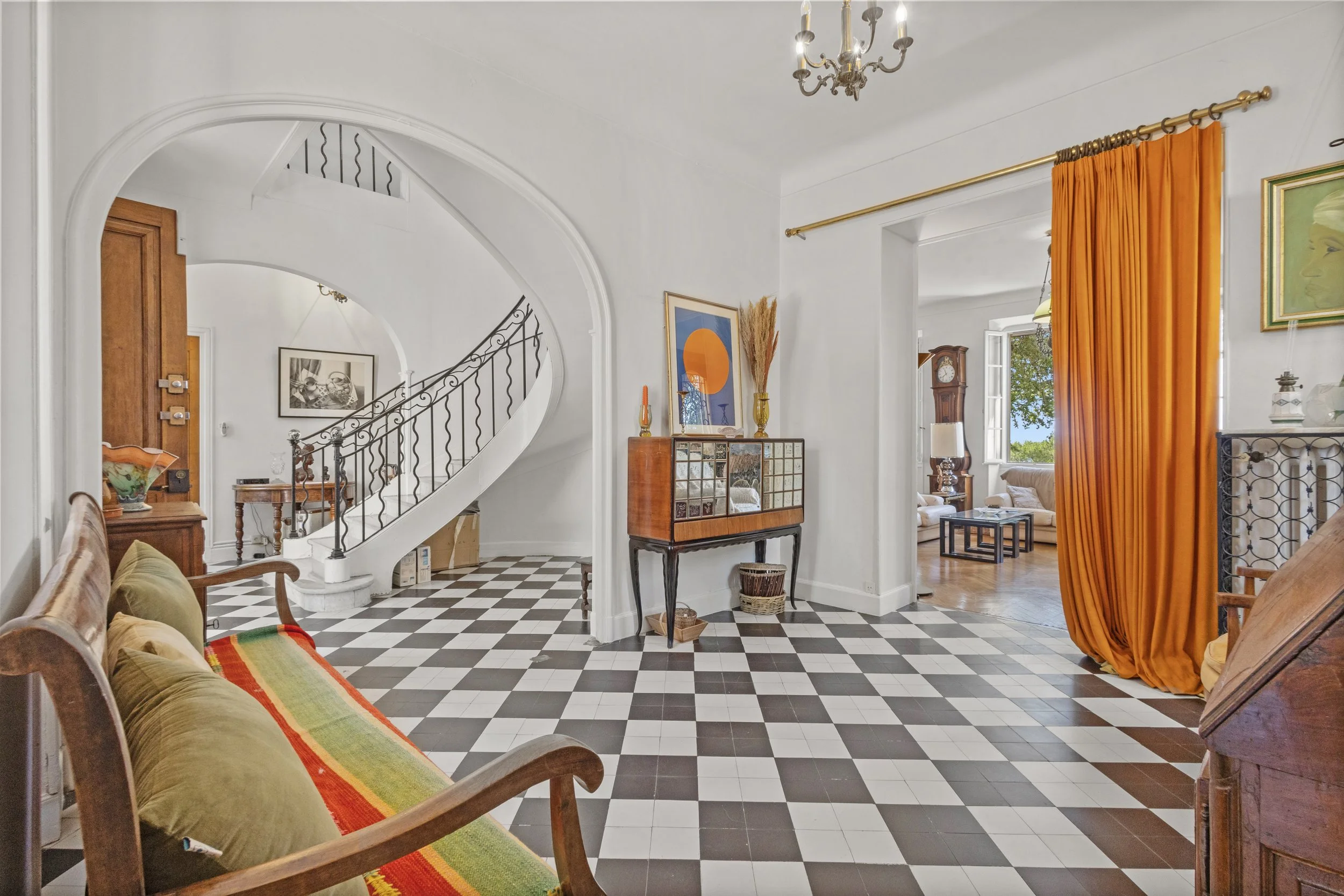
The earlier history of Château Bellevue is less clearly documented. Its architecture appears consistent with a 19th-century Provençal country house, although its original construction date and architect have not been established. The estate today includes a 325 m² / 3,498 ft² château, approximately 100 m² / 1,076 ft² of outbuildings and a remarkably large 390 m² / 4,198 ft² artist’s studio, with ceilings reaching around 4 metres / 13 ft. Additional annexes include apartments, garages and storage spaces, while the grounds contain a swimming pool and mature olive trees.
Nadia Léger made Bellevue her principal home in 1959, by which point she had already spent more than three decades inside the European modern-art world.
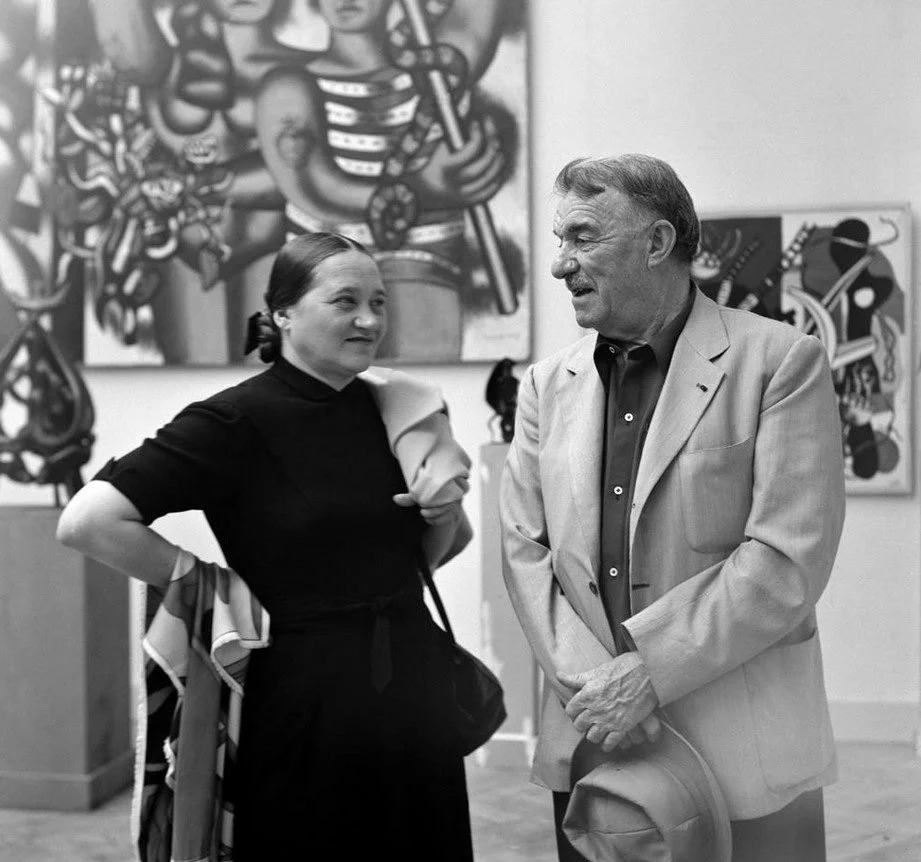
Fernand Léger with Nadia Léger in Venice, 1952
Photo by Graziano Arici. Source: Comité Léger.
Born Wanda Chodasiewicz in 1904 in what is now Belarus, then part of the Russian Empire, she came from a Russified Polish family. She studied with Polish avant-garde painter Władysław Strzemiński in Smolensk and probably with Kazimir Malevich in Vitebsk before moving to Warsaw and, in 1924, to Paris with her first husband, Polish painter Stanisław Grabowski.
In Paris she entered the Académie Moderne, run by Fernand Léger and Amédée Ozenfant, but quickly became more than a student. By the late 1920s she was exhibiting within the same avant-garde circles as Léger, Kandinsky and Mondrian, while financing and co-editing the French-Polish journal L’Art contemporain – Sztuka Współczesna, which published work by Mondrian, Léger, Arp, Ozenfant and leading Polish modernists alongside her own.
From 1933, Fernand Léger entrusted her with the running of his internationally known studio. Nadia became first his assistant and then its manager, teaching in his absence and working with younger artists for almost two decades. Among those who passed through the studio was Nicolas de Staël. During the German occupation, while Fernand was in the United States, Nadia remained in France and joined the Resistance, working under false papers as a liaison agent.
Fernand Léger was not simply Nadia’s famous husband. He was one of the major figures of early modern art and one of the principal Cubist painters alongside Picasso, Braque and Gris. His work developed a distinct language of bold colour, cylindrical forms, machines, workers and modern urban life, and later expanded into murals, stained glass, ceramics, mosaics and film.
Nadia and Fernand had been partners since the late 1920s, although they did not marry until 1952. Their artistic and personal lives had therefore been intertwined for more than two decades before she became Madame Léger.
She nevertheless maintained an independent career. In 1953, the Galerie Bernheim-Jeune in Paris presented 75 of her works. Her connections also reached directly into the central figures of the period. In 1945, while organising an auction for Soviet prisoners of war, she approached Picasso for support. According to the Comité Léger, Picasso offered several works, helping her secure contributions from other artists including Braque and Matisse. He continued to support her as both artist and activist. Comité Léger: Nadia Léger biography
Fernand died in 1955. Nadia and his longtime collaborator Georges Bauquier then began creating a museum dedicated to his work at Biot. It opened in 1960, and in 1969 they donated the museum, its gardens and nearly 350 works to the French state, forming the foundation of today’s Musée national Fernand Léger.
Bellevue therefore became Nadia’s private working world at almost exactly the same moment that she and Bauquier were constructing Fernand Léger’s public legacy.
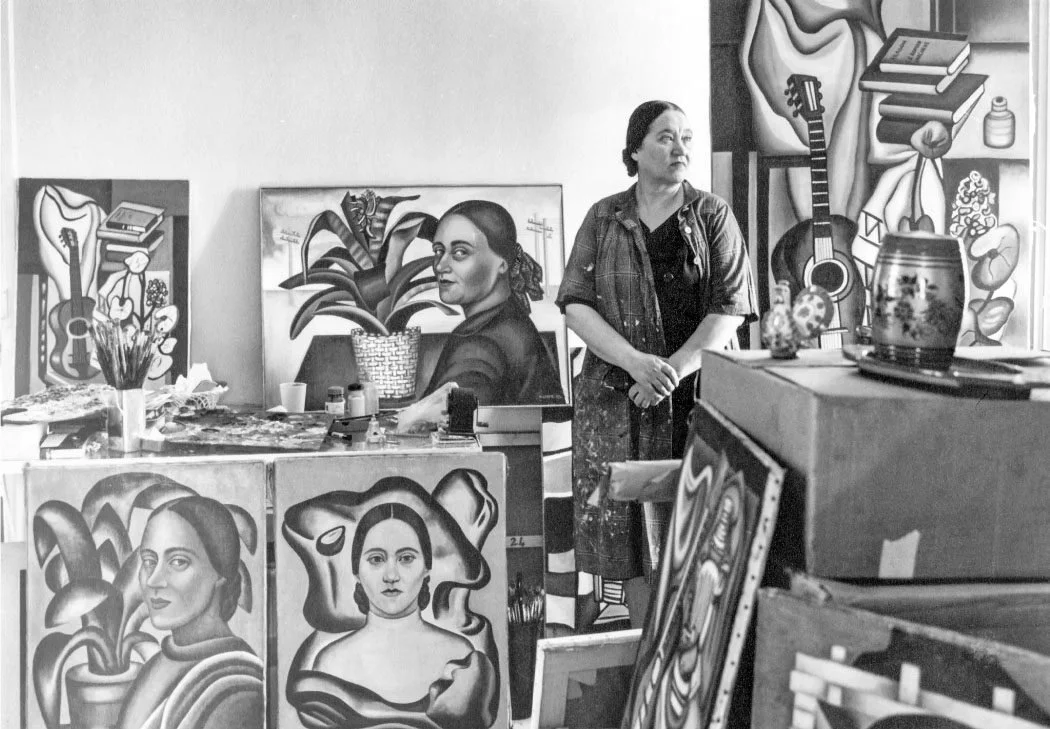
Nadia Léger at her Callian studio, 1961, Photo by Ida Kar, National Portrait Gallery, London Source: Comité Léger.
The scale of the surviving studio makes that particularly tangible. At approximately 390 m², it is larger than the château itself. Its construction date has not been established, but archival photographs document Nadia working in a Callian studio by the early 1960s. Jean-Pierre Figuères, whose family was close to Nadia and Bauquier, later remembered: “Nadia and Georges painted a lot in Callian, so it was best not to disturb her too much.” Read the Jean-Pierre Figuères interview
Figuères also recalled the contradictions of her later life, referring to “the archetype of the ‘red billionaire’ so often associated with Nadia Léger.” She remained a staunch supporter of the Soviet Union while also proving to be a shrewd businesswoman who understood the psychology of the art market. He remembered her joking that appearing prosperous mattered: if buyers saw her in a Cadillac and dining at Les Trois Marches in Versailles, auction bids would rise rather than fall.
For decades, however, Nadia’s own career was largely remembered through Fernand. The Comité Léger notes that even during her lifetime she was increasingly reduced to her role as the force behind his atelier, despite continuing to paint and exhibit independently.
That imbalance has recently begun to shift. From late 2024 into 2025, the Musée Maillol in Paris mounted Nadia Léger: Une femme d’avant-garde, bringing together more than 150 works and presenting her not simply as Fernand Léger’s wife, but as a painter, editor, Resistance participant, political activist and museum builder whose career moved through Cubism, Suprematism, figuration and a later return to abstraction. Musée Maillol: Nadia Léger, Une femme d’avant-garde
Her renewed visibility belongs to a broader reassessment of women who worked within the movements that shaped modern art but did not enter its museums, textbooks and popular histories with the same visibility as many of their male contemporaries. Nadia is a particularly striking example because she understood exactly how an artistic legacy was constructed. She spent years securing Fernand Léger’s while her own gradually receded behind his name.
A separate 400 m² / 4,306 ft² contemporary building, constructed in 2003 with the intention of becoming a private museum, is also being offered separately by Émile Garcin for €1.2 million. See the separate museum building listing
What remains at Bellevue is the setting of Nadia Léger’s later life: the château, landscape and oversized studio where she continued to work for more than two decades, and where the story of one of modern art’s overlooked female artists continued well beyond the name by which she was most often introduced.
All photographs belong to the listing agency. See more on Emile Garcin.