For Sale: A 1774 Hudson Valley Farmhouse with an 1810 Barn Once Used for Circus Elephants
Bedrooms: 7 Bathrooms: 6 Interior: 434 m² / 4,675 sq ft Lot: 0.73 ha / 1.8 acres
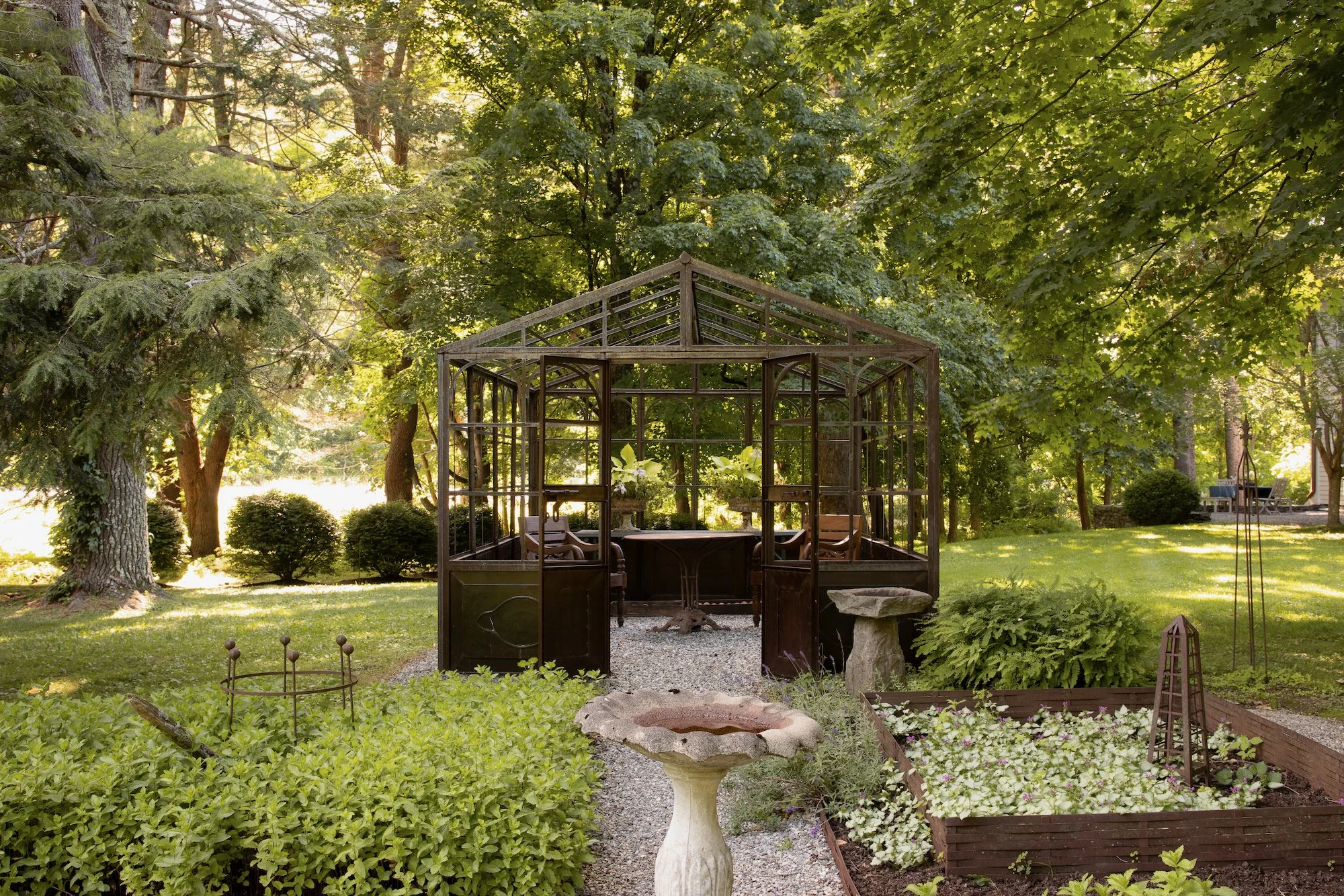
Amenities: Historic 1774 Colonial farmhouse; early-19th-century barn with heating, air conditioning, electricity, plumbing and bathroom; two-bedroom guest cottage; five fireplaces in the main house; large entertaining kitchen; stone-walled dining terrace; French-style parterre garden; wrought-iron greenhouse structure; office, storage and flexible event or studio space.
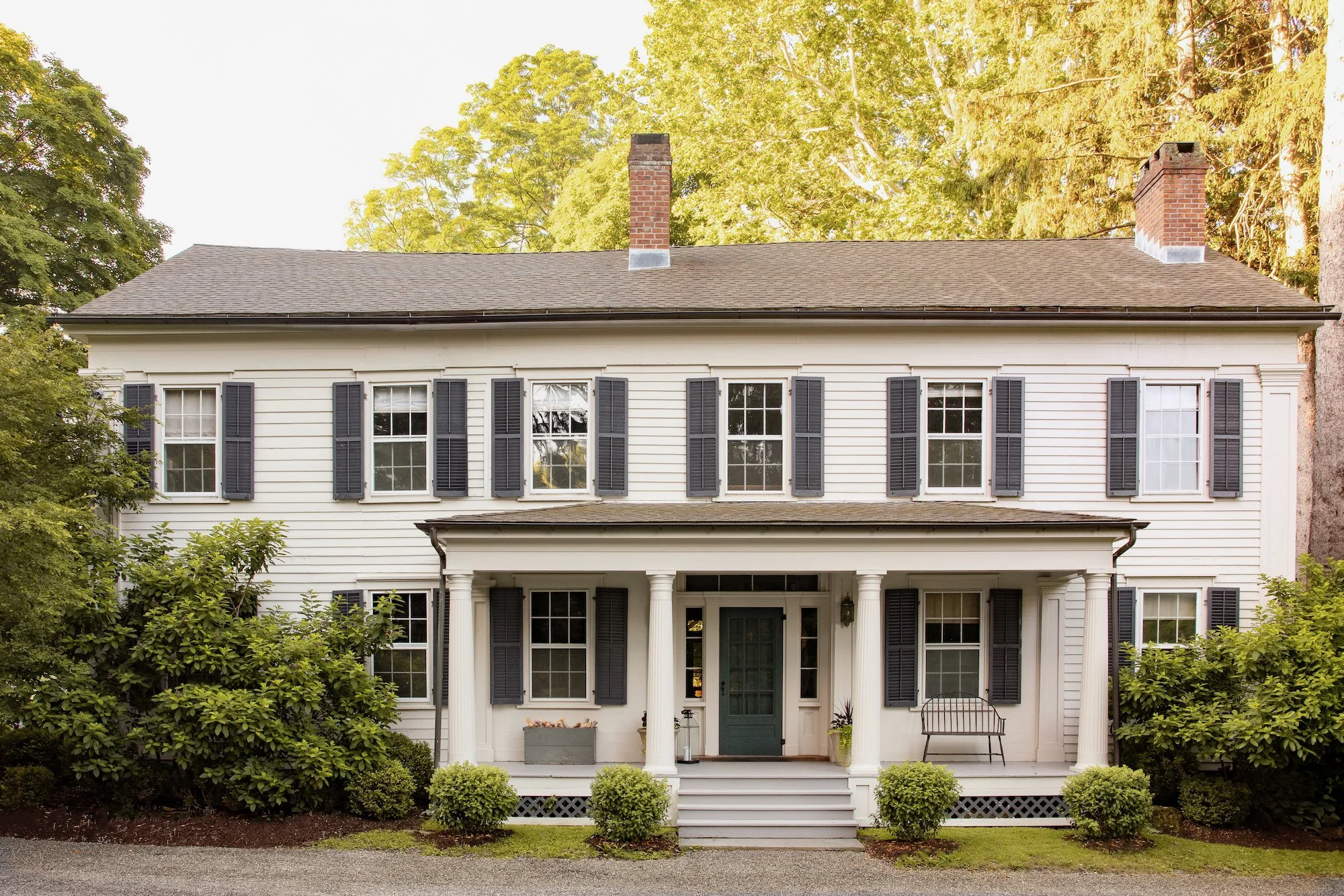
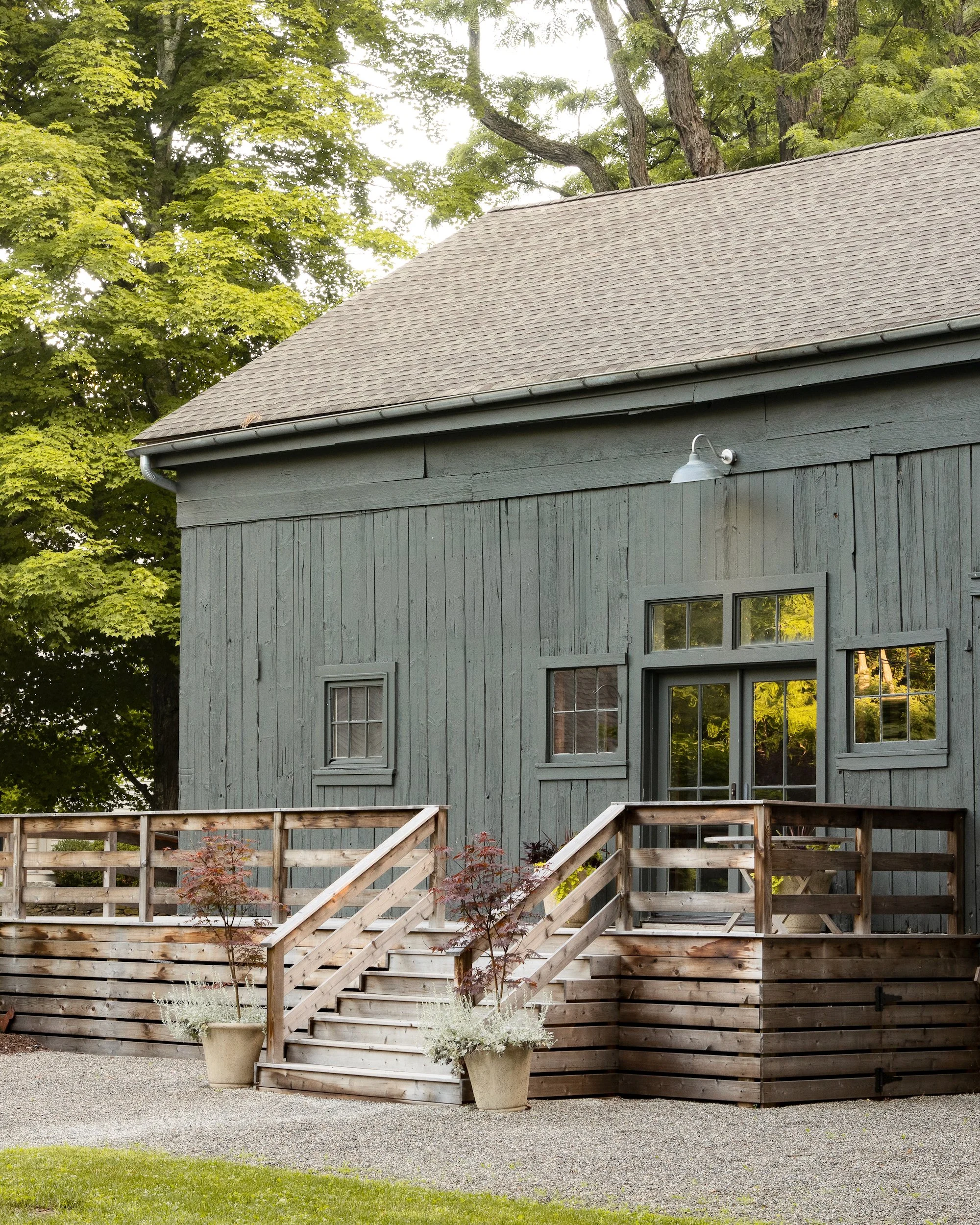
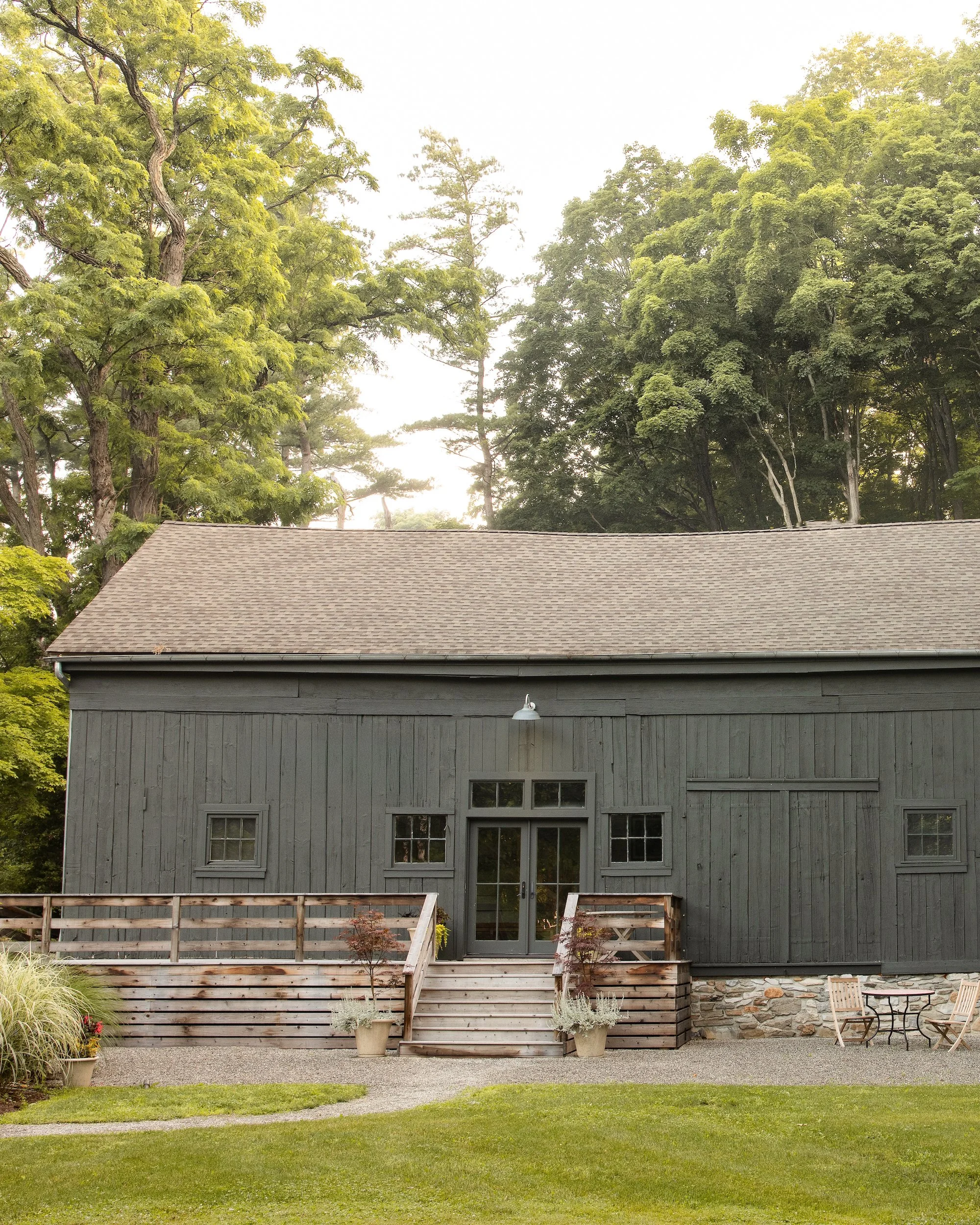
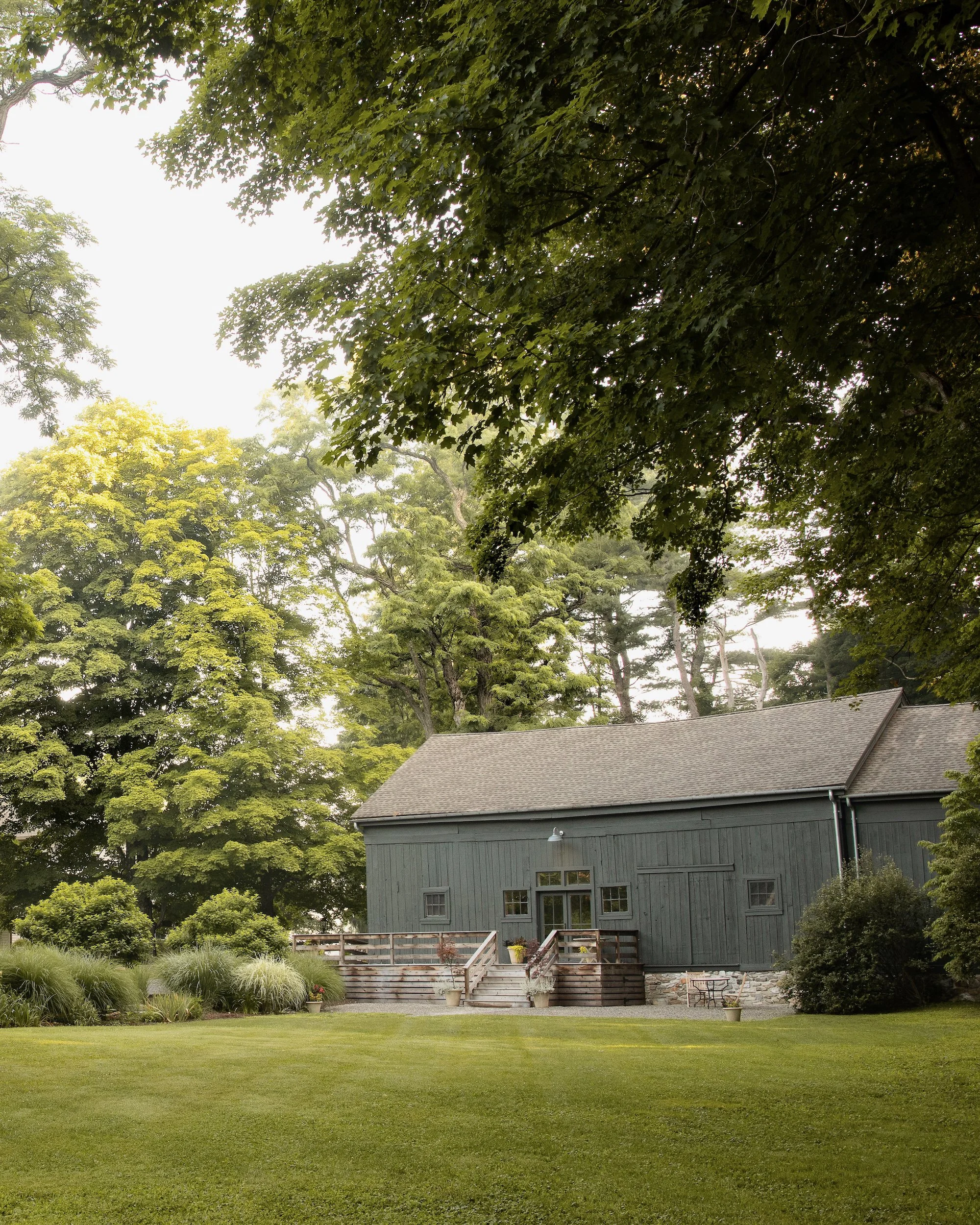
A 250-year-old farmhouse in New York’s Hudson Valley has come to market with an outbuilding history few country estates can rival: an early-19th-century barn said to have once sheltered elephants from the Barnum & Bailey Circus.
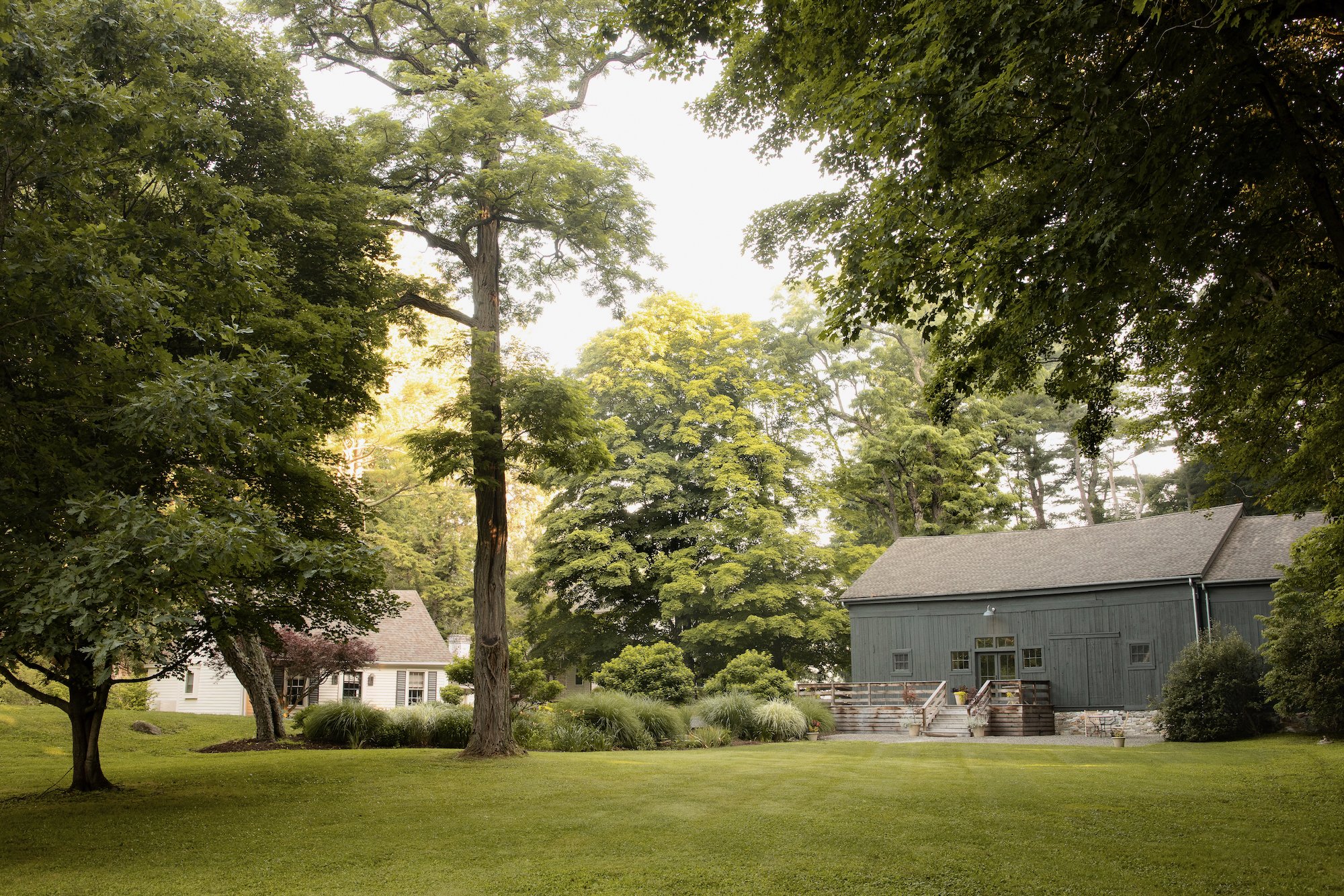
The Pine Plains property is listed for $2.475 million with The Lillie K. Team at Four Seasons Sotheby’s International Realty. Set across 1.8 acres, the compound includes a five-bedroom Colonial farmhouse, a two-bedroom guest cottage and an 1810 barn that later became the original home of Hammertown, the small country shop Joan Osofsky founded in 1985. Over the following four decades, it grew into a much-loved Hudson Valley furnishings and antiques business, helping to popularize the region’s relaxed, collected approach to country living.
Together, the buildings tell more than two centuries of Hudson Valley history, moving from rural domestic life and agriculture to retail, entertaining and creative work.
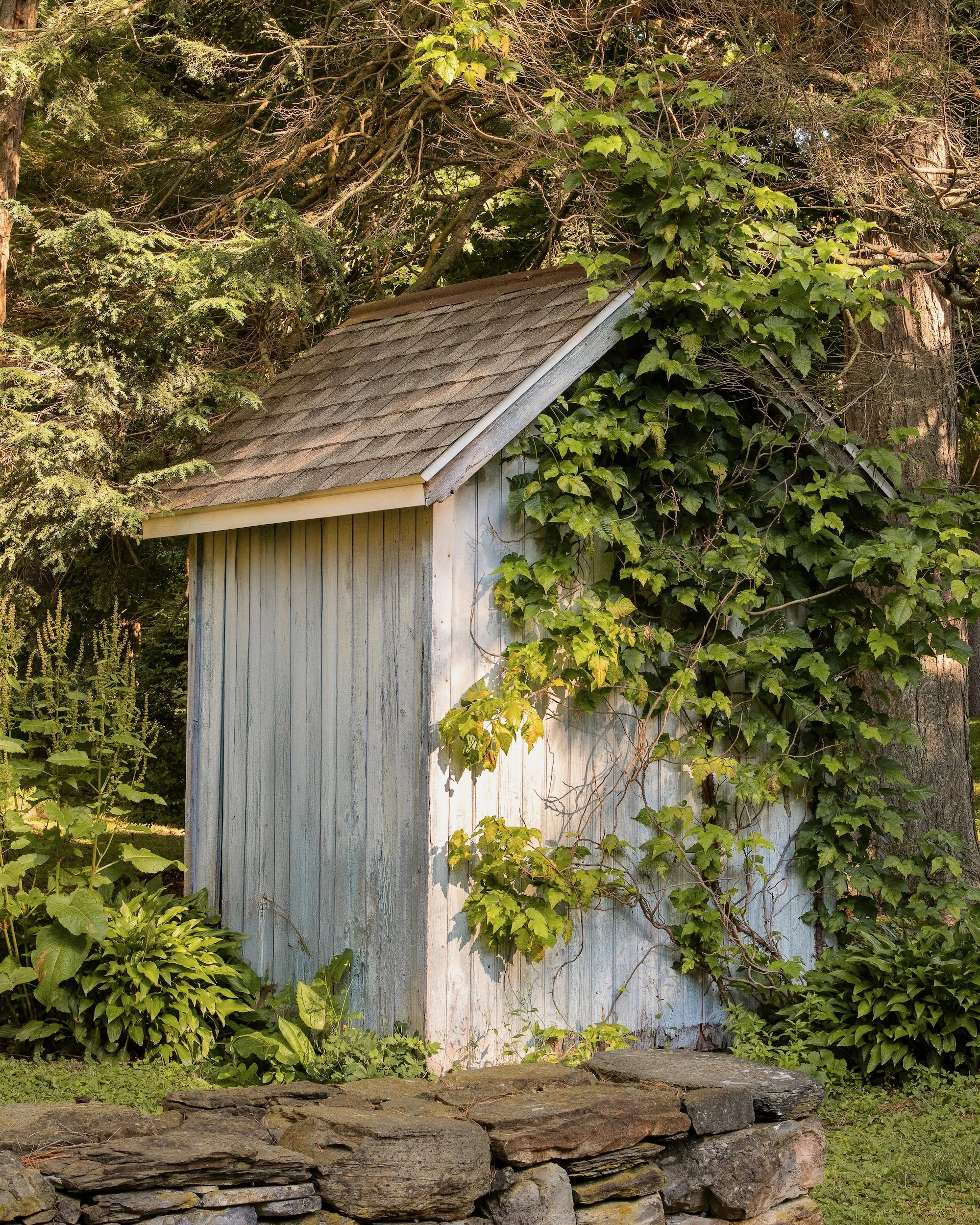
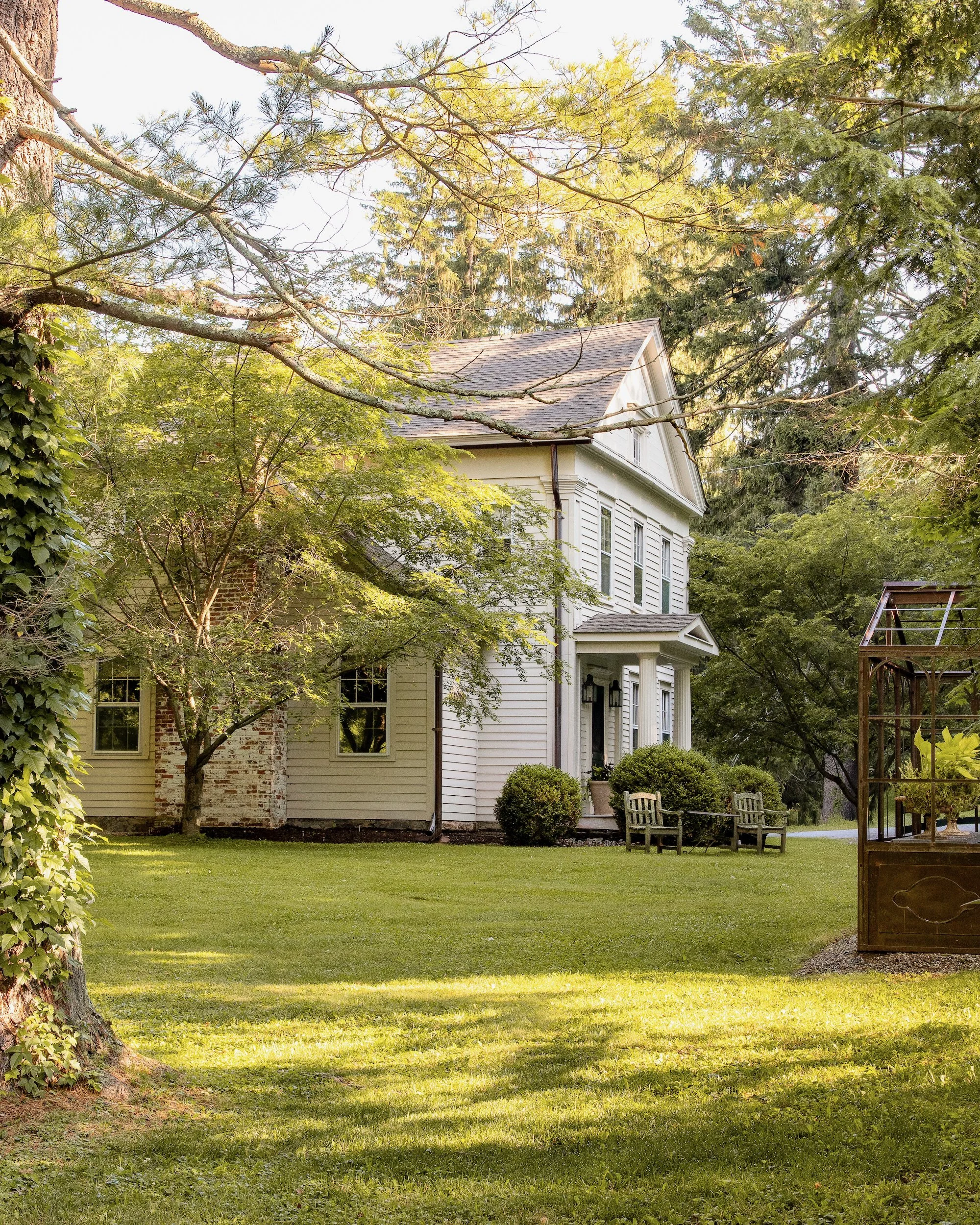
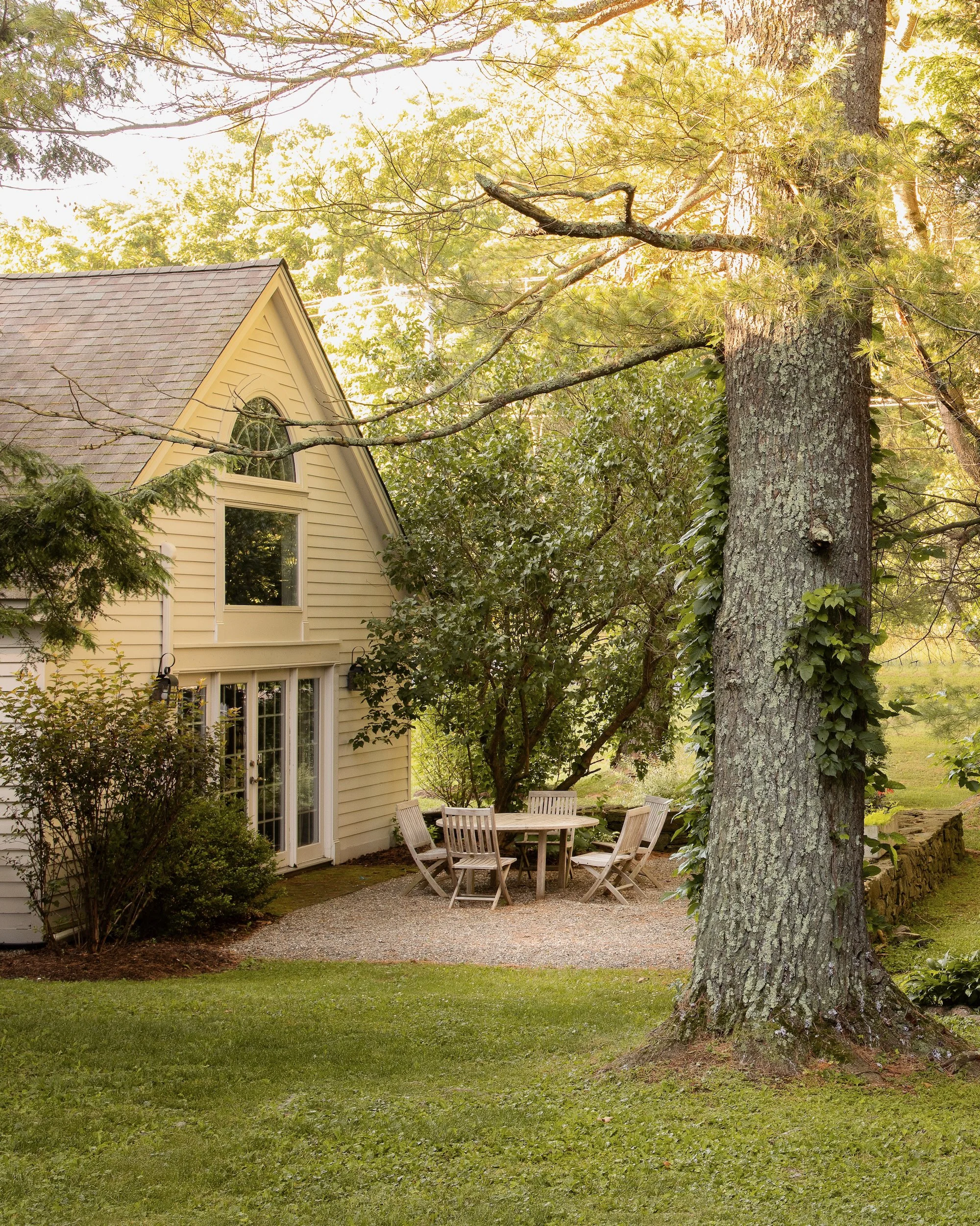
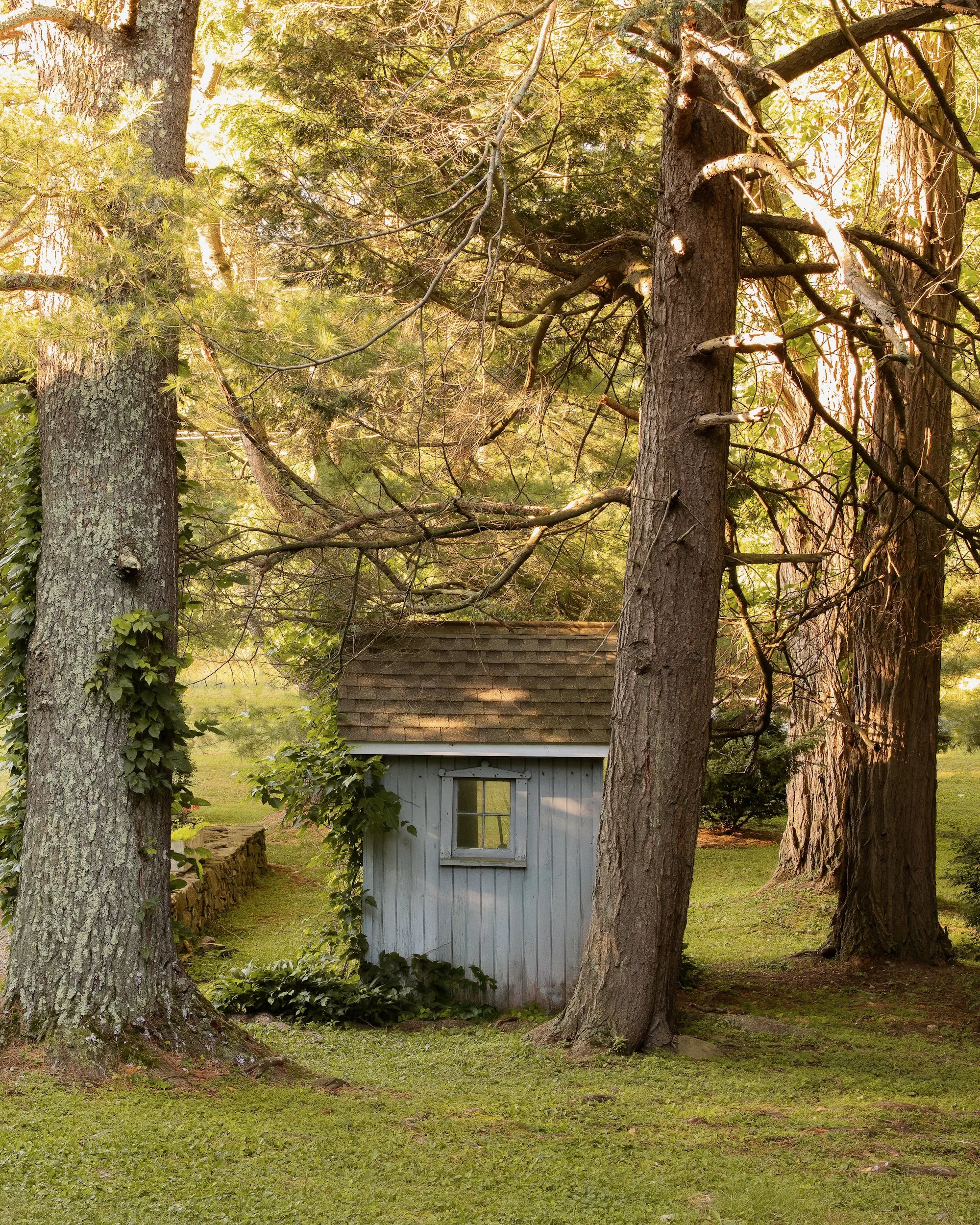
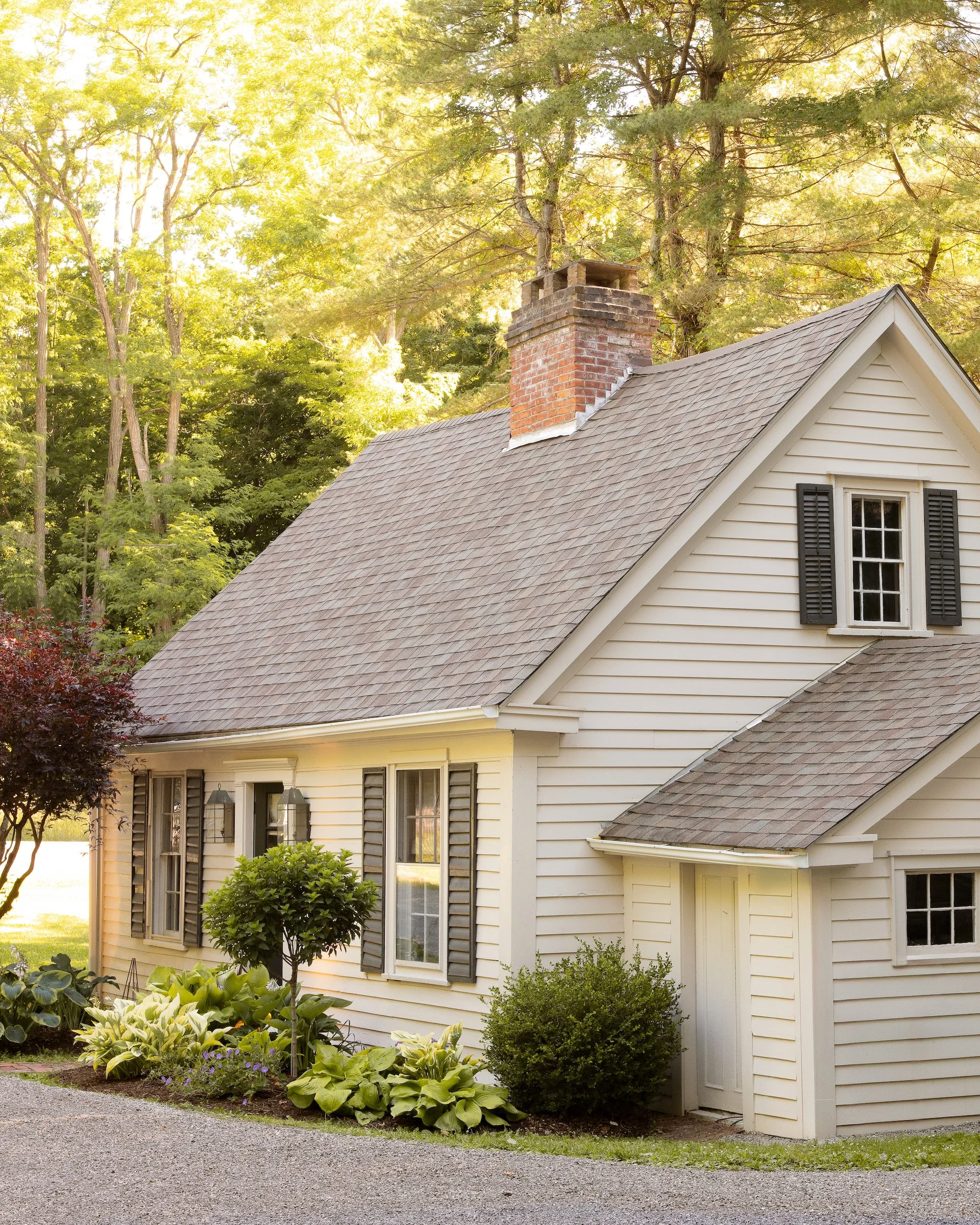
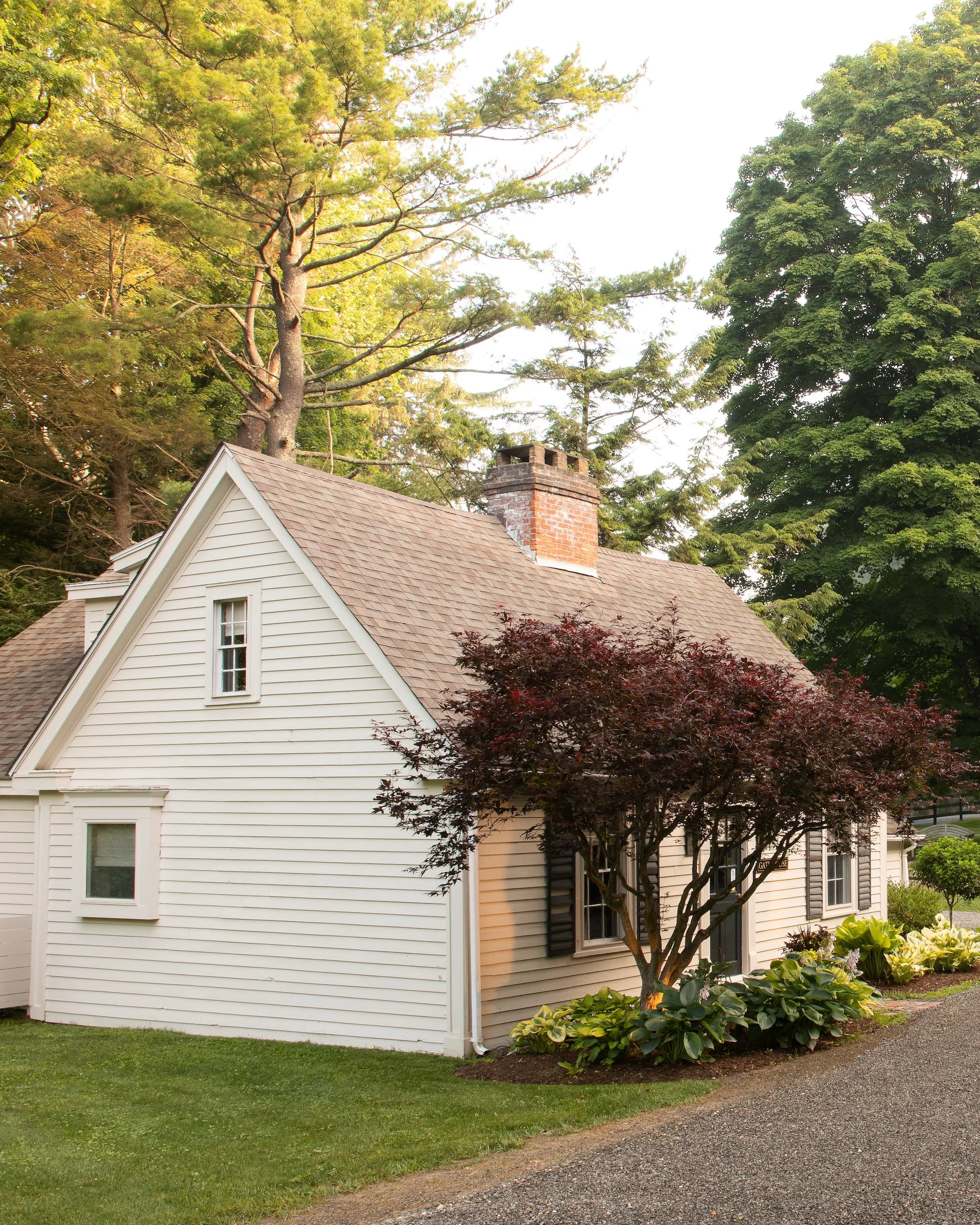
A Farmhouse Shaped Over 250 Years
The property dates to 1774, when Hammertown was a small rural settlement of millworkers, farmers and blacksmiths east of what would become the village of Pine Plains.
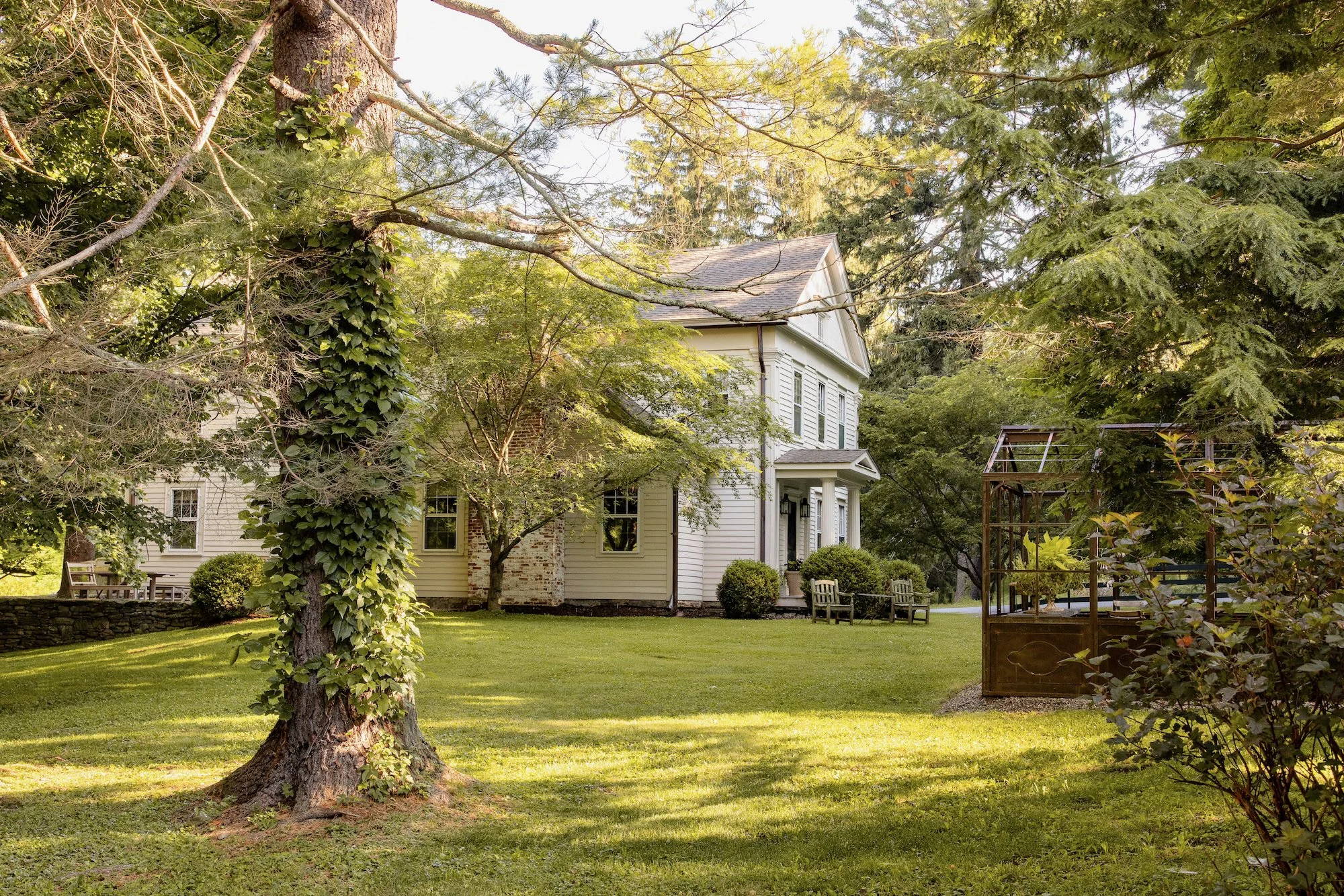
According to the listing, only three families have occupied the house and grounds over the past 250 years. Each developed the property gradually, adding gardens, stone walls, mature trees, the barn and, much later, a guest cottage. The result is not a country estate shaped by one sweeping renovation, but a compound that has accumulated character over generations.
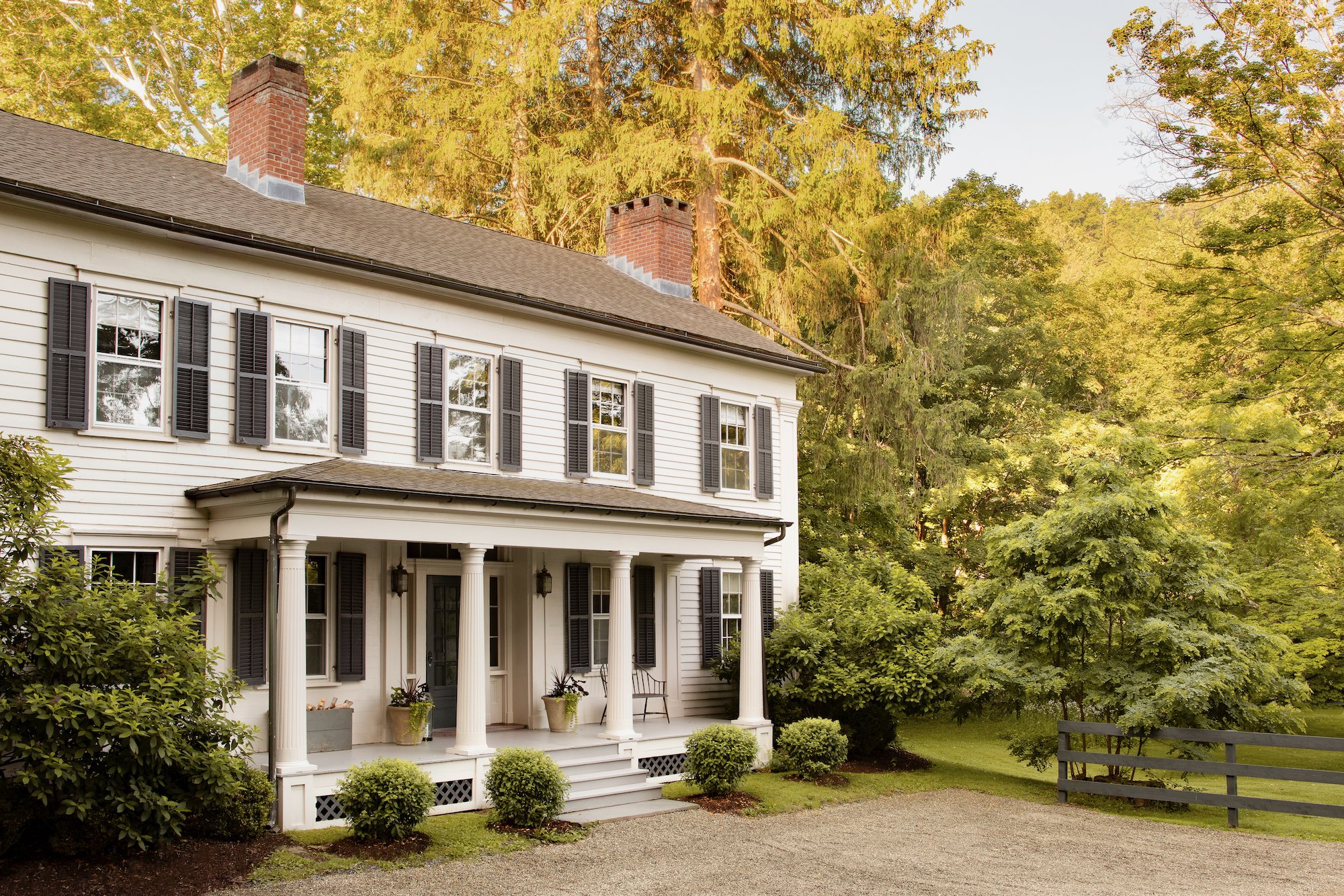
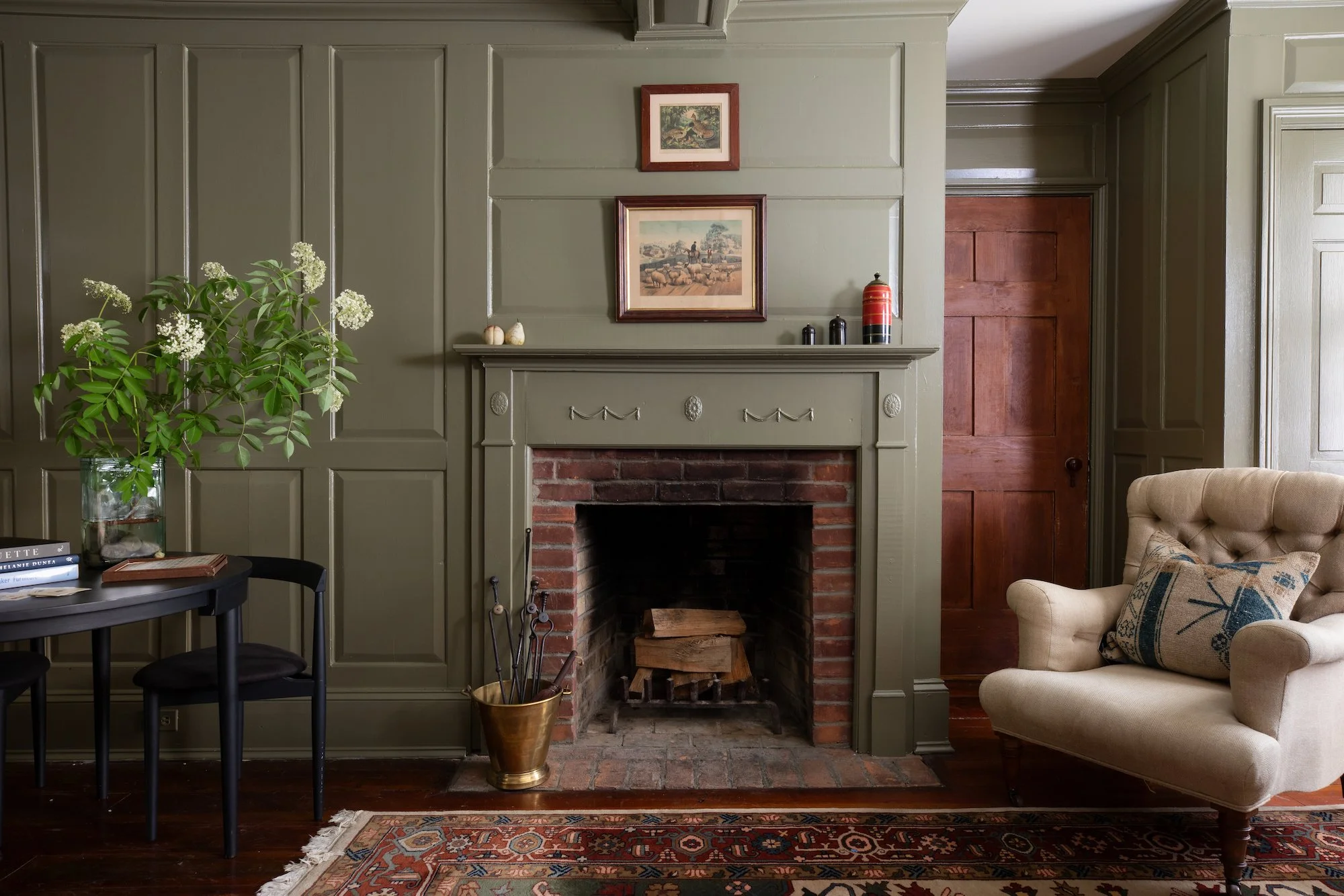
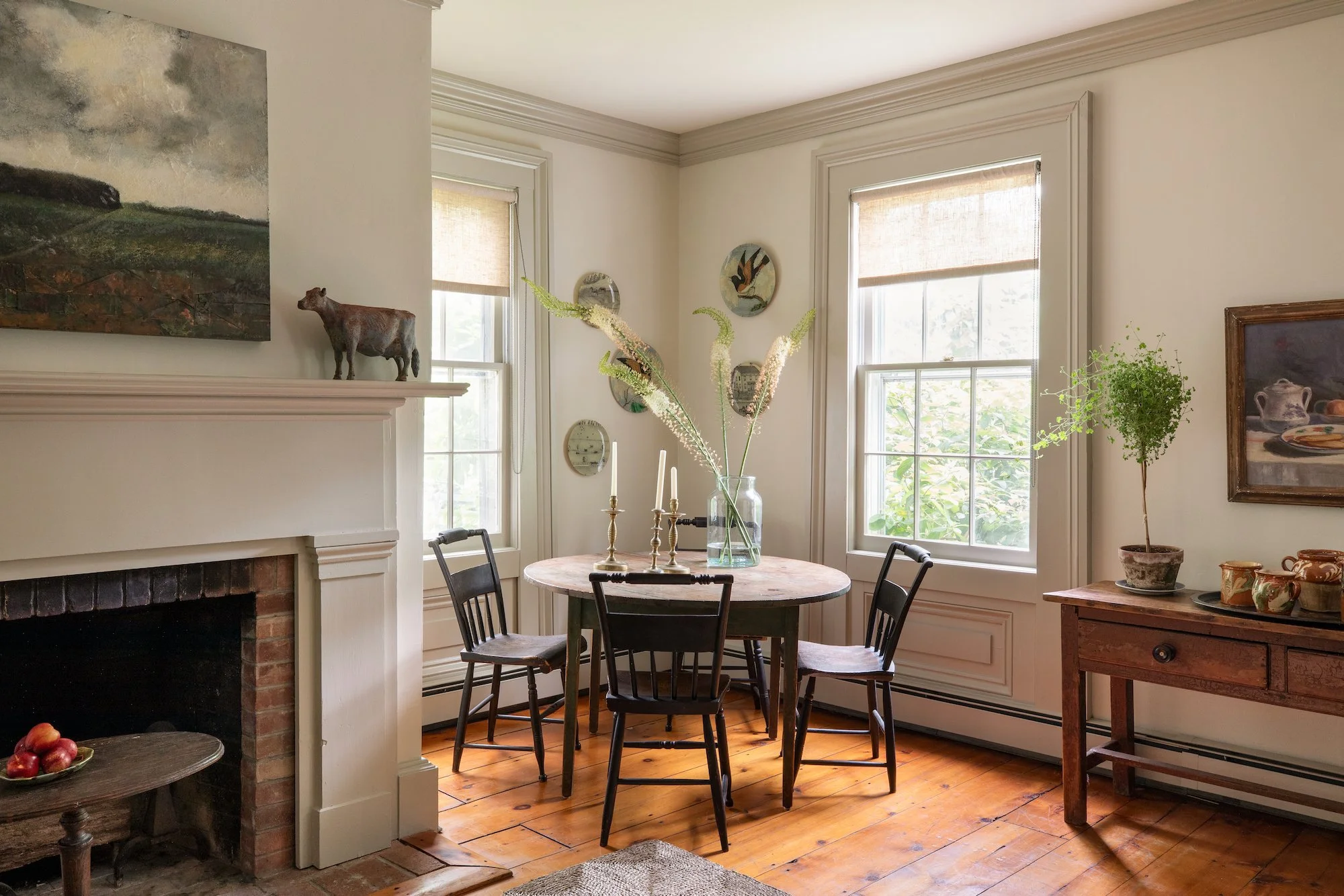
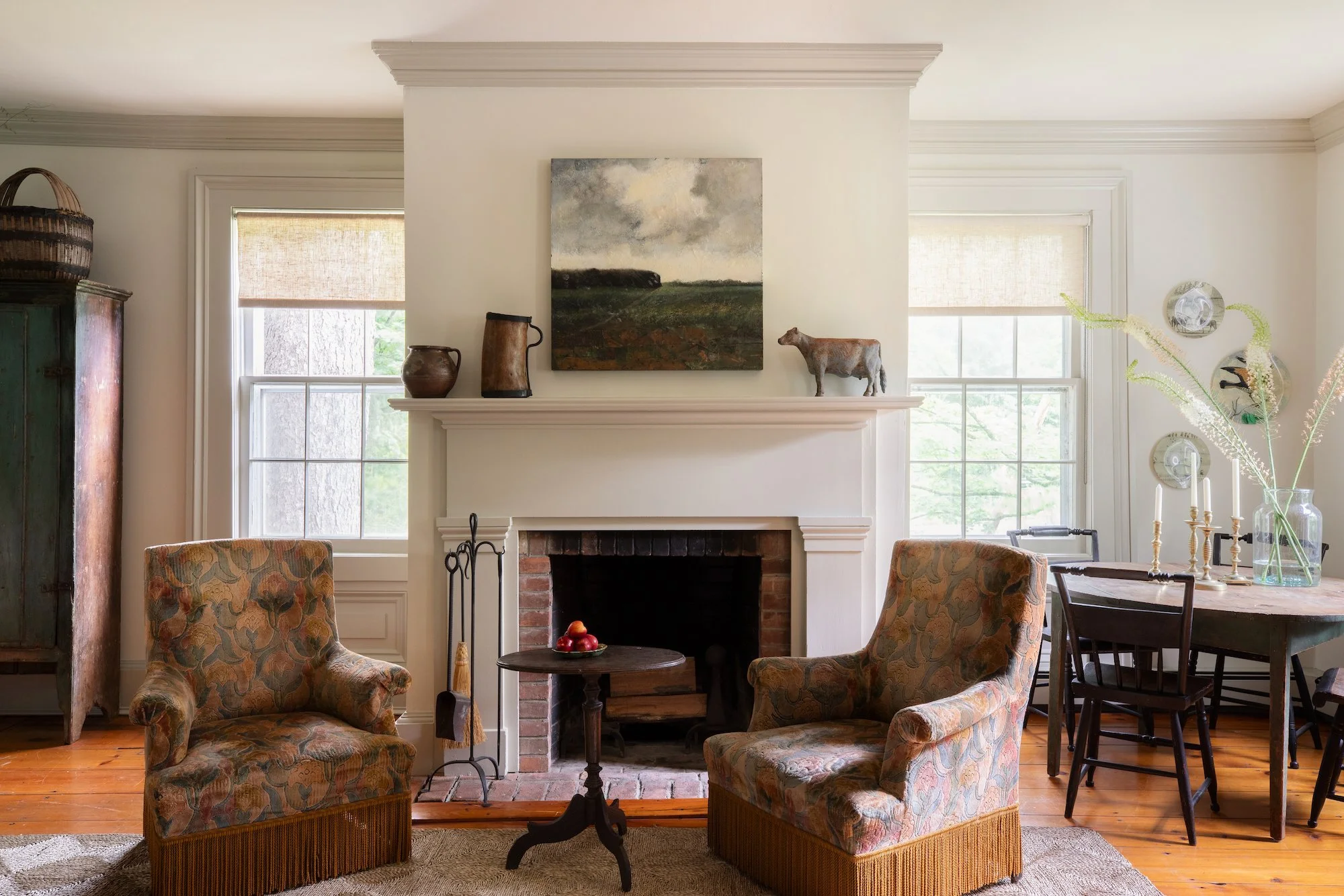
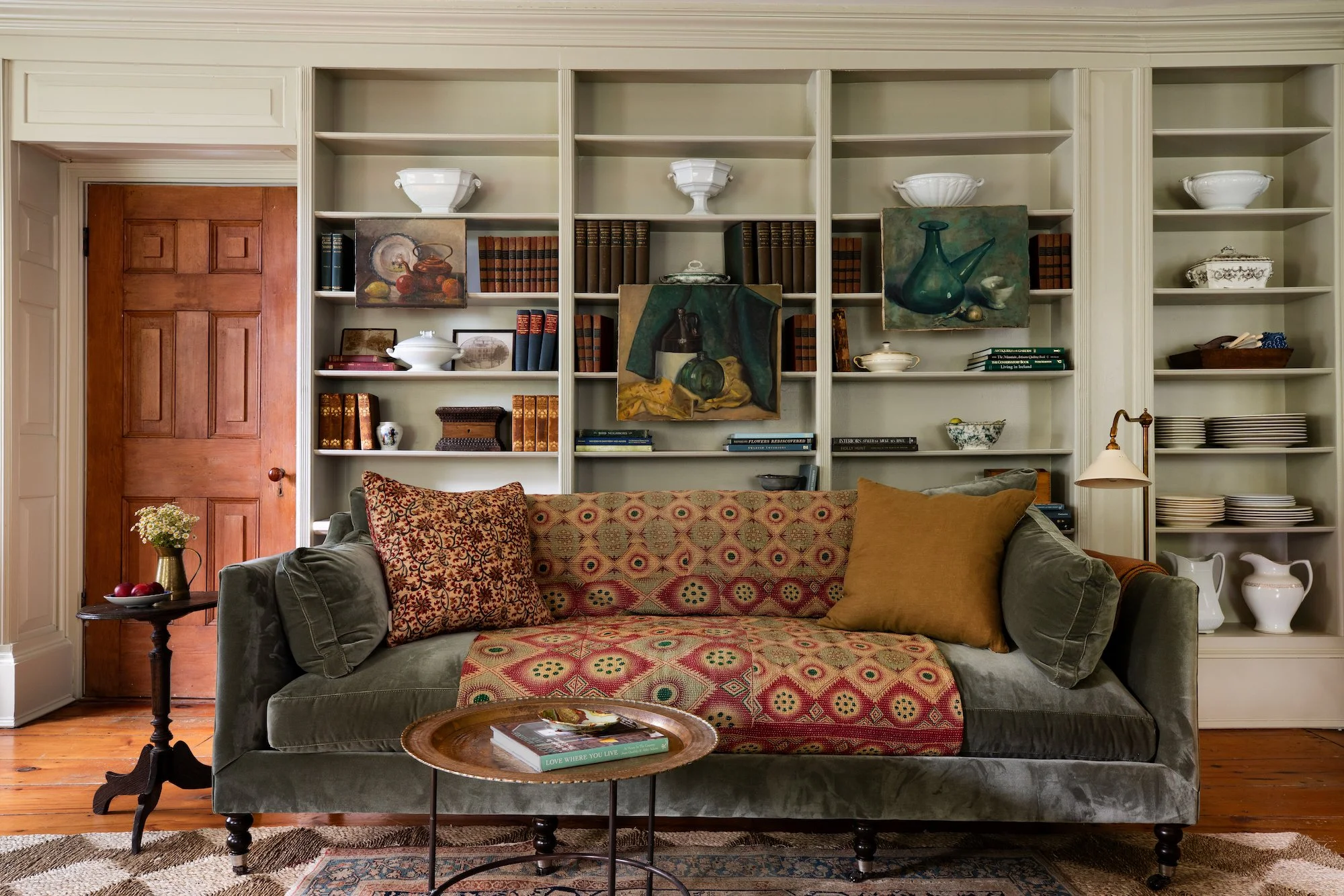
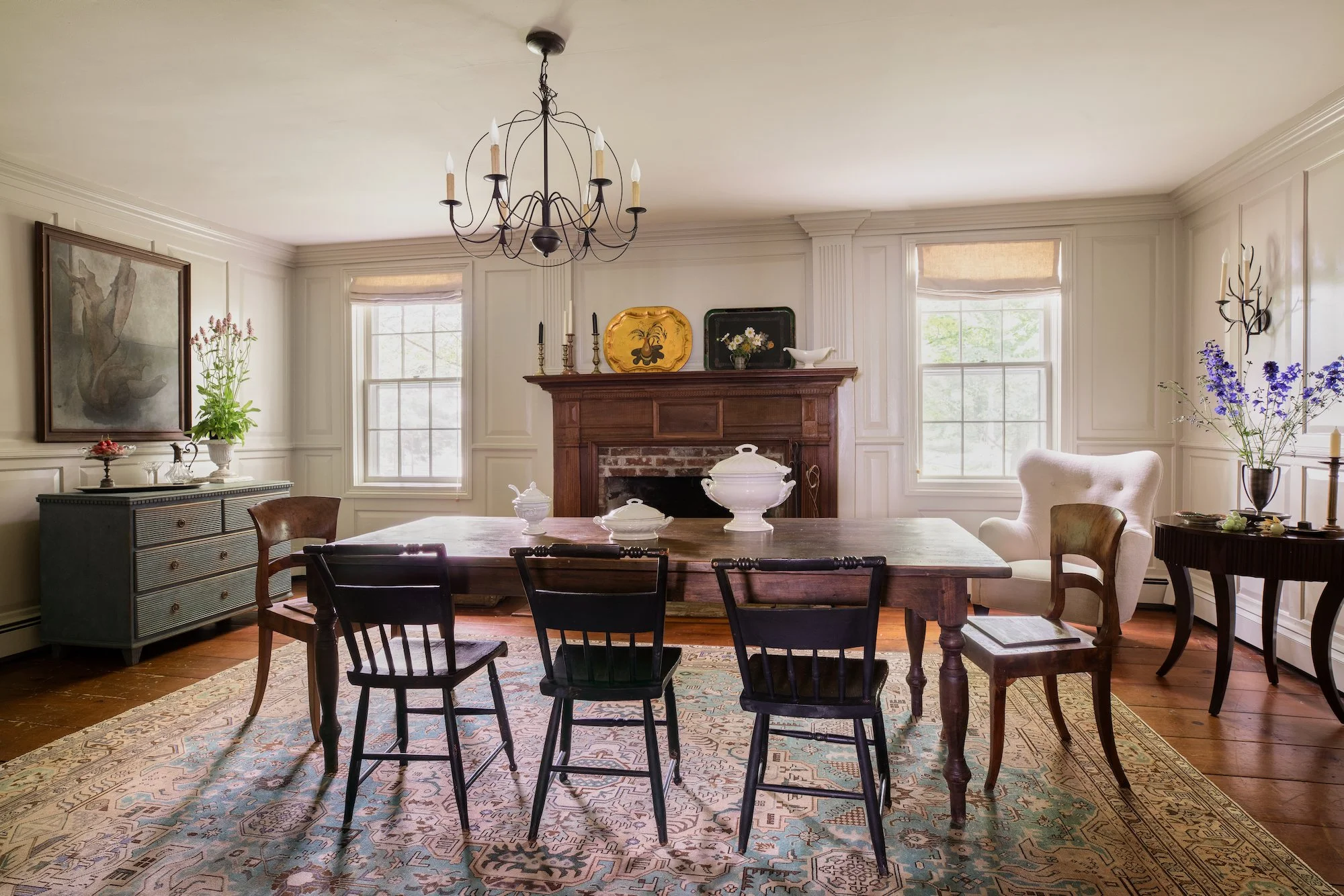
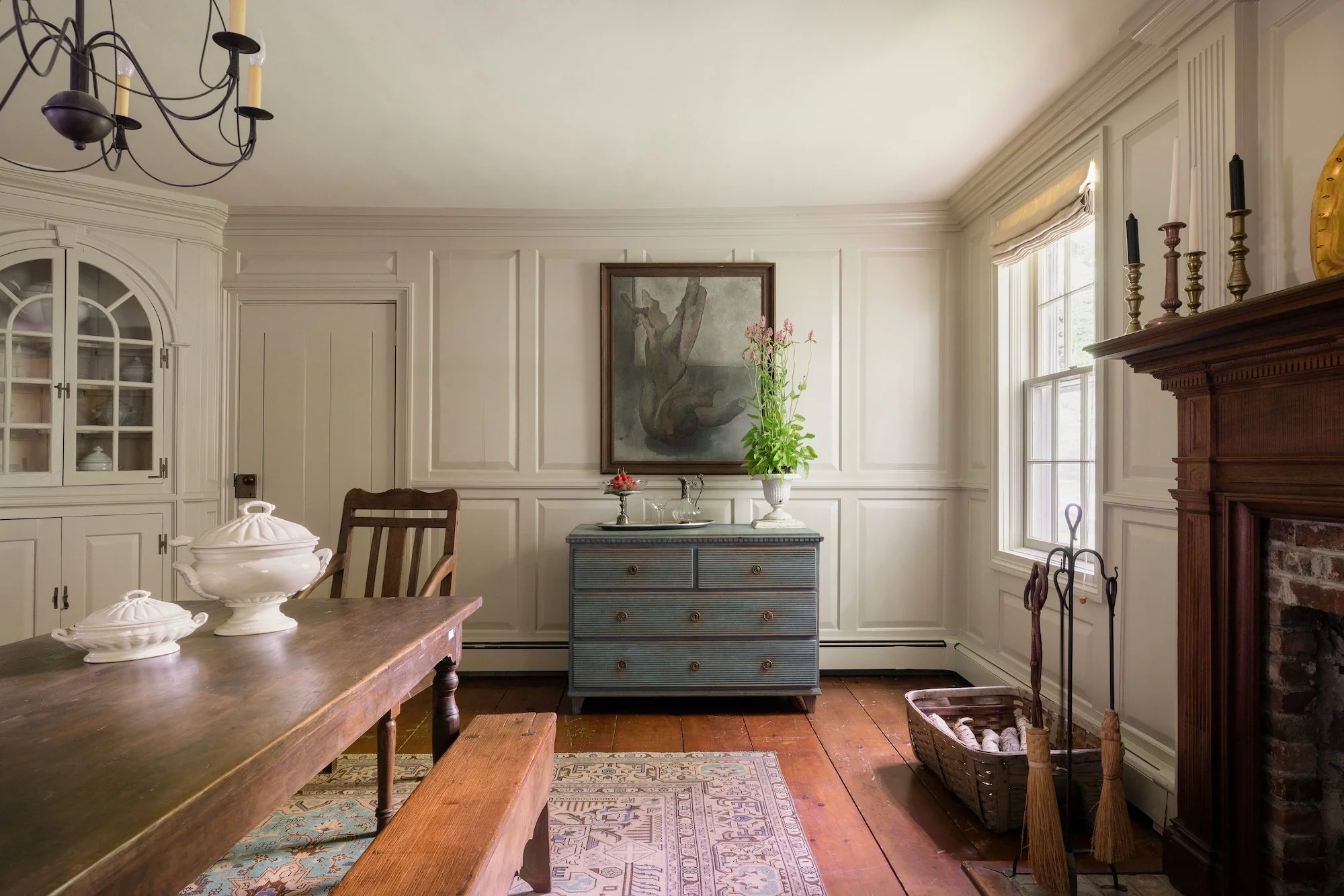
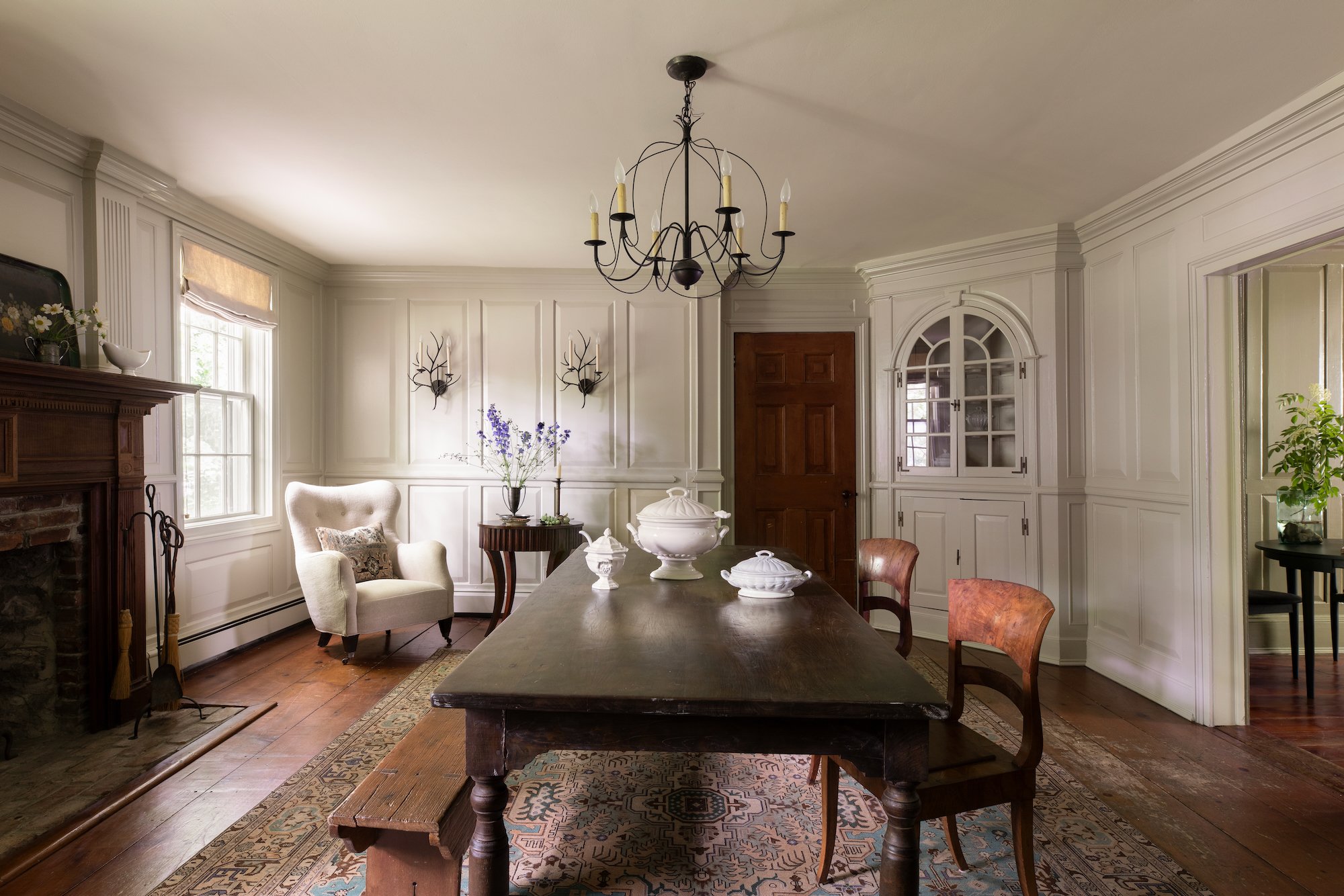
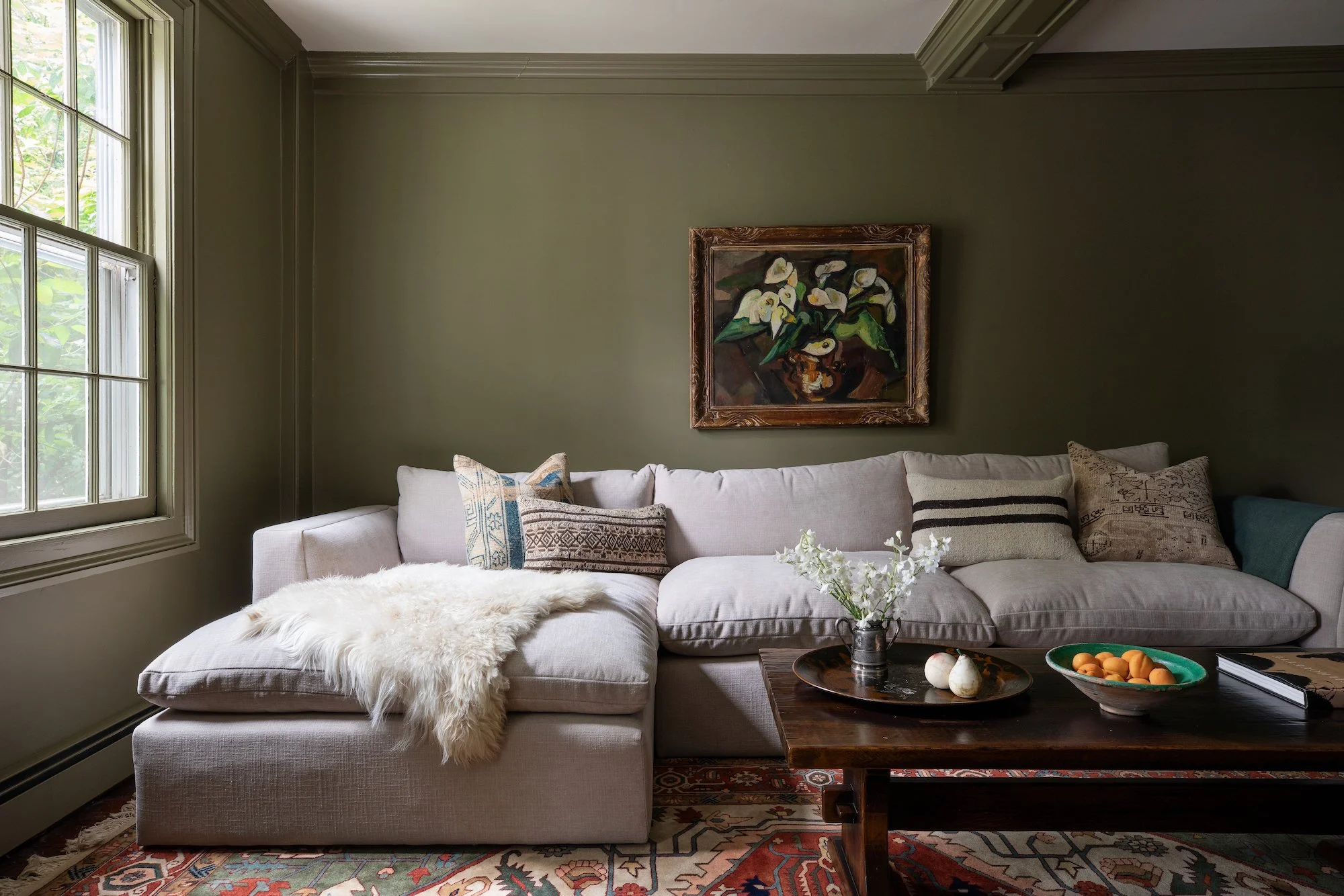
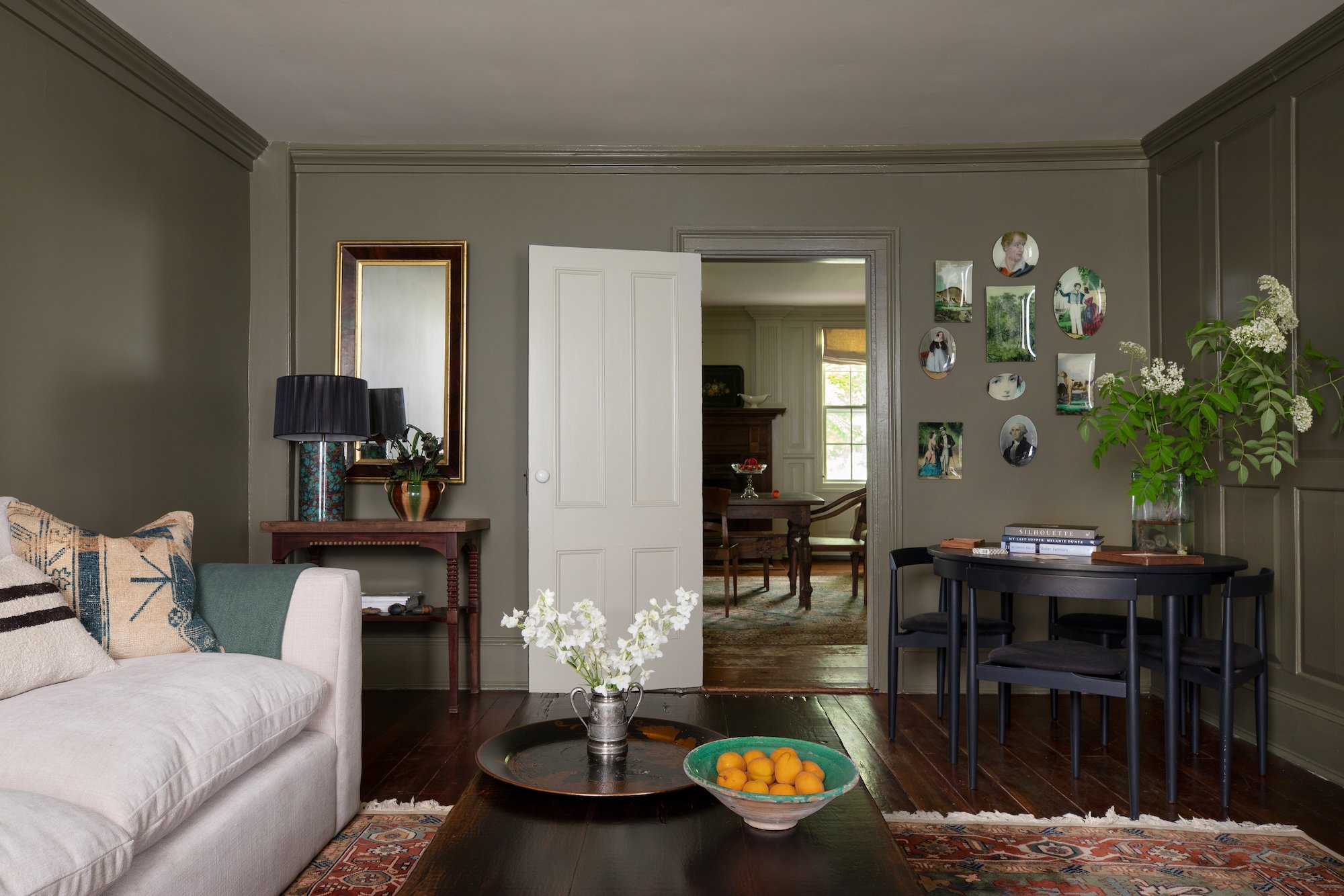
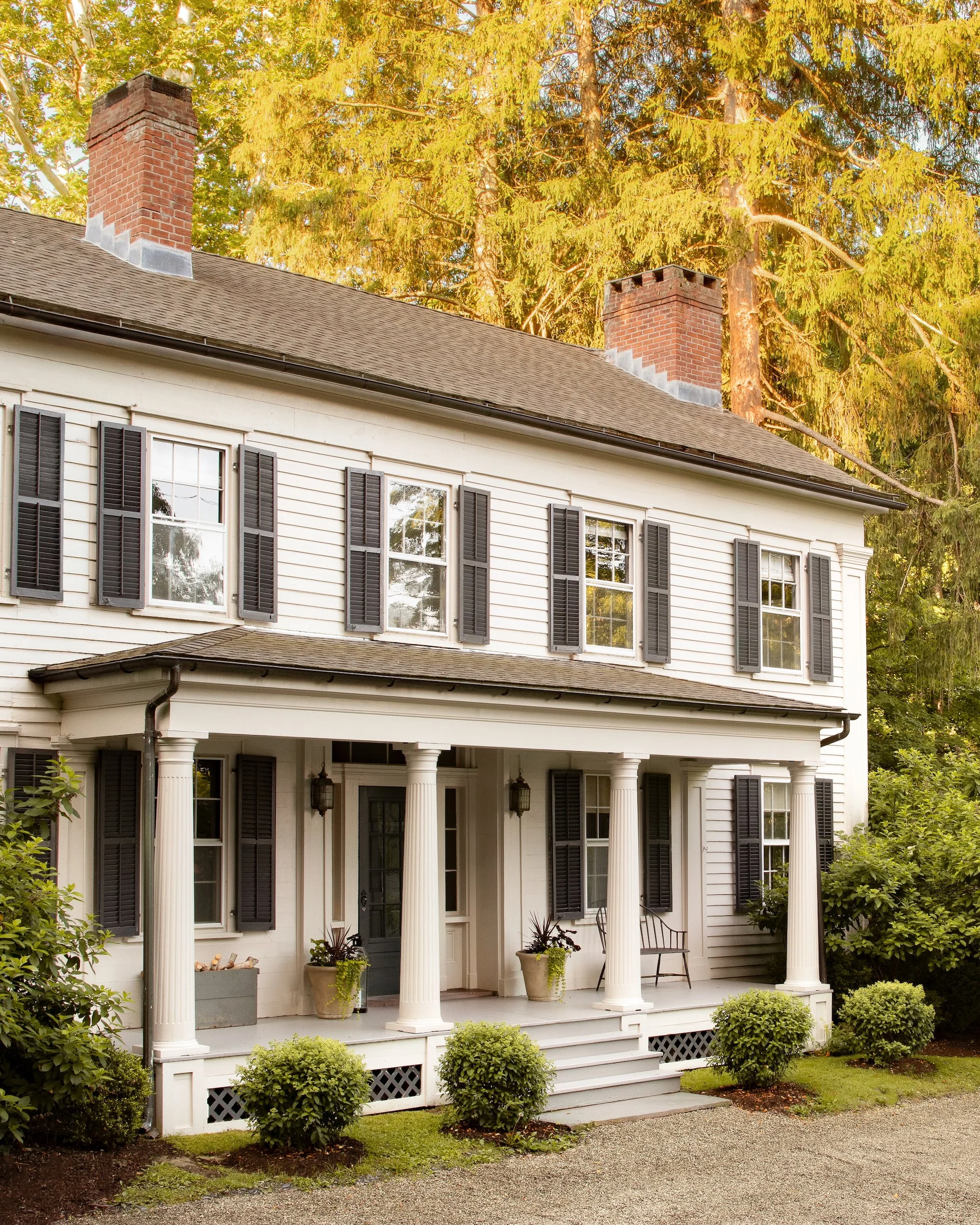
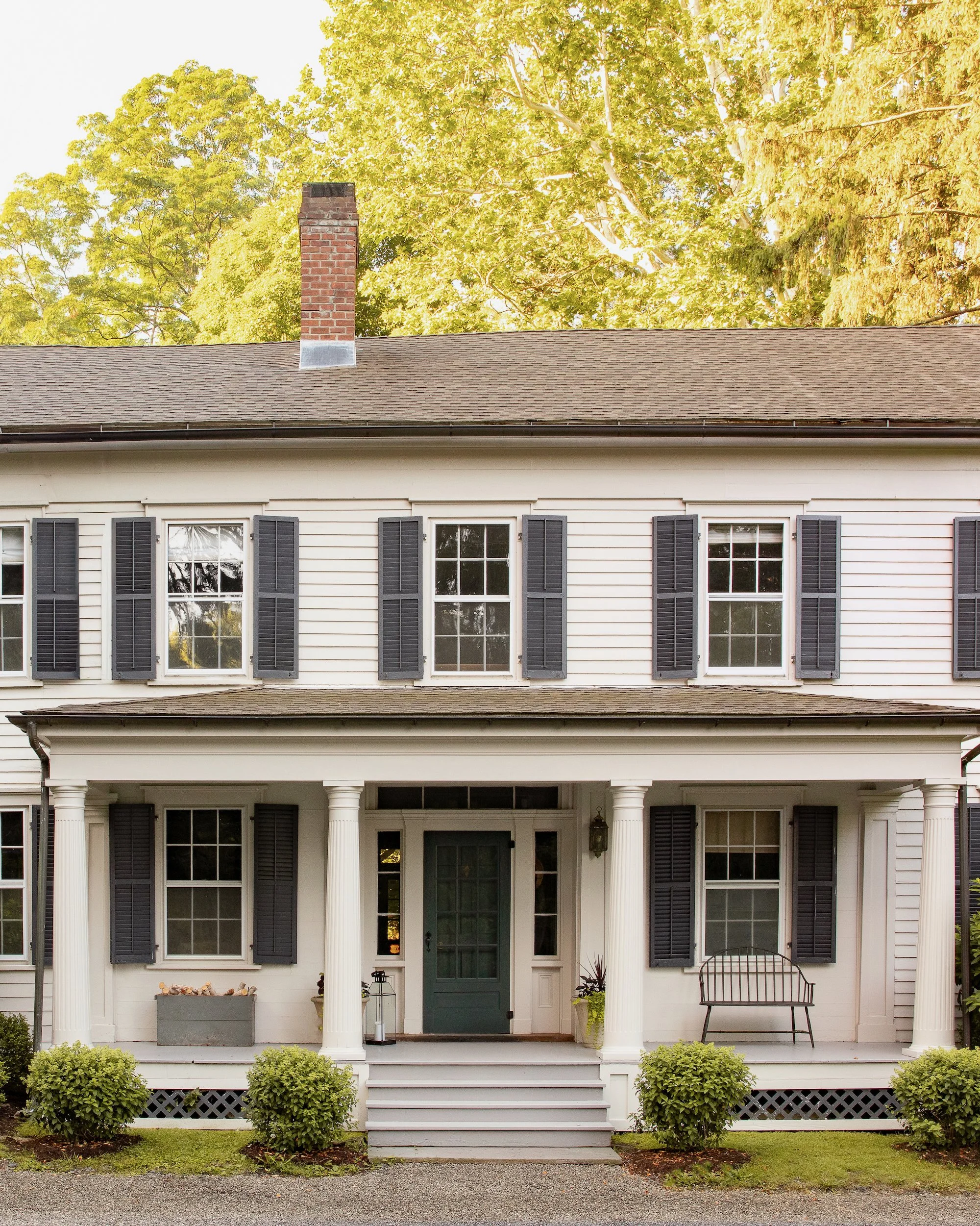
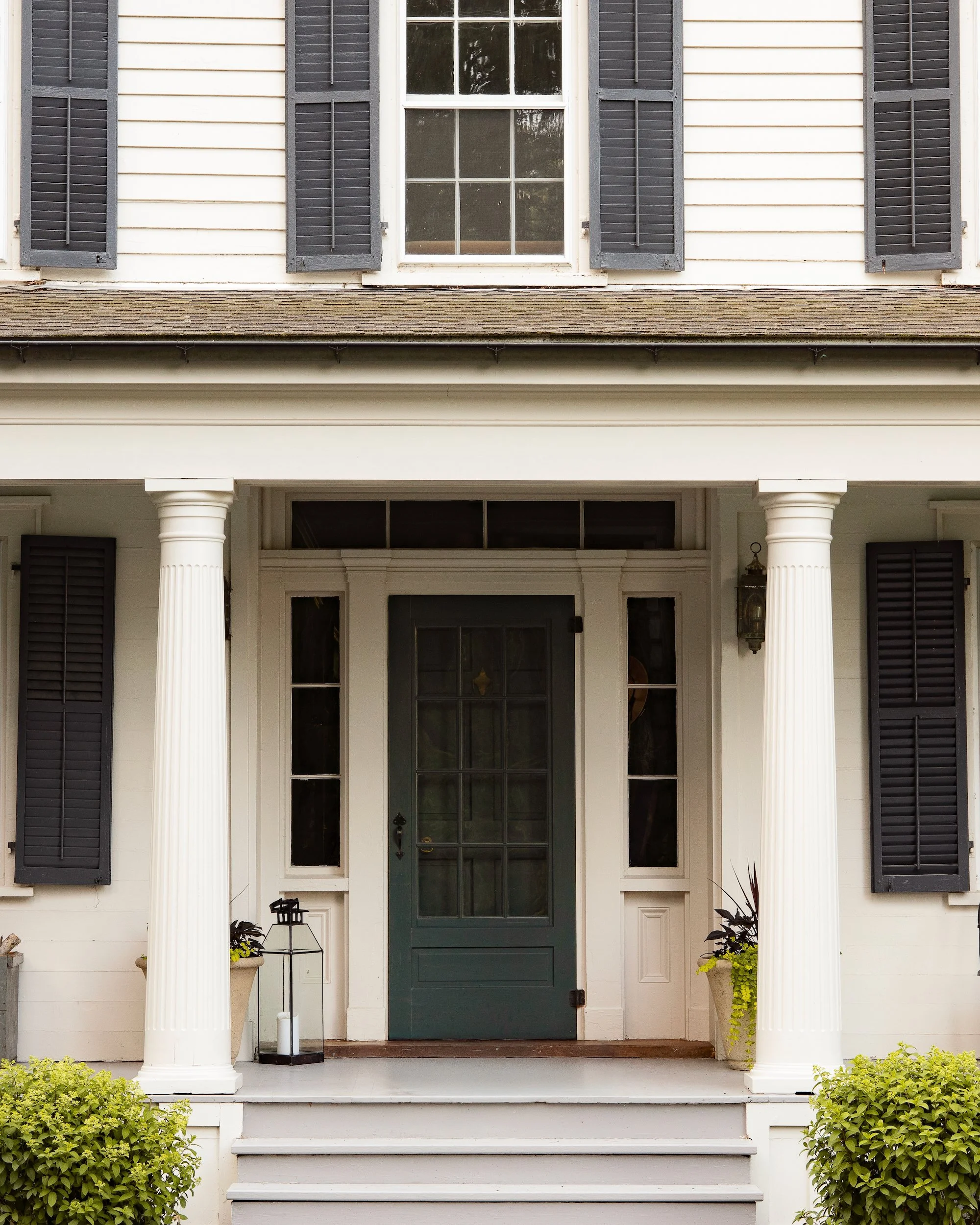
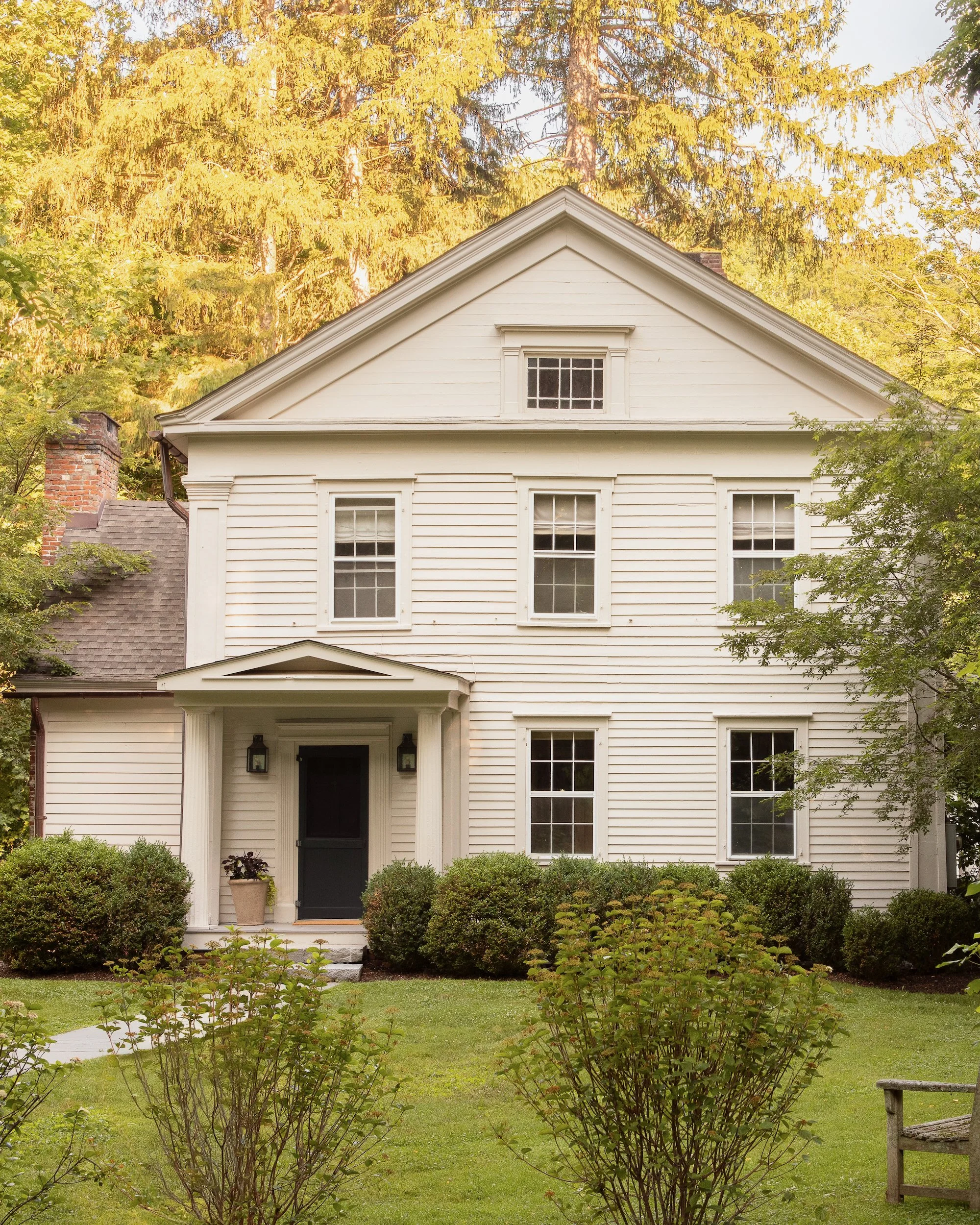
At its centre is the traditional Colonial farmhouse, where the historic fabric has been retained through wide-plank floors, extensive millwork and no fewer than five fireplaces.
The ground floor combines the practical and the more polished. A substantial boot room offers the kind of entrance every country house needs, while the formal dining room and living room retain a warmer, more intimate scale.
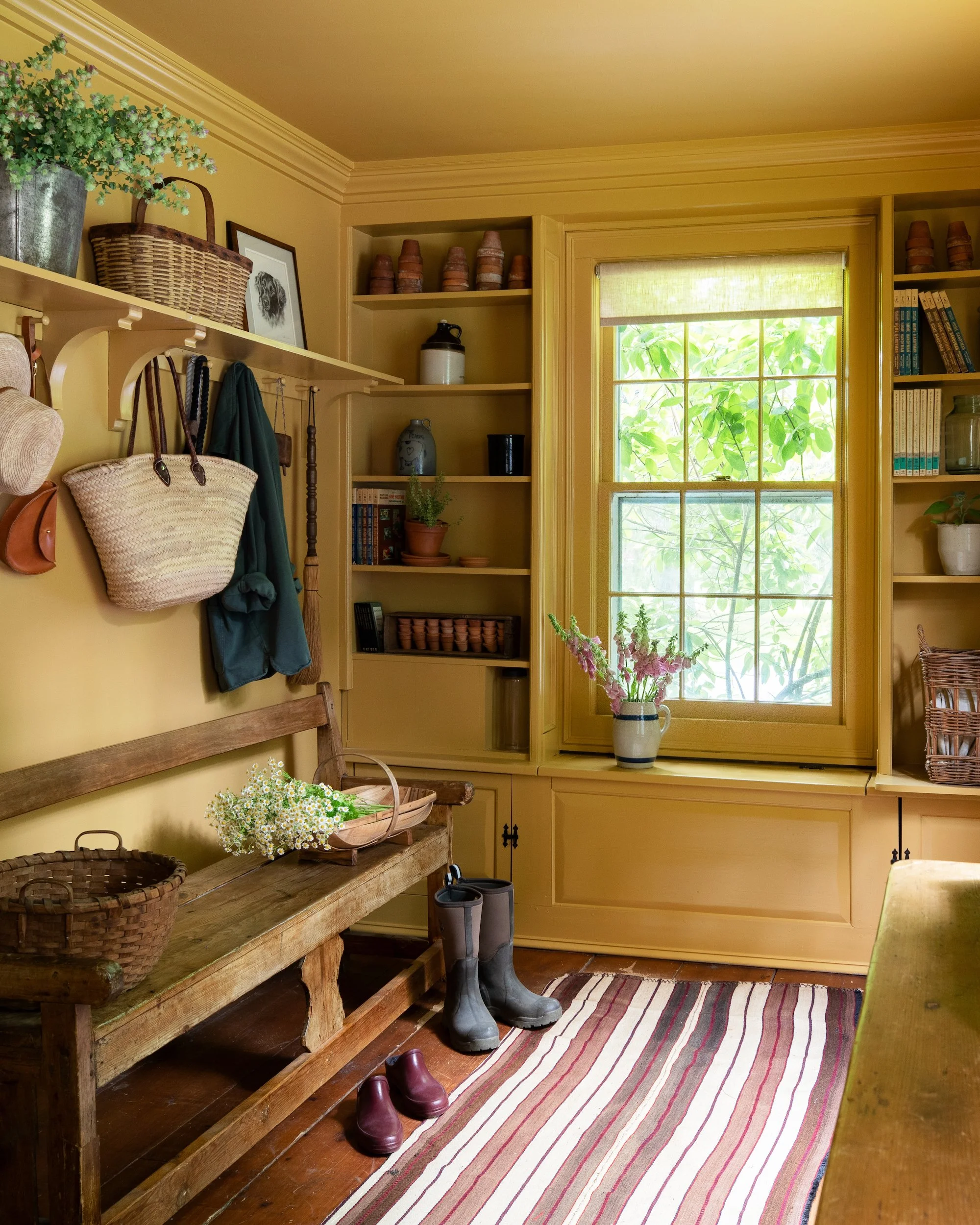
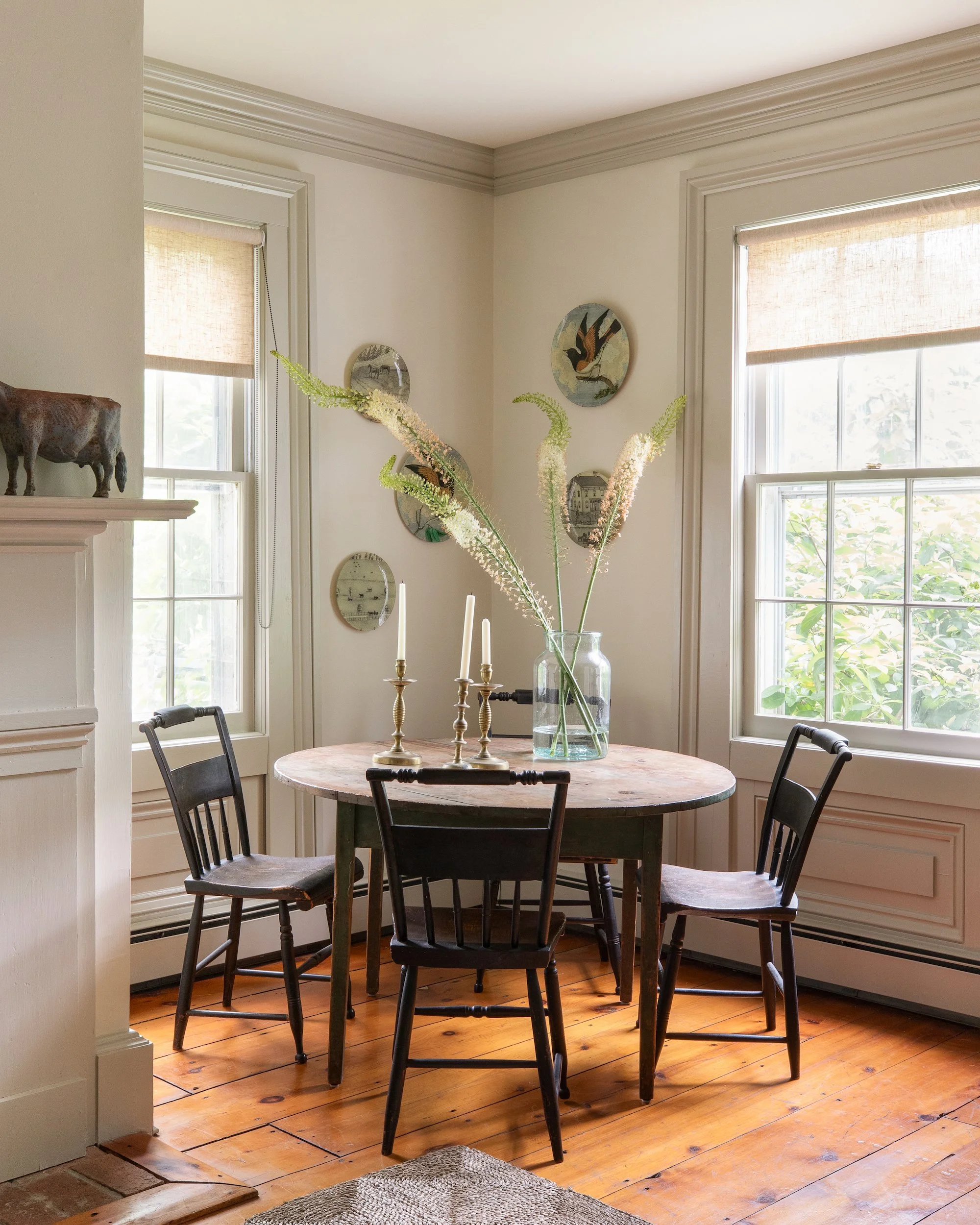
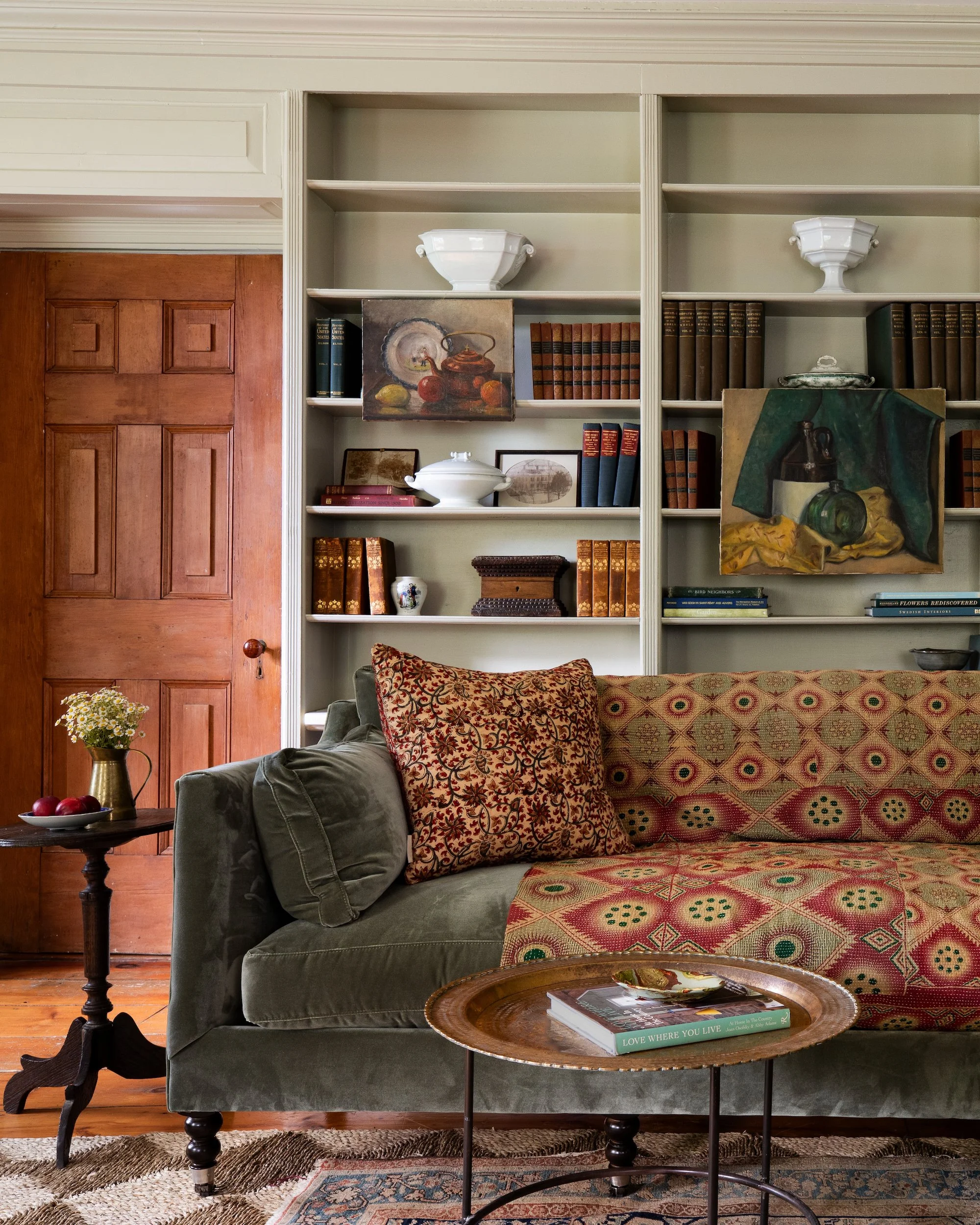
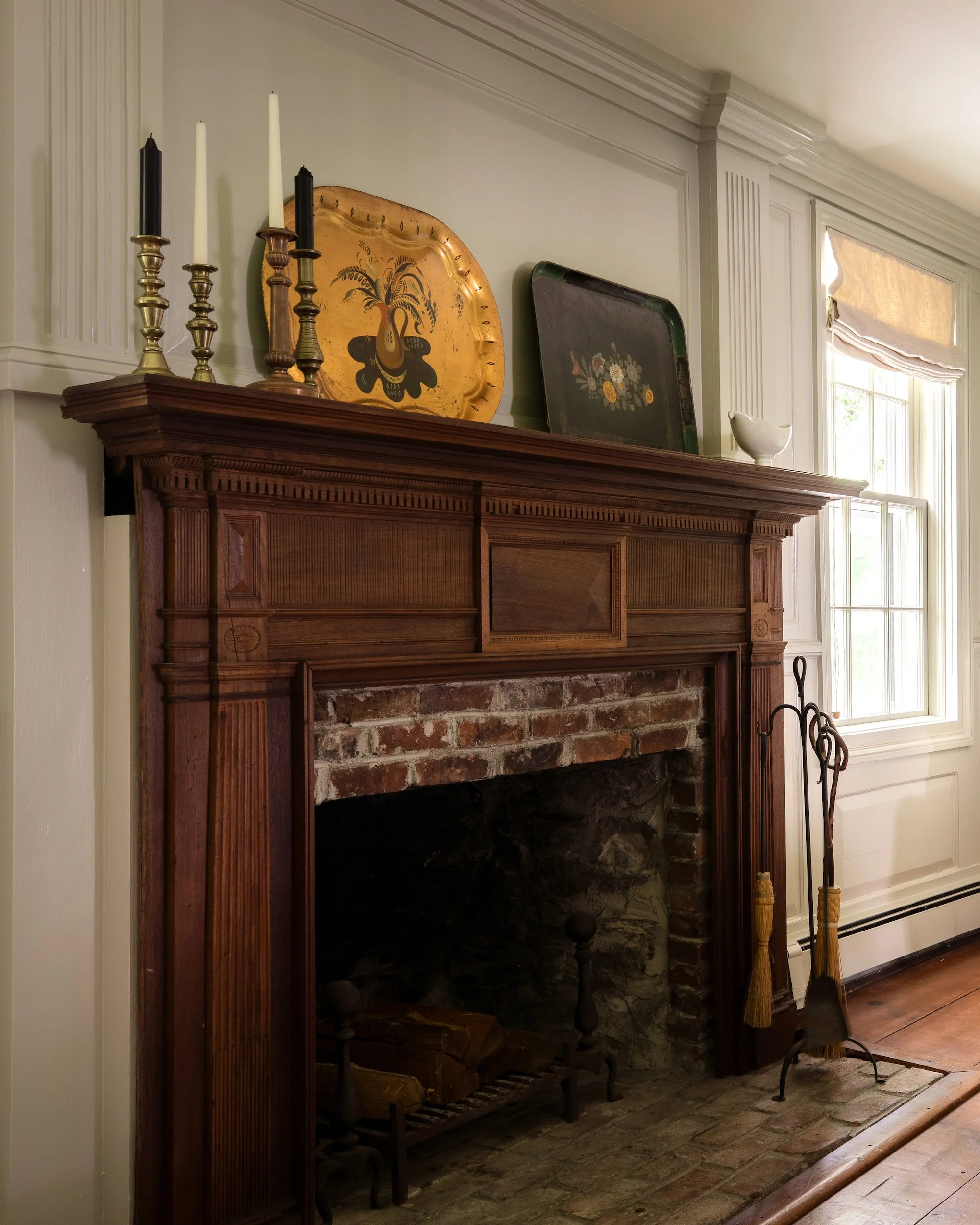
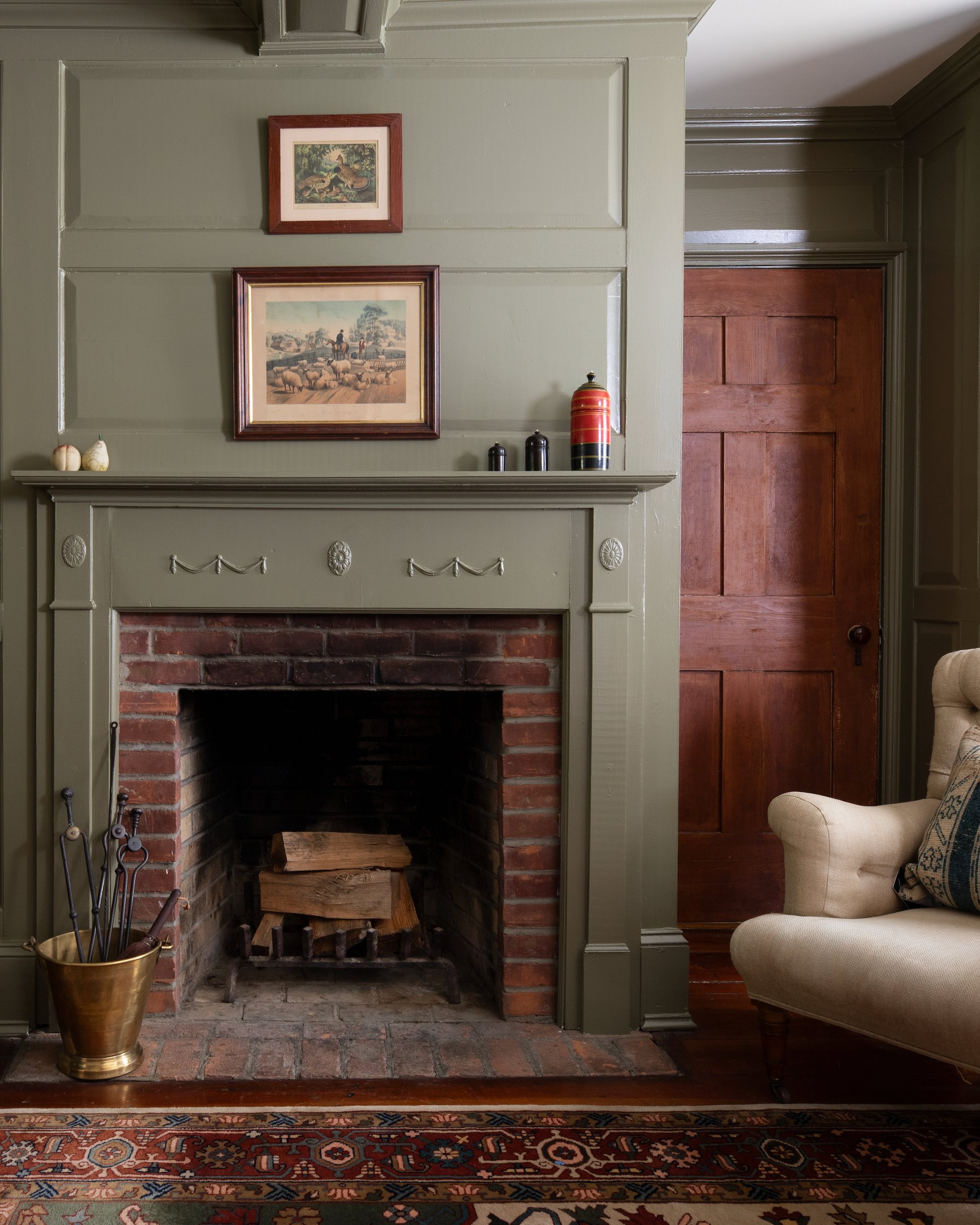
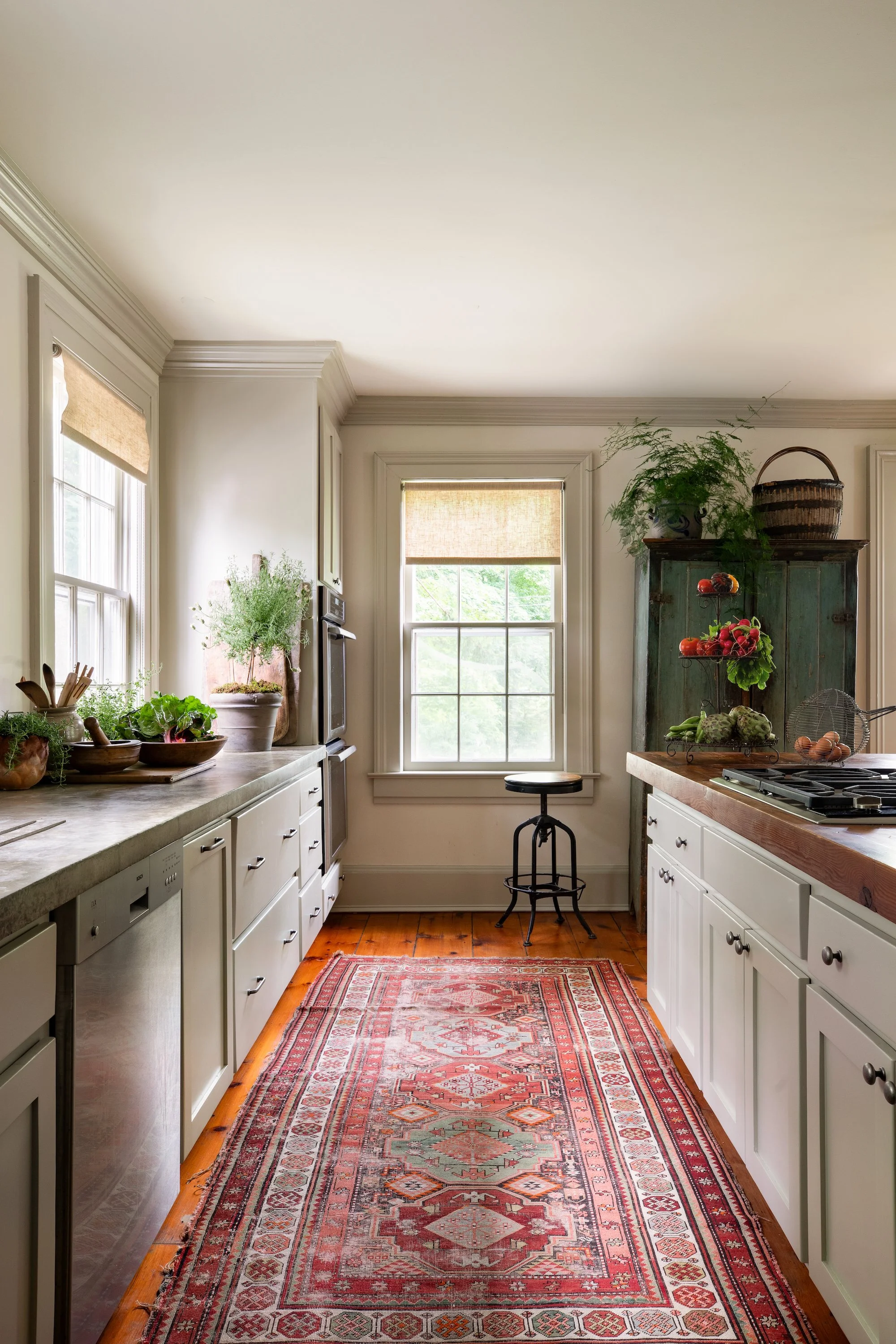
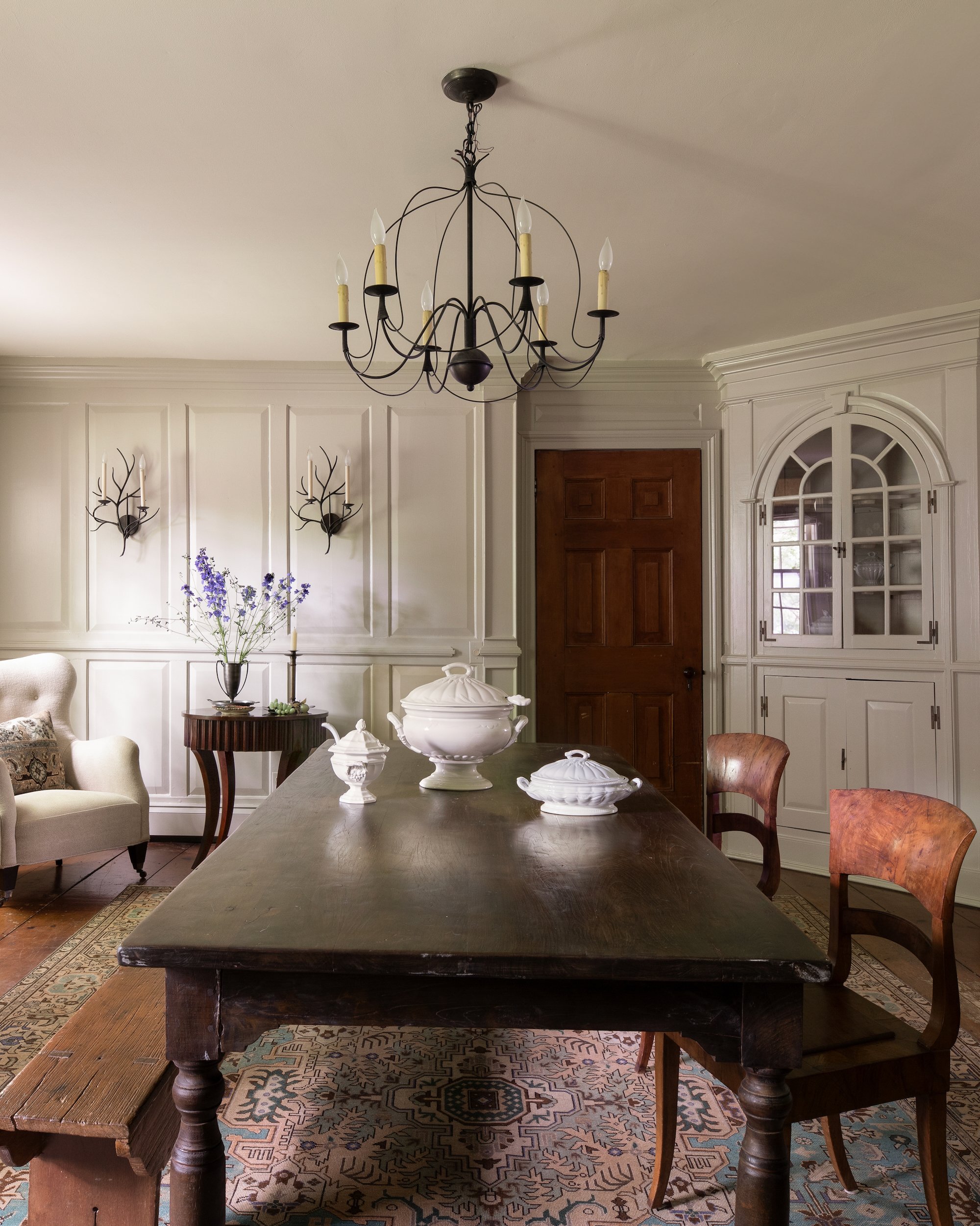
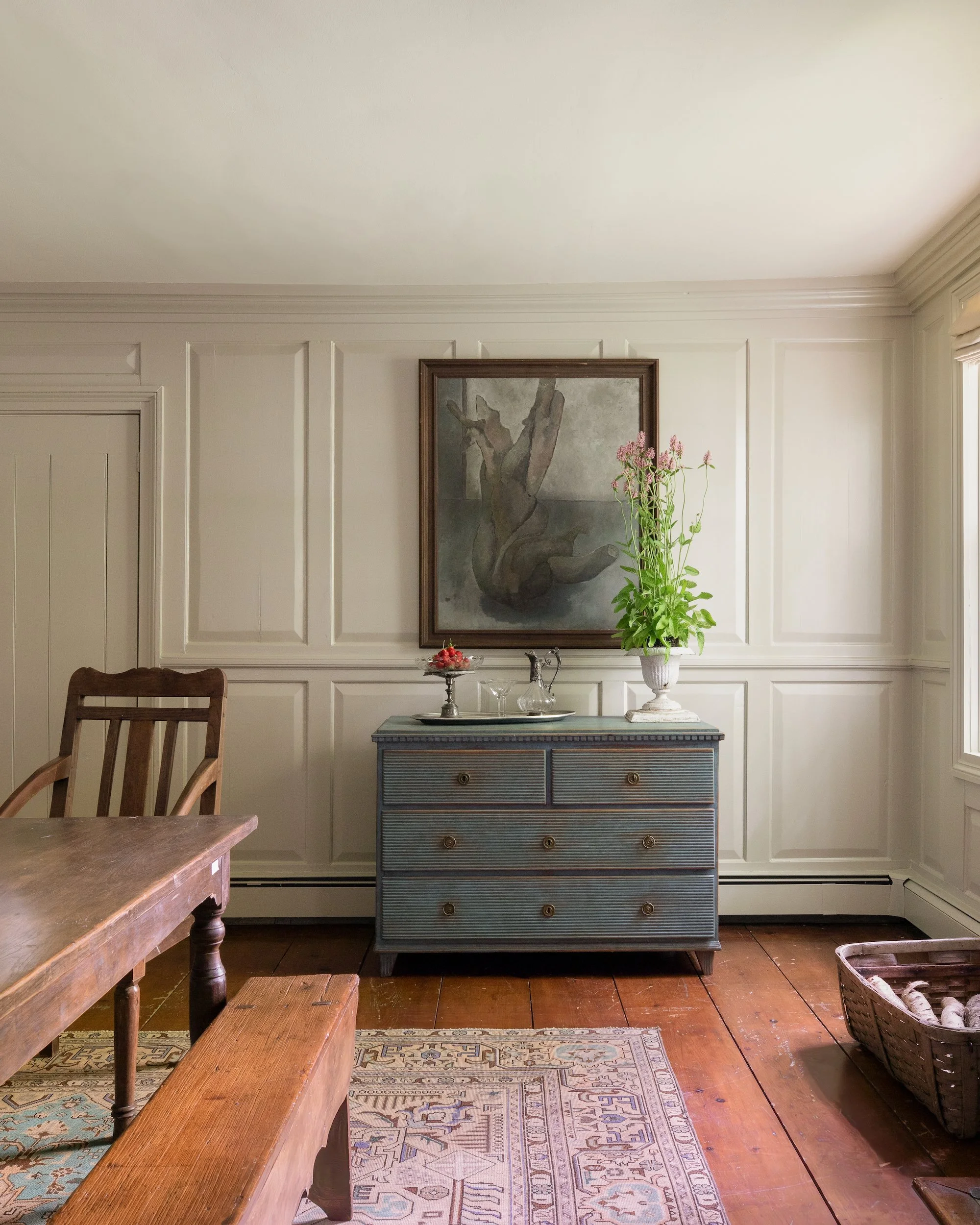
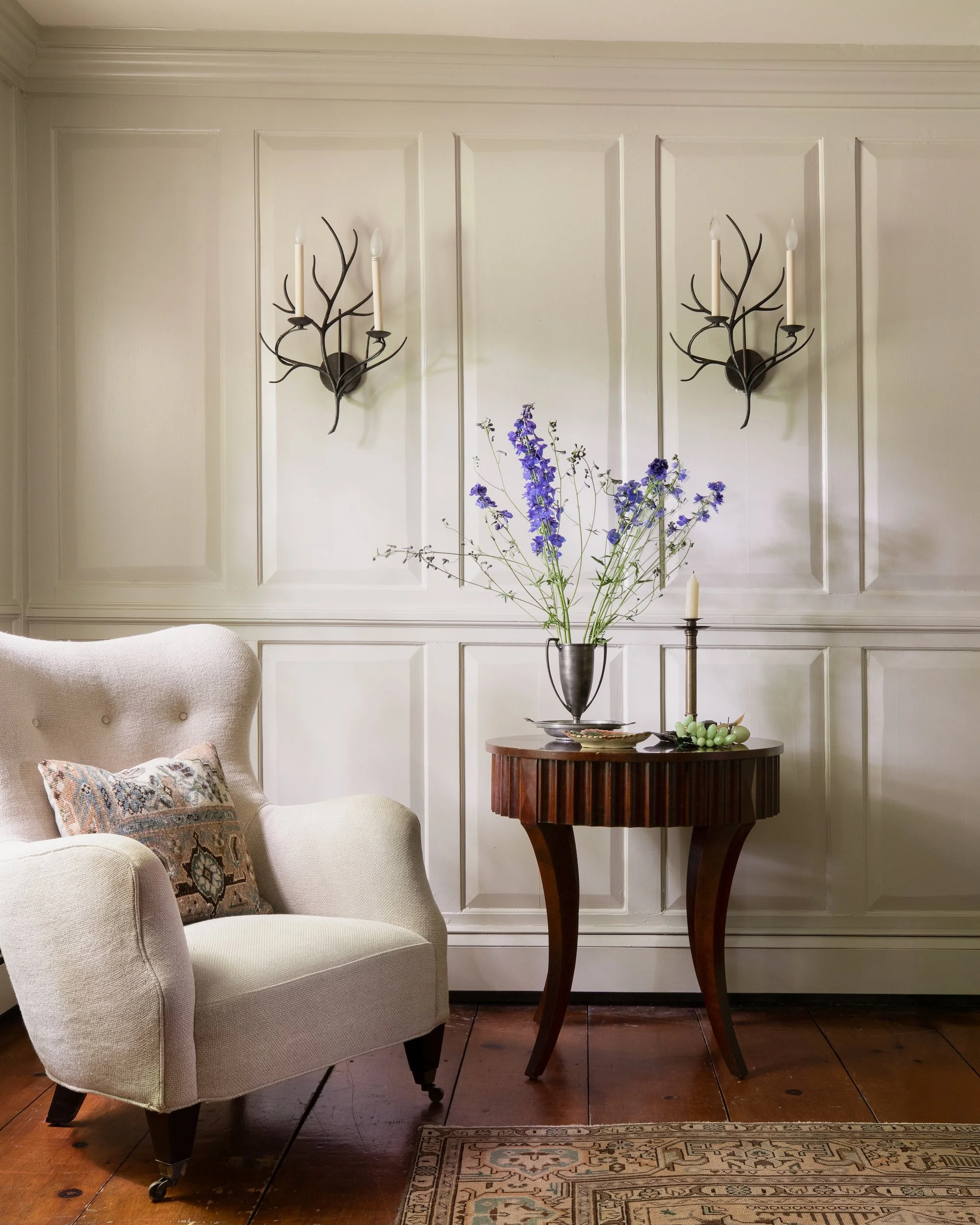
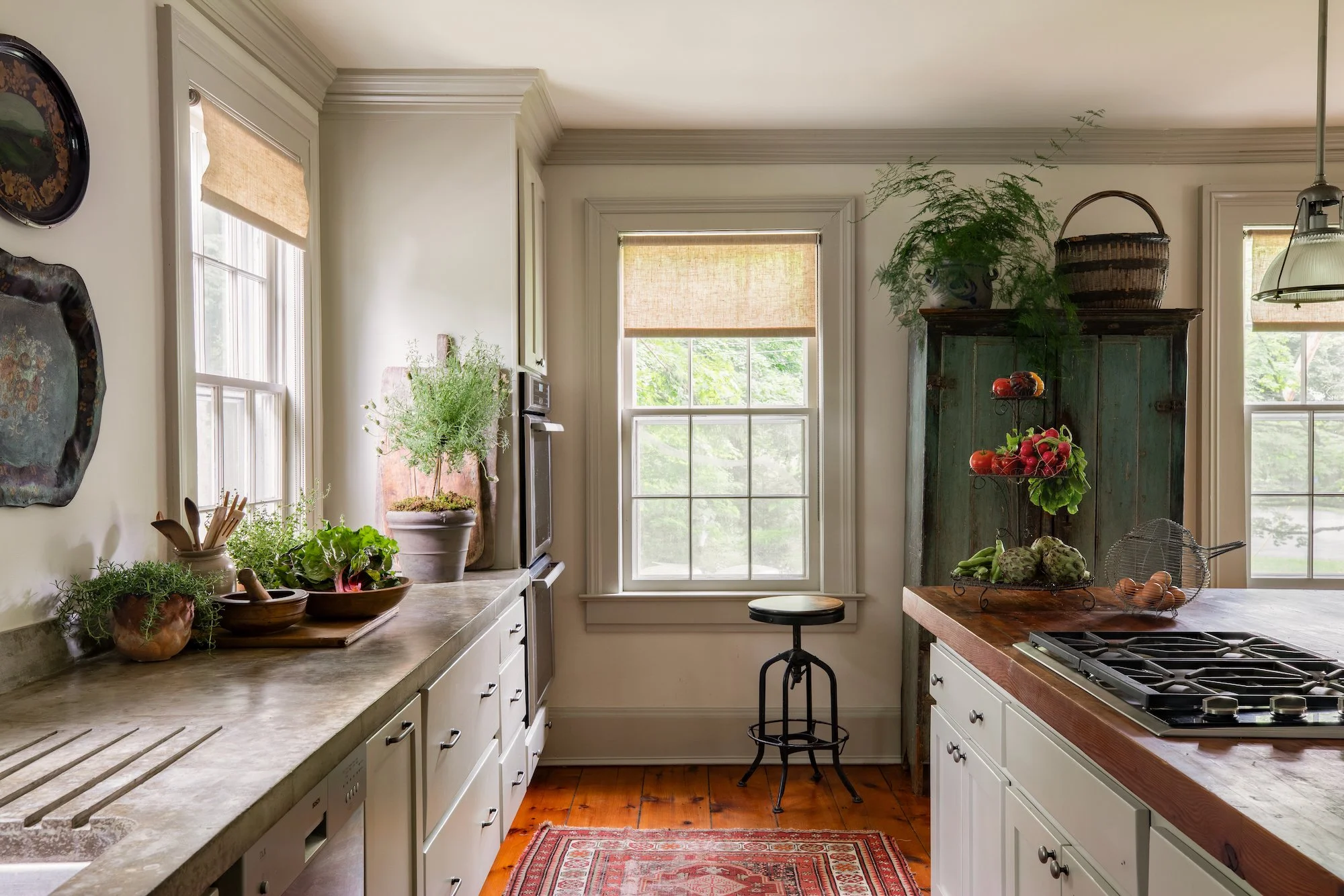
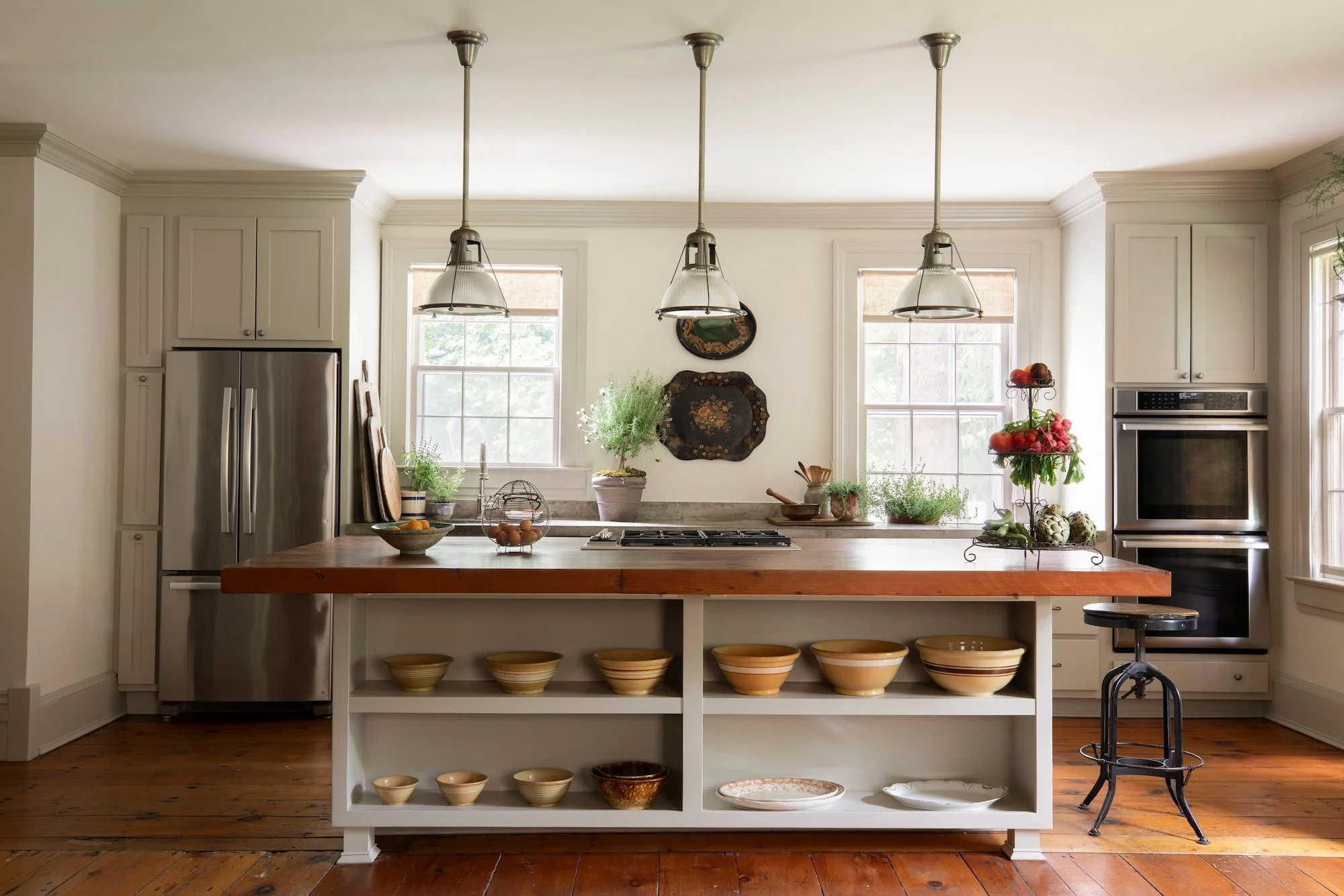
The kitchen is the clear heart of the house. Monumental without feeling imposing, it is filled with natural light and opens directly onto a stone-walled dining terrace. It seems equally suited to quiet breakfasts and the kind of long, informal dinner that acquires several additional guests as the evening progresses.
Upstairs, two large bedroom suites each occupy their own corner of the house. Three additional bedrooms and another bathroom form a separate wing, offering a useful degree of privacy for family and guests. Two of the bedrooms have fireplaces, while restrained colour palettes allow the proportions, woodwork and old floors to remain the focus.
Together, the main house and guest cottage provide seven bedrooms and six bathrooms across 4,675 square feet, or approximately 434 square metres.
The Barn with Several Lives
A short walk from the farmhouse stands the property’s most unusual building.
Constructed in the early 1800s by the estate’s founding family, the barn has passed through a particularly varied sequence of uses. According to the listing, it housed elephants from the Barnum & Bailey Circus during the early 20th century.
The elephants were apparently not an isolated local curiosity. In the late 19th century, Barnum & Bailey boarded some of its show animals on farms around Pine Plains during the winter months, paying local farmers to house them along with the circus employees responsible for their care. According to the listing, the Hammertown barn was among the buildings used for the arrangement in the early 1900s.
The town records the arrangement in unusually specific terms: farmers received $5 per month for each animal, while a circus employee boarded with the family for an additional $10 per month. For a rural community connected to the wider region by rail, the wintering of circus animals became one more part of the local economy.
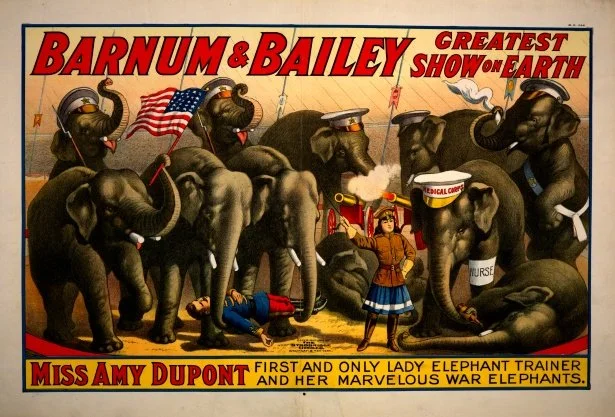
Miss Amy Dupont, described as Barnum & Bailey’s “first and only lady elephant trainer,” with her performing elephants in an early-20th-century circus poster. The image is shown for historical context and does not depict the elephants said to have wintered at Hammertown. The New York Public Library Digital Collections. Public domain.
Several decades later, the barn began another transformation.
In 1985, former schoolteacher Joan Osofsky opened a small shop there beside her family home. She spent approximately $10,000 adapting the building and another $5,000 on inventory, while horse stalls still occupied half of the barn. The early business sold crafts and gifts and hosted quilting workshops; Osofsky also operated a bed-and-breakfast from the farmhouse to help support the venture.
That modest beginning grew into Hammertown, a regional furnishings, antiques and interiors business that eventually expanded to Rhinebeck, New York, and Great Barrington, Massachusetts.
For readers unfamiliar with the name, Hammertown was more than a conventional country antiques store. Osofsky travelled through England and France sourcing linens, tableware and decorative pieces, combining them with American antiques, comfortable upholstered furniture and modern design. The result was warm and deliberately unformulaic: old pieces beside new ones, rustic materials tempered by cleaner lines, and rooms that felt assembled over time rather than purchased all at once.
It was an approach particularly well suited to the Hudson Valley’s old farmhouses and Colonial homes. As people began rediscovering the region in the 1980s and 1990s, Hammertown offered a model for living in historic houses without treating them like period sets.
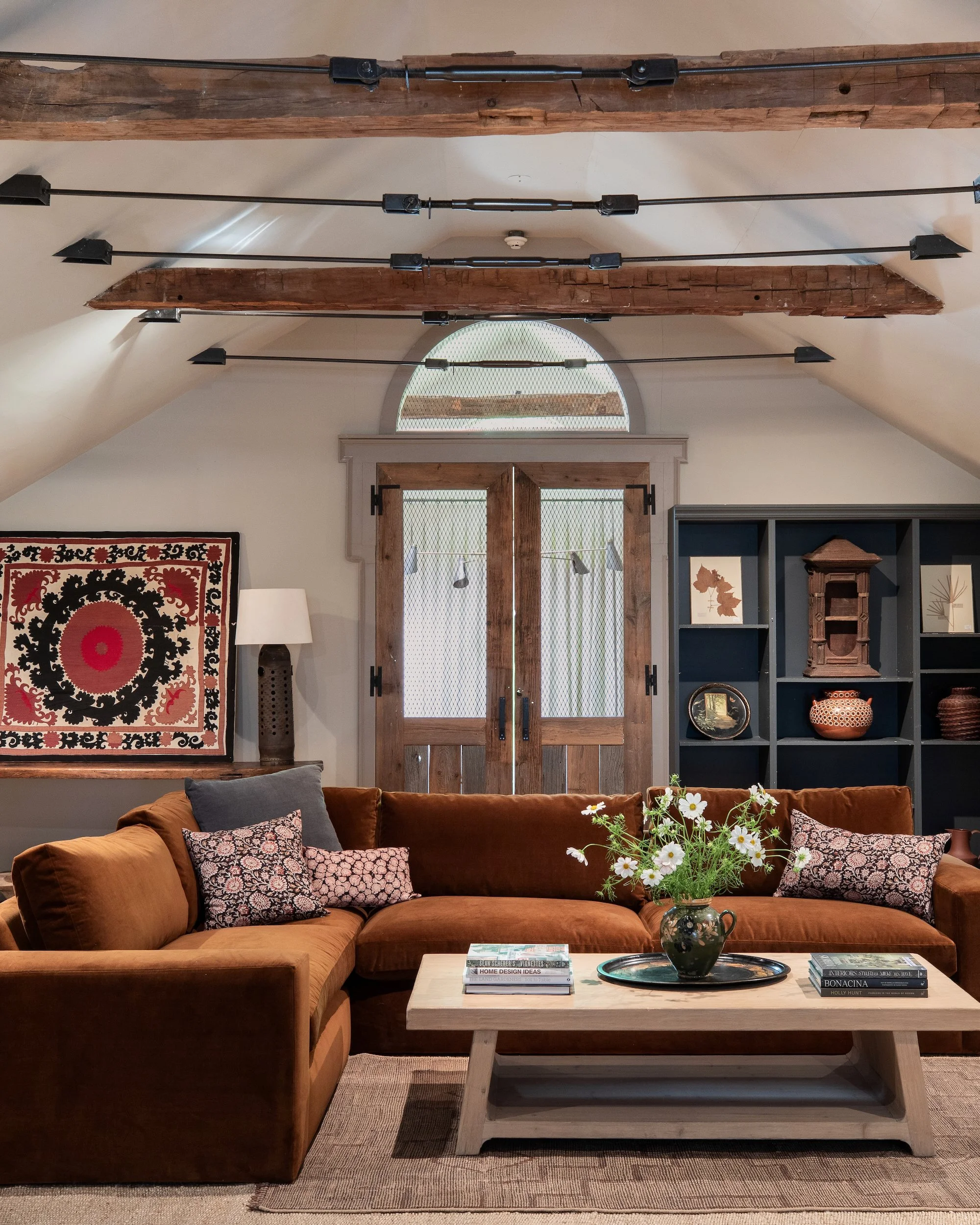
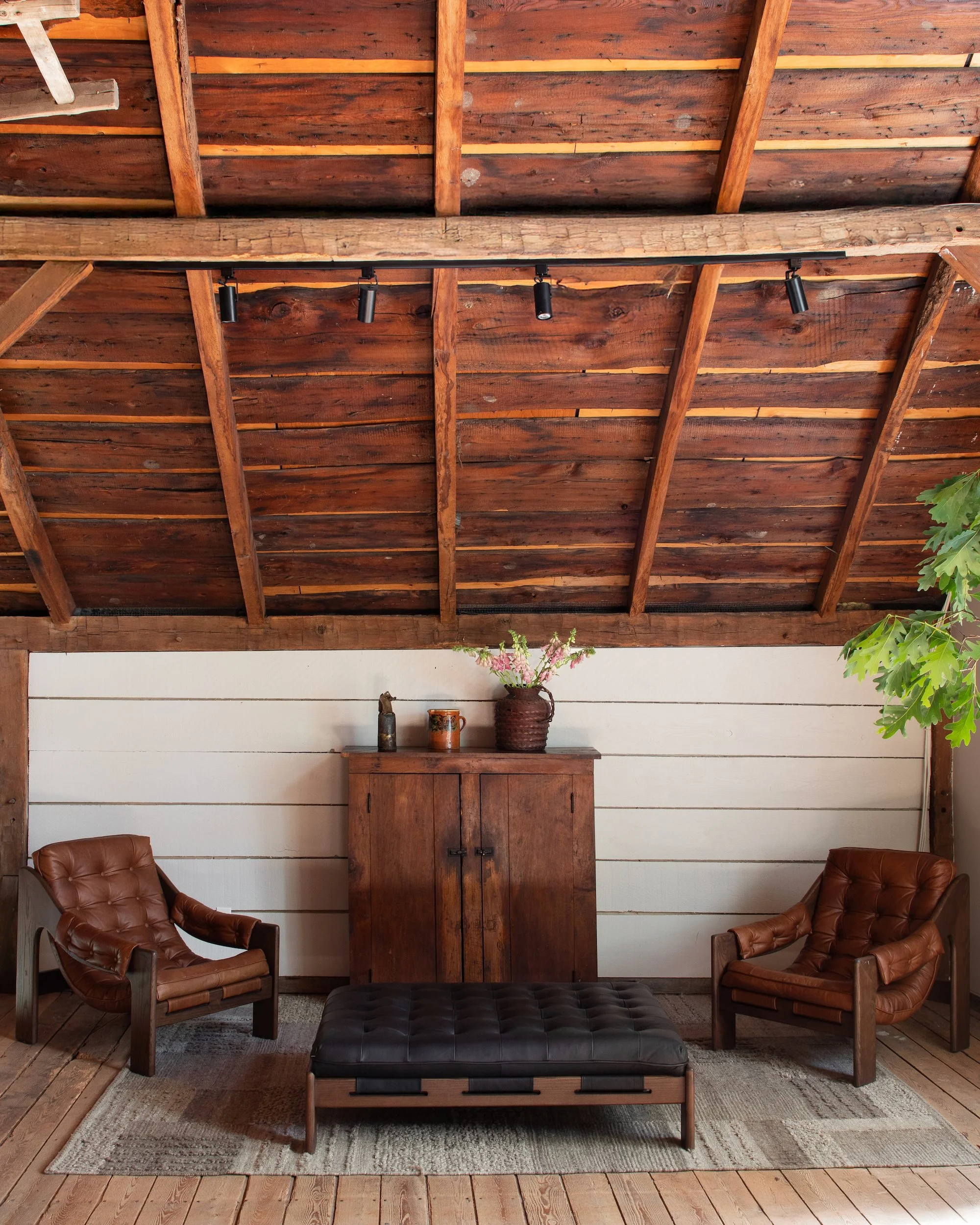
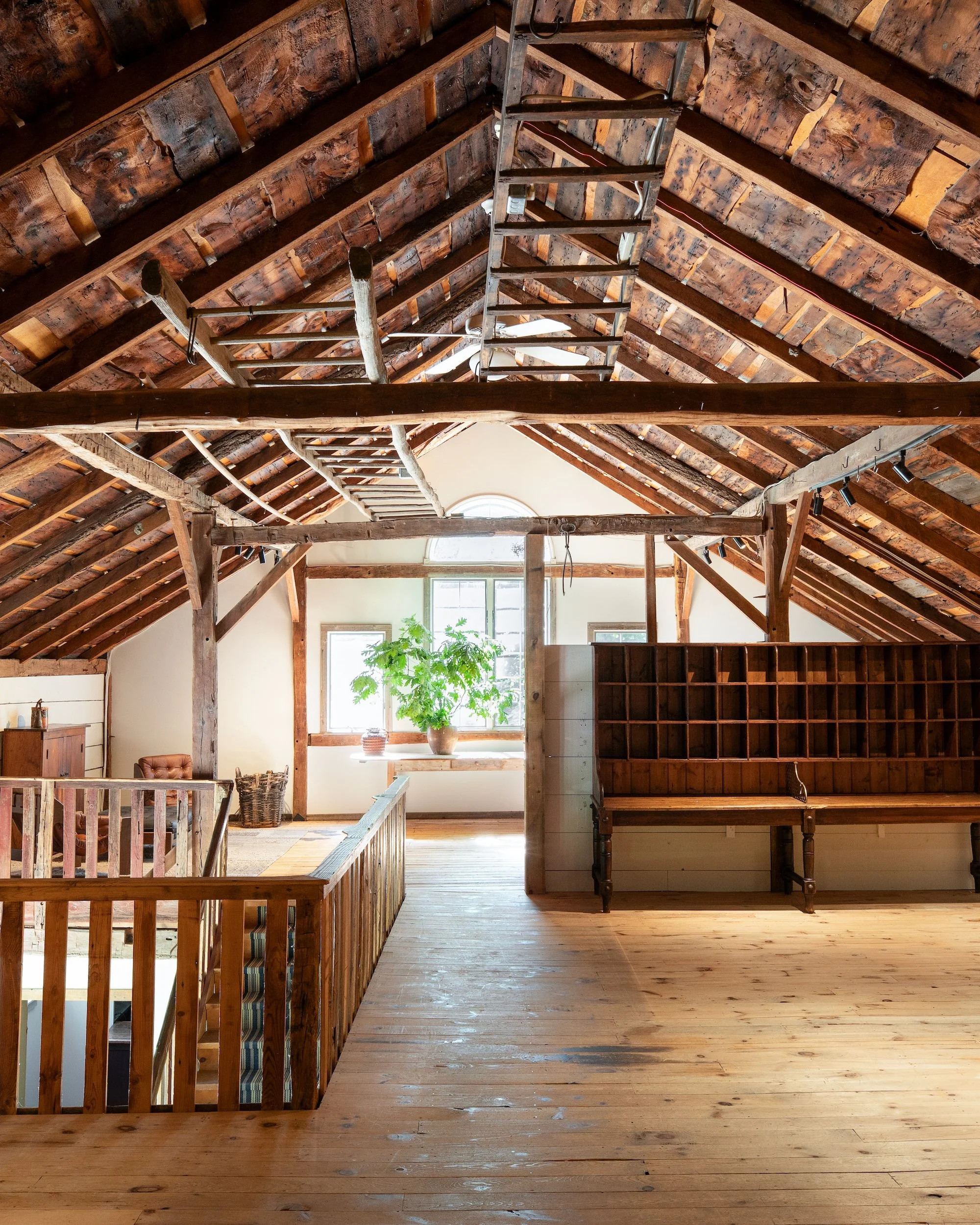
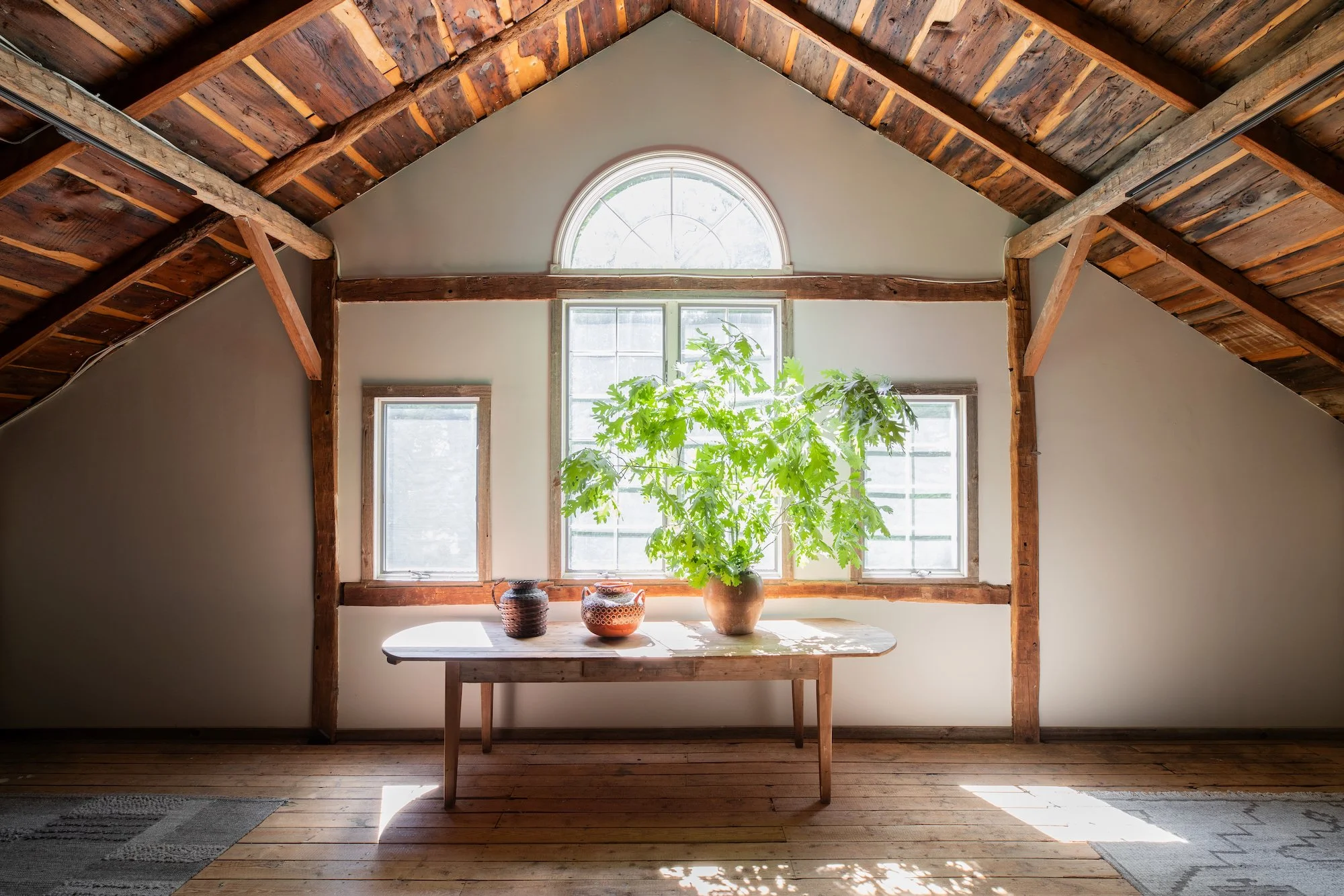
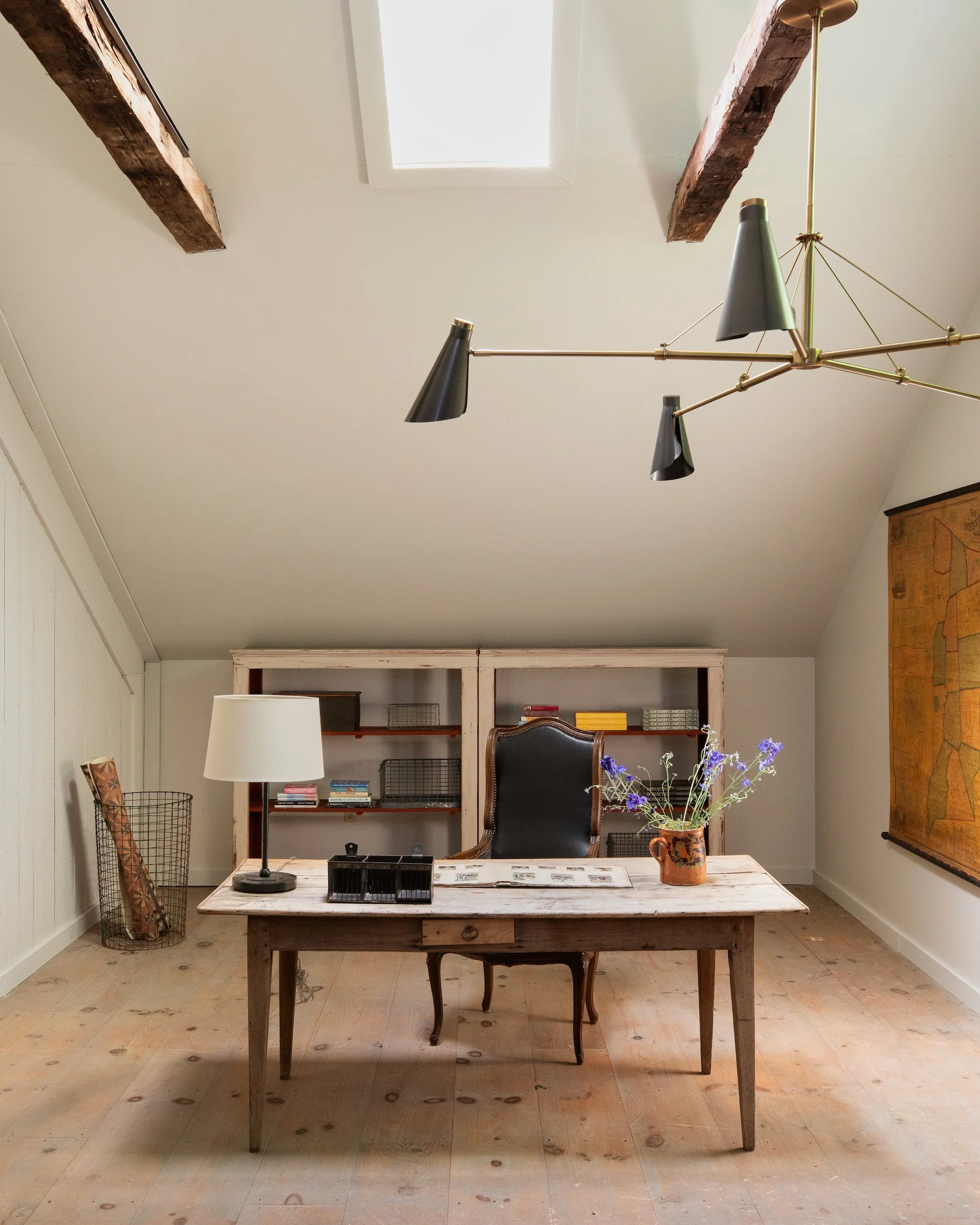
The Pine Plains barn remained at the centre of that identity. Its exposed timber frame and broad, open rooms provided a setting where furniture could be shown at domestic scale and where workshops, classes, fundraisers and gatherings could take place alongside the business itself.
Over time, Hammertown expanded beyond the barn. The former family home next door was also used as a living showroom, while the wider compound became closely associated with the store’s particular vision of Hudson Valley life: comfortable, layered, social and never excessively polished.
From Country Shop to Regional Institution
Hammertown ultimately grew into three locations, warehouses, an interior-design service and a business employing more than 20 people at its peak. Osofsky published two books on country interiors and entertaining, while the stores attracted customers from across the Hudson Valley, the Berkshires and beyond.
Yet its influence was not only aesthetic. The Pine Plains barn became a community gathering place, hosting charitable events, classes and celebrations. Long-serving employees remained with the company for decades, and generations of customers returned to the stores as their own homes and families changed.
In April 2026, Osofsky announced that Hammertown would close after more than 40 years, following several unsuccessful attempts to find a buyer who could continue the company. The Great Barrington location closed first, with the Pine Plains and Rhinebeck stores winding down as their remaining inventory was sold. The Pine Plains compound was then prepared for sale.
The closure gives the listing a significance beyond its architectural merits. The property is not simply the former site of a shop; it is where a distinct regional business began, grew and helped articulate an entire approach to contemporary country living.
A Barn Ready for Another Reinvention
Although it retains the volume and texture of an agricultural building, the barn has been substantially adapted for modern use.
Electricity, heating, air conditioning and plumbing are already in place, including a bathroom. Inside, large open areas with soaring ceilings are joined by smaller living, office, utility and storage spaces. An imposing staircase rises through the timber structure, while the scale of the principal rooms makes them suitable for gatherings as well as everyday use.
The listing suggests the possibility of a home cinema, but the building’s potential is considerably broader. It could accommodate a studio, gallery, workshop, office, library, events space or another carefully conceived live-work venture.
Its appeal lies partly in the fact that it has already proved so adaptable. Across two centuries, it has moved from agricultural use to the winter housing of circus animals, then to retail, design and community events without losing the heavy beams and generous proportions that give it character.
The next owner will not need to invent a speculative purpose for a beautiful but impractical outbuilding. Reinvention is already part of the barn’s history.
The Lillie K. Team
Gardens Made for Living Outside
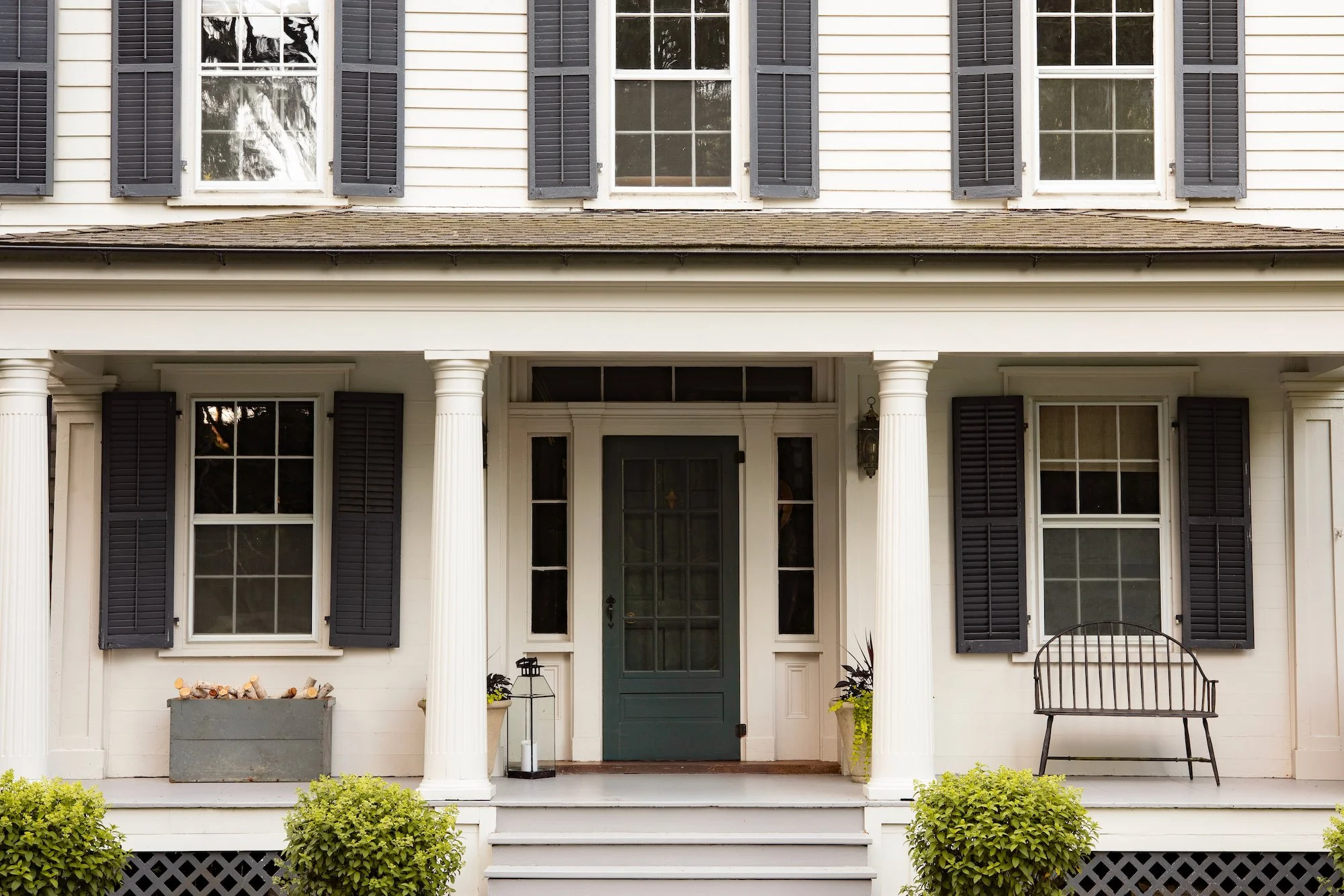
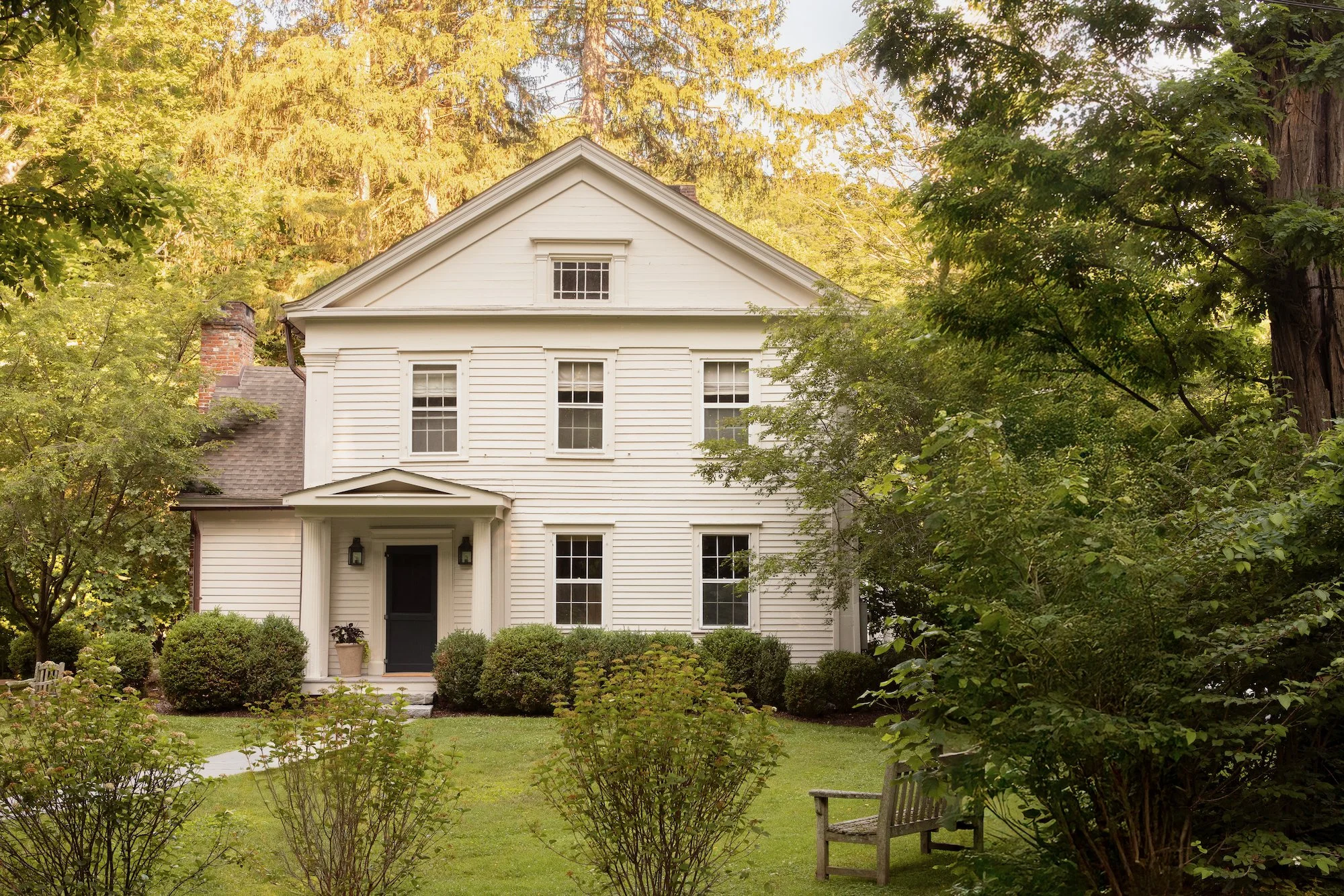
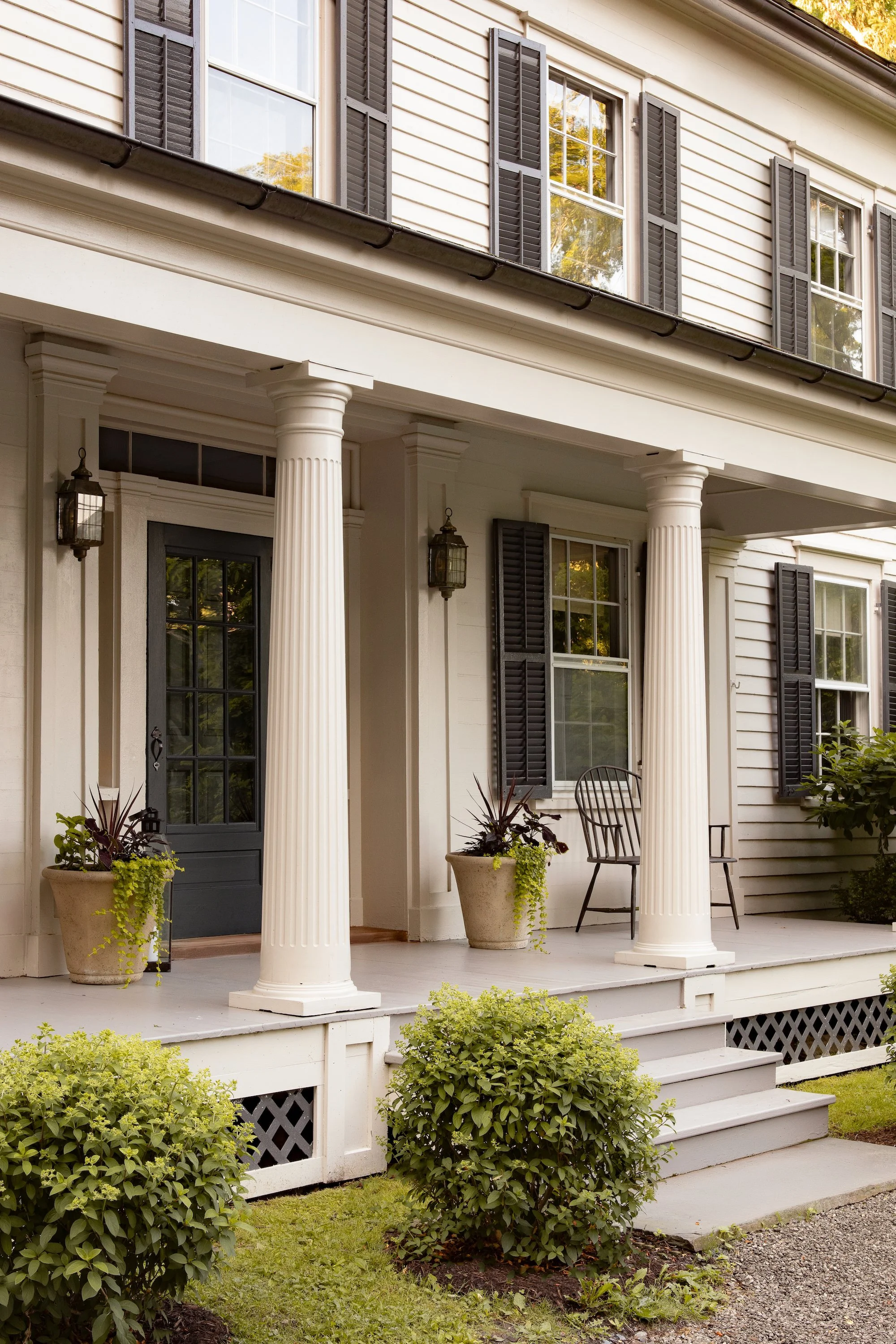
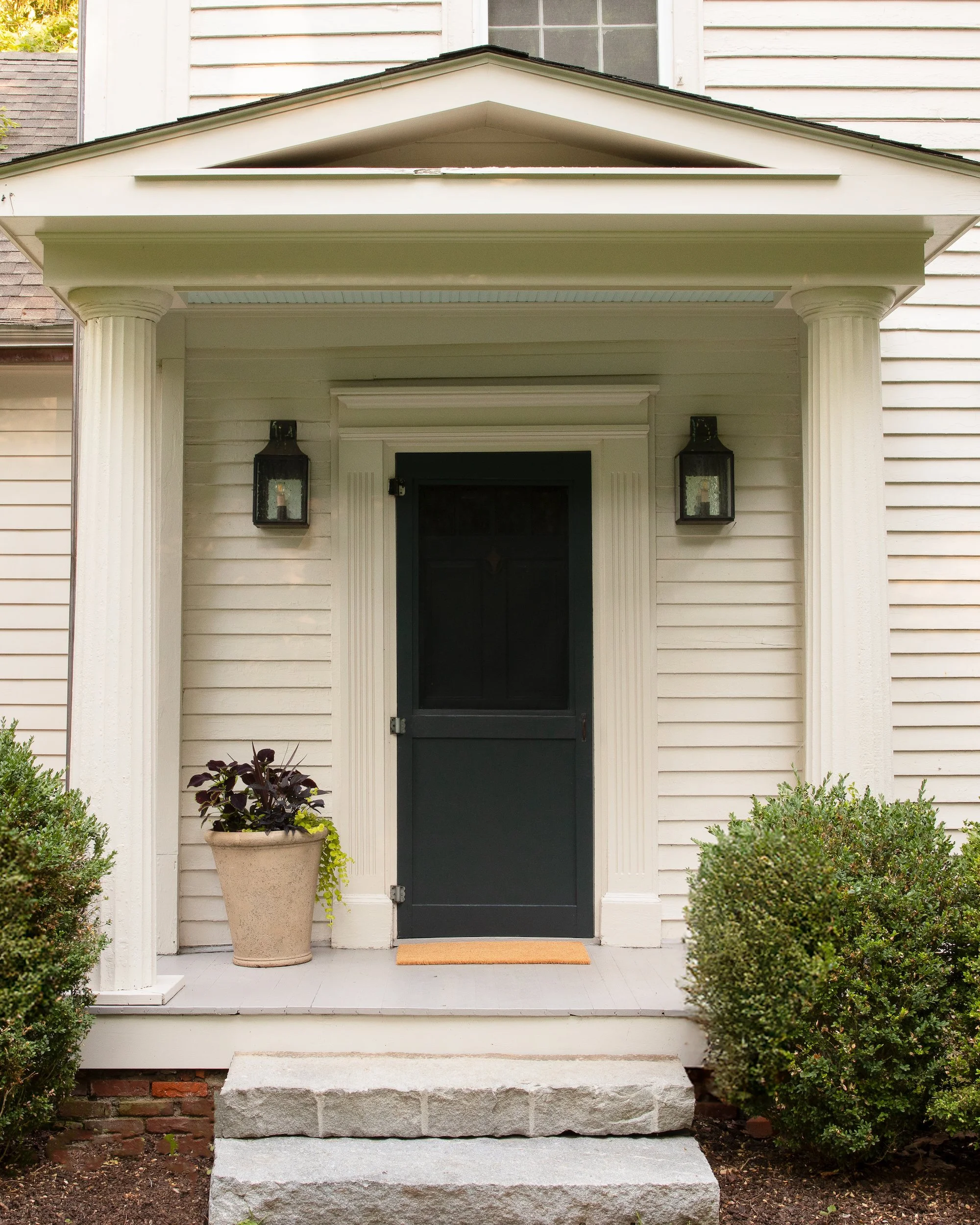
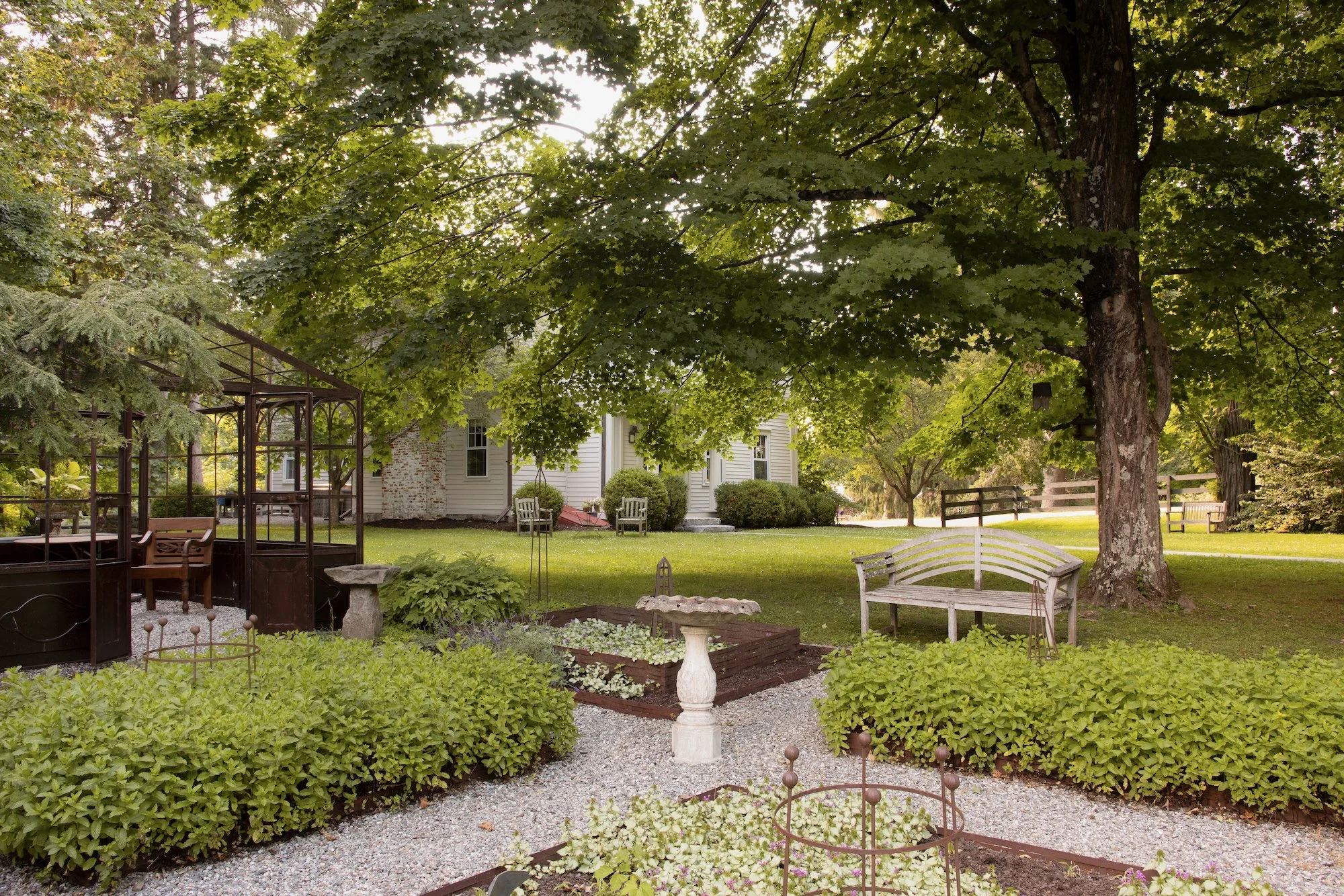
The farmhouse presents two distinct façades, each with its own porch. Beyond the kitchen, a large dining terrace is enclosed by stone walls, creating an outdoor room for meals and gatherings.
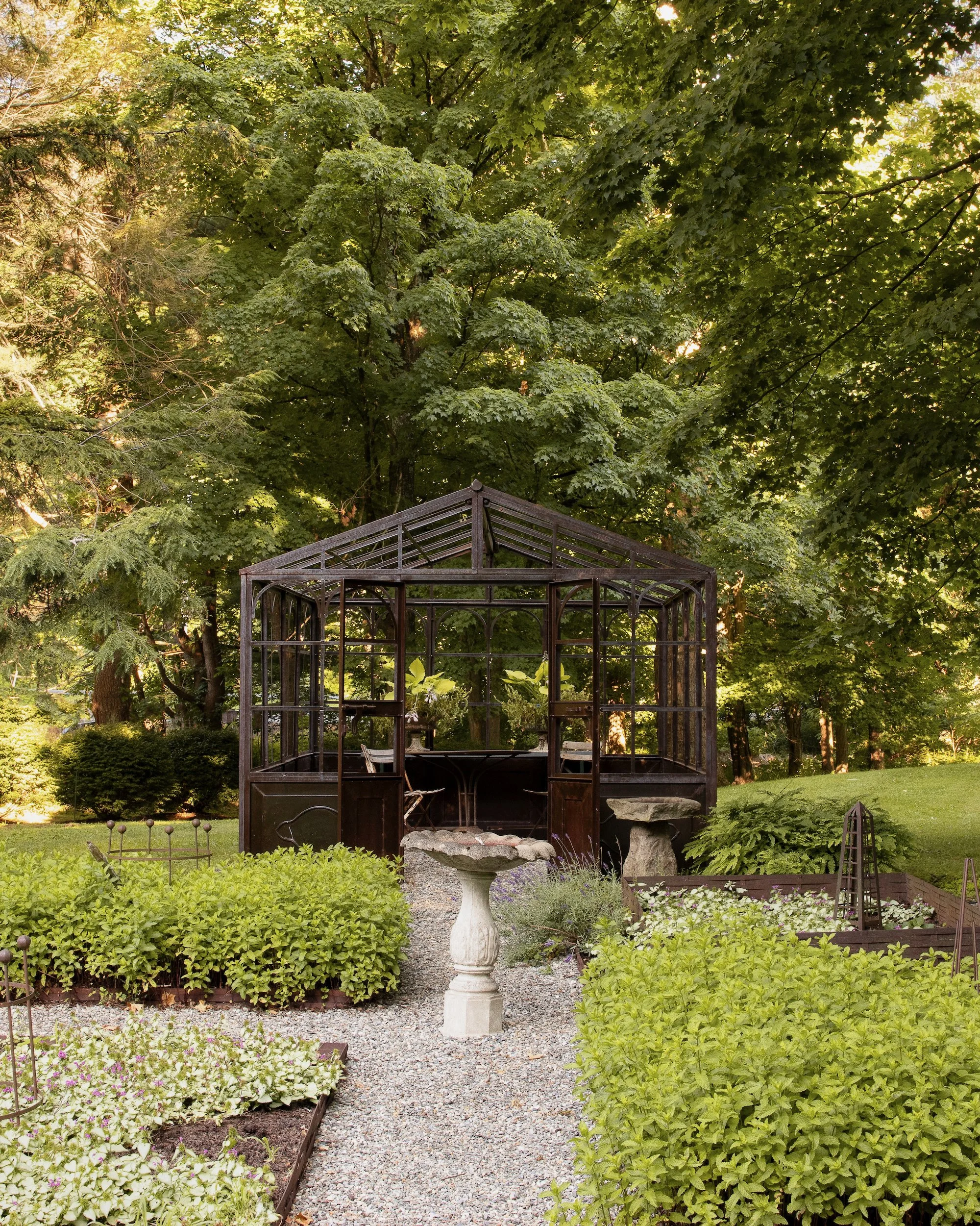
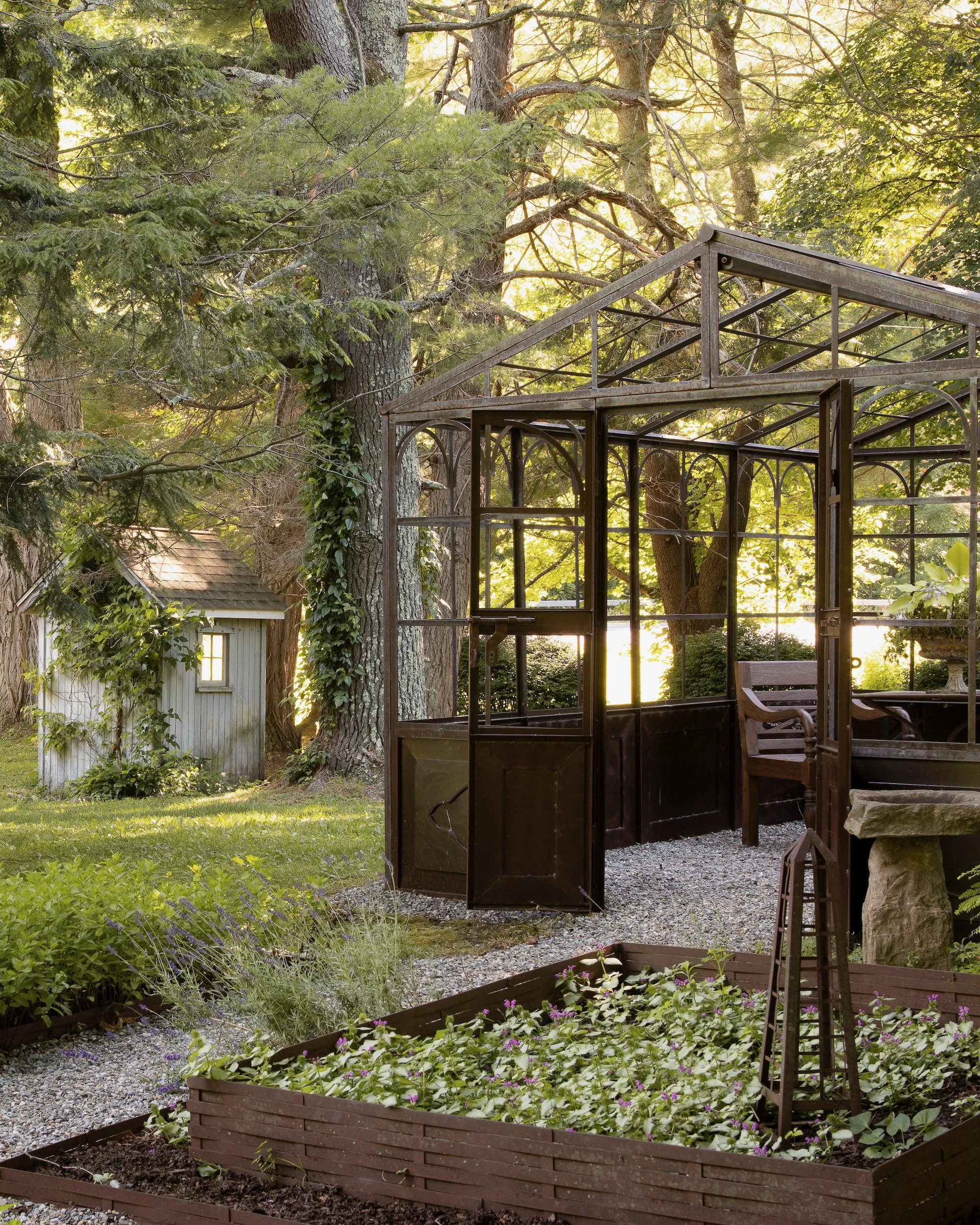
Elsewhere, a French-style parterre is planted with herbs, lavender and flowers, while a wrought-iron greenhouse structure adds a romantic note without making the grounds feel overly formal. Sweeping mature trees give the compound privacy and a sense of permanence.
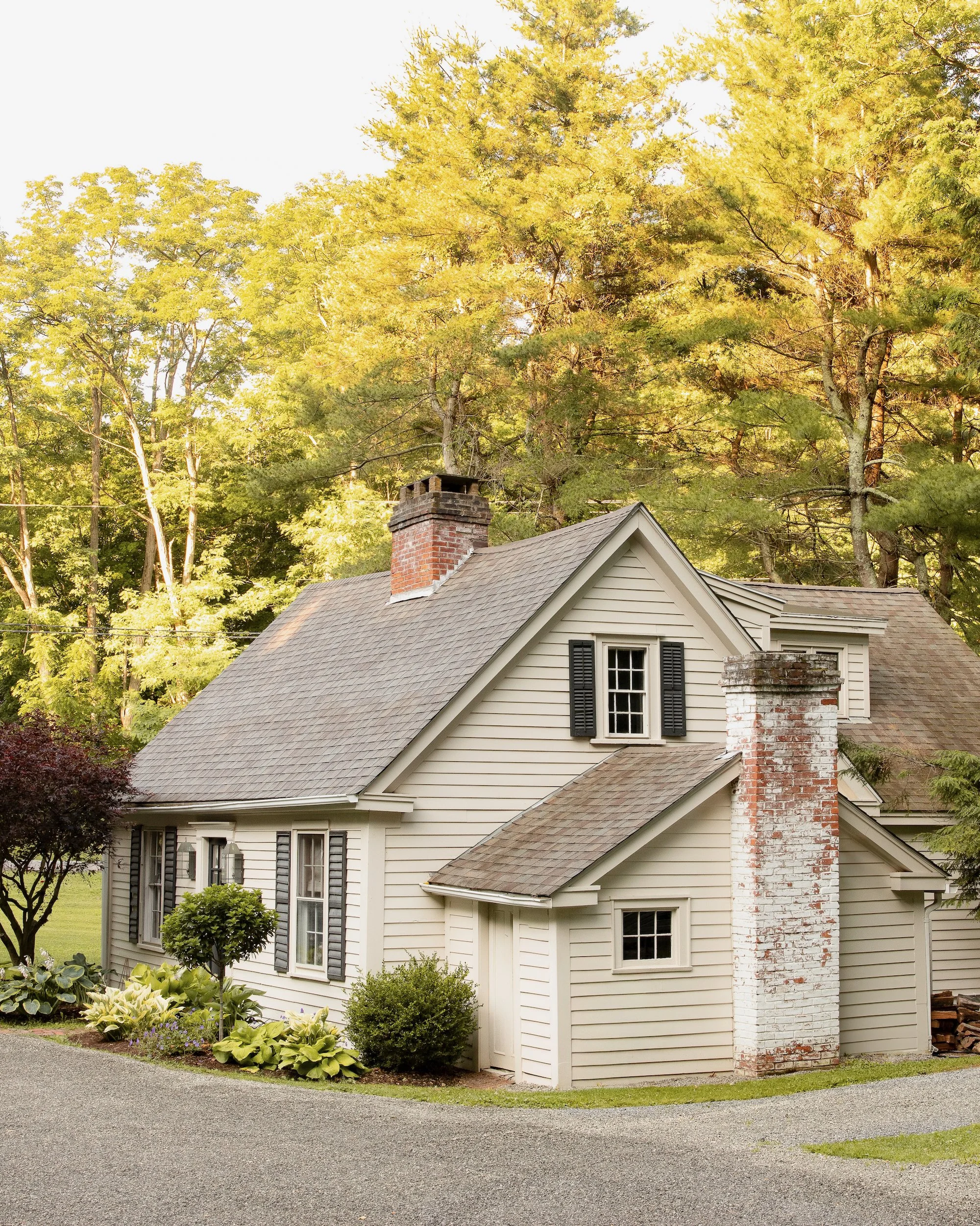
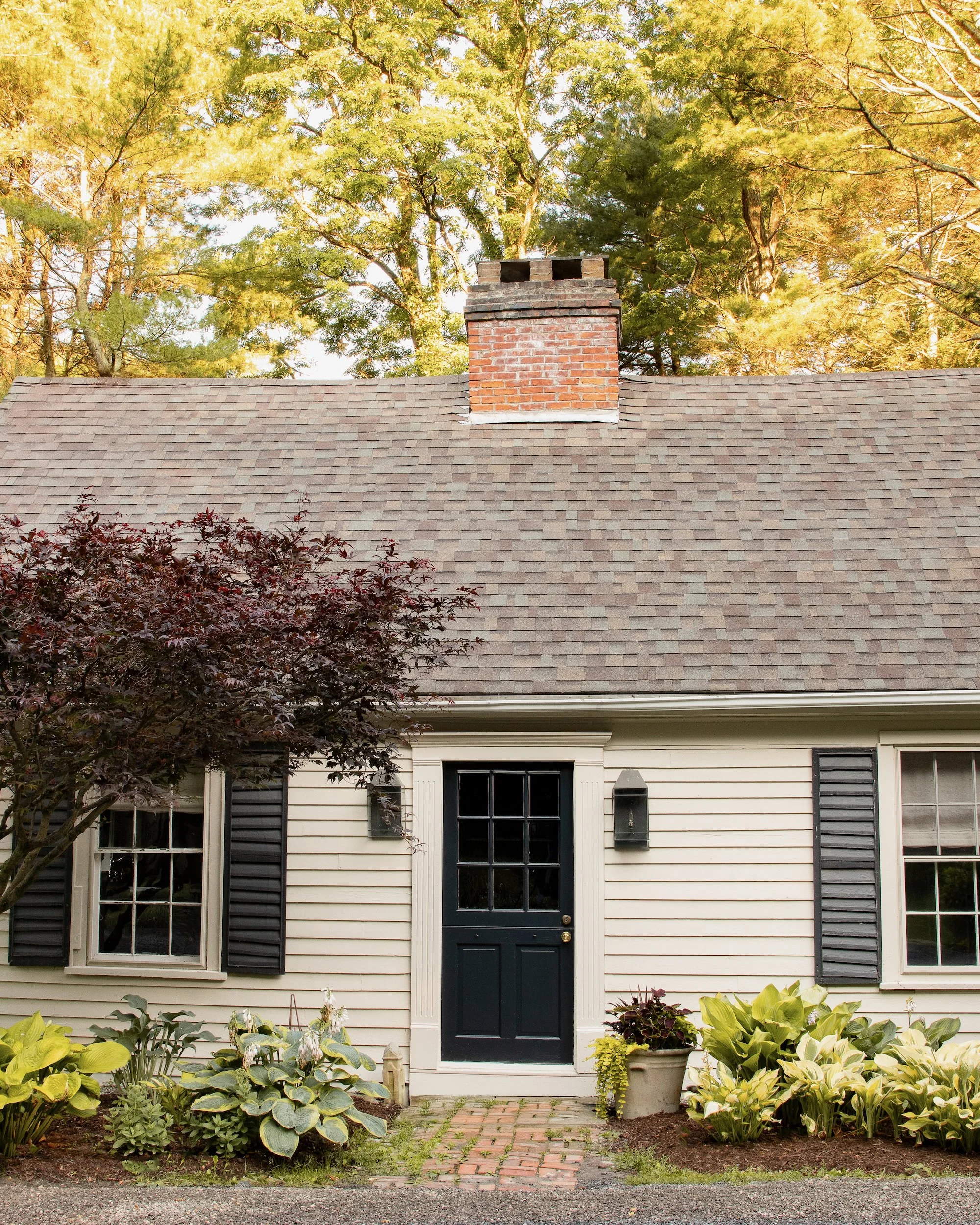
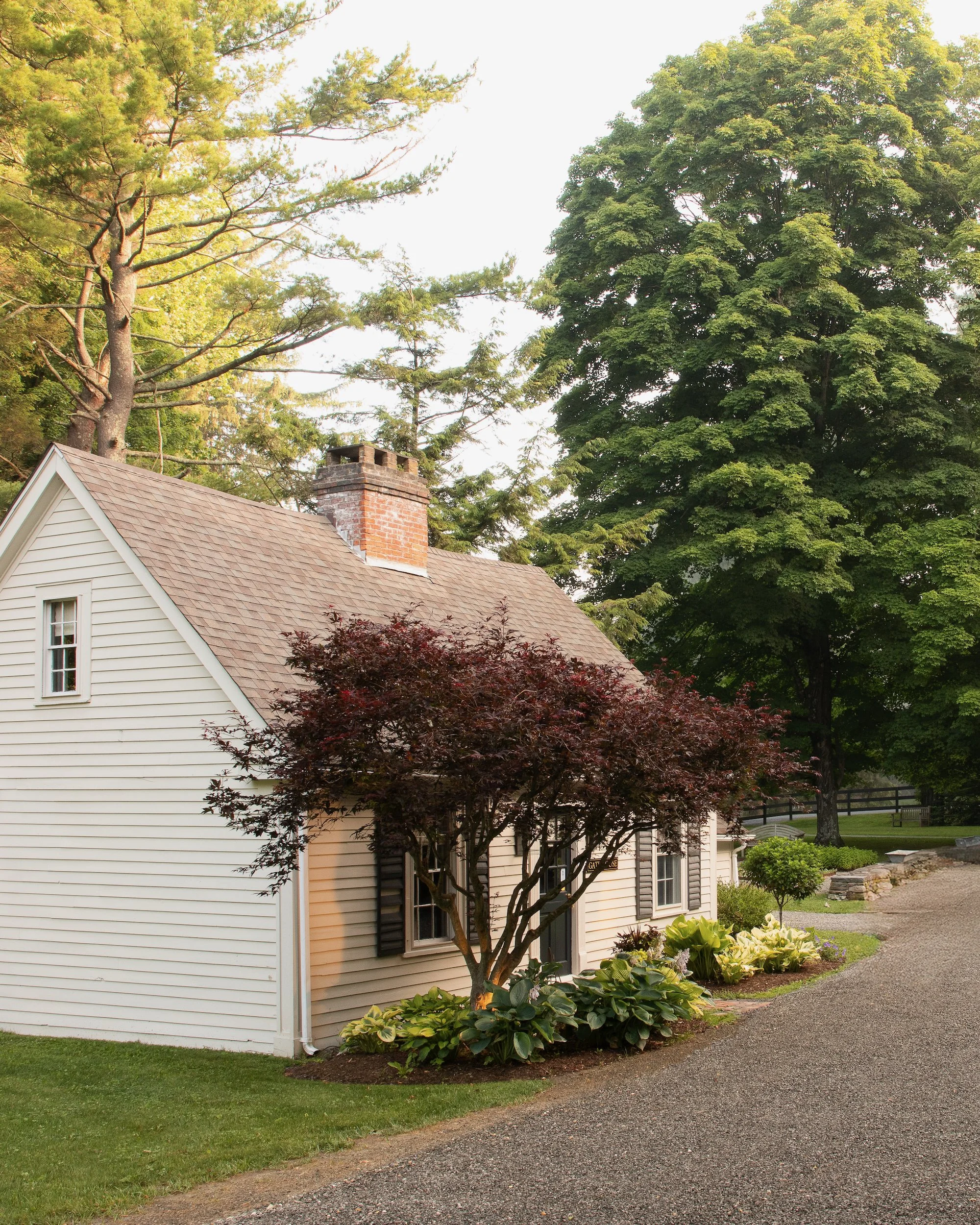
At the entrance to the property, the two-bedroom guest cottage was designed to sit comfortably beside its much older neighbours.
Its double-height great room is framed by a large arched window, with French doors opening onto a private terrace. Fireplaces and detailed millwork continue the architectural language of the main house, while its position gives guests a degree of independence from the principal residence.
A Quieter Corner of the Hudson Valley
Pine Plains lies in northern Dutchess County, surrounded by farmland, low mountains and a network of small towns that have made the Hudson Valley an increasingly important destination for food, design, art and rural living.
The property is minutes from the centre of Pine Plains, less than 15 minutes from Millerton and the Connecticut border, and approximately two hours from New York City.
For international readers, the Hudson Valley is often understood through its more prominent destinations: Hudson, Rhinebeck and Beacon, where historic architecture now sits alongside galleries, restaurants, independent stores and an expanding creative community.
Pine Plains remains quieter and more agricultural. Its appeal lies in the surrounding farms, walking trails, lakes and open landscape, while Millerton and the communities of northwestern Connecticut provide restaurants, shops and cultural life within easy reach.
That setting is central to the Hammertown story. The store’s style was never detached from its surroundings. Its mix of antiques, utility, comfort and informality reflected a broader Hudson Valley ideal in which historic houses are lived in fully rather than preserved at a distance.
The Next Chapter
The sale brings together several distinct histories: a farmhouse occupied by only a handful of families, a barn connected to Pine Plains’ unlikely circus past and a furnishings business that helped shape the region’s modern country style.
Yet the property does not feel fixed by any one of them.
The farmhouse remains first and foremost a substantial family home. The guest cottage provides space for visitors, extended family or independent accommodation. The barn, meanwhile, is equipped to become something entirely different once again.
After 250 years, three families, one influential country shop and at least one improbable chapter involving circus elephants, Hammertown is ready for its next reinvention.
All photographs belong to the listing agency. See more on The Lillie K. Team