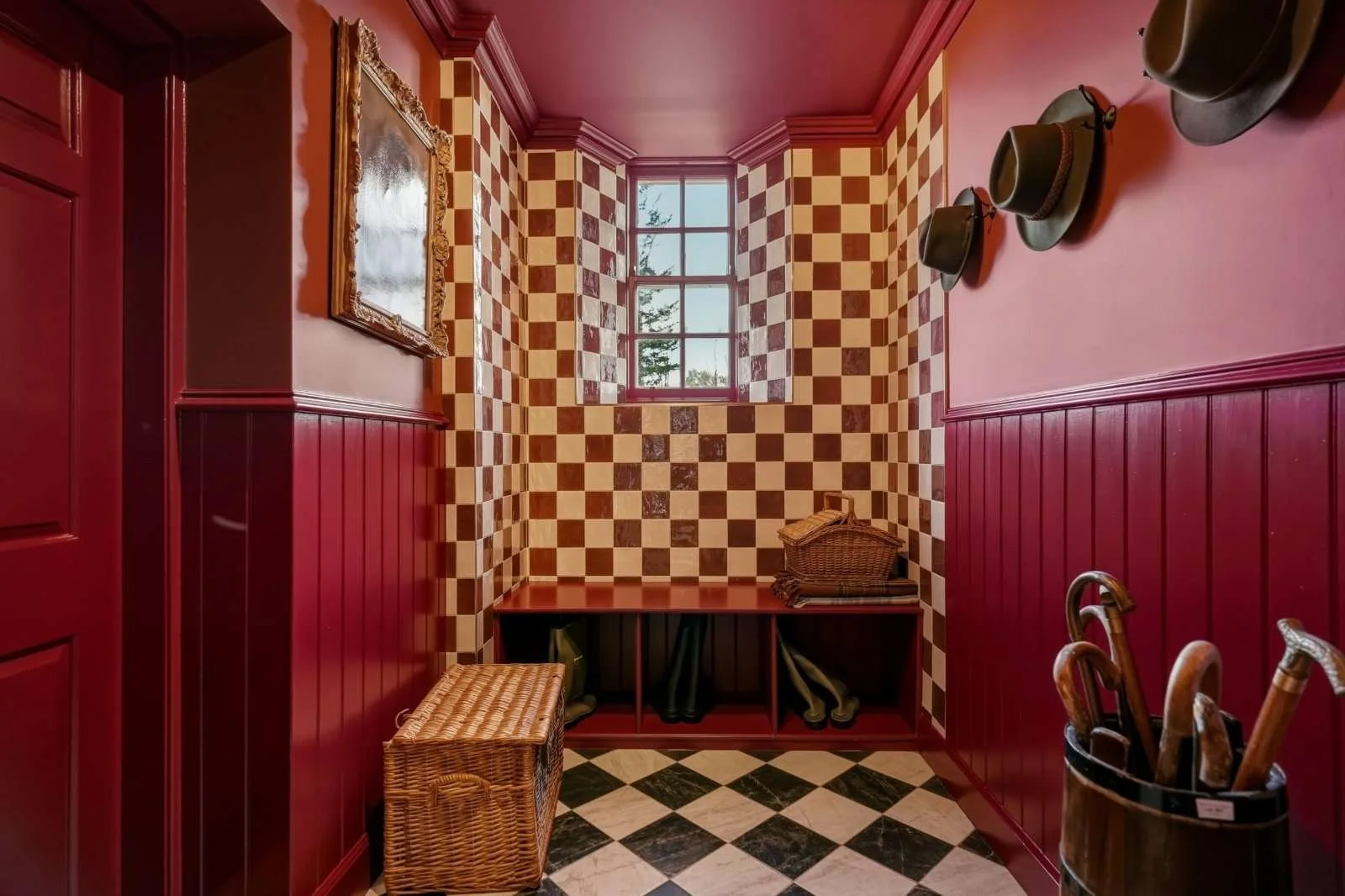
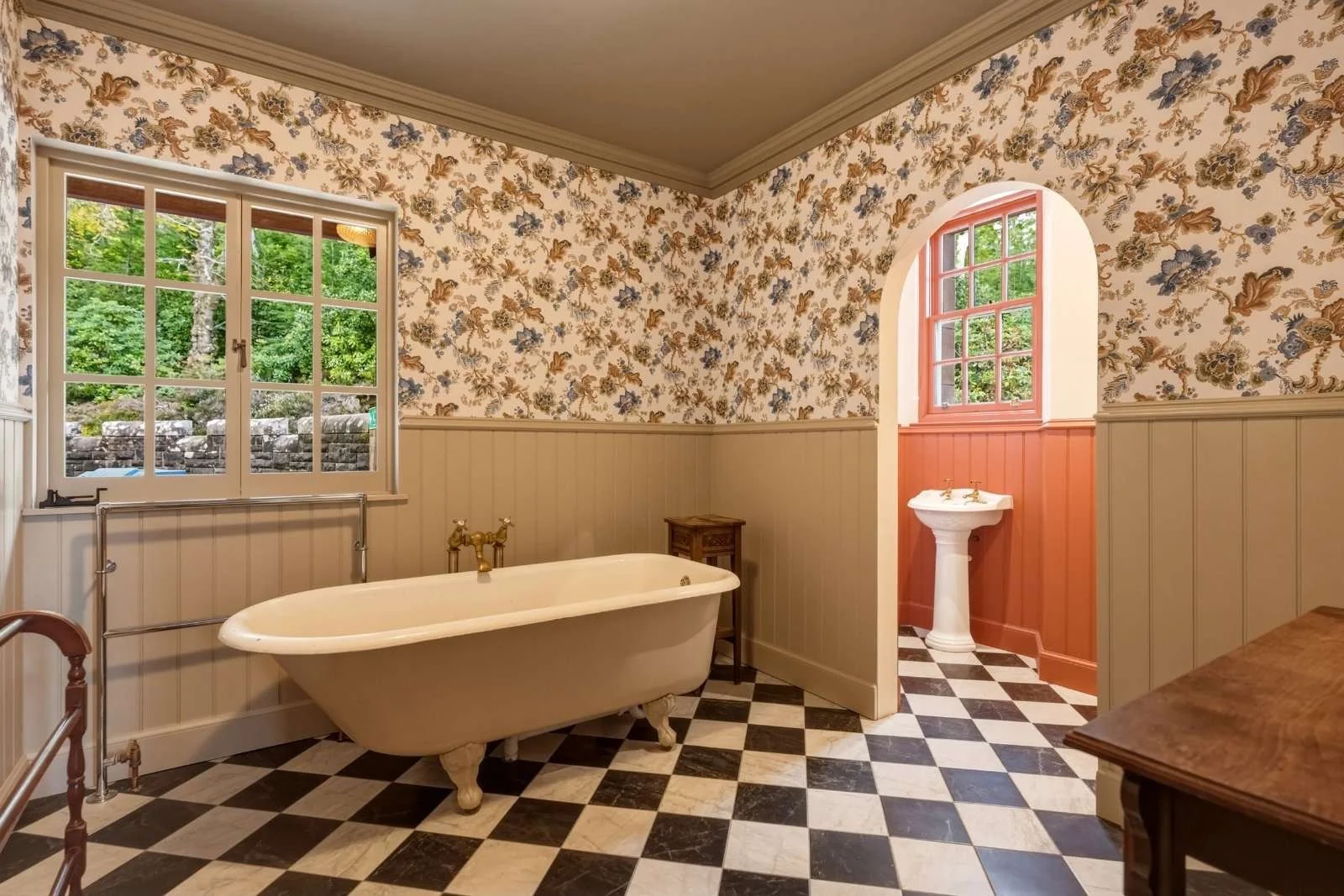
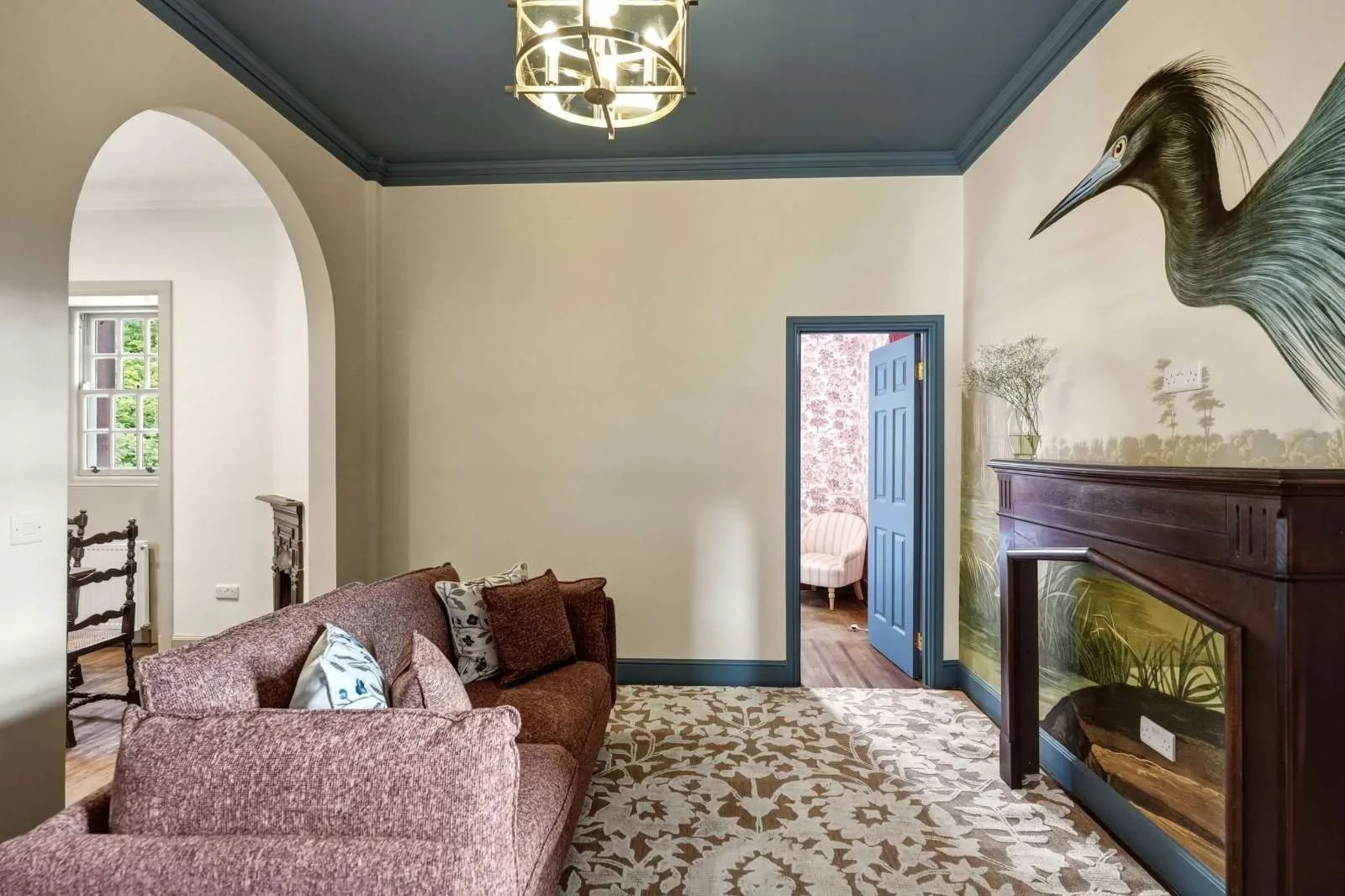
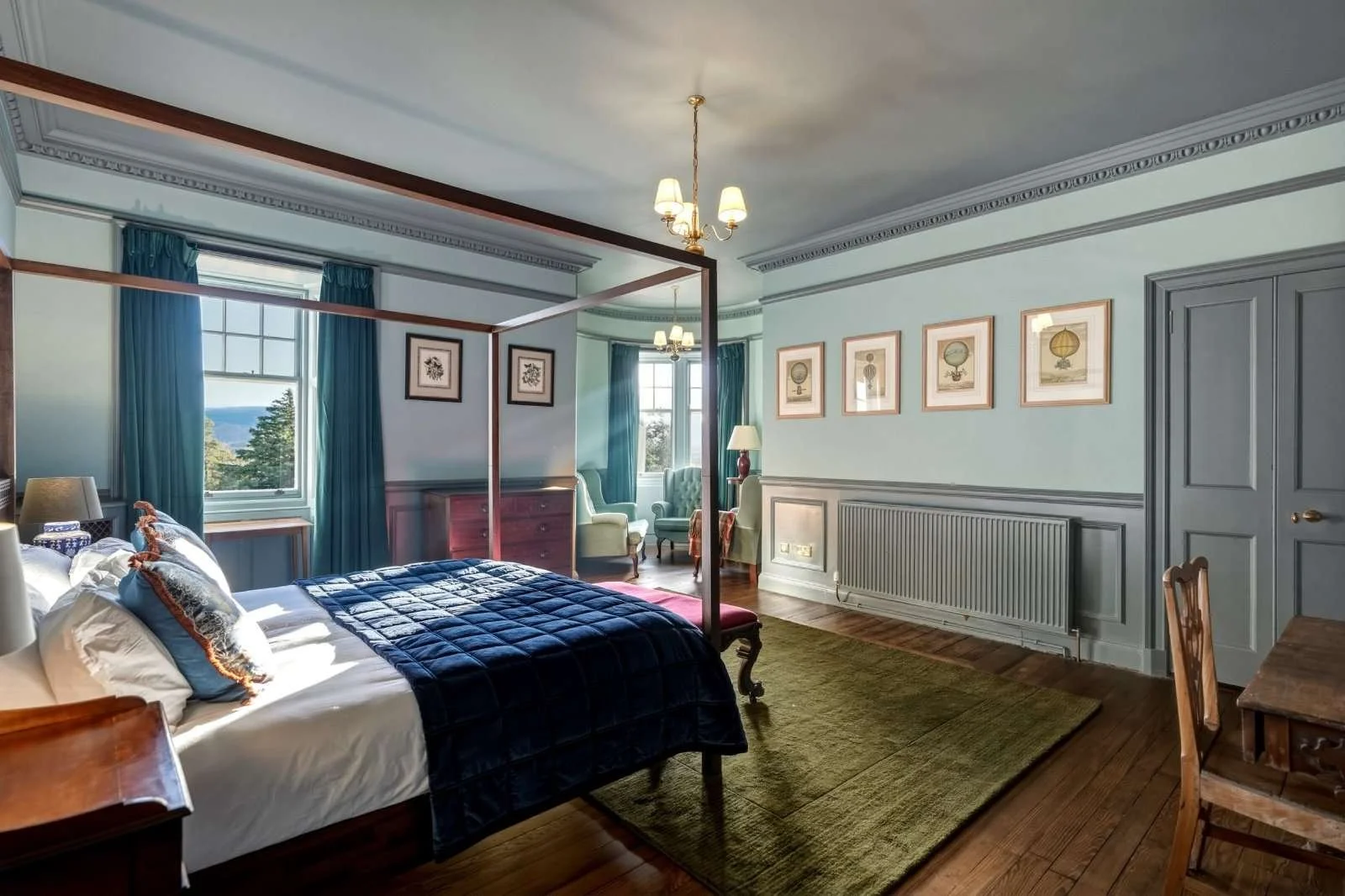
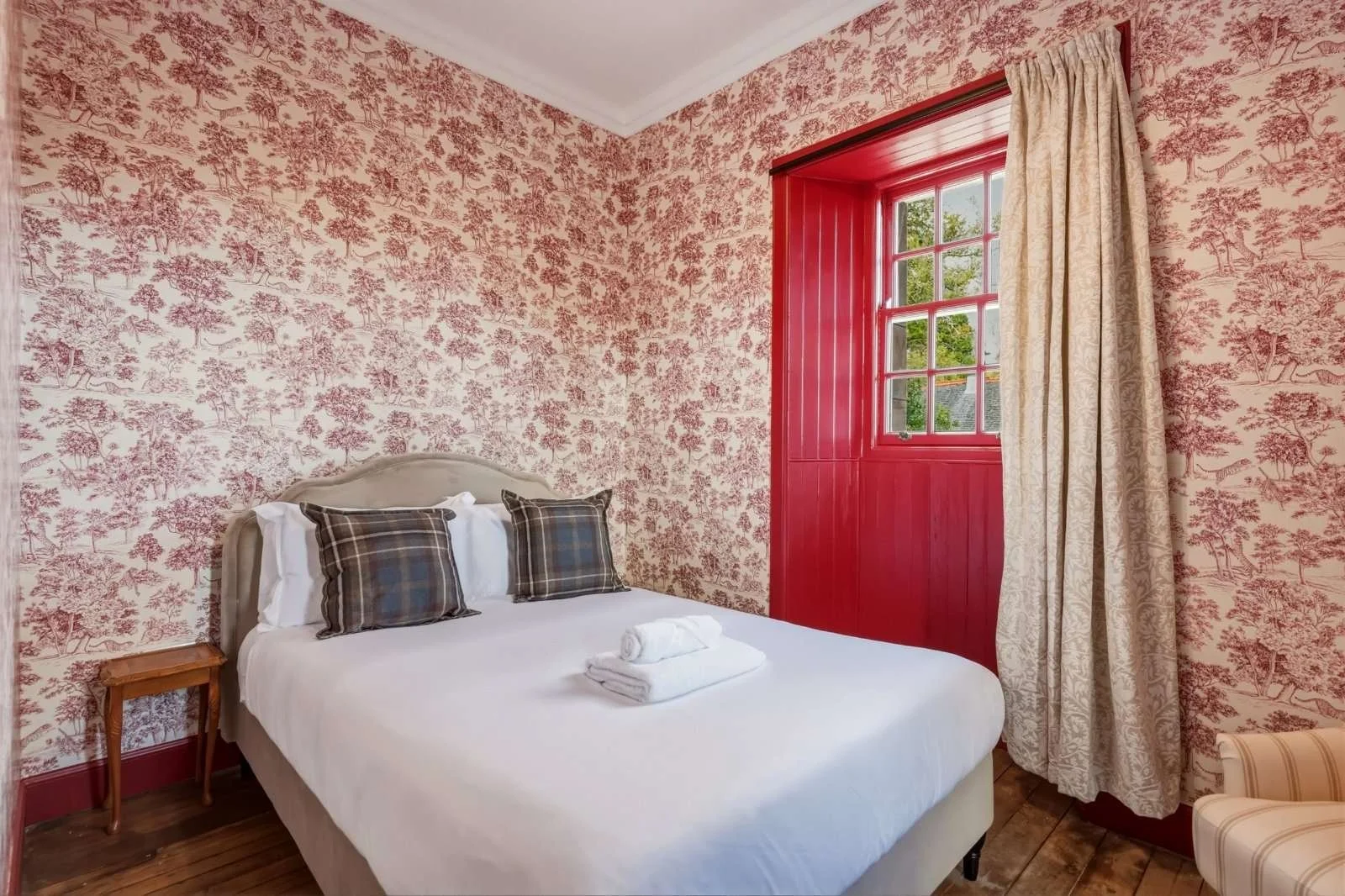
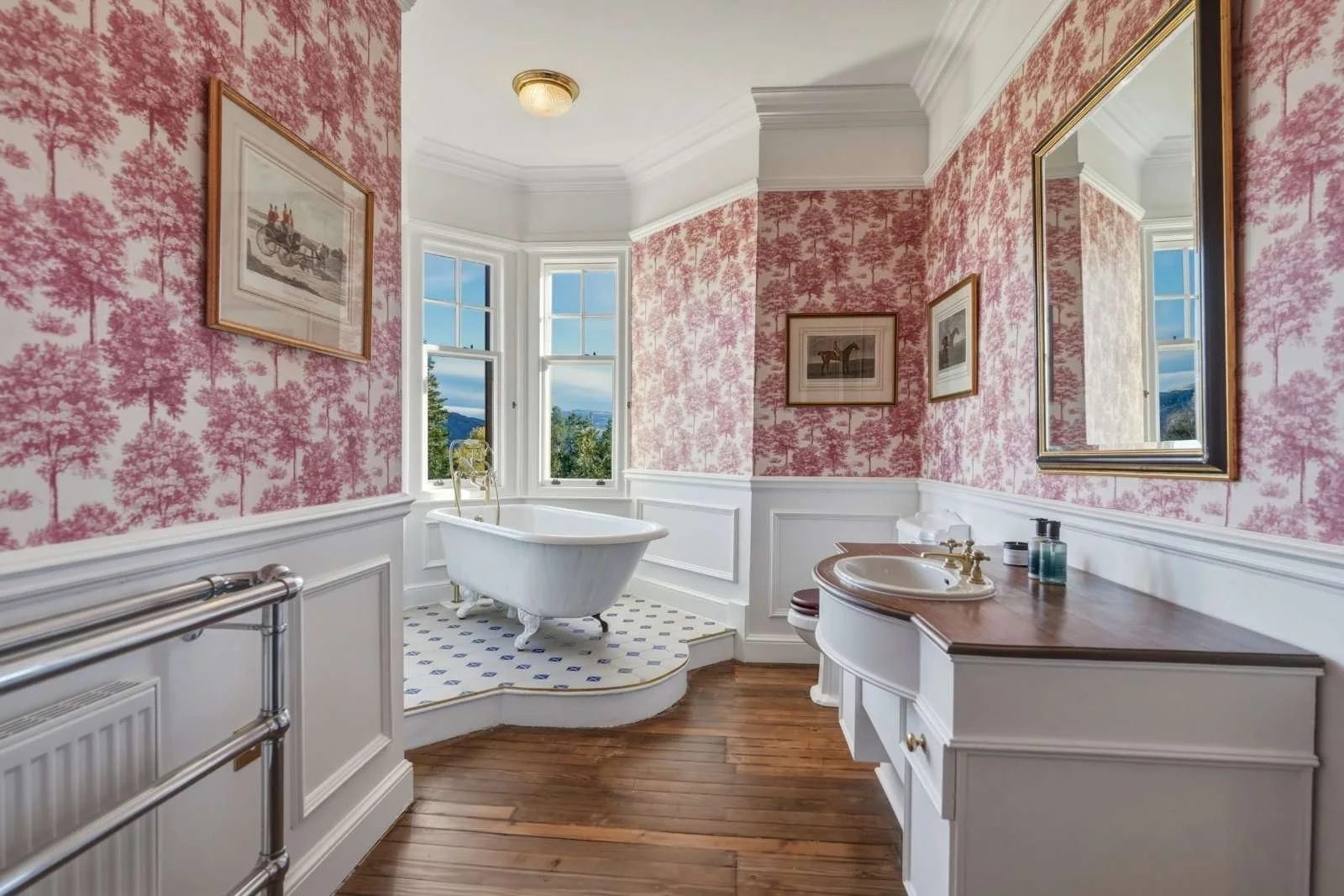
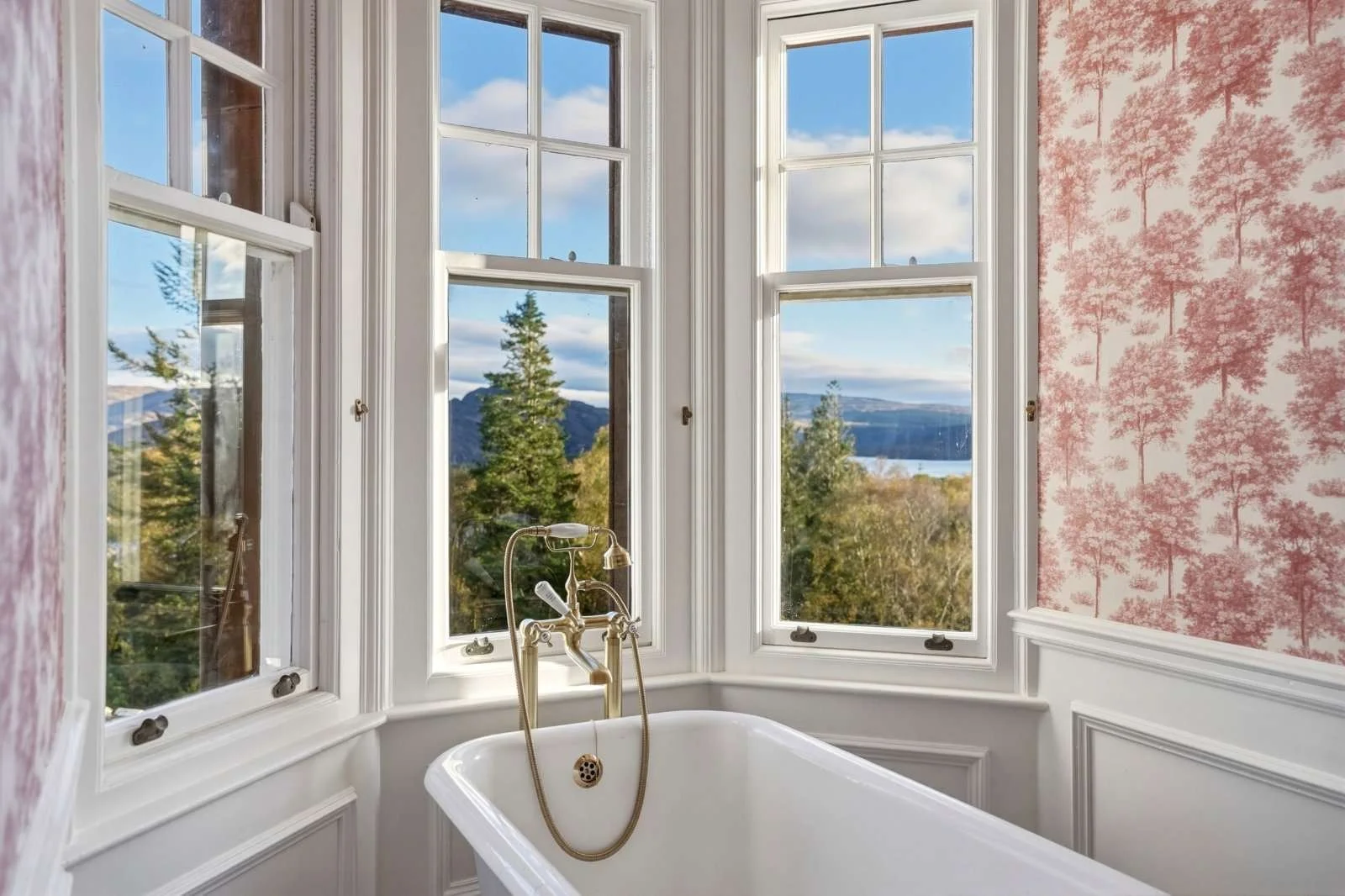
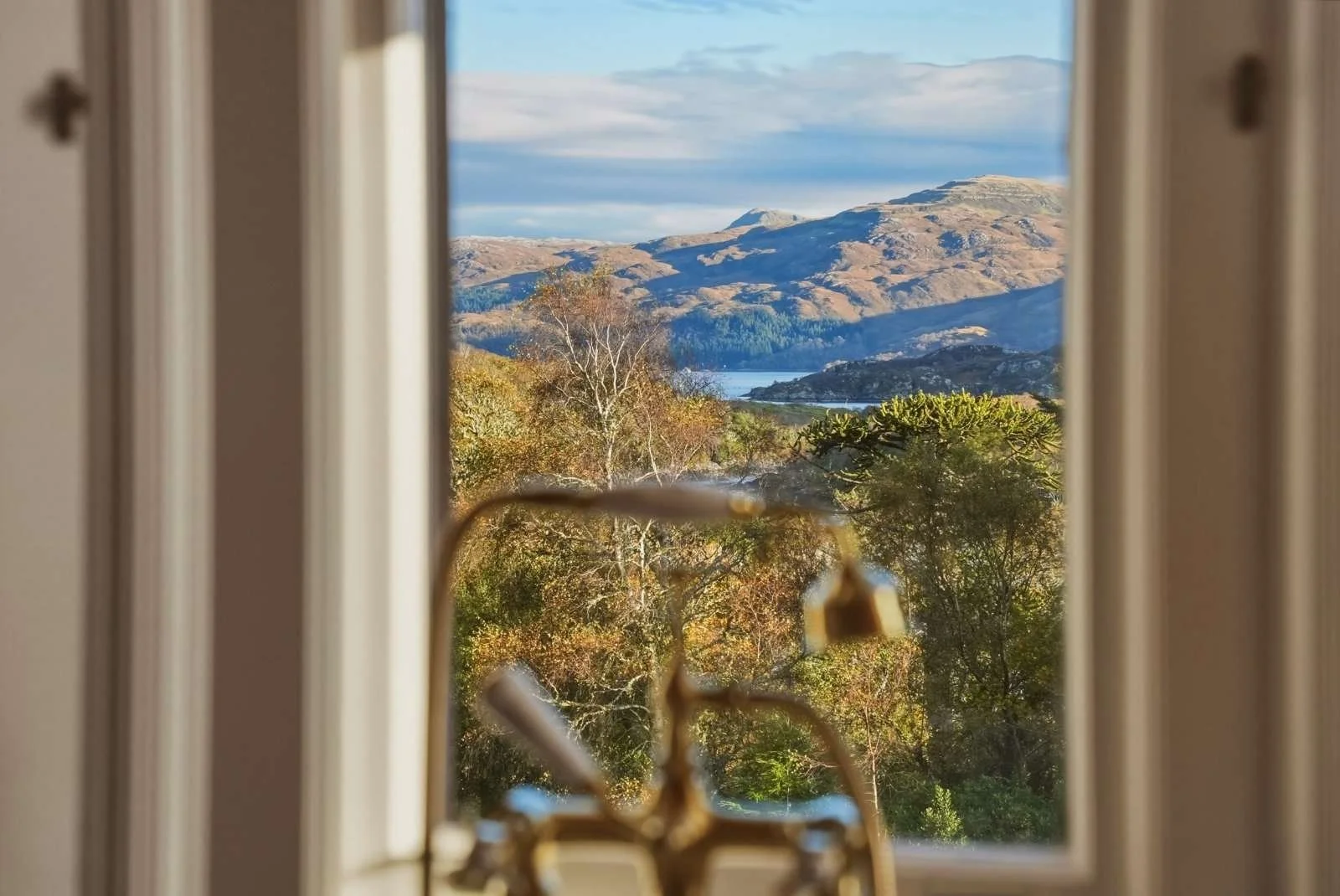
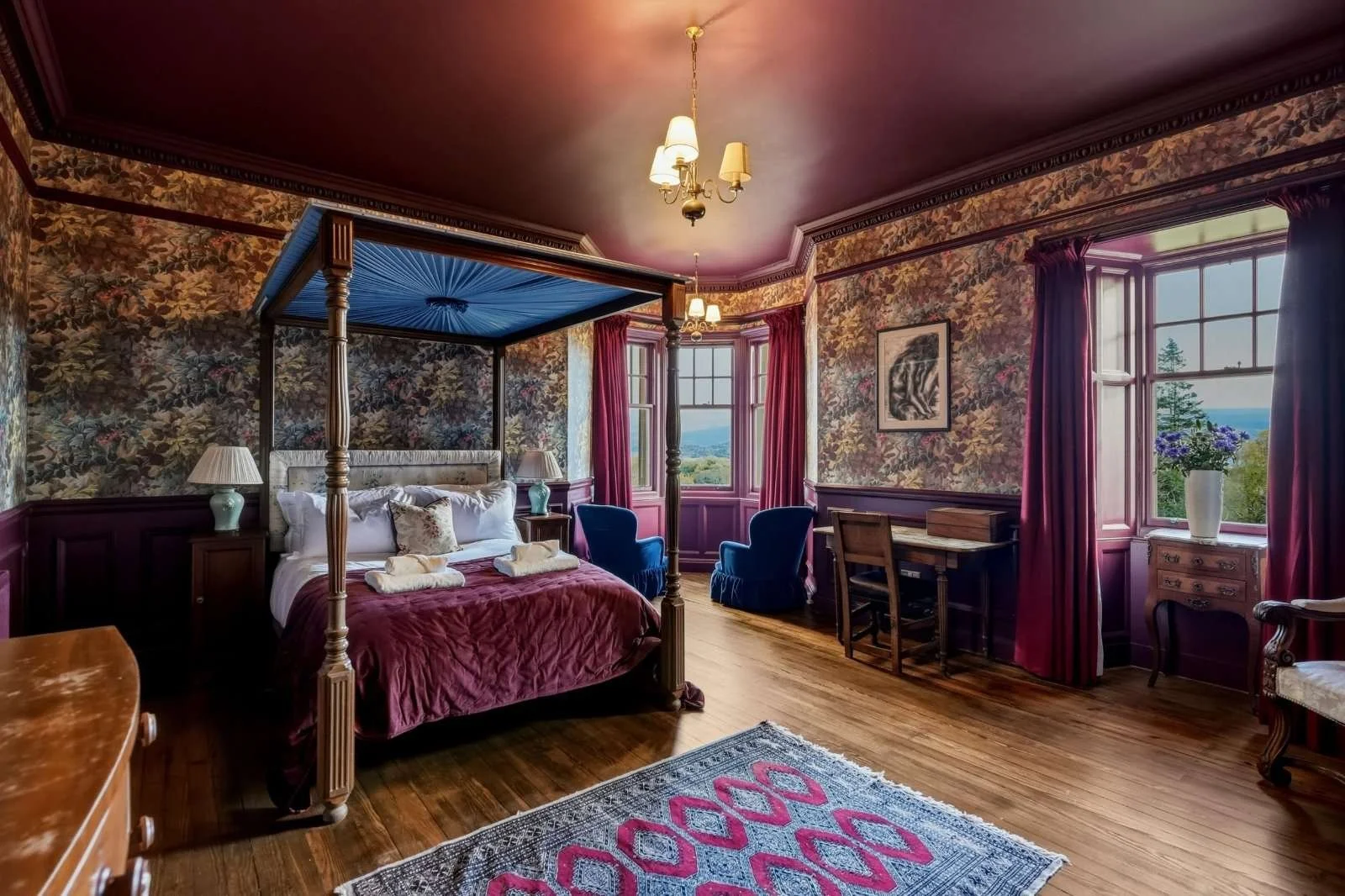
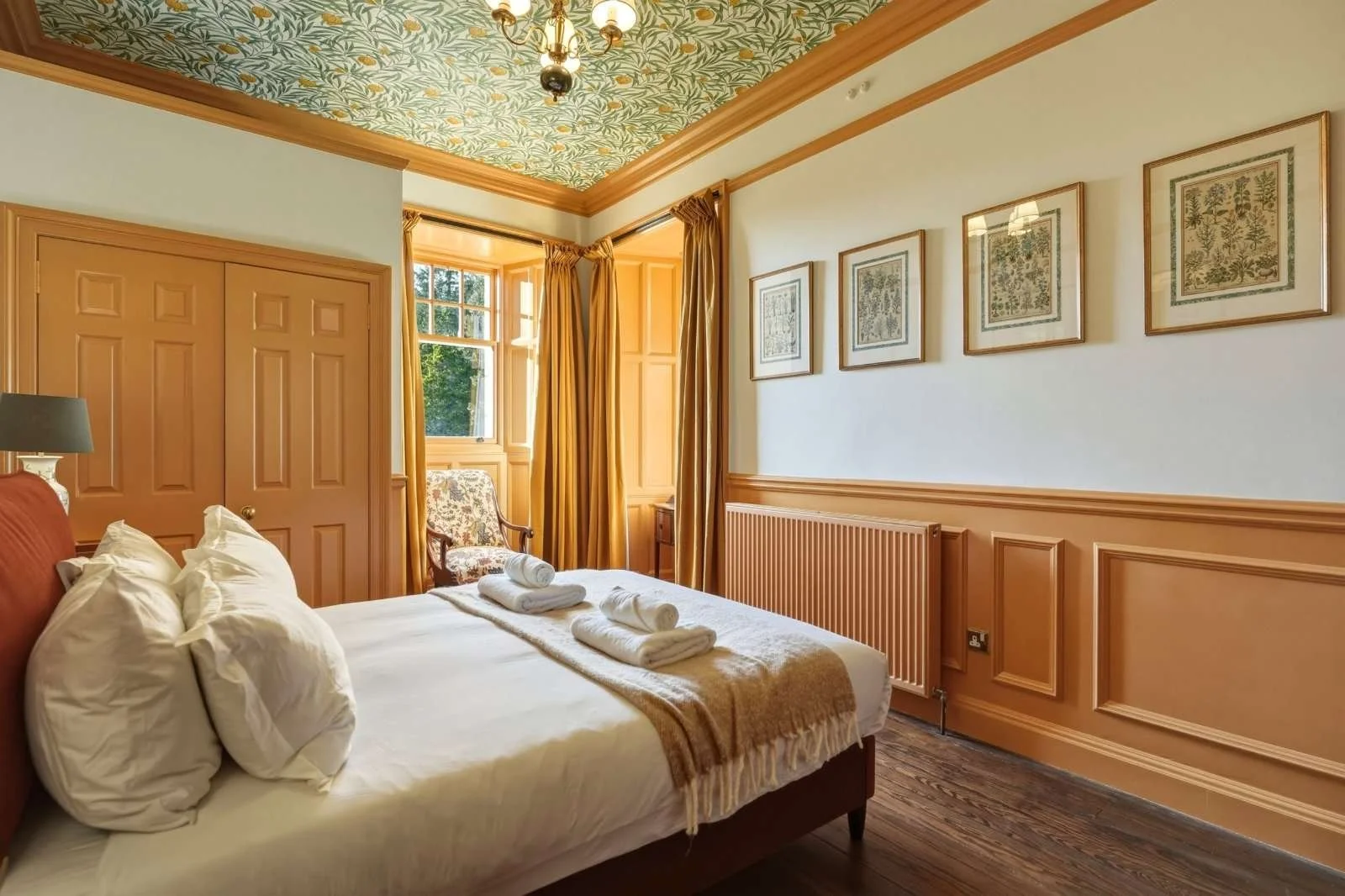
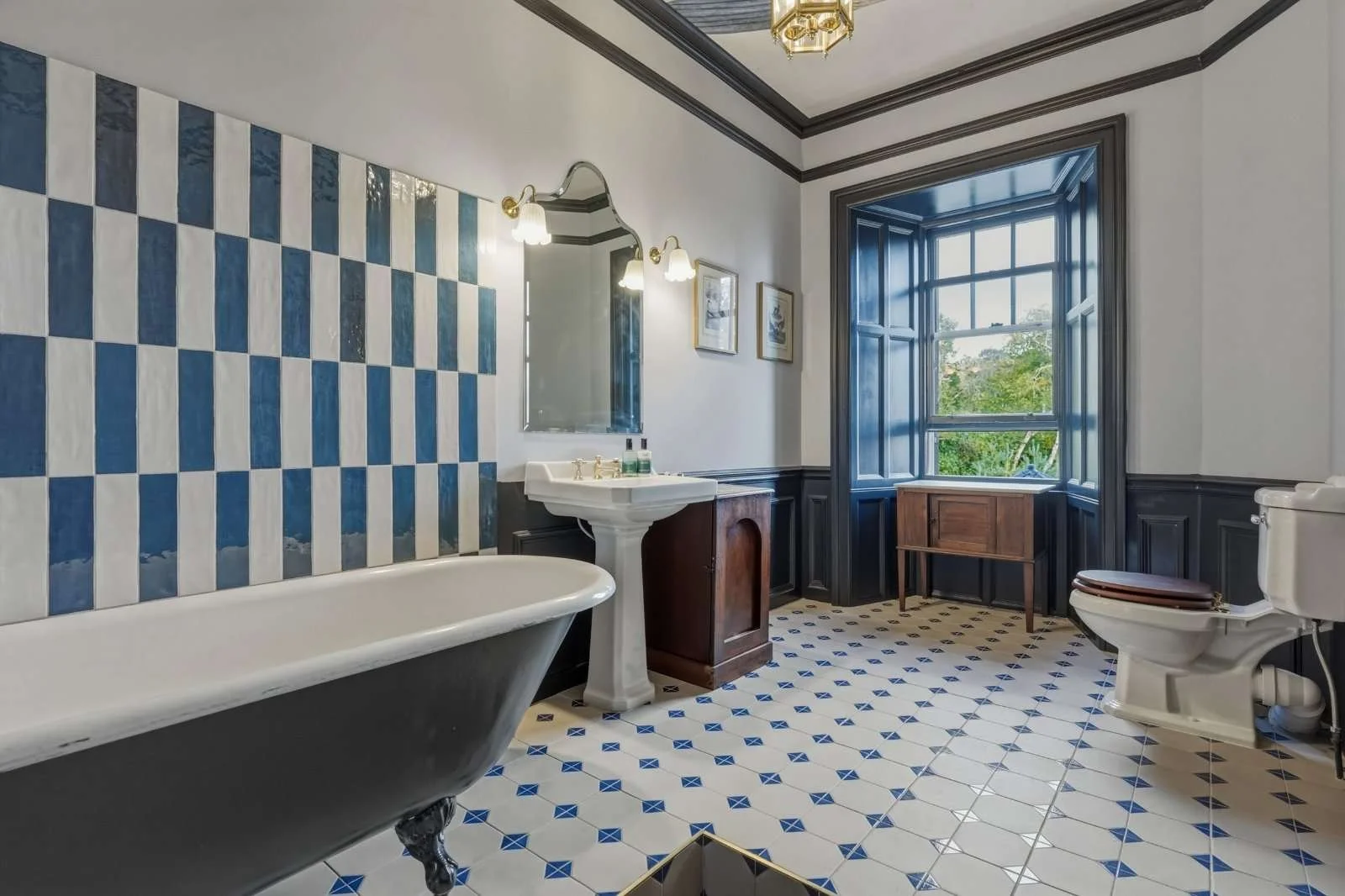
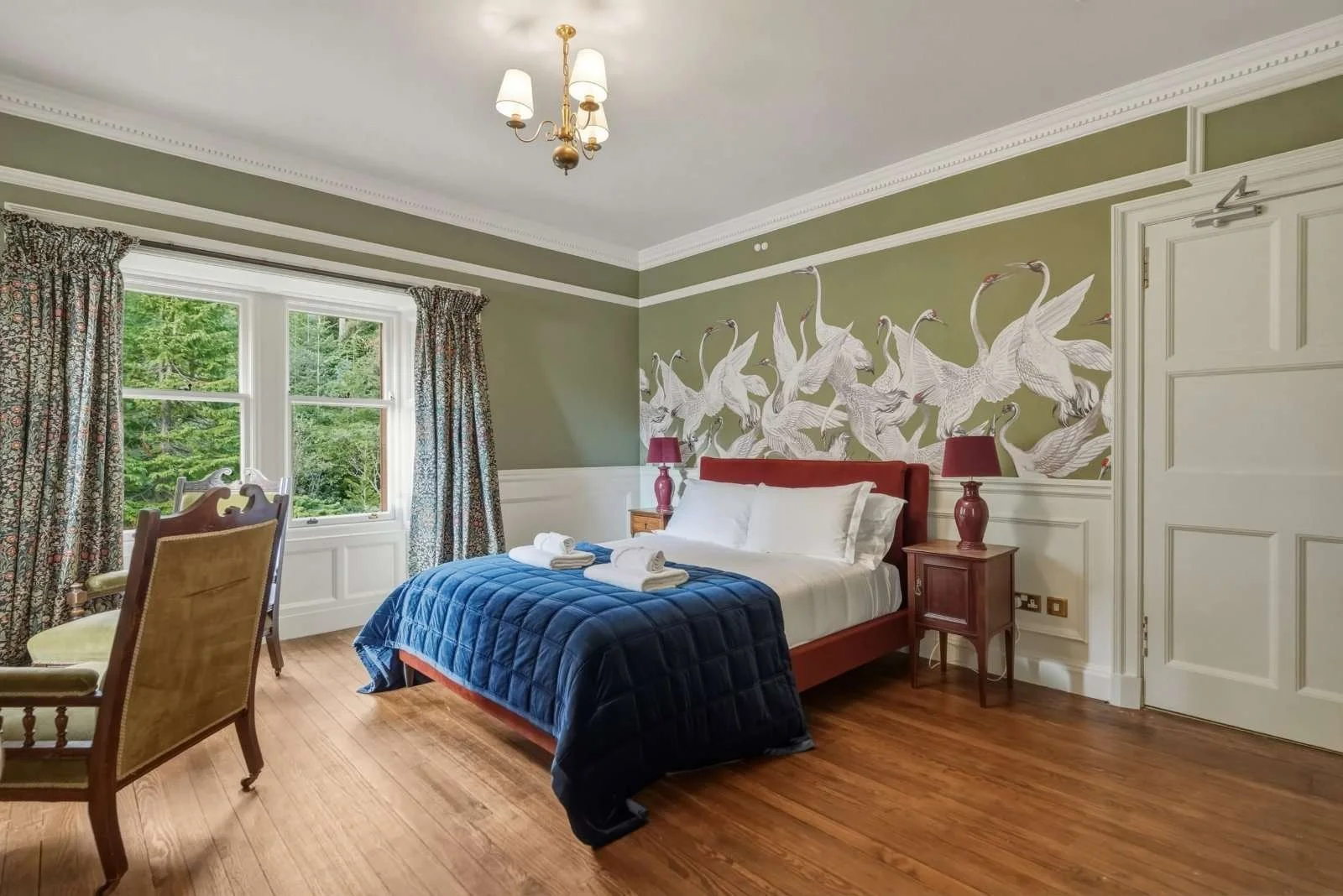
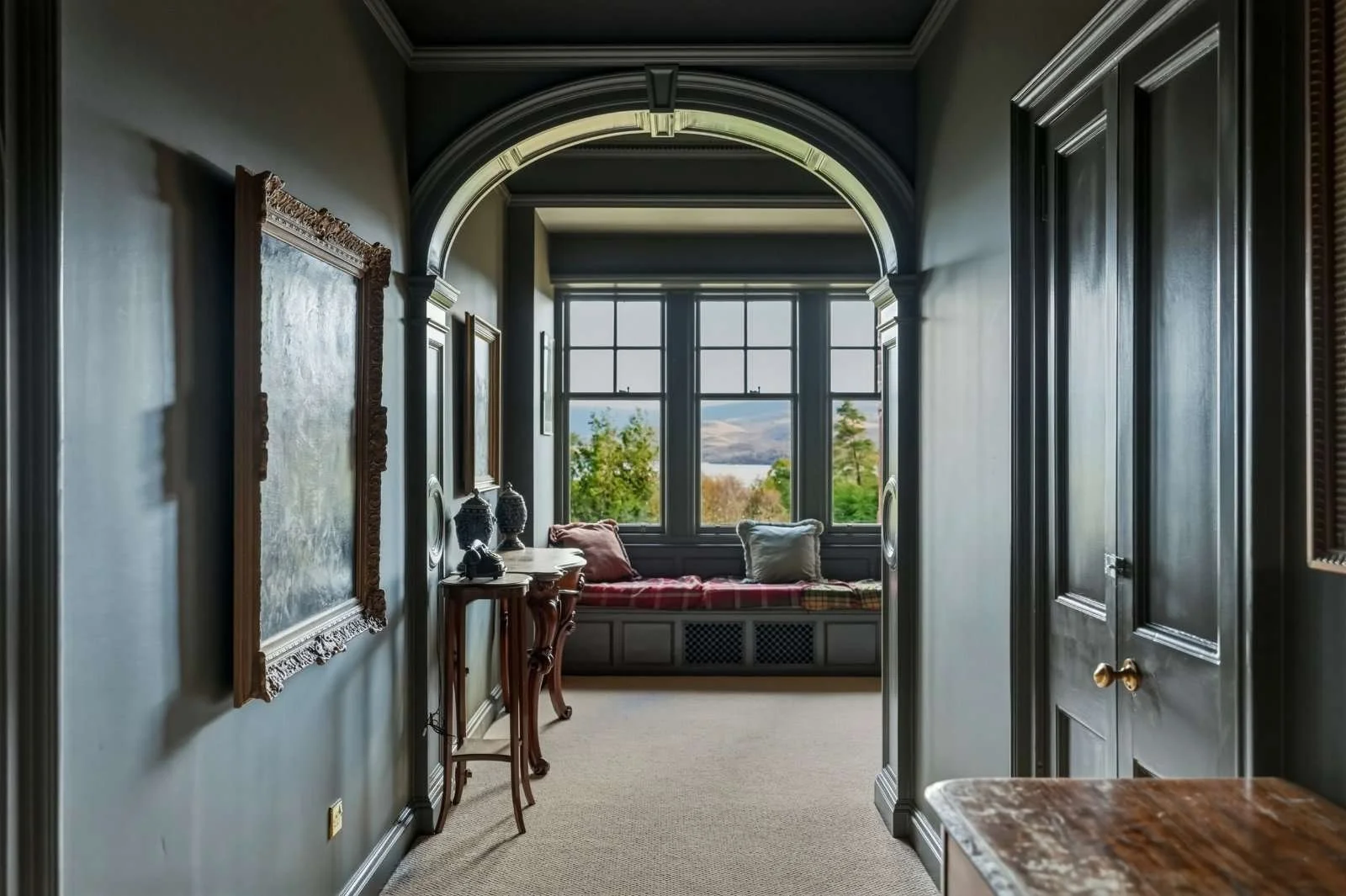
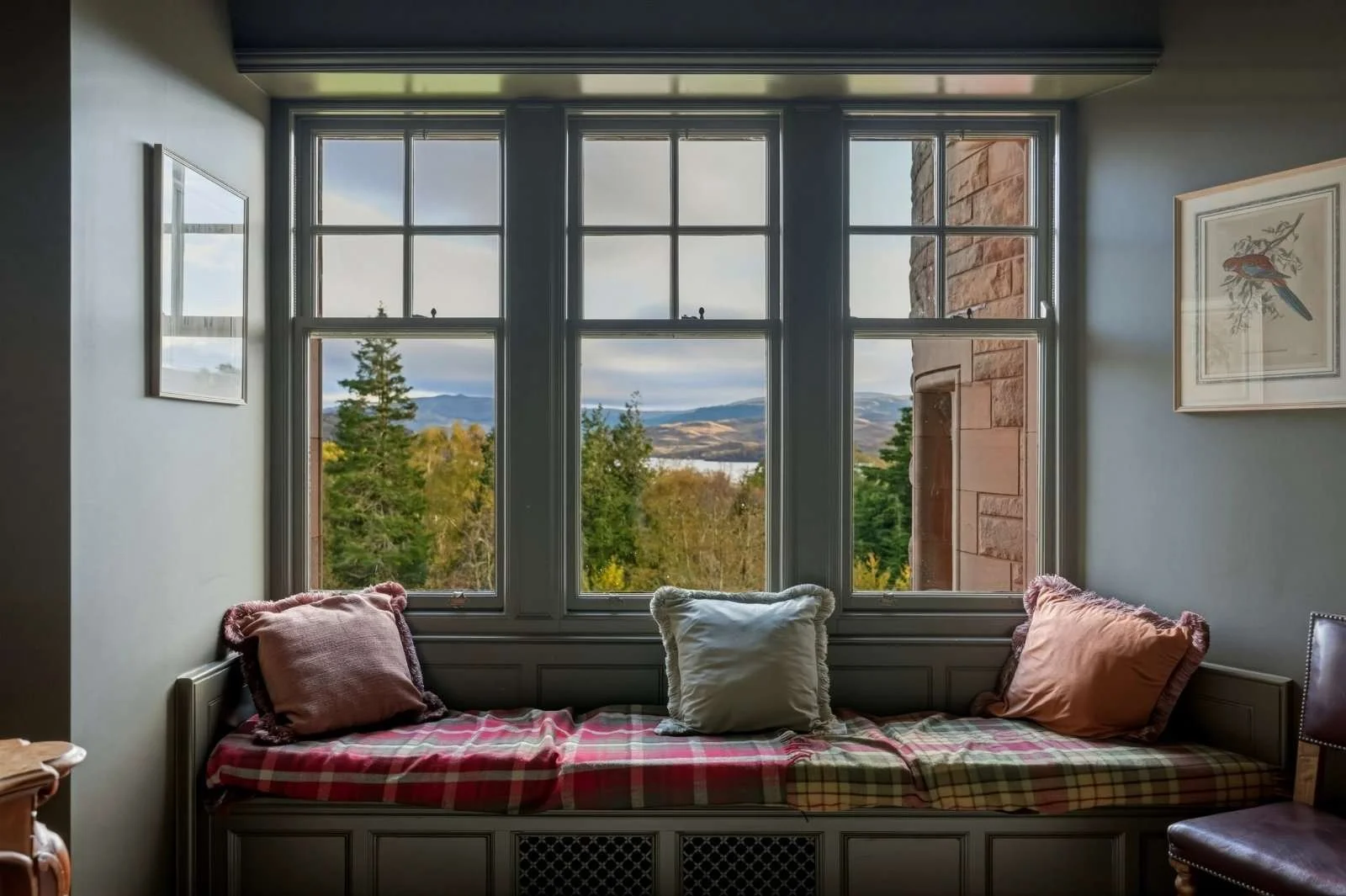
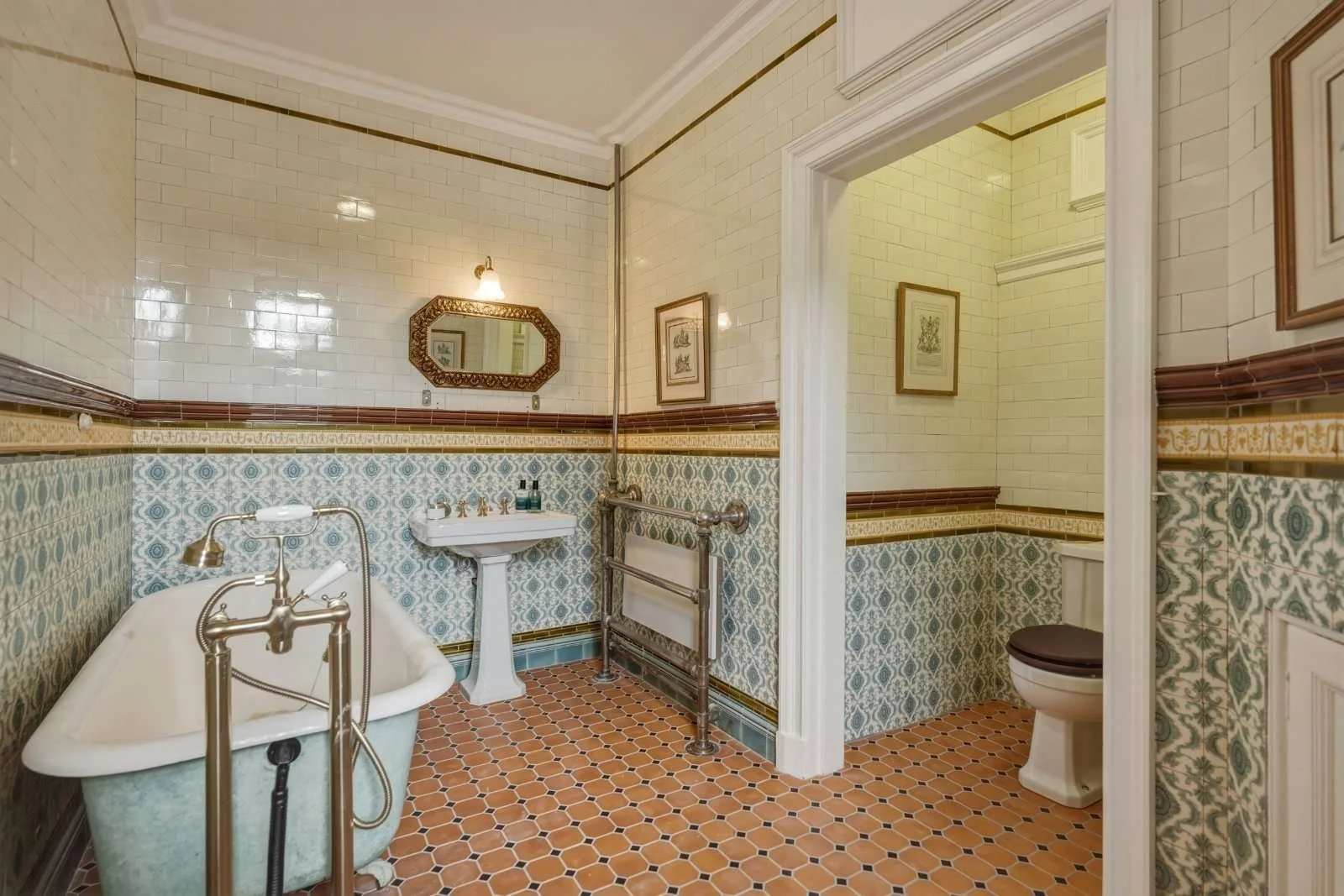
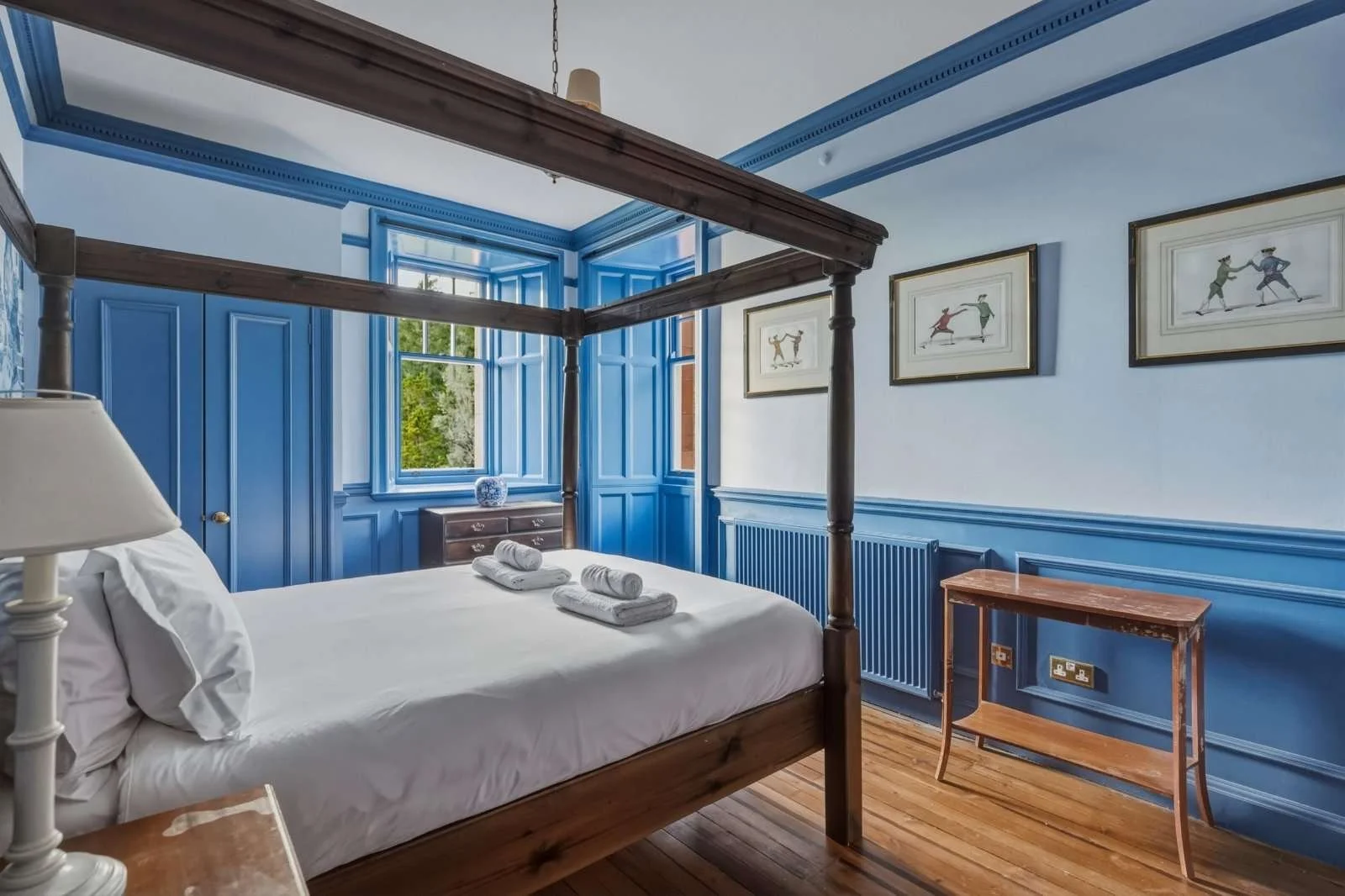
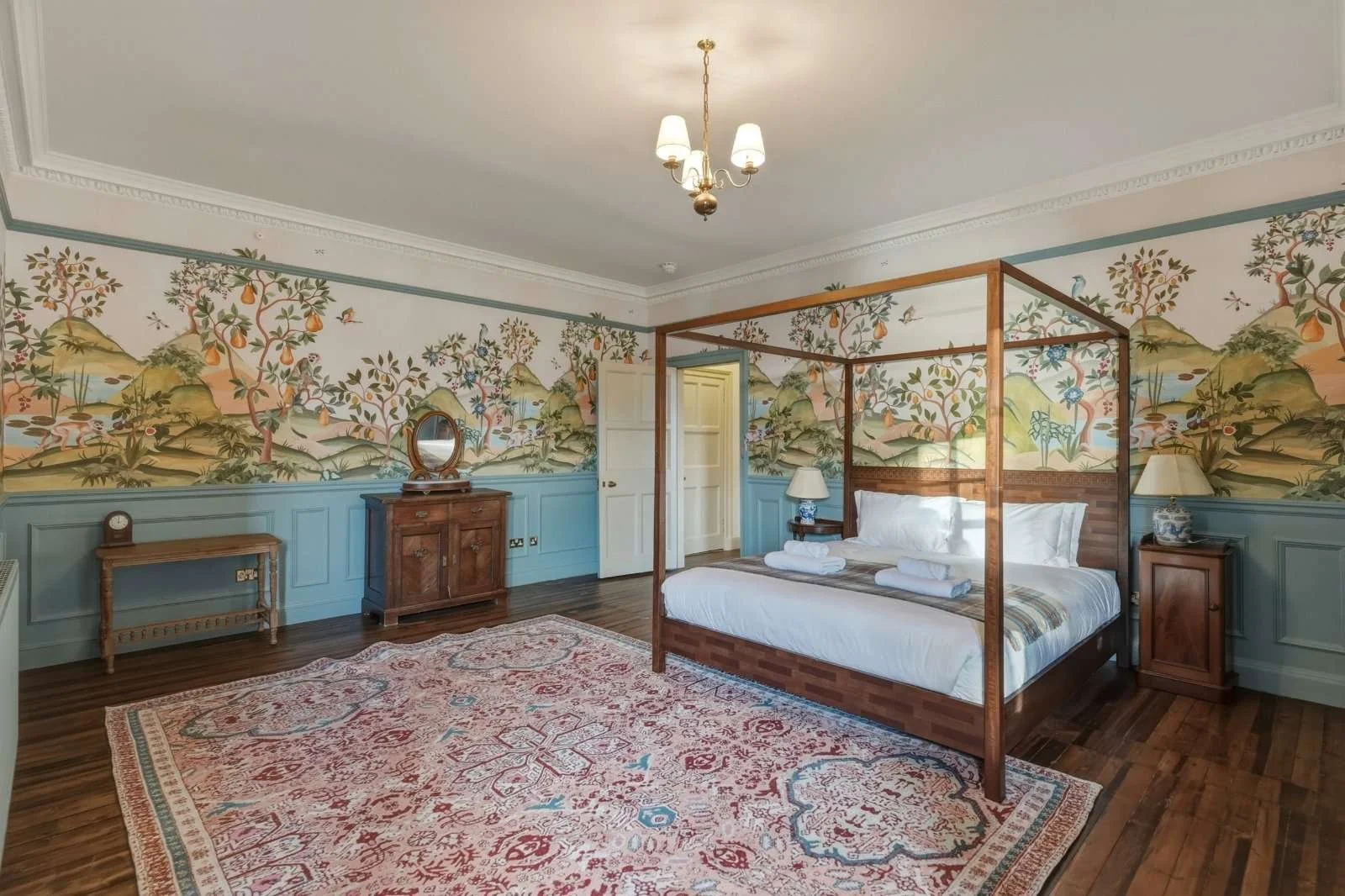
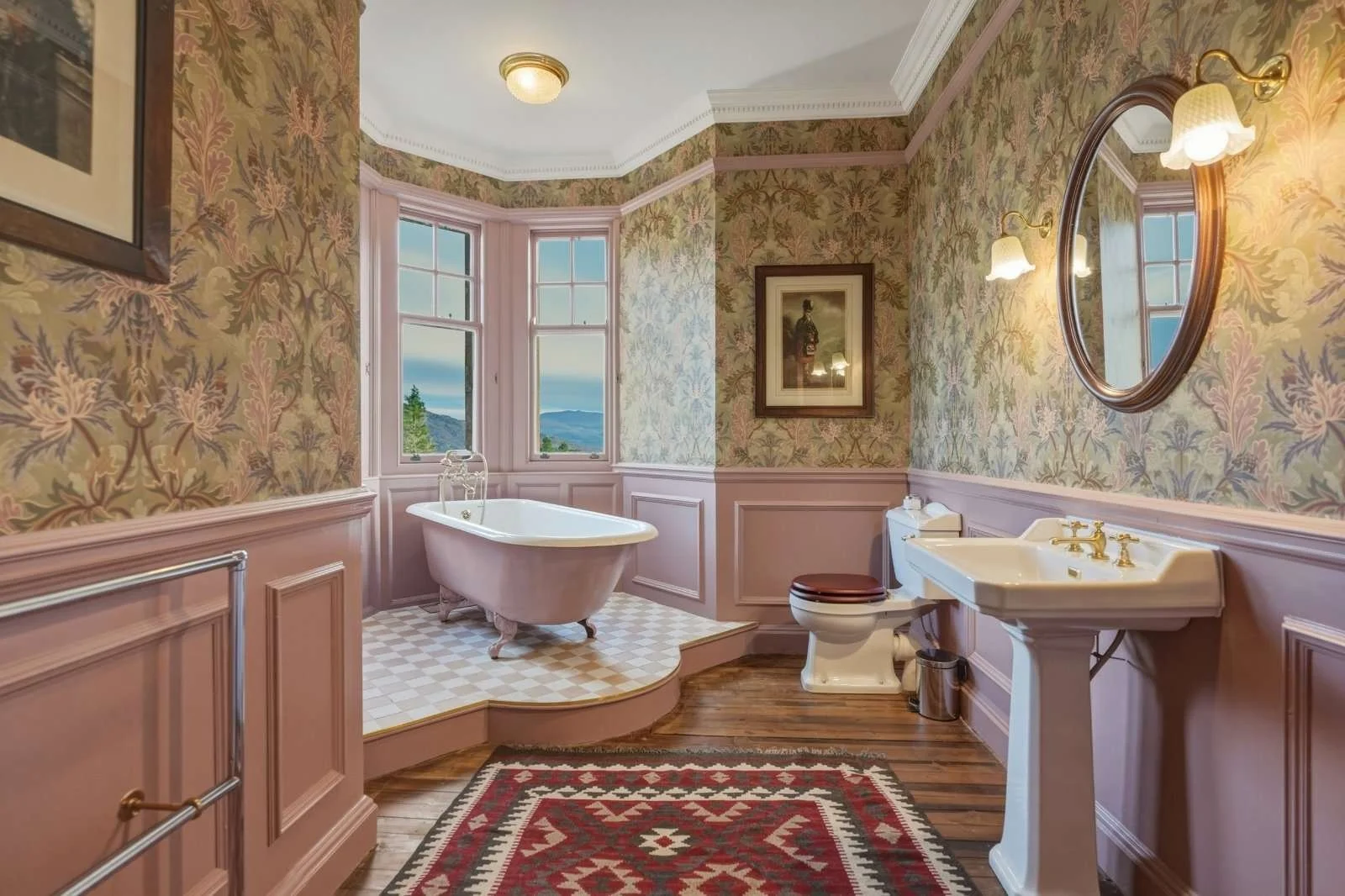
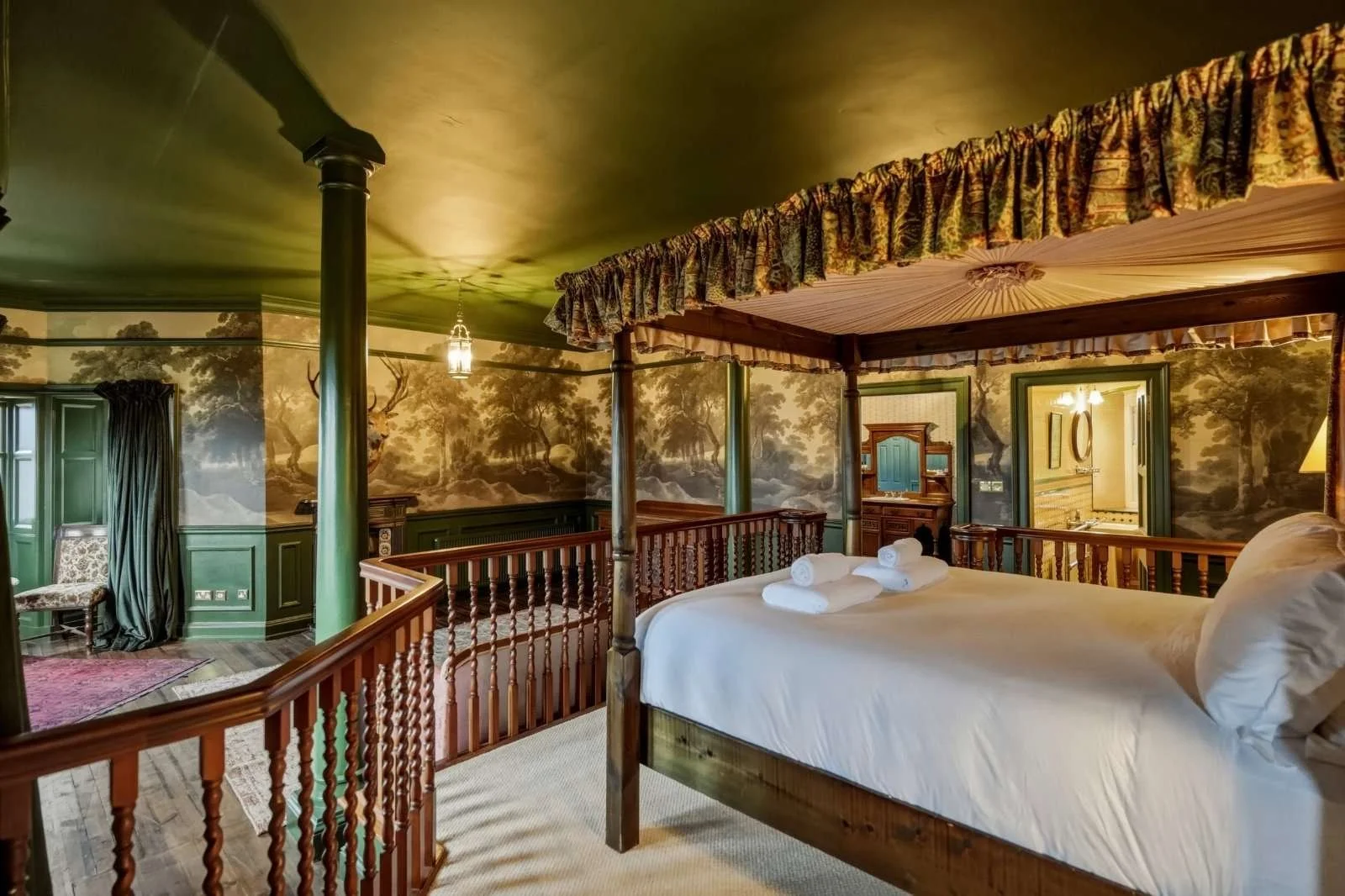
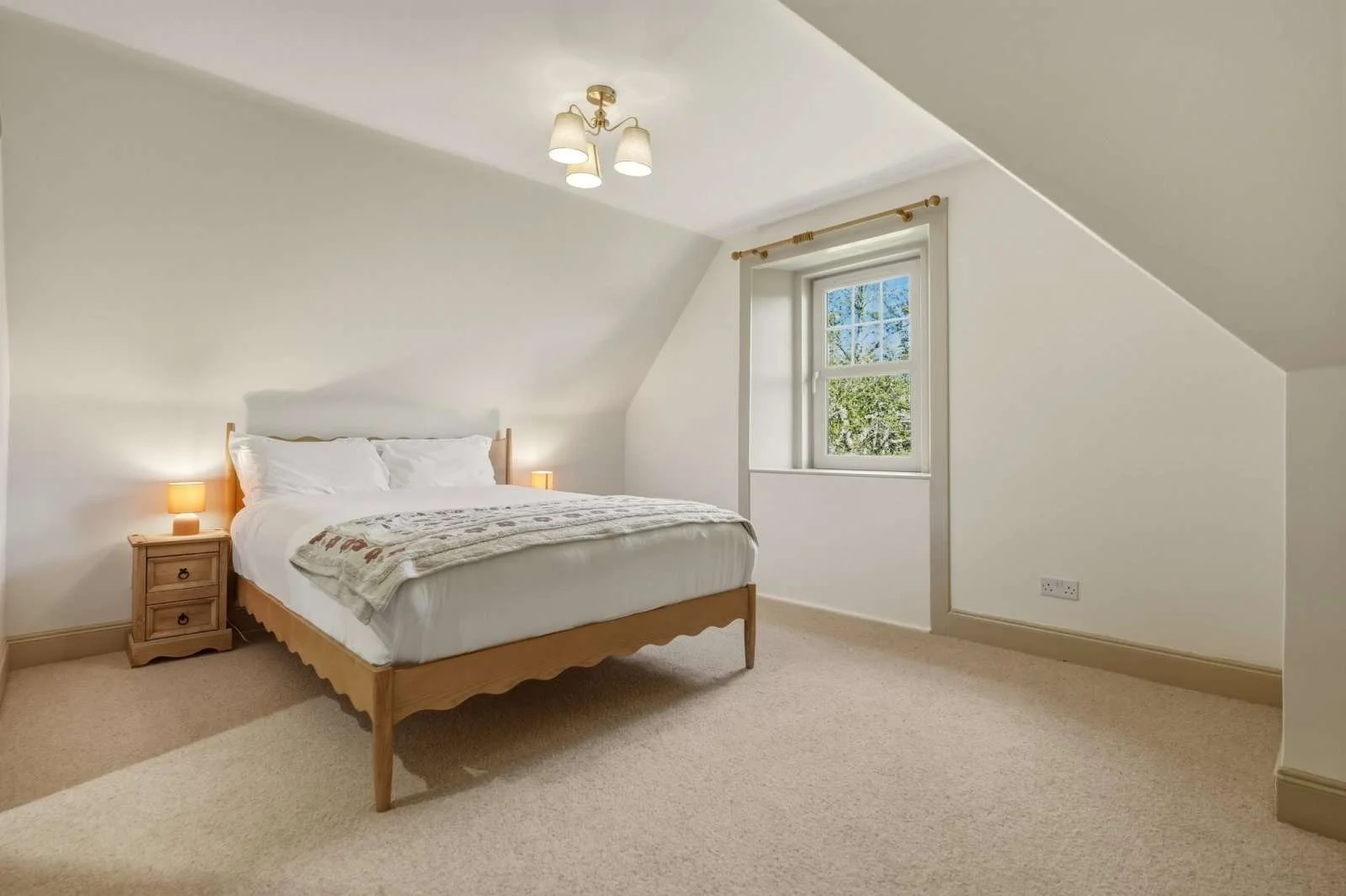
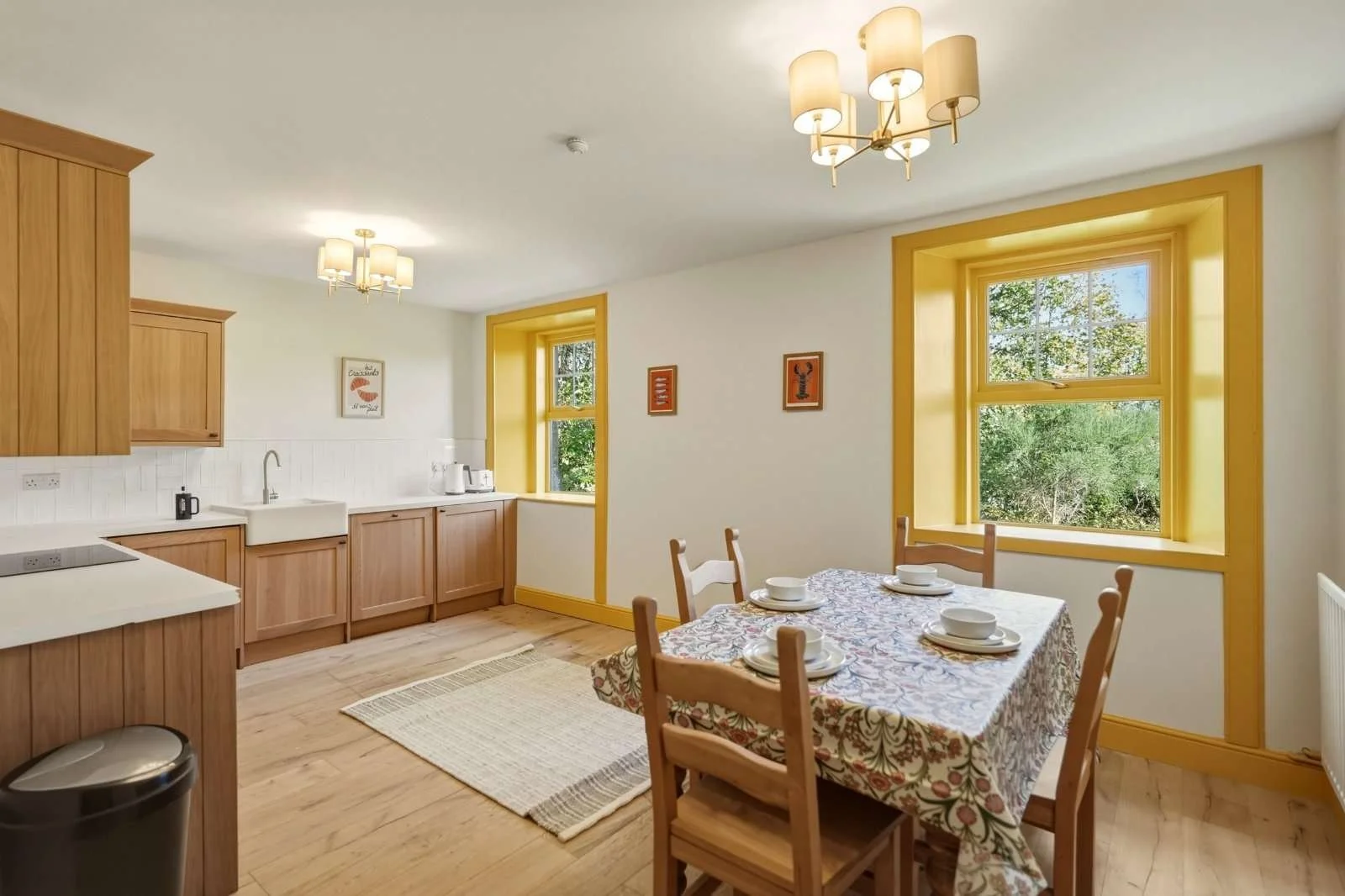
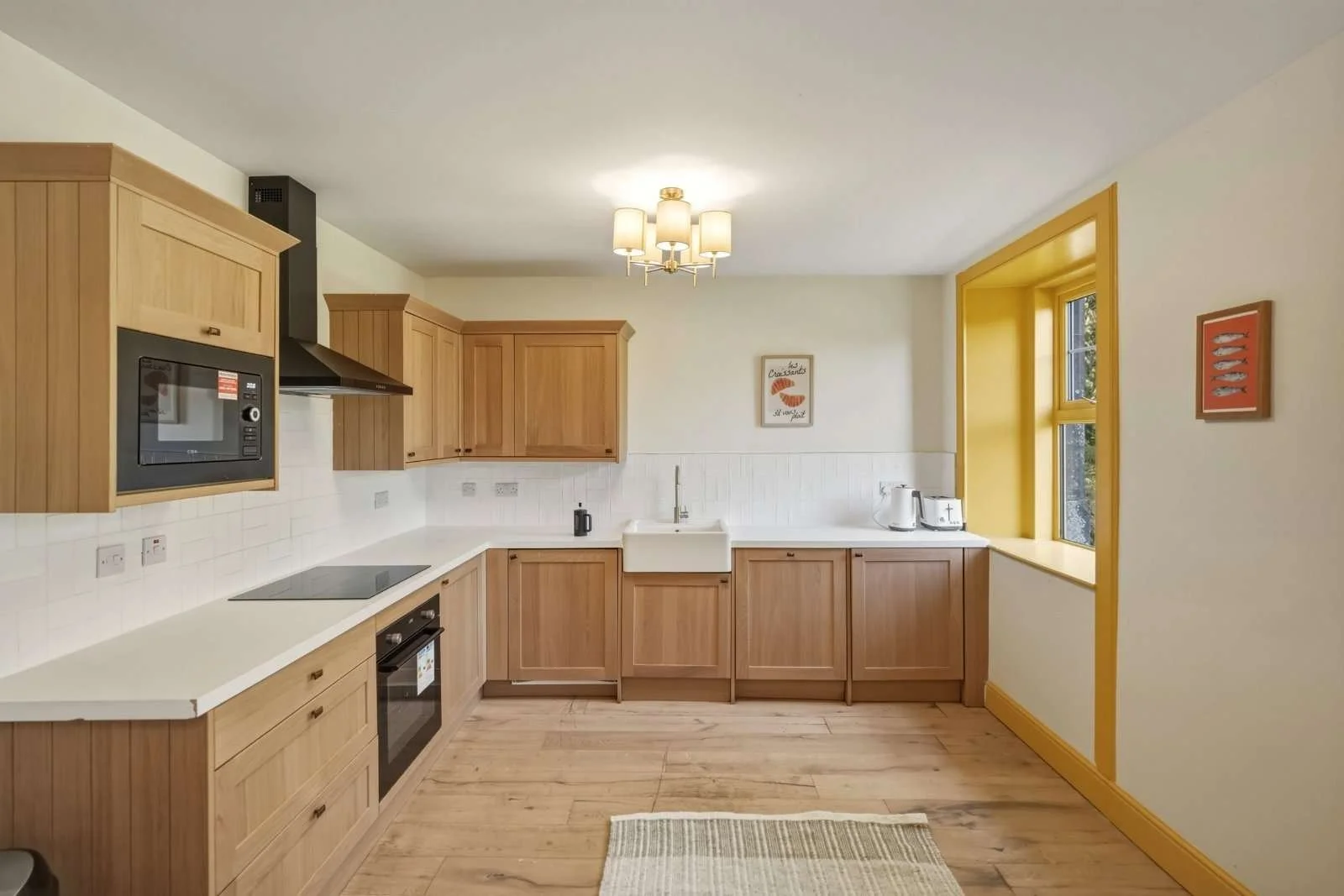
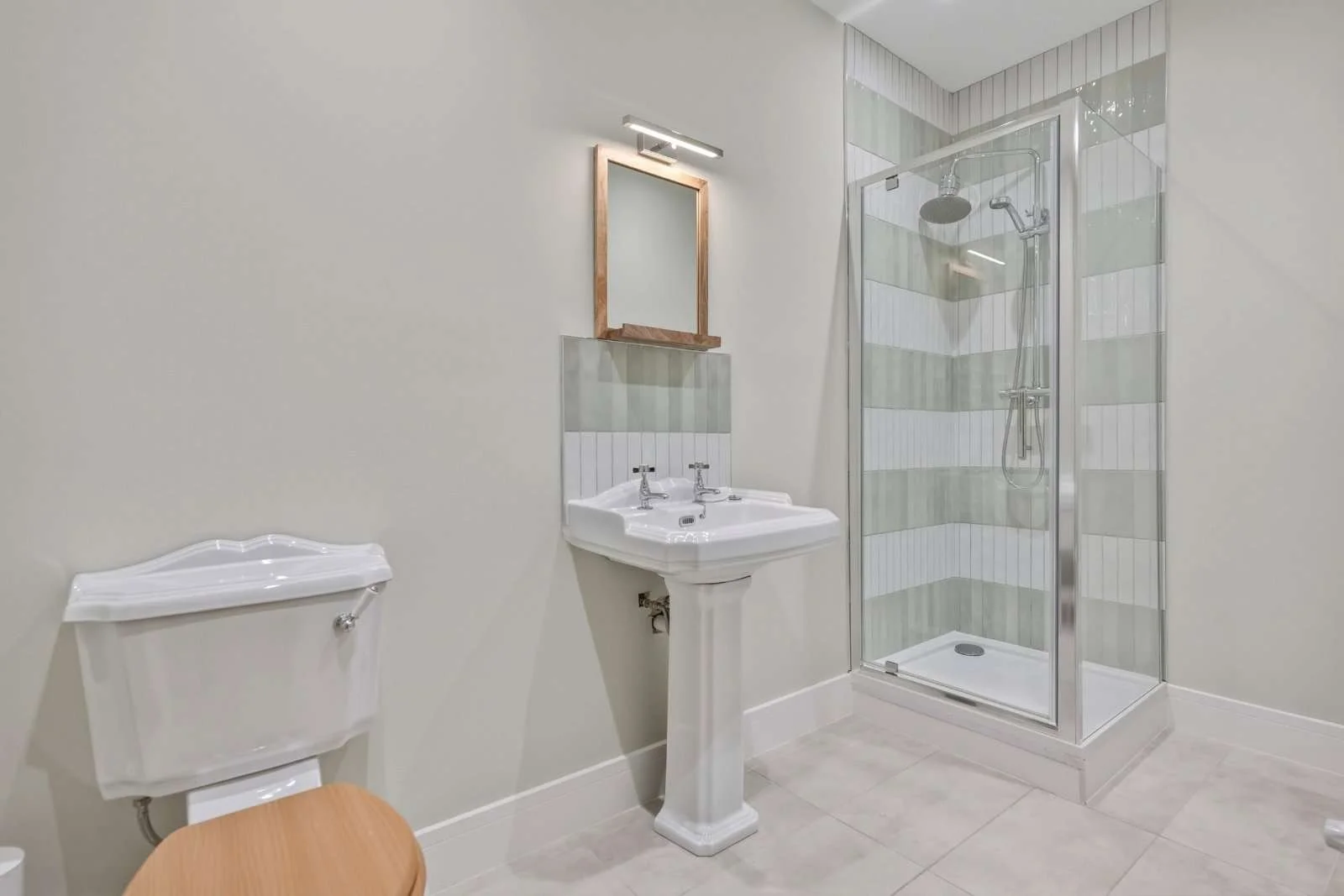
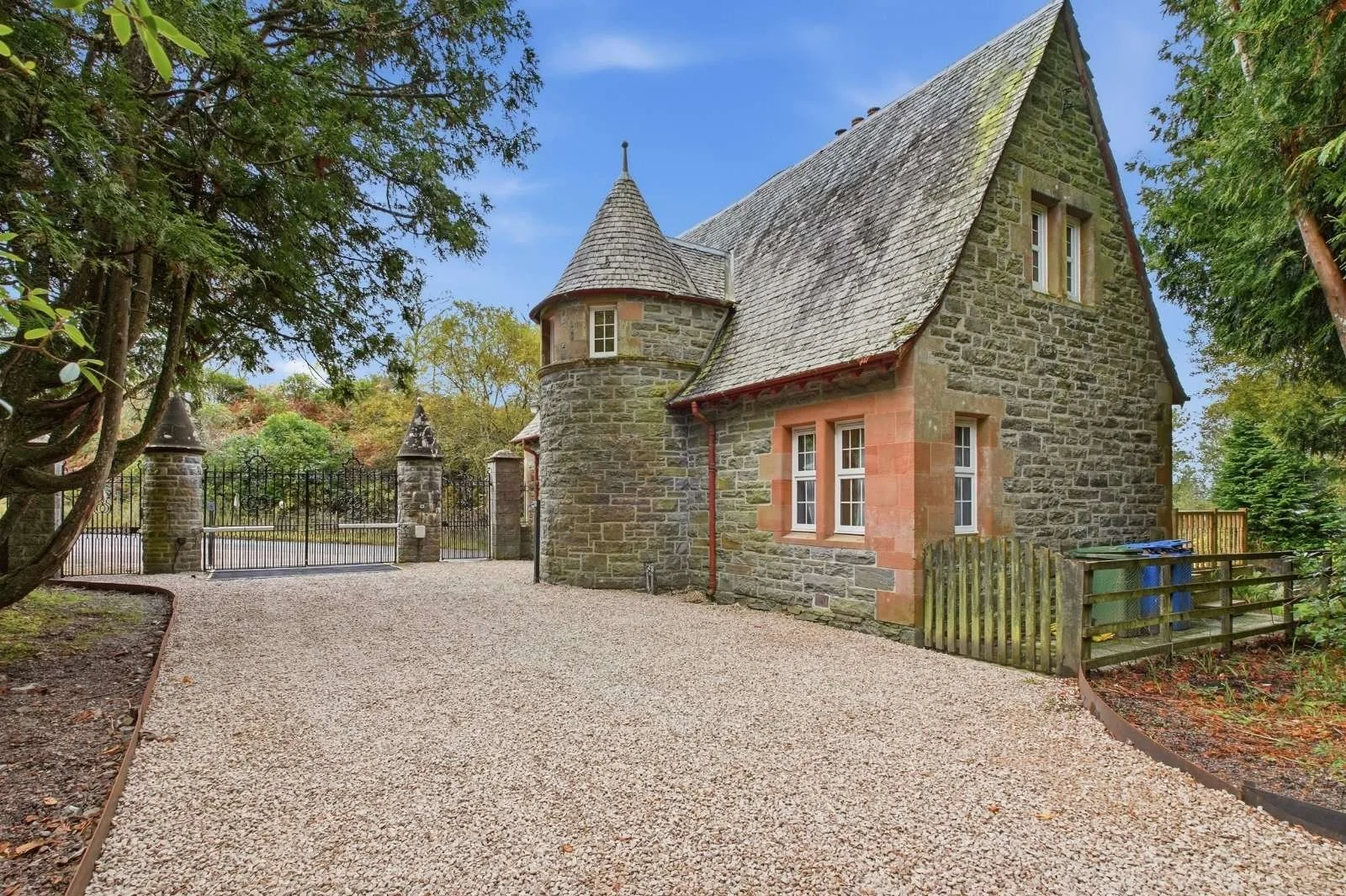
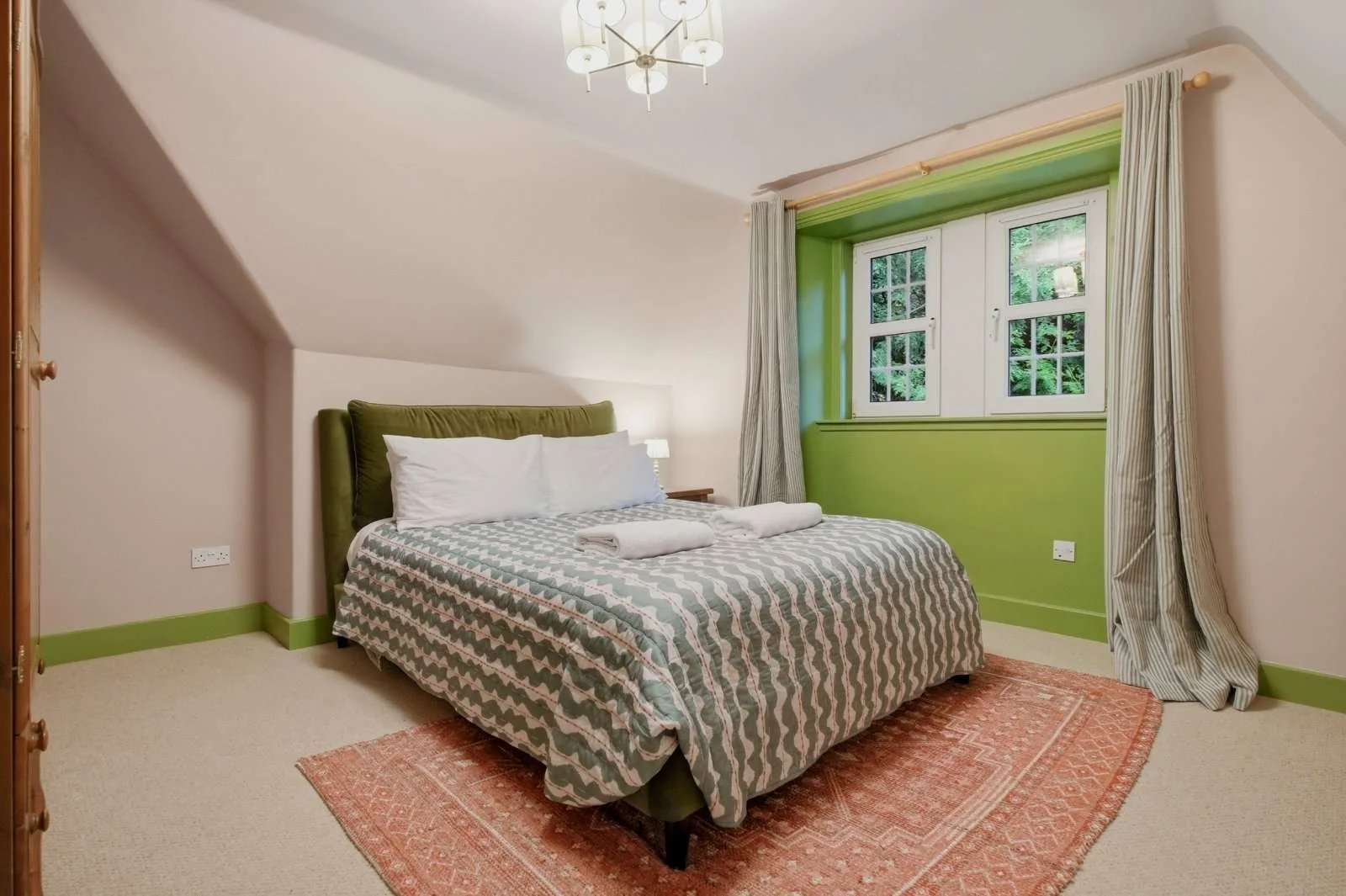
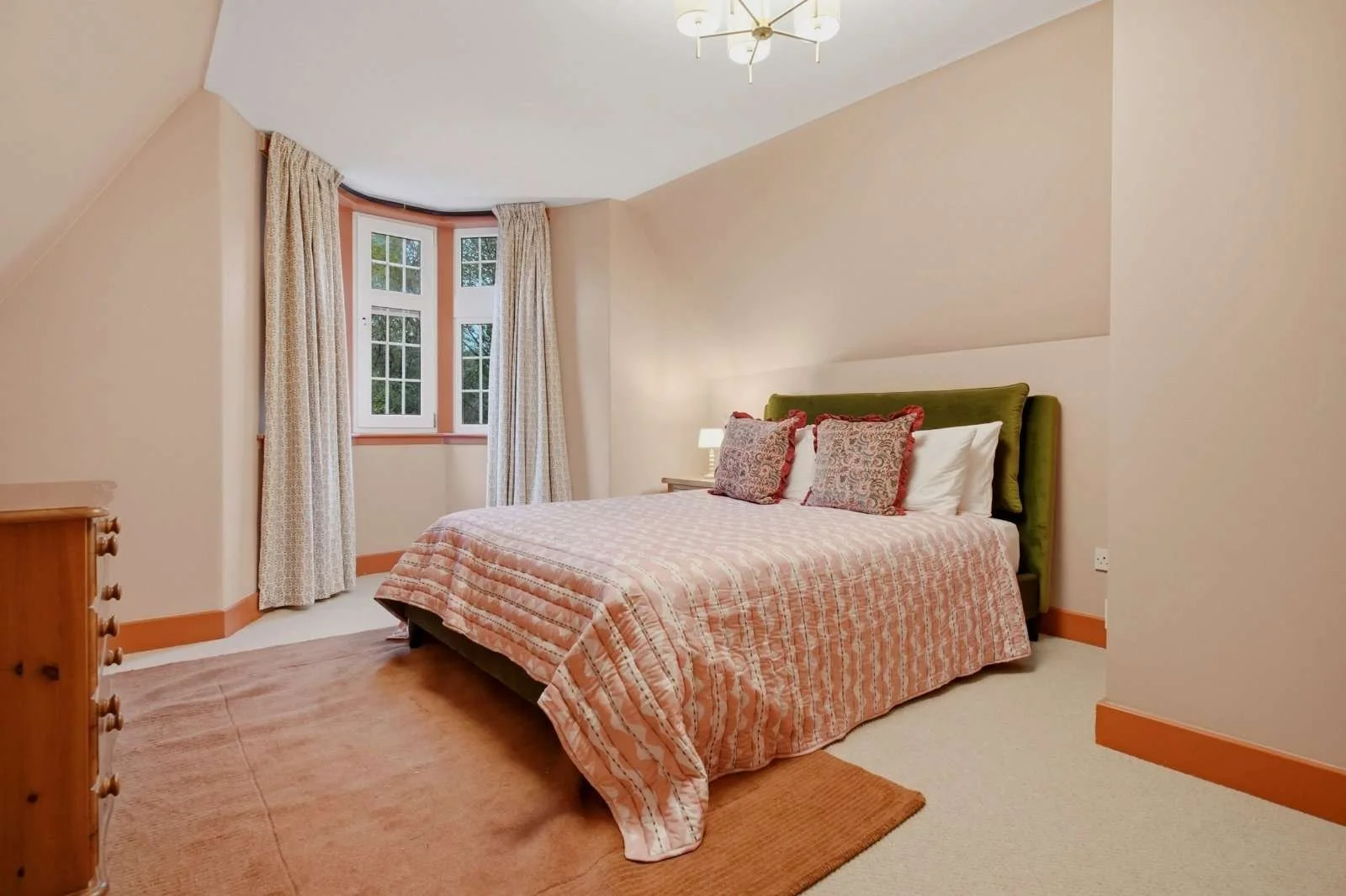
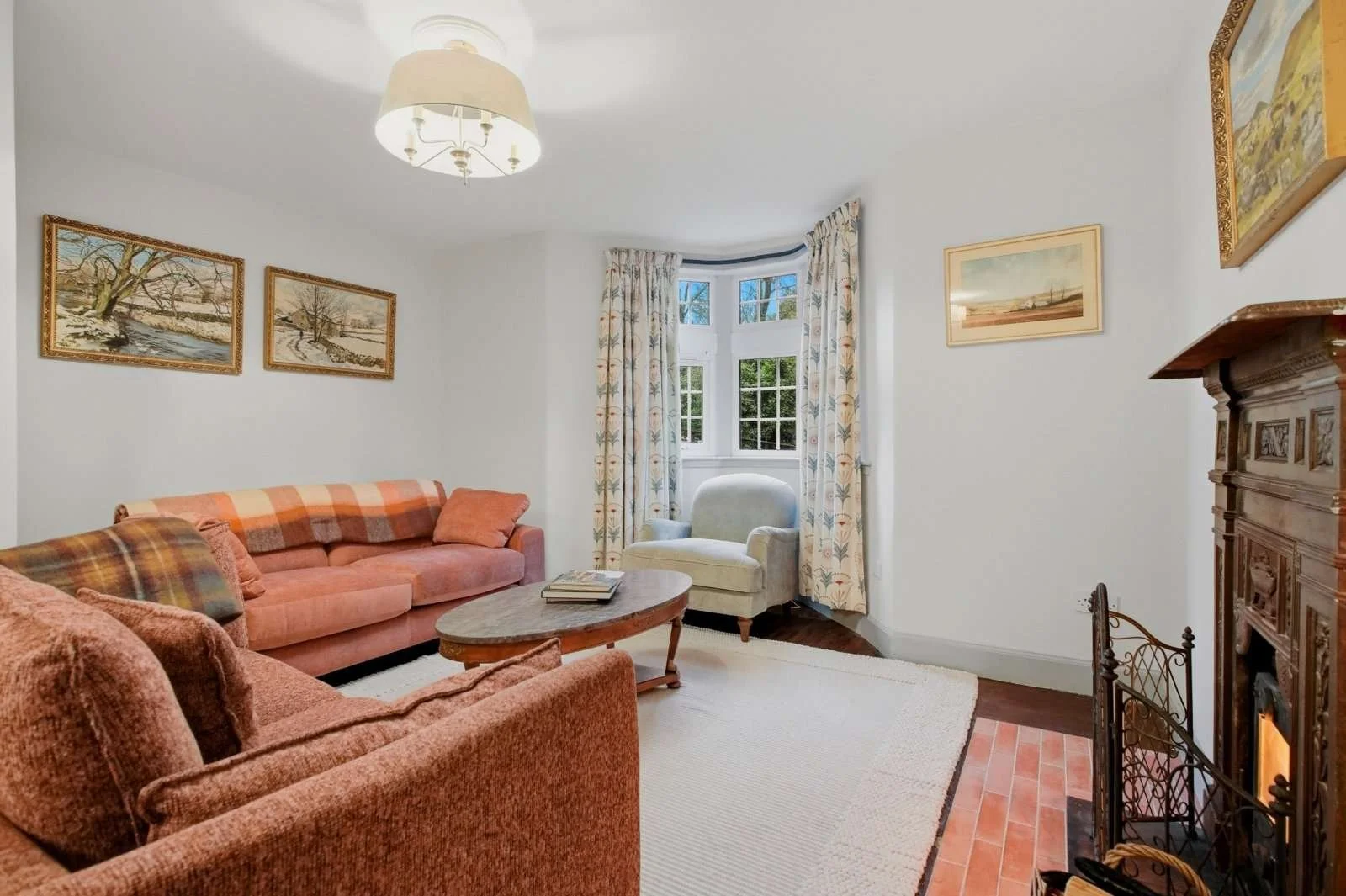
Bedrooms: 16 Bathrooms: 16
Interior: 16,608 ft² (1,543 m²) Lot: 134 acres (54.23 ha)
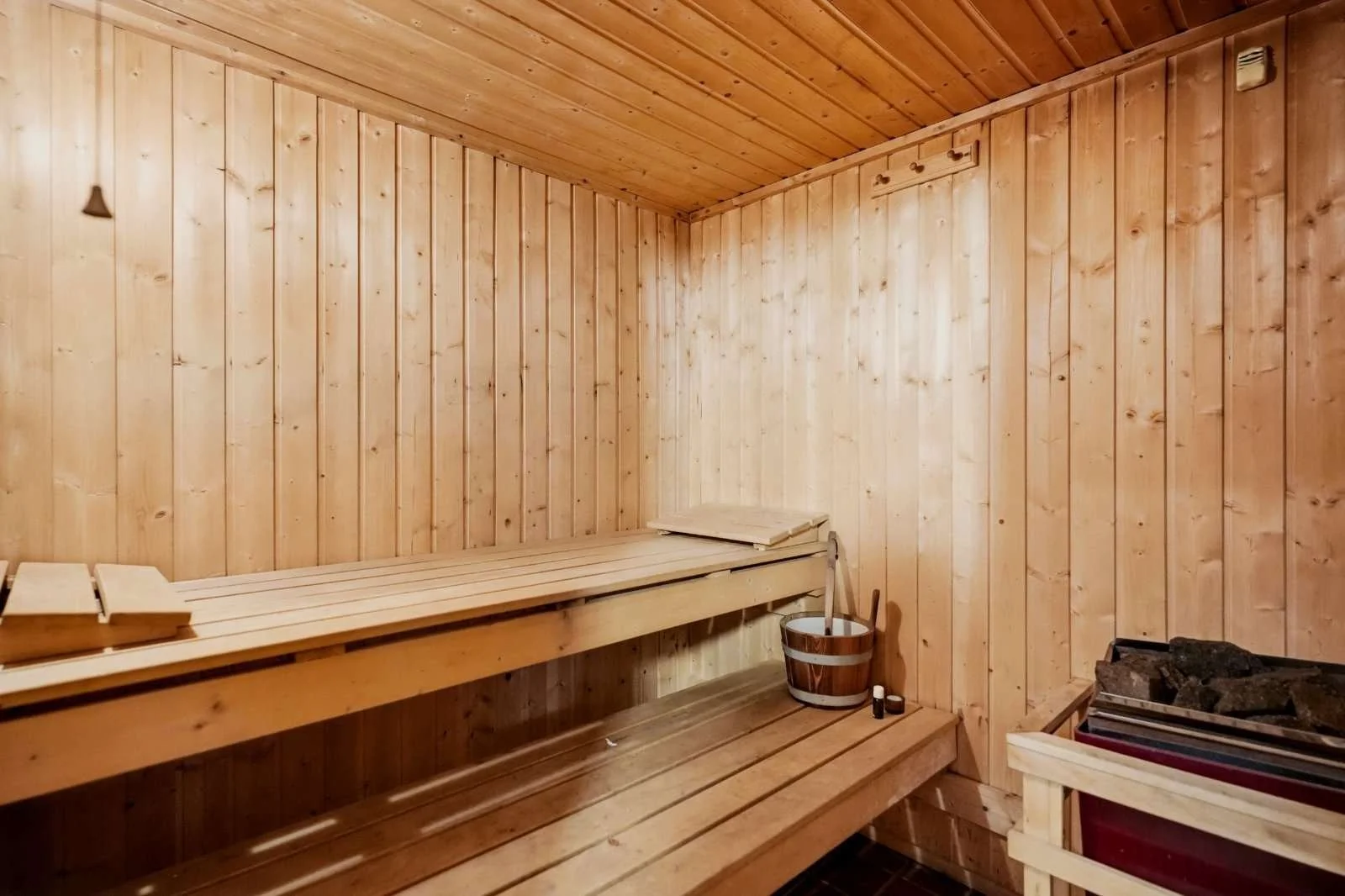
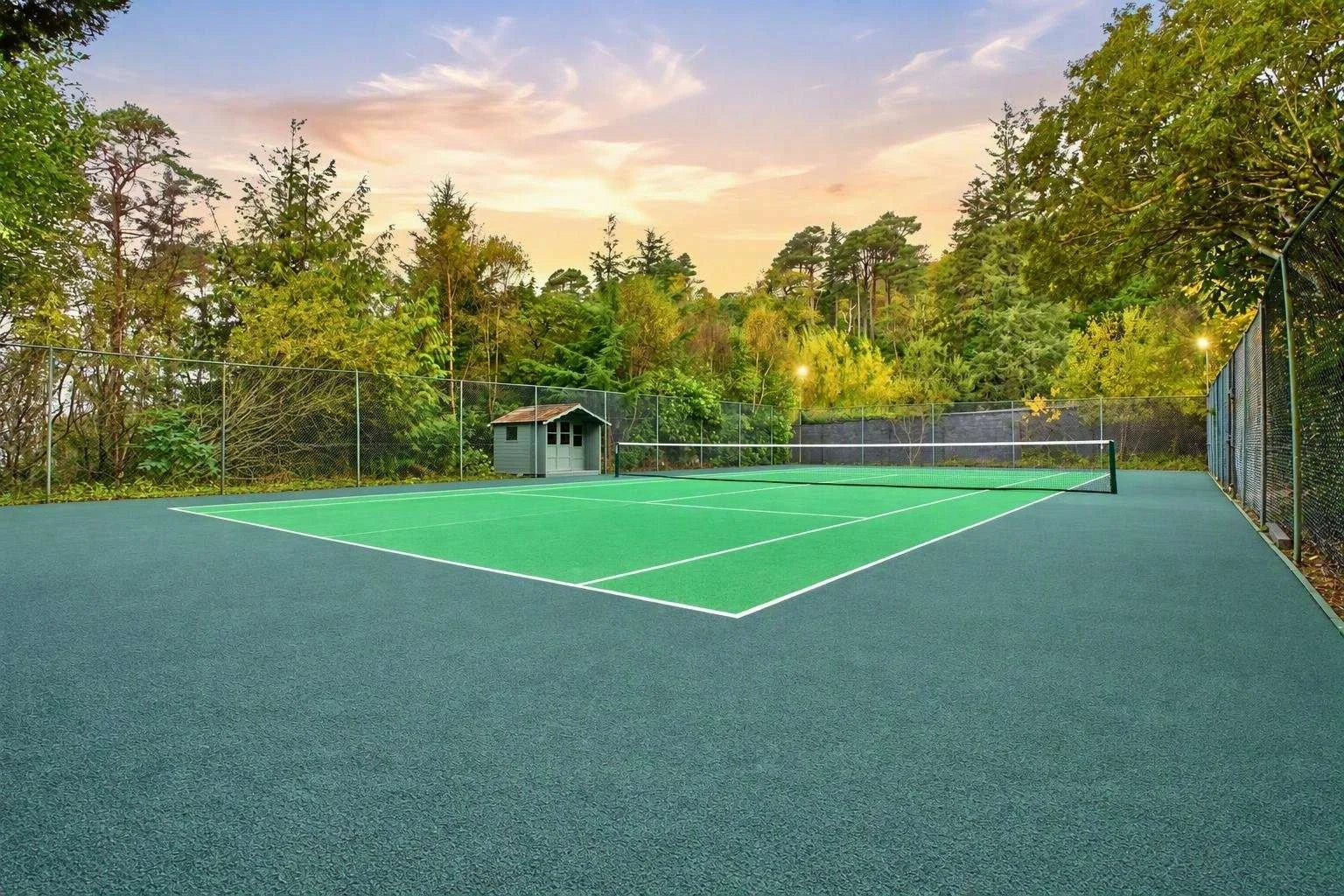
Features: Two private islands, 850 m of shoreline, gate lodge, three coach-house apartments, boathouse, private jetty, formal gardens, gym, sauna and helicopter landing area.
In 1880, British businessmen Charles Dunell Rudd and Cecil Rhodes established the De Beers Mining Company in South Africa, laying the foundations for what would become one of the world's largest diamond businesses.
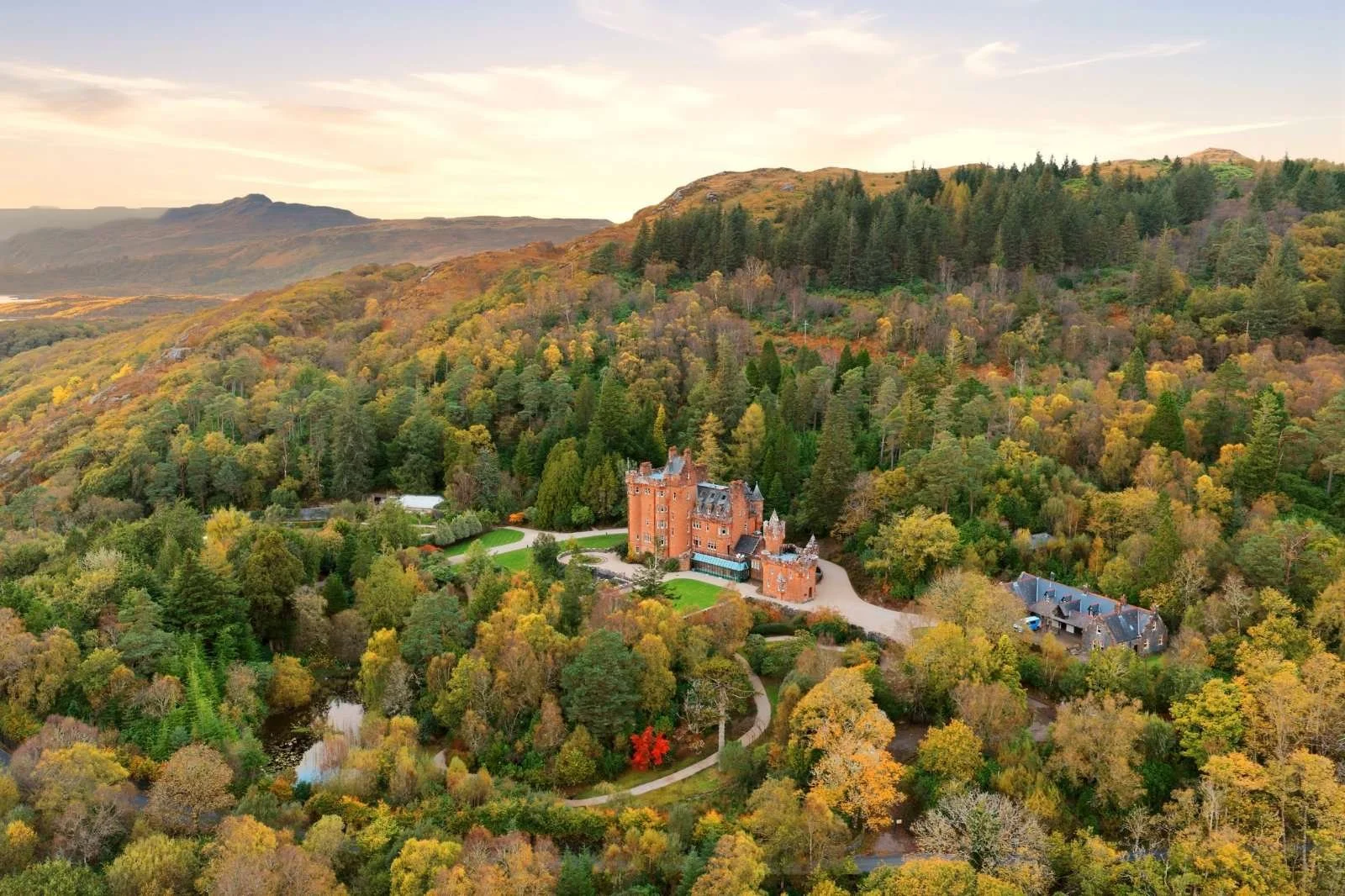
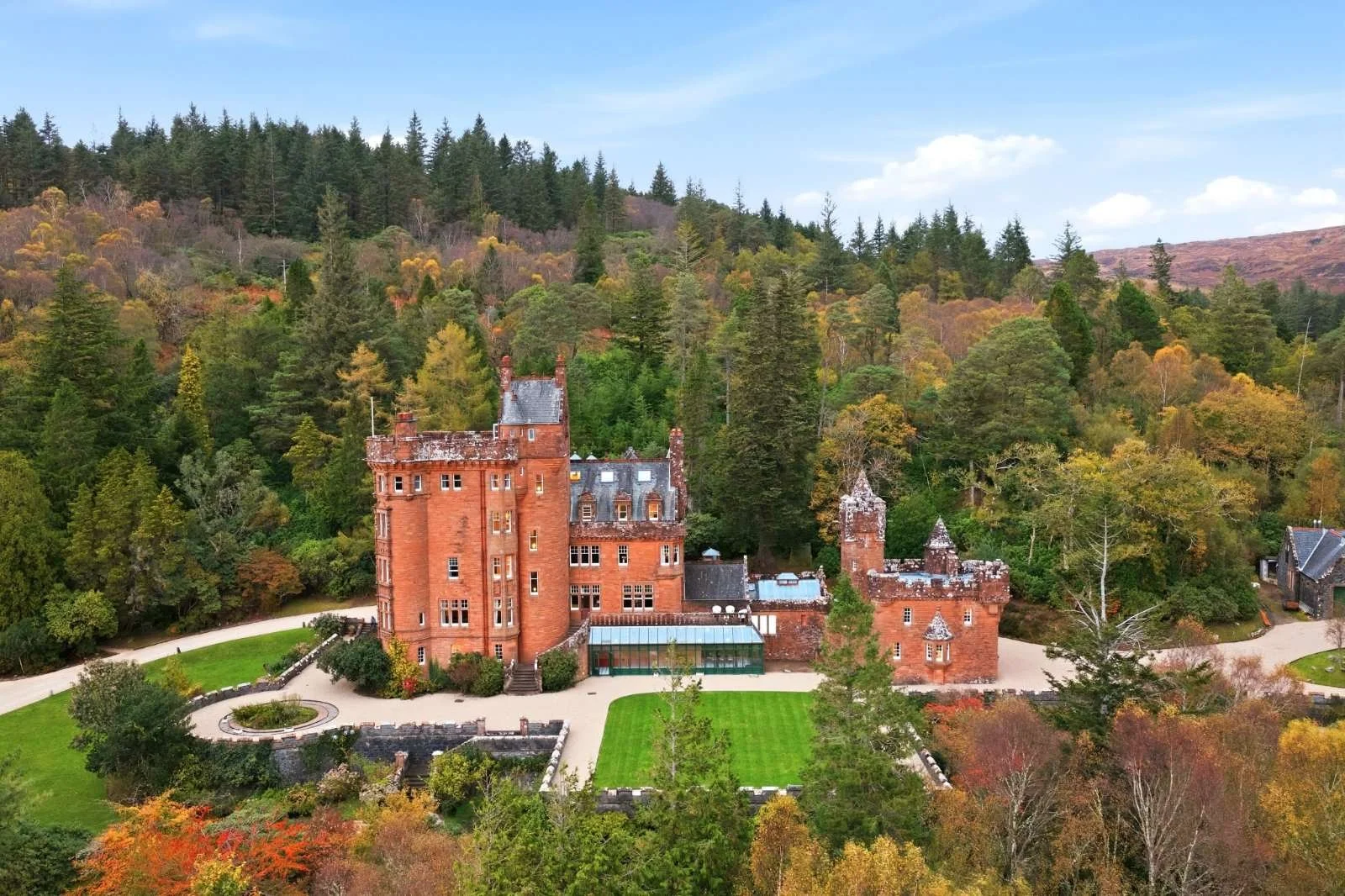
Two decades later, Rudd commissioned a Scottish castle on the remote west coast of Scotland, overlooking a sea loch on the Ardnamurchan Peninsula. Completed in 1902, Glenborrodale Castle was built as a country retreat on his extensive Highland estate, designed in the Scots Baronial style with red-sandstone towers, turrets and formal gardens.
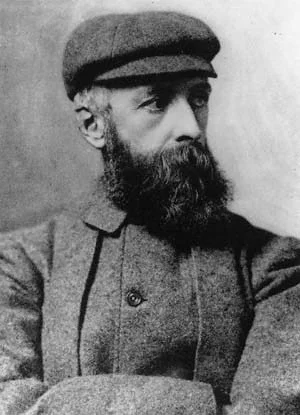
Charles Rudd, photographer unknown. From the National Archives of Zimbabwe
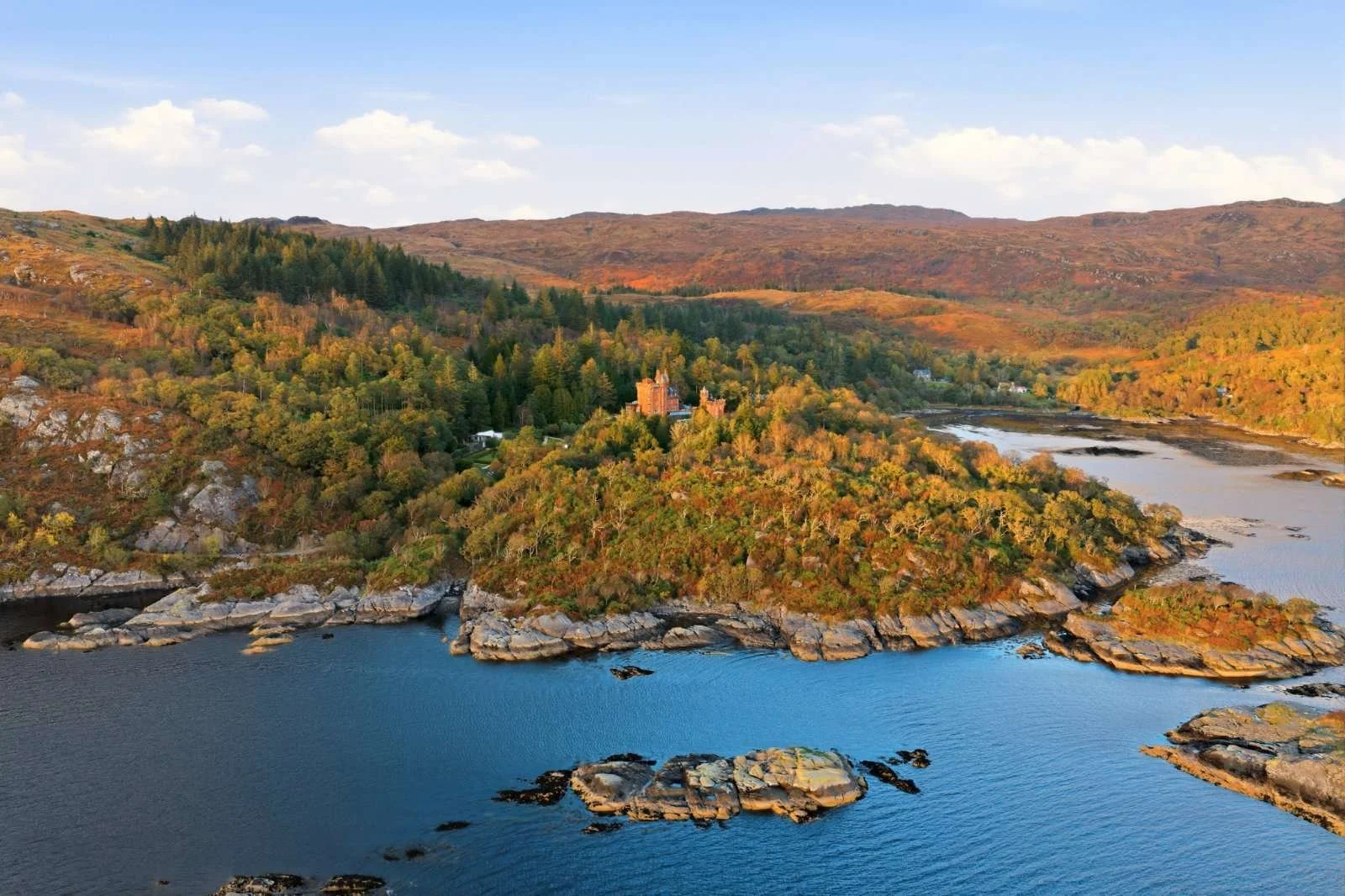
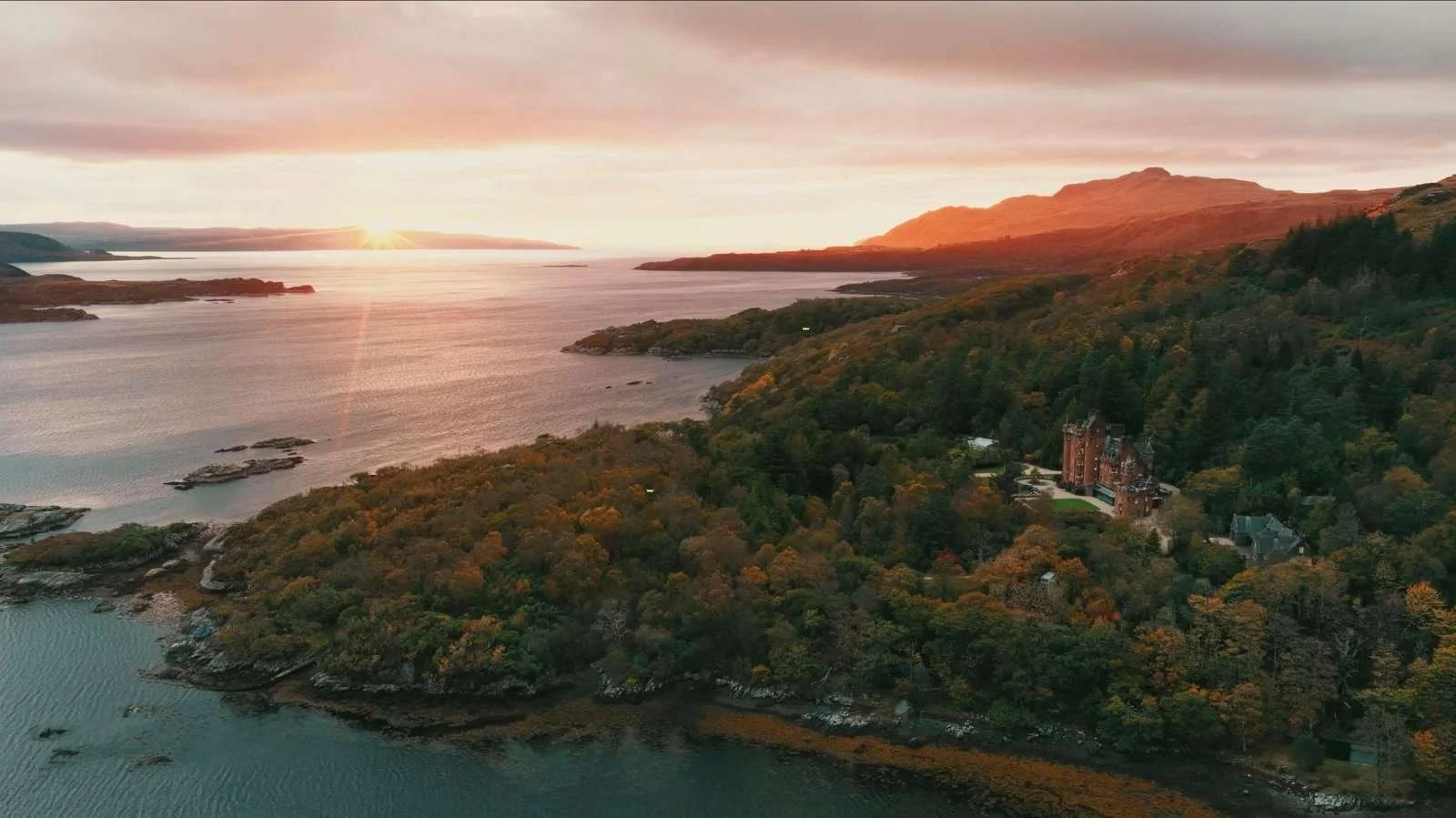
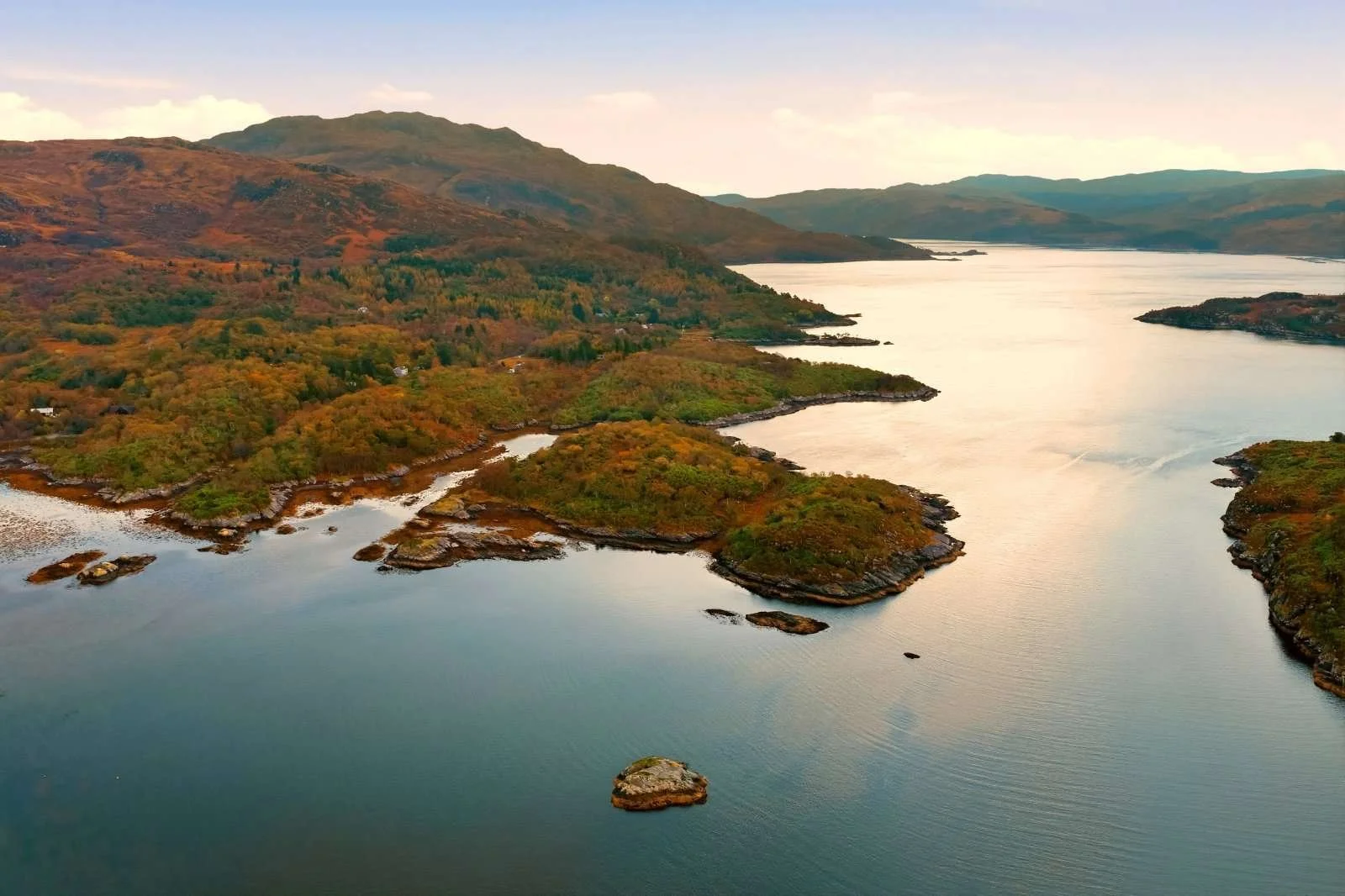
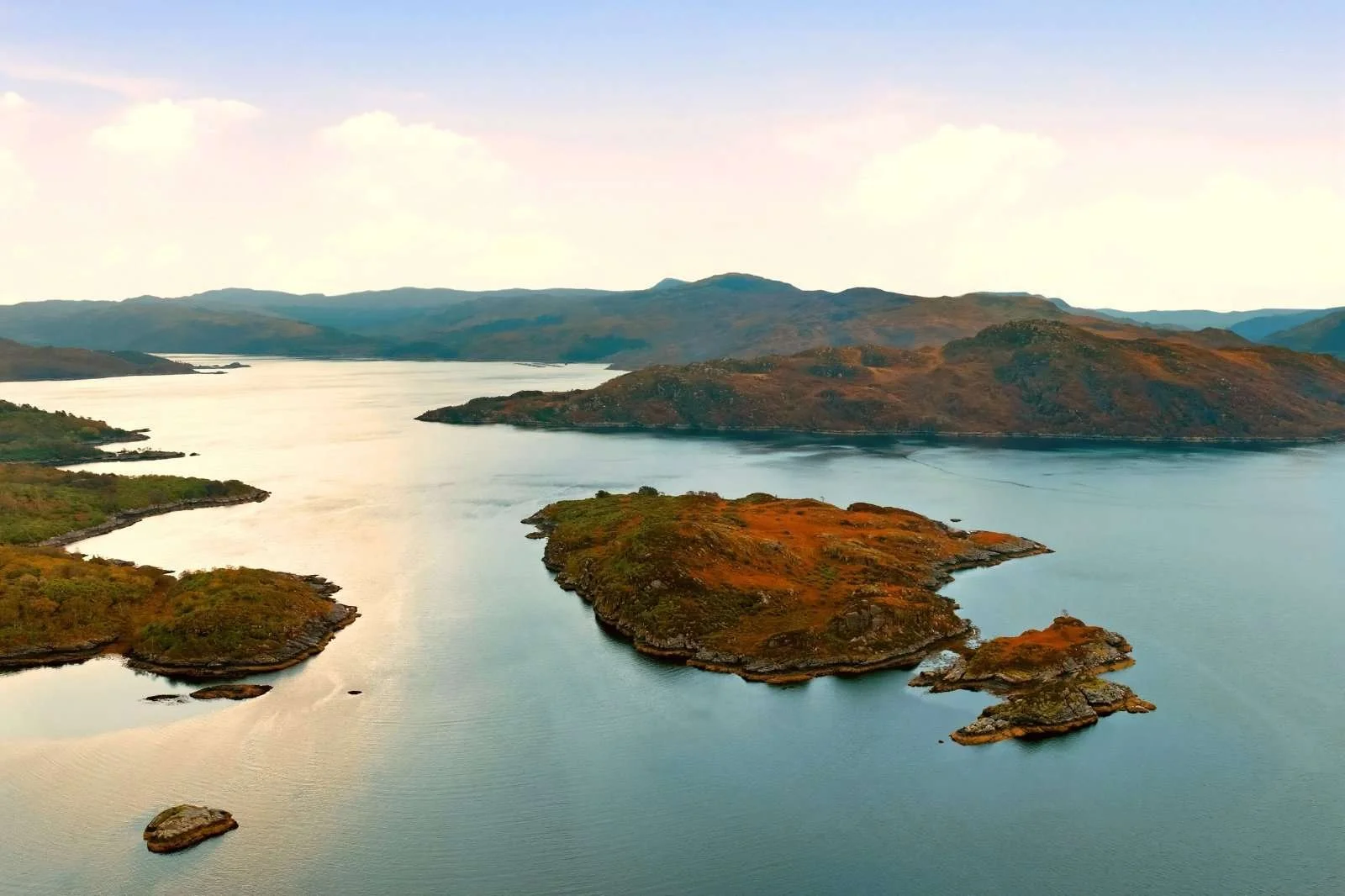
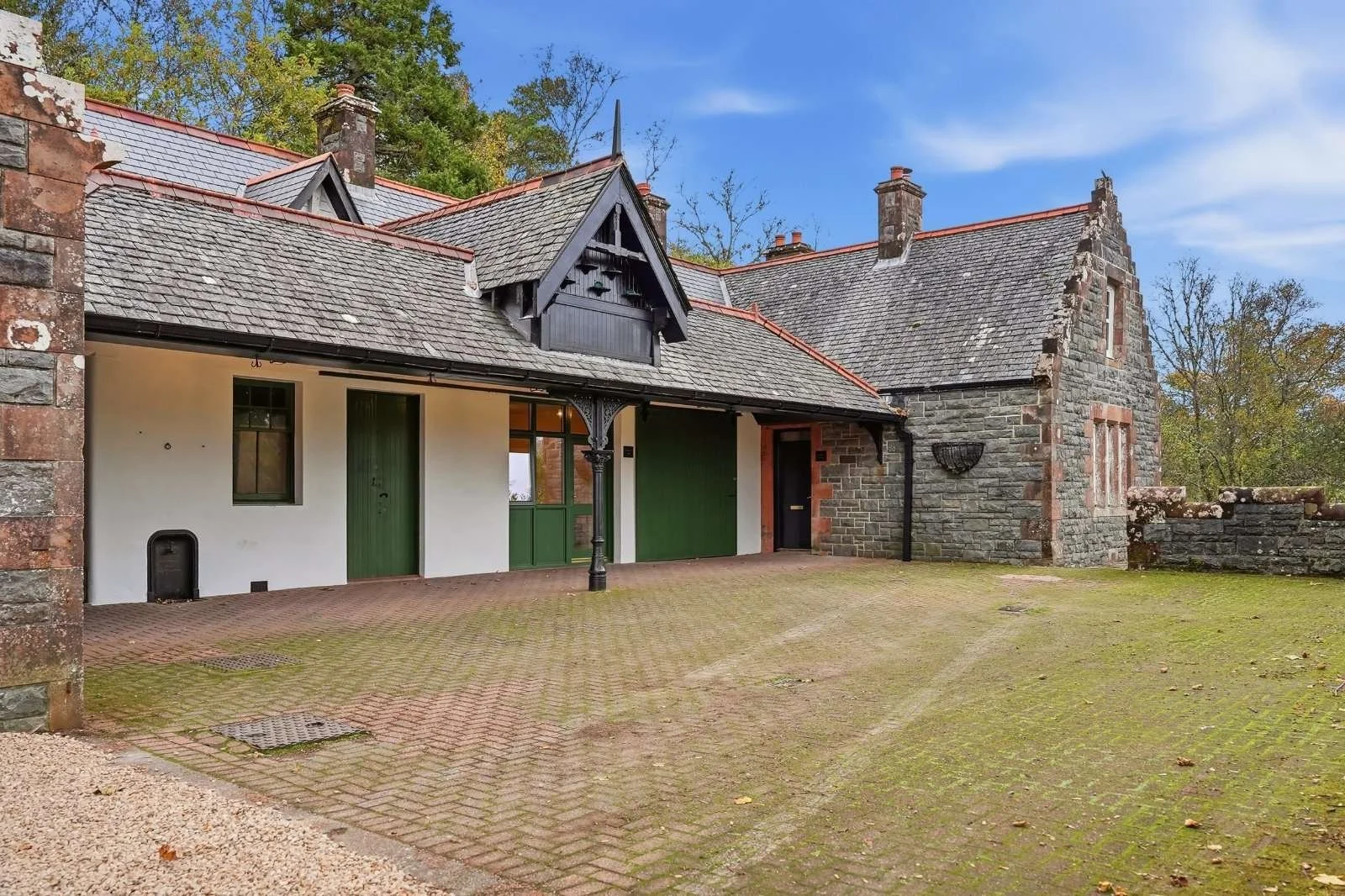
Now listed with Savills for offers over £3.95 million, the Category A-listed castle occupies approximately 134 acres (54.23 hectares) in the Scottish Highlands, including 850 metres of shoreline and two private islands, Risga and Eilean an Fheidh. The five-storey residence has 16 bedrooms and approximately 16,608 ft² (1,543 m²) of interior space, alongside a gate lodge, three coach-house apartments and boating facilities.
Rudd had arrived in southern Africa during the 1860s, several years before major diamond discoveries around Kimberley attracted thousands of prospectors and investors. Among them was Cecil Rhodes, who arrived in 1871 and subsequently became his business partner.
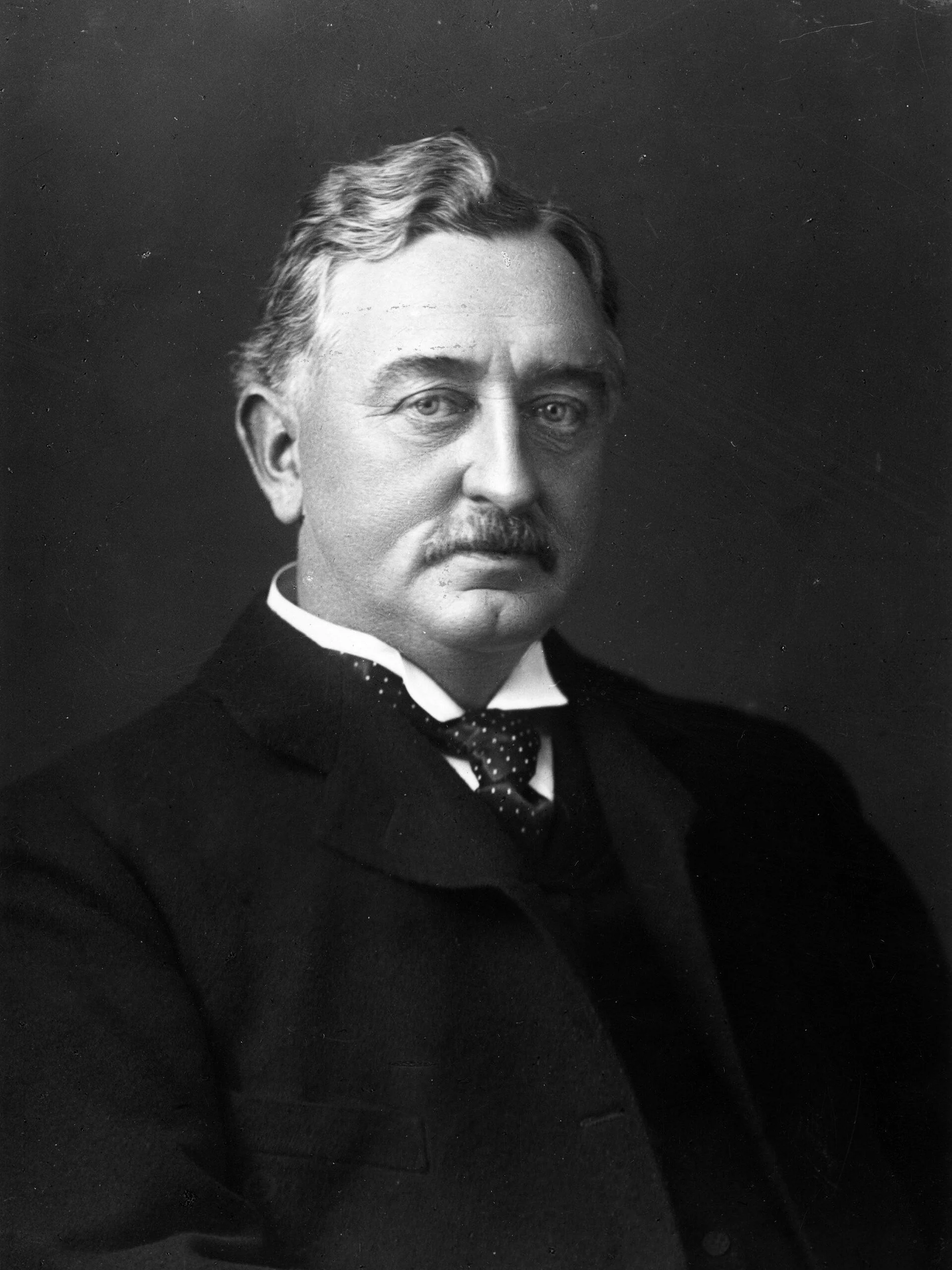
Portrait of the industrialist and politician Cecil Rhodes (1853-1902). Public Domain
Together, they acquired mining claims and developed their interests in the growing diamond industry. With financial backing from the Rothschild banking family, including Nathan Rothschild, 1st Baron Rothschild, their interests were consolidated with competing diamond operations in 1888, creating De Beers Consolidated Mines, which would come to dominate much of the international diamond trade.
Their partnership also extended into British colonial expansion. In 1888, Rudd negotiated a controversial agreement with King Lobengula of the Ndebele, known as the Rudd Concession. The agreement granted extensive mineral rights and became instrumental in Rhodes's efforts to expand British commercial and territorial influence into present-day Zimbabwe.
By the late 19th century, Rudd had accumulated a considerable fortune. In 1897, he purchased part of the extensive Ardnamurchan estate in the Scottish Highlands, acquiring land that stretched westwards towards Ardnamurchan Point.
Rudd developed two country houses on the estate, one associated with deer stalking and the other with fishing. While Glenborrodale Castle was under construction, he stayed at Shielbridge House, near the River Shiel, which was later demolished.
On a wooded hillside overlooking Loch Sunart, Rudd commissioned Edinburgh architect Sydney Mitchell to replace an earlier house with Glenborrodale Castle. Construction began in 1898 and was completed in 1902.
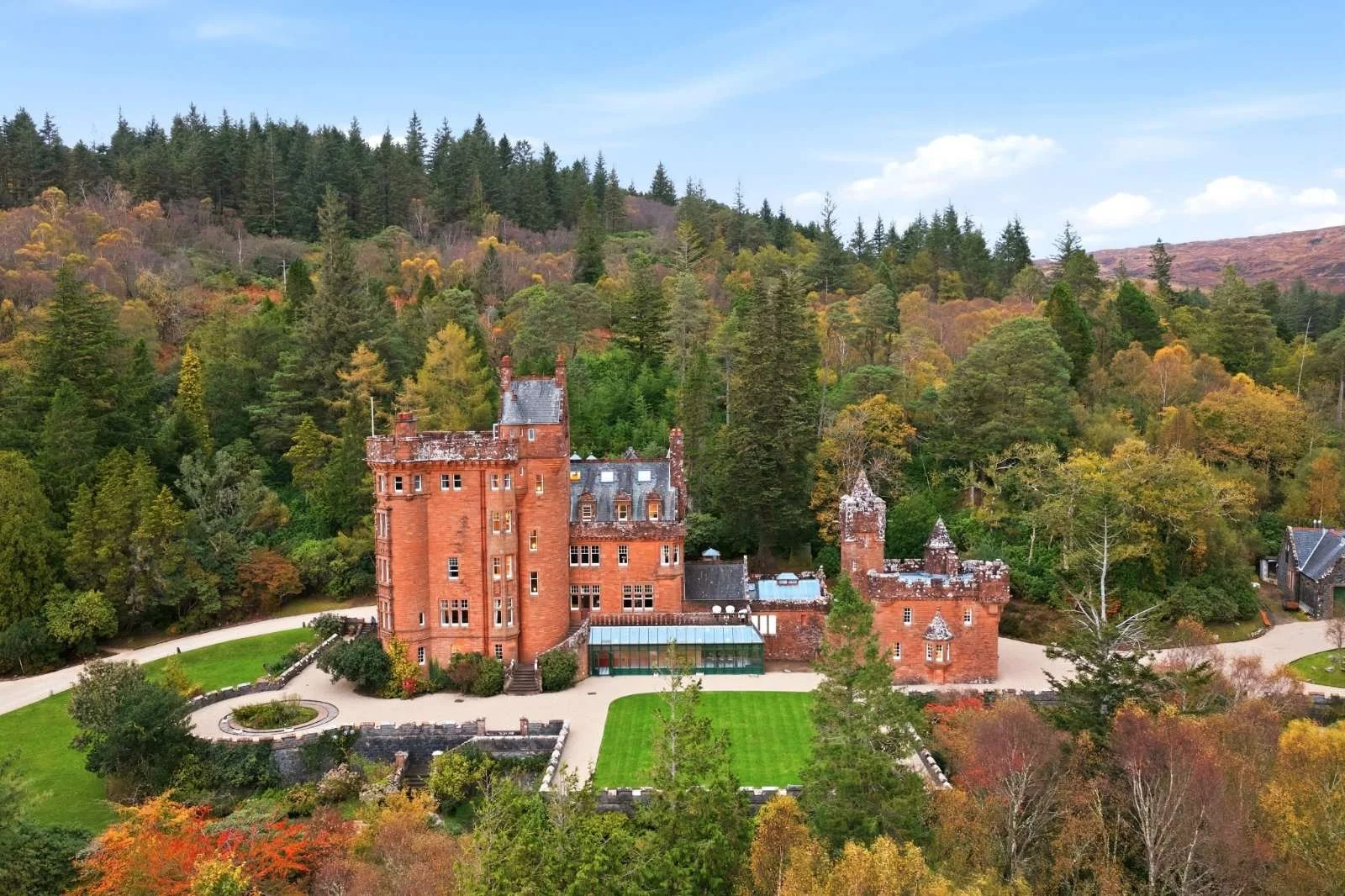
Mitchell was an established Scottish architect whose commissions included country houses, commercial buildings and institutional projects. For Glenborrodale, he adopted the Scots Baronial style, drawing on the towers, turrets and defensive-looking details of Scotland's medieval and Renaissance castles. Popular among wealthy Victorian patrons, the style combined the appearance of a historic fortress with the comforts of a modern country house.
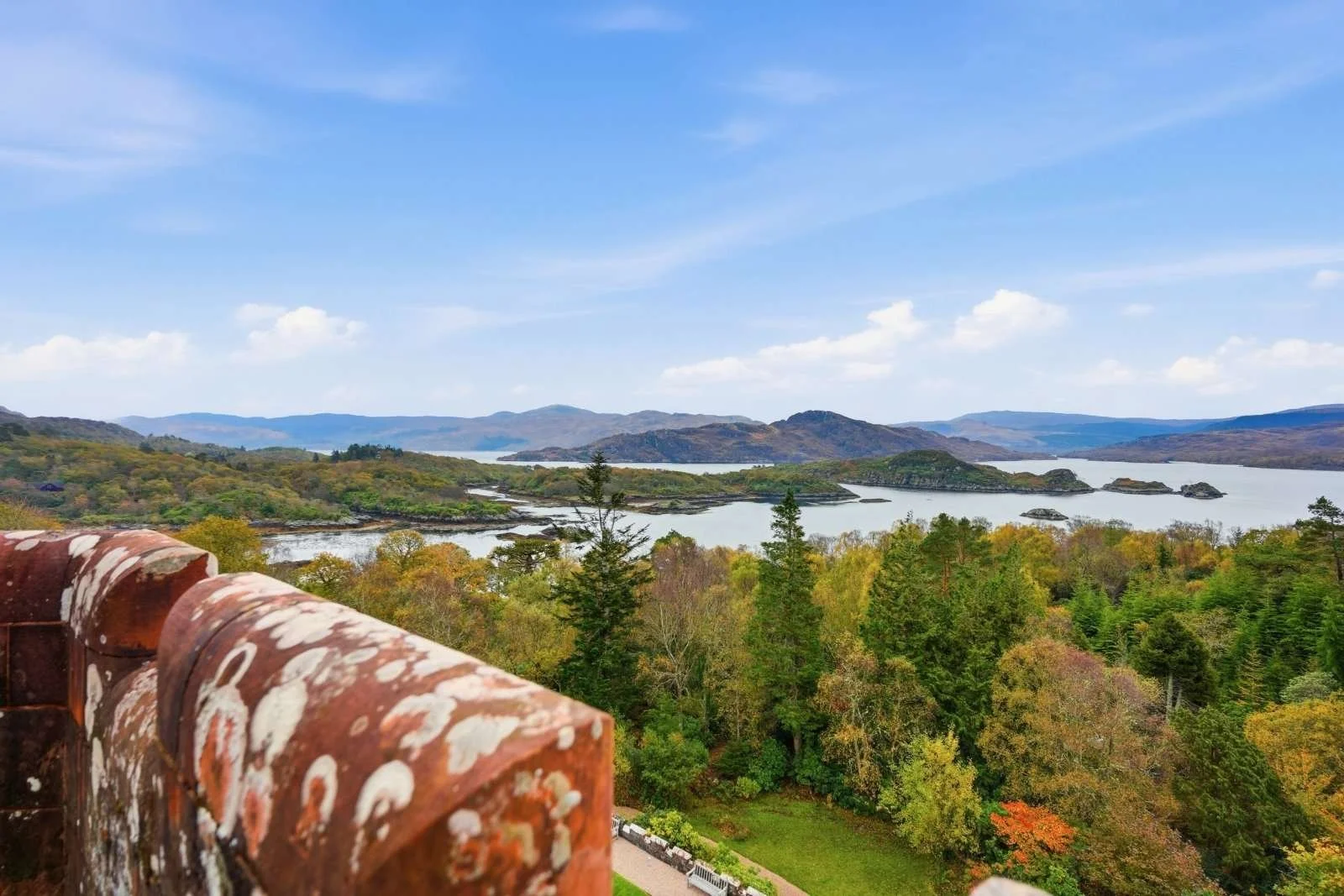
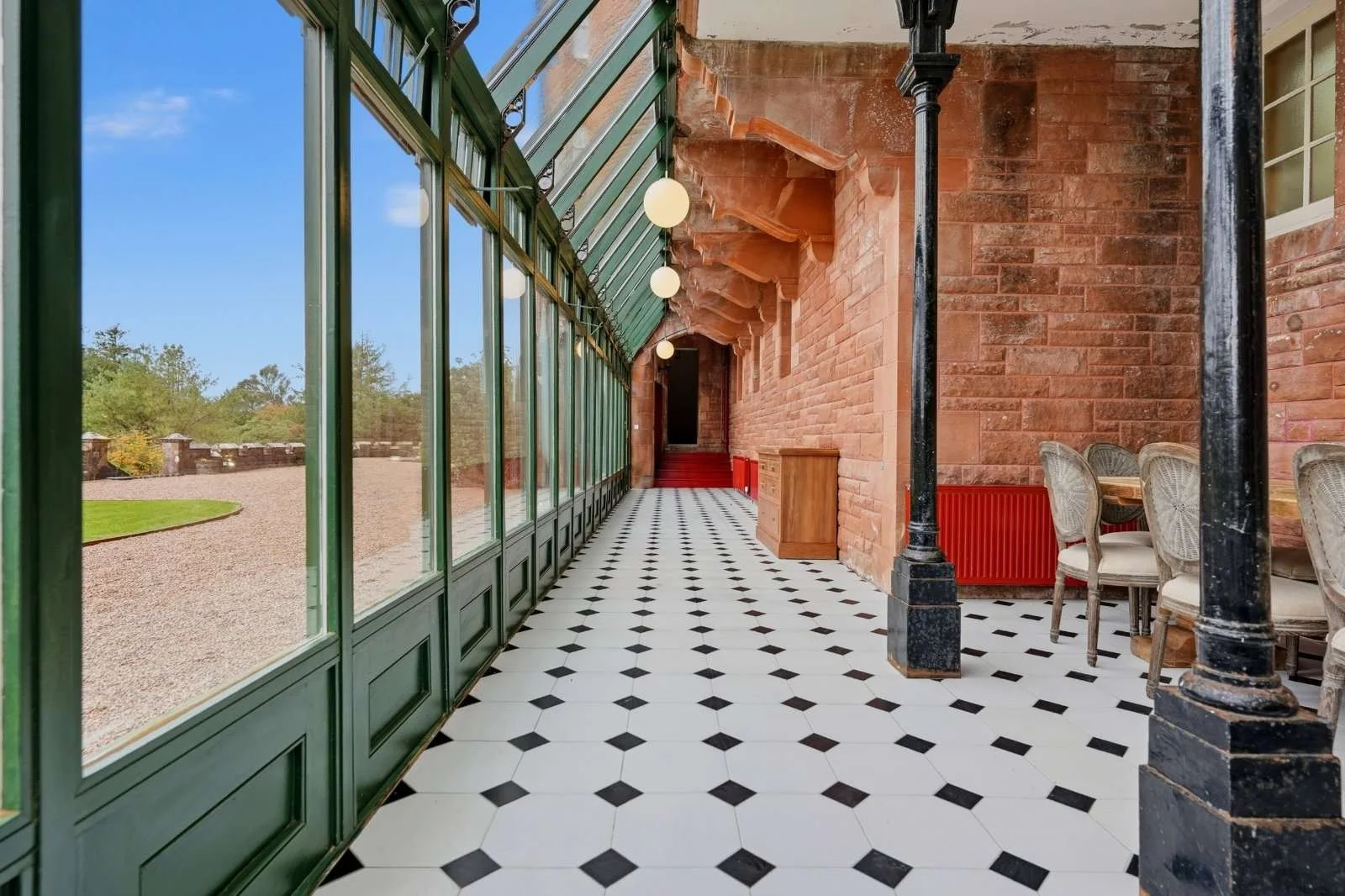
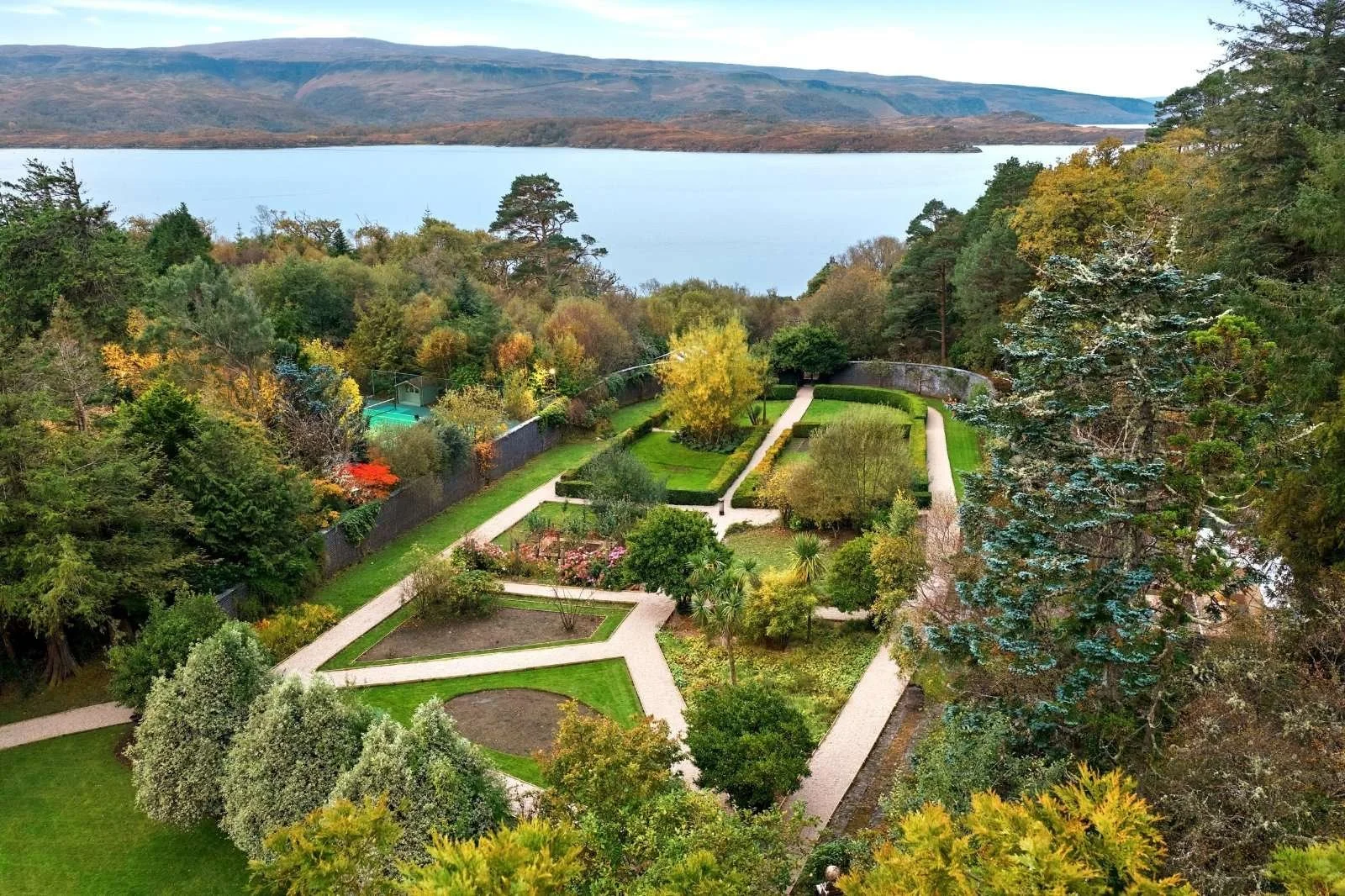
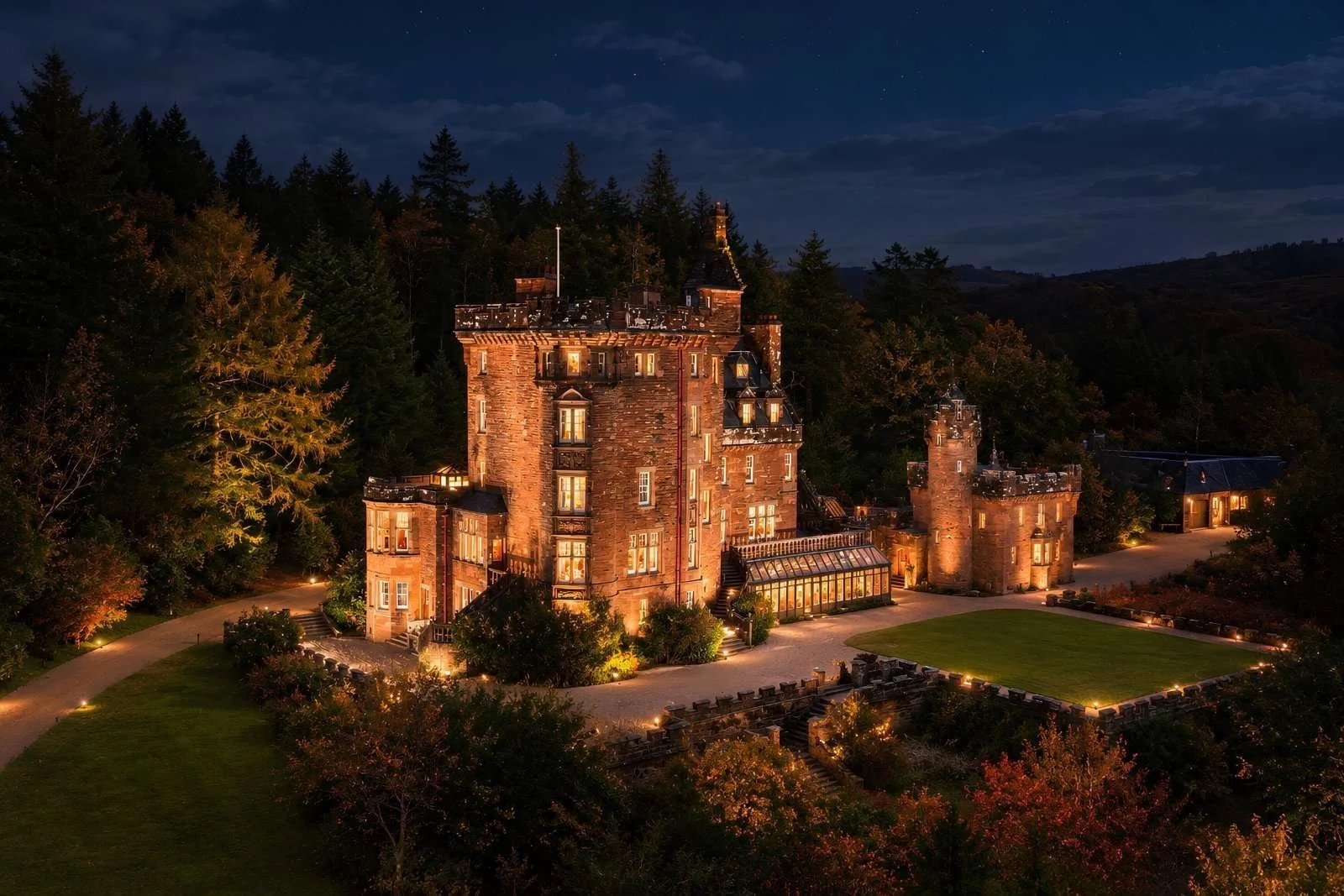
Built from red sandstone brought from Dumfriesshire, Glenborrodale has an asymmetrical design dominated by a five-storey western tower, projecting turrets and steeply pitched roofs. The castle rises above the southern shore of the peninsula, overlooking its gardens, Loch Sunart and the mountains of Morvern.
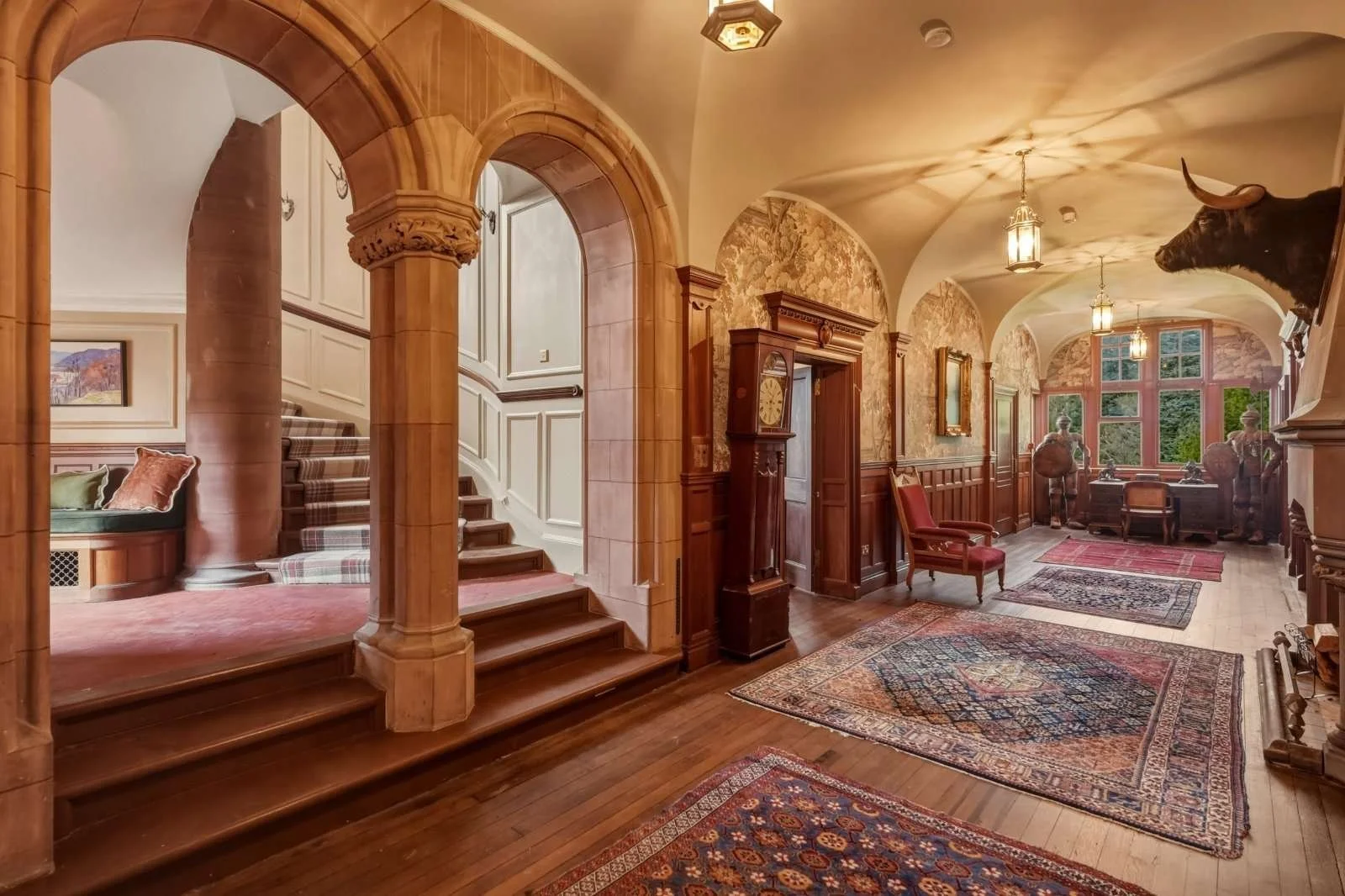
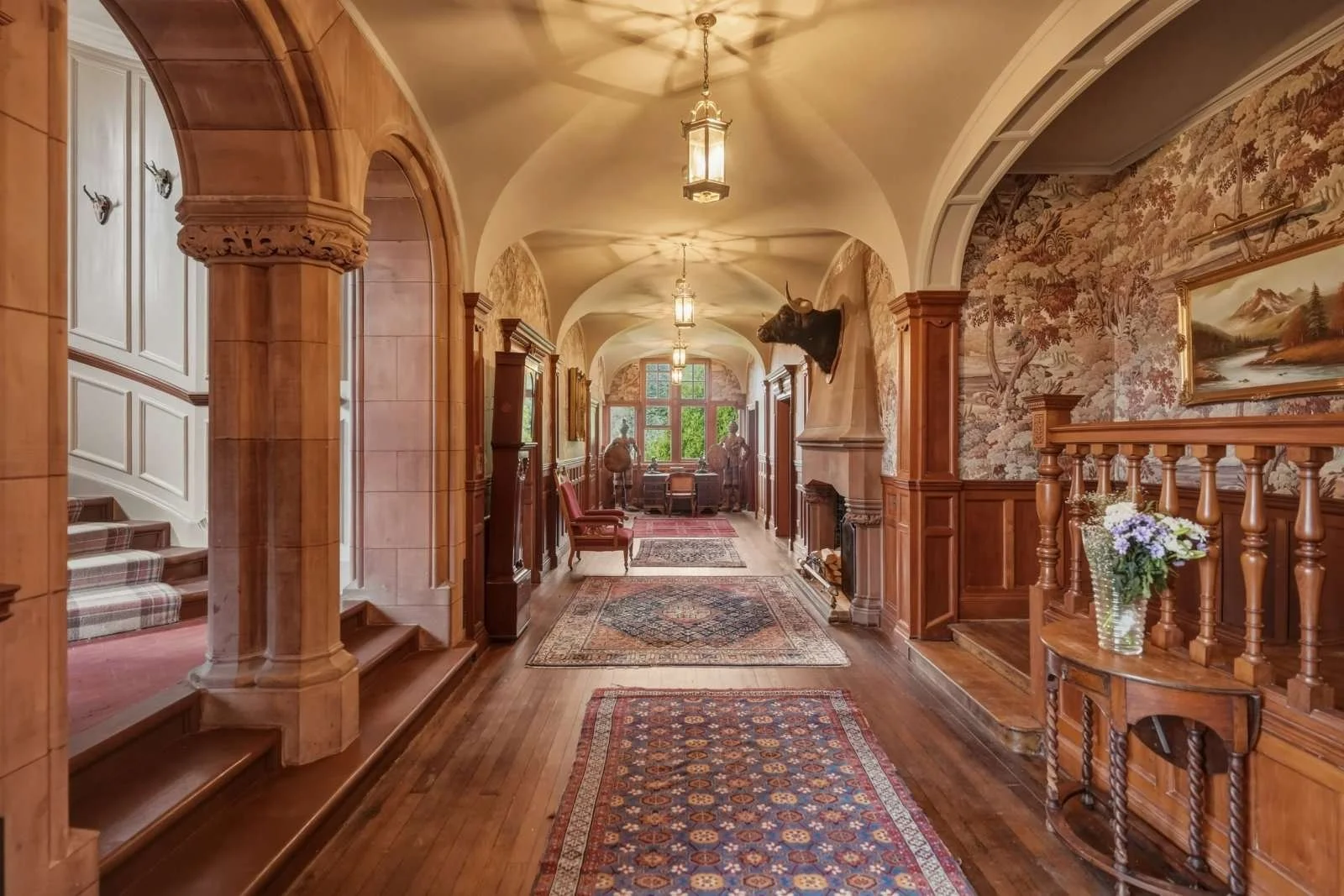
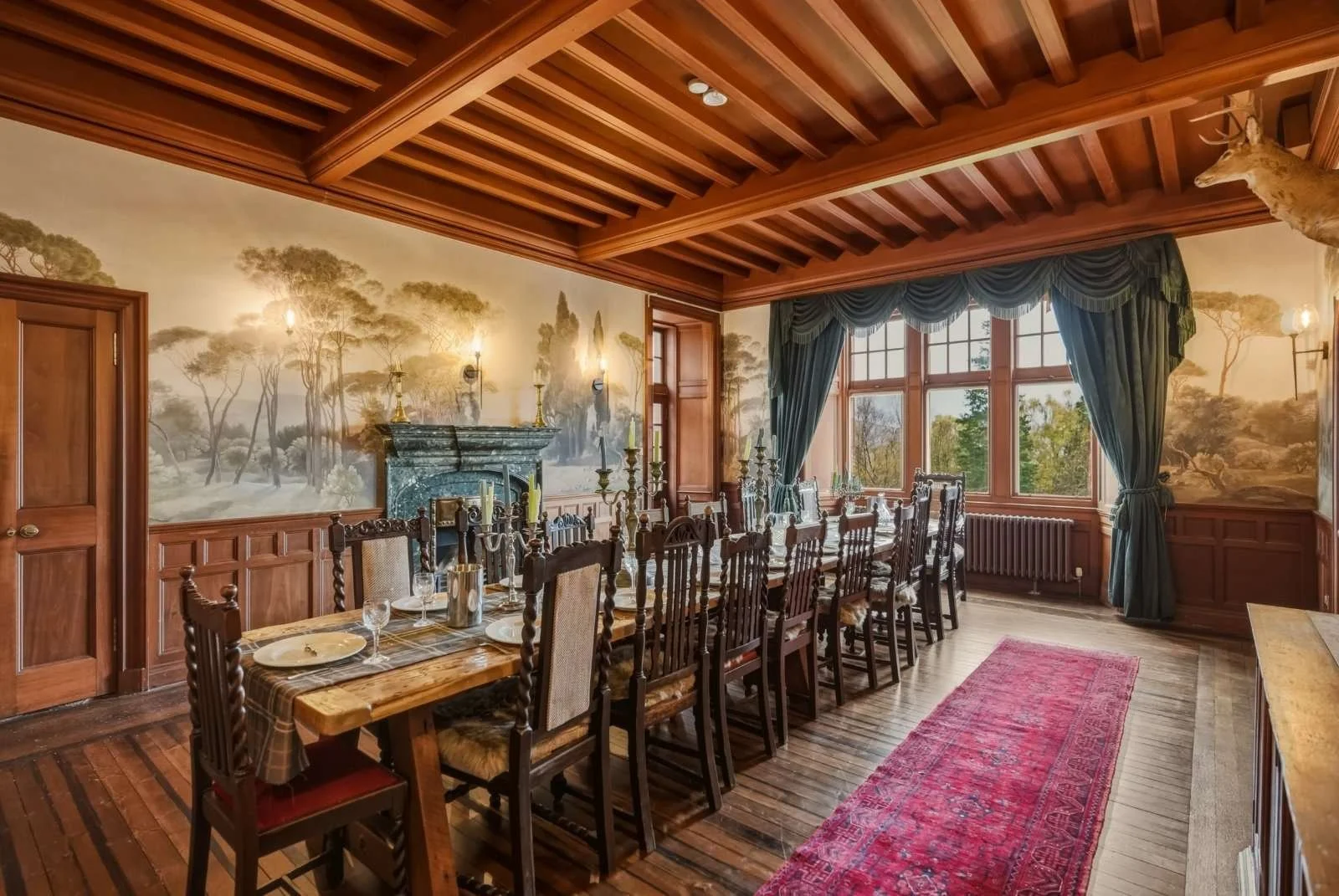
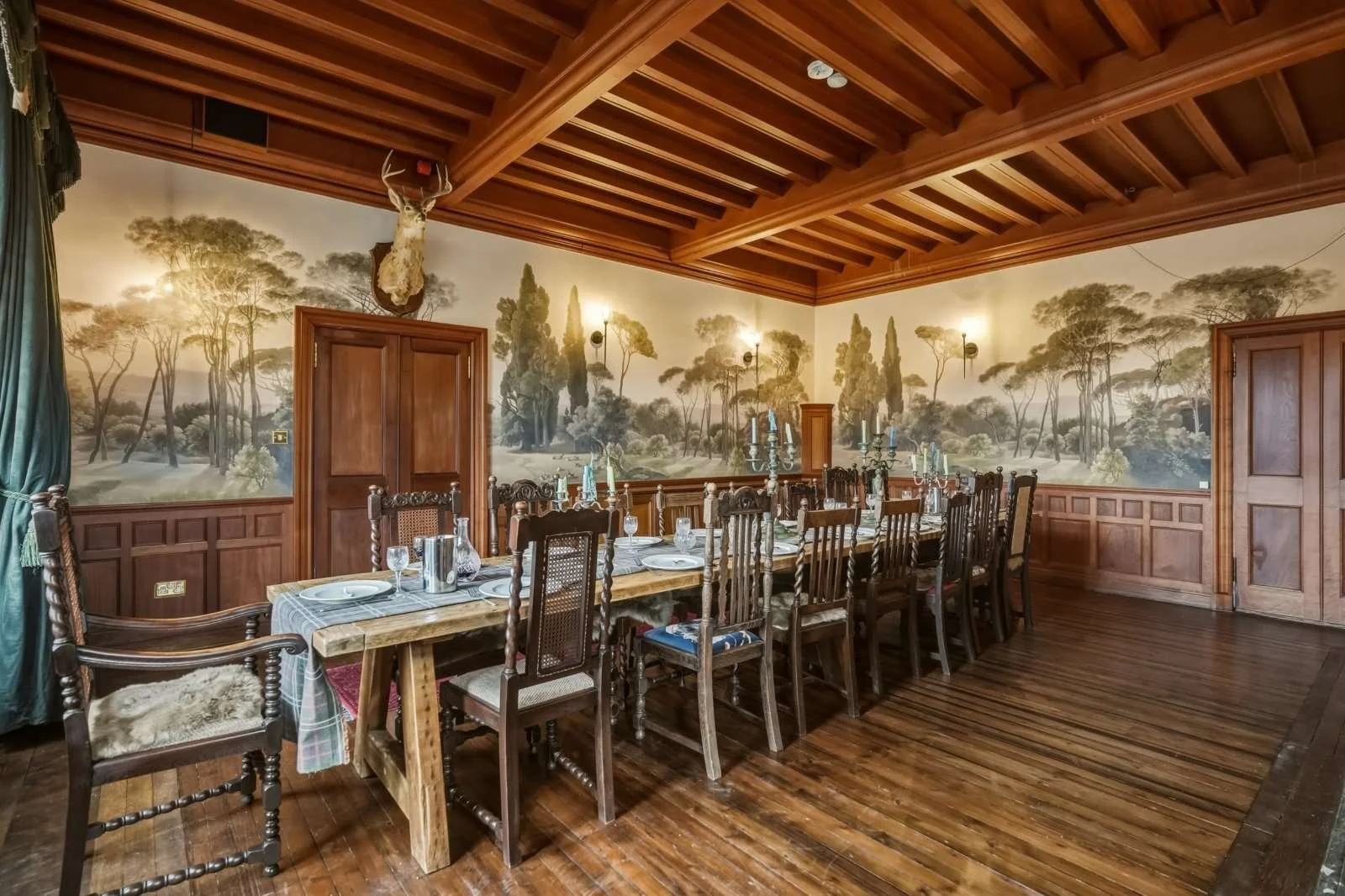
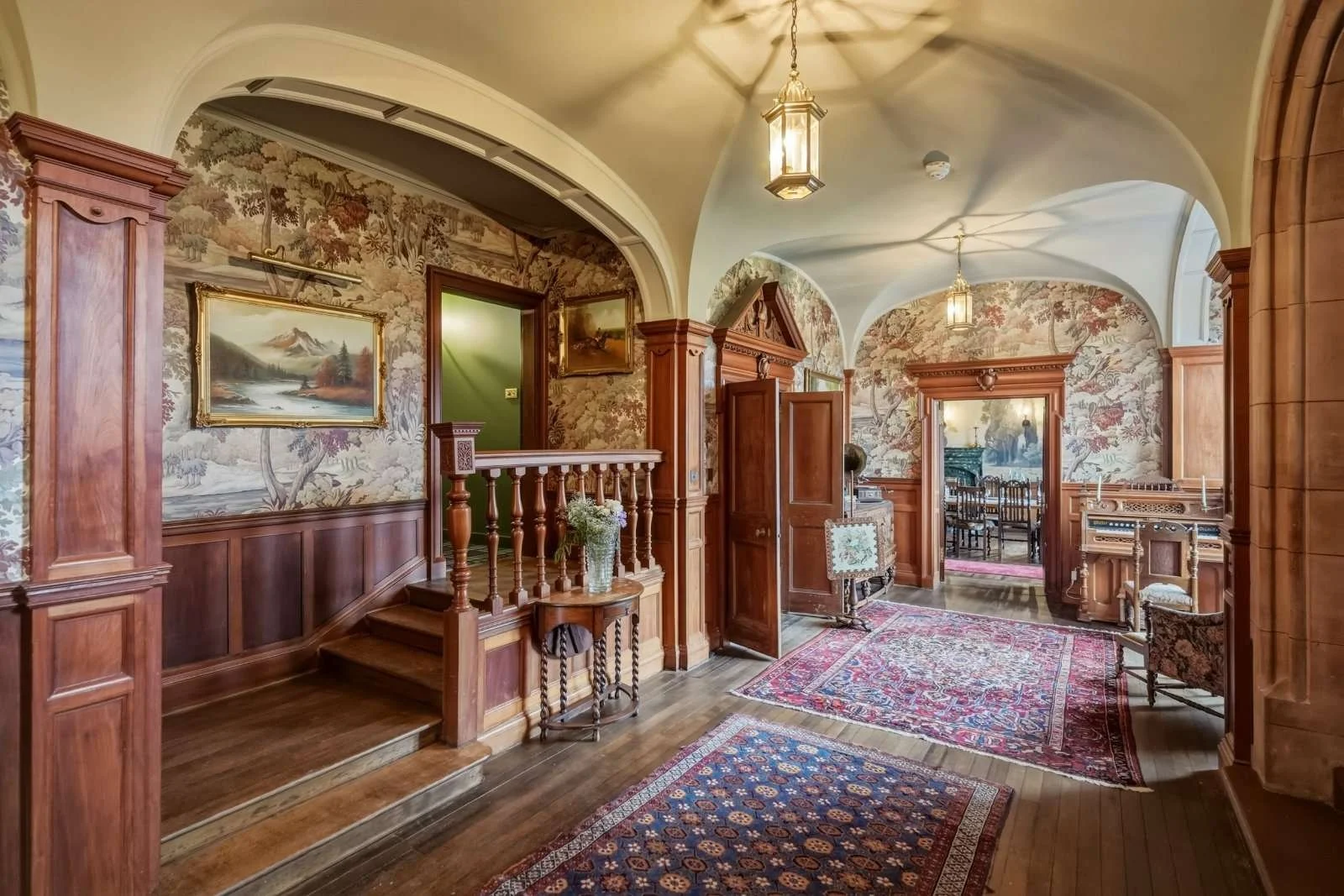
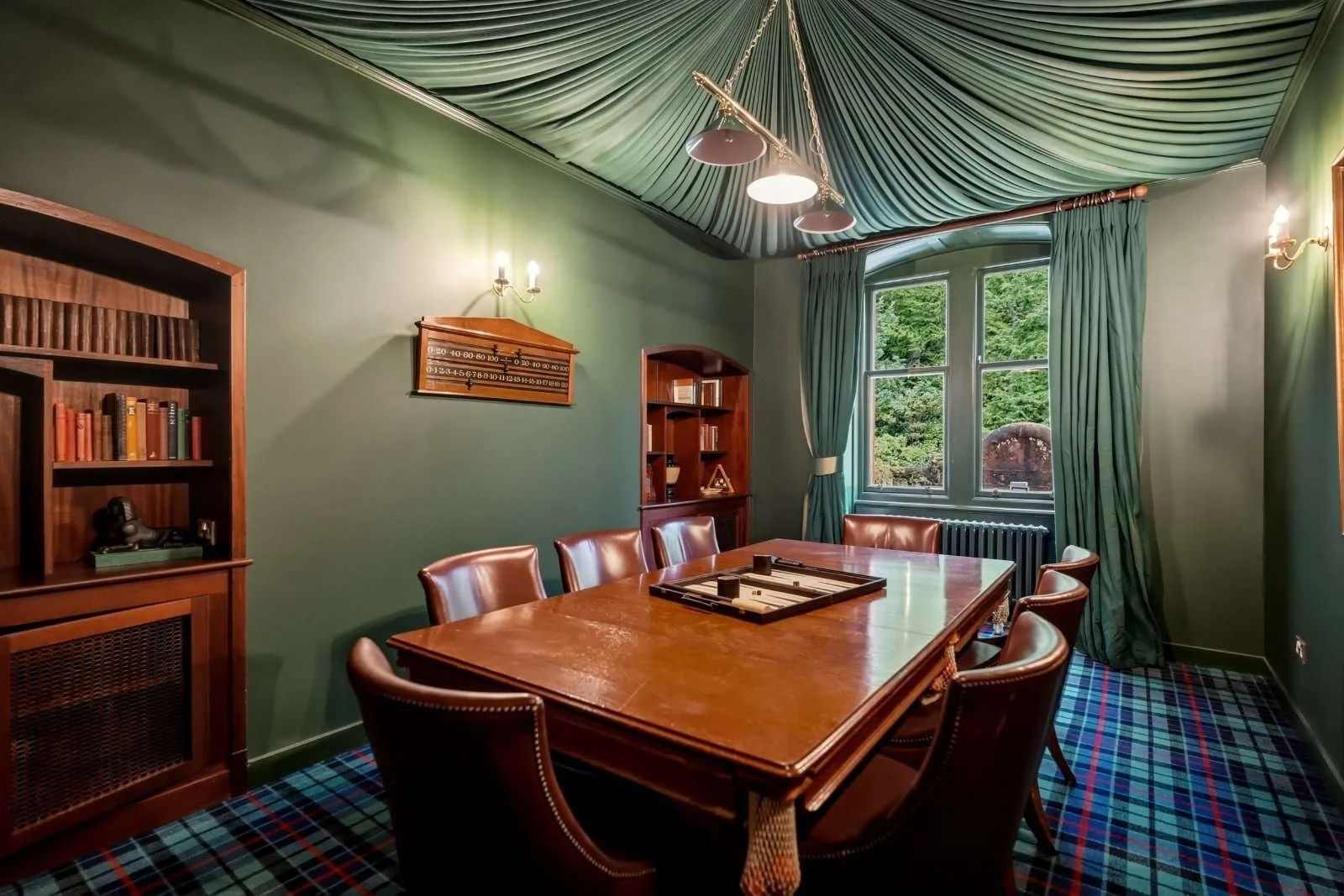
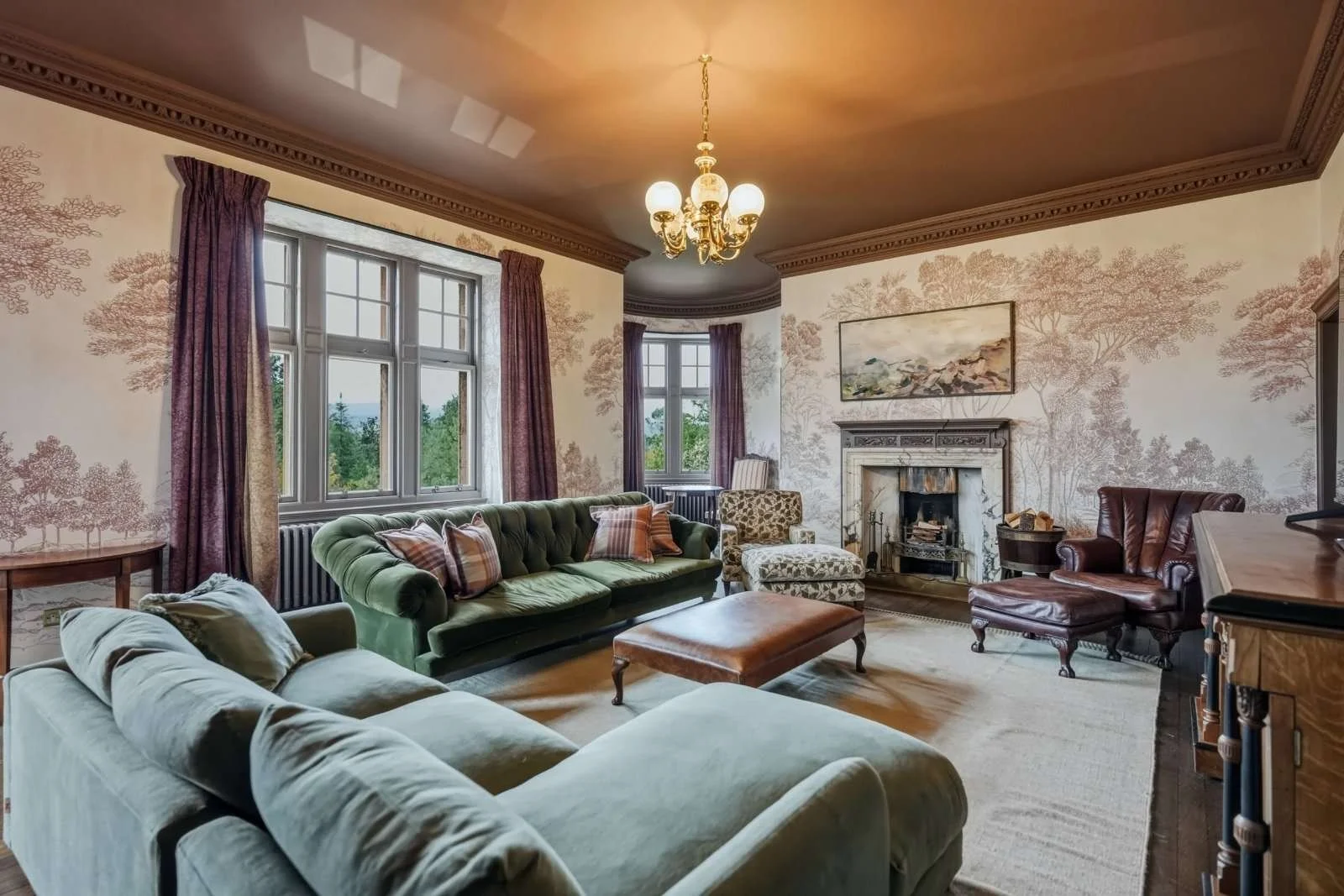
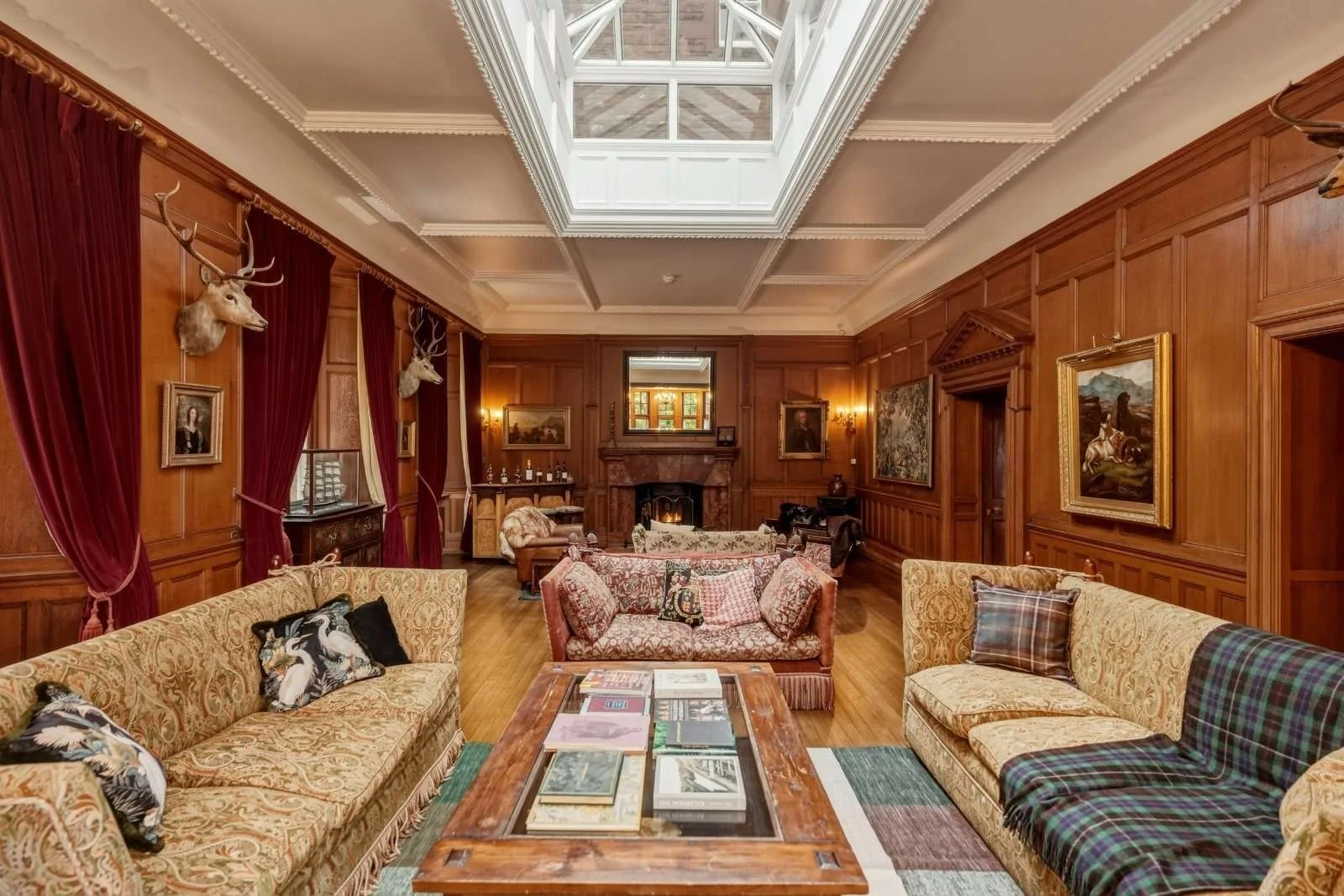
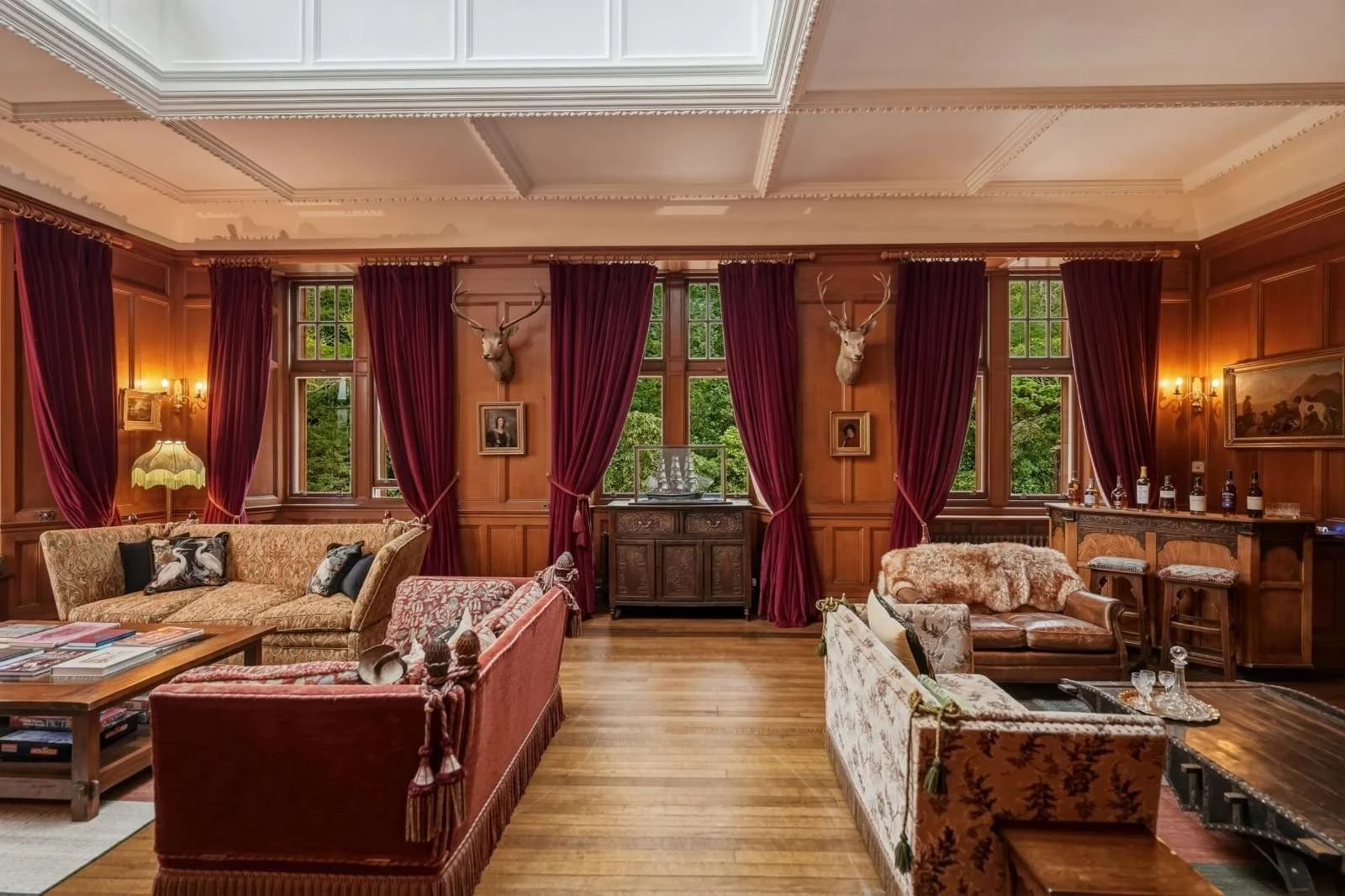
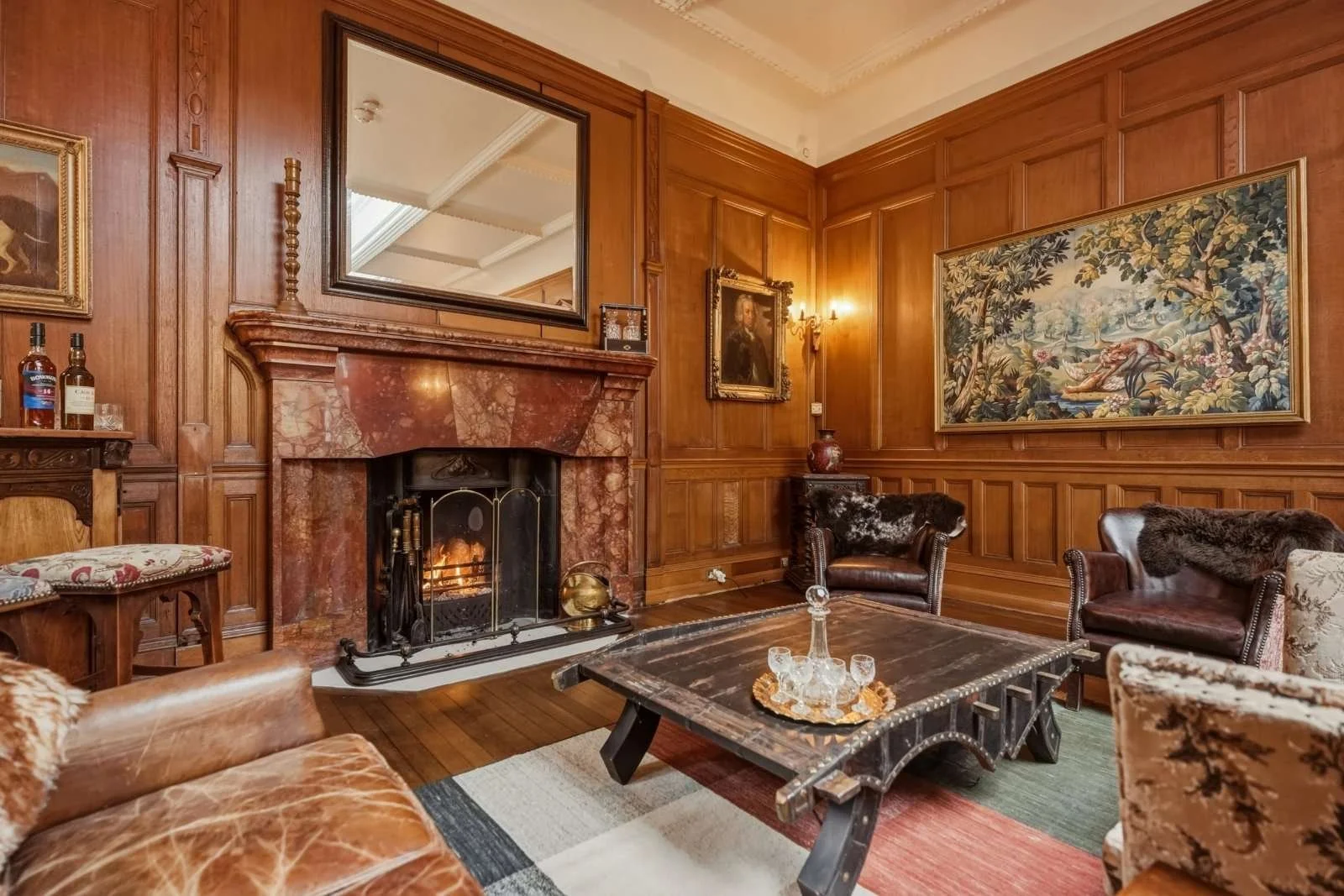
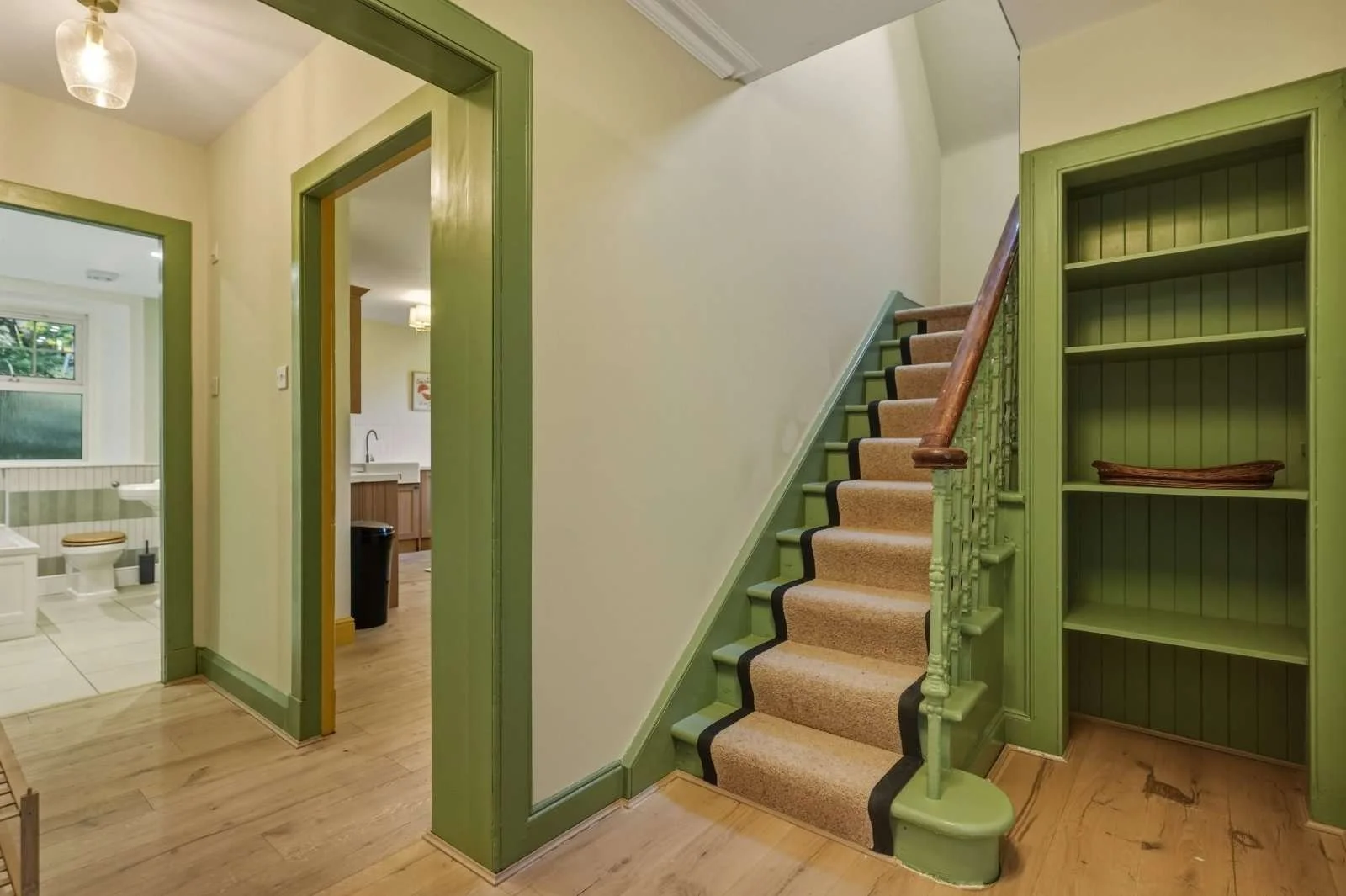
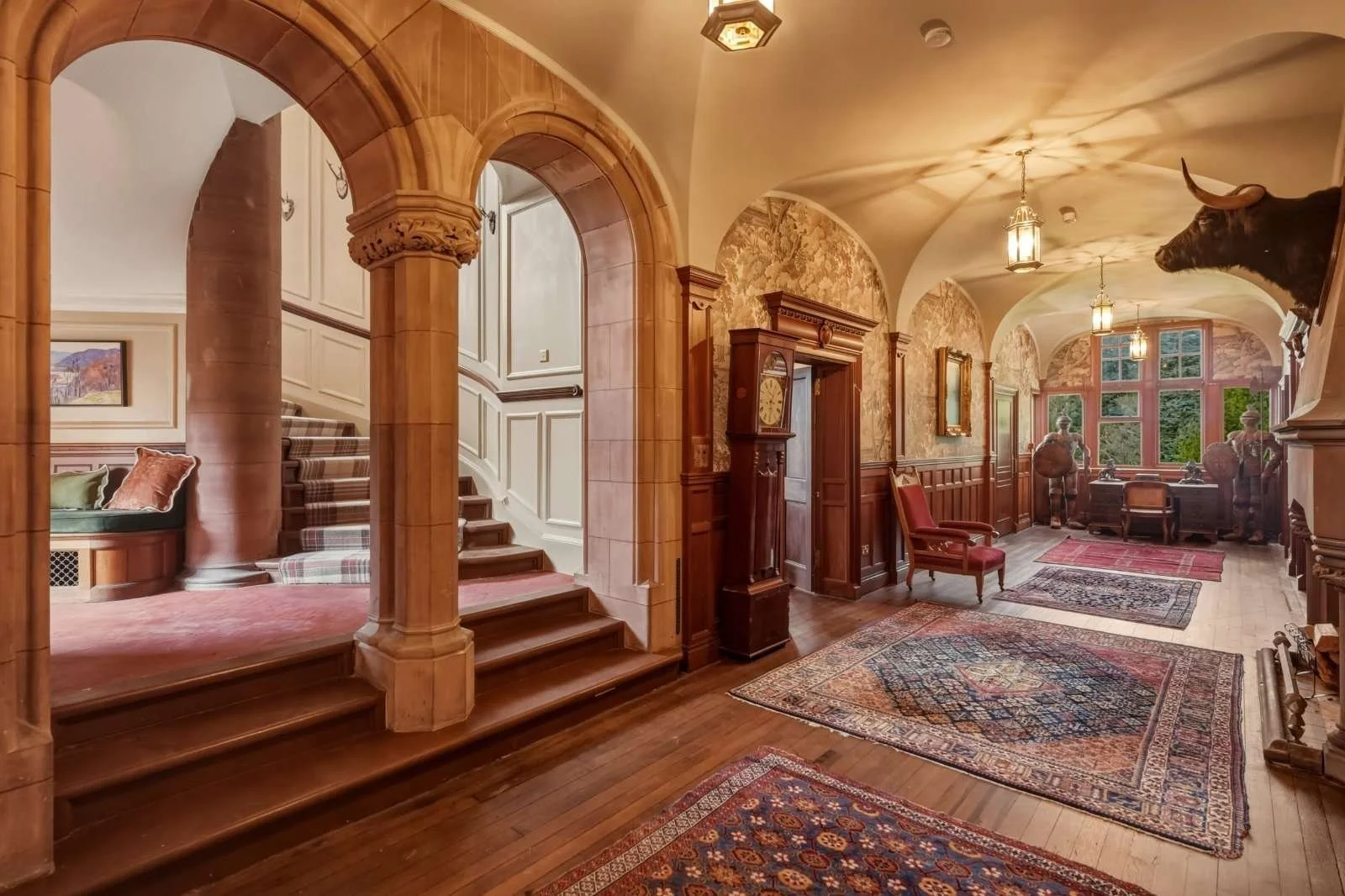
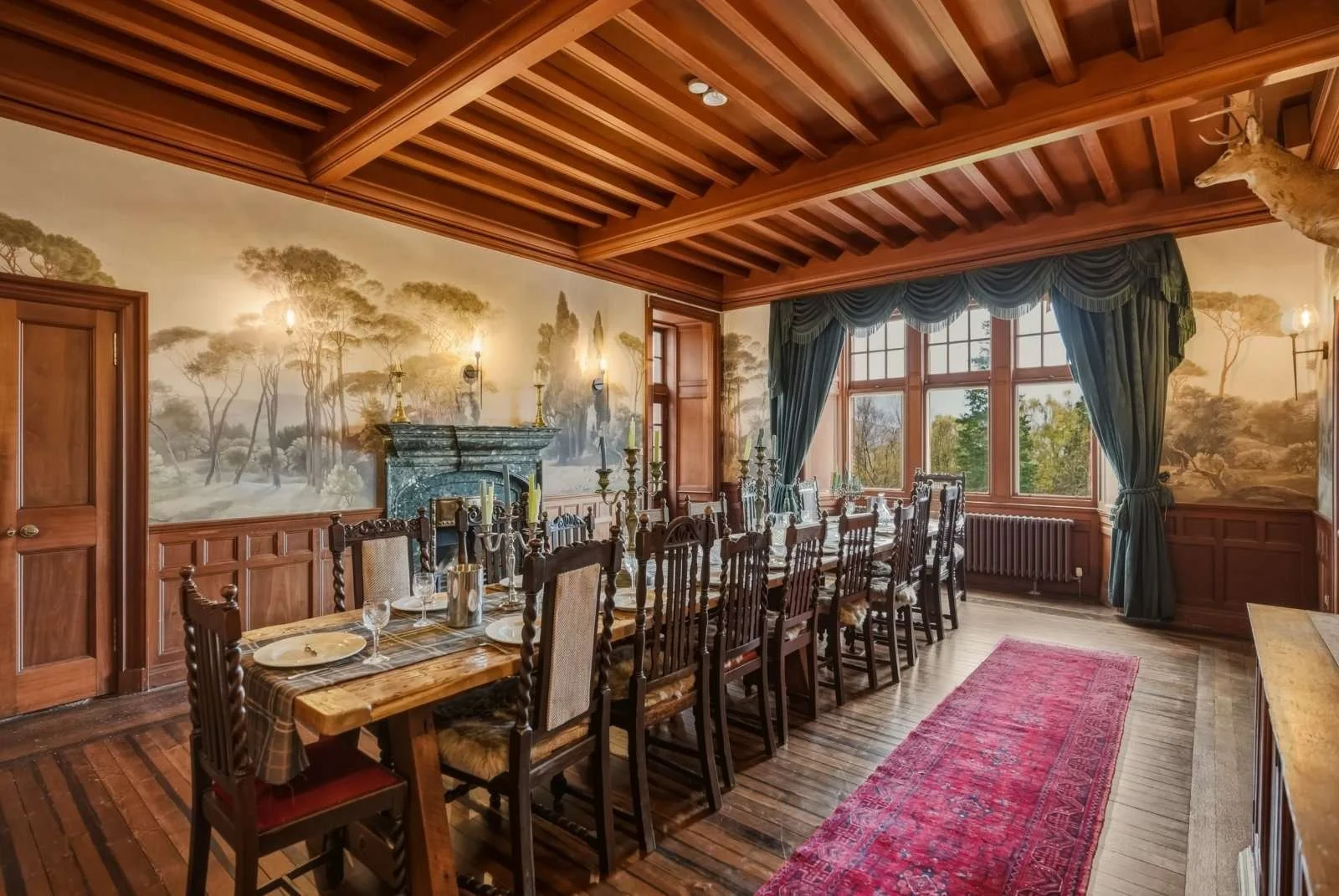
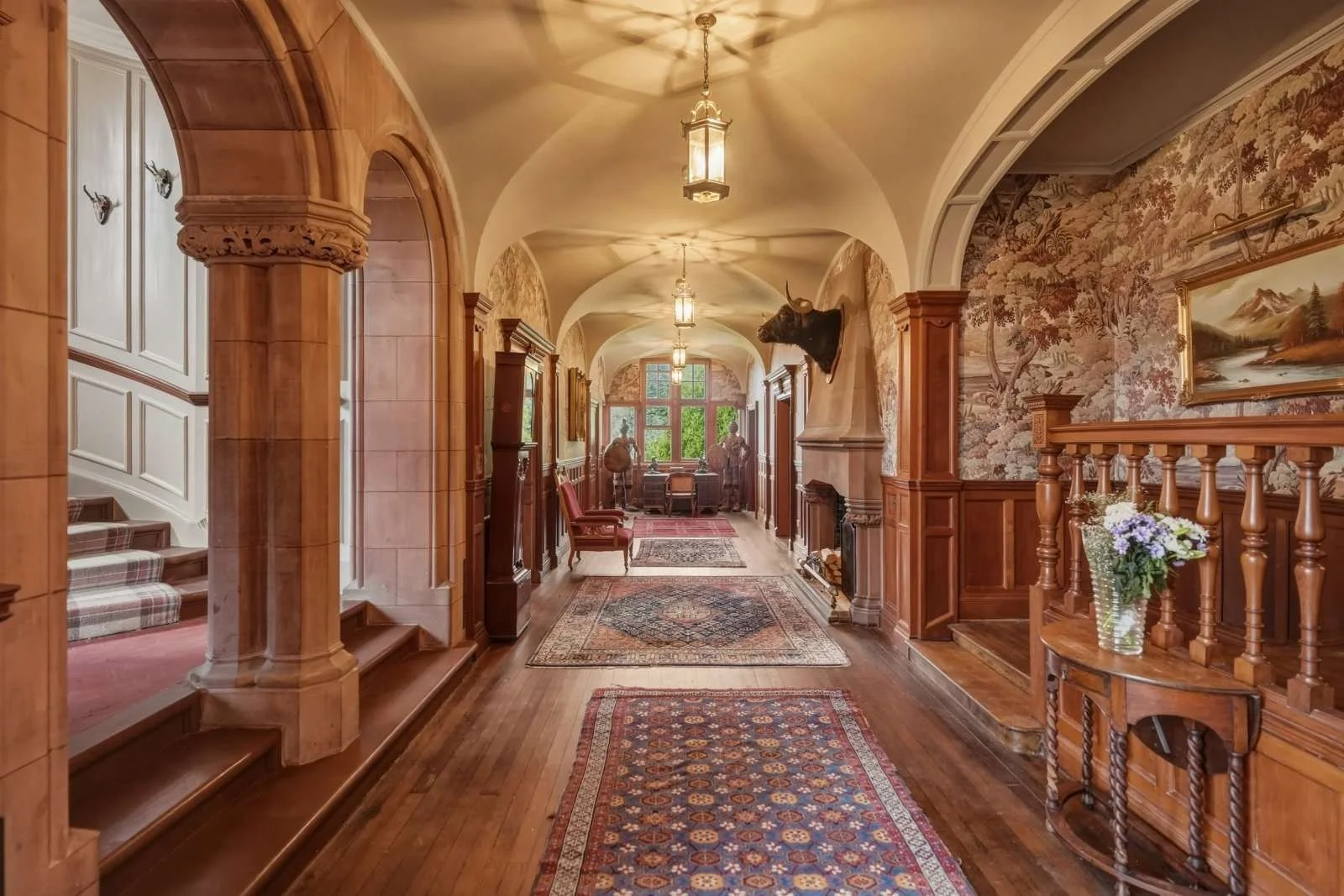
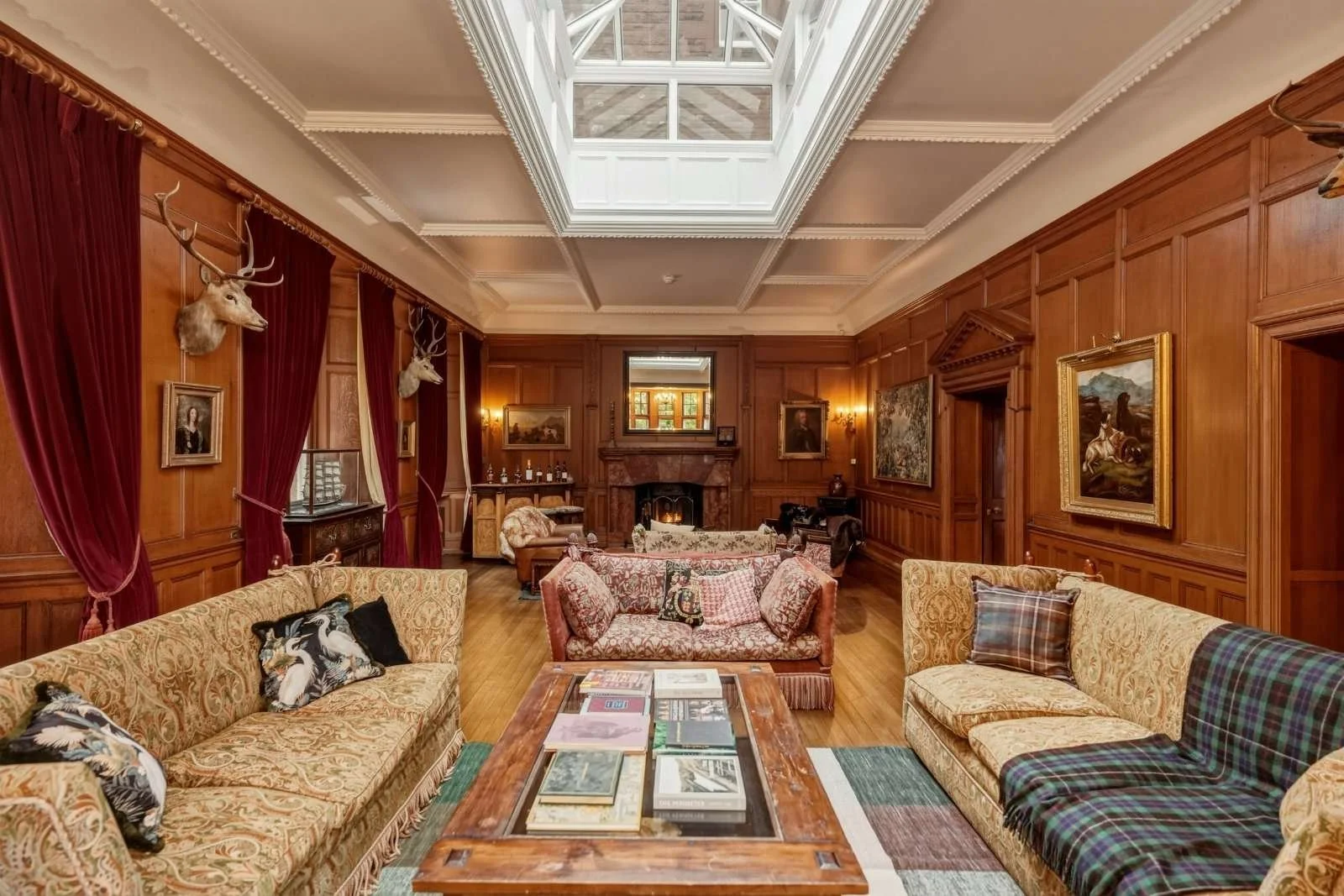
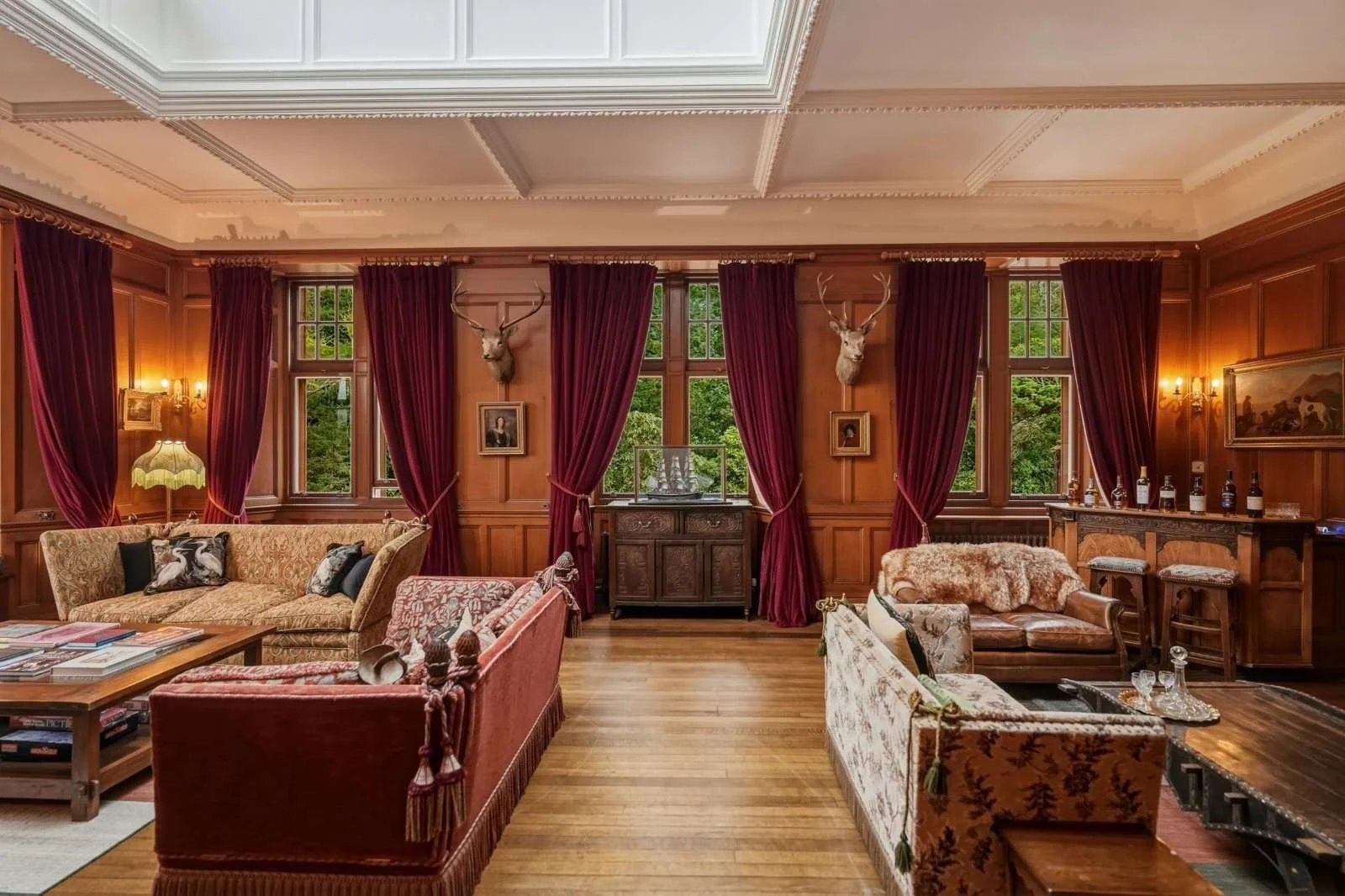
Inside, the entrance hall retains oak panelling, marble flooring, decorative plasterwork and arched windows. A marble staircase leads to a vaulted gallery, while the principal reception rooms include a drawing room, dining room, sitting room and games room, with timber panelling, marble fireplaces and bay windows overlooking the grounds.
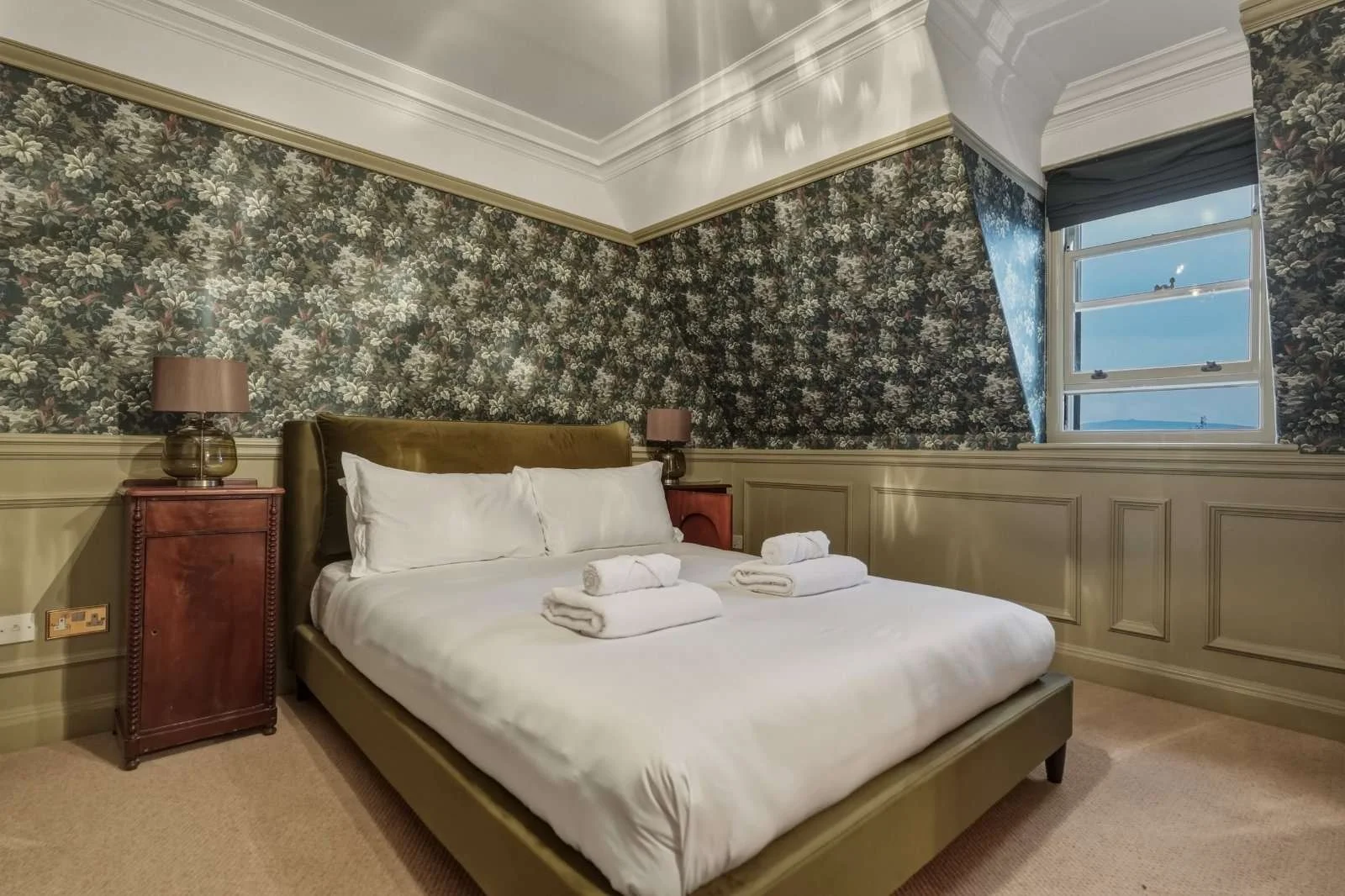
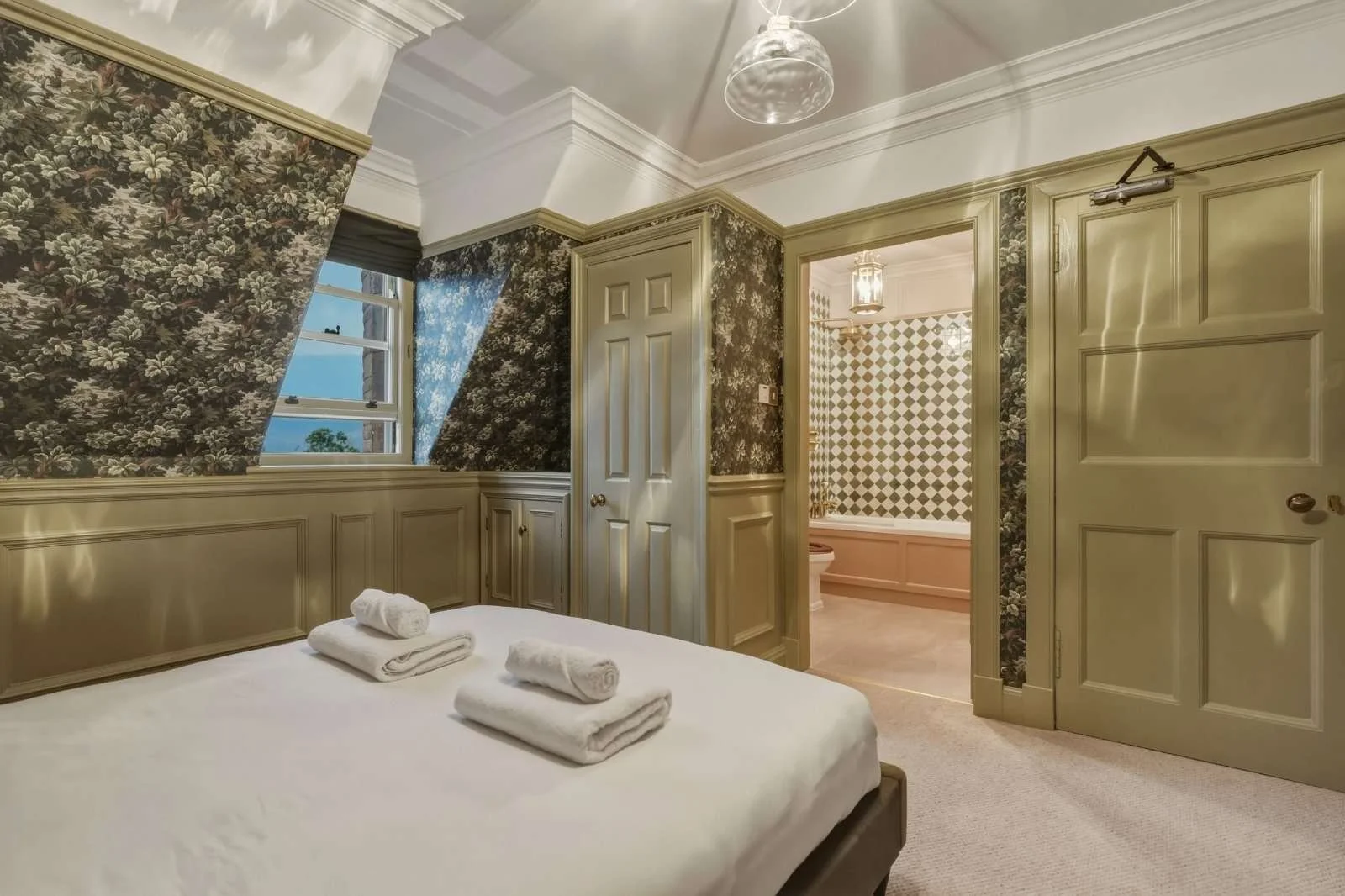
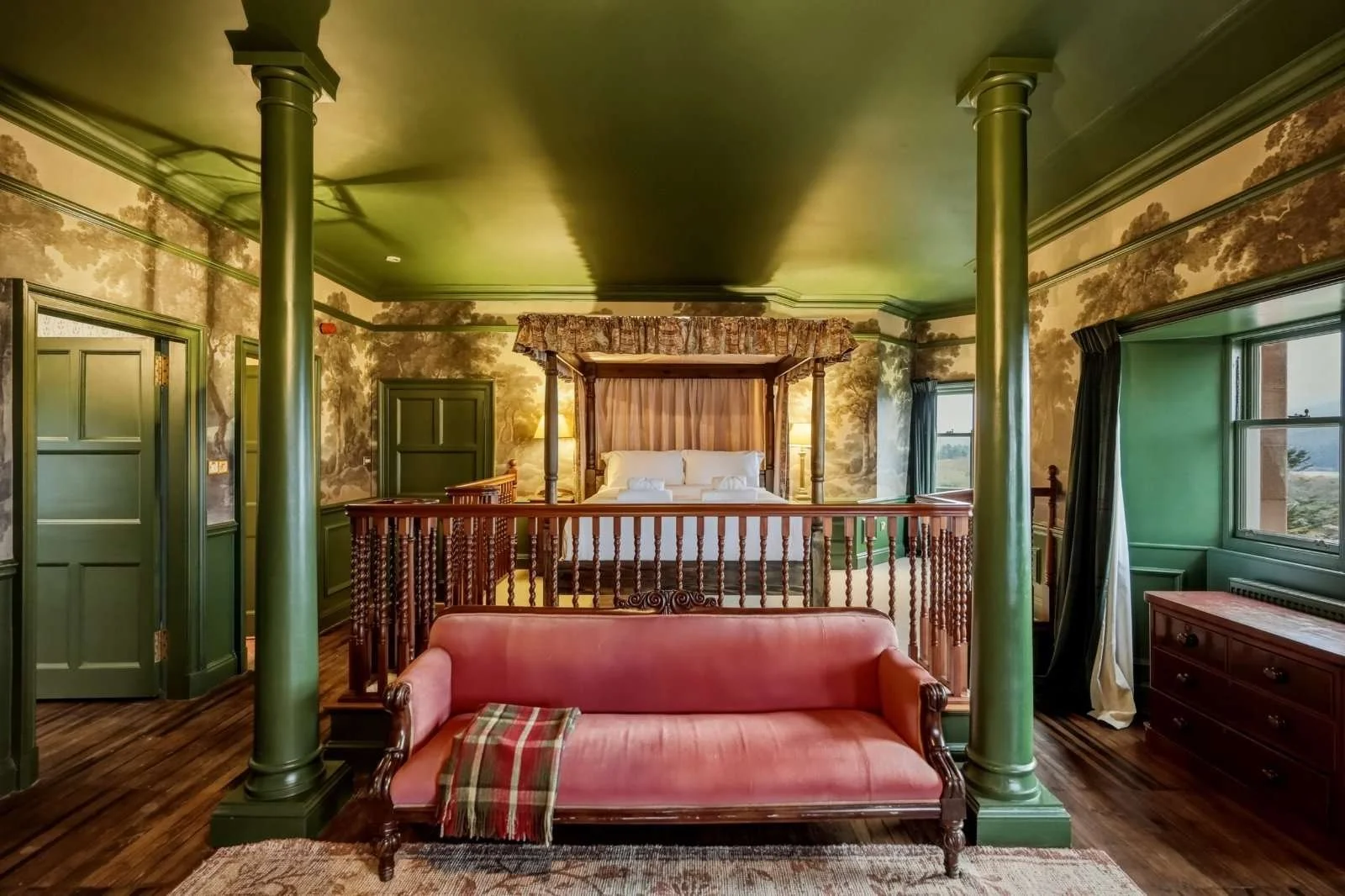
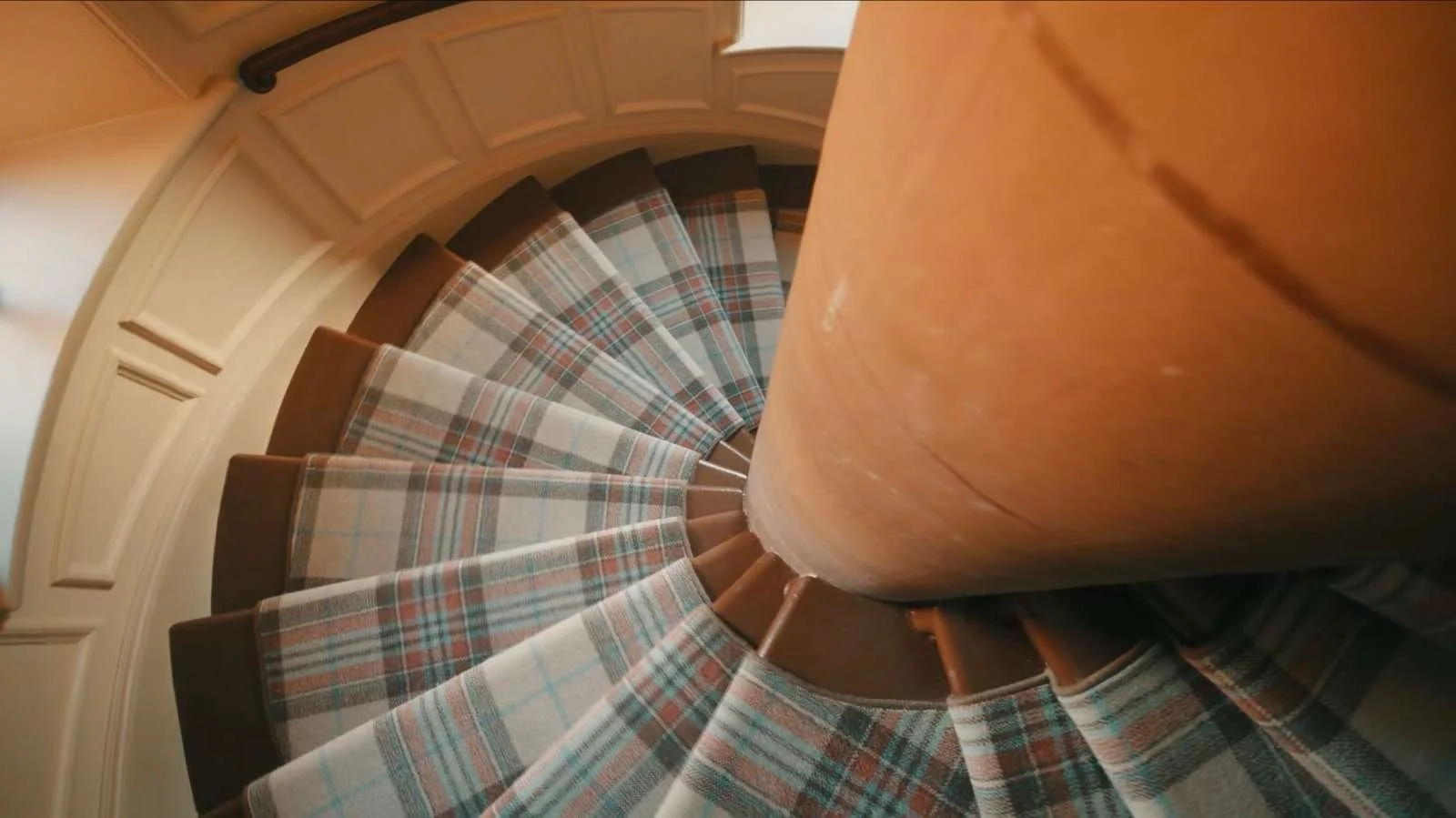
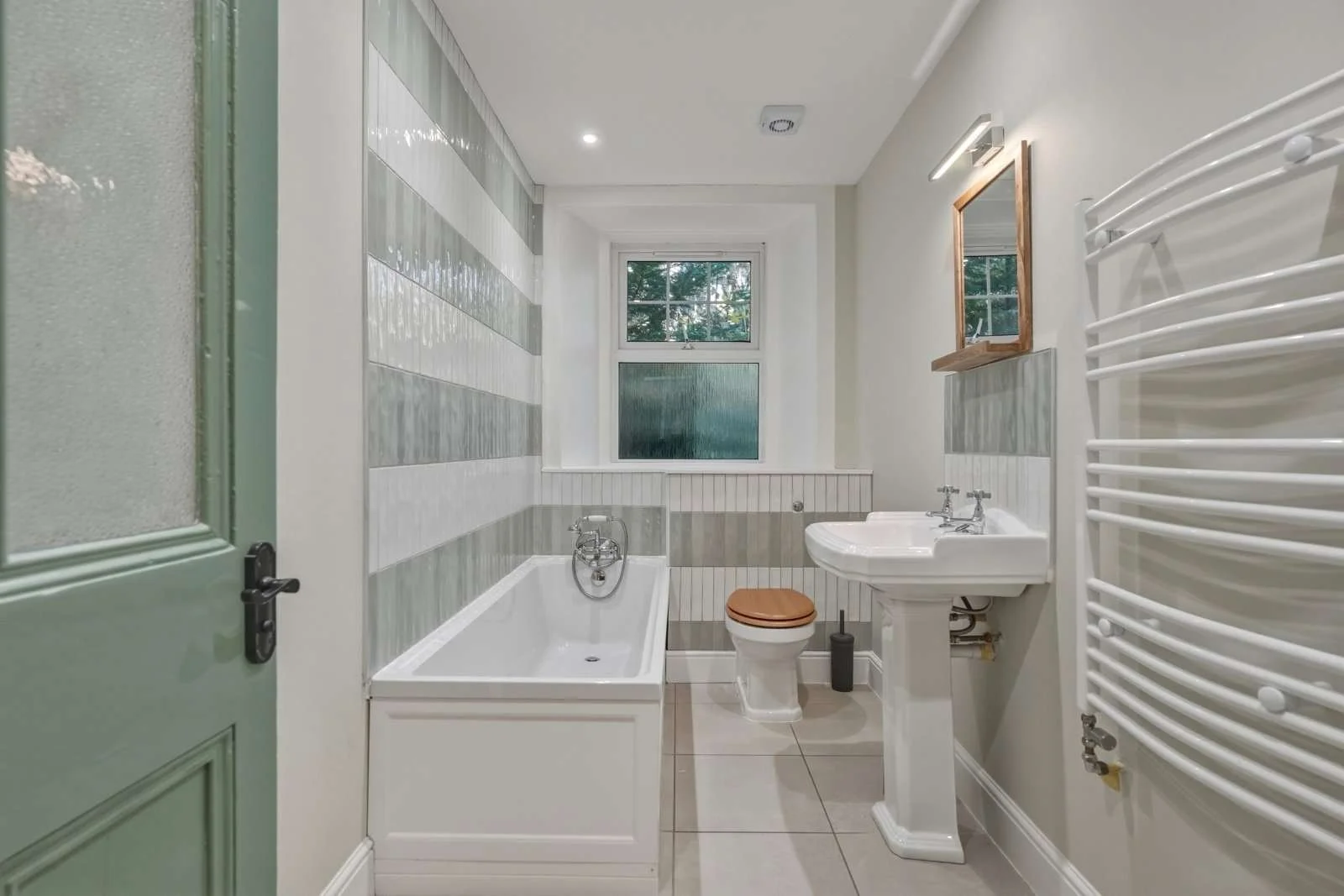
The upper floors accommodate the bedrooms, many adapted into en-suite guest accommodation during the castle's later hospitality use. A circular staircase continues into the upper turret, where a viewing platform looks out across the surrounding coastline.
Following Rudd's death in 1916, Glenborrodale was acquired by Kenneth Clarke, a member of the family associated with the prosperous thread-manufacturing industry in Paisley, near Glasgow.
Clarke was the father of Kenneth Clark, the British art historian who later became director of London's National Gallery and presented Civilisation, the influential BBC television series exploring the history of Western art.
Under the elder Clarke's ownership, Glenborrodale became a setting for entertaining and yachting on Scotland's west coast. Clarke was involved with the Western Isles Yacht Club at Tobermory, on the nearby Isle of Mull, and occasionally let the castle to prominent sailing enthusiasts.
Among them were Sir Thomas Lipton, the tea entrepreneur famous for his repeated attempts to win the America's Cup, and Sir Thomas Sopwith, the aviation pioneer whose company produced British aircraft during the First World War.
In 1936, the estate was acquired by Lord Trent, son of Jesse Boot, whose pharmacy business had grown into one of Britain's best-known retail chains. During his ownership, Lord Trent expanded the gardens with ornamental trees and shrubs, adding to the landscape established around the castle at the beginning of the century.
During the Second World War, Glenborrodale was occupied by the Royal Navy and also served as a rest centre for Boots employees.
Lord Trent retained the estate until 1949, when it was sold and divided. Boots kept part of the surrounding land for breeding Highland cattle, while the castle eventually became a hotel. It returned to private ownership in 1992, although its later hospitality use accounts for the extensive guest accommodation and commercial facilities that remain today.
Glenborrodale is recognised as an outstanding example of Scots Baronial architecture, with Category A listing, Scotland's highest classification for historic buildings. The designation covers the castle and associated structures, including the garden terraces, stables and walled garden. Its grounds are separately included in Scotland's Inventory of Gardens and Designed Landscapes, recognising their national importance as an early 20th-century landscape designed around the castle and its coastal setting.
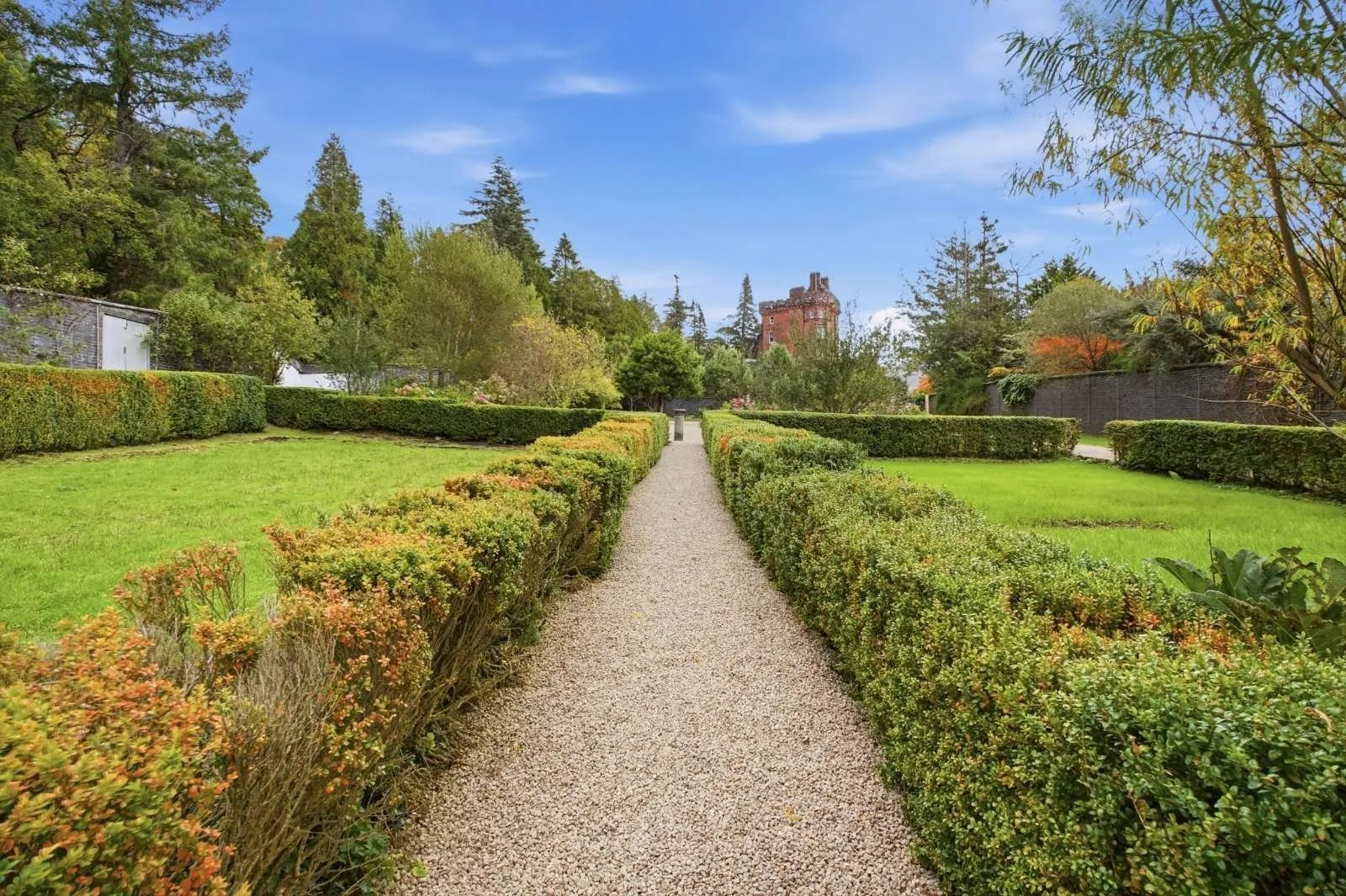
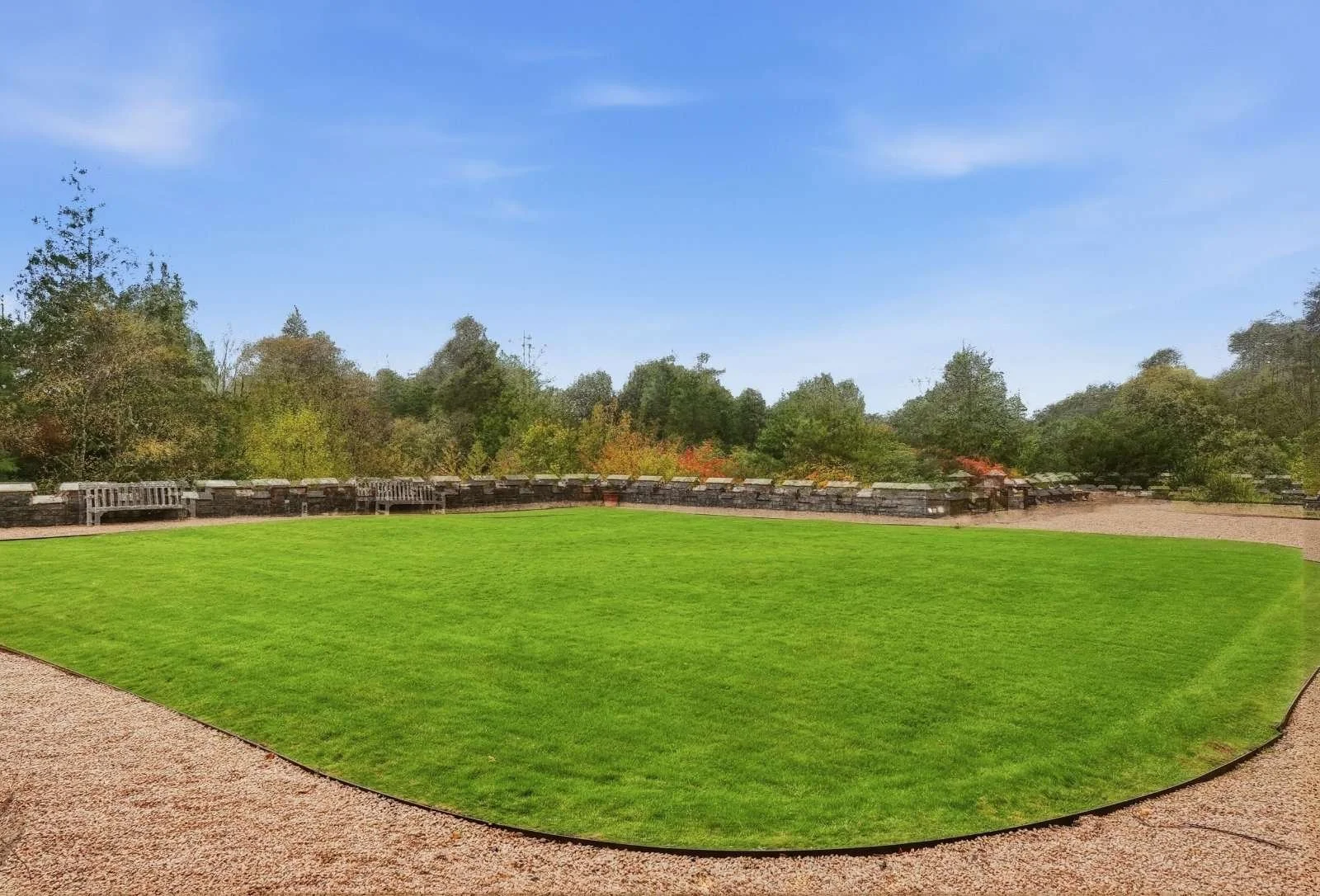
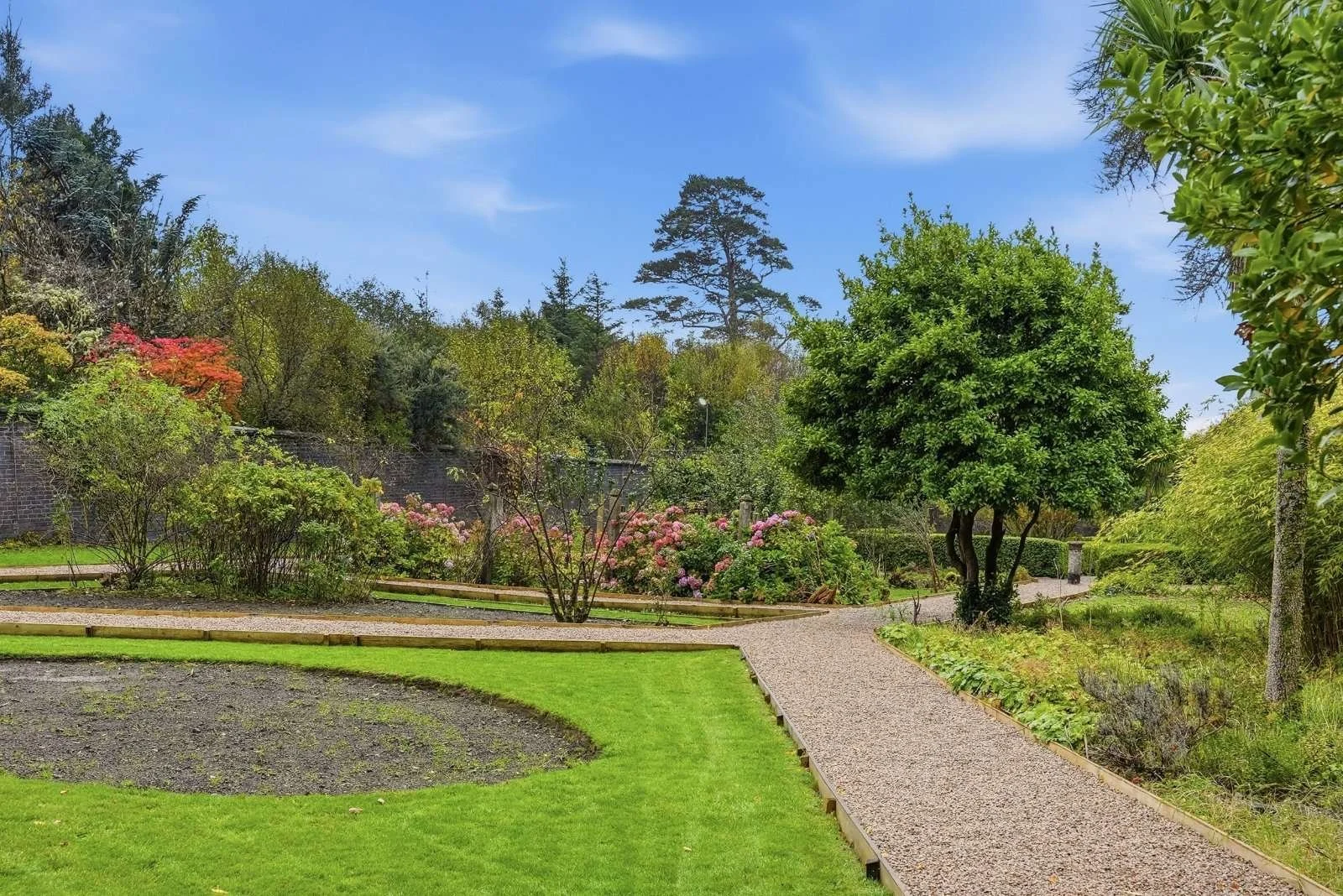
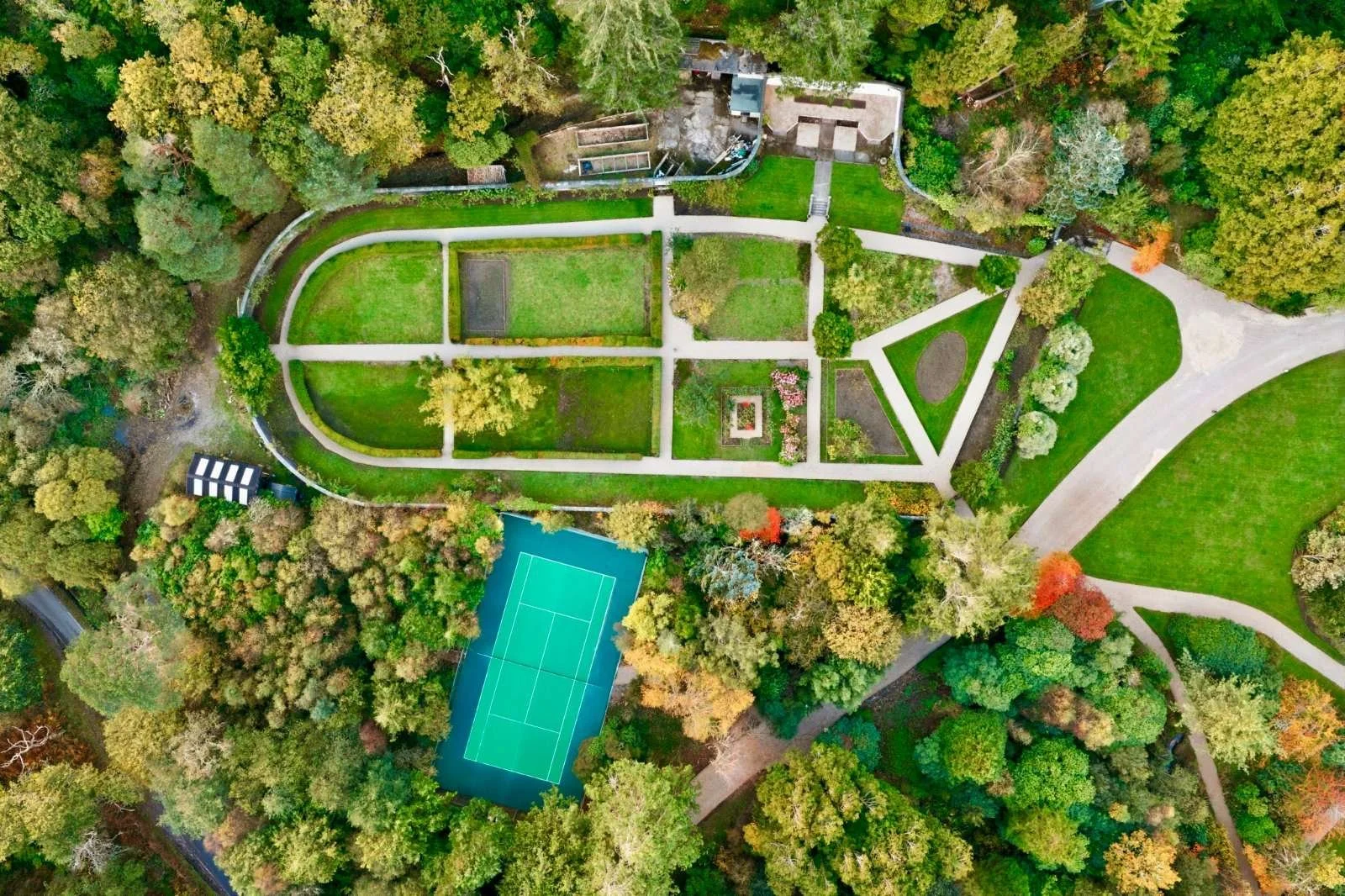
Formal terraces descend the steep hillside towards Loch Sunart, connected by curved flights of stone steps. Some features predate the castle, including a walled garden established before Rudd commissioned the new residence.
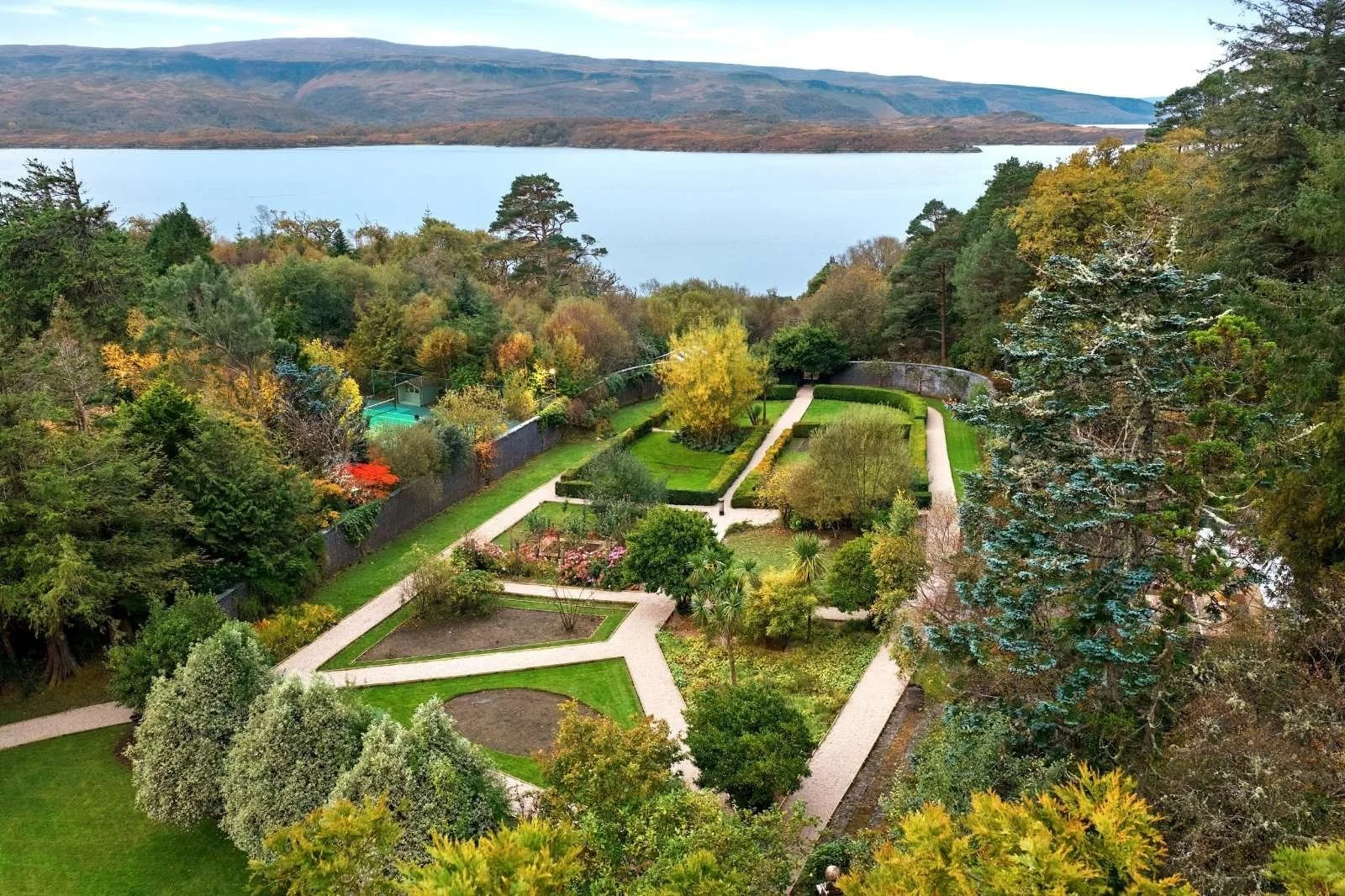
An artificial lake occupies an area of rocky ground below the house, while paths wind through mature woodland planted with rhododendrons, Japanese maples, conifers and other ornamental trees. Lord Trent's later additions expanded the collection.
The wider estate occupies a remote stretch of the Ardnamurchan Peninsula, approximately 40 miles (64 km) west of Fort William. This part of Scotland's west coast is characterised by wooded hills, sea lochs and small coastal communities, with views across the waters of the Inner Hebrides.
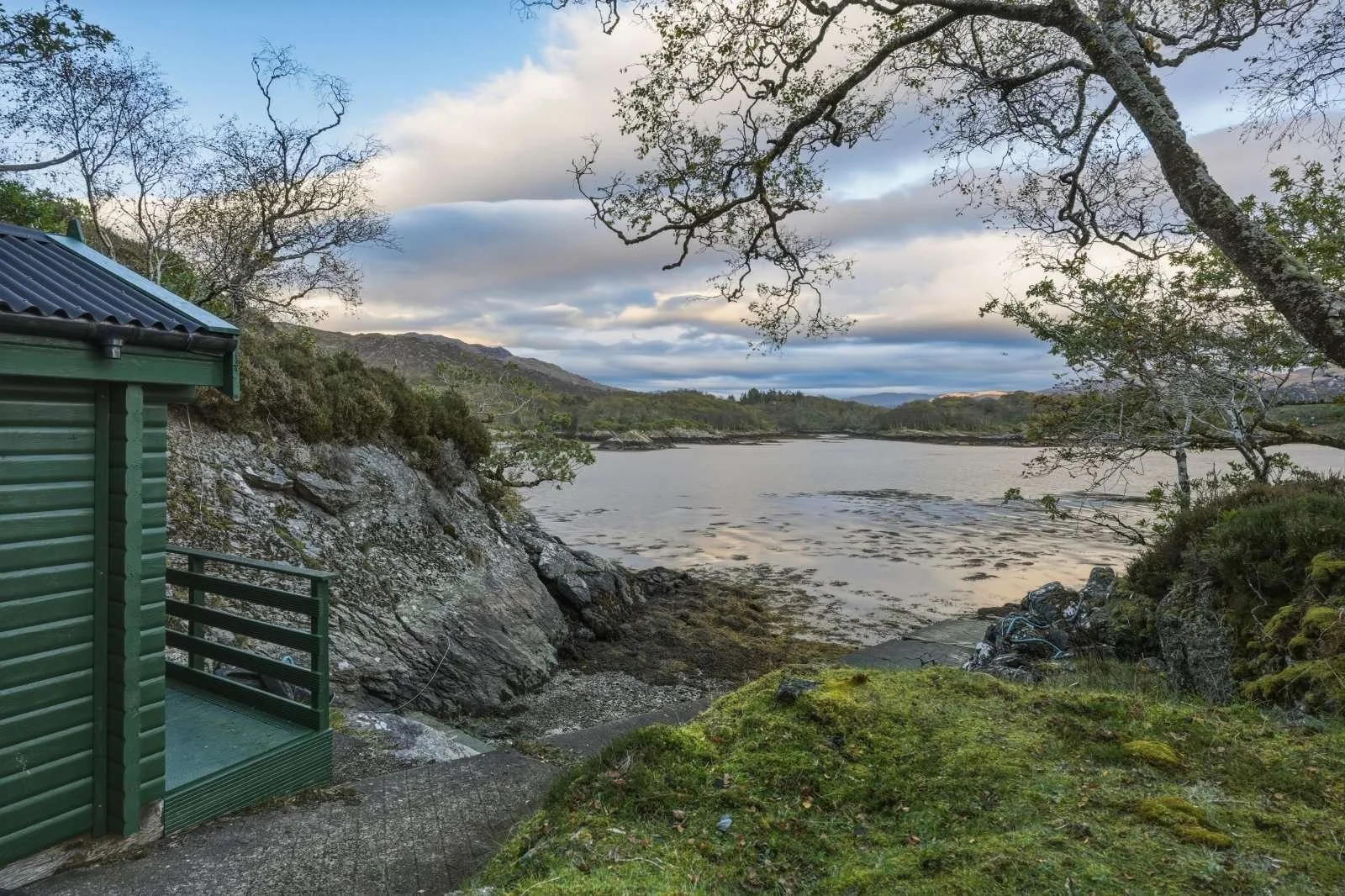
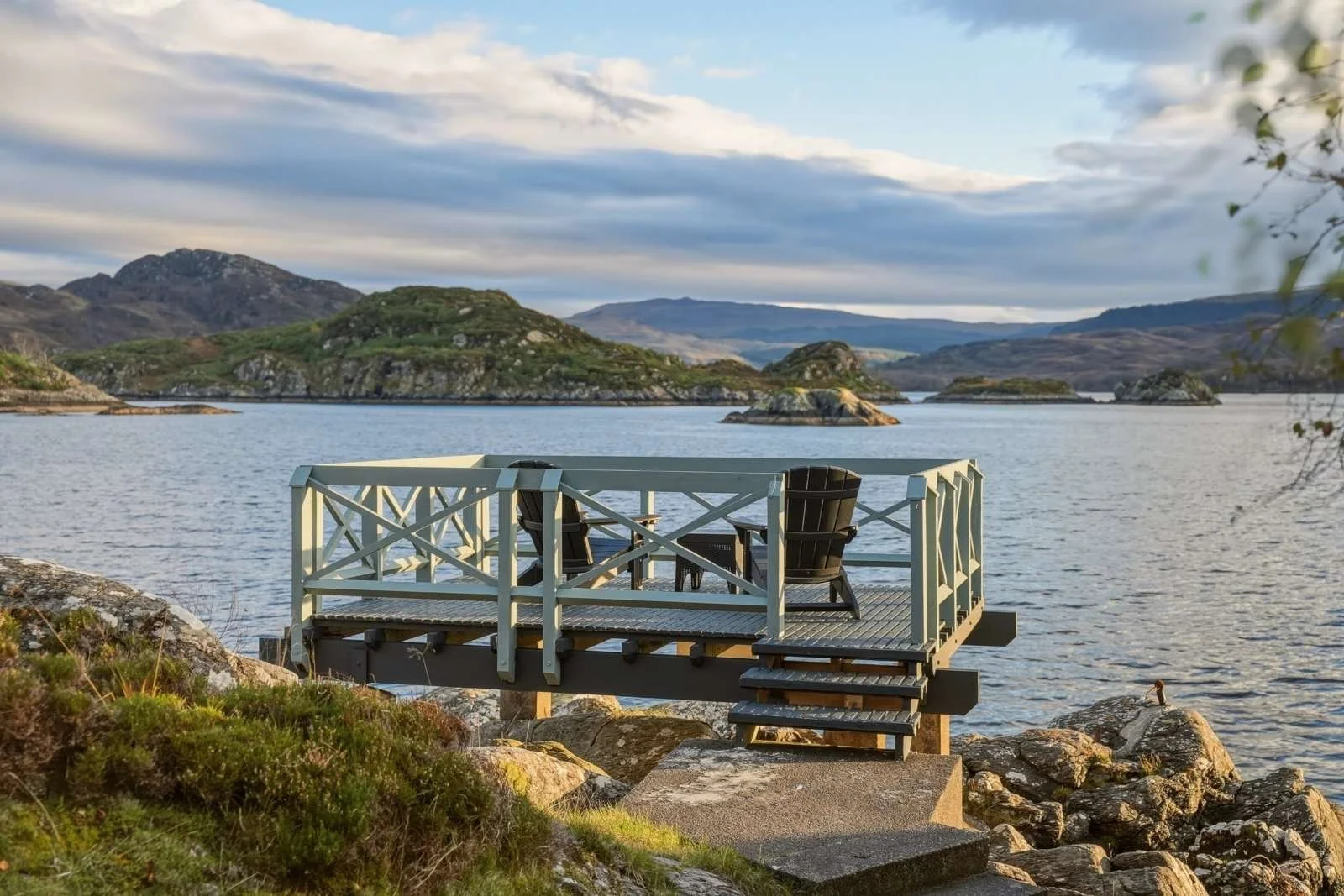
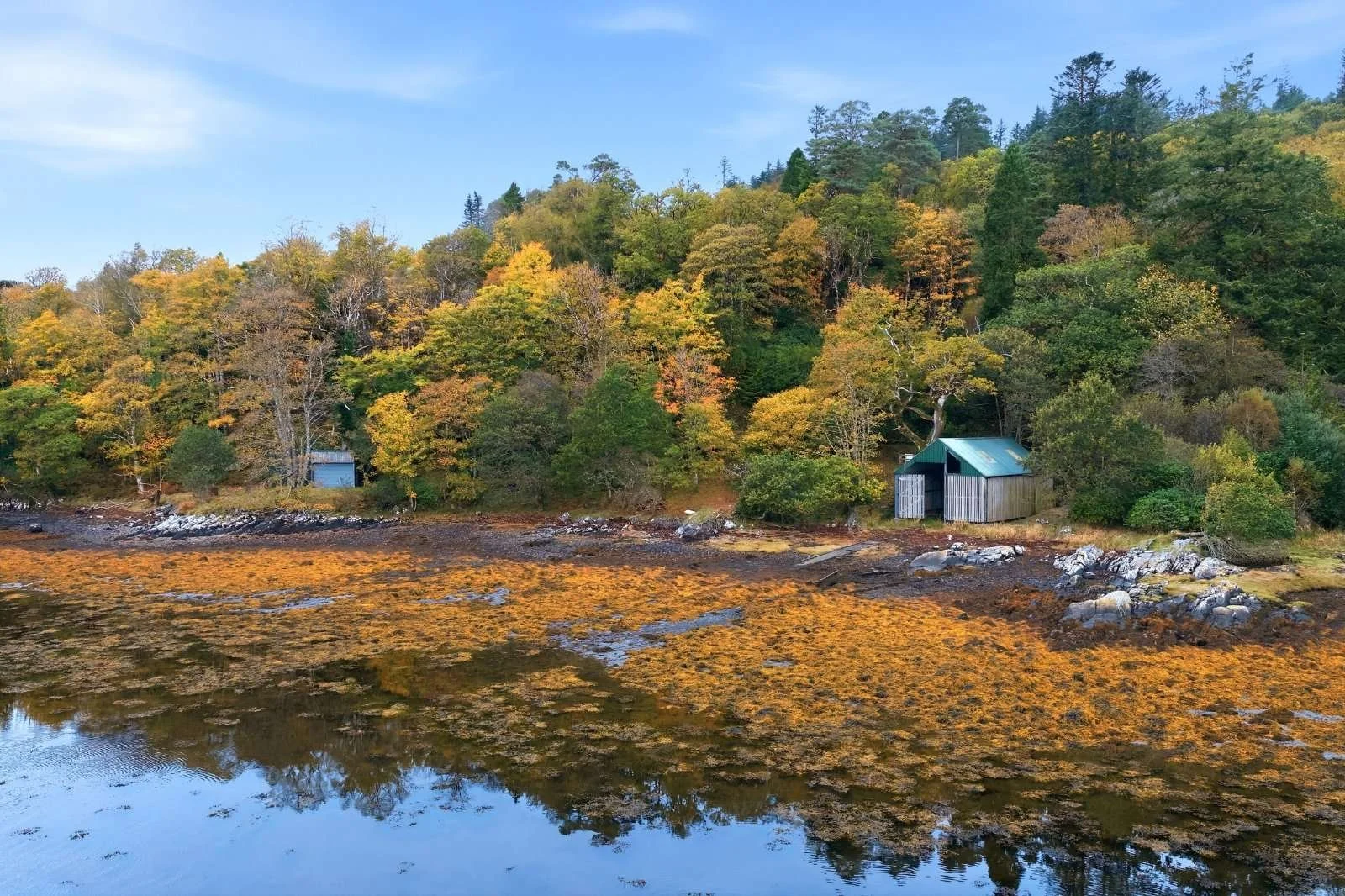
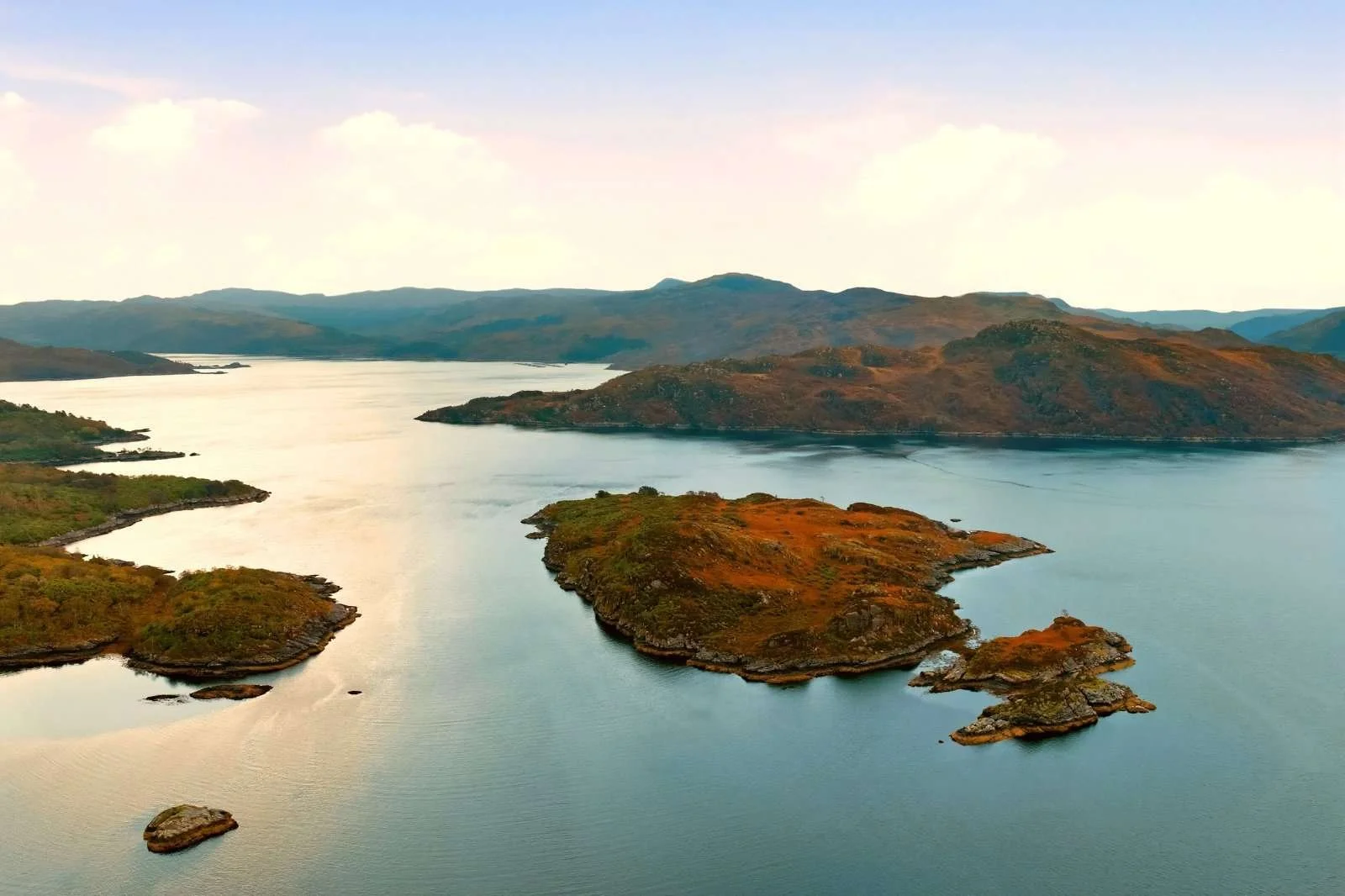
The property includes approximately 850 metres of shoreline, a boathouse with a winch and power supply, and a private jetty providing access to Loch Sunart. Two islands, Risga and Eilean an Fheidh, are also included in the sale. Risga is a wooded island visible from the castle's southern terraces, while Eilean an Fheidh lies closer to the mainland.
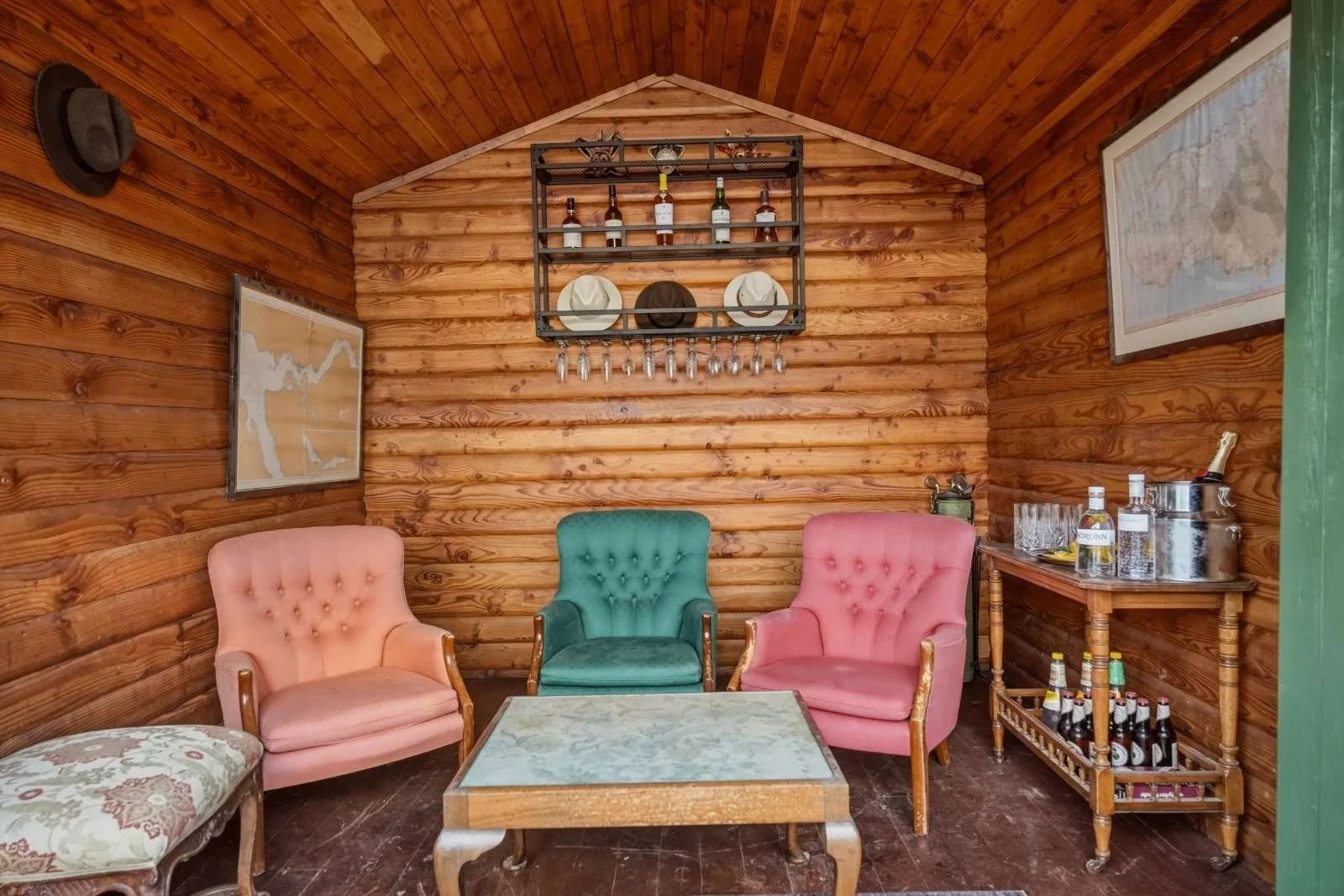
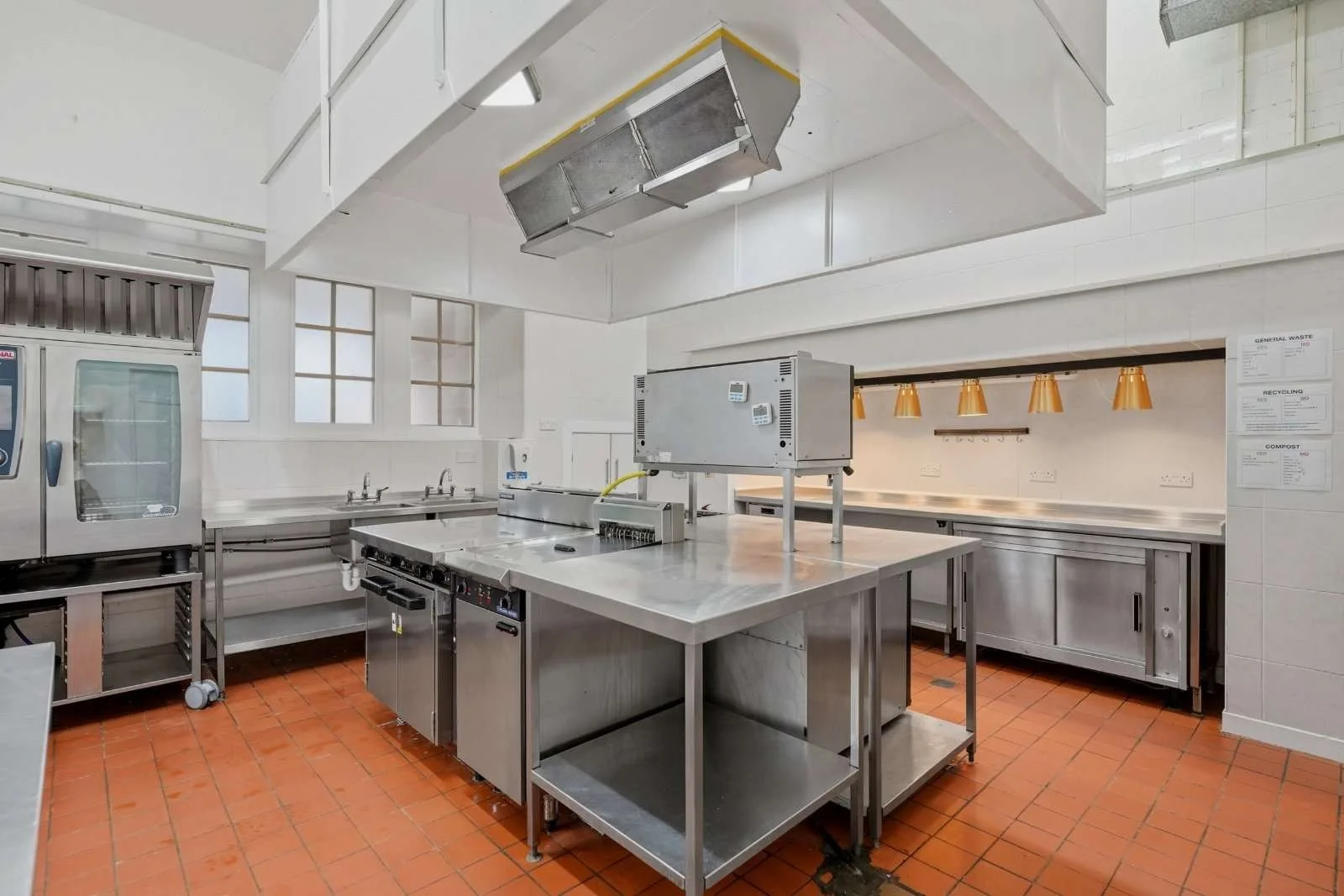
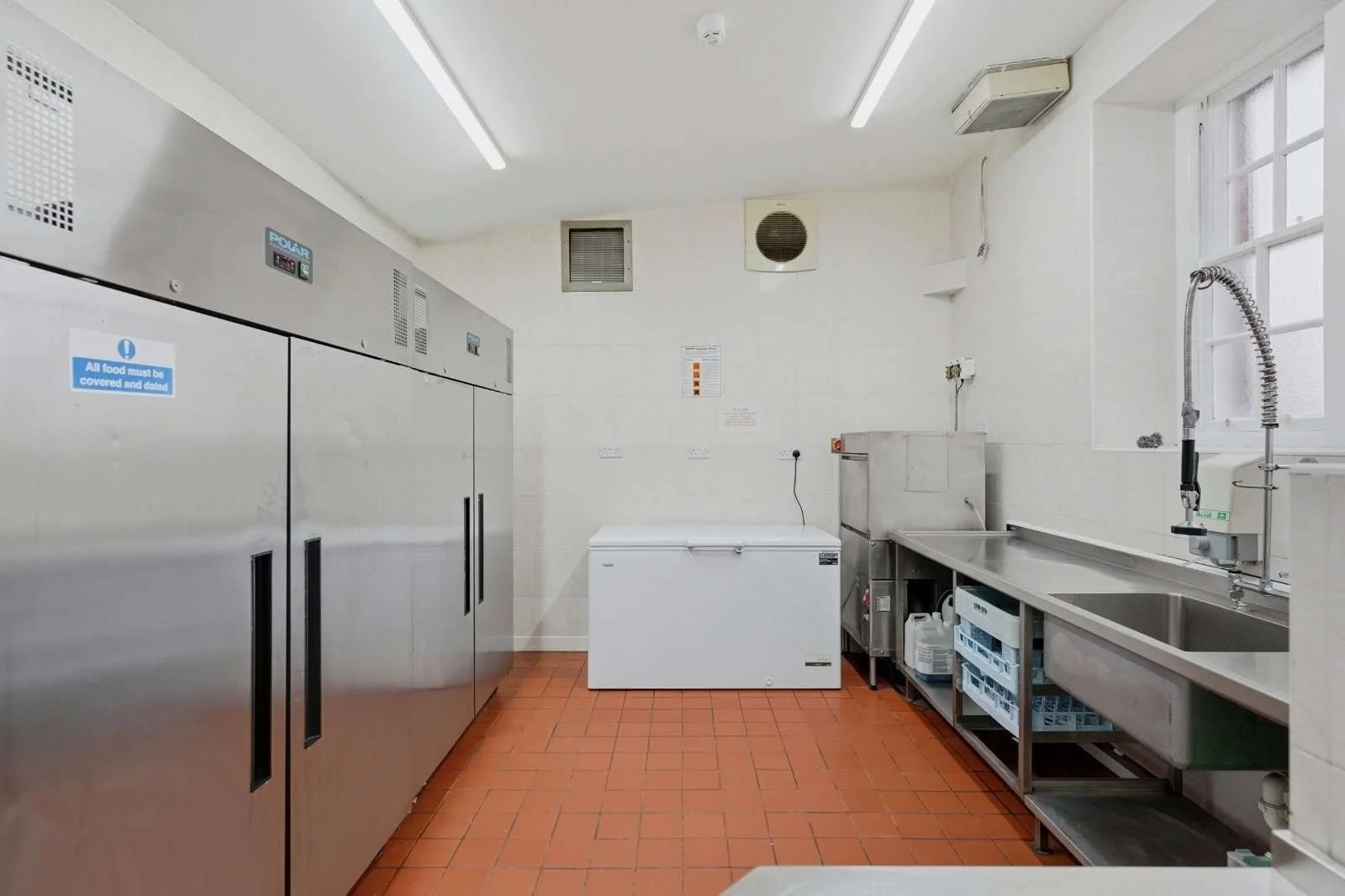
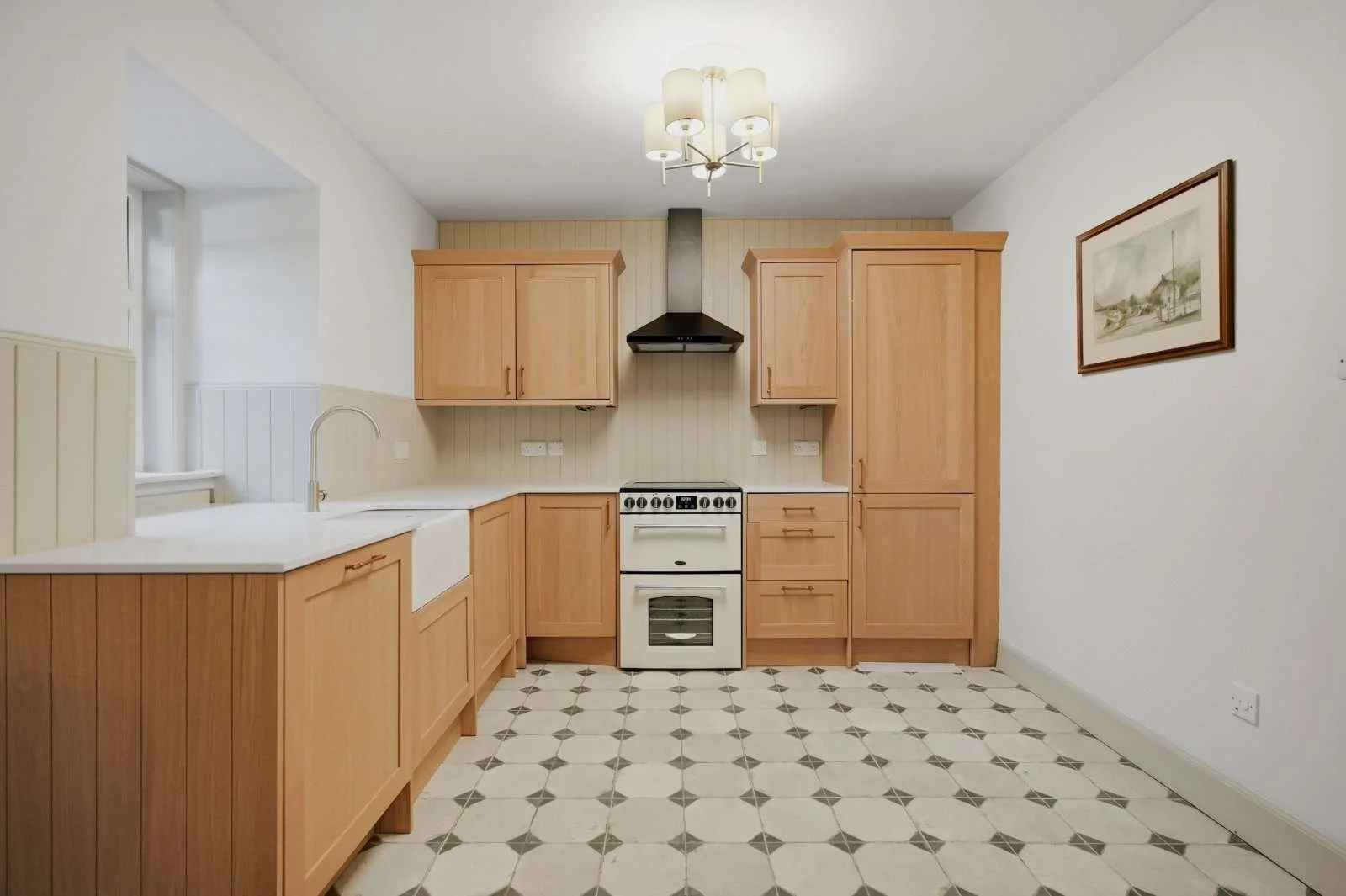
Additional accommodation includes a three-bedroom gate lodge, also designed by Sydney Mitchell, and a former coach house converted into three self-contained apartments. The estate also has commercial kitchens, laundry facilities, workshops, a gym, sauna and biomass heating system. According to Savills, the southern terrace has previously been used for helicopter landings.
The nearby villages of Salen and Acharacle provide access to local services, while a ferry from Kilchoan connects the peninsula with Tobermory on the Isle of Mull.
More than a century after Charles Rudd helped establish De Beers, the diamond company is itself up for sale. As the Financial Times recently reported, its parent company, Anglo American, has been seeking a buyer since 2024, amid falling natural diamond prices, competition from lab-grown stones and weaker demand in China. Once valued at nearly $13 billion in 2011, De Beers now carries a valuation of approximately $2.3 billion on Anglo American's books.
All photographs belong to the listing agency. See more on Savills Scotland.