For $4 Million, You Can Buy Most of This 200-Year-Old Connecticut Mansion — And Potentially the Rest Too
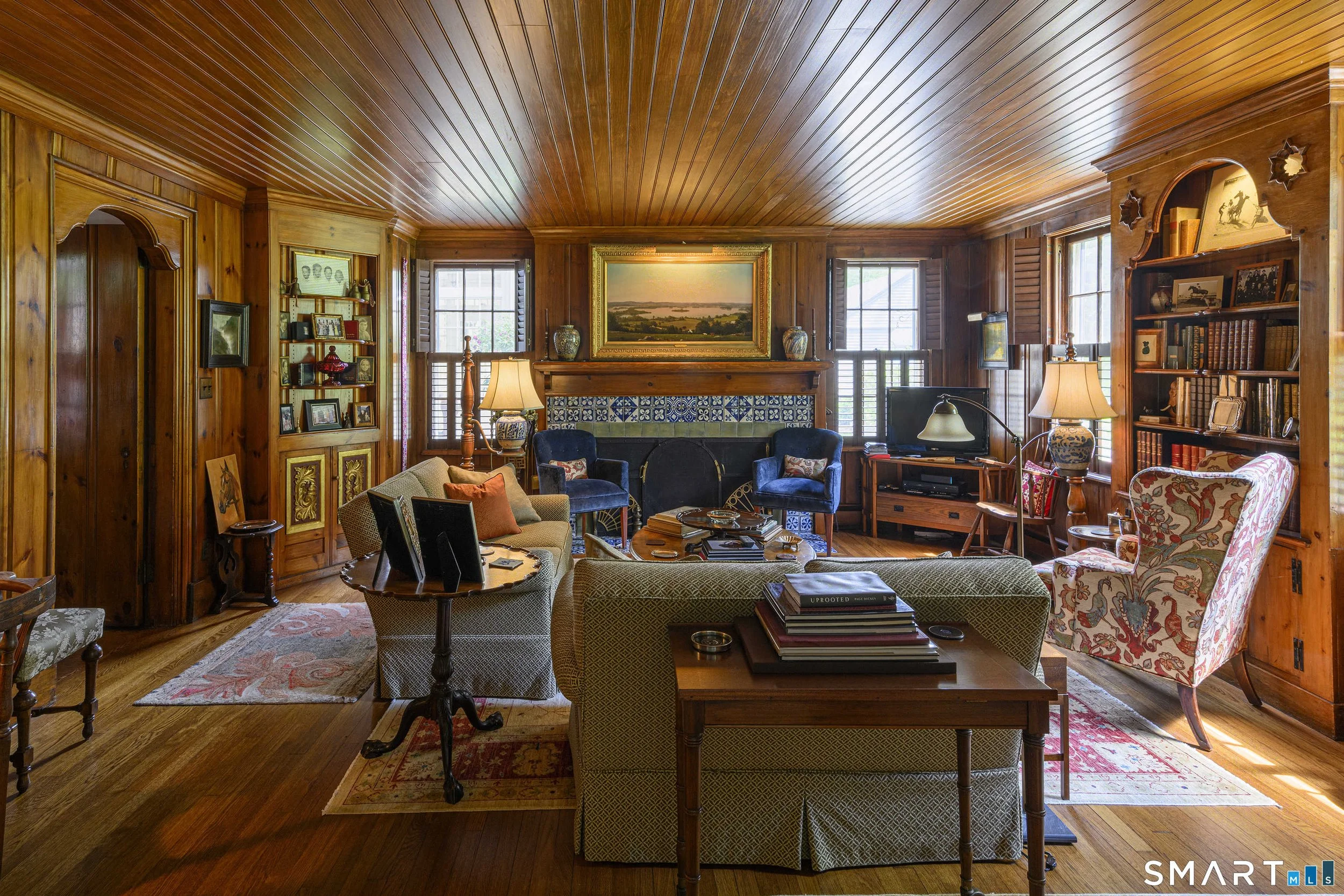
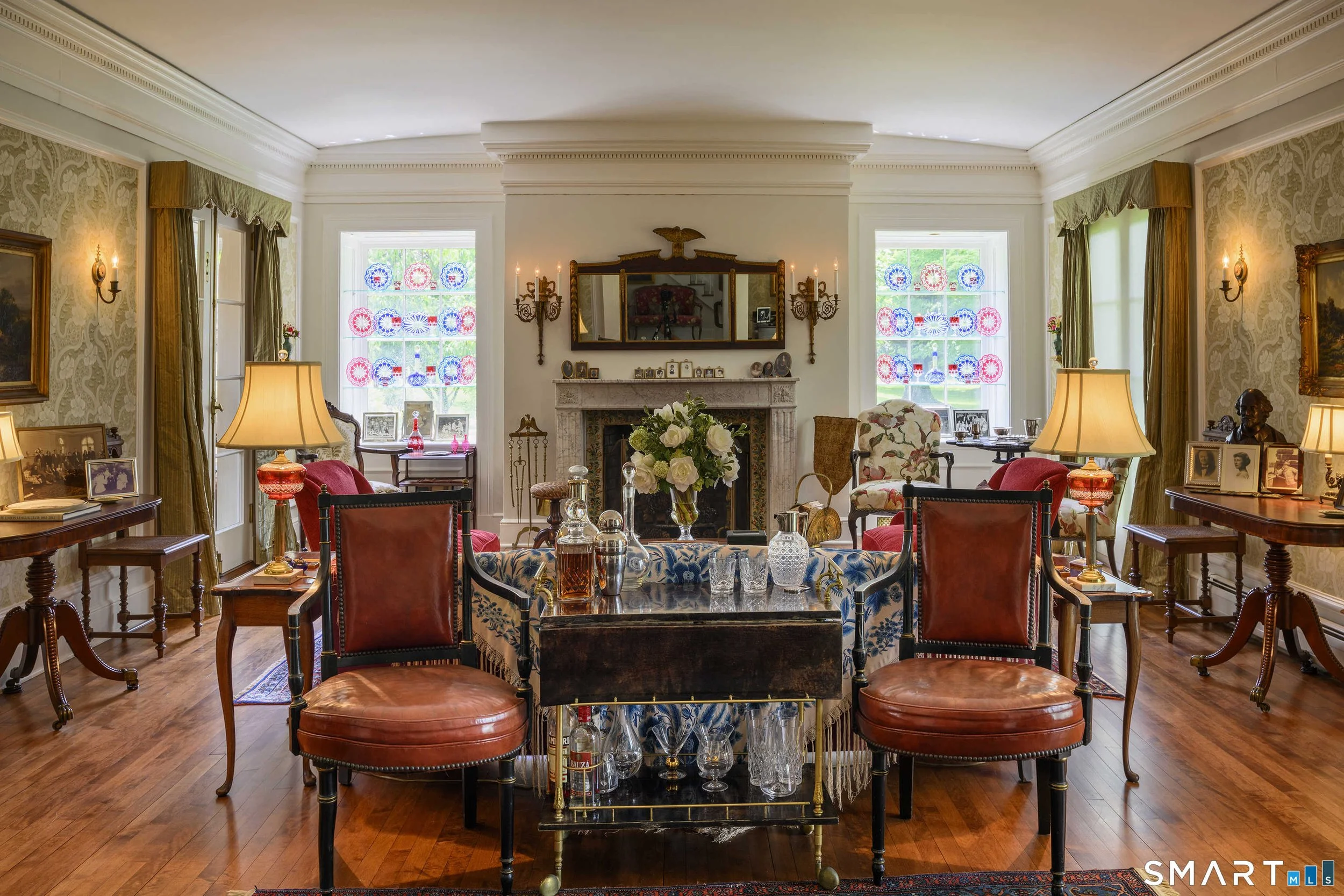
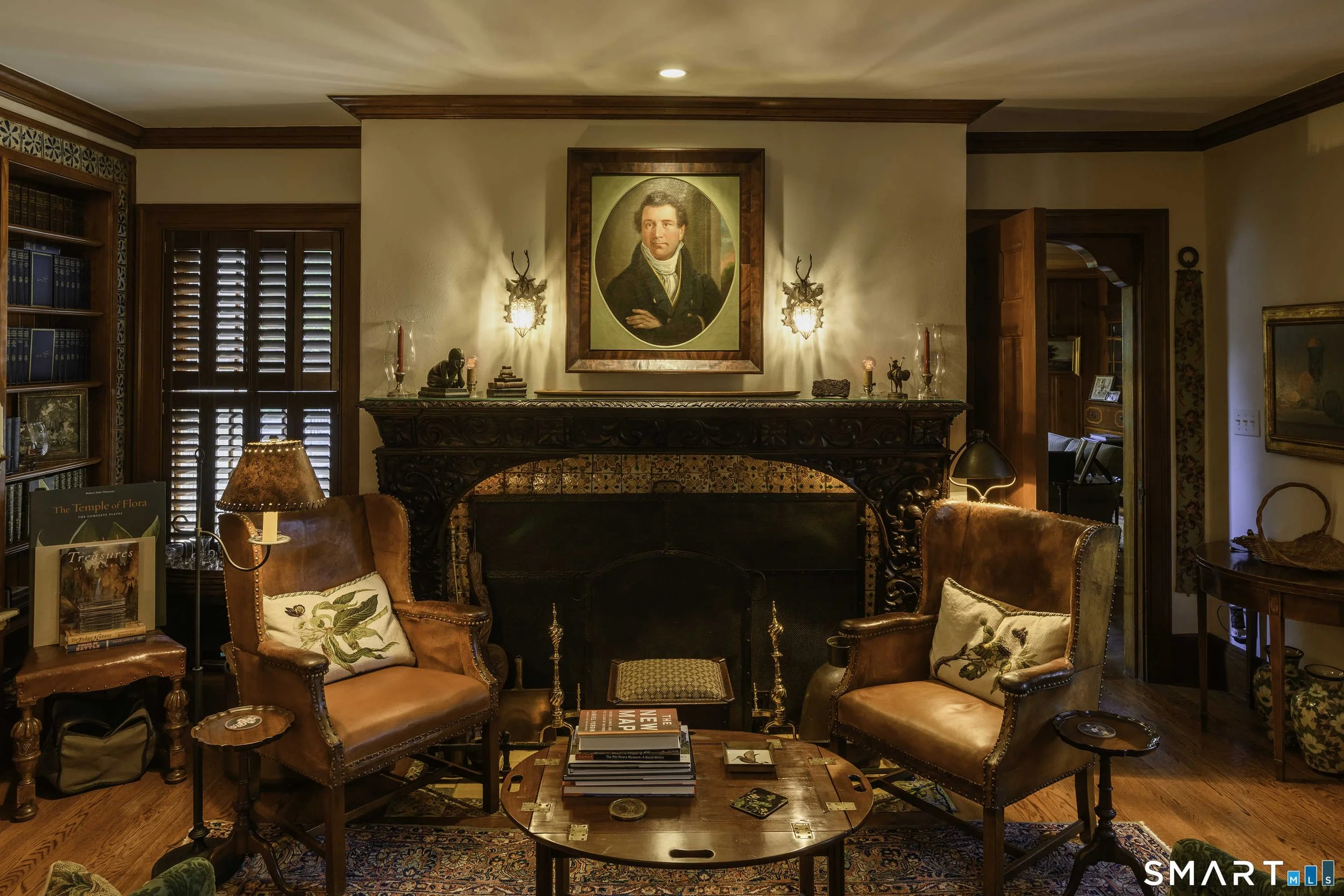
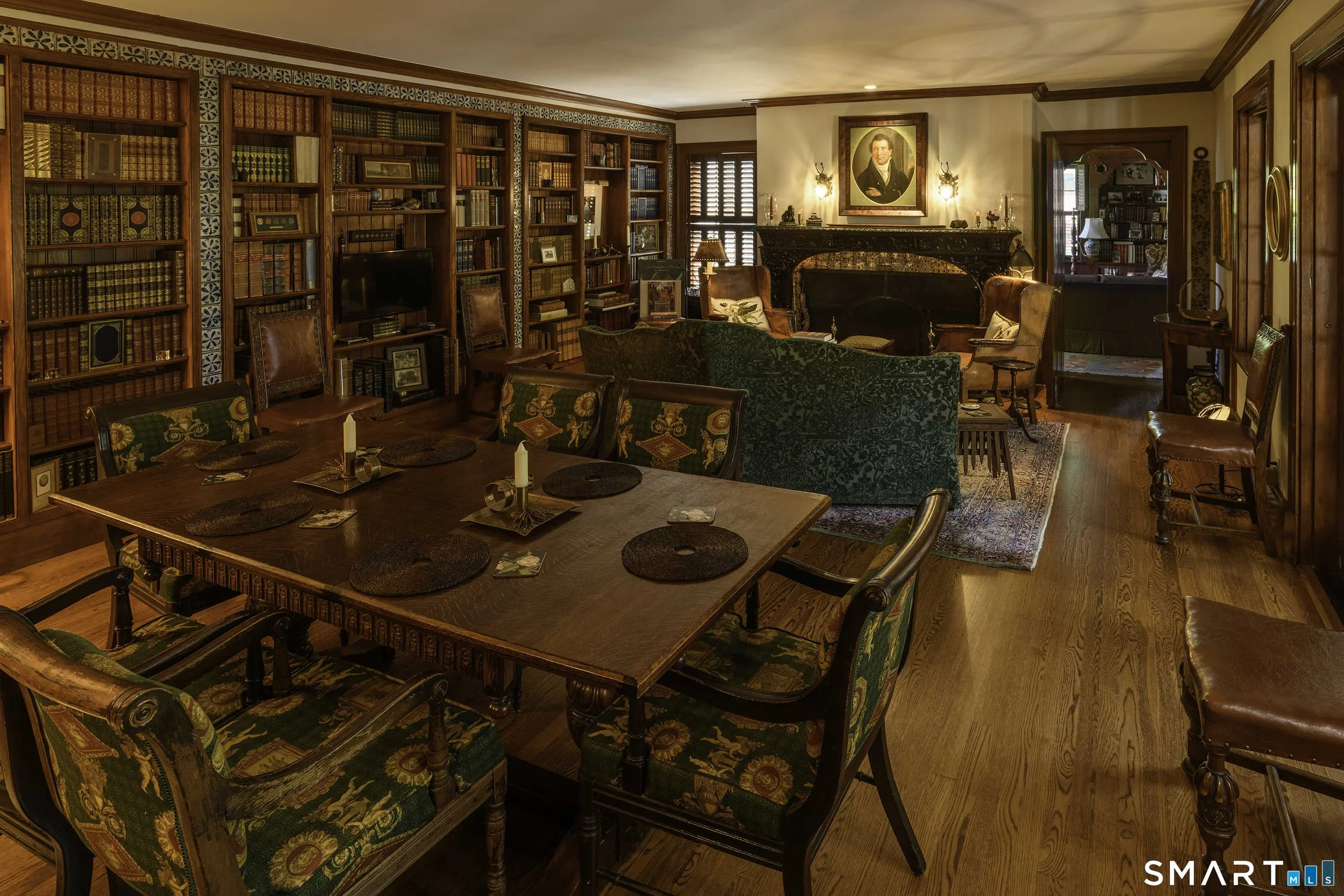
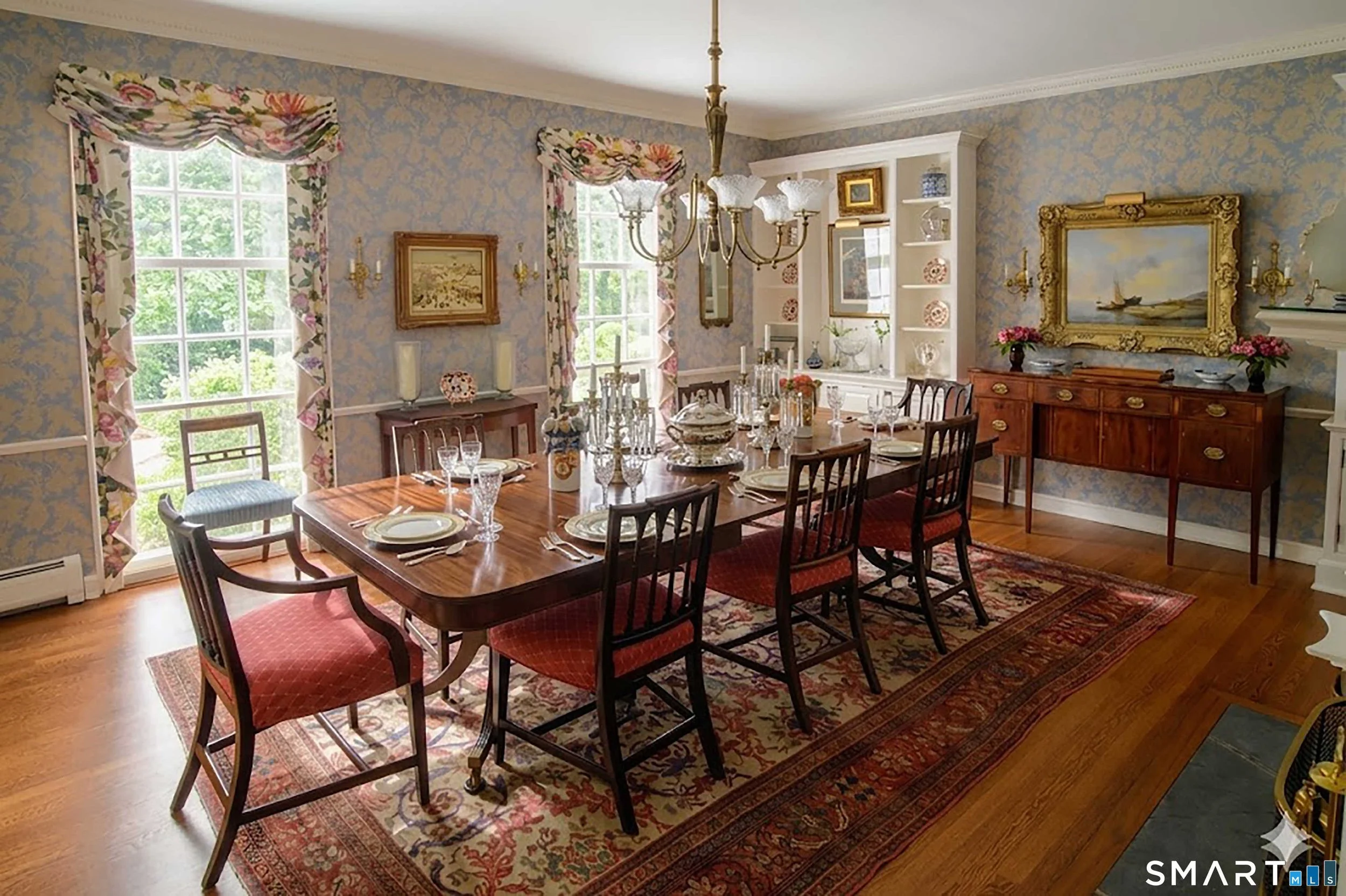
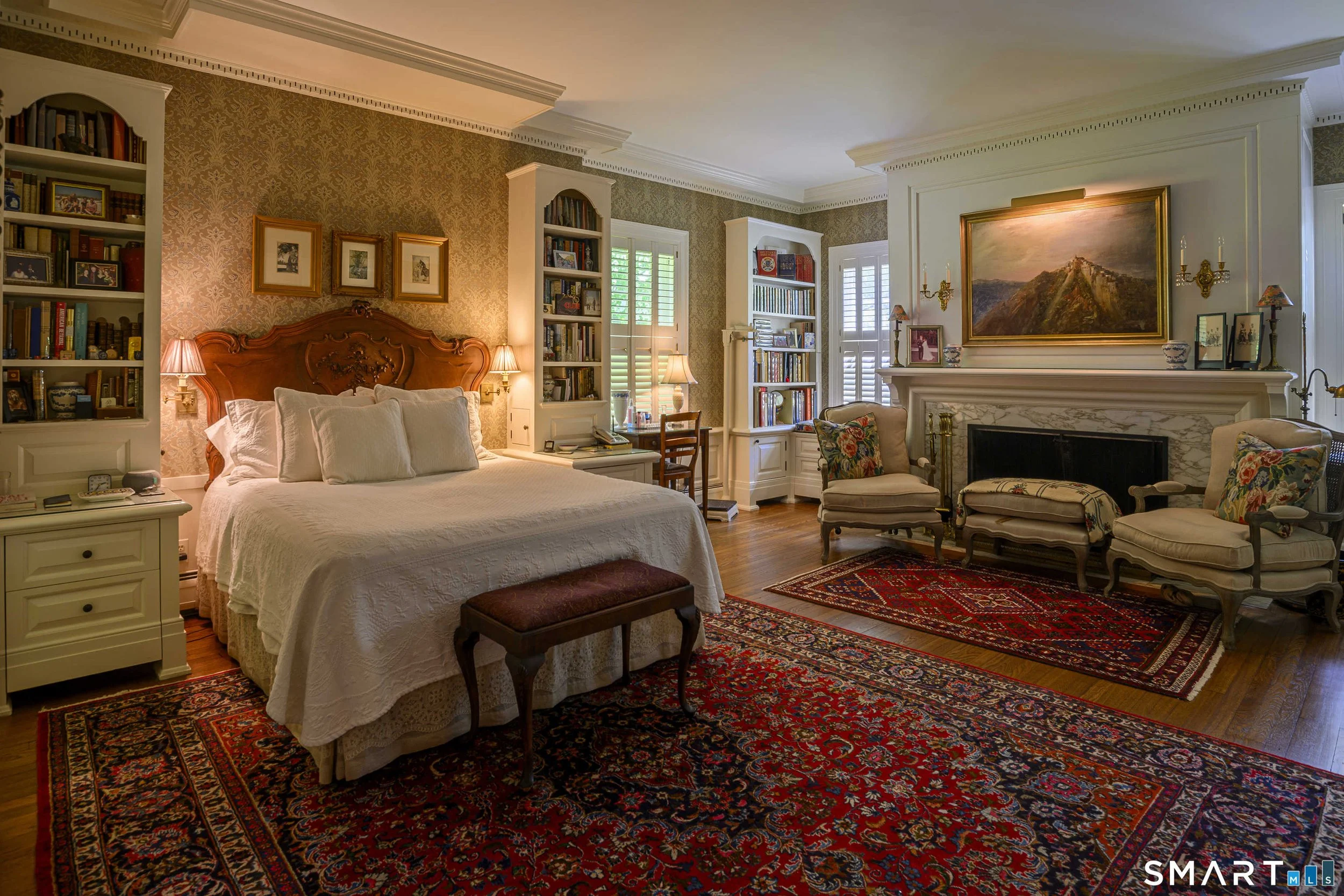
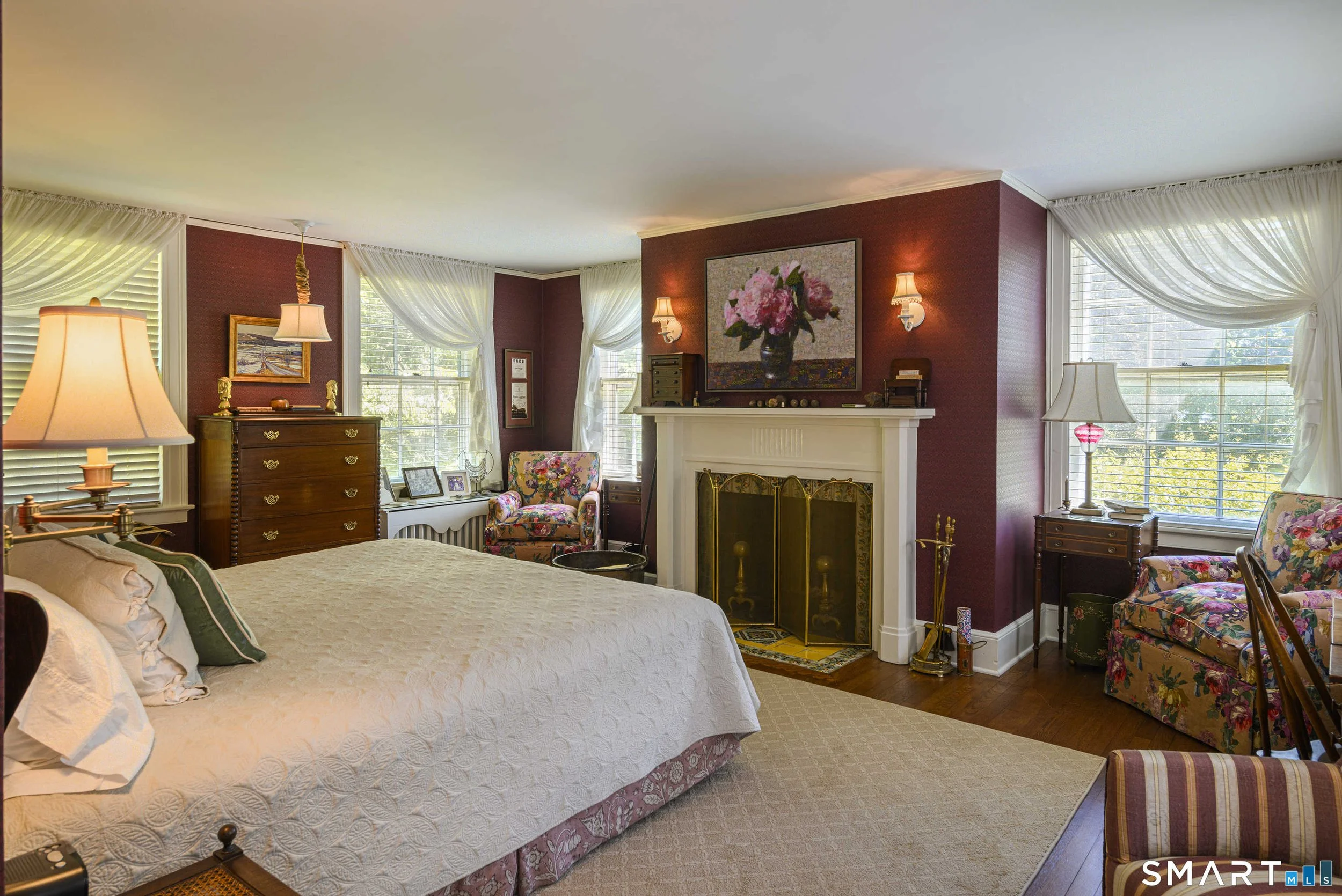
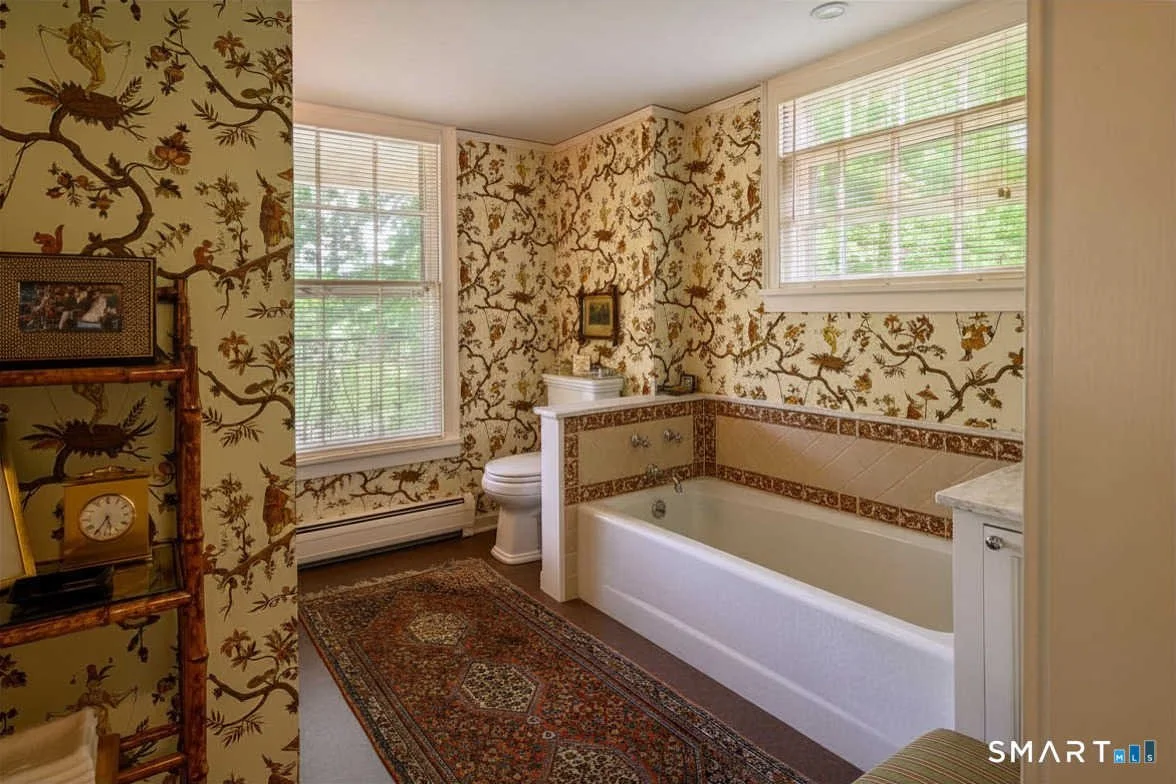
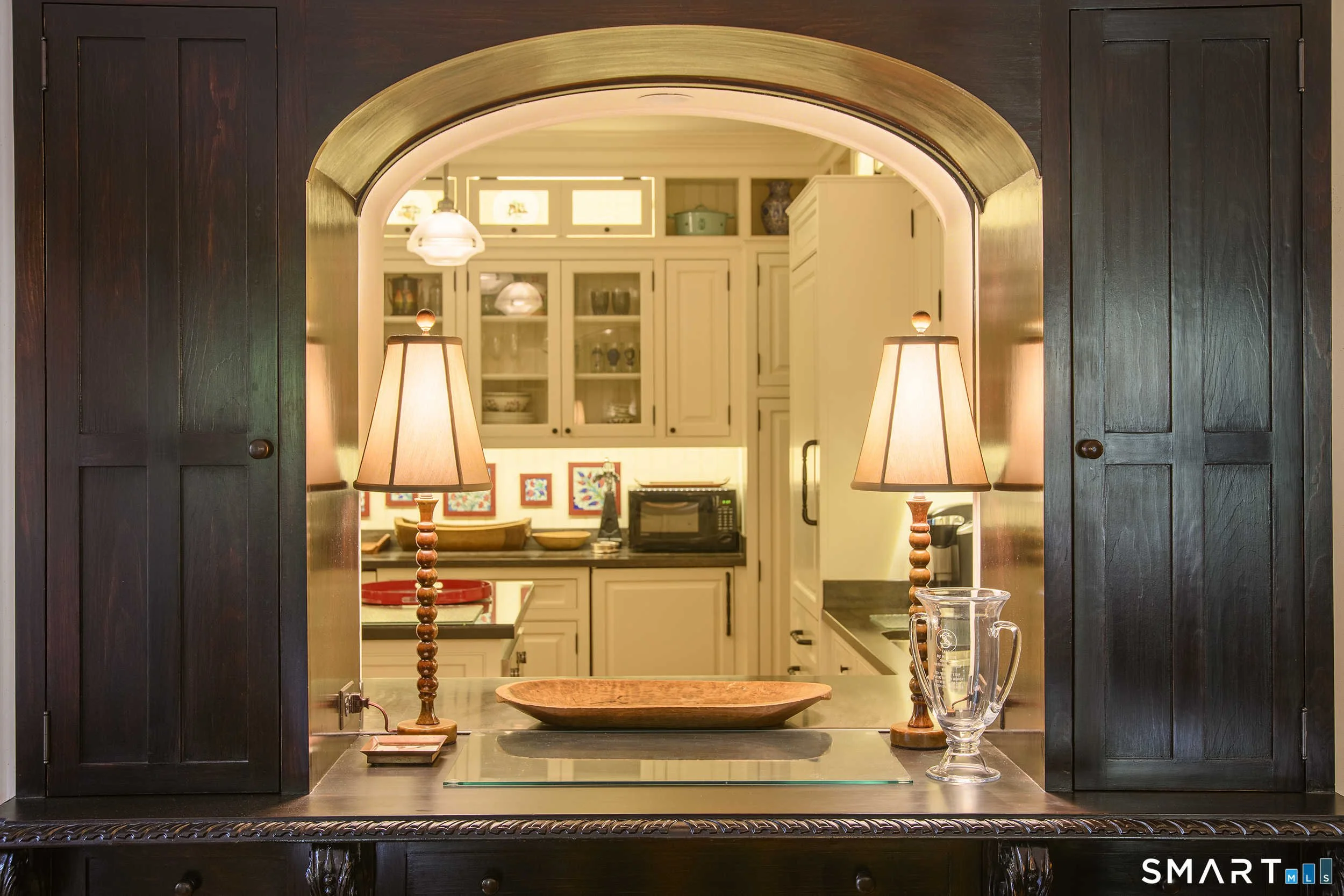
Bedrooms: 6 Bathrooms: 7 full, 2 half Interior: 624 m² / 6,716 ft²
Lot: 2.57 ha / 6.34 acres
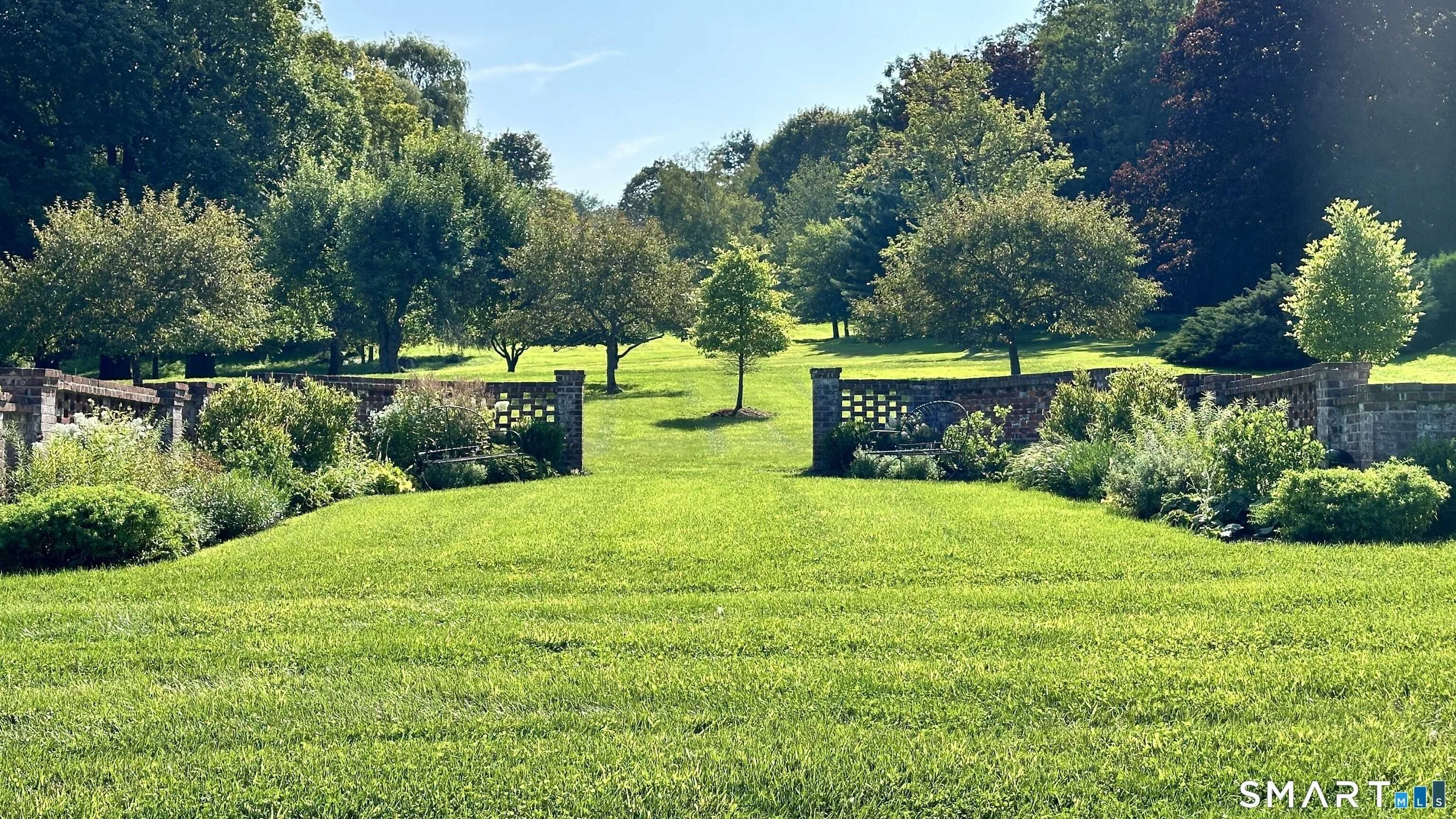
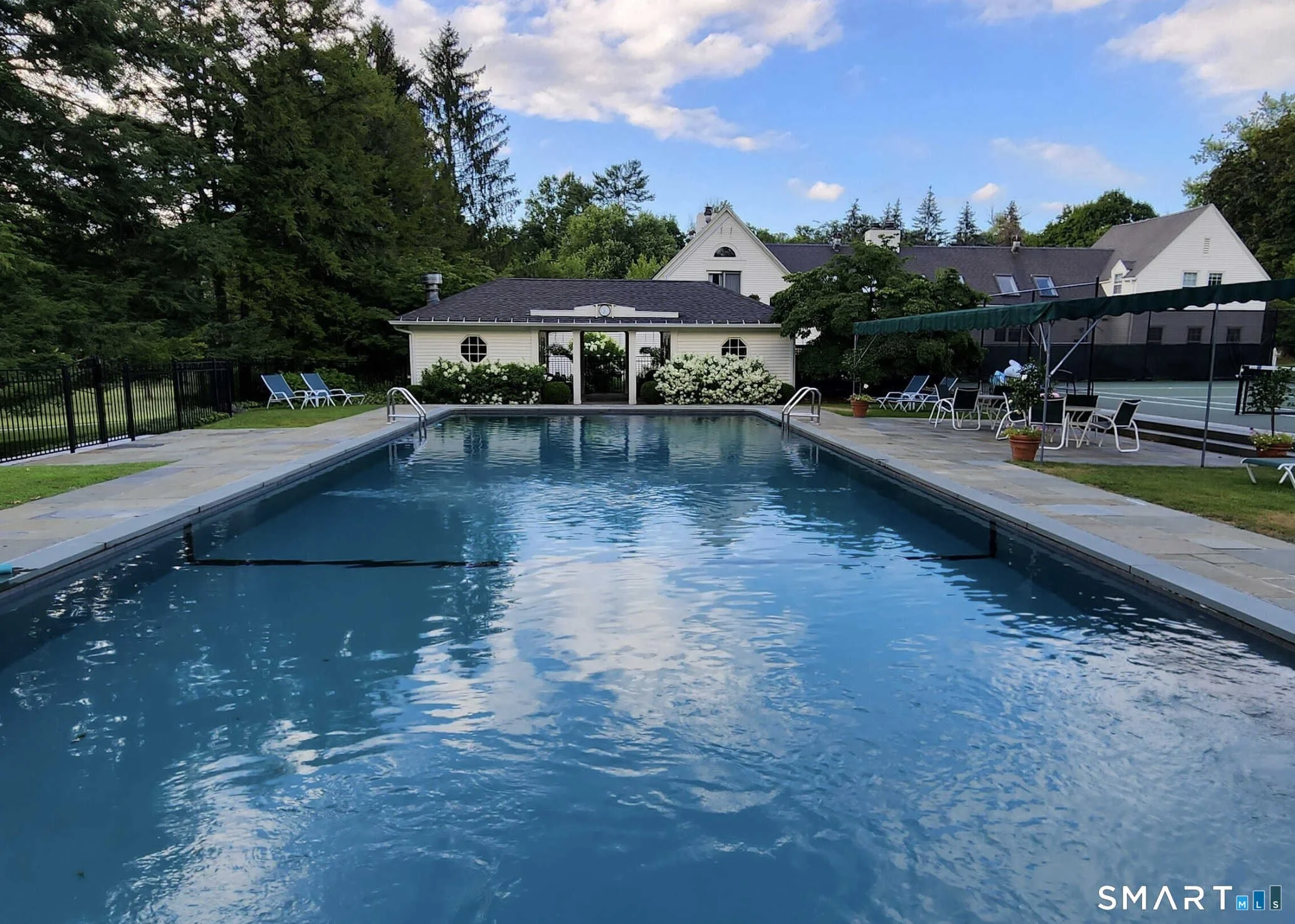
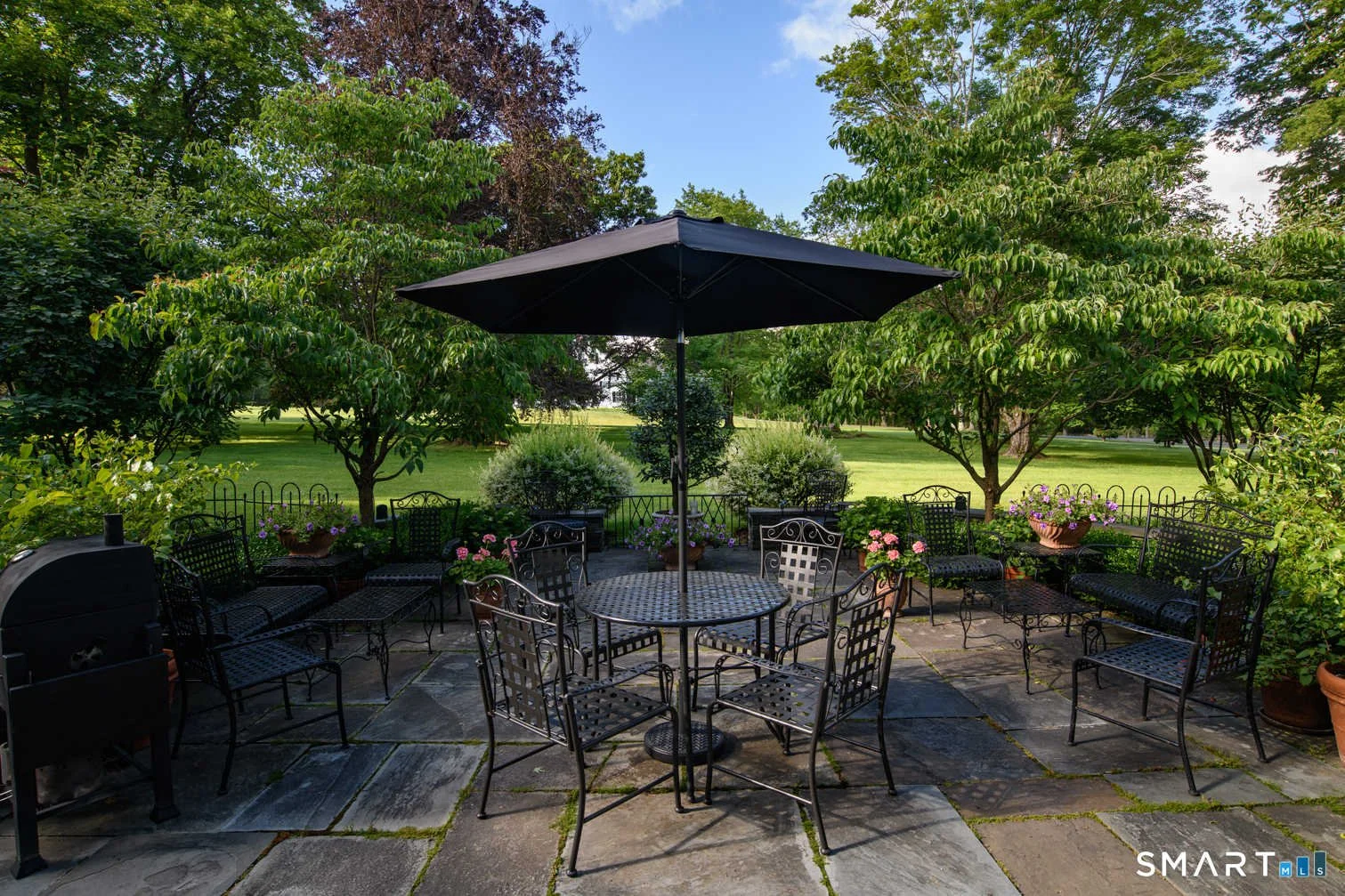
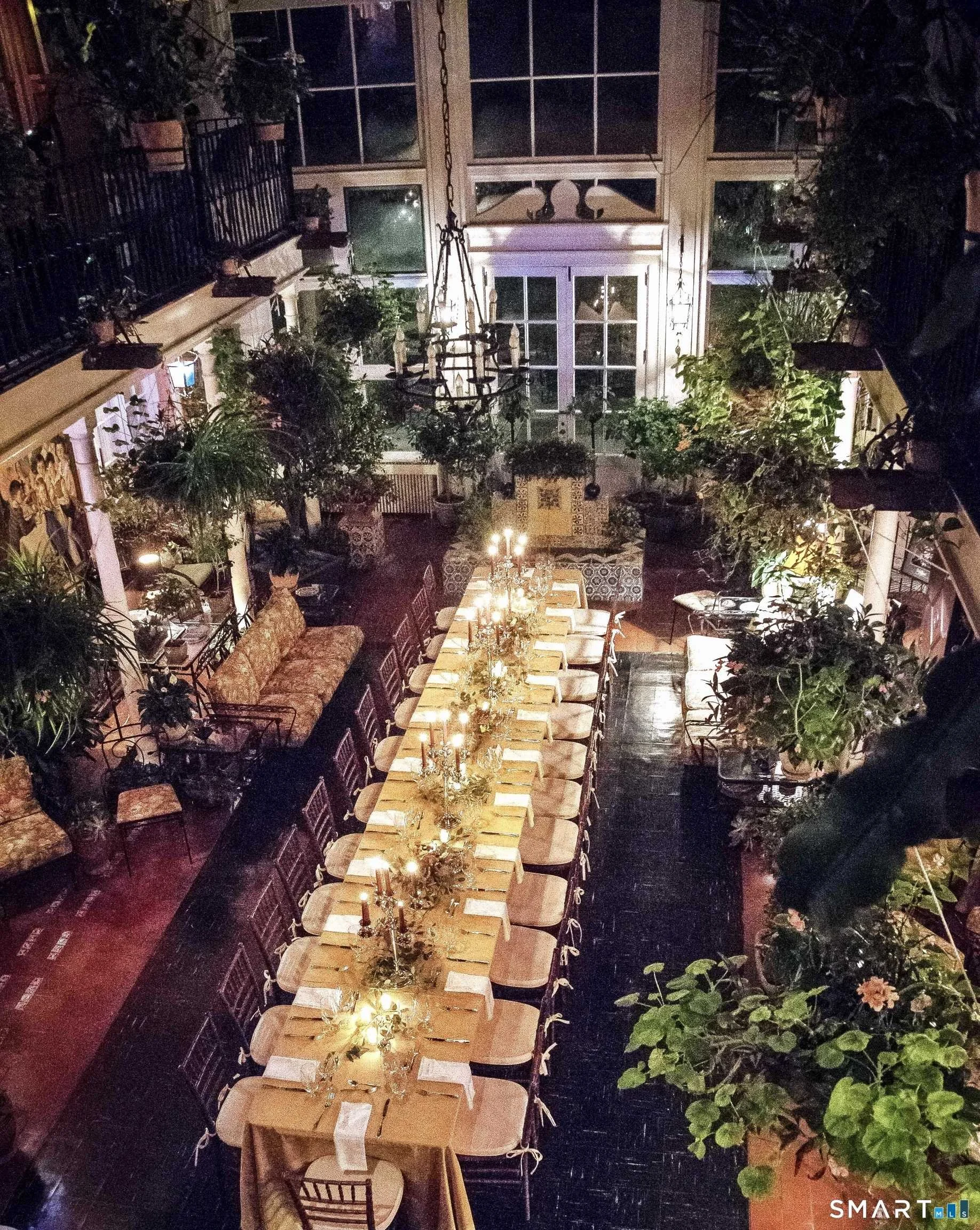
Amenities: Three-story 1,250 ft² (116 m²) glass atrium, 7 fireplaces, library, gym, private terraces, 2 garage spaces, 2 carport spaces, shared junior Olympic-sized heated pool and pool house, tennis court, paddle/pickleball courts, landscaped grounds and specimen trees.
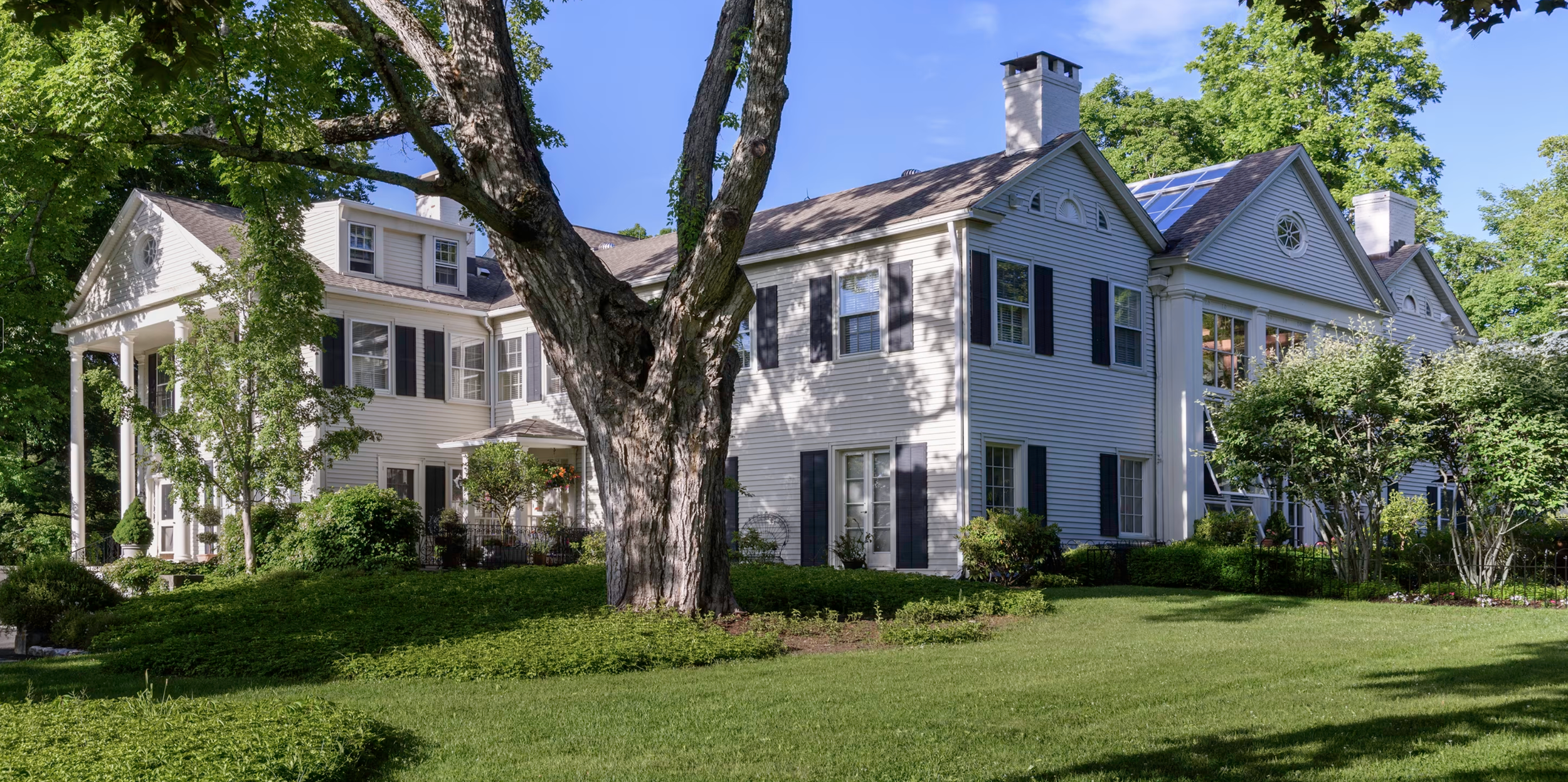
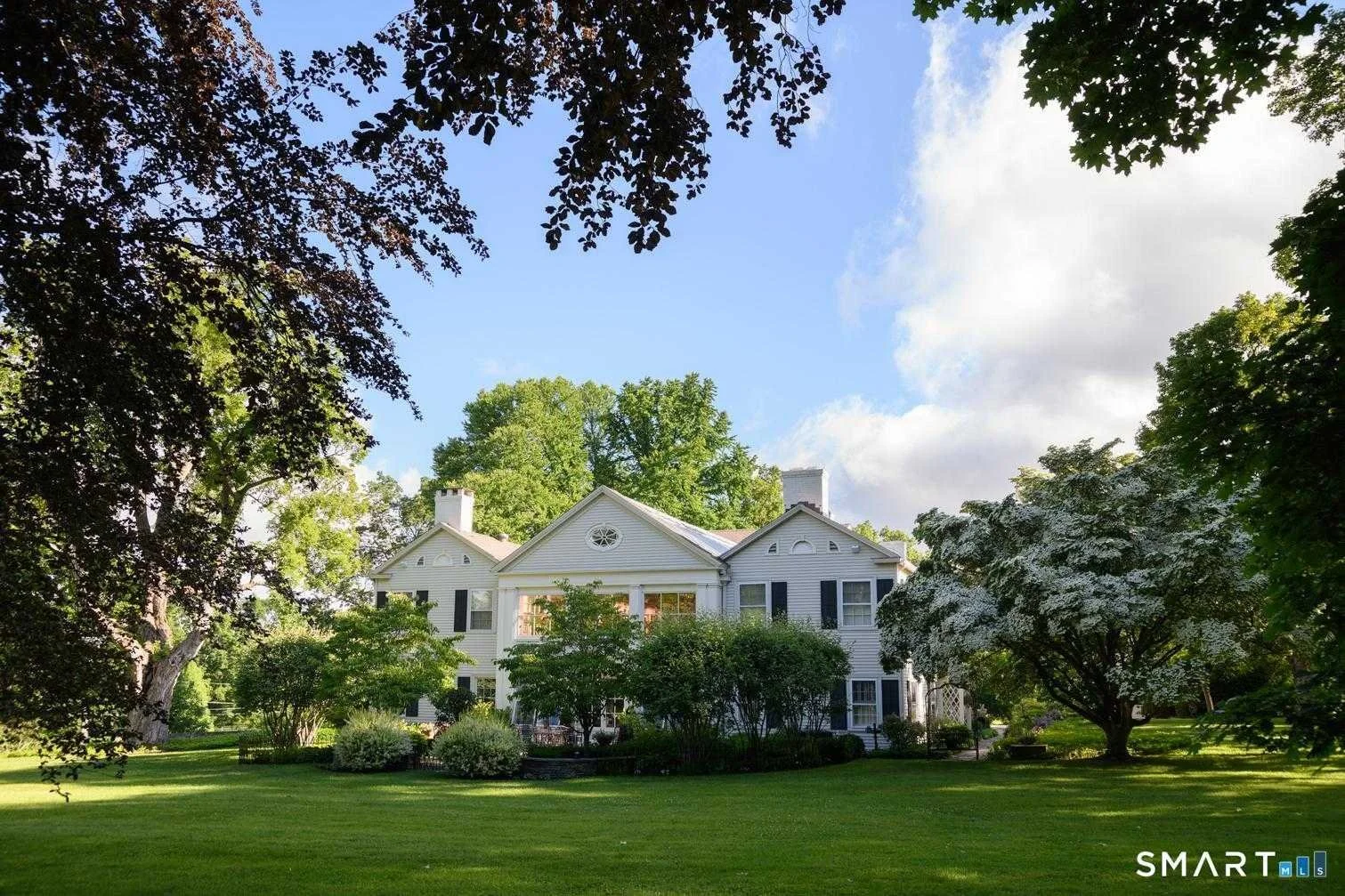
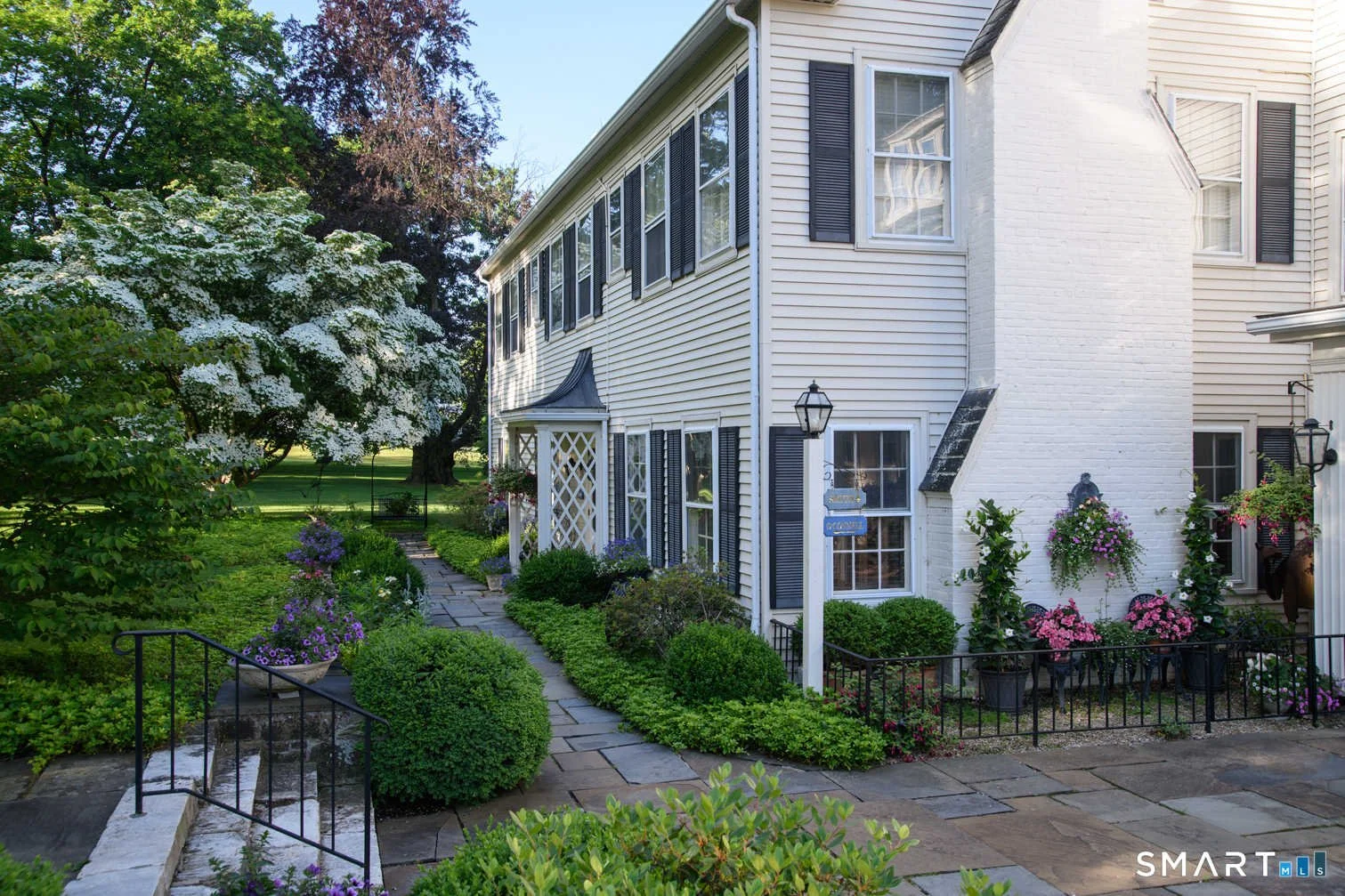
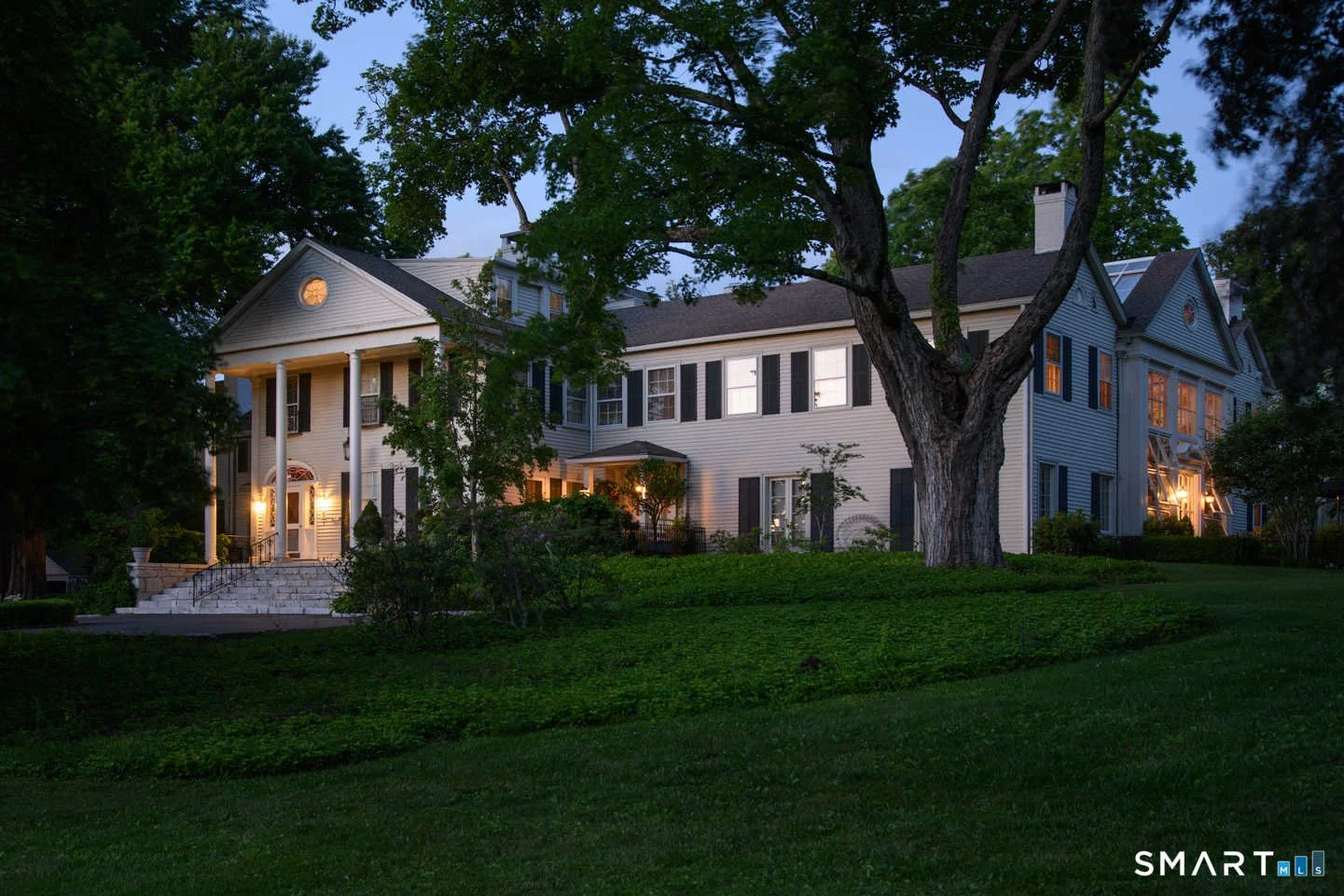
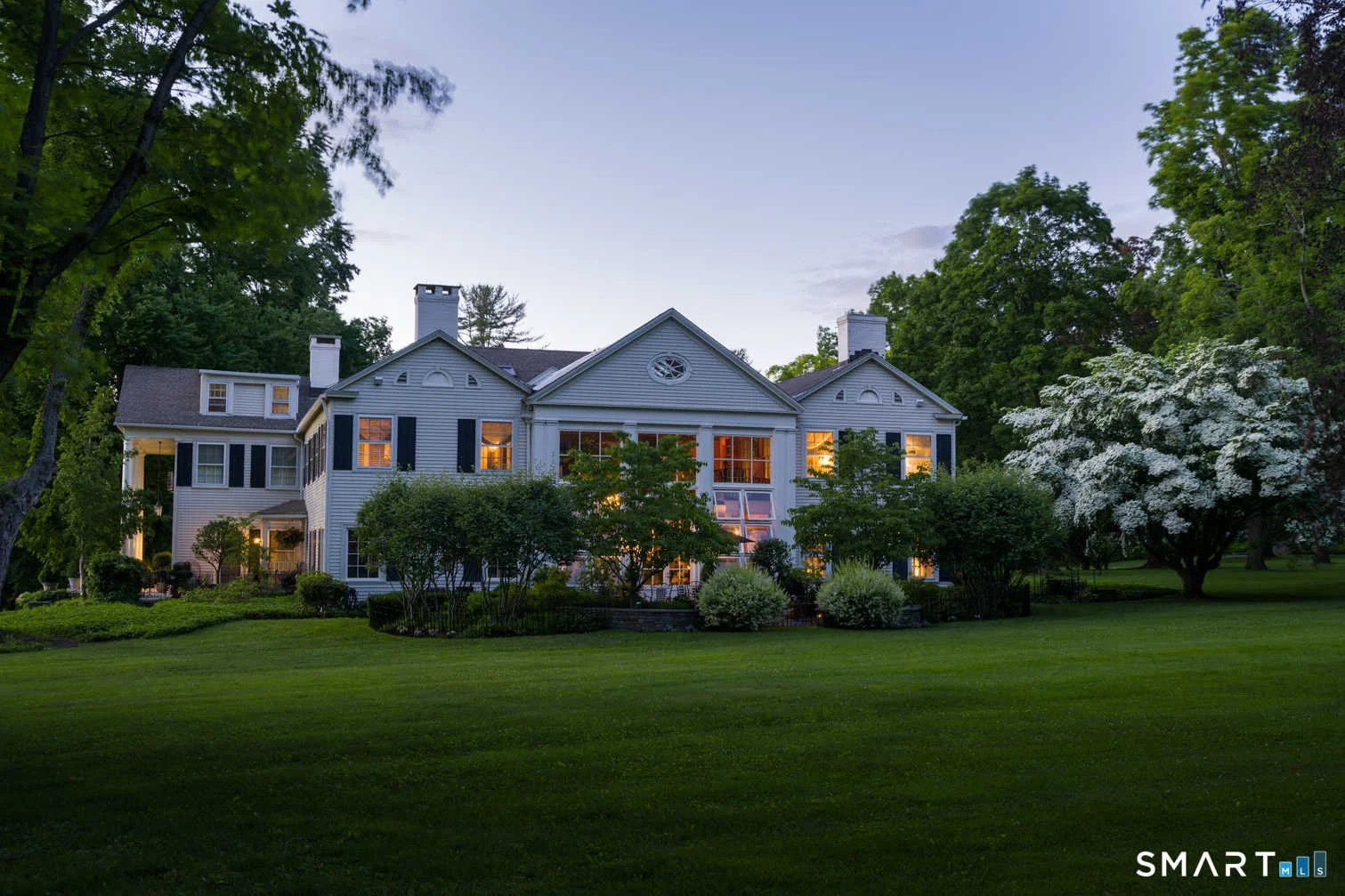
Built around 1812, Great Elm is the kind of grand country estate that once defined this corner of Connecticut. It sits in the Litchfield Hills, where generations of prominent New York families kept country homes within easy reach of the city, roughly two hours away. For much of the 20th century, Great Elm was the center of life for the Buckleys, one of the most influential families in modern American conservative politics — a place of large gatherings, music, political conversation and an extraordinary cast of visitors.
Henry Kissinger visited Great Elm, while a 19-year-old Sylvia Plath wrote home after a 1951 stay about its seemingly endless rooms, period furniture and art. On Thanksgiving Day in 1976, Ronald Reagan and William F. Buckley Jr. captained opposing touch-football teams on the grounds. According to Buckley’s nephew Cameron Smith, the game ended in a draw.
By the early 1980s, however, its heyday had passed, and the cost of maintaining the house and its roughly 50-acre (20-hectare) estate had become difficult to sustain. The Buckleys effectively saved Great Elm by turning it into a shared residential community. The main mansion was divided into five residences, additional condominiums were created in the former carriage and stable buildings, and new freestanding houses were built elsewhere on the estate. Together they became Great Elm Community, Inc., allowing the cost of maintaining the grounds and amenities to be shared among multiple owners rather than carried by a single family.
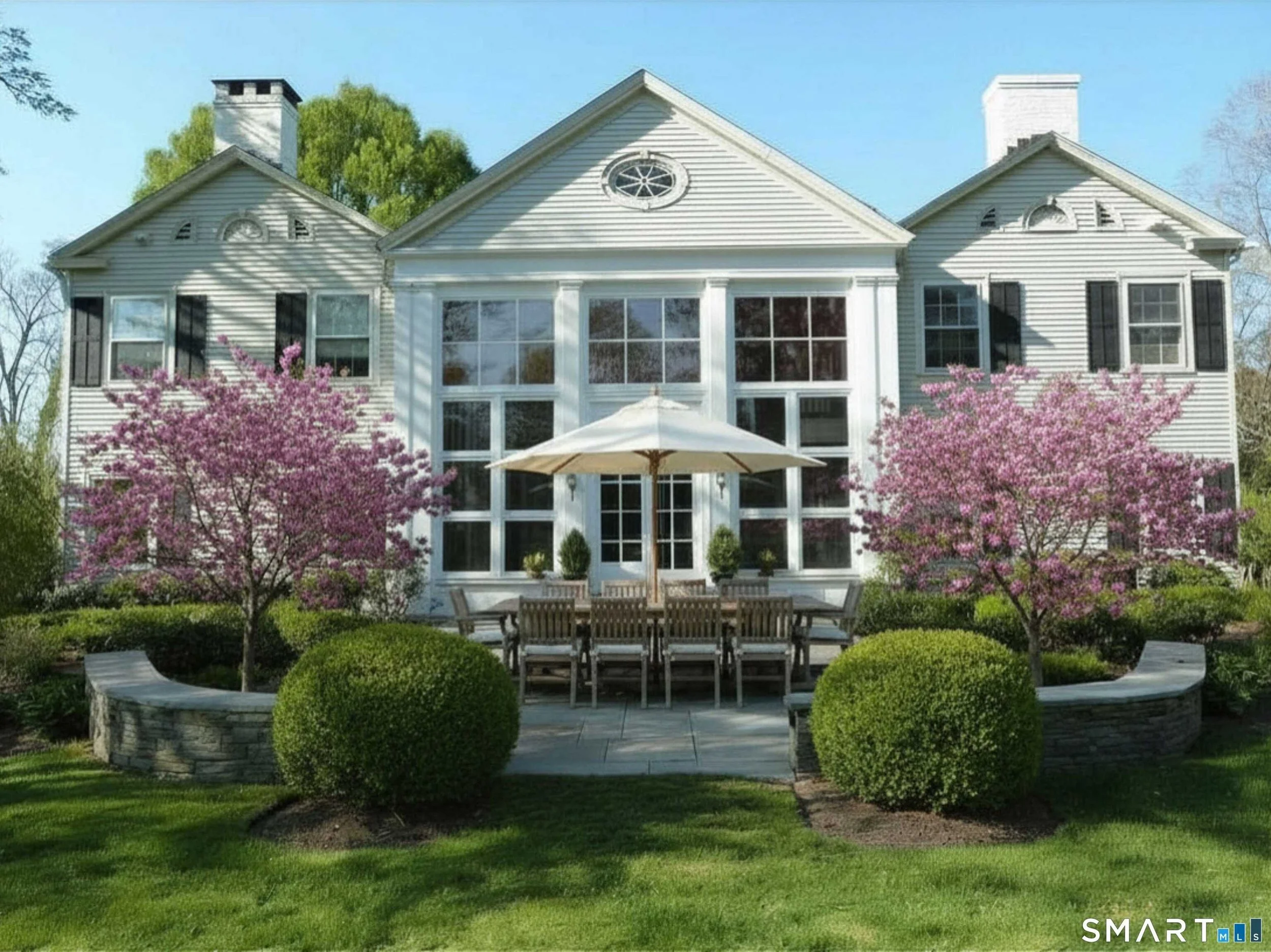
More than four decades later, that solution has created an unexpected opportunity. Two of the five residences within the original mansion have already been reunited and are now offered together for $3.999 million with Ann Stettner of Neil Charles Real Estate.
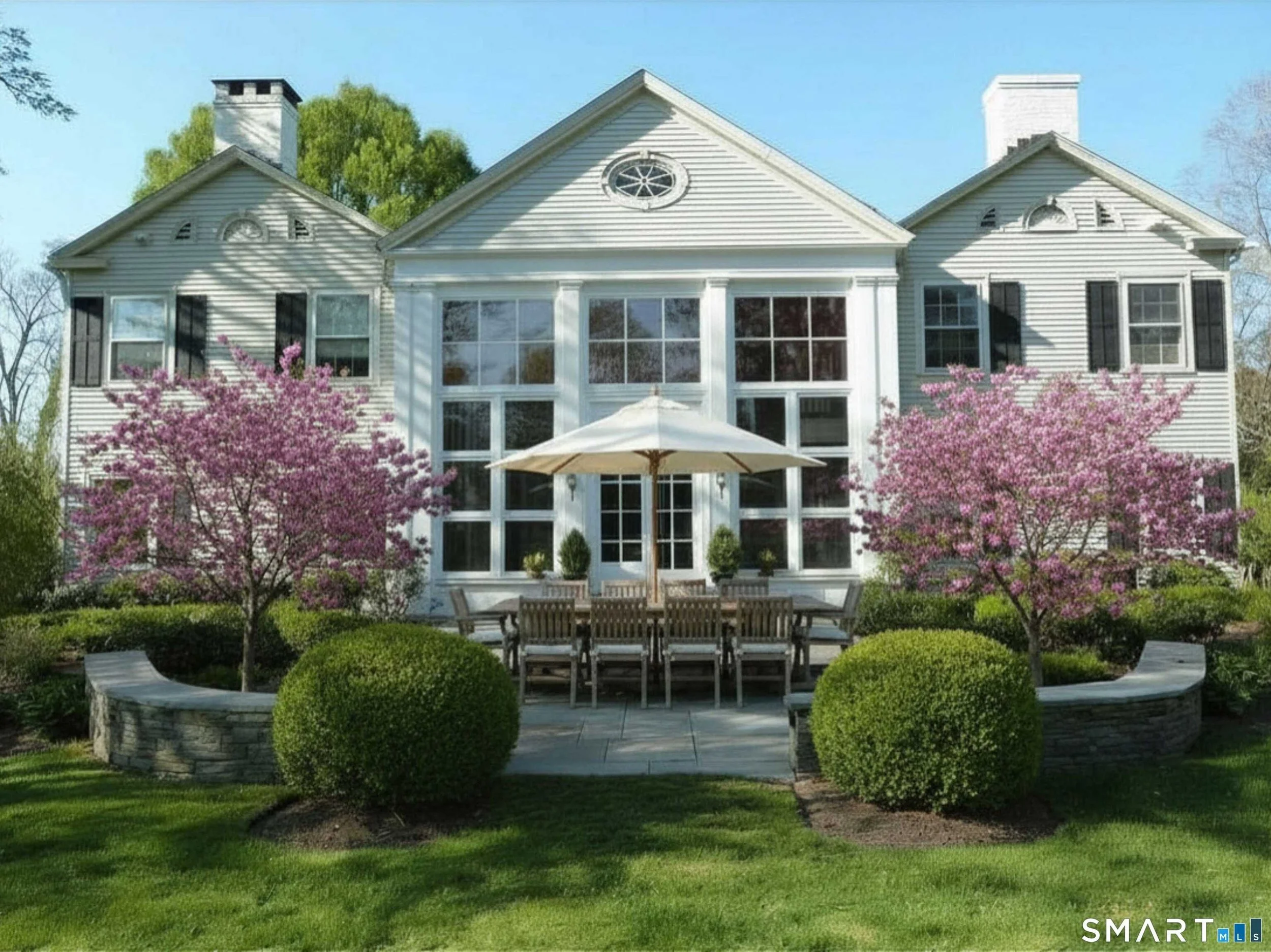
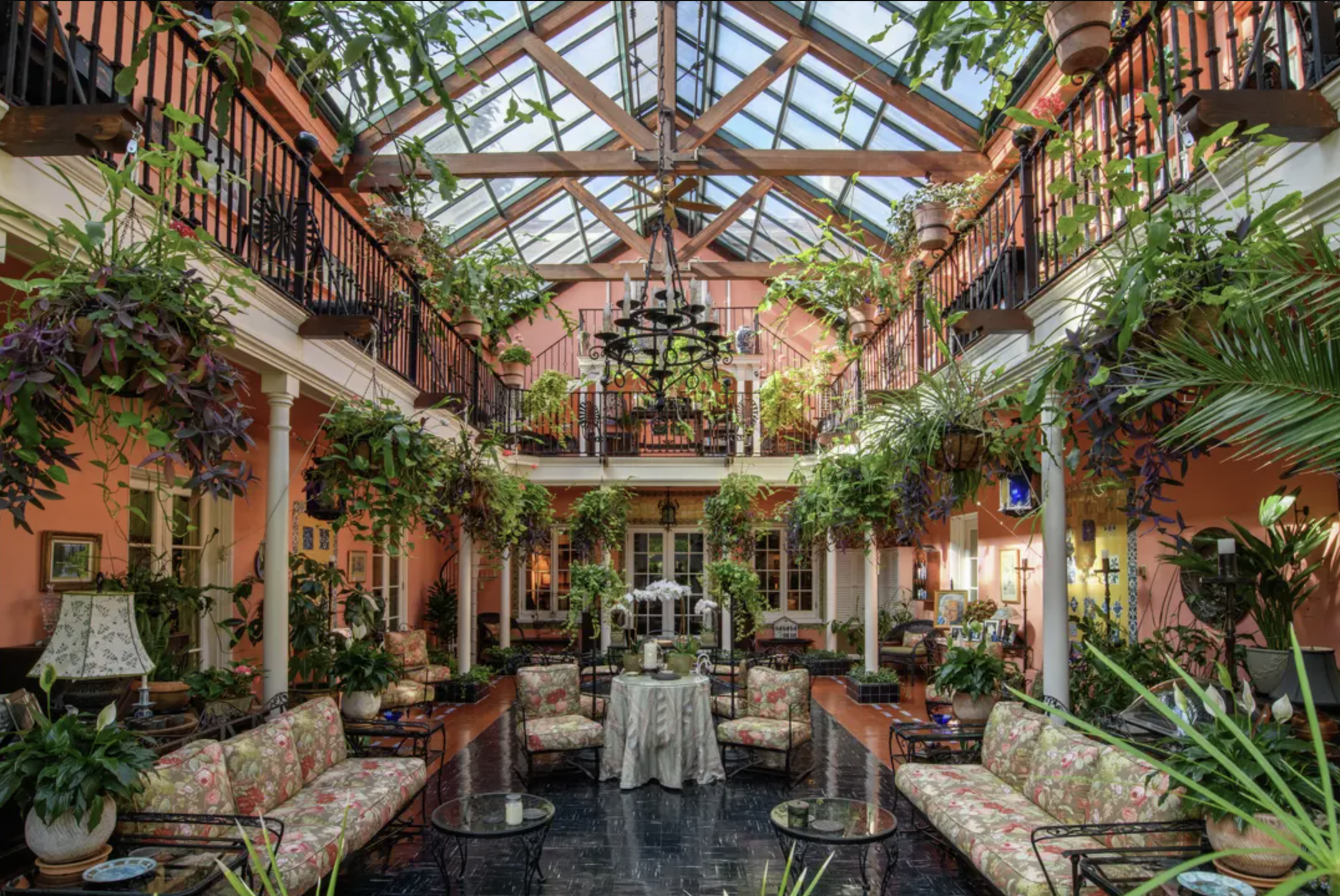
The current offering has 6 bedrooms, 7 full bathrooms and 2 powder rooms across 6,716 ft² (624 m²), plus a three-story glass atrium measuring another 1,250 ft² (116 m²), which is not included in the official interior square footage. The remaining three residences account for roughly another 6,000 ft² (557 m²), bringing the original mansion to around 14,000 ft² (1,300 m²).
And, according to The Wall Street Journal, the owners of the remaining residences in the original mansion have also indicated that they may be willing to sell.
A buyer could therefore potentially put the historic mansion back together — while keeping the arrangement that made Great Elm manageable in the first place. The wider estate would remain a shared community, with its grounds, heated pool, tennis and paddle courts and other amenities collectively maintained rather than becoming the sole responsibility of one owner.
The house predates the Buckleys by more than a century. It was built for Ansel Sterling, a Connecticut lawyer who served in the U.S. House of Representatives, before William F. Buckley Sr. purchased the property in 1923. A Texas-born lawyer and oil businessman, Buckley moved there with his New Orleans-born wife, Aloïse, and their growing family. The couple would have 10 children who survived into adulthood, among them William F. Buckley Jr., founder of National Review, and James Buckley, who later served as a U.S. senator and federal judge.
As the family grew, so did Great Elm. William Sr. substantially enlarged the Georgian house, but some of its most distinctive interiors came from his earlier life in Mexico, where he had built his career during the turbulent years surrounding the Mexican Revolution. In 1929, according to The Wall Street Journal, he brought seven railway boxcars filled with handcrafted tiles, lighting, furniture and architectural elements from Mexico to Connecticut.
Those pieces were woven into the house rather than simply displayed in it. Reid Buckley, one of the 10 siblings, later recalled colorful tiles framing doorways, bathrooms lined or accented with tile, and an Andalusian-style fountain — giving the interiors an unexpectedly southern character for a Connecticut country house.
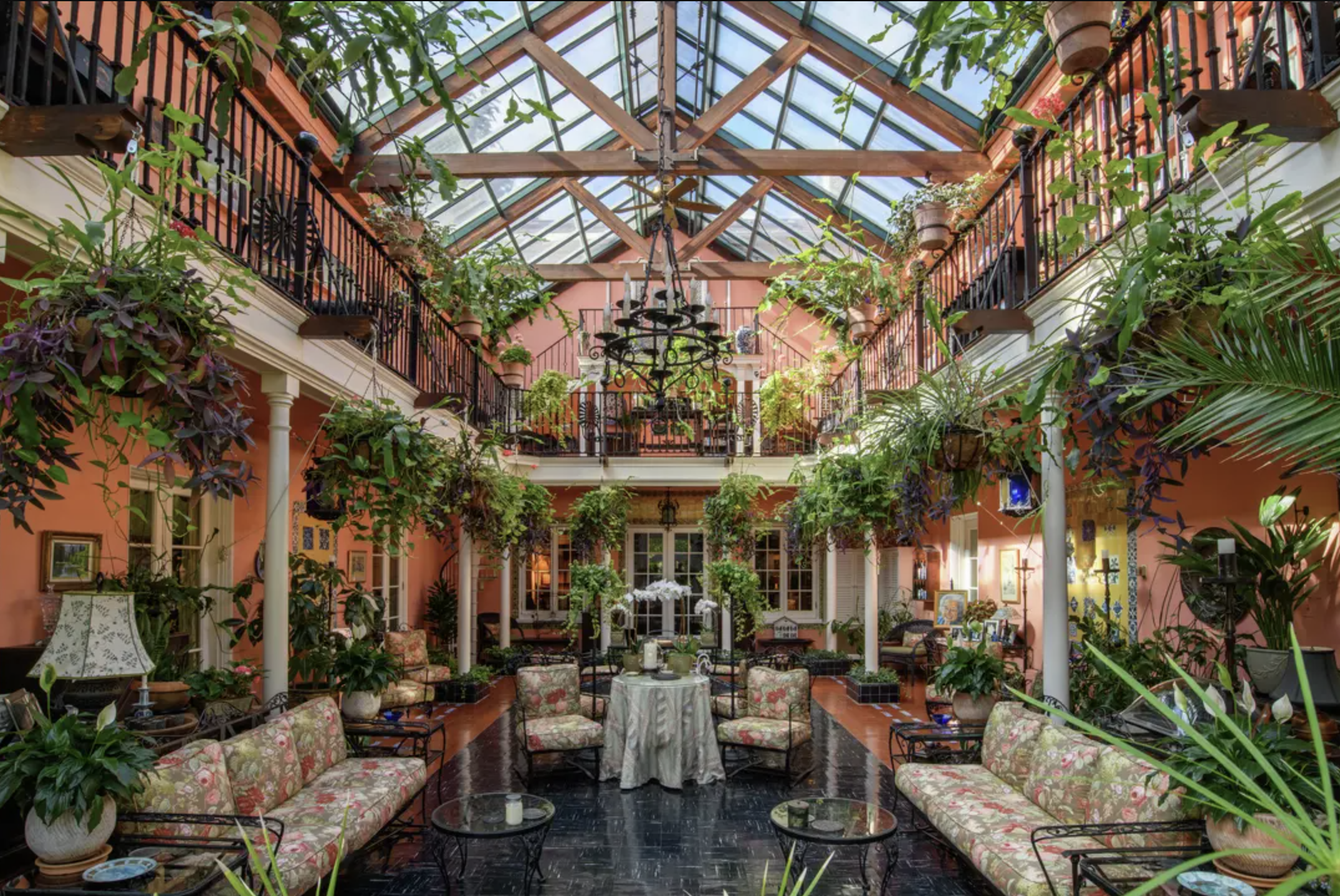
In 1937, the central courtyard was enclosed beneath glass to create Great Elm’s defining room: the three-story atrium that still sits at the heart of the house today. Wrought-iron galleries overlook the tiled space, which combines the family’s Mexican influences with references to New Orleans, Aloïse’s hometown.
Life at Great Elm could be equally unconventional. The Buckley children were largely educated at home by tutors and spent their days moving between lessons, horseback riding, swimming and music. At one point there were five pianos in the house, while the children also played guitars, banjos, mandolins and ukuleles.
The house eventually became a stage for something larger than family life. In September 1960, nearly 100 young conservatives from across the United States gathered at Great Elm and drafted the Sharon Statement, a short declaration of principles that became influential in the development of the modern American conservative movement and led to the formation of Young Americans for Freedom. A plaque on the property still marks the event.
For decades after the estate was divided, members of the Buckley family continued to live at Great Elm. Cameron Smith, a grandson of William Sr., and his wife, actress Liza Vann, eventually acquired two neighboring residences within the mansion that had belonged to Smith’s mother, Jane, and his aunt Priscilla. They renovated and reunited the two in 2013, creating the home now on the market.
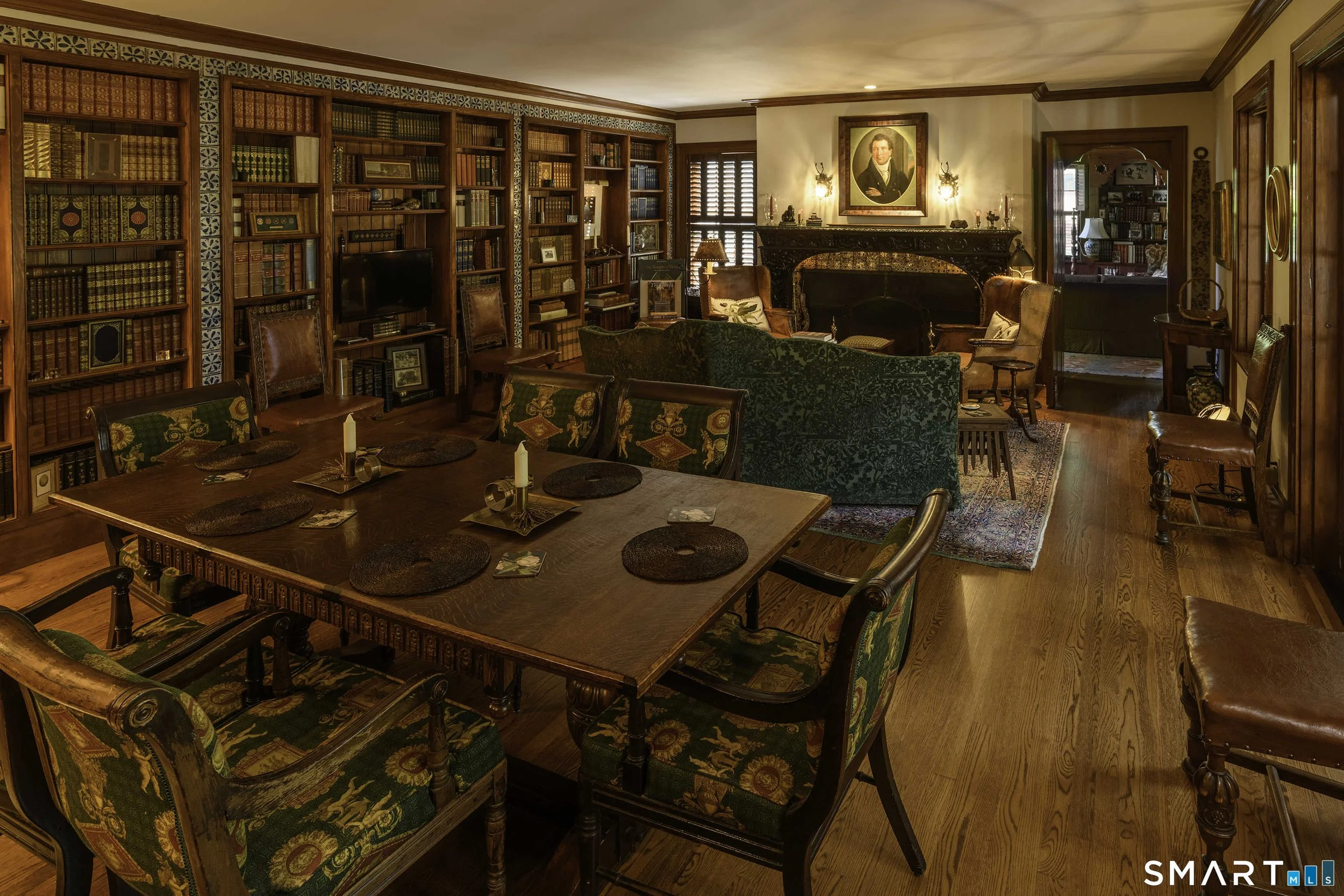
Great Elm’s current arrangement is, in some ways, the result of a successful compromise. Dividing the property allowed the family to preserve the mansion and much of the character of the old estate without leaving its upkeep to a single owner. More than 40 years later, someone may now have the opportunity to reunite the house without undoing the solution that helped save it.
All photographs belong to the listing agency. See more on Neil Charles Real Estate.