A 200-Acre California Wine Country Estate Listed for $52.5 Million
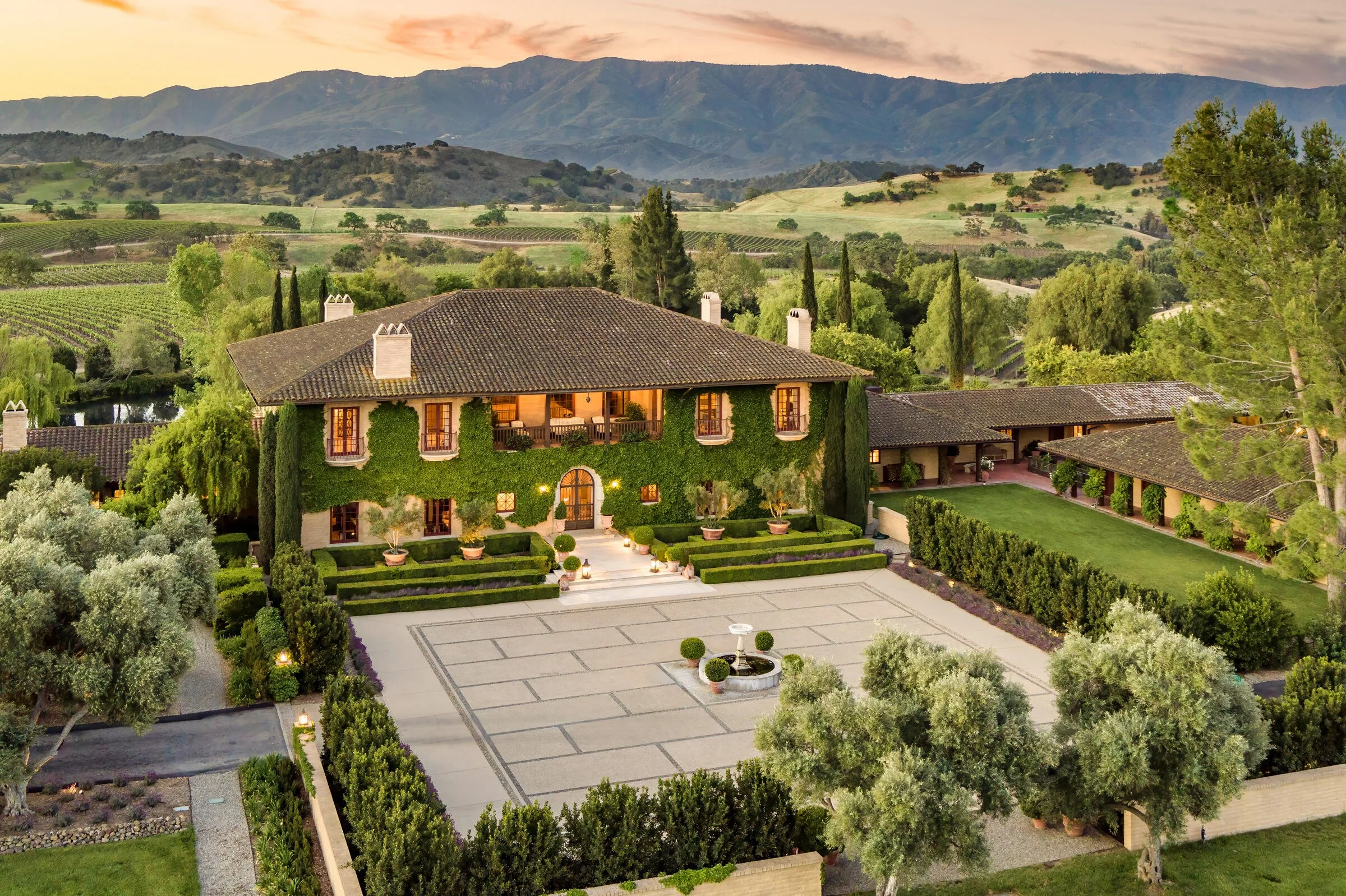
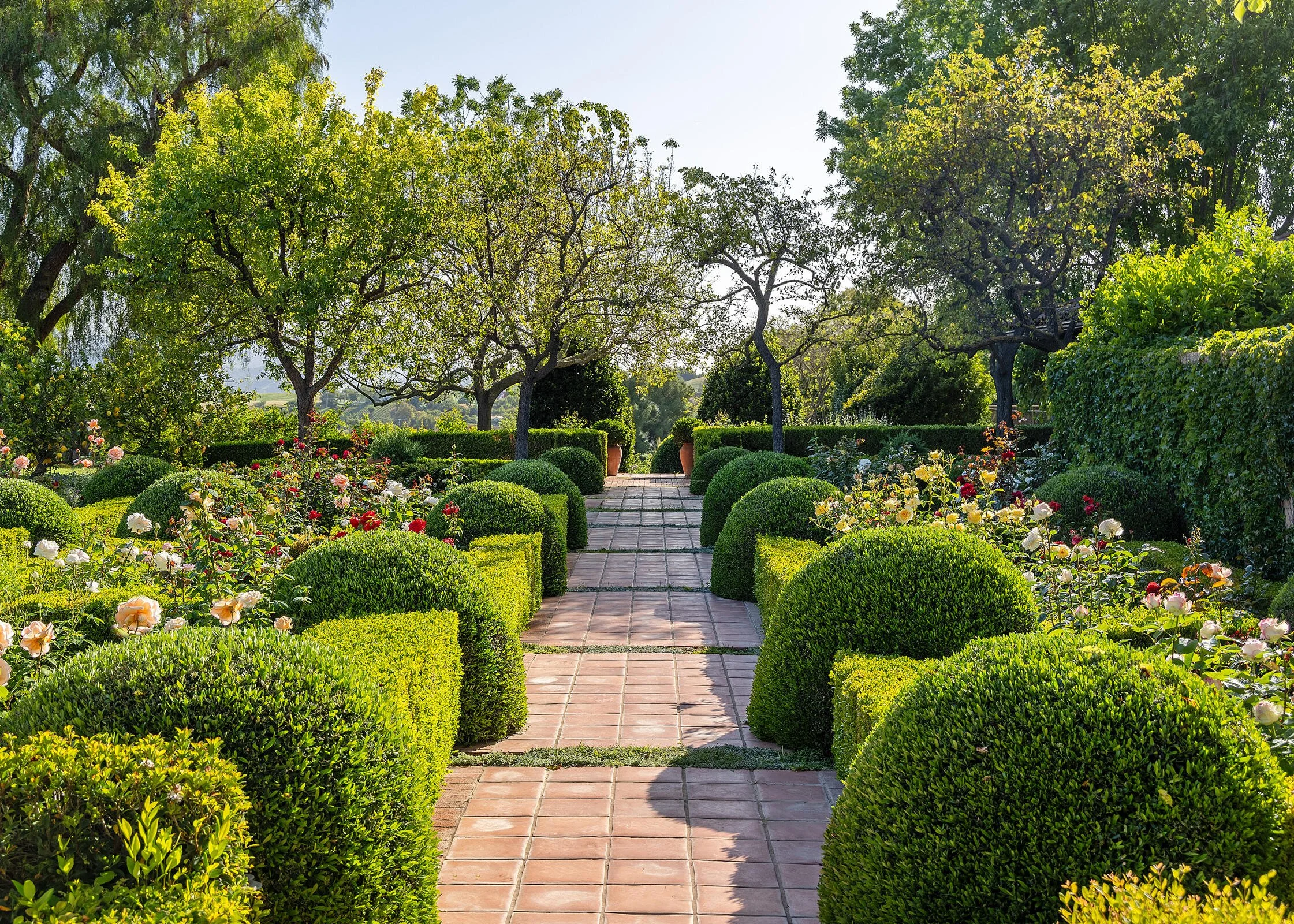
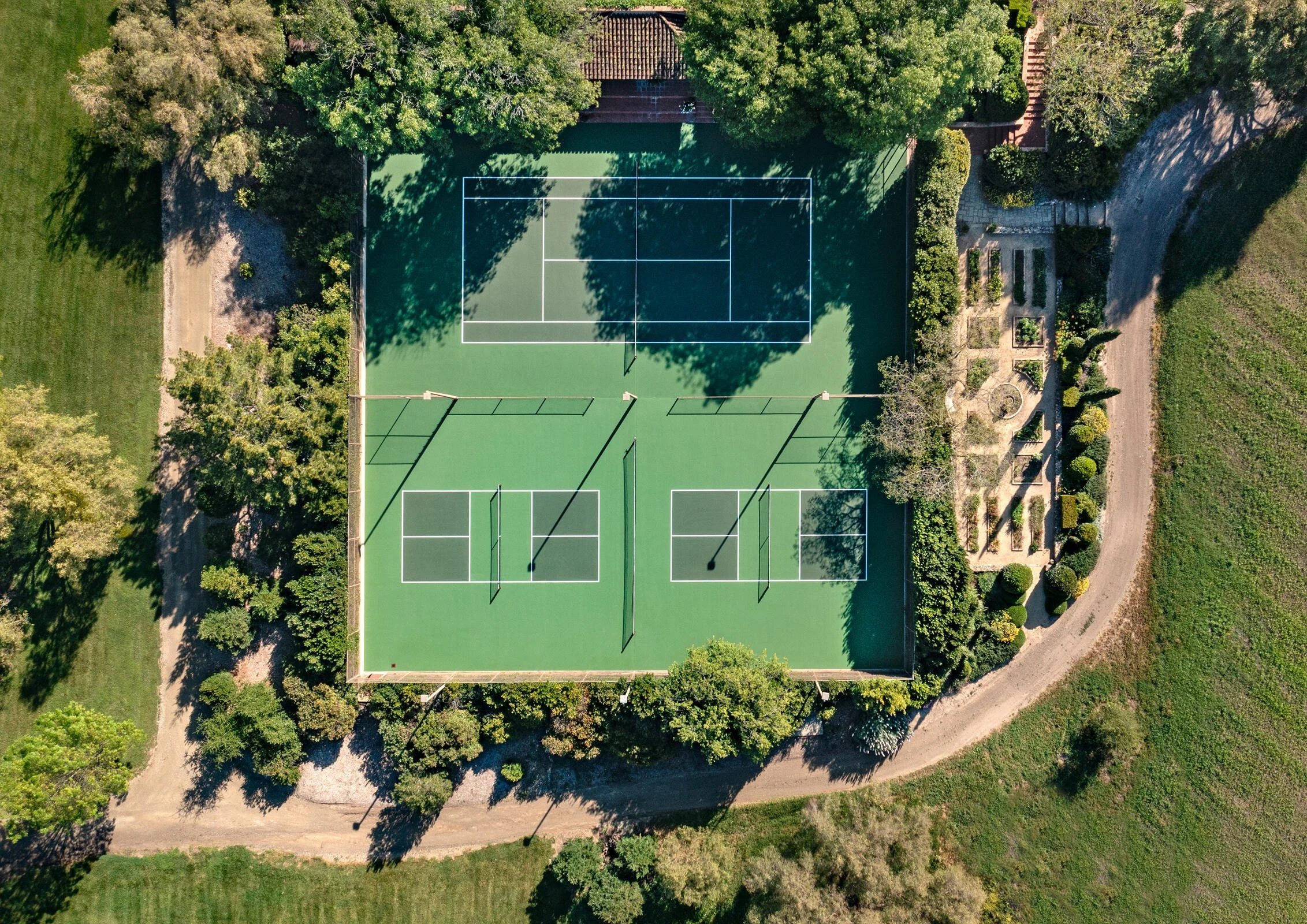
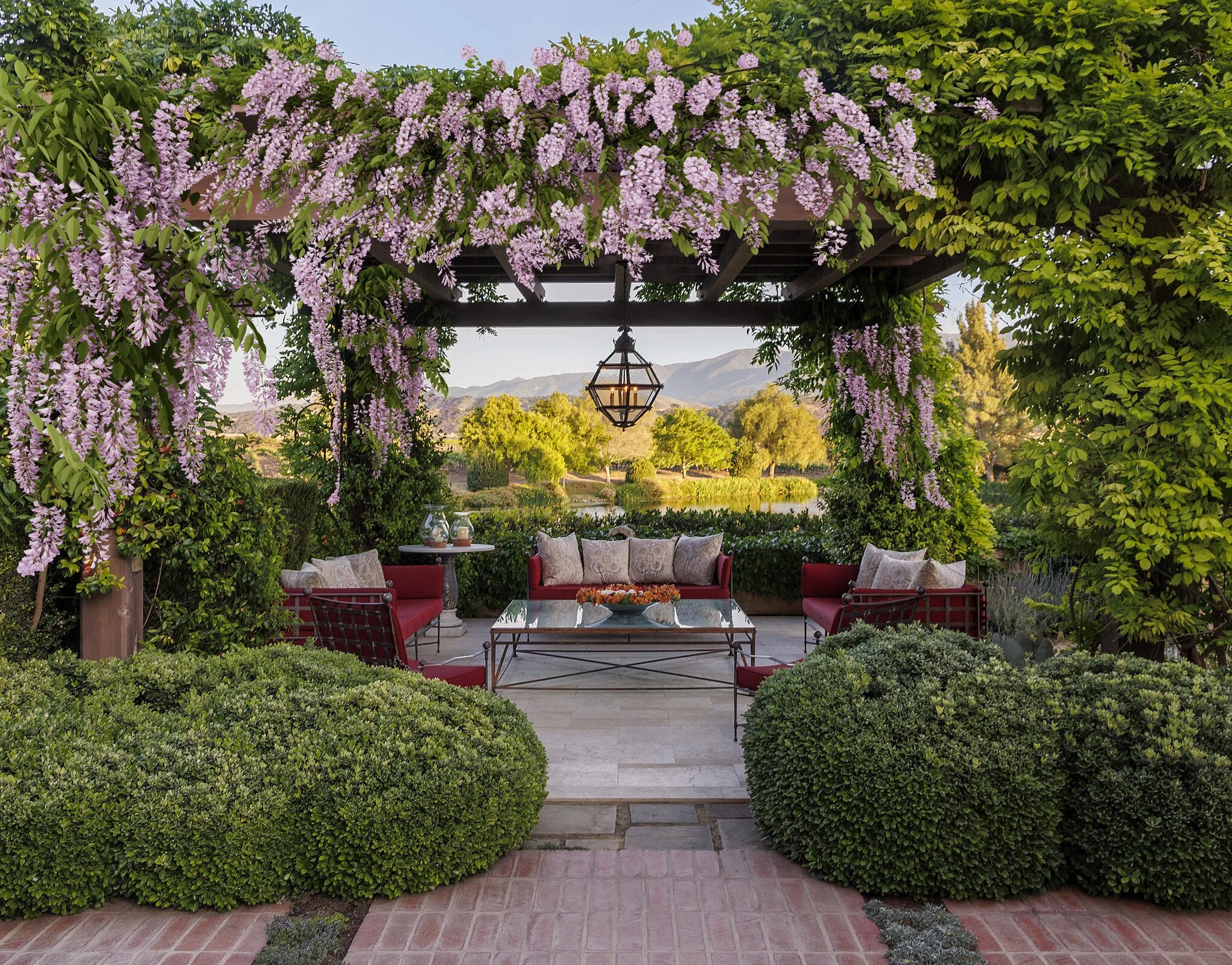
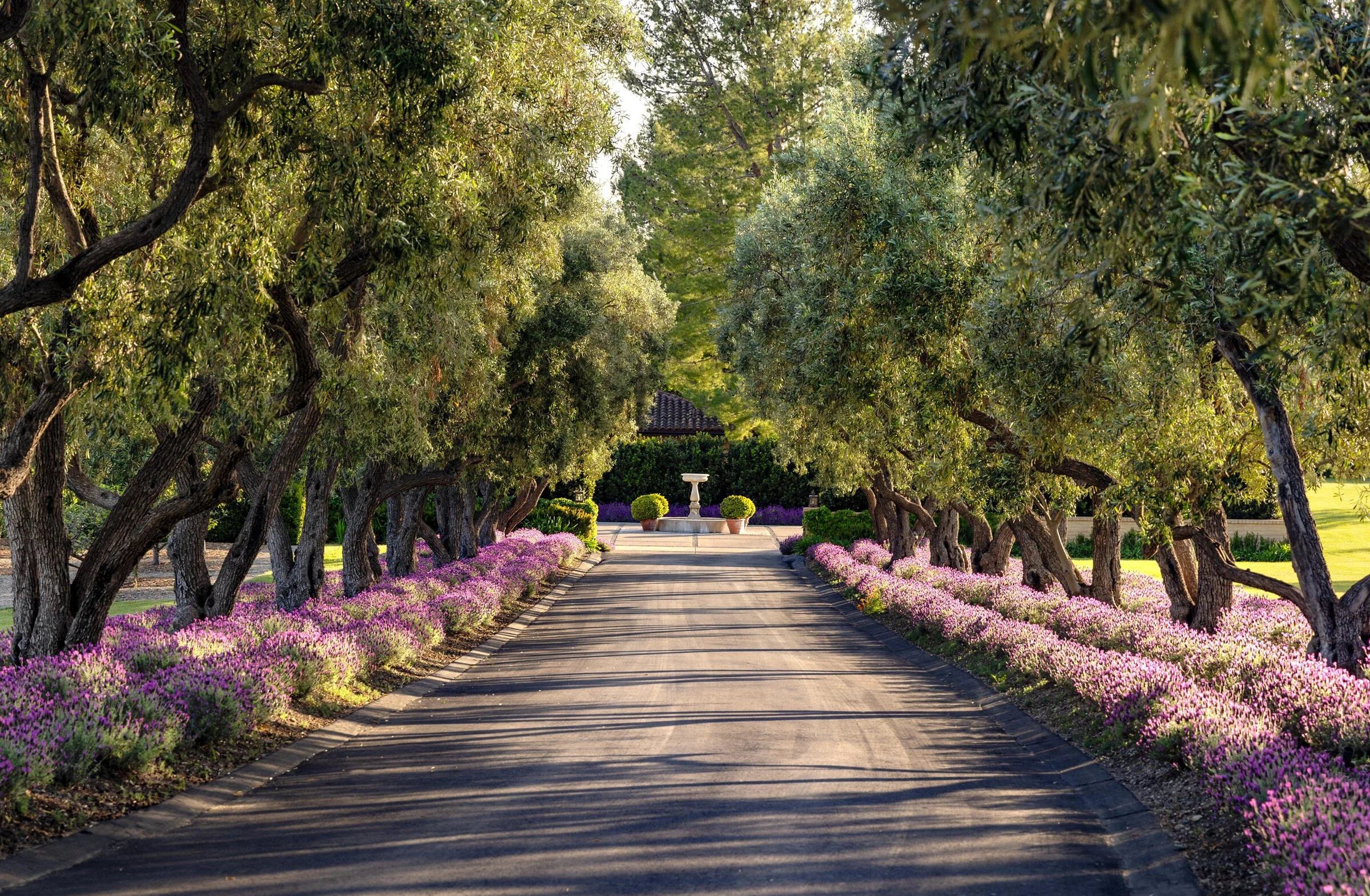
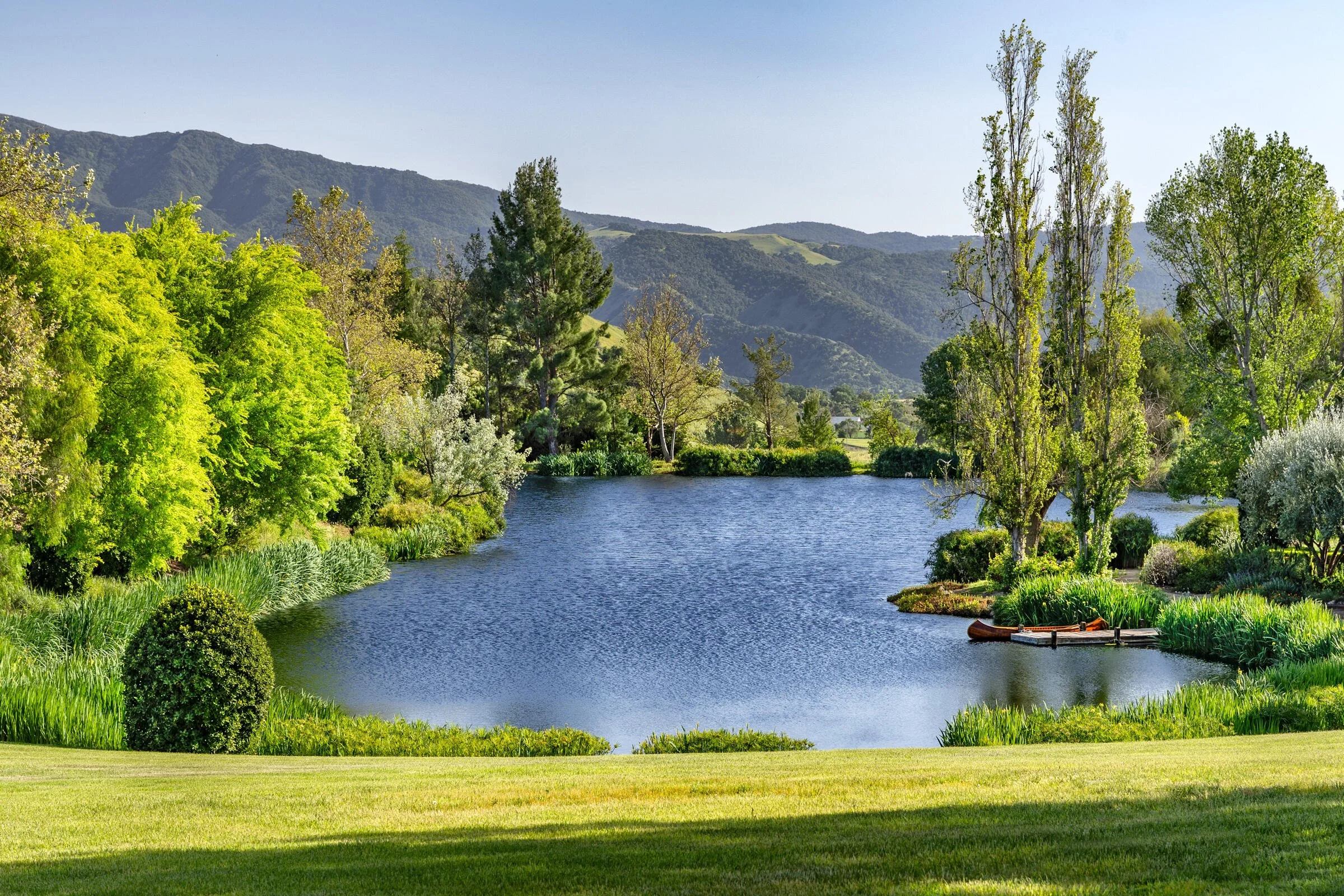
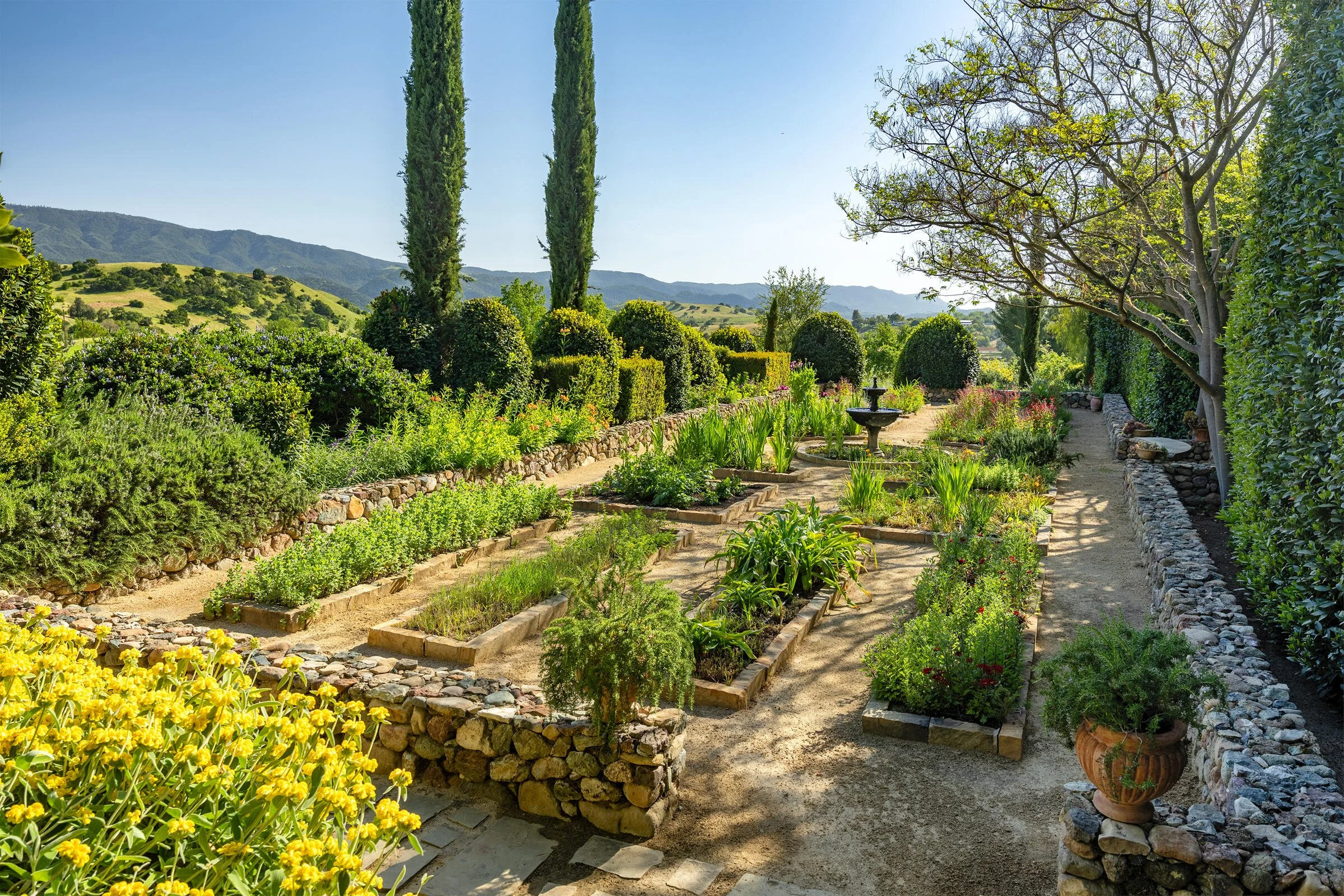
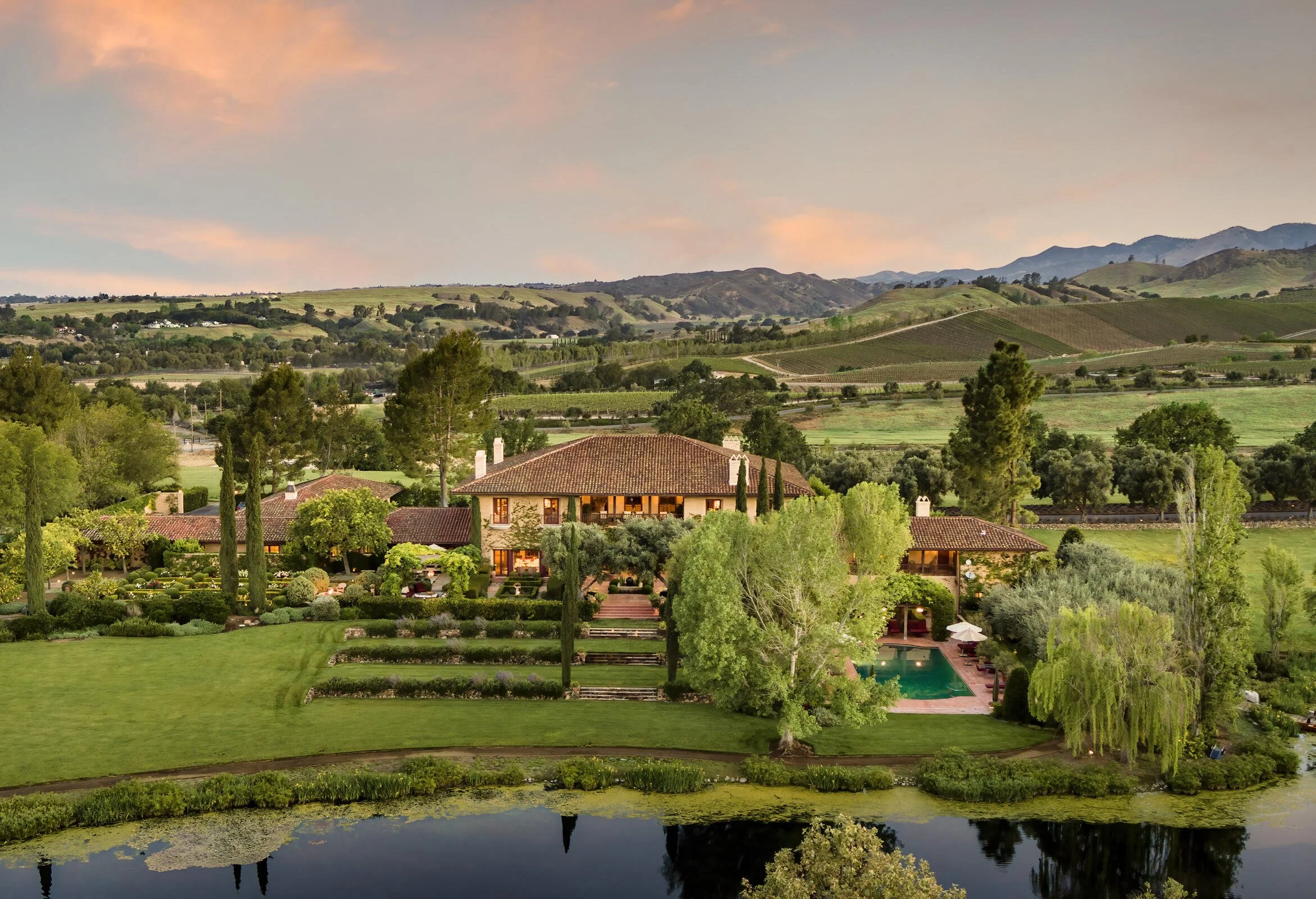
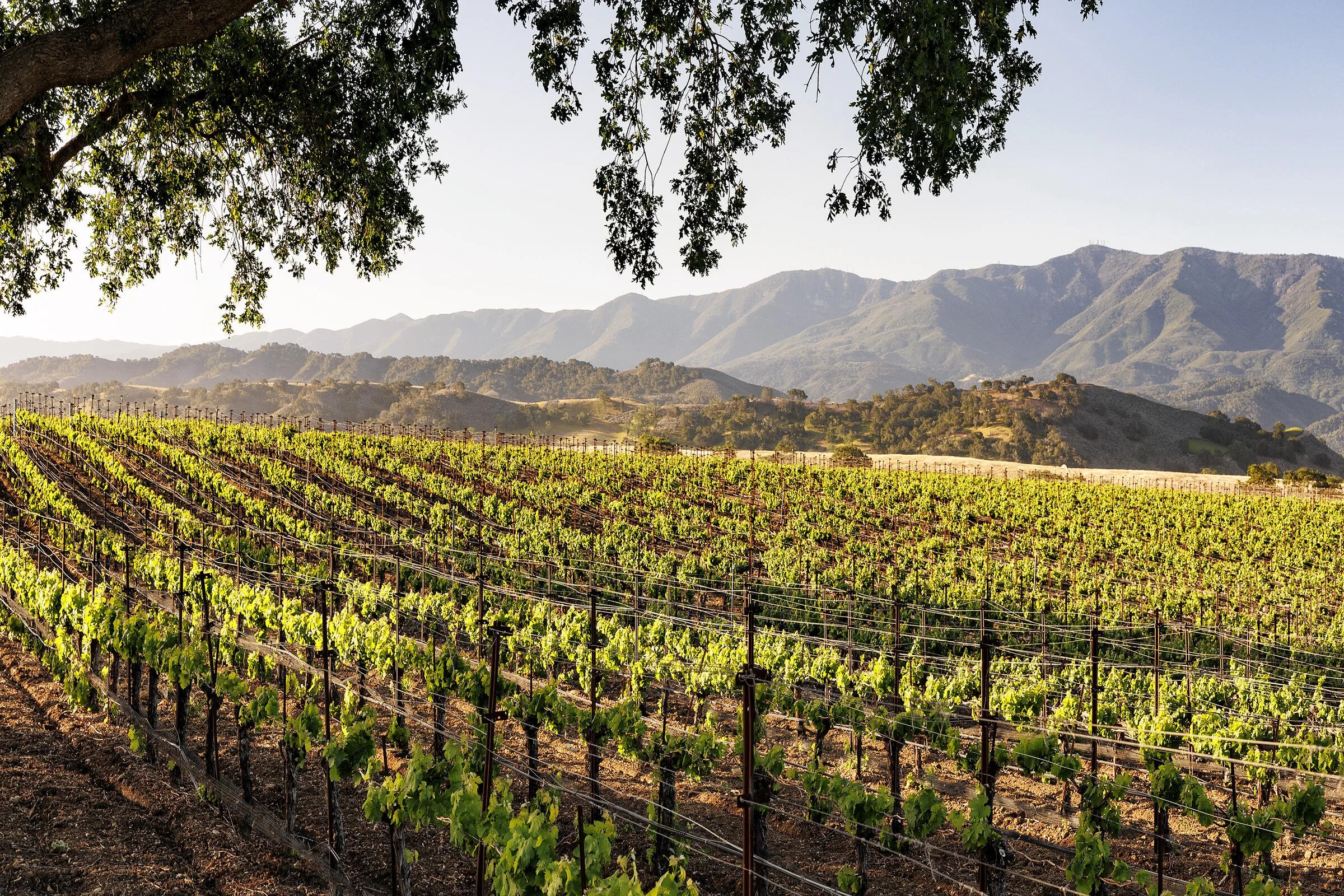
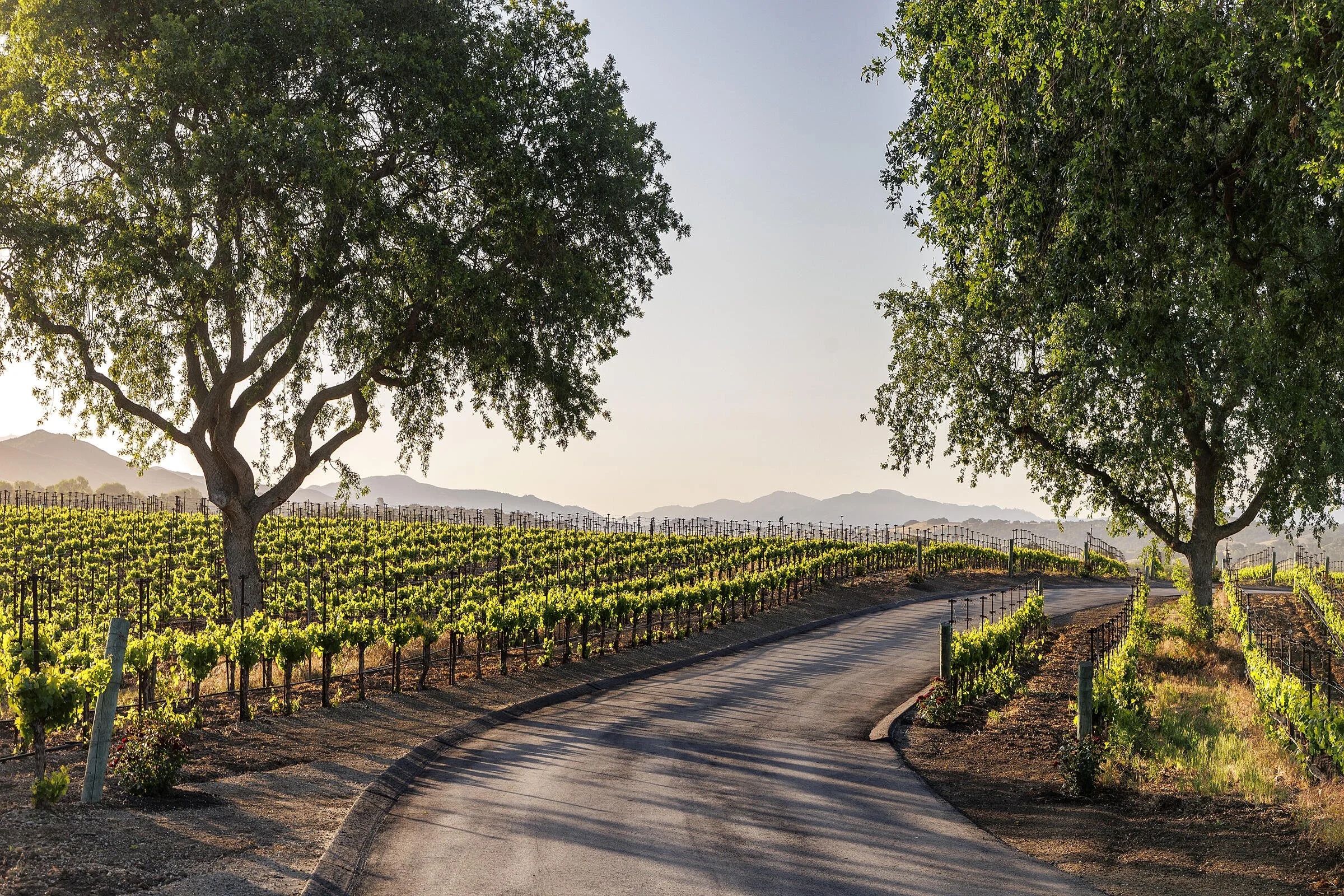
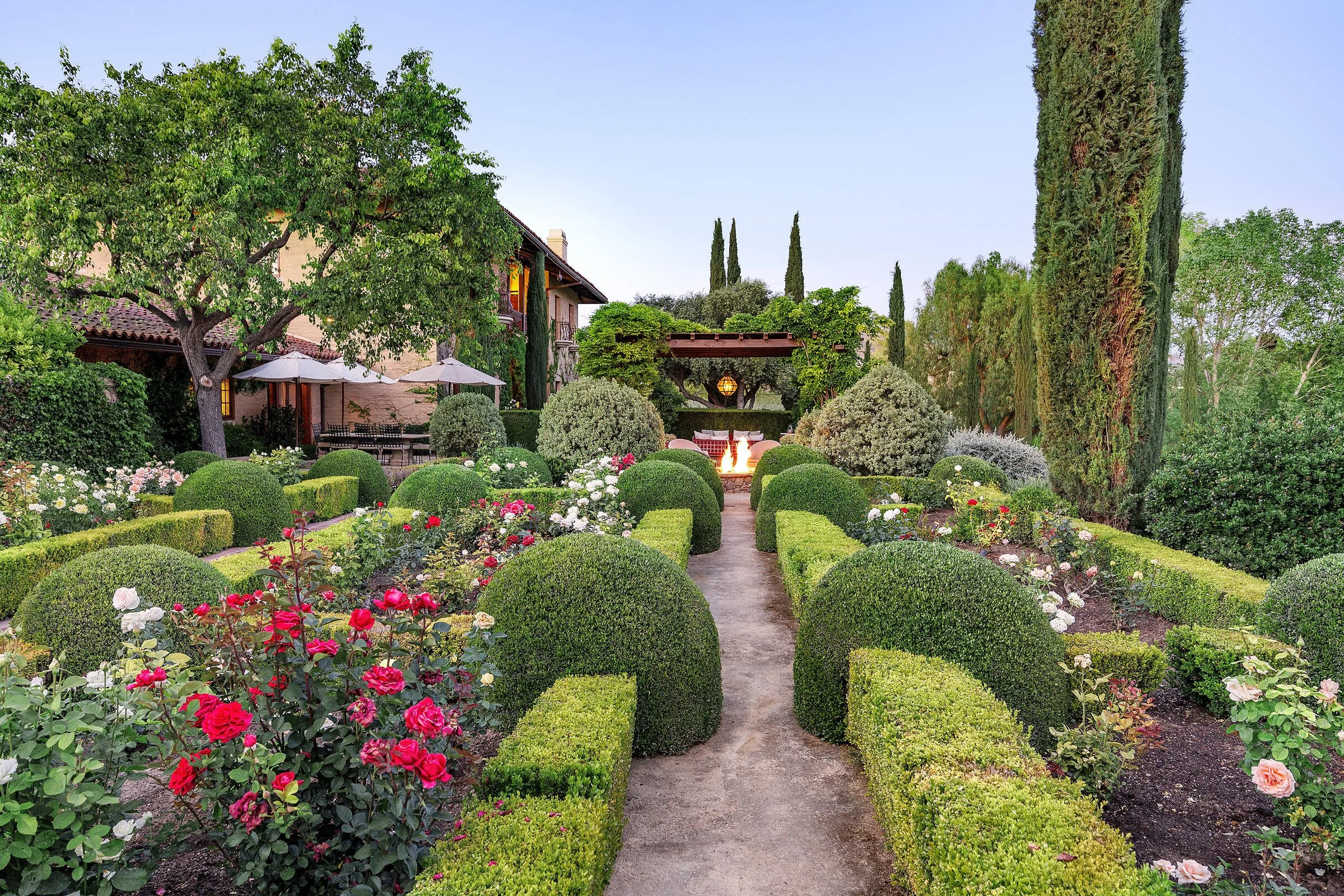
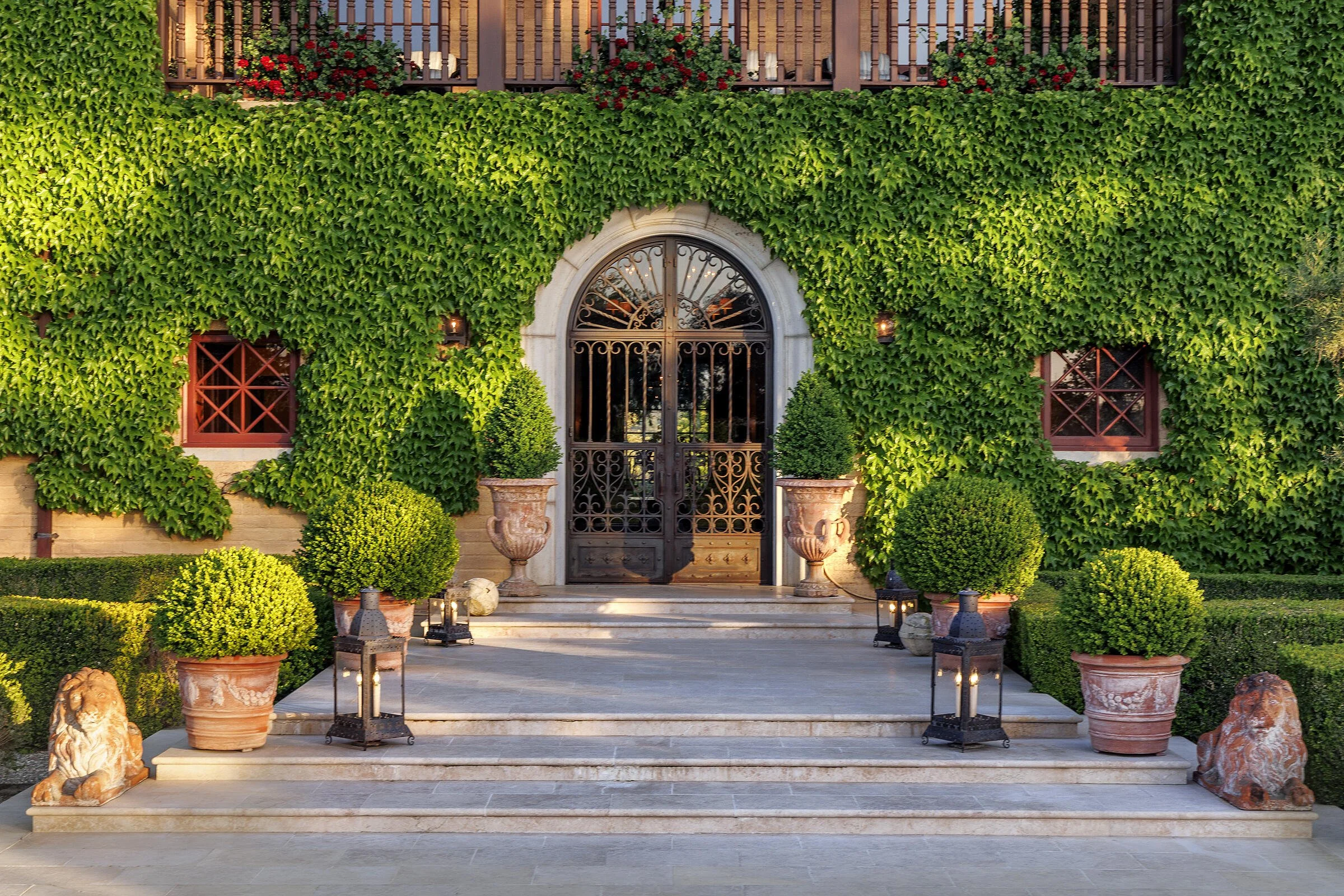
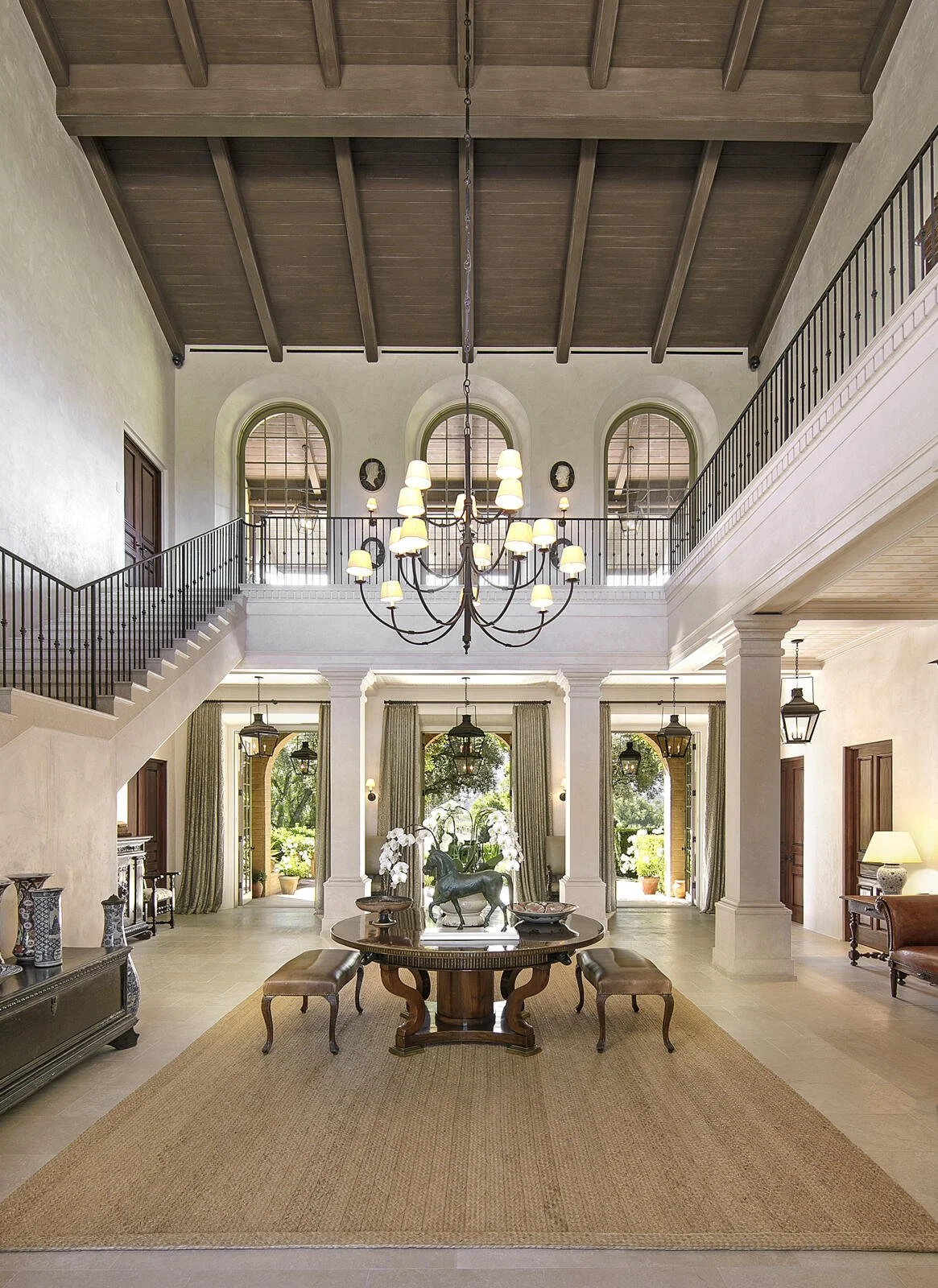
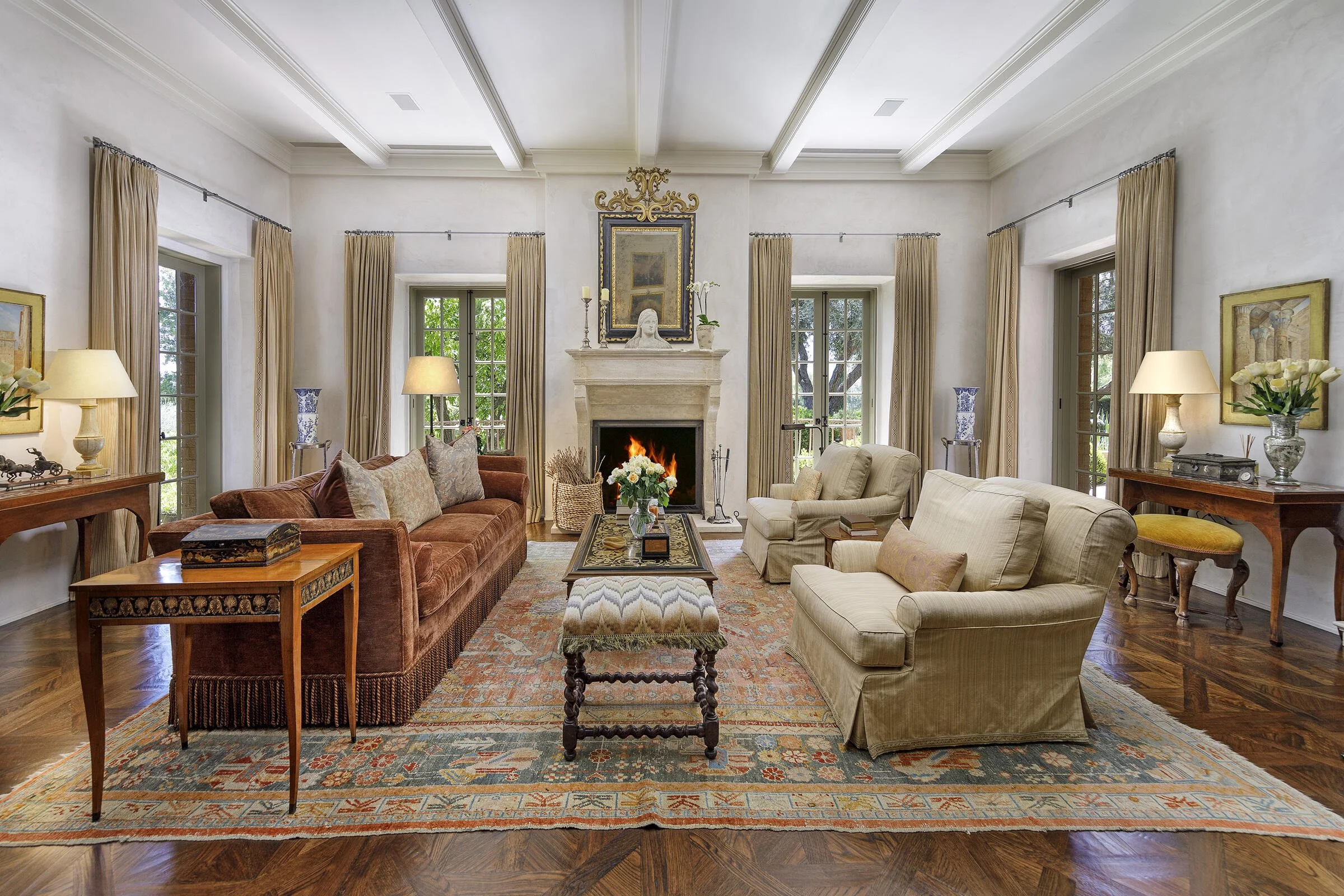
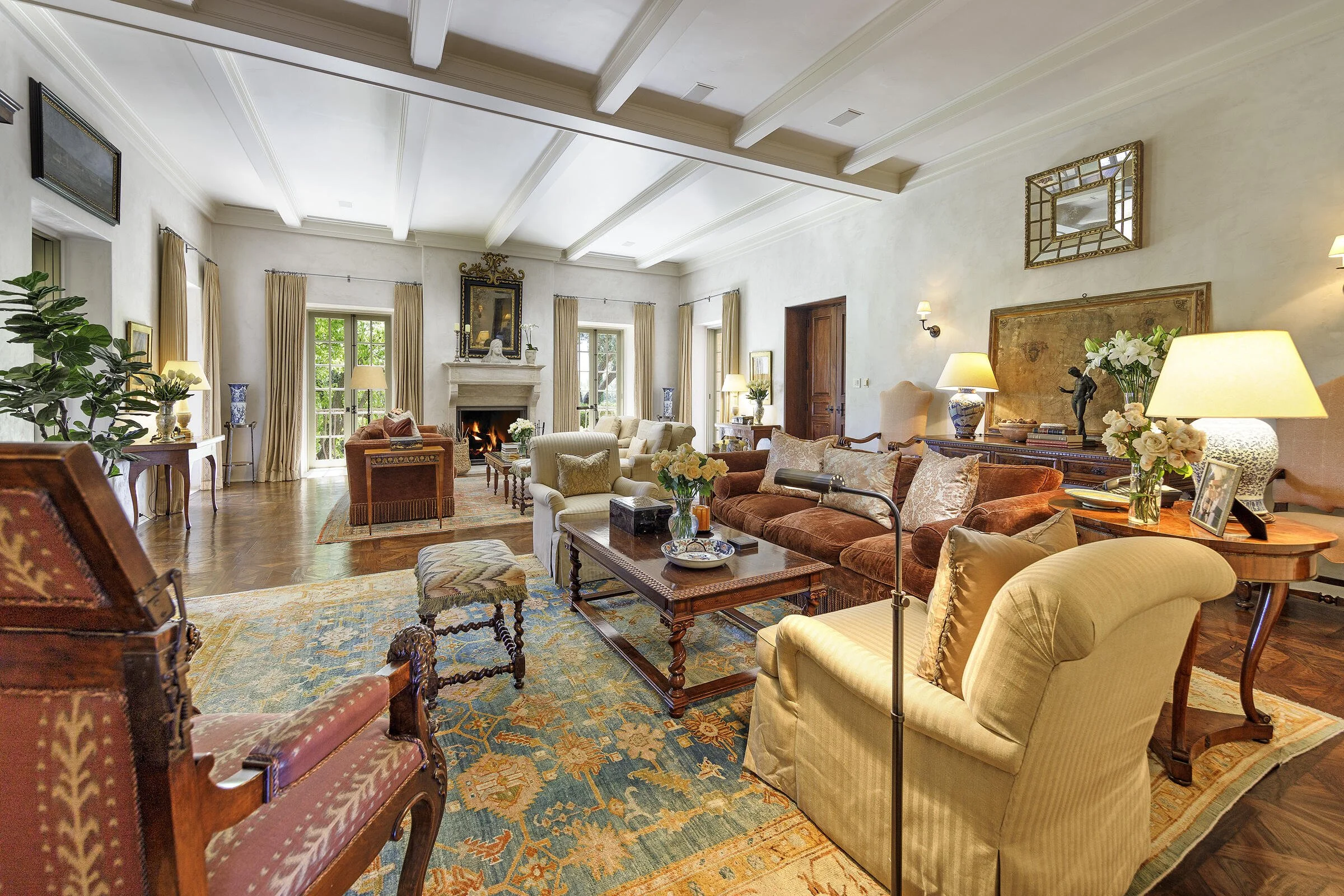
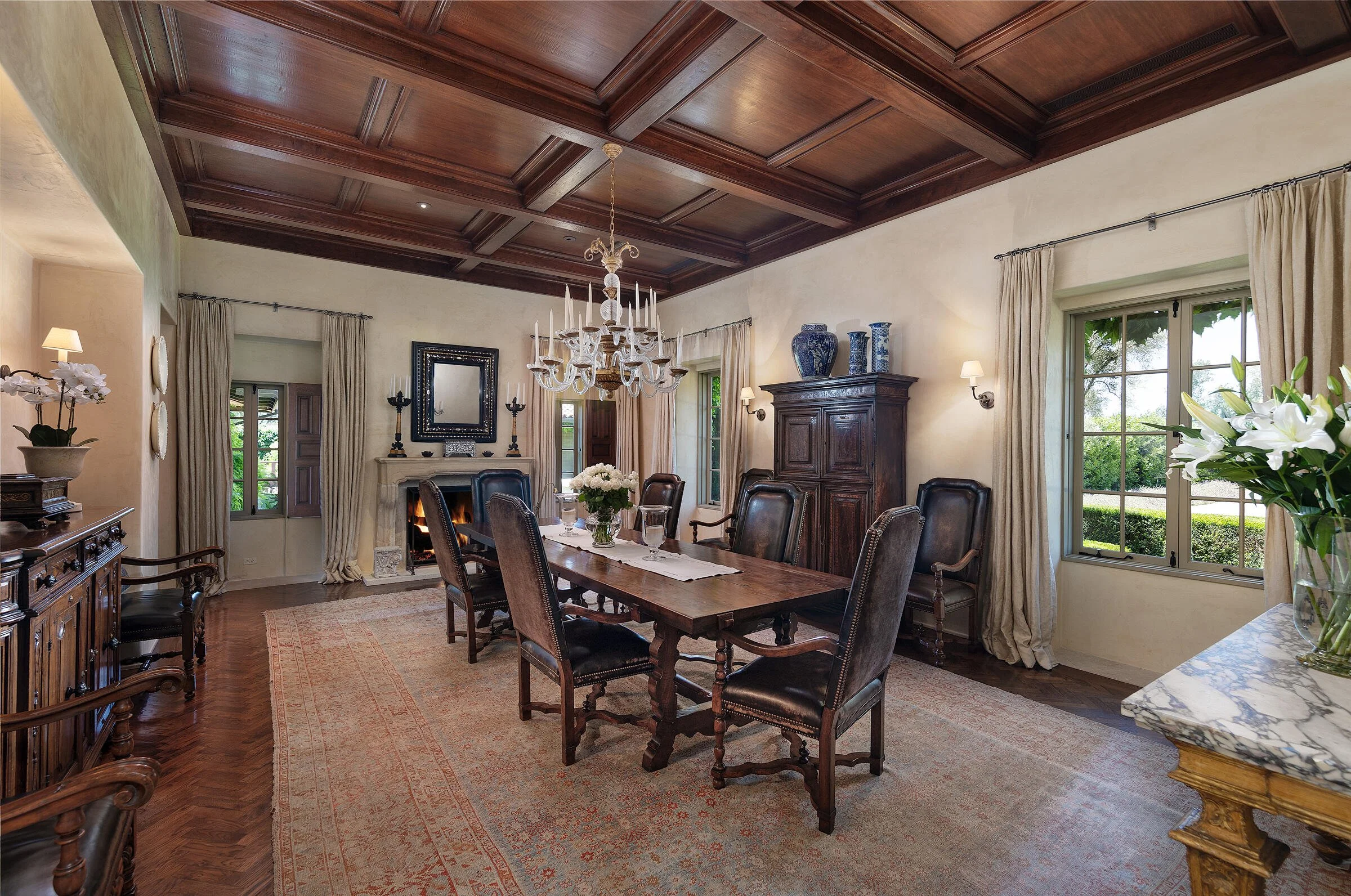
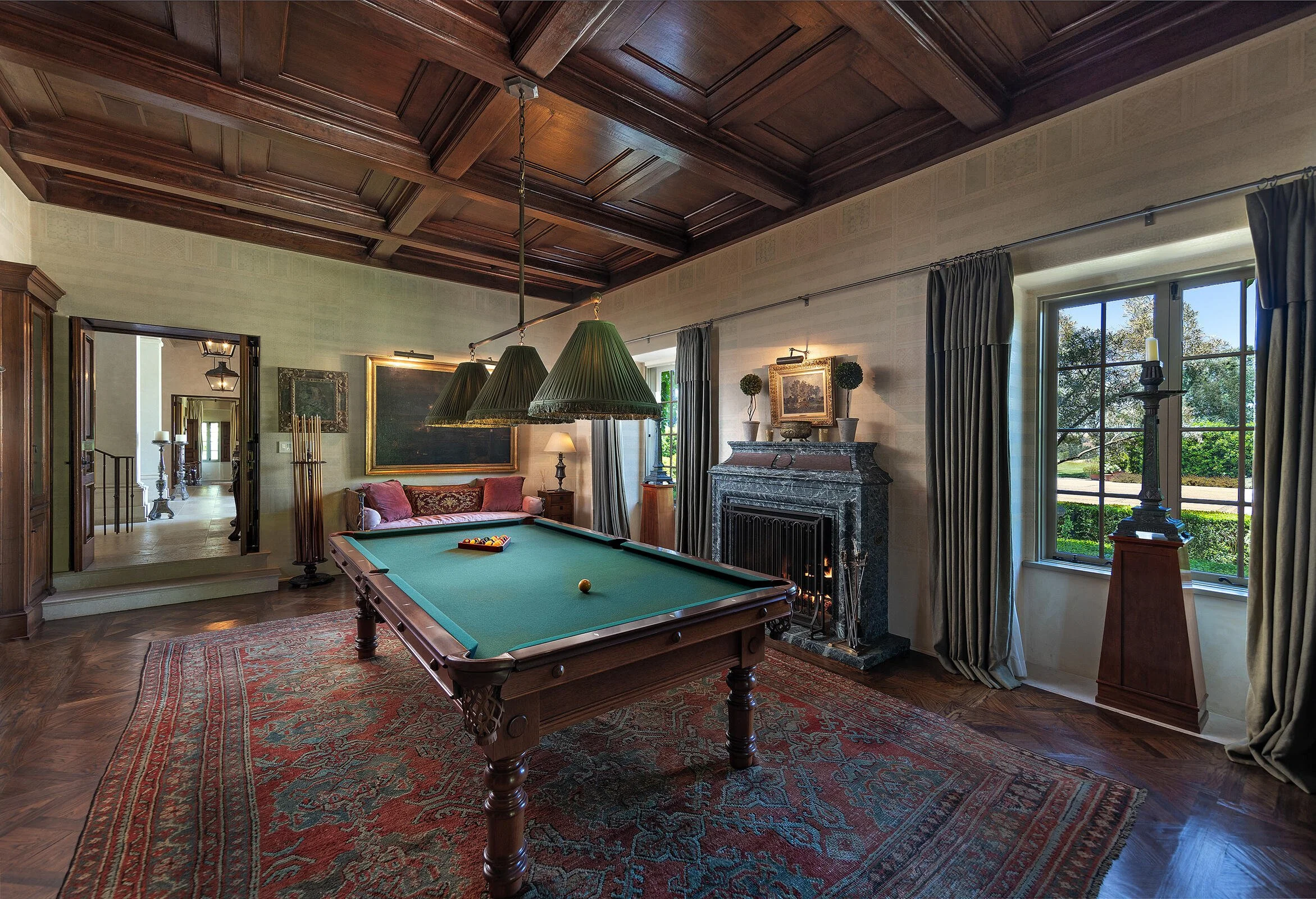
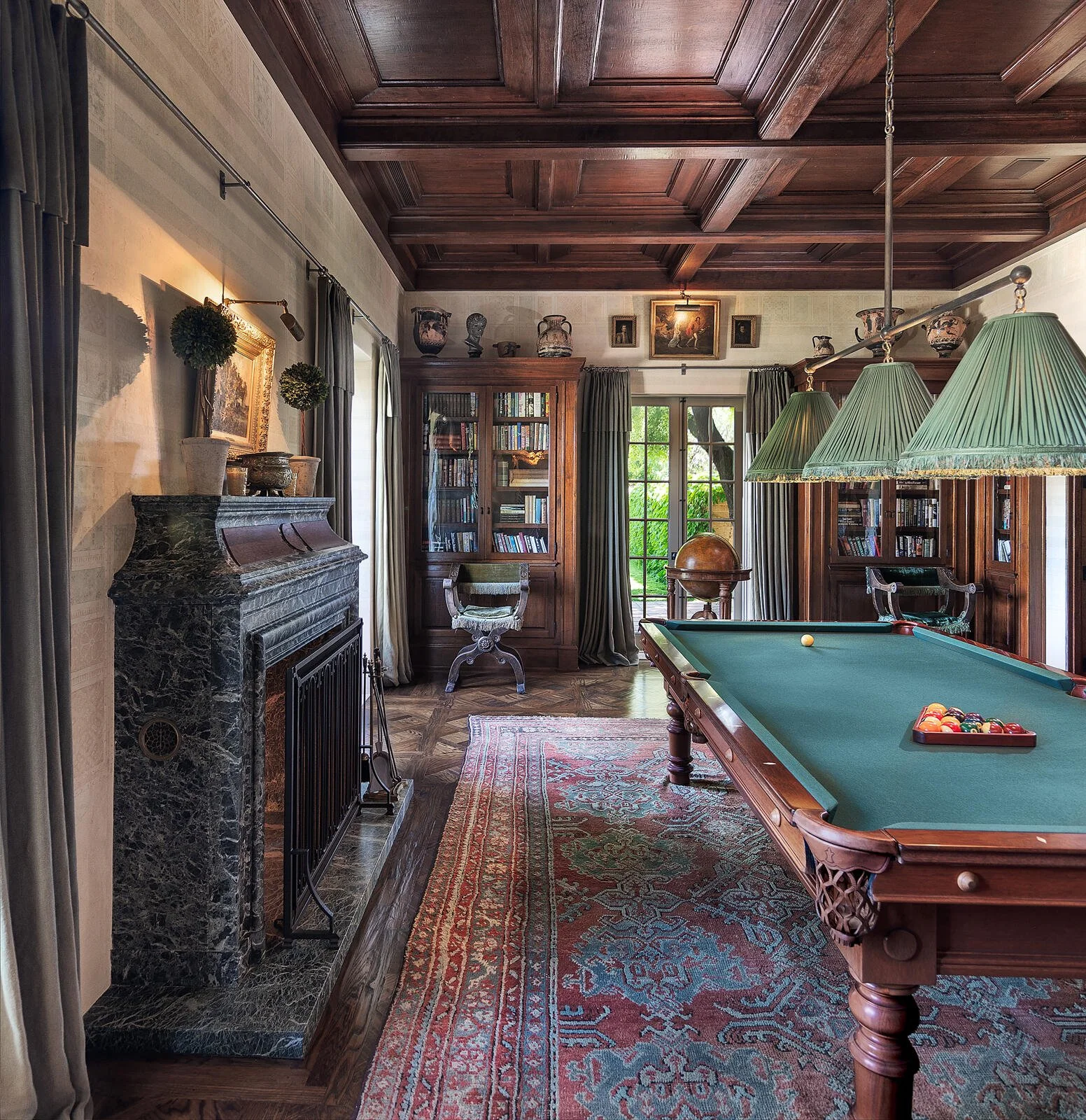
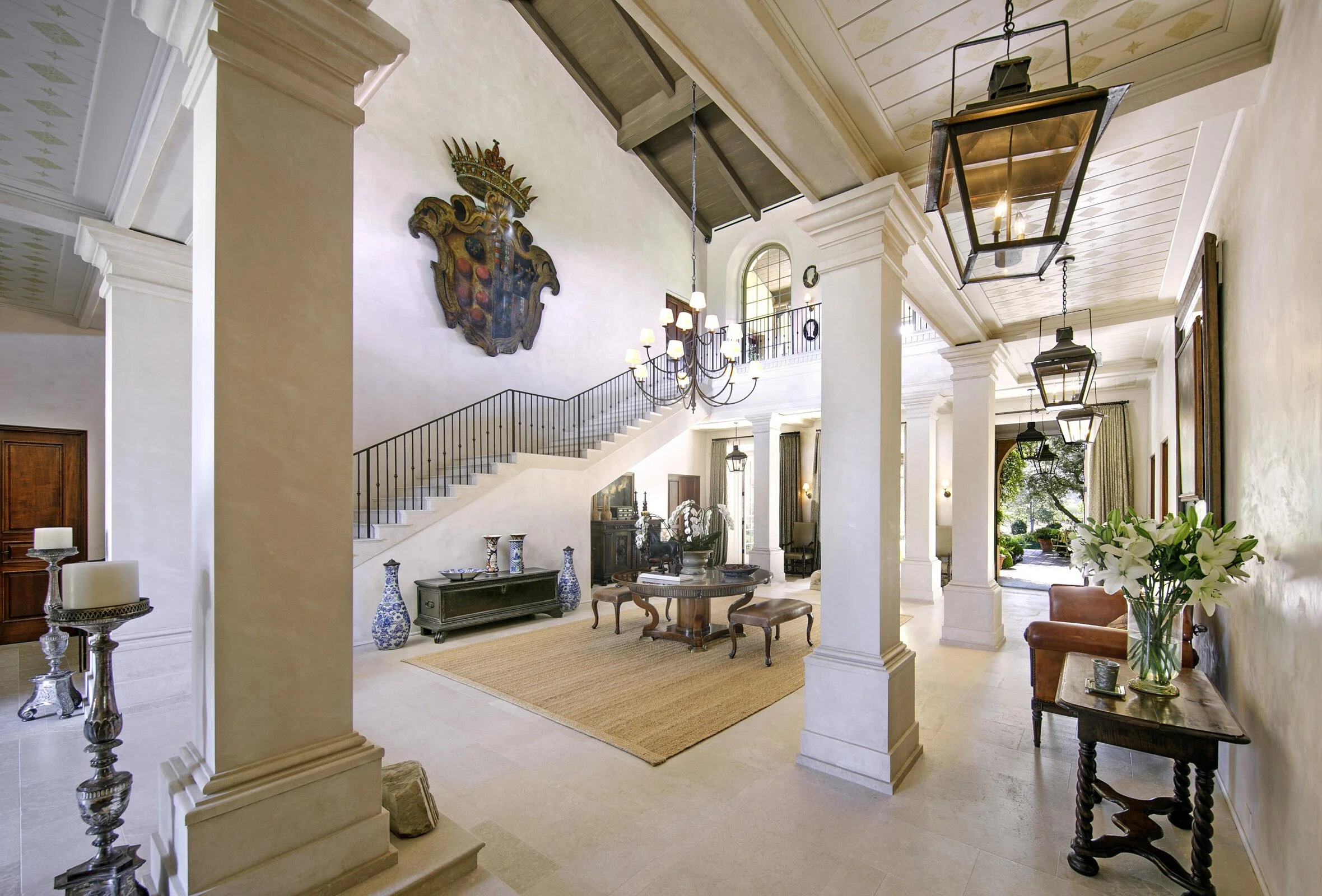
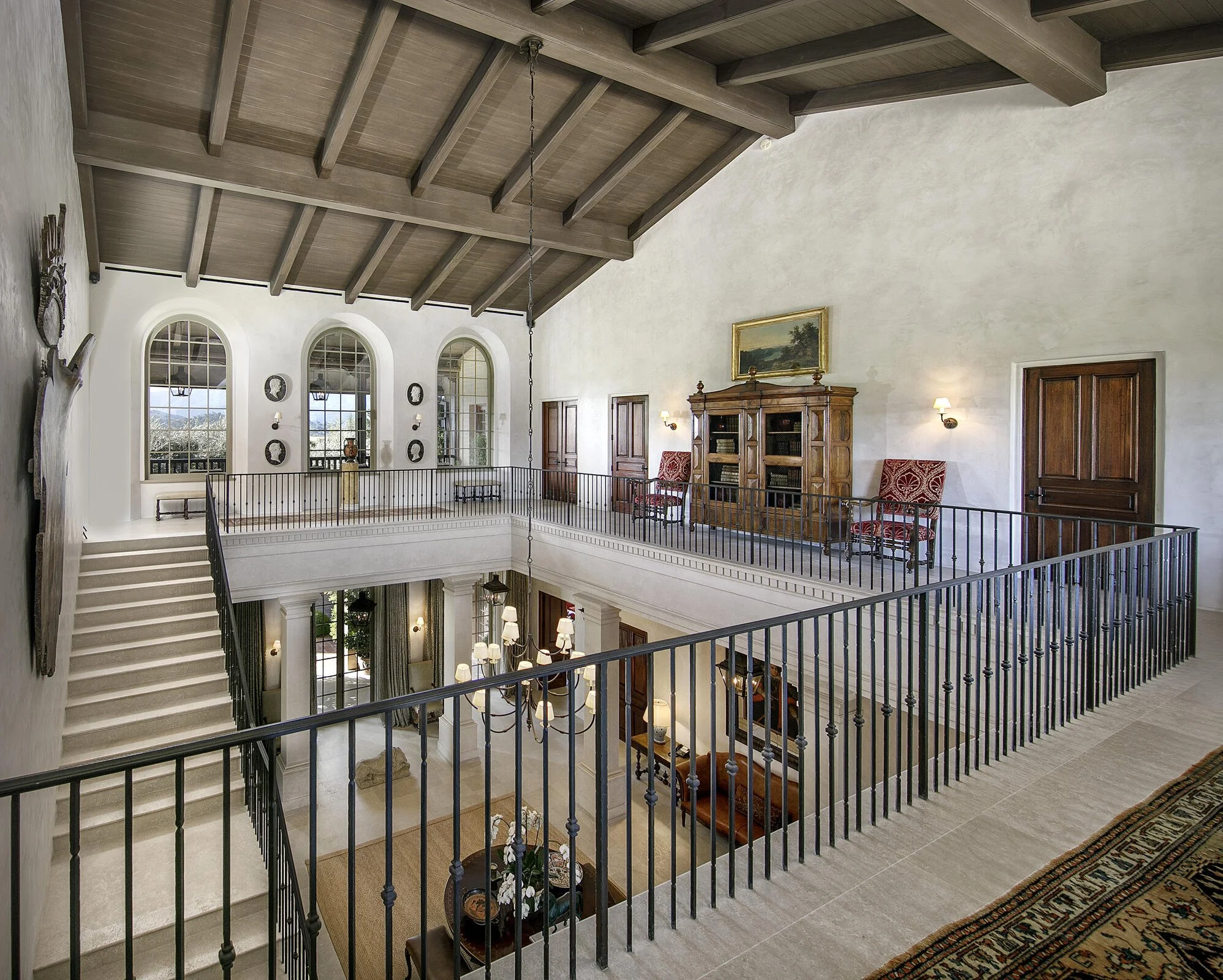
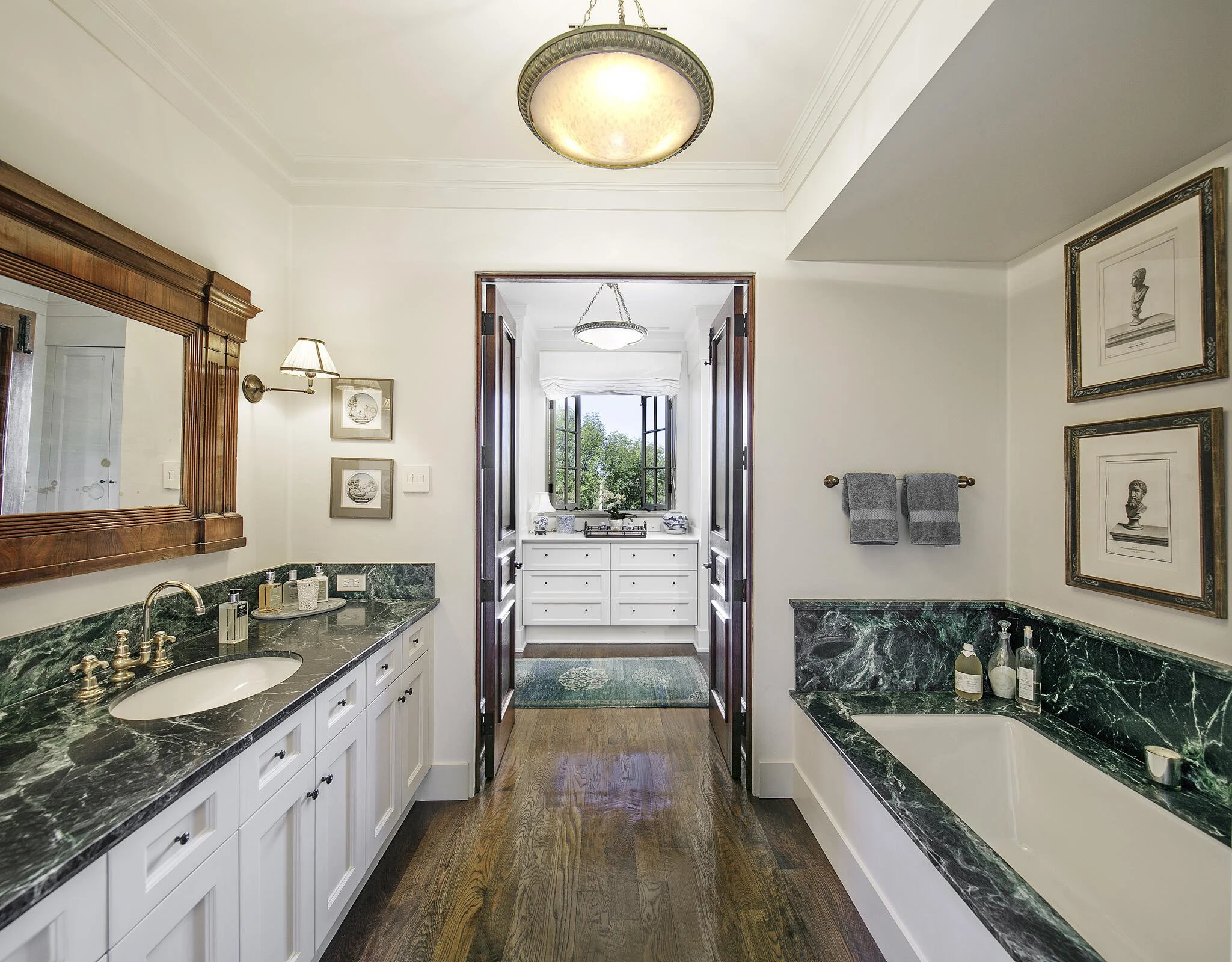
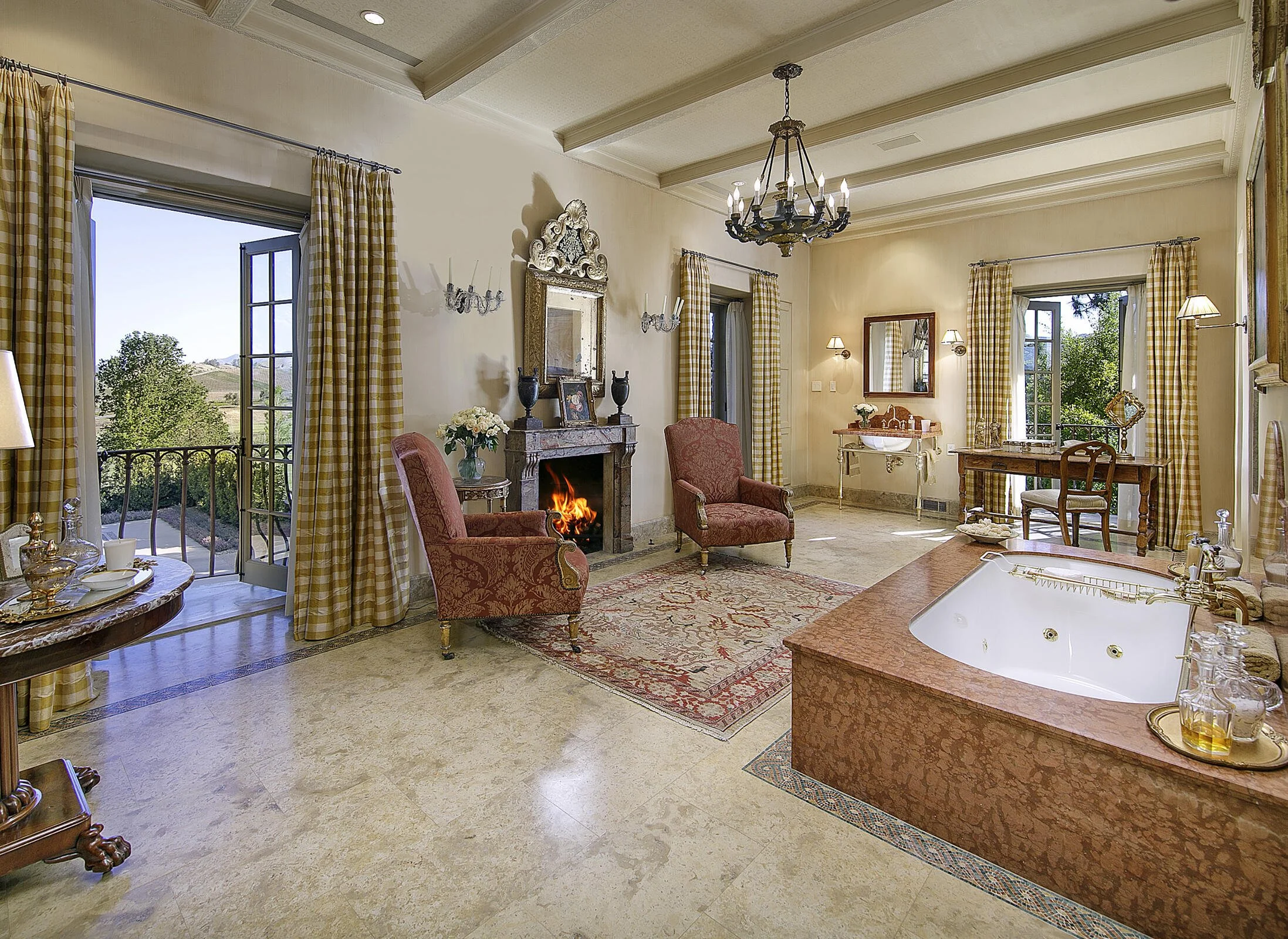
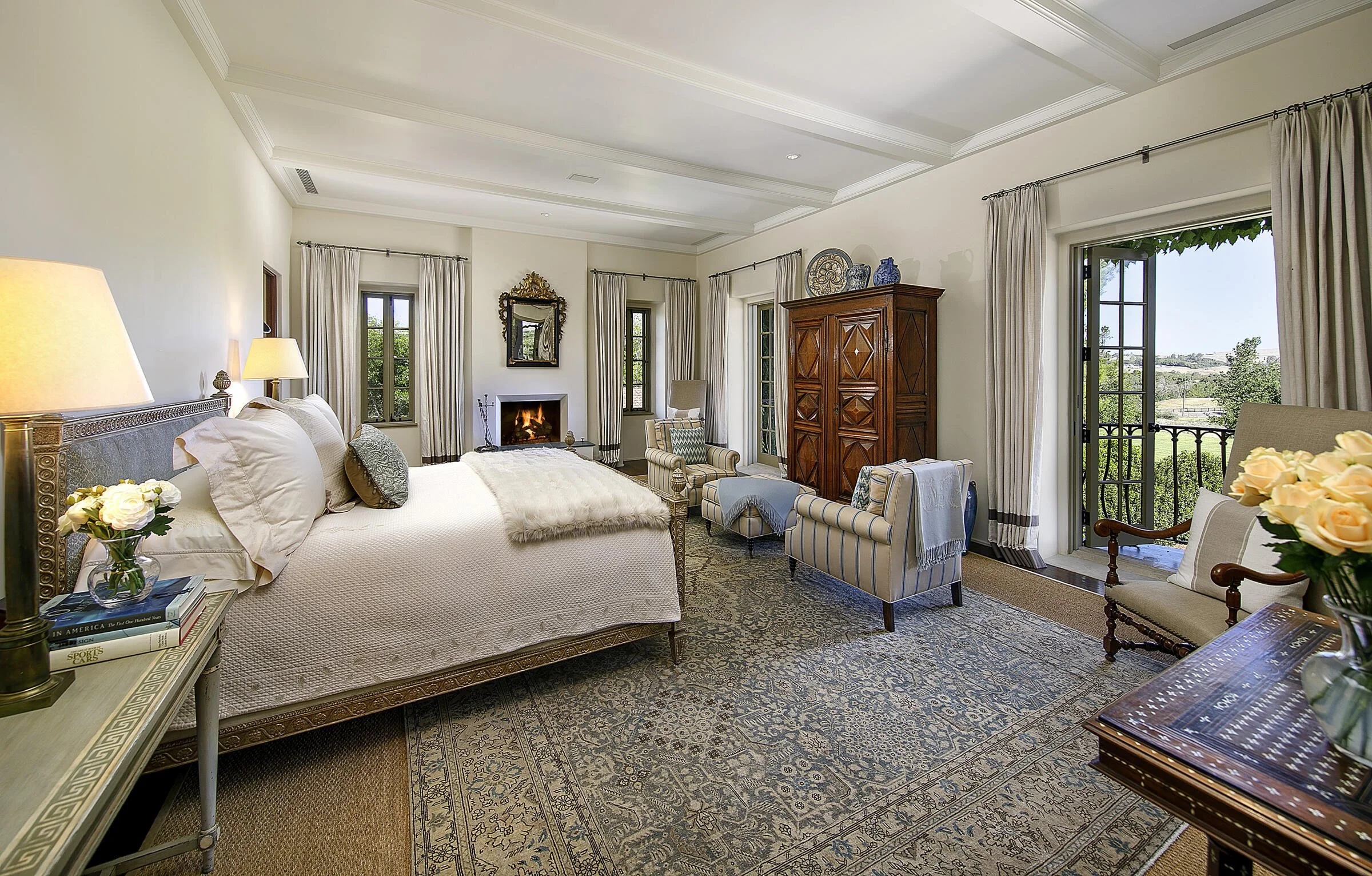
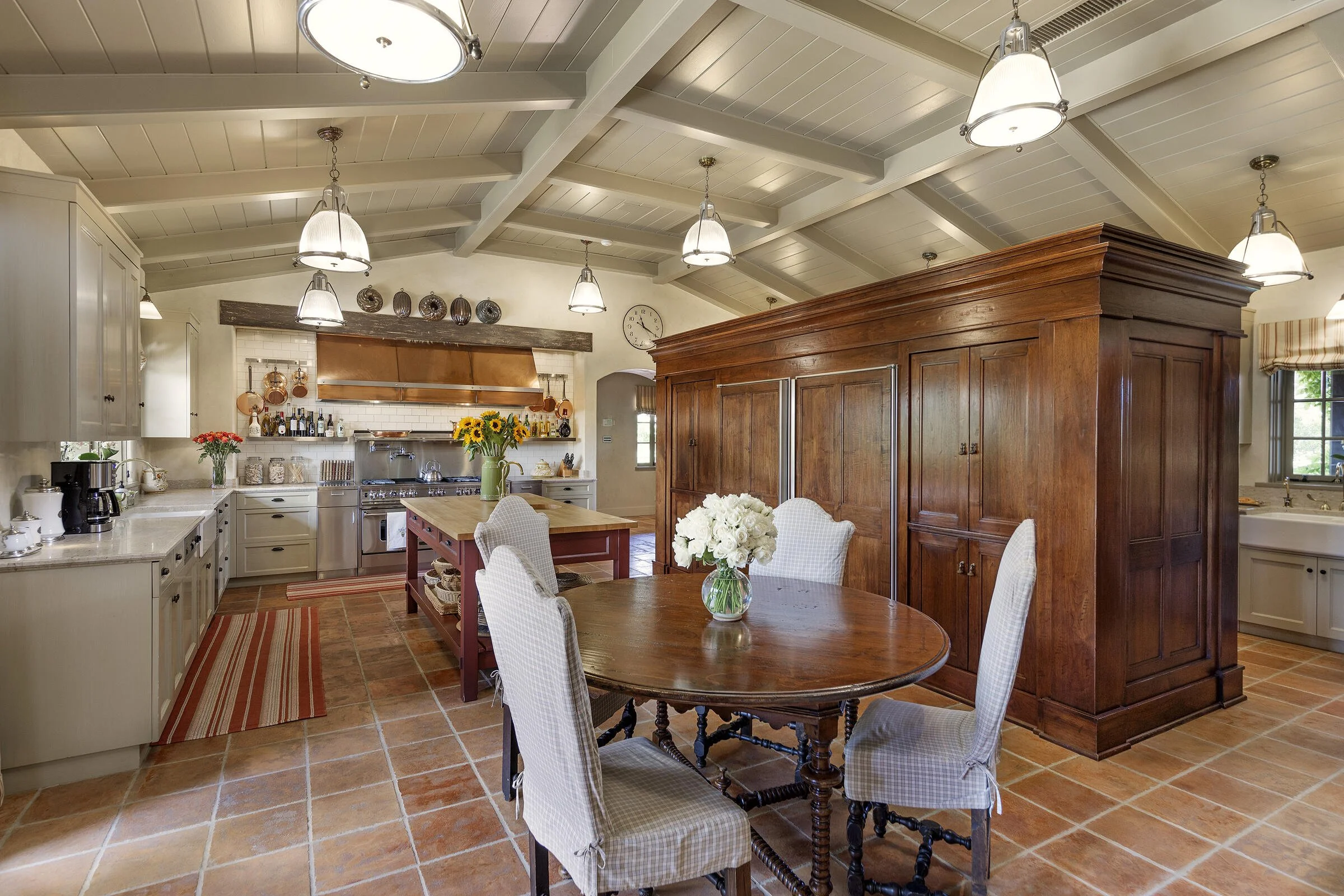
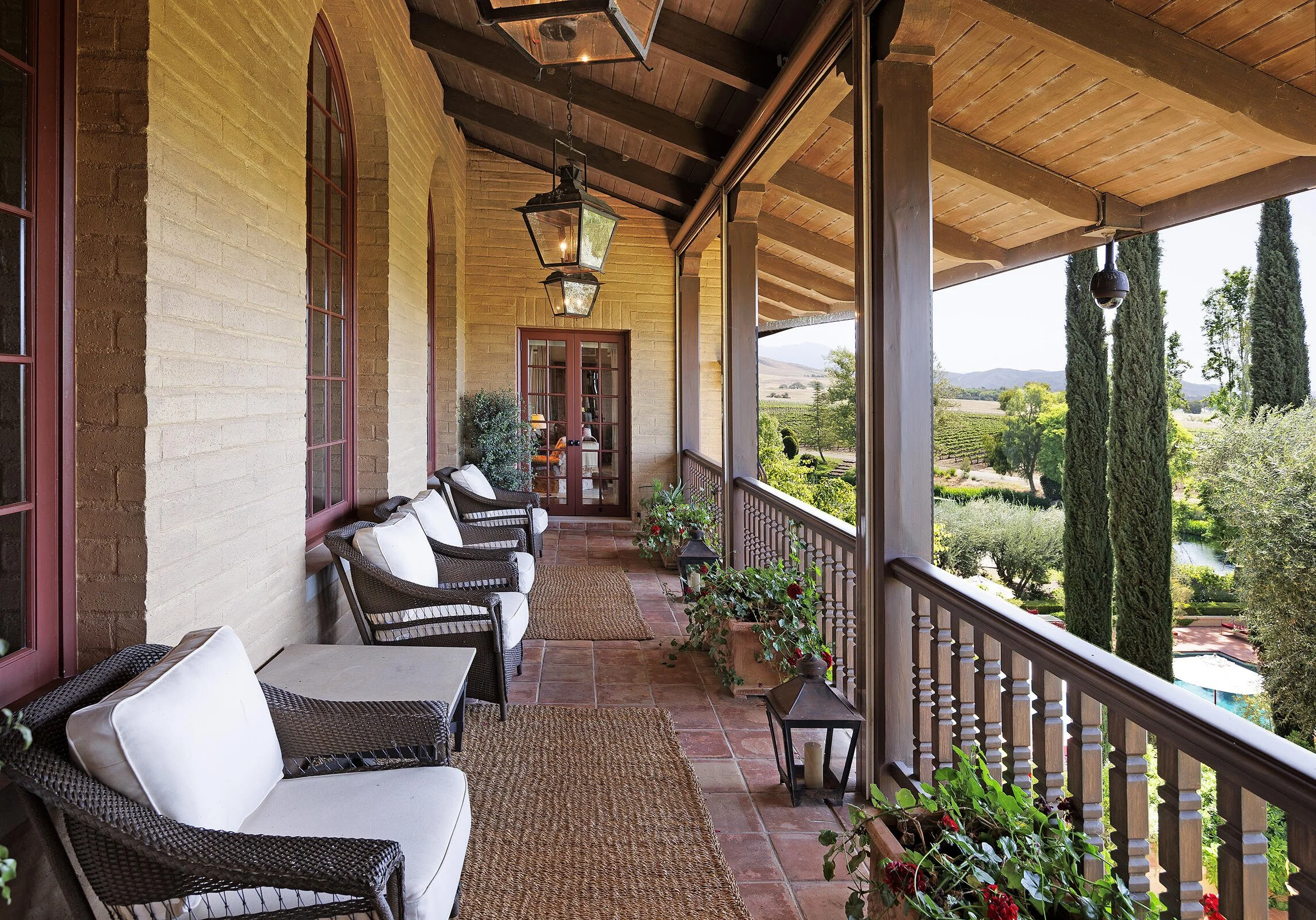
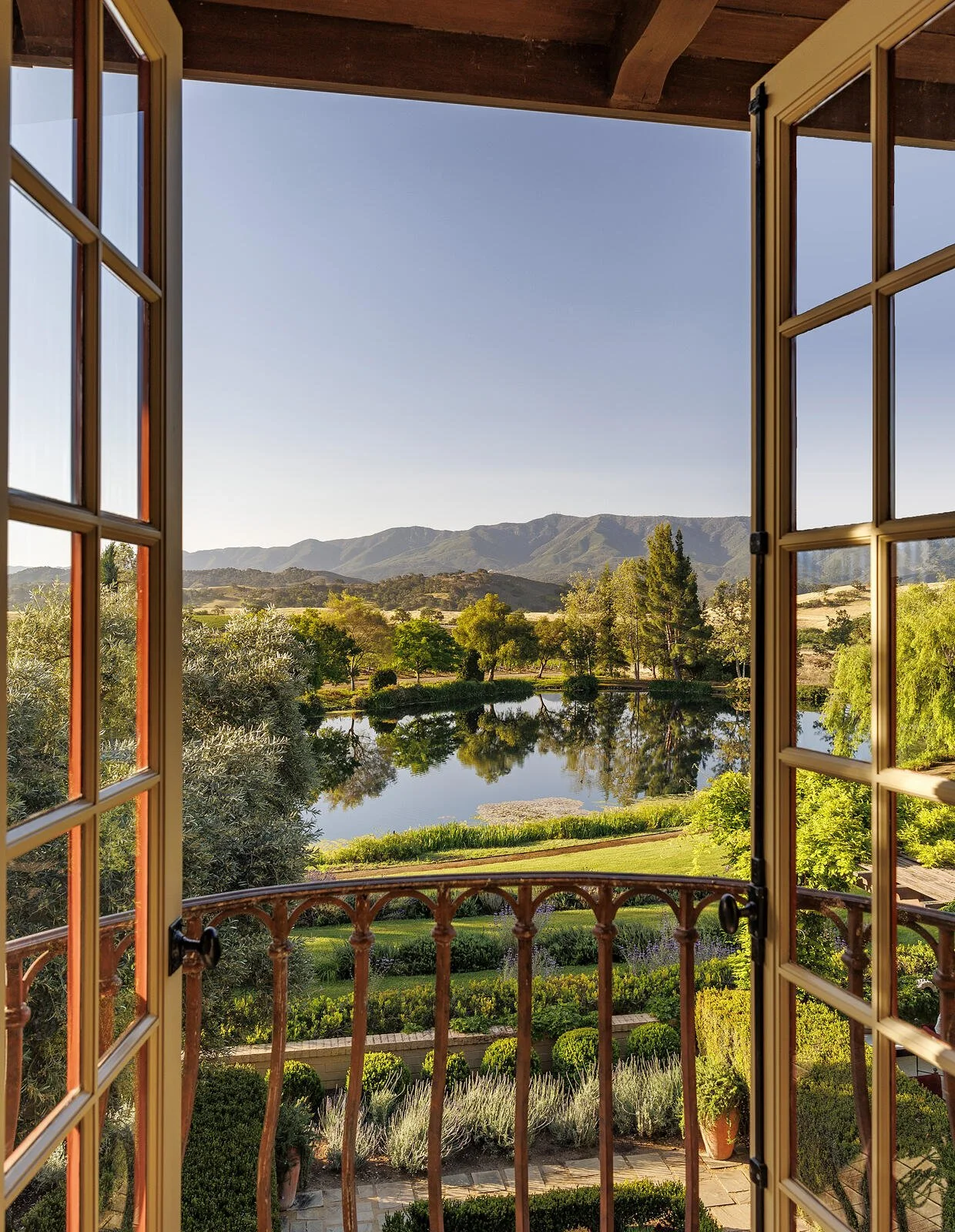
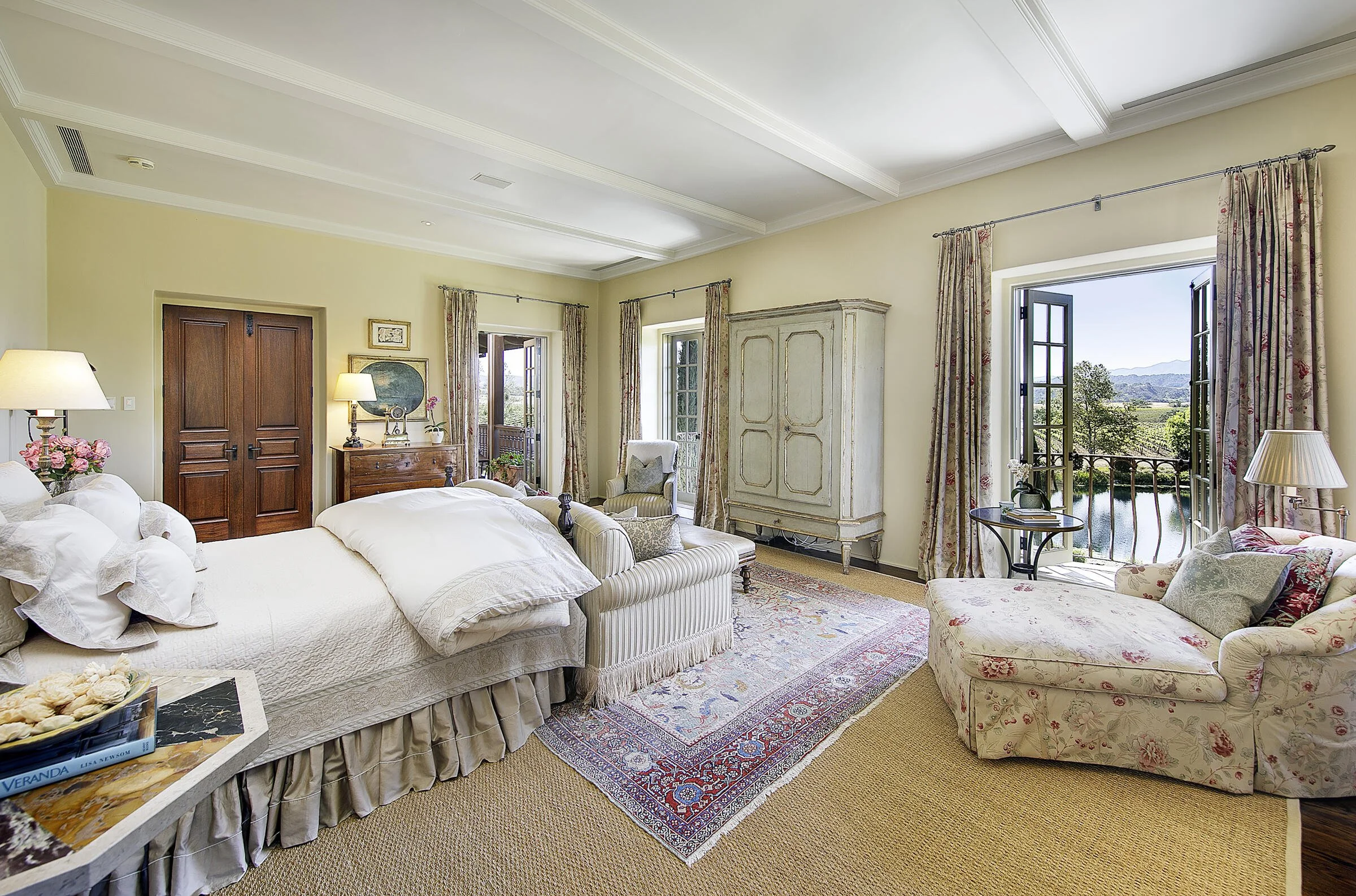
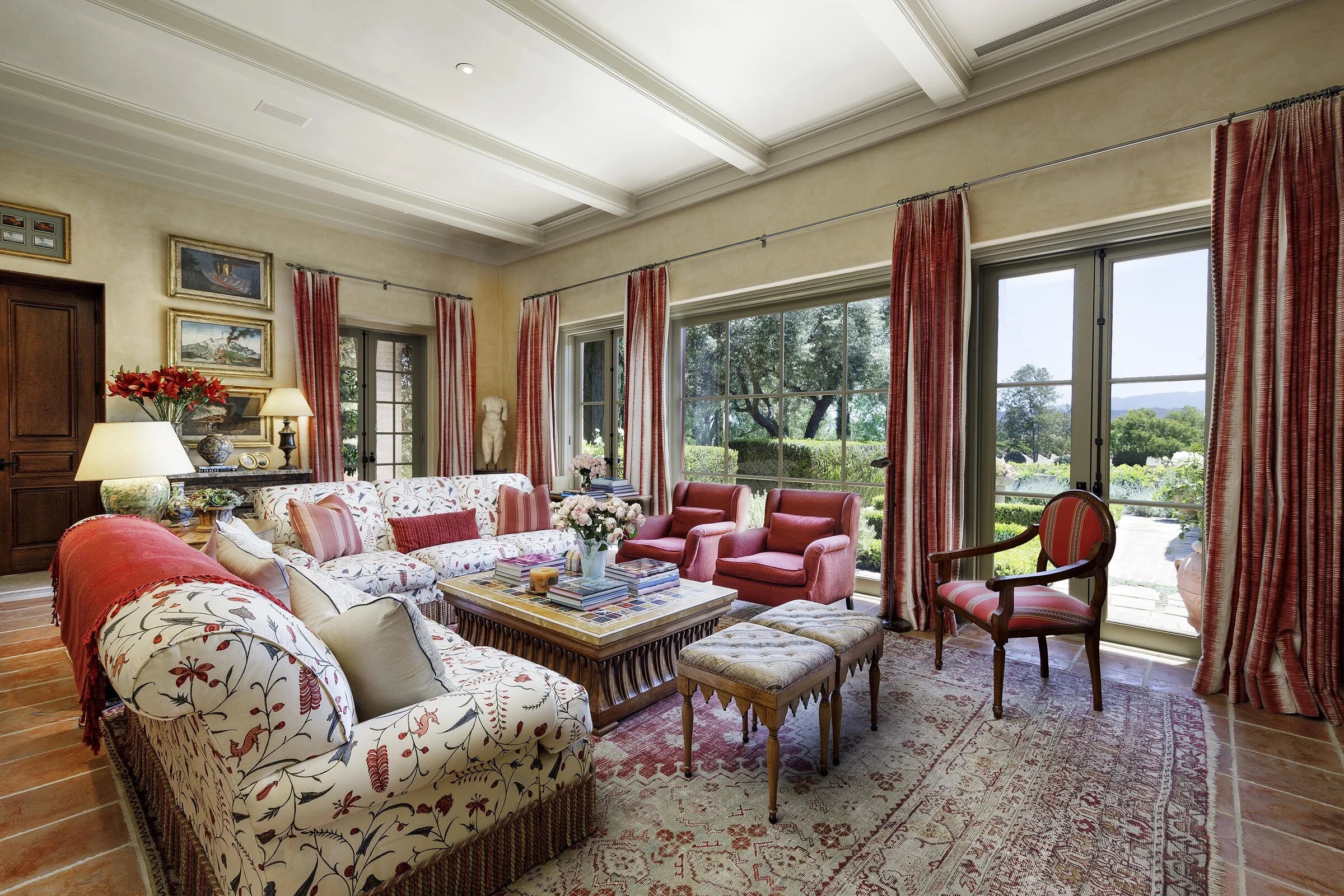
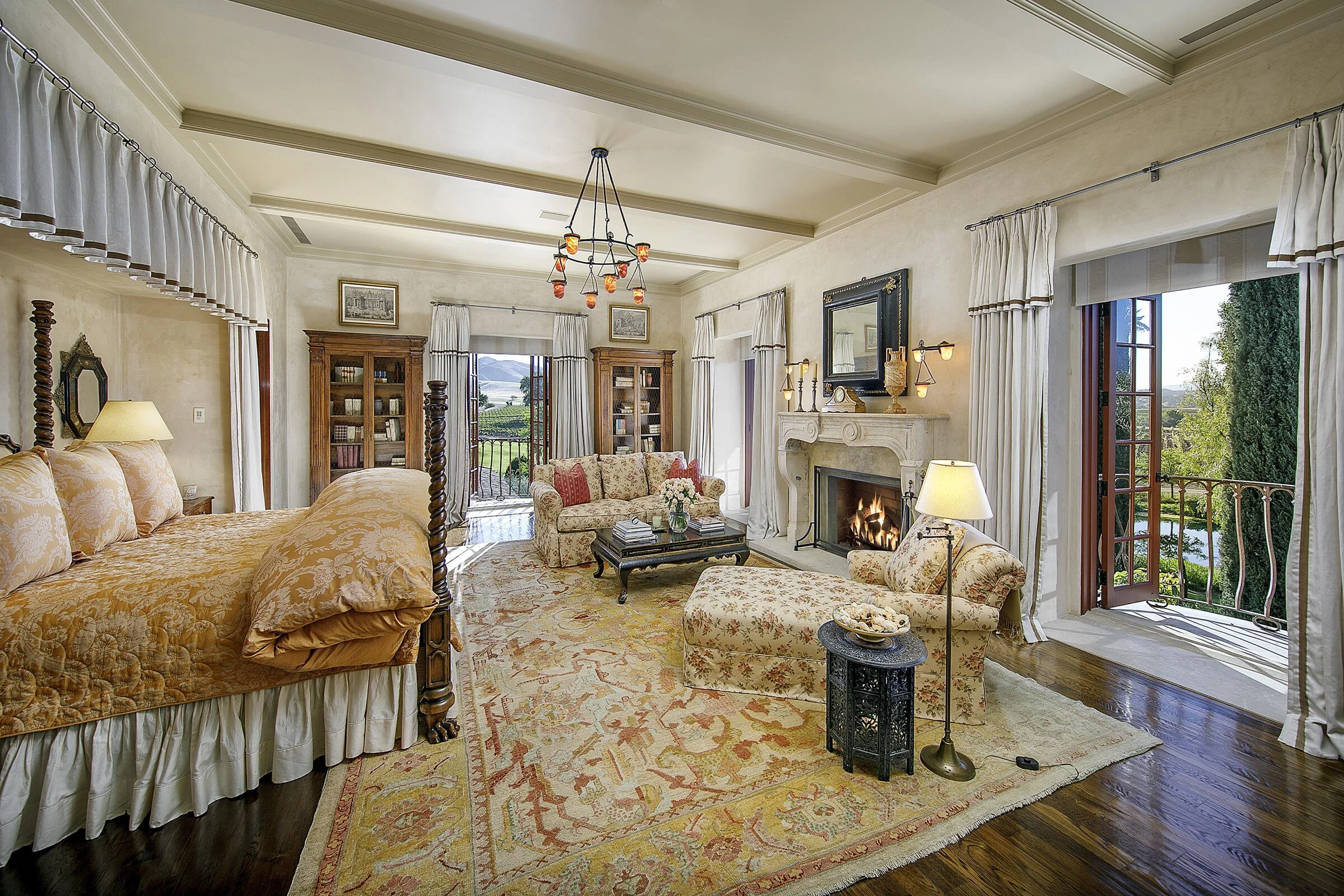
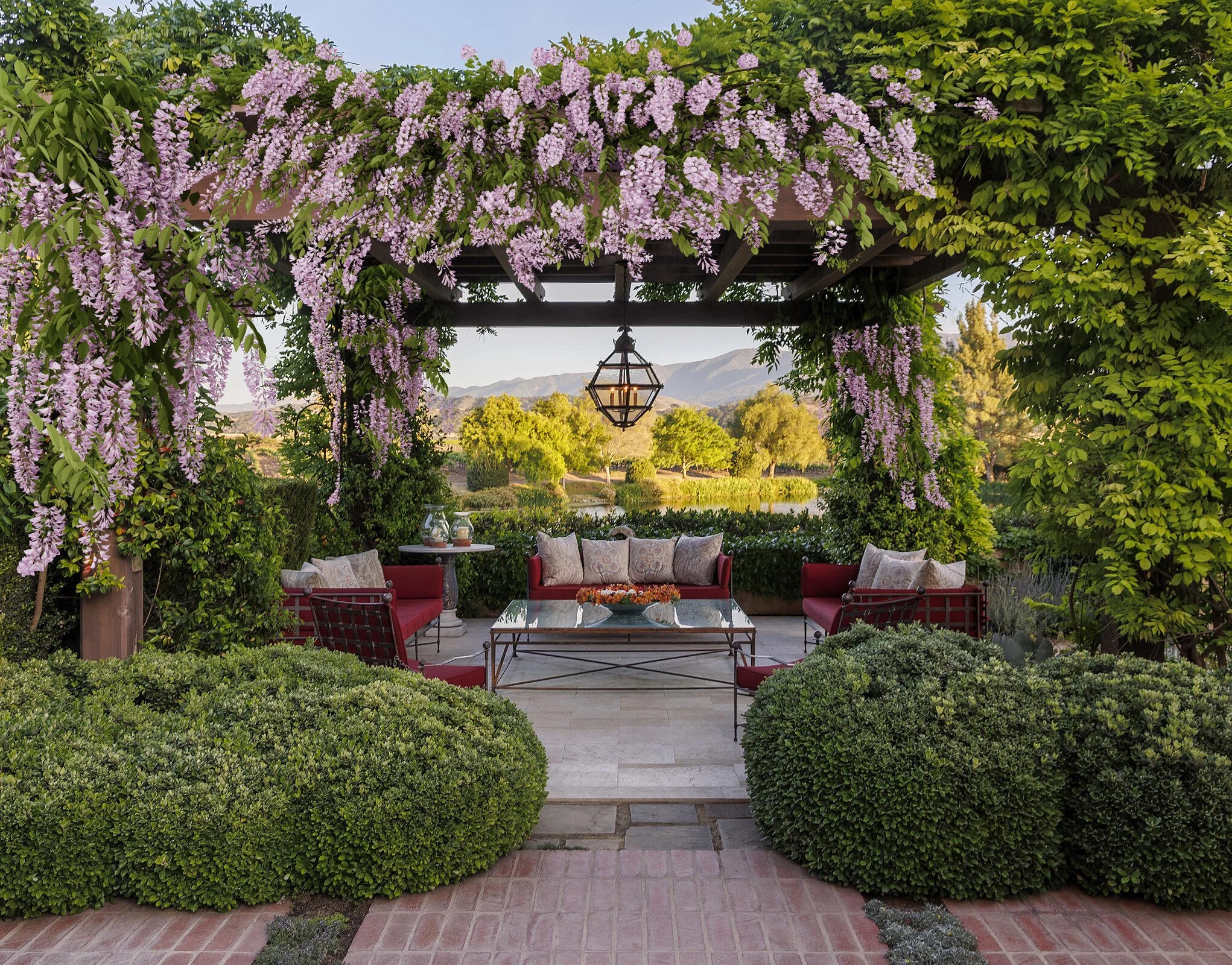
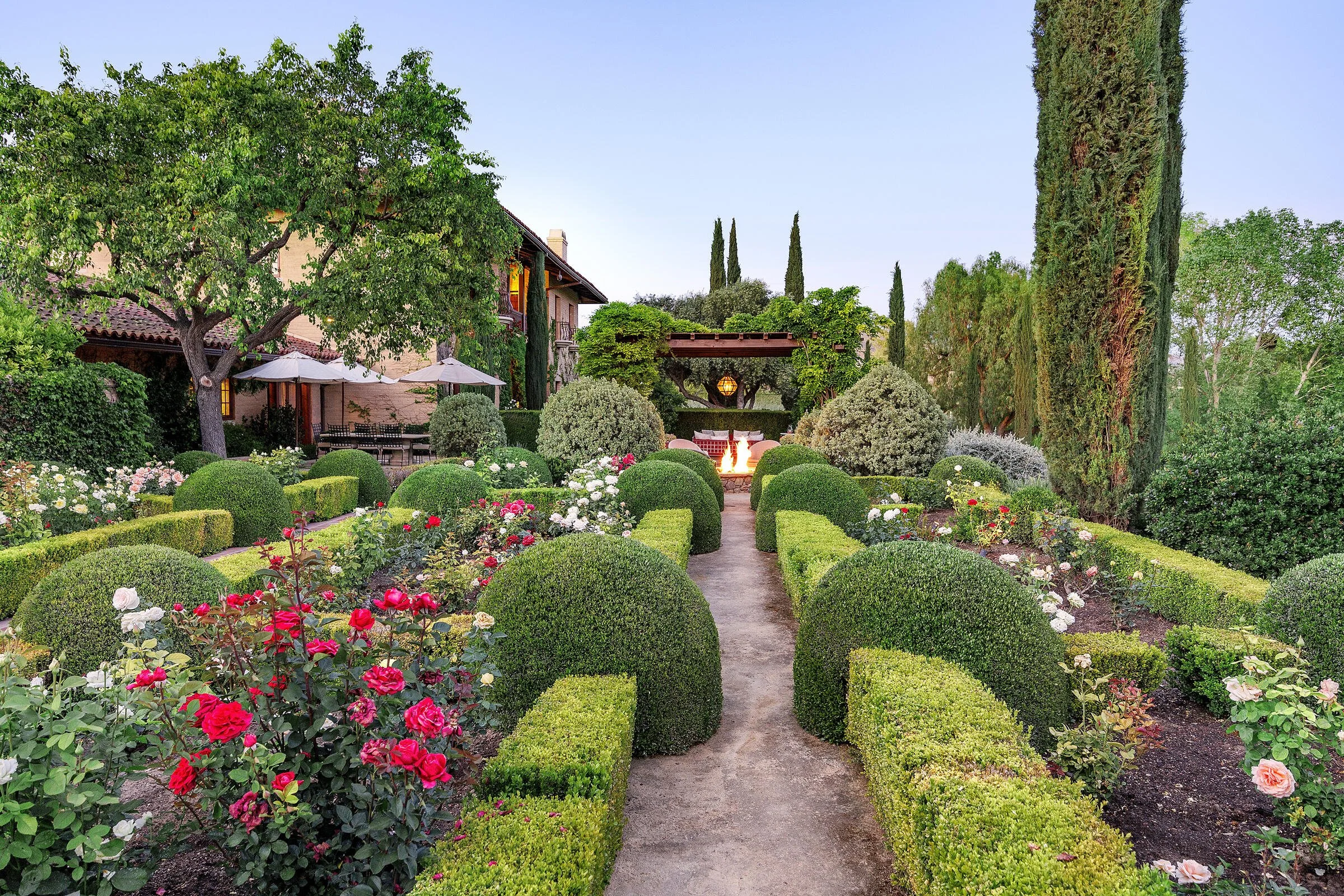
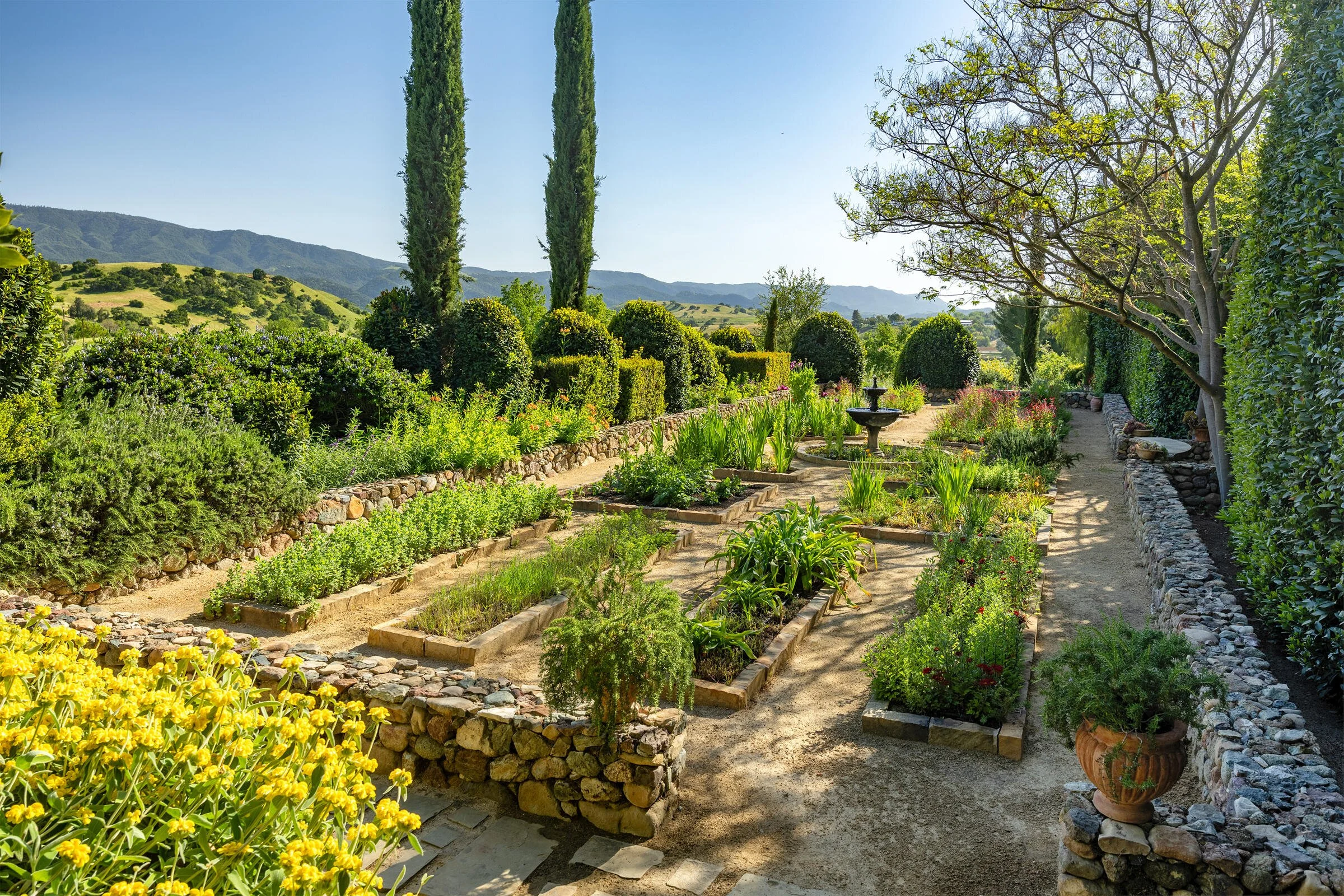
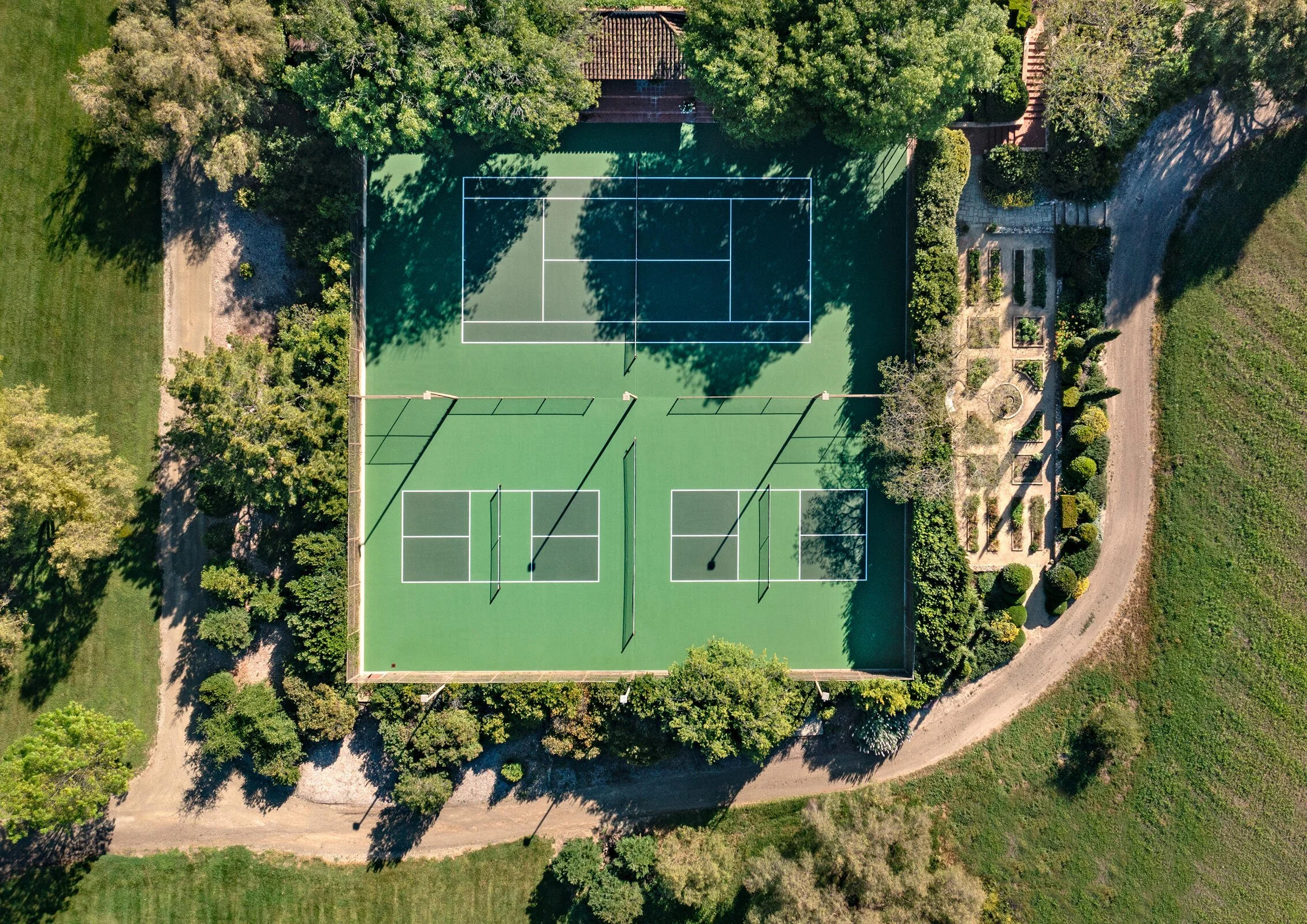
Westerly Estate, a roughly 200-acre property in California’s Santa Ynez Valley, is still looking for a buyer. First listed in 2024 for $64.5 million, the Happy Canyon estate is now asking $52.5 million with Riskin Partners Estate Group and Carey Kendall for a 20,081-square-foot house with 8 bedrooms and 14 bathrooms, a private lake, swimming pool, tennis courts, equestrian facilities and close to 80 acres of working vineyard, farmed organically.
First planted in the 1990s, those vines belong to one of the early vineyards that helped establish Happy Canyon as a serious wine-growing area years before it was formally recognized as an American Viticultural Area in 2009.
The house is generally dated to 1972, although that is only partly true. Construction began then, but the man who commissioned it died before he could finish it, and the building remained incomplete for nearly twenty years. Later owners eventually completed the house and brought in architect Mark Rios and interior designer Michael S. Smith to reshape it into the rambling Tuscan-style villa seen today. Smith would later become best known for decorating the private quarters of the Obama White House.
Long before the vines, Westerly was one of the serious thoroughbred operations in a Santa Ynez Valley becoming known for horses, and the man behind it was Fletcher Jones, an almost forgotten figure from the first generation of California computer wealth.

The Santa Ynez Valley lies in Santa Barbara County, about 35 miles inland from Montecito. In 1993, Bruce and Kris Jenner reportedly considered buying Westerly before purchasing roughly 100 acres next door instead. Photography by Eric Foote
Fletcher Jones and the First Westerly
By most accounts, the handsome, tough and brilliant Jones had it all. He had two young sons whose futures excited him, an art collection that included Picasso, his airplanes, his horses and Computer Sciences Corporation, the cutting-edge company that had made him a multimillionaire while he was still in his 30s. Unless you worked in computers or followed American racing half a century ago, however, there is a good chance his name means very little today.
Jones was not Silicon Valley money, at least not in the sense the phrase has come to mean. He came earlier, and from a different part of California. Southern California in the 1950s was one of the centers of the American aerospace and defense industries, where aircraft manufacturers, government contractors, mathematicians and some of the earliest large-scale computers were gathering in the same orbit. Jones worked at North American Aviation, managing a computer center at a time when computers were still room-sized machines used by governments and major corporations.
In 1959, at 28, he left to start Computer Sciences Corporation with programmer and mathematician Roy Nutt. They reportedly put in about $100 each and built the business around an idea that seems obvious only in retrospect: programming expertise could itself be sold.
There was barely an independent software industry at the time. Computer manufacturers were producing enormously expensive machines, and the programs needed to make them useful often had to be built almost from scratch. Honeywell became one of CSC’s first major customers, with Nutt, who had already worked around FORTRAN, helping to develop a commercial compiler for the company.
Within four years, CSC had become the largest independent software company in the United States and, in 1963, the first software company to trade on a major U.S. stock exchange when it was listed on the American Stock Exchange. Five years later, it moved to the New York Stock Exchange.
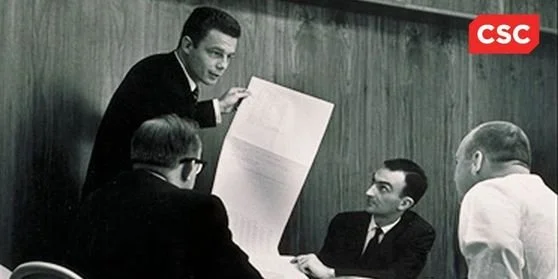
CSC founders Roy Nutt (second from right) and Fletcher Jones (standing). Source: Glassdoor
In 1961, it also began working with NASA’s Jet Propulsion Laboratory Flight Operations Facility, just as JPL was entering the period in which Ranger spacecraft would photograph the Moon, Mariner 2 would make the first successful encounter with another planet, and Mariner 4 would return the first close-range pictures of Mars. A company founded only two years earlier with a few hundred dollars was already doing software work inside the technological infrastructure of America’s first great era of robotic space exploration.
CSC would eventually grow into an international technology company employing tens of thousands of people and, in 2017, combine with Hewlett Packard Enterprise’s Enterprise Services business to form DXC Technology.
Jones never saw any of it.
By the mid-1960s, some of the money from that new industry had begun turning into something considerably older: land.
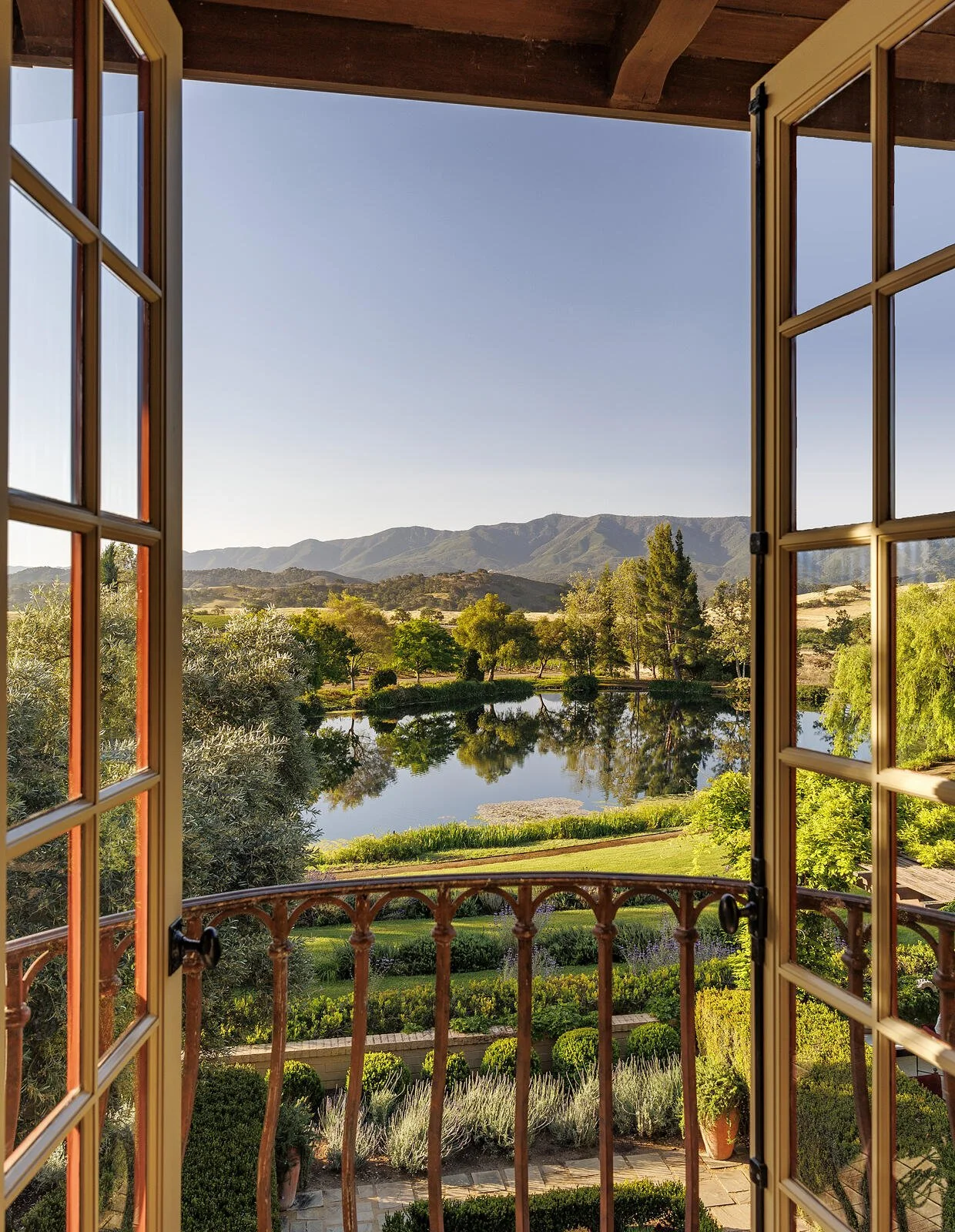
A view across part of the estate, which today extends to around 200 acres. Under the Jones family, the property once encompassed nearly 4,000 acres. Photography by Eric Foote
The Westerly name was already attached to horse country when Jones arrived. In 1965, he bought the smaller Sigvard Hansen Ranch from the estate of Amory Hare Hutchinson, an eastern-born socialite, painter, poet, author and breeder who had died the year before. His expansion into the neighboring Rancho Piocho was apparently less calculated.
According to an archival account of Westerly’s history, Jones initially approached the owners because he wanted to buy an alfalfa field for his horses. They were not interested in selling it separately: if he wanted the field, he would have to buy the entire ranch. Jones did, adding roughly 3,500 acres and bringing Westerly to nearly 4,000 acres.
Santa Ynez was already ranching country, but its reputation as a sophisticated center for thoroughbred breeding and training was growing. Nearby operations such as Flag Is Up Farm were attracting national attention, and Westerly belonged in that company. Jones built barns, breeding and training facilities, housed hundreds of horses and added an airstrip that allowed him to move between his business life farther south and the ranch.
At one point, Westerly was home to more than 300 horses, roughly half owned by Jones and the rest boarders. Promised Land was among the stallions standing there, and his California-bred daughter Spectacular was conceived at Westerly. She would later foal Spectacular Bid, one of the great American racehorses of the late 1970s.
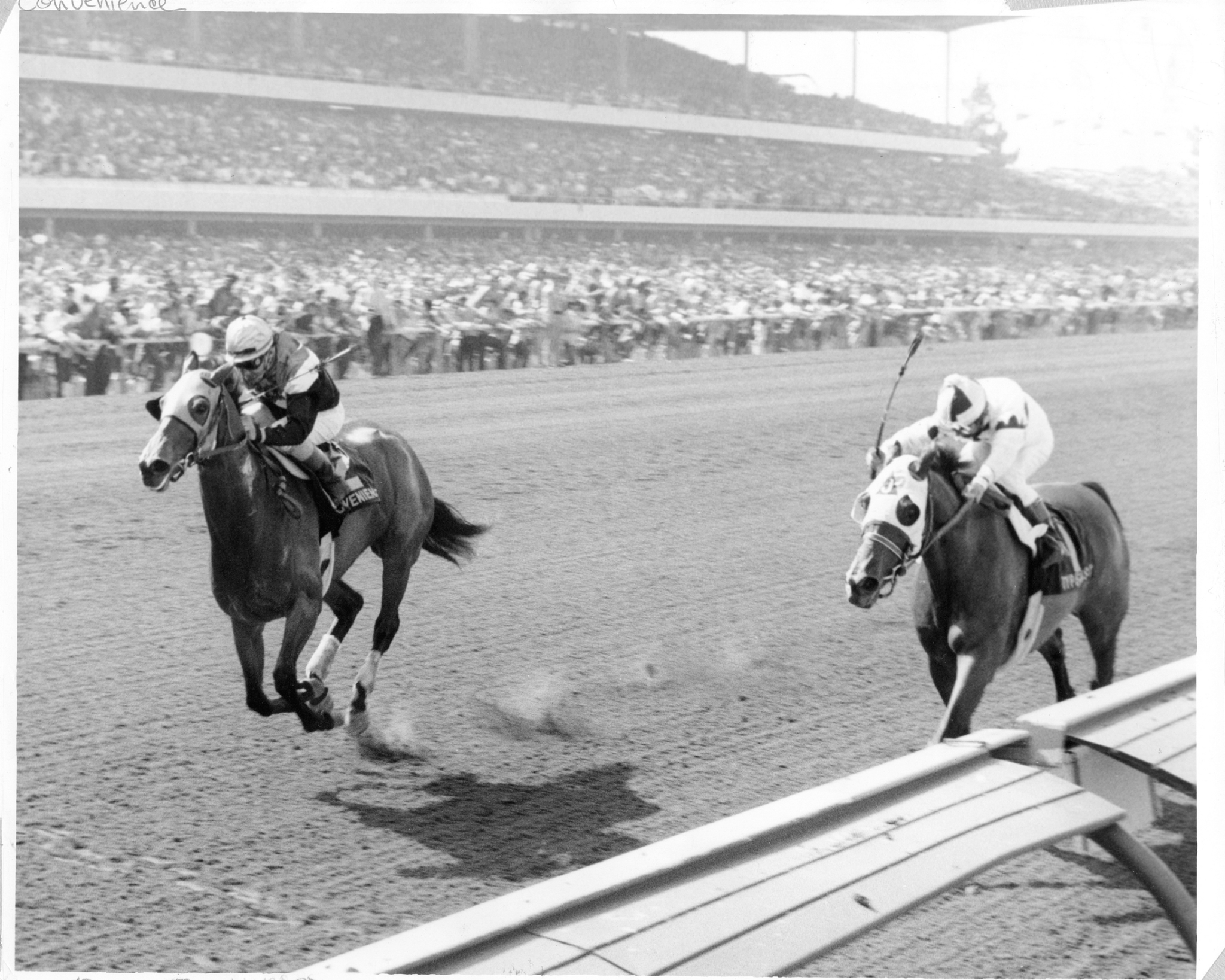
Convenience, left, and Fletcher Jones’s Typecast during their $250,000 winner-take-all match race at Hollywood Park on June 17, 1972. Typecast, ridden by Bill Shoemaker, lost narrowly but went on to be named America’s champion older female horse that year. Courtesy of Hollywood Park
Jones’s best-known horse, however, was Typecast. By 1972, the mare had become one of the leading older female racehorses in the country. That summer she met another celebrated mare, Convenience, in a winner-take-all match race at Hollywood Park for $250,000, then an enormous purse. Typecast was narrowly beaten, but her season was good enough for her to be named the champion older female horse in America.
It should have been one of the great years of Jones’s life. His company had made him rich before 40. His racing stable had reached the top of the sport. He was collecting art, flying his own aircraft and beginning an enormous residence at Westerly.
Five months after the match race, on a rainy evening in early November, Jones left his Century City office and flew north toward Santa Ynez. He never reached either the local airport or the landing strip he sometimes used at Westerly. His plane struck a ridge roughly eight miles from the airport. Jones was 41.
By most accounts he was a skilled pilot and in good health, and no definitive explanation for the crash was ever established.
His bloodstock was dispersed, with Typecast selling for $725,000, at the time a world-record auction price for a horse. The ranch was eventually divided, with parts continuing as equestrian properties under later owners. One portion became associated with Hall of Fame trainer D. Wayne Lukas and his Westerly Training Center.
The enormous house Jones had begun building was left unfinished for close to two decades. The 1972 date attached to Westerly today is therefore misleading: the house had been started, but not finished.
By the early 1990s, Kenneth and Lois Landau owned the portion of the former ranch containing the house and finally completed it. Real-estate reports from the period described a roughly 24,000-square-foot, 31-room residence on about 103 acres, already a fraction of the territory Jones had once controlled.
In 1993, Bruce and Kris Jenner reportedly considered purchasing Westerly before buying approximately 100 acres next door instead. Two years later, the property found owners who would change its identity much more significantly.
Westerly Vineyard and the Happy Canyon AVA
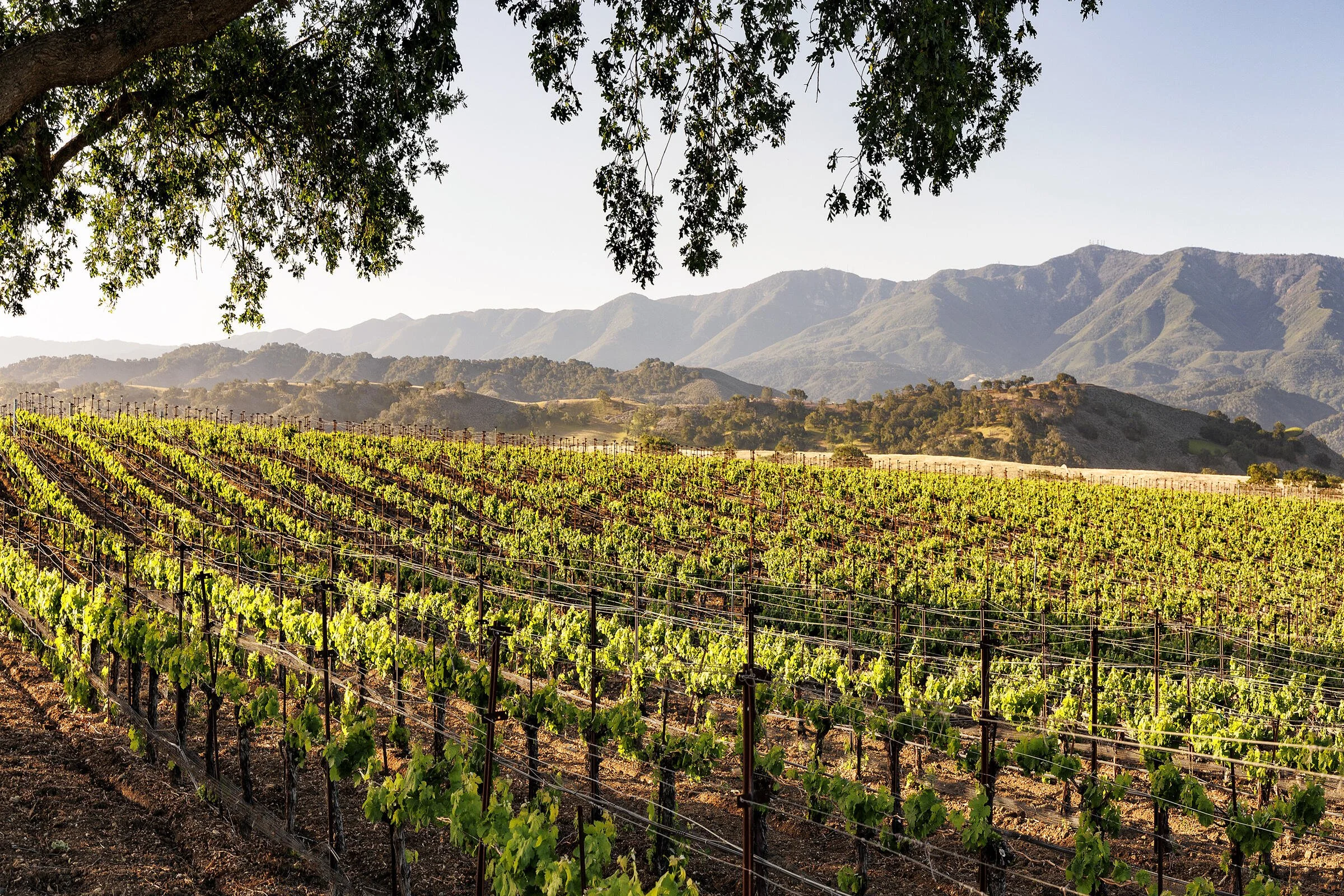
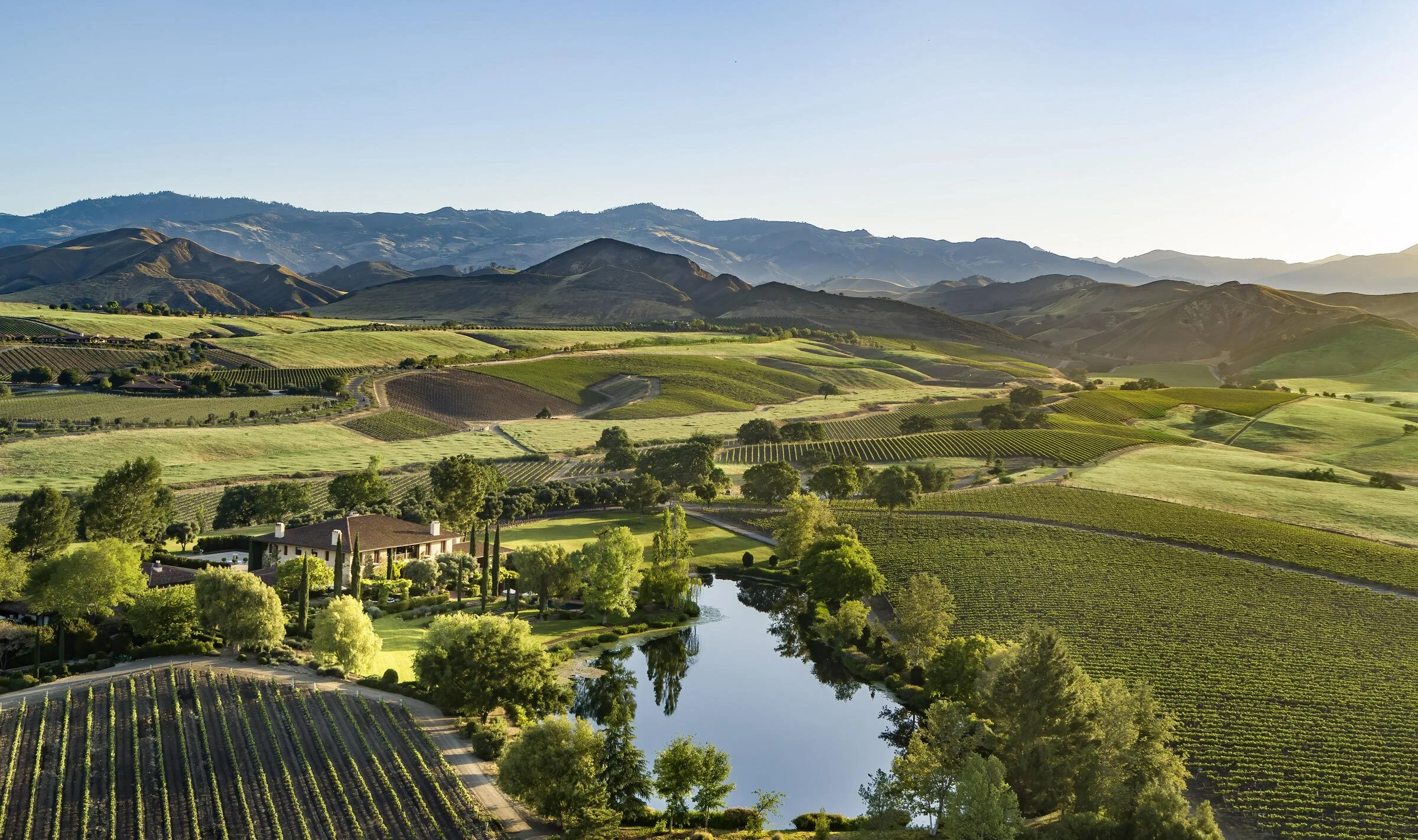
Westerly Estate spans roughly 200 acres in Happy Canyon, including close to 80 acres of working vineyard first planted in the 1990s, years before the area was formally recognized as the Happy Canyon of Santa Barbara AVA in 2009. Photography by Eric Foote
Neil and Francine Afromsky, who had made their money in the apparel business, bought Westerly around the end of 1995 for roughly $4 million. Along with improvements to the house and equestrian facilities, they began planting vines.
Happy Canyon was not yet an appellation. Its modern identity as one of the warmer and more serious wine-growing parts of the Santa Ynez Valley was still emerging. Santa Barbara County’s unusual east-west mountain ranges allow cool Pacific air to travel inland, creating considerable climatic variation across relatively short distances. Happy Canyon sits toward the warmer eastern end, where Cabernet Sauvignon and other Bordeaux varieties can ripen more reliably than in cooler districts closer to the coast.
The Afromskys began planting Westerly Vineyard in 1995 and eventually put roughly 85 acres under vine. By the end of the decade, respected producers were buying its fruit, with The Ojai Vineyard working with Westerly Sauvignon Blanc from around 1998.
Fourteen years after the first vines went into the ground, Happy Canyon of Santa Barbara received federal recognition as its own AVA. Westerly did not create the appellation on its own, but it was one of the pioneering vineyards that helped establish the eastern valley as a credible wine-growing district before Happy Canyon had an official name on a bottle.
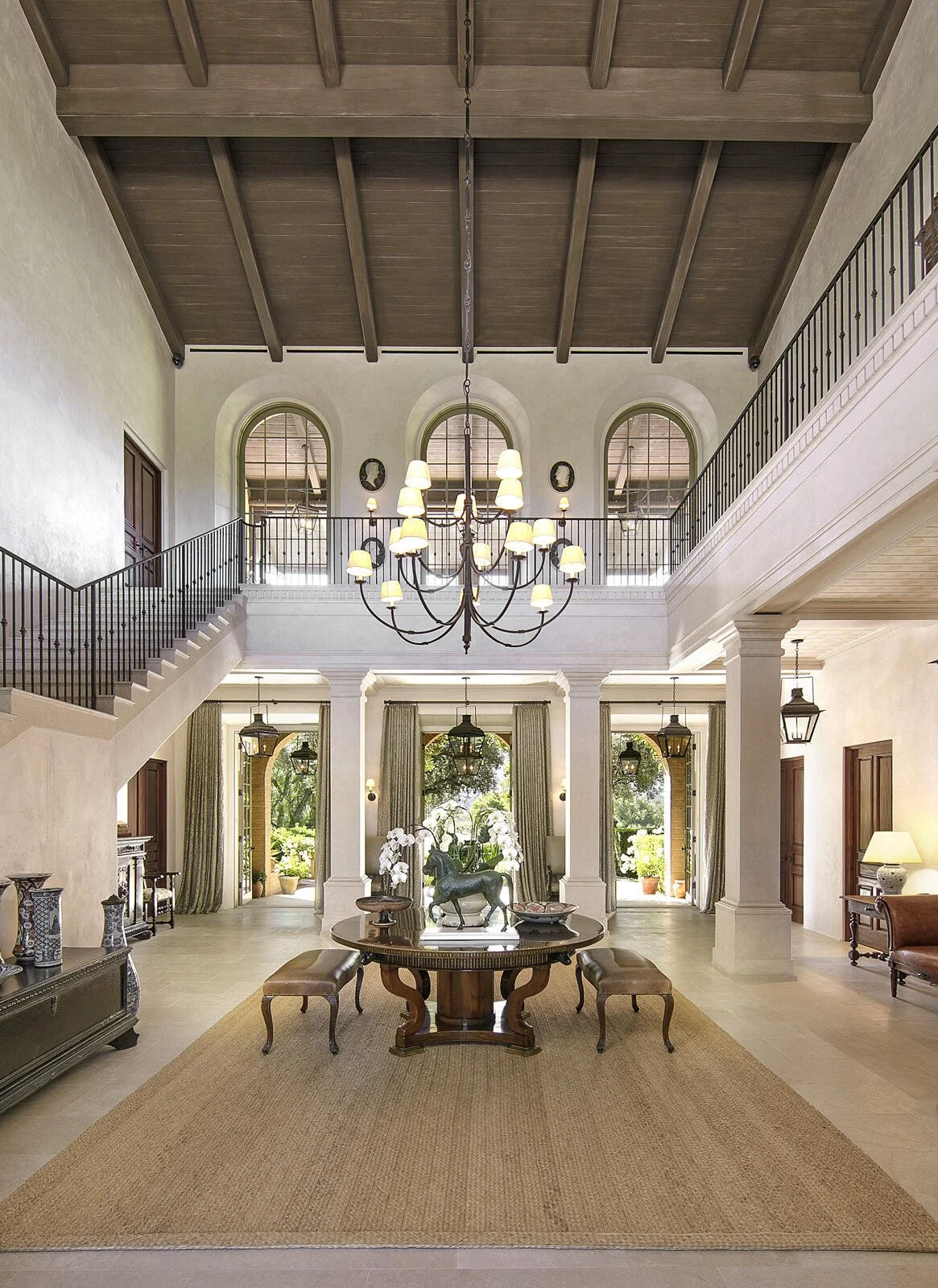
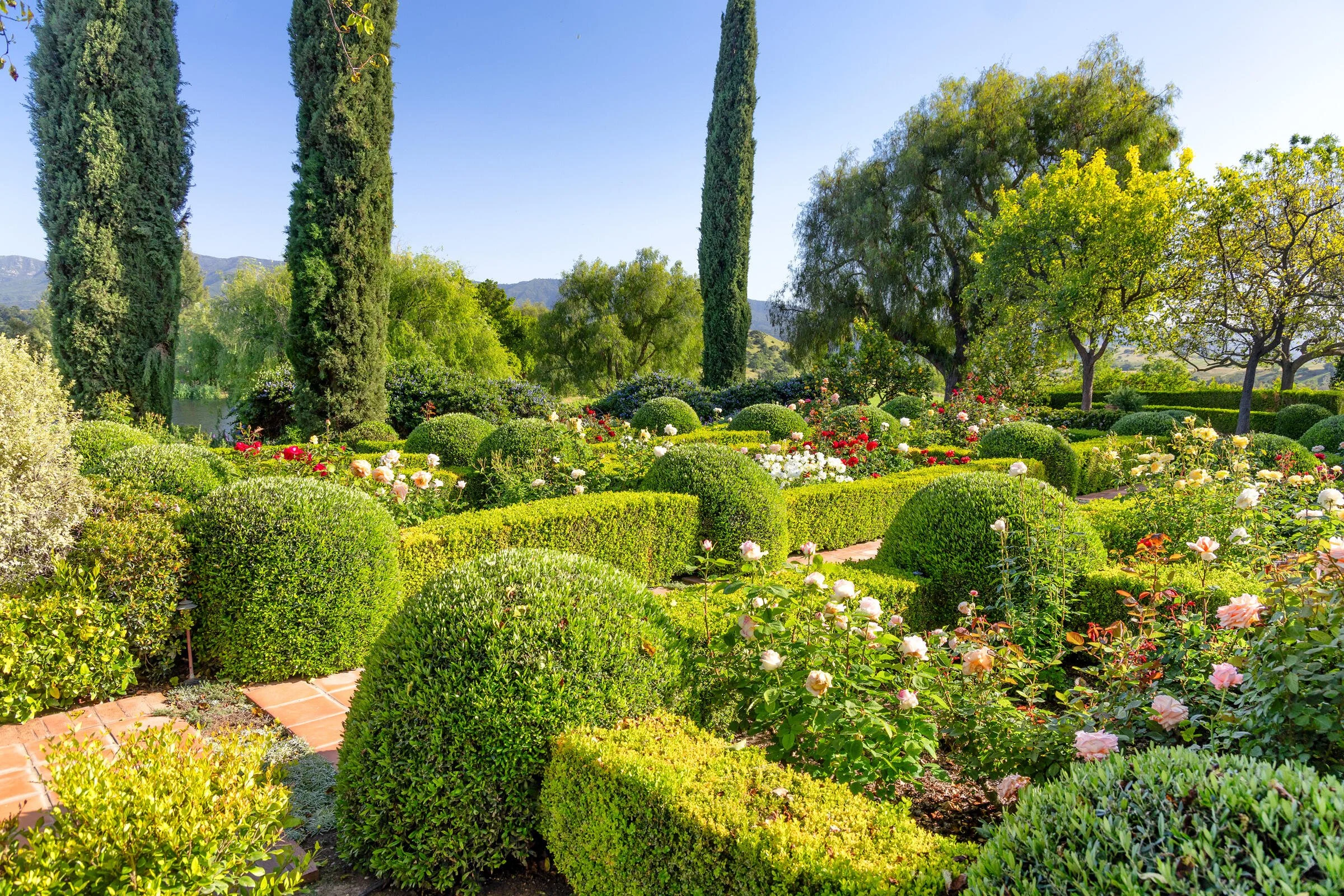
The interiors of Westerly Estate were later reworked by architect Mark Rios and designer Michael S. Smith, who gave the long-unfinished residence much of the Tuscan-inspired character seen today. Photography by Eric Foote
Mark Rios, Michael S. Smith and the Reinvention of Westerly Estate
The Afromskys also brought in architect Mark Rios and designer Michael S. Smith to rework the residence, giving it much of the Tuscan character it has today. Smith’s later commissions would include the private quarters of the Obama White House.
Around the same time, Stone Temple Pilots arrived at Westerly to record much of Tiny Music... Songs from the Vatican Gift Shop. The band and producer Brendan O’Brien worked in the house rather than relying entirely on a conventional studio, using different rooms for their acoustics.
From Westerly Vineyard to McGinley Vineyard
Jack and Julie McGinley bought Westerly in 2006 for $24.2 million. They acquired the estate and its vineyard, while the Afromskys retained the Westerly wine brand. The vineyard remained on the property but became known in the wine world as McGinley Vineyard, while Westerly Wines continued independently under later owners.
Under later owner Michael Speakman, Westerly Wines produced wines called Fletcher’s Red and Typecast, keeping the names of Jones and his champion mare alive long after the wine company and estate had parted ways.
The McGinleys continued operating Westerly as a vineyard estate, investing heavily in the house and grounds, updating its infrastructure, pool and irrigation, adding wellness facilities and pickleball courts, and producing olive oil from trees on the property.
Westerly Estate Today
Close to 80 acres remain under vine today, farmed organically, and the estate still carries visible traces of its earlier lives. The equestrian facilities belong to the same lineage as the vast thoroughbred operation Jones built here, while the vineyard dates back to the years before Happy Canyon had formal recognition as an AVA. The Ojai Vineyard, which has sourced Sauvignon Blanc from the site since 1998, says its blocks were converted to organic farming in 2009.
The house has changed just as much. It began with Jones, sat unfinished for nearly twenty years, was finally completed by later owners and then reworked again by Rios and Smith. The current 200 acres are only a fraction of the Westerly Jones once controlled, but the property still holds onto pieces of almost every era that came before.
Photography by Eric Foote. All photos belong to the listing agency.