
In the Sicilian Countryside Near Noto, a 19th-Century Aristocratic Summer Residence Overlooking the Mediterranean
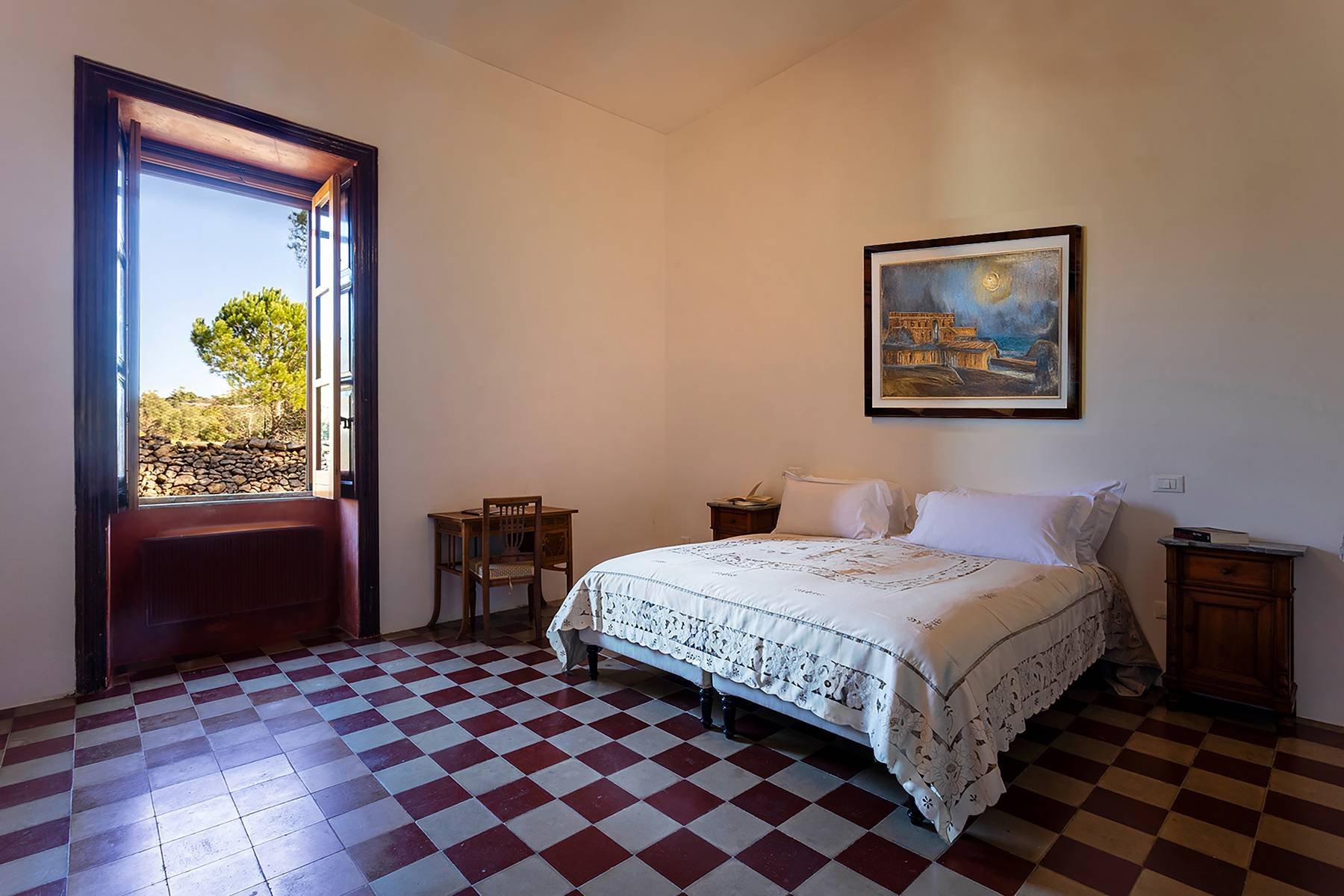
Bedrooms: 10 Bathrooms: 7
Interior: 1,000 m² / 10,764 ft² Lot: 1 ha / 2.47 acres
Amenities: Swimming pool, panoramic tower, terraces, two loggias, independent guest residence in converted stables, historic stone oven, three rock-cut cisterns, private parkland, and parking.
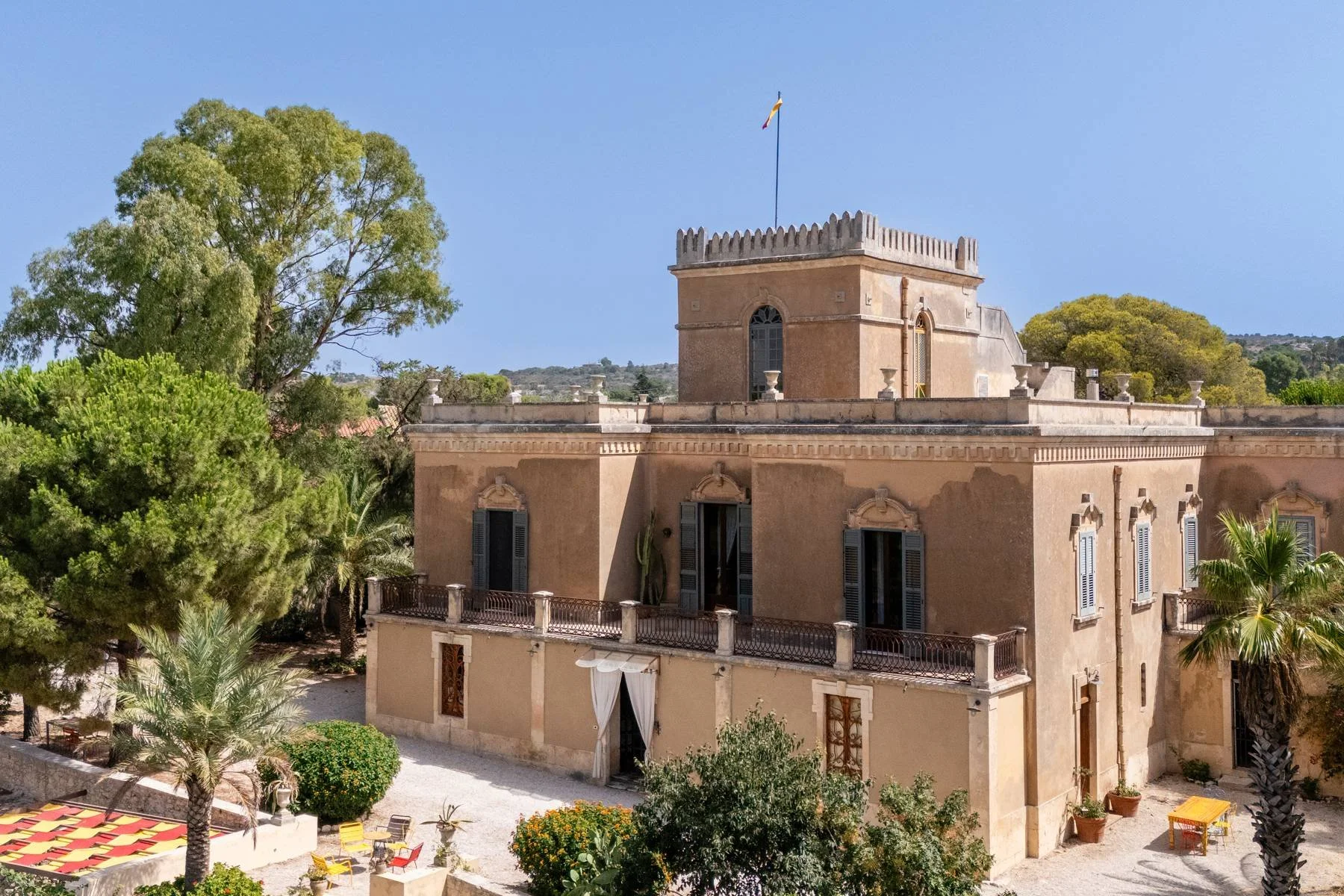
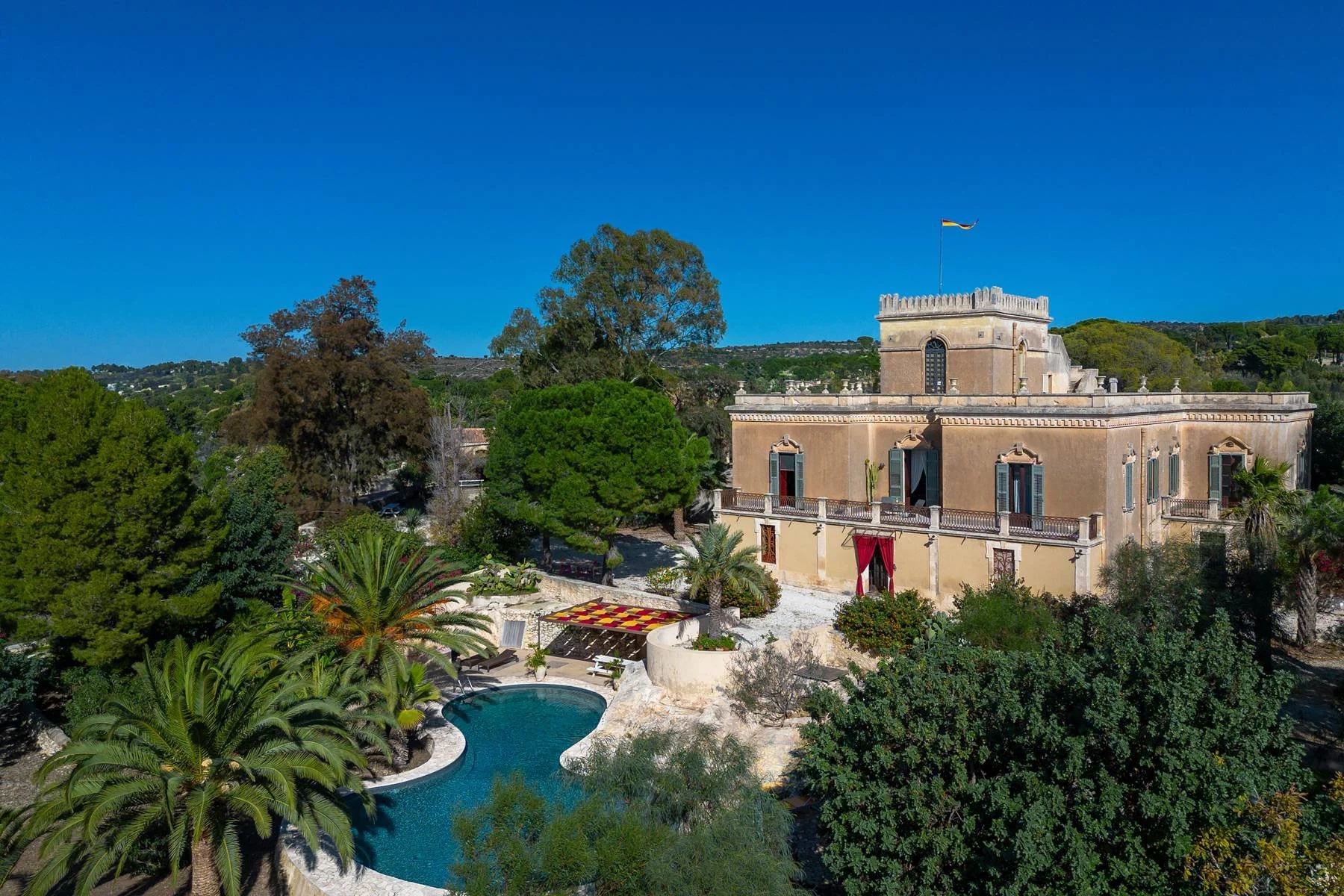
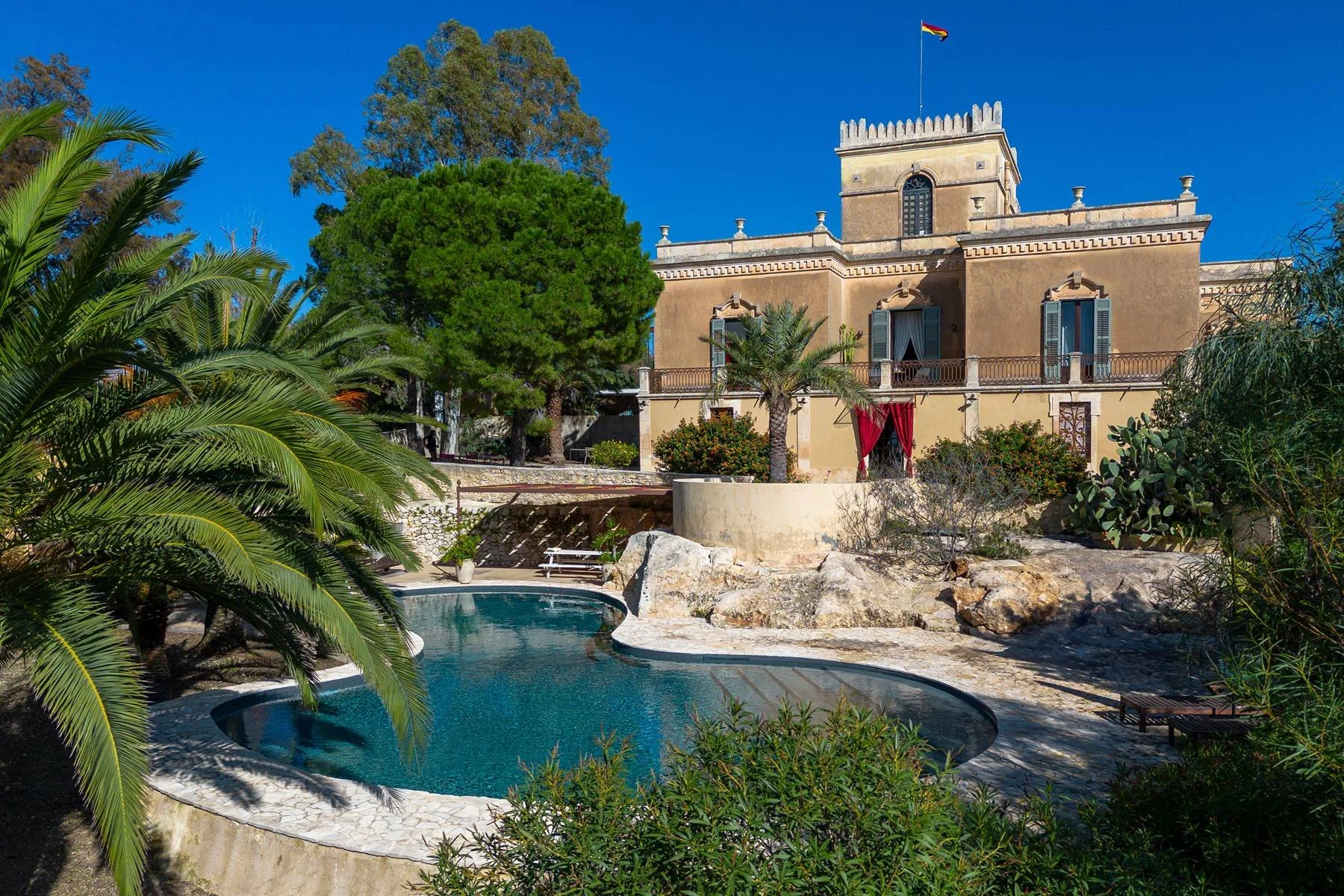
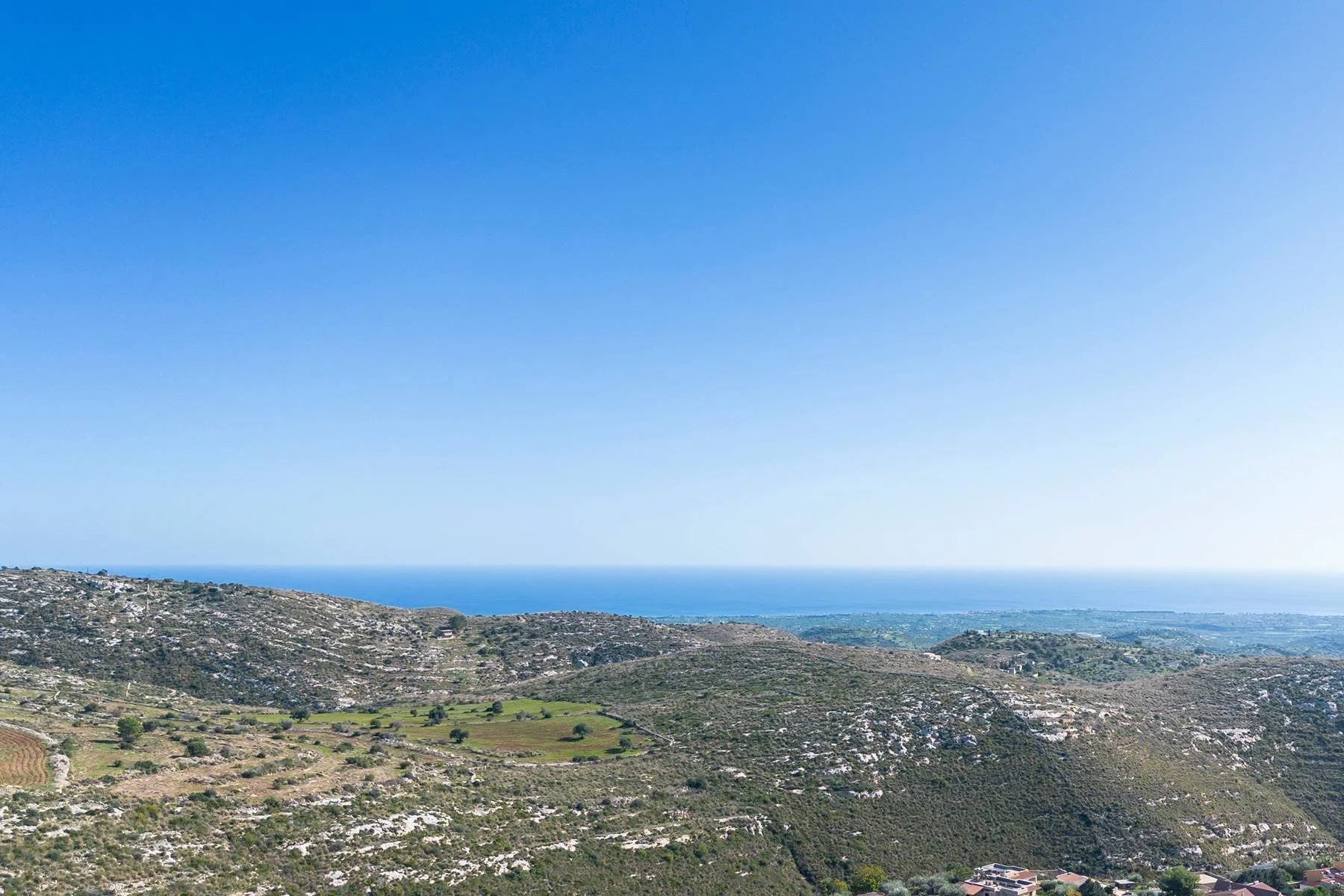
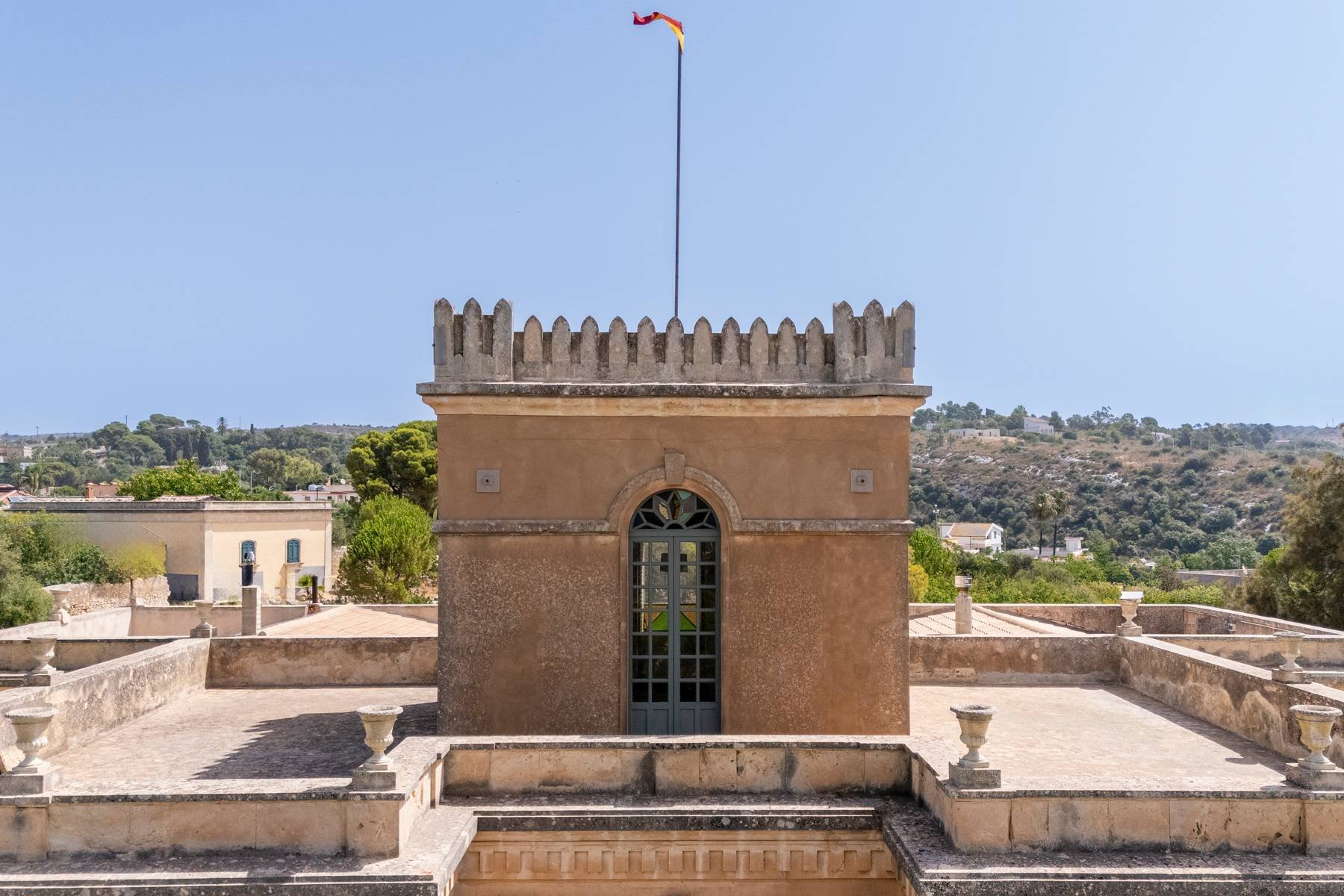
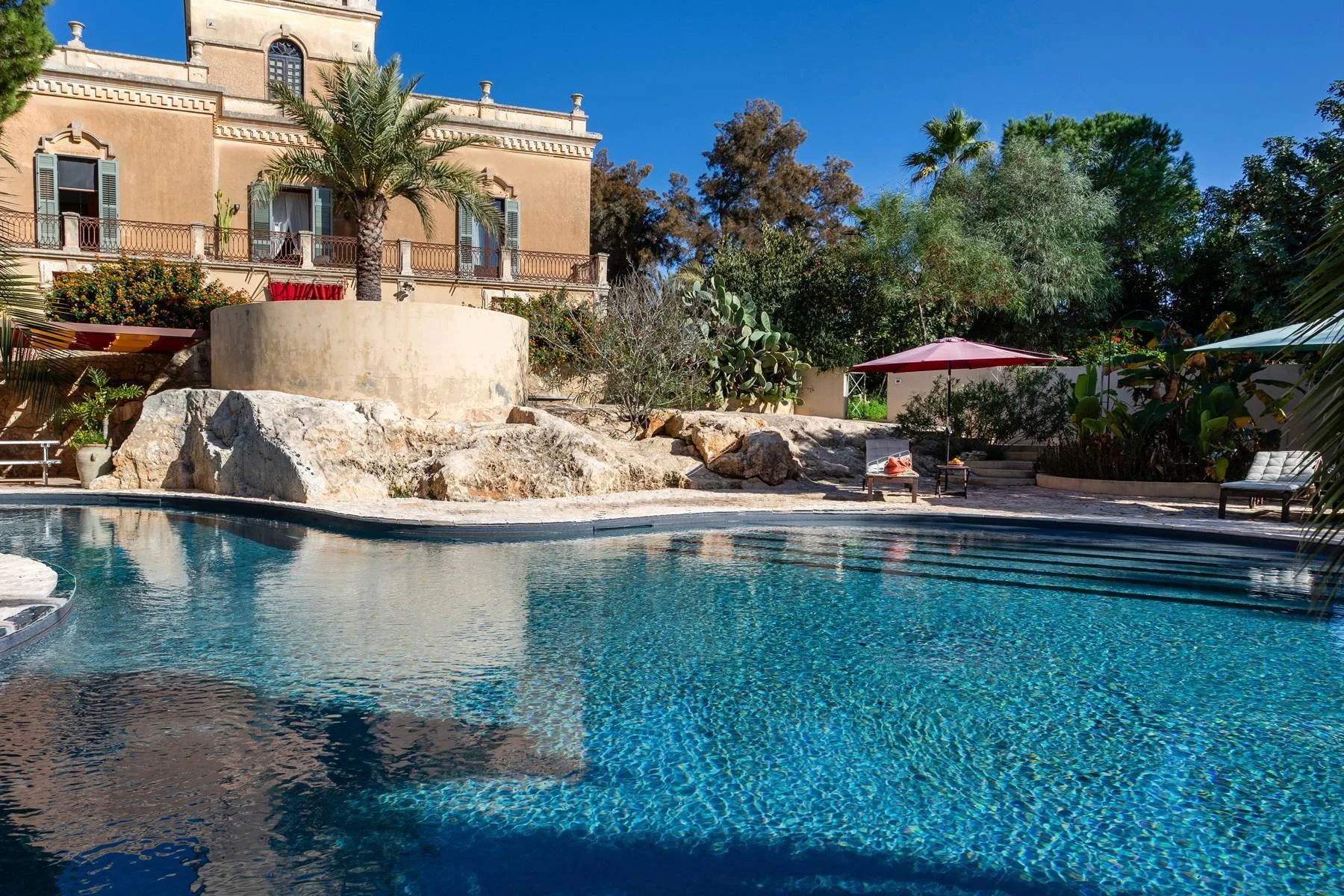
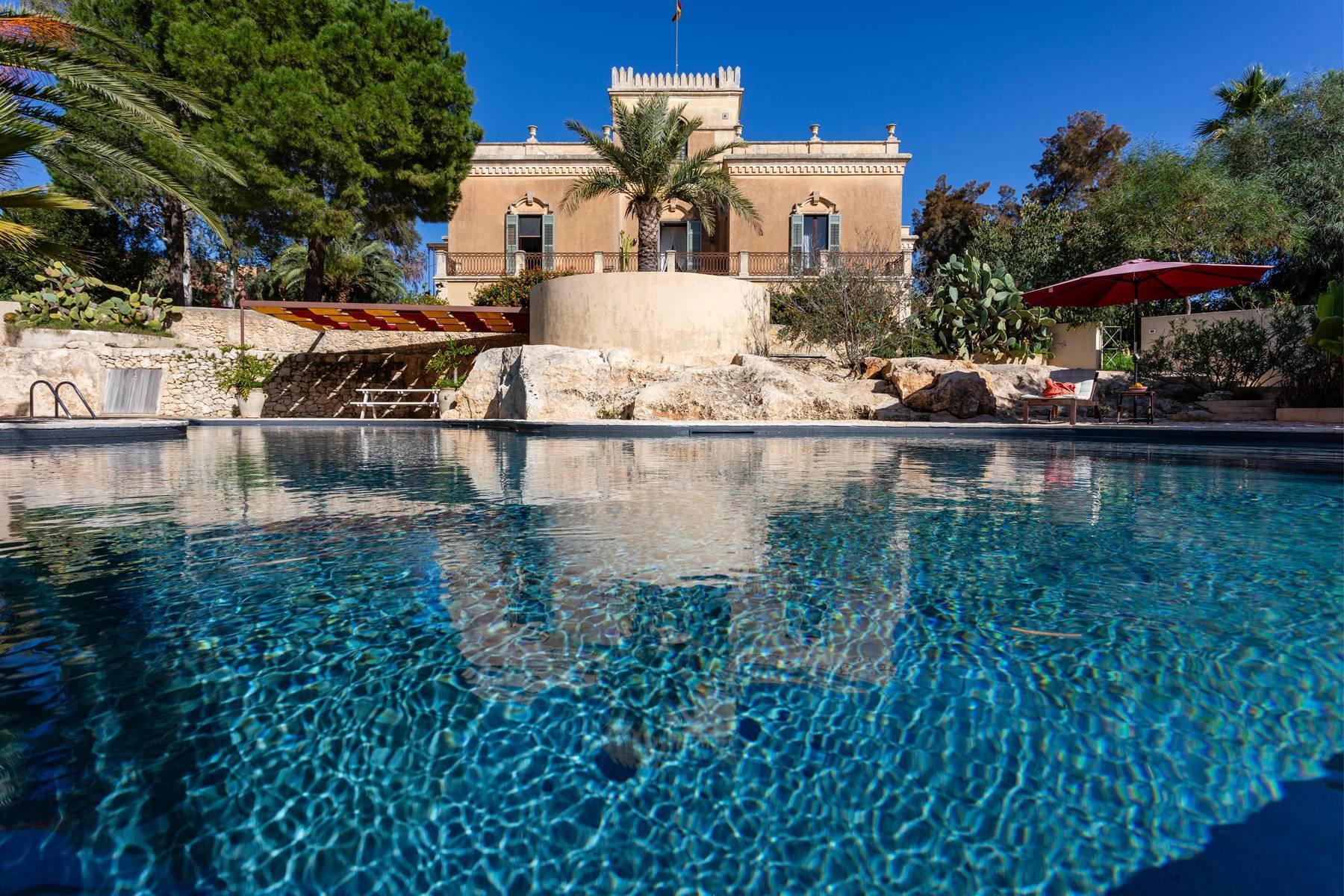
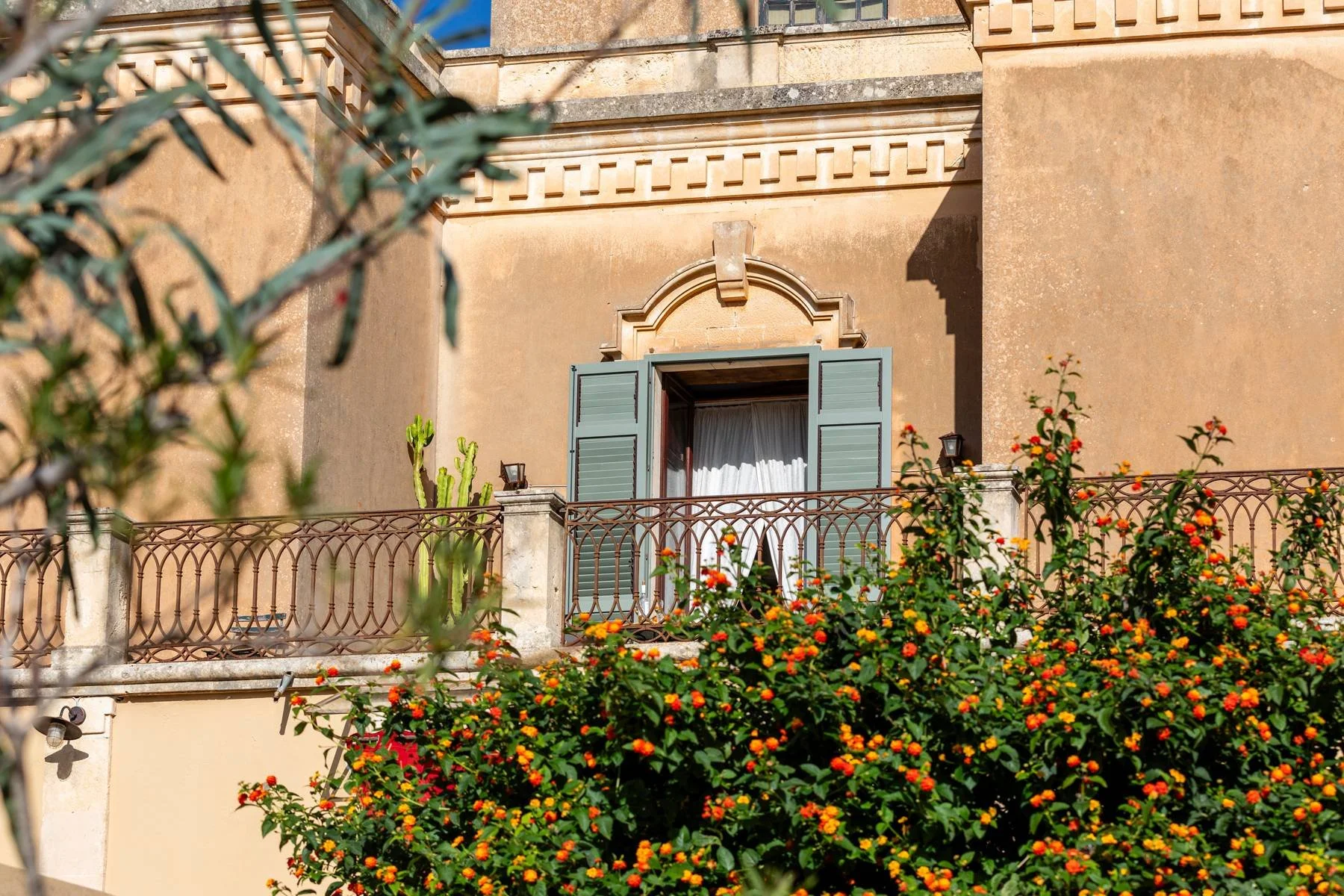
In the Sicilian countryside near Noto, a 19th-century summer residence built for two aristocratic families overlooks the hills of southeastern Sicily and the Mediterranean Sea. Commissioned by the Marquis Rau della Ferla and Prince Nicolaci, the limestone villa was reportedly designed by architect Francesco Cassone, with a panoramic tower, grand reception rooms and terraces overlooking the surrounding landscape.
On the market for €4,650,000 through Italy Sotheby's International Realty, the estate comprises approximately 1,000 m² (10,764 ft²) of accommodation, with 10 bedrooms, seven bathrooms, a swimming pool and approximately one hectare (2.47 acres) of private grounds.
An aristocratic residence in Sicily's Baroque countryside
The nearby city of Noto is among Sicily's most celebrated architectural centres. Following a devastating earthquake in 1693, which destroyed much of southeastern Sicily, the city was rebuilt on a new site in the elaborate Baroque style that came to define the region. Its churches, palaces and broad streets, constructed from pale local limestone, now form part of the UNESCO-listed Late Baroque Towns of the Val di Noto.
Beyond the city, the surrounding countryside provided a setting for the seasonal residences of Sicily's aristocratic families. The Nicolaci family was particularly prominent in Noto, where Palazzo Nicolaci remains one of the city's best-known Baroque palaces, celebrated for its elaborate balconies and richly decorated façade.
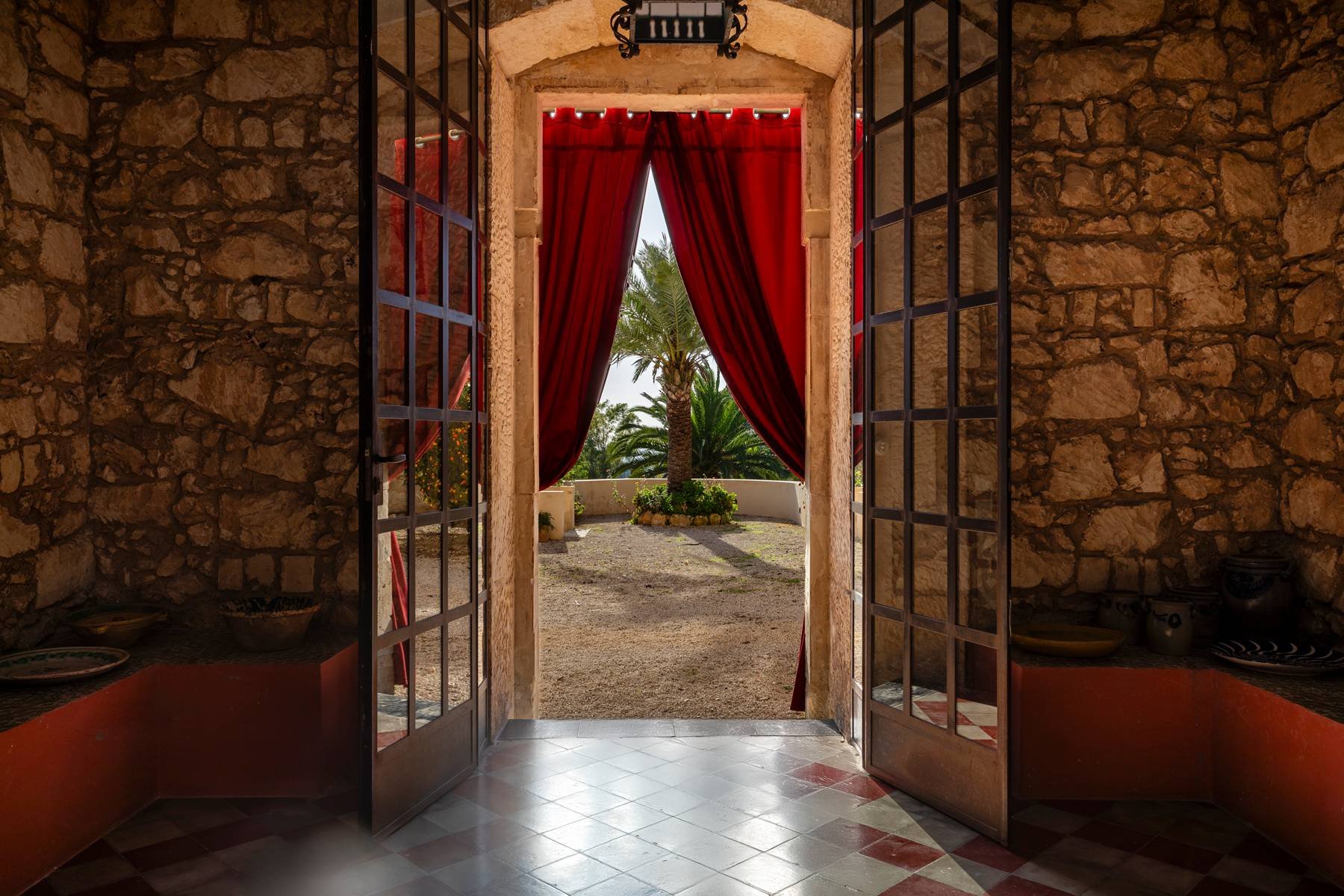
Towards the end of the 19th century, the Marquis Rau della Ferla and Prince Nicolaci reportedly commissioned Francesco Cassone to design their summer residence on an elevated site overlooking the coastline. Built from the region's warm limestone, the villa was conceived around its setting, with spacious reception rooms, shaded loggias and outdoor terraces connecting the interiors to the surrounding landscape.
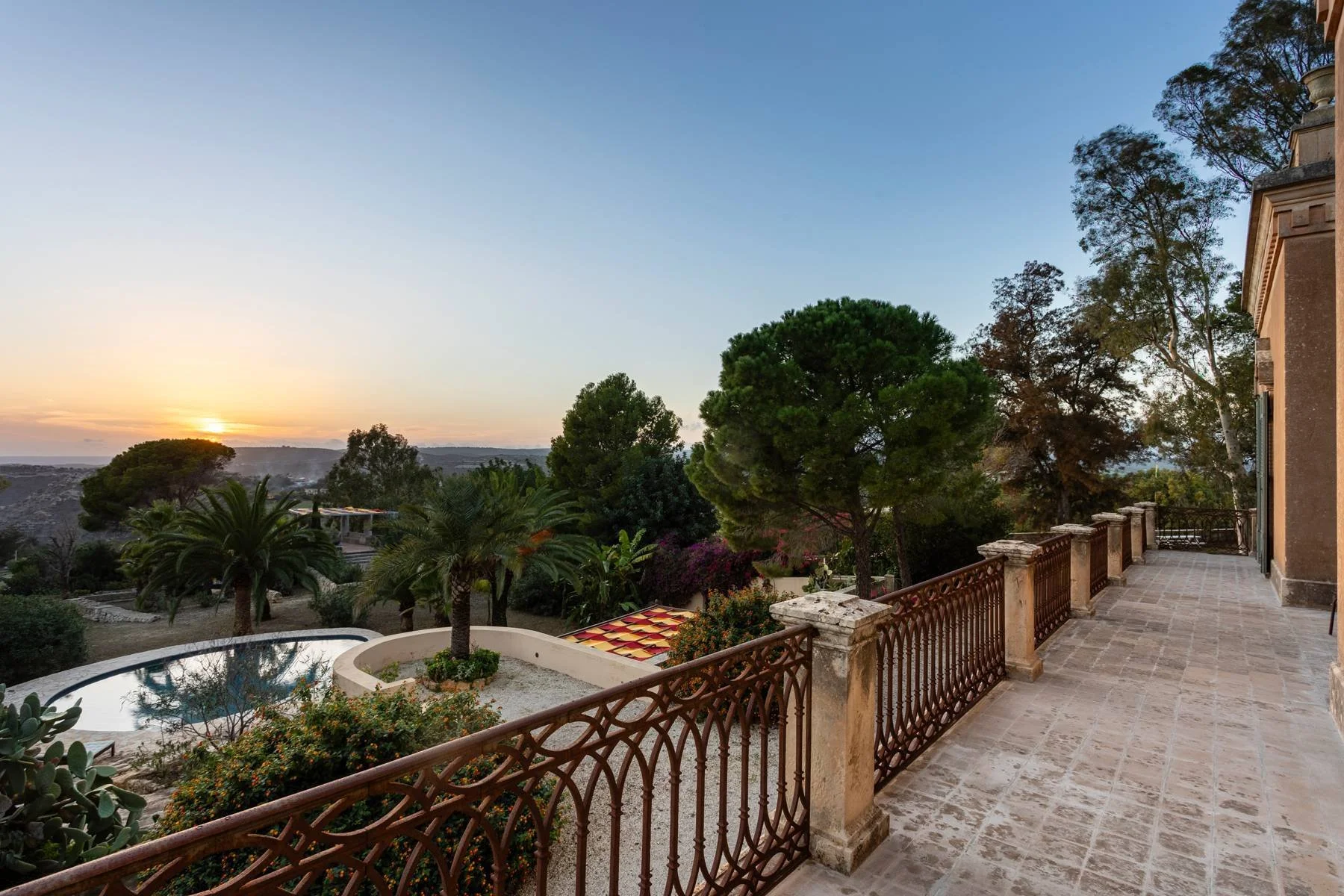
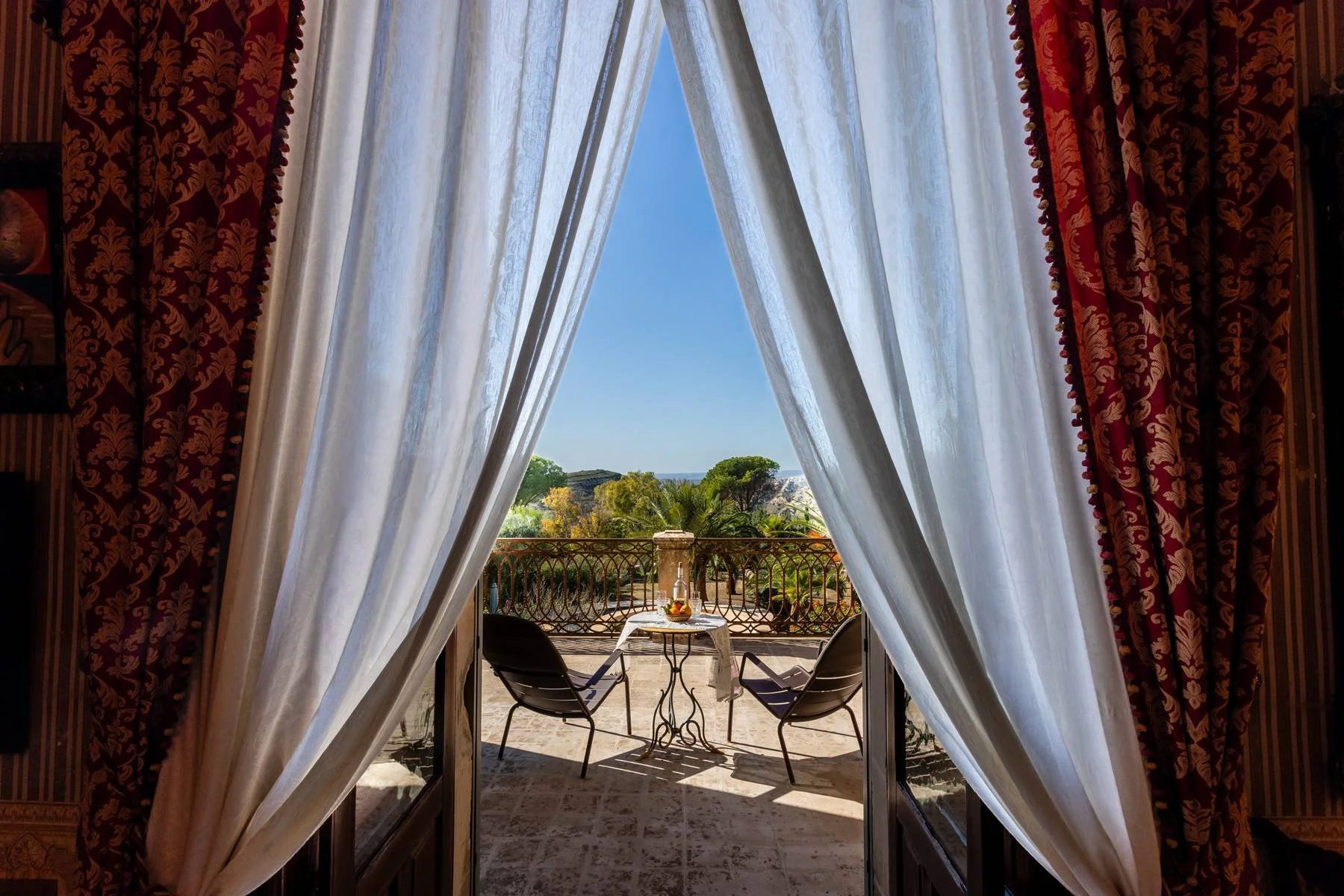
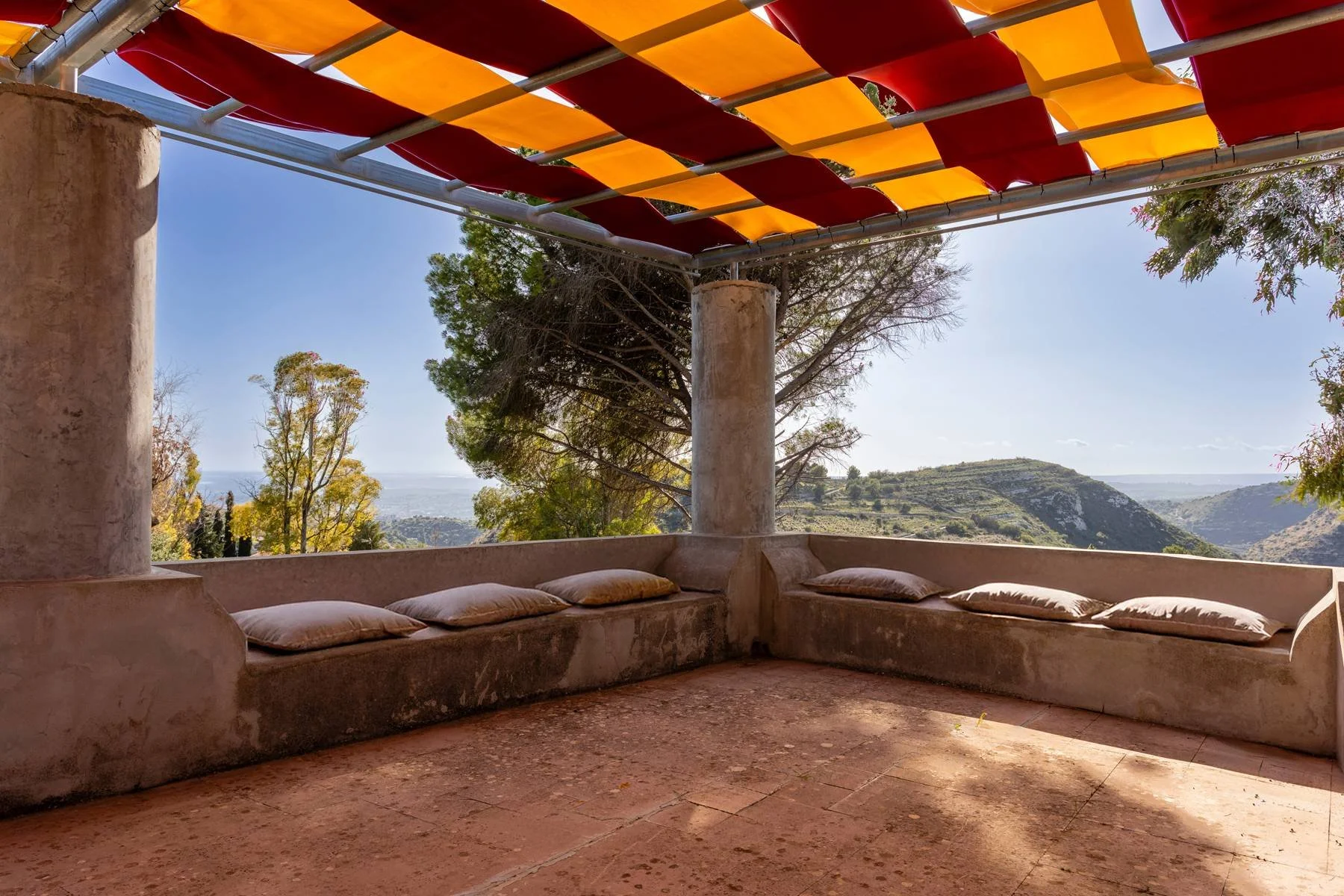
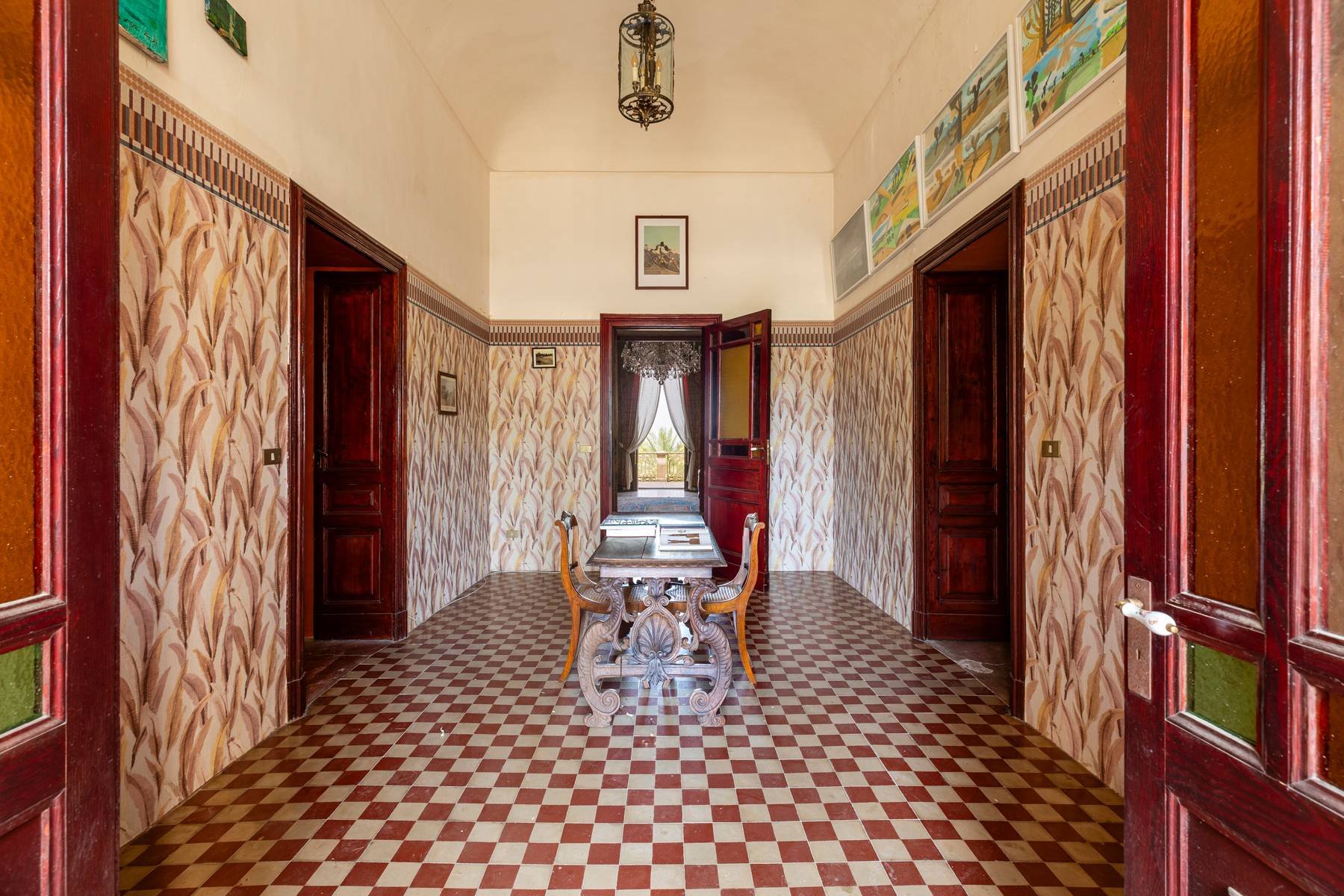
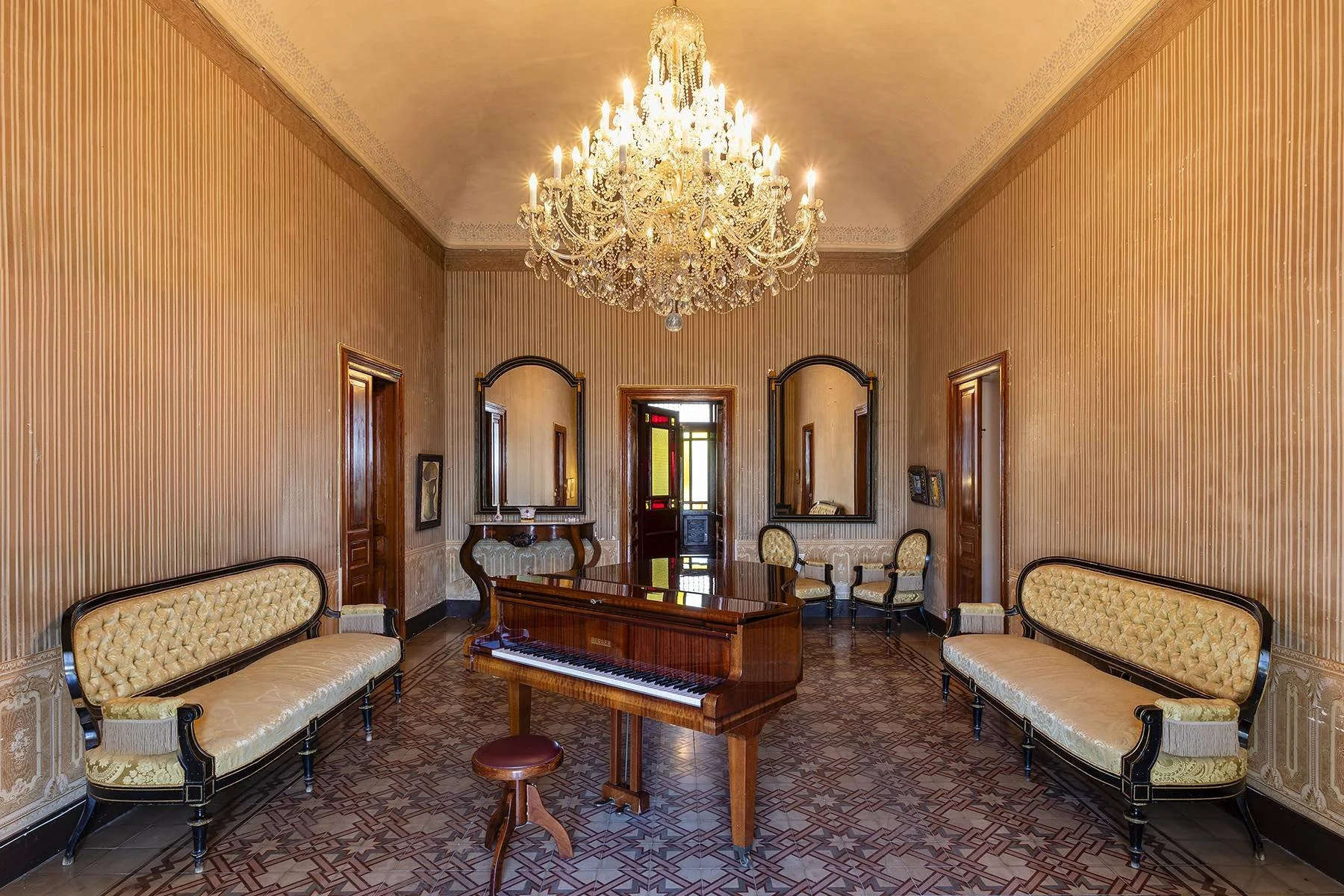
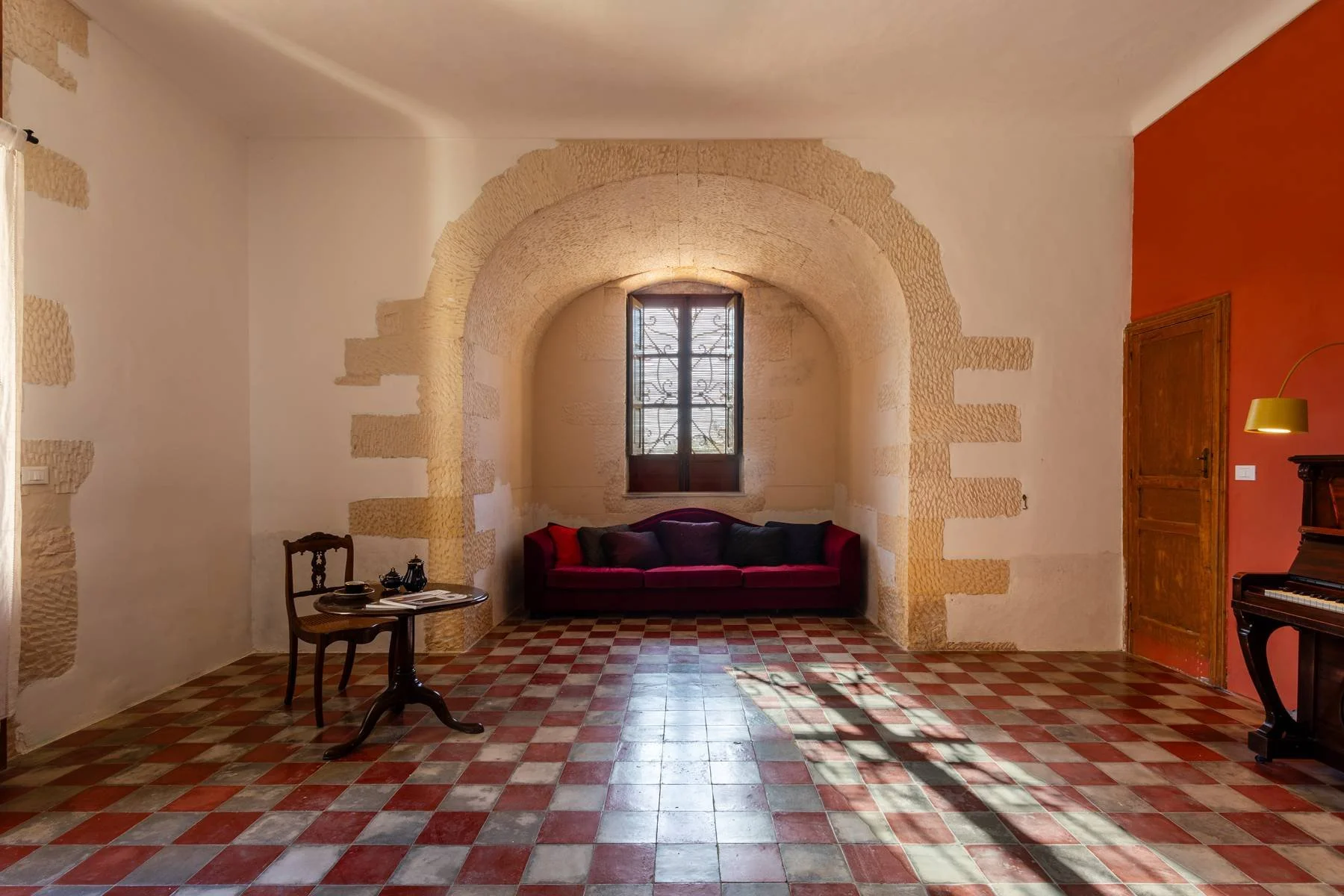
A 200-metre (656-foot) private driveway leads through the grounds to the main residence. Inside, the piano nobile, the grand principal floor traditionally reserved for reception and entertaining in Italian aristocratic homes, is dominated by a monumental salon. Large openings connect the room to an expansive terrace and two loggias, providing sheltered spaces from which to enjoy the views.
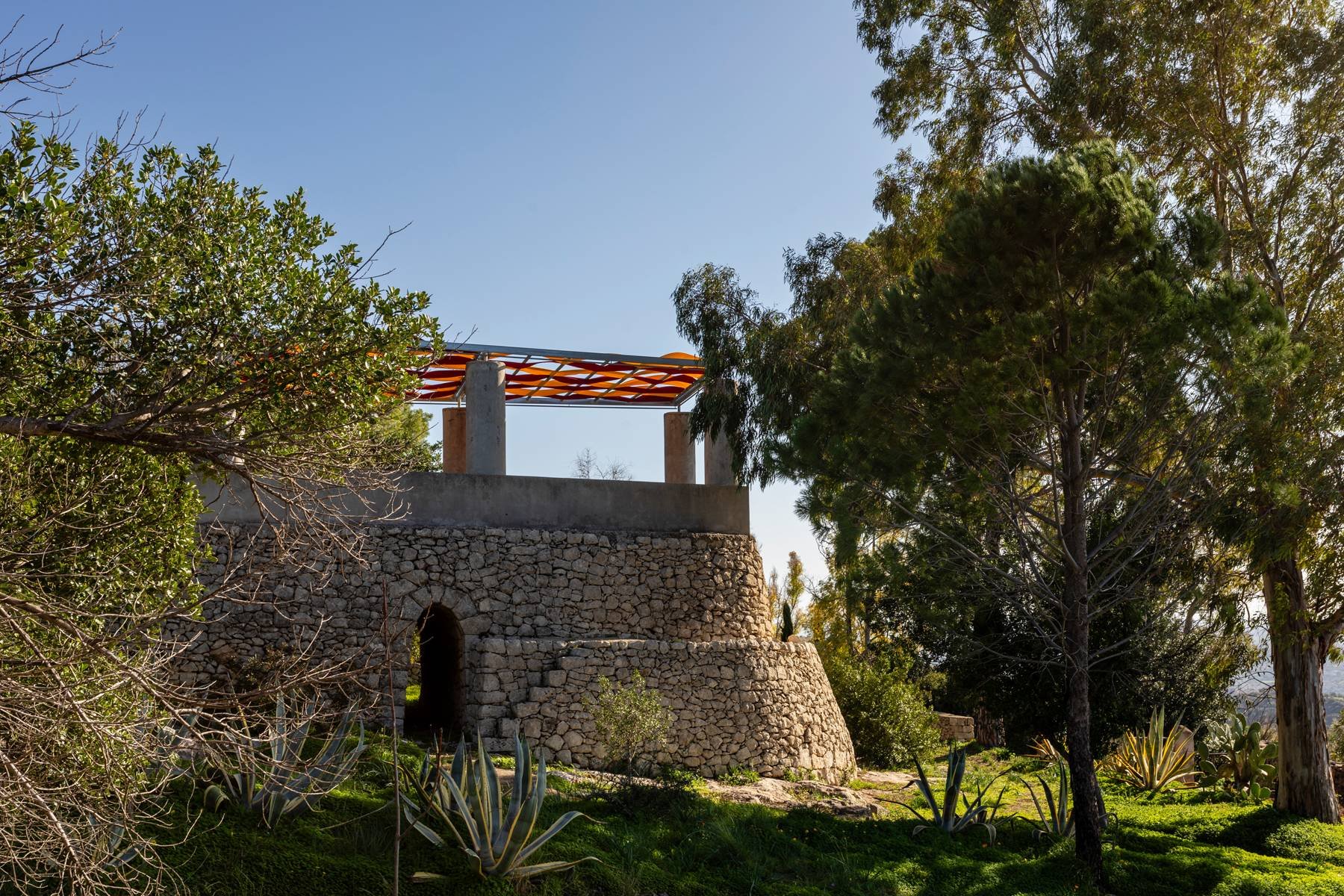
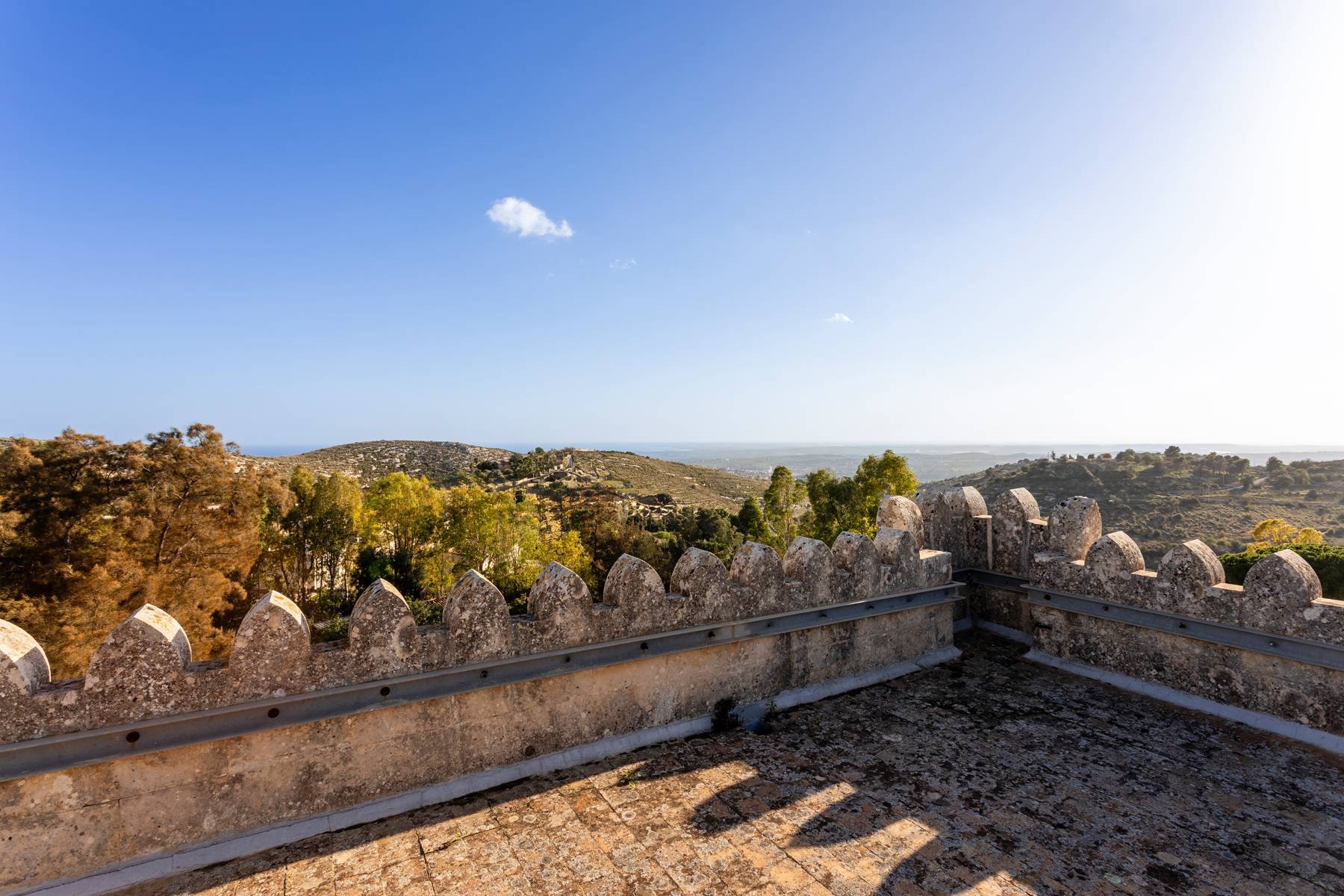
One of the villa's most distinctive architectural features is its tower. An elevated room at the top offers 360-degree views across southeastern Sicily, extending towards the Mediterranean and Portopalo di Capo Passero, near the island's southeastern tip.
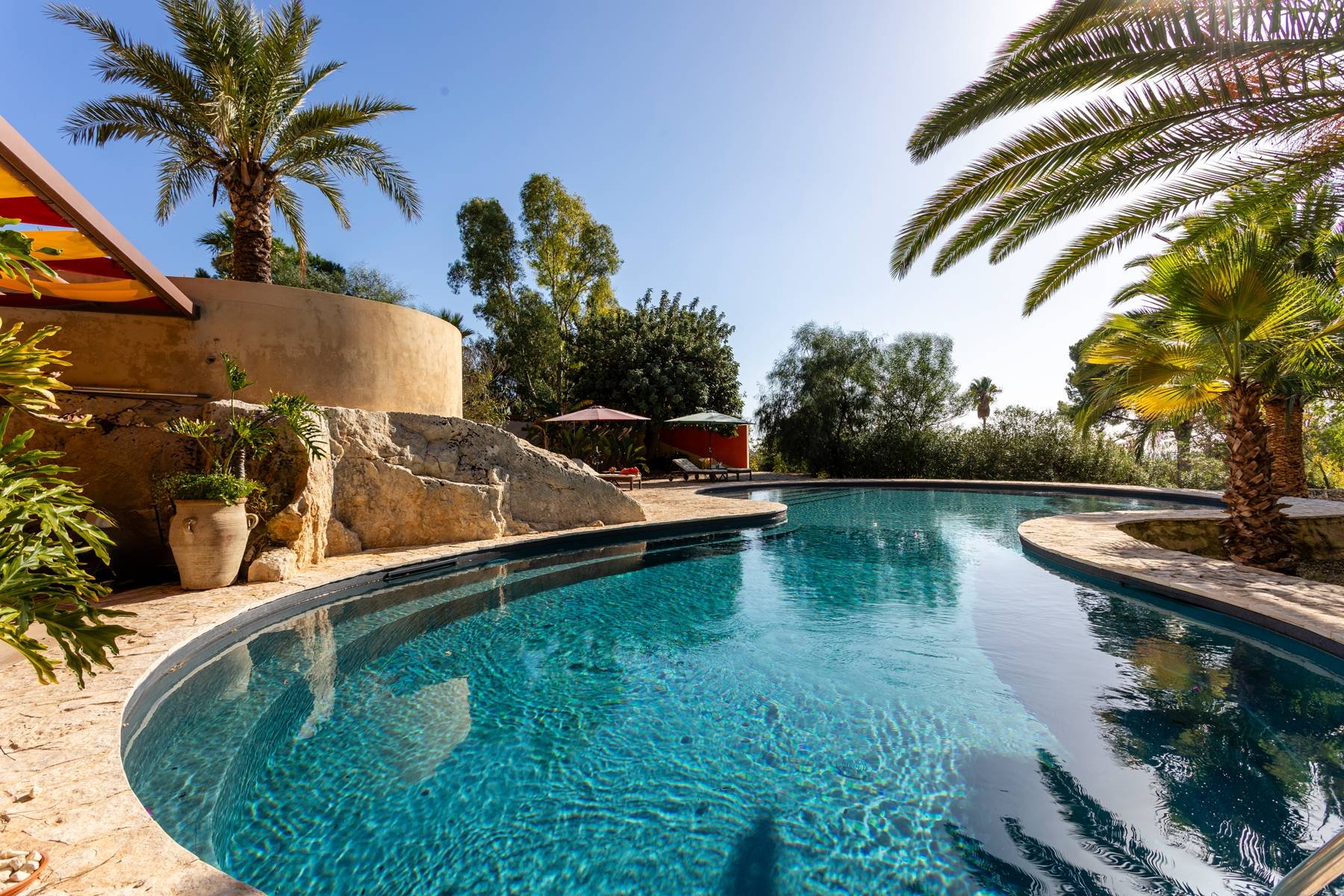
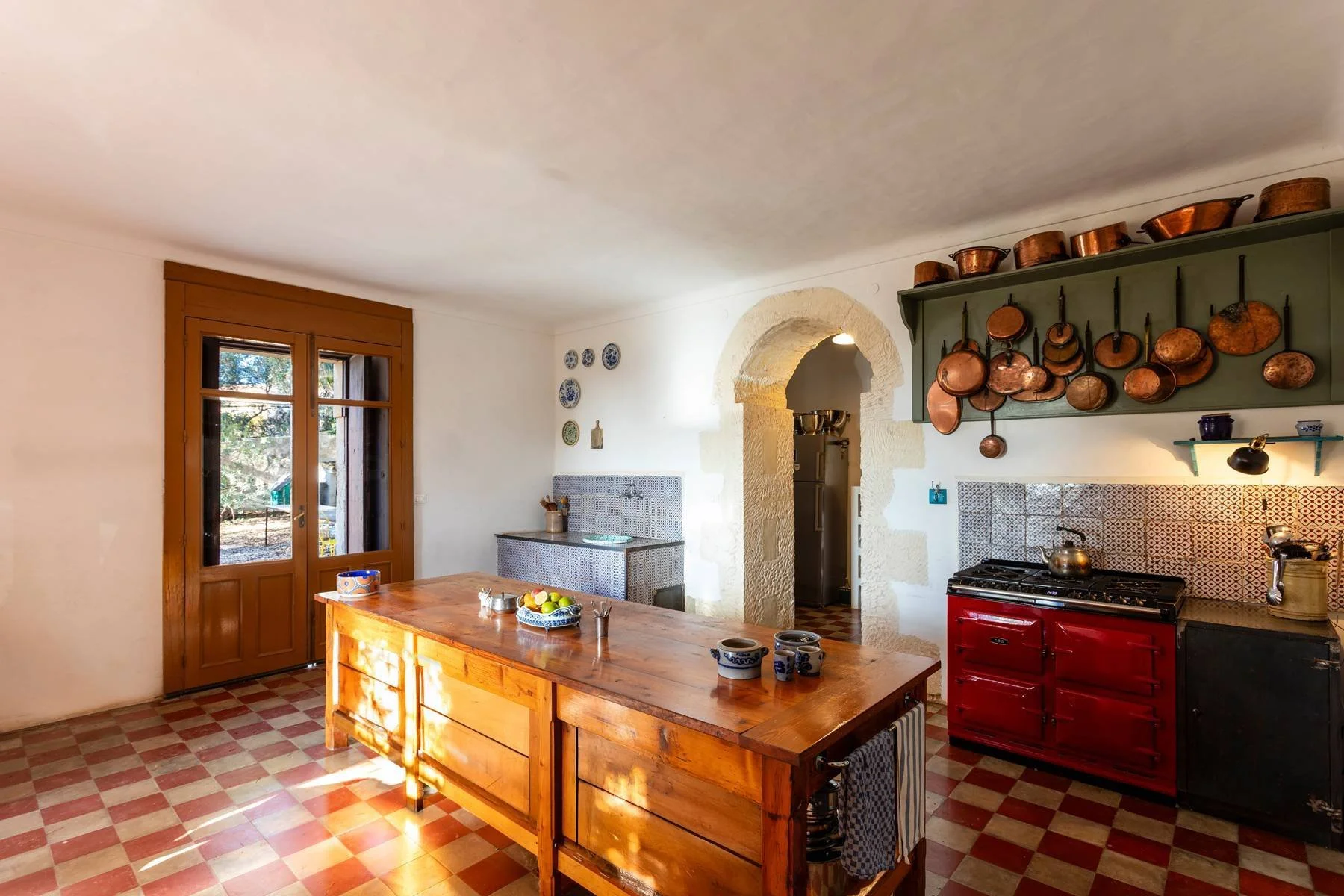
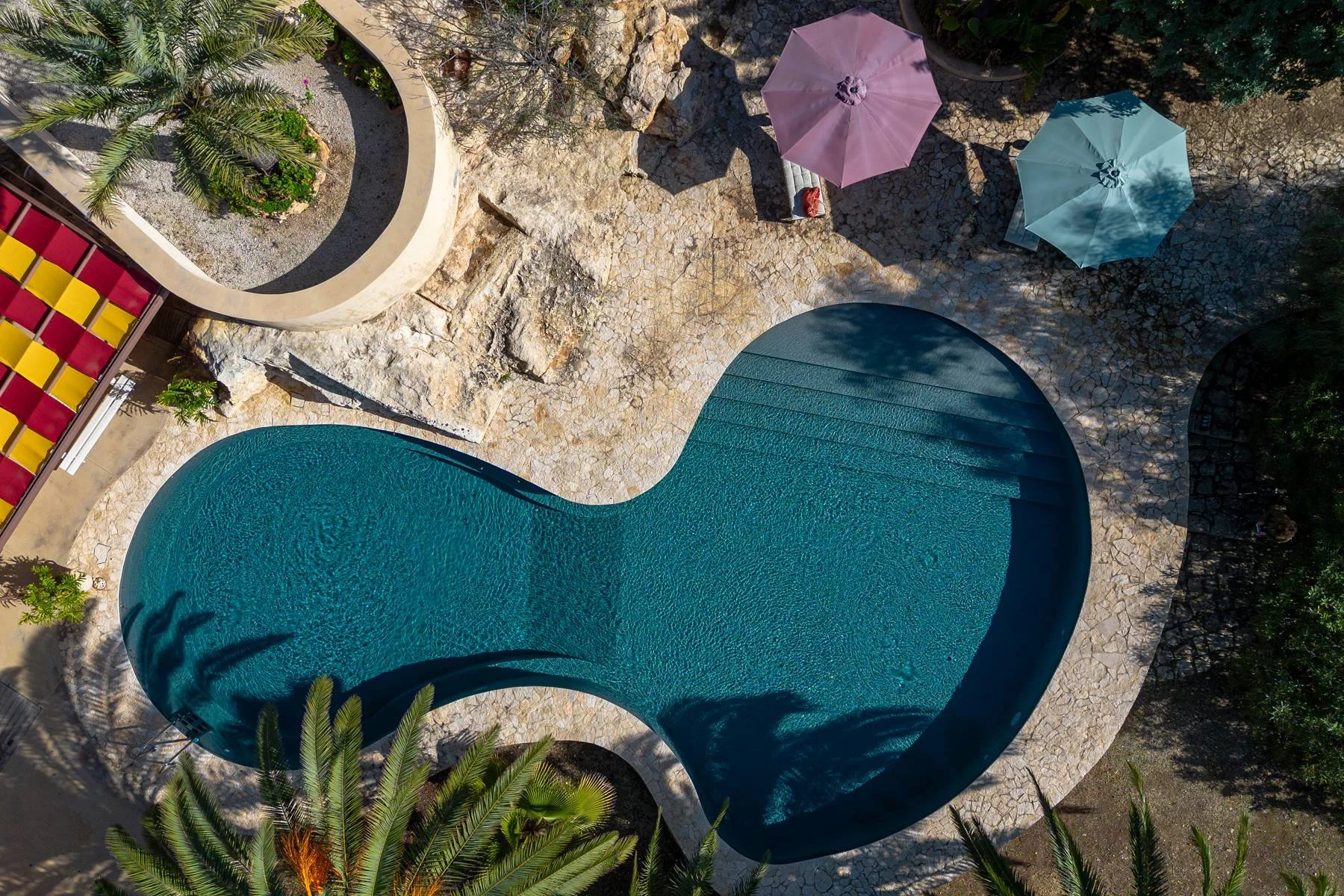
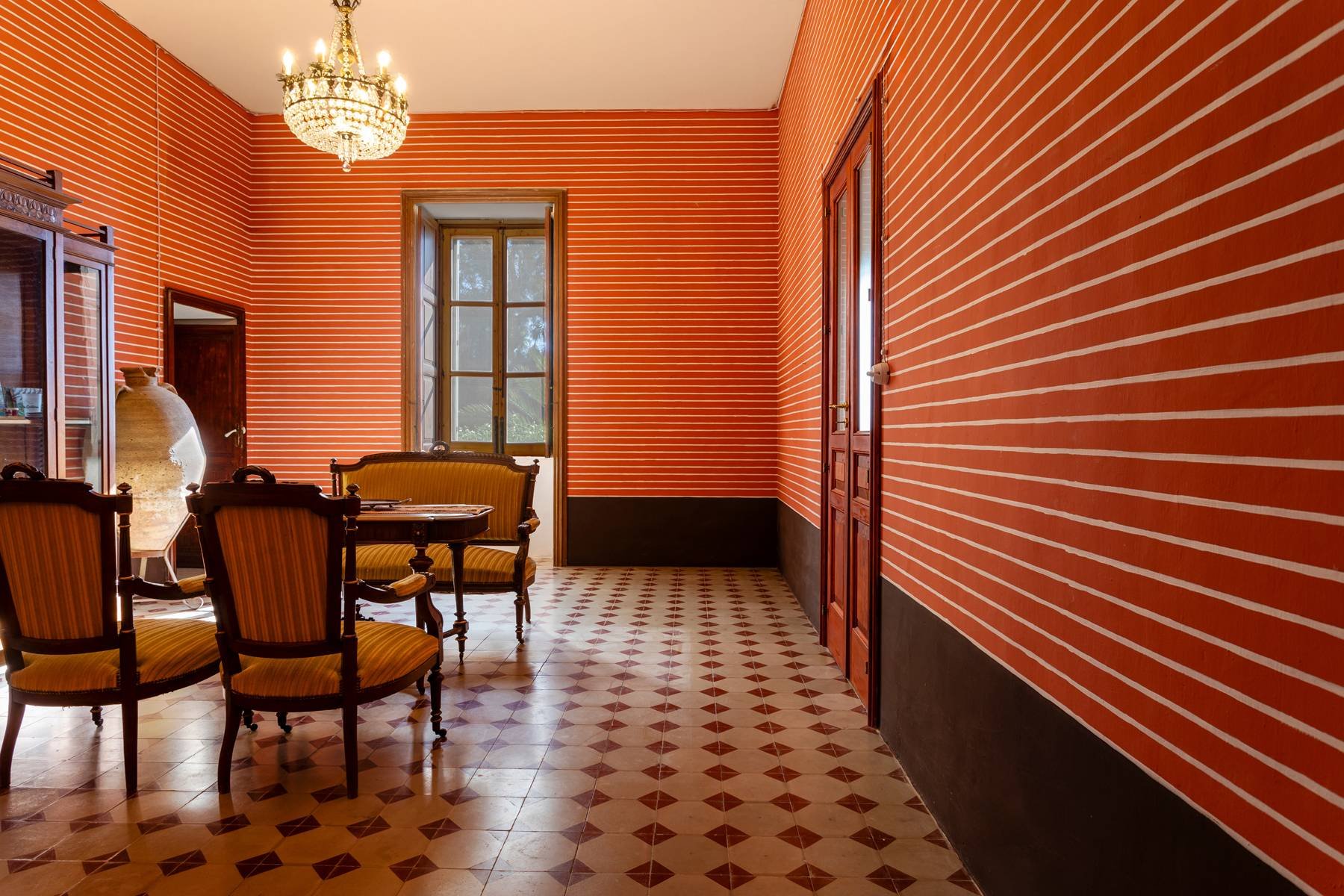
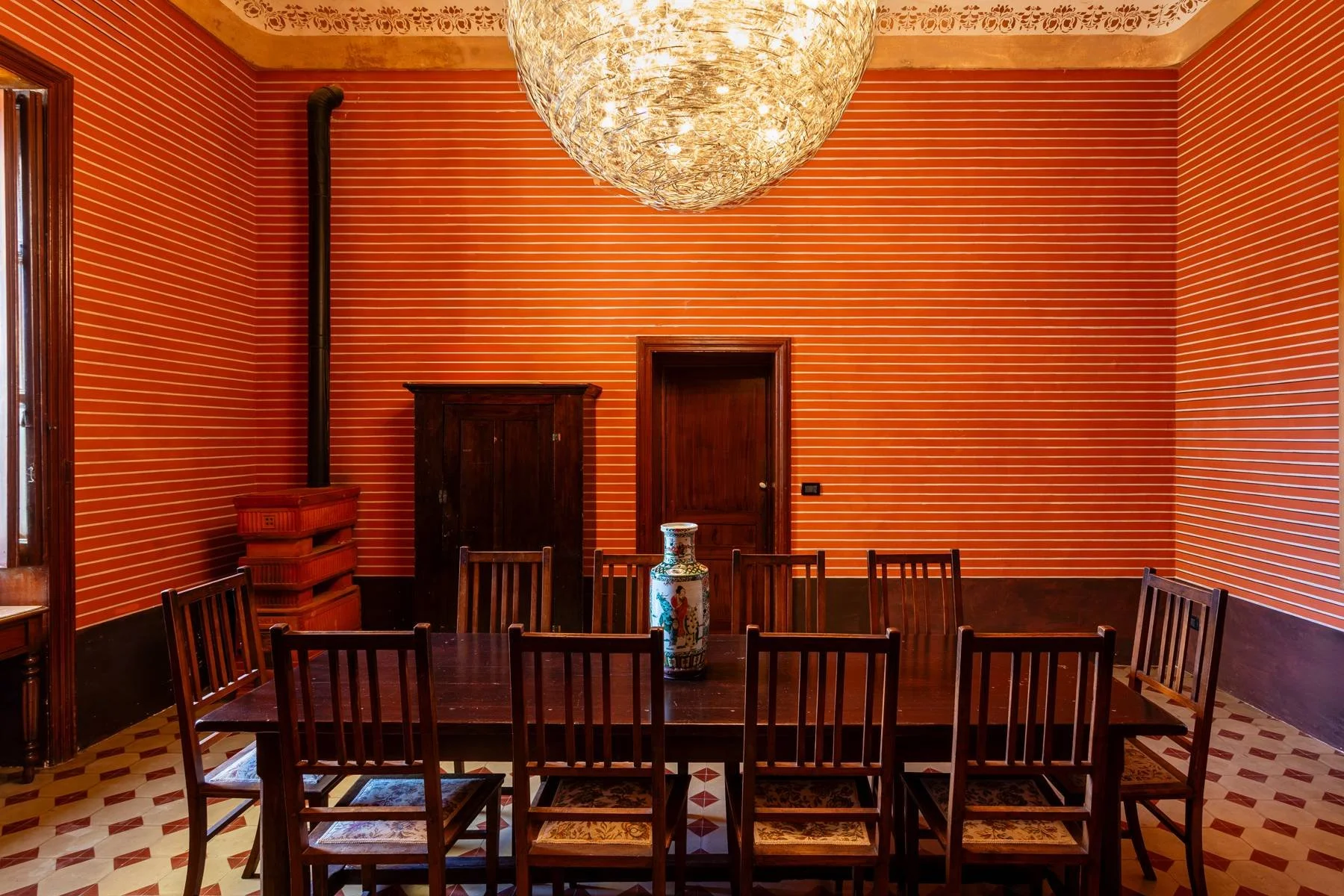
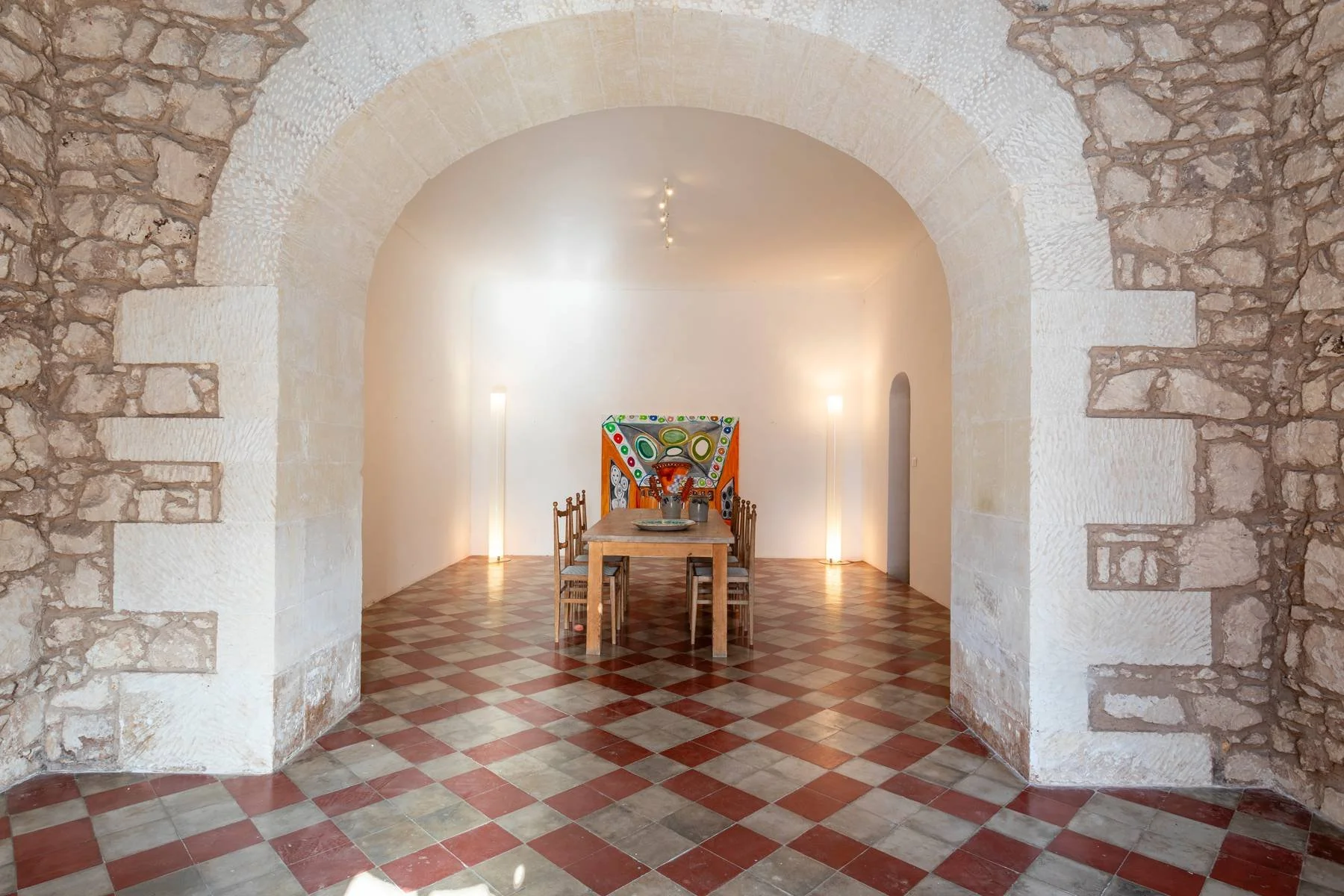
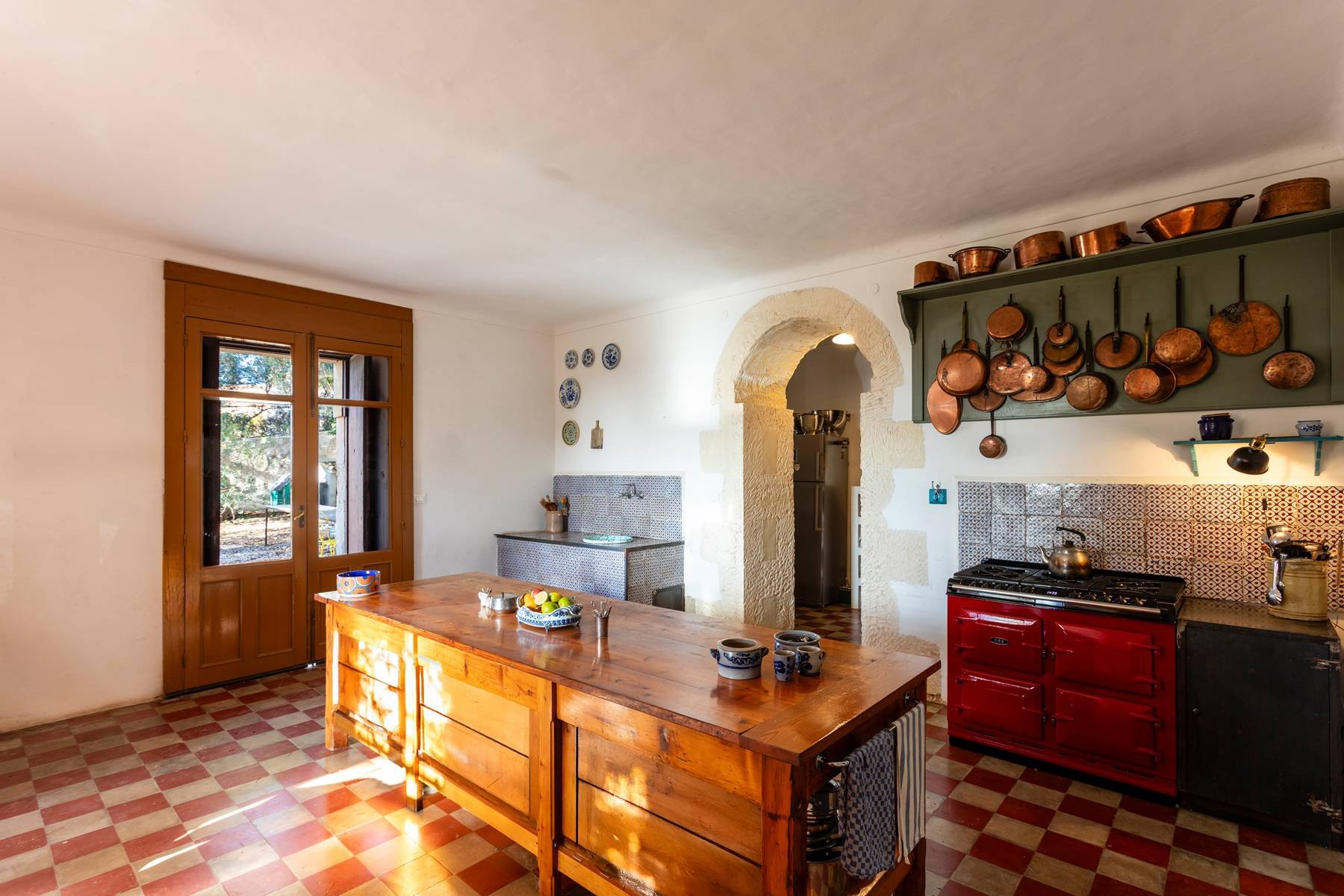
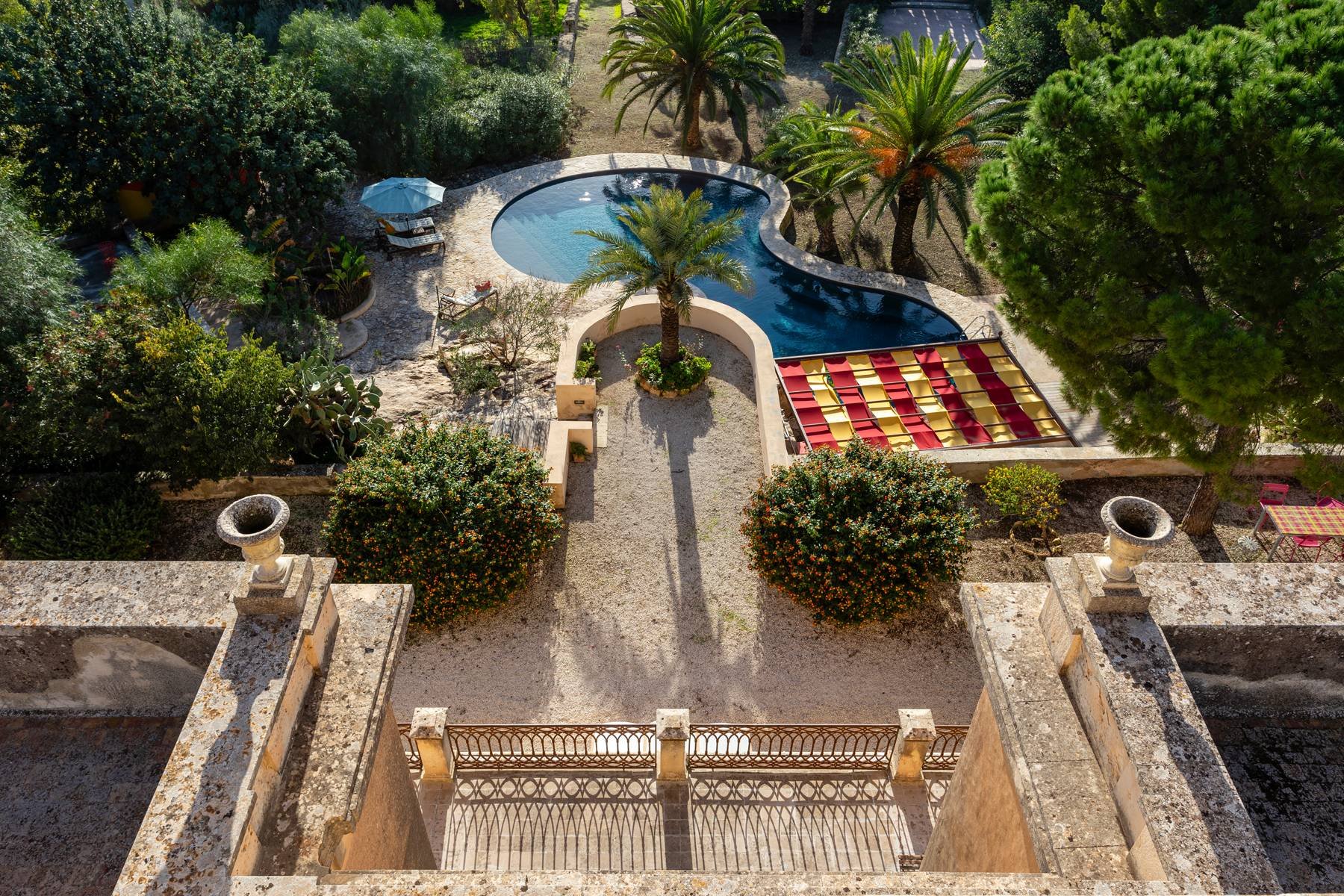
On the lower level, the dining room and kitchen open directly onto the outdoor living areas. Shaded terraces provide space for summer dining, while the swimming pool occupies a position overlooking the surrounding countryside.
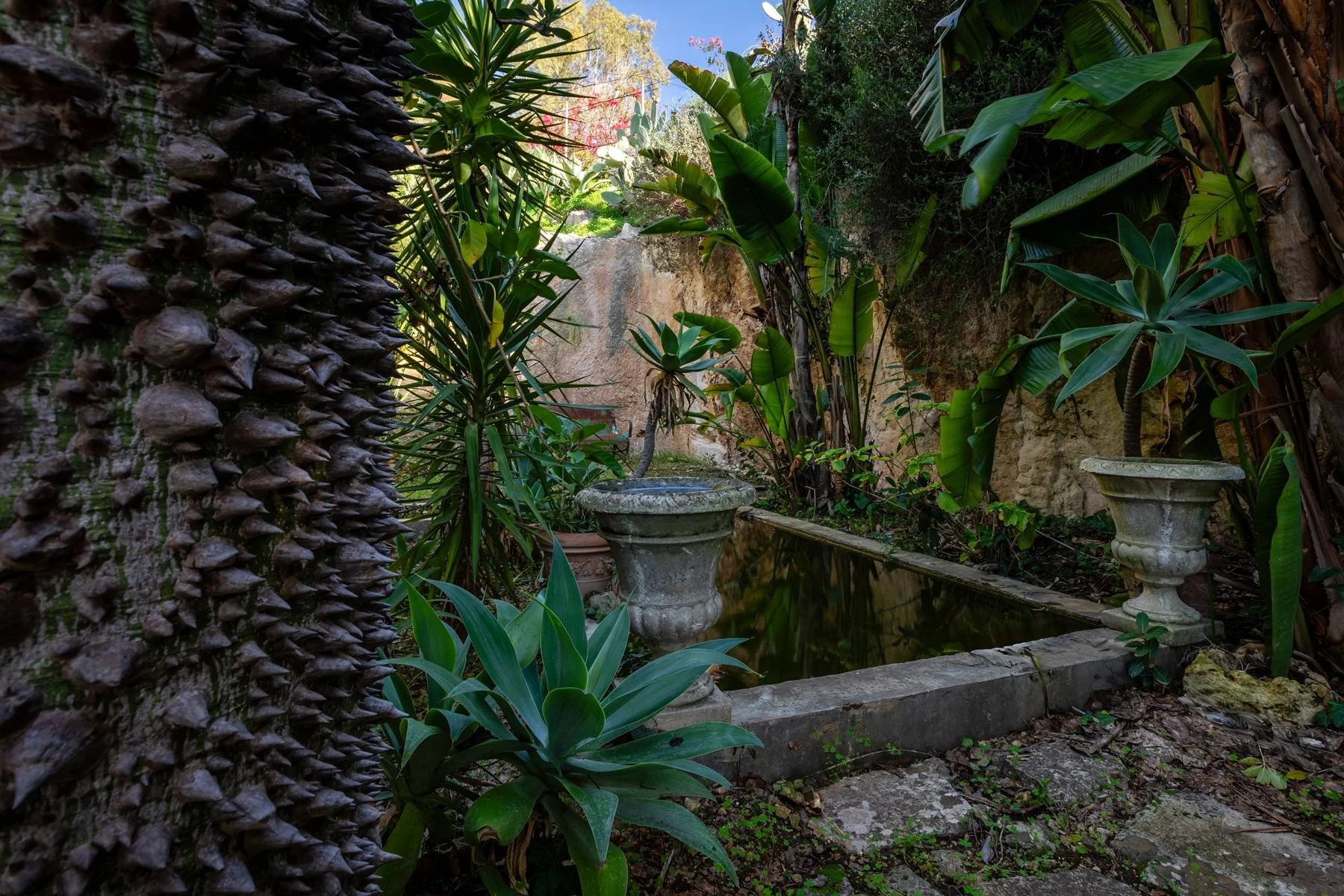
The estate also preserves three historic cisterns carved directly into the rock, remnants of the water collection and storage systems traditionally used on rural Sicilian properties.The architecture and interiors
Historic stables and Mediterranean grounds
The former stables have been converted into an independent guest residence with three bedrooms, a study and a kitchen featuring an old stone oven. The conversion provides additional accommodation separate from the principal villa.
The grounds extend across approximately one hectare (2.47 acres), with private parkland, terraces and outdoor entertaining areas. Despite its secluded position, the residence lies close to Noto's historic centre and approximately eight kilometres (five miles) from the Mediterranean coast.
More than a century after its construction, the residence retains its original purpose as a country retreat, with its historic reception rooms, separate guest accommodation and views across one of Sicily's most architecturally significant regions.
All photographs belong to the listing agency.