Bedrooms: 4 Bathrooms: 4
Interior: 7,343 sq ft (682 m²) Lot: 6.59 acres (2.67 hectares)
Amenities: Original astronomical observatory, library, drawing room, ornamental lake, boathouse, landscaped grounds, private driveway
On June 3, 1769, King George III and Queen Charlotte gathered at a newly completed observatory in Richmond to witness an astronomical event that would not occur again for another 105 years. Venus was passing directly between Earth and the Sun, appearing as a small black disc moving across its surface. The phenomenon, known as the Transit of Venus, offered astronomers an opportunity to calculate the distance between Earth and the Sun more accurately. More than 250 years later, the royal observatory built for the occasion has been converted into a private residence and is now on the market.
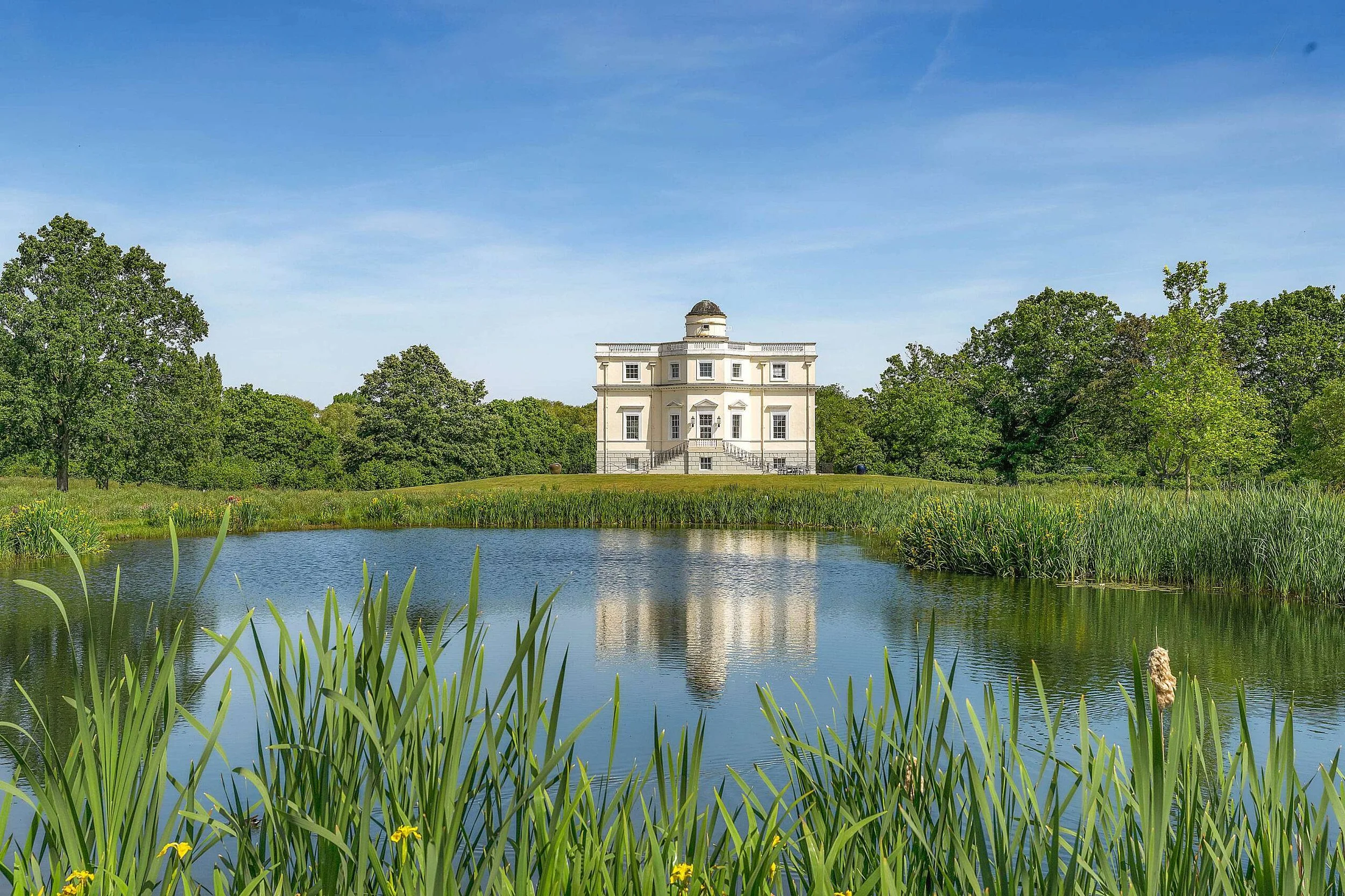
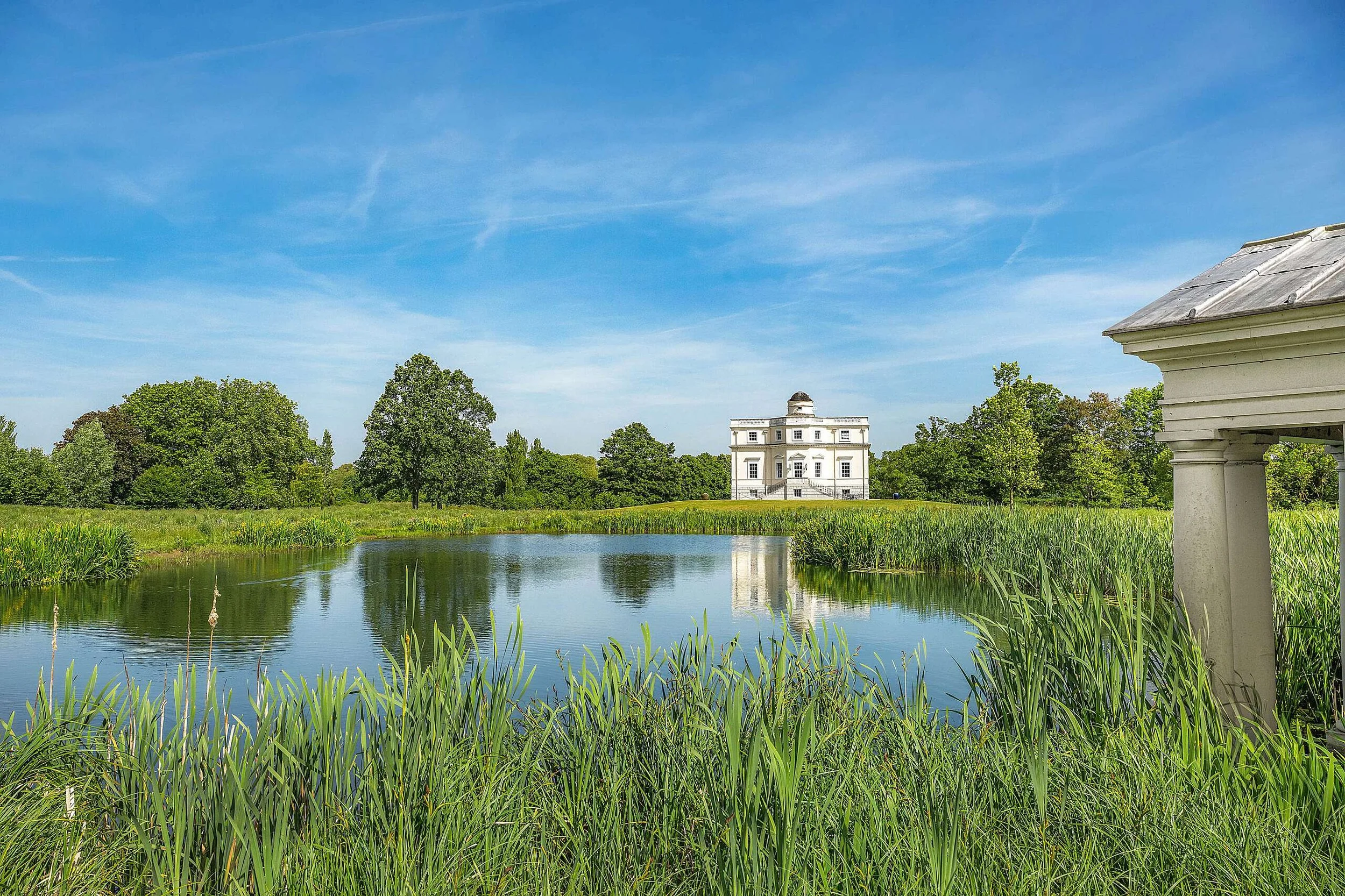
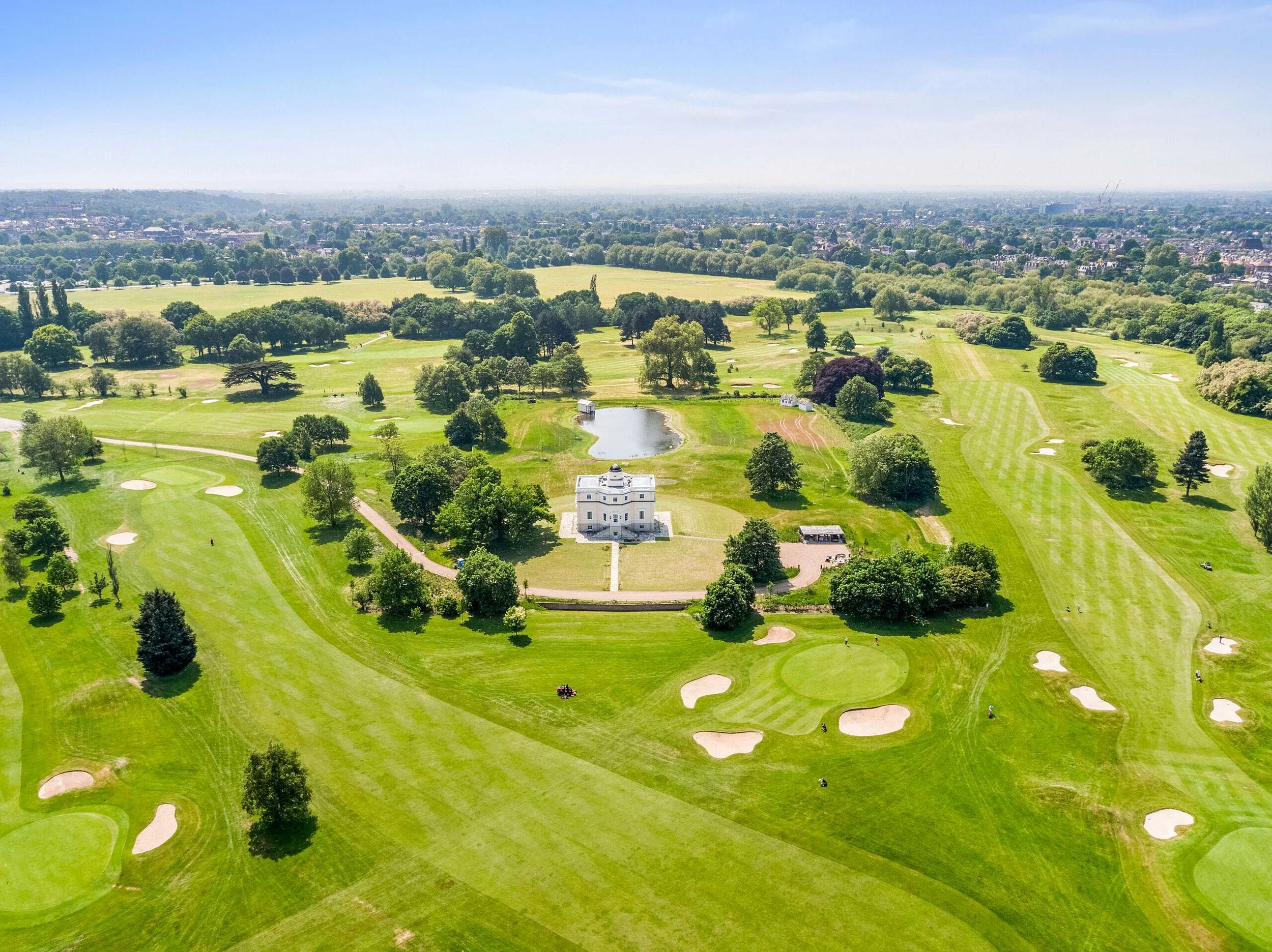
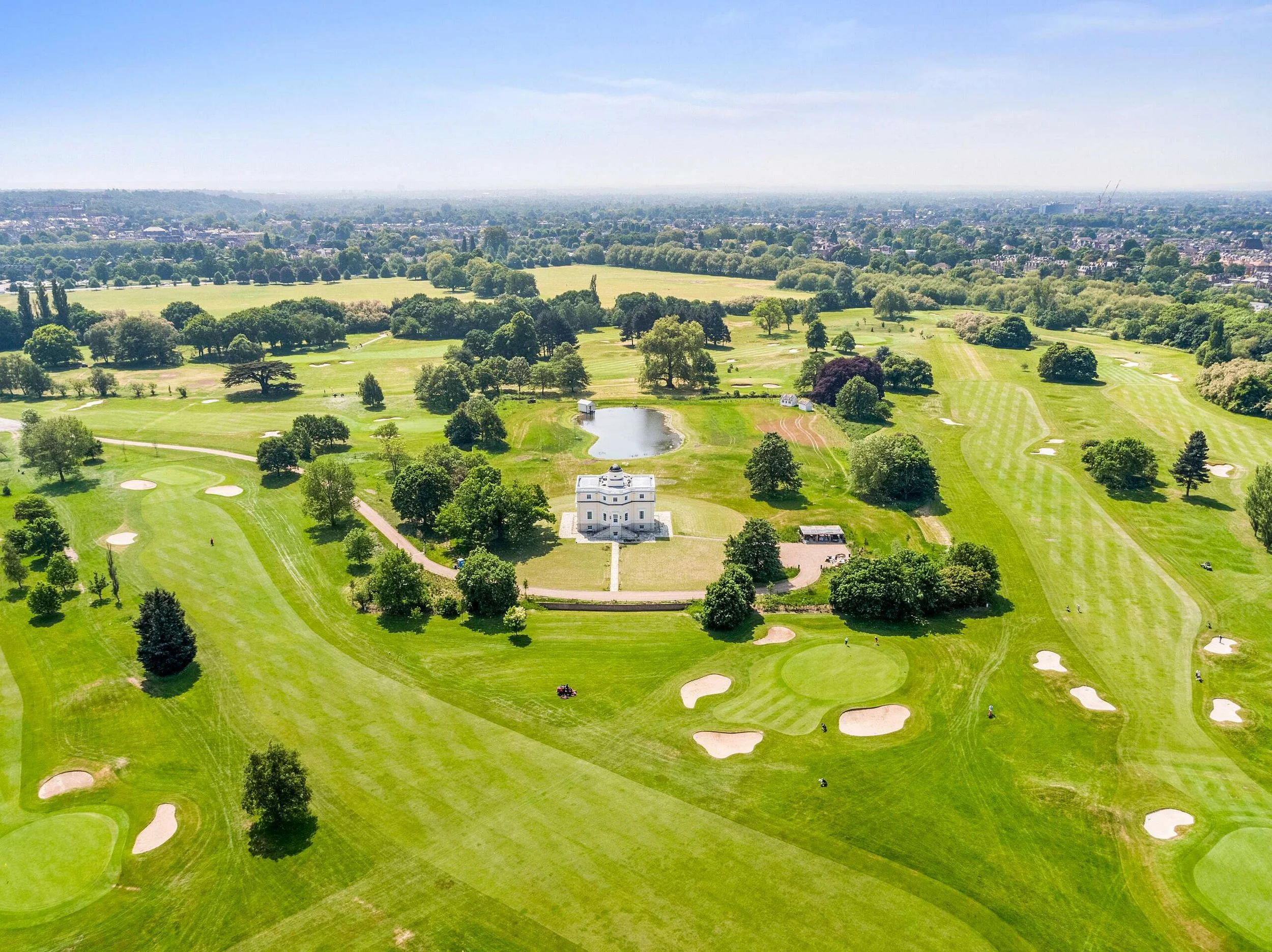
Listed for £18 million through Forbes Global Properties, the Grade I-listed King's Observatory occupies 6.59 acres (2.67 hectares) within Old Deer Park in southwest London. The four-bedroom residence comprises approximately 7,343 sq ft (682 m²), with a library, formal reception rooms and private grounds featuring an ornamental lake and boathouse. Its original astronomical dome remains intact, preserving the building's most distinctive architectural feature.
The observatory was built during the Enlightenment, a period when advances in astronomy, mathematics and experimental science were transforming Europe's understanding of the natural world. Scientific discovery had become a source of fascination among the educated classes, while governments increasingly recognised its importance to navigation, exploration and national prestige.
George III had developed a personal interest in astronomy and mechanics long before becoming king in 1760. As Prince of Wales, he studied mathematics and experimental science under Dr Stephen Demainbray, a scientist and lecturer who introduced the young prince to scientific instruments and demonstrations. George subsequently assembled an extensive collection of telescopes, clocks, microscopes and other scientific apparatus, much of which was used for experimentation and the education of his children.
His interest in astronomy was shared by a wider scientific community preparing for the Transit of Venus in 1769. The event attracted international attention because astronomers were still trying to establish the true size of the solar system. Although they understood how the planets moved around the Sun and knew their relative distances, they did not yet know precisely how far away they were. By observing Venus as a tiny black dot crossing the Sun's surface from different locations around the world, scientists hoped to calculate the distance between Earth and the Sun. That measurement would provide the missing reference point needed to determine the distances to the other planets.
The event was particularly important because transits of Venus occur in pairs approximately eight years apart, followed by gaps of more than a century. The previous transit in 1761 had produced incomplete measurements, making 1769 the last opportunity for that generation of astronomers to repeat the experiment.
The international effort was so significant that Britain dispatched Lieutenant James Cook aboard HMS Endeavour to Tahiti, where his expedition established an observation station. On June 3, 1769, Cook and astronomer Charles Green observed the same phenomenon in the South Pacific that George III, Queen Charlotte and Demainbray watched from Richmond. The voyage combined scientific research with Britain's wider ambitions for exploration and territorial expansion.
For the king's own observations, architect Sir William Chambers was commissioned to design a purpose-built observatory within the royal grounds at Richmond. Chambers was one of the leading architects of Georgian Britain, whose other commissions included Somerset House in London and the Great Pagoda at Kew Gardens.
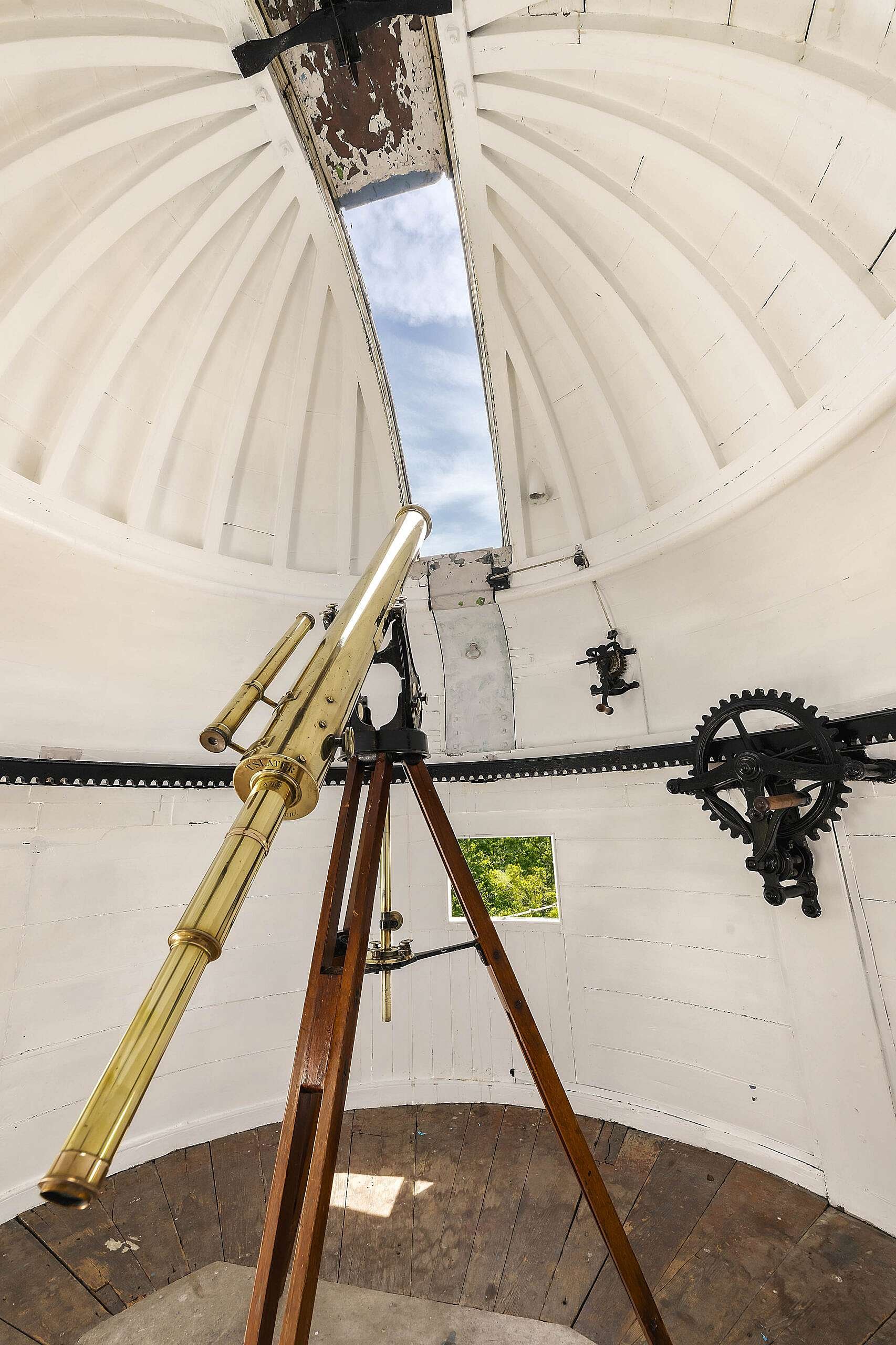
Construction began in 1768, and the building was completed in time for the June 1769 transit. Designed in the Palladian style, it takes the form of a compact classical villa, with symmetrical elevations and two interconnected octagonal rooms. Above them sits an astronomical cupola, whose rotating mechanism allowed a telescope to be directed towards different parts of the sky. The surviving dome is believed to be among the oldest functioning examples of its type in the world.
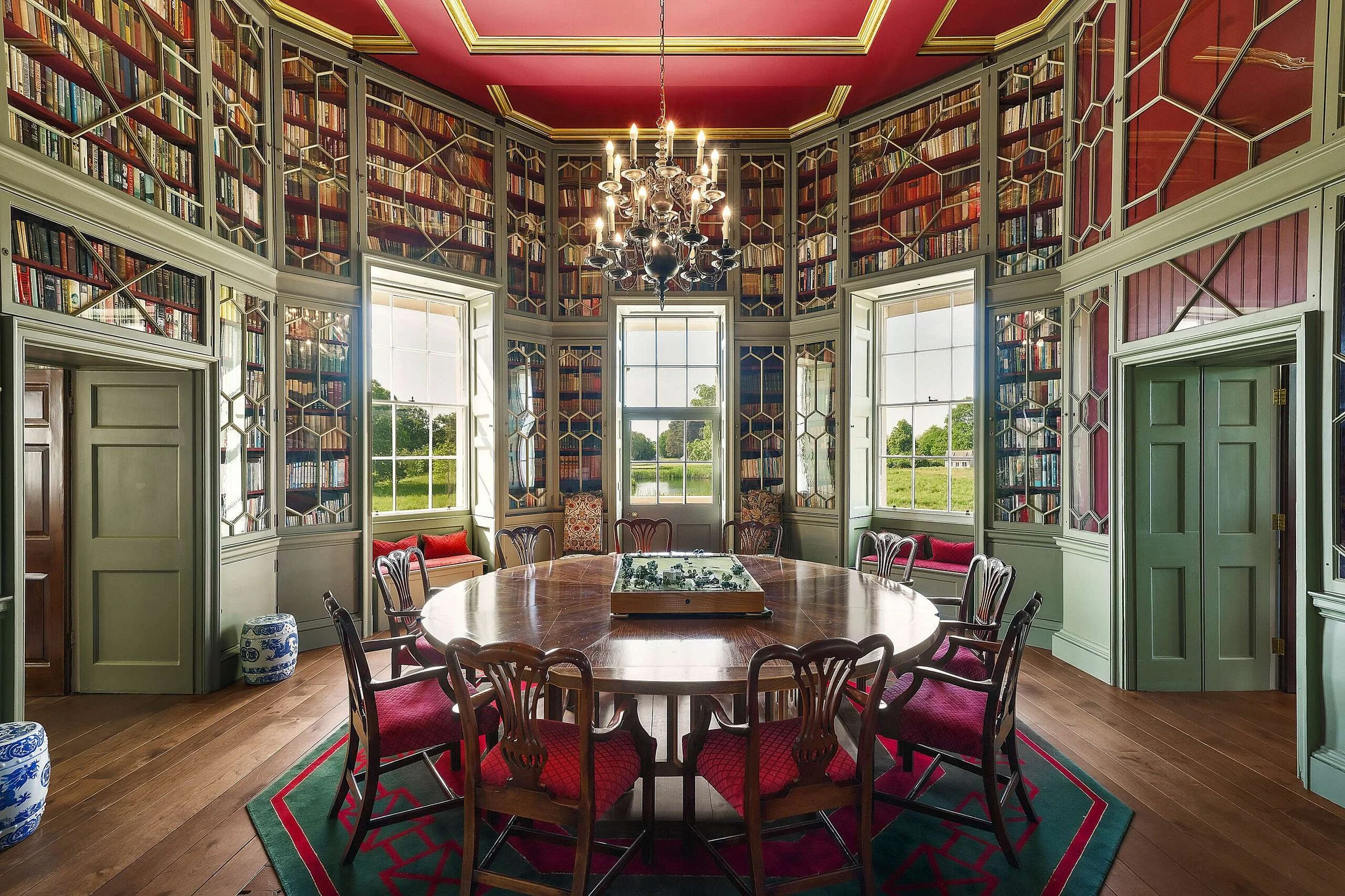
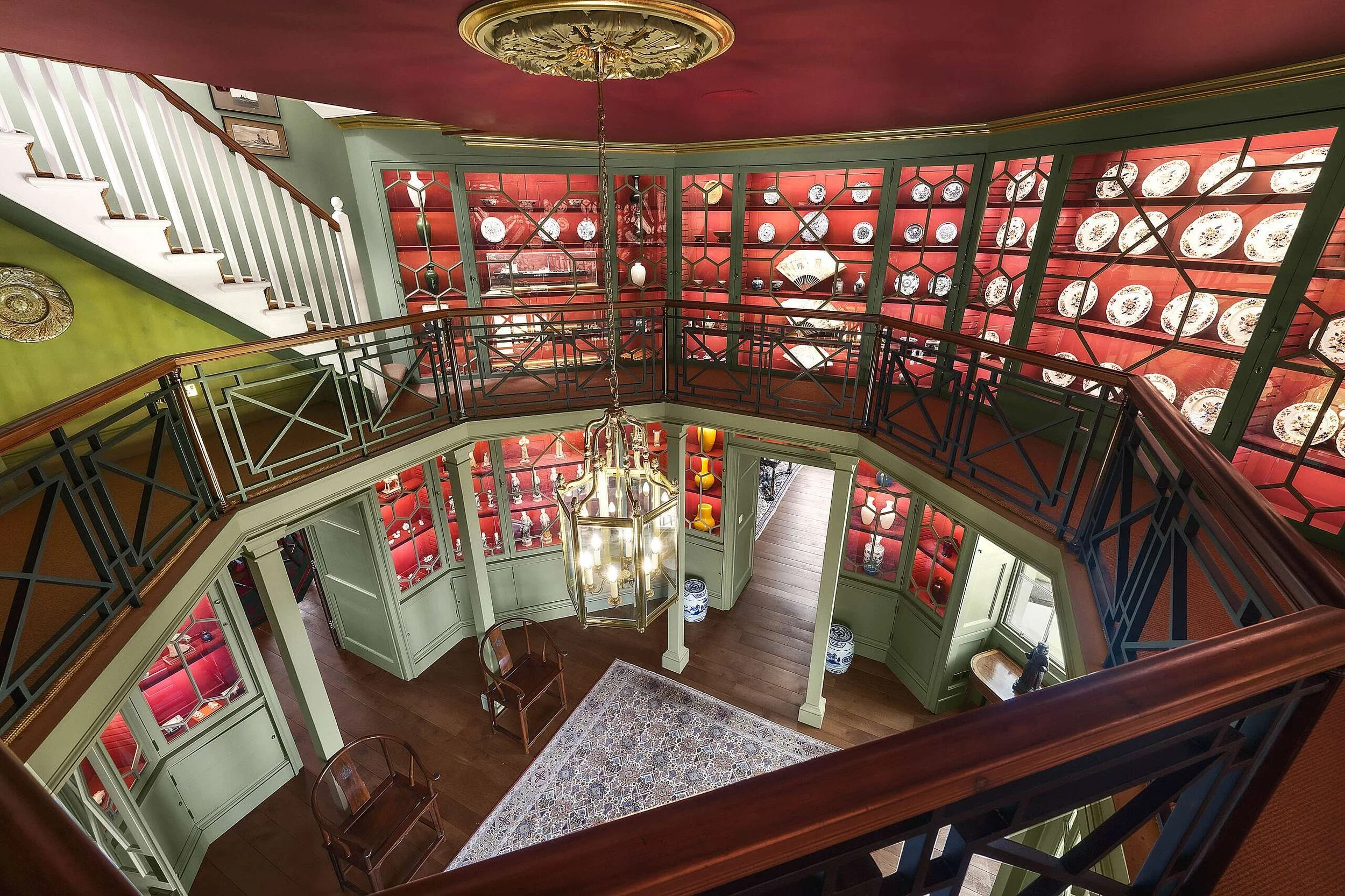
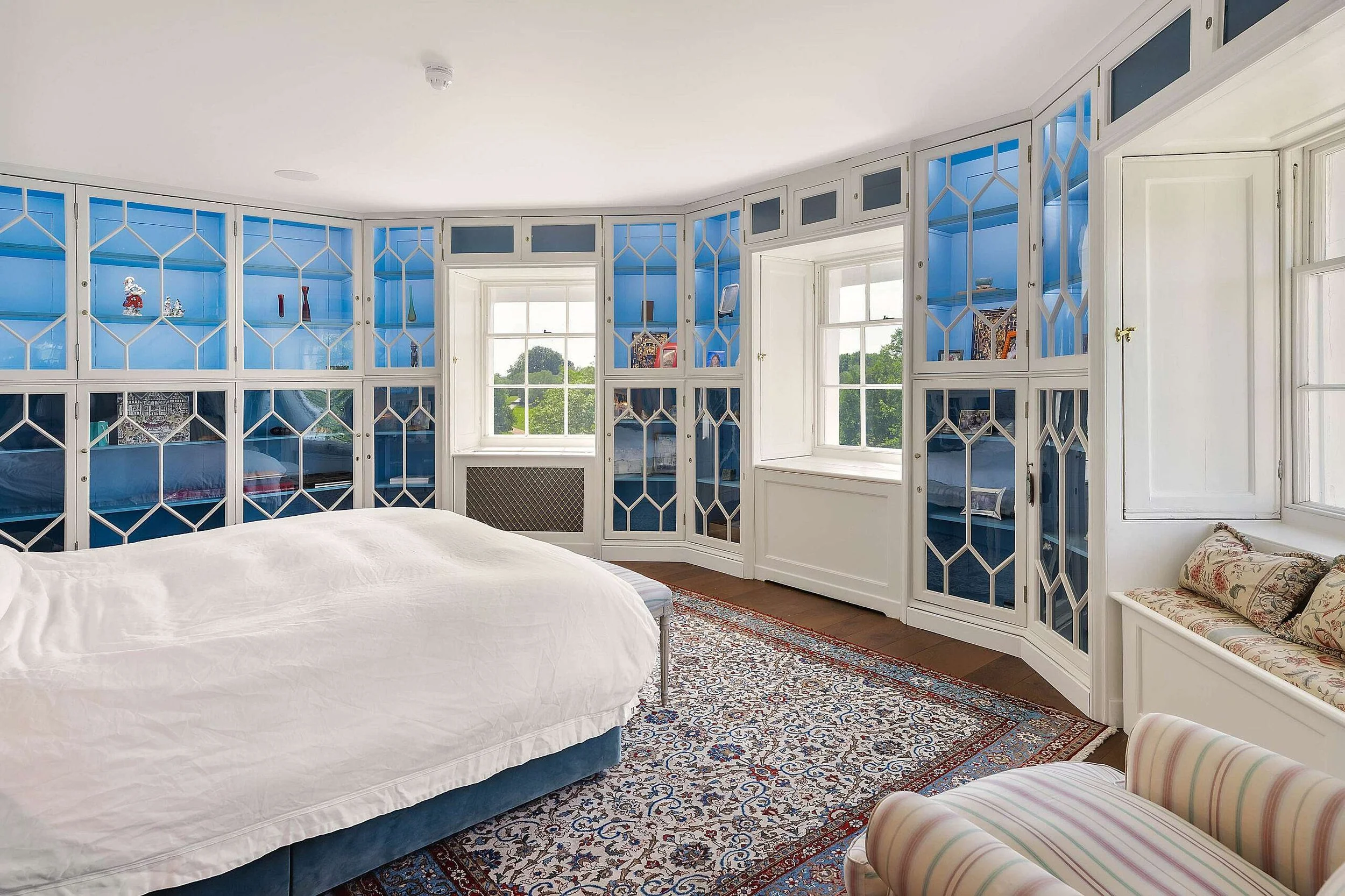
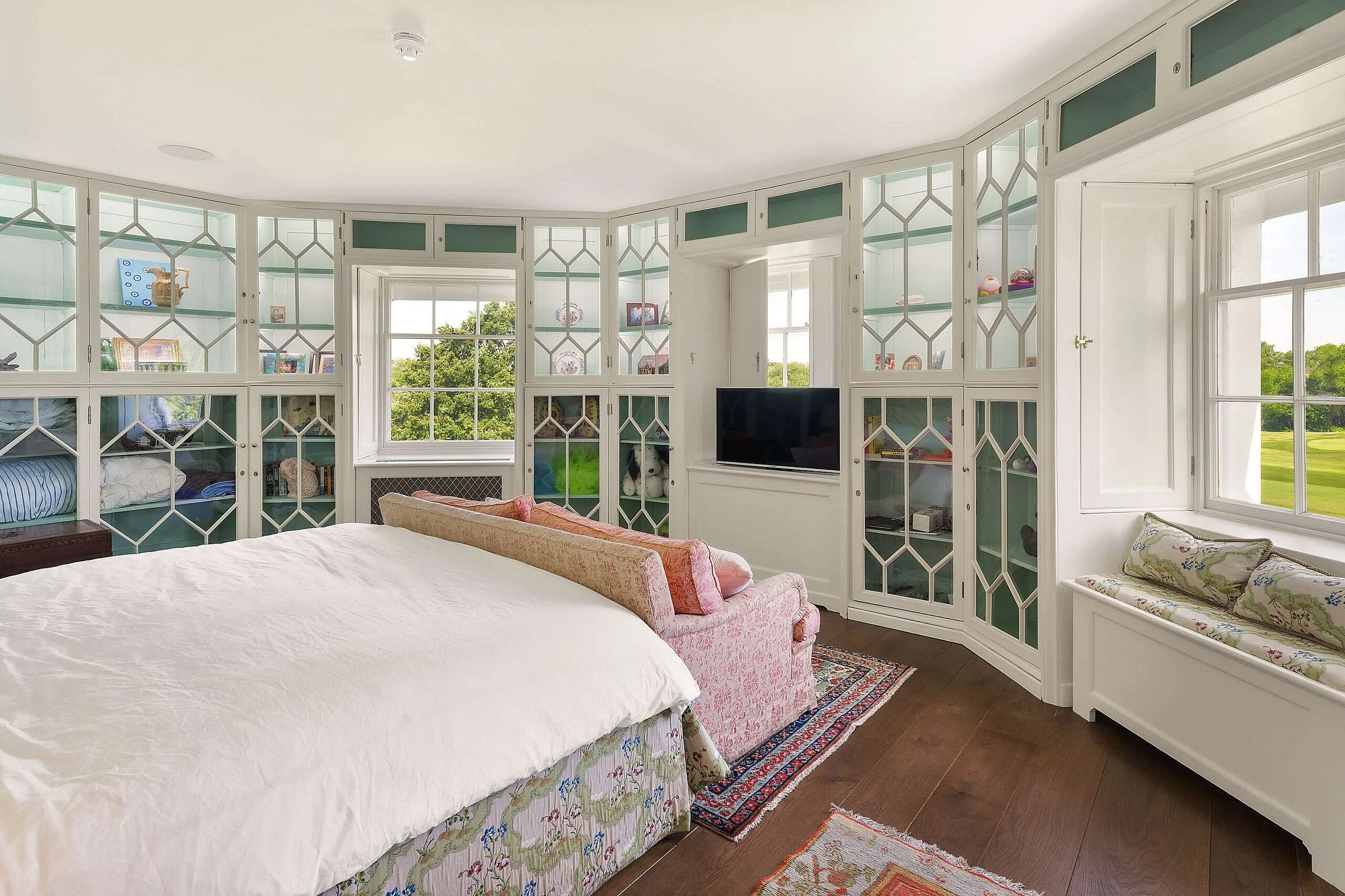
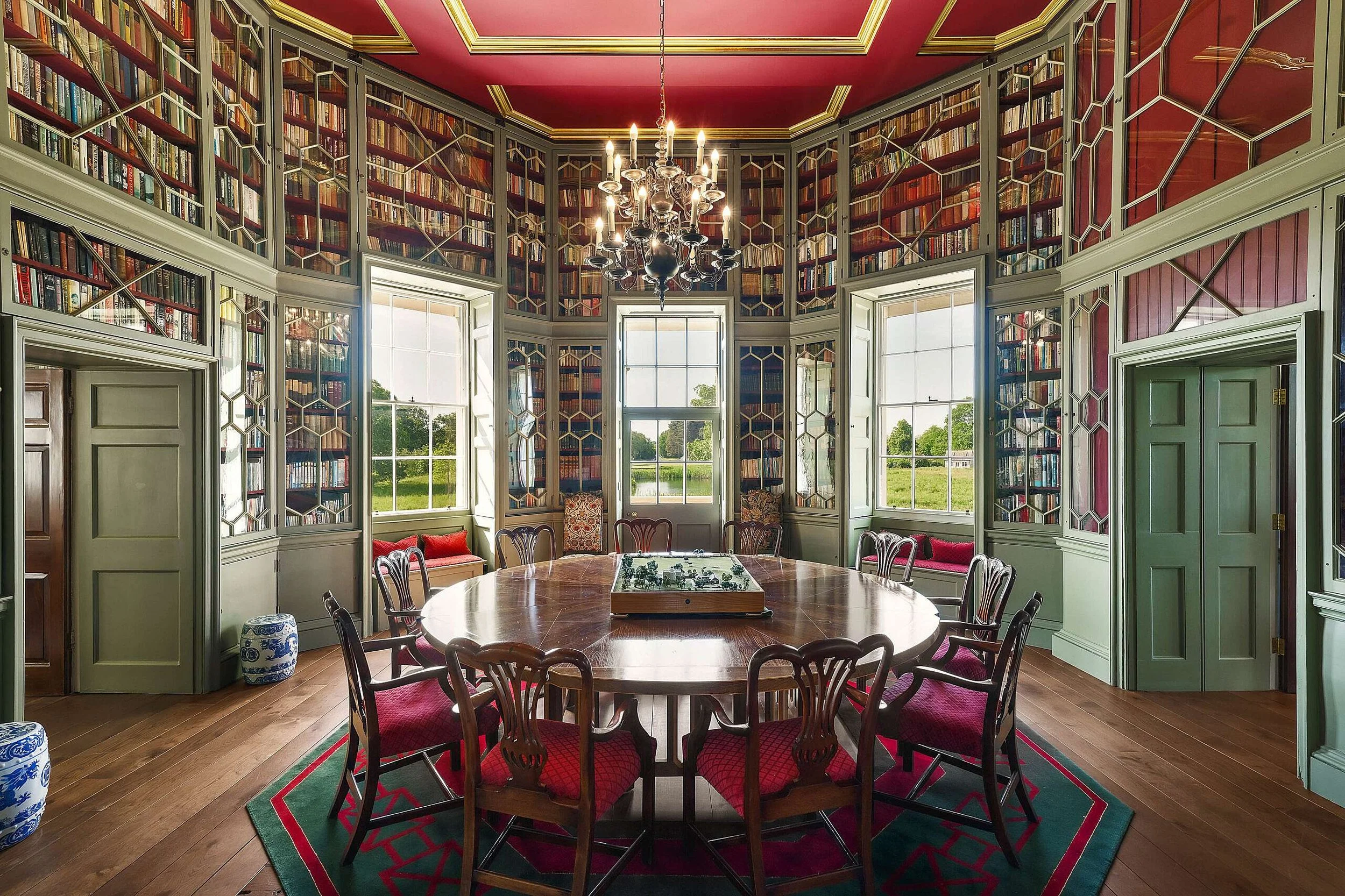
The observatory's significance extended well beyond the event for which it was commissioned. George III and Queen Charlotte used the building to house their collections of scientific instruments, clocks, watches and natural-history specimens. Bespoke glass-fronted cabinets were installed in the principal rooms, and the observatory became a place of scientific instruction for members of the royal family.
Over the following two centuries, it developed into an important centre for astronomical, meteorological and geomagnetic research. Various scientific organisations were associated with the building, including the Royal Society, the British Association and the Meteorological Office. Its work increasingly focused on measuring and recording atmospheric conditions, reflecting the growing importance of systematic weather observation.
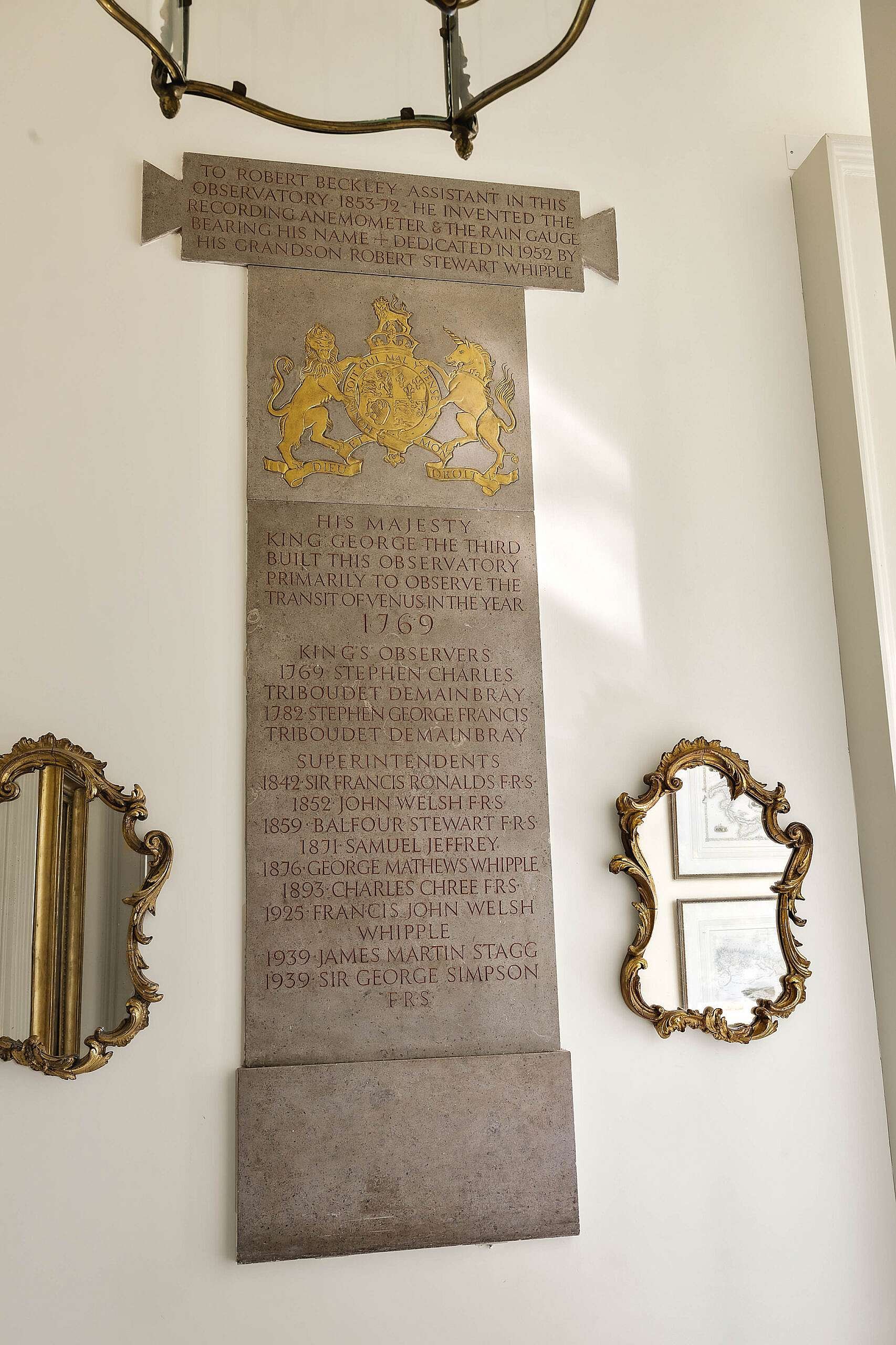
The observatory also has an unexpected connection to the Second World War. James Martin Stagg, who became its superintendent in 1939, later served as chief meteorological adviser to General Dwight D. Eisenhower. His weather forecasts played a crucial role in determining the timing of the Allied D-Day landings in Normandy in June 1944. A plaque commemorating Stagg's appointment remains inside the building.
Following its long history as a scientific institution, the observatory was acquired on a long lease in 1989 by Hong Kong-based property developer Robbie Brothers. Planning permission for its conversion into a private residence was granted in 2014, and an extensive restoration was completed in 2018. The project sought to recover the building's Georgian architectural character while adapting its former scientific rooms for residential use.
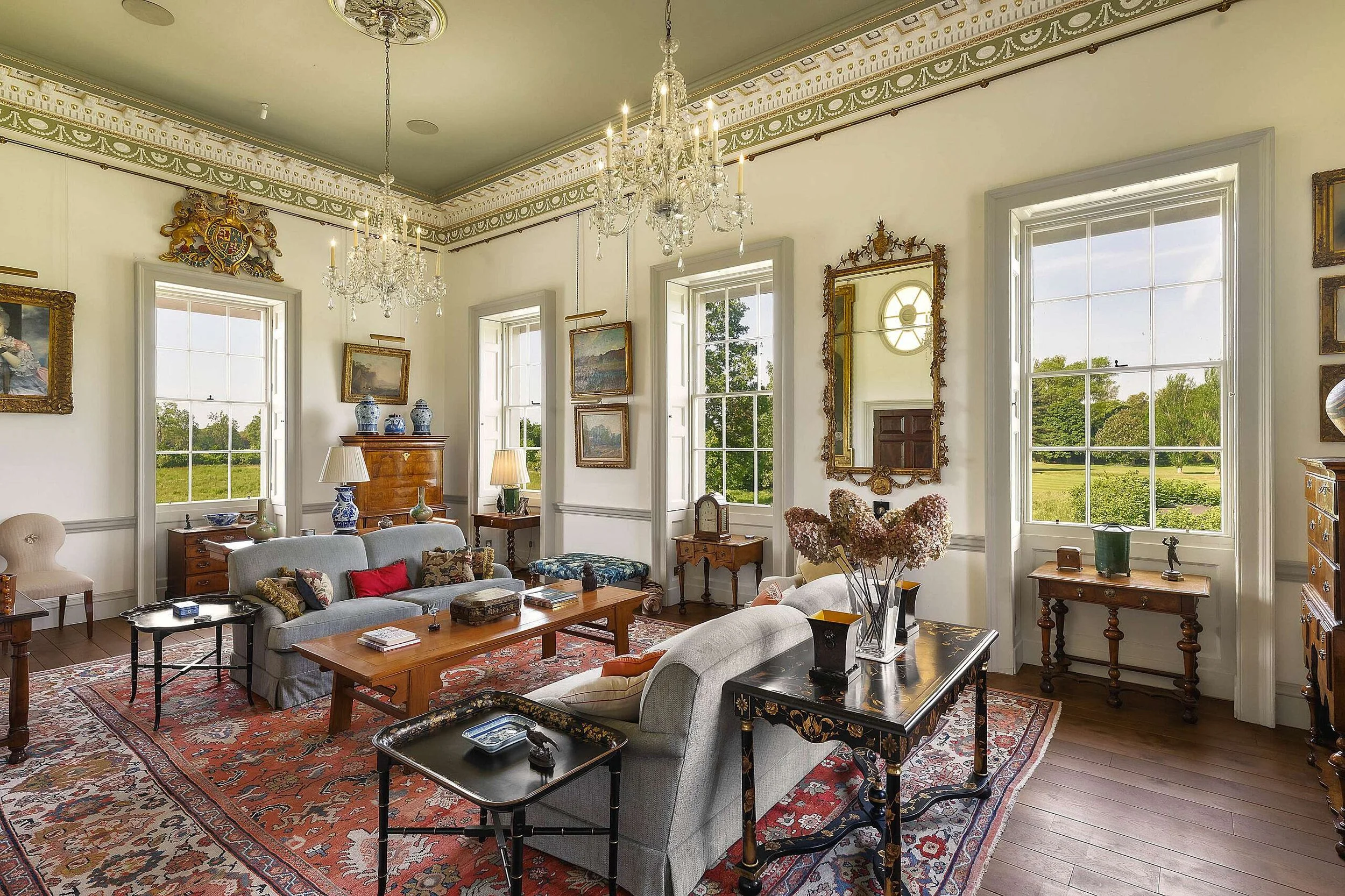
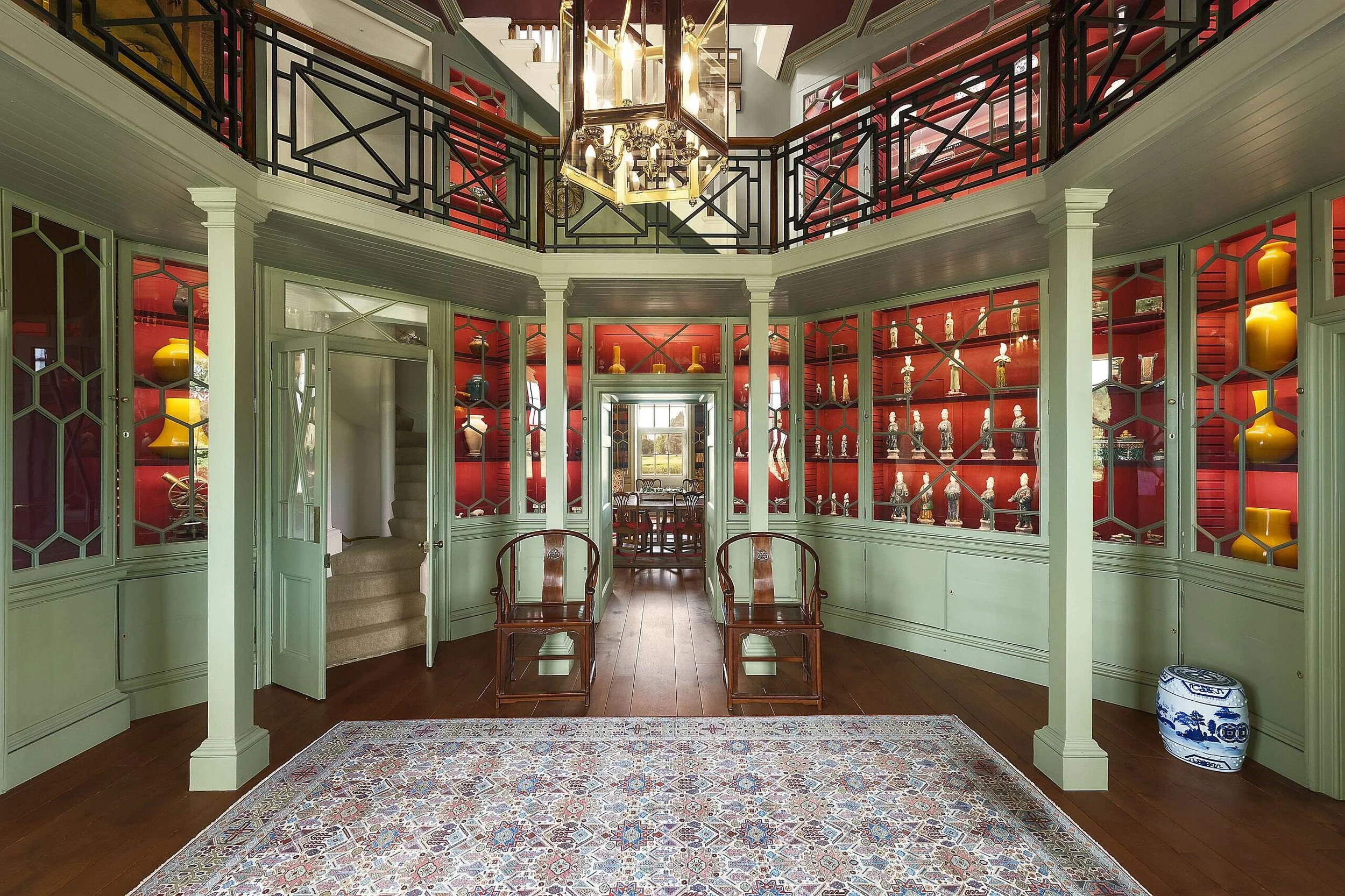
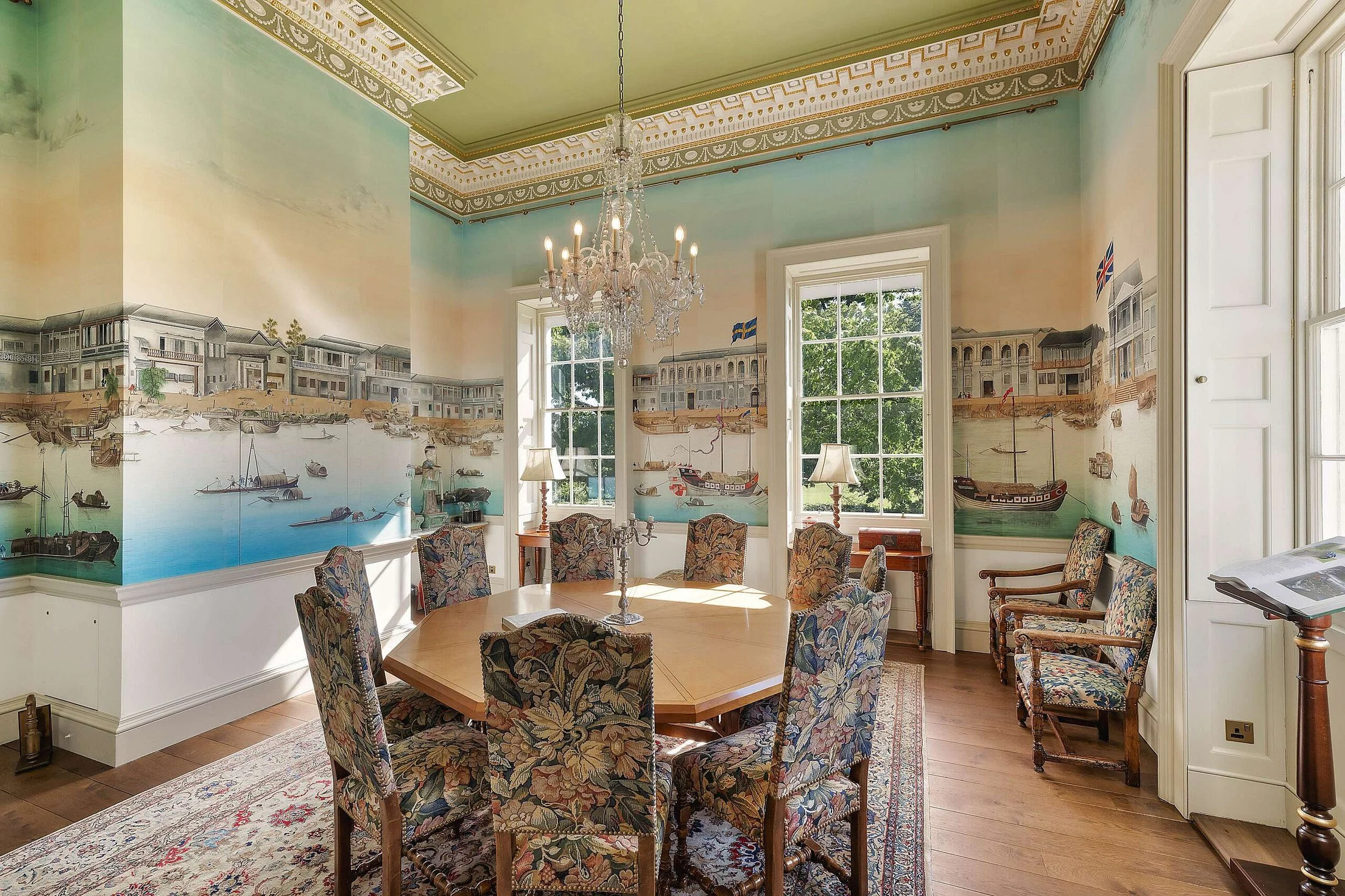
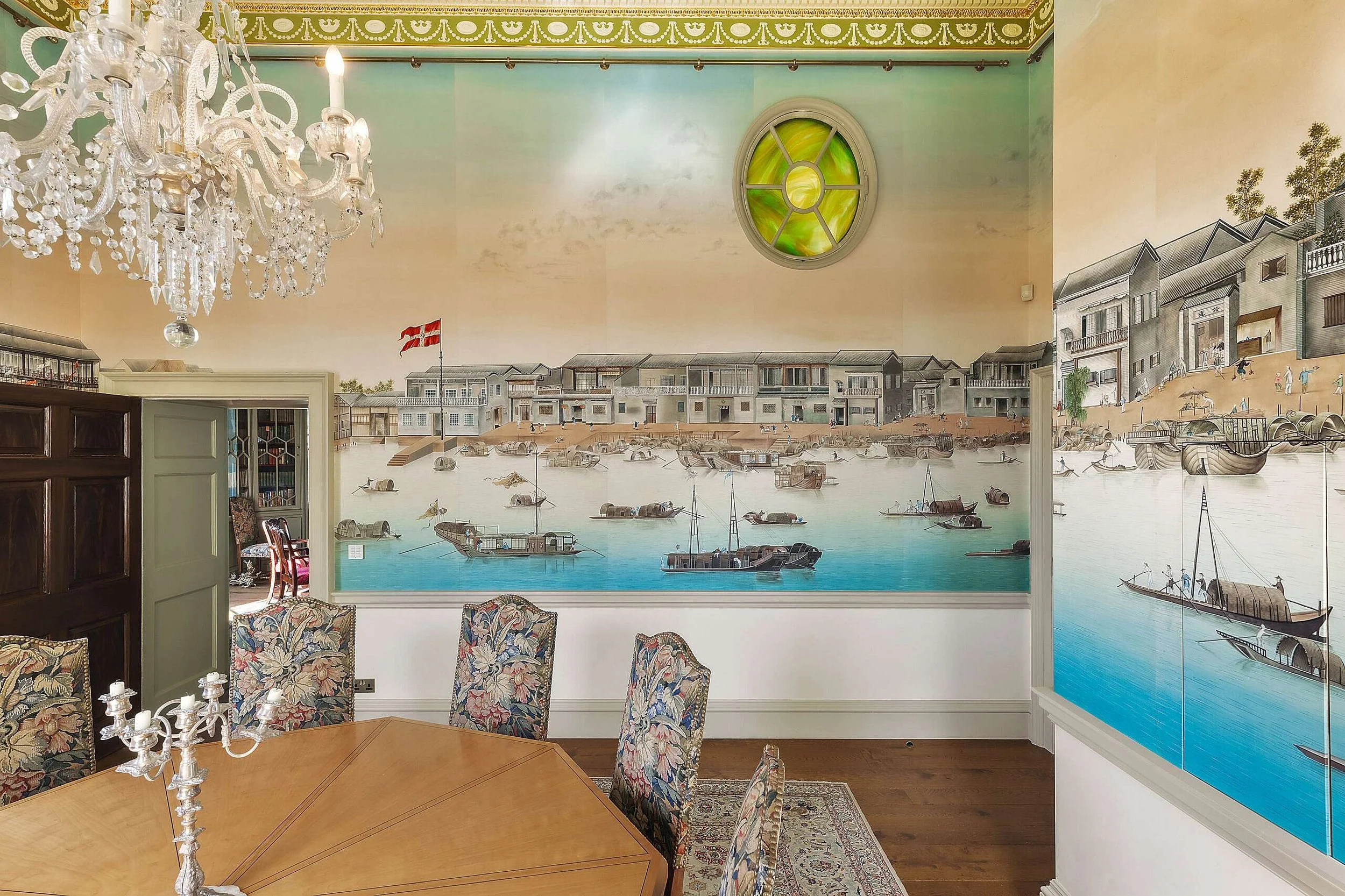
Today, the original octagonal rooms remain central to the interior, with historic glass-fronted cabinets recalling their former use for the royal scientific collections. A library has capacity for approximately 6,000 books, while a triple-aspect drawing room overlooks the surrounding parkland. The dining room is decorated with hand-painted Chinese-style silk wallpaper, reportedly requiring nearly 5,000 hours of craftsmanship.
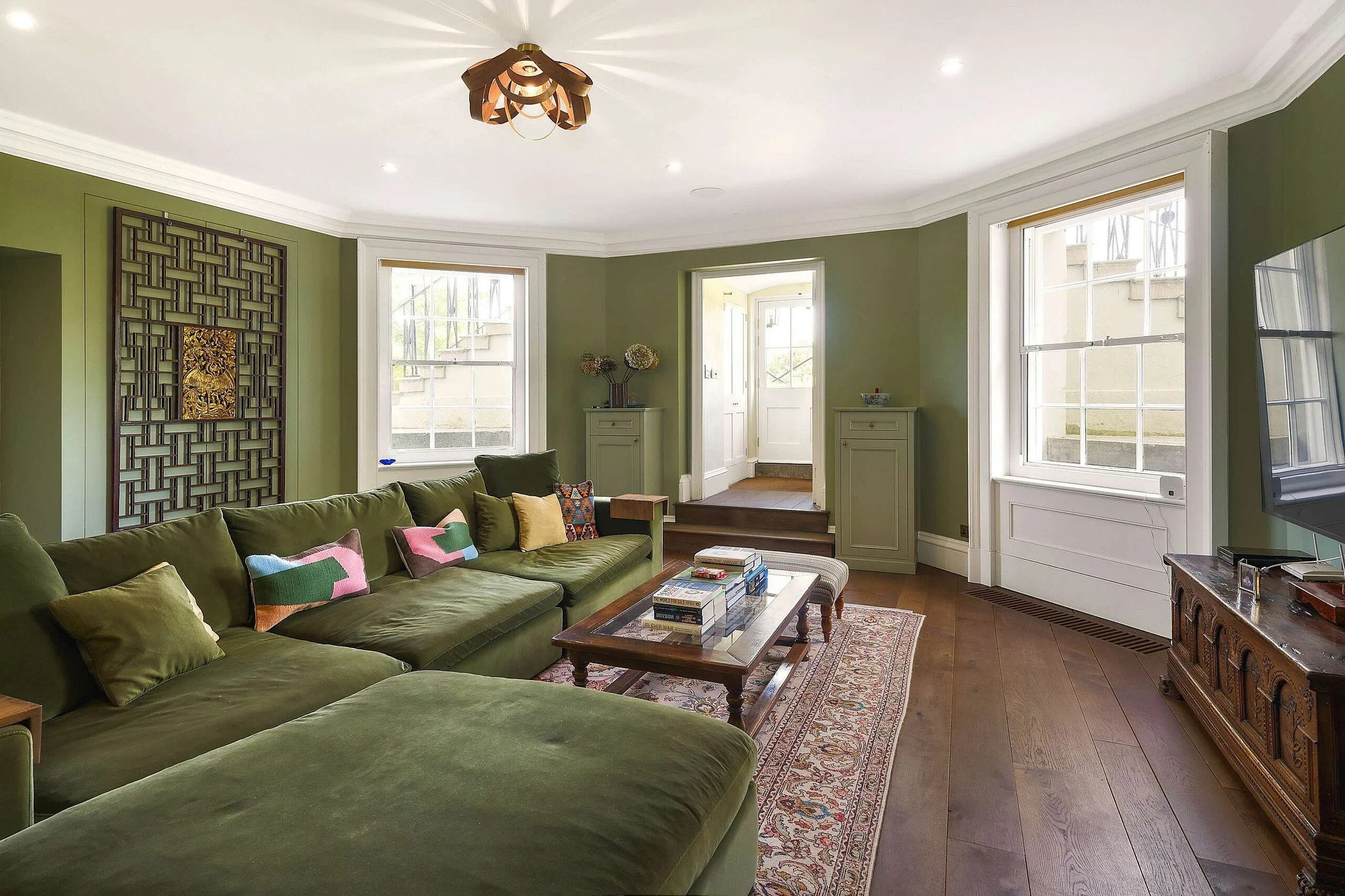
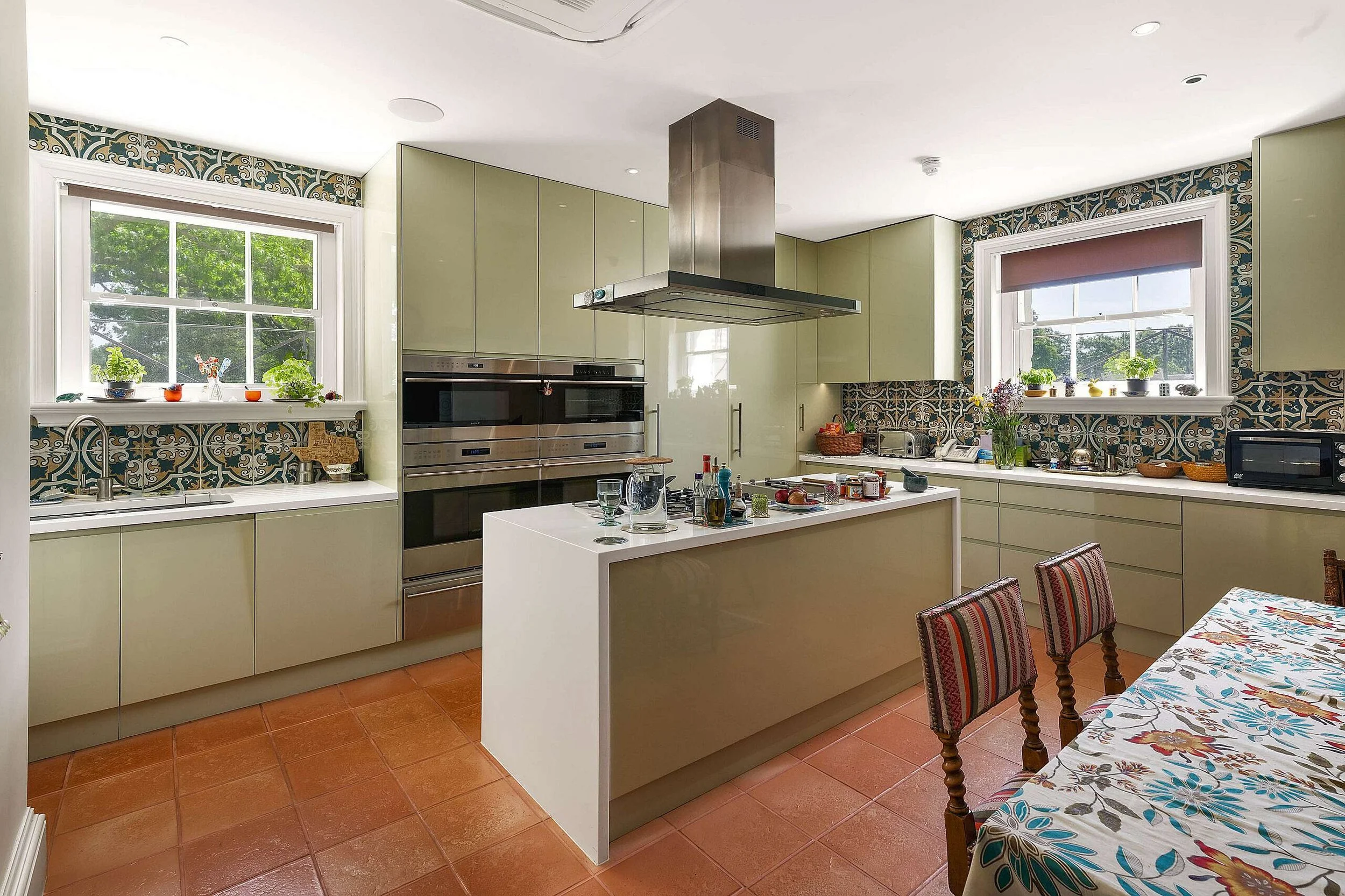
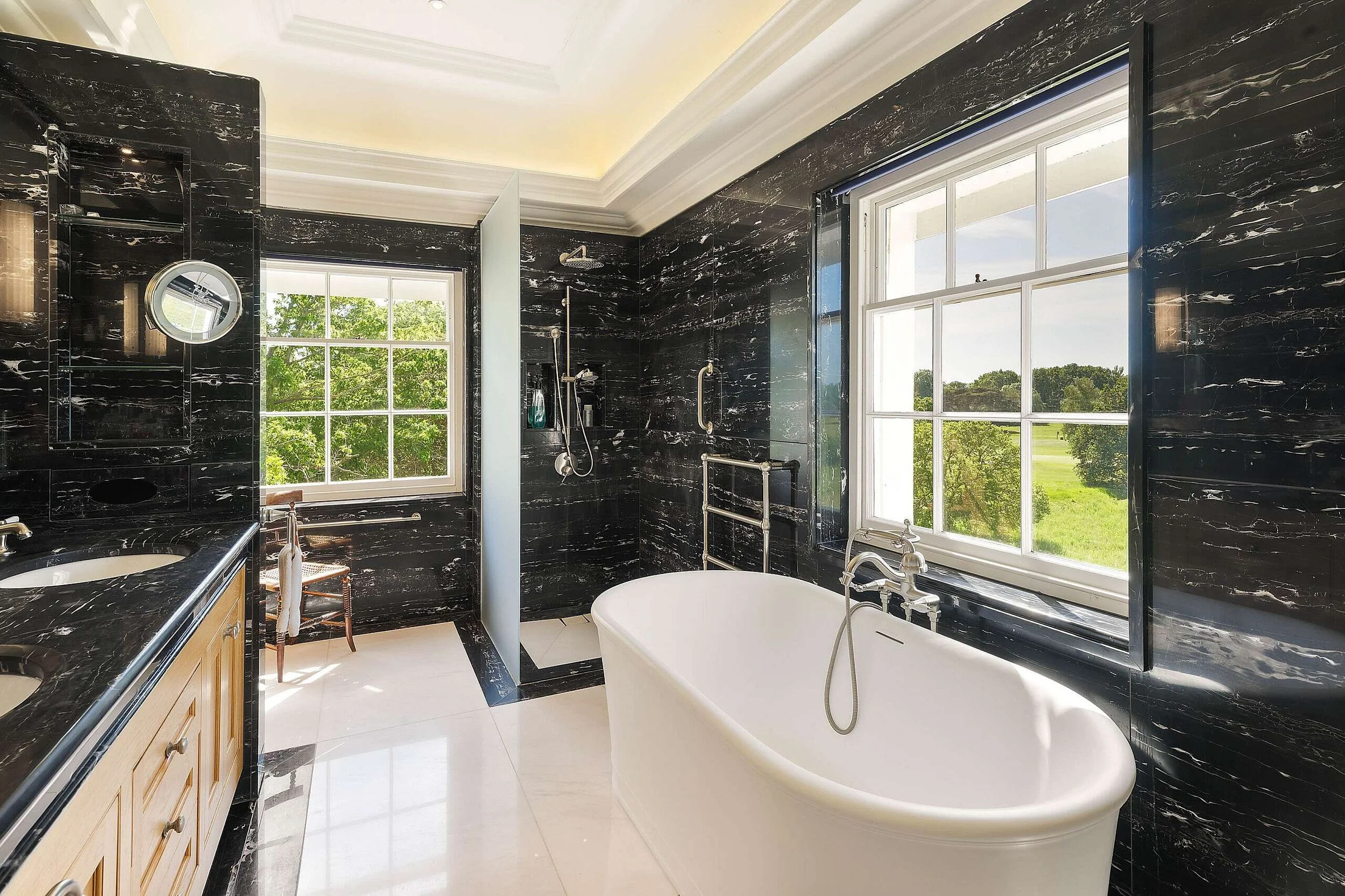
The restoration also introduced four bedroom suites, a contemporary kitchen, a family room and lift access. Historic brick vaults survive beneath the building, while the original astronomical dome and its rotating mechanism remain accessible above.
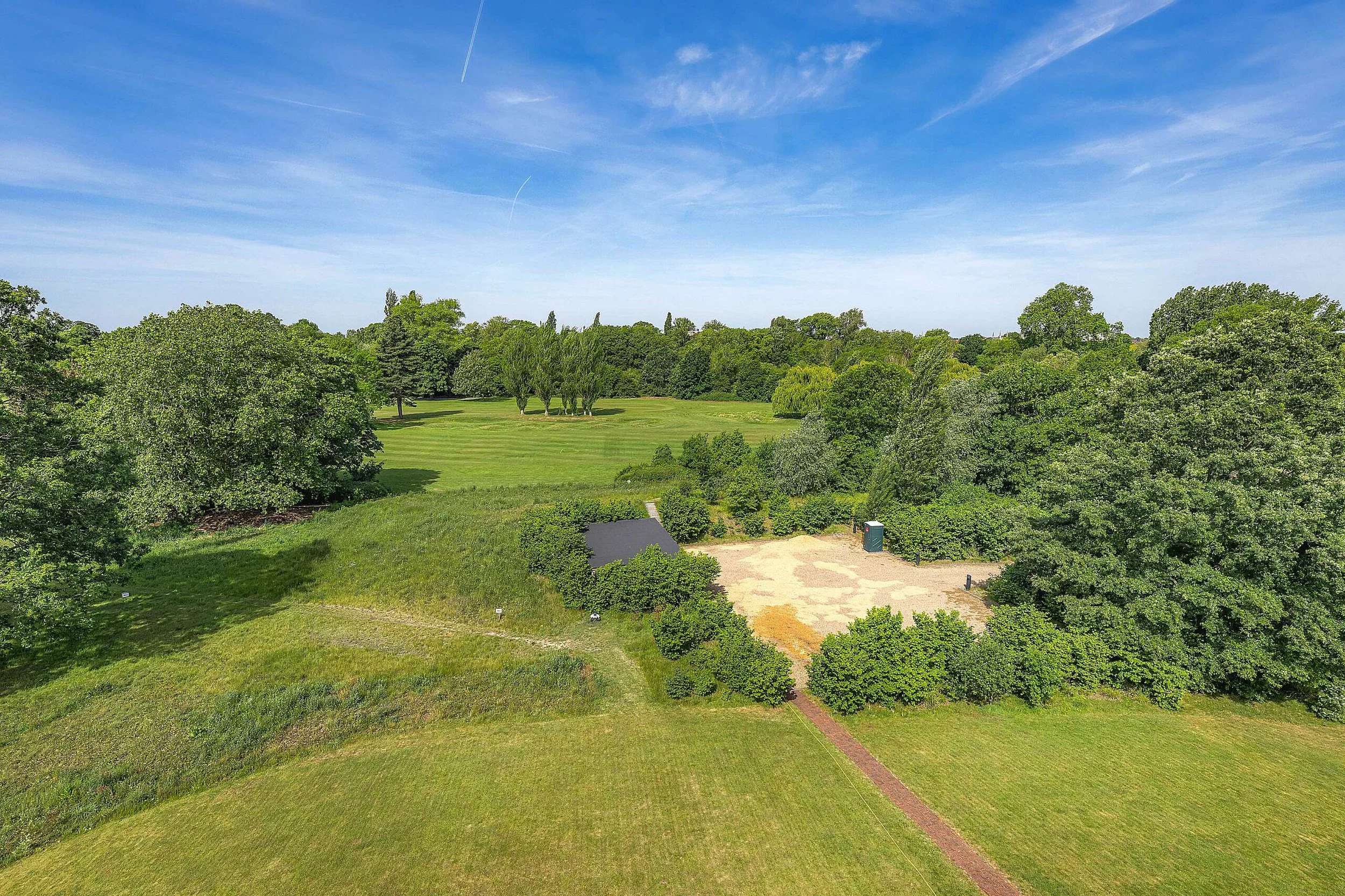
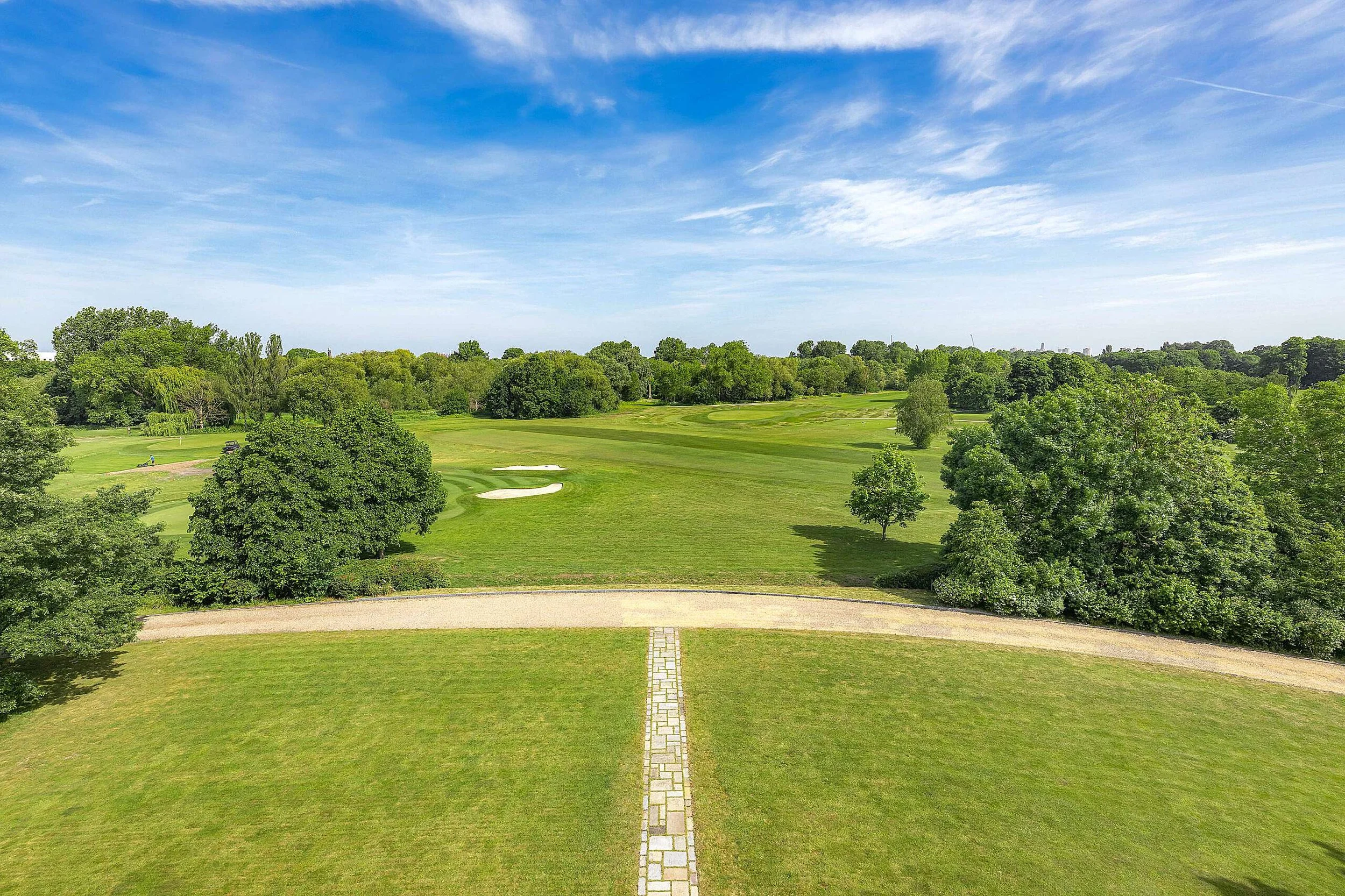
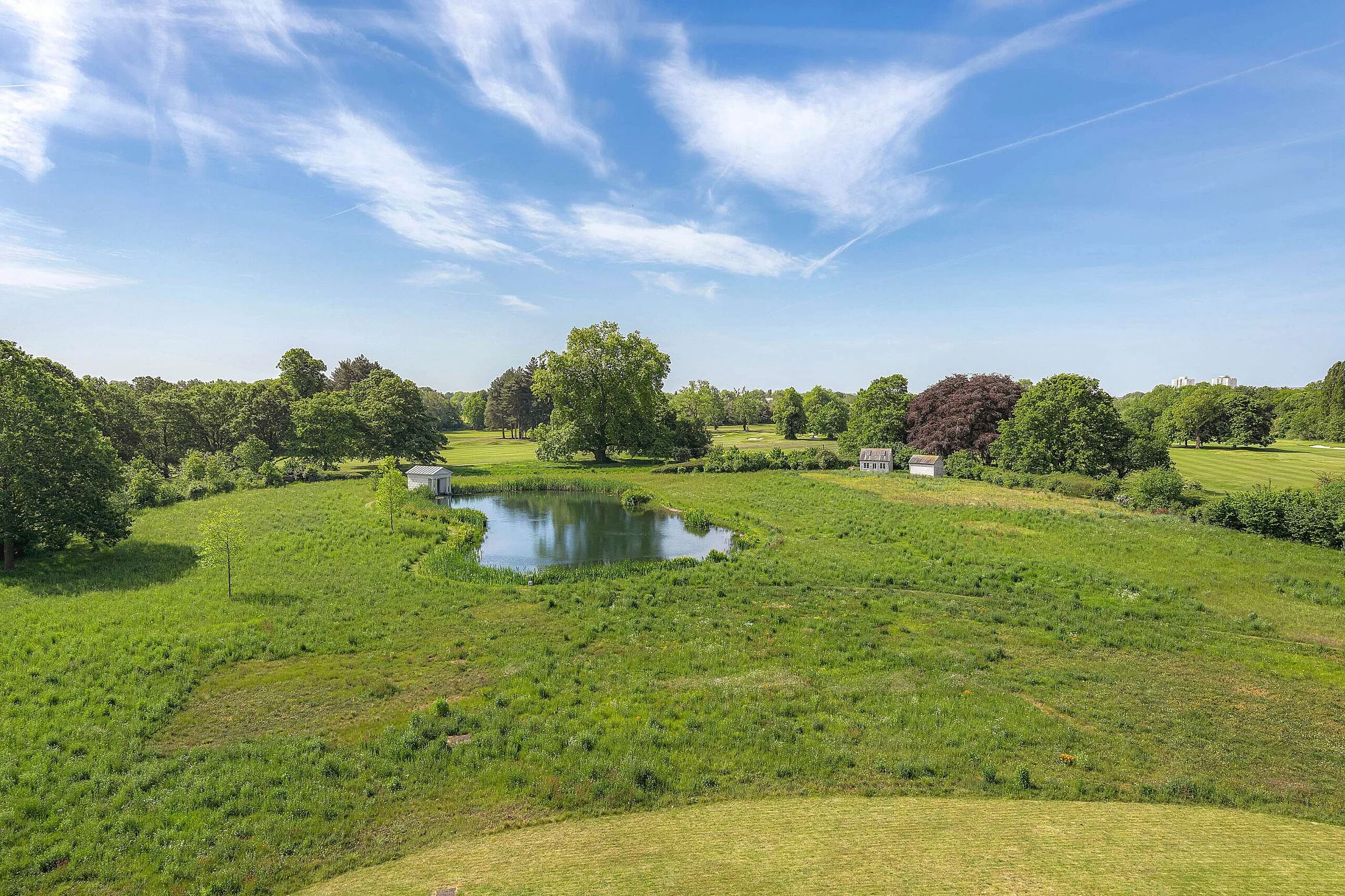
The surrounding grounds form part of Old Deer Park, a historic royal landscape associated with Lancelot 'Capability' Brown, one of Britain's most influential 18th-century landscape designers. More recently, landscape architect Kim Wilkie was commissioned to reinterpret elements of Brown's original scheme. The property is approached by a sweeping private driveway and includes an ornamental lake, an Italian-inspired Portland stone boathouse and surviving 19th-century huts once used for magnetic observations.
Richmond lies in southwest London, along the River Thames, and is known today for its historic houses, riverside neighbourhoods and extensive royal parkland. The area includes Richmond Park, famous for its roaming deer, and the Royal Botanic Gardens at Kew, a UNESCO World Heritage Site. Despite its green, almost countryside-like setting, Richmond remains well connected to central London, with direct rail services from Richmond station to London Waterloo in approximately 20 minutes. The observatory itself stands within the quieter surroundings of Old Deer Park, around a 20-minute walk from Richmond town centre.
The property is offered on a long Crown Estate leasehold, with the freehold remaining in Crown ownership. The sale also includes proposals for further development, including substantial additional accommodation below ground, subject to the scope and validity of the relevant planning permissions.
Now offered for sale as a private residence for the first time since its construction, the King's Observatory retains the architectural and scientific features that have defined the building for more than 250 years.
All photographs belong to the listing agency. See more on UK Forbes Global Properties.