A Historic Kentucky Horse Farm Goes to Auction
The event takes place just two days before the Breeders' Cup World Championships, one of horse racing's most prestigious international competitions, which brings the world's leading racehorses to Kentucky.
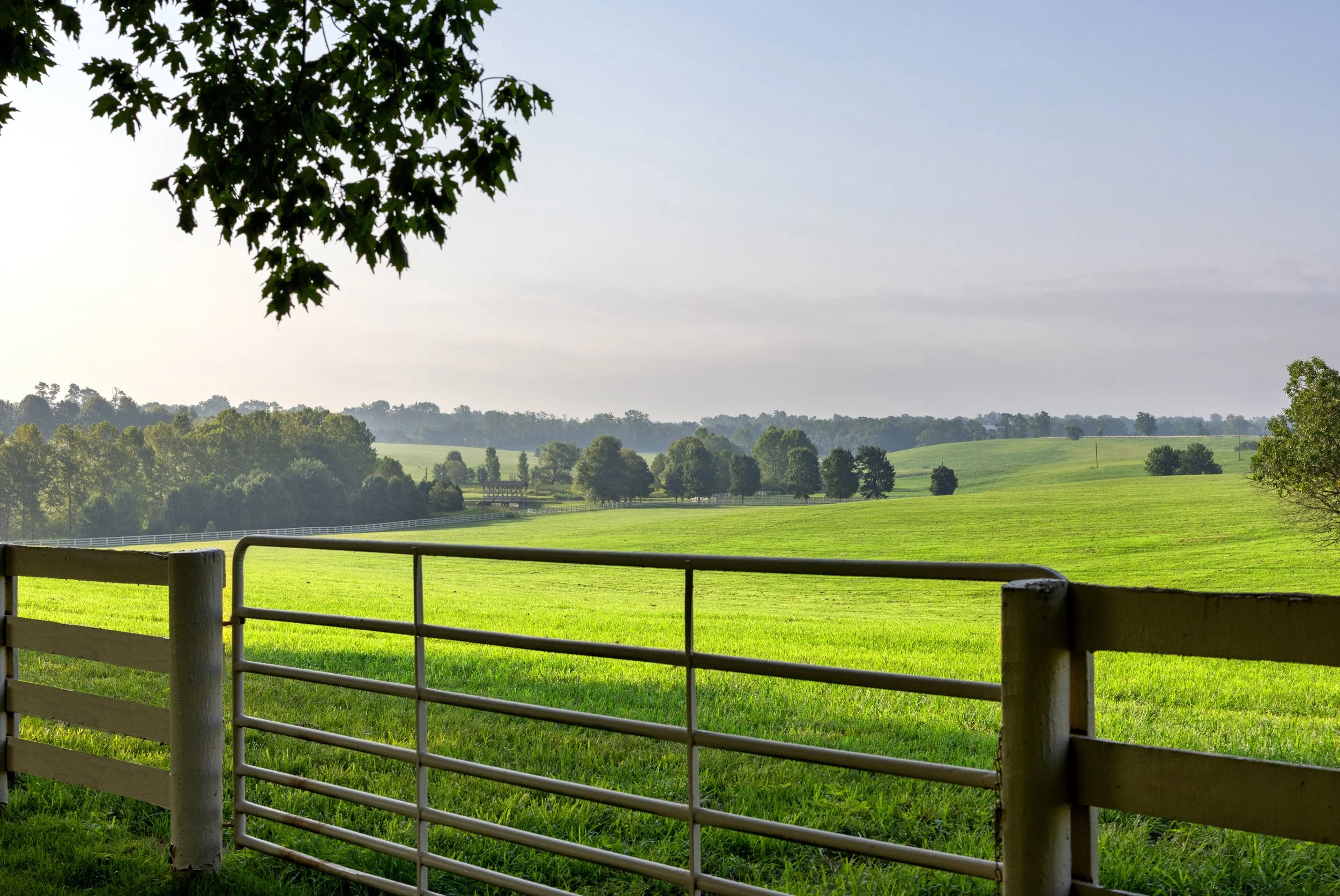
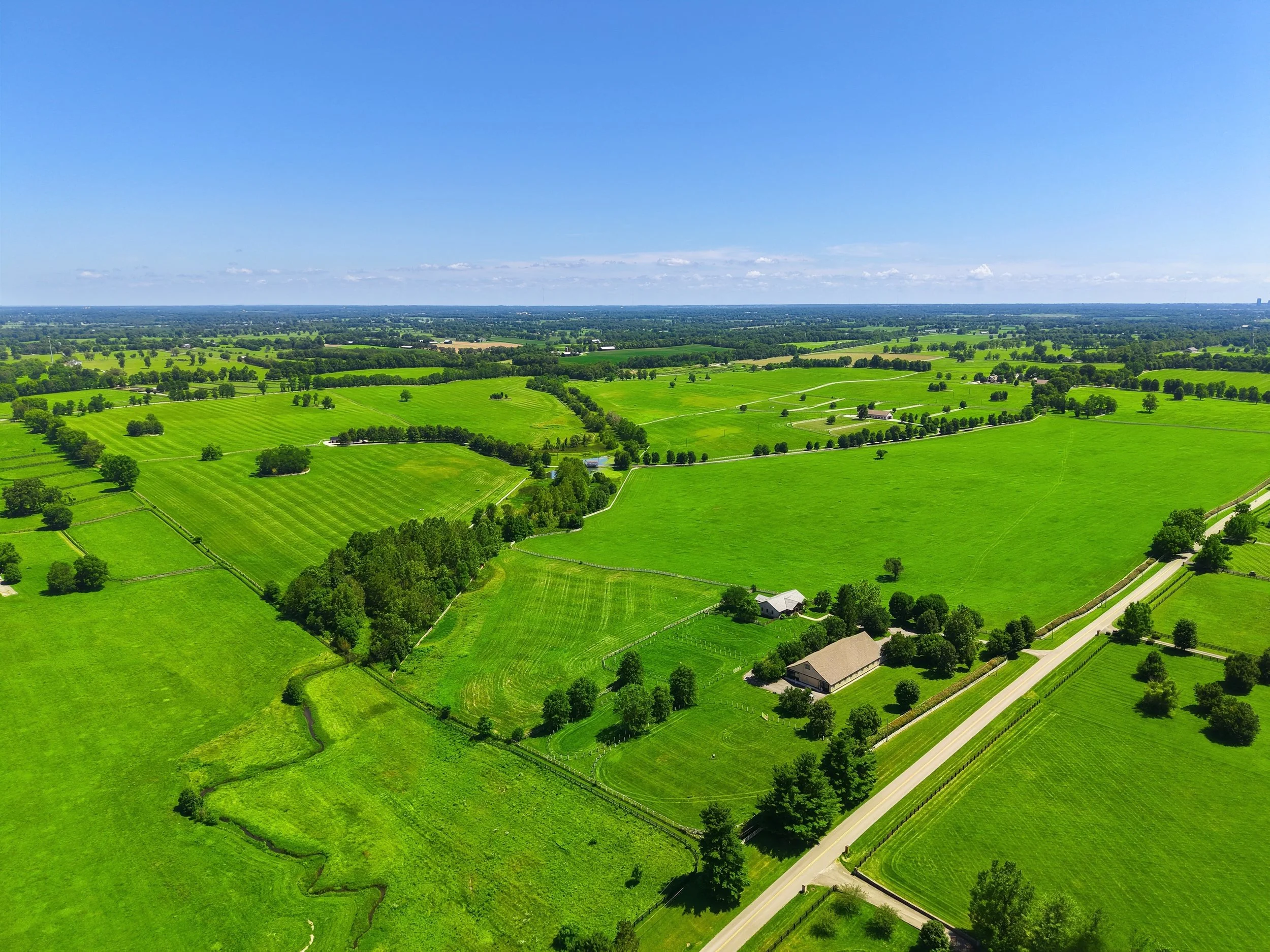
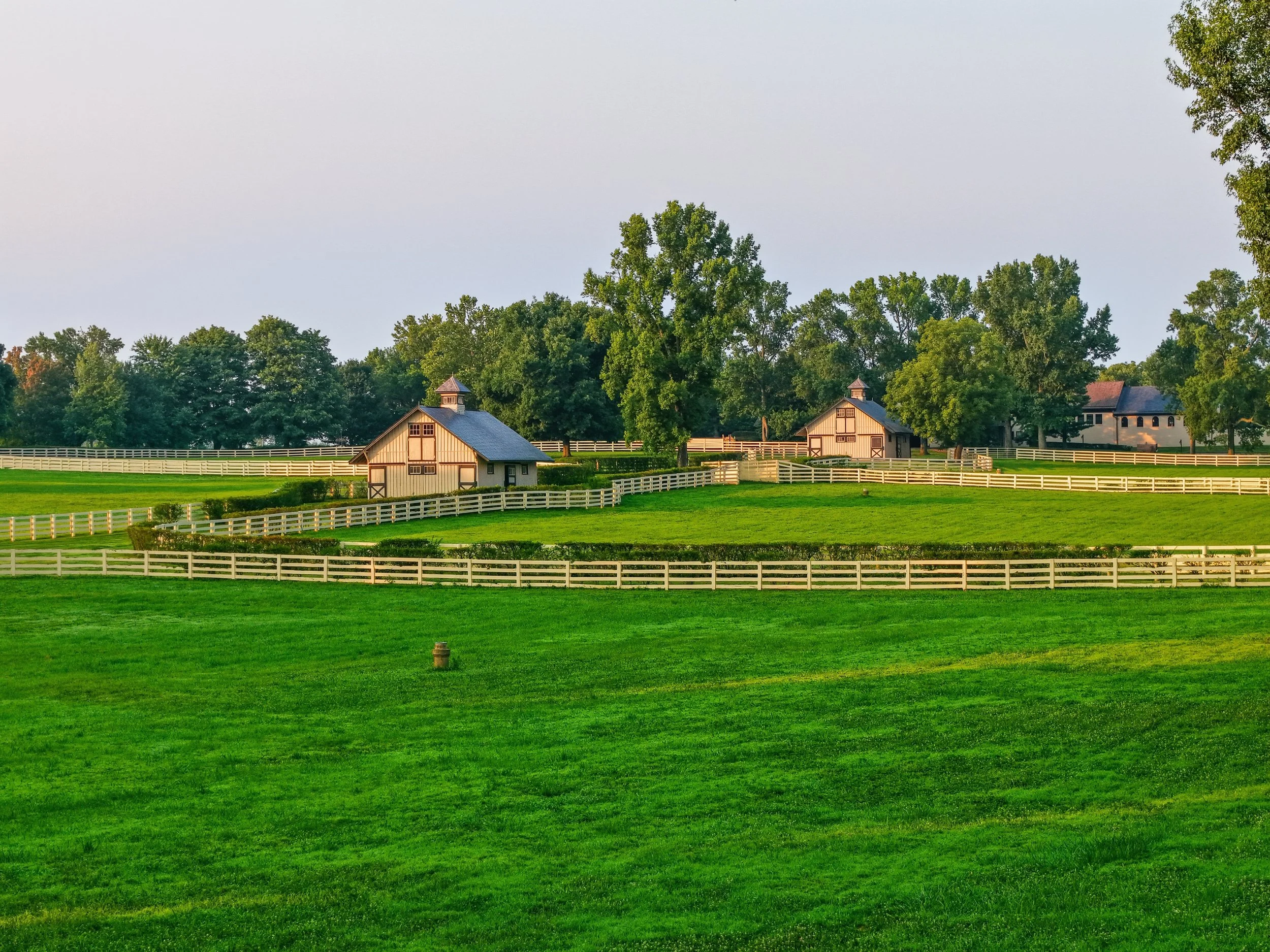
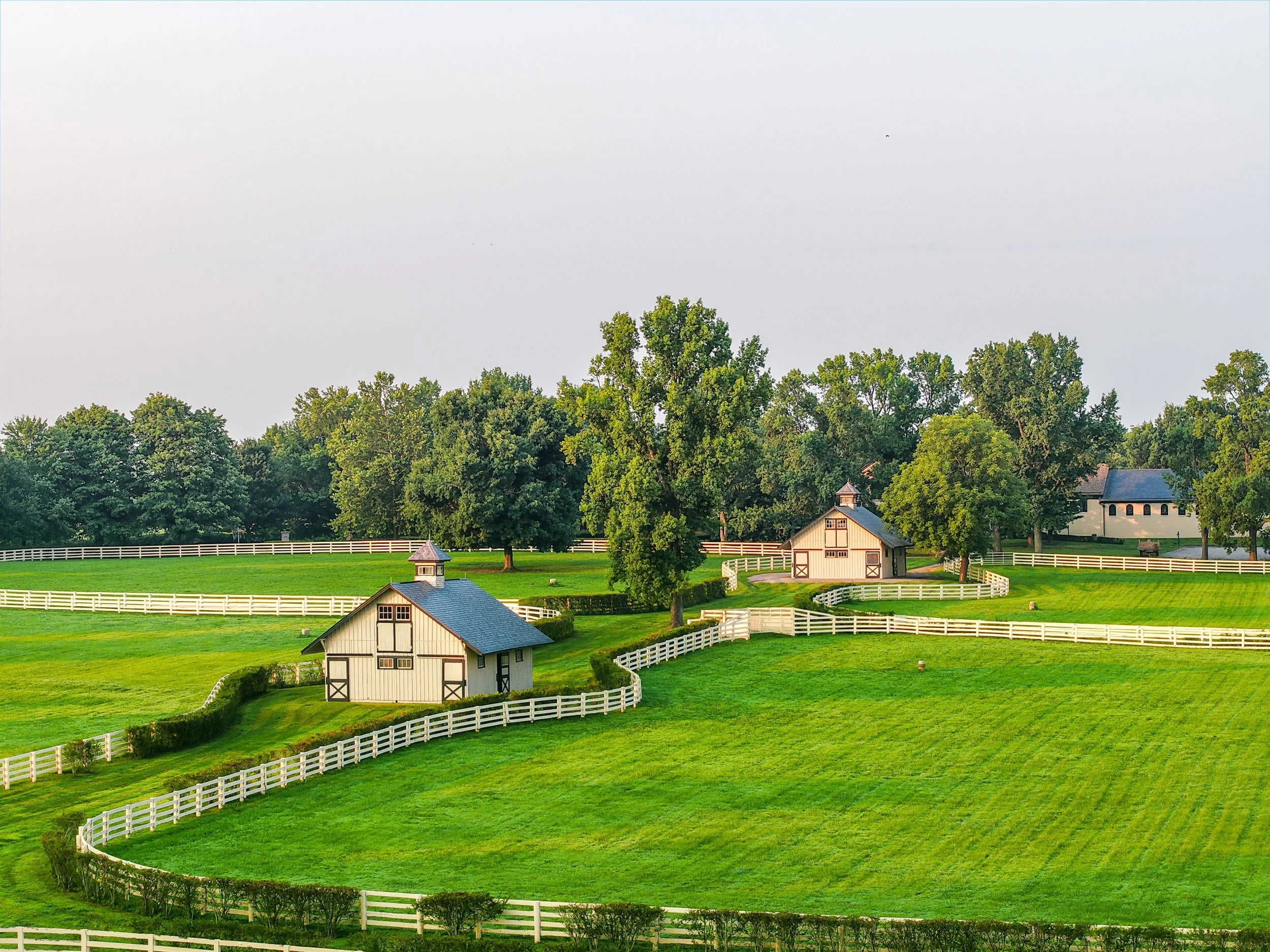
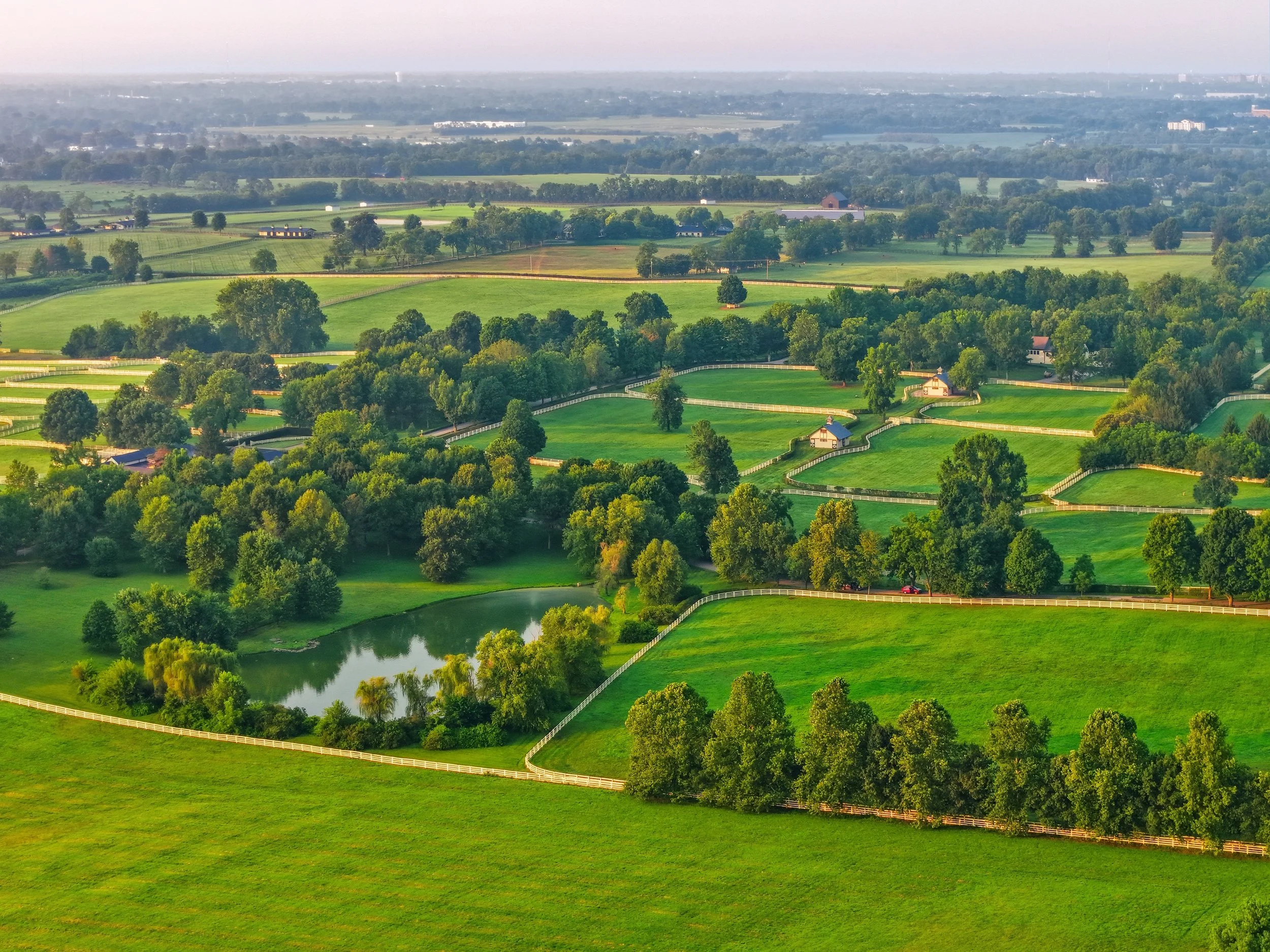
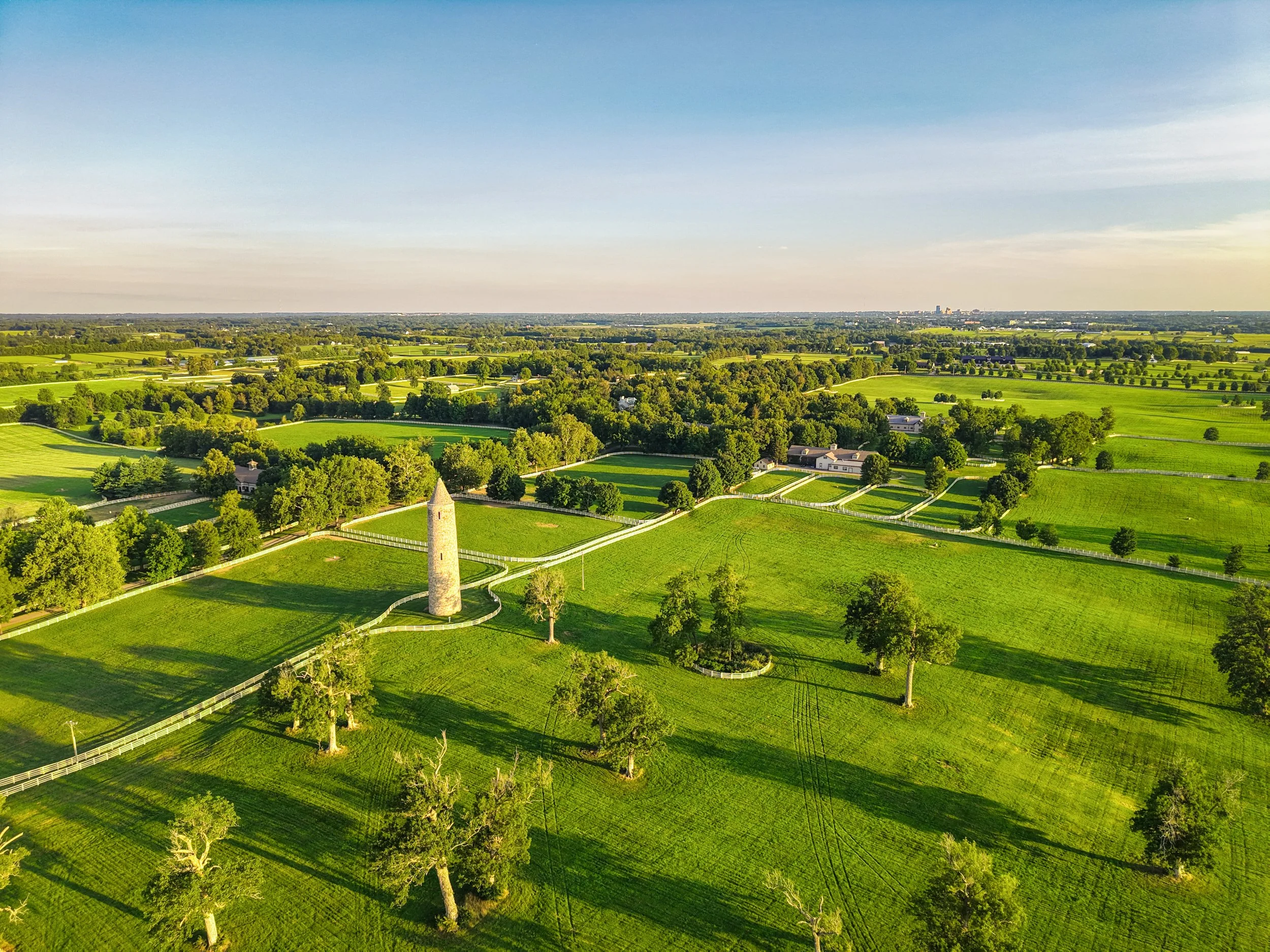
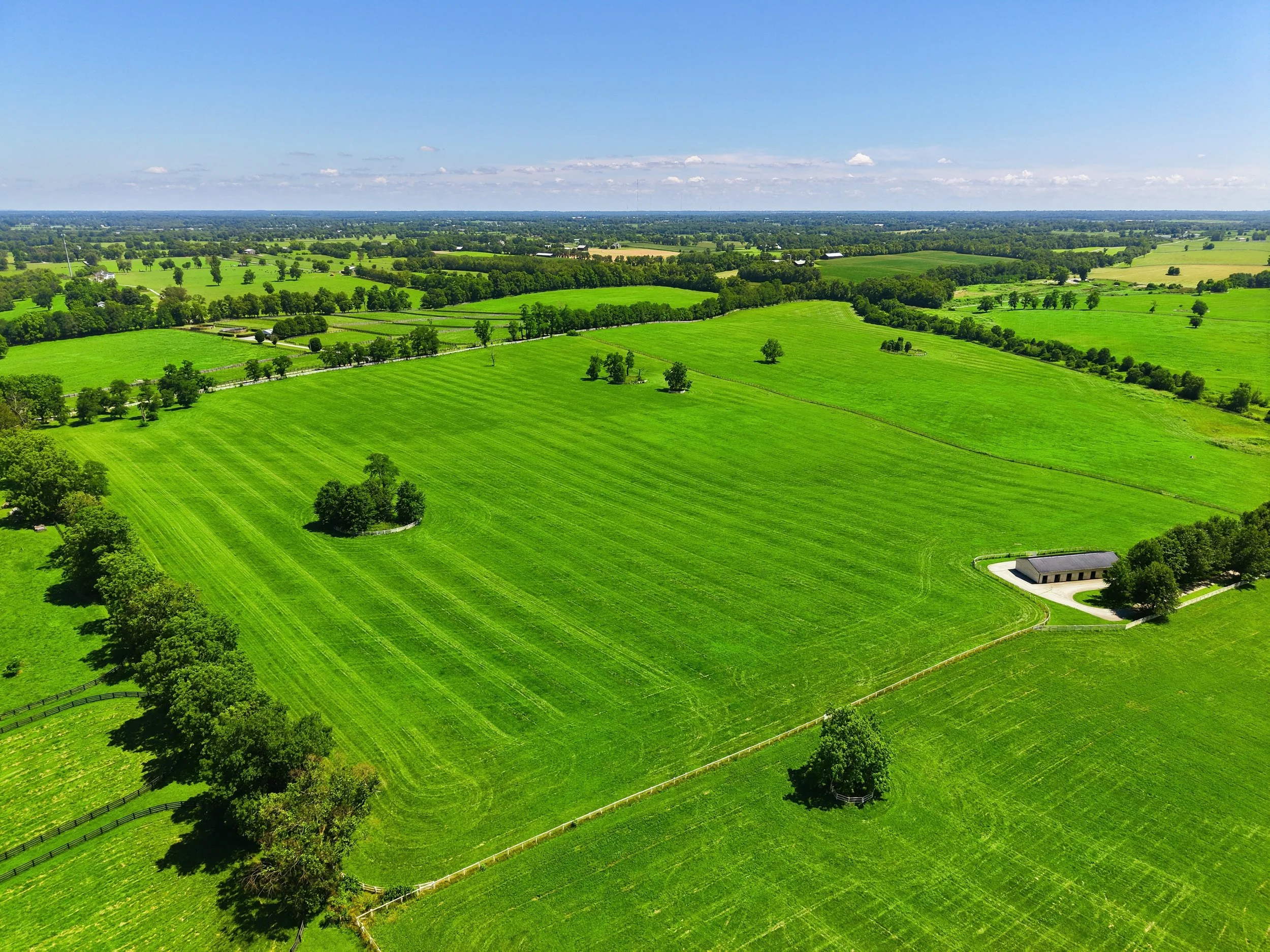
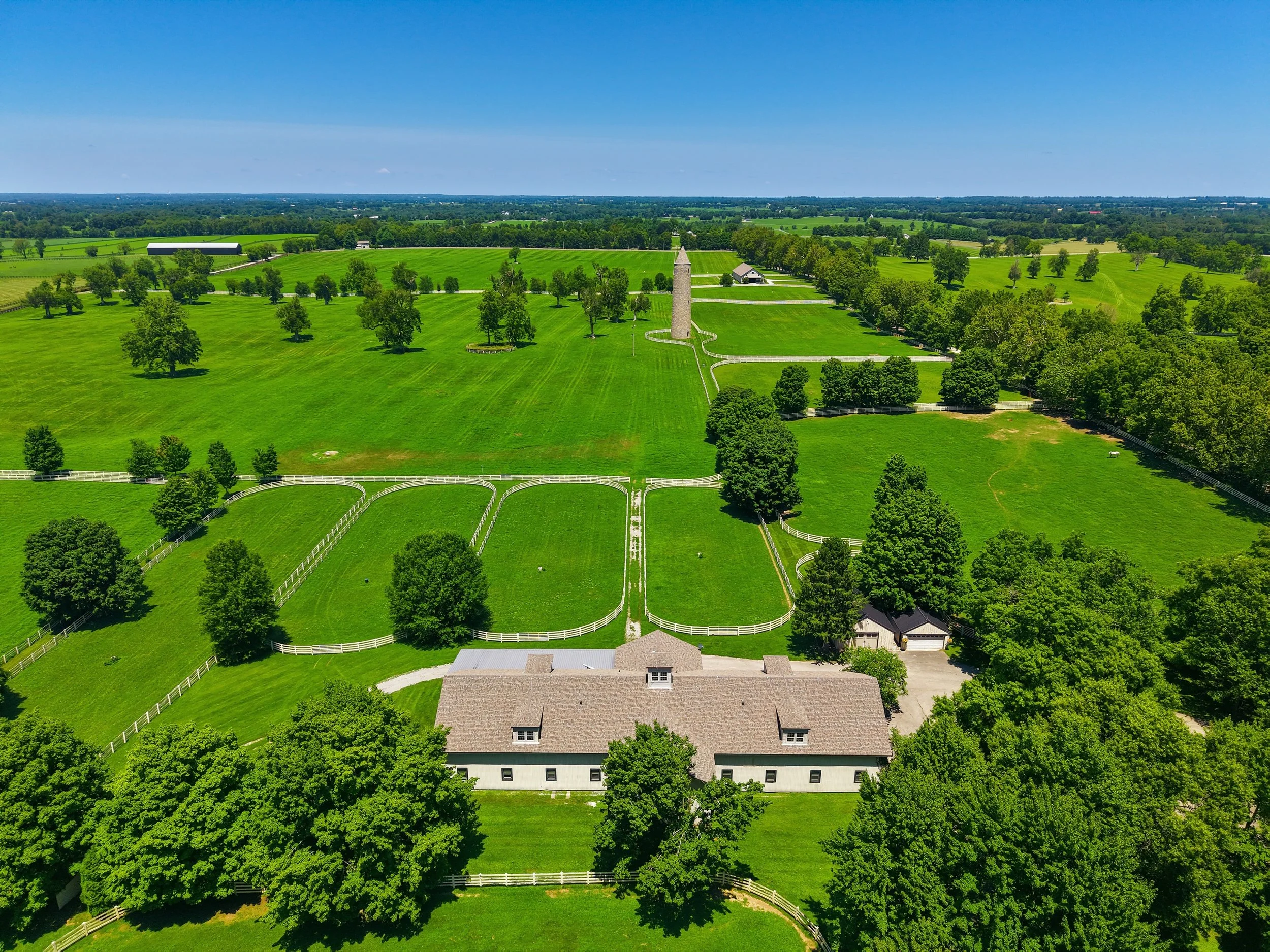
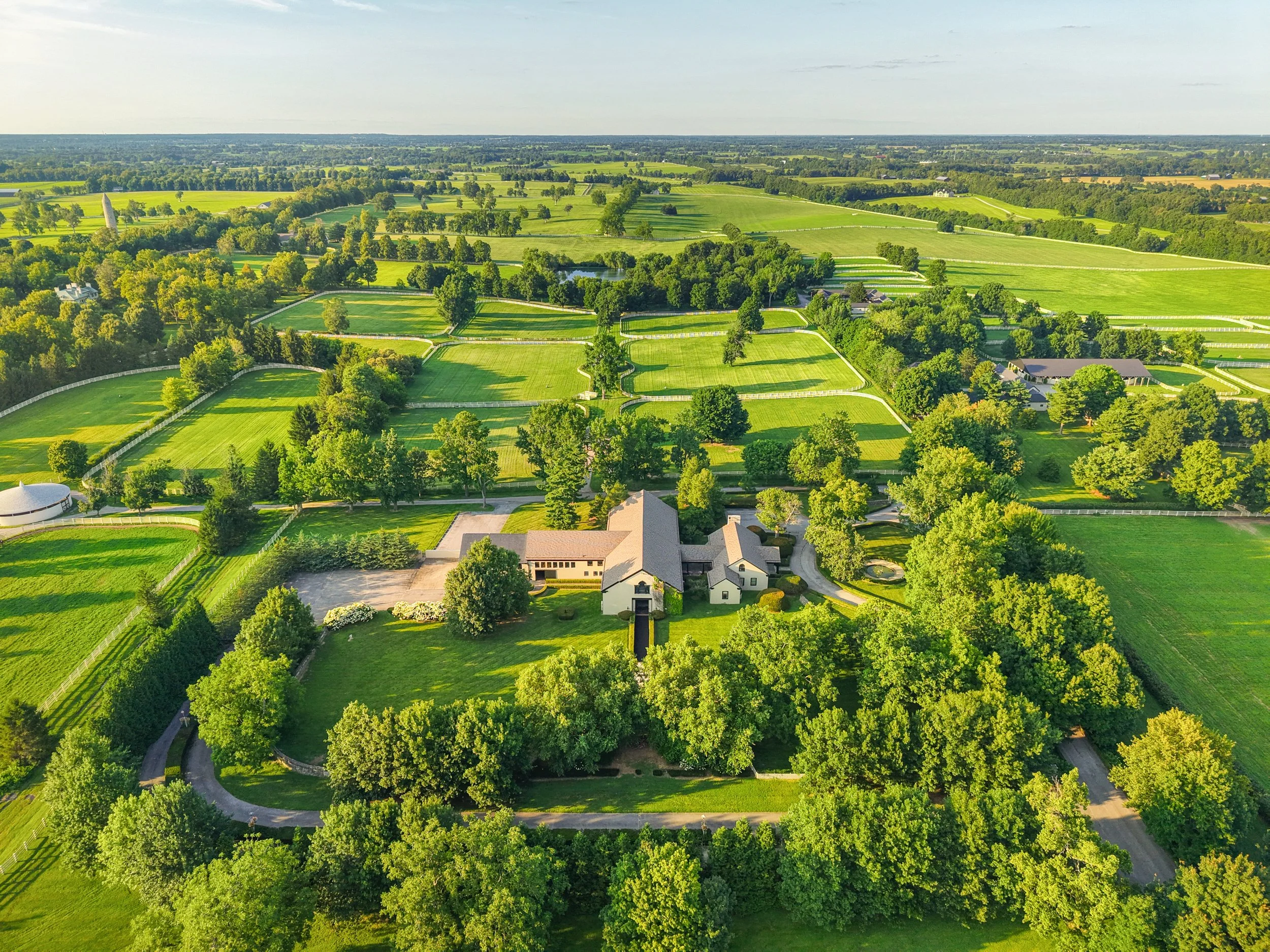
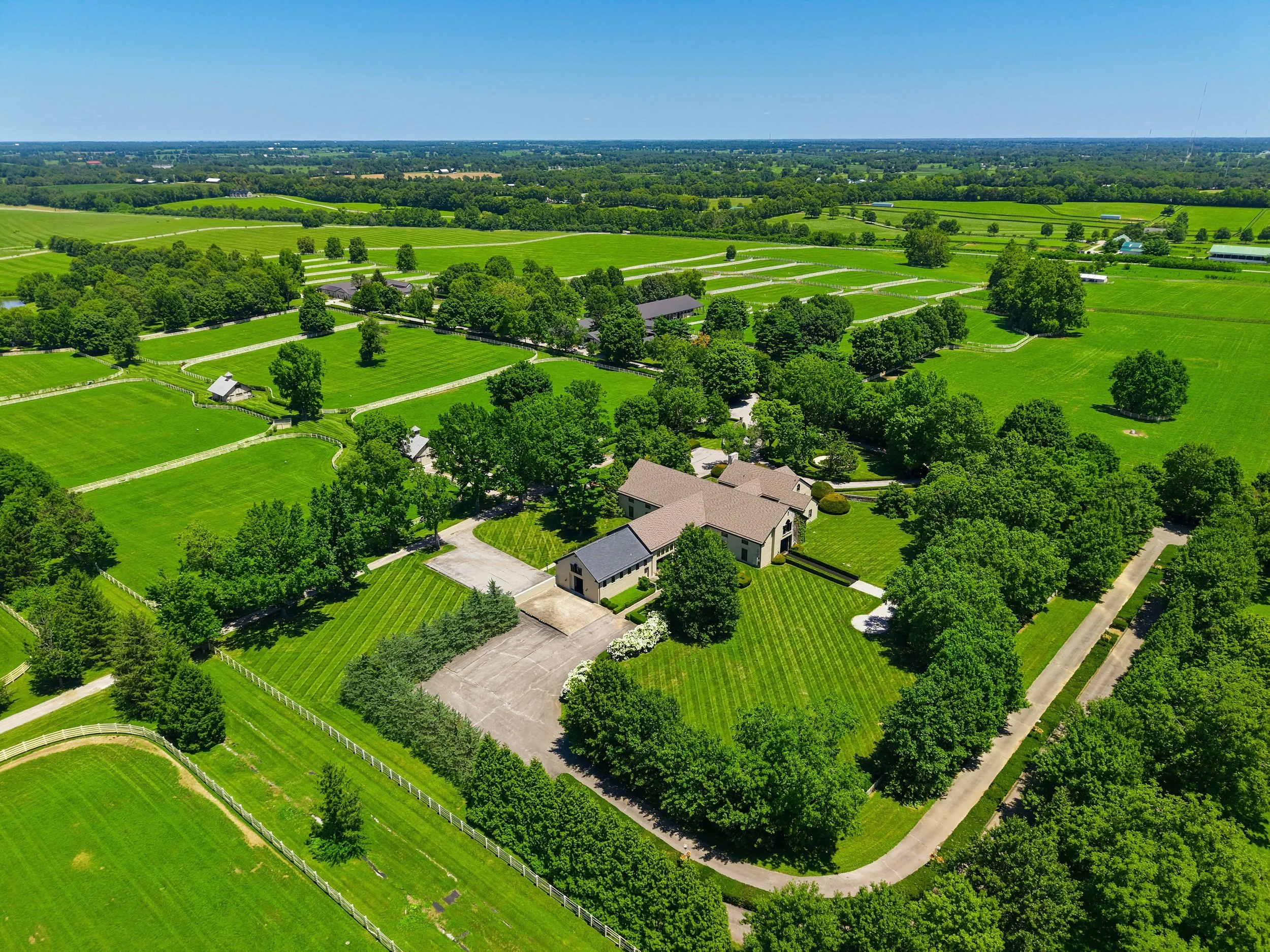
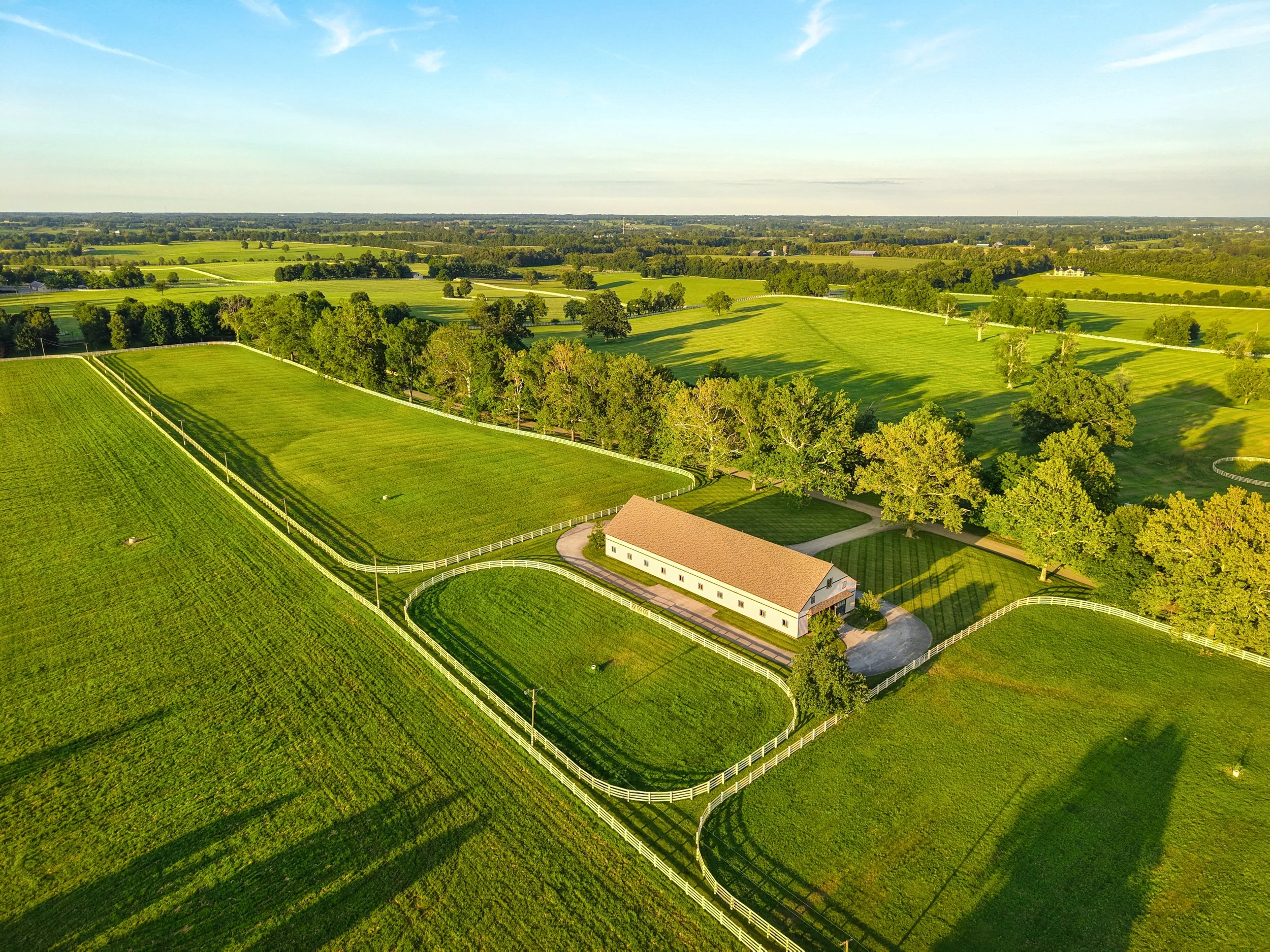
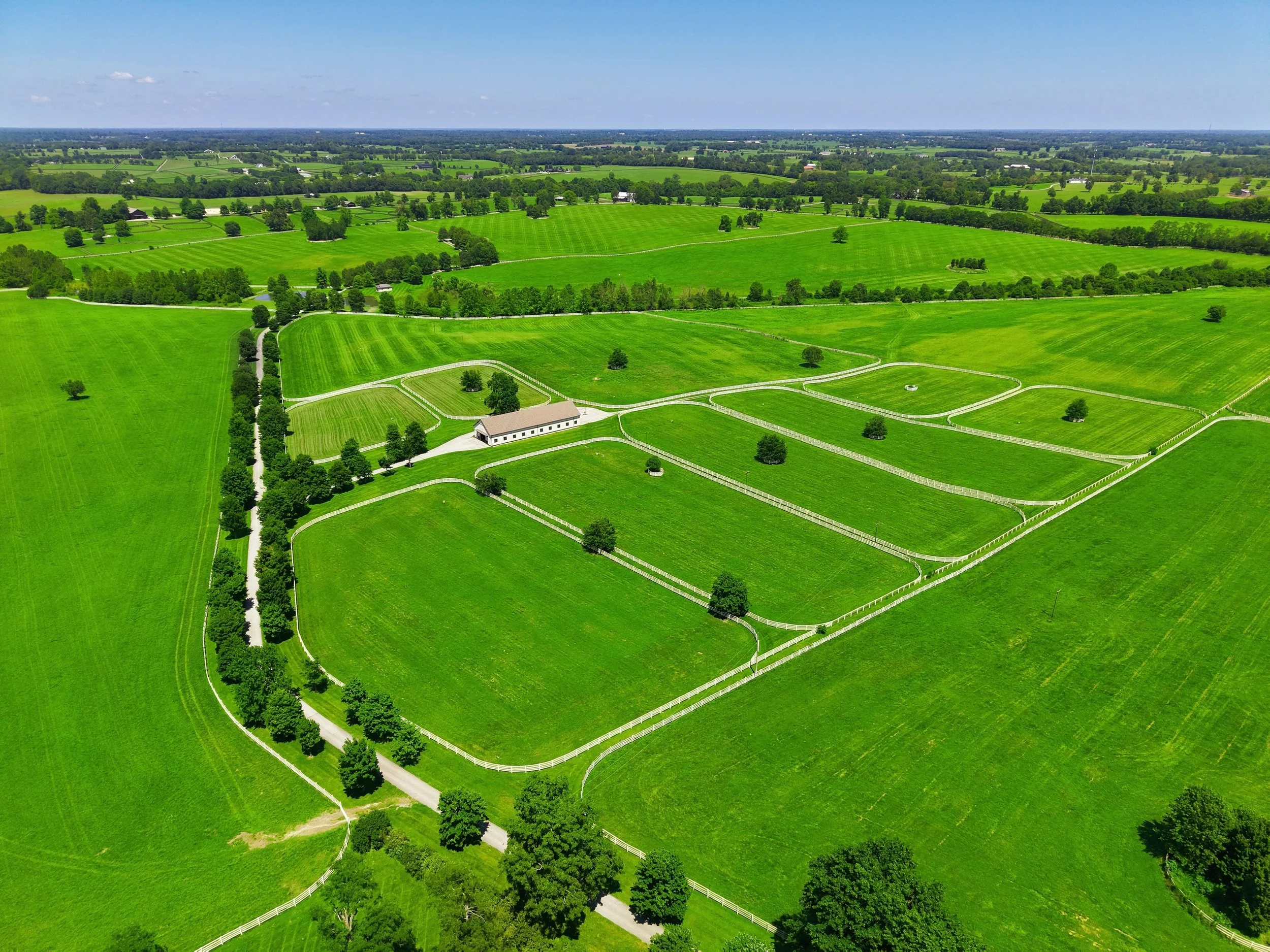
The evening's final lot will be the Castleton estate itself. The 951-acre (385-hectare) horse farm outside Lexington is currently listed with Ken Donworth of Bluegrass Sotheby's International Realty for $57.5 million.
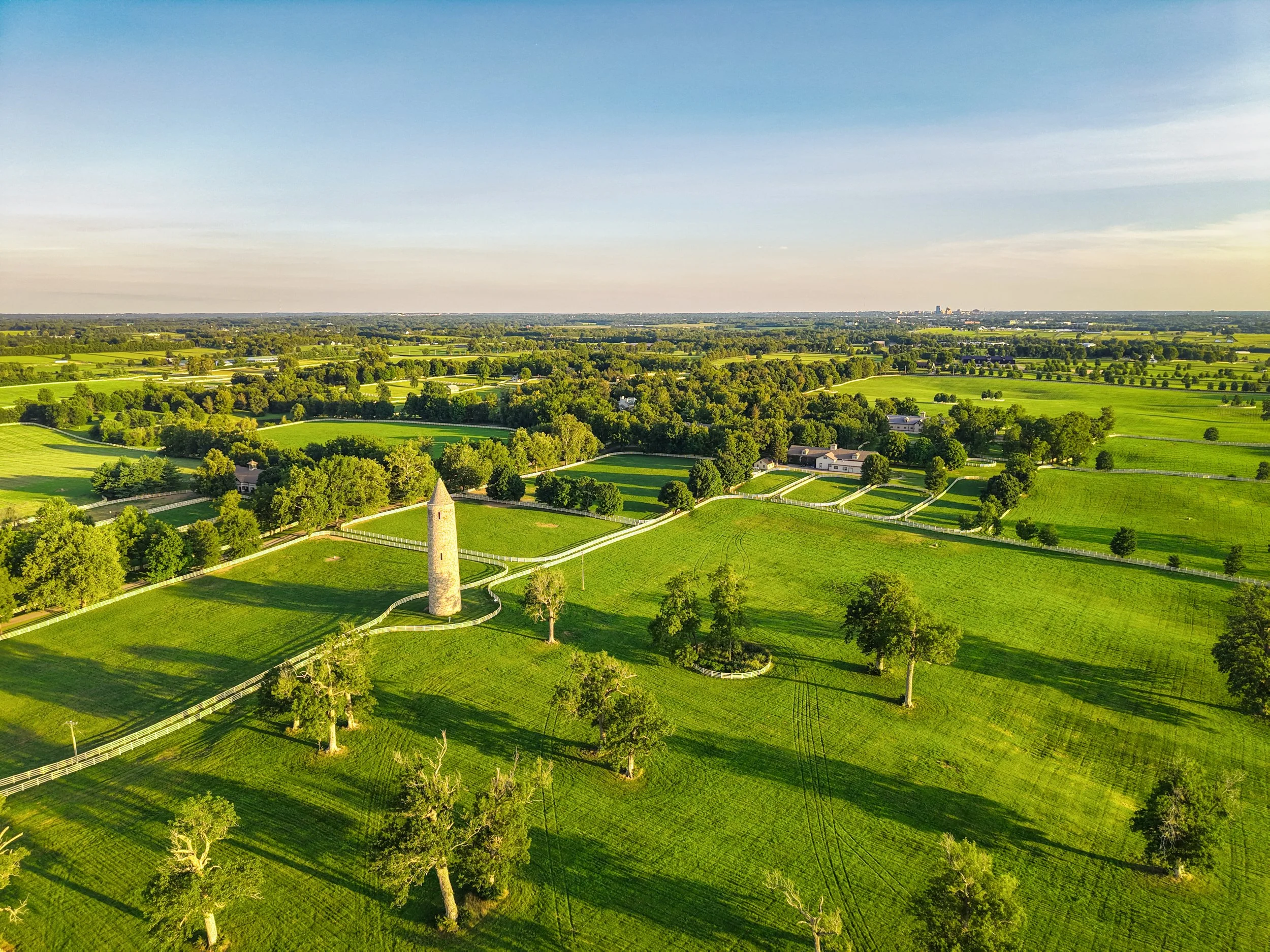
On October 28, Castleton Lyons will host Keeneland's invitation-only Championship Sale, an exclusive Thoroughbred auction held just days ahead of the Breeders' Cup World Championships, one of the world's most prestigious horse racing events. The estate itself will be offered as the evening's final lot.
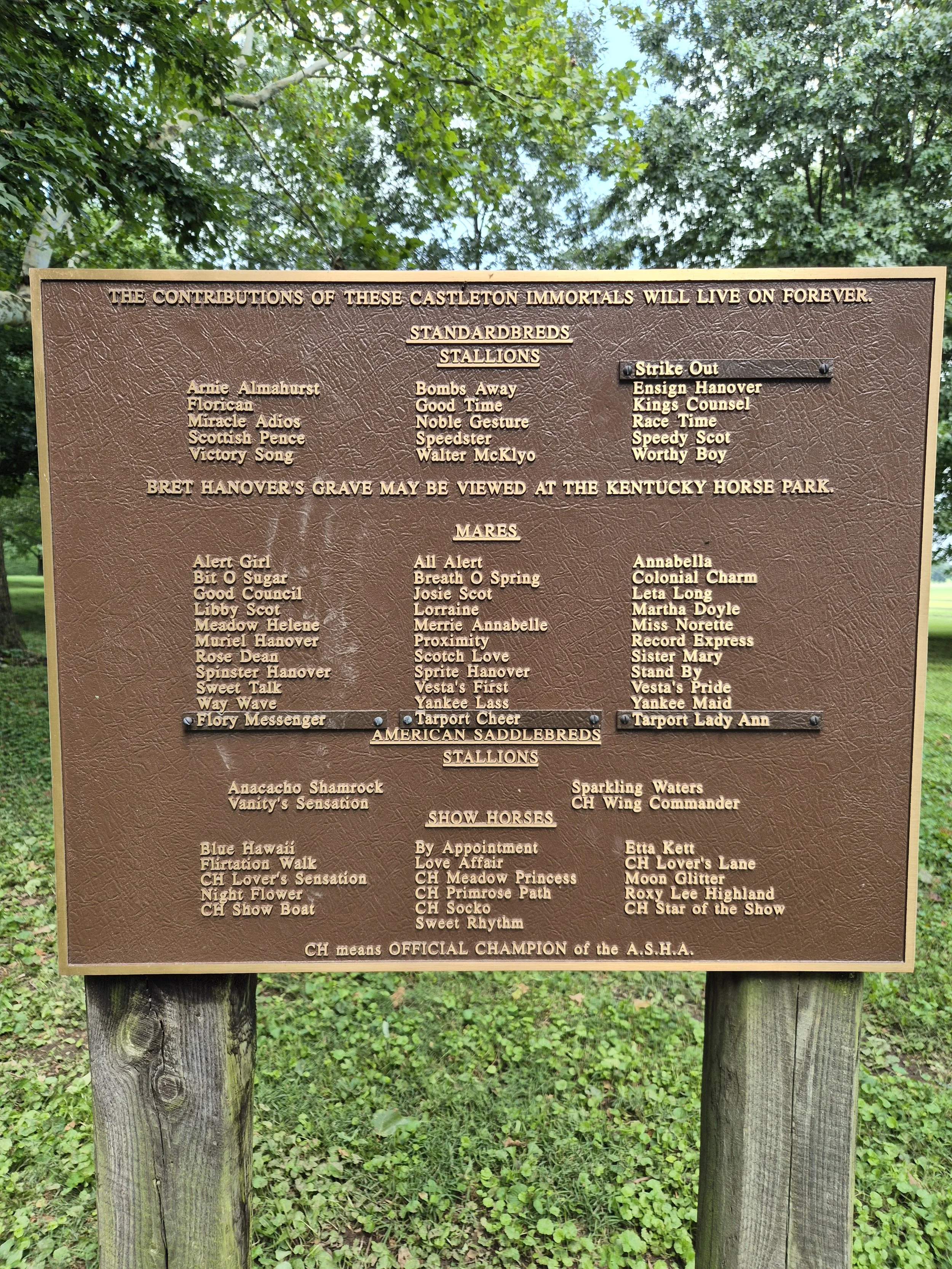
With a history spanning more than 230 years, Castleton's owners have included Wall Street financier James R. Keene, the Dodge automotive family and, most recently, the family of Irish entrepreneur and Ryanair co-founder Tony Ryan. Throughout its history, Castleton has been home to some of America's most celebrated racehorses and champion show horses. Its influence has extended across several branches of the equestrian world, establishing it as one of the most historically significant horse farms in Kentucky's Bluegrass region.
Keeneland is also home to one of America's most celebrated racecourses, which will host the Breeders' Cup on October 30–31. Across 14 championship races, leading horses, owners and trainers from North America, Europe, Japan and beyond will compete in one of the biggest events on the international Thoroughbred racing calendar.
The Keeneland Championship Sale takes advantage of this international gathering. Held at Castleton rather than Keeneland Race Course, the invitation-only auction will offer a carefully selected catalogue of racehorses, ownership interests and breeding rights. For the first time, it will also include an entire historic horse farm, bringing together the Thoroughbred racing industry and the luxury real estate market.
The Keeneland Championship Sale: How It Came About
In 2001, Irish businessman Tony Ryan and his son Shane were walking down a street in Manhattan when they came across a brochure for Castleton at a Sotheby's real estate office. What began as a plan to purchase a small horse farm in Kentucky ended with Tony acquiring the historic 951-acre estate for $14 million.
Twenty-five years later, the Ryan family has returned to Sotheby's, this time to sell the estate. The idea to auction Castleton as part of Keeneland's Championship Sale came from Shane Ryan himself. According to listing agent Ken Donworth, Shane approached him with the proposal.
For Donworth, the unusual approach was characteristic of the Ryan family. Tony Ryan had built his fortune by challenging established practices in the aviation industry by co-founding Ryanair in 1984. The airline subsequently adopted a low-cost model that helped transform European air travel, challenging established carriers with dramatically lower fares. The family's involvement in low-cost aviation later expanded internationally, including investments in Tiger Airways in Singapore and VivaAerobus in Mexico.
Reflecting on the family's willingness to pursue unconventional ideas, Donworth observed, “Shane's ability to think outside the box for sure came from his dad's genes. There's no doubt about it.”
When Shane first suggested auctioning the property, Donworth was enthusiastic despite the unconventional format. “He said to me, ‘What do you think? Is this a good idea?’” Donworth recalled in an interview with Francis York. “I said, ‘Look, it's not really the traditional route to go to market, but it's a great idea.’”
The approach offered an opportunity to present Castleton directly to an international audience of horse owners, breeders and investors already gathering in Kentucky for the Breeders' Cup. Keeneland would conduct the auction, while Sotheby's handles the property's marketing.
Introduced in 2024, Keeneland's Championship Sale takes inspiration from prestigious European horse auctions held alongside major racing events, including Royal Ascot in England and the Prix de l'Arc de Triomphe in France. Unlike Keeneland's traditional large-scale auctions, it is a smaller, invitation-only event that brings together leading horse owners, breeders and investors for an exclusive evening of racing-related sales and social gatherings.
The emphasis is on creating an experience that goes beyond the auction itself. As Keeneland President and CEO Shannon Arvin explained in a September 2026 interview with Thoroughbred Daily News, “The experience is what is the most important. The people want to be part of it.”
The event's timing makes it particularly exciting. Buyers can acquire a stake in a horse just days before it competes in one of Thoroughbred racing's biggest events. A championship victory could bring immediate prize money, the prestige of owning a winning racehorse and a potentially significant increase in the horse's value, particularly through its future breeding potential.
In 2025, Michael and Jules Iavarone purchased a 25% interest in racehorse Bentornato for $1 million, just three days before it won the Breeders' Cup Sprint. The victory earned Bentornato $1.04 million in prize money, putting his new co-owners in the winner's circle almost immediately after their purchase.
The first two Championship Sales, held in Del Mar, California, generated $4.325 million in 2024 and $7.675 million in 2025. This year, the event comes to Kentucky for its third edition, with Castleton serving as both the venue and the evening's final lot. The collaboration brings together Keeneland's international racing clientele and the luxury real estate market.
Castleton Today: A Historic Estate in Kentucky Horse Country
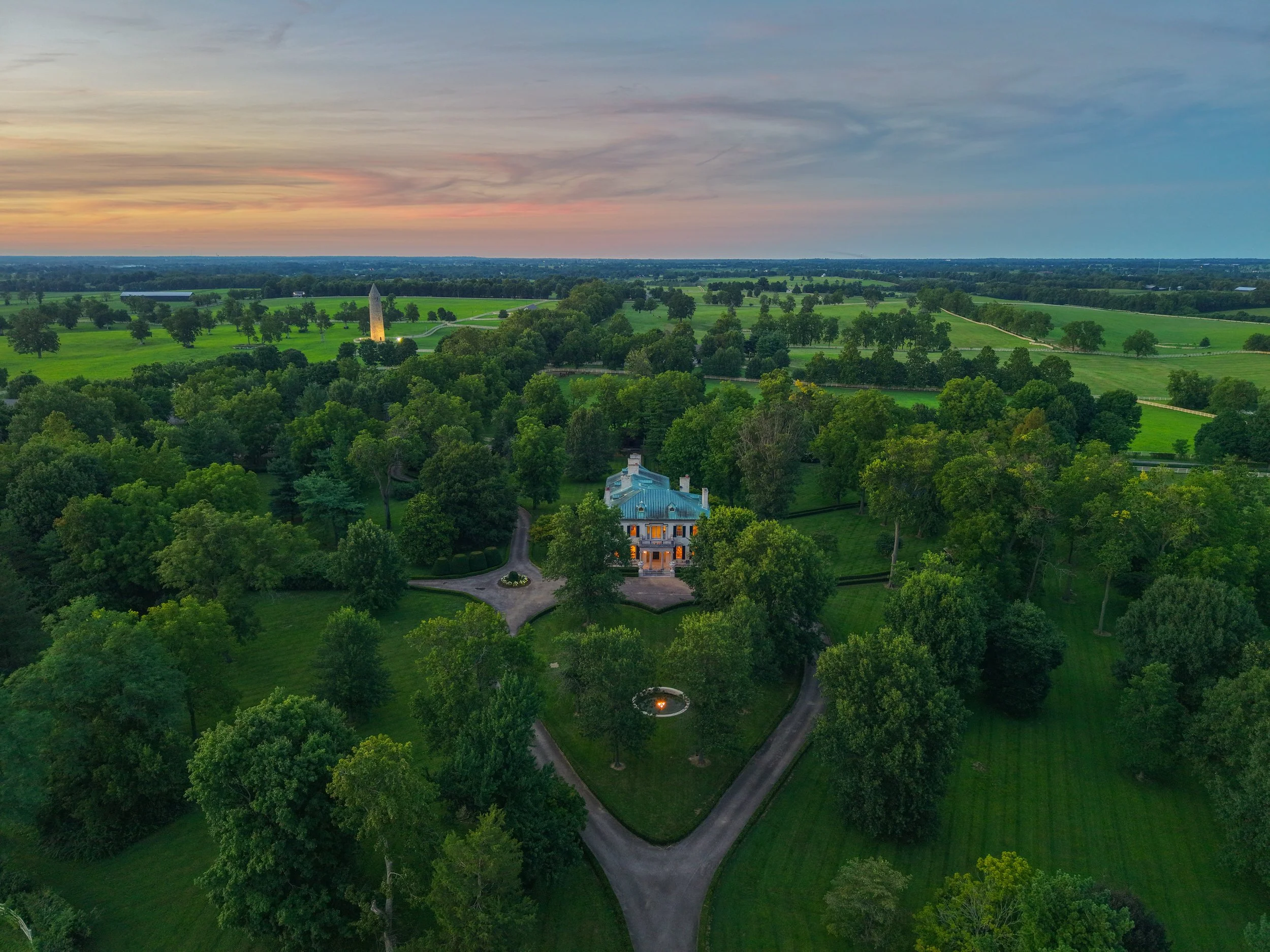
Established in 1793, Castleton has played a significant role in American horse racing history, producing generations of champions under owners including Wall Street financier James R. Keene, the Dodge family and Ryanair co-founder Tony Ryan.
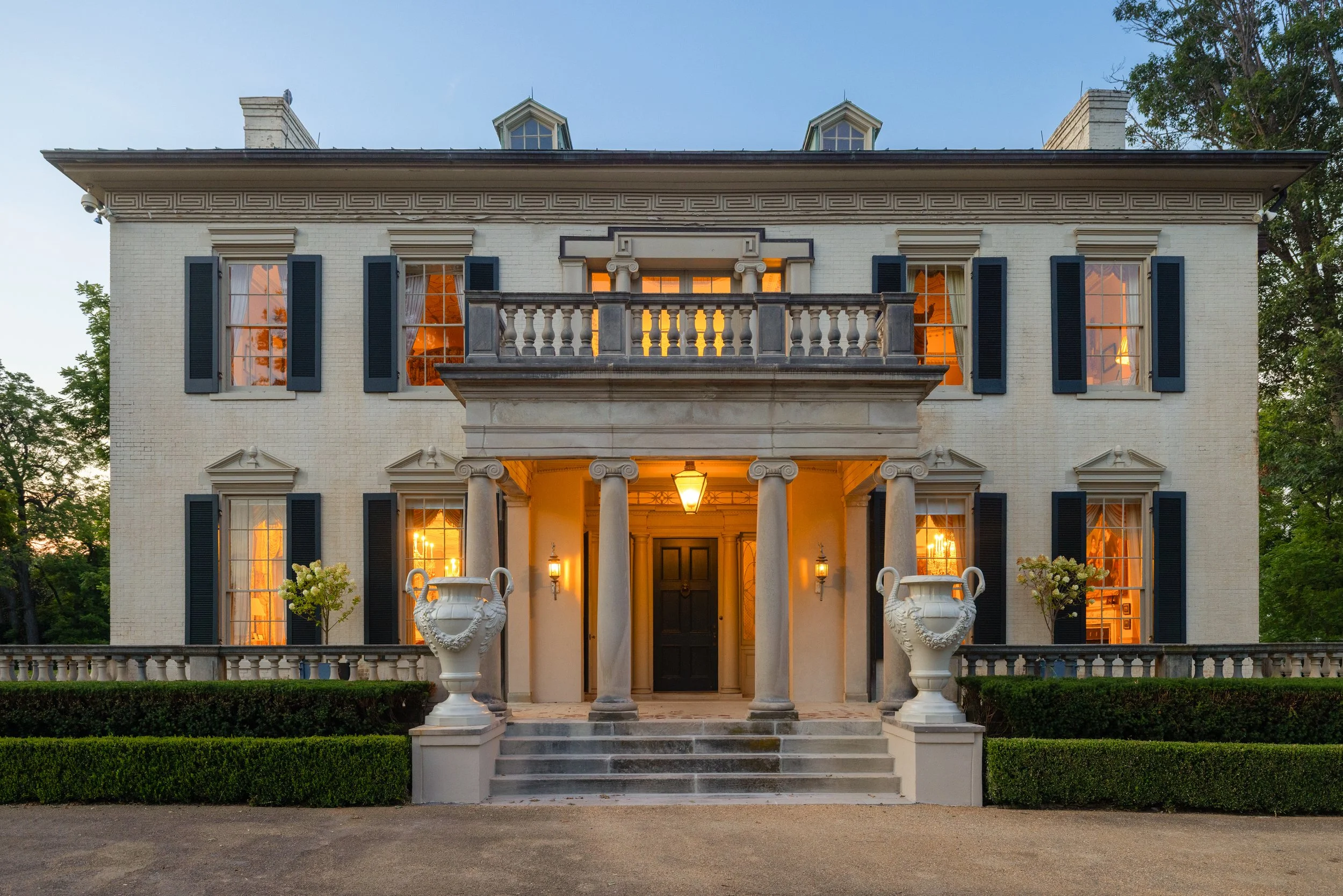
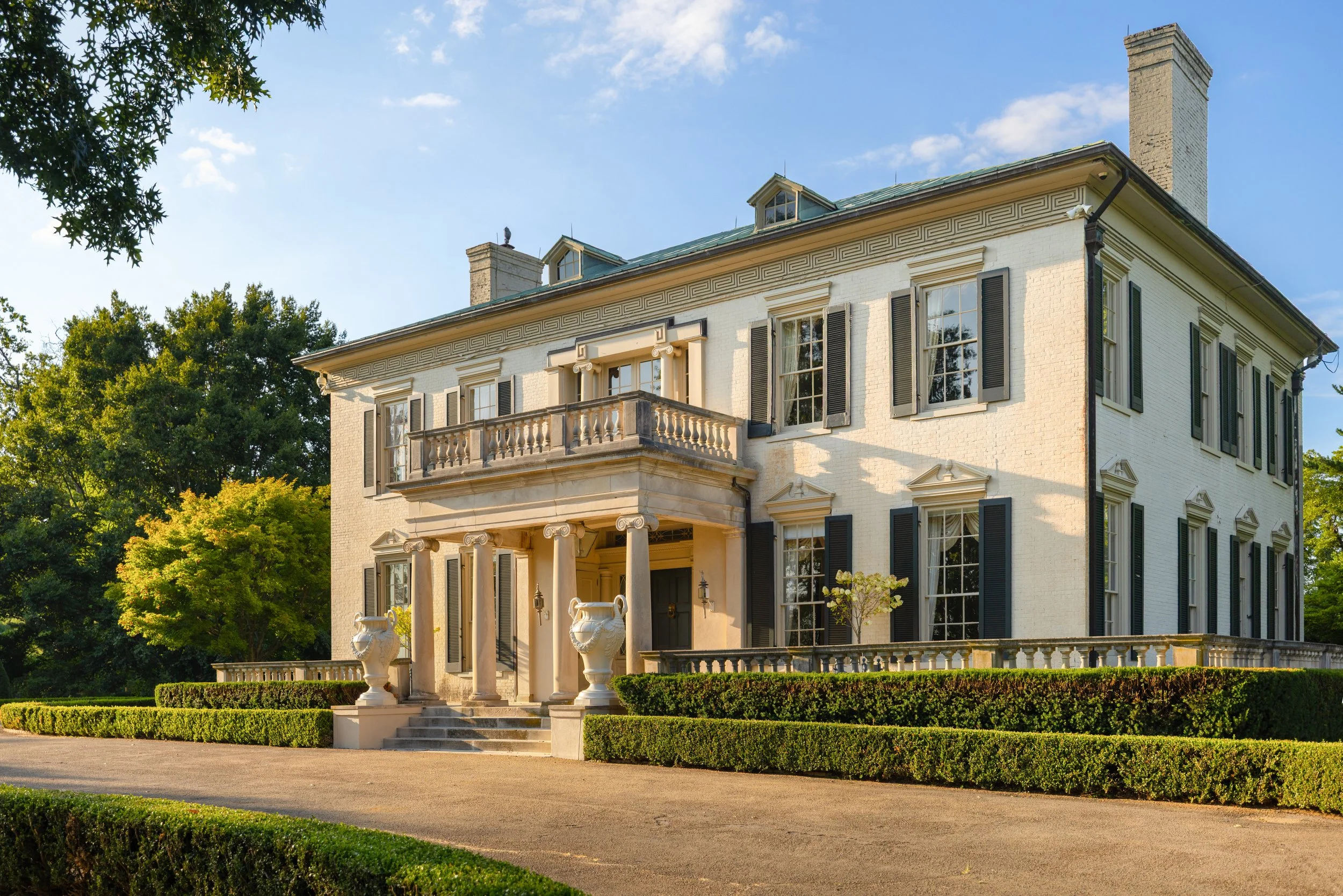
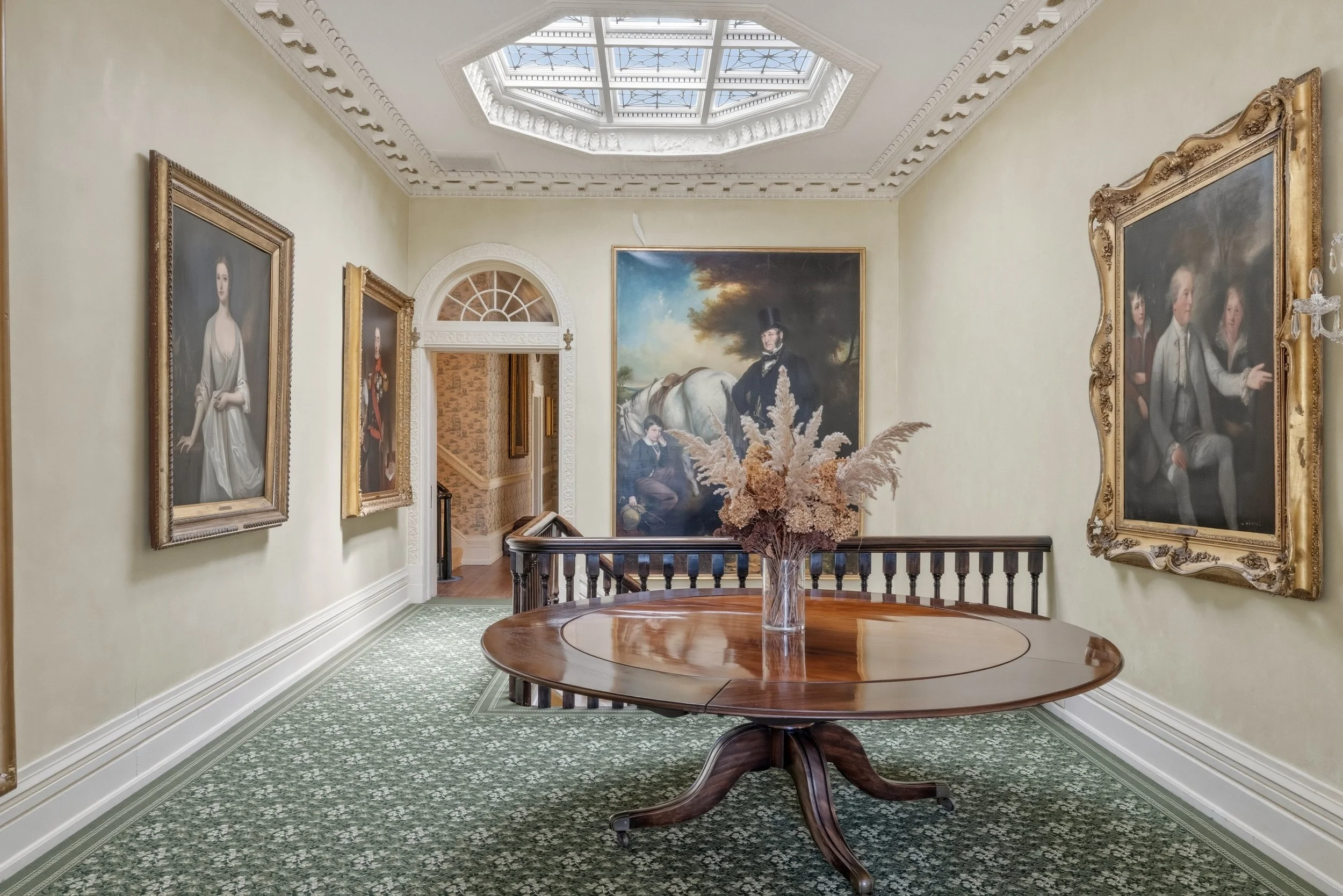
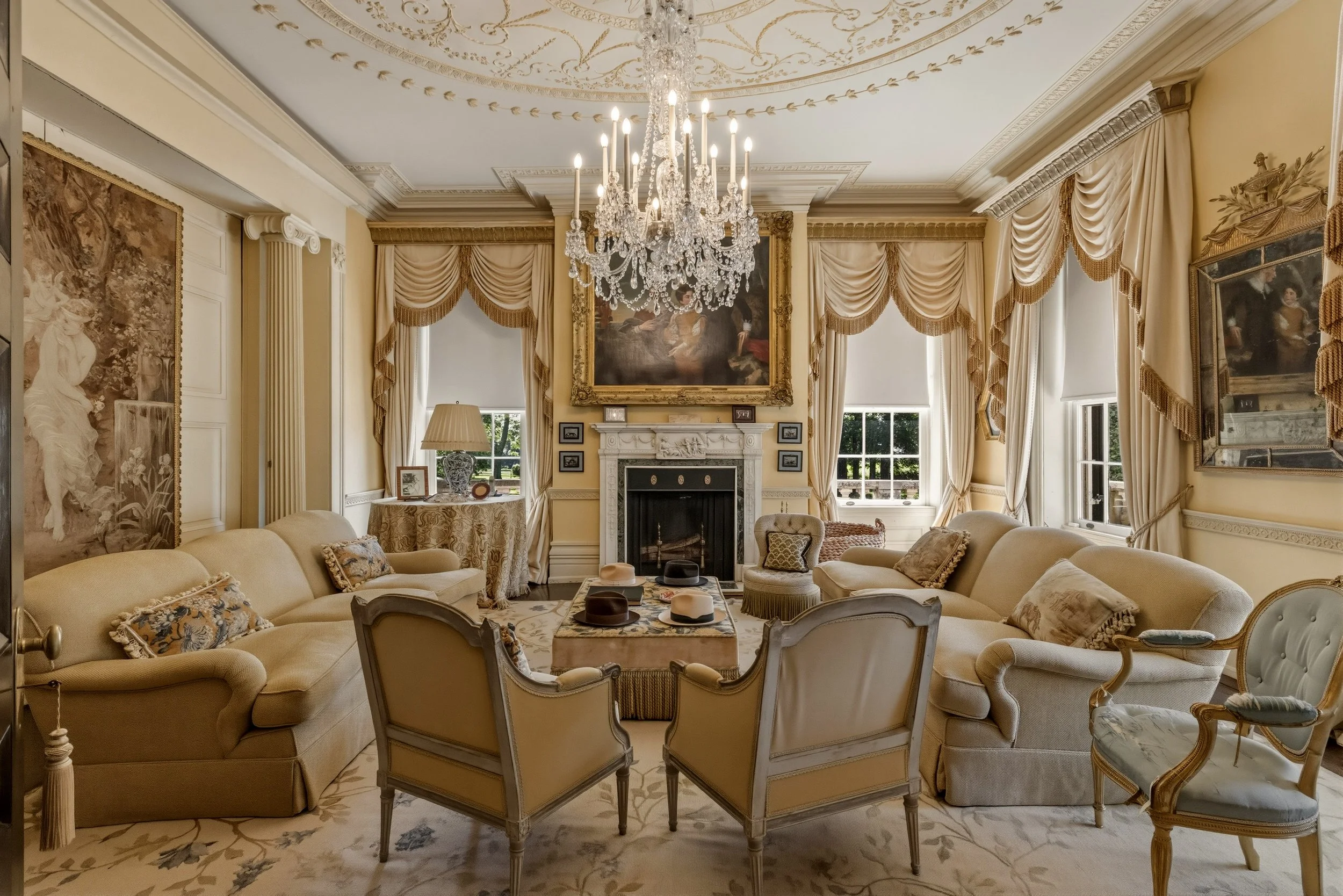
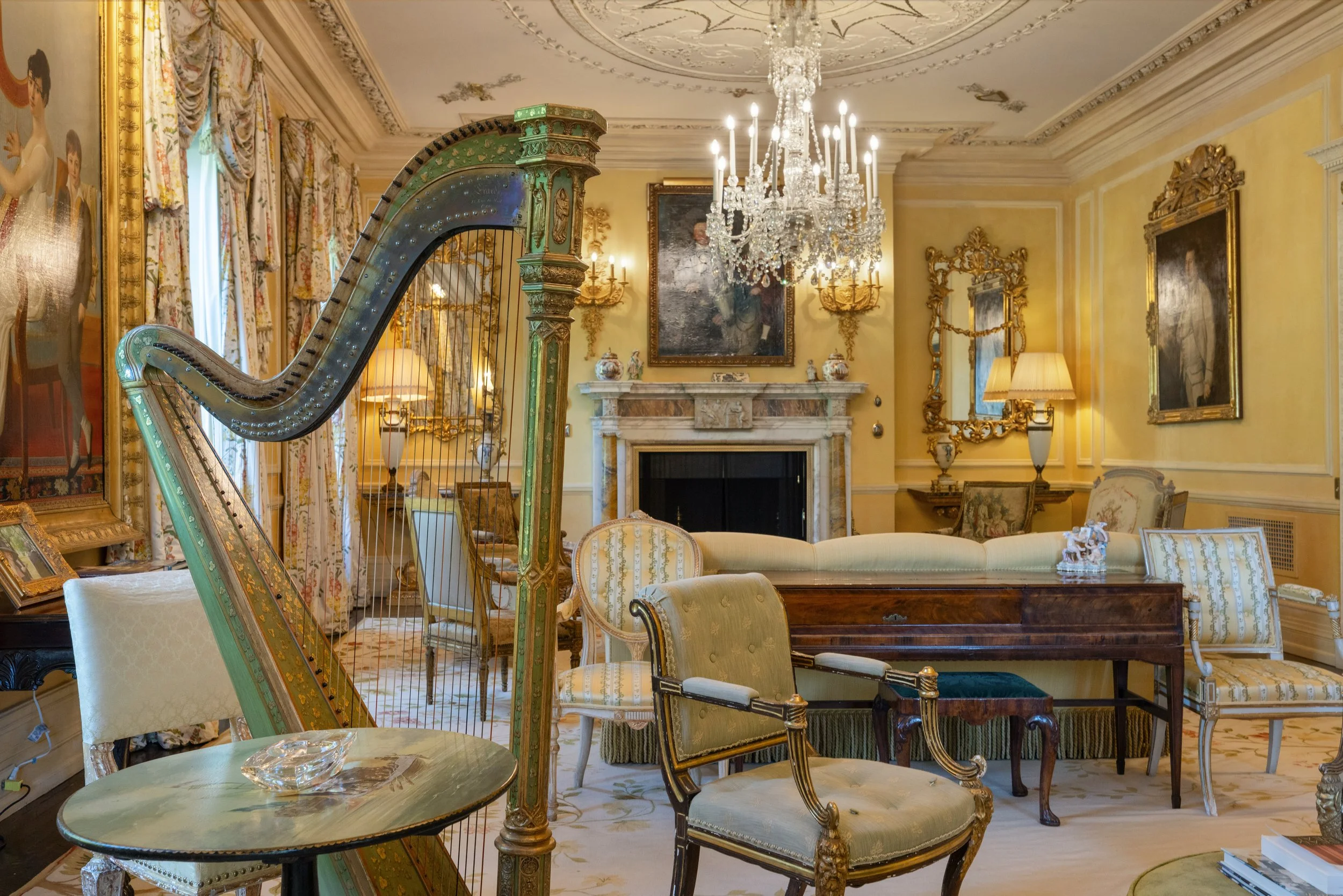
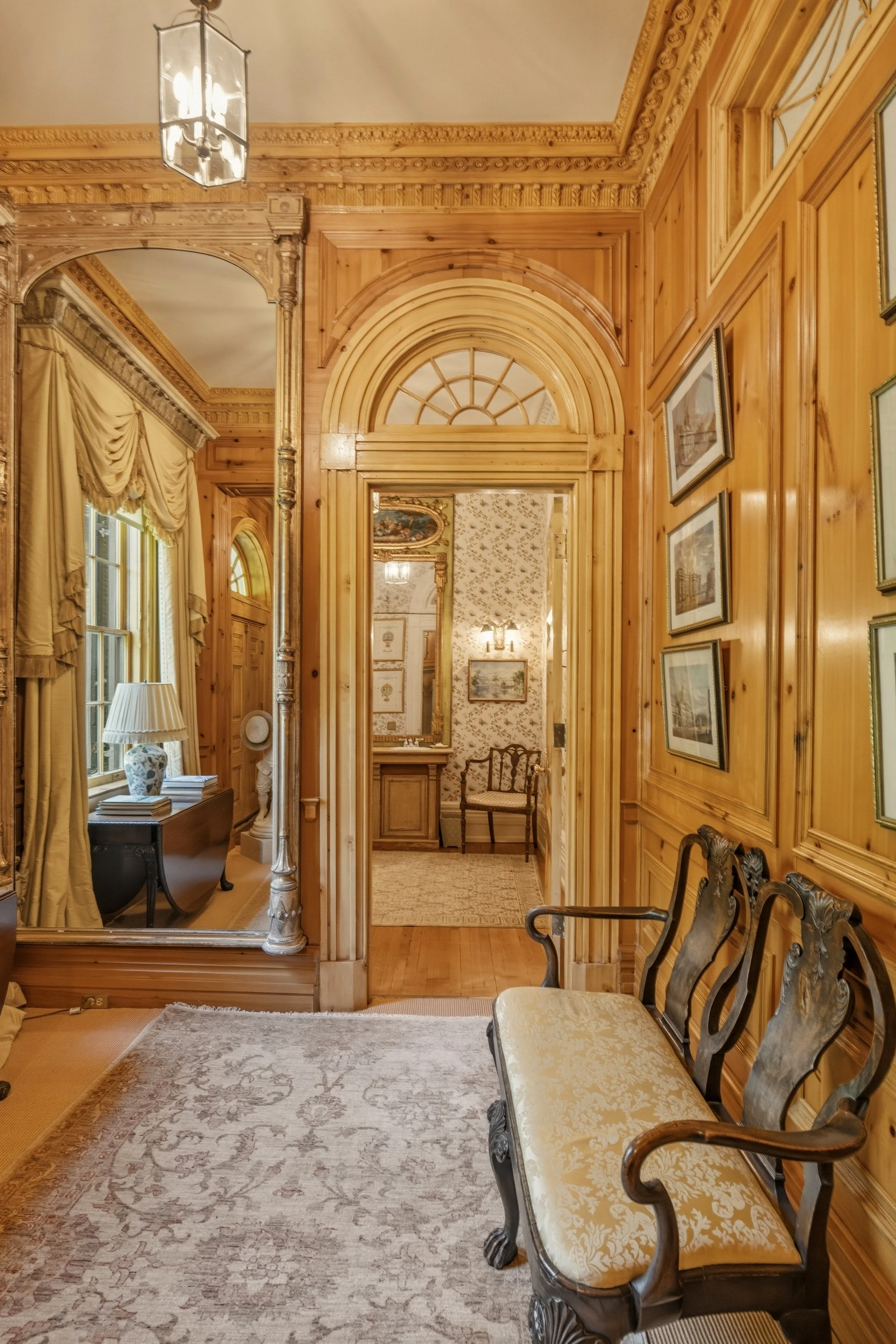
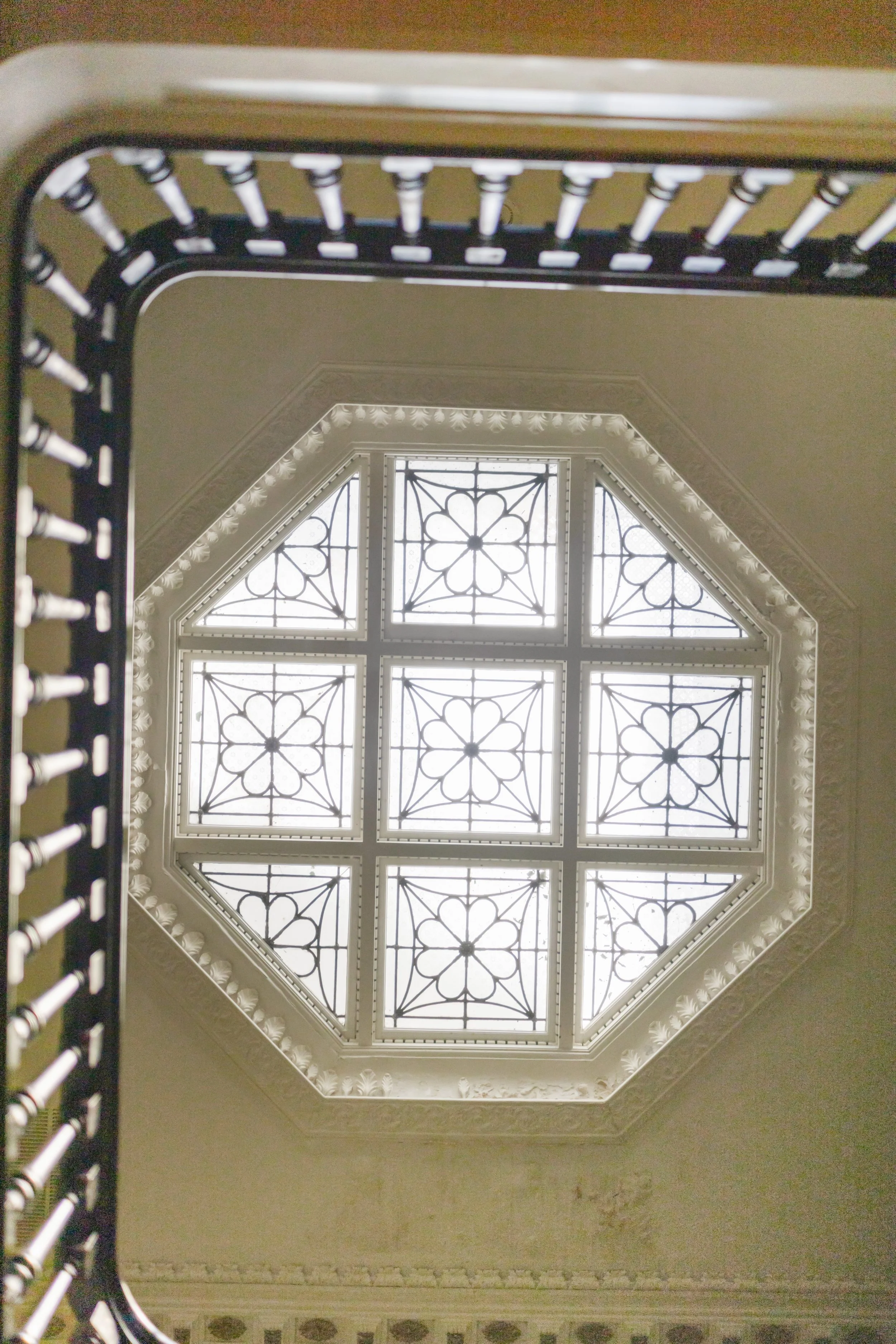
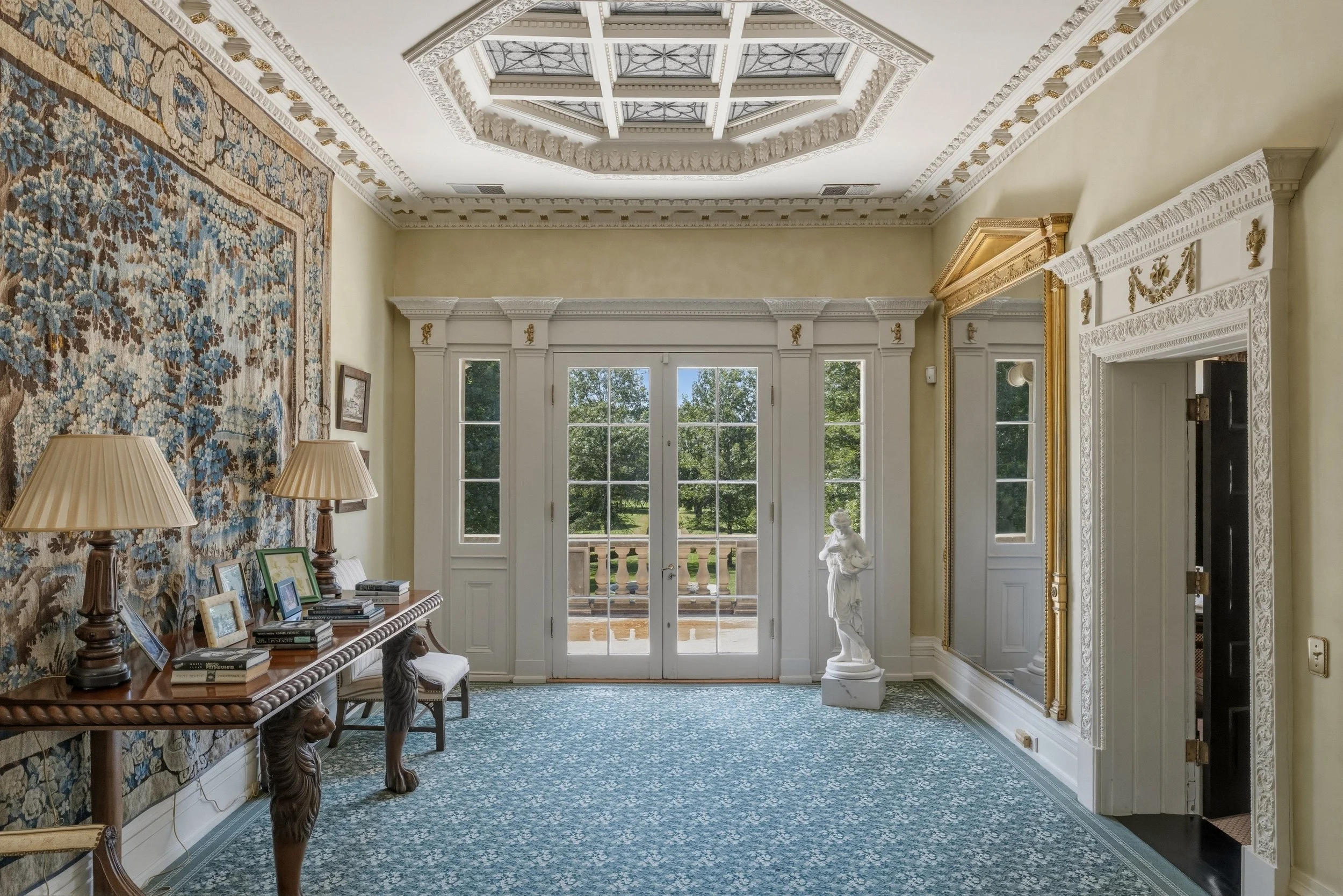
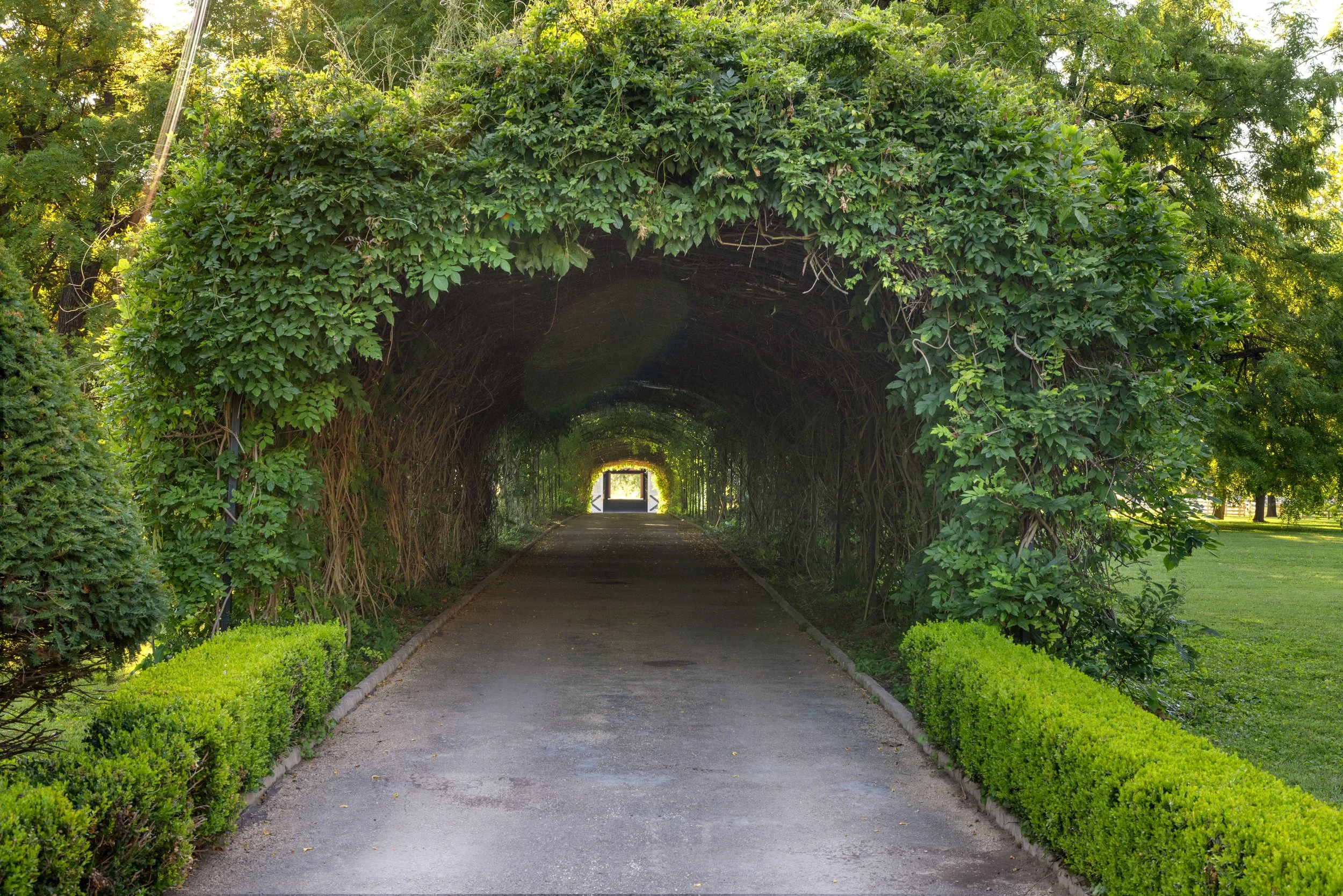
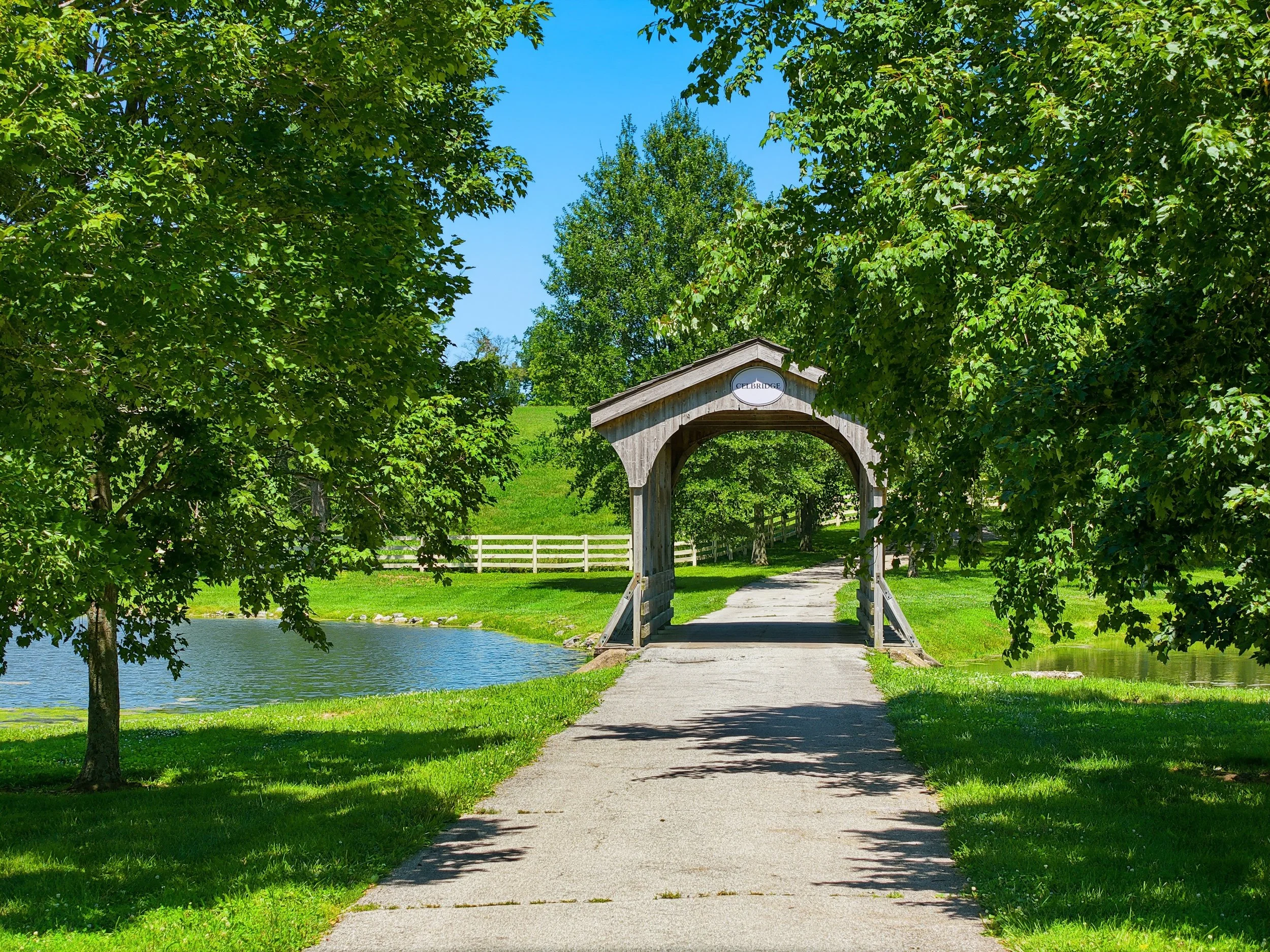
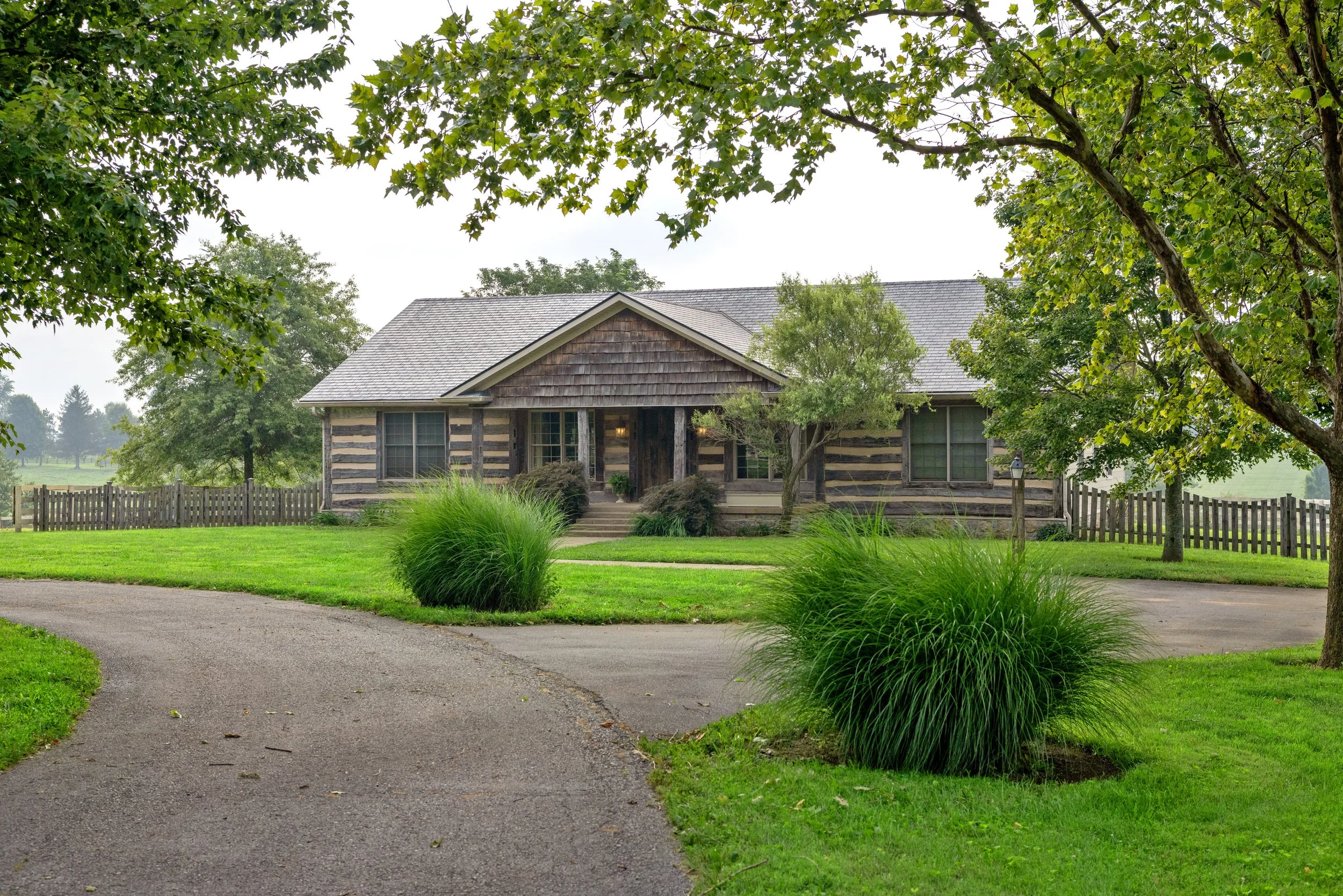
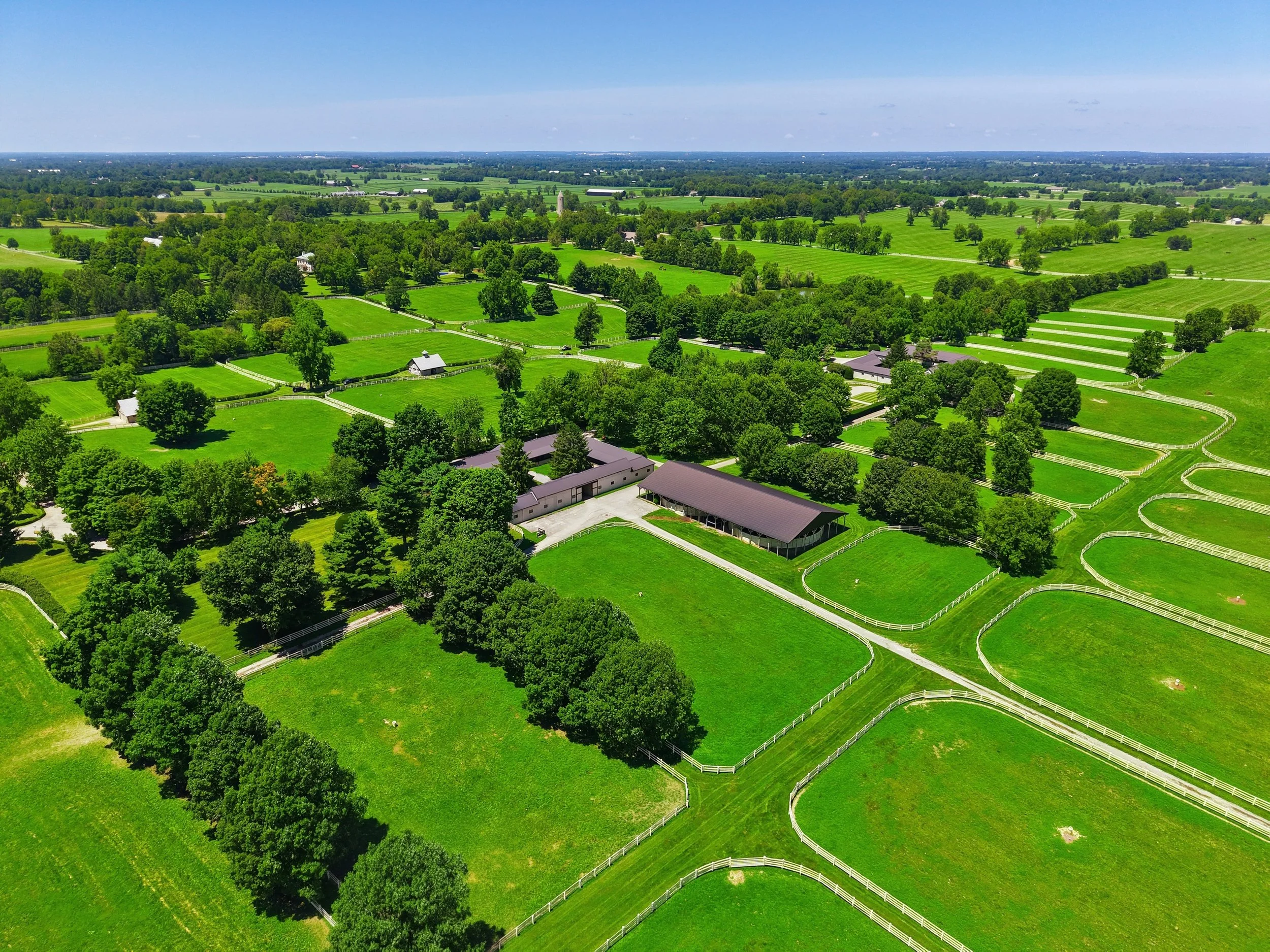
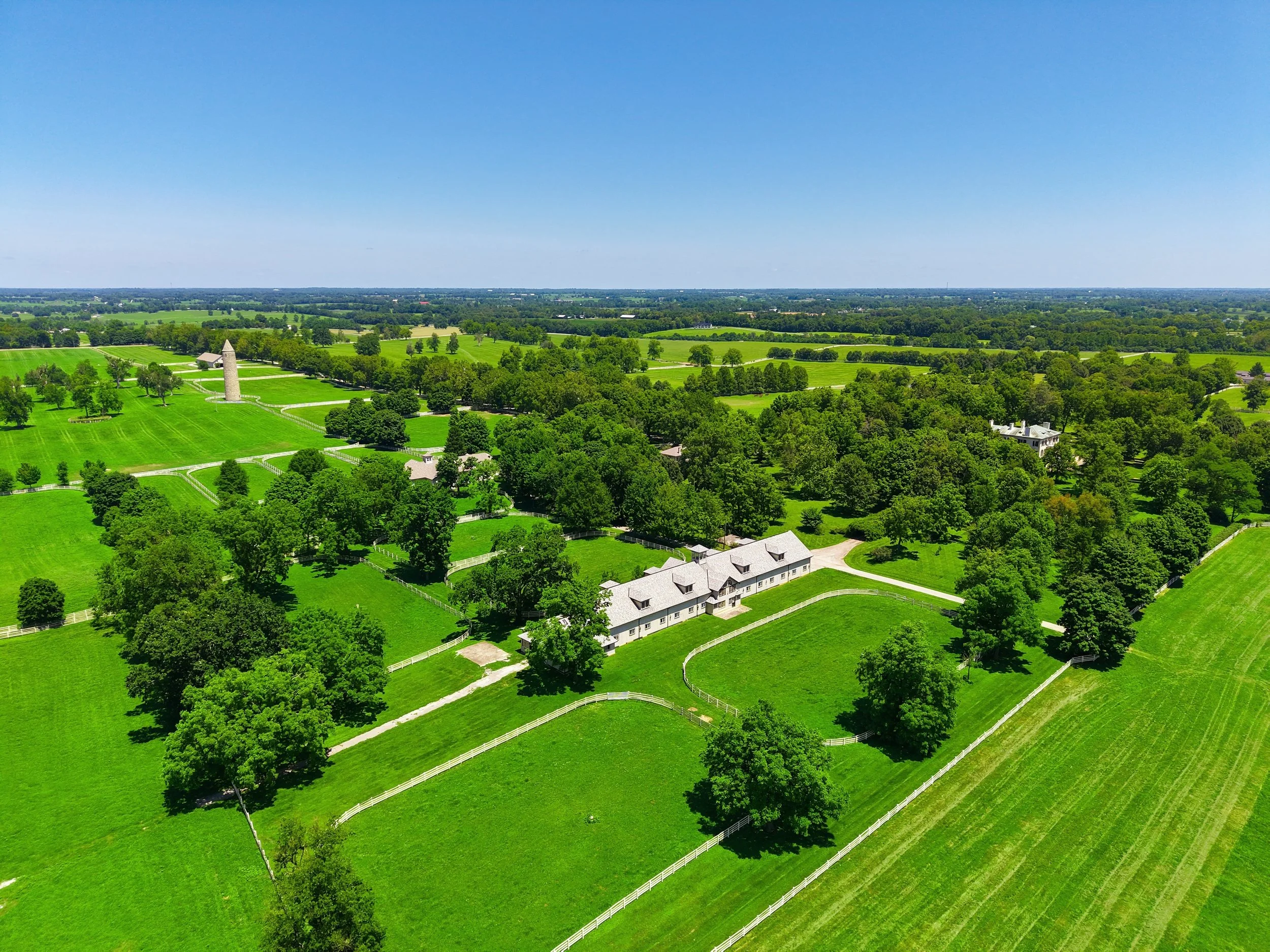
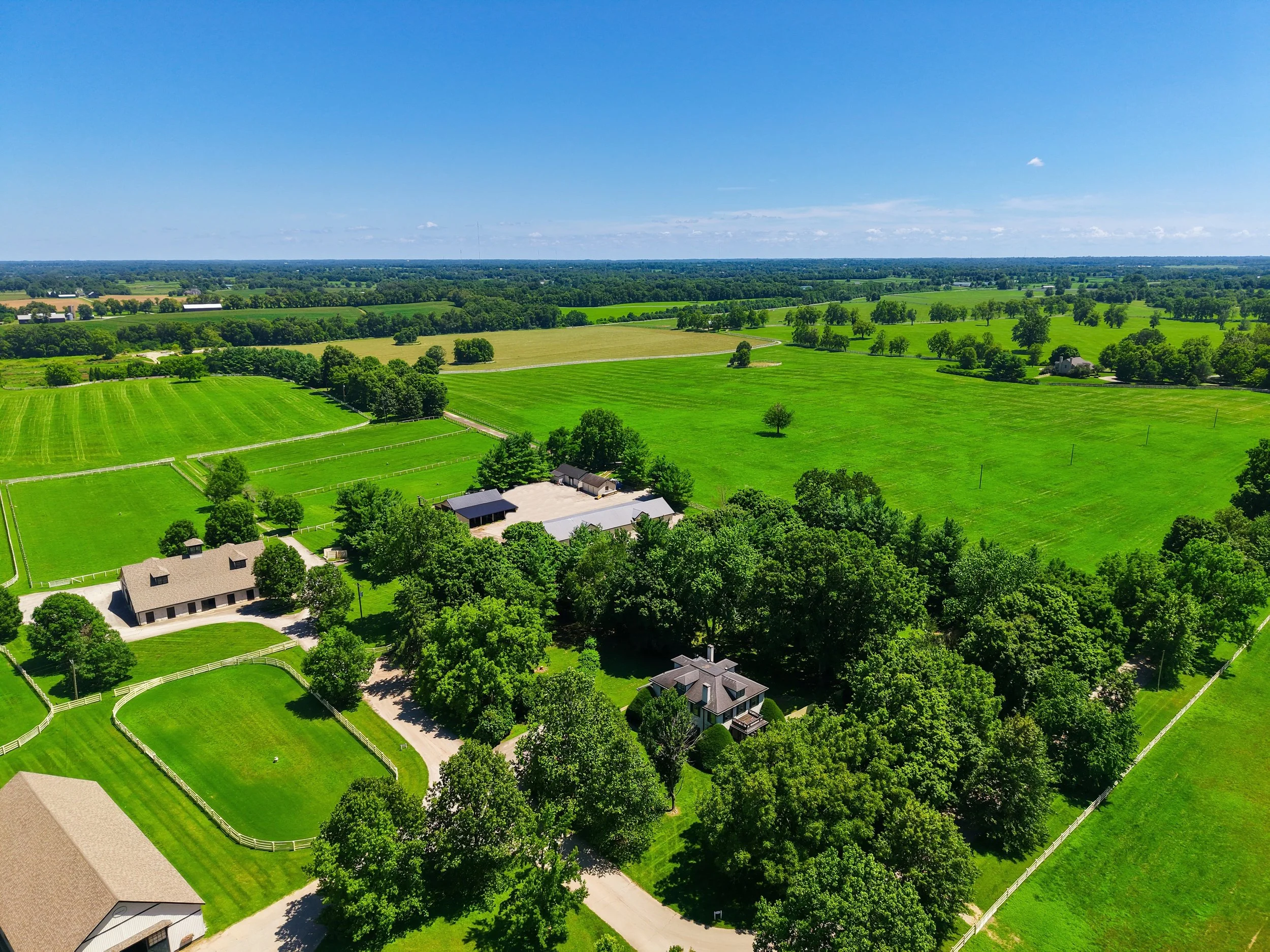
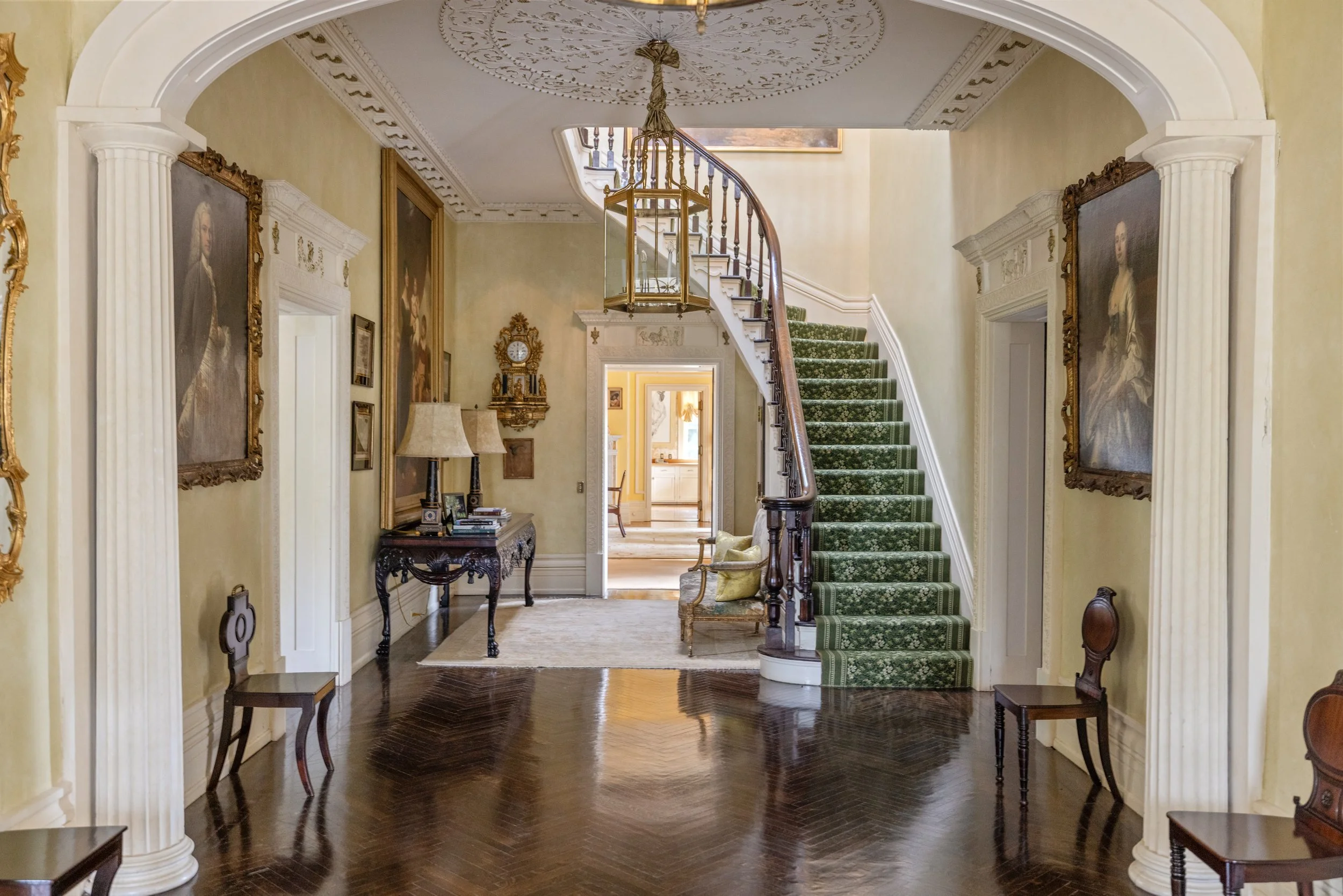
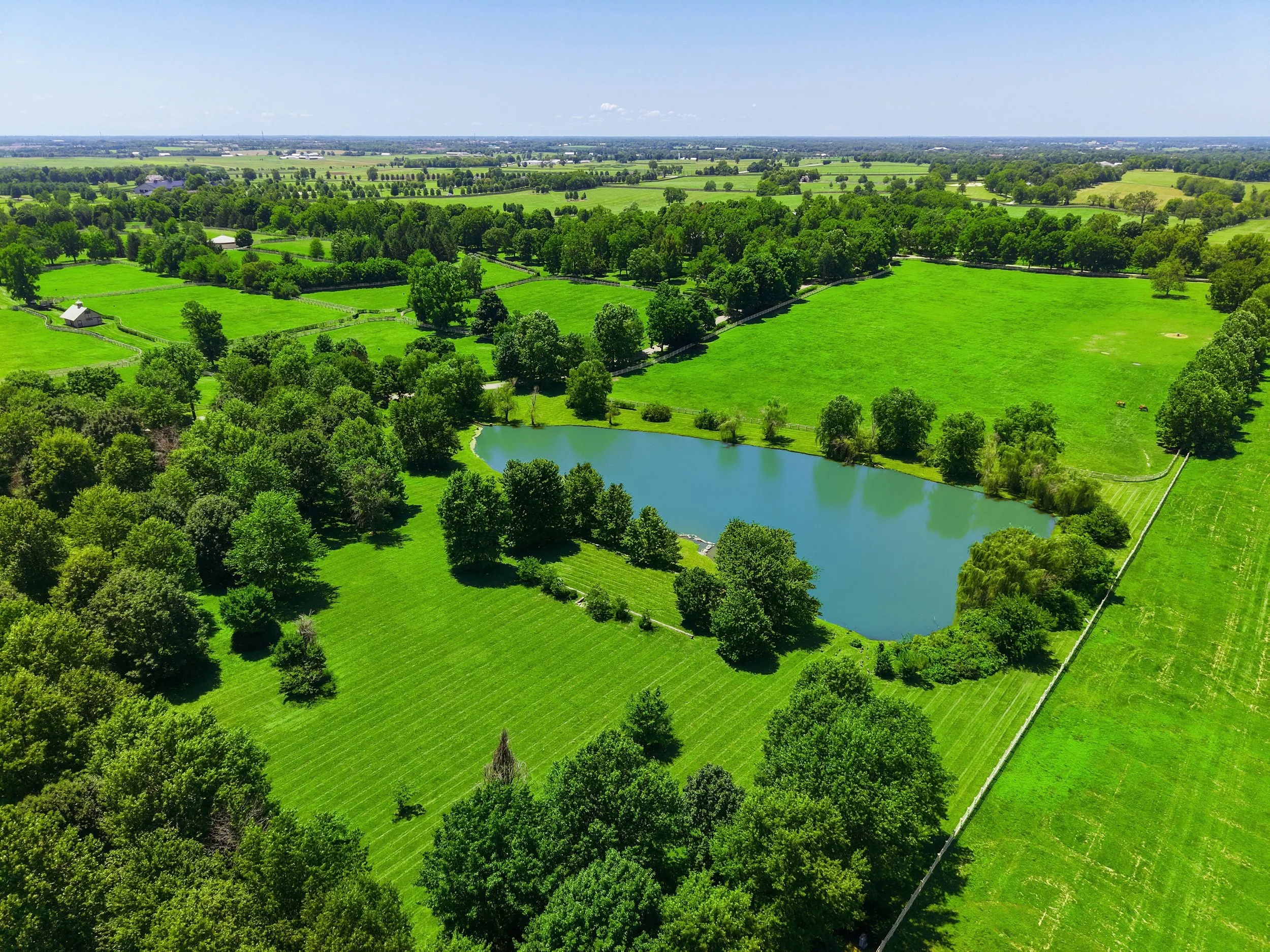
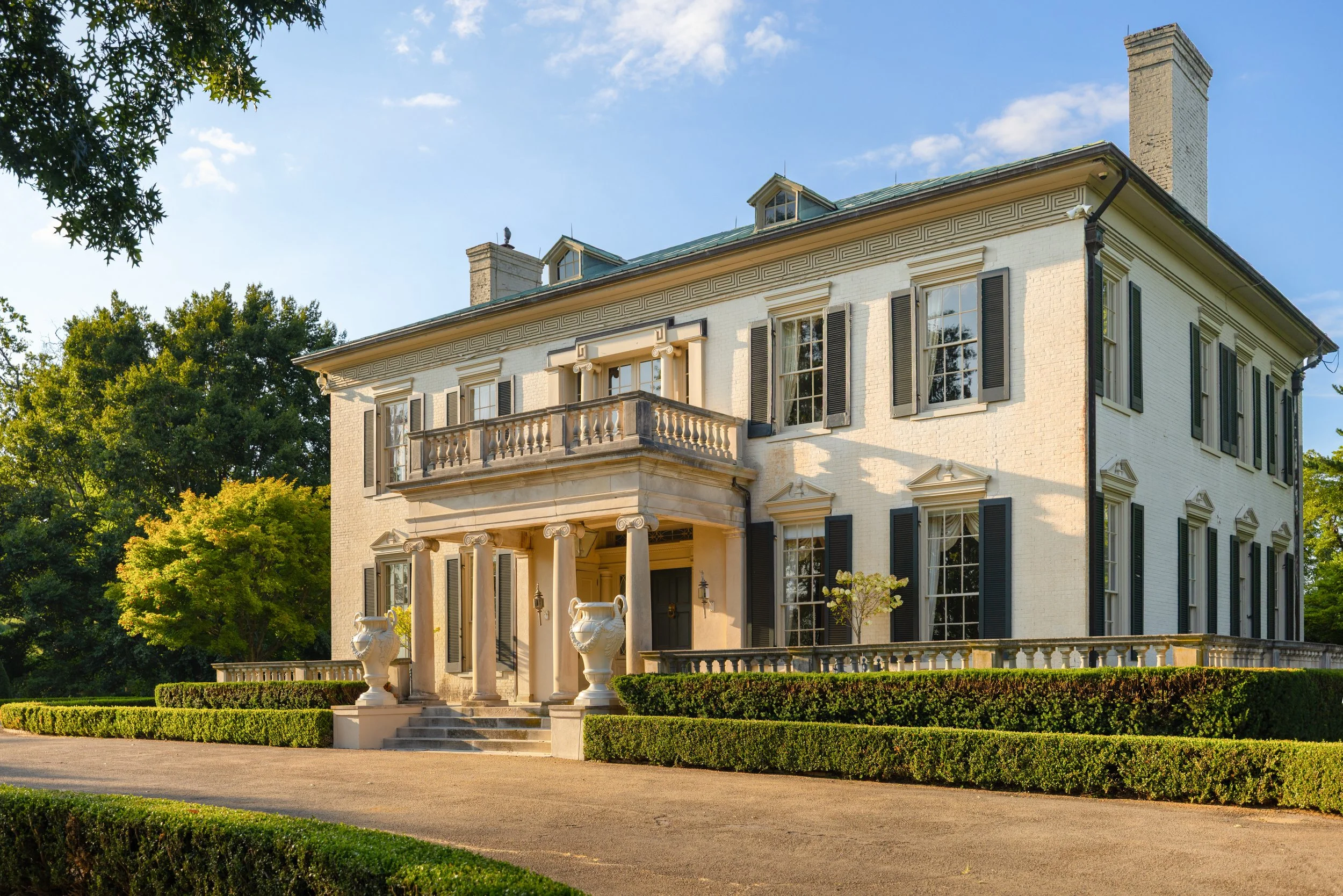
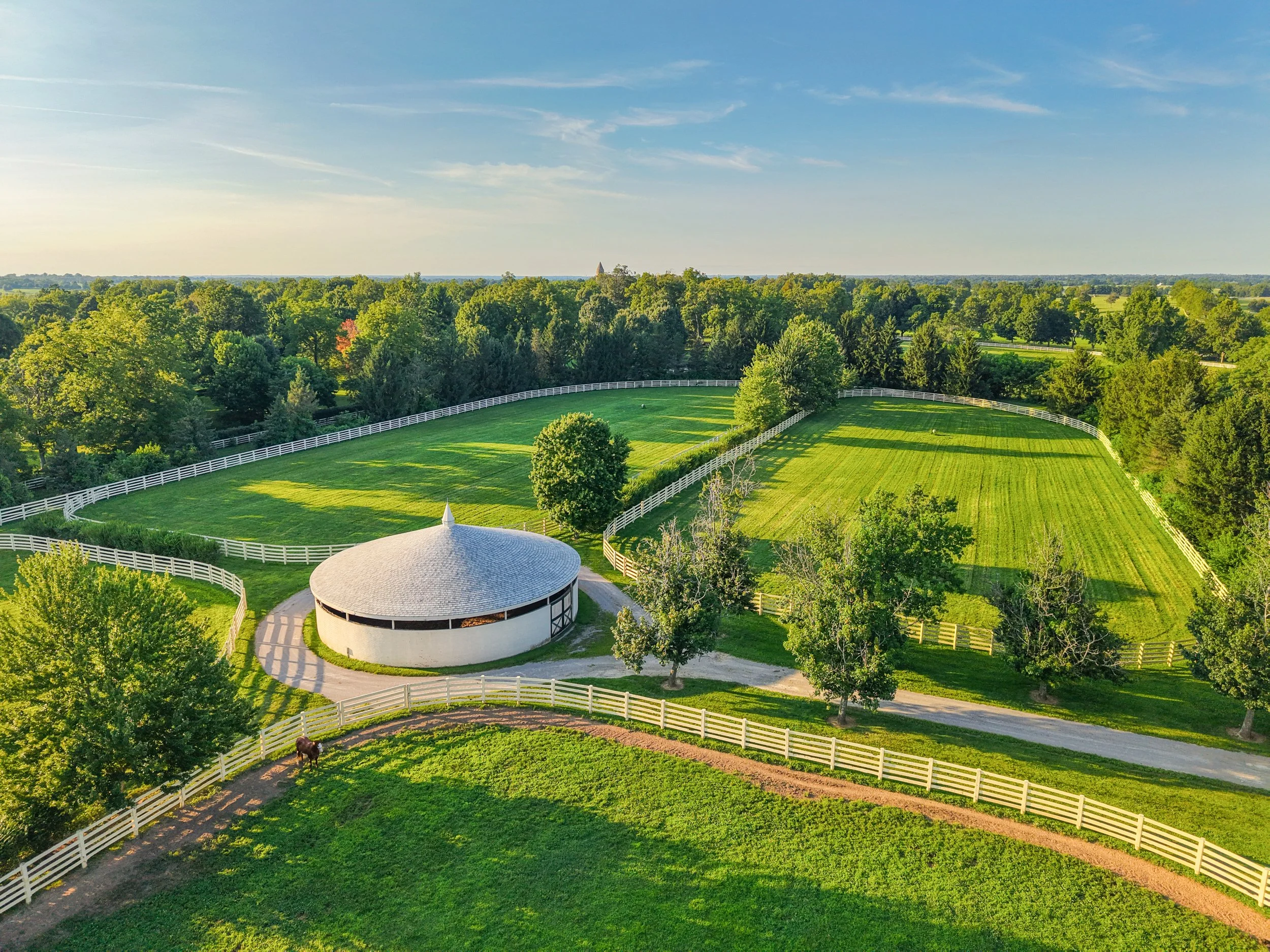
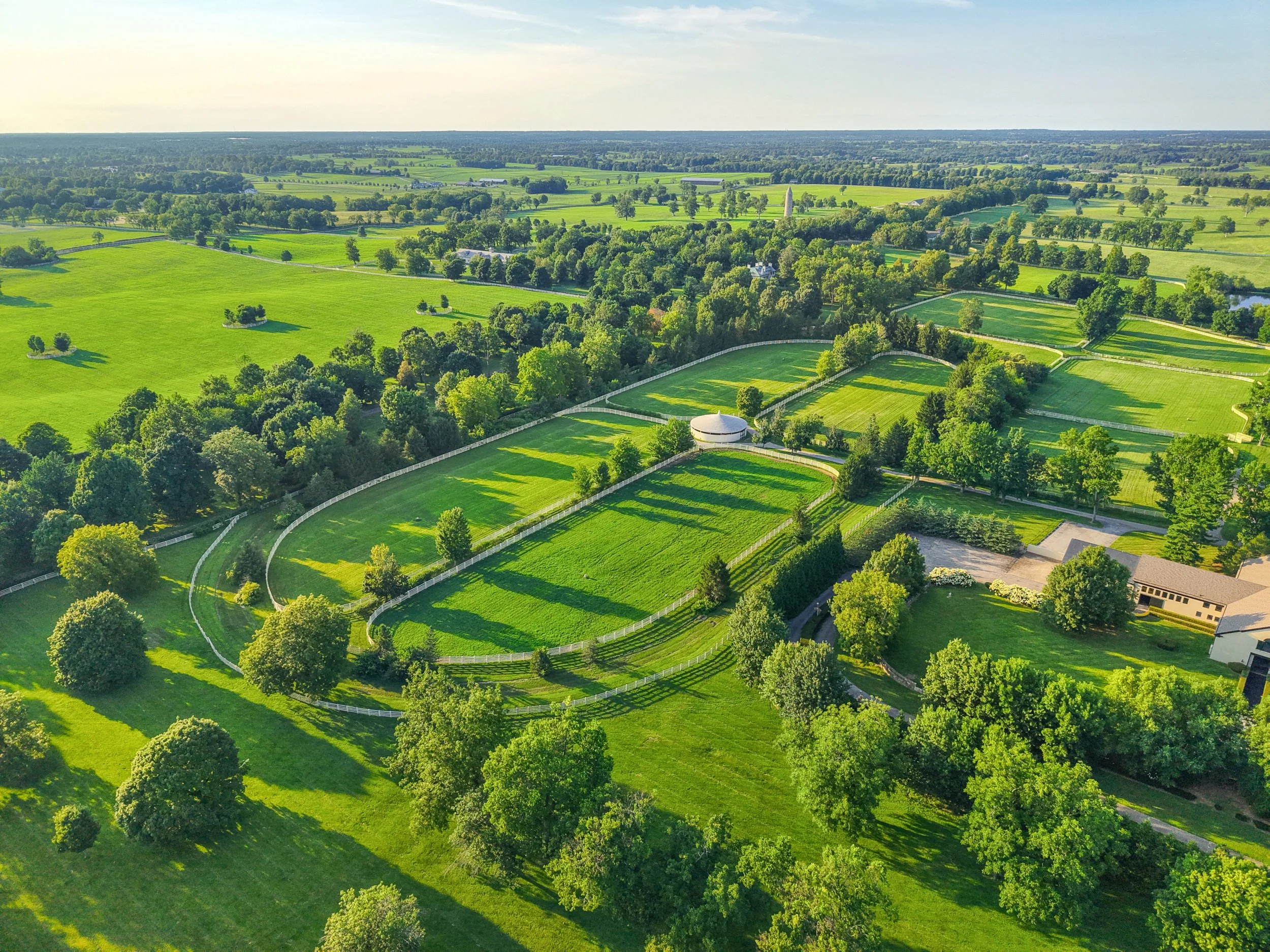
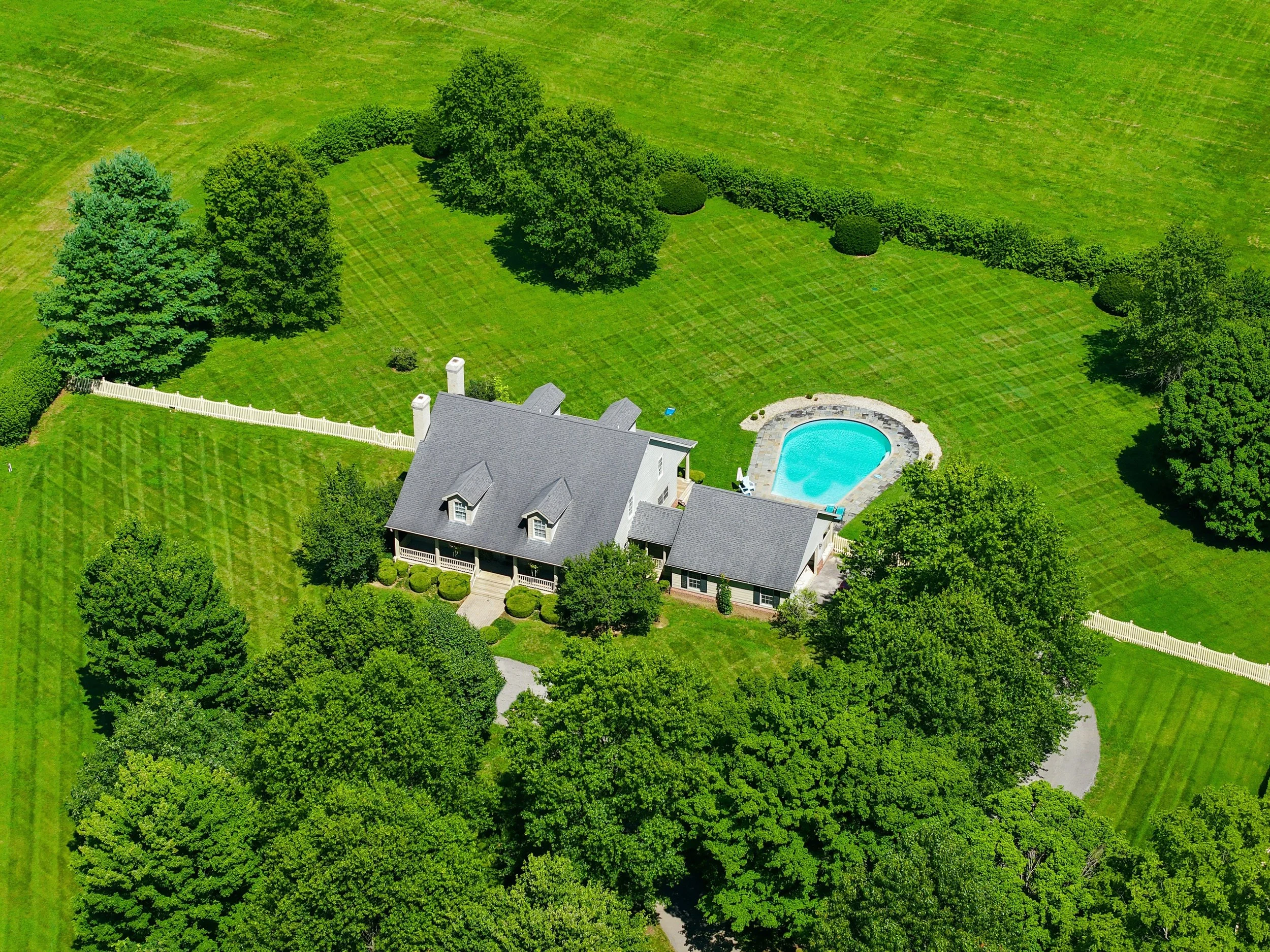
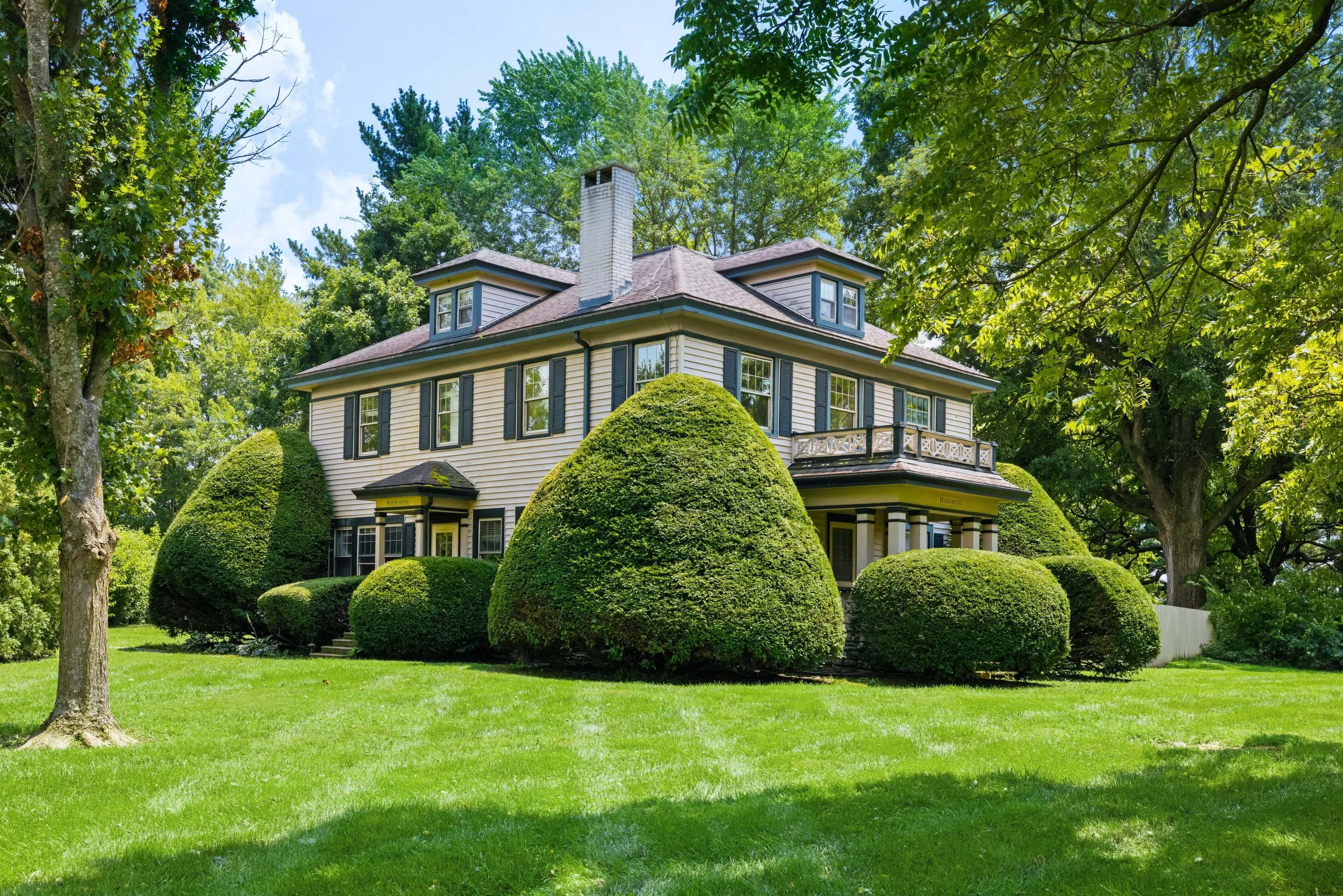
Set across 951 acres (385 hectares) of rolling pastureland outside Lexington, Castleton is centred around a Greek Revival mansion dating to around 1840. The approximately 13,500 ft² (1,254 m²) house has seven bedrooms and retains a lot of its historic architectural character, including its columned façade, ornate millwork and decorative mouldings. The estate also includes five additional houses, several residential apartments, historic stone walls, iron gates and a covered bridge.
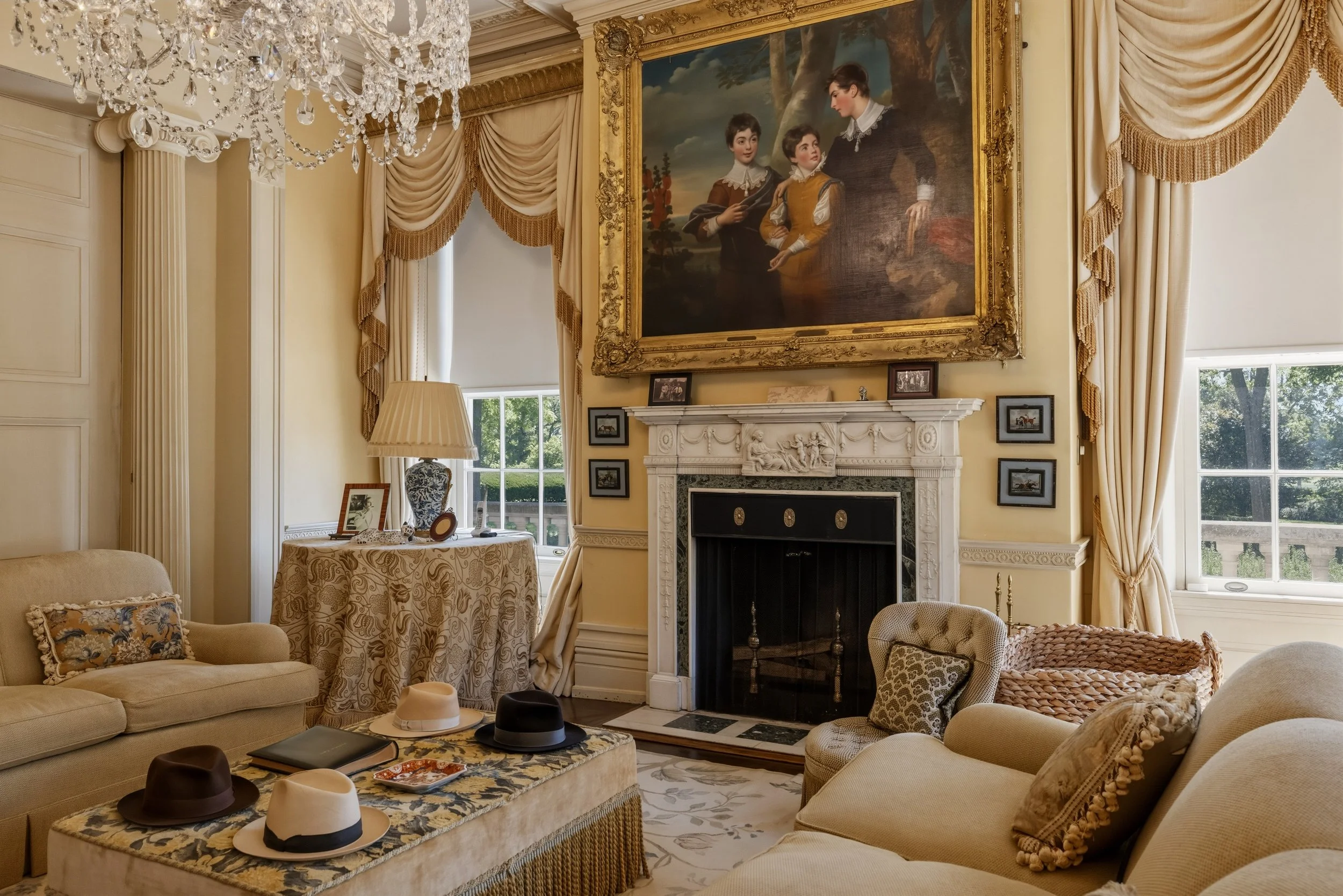
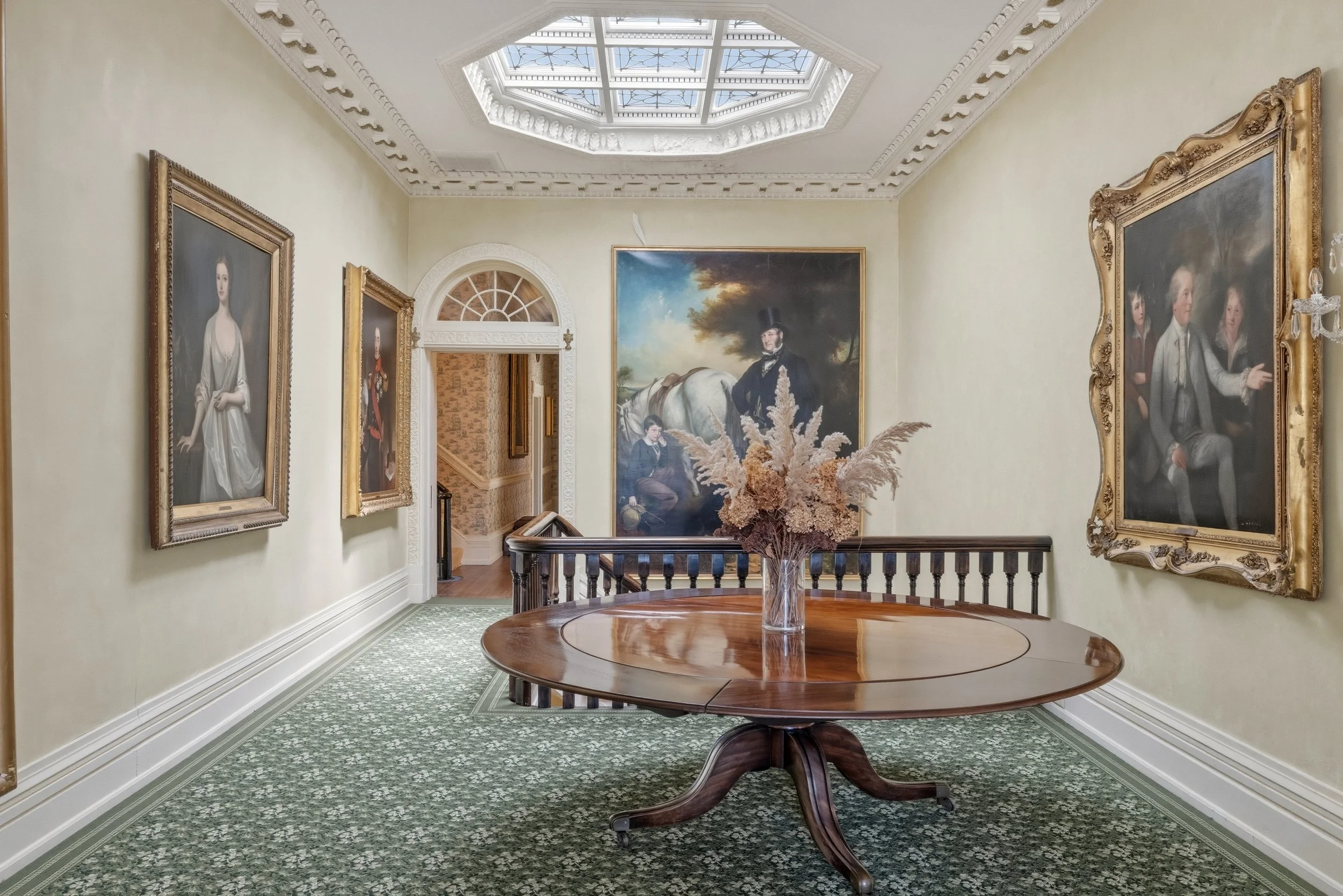
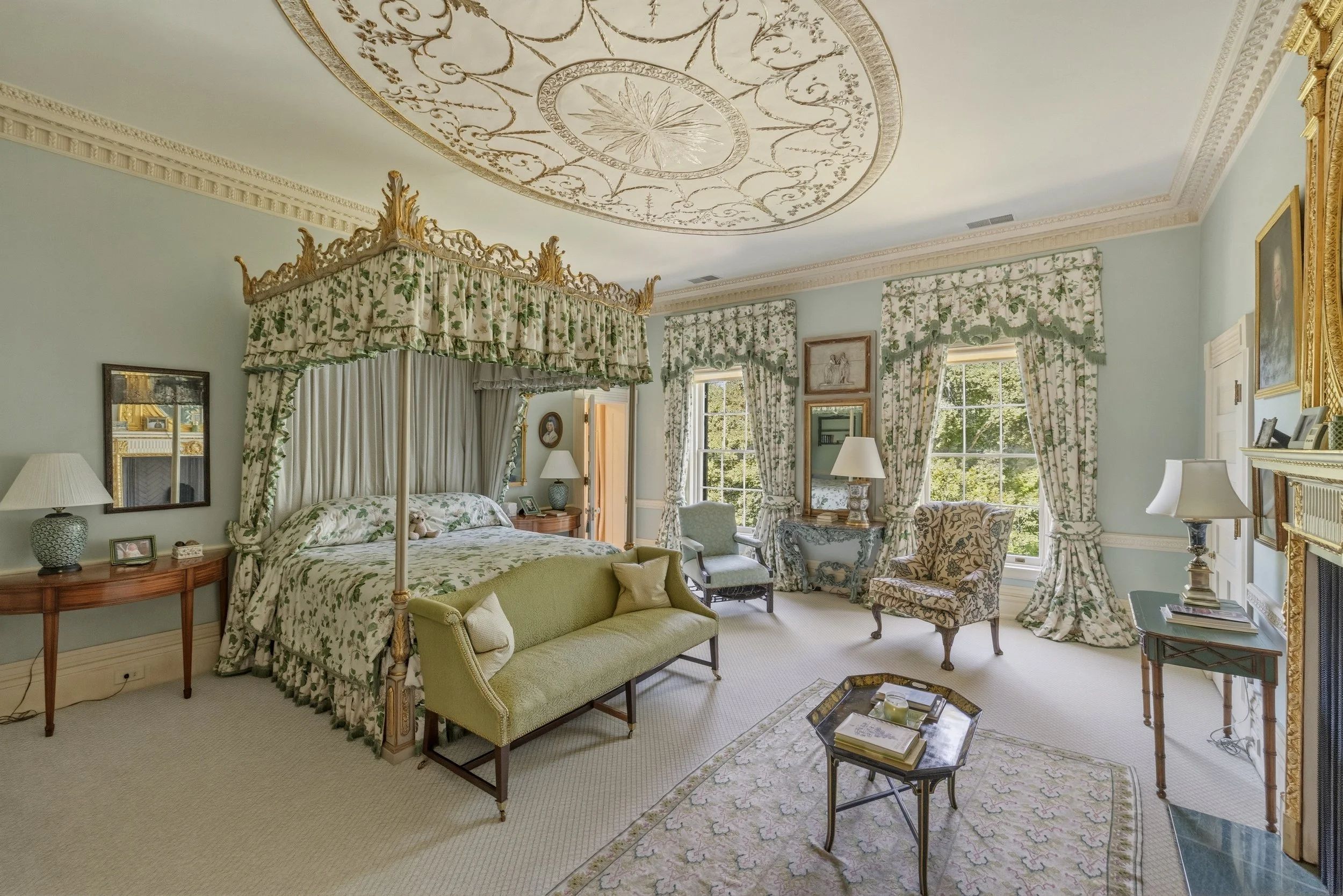
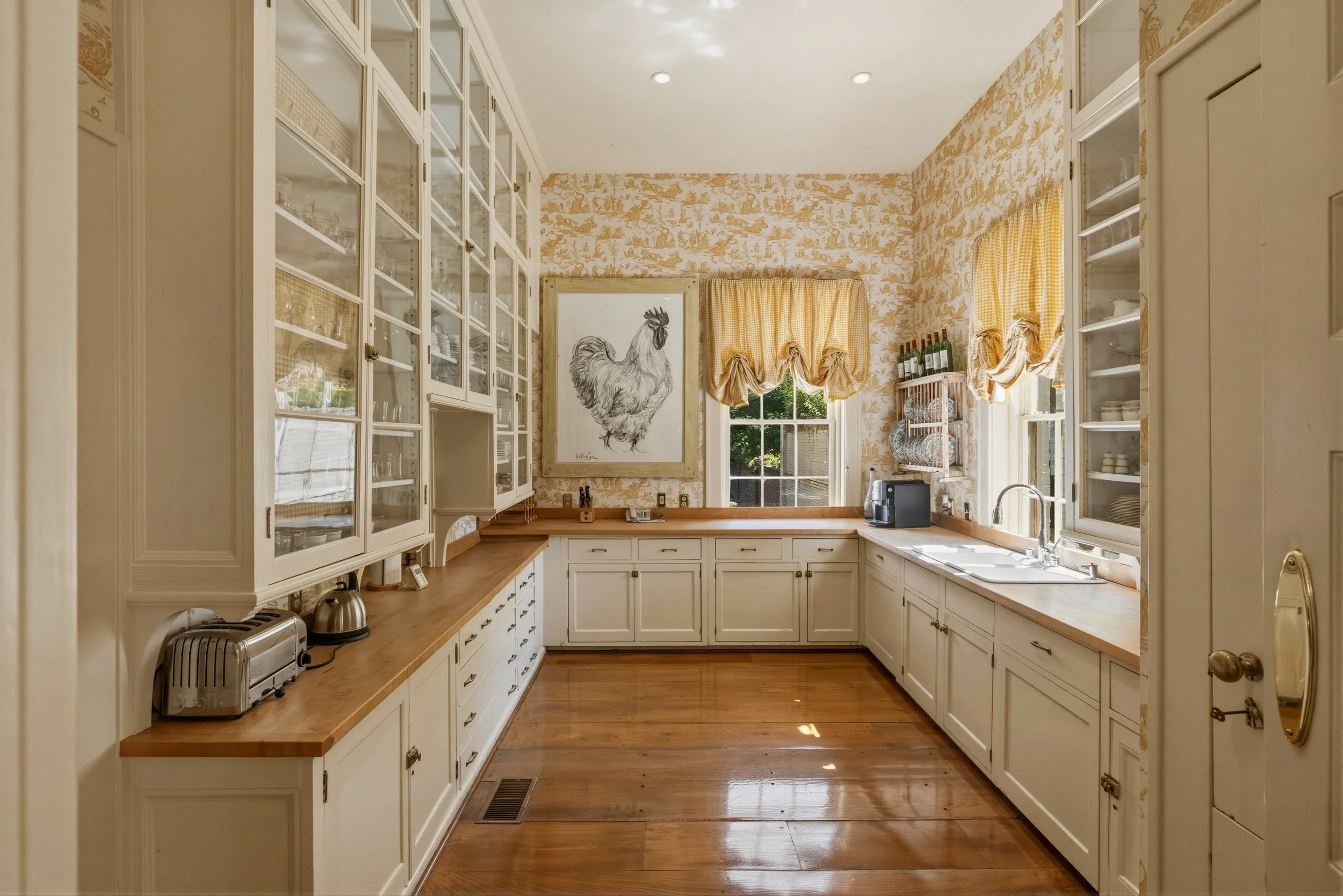
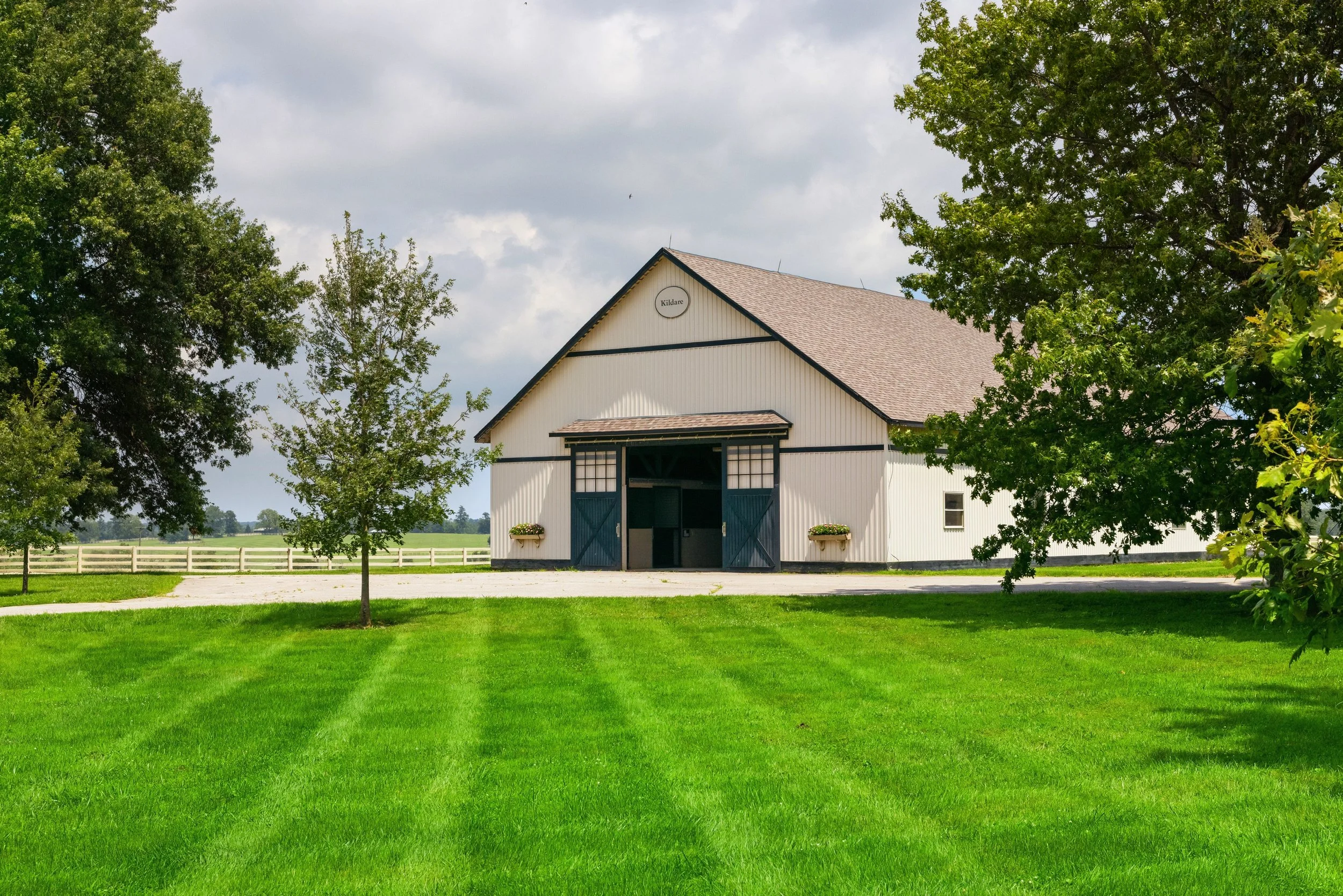
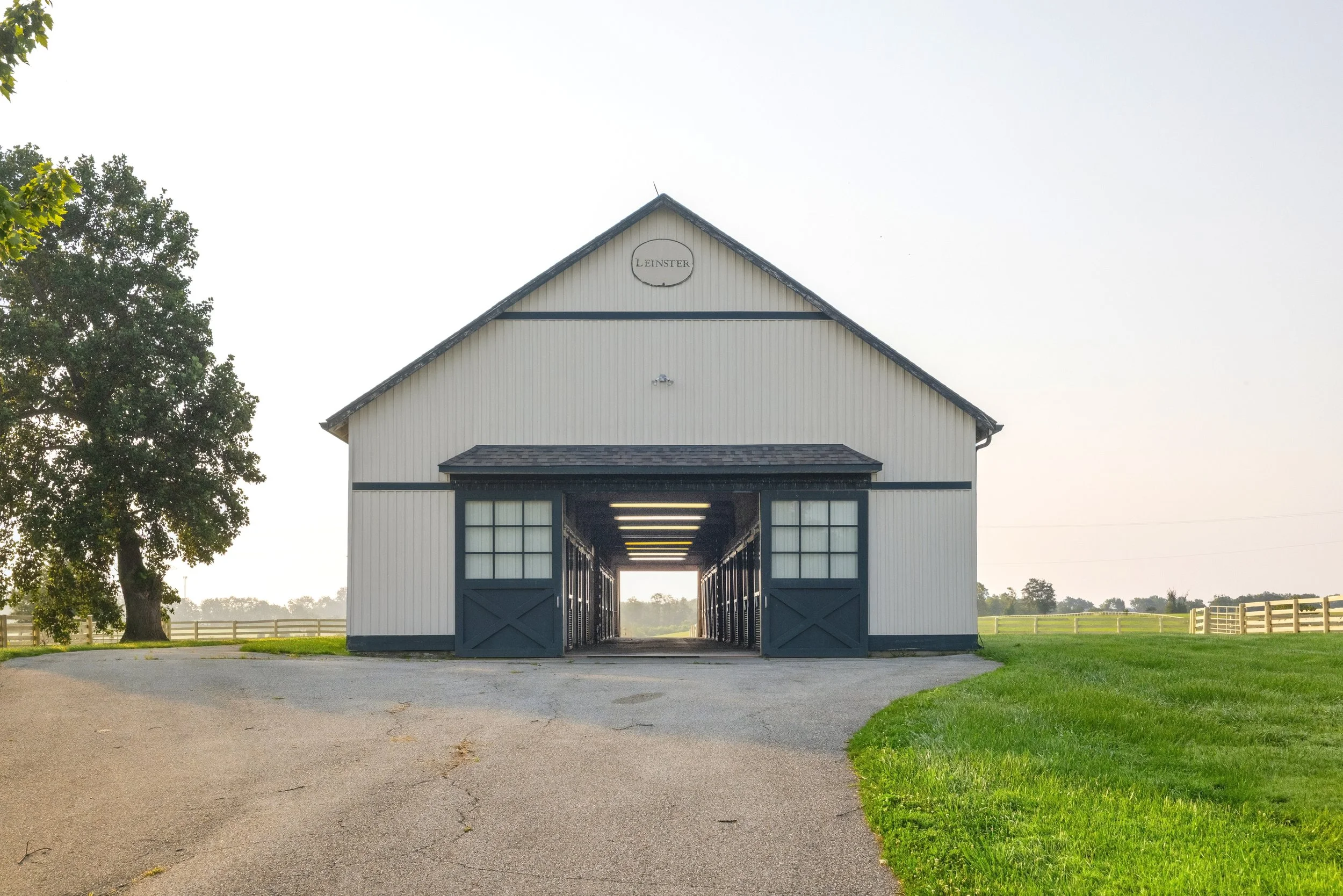
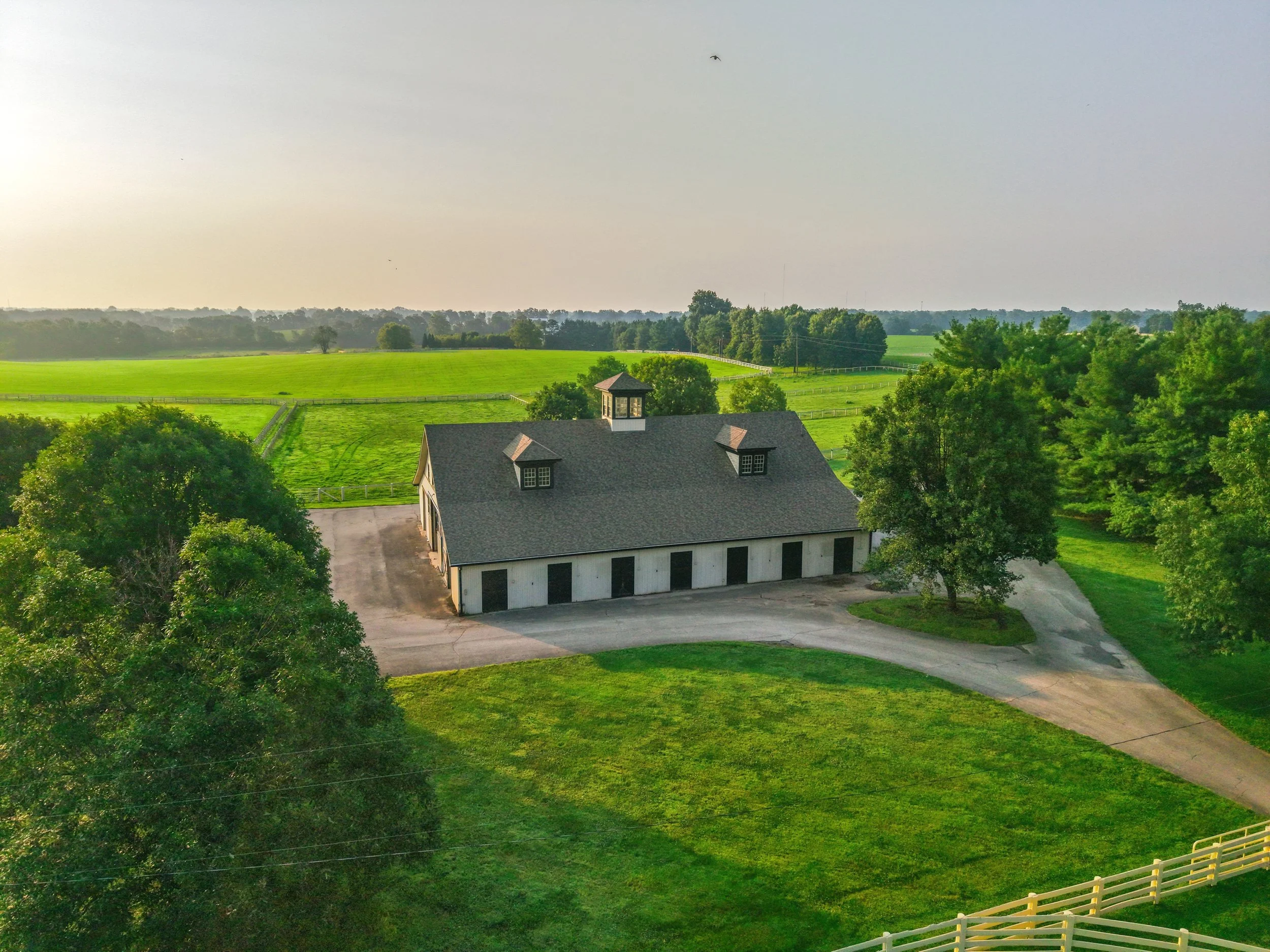
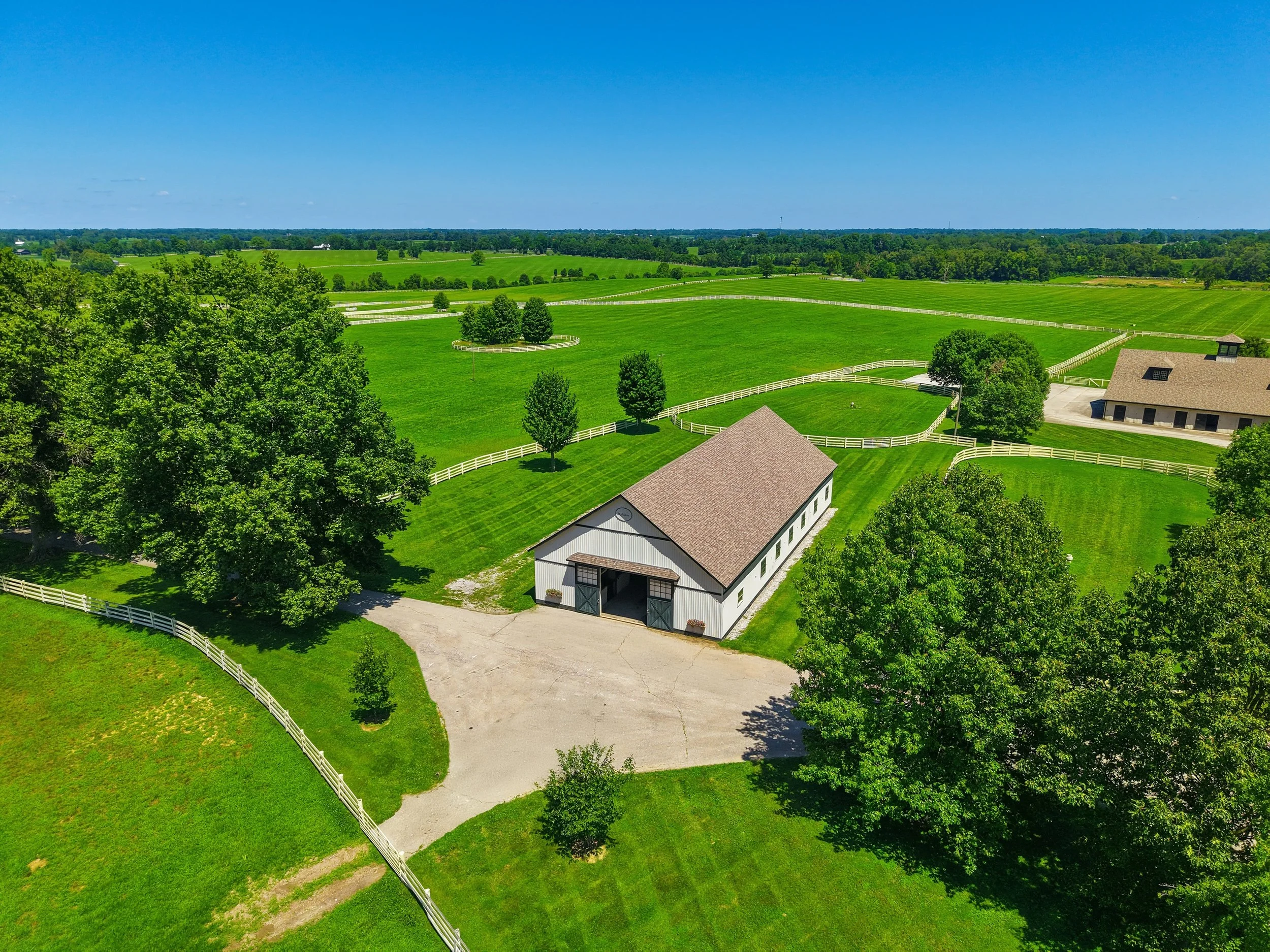
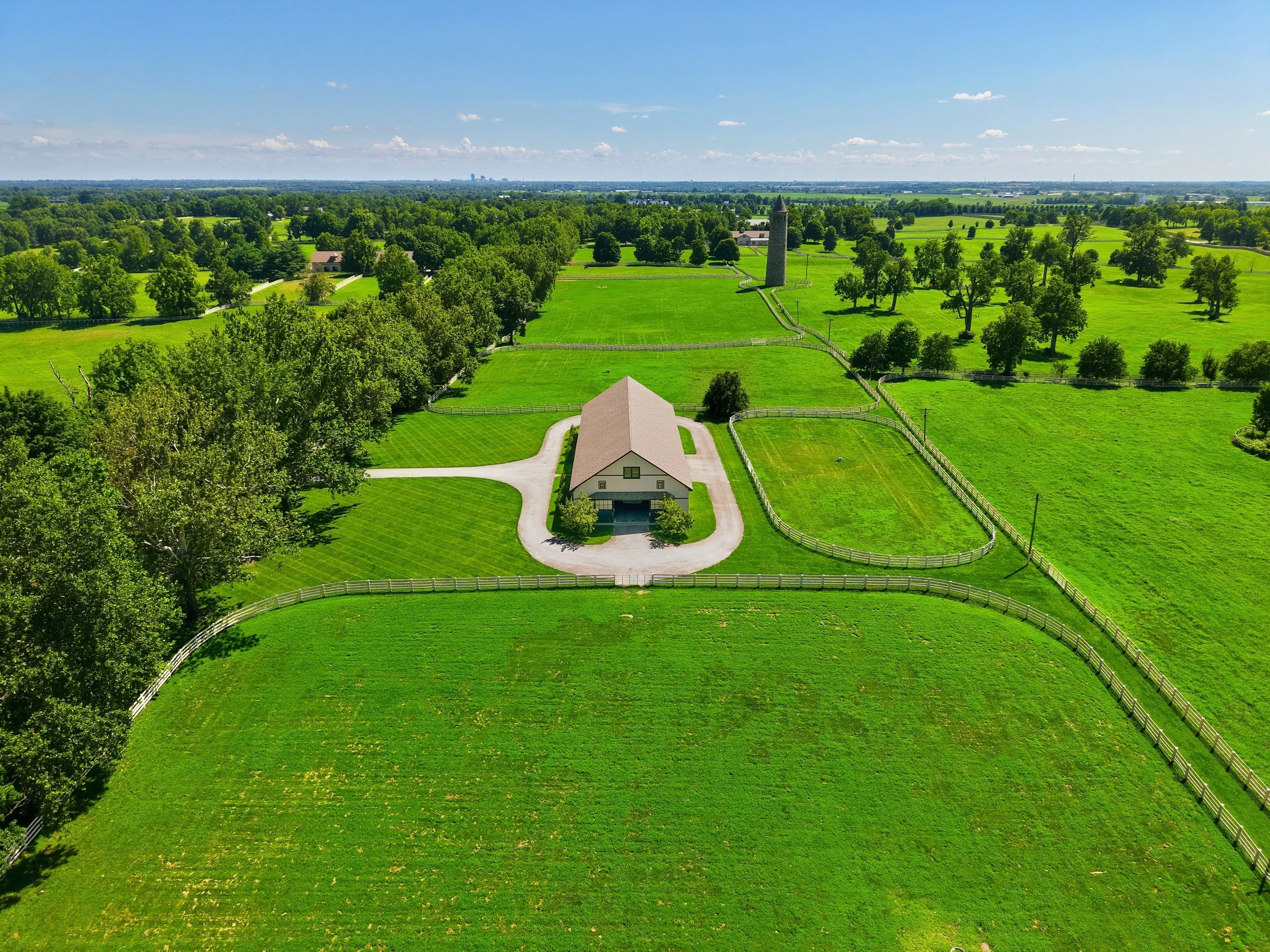
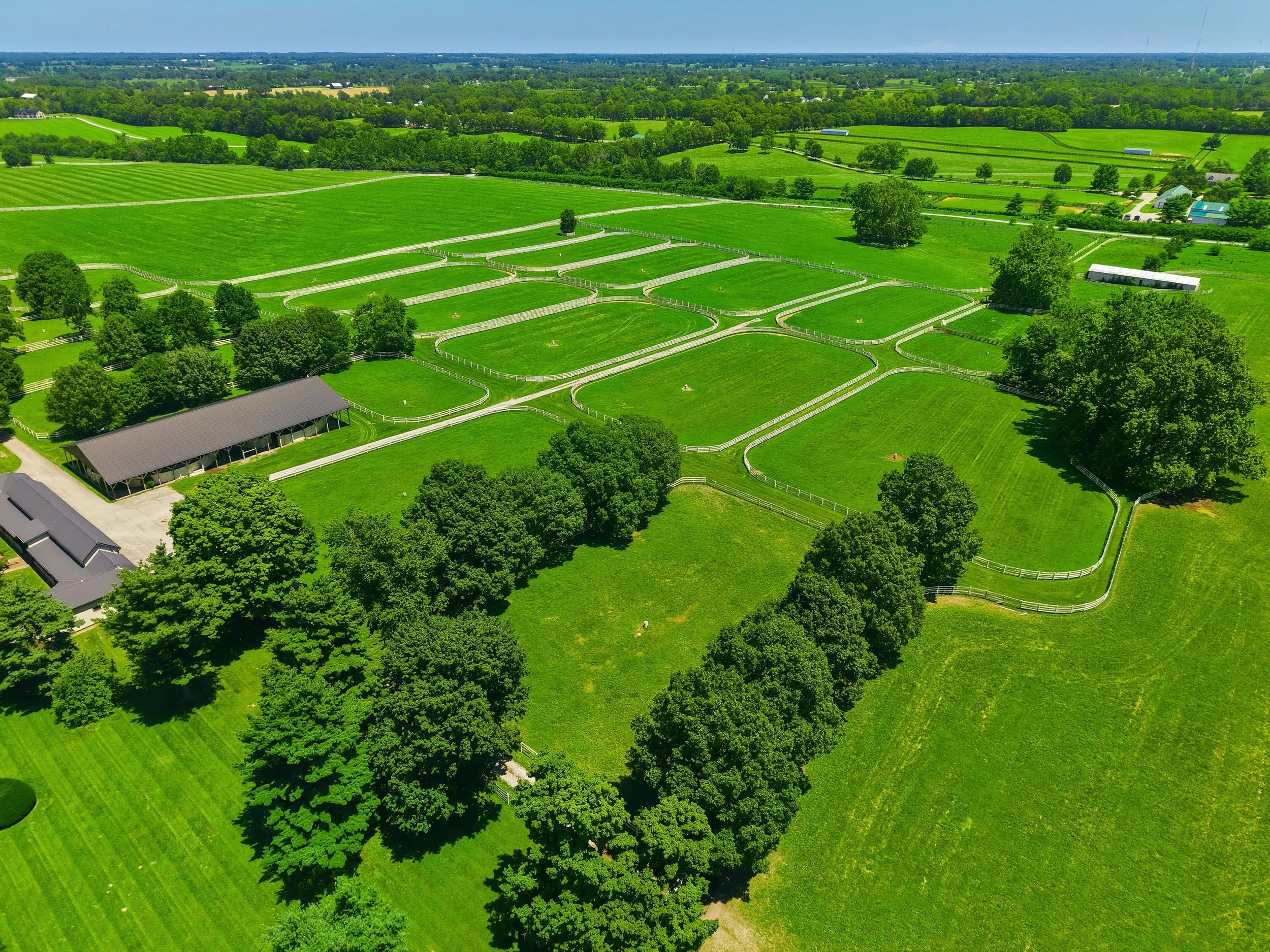
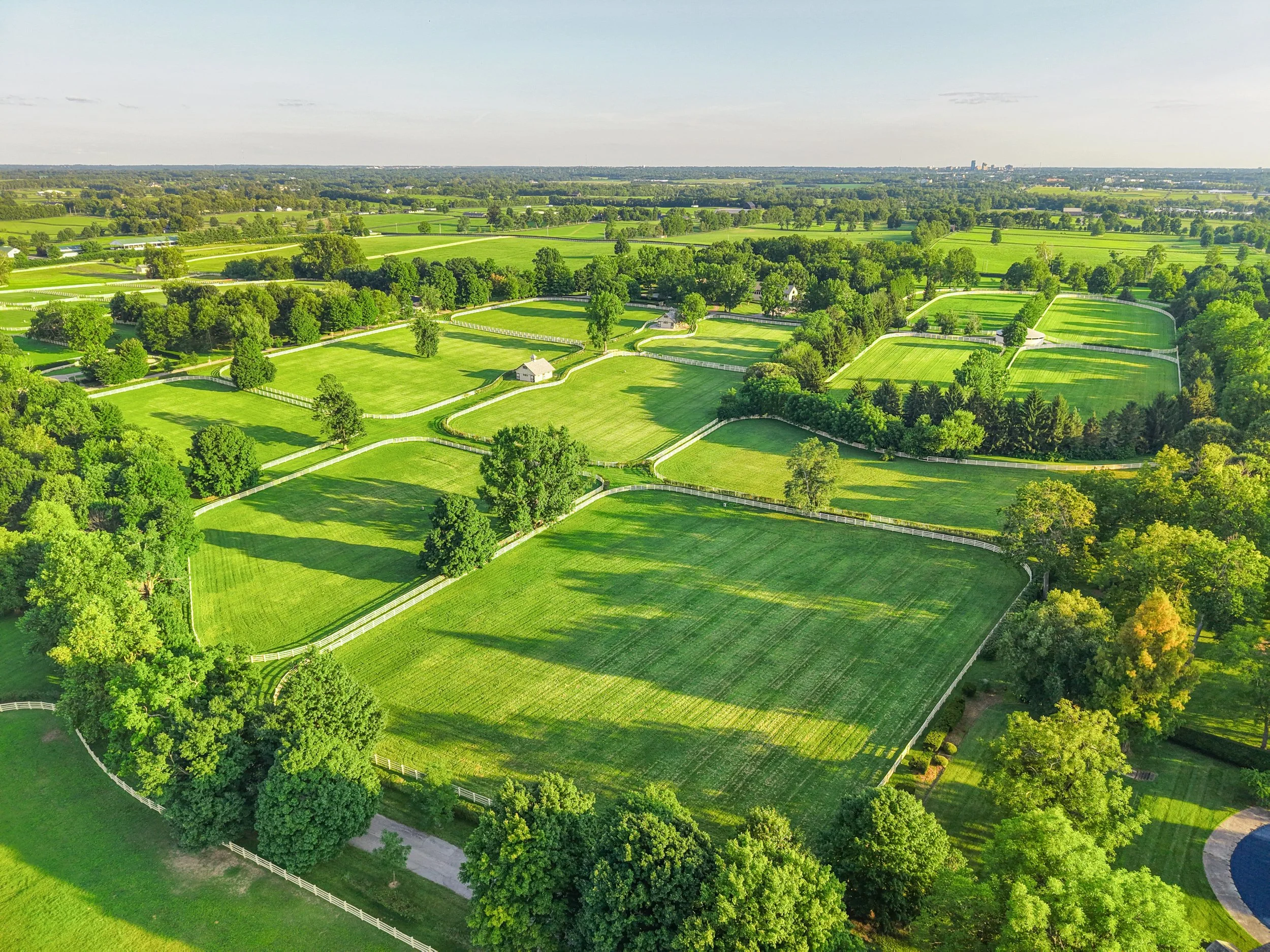
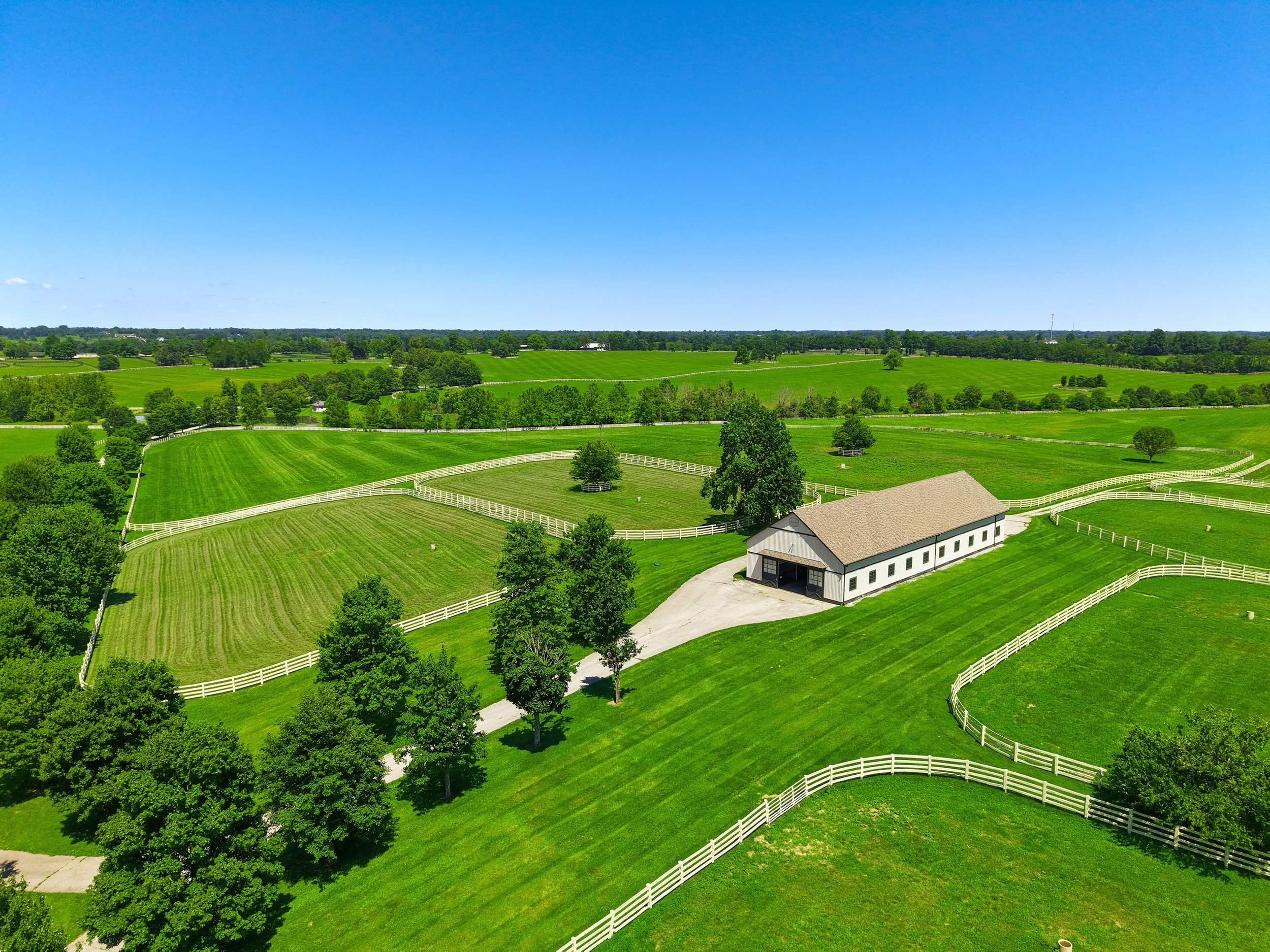
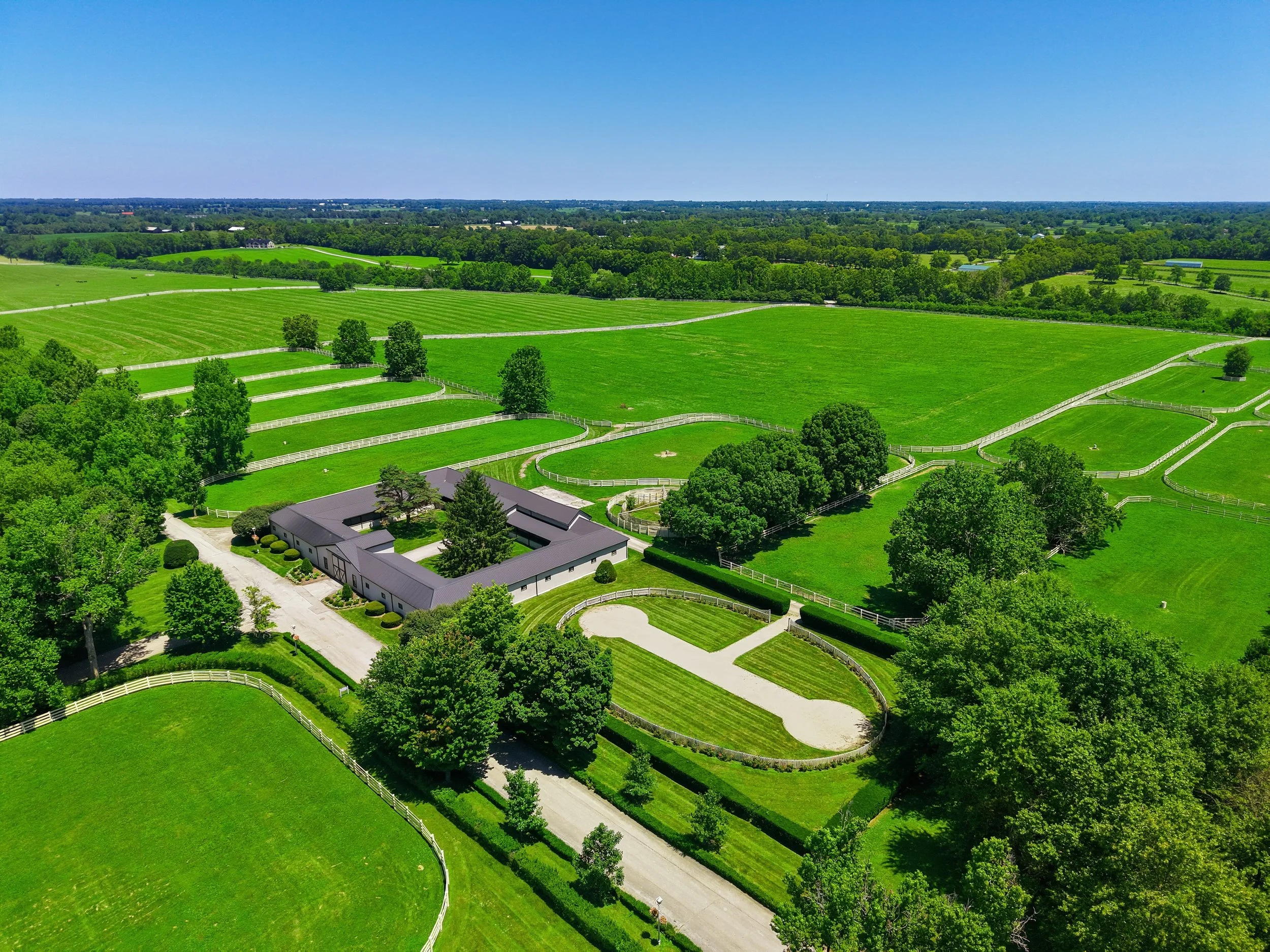
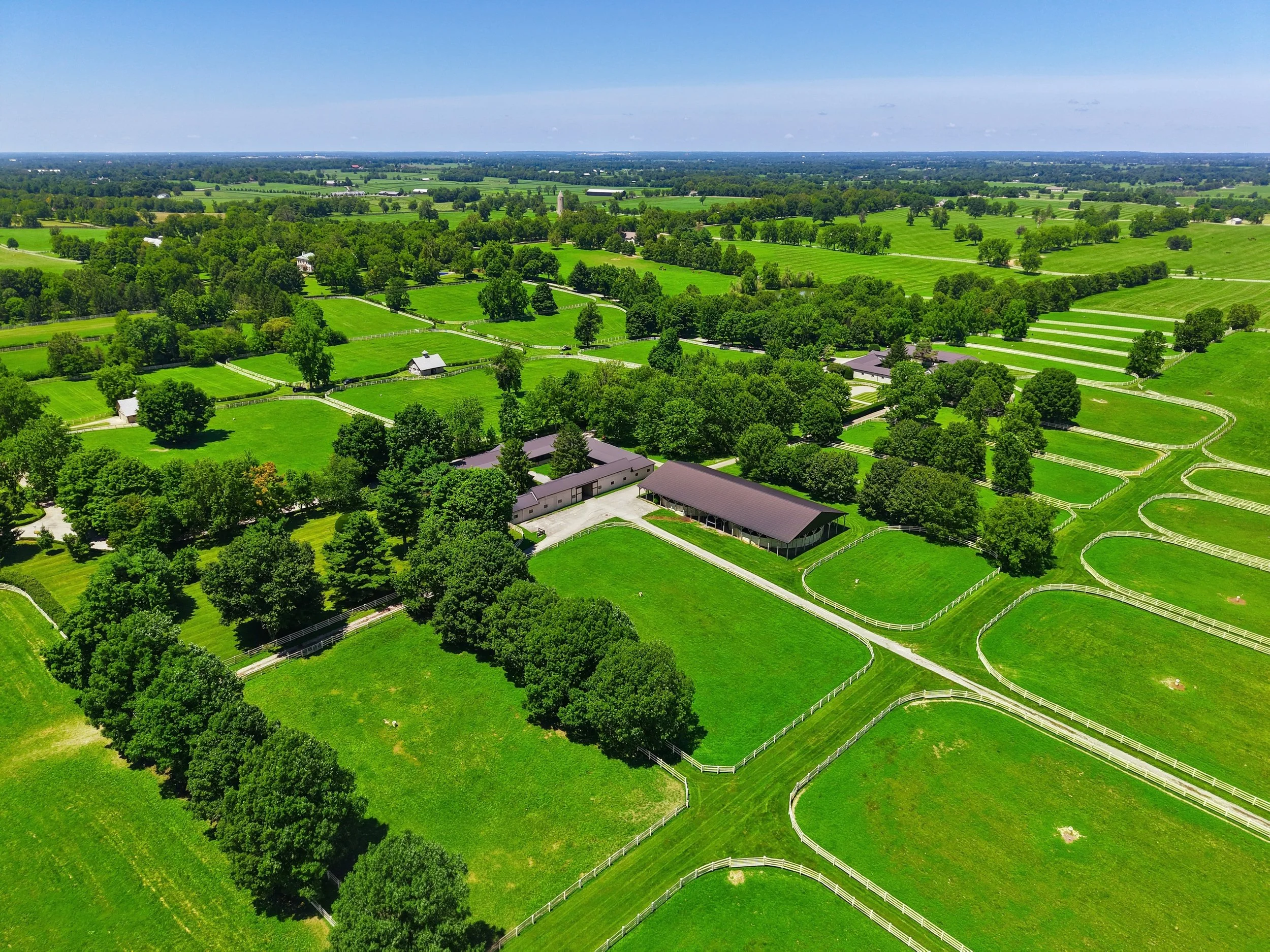
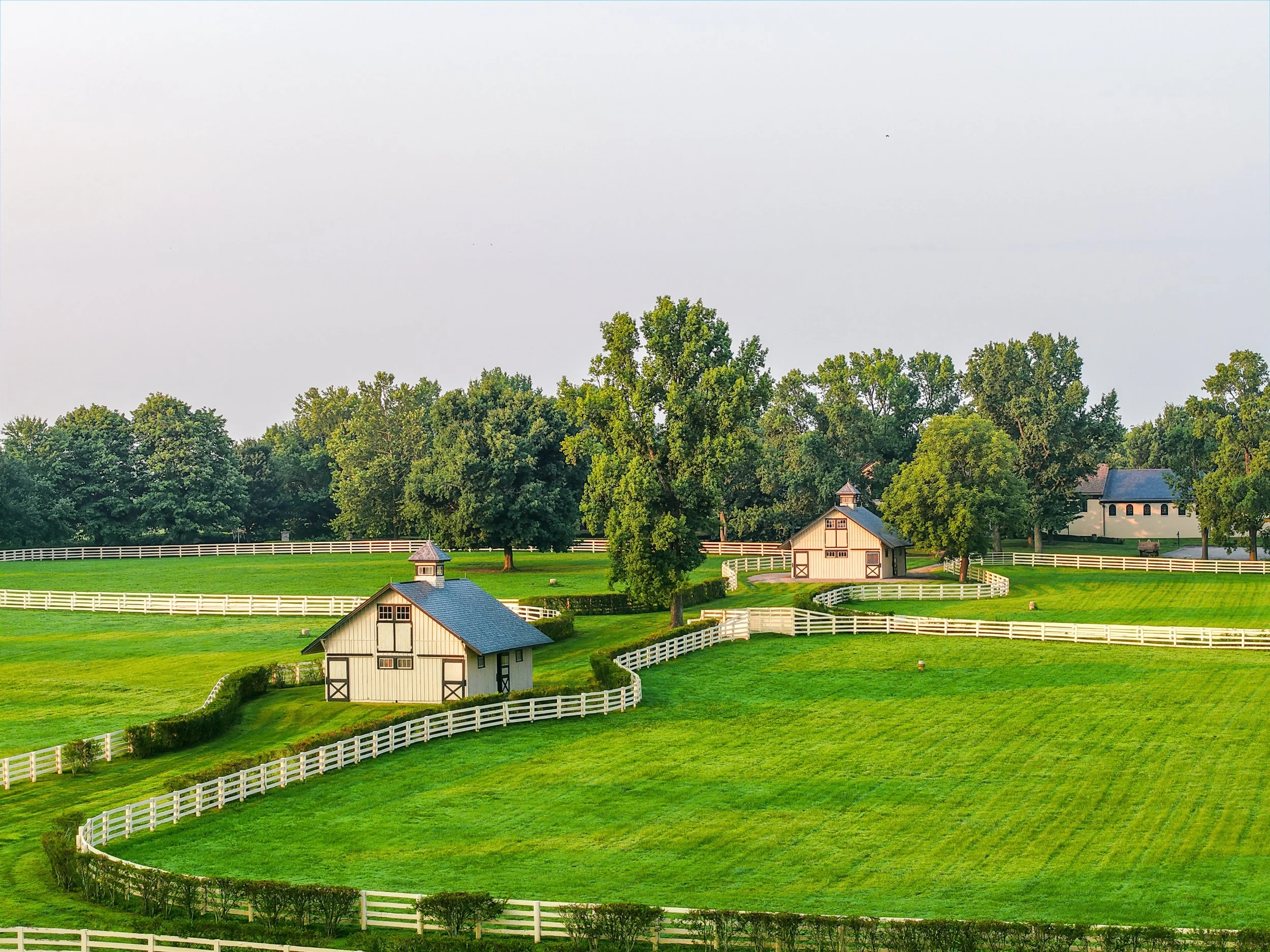
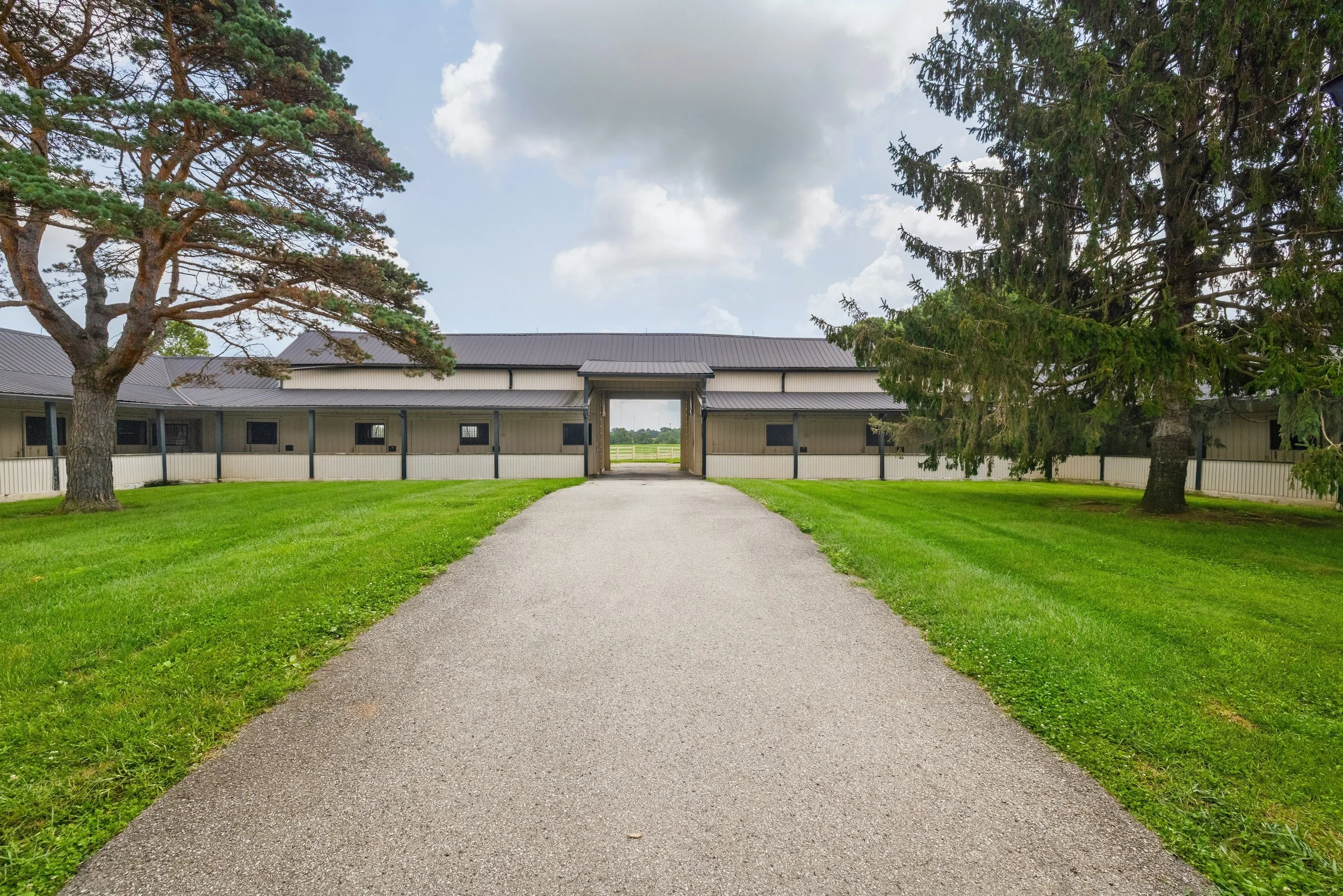
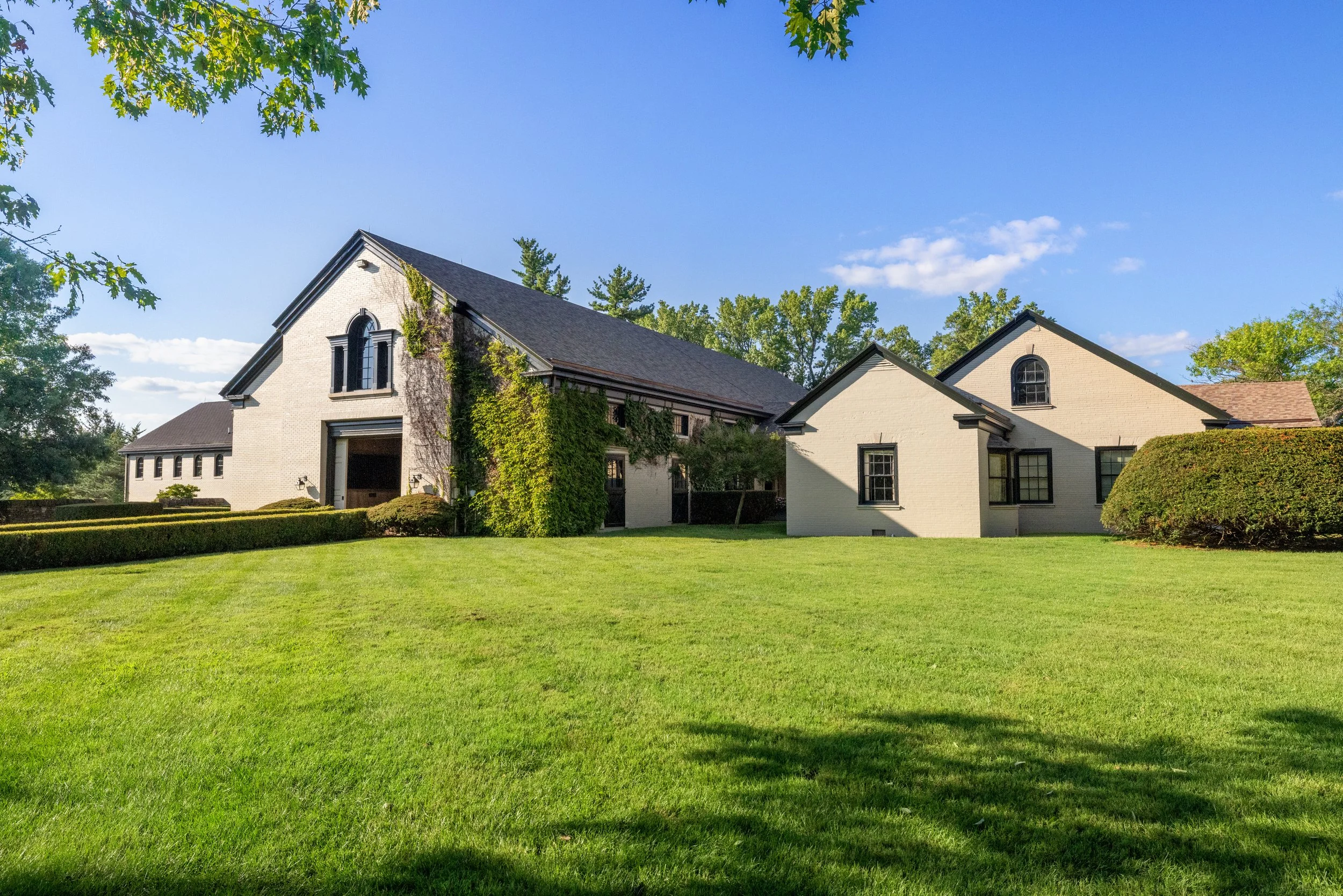
Beyond the residences, Castleton remains a fully operational horse farm, with 16 barns containing 268 stalls, extensive paddocks and the infrastructure needed for breeding and raising horses.
Listing agent Ken Donworth describes Castleton as a “trophy farm,” comparing its rarity and historical significance to a collector's item. But he also emphasizes its practical value as a working equestrian operation, capable of accommodating either a private breeding program or a larger commercial enterprise with facilities for boarding and raising horses.
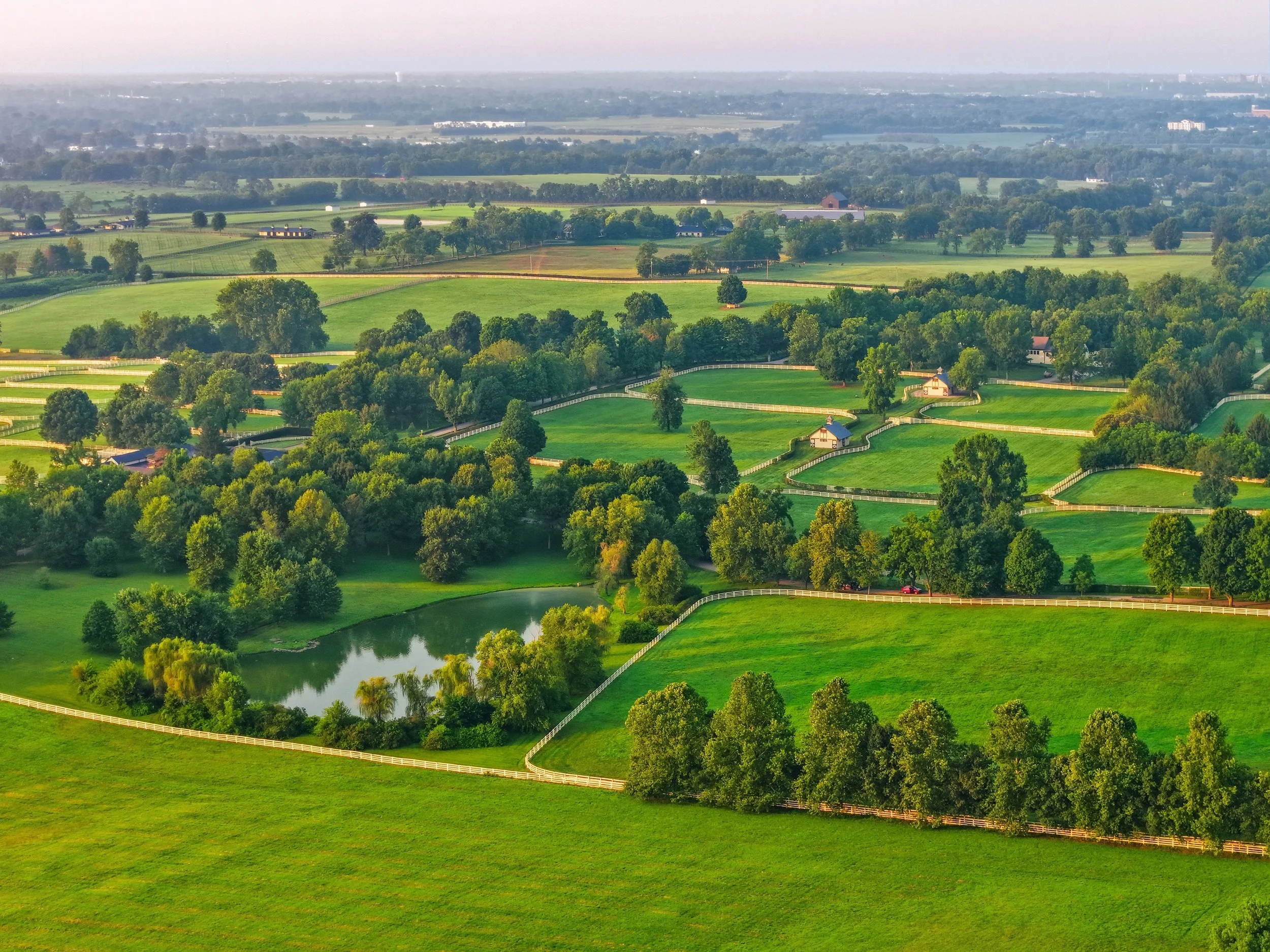
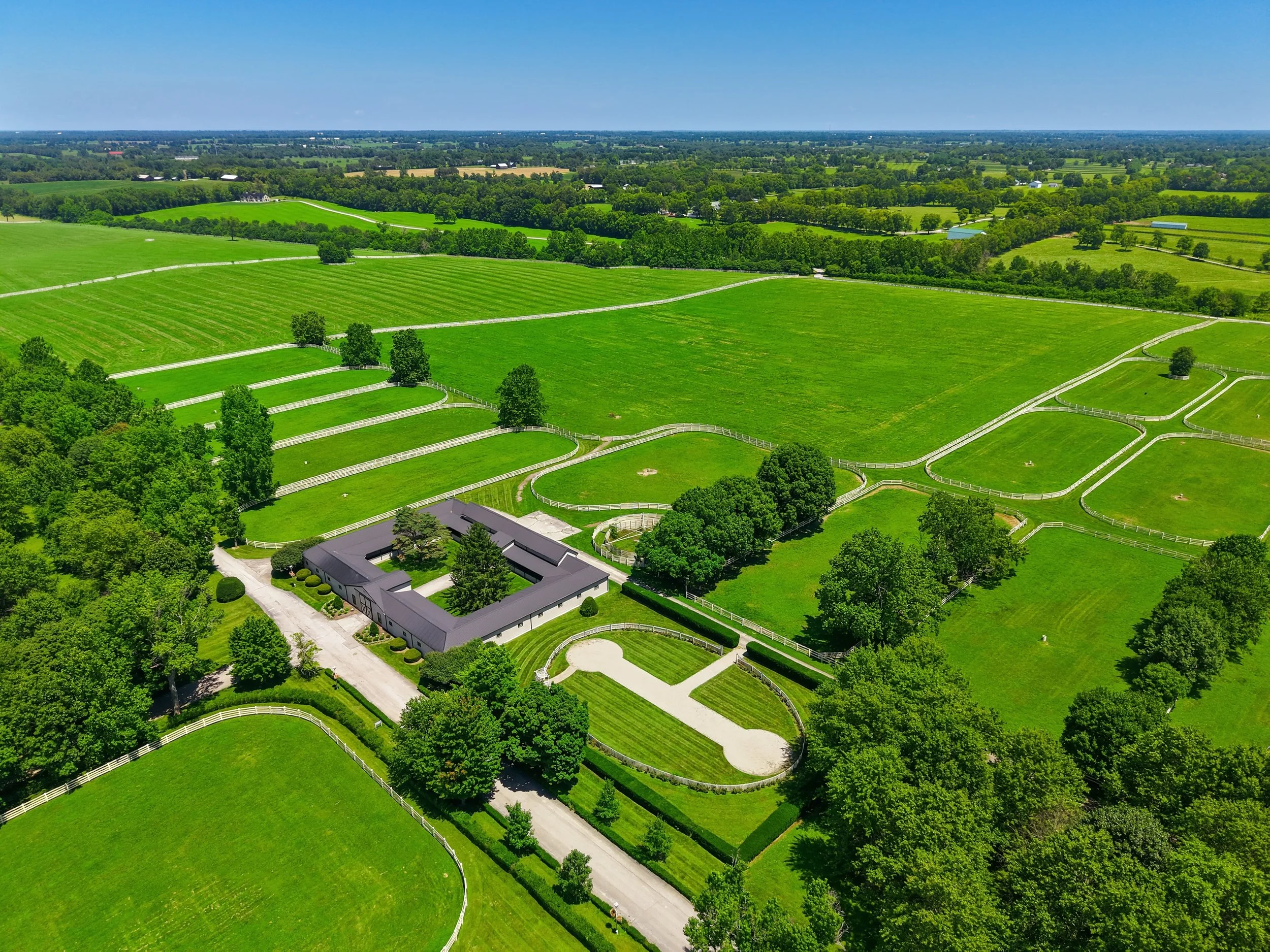
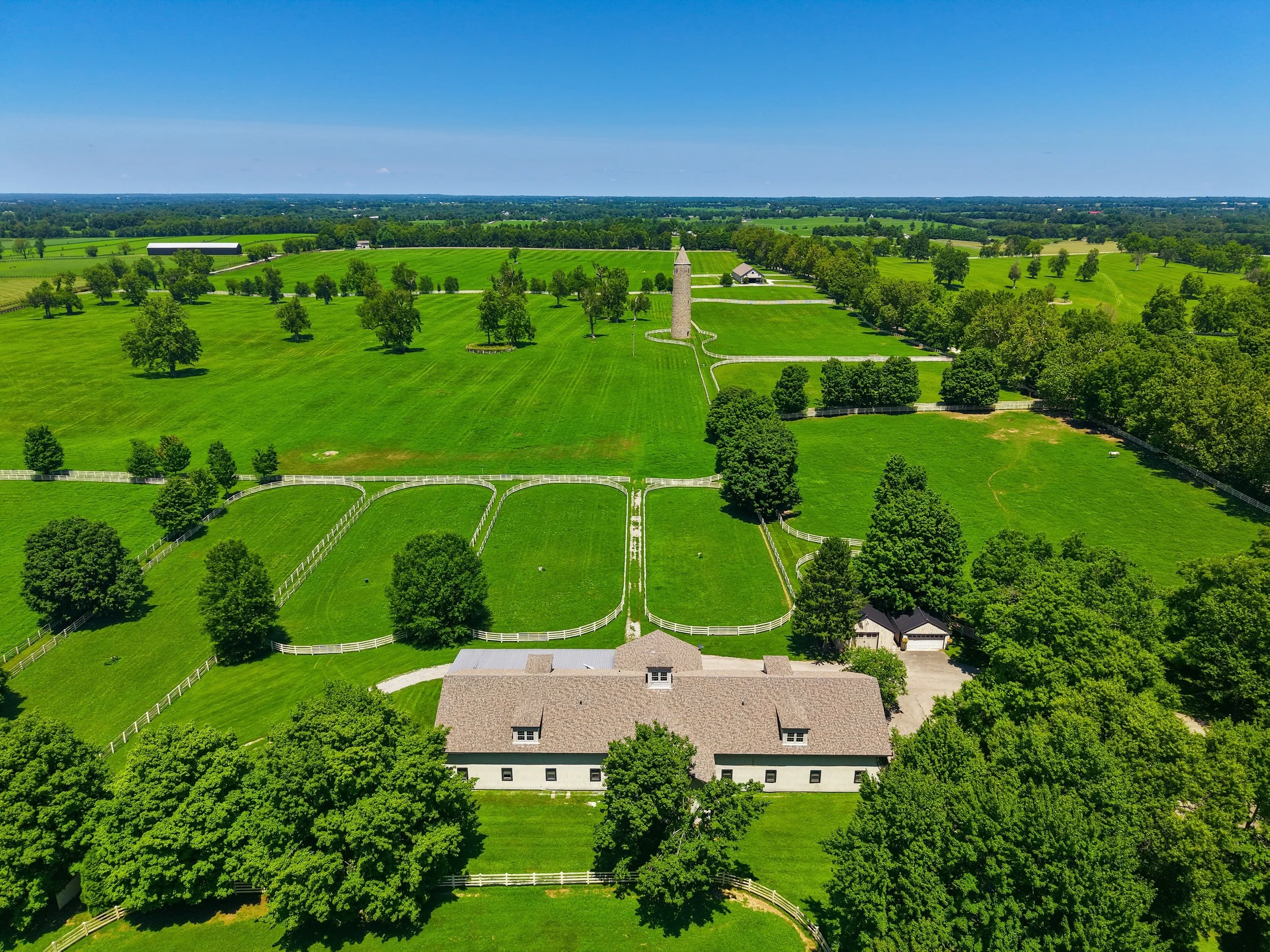
Its location is another important part of the appeal. Lexington sits at the centre of Kentucky's Thoroughbred industry, a position established through generations of horse breeding and supported by the region's limestone-influenced soils, extensive pastures and specialist expertise.
For buyers considering an equestrian estate like Castleton, the surrounding region offers an additional advantage: access to one of the world's most established networks of Thoroughbred breeding and racing facilities. Keeneland's auction house and racecourse, leading breeding farms, internationally renowned stallions and major equine veterinary hospitals such as Hagyard and Rood & Riddle are all concentrated around Lexington. Horses can be bred, raised, treated, raced and sold within the same region. As listing agent Ken Donworth explained in our interview, “It's basically where people come to do business at the top level.”
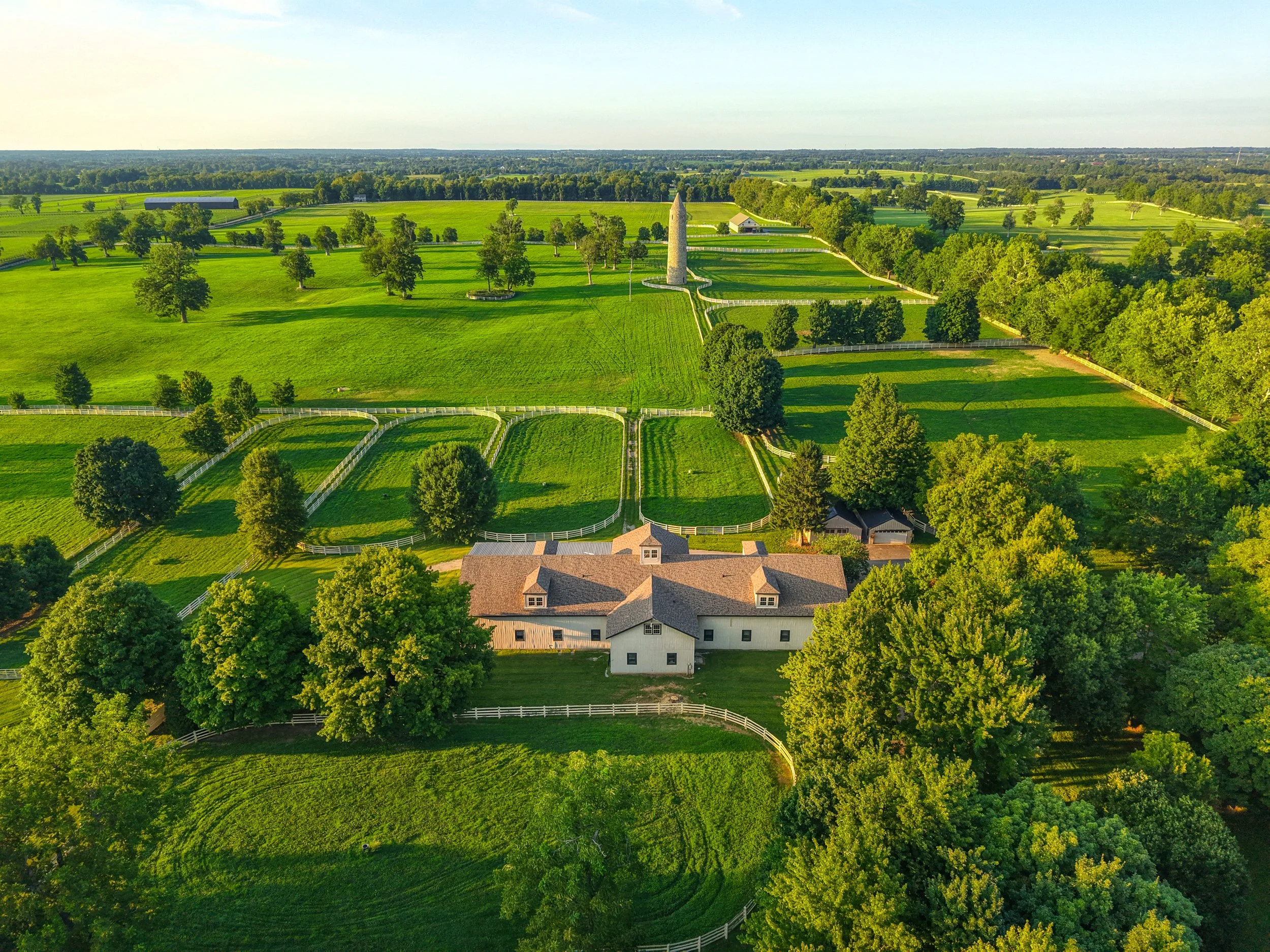
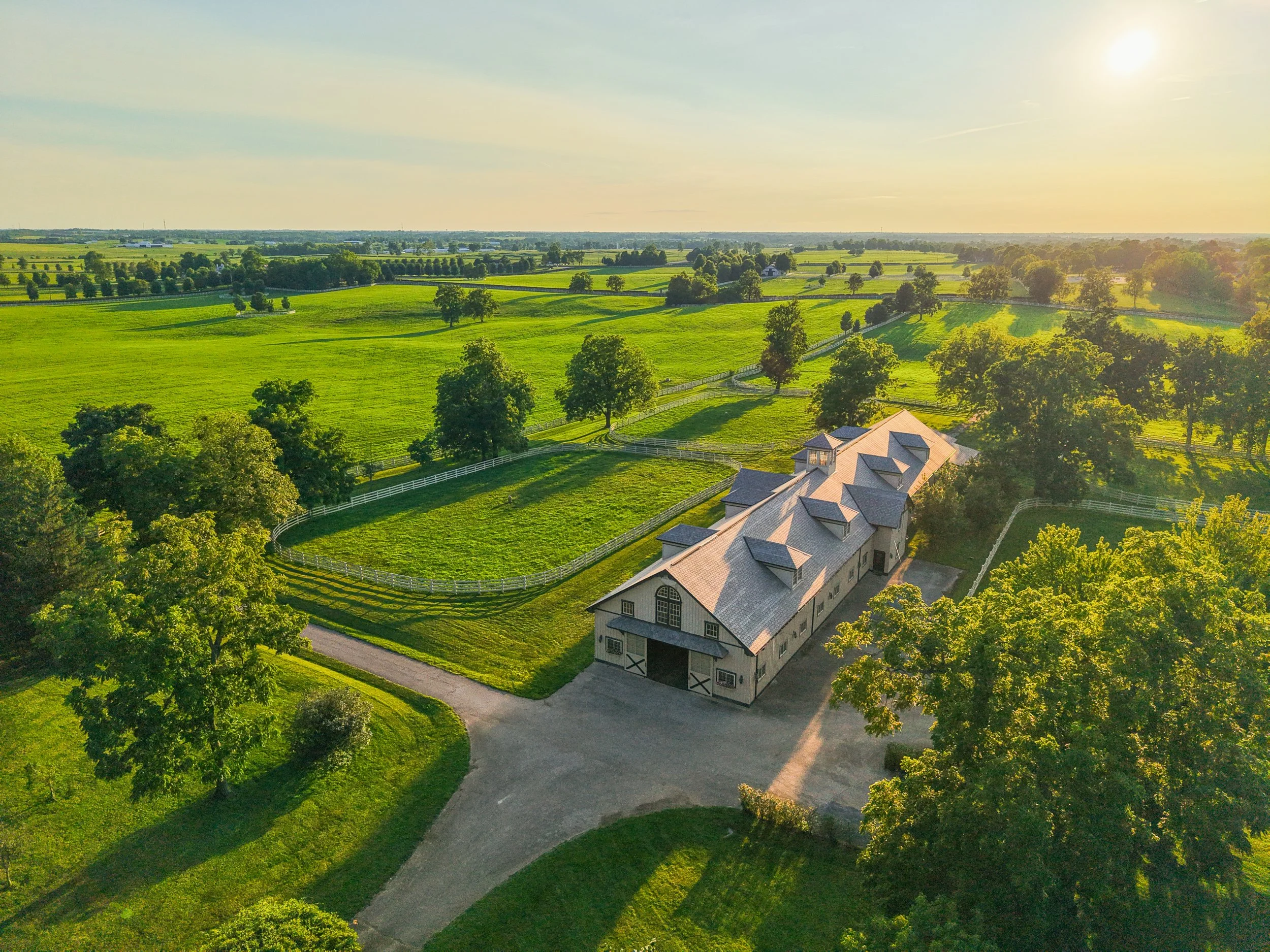
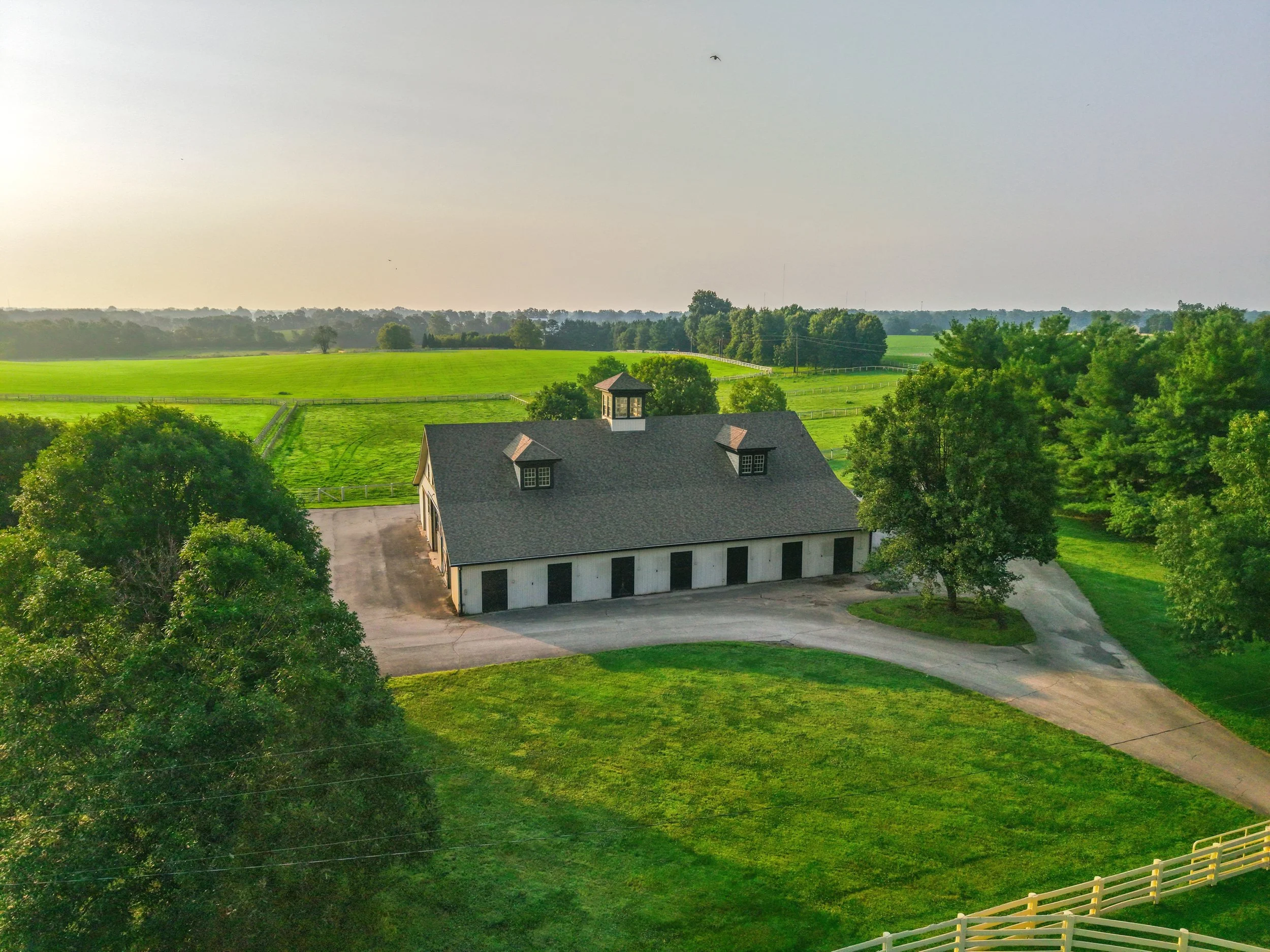
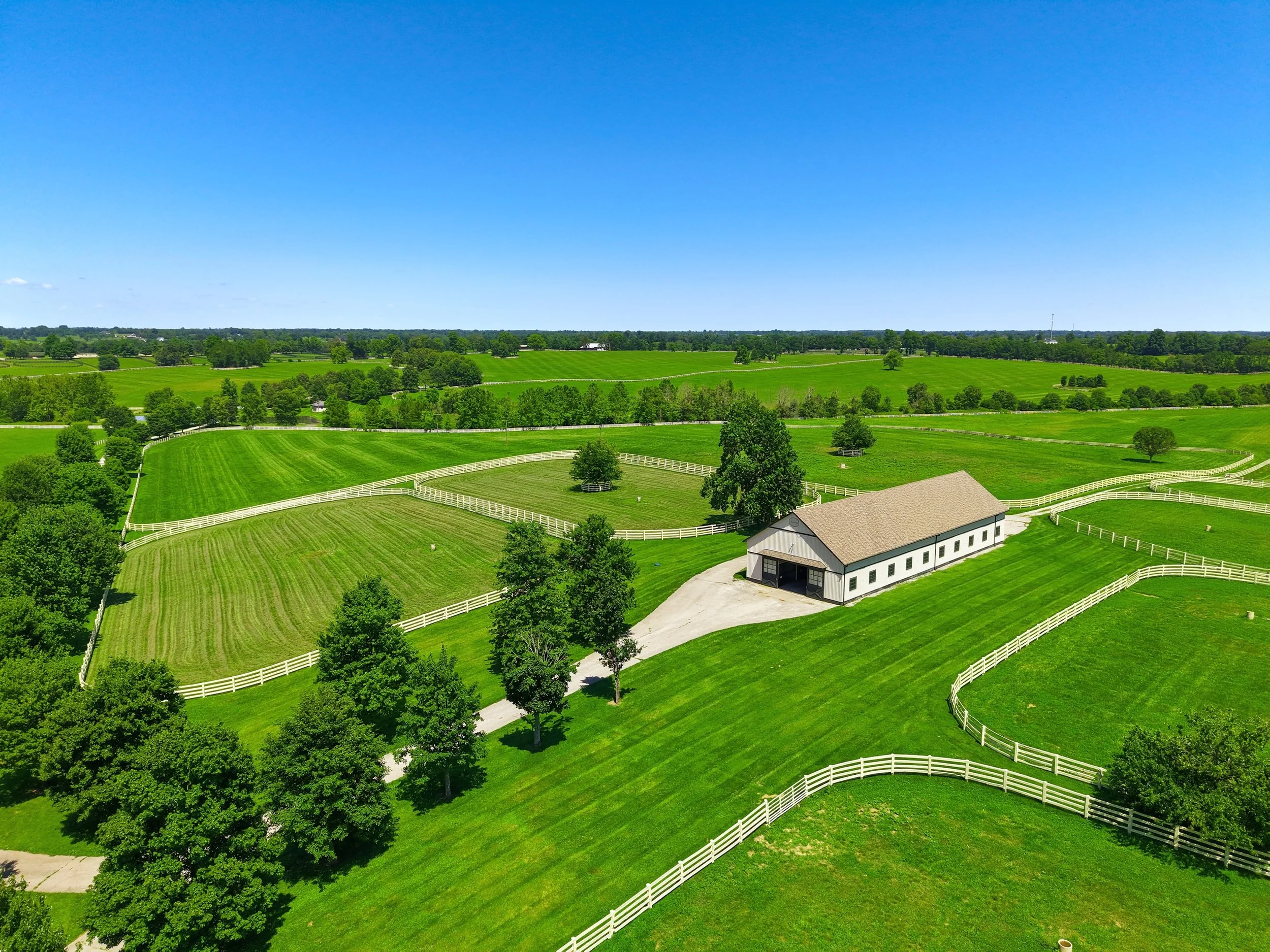
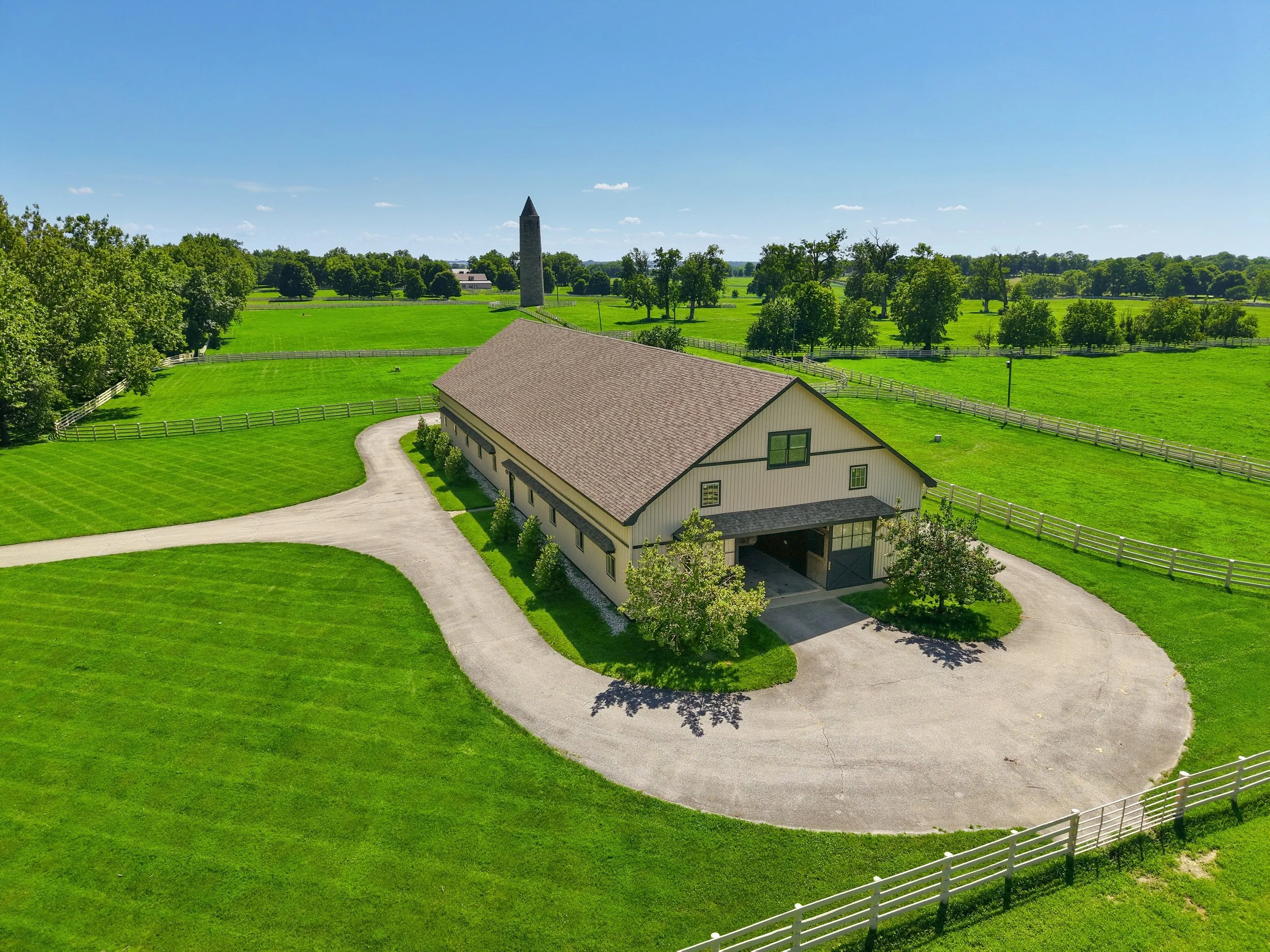
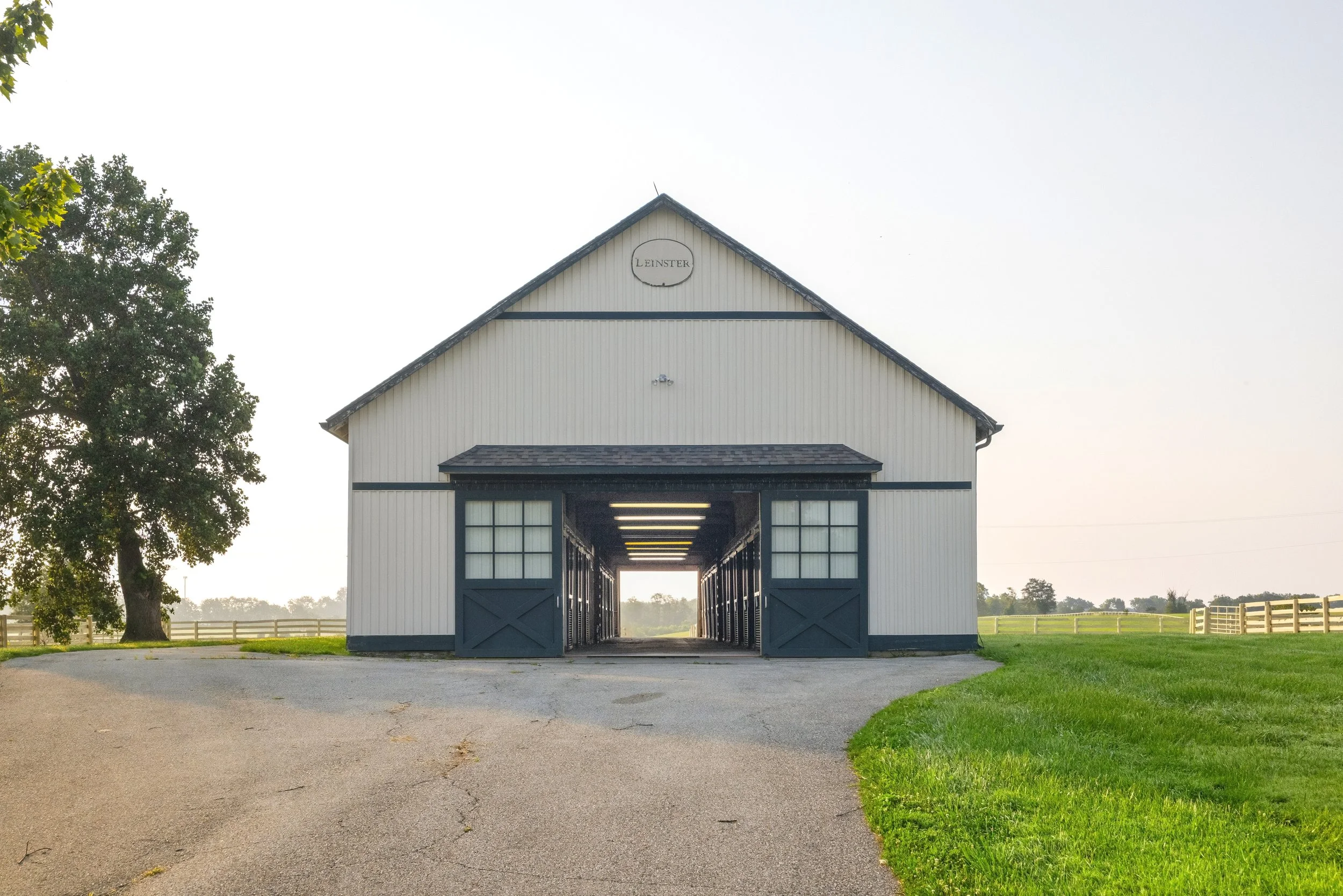
Castleton itself is surrounded by some of Kentucky's most established horse farms and lies close to the Kentucky Horse Park, a major international equestrian competition venue. Despite its proximity to Lexington, the area retains much of its rural character, with rolling pastures, stone fences and large agricultural estates.
Donworth also points to Kentucky's favourable business environment and accessibility as attractions for buyers considering the region. From Lexington's Blue Grass Airport, New York is approximately a 2 hours flight, and Dallas less than 3, while Los Angeles can be reached in less than 5 hours. Donworth has seen growing interest in central Kentucky since 2020, especially with buyers looking for large properties, but established horse farms with substantial facilities are still hard to come by.
Kentucky's dominance of the Thoroughbred industry
Listed for $57.5 million, the 951-acre Kentucky estate includes a circa-1840 Greek Revival mansion, 10 residences and 16 barns with 268 stalls.
Kentucky's position in the American Thoroughbred industry has only grown more significant. While breeding activity across North America has been declining, the latest figures from The Jockey Club show that Kentucky now accounts for nearly 70% of all mares bred on the continent. In 2026, the number of mares bred in Kentucky increased by 1.9%, while breeding activity outside the state declined by 12.5%.
The strength of the market is also reflected in Keeneland's September 2026 Yearling Sale, which generated approximately $558 million in sales, including reported post-sale transactions, setting a new record for the world's largest Thoroughbred auction.
The figures point to an industry becoming increasingly concentrated in the Bluegrass, where established farms benefit from generations of breeding expertise and infrastructure. These properties also occupy an unusual position in the luxury real estate market, appealing not only to professional breeders and racing operations, but also to buyers interested in land, privacy, historic architecture and the equestrian lifestyle.
Castleton is particularly notable for its ownership history. Over more than two centuries, the estate has passed through the hands of just six groups of owners, several of whom played important roles in shaping American horse racing.
Castleton's 230-Year History
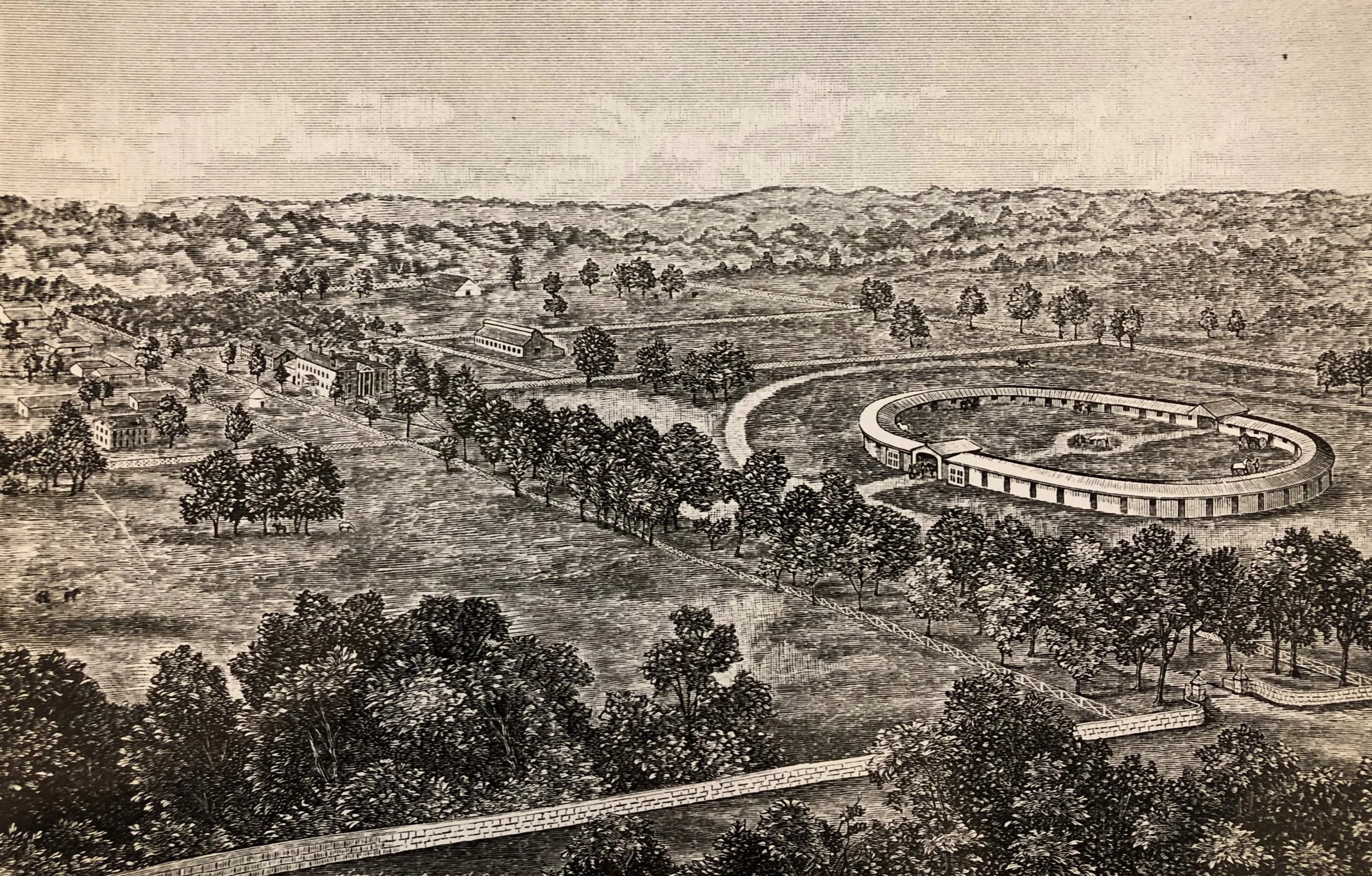
Keeneland Library Collection - Castleton Stock Farm, undated
Castleton's history begins in 1793, just one year after Kentucky became a state, when John Breckinridge acquired 2,467 acres of farmland north of Lexington. Breckinridge, a lawyer and statesman who would later serve as a U.S. senator and Attorney General under President Thomas Jefferson, named the property Cabell's Dale after his wife, Mary Hopkins Cabell.
The farm's present name came a generation later. In 1816, Breckinridge's daughter Mary Ann married David Castleman, and the couple received a portion of the original estate. They called it Castleton, and in 1840 Castleman built the Greek Revival mansion that remains the property's main residence today.
The Castleman family continued to breed and raise horses on the land. David's son, General John C. Castleman, became involved in the development of the American Saddlebred, a breed that would later play an important part in Castleton's history.
But it was under the ownership of Wall Street financier James R. Keene that Castleton became one of America's most influential Thoroughbred breeding farms.
James R. Keene and the Great Thoroughbred Era
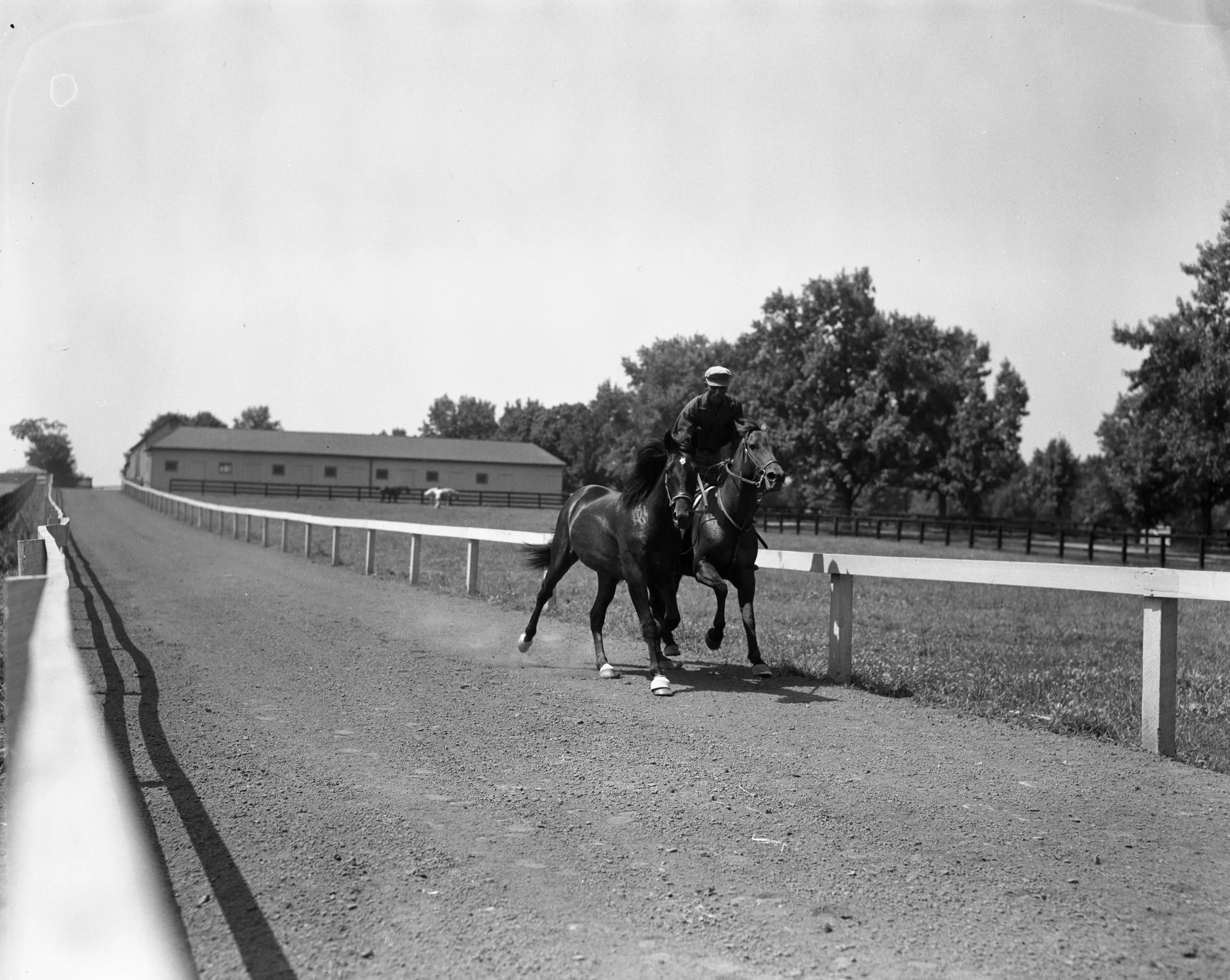
Keeneland Library Meadors Collection - Training horses at Castleton Farm, August 15, 1961
By the late 19th century, Kentucky's Bluegrass region was attracting wealthy financiers and industrialists from the Northeast, whose investments helped establish Lexington as a major centre of American Thoroughbred breeding.
Among them was Wall Street financier James R. Keene, known as the “Silver Fox” of Wall Street, whose passion for horse racing had survived a dramatic reversal of fortune. He had previously owned successful racehorses, but a disastrous business deal left him bankrupt and forced him to give up his racing stable. After rebuilding his fortune, Keene returned to the sport and began assembling another stable of racehorses. In 1893, he purchased Castleton, where its expansive pastures offered the space to establish a major breeding operation.
To run the farm, he brought in his brother-in-law, Major Foxhall Daingerfield, an experienced Virginia horseman who would oversee Castleton's rise to national prominence.
Under their partnership, Castleton became one of the country's most prolific Thoroughbred nurseries, with 113 stakes winners reportedly foaled at the farm. Among them were Ben Brush, winner of the 1896 Kentucky Derby, and Colin, who retired undefeated after 15 races, including the 1908 Belmont Stakes. Their bloodlines would influence generations of American Thoroughbreds.
One particularly important bloodline began with Domino, known as the “Black Whirlwind.” Although he died at just six years old, his son Commando went on to sire Colin, establishing a breeding lineage that would influence American Thoroughbred racing for generations.
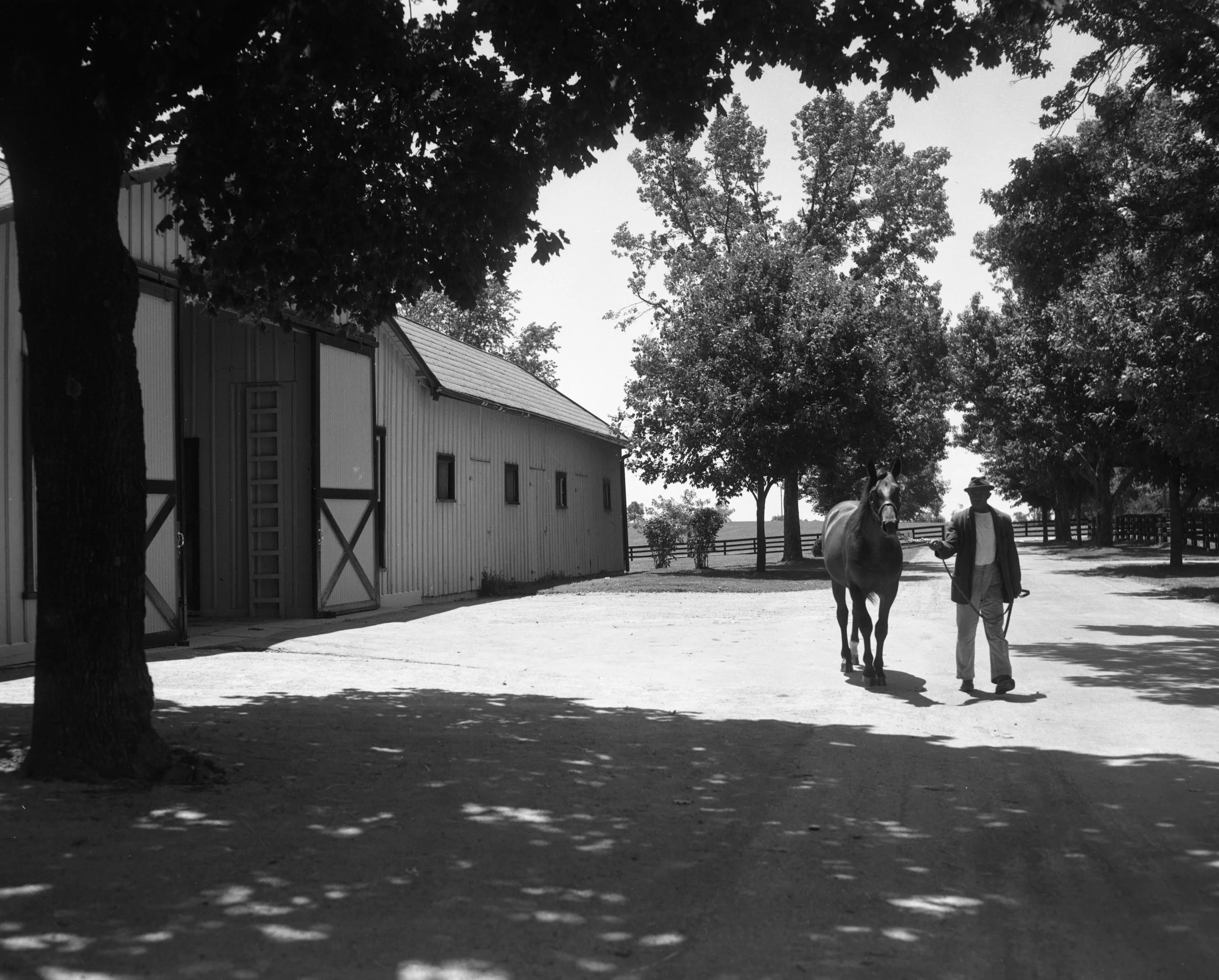
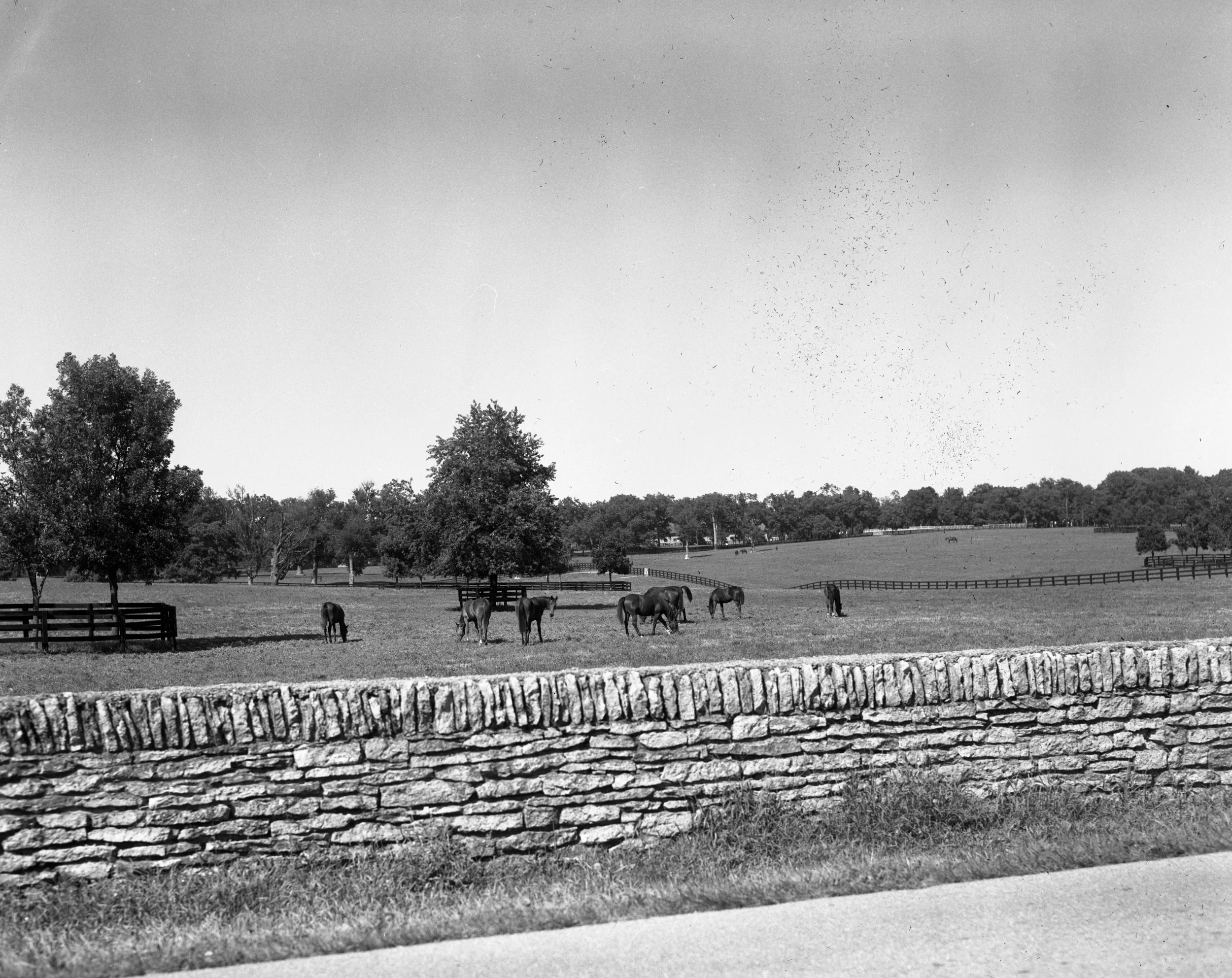
In 1908, New York introduced legislation restricting betting on horse races, followed by stricter laws in 1910 that effectively forced the state's racetracks to close. Against this backdrop, James R. Keene decided to sell Castleton in 1911.
According to a story that has survived from the negotiations, the prospective buyer, David Look, became frustrated by the lack of documentation detailing the farm's acreage. Keene reportedly replied, “I understand that, Mr. Look. But you're not buying real estate and acreage. You're buying Castleton.”
Look, a New York businessman, would take the farm in a different direction.
A New Era: Standardbreds and the Dodge Fortune
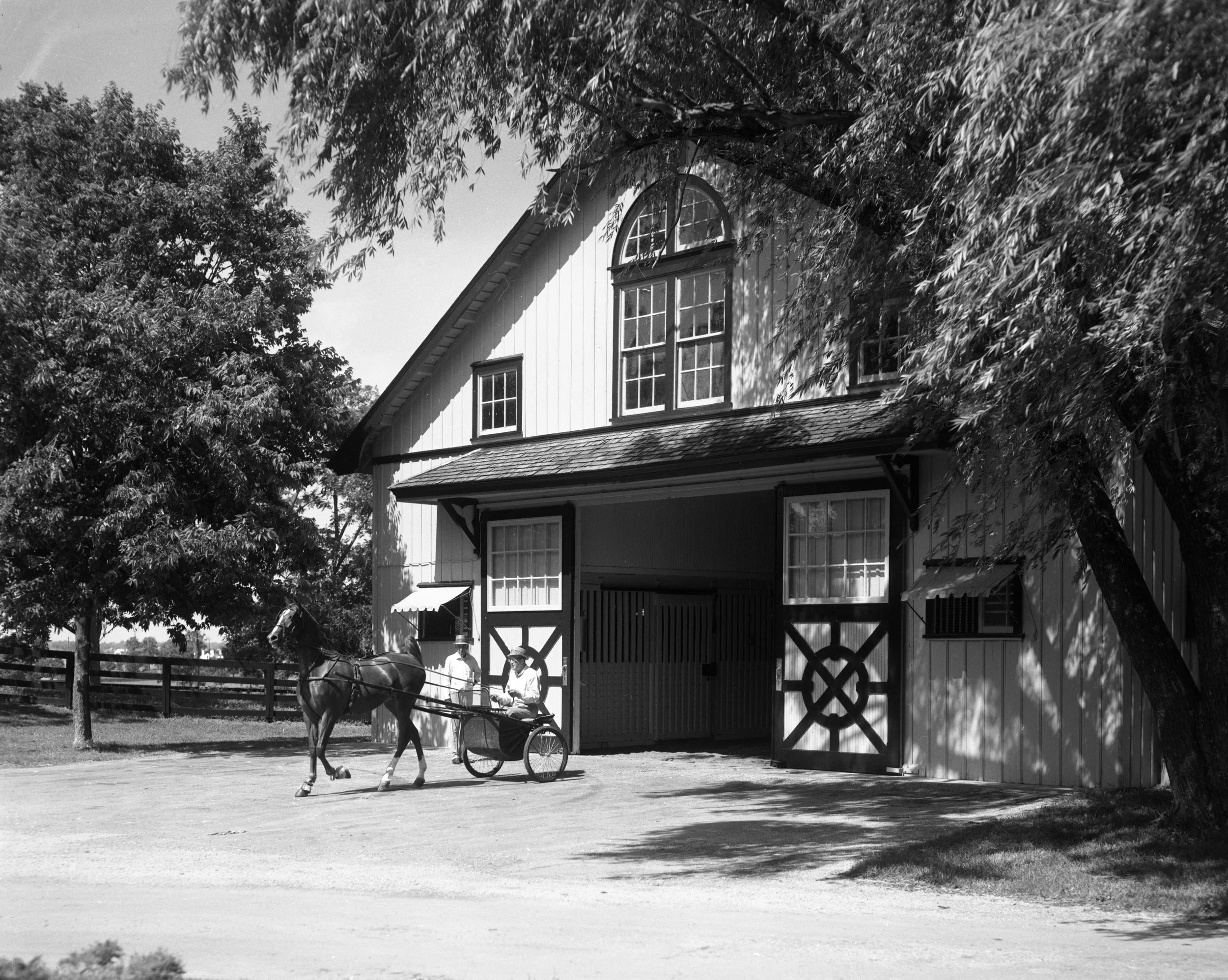
Keeneland Library Meadors Collection - Horse and driver in front of barn at Castleton Farm, July 19, 1966
David Look shifted Castleton's focus toward Standardbreds, the horses used in harness racing, where drivers compete from lightweight two-wheeled carts rather than riding in the saddle.
He developed a successful breeding operation that produced winners of major harness-racing competitions, including the prestigious Hambletonian. By the mid-1940s, however, the farm had fallen into disrepair. The Depression had taken its toll on the breeding industry, and Castleton was once again offered for sale.
Its next owner was Frances Dodge Johnson, daughter of automobile manufacturer John Dodge and heiress to part of the family's automotive fortune. Her interest in horses began in childhood, when she took up riding as physical therapy after badly injuring her hand and arm in a washing machine accident. What began as rehabilitation developed into a lifelong passion. By 1940, she had ridden the champion trotter Greyhound to a world-record mile under saddle and established herself as an accomplished horsewoman with her own successful breeding operation.
Frances purchased Castleton in 1945 and began restoring the farm. In 1949, she married Frederick Van Lennep, a Princeton-educated businessman from Philadelphia. Together, they transformed Castleton into one of the world's leading Standardbred breeding operations.
Among their most celebrated horses was Bret Hanover, one of the leading harness-racing champions of the 1960s. A three-time Horse of the Year who won 62 of his 68 races, Bret Hanover came to Castleton in 1966 after the Van Lenneps purchased a 50% ownership interest for $1 million, equivalent to approximately $10 million in 2026 dollars. He went on to become one of the sport's leading breeding stallions, fathering horses that collectively earned more than $62 million in race winnings over their careers.
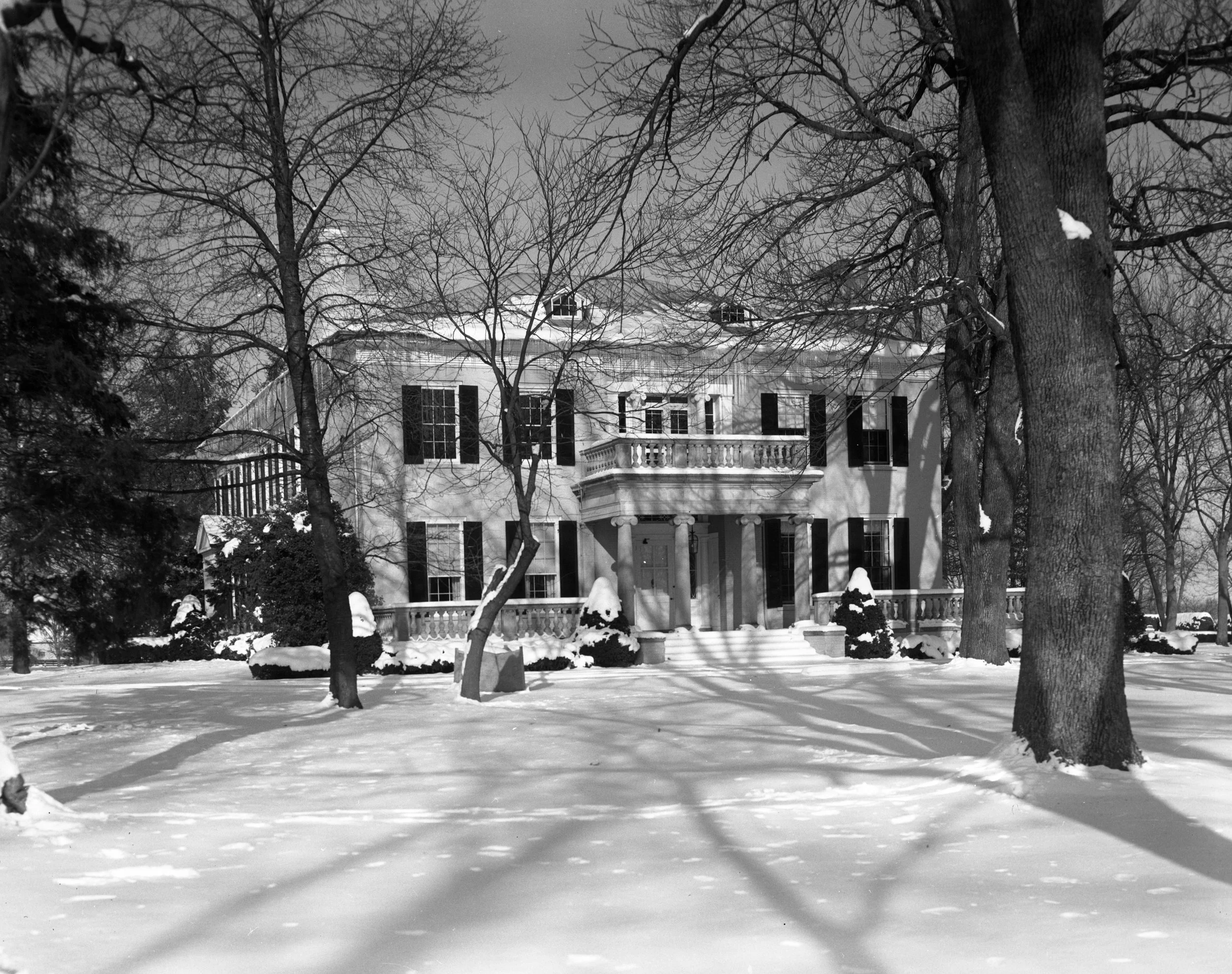
Keeneland Library Meadors Collection - Castleton House in the winter at Castleton Farm, January 26, 1966
Frances was equally passionate about American Saddlebreds, a breed primarily associated with horse shows rather than racing, which she bred and competed under the Dodge Stables name. Her most famous champion was Wing Commander, who won the five-gaited World Grand Championship six consecutive times between 1948 and 1953.
Their influence extended well beyond Castleton. During the 1950s and 1960s, the couple developed racetracks in Michigan and Florida and acquired interests in The Red Mile and Tattersalls Sales Company in Lexington, helping shape the wider Standardbred racing industry.
Castleton also became a setting for social and political gatherings. In 1969, the farm hosted a luncheon for the Republican Governors Conference, attended by 31 guests, including then-California Governor Ronald Reagan and Vice President Spiro Agnew.
Frances died in 1971, but Frederick continued expanding the family's racing and breeding interests until his death in 1987. Castleton subsequently passed into a family trust, with John Cashman Jr. managing the operation through its final years under the Van Lennep ownership.
By 2000, the estate was once again on the market. After decades devoted primarily to Standardbreds and Saddlebreds, it was about to return to its Thoroughbred roots.
The Ryan Family: Restoration and a Return to Thoroughbreds
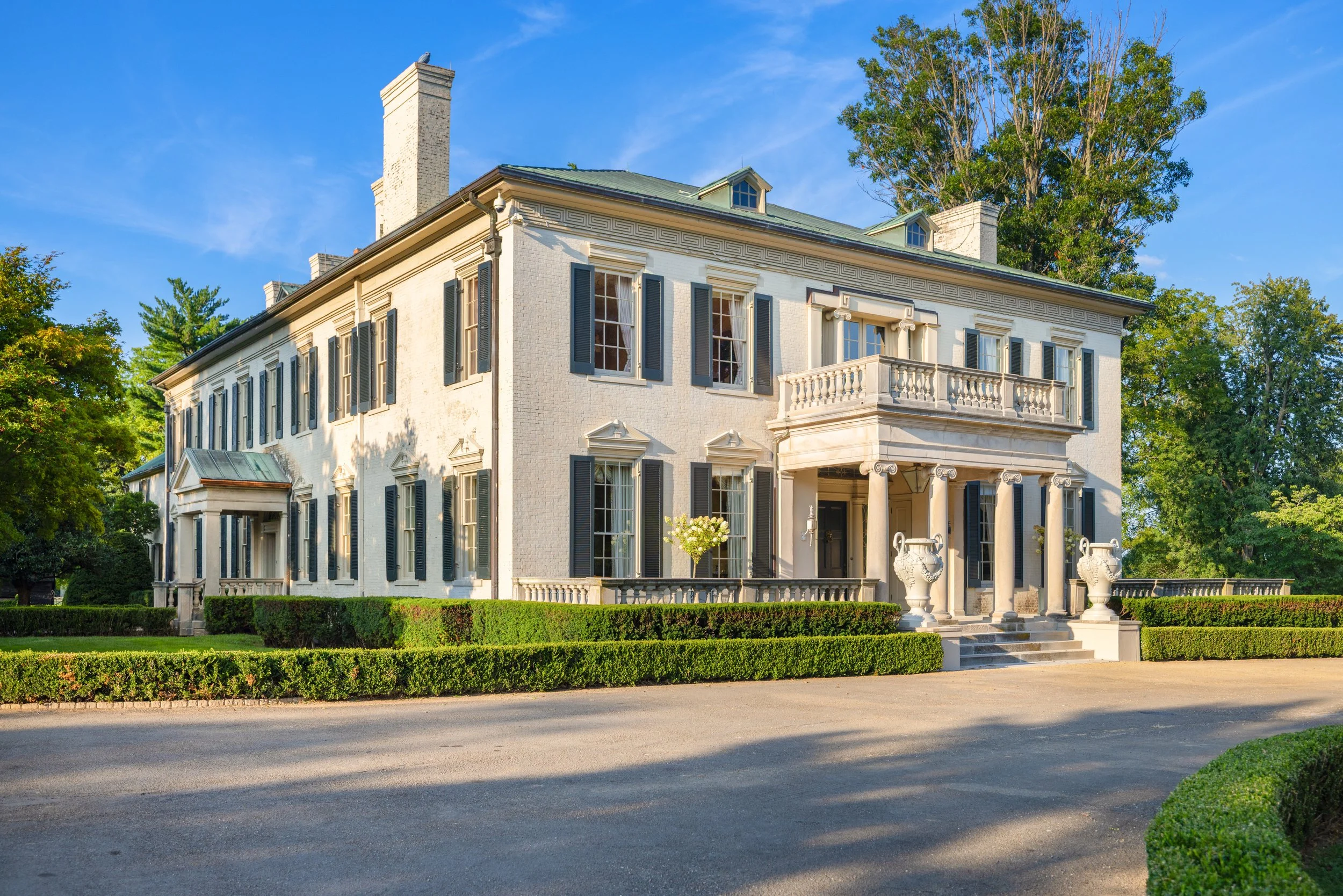
Built around 1840, Castleton's principal residence was restored under Tony Ryan's ownership, including its classical portico with four Ionic columns and a nineteenth-century copper lantern illuminating the entrance.
When Irish entrepreneur Tony Ryan purchased Castleton from the Van Lennep family trust in 2001 for $14 million, he was taking on one of Kentucky's most historic horse farms. The estate had spent much of the previous century at the centre of American harness racing, but its next owner intended to bring Thoroughbreds back to the property.
Ryan, who co-founded Ryanair in 1984, had made his fortune in aviation, first through aircraft leasing and later through the airline that transformed European air travel. He was also an established horse breeder, art collector and enthusiastic restorer of historic properties.
In 1996, five years before acquiring Castleton, he purchased Lyons Demesne, an eighteenth-century Georgian estate in County Kildare, Ireland, which we previously featured on Francis York. The property had fallen into disrepair after years of institutional use, and Ryan undertook an extensive restoration, repairing its historic interiors and assembling a collection of Irish art and antiques.
The family's equestrian interests extended well beyond Kentucky. By 2006, Ryan and two of his three sons owned three horse farms in Ireland — Kilboy Estate, Swordlestown Stud and Lyons Demesne — in addition to Castleton.
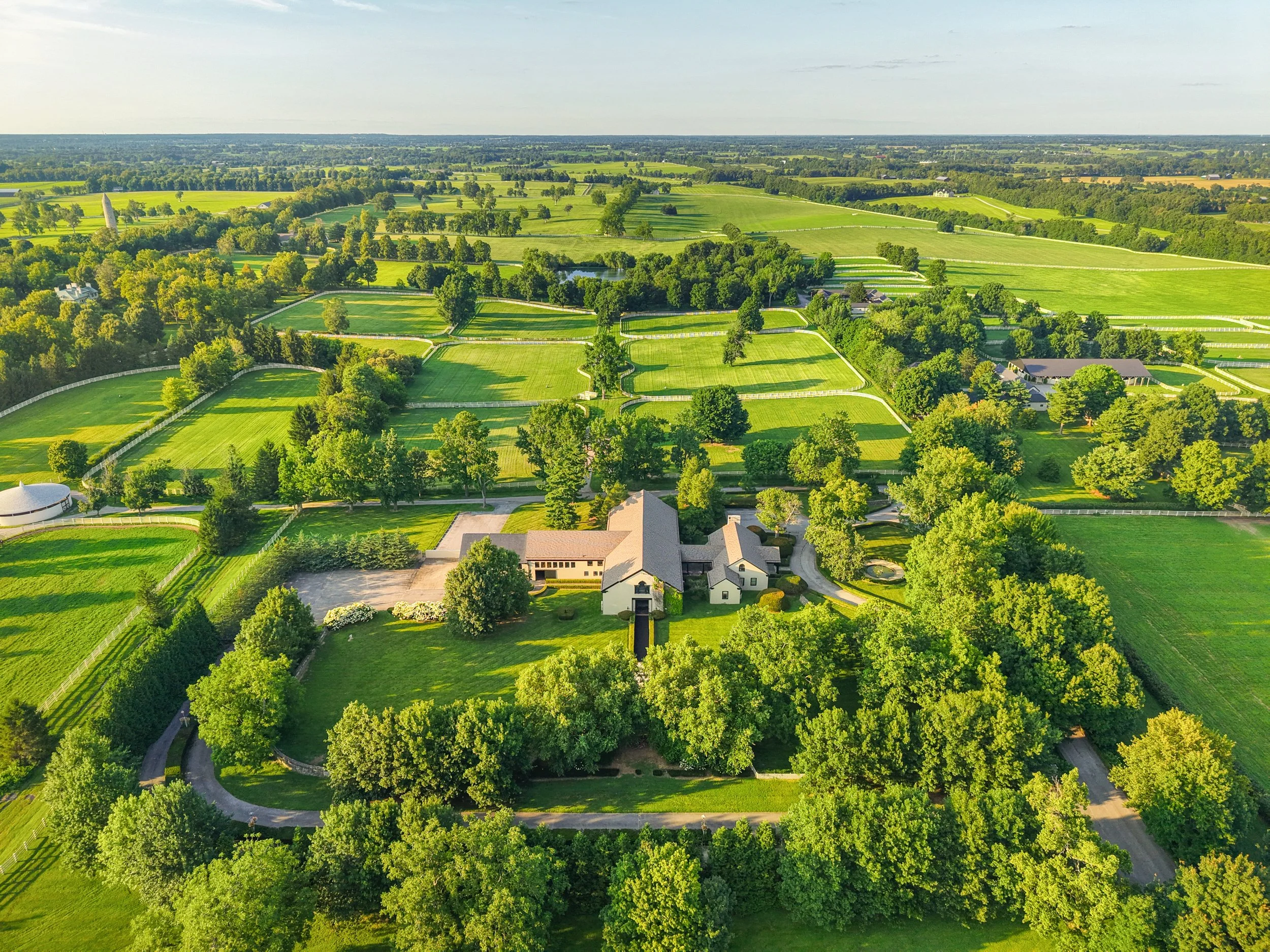
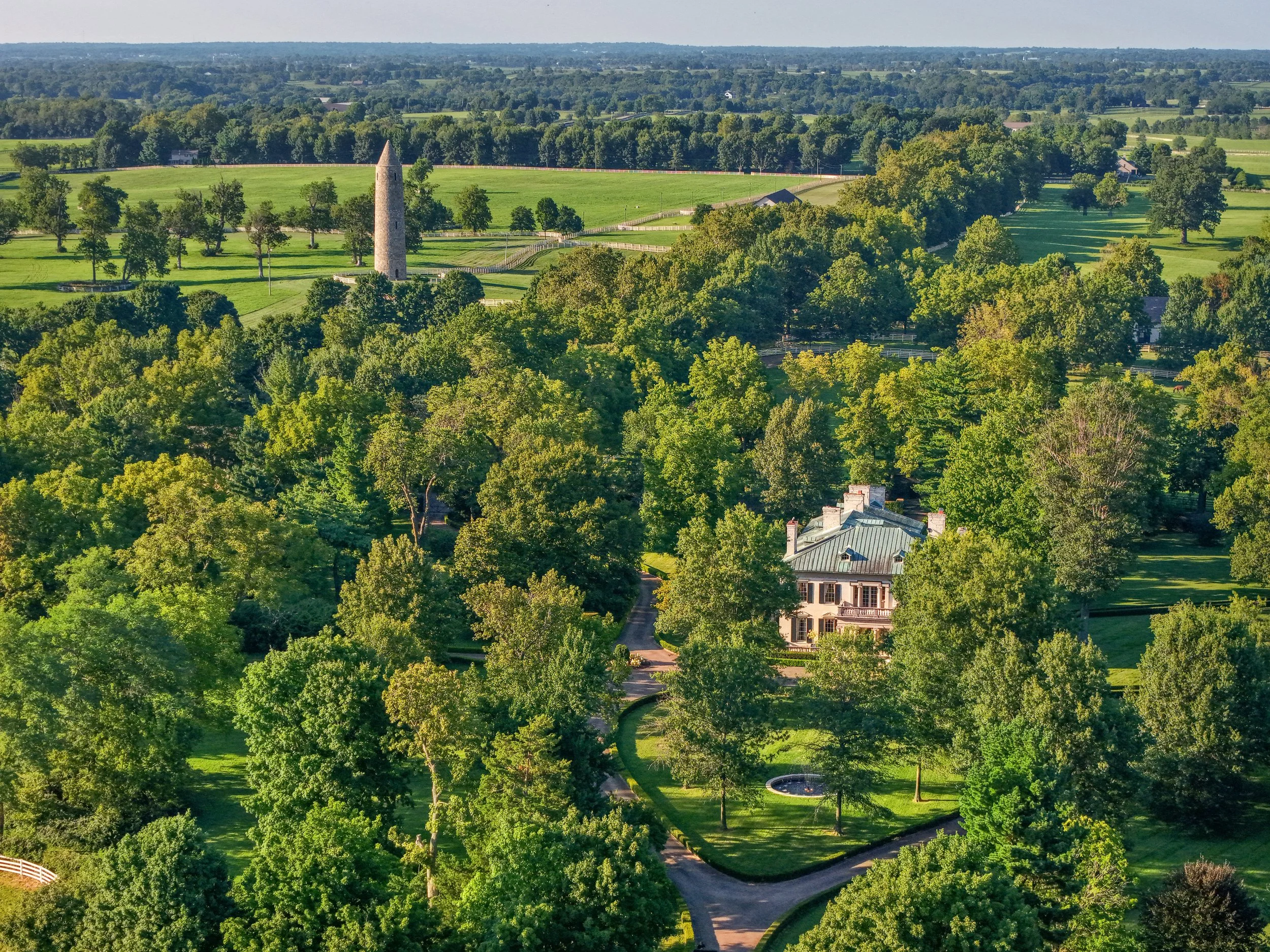
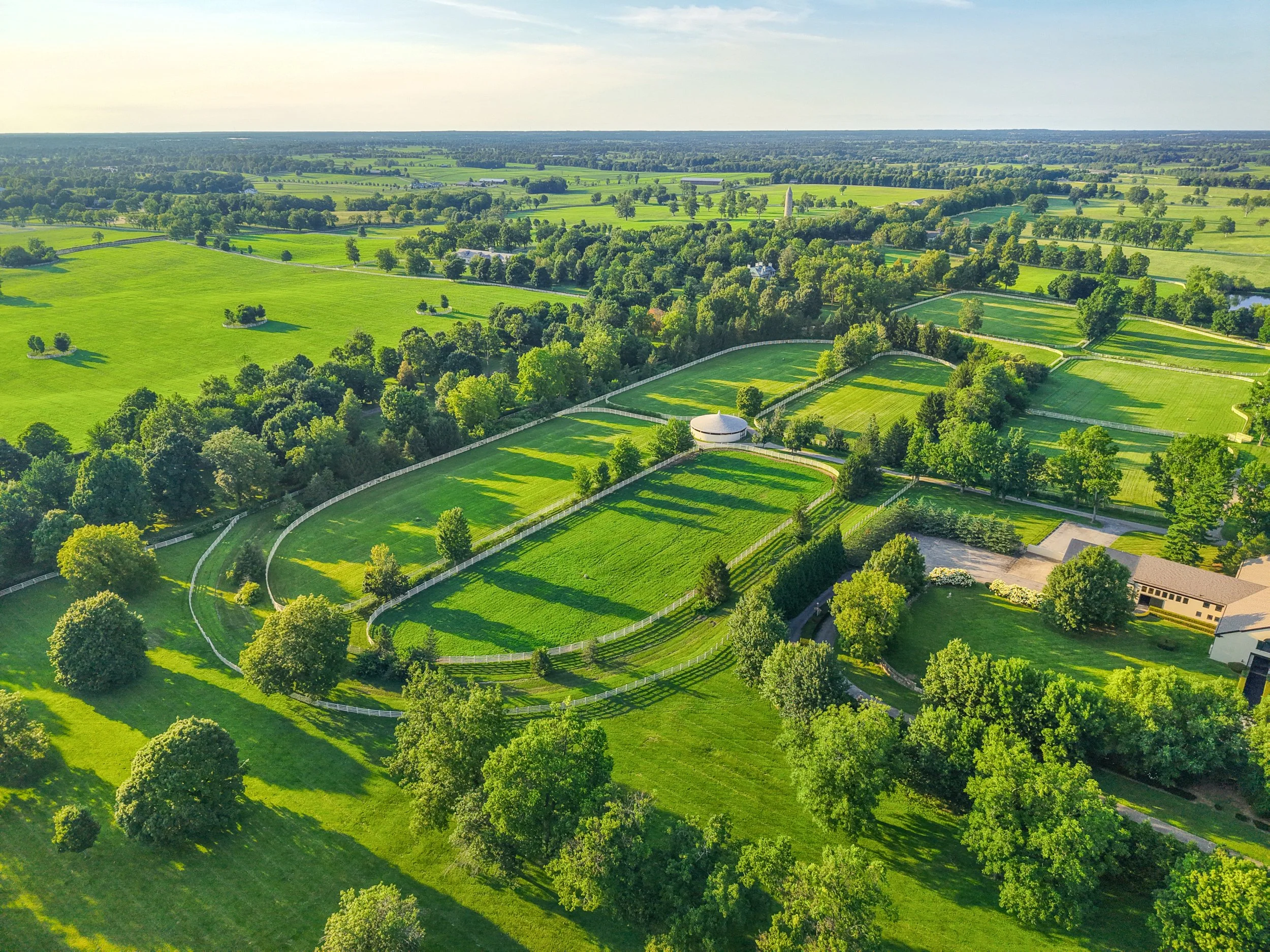
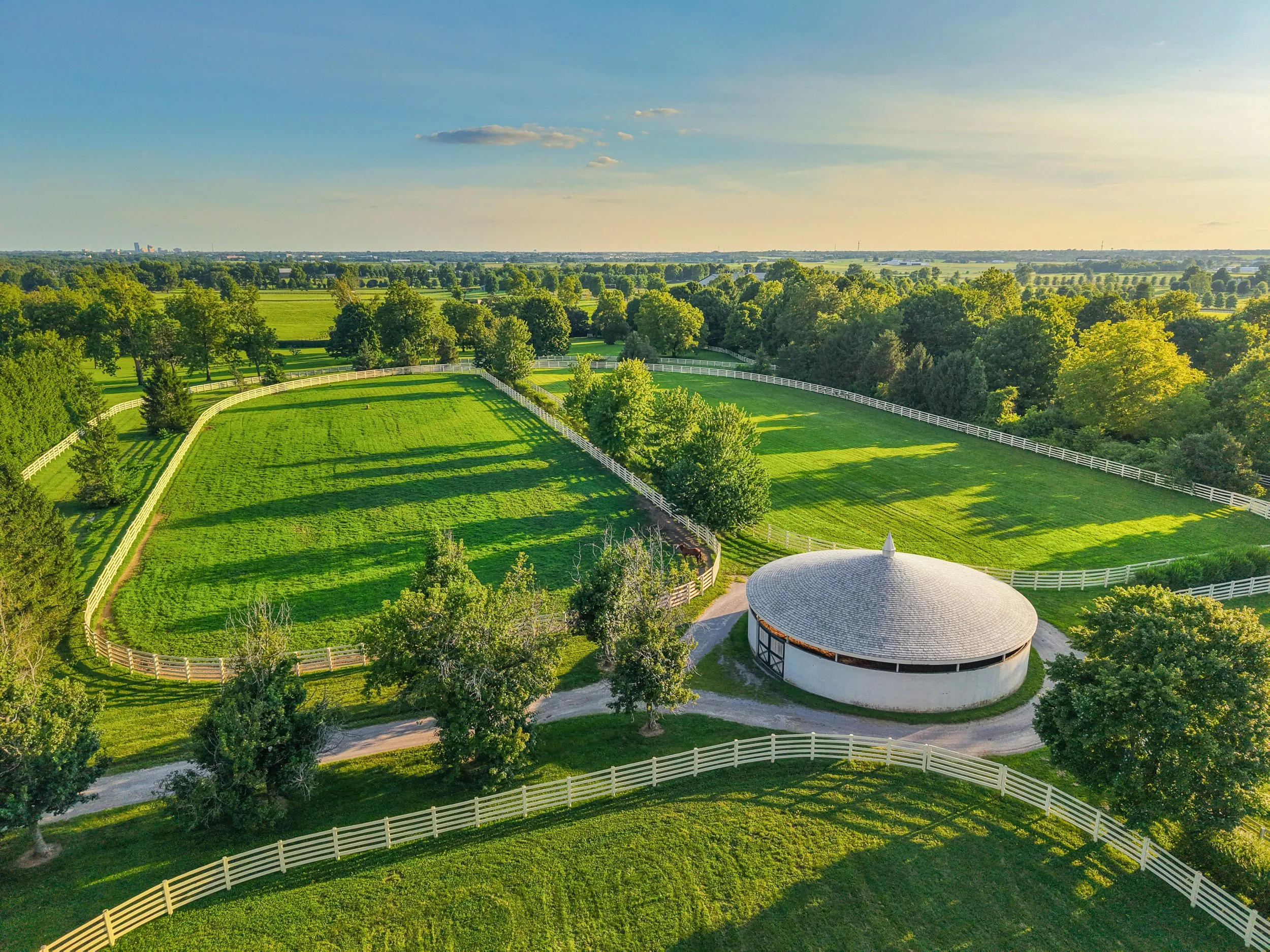
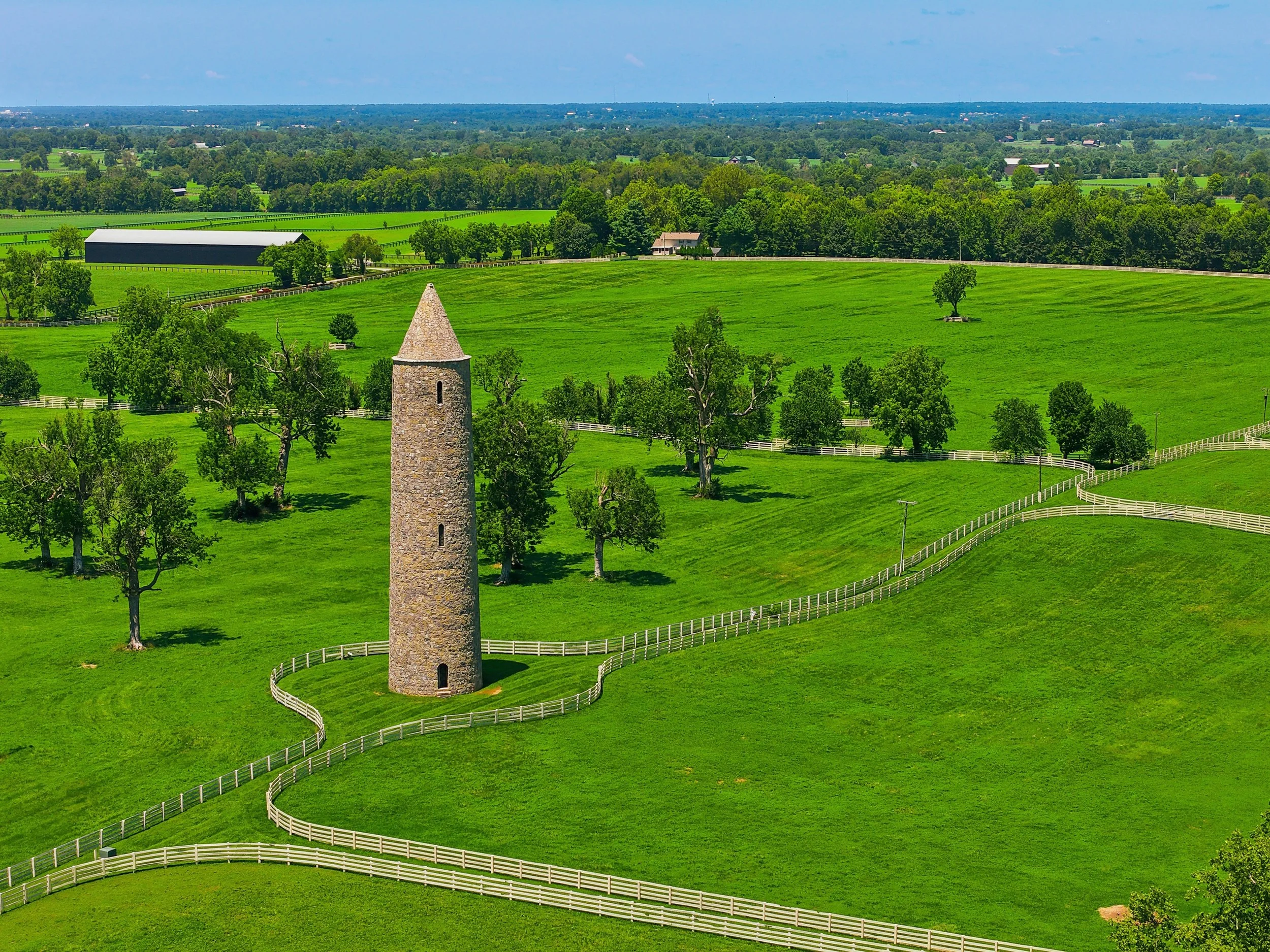
Set across 951 acres outside Lexington, Castleton occupies some of Kentucky's historic horse-breeding country, with extensive paddocks, established trees, stone walls and views across the surrounding countryside.
At Castleton, Ryan worked with farm president Gabriel Duignan to restore the historic buildings and rebuild the property's Thoroughbred breeding operation. “We're proud to be the custodians of this farm. It's a great challenge to bring it back to its former glory,” Duignan told Keeneland Magazine in 2003.
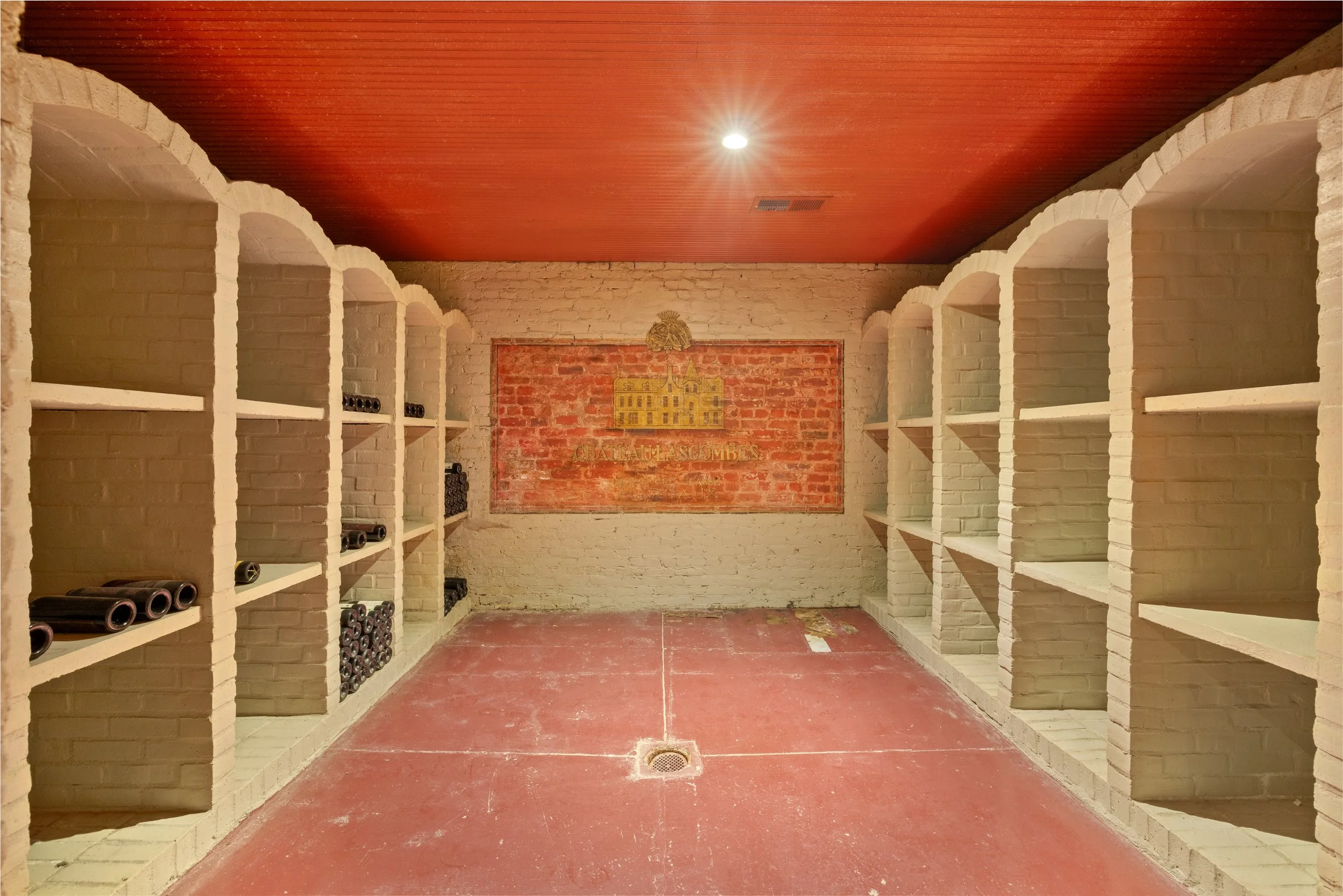
The restoration was intended to preserve the farm's historic character while modernizing its facilities. The barns were refurbished and painted cream with forest-green trim, and the fencing was given a matching finish. One of the first completed projects was a broodmare barn named Château Lascombes, after a Bordeaux wine estate in which Ryan had an interest. Other barns carried Irish names, including Tara, Tipperary and Kildare.
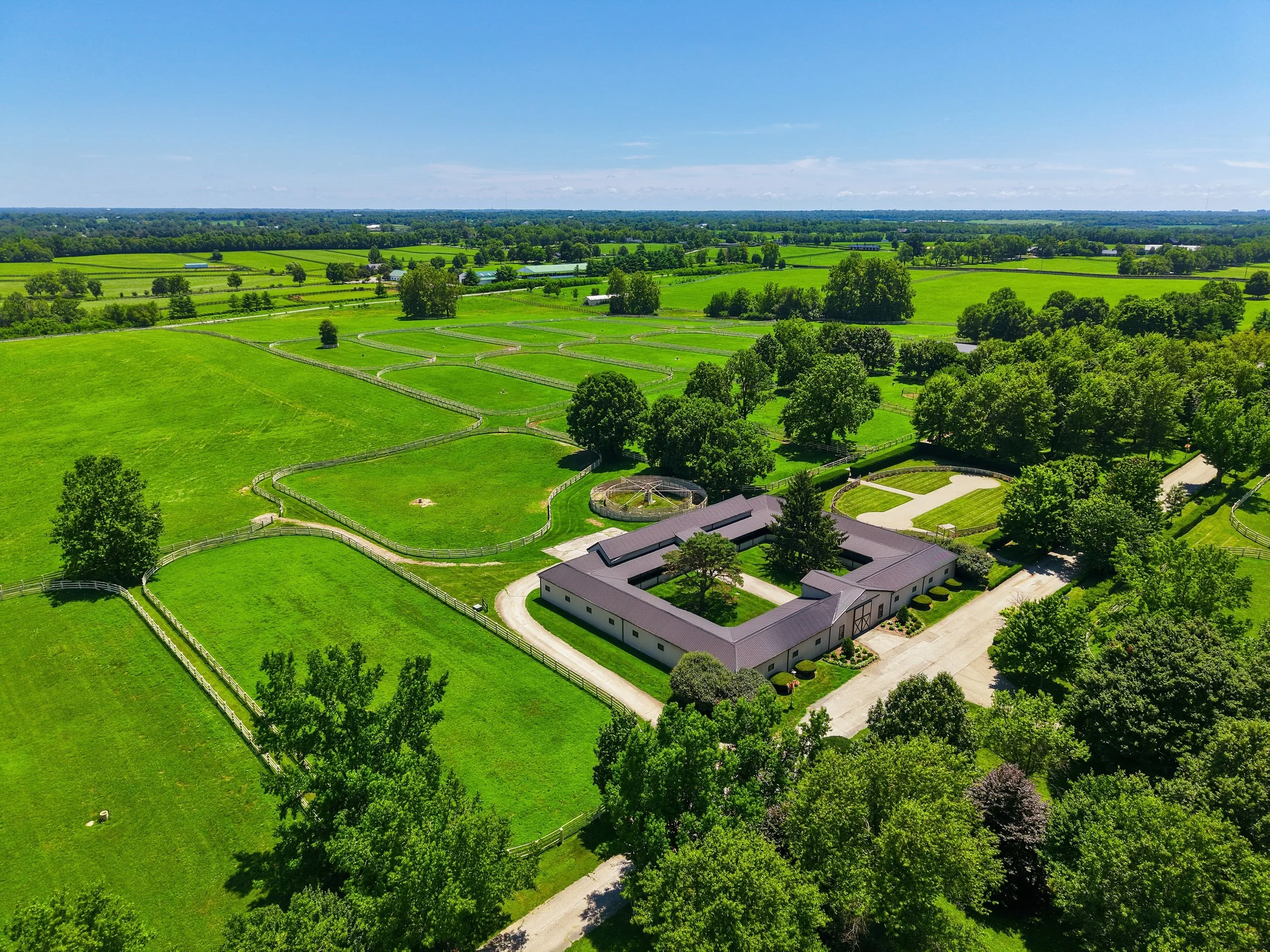
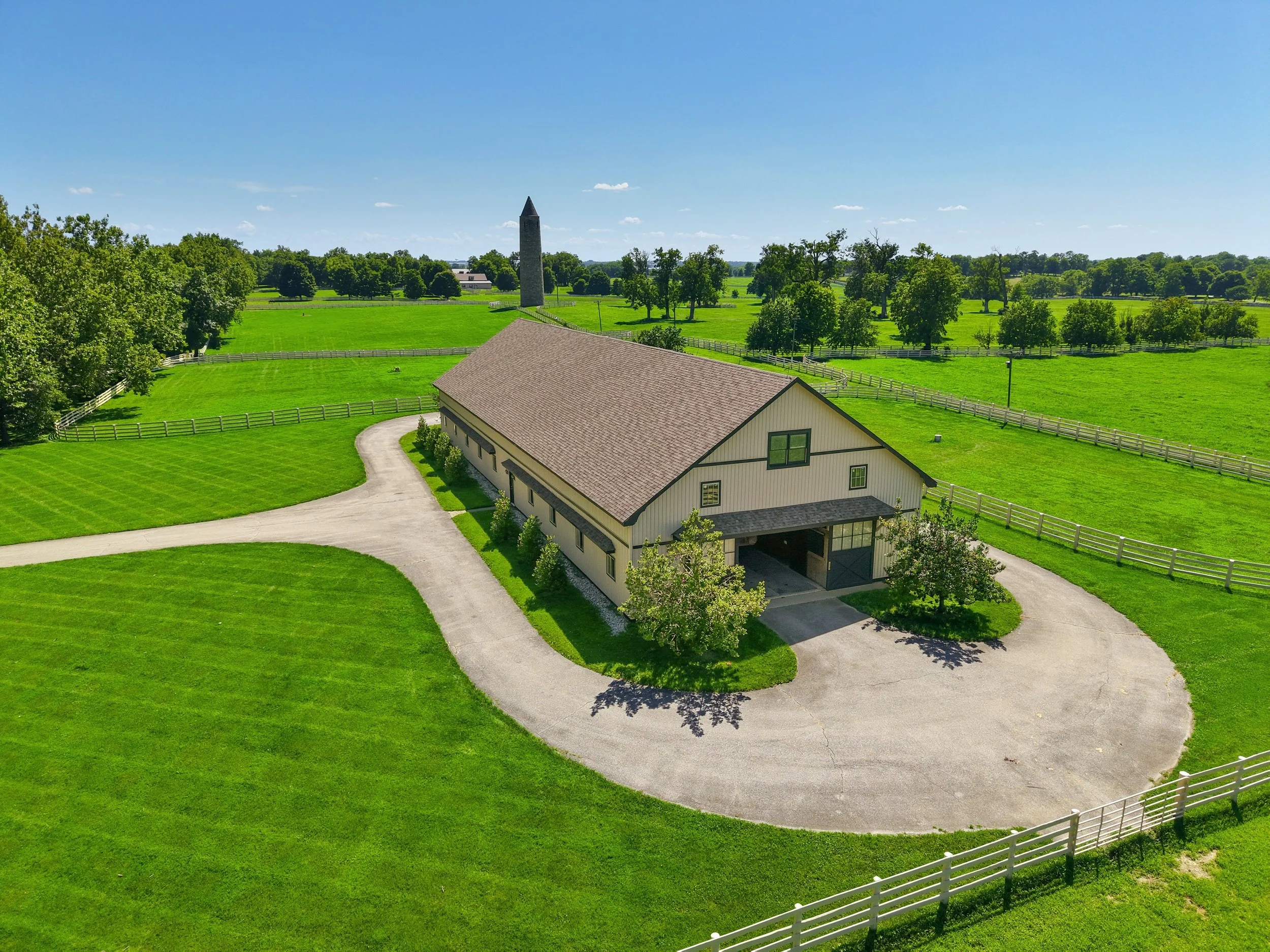
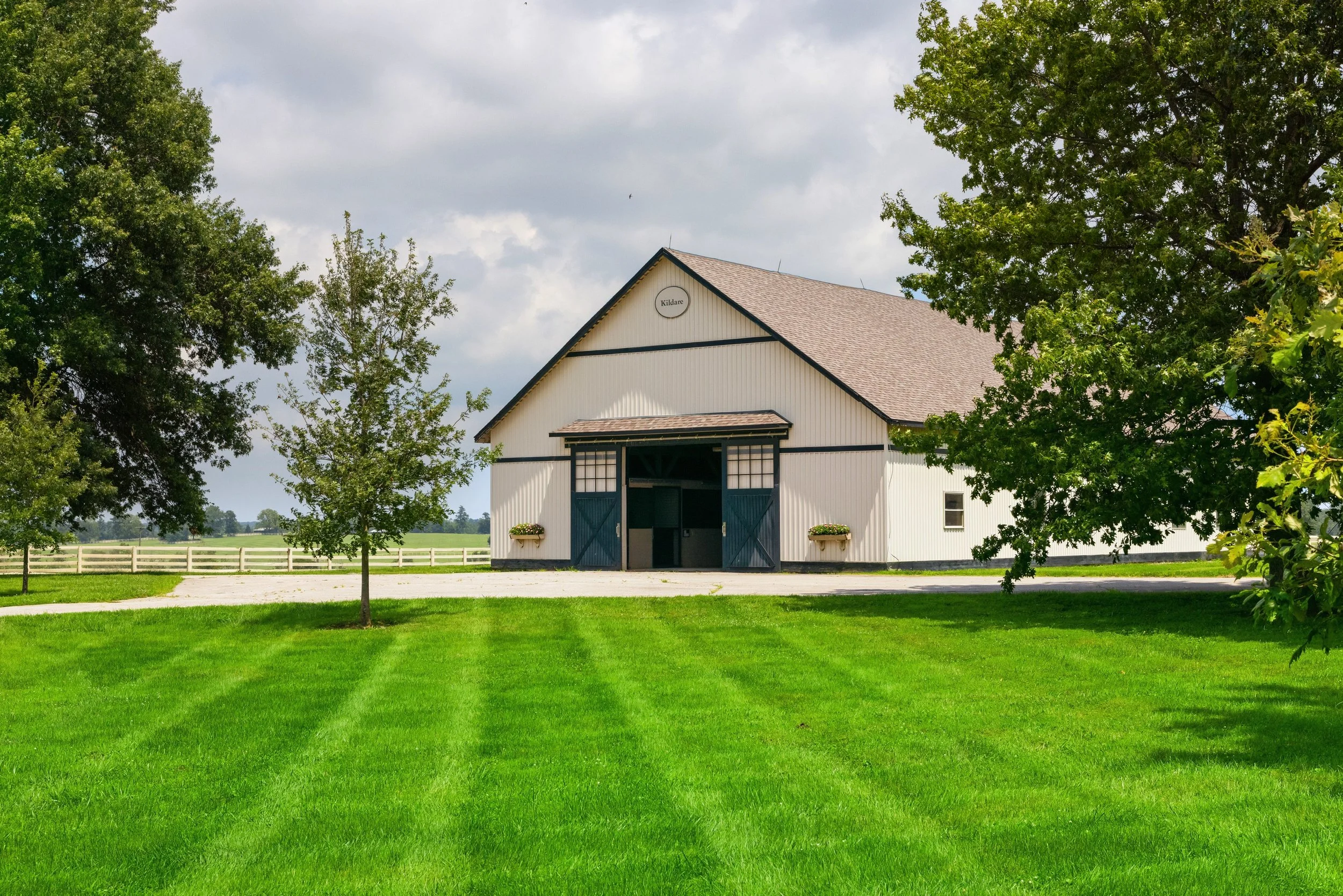
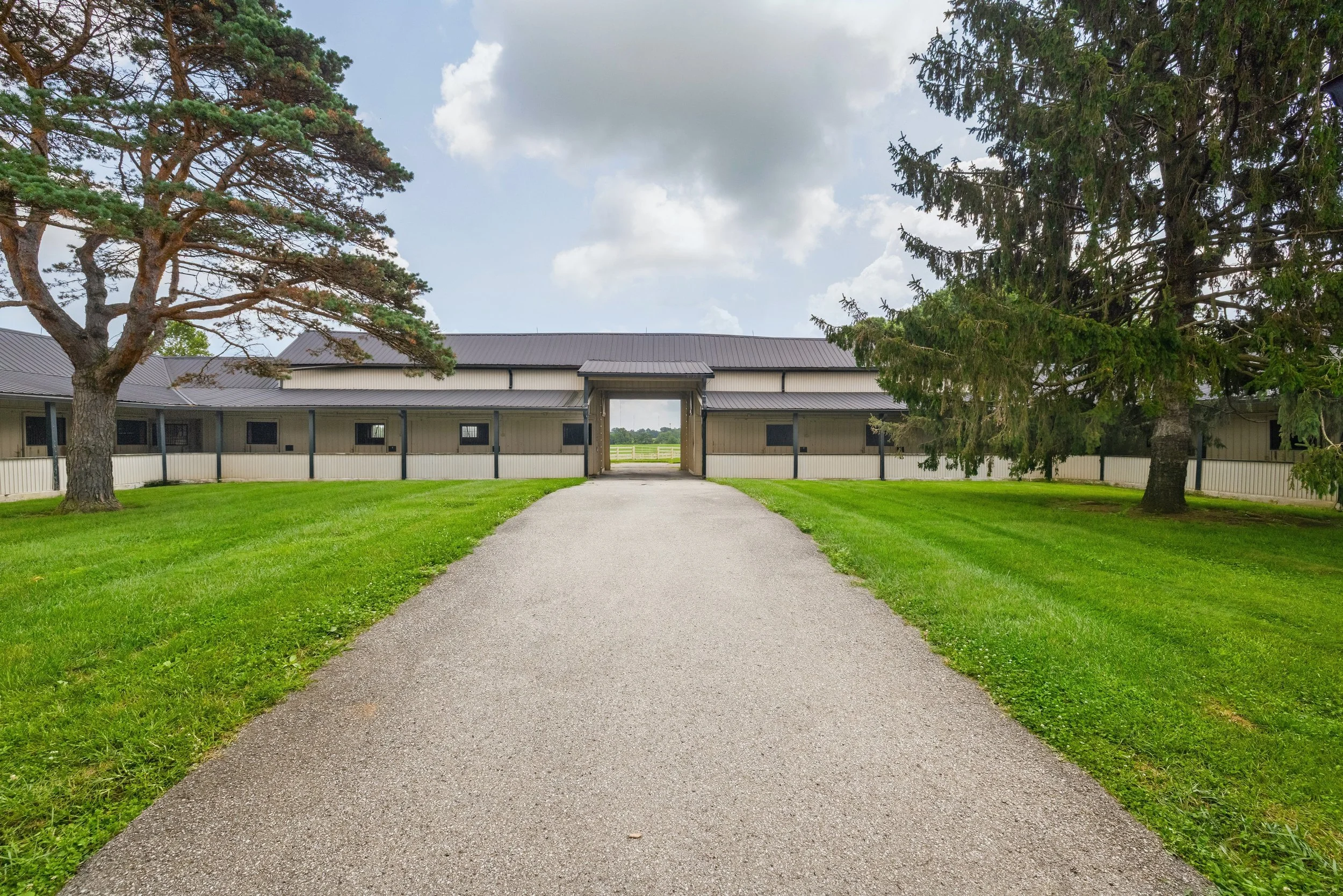
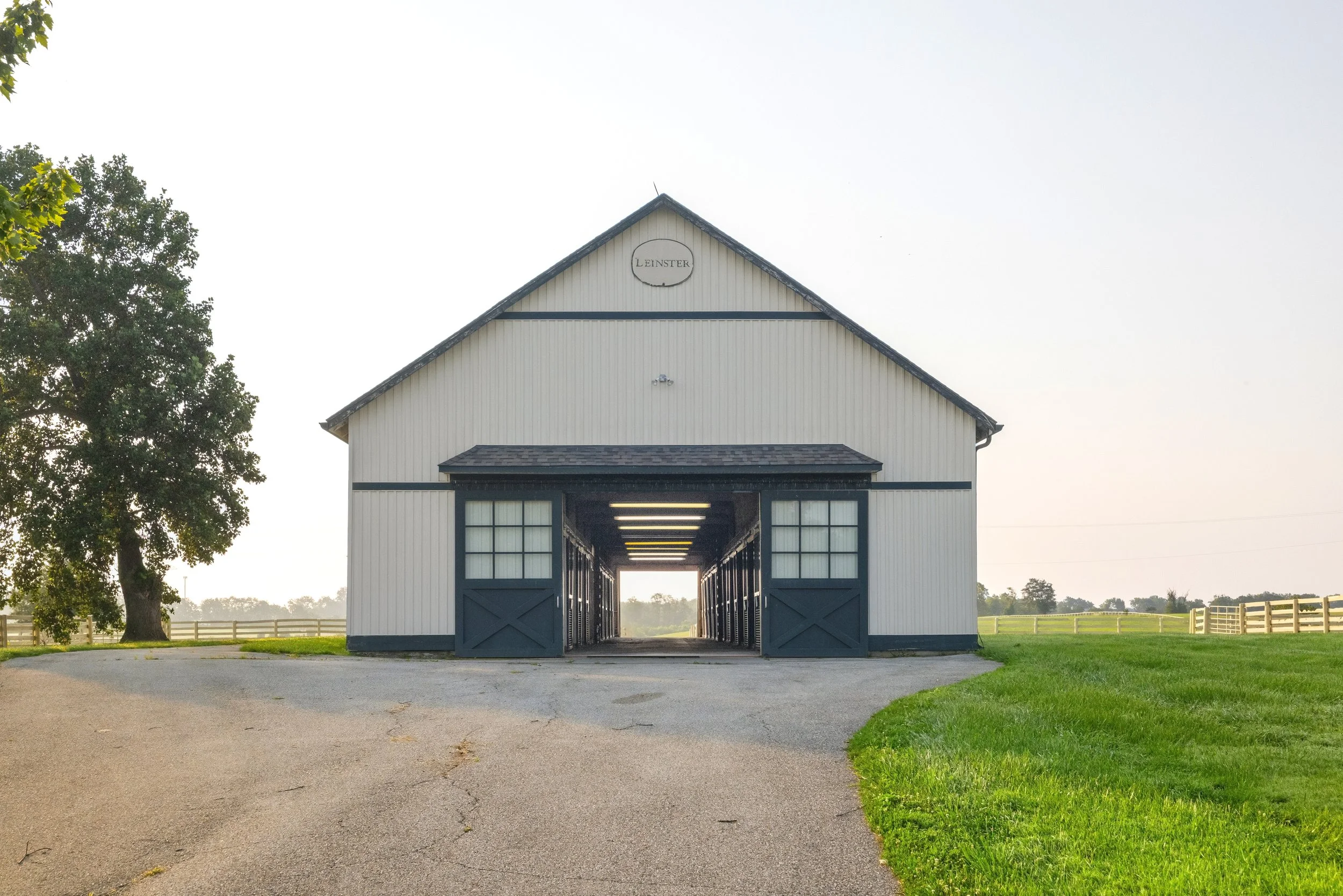
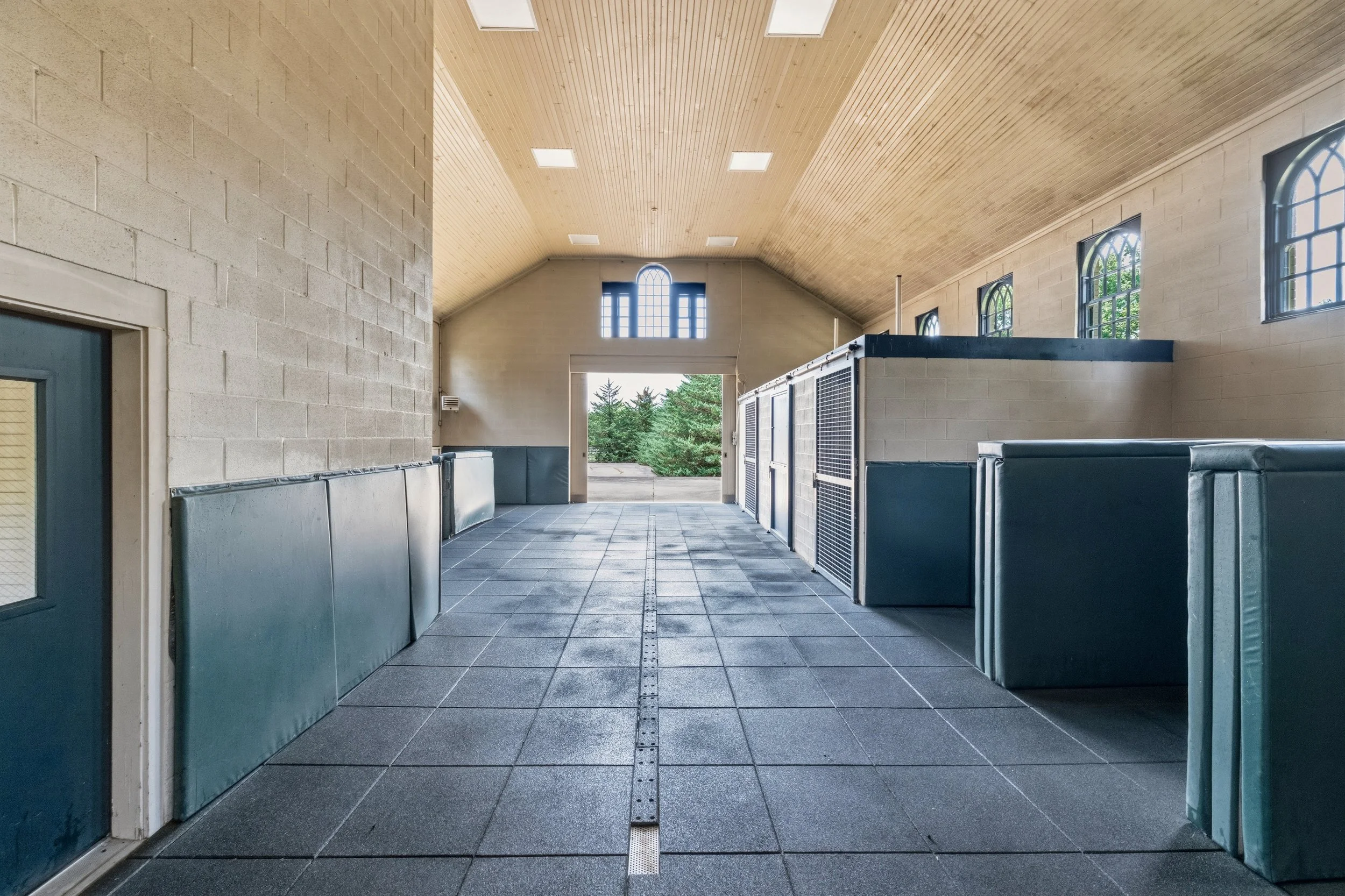
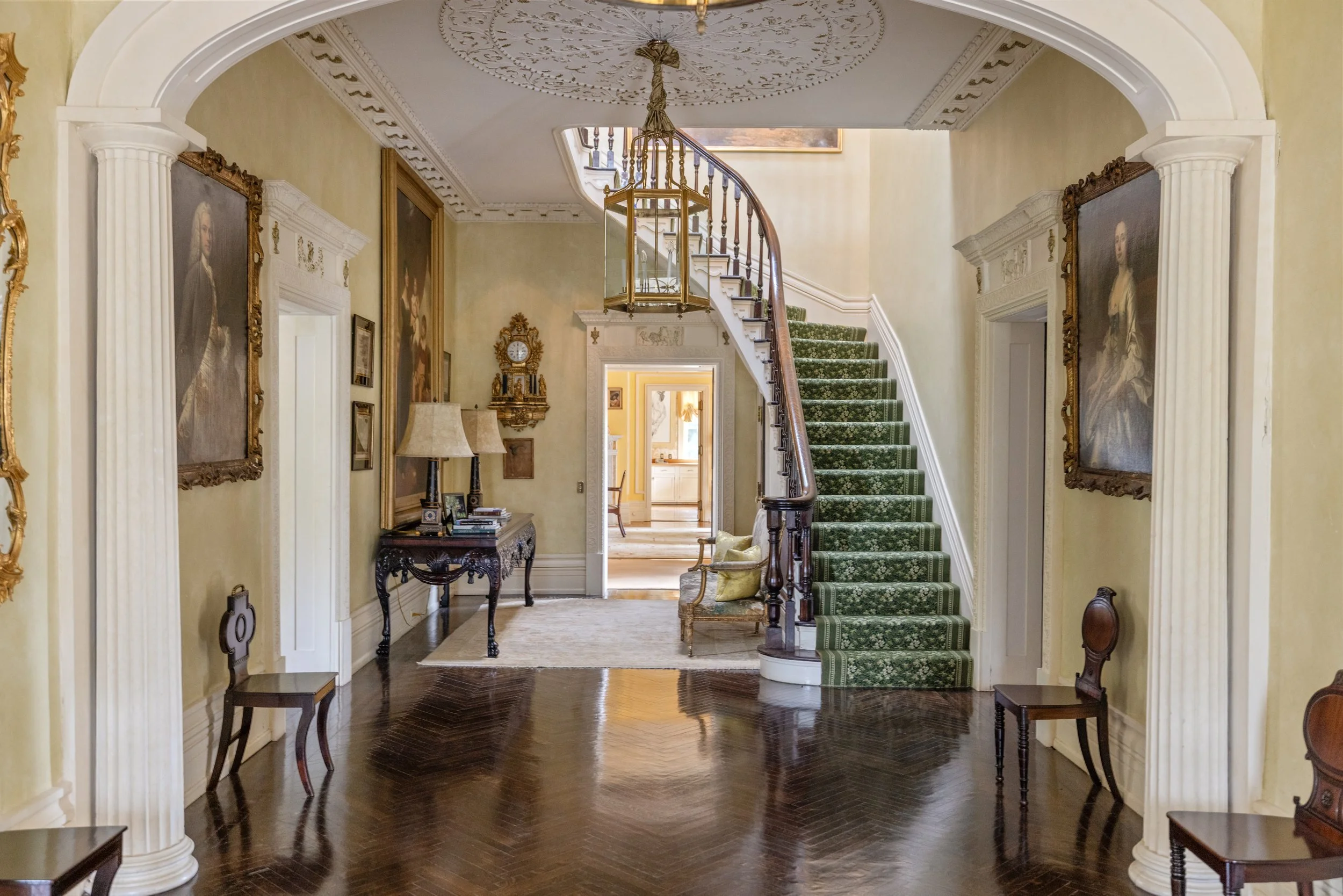
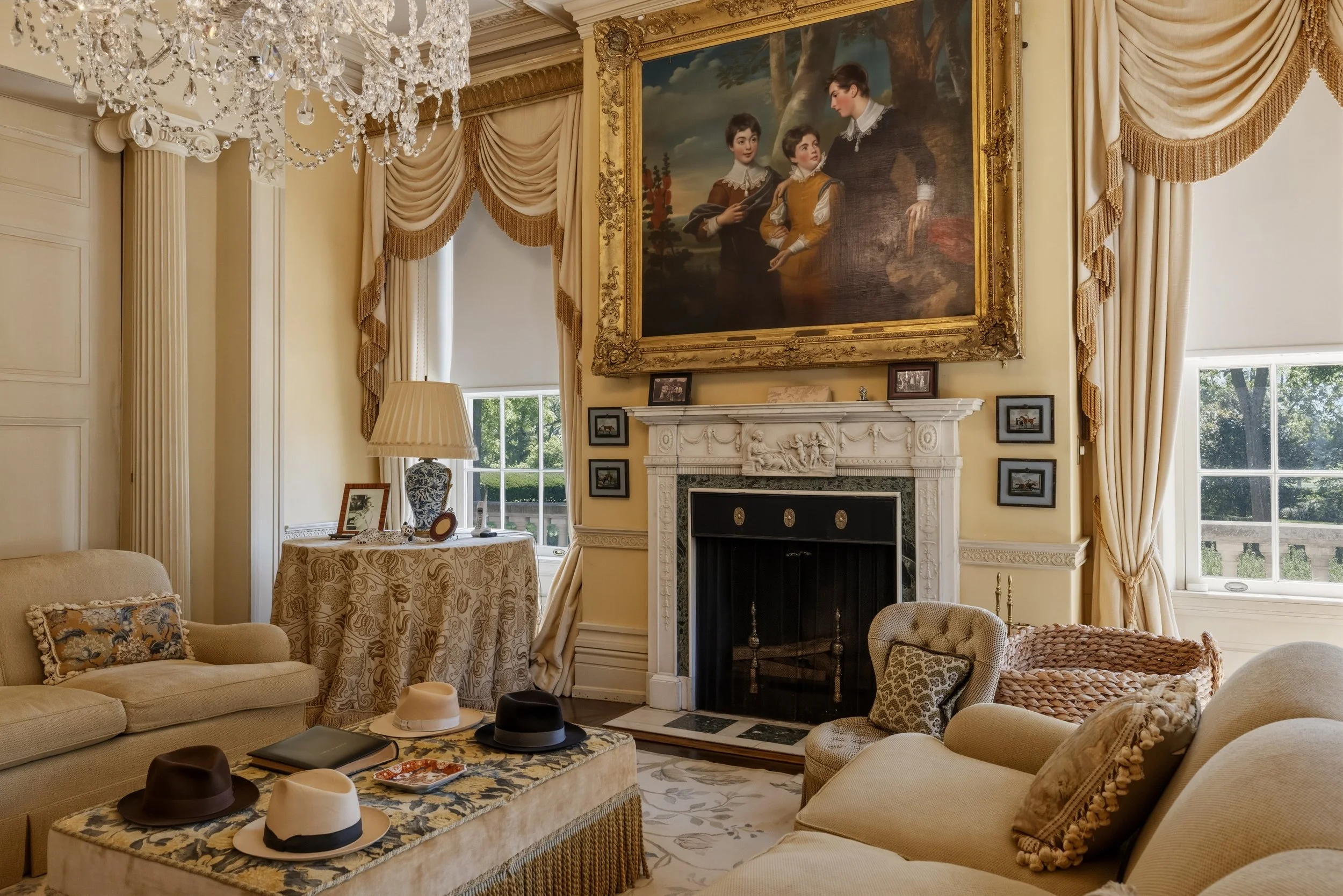
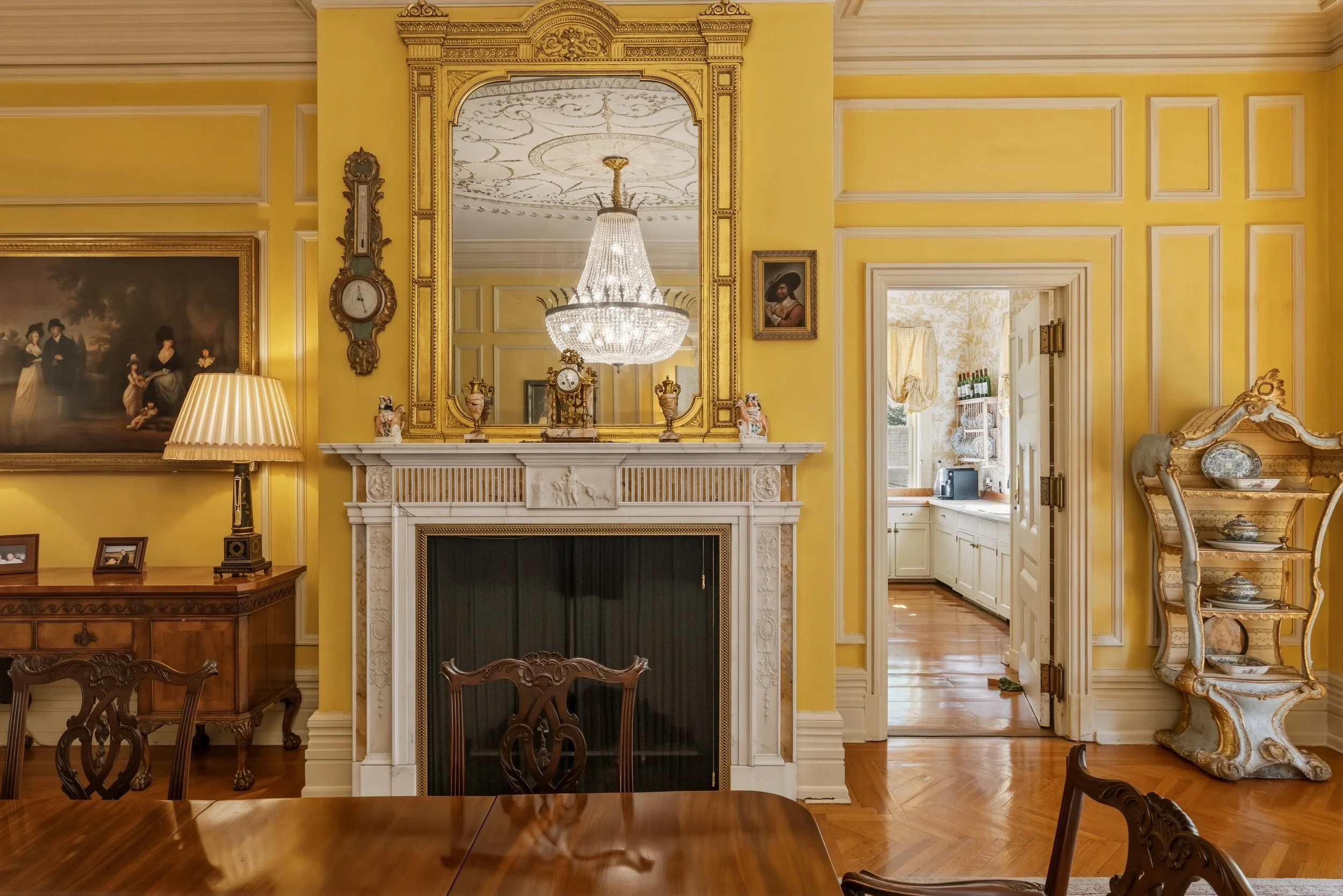
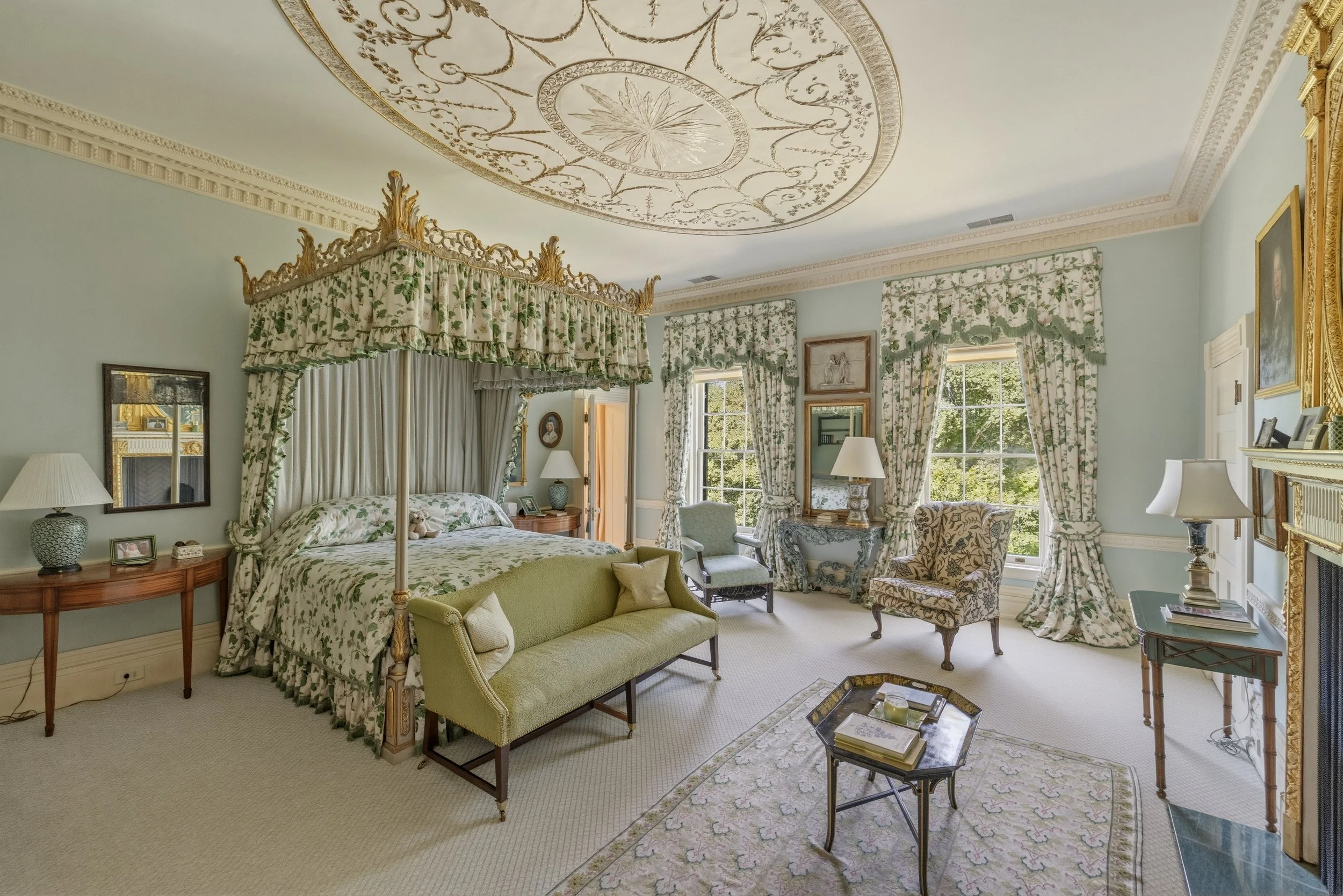
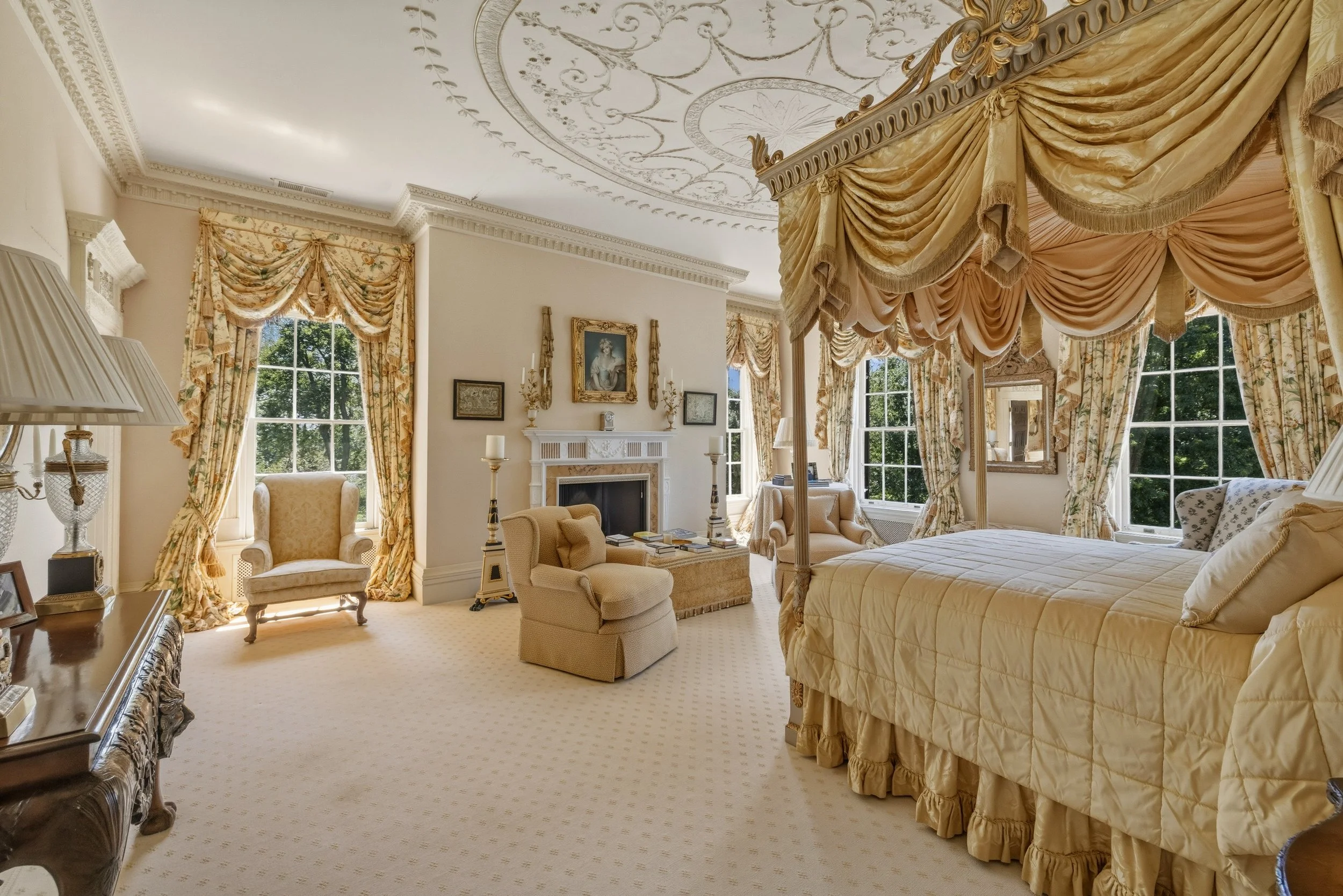
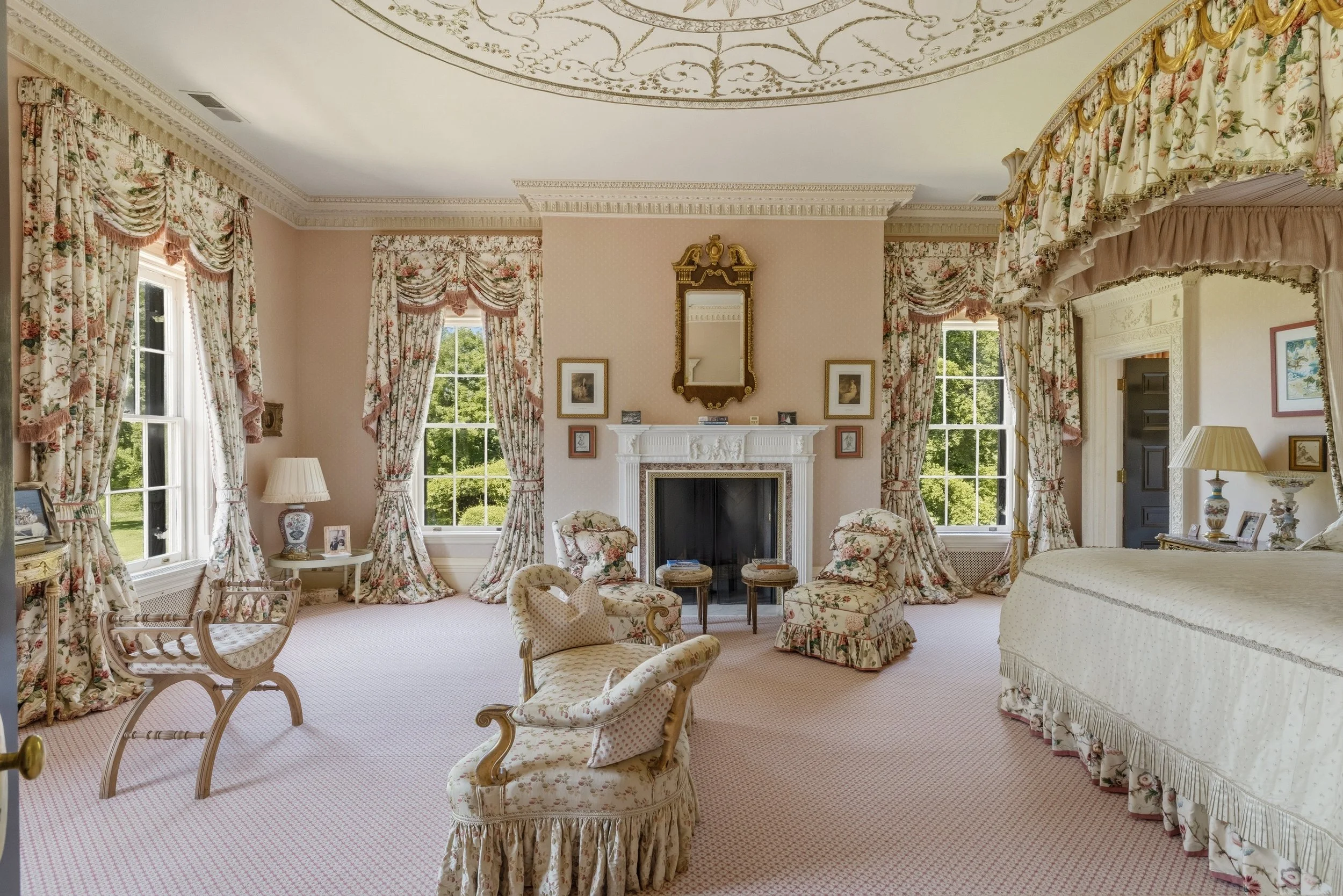
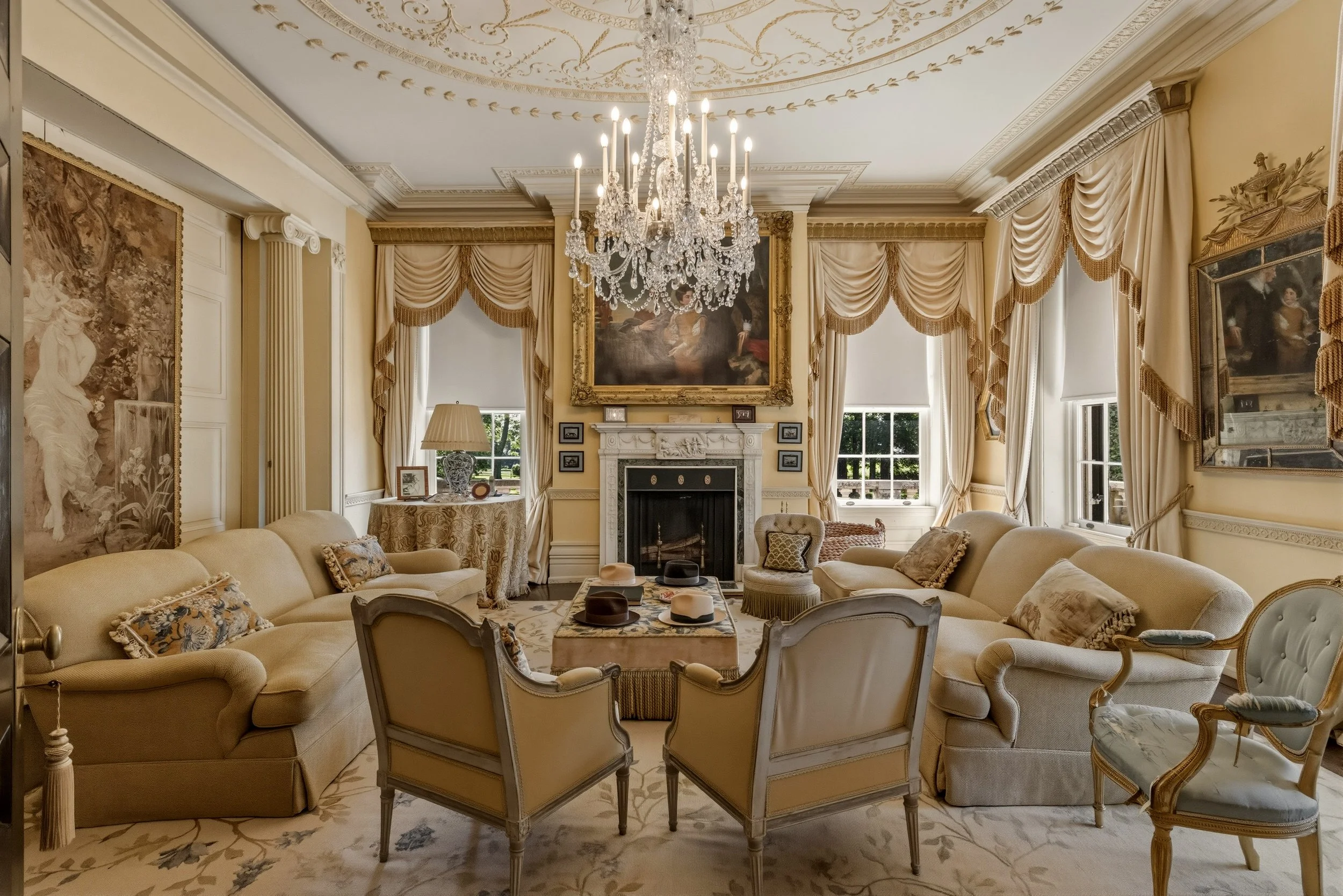
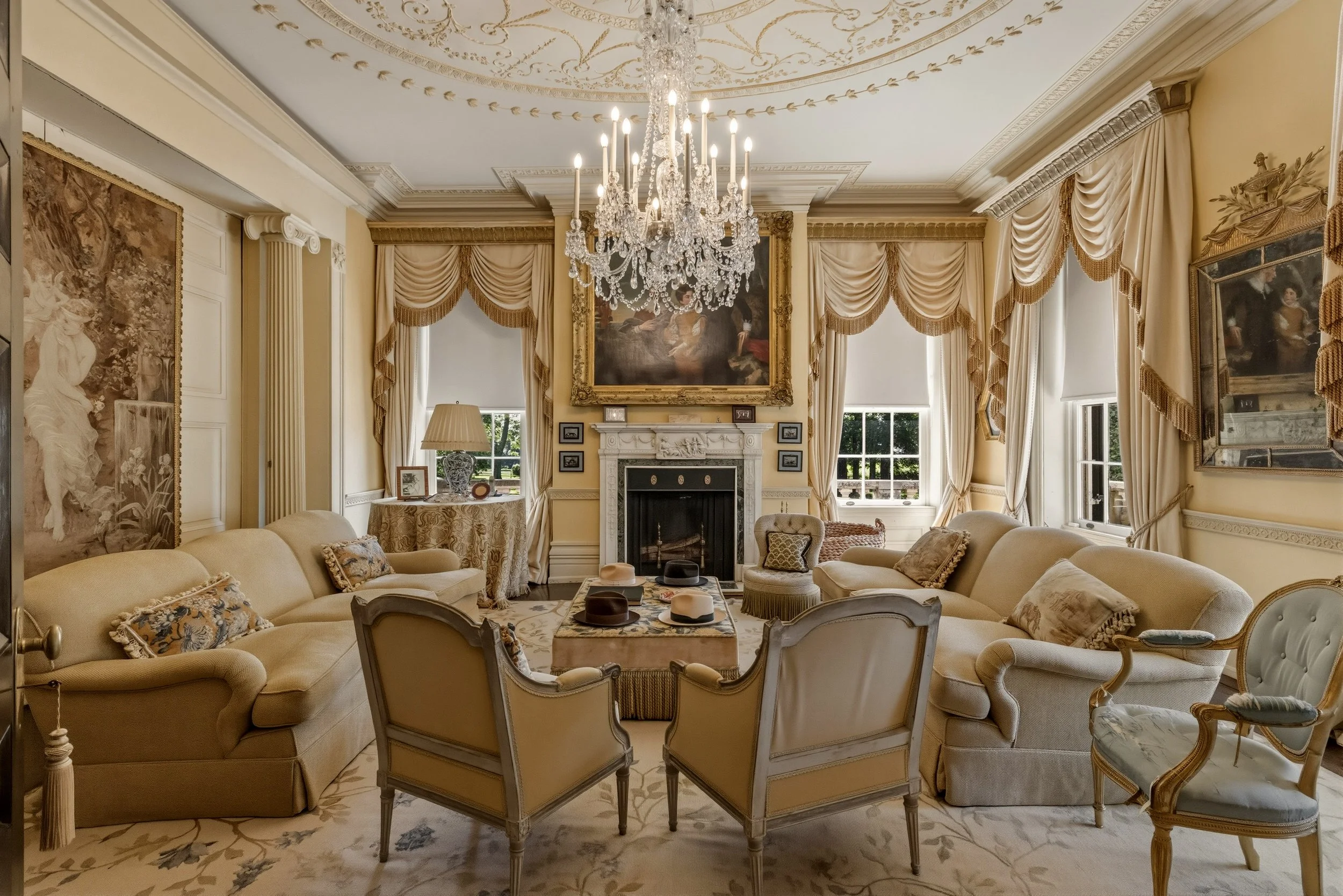
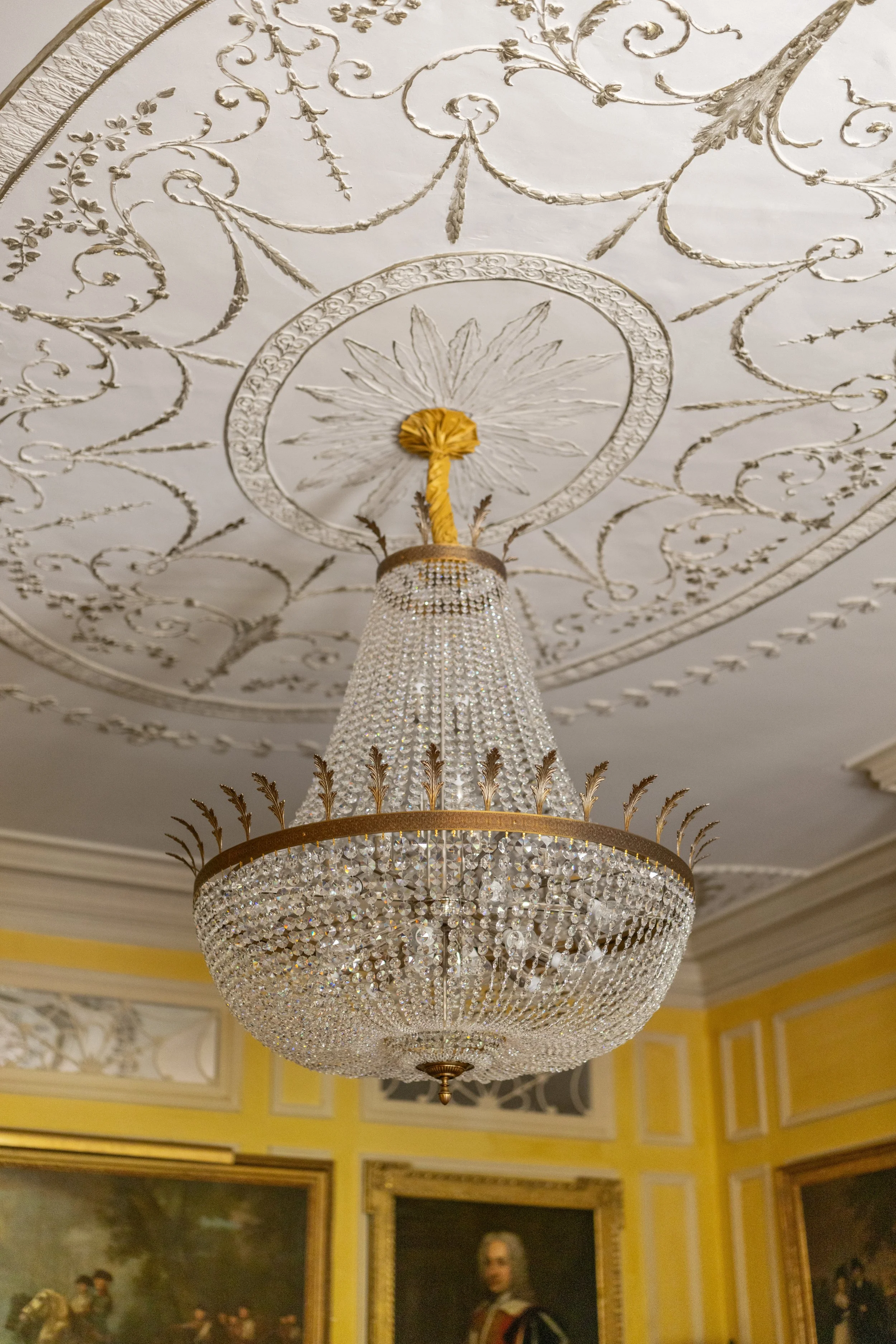
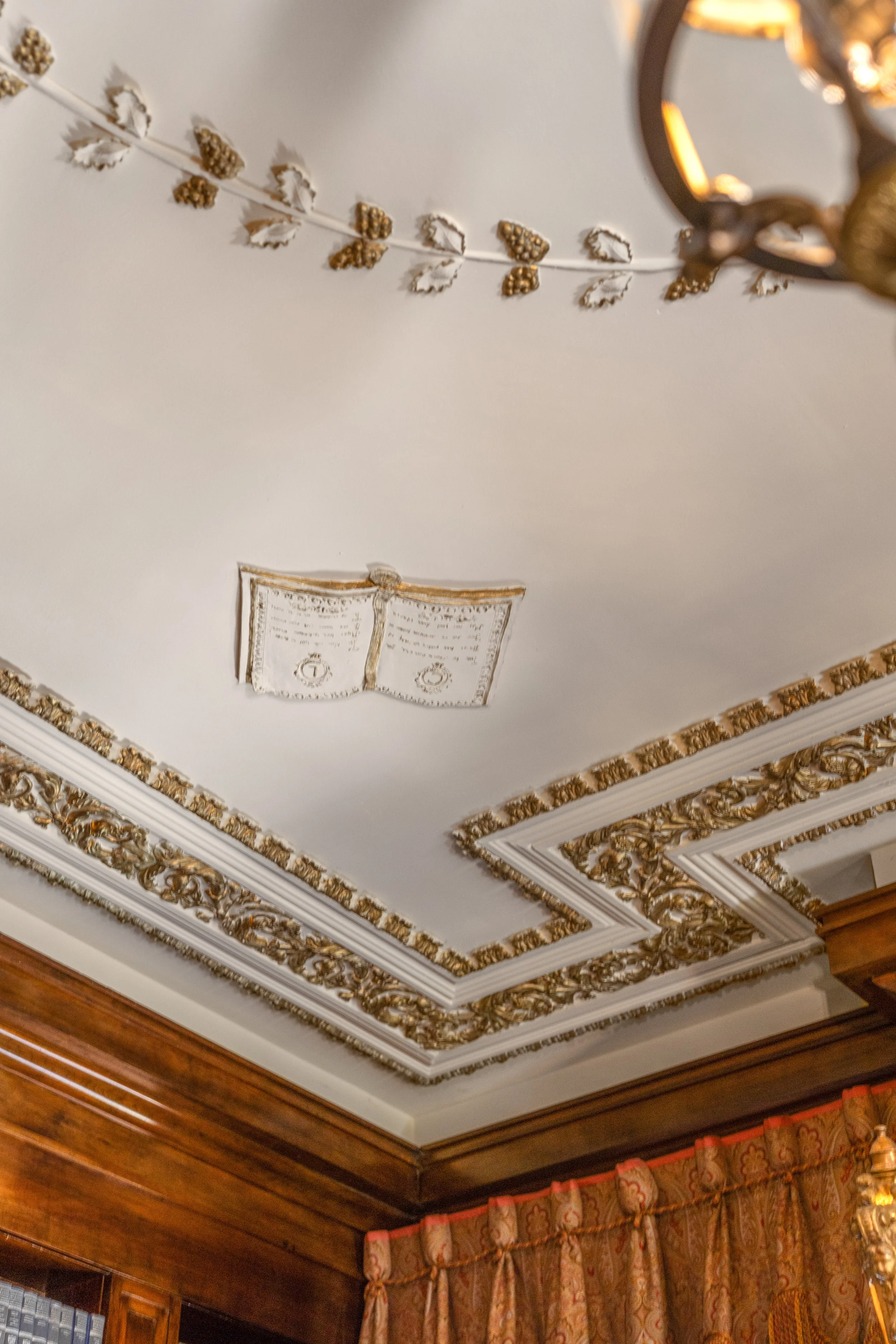
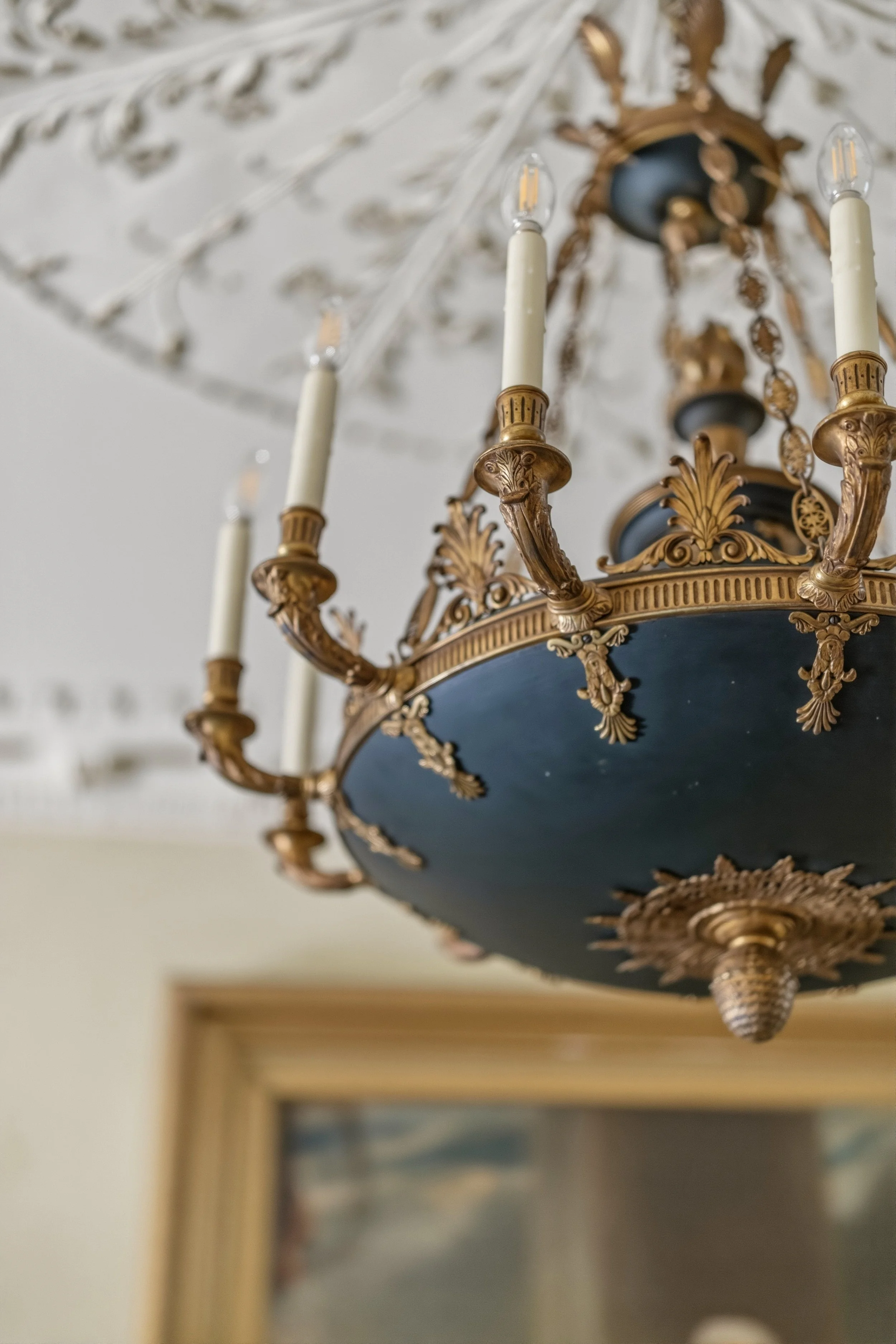
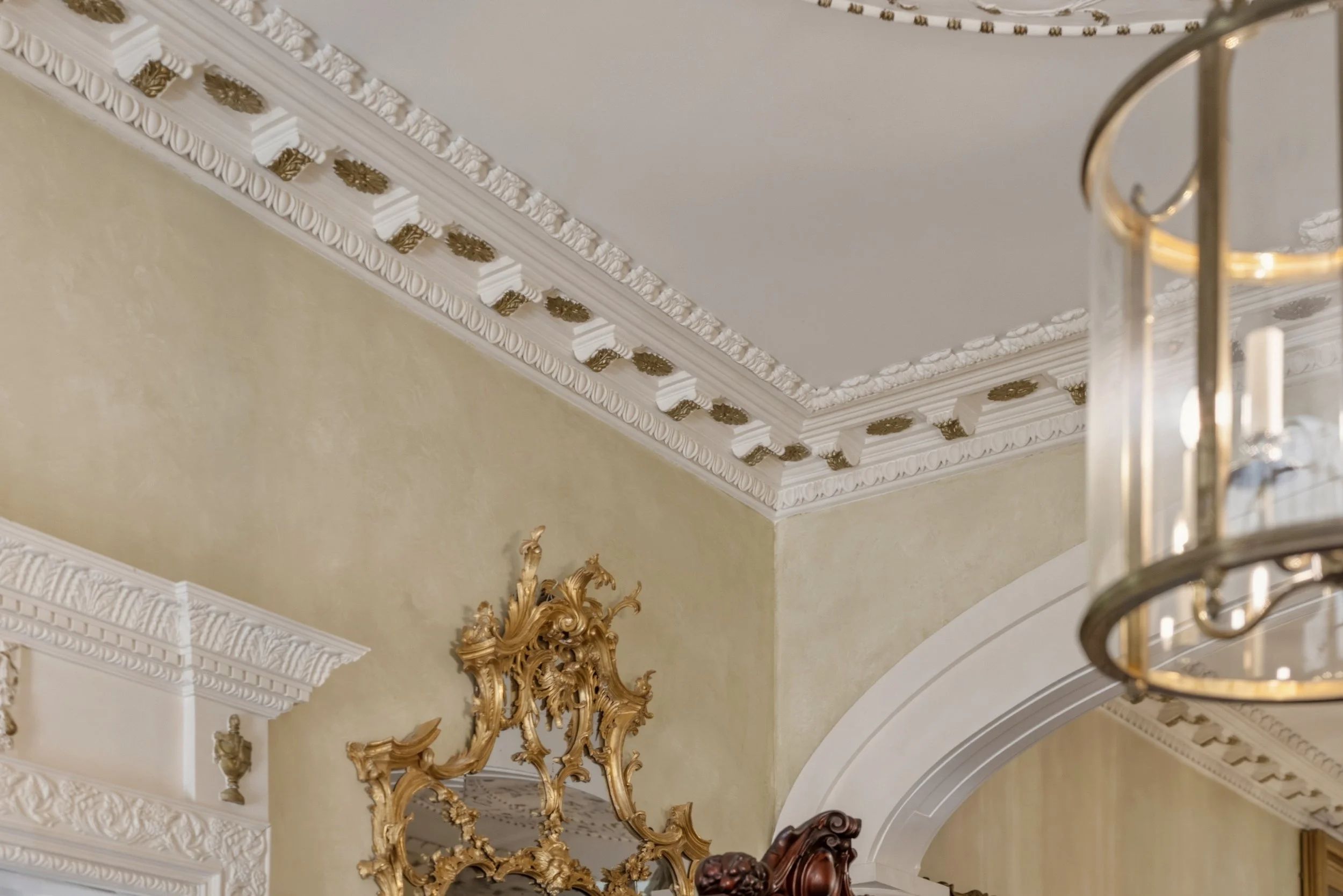
Ryan also commissioned interior designer Tiggy Butler, who had previously worked on Lyons Demesne, to restore Castleton's circa-1840 Greek Revival mansion. The work included restoring its classical portico, reopening previously covered windows, refinishing the interiors and incorporating decorative plasterwork, Irish paintings and antique furnishings from Ryan's collection.
The imposing wrought-iron gates marking the main residence's private drive were imported from a former fruit and vegetable market in London, while stone pillars were constructed by local craftsmen using Kentucky limestone.
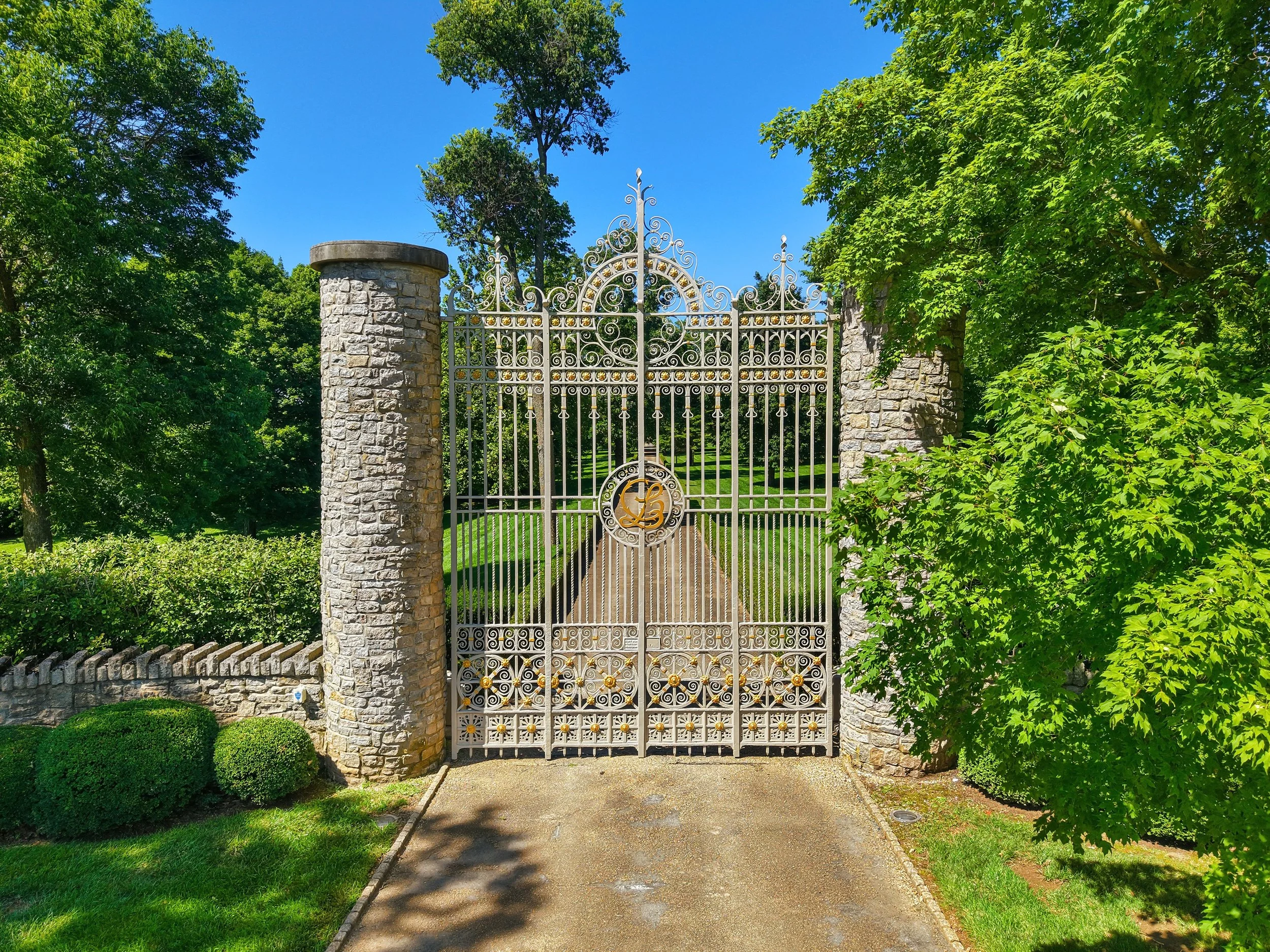
19th-century English wrought-iron gates were installed on Kentucky limestone pillars constructed by local craftsmen, complementing the historic stone walls surrounding the estate.
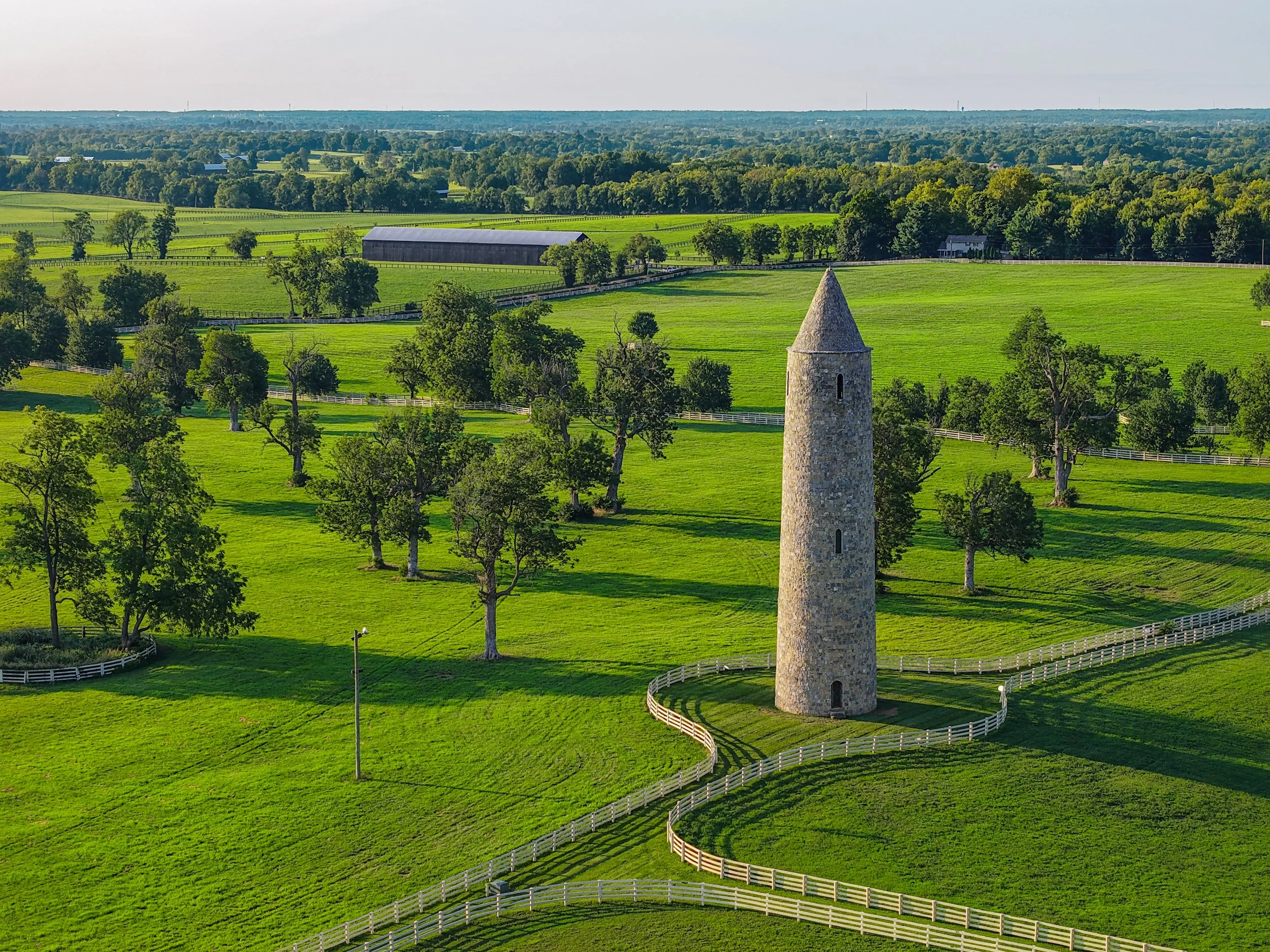
The most distinctive addition was a 124.5-foot (38-metre) Irish round tower, built in 2003 around a disused water tank. Modelled on the medieval tower at the Rock of Cashel in County Tipperary, Ryan's home county, it was constructed using fieldstone collected from the surrounding grounds. Inside, 144 winding steps lead to the top. The tower can be seen from the surrounding roads and even by passengers approaching Lexington's Blue Grass Airport. Ryan also planted more than 2,000 trees, added a covered timber bridge and renovated the farm's equestrian facilities.
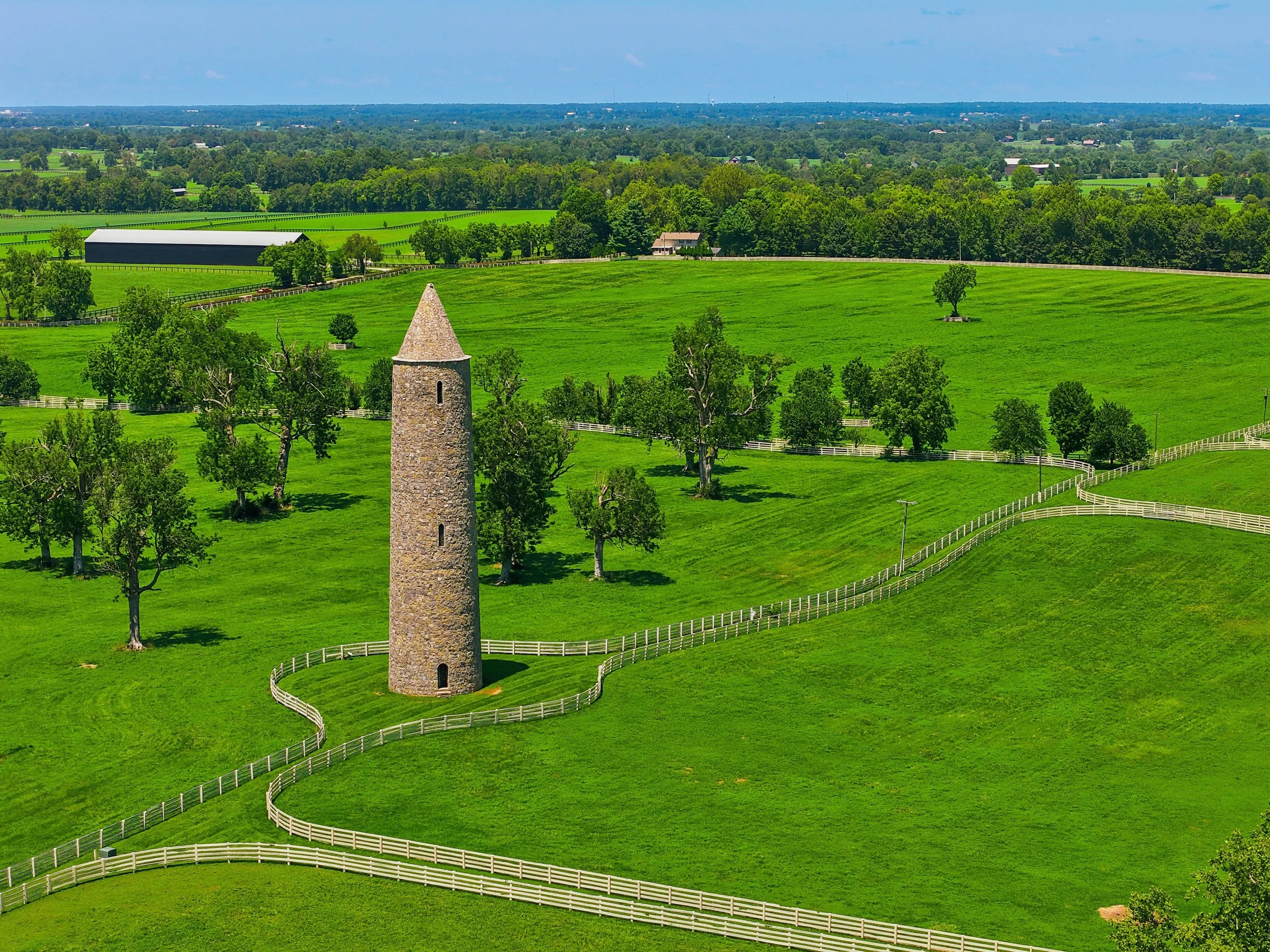
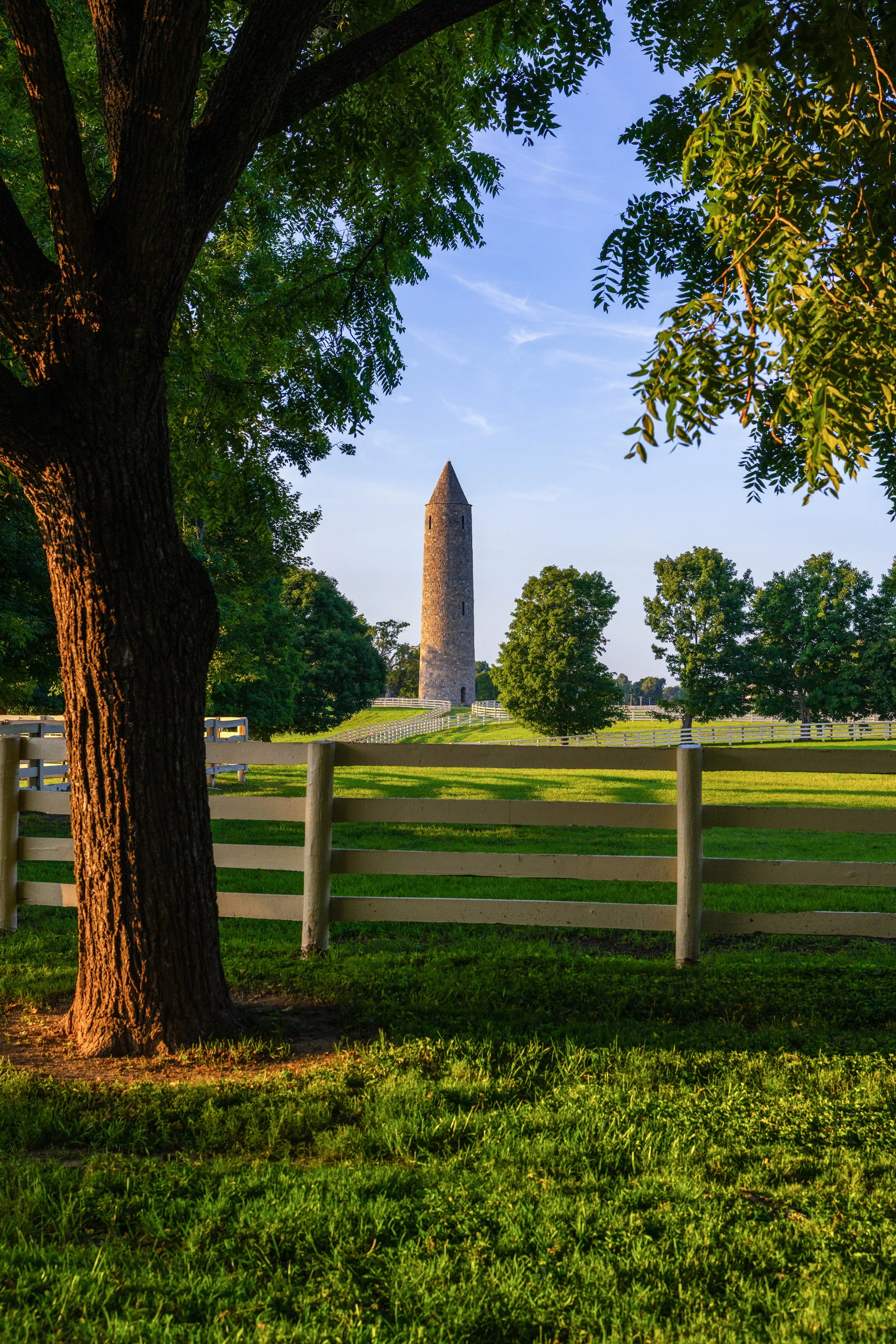
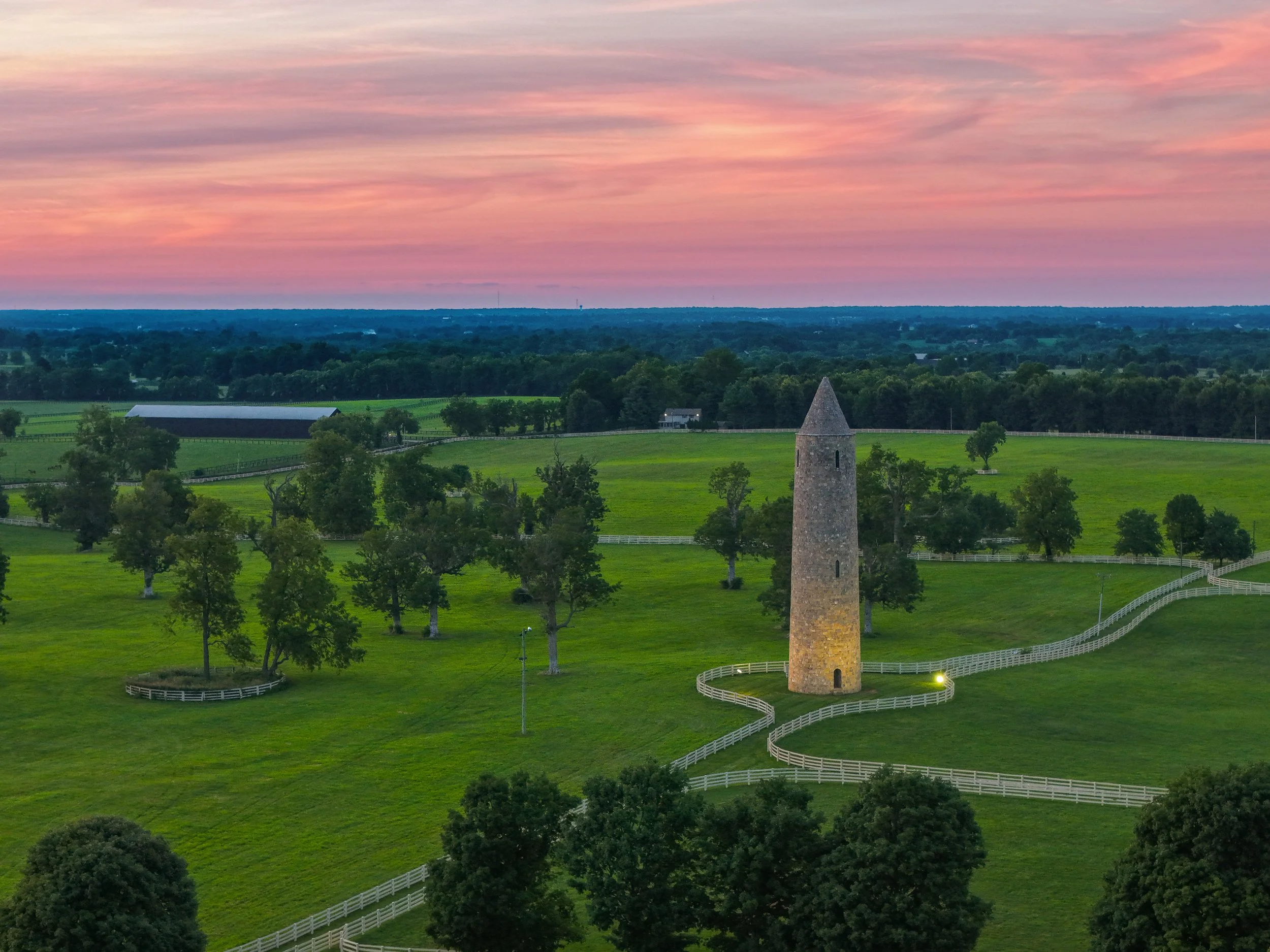
After nearly 90 years of the farm focusing primarily on other breeds, Ryan reintroduced Thoroughbreds, rebuilding a breeding programme that served both his own horses and outside clients. By 2003, the operation employed around 50 to 60 people and cared for approximately 150 broodmares and their foals, alongside young horses being prepared for auction.
The operation also produced notable successes on the racetrack. One of the most celebrated was Gio Ponti, owned by Castleton Lyons and bred through the Ryan family's Kilboy Estate operation. In October 2007, just four days after Tony Ryan's death, the two-year-old colt won the Bourbon Stakes at Keeneland. He would go on to become a multiple Grade 1 winner and three-time Eclipse Award champion, earning more than $6 million during his racing career.
Following his father's death, Shane Ryan continued overseeing the Thoroughbred operation and investing in the estate's buildings, grounds and equestrian infrastructure. A substantial improvement programme between 2019 and 2025 included further work on the barns, roofing, fencing and other facilities, maintaining Castleton as an operational horse farm.
Castleton's Next Chapter
After 25 years of family ownership, Shane Ryan is looking for the next steward of Castleton, someone who will preserve the historic estate and continue its long tradition as a working horse farm.
“We have been the sixth stewards of this historic farm,” Ryan said in a statement released by Keeneland. “So there has to be a magnificent seventh steward out there.”
The decision to sell comes as Shane now spends much of his time in Europe, while his children have not developed the same interest in horses that he and his father shared. For the Ryan family, the hope is that Castleton's next owner will continue the legacy they have helped preserve.
For a buyer committed to protecting the estate, there is also a potential financial incentive. Through Lexington's Purchase of Development Rights program, qualifying landowners can receive compensation in exchange for permanently protecting their farmland from future development. Listing agent Ken Donworth estimates that Castleton's development rights could be worth approximately $5 million to $6 million.
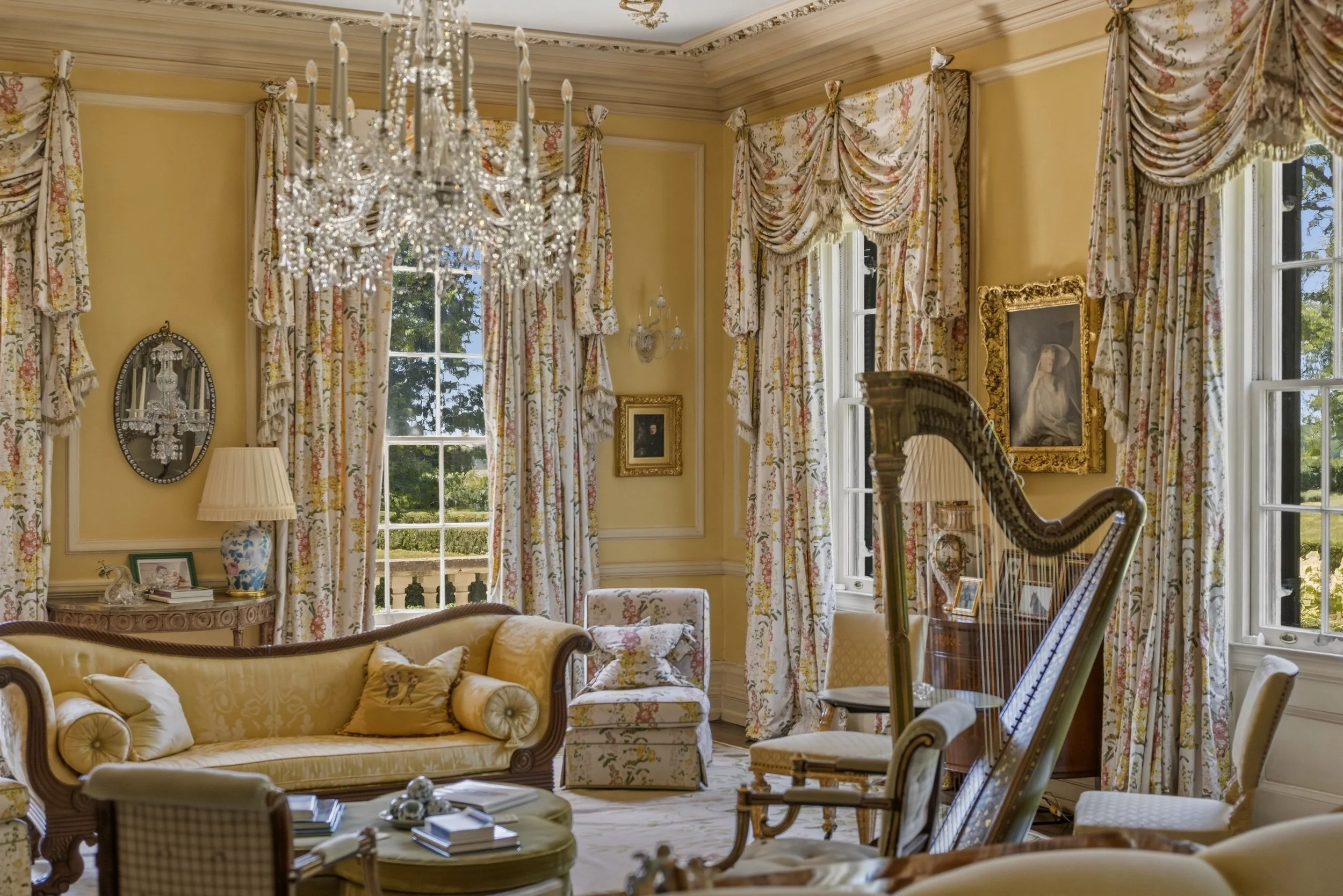
London-based interior designer Tiggy Butler, who had previously worked on Ryan's Lyons Demesne estate in Ireland, incorporated period furnishings, decorative plasterwork and Irish paintings to complement Castleton's 19th-century architecture.
From Trophy Property to Cultural Capital
There is an interesting parallel between the worlds of Thoroughbred racing, collectible cars and fine art. At the highest levels, ownership is rarely just about the asset itself. It can also offer entry into a world of established traditions, relationships and experiences that money alone does not automatically provide.
Castleton brings that idea into real estate. A prospective owner would acquire not simply a historic Kentucky horse farm, but an opportunity to participate in an international Thoroughbred community whose American breeding interests are increasingly concentrated in the Bluegrass.
Its inclusion in the Championship Sale brings together two different forms of ownership within the same industry. Buyers can acquire an interest in a horse preparing to compete at the Breeders' Cup just days later, or potentially become the next steward of one of the historic farms that helped establish Kentucky's place in Thoroughbred breeding.
On Wednesday, October 28, Castleton will be offered as the final lot of Keeneland's Championship Sale, held at the farm itself, with live bidding beginning at 6:30 p.m. Eastern Time.
Although attendance at the Championship Sale is by invitation only, prospective buyers can still participate by registering in advance to bid online or by telephone, without attending in person. For registration details and further information, visit the Keeneland Championship Sale website, or contact Ken Donworth of Bluegrass Sotheby's International Realty.
As Donworth explained in our interview, even if Castleton doesn't sell on the night, it can return to the traditional real estate market.
Shane Ryan also offered some advice to whoever takes over:
“We have been blessed to be part of Castleton's history, and I would welcome whoever takes over those reins to wrap their arms around this place and truly enjoy it. If possible, live here — live here full-time. Make it your home and enjoy every moment of it.”