An American Couple Found a Nature Lover’s Paradise in Norway. Now It’s for Sale for $1.2 Million
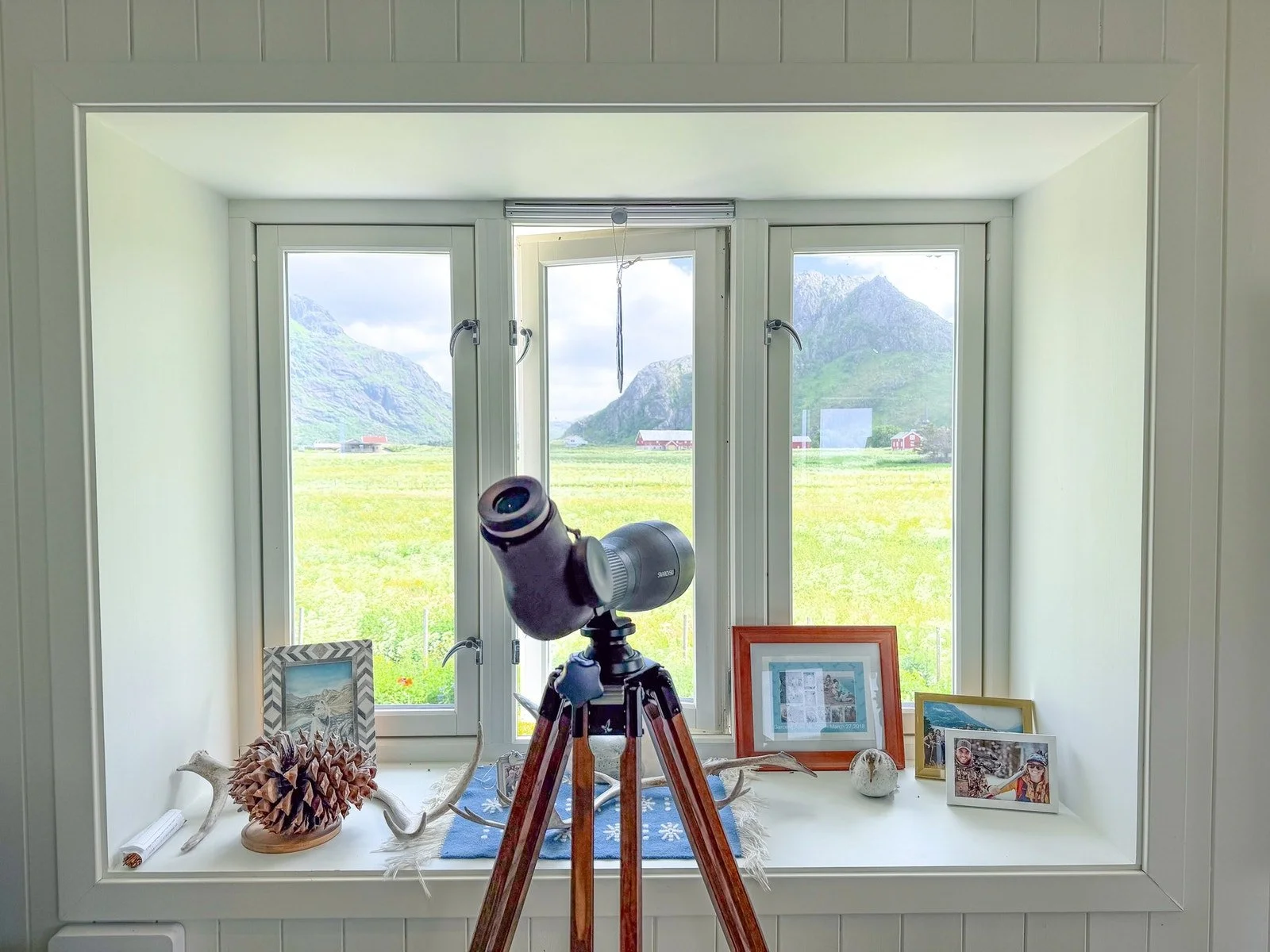
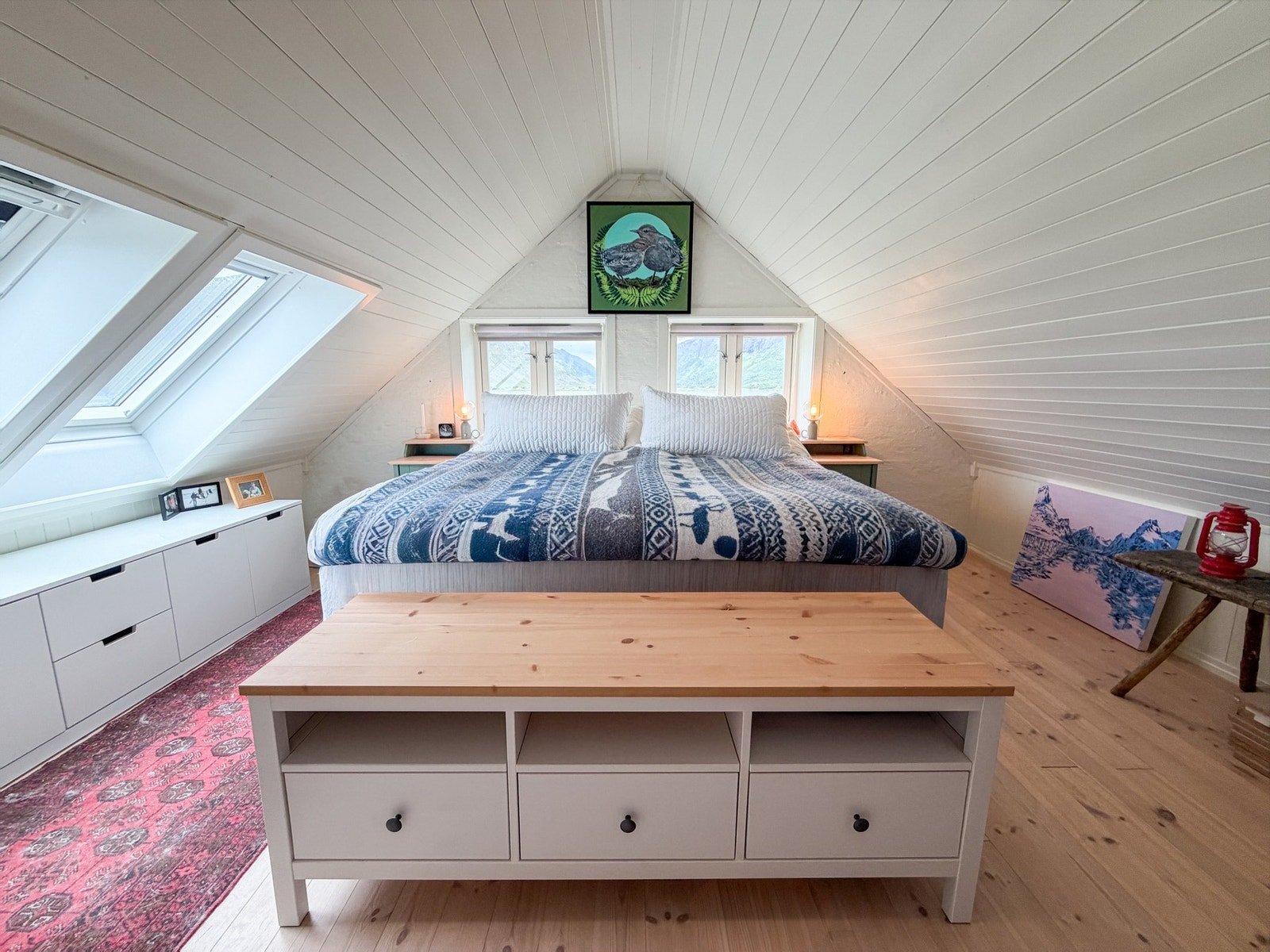
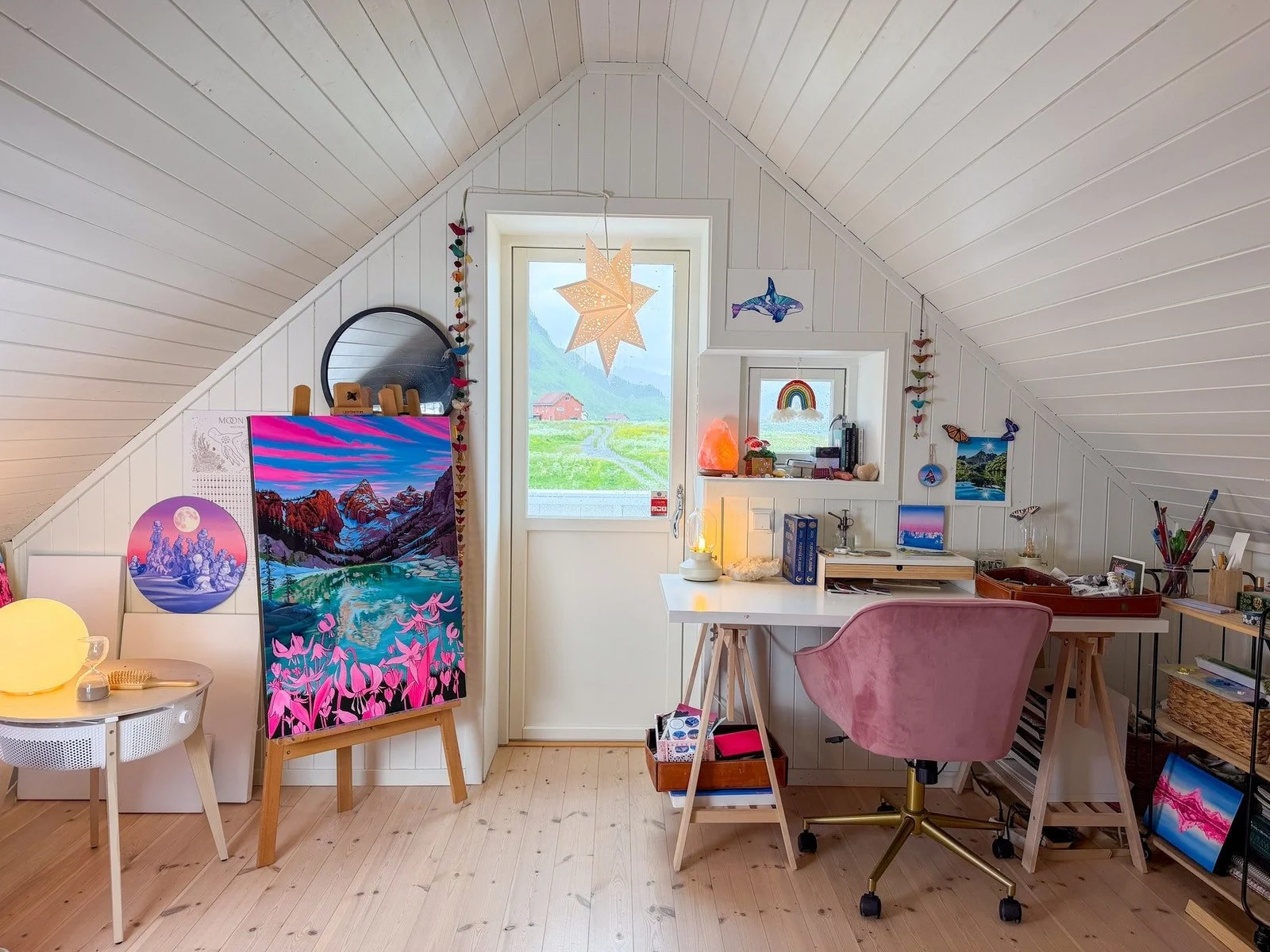
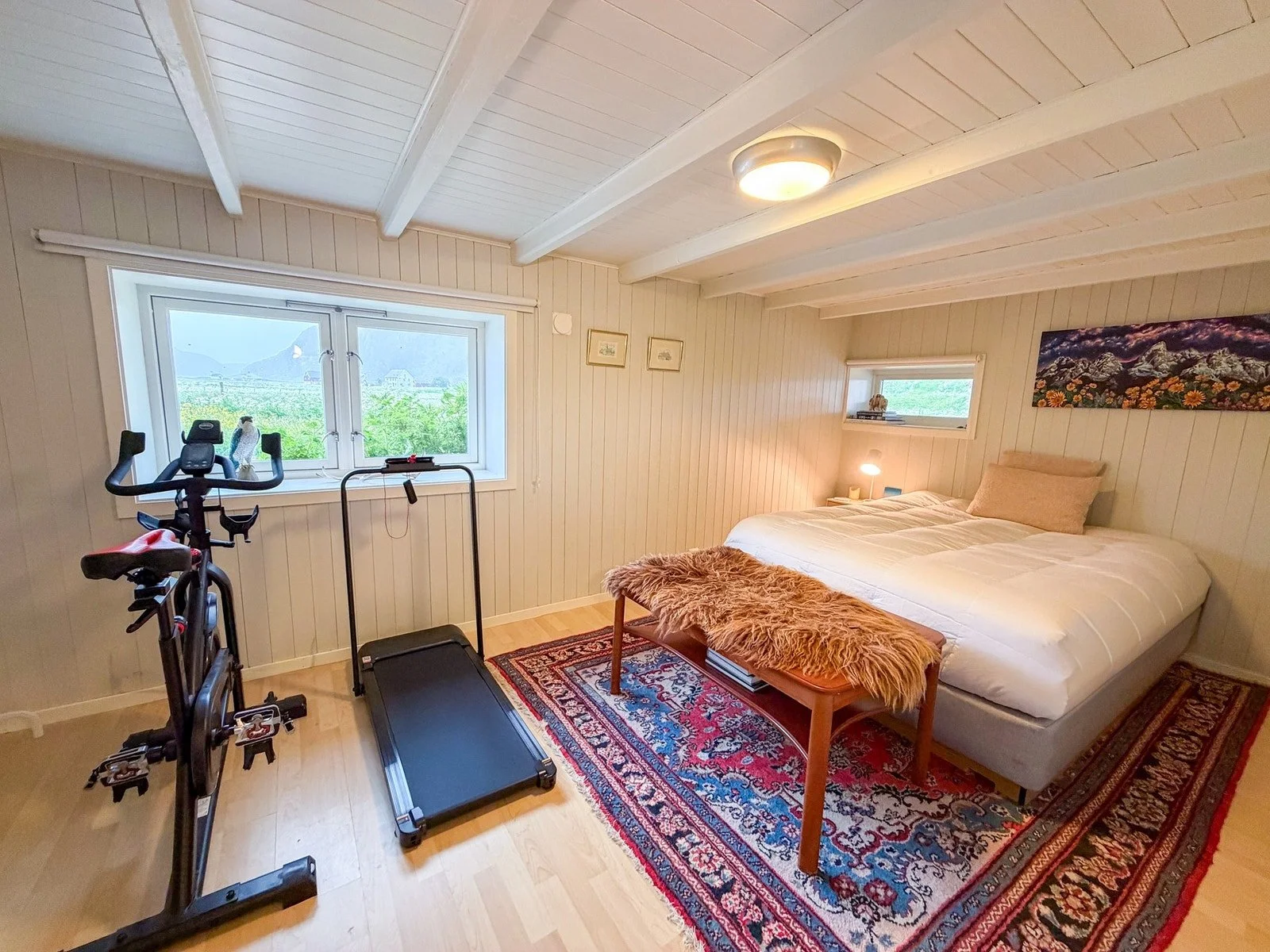
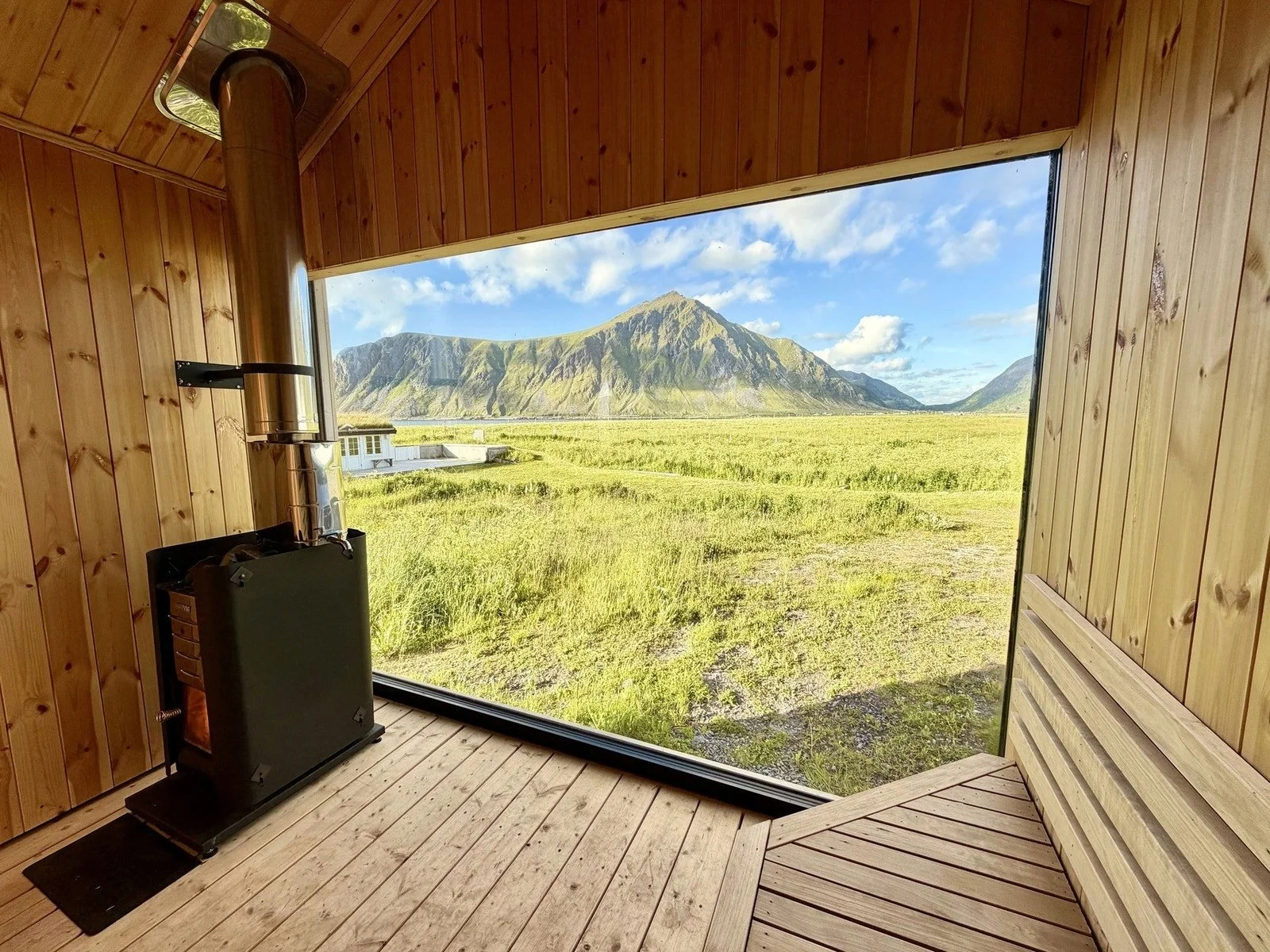
Bedrooms: 4 Bathrooms: 2 Interior: 173 m² / 1,862 ft² Lot: 0.29 ha / 0.72 acres
Amenities: Wood-fired outdoor sauna, original wood-burning stove, wildflower and kitchen garden, direct access across the property to a white-sand beach, fjord access for swimming and paddleboarding, nearby hiking trails and Arctic surfing, protected agricultural surroundings, mountain and water views
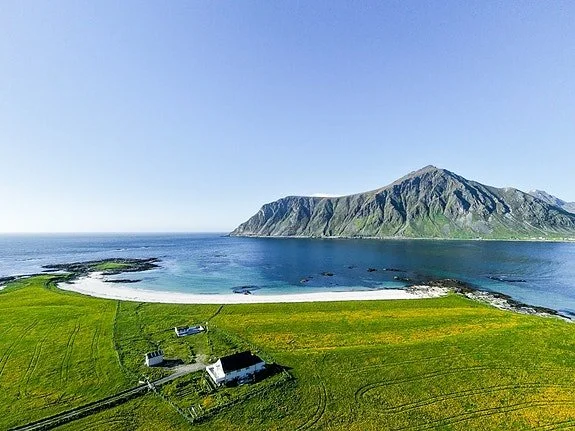
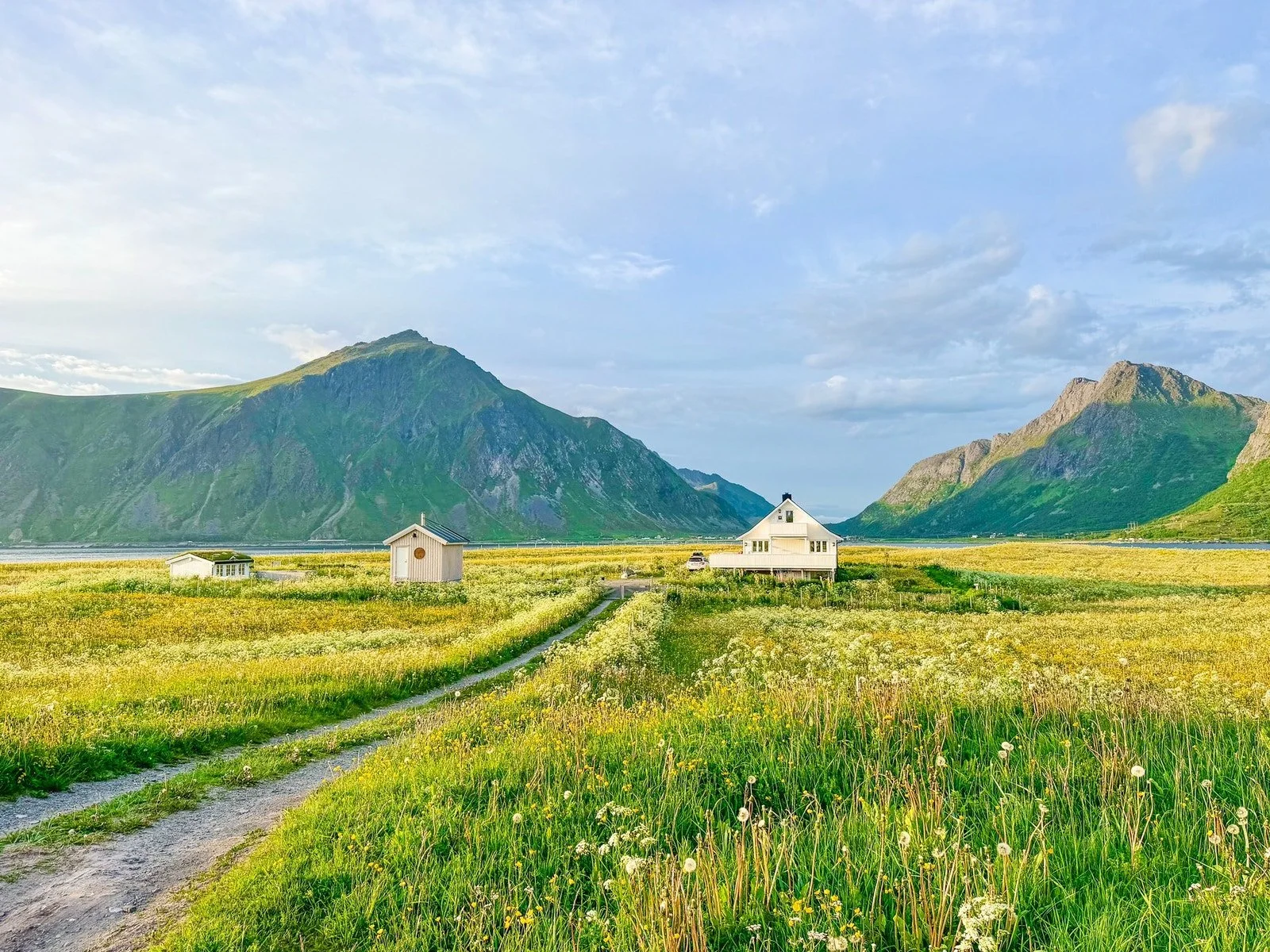
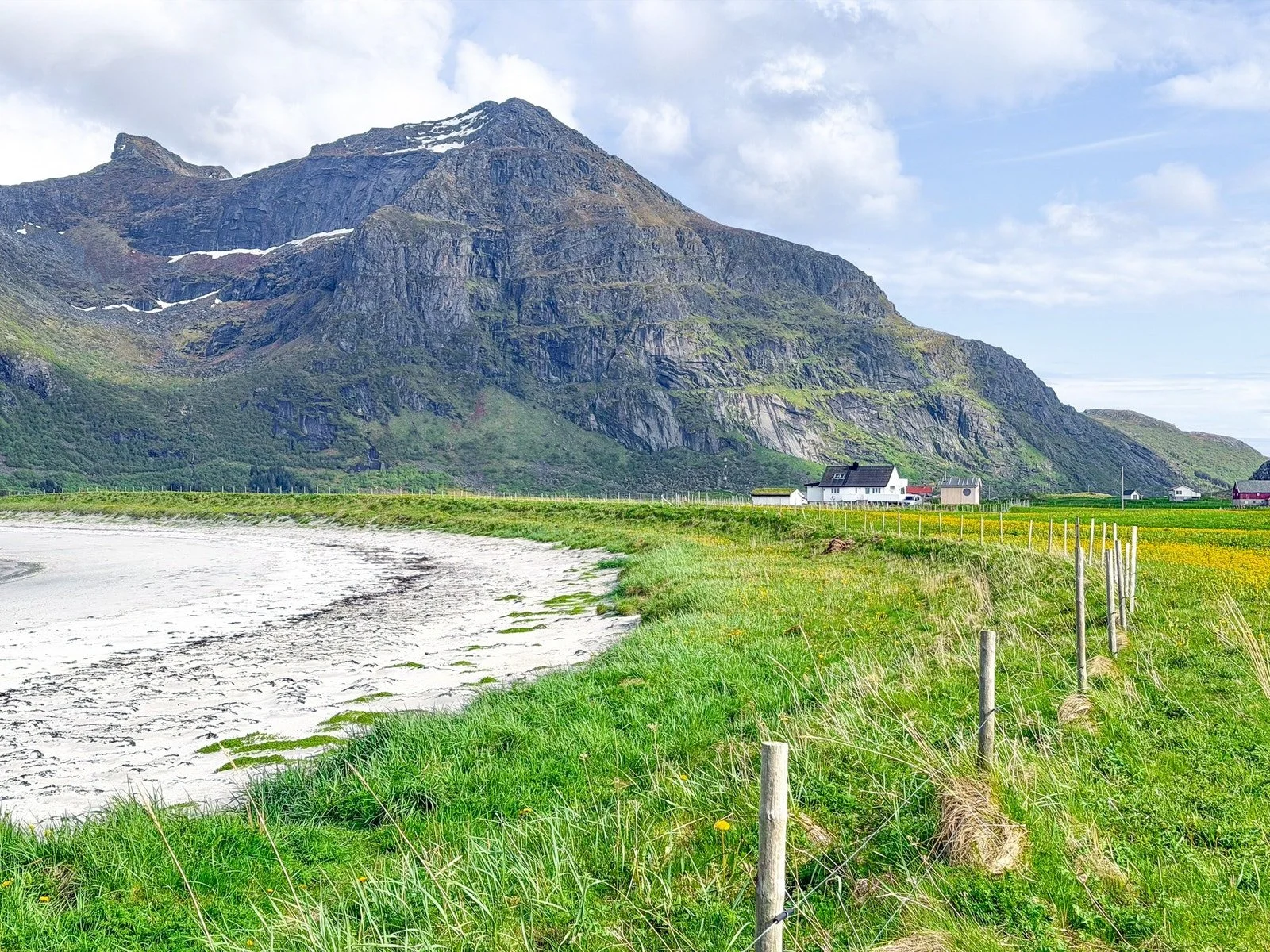
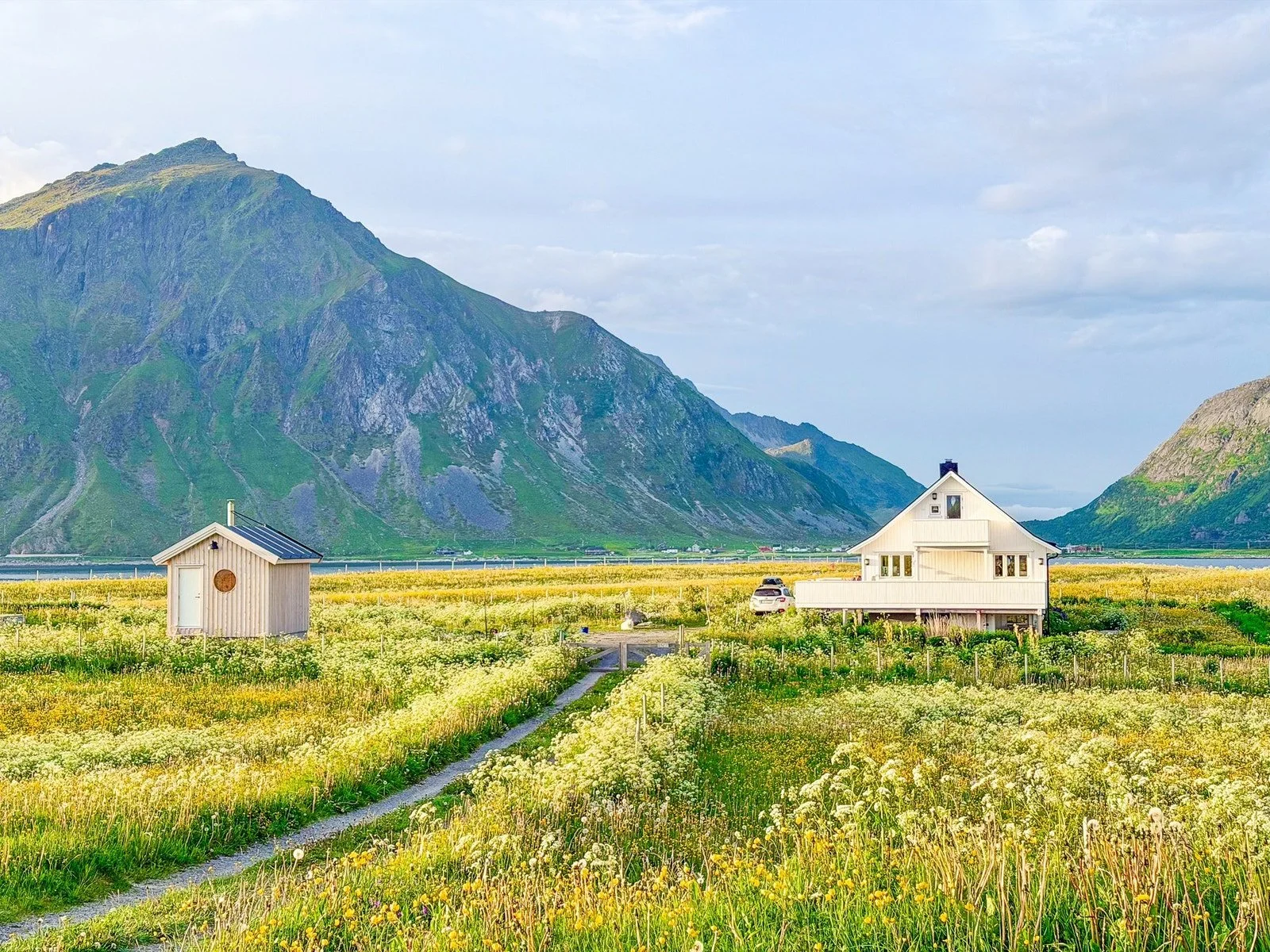
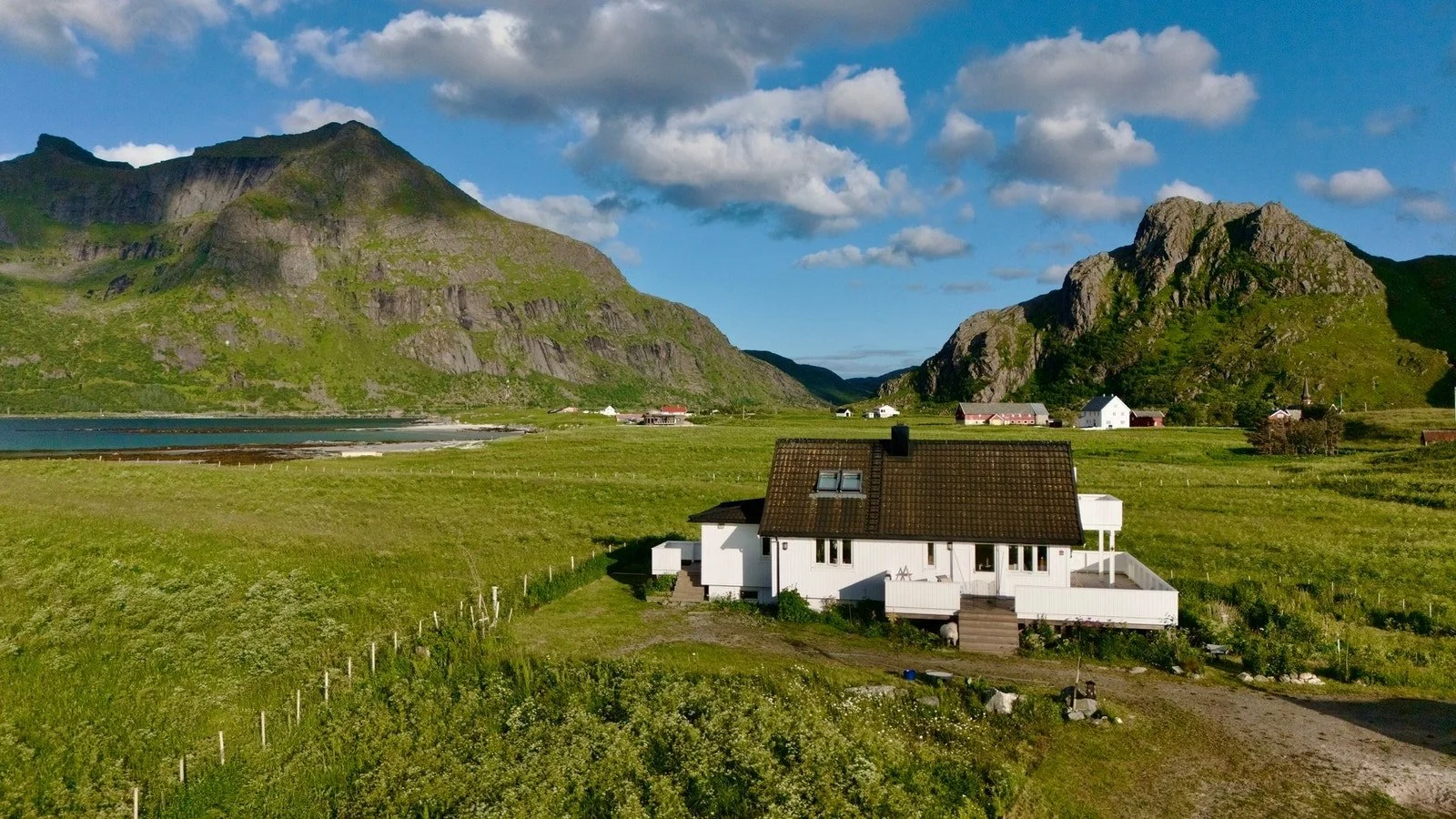
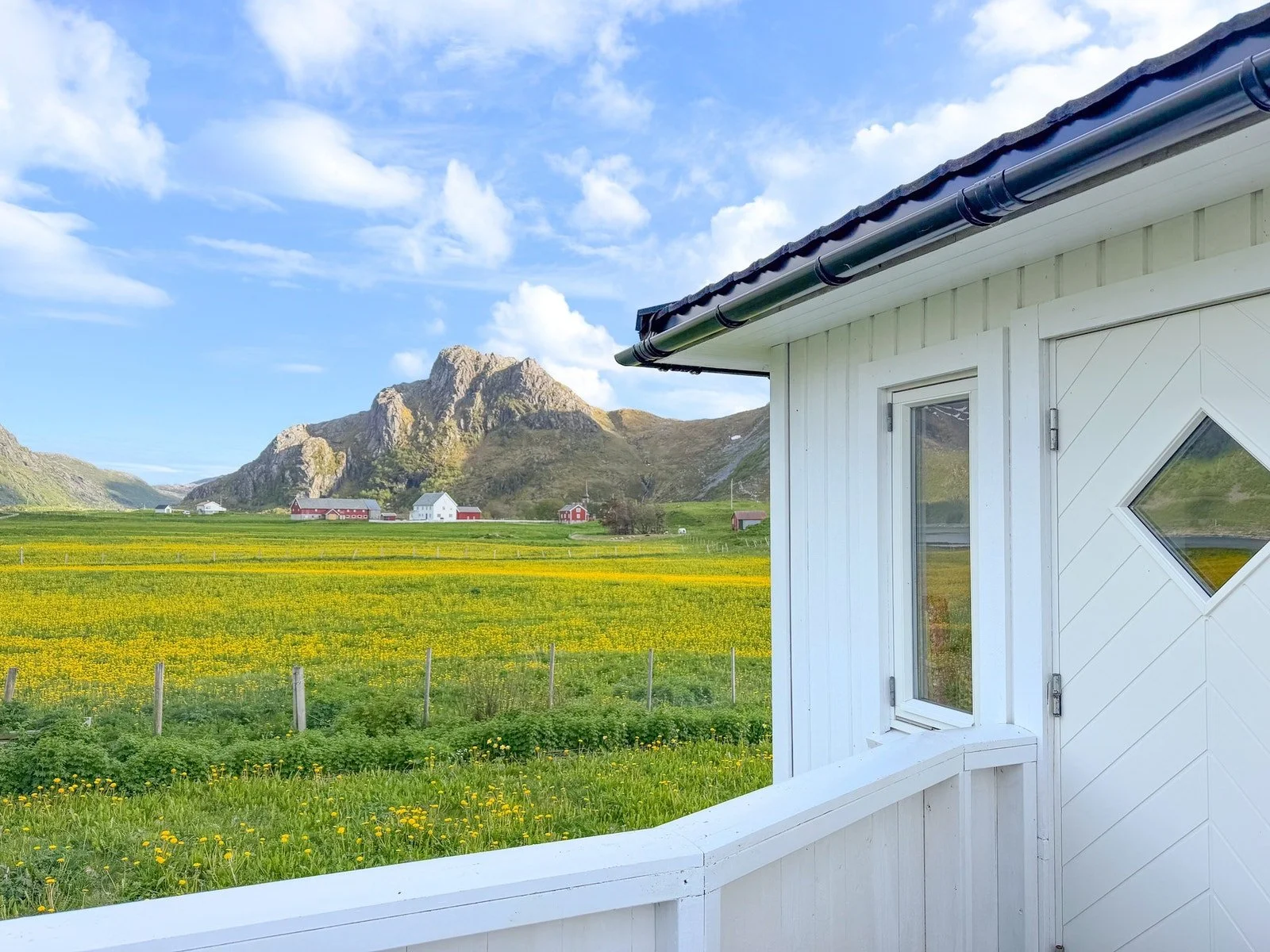
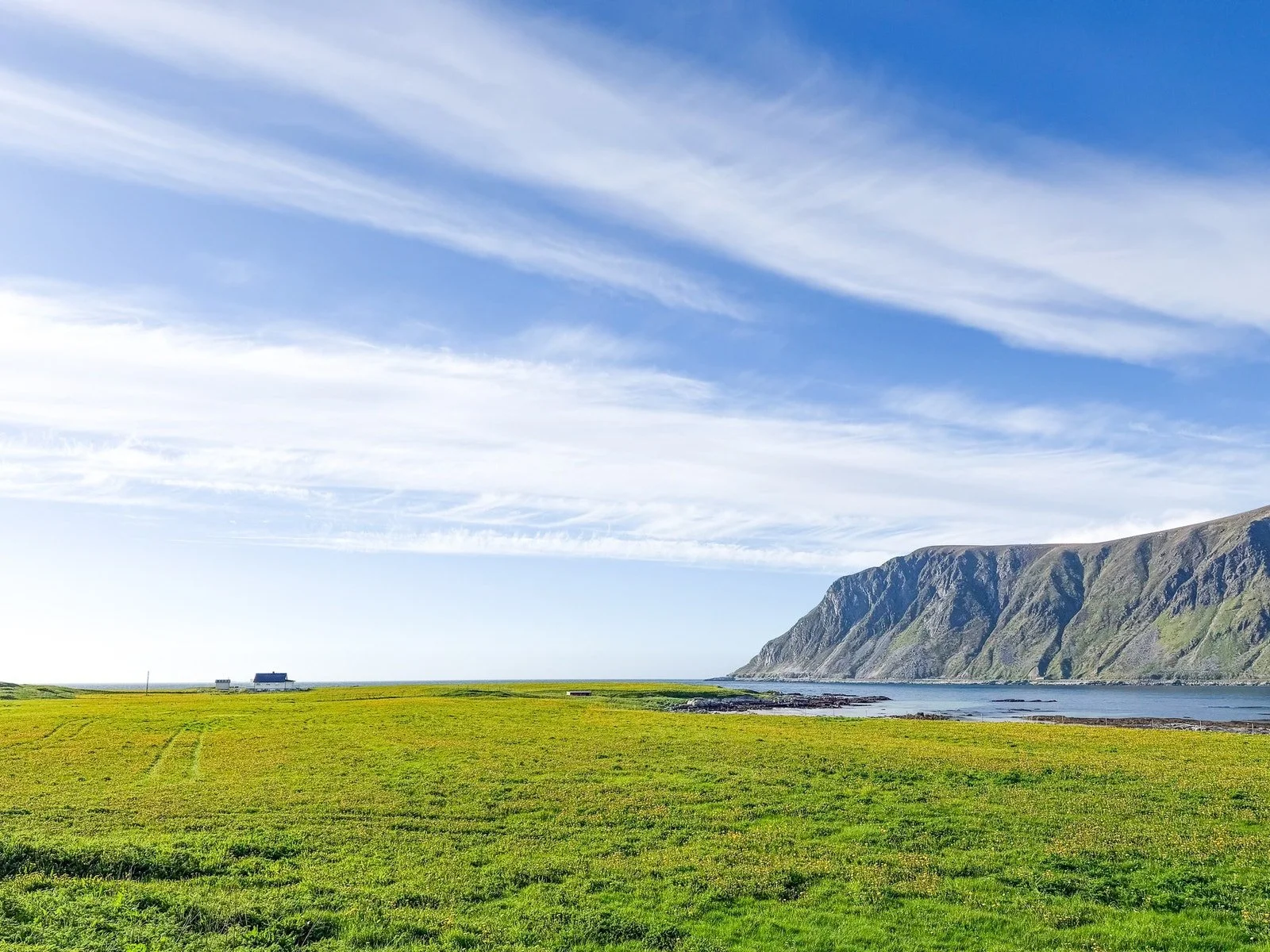
At the edge of the Arctic, on Norway’s Lofoten Islands, a white 1950 farmhouse sits between wildflower meadows, steep mountains, fjords and white-sand beaches. One of Lofoten’s best-known surf beaches is nearby, while hiking trails begin almost at the door and the water around the property is used for swimming and paddleboarding.
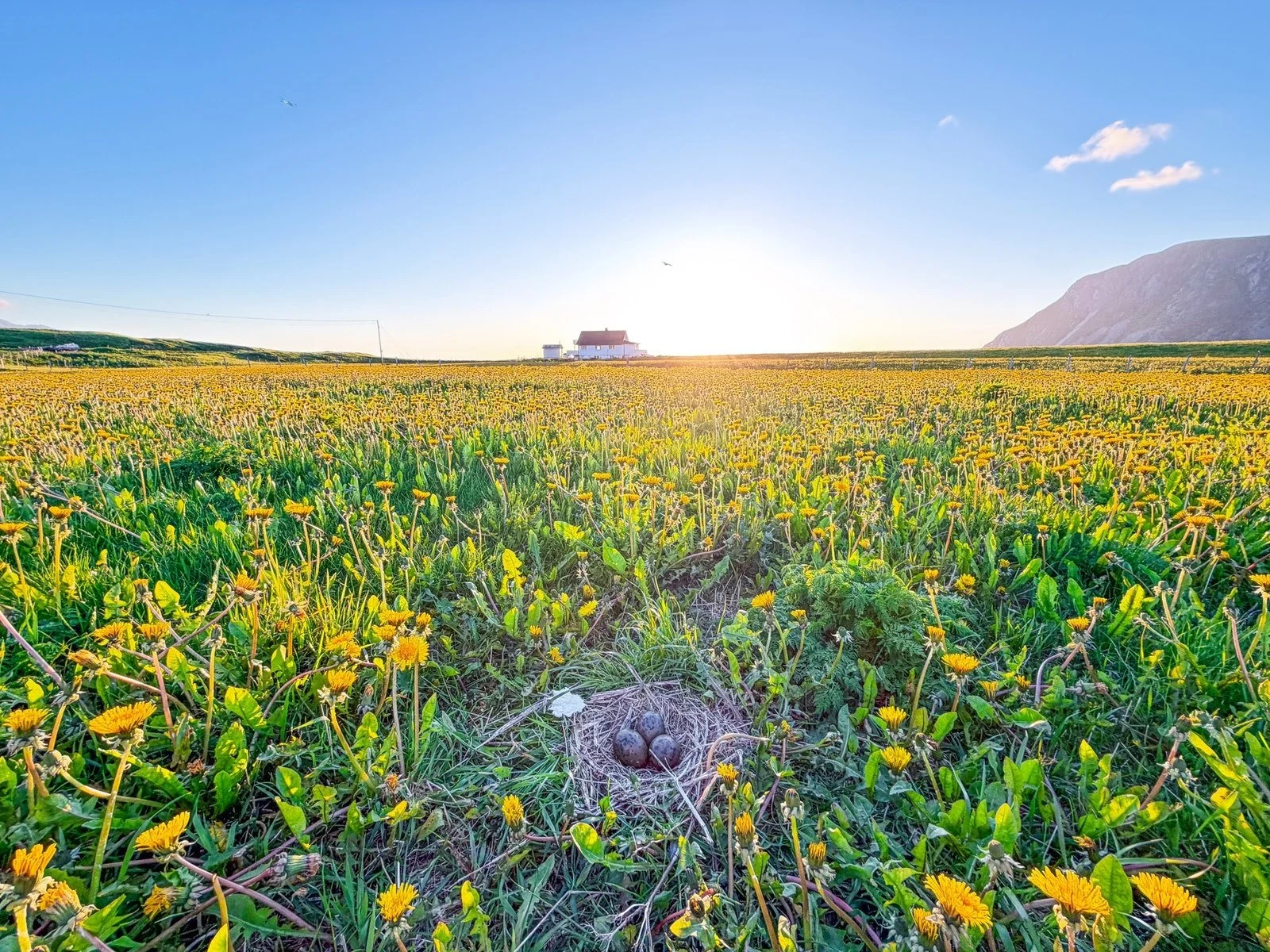
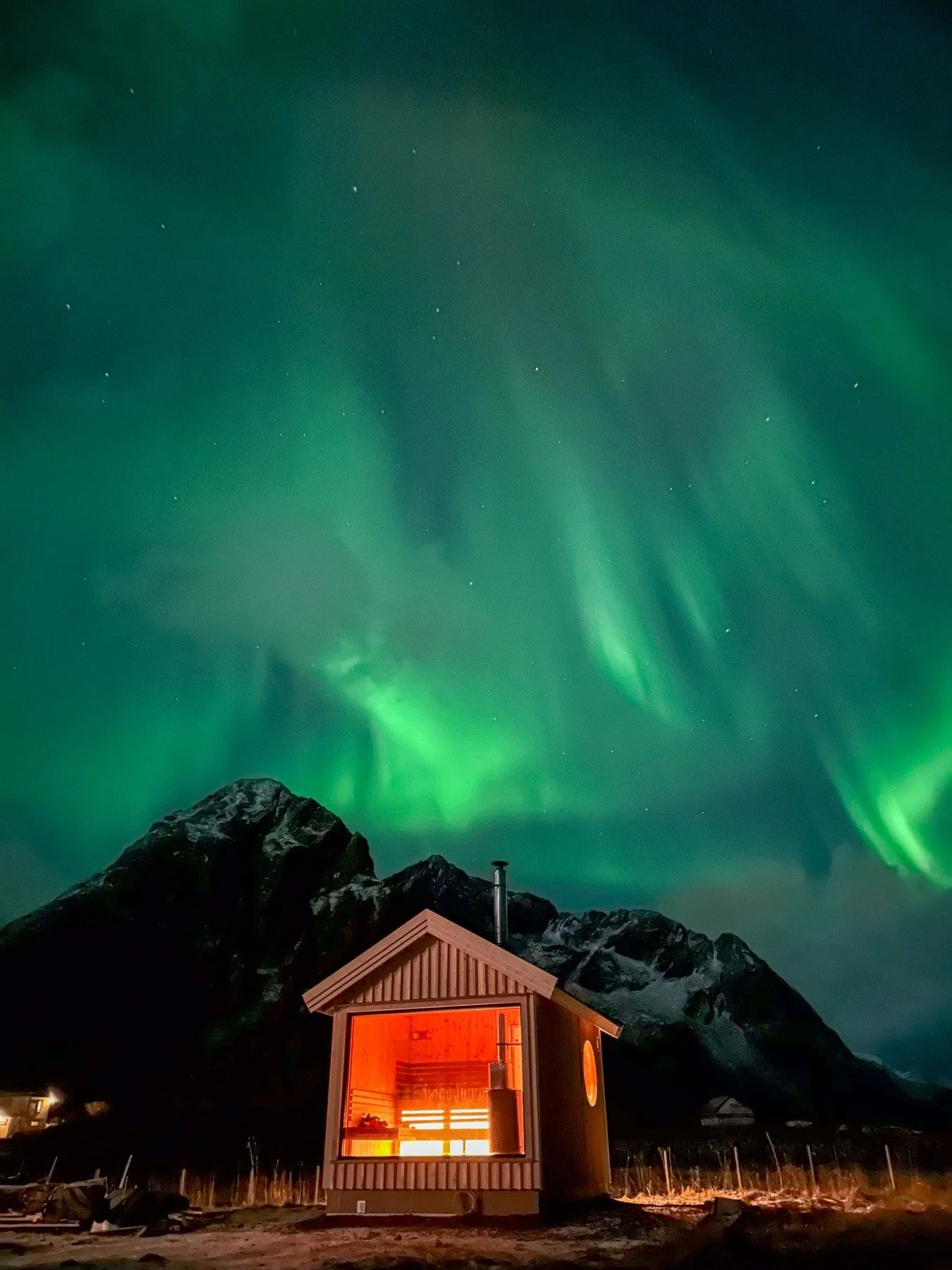
The landscape can feel almost untouched, but people have lived here for thousands of years. For nearly seven weeks in summer, the sun never sets. In winter, the northern lights move across the sky, visible from late August through much of April on clear nights.
Far north of mainland Europe, northeast of the UK, Norway runs along the western edge of Scandinavia and stretches deep into the Arctic. Just above the Arctic Circle, off the country’s northwestern coast, the Lofoten Islands form a chain of steep mountains, fishing villages and beaches reaching into the Norwegian Sea.
Listed for 11 million NOK (approximately USD $1.2 million) with PrivatMegleren Park, Kjerkveien 35 sits on Flakstadøya, one of the western islands in the Lofoten archipelago, roughly midway along the island chain.
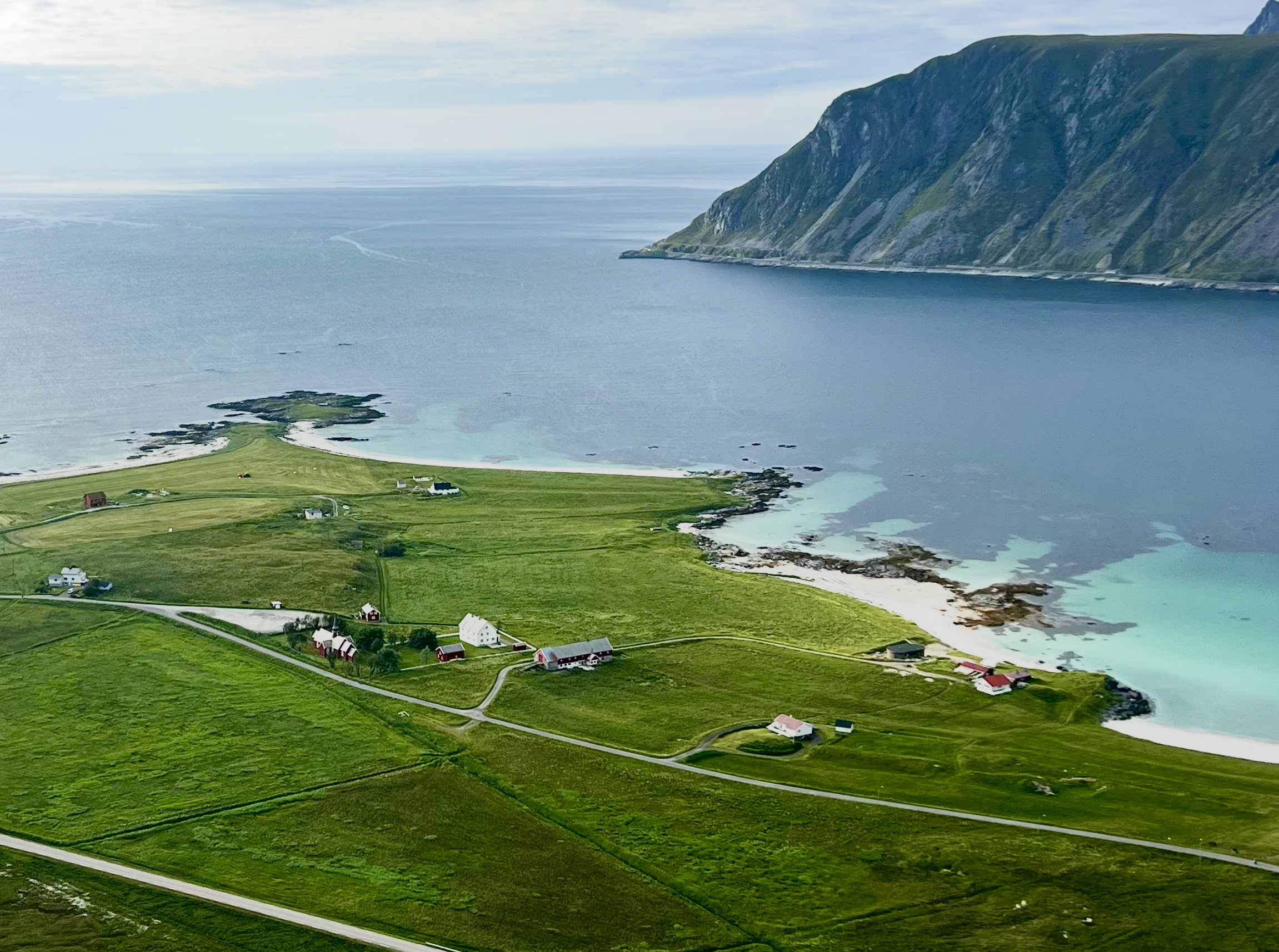
Here at the edge of the Arctic, the Lofoten Islands have become synonymous with a particular kind of escape: dramatic landscapes, tiny year-round communities and homes that remain embedded in the older fishing and farming culture of this part of Norway. Charles Post
Fishing in Lofoten dates back some 6,000 years. By the Viking Age, the islands supported powerful chieftains. At Borg, on nearby Vestvågøya, archaeologists uncovered an 83-metre Viking longhouse, the largest Viking Age longhouse ever discovered.
For generations that followed, life in Lofoten continued to depend on both land and sea. Families known as fiskerbønder, or fisher-farmers, kept livestock and worked the hayfields through the warmer months, then turned to the seasonal Arctic cod fishery in winter.
Kjerkveien 35 grew from that same tradition.
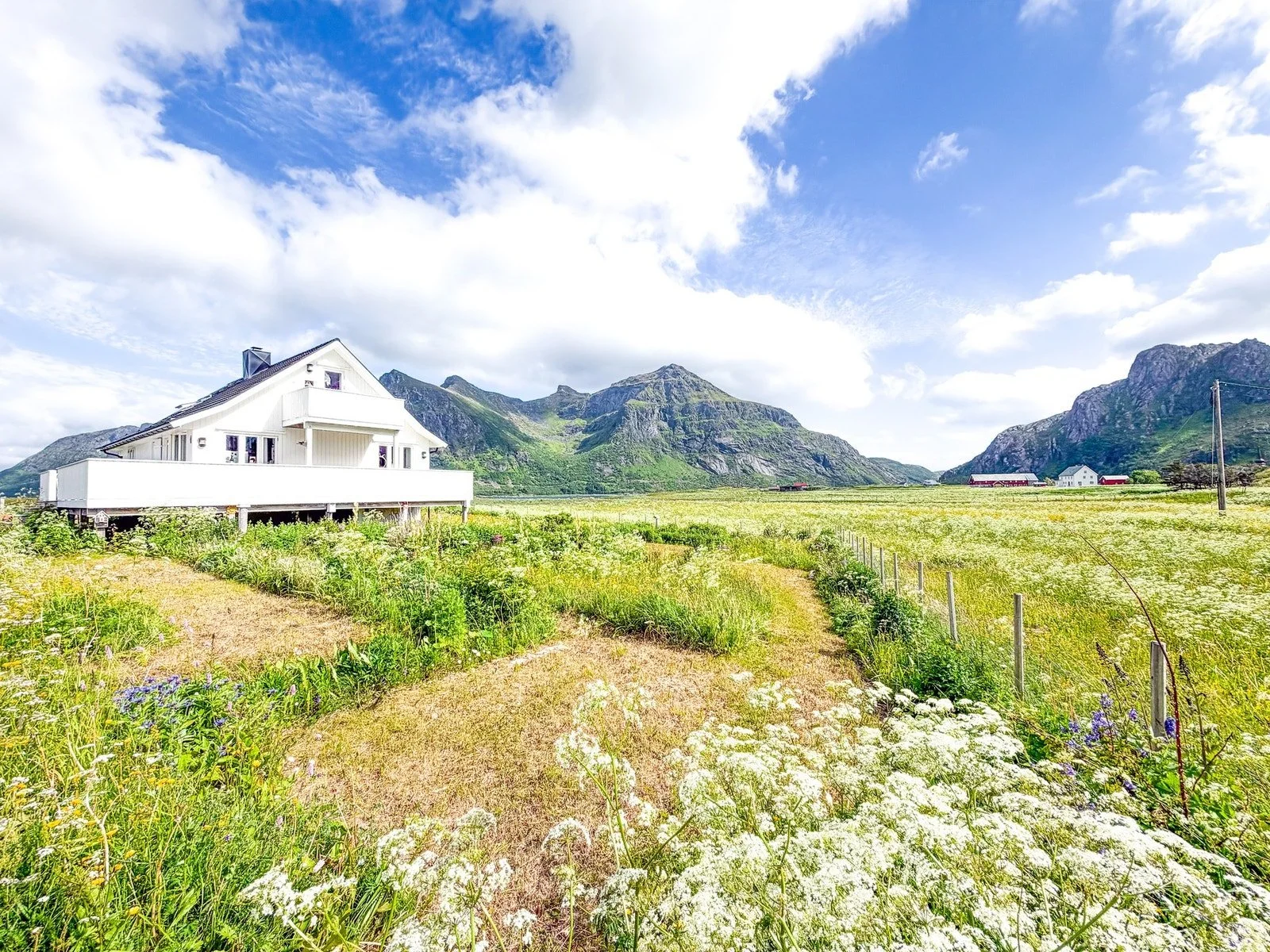
The property was historically known as Skagengård, literally “Skagen farm” or “Skagen farmstead” in Norwegian. It once formed part of the larger historic Skagen farm. The farming family who lived here kept dairy cattle and sheep, and the surrounding hayfields remain in agricultural use today. The fields are protected from future development and also serve as protected bird habitat, preserving much of the openness around the house.
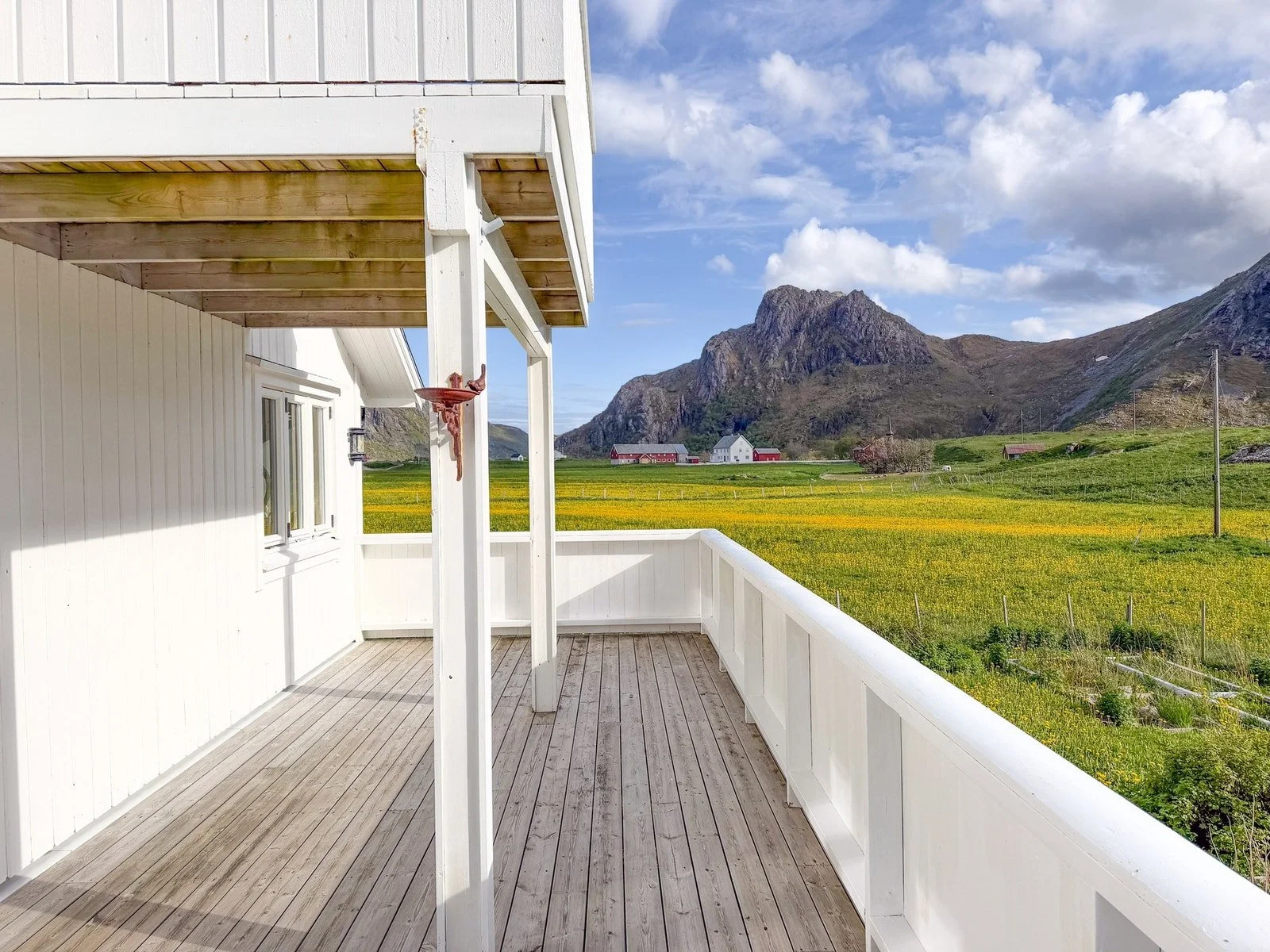
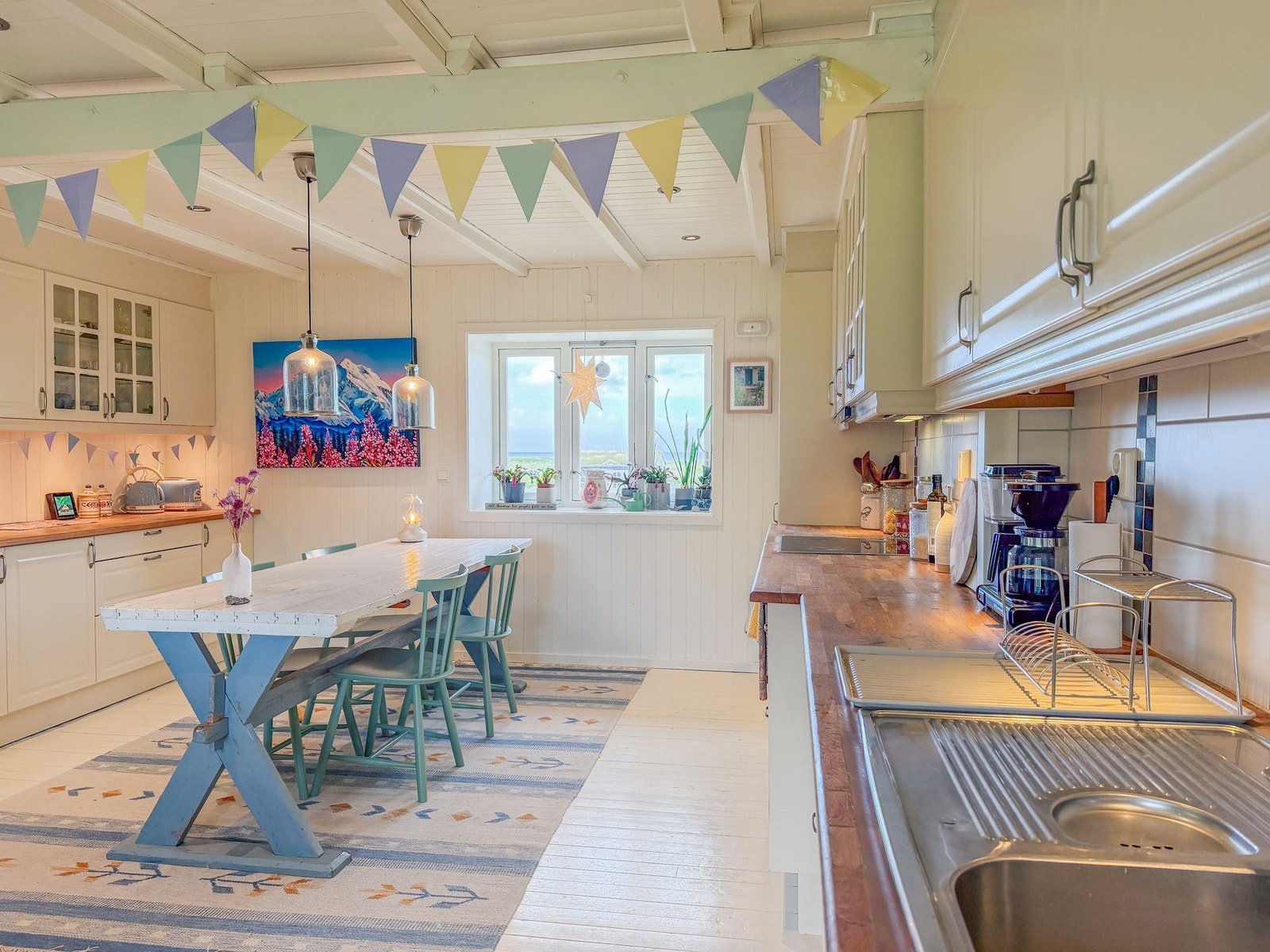
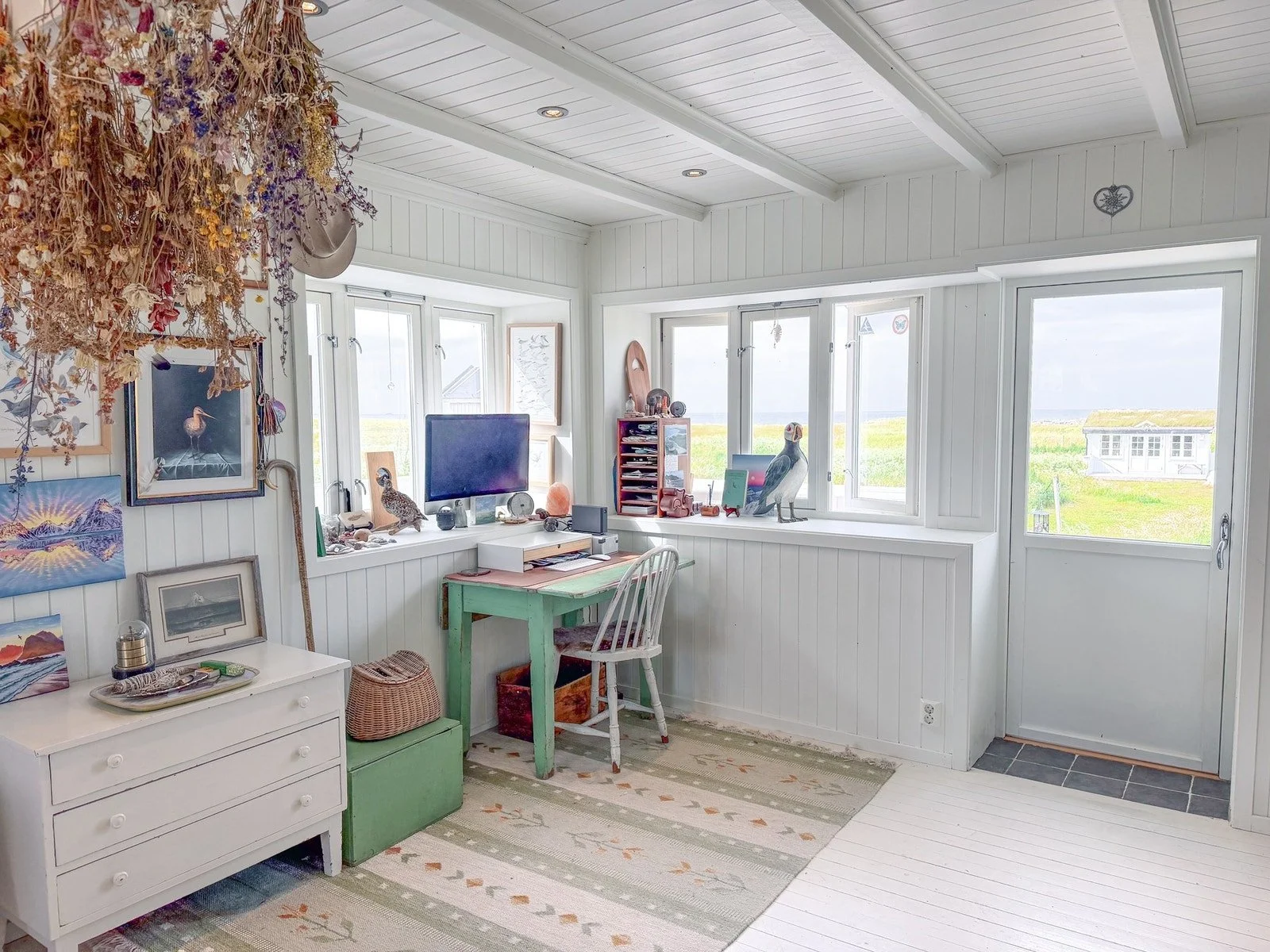
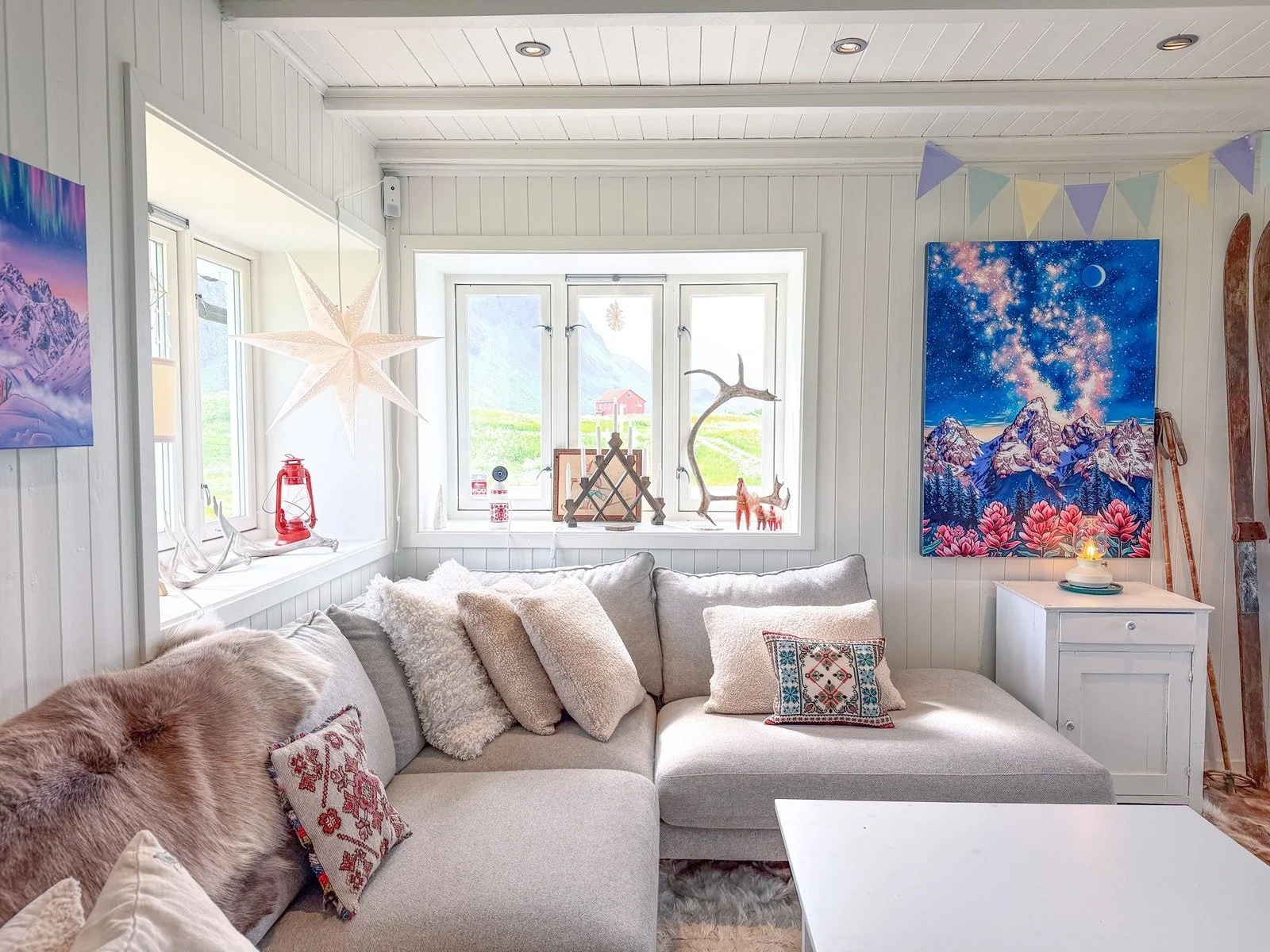
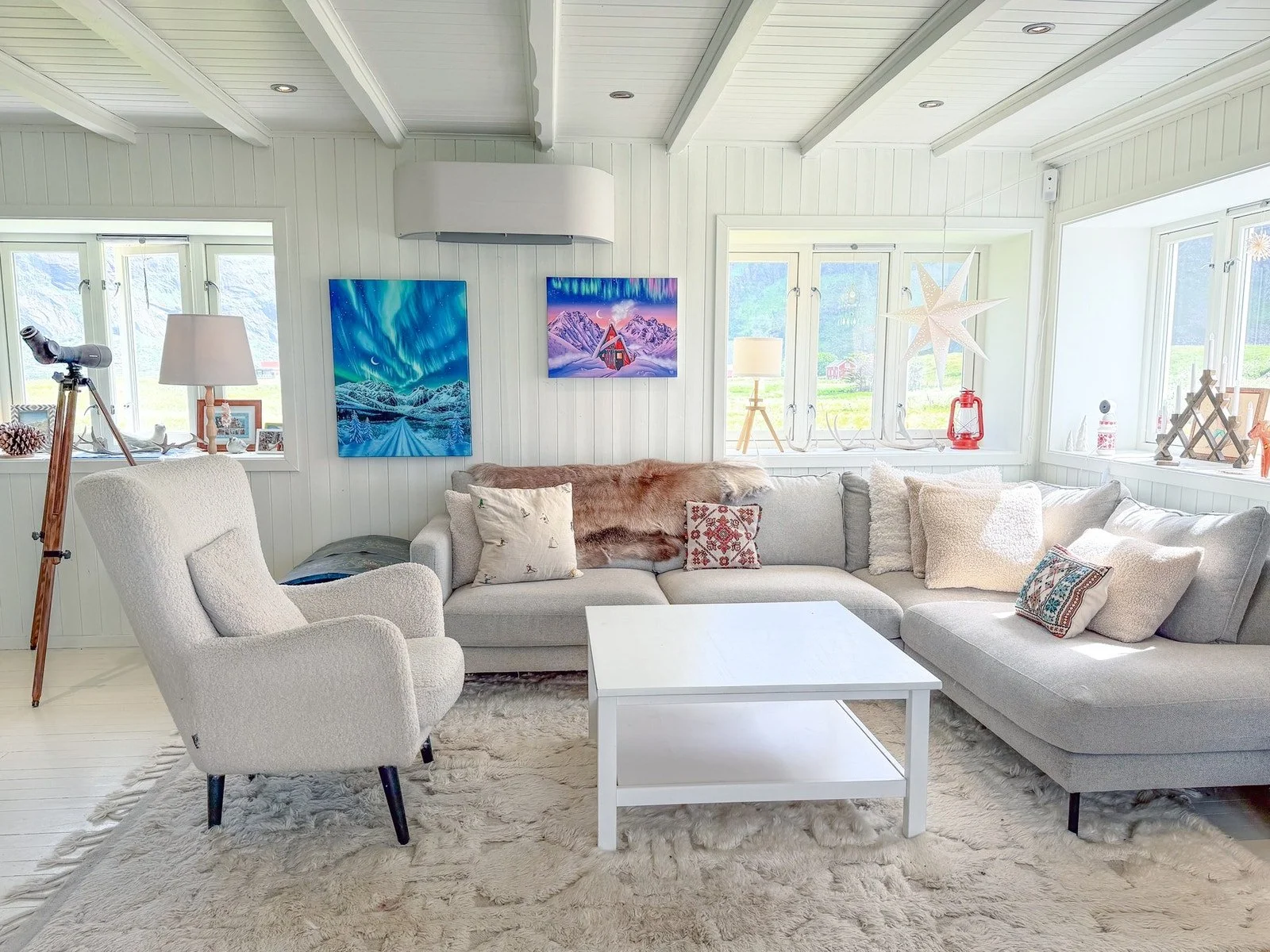
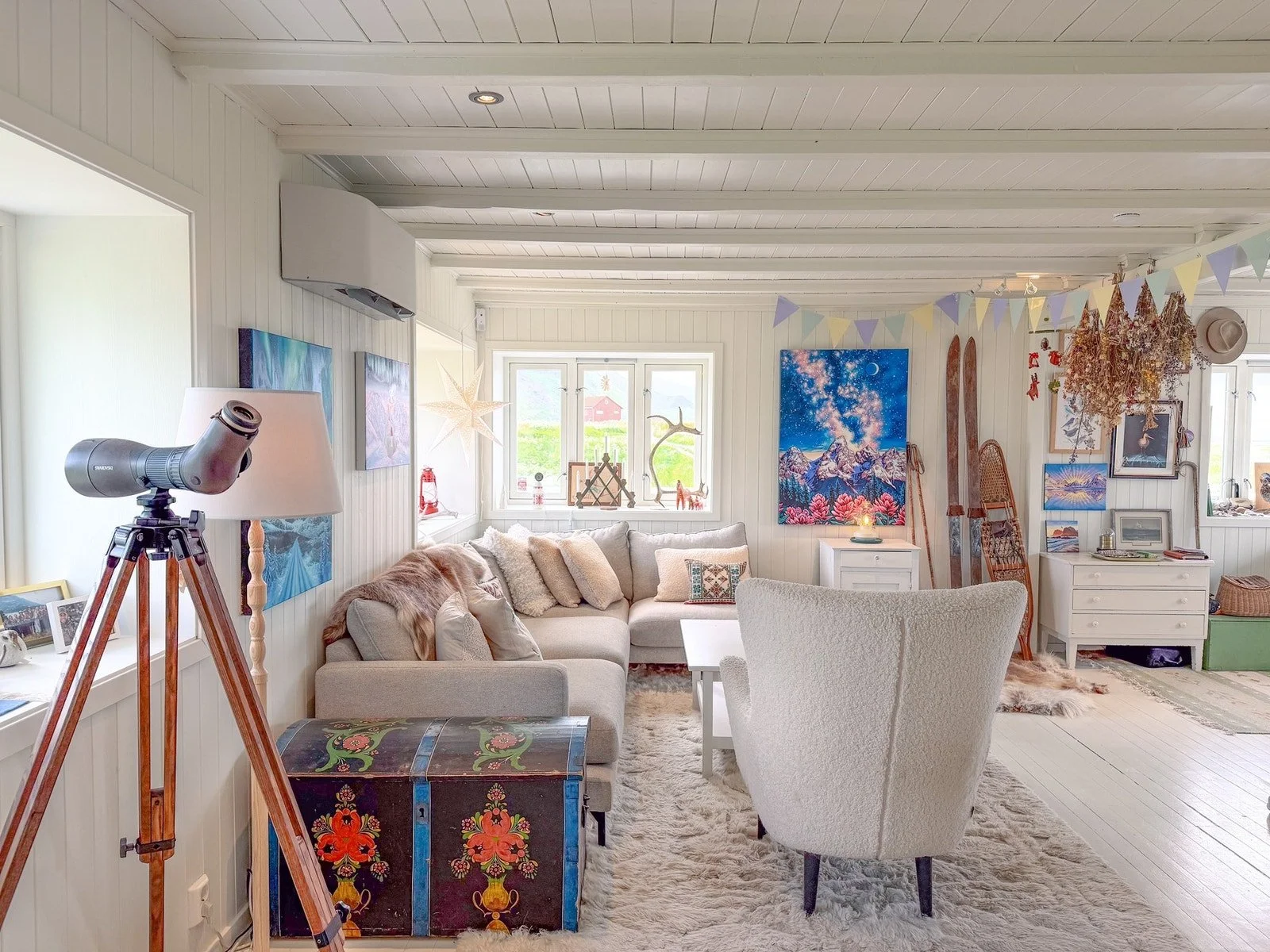
The current farmhouse was built around 1950 and renovated in 2012 and in 2015. Original wooden floors and exposed beams remain, while white-painted timber surfaces and simple interiors keep attention on the landscape outside.
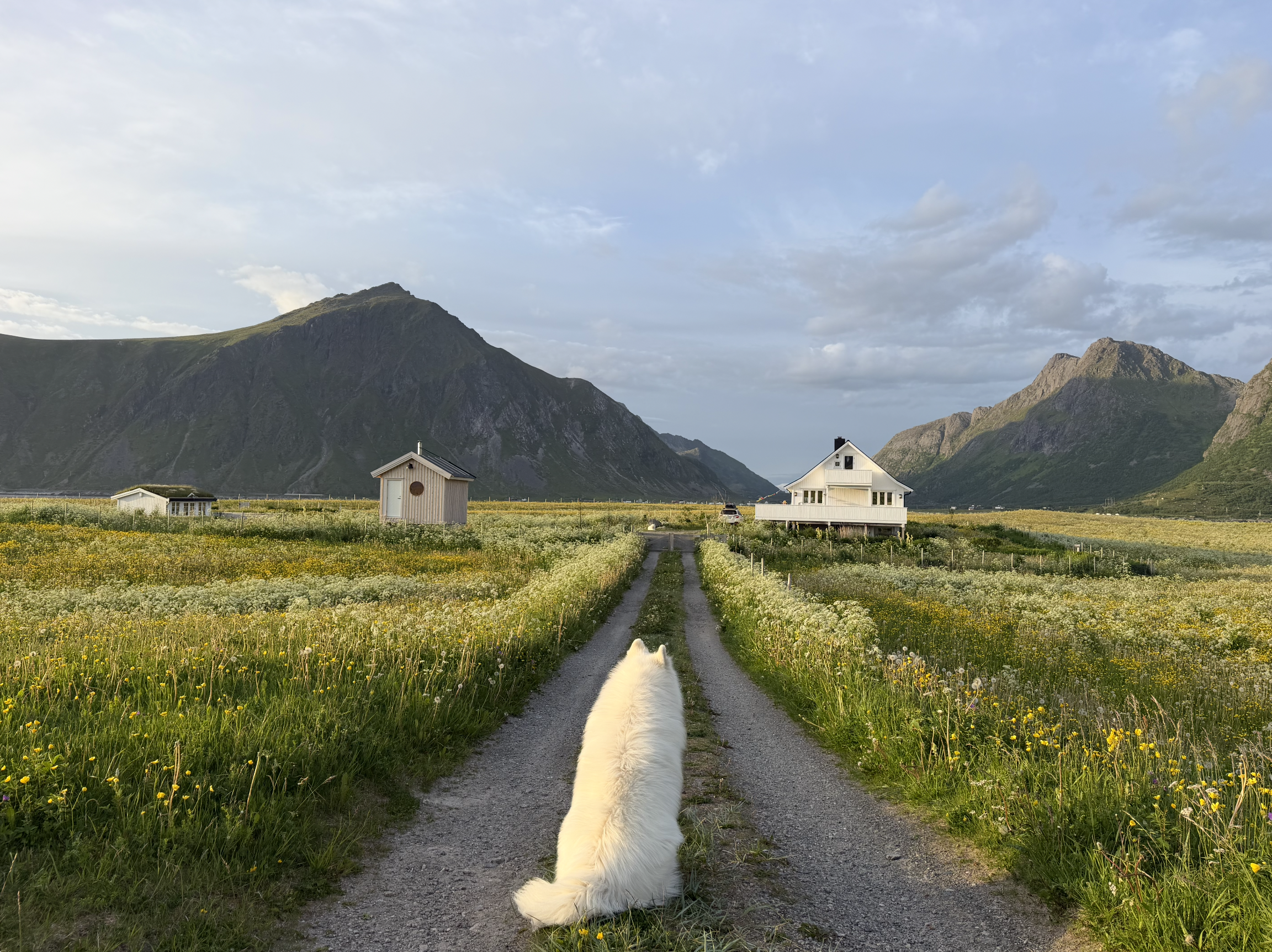
Knute, Post and Pohl’s Samoyed, outside Skagengård, the 1950 farmhouse Post and Pohl spent years searching for in Lofoten. Charles Post
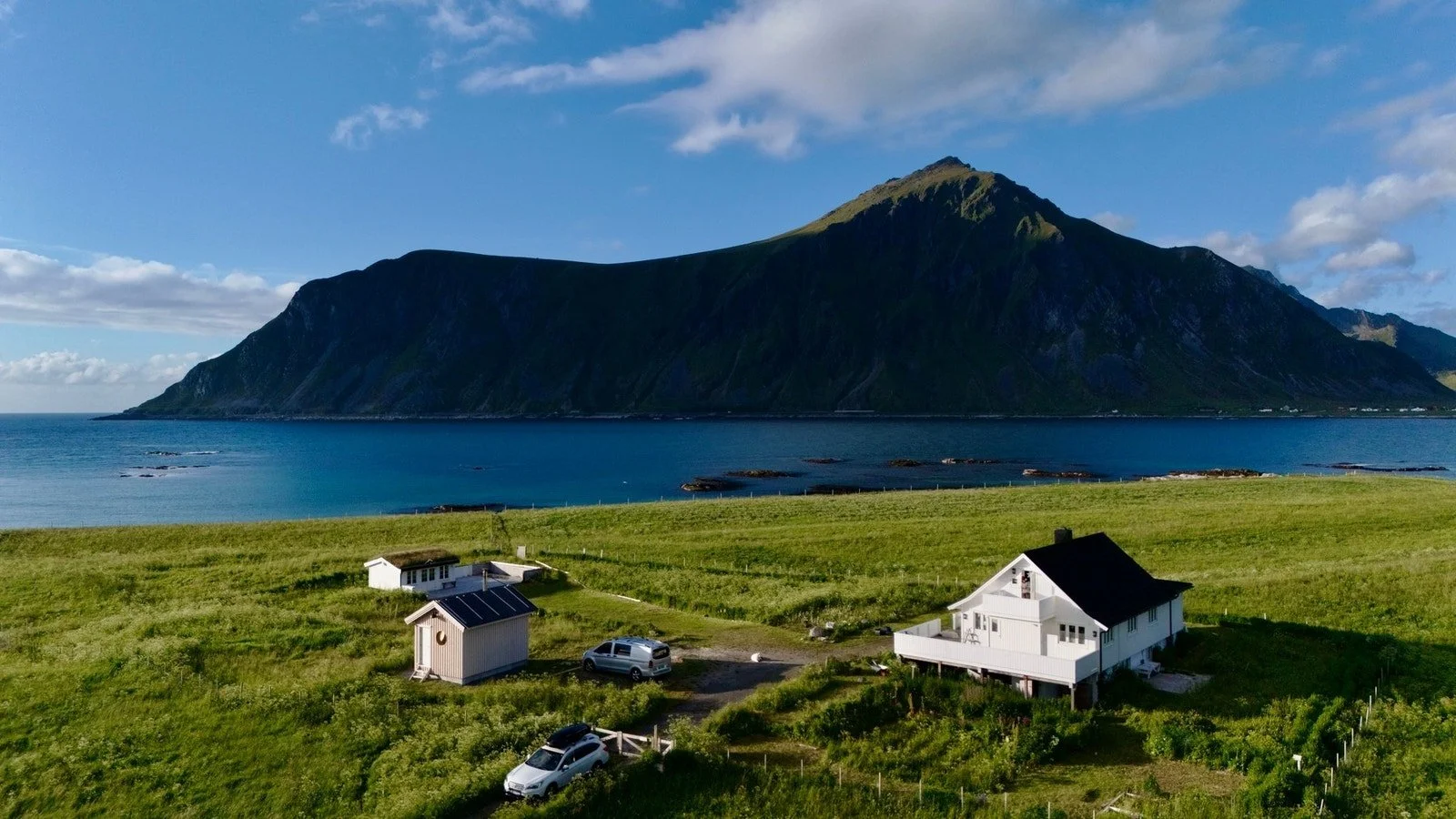
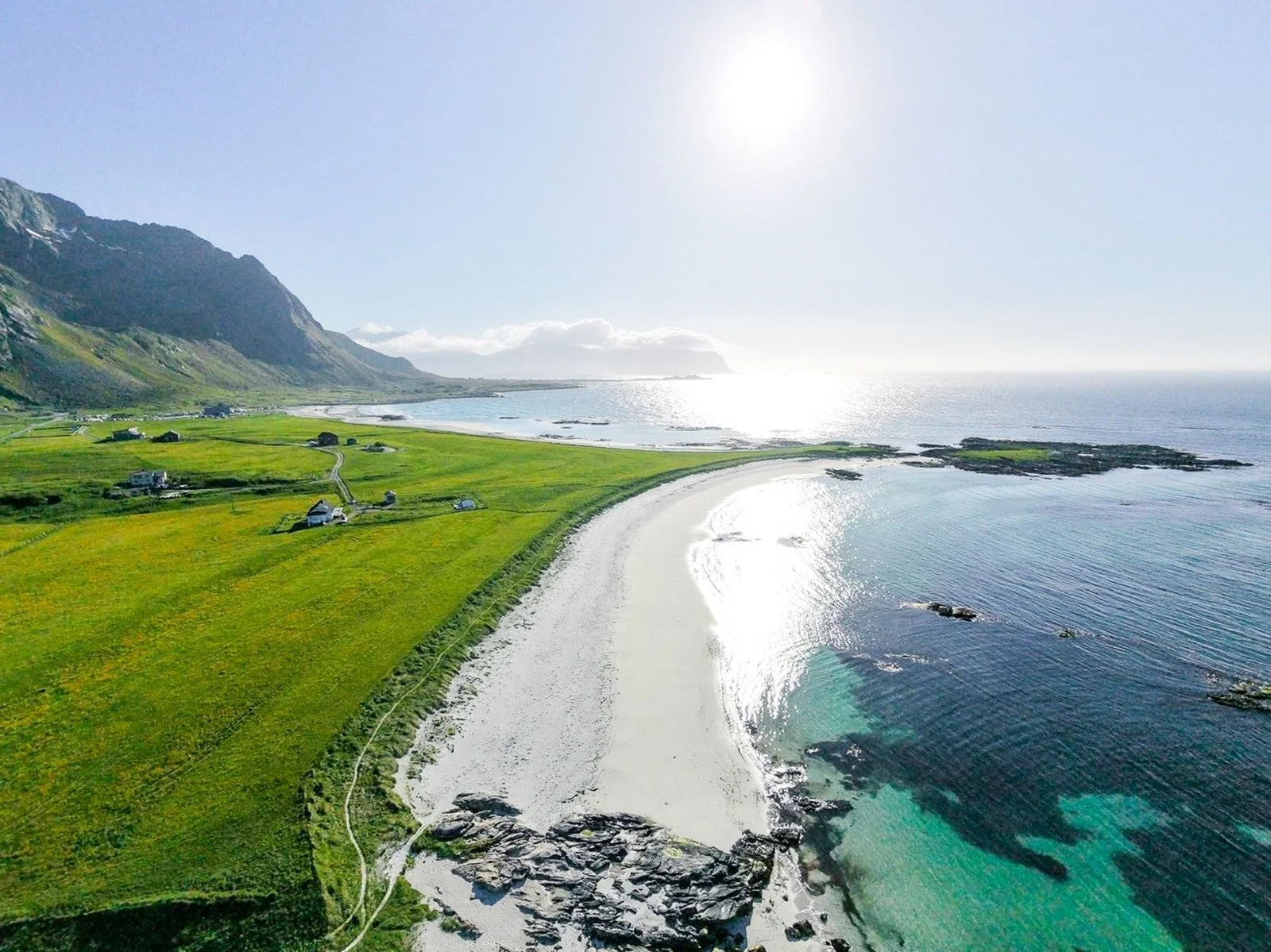
The house measures 173 m² (1,862 ft²), with 4 bedrooms and 2 bathrooms, on approximately 2,903 m² (0.72 acres). It sits at the end of a quiet farm track, hidden from the main road, on a grassy headland with Flakstadpollen fjord reaching around two sides. One of the area’s white-sand beaches is reached by crossing the property’s own land.
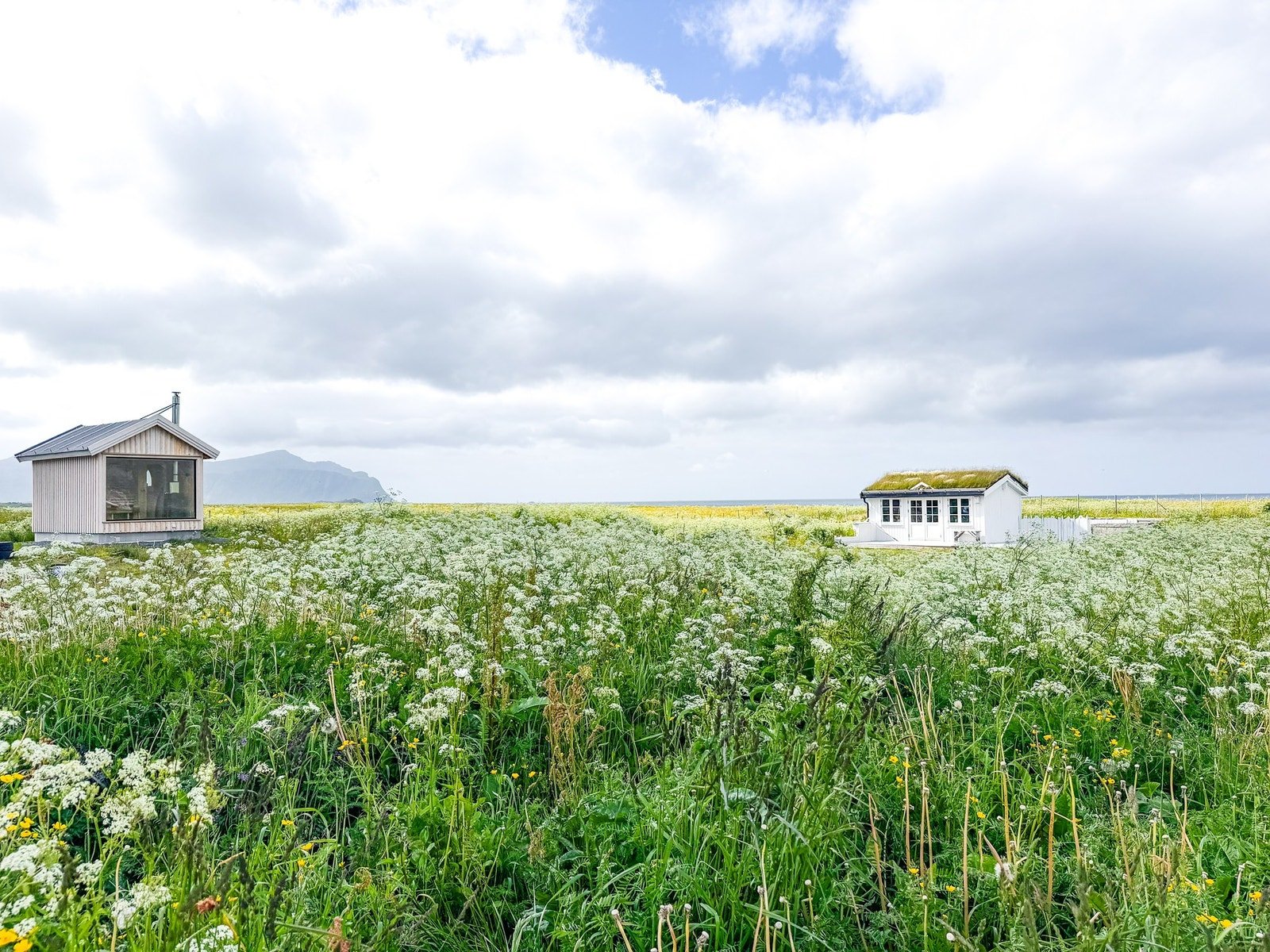
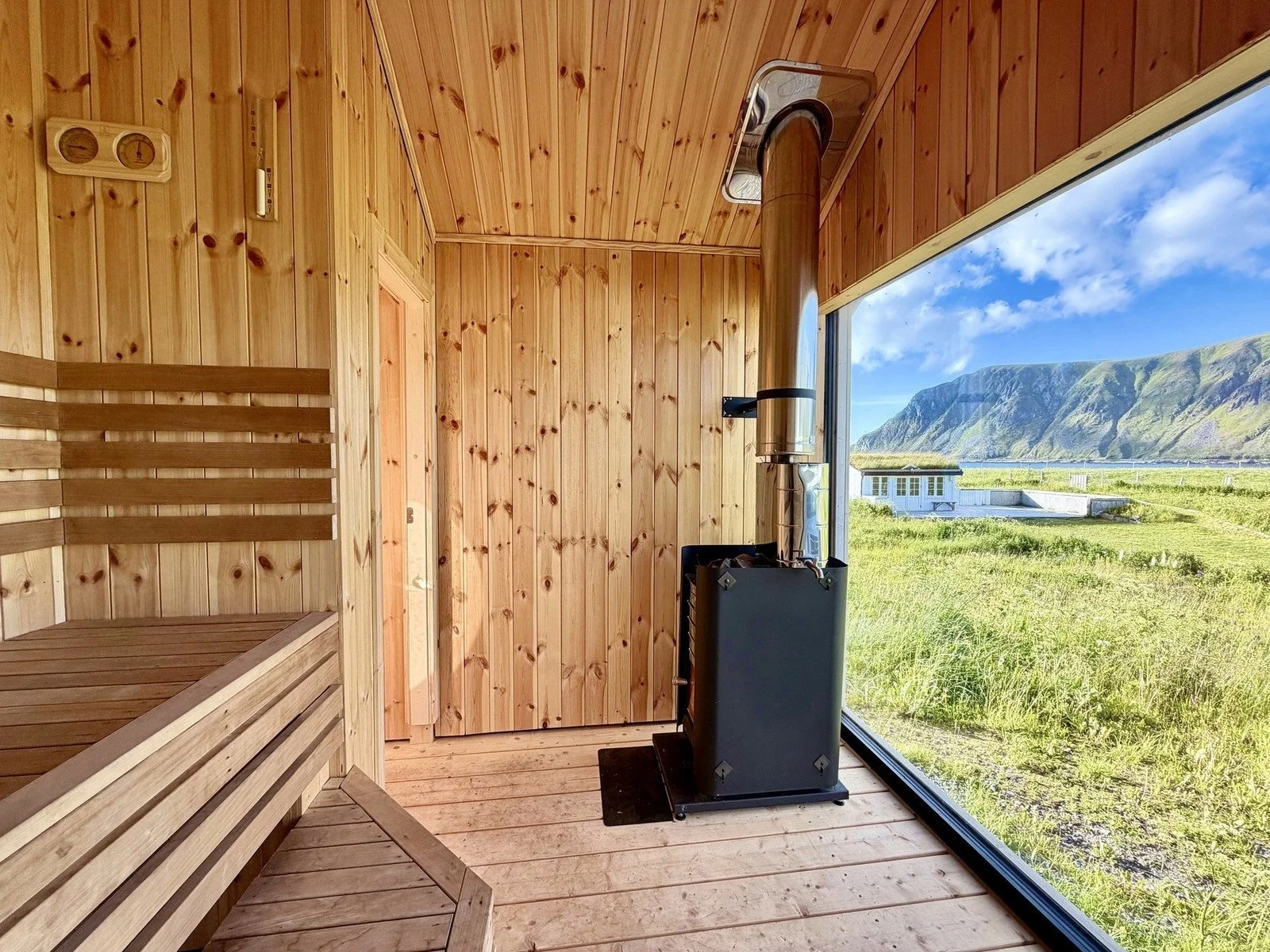
Previous owners spent years establishing a garden filled with wildflowers, herbs, berries and roses. More recently, the original wood-burning stove was restored, an energy-efficient heat pump installed and a wood-fired outdoor sauna added overlooking the mountains and water.
A summer day might begin with berries from the garden and a swim in the fjord, followed by a hike from the house or an afternoon at the beach. Flakstad is one of Lofoten’s best-known surfing areas, while Unstad, another internationally known Arctic surf destination, is within reach. Winter replaces the midnight sun with northern lights and the annual cod season.
Post and Pohl added a traditional wood-fired sauna overlooking the mountains and water, creating a place to warm up after a swim in the fjord and enjoy one of Norway’s most enduring rituals year-round. Charles Post
A recent Wallpaper feature on retreats across Norway described how “remoteness itself” has become part of the luxury. In places like Lofoten, the amenities are often the setting itself: quiet, privacy, direct access to nature and the feeling of being removed from everything around you.
Kjerkveien 35 has those qualities inherently. It was built as a farmhouse, not a luxury retreat, but many of the things that now feel aspirational were already part of life here: fewer neighbours, direct access to the sea, a productive garden, a wood-fired sauna and a home whose rhythms change with the seasons.
They are also what drew current owners Charles Post and Rachel Pohl to Lofoten in the first place.
The couple were already accustomed to living close to dramatic landscapes. Before Norway, they lived outside Bozeman, Montana, on nearly 10 acres in the Gallatin Valley, eventually selling the property to help fund their move to Lofoten. In many ways, they traded one mountain landscape for another, only here the mountains meet the sea.
Both have Norwegian heritage and first visited Lofoten in 2019. After more than two years navigating Norway’s immigration process, they established a business in Norway and moved from Montana to the islands in 2022 in pursuit of a slower, more intentional way of living.
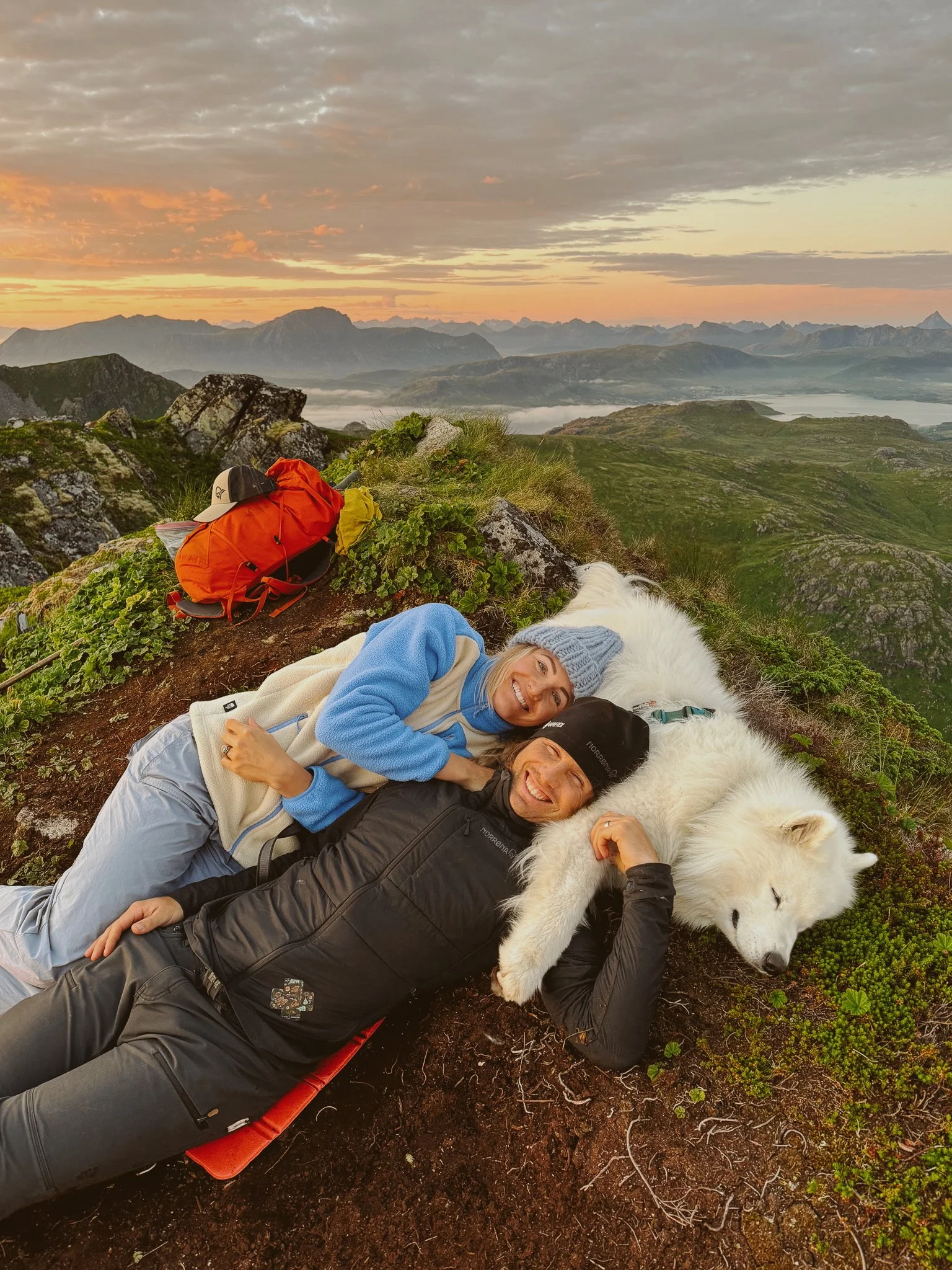
Post and Pohl with Knute in the Lofoten mountains. Their shared love of the outdoors predates Norway: they met at an outdoor-industry trade show in Salt Lake City and were engaged a month later. Charles Post
Finding the right house took almost four years.
Post checked Norwegian listings nearly every day and says they saw only one or two properties they would seriously have considered. Much of Lofoten’s housing stock was originally built for farmers and fishermen, while particularly desirable houses often remain within families or change hands privately.
Then the couple effectively manifested this one.
Pohl had written down a remarkably specific list of what she hoped they might find: a white house, at the end of a road, without close neighbours, with a large garden, updated interiors and room for an art studio.
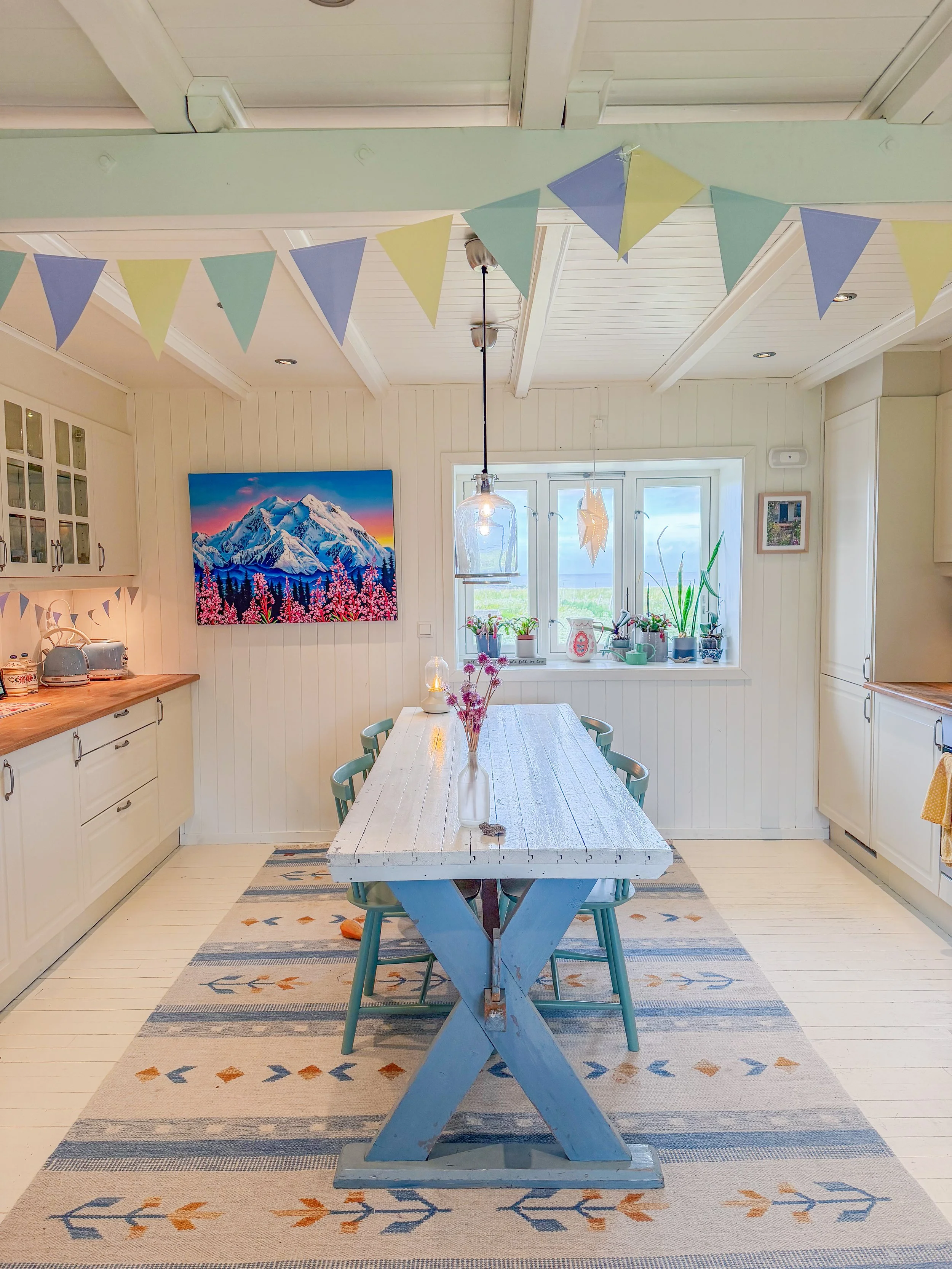
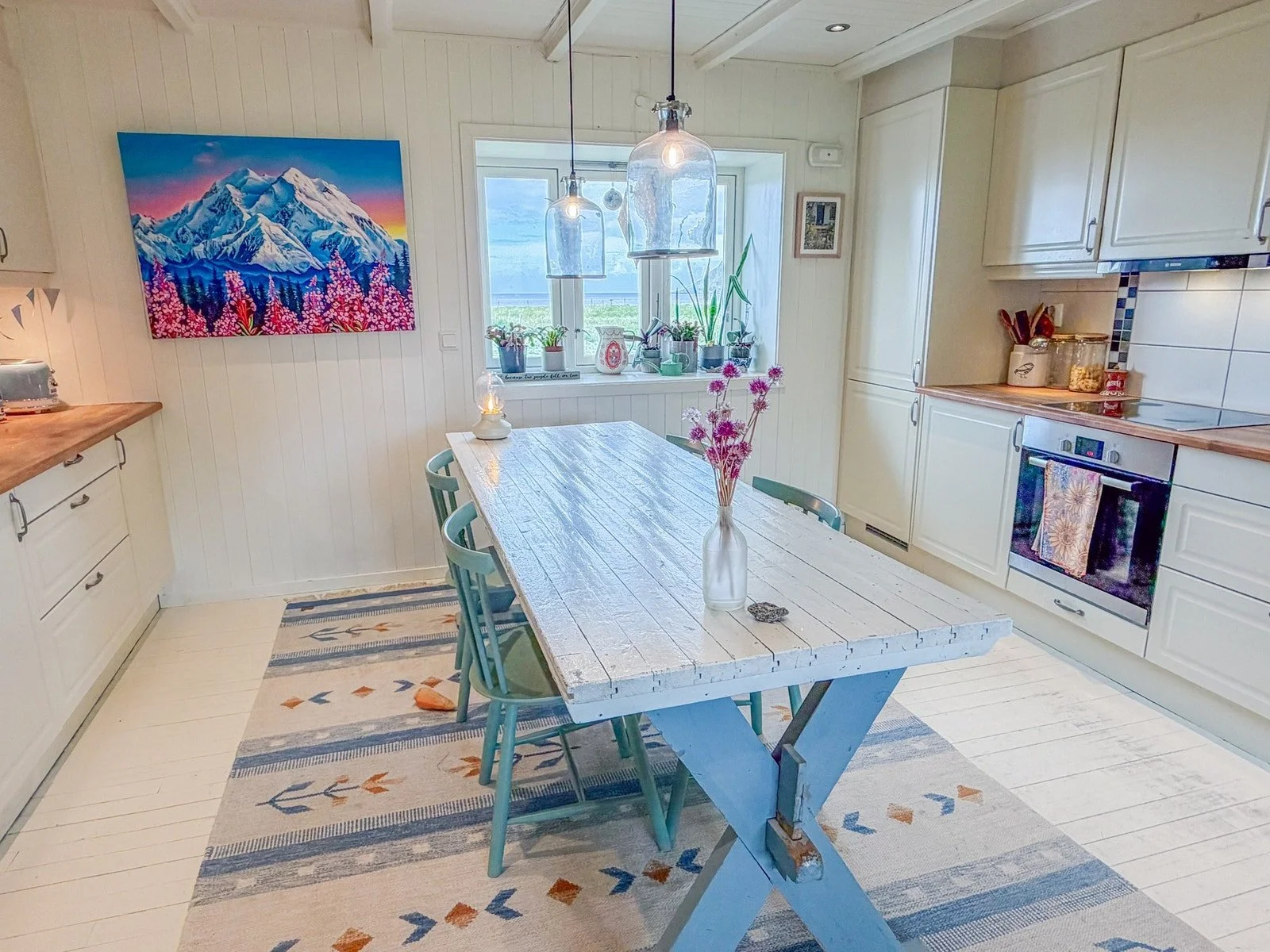
The farmhouse kitchen, updated during the 2012 renovation while retaining the home’s traditional Norwegian character. Charles Post
About a month later, Kjerkveien 35 appeared on the market.
Post saw the listing within minutes.
The house attracted multiple offers, but the previous owners ultimately accepted theirs despite having received a higher bid. They believed Post and Pohl would take care of the property and continue its story.
The couple went on to lighten the interiors, furnish the rooms with locally sourced antiques and Pohl’s artwork, work in the garden and add the sauna. They also became part of the small year-round community around them.
For all its privacy, the house is not completely isolated. Ramberg’s grocery store, café, schools and medical services are nearby, while Reine, Nusfjord and Leknes are accessible by road. Most neighbouring households along the farm track are occupied year-round, many by young families.
Post describes neighbours helping one another and a daily rhythm that still changes with the seasons: cod fishing in winter, migratory birds and wildflowers in spring, haymaking and long evenings on the beach through summer.
Post and Pohl are now preparing to return to Montana to be closer to family. They came to Lofoten looking for a different way of living, found the farmhouse they had spent years searching for, and made a life here.
When they bought Skagengård, the previous owners chose their offer over a higher bid because they trusted them to care for the property. Post and Pohl are hoping to pass it on in much the same way.
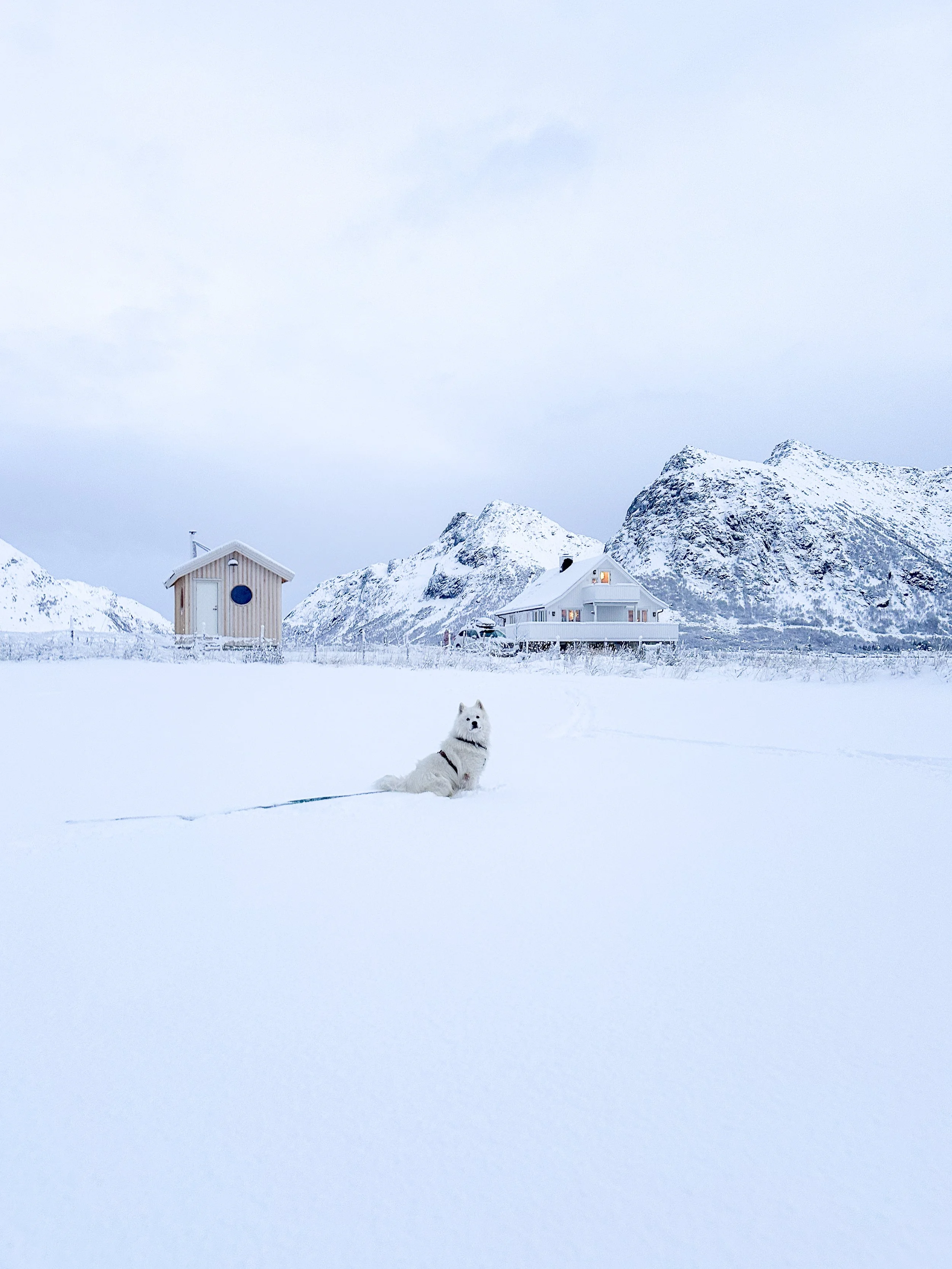
For nearly seven weeks in summer, the sun never sets over Lofoten. From late August through much of April, the northern lights return to the sky. Charles Post
With a tremendous amount of interest from foreign buyers, they are still looking for the right person to continue loving this home and village they have poured so much of their hearts into.
It comes to market at an interesting moment. Norway is drawing more international attention from buyers and travellers looking north for cooler summers, long days, open landscapes and places that still feel removed from the traditional circuits of European tourism. Foreign overnight stays in Norway rose 14% last year and are now 32% above 2019 levels.
Lofoten is unlikely to become a conventional luxury-property market. That may be exactly the point. The landscape is protected, supply is limited, and houses with this combination of history, privacy and access to the sea rarely come to market.
For now, one of them has.
See the original listing with PrivatMegleren Park here.