
Thomas Jefferson Lived at This 557-Acre Virginia Estate, Now on the Market for $17 Million
Bedrooms: 5 Bathrooms: 3 full, 3 partial Interior: 602 m² / 6,480 sq ft Lot: 225 ha / 557 acres
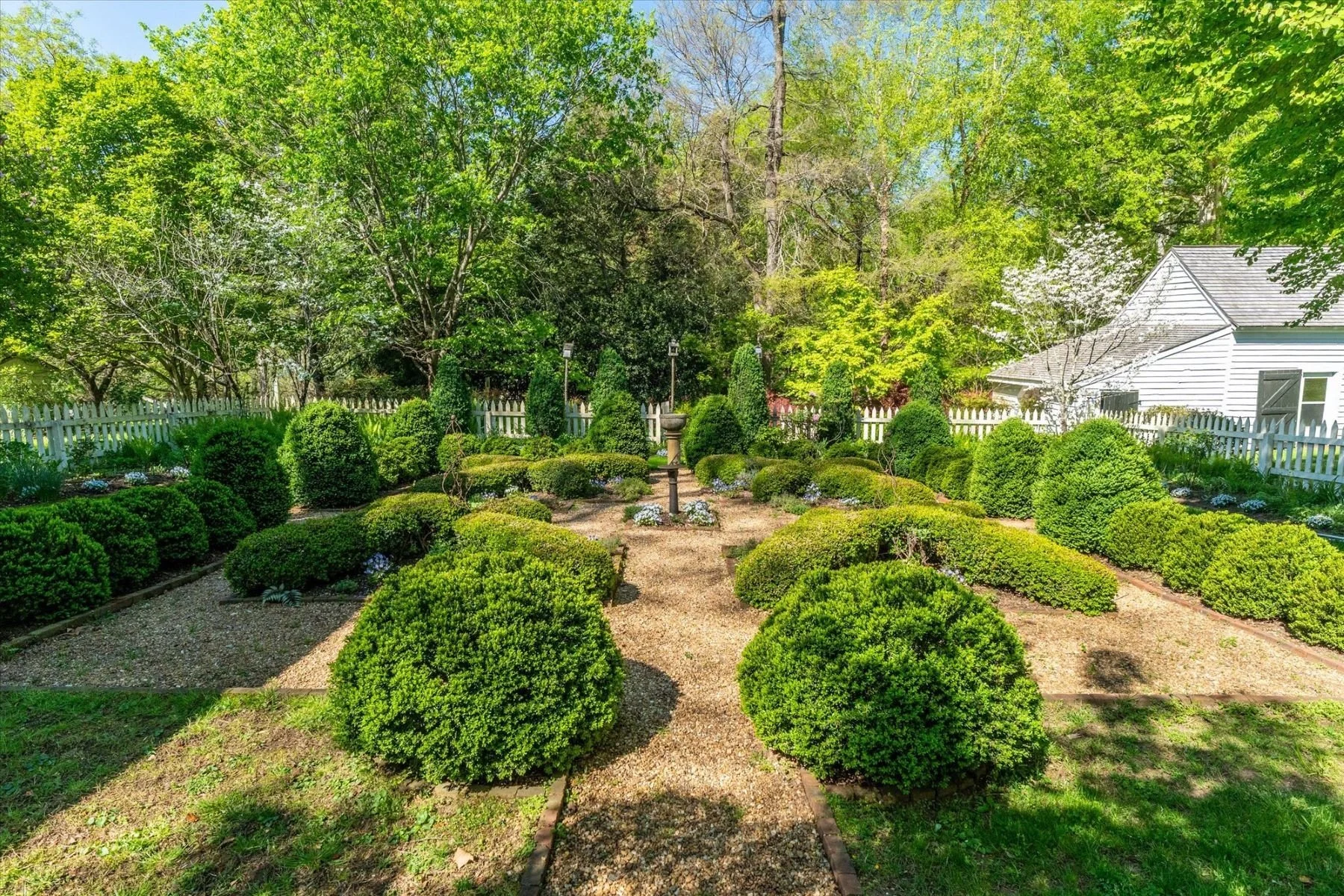
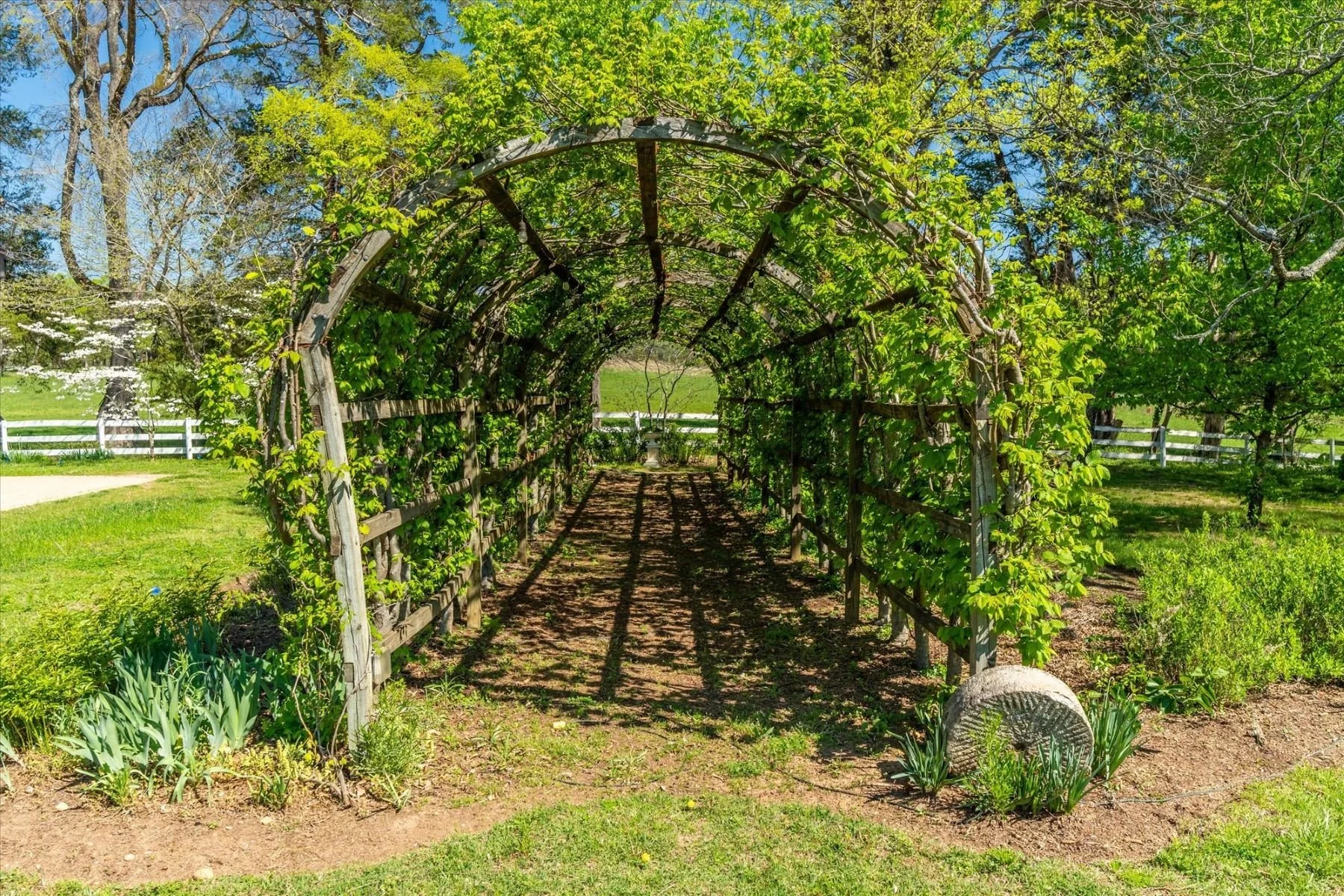
Amenities: James River setting, formal gardens, working agricultural land, historic outbuildings, original one-room schoolhouse, equestrian facilities, barn, cedar-lined approach.
The 557-acre Virginia estate where Thomas Jefferson spent part of his childhood is on the market for $17 million, offered for sale for the first time in almost a century through Murdoch Matheson of Frank Hardy Sotheby’s International Realty.
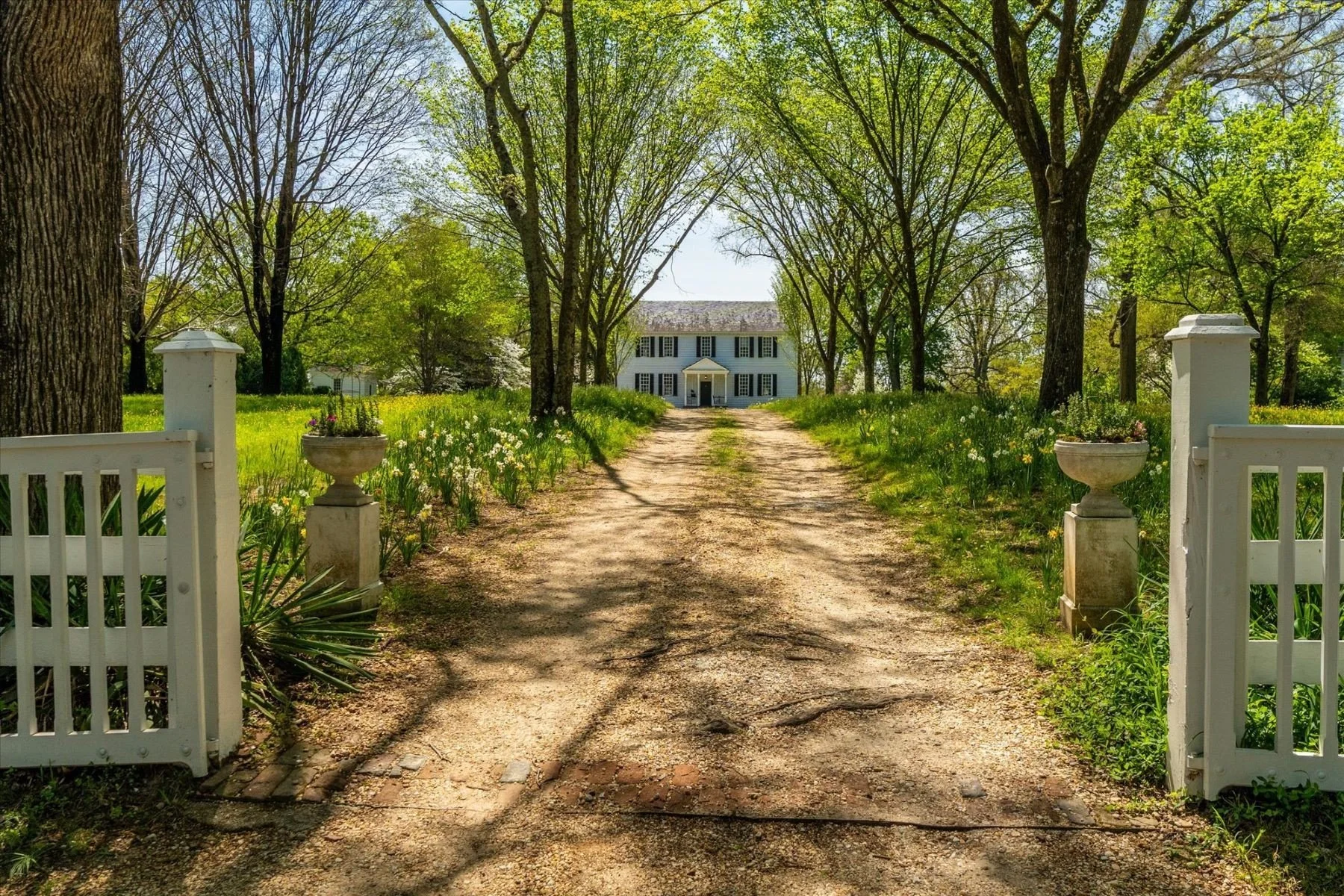
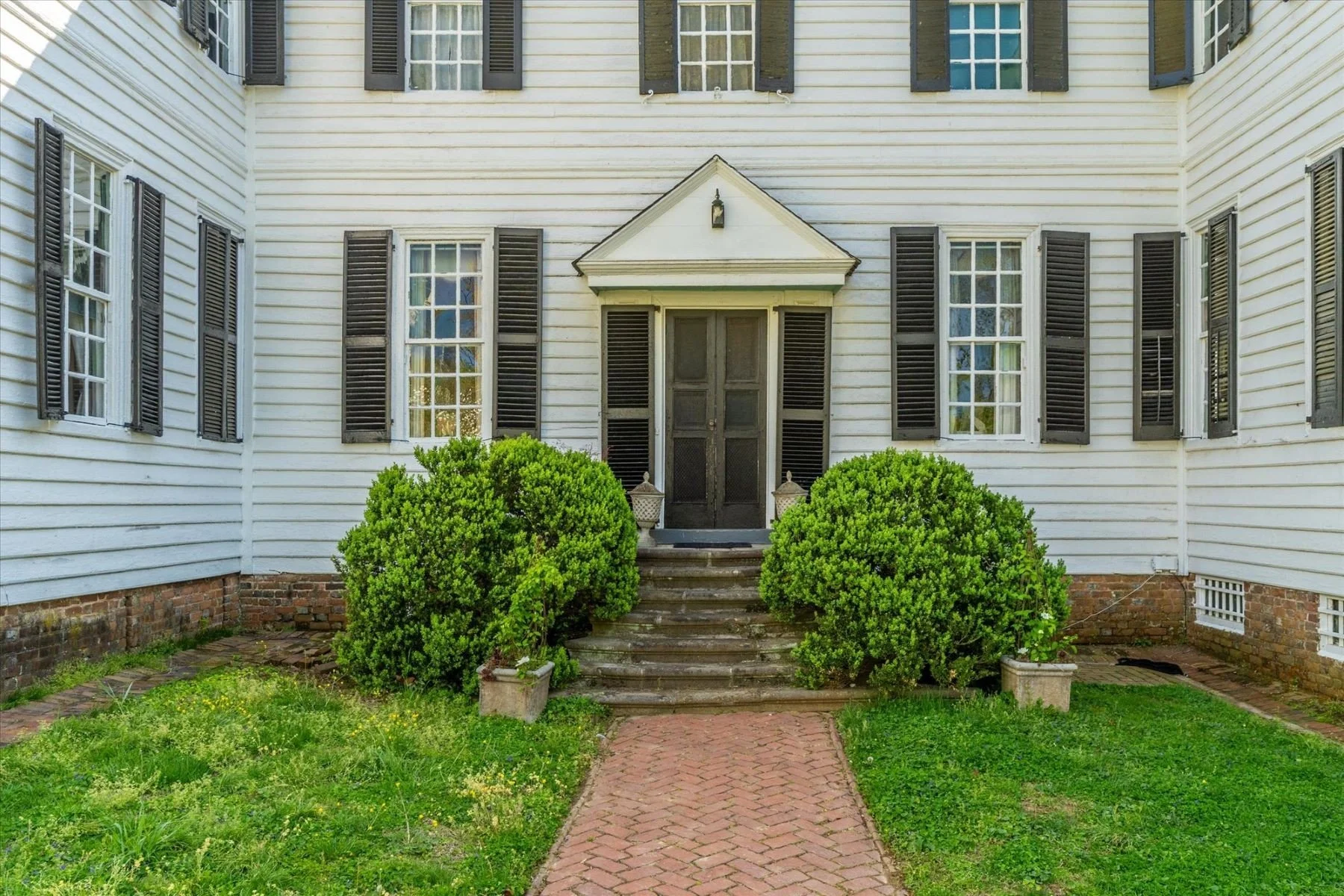
Known as Tuckahoe, the former plantation sits along the James River, around 30 minutes west of Richmond. At its center is a 6,480 ft² (602 m²) main house with 5 bedrooms, surrounded by formal grounds, agricultural land and a collection of historic buildings that have survived for nearly three centuries.
Despite its historic significance and designation as a National Historic Landmark, Tuckahoe remains a private residence and active agricultural property.
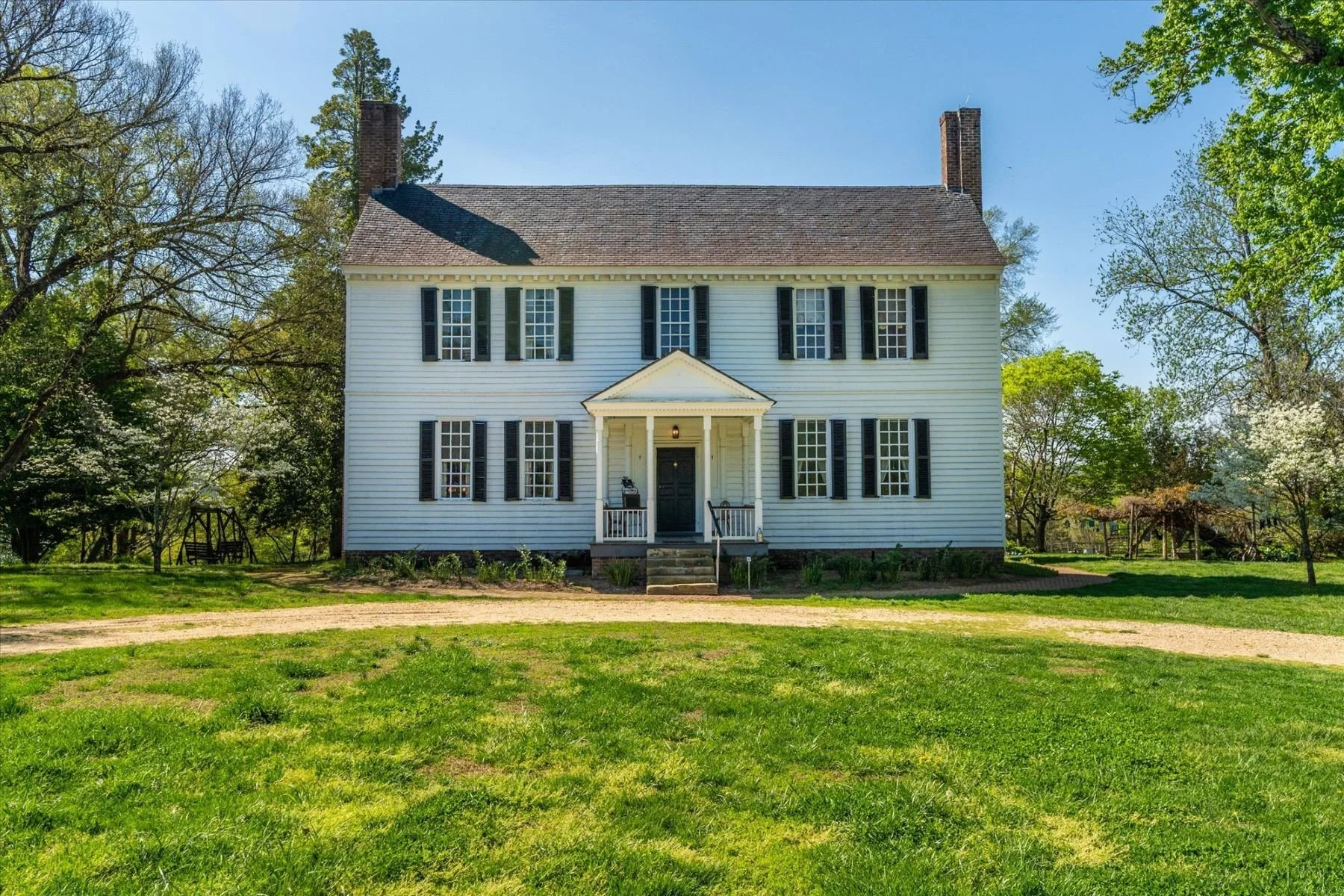
The main house was built in stages beginning in the 1730s for William Randolph III, a member of one of Virginia’s most prominent colonial families. Its unusual H-shaped plan was created as two sections joined by a central hall, with one side facing the formal approach and the other oriented toward the James River.
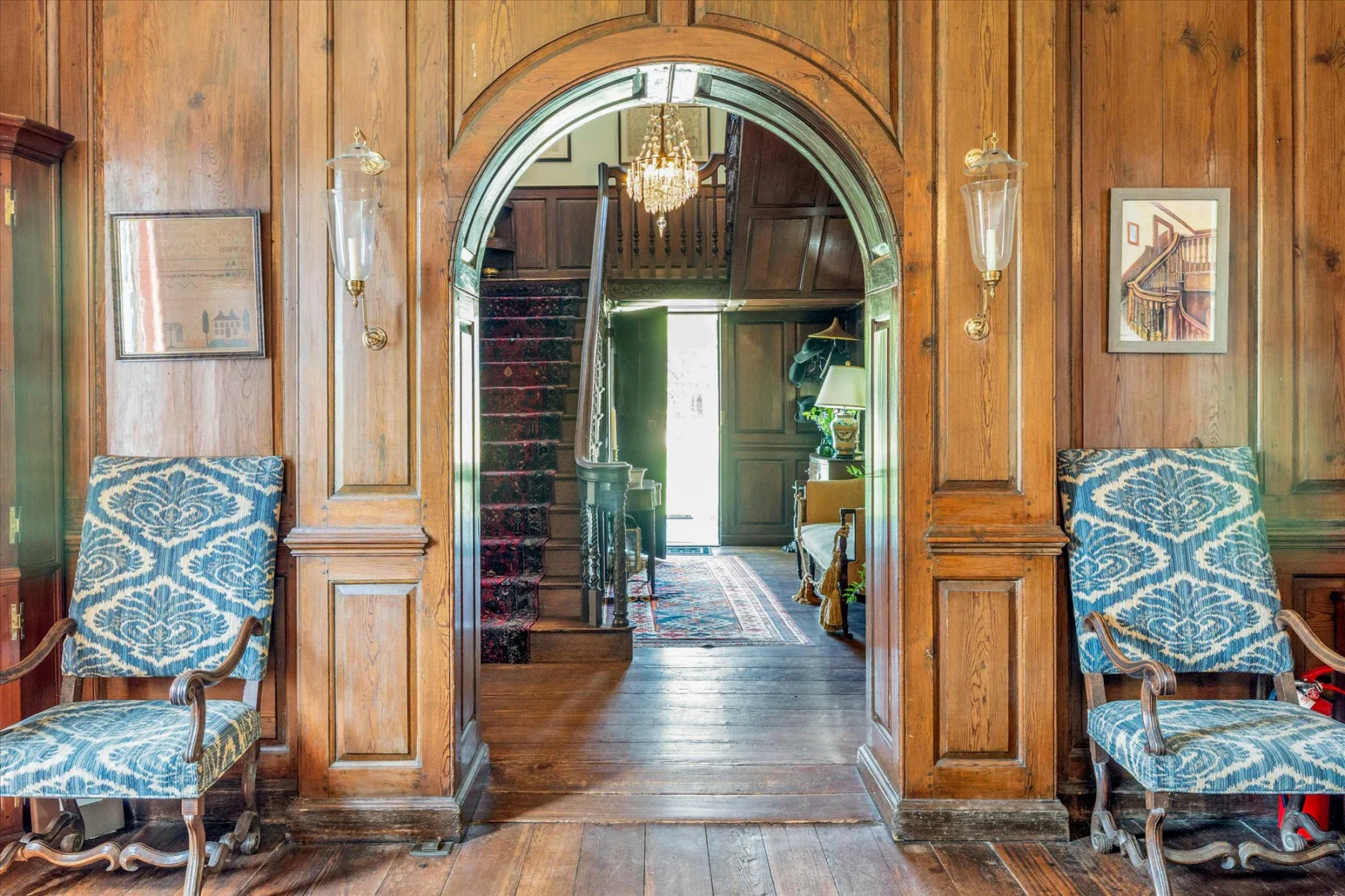
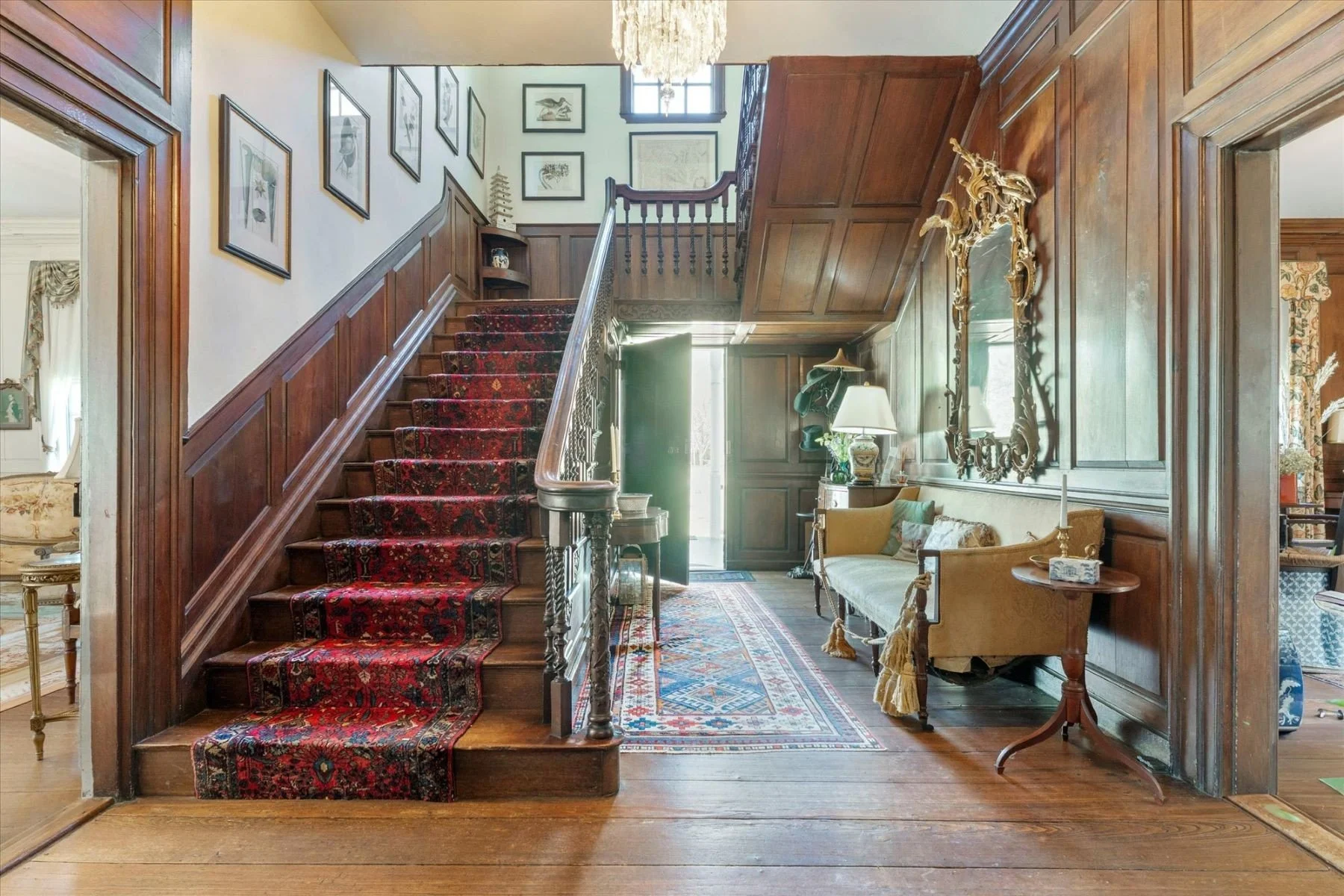
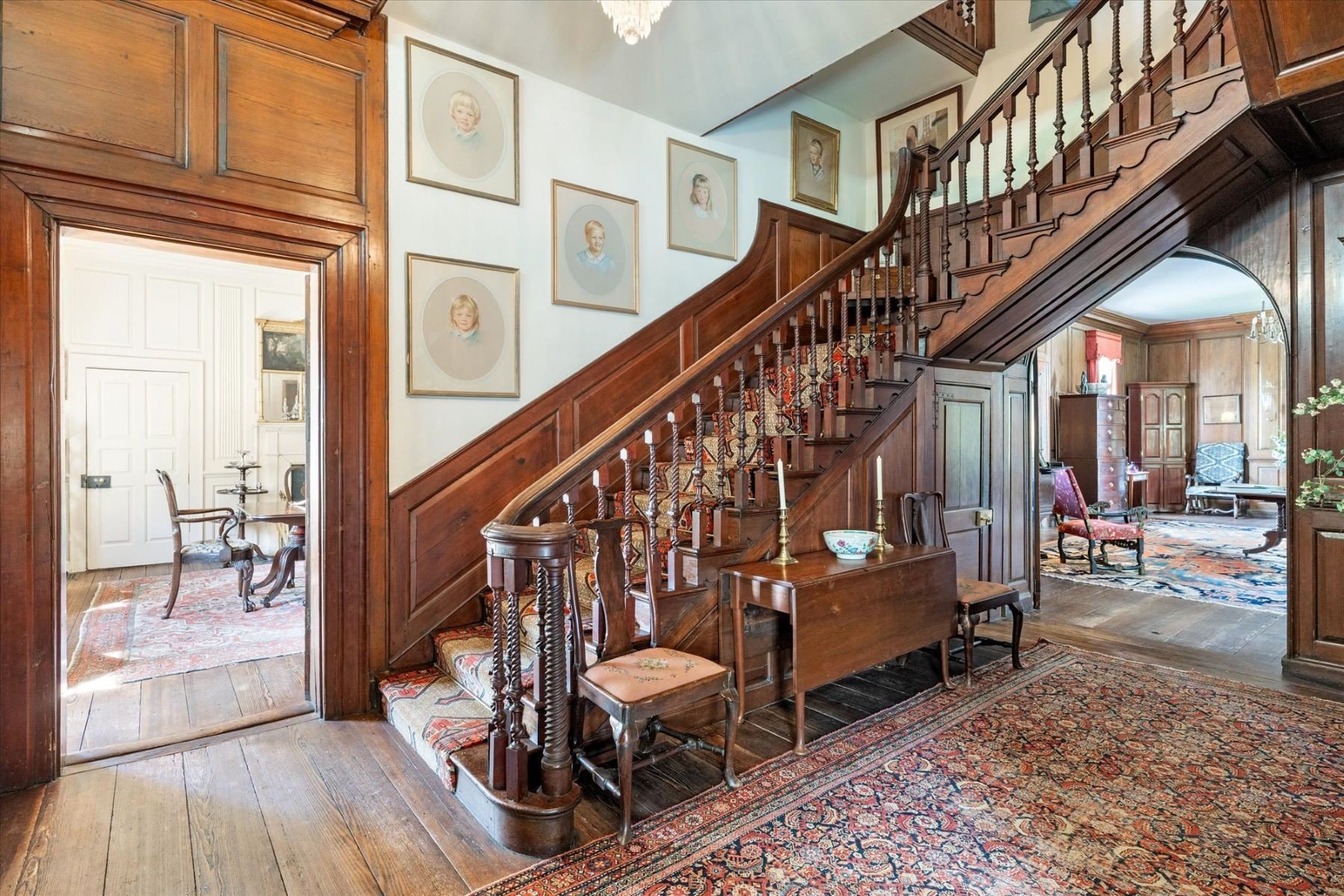
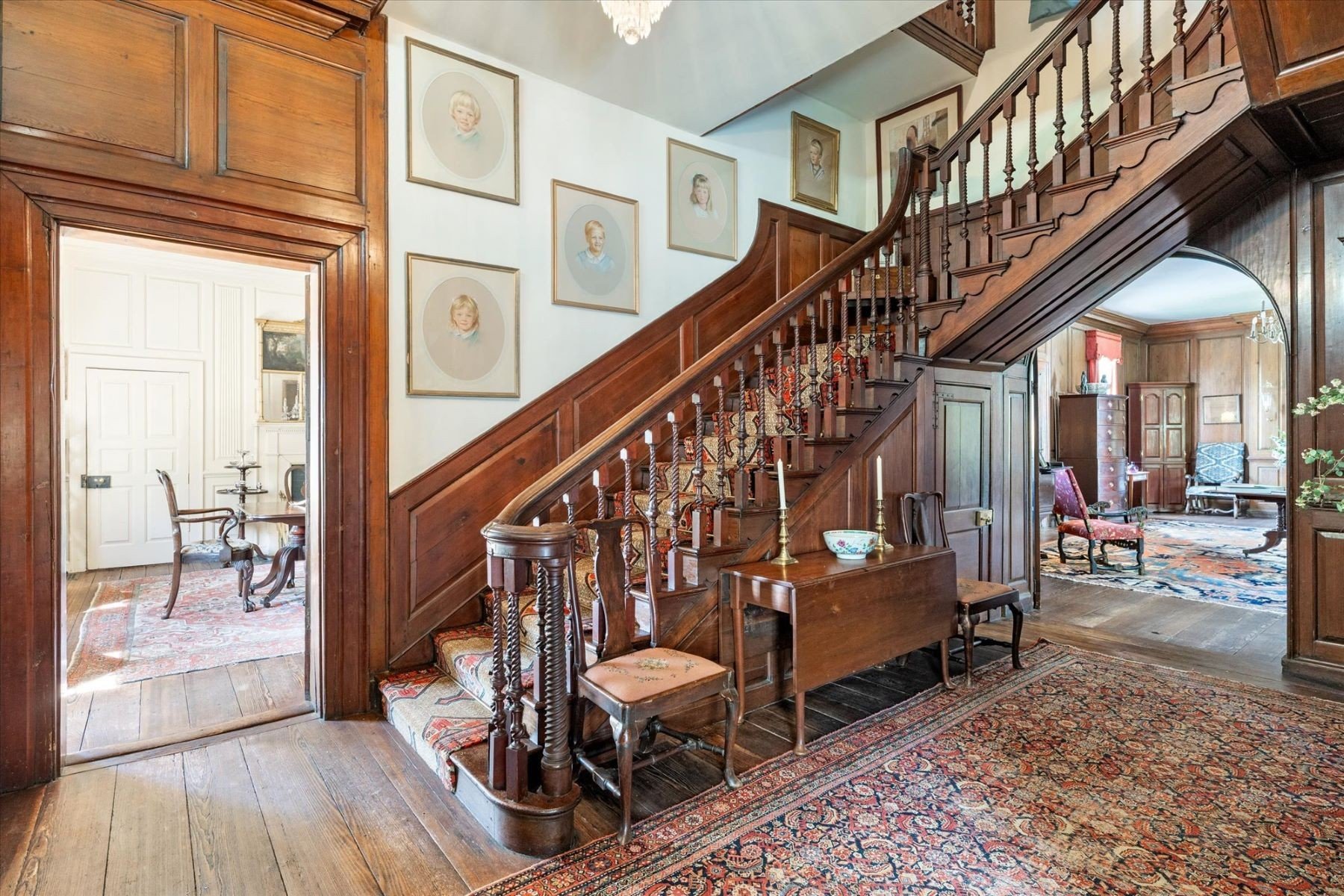
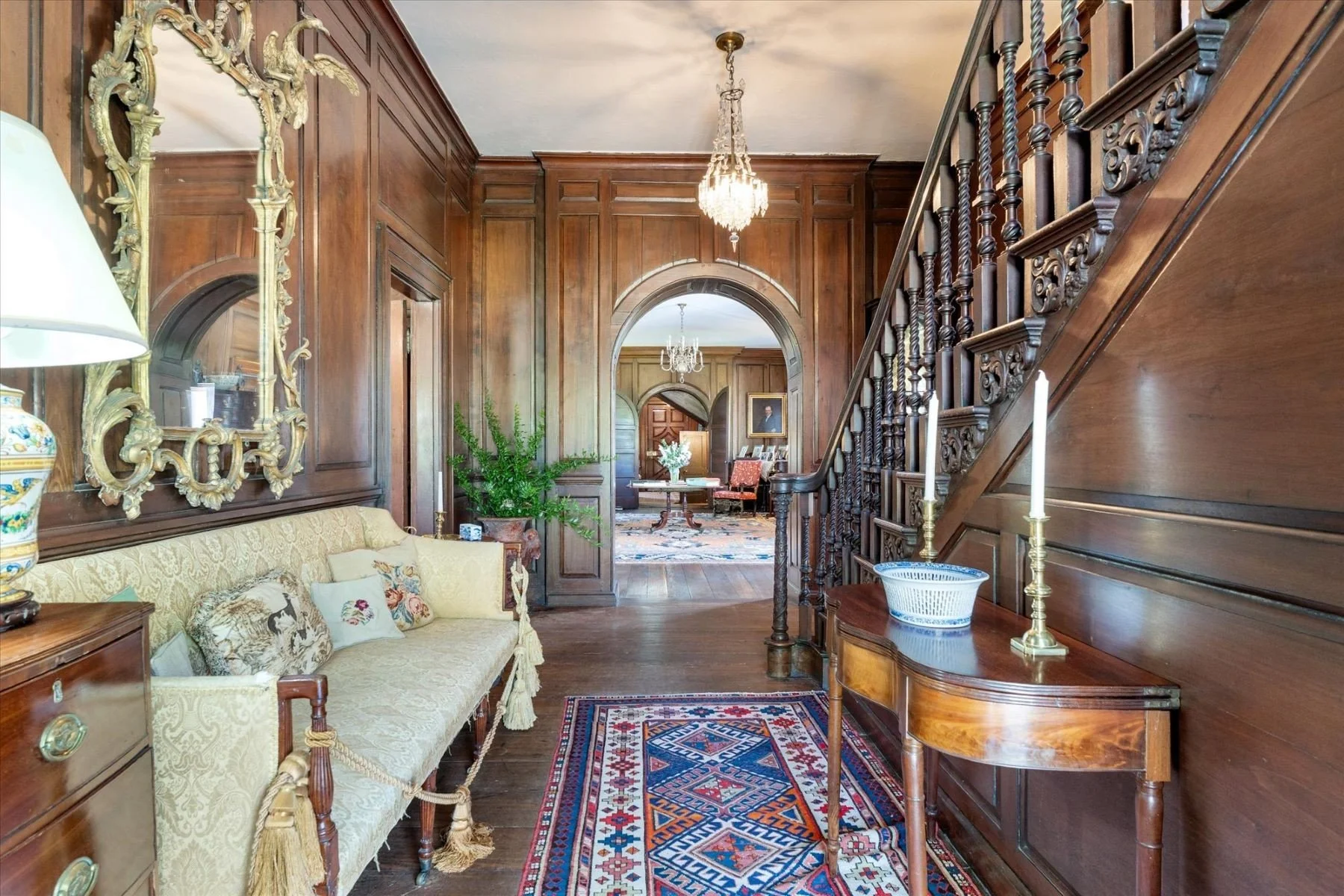
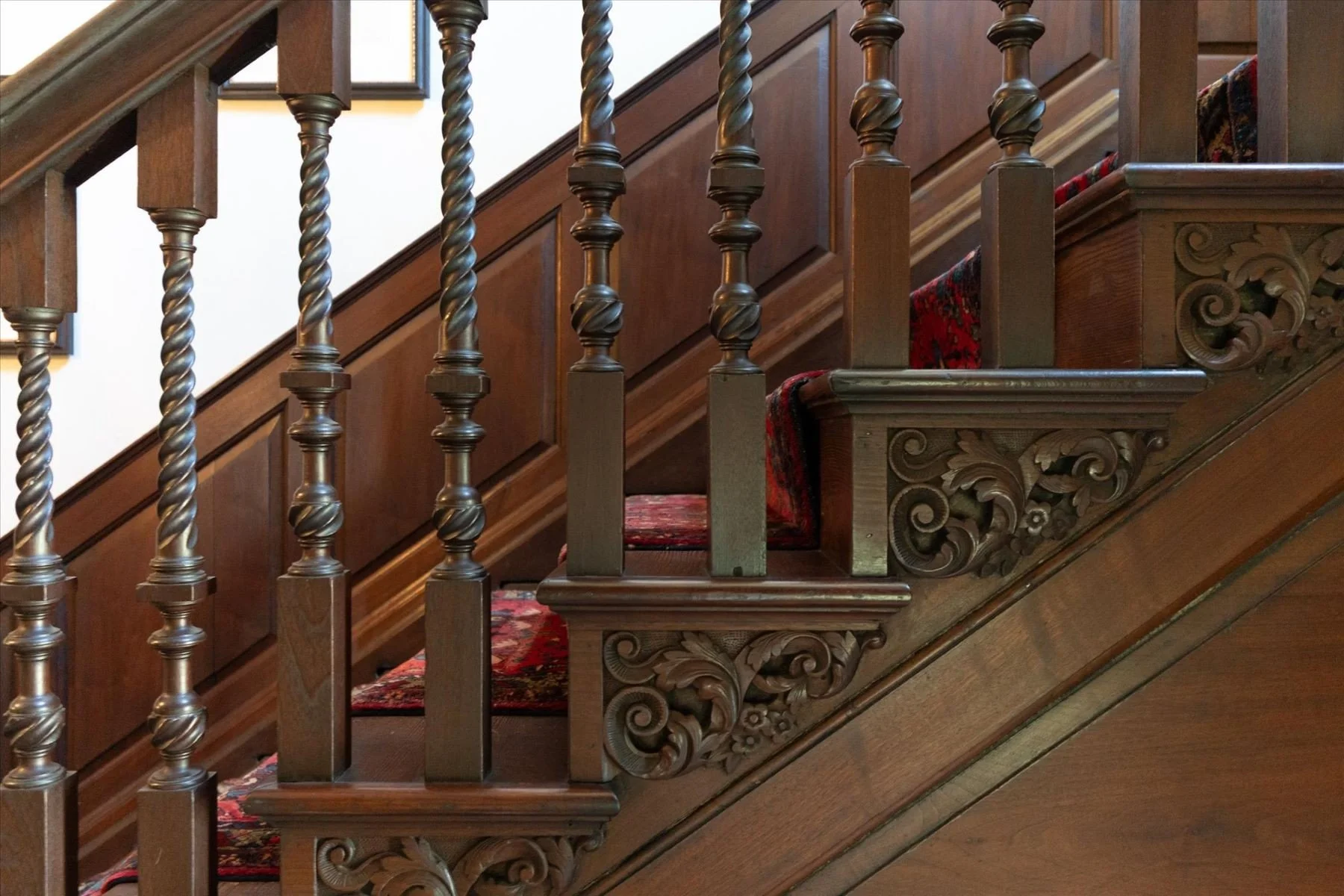
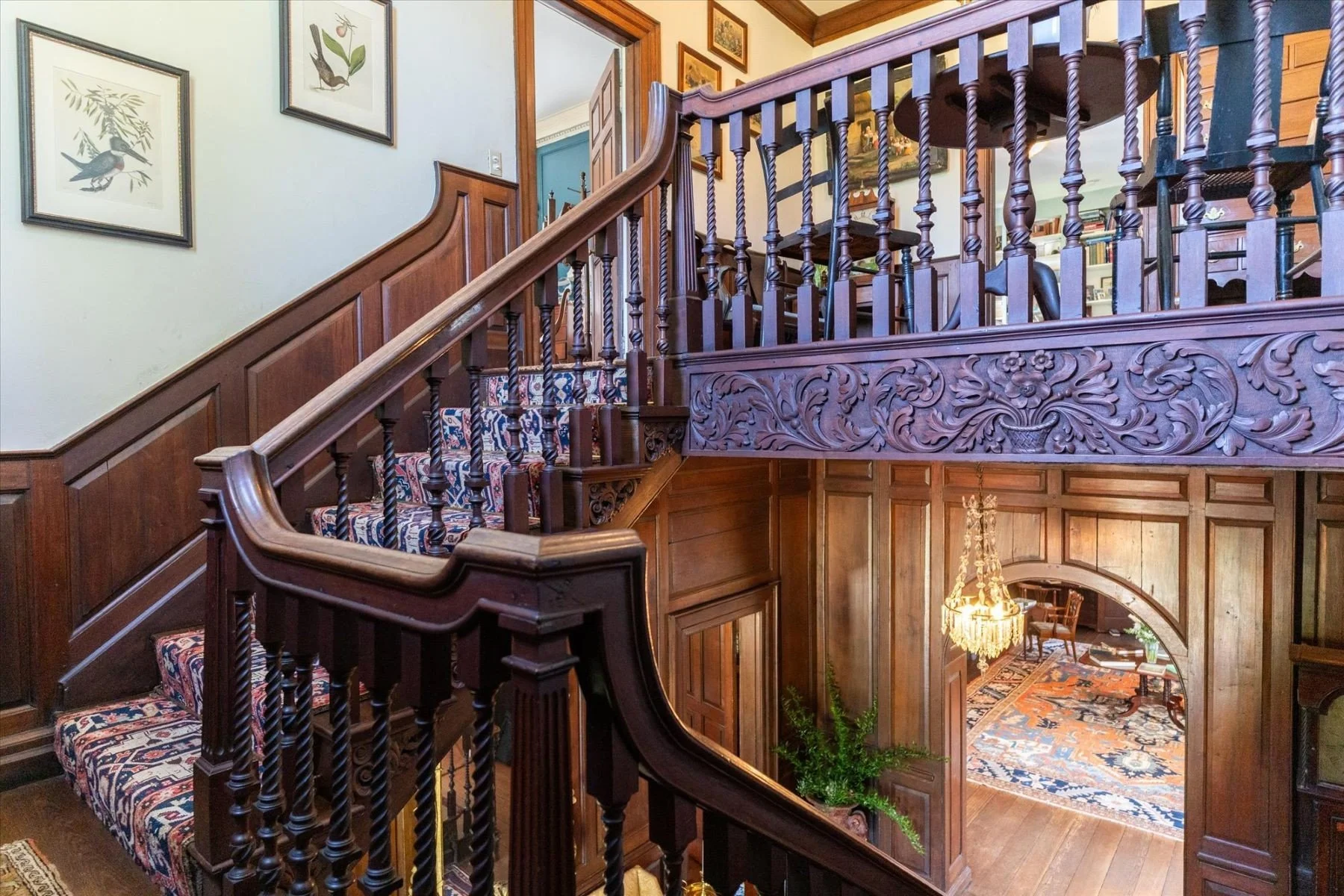
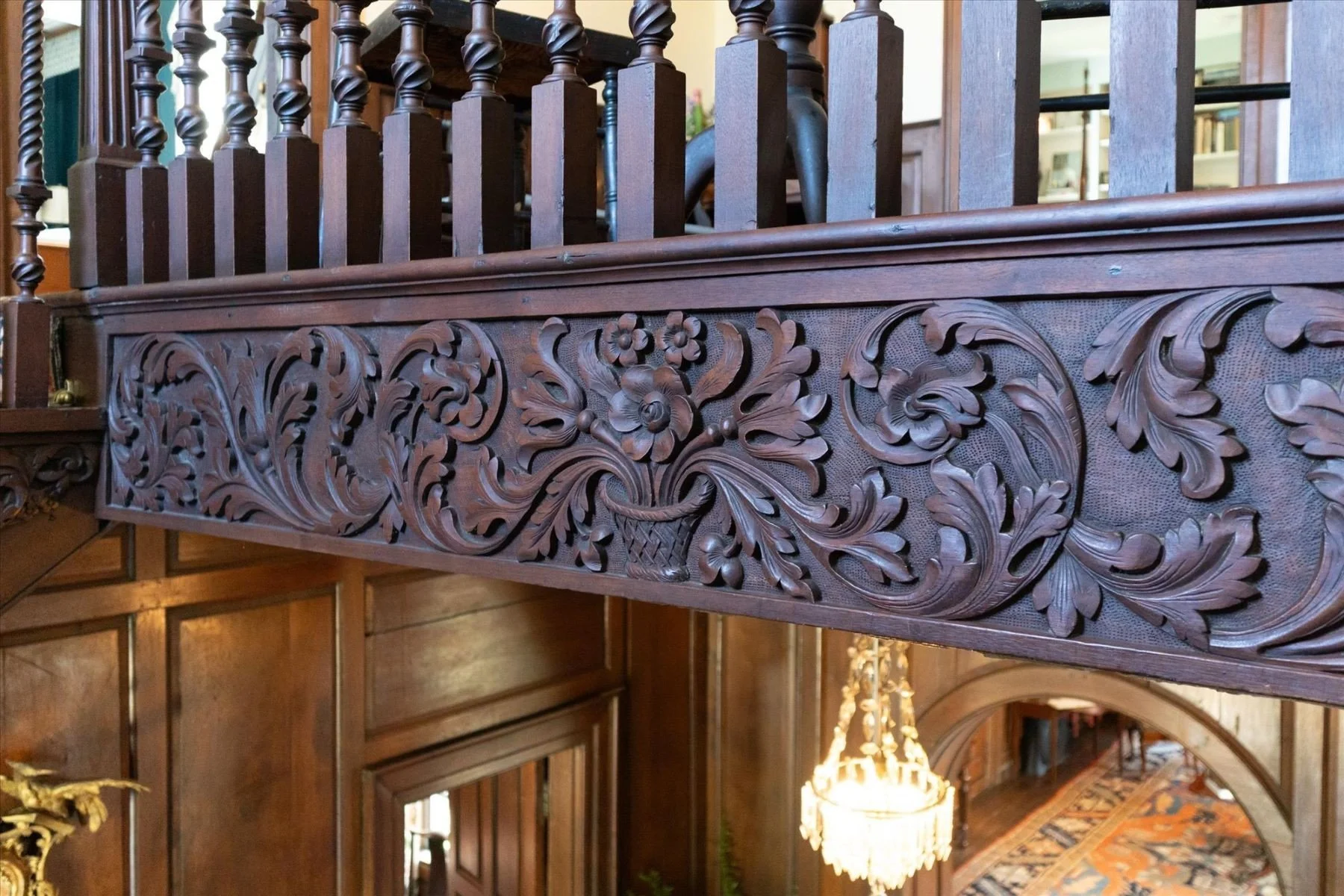
The family of the current owners acquired Tuckahoe in 1935, reportedly helping prevent its historic paneling and north staircase from being dismantled and removed to a museum in New York. Adam Wayland / Cville Photo
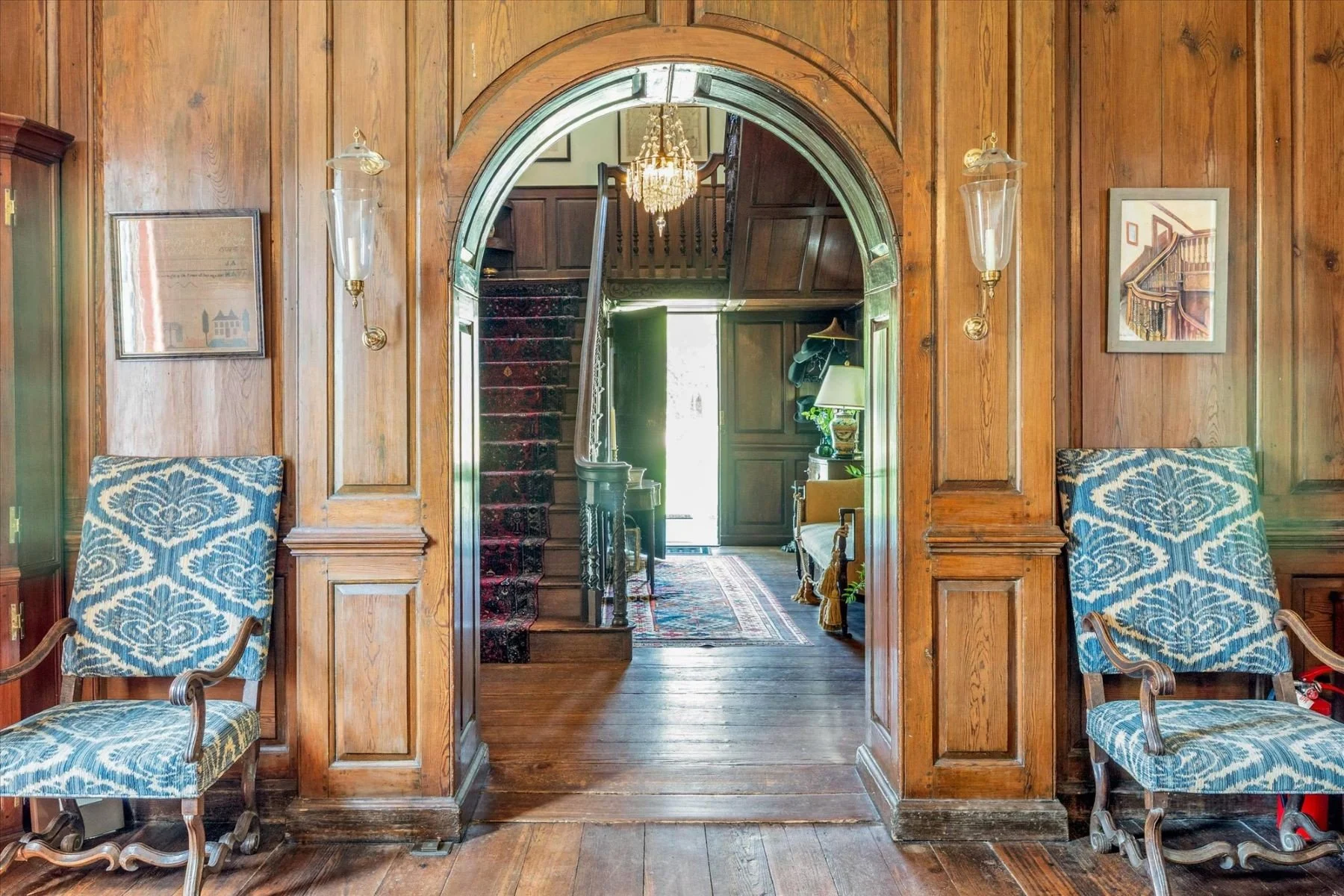
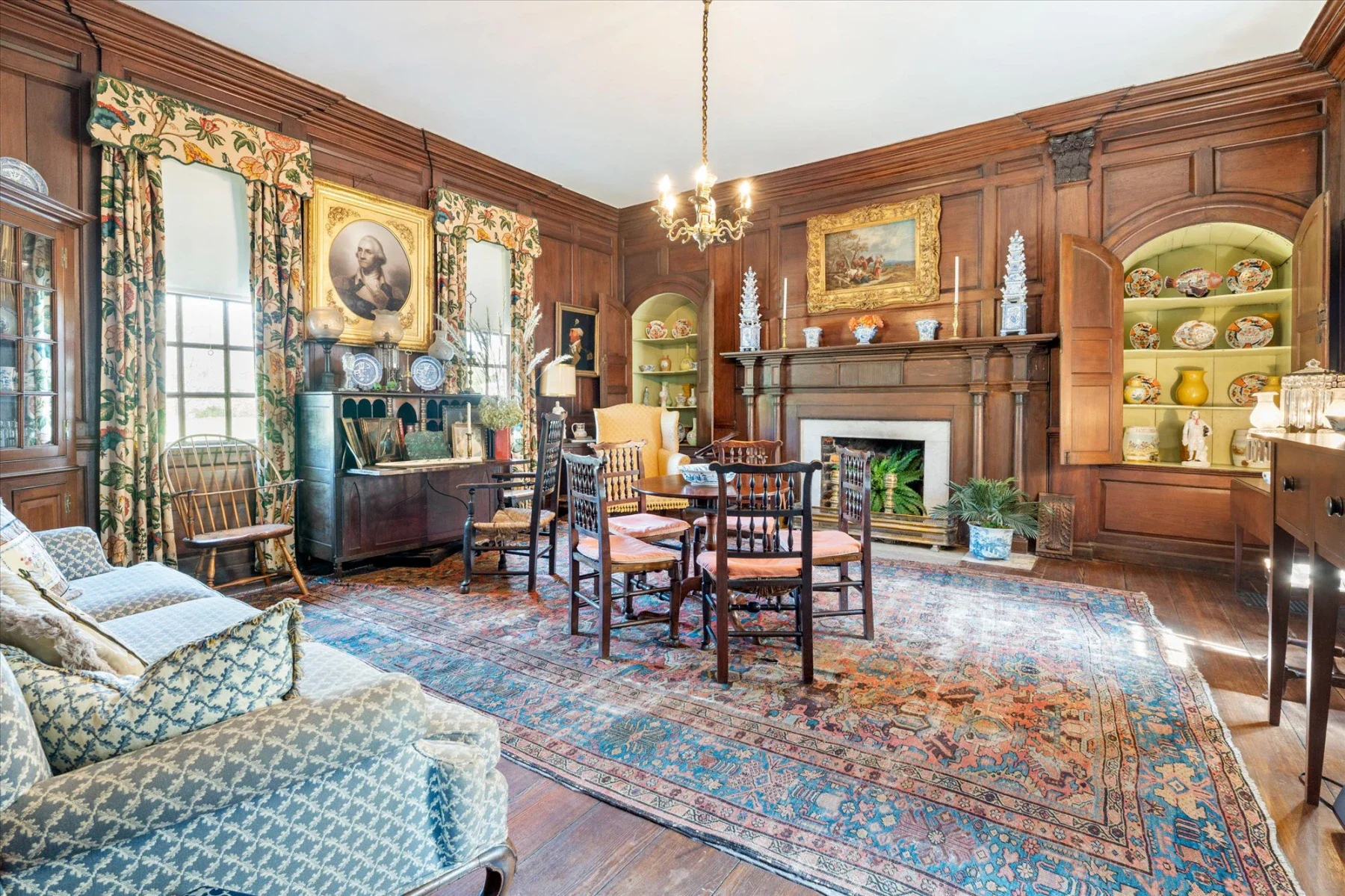
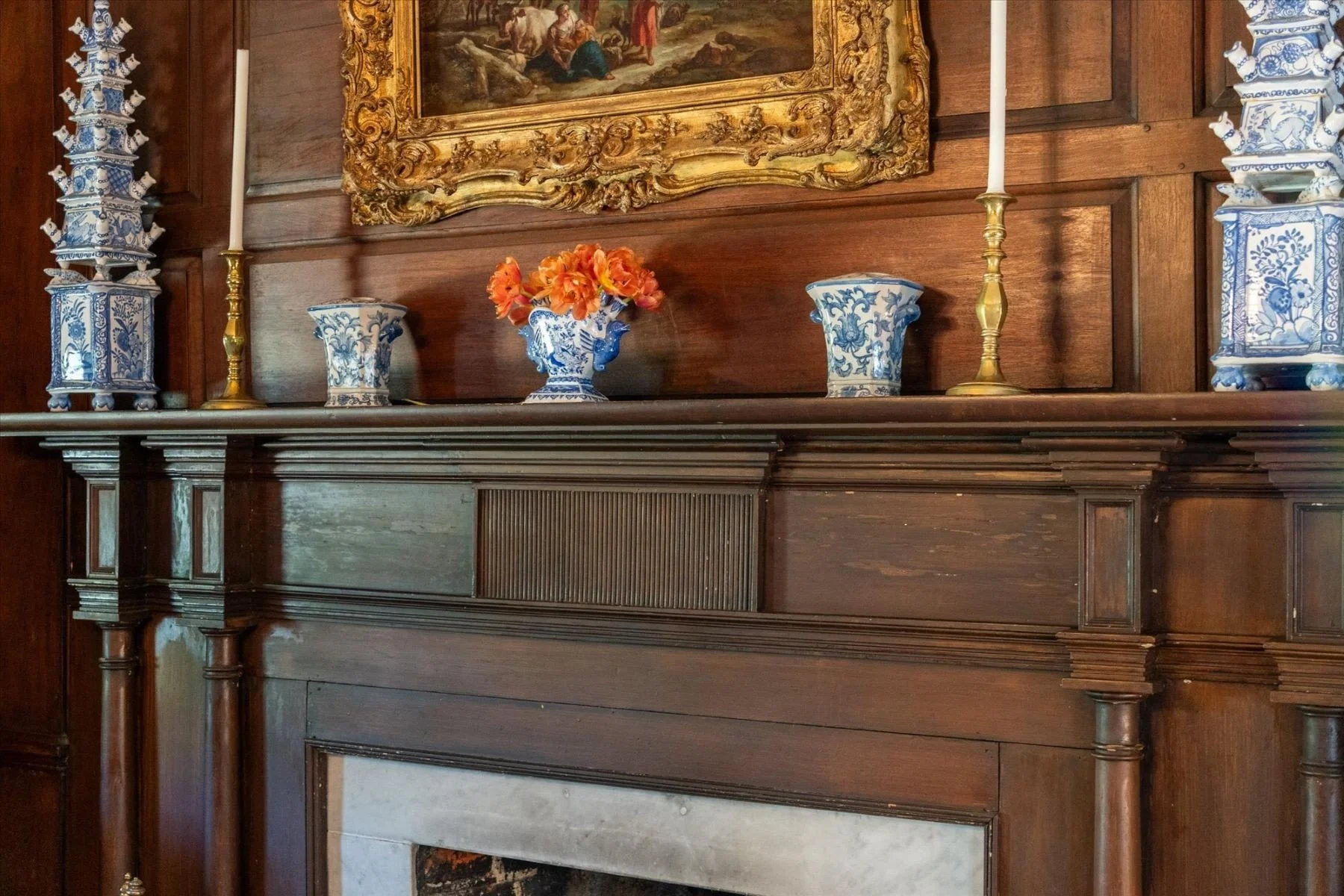
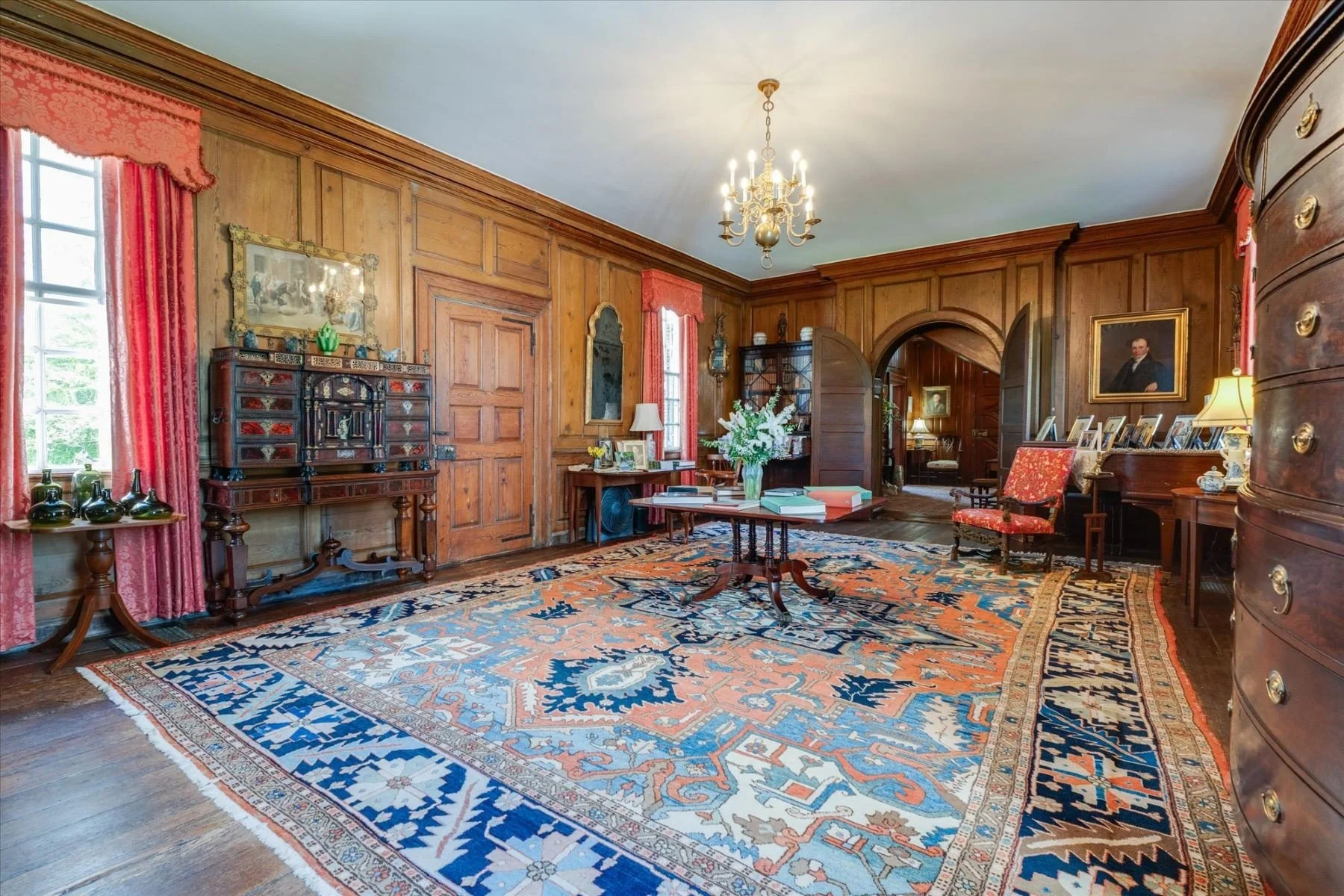
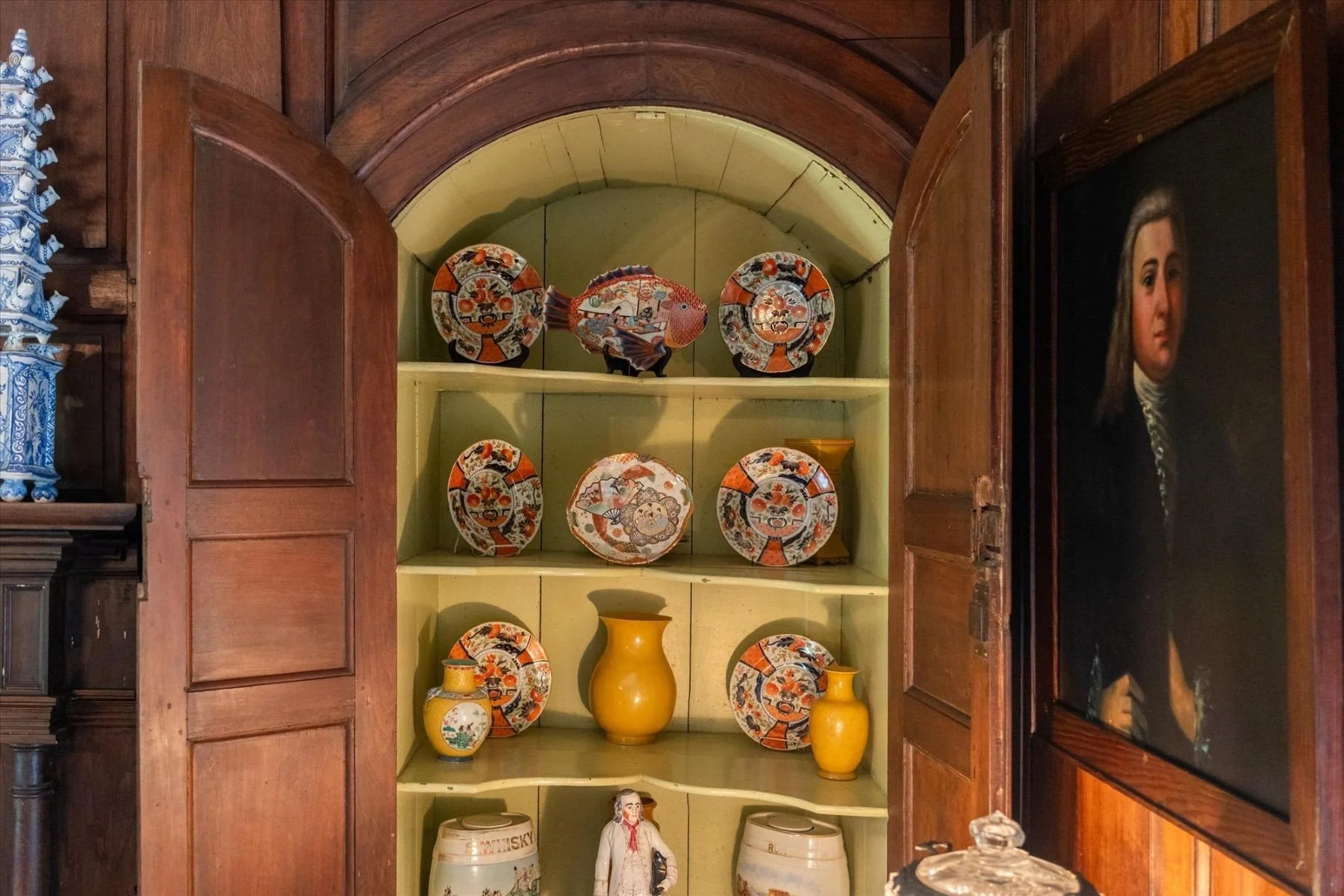
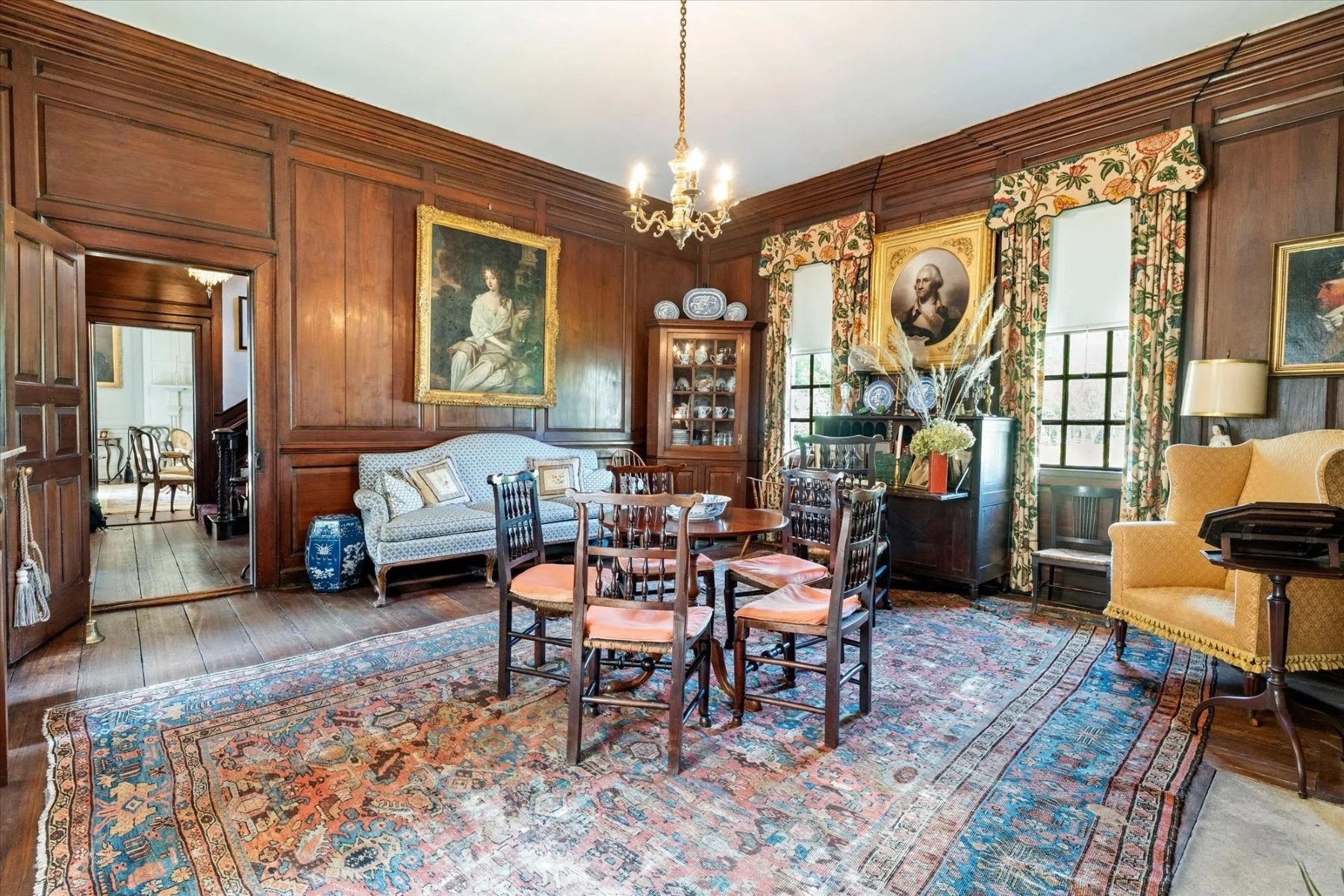
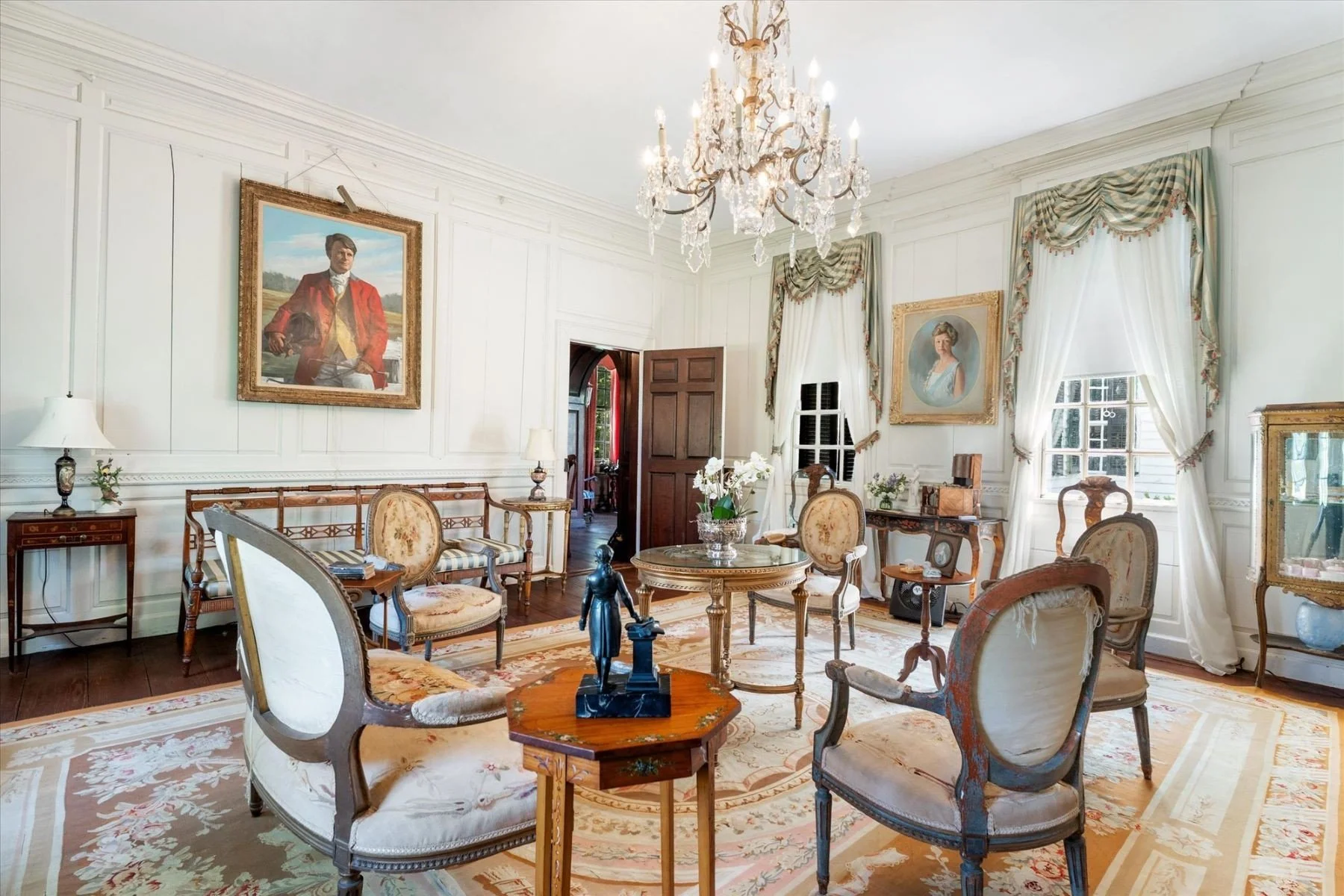
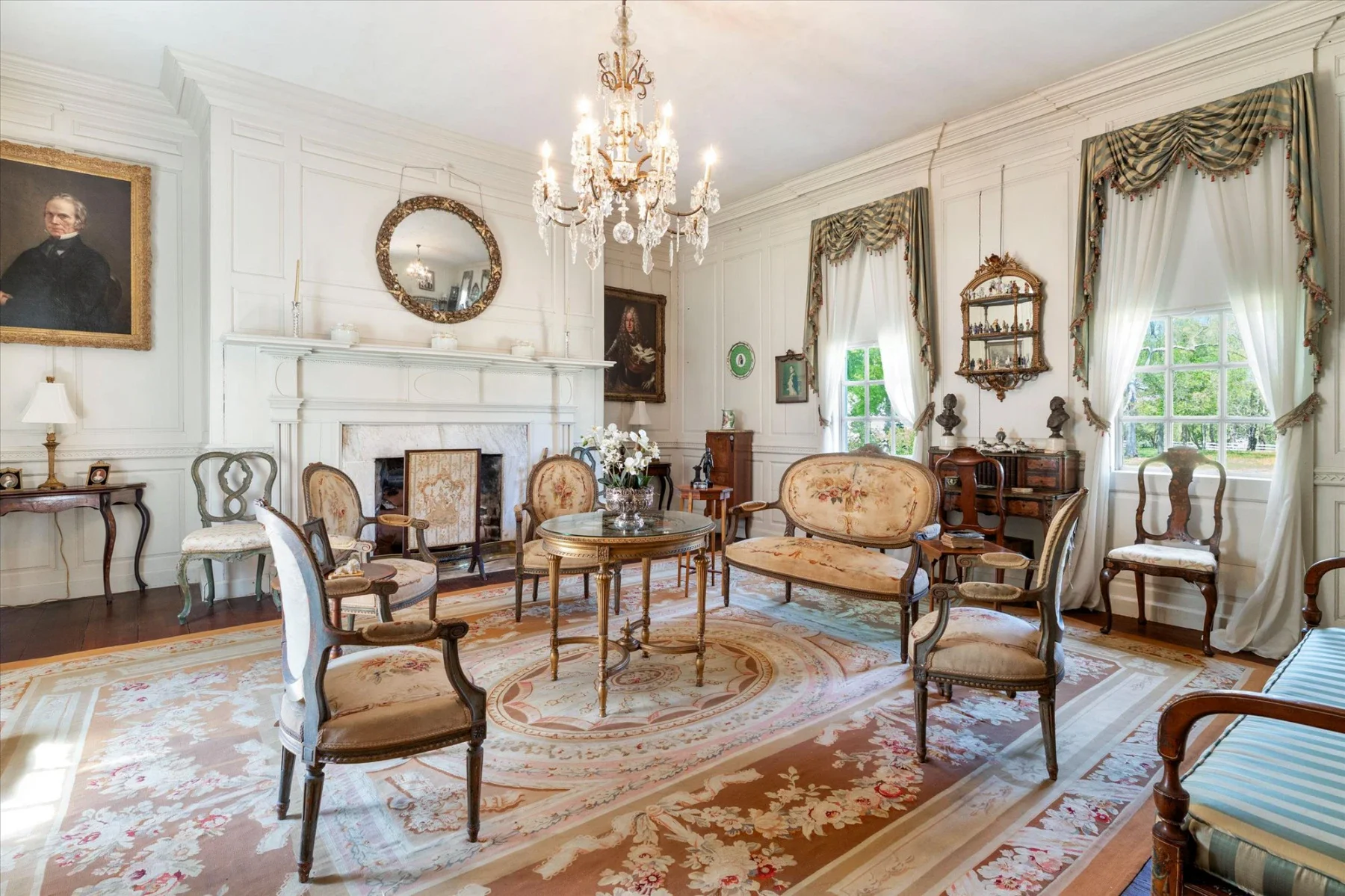
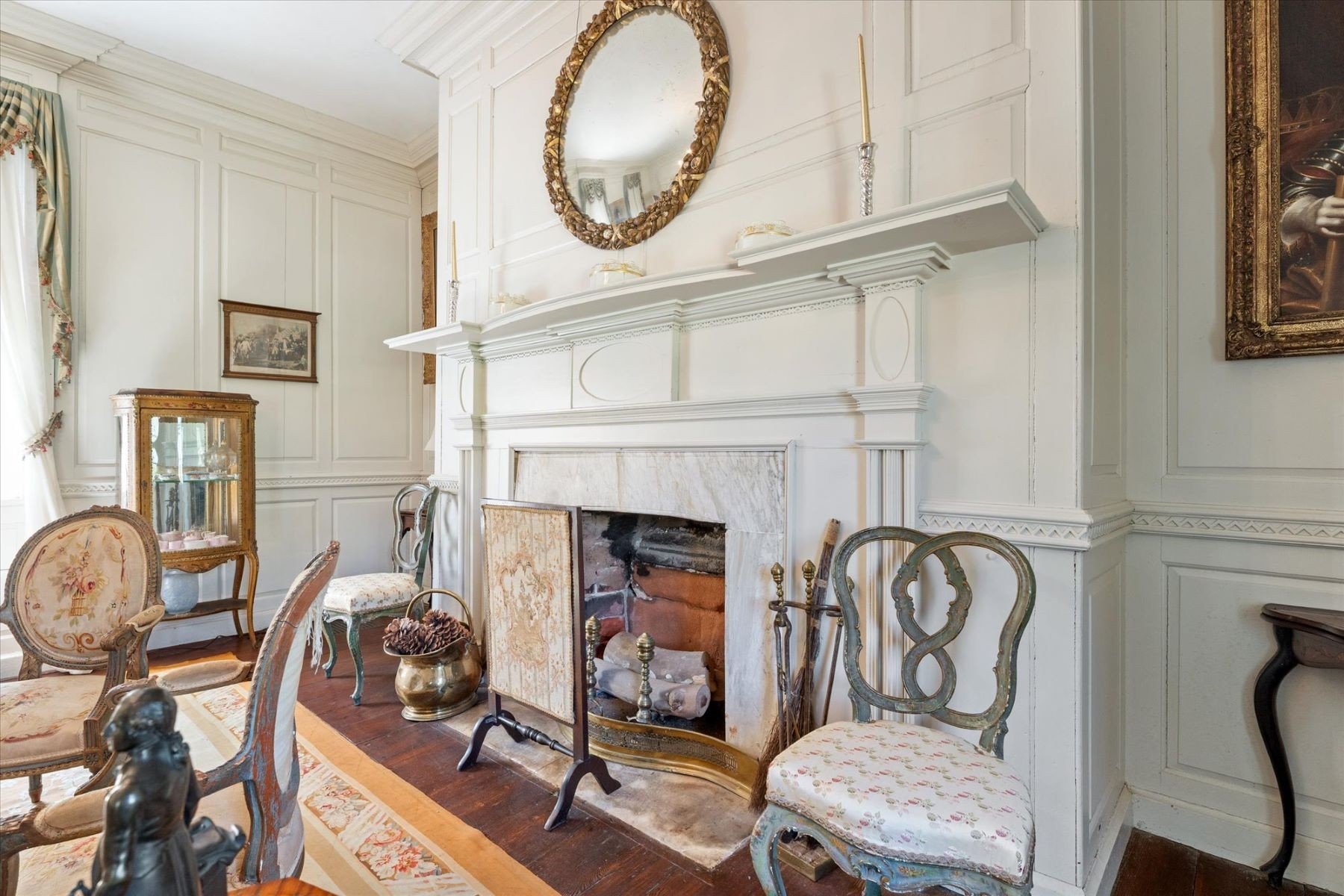
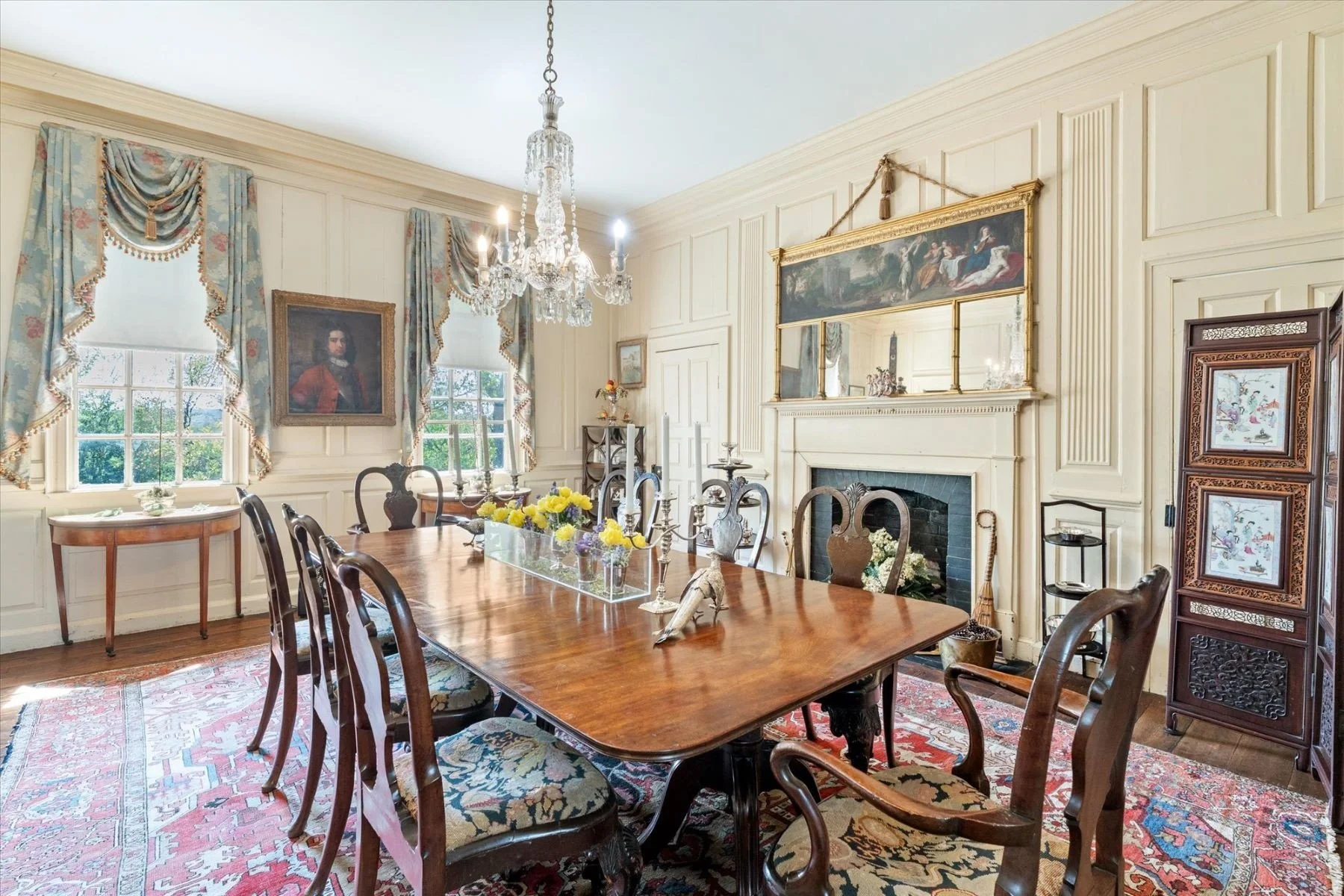
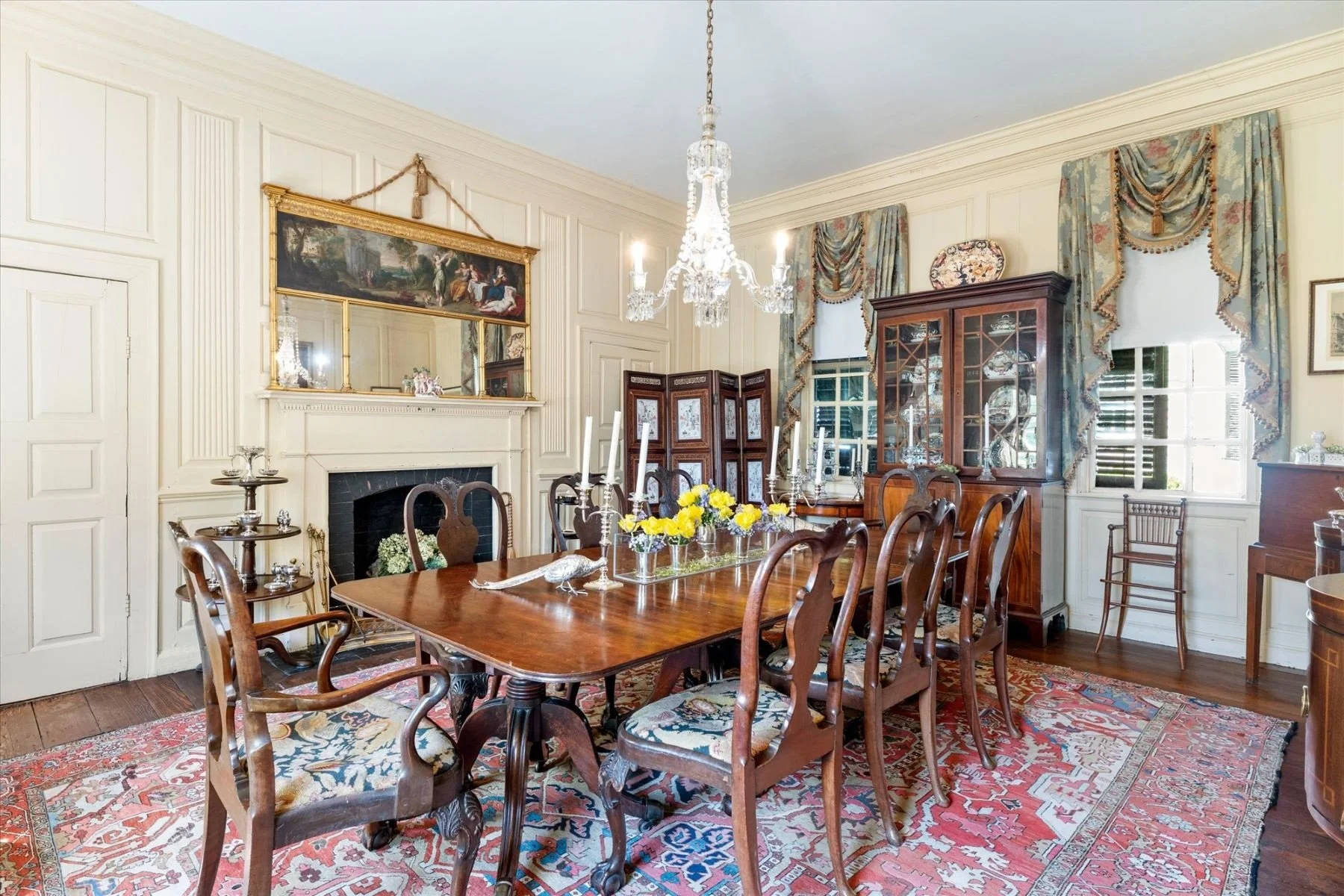
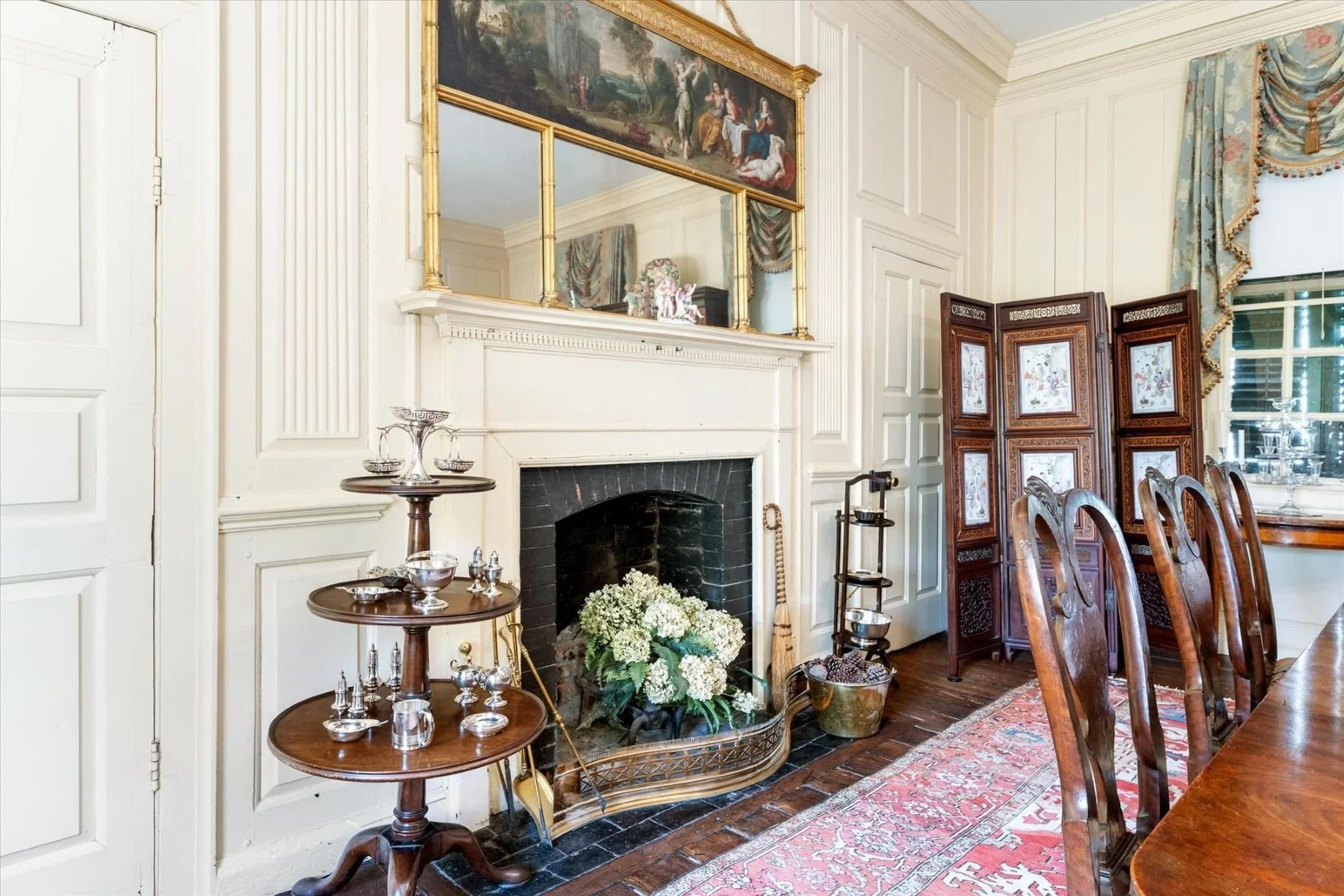
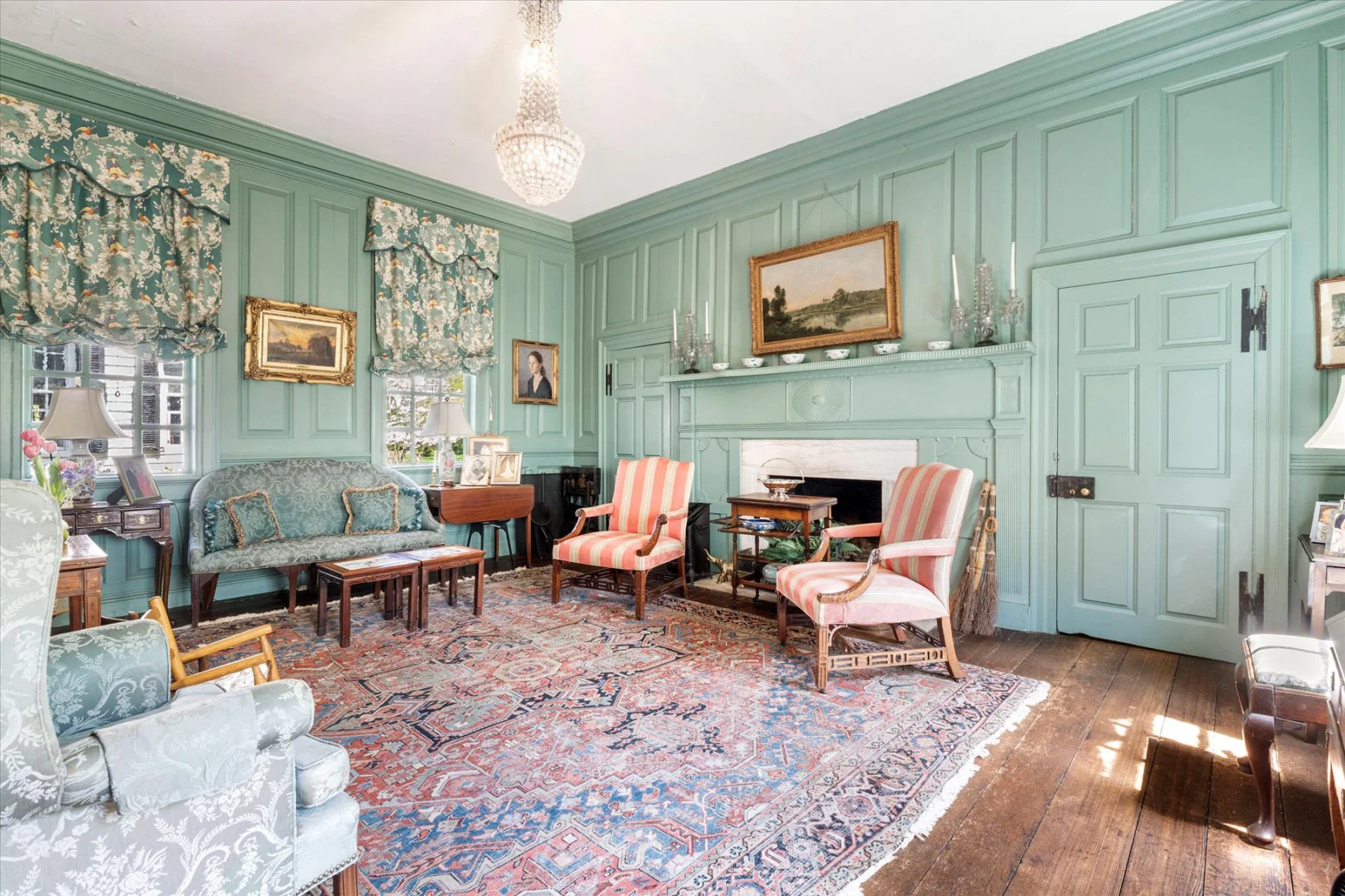
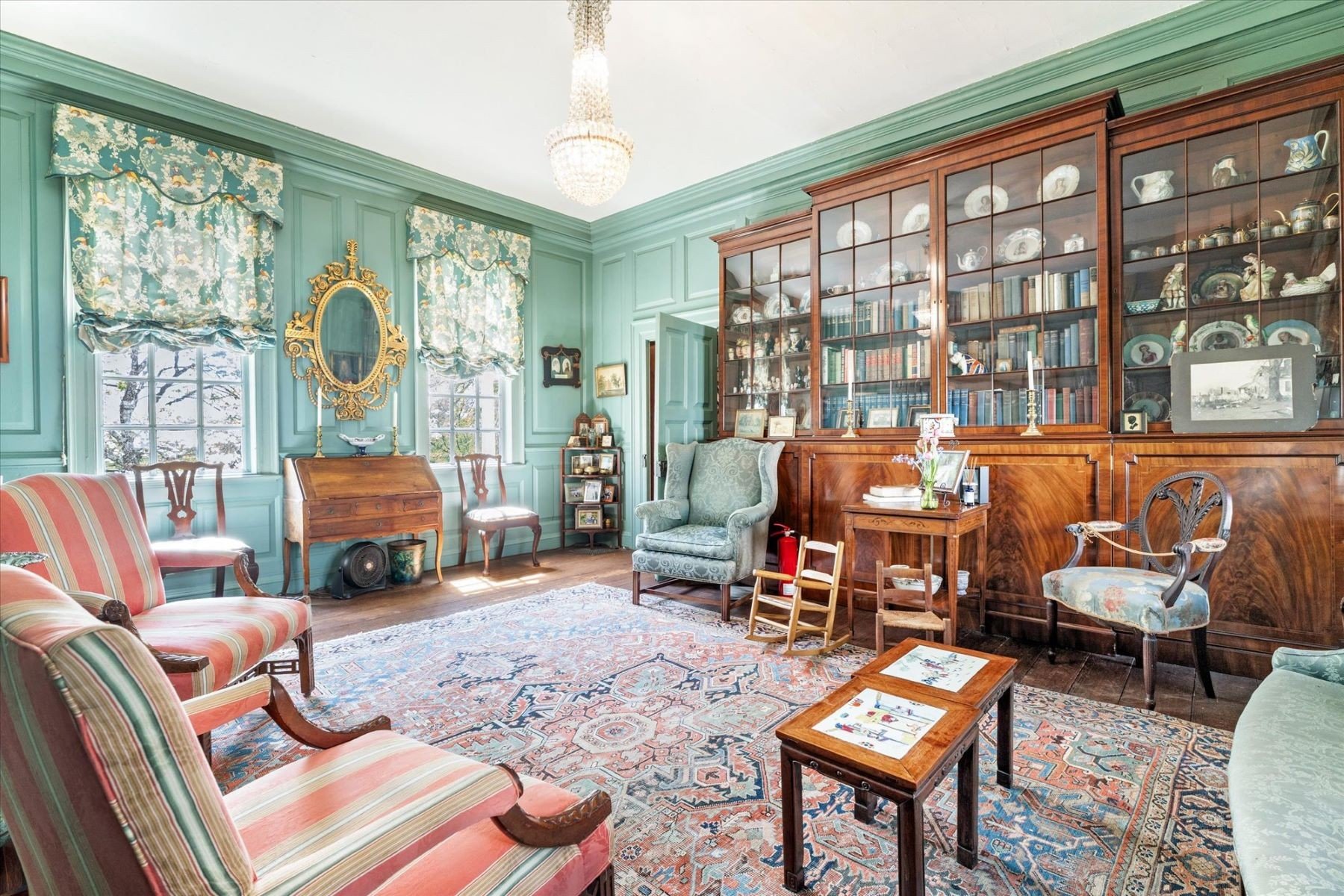
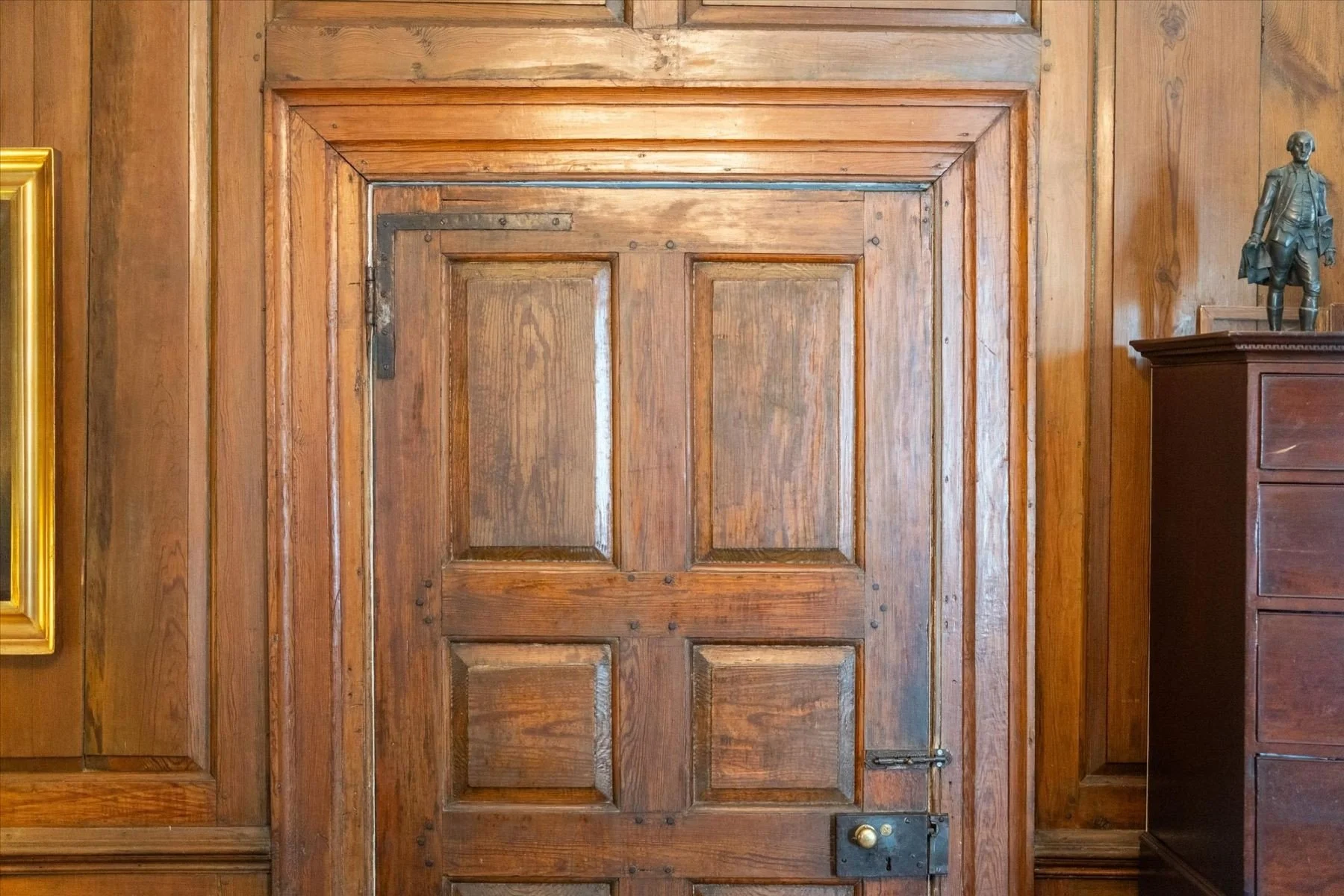
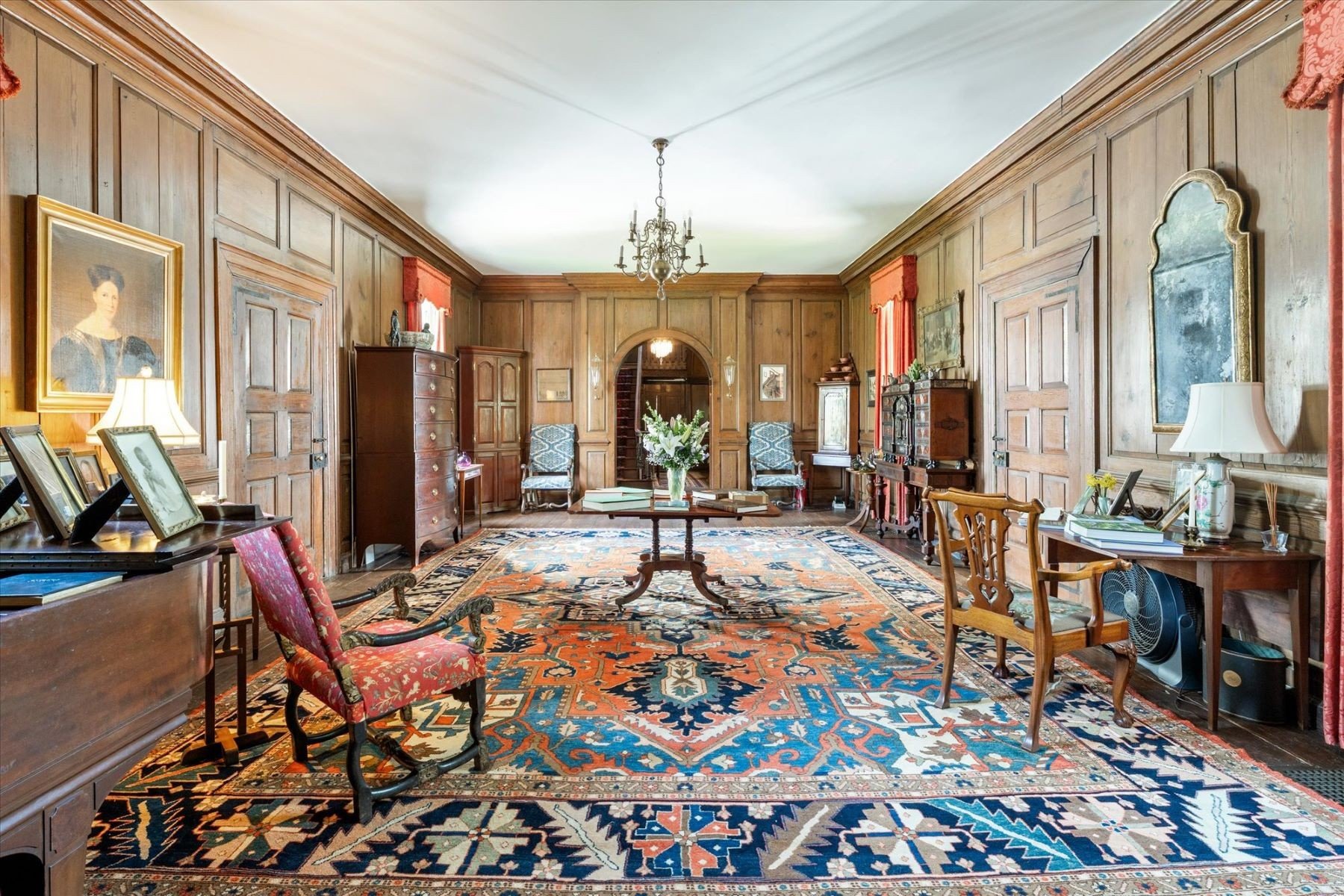
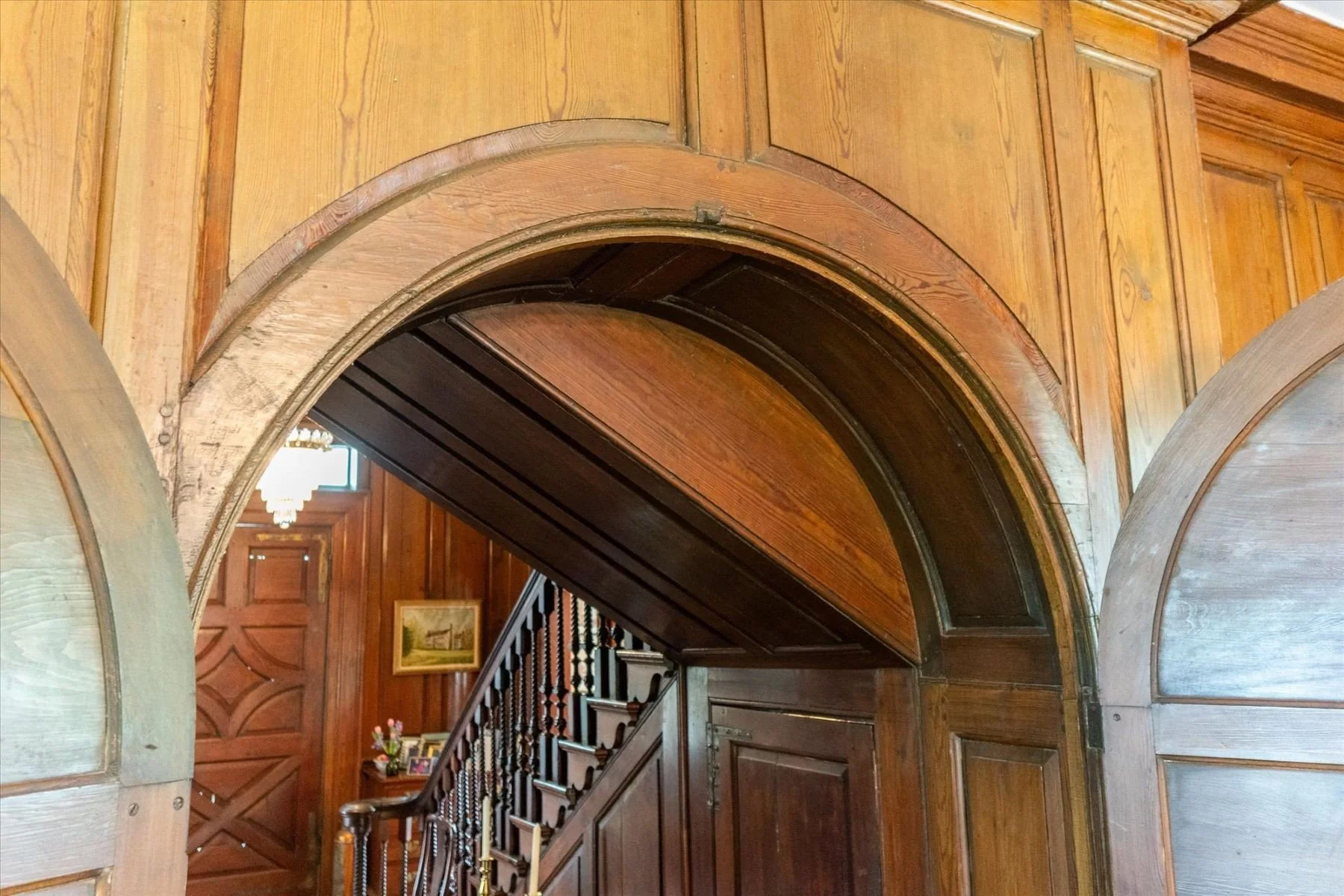
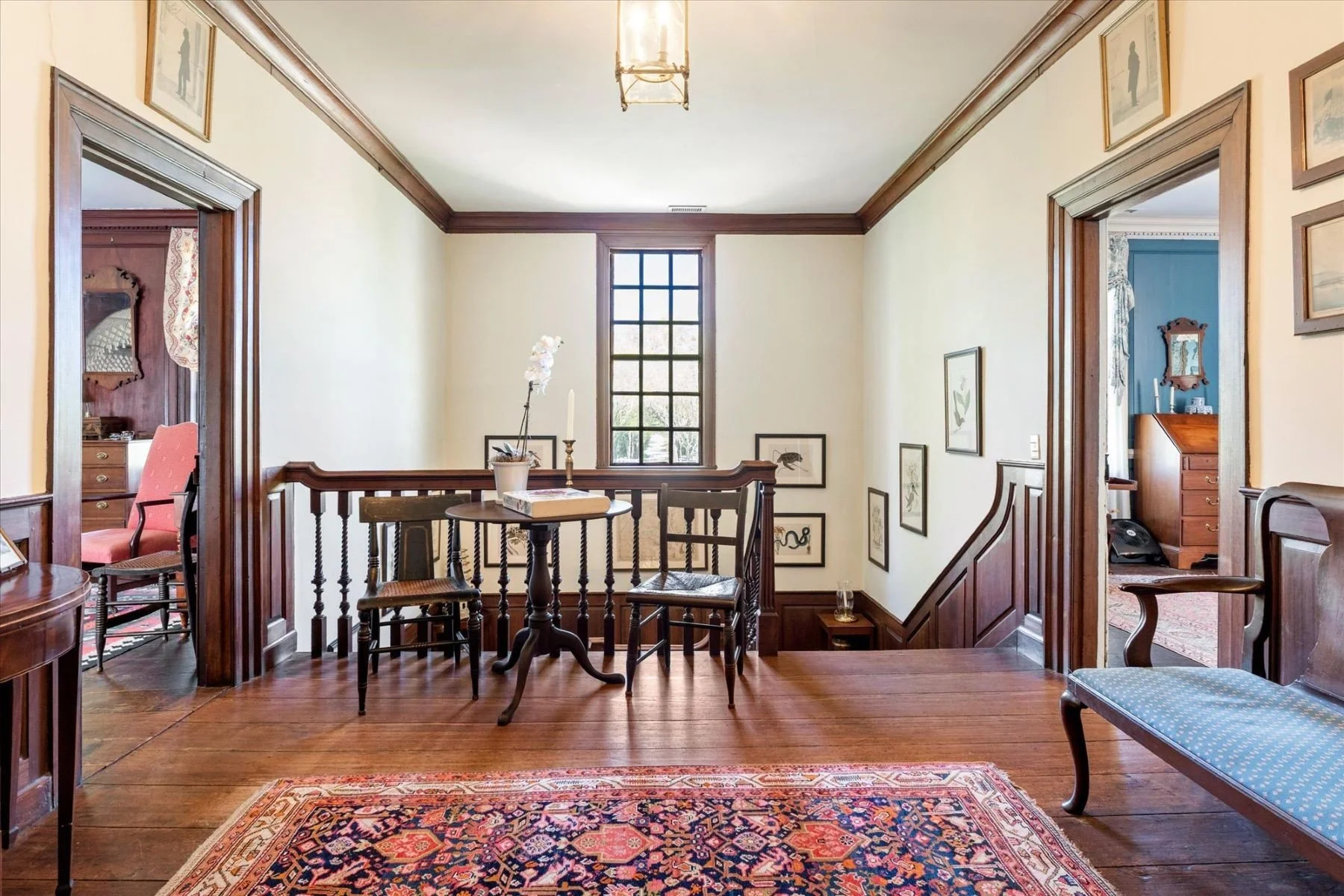
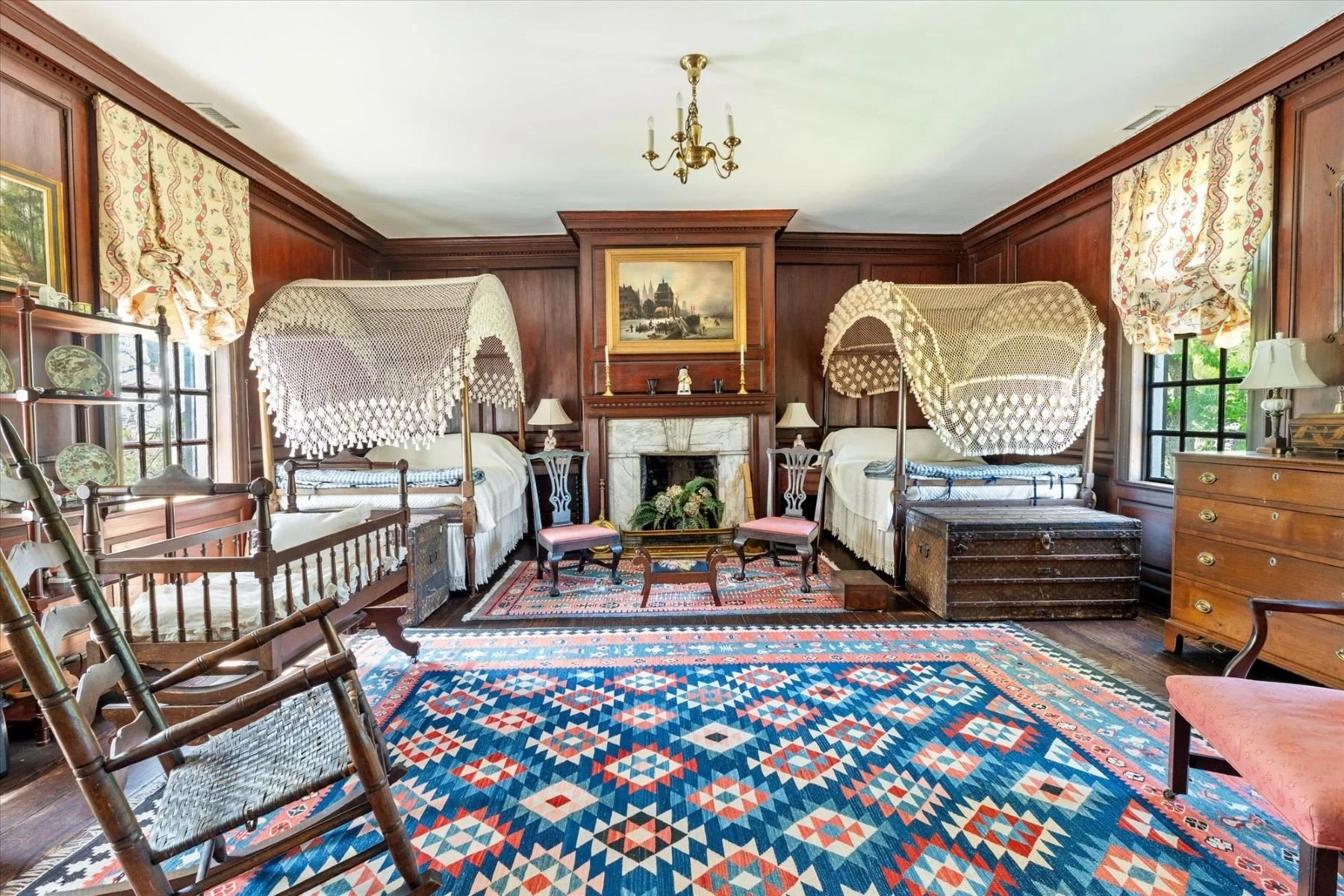
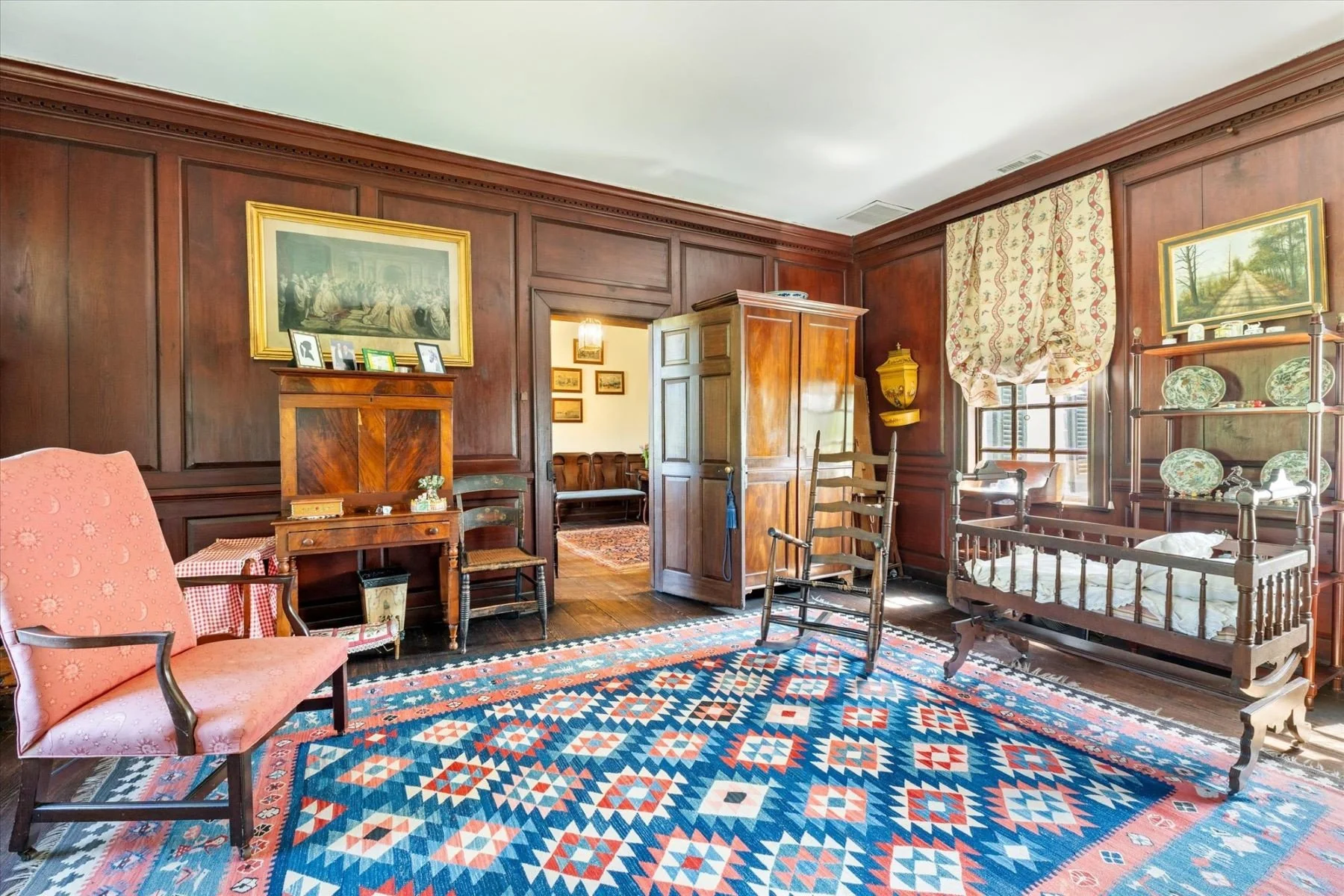
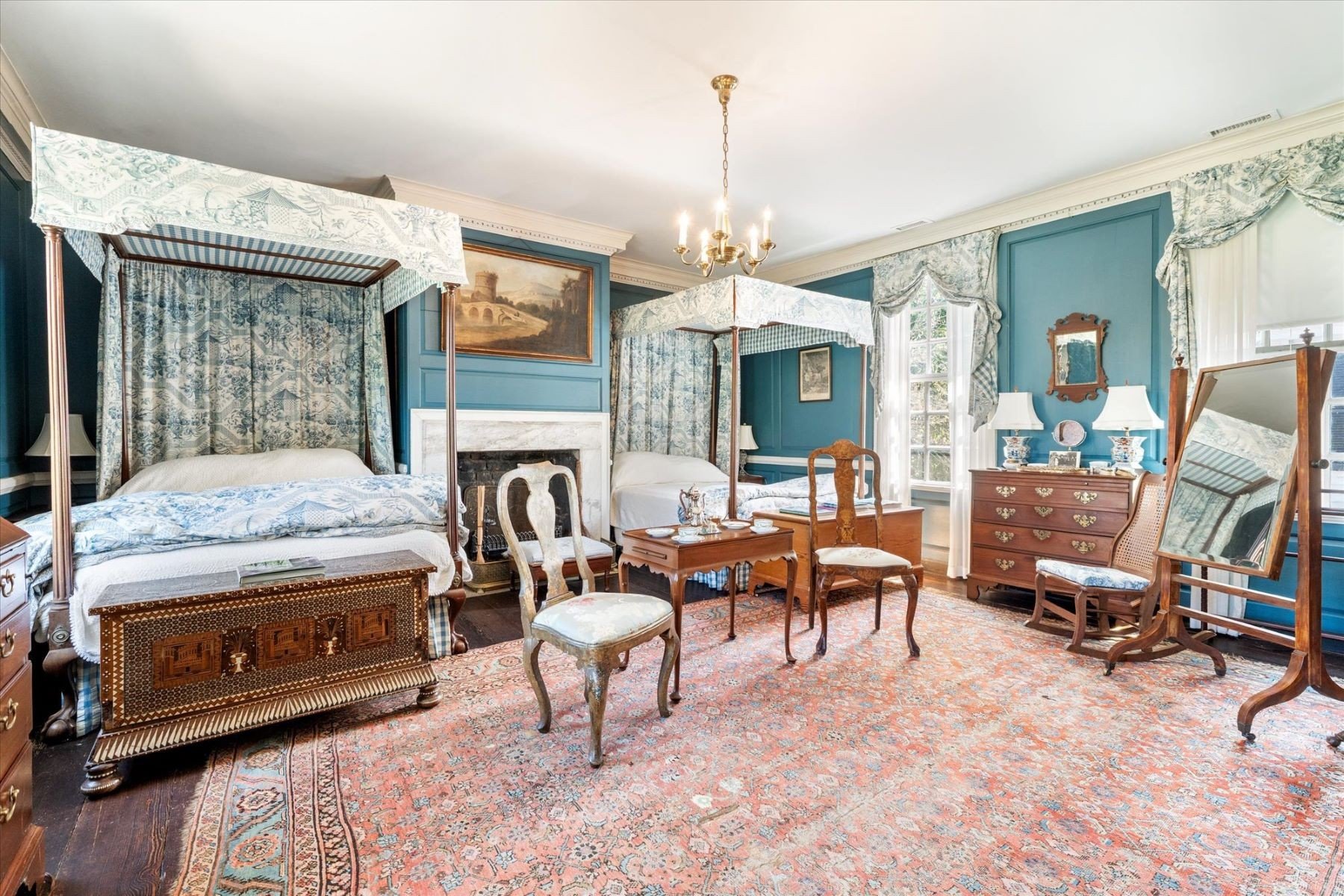
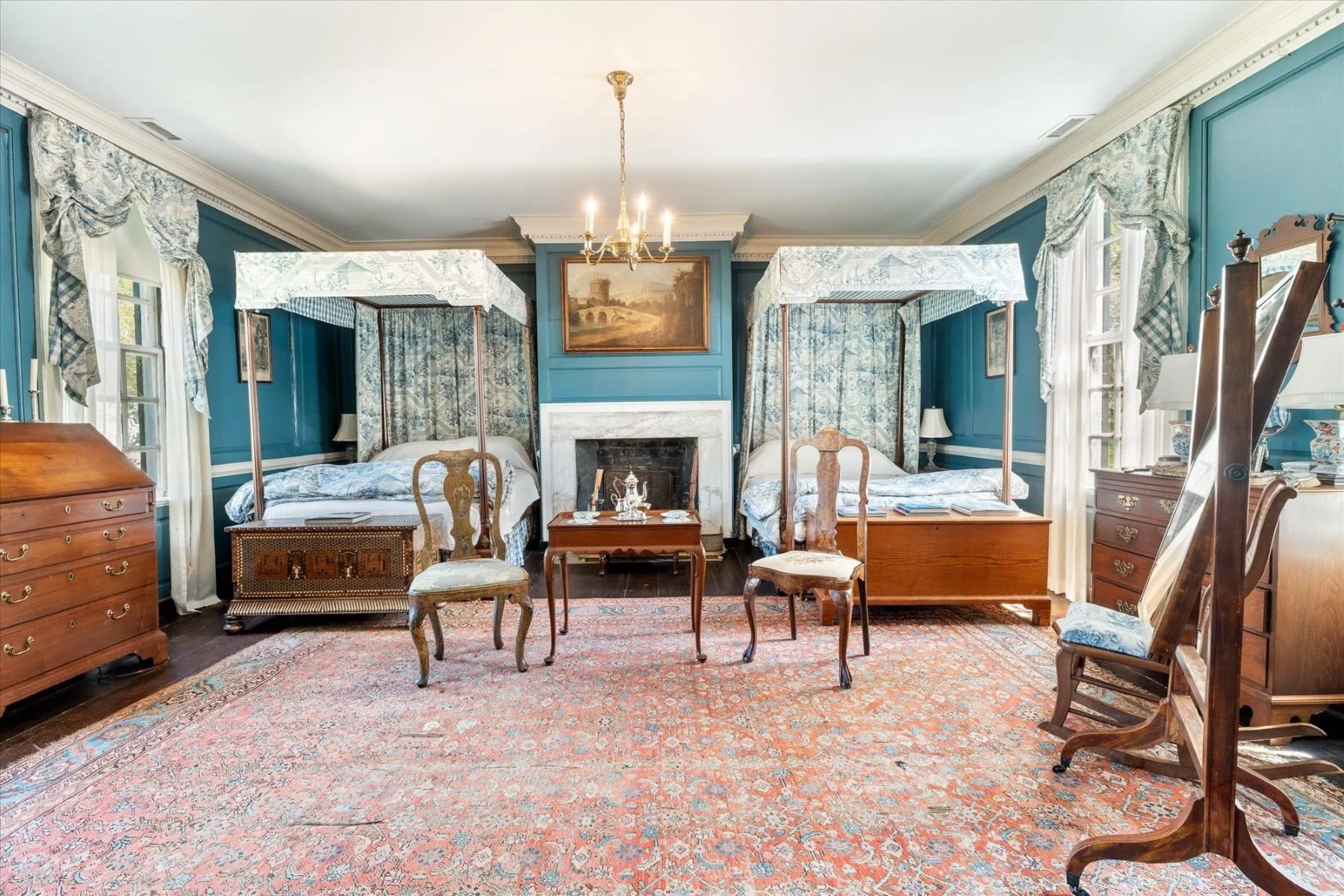
Much of the original architecture remains, including period windows, carved woodwork and extensive full-height walnut paneling. The north hall and two adjoining parlors are among the most impressive surviving interiors. The East Parlor, also known as the Library or Burnt Room after a 19th-century fire, retains its unpainted black walnut walls. The West Parlor was also originally paneled in black walnut, but the wood was painted white in 1790 by Gabriella Harvie Randolph and remains that way today.
The paneling itself is unusually rare. Historic documentation notes that Tuckahoe and Westover, another major Virginia plantation dating from around the same period, are believed to be among the only surviving examples with such complete paneling from this early era. Tuckahoe is also the only surviving Randolph family home still standing on its original land.

Official Presidential portrait of Thomas Jefferson by Rembrandt Peale, 1800
Thomas Jefferson, who would later become the third president of the United States and the principal author of the Declaration of Independence, arrived at Tuckahoe when he was around 2 years old.
After William Randolph died in 1745, his will named his cousin Jane Randolph Jefferson and her husband, Peter Jefferson, as guardians of his children. The Jefferson family moved to Tuckahoe, where Peter managed the estate and Thomas lived until around 1752.
The Jeffersons never owned the property. They later returned to their own land near Charlottesville, where Jefferson would eventually design and build Monticello.
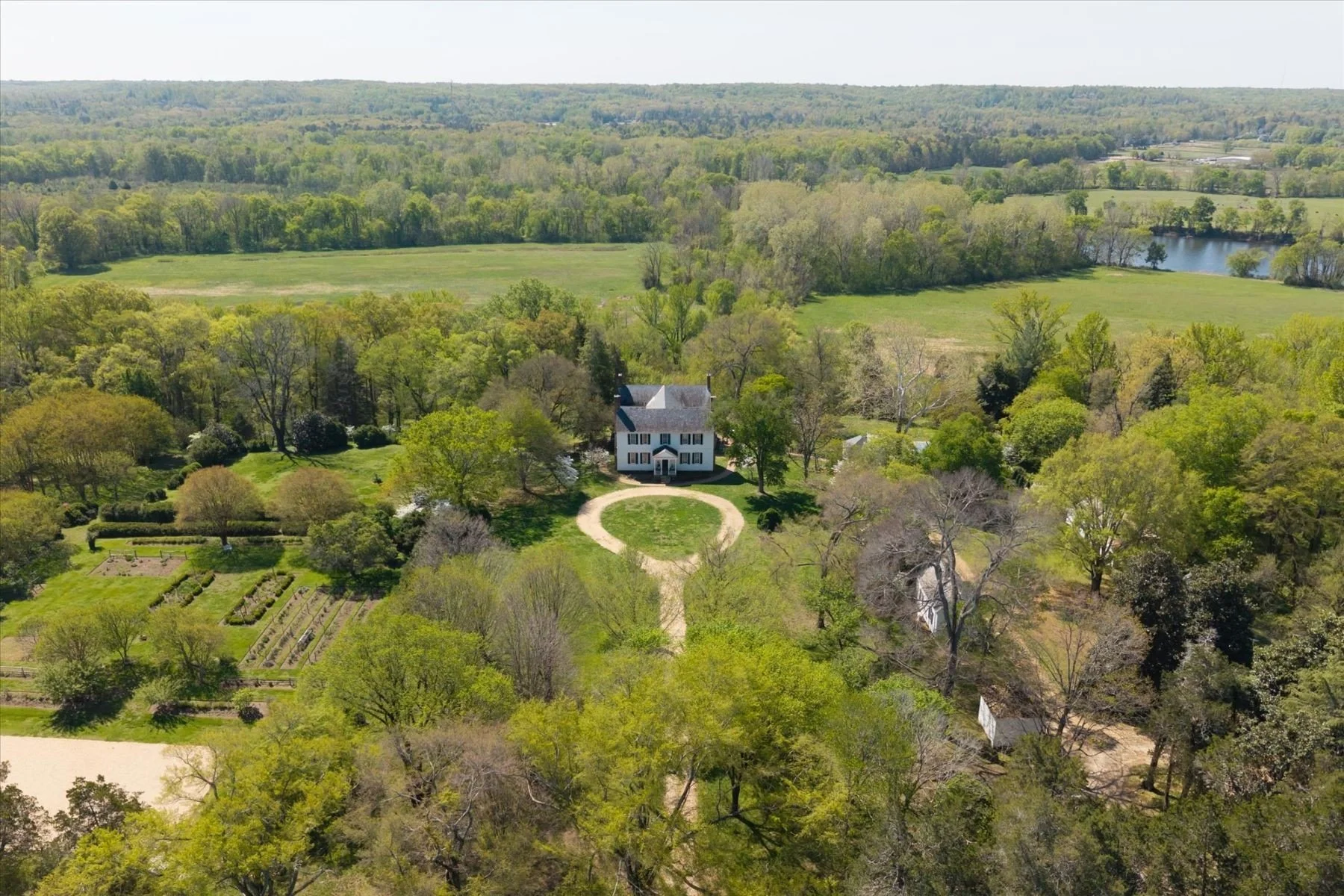
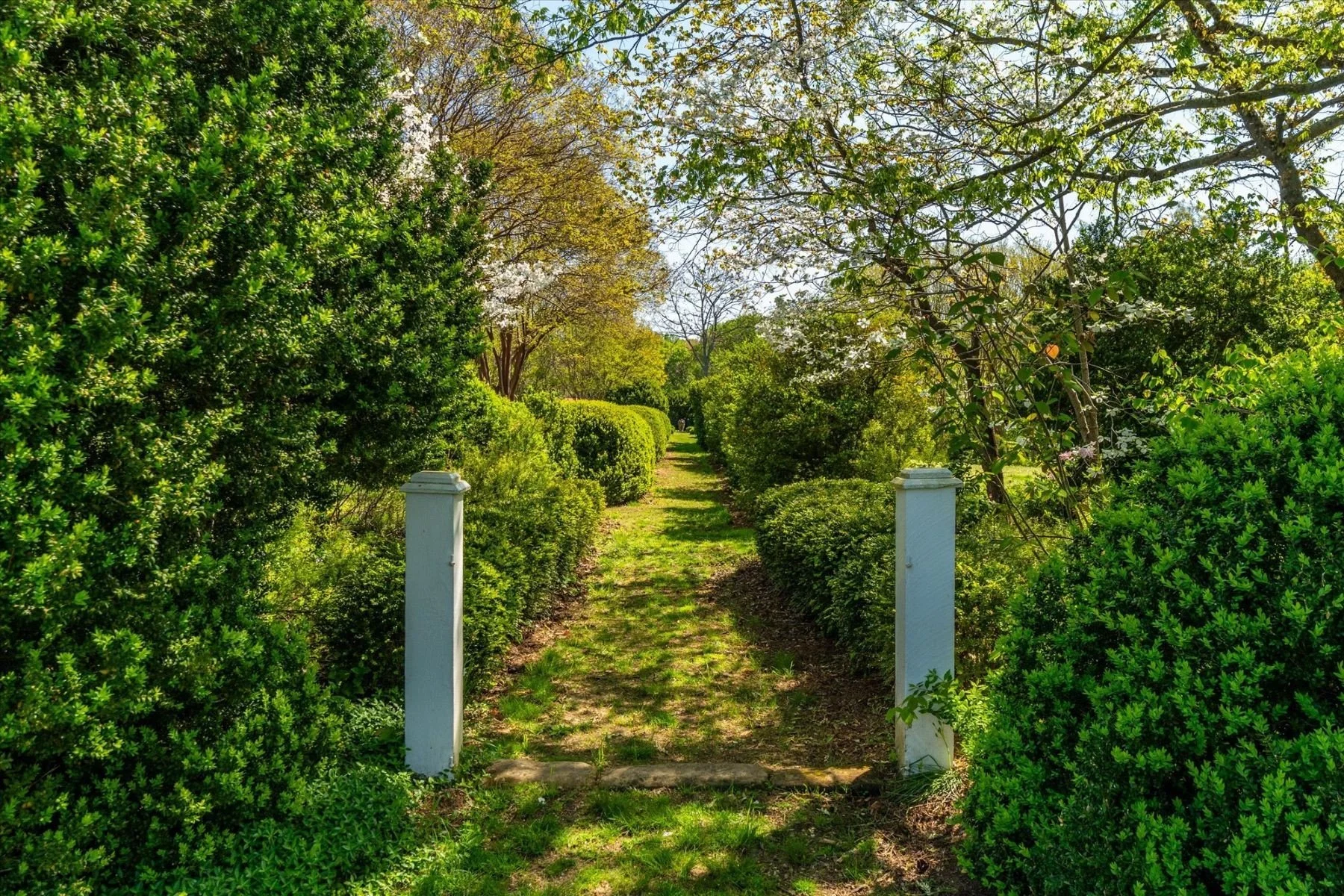
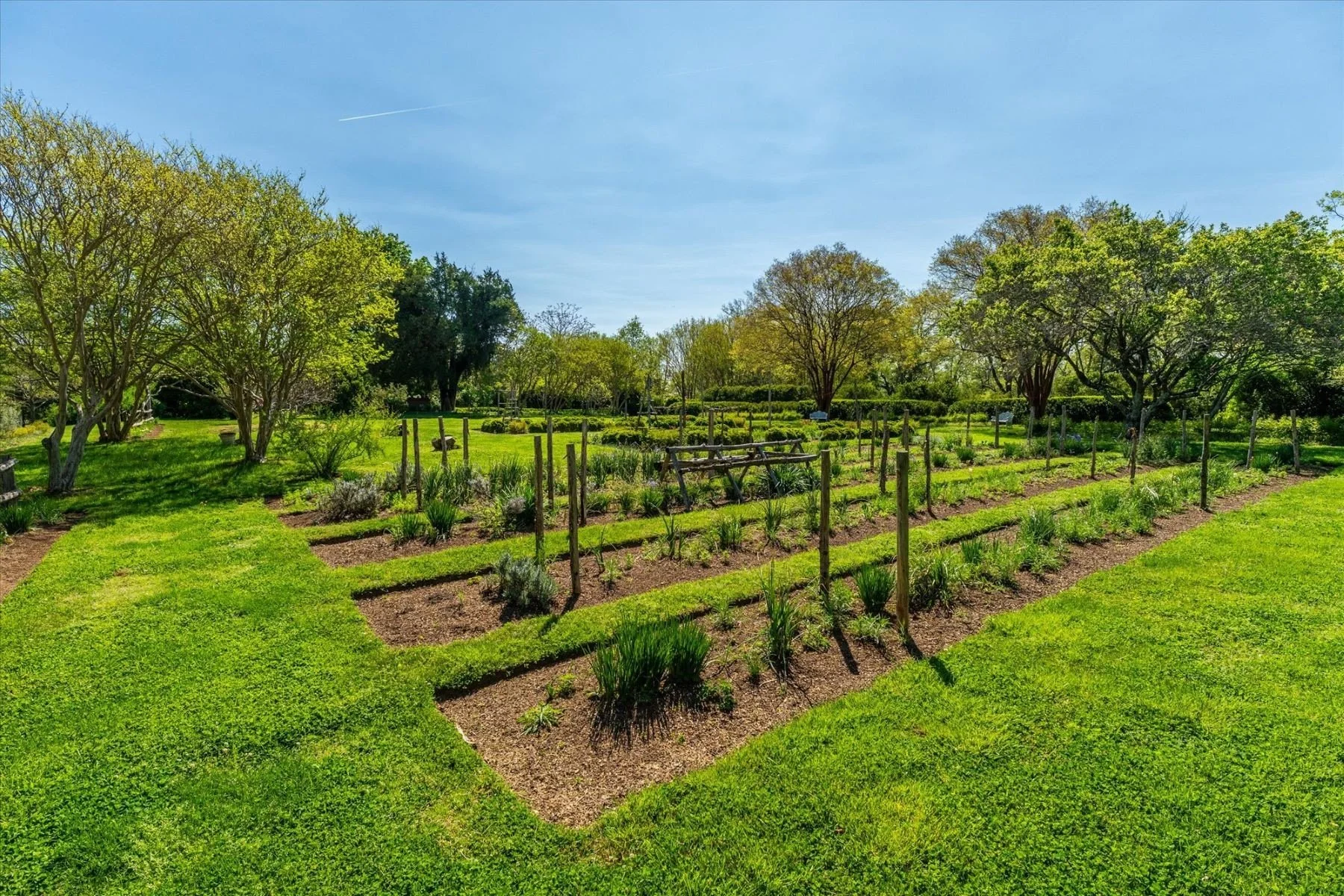
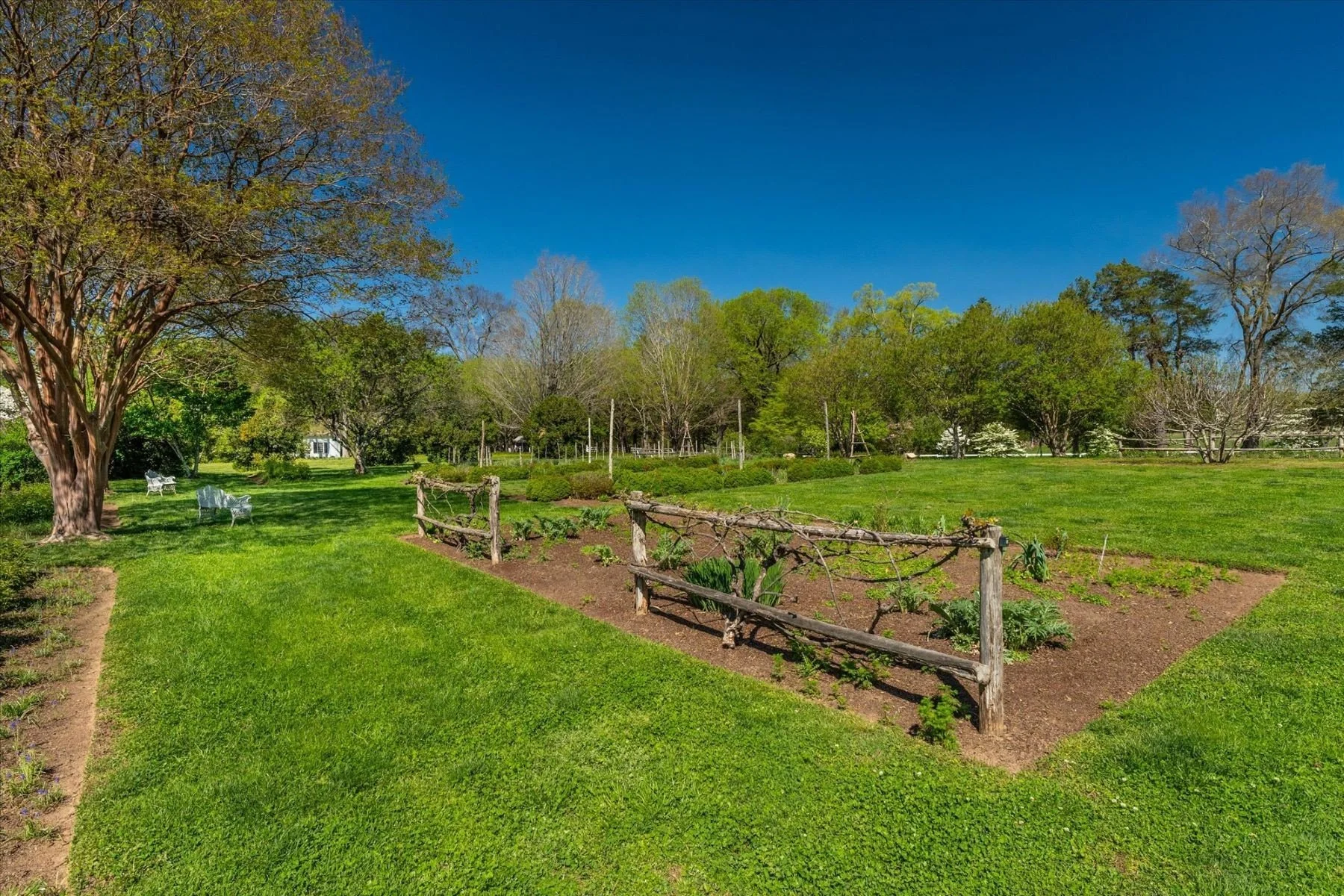
Set along the James River around 30 minutes west of Richmond, Tuckahoe spans 557 acres and remains an active agricultural estate as well as a private residence and National Historic Landmark. Adam Wayland / Cville Photo
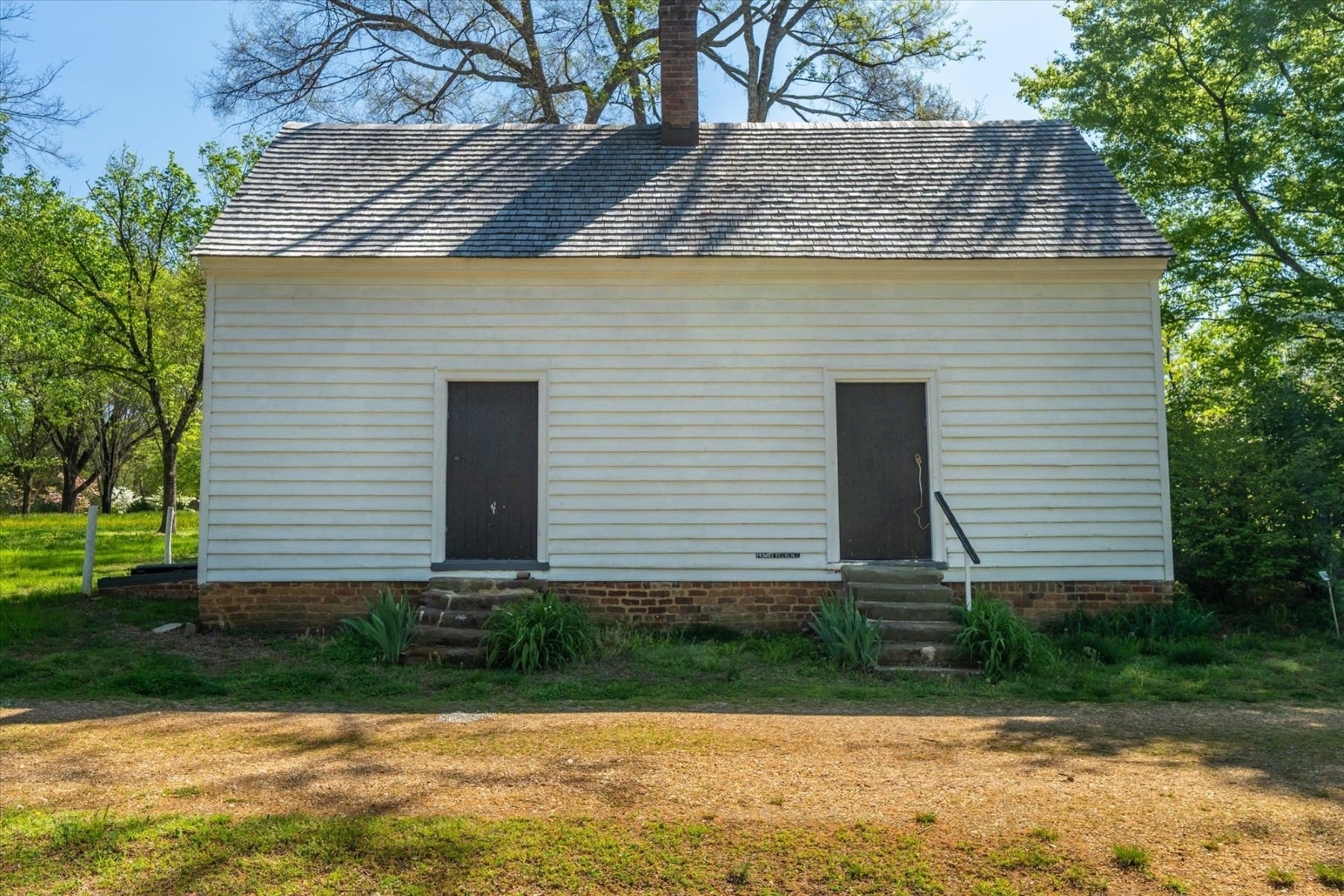
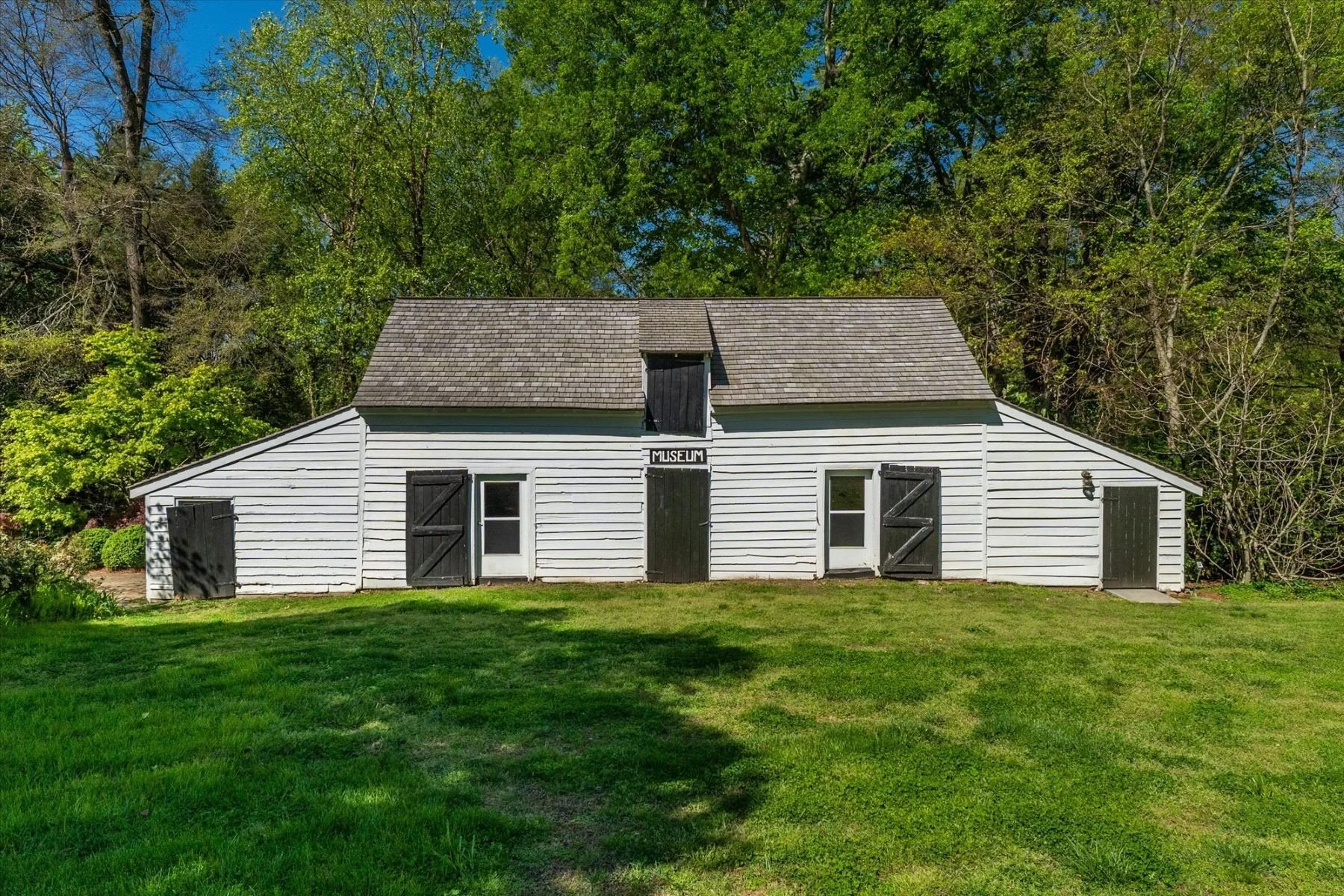
One of the most unusual surviving structures at Tuckahoe is the one-room schoolhouse where Jefferson and the Randolph children received part of their early education. Traditionally attributed to Peter Jefferson, the small building still has its distinctive domed ceiling.
The schoolhouse is only one part of a much larger historic landscape.
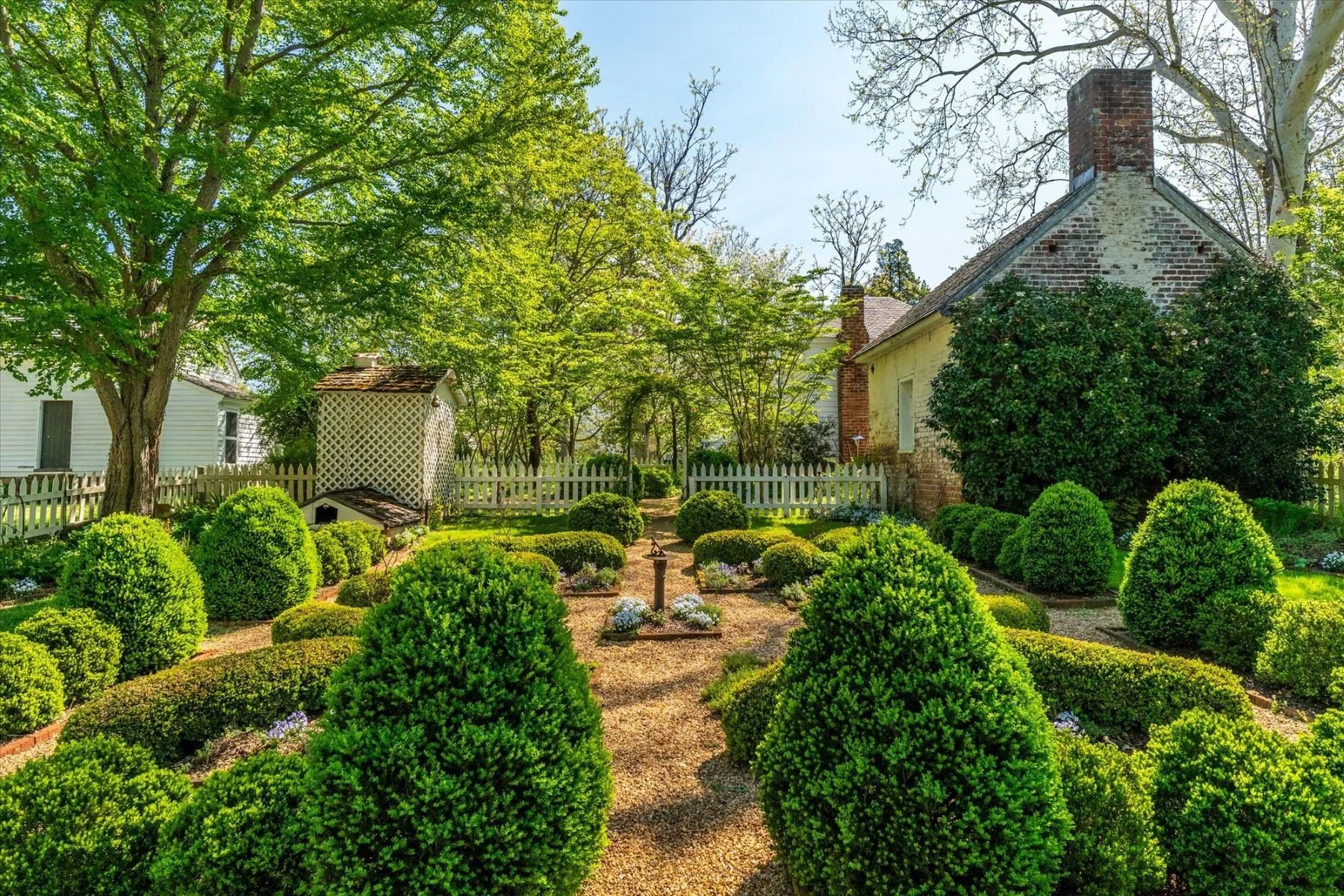
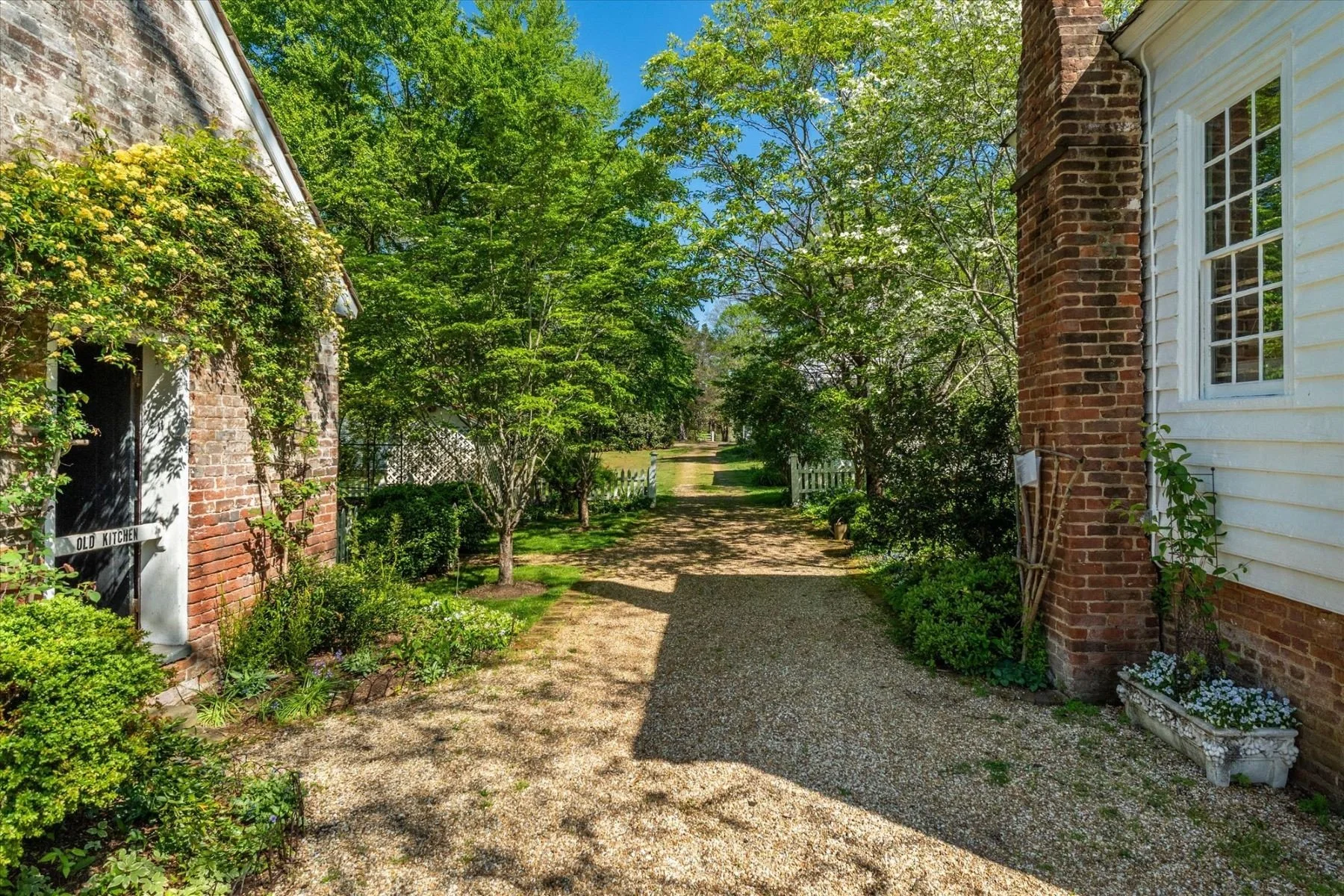
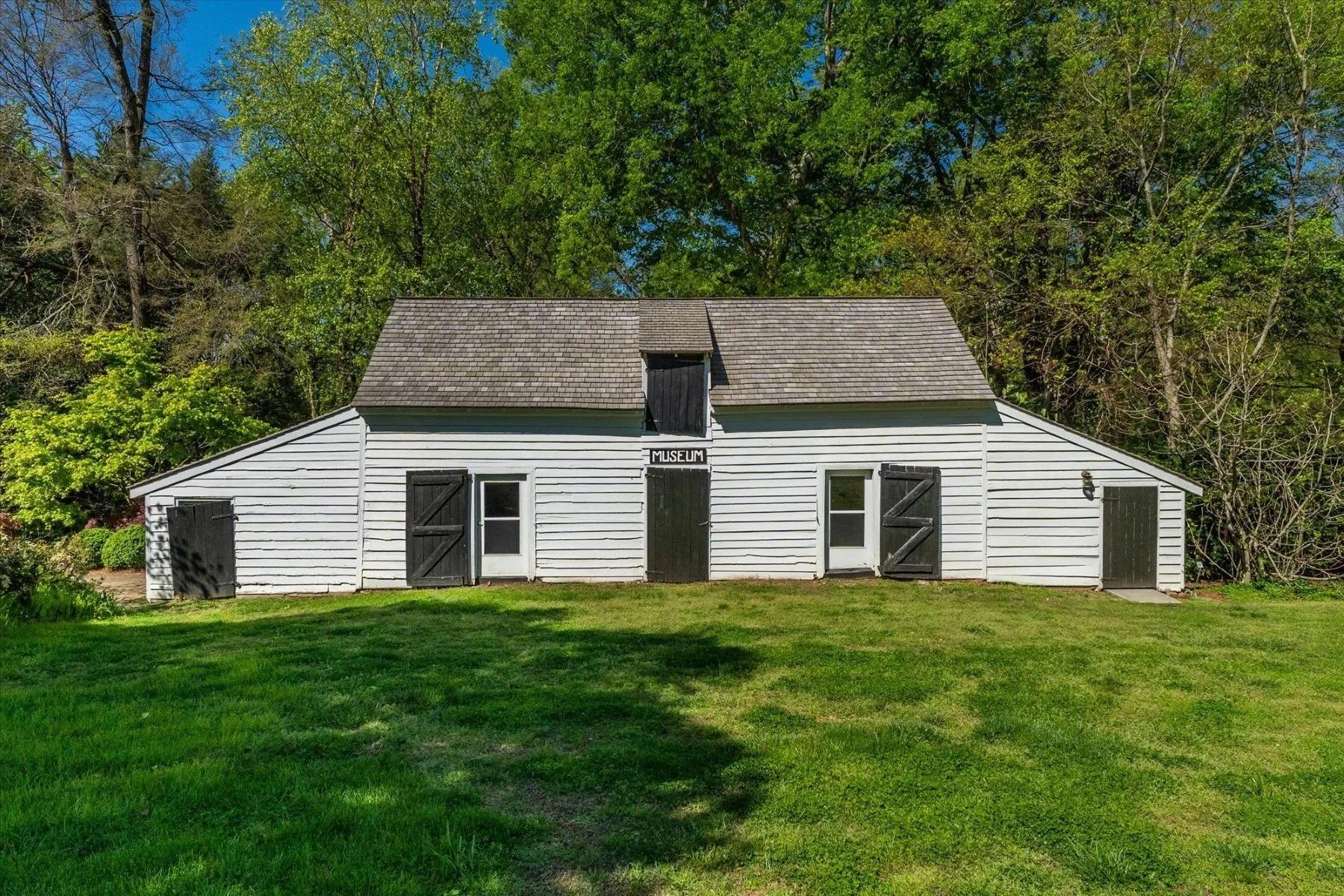
Tuckahoe operated mainly as a tobacco plantation, though it grew other crops as well. Hundreds of enslaved people worked on the land over the decades under the Randolph family and later owners. Some of the original slave quarters remain, along with the kitchen, smokehouse, storehouse, barn and plantation office.
Together, they make Tuckahoe one of the most complete surviving early plantation landscapes in North America, preserving not only the main house but much of the wider layout of how the estate once functioned.
Tuckahoe was added to the National Register of Historic Places in 1968 and designated a National Historic Landmark in 1969. Though still a private residence, portions of the estate are open for guided tours exploring its nearly 300-year history. Adam Wayland / Cville Photo
The Virginia Department of Historic Resources describes Tuckahoe as an agricultural complex that has remained in continuous operation since the early 18th century. Its significance therefore extends beyond the house itself, with its fields, gardens, outbuildings and later agricultural structures also forming part of the estate's history.
The family now selling Tuckahoe has owned it since 1935, when Jessie Ball duPont purchased the estate for her sister, Isabelle Ball Baker. DuPont had married Alfred I. duPont, a member of the wealthy du Pont industrial family, and inherited a substantial fortune after his death that same year. She also had an established interest in preserving historic Virginia properties.
At the time, some of Tuckahoe’s most important interiors were at risk of being dismantled, including the fine paneling and north staircase, which were reportedly going to be removed and taken to a museum in New York. The purchase kept them in place, and Isabelle’s descendants have lived at Tuckahoe ever since.
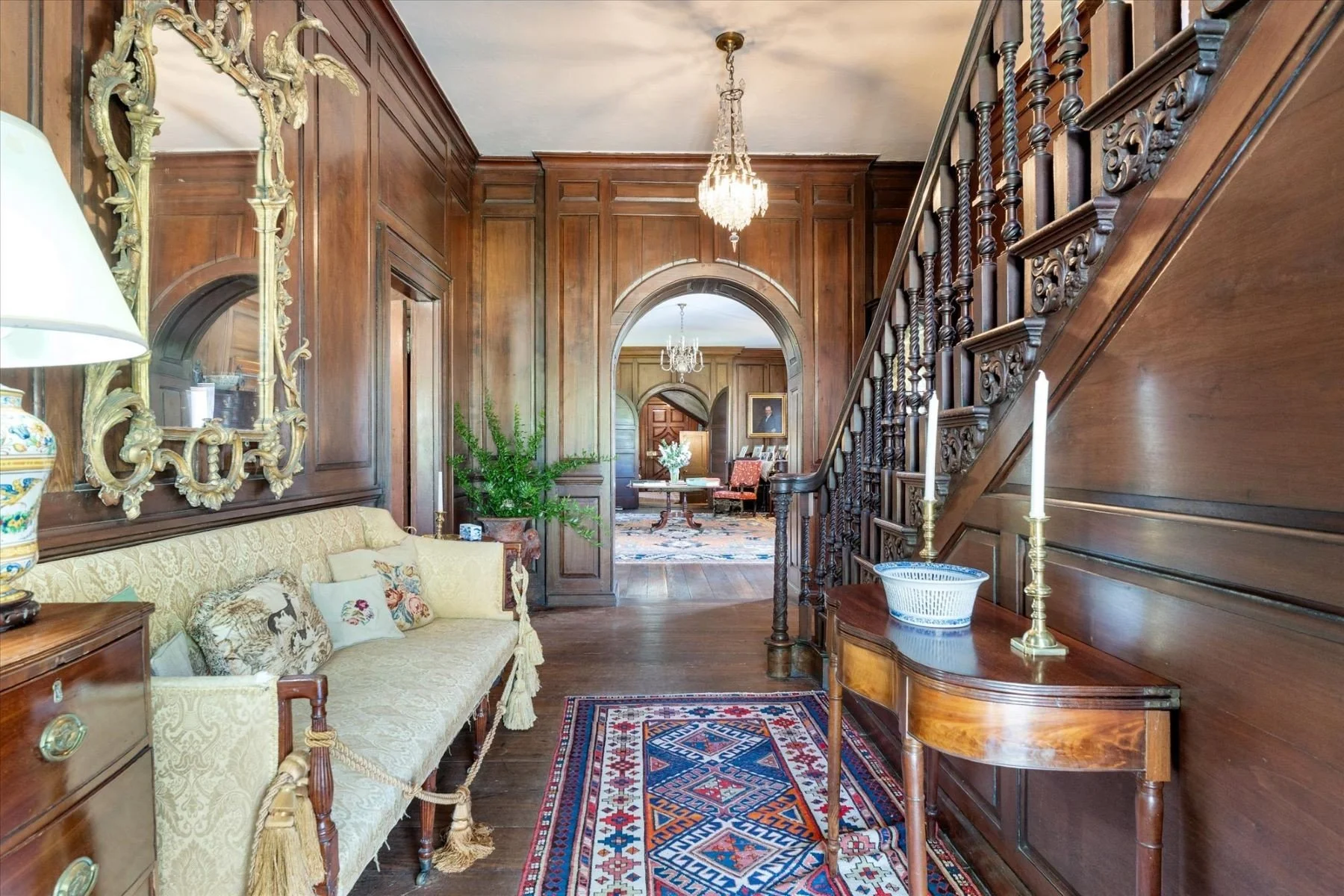
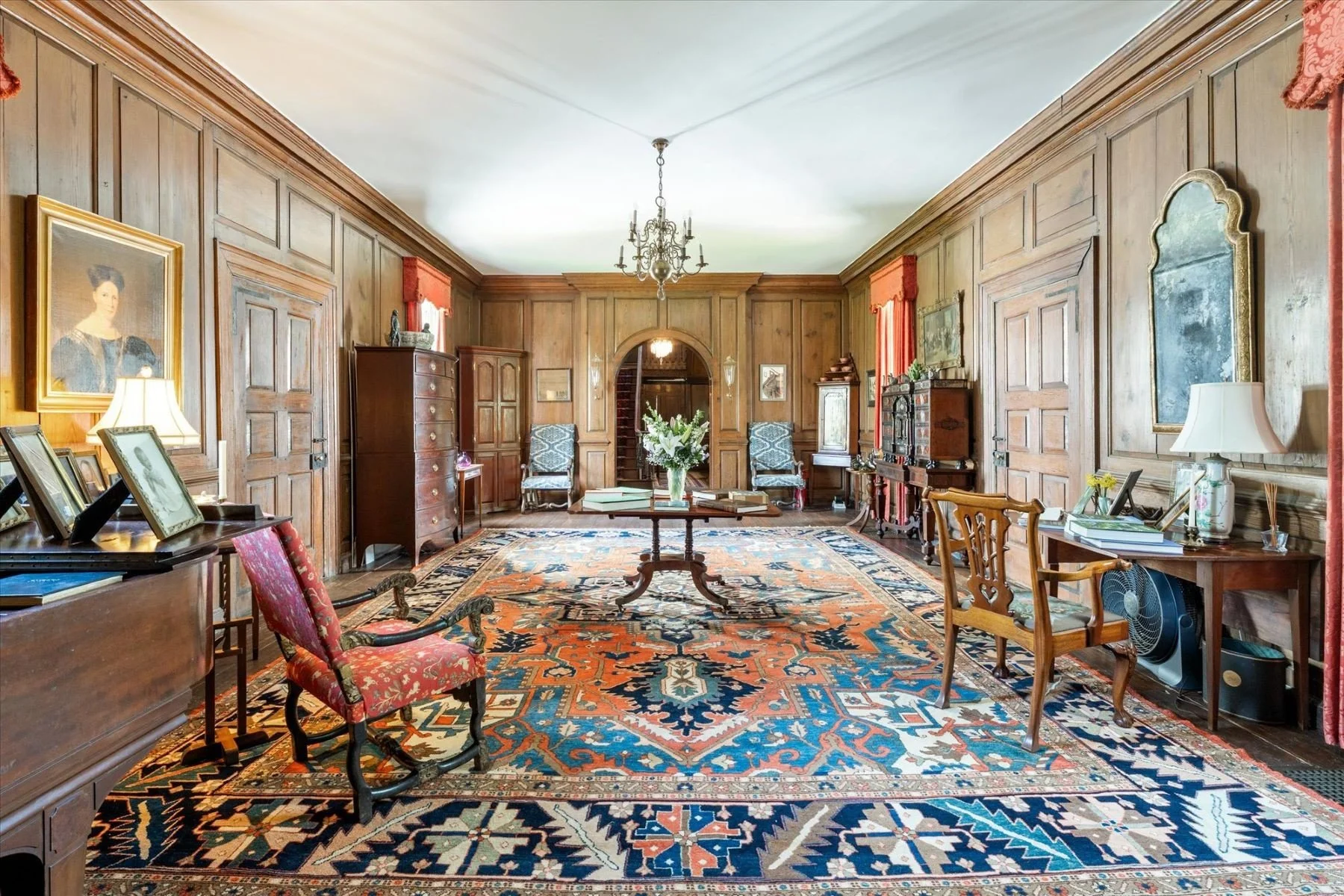
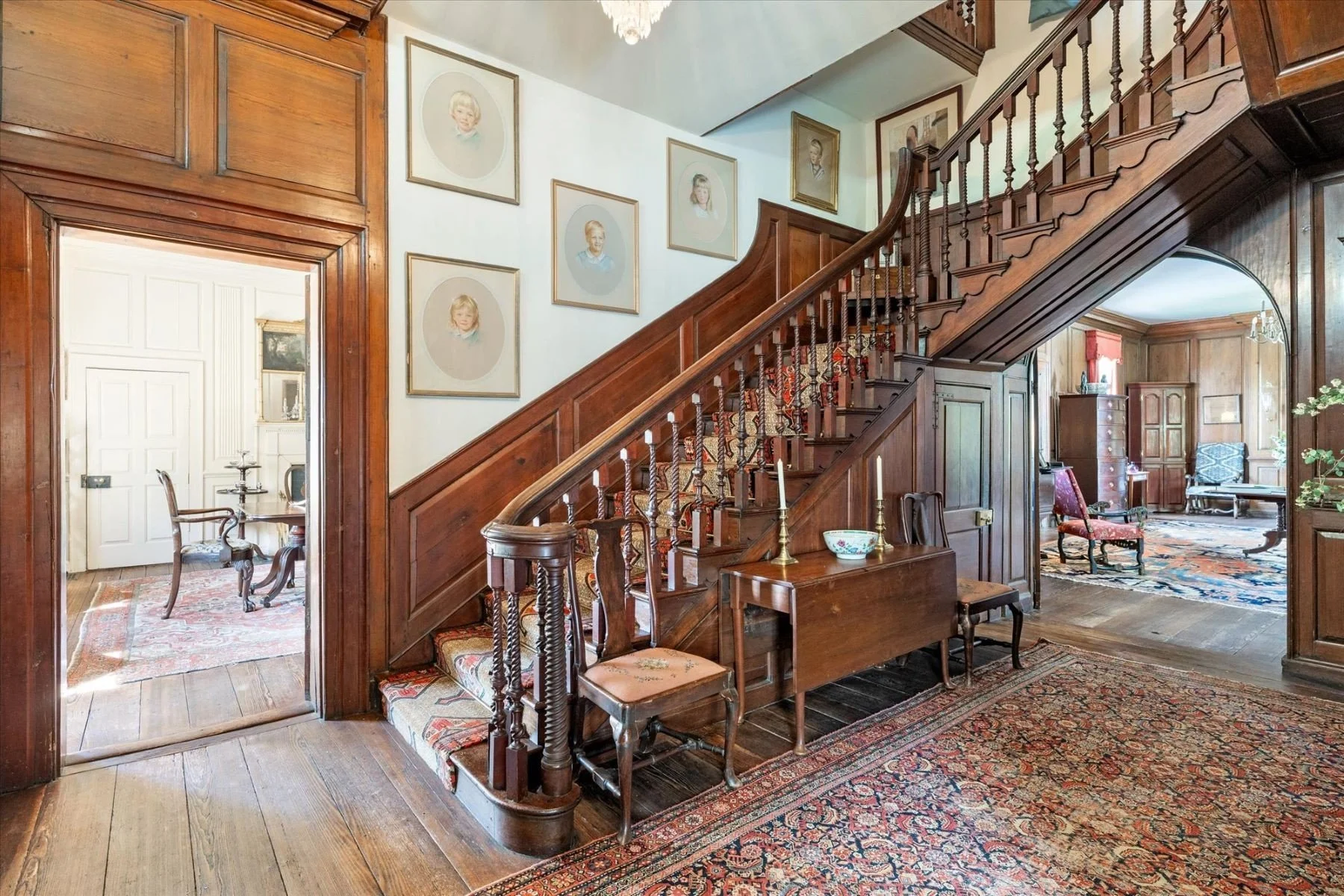
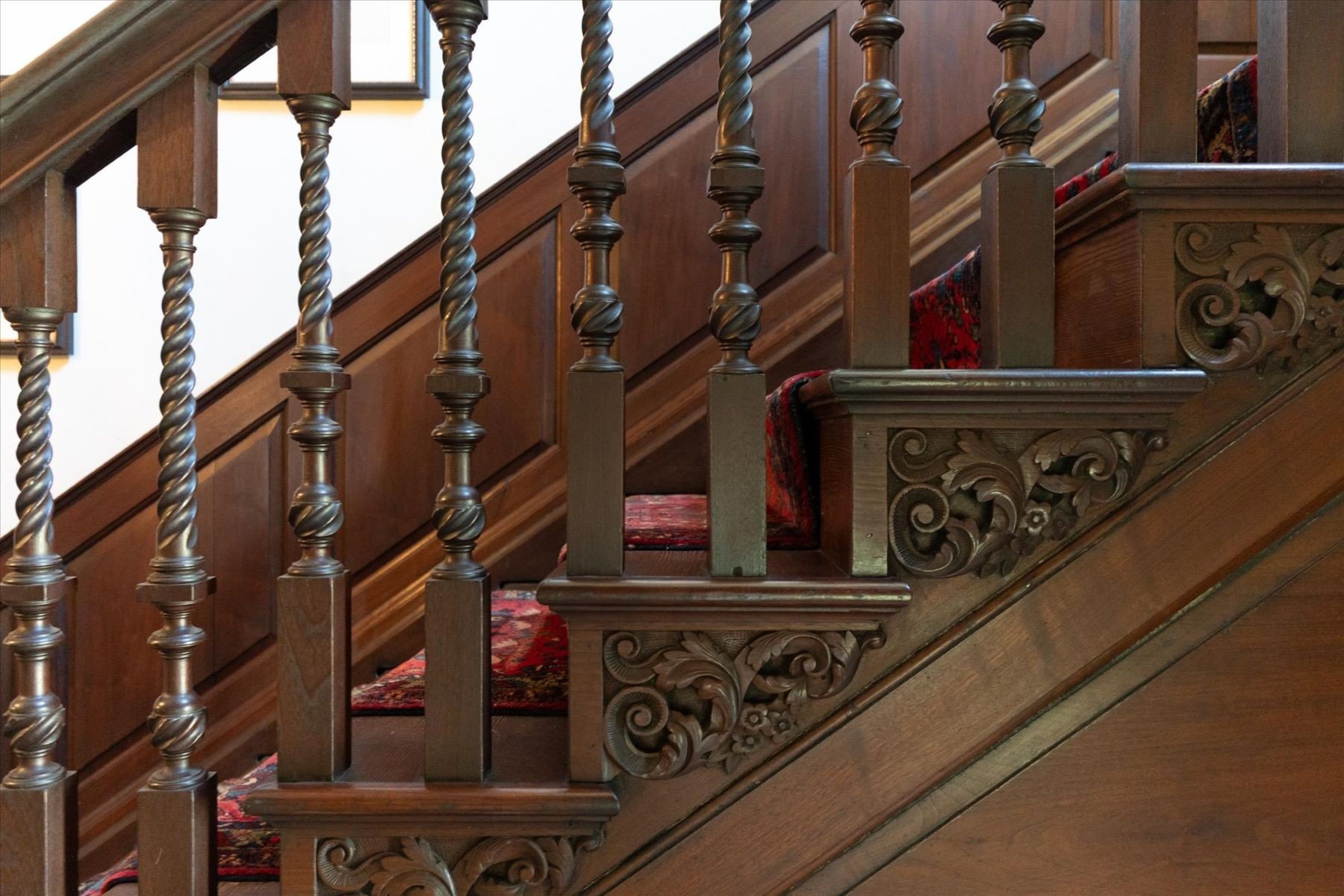
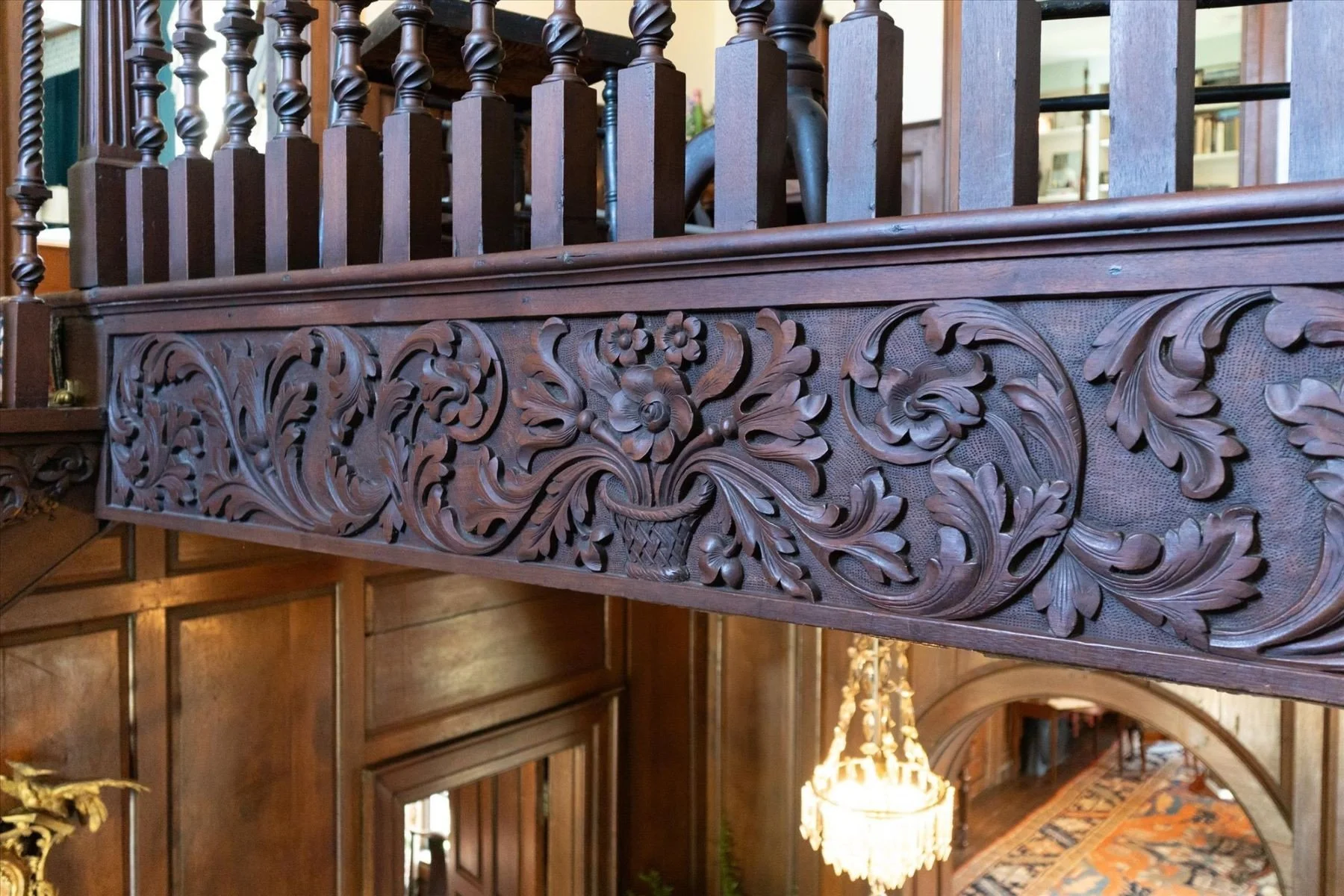
Preservation did not mean leaving the house untouched. Isabelle modernized the kitchen and plumbing while keeping its historic features intact, an approach later generations continued.
The family also fought to protect the wider estate. In the late 1960s and early 1970s, plans for Route 288 would have cut through part of Tuckahoe. The owners took the dispute to federal court, and the highway was ultimately kept from cutting through the historic property.
Another major test came after Hurricane Isabel struck Virginia in 2003. A roughly 100-year-old tulip tree fell onto the house, tearing away much of its front and causing serious structural and water damage. The family worked with conservation specialists during the restoration, and bricks were handmade in Williamsburg to rebuild a damaged chimney. Excavation for new footings also uncovered early teacups and redware.
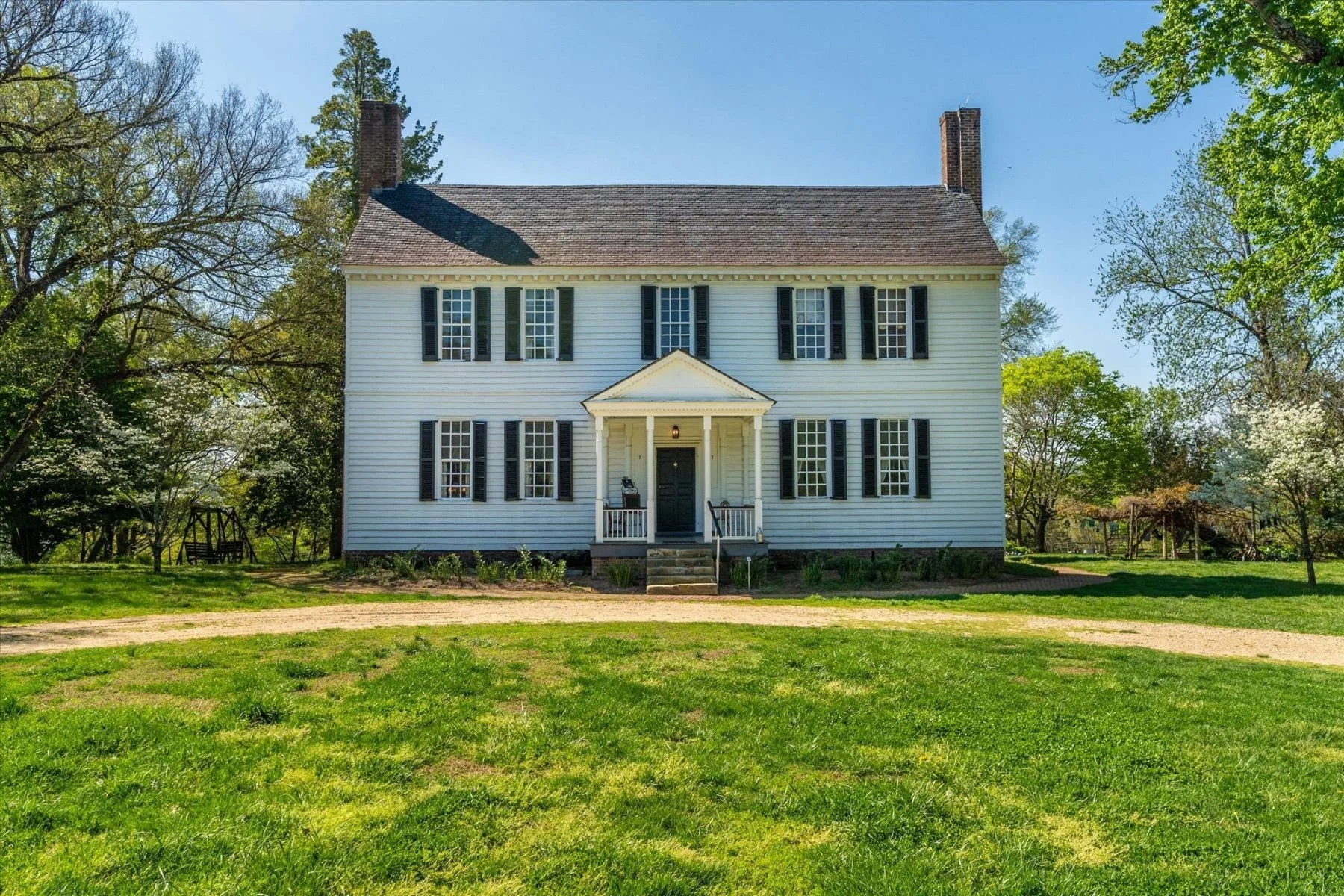
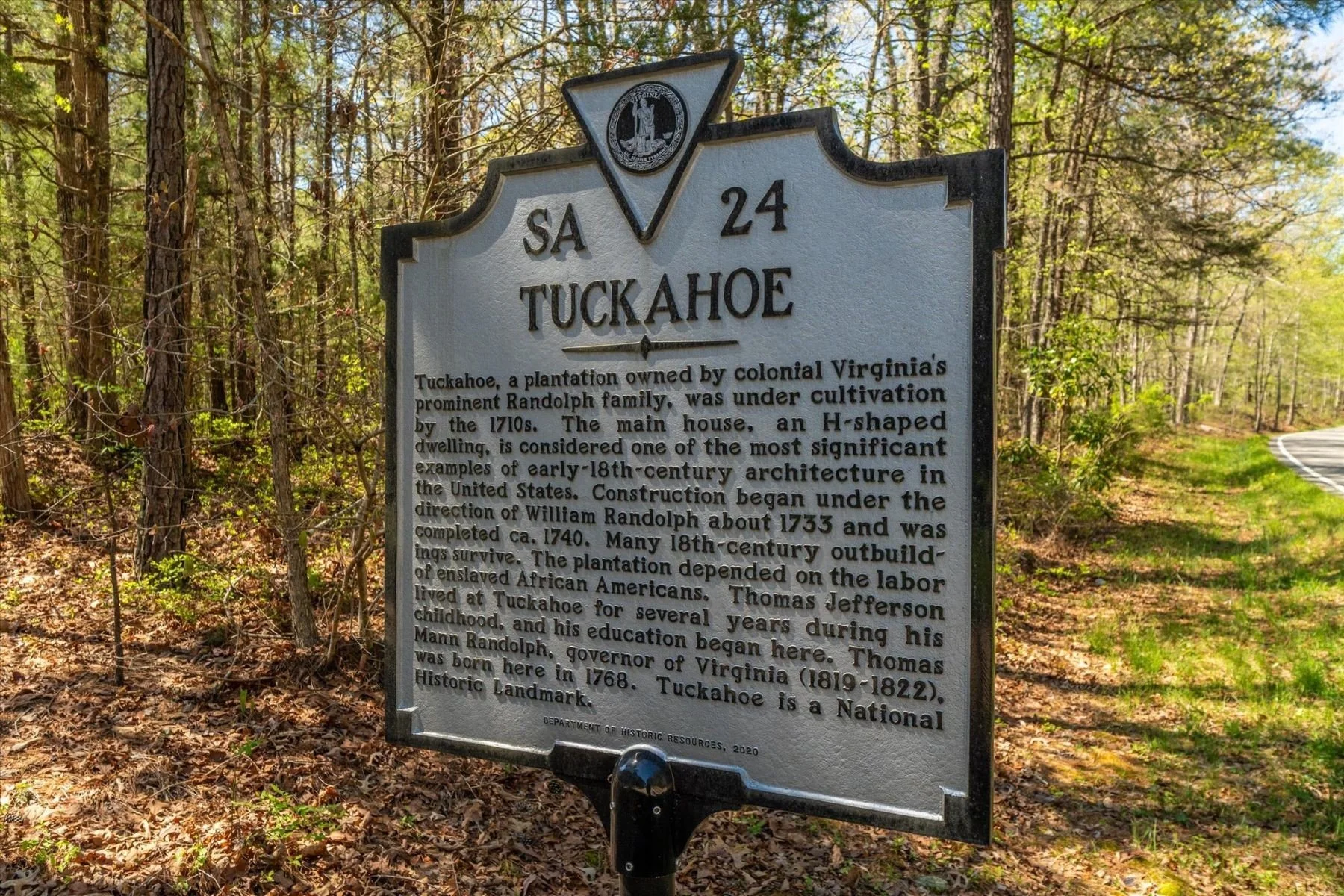
Tuckahoe was established as a plantation by the 1710s, with the surviving H-shaped main house built for the Randolph family between around 1733 and 1740. Adam Wayland / Cville Photo
Today, historic and conservation easements protect the house and much of the surrounding land. Tuckahoe can continue to be used as a private home and has already been carefully updated over time. Kitchens, bathrooms and building systems may be modernized, while major changes to the original structure or important historic details are more restricted.
Portions of the estate are also open to visitors through guided tours exploring Jefferson’s childhood and the wider history of Tuckahoe.
“It’s a working farm, a private residence and a historic landmark all at once,” says listing agent Murdoch Matheson.
All photographs by Adam Wayland / Cville Photo. See more on Frank Hardy Sotheby’s International Realty.