Ronachan House: Victorian Mansion on Scotland’s West Coast with Direct Beach Access, Listed for £2.1 Million
Bedrooms: 13 Bathrooms: 11 Lot: 4.25 ha / 10.51 acres
Amenities: Direct beach access, panoramic sea views toward Islay, Jura and Gigha, 3-bedroom Coach House, 1-bedroom Look Out apartment, 2-bedroom North Lodge, gardens and woodland
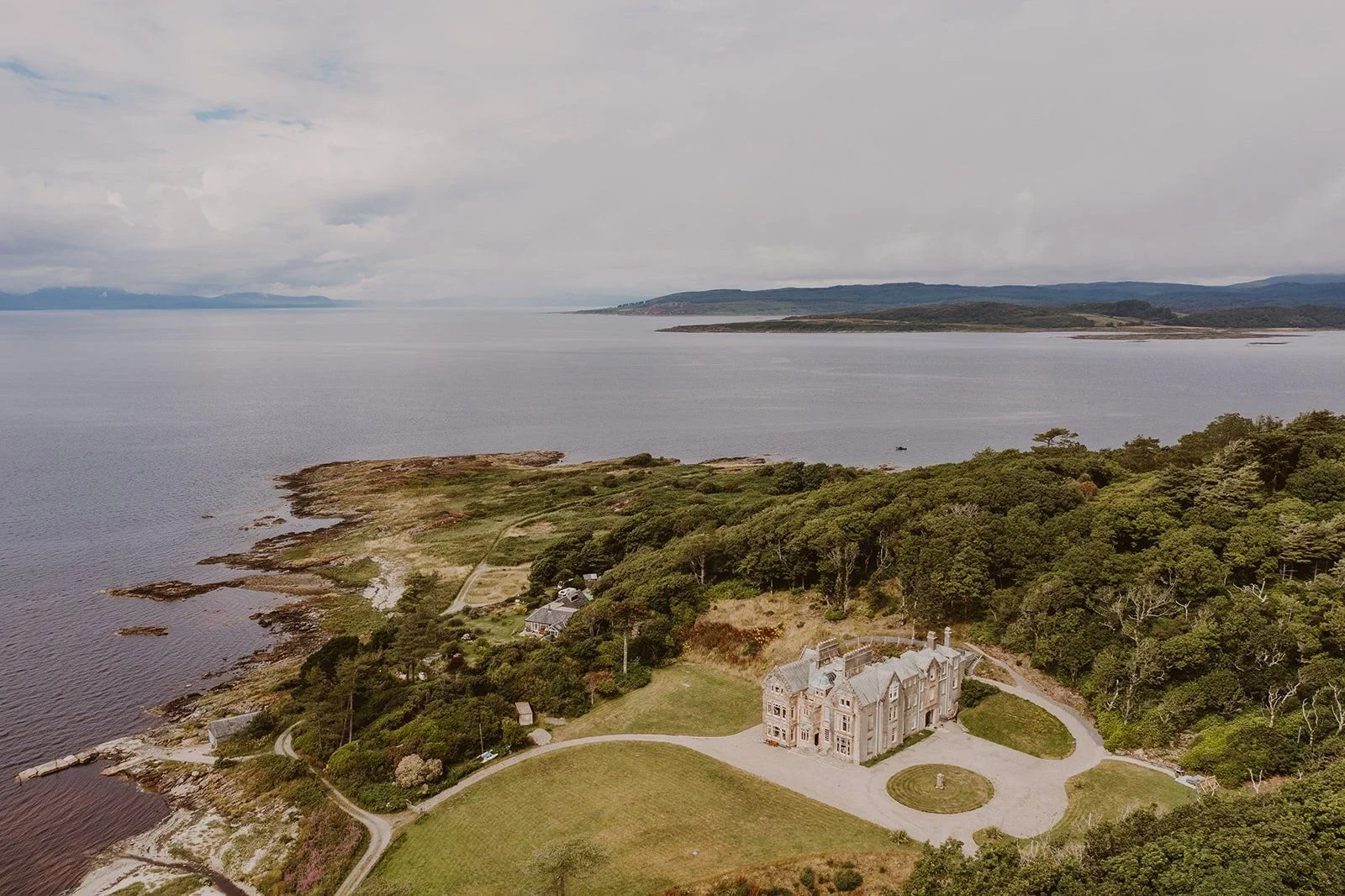
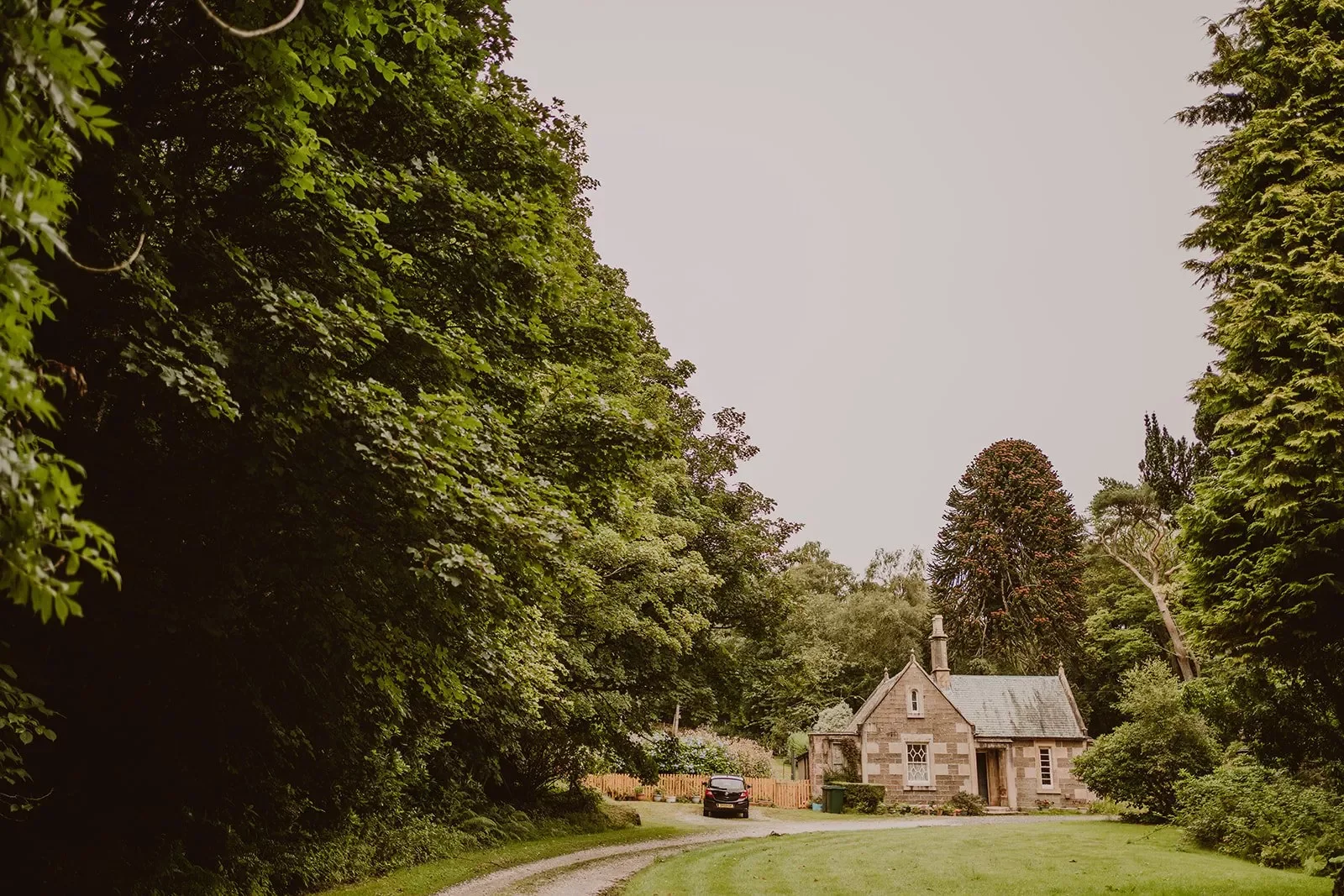
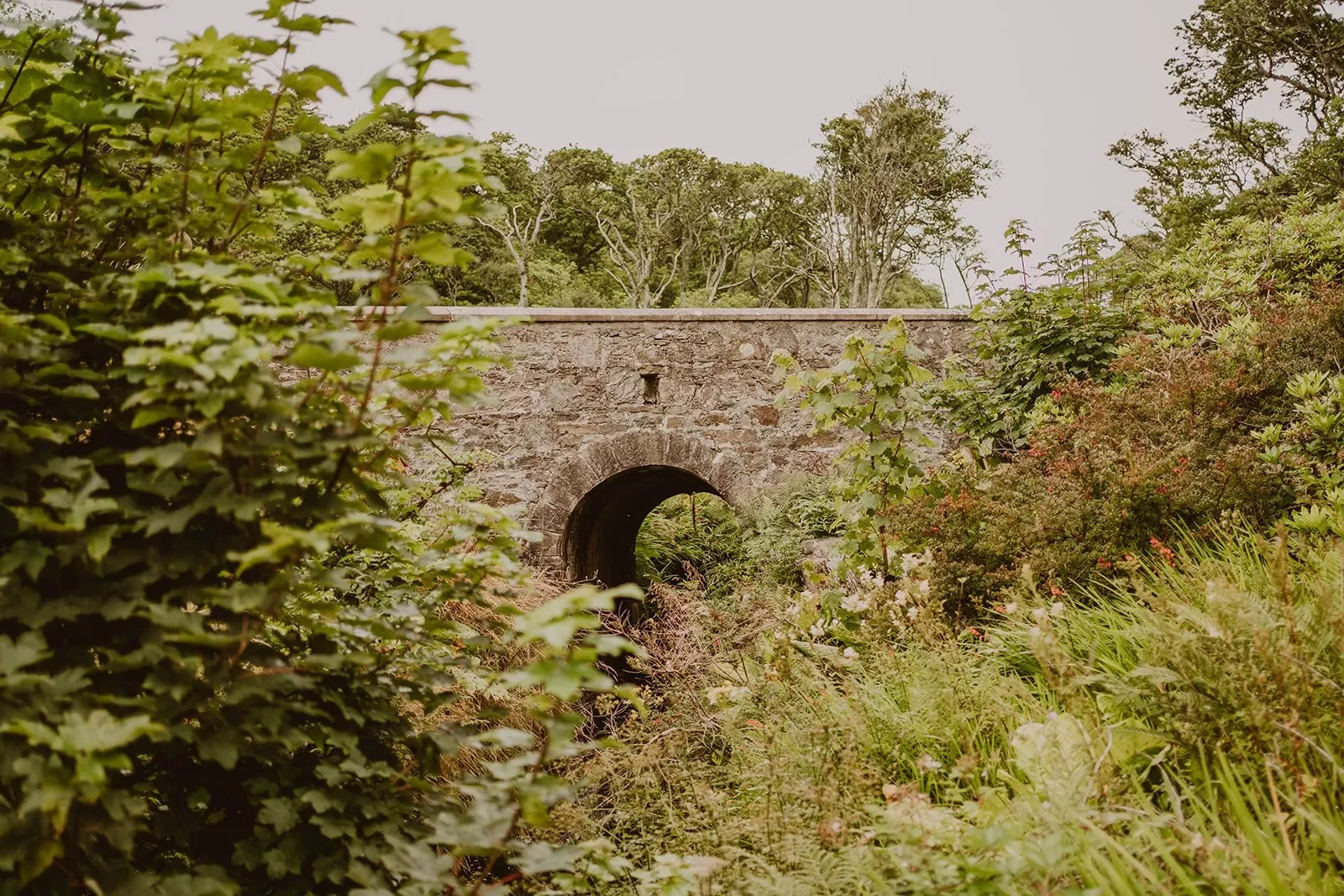
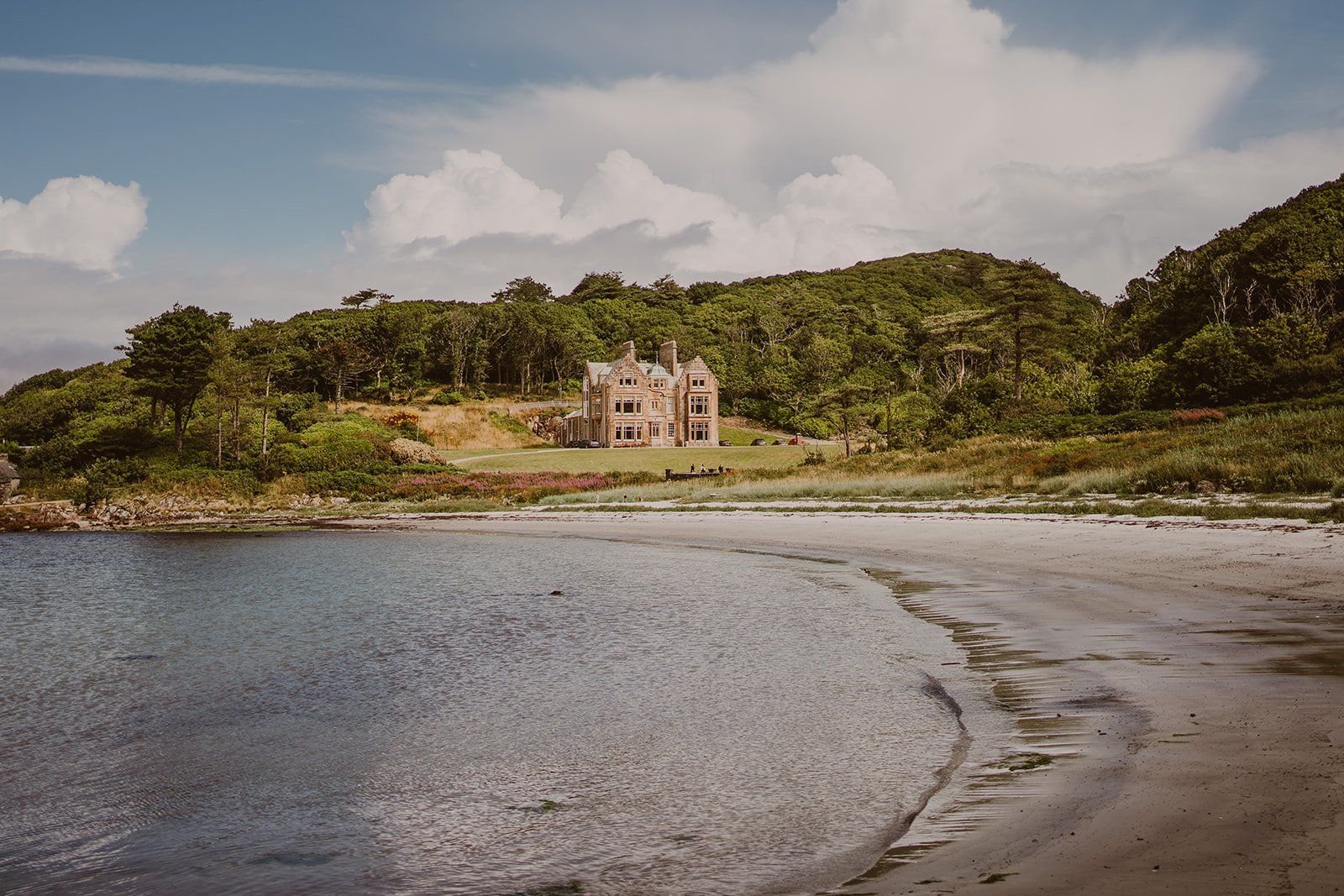
A long driveway winds through woodland before Ronachan House comes into view, set above the coast on the western side of Scotland’s Kintyre Peninsula. From here, the house looks across the water toward Islay, Jura and Gigha. It has the feeling of an island property, although Kintyre is still part of the Scottish mainland.
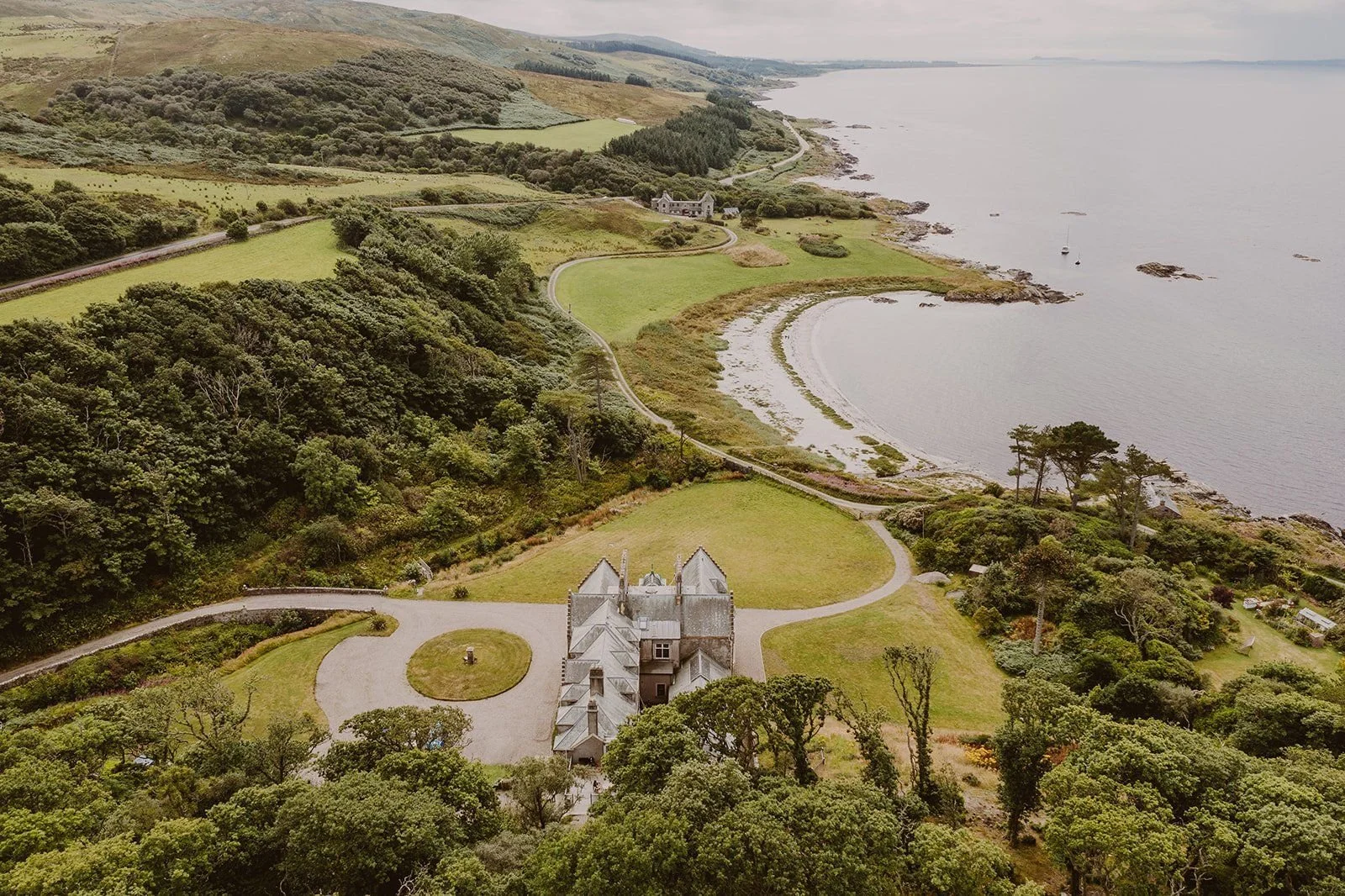
The restored Victorian mansion is now for sale with Strutt & Parker for offers over £2.1 million, together with approximately 10.5 acres of gardens and woodland and direct foot access to the white sands of Ronachan Bay.
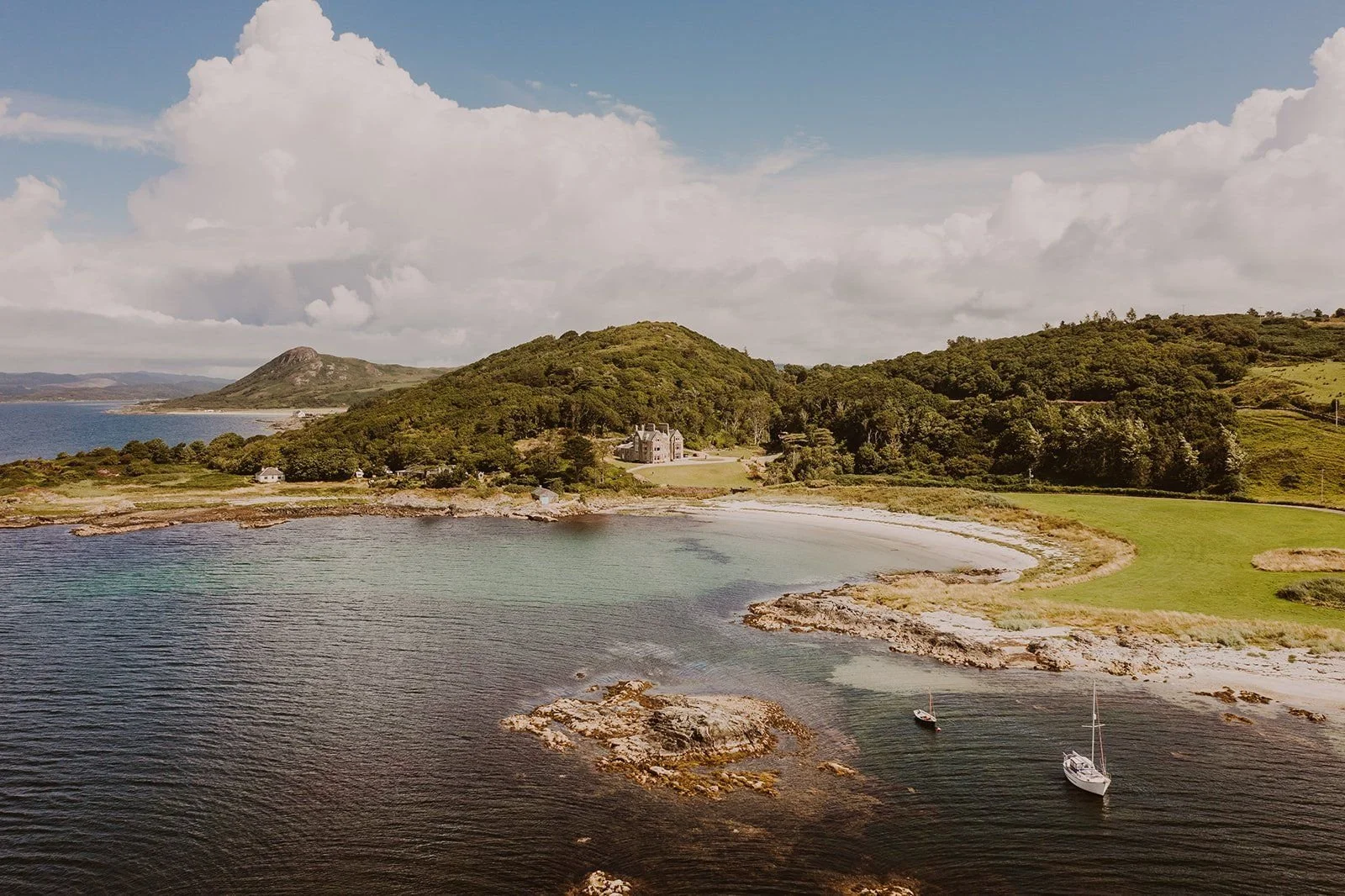
Ronachan House is a restored mid-19th-century Victorian country house on Scotland’s Kintyre Peninsula, around 2.5 hours from Glasgow. Strutt & Parker
Ronachan dates primarily from the mid-19th century, although parts of the house may be earlier. It was substantially enlarged around 1895, when one of its wings was extended and much of the distinctly Scottish character seen today was added, including crow-stepped gables and its prominent chimney stacks. The historic sandstone residence is protected for its architectural and historic interest.
The house sits at the centre of the estate, with lawns running down toward the sea. From the outside, it has something of the look of a small castle, with steep rooflines, tall chimneys, pointed gables and large windows. Ronachan is, however, a Scottish country house, built as a private residence rather than a fortified building.
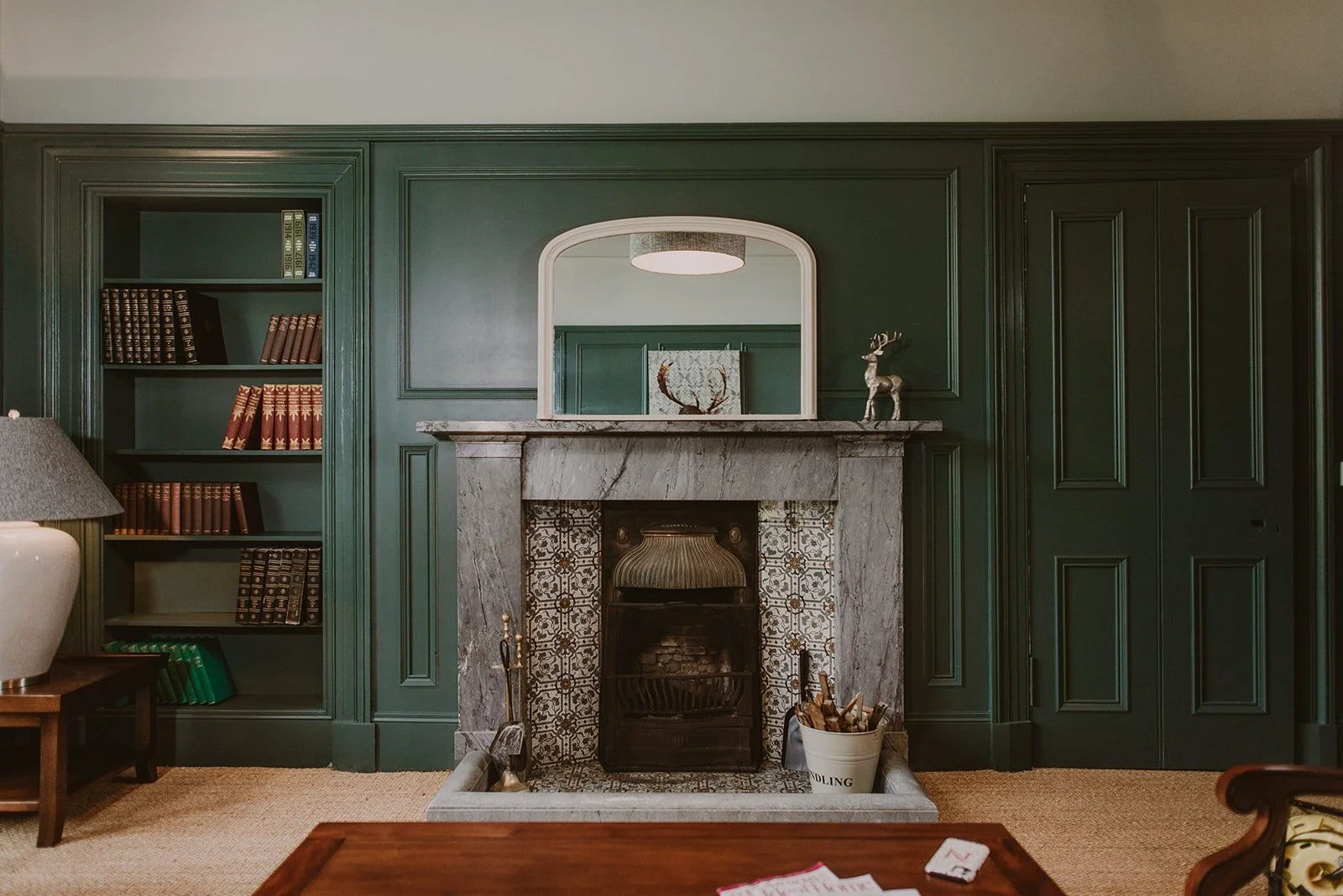
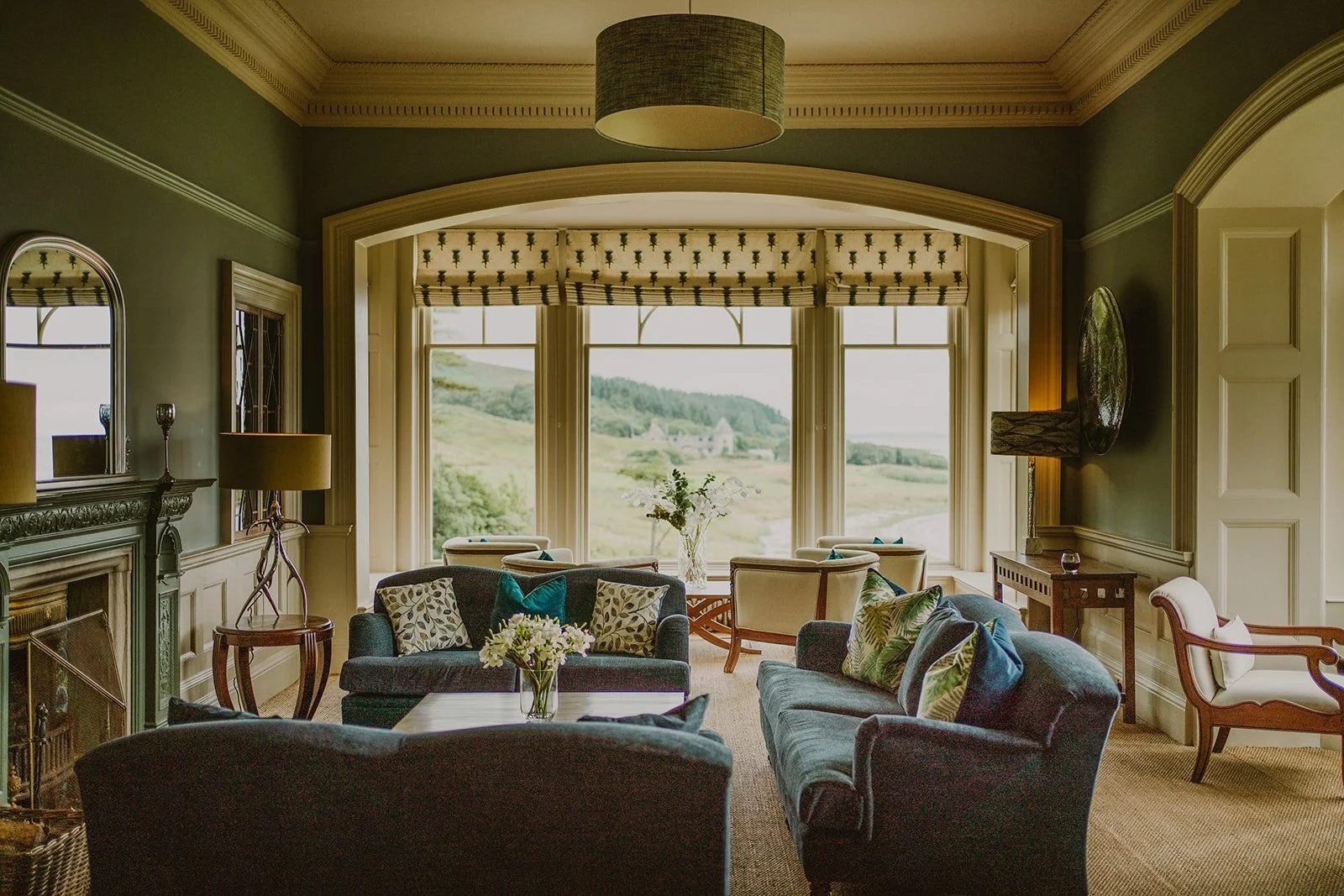
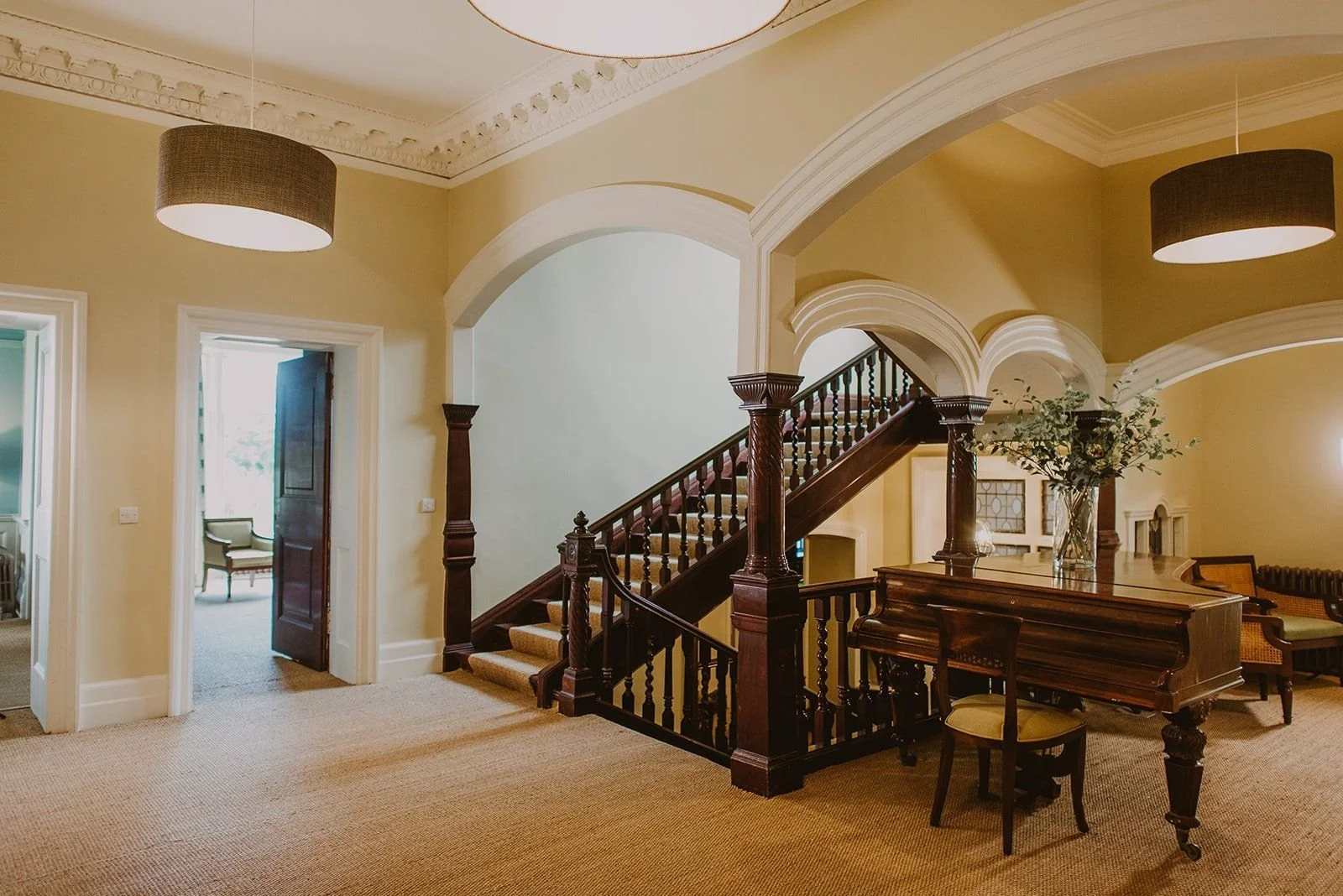
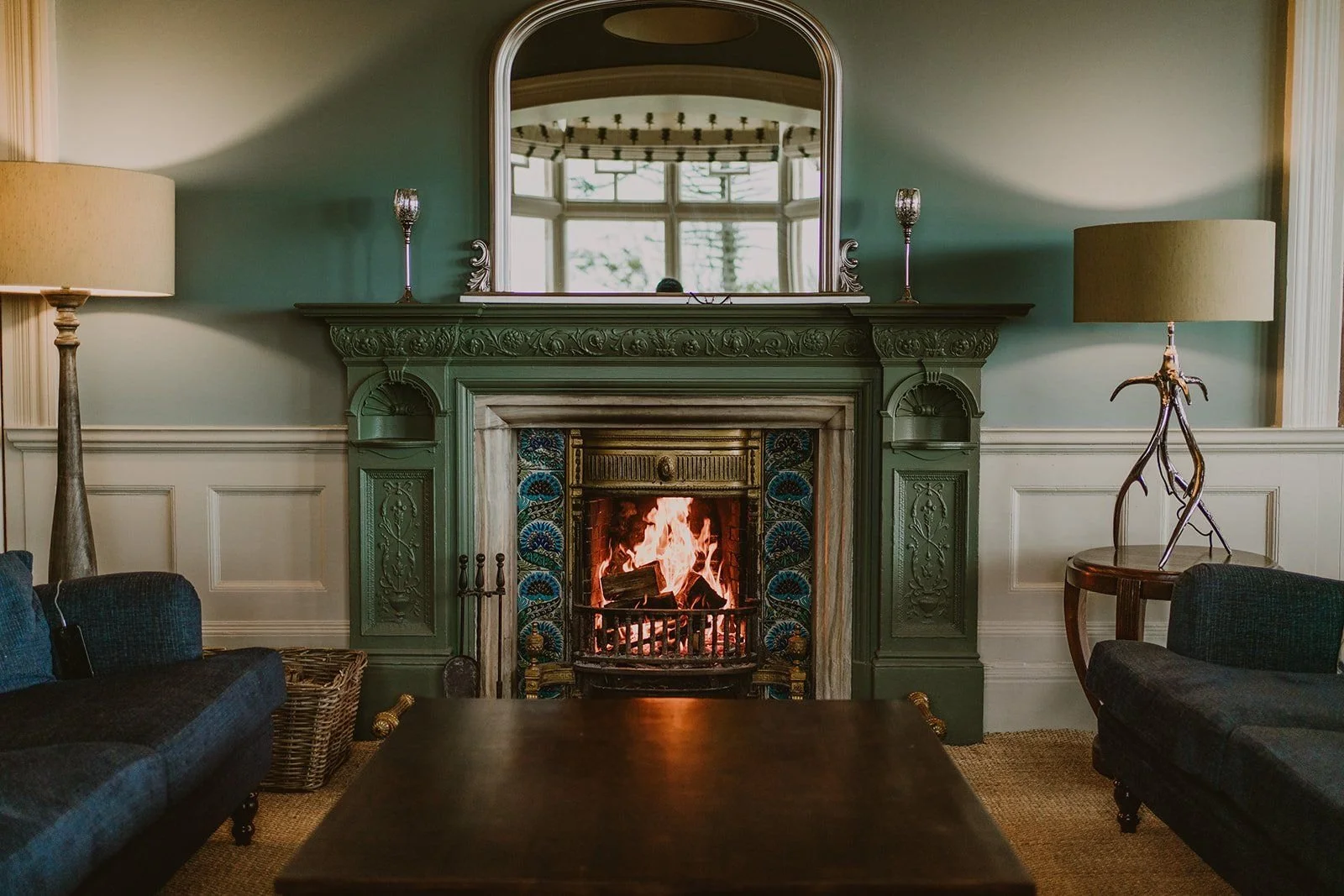
The house has undergone an extensive restoration over the past decade, with many of its original details retained, including timber panelling, stained glass, decorative cornicing, fireplaces and original windows.
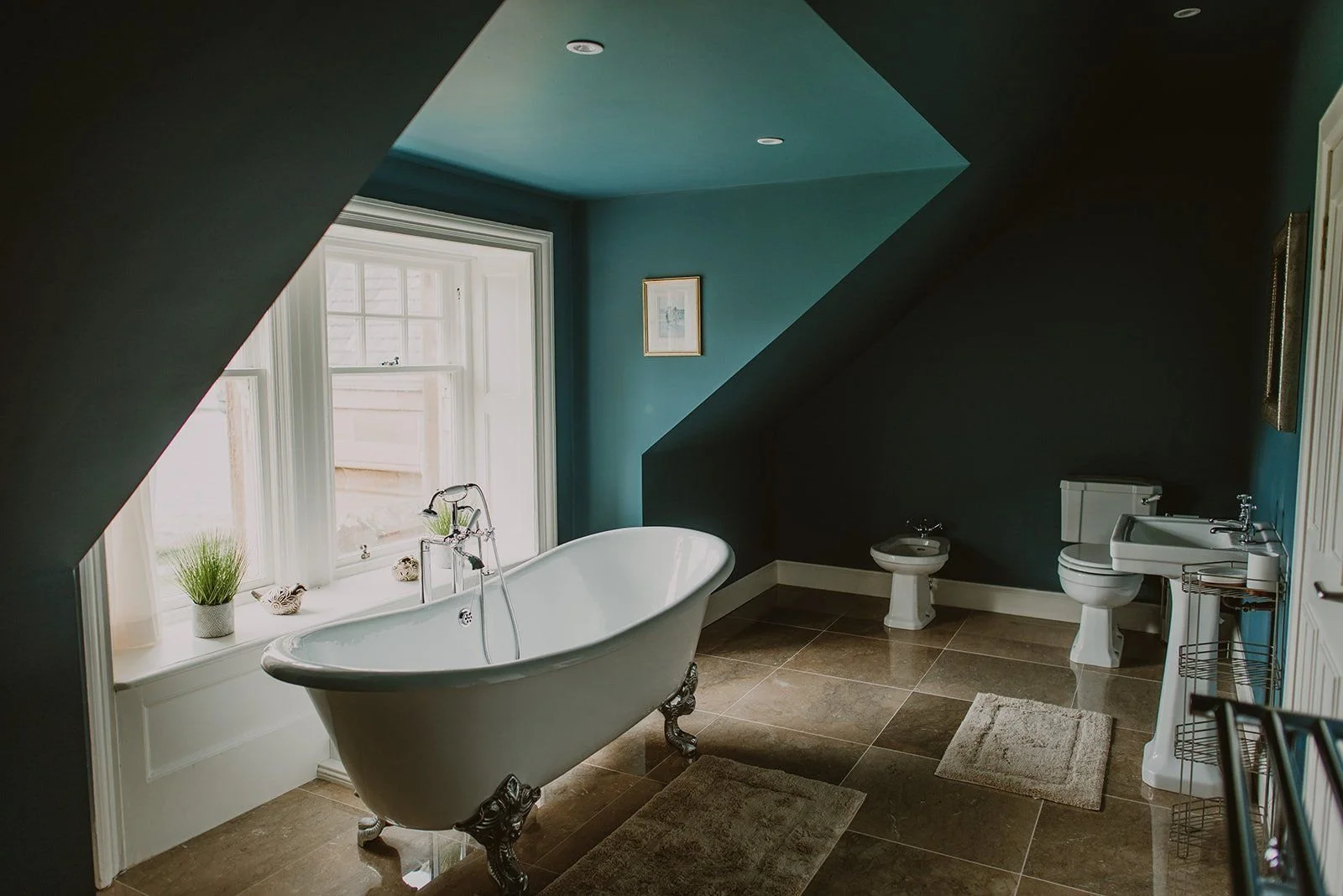
The main house has 10 bedrooms and 9 bathrooms arranged across three floors, with its principal living spaces on the ground and first floors.
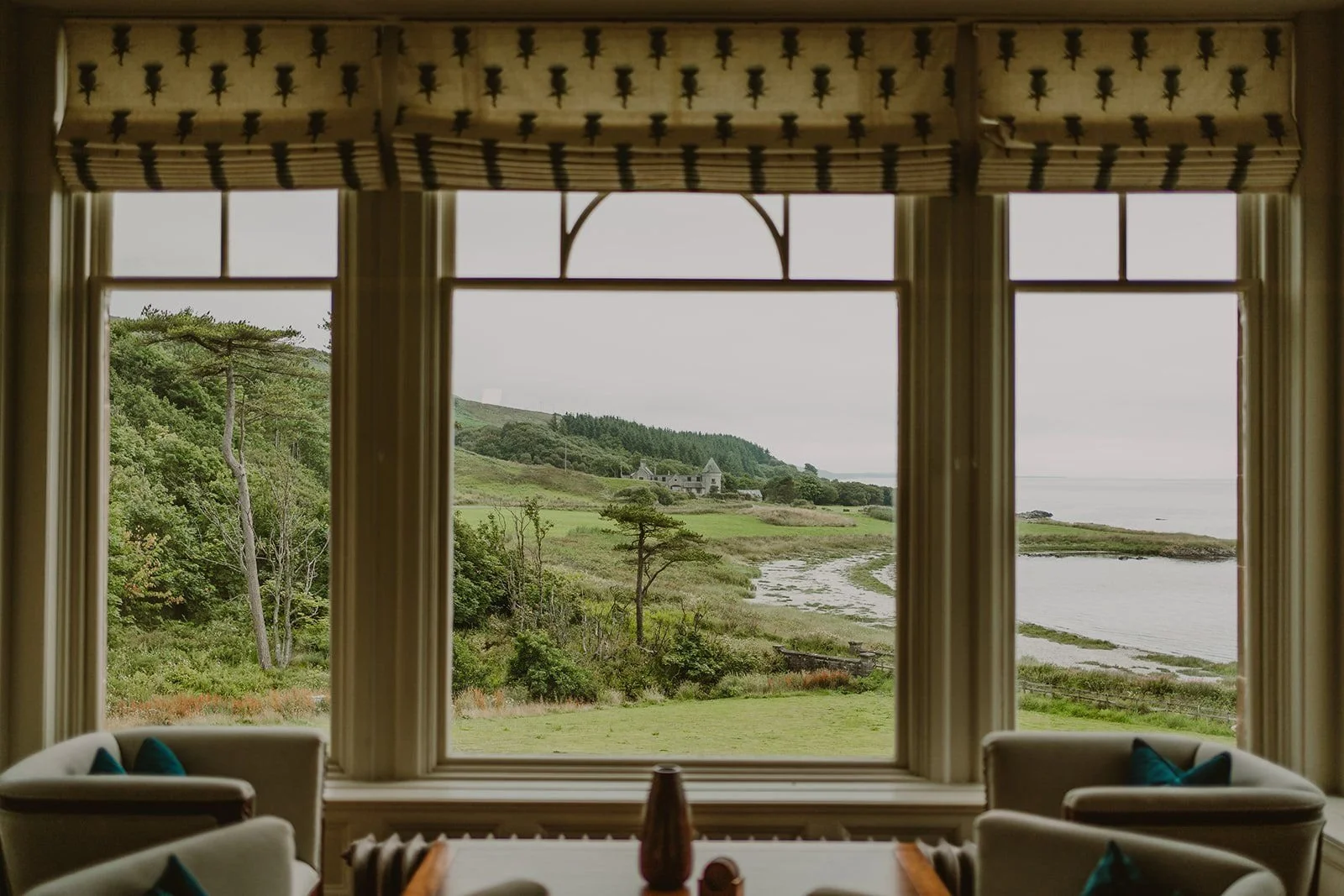
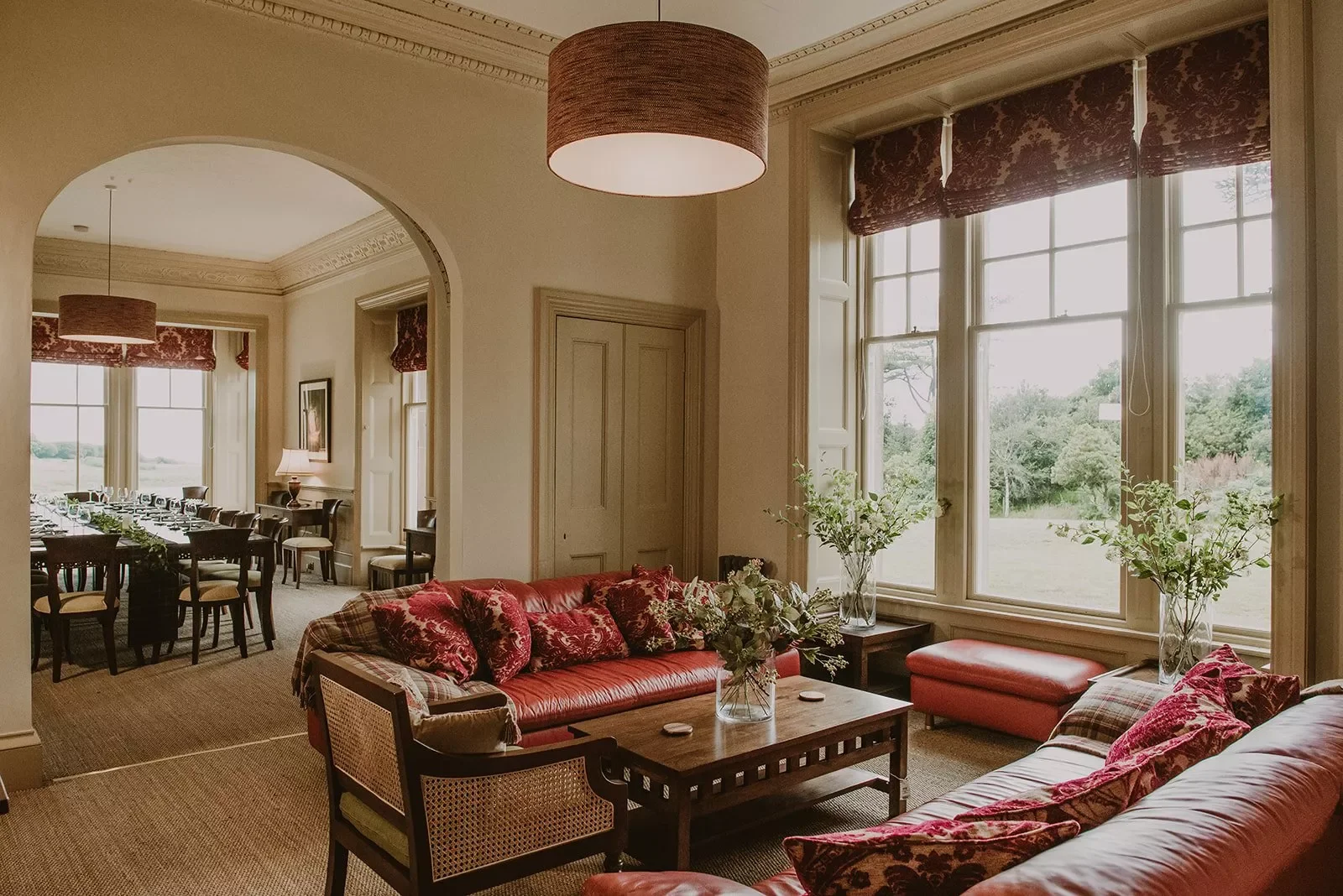
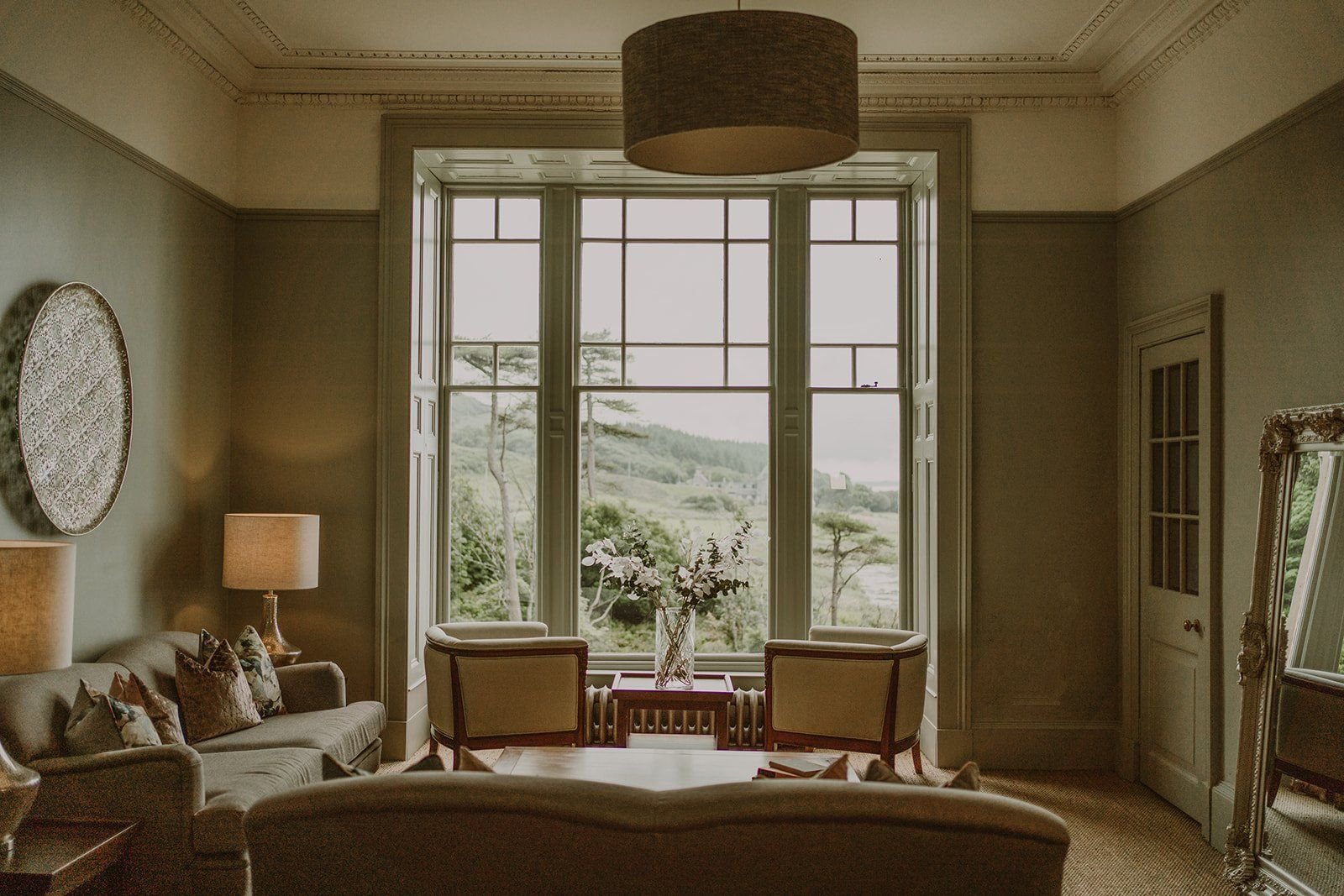
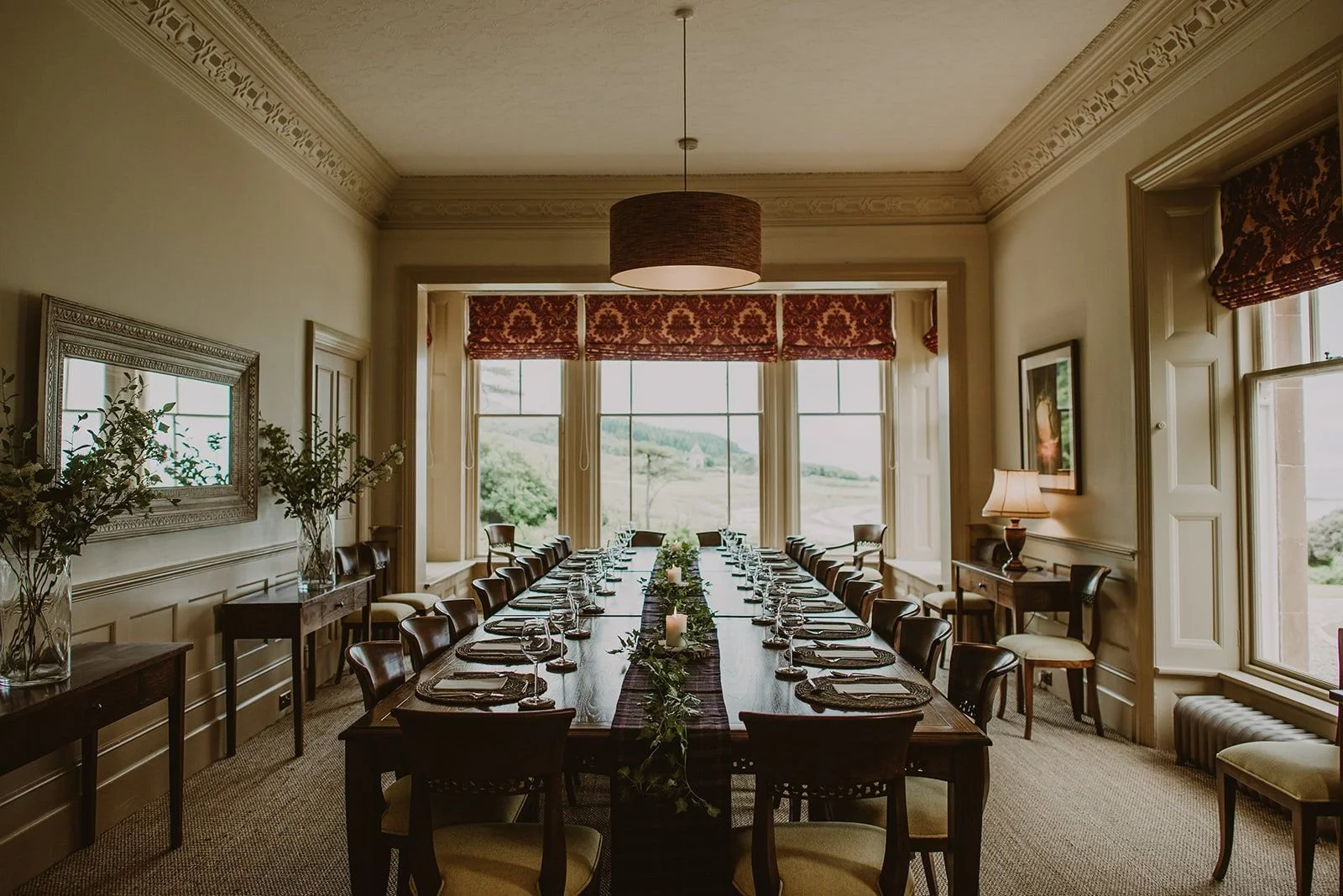
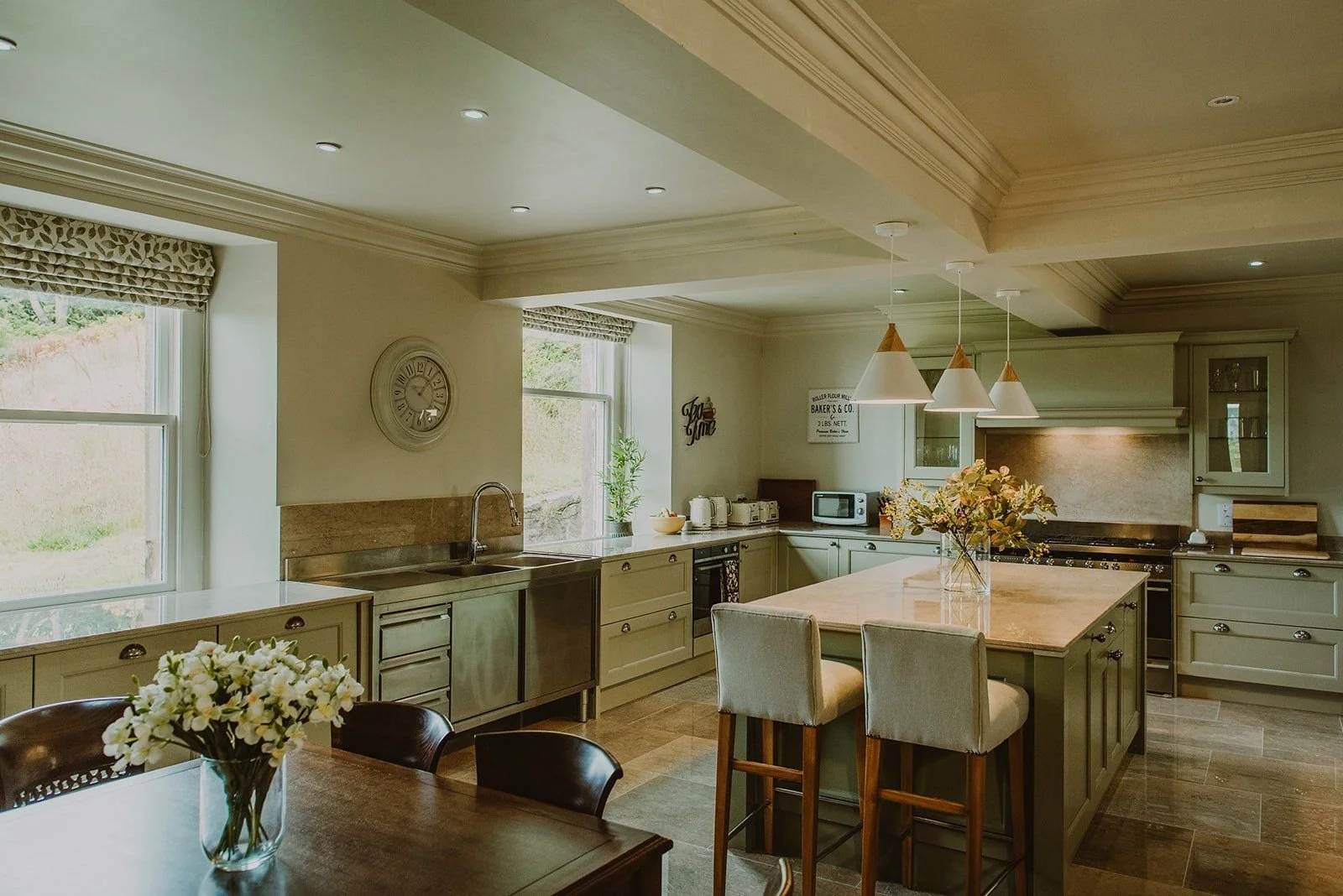
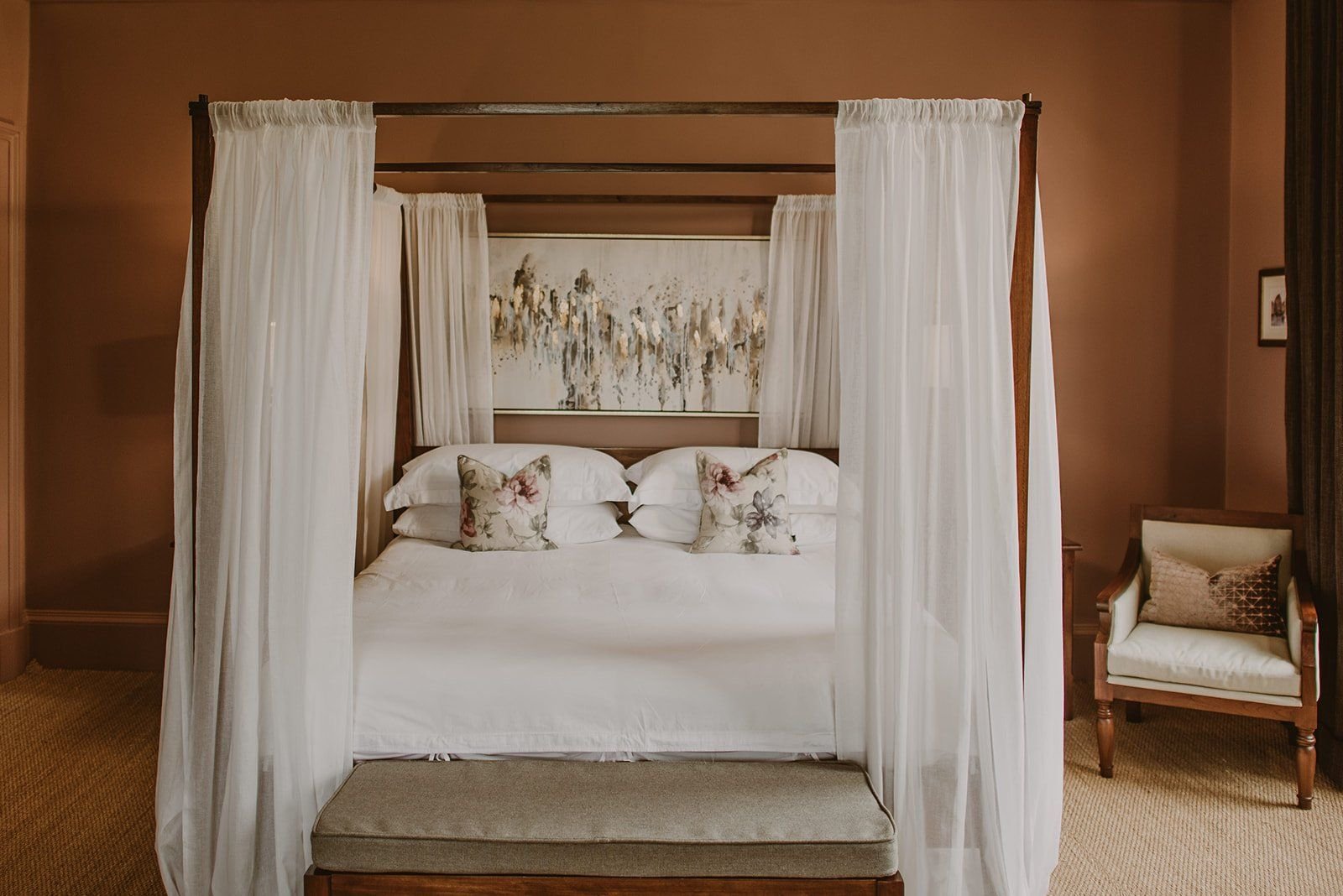
A large entrance hall leads to the library, formal dining room, family kitchen and several sitting rooms, as well as 2 ground-floor bedrooms. On the first floor, the main drawing room faces the water, with windows overlooking Ronachan Bay. The principal bedroom suite is also on this level, along with another en suite bedroom and a full-sized billiards and games room. A further 5 en suite bedrooms are found on the second floor.
Three additional residences are included across the estate. The 3-bedroom Coach House has its own kitchen and sitting room, while The Look Out is a self-contained 1-bedroom apartment with a private deck. North Lodge, a separate 2-bedroom house, stands near the entrance to the drive.
Altogether, the property offers 13 bedrooms and 11 bathrooms.
The setting is a large part of Ronachan’s appeal. The grounds slope from the house toward Ronachan Bay, where a footpath leads directly onto the sandy beach below. The beach itself does not form part of the property, but the estate has direct access to it.
Kintyre is a long, narrow peninsula extending south from Tarbert toward the Mull of Kintyre. Ronachan sits on its western shore, looking across the Sound of Jura toward the Inner Hebrides. With islands filling the view across the water and much of the surrounding landscape sparsely developed, the setting can feel more like the Hebrides than mainland Scotland.
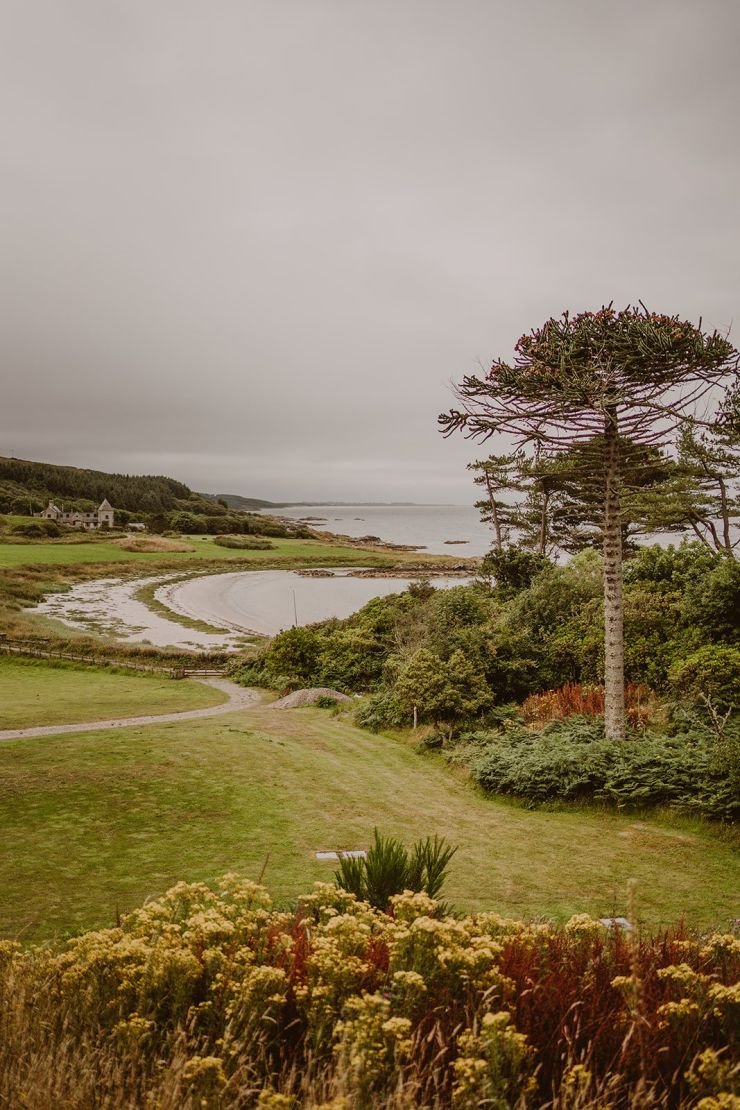
Just minutes from ferries to the Inner Hebrides, Ronachan House’s narrow mainland setting gives it an almost island-like feel. Strutt & Parker
Islay and Jura sit across the water, with ferries departing from Kennacraig to the north of Ronachan. The smaller island of Gigha lies closer to the peninsula and is reached by ferry from Tayinloan farther south.
The restoration makes more sense in the context of Ronachan’s unusual history.
Historic records associate the property with the MacAlister family and later the Pollocks, who were connected with the house from around 1840. For more than a century, it remained a private country residence.
That changed in 1973, when Ronachan was given to the Church of Scotland. The former mansion went on to spend several decades operating as a residential rehabilitation centre.
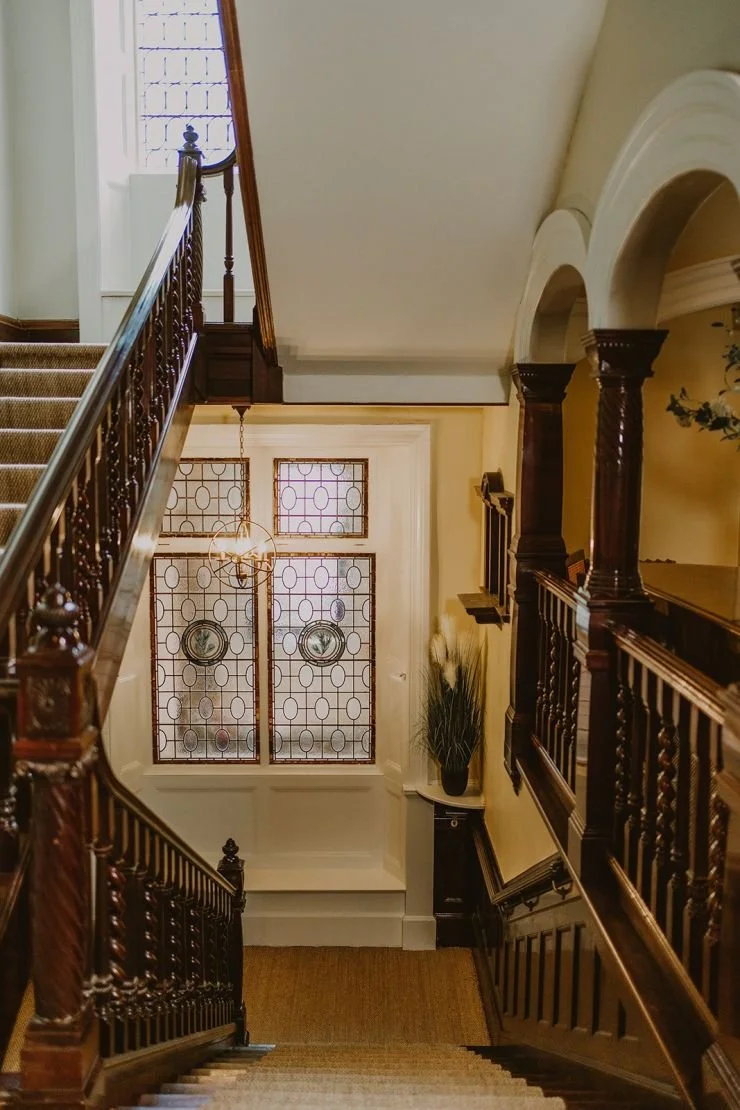
Inside, restored period details include timber panelling, stained glass, decorative cornicing, fireplaces and original windows. Strutt & Parker
By the time its current owners acquired the property in 2012, the building had been heavily adapted for institutional use and had fallen into significant disrepair. They began what would become a restoration lasting more than a decade, tackling structural repairs, restoring the grounds and gradually returning the interiors to residential use.
Later institutional alterations were removed while surviving historic elements, including original windows, stained glass and decorative plasterwork, were preserved. The house was also updated with modern services and new interiors.
Ronachan reopened in 2023 as a private rental and exclusive-use property, completing its transformation back into a country house after decades of institutional use.
All photographs belong to the listing agency. See more on Strutt & Parker.