This 15th-Century Château Near the 24 Hours of Le Mans Hosted the Bentley Boys and Henry Ford. Now It’s for Sale
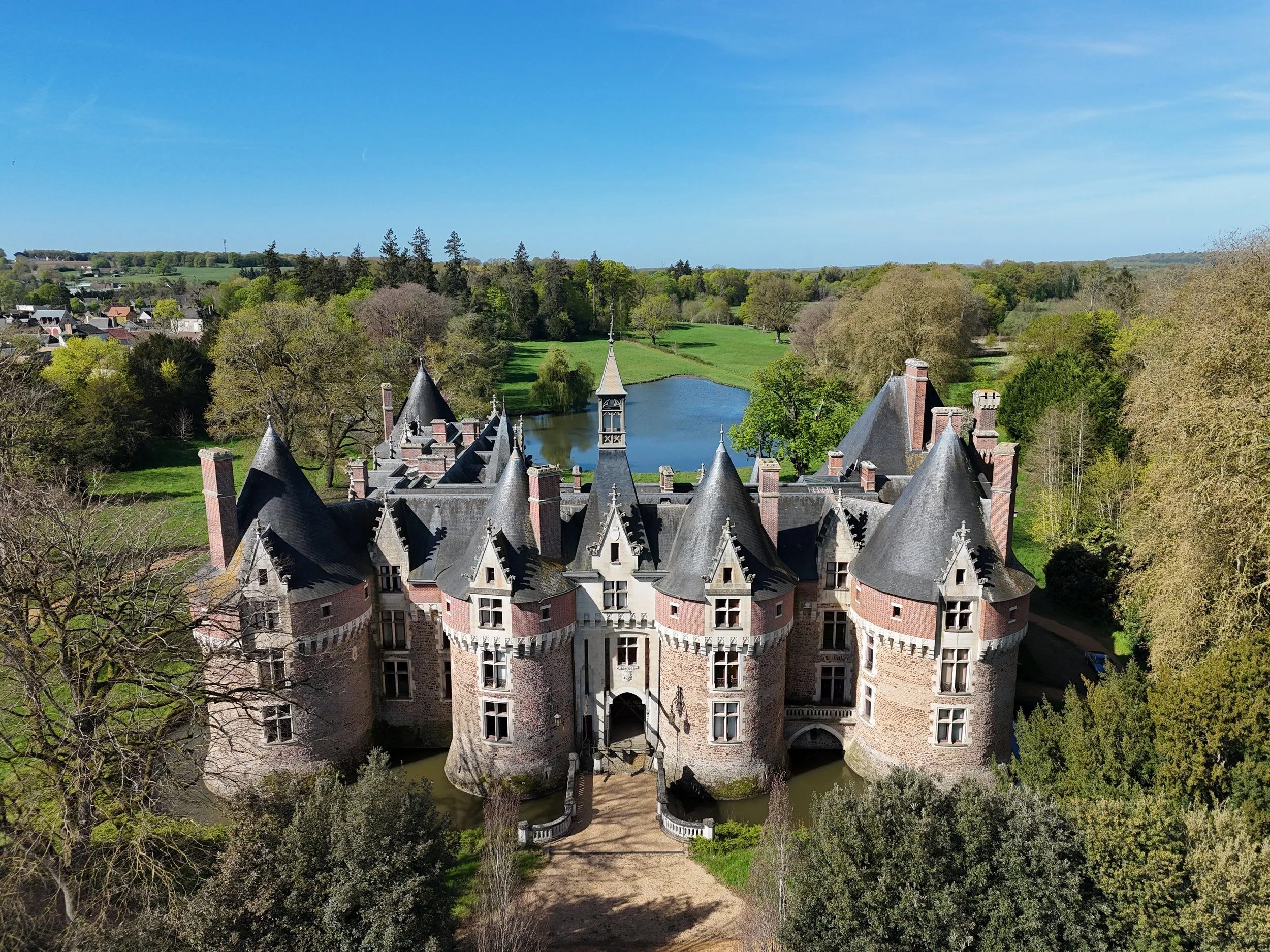
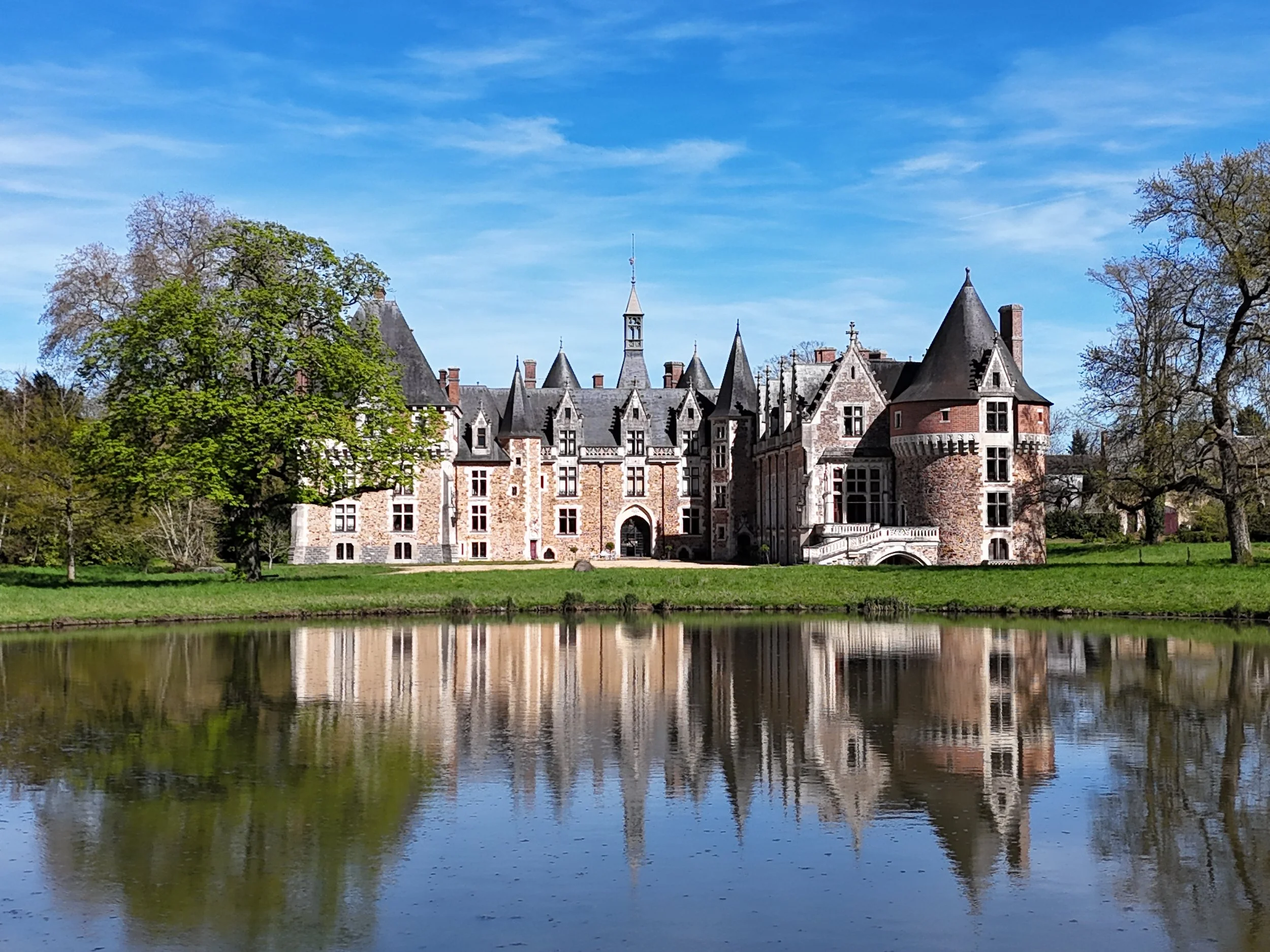
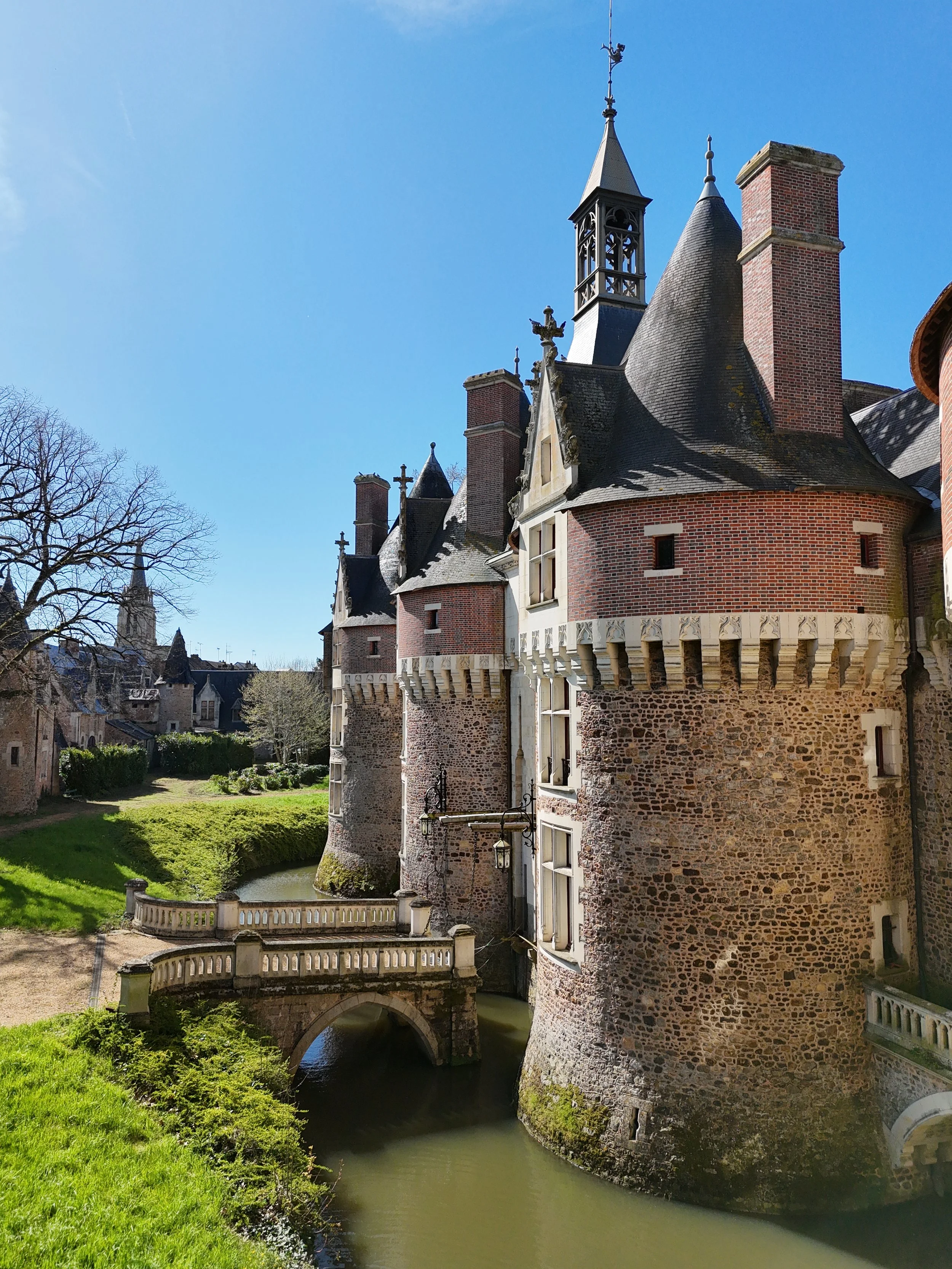
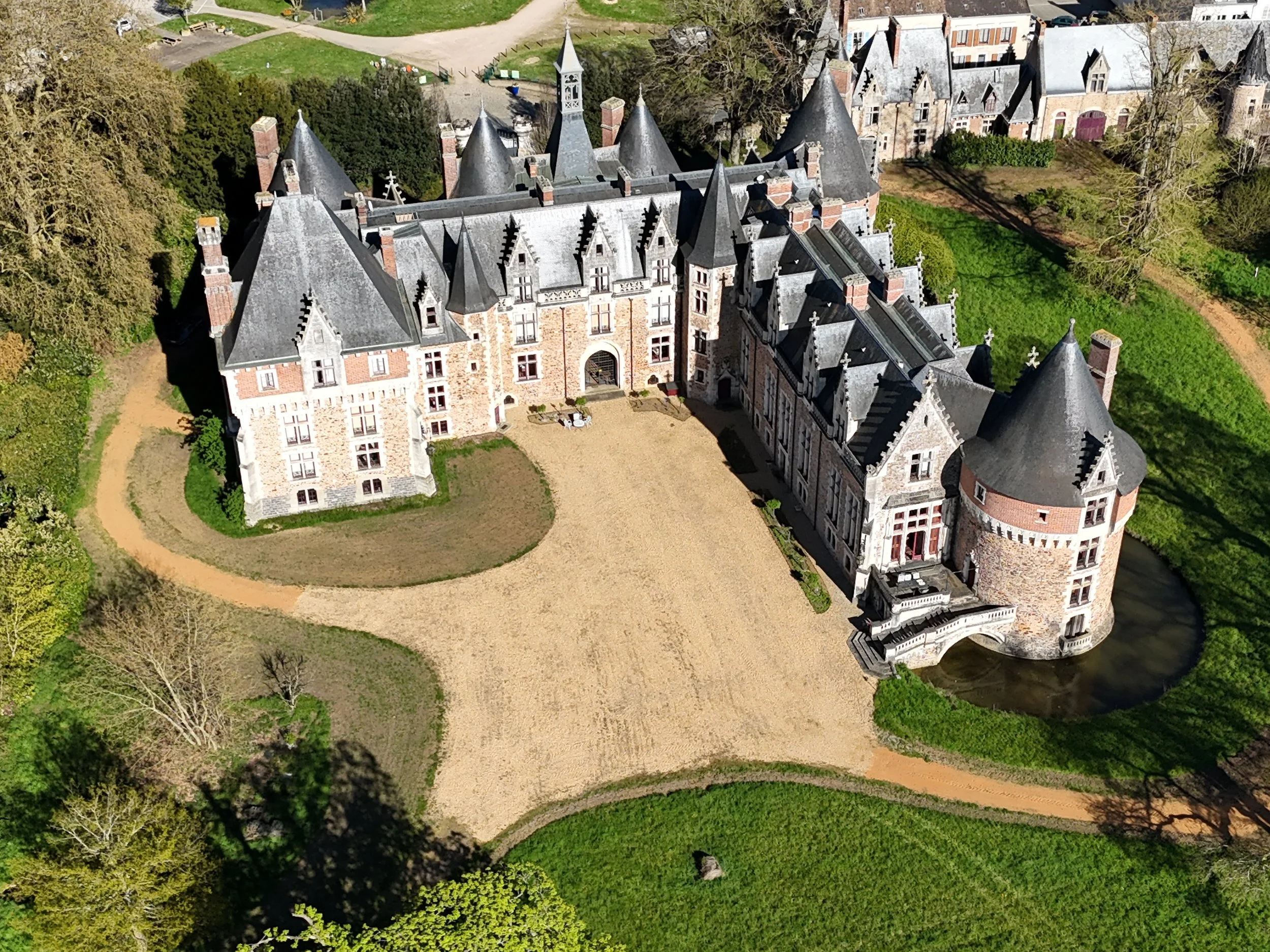
Located 178 km from Paris and around 30 km from the 24 Hours of Le Mans circuit, this 15th-century château carries a history that moves from French aristocratic dynasties to the golden age of motor racing.
Beds: 30 principal bedrooms + 30 staff rooms Interior: approx. 53,820 sq ft / 5,000 m² Outbuildings: approx. 16,146 sq ft / 1,500 m² Land: approx. 109 acres / 44 ha
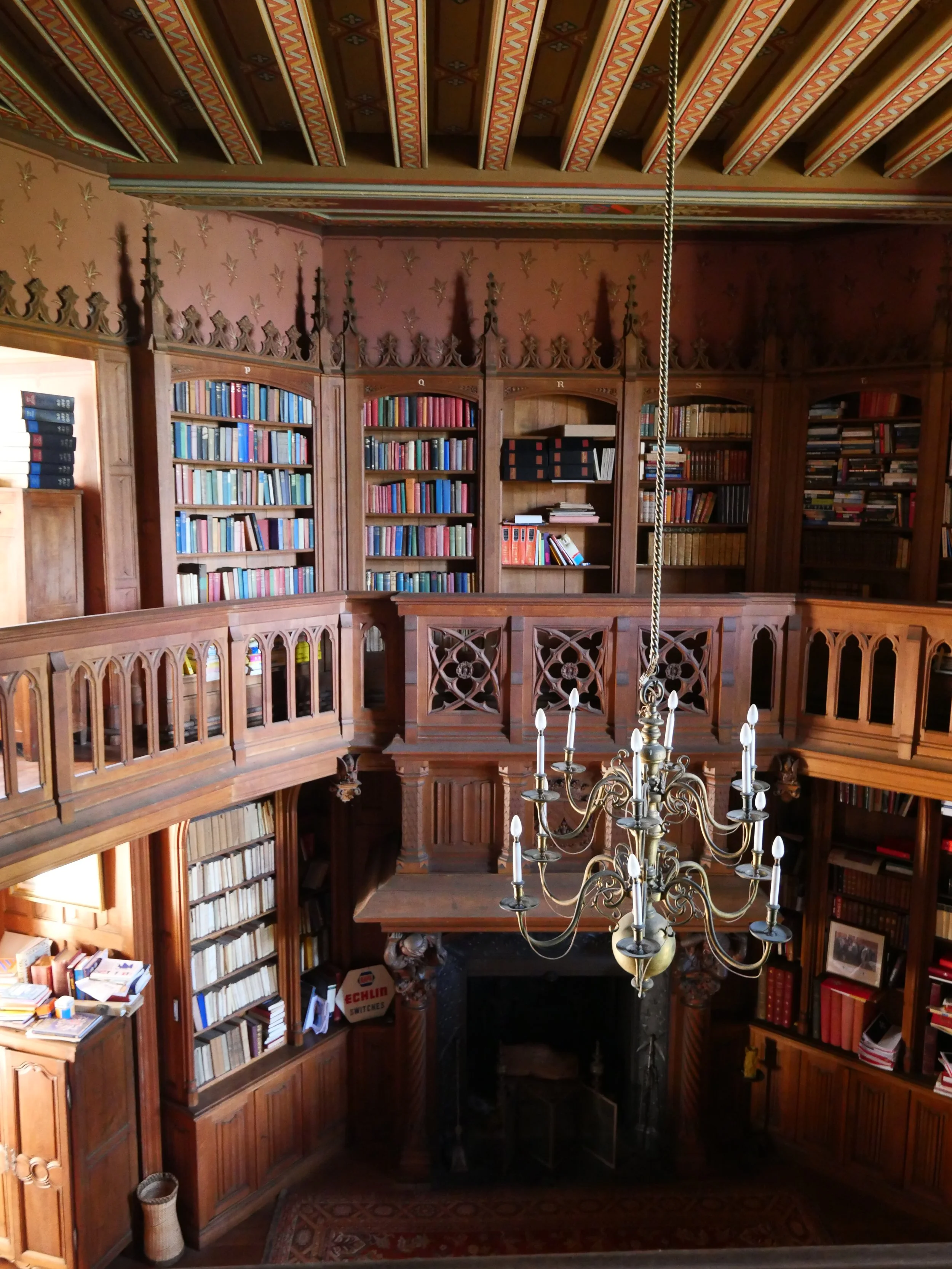
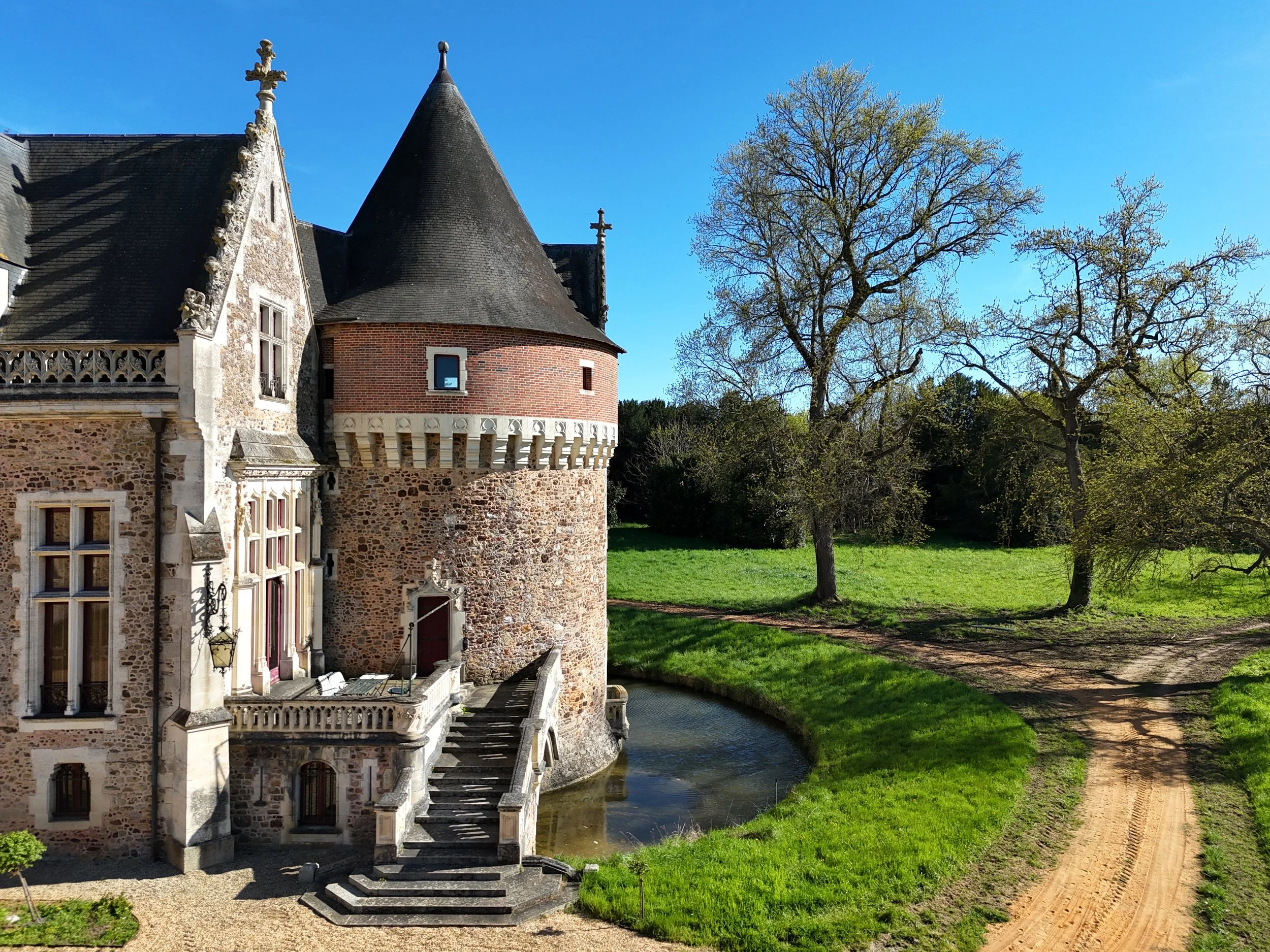
Amenities: Monument Historique status, proximity to the 24 Hours of Le Mans circuit, gated entry with drawbridge, water-filled moats, 44-hectare park, Neo-Gothic interiors, reception rooms with 5m+ ceilings, grand salon, two-level library, decorated chapel, ceremonial stone staircase, 16th-century Psyche tapestries, historic stables, service buildings
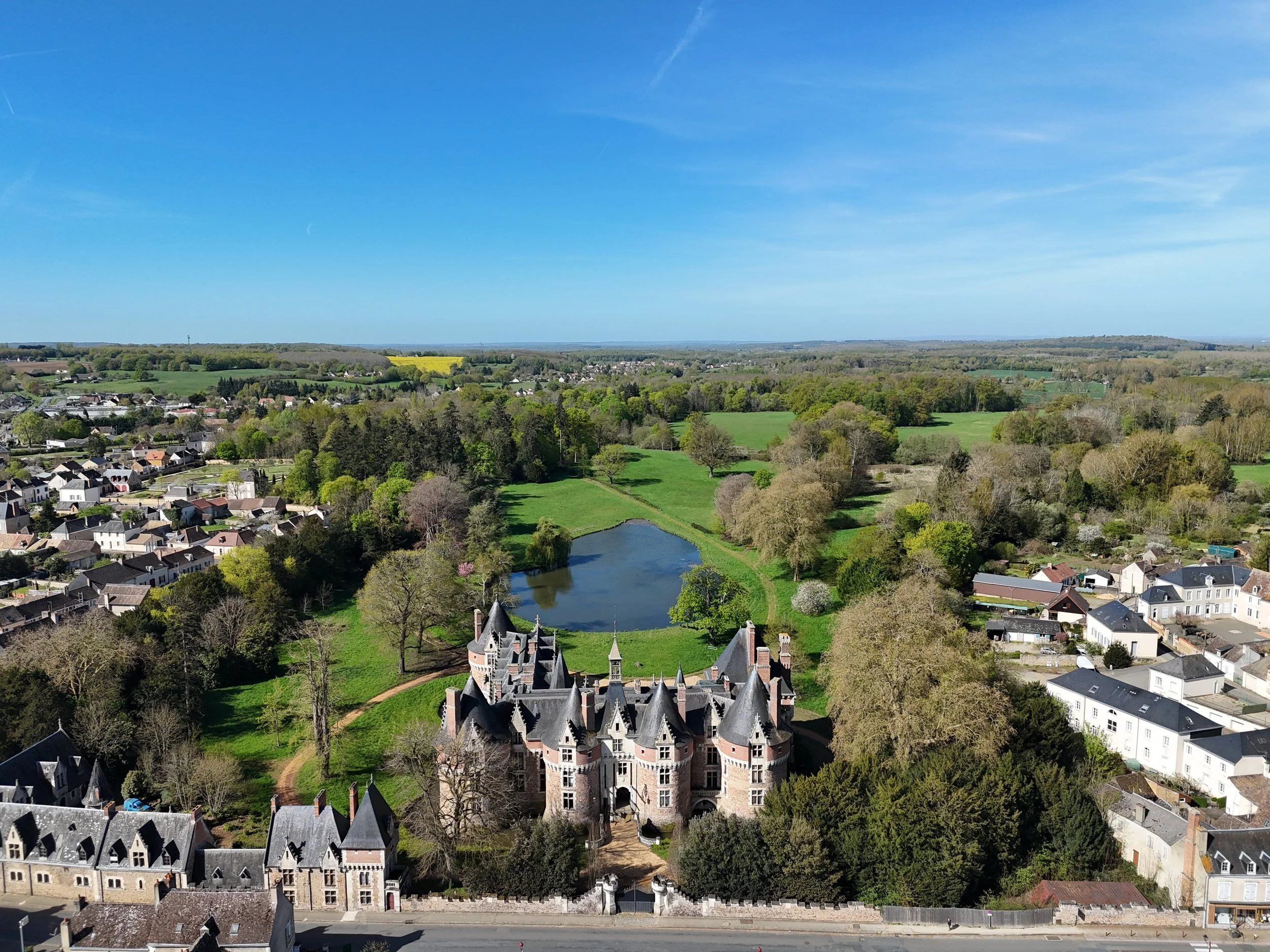
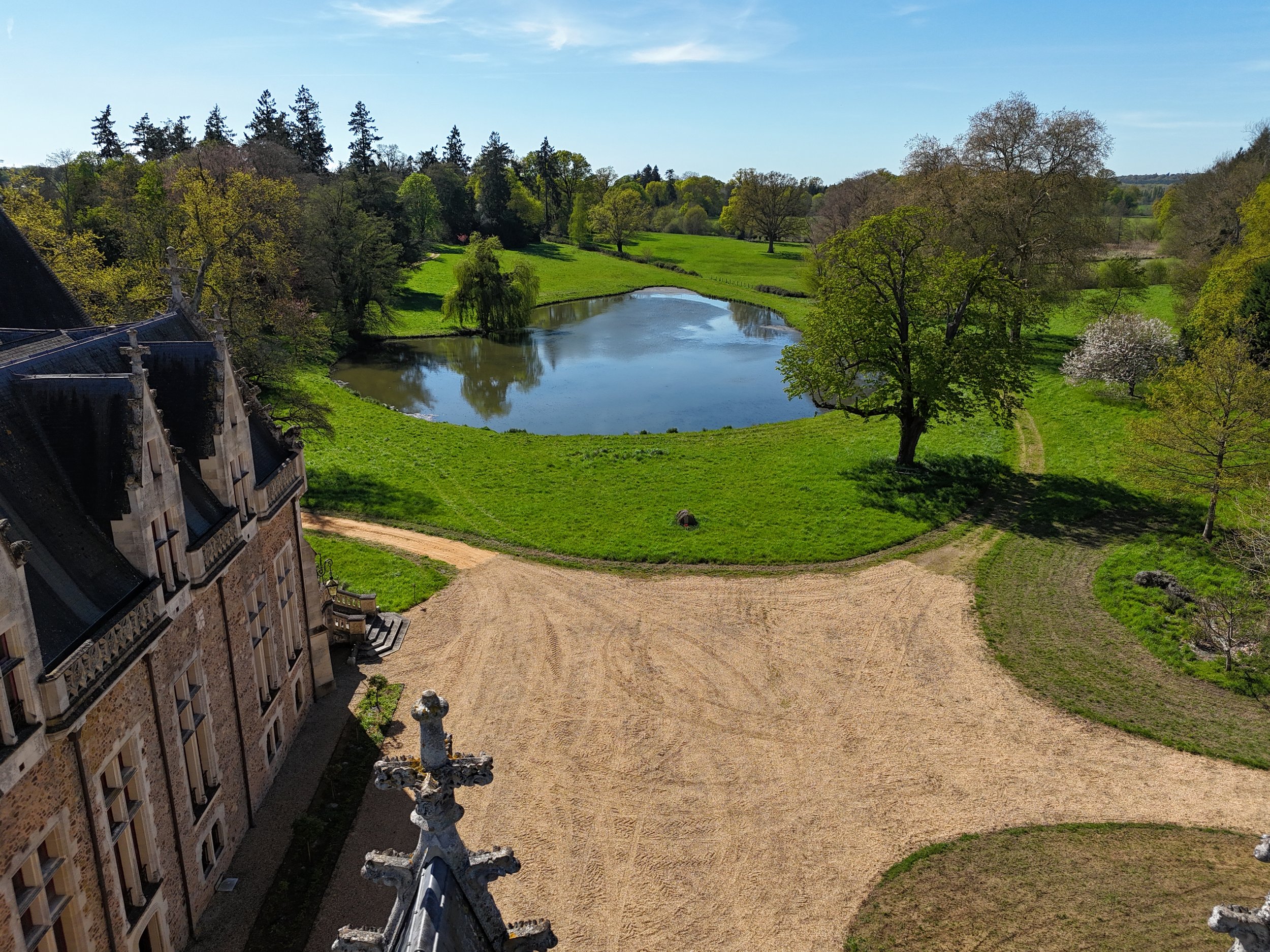
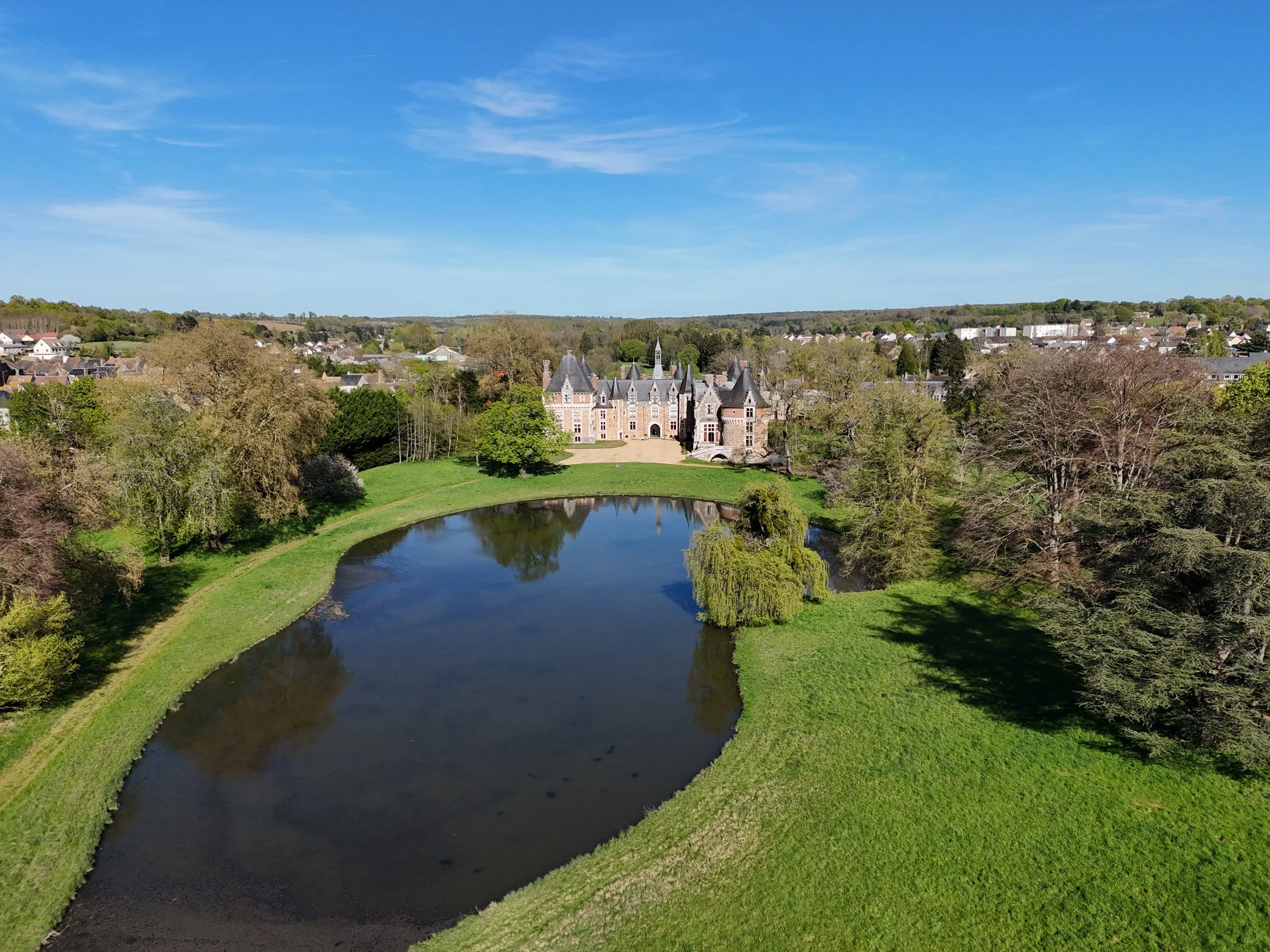
Near Le Mans, the French city whose 24-hour endurance race is among the defining events in global motorsport, a 15th-century château with a notable motoring-world connection has come to market. Set in the Sarthe countryside, the 44-hectare / 109-acre estate carries a history shaped by French aristocratic ownership, 19th-century restoration, and the interwar world of endurance racing.
Published exclusively on Francis York and listed with Denniel Immobilier, the estate is located in the Pays de la Loire, approximately 178 km from Paris and around 30 km from the 24 Hours of Le Mans circuit. Price is disclosed upon application.
To request further information, including the full property dossier and pricing details, please submit an enquiry through the form below.
First held in 1923, the 24 Hours of Le Mans quickly became a proving ground for endurance, engineering, and prestige. In that early era, the race was closely tied to a social world of gentleman drivers, private wealth, and grand European houses, a context that gives the château’s guest history particular weight.
According to the property’s historical dossier, the Bentley Boys visited the château every summer between 1923 and the late 1930s. The group, a circle of British gentleman racers, aristocrats, and adventurers, helped establish Bentley’s early reputation at Le Mans during the interwar years. Henry Ford and other American industrialists are also listed among the estate’s former guests, placing the château within the broader world of early motor racing, transatlantic wealth, and private European house-party culture.
One of the best-known Bentley Boys was Glen Kidston, the racing driver, aviator, and adventurer whose name still resonates in collector-car circles through his nephew, Simon Kidston, the Geneva-based classic car specialist and commentator. The connection gives the estate’s 1920s and 1930s guest history a contemporary echo, linking the early years of Le Mans to today’s world of historic automobiles and concours culture.
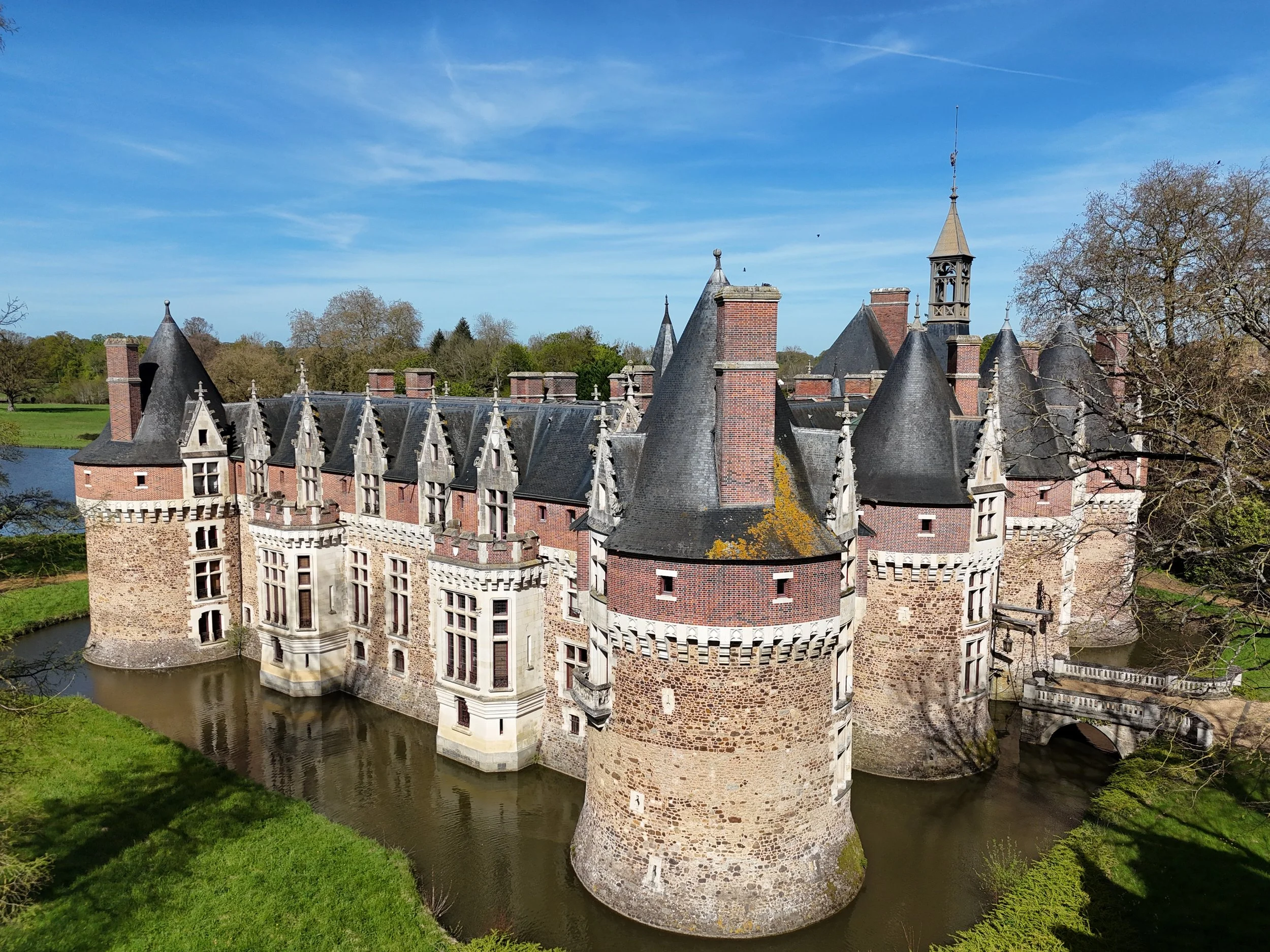
The château’s significance, however, reaches well beyond motorsport. Built between 1479 and 1490 as a moated château after an earlier structure was destroyed during the Hundred Years’ War, the estate carries several centuries of French aristocratic history. Its ownership passed through some of France’s most prominent families, including Harcourt, Luynes, Montmorency, La Rochefoucauld, and Bourbon-Parma.
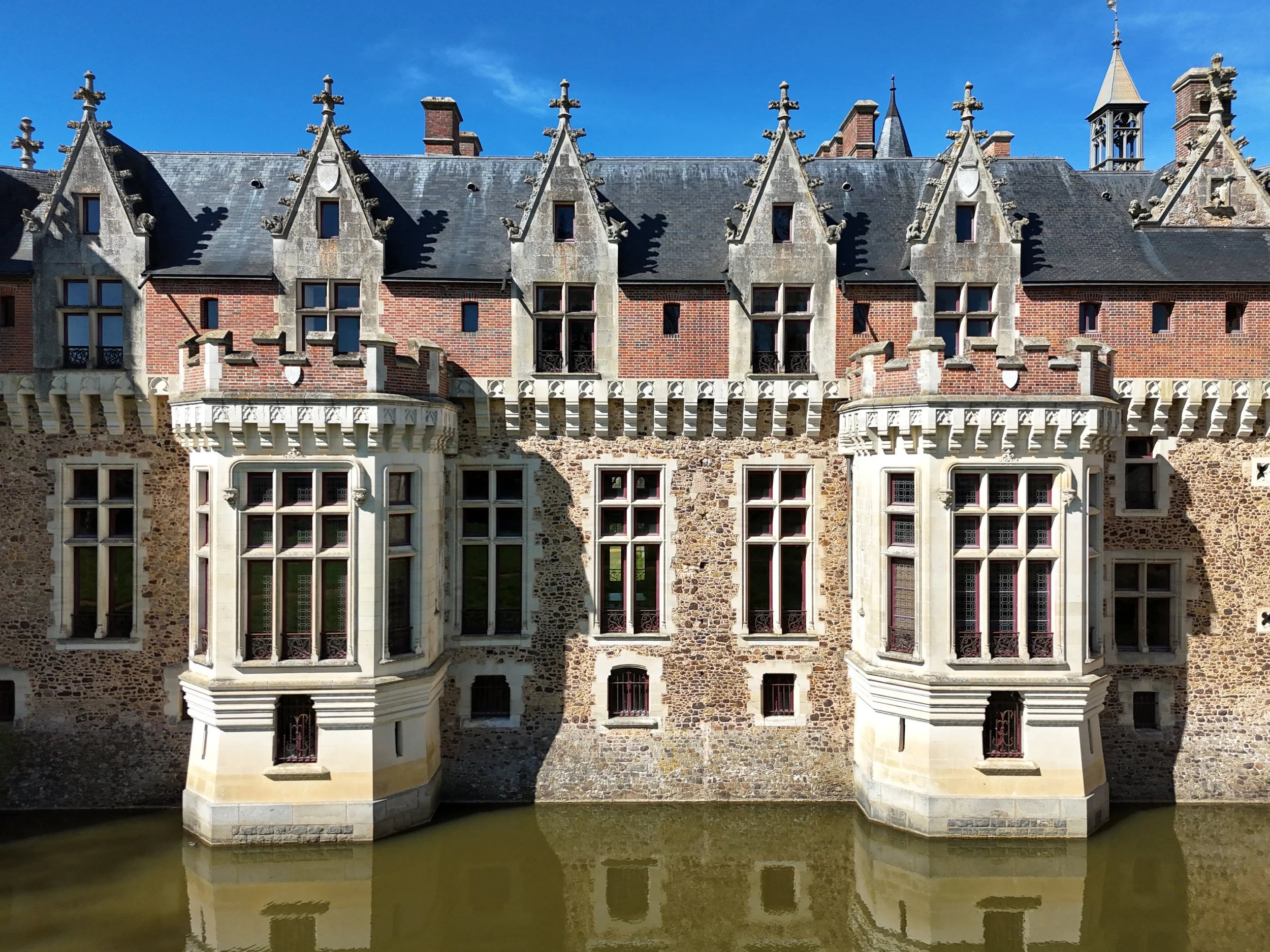
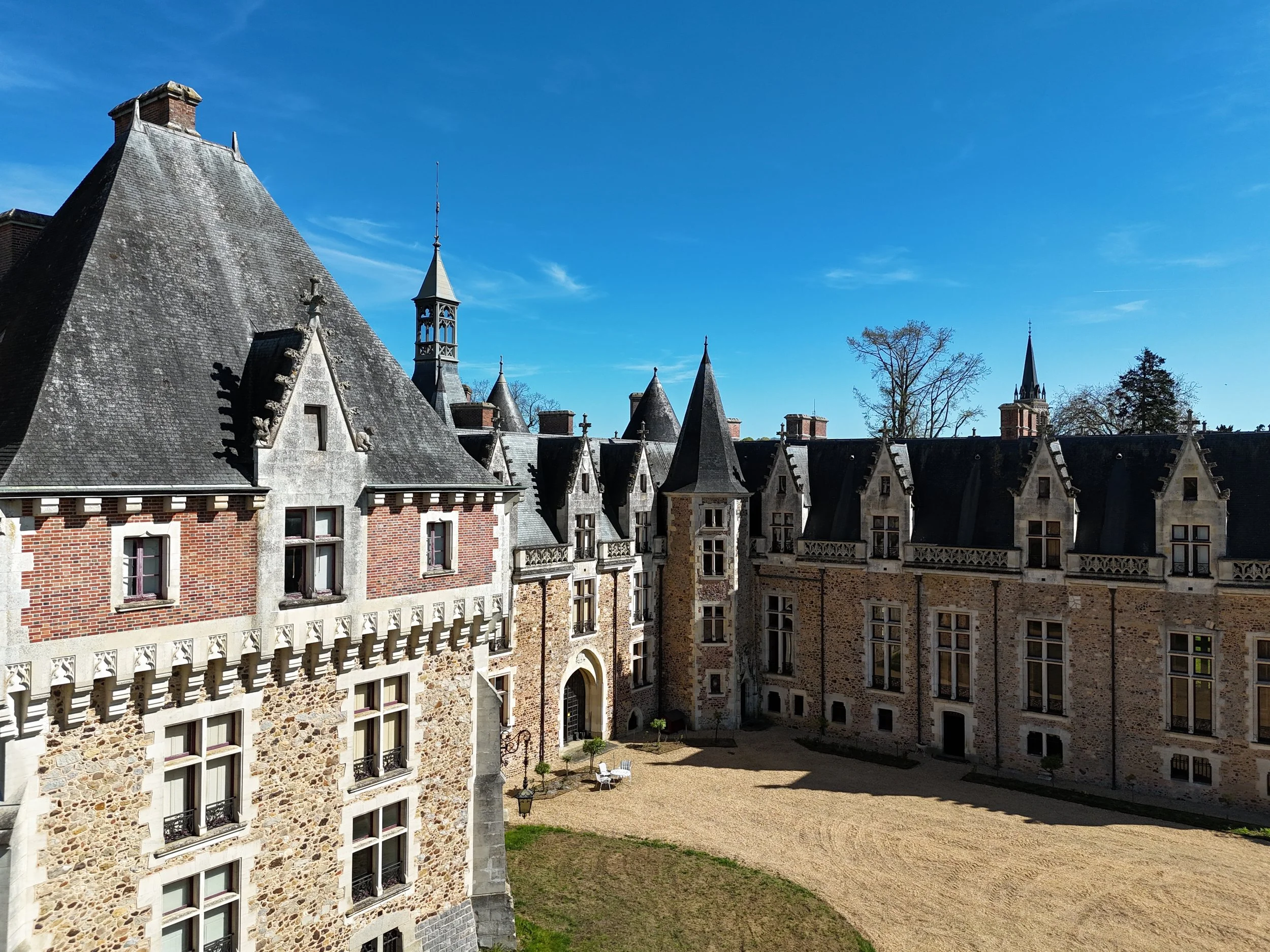
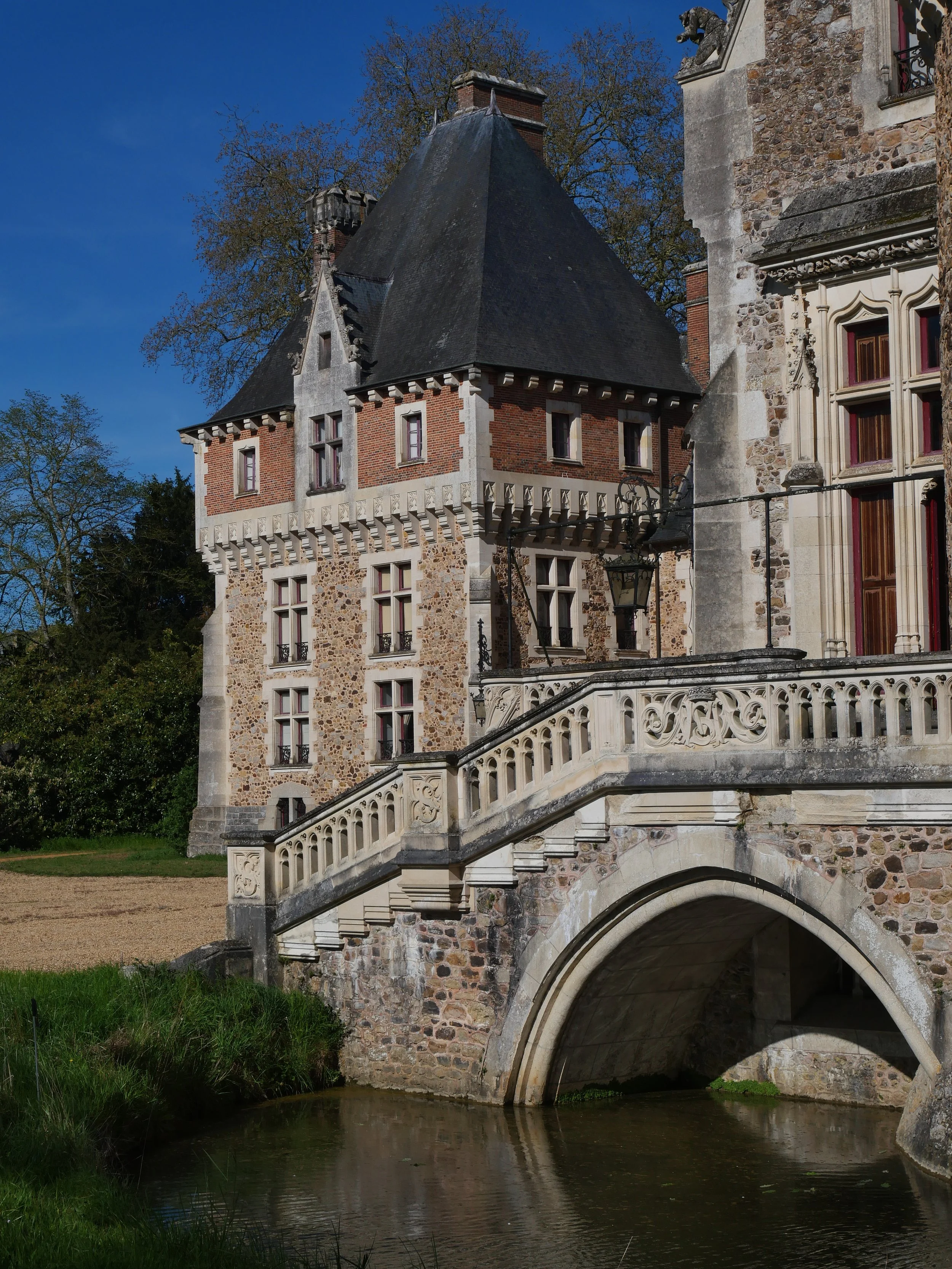
Its present character owes much to the late 19th century. Between 1880 and 1888, the château was extensively restored for the Duke of Doudeauville by Henri and Clément Parent, transforming the medieval estate into a major Neo-Gothic residence.
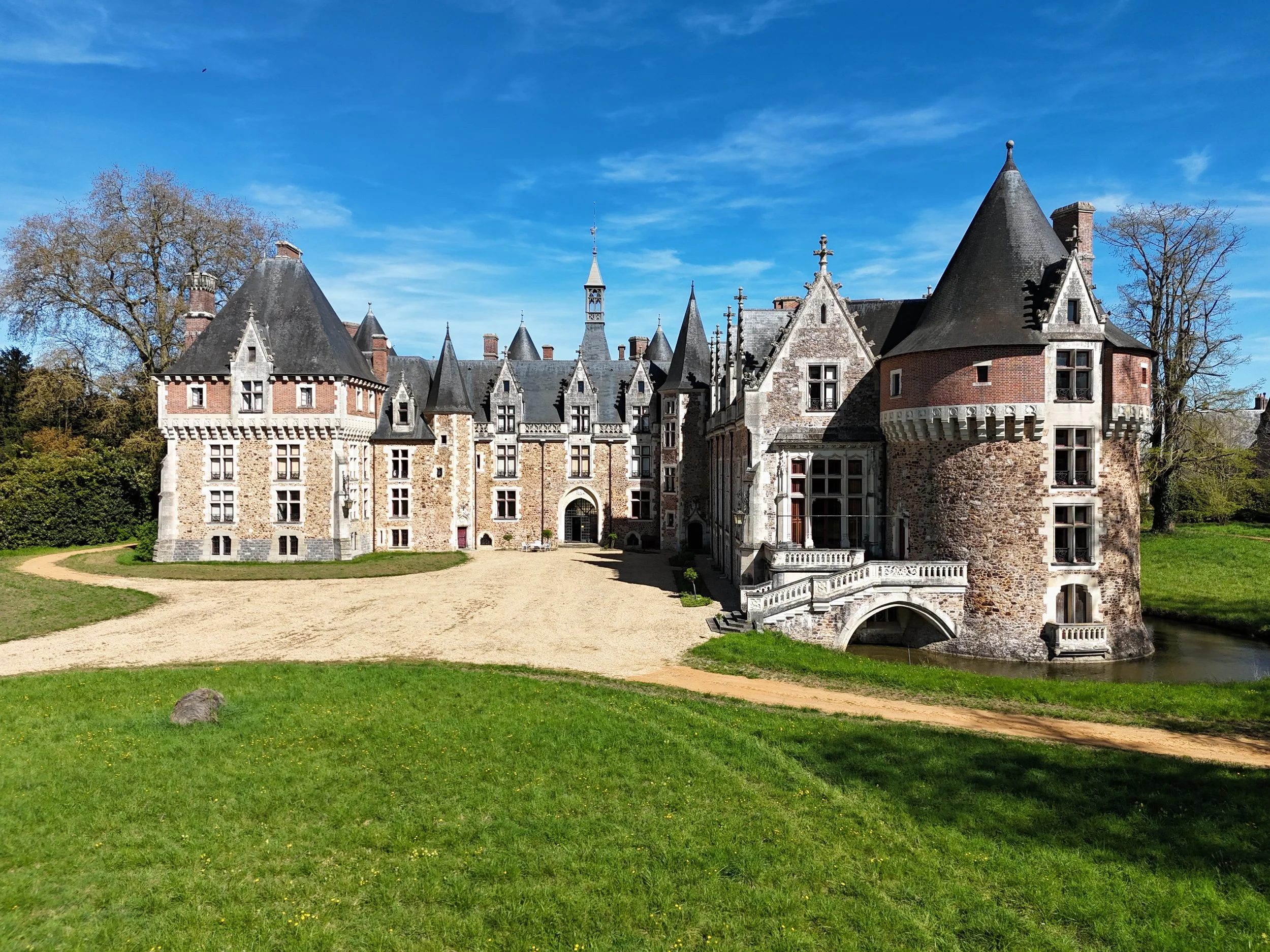
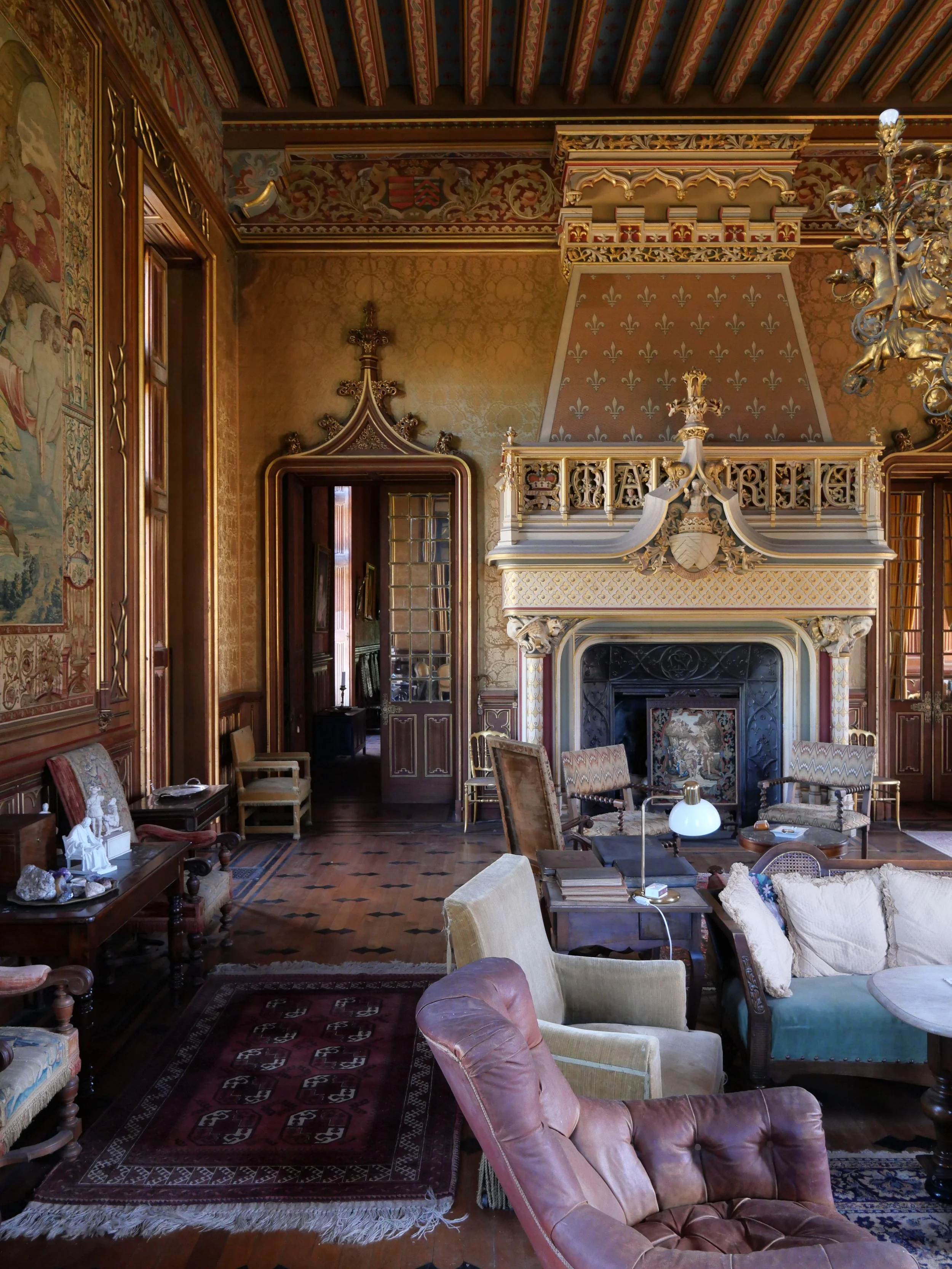
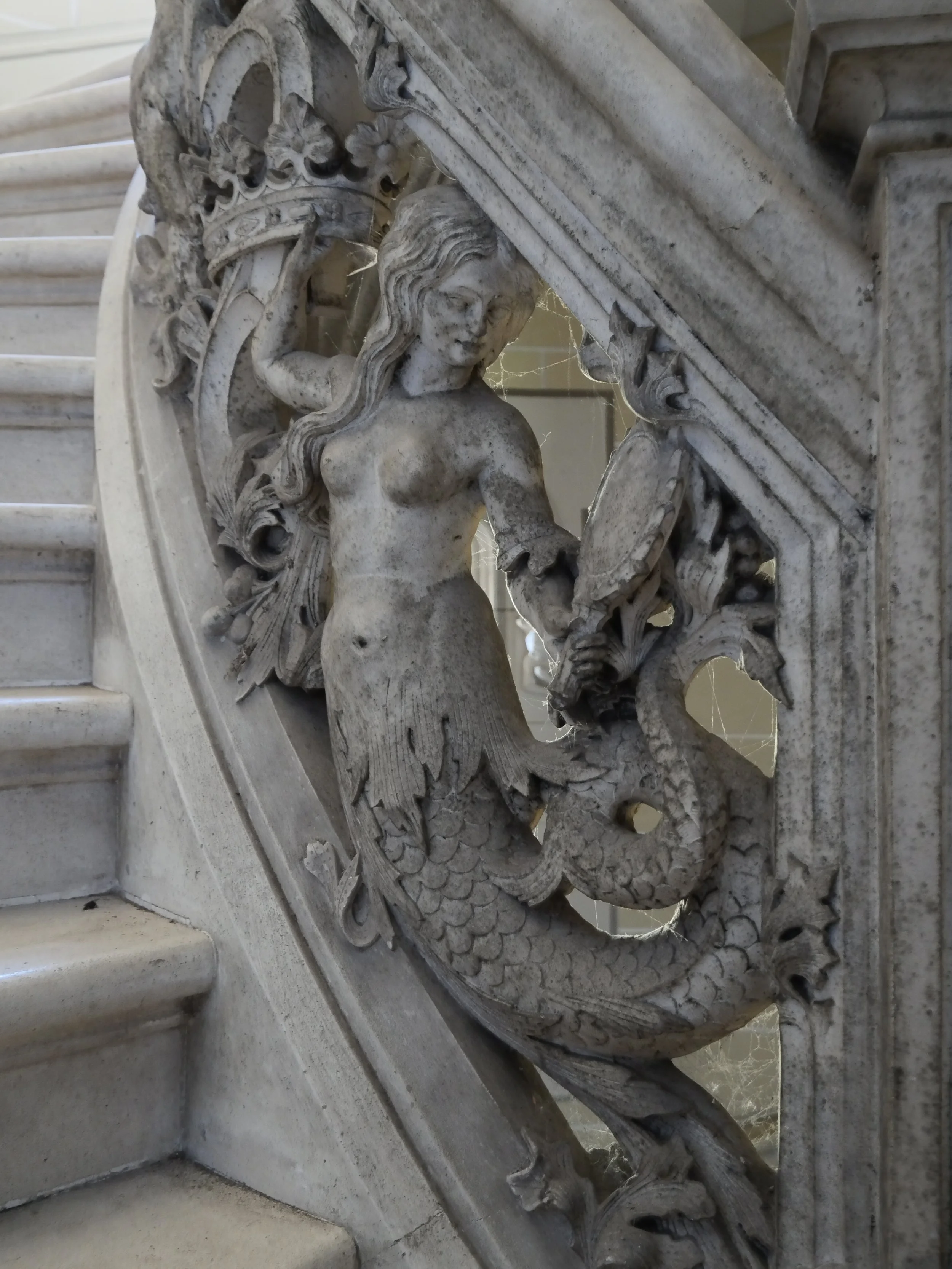
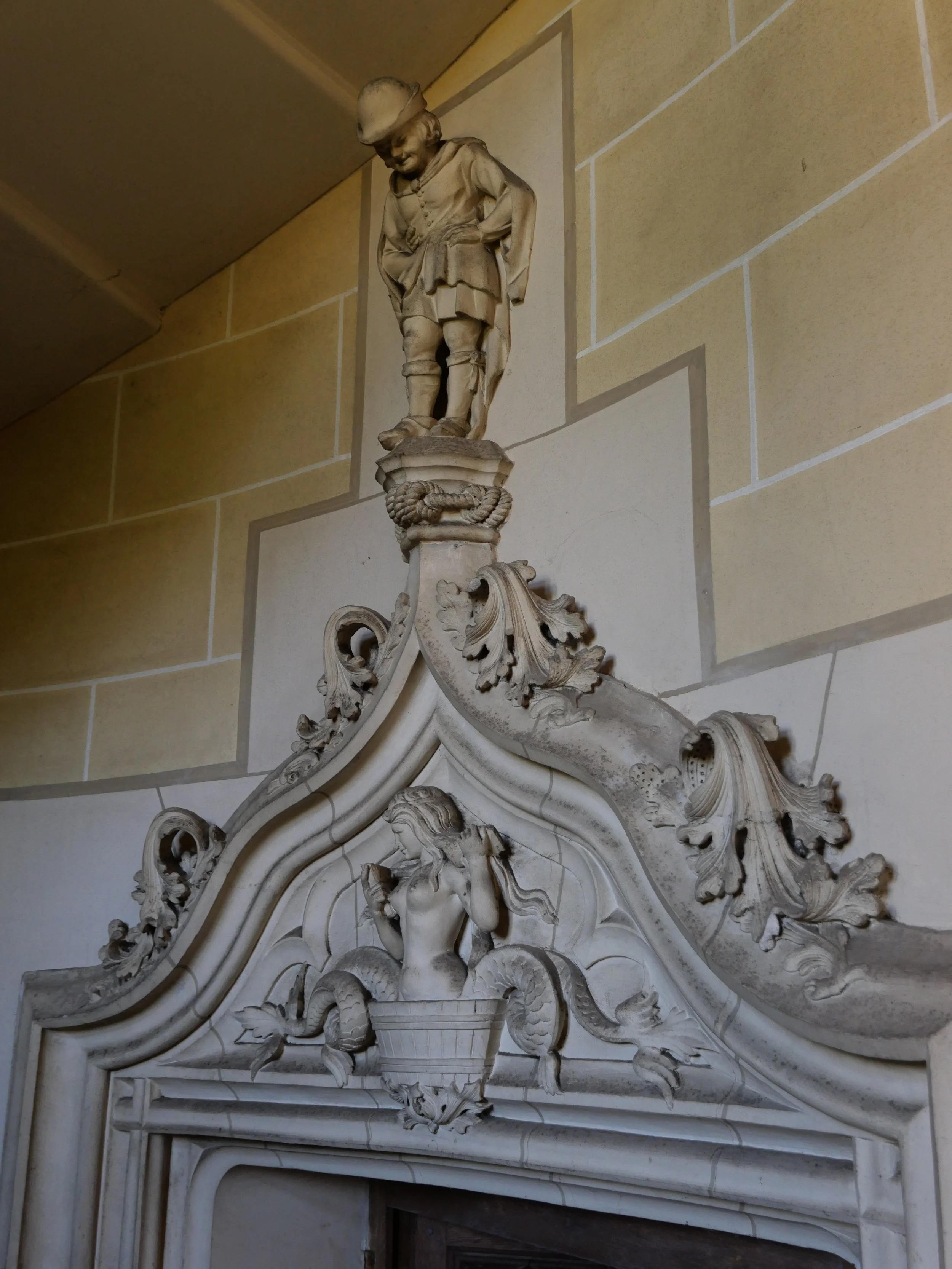
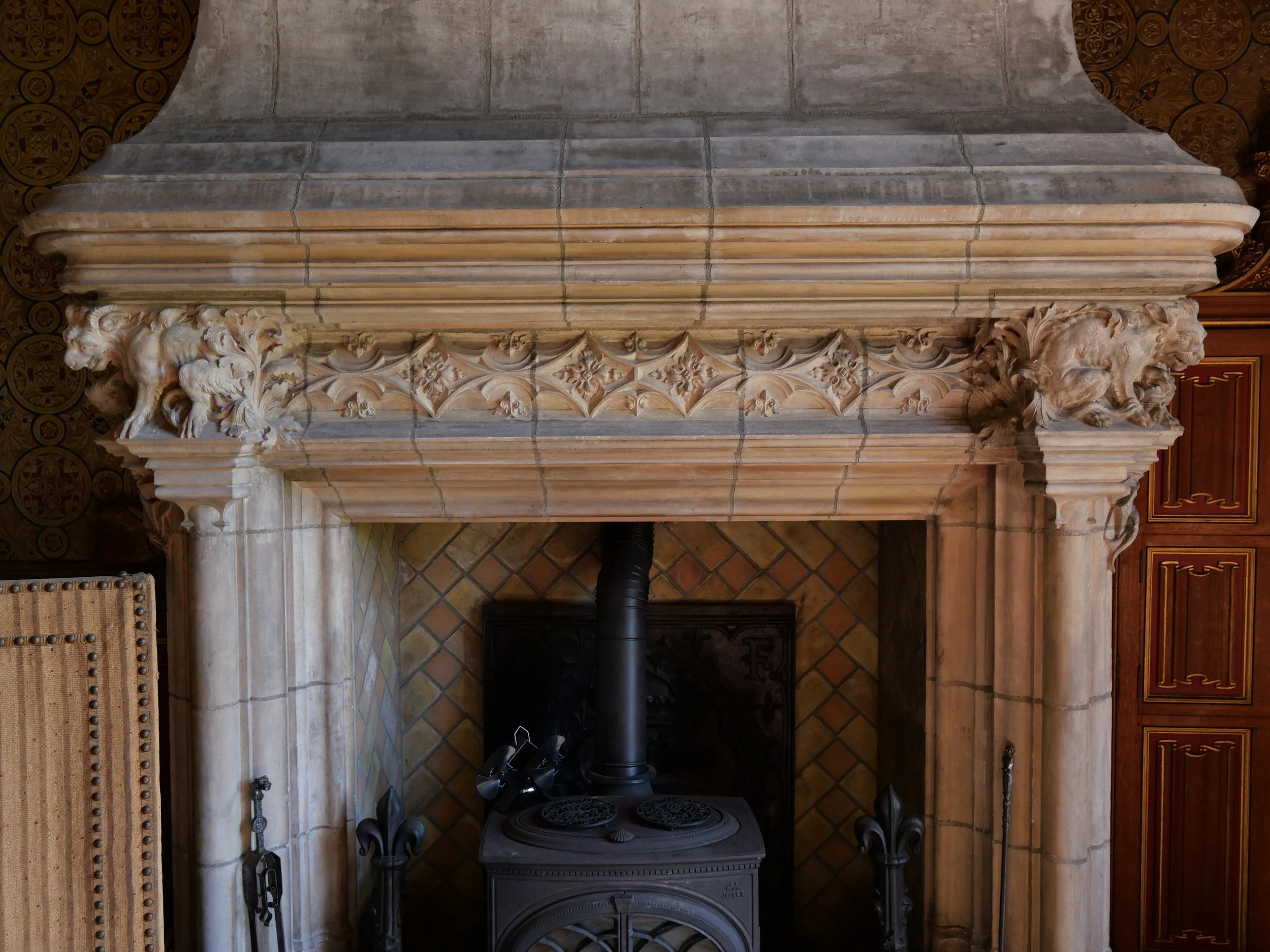
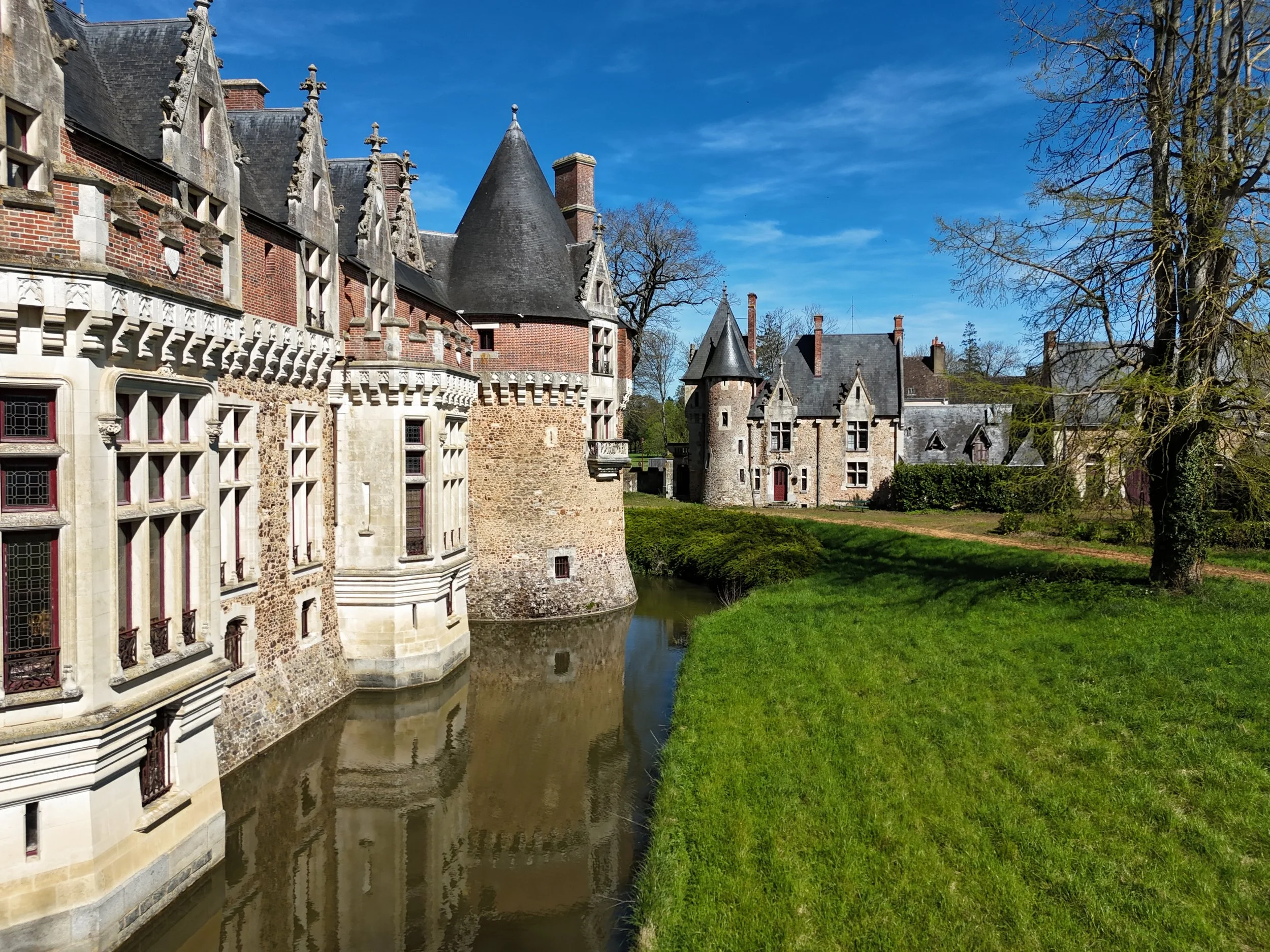
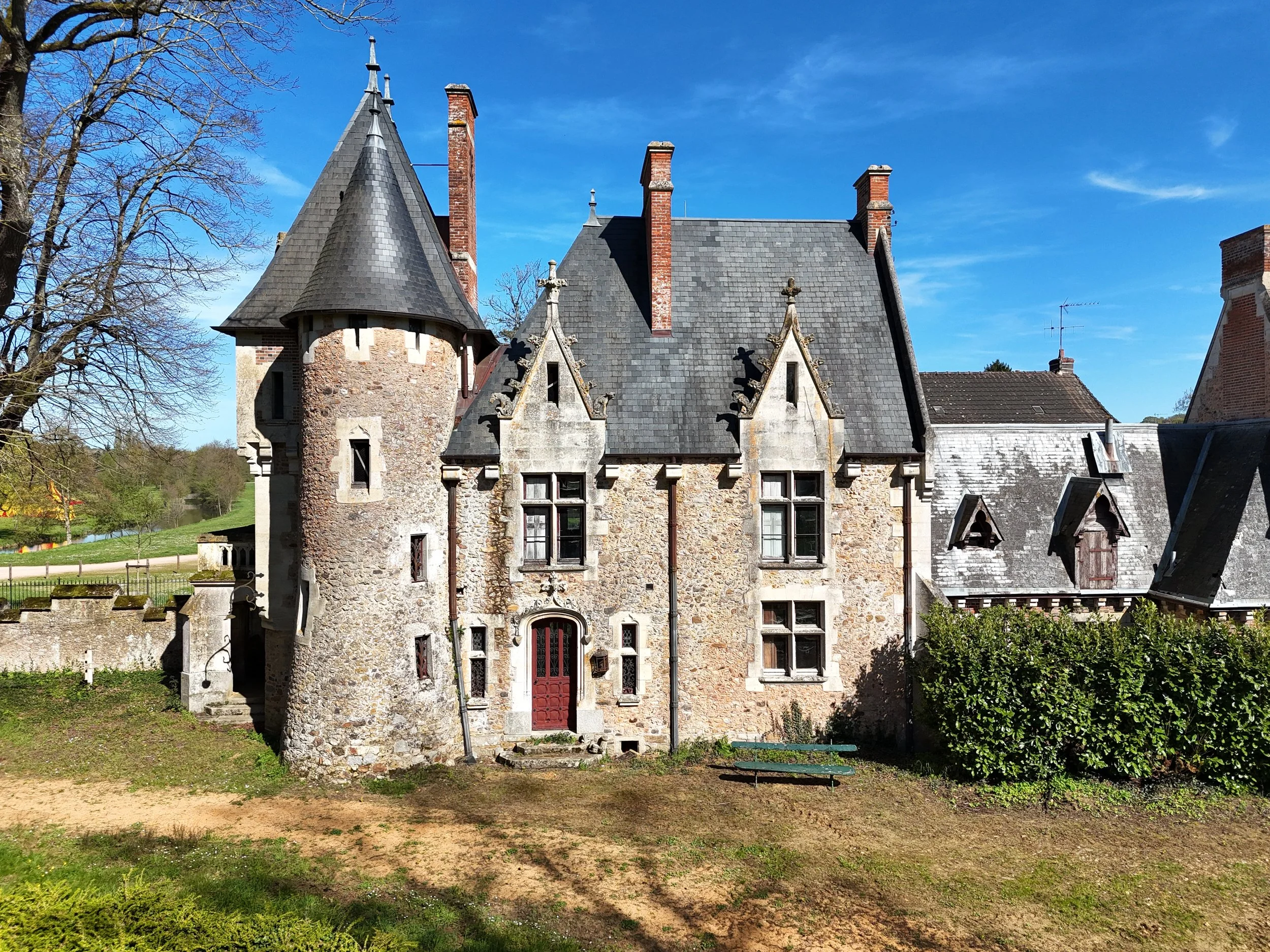
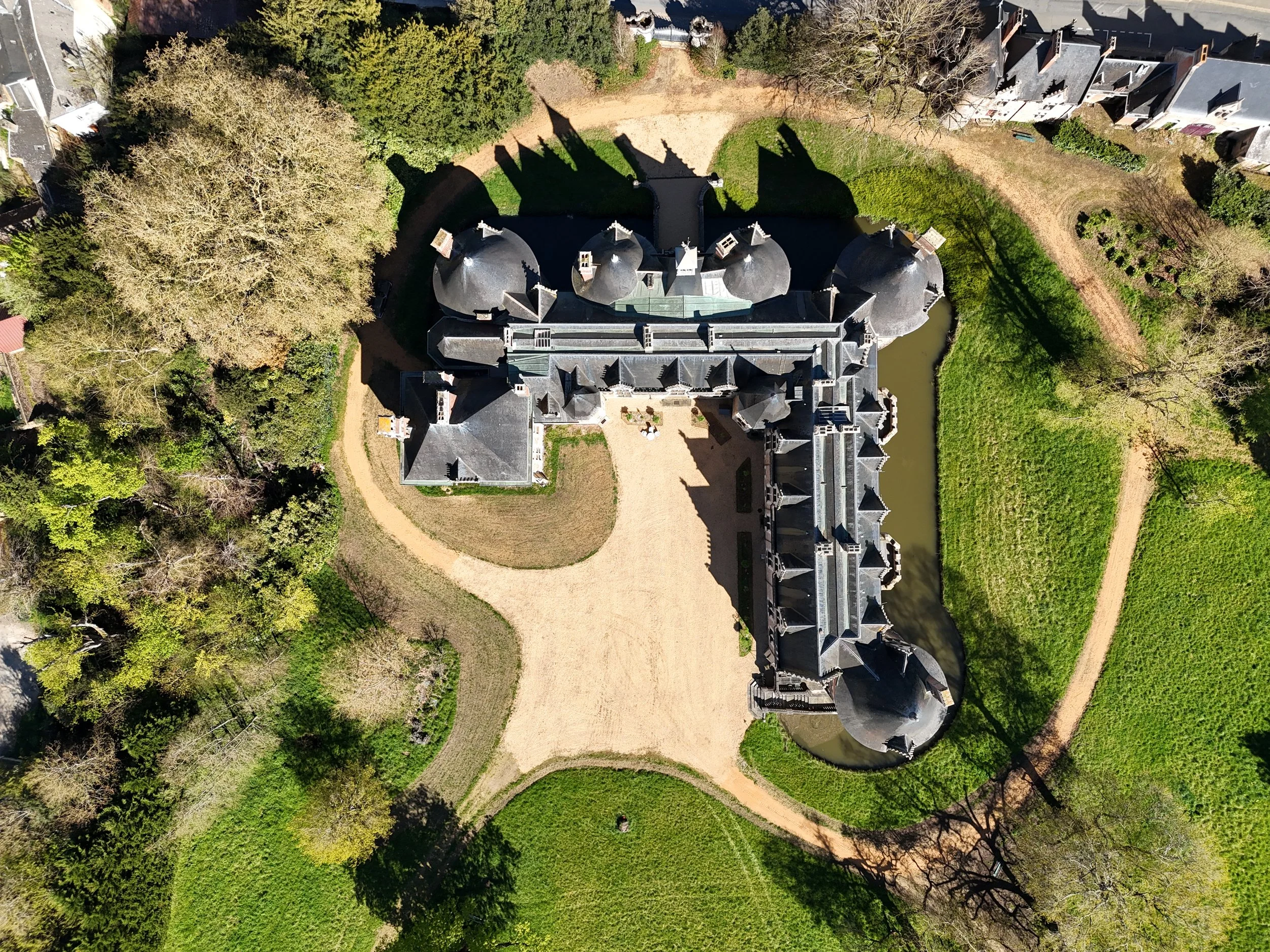
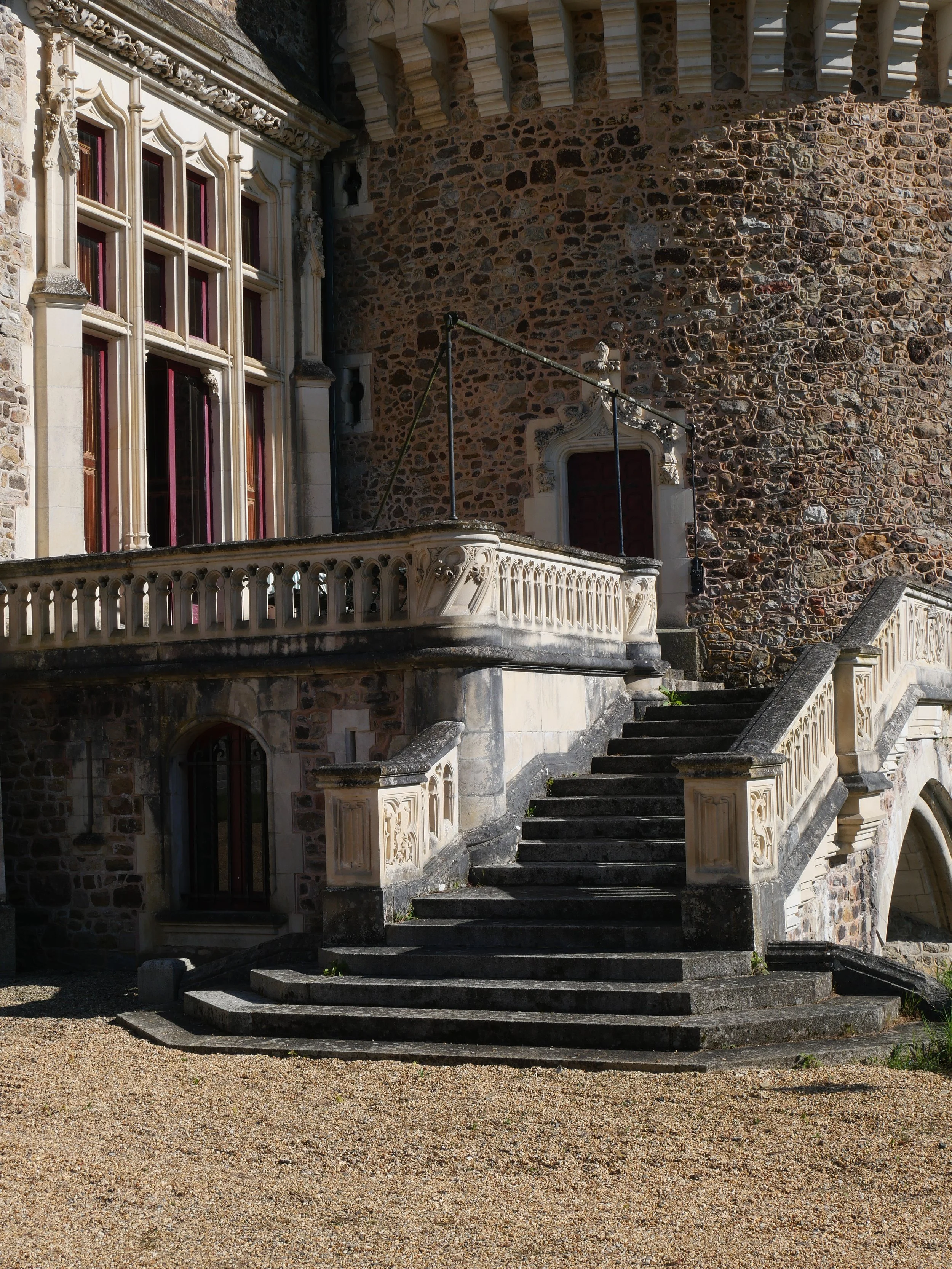
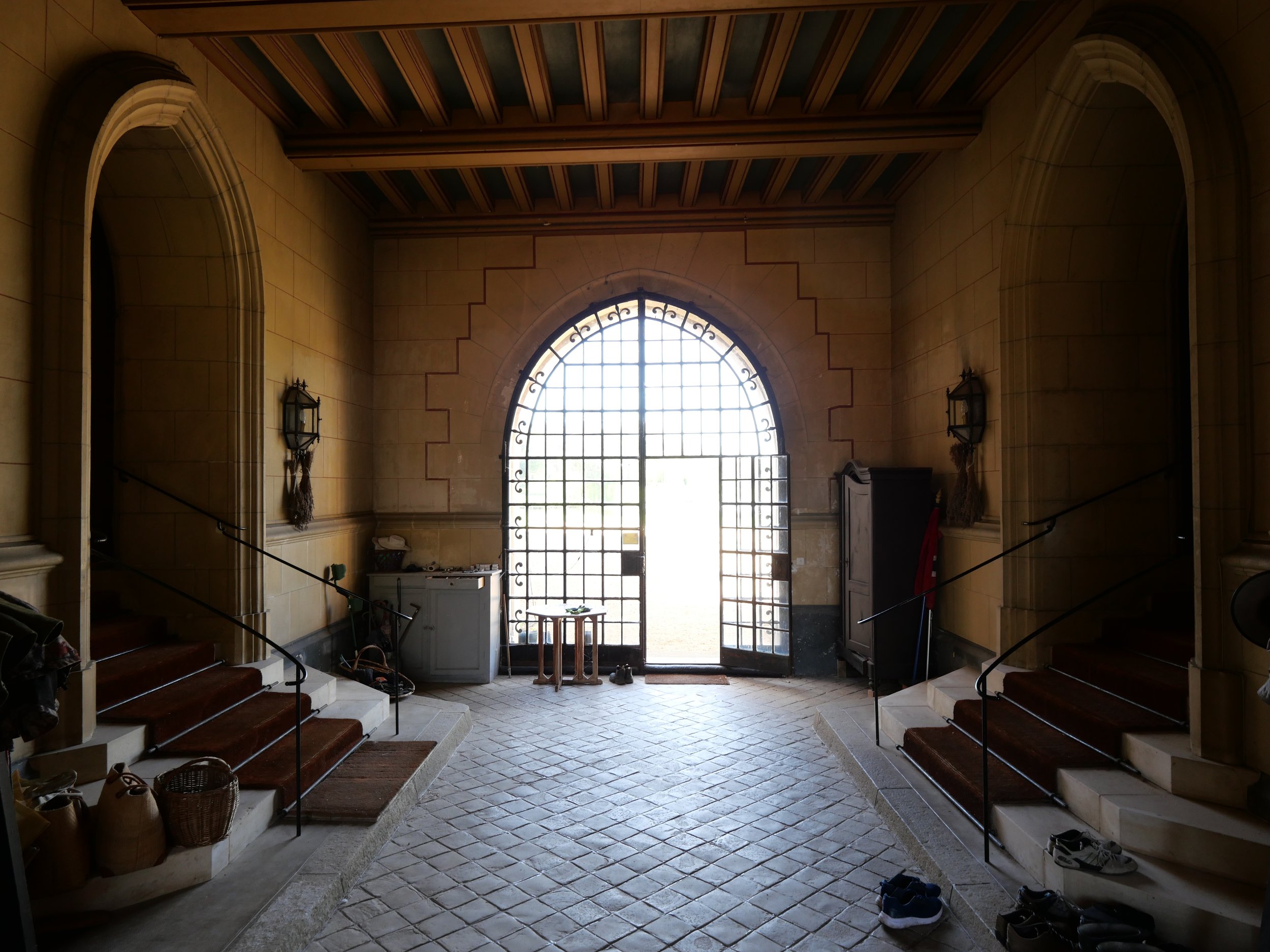
The restoration introduced much of the architectural drama seen today, including the gatehouse entrance with drawbridge, water-filled moats, towers, sculptural ornament, heraldic ceilings, carved stone, and formal rooms conceived for reception, lineage, and display.
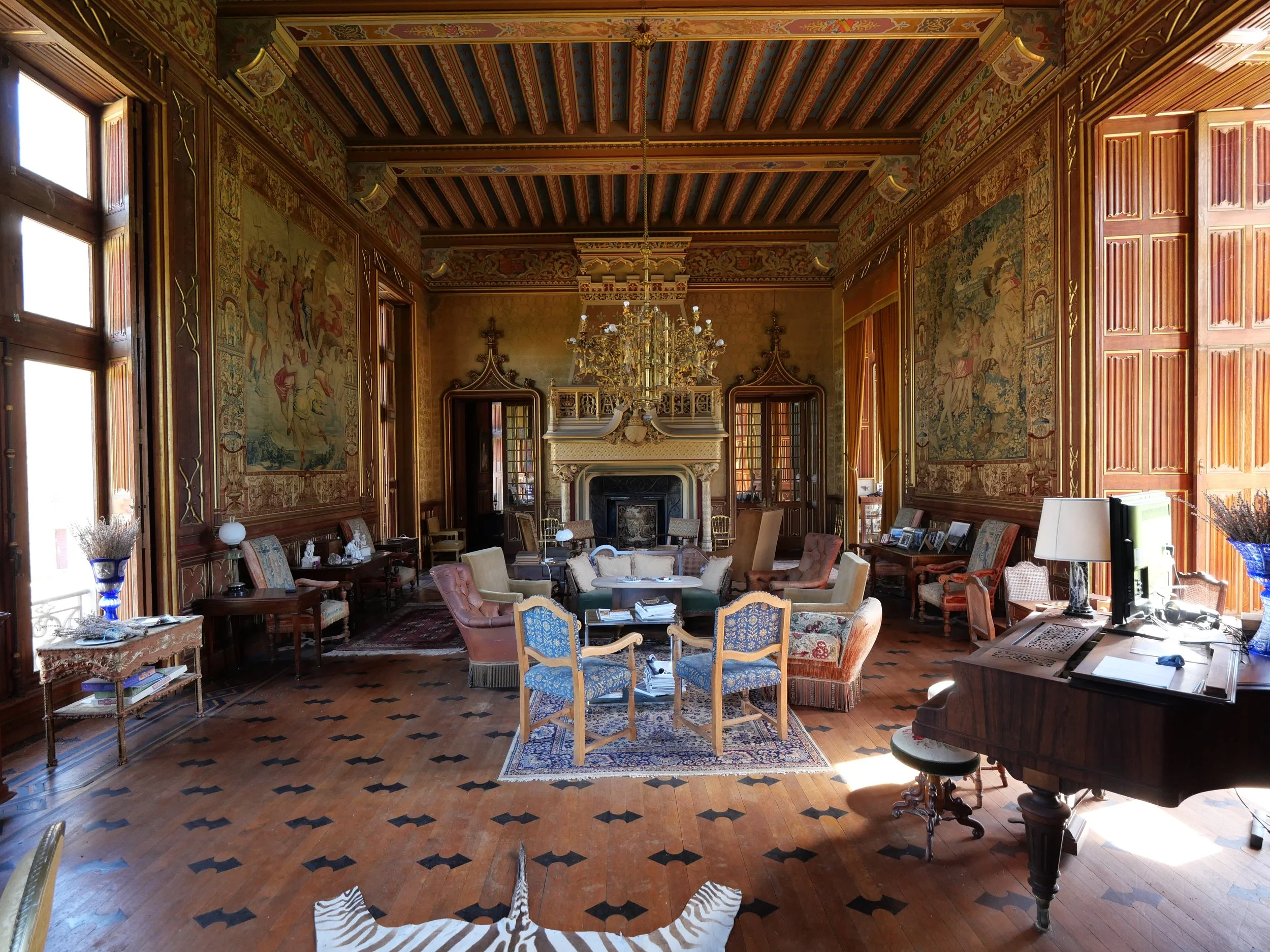
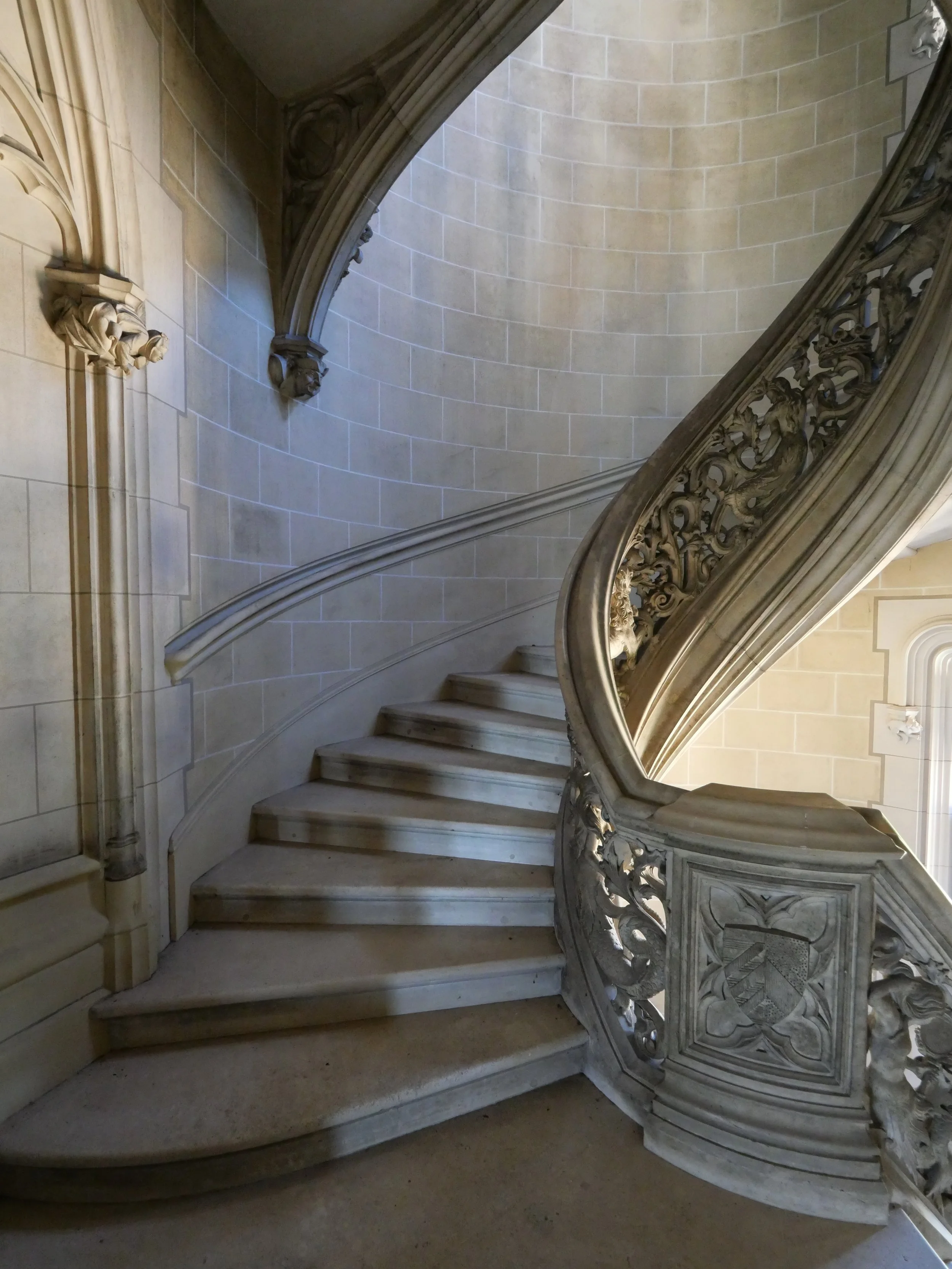
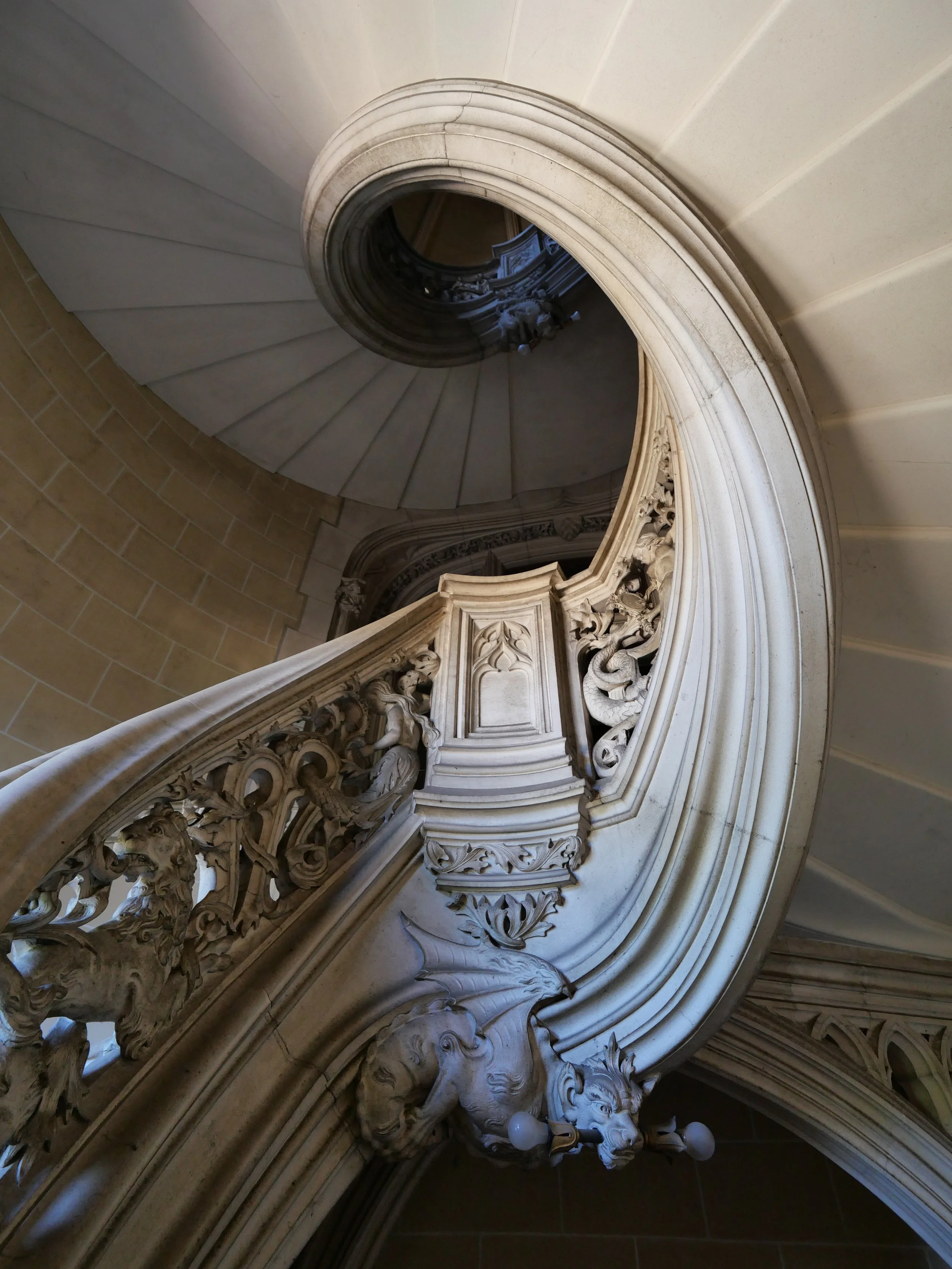
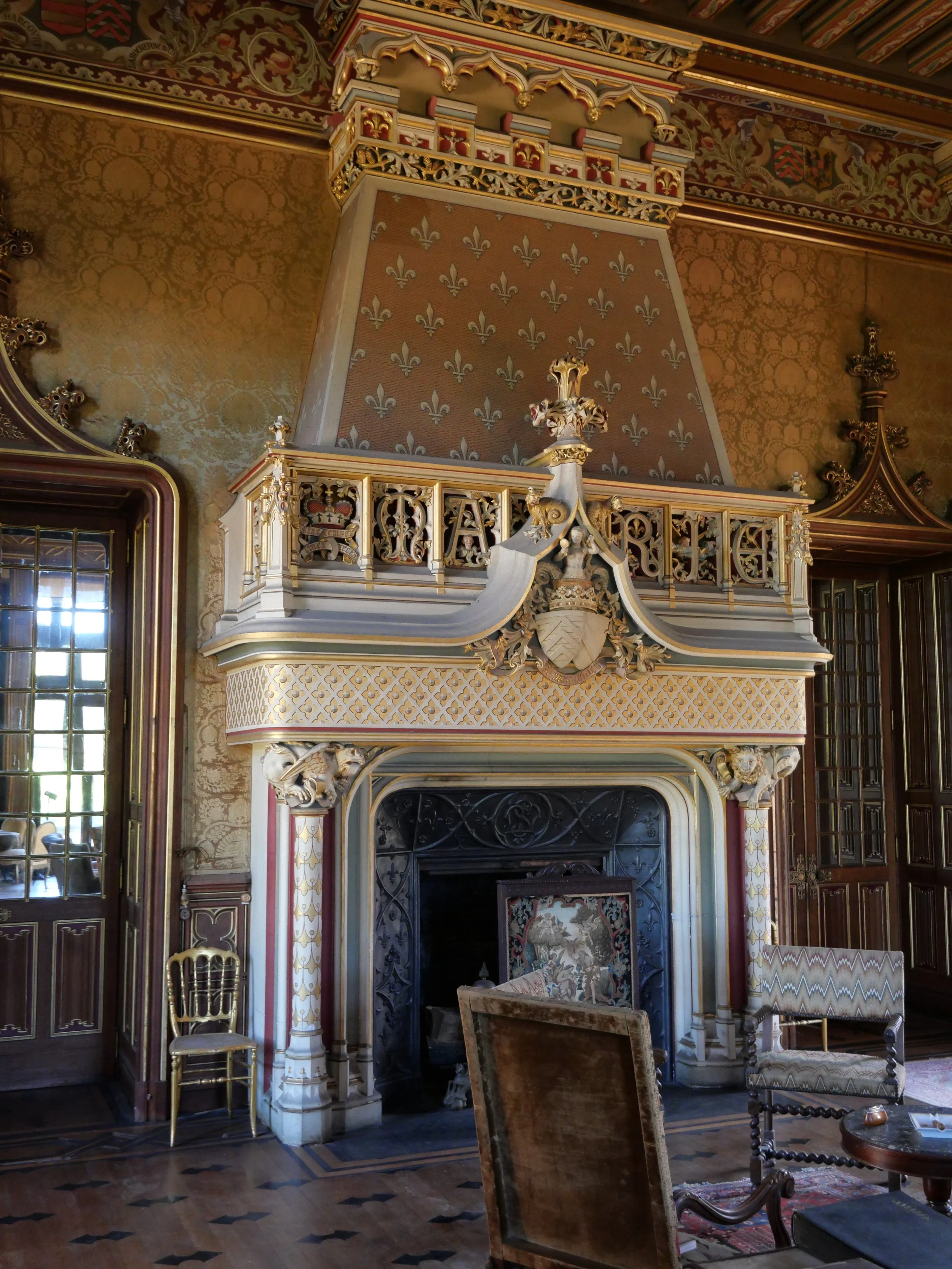
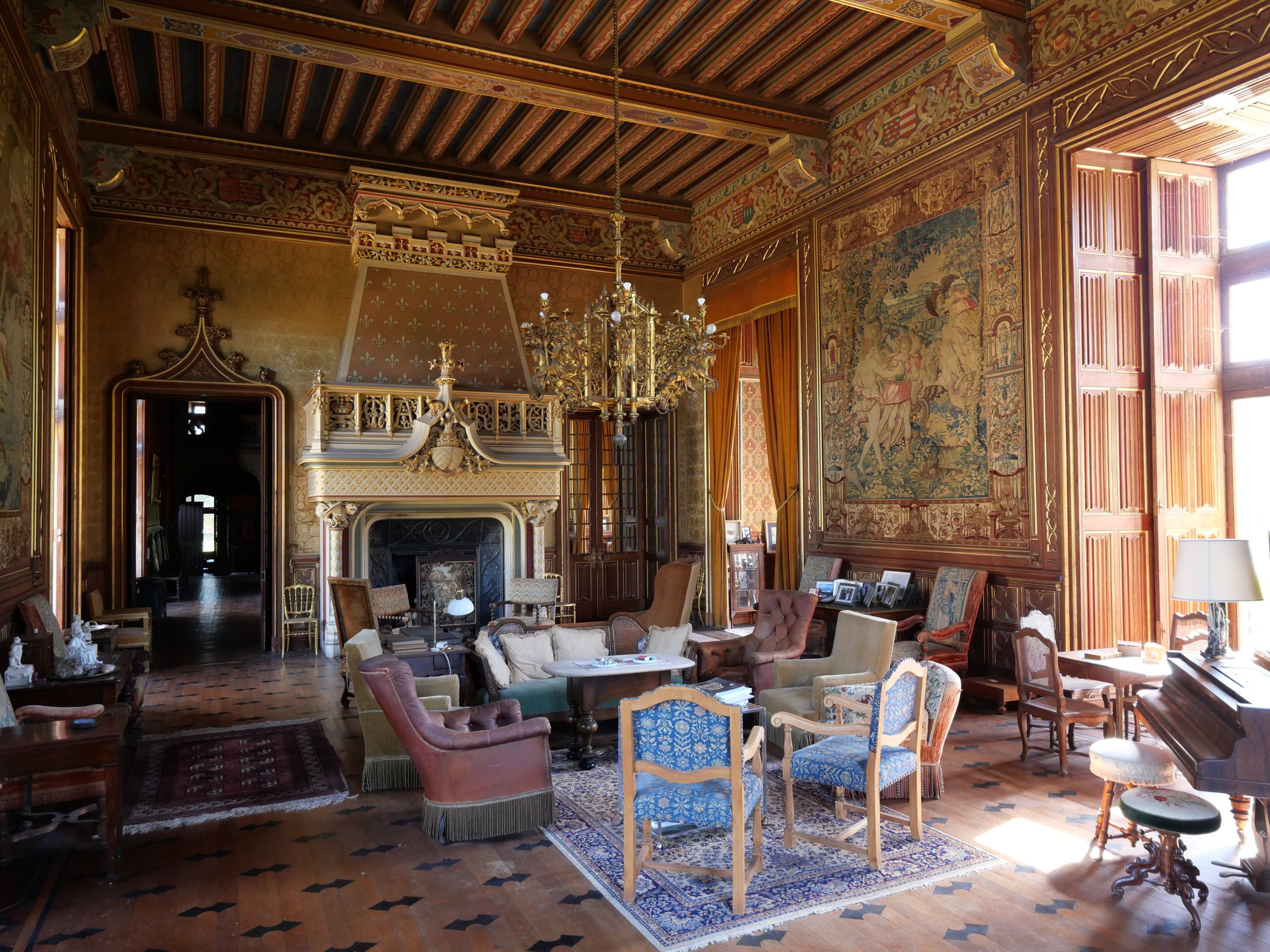
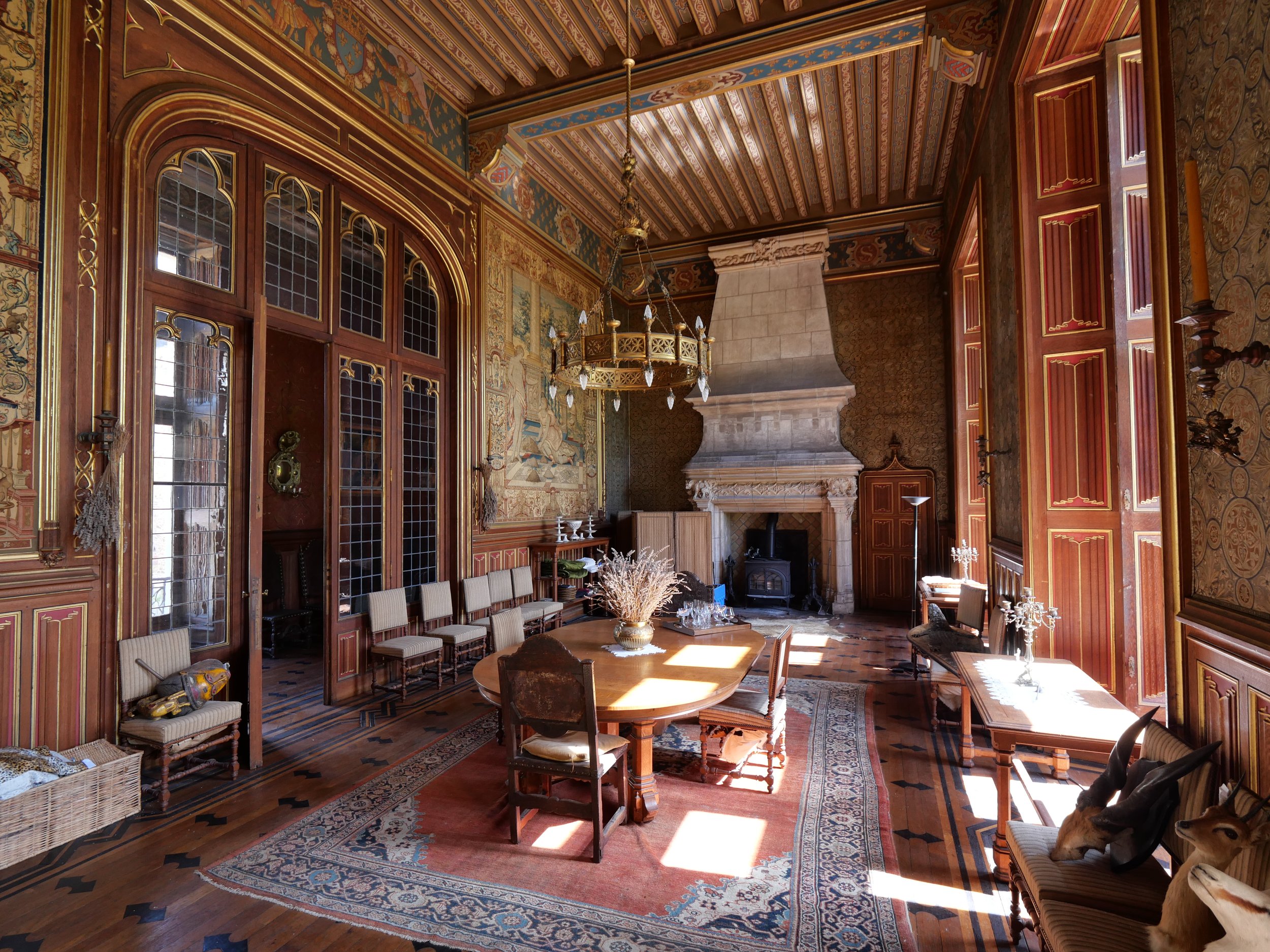
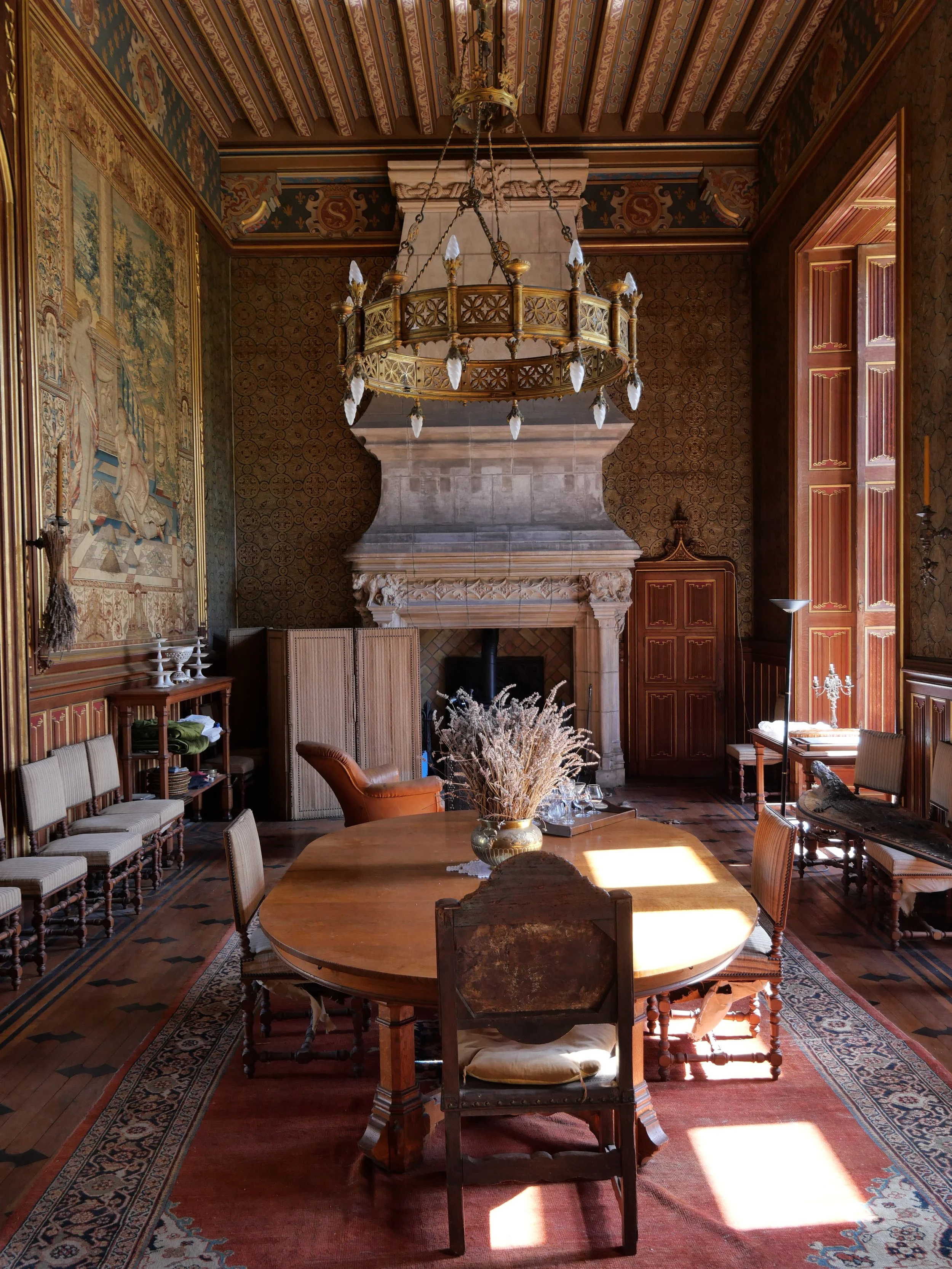
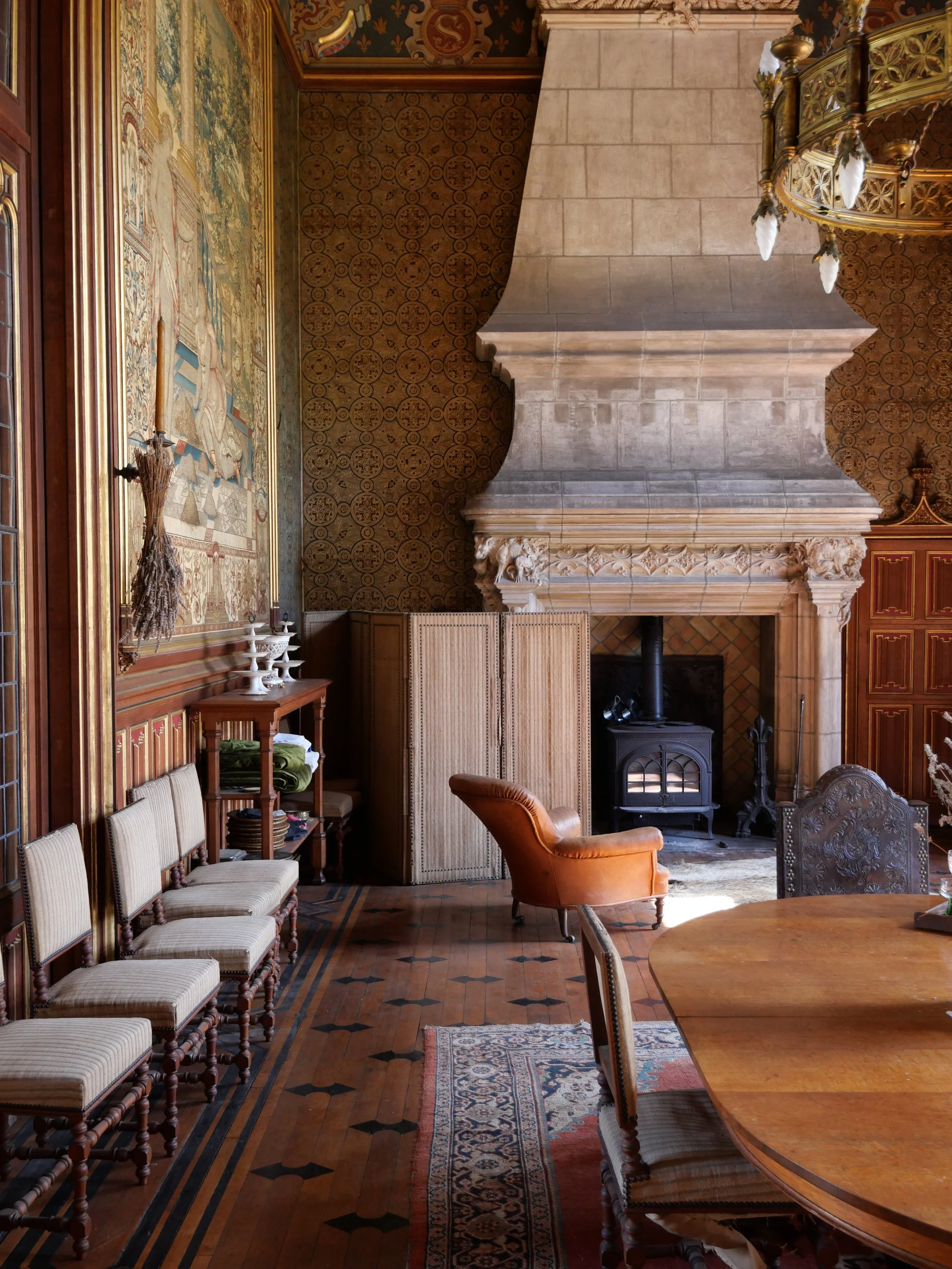
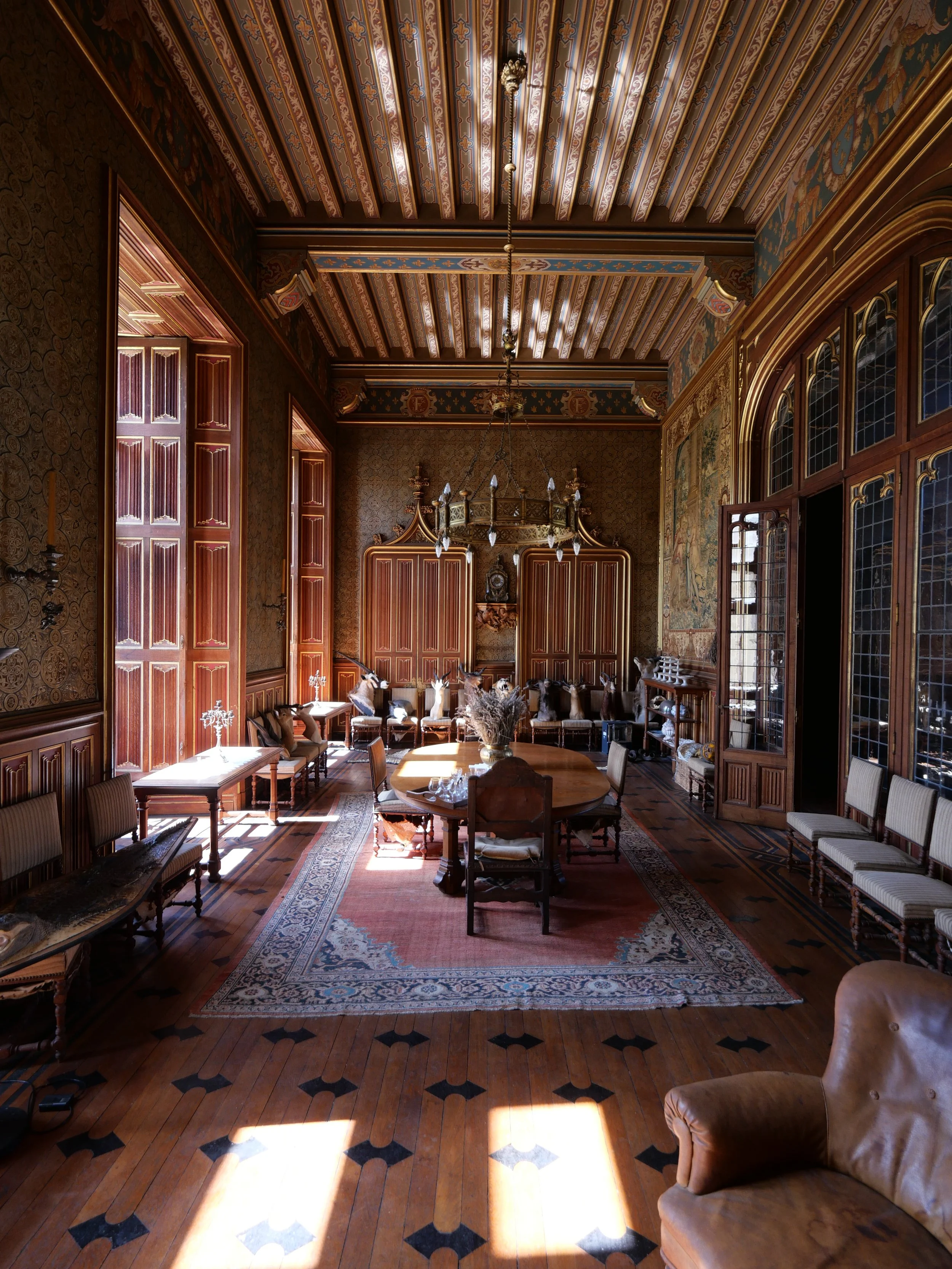
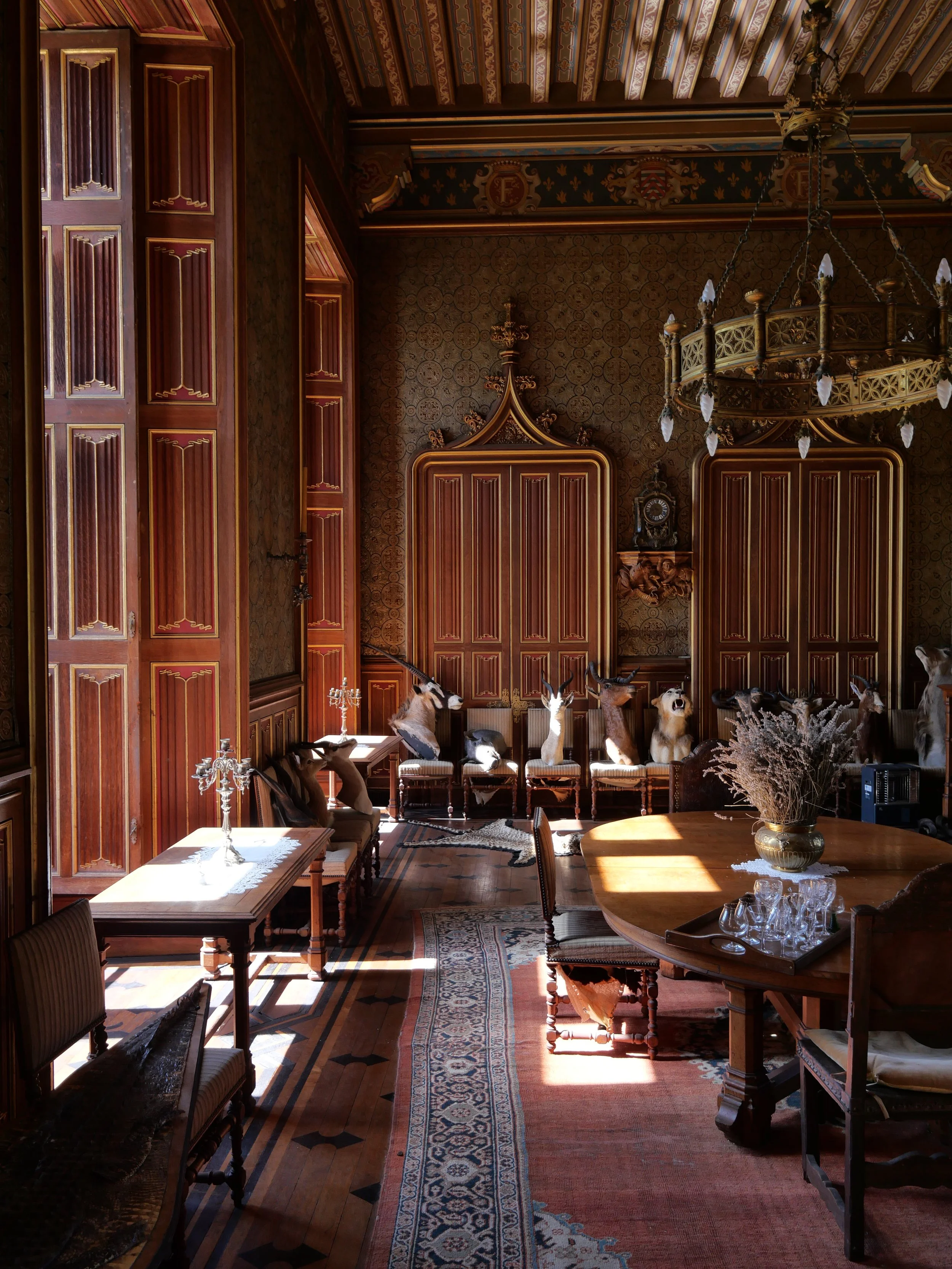
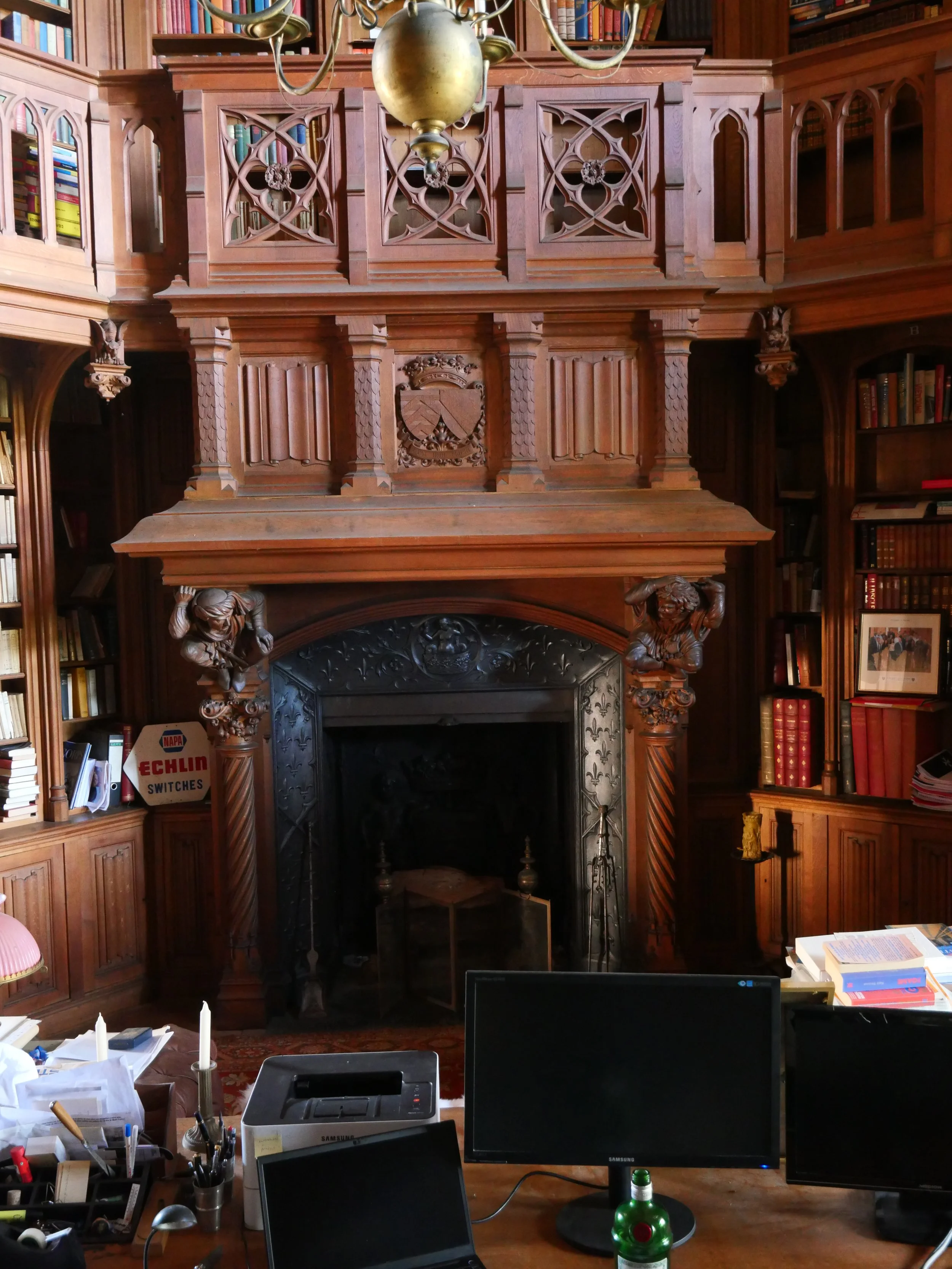
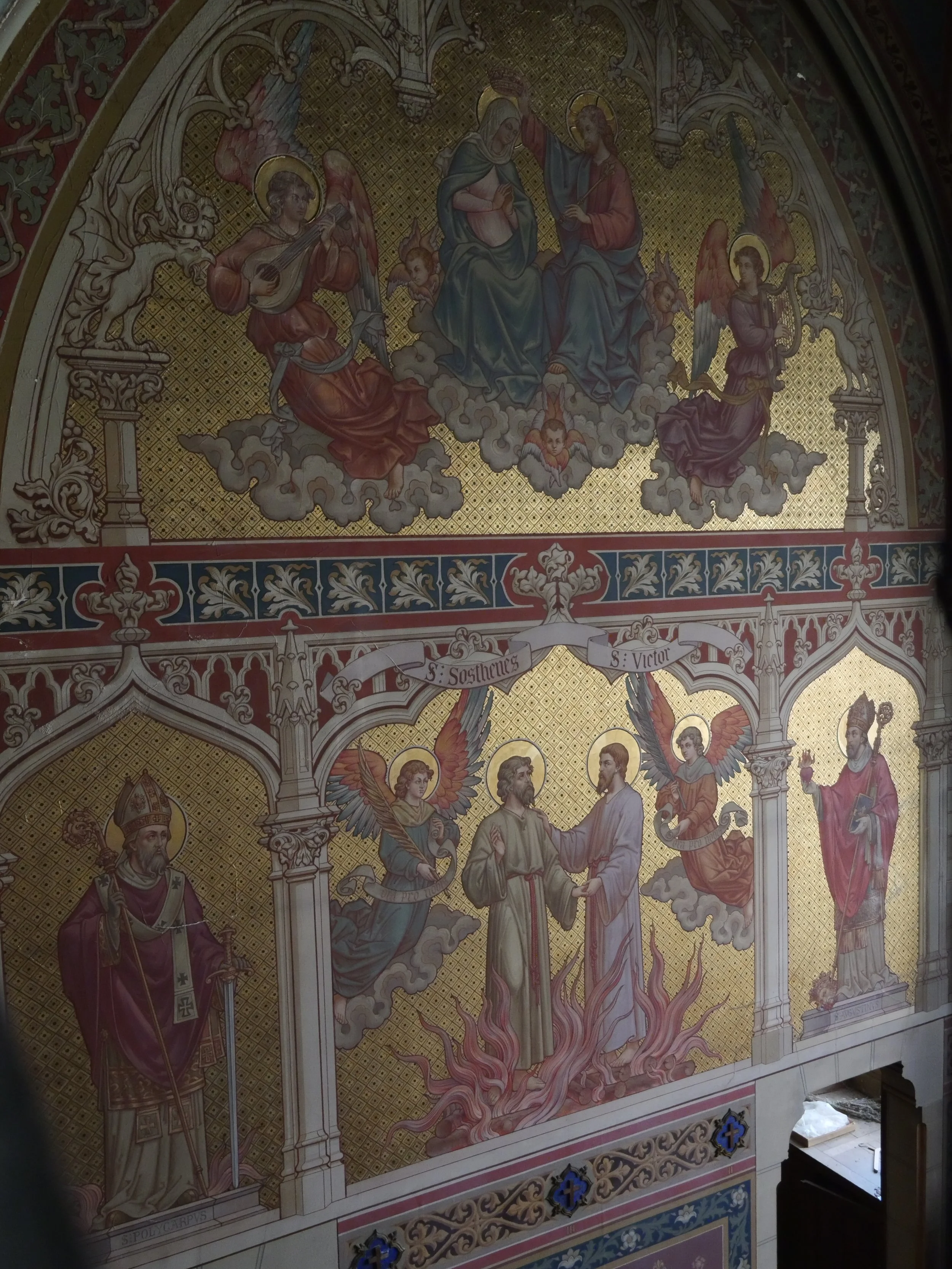
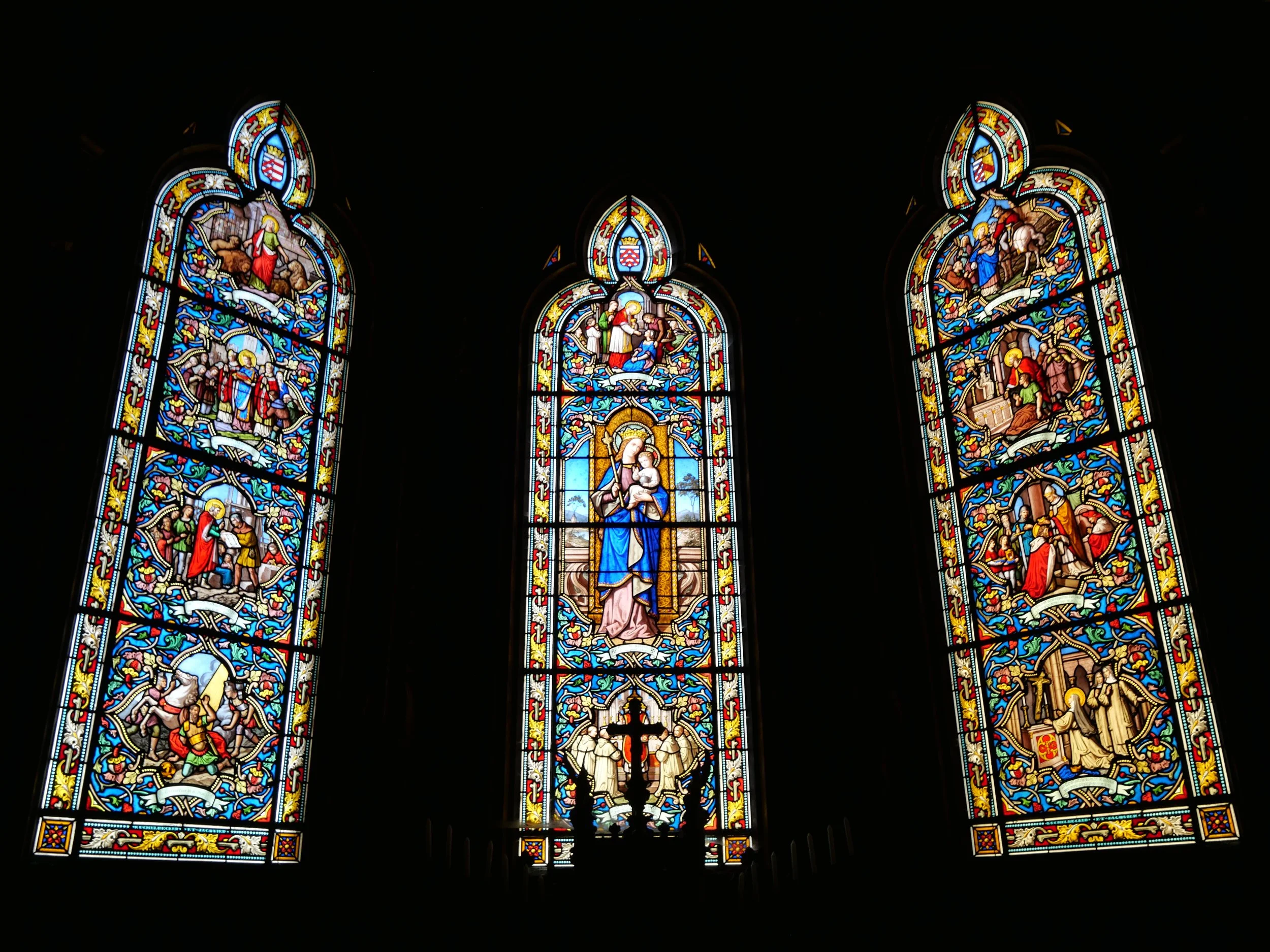
Accommodation is arranged across 30 principal bedrooms, supported by a further 30 staff rooms within the service quarters. The château’s reception rooms have soaring ceilings of more than five metres / 16 feet, with intricately worked wood panelling, stucco, sculptural detail, painted and gilded decoration, and a formal sequence that includes bow-window salons, a dining room, a guard room, a grand salon, and a spectacular two-level library. A decorated chapel, three major apartments, and a ceremonial stone staircase further anchor the interiors in the château’s 19th-century Neo-Gothic restoration.
Among its most important historic features is a group of 16th-century tapestries telling the story of Psyche and Cupid. According to the presentation dossier, the works were woven in Brussels in the second half of the 16th century after designs by Giovanni Battista Castello, known as Il Bergamasco, and were originally commissioned for the Pallavicino palace in Genoa. Four tapestries remain with the château, giving the interiors a level of art-historical significance that extends beyond architecture alone.
The guest history adds another layer. The dossier lists King George V, King Alfonso XIII of Spain, the King of Lithuania, King Charles III in the 1970s, Pierre de Coubertin, Jean-Paul Belmondo, and Michael Jackson among those who stayed at or visited the château. The range is unusually broad, moving from royalty and aristocracy to industrialists, sporting history, cinema, and popular culture.
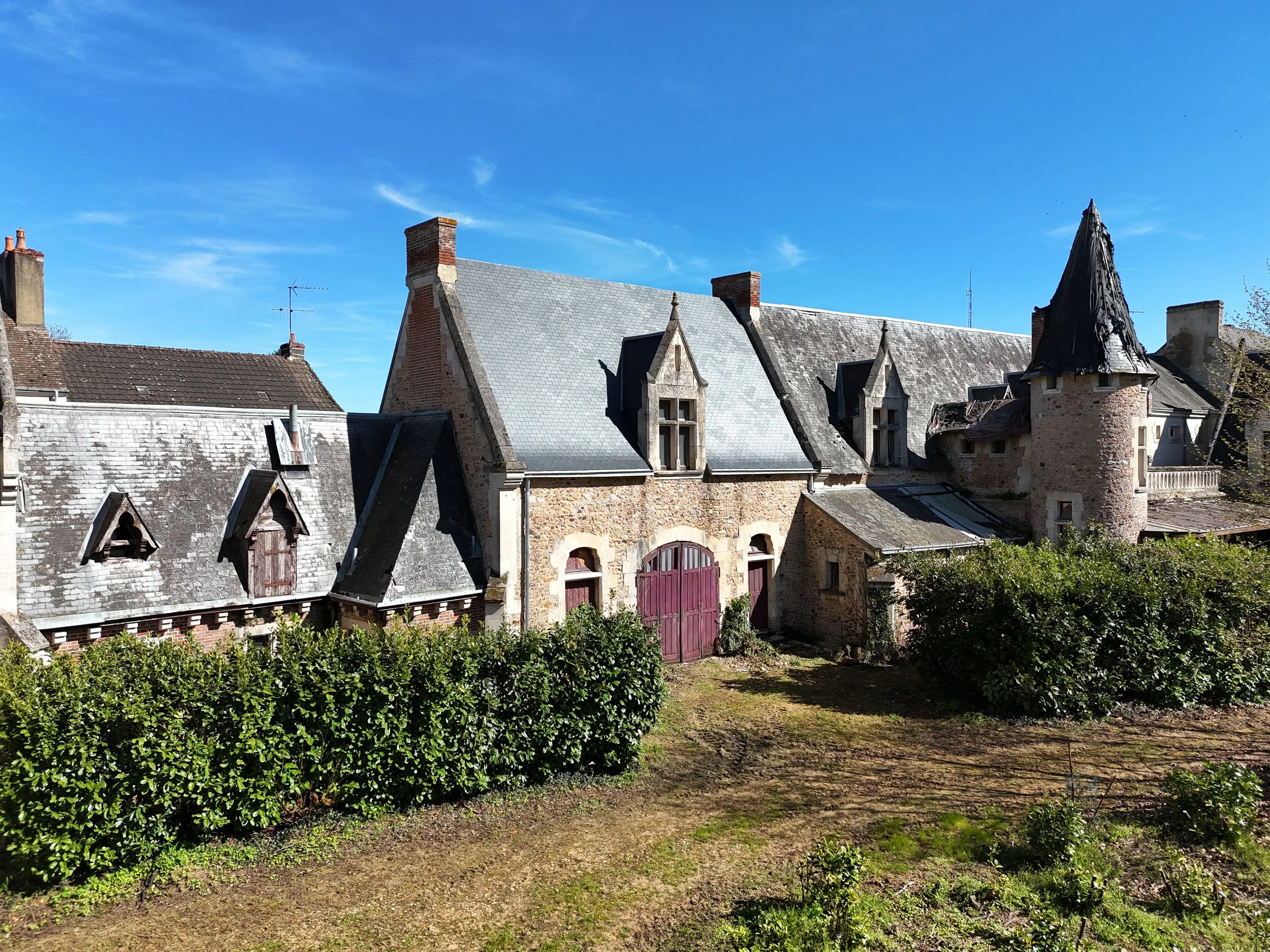
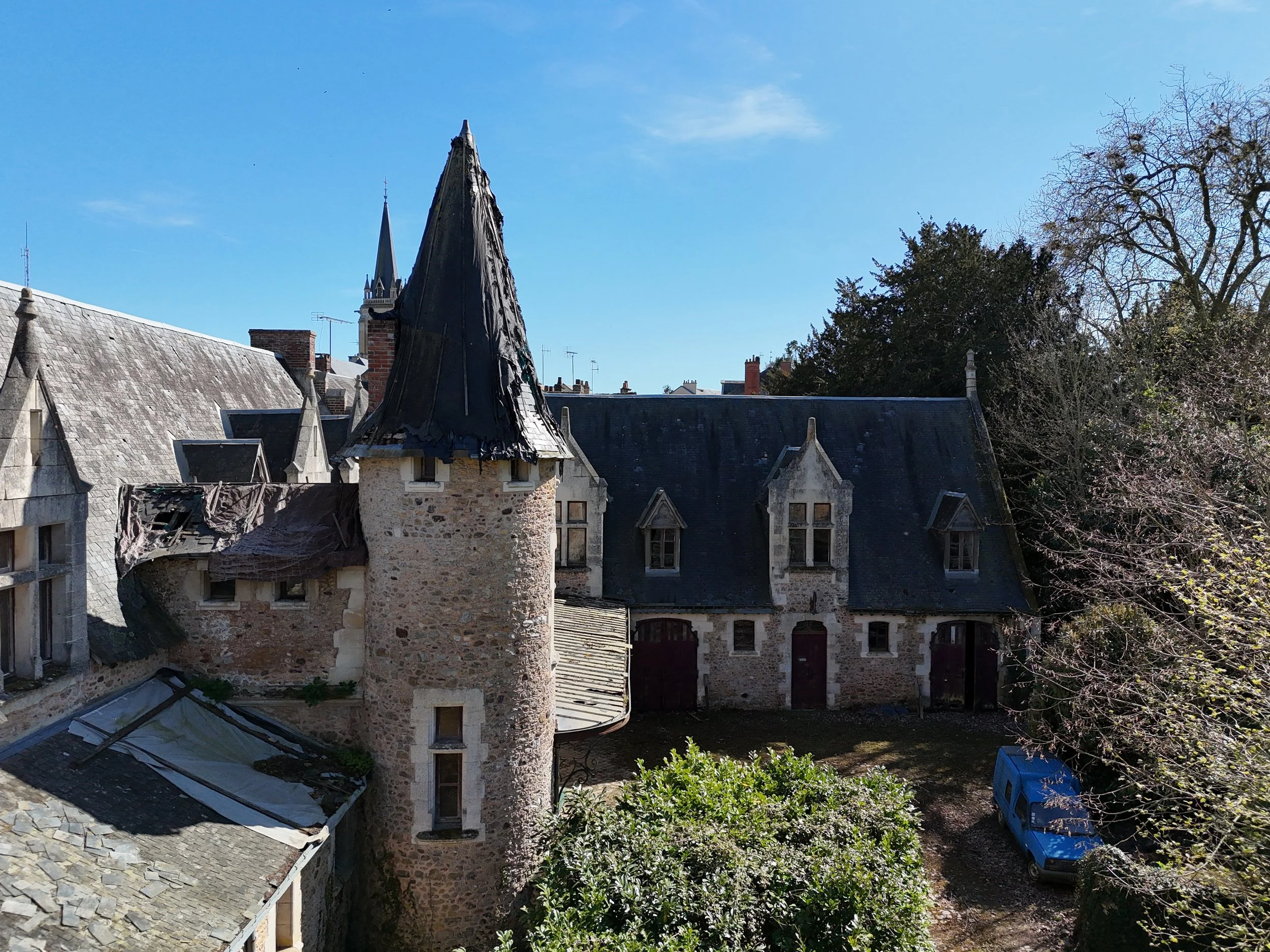
The scale is equally significant. The main château offers approximately 5,000 m² / 53,820 ft² of living space across around 110 rooms, with further outbuildings including historic stables and service buildings. The estate extends across approximately 44 hectares / 109 acres, with an English-style park, water features, a river, water-filled moats, meadows, mature trees, ancillary structures, and historic estate infrastructure including a water tower and Bollée wind-powered water pump.
Listed as a French Monument Historique, the property remains a serious heritage estate rather than a turnkey country house. Its protected status may allow future restoration and maintenance works to fall within France’s Monument Historique tax framework, subject to approval and professional tax advice. Its architecture, interiors, tapestries, provenance, and setting near Le Mans make it one of the more layered château offerings currently on the French market.
More than a historic residence near the 24 Hours of Le Mans, the estate brings together several distinct chapters of European history: medieval fortification, 19th-century Neo-Gothic restoration, aristocratic provenance, Renaissance material culture, and the interwar motoring world that helped define the early glamour of endurance racing.
All photographs courtesy of the listing agency, Denniel Immobilier.