A 1901 Gilded Age Mansion Near Fifth Avenue Asks $39,500,000
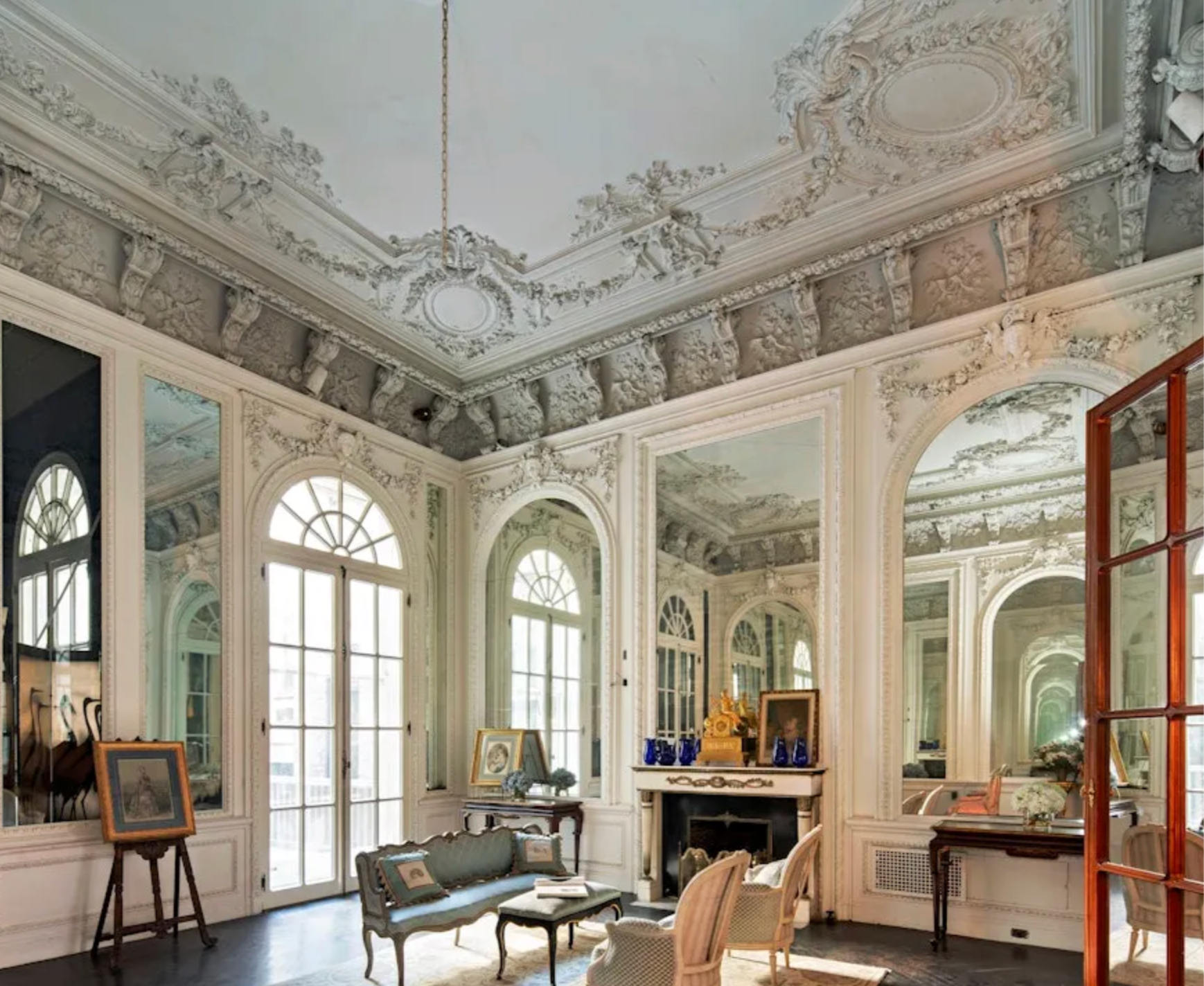
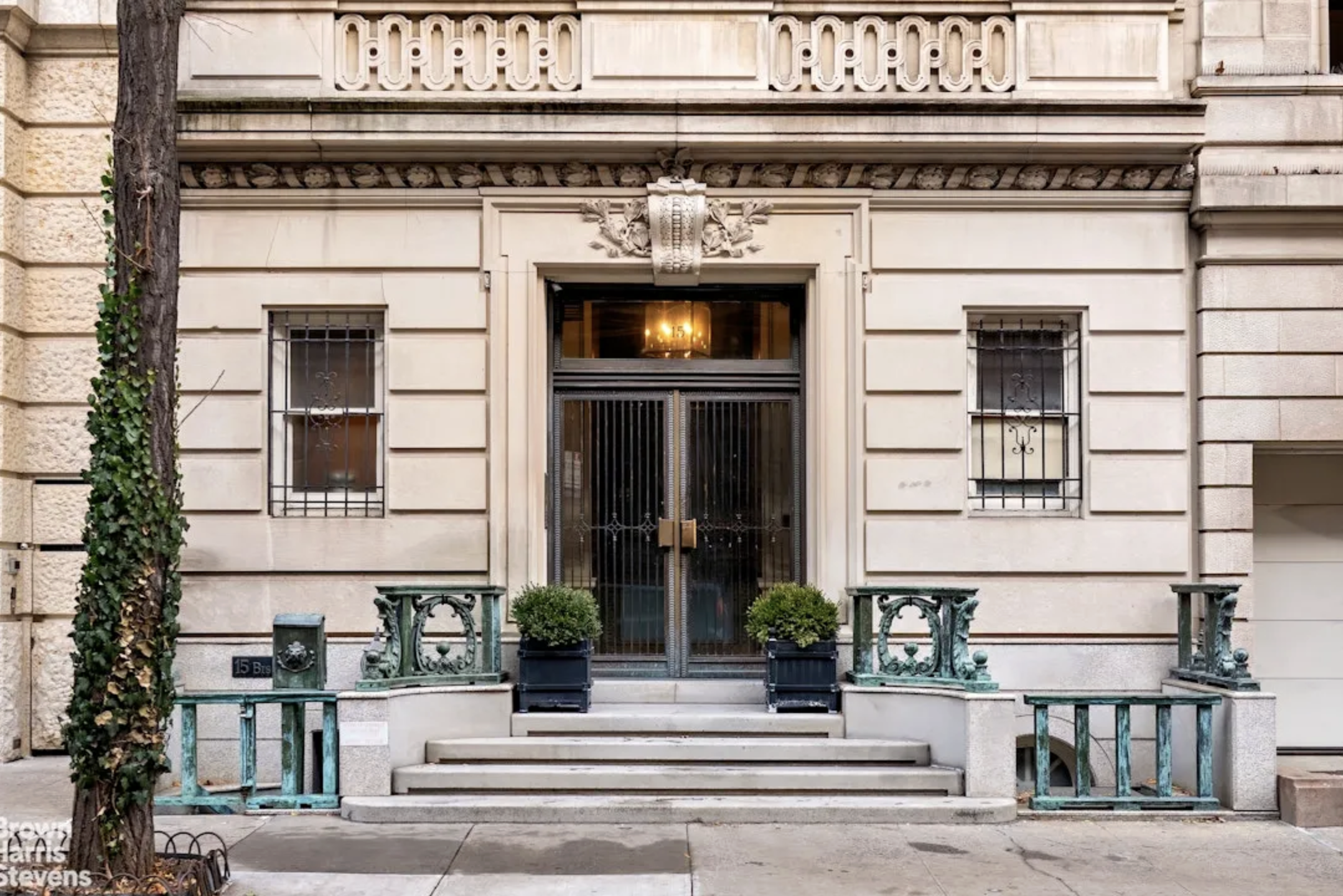
A Beaux-Arts limestone mansion at 15 East 63rd Street has returned to the market with an asking price of $39.5 million. The property is listed with Sami Hassoumi of Brown Harris Stevens. Located between Fifth and Madison Avenues, the house sits within Manhattan’s Lenox Hill neighborhood, less than one block from Central Park.
It stands as one of the finest surviving private mansions from New York’s Gilded Age. Built at the turn of the 20th century, the limestone residence is a rare architectural time capsule—retaining much of its original grandeur in a city where similar houses were long ago replaced by apartment towers.
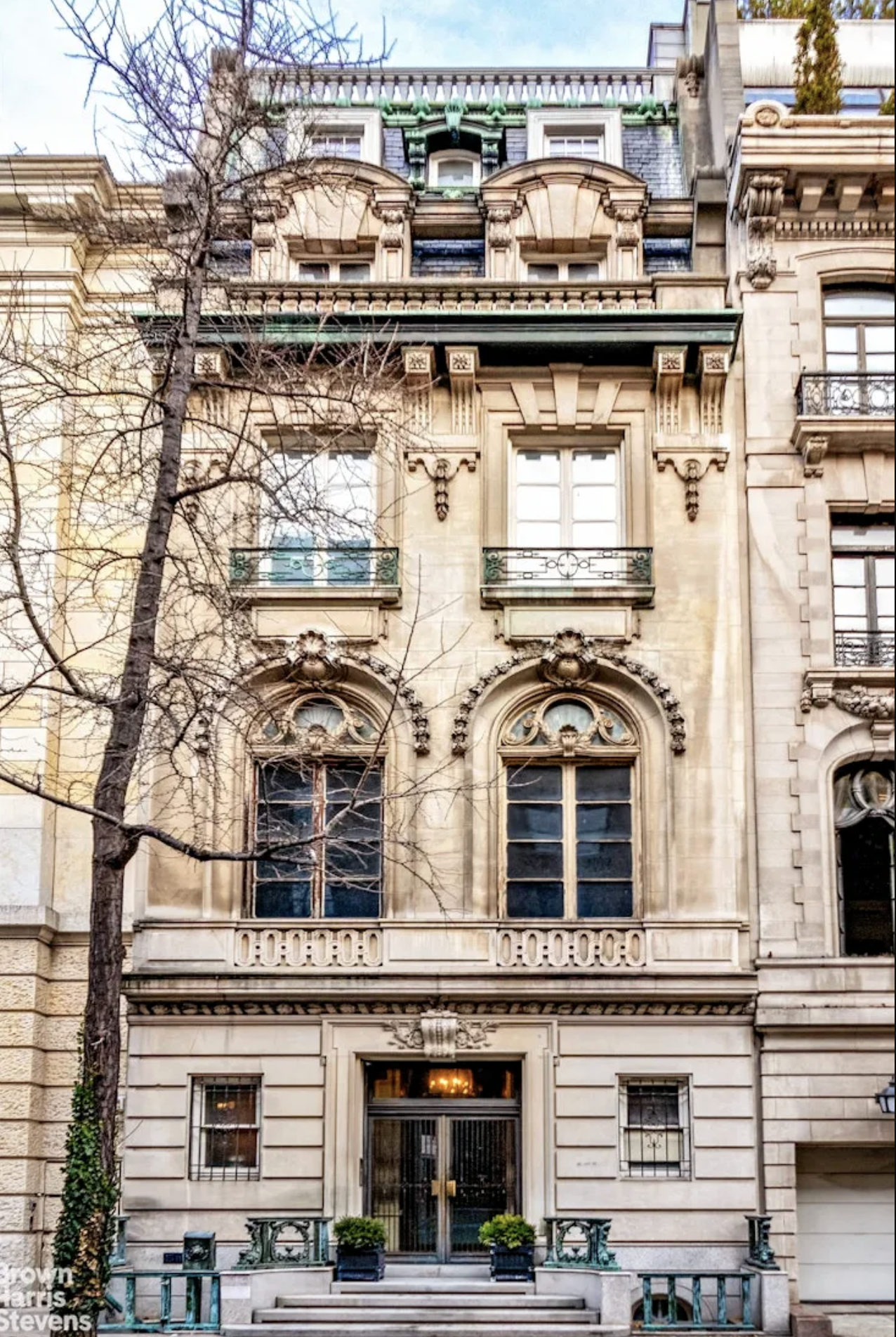
A Gilded Age Commission
The mansion was completed in 1901 for Elias Asiel, a prominent financier, philanthropist, and trustee of Mount Sinai Hospital. At the time, East 63rd Street was emerging as part of Manhattan’s elite “Gold Coast,” where industrialists, financiers, and social leaders constructed opulent townhouses near Central Park.
Asiel commissioned the house to replace a more modest brownstone, signaling both his personal wealth and the broader transformation of the Upper East Side into one of America’s most prestigious residential districts.
The Architect: John H. Duncan
The residence was designed by John H. Duncan, a highly respected architect best known for monumental civic works, most notably Grant’s Tomb, said to be inspired by Napoleon’s tomb at Les Invalides.
Duncan brought a monumental sensibility to what was, at its core, a private home—creating a residence that feels more like a European hôtel particulier than a New York townhouse.
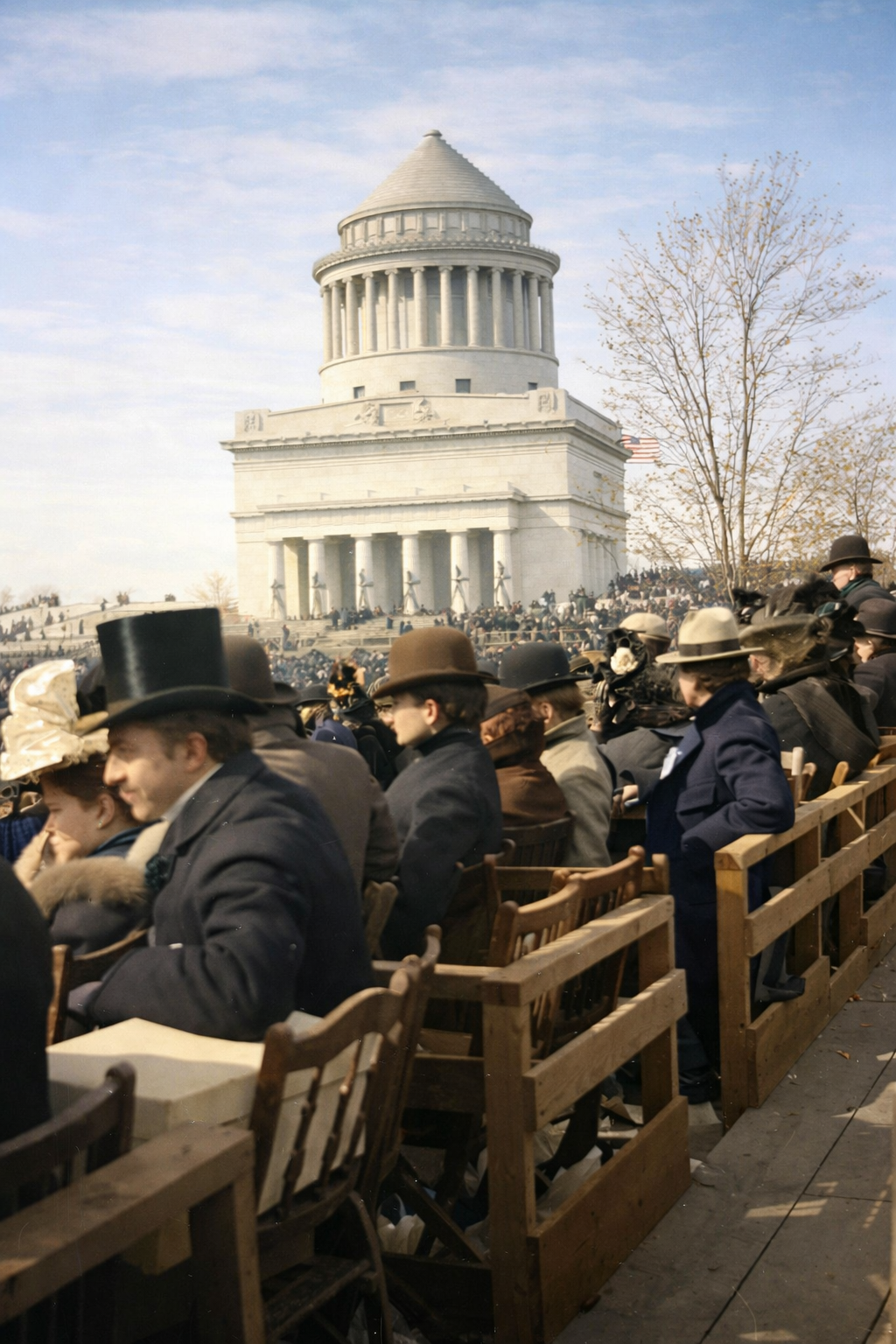
Grant’s Tomb
Grant's Tomb is a monumental neoclassical mausoleum in Riverside Park, Manhattan, Designed by architect John Duncan. It is the resting place of Ulysses S. Grant and his wife, Julia. The largest mausoleum in North America, it symbolizes national unity and gratitude for Grant’s role in preserving the United States during the Civil War. The construction of Grant's Tomb was financed through public fundraising. Around 90,000 people donated money, with $600,000 raised in 1890s dollars.
Ulysses S. Grant (1822–1885)
Ulysses S. Grant was the commanding general of the Union Army who ultimately defeated the Confederacy in the American Civil War. After the war, Grant became a national hero and served two terms as the 18th President of the United States (1869–1877). When Grant died in 1885, his funeral procession drew over a million people, one of the largest public events in U.S. history.
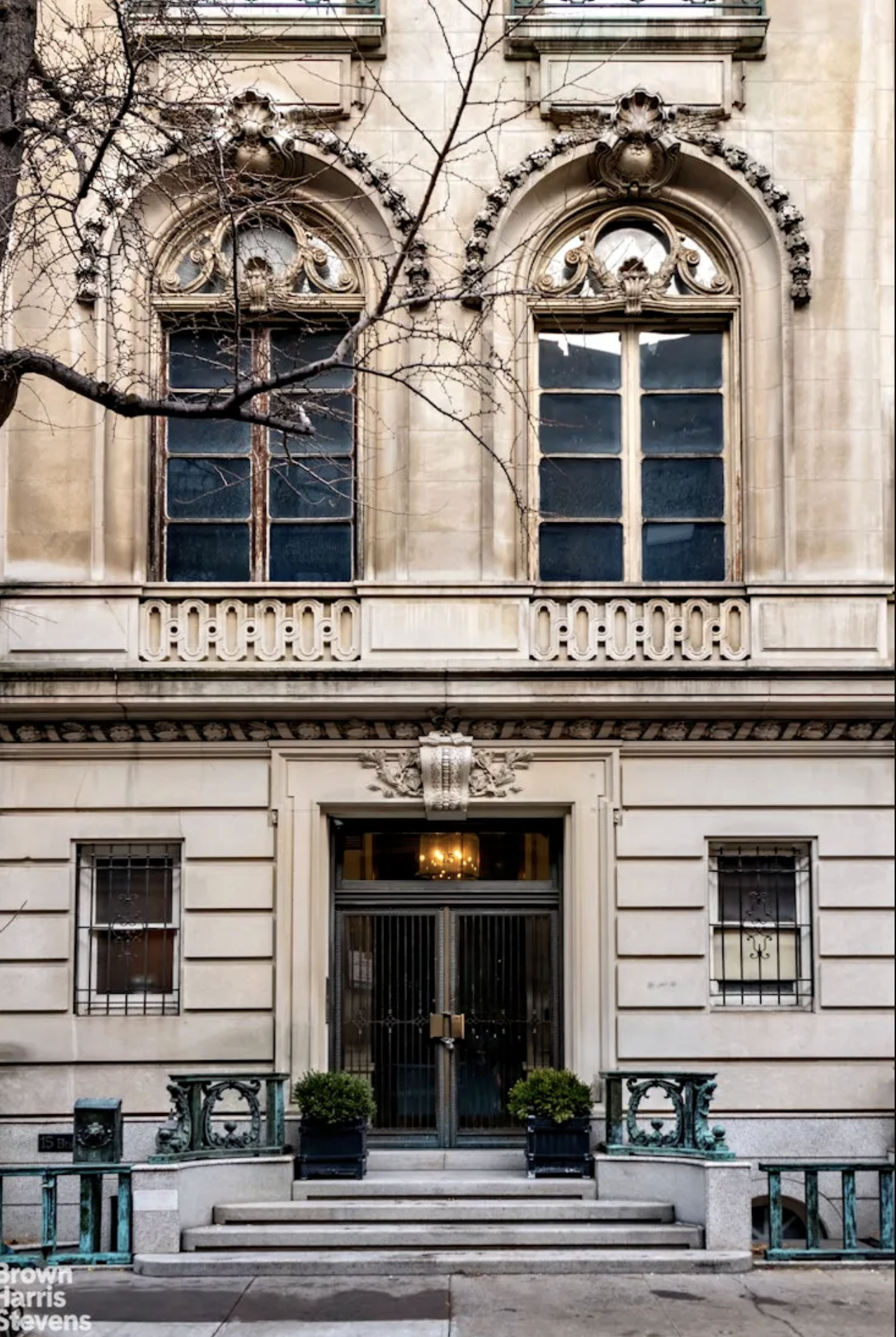
Interior Grandeur and Original Features
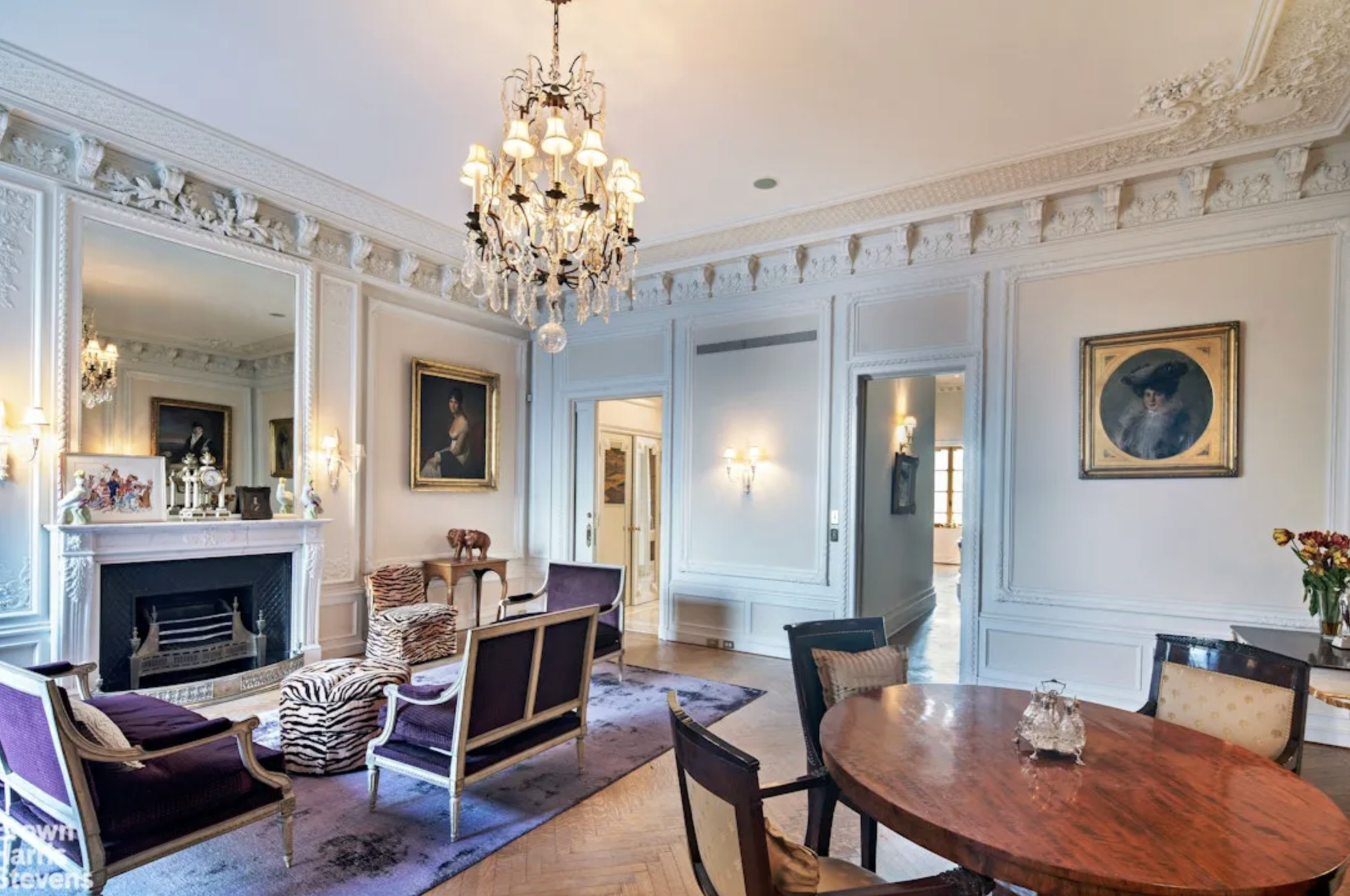
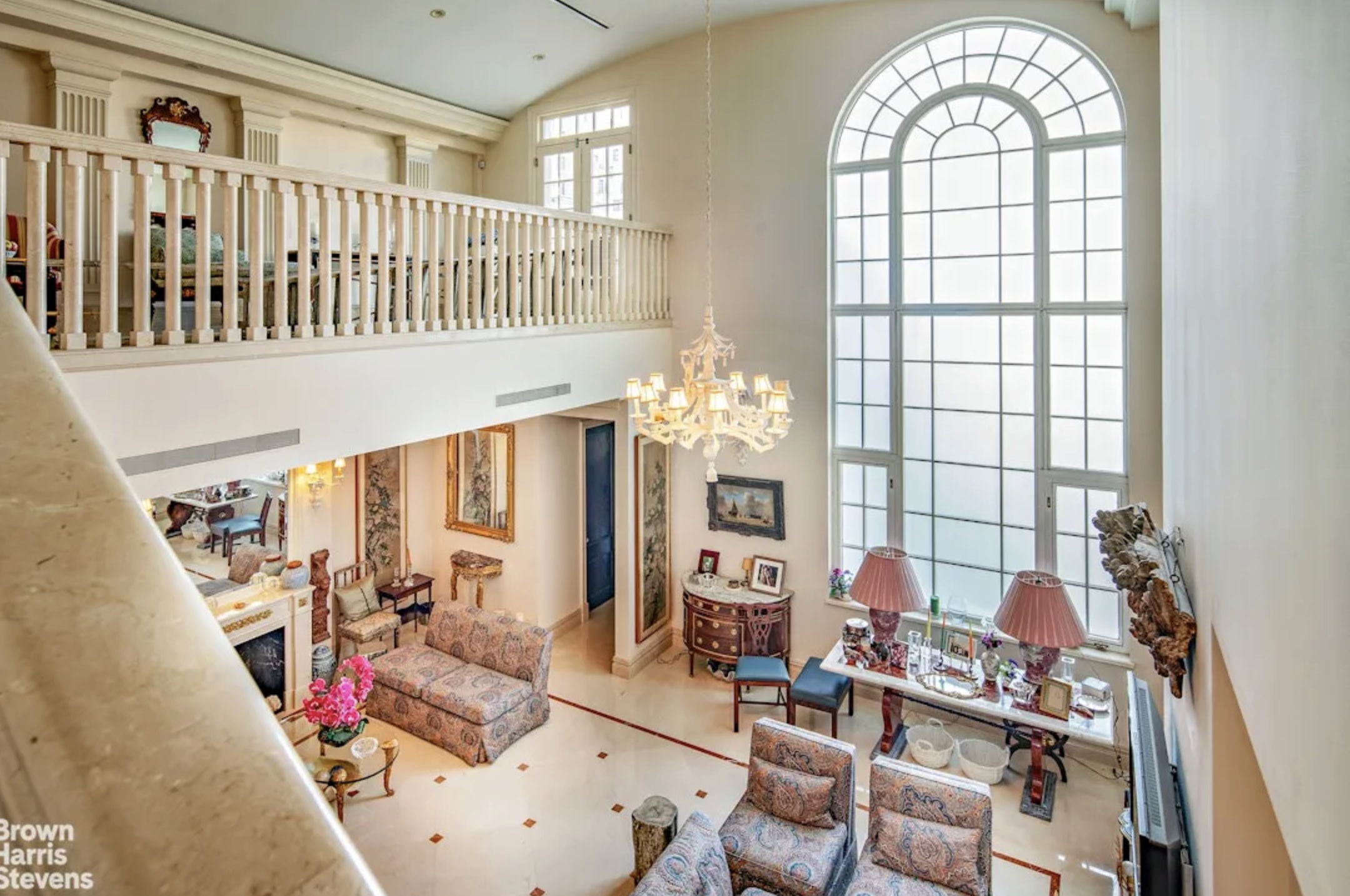
Inside, the mansion was designed for both formal entertaining and elite domestic life, reflecting the social rituals of the Gilded Age.
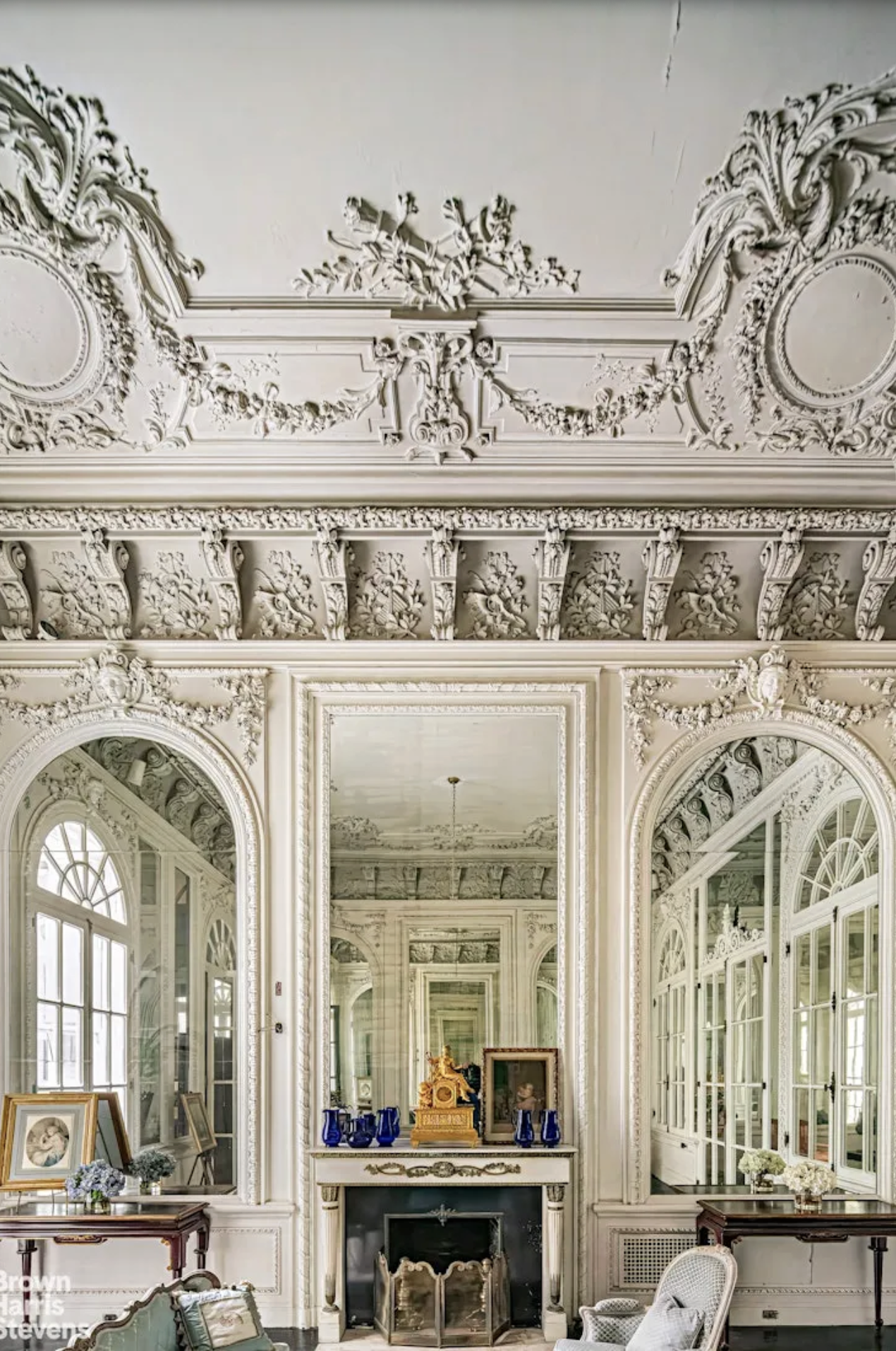
Notable interior features include:
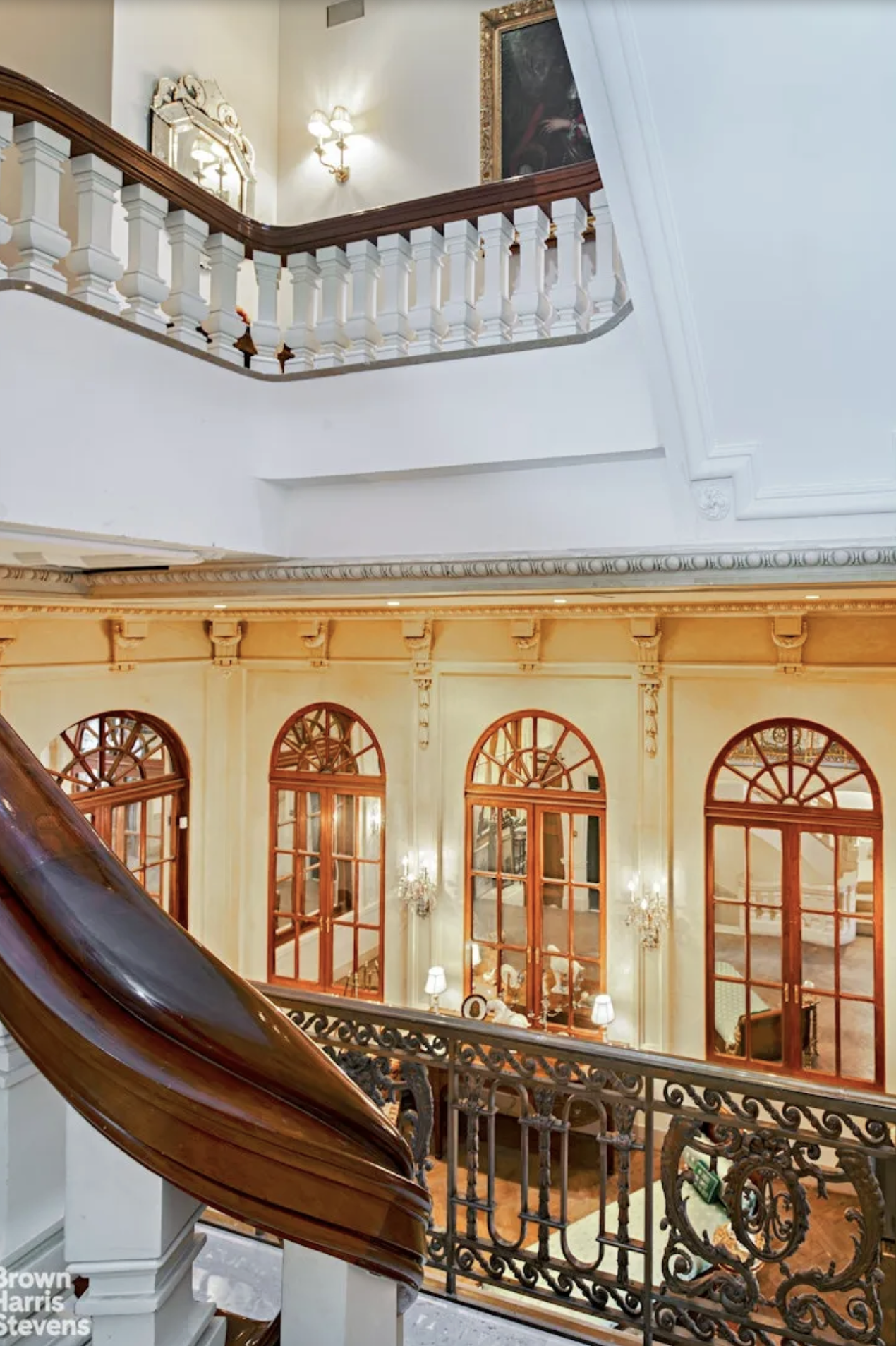
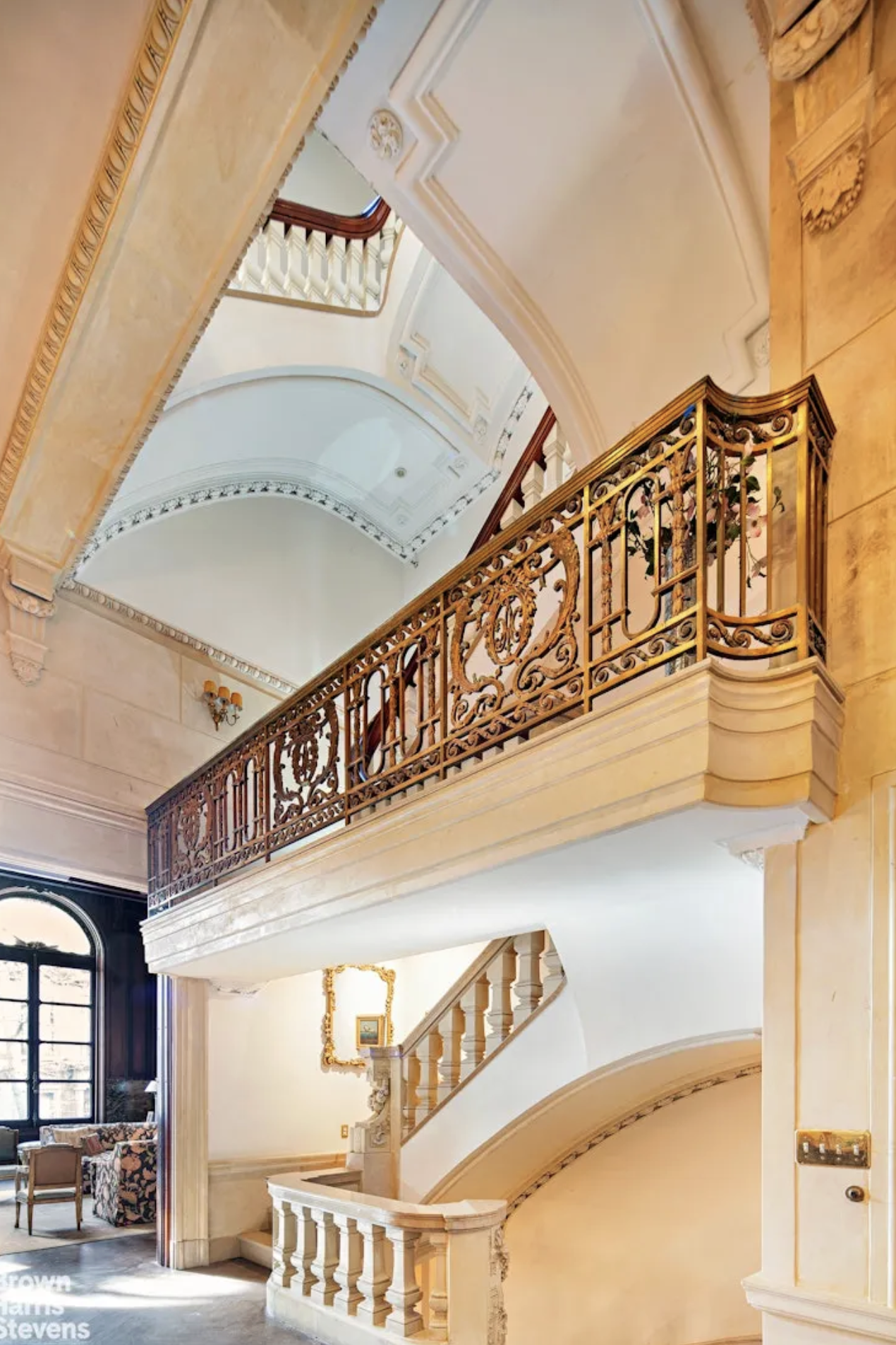
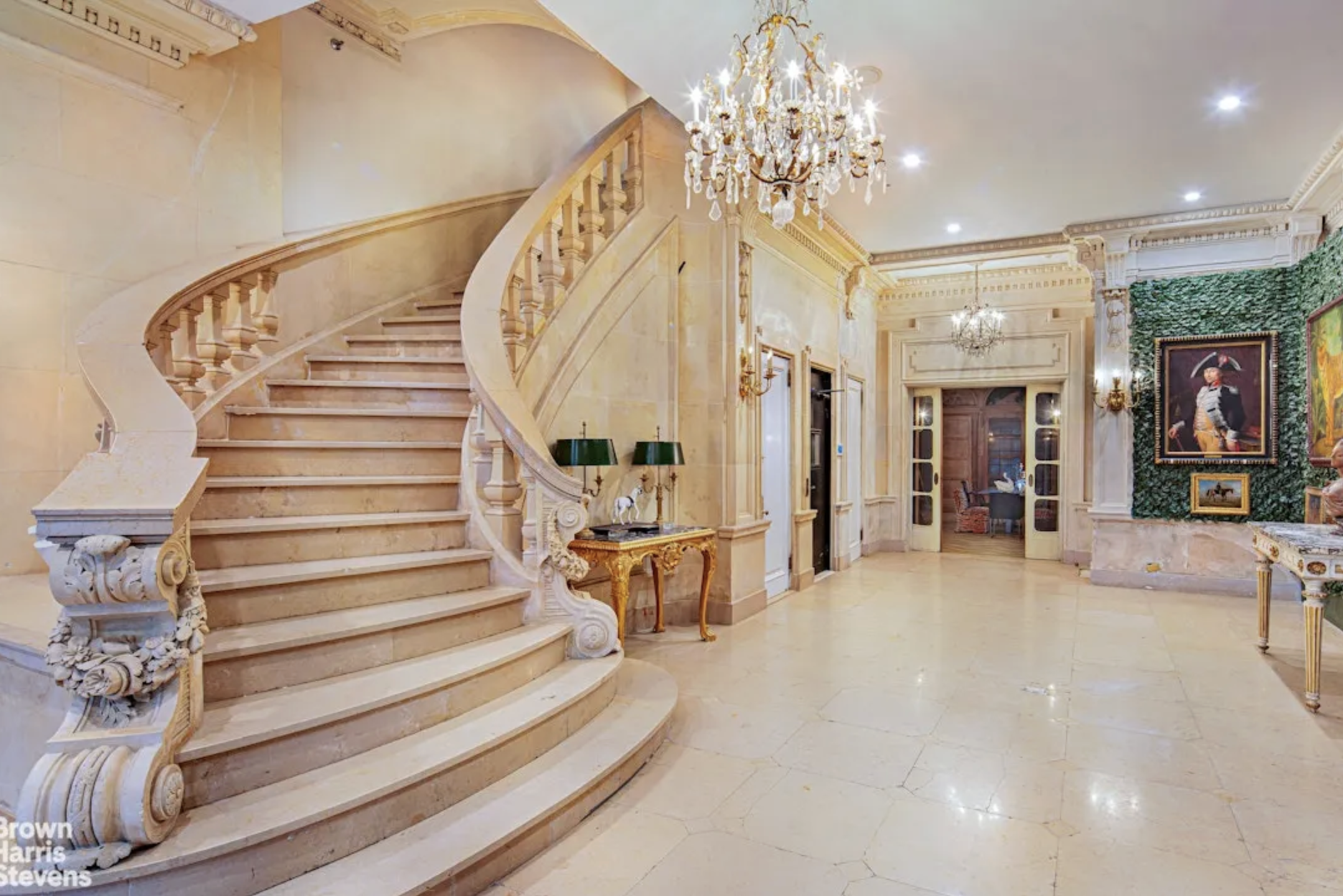
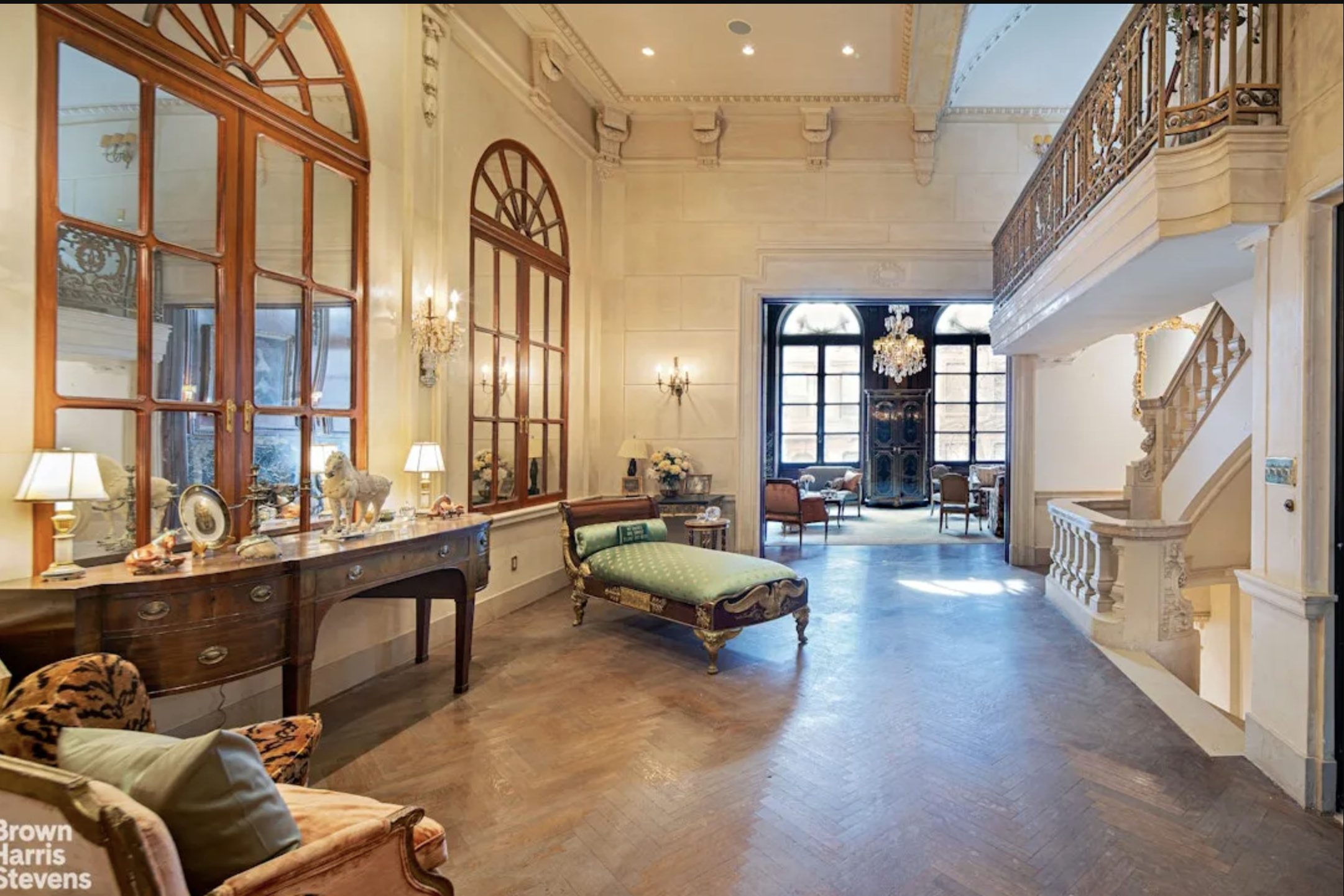
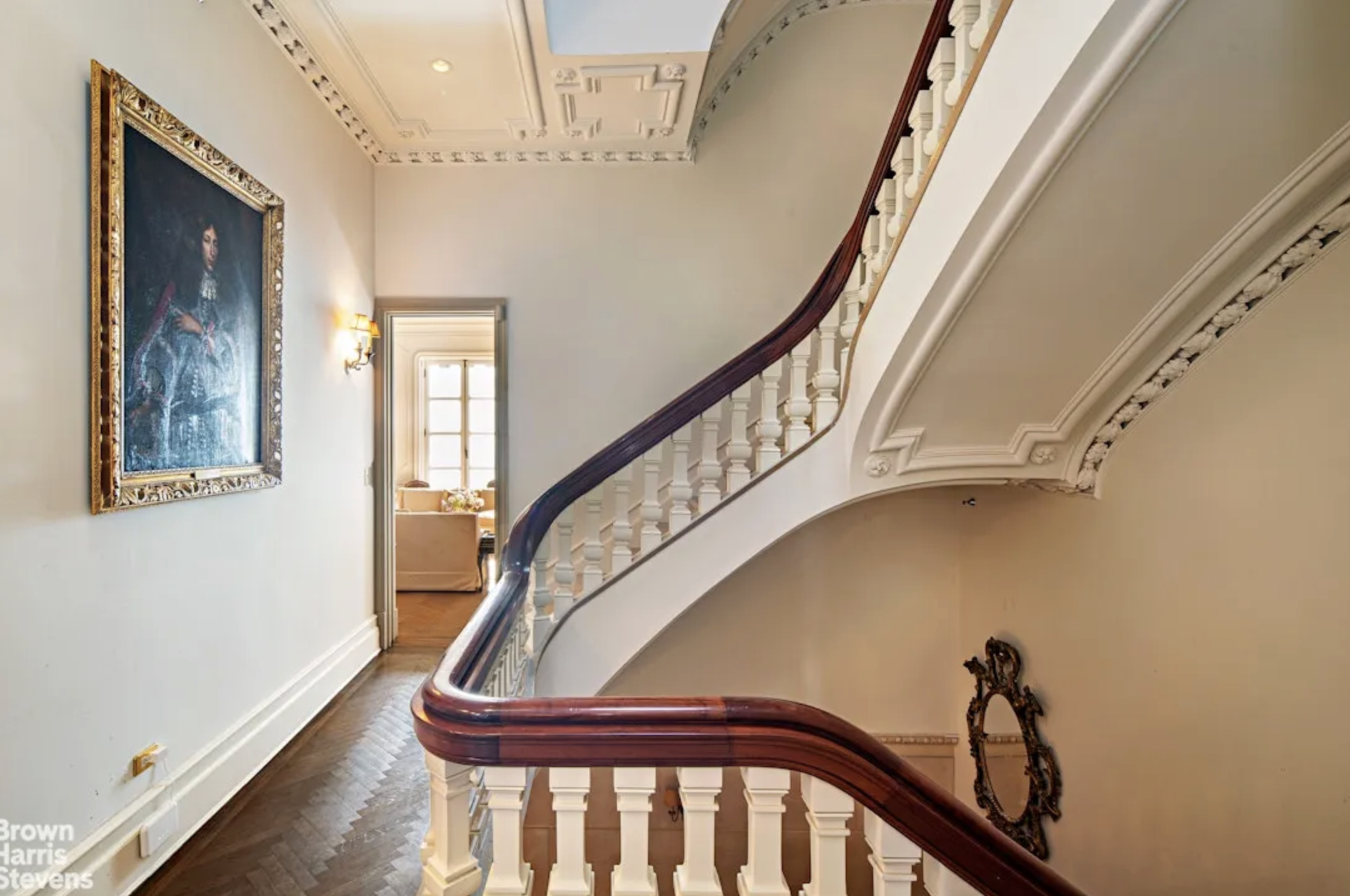
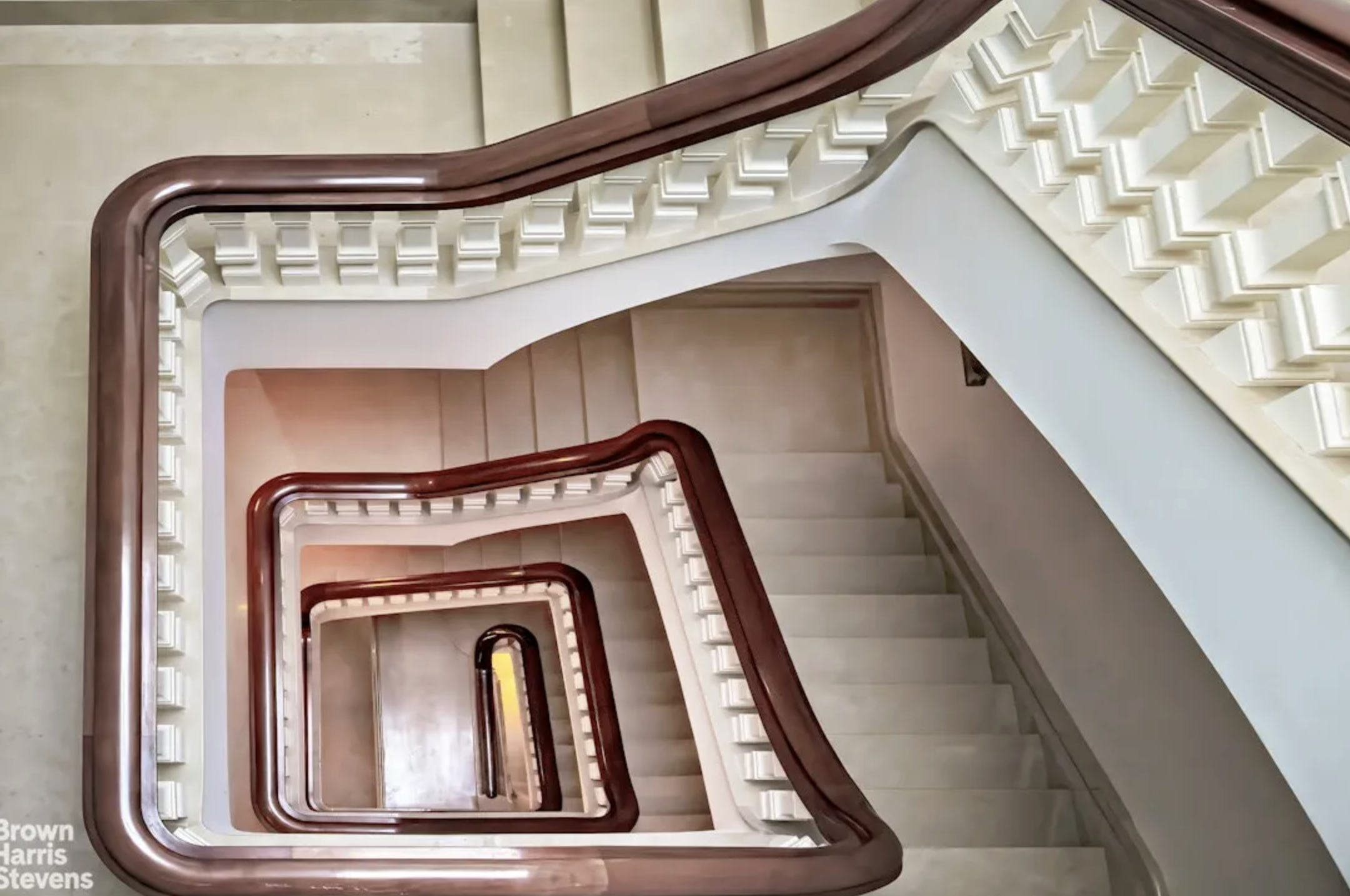
A grand marble 6 storey staircase, serving as the ceremonial heart of the house
A 56-foot gallery, originally intended for art display and large receptions
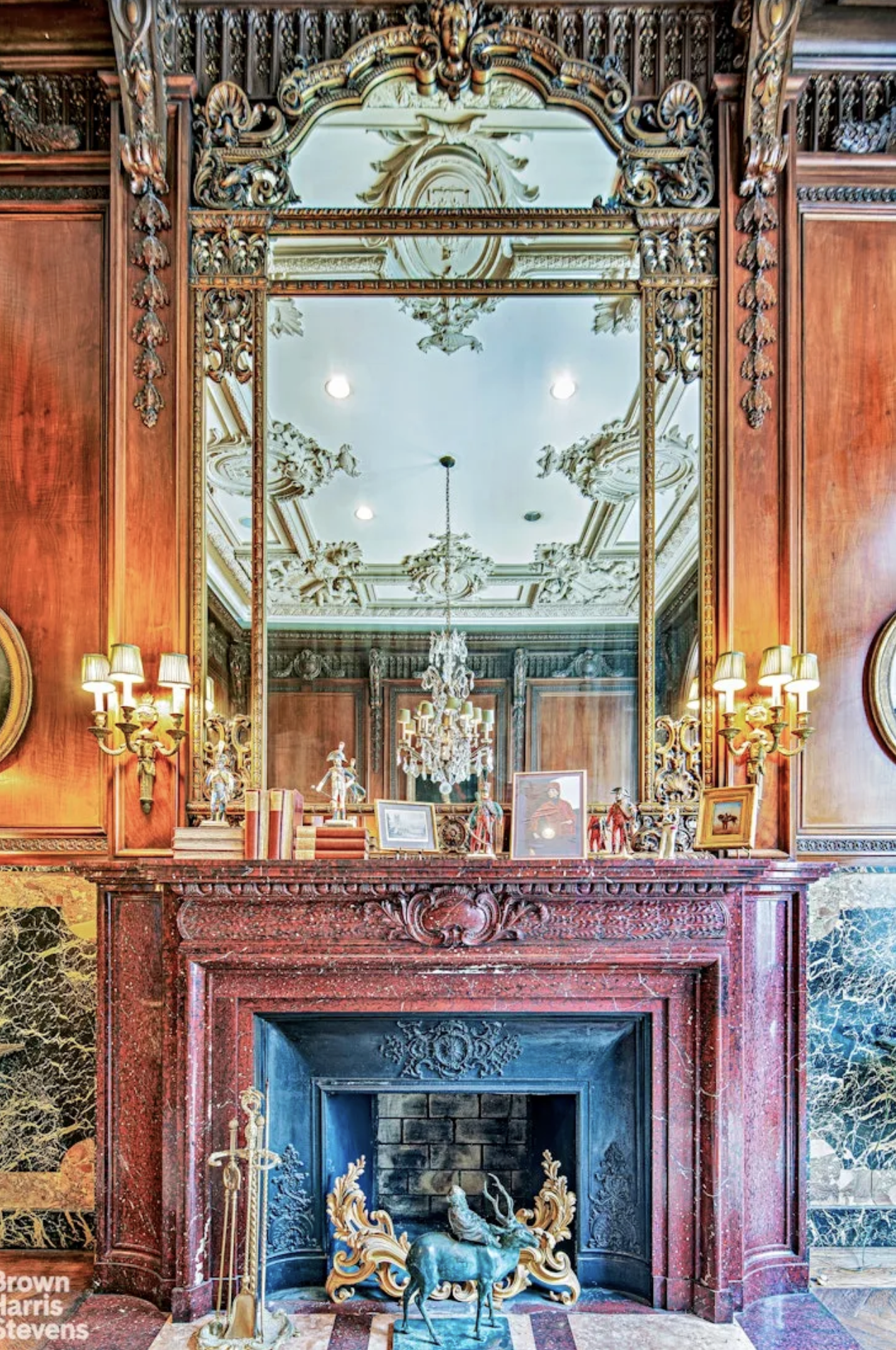
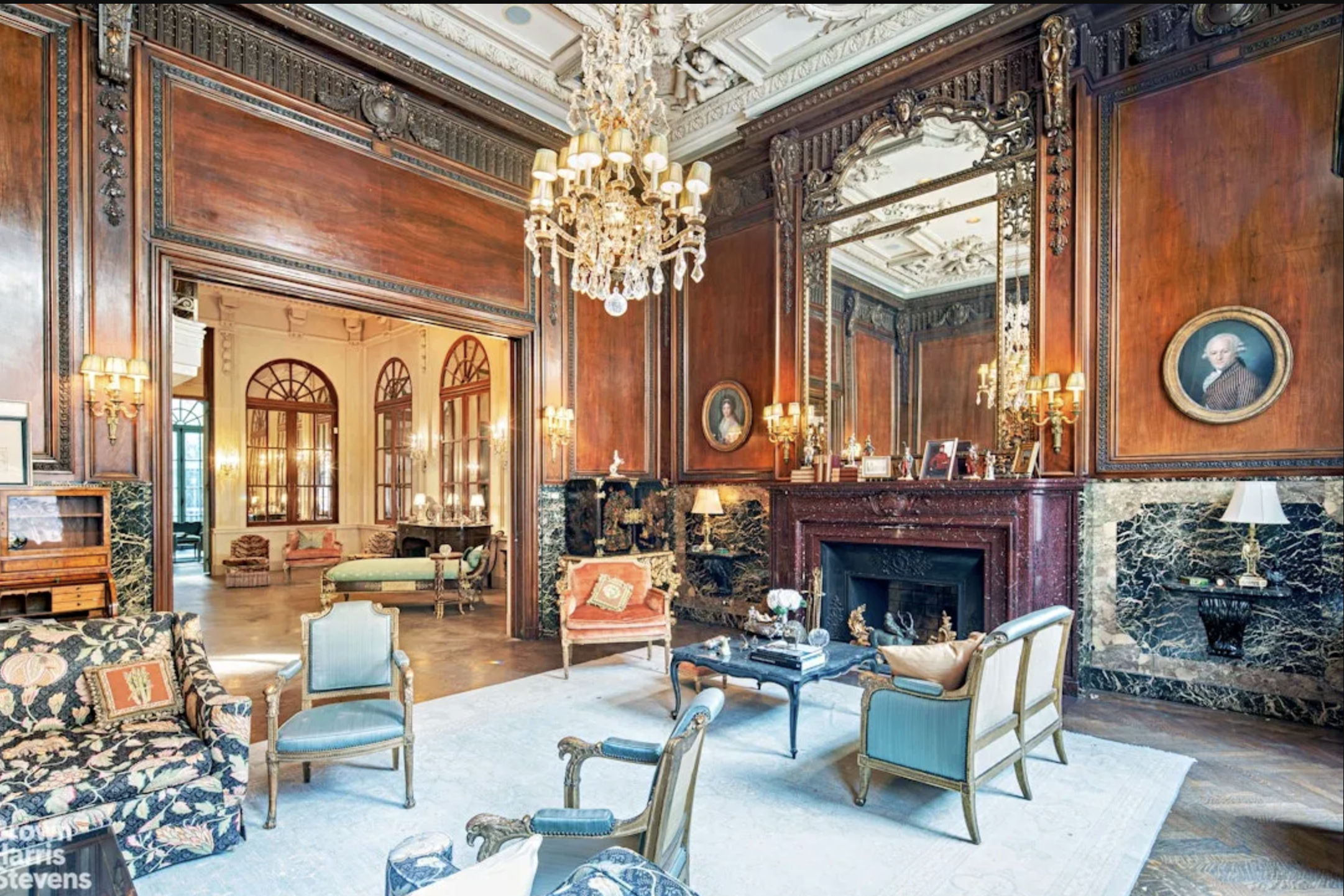
Up to 14 fireplaces, many with ornate mantels
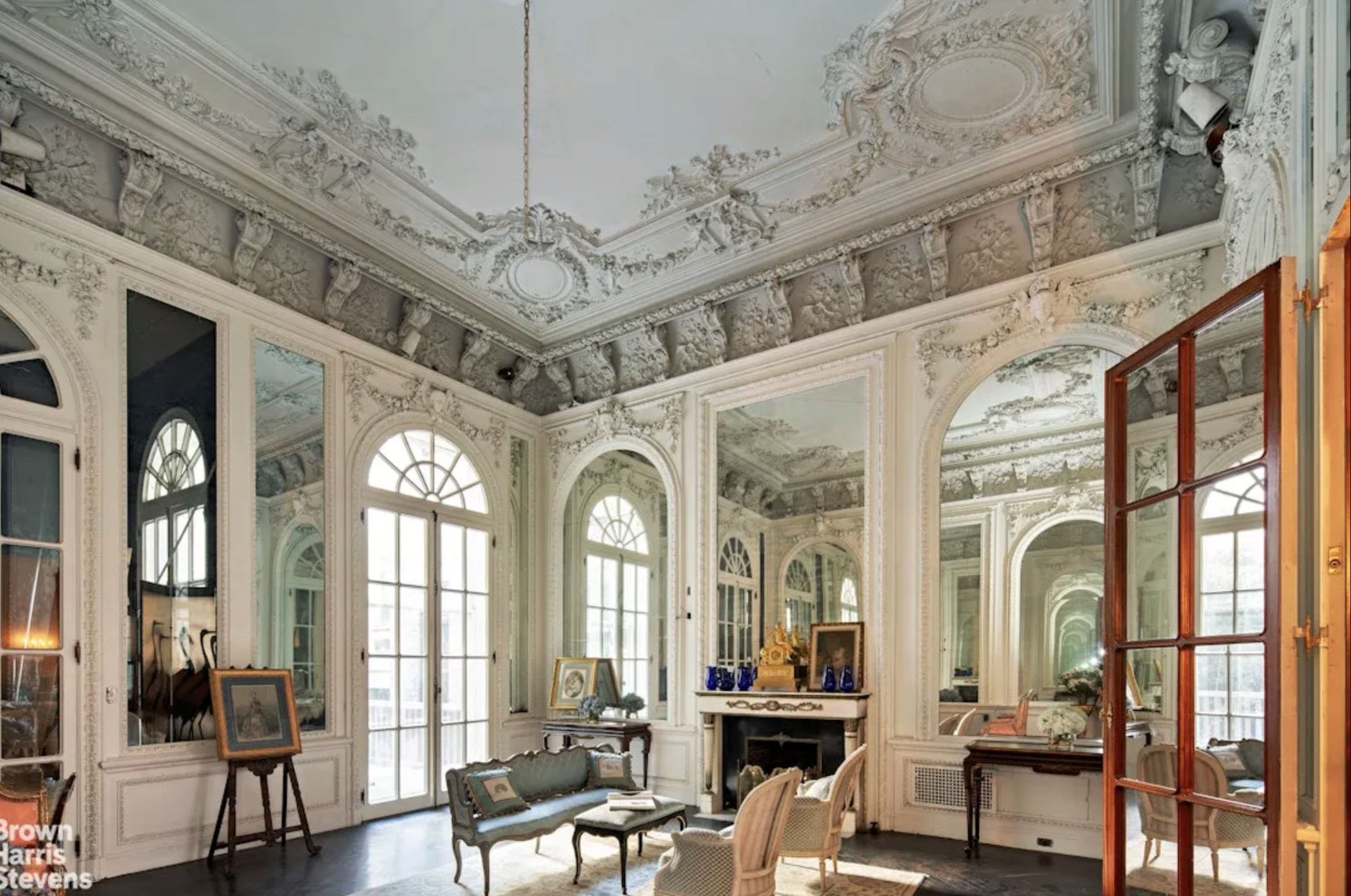
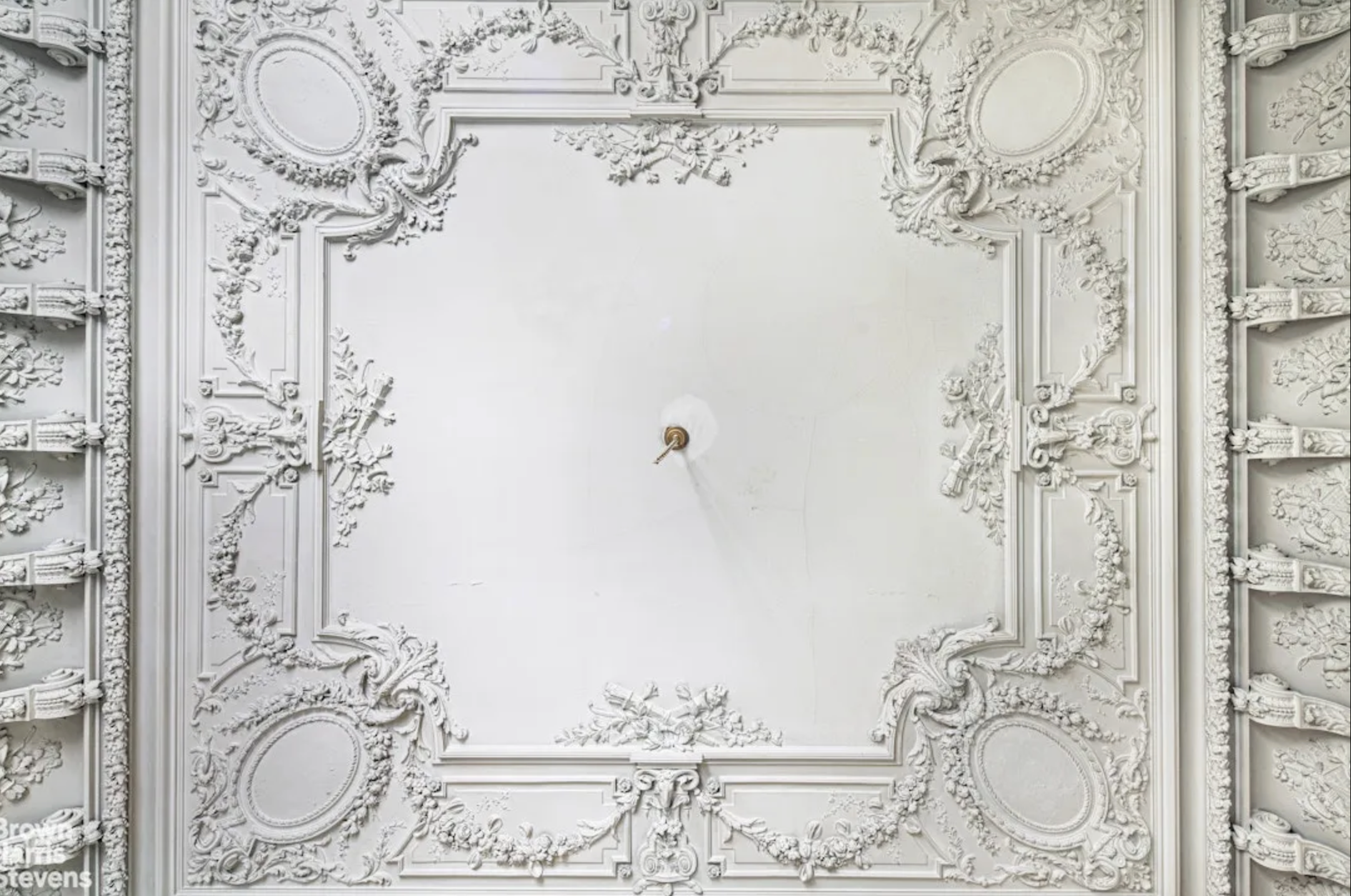
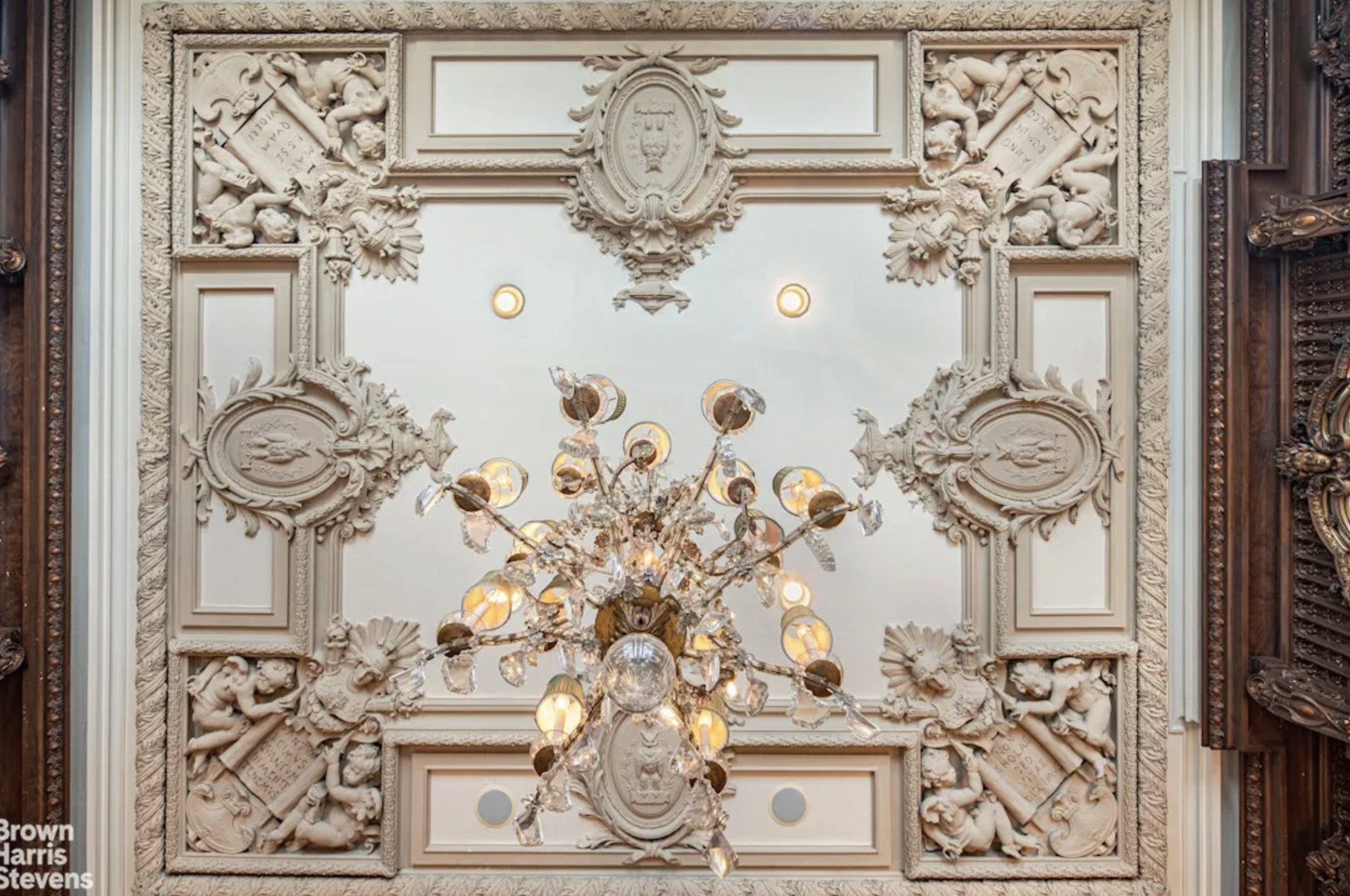
Elaborate wood paneling, plaster moldings, and decorative cartouches
A circular dining room with herringbone floors and fireplace—an unusual and highly distinctive design choice
These spaces were not merely decorative; they were carefully planned to convey cultural refinement and social standing.
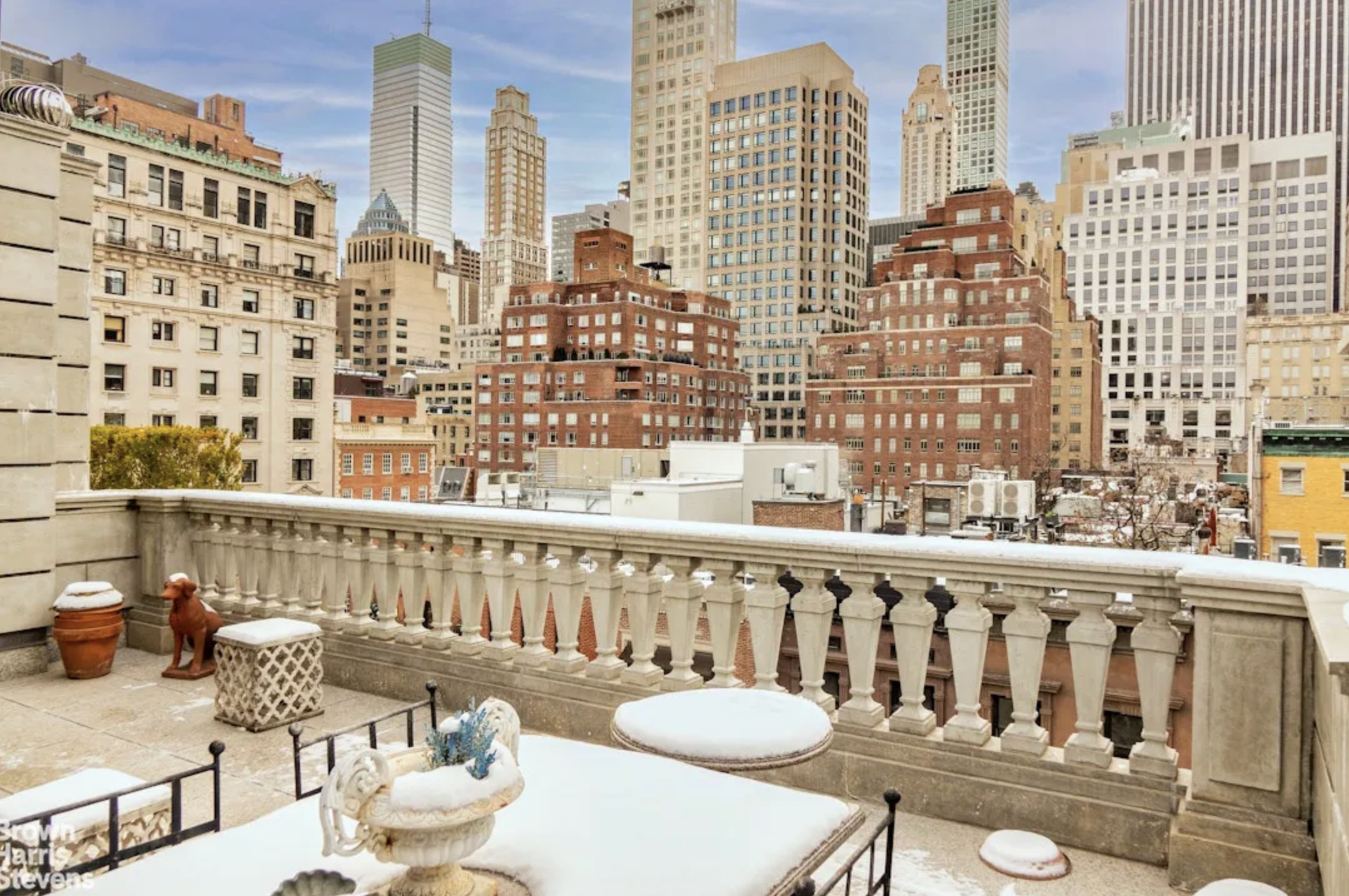
Located between Fifth and Madison Avenues, the house sits within Manhattan’s Lenox Hill neighborhood, less than one block from Central Park.
Over the decades, the mansion passed through multiple owners, adapting to changing social and economic realities while retaining its architectural core.
One of the property’s most notable later associations is with fashion designer Oleg Cassini, best known for dressing Jacqueline Kennedy Onassis. While Cassini did not reside at 15 East 63rd Street, the property became entangled in bankruptcy proceedings tied to a relative by marriage within the extended family of fashion designer Oleg Cassini.
Today, the mansion is best described as a trophy townhouse—appealing to collectors of architecture, history, and rare urban properties. While modern systems and amenities have been introduced over time, the home’s defining character remains rooted in its original craftsmanship and scale.
It represents a vanishing category of New York real estate: the true single-family palace, built not for density or efficiency, but for grandeur.
All photos belong to the listing agency