
A Restored Provençal Farmhouse Minutes From Gordes Asks €2.8 Million
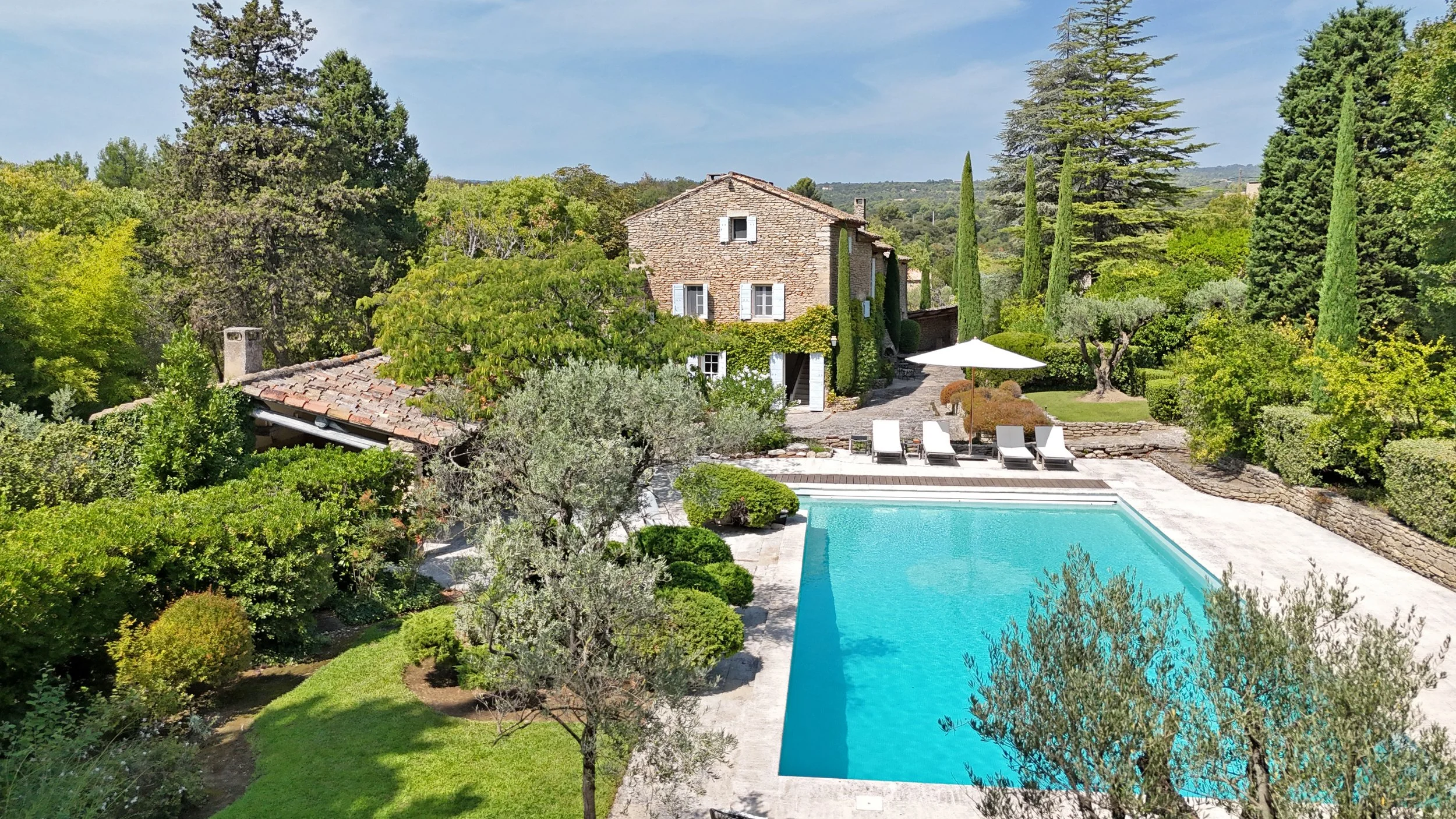
Bedrooms: 8 Interior: 400 m² / 4,306 sq ft Lot: 1.07 ha / 2.66 acres
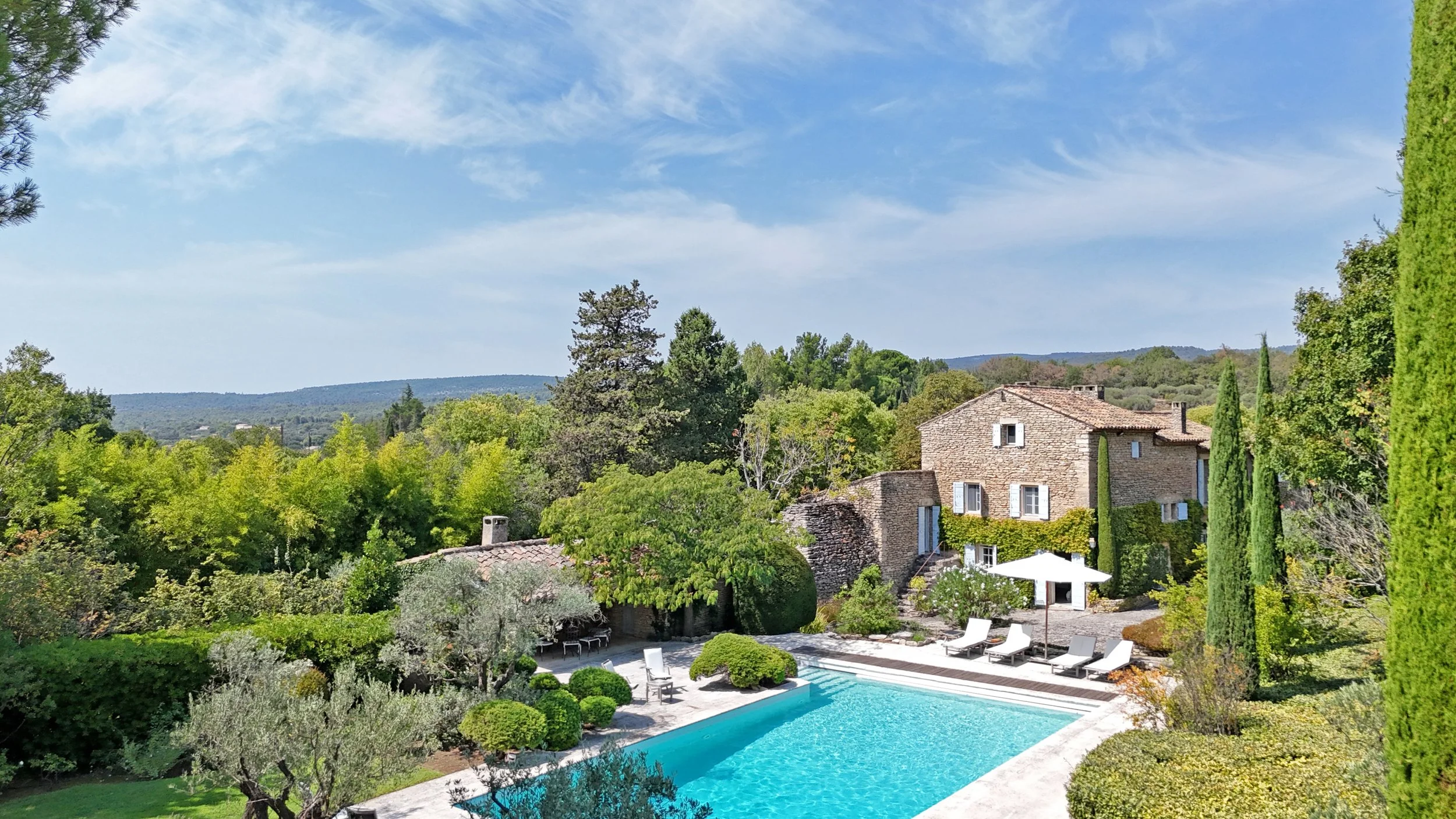
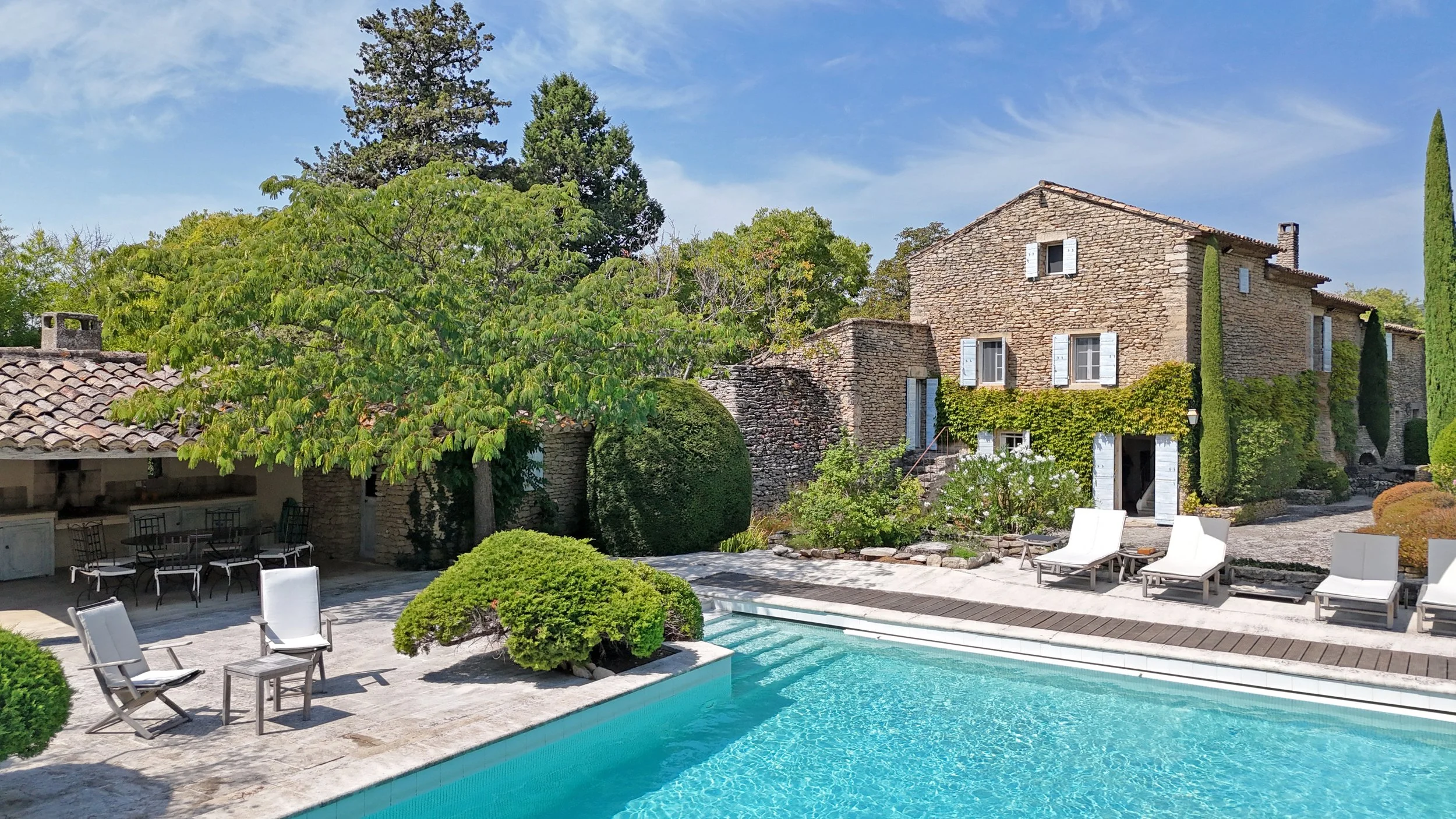
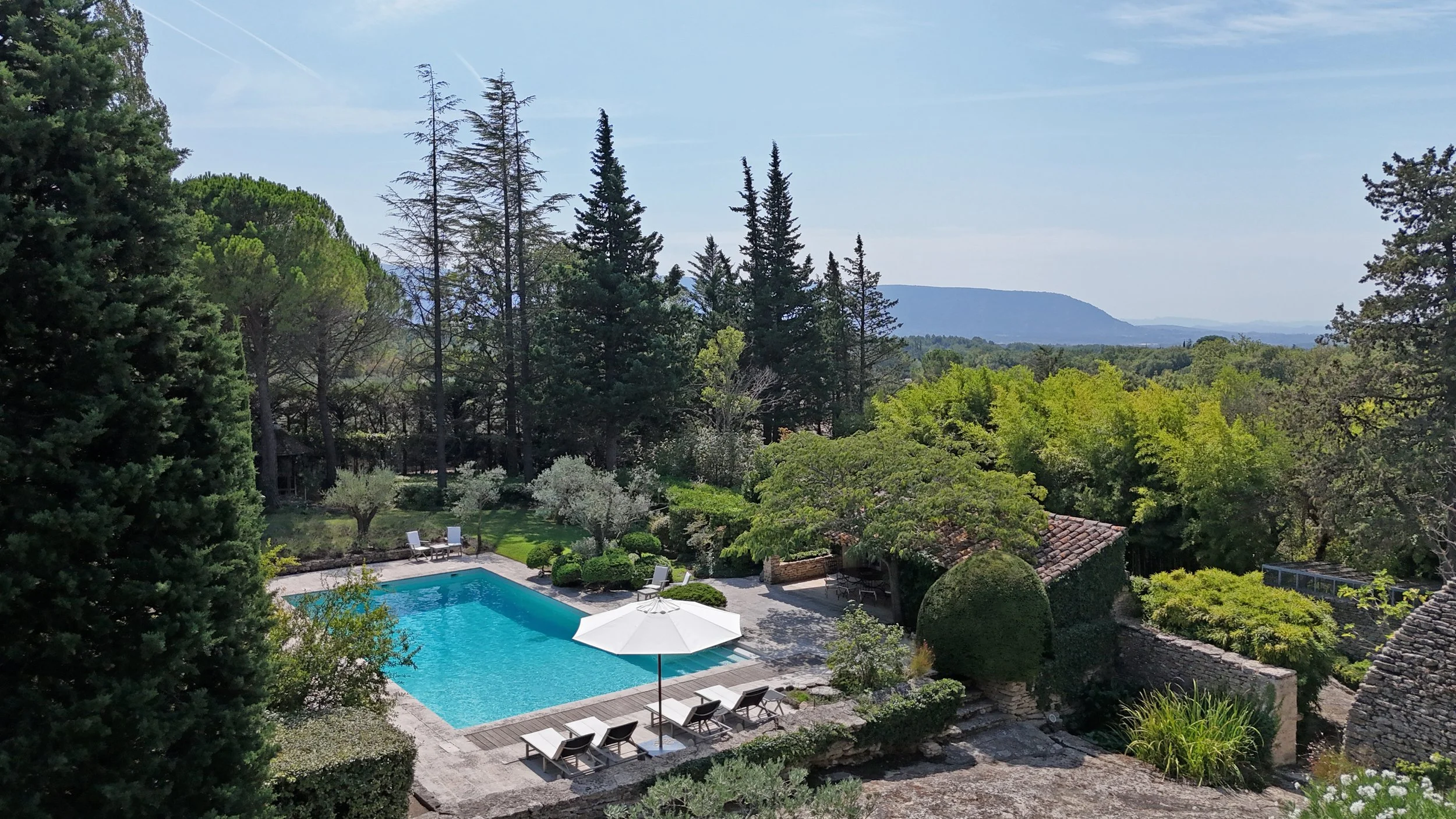
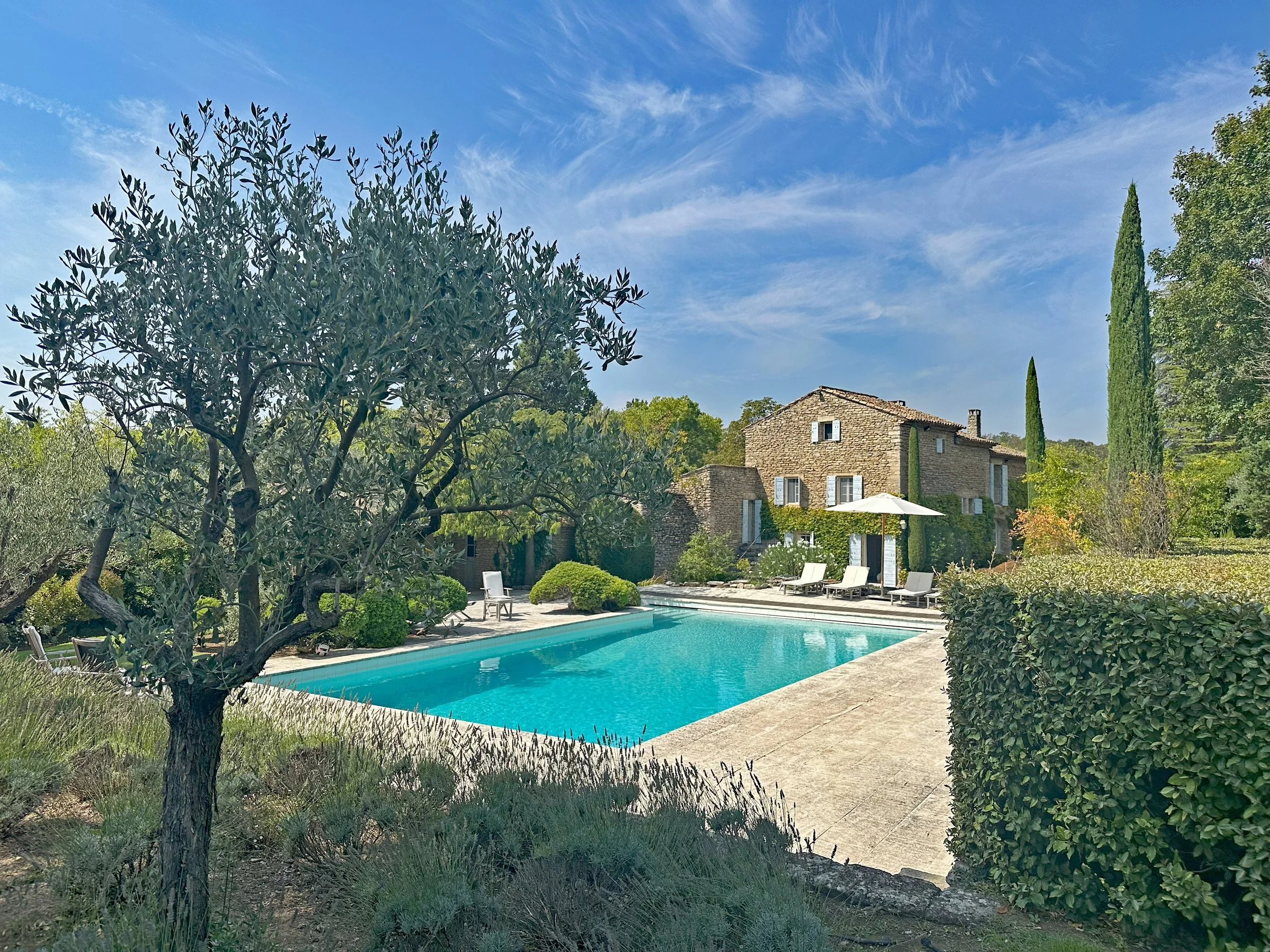
Amenities: 13 x 7 metre / 43 x 23 foot swimming pool, pool house, terrace, caretaker’s house, landscaped gardens, olive grove, lavender beds, cypress trees, fountains, dry-stone terraces, ancestral borie, greenhouse, aviary, large fish pond, old tennis court to restore, fibre-optic internet, alarm system, automatic irrigation.
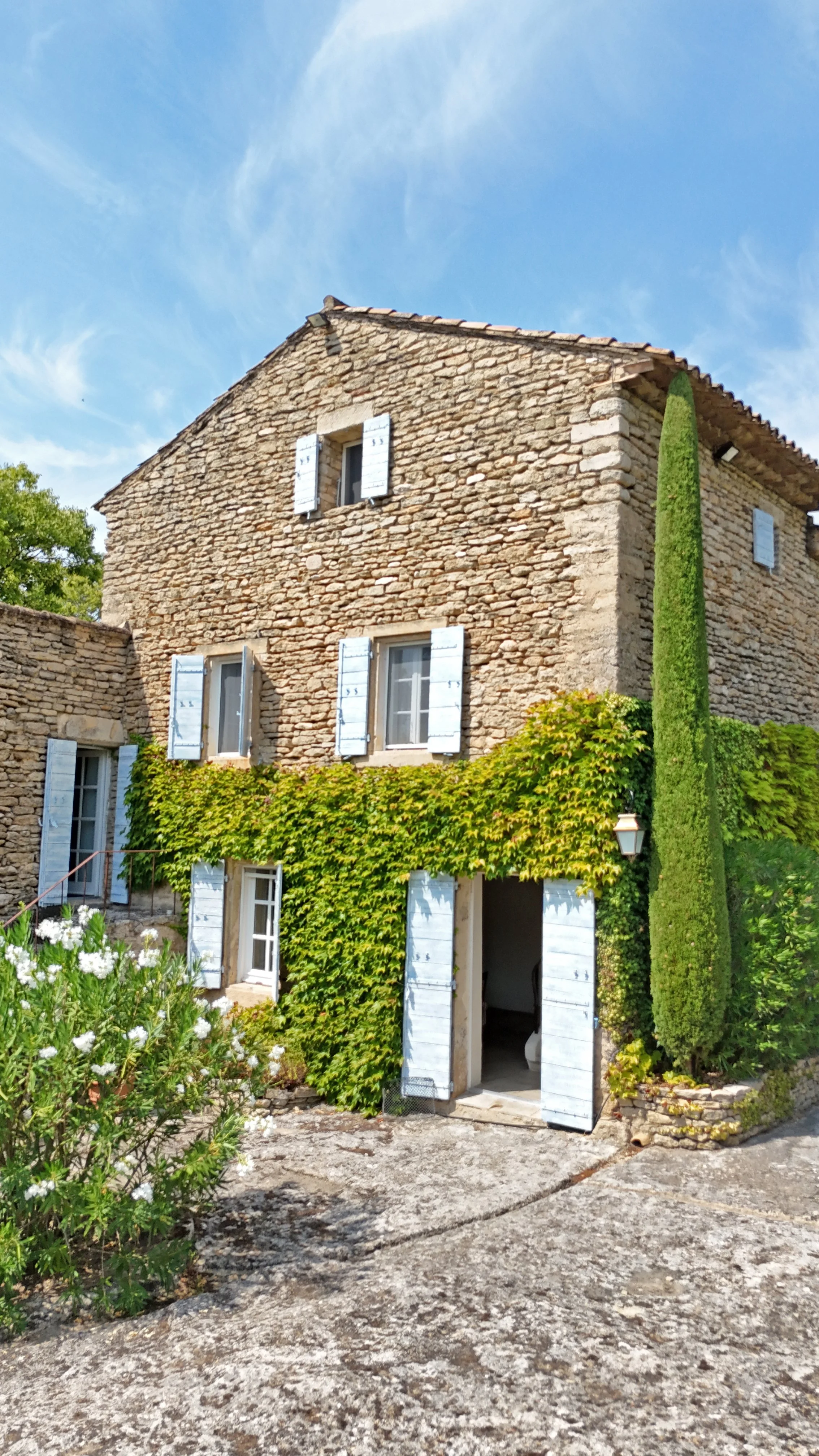
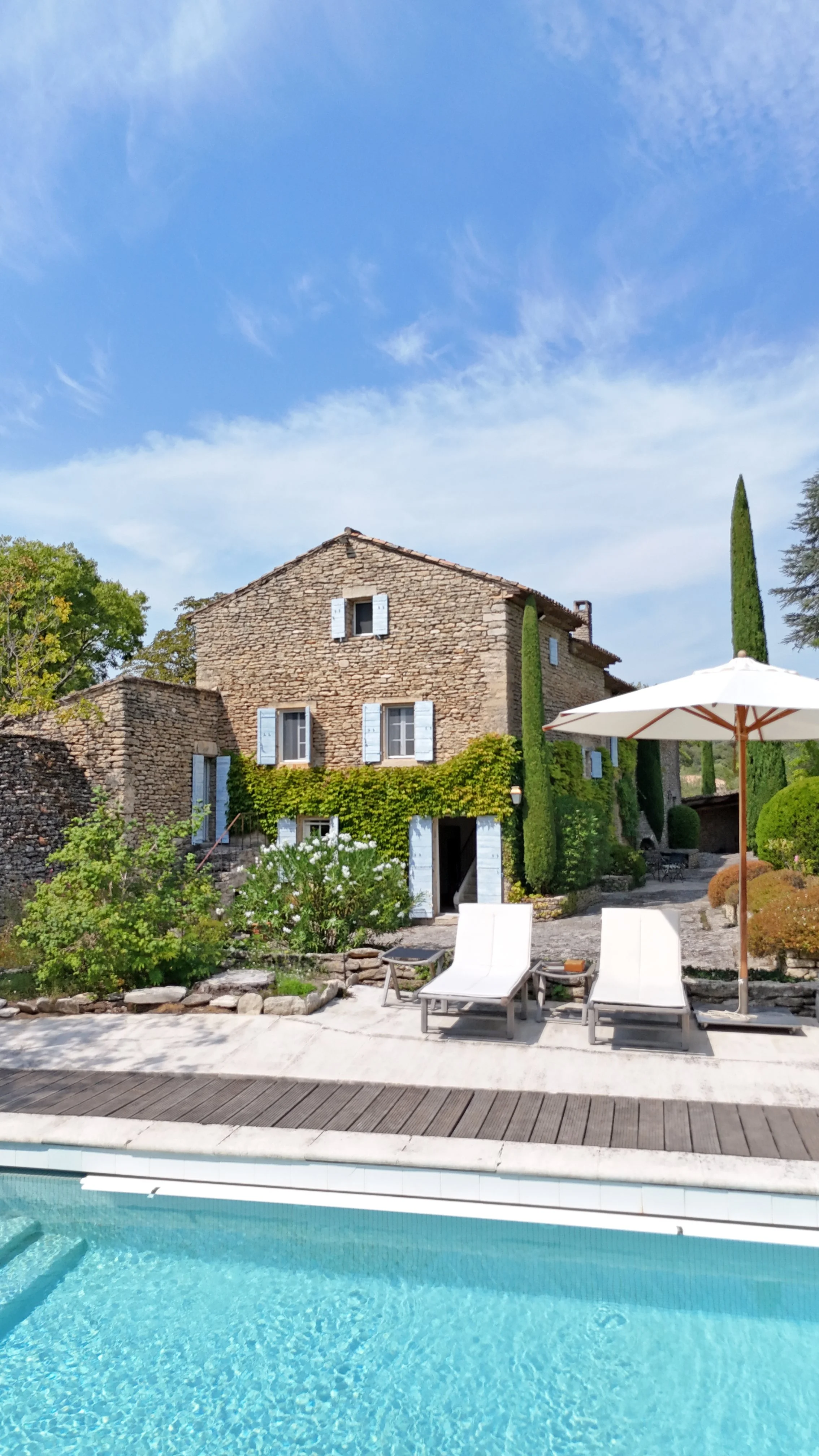
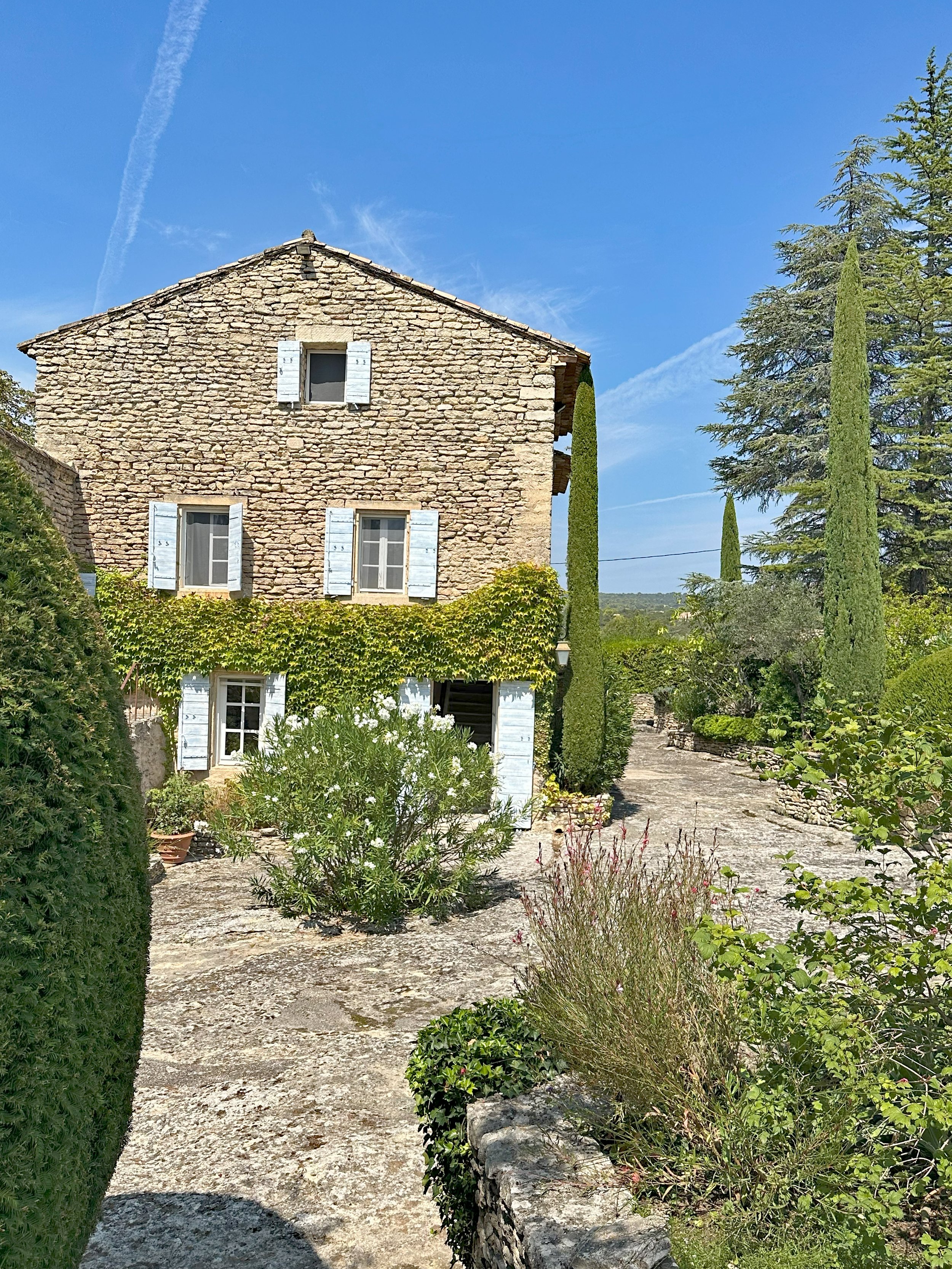
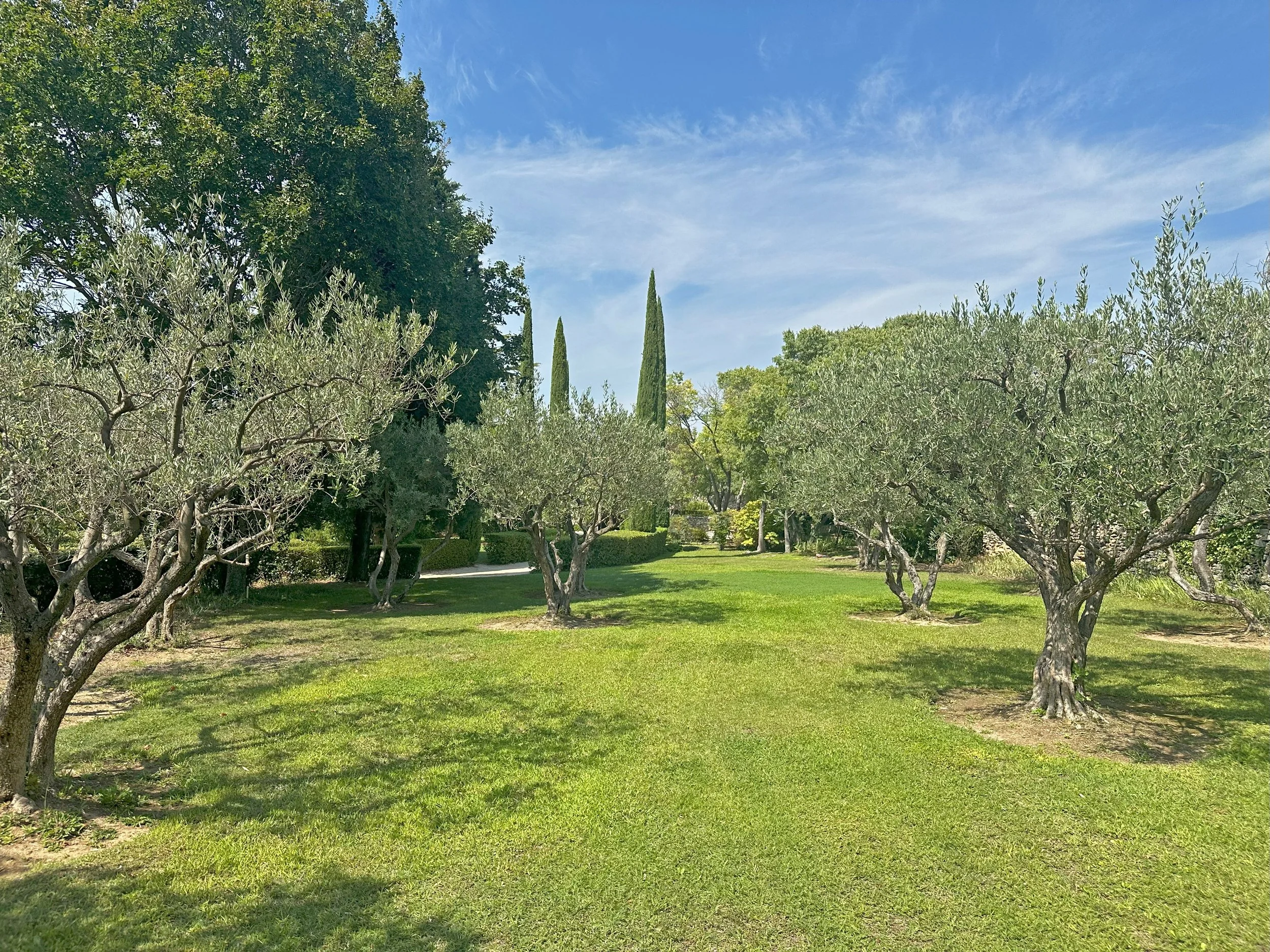
Five minutes from Gordes, this 19th-century stone farmhouse combines the architecture of a rural Luberon property with a mature garden attributed to Michel Semini, a Provençal landscape designer known for private gardens in the South of France.
Listed for €2.8 million with Emile Garcin, the estate offers approximately 400 m² / 4,306 sq ft of interiors, eight bedrooms, a caretaker’s house, and grounds of just over one hectare / approximately 2.6 acres.
The setting is central to the property’s appeal. Gordes is one of the most recognisable villages in the Luberon, often called the “Acropolis of Provence” for its tiered limestone houses, hilltop château, and views over the Calavon valley.
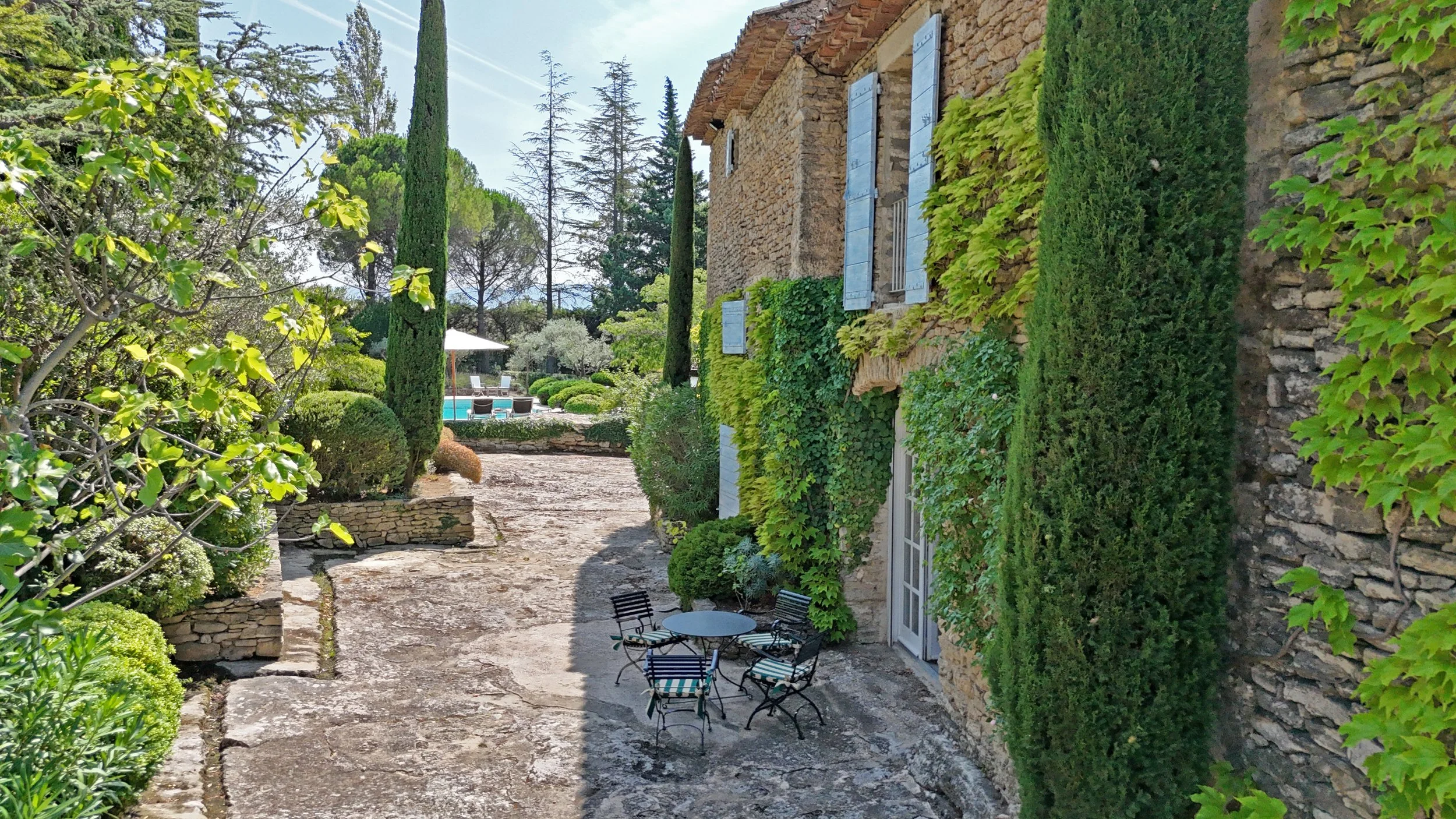
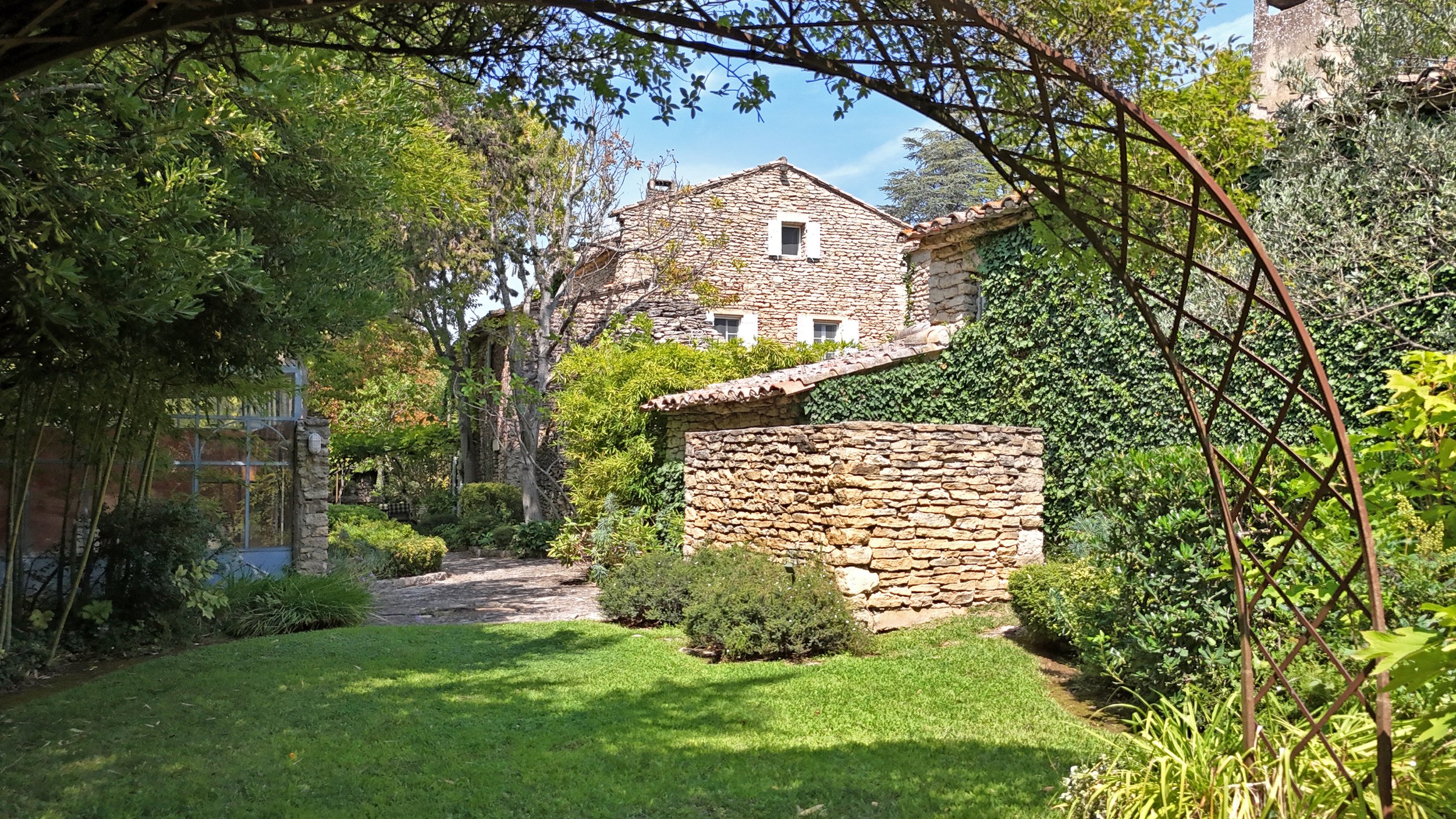
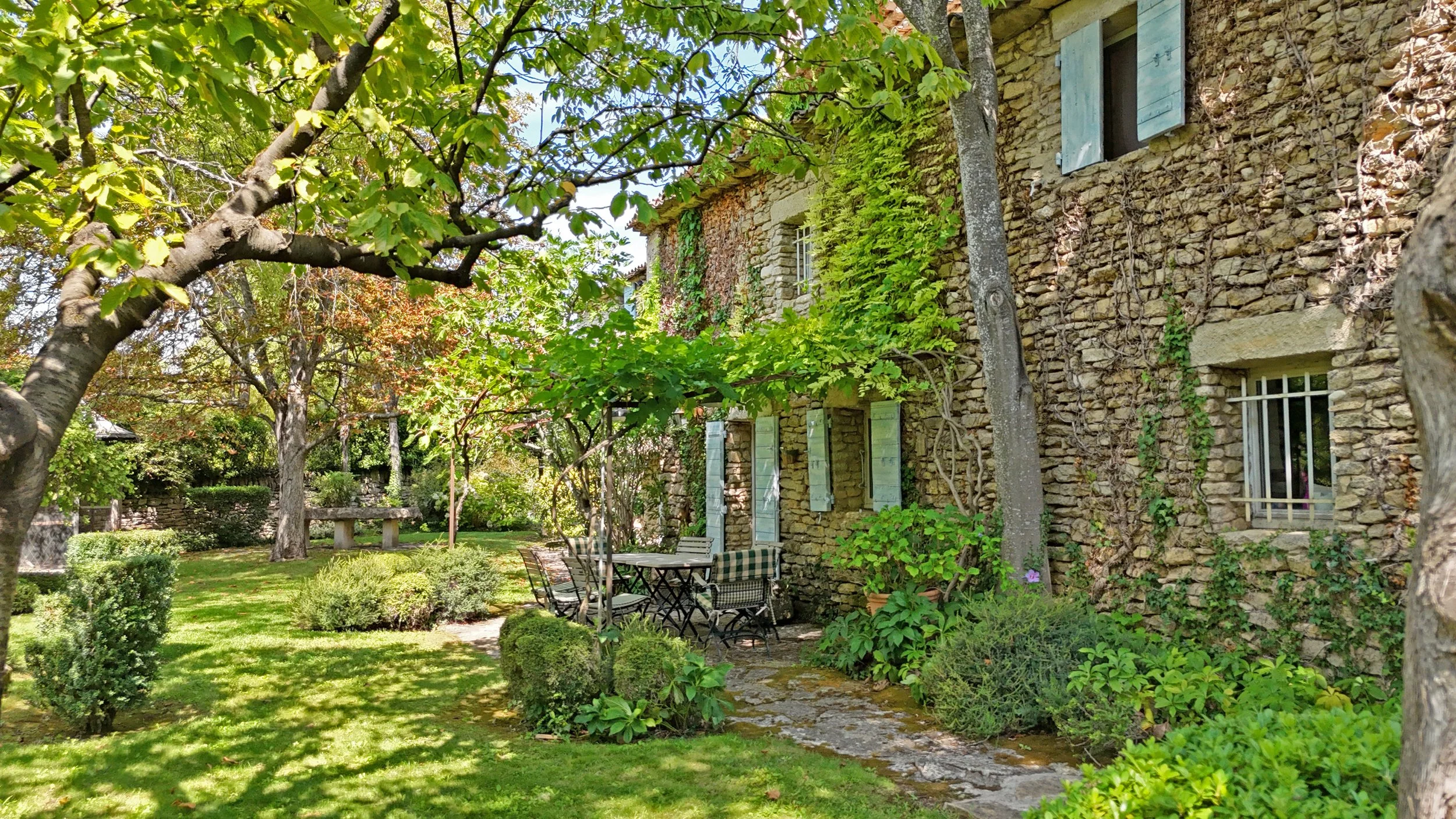
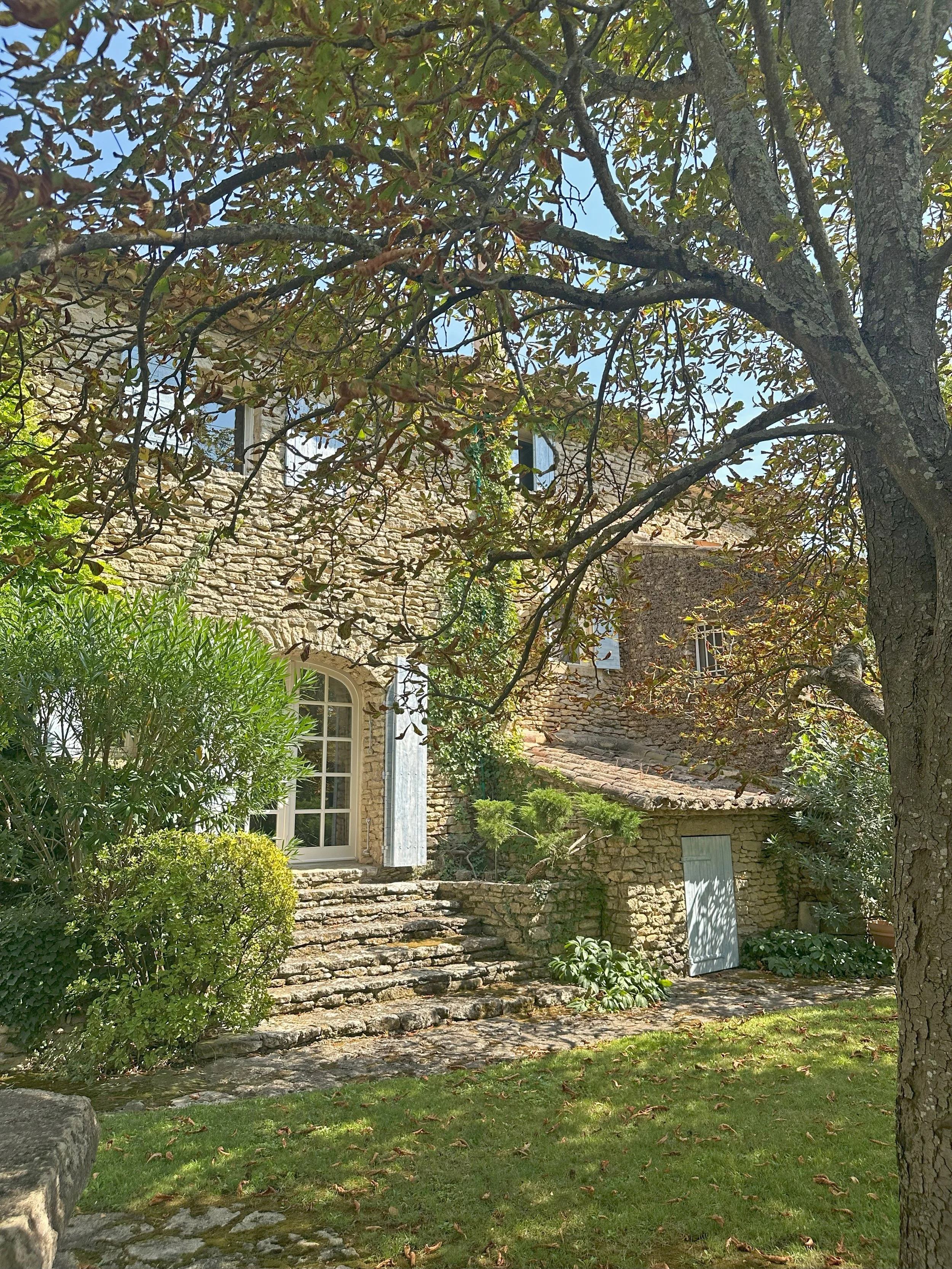
The main house is a restored 19th-century Provençal mas, a traditional stone farmhouse associated with the rural architecture of southern France. These buildings remain attractive because they were built with a direct relationship to land, climate, and everyday use. Thick stone walls, terracotta roof tiles, shaded openings, and simple volumes give them a sense of permanence that is difficult to recreate in new construction.
They also adapt well to contemporary living. Former working houses often have generous ground-floor rooms, upper floors that can be reorganised into bedrooms and suites, and a natural connection to terraces, gardens, courtyards, and outbuildings. In a careful restoration, modern comfort can be added without erasing the building’s original character.
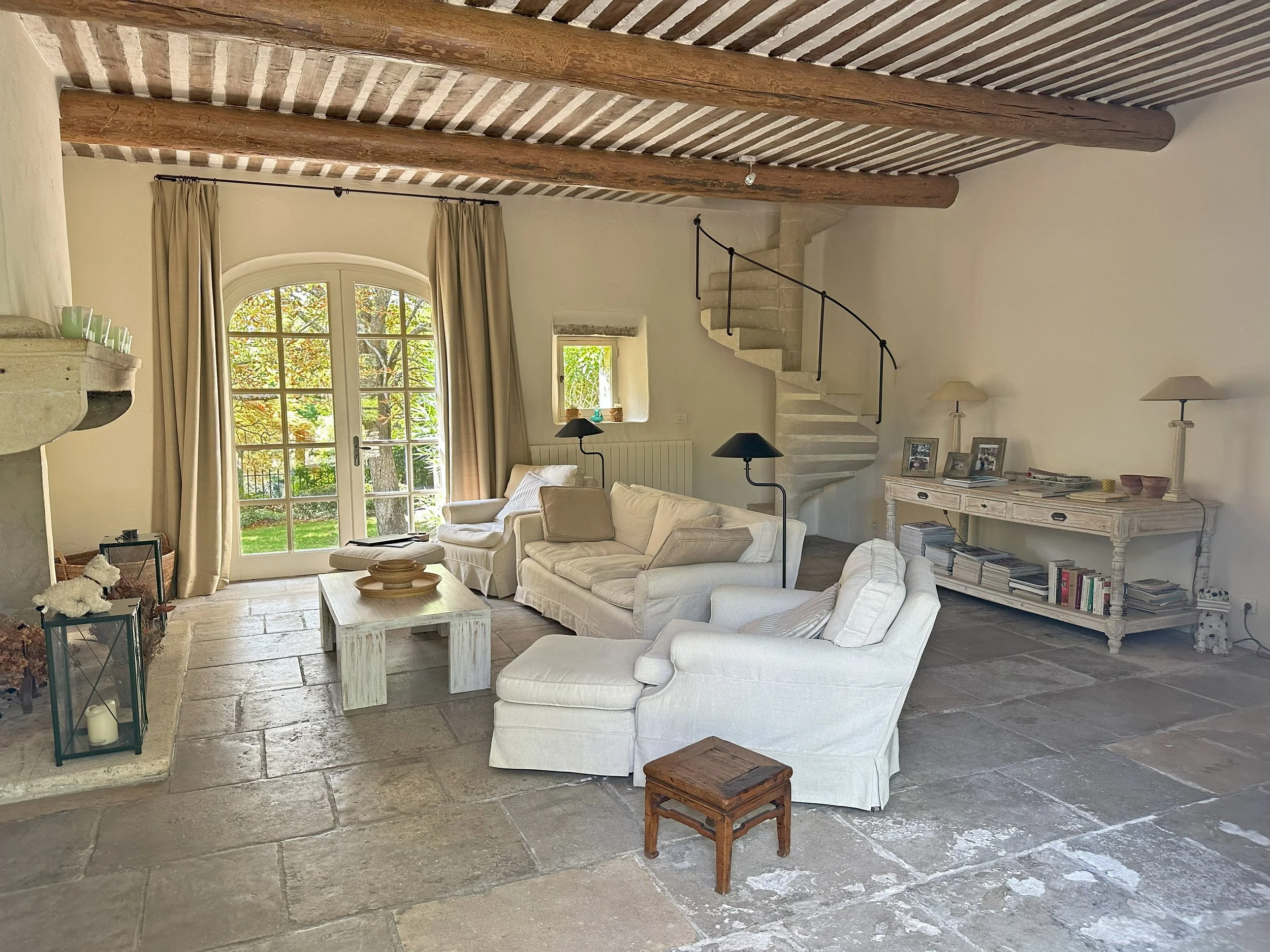
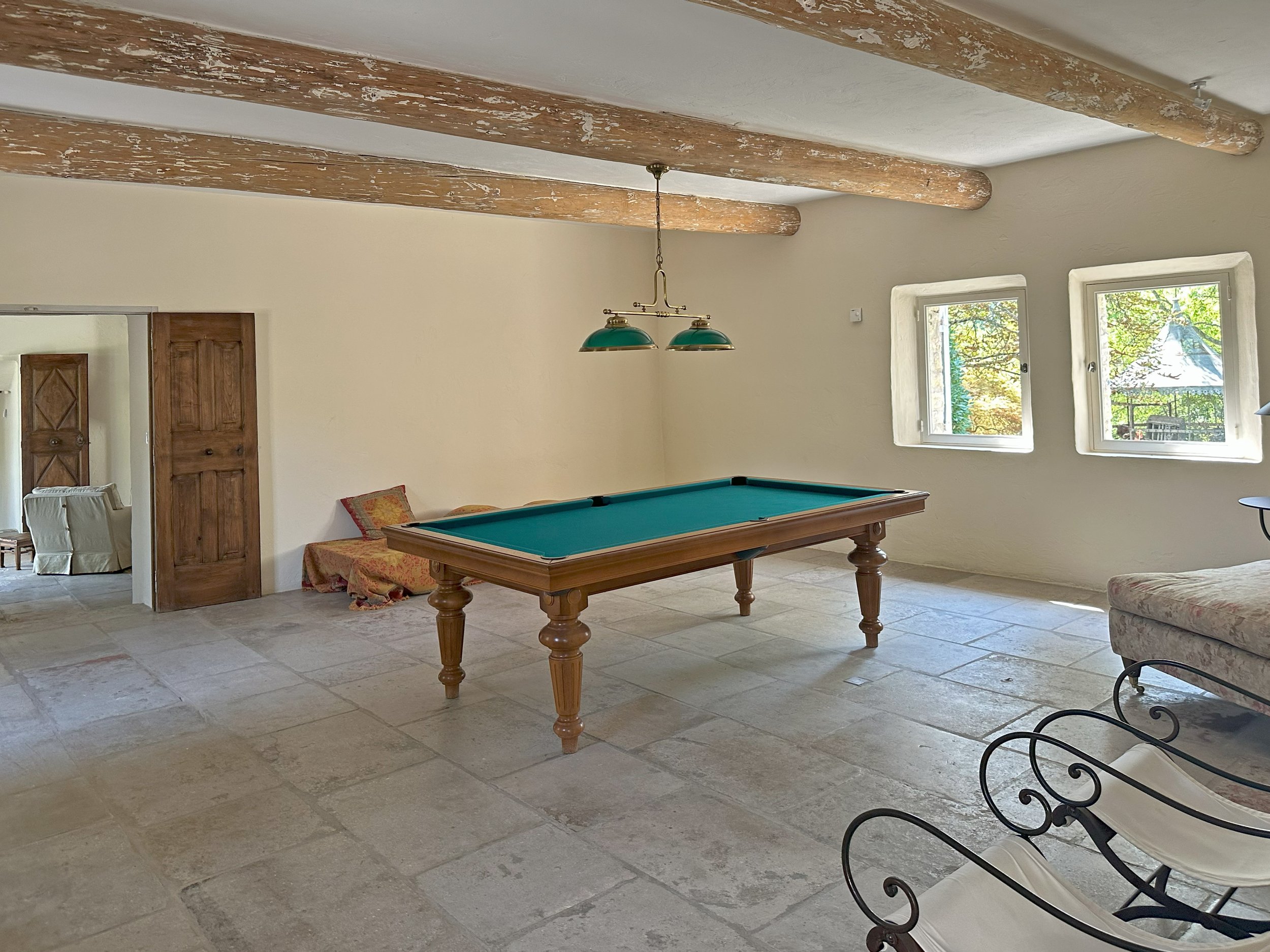
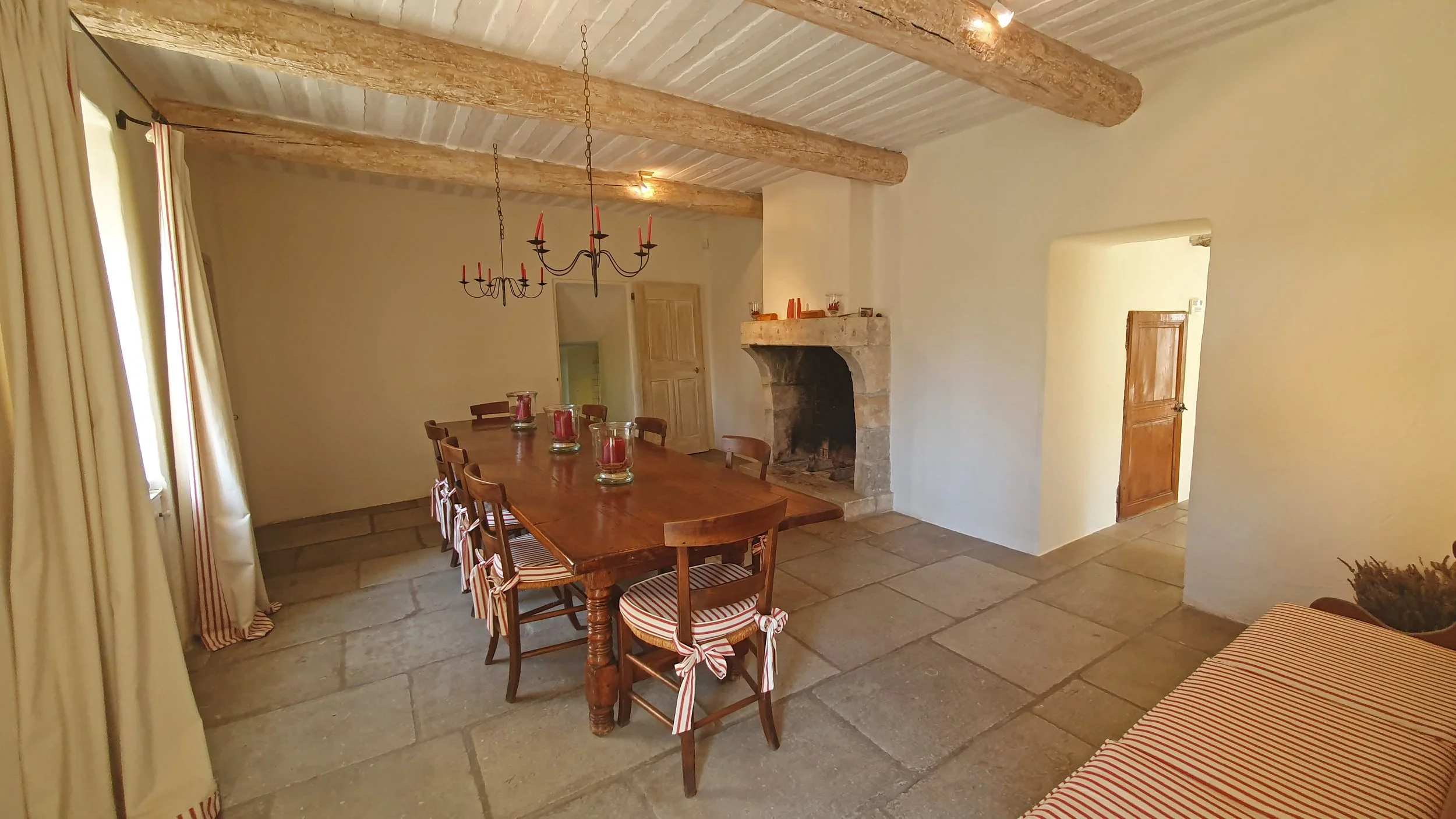
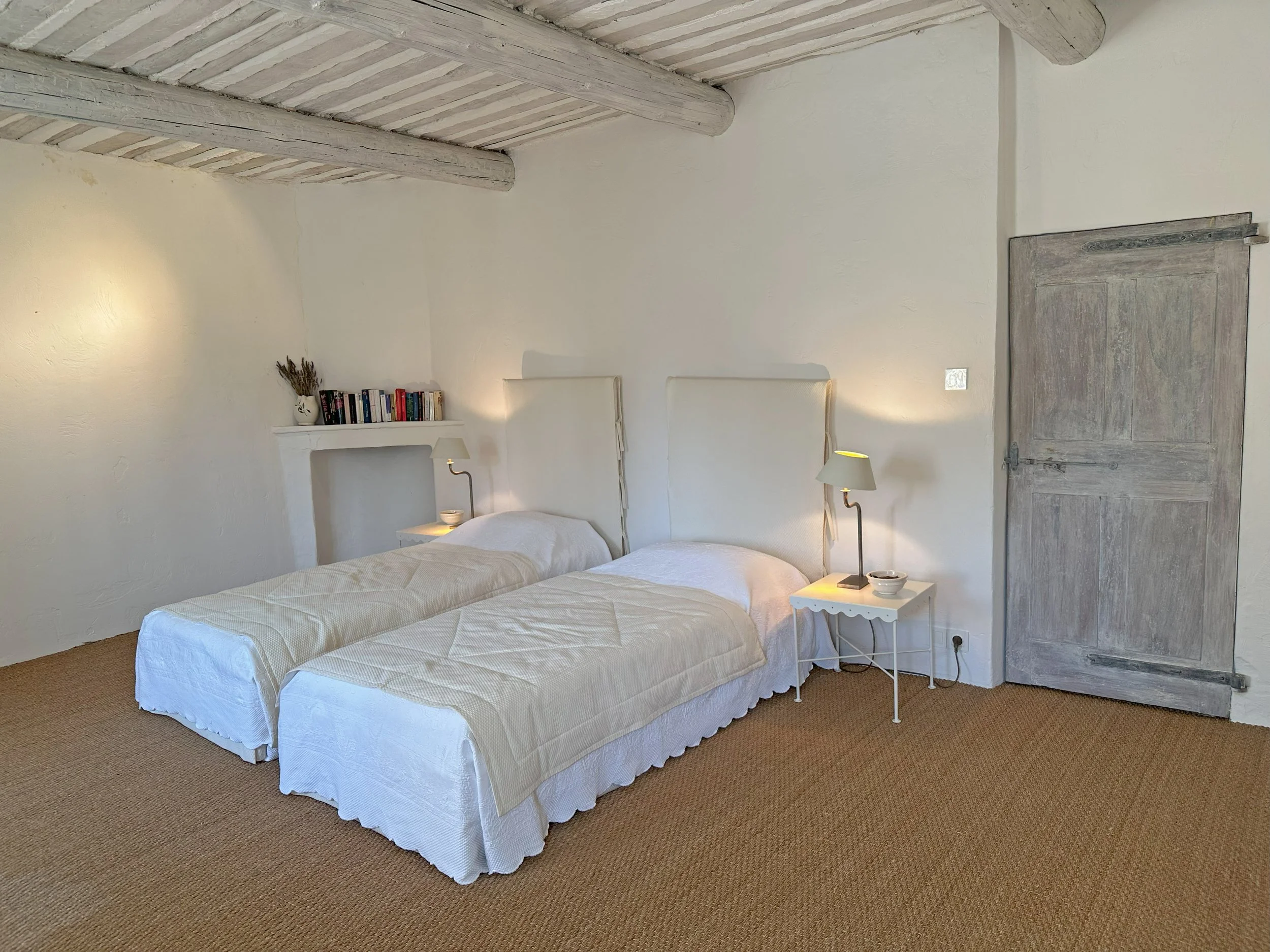
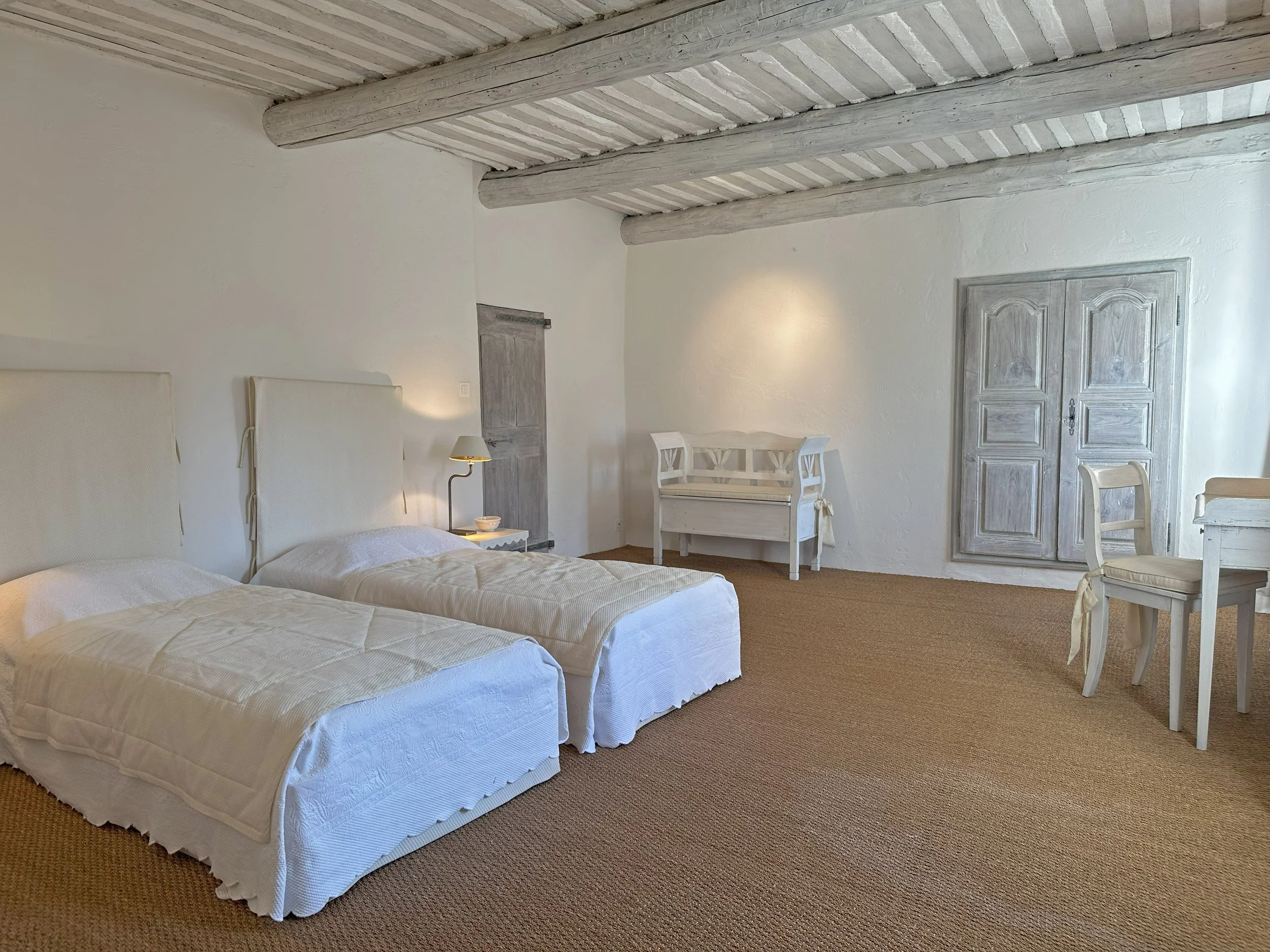
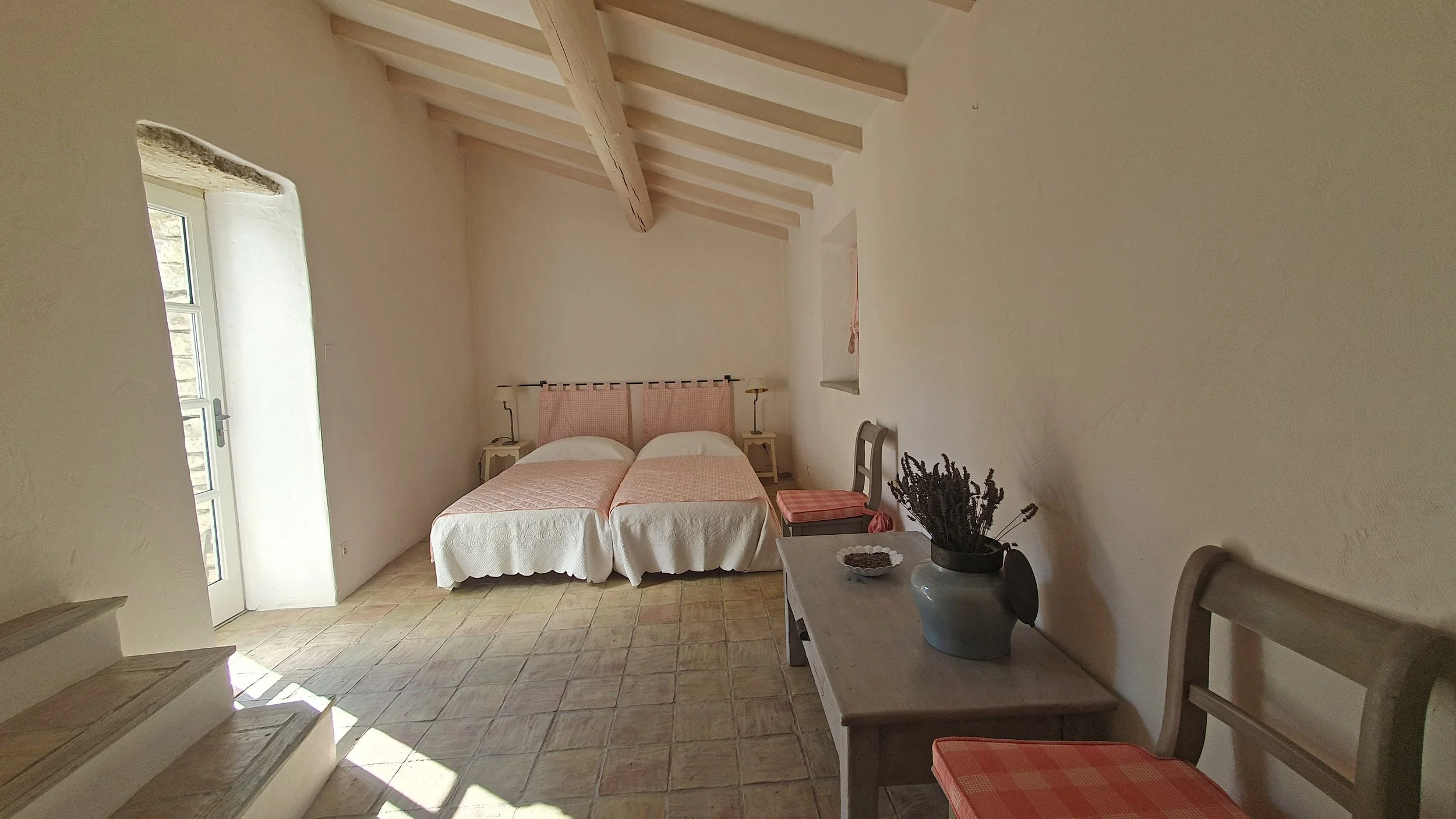
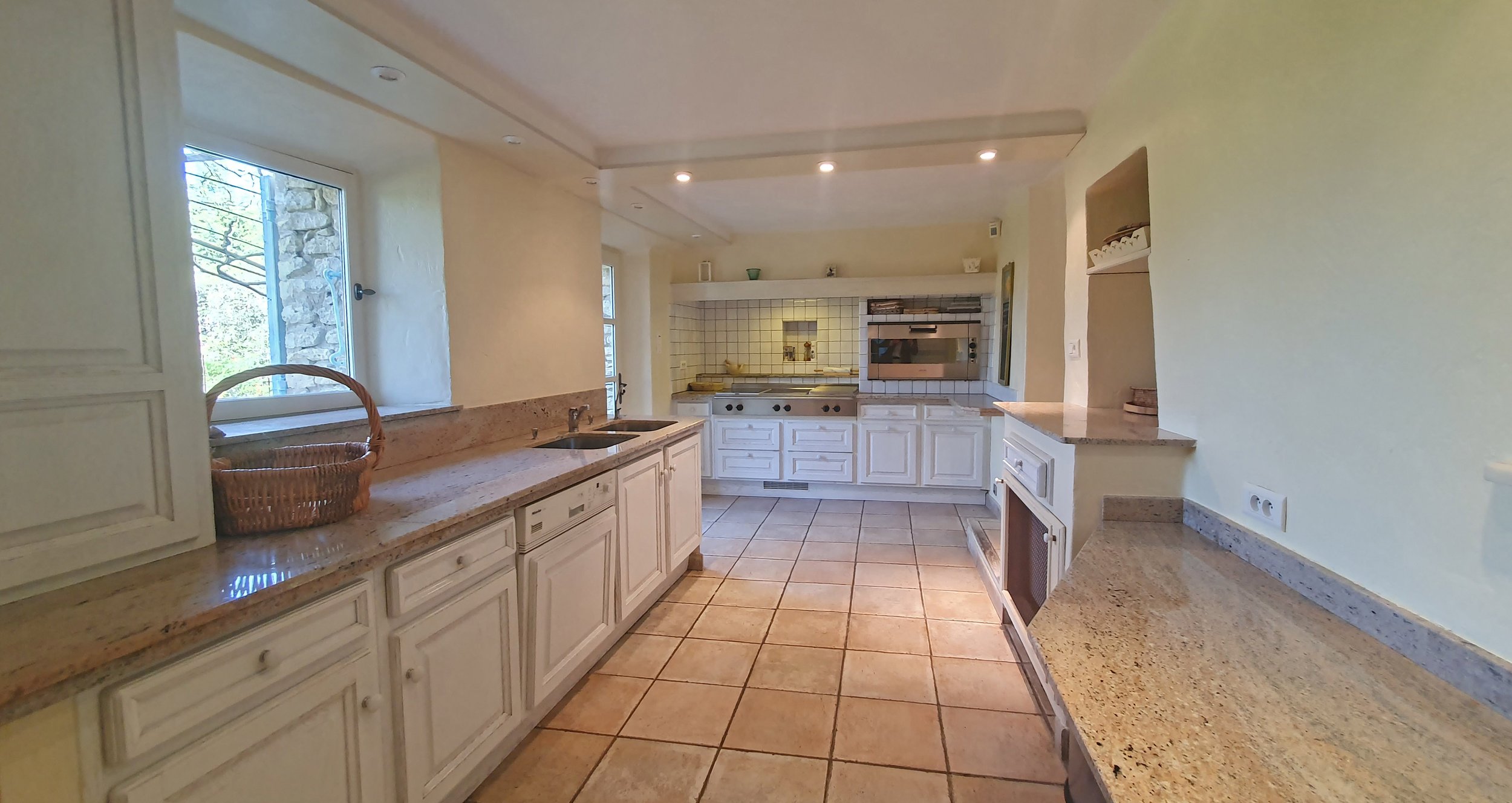
Here, the garden level includes a family kitchen, a bright dining room, a living room with fireplace, and a billiard room, with reception spaces opening toward the grounds. The upper floors are served by two separate staircases and include three bedrooms, a shower room, a bathroom, a lounge, and two principal suites, one of which opens onto a private terrace. A separate caretaker’s house, set at a distance from the main mas, adds a kitchen, living room with fireplace, bedroom, and shower room.
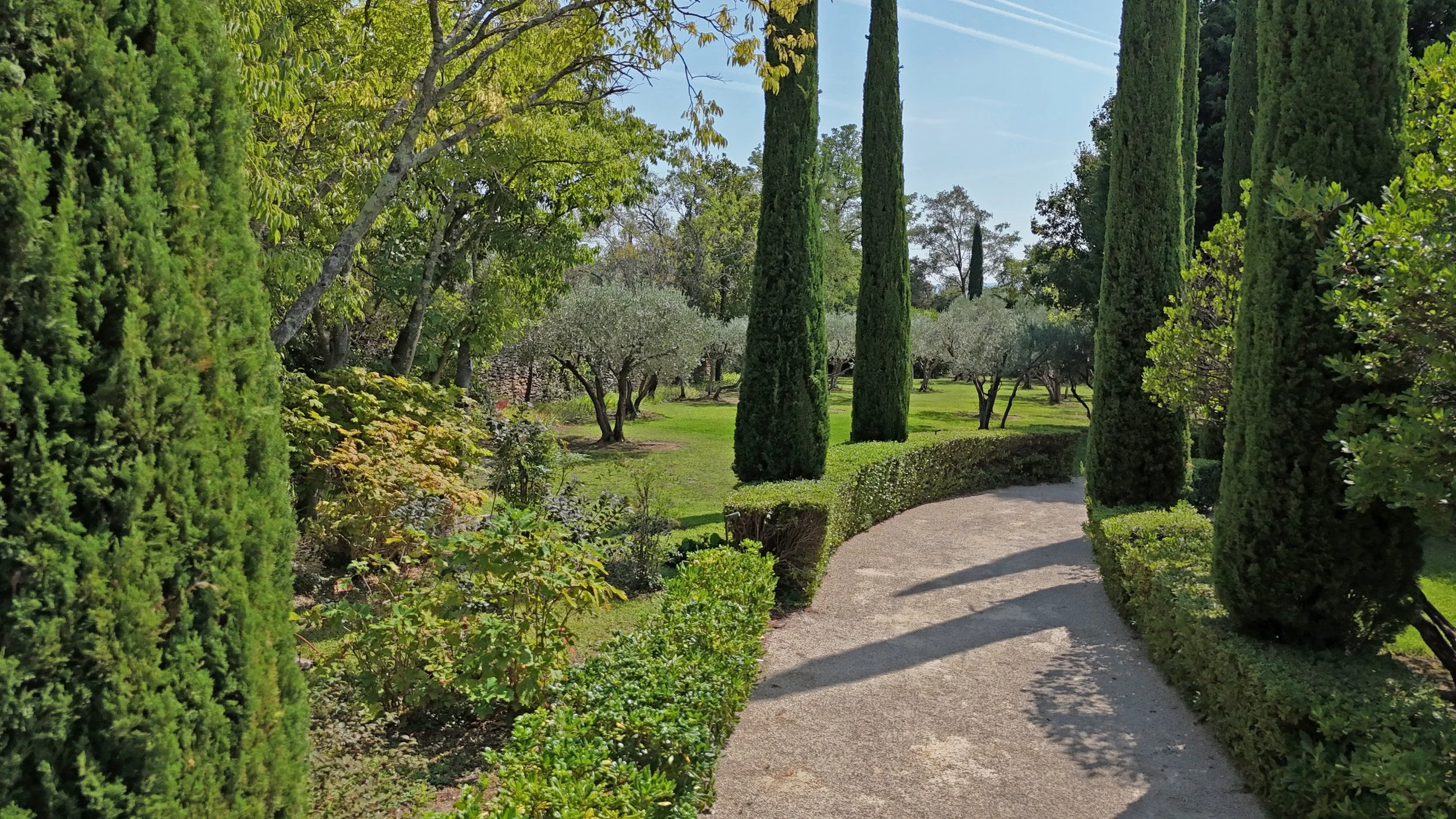
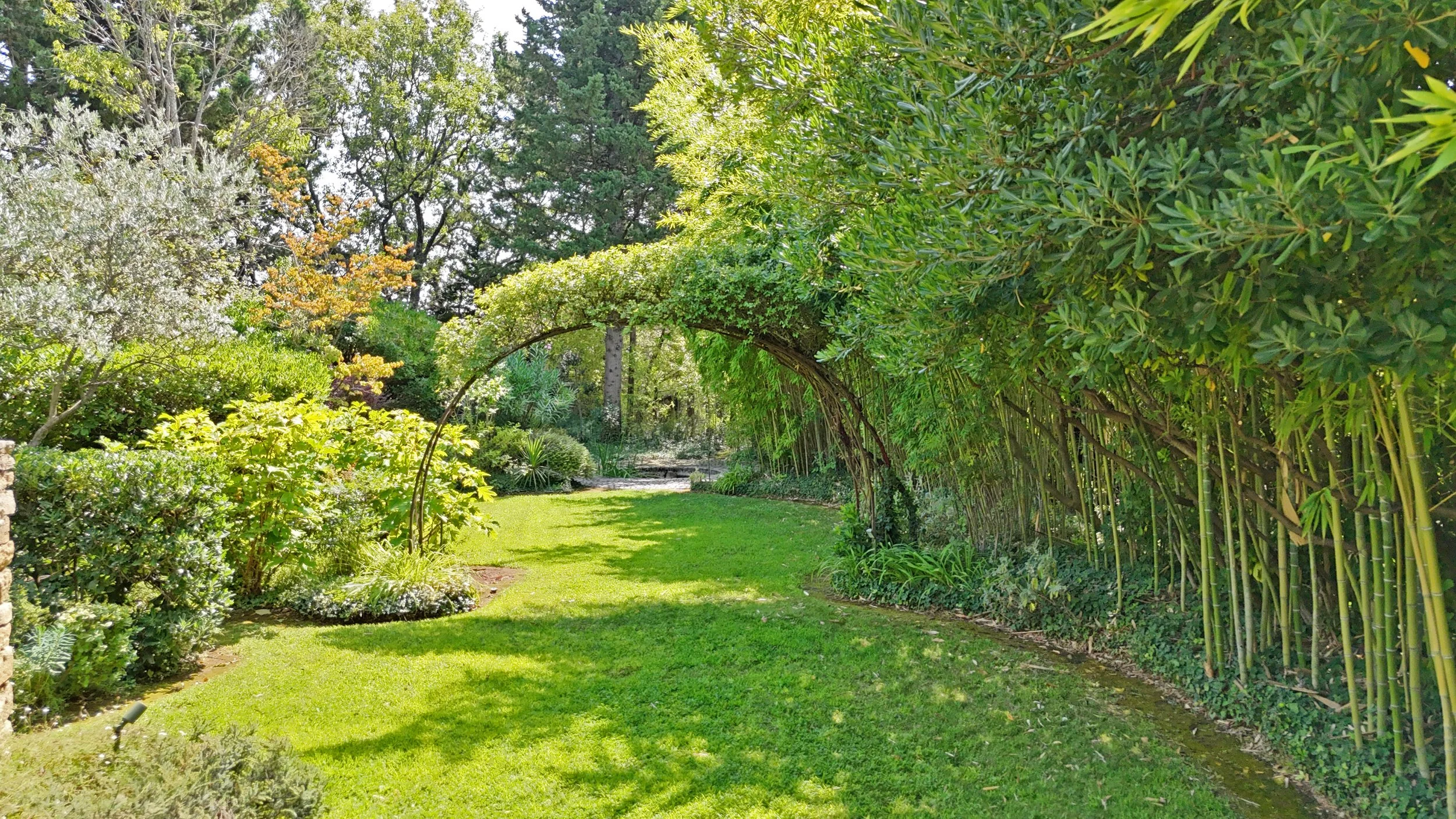
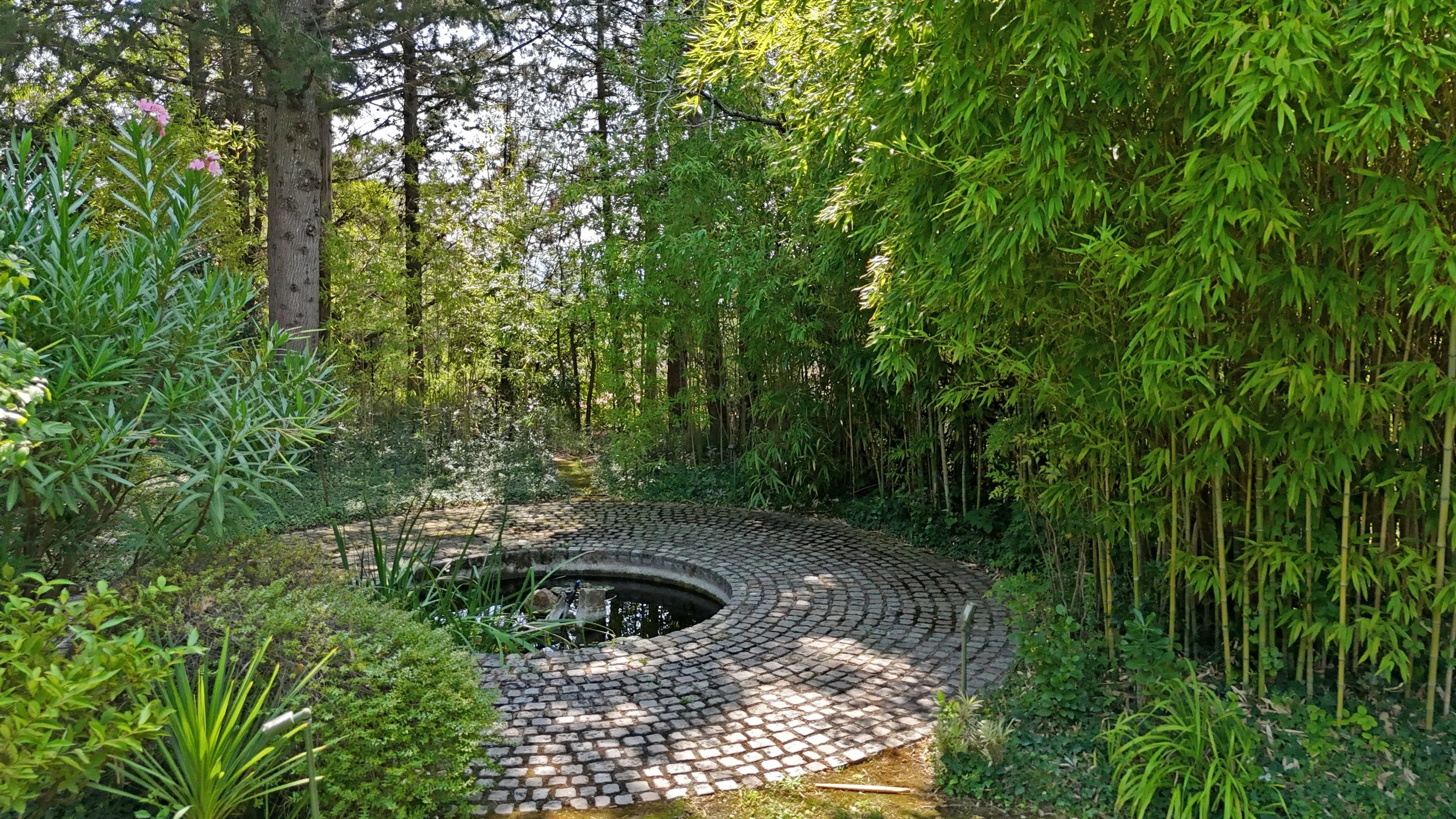
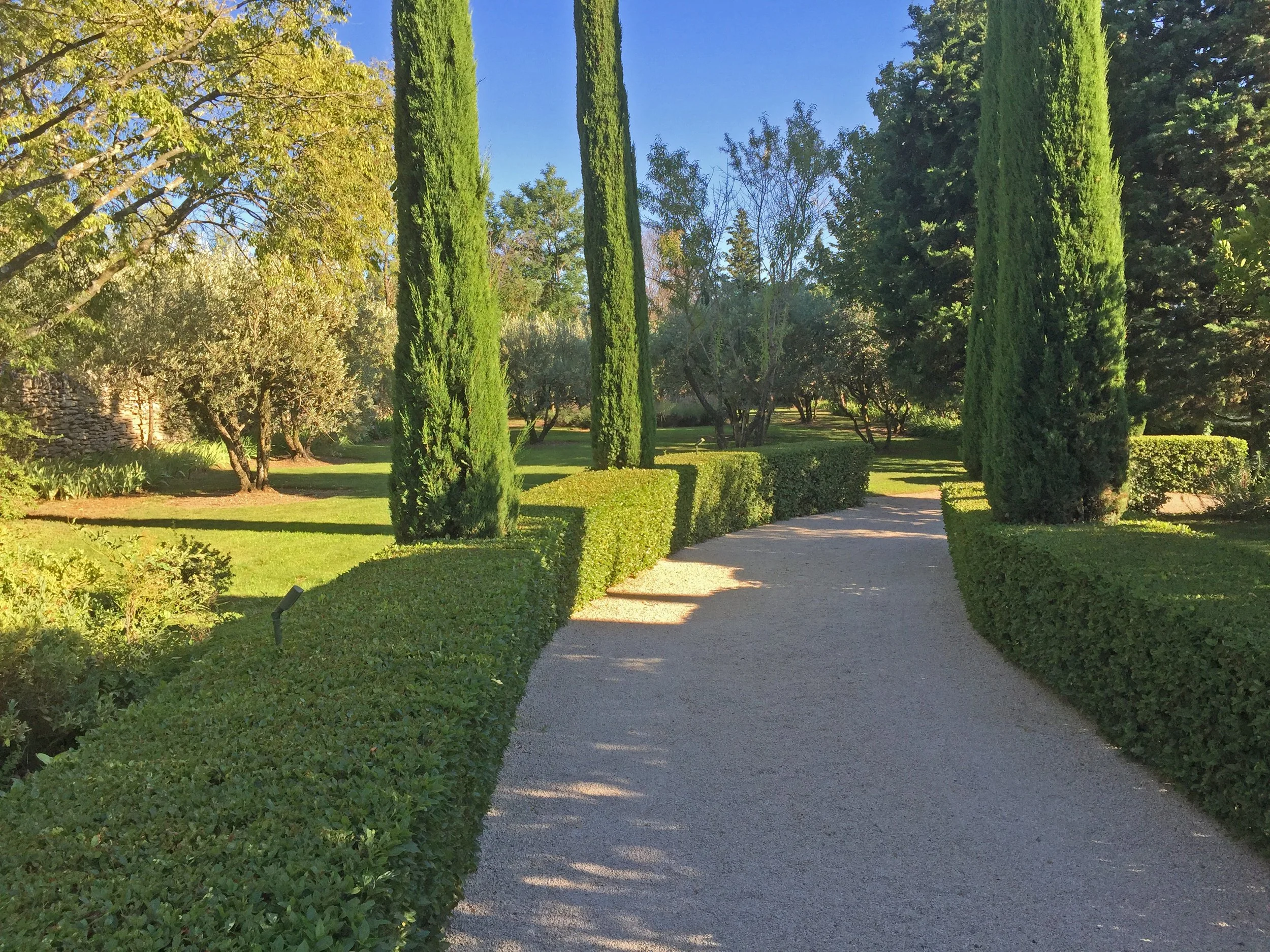
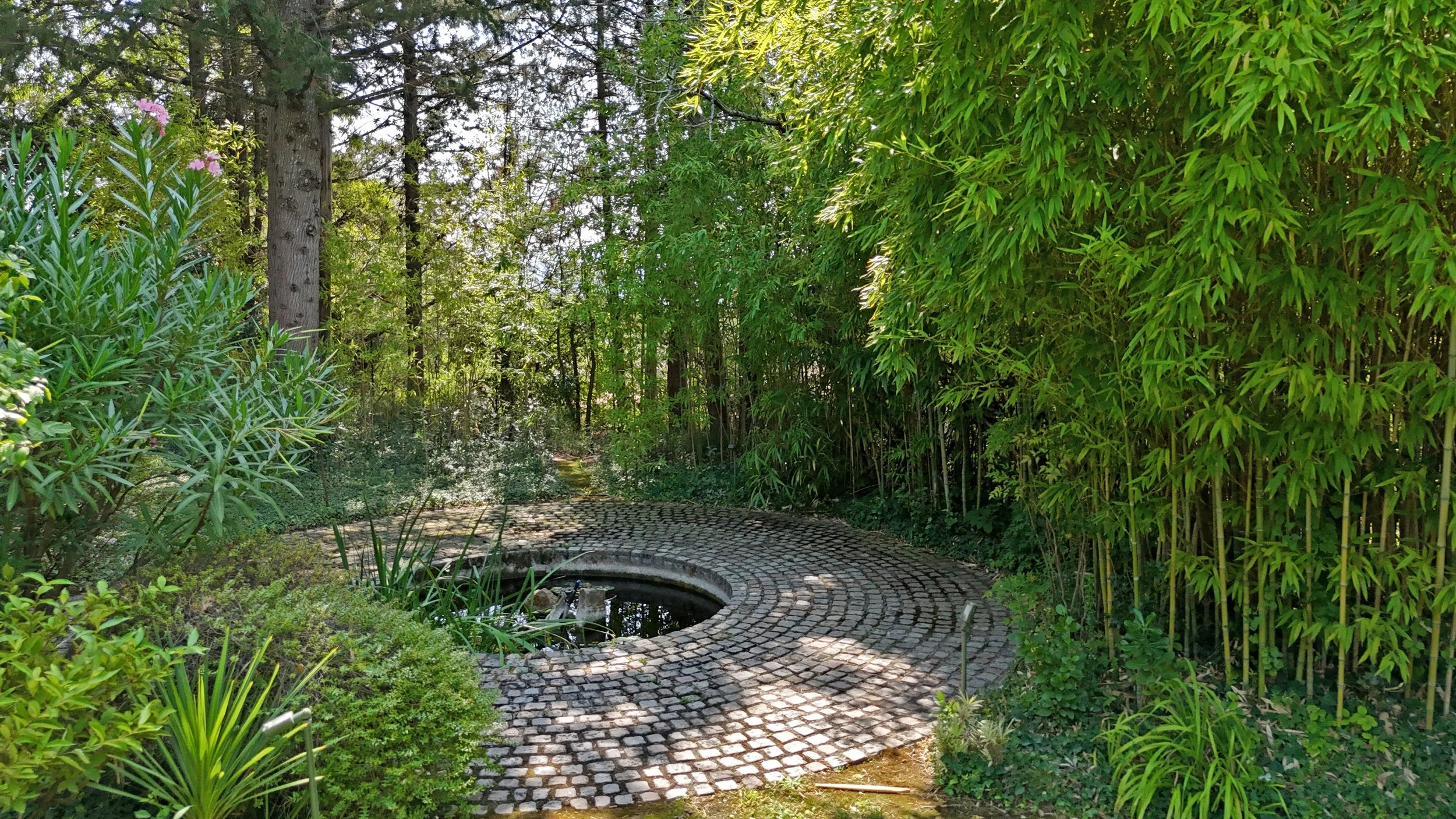
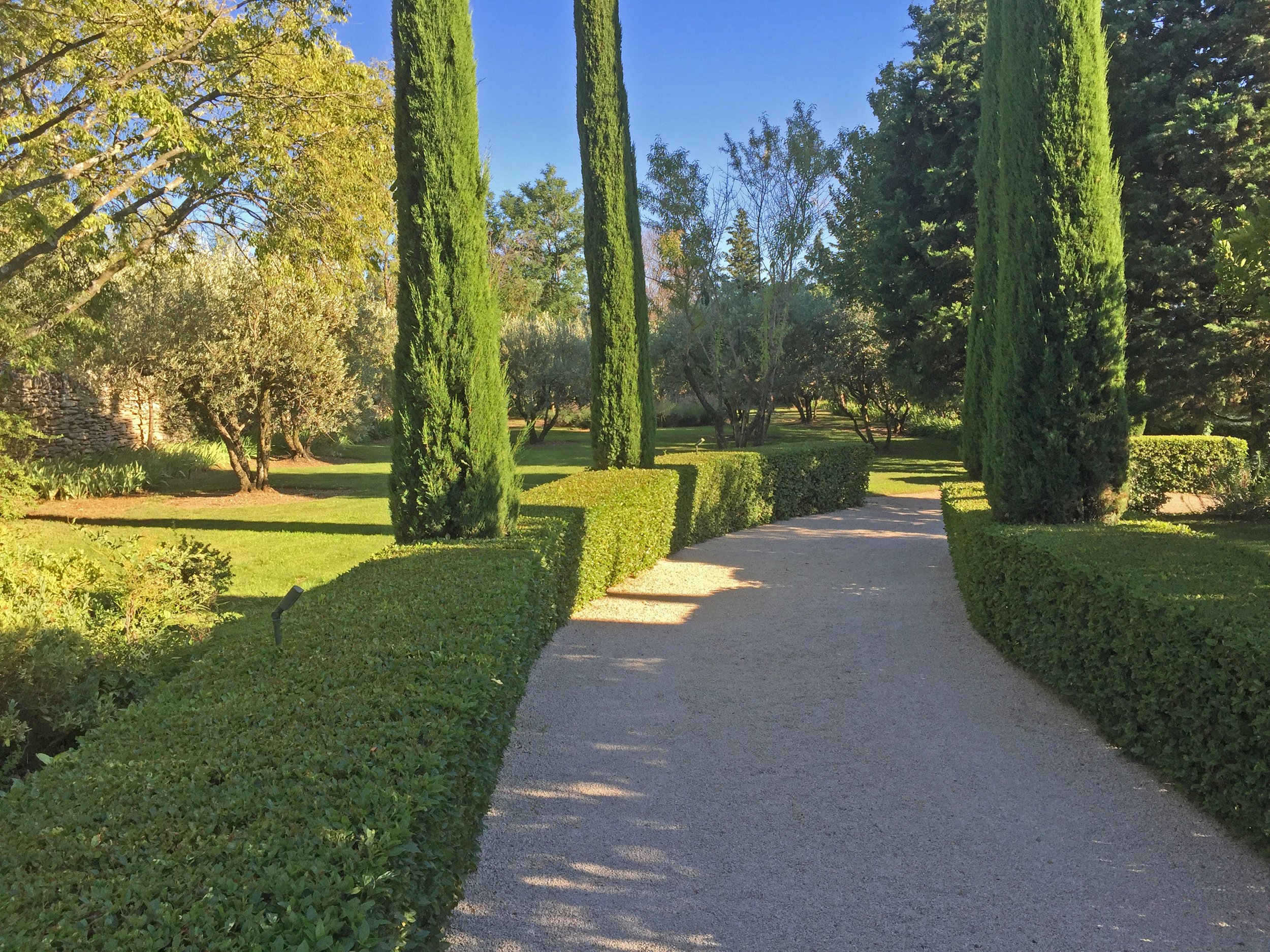
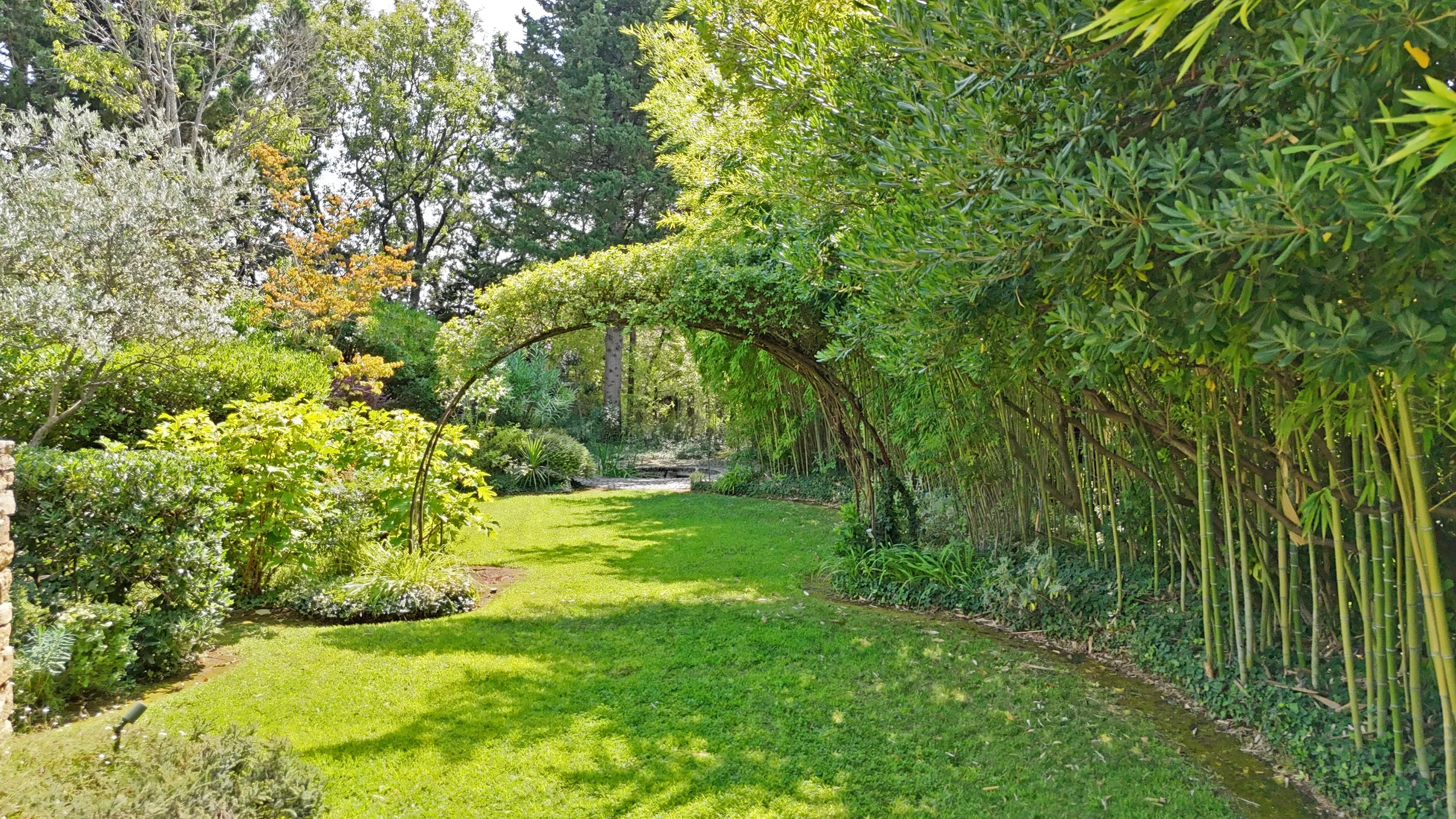
The most distinctive part of the property may be the garden. According to agency materials, the landscaped grounds were designed in 1993 by Michel Semini. His work is documented in Louisa Jones’s book Un art de vivre au jardin: Les jardins provençaux de Michel Semini, which focuses on a series of gardens he created in Provence.
Among Semini’s best-known Provençal commissions was the garden at Pierre Bergé’s Saint-Rémy-de-Provence estate. Bergé, the French businessman and arts patron who co-founded Yves Saint Laurent with his longtime personal and business partner Yves Saint Laurent, was closely associated with major houses and gardens, most famously the Jardin Majorelle and Villa Oasis in Marrakech. Semini’s work for Bergé in Saint-Rémy matters here because it places him within a serious private garden tradition in Provence, where planting, stone, shade, water, and rural architecture were treated as part of one designed landscape.
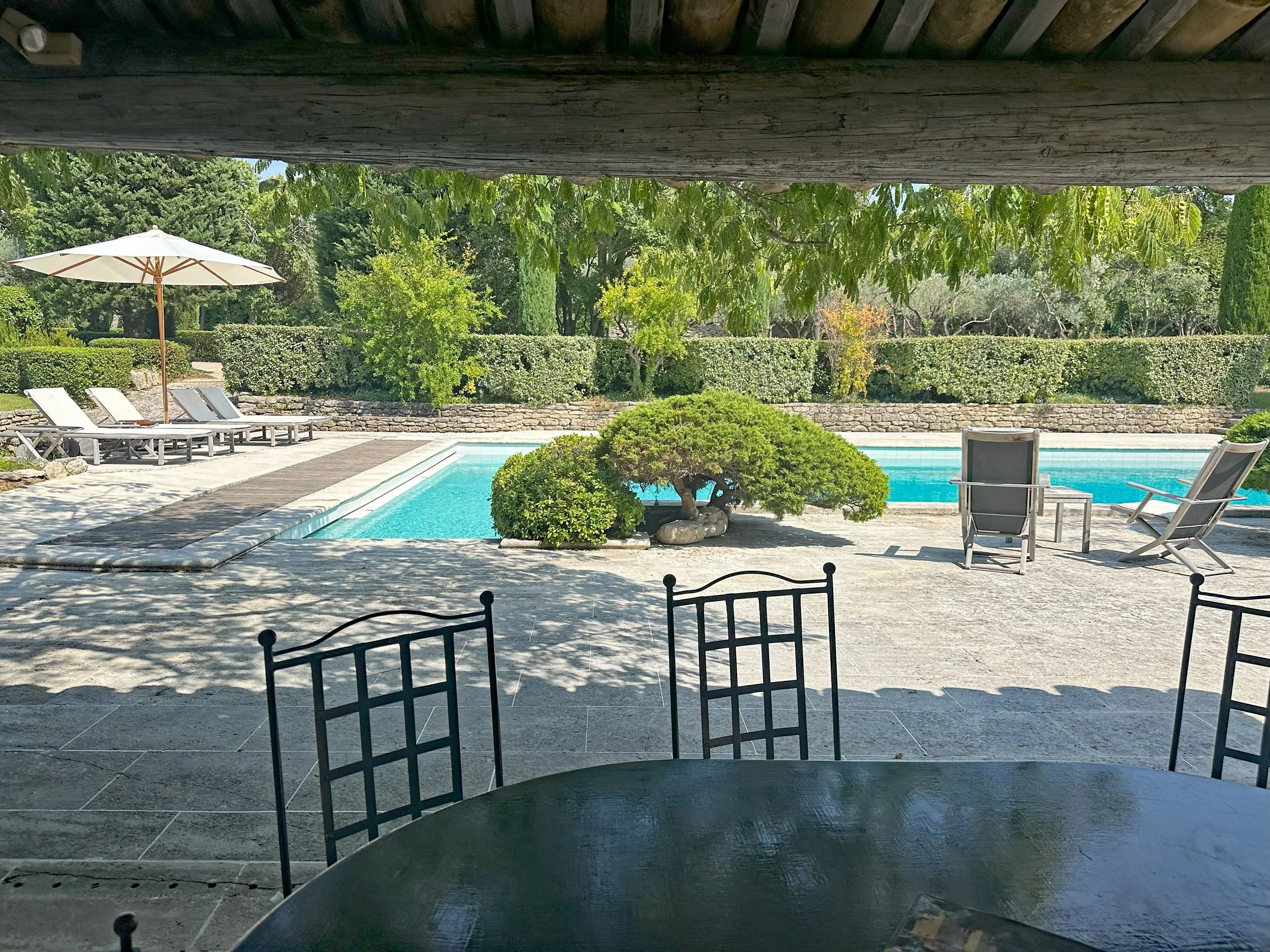
The garden at this property extends across approximately 5,130 m² / 1.27 acres within the wider estate. It includes an olive grove, lavender beds, cypress trees, fountains, dry-stone terraces, a greenhouse, an aviary, a large fish pond, and more than 100 rare plant species. The grounds also include a 13 x 7 metre / 43 x 23 foot swimming pool with a pool house, as well as an old tennis court awaiting restoration.
Agency materials state that this garden is reported to have appeared in publications including Côté Sud, Maison & Décors Méditerranée, and Un art de vivre au jardin: Les jardins provençaux de Michel Semini.
One of the more regionally specific features is the ancestral borie. A borie is a traditional dry-stone hut found in Provence, built without mortar and historically used by farmers or shepherds for shelter, storage, or agricultural work. Together with the dry-stone terraces, it gives the garden a direct connection to the older rural landscape of the Luberon.
All photographs belong to the listing agency. See more on Emile Garcin.