An Entire Irish Village Restored by Ryanair’s Co-Founder Is for Sale, 30 Minutes From Dublin
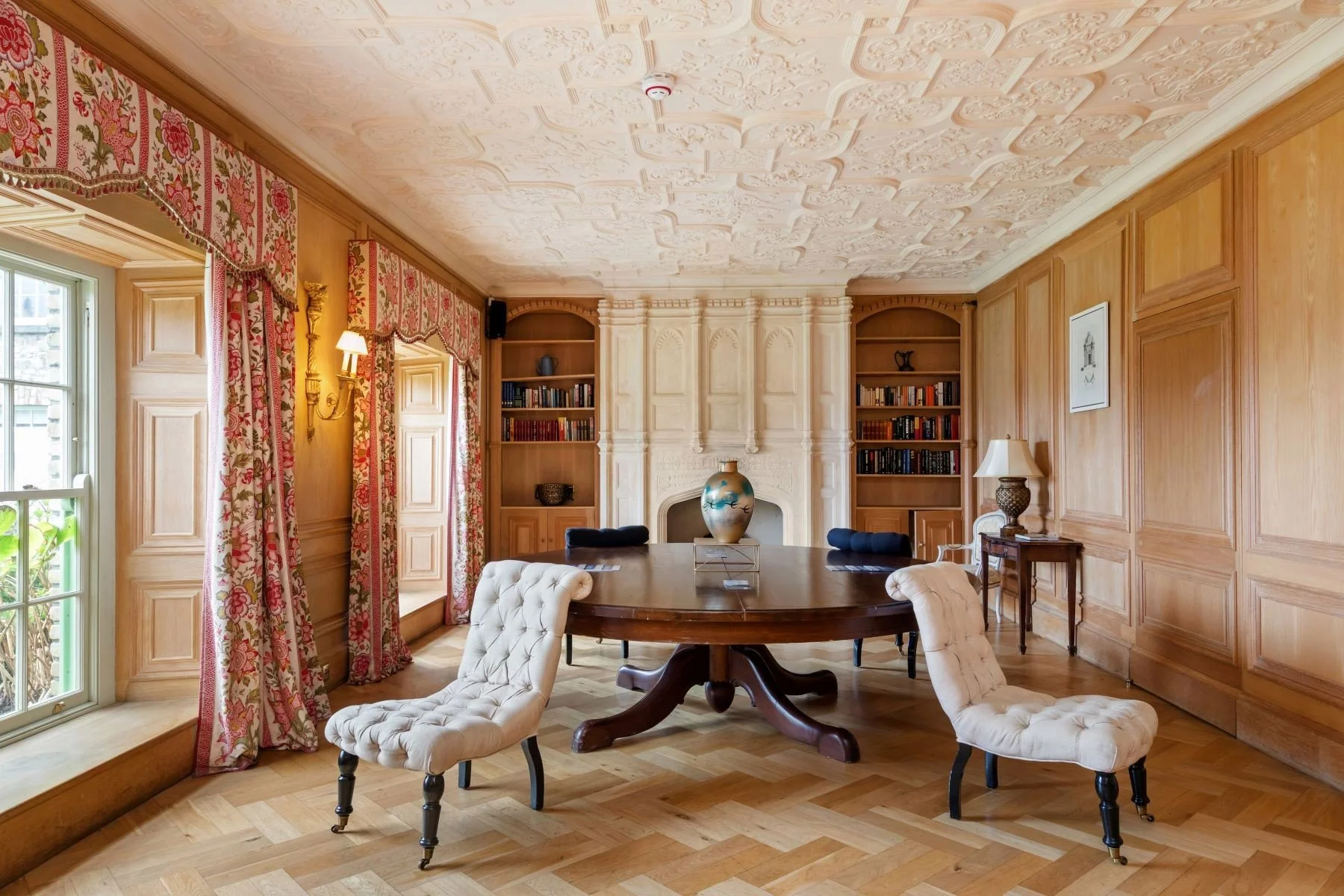
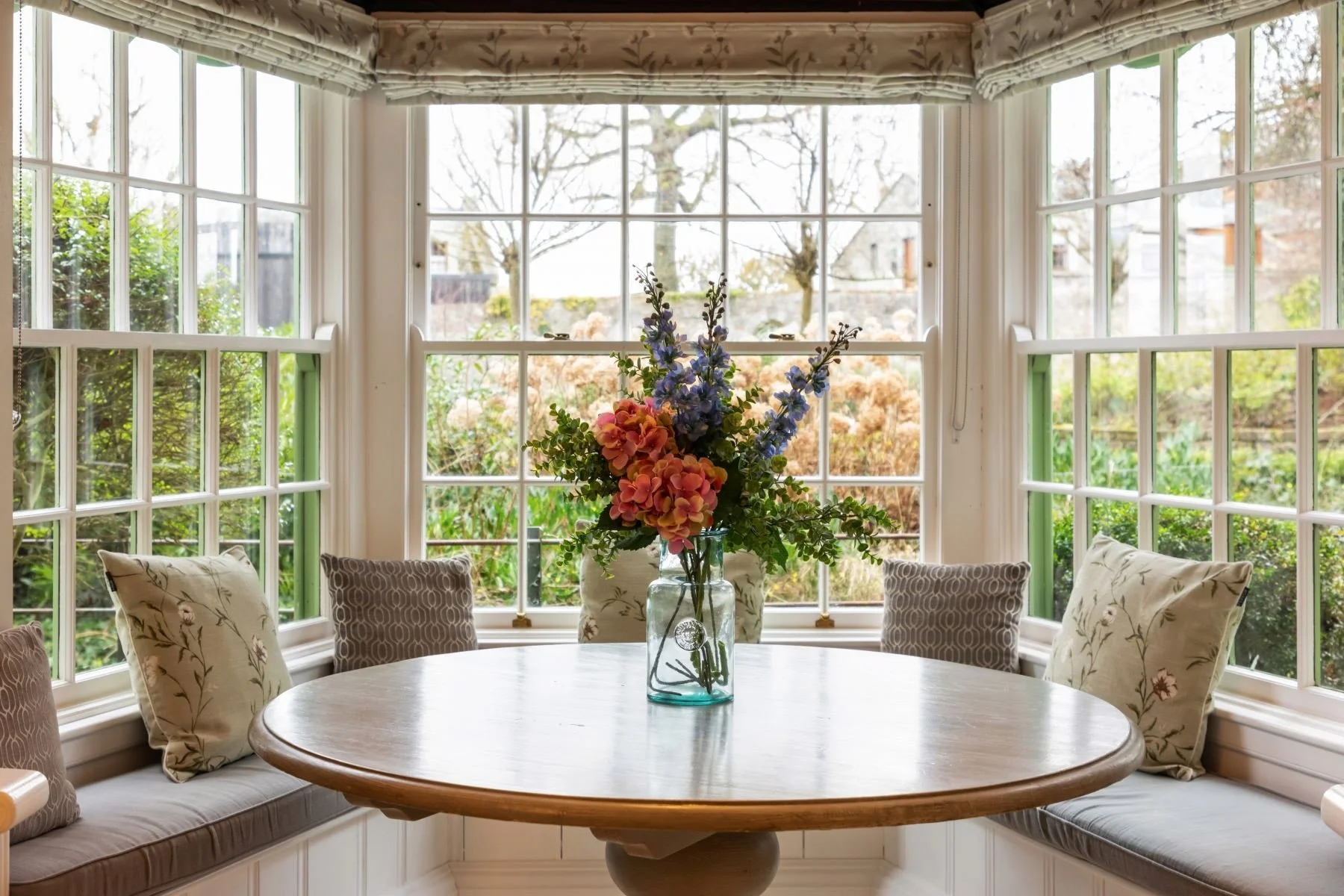
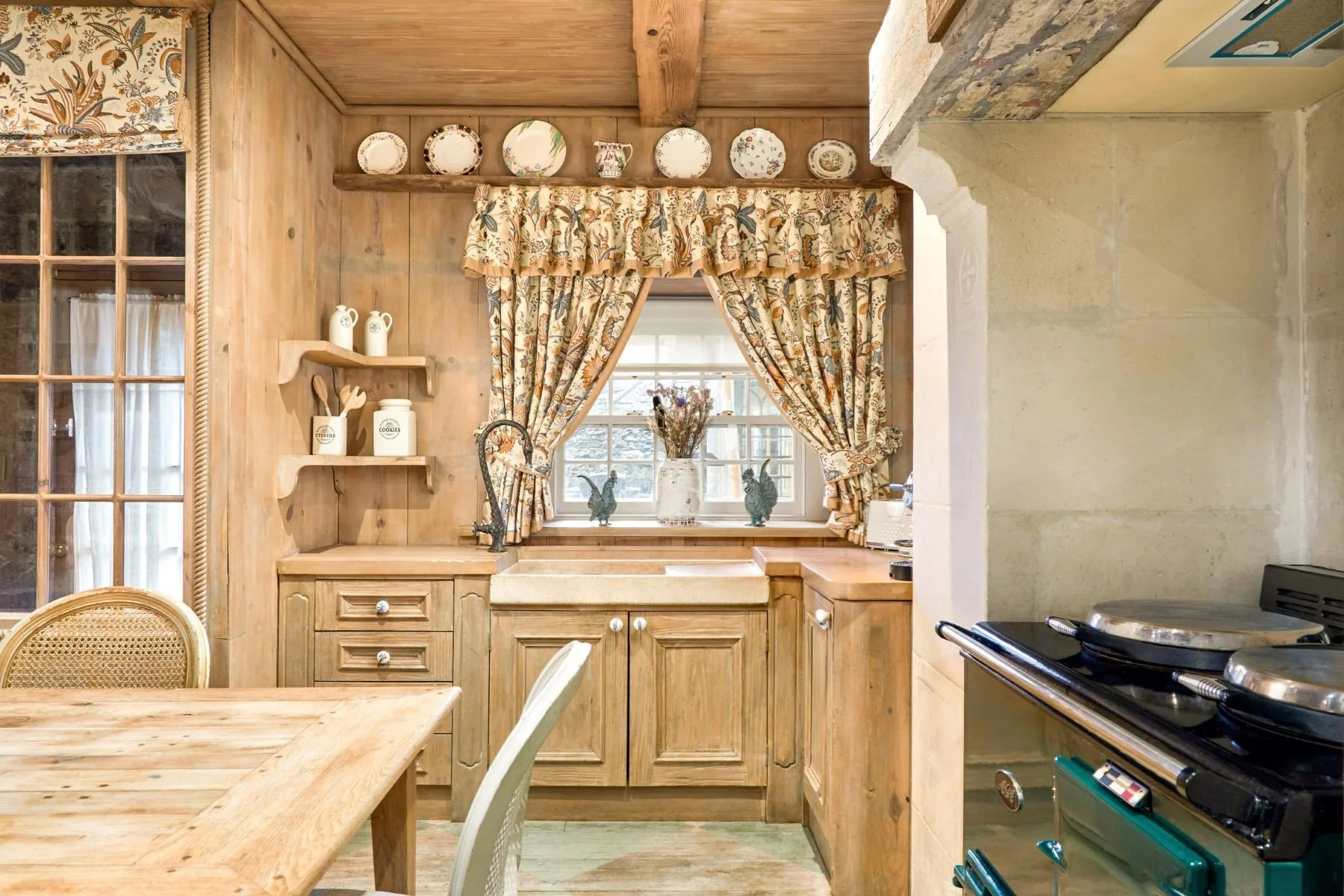
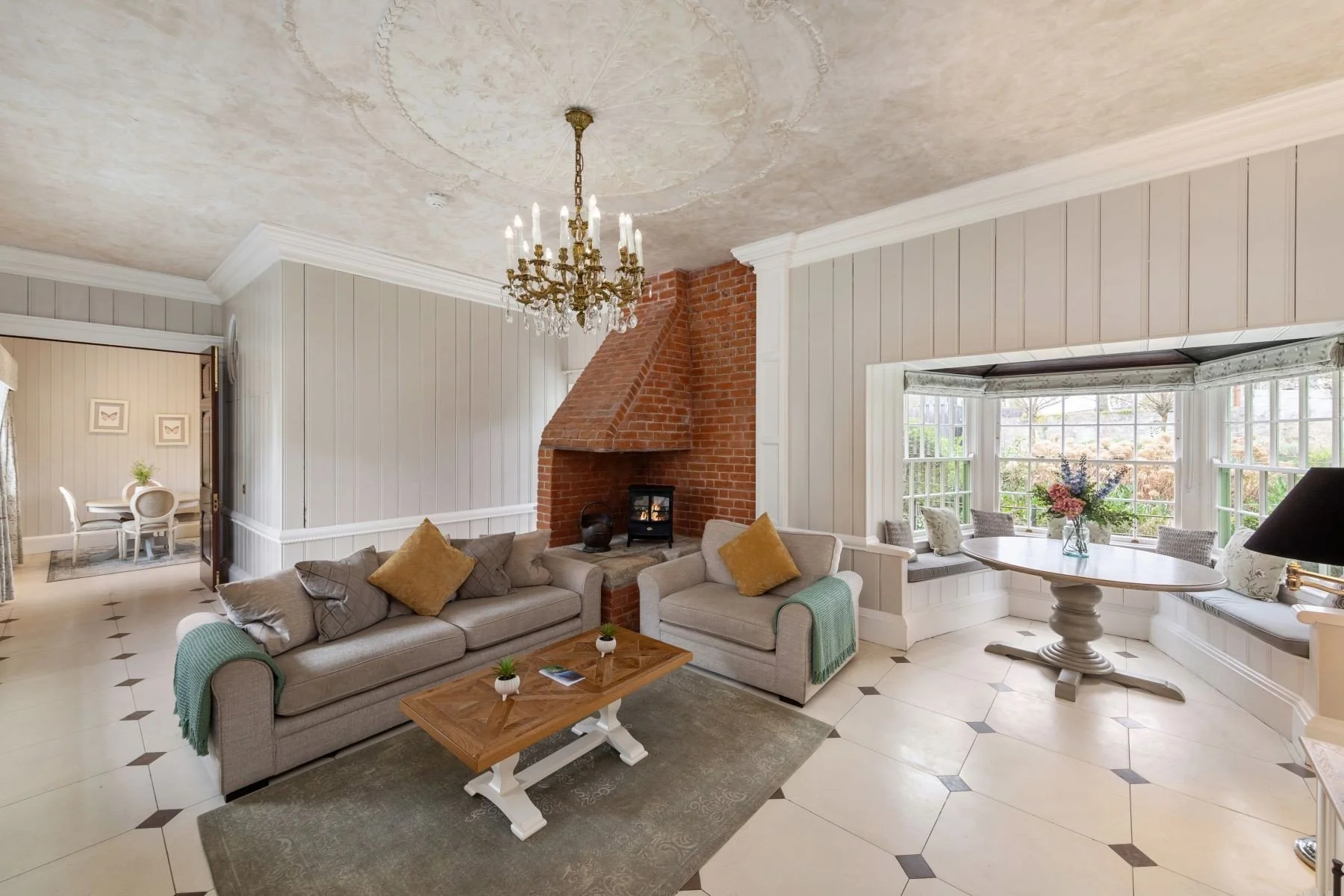
Bedrooms: 47 Interior: 4,410 m² / 44,469 sq ft Lot: 8 ha / 20 acres
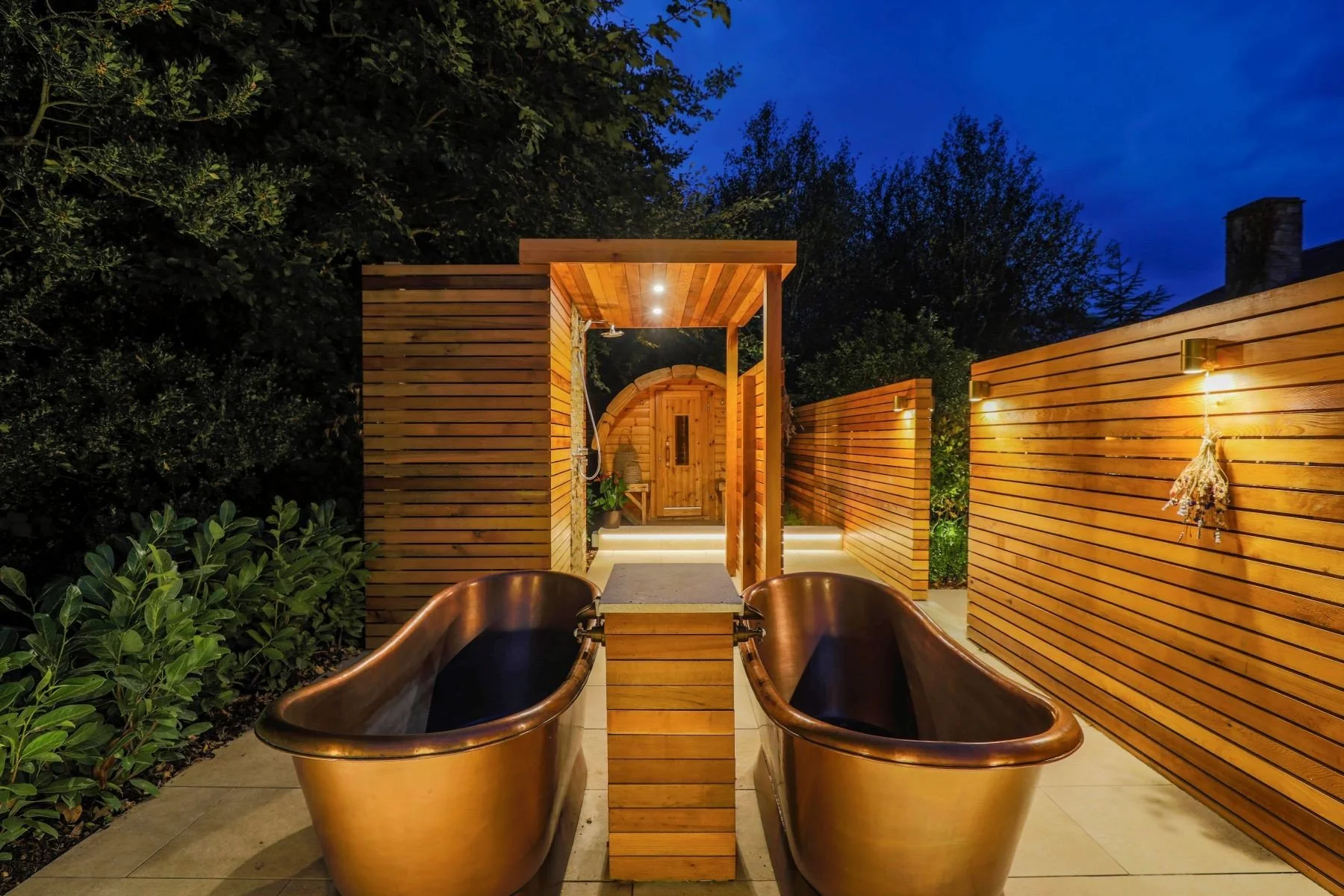
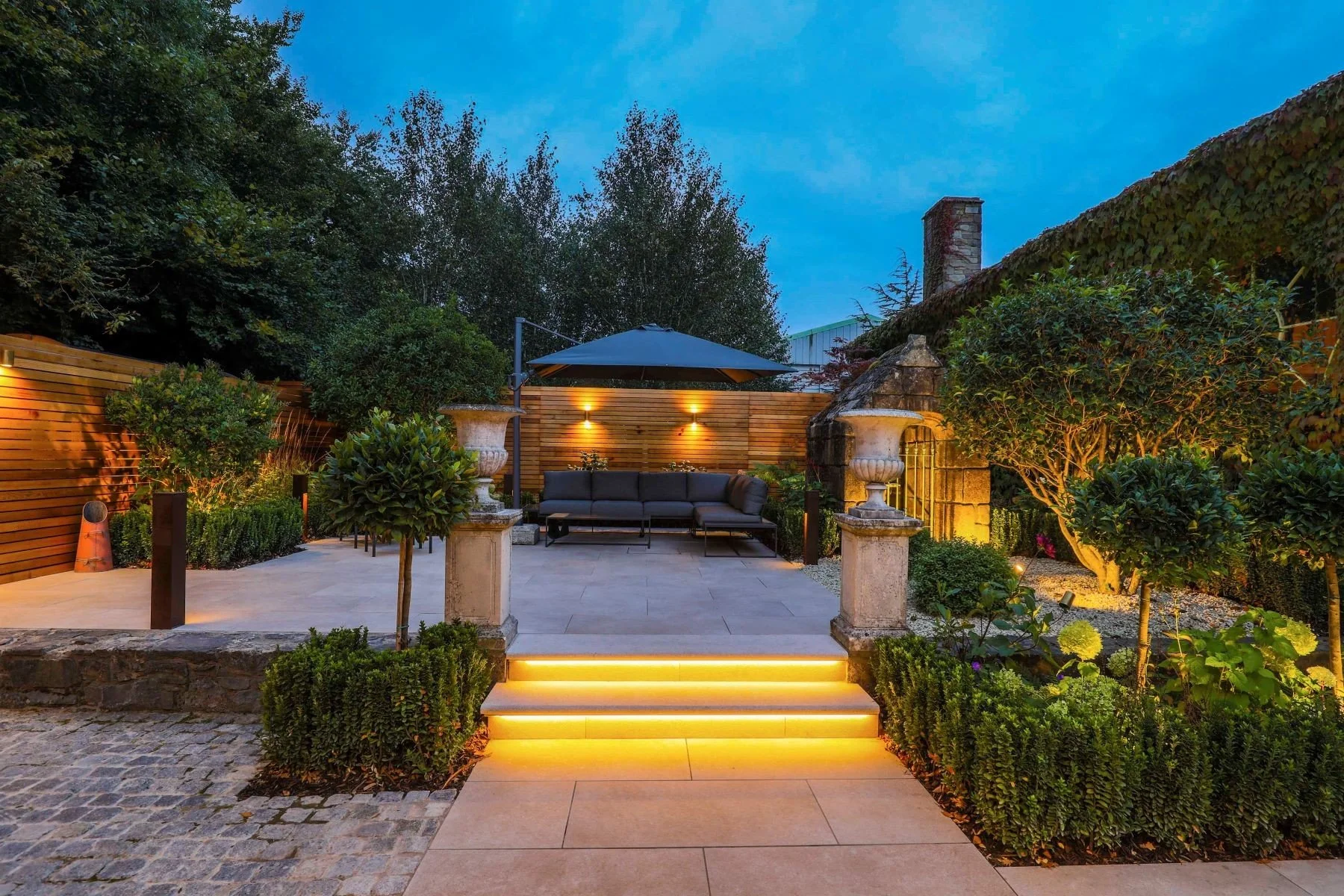
Amenities: Five-star hotel and spa, restored stone cottages, lodges and apartments, Shackleton Mill Dining Room, The Orangery, Lyons Den Bar, Garden Restaurant & Chef’s Kitchen, Garden Room private dining, Fountain Suite event space, Village Hall boardroom, The Pantry coffee shop, The Well in the Garden spa, outdoor thermal spa, event spaces, landscaped gardens, courtyards, waterways, former mill, chapel, and Grand Canal setting.
An entire restored Irish village within 30 minutes of Dublin has come to market for €20 million.
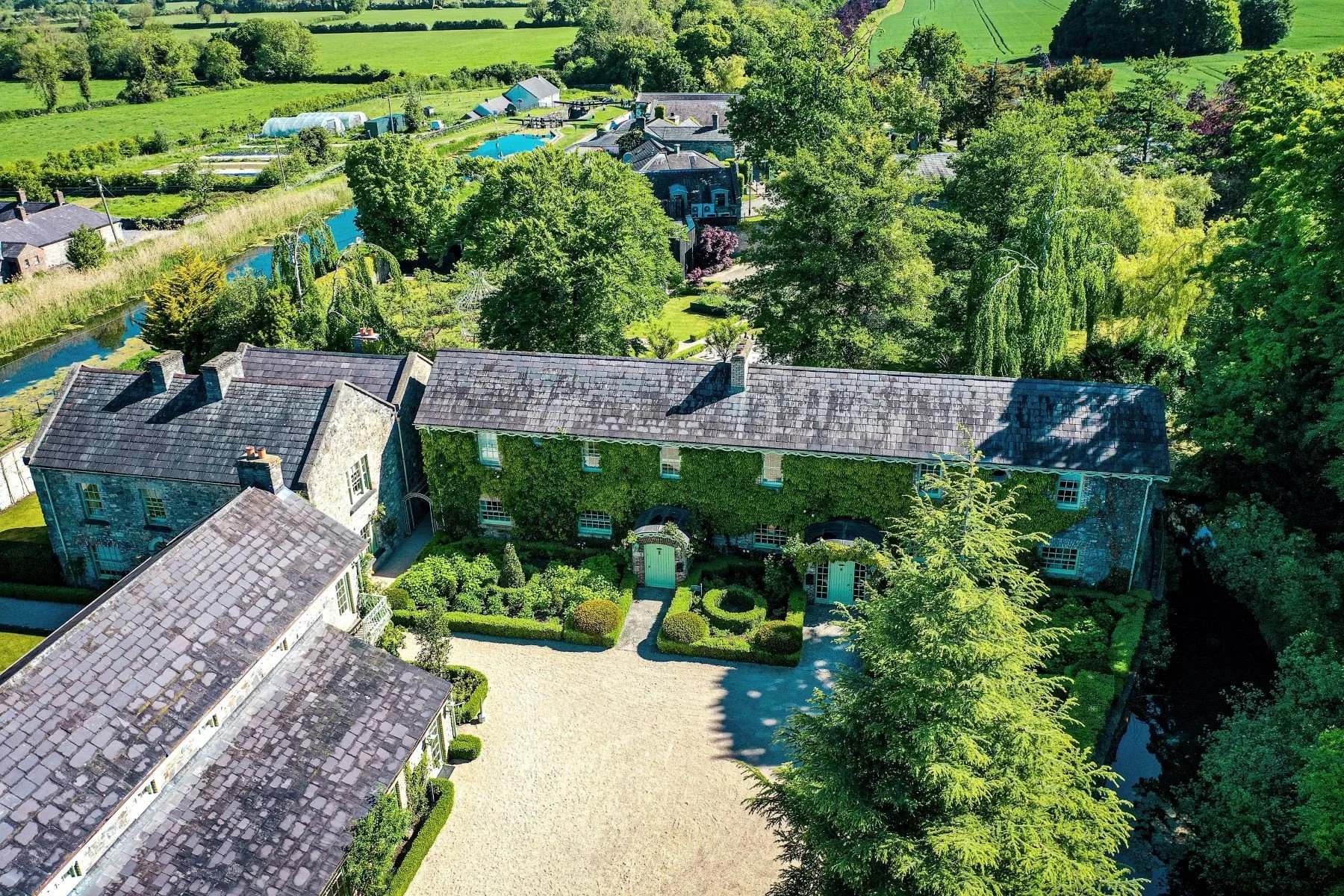
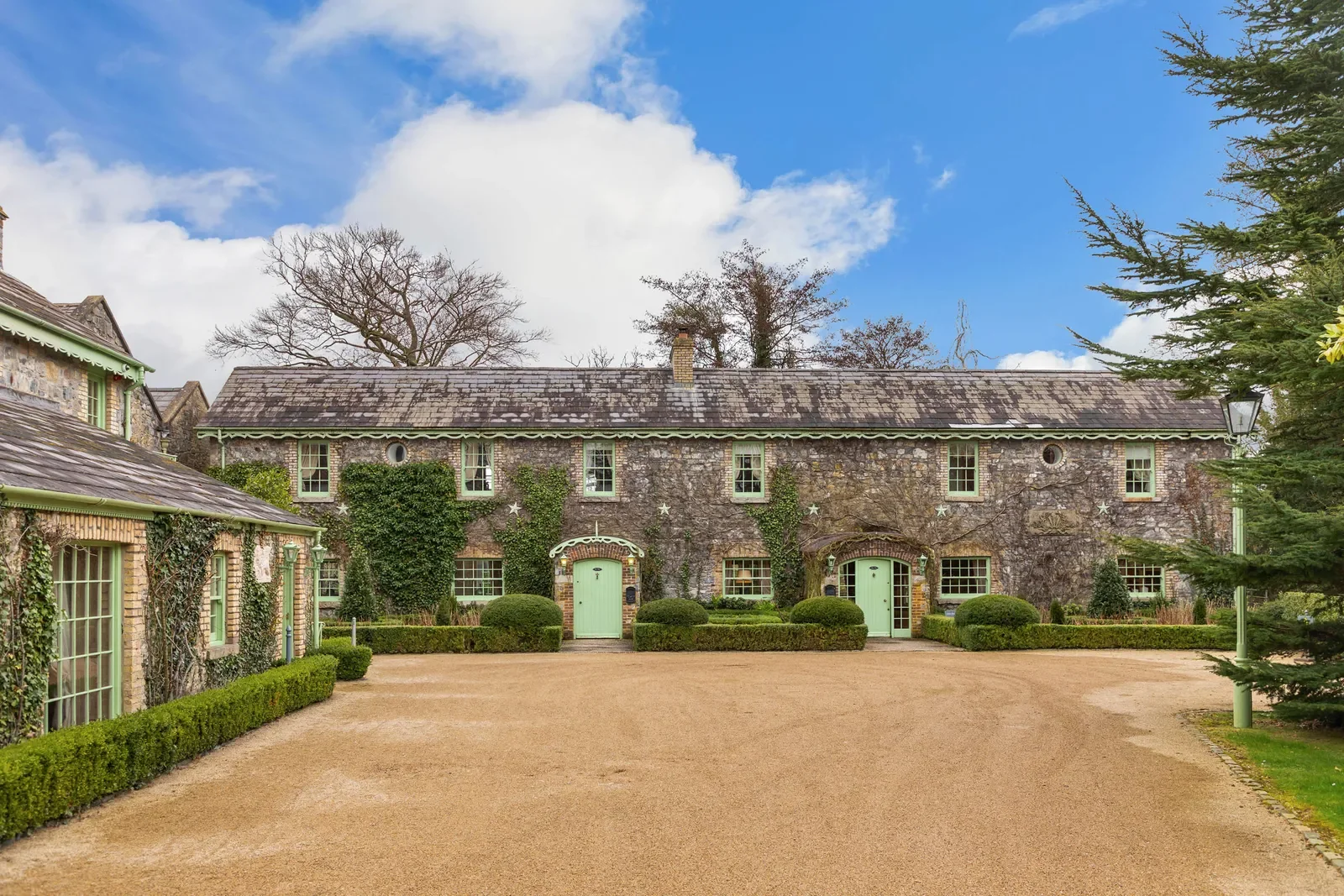
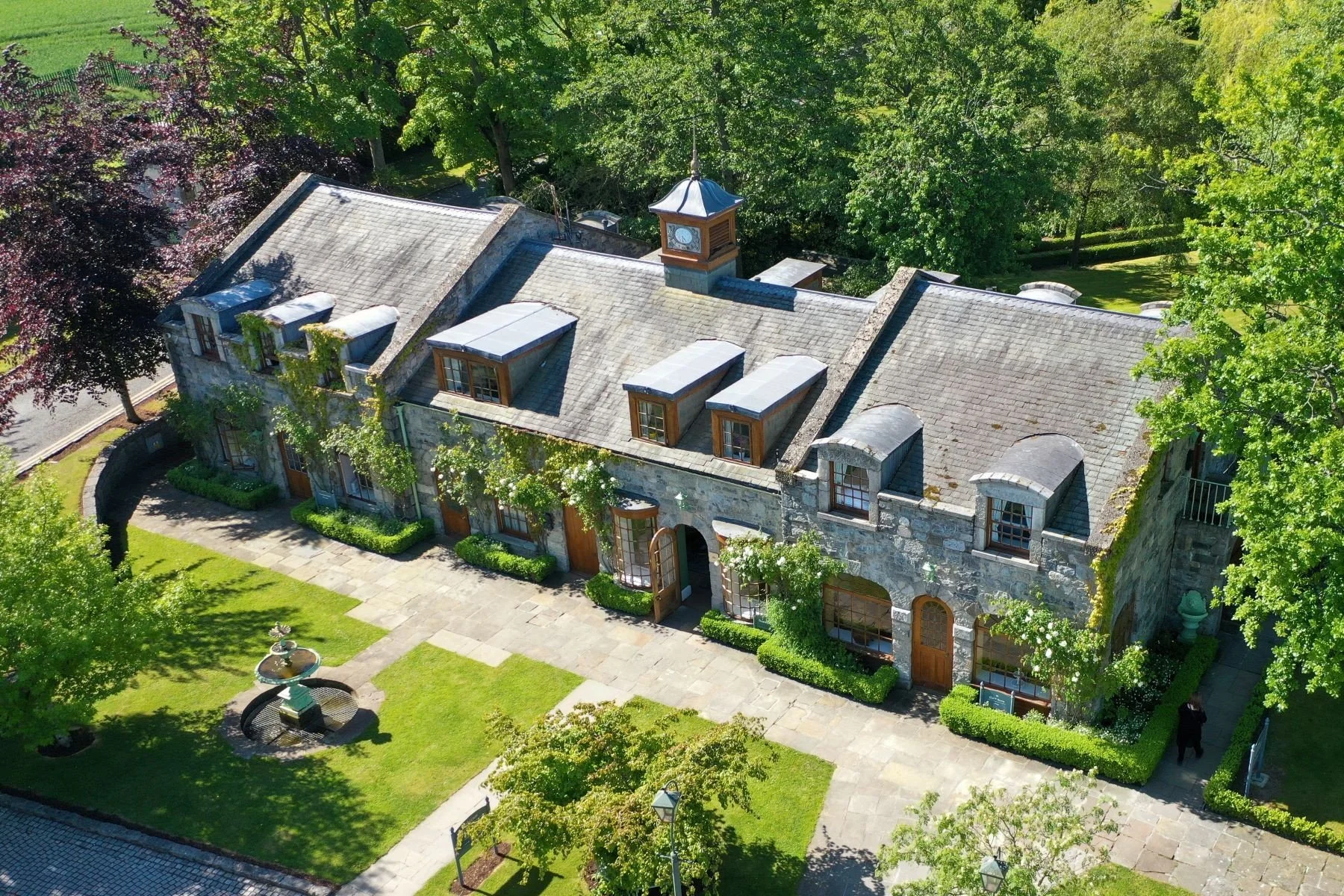
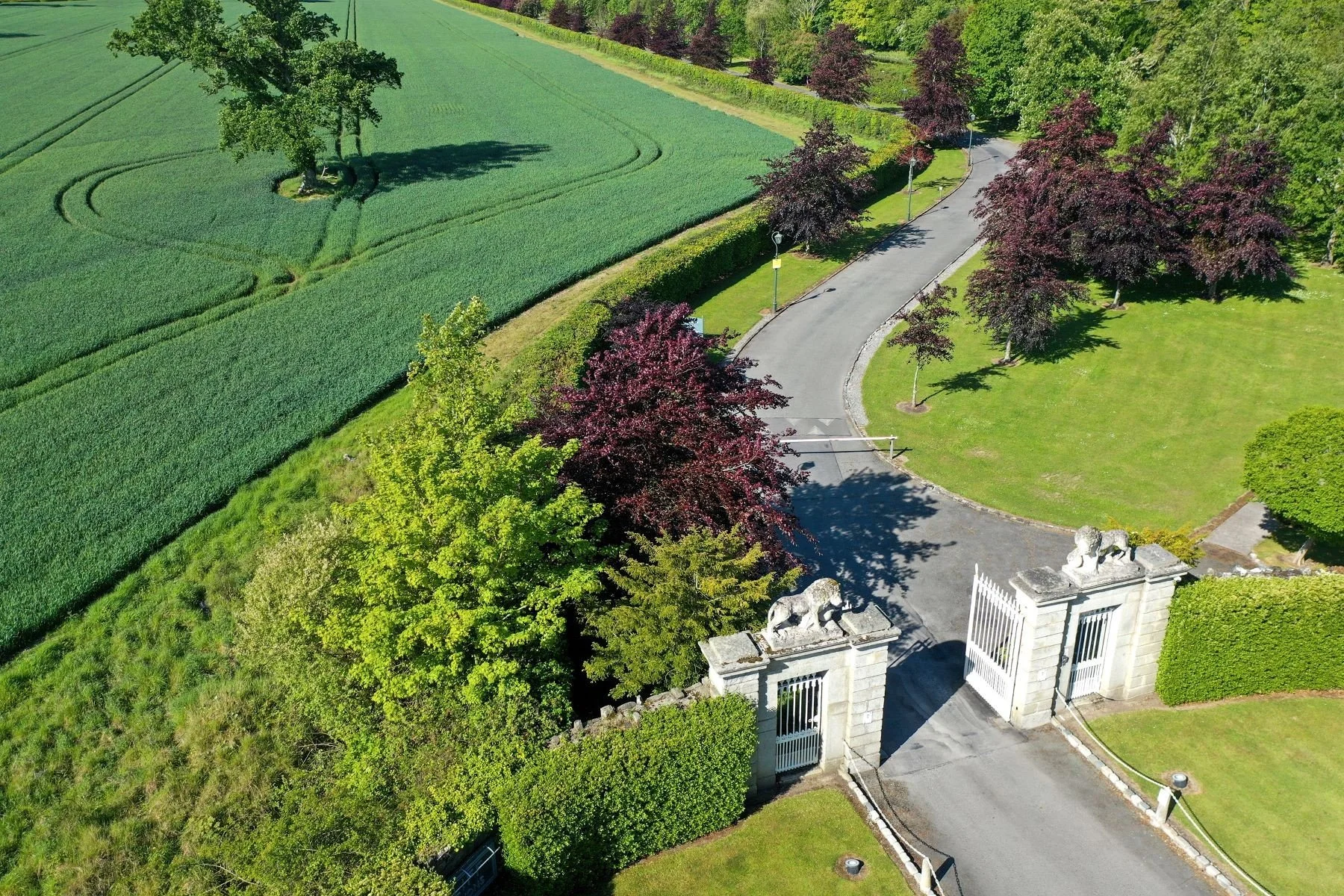
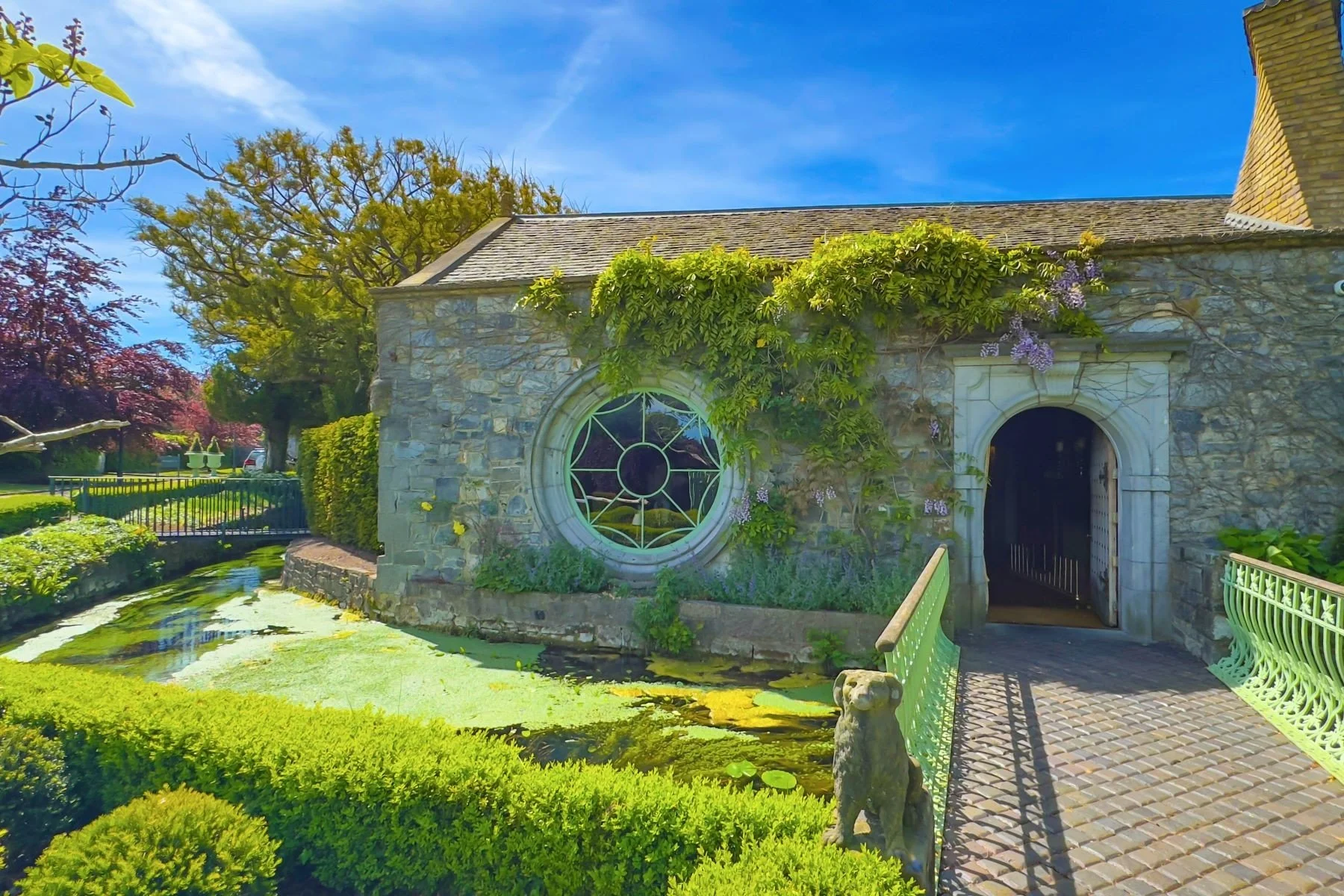
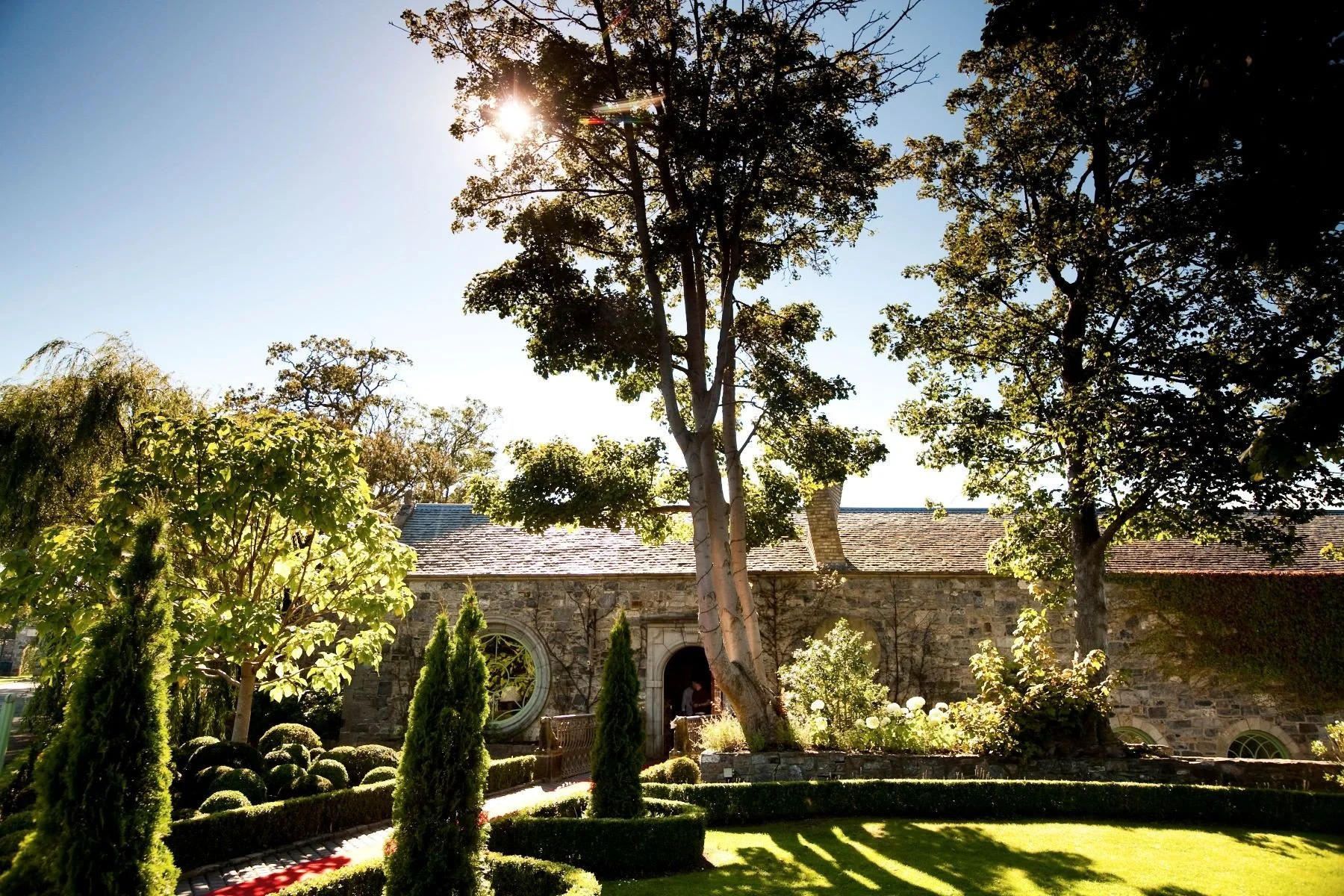
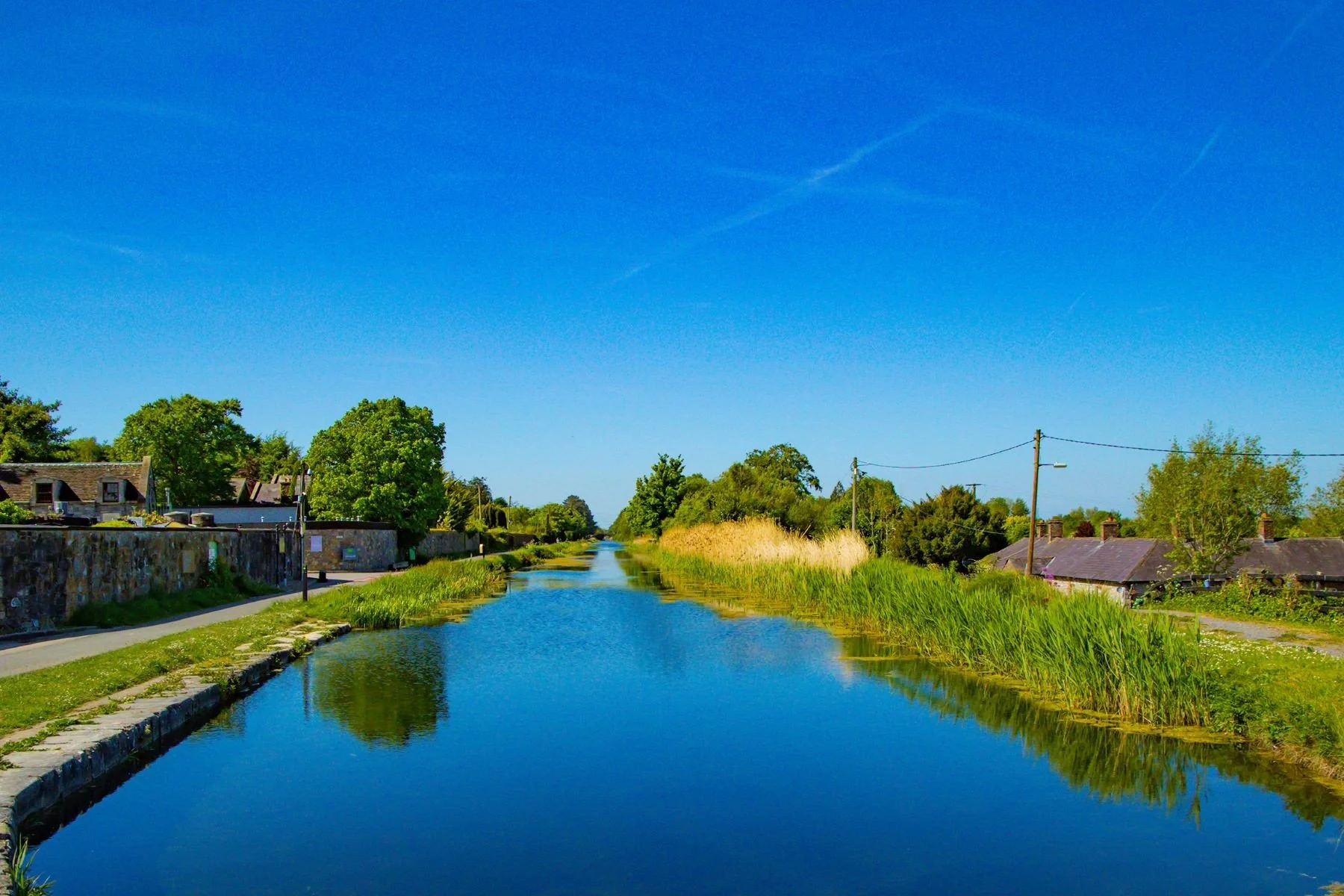
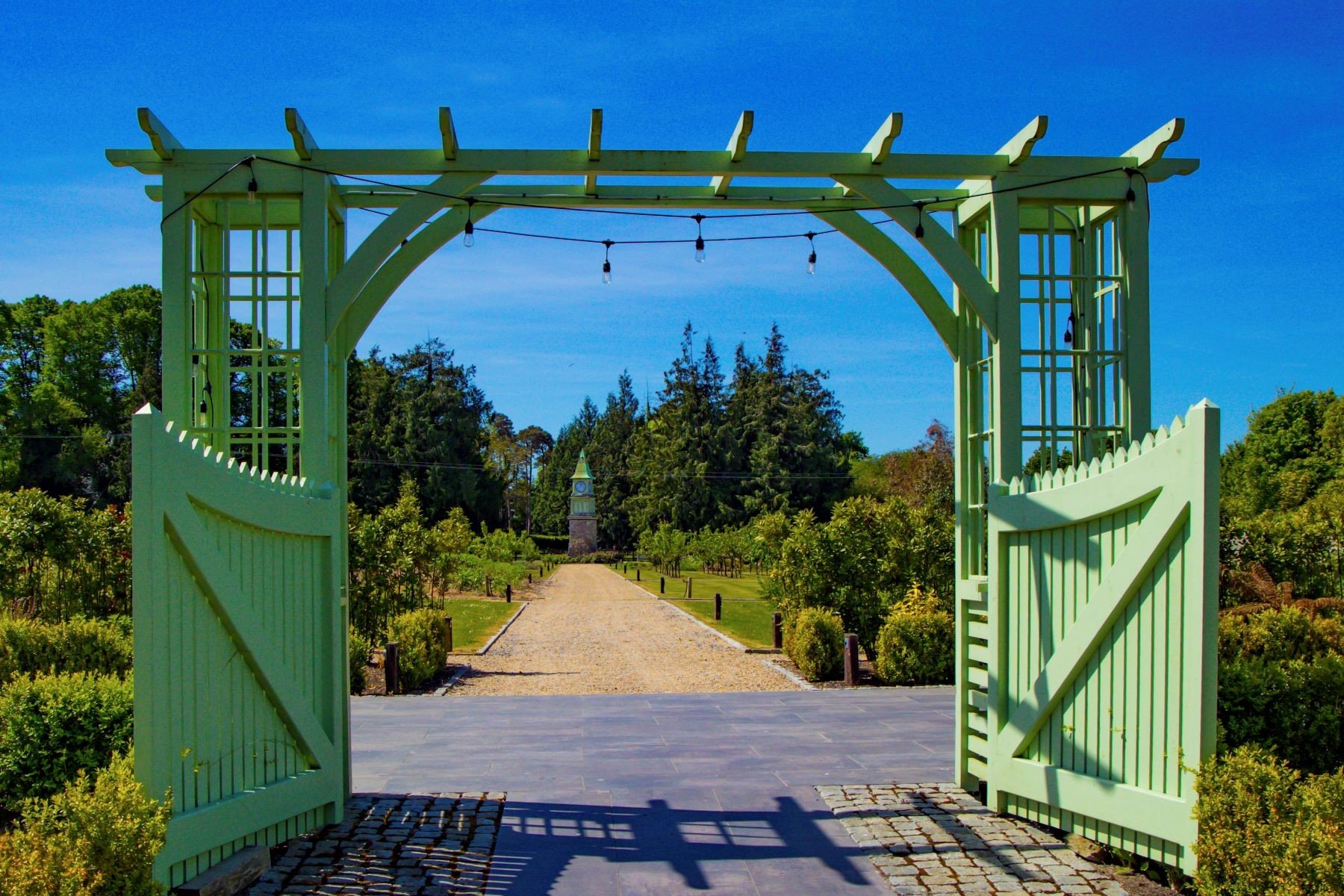
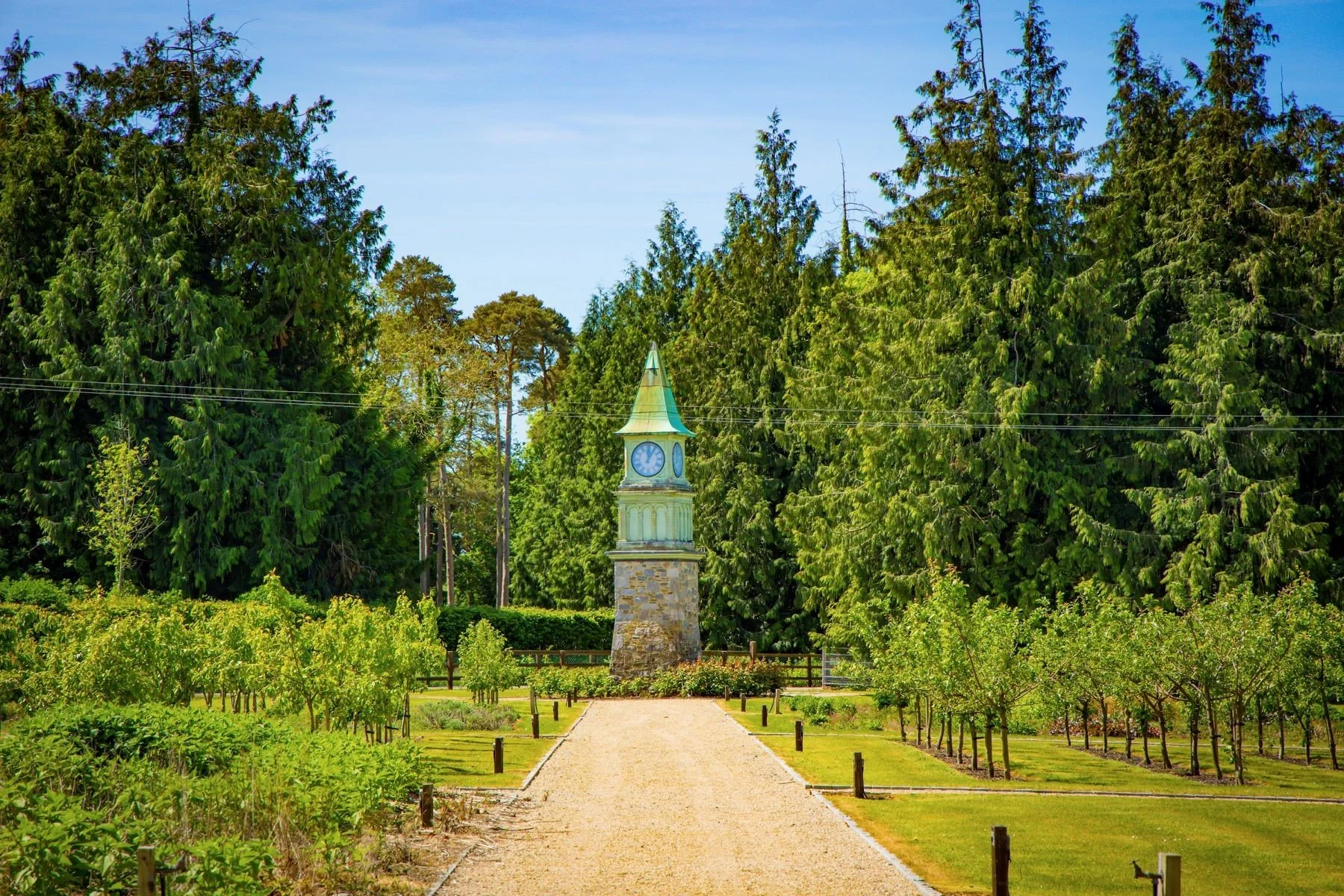
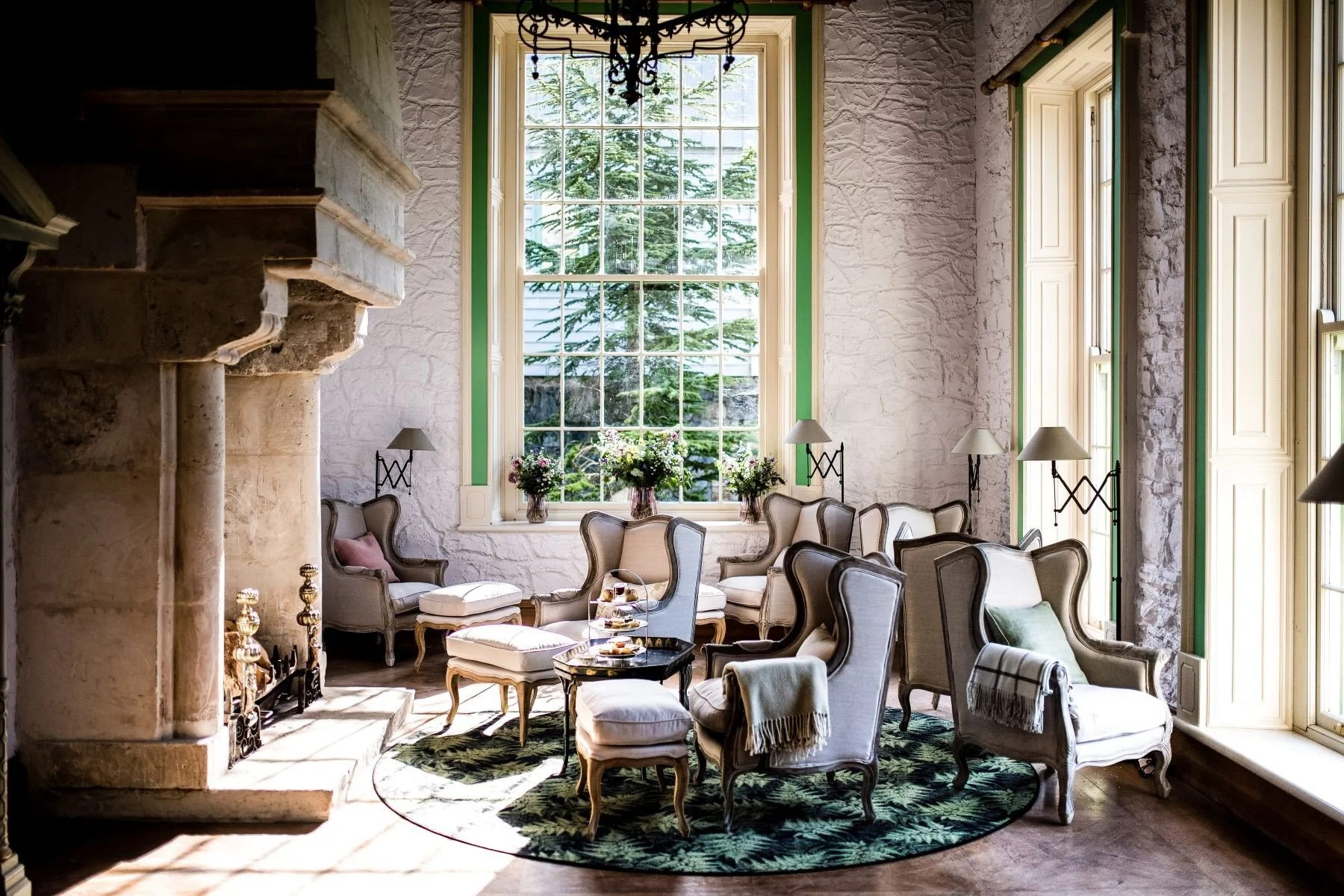
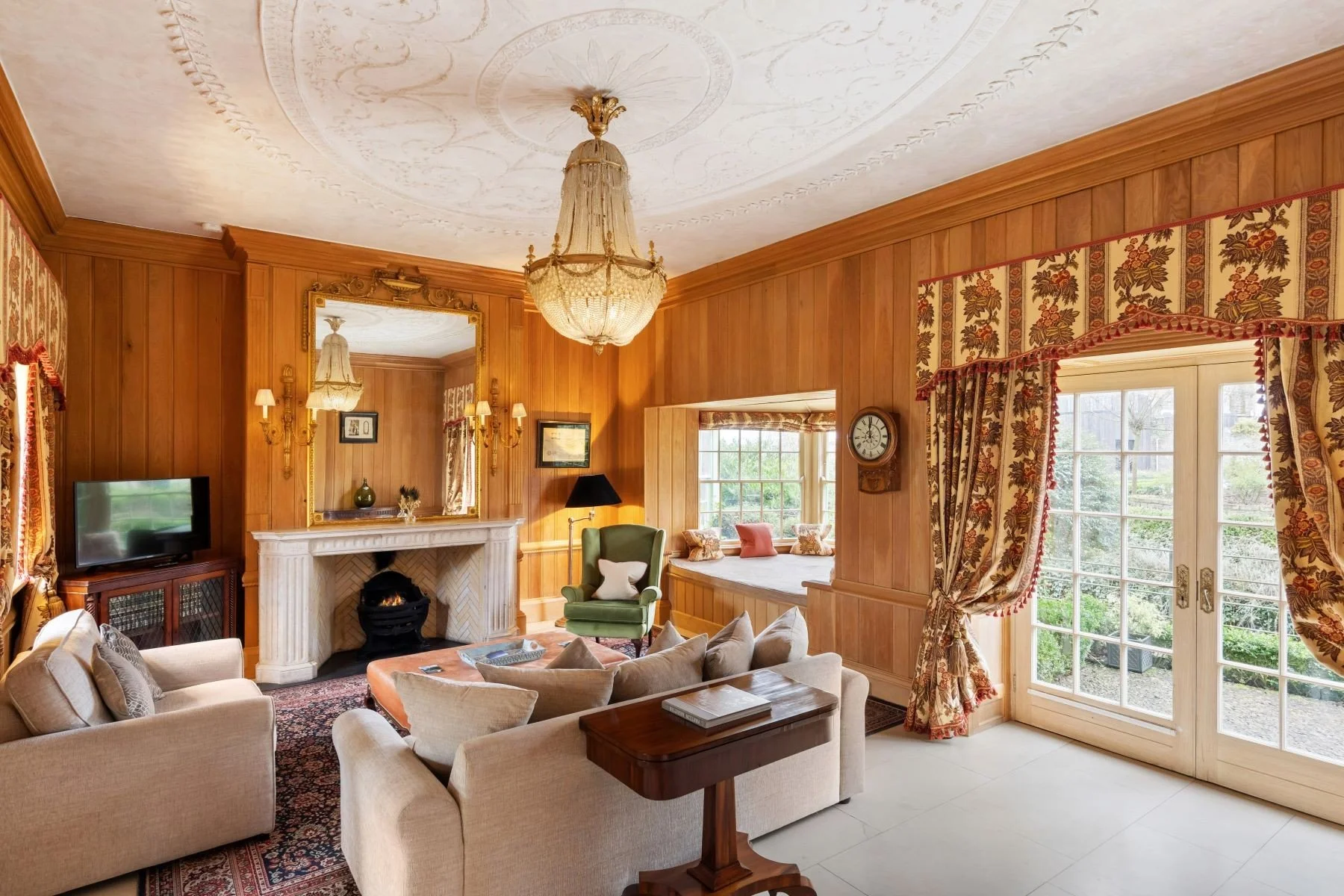
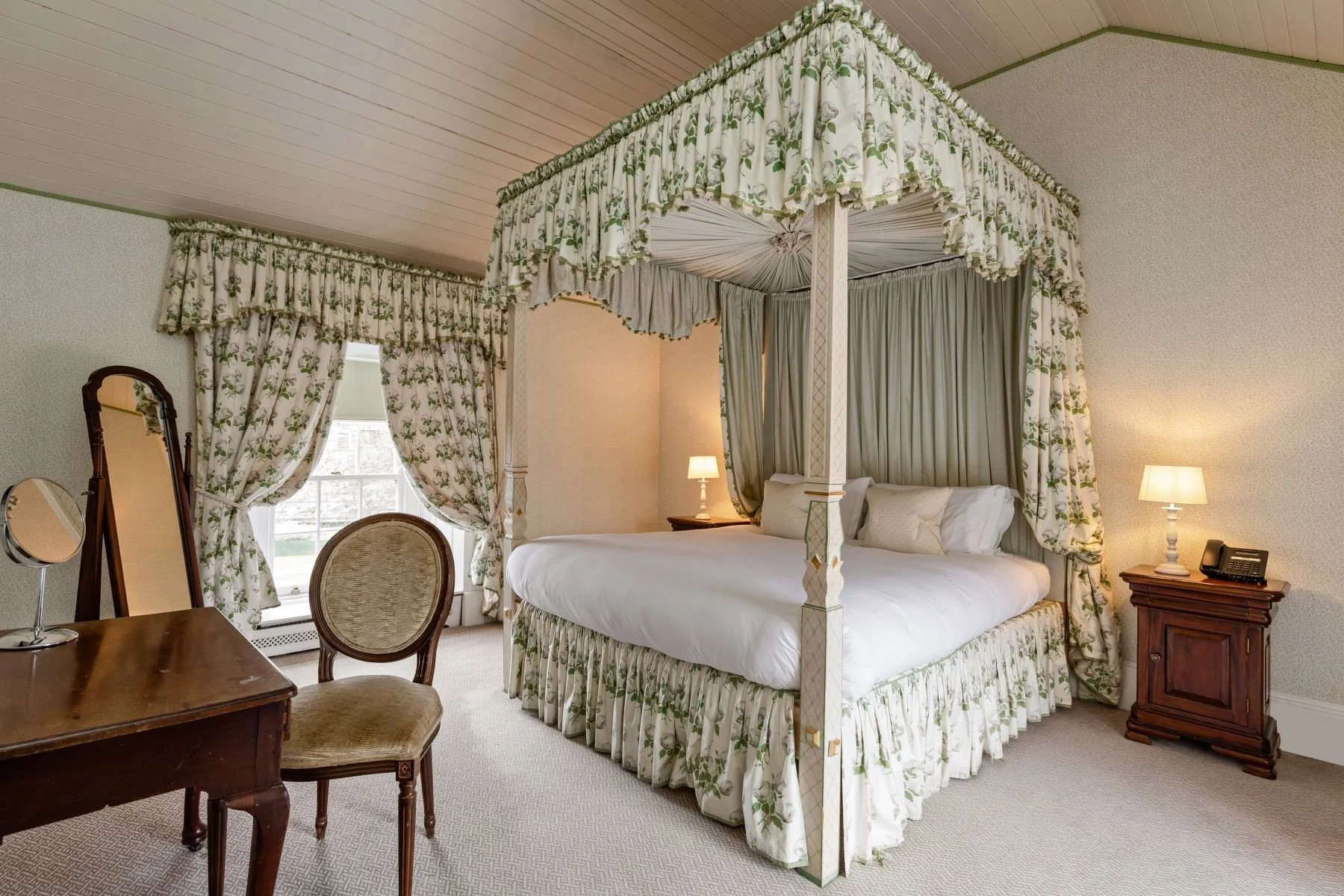
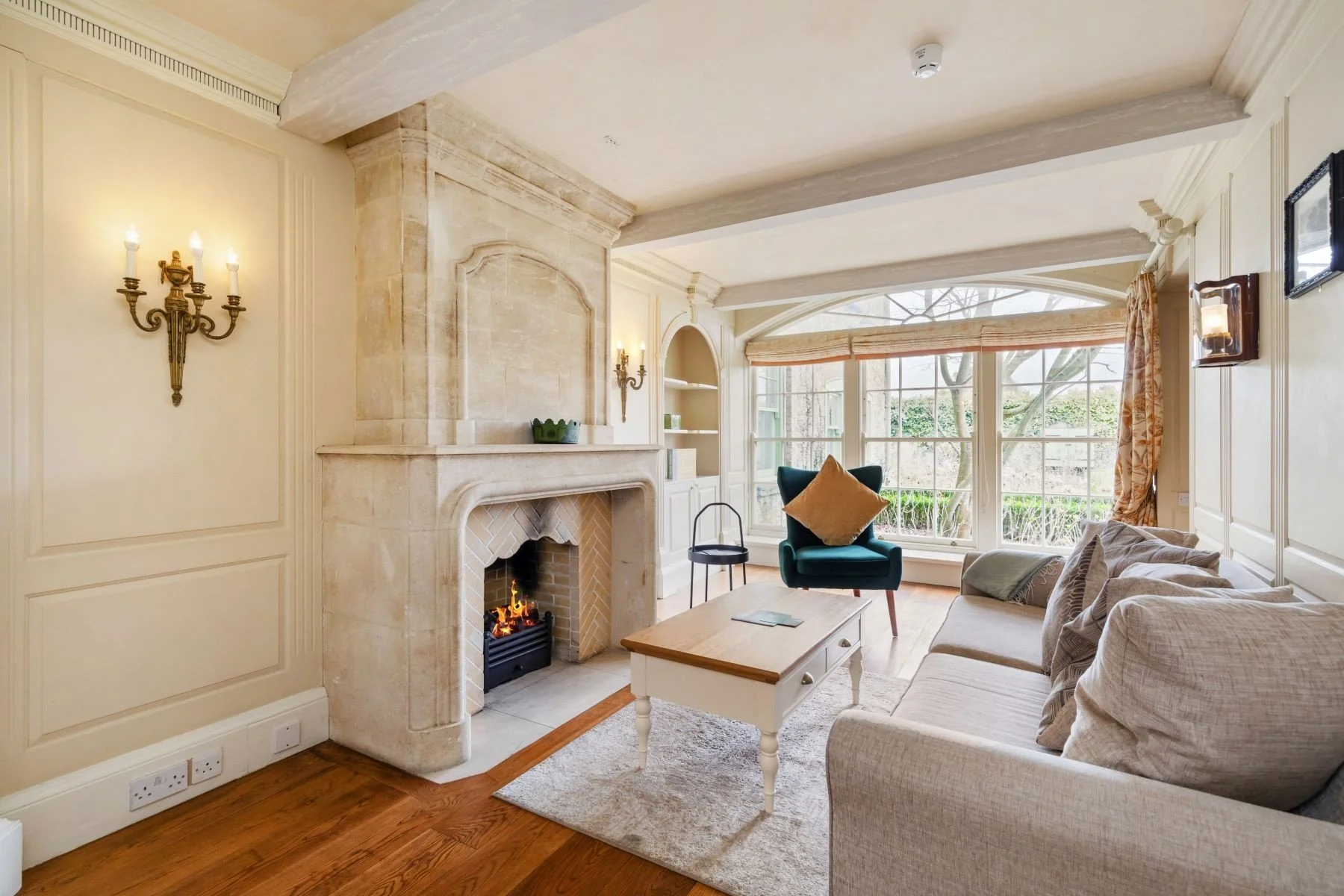
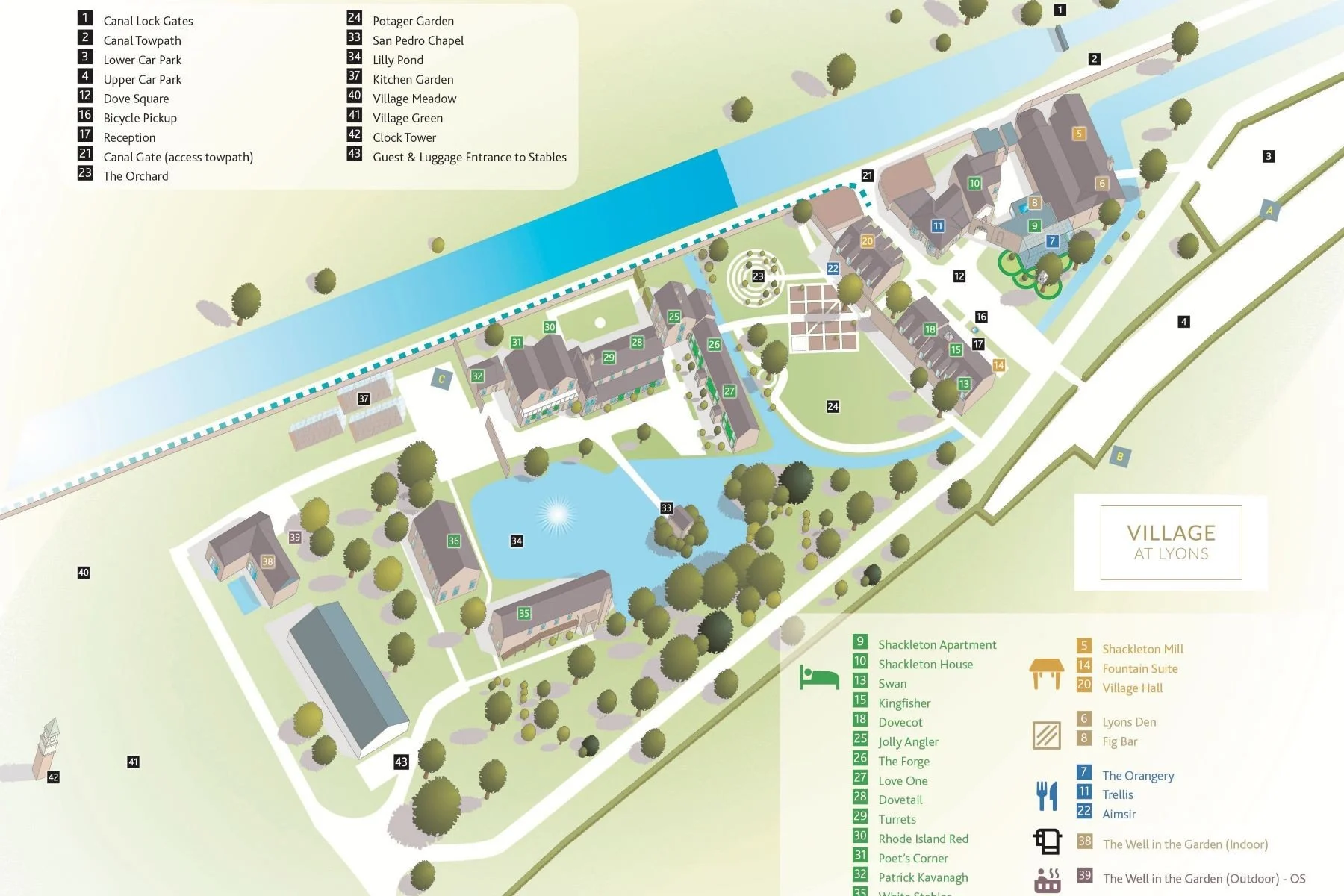
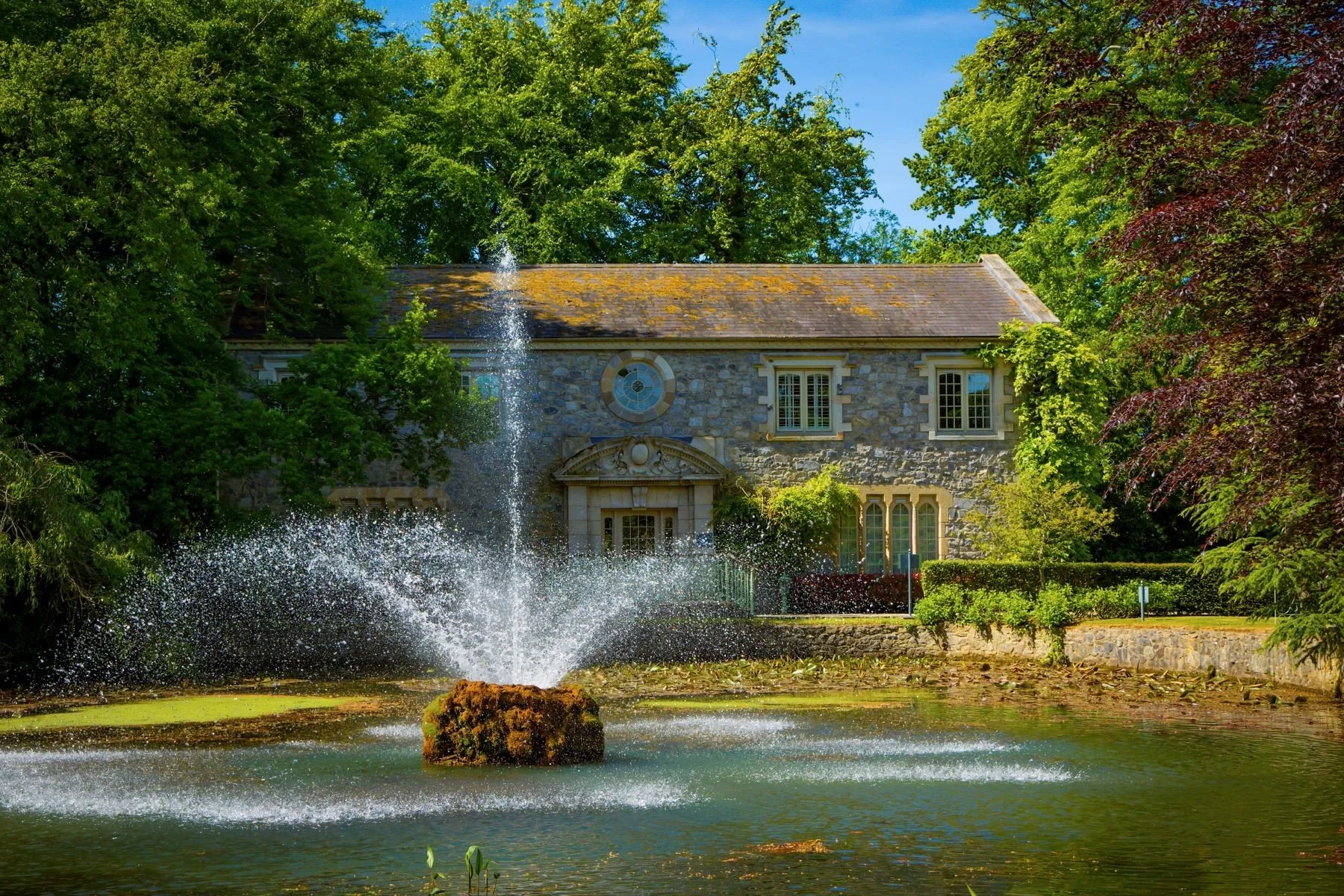
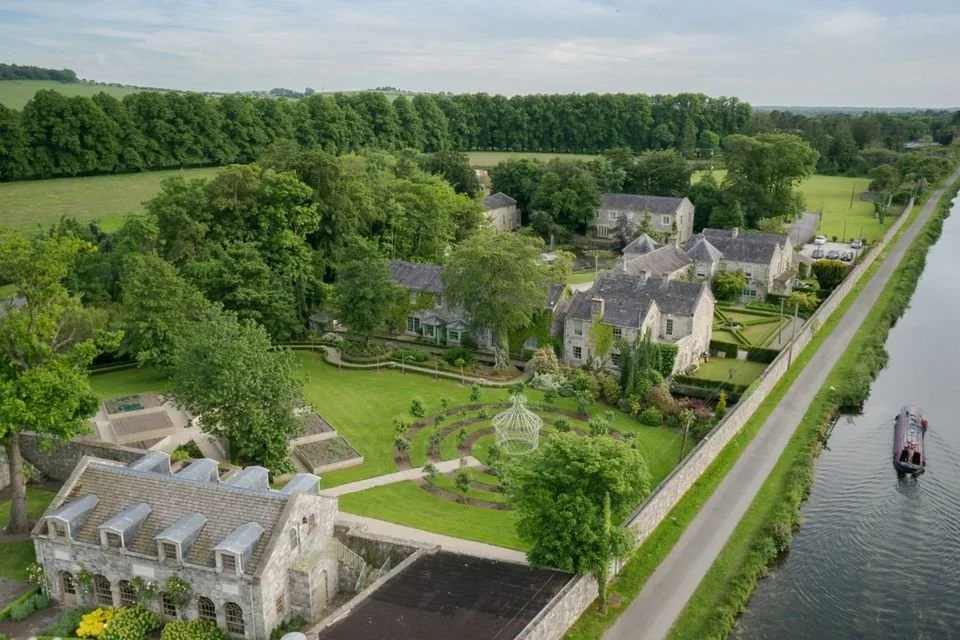
The Village at Lyons, in Celbridge, County Kildare, is currently operated as Cliff at Lyons, a five-star hotel and spa with 47 bedrooms arranged across cottages, lodges, and apartments. Set on approximately 20 acres / 8 hectares along the Grand Canal, the estate includes about 4,410 sq m / 44,469 sq ft of built space, with dining rooms, event spaces, wellness facilities, gardens, waterways, and a chapel.
Listed with Lisney Sotheby’s International Realty, the sale offers something unusually specific: not a single country house, and not a conventional hotel, but a restored estate village with the infrastructure of a hospitality destination.
Photos: Sotheby's International Realty / Keith Mahon / Digital Food Marketing Ireland / Matteo Tuniz / MediaPro
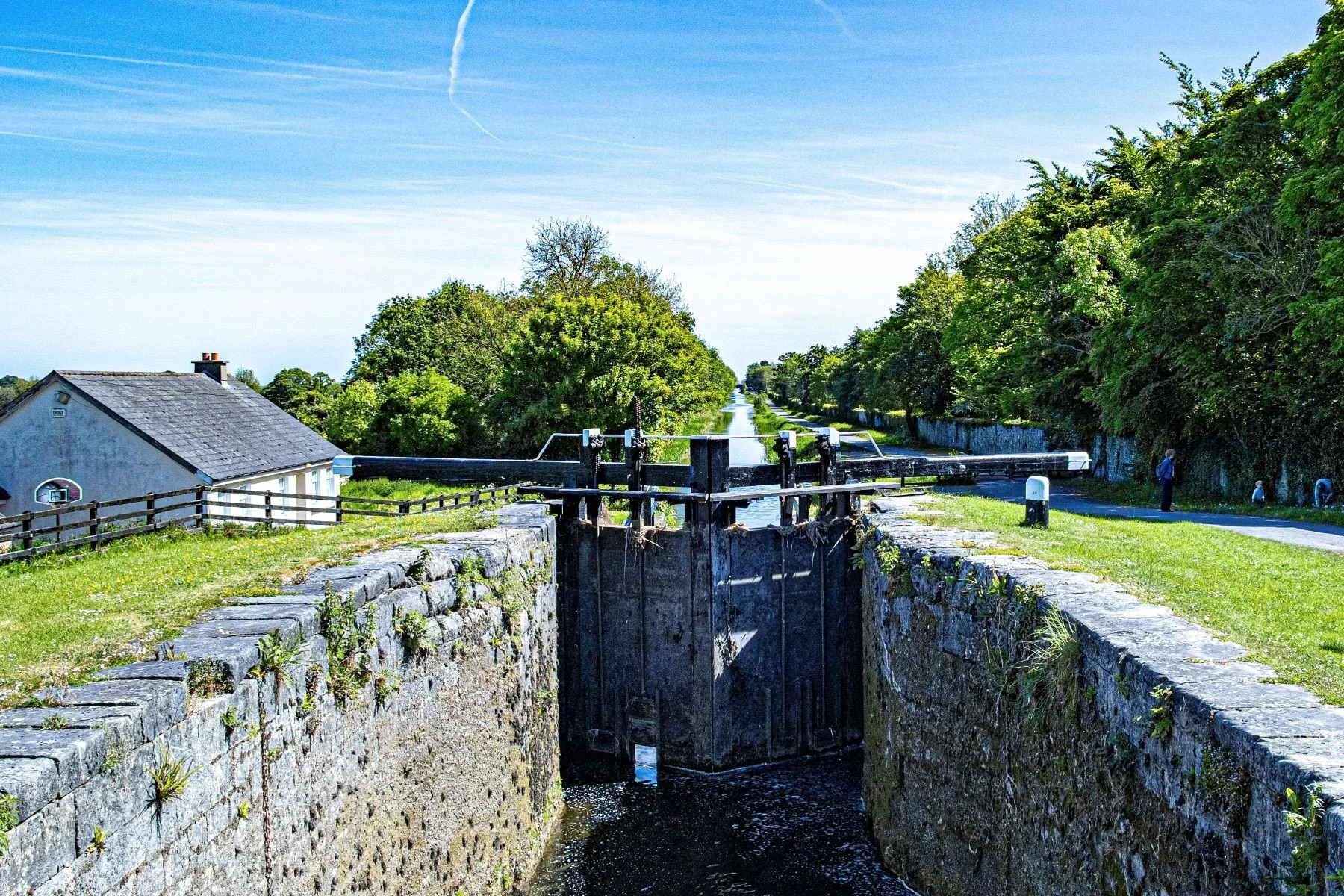
The Village at Lyons began as a late-18th-century milling village established along the Grand Canal. It was once the working village of the larger Lyons Estate, with Lyons House serving as the formal country house while the village supported the practical life of the estate and canal. It grew around a lock yard and flour mill, with an inn, forge, school, barracks, stables, and watermill serving the estate and the canal traffic moving through County Kildare.
That working history is still visible today. Former estate and canal buildings have been restored and adapted into cottages, dining rooms, event spaces, wellness facilities, and places for guests to gather. The former flour mill also carries a notable connection: it was once run by Joseph P. Shackleton, a relative of Antarctic explorer Ernest Shackleton.
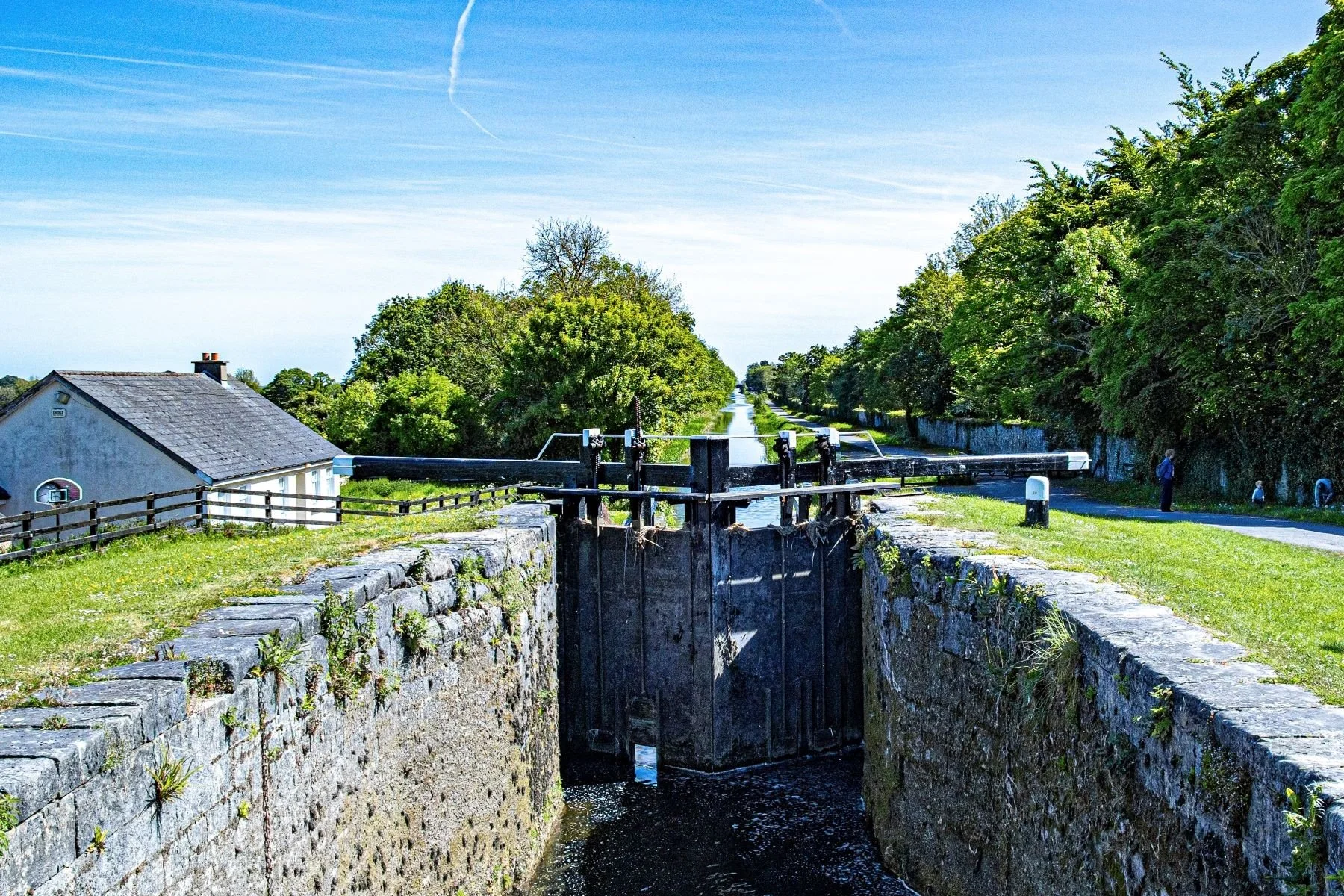
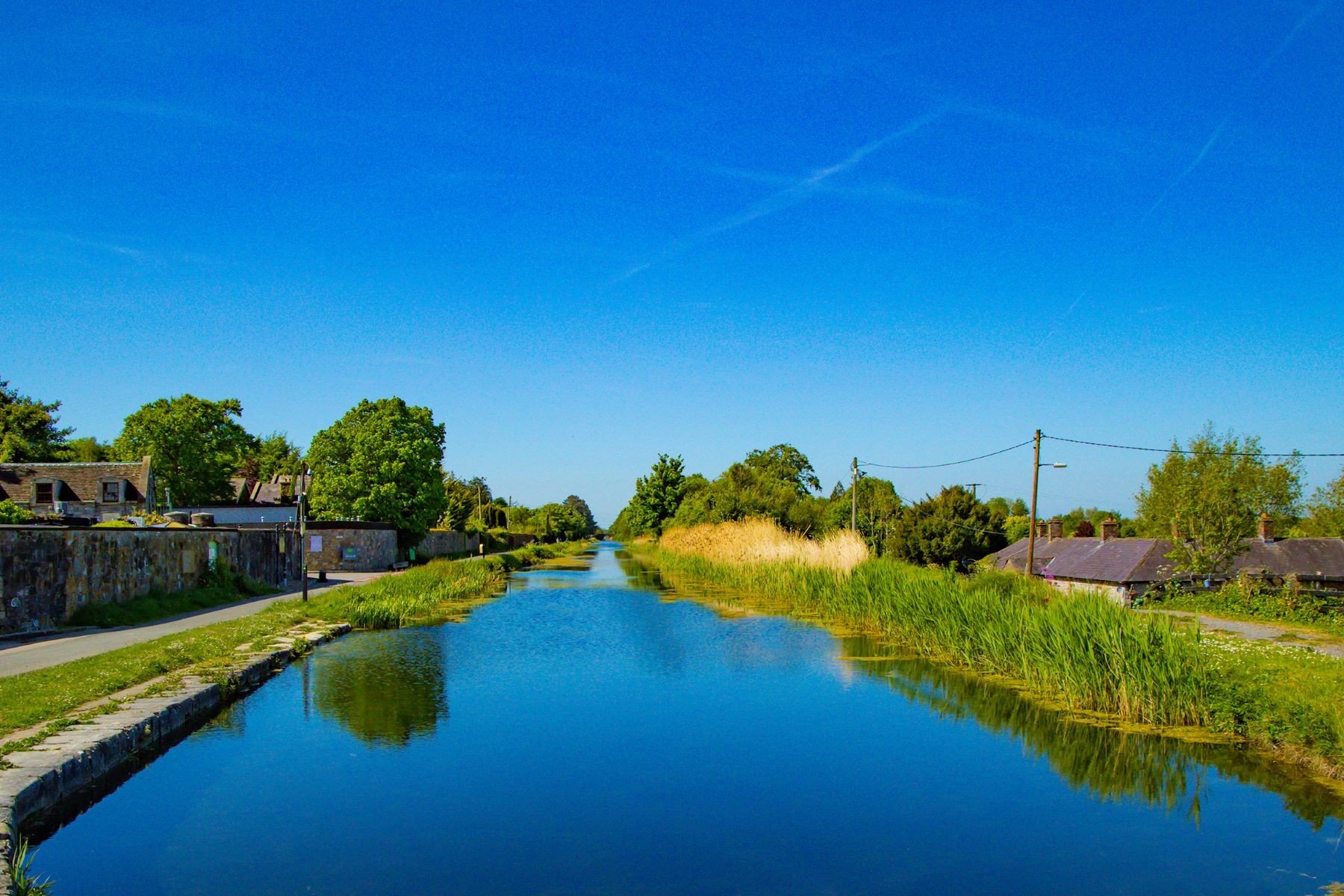
By the 20th century, the village had entered a long decline. As canal freight faded and the surrounding estate changed hands, many of the buildings fell out of use. After a fire destroyed the old mill in the early 20th century, the settlement continued to deteriorate. By the time Tony Ryan acquired the wider Lyons Estate in the 1990s, the village had been abandoned and was in serious disrepair.
By then, Ryan was already one of Ireland’s most prominent aviation entrepreneurs. He had built his name through aircraft leasing before co-founding Ryanair, the airline that would become one of Europe’s most recognisable low-cost carriers. Ryanair became a public company in 1997, placing Ryan’s restoration of Lyons in the same decade that his aviation career moved from private entrepreneurship into public-market scale.
Lisney Sotheby’s Realty
At Lyons, that public-market chapter coincided with a deeply private project. Published accounts report that the restoration of the wider estate involved more than 100 workers and an overall spend of about €100 million, with around €30 million reportedly devoted to the 20-acre village itself. Lyons House had its own restoration, but the old canal-side village became a passion project of its own.
Part of the pull appears to have been personal and literary. According to the agents’ history cited by Country Life, Ryan was a fan of Charles Kickham’s novel Knocknagow, which depicts life in a deserted Irish village. The neglected settlement he found at Lyons seemed to echo that world: a once-working community of stone buildings, canal infrastructure, cottages, and yards that had survived in a state of near-abandonment.
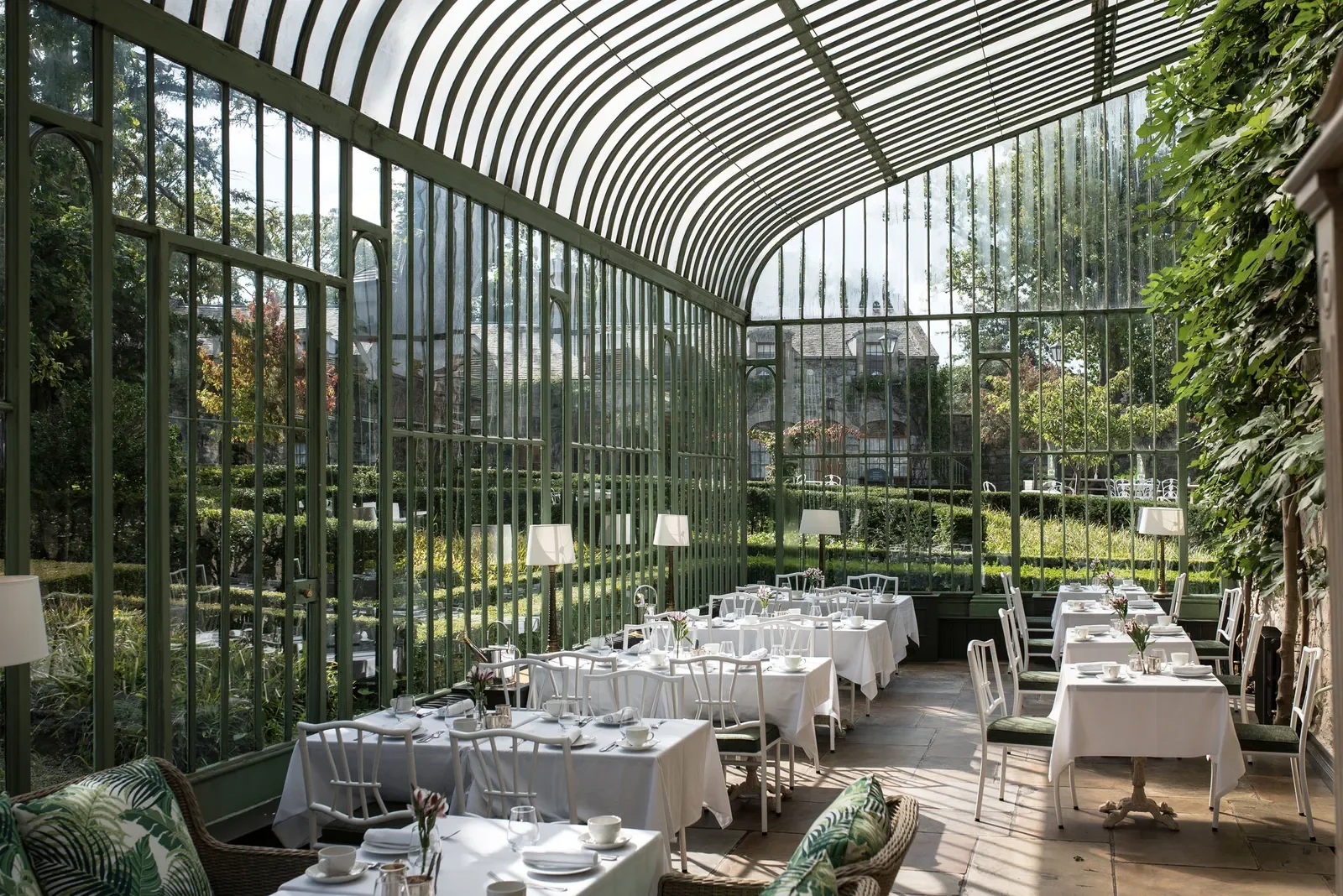
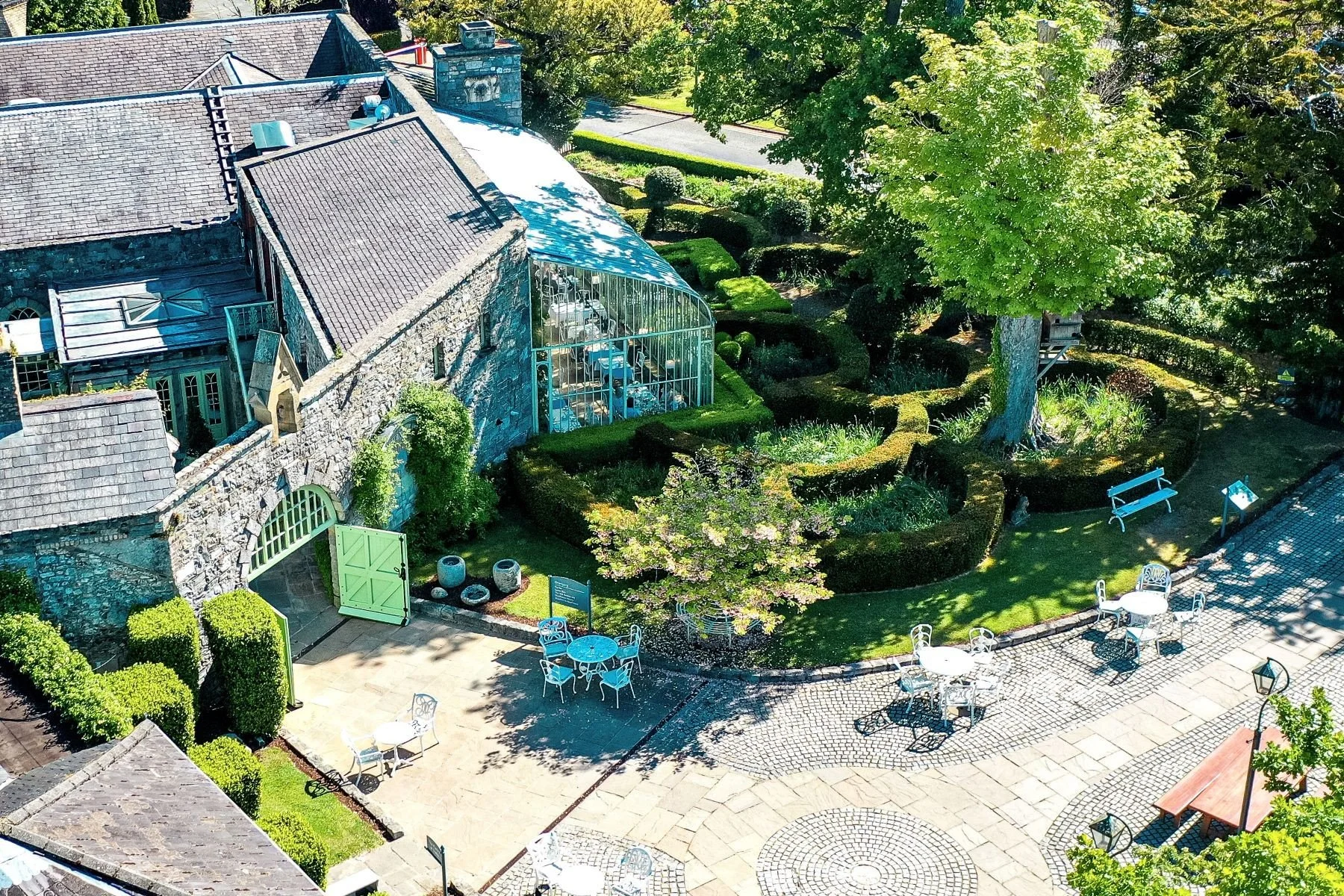
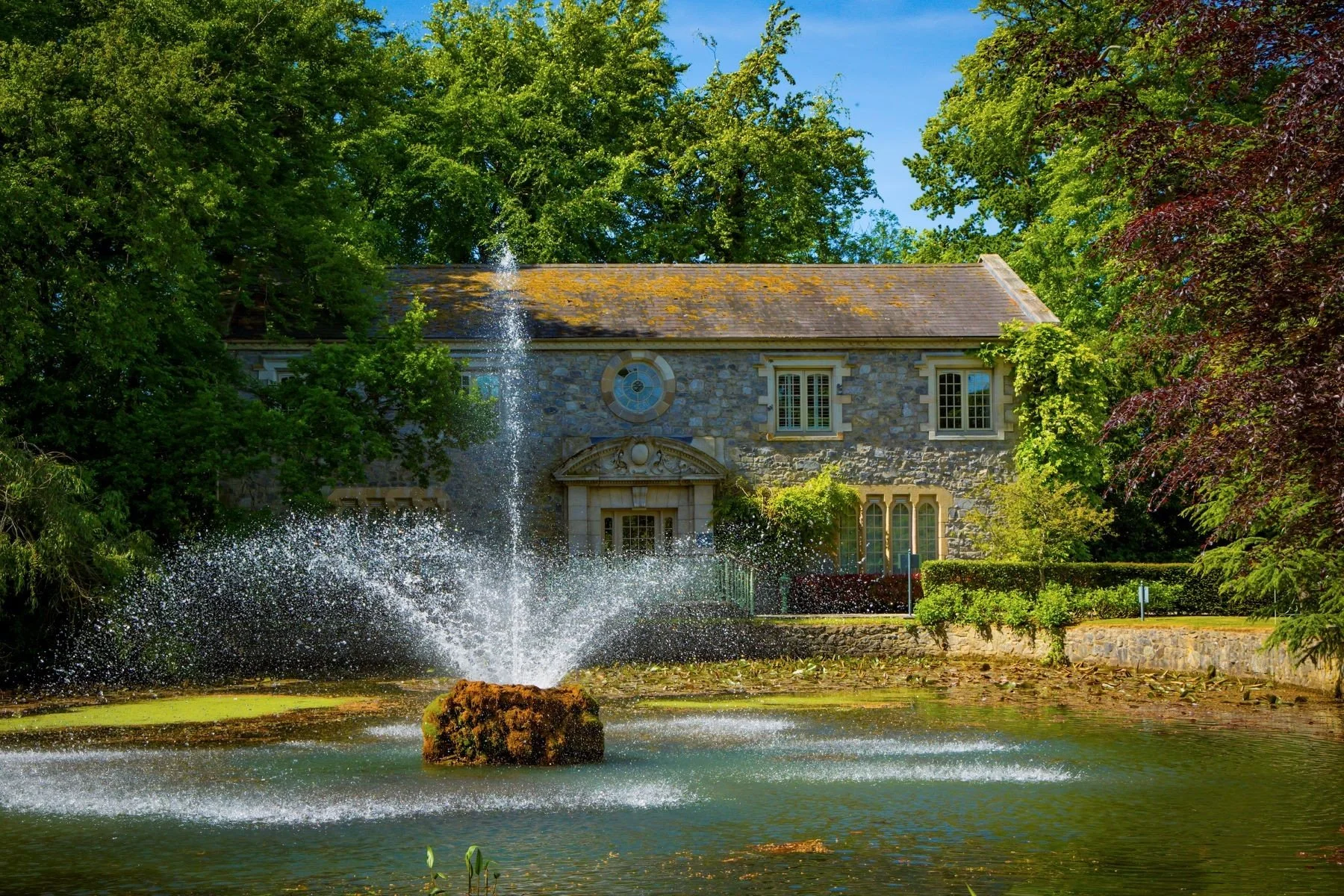
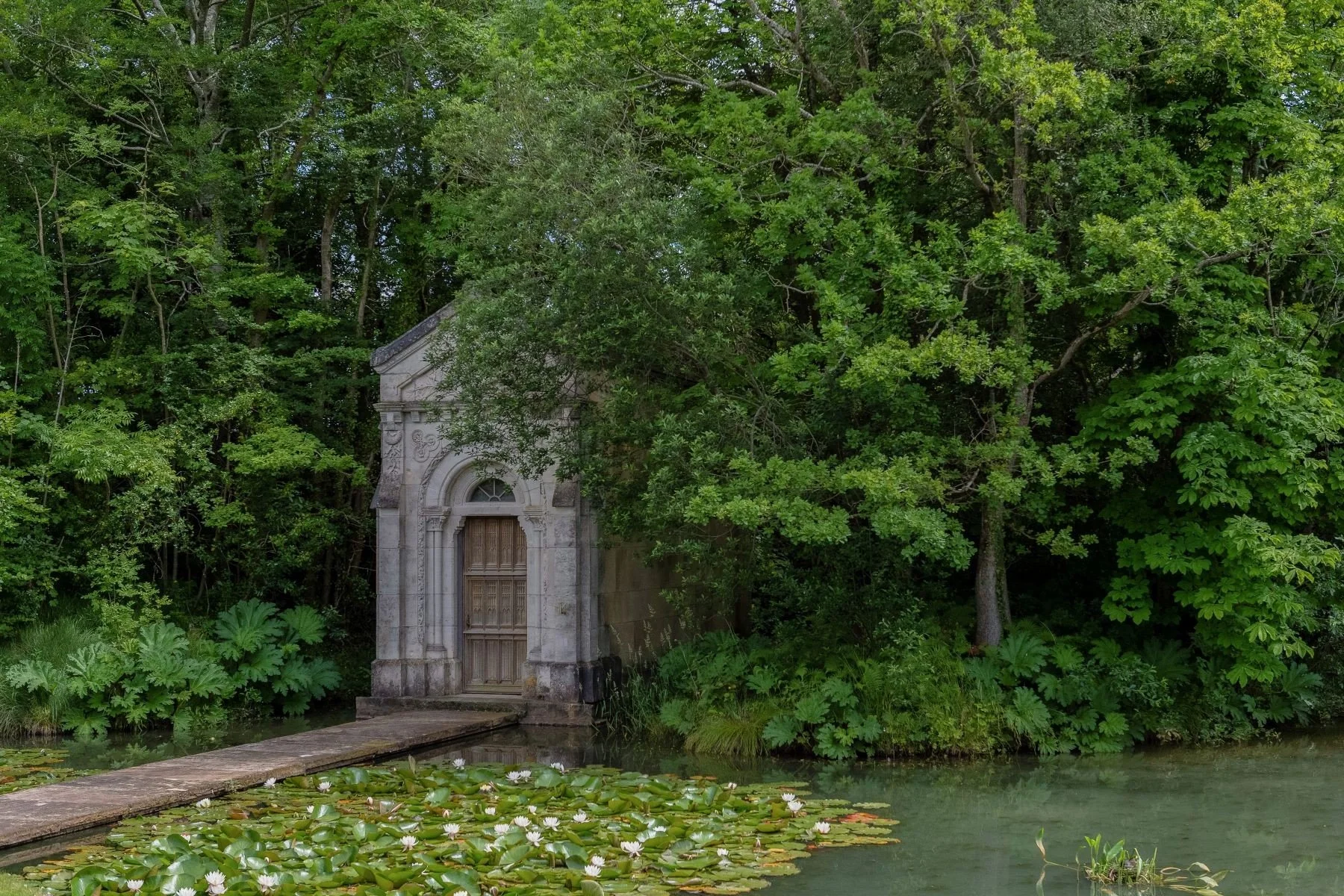
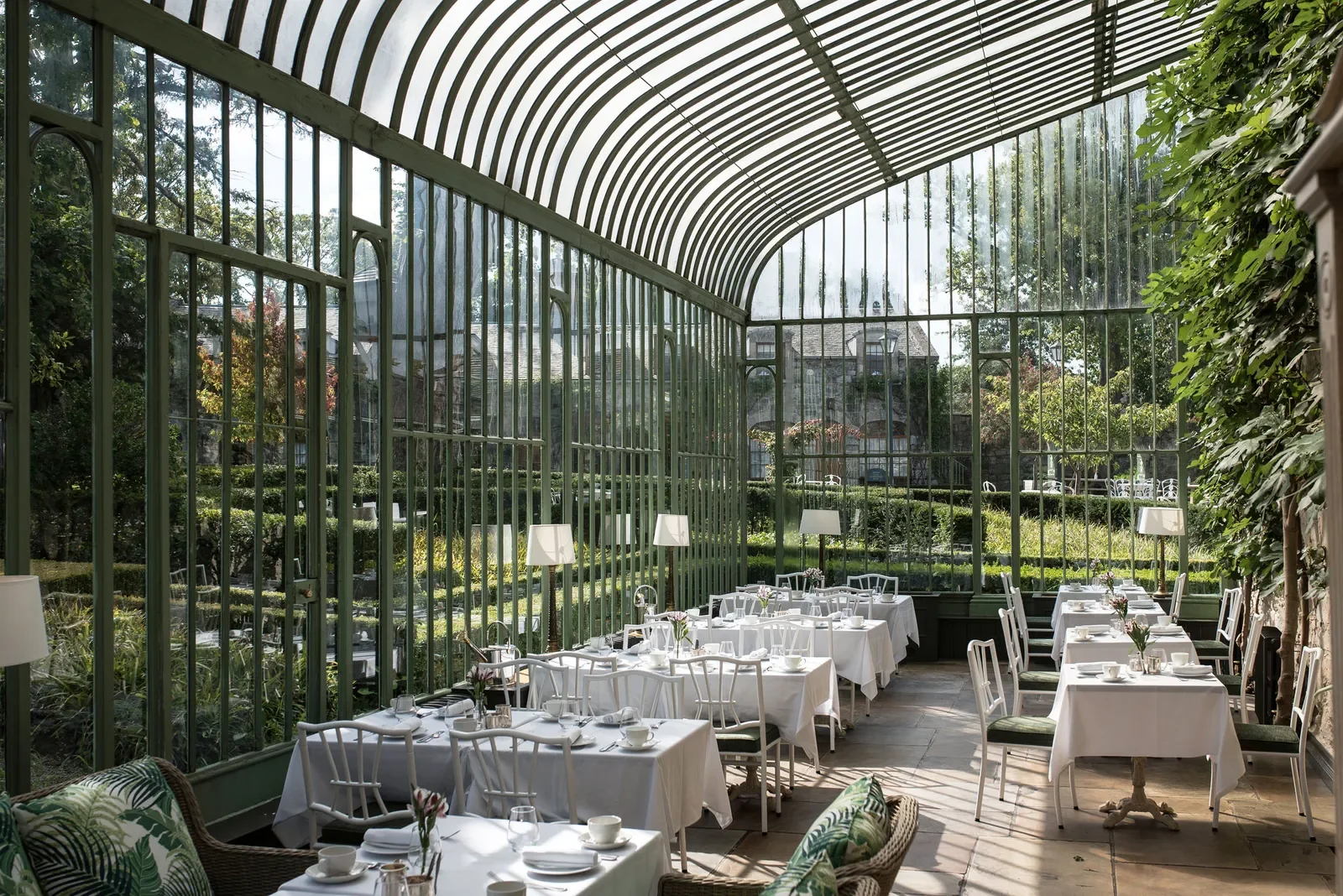
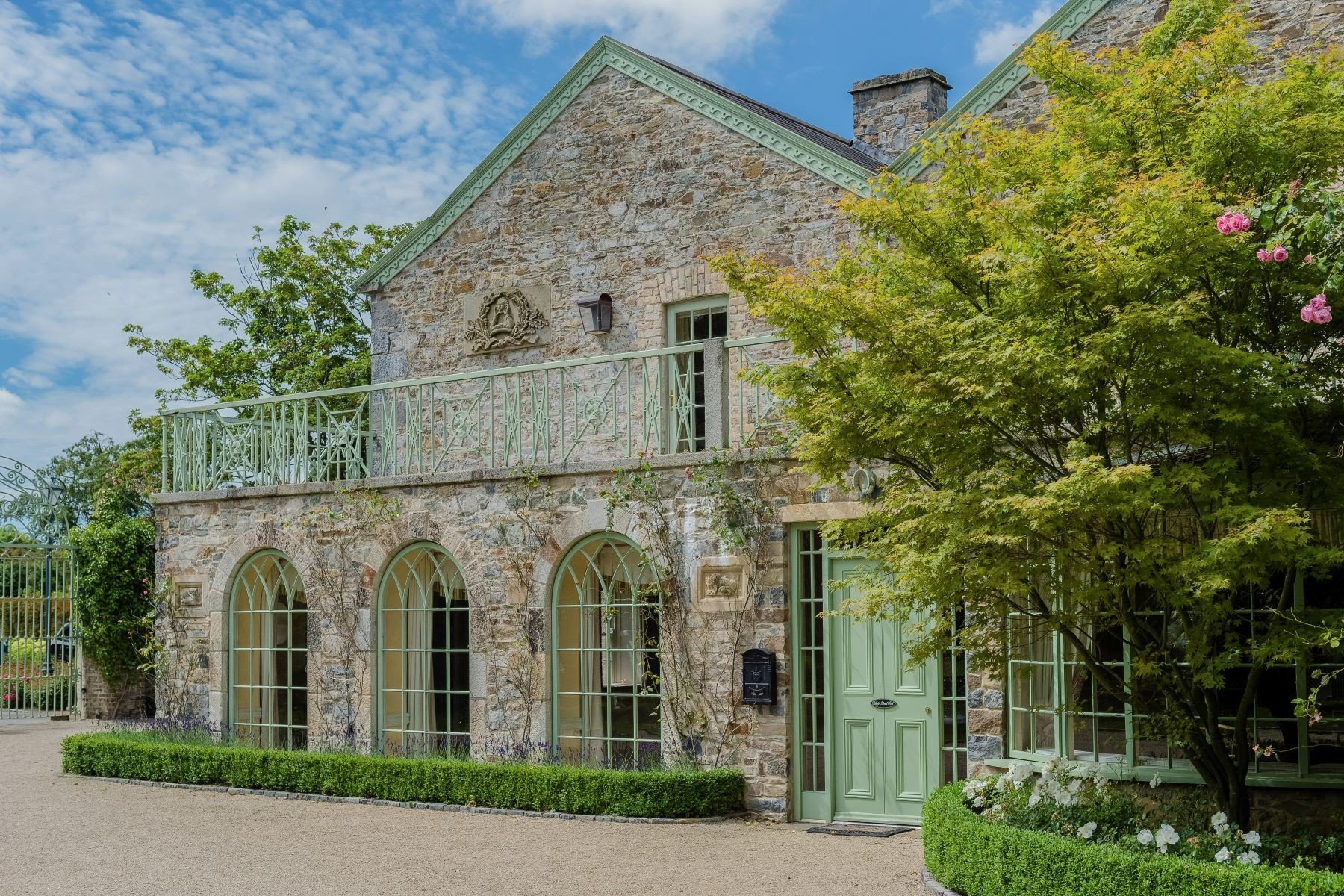
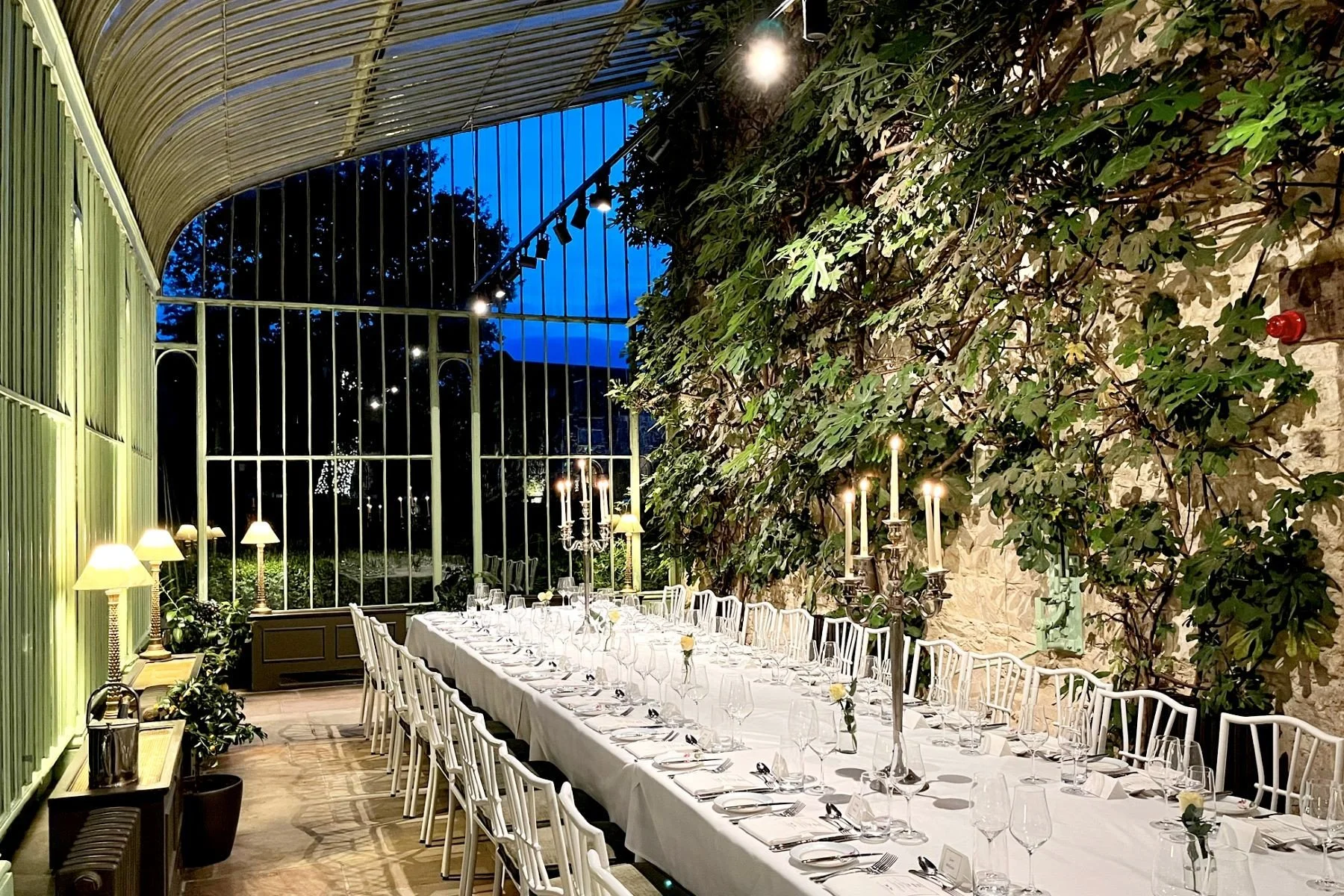
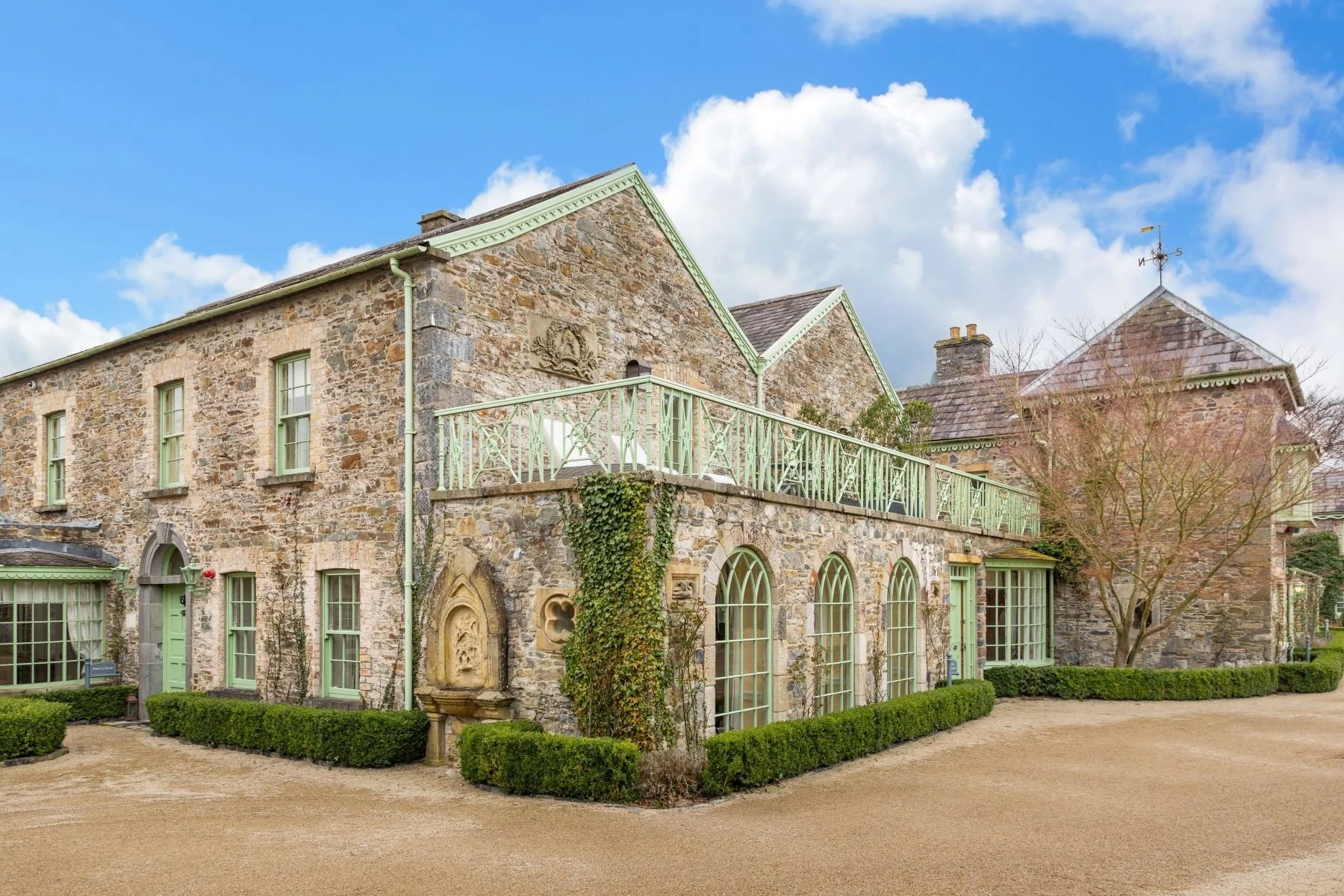
Ryan’s response was not to erase the village and replace it with a conventional hotel. He set about bringing the structure of the place back to life. The former forge, police barracks, school, lock keeper’s house, cottages, courtyards, waterways, gardens, and fire-damaged mill were restored or recreated as part of the wider revival. Country Life also reports that he added water features, recreated a 19th-century-style conservatory, and built the small San Pedro Chapel on an island in the lake.
That chapel gives the project a more personal ending. Tony Ryan passed away in 2007 and was buried at Lyons, within the landscape he had spent years restoring.
It makes the village more than a property story. It was one of the places where a business figure who helped reshape European aviation turned his money and attention toward preservation, memory, and the reconstruction of a vanished Irish settlement.
Following Ryan’s death, the village entered another phase. Irish businessman Barry O’Callaghan acquired the Village at Lyons in 2016 and developed it into Cliff at Lyons, the five-star hotel and spa that operates there today. Lyons House, the main country house of the wider estate, remained separate and is not included in the current €20 million sale.
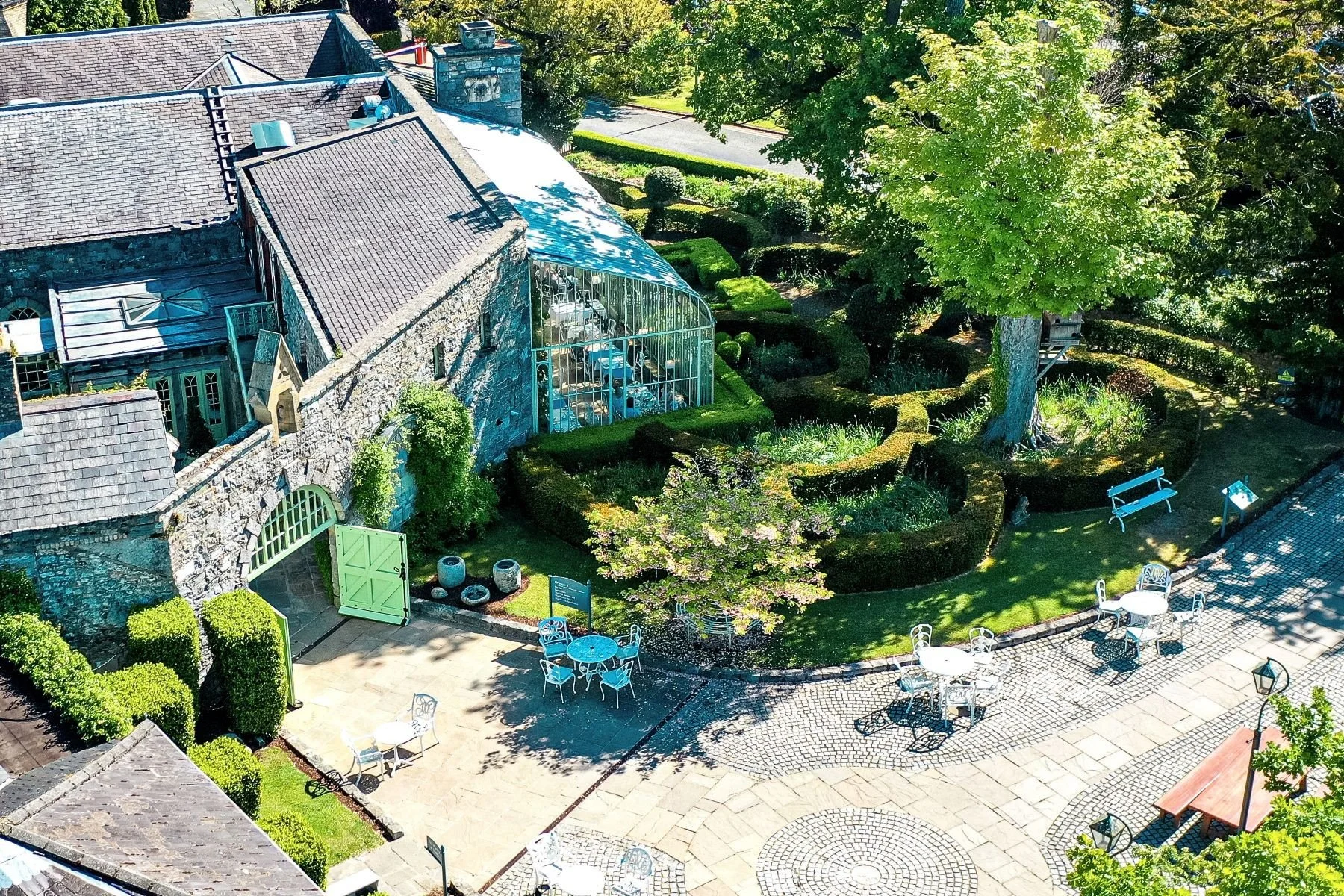
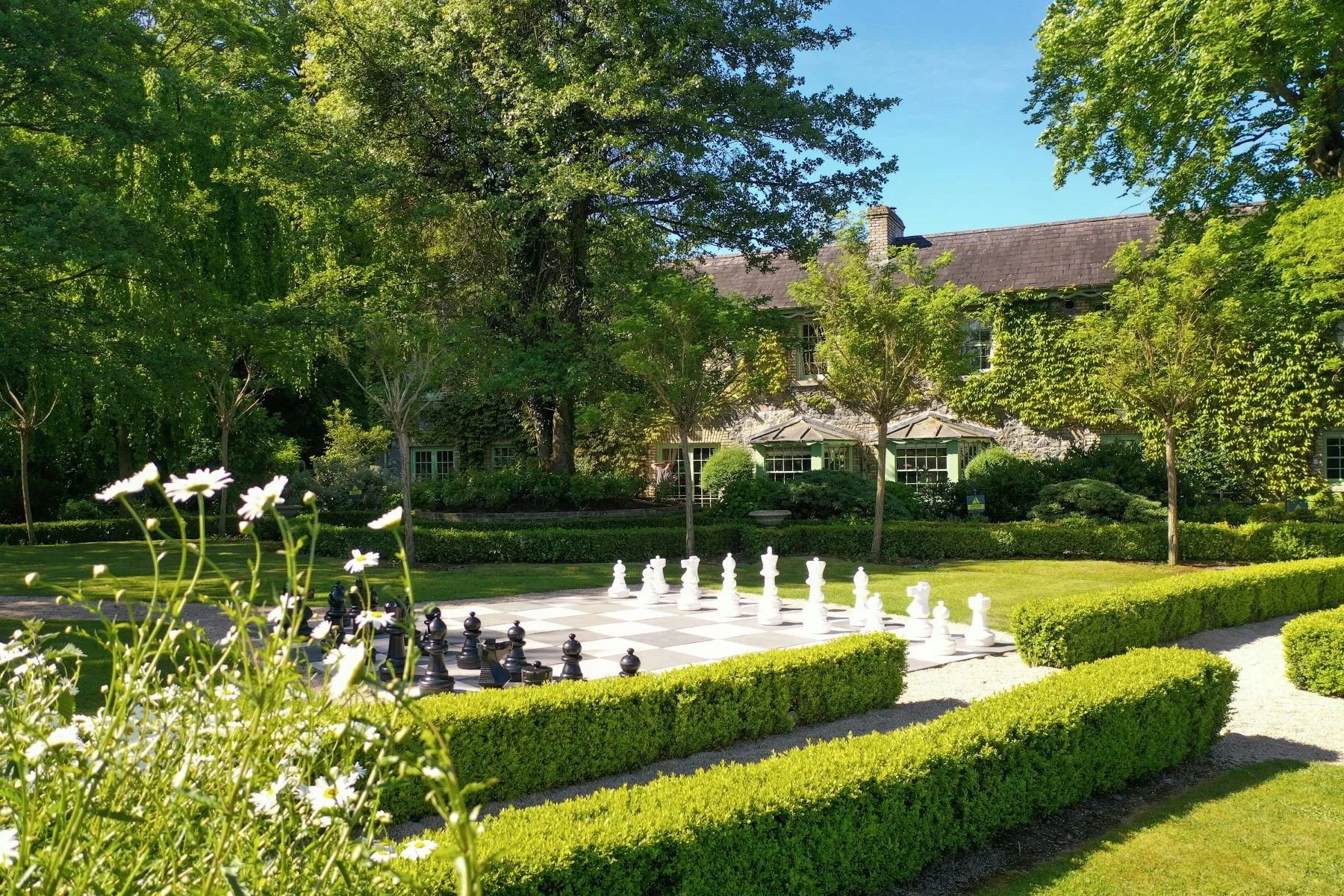
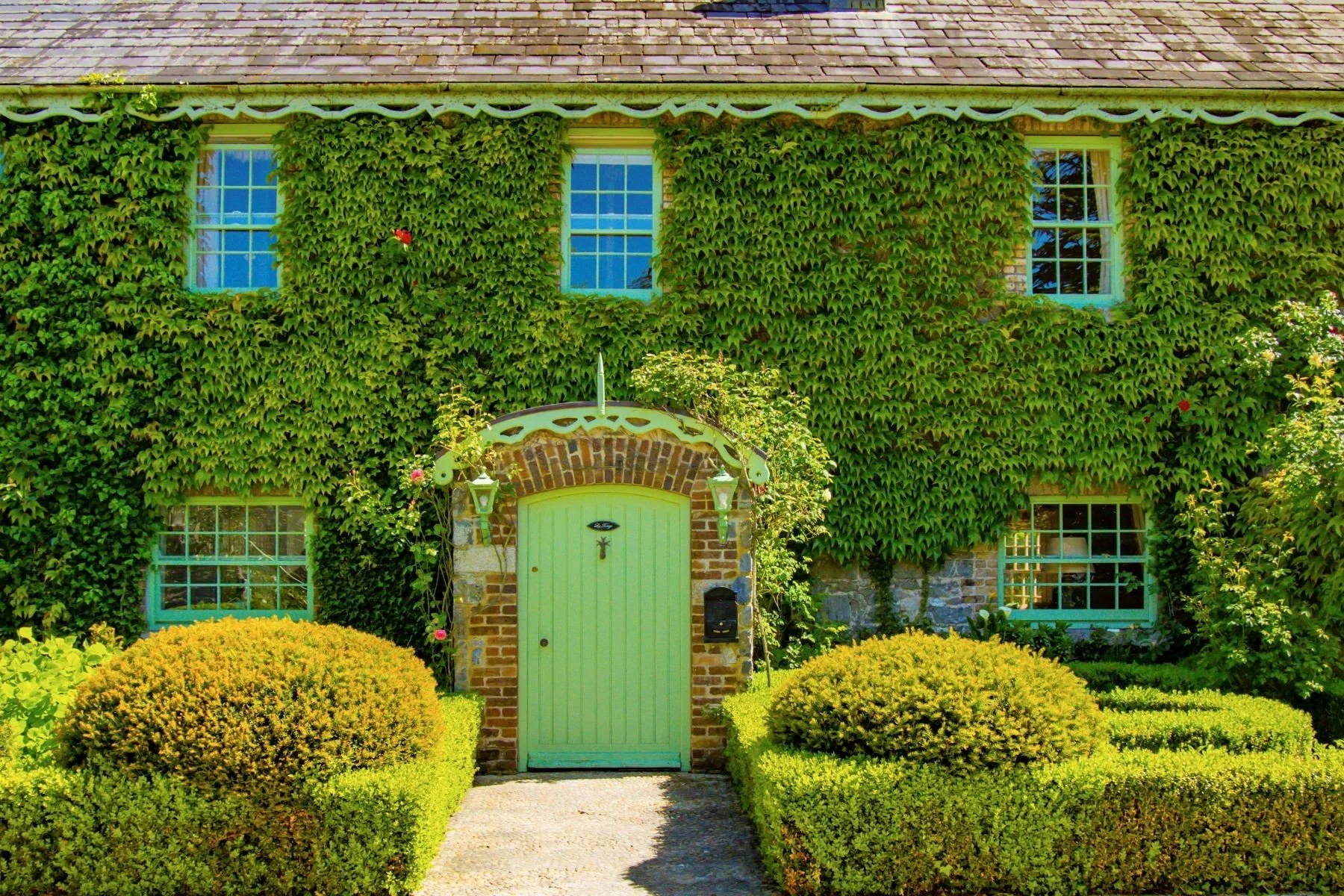
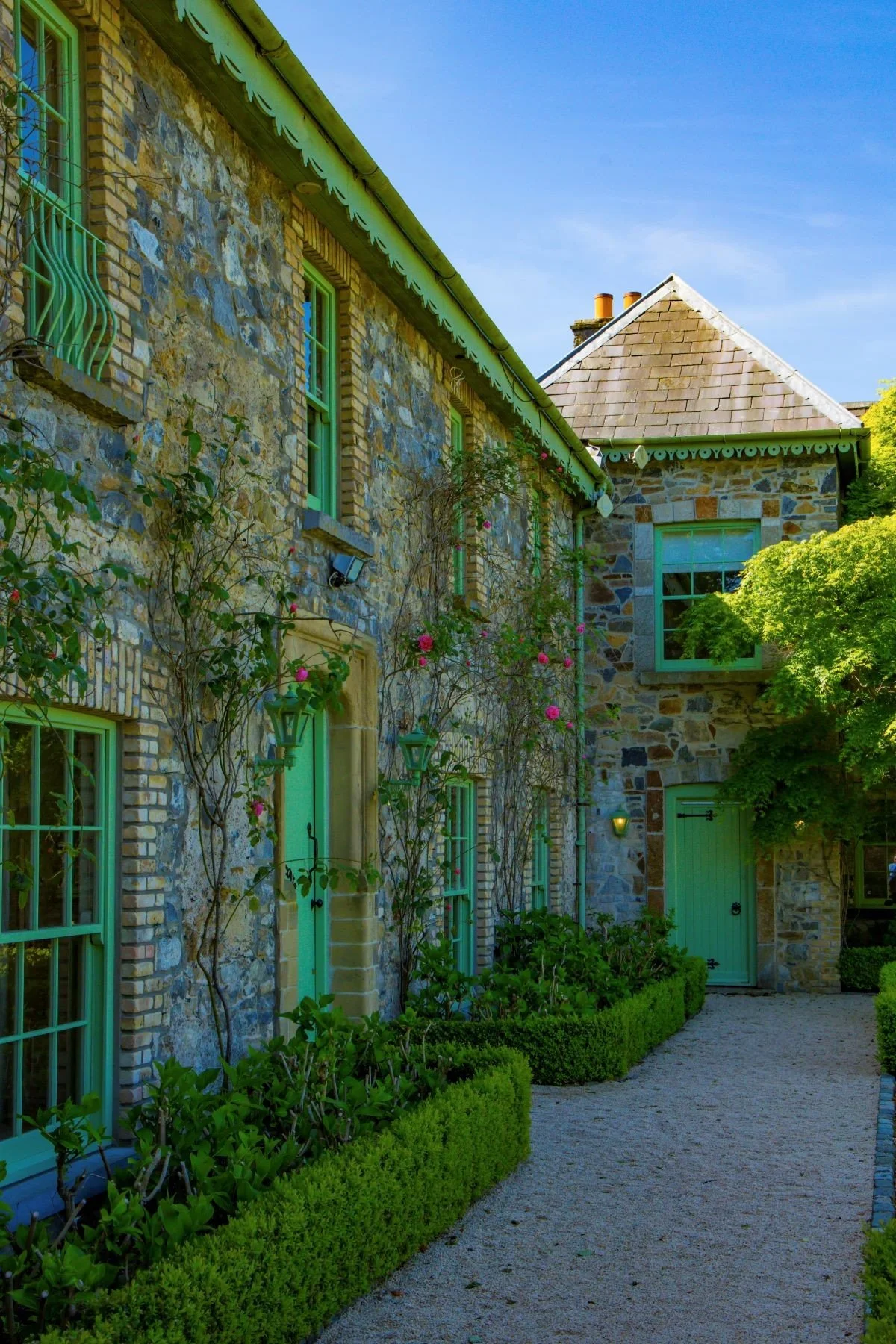
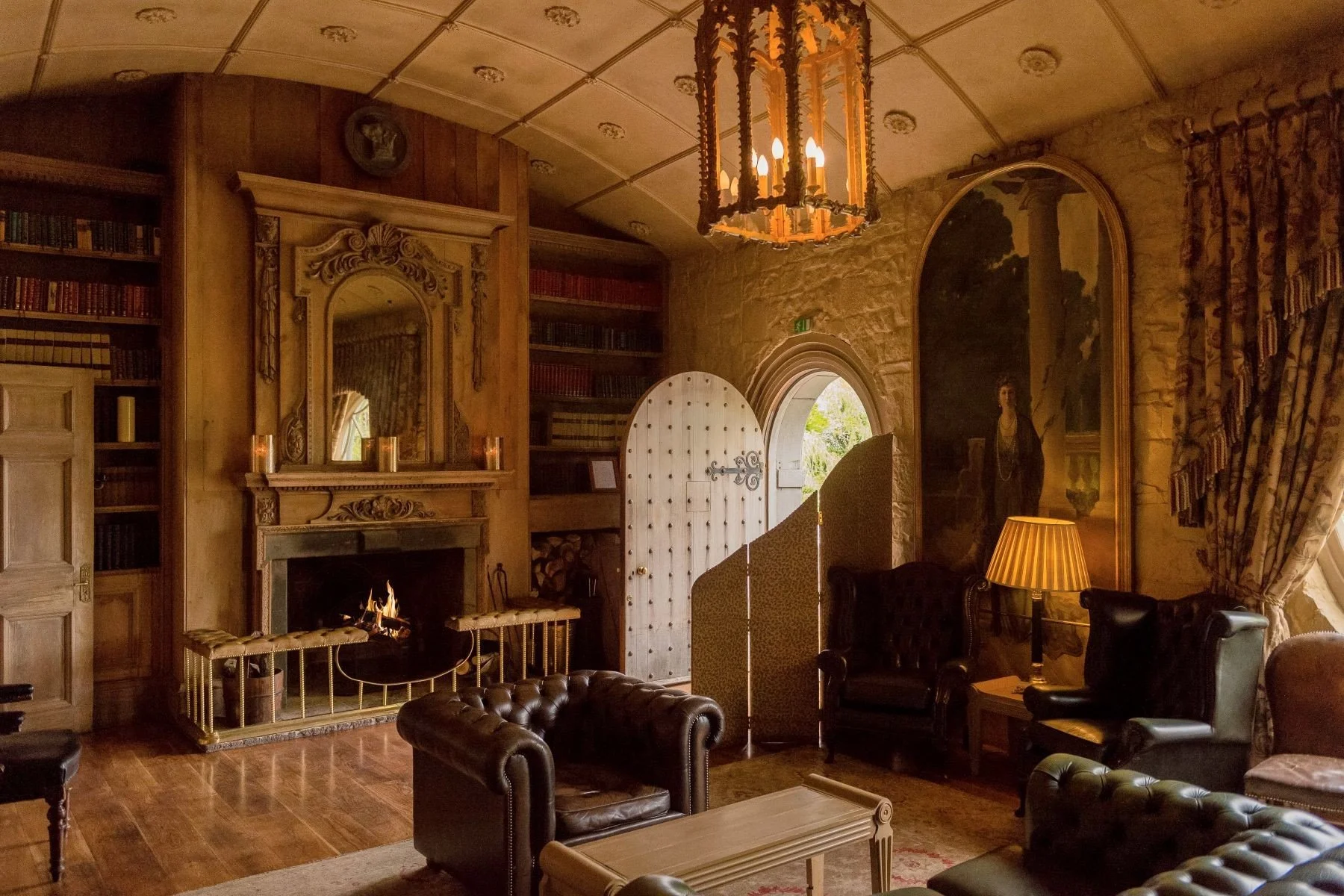
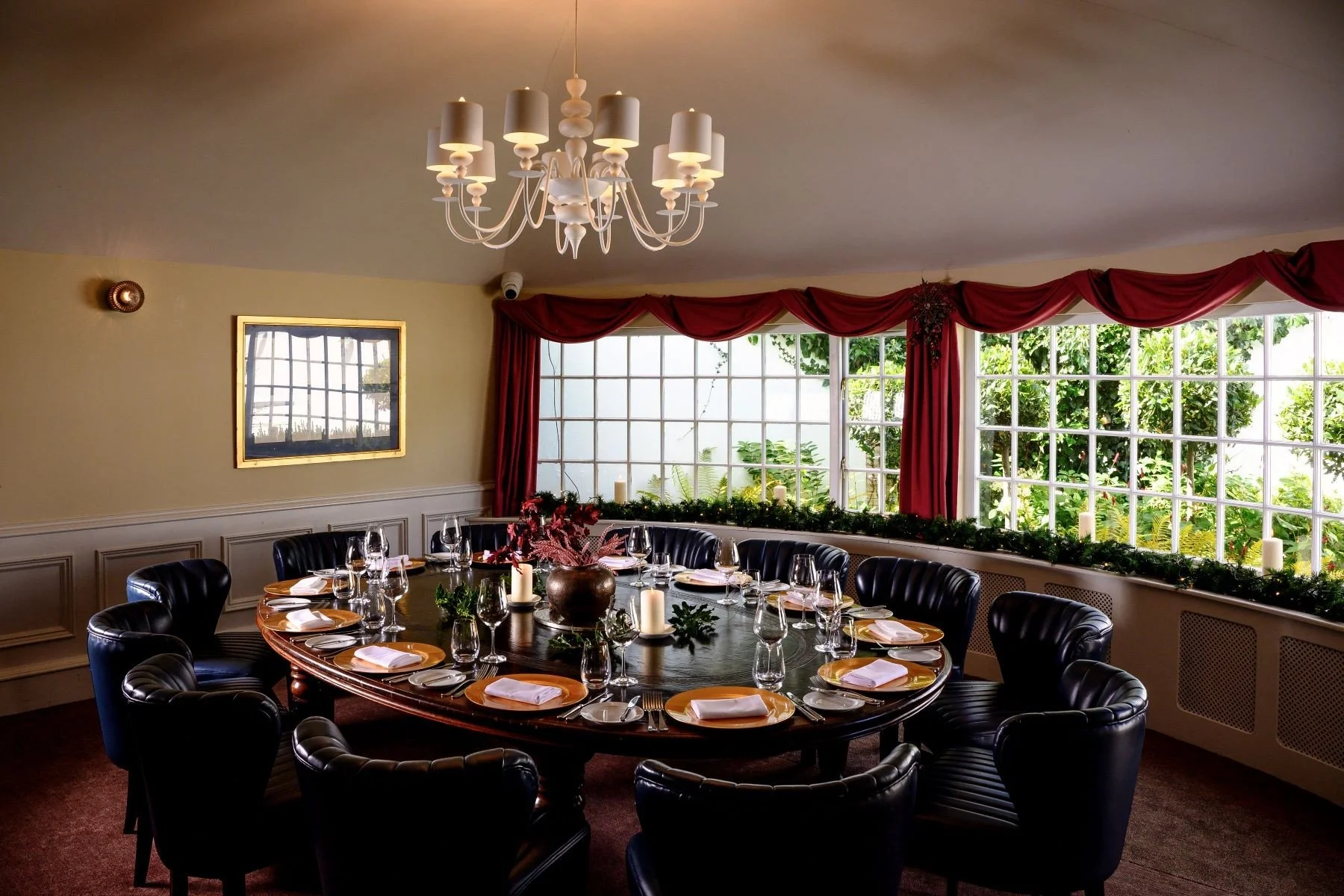
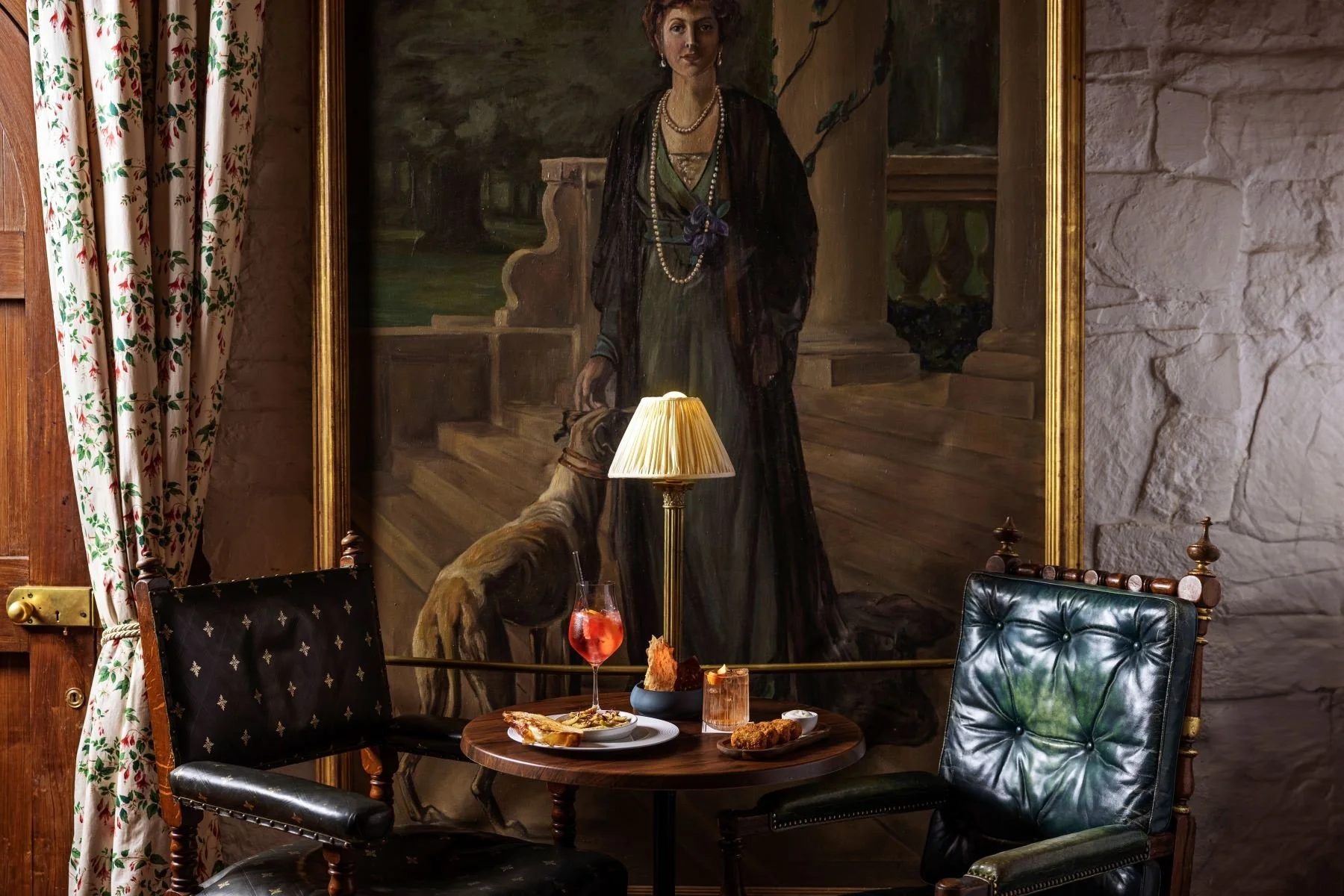
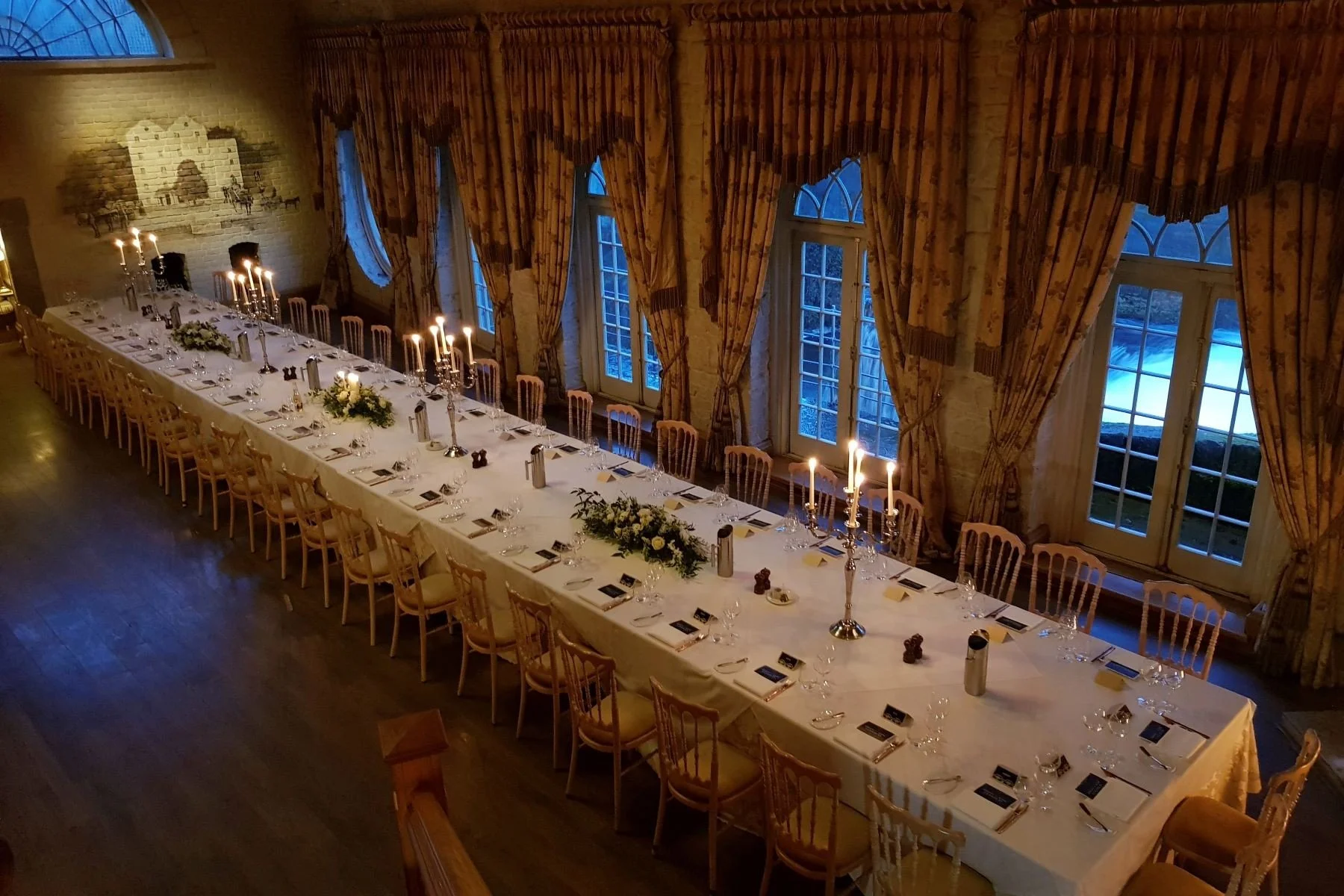
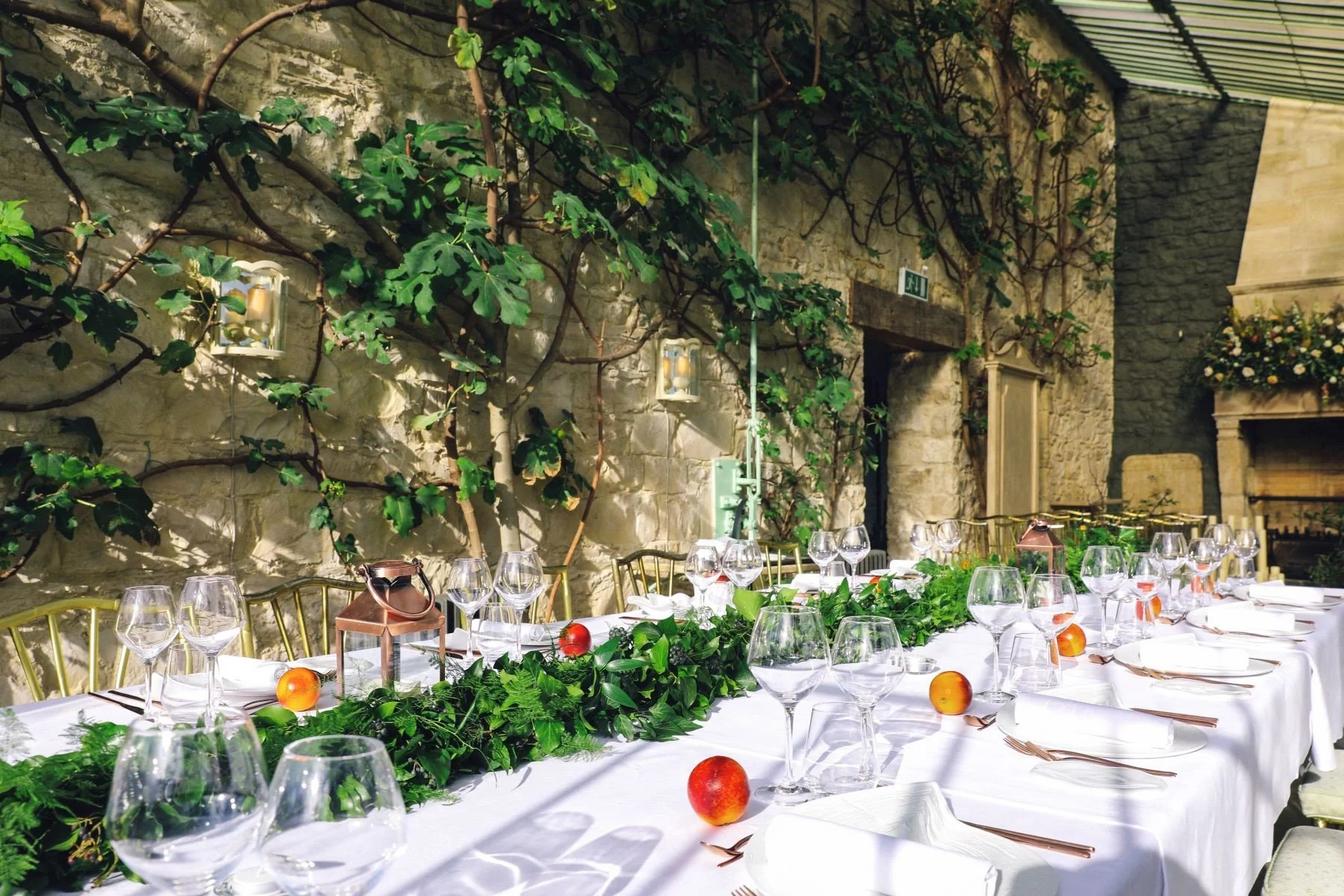
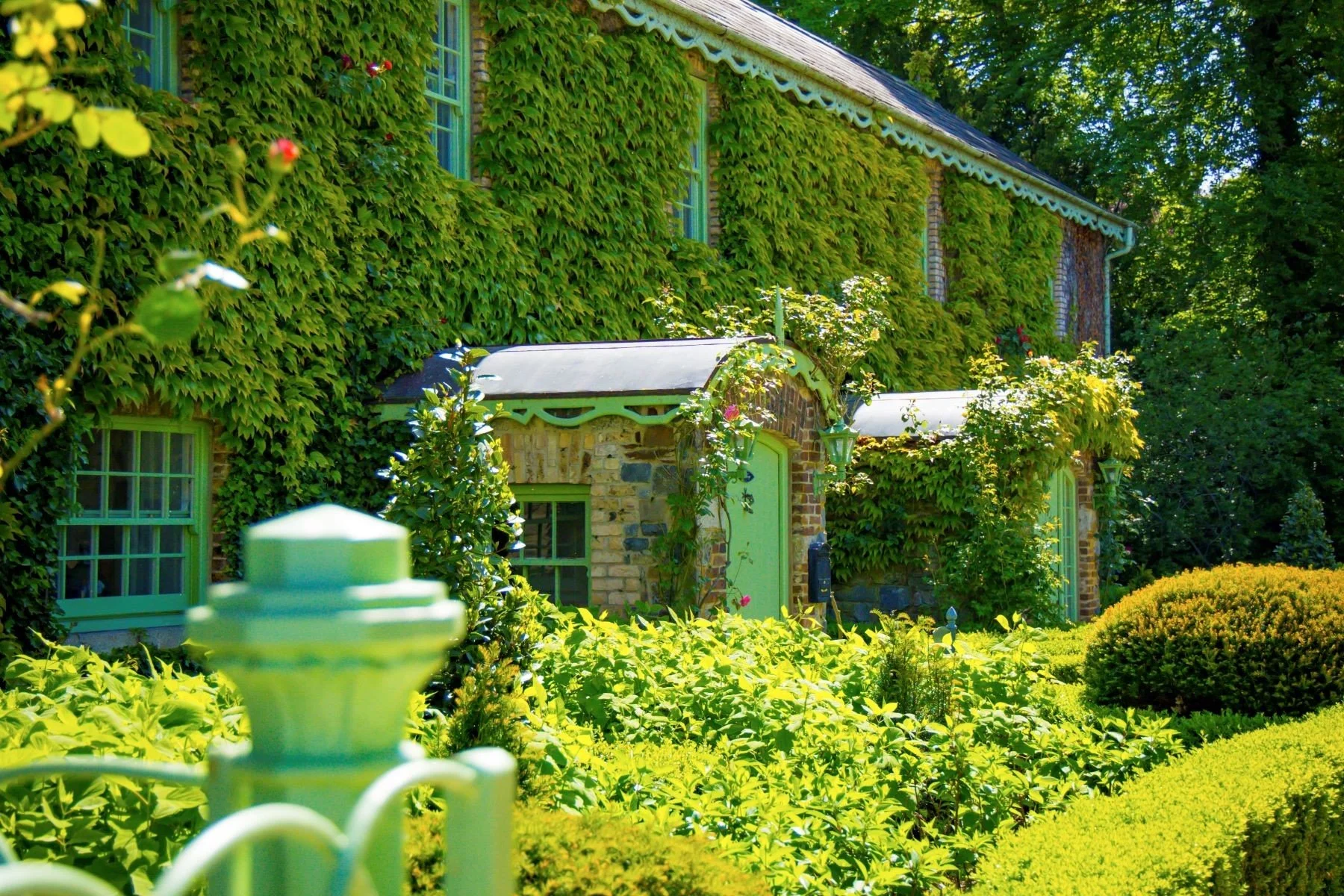
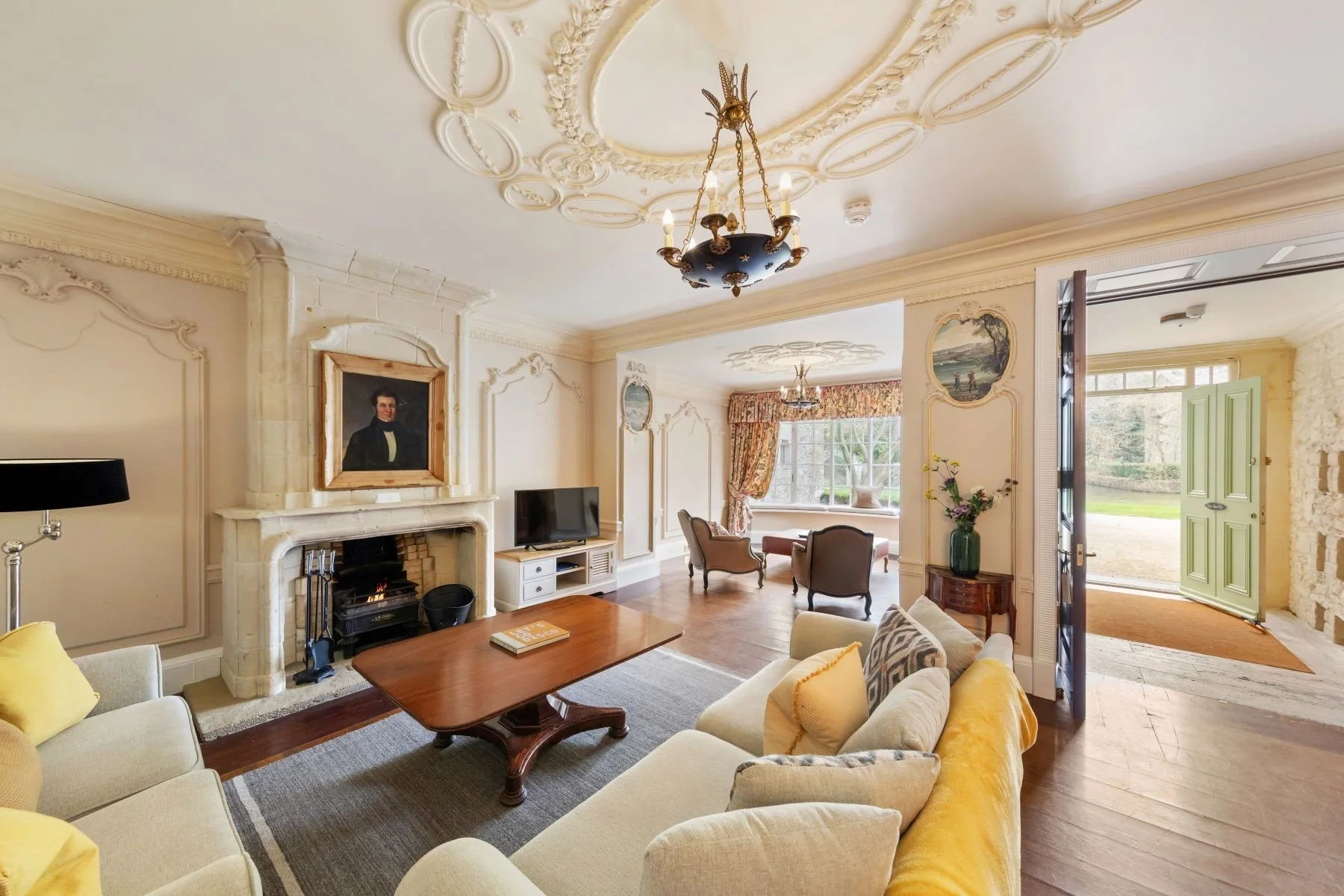
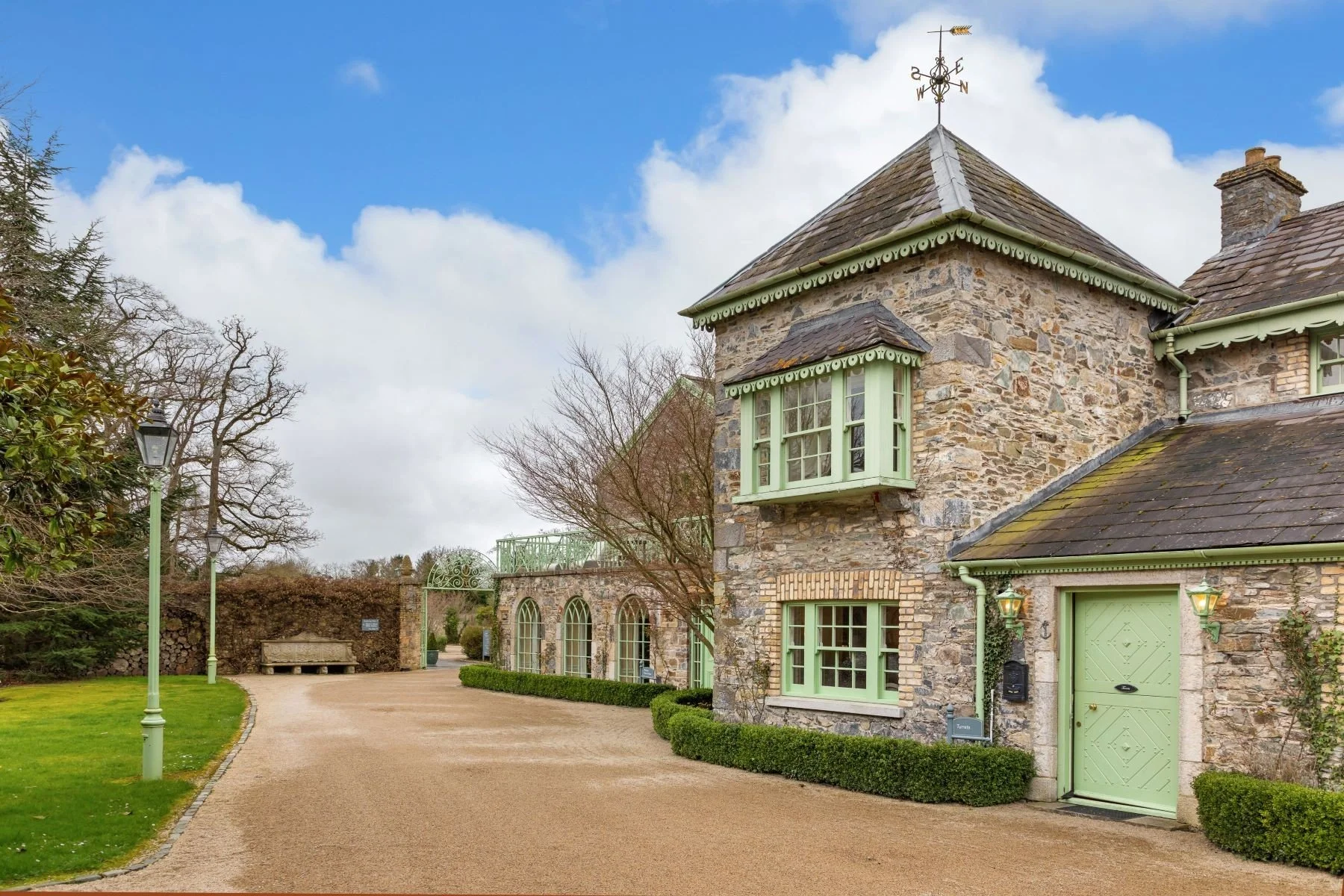
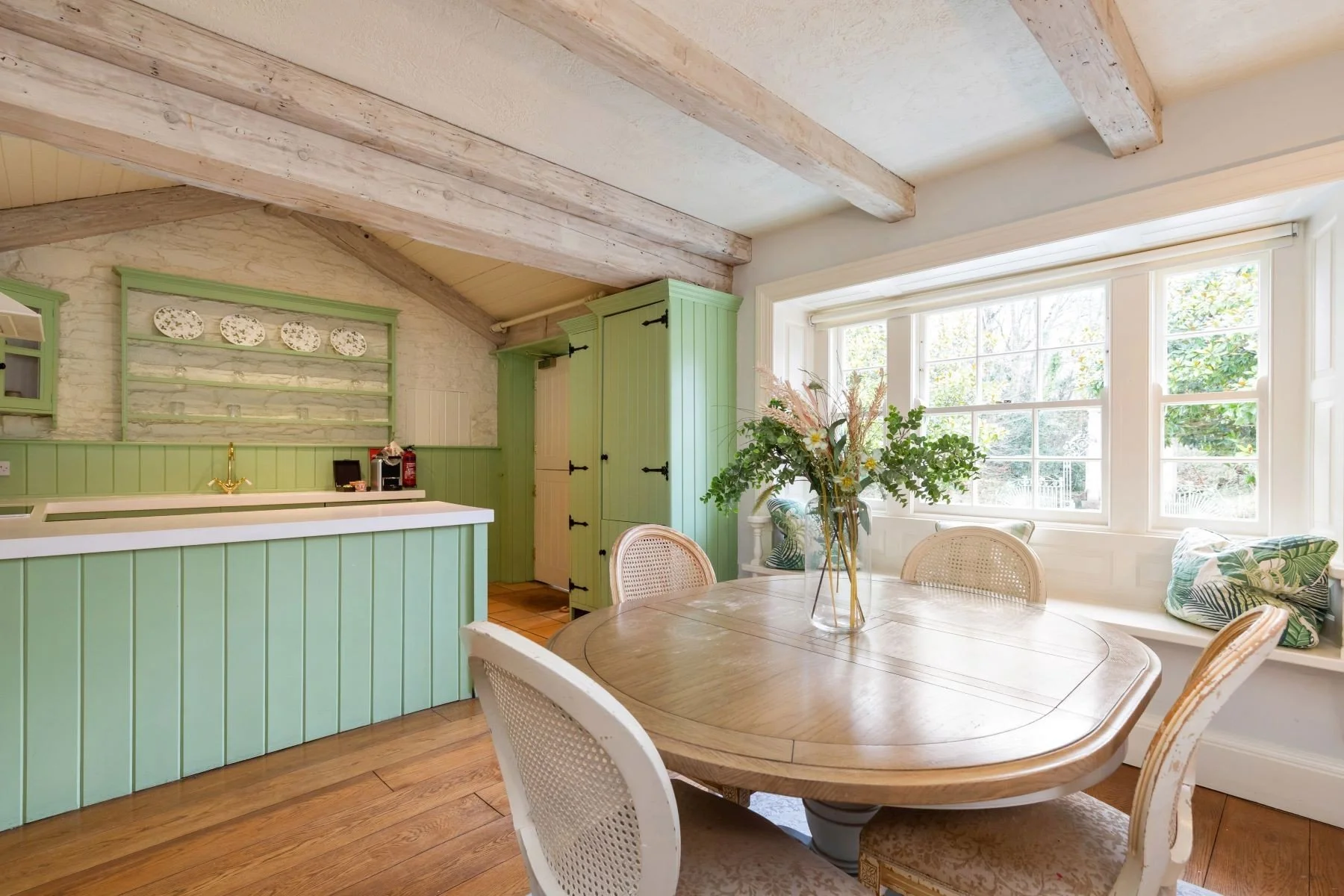
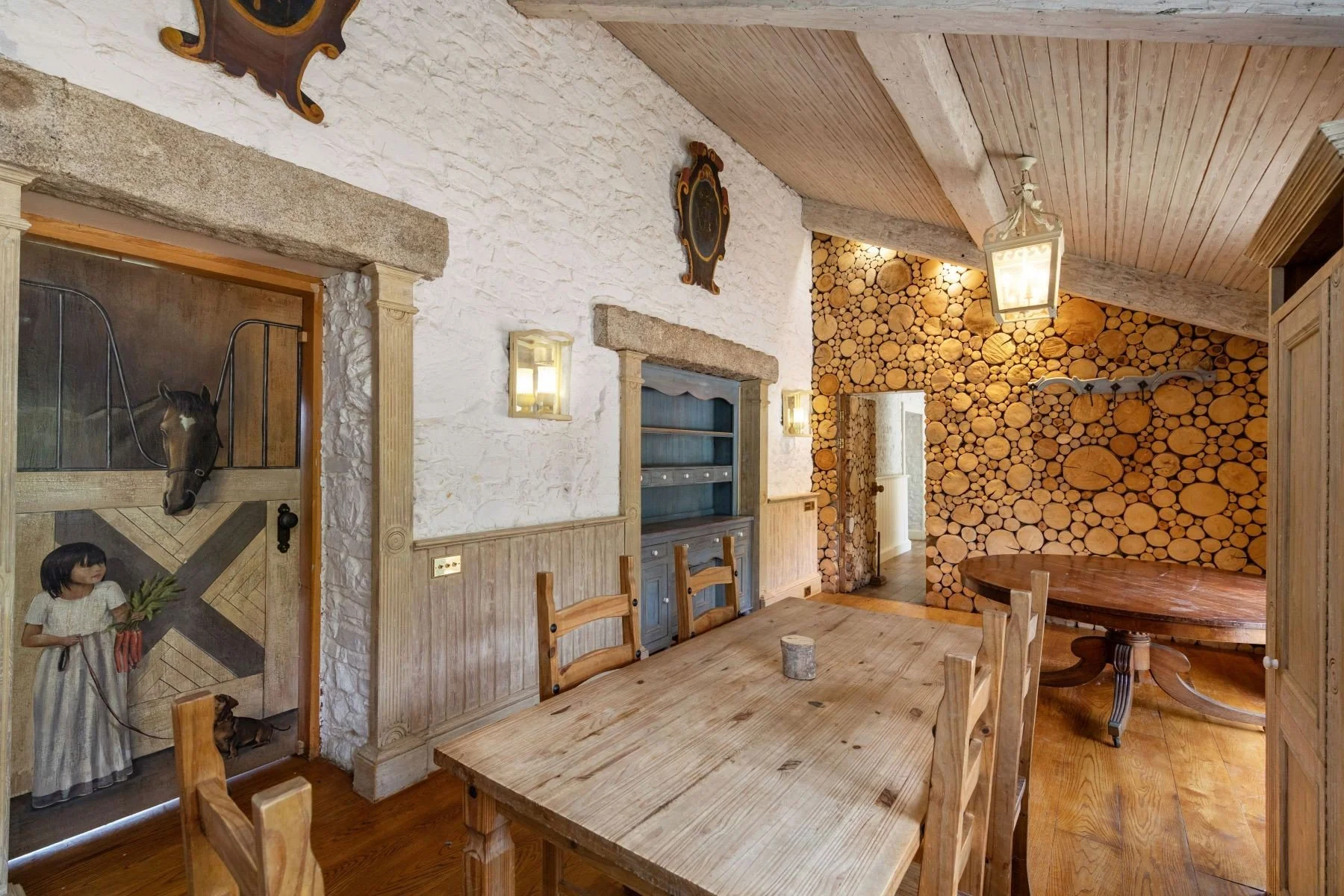
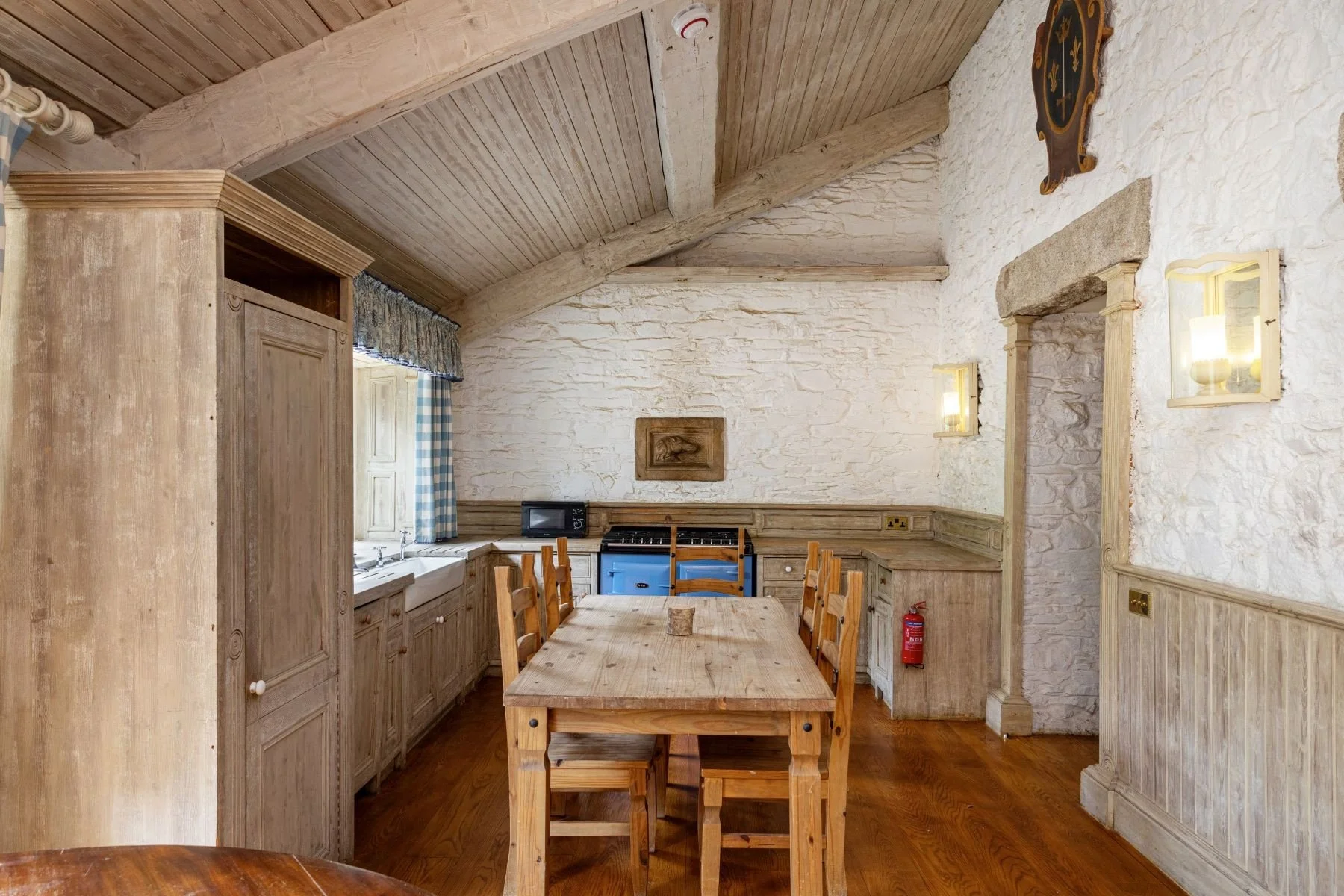
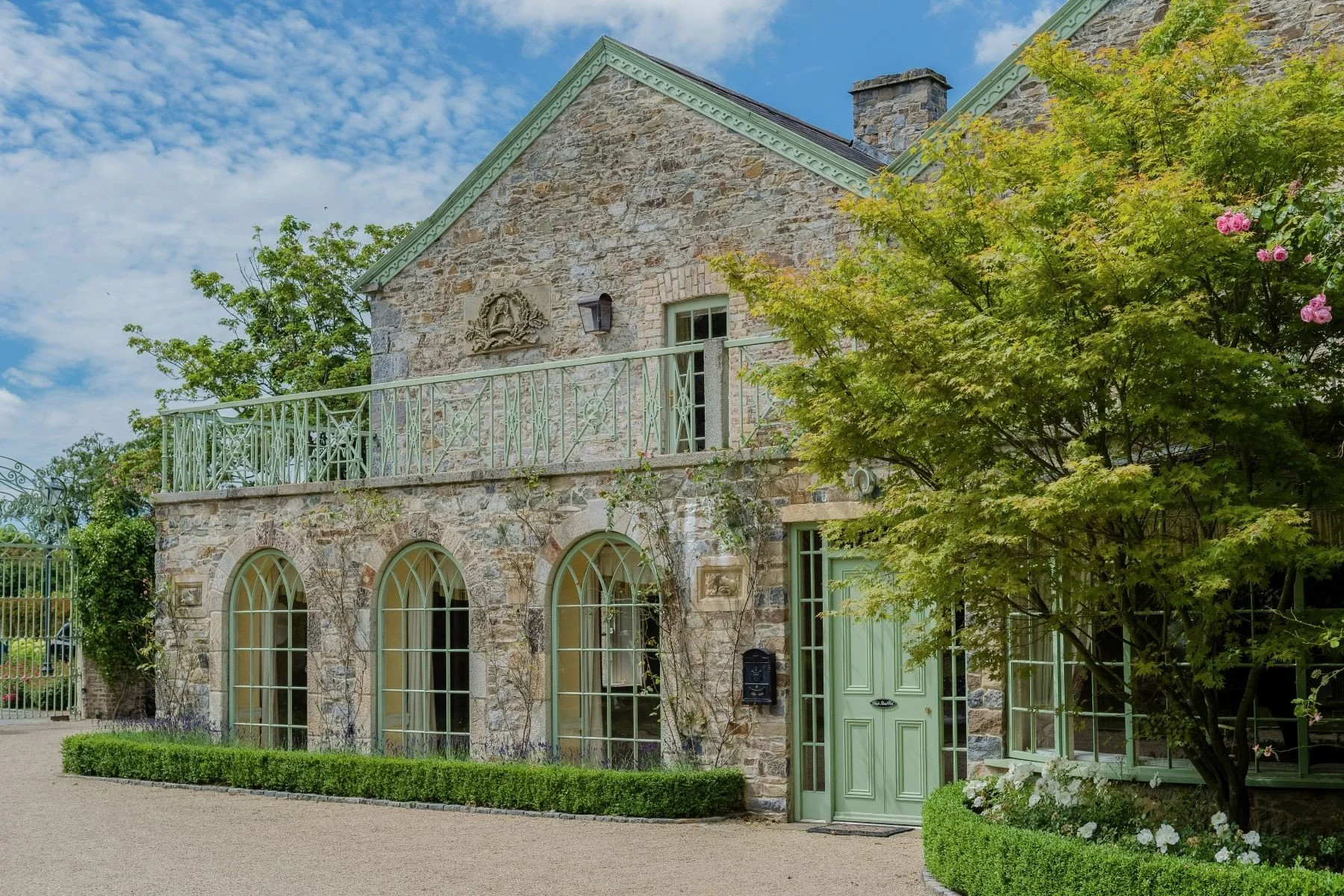
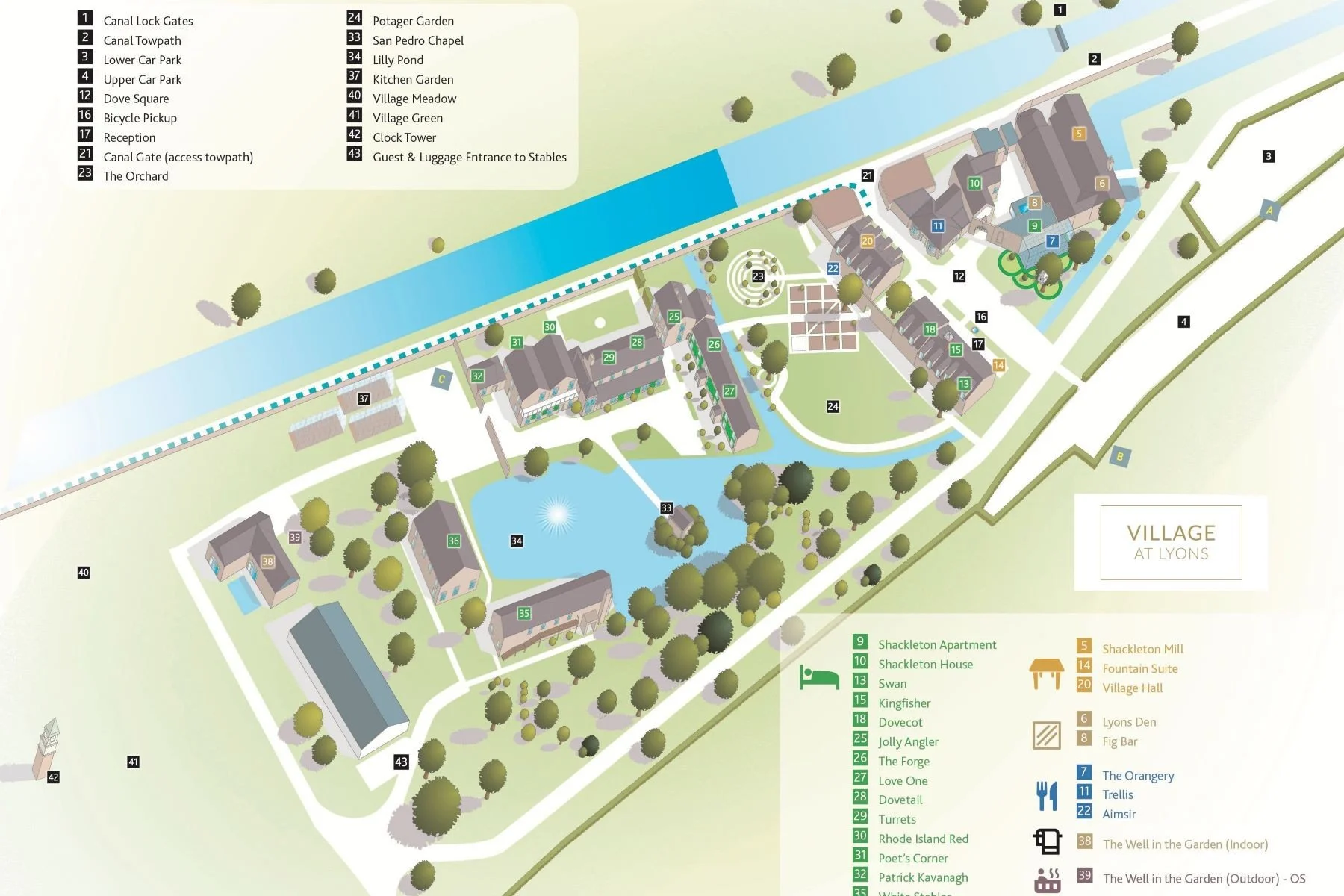
Today, the estate operates as Cliff at Lyons, a five-star boutique hotel and spa, but its layout still follows the structure of the old village. Accommodation includes 47 bedrooms across apartments, four lodges, and 12 cottages, with stone buildings arranged around gardens, courtyards, waterways, and former estate structures. The recreational buildings include a dining hall seating up to 120 guests, an event space, bar, club room, coffee shop, garden room, spa, Victorian-style conservatory, and landscaped gardens.
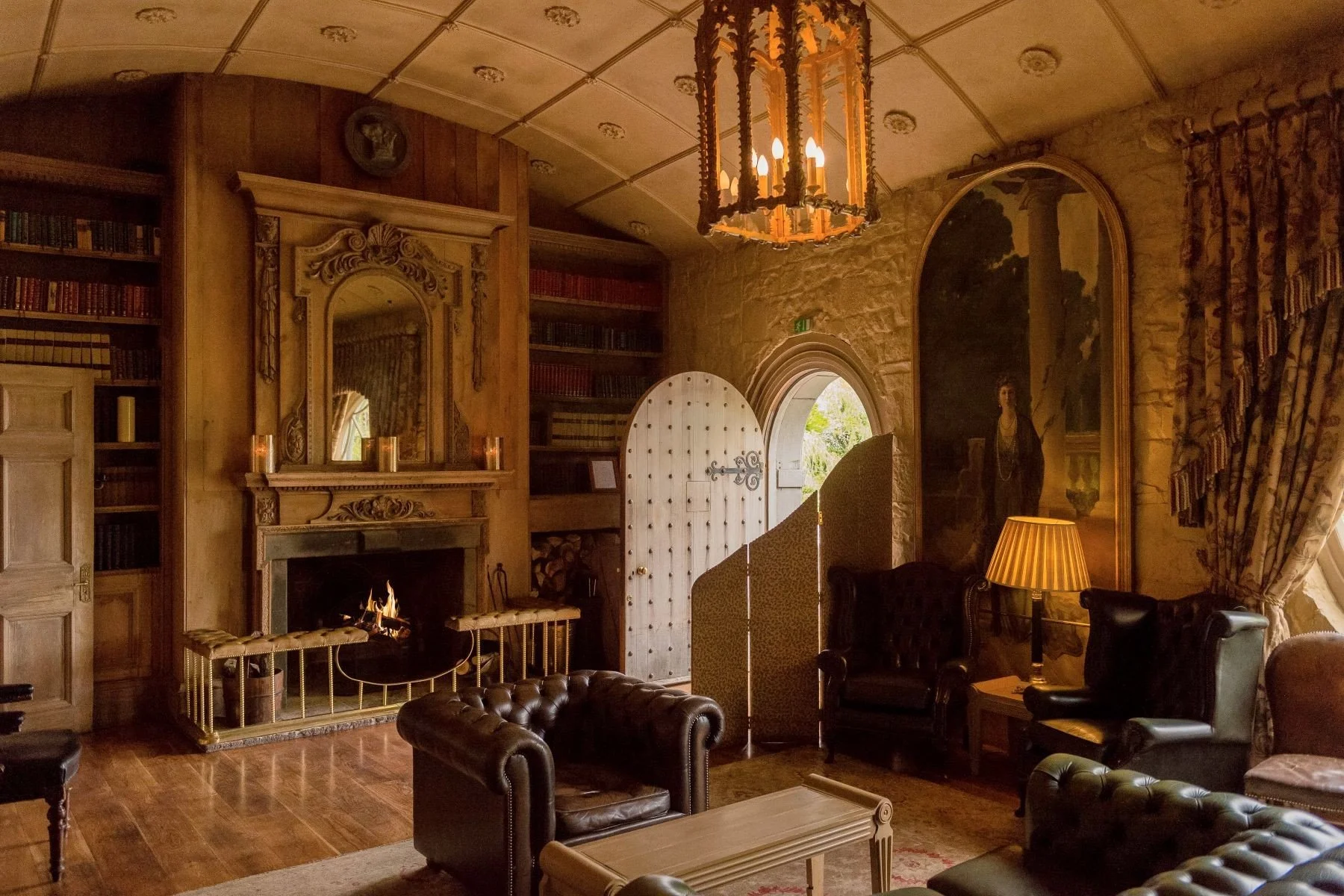
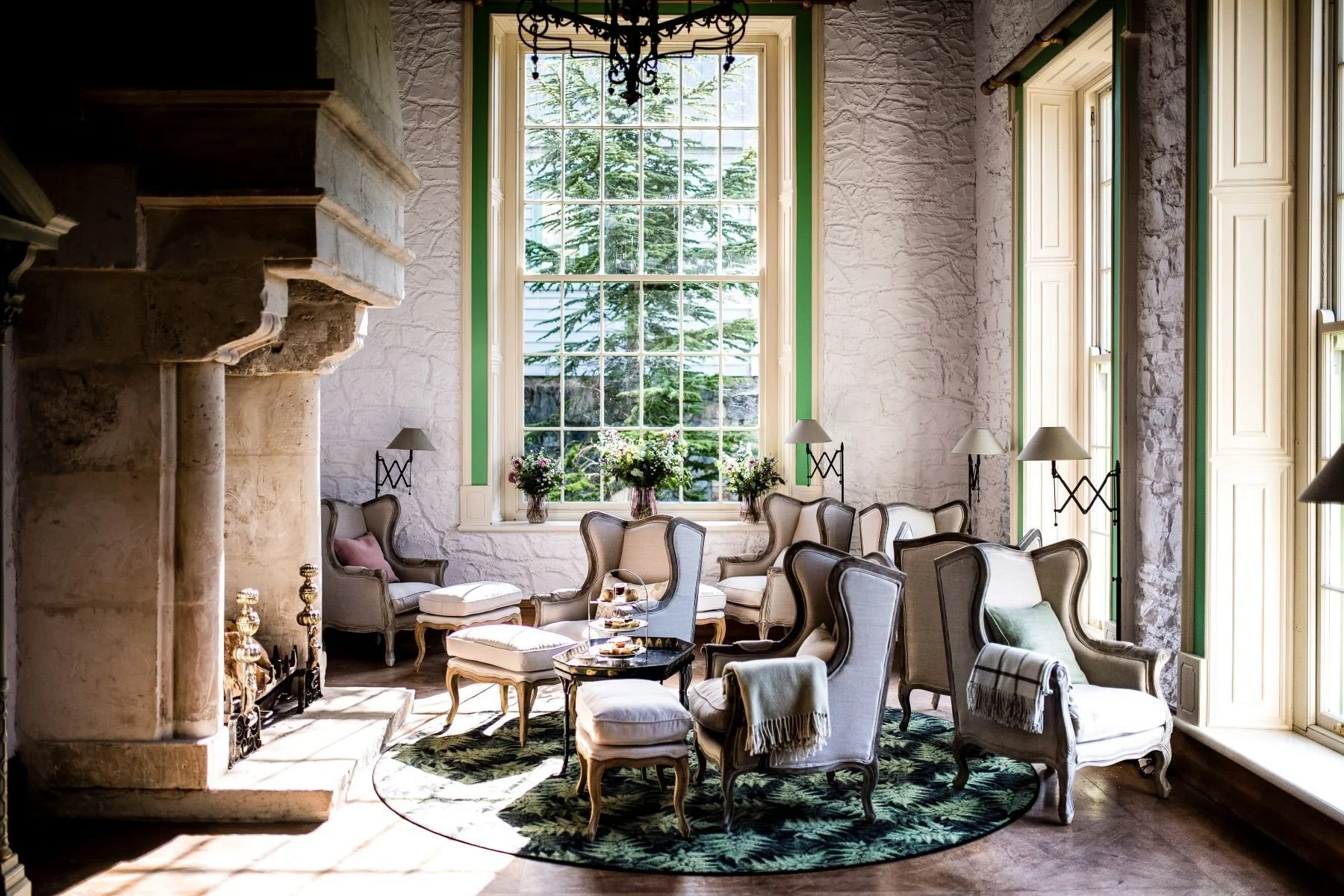
Its appeal is partly in the way the hotel still reads as a village: stone cottages, garden paths, a traditional pub, a former mill by the water, and hospitality spaces tucked into restored buildings rather than contained in a single resort block.
Among the estate’s named hospitality spaces are the Shackleton Mill Dining Room, The Orangery, Lyons Den Bar, Garden Restaurant & Chef’s Kitchen, Garden Room private dining, Fountain Suite, Village Hall boardroom, The Pantry coffee shop, and The Well in the Garden spa. Together, they give the property the infrastructure of an established destination while preserving the feel of a self-contained historic village.
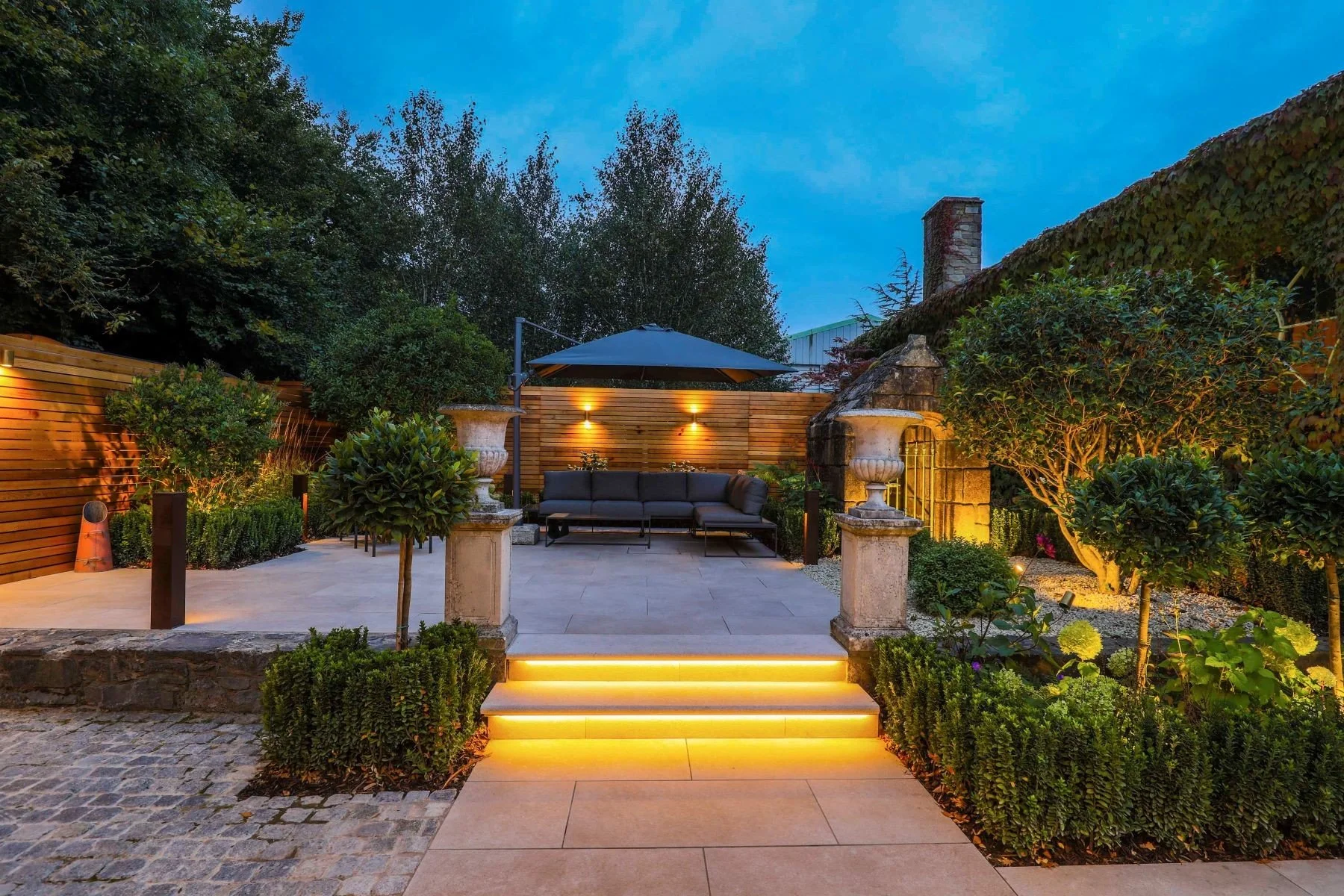
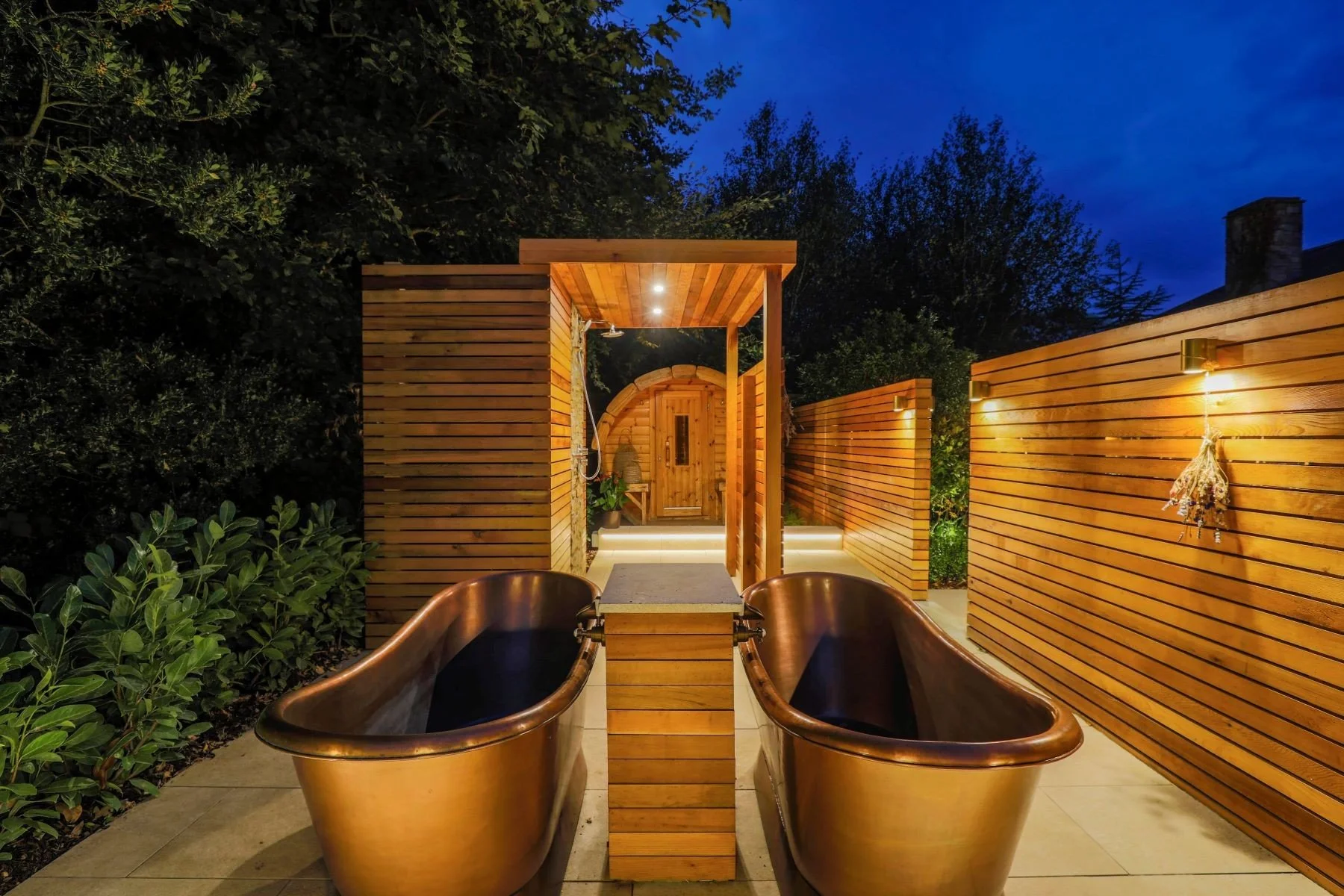
That format gives the property unusual flexibility. It can continue as a hospitality destination, but it could also be reimagined as a private estate, wellness retreat, creative campus, or long-term heritage holding. For an international buyer, the proposition is direct: a complete restored Irish village, already adapted for contemporary use, within roughly 30 minutes of Dublin.
At €20 million, the buyer is acquiring more than a five-star hotel near Dublin. They are taking on the next chapter of an Irish village.
Photography courtesy of Lisney Sotheby’s International Realty. See the full listing for more details.