A Renaissance Castle Near Lake Garda That Hosted Royalty, Contemporary Artists and Italian Industrialists Is Now for Sale
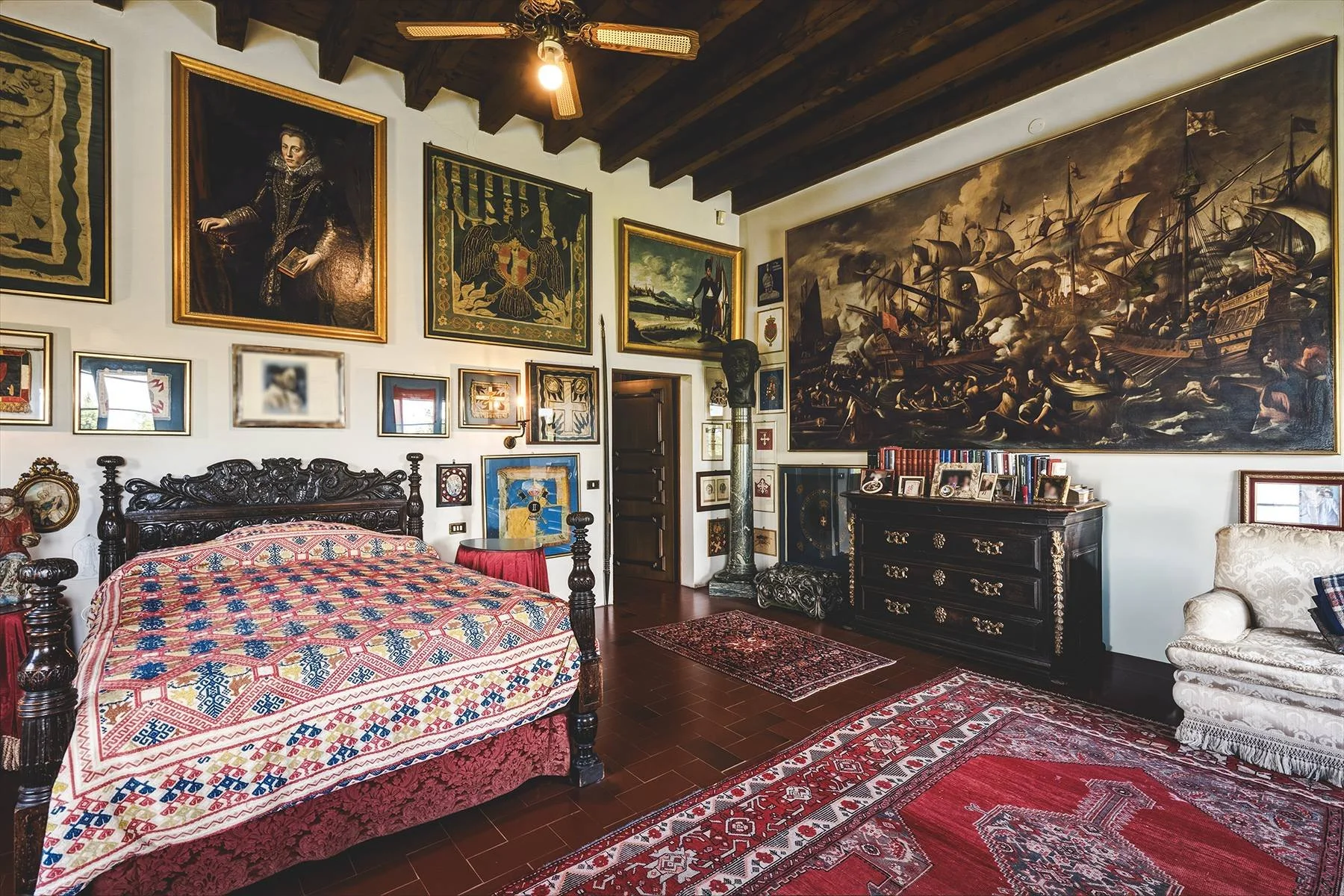
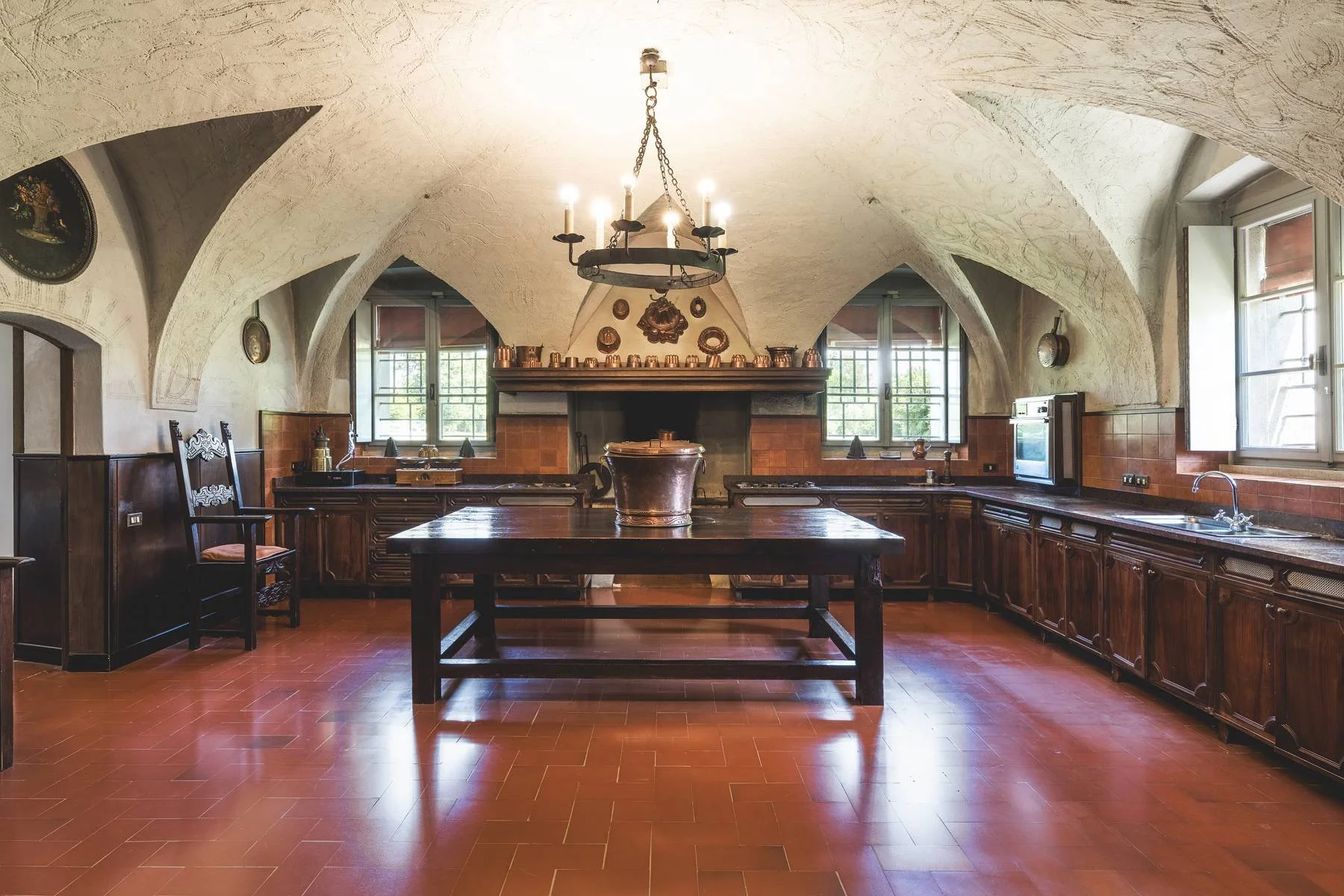
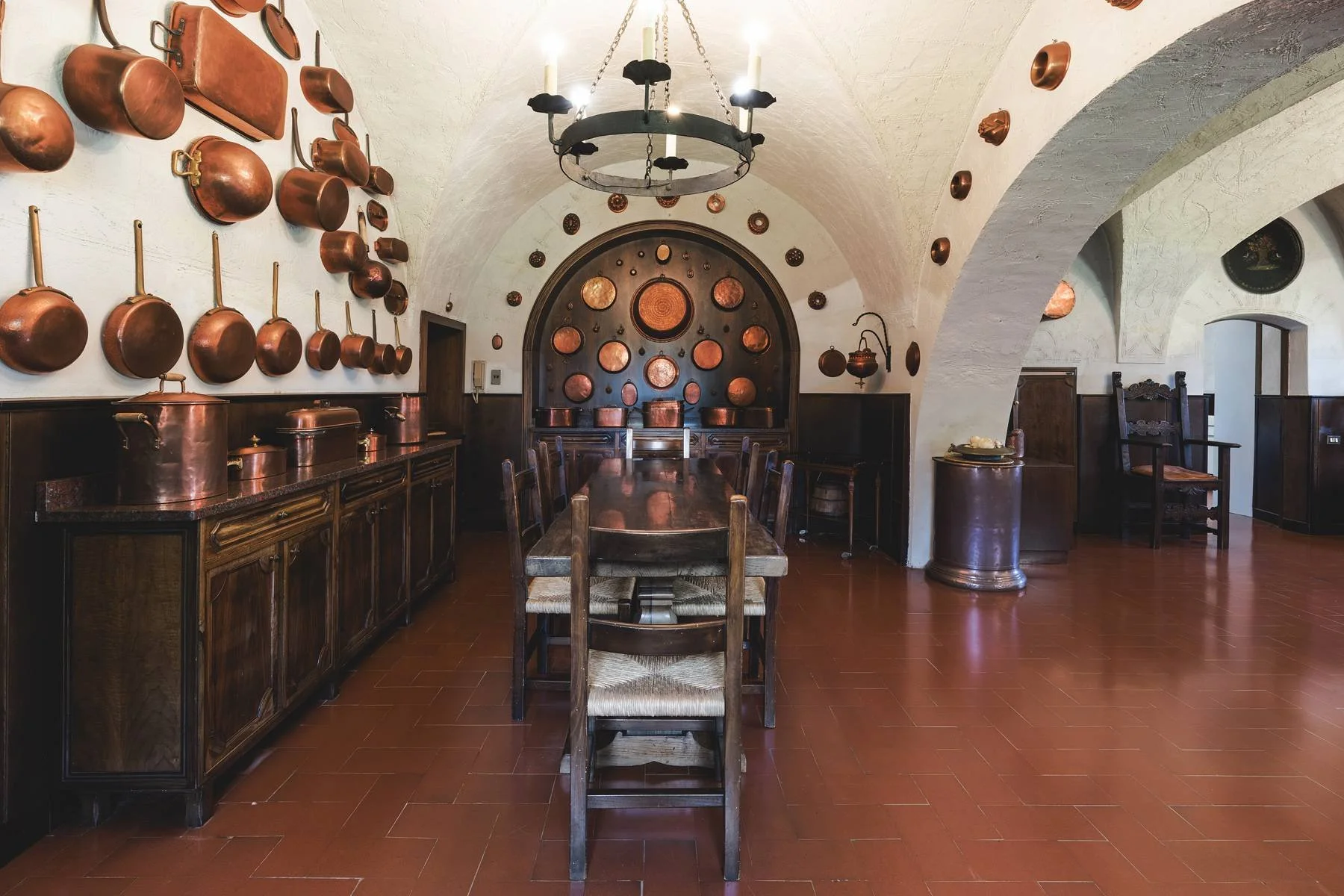
Bedrooms: 6 Bathrooms: 9
Interior: 41,441 ft² / 3,850 m² across the main residence and adjoining farmhouse
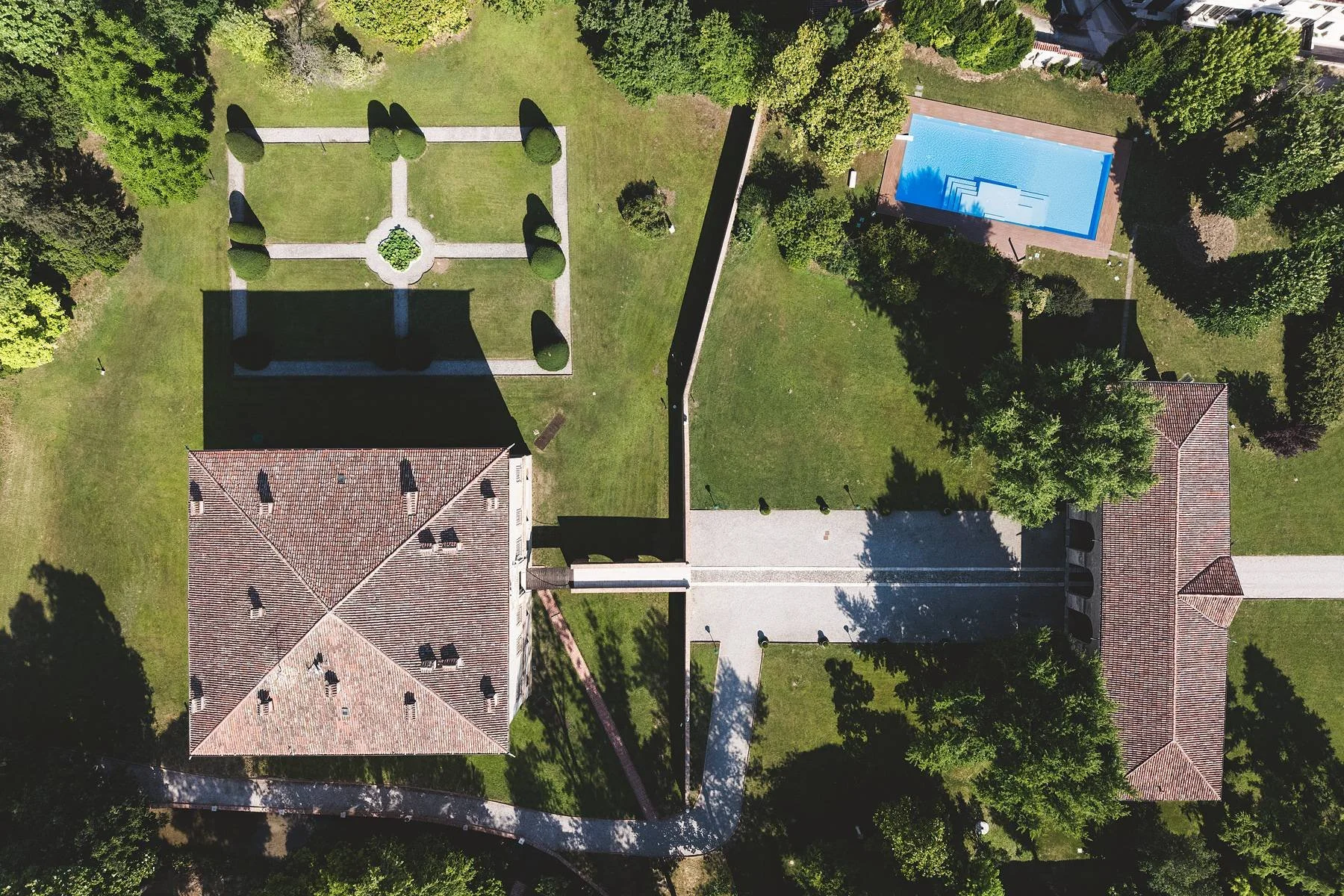
Park: Over 9.9 acres / 4 hectares
Amenities: Historic frescoes, coffered ceilings, monumental staircases, formal reception rooms, private swimming pool, elevator, adjoining farmhouse with courtyard, gatehouse and garages.
The residence and estate today
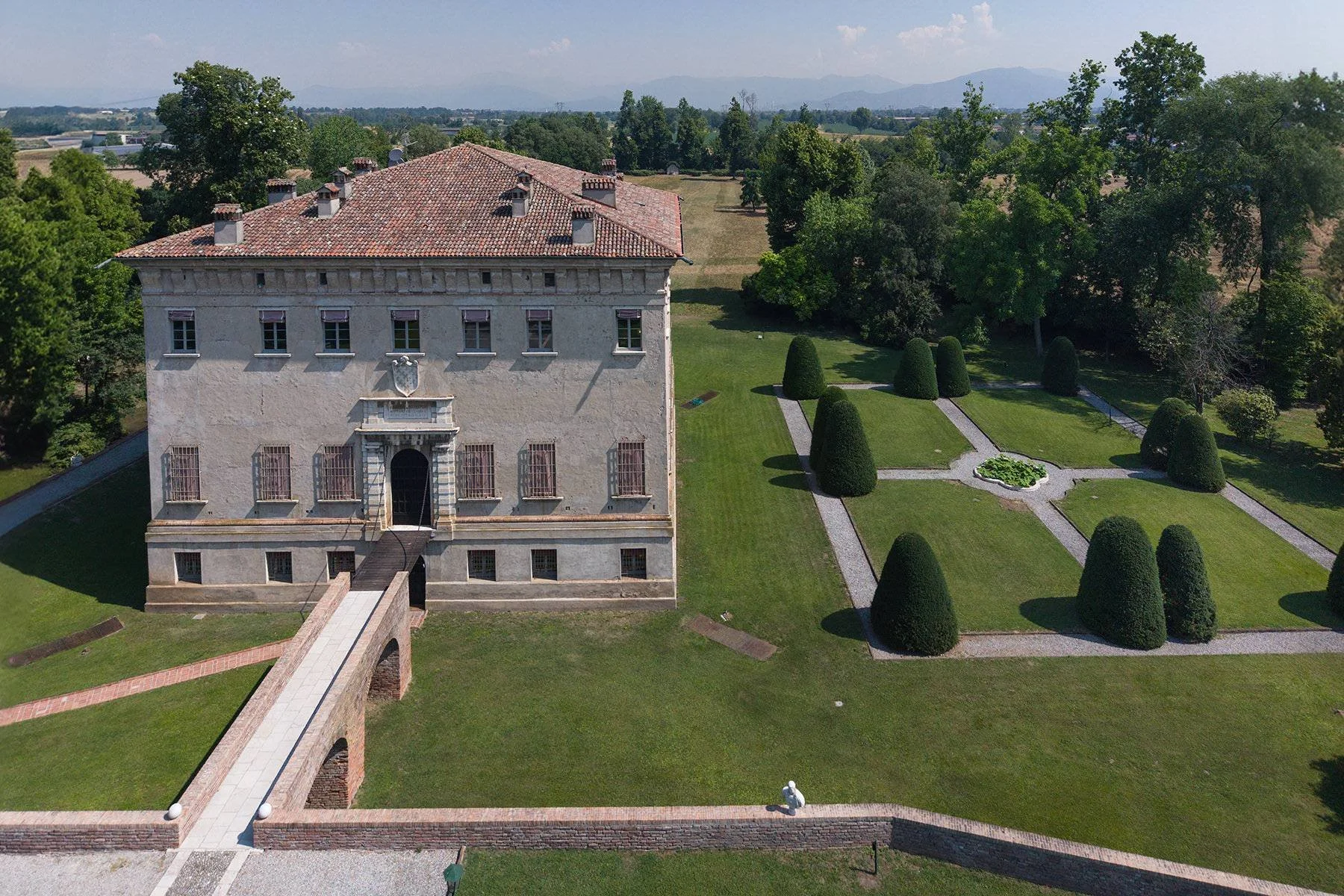
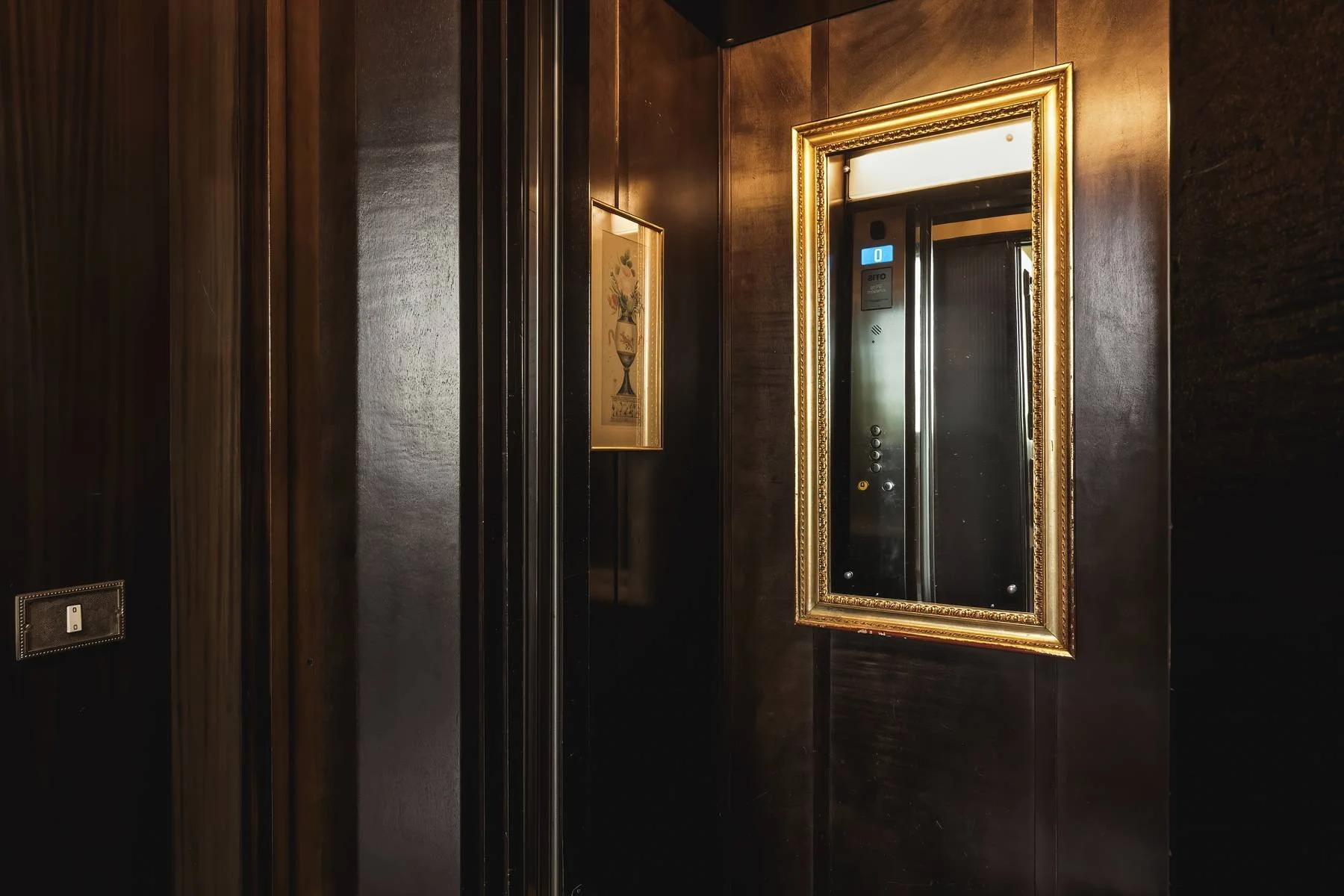
The main residence provides approximately 19,913 ft² (1,850 m²), with frescoed reception rooms, coffered ceilings and monumental staircases. An elevator is a more recent addition.
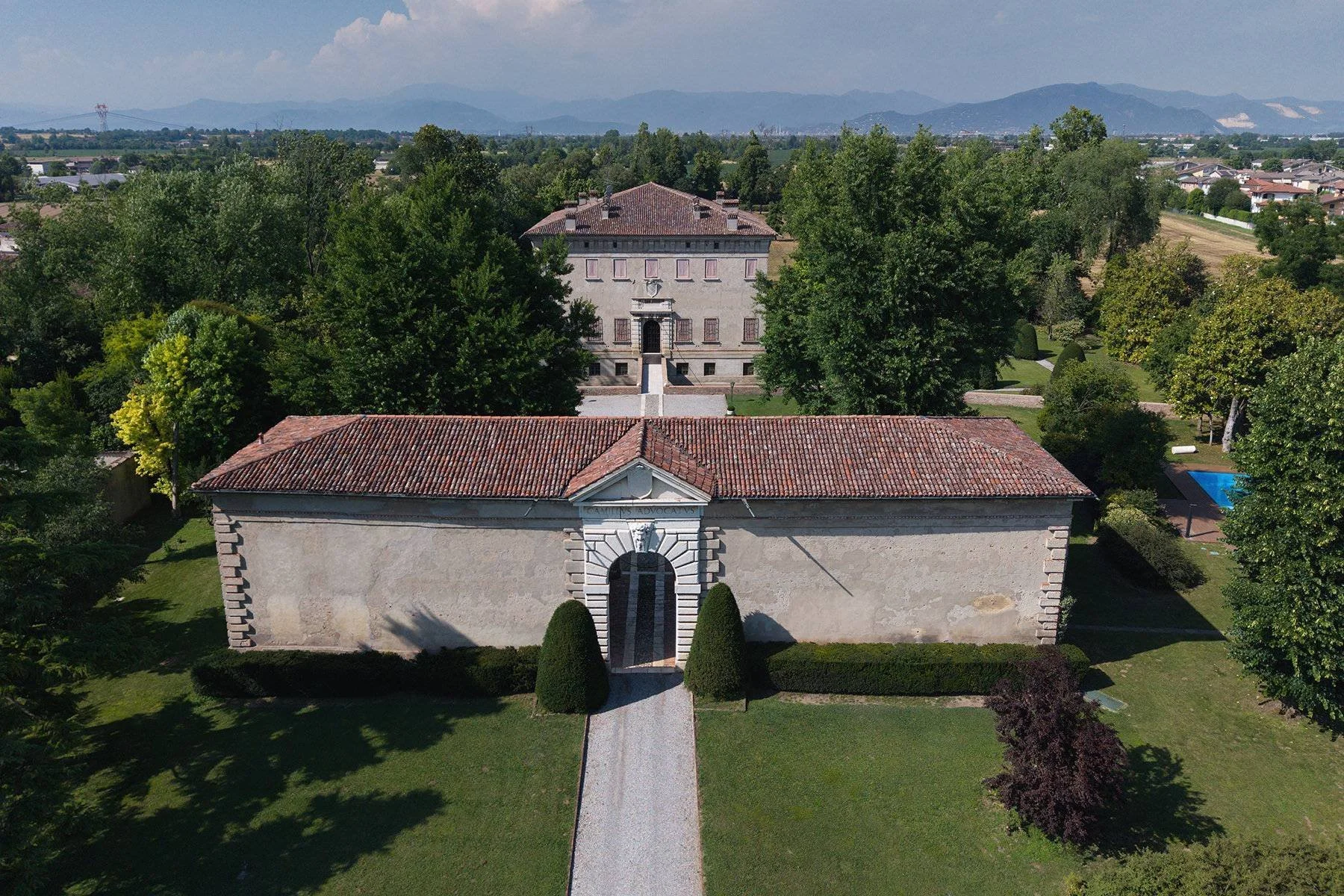
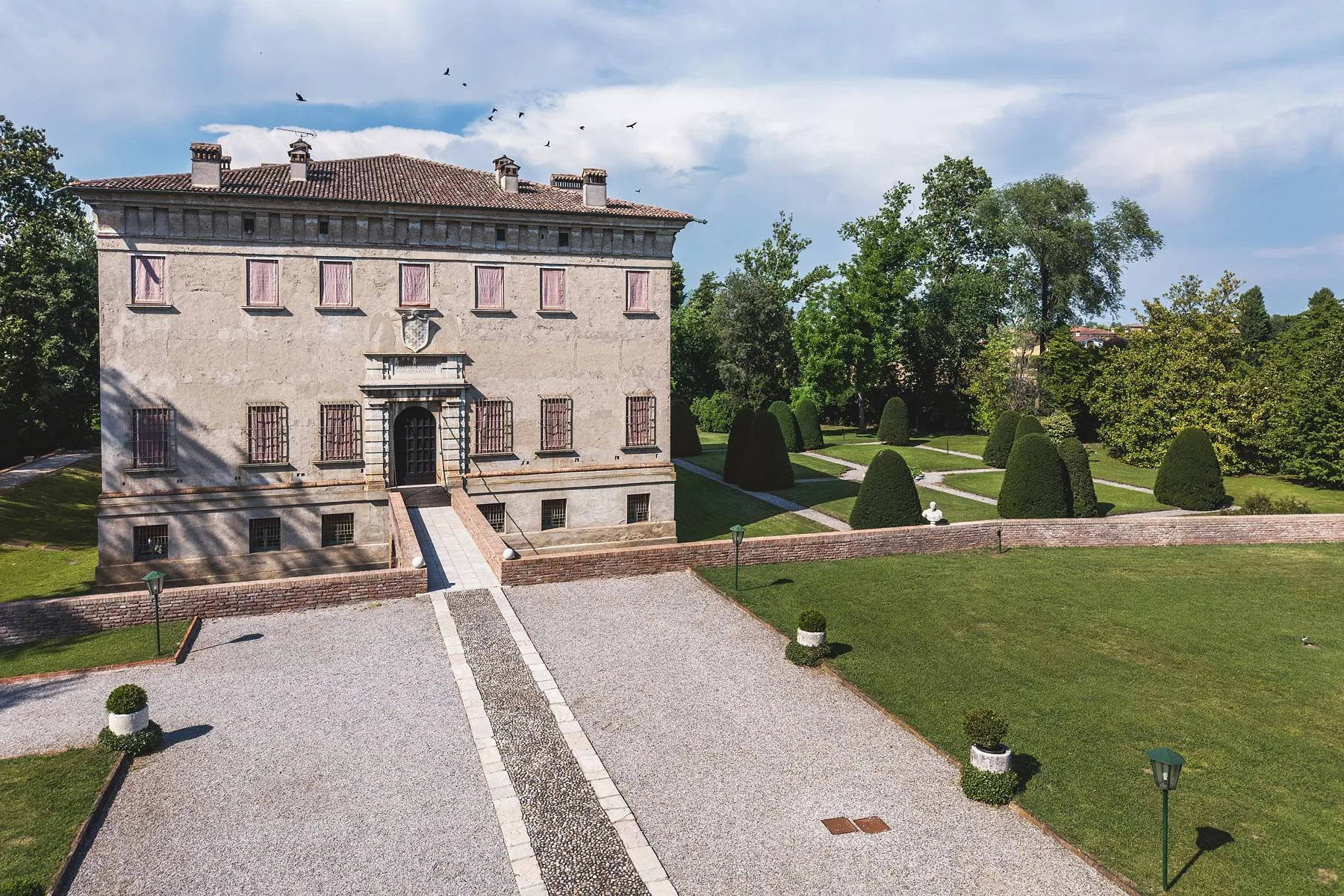
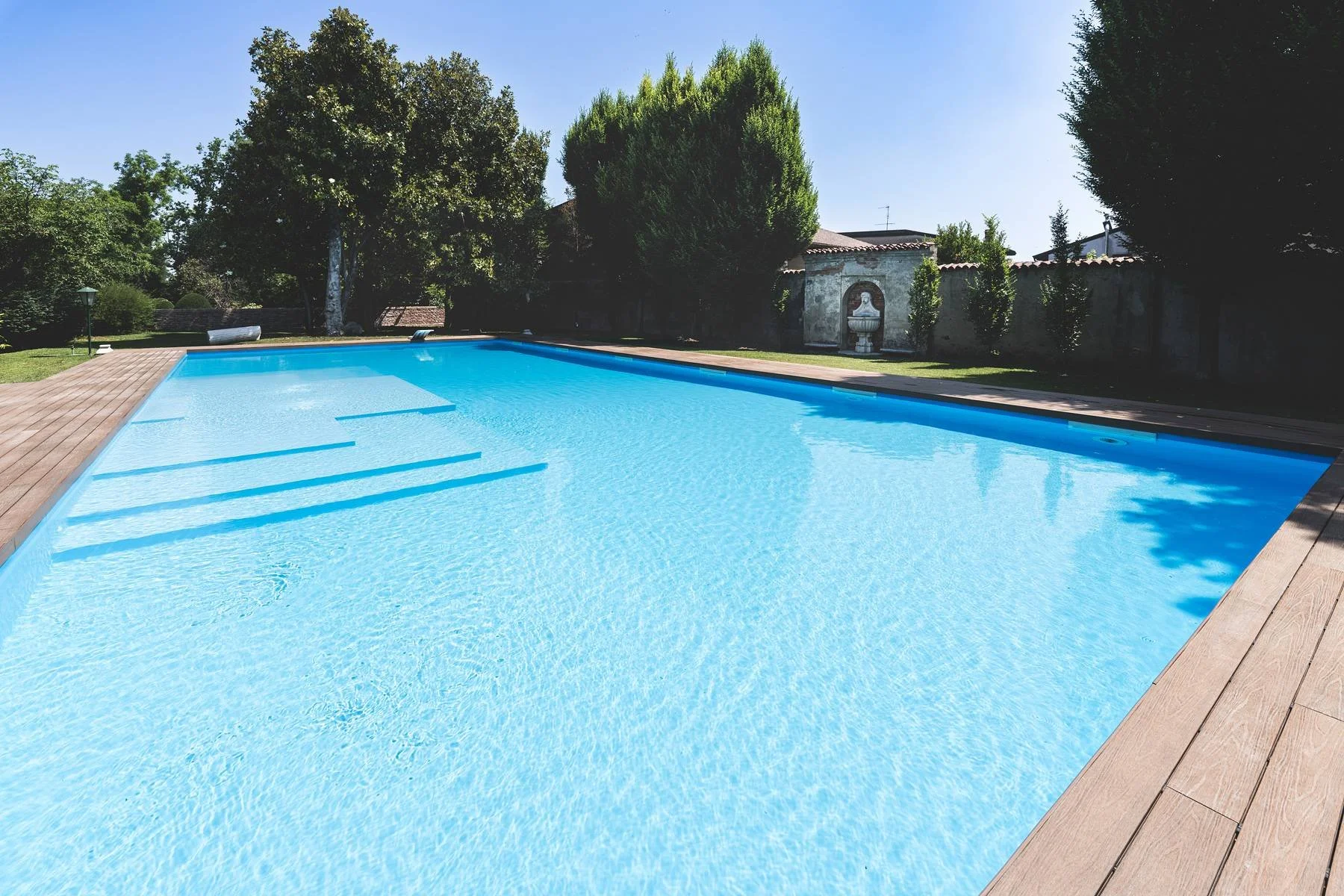
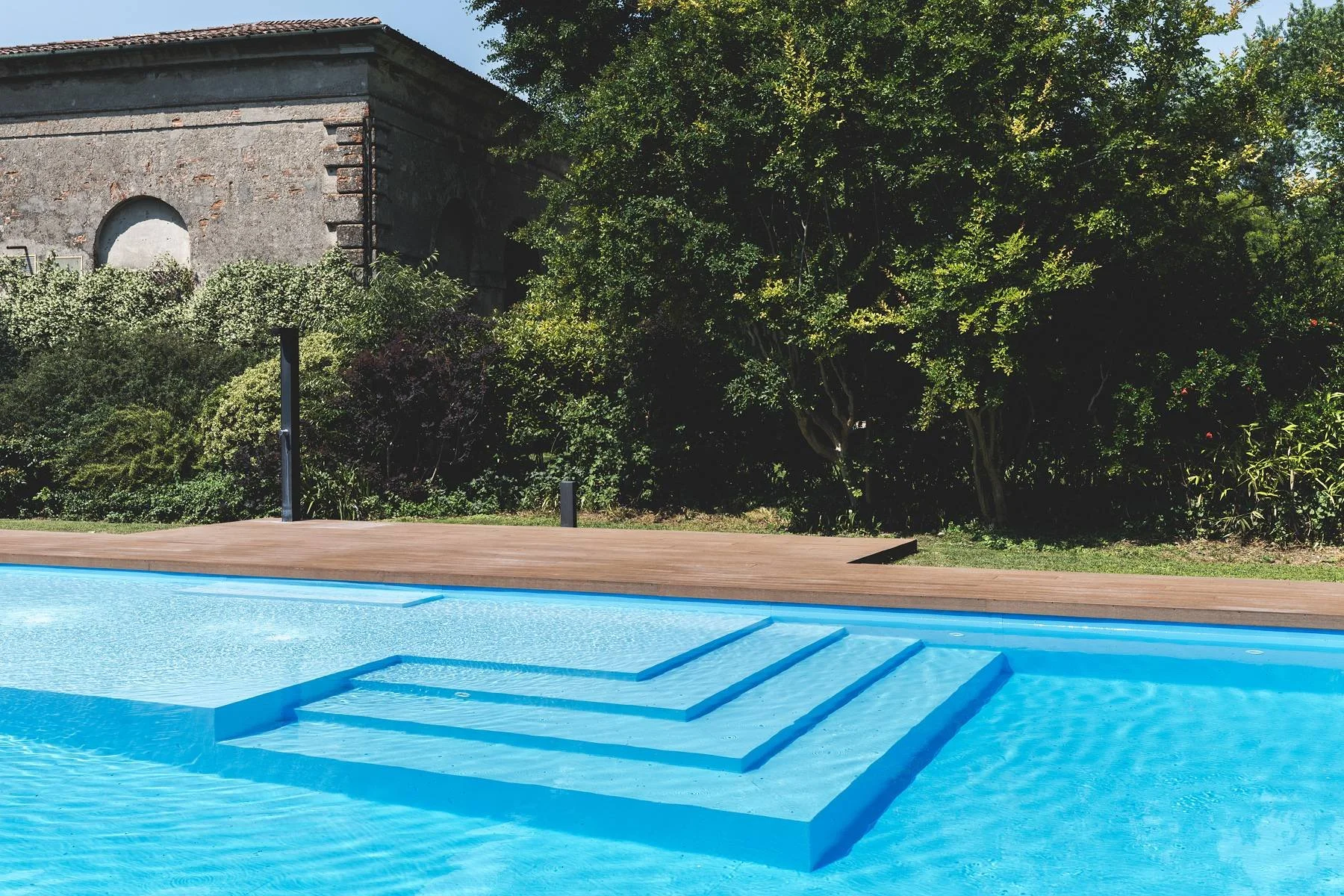
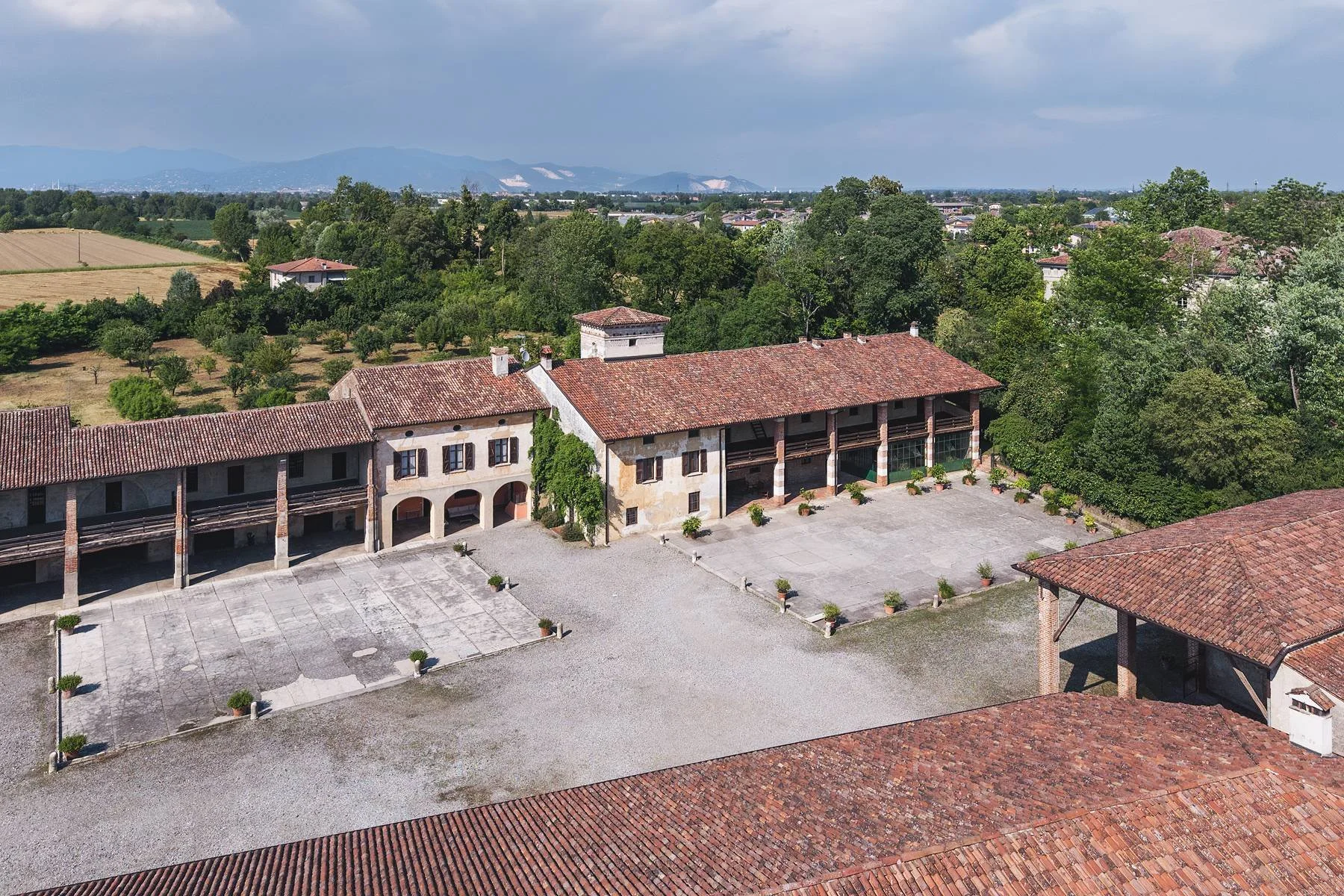
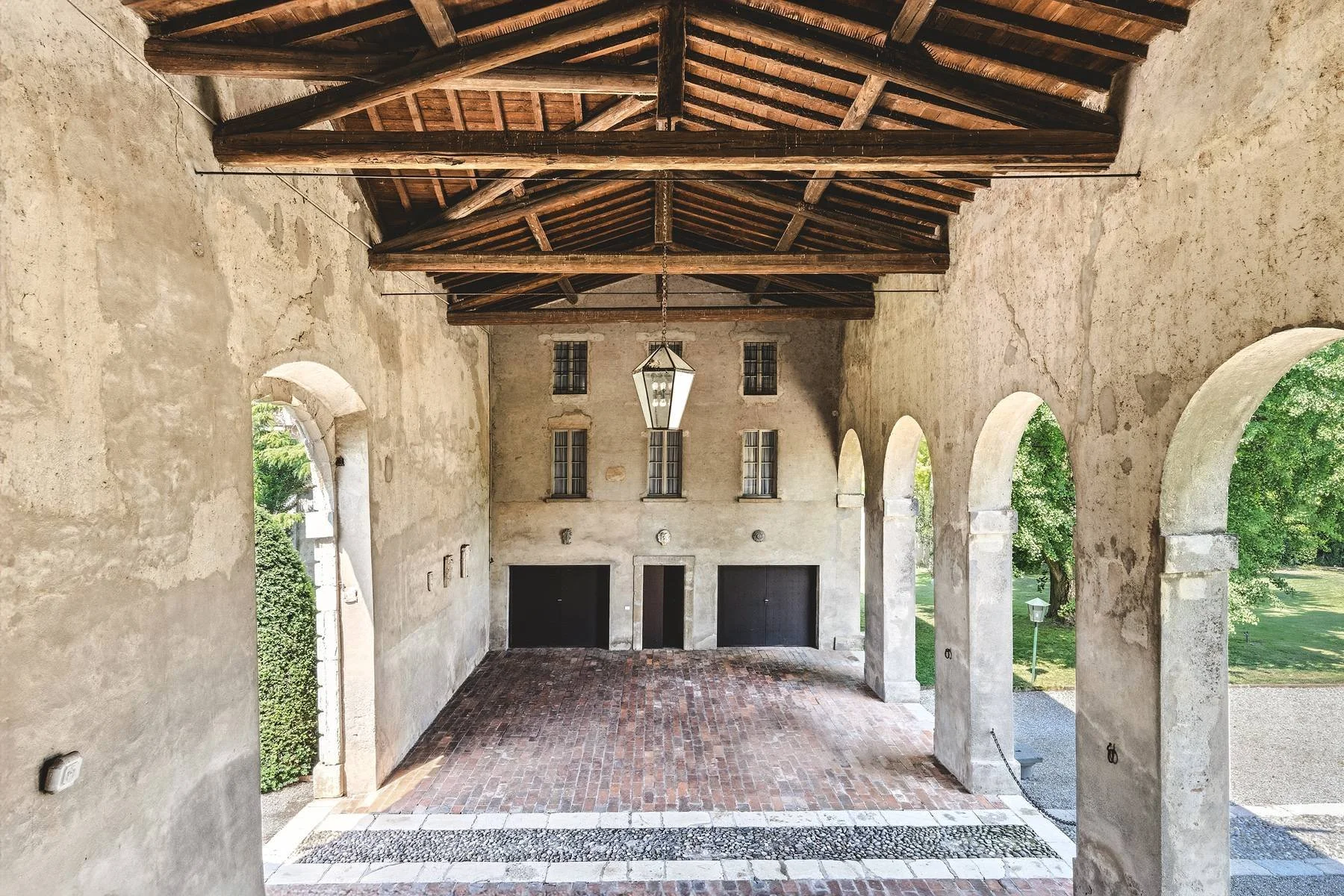
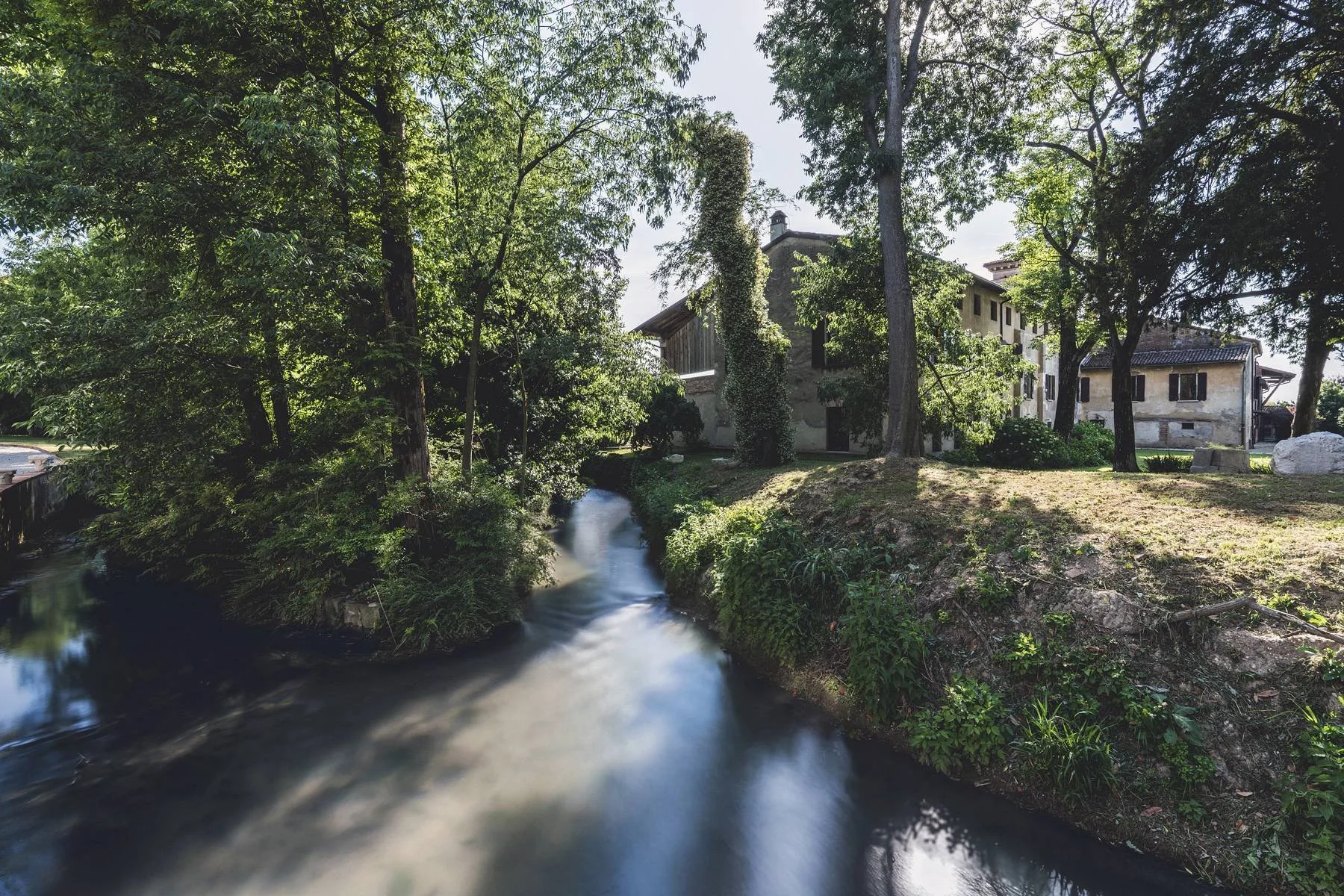
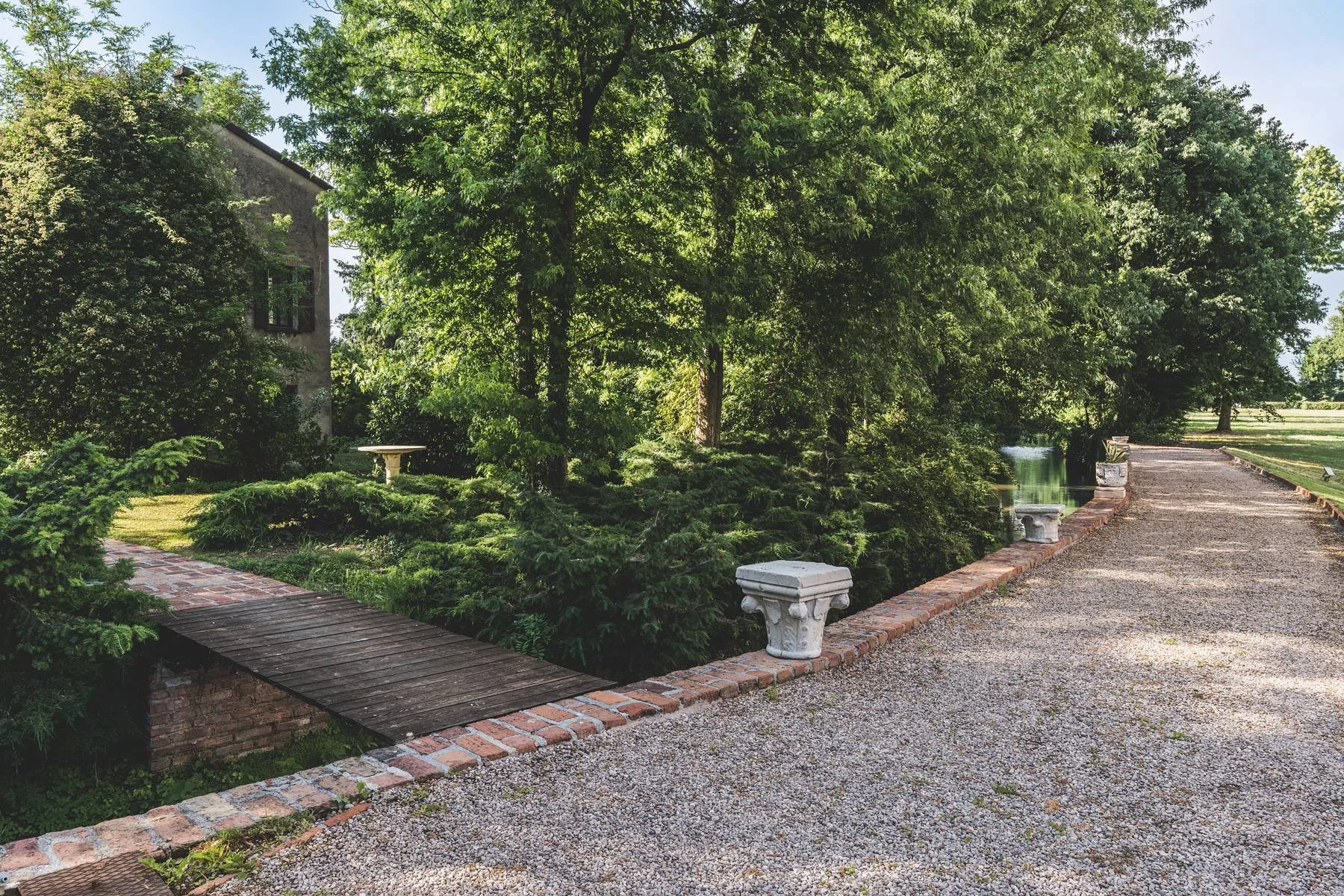
The adjoining farmhouse adds approximately 21,528 ft² (2,000 m²), arranged around a large courtyard. Together, the two buildings total approximately 41,441 ft² (3,850 m²). A gatehouse, garages and private swimming pool complete the estate, set within a park of over 9.9 acres (4 hectares).
The sale follows a change in the family’s circumstances. Maria Teresa passed away in 2025, and Antonio now lives in Thailand. Their grandson, Tancredi Pisa Simonini Spada, explained that he and his siblings have business interests in Brazil, making the estate increasingly difficult to manage. The grandchildren decided to sell.
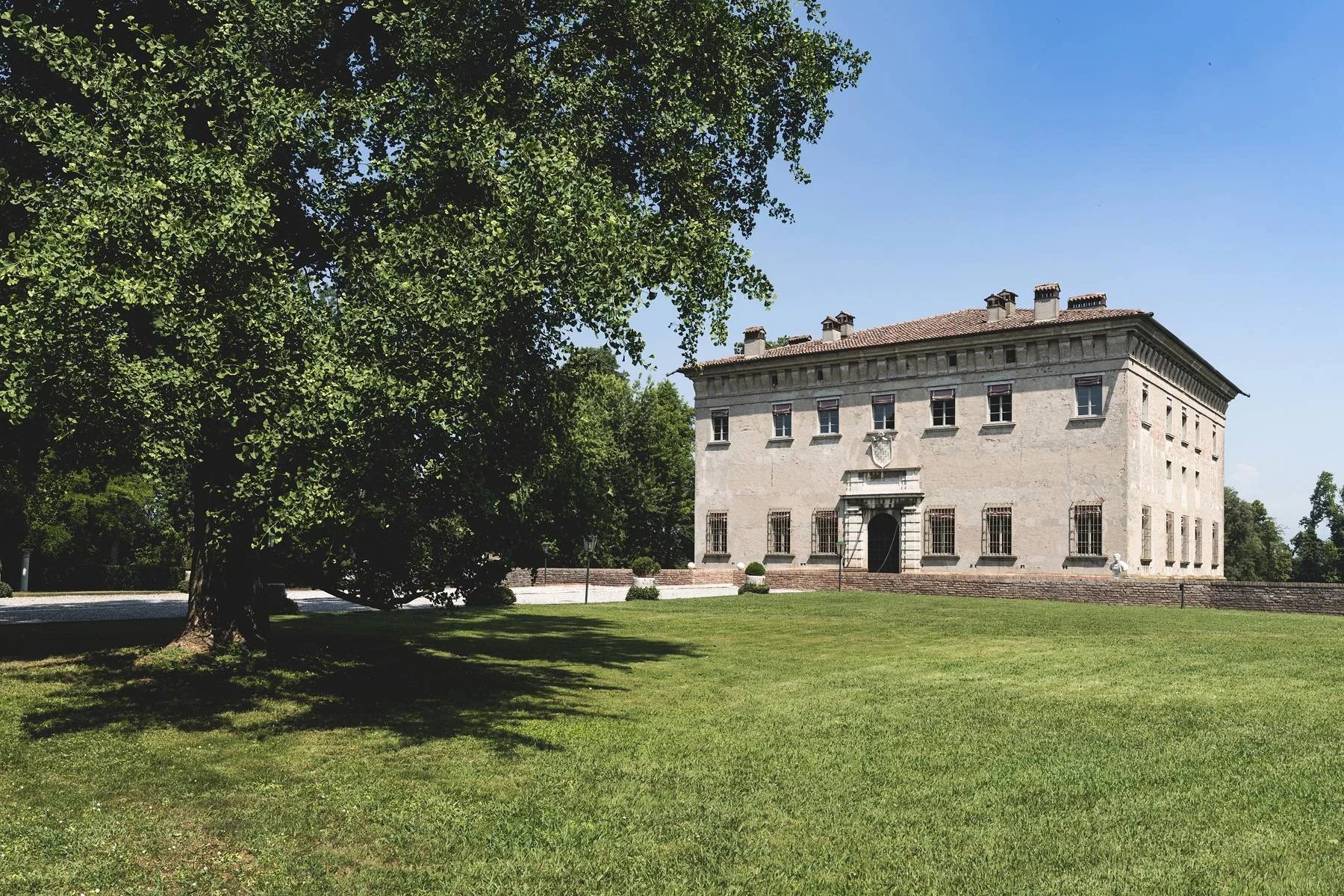
Just south of Brescia, roughly halfway between Milan and Verona in Lombardy, Italy, a Renaissance castle that once welcomed contemporary artists, royalty and Italian industrialists is now for sale. Castello Avogadro Spada stands in Bagnolo Mella, within easy reach of Lake Garda, in a private park of about 10 acres.
Built in 1560 for the military commander Camillo Avogadro, the house came close to ruin before the Spada family restored it in the 1970s. It became their home and a cultural salon, where artists stayed, worked and joined the family’s gatherings.
The property is offered through Italy Sotheby’s International Realty, with the price available on request.
A Renaissance residence with the character of a fortress
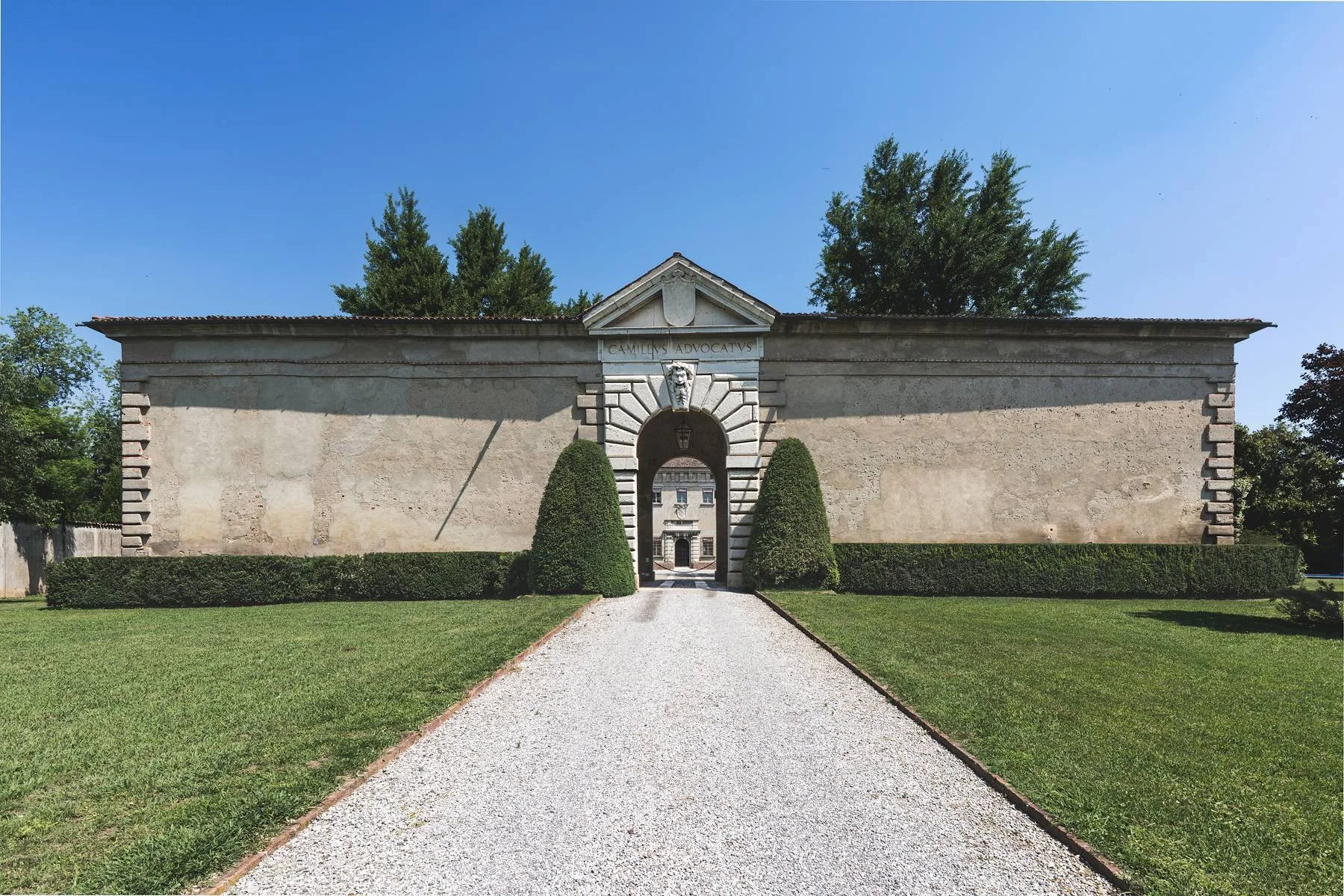
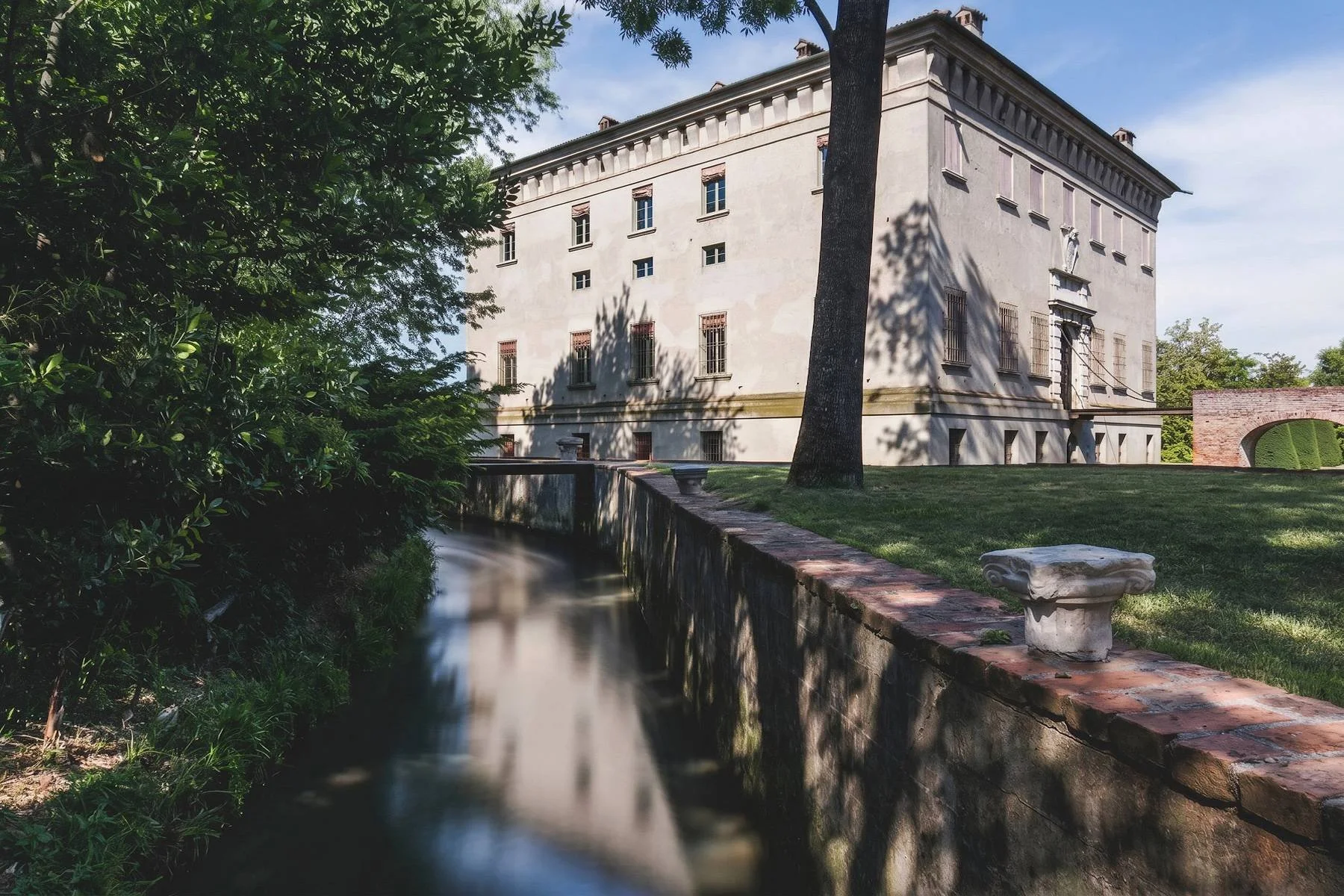
The present house occupies the site of an earlier Avogadro fortress destroyed in 1440. Camillo Avogadro commissioned its replacement more than a century later, with an inscription above the entrance recording the construction date of 1560.
Camillo Avogadro was a Brescian nobleman and military captain, or condottiero, from a family with longstanding ties to the Venetian Republic. The family name recalls its earlier role as advocates for the bishop of Brescia, deriving from a word meaning “advocate” or “lawyer.” Camillo’s father, Matteo, was himself a jurist.
The architecture is attributed to Michele Sanmicheli, a prominent Renaissance architect and military engineer who helped introduce the Roman Renaissance style to northern Italy. Having trained in Rome, he brought its classical architectural language to the palaces, churches and fortified city gates he designed in Verona and elsewhere.
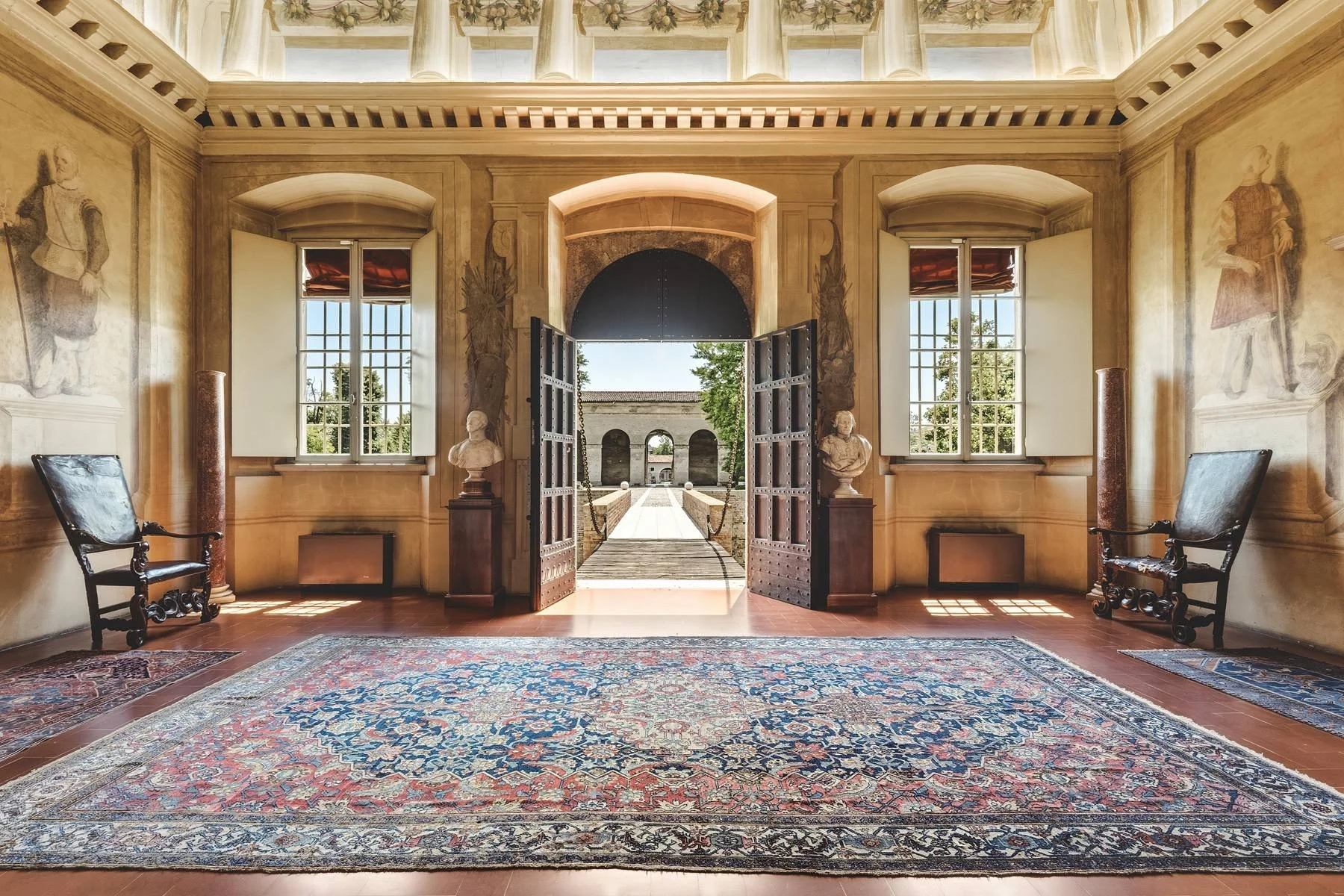
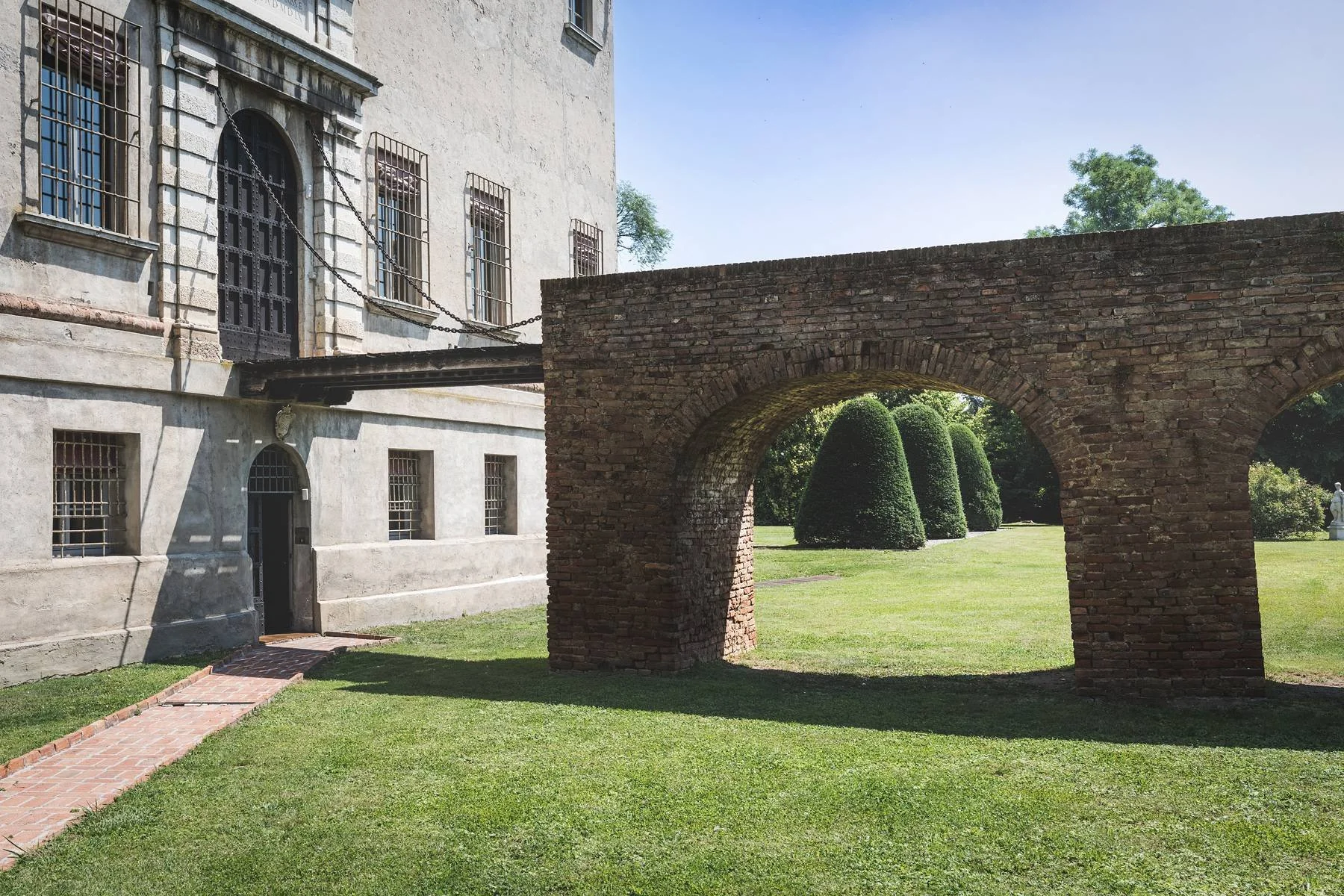
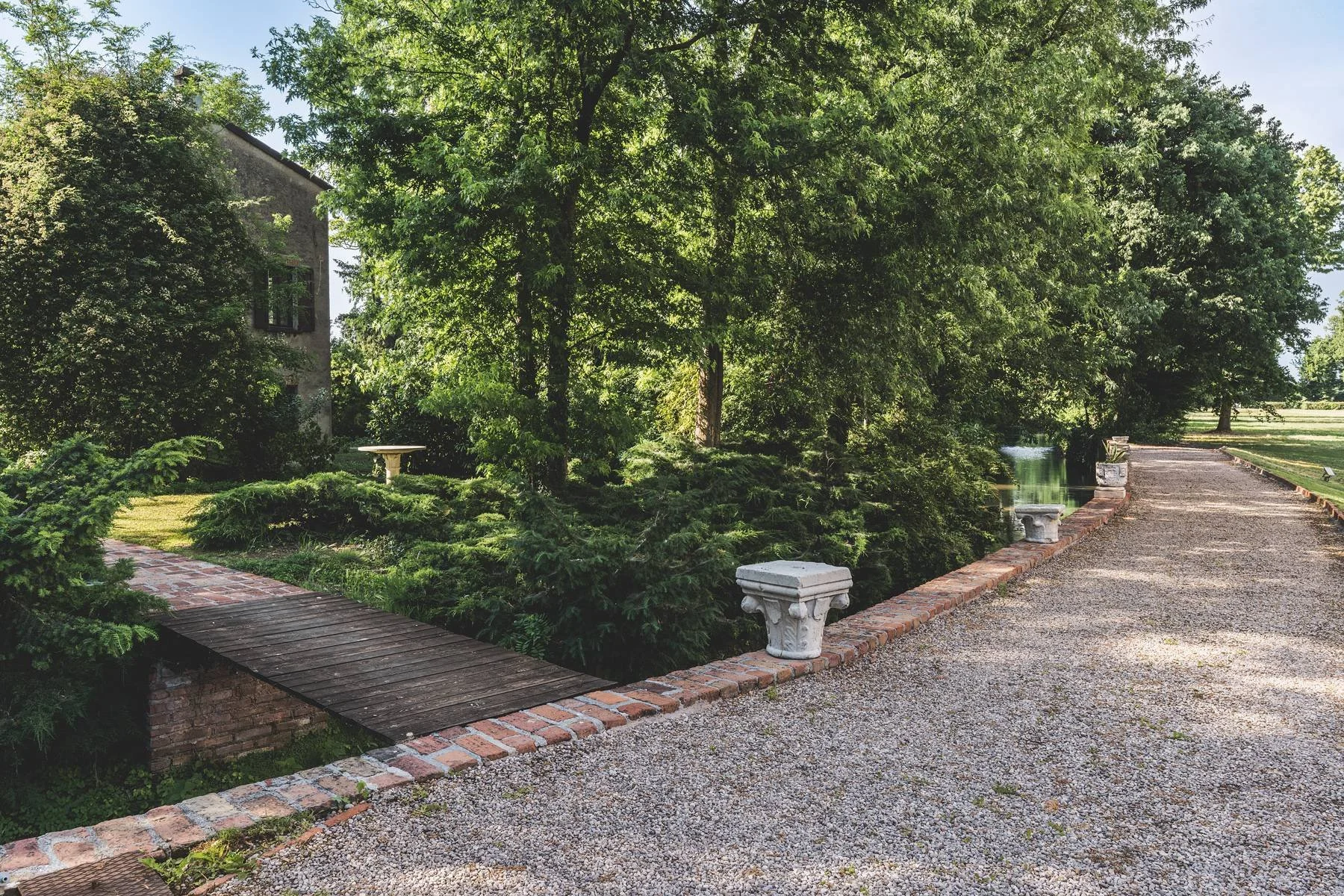
The house has a square, symmetrical layout, with rooms arranged around a grand central hall. Its moat, wooden bridge supported by chains and small lookout openings beneath the roof recall a medieval castle. The entrance, however, takes the form of a Roman triumphal arch, bringing a classical touch to the fortified exterior.
As Architectural Digest noted in its 1982 feature, country-house architecture was changing when the castle was built. Palladio’s classical designs offered a model for villas with colonnades, broad steps and formal gardens. The Avogadro residence retained a more enclosed, fortress-like form, while its grand entrance and richly decorated interiors reflected newer ideas about domestic architecture.
Frescoed halls and portraits of the Avogadro family
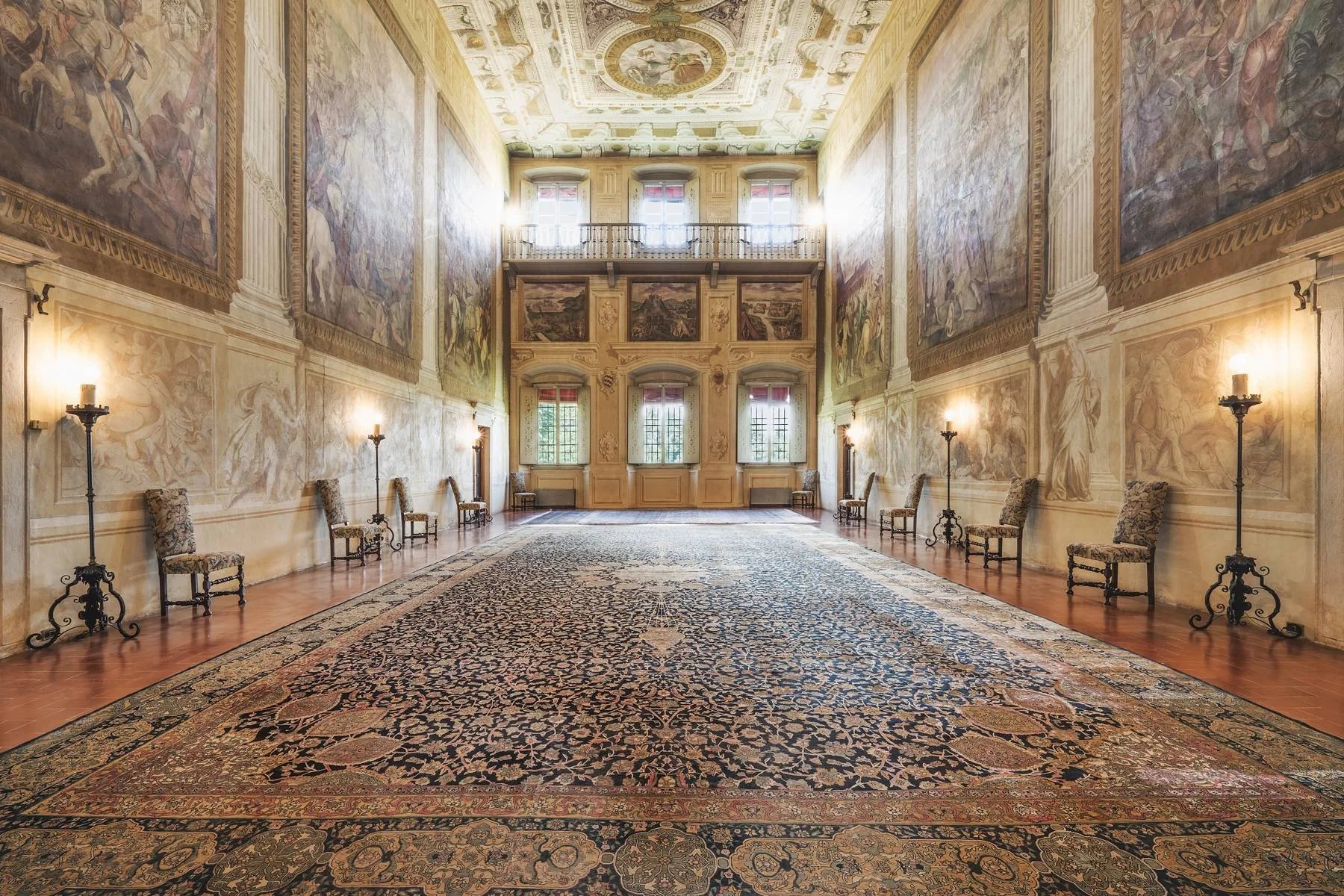
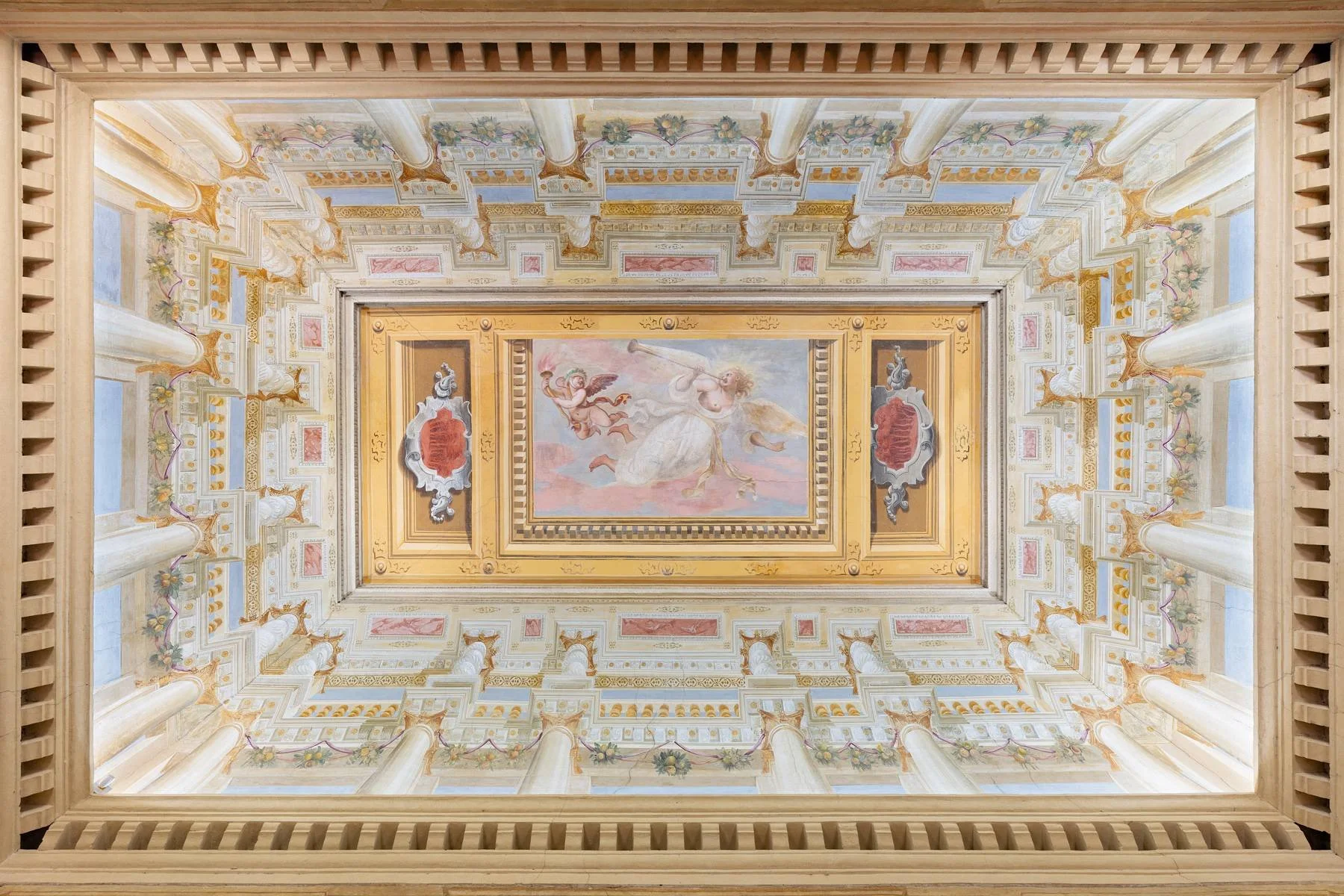
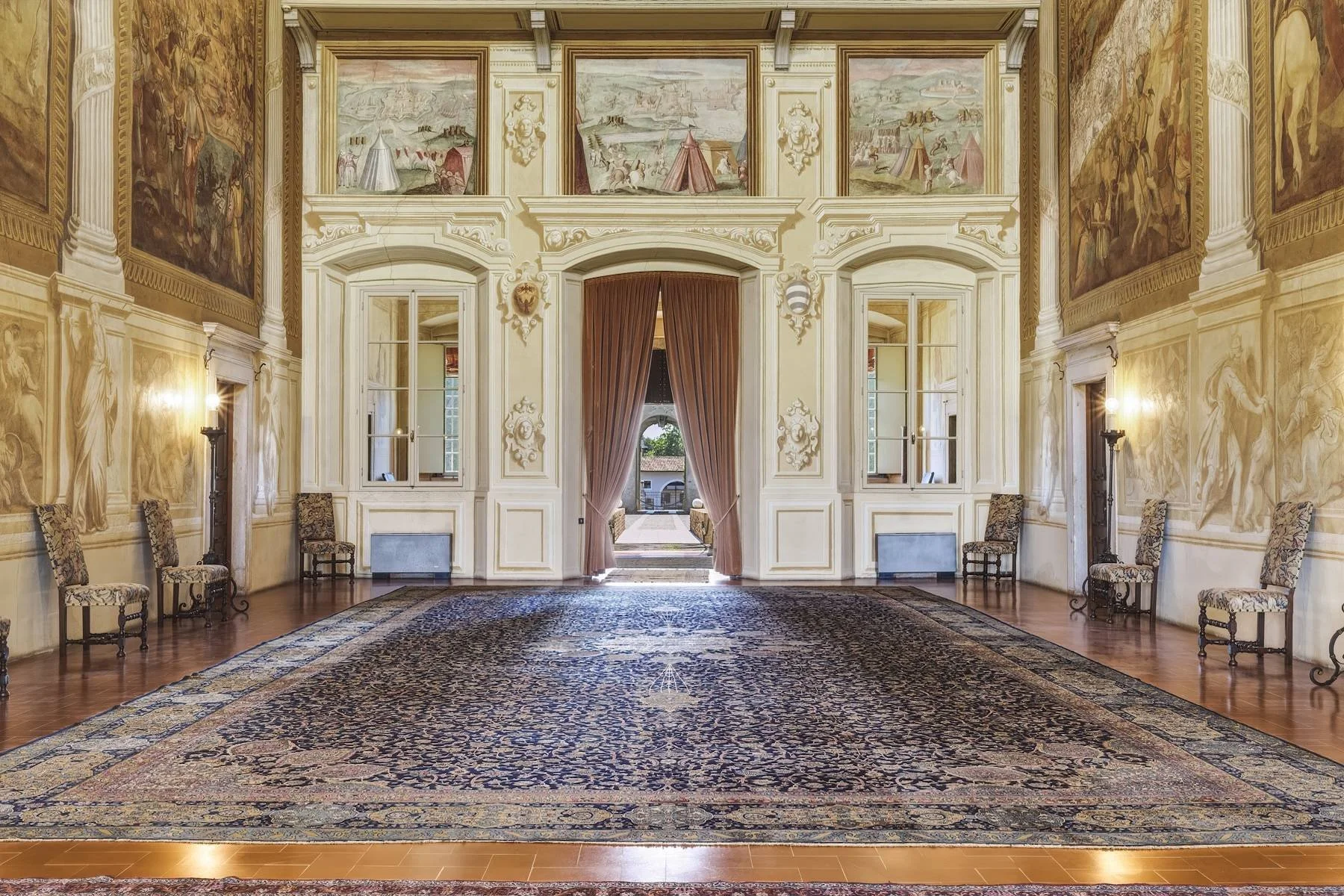
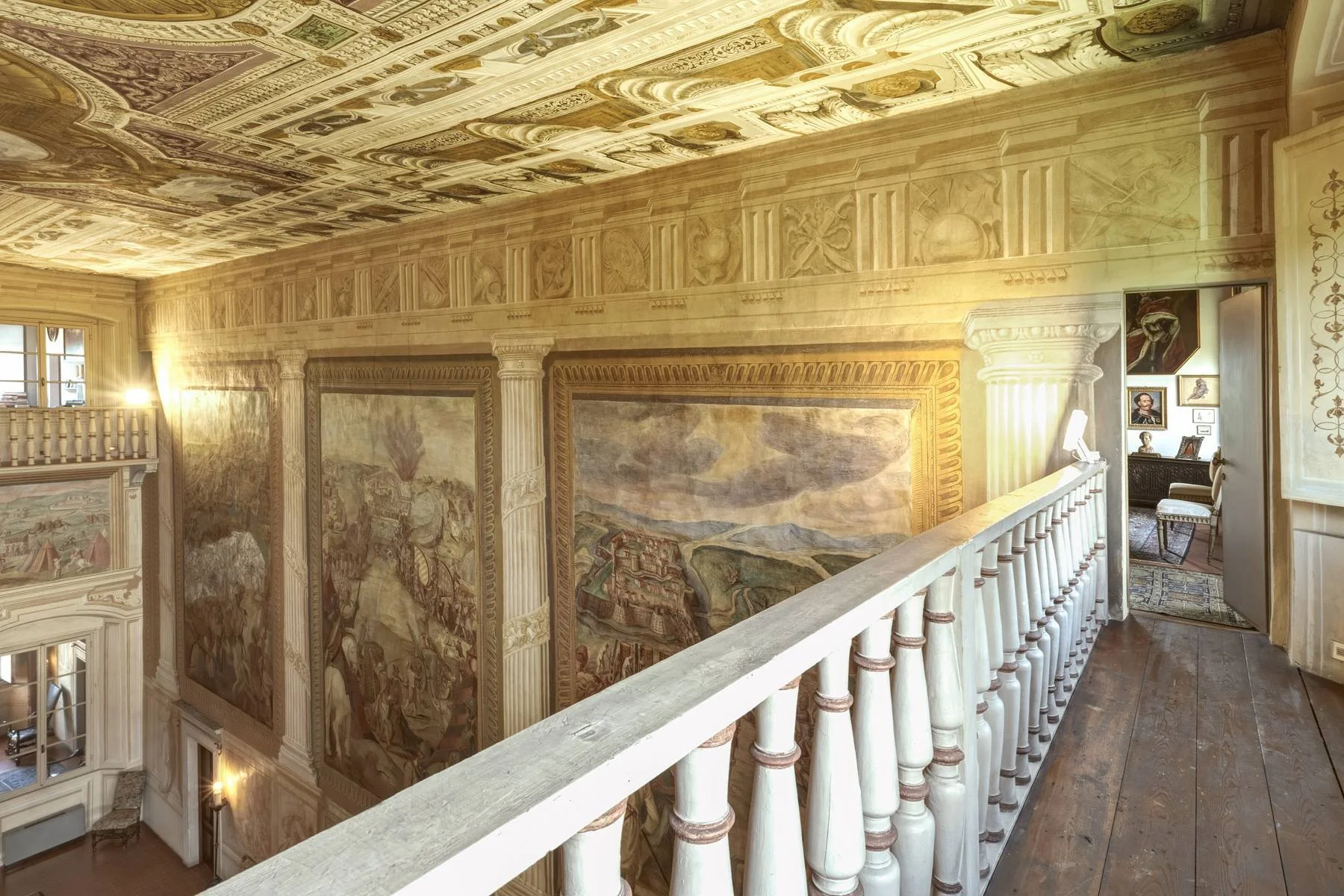
The great hall rises through the building, with frescoed walls and a painted ceiling. Columns, ribbons, medallions and garlands form an elaborate painted framework, creating the illusion of architectural spaces extending above and beyond the room.
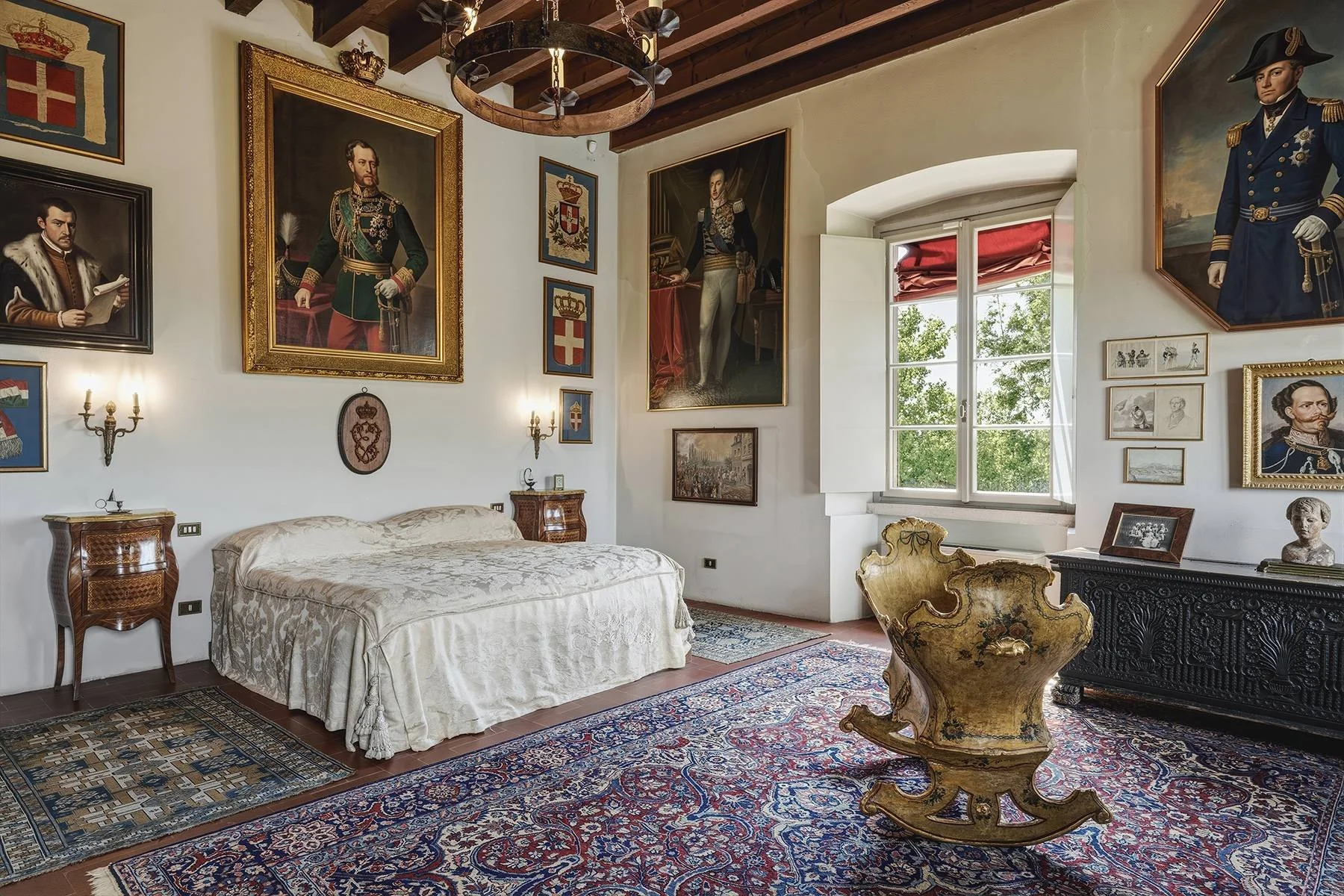
The subjects are closely tied to the family. Six life-size portraits decorate the entrance vestibule, including Pietro, the ancestor associated with the establishment of the family’s fortunes, and Matteo, shown in the clothing of a jurist. Camillo appears with a hand resting on a representation of the palace he commissioned.
In the central hall, the coats of arms of the Avogadro, Martinengo, Maggi and Gambara families record connections formed through marriage. The decoration presents a family history as well as an architectural display.
Allegorical figures occupy the centres of the painted ceilings, while some wall panels resemble woven tapestries. Much of the painting has been attributed to the Viviani brothers of Bagnolo, with figures in the lower part of the great hall attributed to Lattanzio Gambara.
Elsewhere, coffered ceilings, monumental staircases and smaller reception rooms give the house a mixture of formal and more intimate spaces.
From near abandonment to a family restoration
As the estate passed between generations, much of the Avogadro family settled in Venice. Their visits became less frequent, and the house grew increasingly neglected. It was sold in the early 20th century and eventually put to agricultural use.
By the time the Spadas discovered it, parts of the building were used for cheesemaking and storing farm machinery. Thousands of hens and rabbits occupied the attic, and whitewash concealed frescoes in the entrance hall.
Antonio Benedetto Spada heard about the property at a banking board meeting. Visiting that evening during a thunderstorm, he saw the exterior and hall by flashes of lightning and agreed to pay 43 million lire, before telling his family.
He recalled promising sceptical relatives a restored, furnished house within a year. Working with heritage superintendent Lionello Costanzo Fattori, he supervised the project personally.
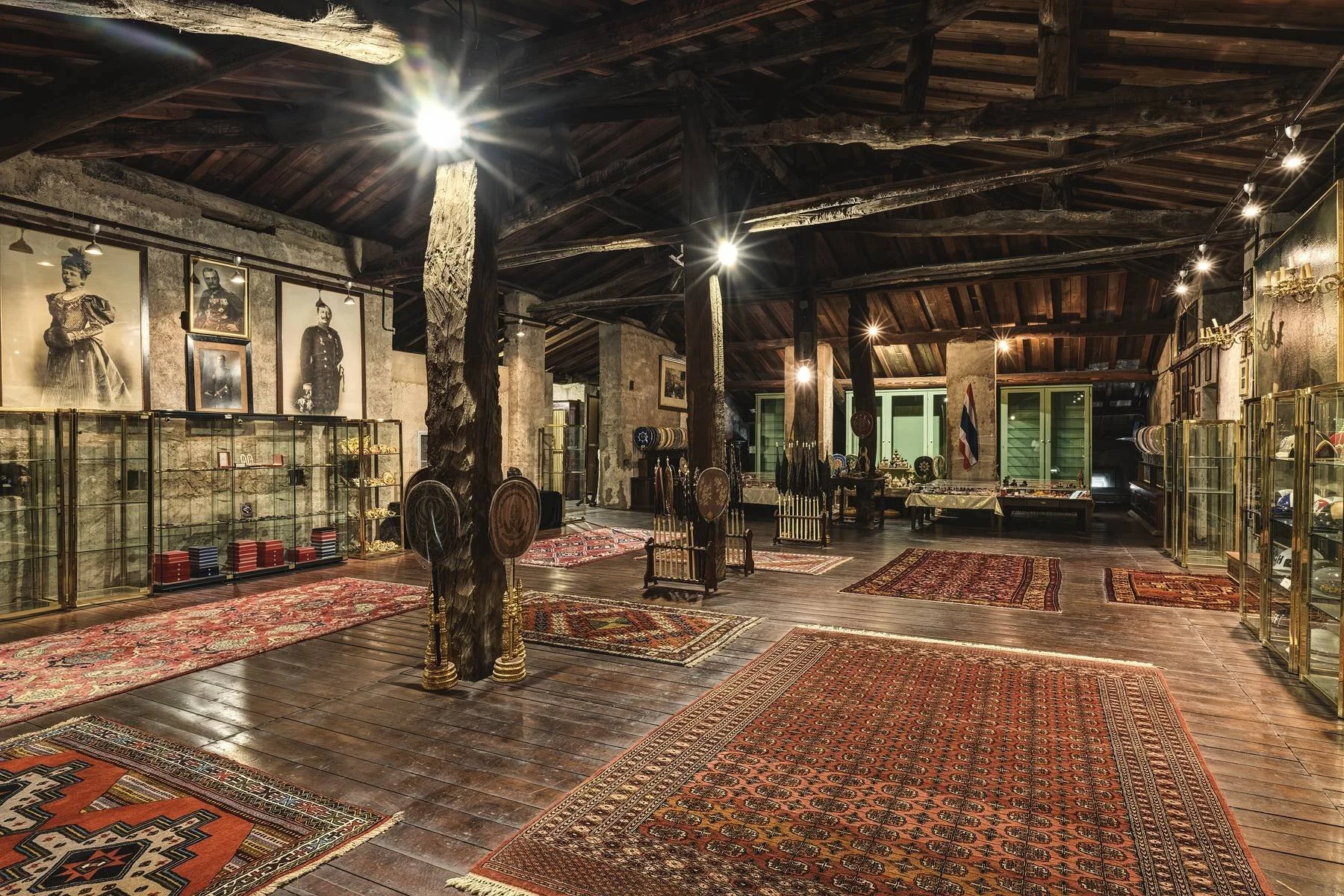
The restoration repaired walls and floors, uncovered the frescoes and corrected earlier retouching. The oak roof structure in the attic was restored, and the former animal quarters became a space for contemporary art. Antique furniture was selected to suit the proportions and period of the rooms.
The result was a working family home for Antonio and Maria Teresa Spada, with space for their collections and for entertaining.
A cultural salon for artists, royalty and Italian business
Art was central to Spada’s life. His collection included Picasso, Pollock, Rauschenberg and Warhol, alongside Fontana, Burri and Manzoni. He also formed friendships with artists and supported younger figures.
He bought around 30 large canvases from Jannis Kounellis, made using sheets from the artist’s wife’s trousseau. They remained rolled up in his daughter’s bedroom for years. The artist Salvo stayed with his wife and children for three months, painting at the house.
In 1981, Salvo created a permanent project for the castle’s Sala della Battaglia, or Battle Room, recorded in his official archive.
Visitors included Alberto Burri, Cy Twombly, Christo, Michelangelo Pistoletto and Giulio Paolini, as well as critics Achille Bonito Oliva and Philippe Daverio. Business guests included Cesare Romiti, a leading figure at Fiat, and Raul Gardini of the Ferruzzi-Montedison group. Karim Aga Khan also visited, along with European royals including Michael of Romania and Simeon of Bulgaria.
The annual Sant’Antonio dinner seated around 100 guests at 12 round tables in the great hall. Maria Teresa spent six weeks cooking and freezing the food herself.
In September 1982, Architectural Digest featured the restored house, describing it as “one of the finest Renaissance buildings in the area.” By then, contemporary art occupied rooms that had only recently been recovered from agricultural use.
The gatherings continued through the 1980s and 1990s.
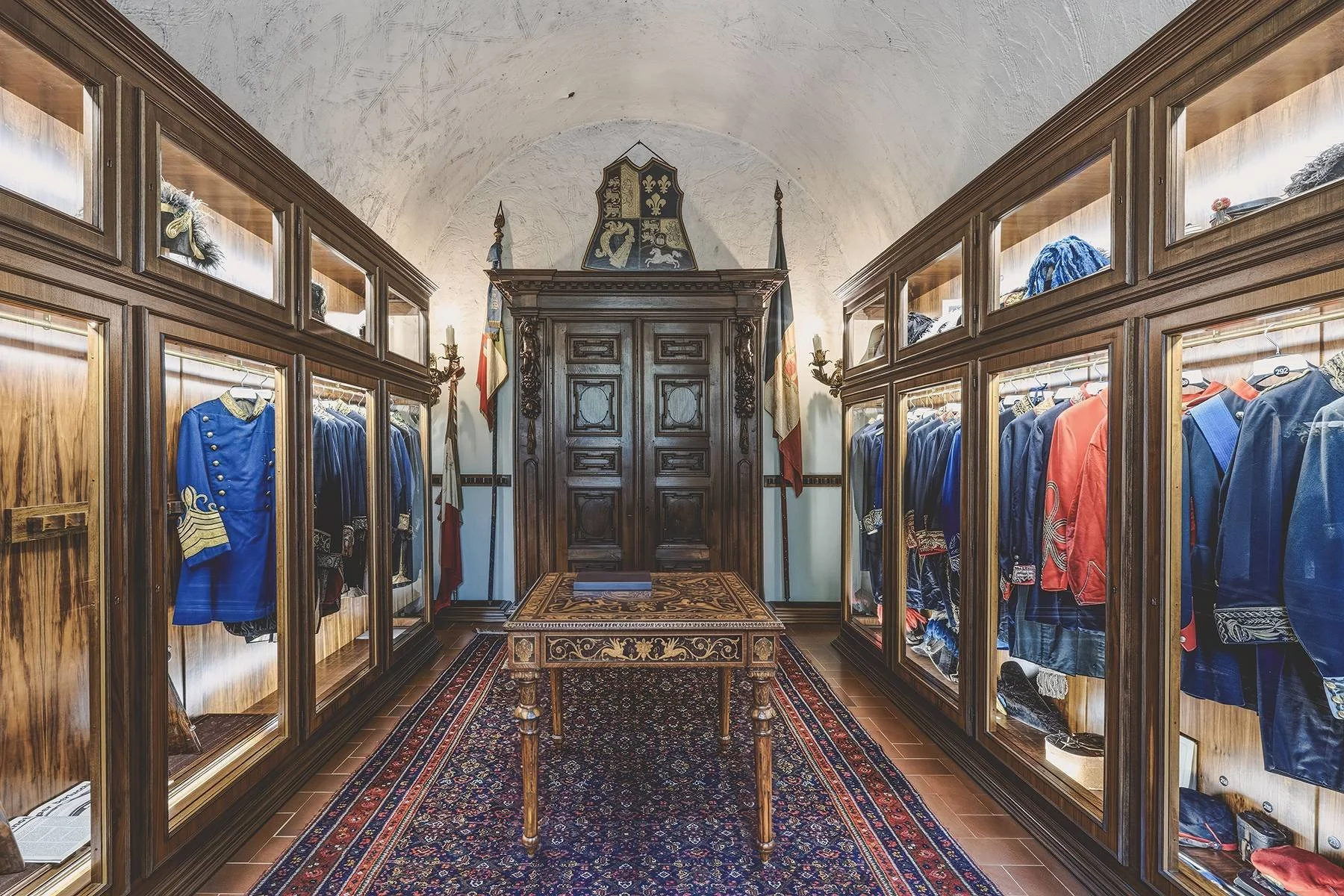
Spada’s collecting interests also extended to silver, porcelain, books and, eventually, the insignia of orders of chivalry and official decorations. These objects provide the estate’s connection with Paris: in 2008, he lent some 2,500 pieces to the Musée de la Légion d’honneur for 20 years. The museum’s foreign orders room was named in memory of his son, Mario Spada.
All photographs belong to the listing agency. See more on Italy Sotheby’s International Realty.