An 18th-Century Château to Restore on 185 Acres in France’s Dordogne
Bedrooms: 7
Interior: 9,688 ft² / 900 m² main building
Lot: 185 acres / 75 hectares
Features: Two 15th-century towers, chapel, monumental stone staircase, reception rooms in enfilade, French beam ceilings, cut-stone fireplaces, ceilings reaching 14.8 ft / 4.5 metres, slate roof, historic timber roof structure, courtyard mobile by André Dubreuil, avenue of mature horse chestnuts, wrought-iron entrance gates, ornamental stone basin, parkland, meadows and woodland.
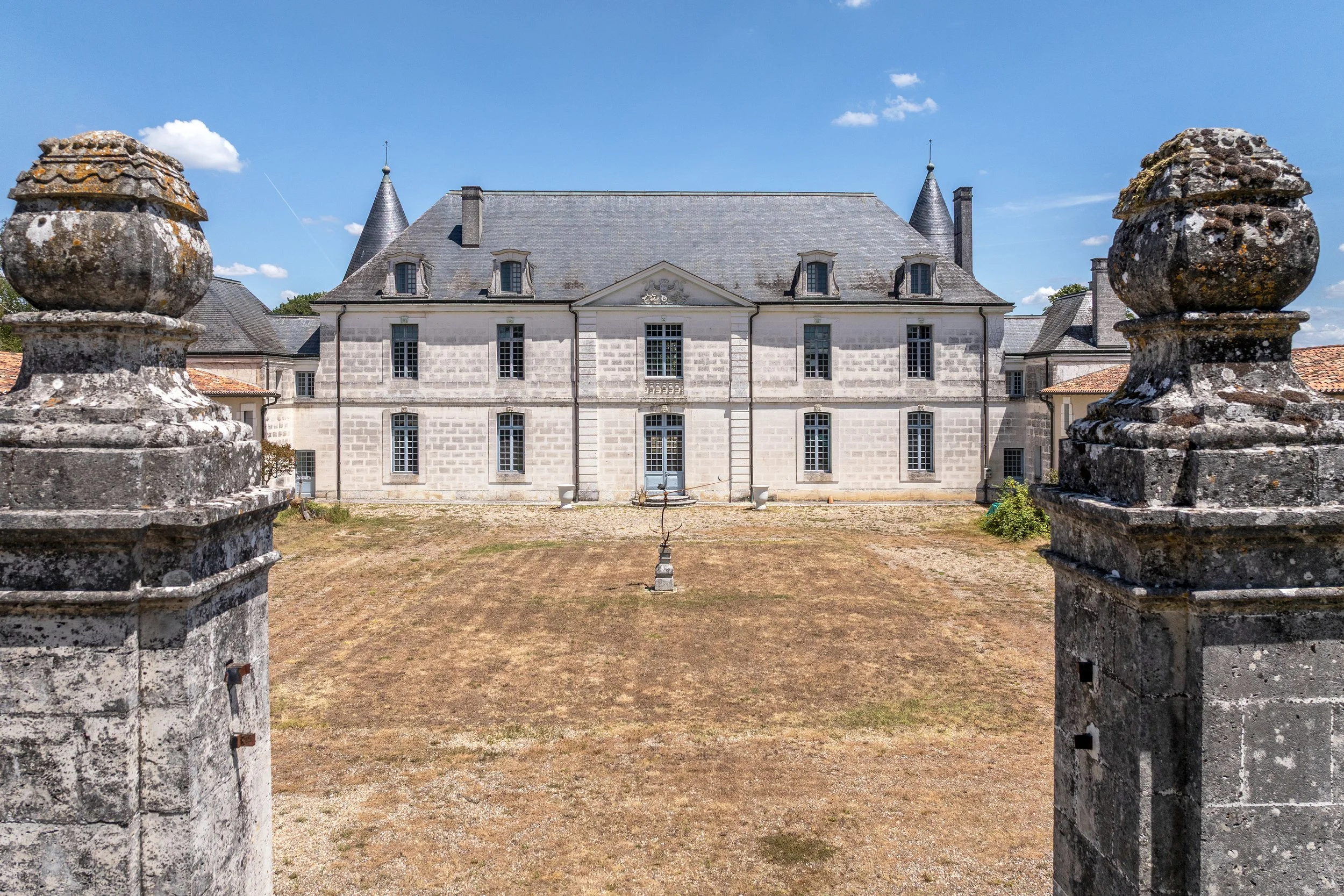
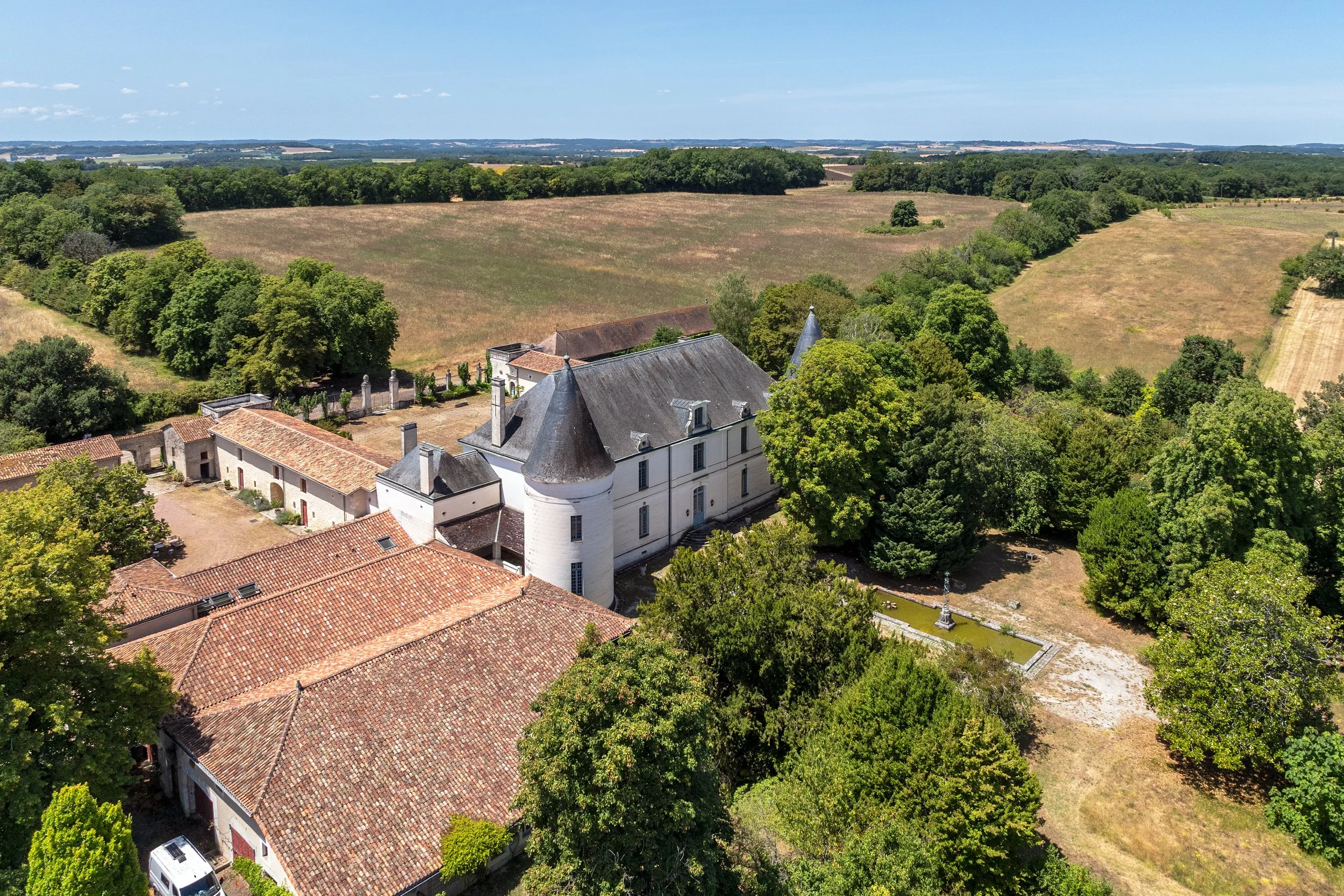
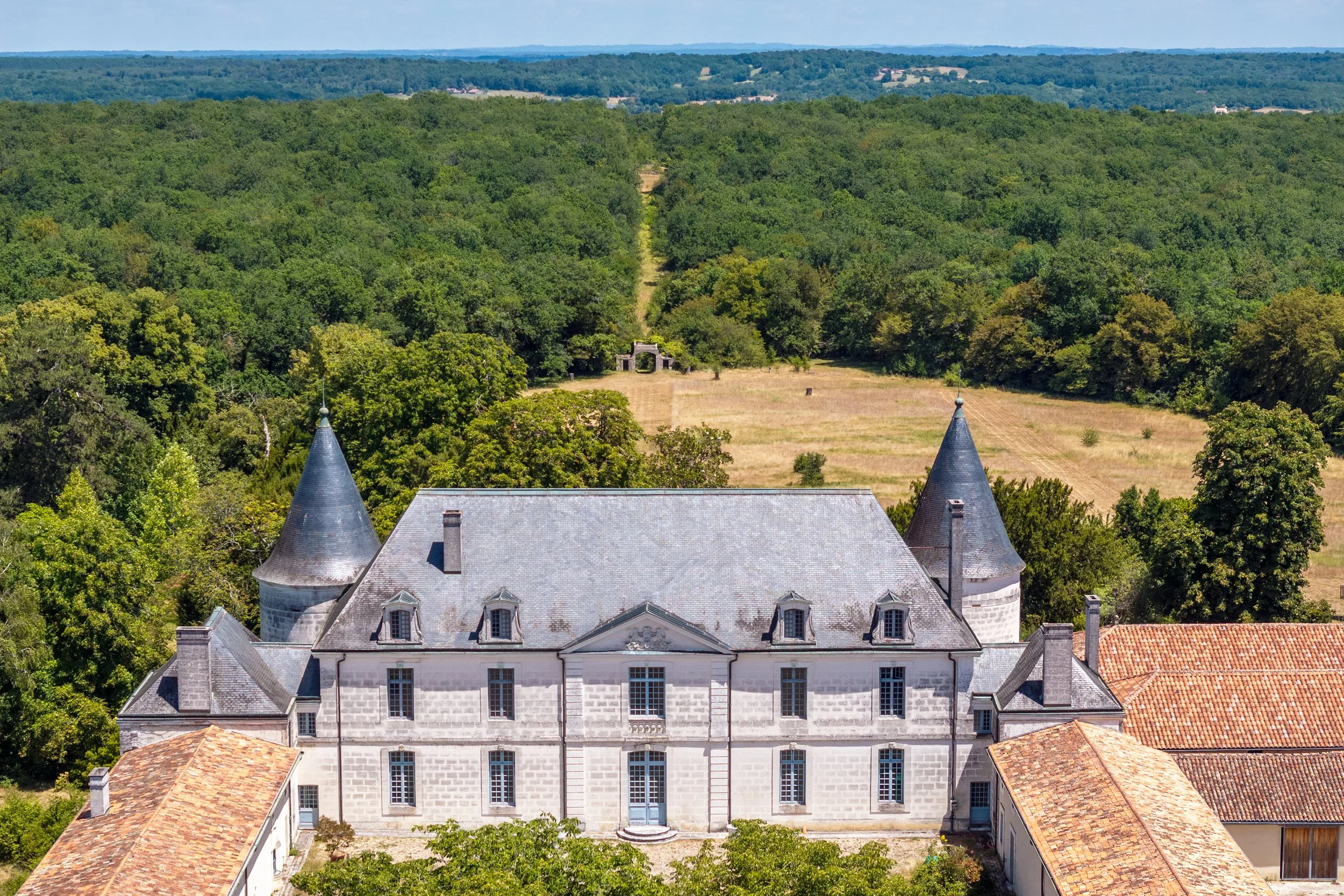
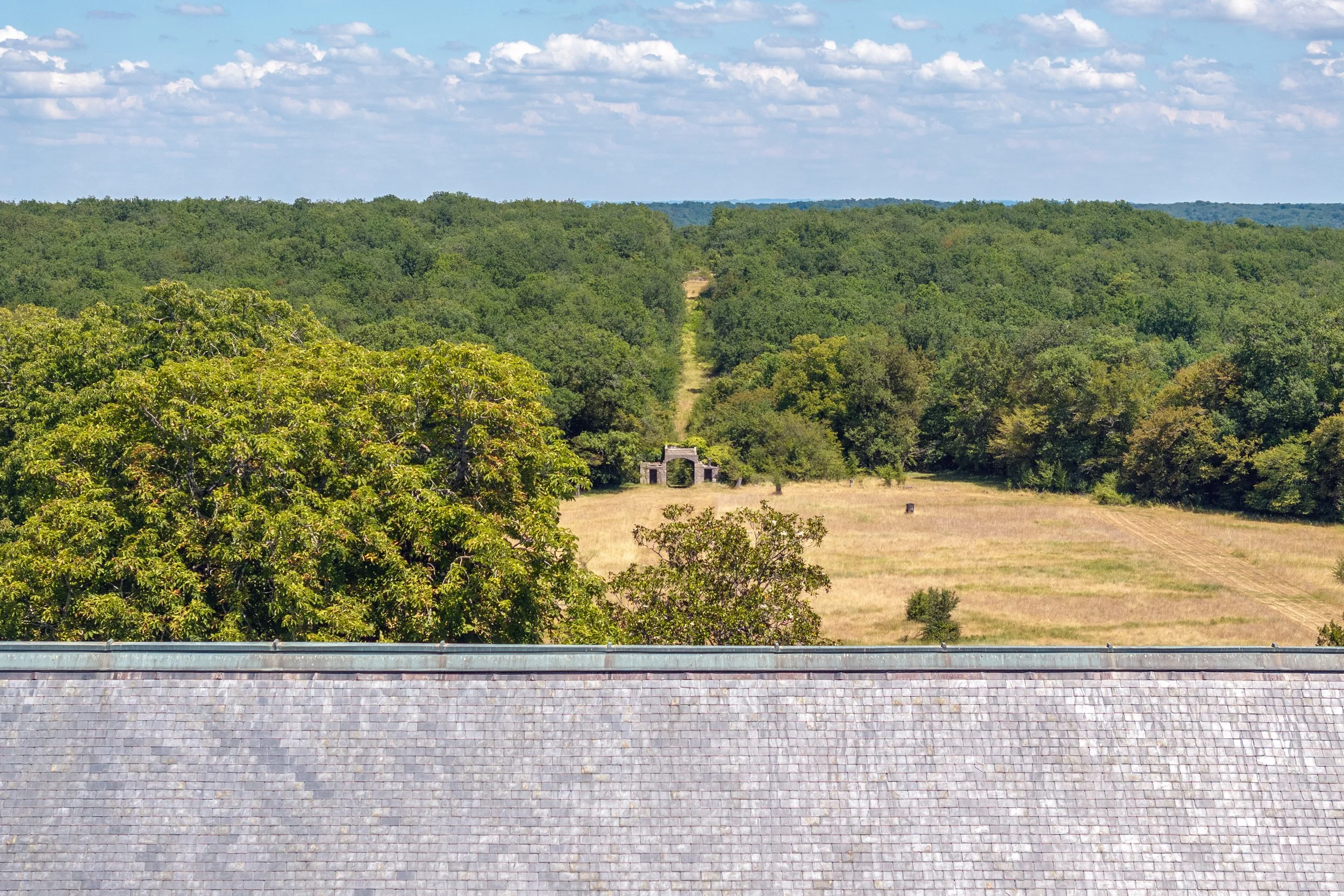
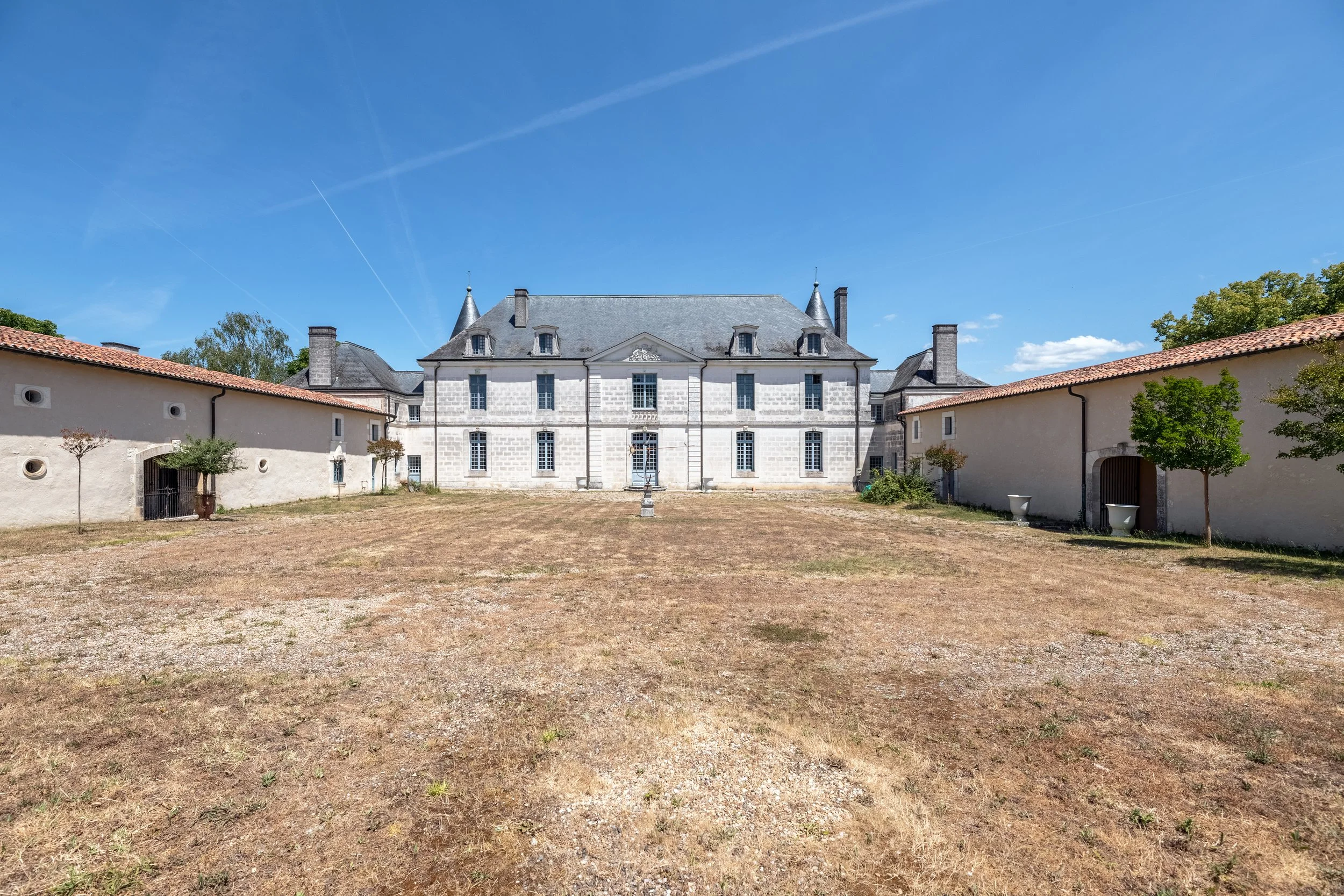
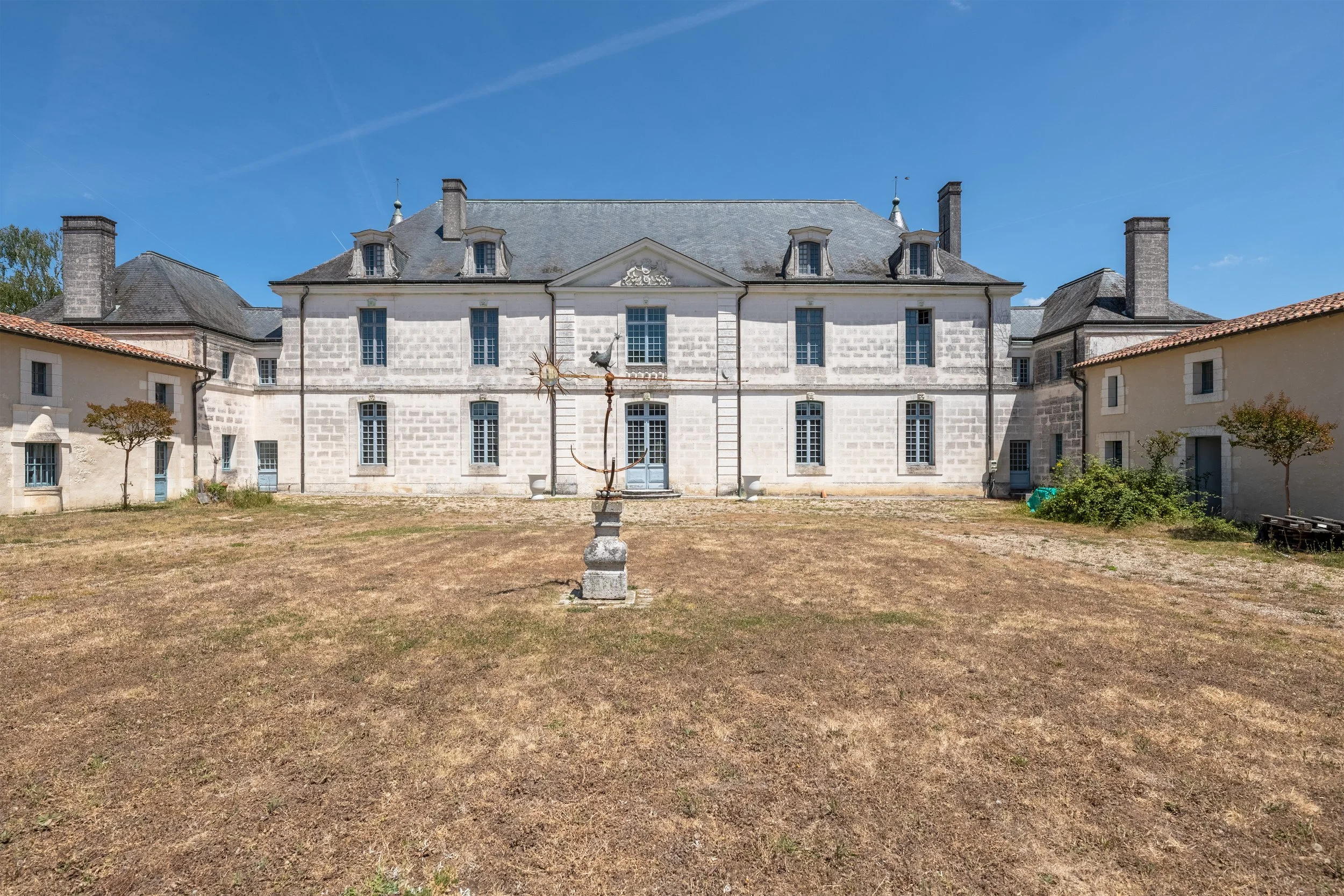
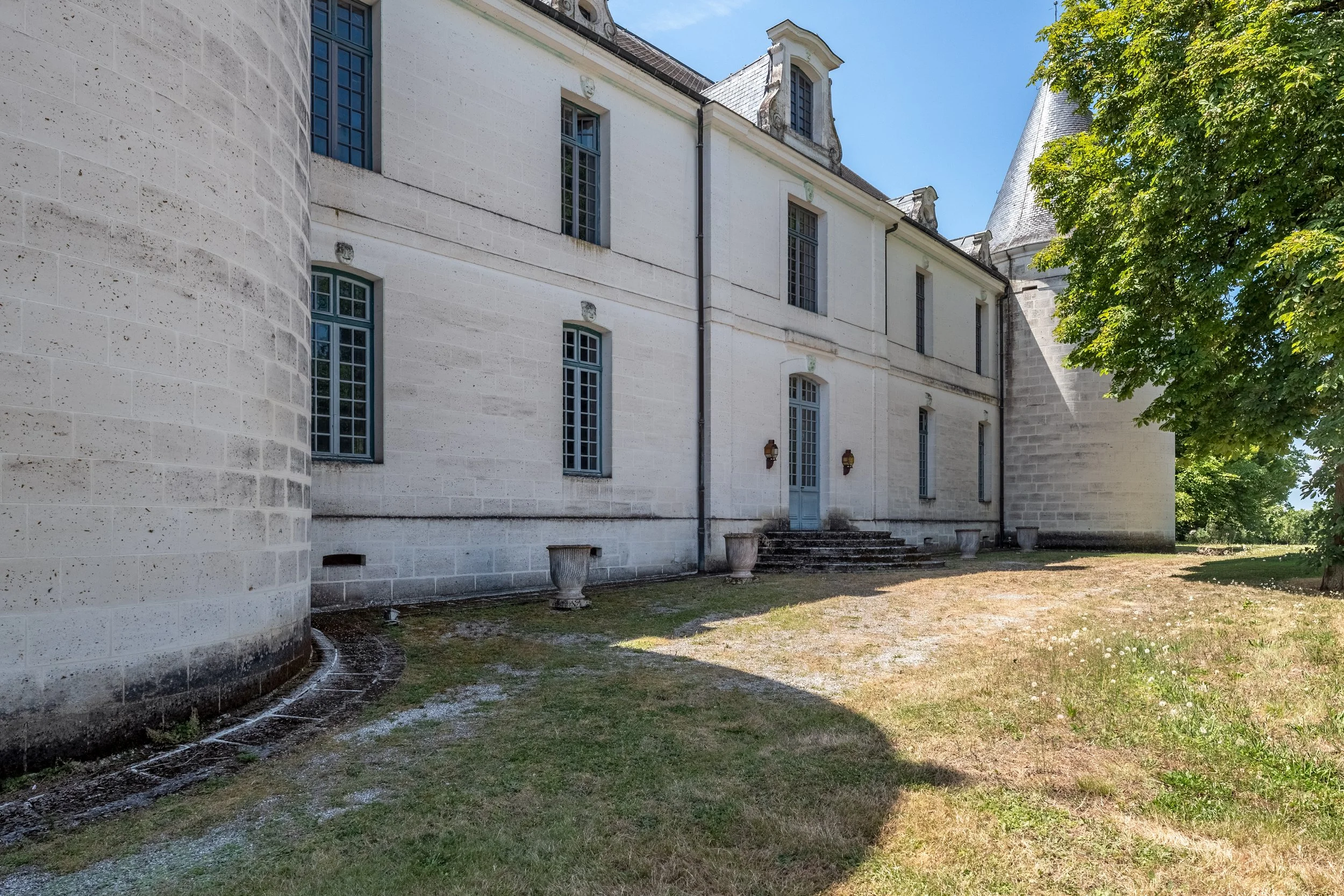
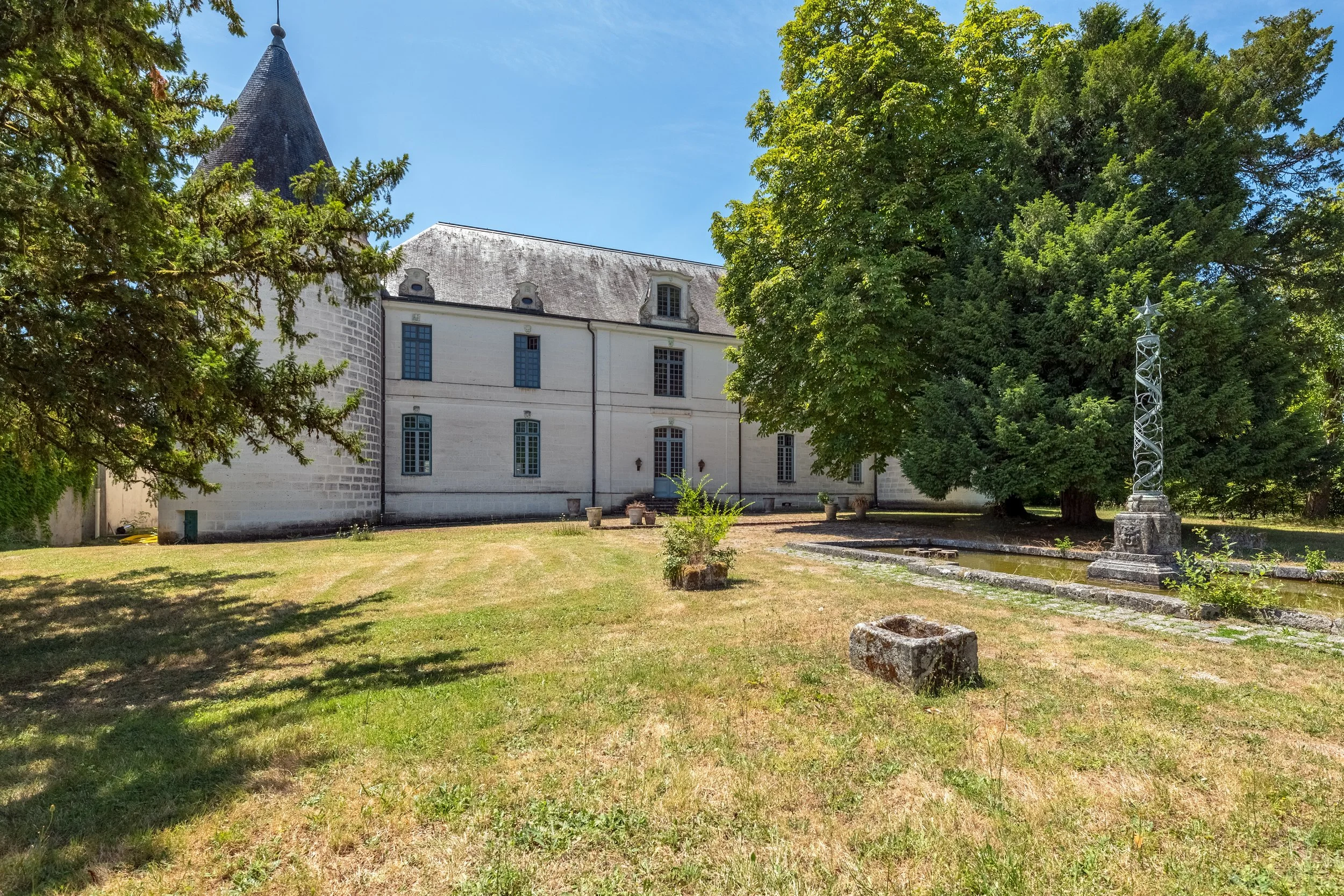
Set within approximately 185 acres of parkland, meadows and woodland near Mareuil-en-Périgord, Château de Beaulieu is an 18th-century limestone residence built on two medieval towers. Once the home and workplace of French furniture designer André Dubreuil, the château retains a mobile sculpture by the designer in its main courtyard.
The property is offered for €1,680,000 through Emile Garcin.
Reference: PER-3888-FDL
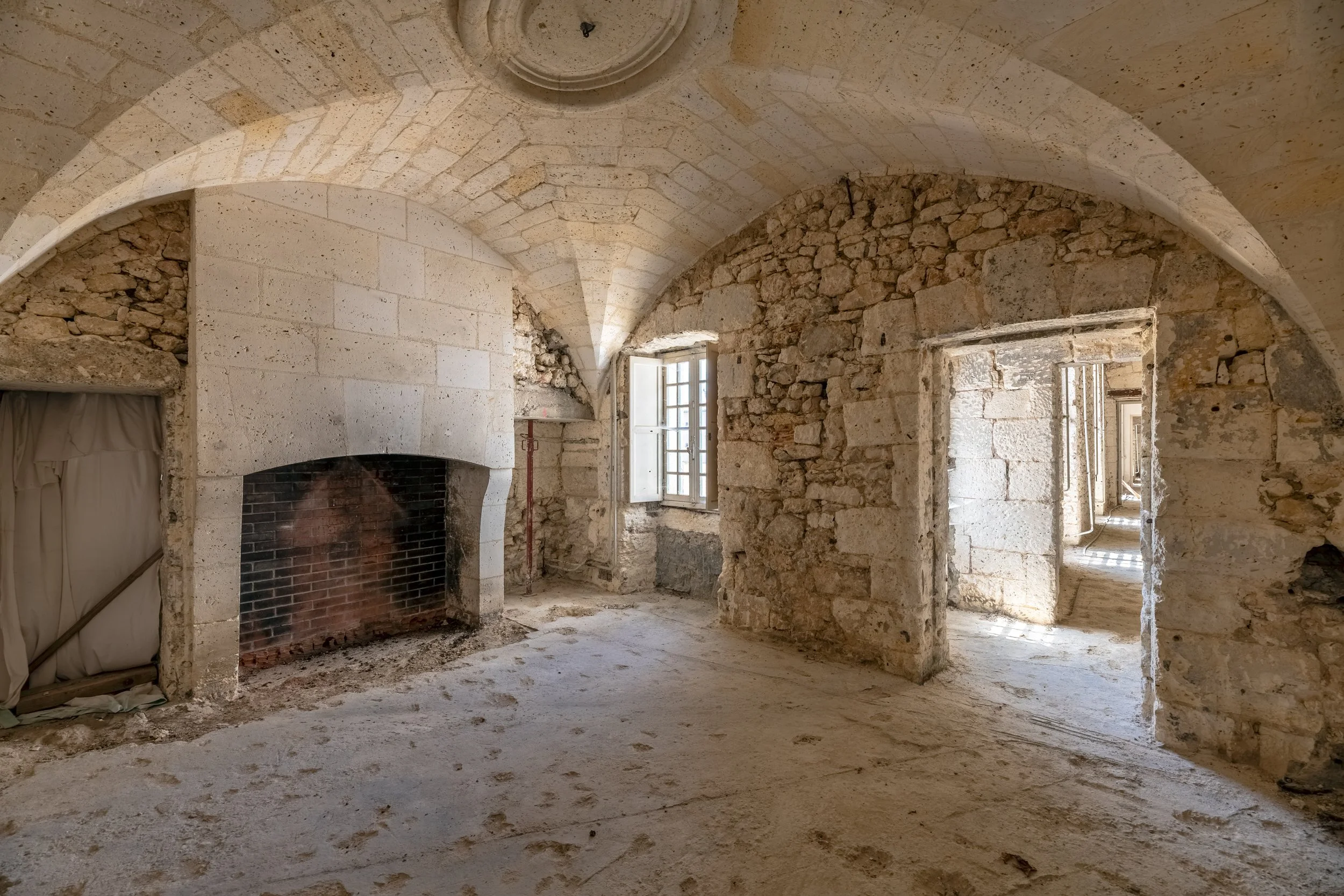
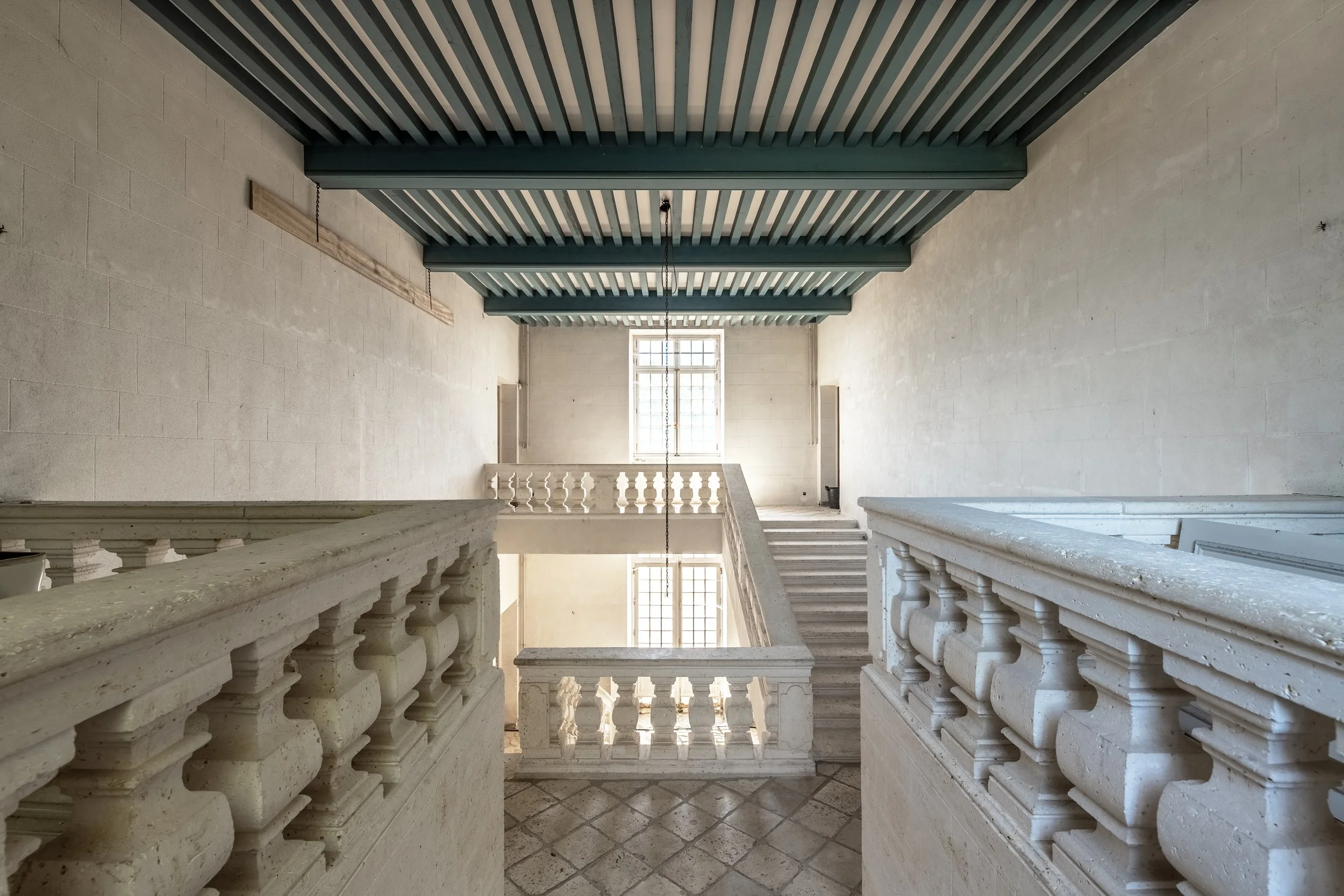
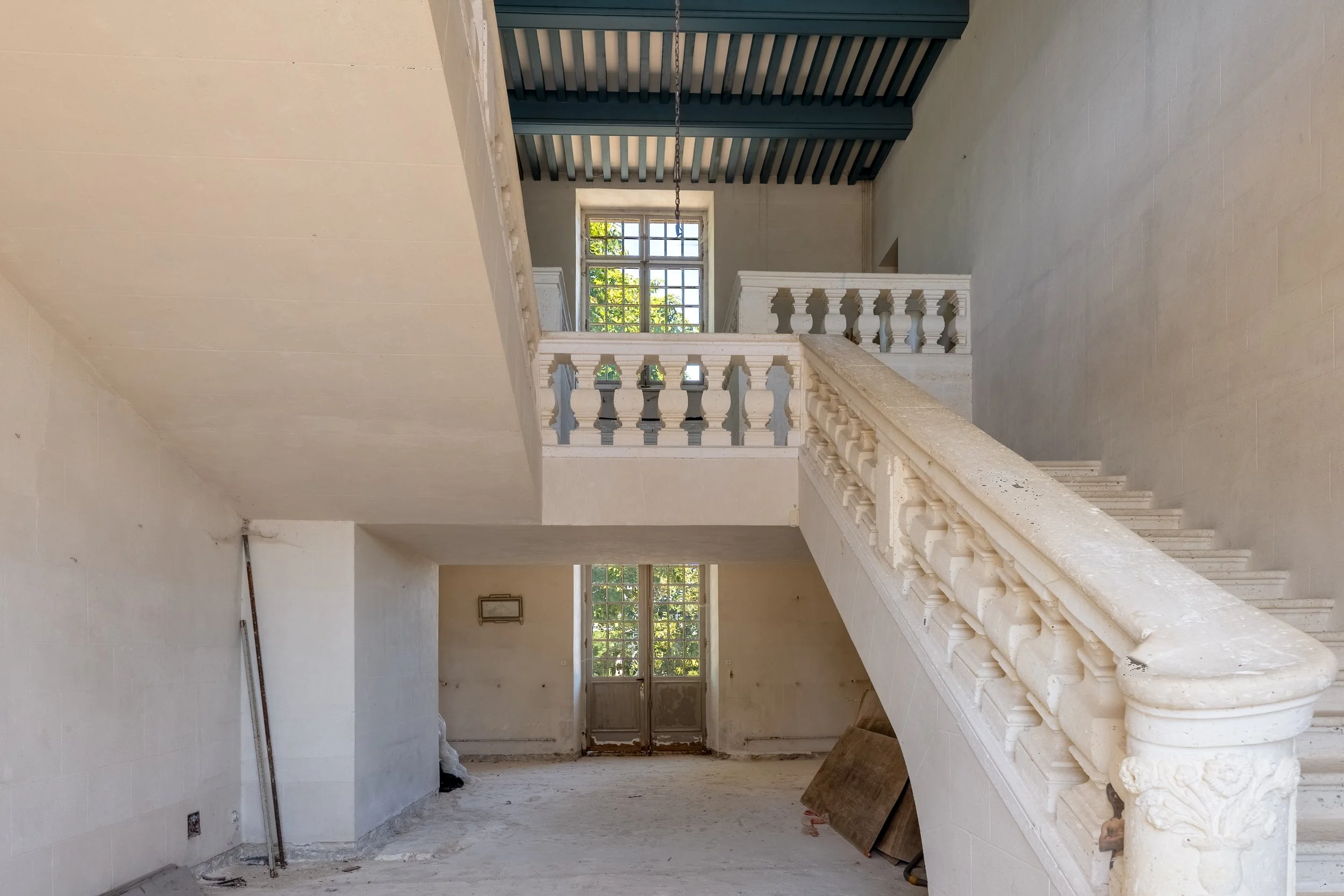
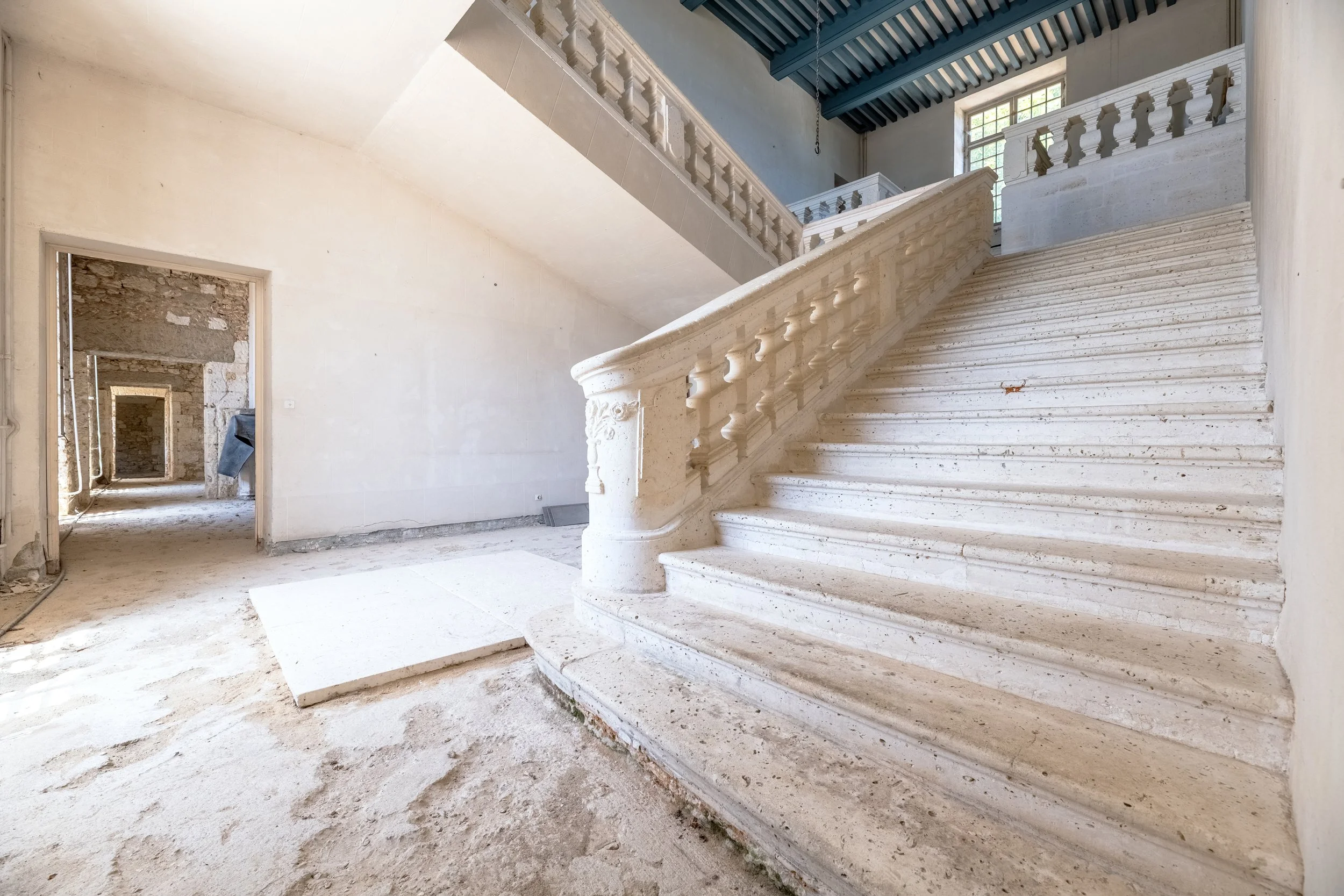
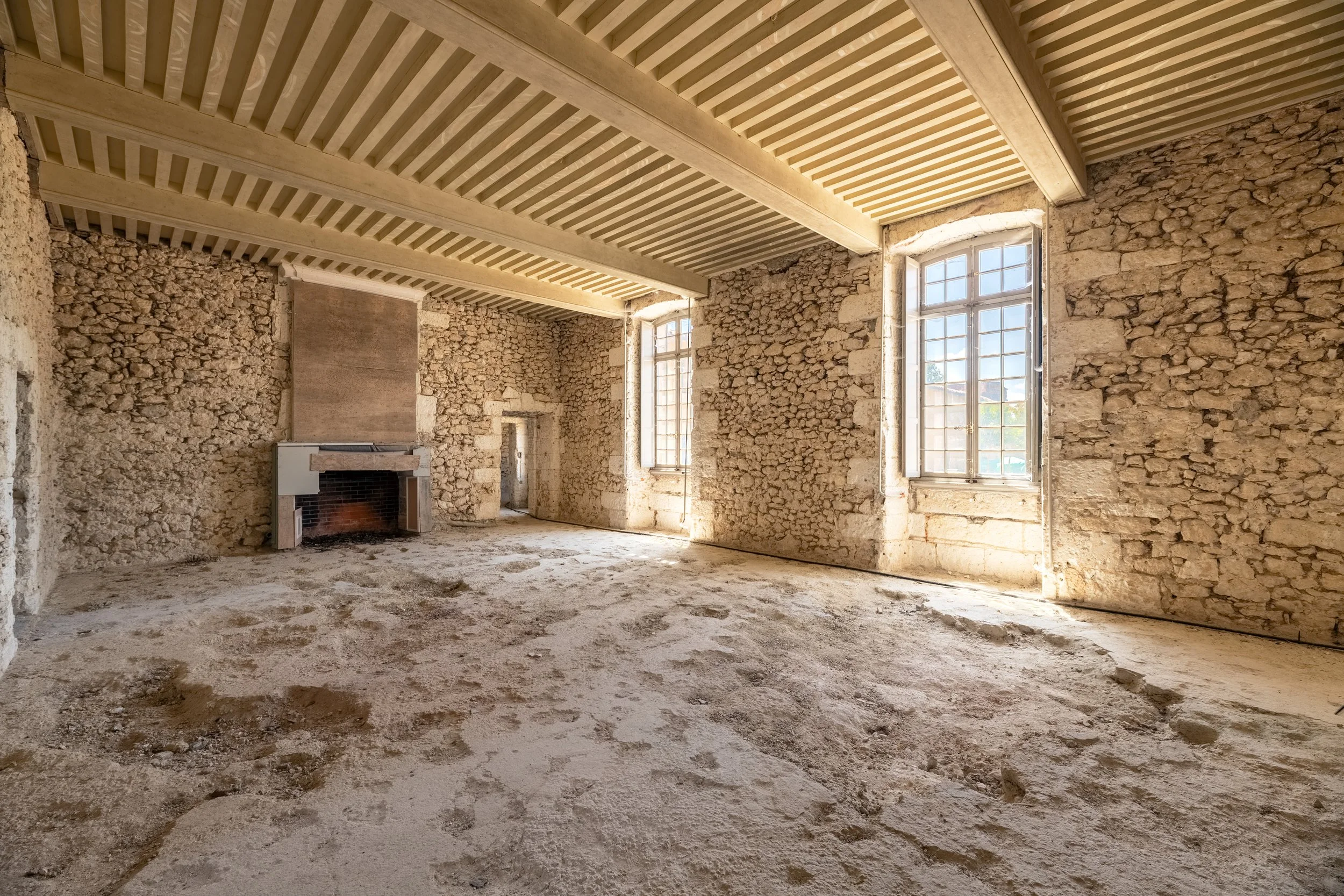
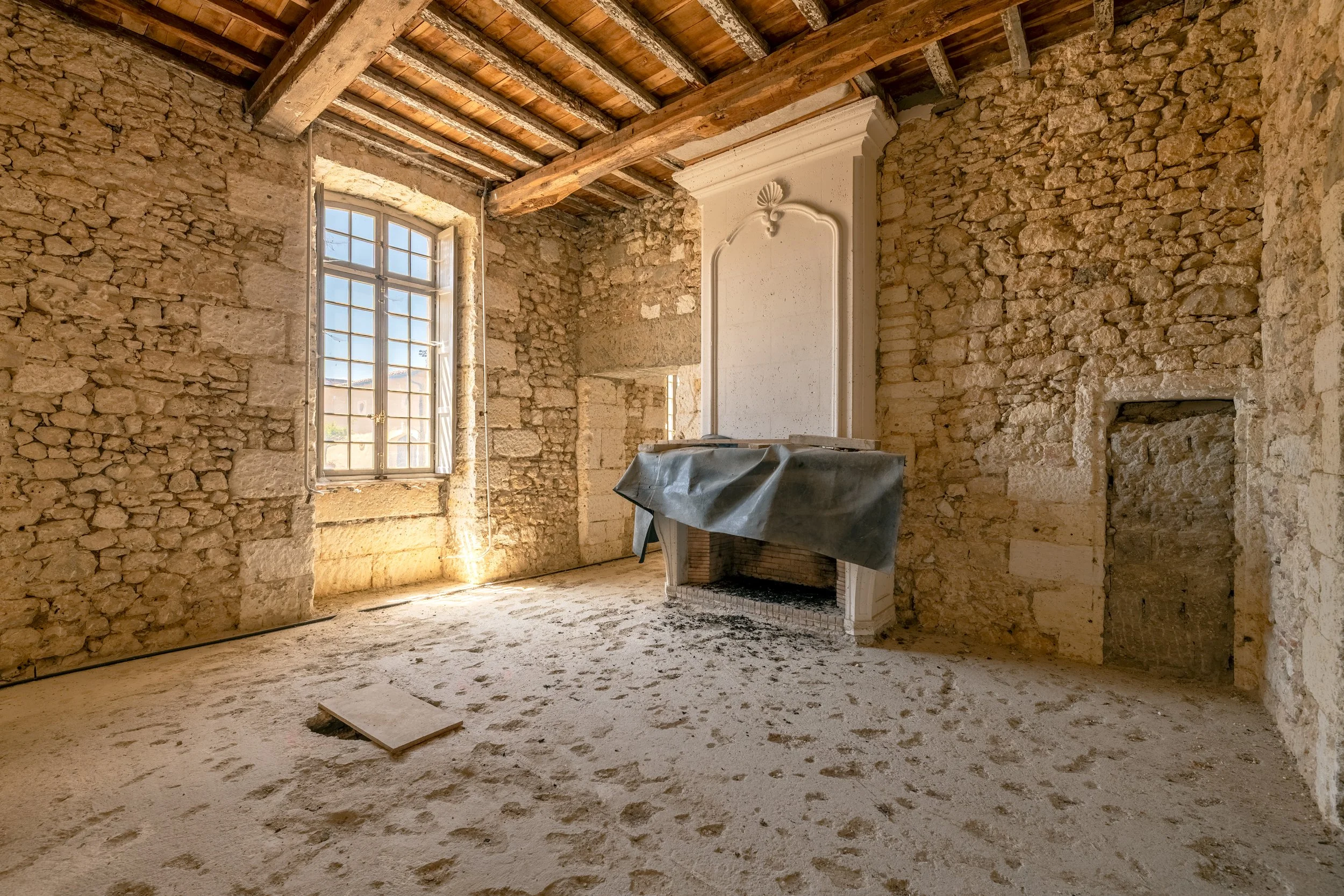
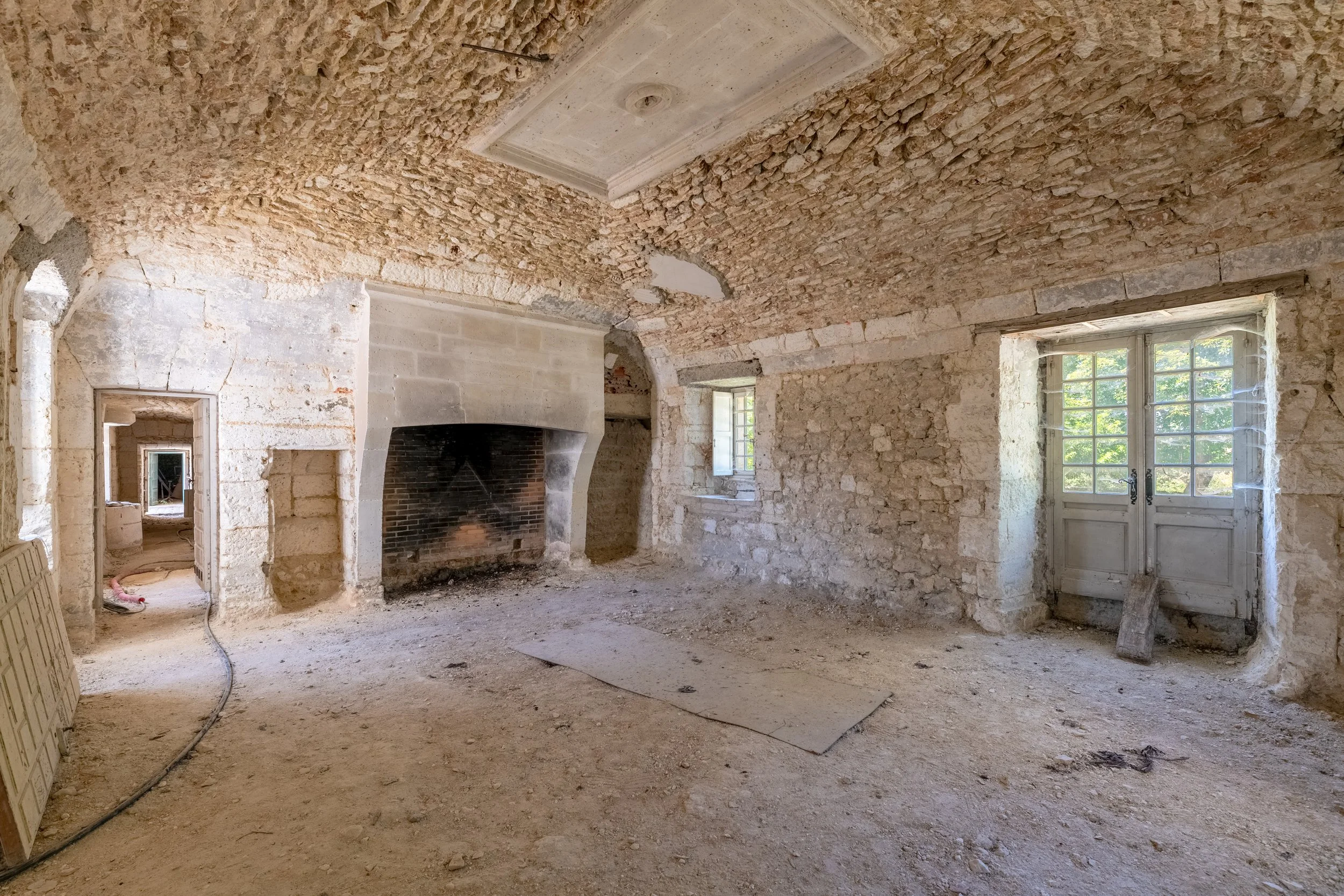
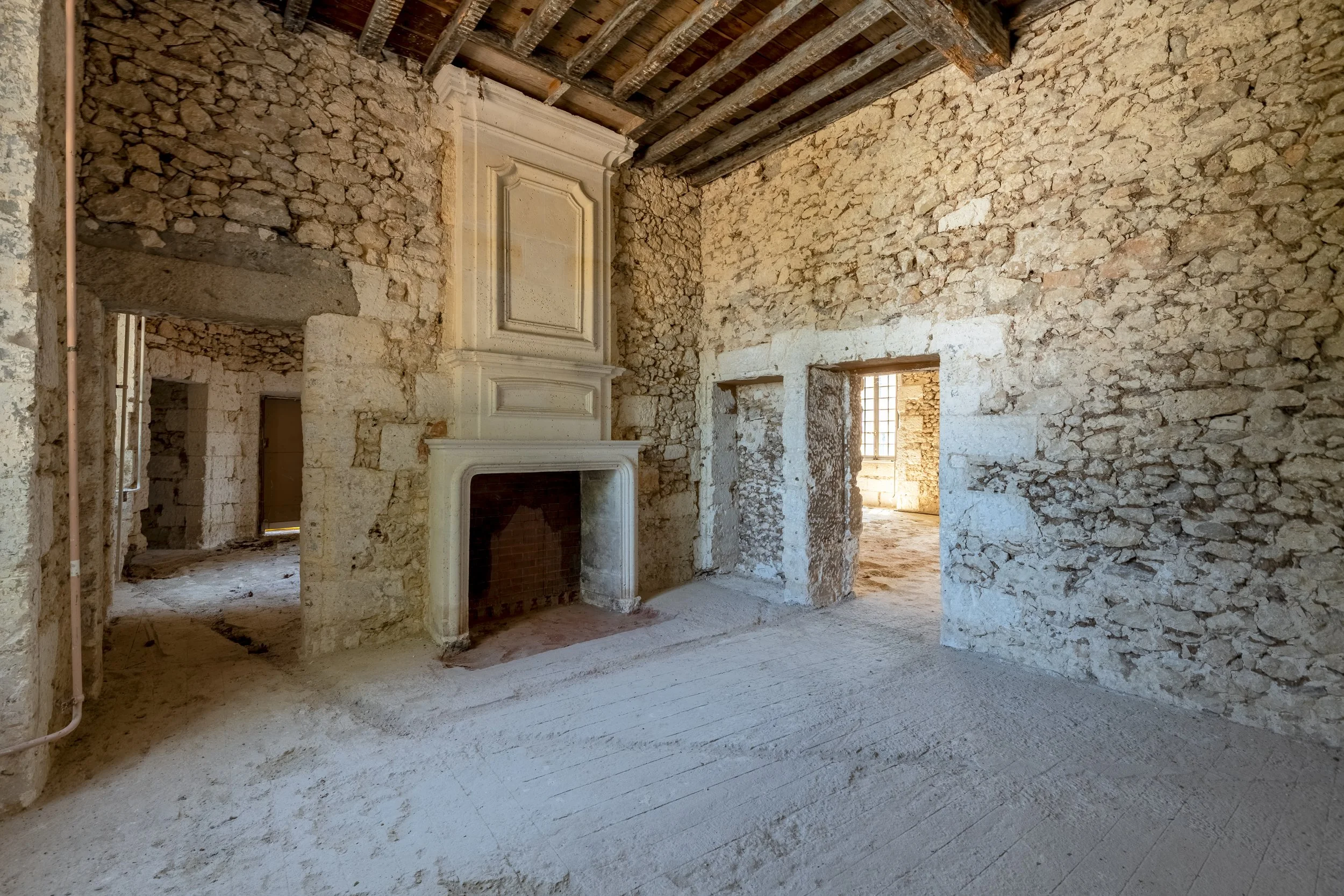
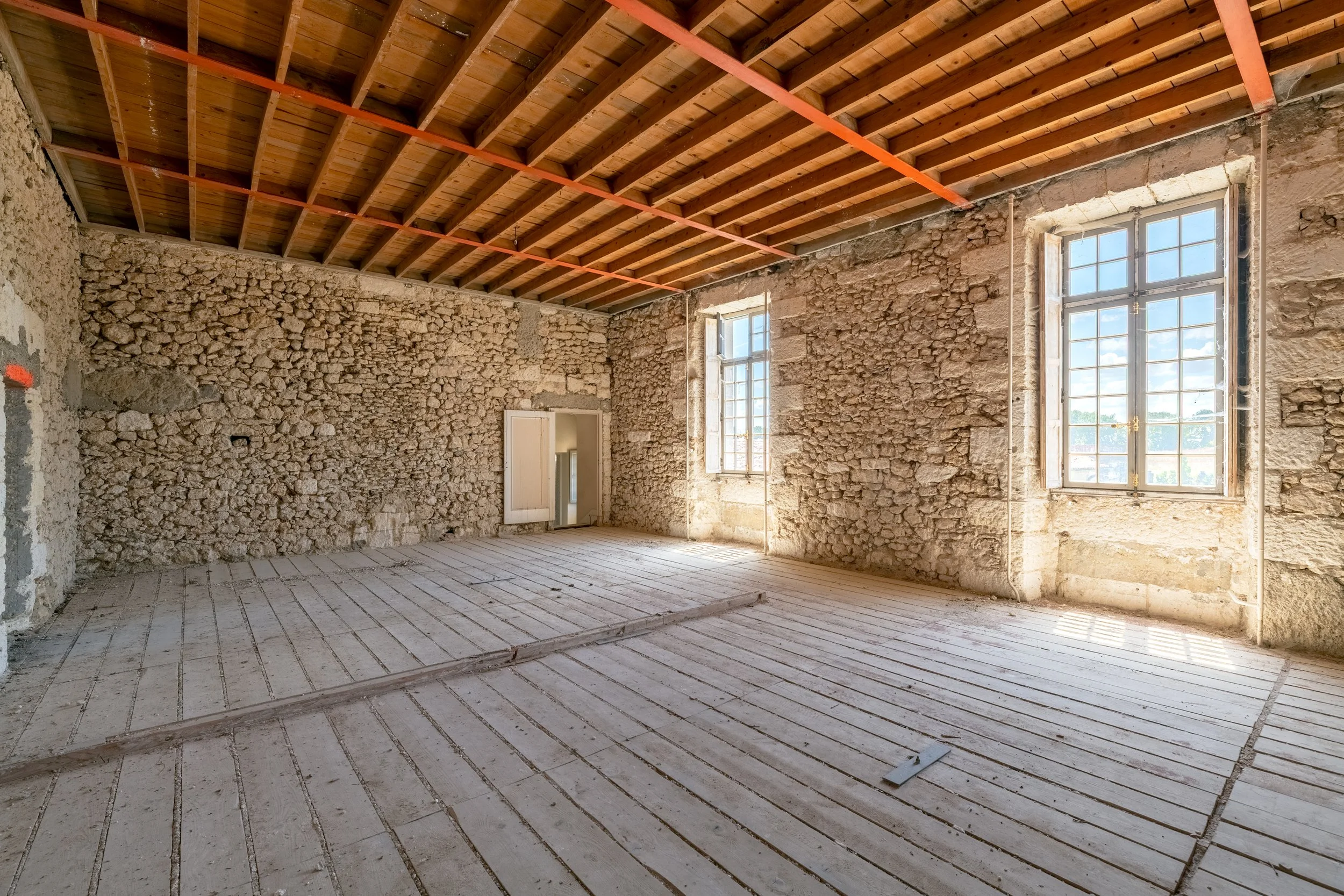
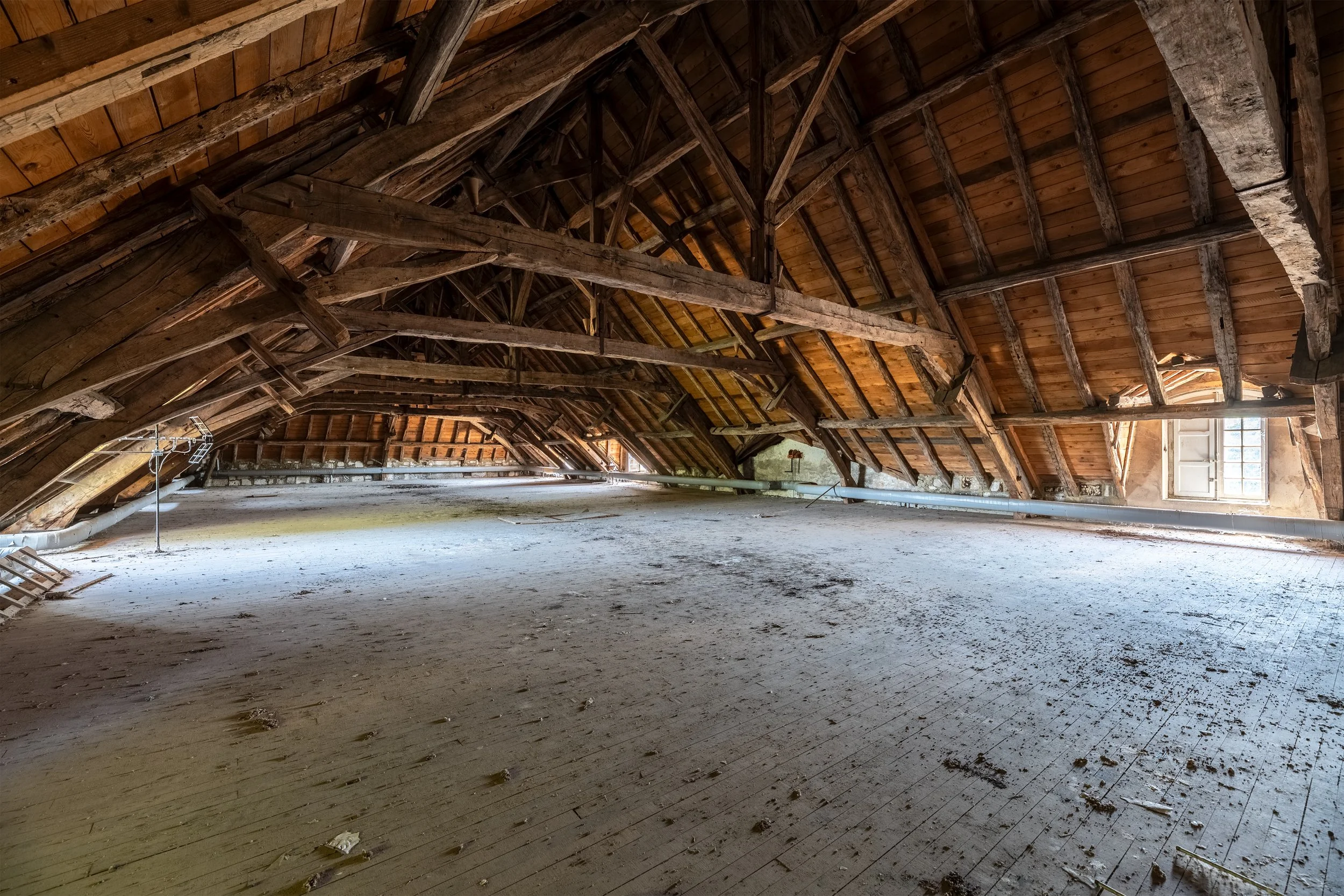
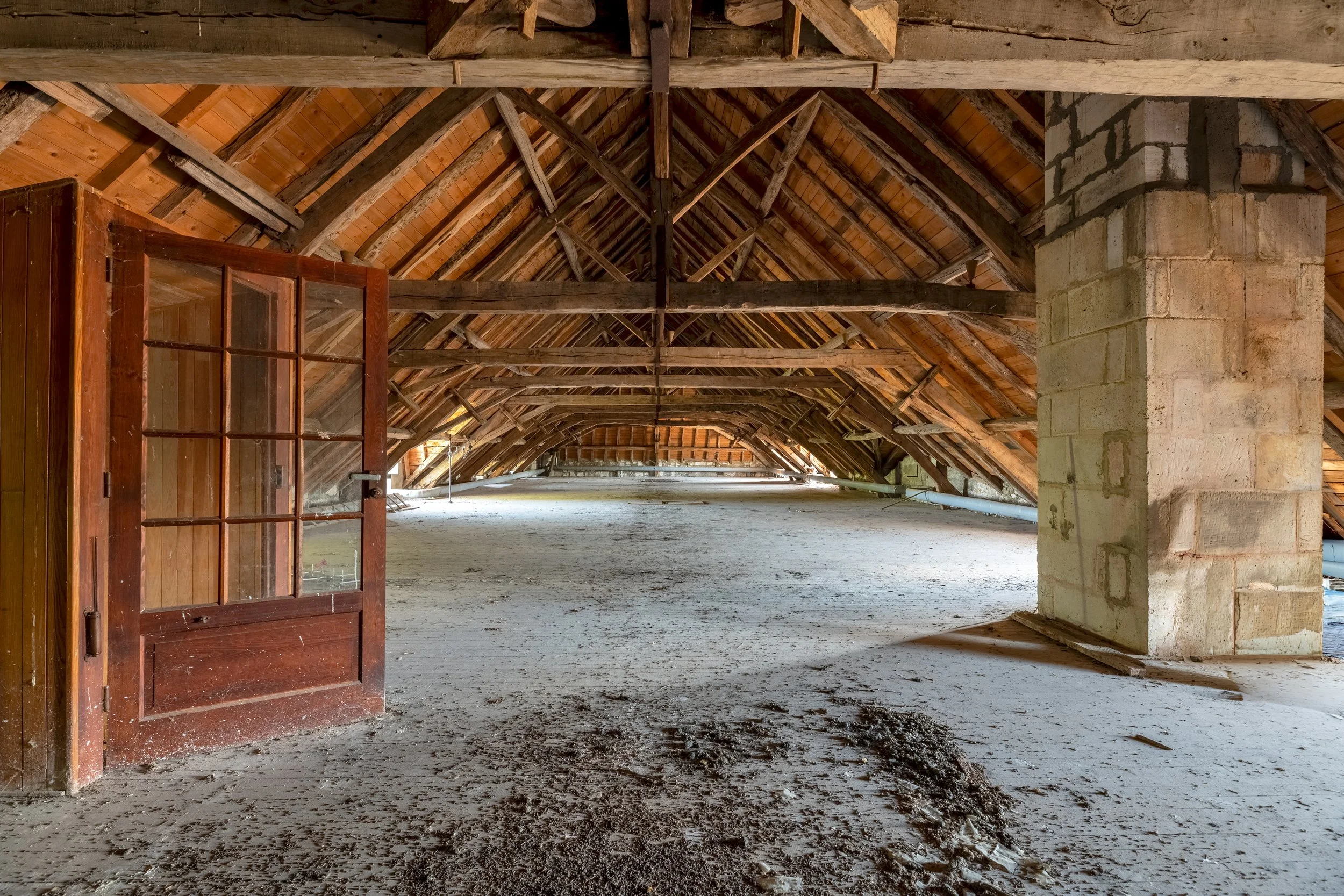
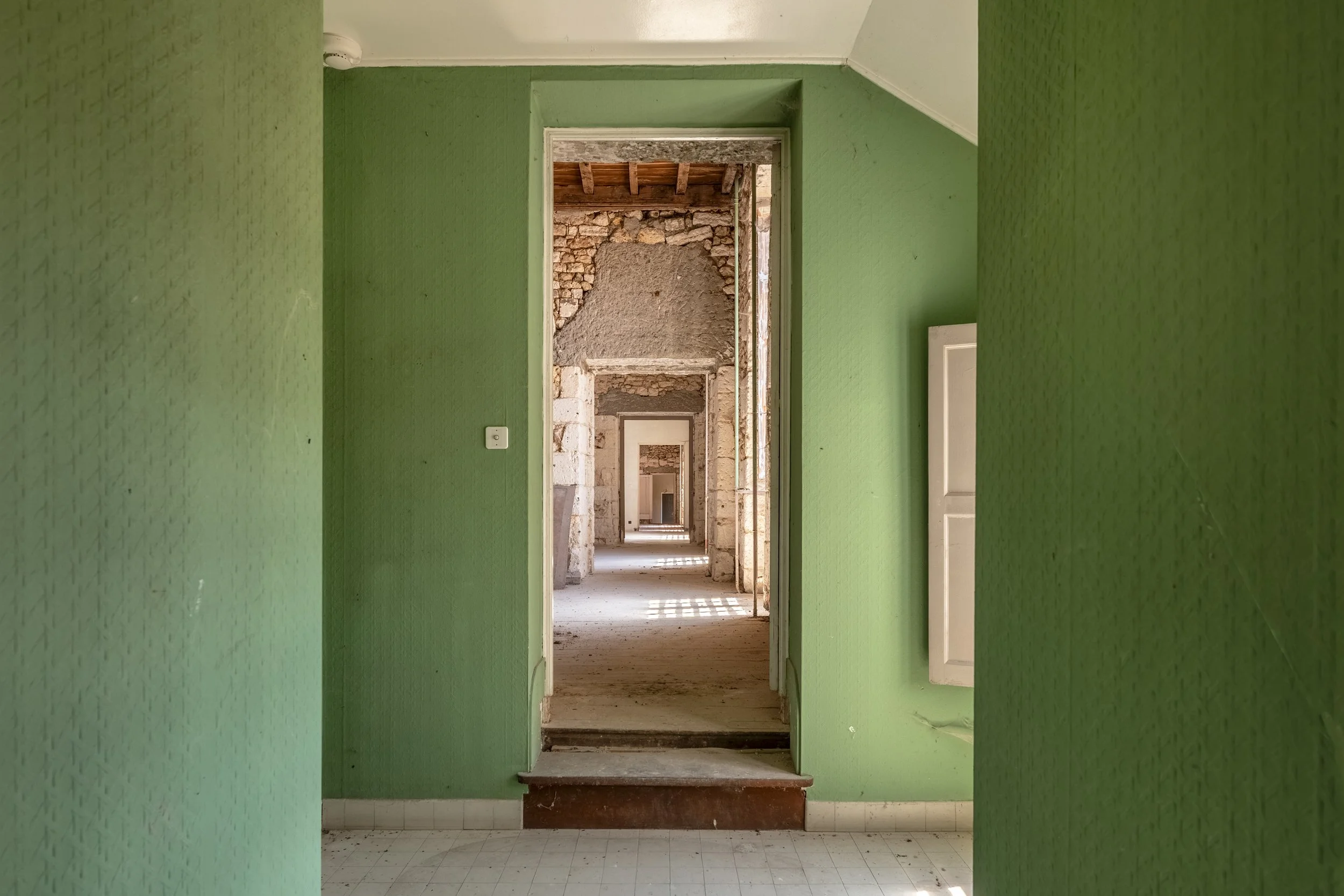
Listed as a Monument Historique, the château offers approximately 9,688 ft² (900 m²) to restore. Its interiors have been stripped back for rehabilitation, and is described as structurally sound, with the roof in excellent condition.
Medieval towers and an 18th-century residence
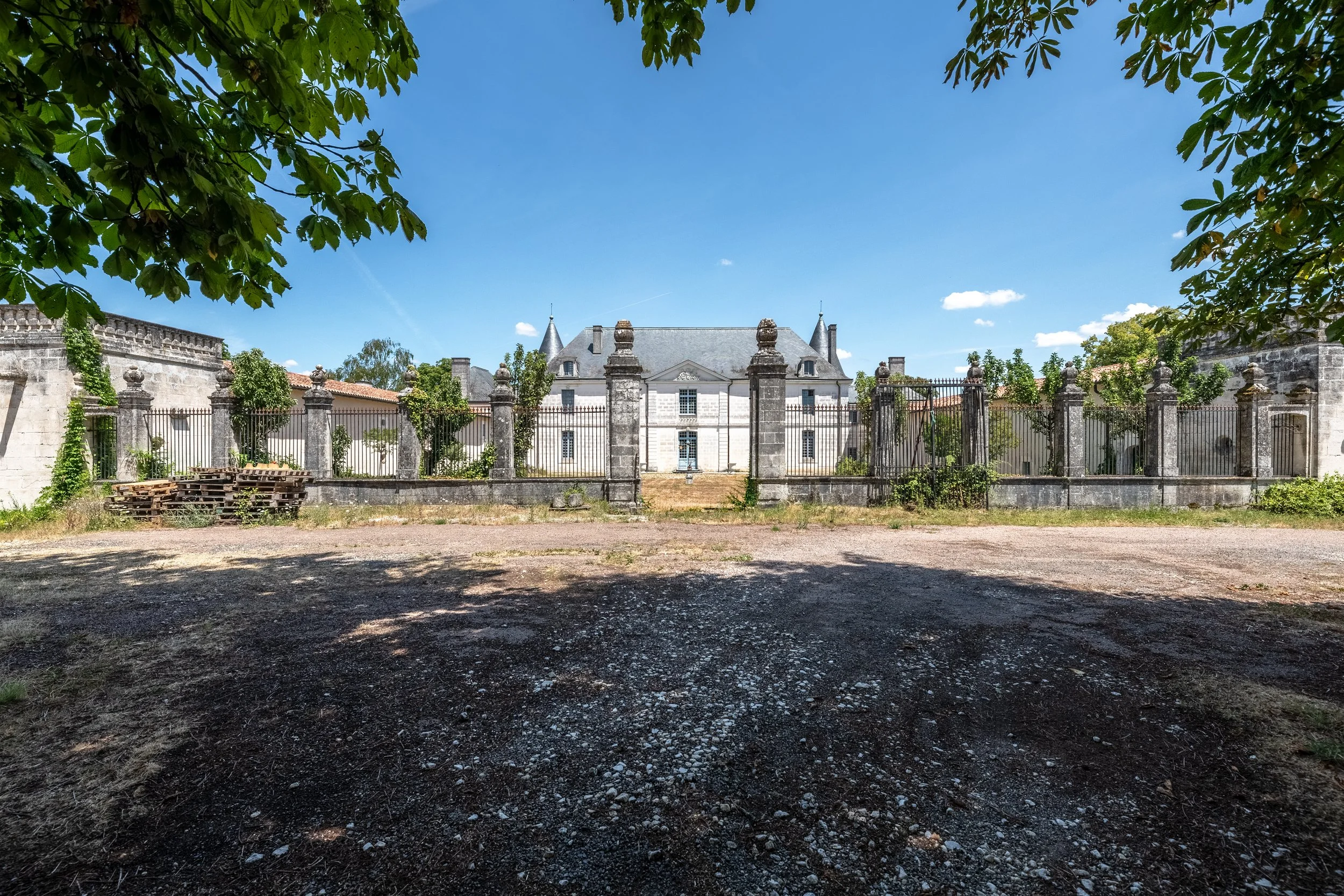
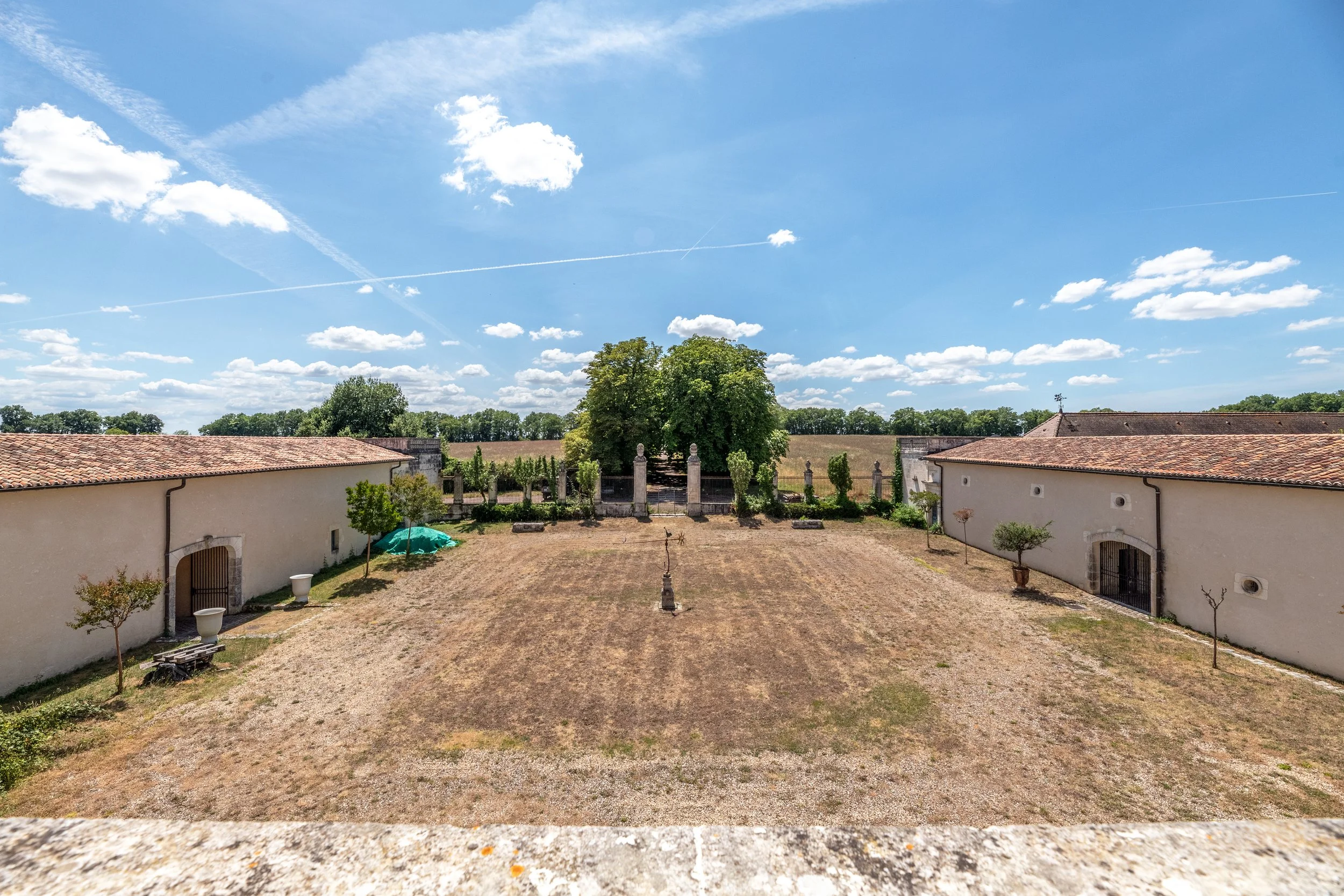
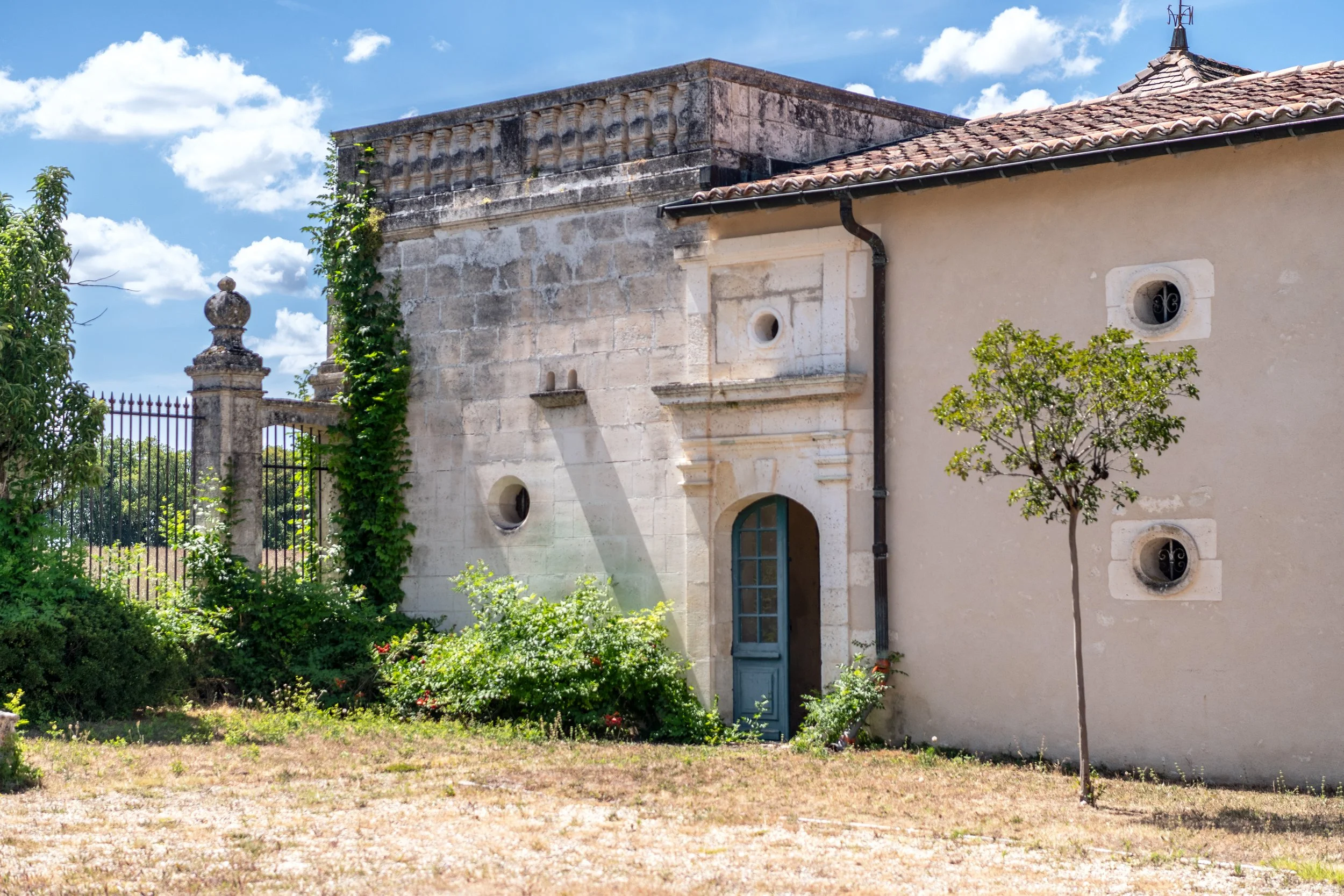
The château combines two 15th-century towers with a main residence built in the 18th century. Its U-shaped arrangement frames a formal courtyard, approached along an avenue of mature horse chestnuts and enclosed by wrought-iron gates.
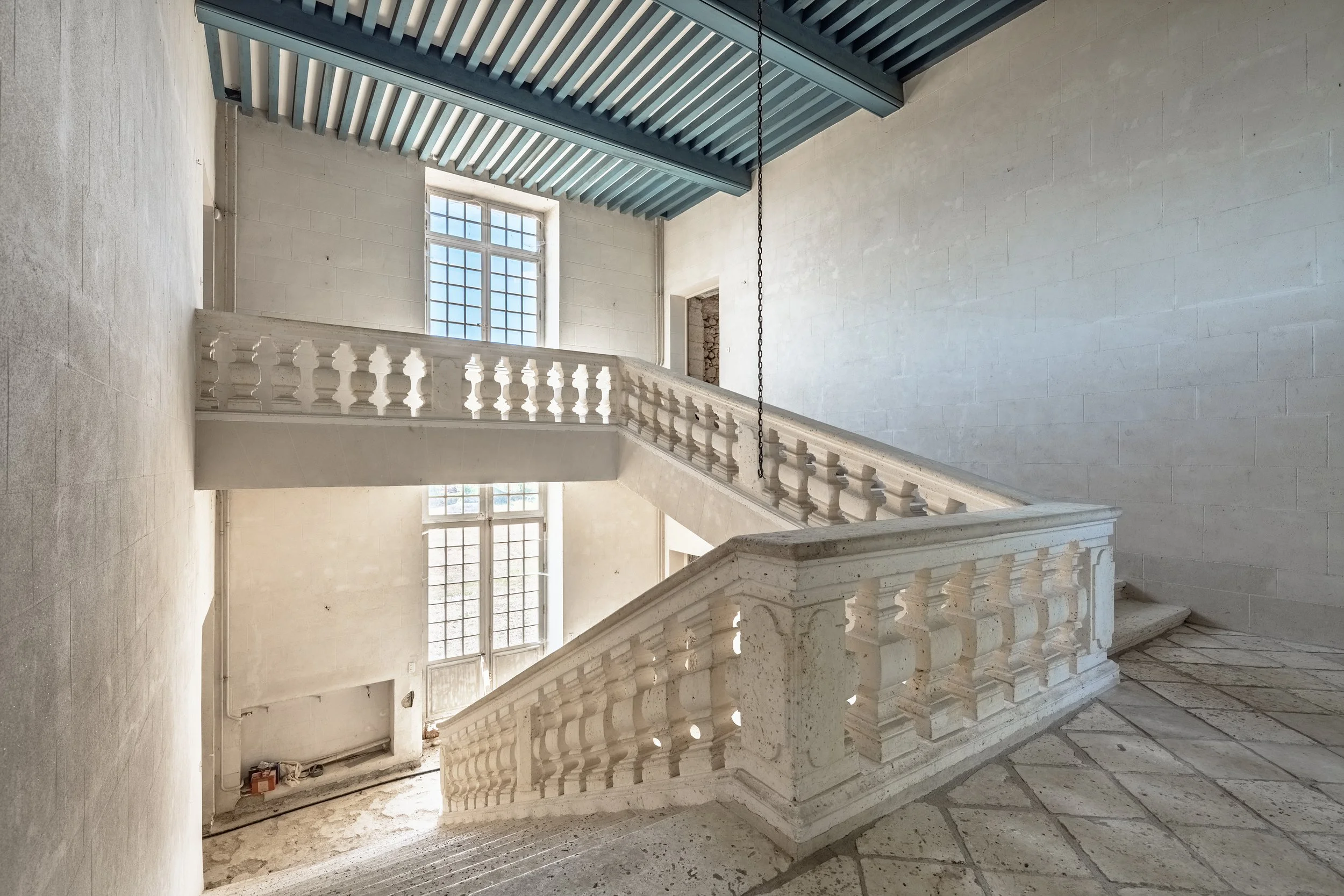
A monumental stone staircase leads into the house. Inside, large reception rooms feature French beam ceilings and cut-stone fireplaces, with ceiling heights up to 14.8 ft (4.5 metres).
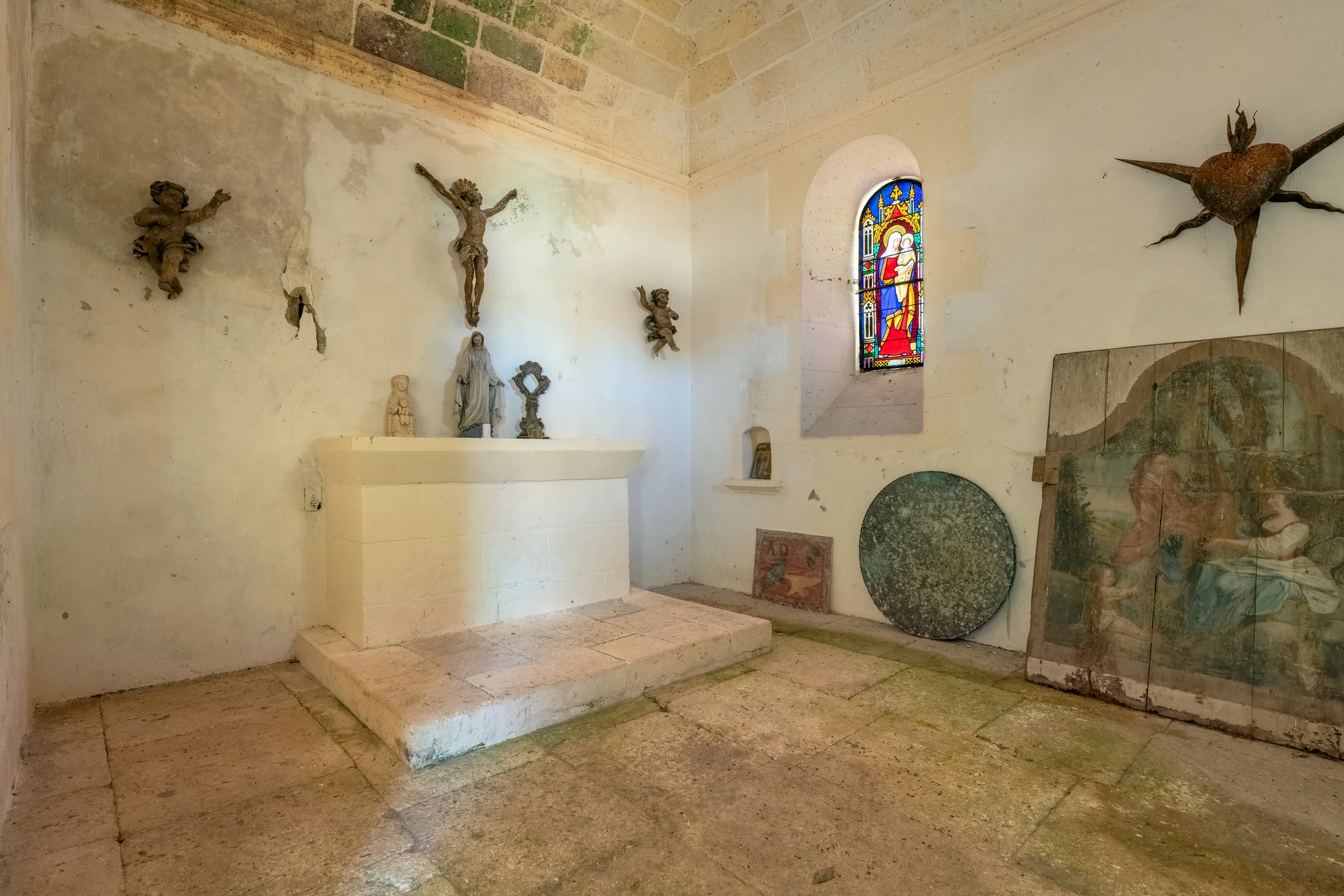
A chapel, the two wings and an attic with a substantial historic timber framework complete the chateau. Beaulieu has been registered as a Monument Historique since 6 December 1948.
André Dubreuil’s home and workshop
Beaulieu belonged to the Pichon family from the Revolutionary period until around 1960, when it was acquired by the Dubreuil family. André’s parents bought a house described in a later interview as nearly ruined and undertook its restoration.
The country home of a sculptural furniture designer
André Dubreuil (1951–2022) was a French designer and craftsman whose furniture brought the ornament of historic decorative arts into the experimental design world of the 1980s. Born in Lyon, he studied at London’s Inchbald School of Design and worked as a decorative painter and antiques dealer before taking up metalwork.
In London, he became associated with Creative Salvage, the loose circle of designers that included Tom Dixon and Mark Brazier-Jones. Working with industrial materials and salvaged metal, they explored furniture as a form of sculpture. Dubreuil’s knowledge of antiques gave his work a particular character: slender iron frames, curling silhouettes and decorative surfaces that drew on French cabinetmaking, Rococo ornament and Art Deco.
His 1986 exhibition at Themes & Variations was titled “The Necessity of Ornamentation.” That year also produced his best-known design, the Spine Chair, whose tapering metal back and curving frame gave it the appearance of a drawing in space. His work is represented in collections including the Victoria and Albert Museum in London and the Musée des Arts Décoratifs in Paris; his clients included Chanel and Louis Vuitton.
After establishing his career in London, Dubreuil returned to France in the early 1990s and set up a workshop in the estate barn. Known for the Spine Chair of 1986, he created furniture that combined sculptural metalwork with the ornament and craftsmanship of historic decorative arts. At Beaulieu, he and a small team produced intricate pieces using materials including iron, copper, glass and enamel.
His work continues to circulate on the secondary market. Phillips recorded a Spine Chair sale in 2025, while Sotheby’s included his lighting in its December 2025 auction featuring works from the Schlumberger Collection.
Beaulieu also hosted his creative circle. Writing for Vogue in 2009, Hamish Bowles described a party for around 80 guests, with dinner, fireworks and dancing in the Great Hall, and gardens arranged around Dubreuil’s sculptures and mobiles.
A mobile by Dubreuil remains in the main courtyard, preserving a visible connection to the designer’s time at the château.
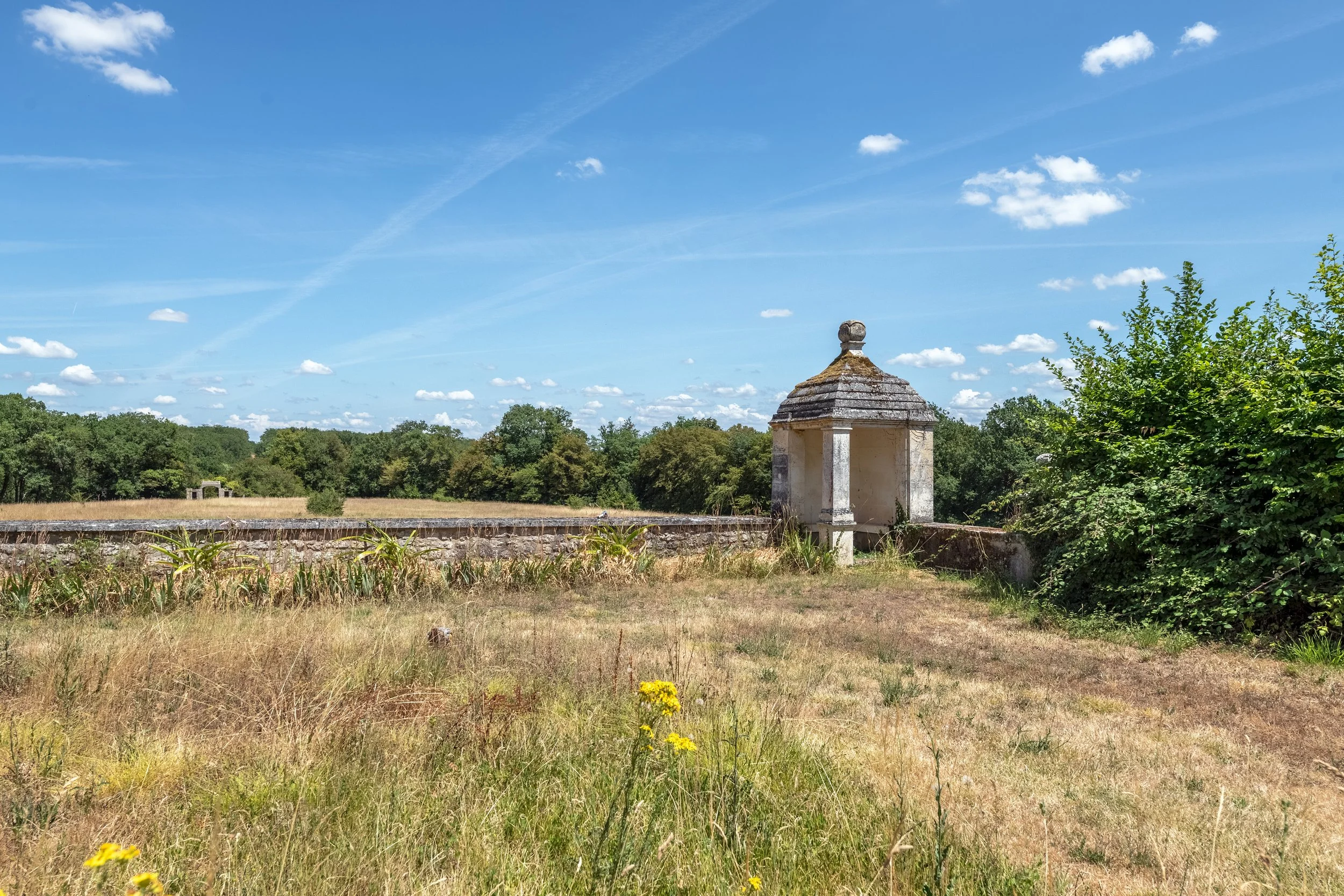
Parkland, meadows and woodland
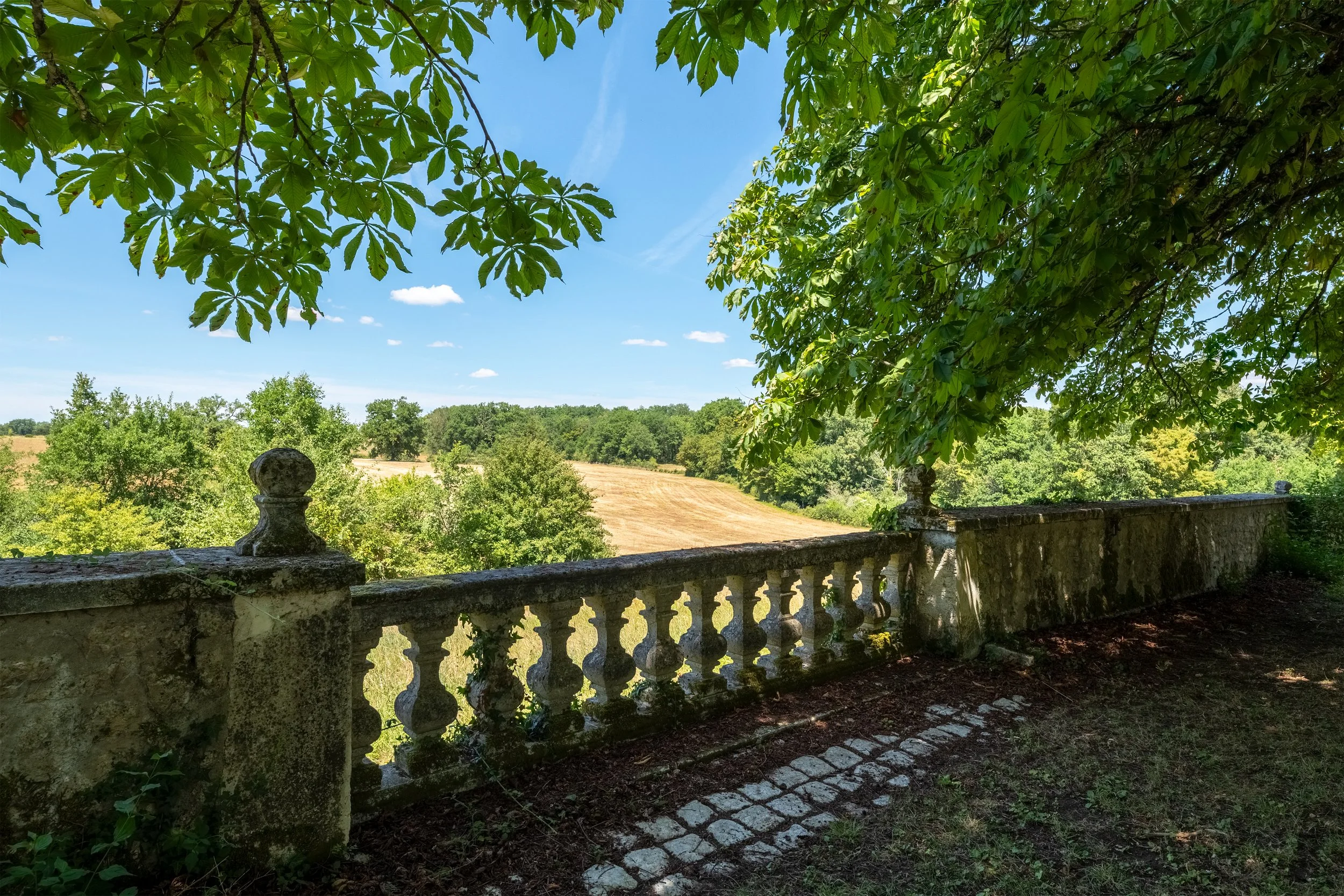
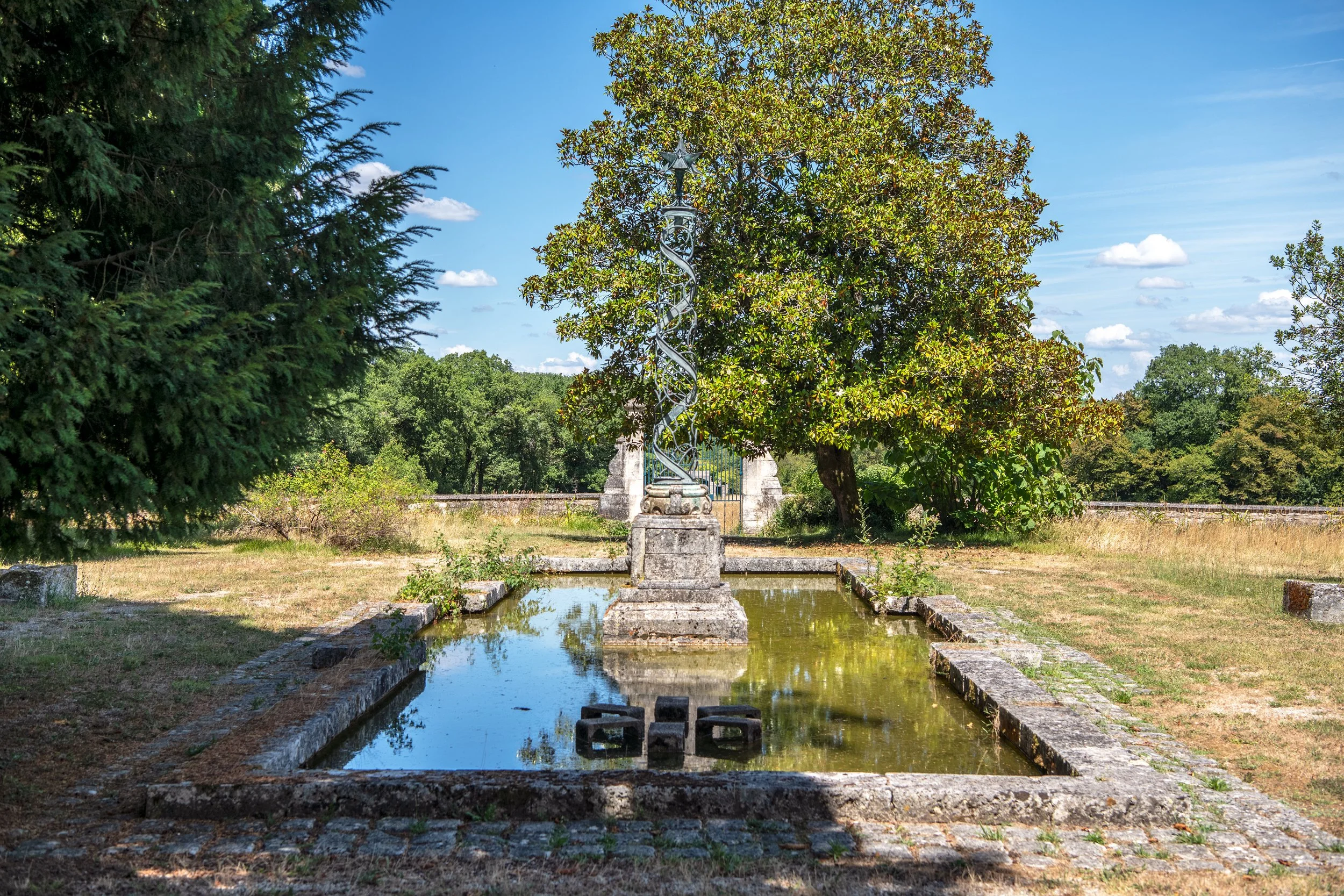
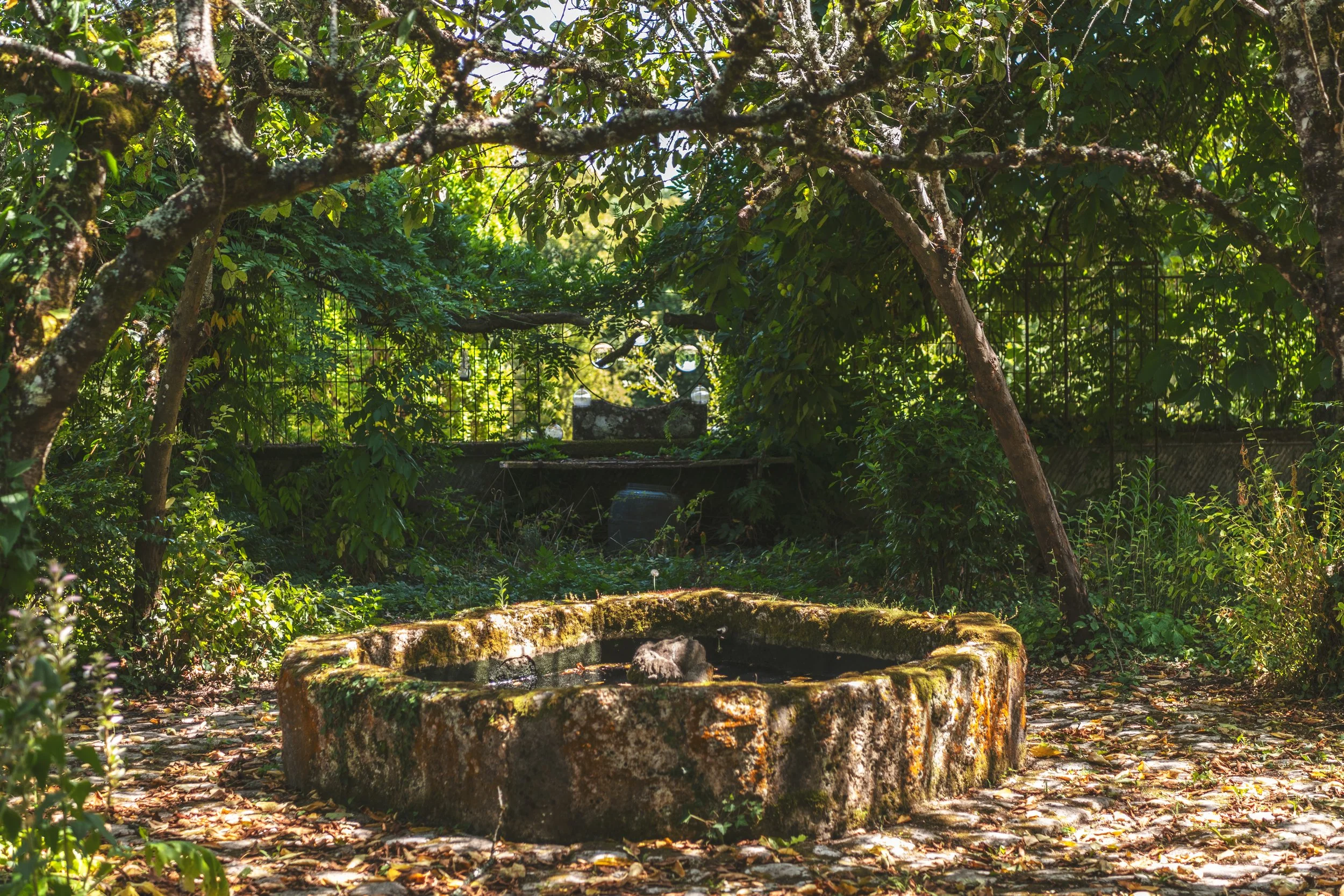
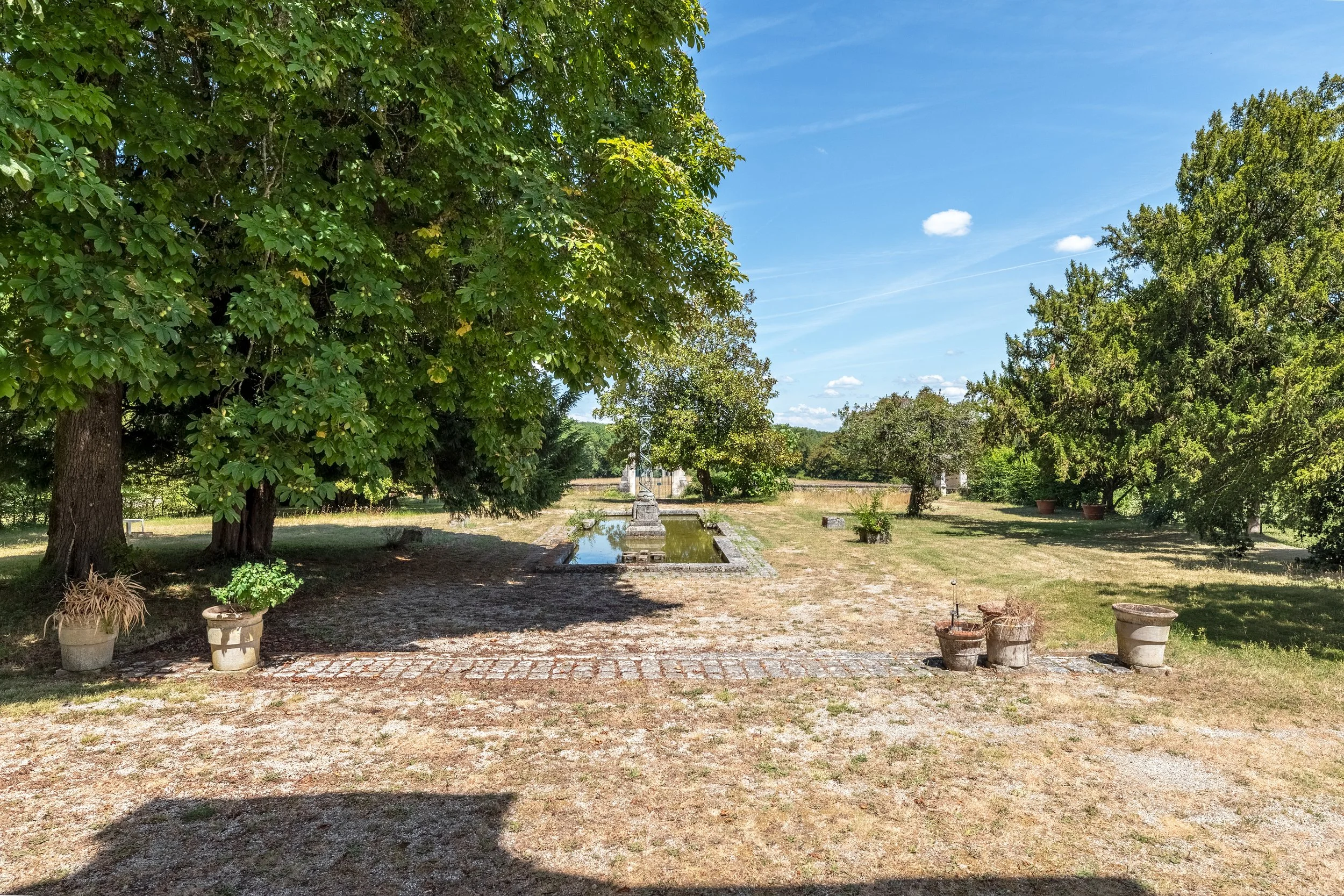
Behind the house, a stone basin forms part of the garden perspective, with views continuing towards the meadows and woods. The wider estate combines parkland with open pasture and woodland.
A restoration project in the Périgord Vert
Beaulieu requires complete renovation. Its existing volumes, architectural features and estate setting provide the starting point for a future private residence or hospitality project, subject to the permissions applicable to a protected historic building.
The château lies in the Périgord Vert, the northern part of the Dordogne known for its wooded countryside, rivers and historic villages. The wider region includes Brantôme, with its abbey on the River Dronne, Bourdeilles and its medieval and Renaissance châteaux, and Nontron, known for its tradition of handmade knives and craft workshops.
Northern Dordogne, between Angoulême and Périgueux
Beaulieu lies near Mareuil-en-Périgord in the northern Dordogne, close to the border with the Charente. The Dordogne is a department in southwest France’s Nouvelle-Aquitaine region, inland and northeast of Bordeaux. It corresponds broadly to the historic region of Périgord, known for its châteaux, medieval towns, prehistoric sites and regional cooking.
Mareuil sits between Angoulême to the northwest and Périgueux to the southeast. This is the Périgord Vert, a landscape of wooded hills, meadows, rivers and villages. The wider area includes Brantôme and its riverside abbey, Bourdeilles and its medieval and Renaissance châteaux, and Nontron, known for its handmade knives and craft workshops.
Sarlat and the well-known château villages of the Dordogne Valley lie farther southeast, while Bergerac and its wine country are to the south. Bordeaux provides a larger city reference point to the southwest. For access from Paris, Angoulême has direct trains from Paris Montparnasse, with the fastest services taking approximately 1 hour 40 minutes, followed by an onward road journey to Mareuil.
All photographs belong to the listing agency. See more on Emile Garcin.