Former Harley-Davidson CEO Lists His 175-Acre Santa Fe Western Fantasy for $16.5 Million
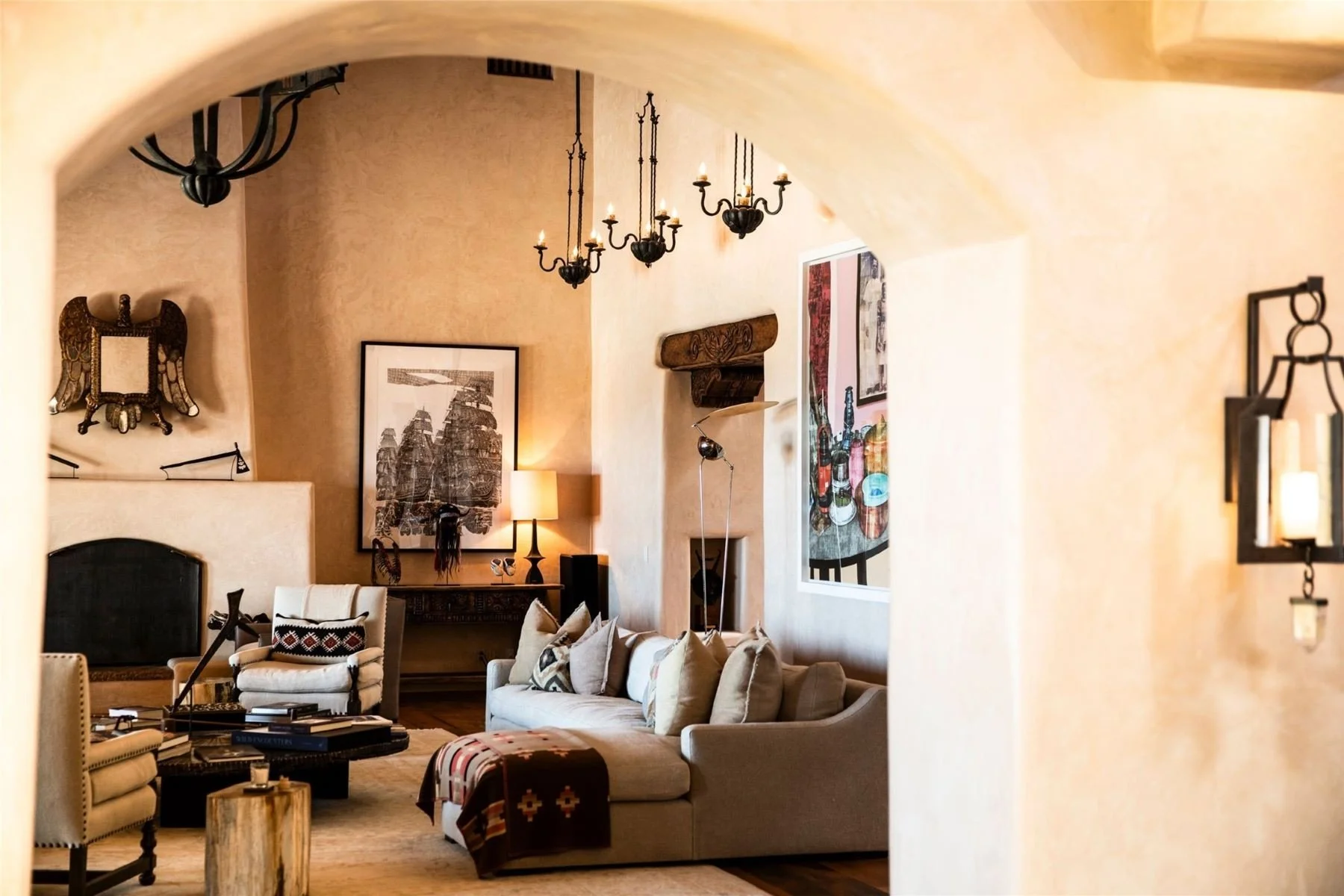
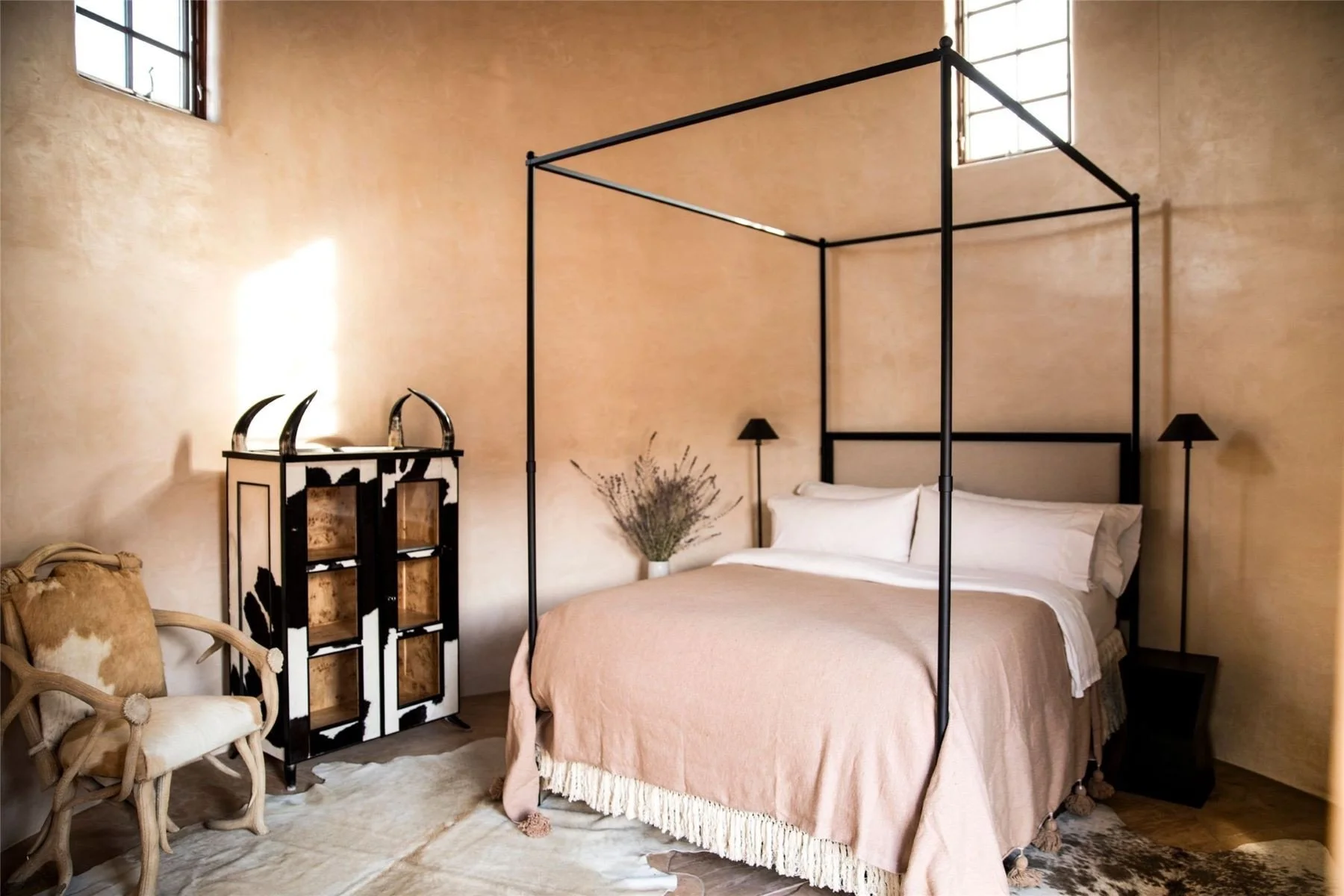
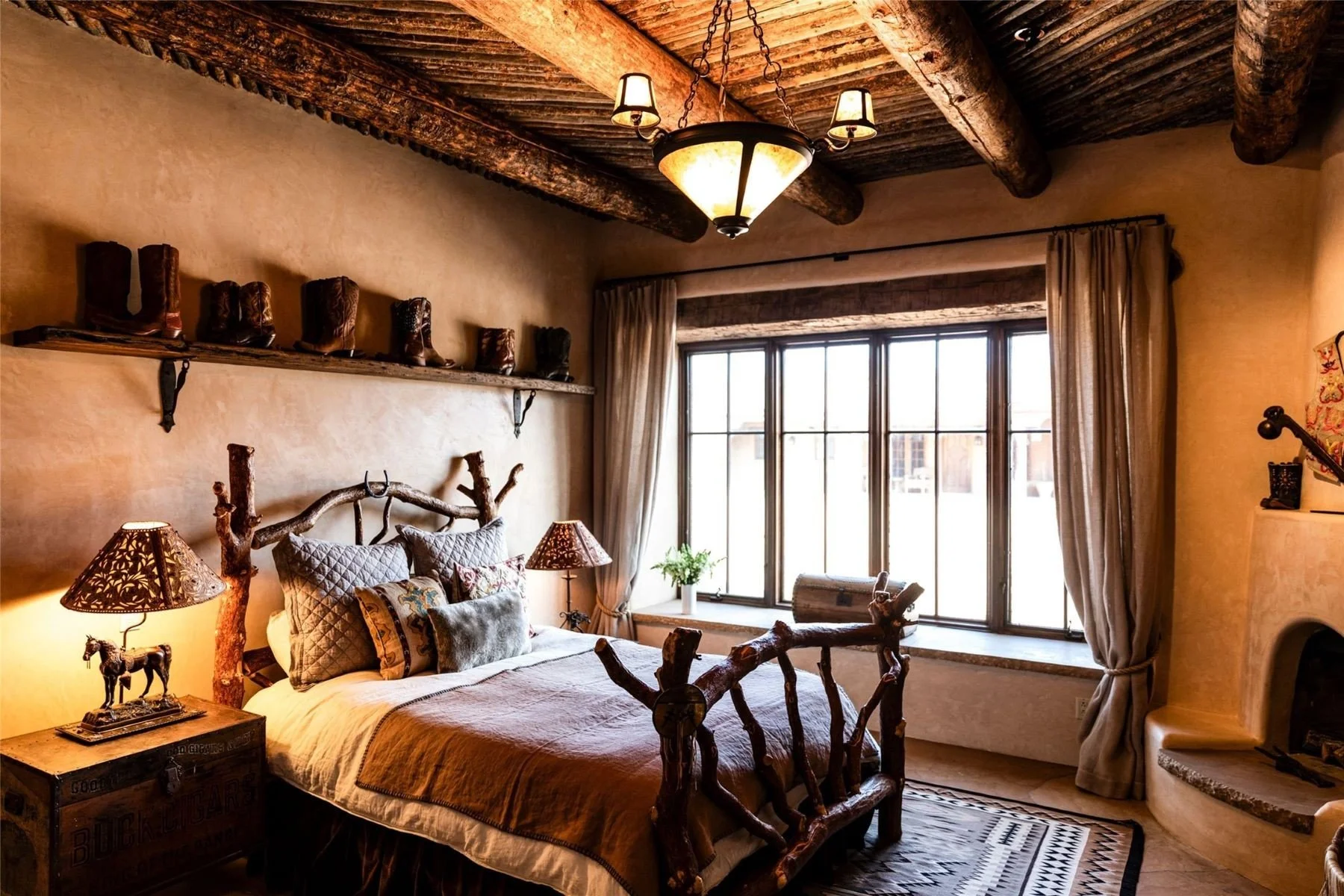
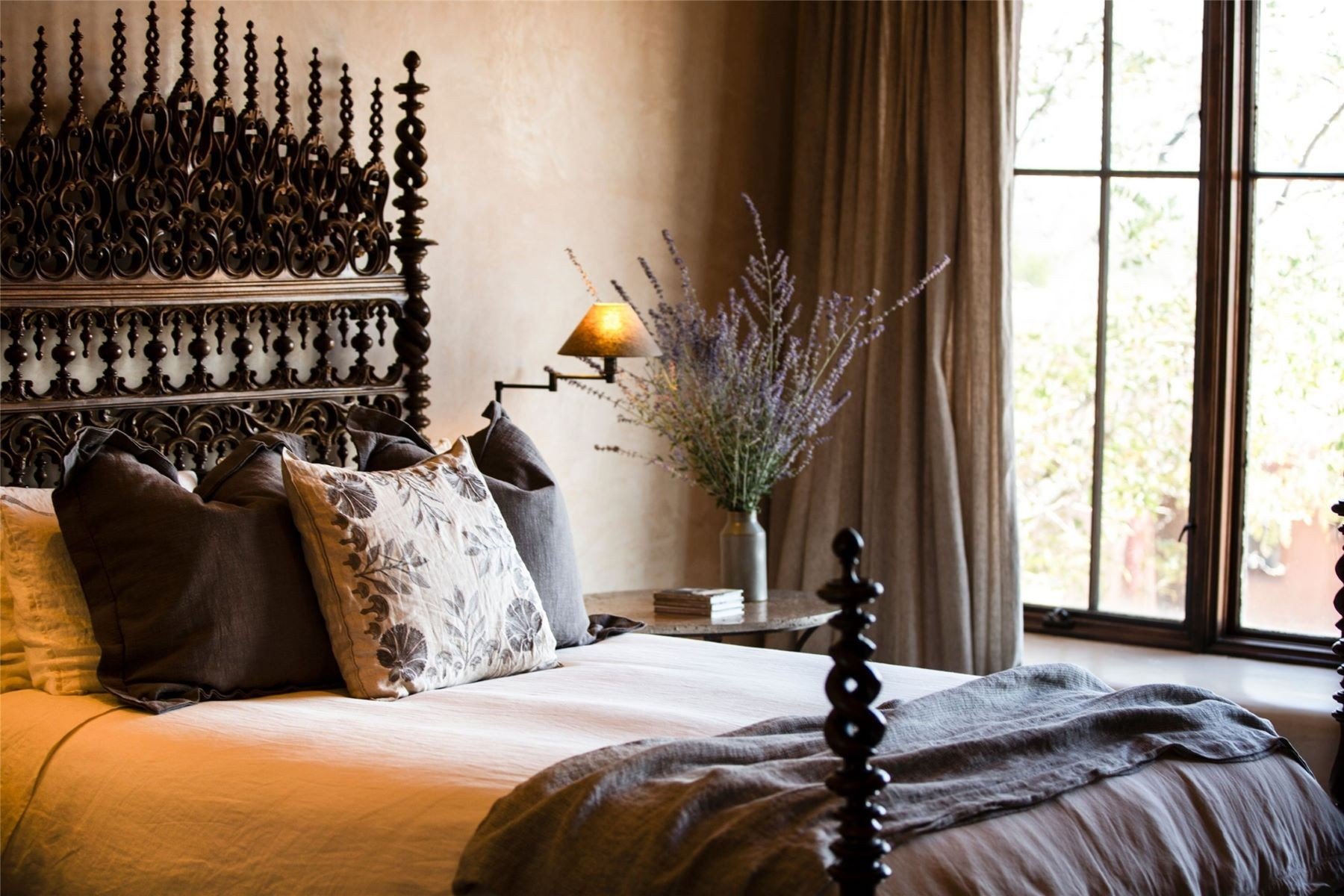
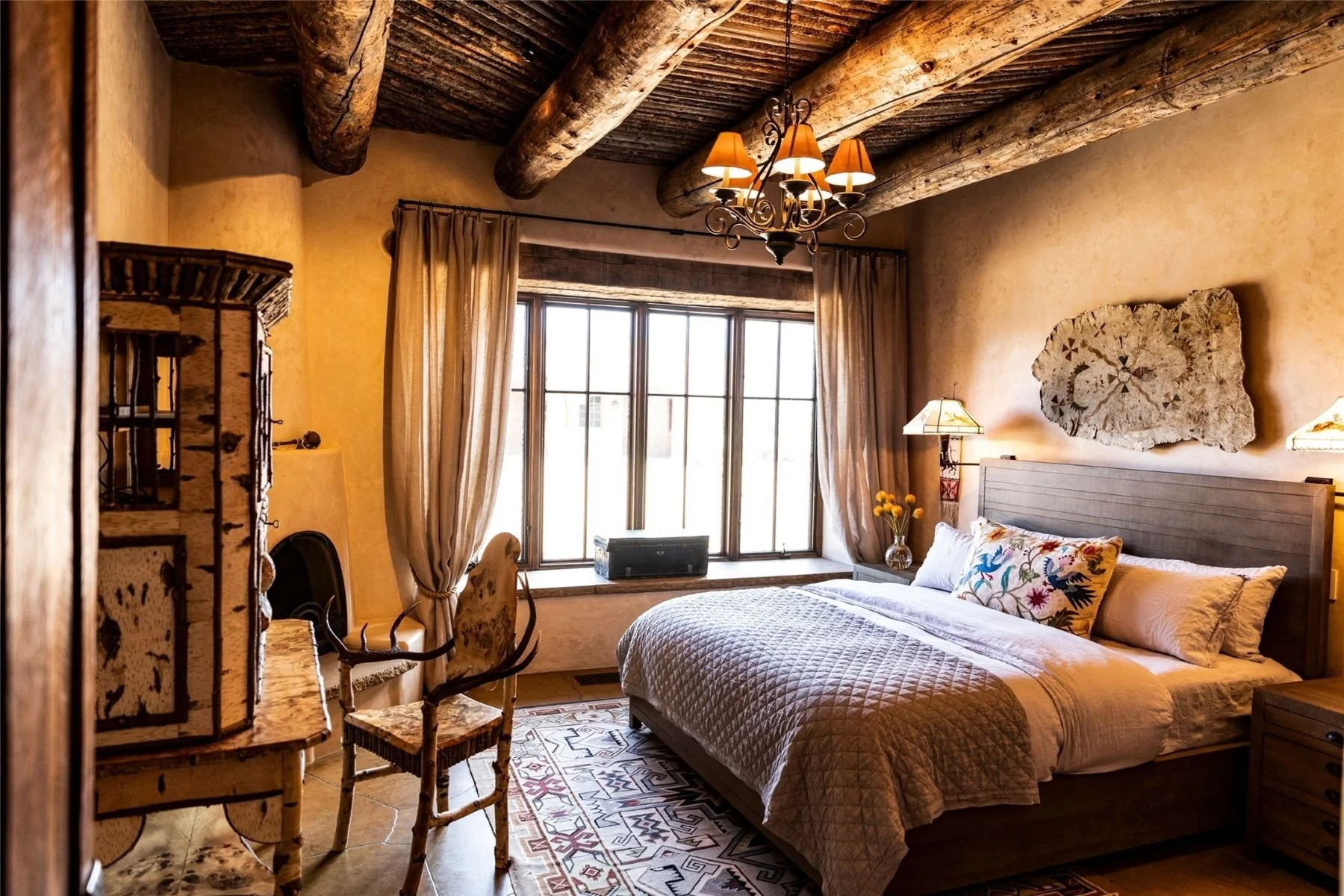
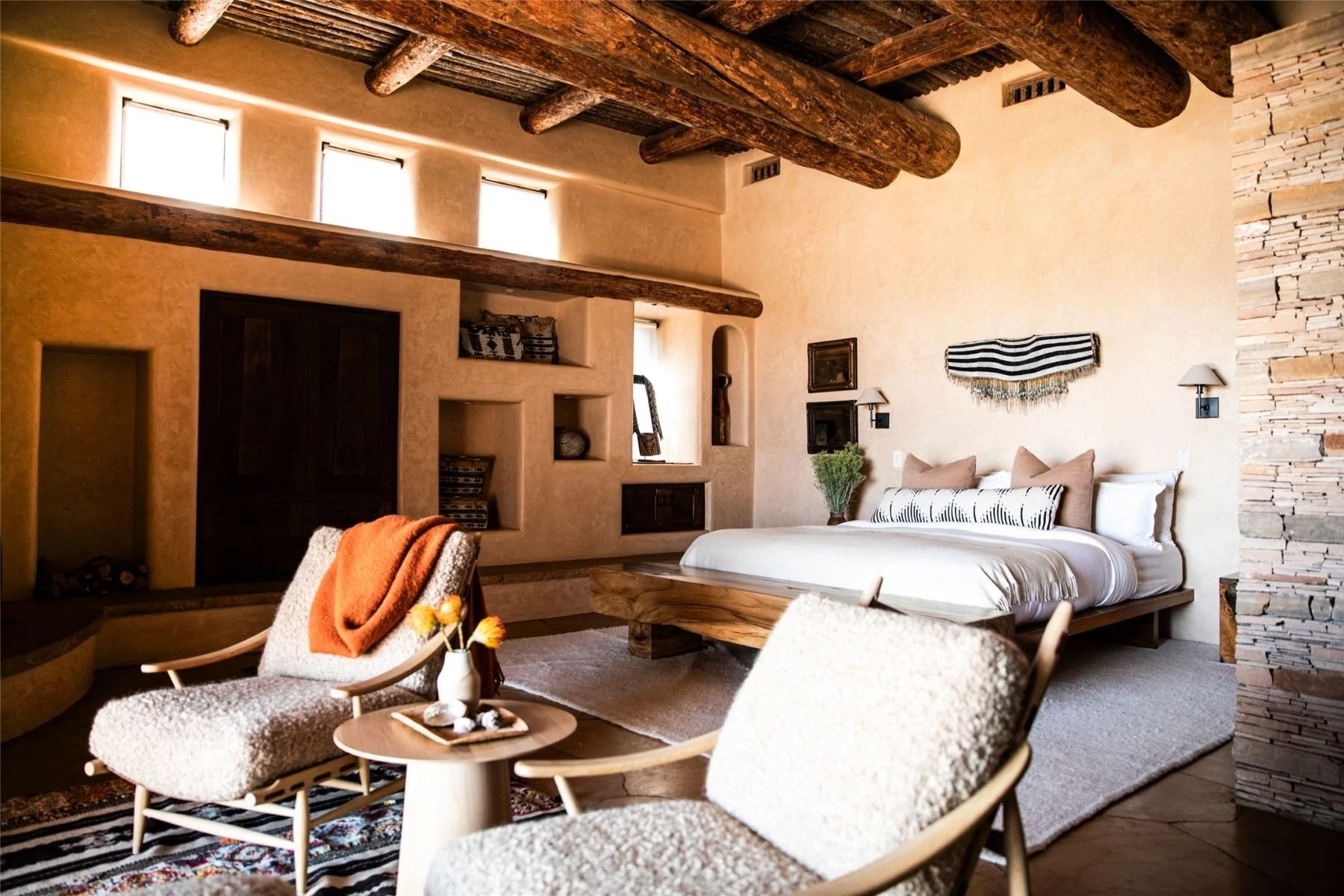
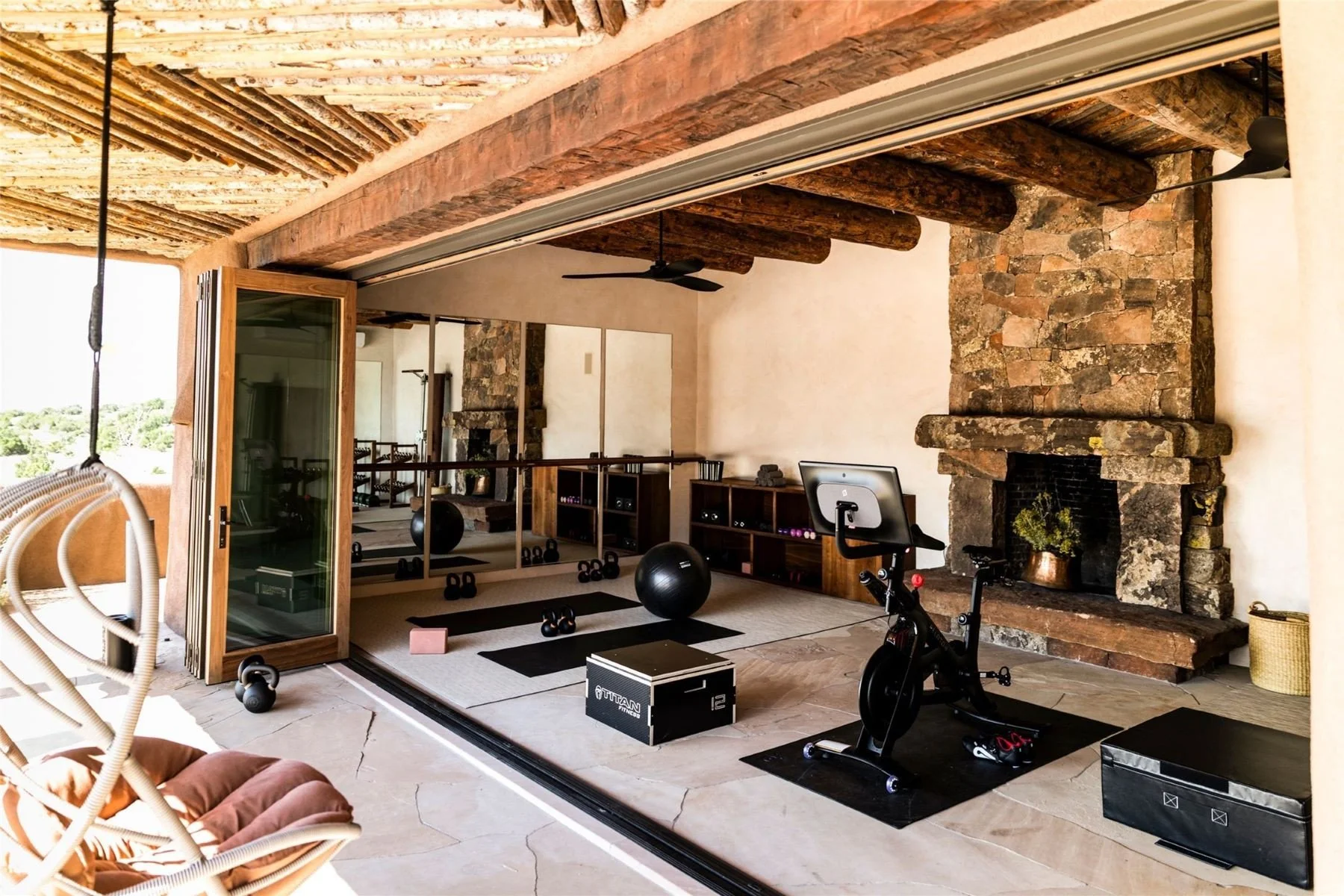
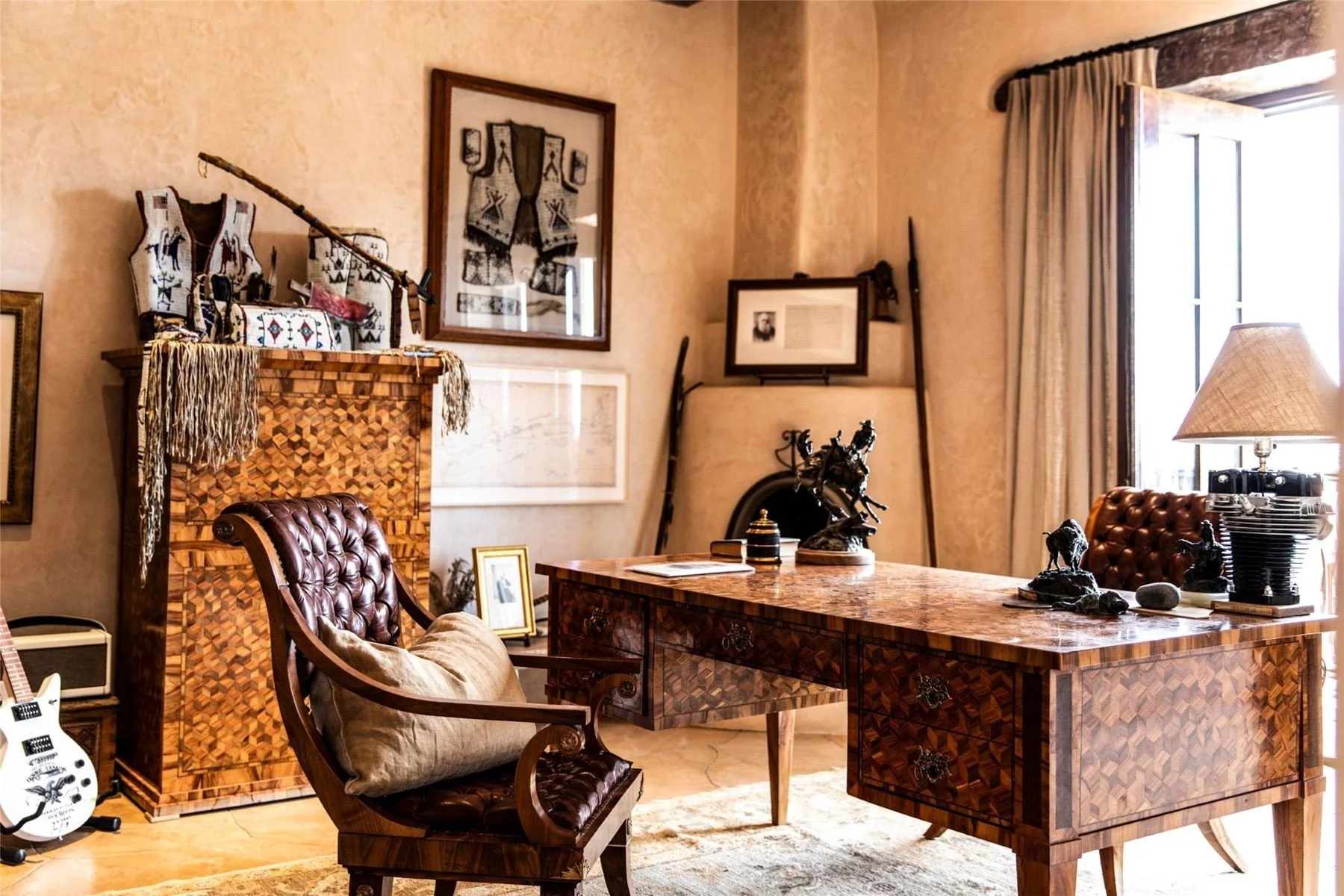
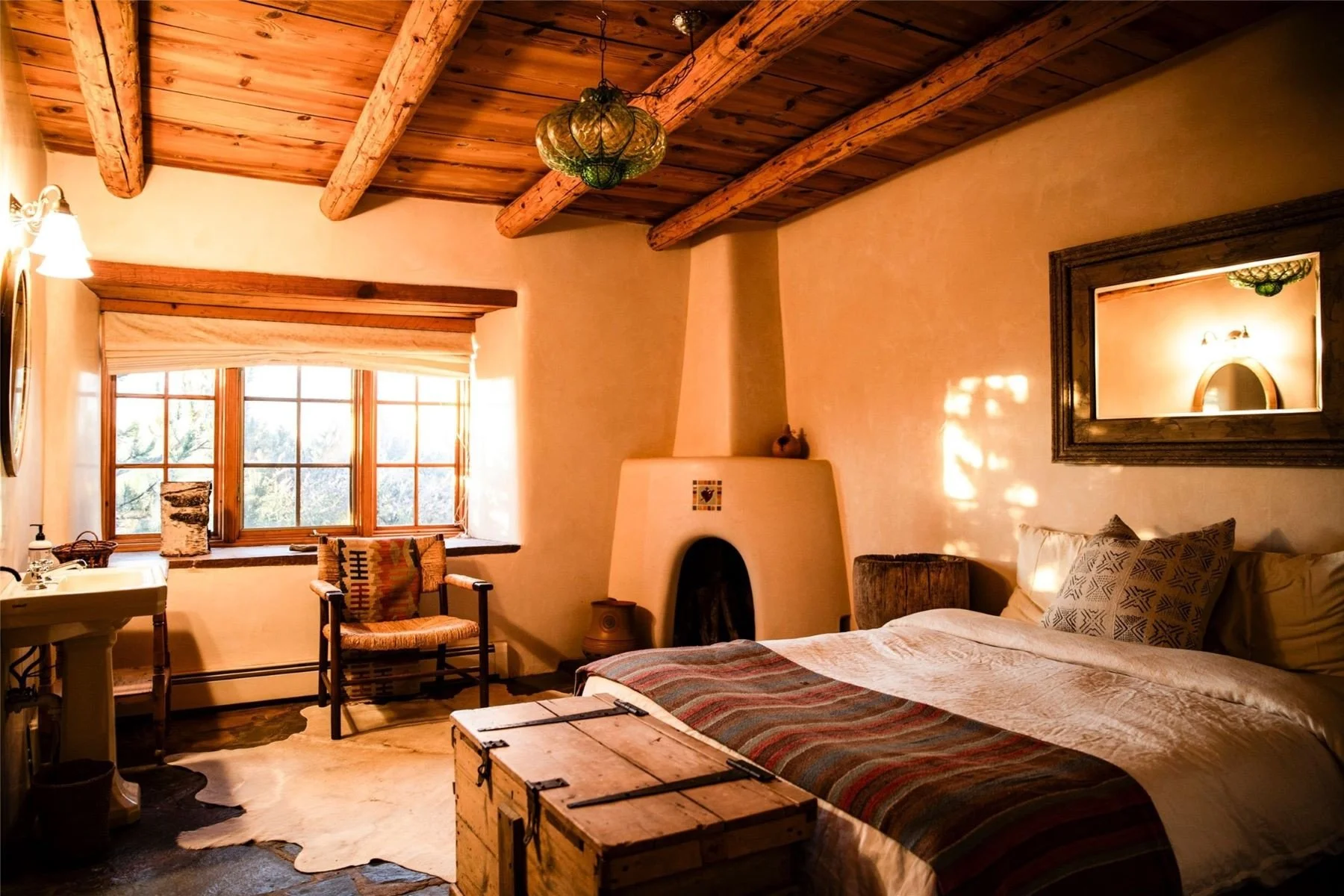
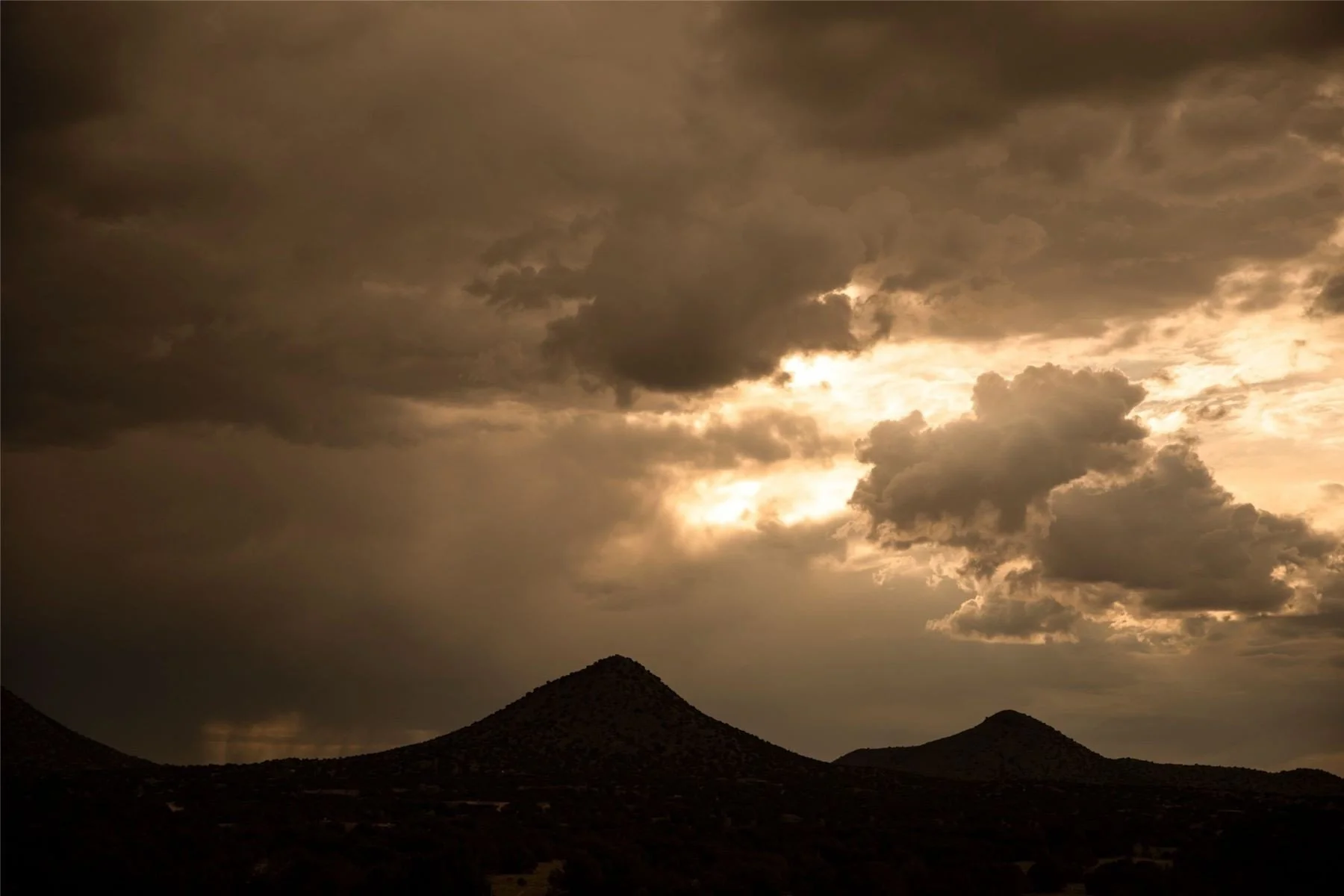
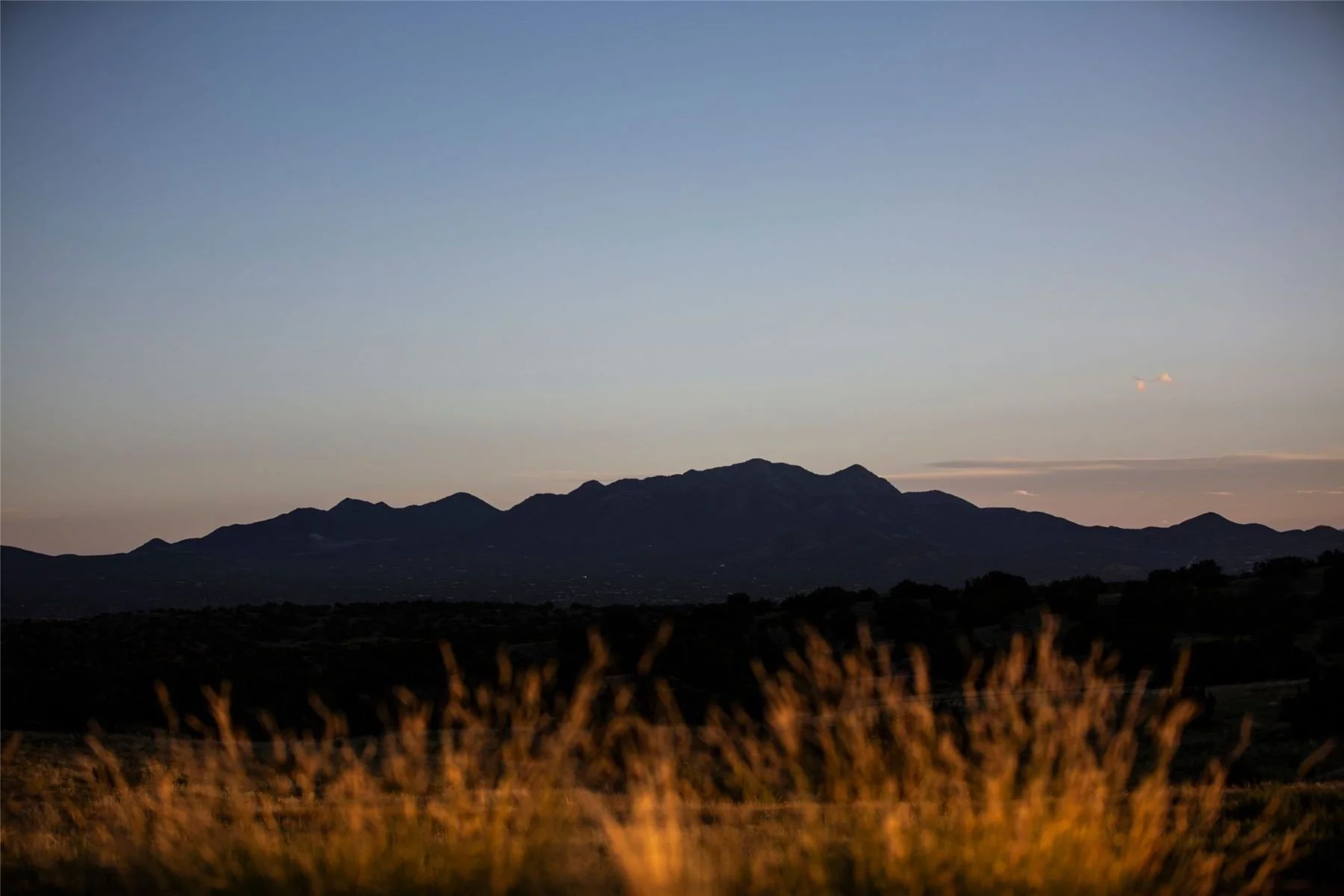
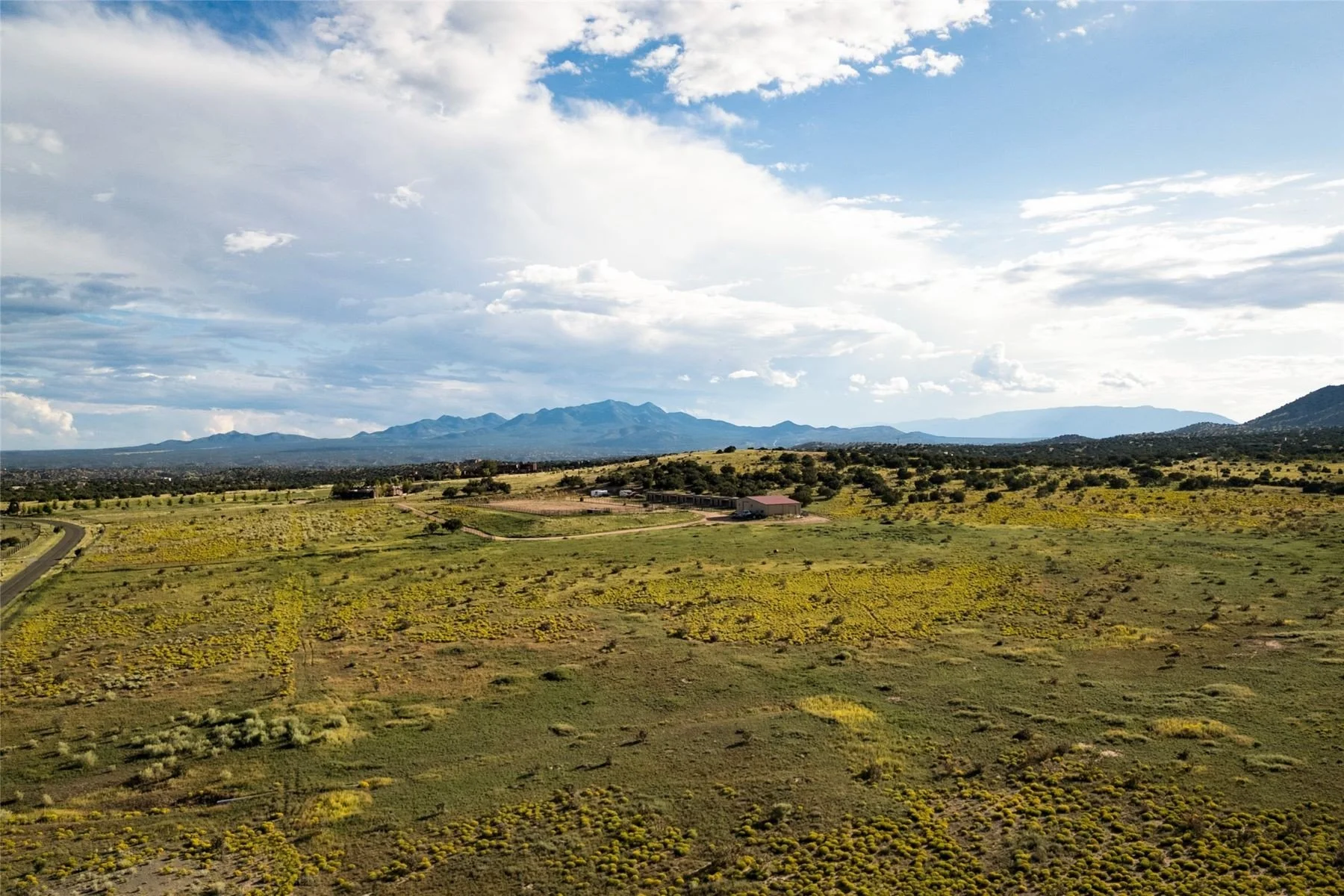
Bedrooms: 16 Bathrooms: 15 Full / 4 Partial Interior: 1,952 m² / 21,013 ft² Lot: 72 Ha / 178 Acres
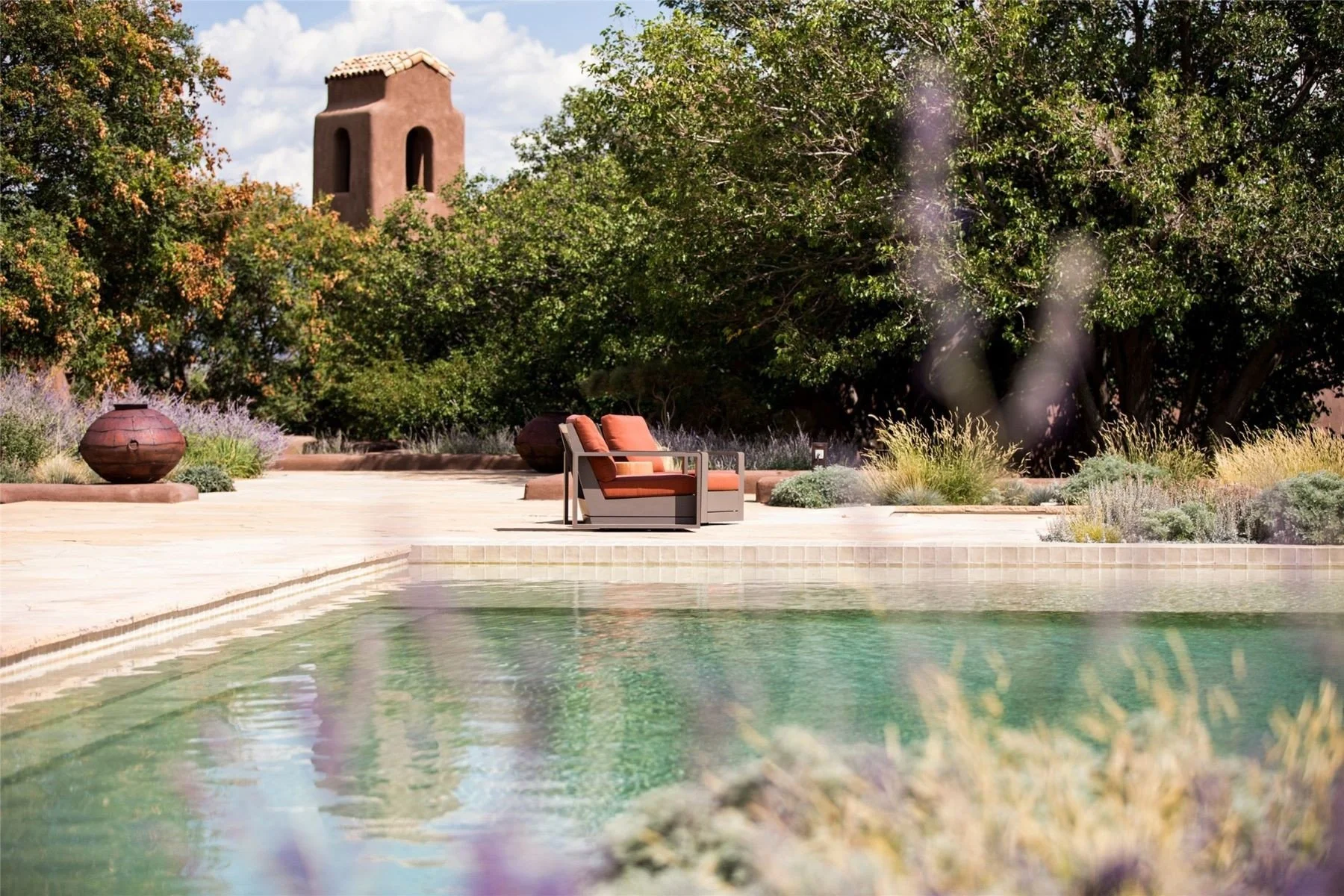
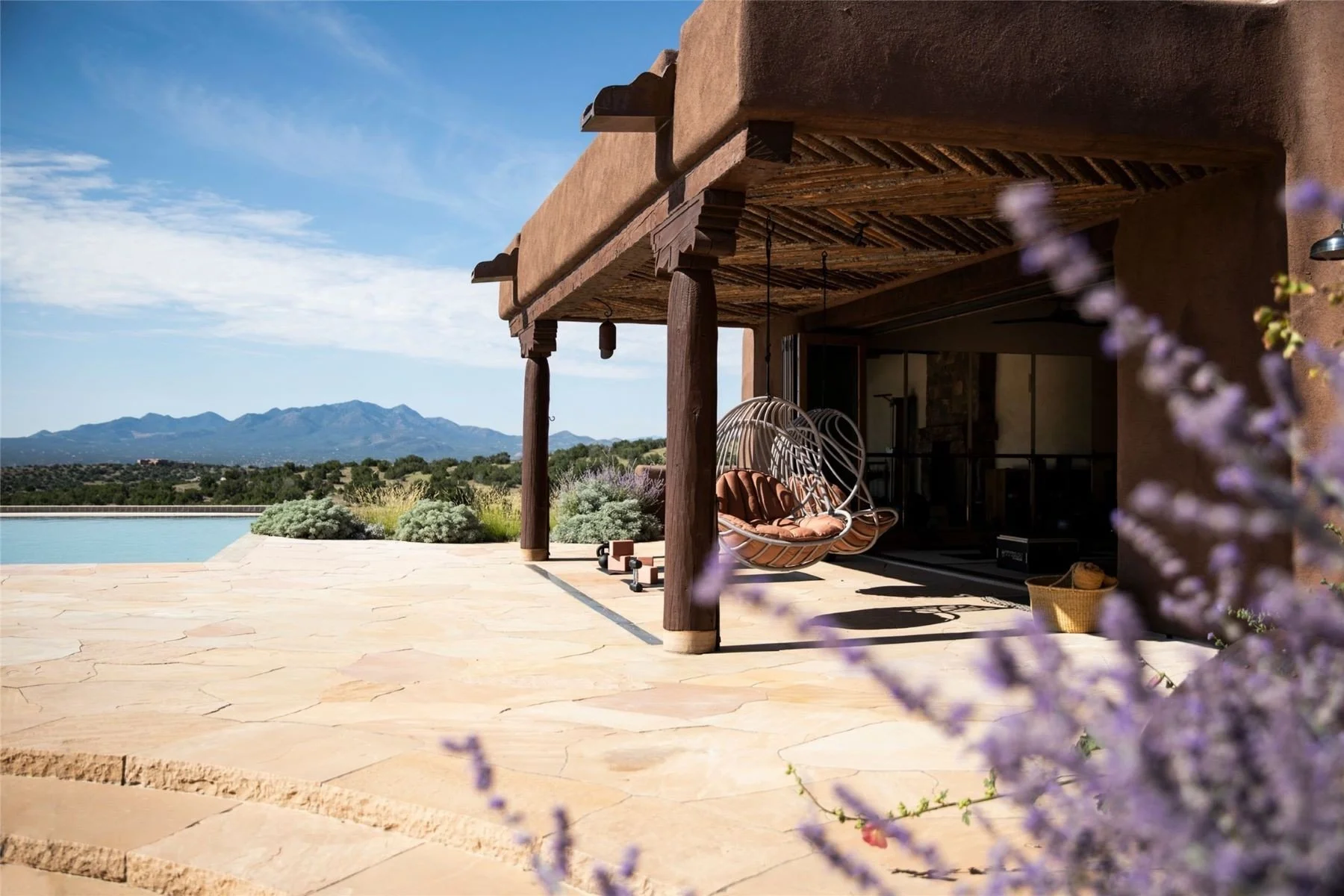
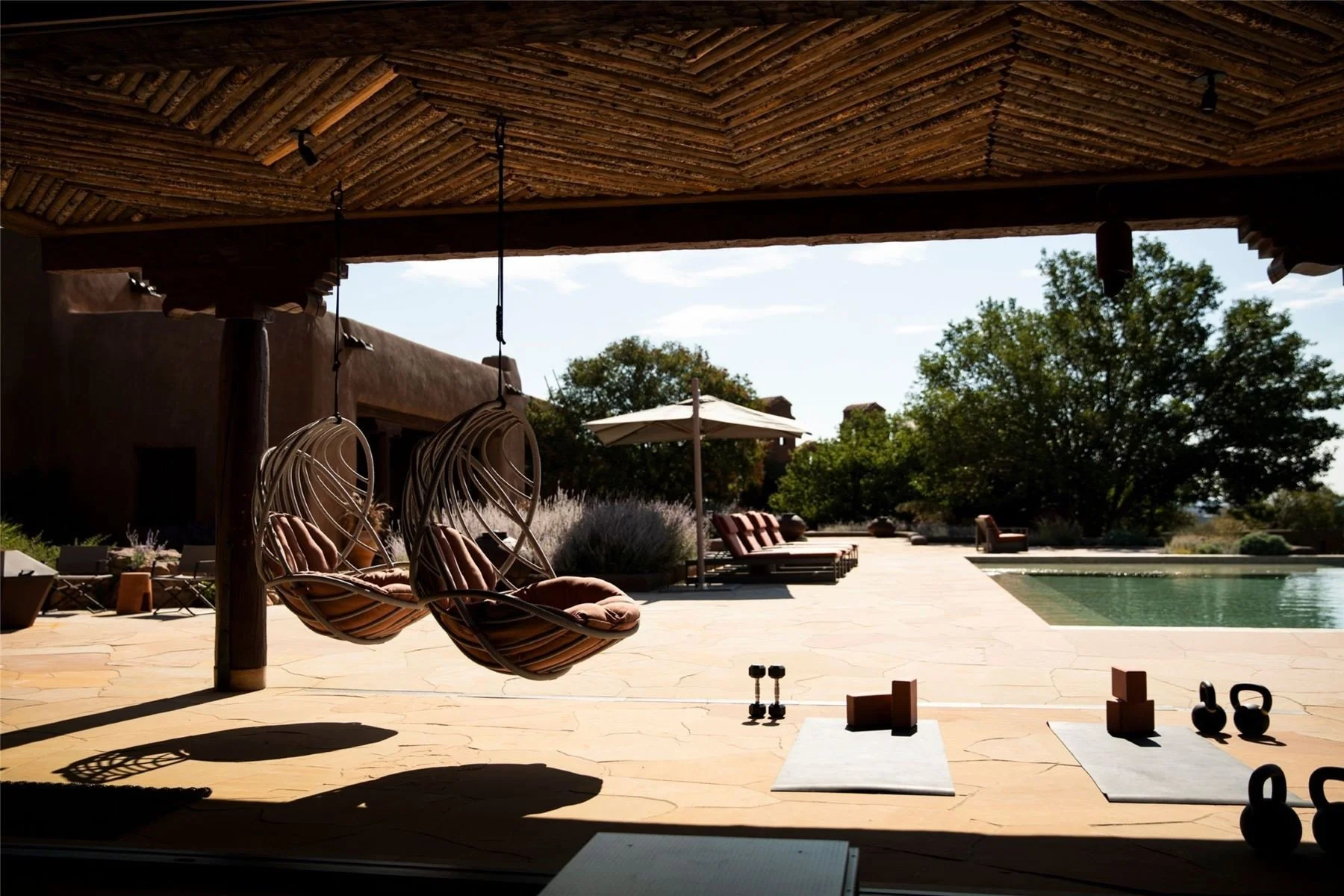
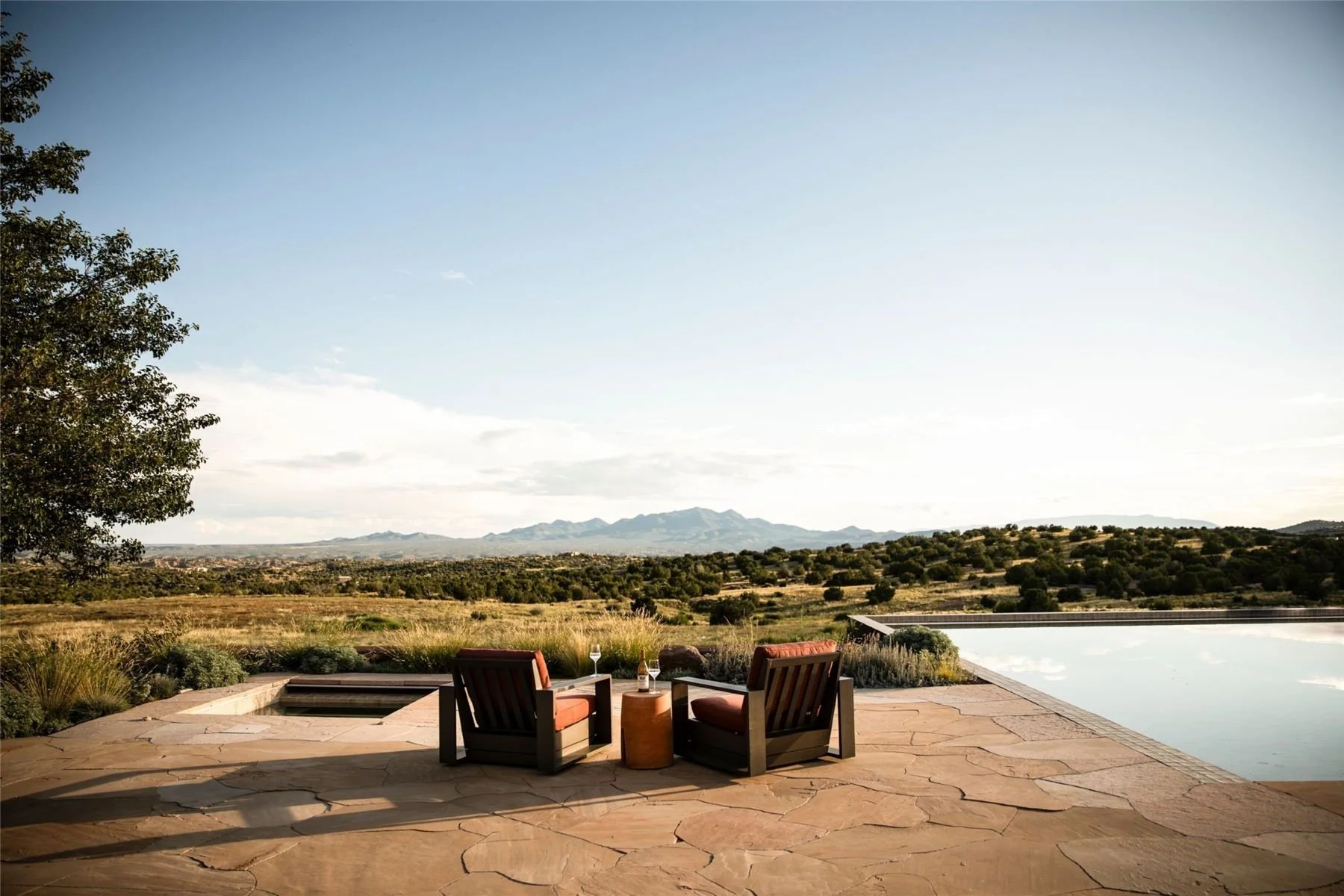
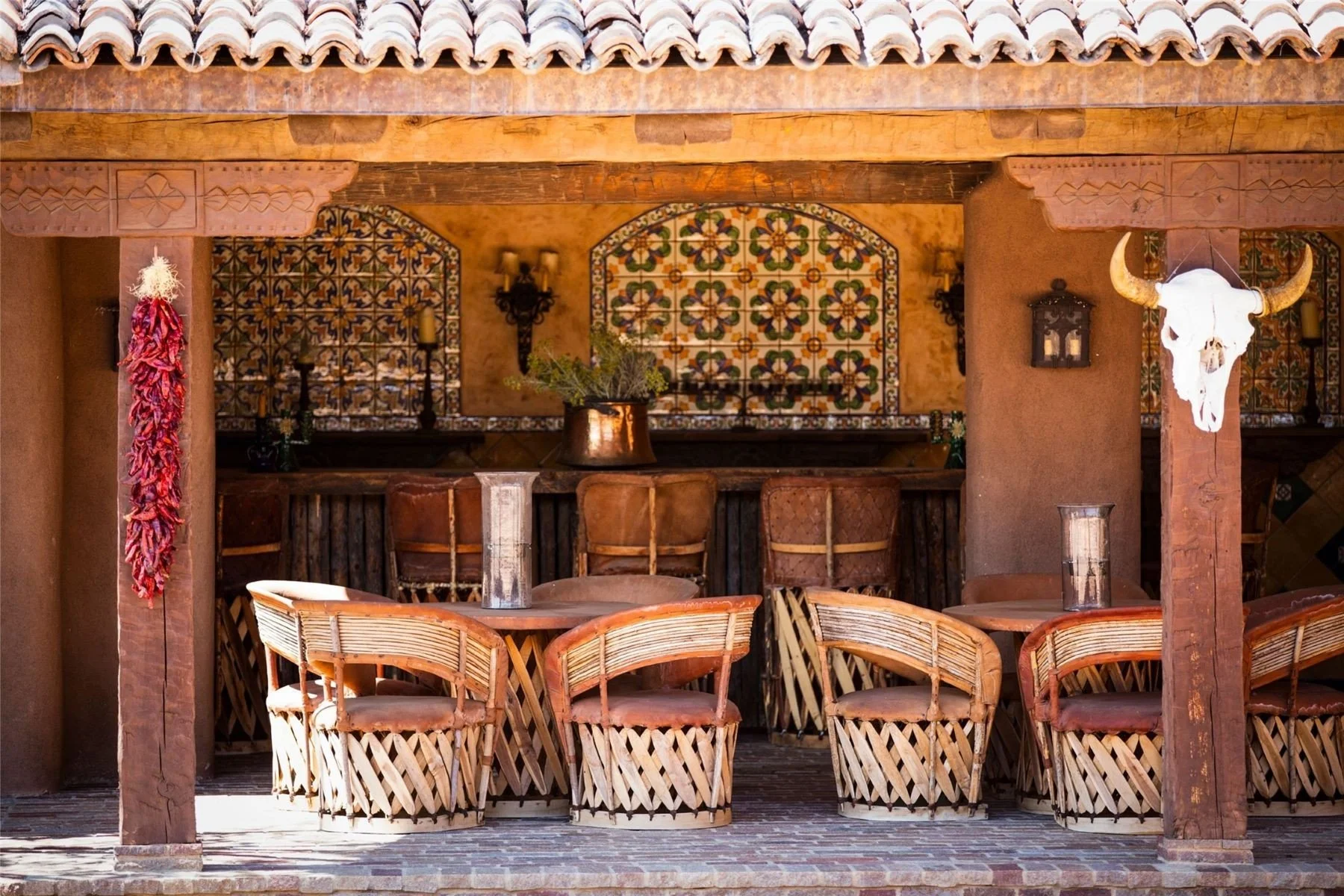
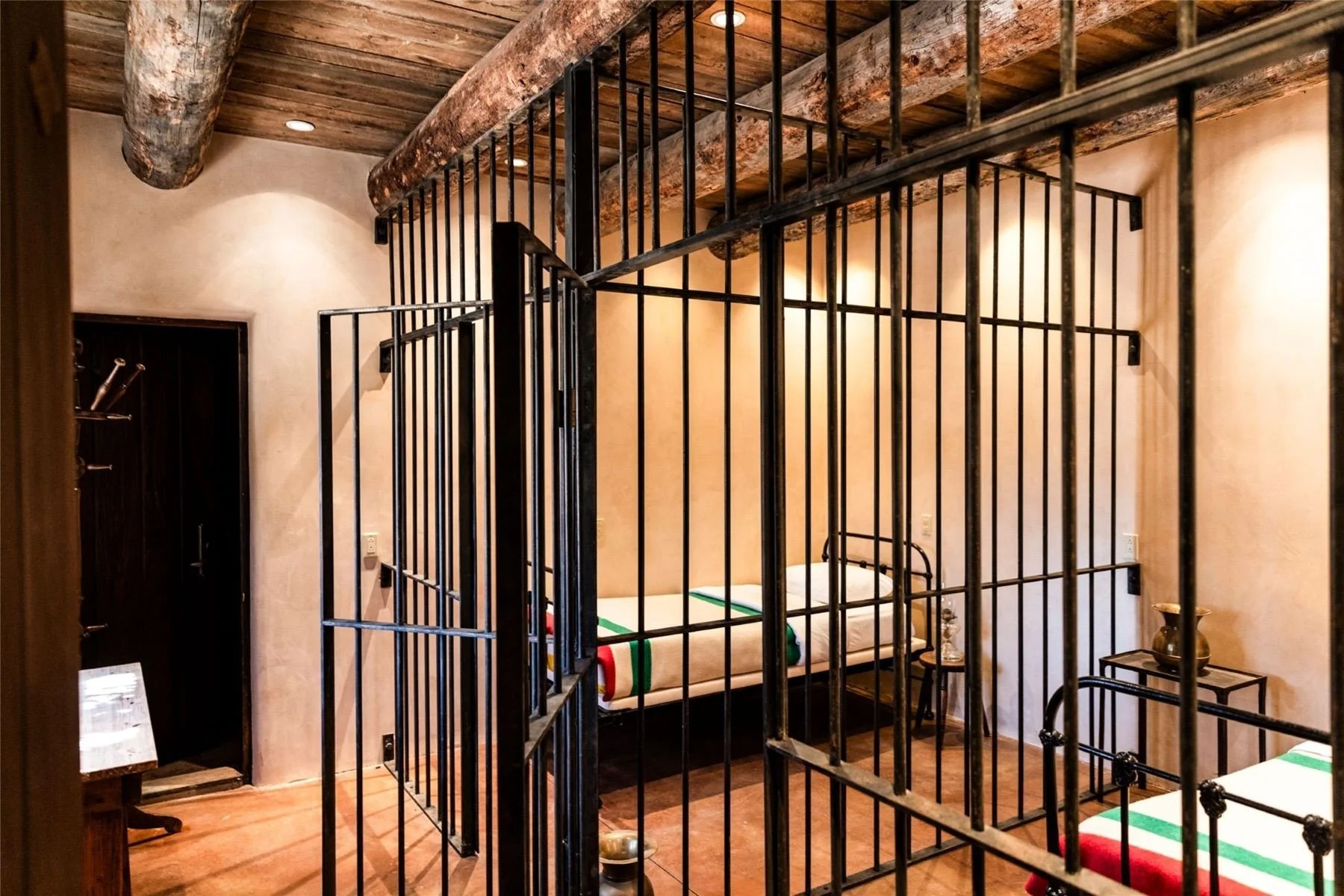
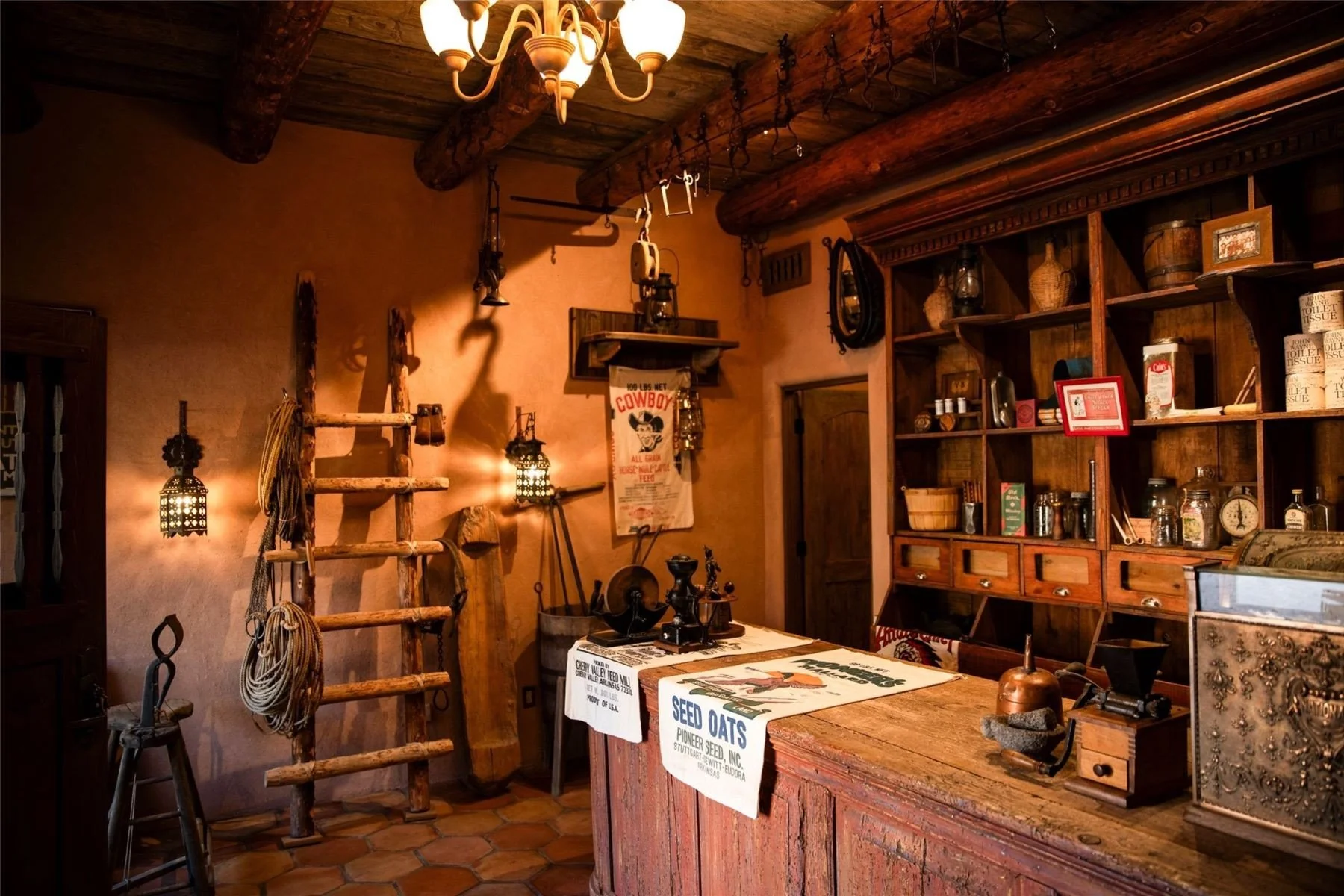
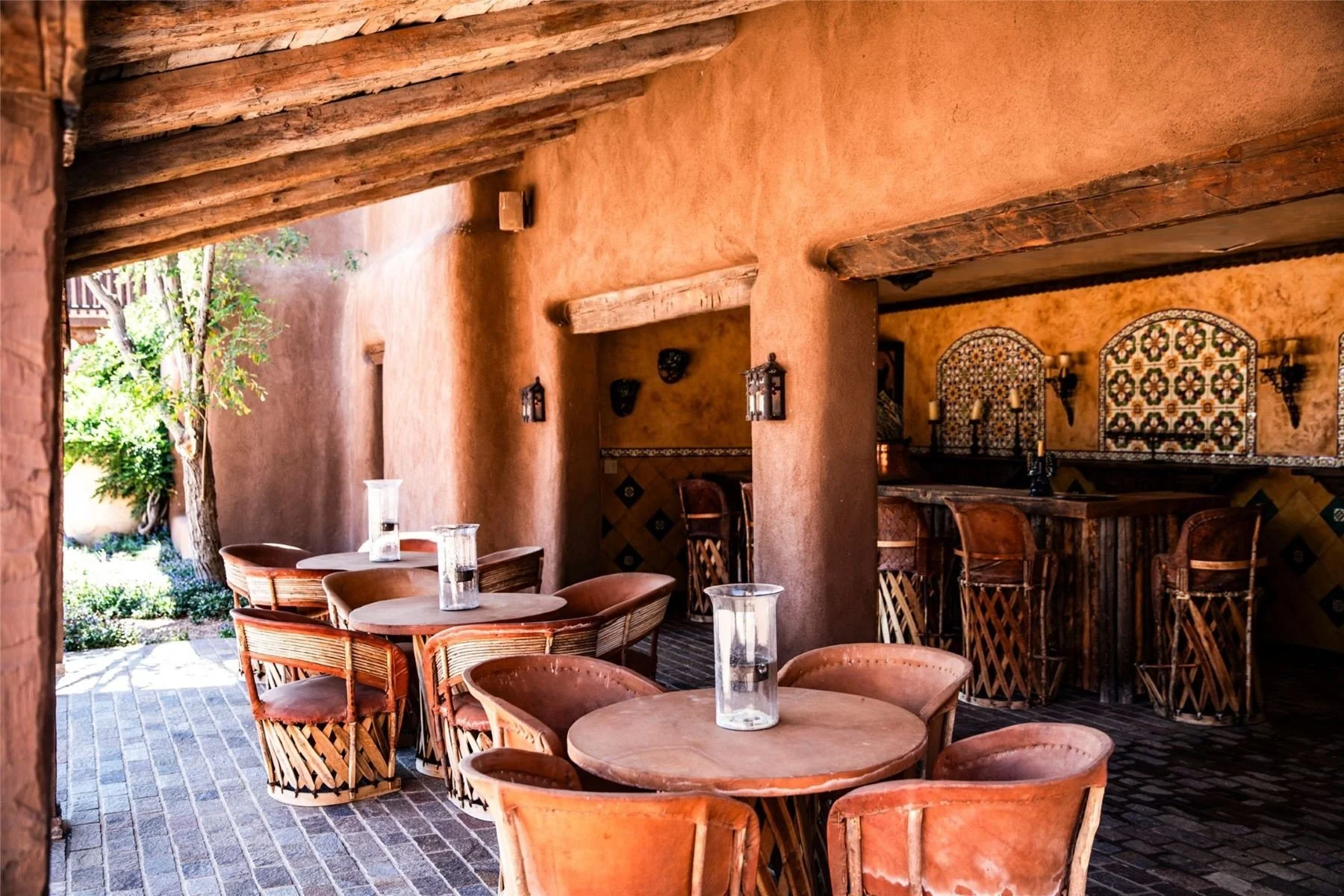
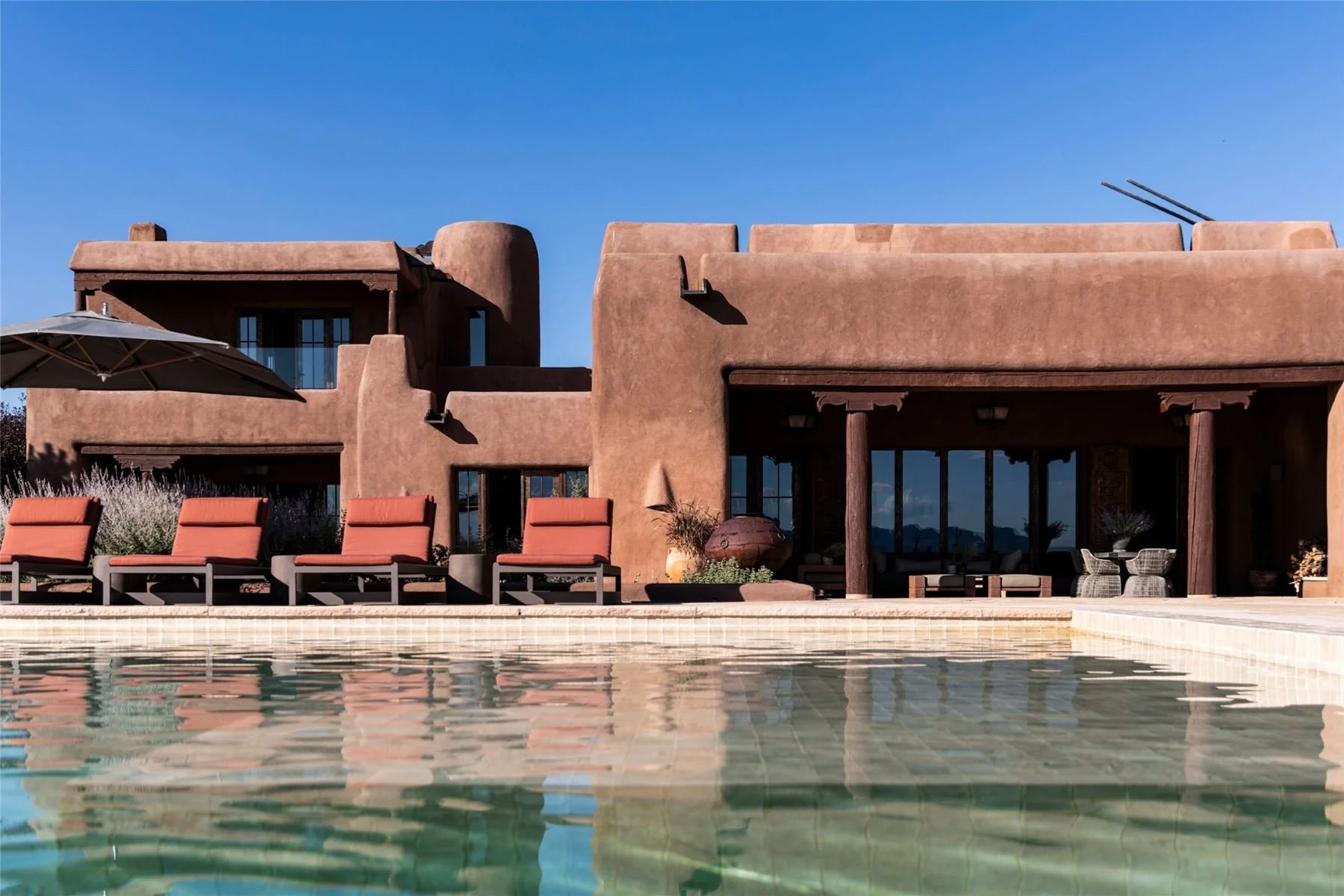
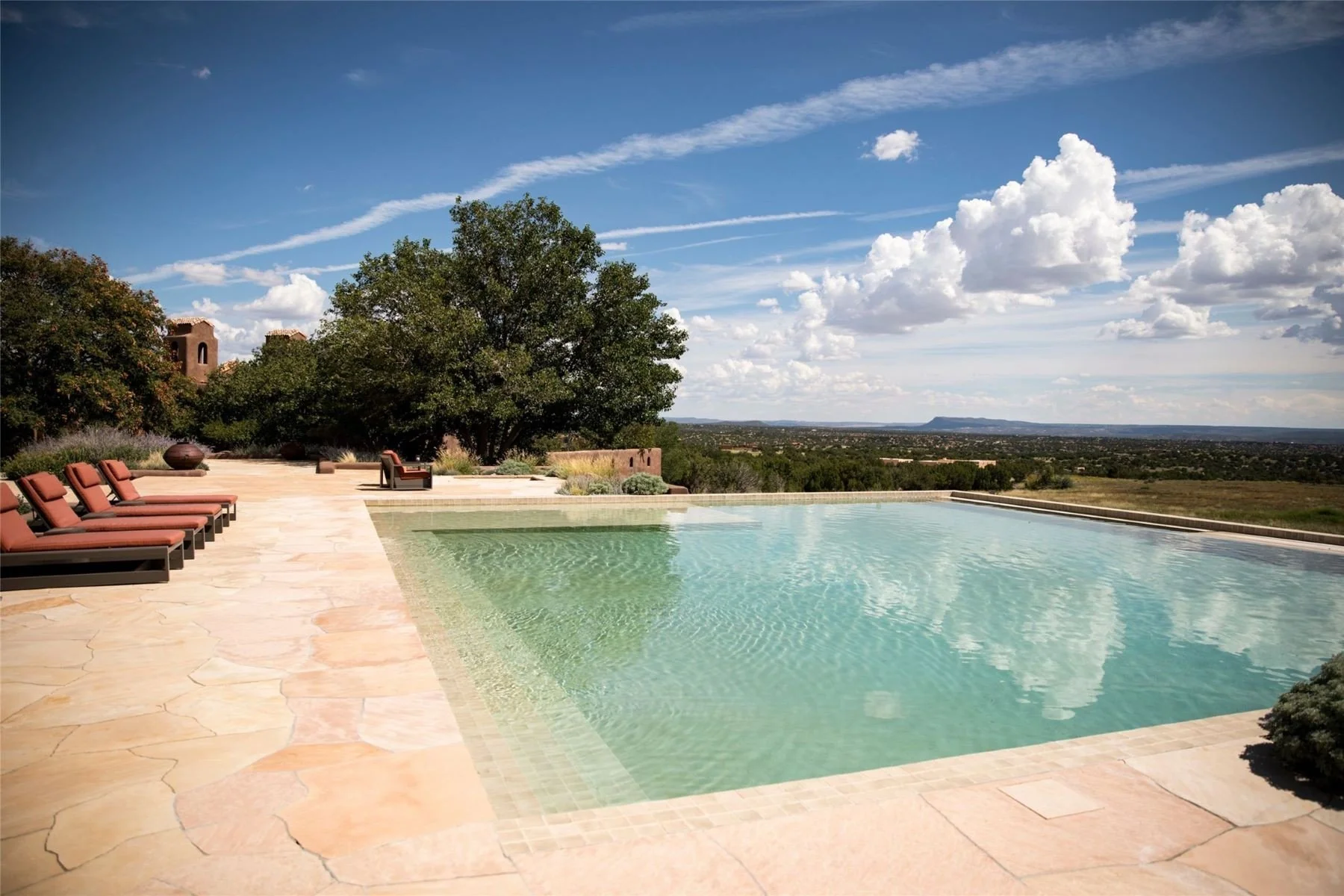
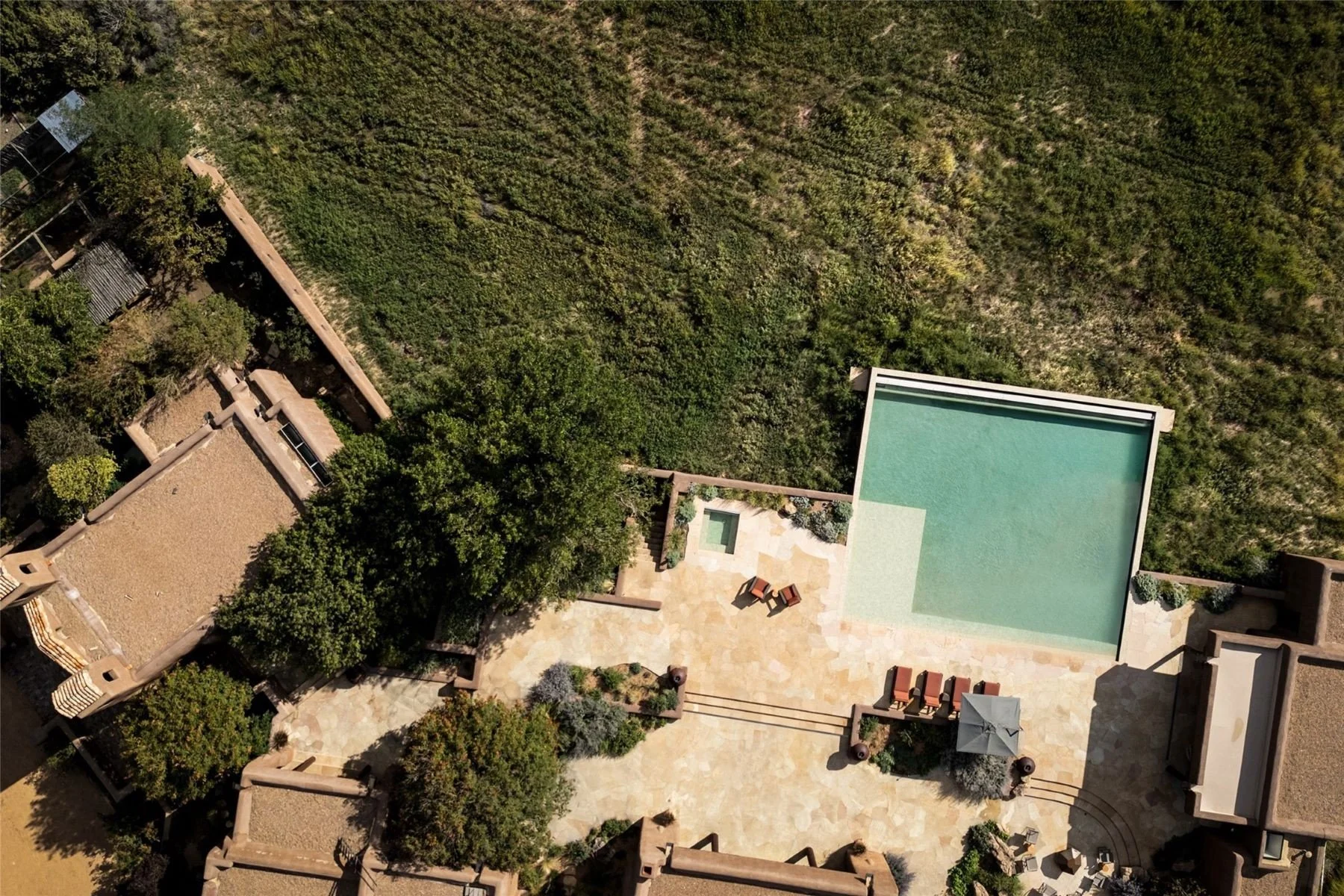
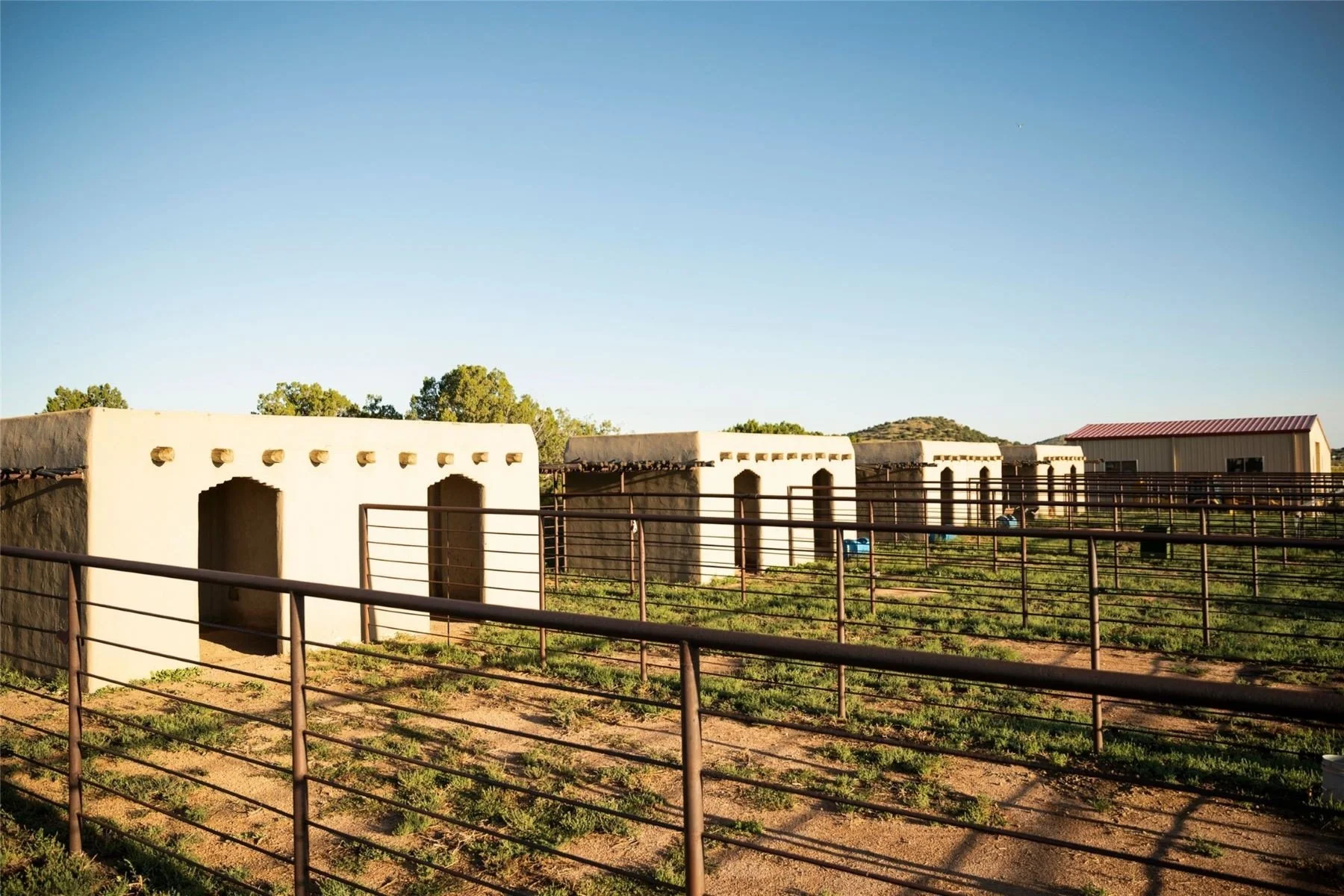
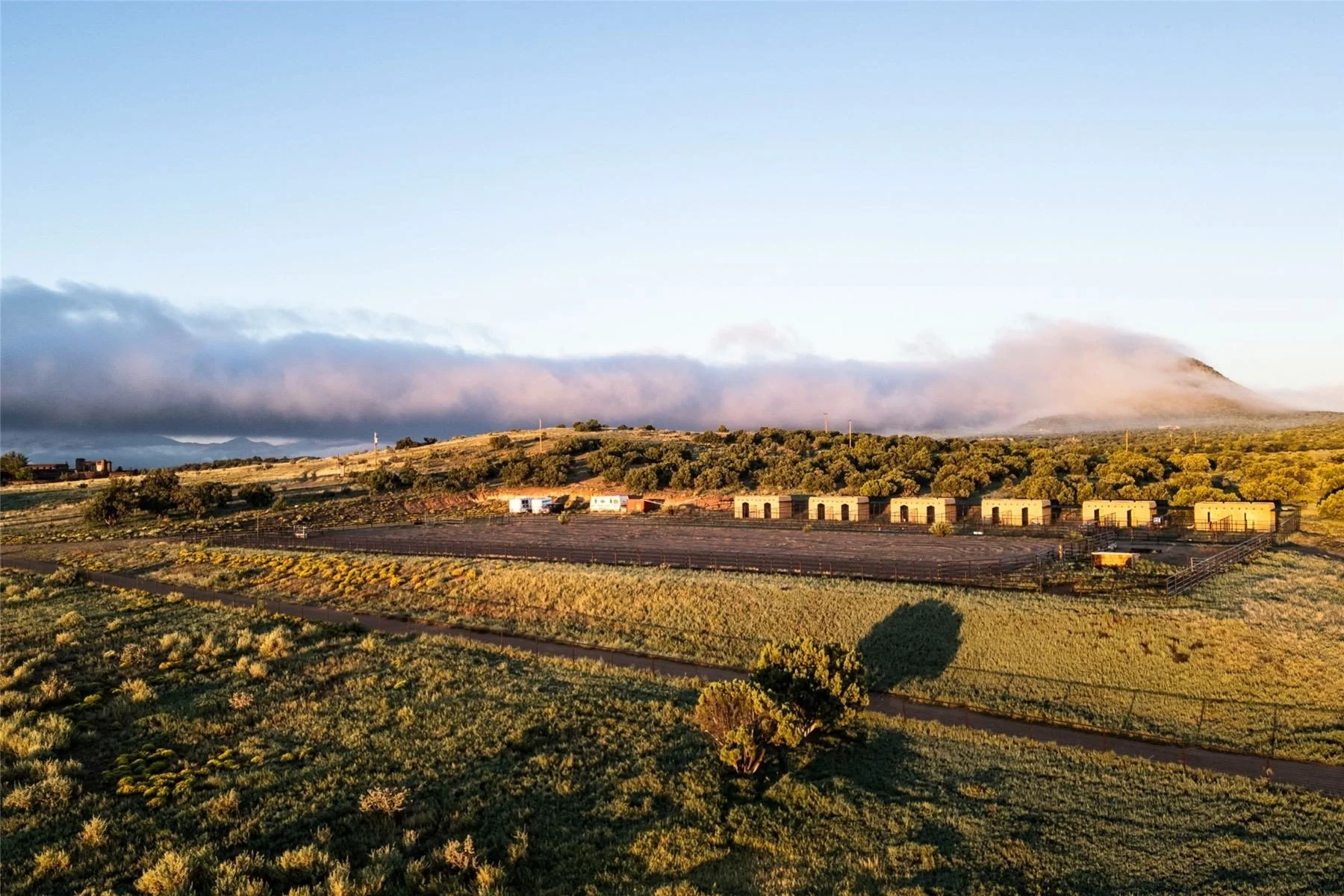
Amenities: Infinity-Edge Pool, Private Gym, Recording Studio, Screening Room, Wine Cellar & Bar, Outdoor Cantina, Chapel, Carriage House, Equestrian Facilities, 12 Stalls with Paddocks, Riding Arena, General Store, Old West-Style Jail
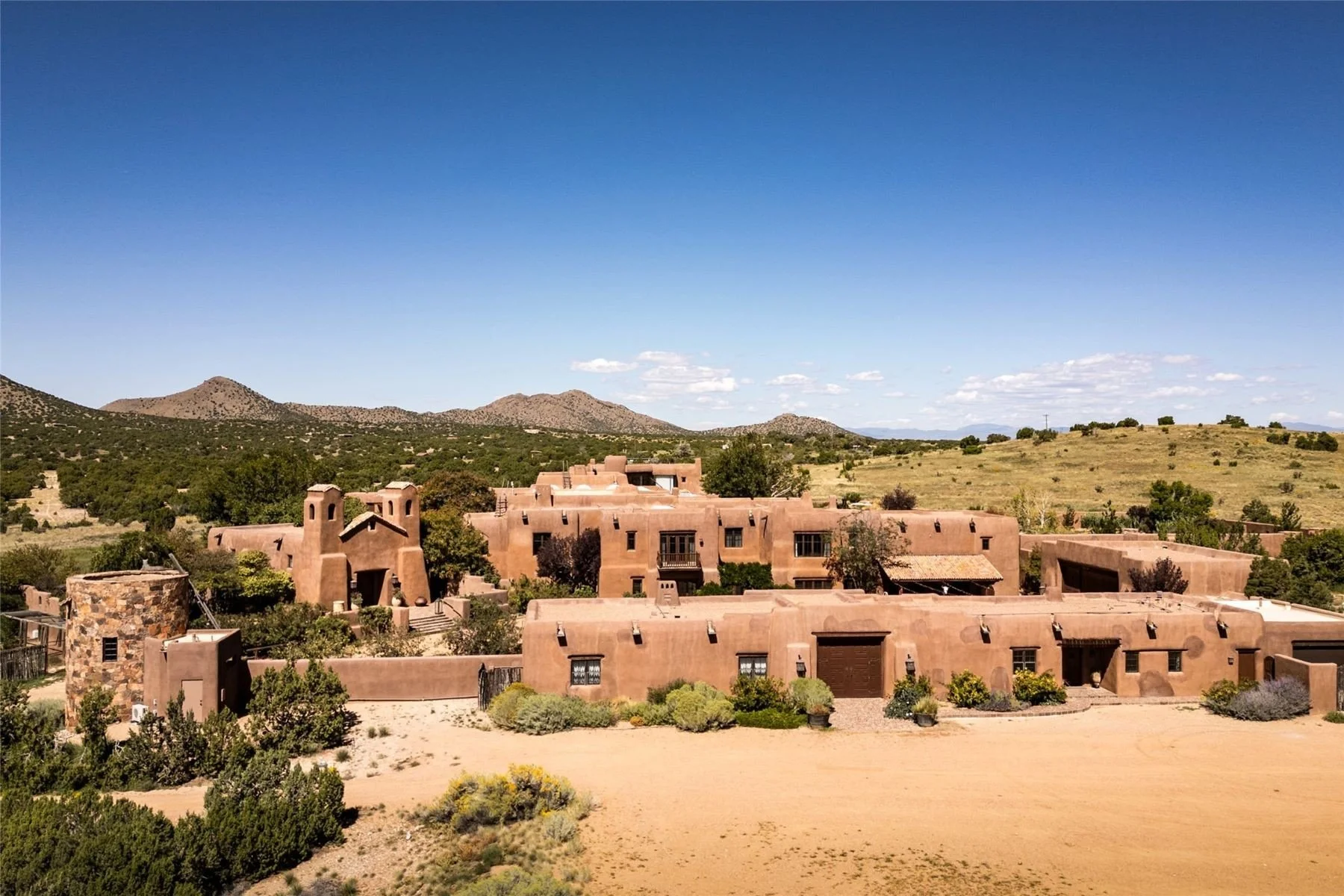
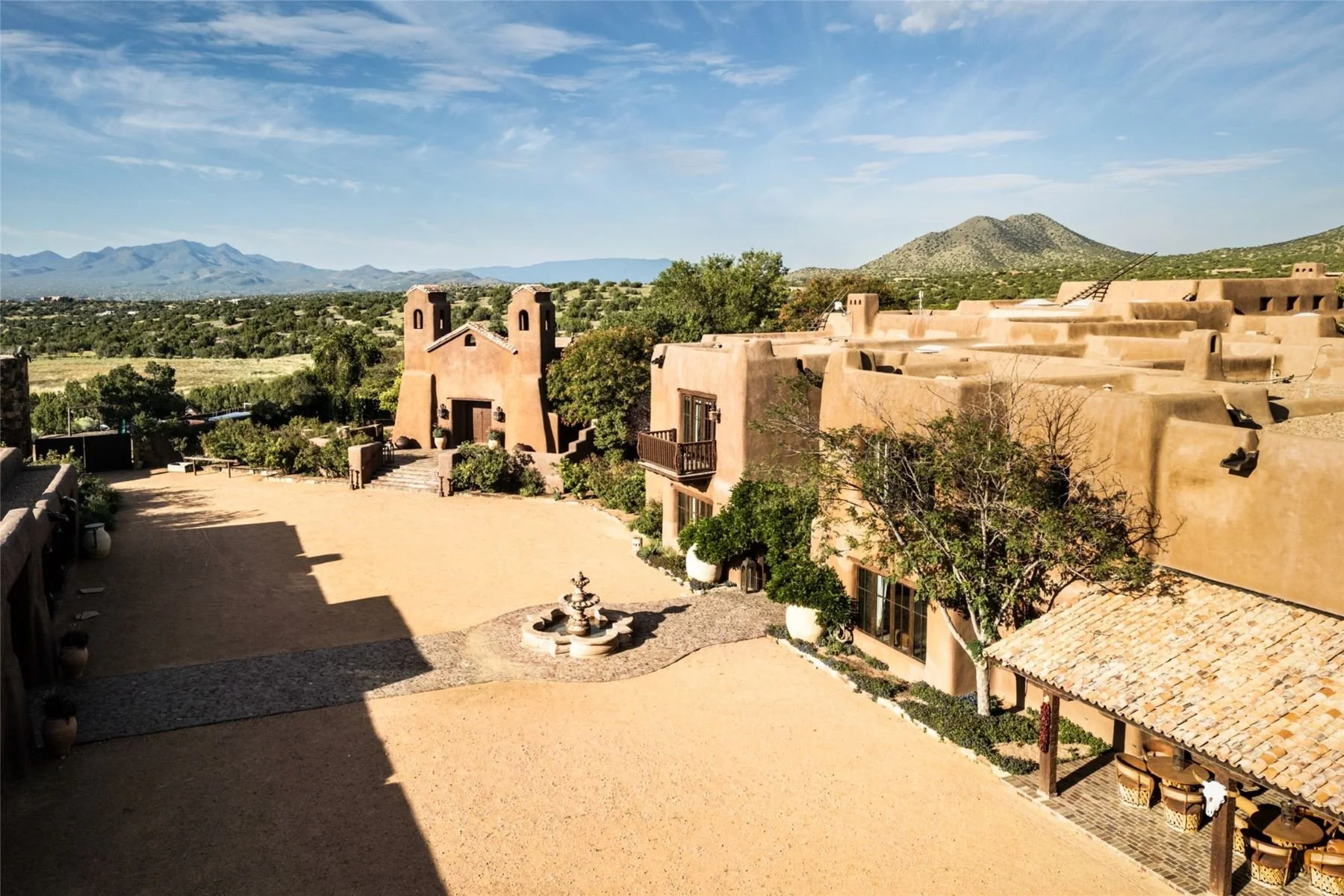
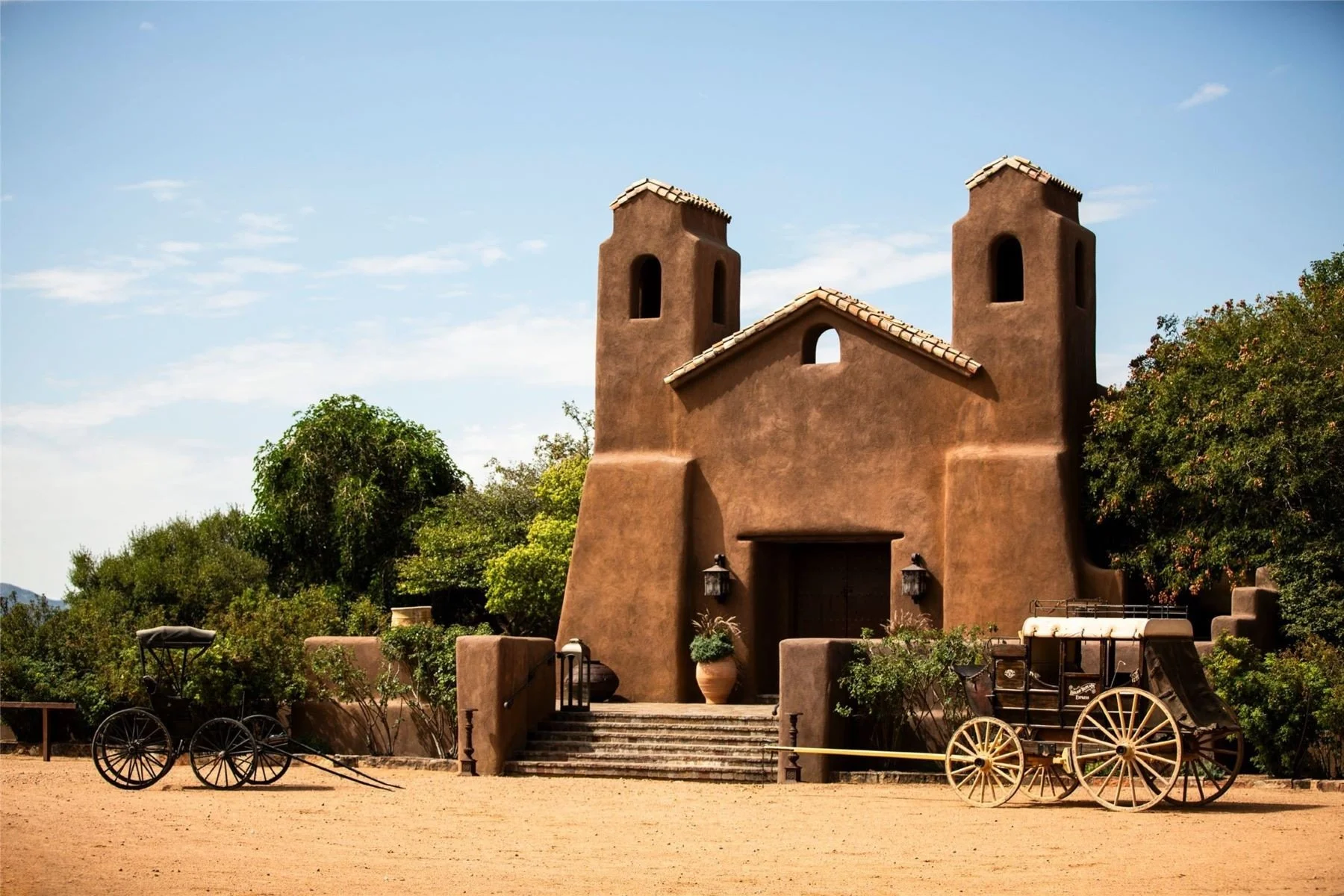
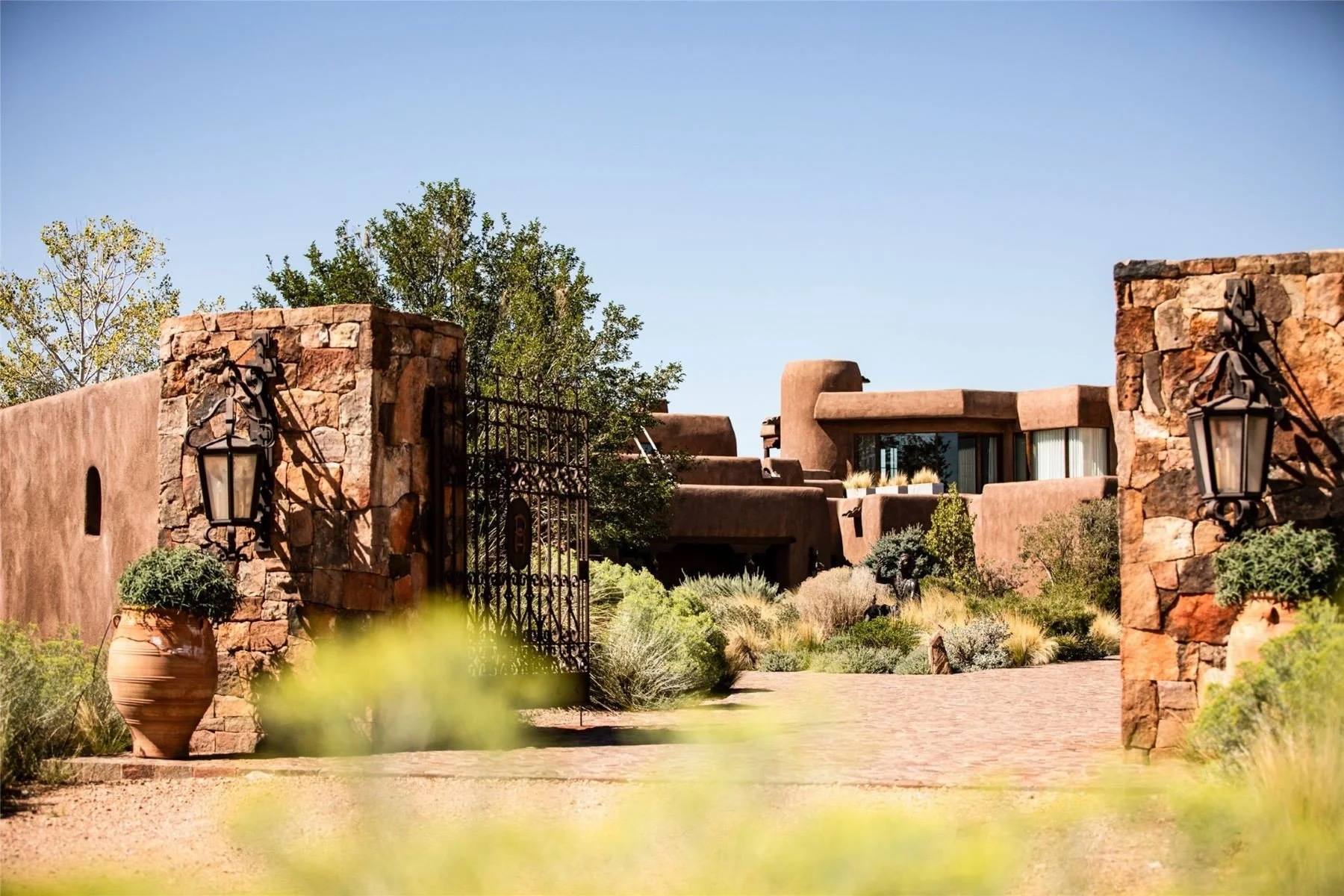
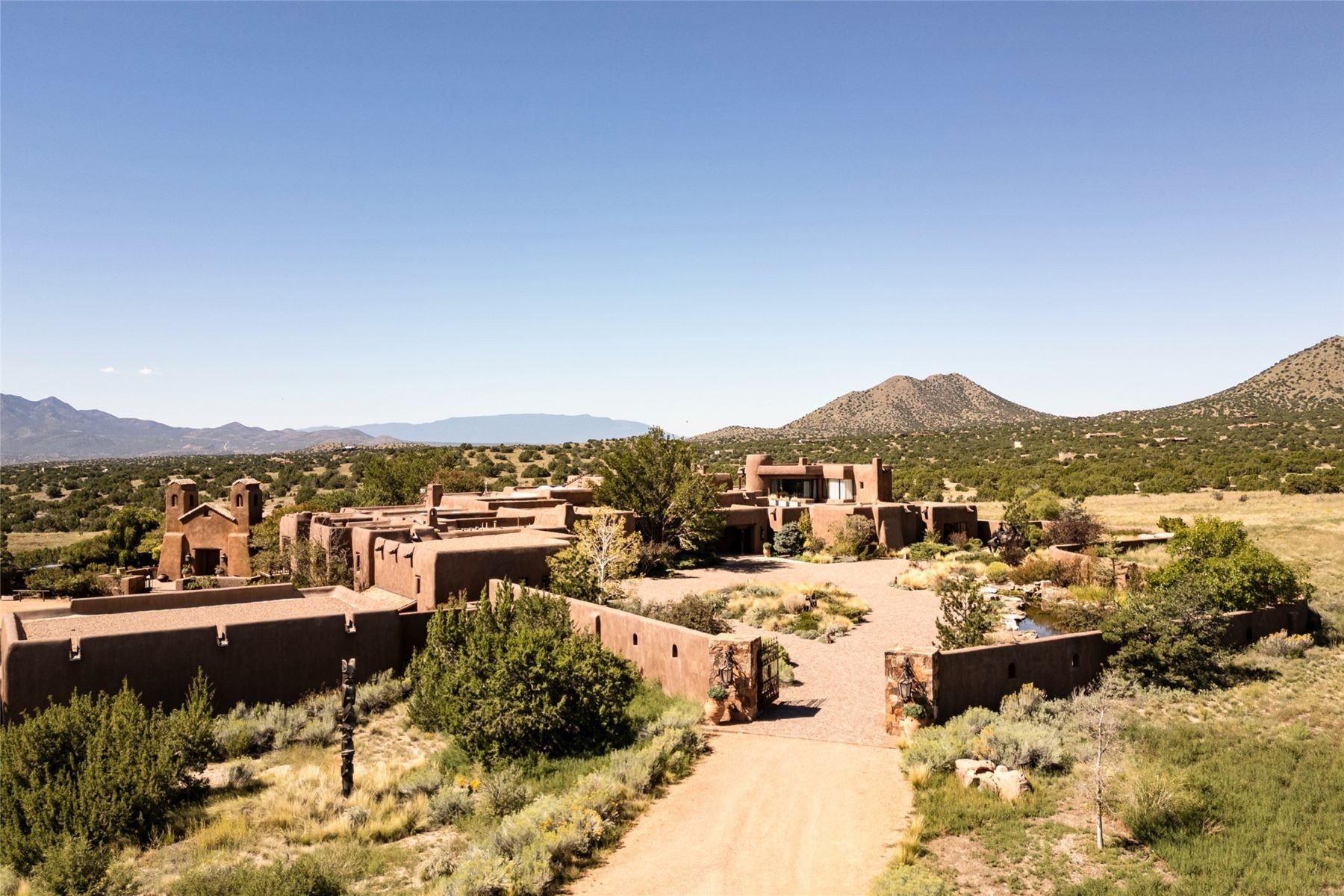
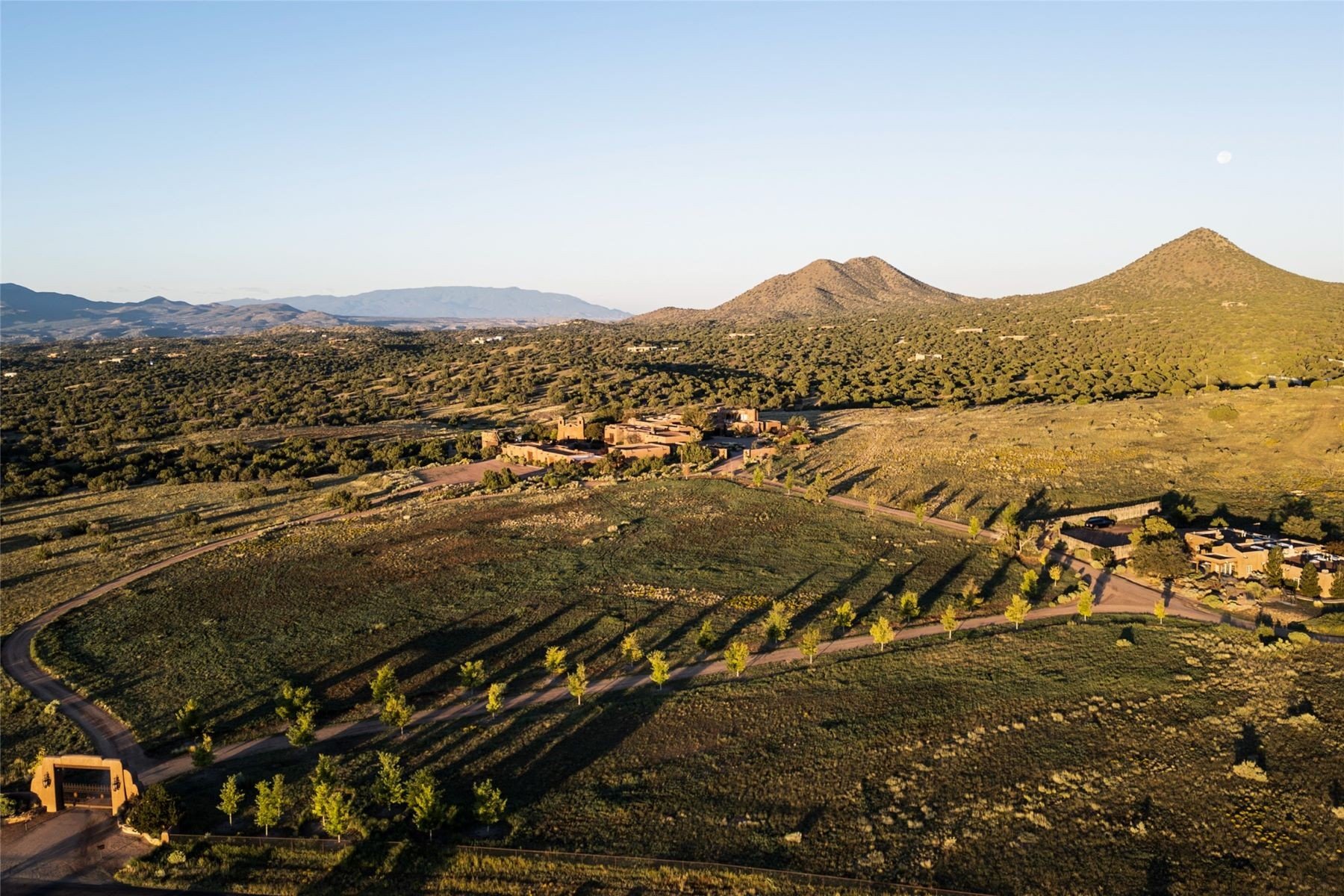
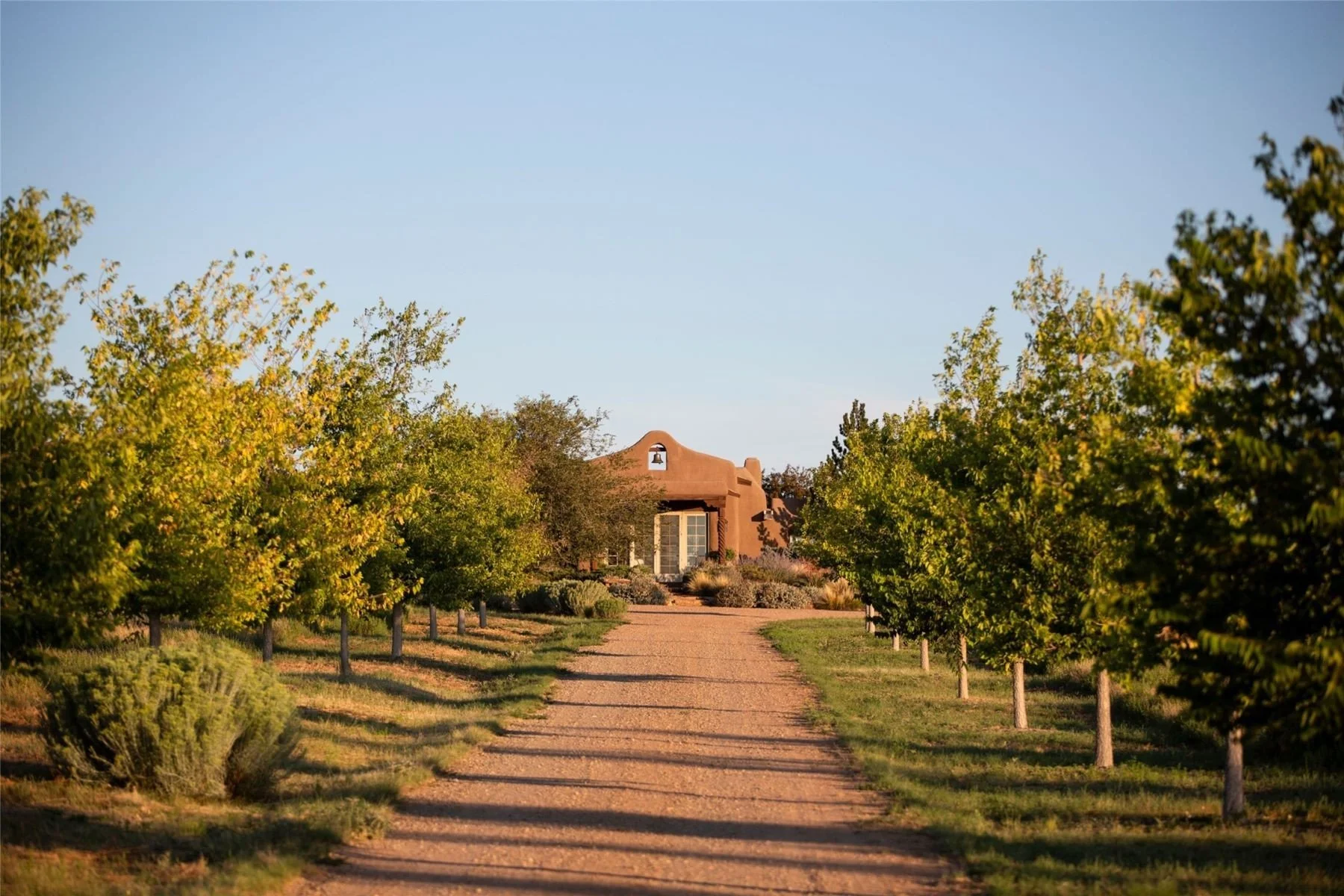
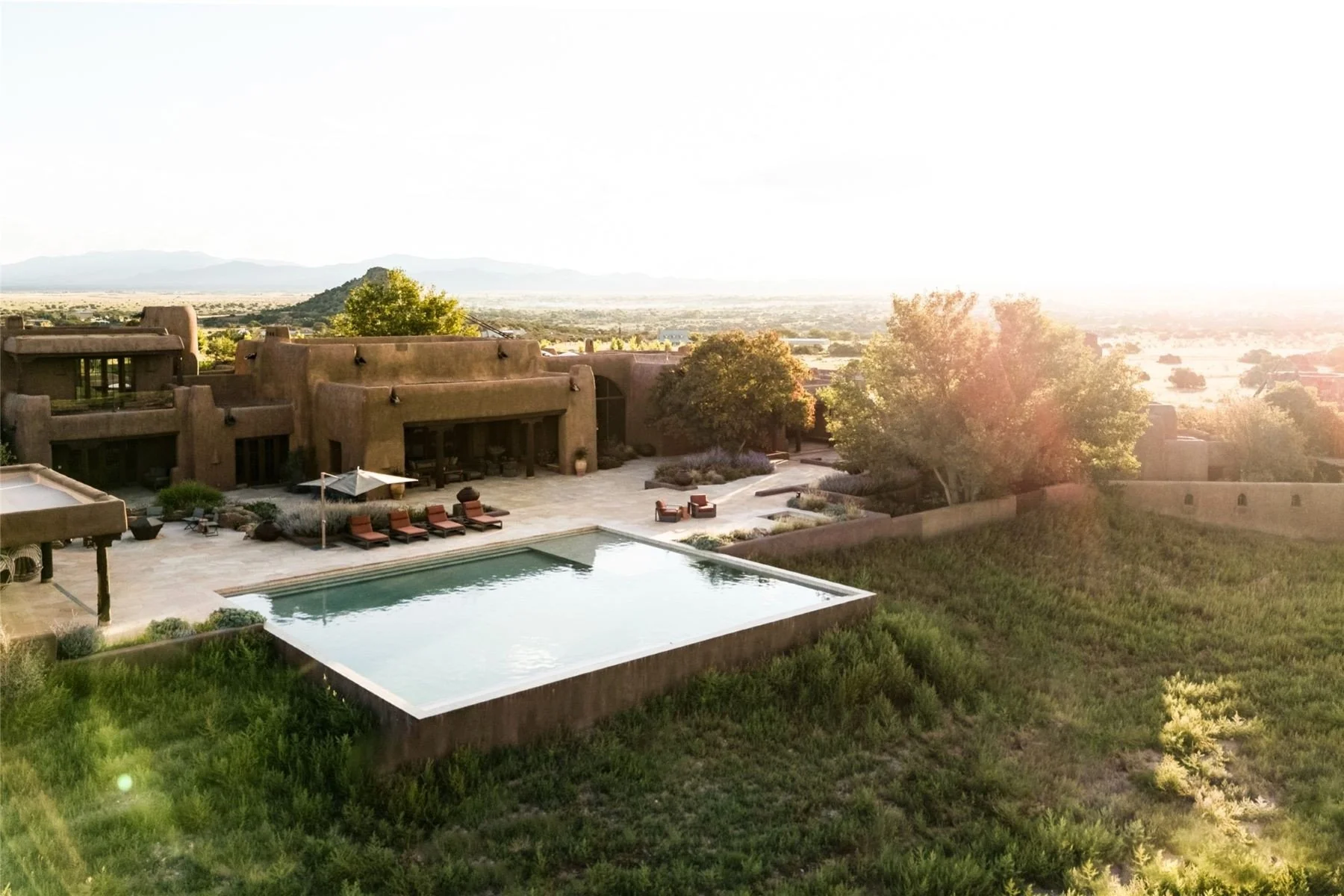
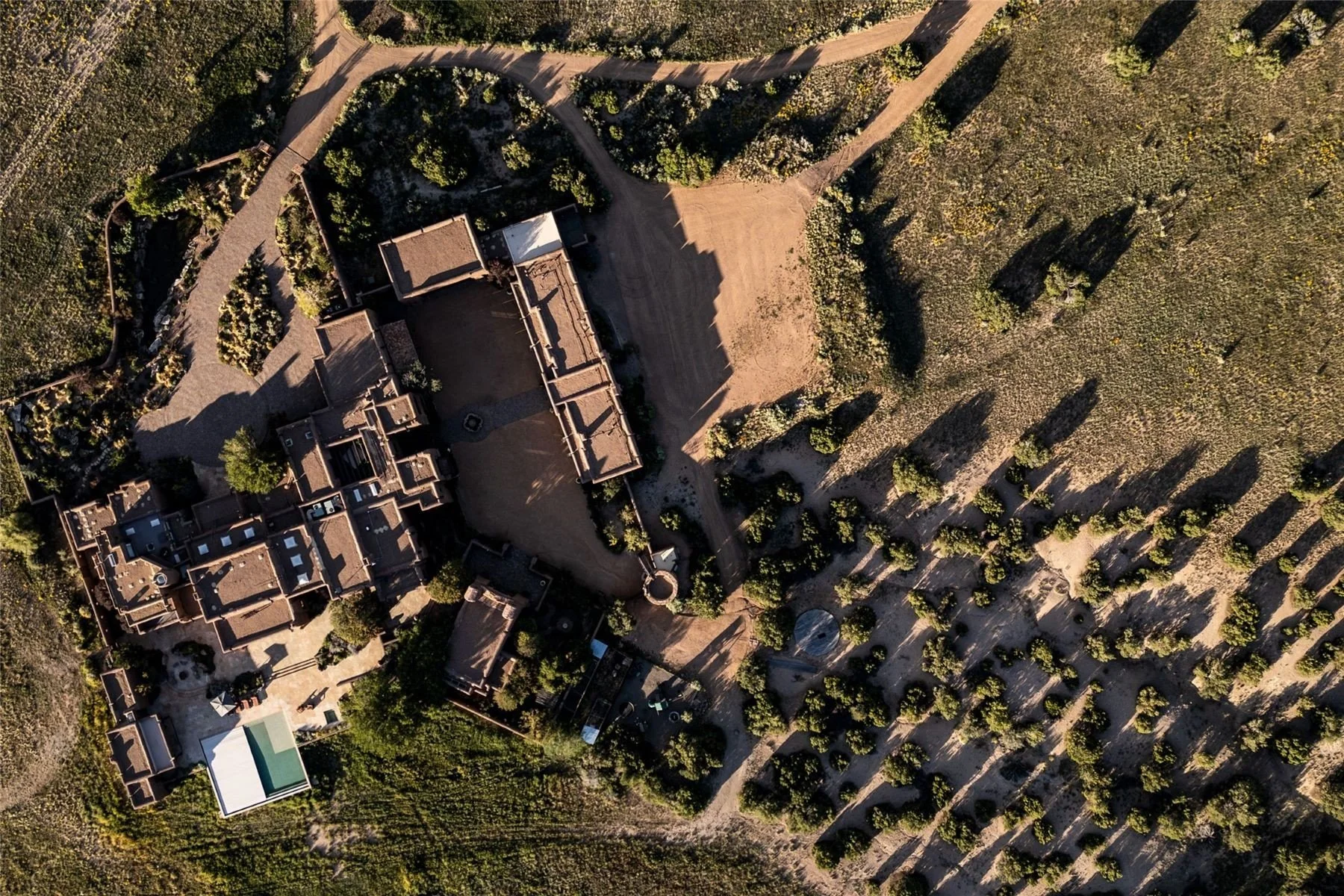
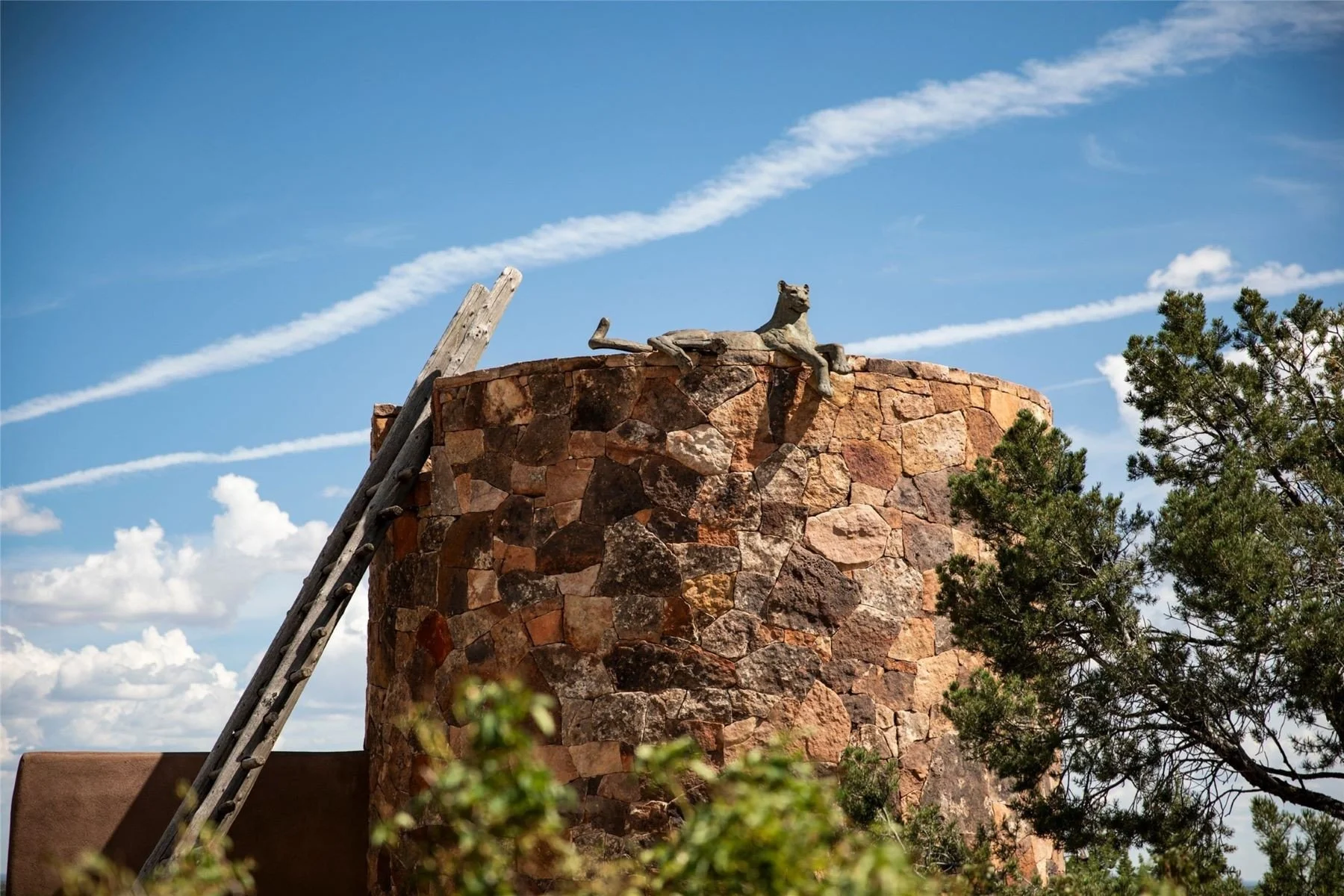
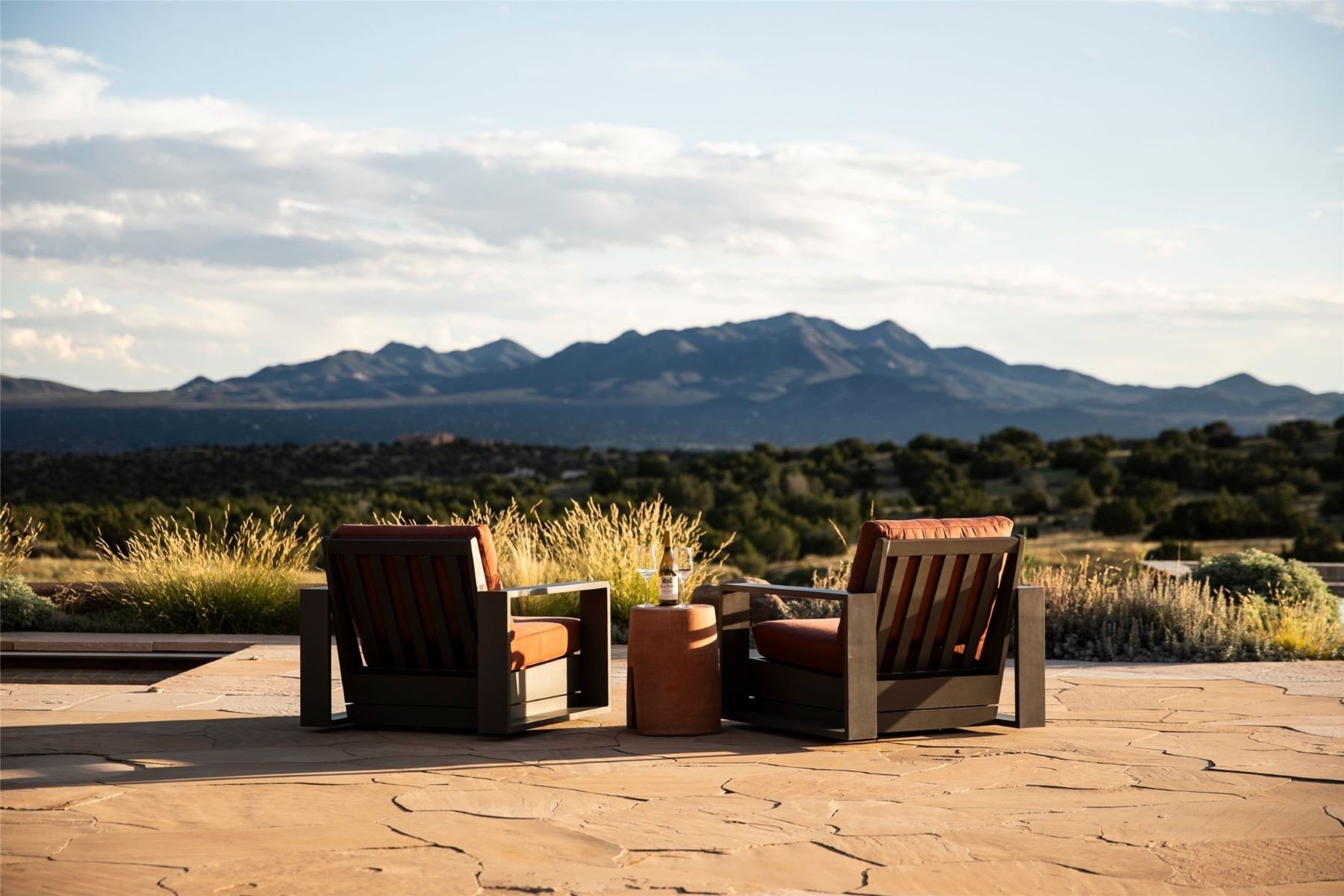
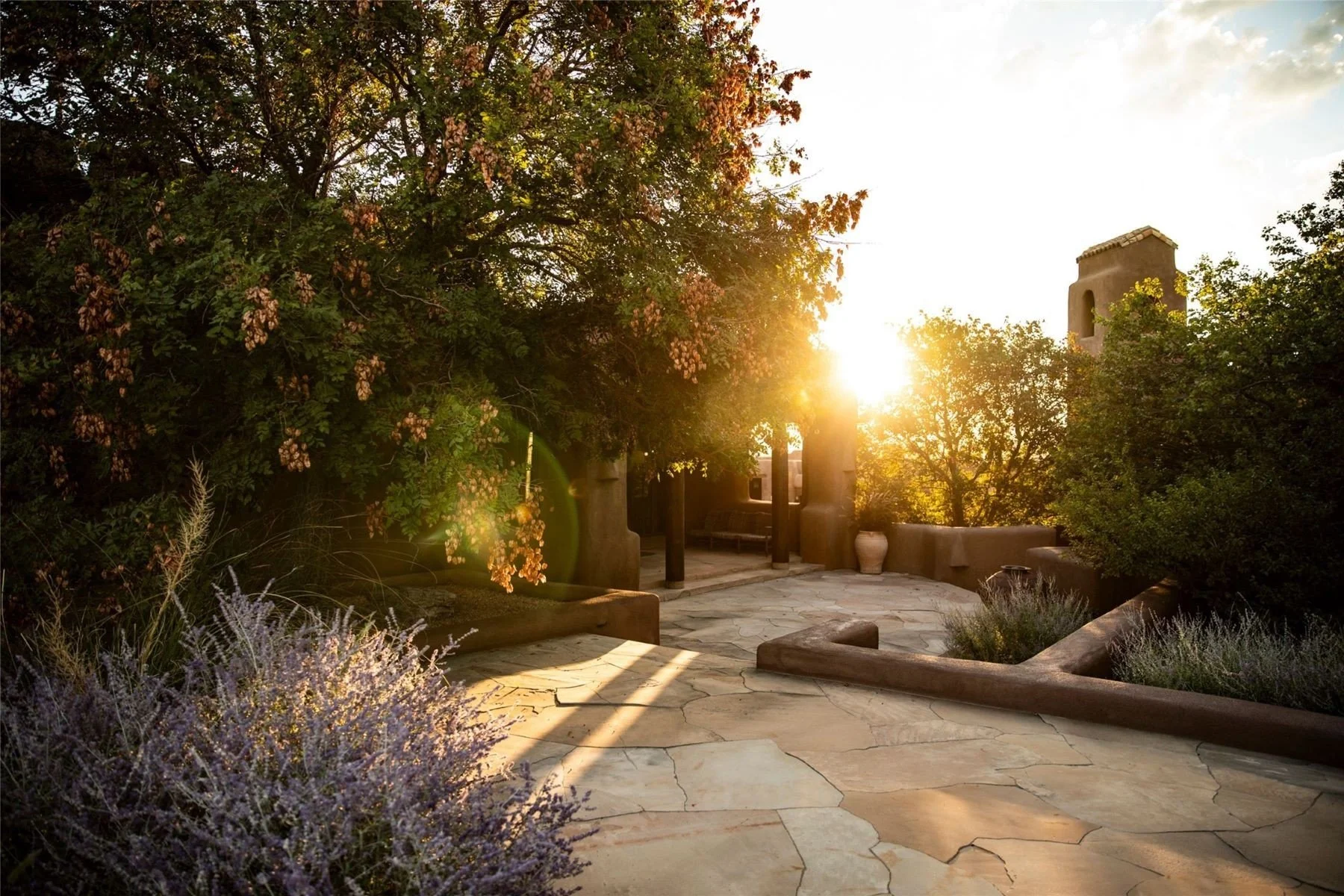
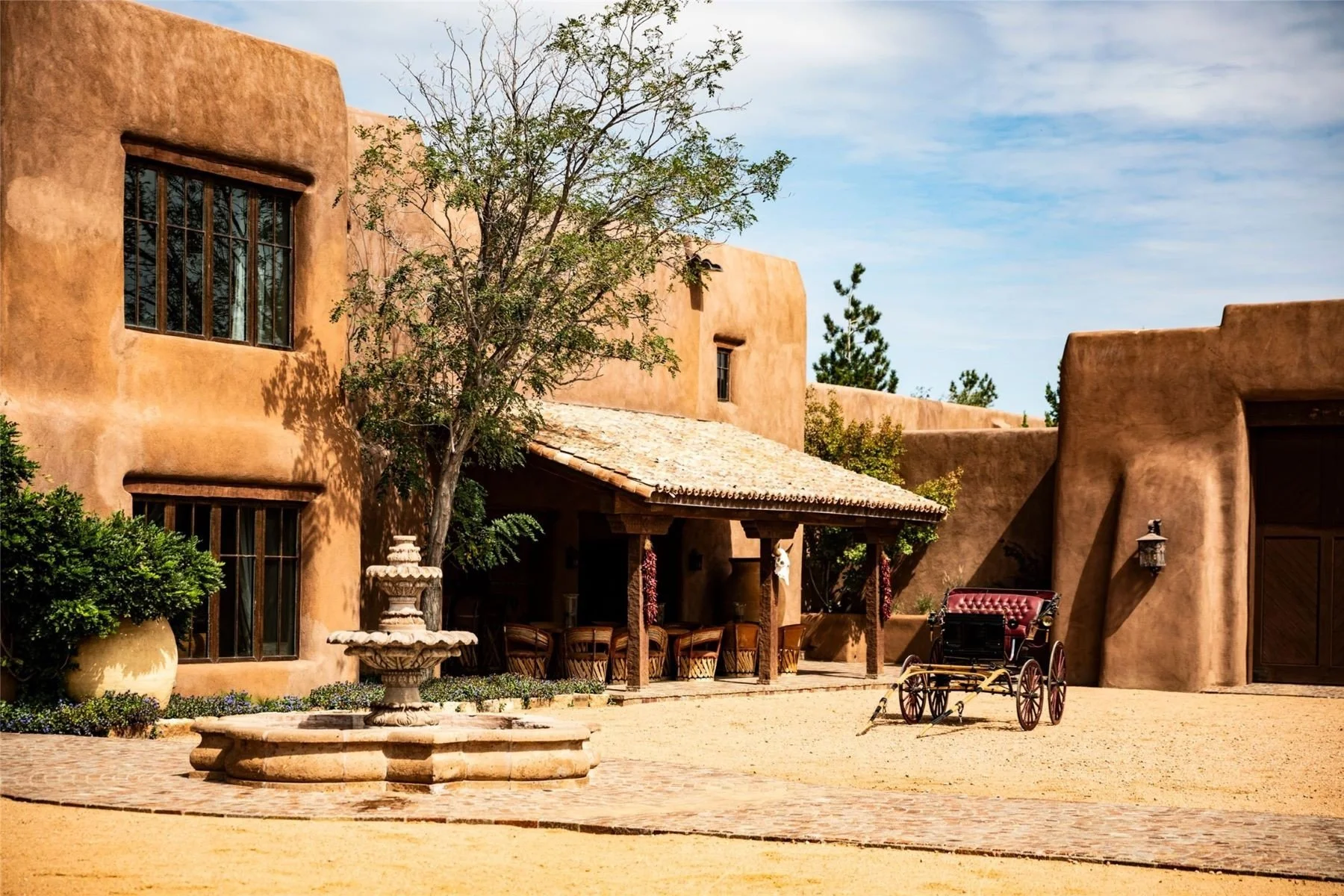
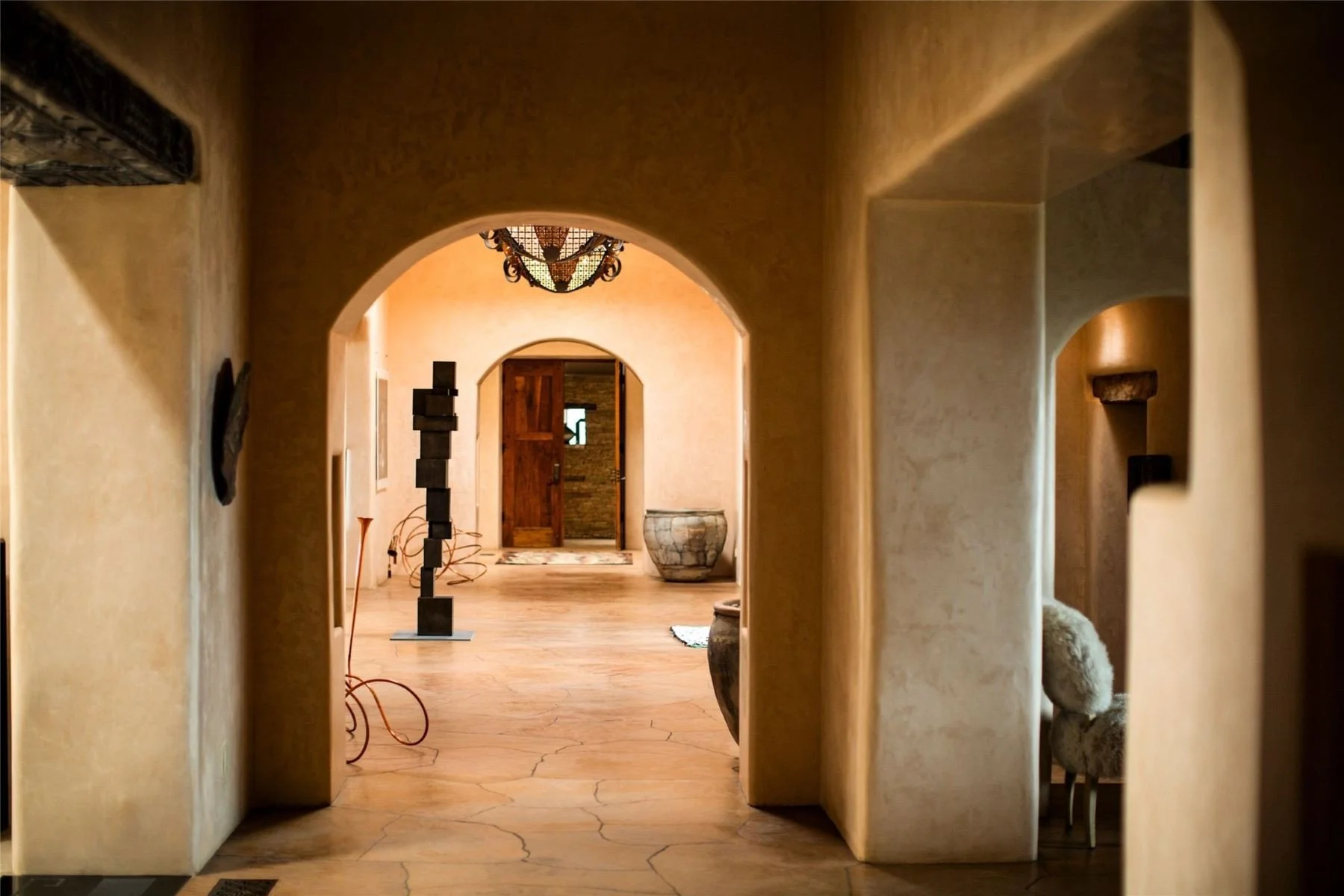
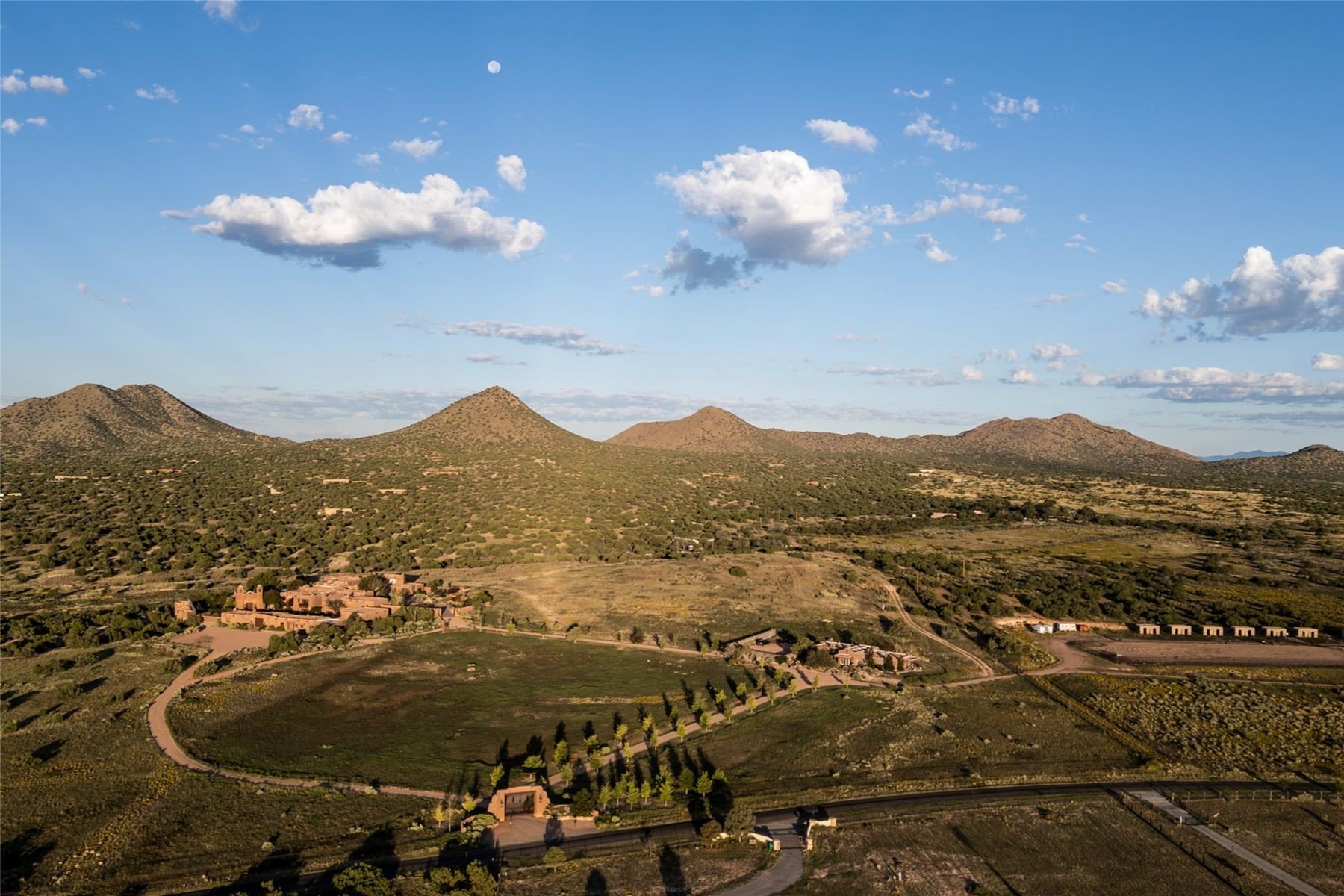
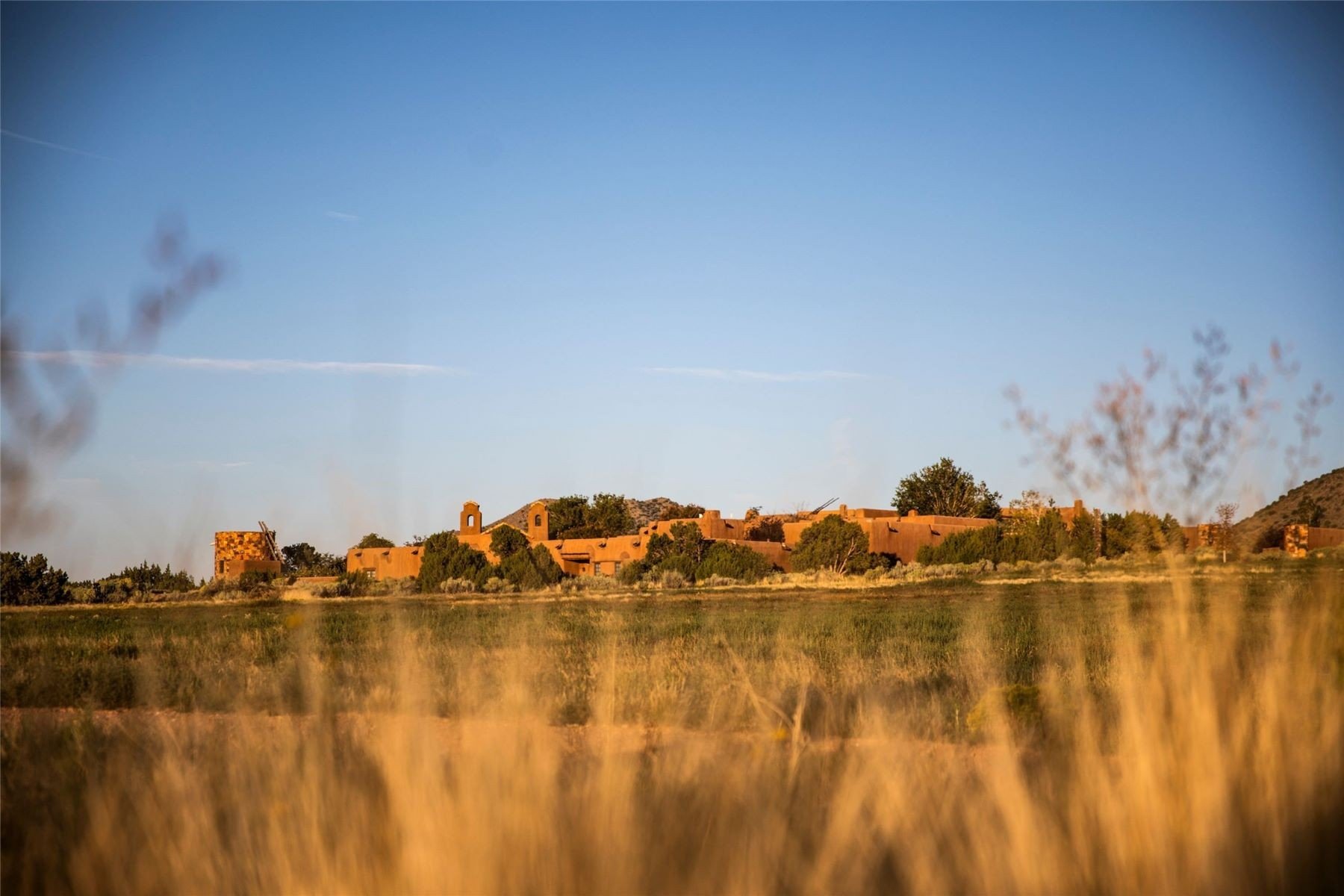
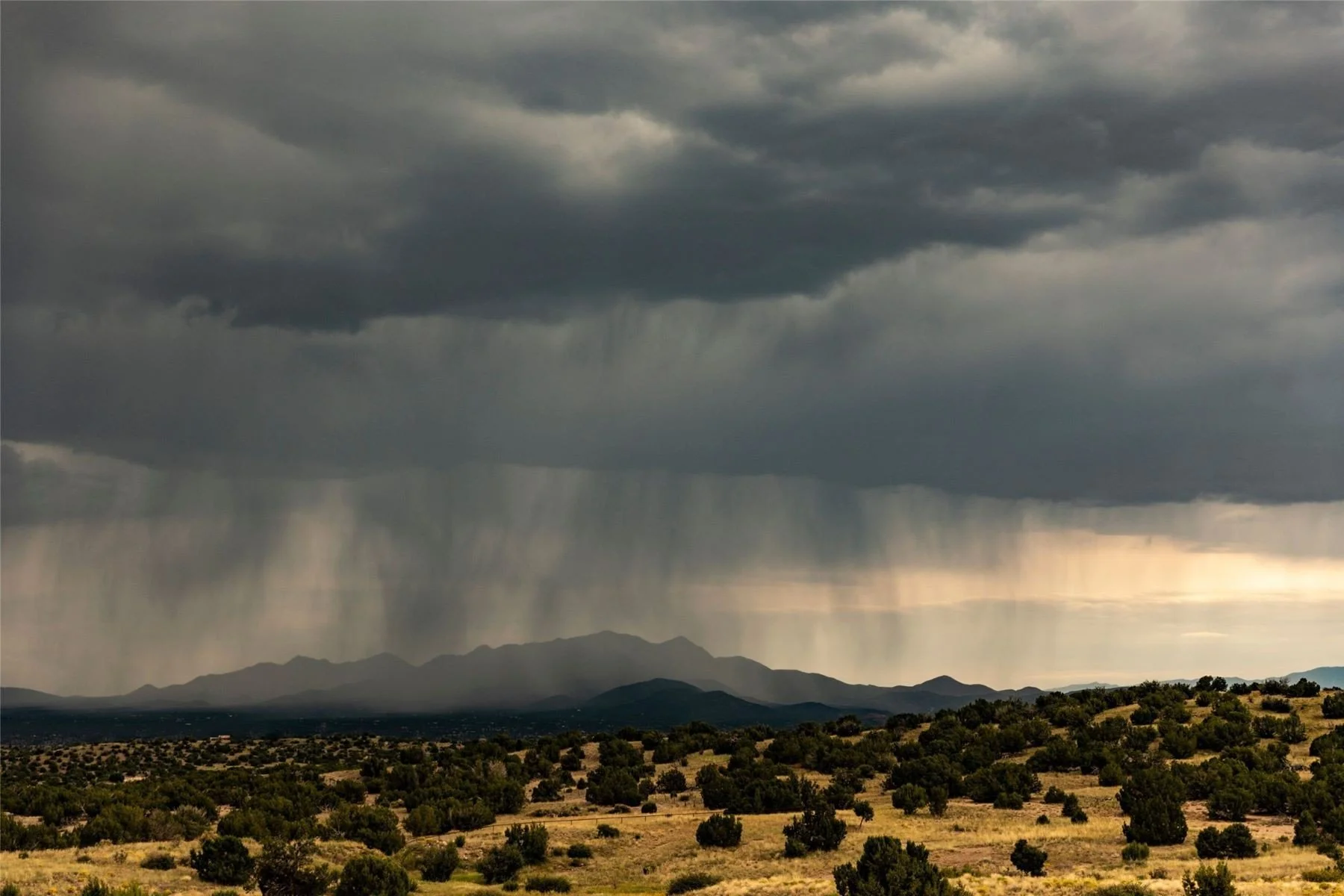
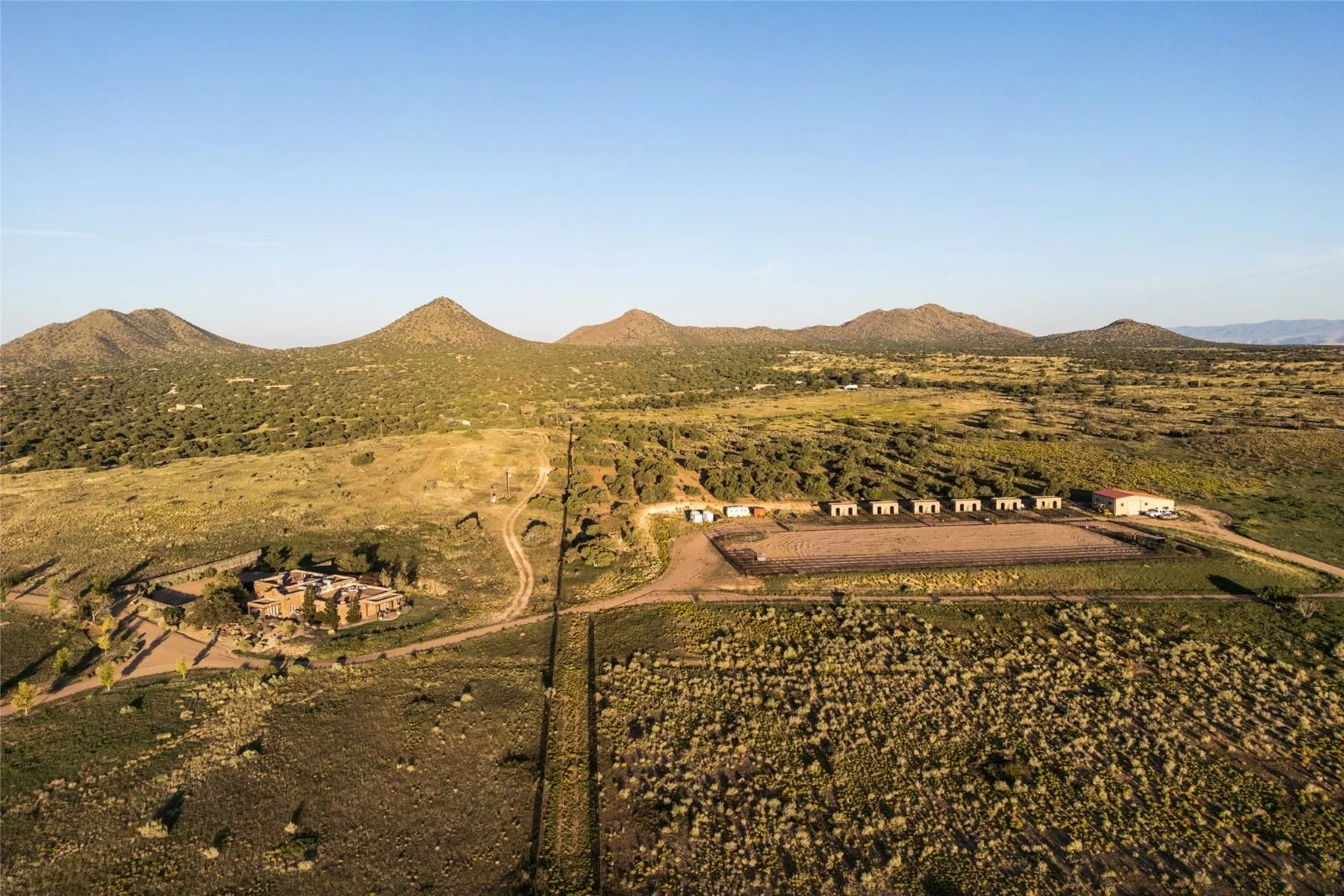
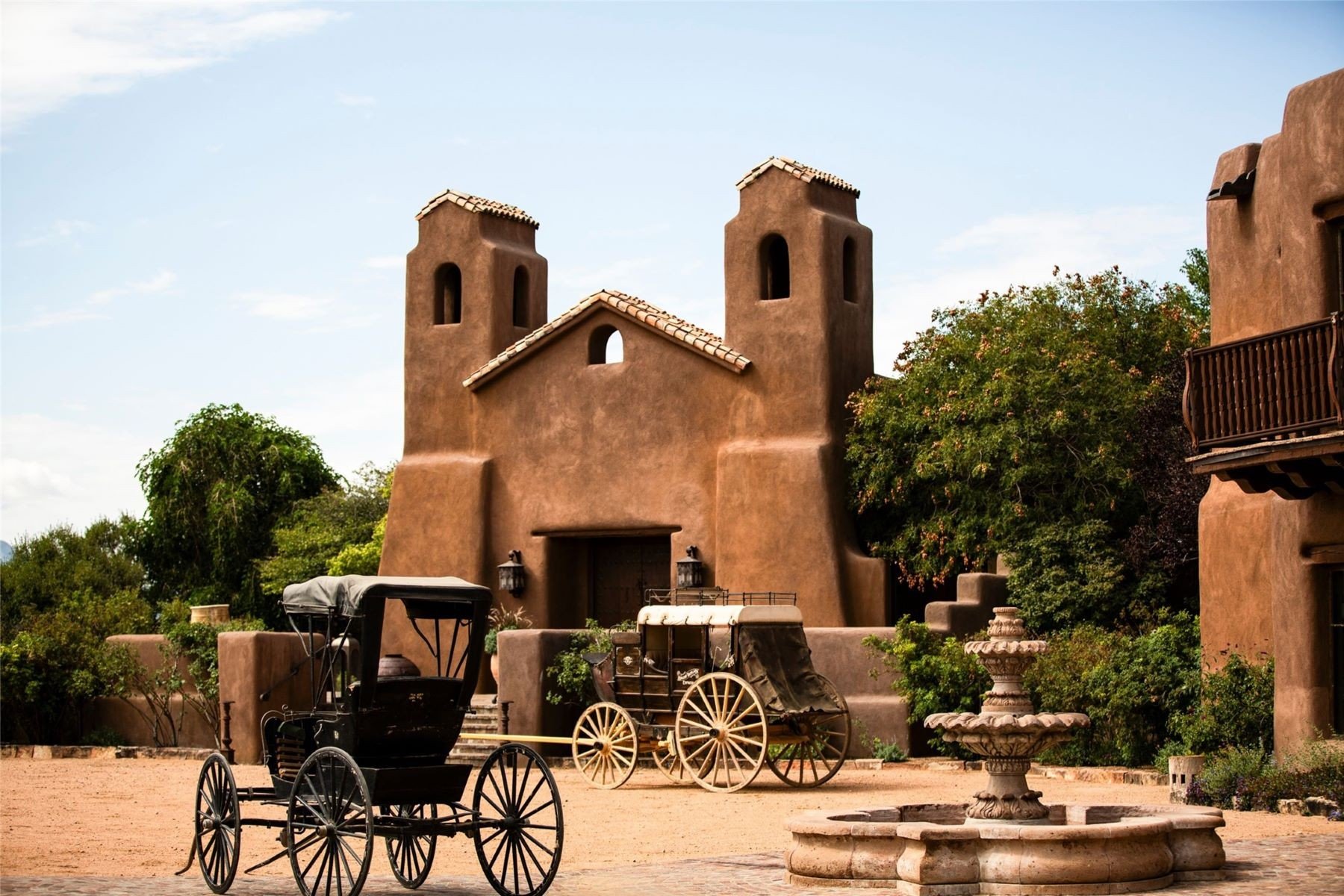
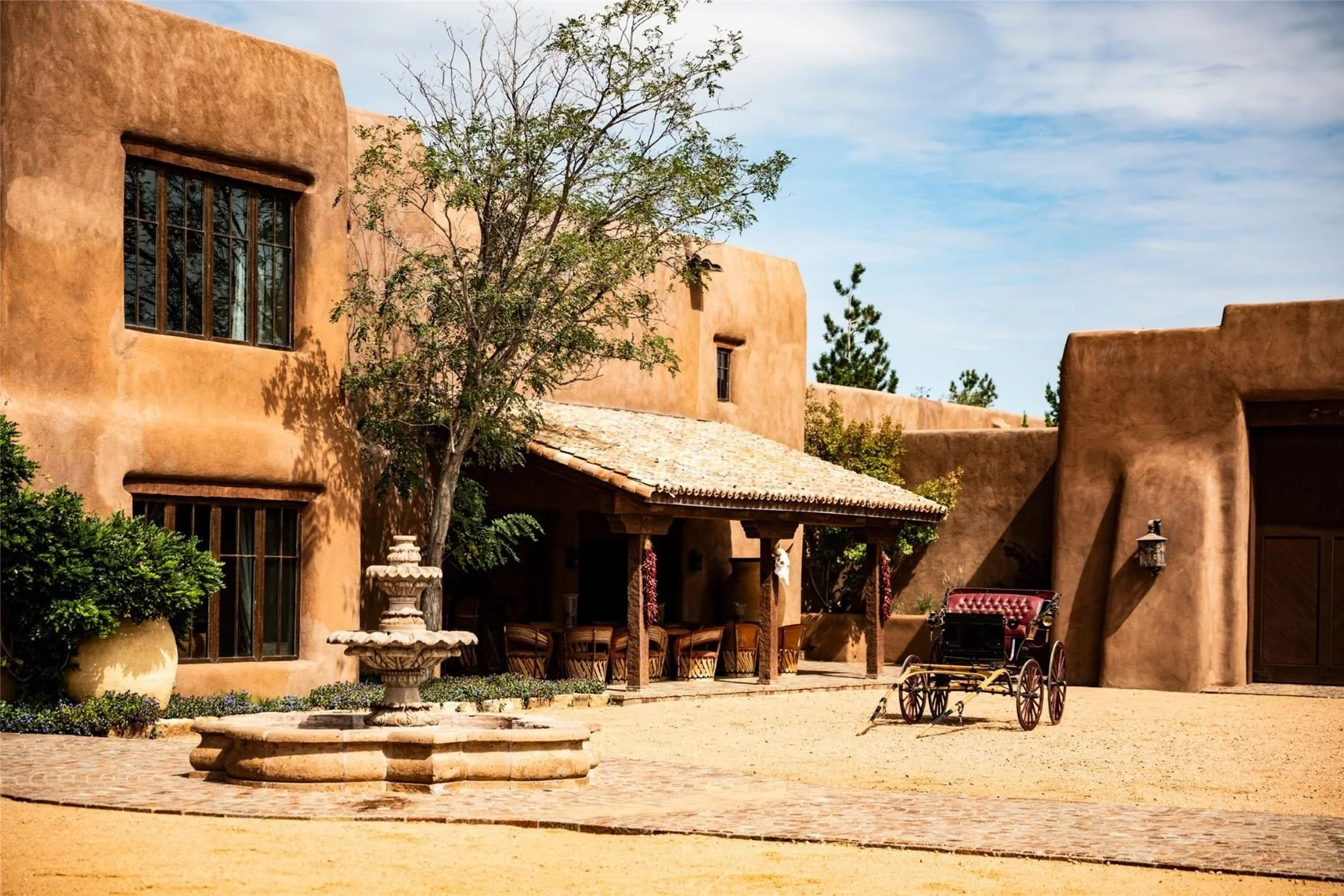
Spread across 178 acres / 72 hectares south of Santa Fe, Rancho Alegre appears less like a single house than an Old Western settlement accumulated over generations. Thick adobe walls surround a plaza; a stone tower rises beside a chapel; beyond are a cantina, general store and even an Old West-style jail.
Yet the village is not centuries old. Built in 1999, it was the creation of a lifelong Western enthusiast who had grown up on cowboy films and novels and set out to make the world they portrayed real.
Now listed for $16.5 million with The Lyon Group of Sotheby’s International Realty, Rancho Alegre comprises more than 20,000 square feet / 1,950 square metres of living space and 16 bedrooms across its sprawling Southwestern compound. Its current owner is Jochen Zeitz, the former chief executive of Harley-Davidson and PUMA — another lifelong Western enthusiast who would later recognise something of his own childhood dream in the ranch.
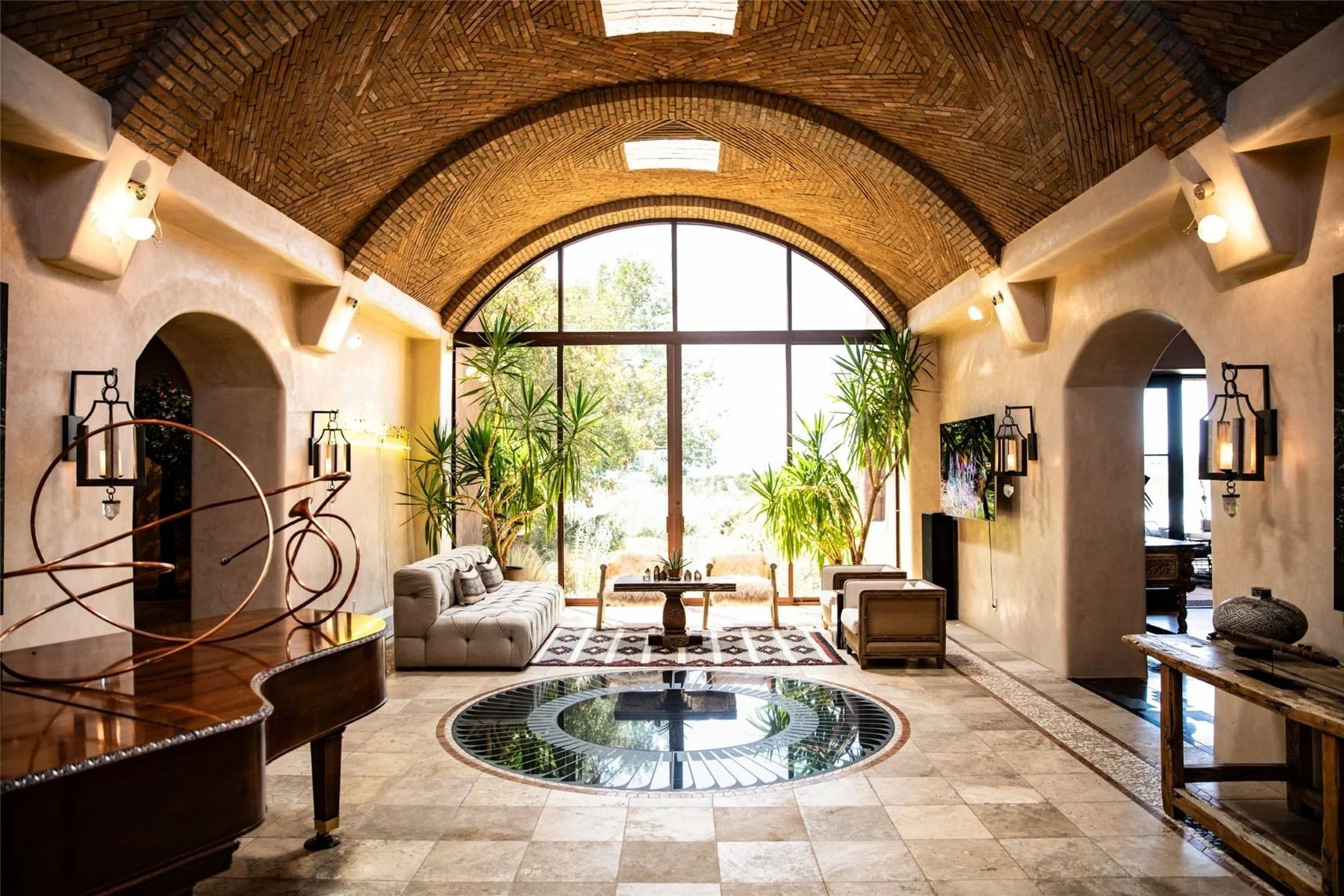
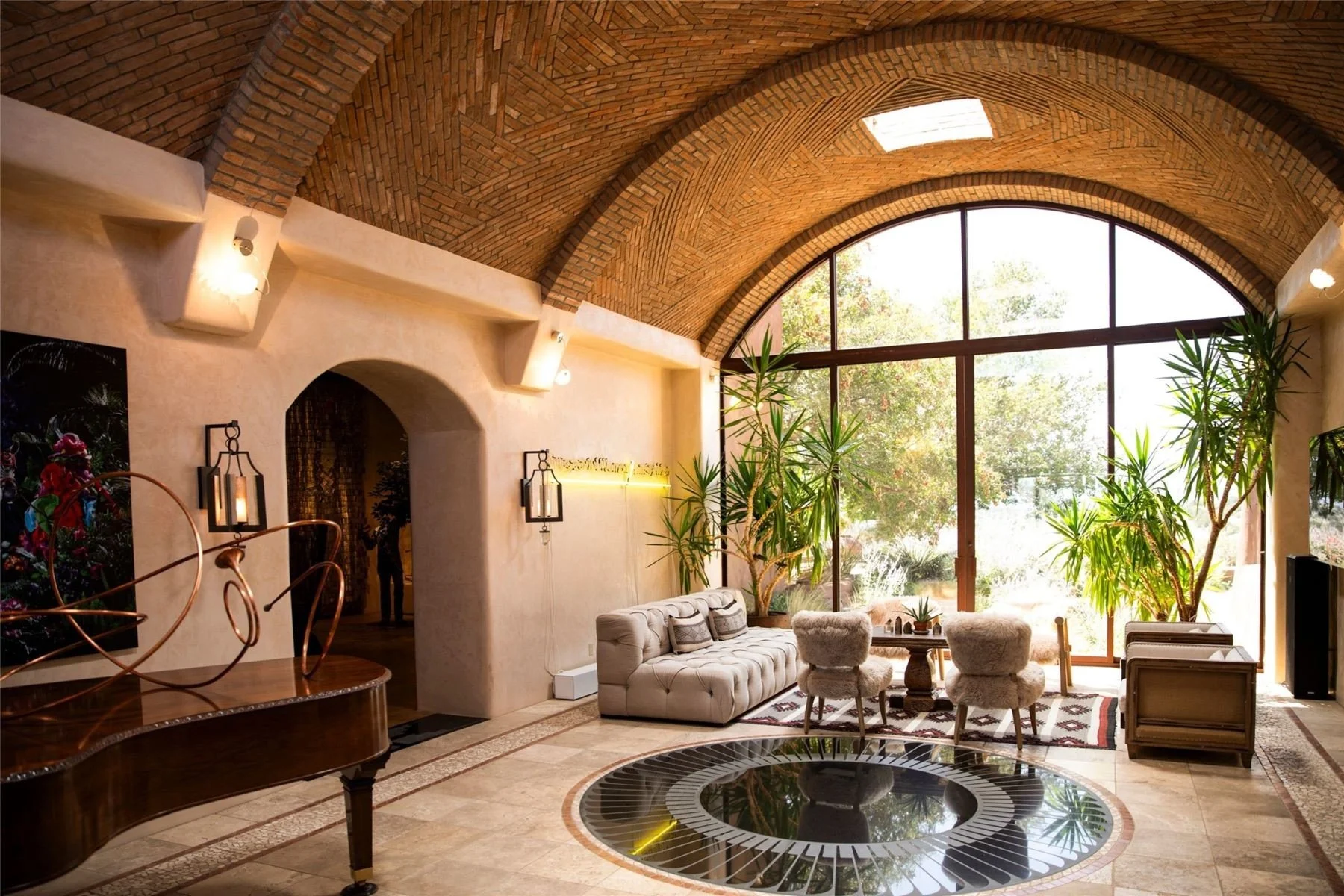
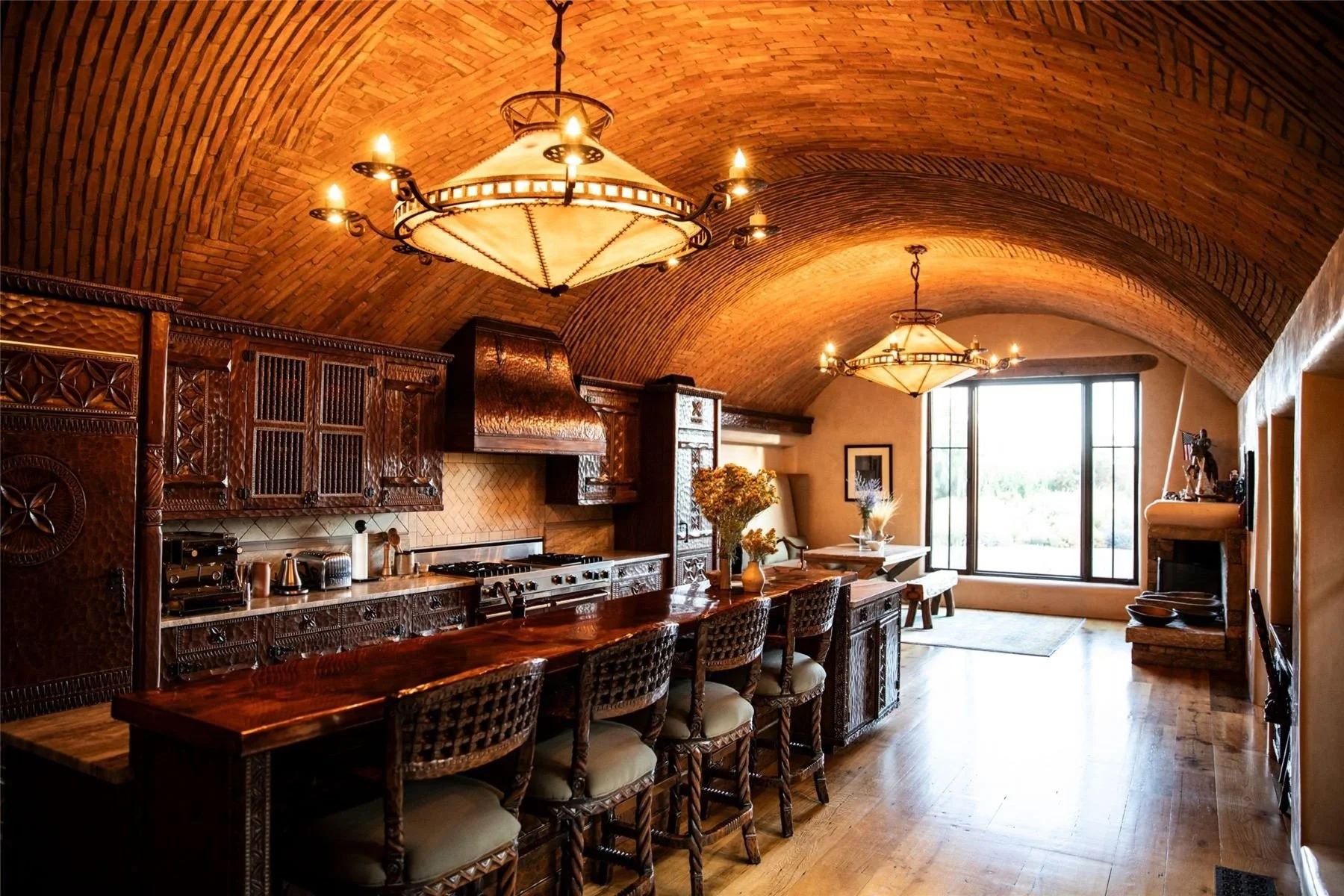
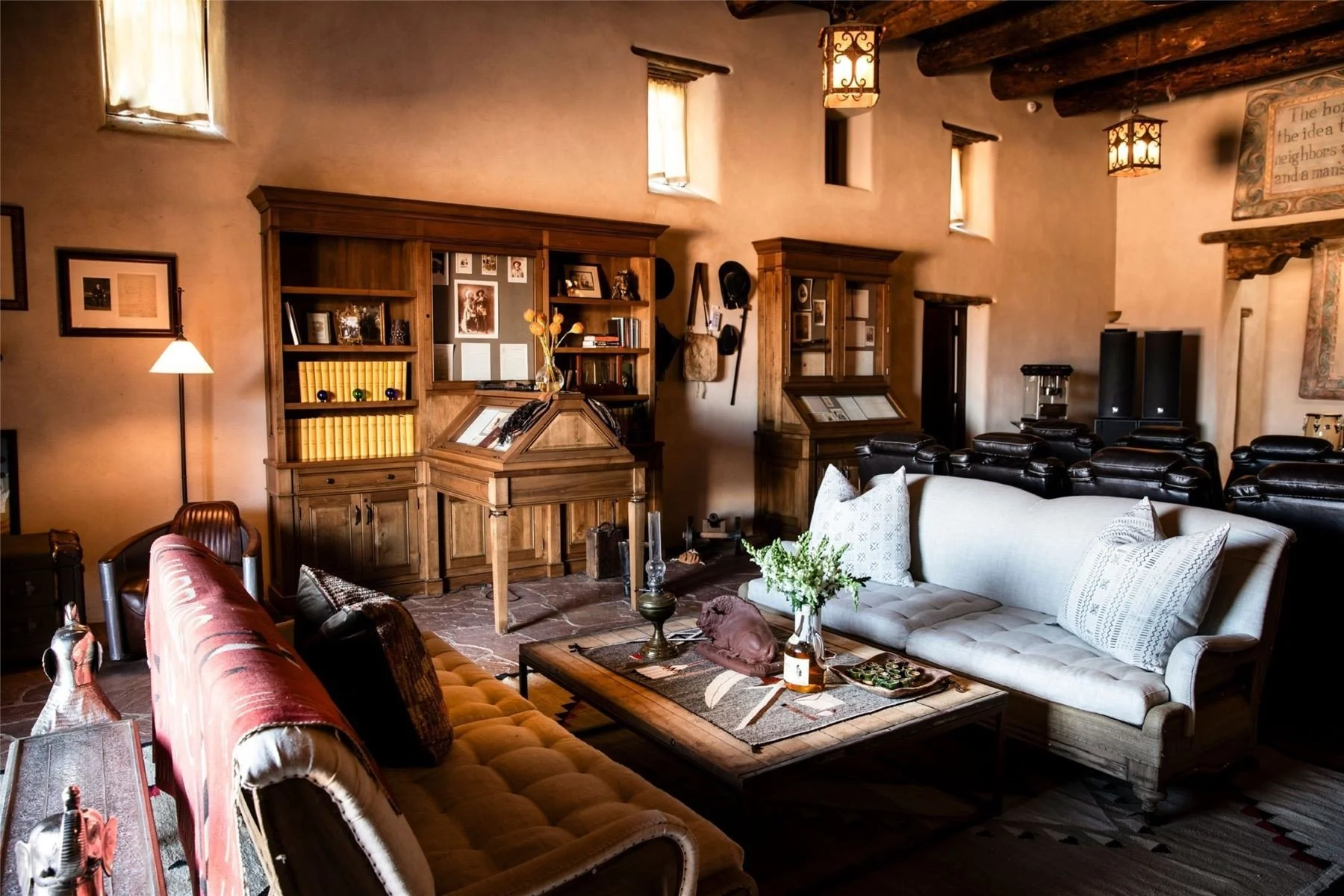
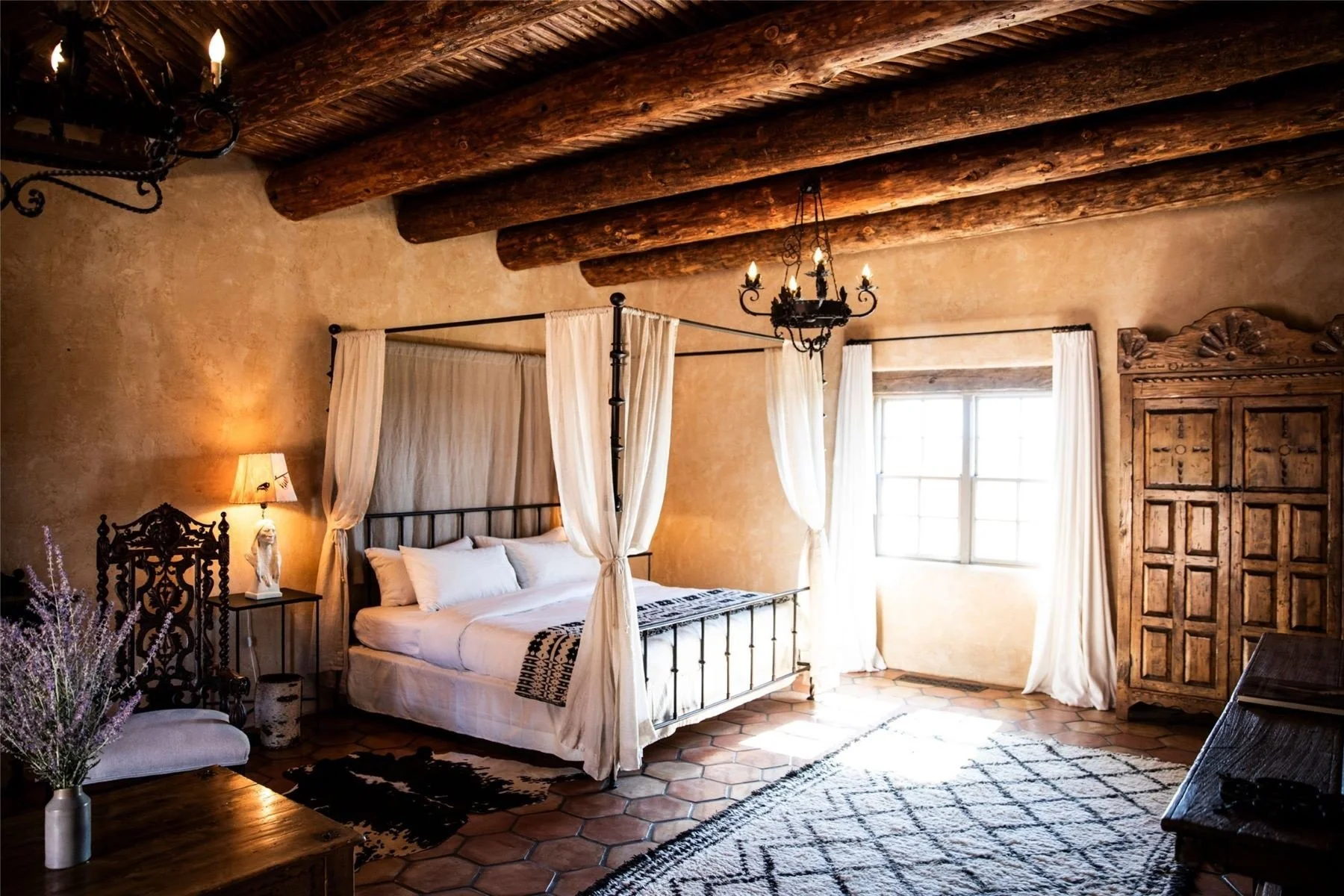
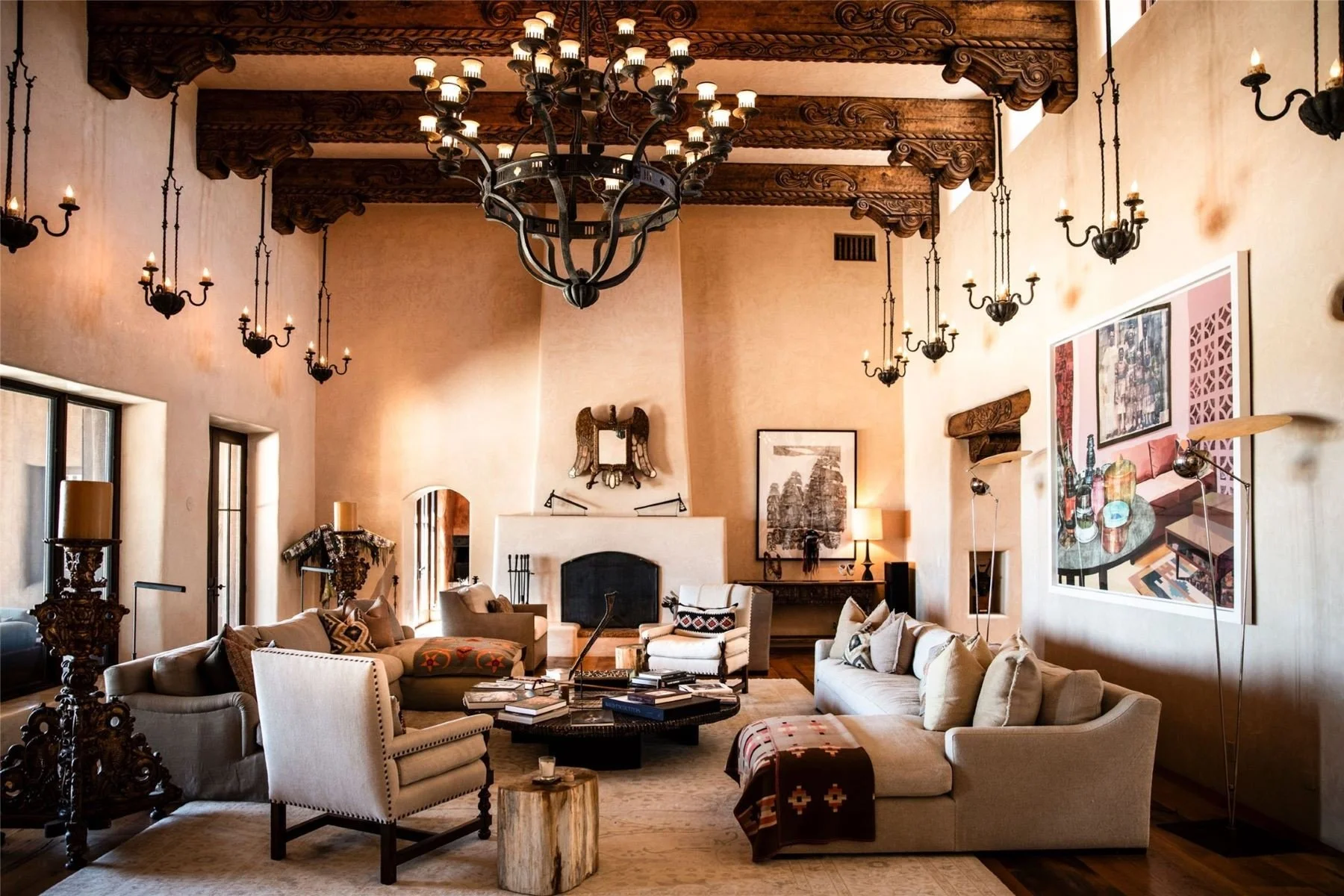
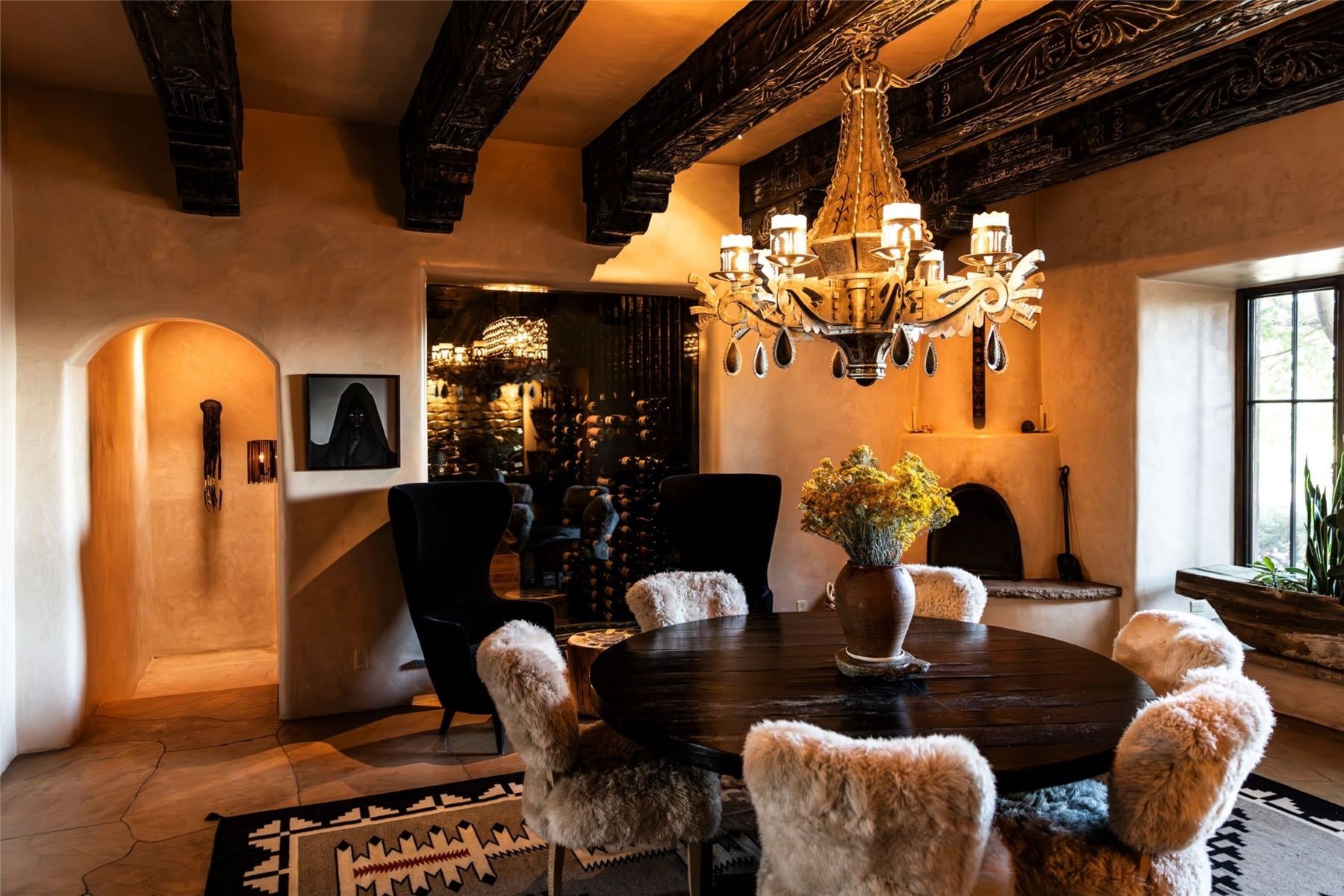
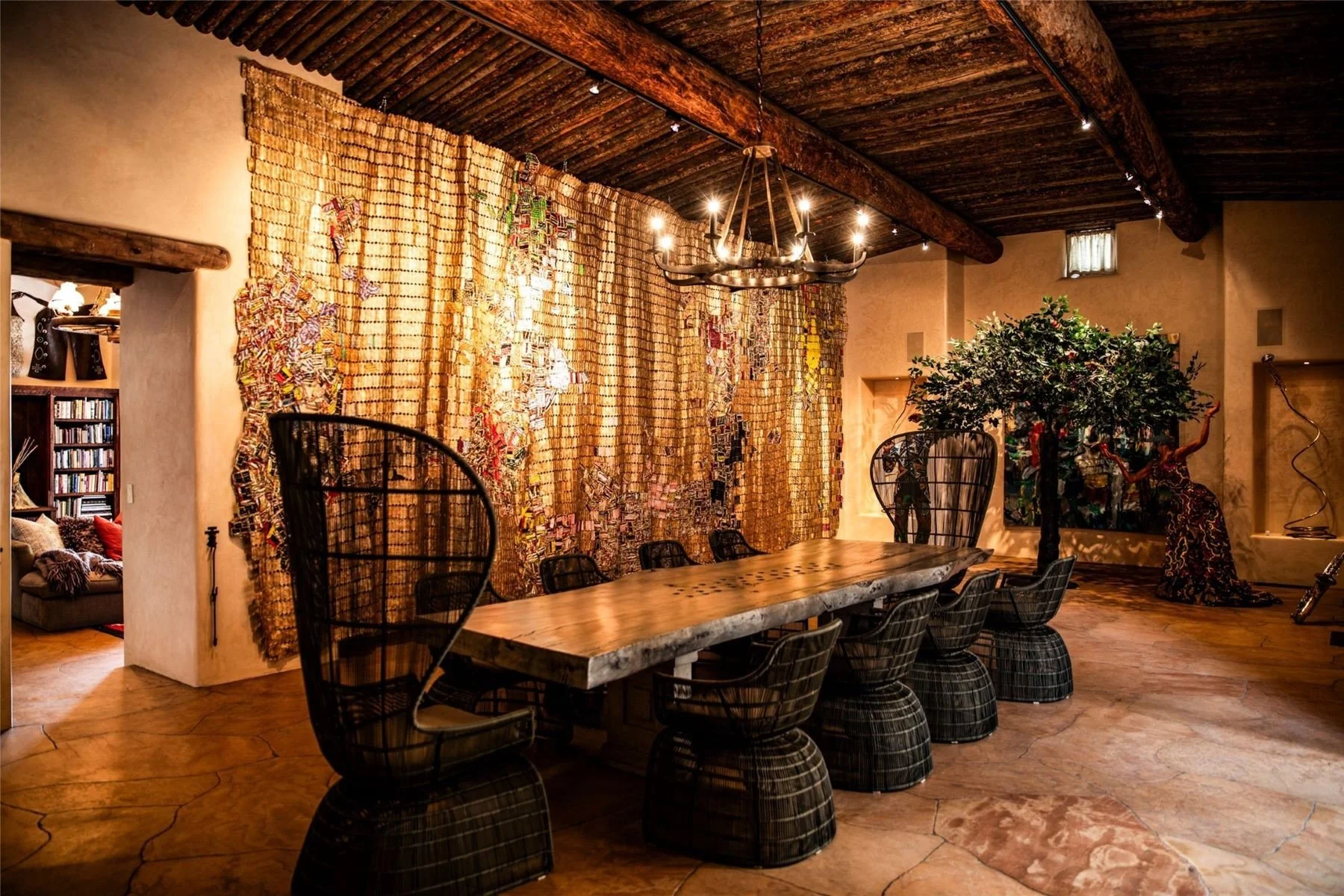
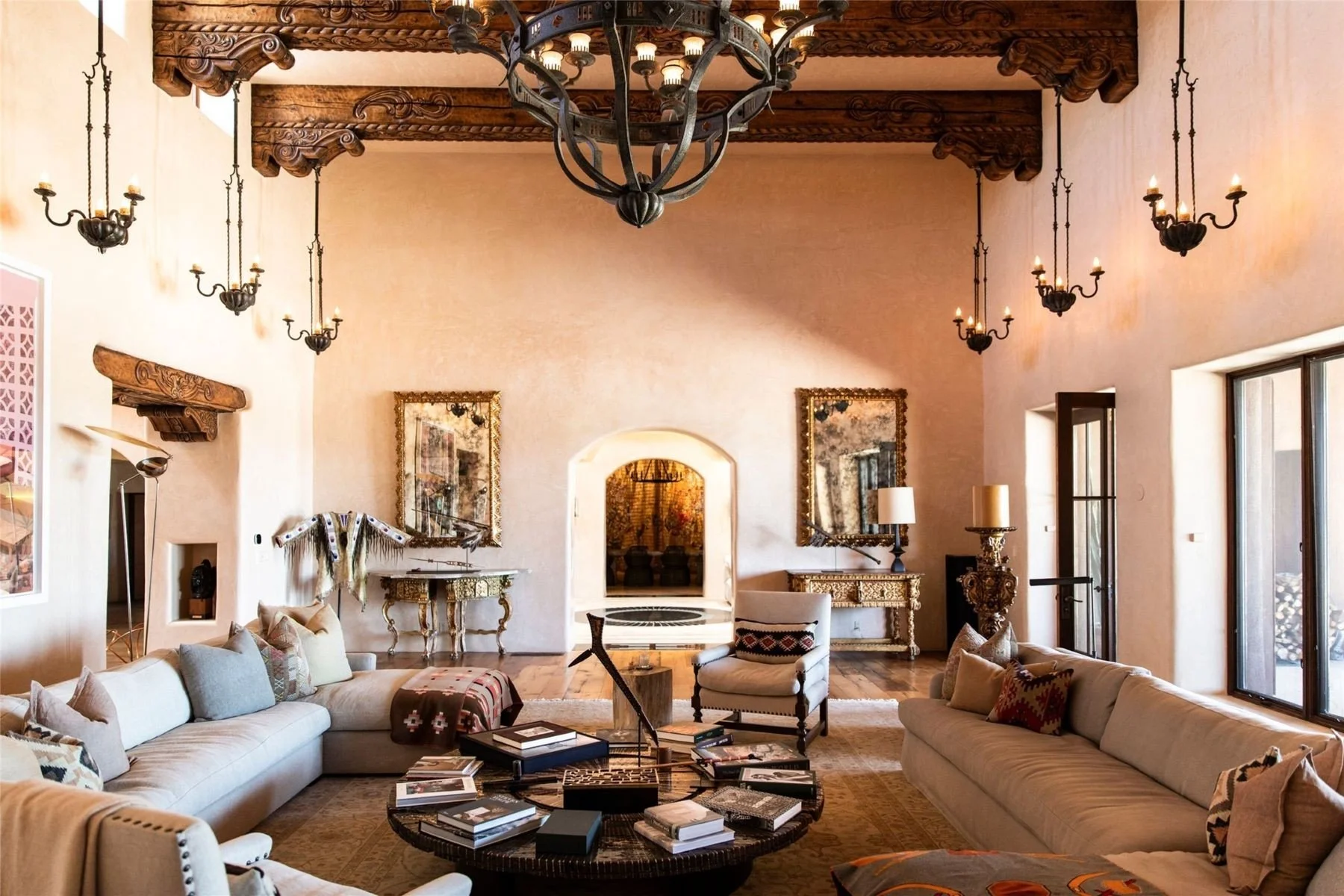
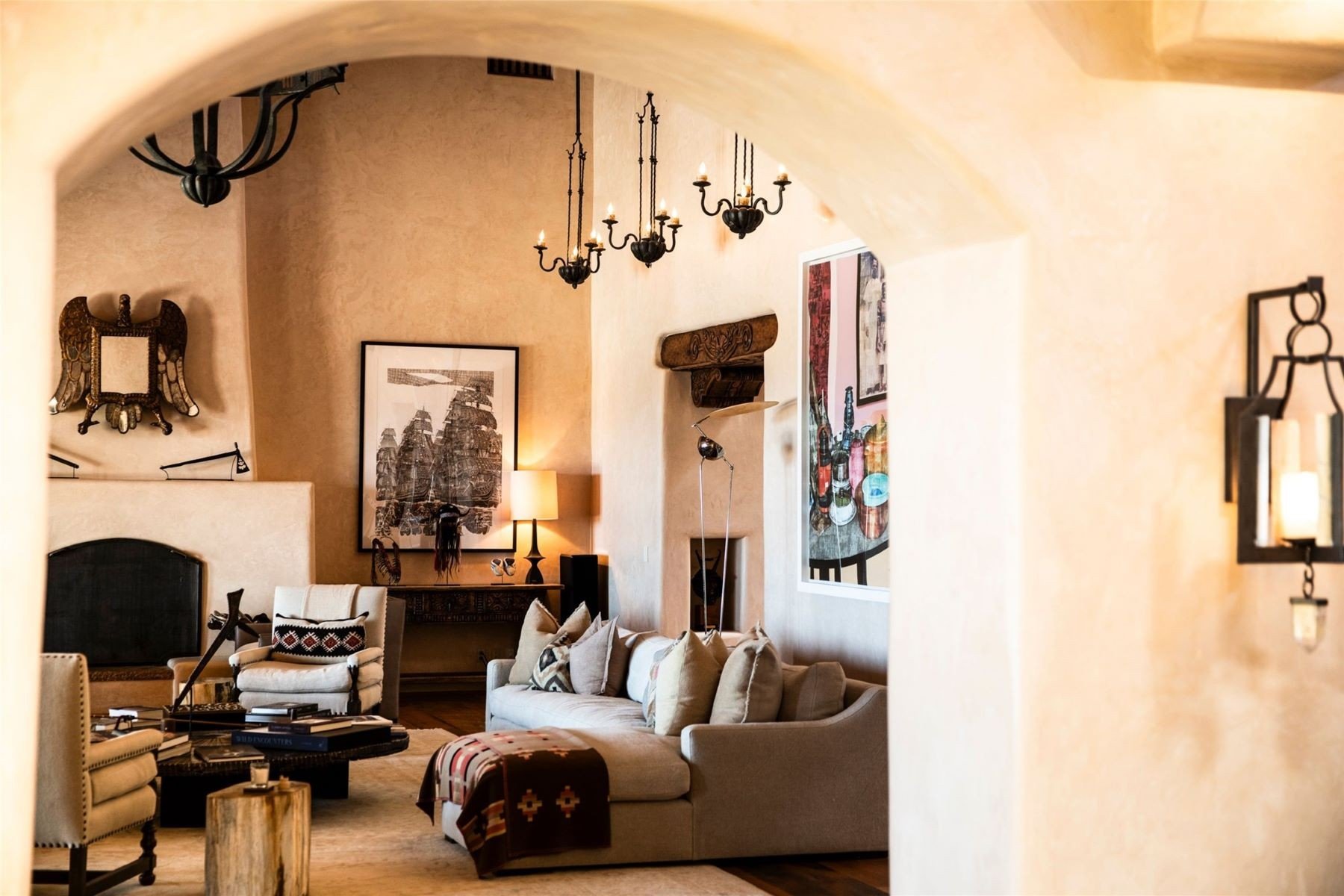
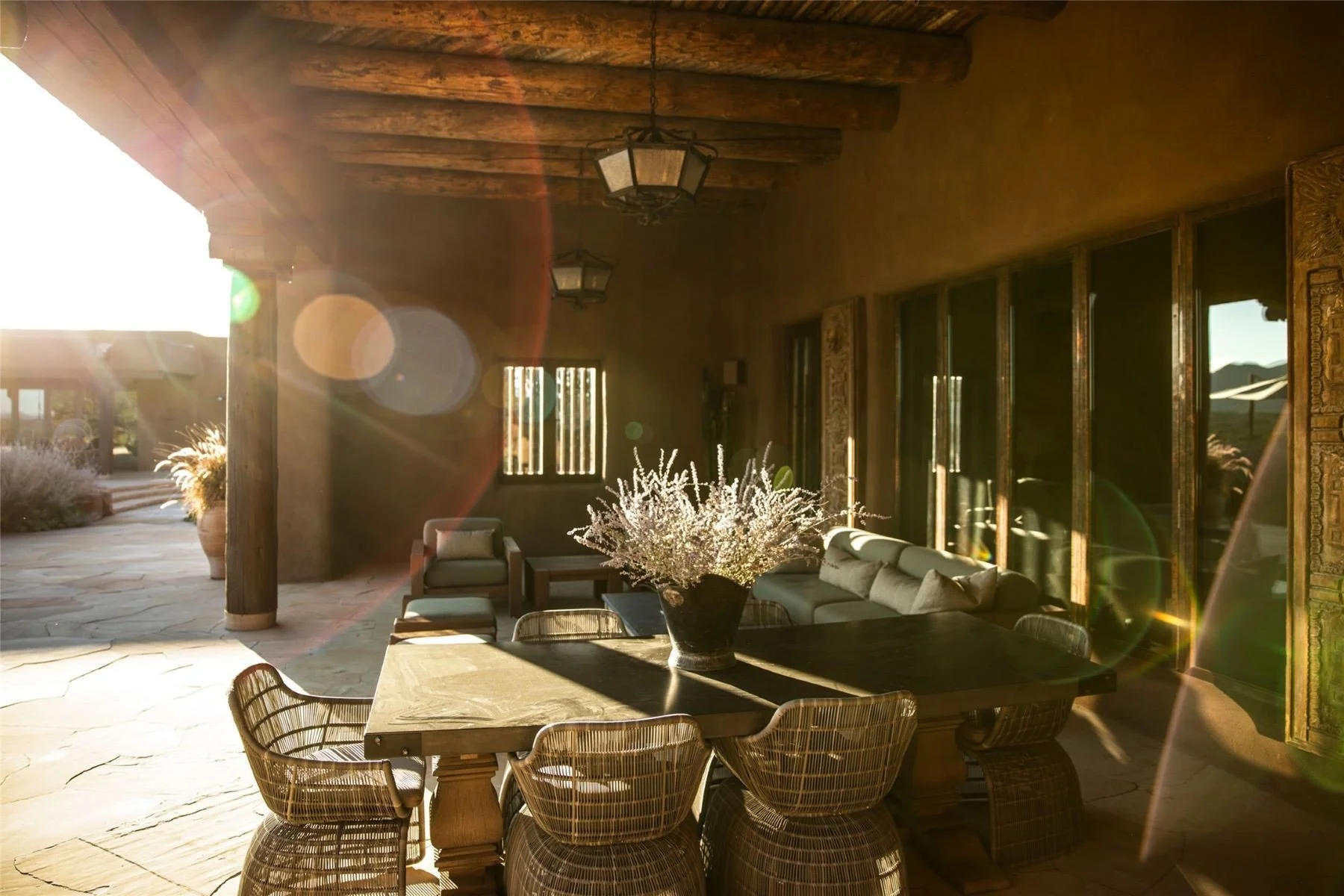
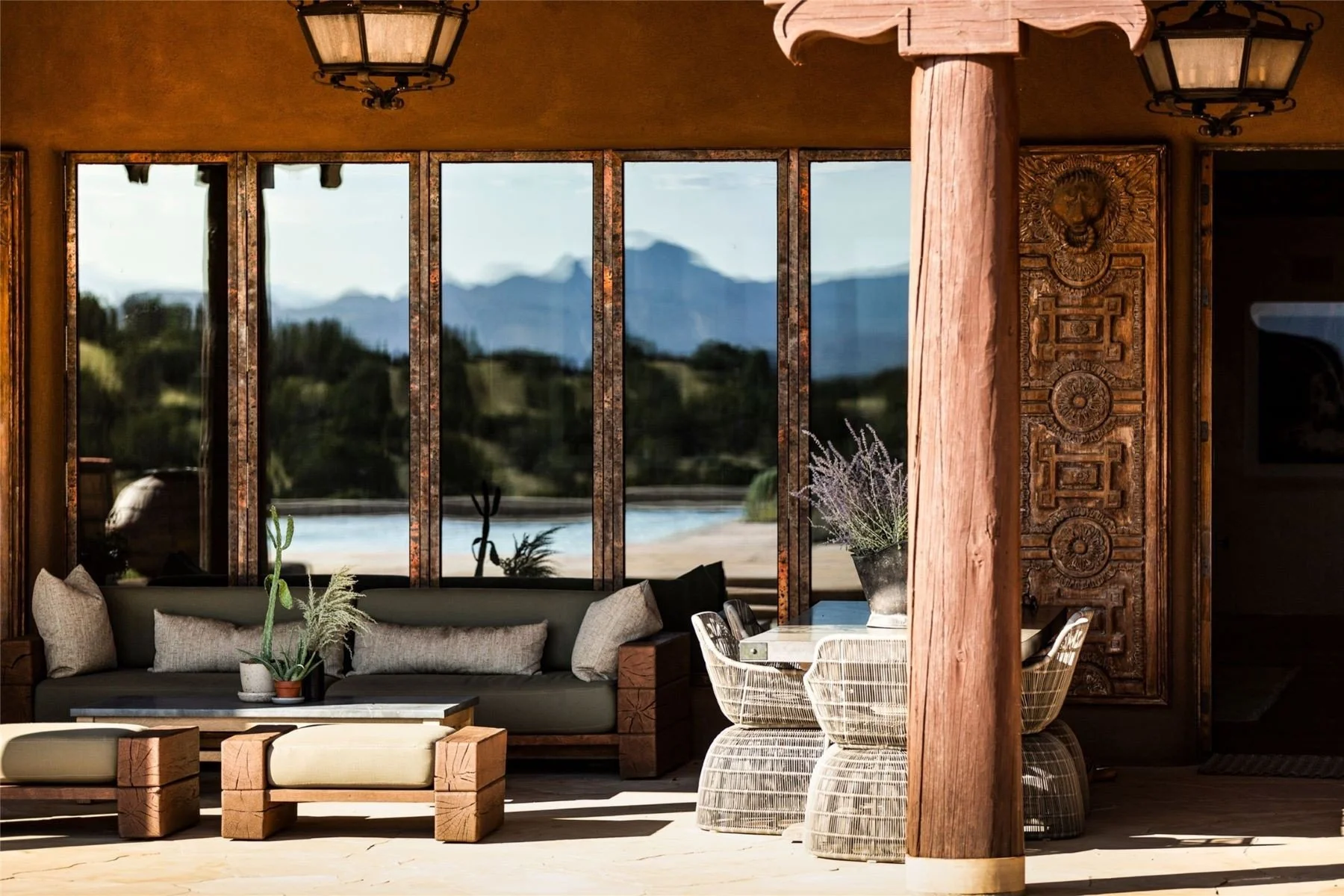
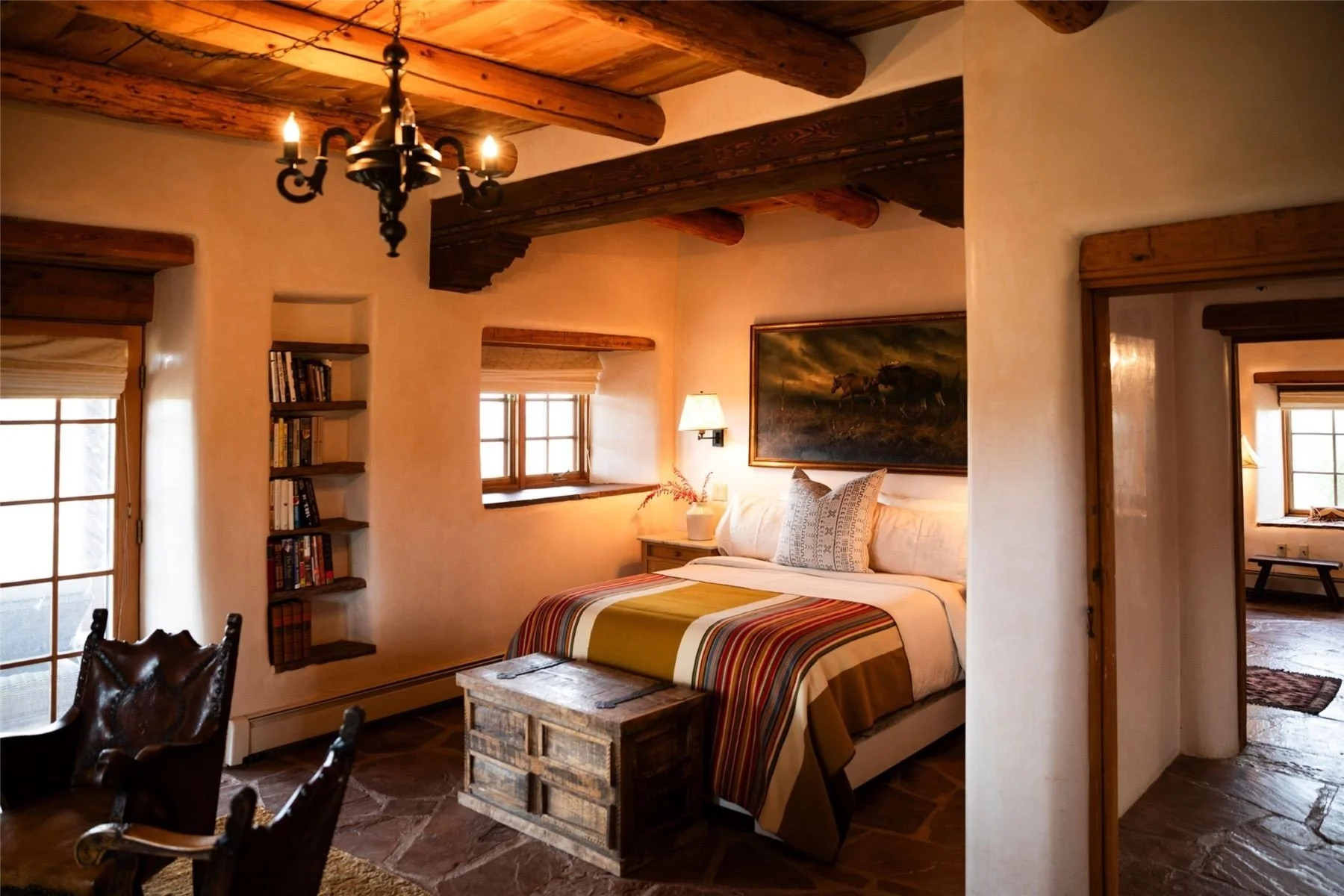
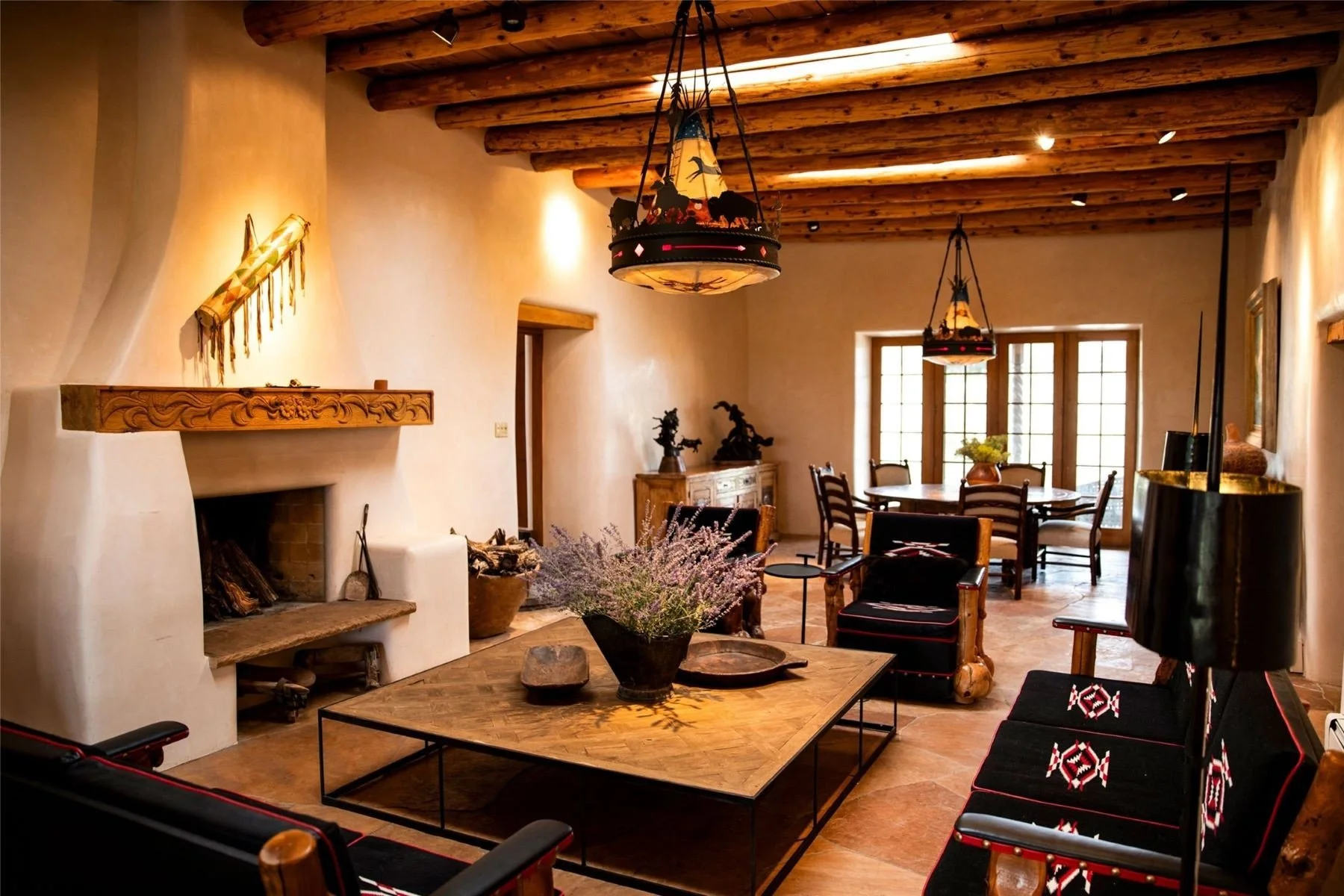
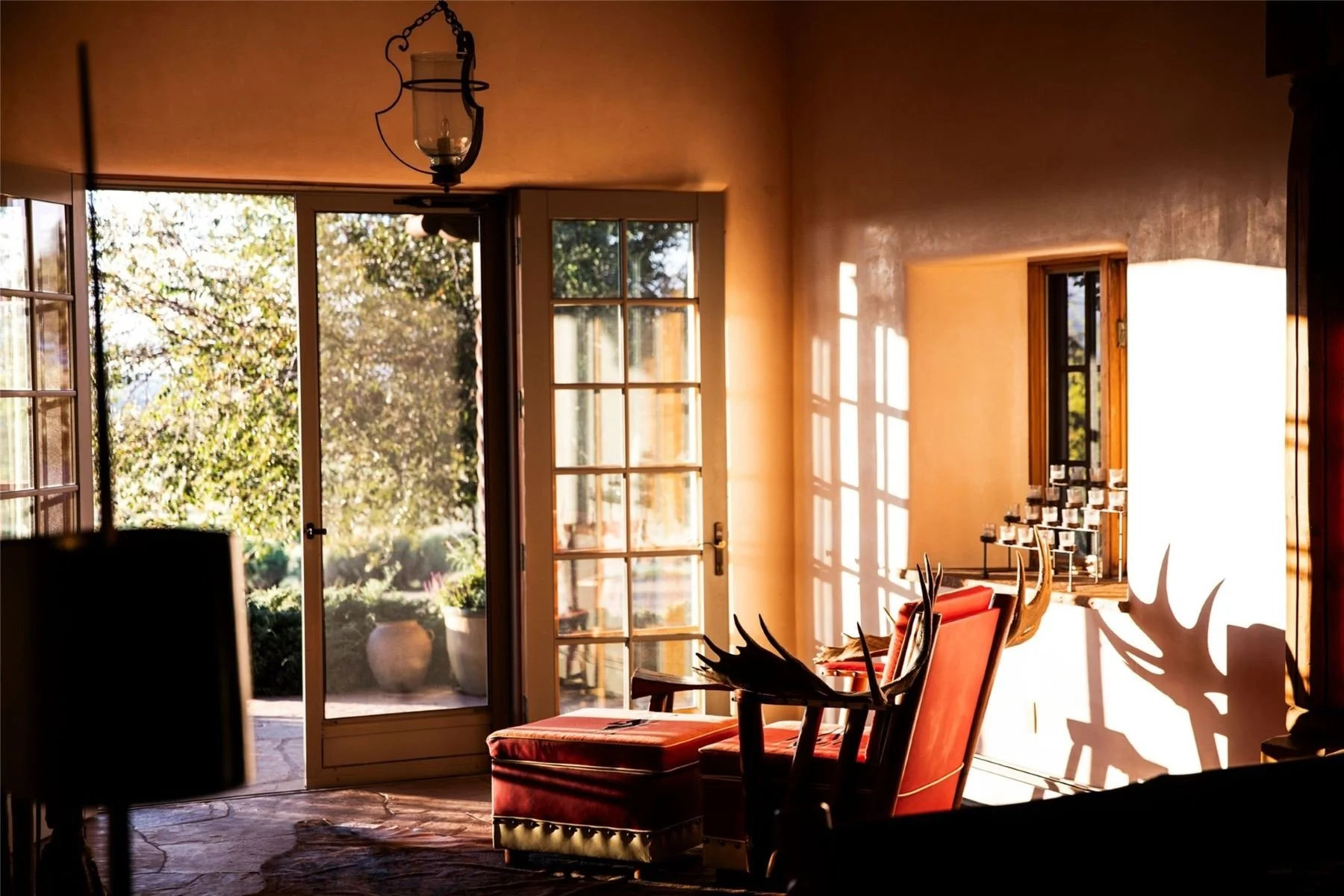
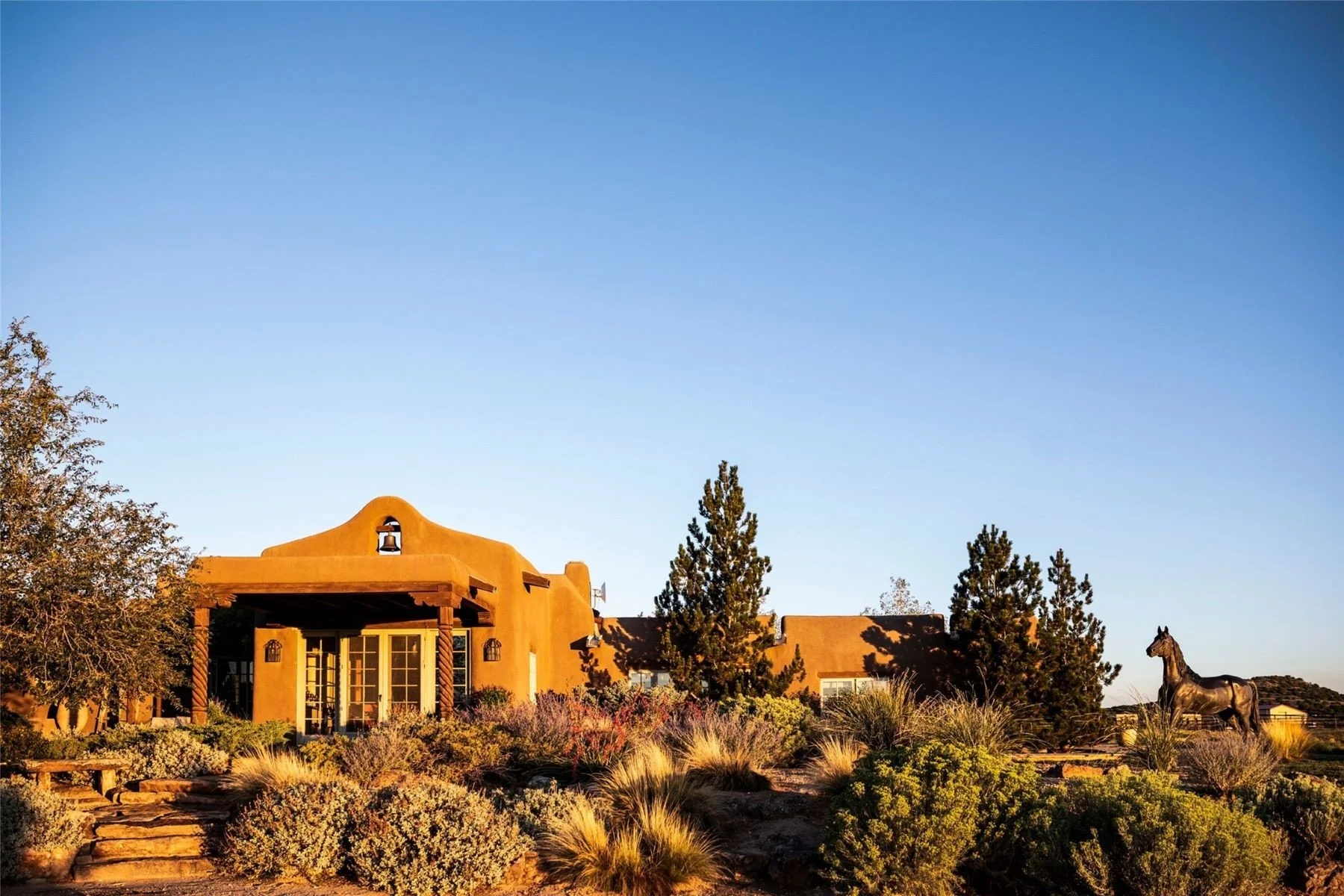
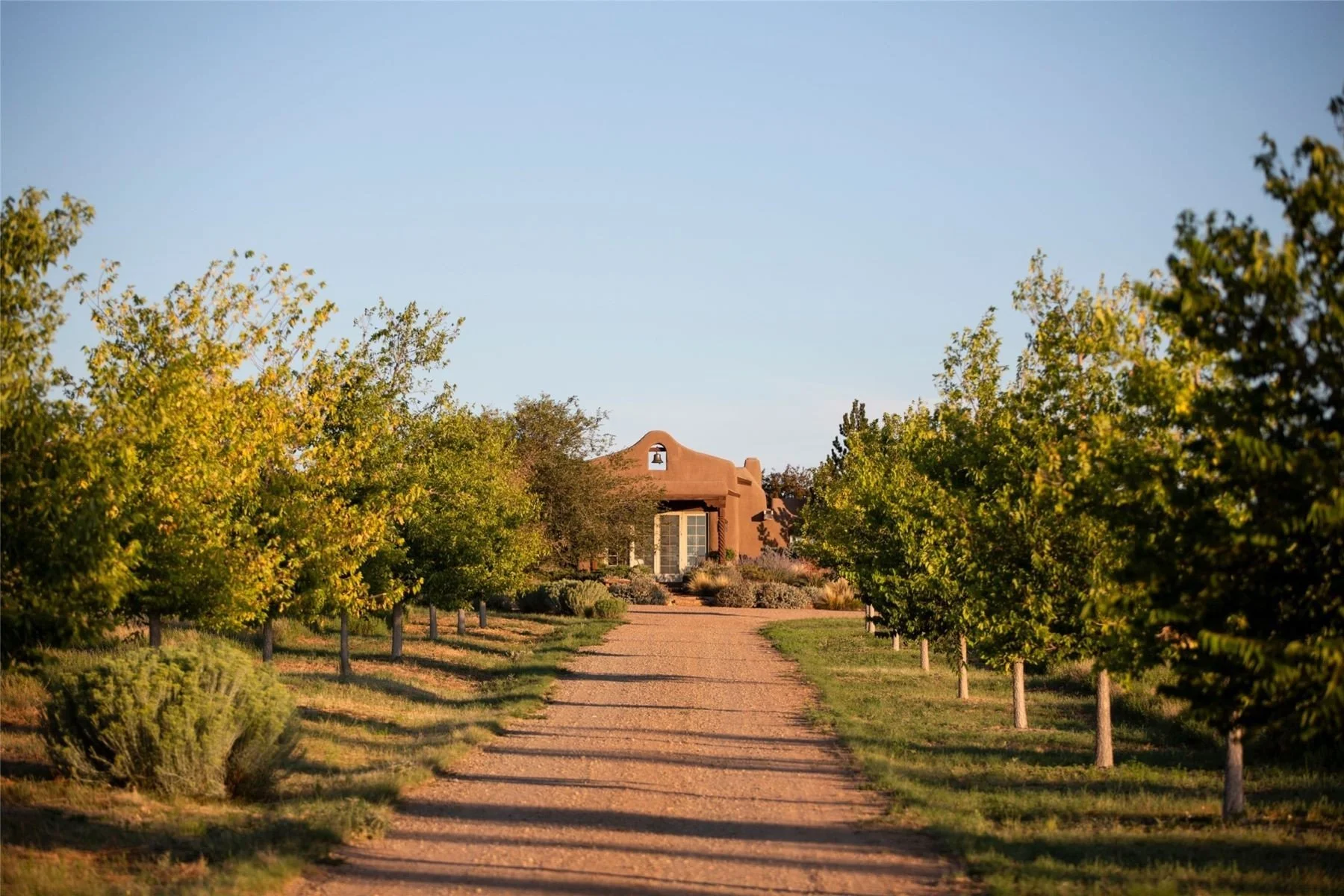
At its centre is the six-bedroom Main Hacienda, with a monumental living room, solarium, wine cellar and bar, screening room and broad terraces overlooking the high-desert landscape. The surrounding plaza forms an almost self-contained village, bringing together a stone tower, guest suites, chapel, recording studio, general store, outdoor cantina and carriage house. A separate four-bedroom Ranch House and extensive equestrian facilities complete the estate.
Lyon Group, Santa Fe Sotheby’s International Realty
The property's story begins with R. Michael Kammerer Jr., an advertising executive who spent much of his life moving progressively closer to the American West he had first encountered through stories.
R. Michael Kammerer Jr. grew up in Westhampton Beach on Long Island and built a successful career on Madison Avenue, founding the Independent Television Network in 1983.
Away from advertising, however, Kammerer's interests lay elsewhere. According to his son Rudy, he had fallen in love with the idea of the American West through Hollywood movies and the novels of Zane Grey and Louis L'Amour, fascinated by their stories of heroism and adventure.
Over time, he moved progressively closer to the life they portrayed. Kammerer bought a 200-acre property in upstate New York, built a log cabin and ran a large beef cattle operation for several years. After retiring from the management of ITN in 1991, he moved to Arizona and took up competitive team roping.
Three years later, he purchased 175 acres of pastureland between the Ortiz and Sangre de Cristo mountain ranges outside Santa Fe. Here, Kammerer set out to build his “western Shangrila.”
Lyon Group, Santa Fe Sotheby’s International Realty
He hired Southwestern architect William F. “Bill” Tull, and the team undertook what Kammerer's son later called an “intense study of Santa Fe architecture.”
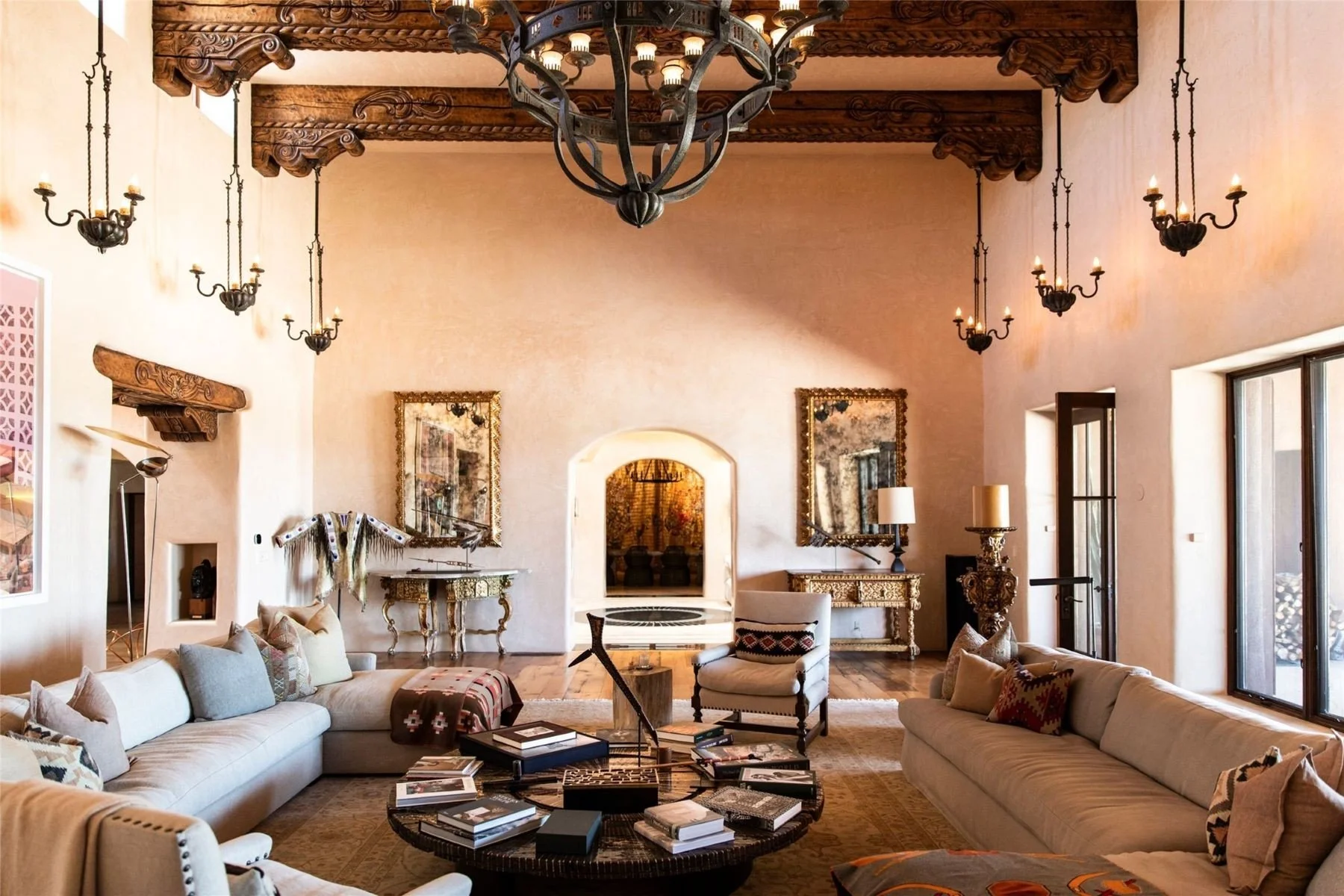
The result was not a copy of one historic hacienda or Pueblo settlement, but a highly personal version of New Mexico's architectural traditions. Thick adobe walls — made from earth formed into bricks and dried in the sun — drew on centuries of Pueblo and Spanish Colonial building, while vigas, latillas, the enclosed plaza and santuario rooted the compound firmly in the Southwest.
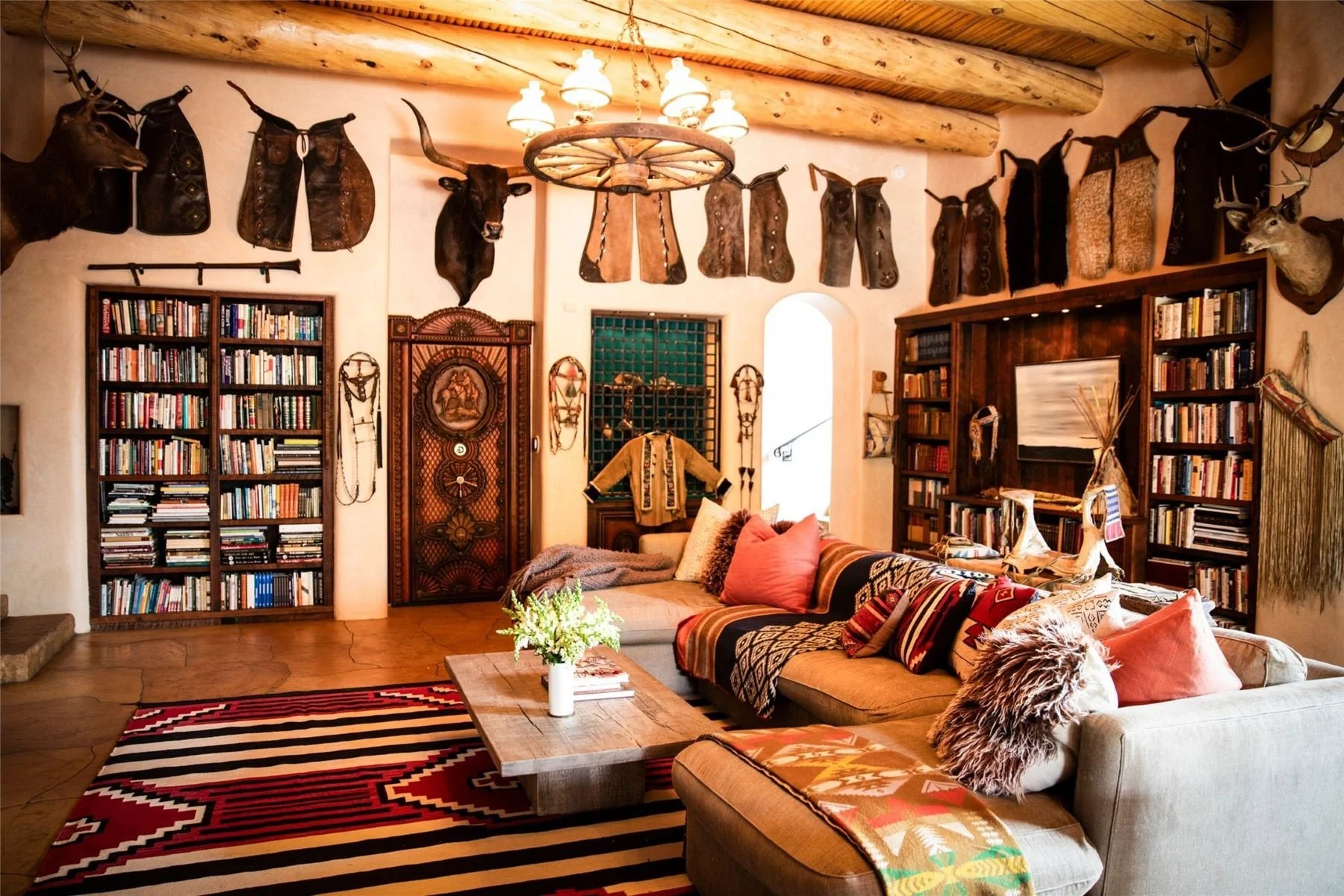
The fantasy may have been personal, but the attention to authentic detail was obsessive. The walls were built with three layers of adobe bricks, while the 20-foot living-room ceiling was crossed by hand-carved beams that reportedly took craftsmen six months to complete.
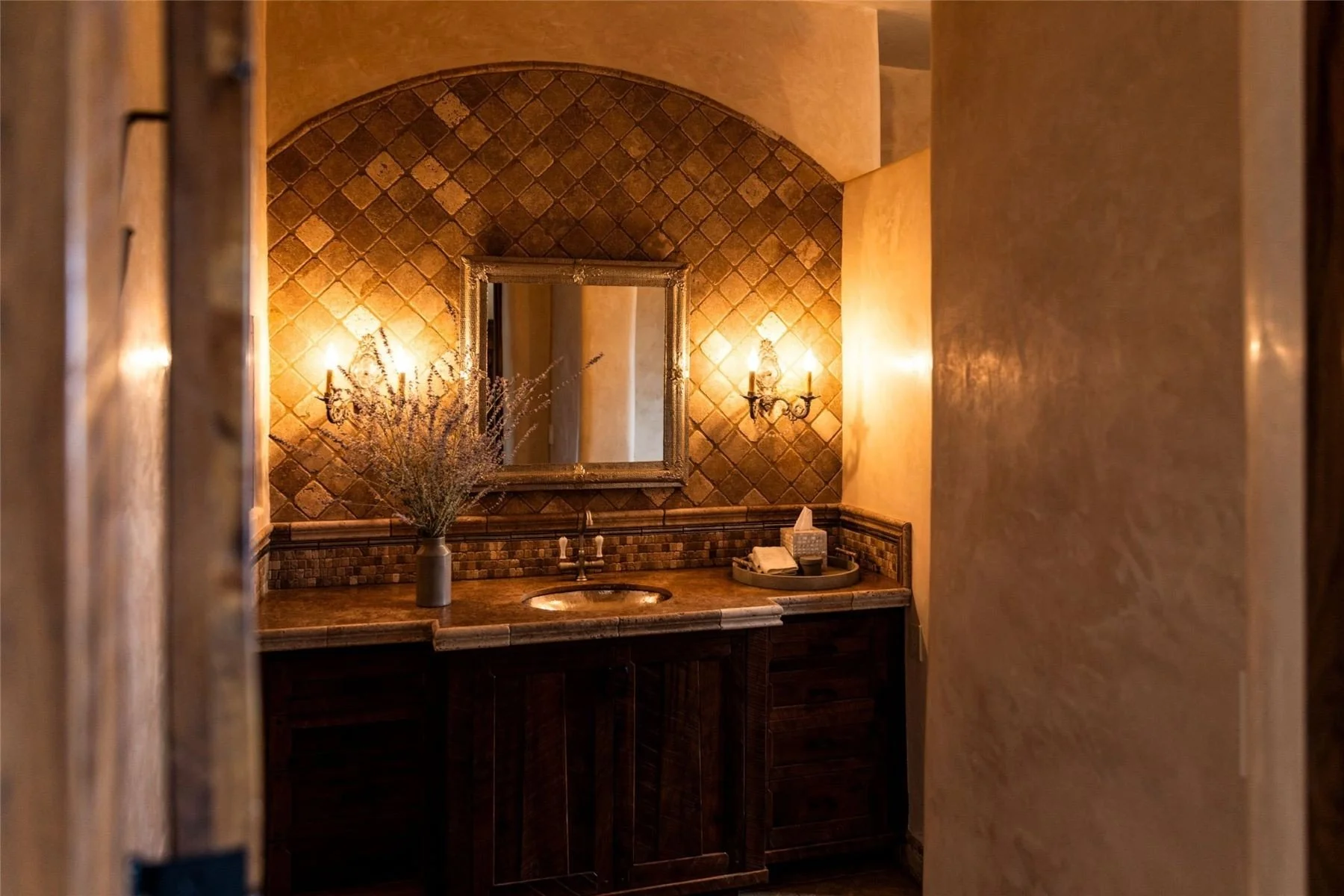
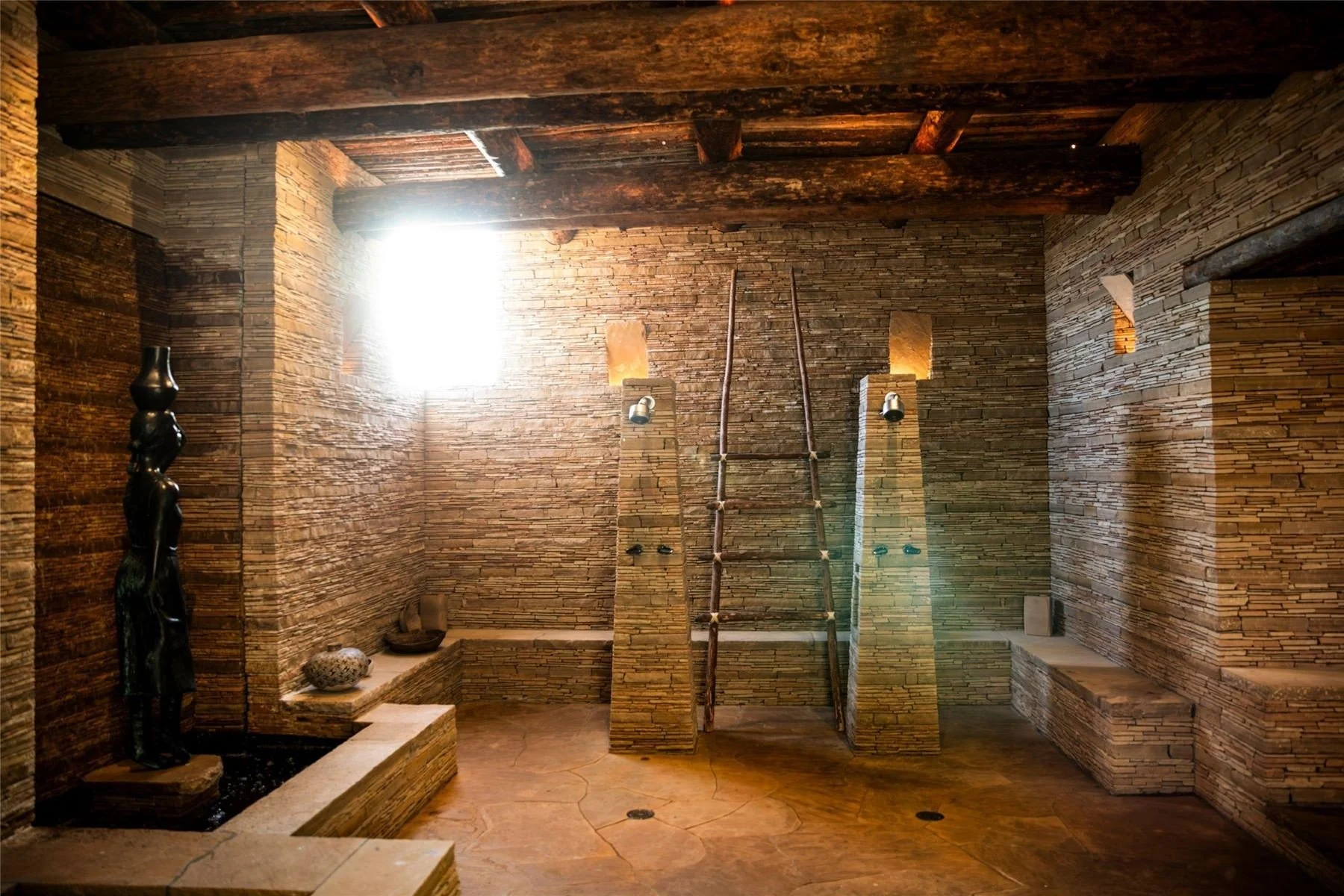
The principal bathroom went even further. Described by Kammerer's son as the “jewel of the house,” it was conceived as a tribute to Chaco Canyon, with banded sandstone walls, a viga-and-latilla ceiling and petroglyph-like etchings.
Lyon Group, Santa Fe Sotheby’s International Realty
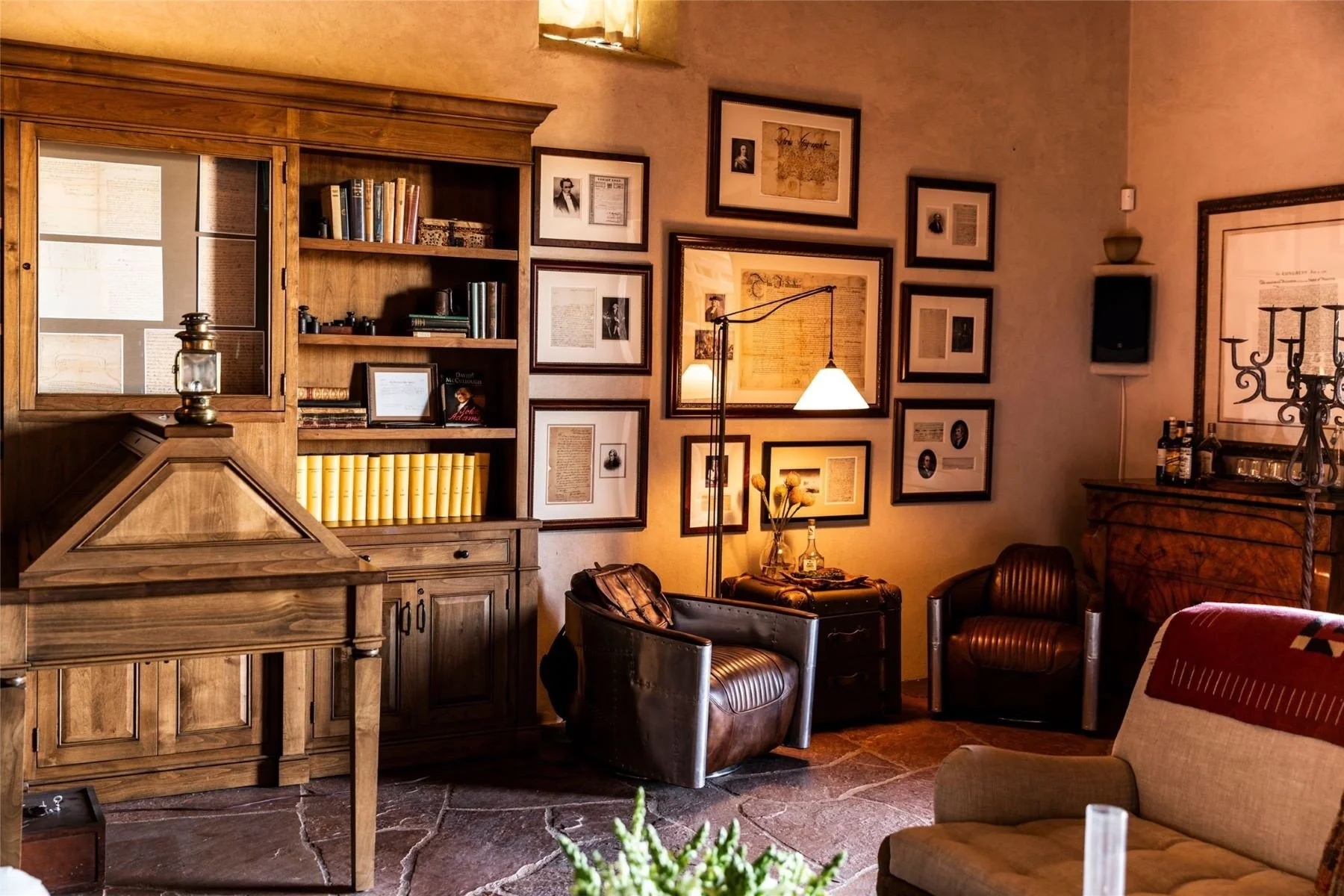
Rancho Alegre also became the setting for Kammerer's extraordinary collection devoted to the history and mythology of the American West. By the time the ranch was completed, he had amassed museum-quality Western paintings, Native American art and objects and pioneer memorabilia.
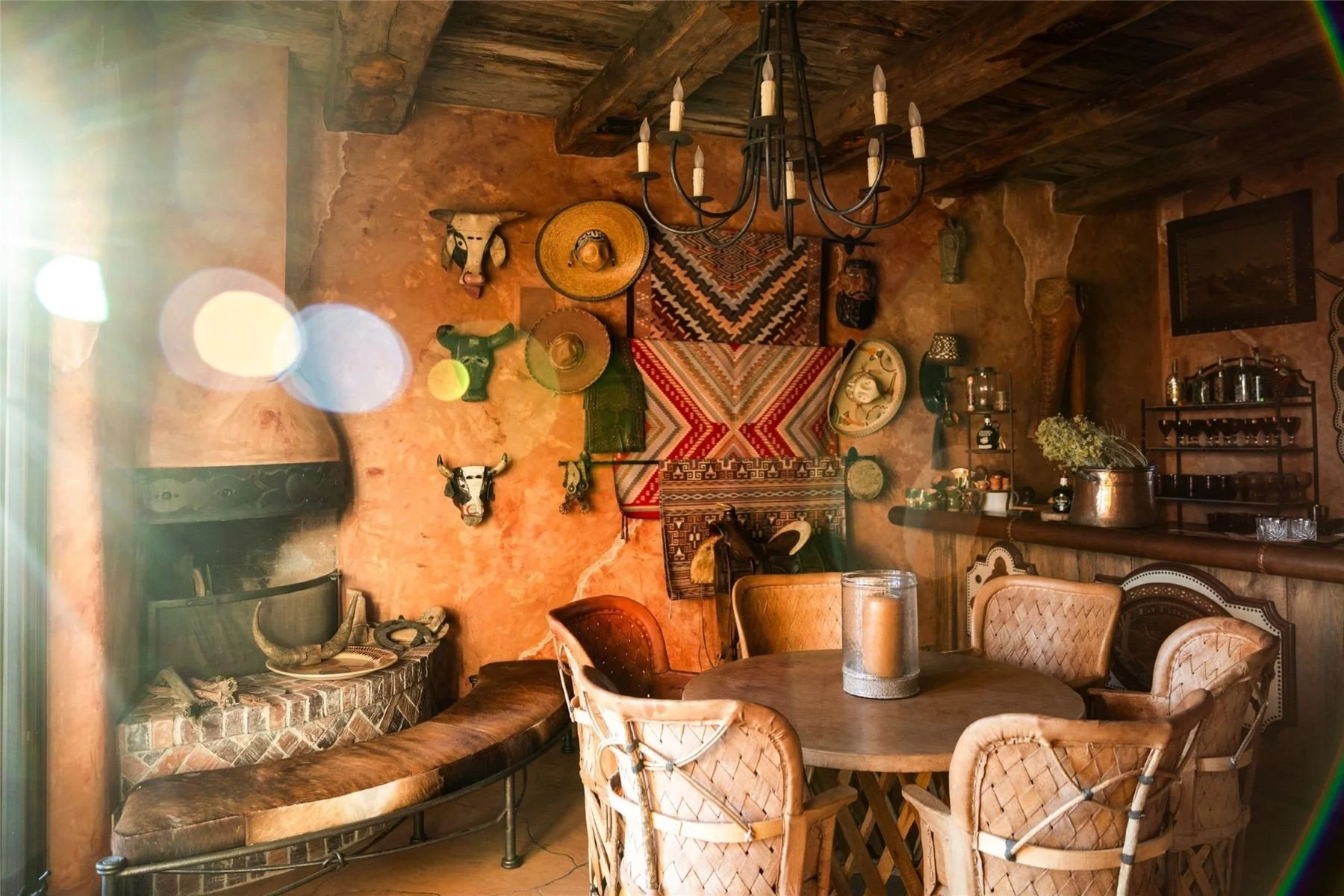
Visitors were greeted by a Herb Mignery bronze of two cowboys shaking hands and a plaque titled Code of the West. Inside were Taos School paintings, Native American rugs and pottery, Western bronzes, chaps, bridles, rifles and holsters. A saddle room displayed work by makers including Edward H. Bohlin, who made saddles for Roy Rogers.
The scale of the collection was difficult to convey. Kammerer's son recalled visitors describing the holsters as perhaps the second-best collection of their kind in the country. The holsters, he pointed out, were only a small part of what his father had assembled.
Even the entertaining spaces belonged to the fantasy. At one end of the living room was a cantina where, according to Kammerer's son, evenings “tended to end up late at night.” It was inspired by a 300-year-old Spanish cowboy bar.
Following Kammerer's death in 2007, portions of the world he had assembled began to leave the ranch. Western paintings and Native American works from his collection were dispersed through Sotheby's auctions in New York the following year.
Among them was Olaf Karl Wieghorst's Opening of the Cherokee Strip, a sweeping vision of riders surging across the plains.
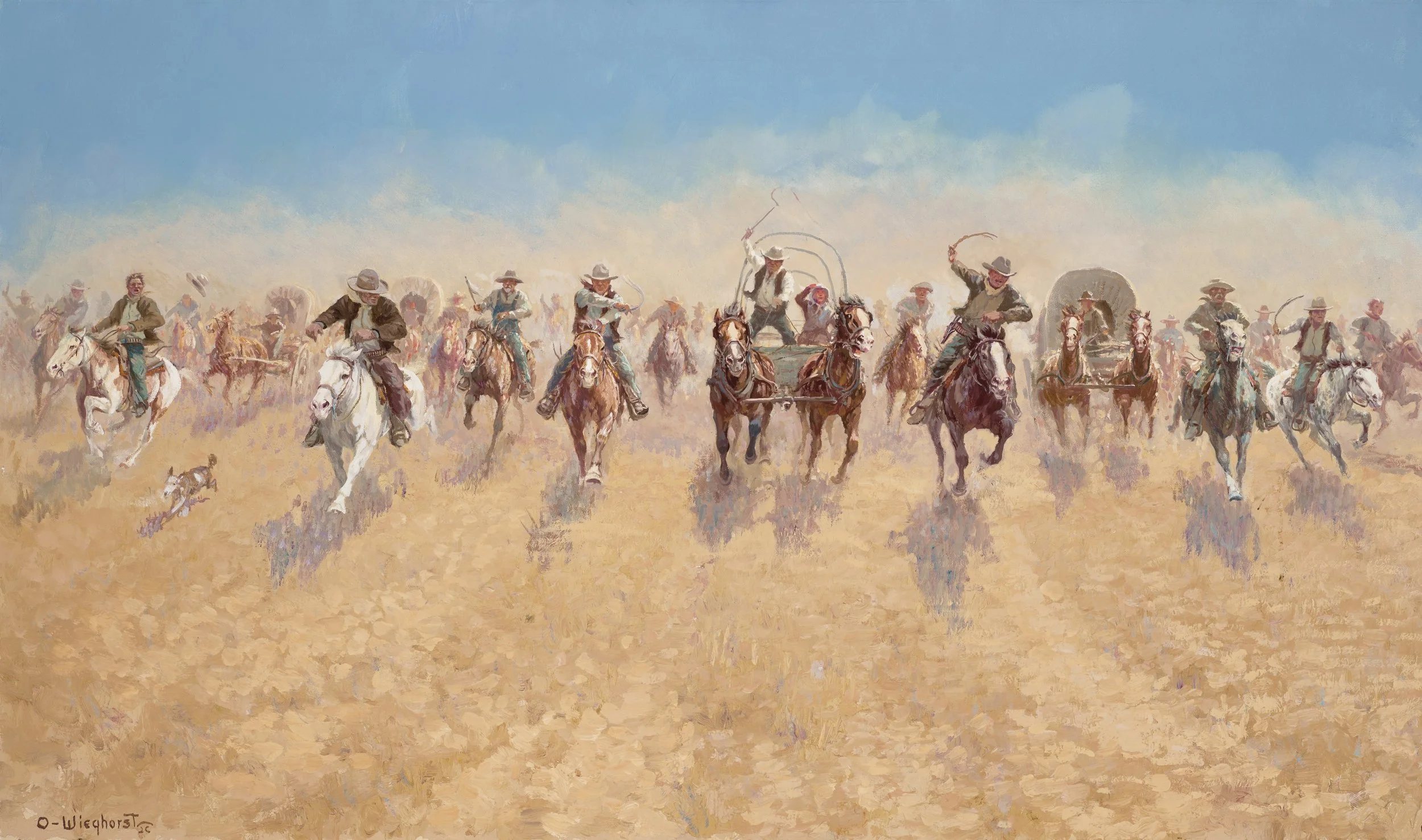
Olaf Karl Wieghorst, Opening of the Cherokee Strip. Formerly in the collection of R. Michael Kammerer Jr. and sold at Sotheby’s New York in 2008.
When Architectural Digest documented Rancho Alegre in 2008, much of the collection had already gone to auction and the ranch's future was uncertain.
“Whatever the fate of the ranch,” the magazine concluded, “it's a safe bet the Code of the West will endure.”
Five years later, Rancho Alegre found another owner who had also spent much of his life imagining the American West.
Jochen Zeitz grew up in Germany, where he has said he watched every Western he could find on television and longed to one day live in the landscape portrayed on screen.
At 30, Zeitz became chief executive of PUMA. He later led Harley-Davidson and built a parallel life around conservation, collecting and cultural projects. A lifelong fascination with Africa and its wildlife led him to establish Segera, a 50,000-acre conservation estate and safari retreat in Kenya, while his collection of contemporary African art became associated with Zeitz MOCAA in Cape Town.
Zeitz was not simply a wealthy buyer drawn to an eccentric Western estate. Rancho Alegre gave physical form to a dream he had carried since childhood: to one day live in the American West he had first discovered through old Western films.
Zeitz reportedly first came to the ranch to see a collection of reproductions of Plains Indian clothing housed there. He ended up buying both the collection and the property in 2013.
Zeitz purchased Rancho Alegre for around $7 million and spent approximately $5 million expanding, restoring and redesigning it around his own vision of the American West.
Under his ownership, the compound was reworked with Olivia Williams Design Studio and architecture firm Fearon Hay and filled with another generation of collections devoted to the American West.
Lyon Group, Santa Fe Sotheby’s International Realty
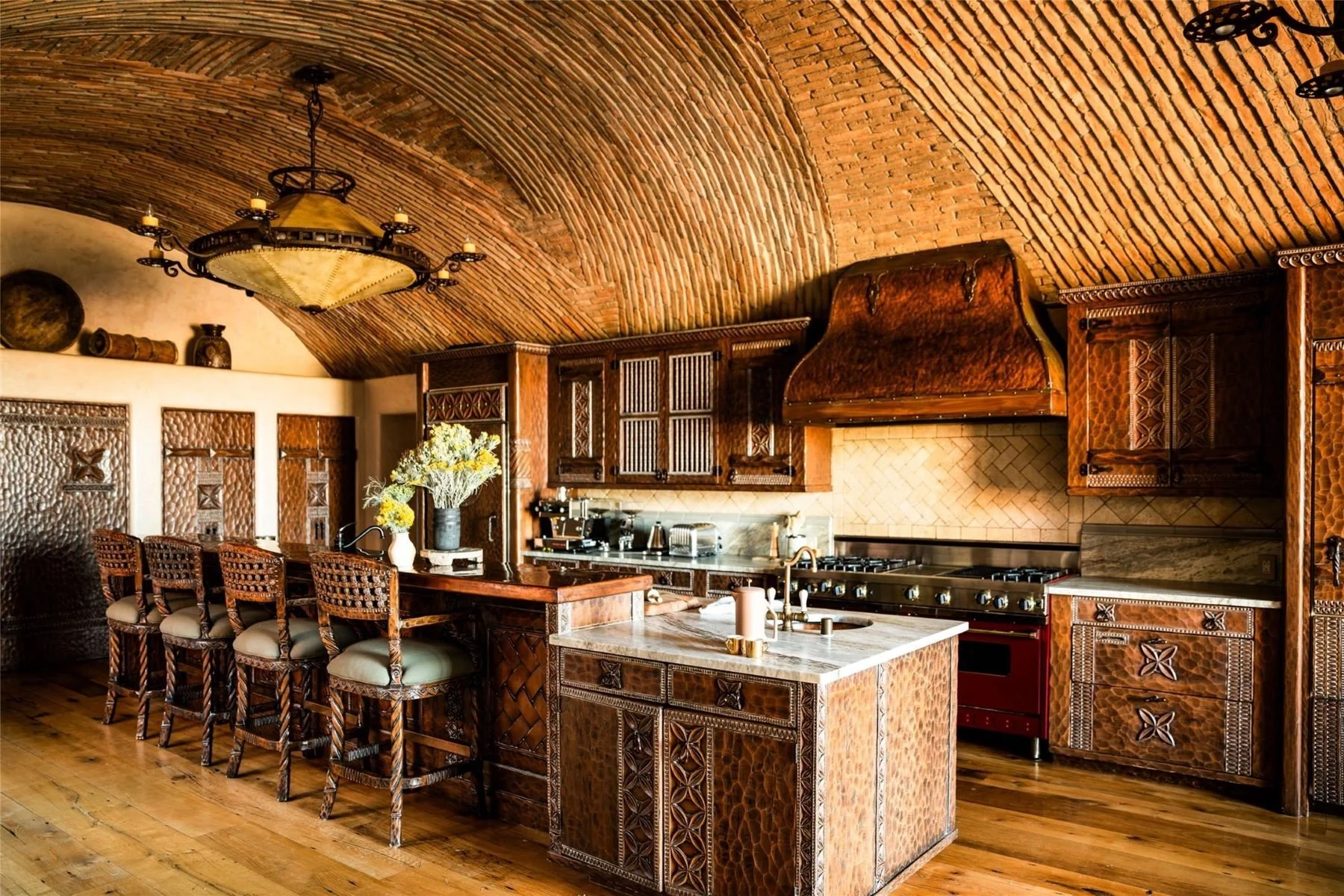
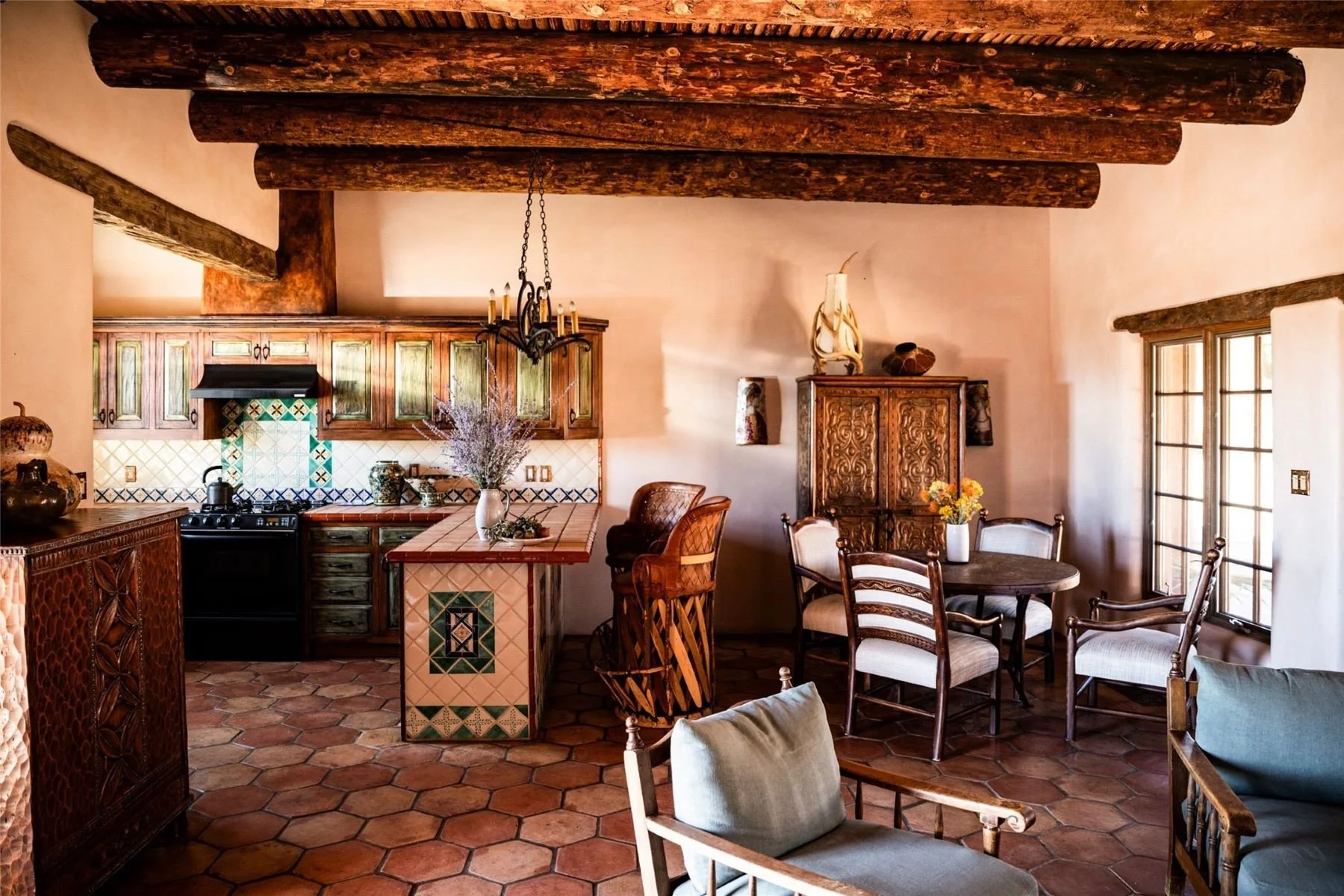
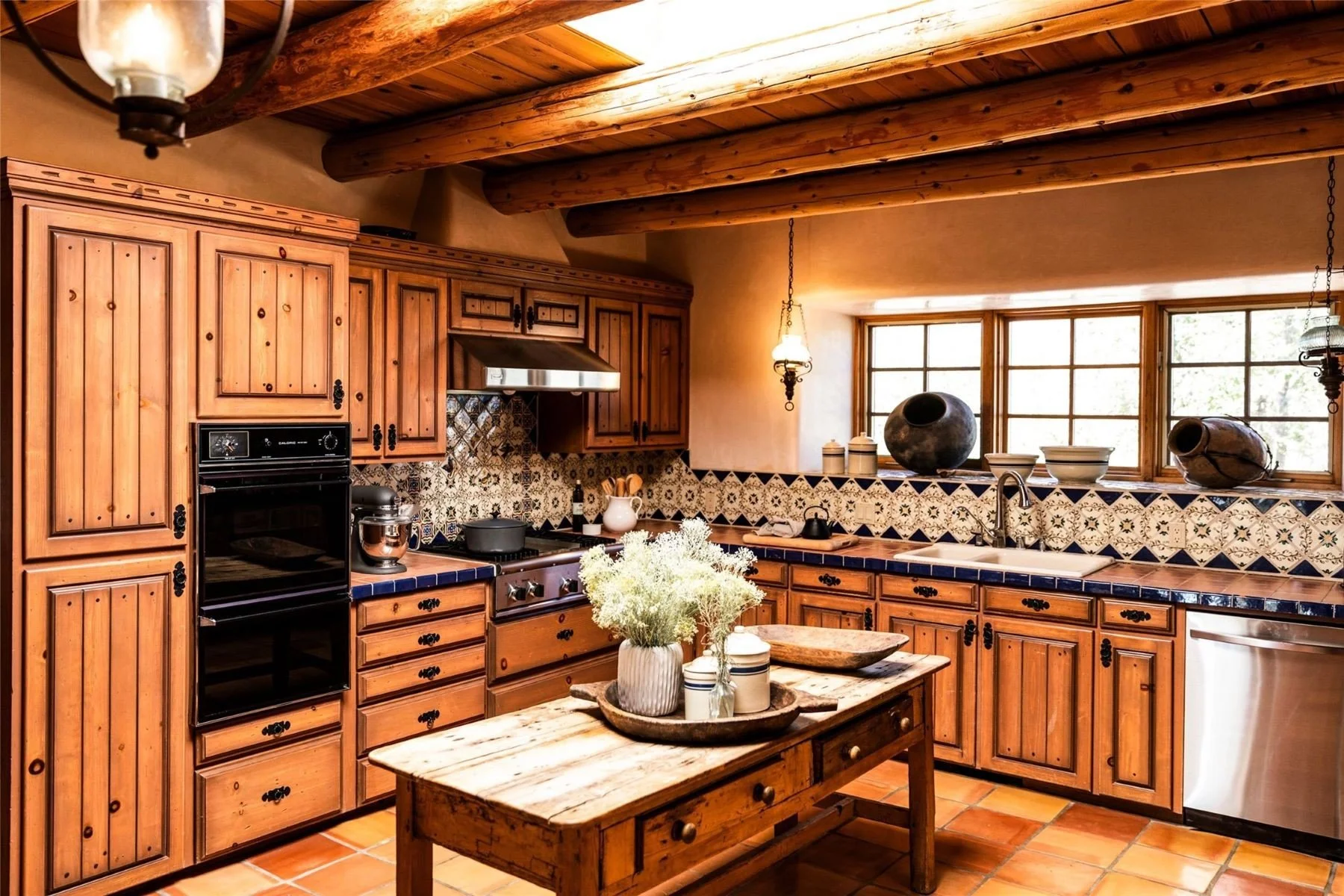
Edward Curtis photographs hang in the kitchen, while the carriage house has held Zeitz's historic coaches and wagons alongside his motorcycles.
A German profile later described Rancho Alegre as a childhood dream made real: a miniature historic Western town built from earth, with a saloon, pastures, buffalo, mustangs and a recording studio.
The plaza includes a Old West-style jail cell and a general store stocked with antique Wild West necessities, while the stone tower is configured as guest suites. Elsewhere is a chapel and a screening theatre.
Perhaps fittingly, Zeitz's neighbour was Tom Ford, whose former Cerro Pelon Ranch centred on a Tadao Ando-designed residence and also contained Silverado Movie Town, the Western film set used for Silverado, Wild Wild West and All the Pretty Horses.
Zeitz, who had grown up watching Hollywood Westerns in Germany, was living next door to a literal Hollywood Western town.
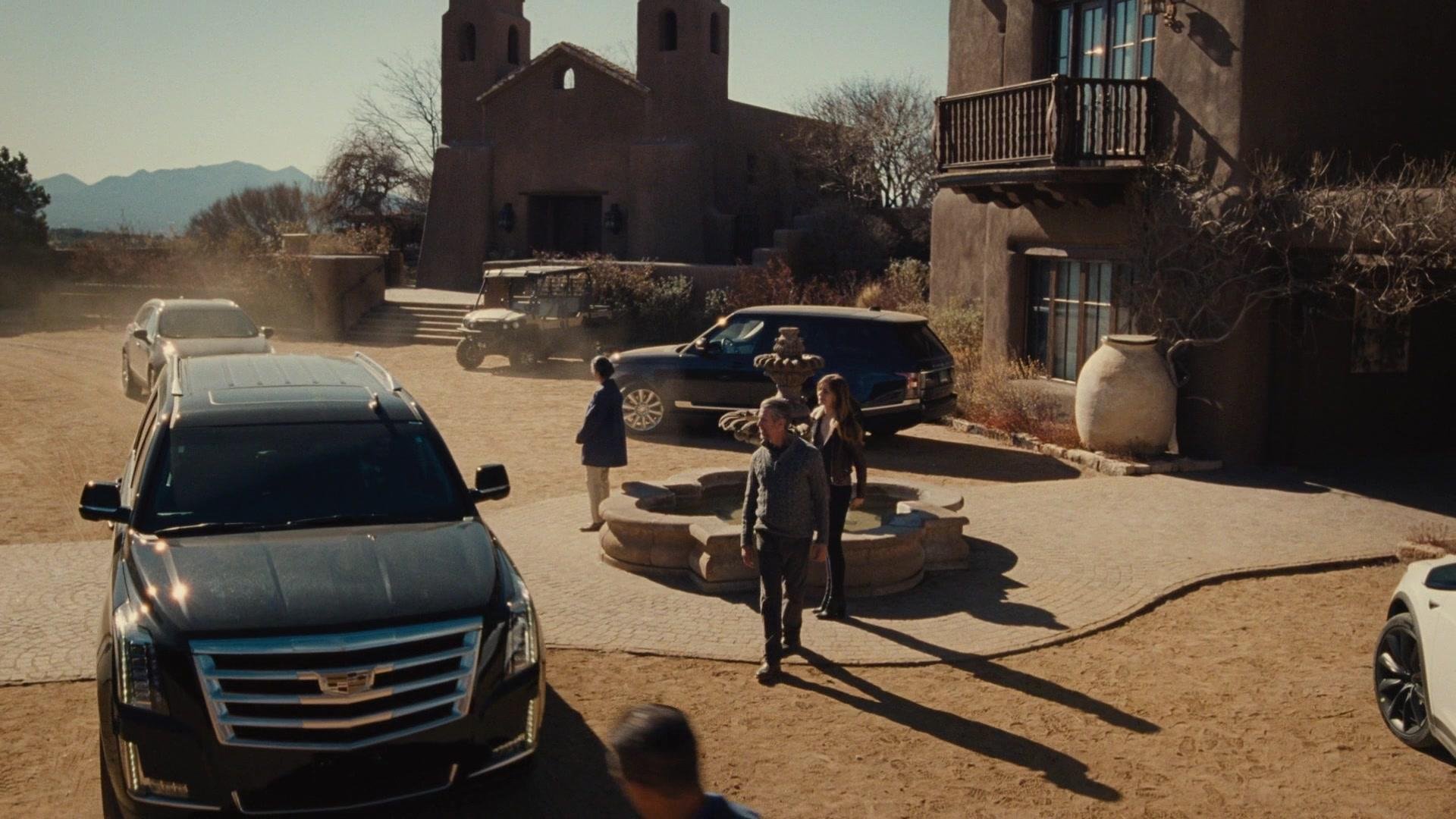
Rancho Alegre as Connor Roy's New Mexico ranch in HBO's Succession, Season 1, Episode 7, “Austerlitz.” Courtesy of HBO.
Rancho Alegre itself has also appeared on screen, most notably in HBO's Succession, as well as Dark Winds, Roswell and The Ridiculous 6. Zeitz's wife, film producer Kate Garwood, helped facilitate filming at the estate through her industry connections.
Zeitz and Garwood made Santa Fe their primary family home in 2021. The family is now spending more time in Kenya, where Zeitz owns Segera, a conservation estate and luxury safari retreat on the Laikipia Plateau, and has decided to downsize in Santa Fe.
Whoever buys it will inherit something more complicated than a Santa Fe ranch: a world built from two men's dreams of the American West.
All photographs belong to the listing agency. See more on the Lyon Group.