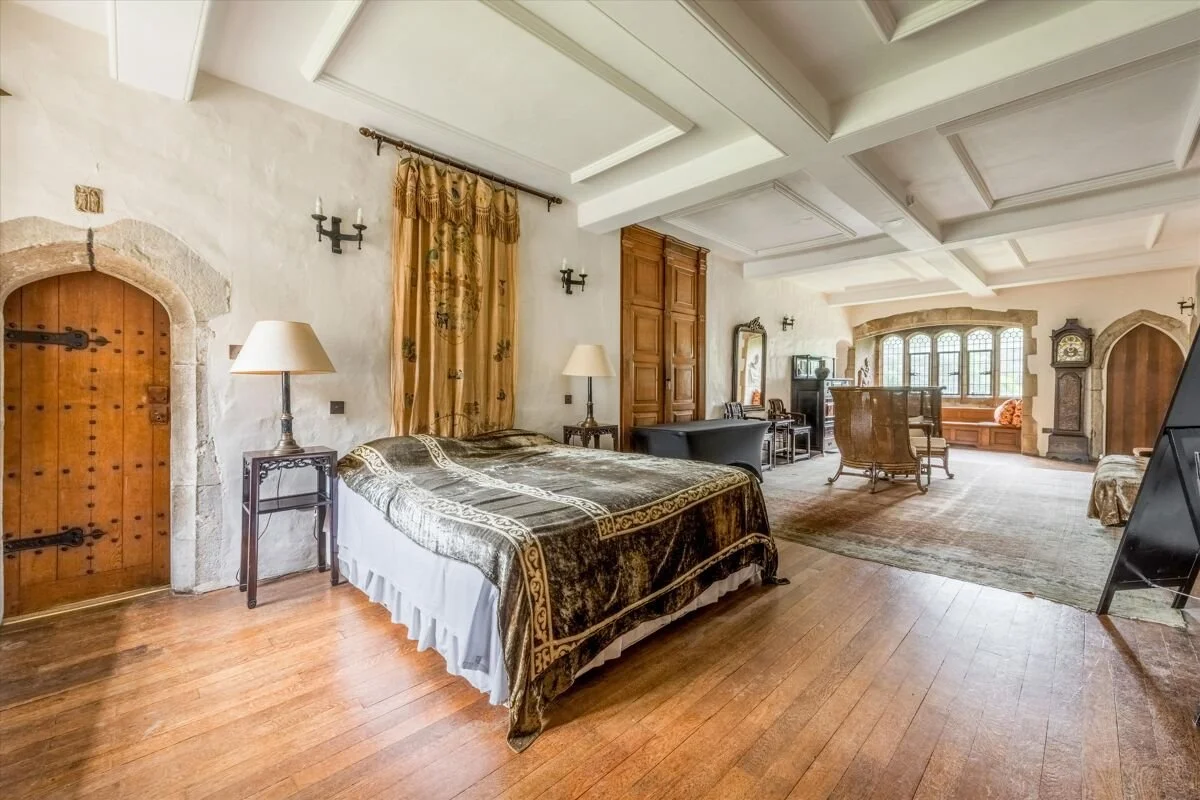
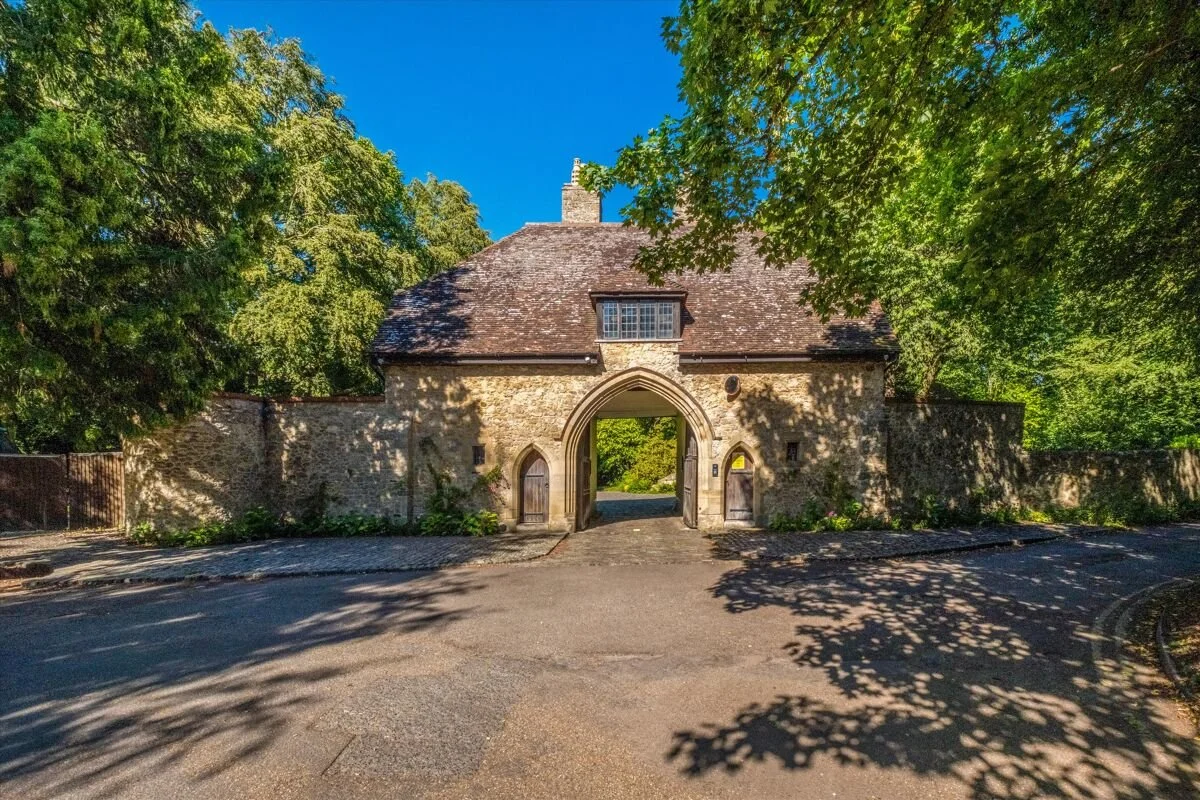
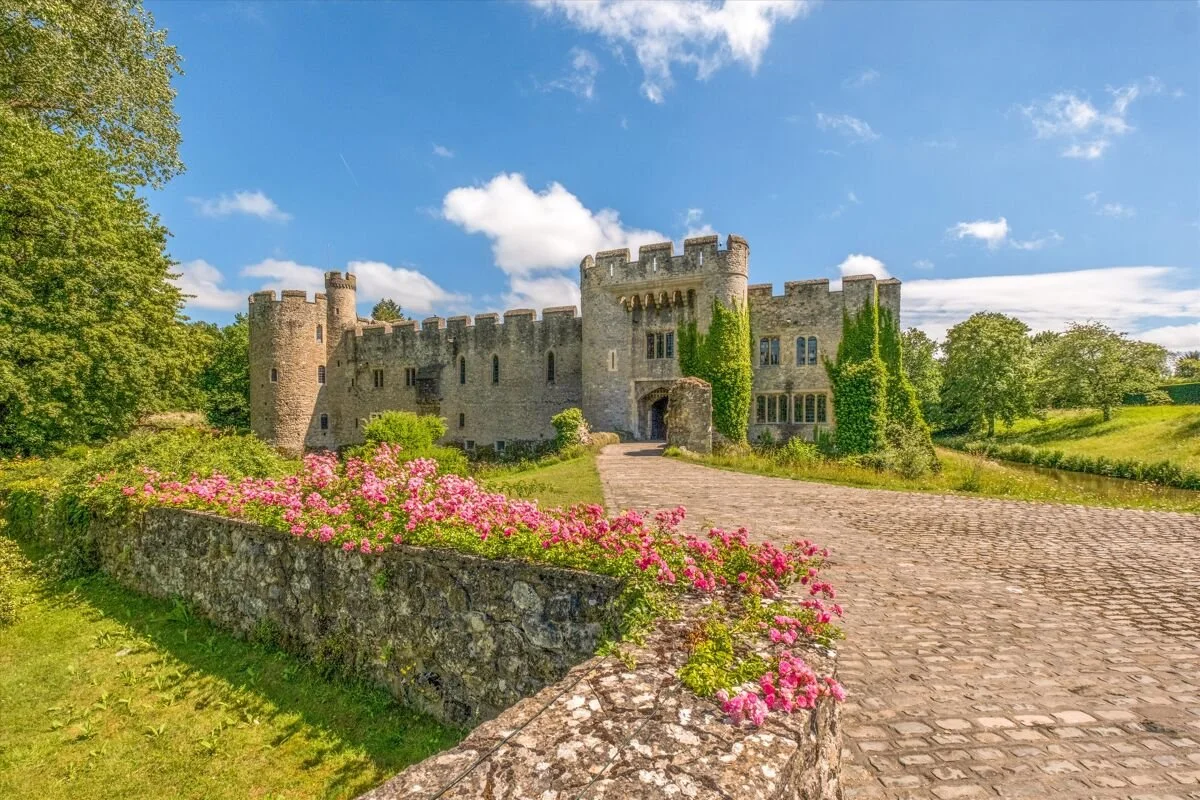
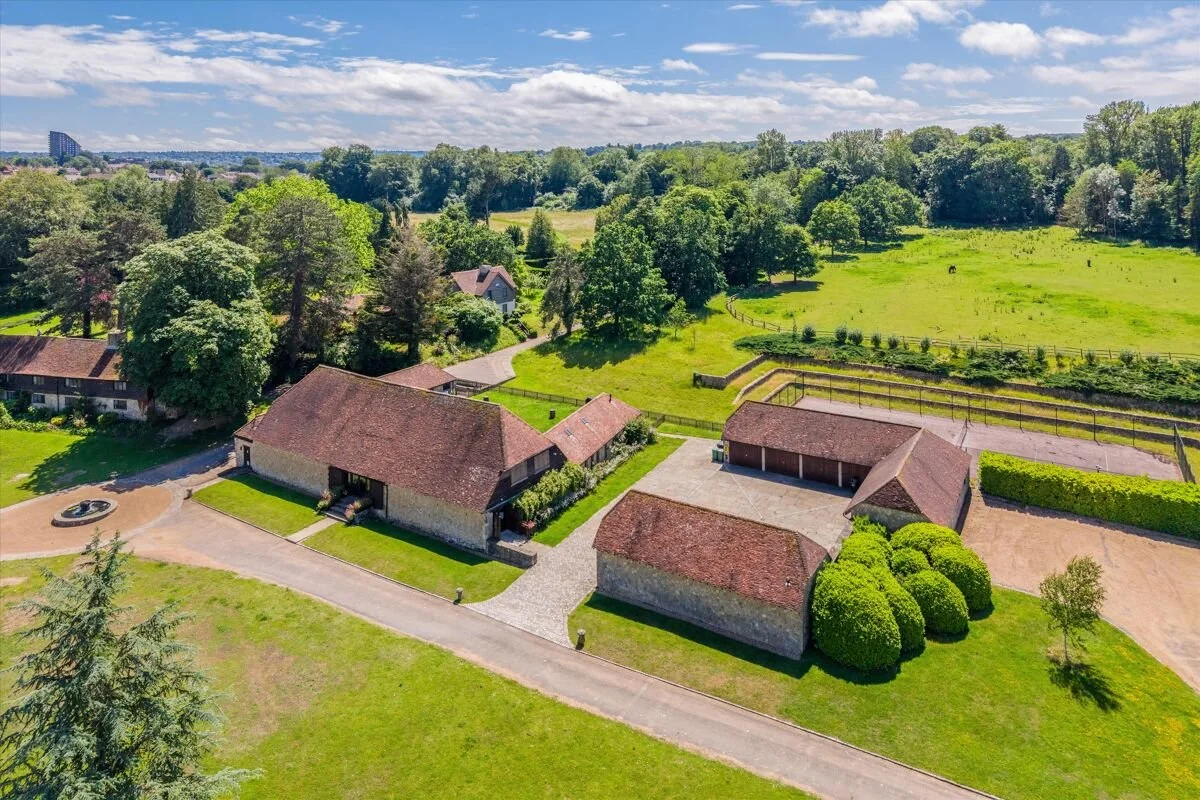
Bedrooms: 14–30 Bathrooms: 10–20
Interior: 24,401 ft² / 2,267 m²
Lot: 42 acres (17 hectares)
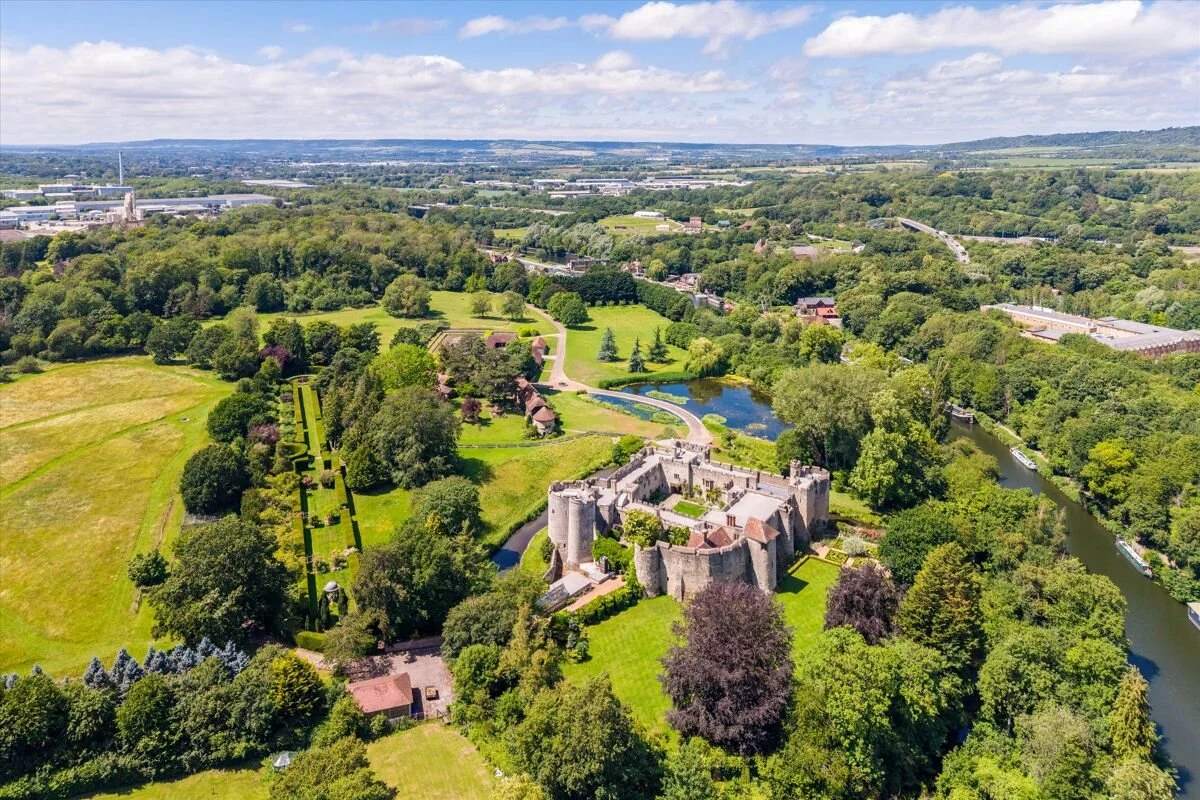
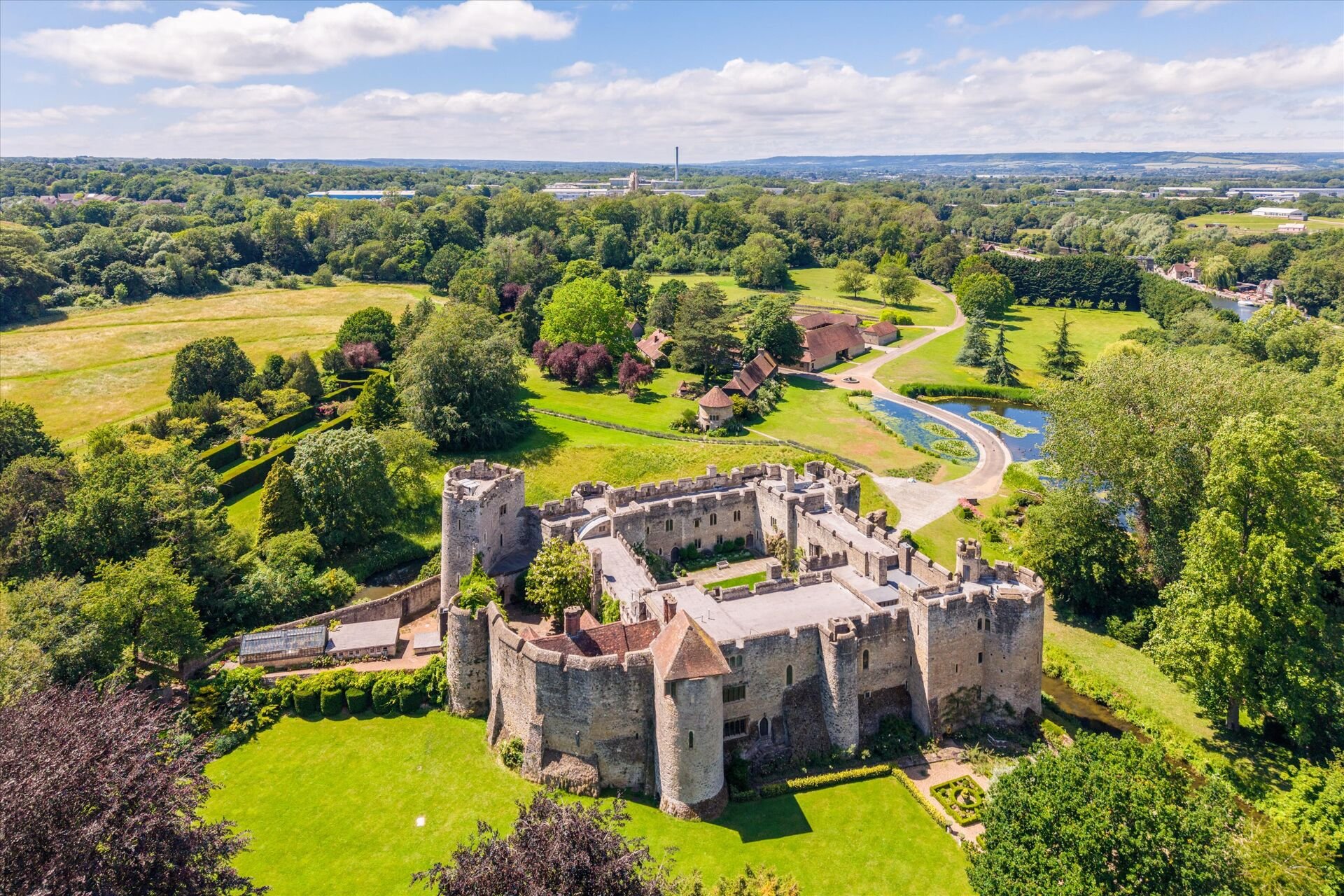
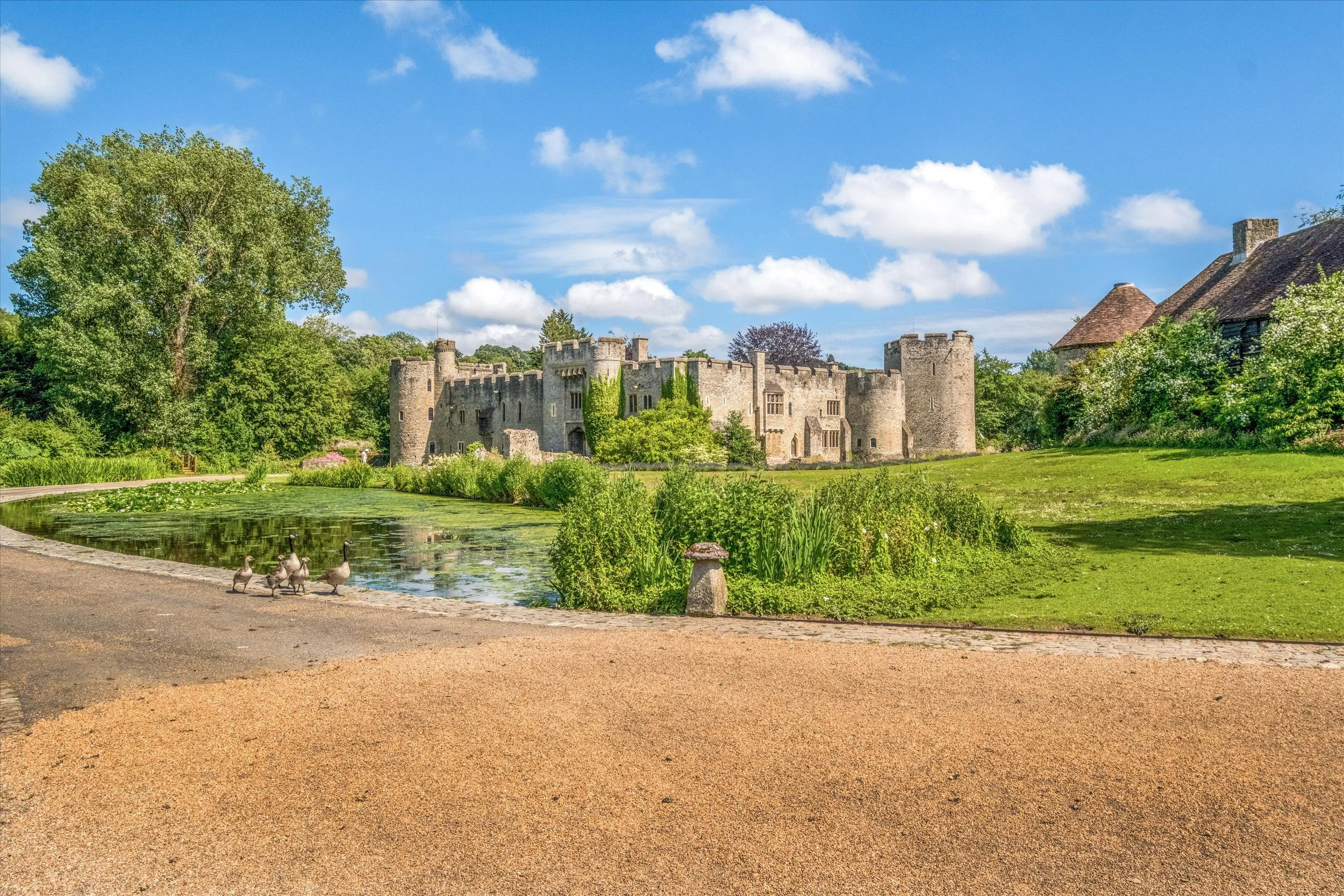
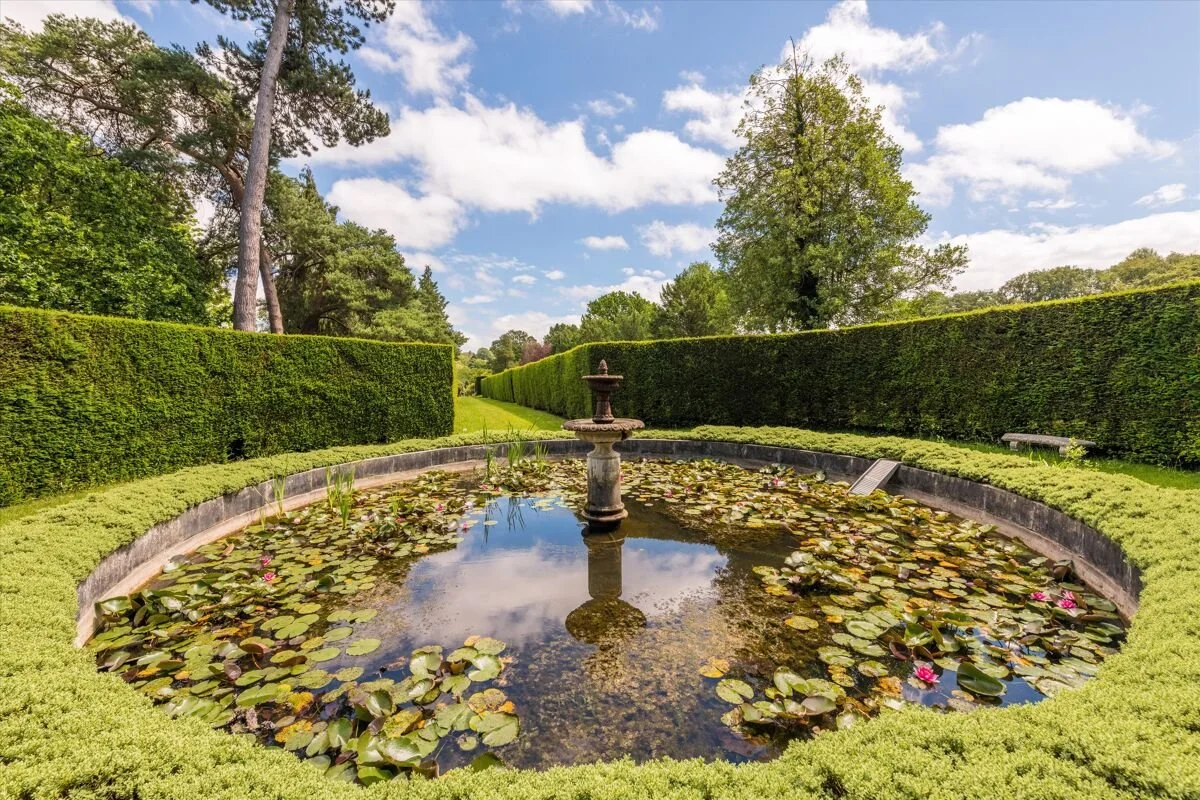
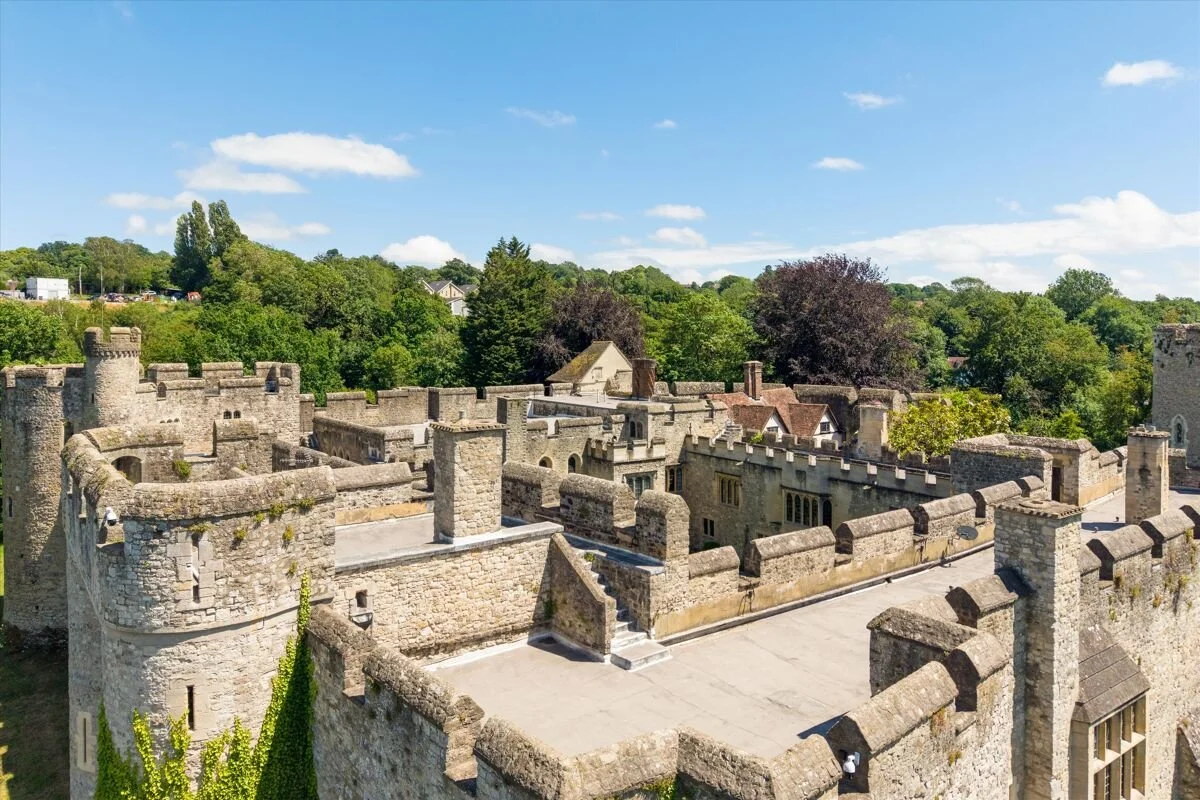
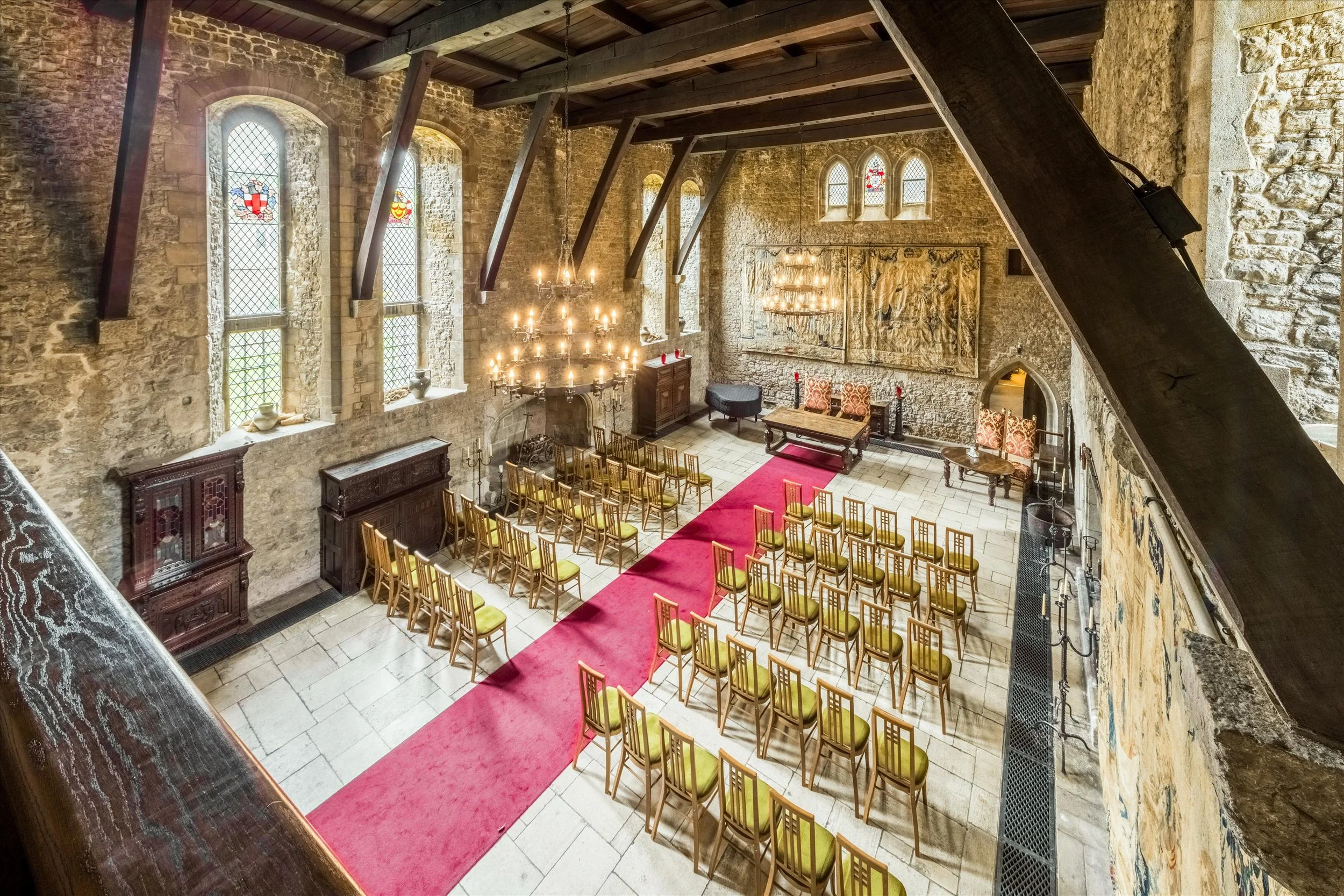
Amenities: Full moat, six towers, Great Hall, two courtyards, library, nine additional lodgings, historic dovecote, formal gardens, tennis court, greenhouse, event facilities and indoor swimming pool (currently out of use).
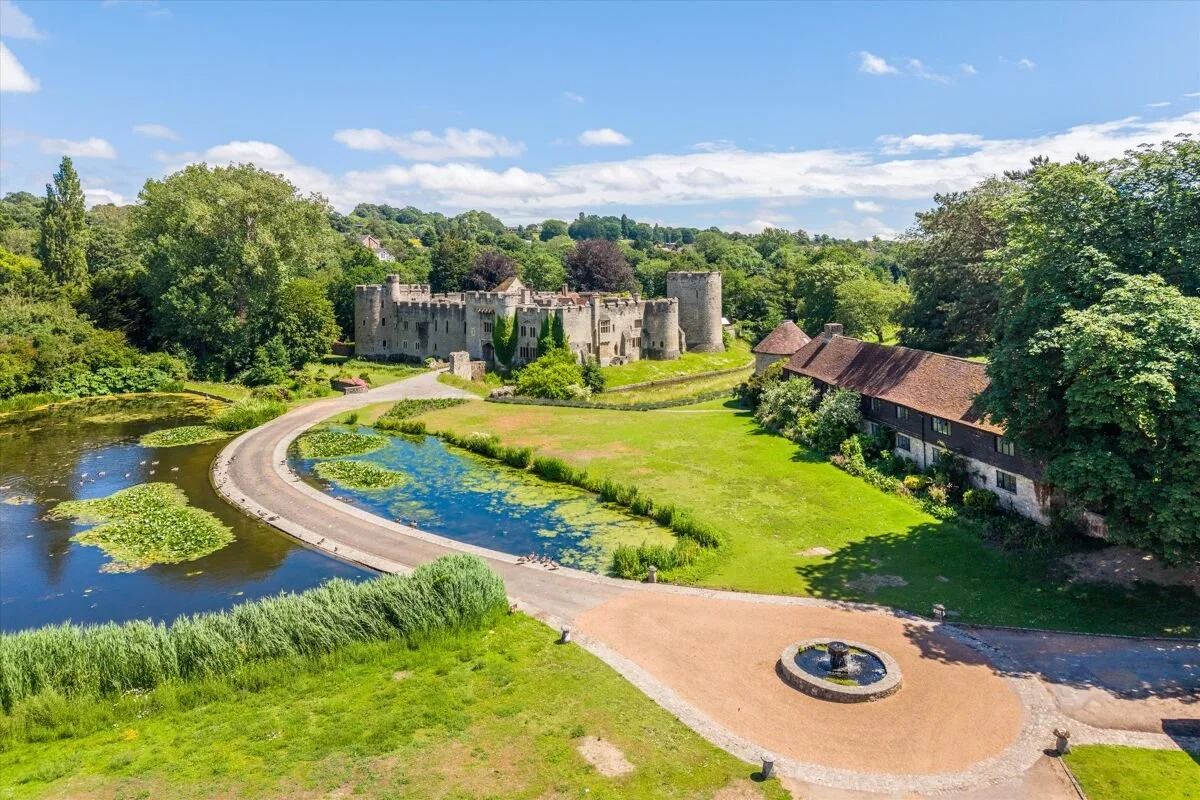
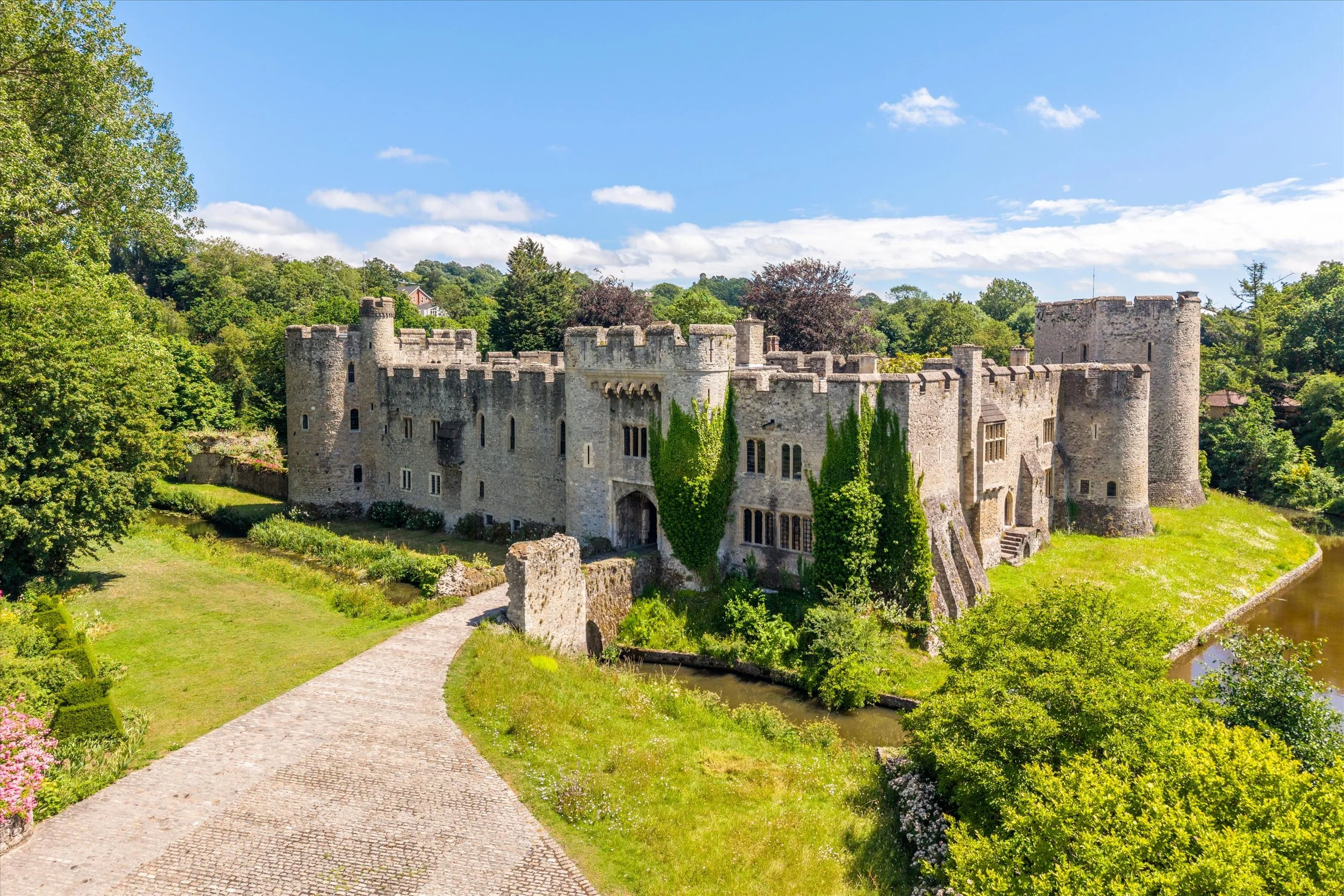
Set along the River Medway in Kent, approximately an hour from London by train to nearby Maidstone, Allington Castle is a medieval English fortress surrounded by 42 acres of gardens, woodland and riverside grounds. Dating largely to the late 13th century, the Grade I-listed castle was rescued from ruin in the early 1900s and underwent another major restoration following its purchase in 1996. It is now offered for sale through Knight Frank for £5 million.
On May 15, 1905, British art historian Sir Martin Conway placed an advertisement in The Times:
“Wanted: To purchase old manor house or abbey, built in the sixteenth century or earlier, with old garden, not much land, no sporting facilities, preferably five miles or more from a railway station.”
He received just two replies. One concerned a castellated mansion suitable for a hotel, while the other led him to Allington Castle, a medieval fortress he had never imagined would be available so close to London. Six weeks later, the Conway family owned the property, much of it roofless, overgrown with ivy and inhabited by rats.
In August 1929, Conway's daughter Agnes recalled the family's surprise in an article titled A Significant Restoration, published in House Beautiful:
“The age of the building exceeded our demands; for that a real medieval castle should be for sale, thirty-five miles from London, had never even entered our minds. This one contained remains of three successive castles and two manor houses – the earliest a moated mound raised at the time of the Conquest, and once crowned by a wooden fort, of which the mound and the moat are still extant.”
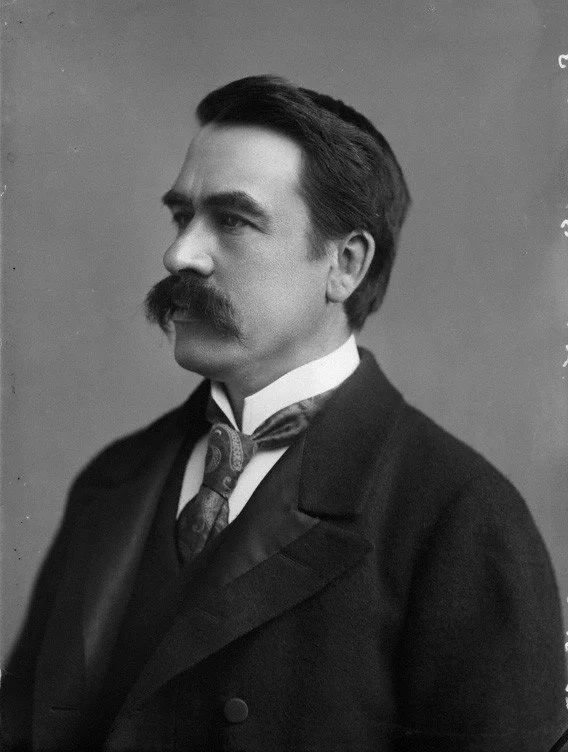
William Martin Conway Given by Bassano and Vandyk Studios to National Portrait Gallery, London, 1974. Source: Wikipedia
The Art Historian Who Bought a Castle
Conway was an unusual figure in Edwardian England. Born in 1856, he studied at Cambridge and became an accomplished mountaineer and explorer, leading expeditions through the Himalayas, the Arctic and the Andes. In 1892, he undertook an extensive mountaineering and surveying expedition in the Karakoram, a remote mountain range spanning parts of modern-day Pakistan, India and China. He later explored Spitsbergen in the Norwegian Arctic, crossing largely unmapped mountainous terrain at a time when such expeditions required months of preparation and travel. In 1905, the same year he purchased Allington Castle, he received the Royal Geographical Society's Founder's Medal for his achievements in exploration.
He was also a respected scholar and collector of European art, particularly early Renaissance painting. Between 1901 and 1904, he served as Slade Professor of Fine Art at Cambridge, and his interests in art history, archaeology and historic architecture would shape much of his later work.
In 1884, Conway married Katrina Lambard, an American heiress whose wealth helped finance his travels, collecting and scholarly pursuits. Their marriage came during the Gilded Age, when American fortunes were becoming increasingly intertwined with British society. Wealthy Americans were marrying into established British families, acquiring country houses and helping sustain historic estates whose upkeep had become increasingly expensive.
Conway's purchase also coincided with growing interest in Britain's architectural heritage. The late Victorian and Edwardian periods had seen renewed enthusiasm for medieval buildings, traditional craftsmanship and the preservation of historic country houses. The Arts and Crafts movement, alongside organizations such as the Society for the Protection of Ancient Buildings and the National Trust, helped bring architectural conservation into greater public consciousness.
For an art historian with a passion for old buildings, Allington offered an unusually ambitious project.
A Medieval Castle with Tudor Connections
The history of Allington Castle stretches back centuries before Conway's arrival.
The estate appears in the Domesday Book of 1086, the great survey of English landholdings commissioned by William the Conqueror. An early Norman fortification occupied the site, followed by a stone castle in the 12th century, portions of which were incorporated into later construction.
The castle recognizable today was largely built between 1279 and 1299 by Stephen de Penchester, who received permission to fortify the existing manor house with battlements. He constructed much of the fortified residence using Kentish ragstone, with Caen limestone imported from Normandy for certain windows and doorways.
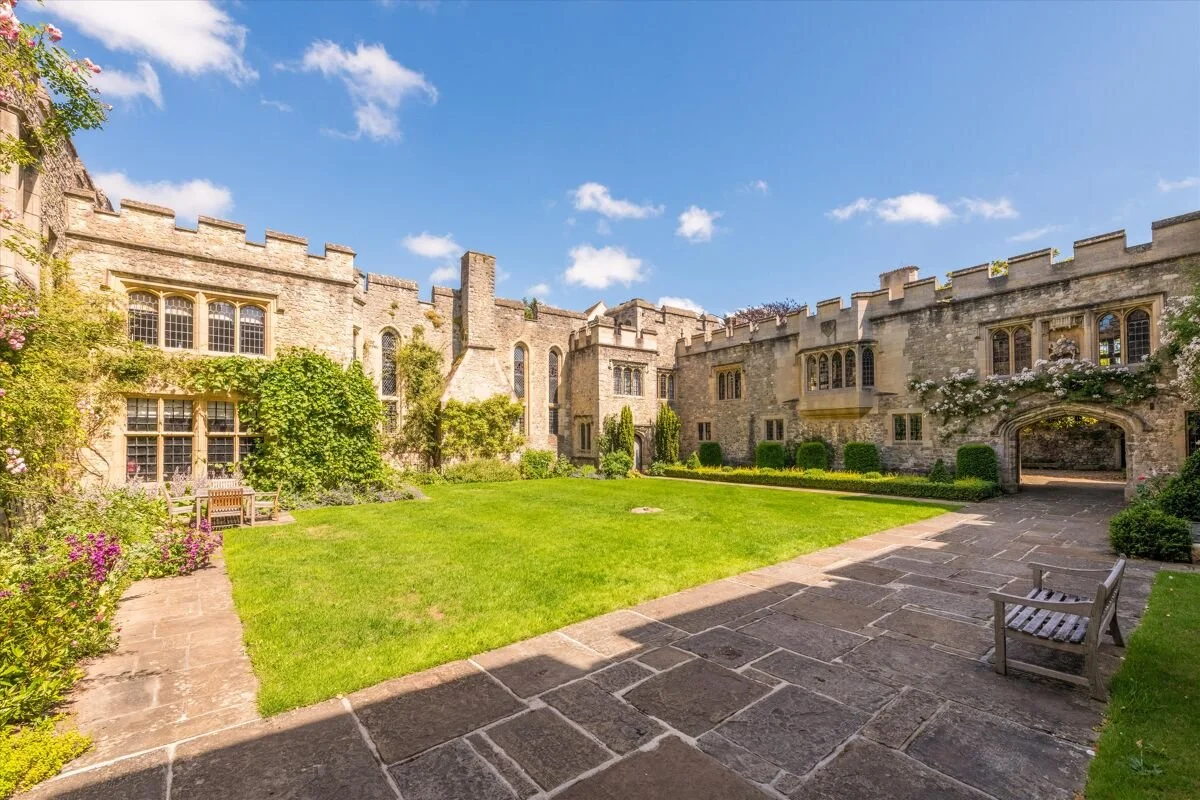
In the late 15th century, the castle passed to the Wyatt family, who transformed the medieval fortress into an important Tudor residence. Sir Henry Wyatt, an adviser to Henry VII, introduced larger windows and commissioned a Long Gallery across the original courtyard, dividing it into two.
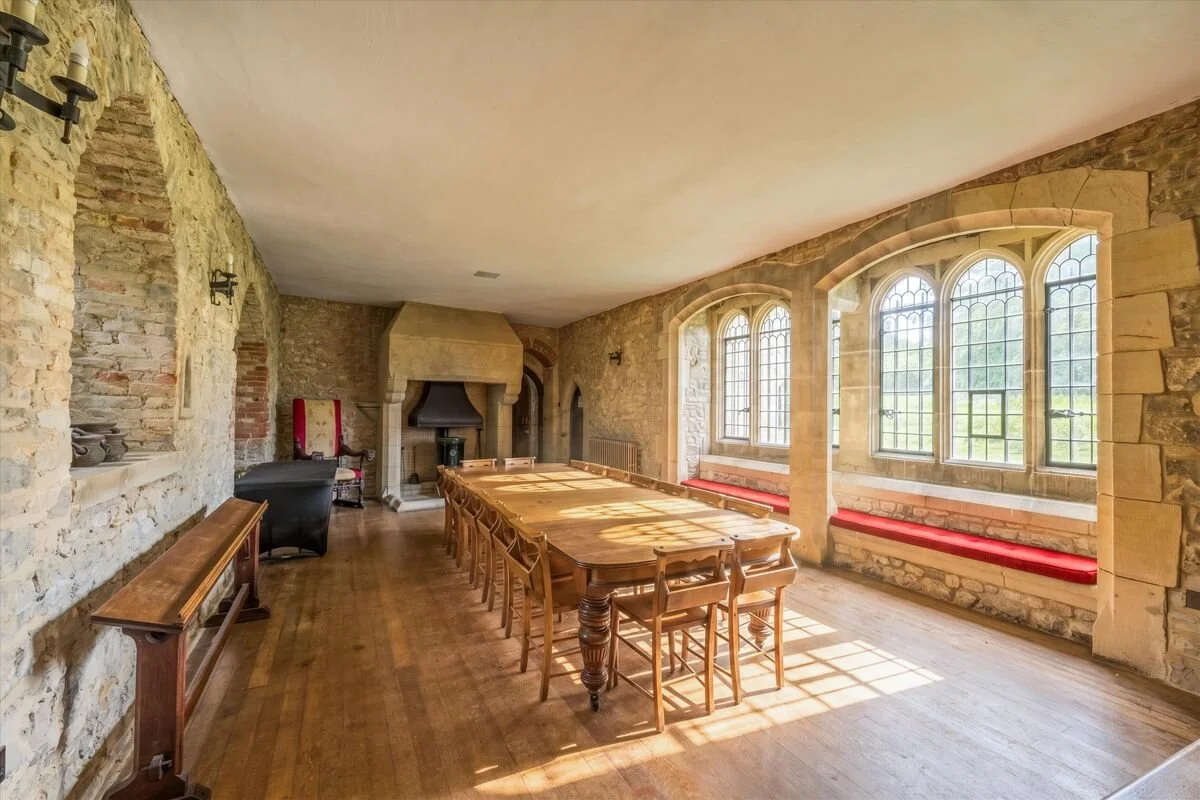
Allington became associated with some of the most recognizable figures of Tudor England. Henry VIII and Anne Boleyn are said to have dined in the Great Hall, while the king reportedly stayed in a chamber within one of the towers. Sir Henry's son, Thomas Wyatt the Elder, became one of the leading poets of Henry VIII's court and is believed to have pursued Anne romantically before her marriage to the king. Several of his poems have been interpreted as references to Anne, although historians remain divided over whether the two were ever lovers.
The family's fortunes changed dramatically in 1554, when Sir Thomas Wyatt the Younger led an unsuccessful rebellion against Queen Mary I's proposed marriage to Philip of Spain. Wyatt was executed, and the castle was confiscated by the Crown.
Over the following centuries, Allington lost its importance as a noble residence. Sections were converted into farmhouses and workers' cottages, while fires and successive alterations destroyed much of the original fabric. By the 19th century, large portions of the medieval castle had become ruins.
Restoring Allington Castle
When Conway purchased Allington in 1905, he enlisted architect W. D. Caröe, a prominent figure associated with the Arts and Crafts movement and the conservation of historic buildings. Their restoration would continue for more than two decades, involving extensive reconstruction of the medieval walls, battlements, residential ranges and interiors.
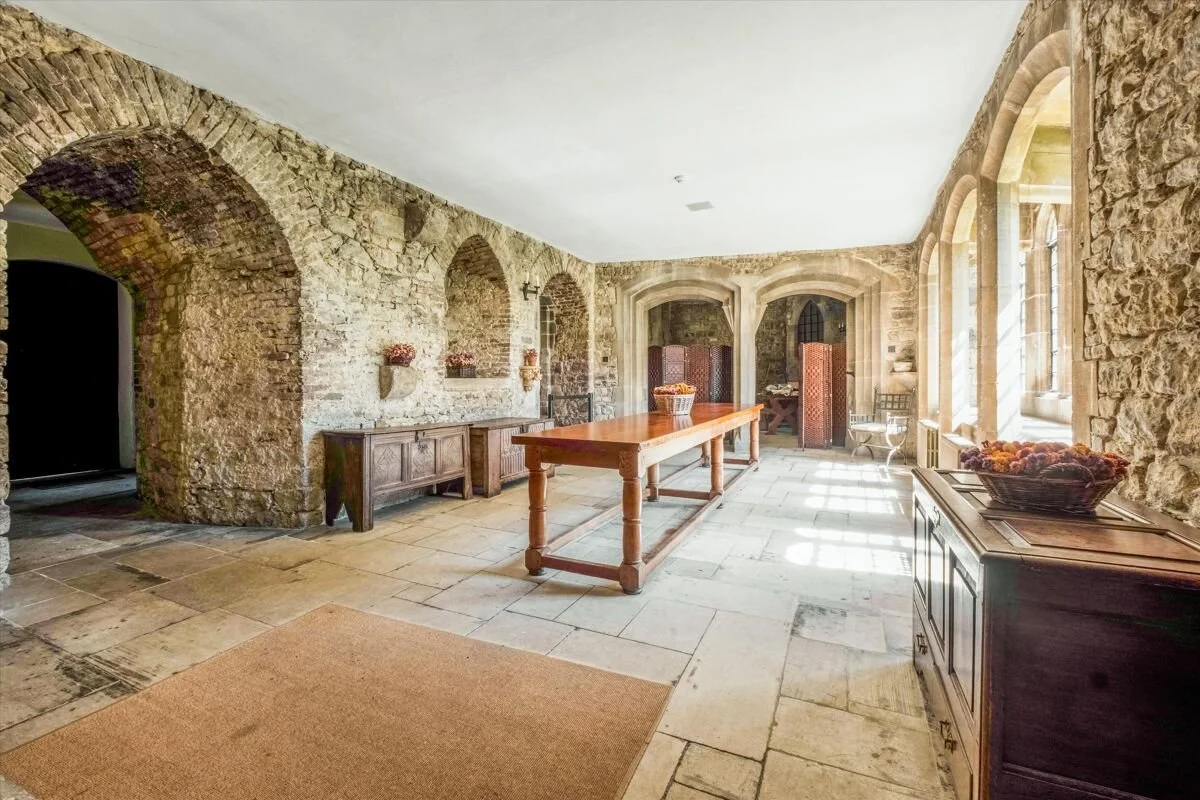
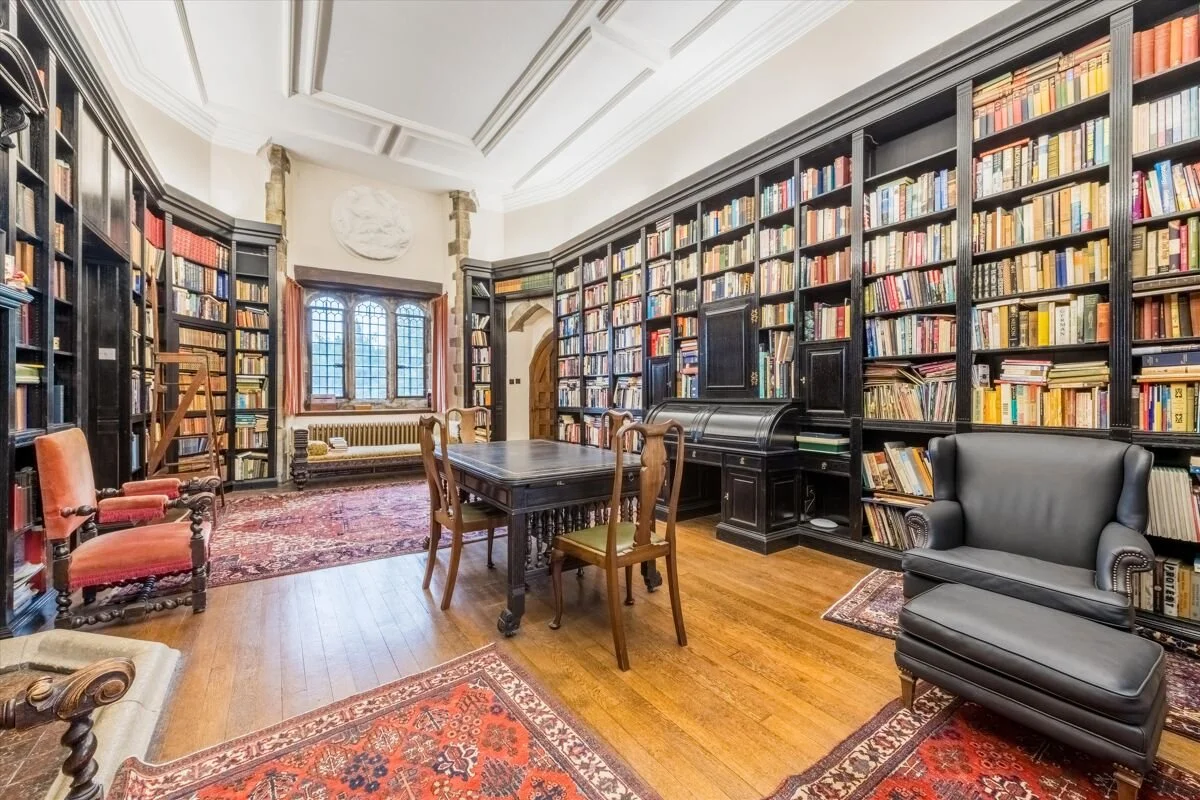
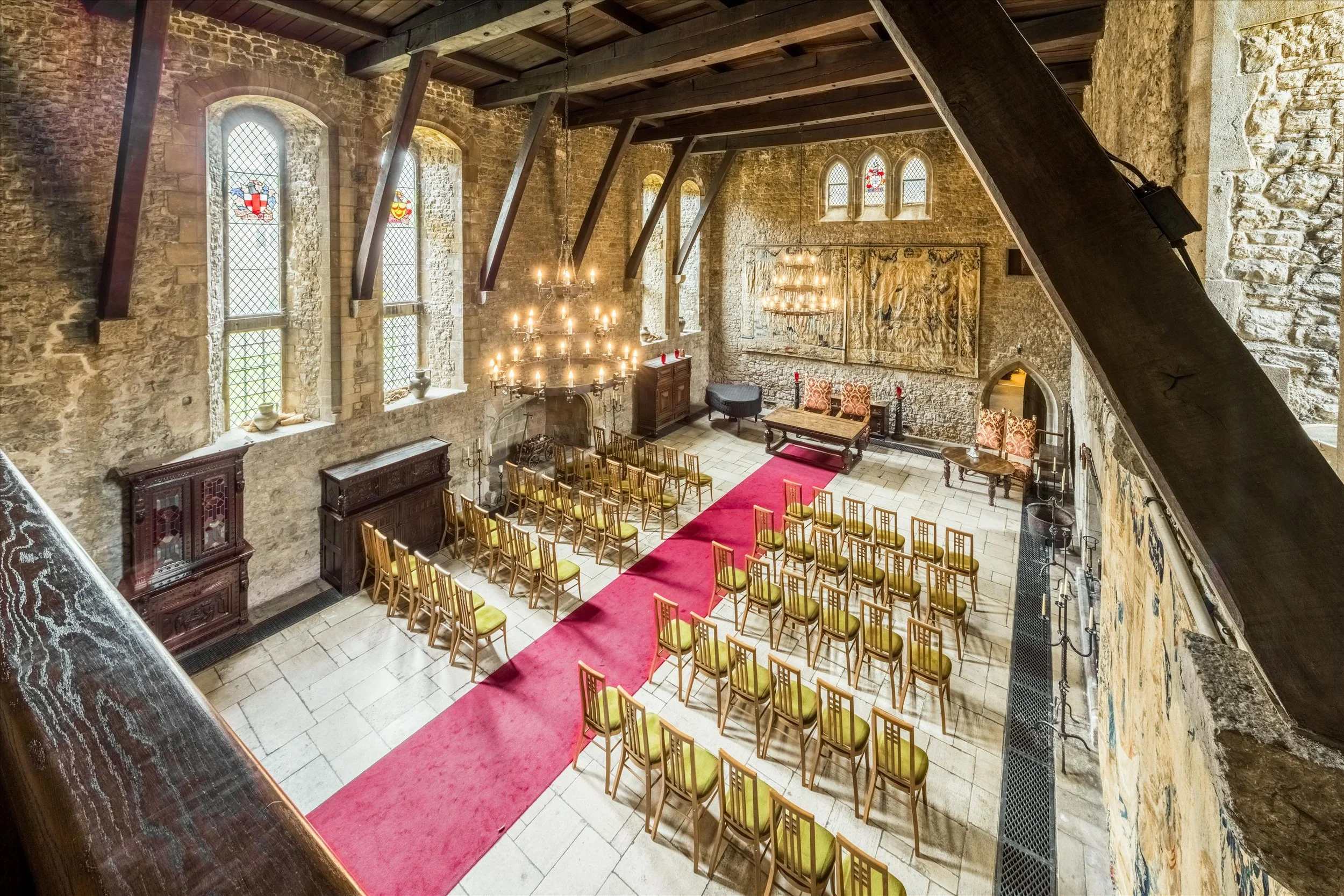
Conway's daughter Agnes documented the undertaking in an August 1929 article for House Beautiful. She recalled arriving to find sections of the castle open to the sky, with ivy six feet thick in places concealing the medieval stonework. The family began by reconstructing the Tudor Long Gallery, which had burned down in 1820, before turning to the ruined west wing. There, surviving 13th-century doors, windows and masonry provided evidence for rebuilding the battlements. They repaired Solomon's Tower, restored the fortified gatehouse and converted the room above its entrance into a library. Excavations also uncovered fireplaces, medieval floor tiles and architectural fragments that helped guide the reconstruction of the Great Hall.
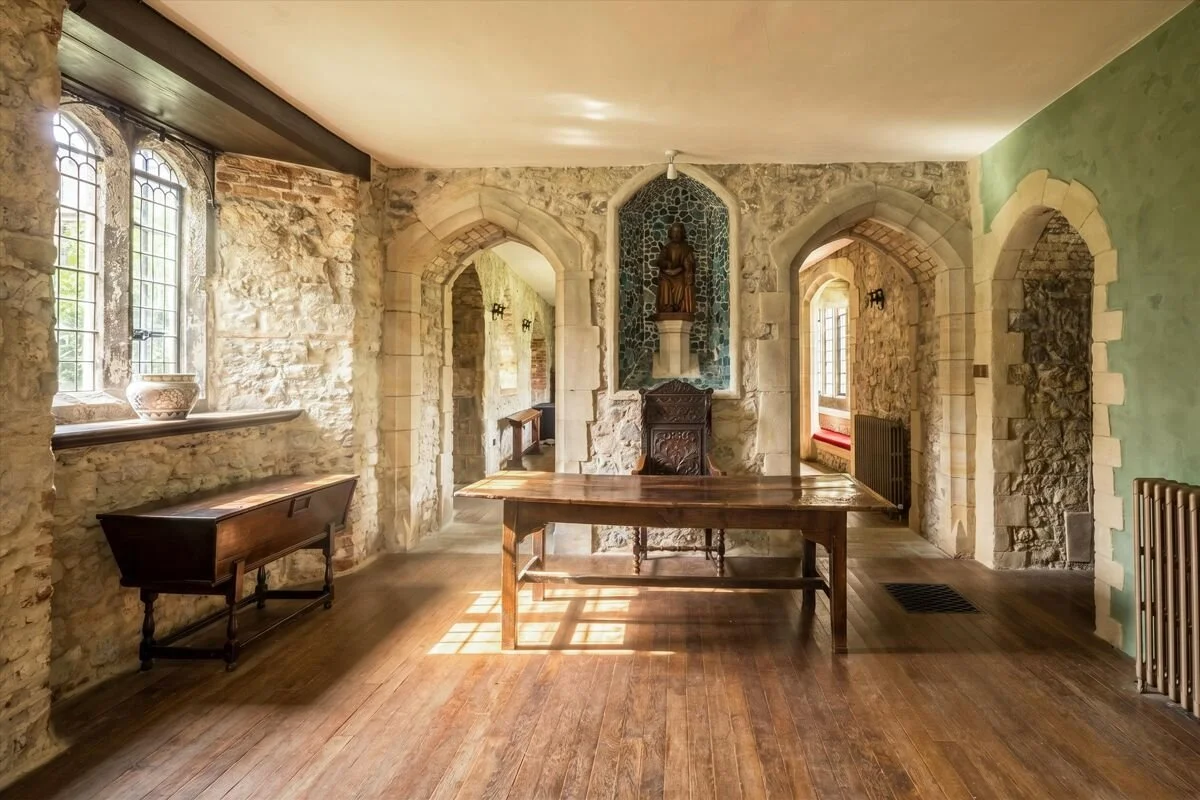
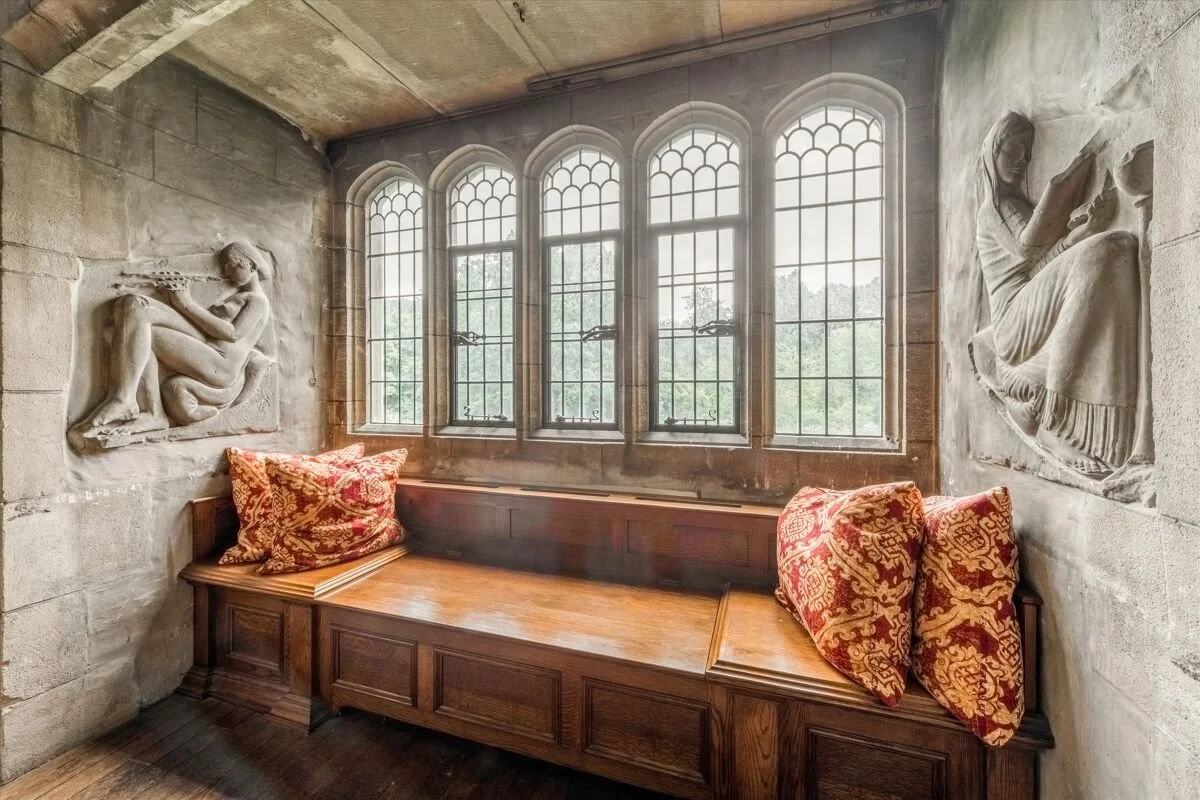
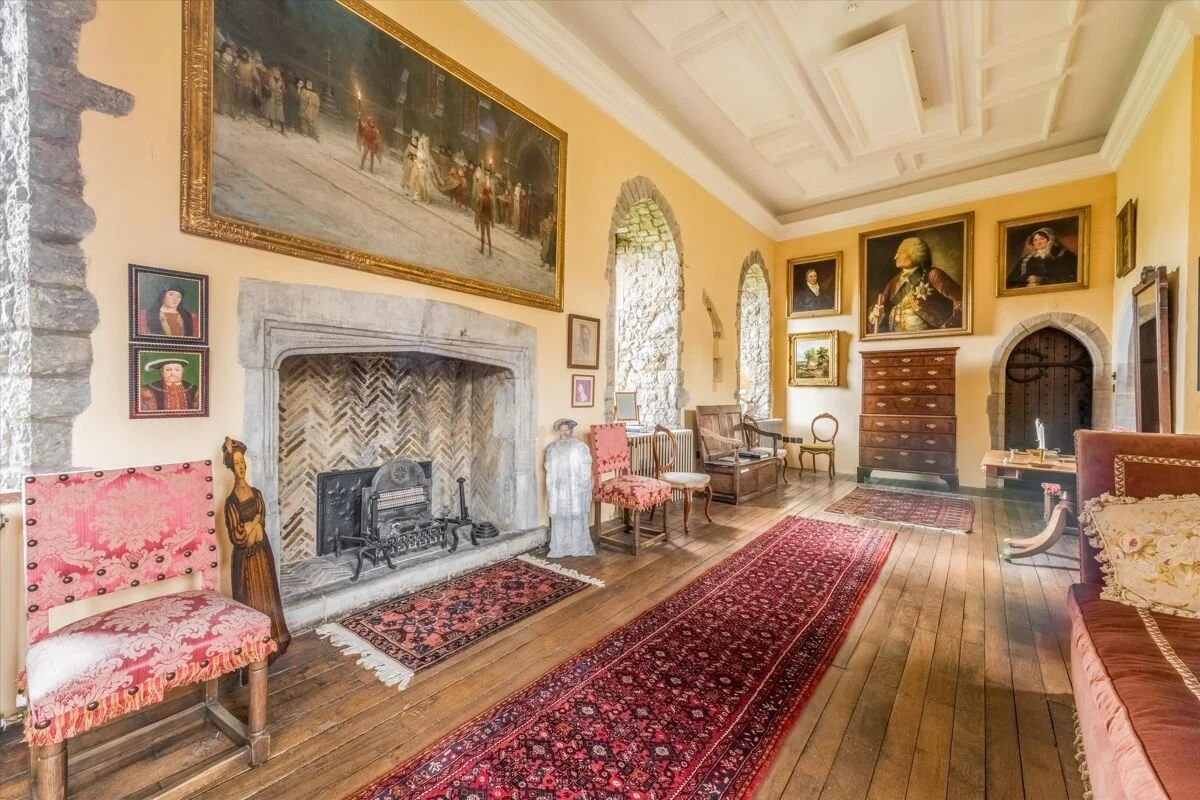
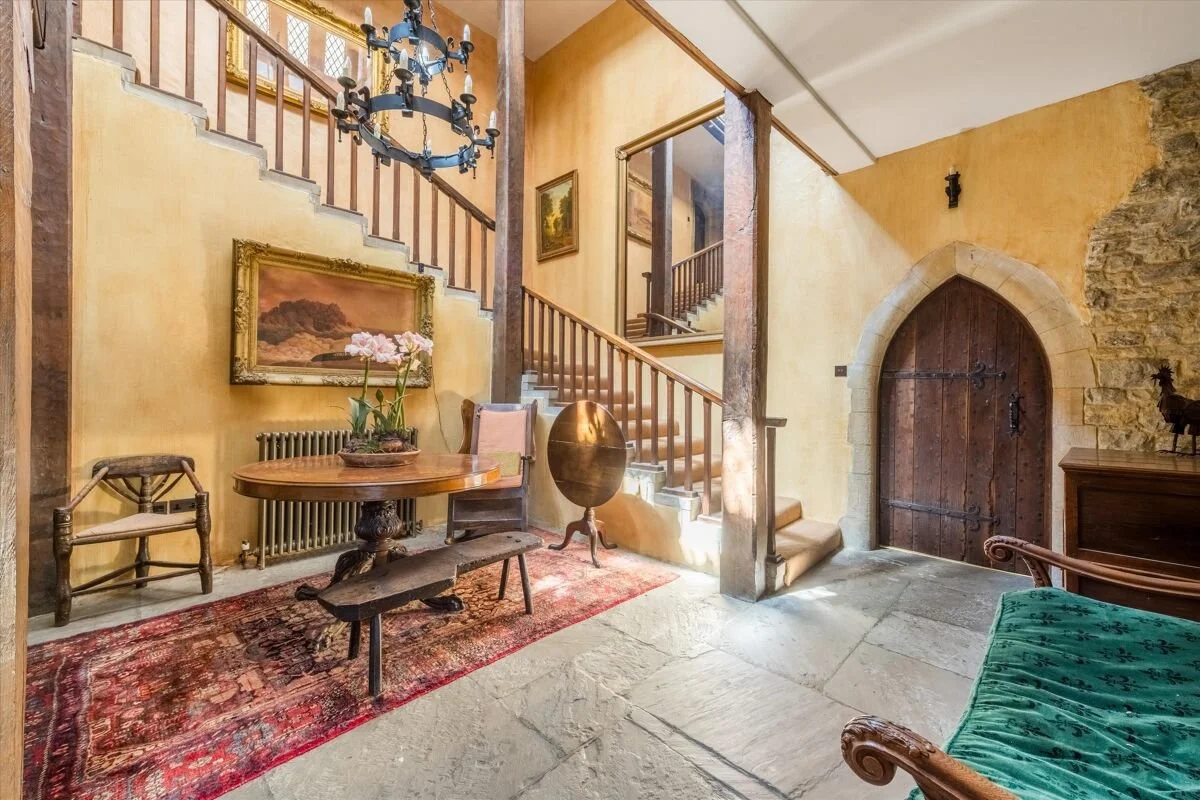
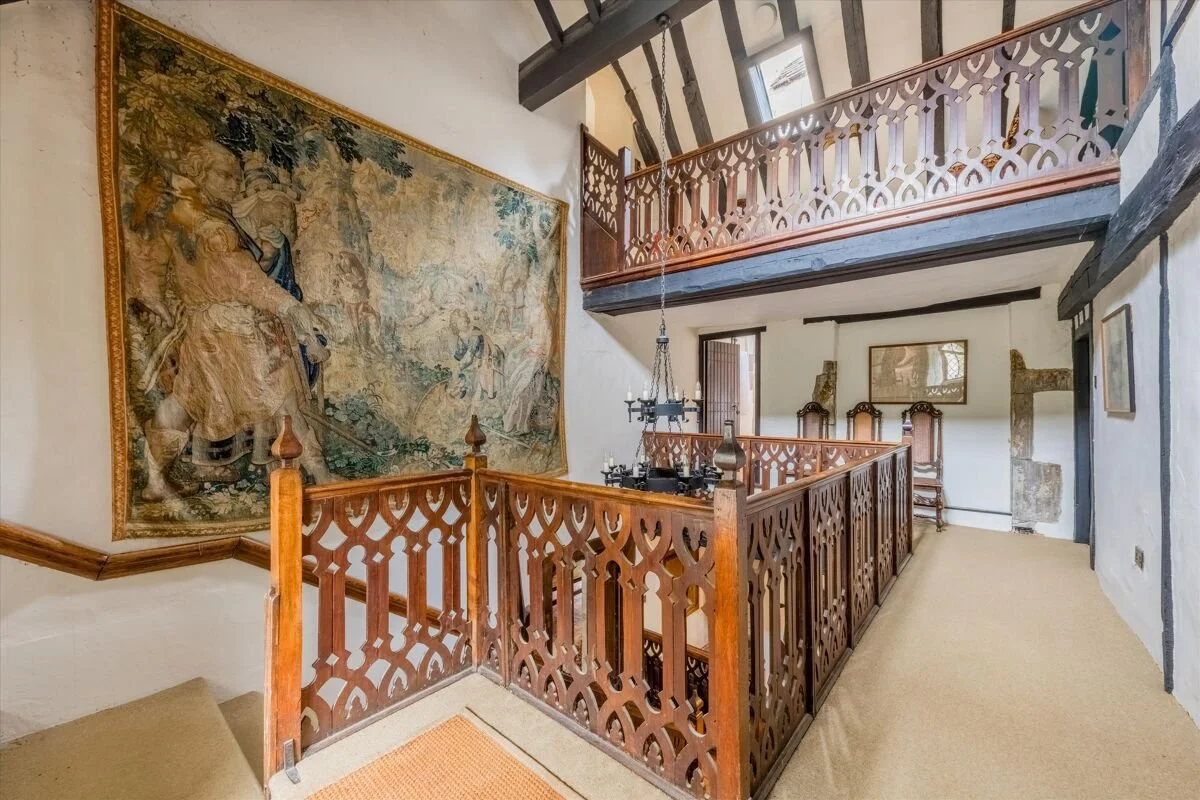
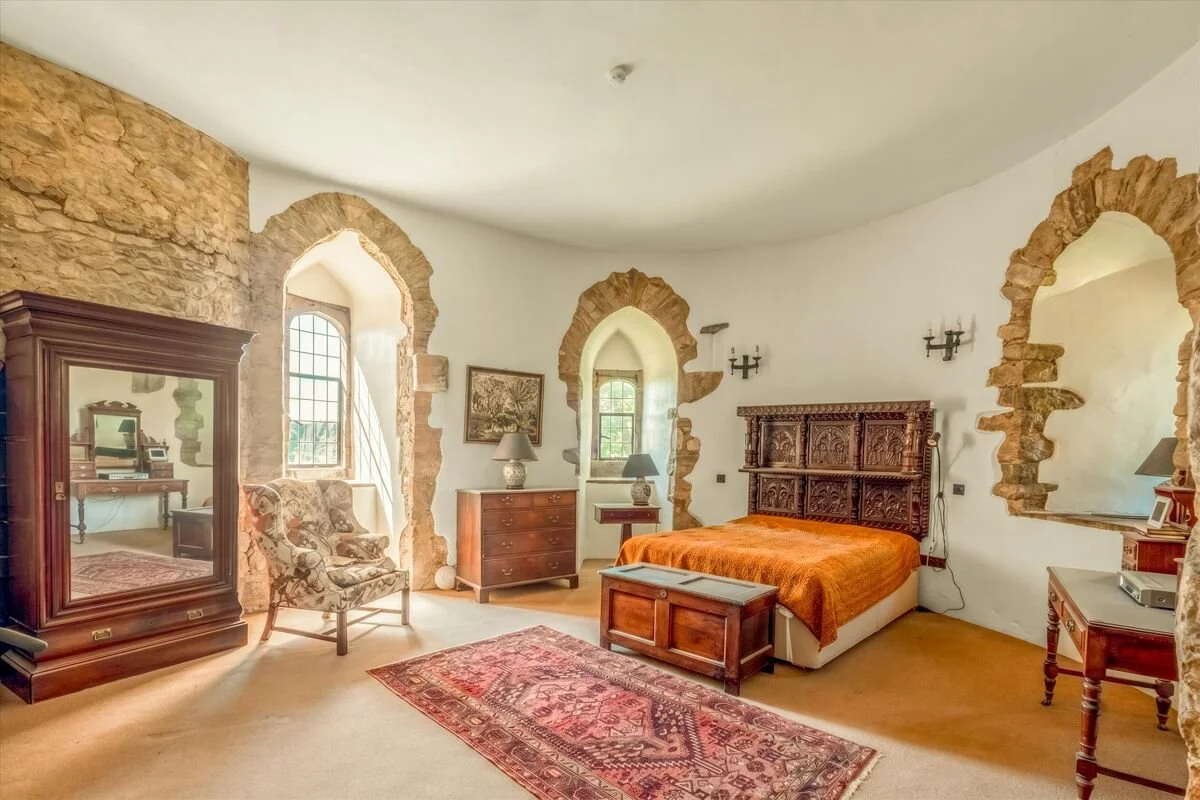
The interiors reflected Conway's interests as an art collector. His Italian Old Master paintings proved difficult to display against bare stone walls, so the family introduced painted panelling, Persian rugs and woven textiles from Sierra Leone. Rooms were furnished with Jacobean oak furniture, reproductions of medieval tiles and decorative elements inspired by different periods of English history. Outside, the Conways reclaimed industrial land along the river, restored the gardens and planted thousands of daffodils around the moat. Agnes recalled the family's pleasure in uncovering the castle's history, including one curious local legend: somewhere beneath Allington lay a golden pig, and whoever discovered it would immediately disappear. Despite draining the moat and excavating extensively during the restoration, the family never found it.
By the First World War, substantial portions of Allington had been made habitable, with electricity, central heating, modern drainage and bathrooms. The work continued well into the 1920s, transforming a largely abandoned medieval fortress into a residence that combined surviving historic architecture with early-20th-century comforts.
A Second Restoration Under an American Owner
Following Conway's death in 1937, Allington eventually became home to the Carmelite religious order, which occupied the castle for several decades.
In 1996, it was purchased by Sir Robert Worcester, the American-born founder of MORI, one of Britain's best-known public-opinion research companies. Born in Kansas City, Missouri, Worcester moved to Britain in 1969 and went on to become a prominent figure in political polling, working with politicians across the political spectrum.
But alongside his professional career, Worcester had developed a lifelong fascination with castles. According to his son Lawrence, he had dreamed of owning one since childhood, and when the family first moved to Britain, he took them on an extensive tour of castles and cathedrals across England, Scotland, Wales and Ireland.
When he finally purchased Allington, he approached it with the enthusiasm of a collector as much as a homeowner. He searched auctions for antiques, furniture and historic objects, sometimes acquiring pieces that had previously belonged to the castle and returning them to their former home. Over nearly three decades, he invested in restoration and maintenance, furnished its interiors and developed the property as a venue for weddings, corporate events and other gatherings.
Worcester also maintained close relationships with prominent figures in British public life. Former prime minister Margaret Thatcher reportedly attended lunch at Allington, adding a modern chapter to the castle's centuries-long association with the country's political establishment.
Worcester died in 2025, aged 91. His family has now placed the estate on the market after almost 30 years of ownership.
Allington Castle Today
Today, Allington remains both a substantial private residence and an established events property.
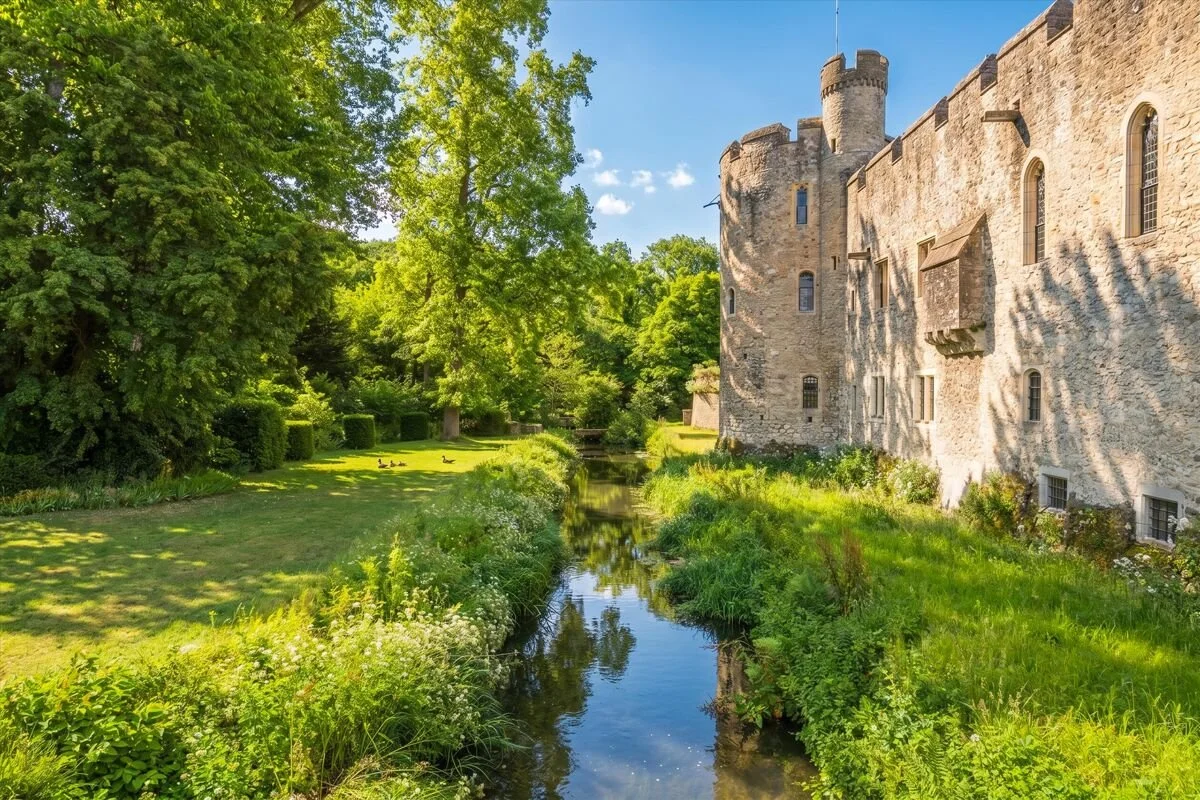
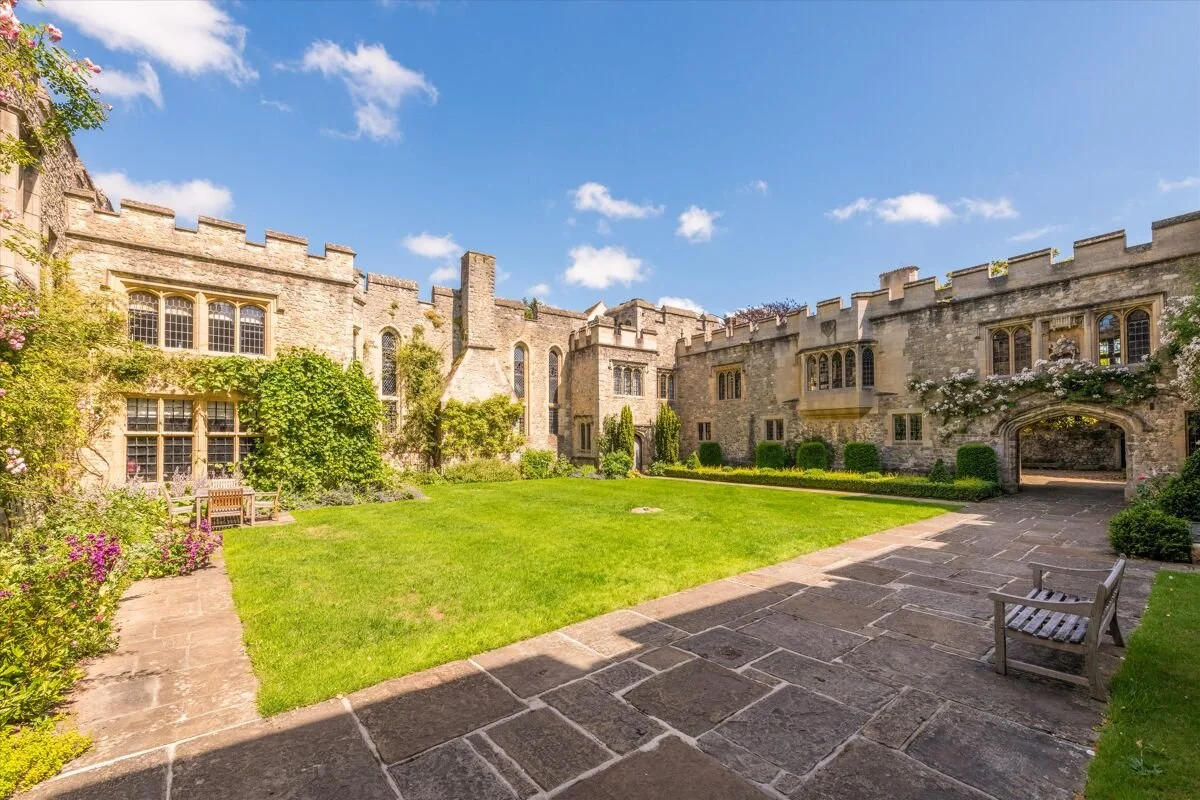
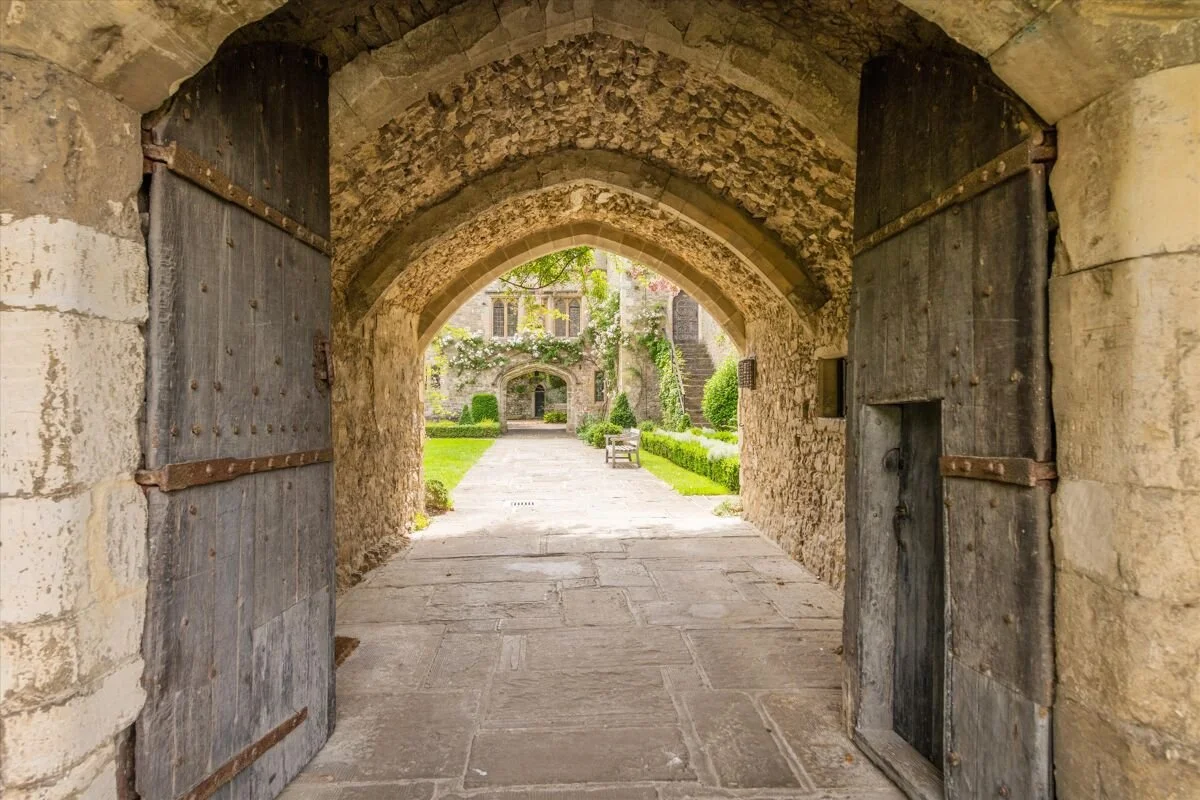
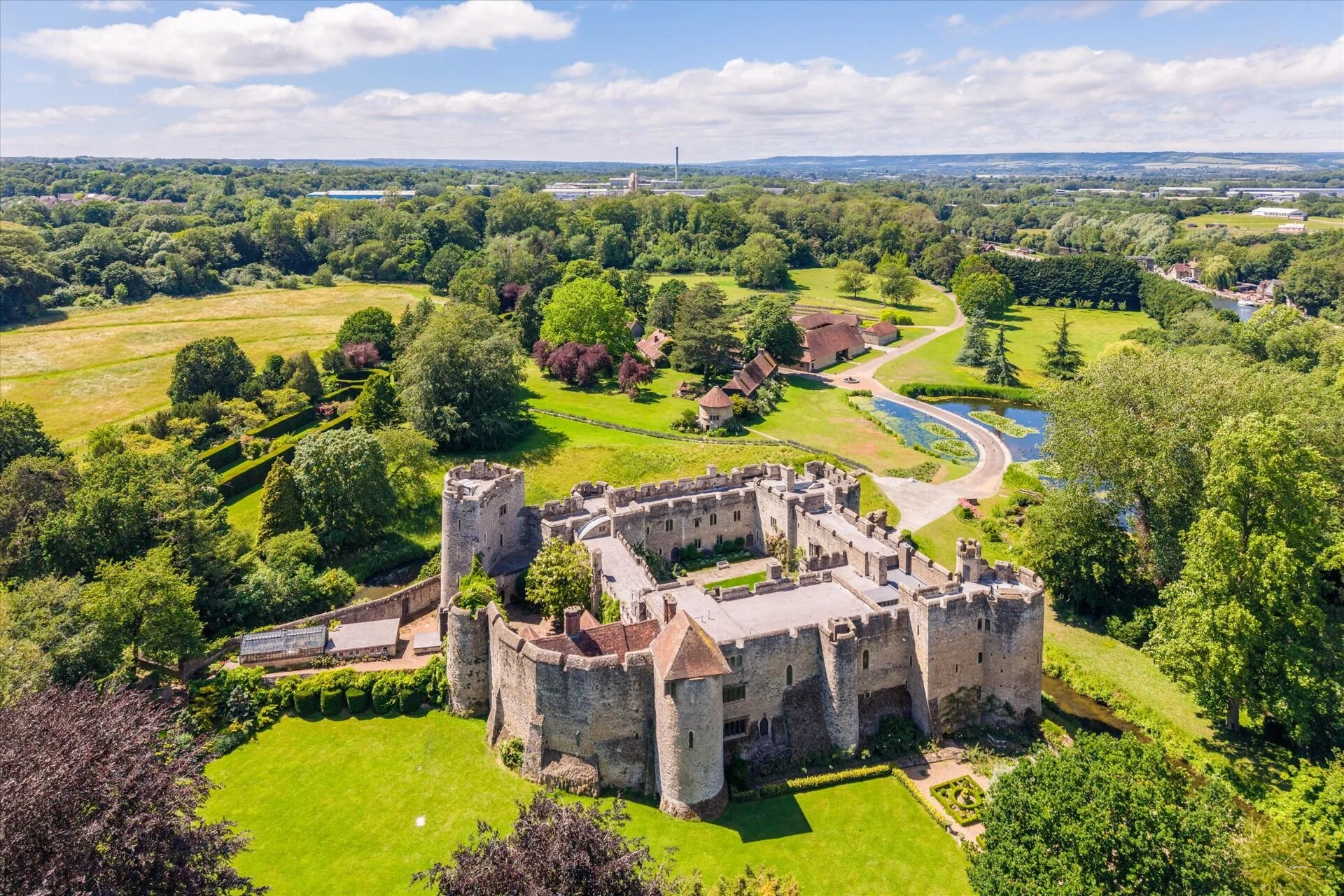
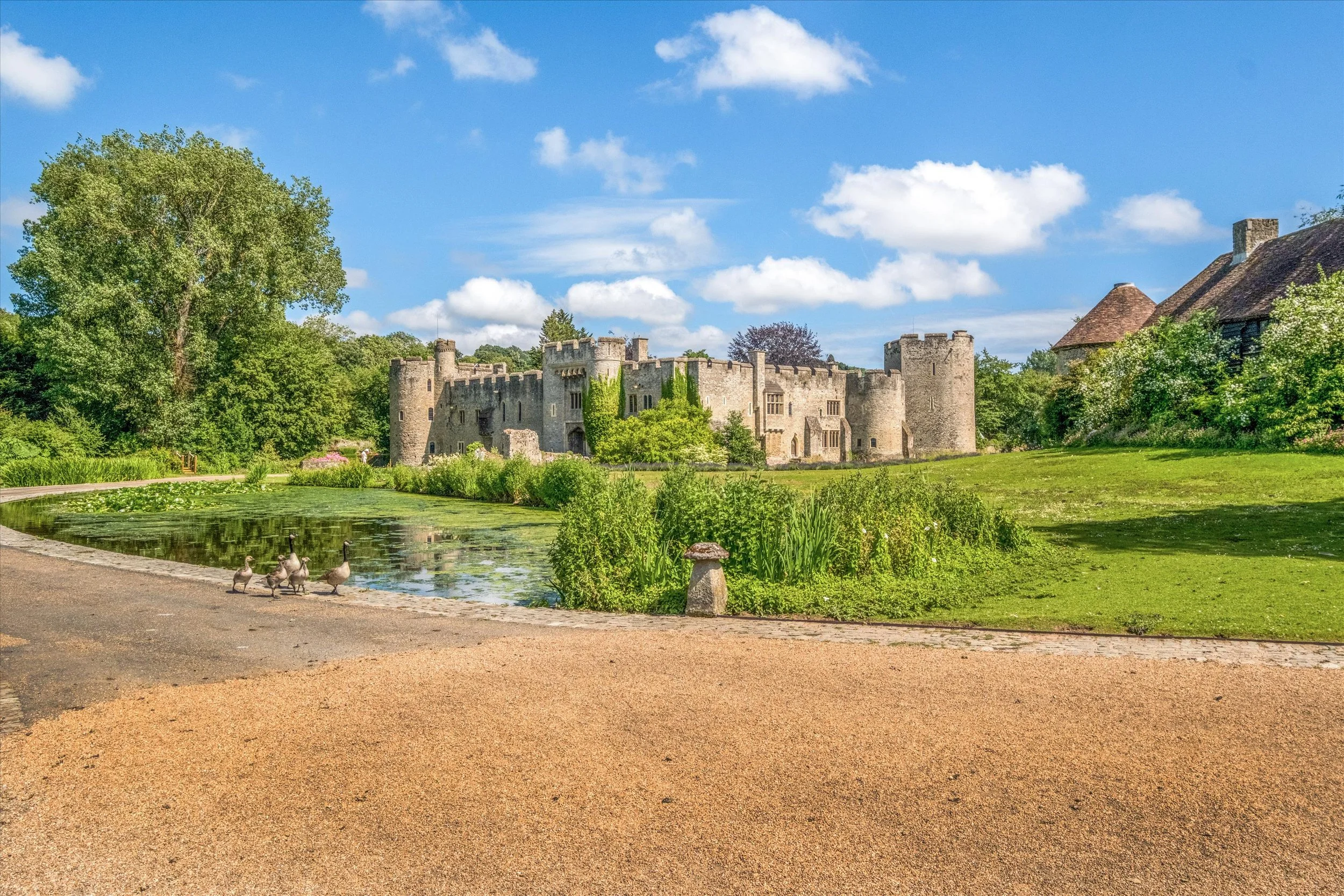
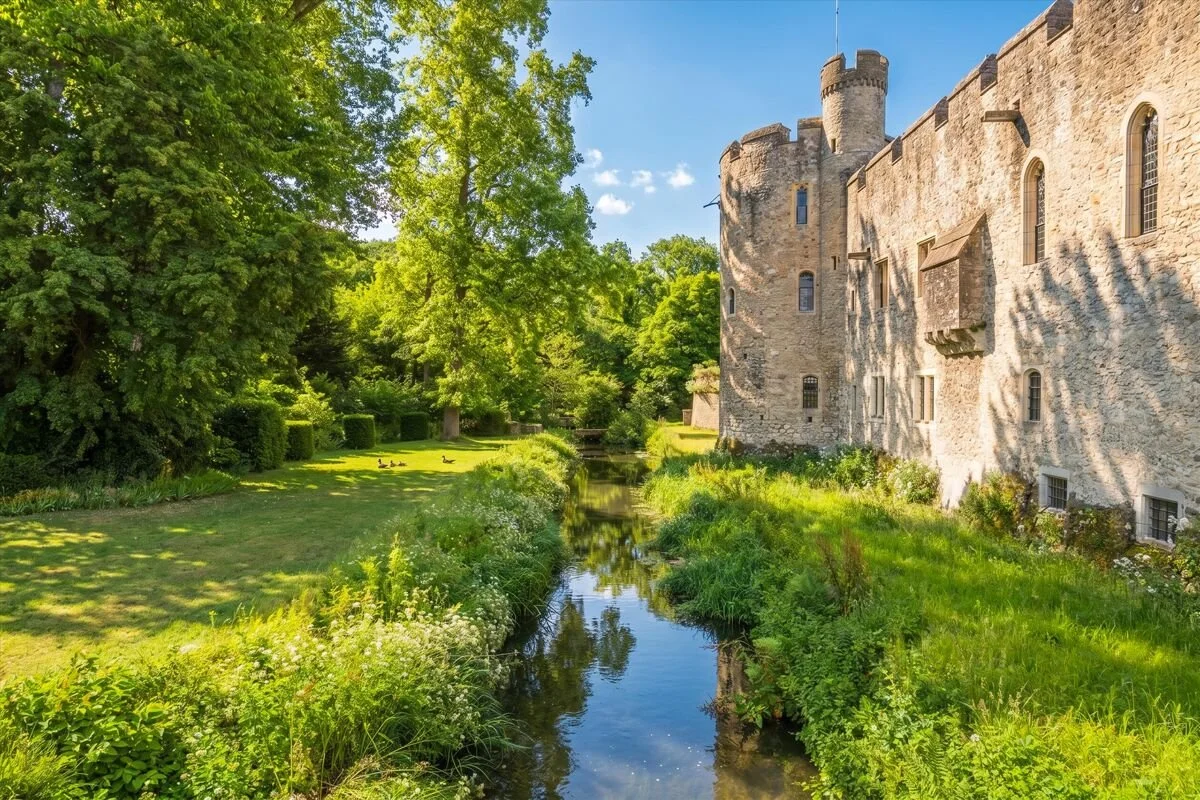
The castle retains its complete moat, six towers, fortified gatehouse, two inner courtyards, Great Hall and Long Gallery. Unusual surviving features include a former jousting yard, a bear-baiting ring and underground chambers known as the Dog Caves, traditionally associated with the hunting dogs once kept at the property.
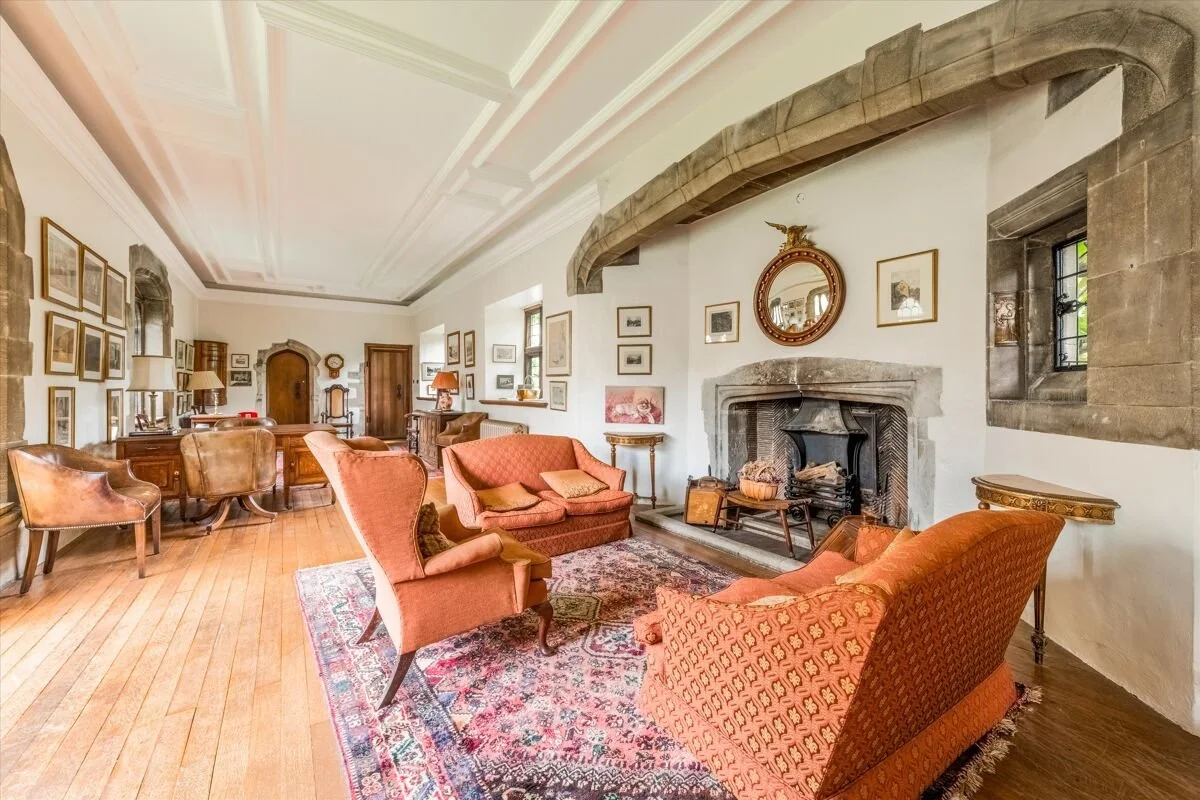
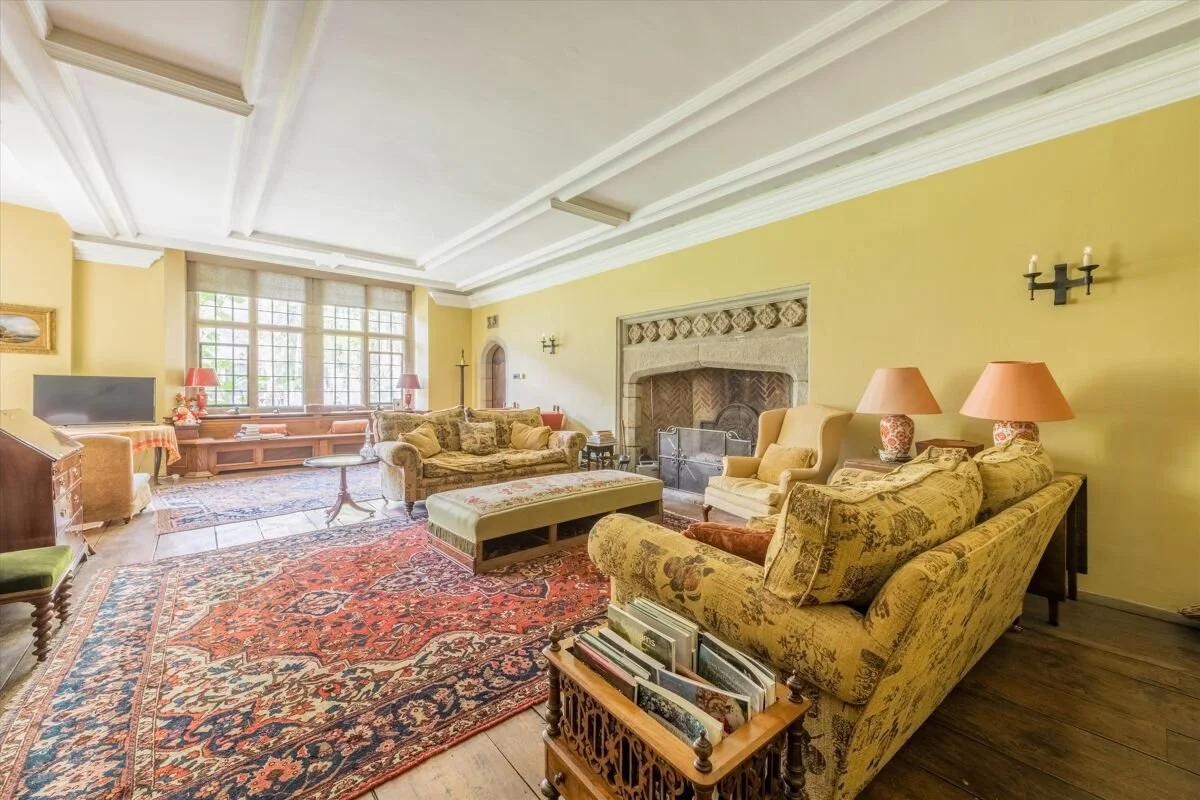
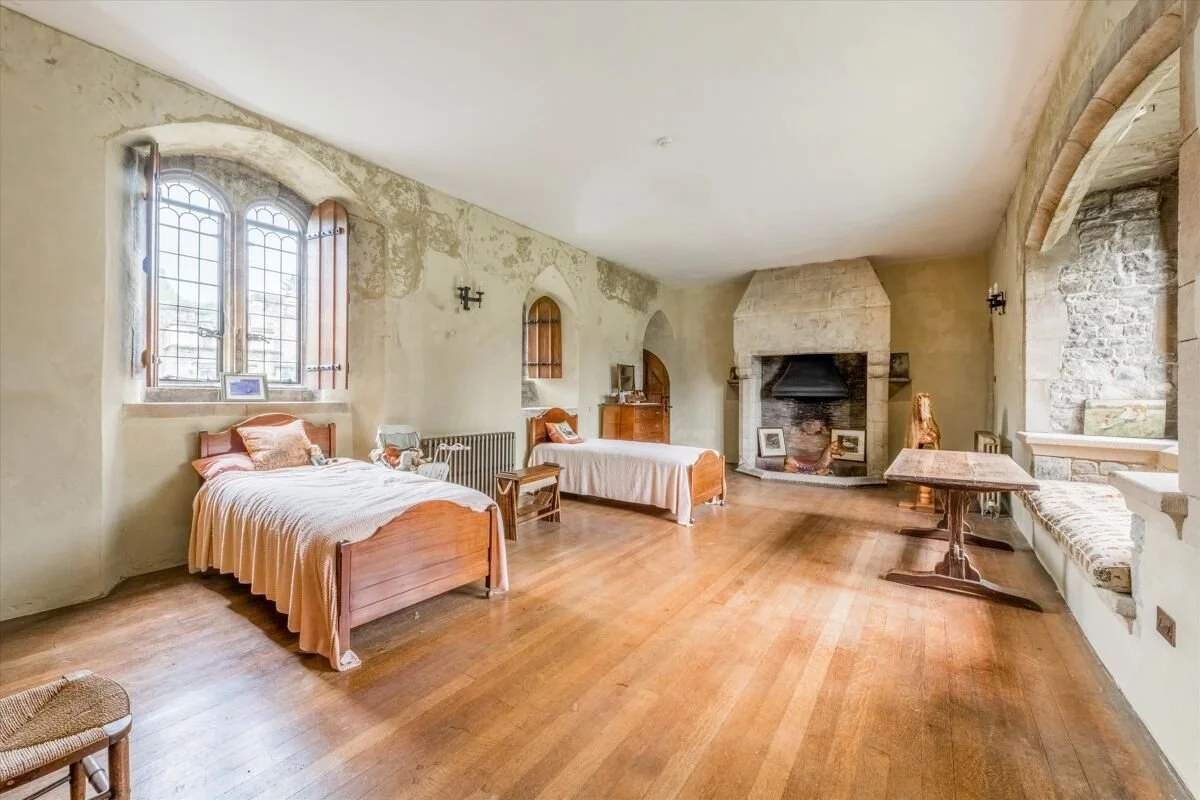
The residential interiors include a kitchen and dining room, library, reception rooms and numerous bedrooms arranged throughout the historic buildings. The Great Hall accommodates approximately 120 guests for events, while a converted barn seats up to 150.
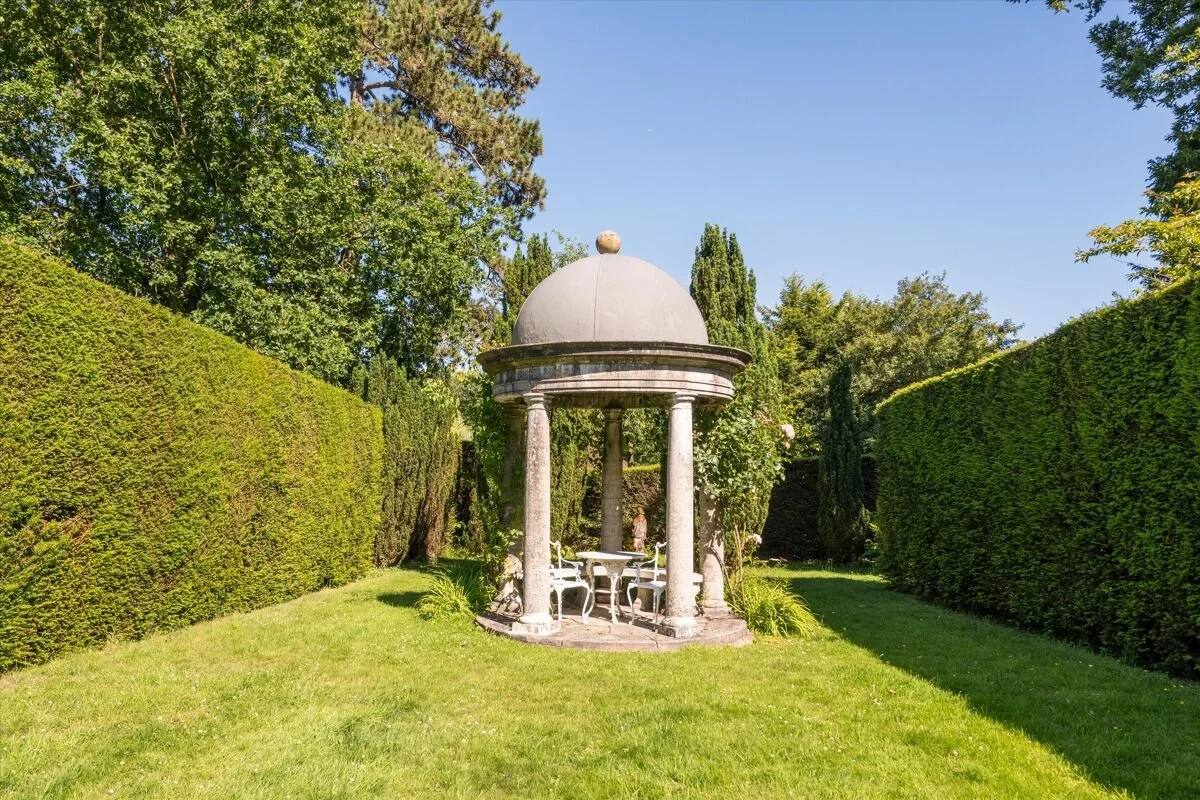
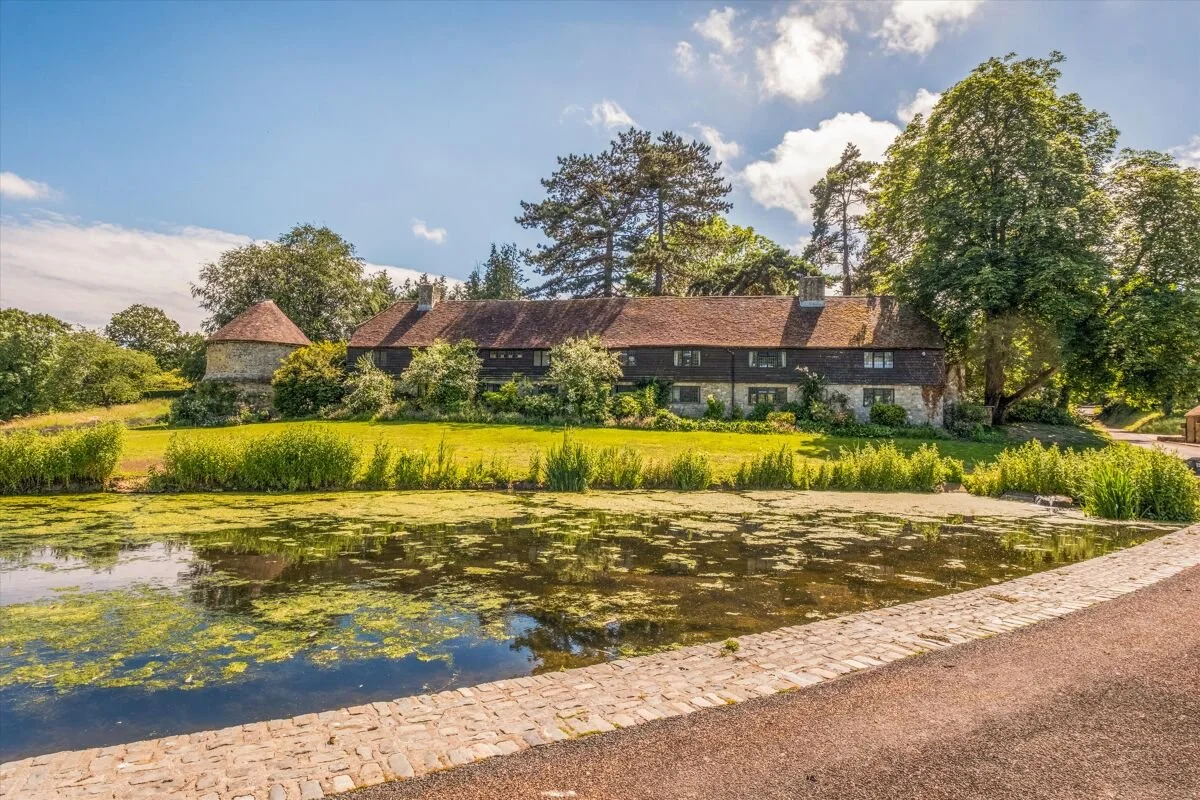
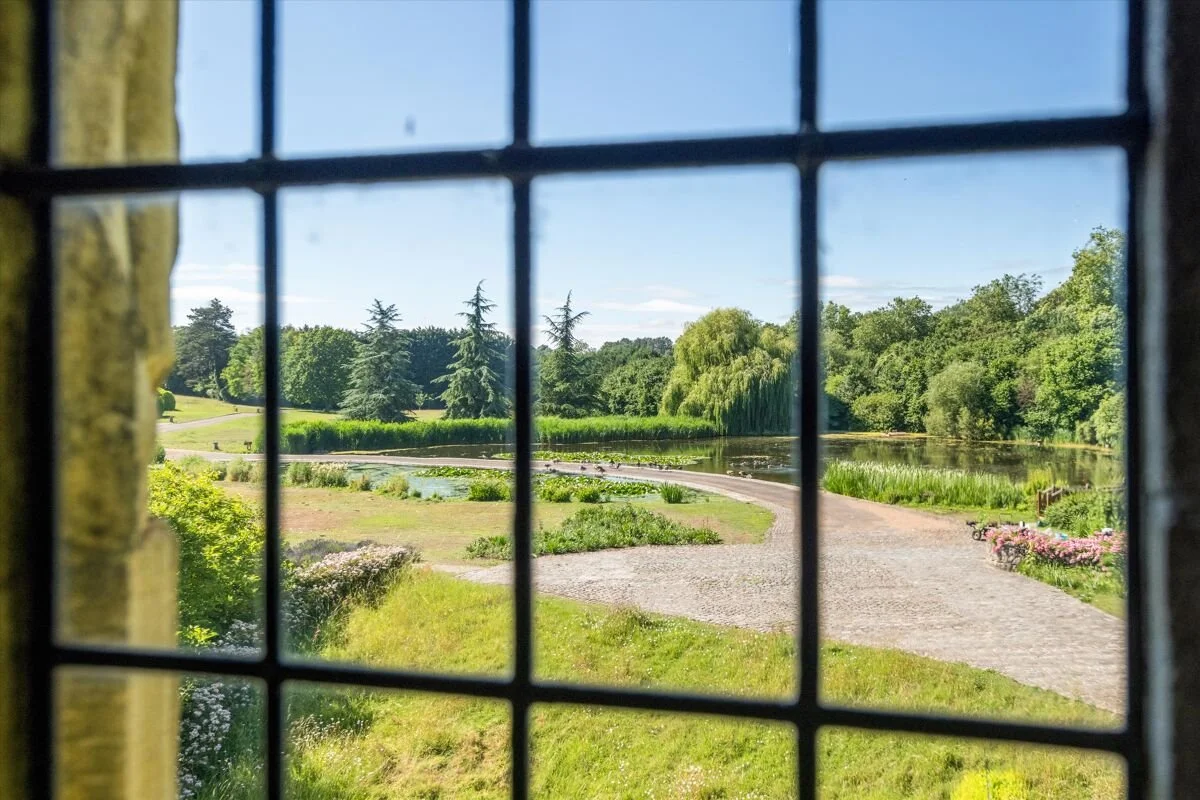
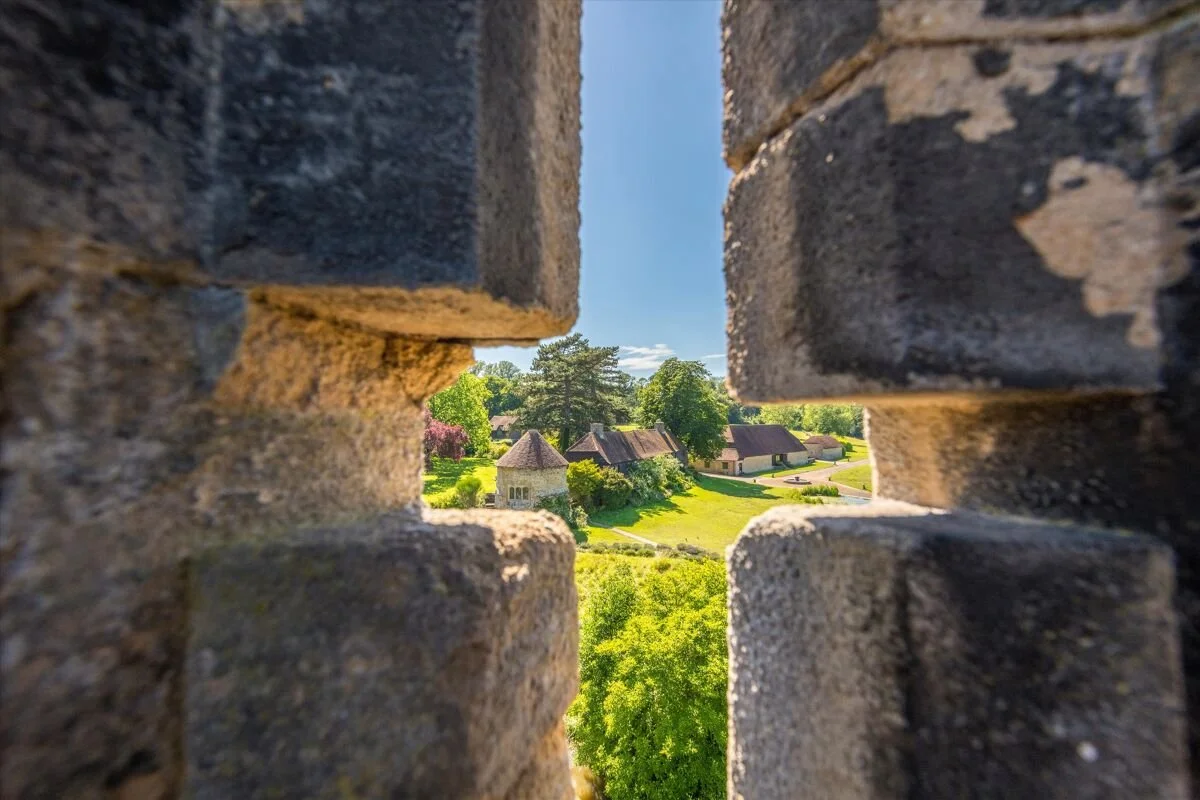
Across the 42-acre estate are nine additional lodgings suitable for family, guests or staff, several of which provide rental income. The grounds include formal gardens, woodland, meadows and riverside frontage along the Medway, together with a historic dovecote believed to be among the oldest in England, a Victorian-style greenhouse, tennis court and an indoor swimming pool that is currently out of use.
The Continued Appeal of Britain's Historic Castles
“There is a romanticism to living in a castle that is difficult to replicate elsewhere,” says Edward Douglas-Home, Head of Scotland Residential at Knight Frank. In an October 2026 article on castle ownership, he observed that these properties attract a different clientele from conventional family houses, including celebrities, couples and international purchasers, particularly Americans drawn to their heritage and architectural character.
In February 2026, British comedian Alan Carr purchased Ayton Castle in the Scottish Borders, a 19th-century Scottish Baronial estate previously featured on Francis York, with plans to document its restoration for television.
Another example is Carbisdale Castle in the Scottish Highlands, which was purchased in August 2026 by Florida-based Lance and Suzanne Holmquist. The couple, who have experience restoring historic vessels, plan to restore the early-20th-century castle in stages and develop it into a boutique hotel.
All photographs belong to the listing agency. See more on Knight Frank.