Paris-Area Pavillon de Musique Built for Madame du Barry Sells for $44.8M
As reported by Bloomberg in November, one of the most closely watched French heritage property transactions of recent years has taken place just west of Paris. The Pavillon de Musique du Barry, the neoclassical pleasure pavilion built around 1770 for Madame du Barry — the last official mistress of Louis XV — has reportedly been acquired by French entrepreneur Xavier Niel for €38.7 million ($44.8 million).
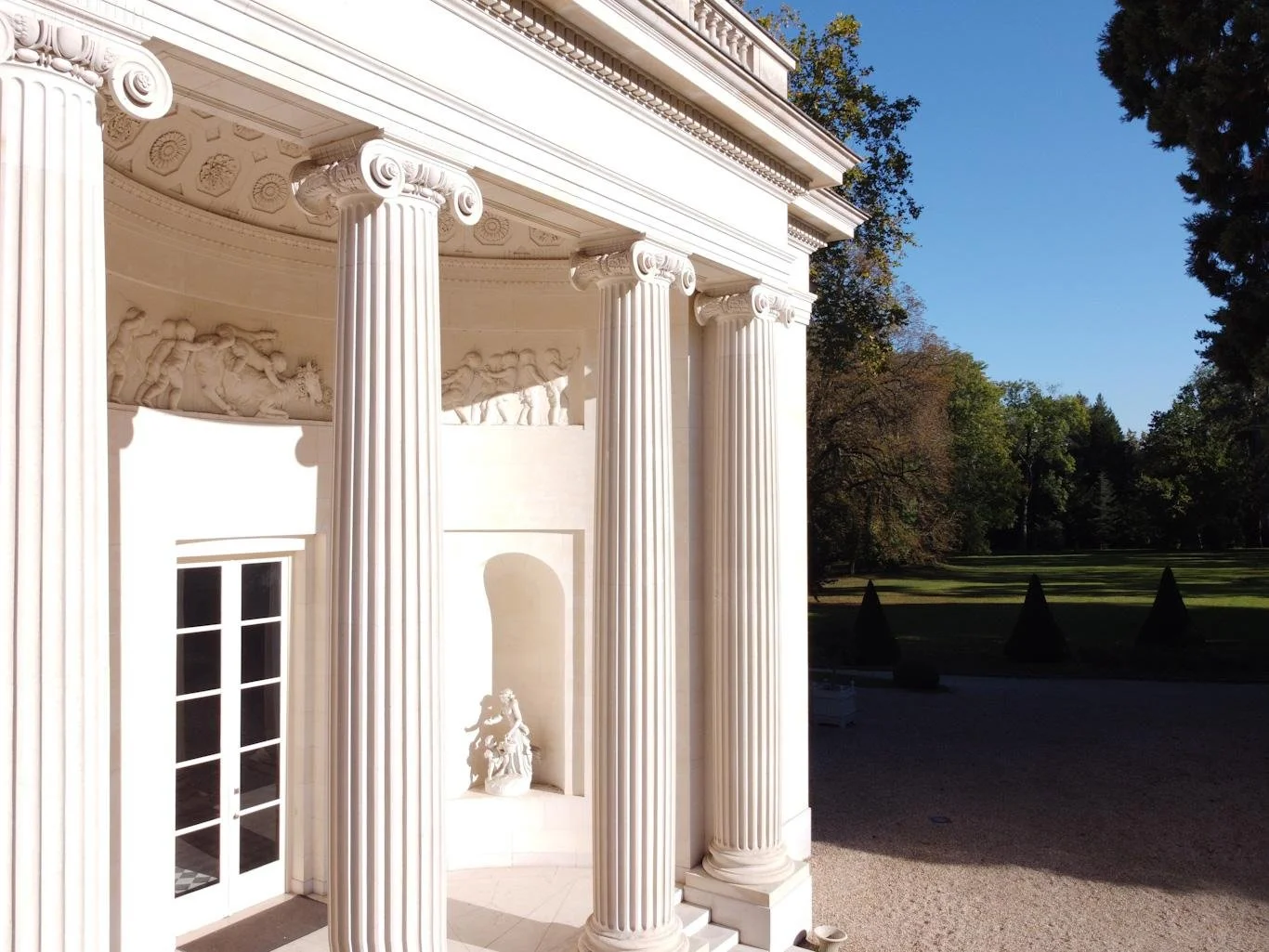
Located in Louveciennes, approximately 14 kilometres west of central Paris, the pavilion occupies a rare position at the intersection of architecture, court history, and contemporary cultural relevance. The property had been on the market for several years with an asking price of €44 million, with the sale handled by Denniel Immobilier.
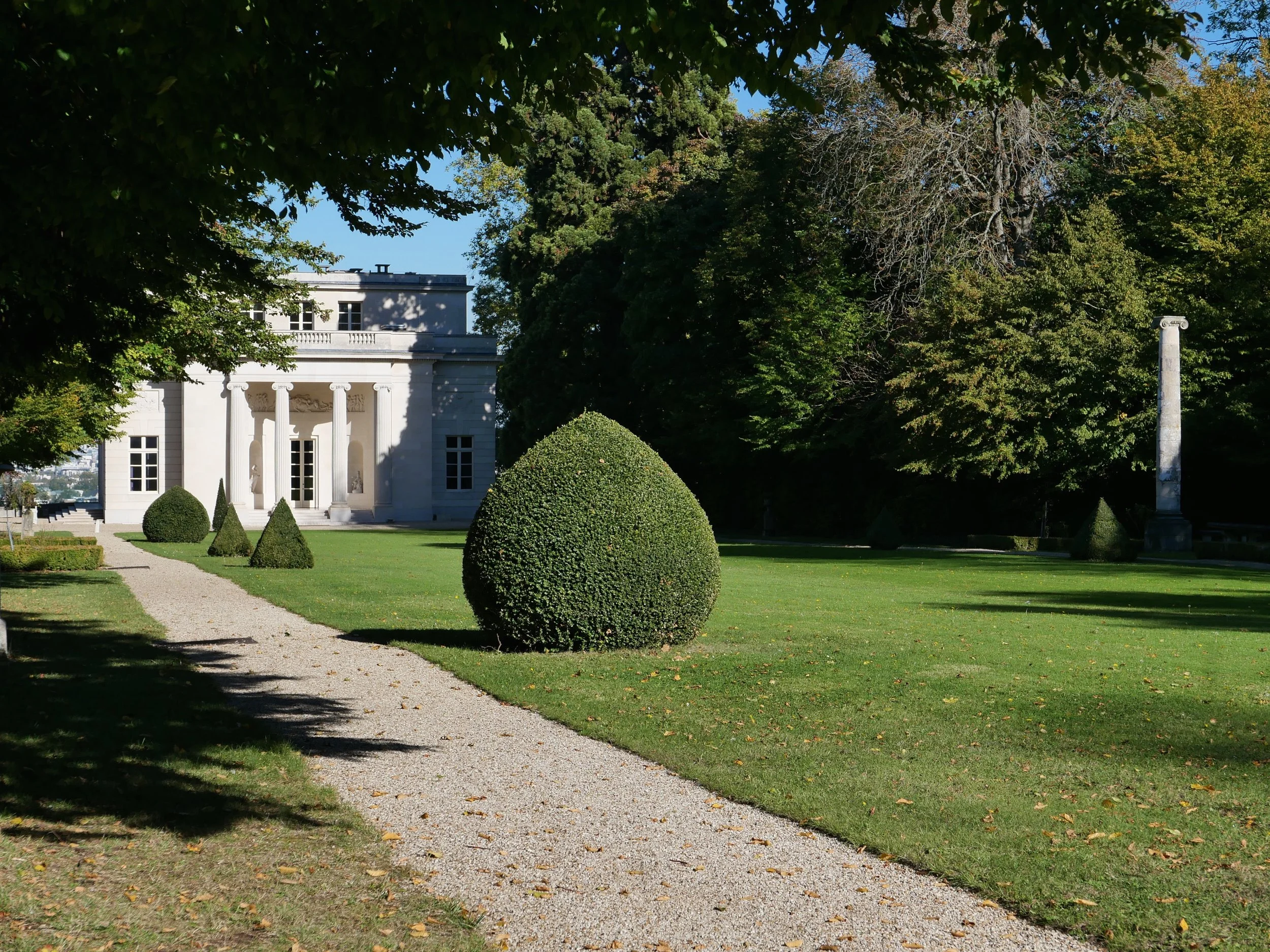
Designed by Claude-Nicolas Ledoux, the Pavillon de Musique was conceived as a maison de plaisance rather than a residence. In architectural terms, this placed it closer to what would later be described in English as a folly: a standalone pleasure structure intended for music, entertaining, and display, rather than everyday domestic life. Such buildings were highly symbolic, and Ledoux’s design was unusually monumental for its function, adopting a temple-like neoclassical language more often reserved for royal or civic architecture.
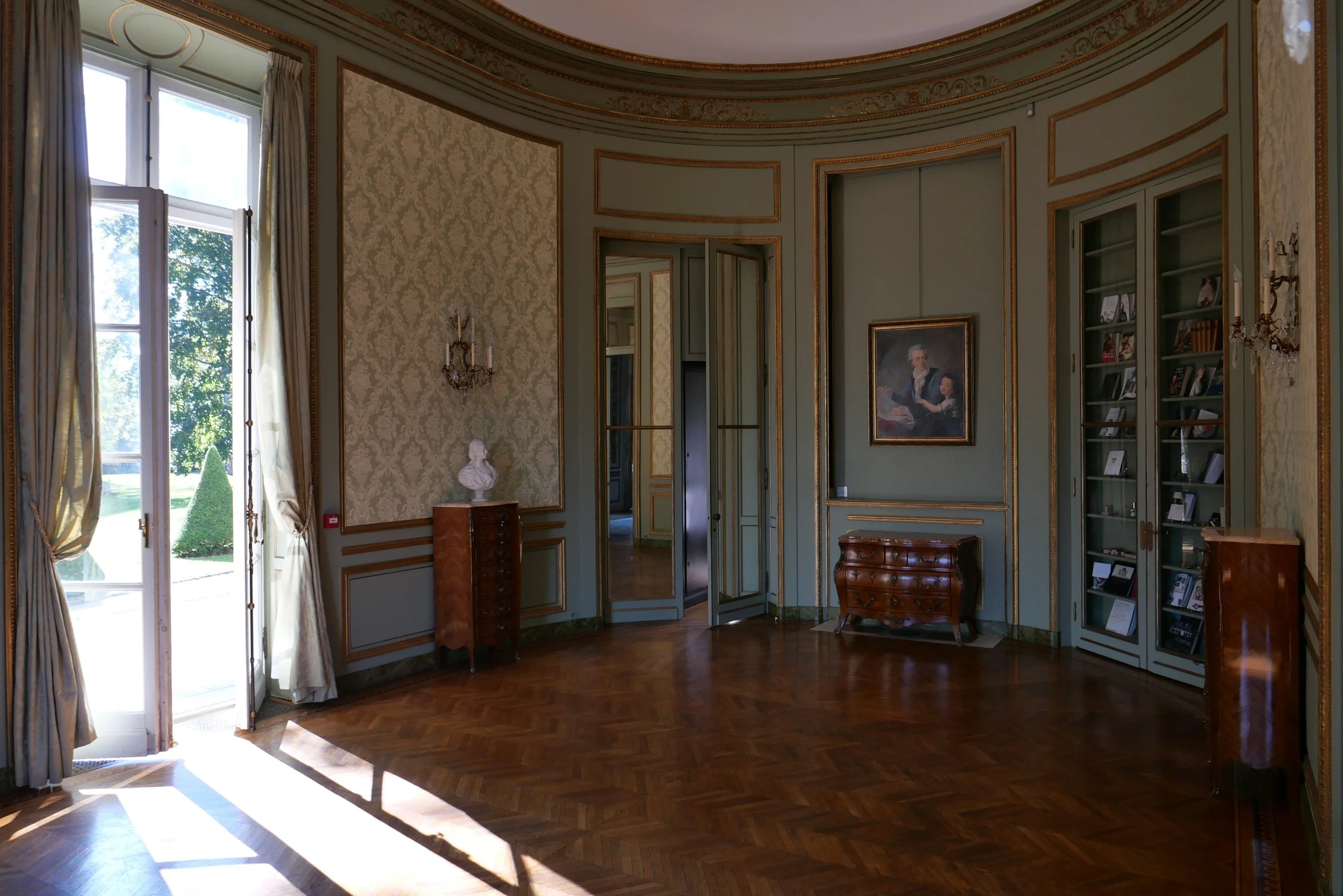
Built in roughly nine months, the pavilion was designed specifically for formal entertaining. A sequence of grand reception rooms arranged en enfilade occupies the ground floor, while five bedrooms are located on the first floor, all opening onto a continuous balustrade with long views toward Paris — sightlines that today extend as far as the Eiffel Tower and La Défense. Kitchens are located on each level of the building, connected by a service dumbwaiter, reflecting the carefully orchestrated nature of 18th-century courtly hospitality.
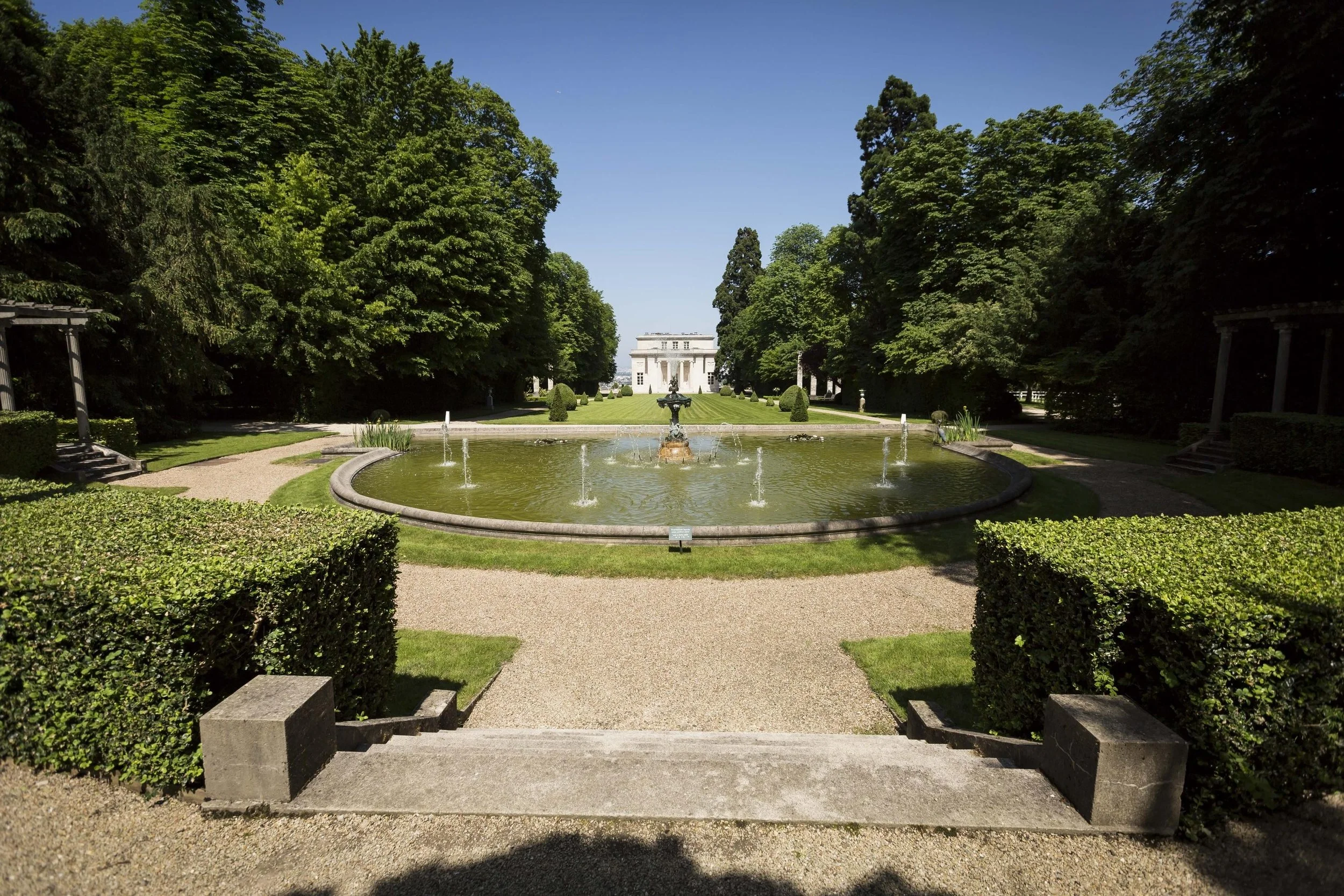
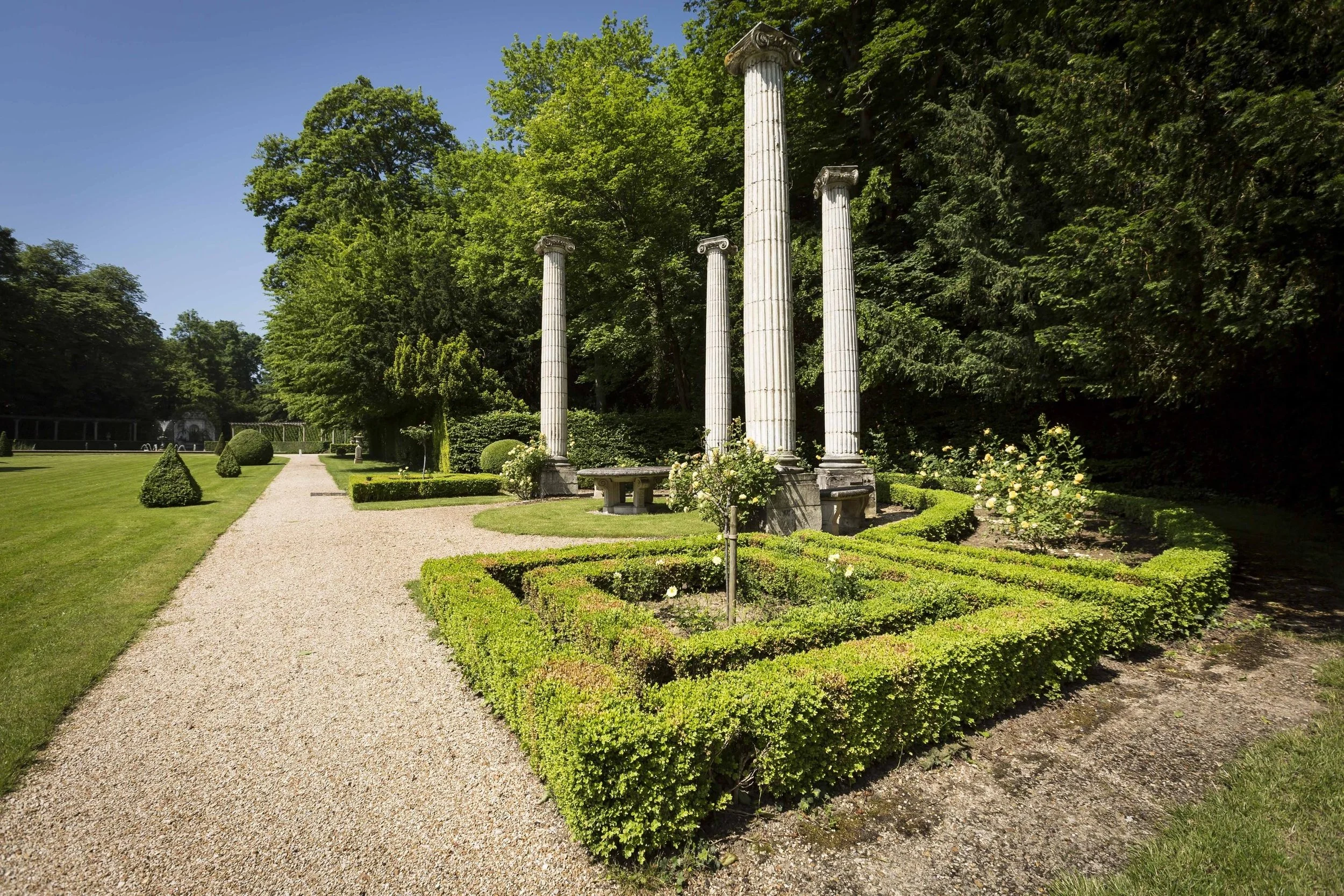
The main pavilion sits within a landscaped park of approximately four hectares (around ten acres), planted with mature plane trees, platanes, and sequoias. In addition to the Pavillon de Musique itself, the estate includes a pavillon d’accueil containing two apartments, an apartment in the former stud farm, two garages, and a later 19th-century turreted outbuilding in brick and stone, incorporating a reception space and a caretaker’s house.
Built as a reception pavilion for Jeanne Bécu, later titled Comtesse du Barry, the property was used for private concerts and intimate dinners adjacent to her principal residence. Its original use came to an end with the French Revolution, during which Madame du Barry was executed.
Beyond its architectural pedigree, the pavilion has remained visible within contemporary cultural life. In September, it served as the setting for a Dior campaign, a detail noted by Libération, underscoring the site’s continued symbolic relevance more than two centuries after its construction. Delphine Arnault, chairman and CEO of Christian Dior Couture, and the long-time partner of Niel, leads the LVMH-owned fashion house.
For Niel, whose recent acquisitions include Hôtel Lambert on the Île Saint-Louis and Hôtel de Coulanges on the Place des Vosges, the reported purchase adds another significant historic property to a growing Paris-area portfolio. While no future use has been disclosed, the transaction marks a notable moment for one of the most architecturally refined pleasure pavilions to survive from the final decades of the Ancien Régime.
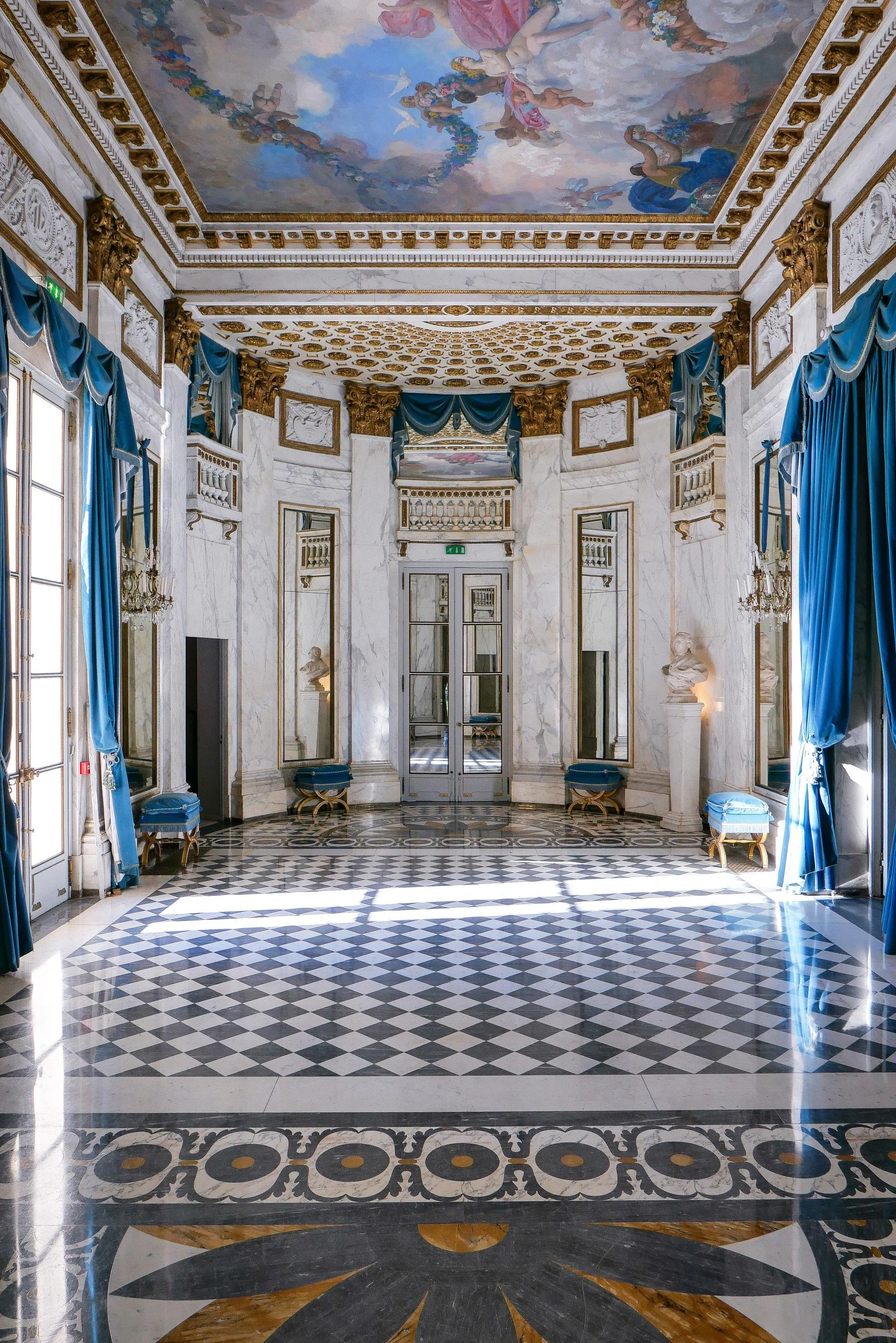
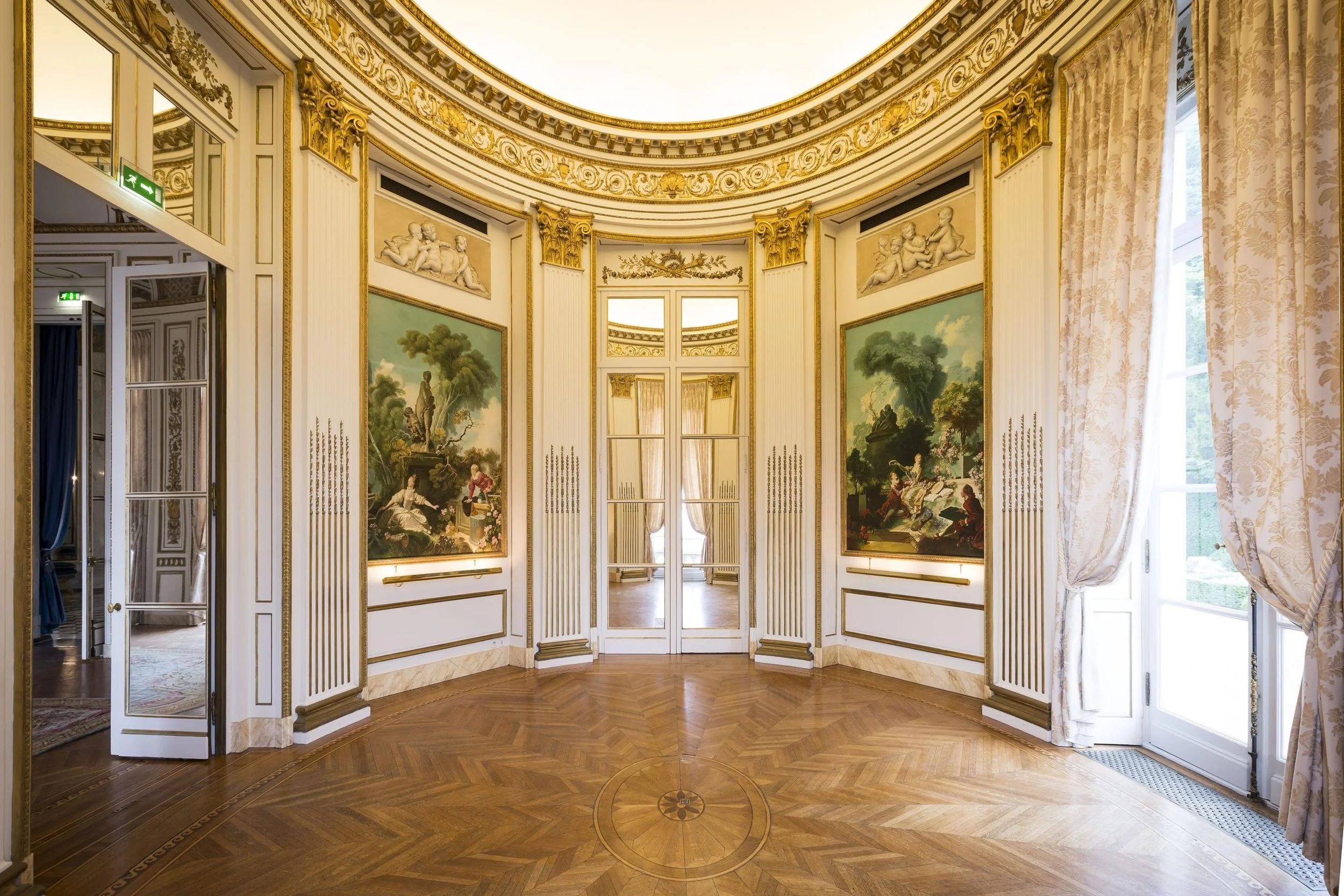
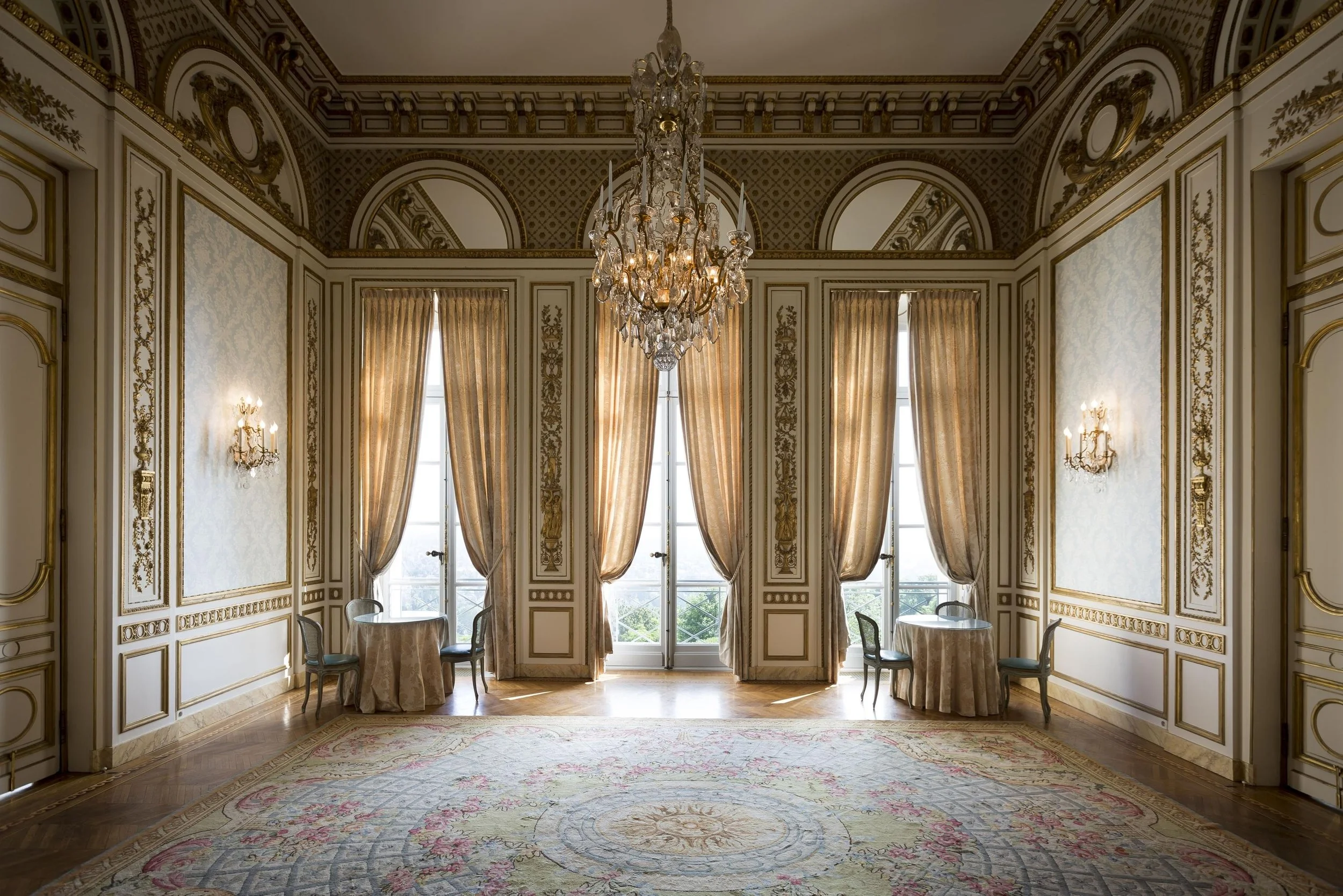
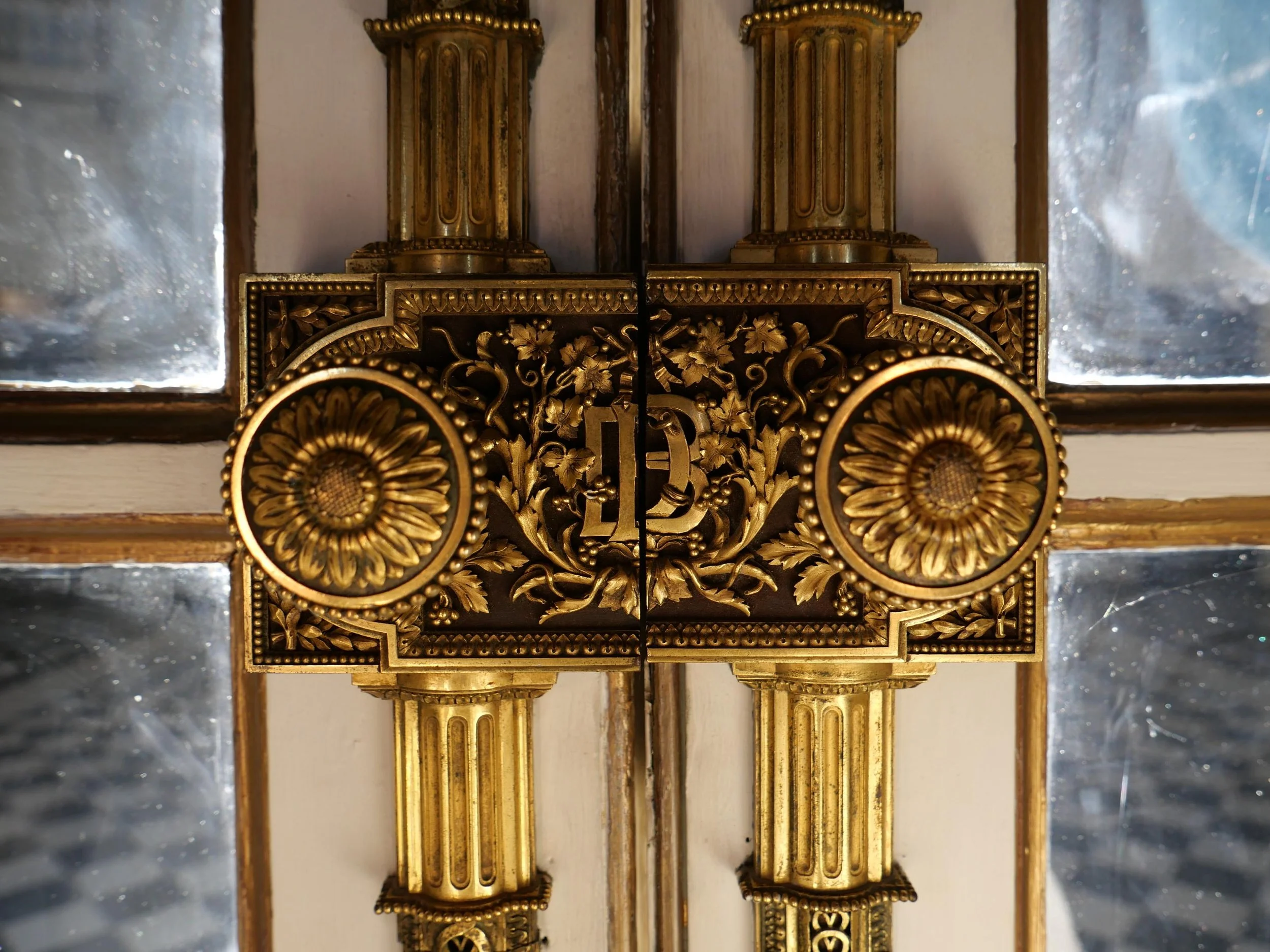
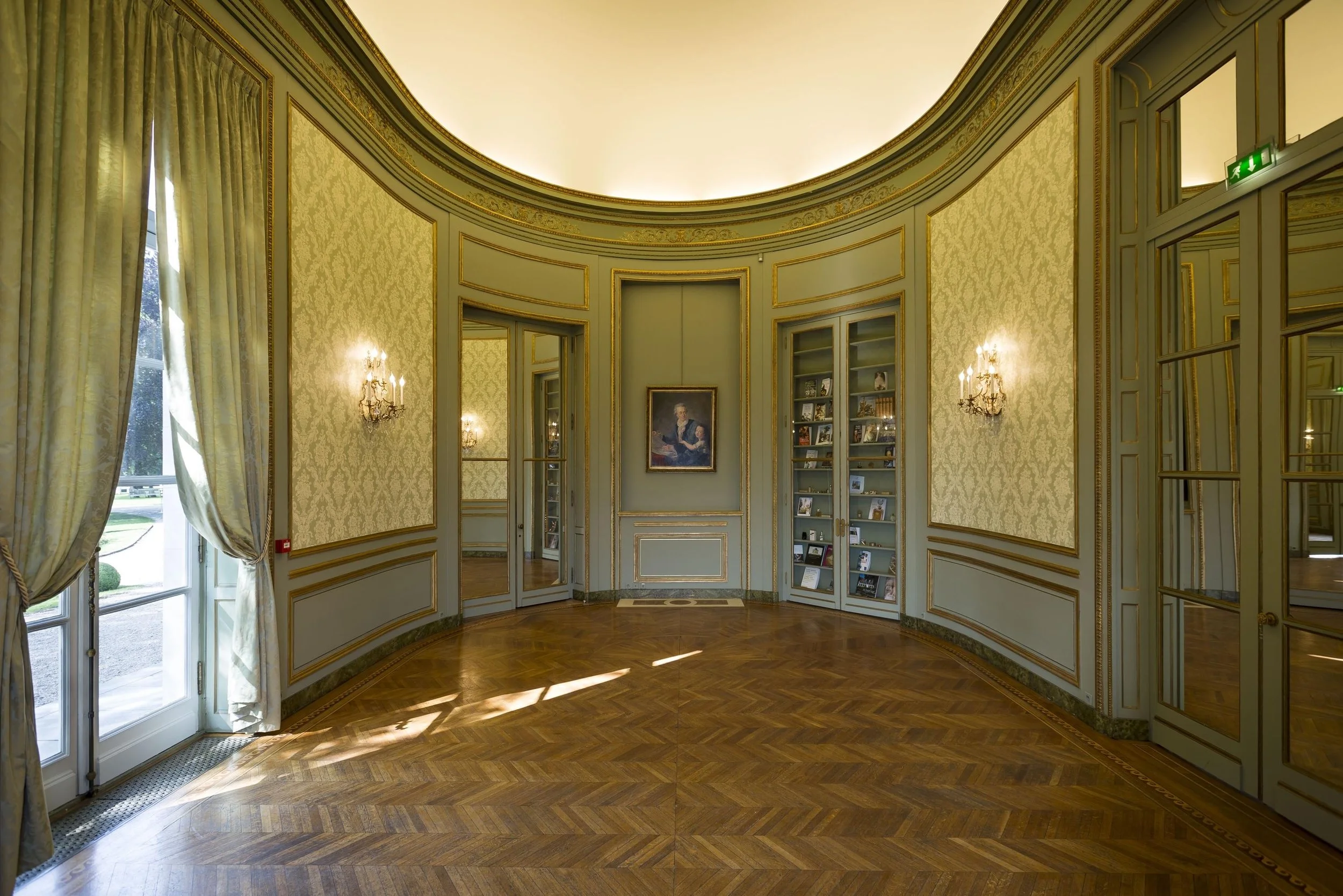
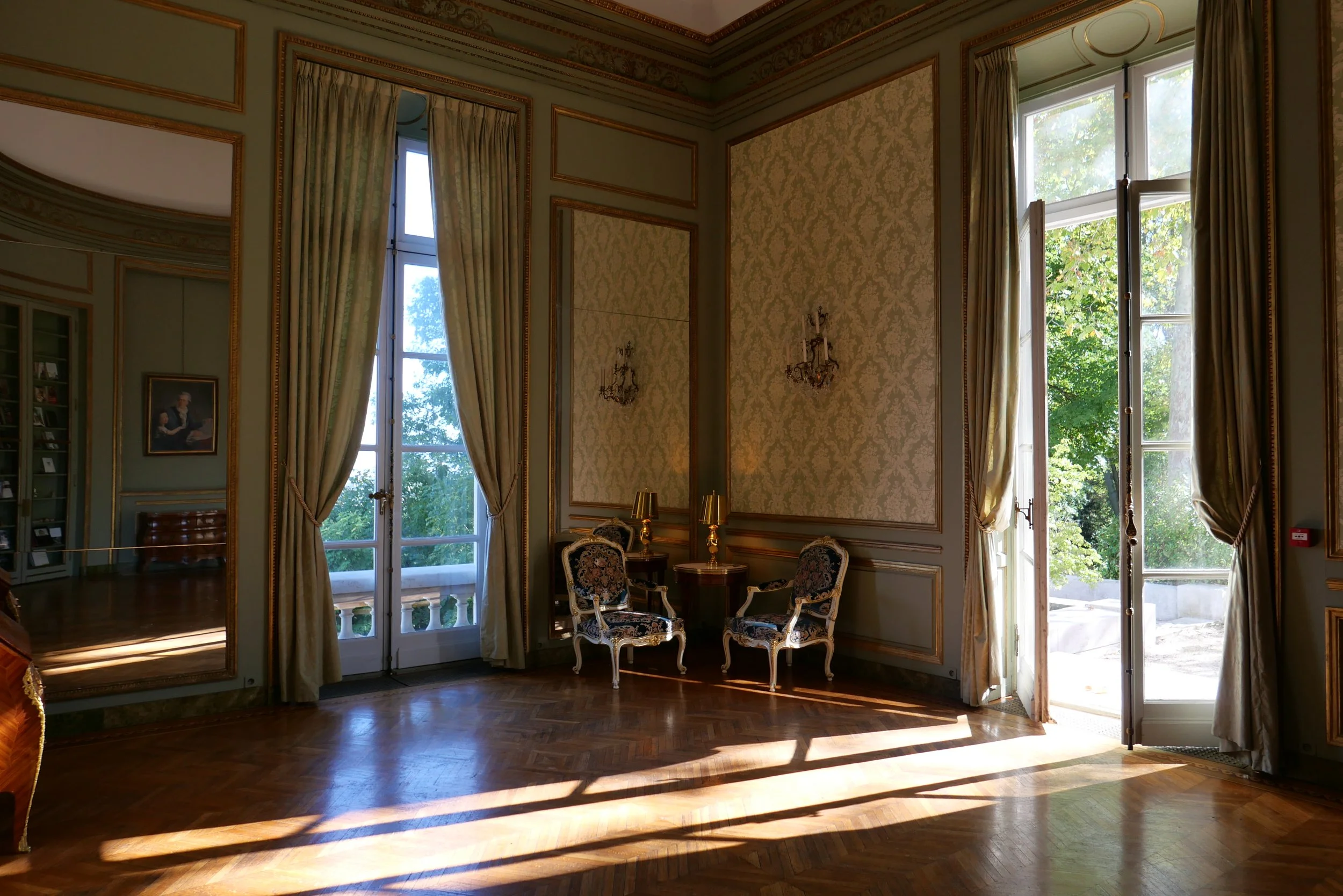
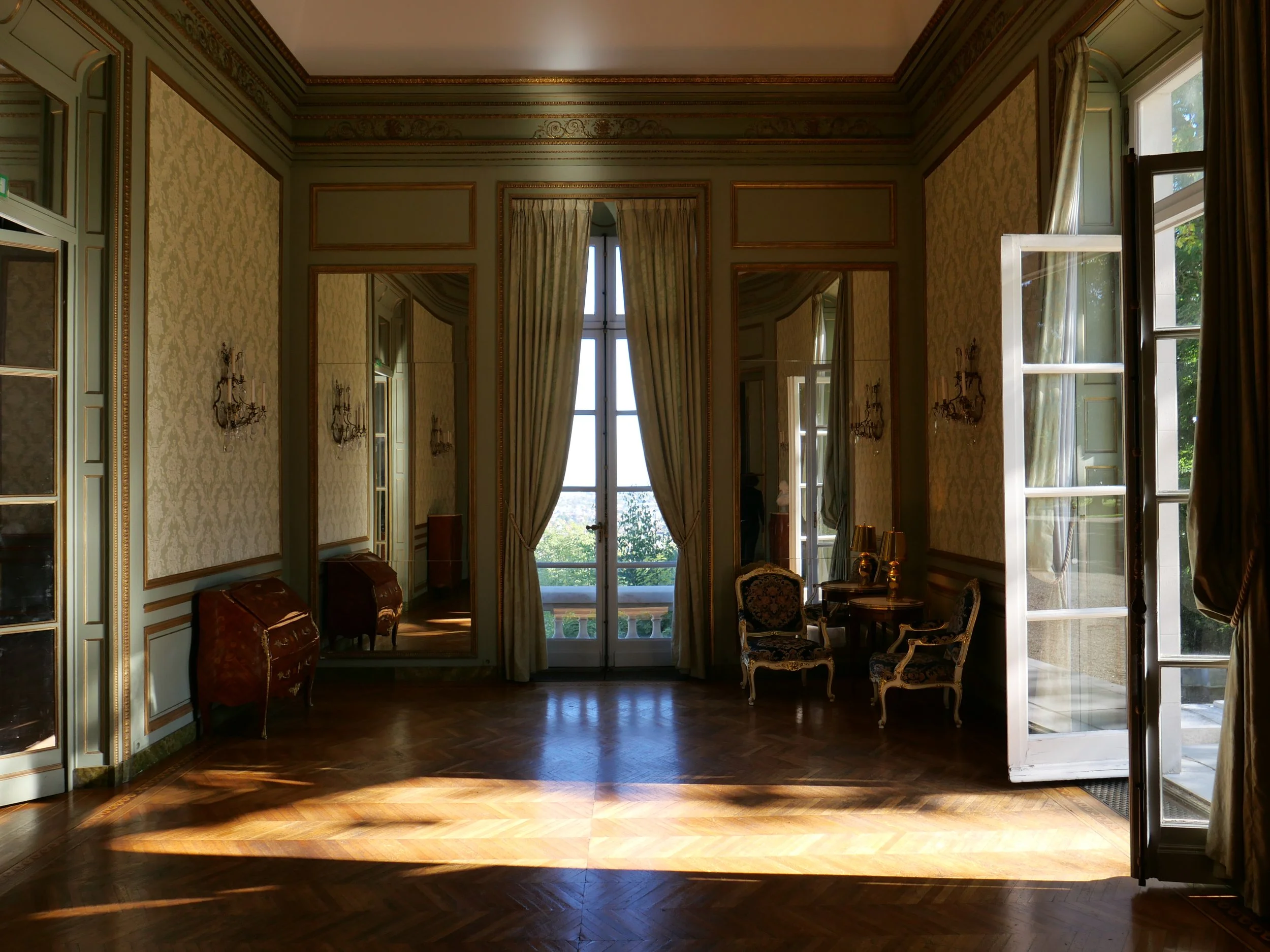

All photos belong to the listing agency, Denniel Immobilier.