Restored Sicilian Micro-Village Near the Baroque Town of Noto
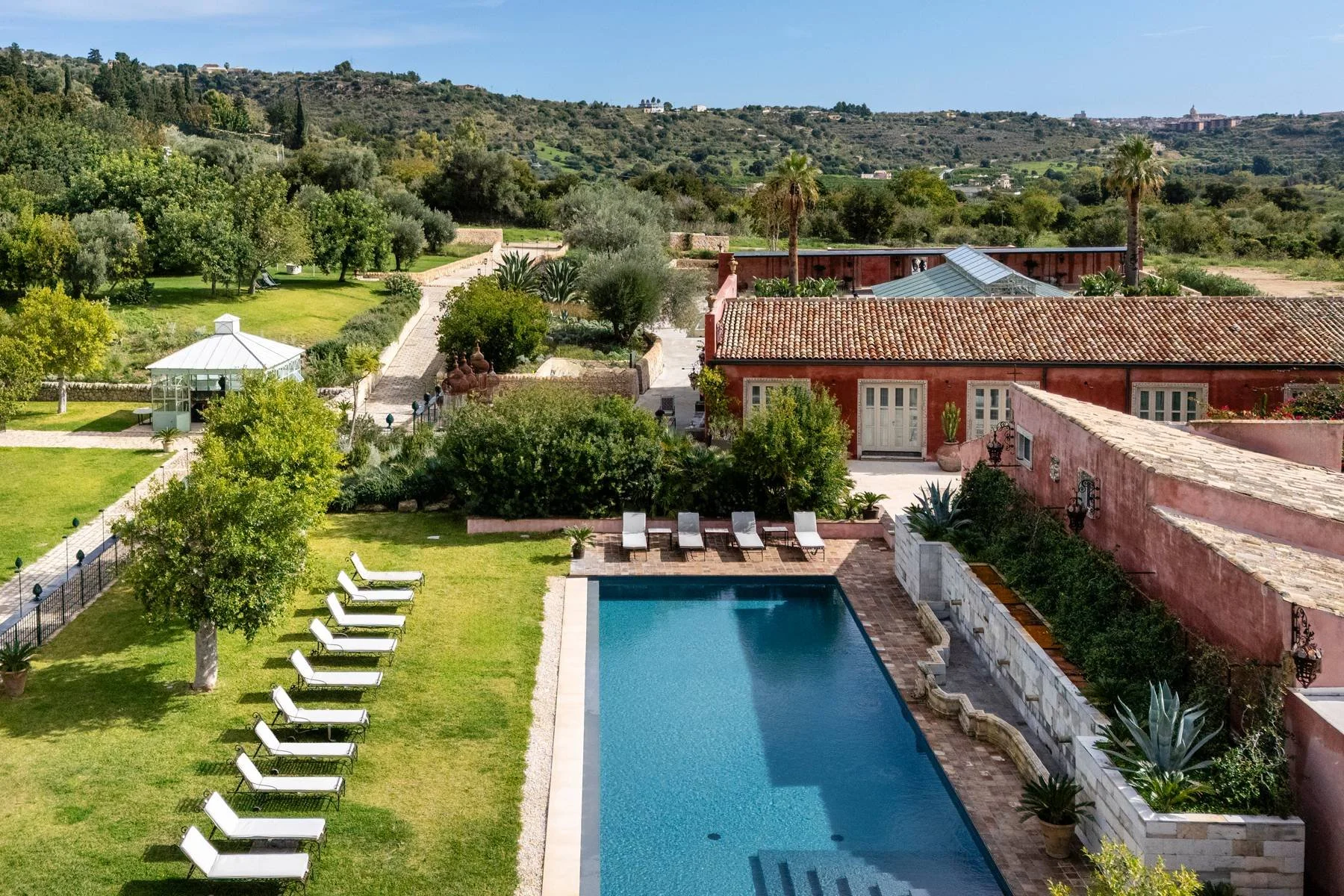
In southeastern Sicily, the Val di Noto has become one of Italy’s most compelling cultural landscapes — a UNESCO-protected region defined by its late-Baroque cities and an emerging constellation of design-led rural estates. It remains one of the few areas where Sicily’s raw, unpolished character meets a sense of cultural depth that feels both historic and contemporary.
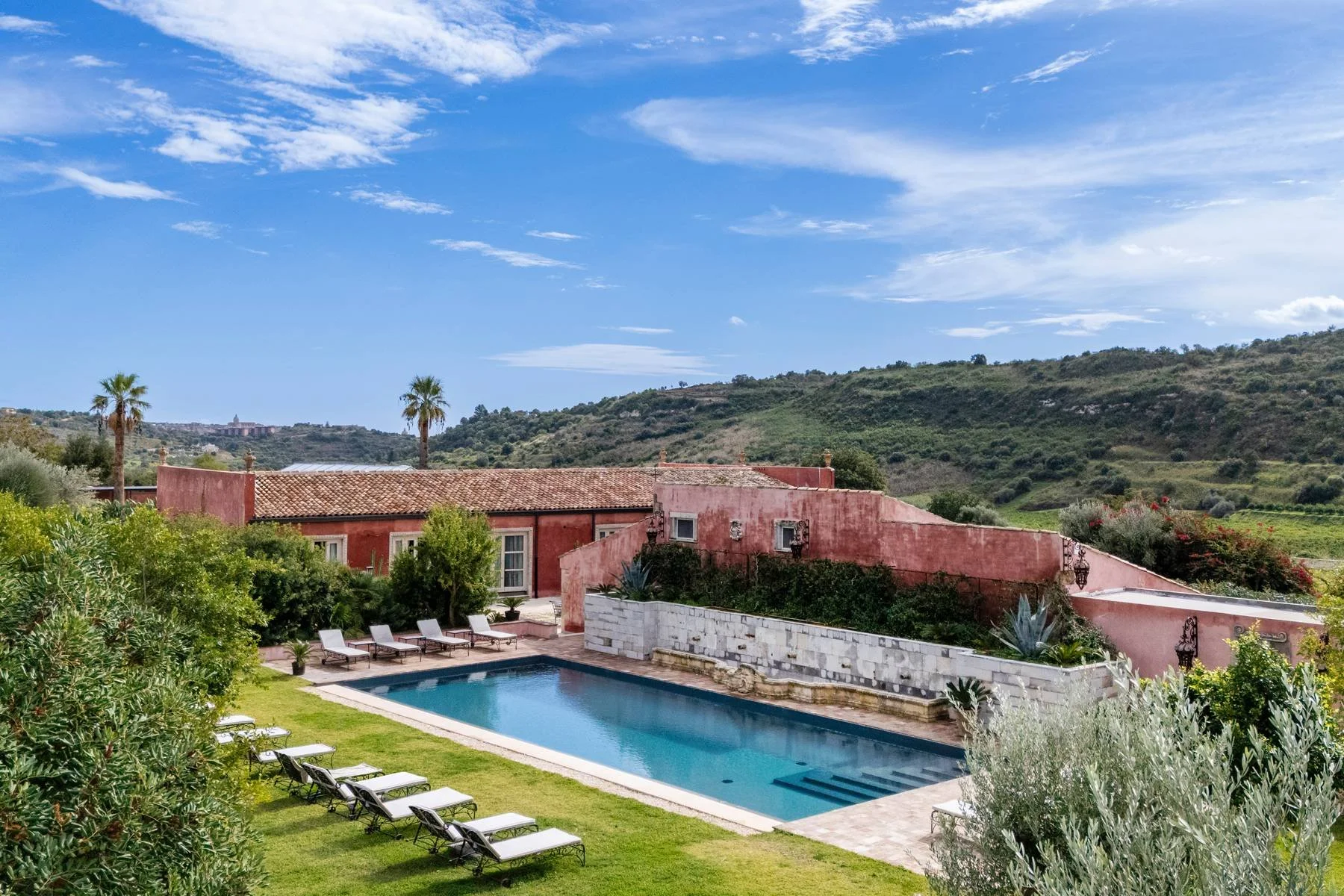
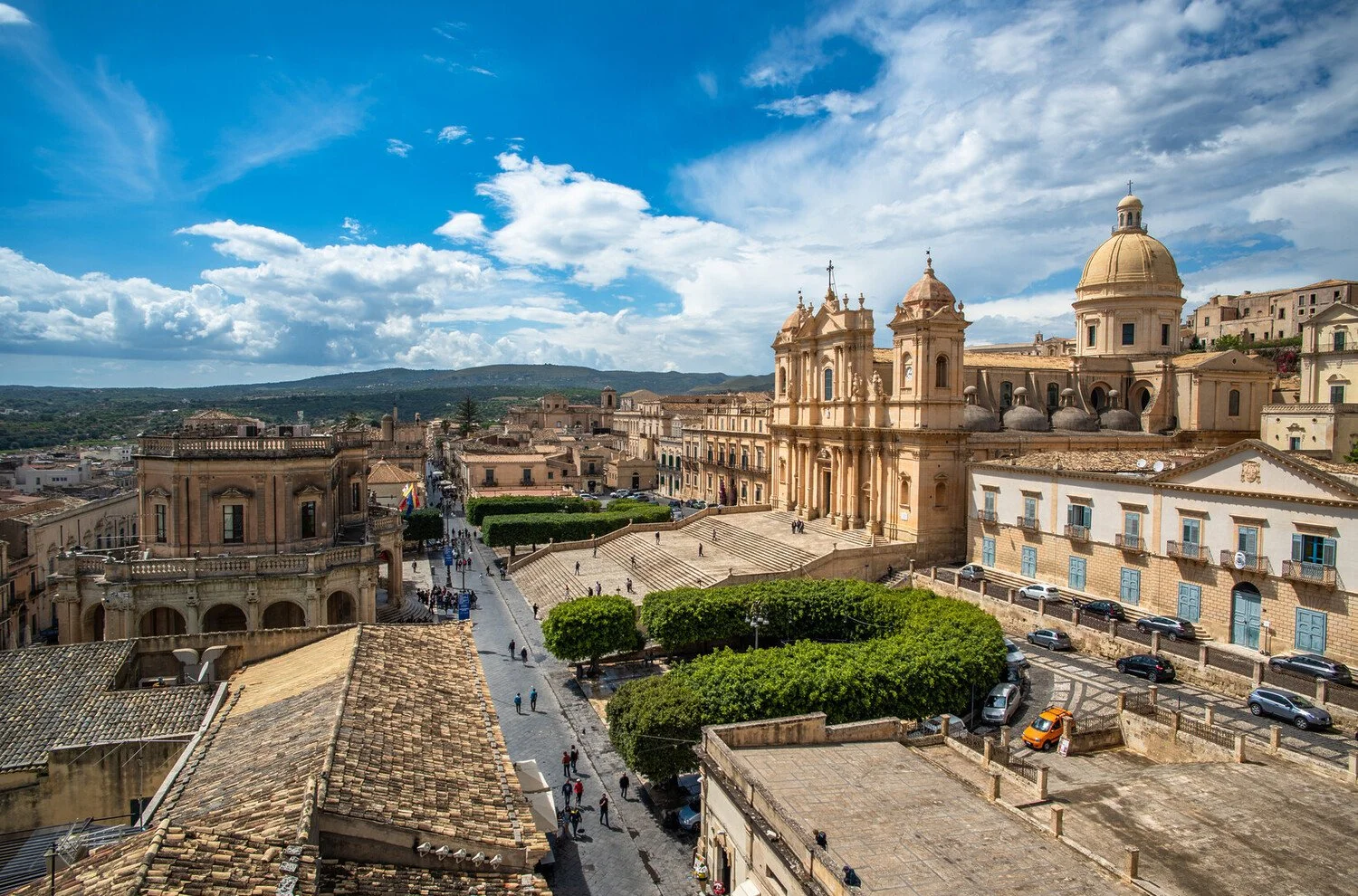
Noto, the Baroque town considered the crown jewel of the Val di Noto, is one of eight cities rebuilt after the 1693 earthquake. Unlike other Italian towns shaped gradually over centuries, it was reimagined almost entirely at once as a beacon of Sicilian Baroque architecture, guided by aristocratic families and master builders such as Rosario Gagliardi. The result is a theatrical urban landscape: honey-toned façades, axial streets, sweeping staircases and piazzas that unfold with cinematic precision. Recent restorations of palazzi and the arrival of discreet boutique hotels have quietly transformed it into a cult destination for the international creative crowd — a cultural and gastronomic enclave that remains distinctly Sicilian and sits just minutes from some of the island’s most beautiful coastline. The region has also begun attracting international creatives and restoration-minded designers — among them Jacques Garcia, who restored a historic villa-and-farm estate in the Noto countryside — reinforcing its reputation as a discreet, design-oriented destination.
For buyers and travelers alike, Noto’s appeal lies in its duality: monumental architecture paired with proximity to nature, agricultural estates, olive groves and vineyards. It embodies a slower, more grounded rhythm of living, which has made the broader region one of Italy’s most quietly rising luxury markets.
This restored Sicilian baglio, on the market for €6,800,000 with Italy Sotheby’s International Realty, sits just five minutes from the town’s historic center. Much of the surrounding landscape unfolds along the historic routes known as the Valley of the Gods — a quiet stretch of olive groves, limestone ravines and panoramic footpaths that shape the rural outskirts of Noto. The estate is embedded in this storied Sicilian setting, benefiting from both its seclusion and its proximity to the city’s Baroque core.
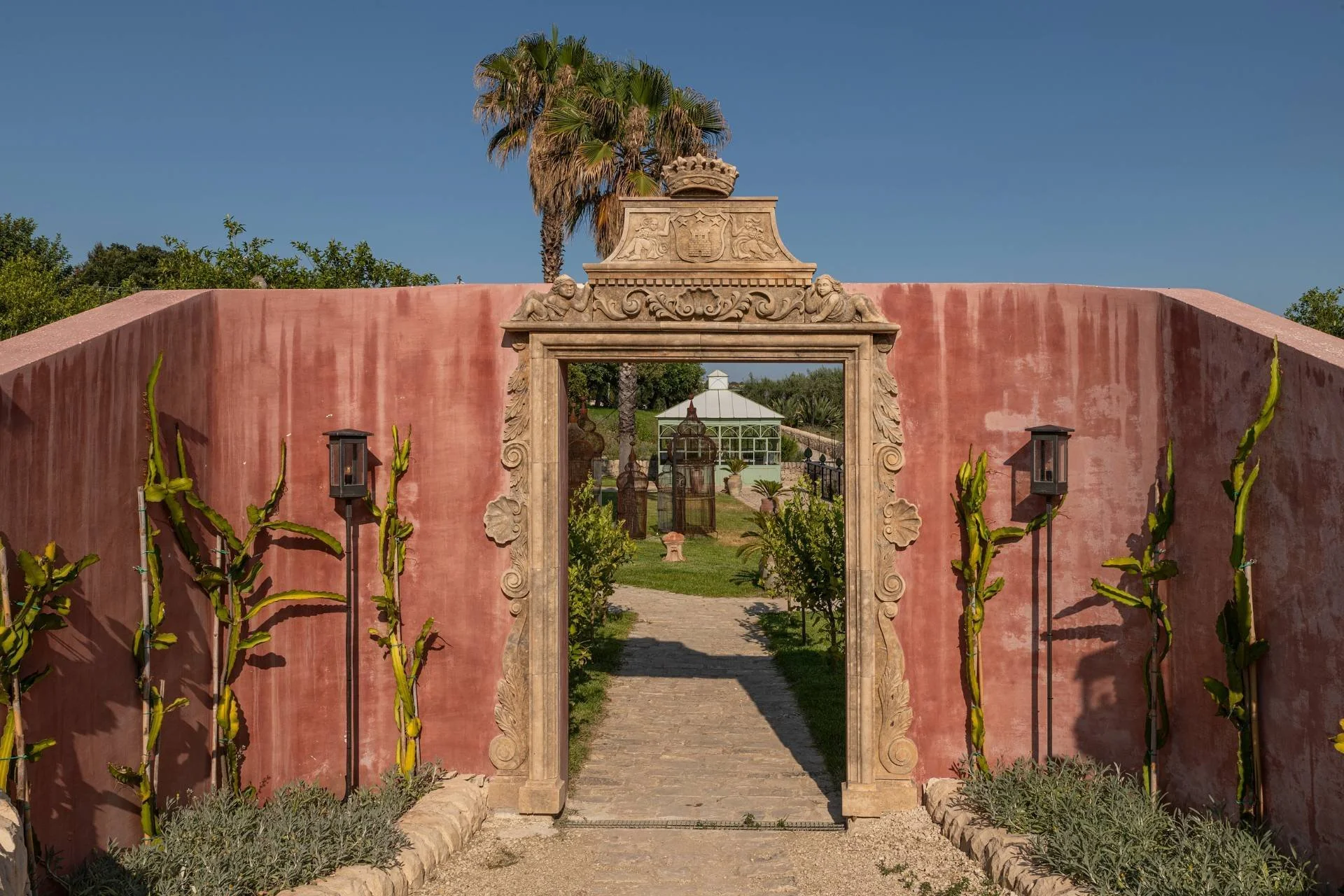
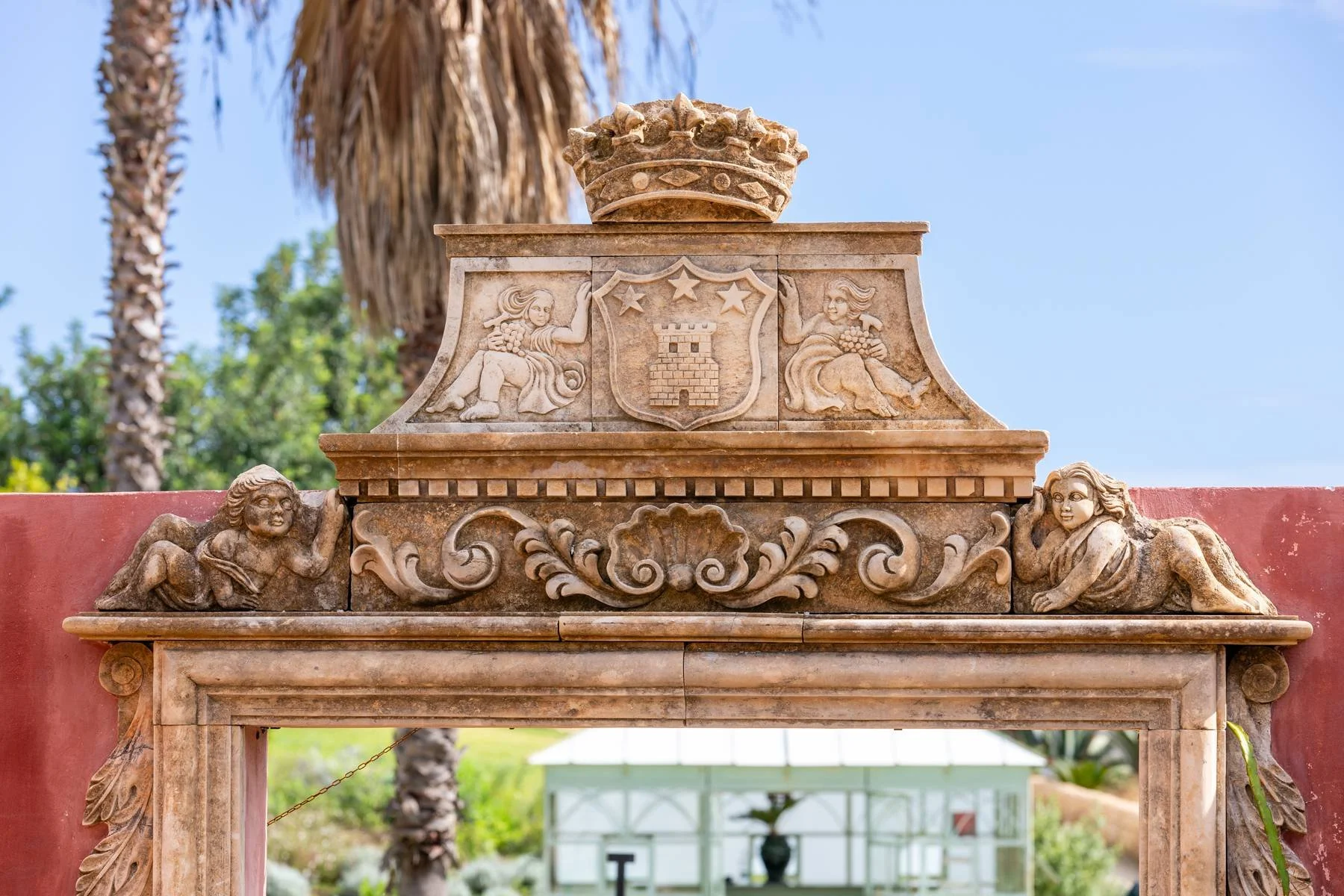
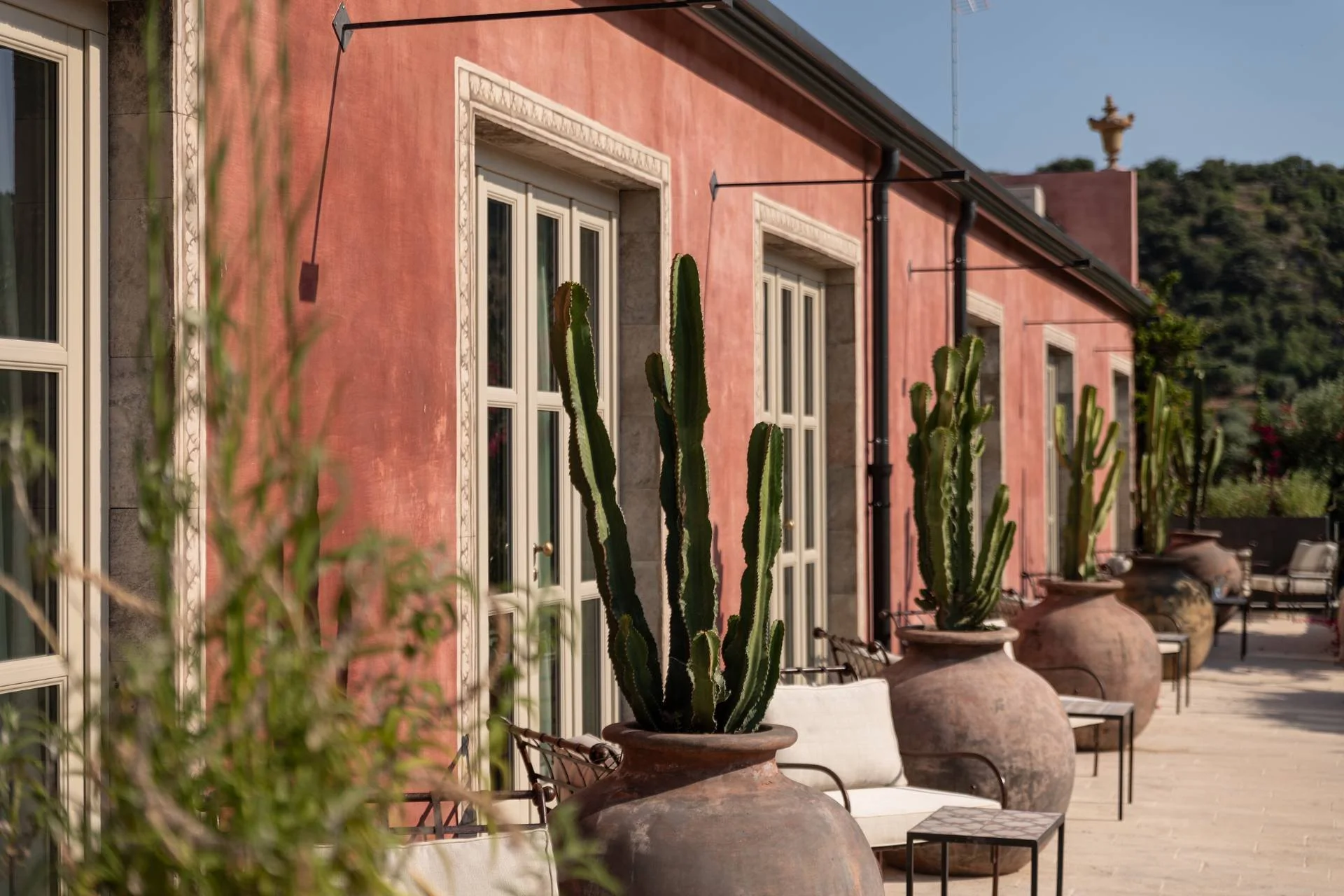
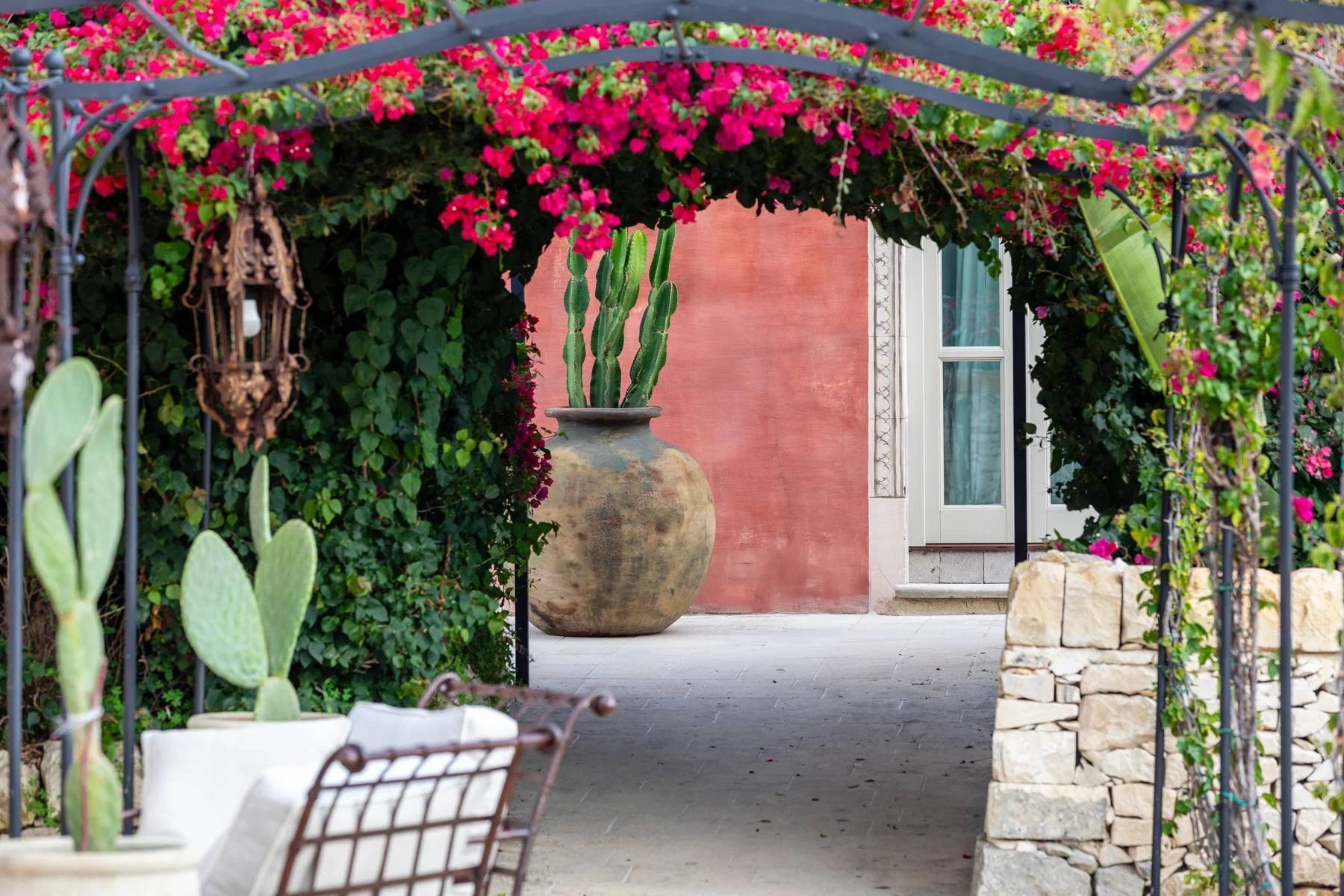
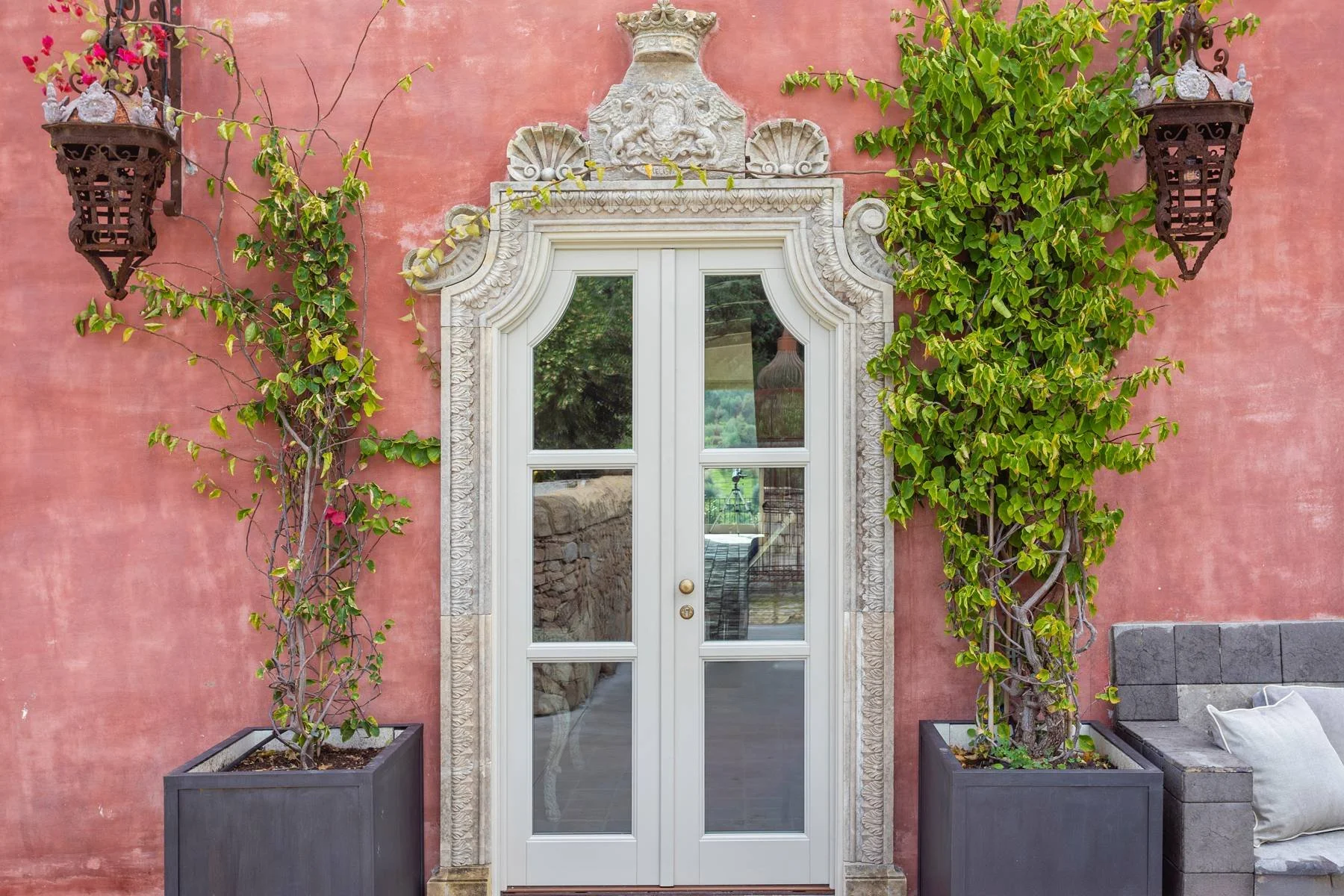
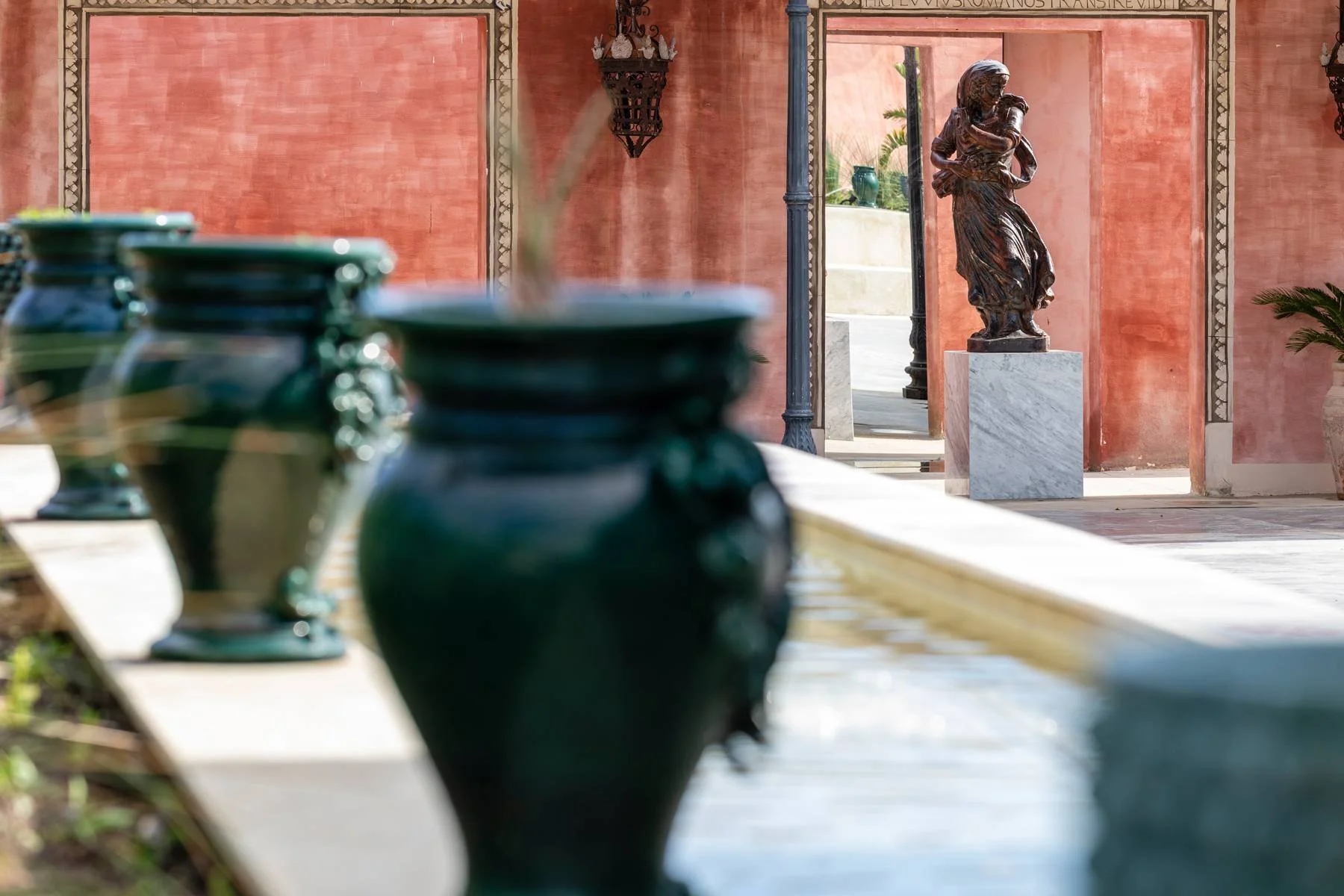
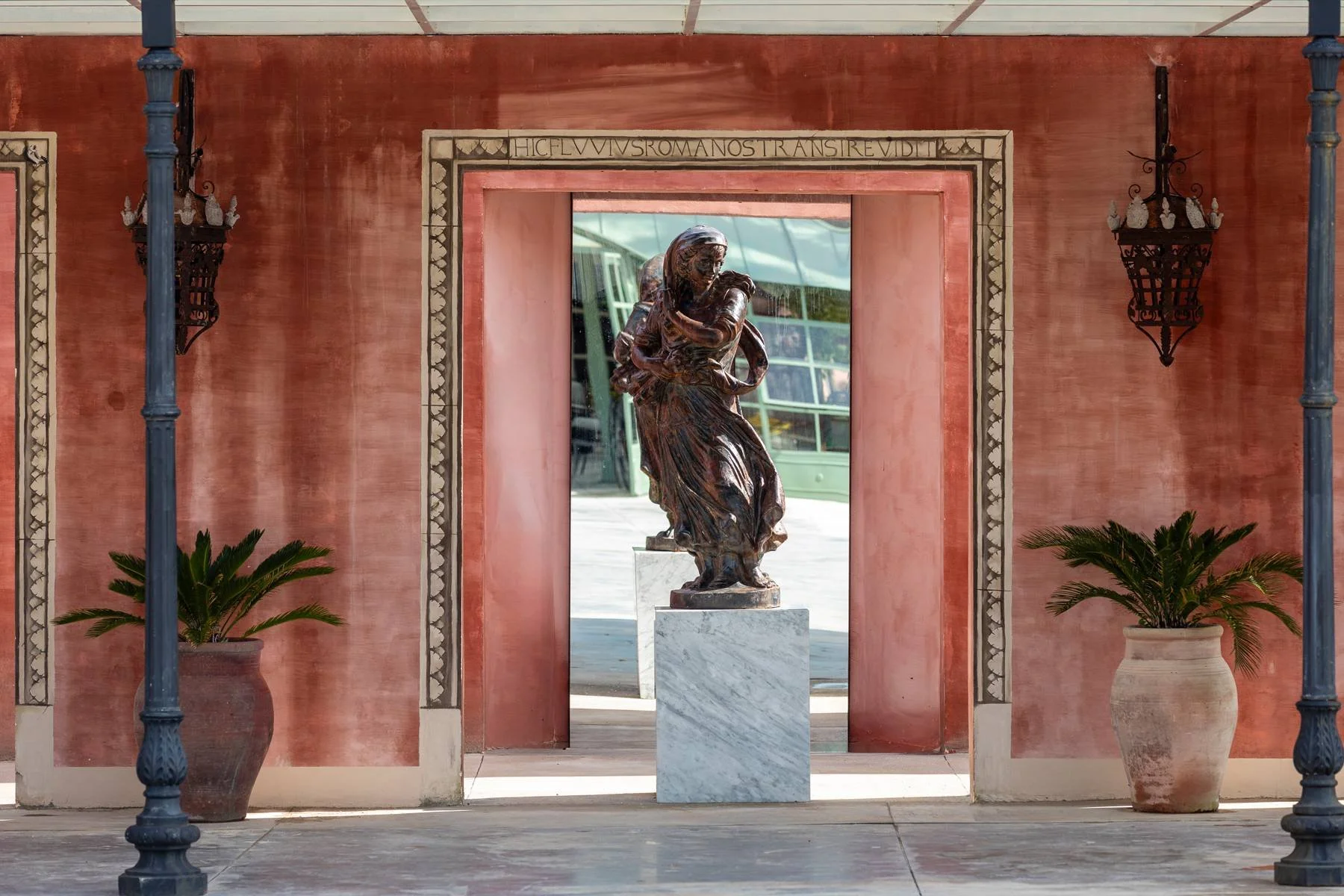
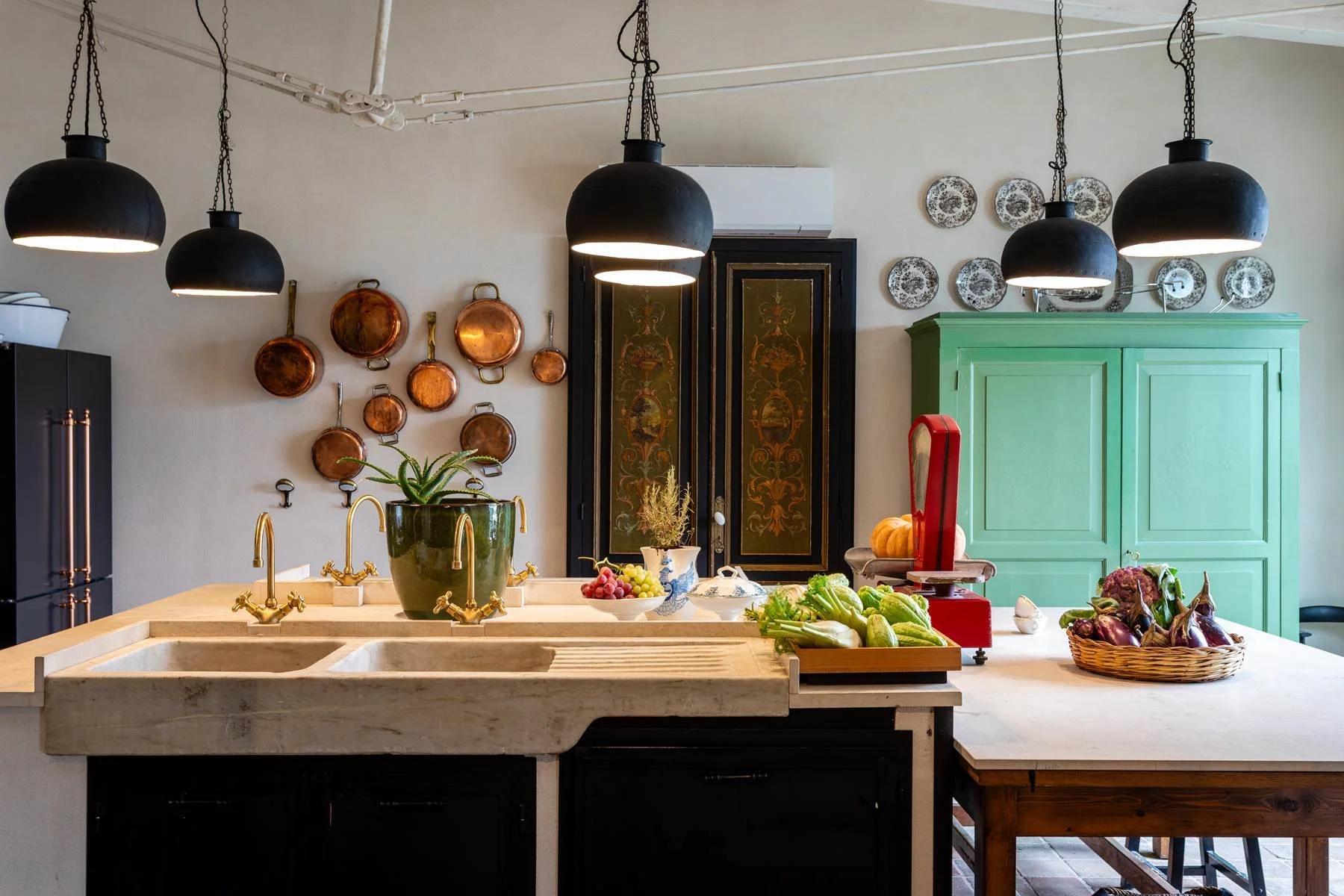
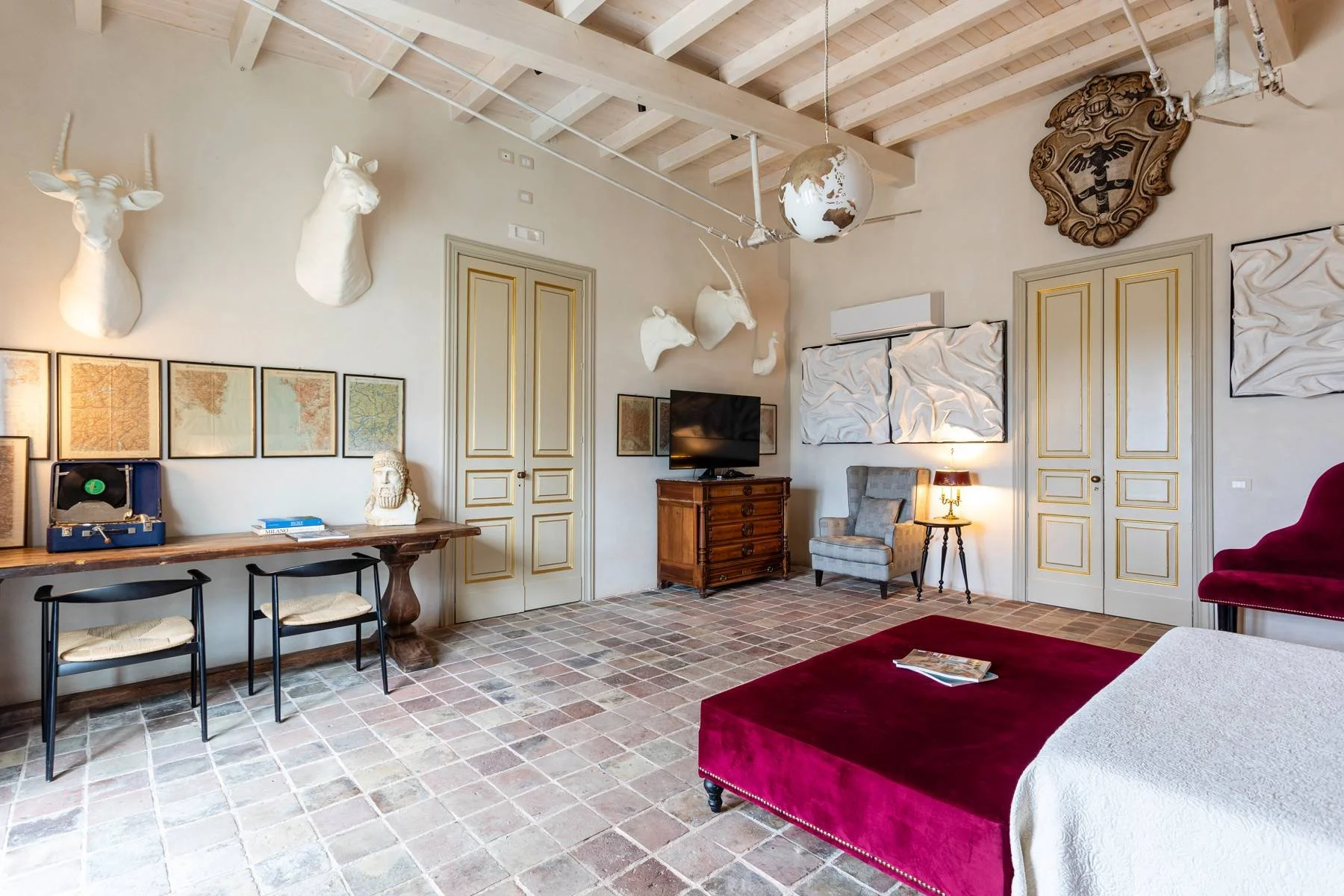
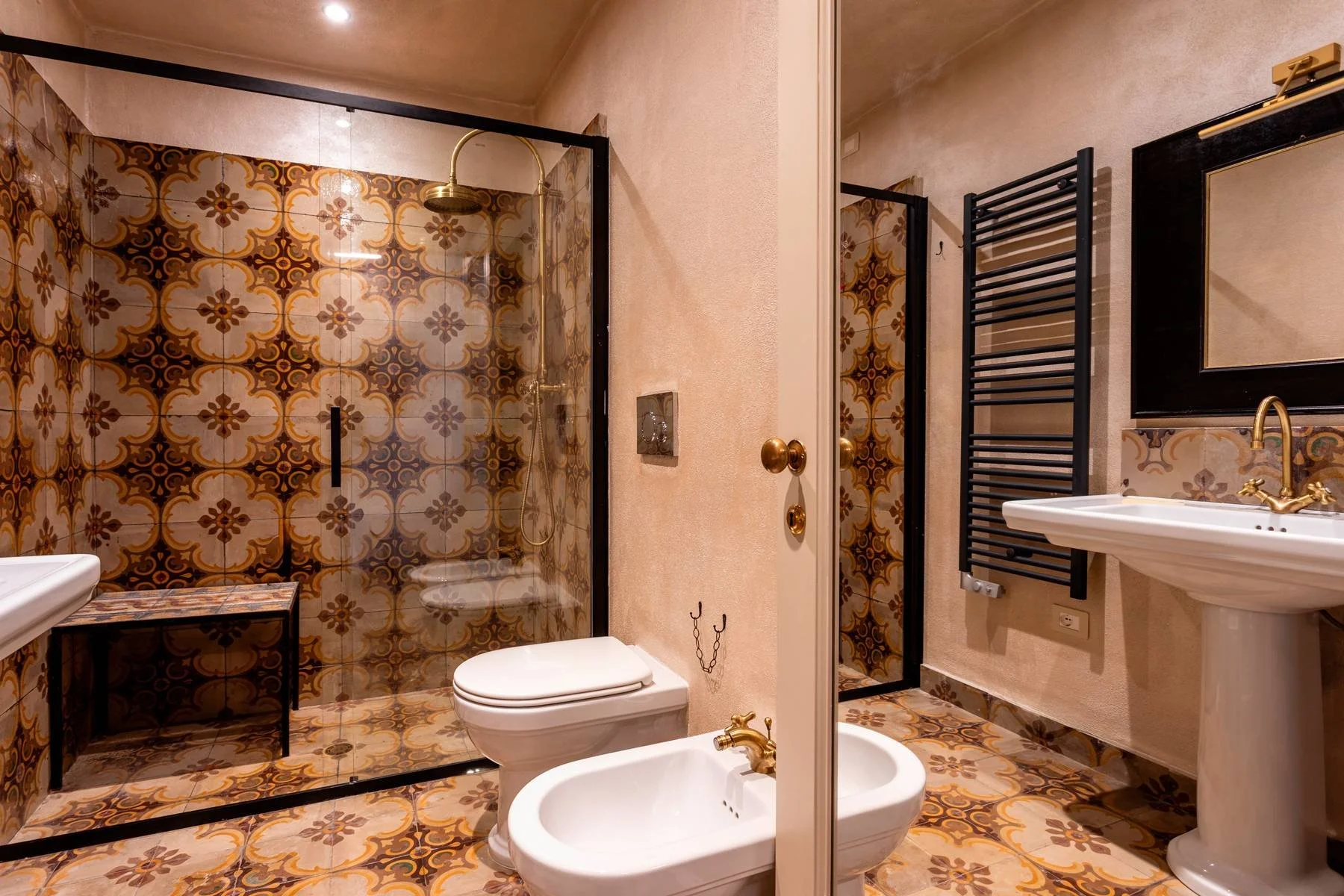
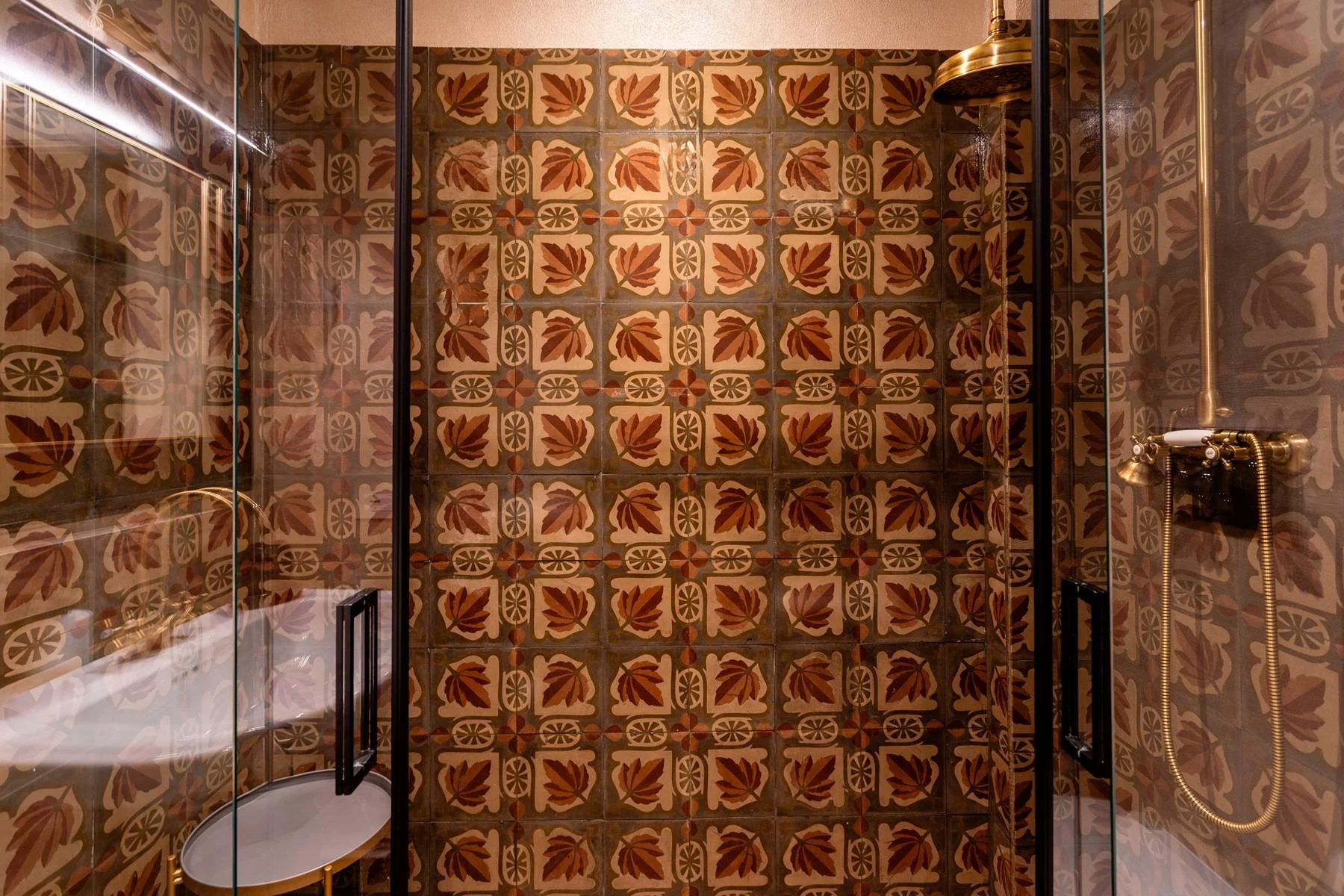
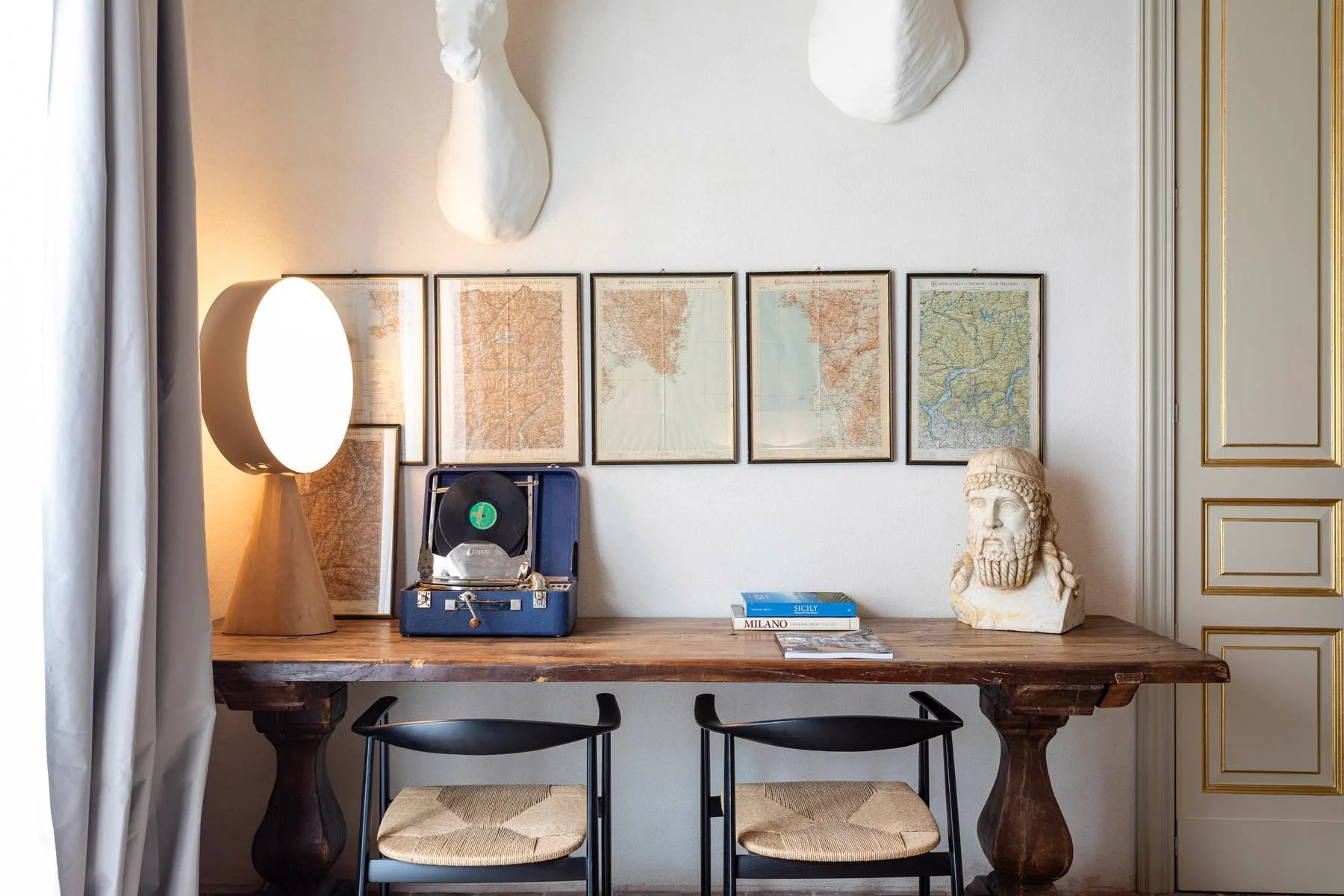
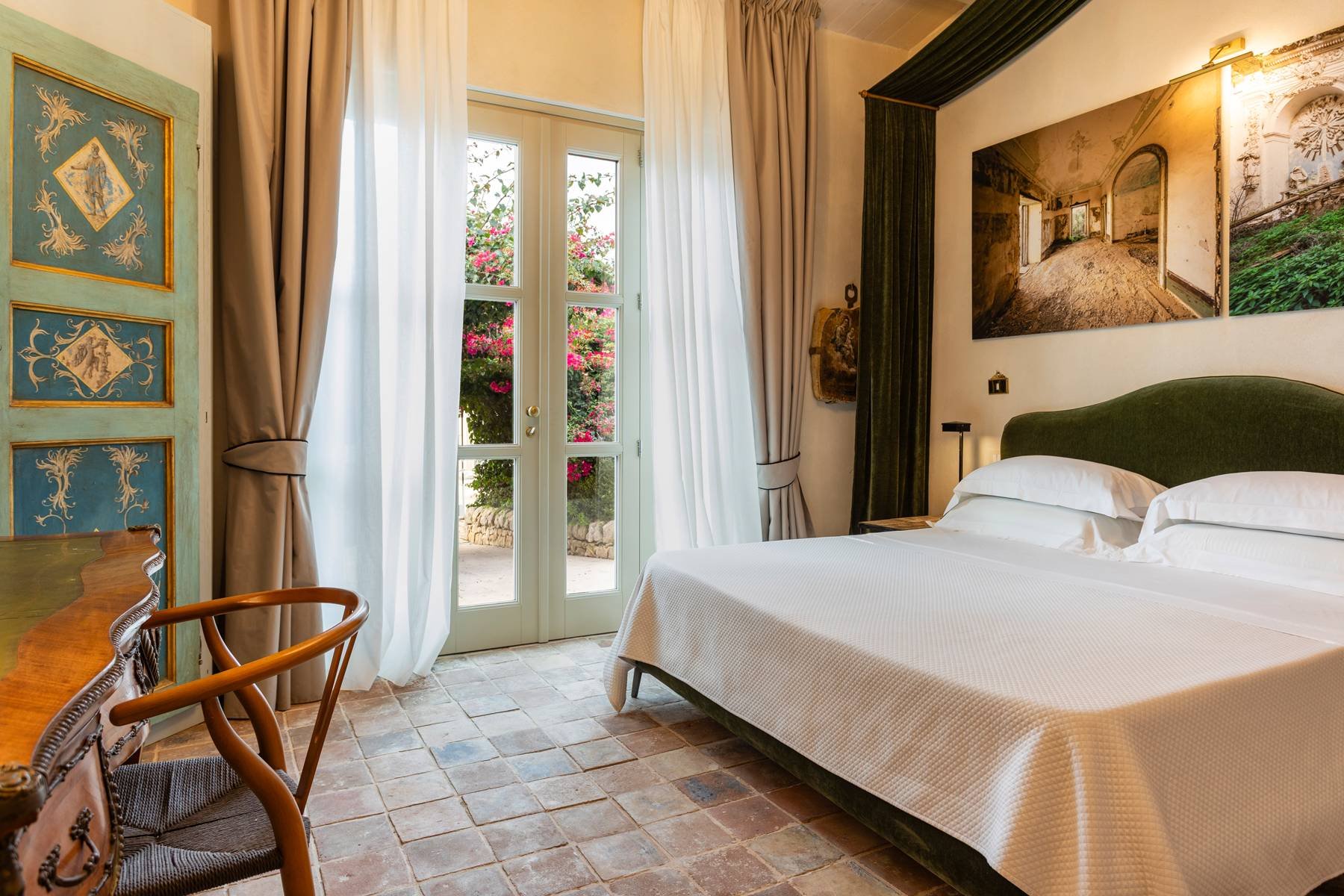
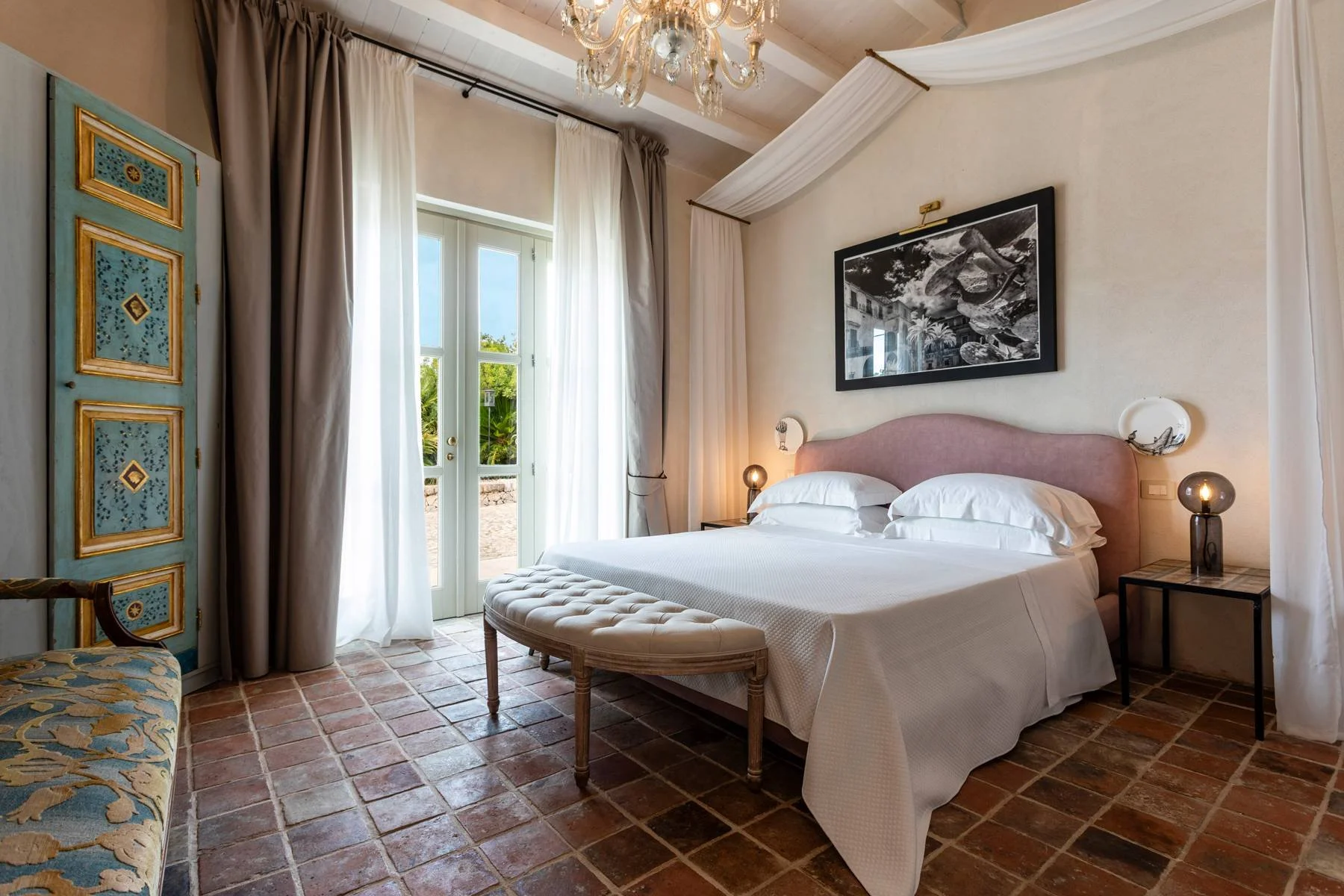
The estate follows the traditional structure of a fortified farmhouse arranged as a micro-village around internal courtyards. Historically, bagli were conceived as self-contained clusters — multiple dwellings, stables and storage structures organized around sheltered patios that anchored agricultural life. This property preserves that form: historic volumes arranged around courtyards with subtle Arabesque influence, and thirteen independent rooms set along pathways and garden lines to ensure privacy for each suite.
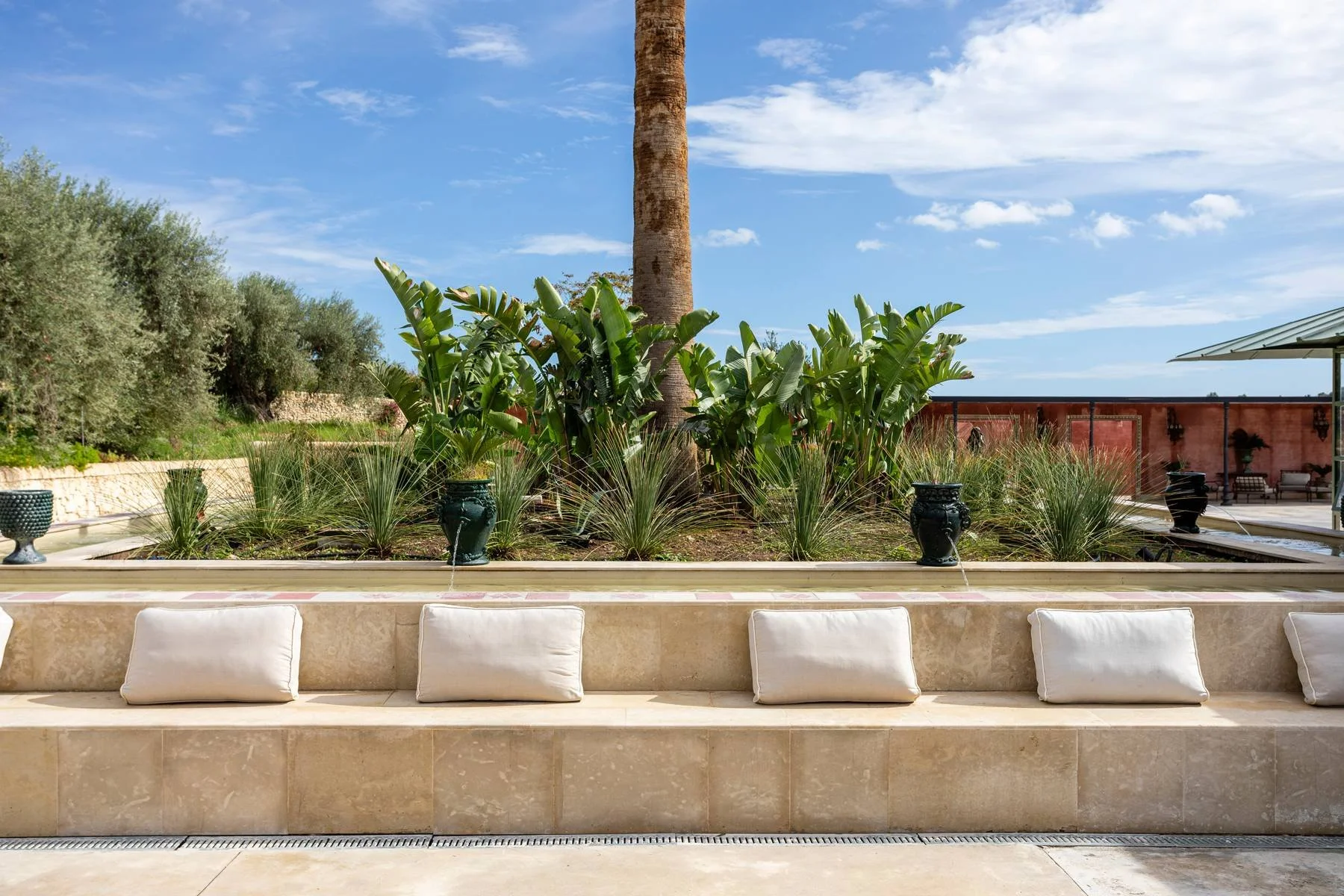
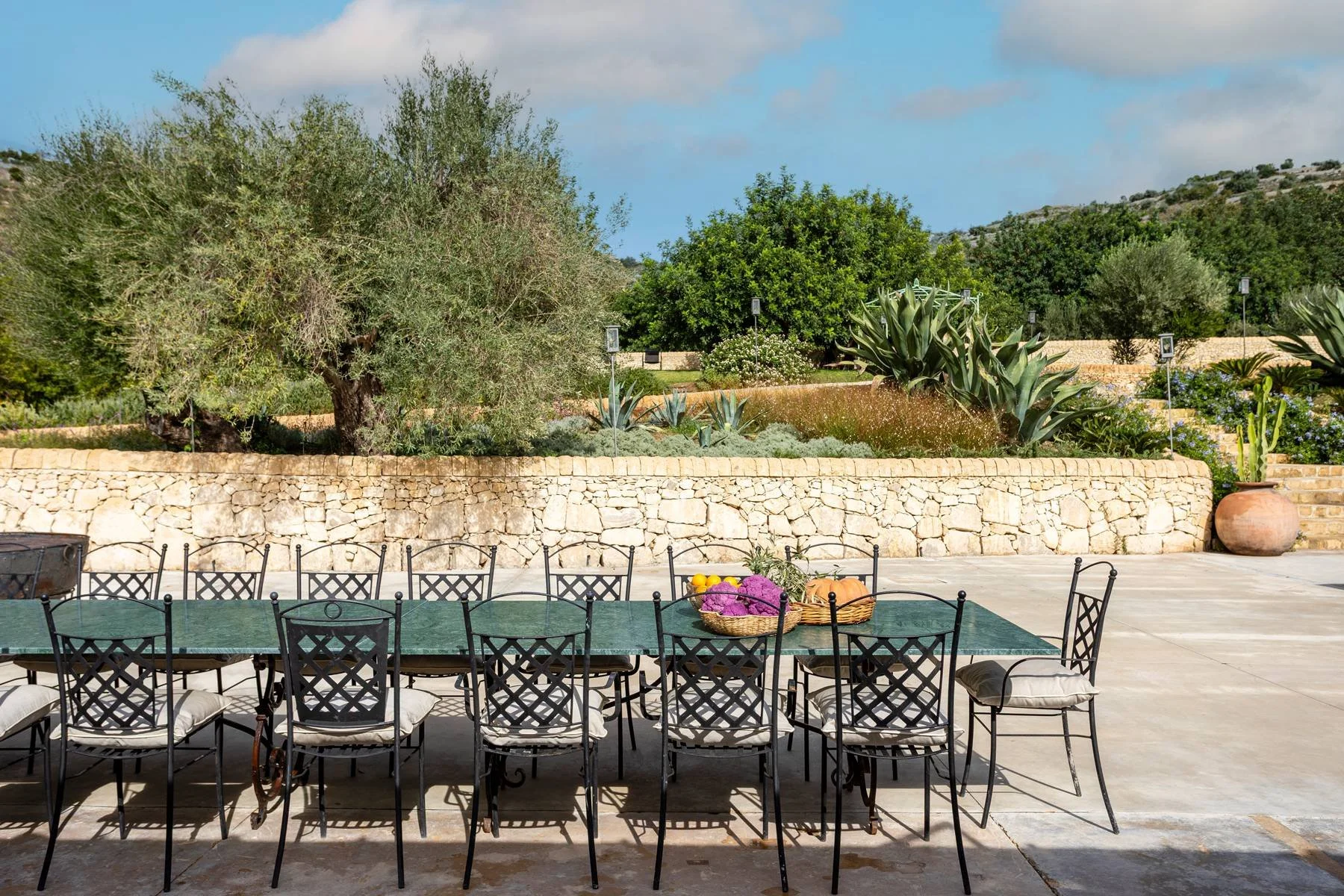
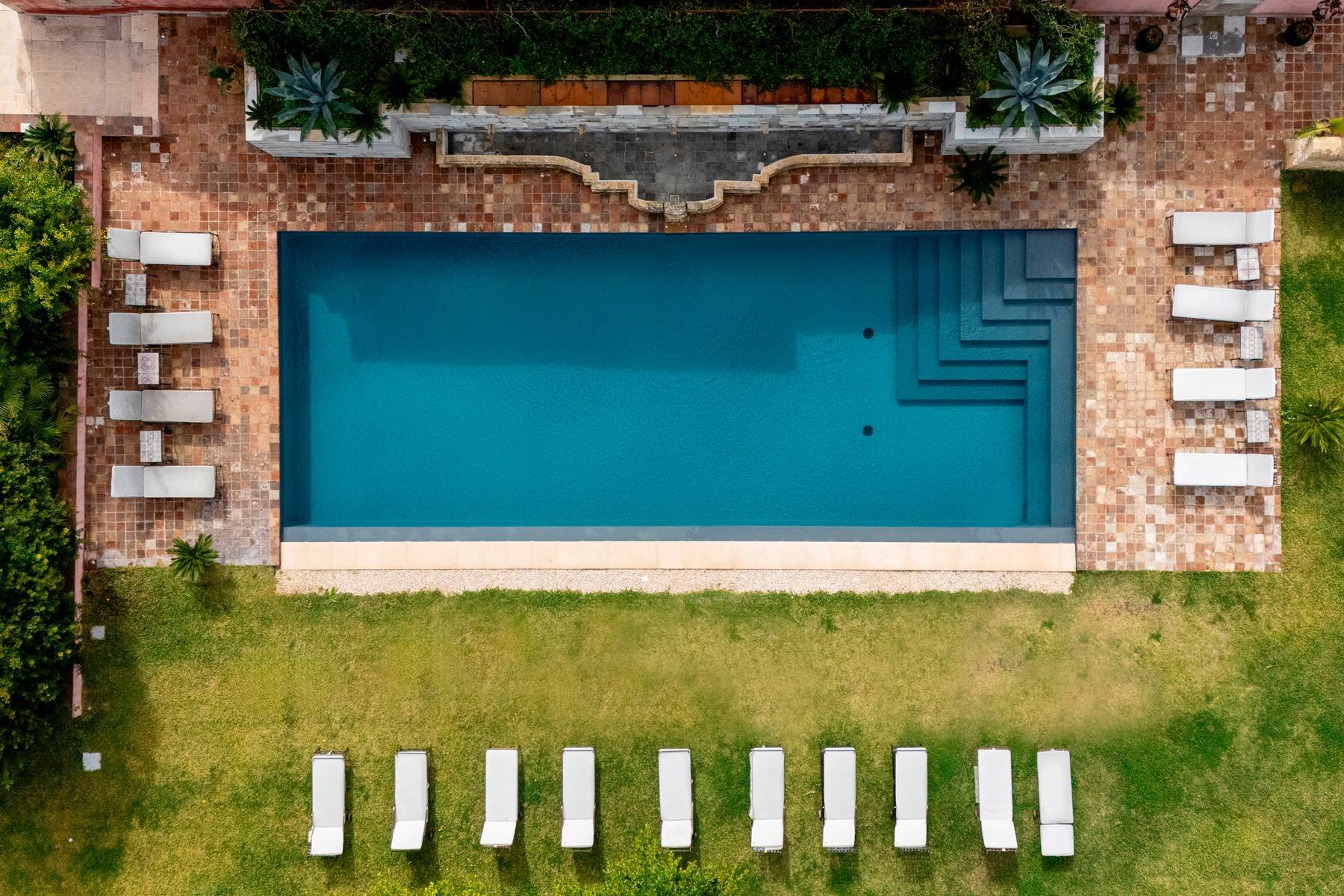
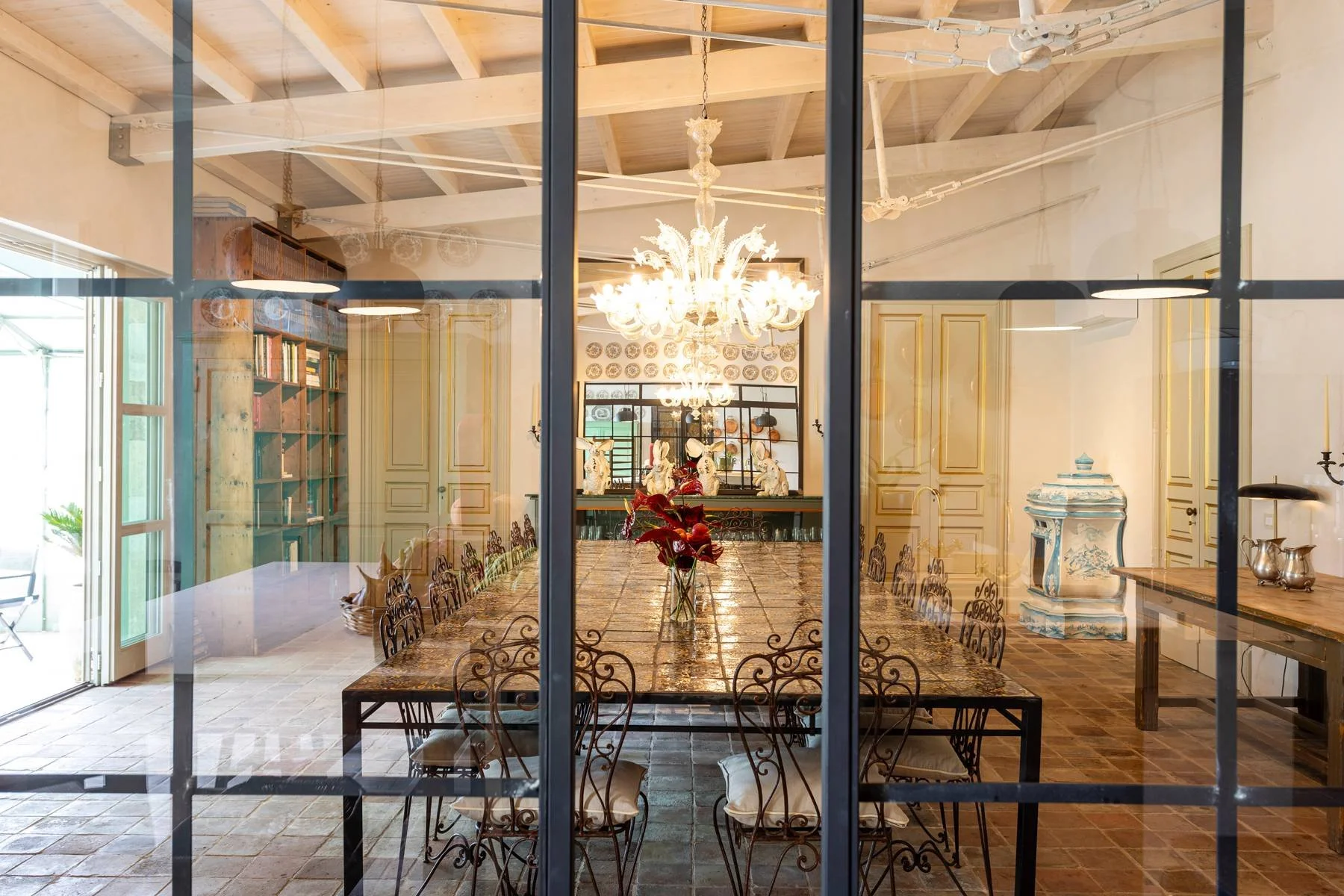
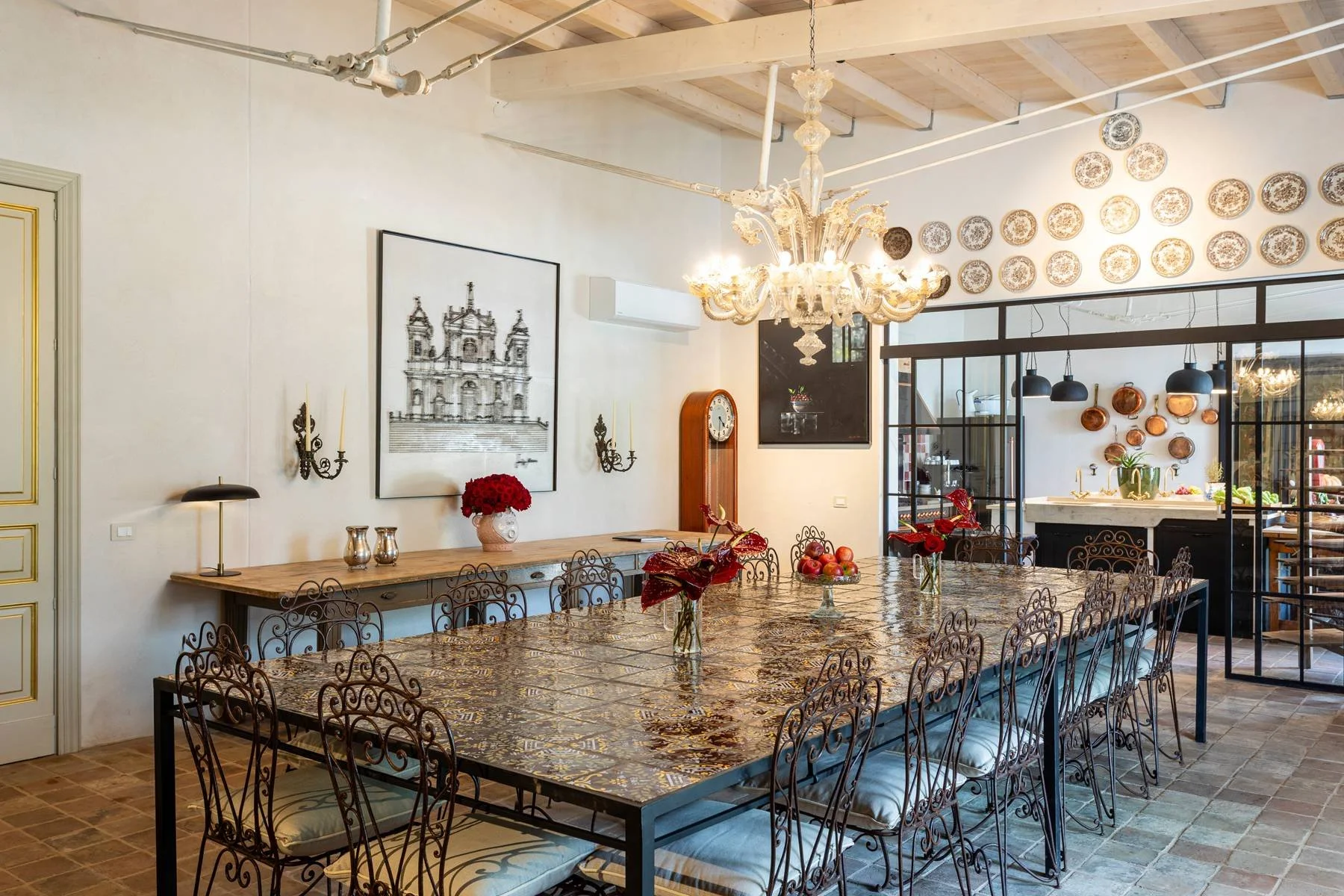
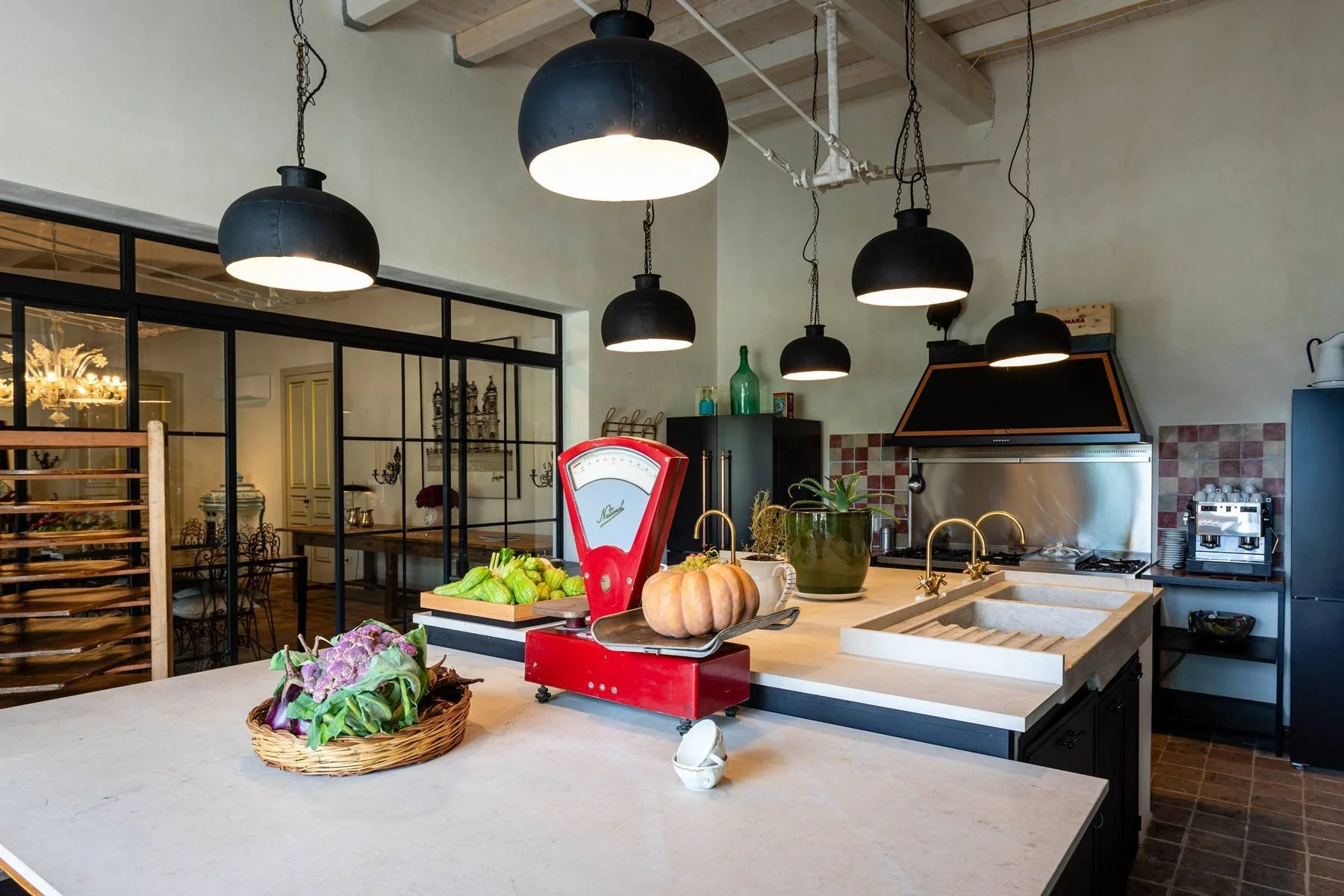
Across 1,100 sq m (11,840 sq ft) of interiors, the restoration introduces contemporary wellness spaces and a long pool with built-in jets for hydromassage, all set within more than 4 hectares (c. 9.9 acres) of landscaped grounds. Gazebos and shaded seating areas trace the perimeter, maintaining the rhythm of a traditional Sicilian estate while supporting a retreat-like atmosphere.
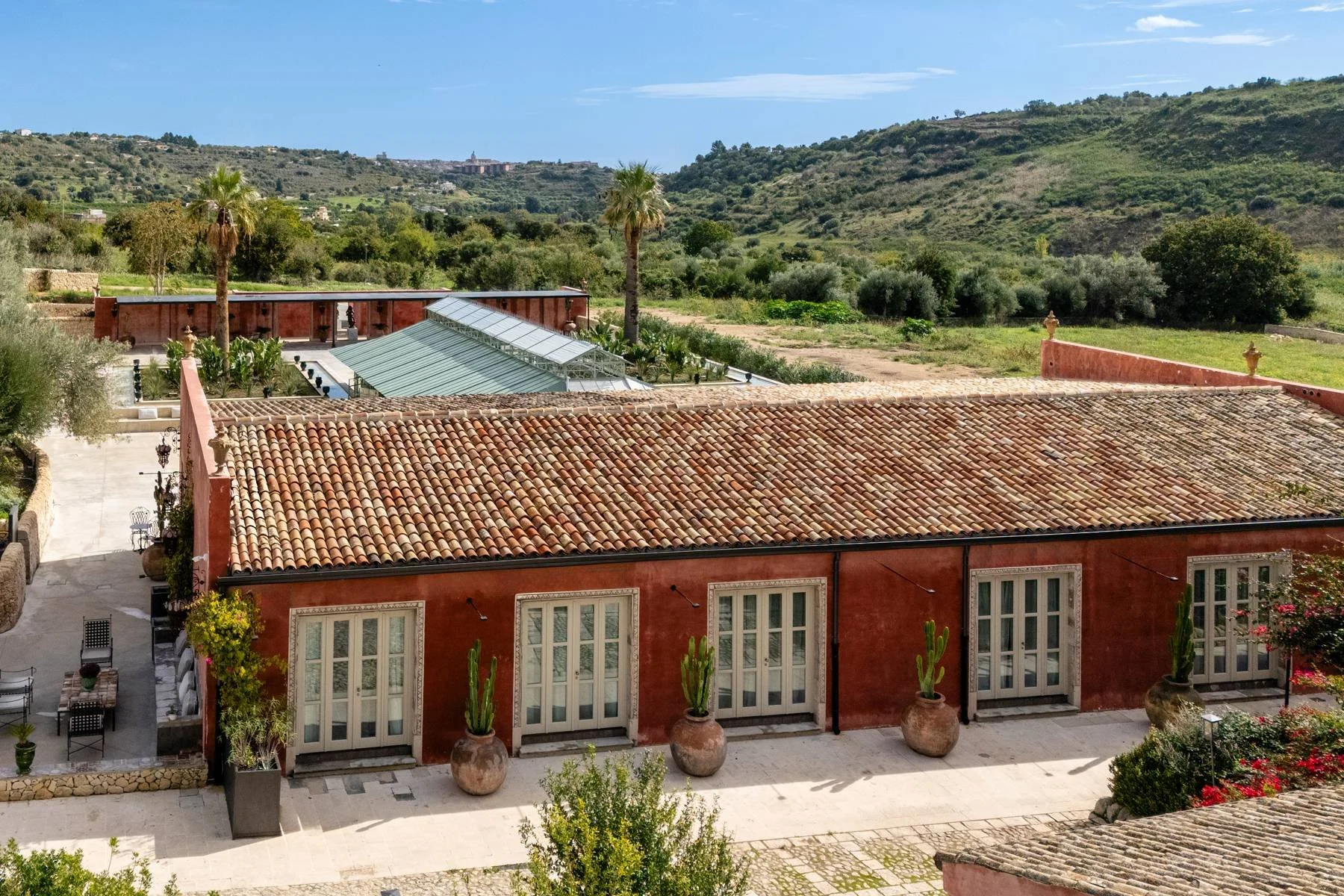
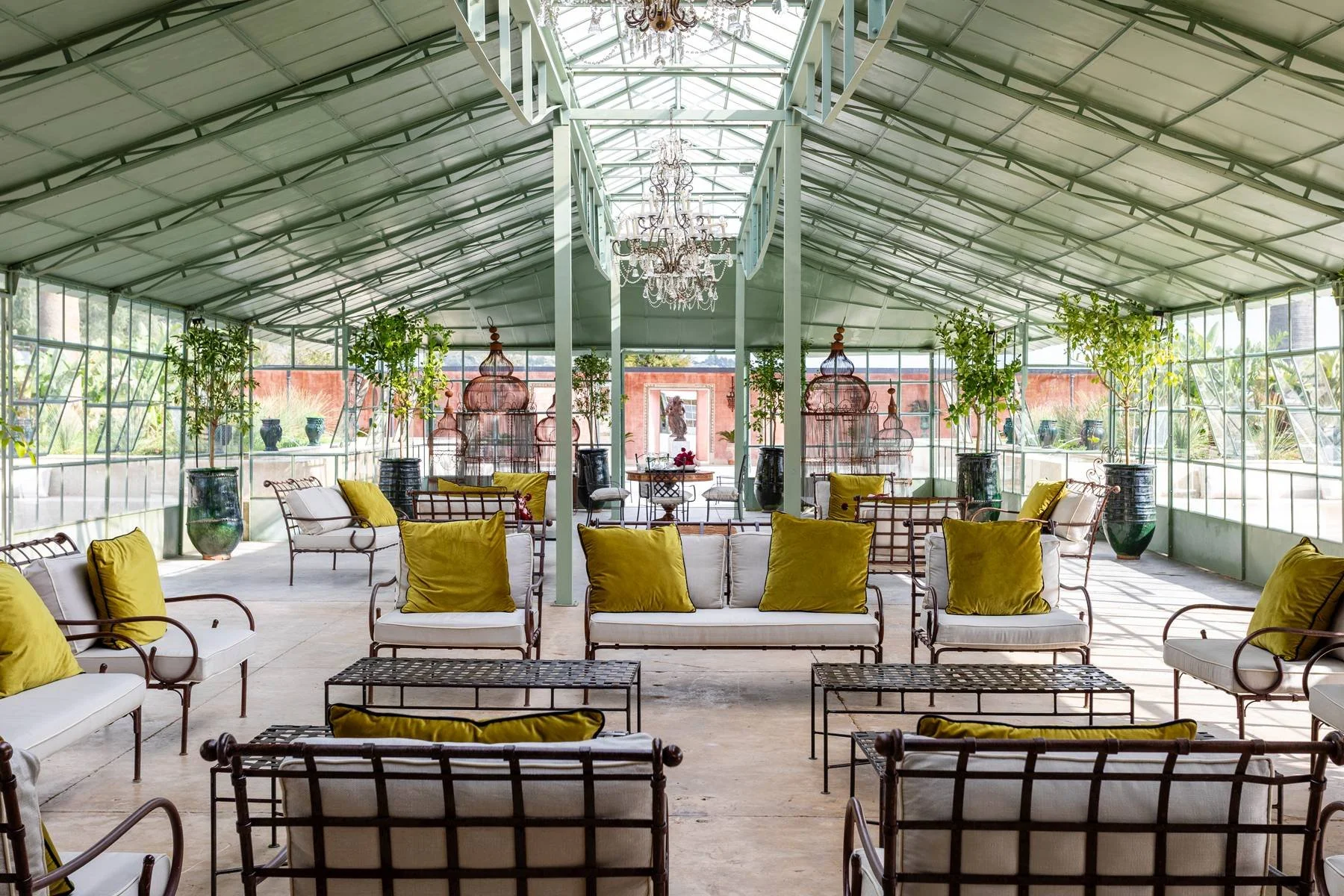
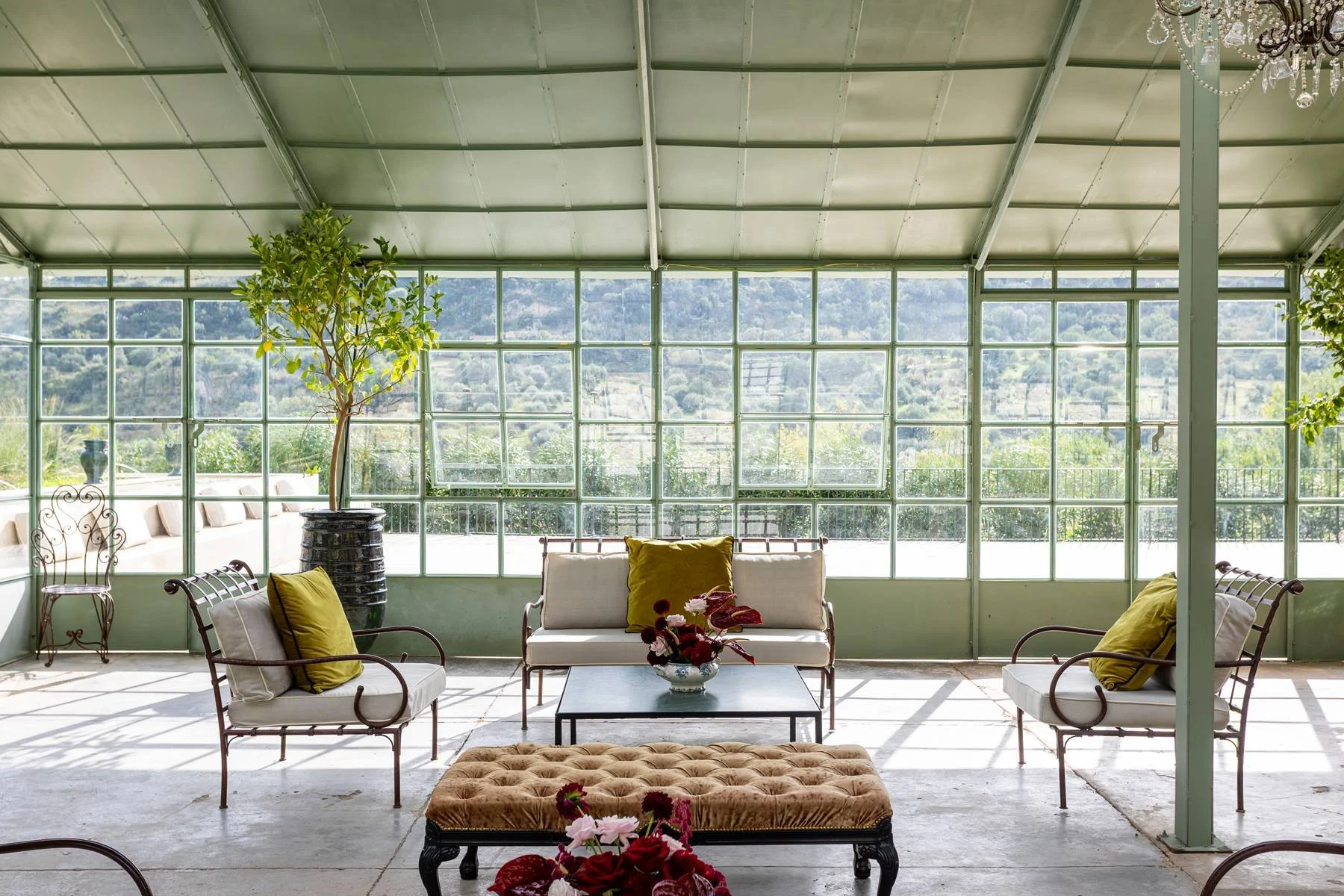
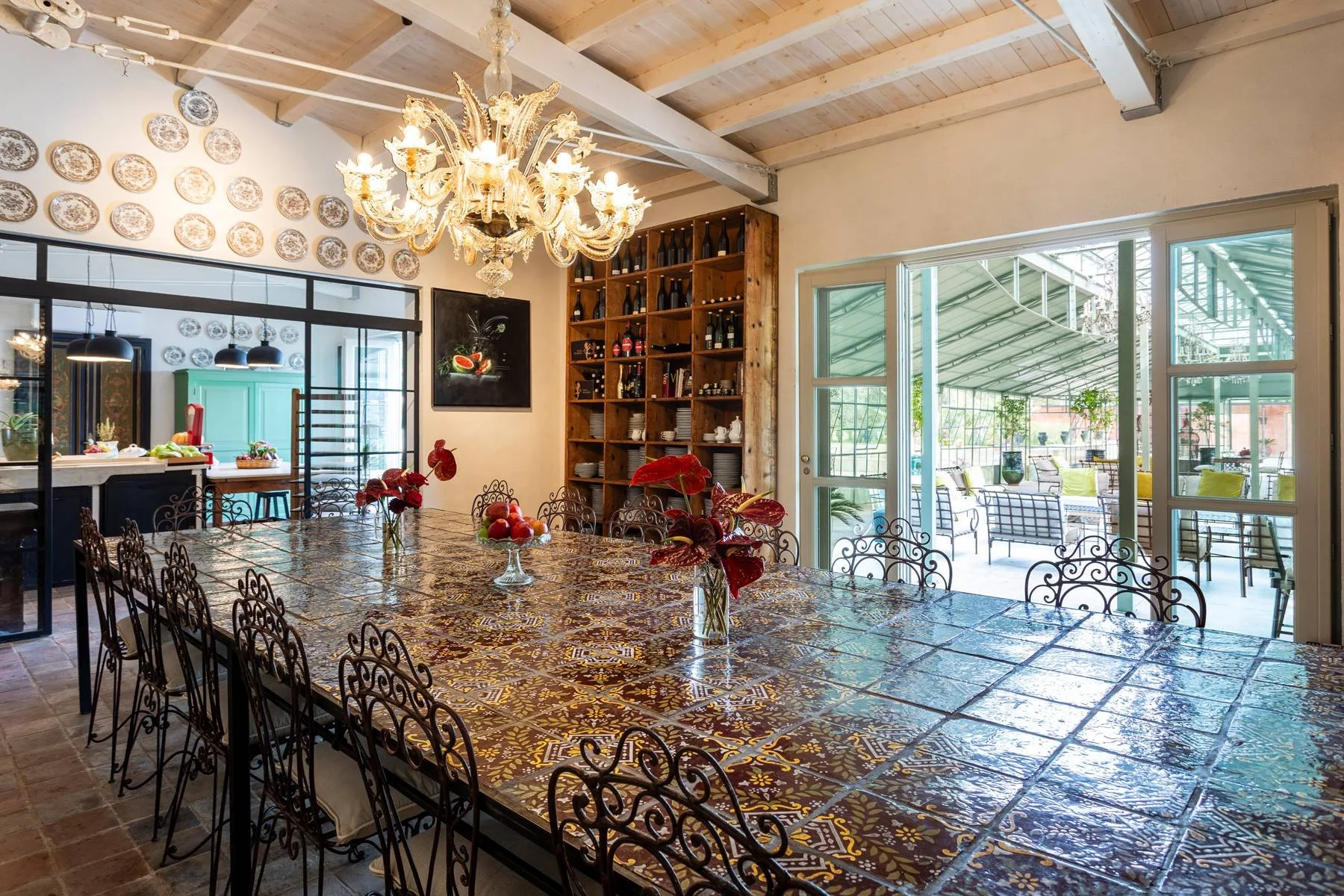
At the center of the compound, a glass-house pavilion overlooks the main courtyard, providing a refined modern contrast to the estate’s stone structures. Conceived as a flexible, light-filled environment, it is described as suitable for exhibitions, gatherings or seasonal living — a contemporary layer that complements the historic geometry of the hamlet.
Val di Noto has emerged as one of Italy’s most in-demand rural luxury markets, driven by its UNESCO-listed cities and a growing appetite for slow-living destinations in southeastern Sicily. The past decade has seen a wave of historic masserie and bagli restored into design-led retreats and full-estate rentals, reflecting strong international demand and a limited supply of high-quality compounds. Multi-suite estates are especially sought after for multi-generational living and hospitality projects, creating a clear precedent for properties of this scale. With thirteen autonomous rooms arranged around courtyards and a versatile glass pavilion, the estate aligns naturally with these retreat-oriented models while maintaining the architectural authenticity that defines the region.
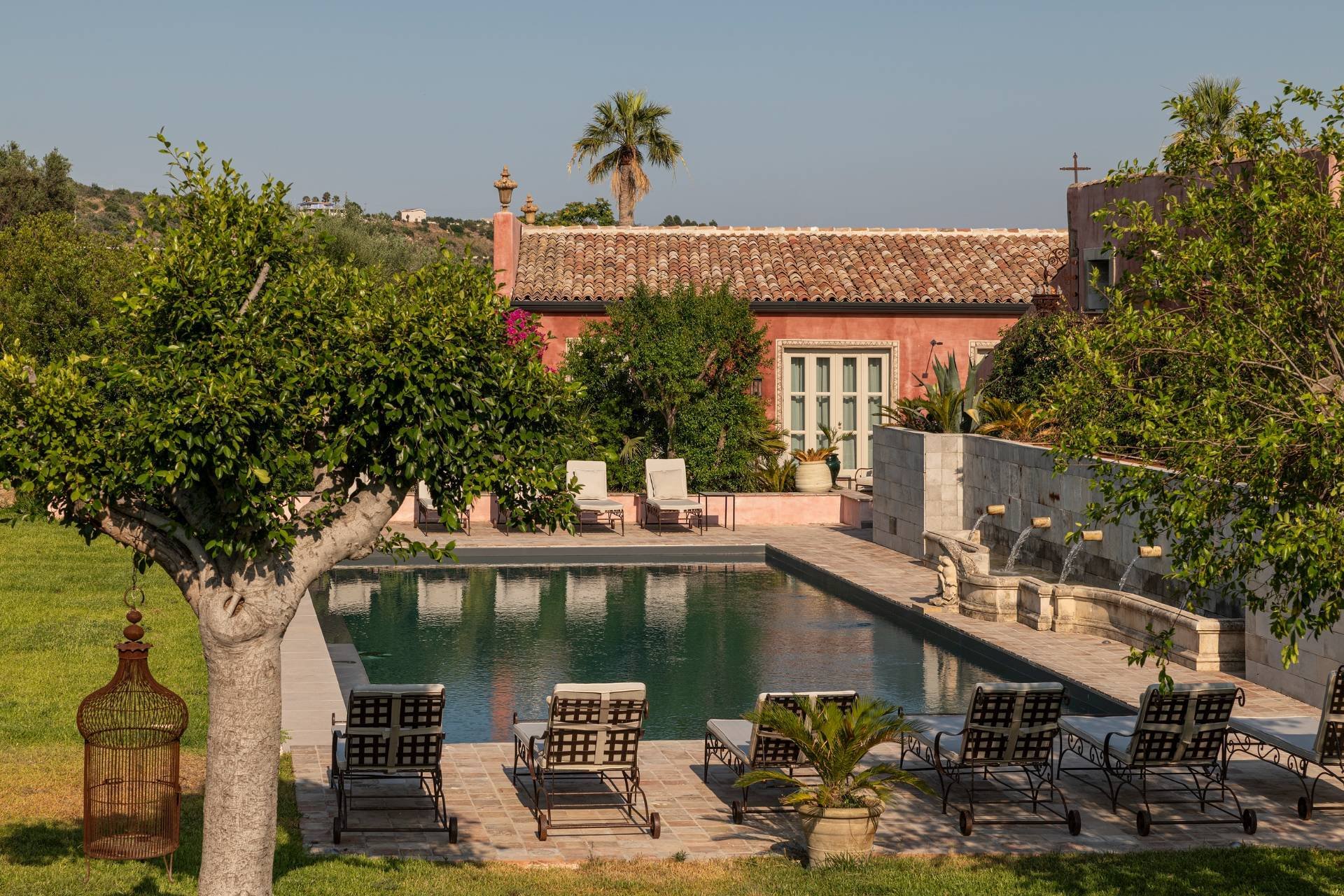
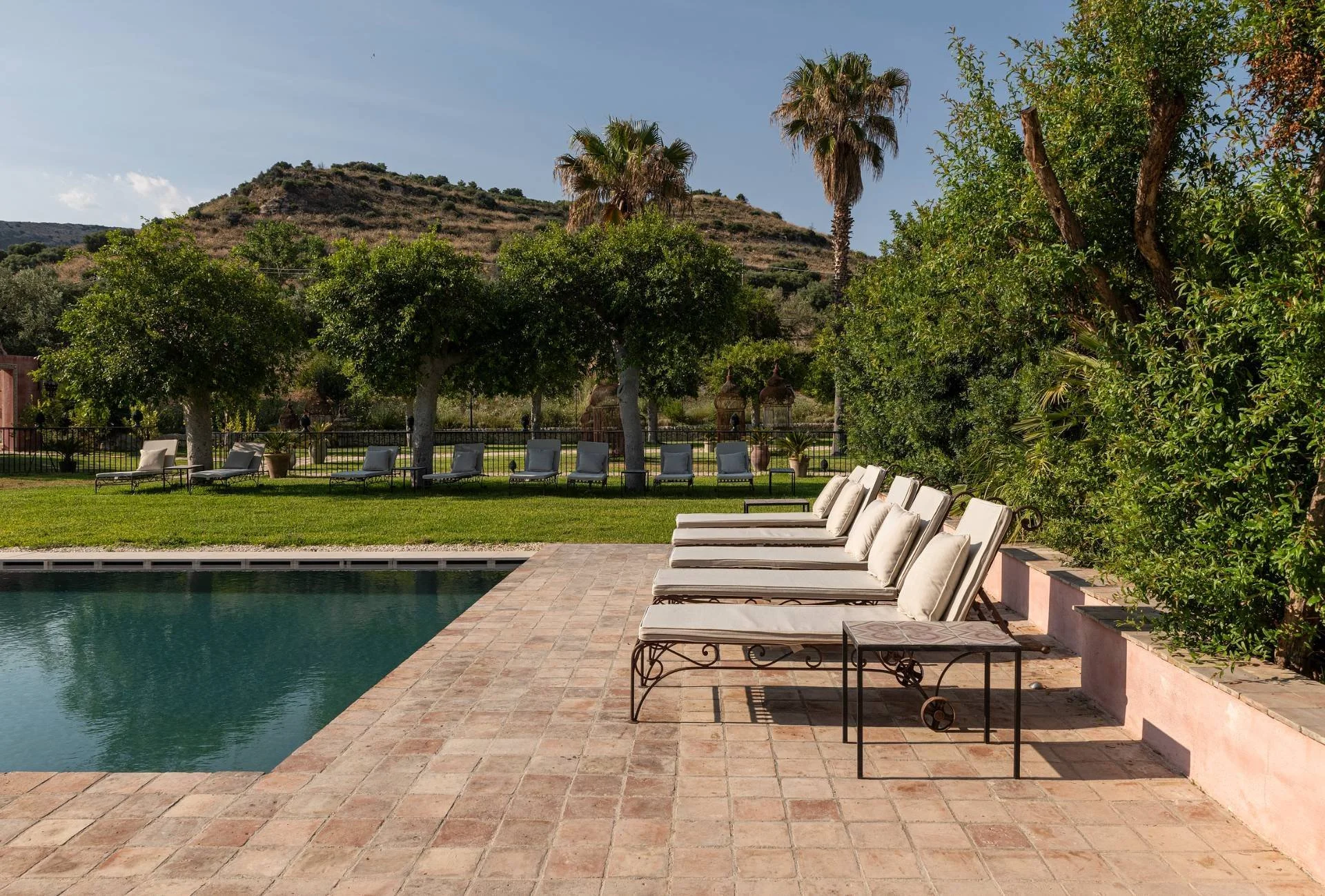
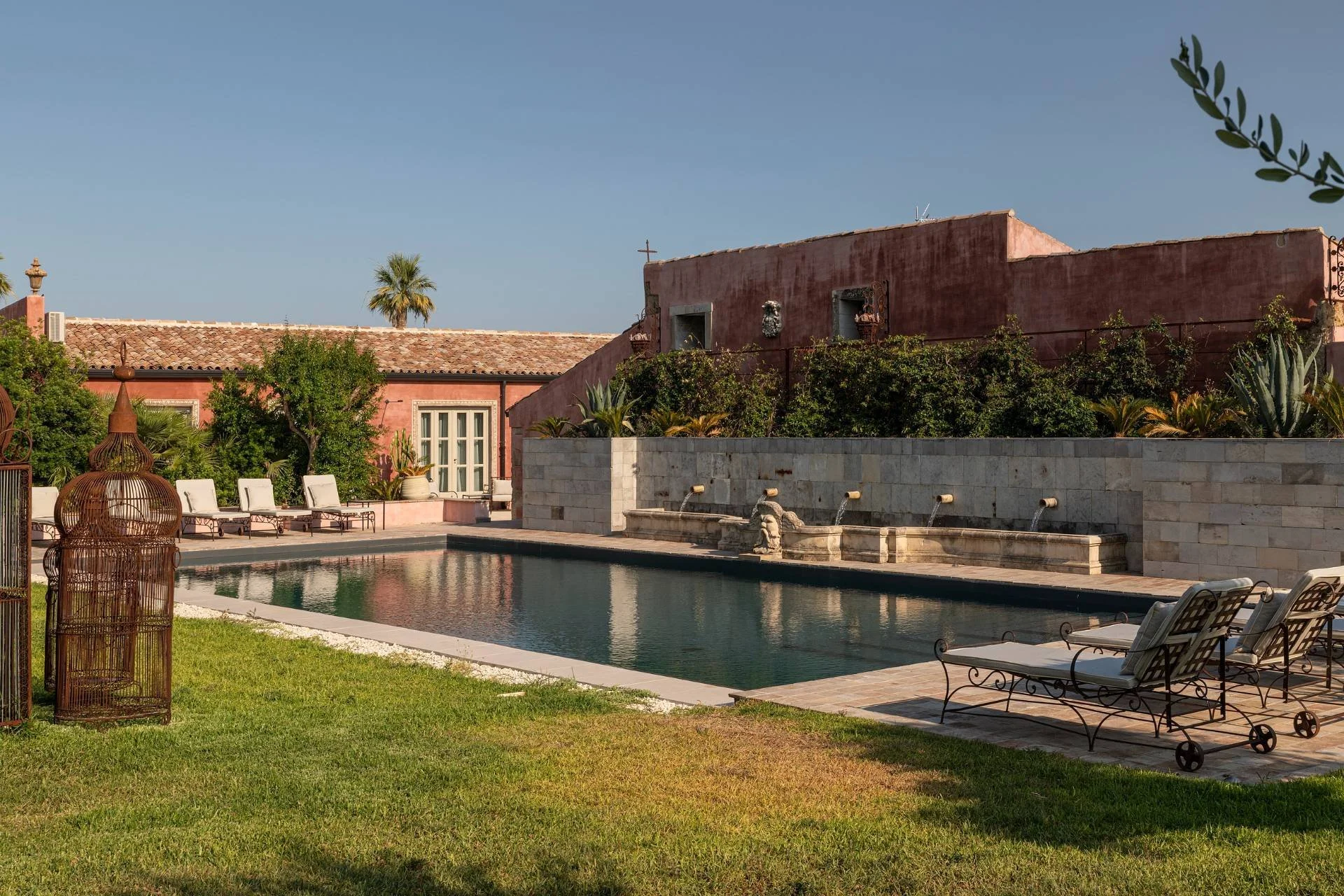
The listing positions the property as suitable for a country club, refined retreat or private residence, with residual building volume offering potential for additional structures. The surrounding landscape — referred to as the “Valley of the Gods” — provides walking paths, natural viewpoints and secluded corners that reinforce the estate’s privacy.
From the hamlet, the coastline is a 15-minute drive, and Catania Fontanarossa Airport is under an hour away, placing the estate at the intersection of rural seclusion and international accessibility.
A distinctive example of a restored Sicilian baglio reinterpreted for contemporary living, the estate offers the architectural integrity of a historic micro-village, the flexibility of autonomous suites and the potential for retreat, hospitality or private residential use — a combination increasingly scarce in the evolving Val di Noto market.
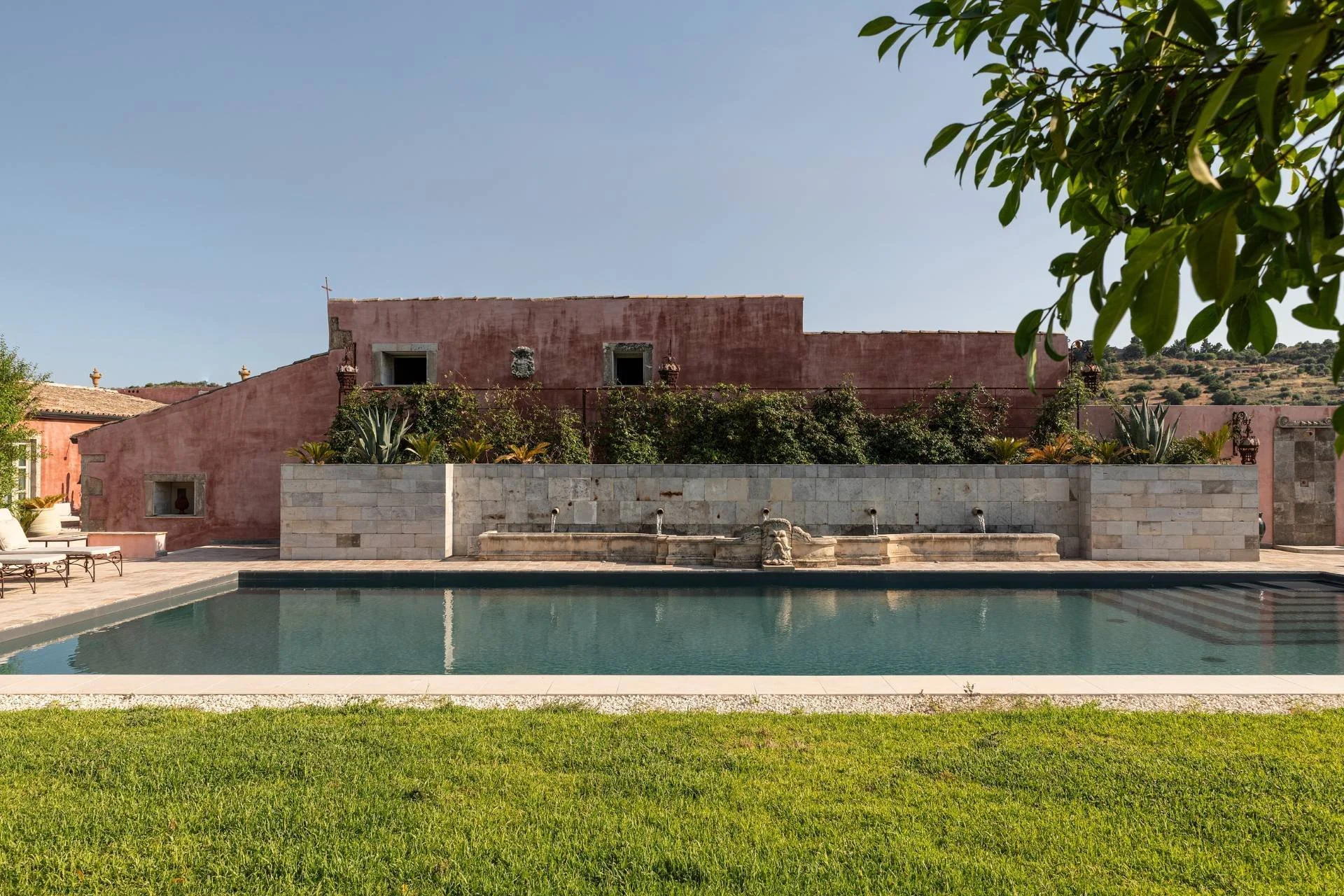


All photos belong to the listing agency.