A Gothic-Style Mansion with Formal Gardens in Kent
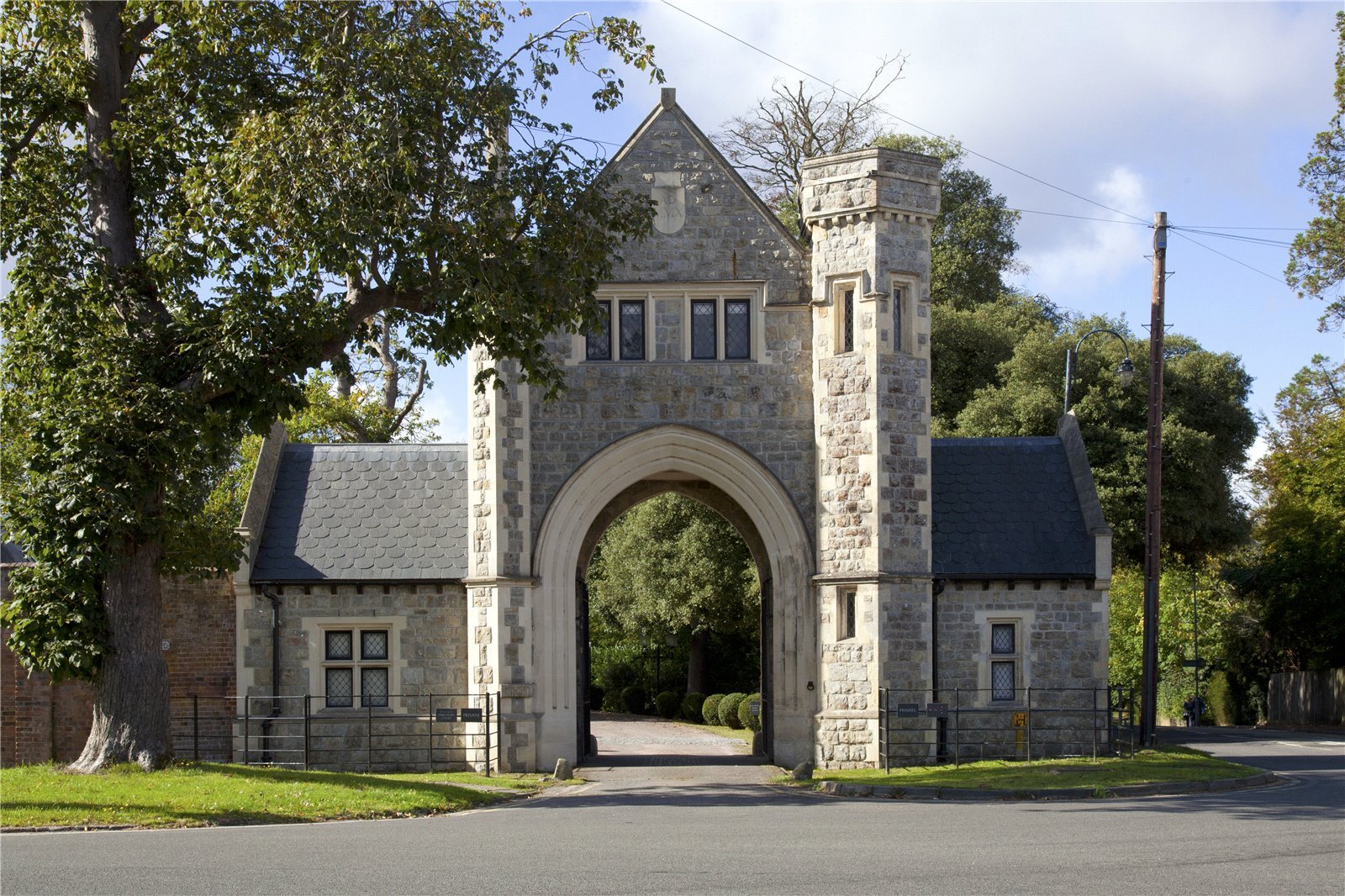
The grand country house is within walking distance to the charming market town of Tenterden, set at the gates to the 45 acre estate.

This property is on the market for £5,500,000, listed with Savills.
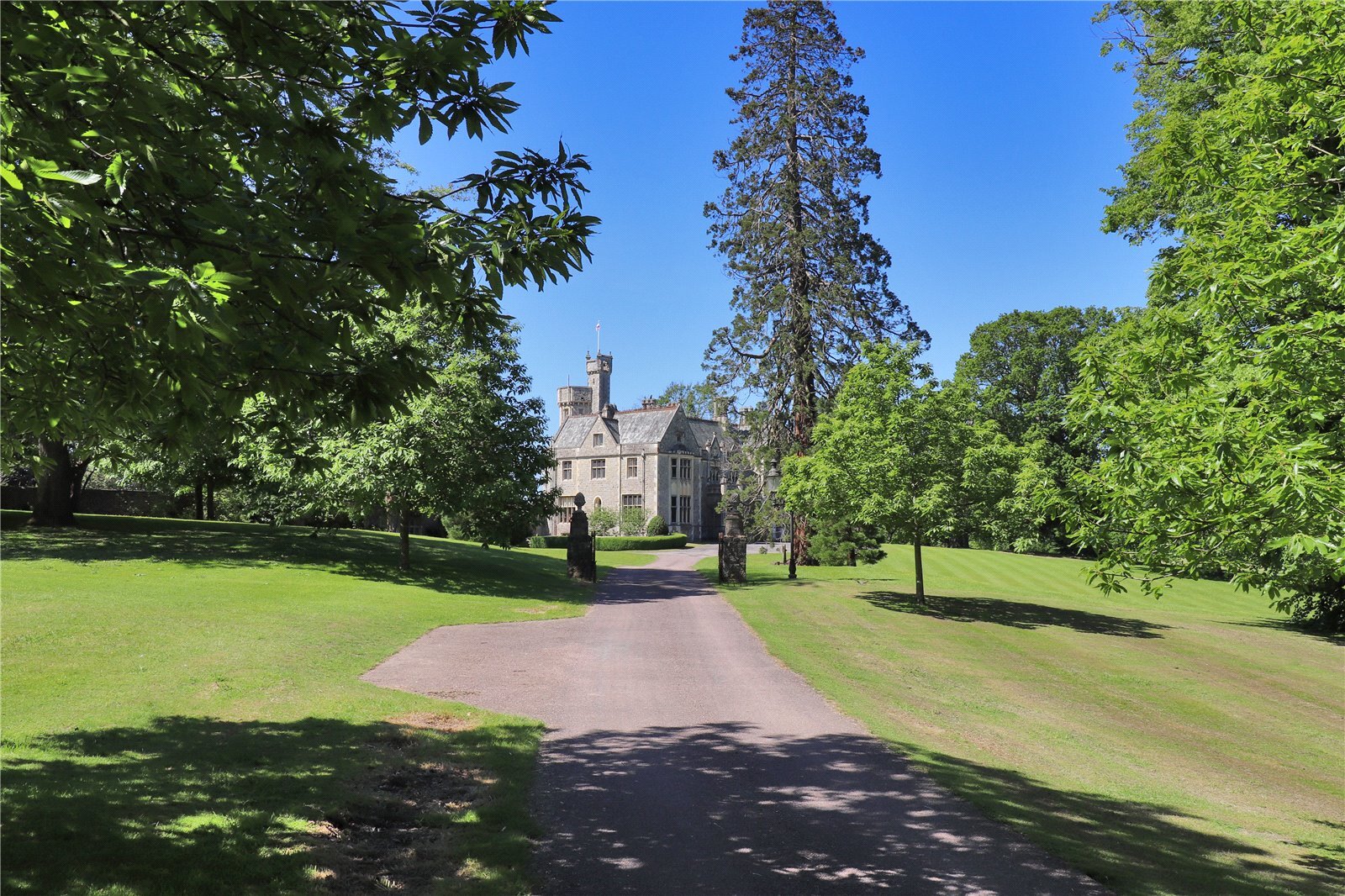
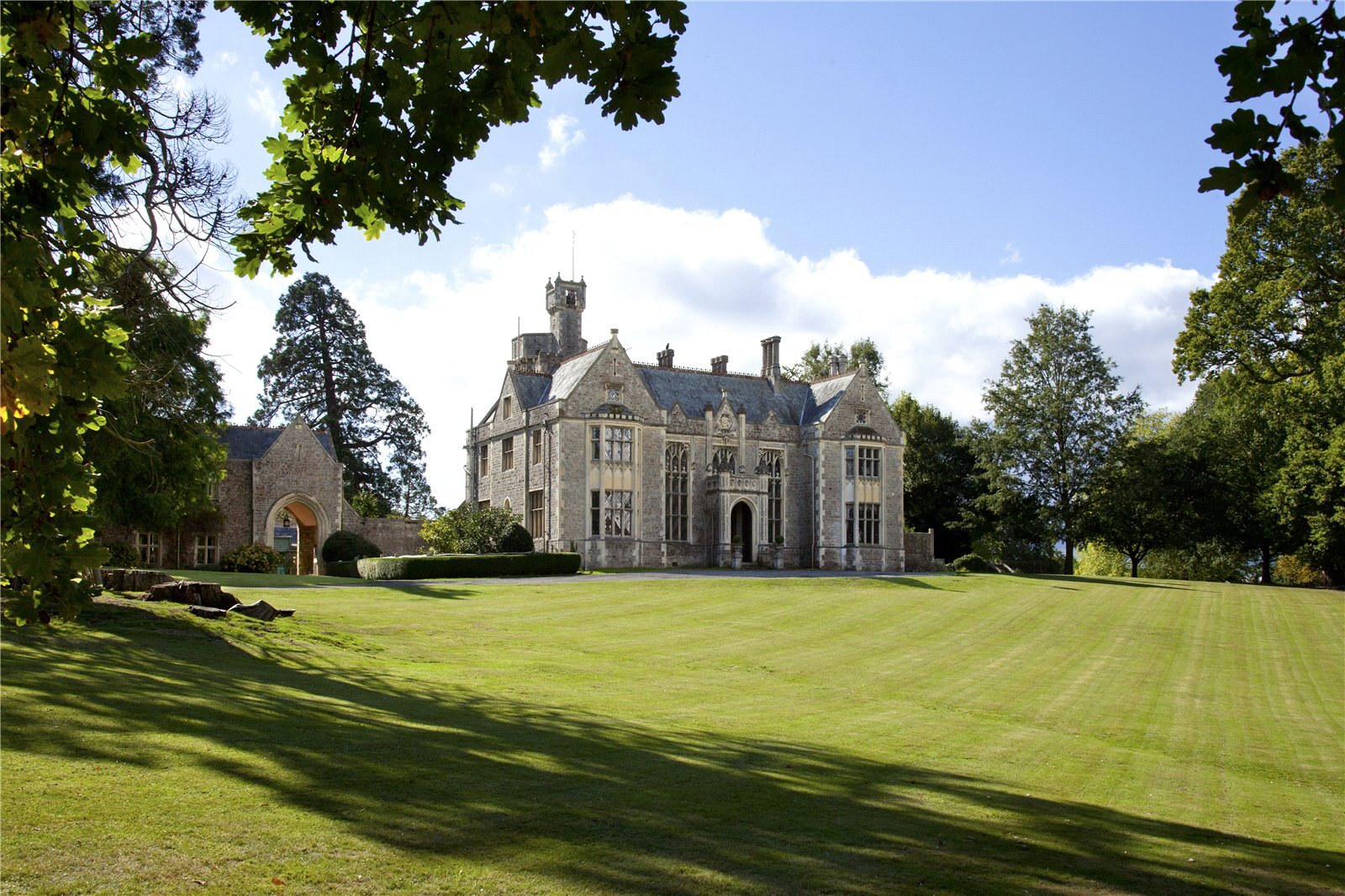
The Grade II listed property dates back to 1846, built for local landowner William Whelan by notable architect William John Donthorn, who would go on to found the Royal Institute of British Architects.
The grand country house is within walking distance to the charming market town of Tenterden, set at the gates to the 45 acre estate.
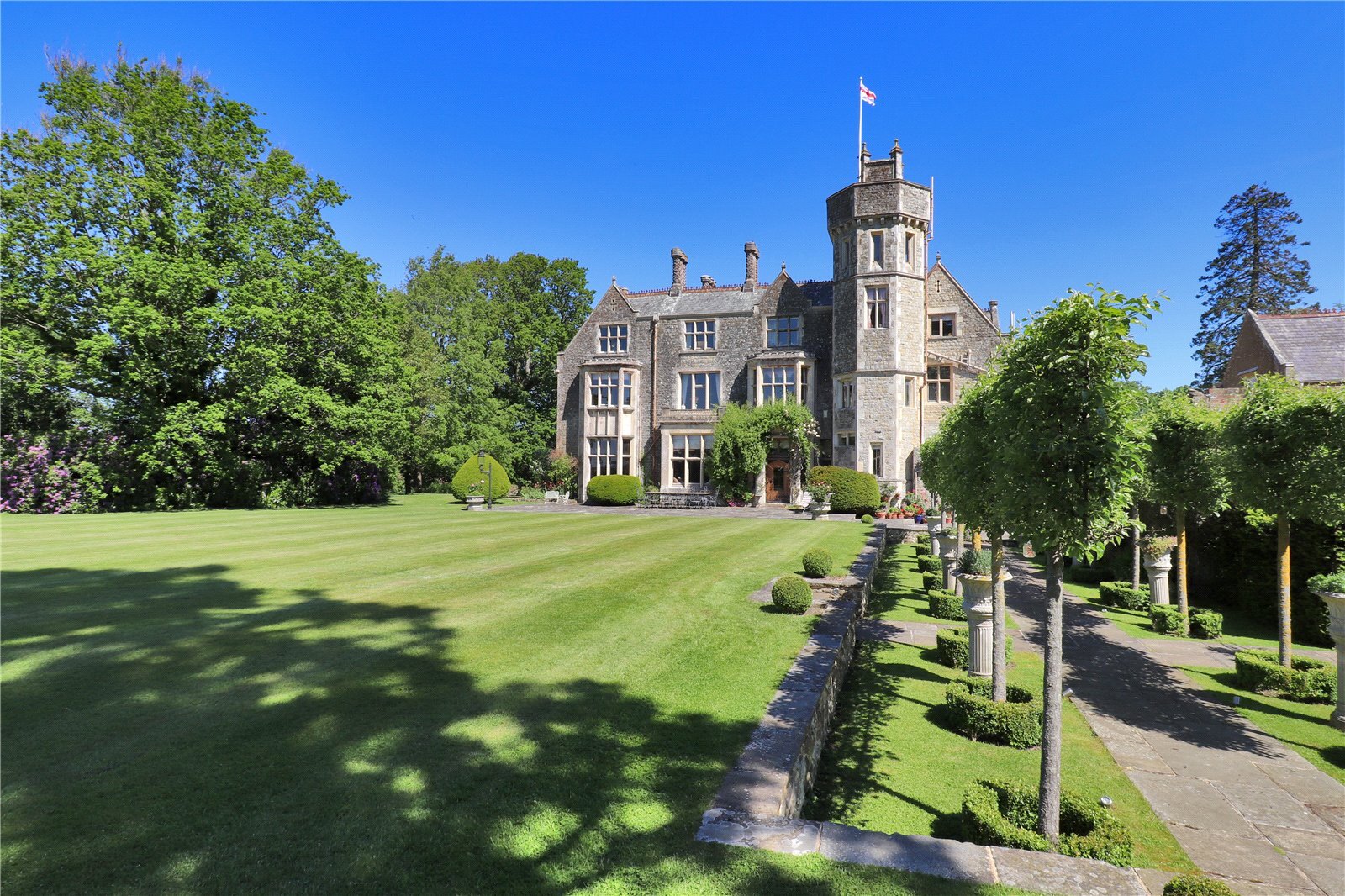
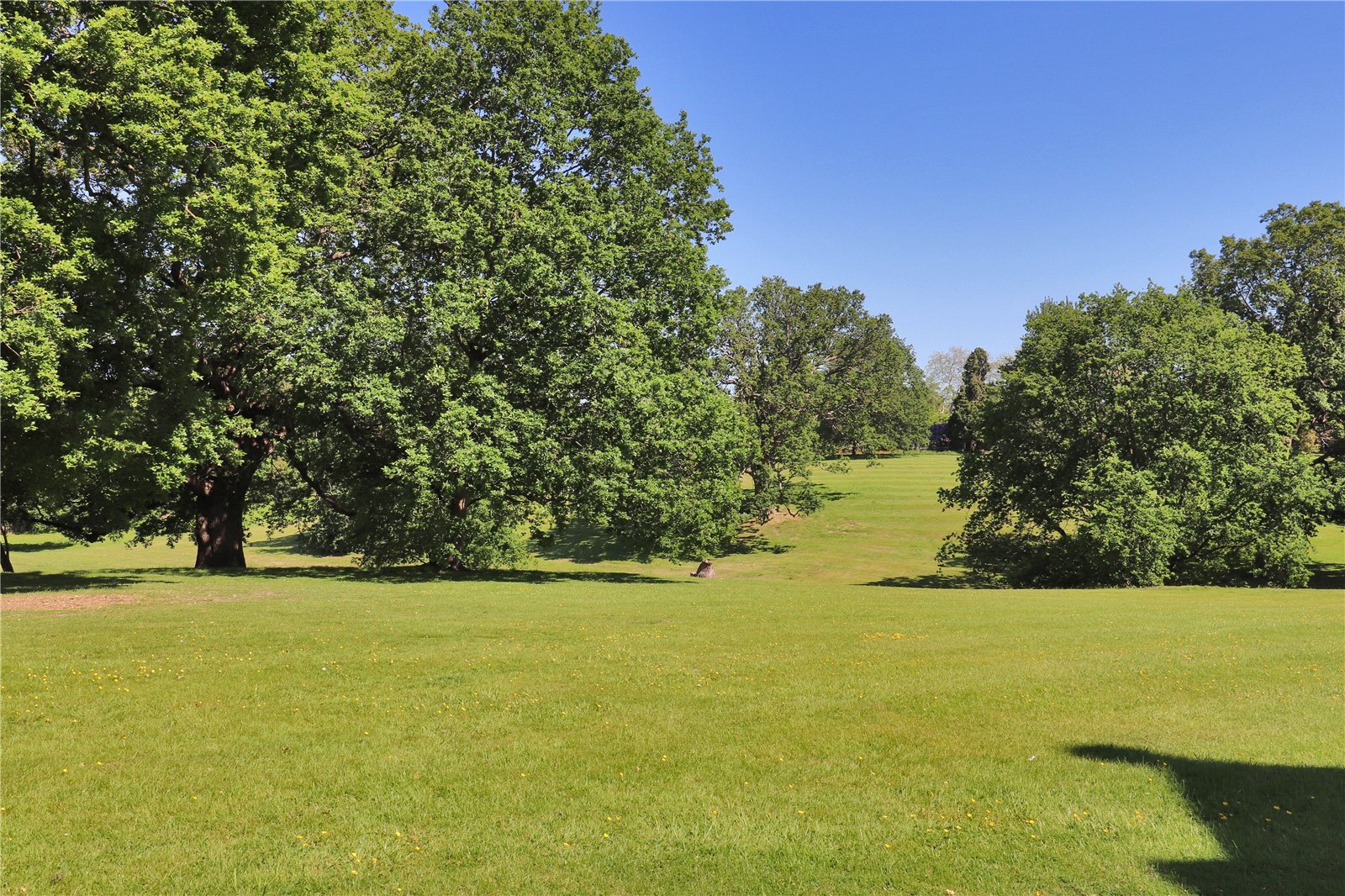
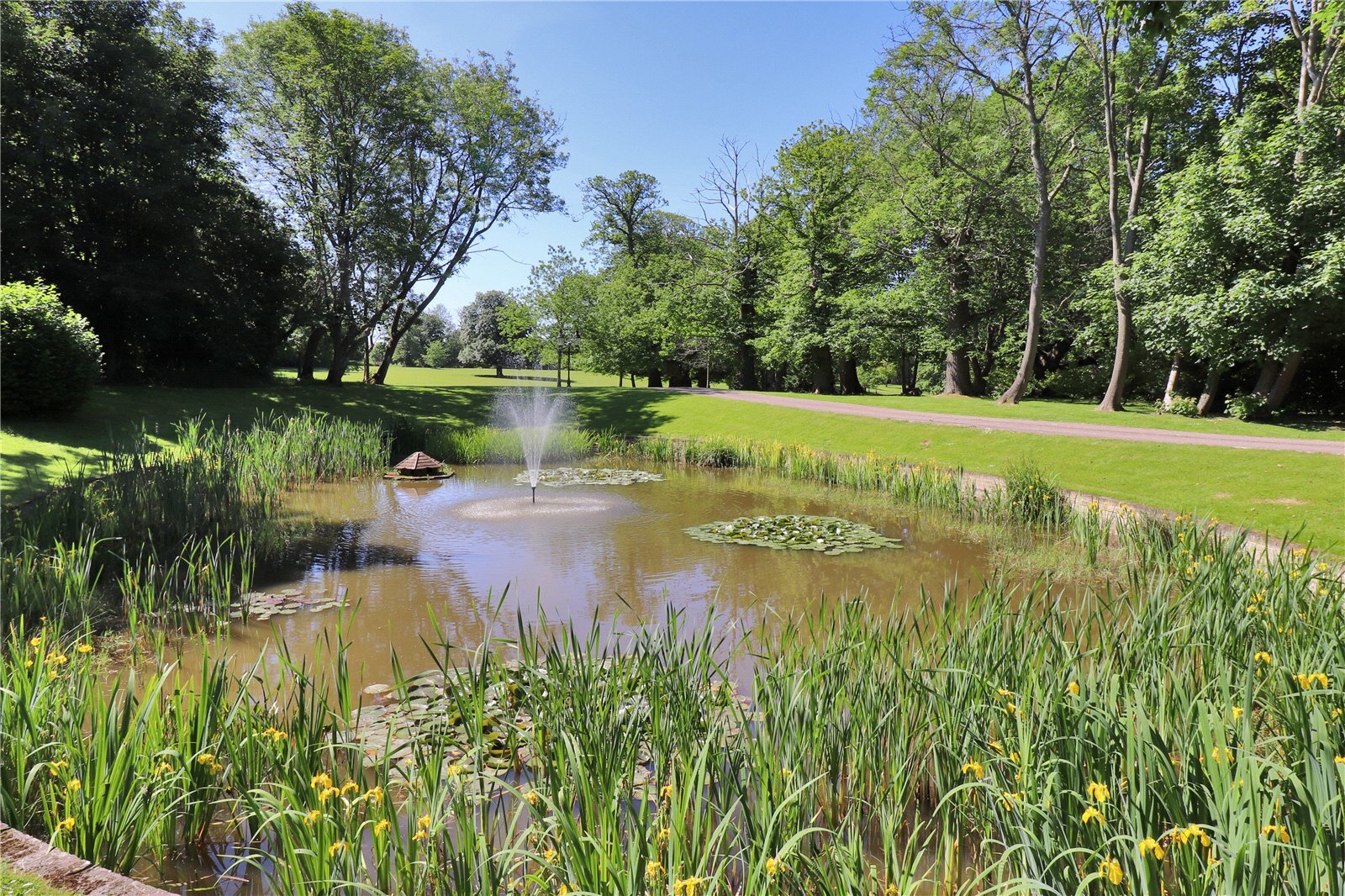
With its parkland setting featuring ancient woodland and manicured formal gardens, the country estate is a delight of natural wonders, with formal and informal garden rooms across the property, designed by Catherine Berkeley and realized by Mark Wilmshurst.
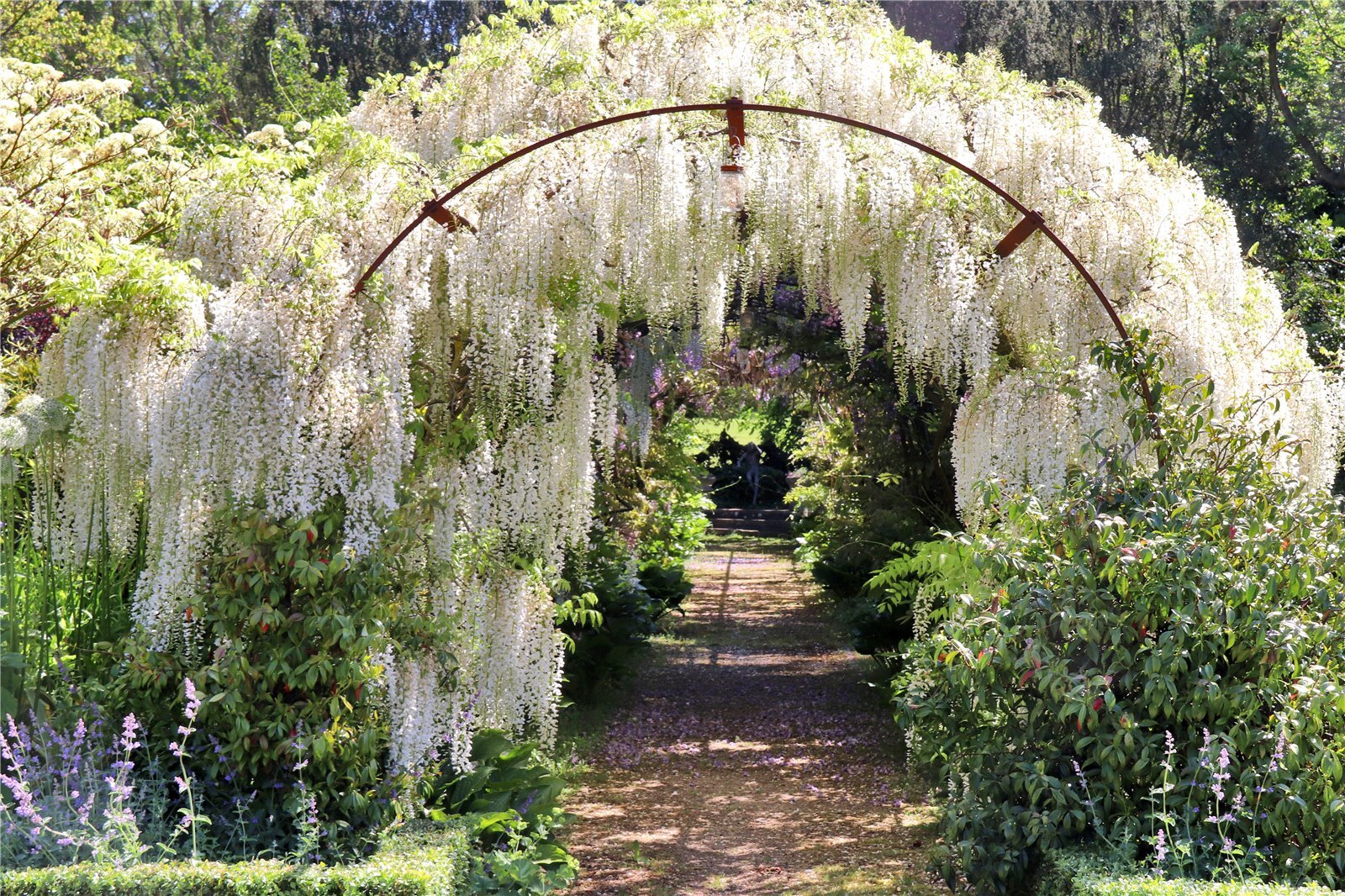
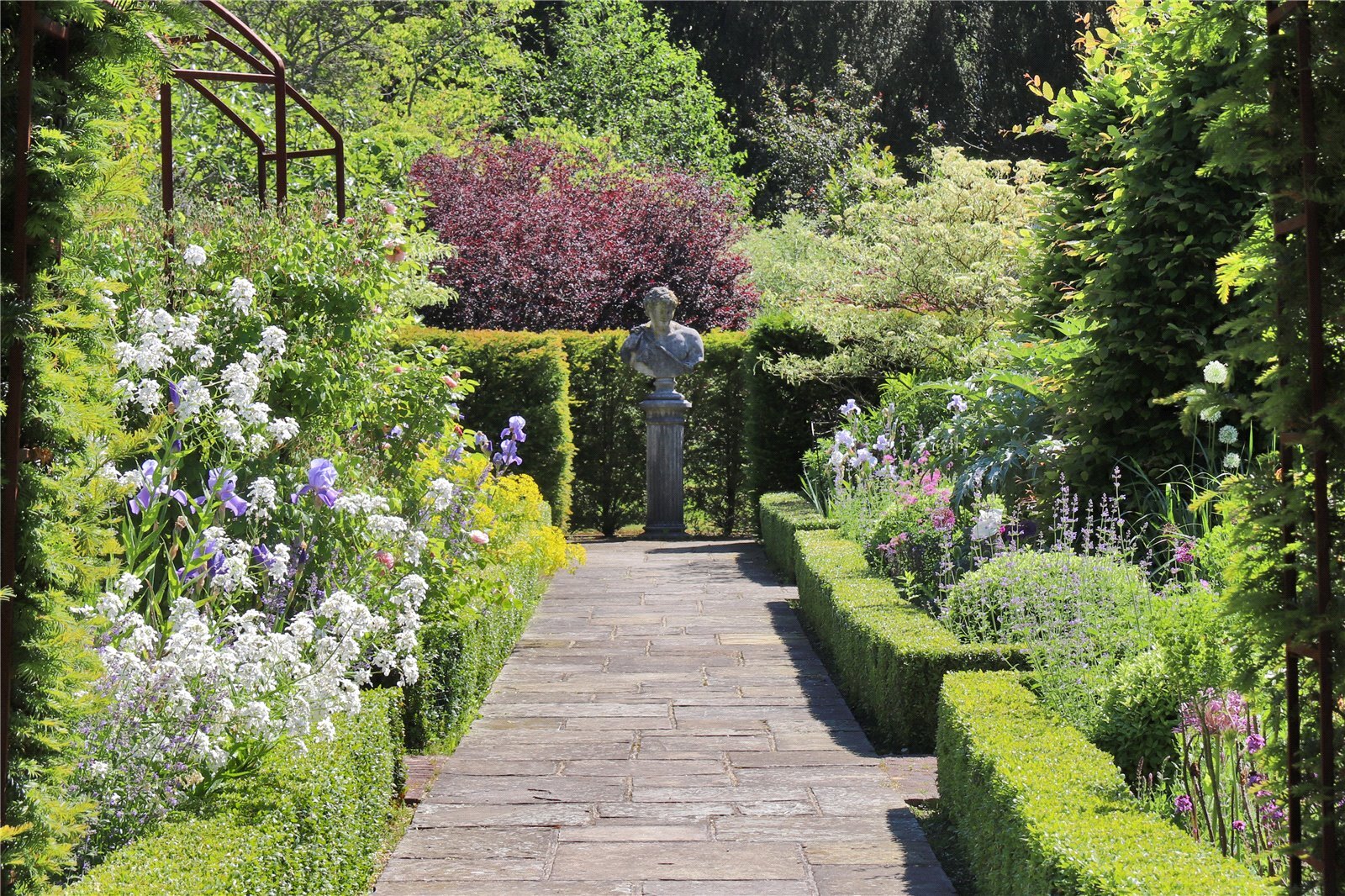
Of note in the gardens is the “Wisteria Walk Garden”, designed in the Italianate-style and featuring yew hedging and rose-clad walls and arbour which add structure and depth beneath the impressive Wisteria.
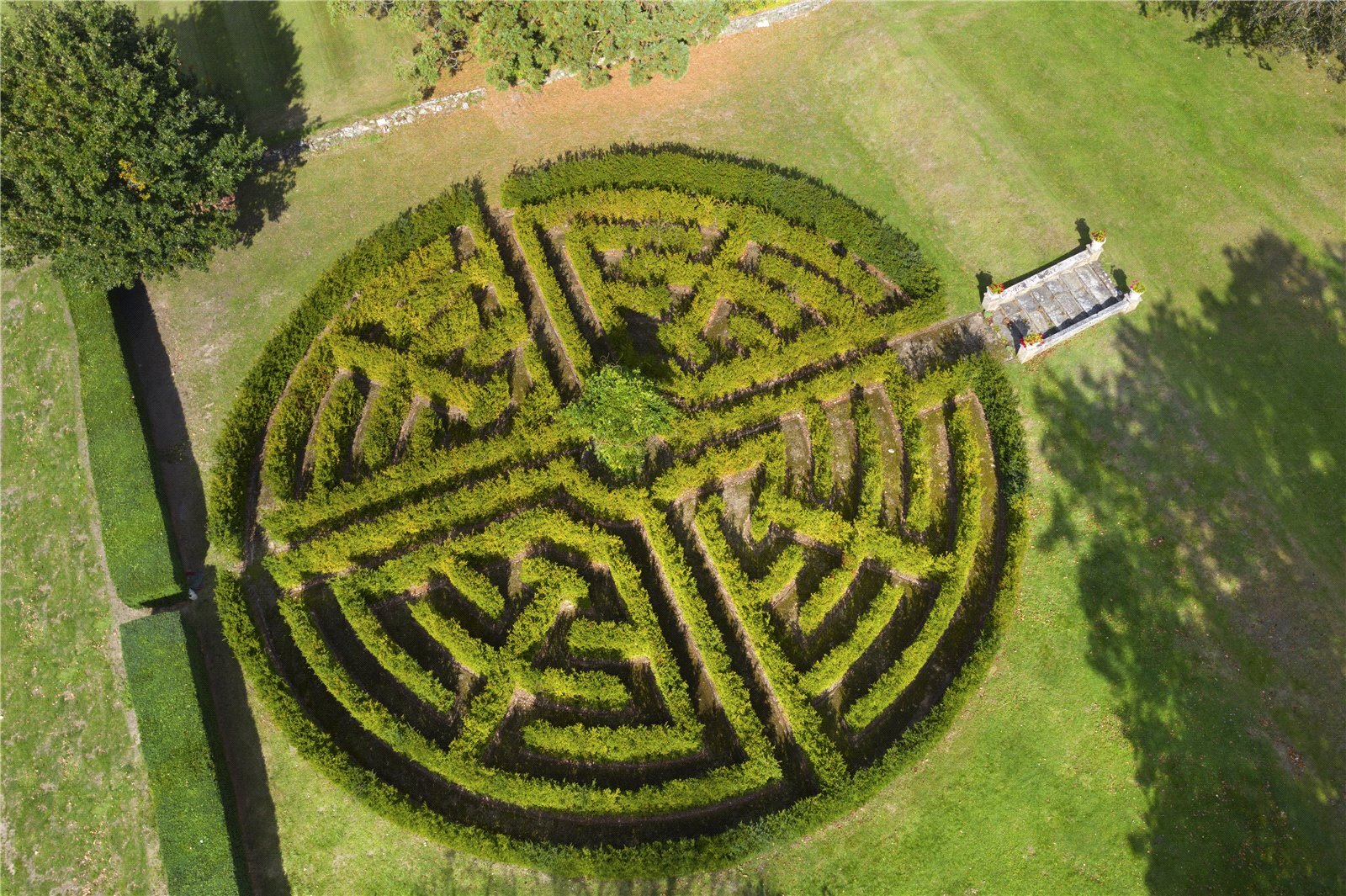
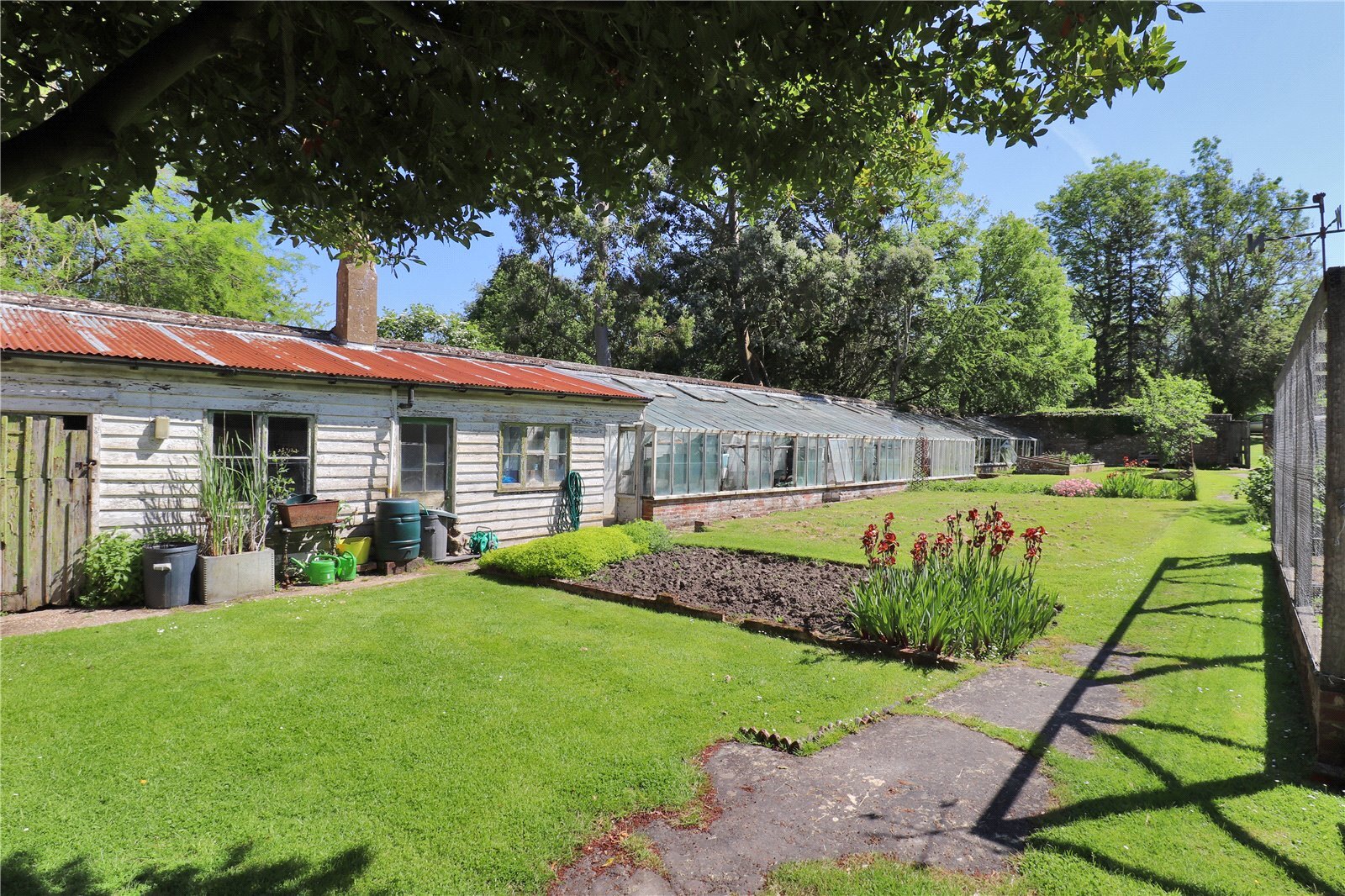
Further beyond, find a “Well Garden”, and the impressive “Yew Labyrinth”, as well as the original walled kitchen garden (producing asparagus, gooseberries, and blackcurrants), various gardeners' outbuildings, and a greenhouse.
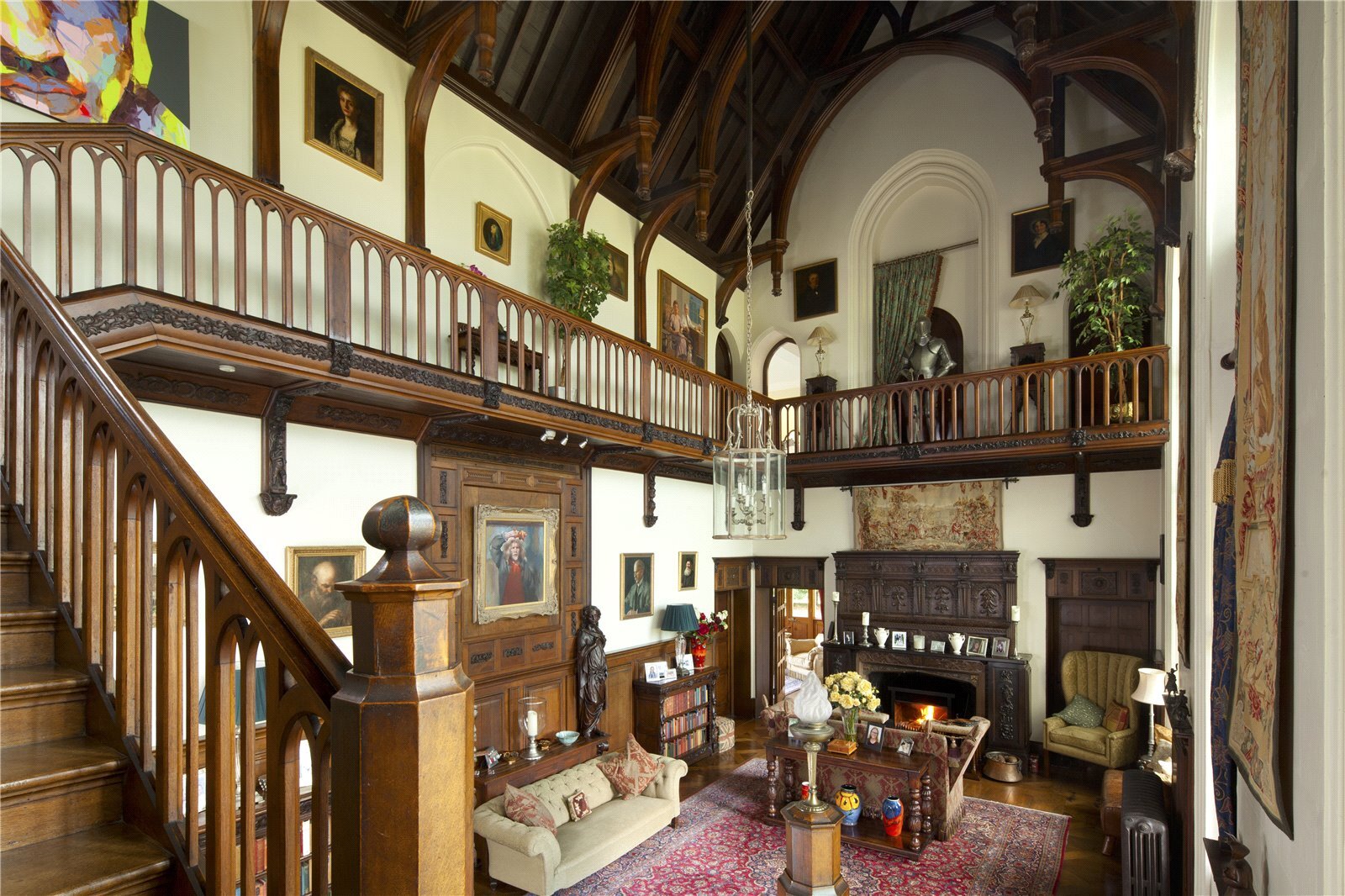
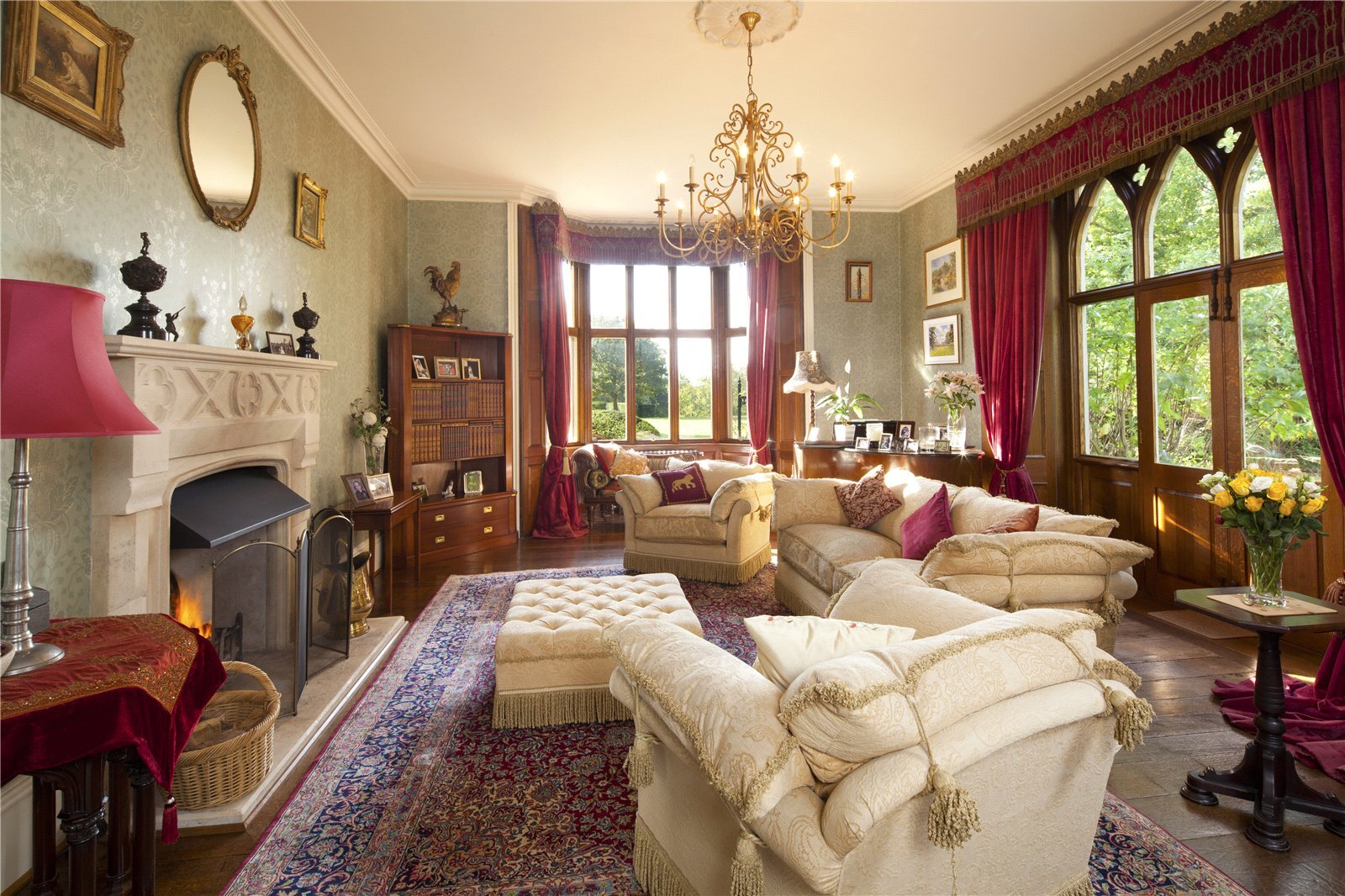
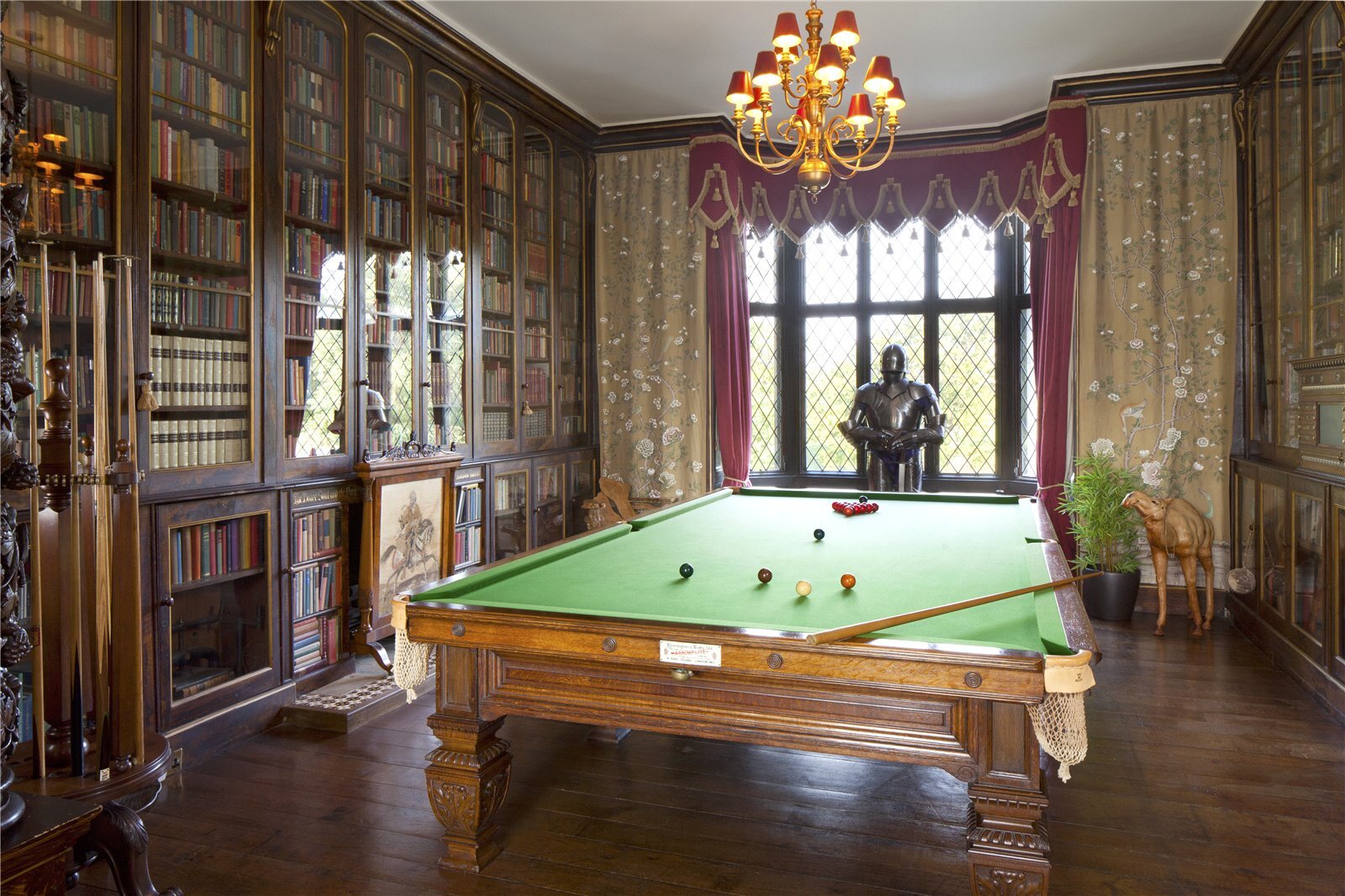
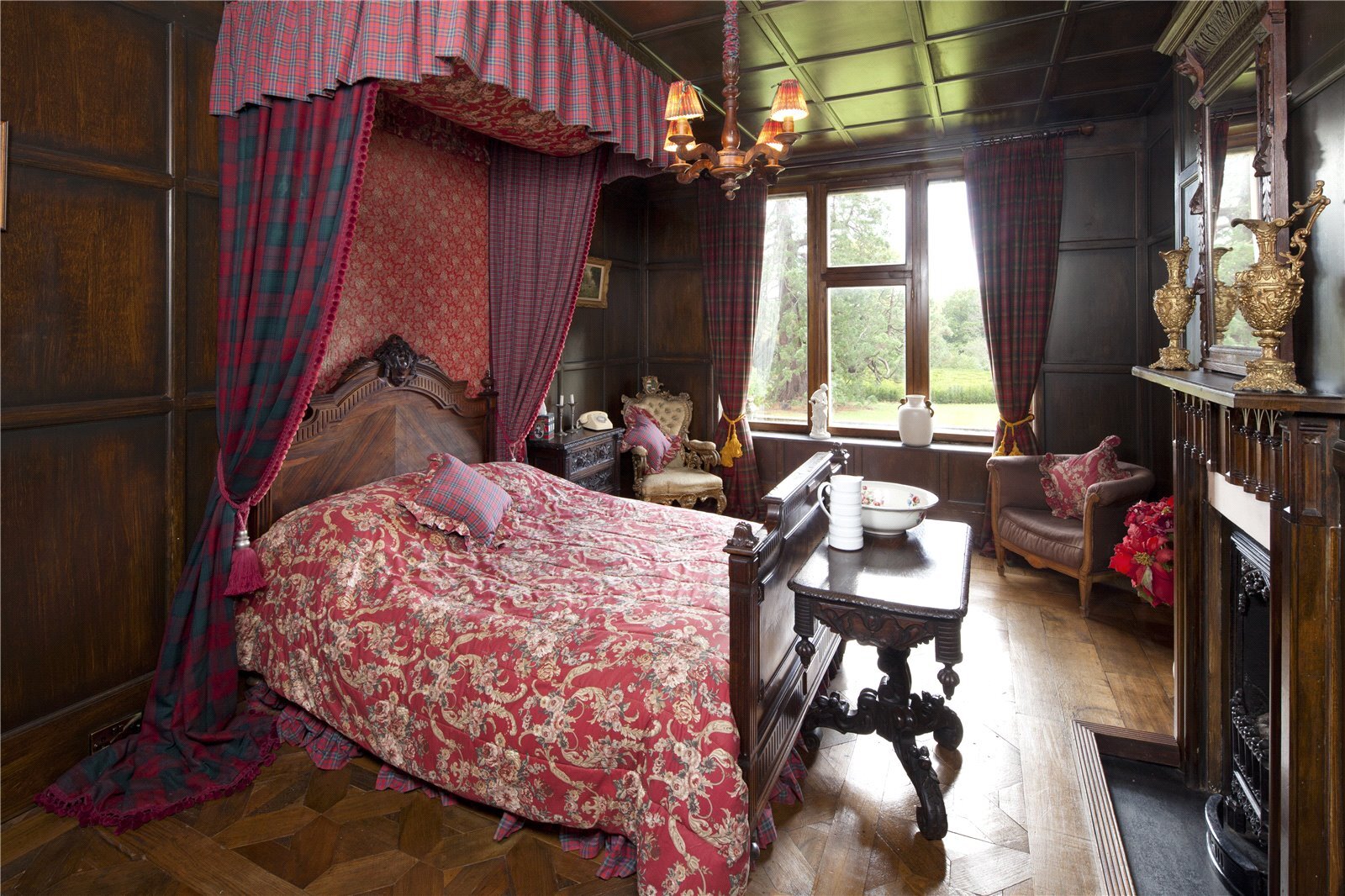
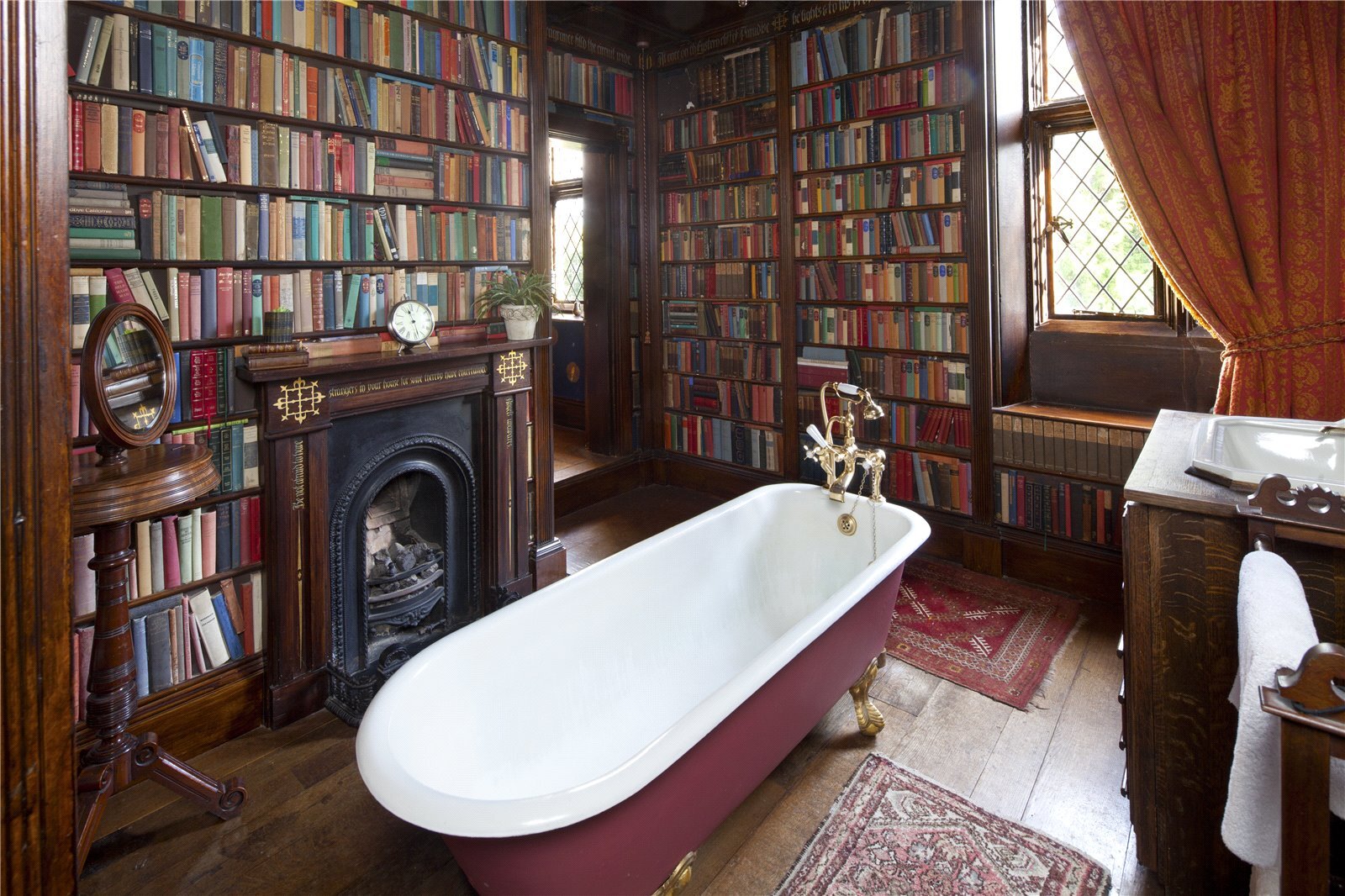
The 10,000 square foot property makes an impressive family home, with beautifully proportioned rooms and charming period detail throughout the 8-bedroom home.
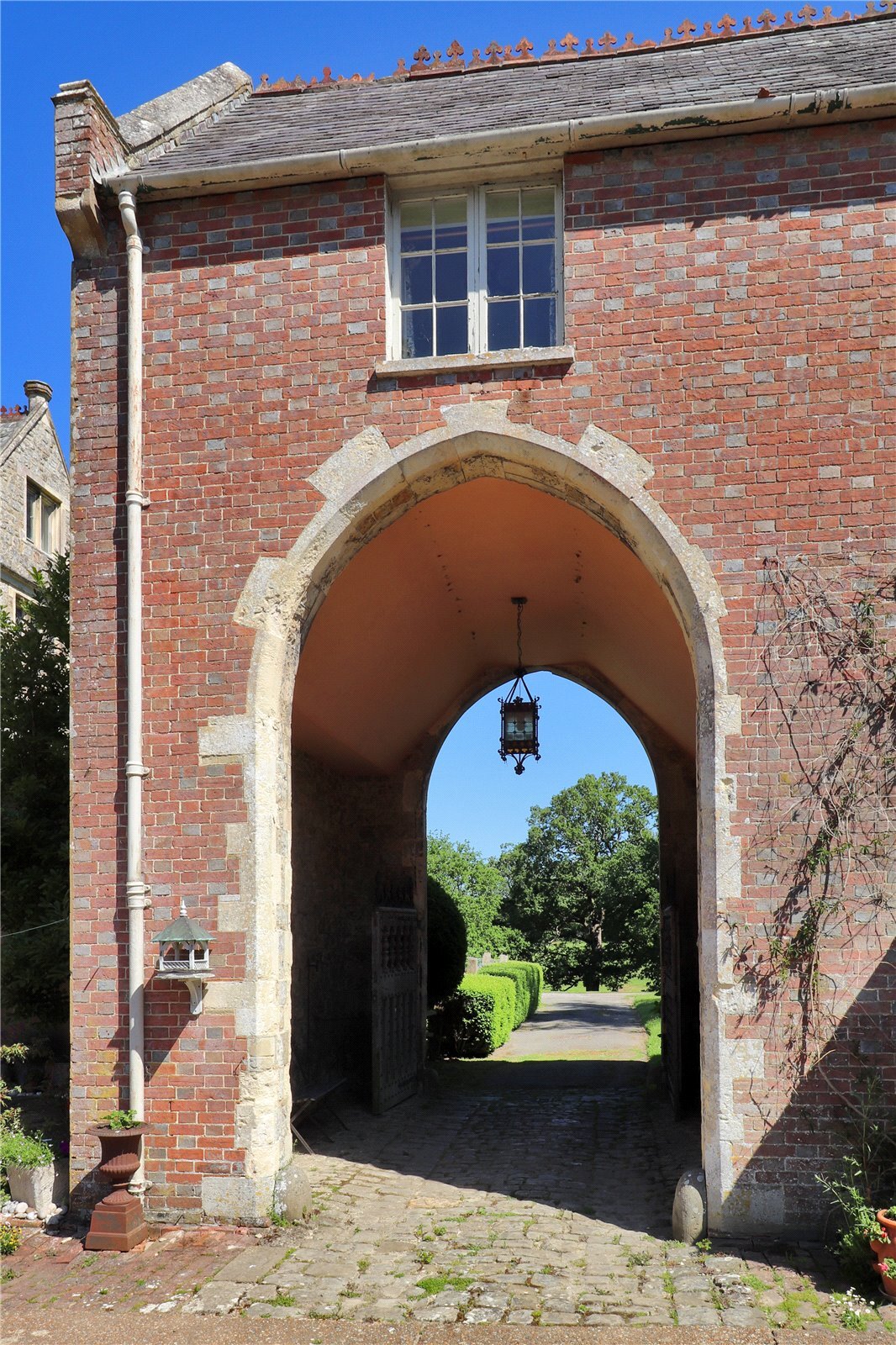
A renovated 3-bedroom gatehouse and 2-bedroom coach house complete the estate.
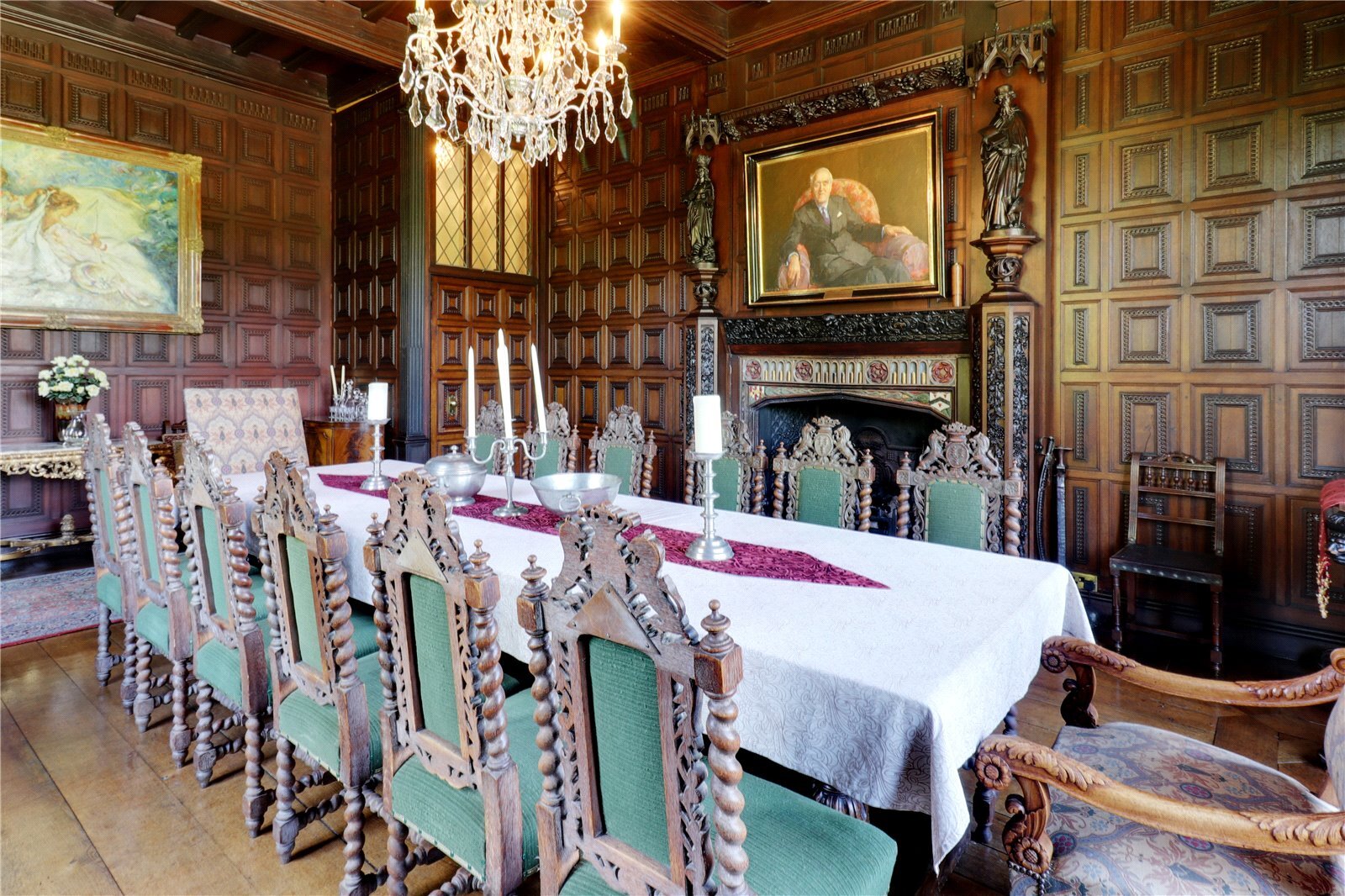
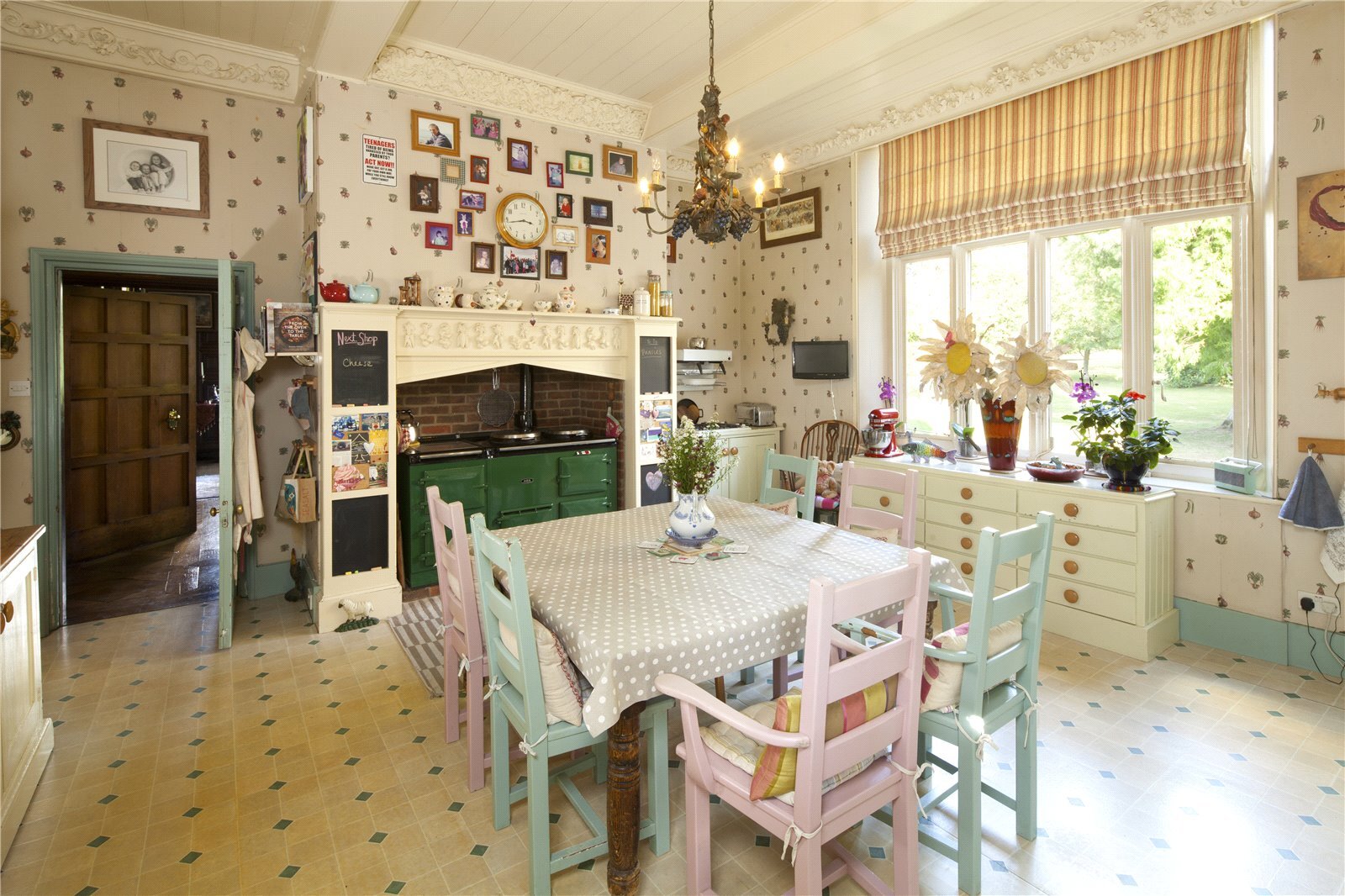
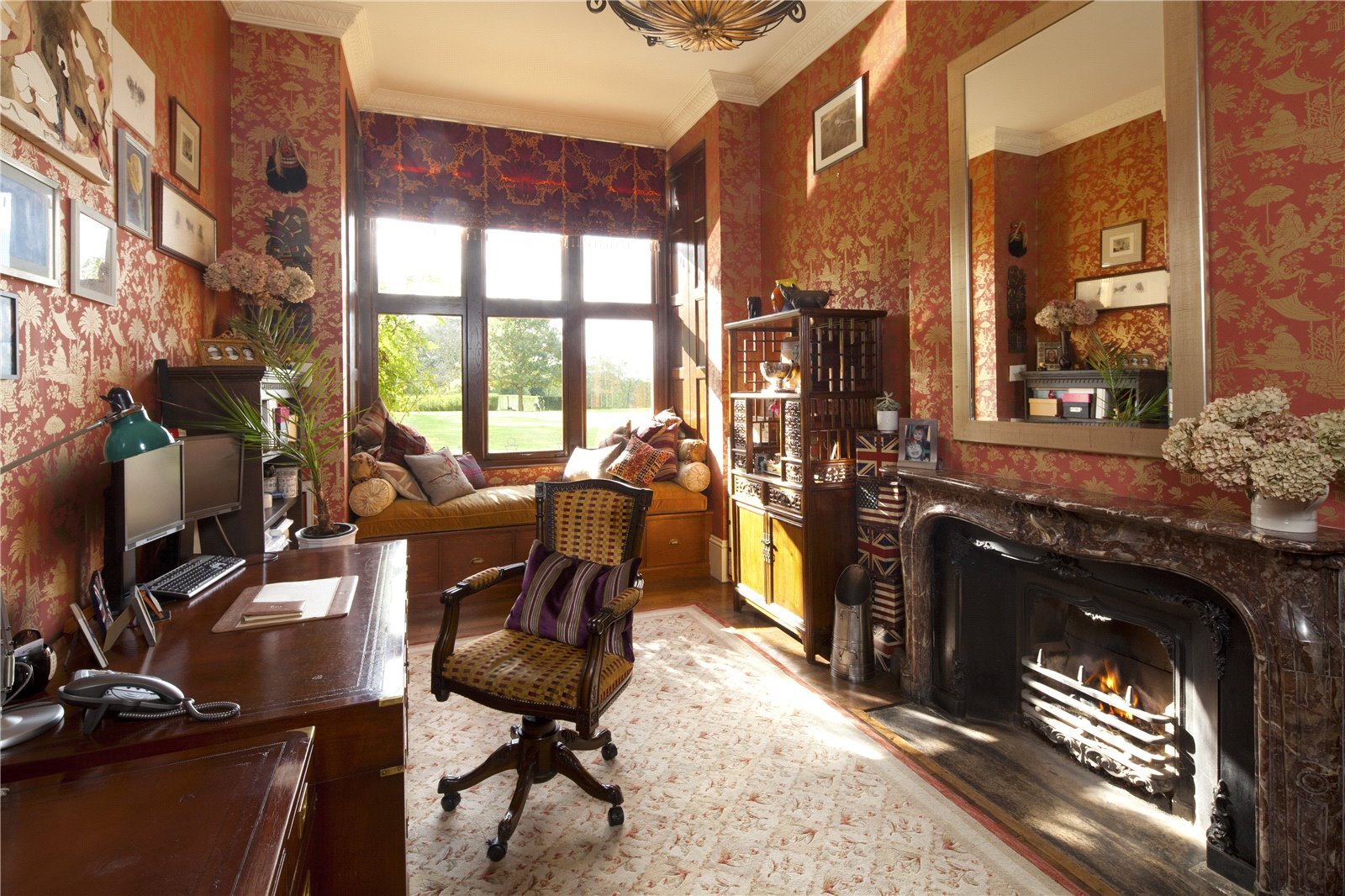
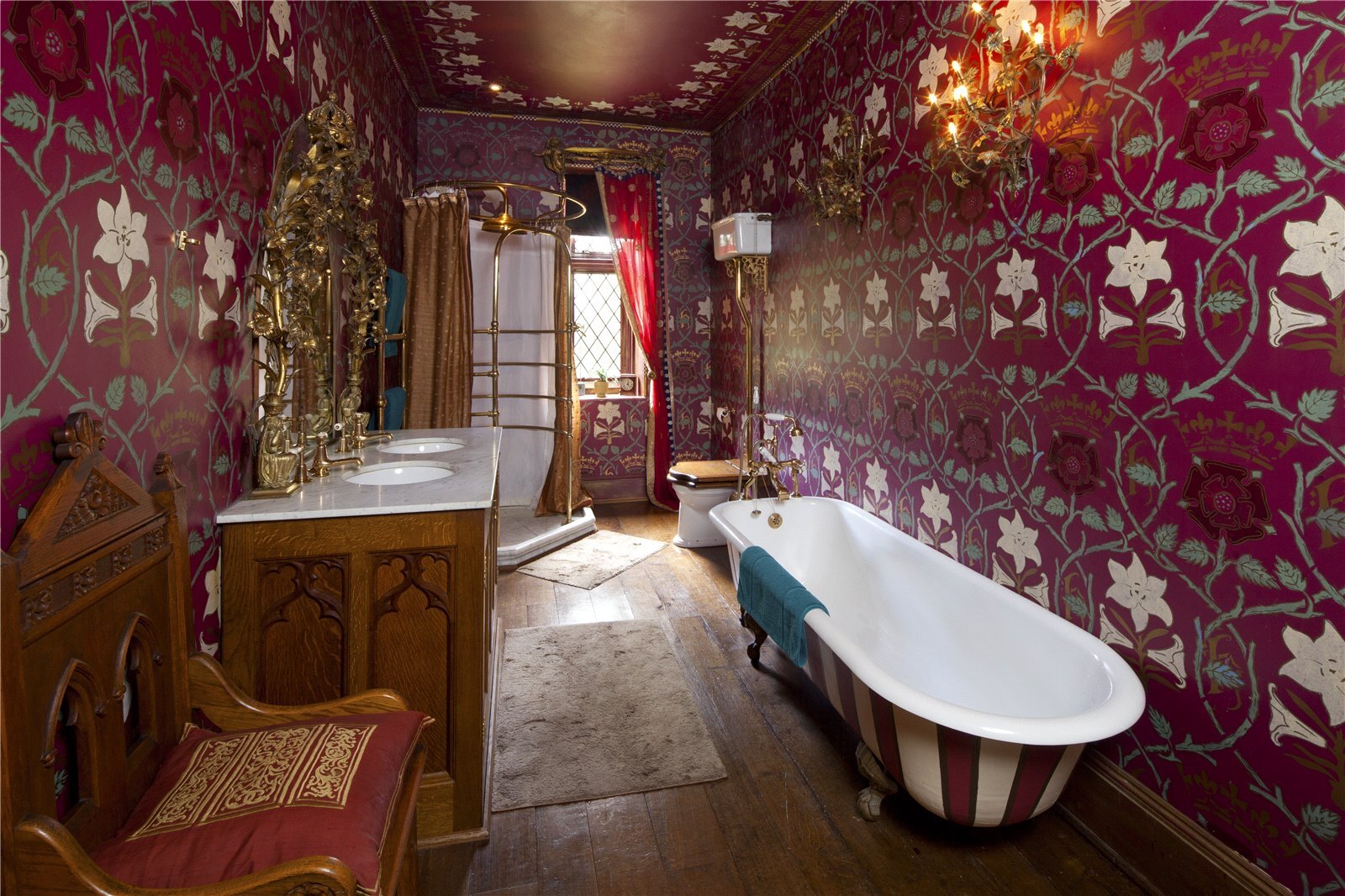
All photos belong to the listing agency.

A Historic Florentine Estate in Chianti Classico
Villa Pisignano is believed to be the work of Michelangelo, and is considered an architectural masterpiece of the Renaissance style. The fully restored Tuscan villa is classified as a Historic Monument.

Villa Pisignano is believed to be the work of Michelangelo, and is considered an architectural masterpiece of the Renaissance style, classified as a Historic Monument for its incredible interiors and rich architectural details.
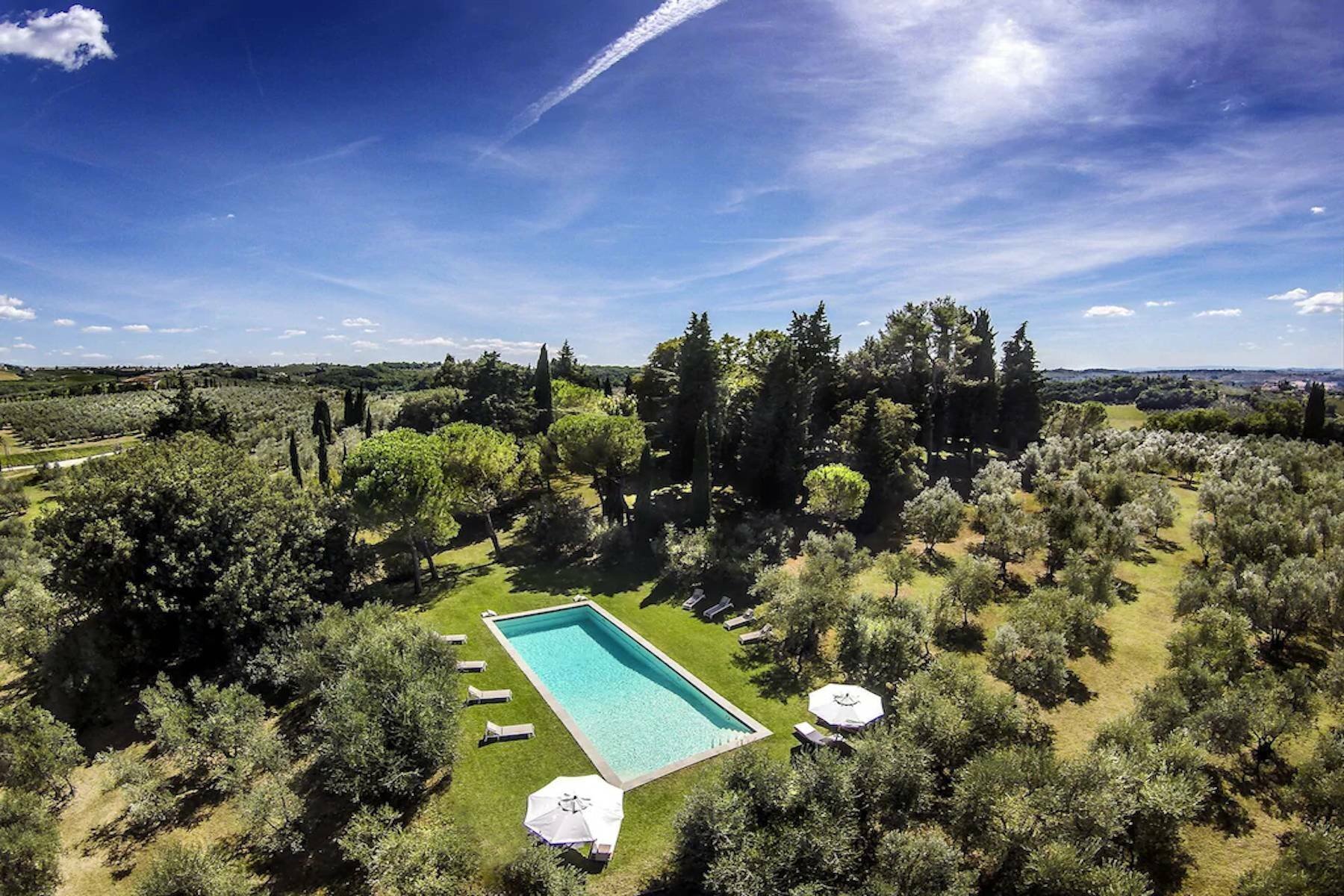
The 11 acre estate is set in the Tuscan countryside amongst the most prestigious estates of Chianti Classico, surrounded by 800 olive groves which produce your very own extra virgin olive oil.
Nestled within manicured grounds and offering stunning views of the Tuscan landscape, the Tuscan oasis is complete with a 60-foot swimming pool.
The 16th century property was once a residence of several noble families and has been restored to an incredible standard.
A fabulous loggia terrace dominates the classic Renaissance facade, perfect for dining al fresco. Villa Pisignano is everything you could imagine a grand Tuscan villa to be, with 18th century terracotta tile floors, soaring oak-beamed ceilings, and rich stone detailing throughout the 7 grand reception rooms.
Spanning 19,000 square feet, the Tuscan villa offers 8 bedroom suites, including a grand master suite with dual baths and closets.
This Renaissance residence is an incredible legacy property in one of the most exclusive villages just outside Florence, San Casciano Val di Pesa.




All photos belong to the listing agency.
A Muse, Mistress, and Patron of the Arts: The Story Behind Château de Menars
It’s any billionaire’s dream pad, but there is more to the story behind one of the few privately-owned châteaux in Loire Valley.
This property is listed for €15,750,000 by Val de Loire Sologne Sotheby's International Realty.
It’s any billionaire’s dream pad, but there is more to the story behind one of the few privately-owned châteaux in Loire Valley.
Château de Menars belonged to Edmond Baysari, a Lebanese-born, Monaco-based property developer with a passion for art, architecture, and history. Well into his 80s and without apparent heirs, the UNESCO-listed property was put on the market in 2017. Baysari passed away in 2018.
The price tag is a fraction of the €100M to restore it over 30 years, and he had hoped the property stays intact. It is rumoured he has turned down 9-figure deals from Russian Oligarchs and Middle Eastern billionaires.
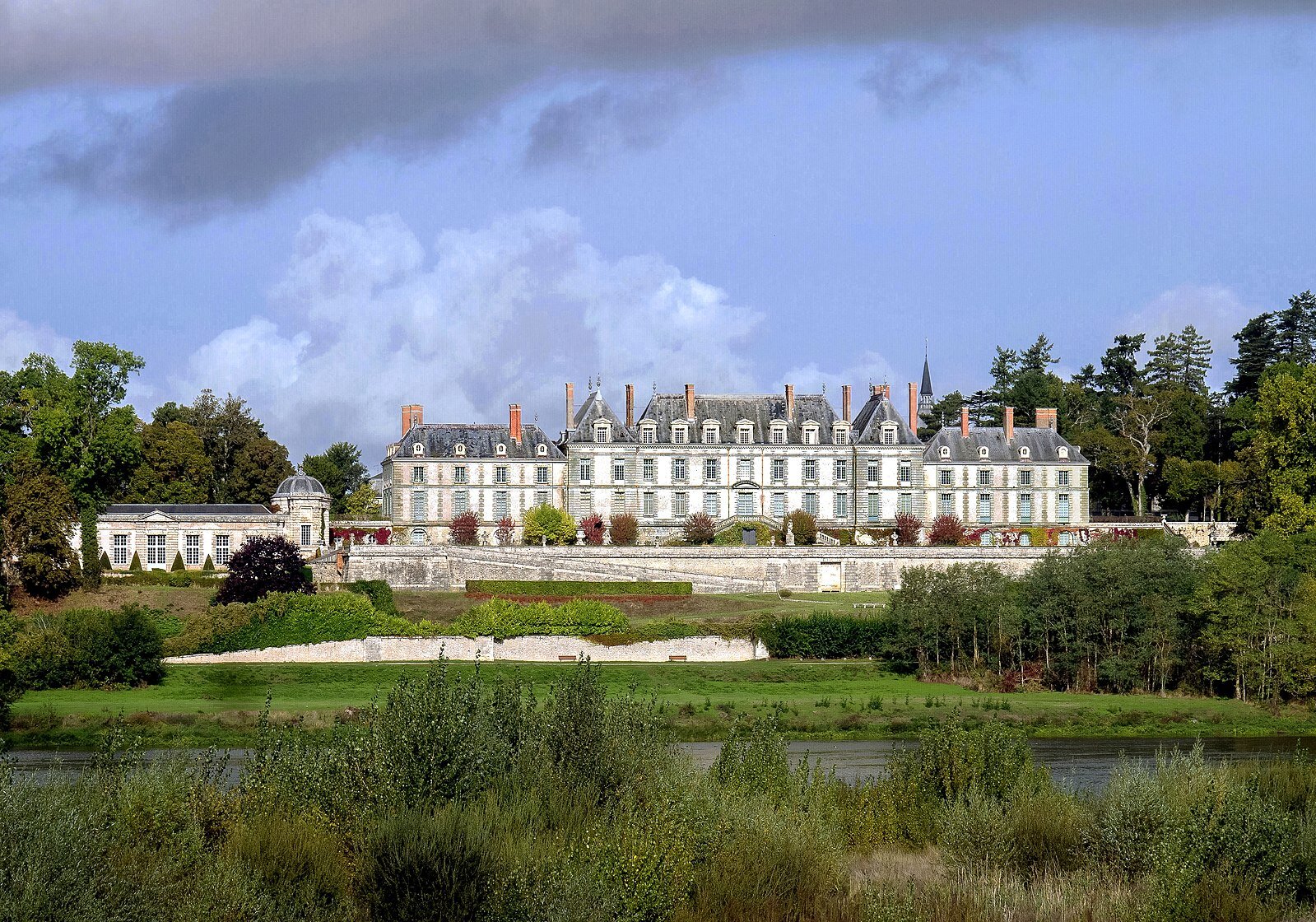
Château de Menars, (Starus via Wikimedia Commons)
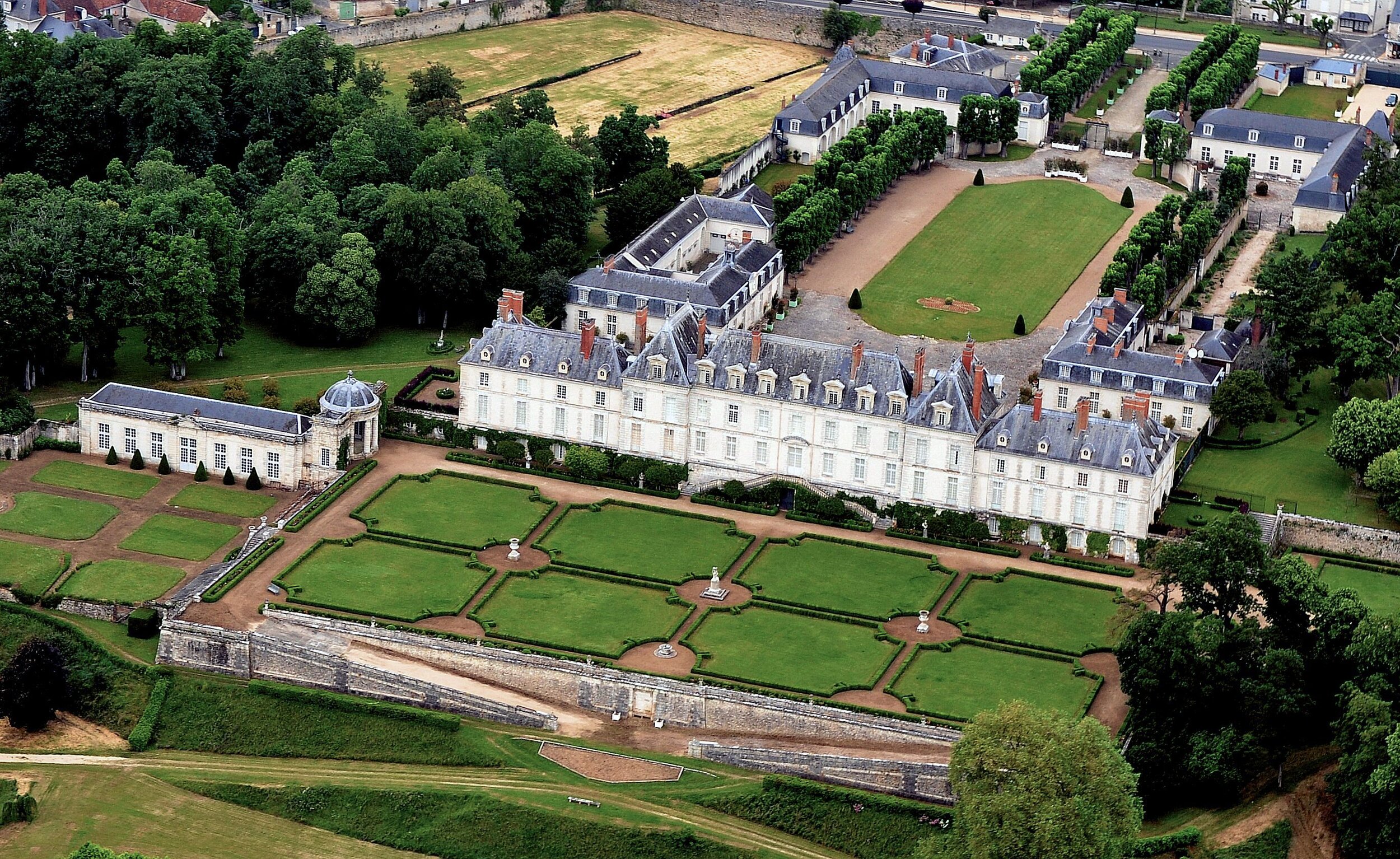
The annual upkeep of the 50-bedroom château is roughly €400K. This includes the maintenance of lavish geometric gardens designed by famed landscape architect Le Nôtre, the principal gardener of King Louis XIV of France who also designed the gardens are Versailles.
The property boasts the longest avenue of century-old lime trees in Europe, stretching 4 km long. The terraces extend to the banks of the Loire, dotted with 18th century statues of Roman emperors. Vineyards on the property yield pinot noir and there is a 30,000 bottle wine cellar.
Baysari referred to his 130,000 square foot, 104-acre estate as "Palace Pompadour", after his muse.
The 30-year restoration project is a labour of love. "Very early I came across this woman in my readings, and I was immediately passionate about her," said Baysari, recalling when he first heard of Madame de Pompadour as a young child.
Château de Menars once belonged to Madame de Pompadour, the maîtresse-en-titre (Royal Mistress) of King Louis XV, a true Renaissance woman whose influence on art, style, and politics changed the world.

Detail from Madame de Pompadour, 1756, by François Boucher, Wikipedia
How can Madame de Pompadour be a ‘Renaissance woman’ when she was born in 1721? The term ‘Renaissance woman' (or man) was originally used to describe the qualities of a polymath from the Renaissance period.
A basic tenant of Renaissance humanism is that humans are limitless in their capacity for development. Leonardo da Vinci has often been described as the archetype of the Renaissance man, a man of "unquenchable curiosity" and "feverishly inventive imagination".
The term was first recorded in the early 20th century to refer to the qualities of Renaissance polymaths, although today it is commonly used to describe someone who has broad intellectual interests and is good at many things.
Baysari's lawyer, Jack Anderson, reportedly said "She was a Renaissance woman, and he was a Renaissance man”, when explaining Baysari’s fascination with Pompadour.
Born Jean Antoinette Poisson in 1721 to a promiscuous mother and a penniless father who fled the country to escape his debts, she was just four years old when she came under the legal guardianship of Jean Pâris de Montmartel. A wealthy tax collector who paid for her education, he was rumoured to be her biological father.
At the age of nine, her mother took her to a fortune teller who predicted she would “one day reign over the heart of the King”. Her destiny was sealed: from that time she was called “Reinette”, meaning "little queen". Her family set out to groom Jean Antoinette to become the mistress of Louis XV, and she was educated in dancing, drawing, painting, engraving, theatre, the arts, and attained the ability to memorize entire plays.
Even her marriage at 19 to her guardian’s nephew, Charles-Guillaume Le Normant d’Étiolles, did little to prevent her from fulfilling her destiny. Shortly after they wed, Jeanne-Antoinette and her husband acquired a château in Senart near Louis XV’s hunting lodge, where she would ride horseback on the King’s hunt days hoping to catch his eye.
In 1745, she received an invitation to a lavish masquerade at Versailles in celebration of the marriage of the Dauphin of France and Maria Theresa, Infanta of Spain.
Winners of Best Costume? Six gargantuan turbaned Turks are seen in this 1764 etching of the Yew Tree Ball in 1745, celebrating the marriage of Louis XV's son, Dauphin of France, and Maria Theresa, Infanta of Spain. Charles Nicolas Cochin, (The Met Museum)
Held in the Hall of Mirrors, there were 1,500 in attendance. Many were costumed in elaborate Turkish and Chinese costumes, reflecting the exoticism that was vogue in 1740s Paris. Jeanne-Antoinette arrived dressed as Diana, the Roman goddess of the hunt.
Louis XV, dressed as a topiary yew tree along with several servants alongside him, dramatically unmasked himself and finally declared his reciprocated feelings for her that night. That event came to be known as the Yew Tree Ball because of the King’s costume.


Within a month, she had abandoned her husband and daughter for the King. Given the title of the Marquise de Pompadour, she moved into a private apartment in the palace, with a private circular staircase giving her direct passage to the Kings chambers.

Madame Pompadour, by Francois Boucher (Wikimedia Commons)
The passionate nature of their relationship was no secret in court. The King allegedly moulded the traditional French champagne glass into the shape of one of her breasts; he also commissioned a diamond cut in the shape of her lips. The first of its kind, the cut became known as the Marquis cut, although it is also known as the “navette”.
Designed in the shape of the Marquise of Pompadours lips, the Marquis diamond cut, is also known as the navette cut.
After four years at court, Pompadour would even be elevated to lady-in-waiting to the Queen, the most noble rank possible for a woman at court. Madame de Pompadour got along so well with Queen Marie, that she allegedly remarked "If there must be a mistress, better her than any other."
Ultimately, she would became his trusted advisor, but she grew her influence over the king as a friend who enriched his life with gaiety and lightness. Before their relationship, the King’s main pastime was hunting. She would never tire of entertaining the easily bored royal, often writing and acting in plays for the King to uniquely showcase her wit and charm.
She expanded his worldview with books, art, and culture with her collections of object d’art: a “myriad of paintings, sculptures, and chinoiseries that Pompadour patronzized, commissioned, and collected” (It is said that the sale of her effects after her death lasted for more than a year.)

King Louis XV, Portrait by Maurice-Quentin de La Tour, 1748
Pompadour’s position in court was highly sexualized and highly politicized in a time when courtiers were openly vying for power and influence with Louis XV. The Marechale I de Mirepoix used to say to Madame de la Pompadour “It isn’t you he loves, it’s your staircase”, but their relationship was much more than just physical.
According to Columbia University art historian Susan Wager, "She was mediating between members of the court and the king. They would say 'I want to say this to the king.' And she'd say, 'No, wait, let me tell him. Let me translate it into my own words and I'll come back to you.' She was, in all sorts of ways, manipulating this idea of the staircase — of the passage — in an artistic, in an intellectual and in a political way.”
She is said to have declared unapologetically, "I am stubborn in the service of the King and I won't hold back in anything”, and “effectively played the role of prime minister, becoming responsible for appointing advancements, favours, and dismissals, and contributing in domestic and foreign politics”.
When the relationship changed in 1750 (diaries and letter report that Pompadour switched floors in Versailles), Wagner states "What's really remarkable is that she still remained at court in the position of official mistress for the rest of her life even though there was no longer a sexual relationship".
As the King’s mistress, Pompadour was no stranger to controversy. As a contemporary and friend of Voltaire, a thought leader of the Enlightenment, she was also outspoken about her beliefs as a champion of free thought.
She openly opposed the Catholic Church by supporting the creation of the French Encyclopedia, which discussed ideas of the Scientific Revolution. She made waves in political circles, ultimately influencing the King to break a Peace Treaty with Prussia and she was ultimately blamed for the brutal defeat in the following Seven Years War.


Pompadour’s influence on French society and culture was vast-reaching, and she is often credited with making Paris the capital of taste and culture in Europe. Her love of porcelain led to Louis XV purchasing a porcelain factory in Sèvres in 1759, giving her influence on styles and designs of Sèvres Porcelain. The Chief chemist of Sèvres, Jean Hellot, was enlisted to create the most beautiful pink color ever seen, a shade named “Rose Pompadour”.
She helped bring on the European Rococo movement with her influence of the Rocaille style used liberally in the decorative arts. The light-hearted, French Rococo style she championed became known as the Louis XV style. She would decorate and often redecorate the 15 residences she had with the King, and was known for being a patron of both Rococo artists and the greatest royal patron of portraiture. She commissioned many portraits from leading artists of the day, and was often involved in the composition and direction of the paintings, which was unusual for patrons in this time.

Madame de Pompadour by François Boucher, 1758.
In architecture, she sealed her influence when she elevated her brother Abel Poisson to the title of the Marquis de Marigny and gave him a new position as General Directeur des Batiments. An official government role, he worked alongside Madame de Pompadour and King Louis XV to plan and build several important French monuments and buildings, such as the École Militaire and the Place Louis XV – today the Place de la Concorde.

The Petit Trianon at Versailles via Wikimedia Commons
After hiring architect Anges-Jacques Gabriel to build the Petit Trianon in Versailles, in 1760 she enlisted his expertise for what would be her last great work at Menars: a residence all her own.
She purchased it herself after selling off the Château de Bellevue to the King for his daughters; other reports suggest she sold jewelry and pearls to pay for the first instalment of construction. The château de Menars was part of her arrangements, should she outlive Louis XV or be forced to leave court.
Château de Menars was originally built in 1642 and Pompadour had big plans to refurbish the castle and build her dream home, adding flanking wings to the main château. Unfortunately she would never see Menars complete: Jeanne-Antoinette died in 1764 from tuberculosis. She was 42.
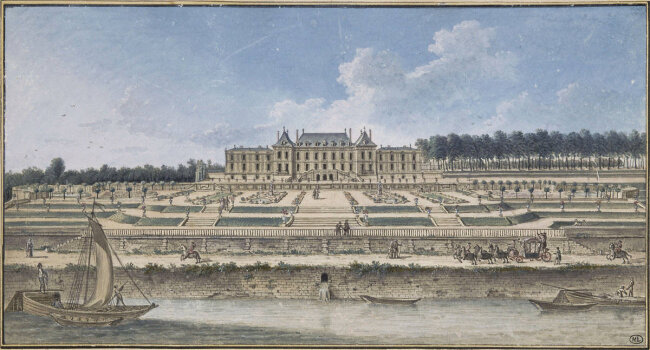
Watercolor “portraitist” of houses, Nicolas Pérignon visited Château Menars and depicted what the palace would look like once complete (1761-64).
Her brother, the Marquis de Marigny, would finish the restoration, but the property would sit quietly for over two centuries. In 1980 the property belonged to Saint-Gobain, a Parisian glass making company who would use the château for company retreats. When the company was nationalized by the French government, they were forced to sell Menars.
That’s when Sotheby’s chairman Peter Wilson told Baysari about the sale. With a fortune amassed from a successful real estate career (he had retired at just 32), Edmond purchased the château for about €2M in 1983.

Born in Lebanon, then under French colonial rule, Baysari left for the Americas as a teenager. After receiving a Harvard education, Baysari opened a widely successful real estate business in Venezuela in the 1960s. He then returned to Harvard for a master’s degree in nuclear engineering, before ending up on Wall Street working as a consultant. After, he traveled the world and settled in Monaco as a full-time philanthropist, focused on the arts.
A close friend of Ronald Reagan, Baysari also contributed to the Art in Embassies program in 1990, an art sharing program between U.S. embassies. which would eventually grow into a worldwide network. The crowning achievement of his curatorship was undoubtedly Château de Menars.
U.S. President Ronald Reagan would visit Chateau de Menars for an informal summit with Soviet leader Mikhail Gorbachev, organized by Baysari. Other notable guests include Mick Jagger and Britain’s Prince Charles. Sir Gawain (Wikimedia Commons)
In 1989, Baysari finally “decided [he] wanted to make a gift to Madame de Pompadour and put it back to the way she would have it if alive today," employing the exact methods used in the mid-18th century to “revive” Menars.
Even with the €100M invested into the château, the ground-floor apartments that were once Madame de Pompadour’s bedrooms are still unrestored. "I don't want to do it. I don't think I'm qualified," says Baysari, "I would rather that when she comes back, she does it herself."
Baysari passed away in 2018 without a will. The sale of the property belongs to his estate is being managed by his niece and the Baysari group.
This incredible 100-acre estate is one of the largest châteaux on the market in the Loire Valley, and offers views looking over the Loire river. The property is being sold as a unique business opportunity for the right investor and includes an introduction to an international 5-star hotelier to develop the property. It’s an exciting project for an extravagant hotel complex in the most visited country in the world.
If you've enjoyed this article, please share it with a friend or post it on your social media:
Twitter | Facebook | LinkedIn.
Sources:
Articles:
Forbes, “France's $100 Million Palace Pompadour: A Royal Chateau Restored By A Press-Shy Philanthropist”, Morgan Brennan, 2013.
History Today, “Madame de Pompadour's Staircase”, Nancy Mitford, Published in History Today Volume 4 Issue 1 January 1954.
La Nouvelle Republique, “Ménars. Le propriétaire du château de Mme de Pompadour est décédé”, Catherine SIMON, 2018
NPR, “More Than A Mistress: Madame De Pompadour Was A Minister Of The Arts”, Sunsan Stamberg, 2016.
Reuters, “Labor of love French chateau on market for $30 million”, Johnny Cotton, 2017.
Books:
Goodman, Elise. “The portraits of Madame de Pompadour: Celebrating the Femme Savante” (Berkeley: University of California Press, 2000)
Hooper-Hamersley, Rosamond. “The Hunt After Jeanne-Antoinette de Pompadour: Patronage, Politics, Art, and the French Enlightenment” (Lexington Books, 2011)

An 11th Century Catalan Castle in Roussillon
A jewel of French Catalan heritage, the listed medieval chateau was originally a simple keep, fortified over the centuries and then converted into a private residence, all while preserving its unique history—evidence of cannonball blasts can still be seen on its facade!
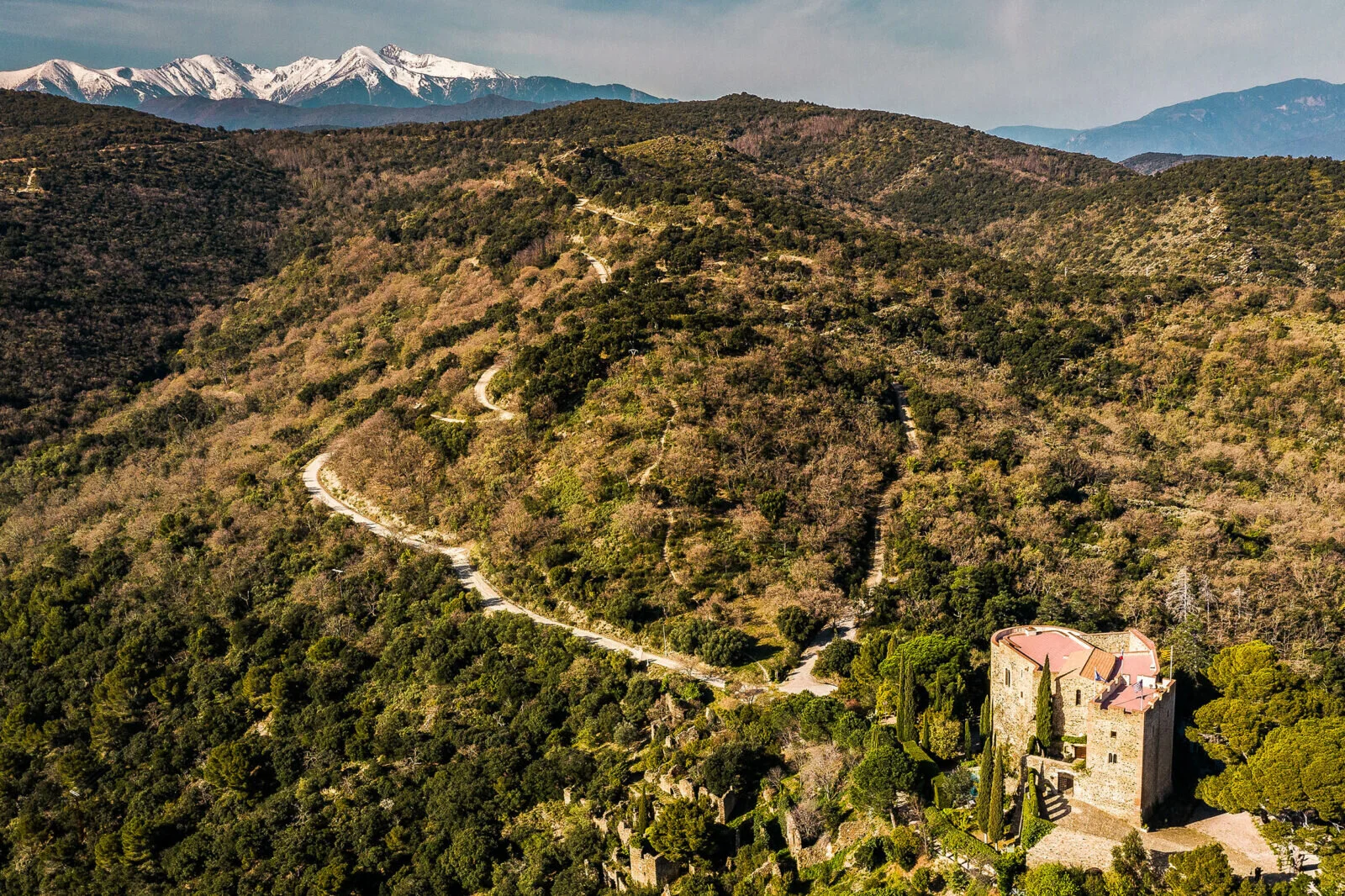
A jewel of French Catalan heritage, the listed medieval chateau was originally a simple keep, fortified over the centuries and then converted into a private residence, all while preserving its unique history—evidence of cannonball blasts can still be seen on its facade!
With its unique positioning at the historic border of the Kingdom of France, the property offers spectacular views out over the former French province, overlooking Cathar castles, the Pyrenees, and the Mediterranean sea.
The Catalan chateau is nestled in 17 acres of land, surrounded by orchards, vineyards, and woodland, including a listed chapel on the grounds set within ruins of an old village.
Updated by the current owners, the property is outfitted with modern comforts while retaining its signature medieval charm, with amenities like a swimming pool with pool house nestled beneath the historic buttresses, and a lovely rooftop patio with a fountain atop the keep.
Inside, the old dungeon has been converted into a bar and the arms room has been transformed into a screening room with a projector. The library, set at the top of the castle, has a lovely fireplace and beautiful sea views, and there are also offices, boudoirs, and a dining room in the chapter house.
The comfortable family home offers 6,996 square feet across 3 levels with light-filled spaces and lovely medieval period detail in the doors and windows.
The 7 bedroom residence also offers a separate 2 bedroom guest suite on the ground floor, rented out as a b&b.


All photos belong to the listing agency.

18th Century Belgian Castle in West Flanders
The chateau is set at the end of a long, winding drive, nestled in a 23 acre landscaped park near the town of Ruddervoorde in the West Flemish municipality of Oostkamp.

The 18th century castle was rebuilt in 1906 in the neo-Renaissance style, with the addition of 2 carriage houses.
The chateau is set at the end of a long, winding drive, nestled in a 23 acre landscaped park with pastures and woodland near the town of Ruddervoorde in the West Flemish municipality of Oostkamp.
Owned by the same family for the past 6 generations (since 1800), the Flemish chateau offers nearly 13,000 square feet of interior space beautifully preserved over the years and partially renovated.
On the ground floor, the elegantly appointed living rooms have parquet floors and French windows, illuminating the spacious home.
A grand staircase leads to the first floor with 6 bedrooms, with more bedrooms and a large lounge area on the second floor.


All photos belong to the listing agency.

Aristocratic Villa on the Outskirts of Siena
The historic villa is positioned atop a hill offering sweeping views over the Tuscan countryside and the Città del Palio. After sunset, the lights of the Tower of the Palazzo dei Priori twinkle in the distance.

Set near the medieval town of Monteriggioni, the historic villa is positioned atop a hill offering sweeping views over the Tuscan countryside, just a 5 minute drive from Siena.
With 3 private gate access points from the road, the villa is approached via a stunning avenue of centuries-old cypress trees and is surrounded by elegant Italian gardens with a stunning terrace overlooking the Città del Palio. After sunset, the lights of the Tower of the Palazzo dei Priori twinkle in the distance.
The Tuscan villa is nestled in a 7.4 acre private park with an olive grove in production, and a lovely ‘limonaia’ (lemon house) which houses the potted lemon trees in the winter.
The traditional Tuscan estate has a reservoir pond dating back to 1877 which collects rainwater and irrigates the gardens naturally. Wildlife abound in this idyllic paradise in the Tuscan hills, and you will often see deer and fawns on the property.
The Tuscan villa was restored in the 1980s, retaining much of its original character. Inside the 9,396 square foot villa offers 4 bedrooms, 5 bathrooms, several large reception rooms and a traditional Tuscan kitchen.
The villa comes with a 1-bedroom guardians apartment with separate entry.


All photos belong to the listing agency.

Restored Manor House on Lake Wolfgangsee
The 24.33 acre estate is set on one of the most beautiful lakes in the heart of Europe, located in the world-famous Salzkammergut Region, a 40 minute drive from the UNESCO-listed city of Salzburg, Austria.

The 24.33 acre estate is set on one of the most beautiful lakes in the heart of Europe, located in the world-famous Salzkammergut Region, a 40 minute drive from the UNESCO-listed city of Salzburg, Austria.
Fully renovated to a luxurious contemporary standard in recent years and completed in 2020, the property offers state-of-the-art living and high end finishes throughout.
Amenities include a nearly 2500 square foot Wellness area with an indoor swimming pool (laid with Italian glass mosaic tiles), and a hammam spa and sauna. In the basement, you will find a bowling alley and an impressive wine cellar.
The castellar property offers several reception rooms on the first floor, including a spacious library and both a men’s and a women’s salon.
There are 5 bedrooms across the upper floors, and a large lounge used as a children’s playroom located on the top floor.
The charming lakefront property features a swimming pond with water fountains amidst romantic statues, equipped with a small drawbridge and a grotto shower.


All photos belong to the listing agency.

A Dreamy Stone Bastide in the Luberon
The 17 acre French country estate is set in the heart of the Luberon Natural Park, near the villages of Apt, Bonnieux and Lacoste.

This property is on the market for €8,200,000, listed with Daniel Feau Immobilier.
The 17 acre French country estate is set in the heart of the Luberon Natural Park, near the villages of Apt, Bonnieux and Lacoste.
The 15th century stone bastide property benefits from an elevated positioning which showcases stunning views of the surrounding Luberon hills.
Surrounded by lovely gardens and elegant terraces with old fountains, the property’s lush grounds contain centennial oak trees, cypresses, and olive trees, evoking a type of French country romance you can only find in the south of France.
With a swimming pool, summer kitchen, and countless dreamy terraces, la vie est belle. The stone bastide spans 7319 square feet, with 6 ensuite bedrooms, some of which open out directly to the terraces overlooking the surrounding countryside.
Restored in recent years, the exceptional property consists of a 3-storey stone bastide and an annex, connected through the inner courtyard.
Several lovely reception rooms provide ample space for living and entertaining, and the property comes with a separate caretaker’s lodge.


All photos belong to the listing agency.

Fairytale Castle in the Czech Republic
The romantic property is considered one-of-a-kind and at 129,167 square feet, Chateau Žinkovy is the largest privately owned castle in the Czech Republic.

Chateau Žinkovy is nestled in 47 acres within the Plzeň region, known for its spa towns, Bohemian forests, and mountains, set at the gateway to the European Union—bordering Bavaria, the D5 motorway connects Prague connects CR with the German motorway network.
Originally a fortress in the 12th century, the property was rebuilt into a castle by the 15th century under the lords of Klenová. The chateau was later owned by Prince Lobkowitz, Count Jan Nepomuk Harrach, and the knights of Wesselý who are responsible for the addition of the striking Neo-Renaissance facade by Viennese architects Fellner and Helmer.
The castle was privately owned by the Škoda family until the end of WWII when it was taken over by the state and run as a rehabilitation centre by the Communist Revolutionary Trade Union Movement.
Declared a cultural monument in 1963, Chateau Žinkovy was purchased privately in 1999 and gradually restored over the years.
Today, the romantic property is considered one-of-a-kind and at 129,167 square feet, one of the largest privately owned castles in the Czech Republic.
The romantic Chateau Žinkovy has everything you could dream of: expansive wings, soaring towers, and incredible period detail, inside and out.
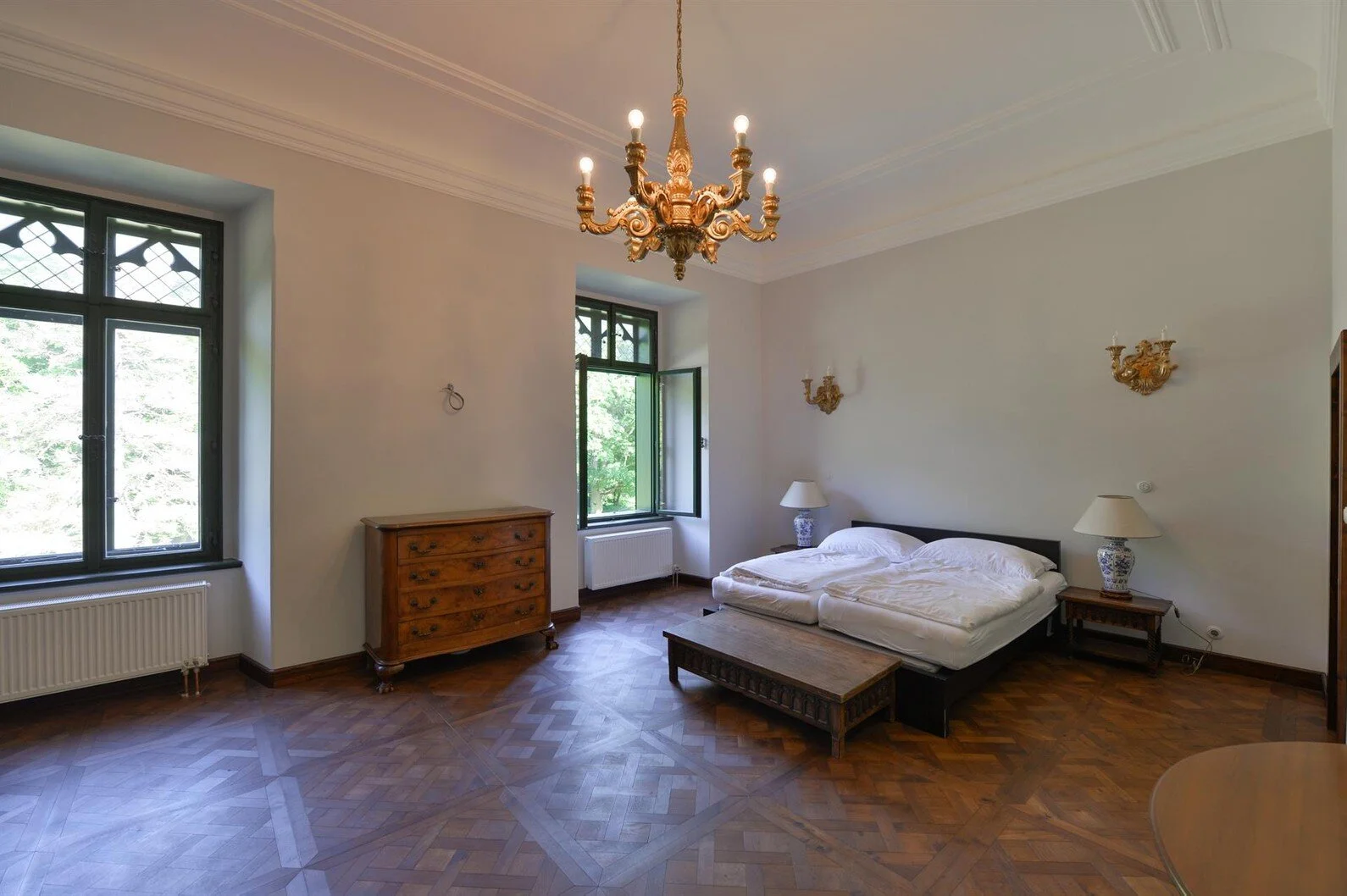
The courtyard provides a dramatic entrance to the romantic castle, with its balconies and covered walkways. Inside, find hardwood parquet floors and countless rooms featuring frescoed ceilings and walls.
Set in a charming landscape with woodland and ponds, the estate comes with several castle ruins and another castle, listed as a cultural moment, in the deep forests.
A beautiful setting for weddings and celebrations (there’s even a private chapel!), the estate comes with an office, restaurant, reception and conference room, and 4 apartments, as well as its own wastewater treatment plant.
There is also a partially renovated farm and 12 bungalows (6 refurbished), as well as a granary and mill.




All photos belong to the listing agency.

Luxury Villa Rental High Above Lake Como
Villa Peduzzi is one of those dreamy and exclusive vacation properties that will have your friends asking “Hey, how did you find this place?”
Villa Peduzzi is available as a luxury retreat with Cameron Avery of PRIMA Real Estate a boutique advisory specializing in the purchase and management of luxury properties in Italy.


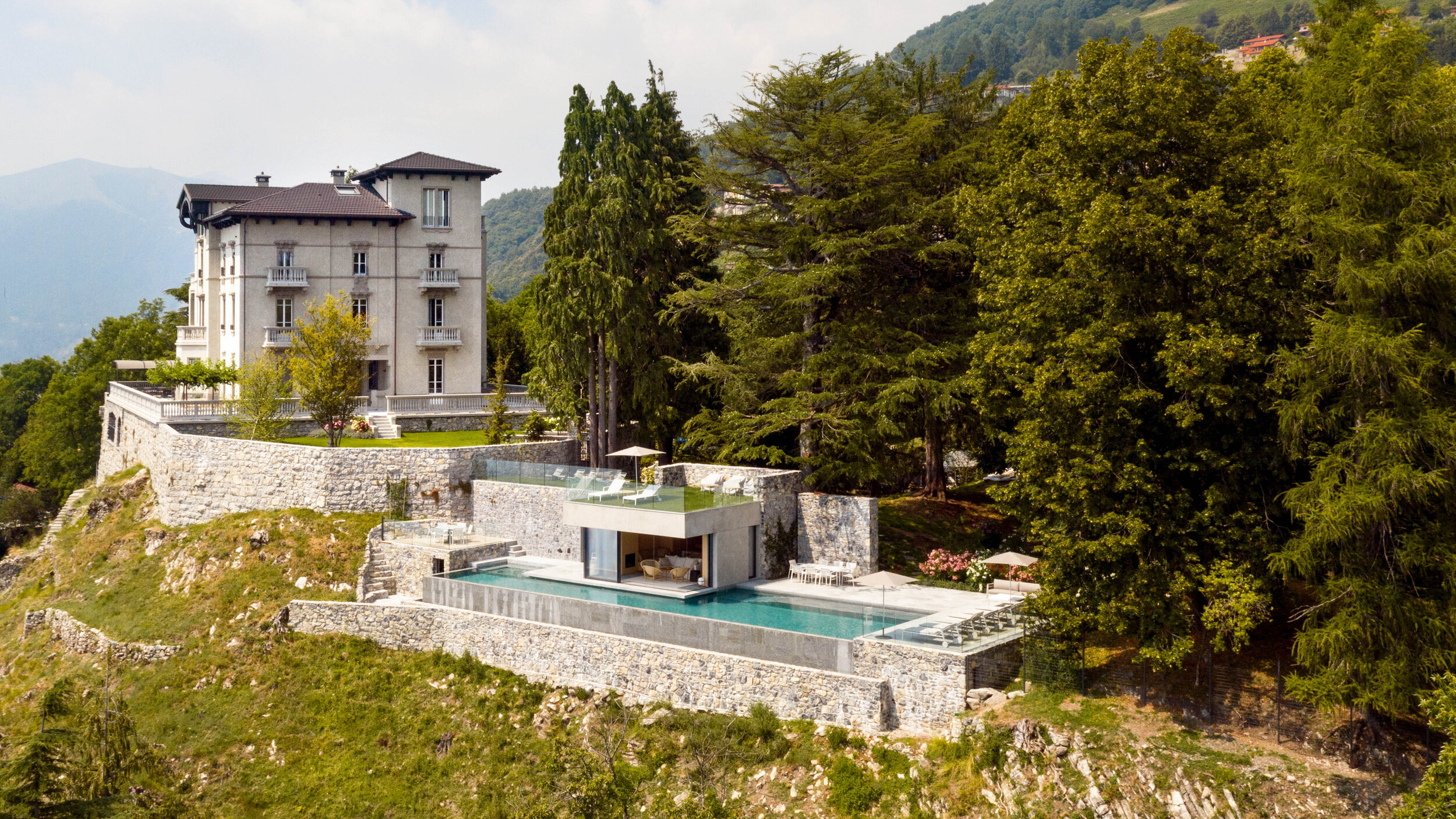
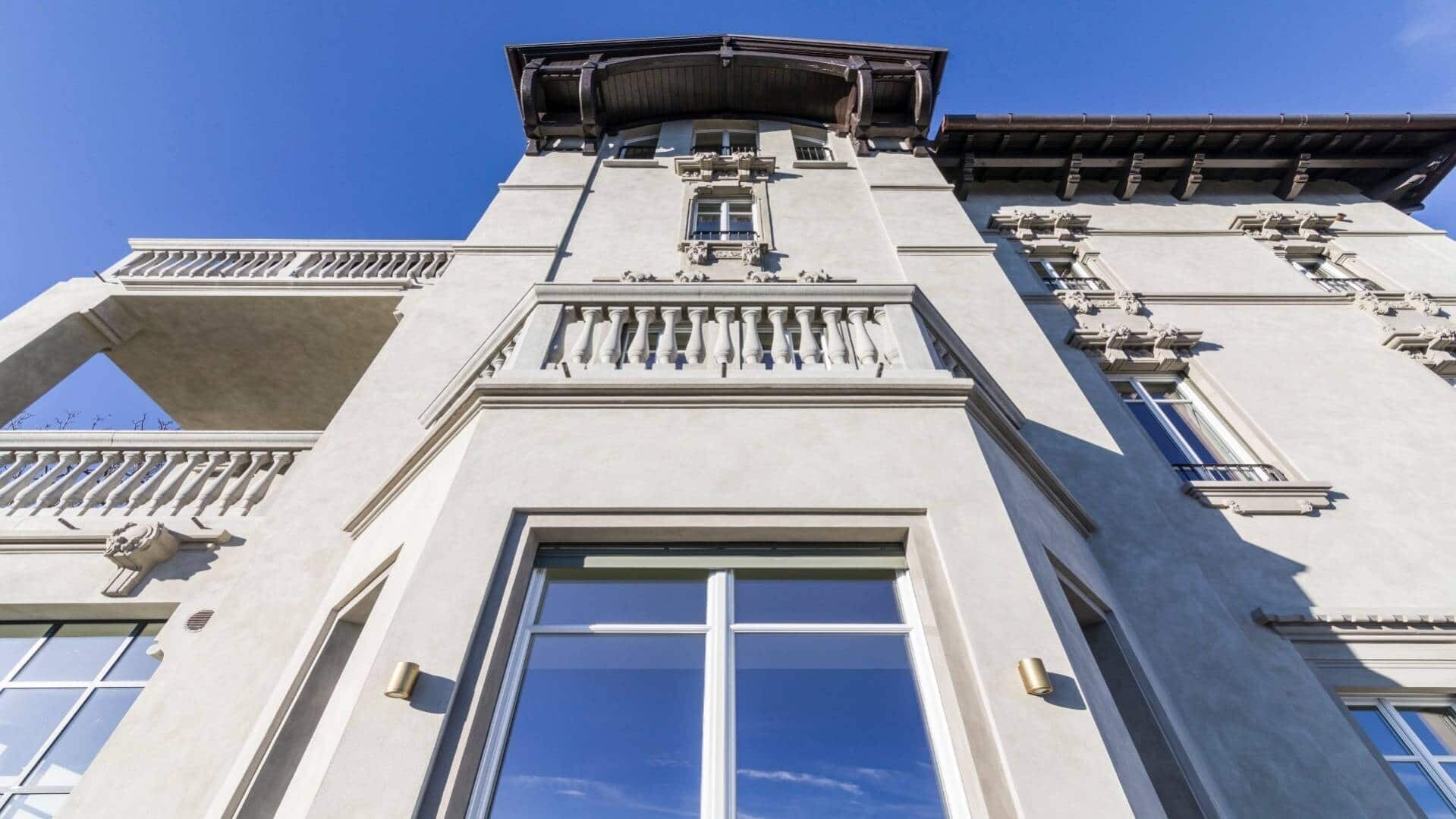
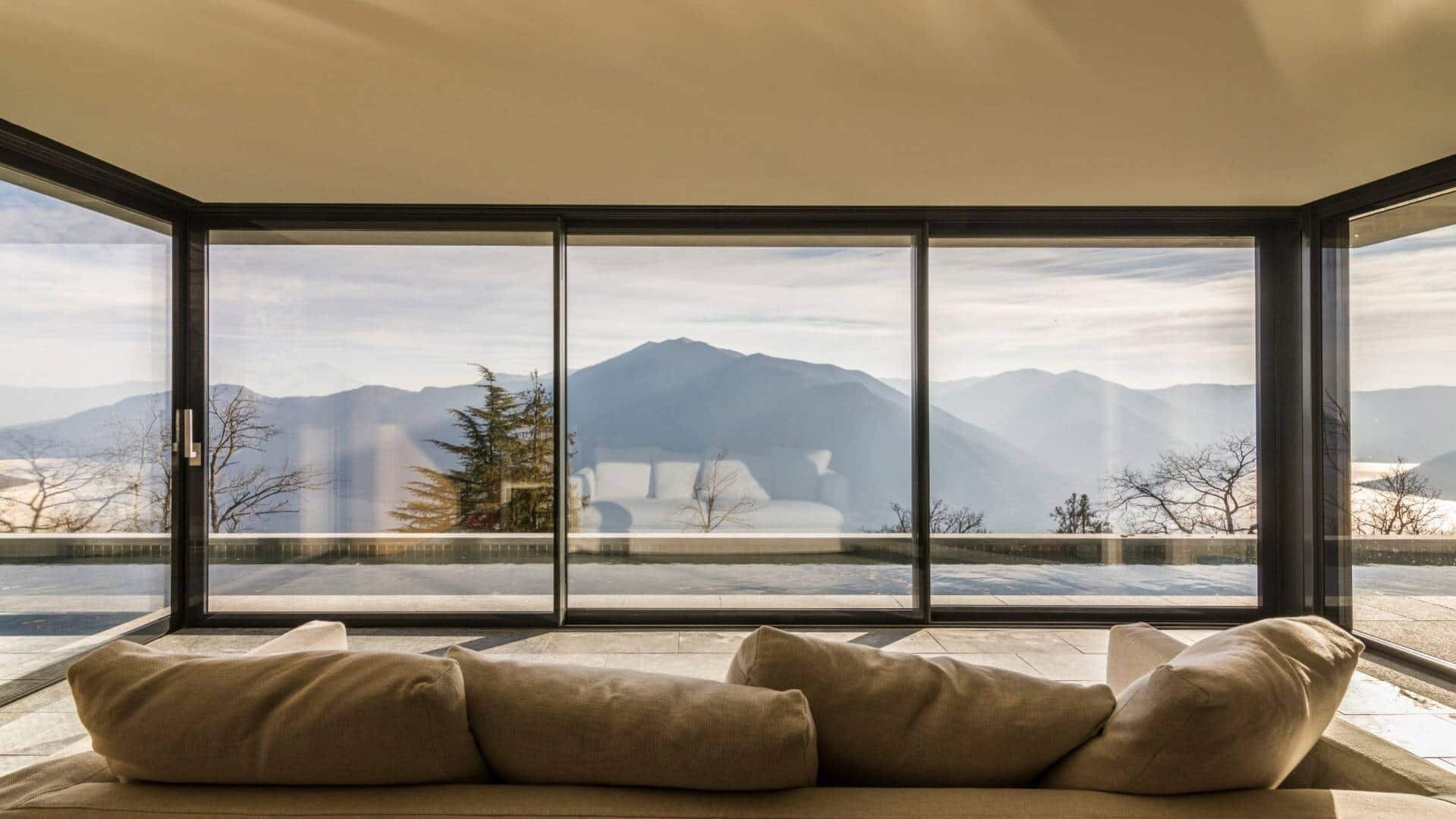
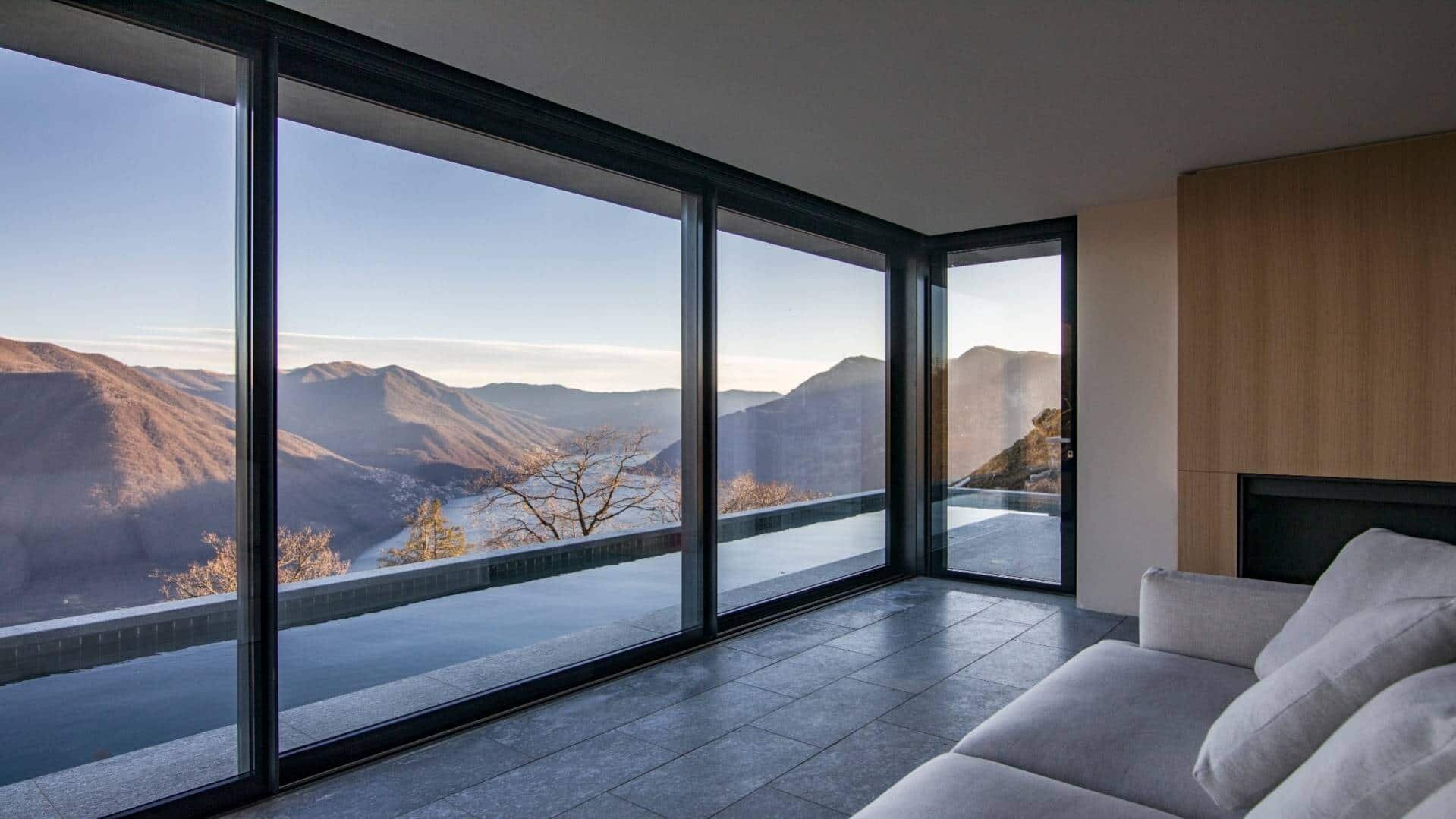
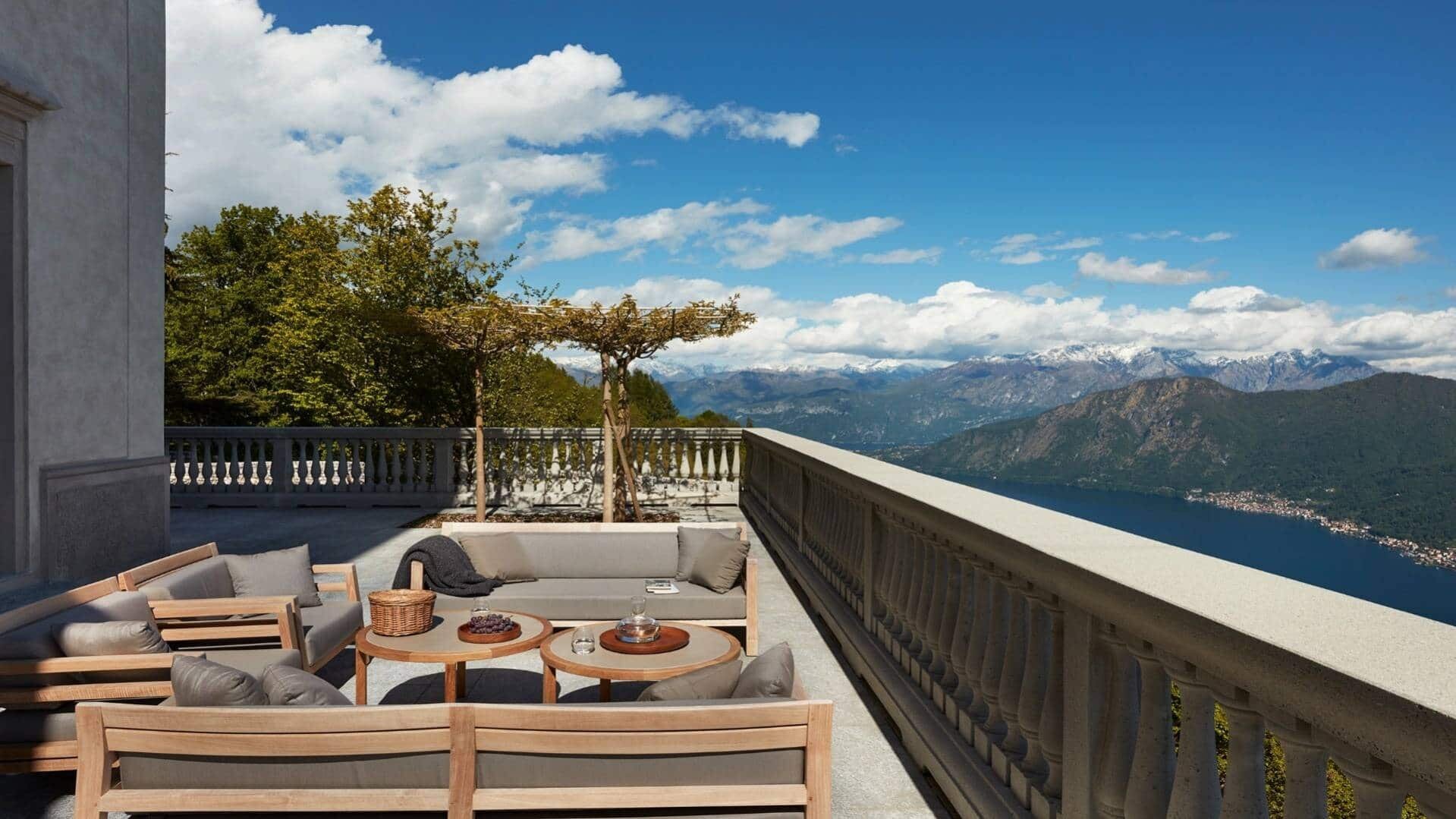
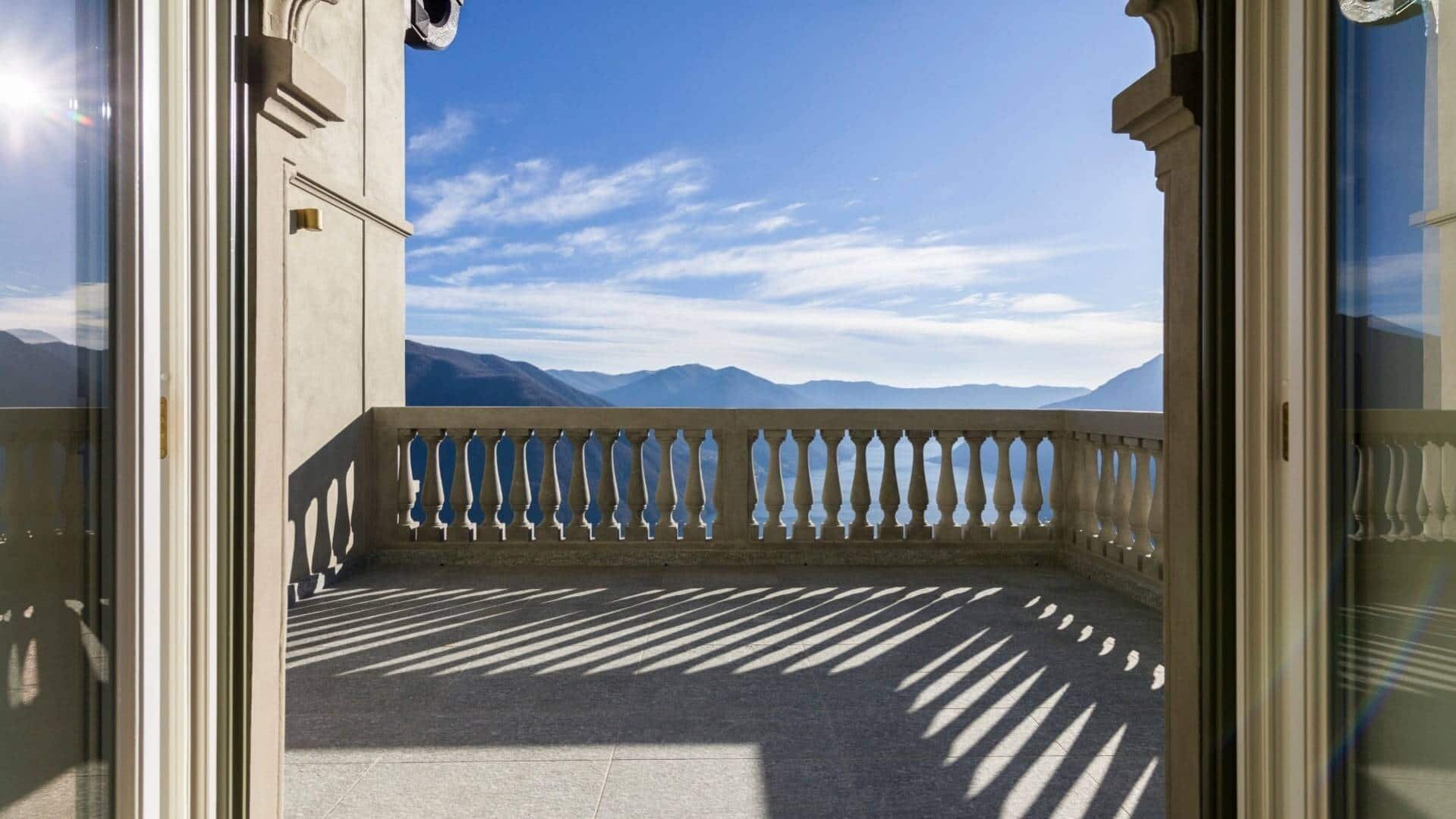
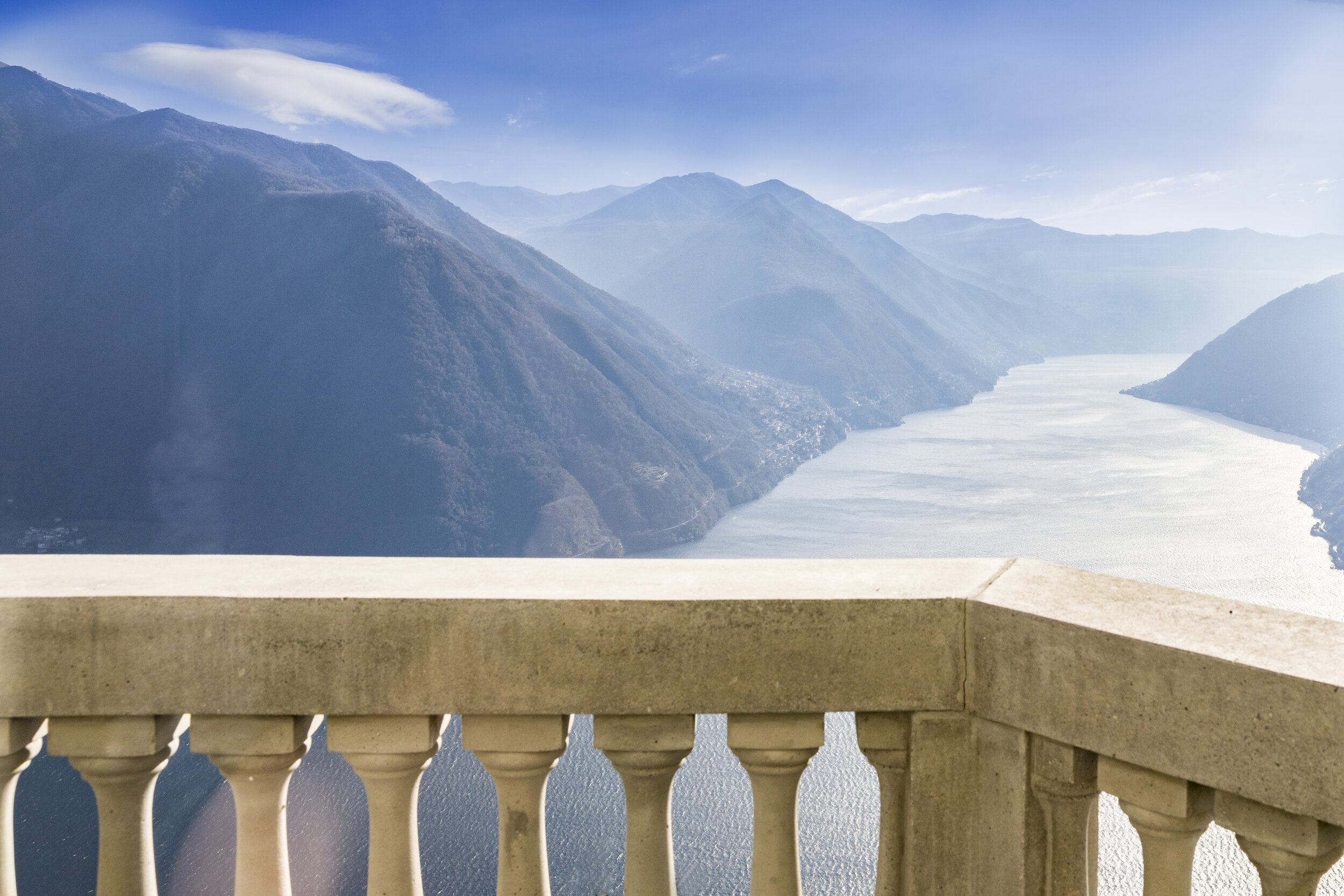
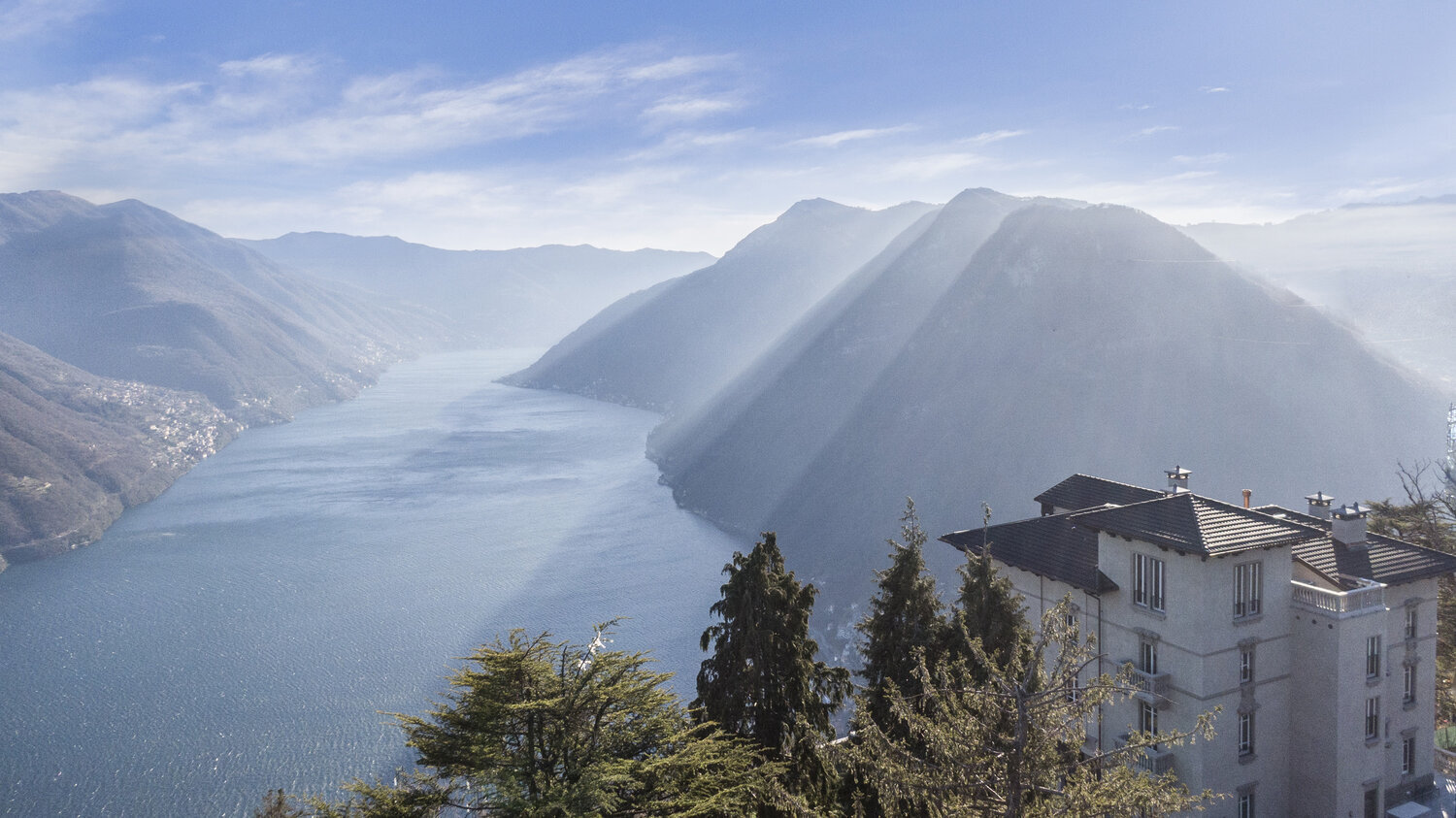
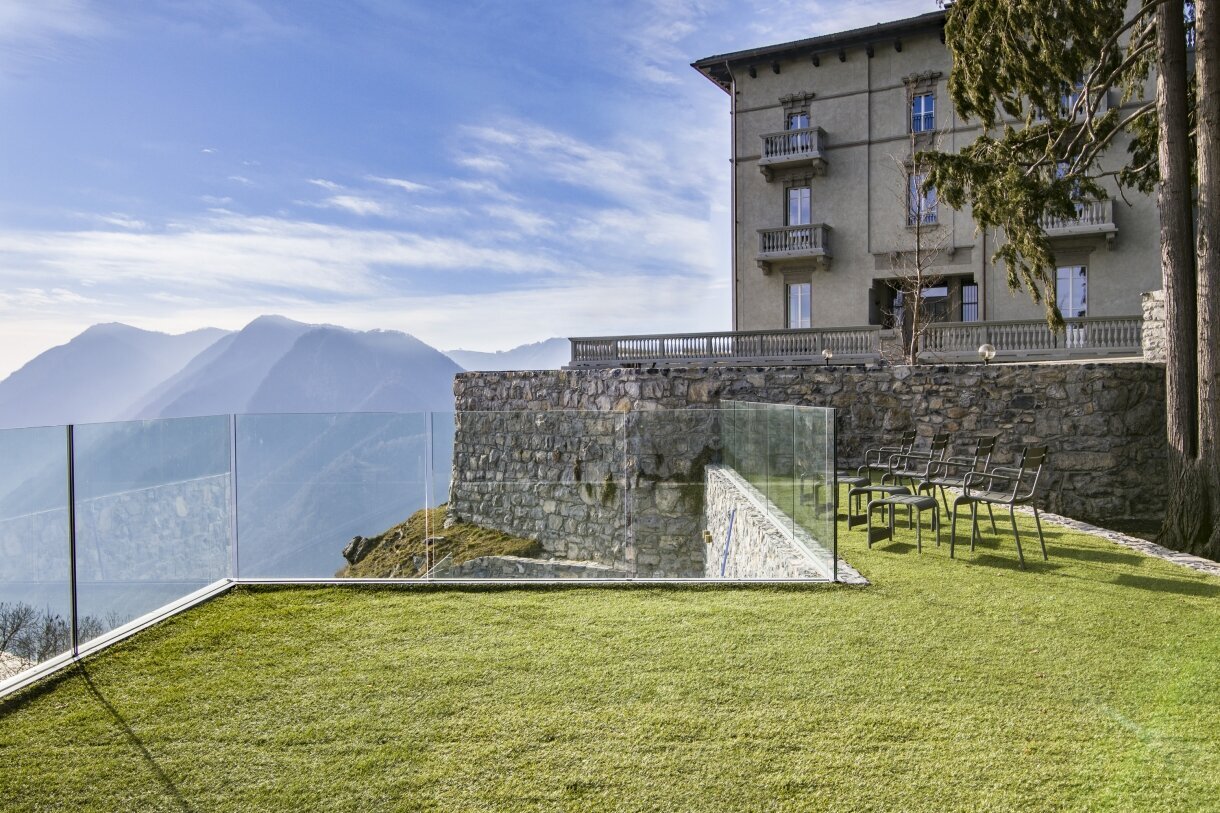
This exclusive Liberty-style villa offers some of the most stunning blue lake and green mountain vistas overlooking Lake Como, with no neighbour in site.
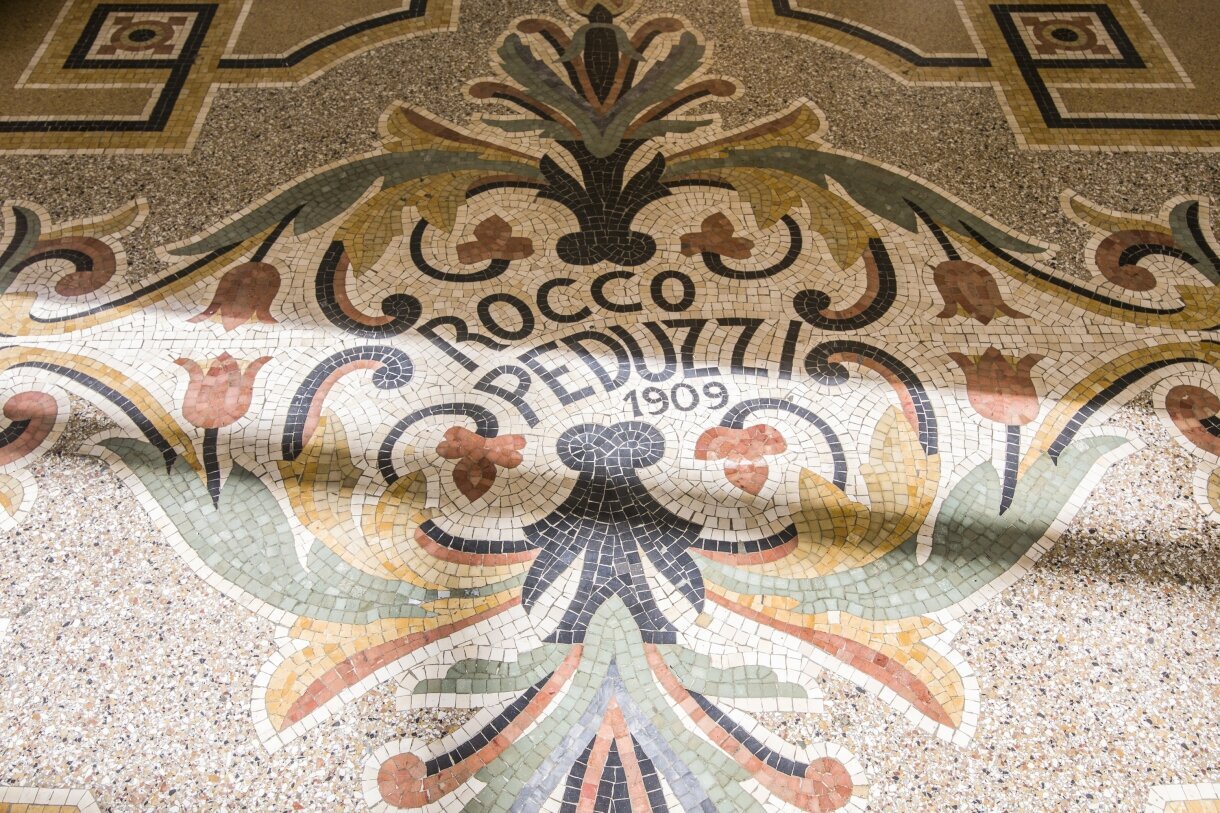
Built in 1909 as an idyllic retreat for the Peduzzi family, an Italian engineering dynasty, the villa was fully reimagined into a luxury retreat in 2016, restored by Studio Andrea Meirana. with interiors by Singapore-based architects Studio Daminato.
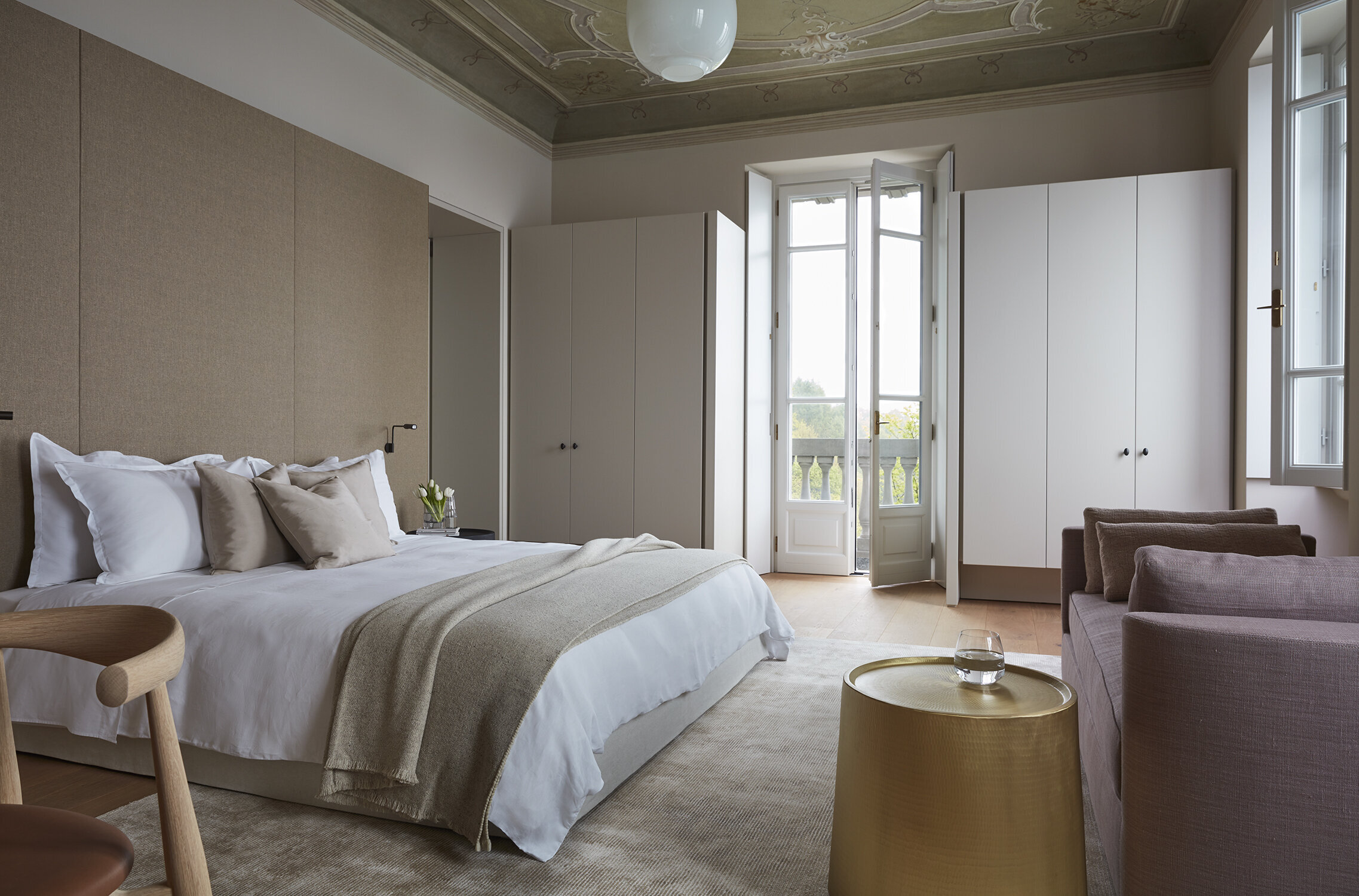
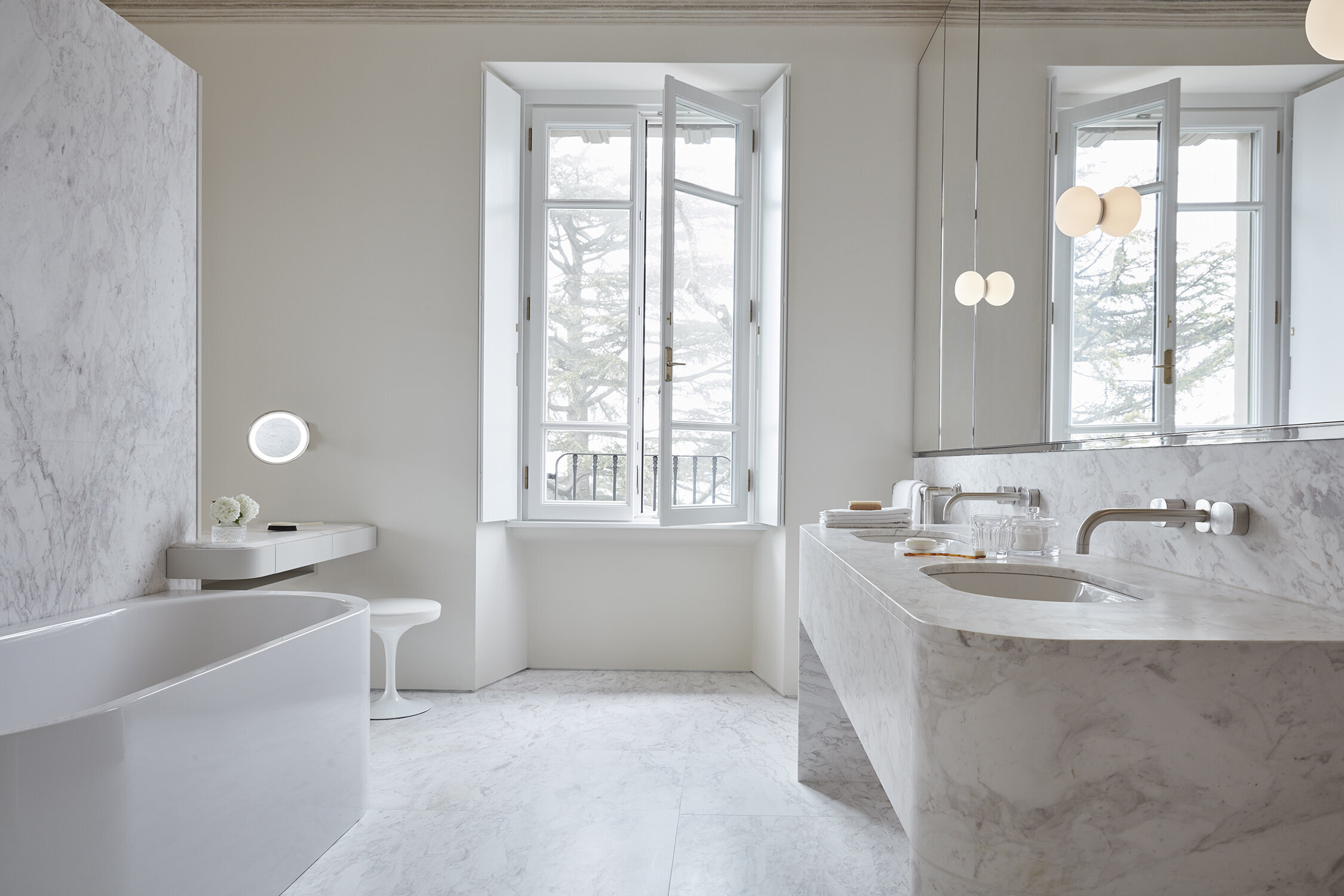
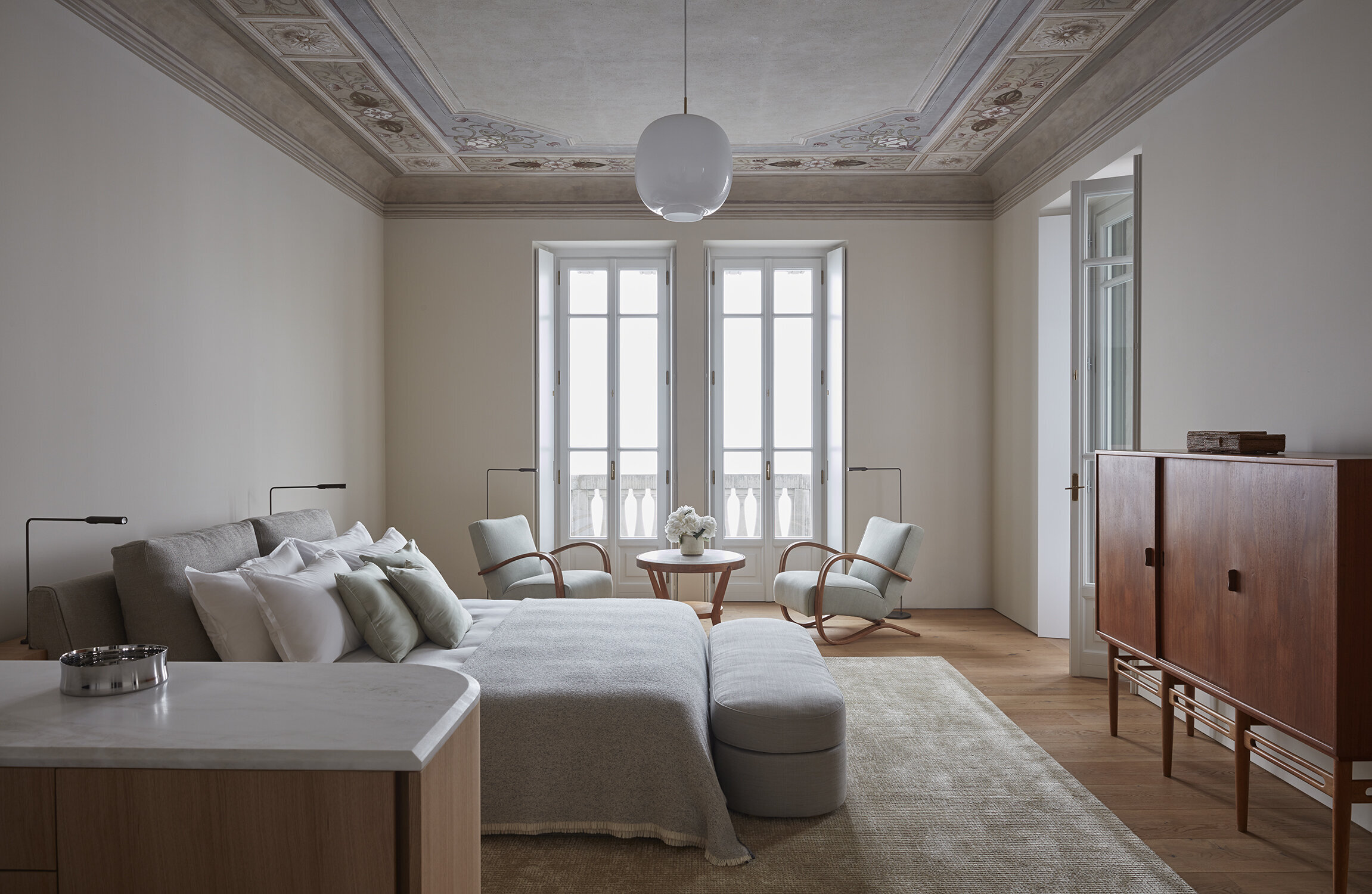
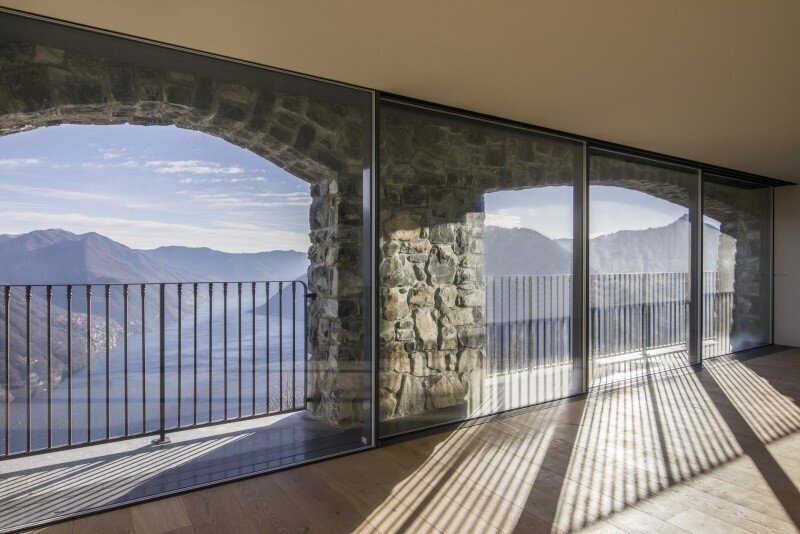
Studio Daminato transformed the footprint of the Art Nouveau residence, letting the dramatic views take centre stage. Meanwhile, local specialists in terrazzo, marble, and frescoes were hired to breathe life back into the home, like Gerso, behind the famed restoration of St Mark’s square in Venice.
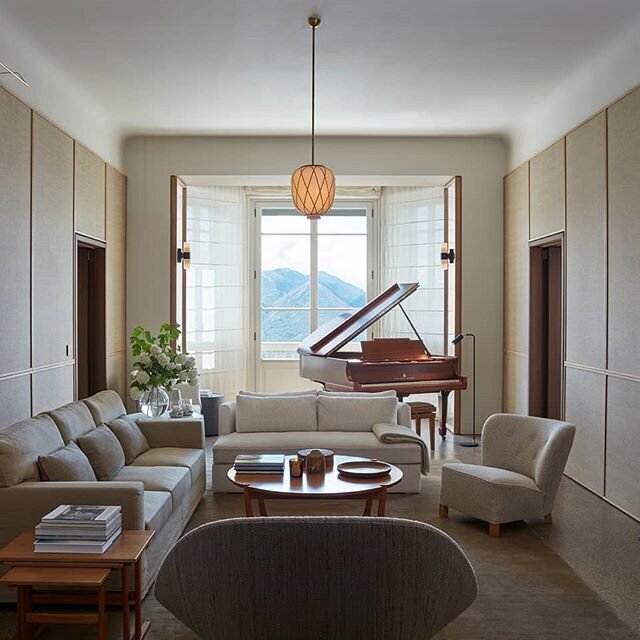
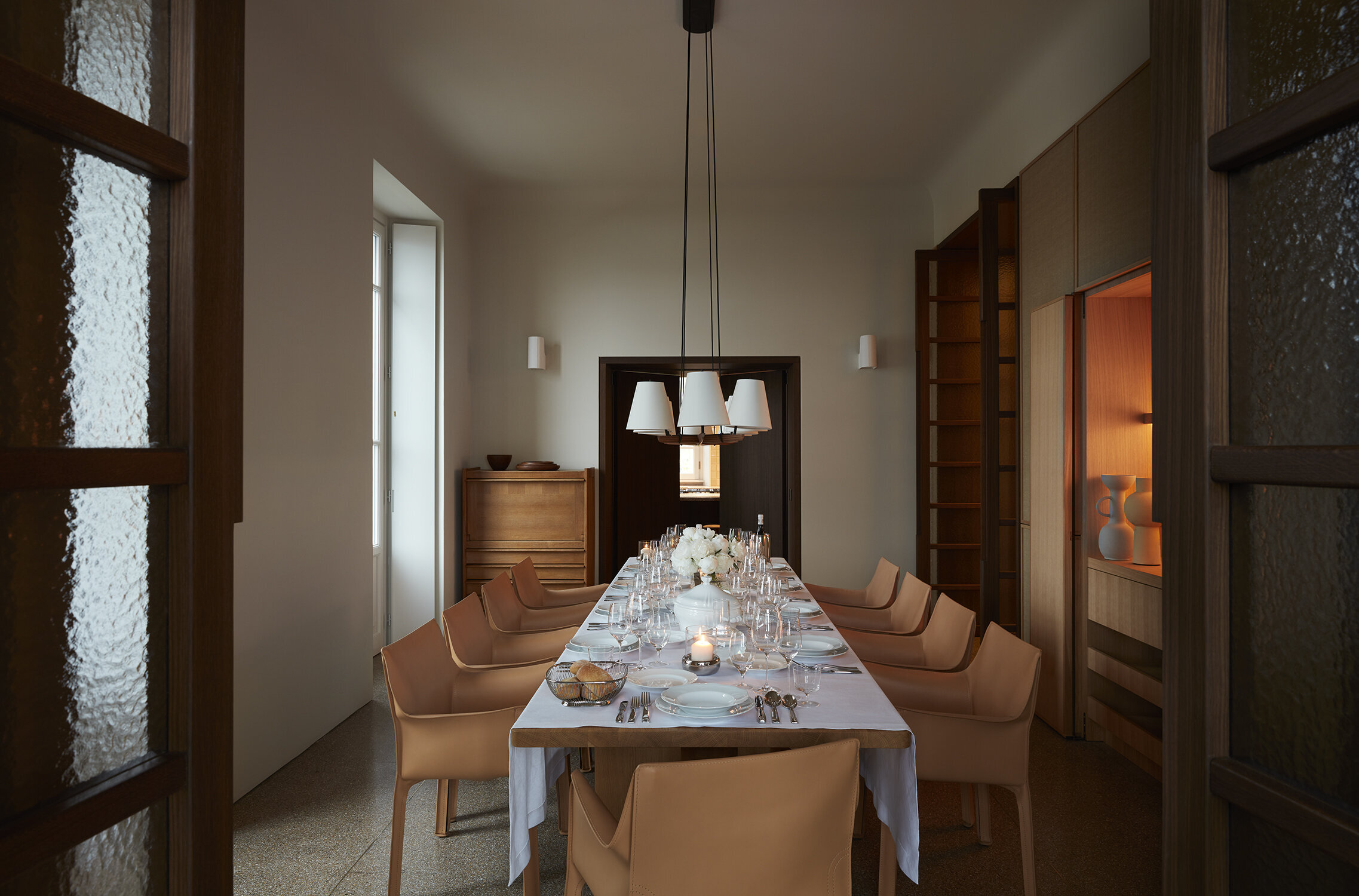
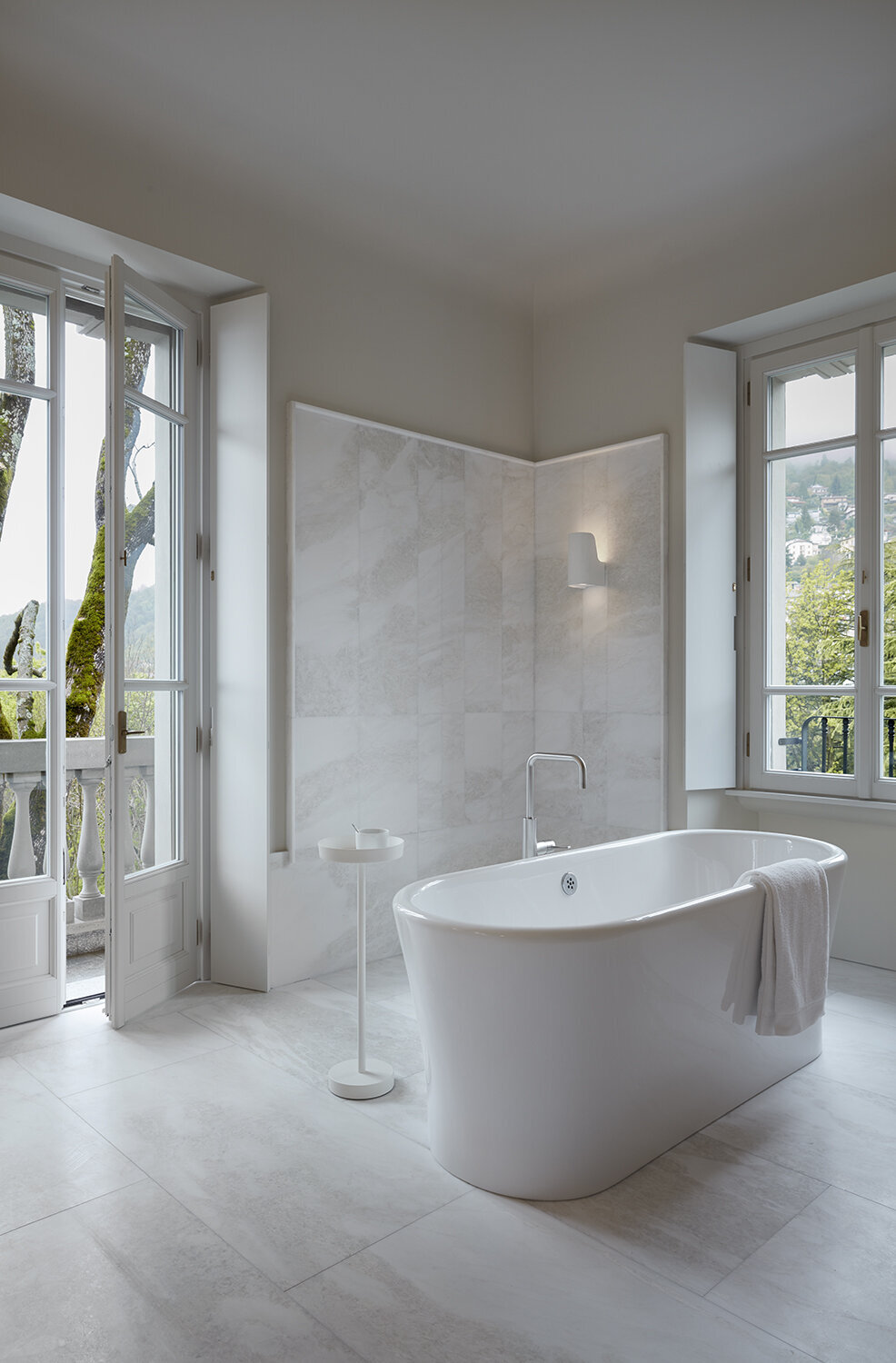
Inspired by Scandinavian and Japanese design, the minimalist decor and finishes were softened with creamy hues, handcrafted wood and marble, linen wall panels, and liberal use of hand-woven textiles like silk, wool, jute, and hemp.
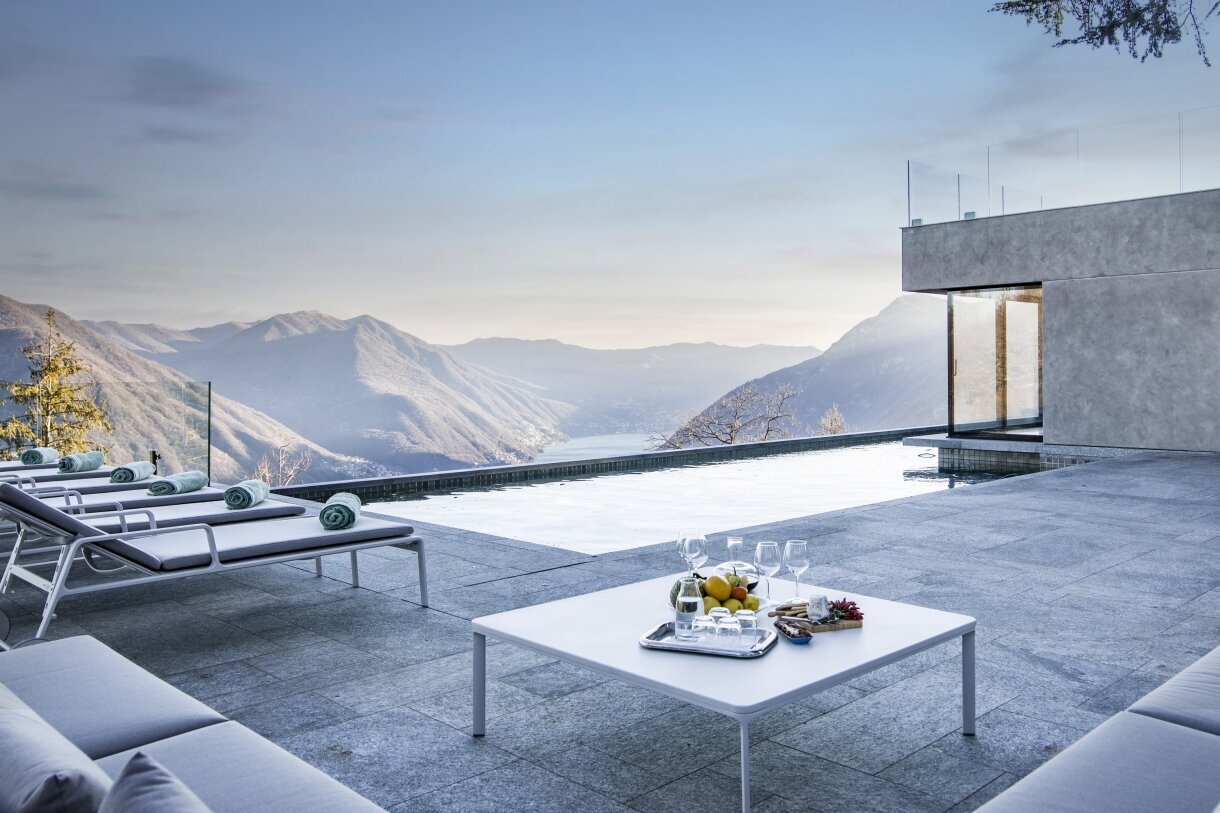
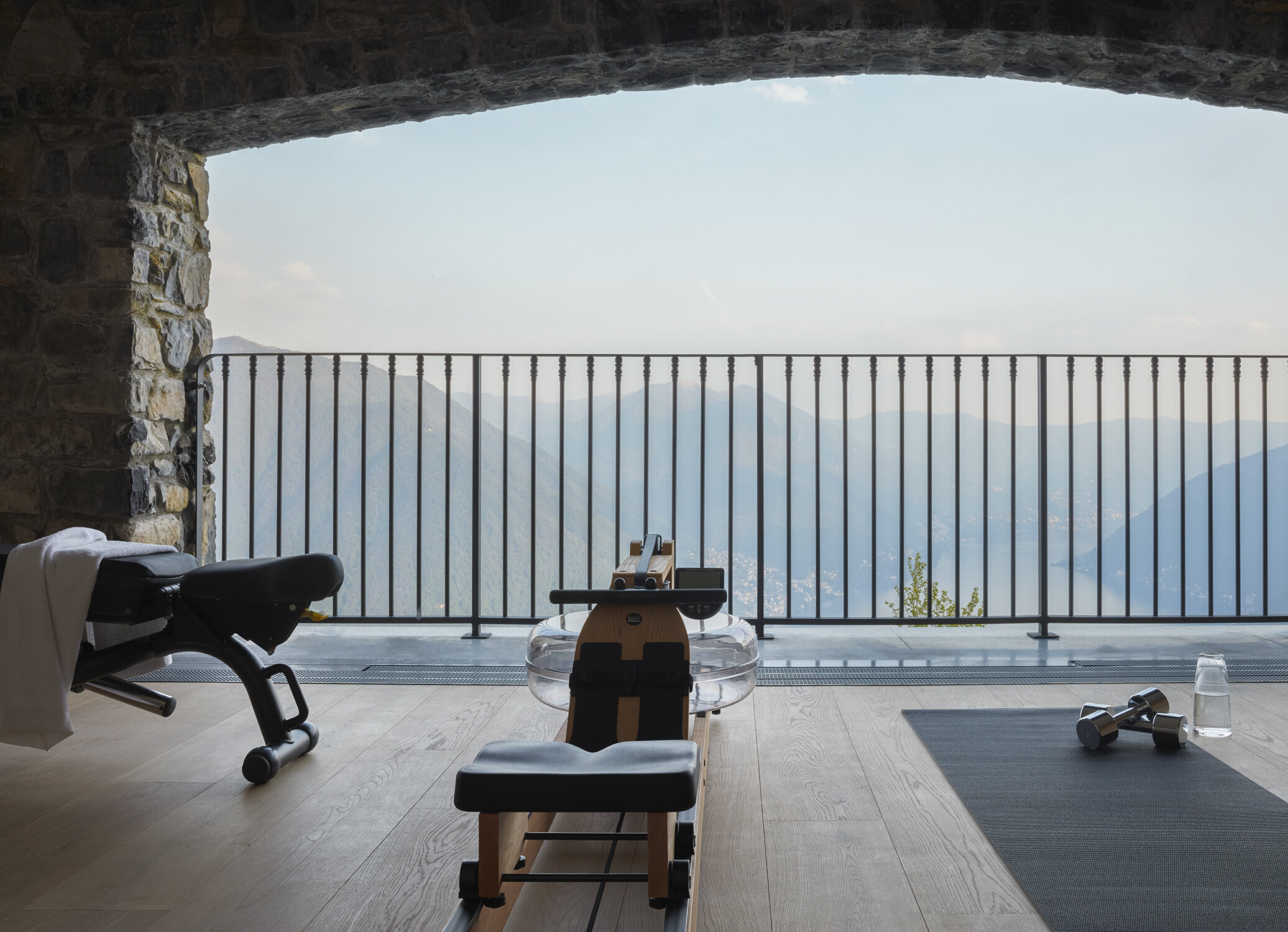
The 9-bedroom villa has been thoughtfully designed for living and entertaining, with two rooftop terraces, a pool house with green roof, and a 22-metre infinity pool. A stunning yoga / wellness room was carved in the cliffside, set high above the Western shores of Lake Como— 881 metres to be exact.
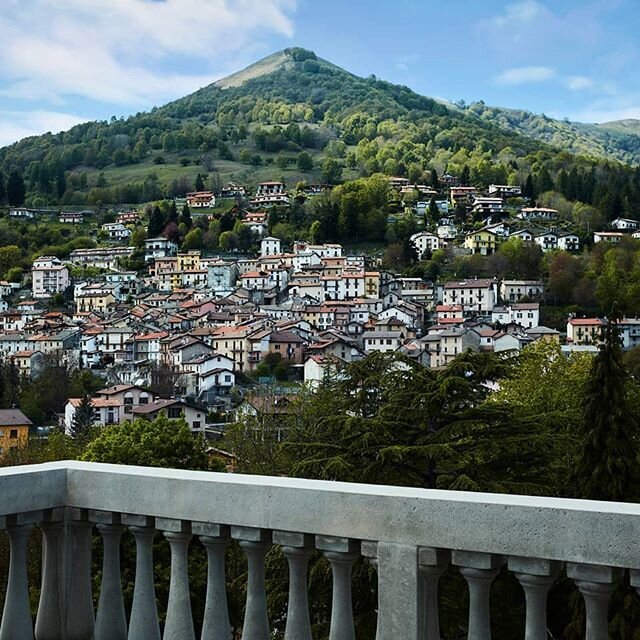
Set in 4.5 acres of alpine gardens, it is hard not to feel like you’re floating in a dream when you stay at Villa Peduzzi, but if you do need to come back down to earth, a cable car can take you down to the village of Argegno, just 500 metres from the villa gates.
You’ll also find the villa’s private Axopar Brabus boat moored at the base of the funicular, ready for your lakeside excursions.
Villa Peduzzi was recently on the cover of AD Germany and a number of other publications which cover stories of immaculately designed high-end properties. It’s one of those dreamy and exclusive vacation properties that will have your friends asking “Hey, how did you find this place?”