Bedrooms: 12
Interior: 16,146 ft² (1,500 m²)
Lot: 39.5 acres (16 ha)
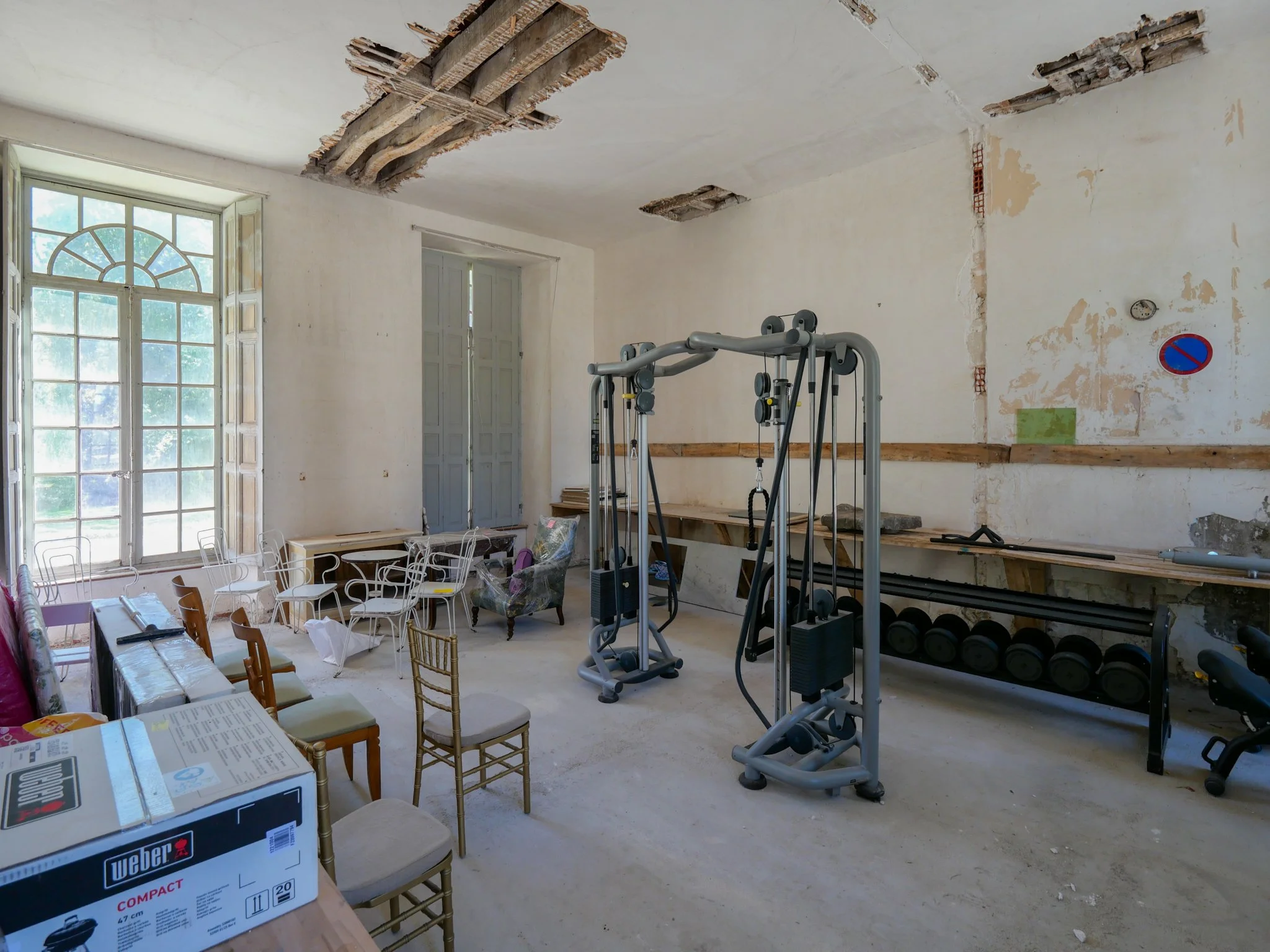
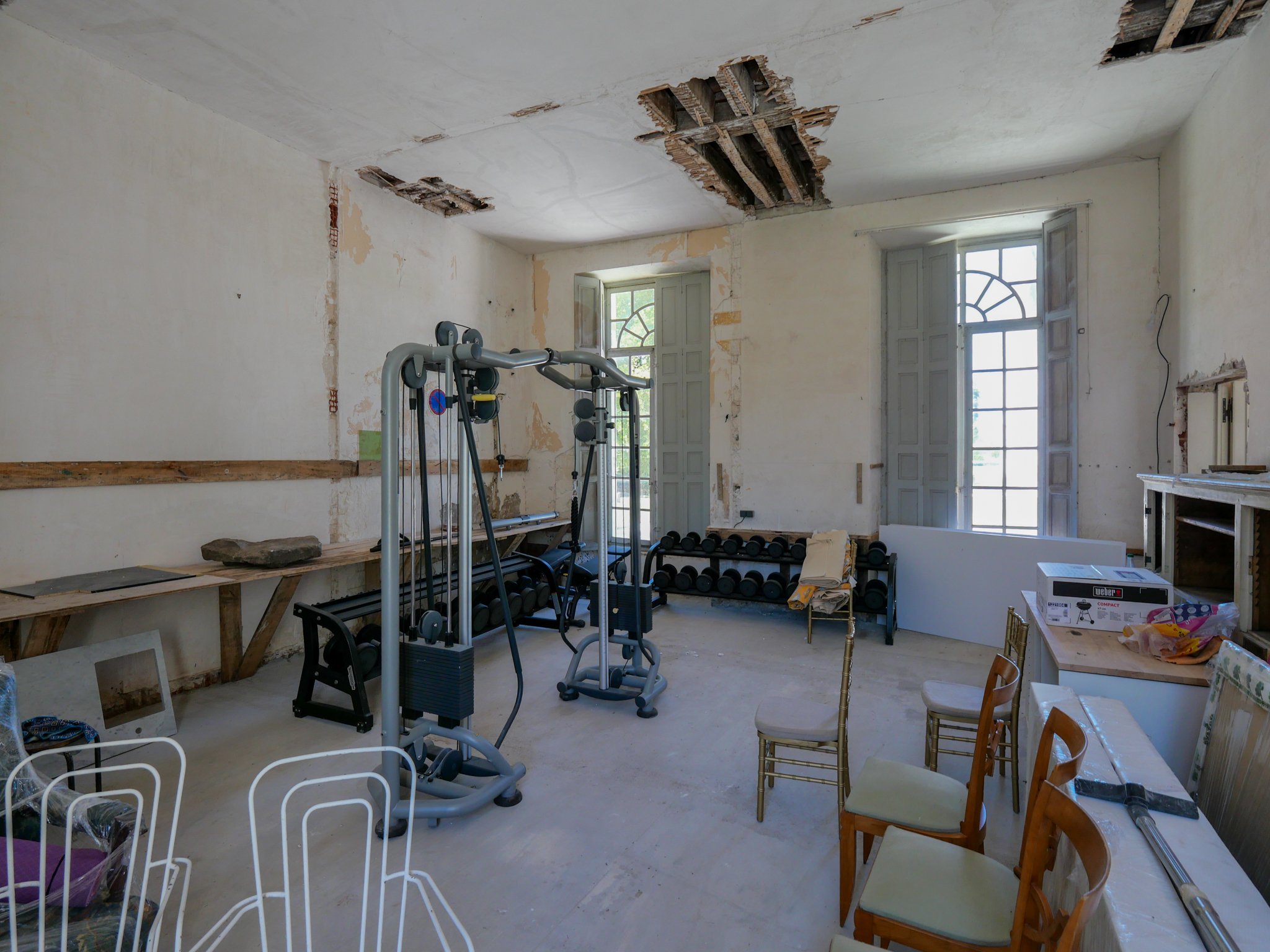
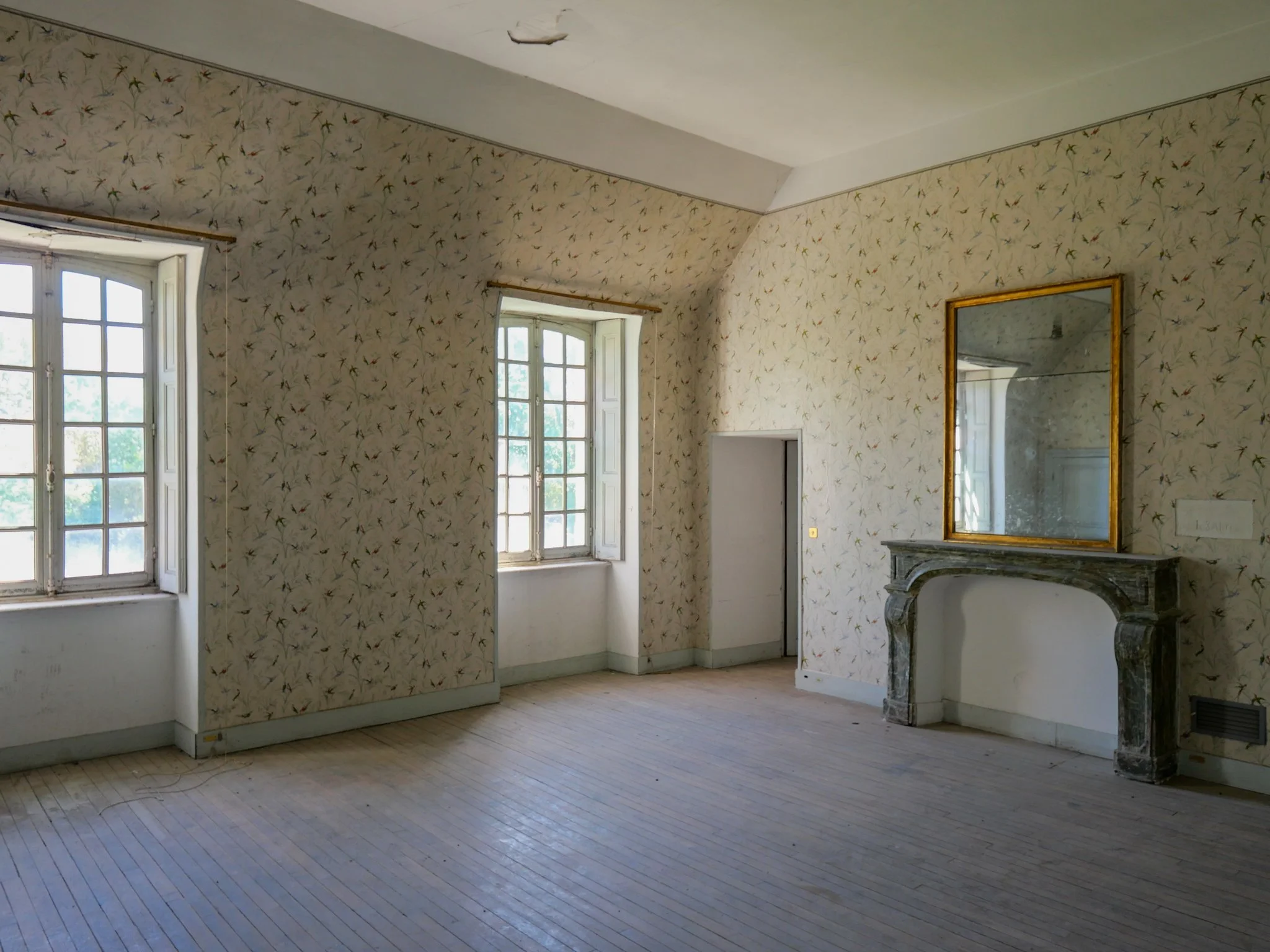
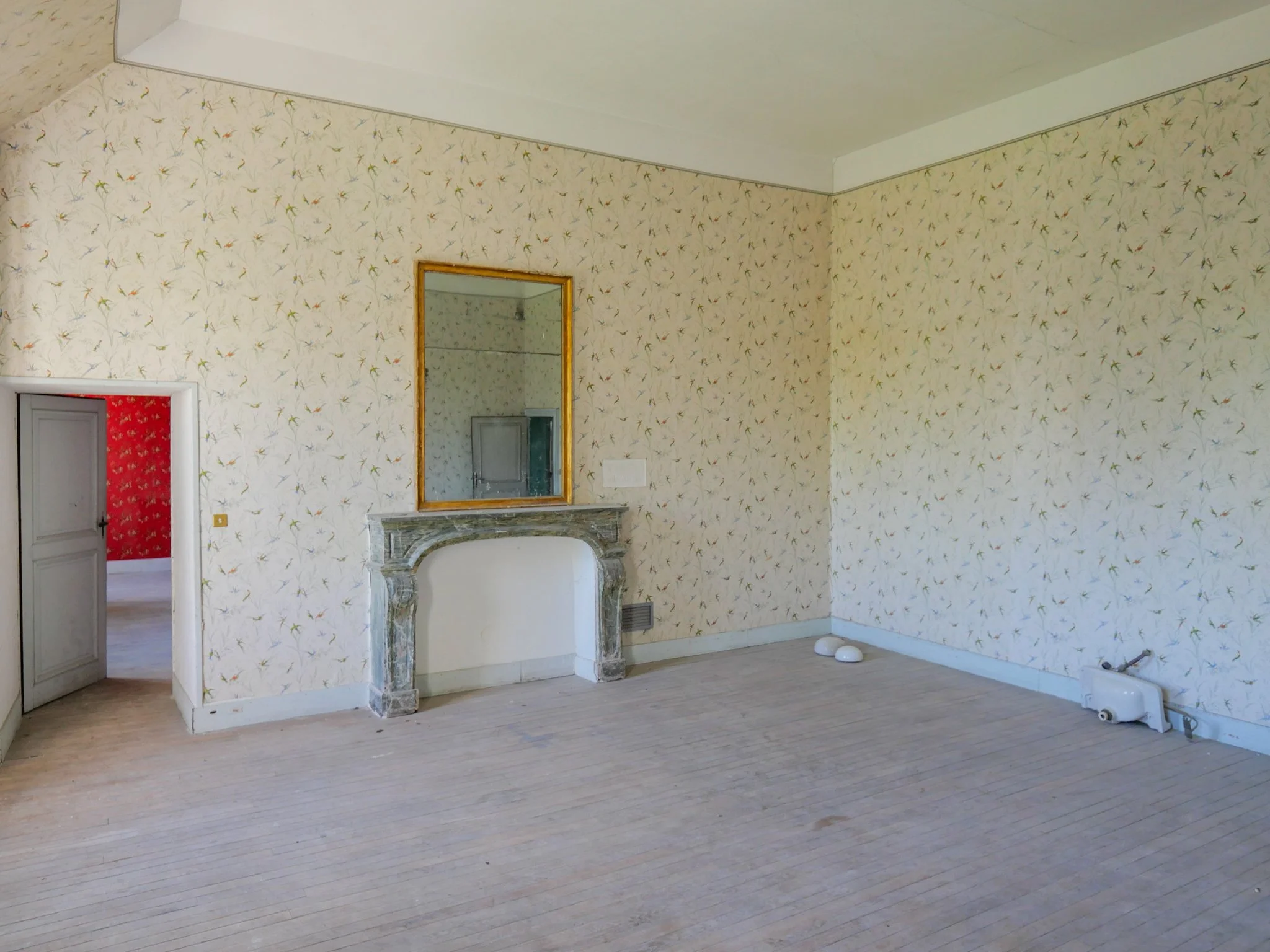
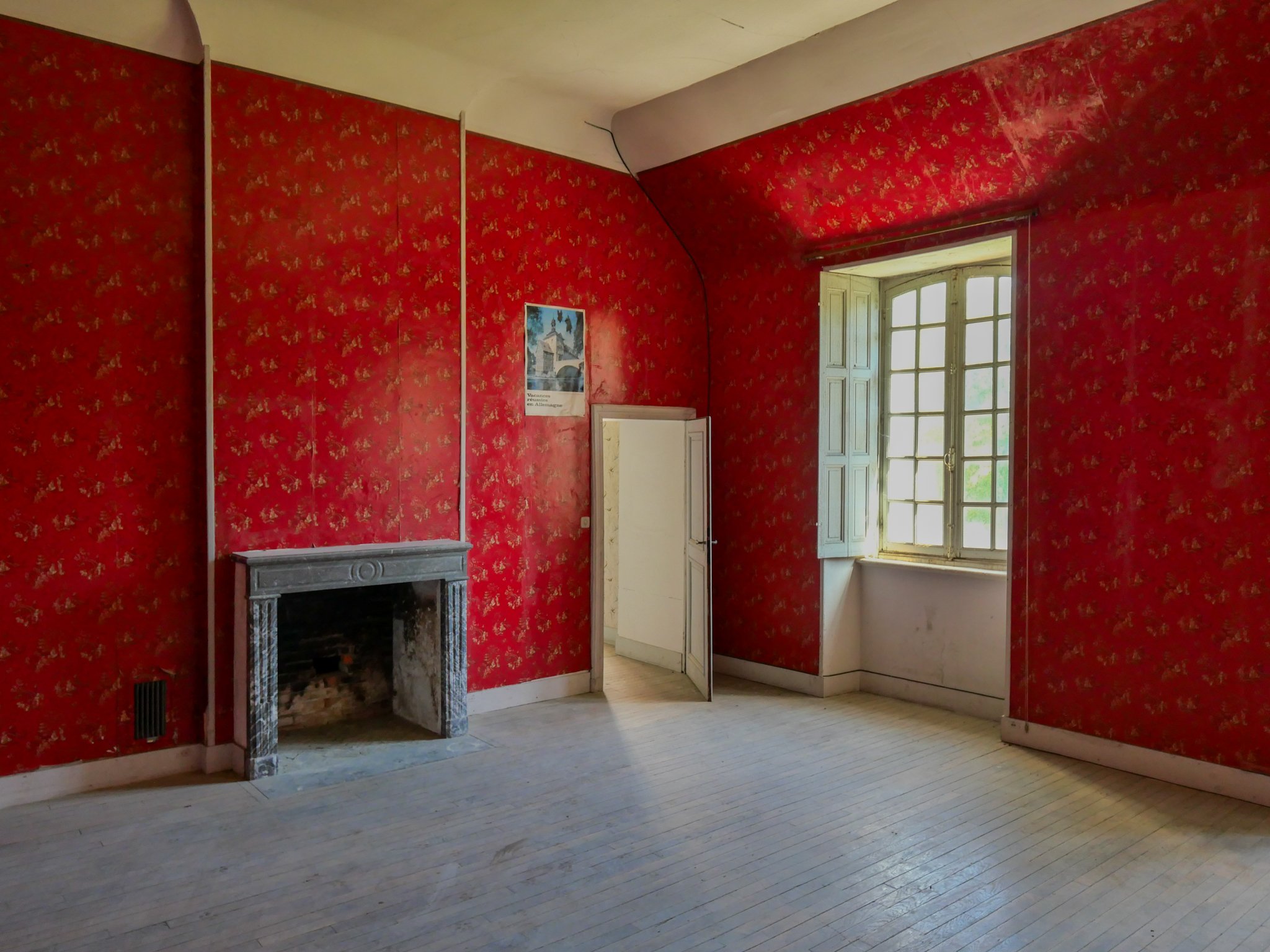
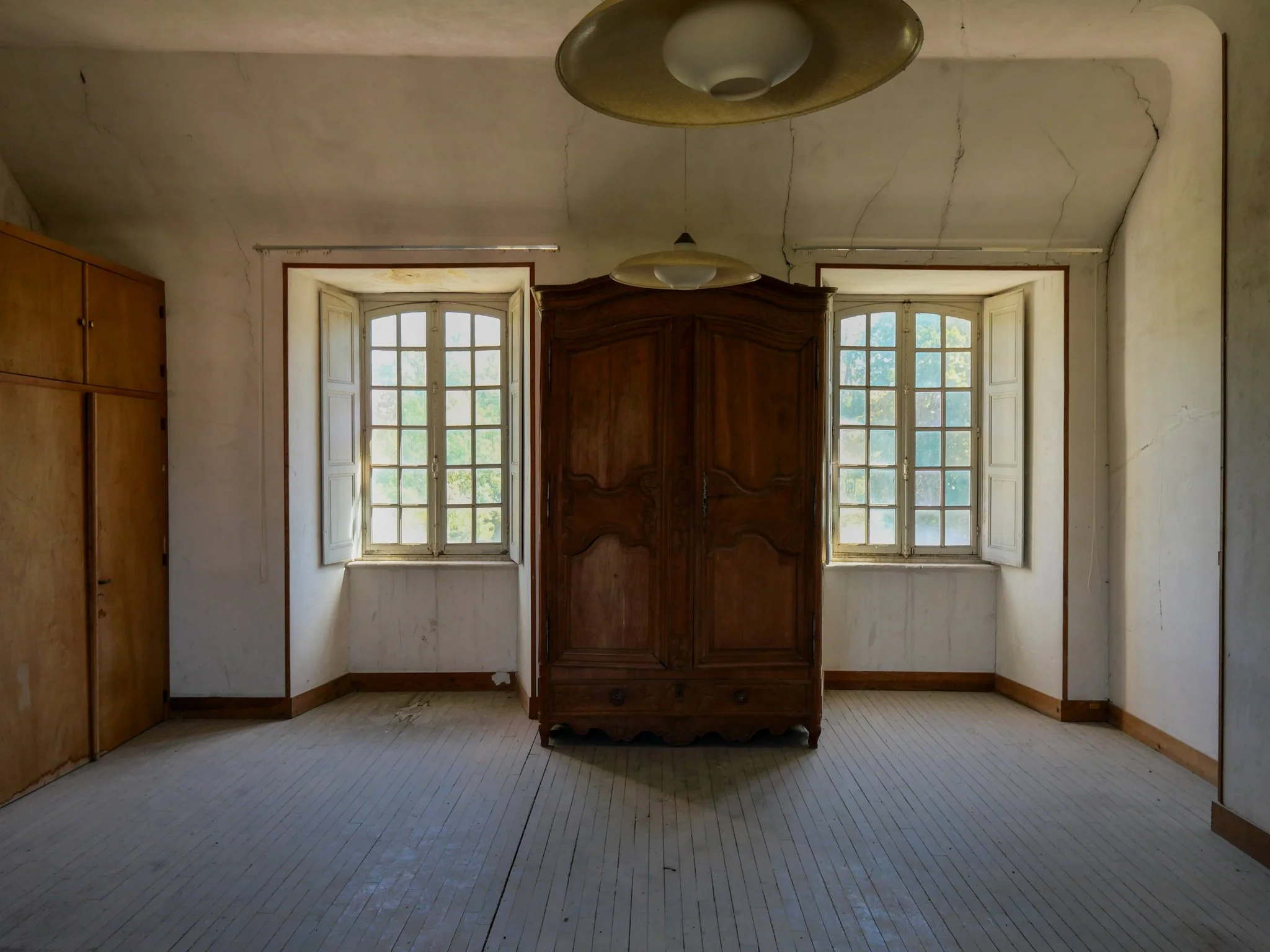
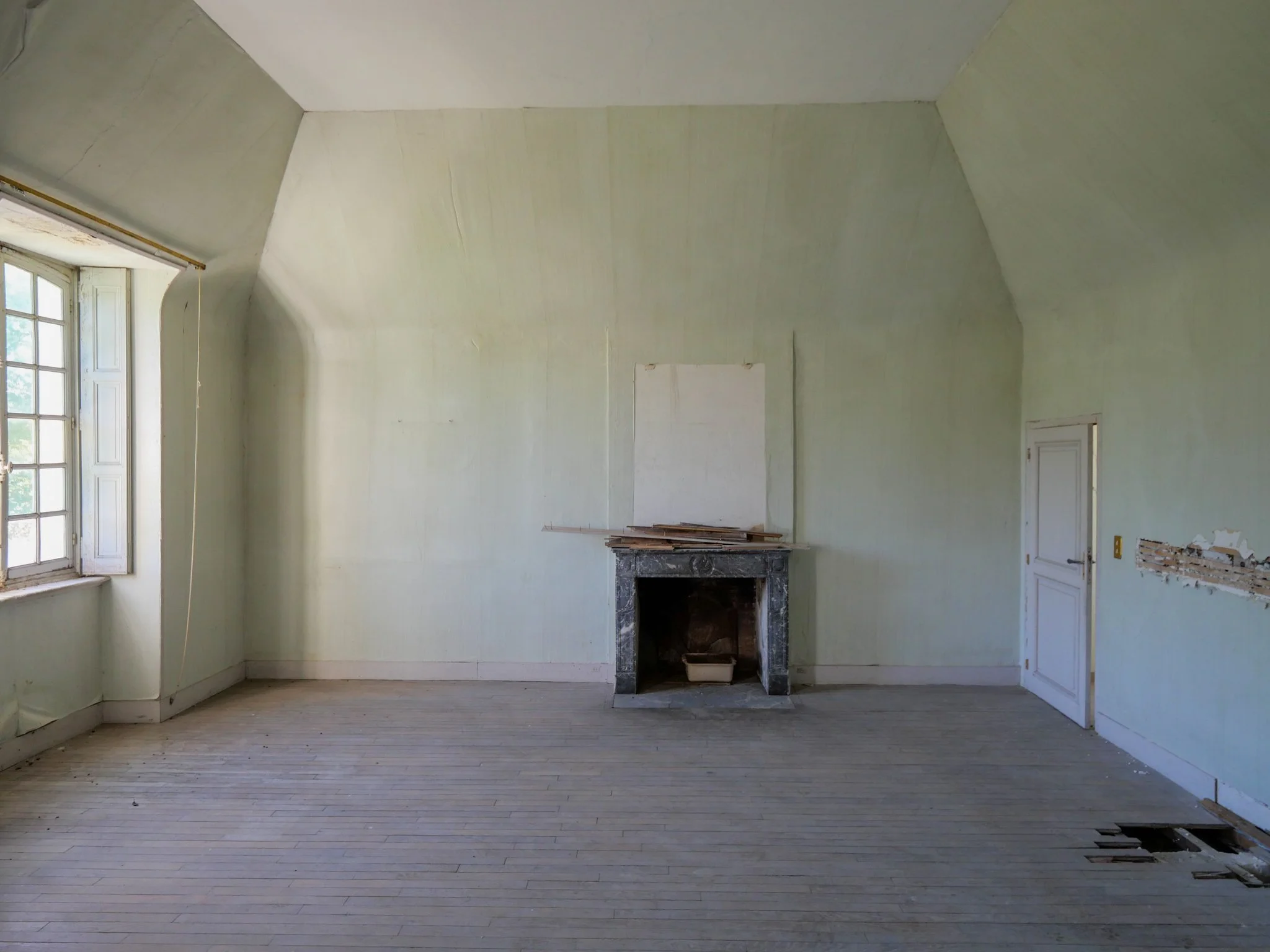
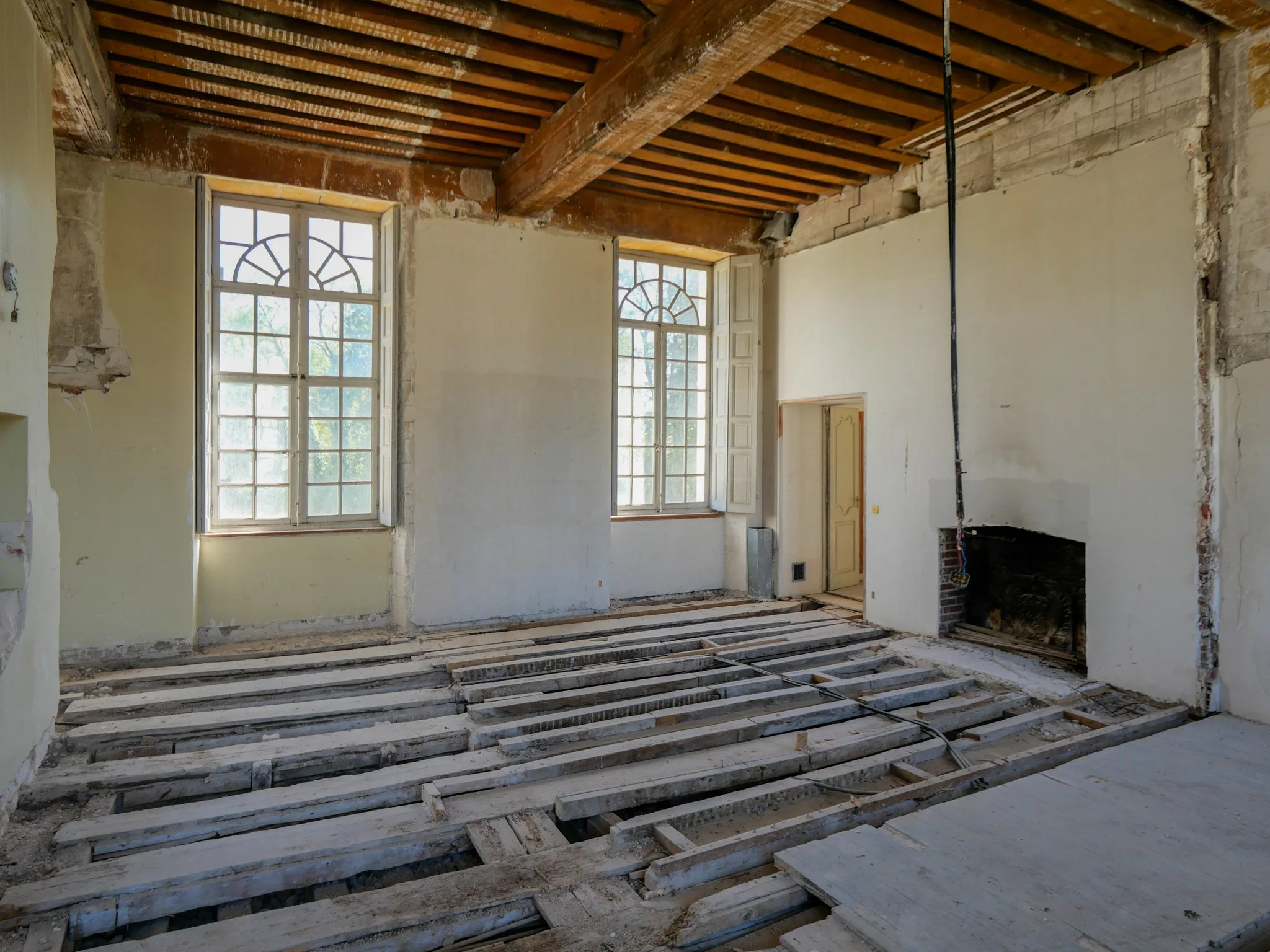
Features: Restored entrance pavilions, fortified gatehouse, winter garden, stables, indoor riding school, outdoor arena, horse walker, formal gardens, reflecting pool and woodland. Main château requires restoration.
For many people, buying and restoring a French château remains a dream. For Paris-based doctor Antoni Calmon, it became a reality when he acquired Château de Dampierre at auction in 2020 for €675,000. He had imagined owning a château since childhood, even drawing plans for one. Over the next five years, he invested €6 million in restoring its historic buildings and grounds, documenting the work for thousands of followers online.
Calmon died unexpectedly in March 2026, aged 40, before he could begin restoring the principal château. Nearly eight months later, his sister Magali placed the estate on the market for €1,696,000 through Denniel Immobilier. The agency's founders, Guillaume and Alexandre Denniel, had helped Antoni acquire the property and subsequently became his friends.
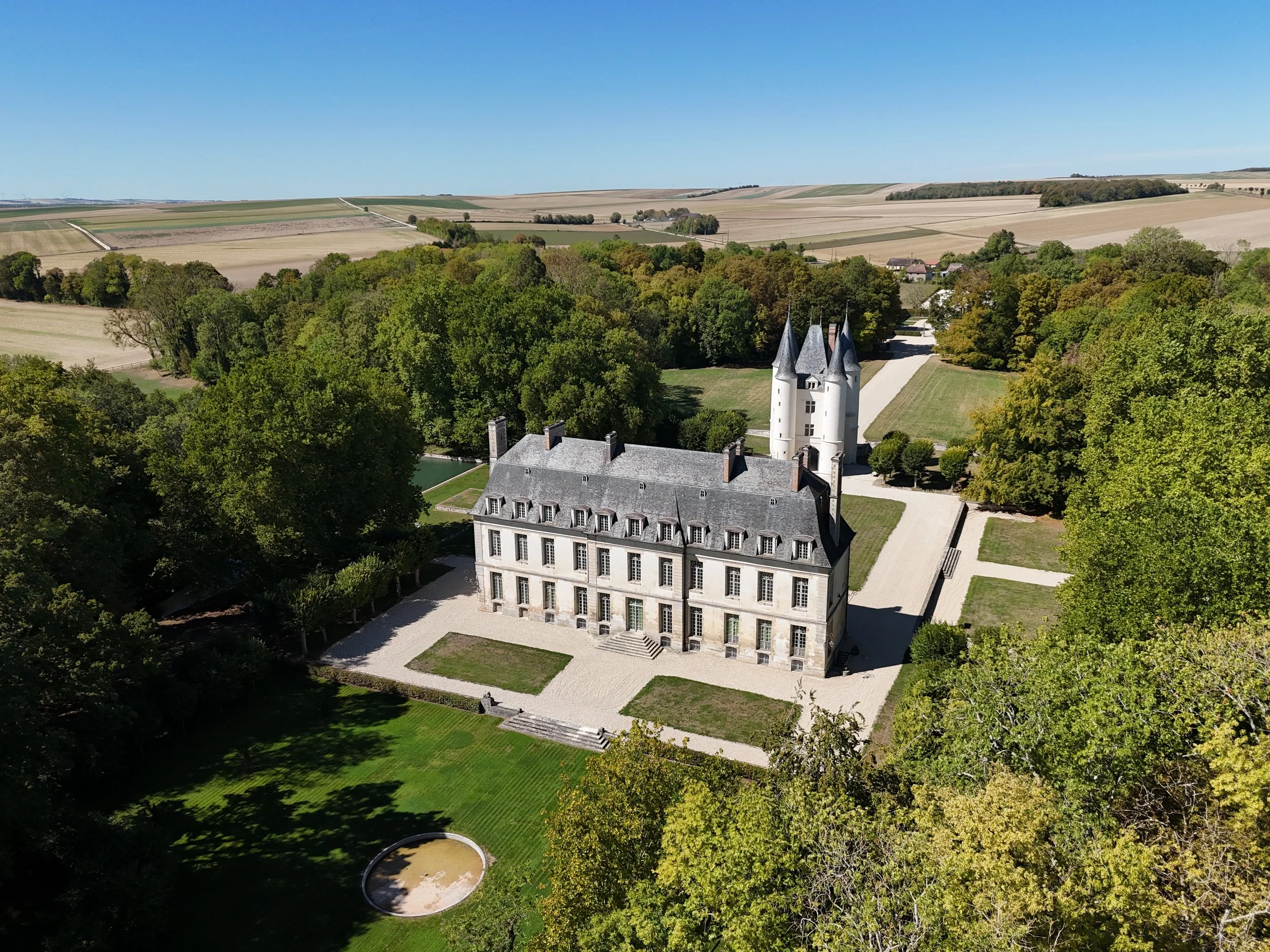
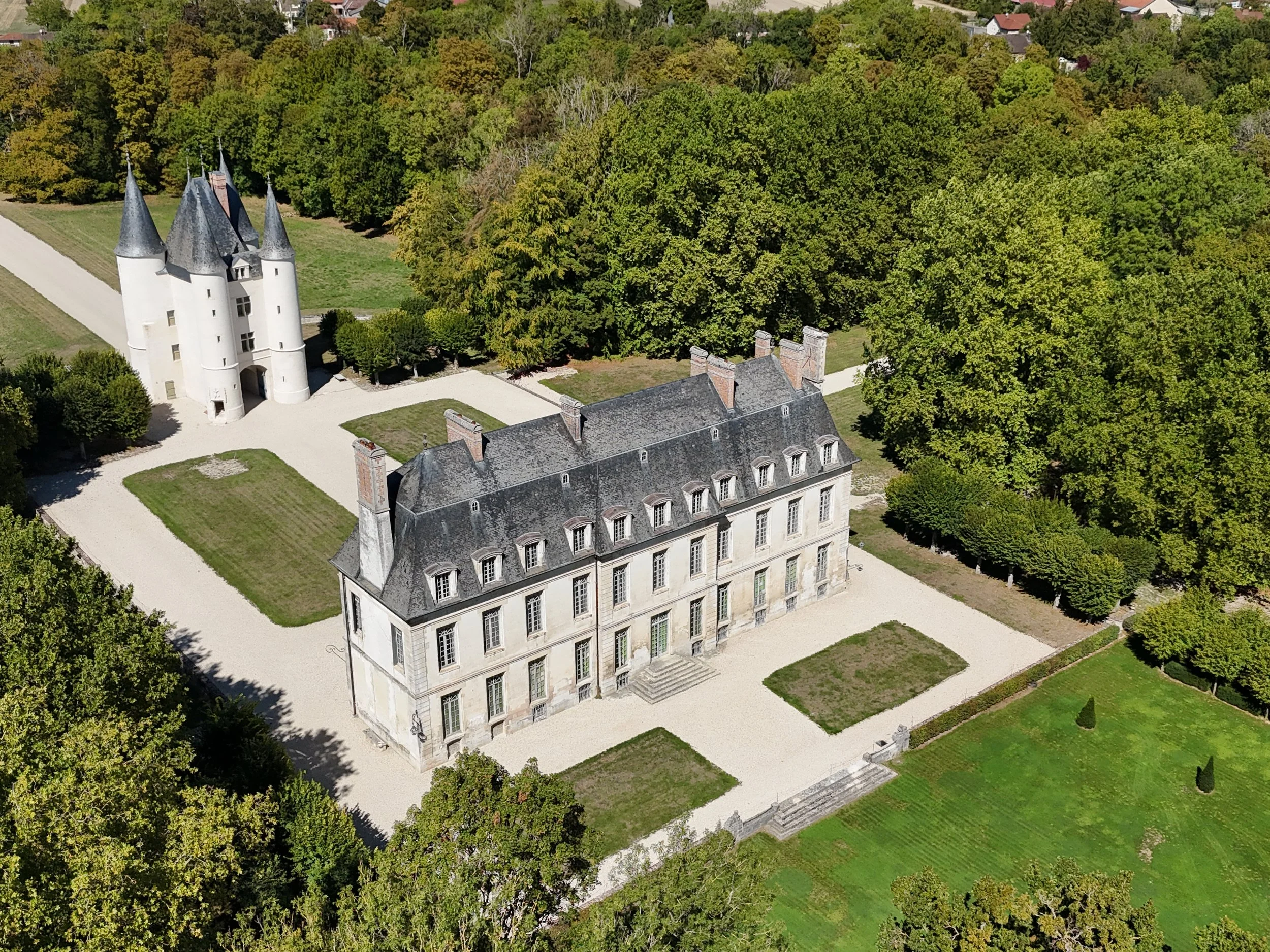
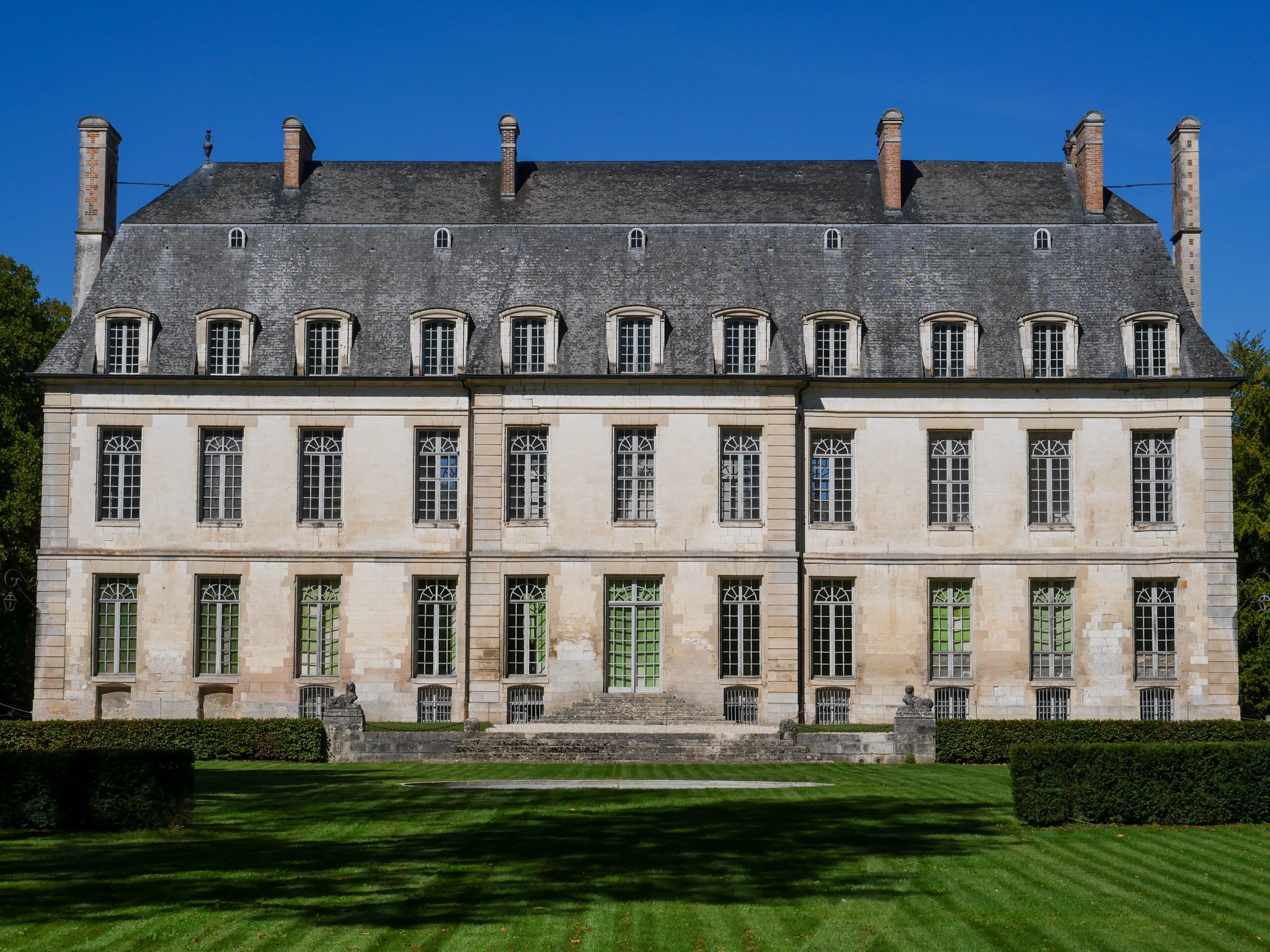
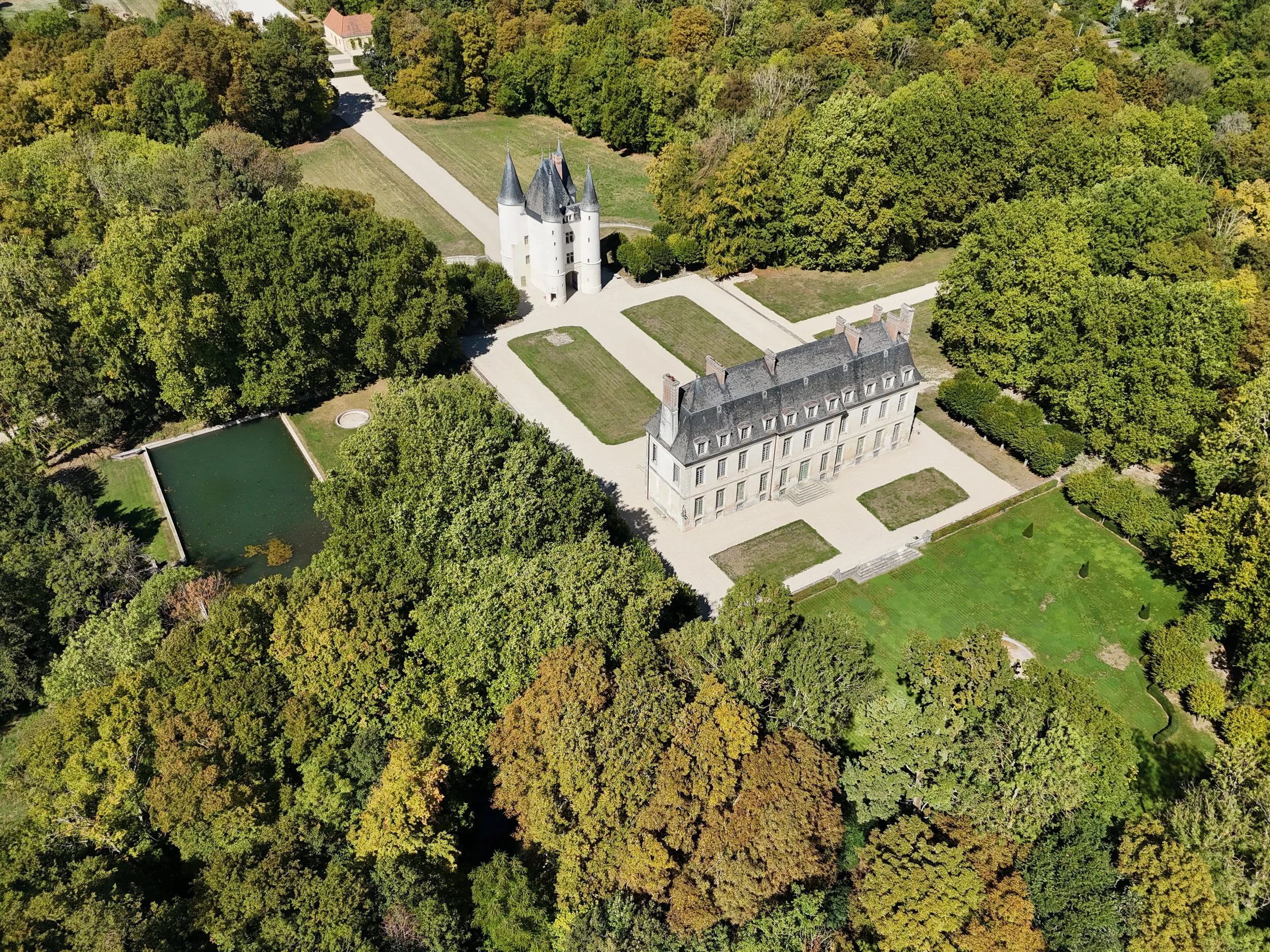
Château de Dampierre stands within 39.5 acres (16 hectares) in the Aube department of northeastern France, approximately 105 miles (170 km) from Paris by road, or two hours and 20 minutes by car. Although situated in the historic Champagne region, it lies outside the principal Champagne wine-growing area. The estate includes a 17th-century château attributed to François Mansart, an earlier fortified gatehouse, restored outbuildings and extensive gardens.
Dampierre's history reaches back to medieval Champagne, when the estate was the seat of a fortified lordship associated with the Dampierre family. The property subsequently passed through the Châtillon and Lannoy families before Louis Picot acquired the barony in 1526, beginning an association that would last for centuries.
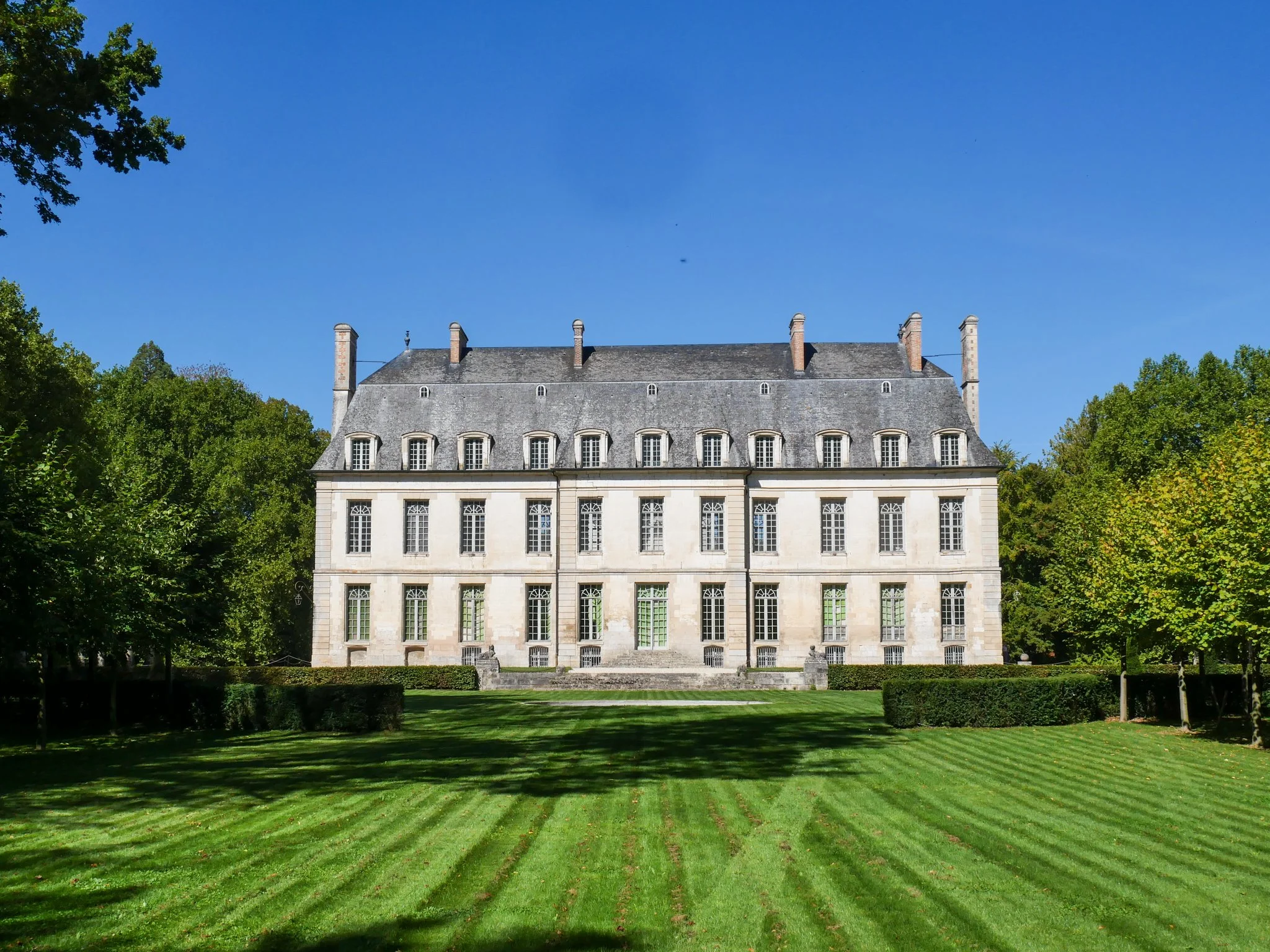
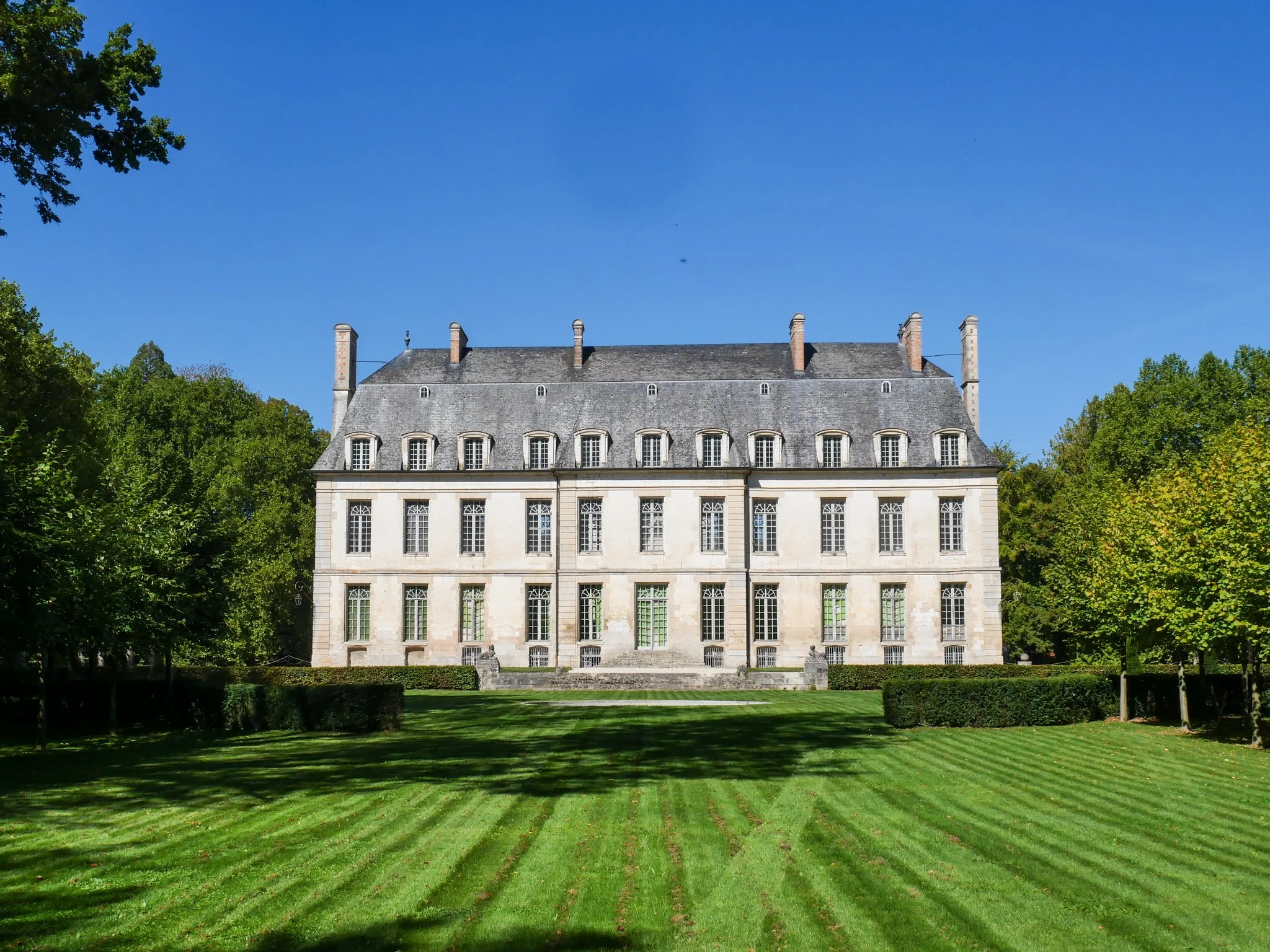
The present château was rebuilt in the 17th century for François Picot de Dampierre, with its design traditionally attributed to François Mansart, a leading architect of French classicism.
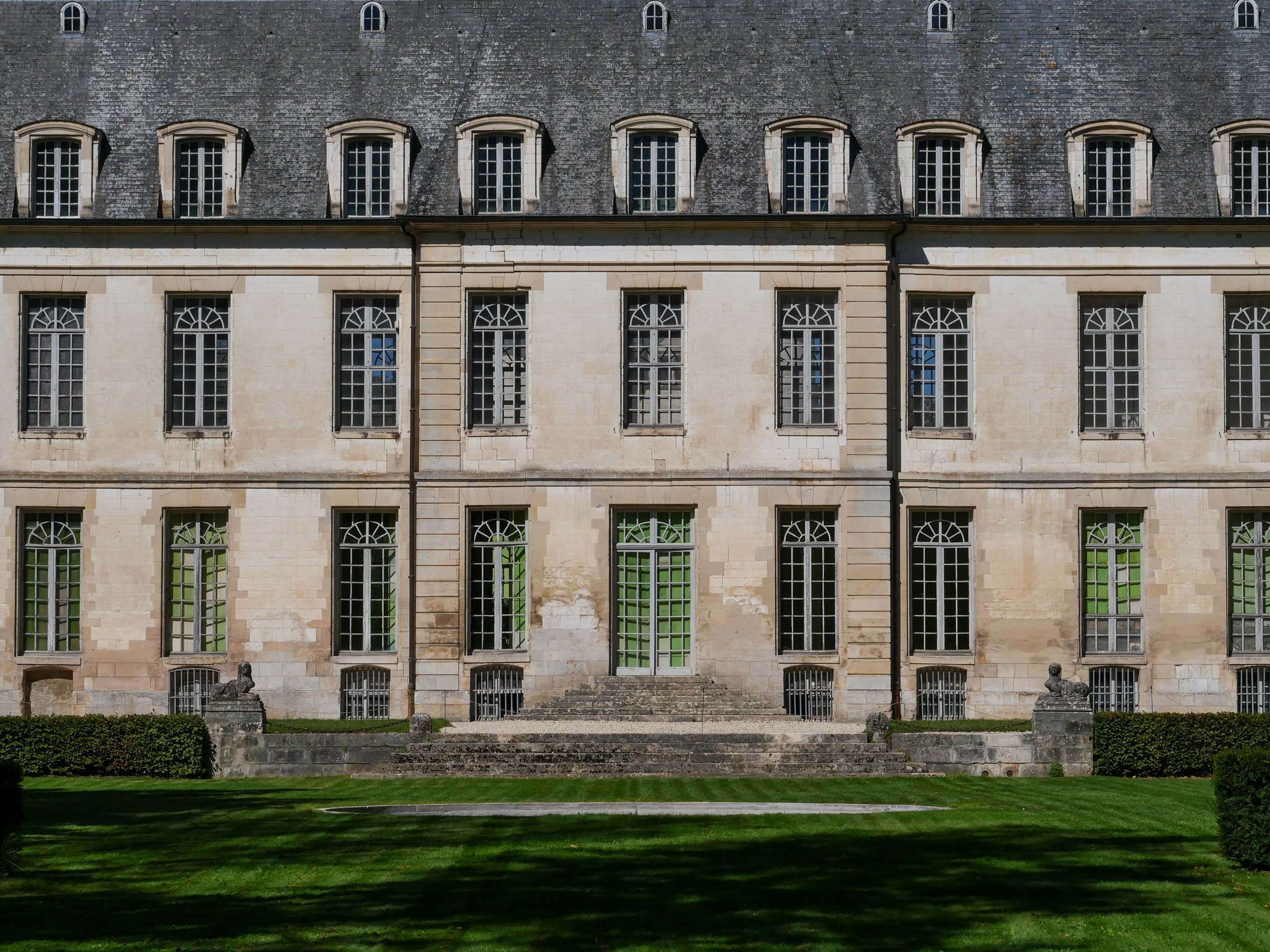
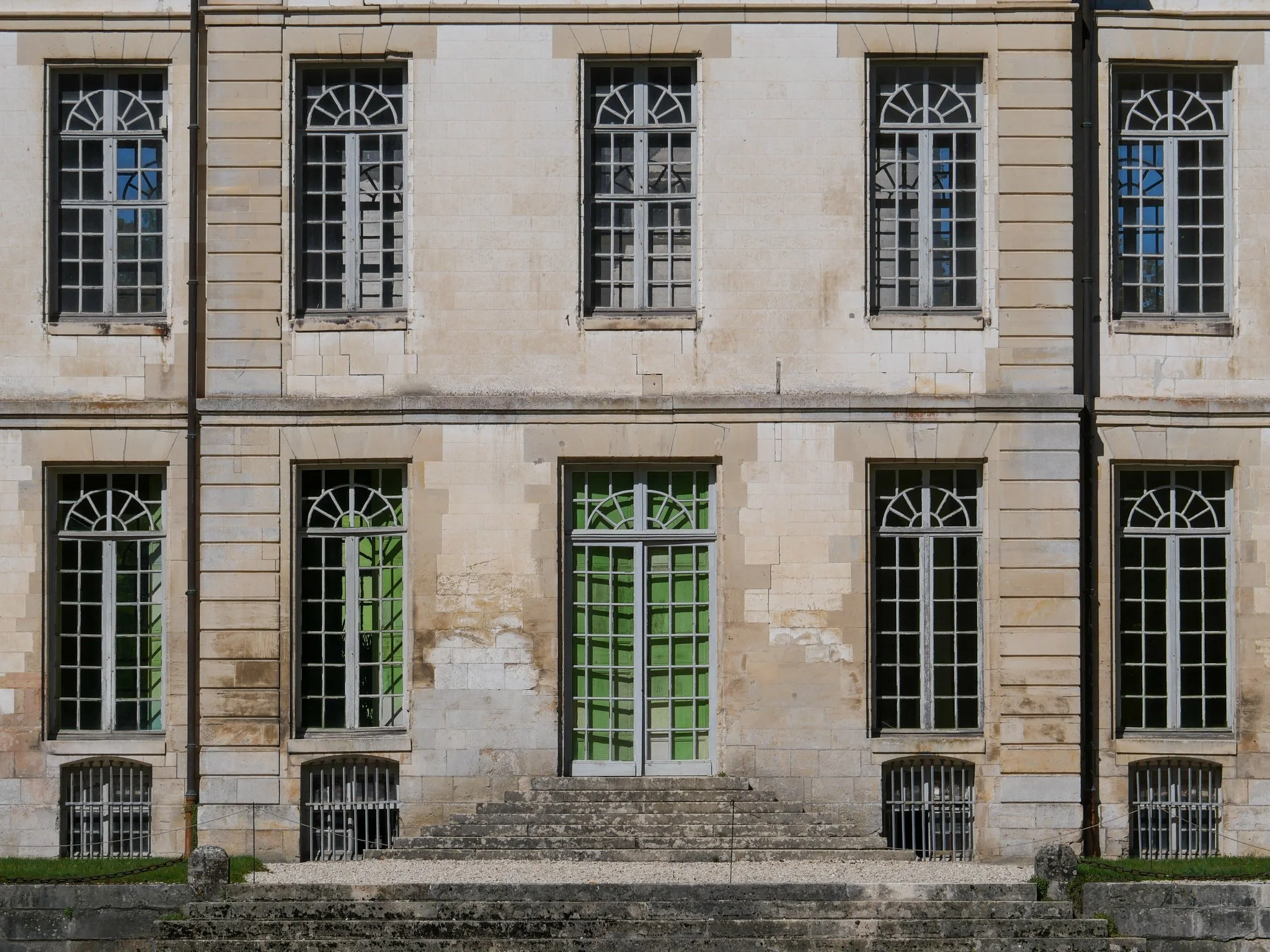
In 1645, Dampierre was elevated to a marquisate. The present château was subsequently rebuilt for François Picot de Dampierre, following his marriage to Madeleine Gargam in 1653. Its design is traditionally attributed to François Mansart, one of the leading architects of 17th-century French classicism, whose work helped establish the architectural language of the French aristocratic country house.
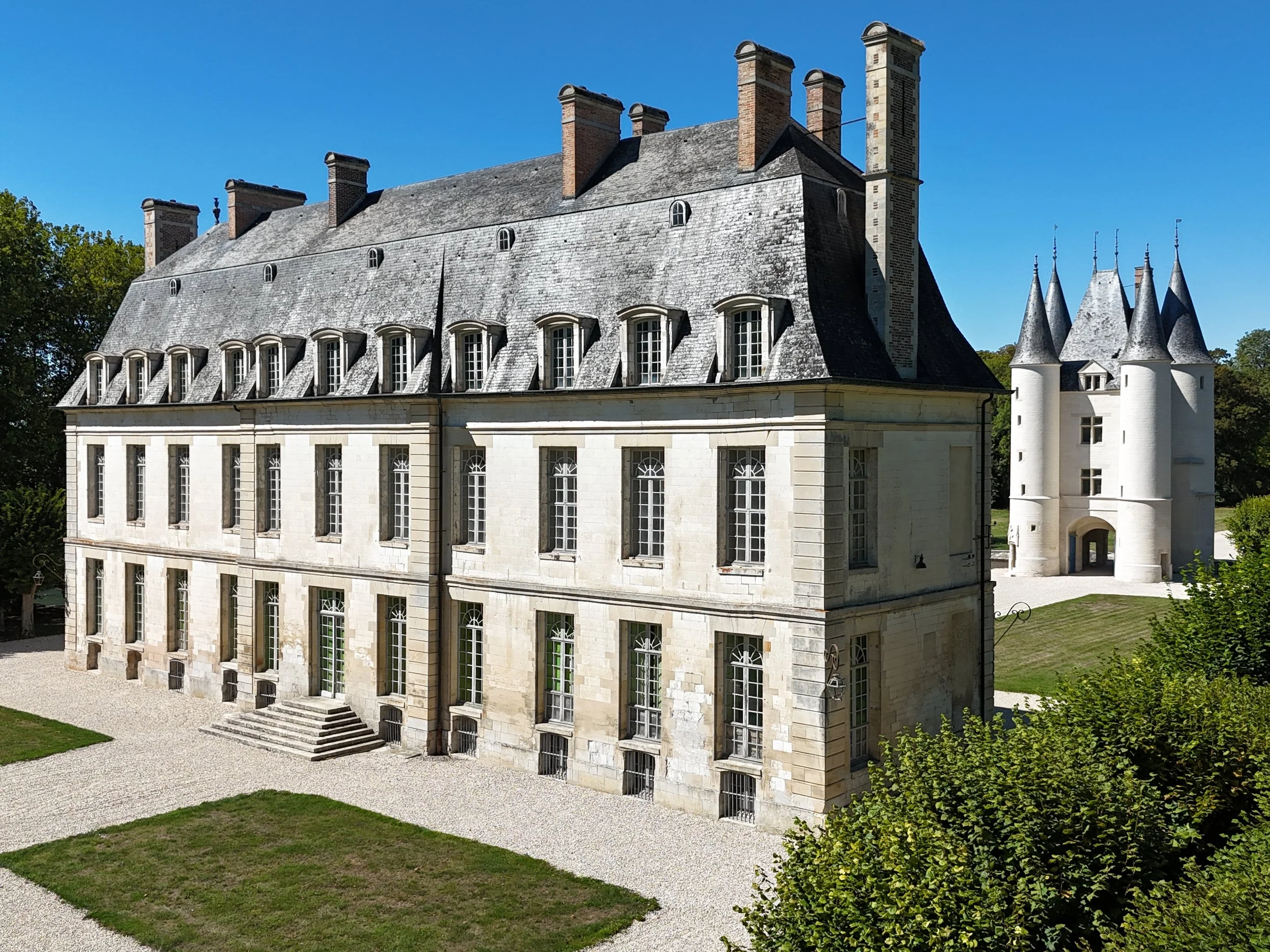
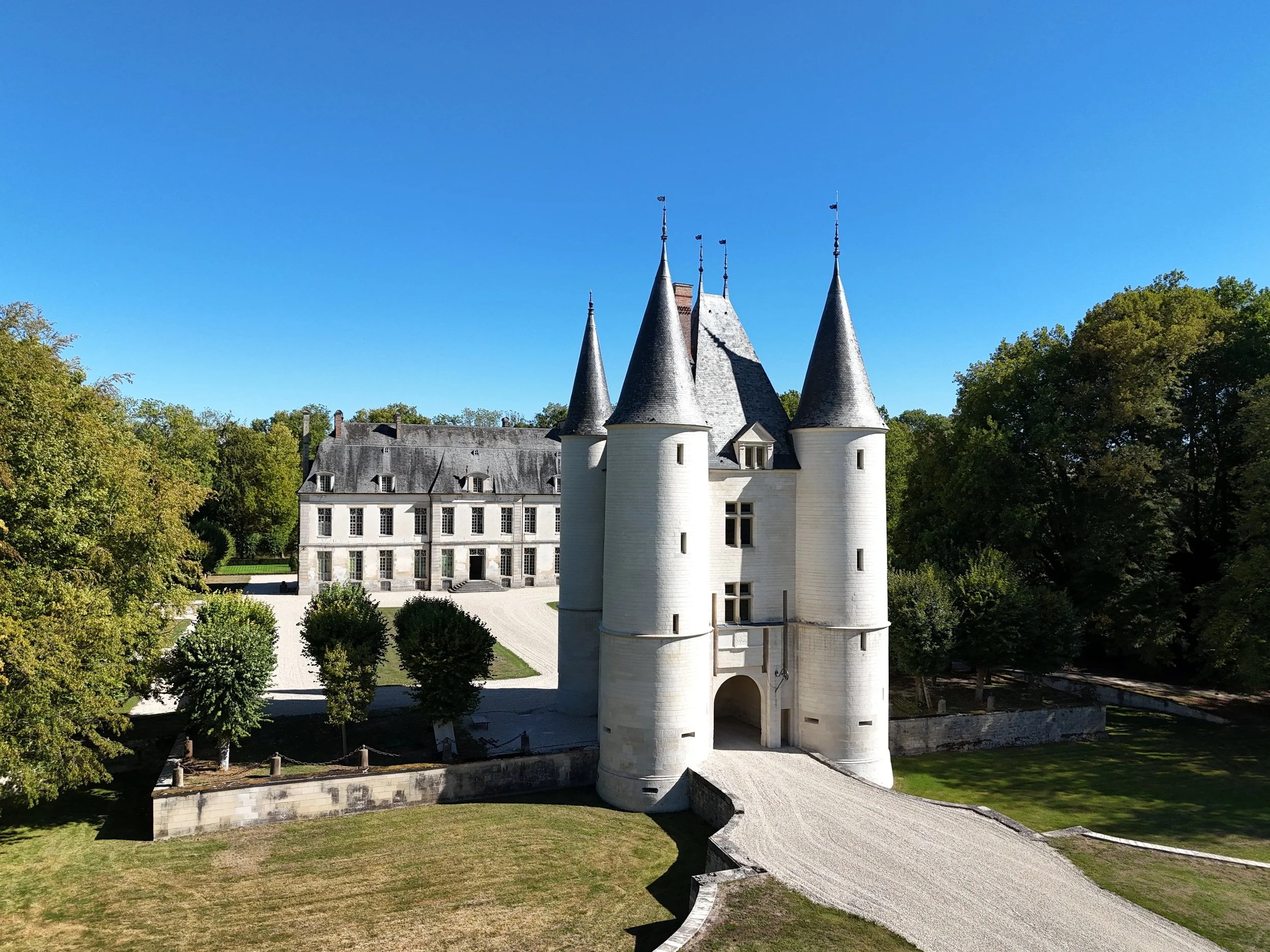
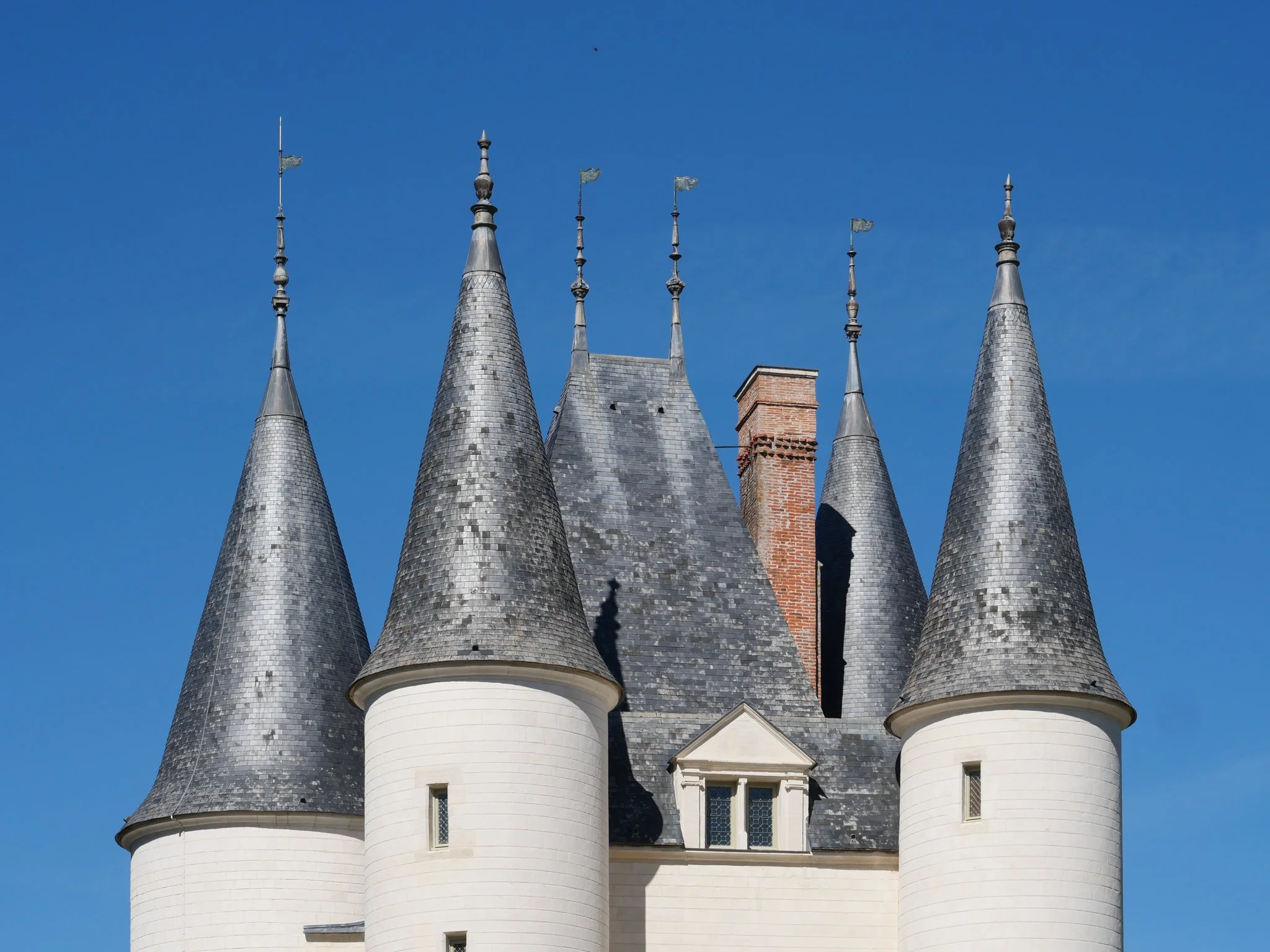
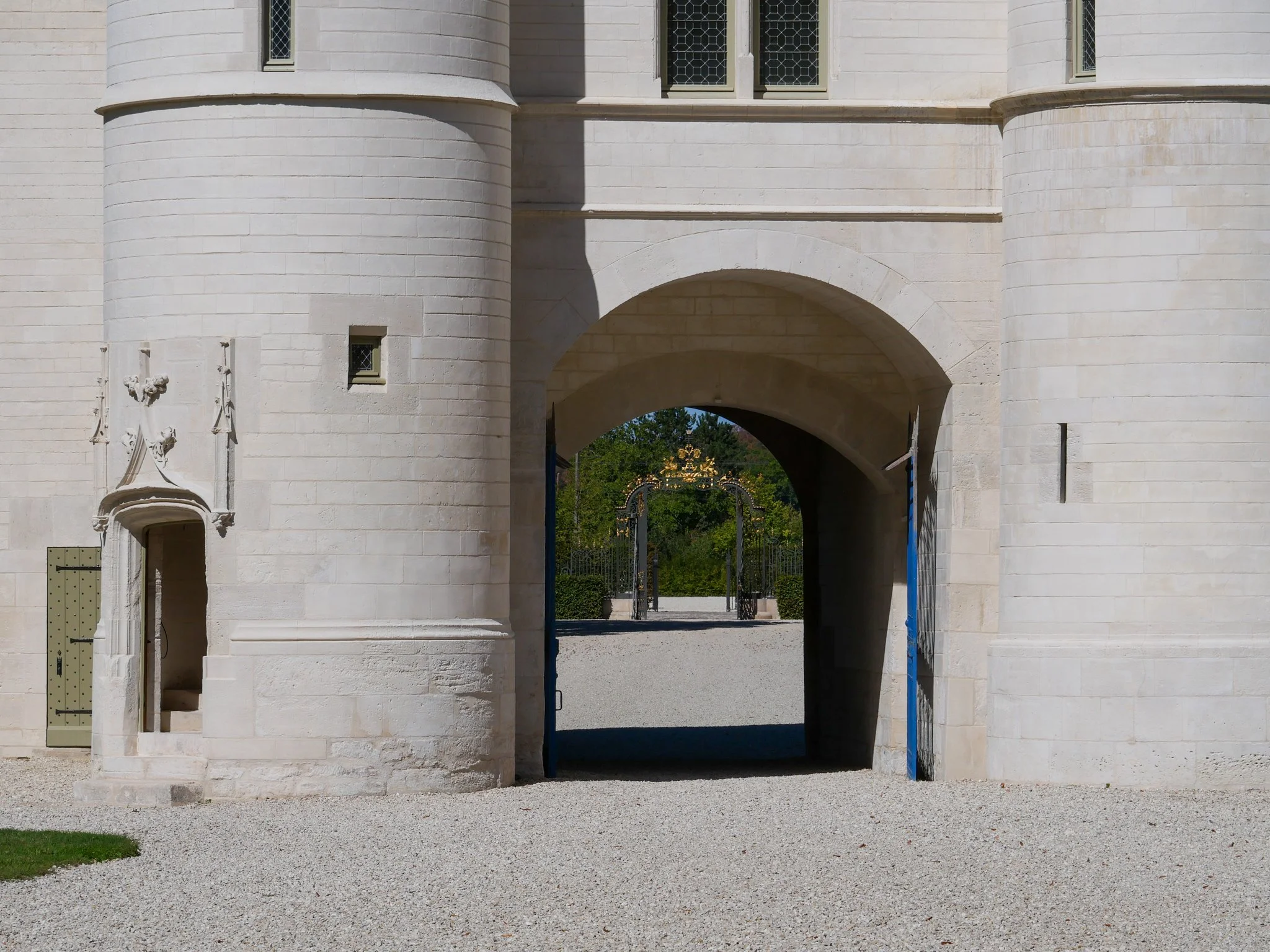
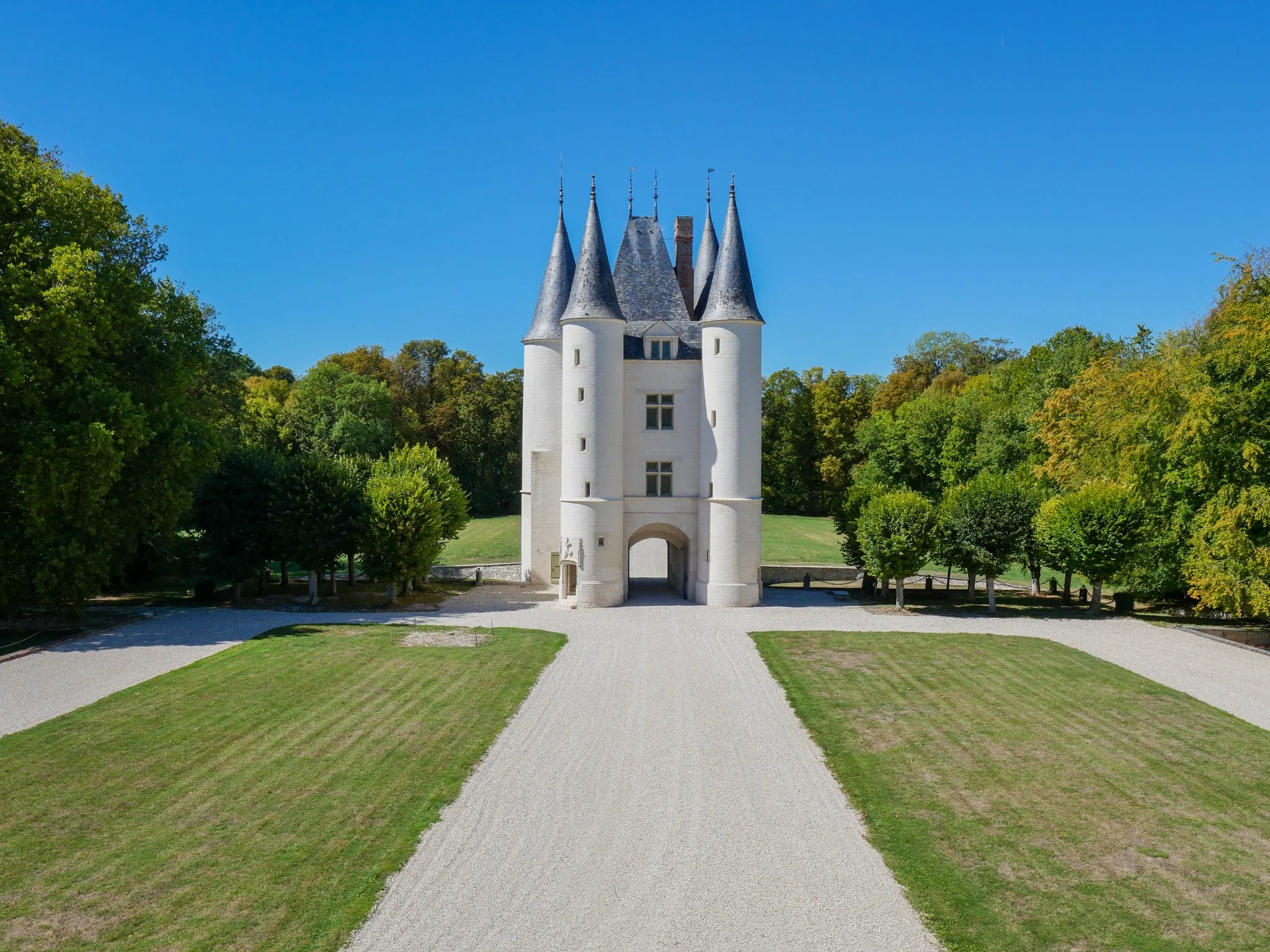
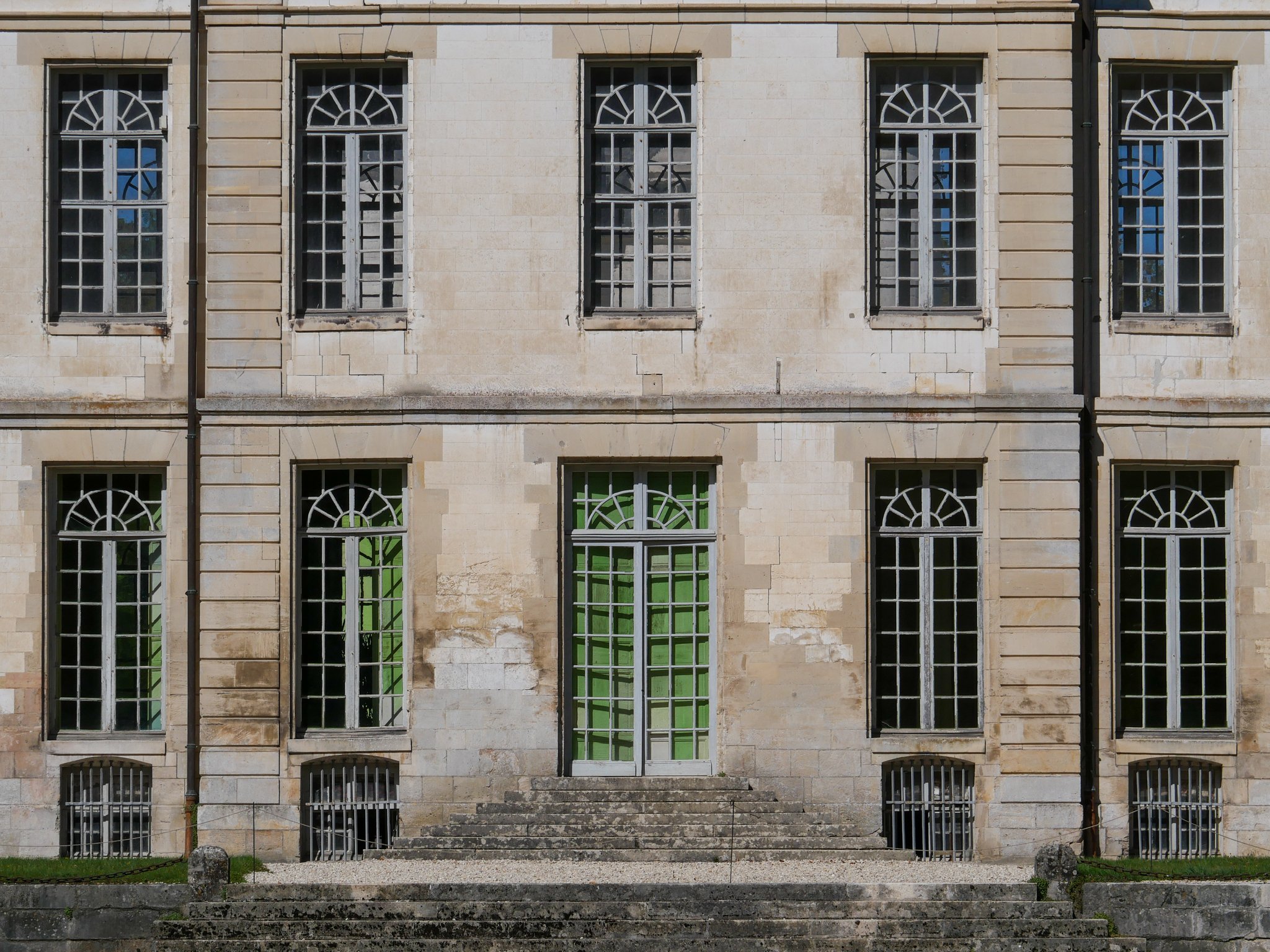
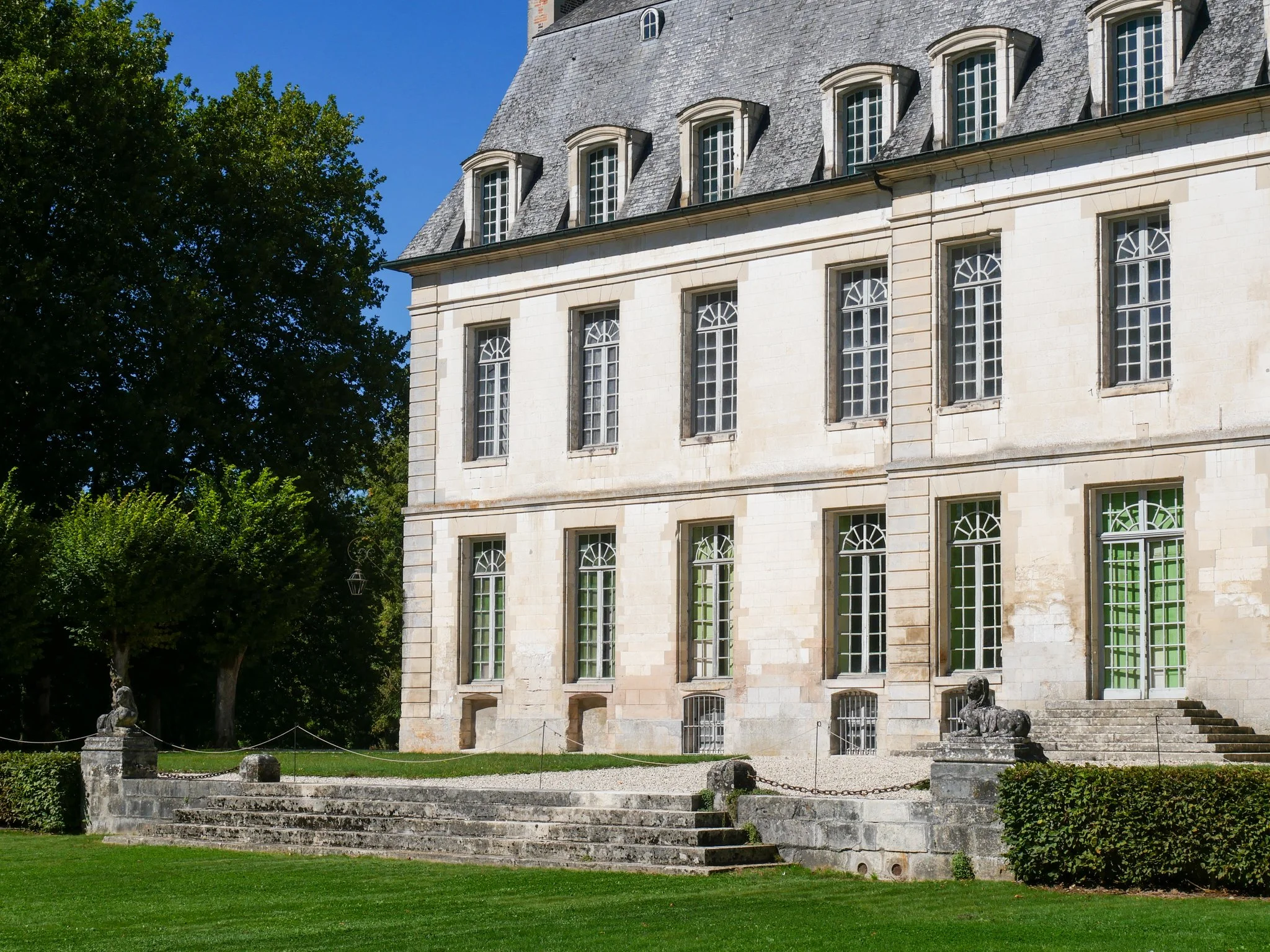
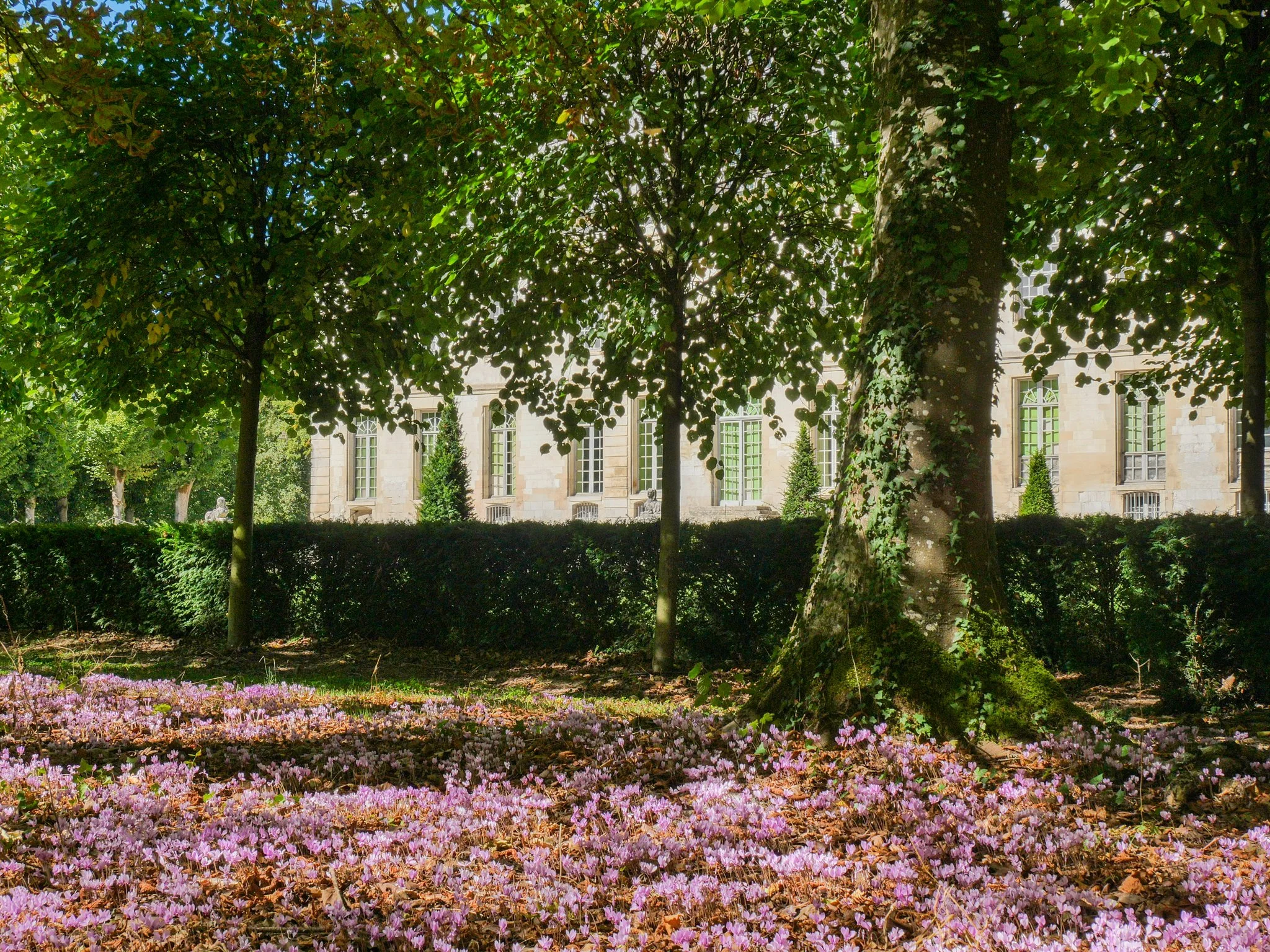
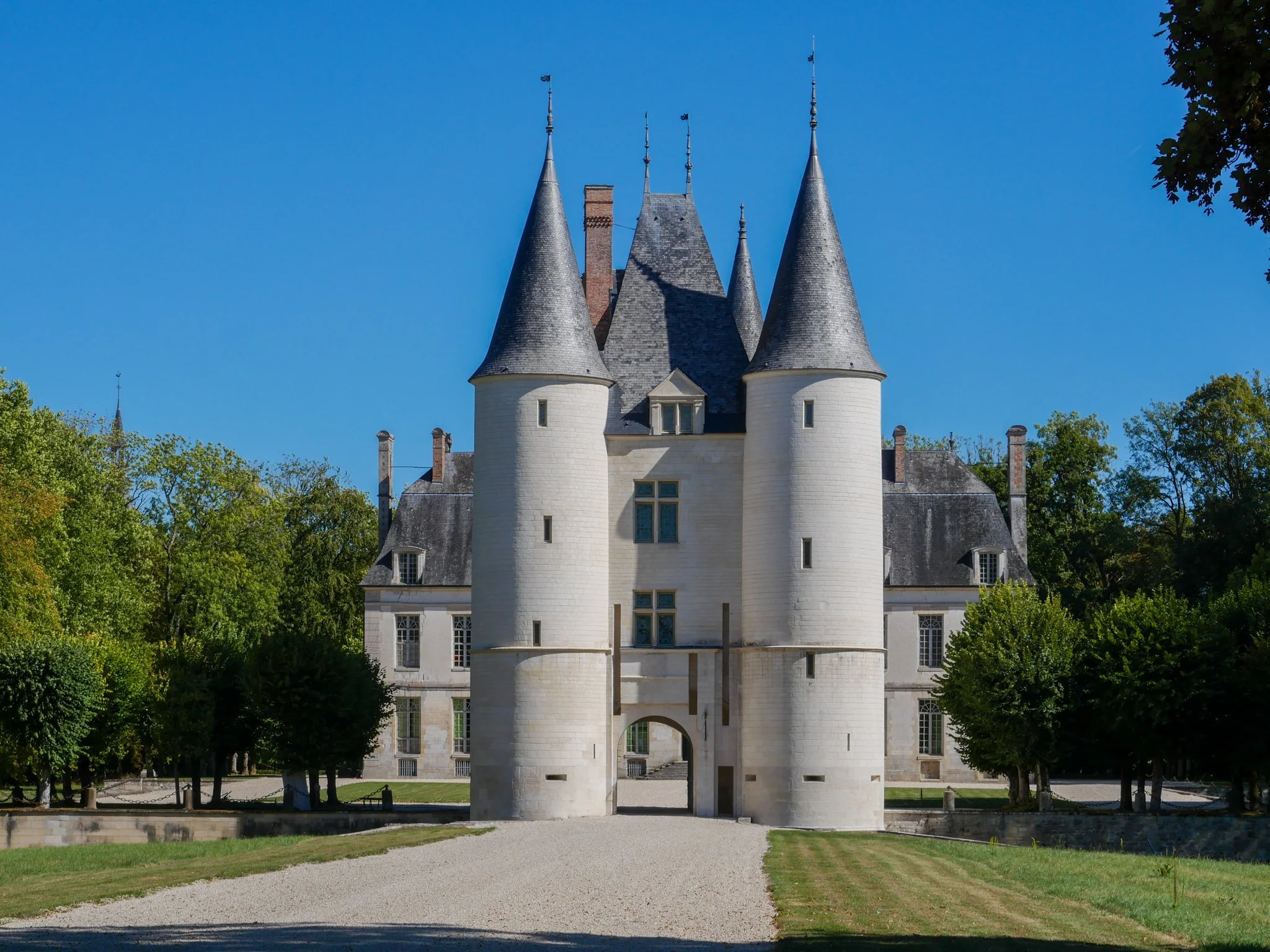
The new residence replaced an earlier fortified complex, parts of which survive in the entrance gatehouse. Its symmetrical classical façades, slightly projecting central bay and steep roof contrast with the older structure's four corner turrets and vaulted entrance passage. A 200-metre avenue leads through the grounds towards the château.
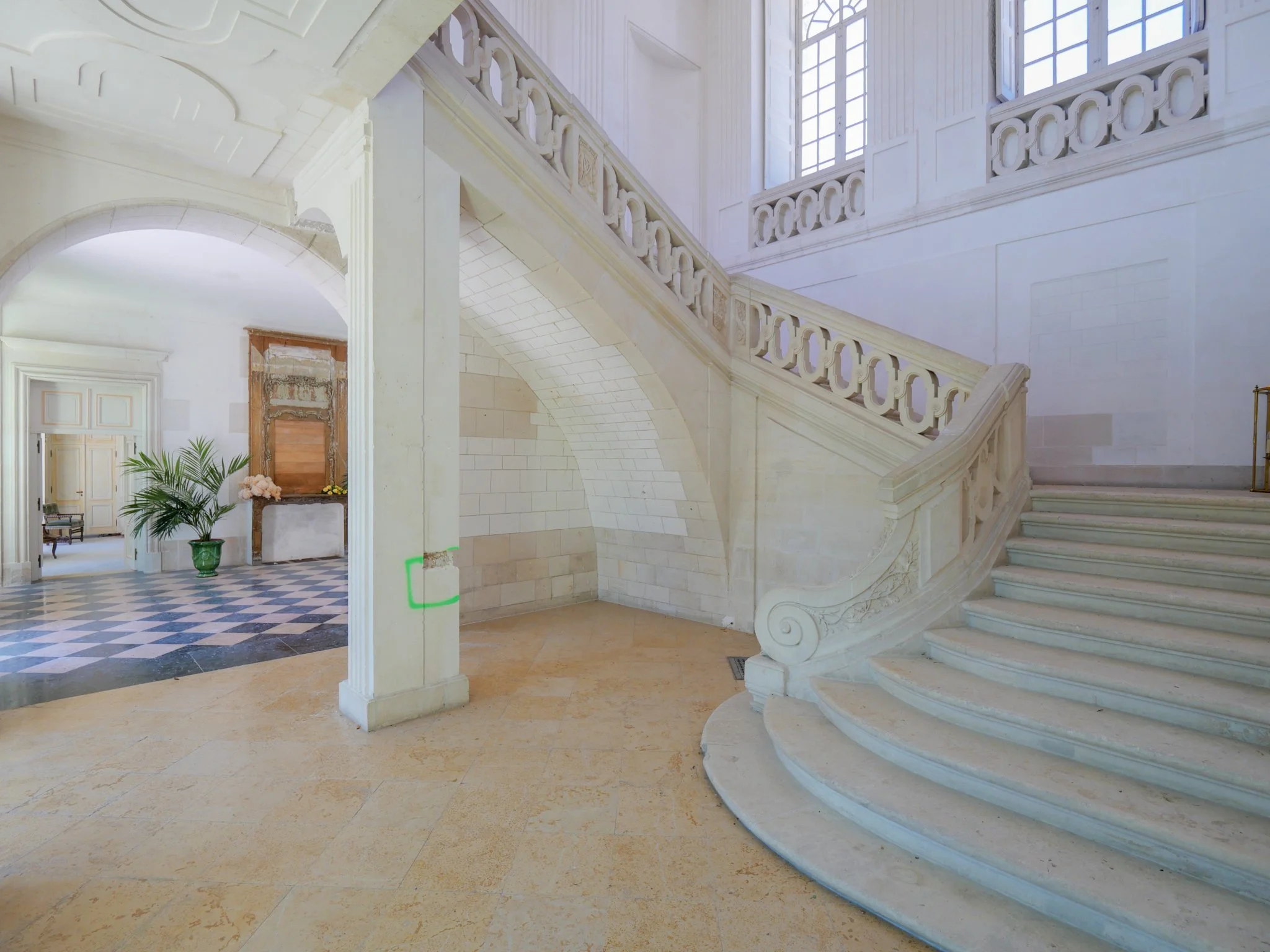
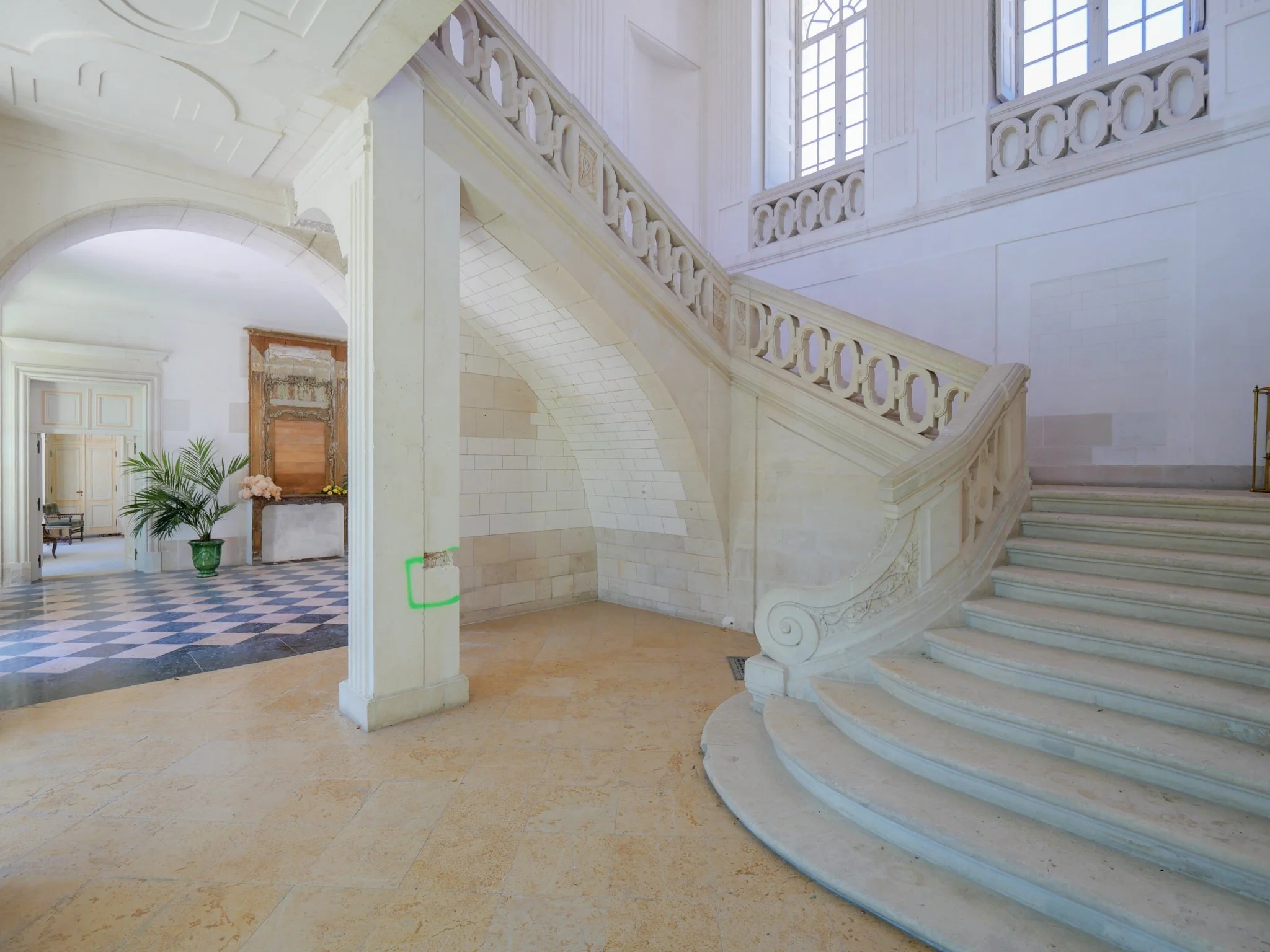
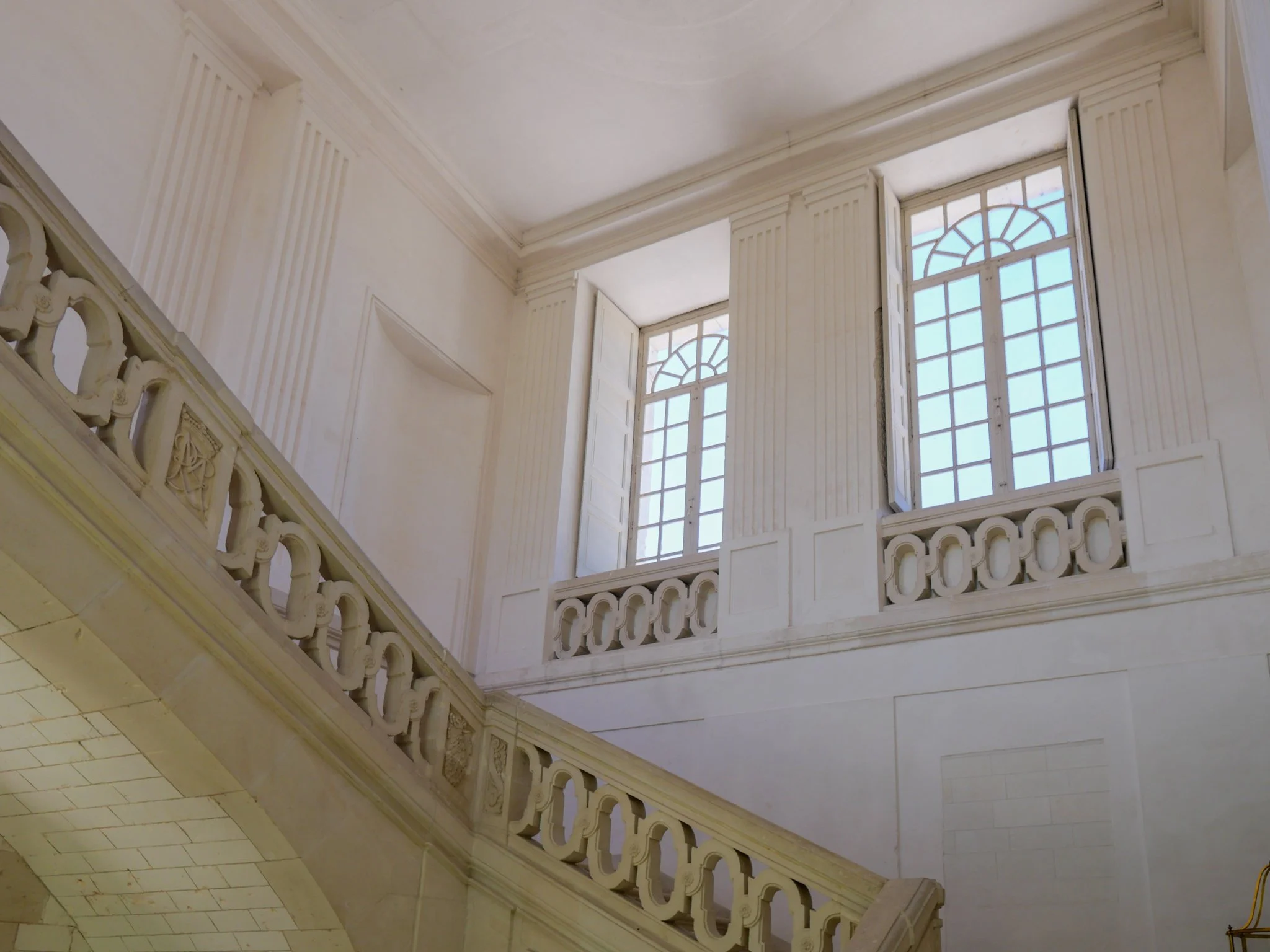
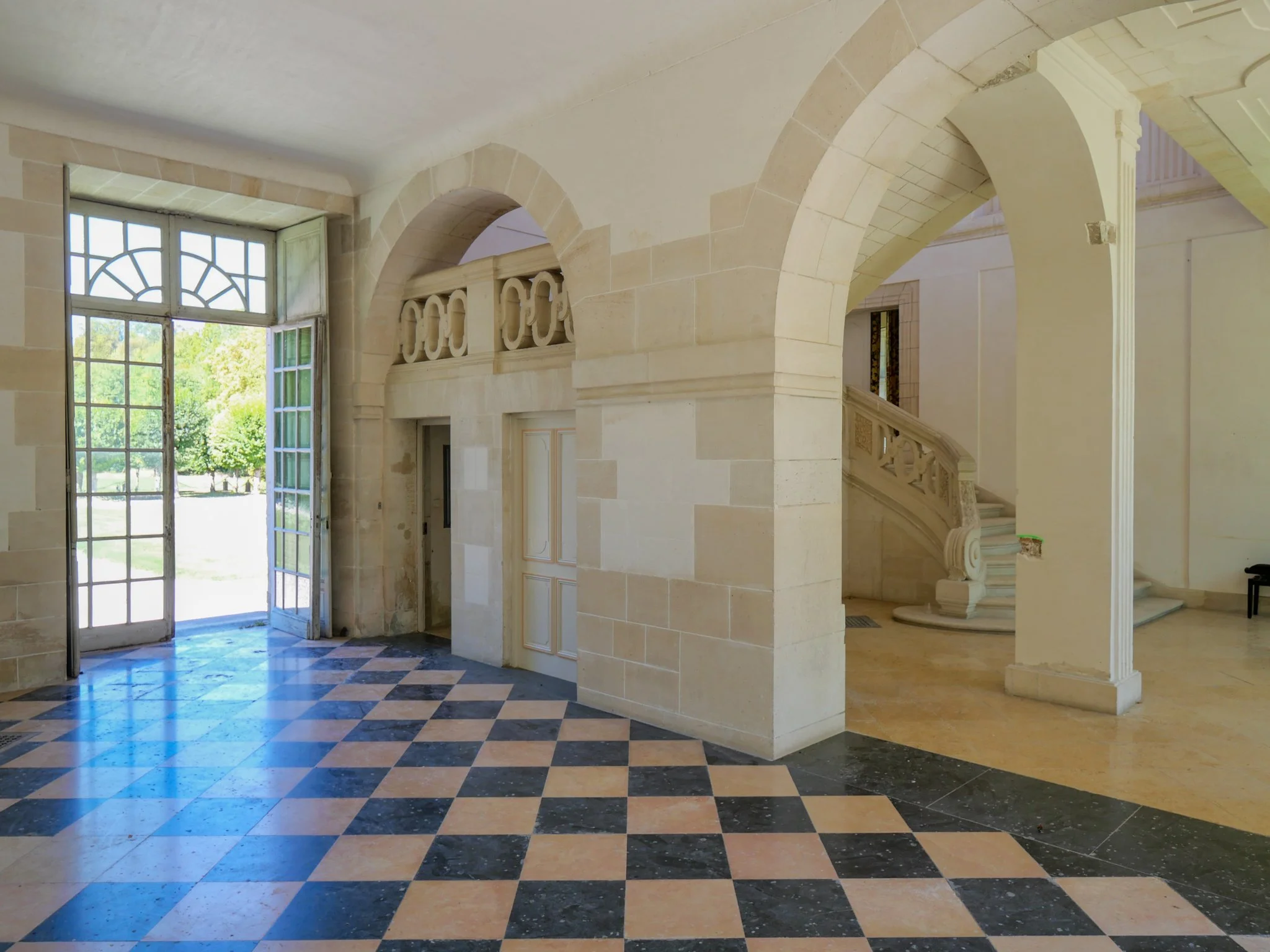
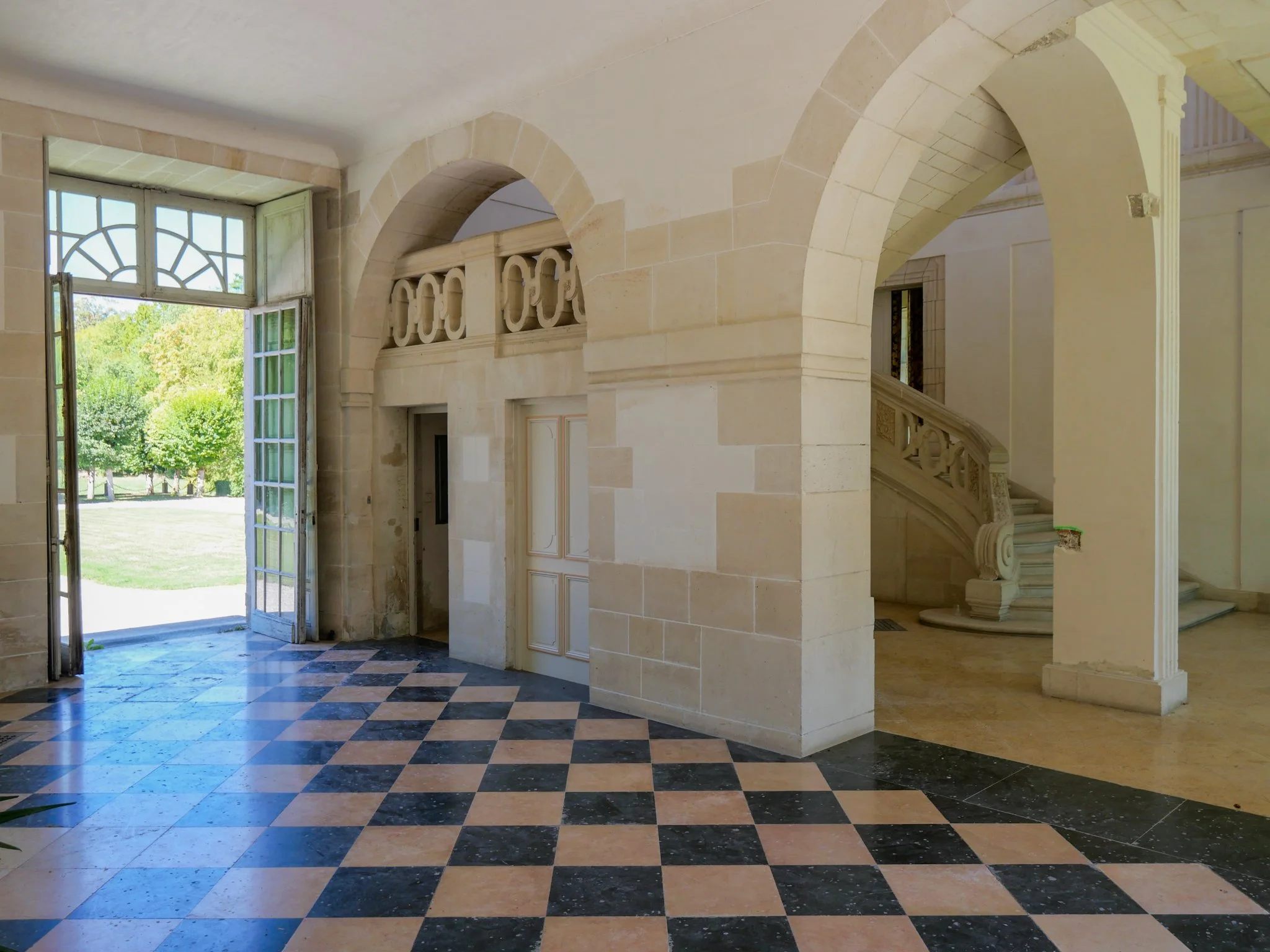
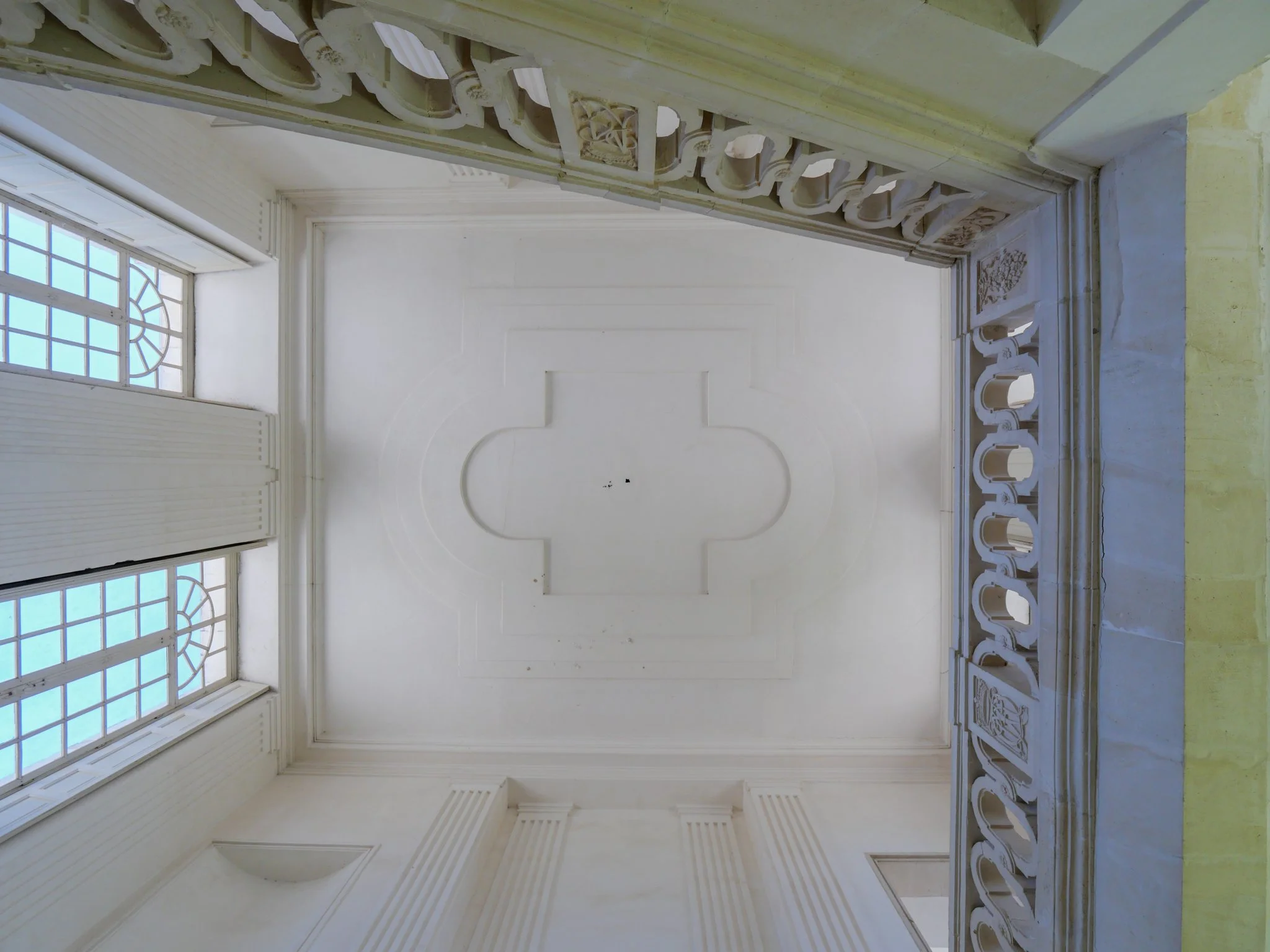
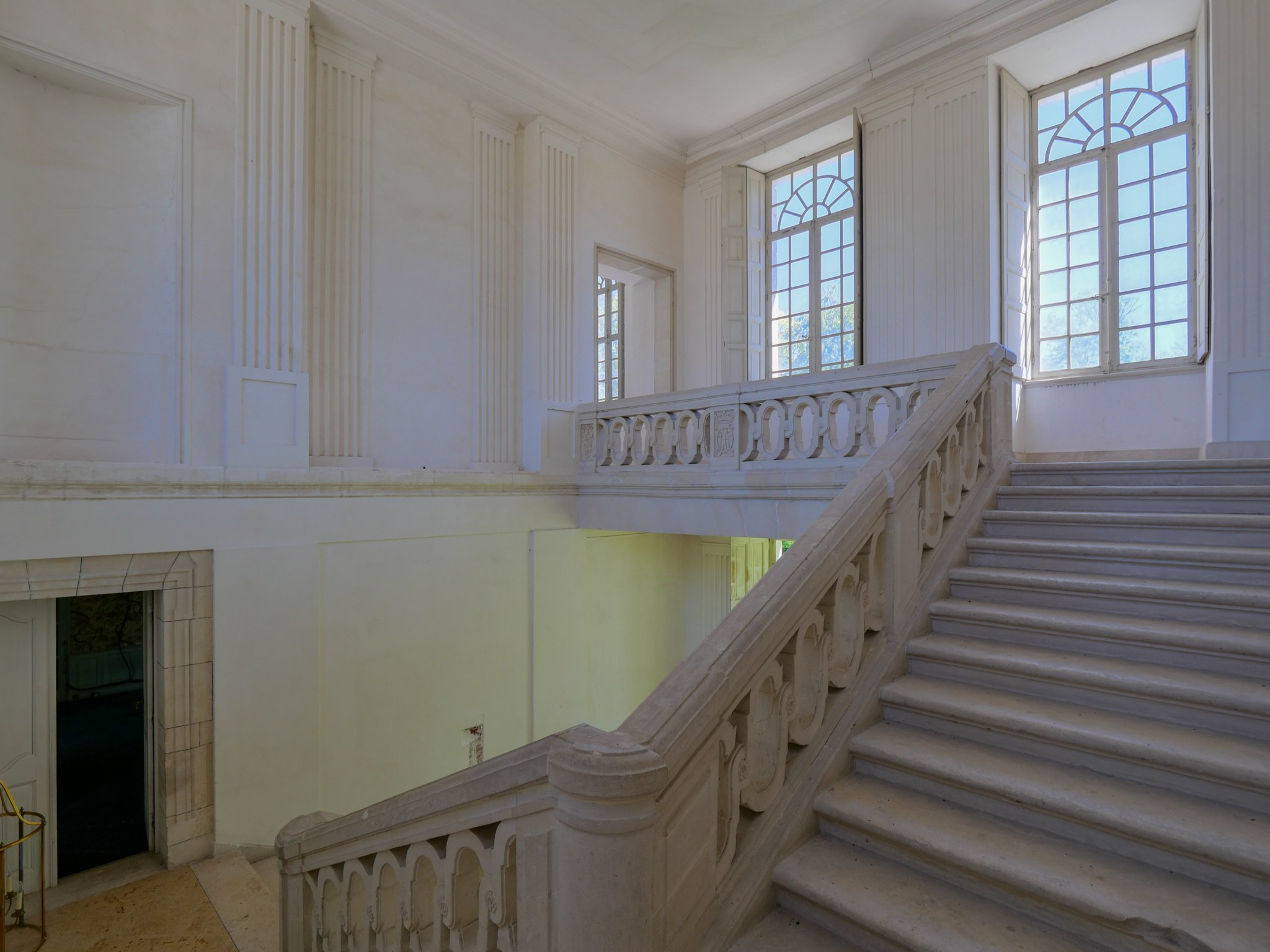
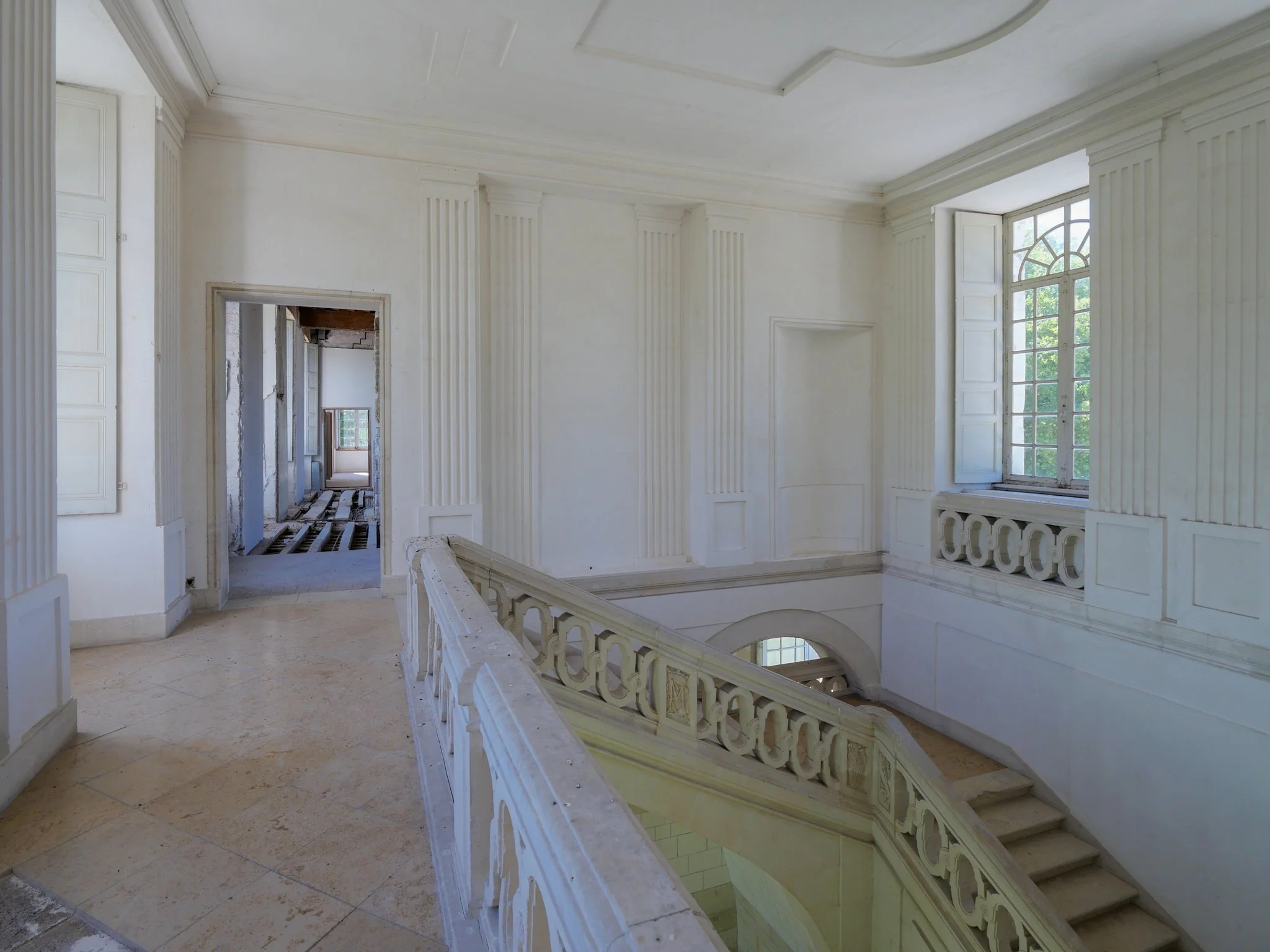
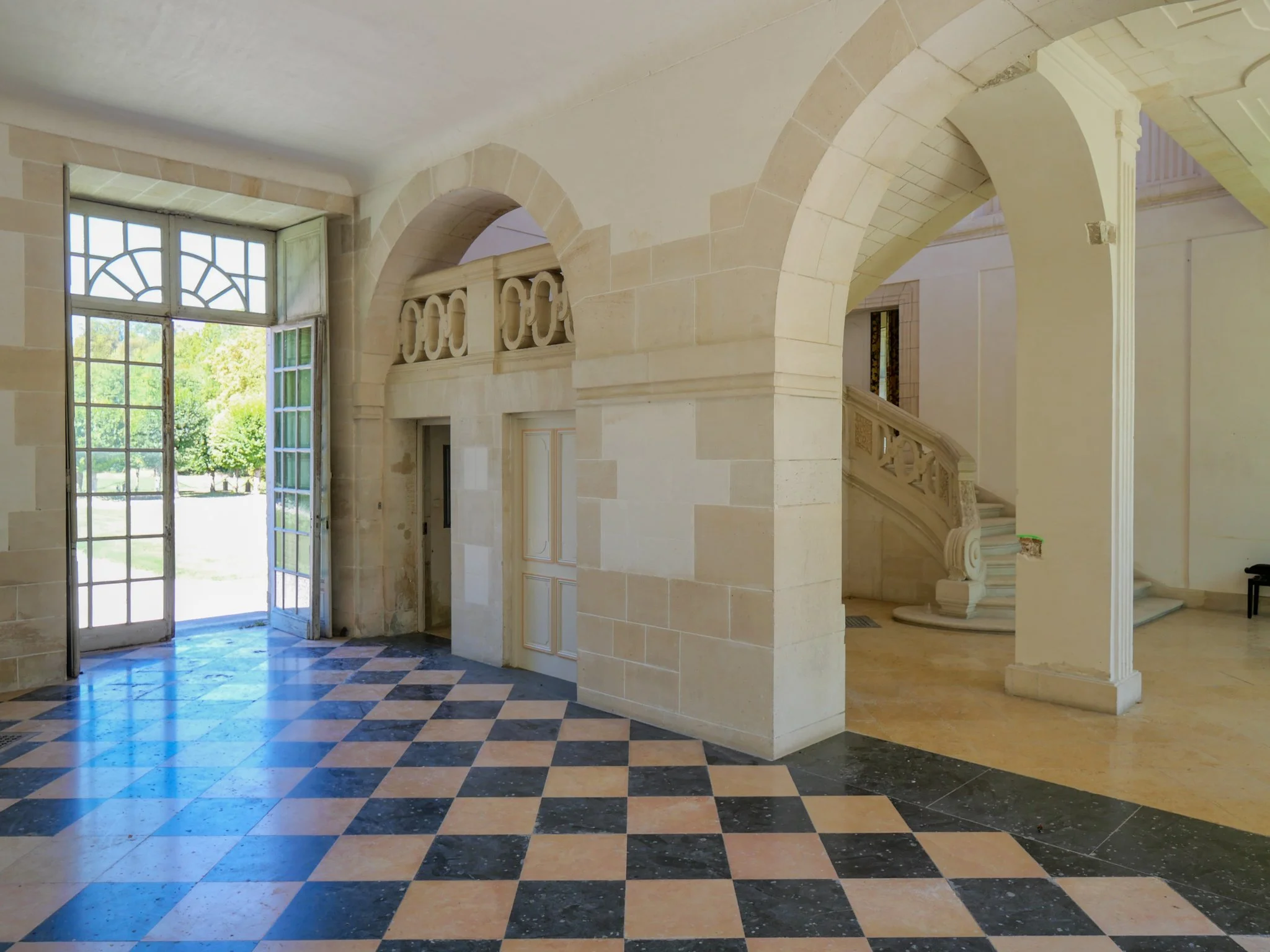
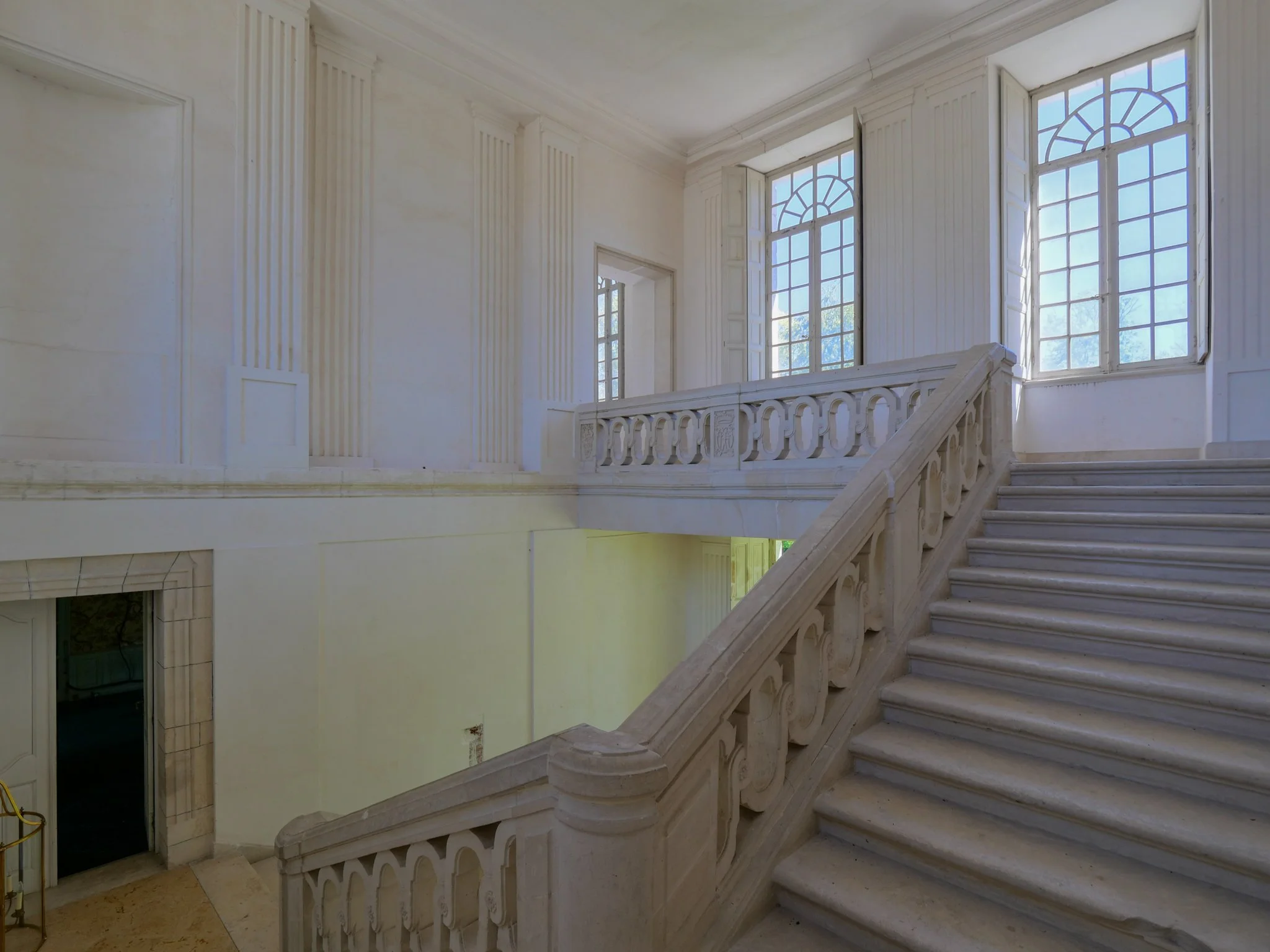
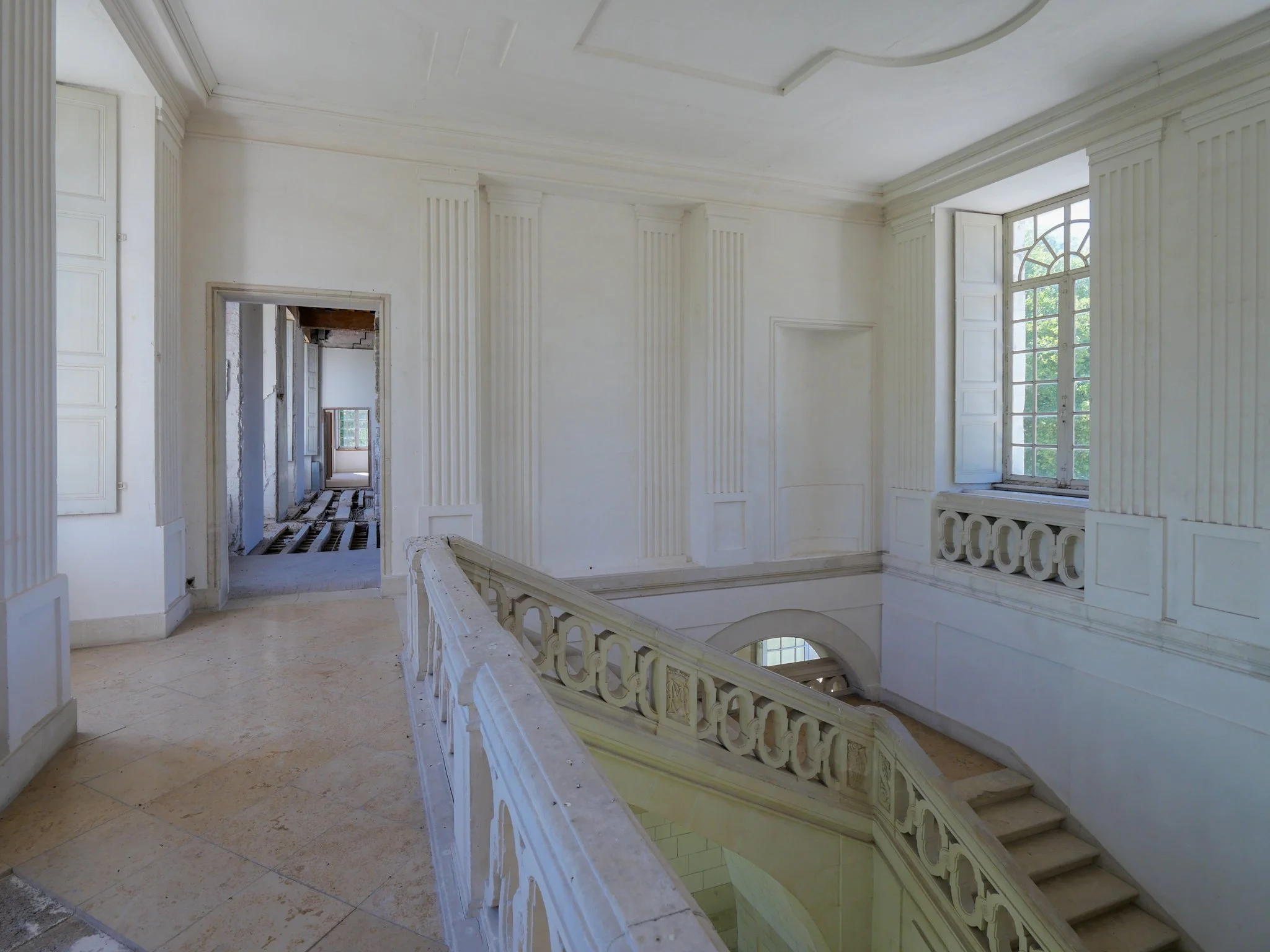
The château's monumental stone staircase is one of its most important surviving original features. Its carved balustrade incorporates oak leaves, laurels and the monograms of François Picot de Dampierre and Madeleine Gargam, for whom the château was rebuilt.
Inside, the grand stone staircase remains the château's most significant surviving architectural feature. Its carved balustrade incorporates oak leaves, laurels and the monograms of François Picot and Madeleine Gargam, linking it to the family responsible for the rebuilding.
Among the family's later descendants was Auguste-Henri-Marie Picot de Dampierre, a general in the French Revolutionary armies who died in 1793. The estate subsequently passed through the La Rochefoucauld family before being sold in 1908. According to Guillaume Denniel, the family reacquired it in 1928 and retained it until the auction at which Calmon purchased the property.
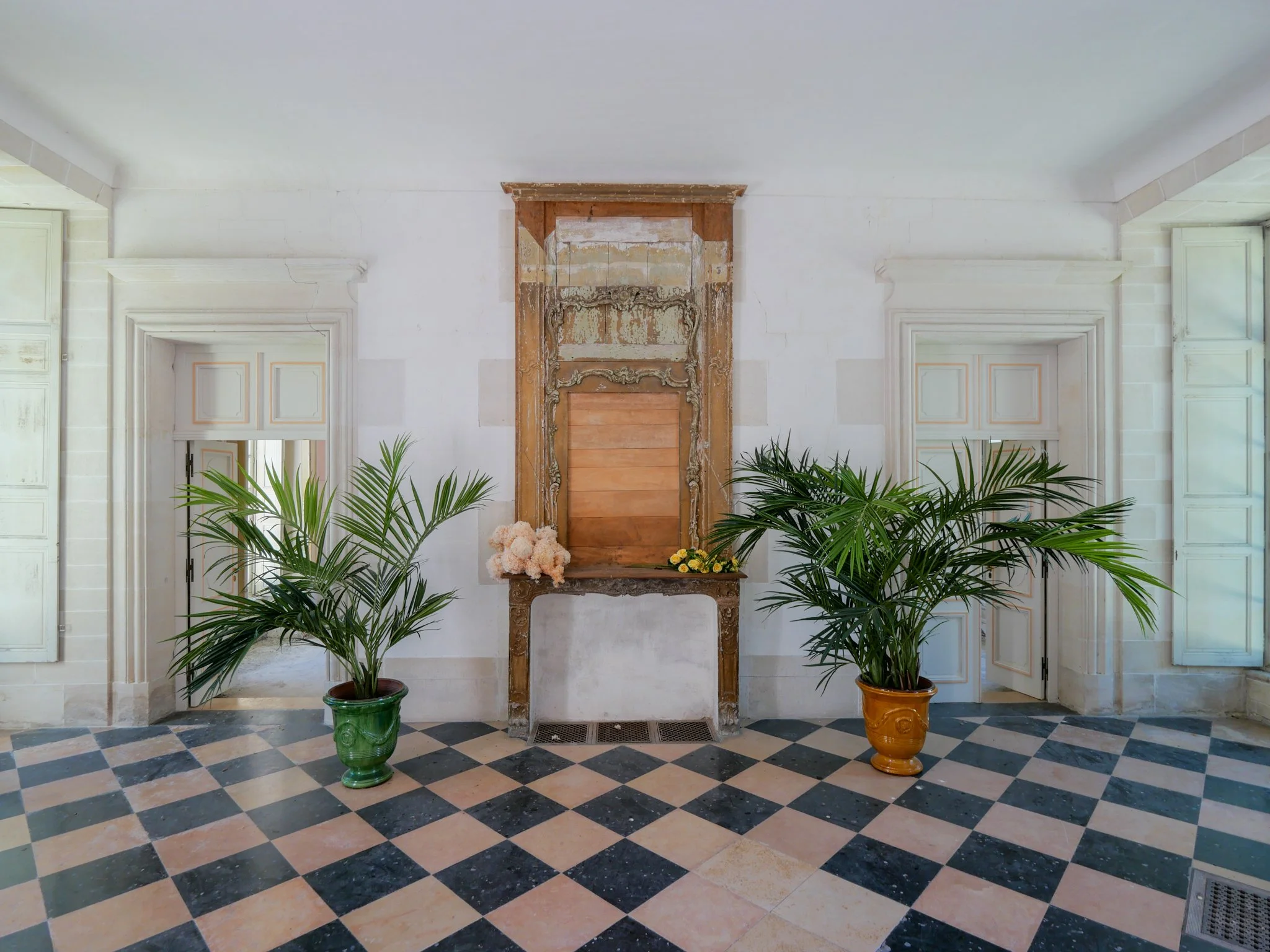
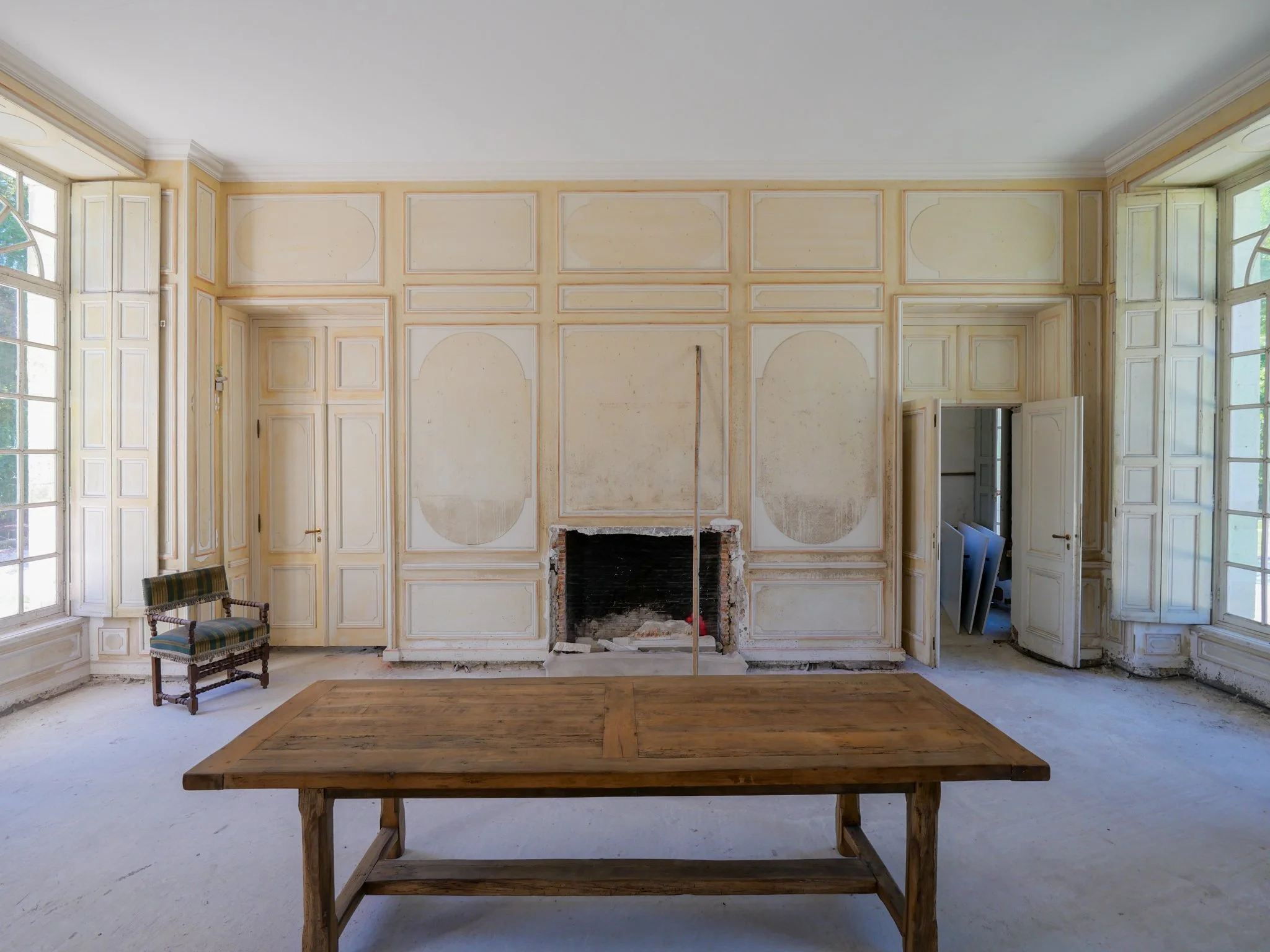
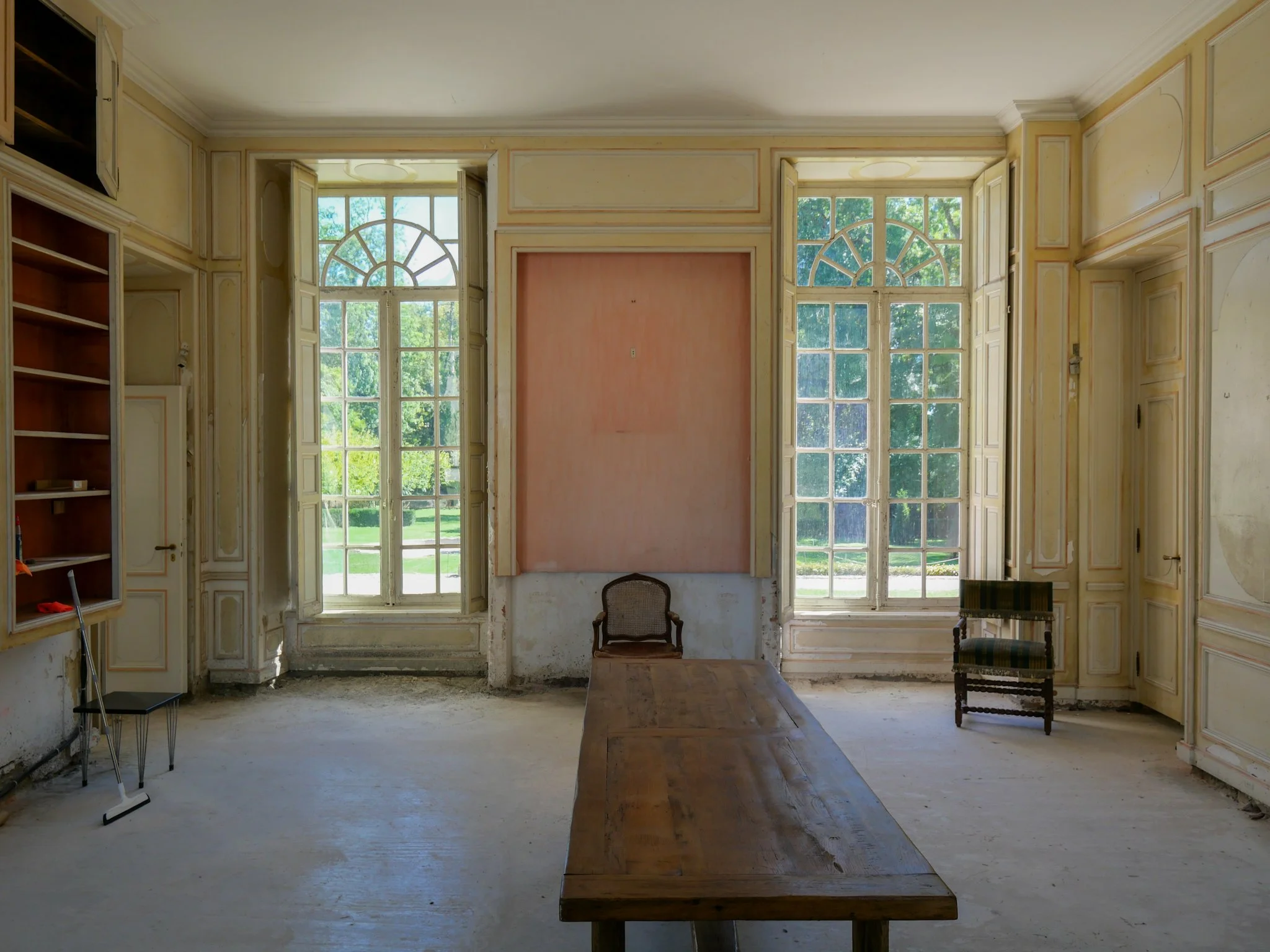
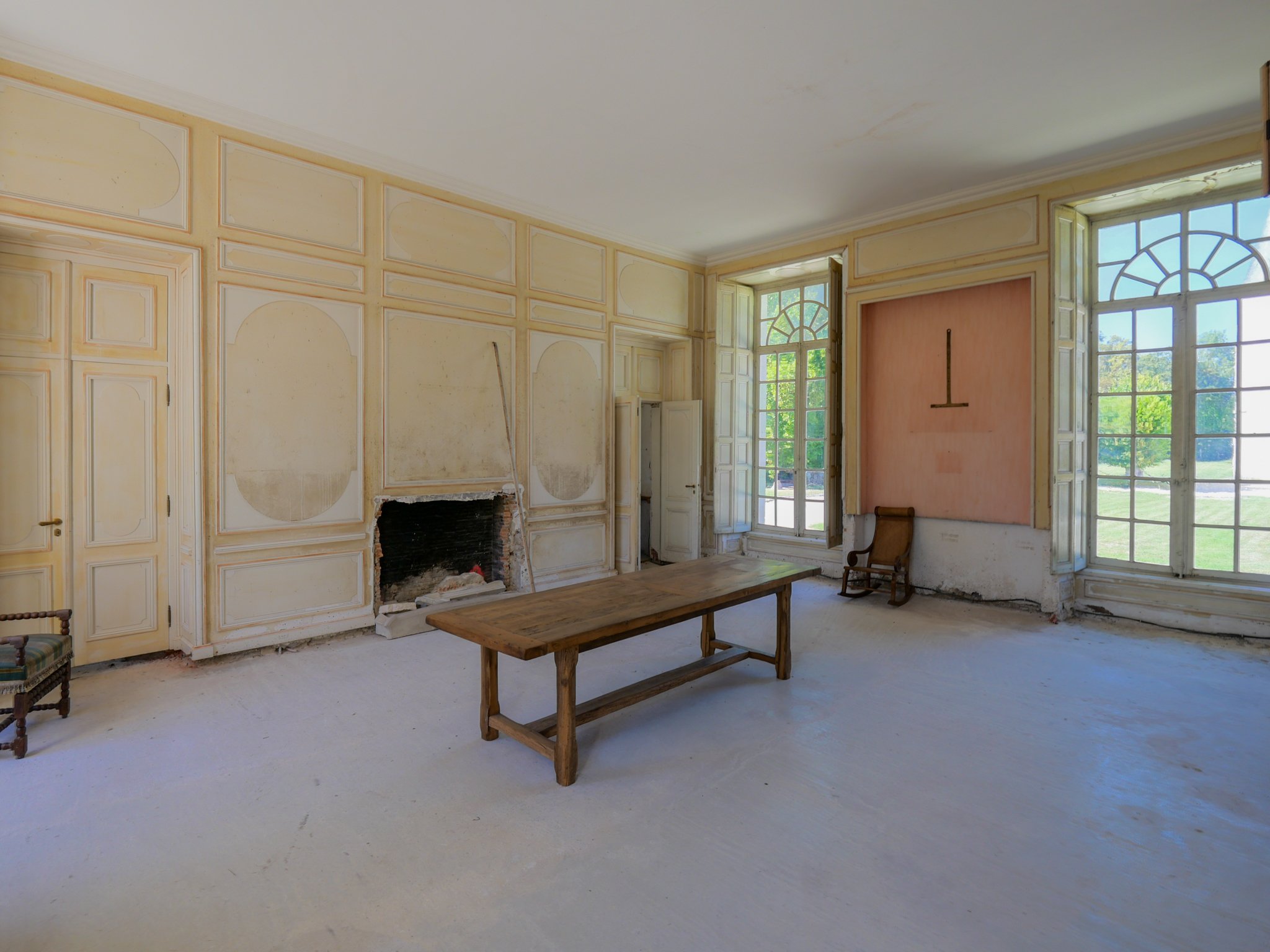
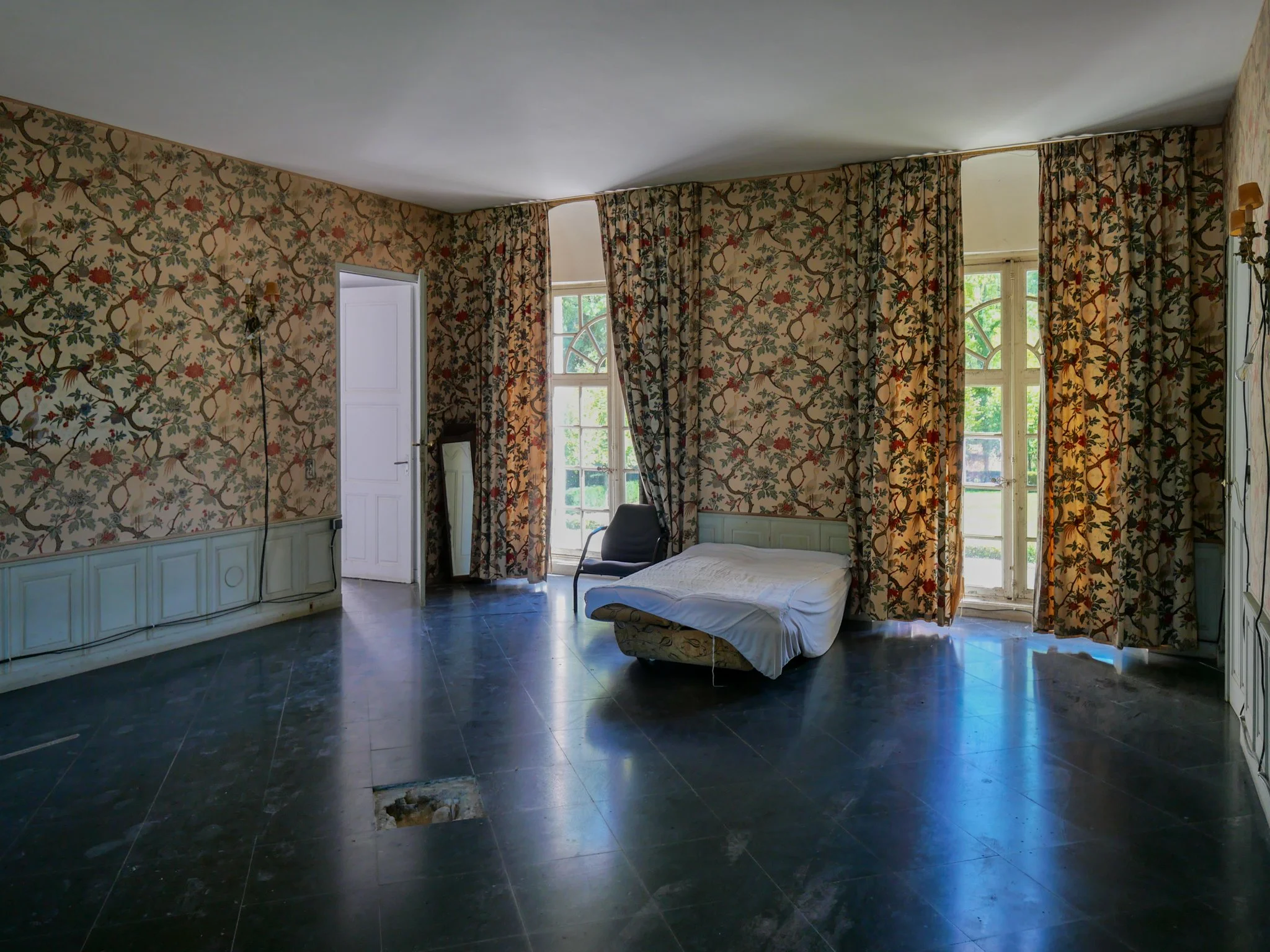
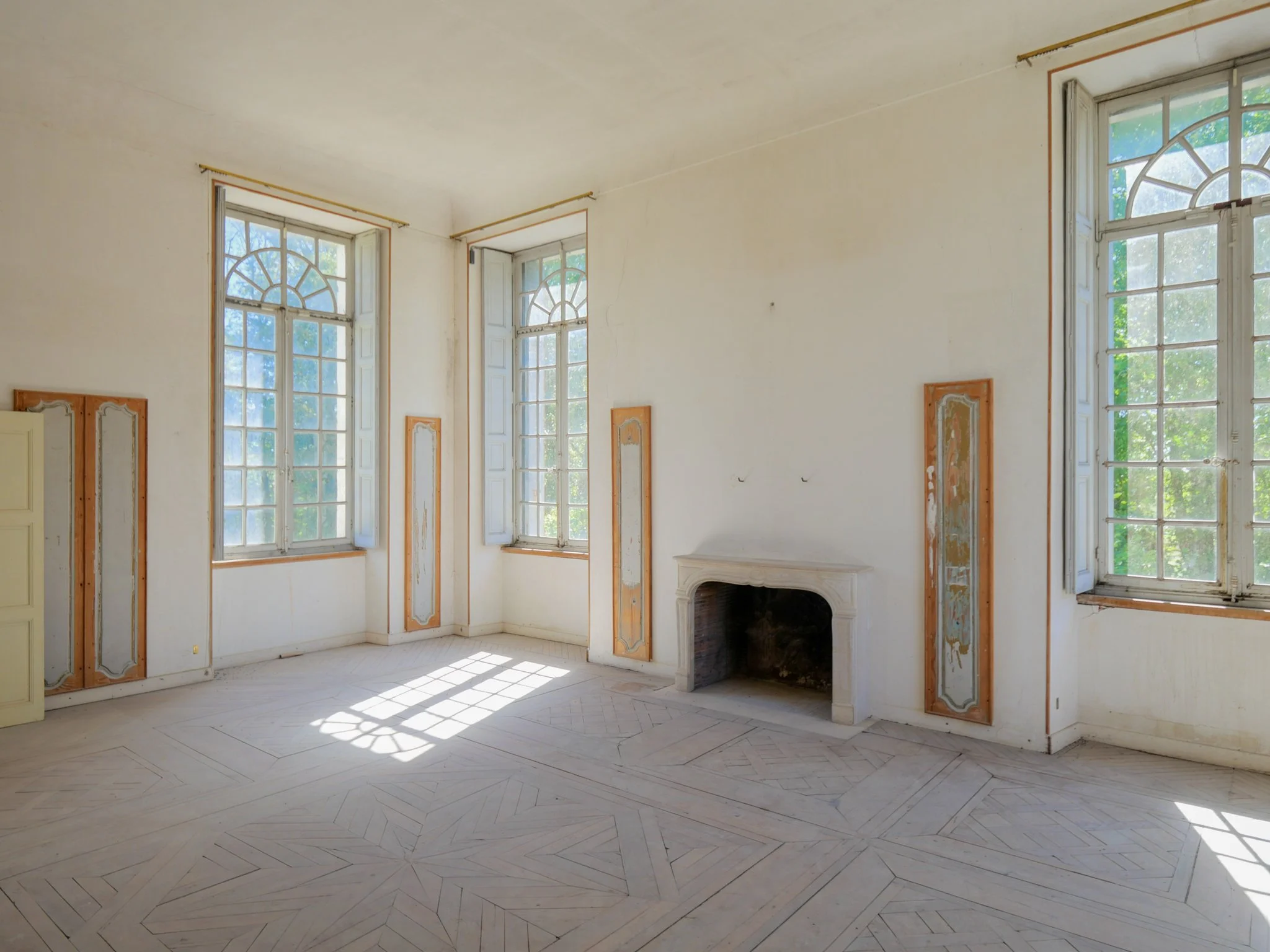
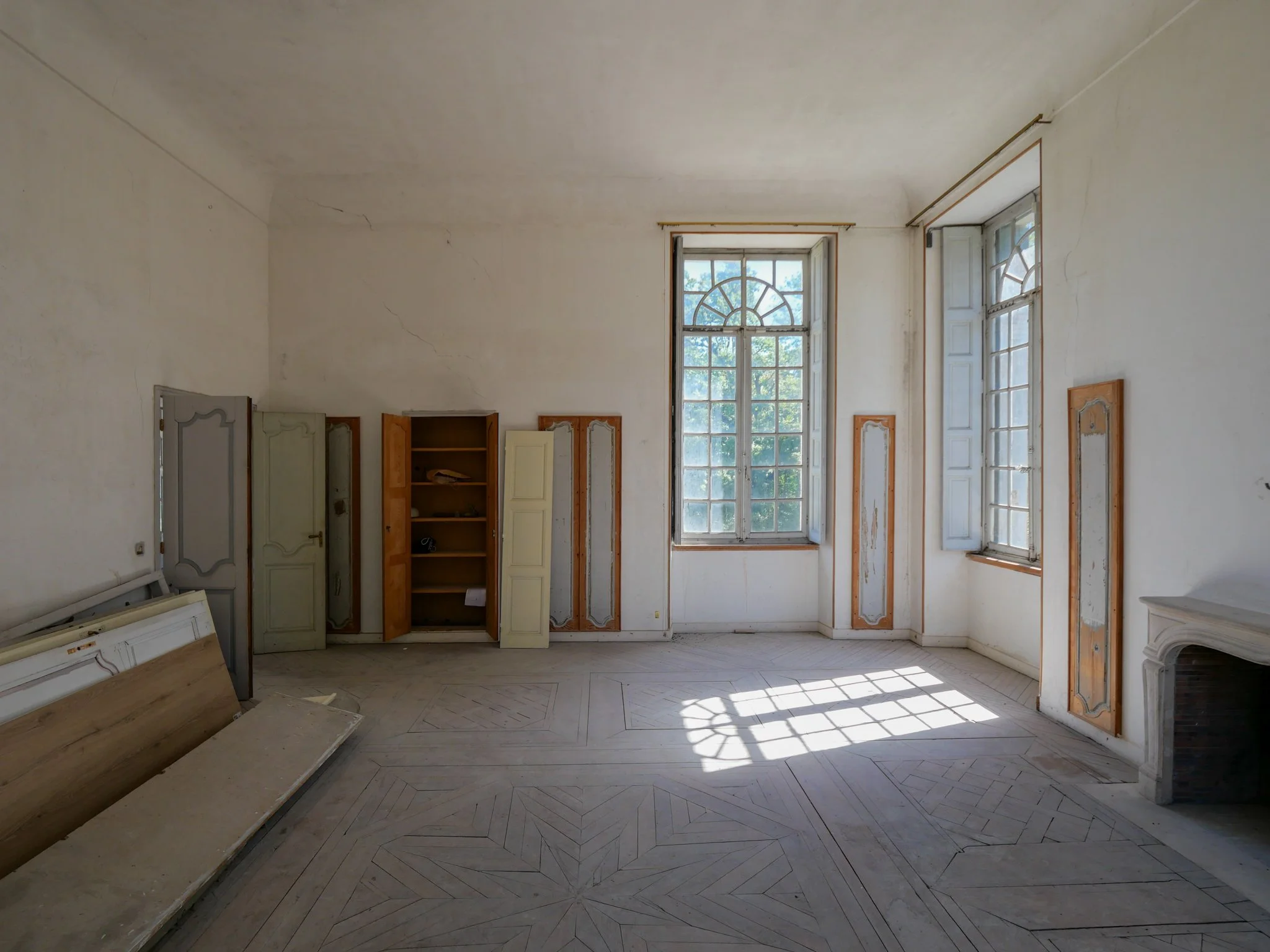
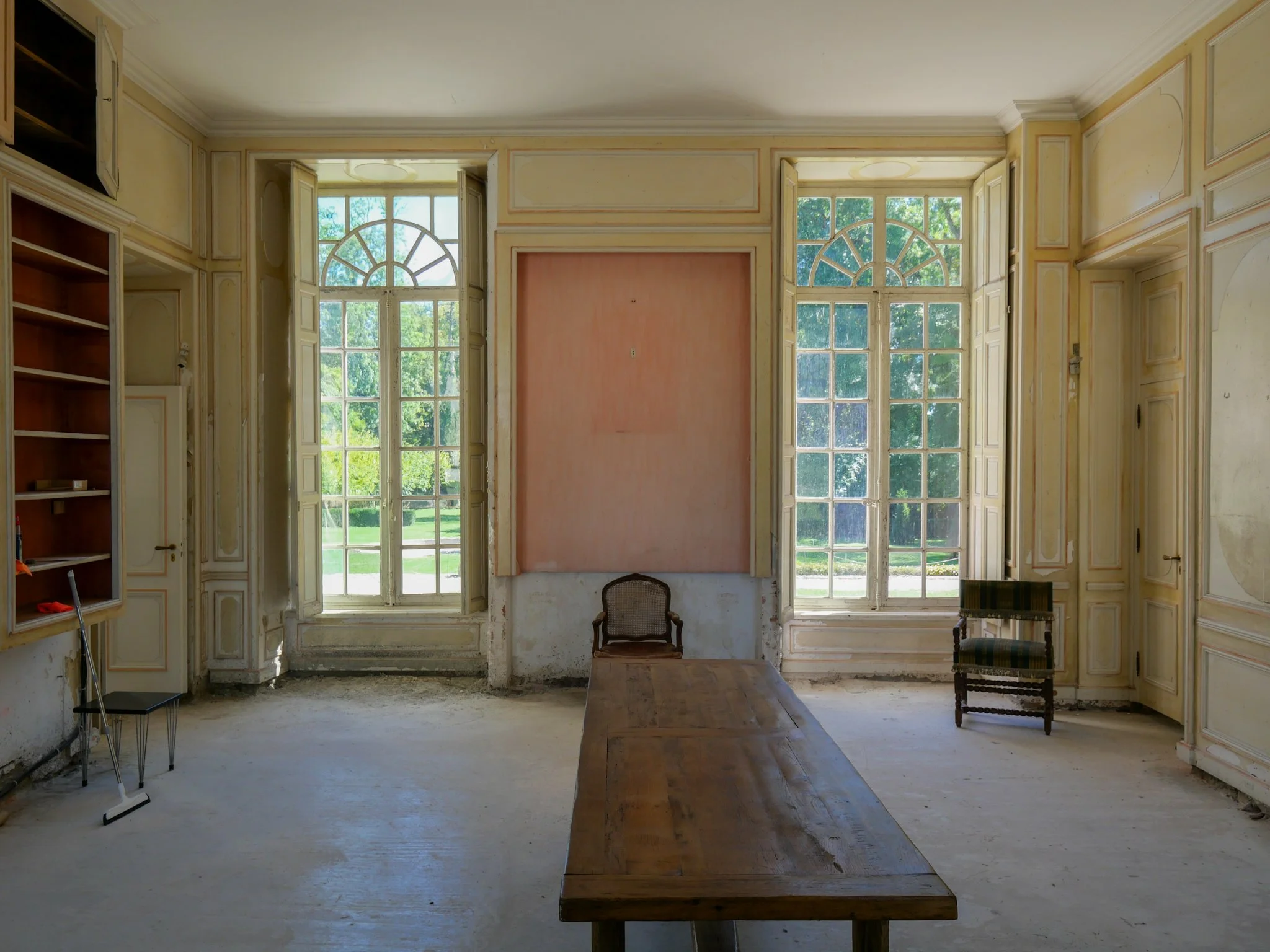
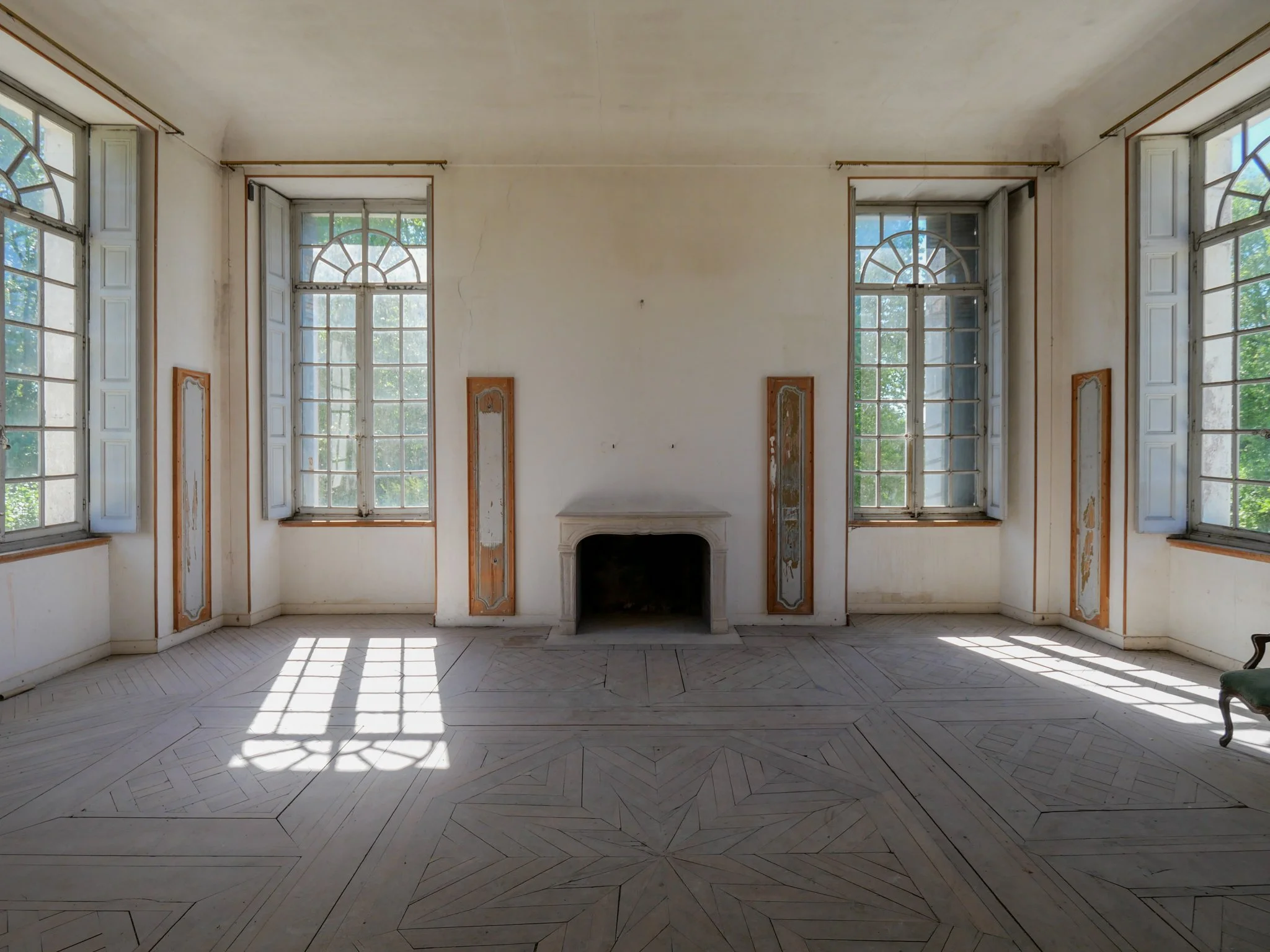
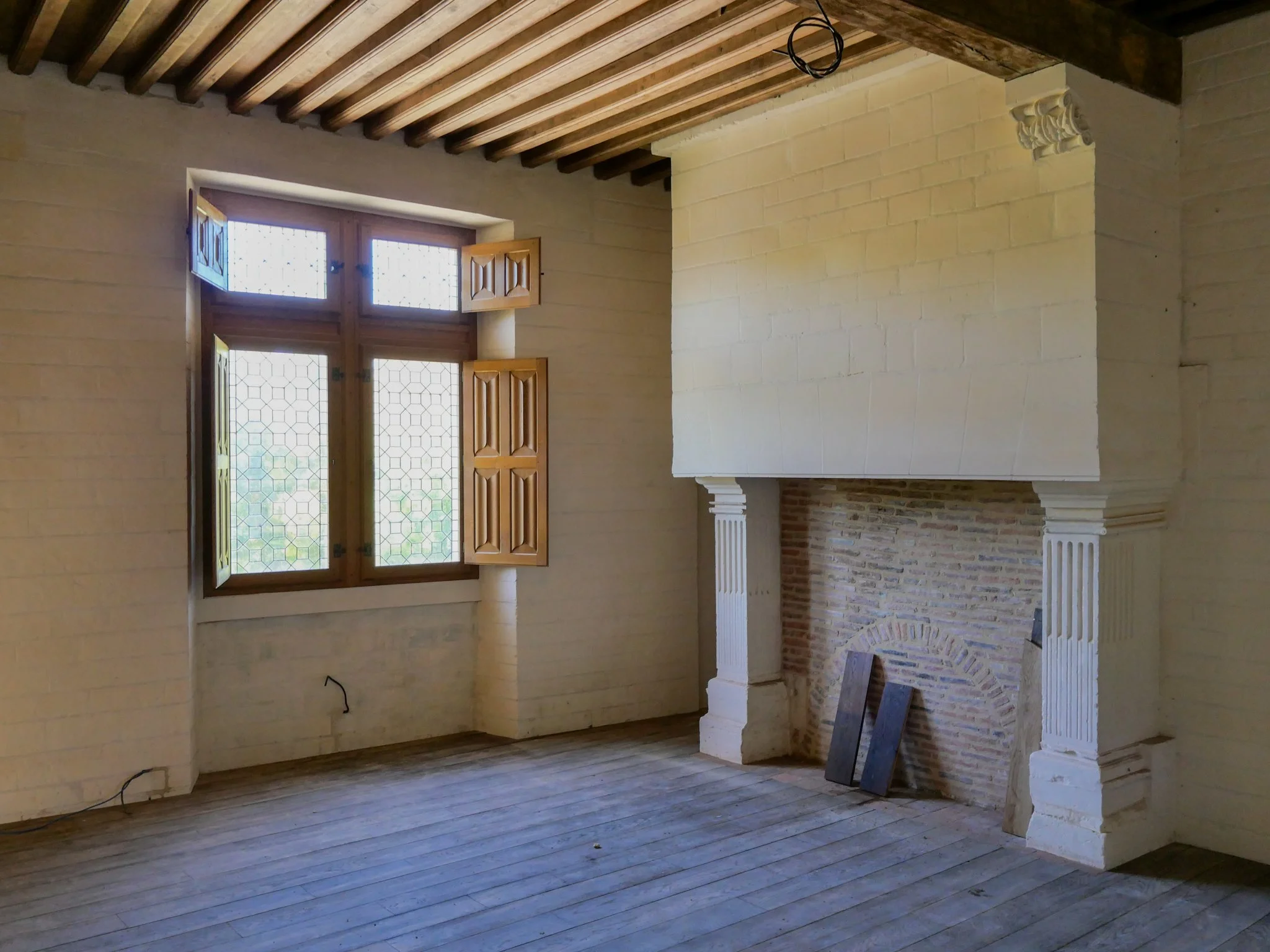
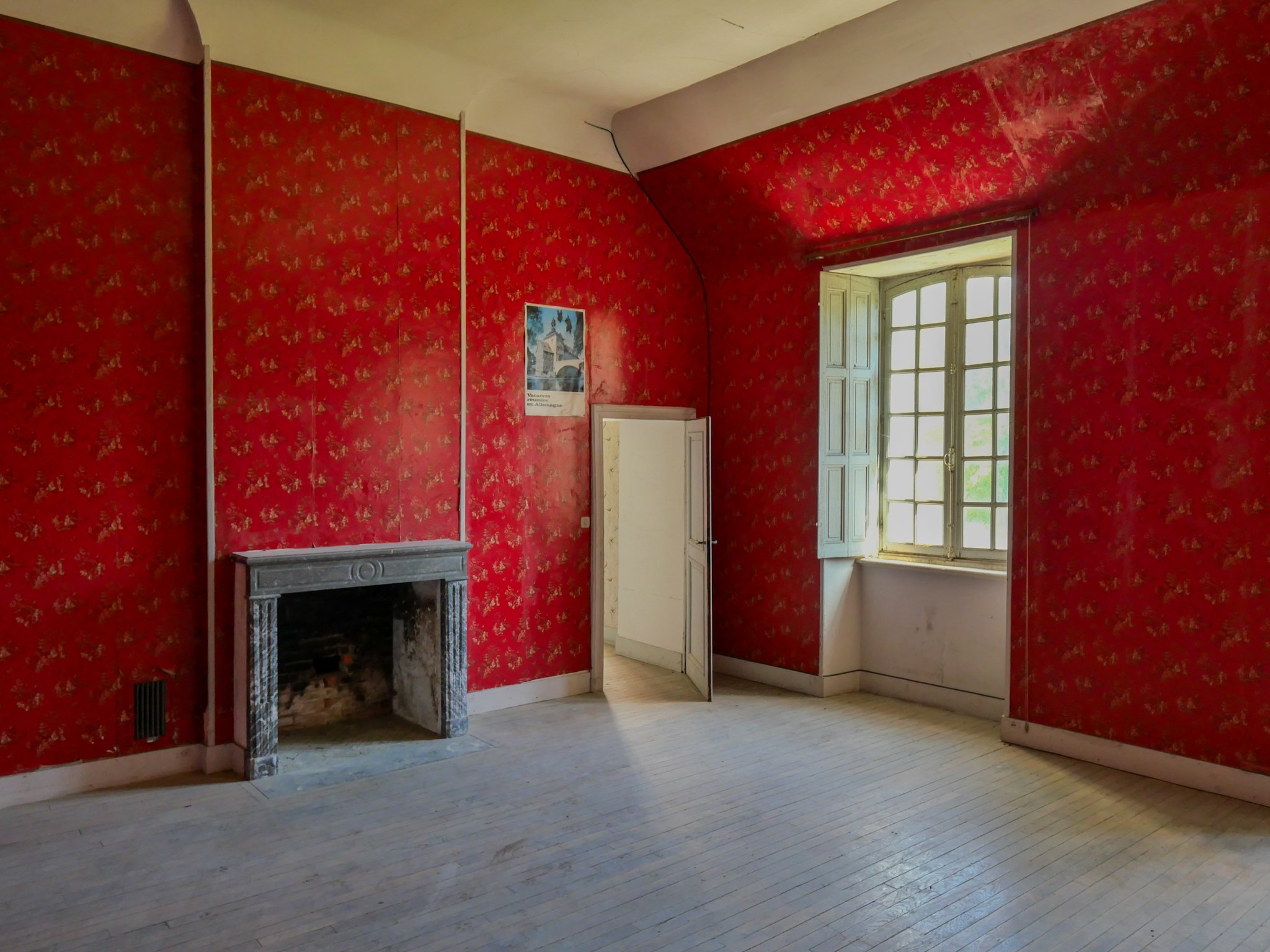
The château's interiors were once considerably more elaborate. During the early 20th century, much of the historic decoration was dispersed, including panelling, parquet floors, fireplaces and paintings. Among the losses were paintings by Jean-Baptiste Oudry and carved woodwork attributed to Jacques Verbeckt from the Salon des Quatre Empereurs.
By the time Calmon acquired Dampierre, much of its original interior decoration had disappeared. The monumental staircase, however, survived. It was this feature that particularly impressed him during his first visit and helped convince him to undertake the restoration.
Rather than beginning with the principal residence, Calmon focused the first phase of work on the surrounding historic buildings, gardens and infrastructure.
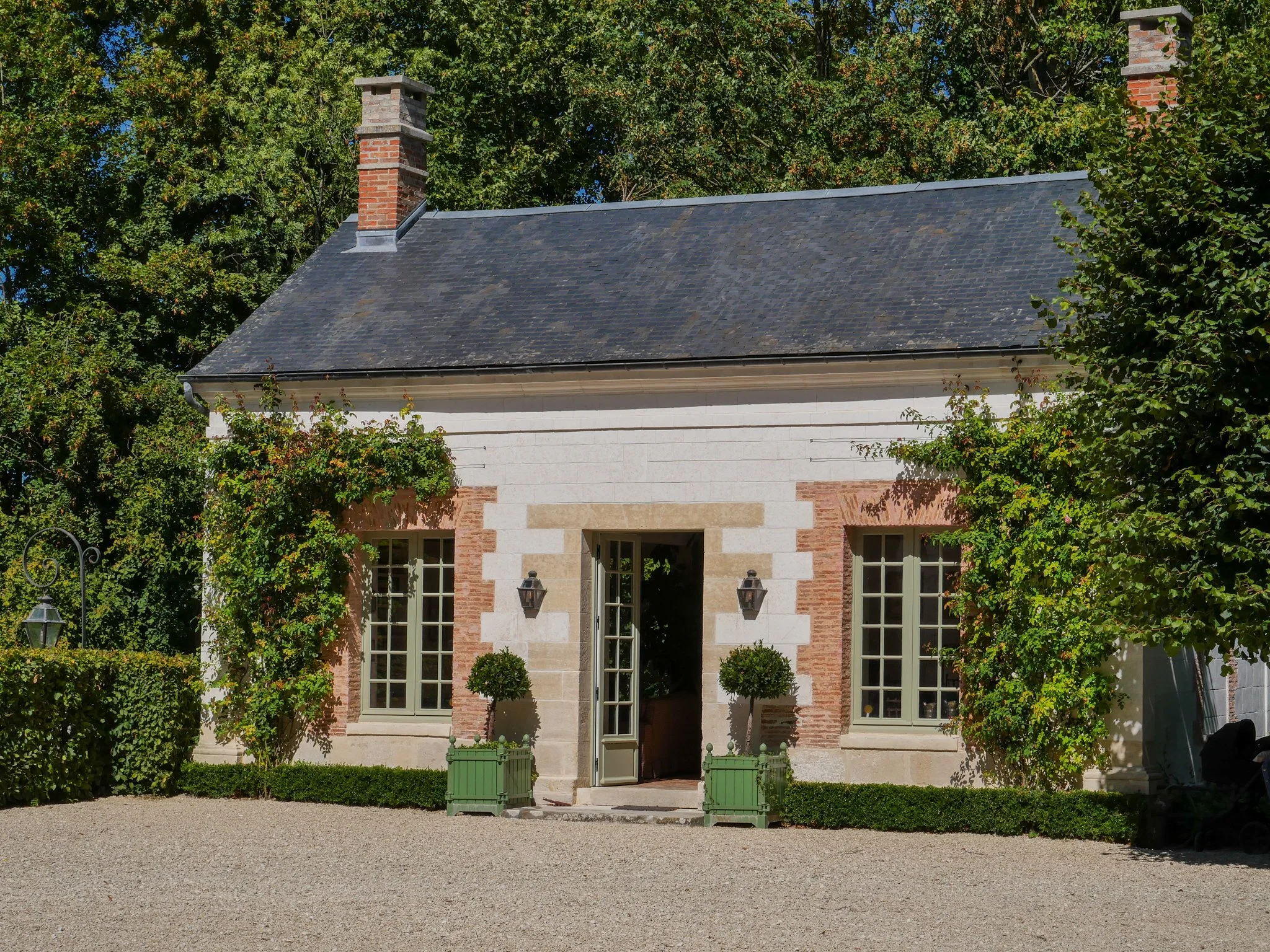
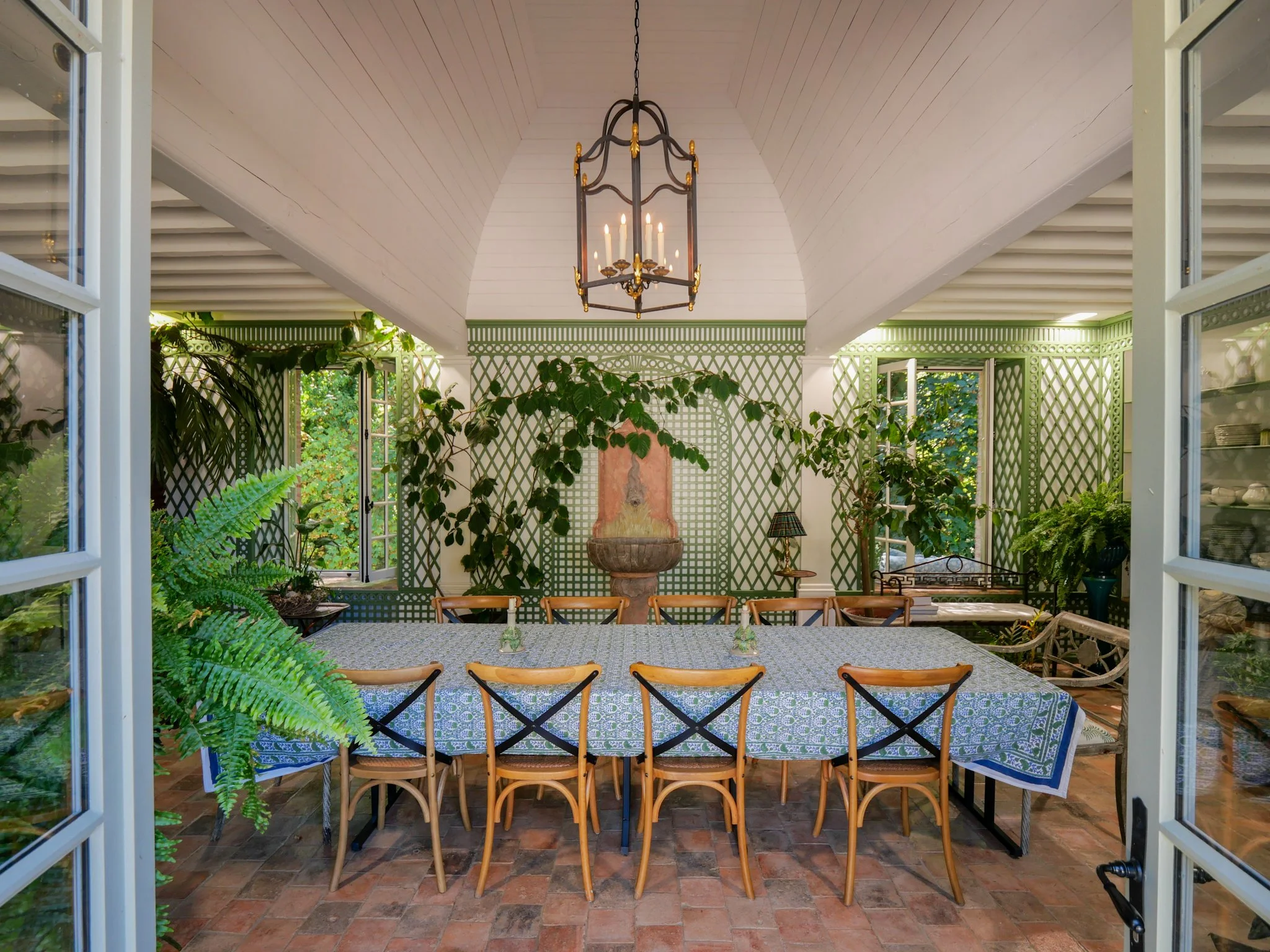
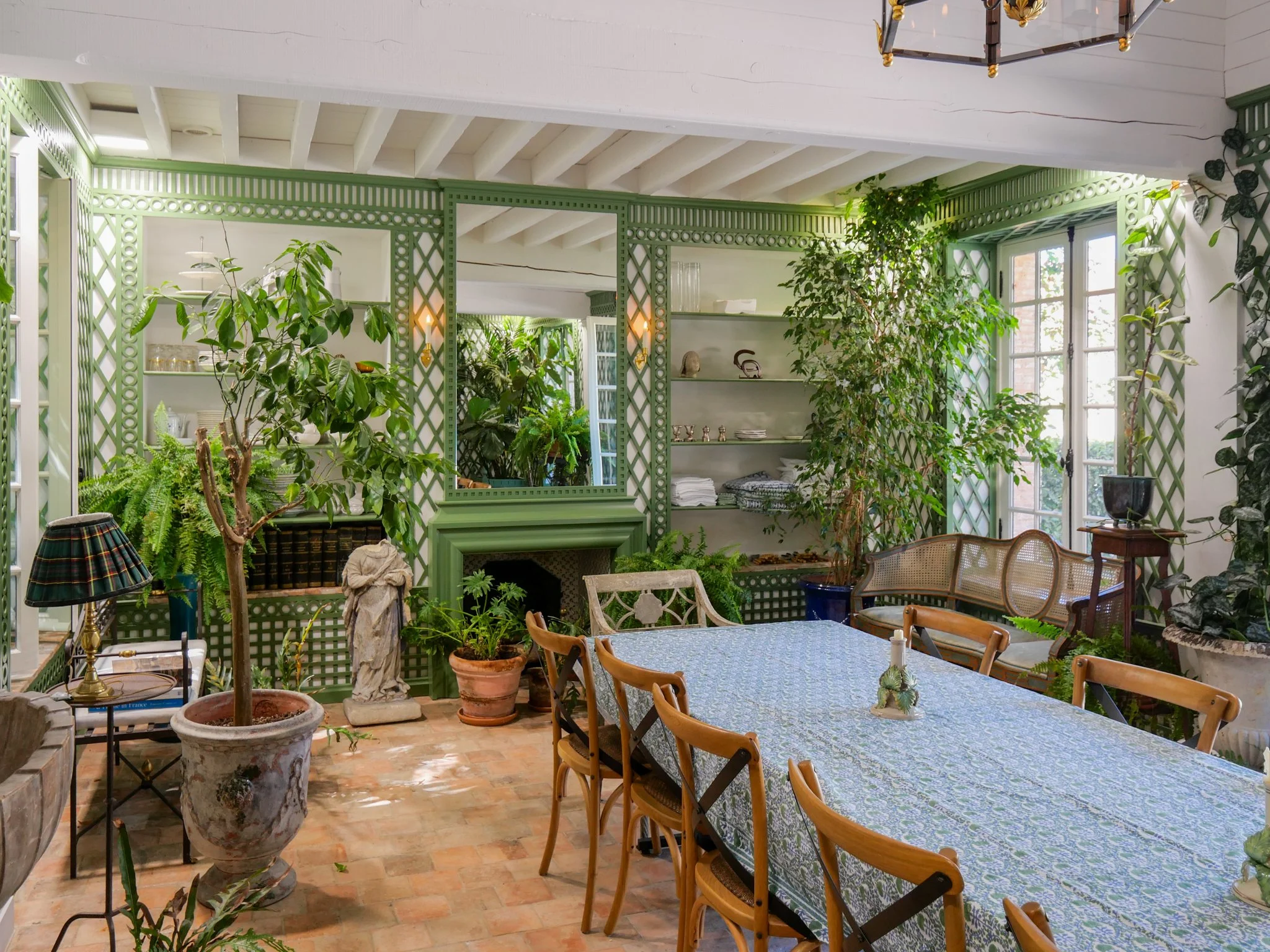
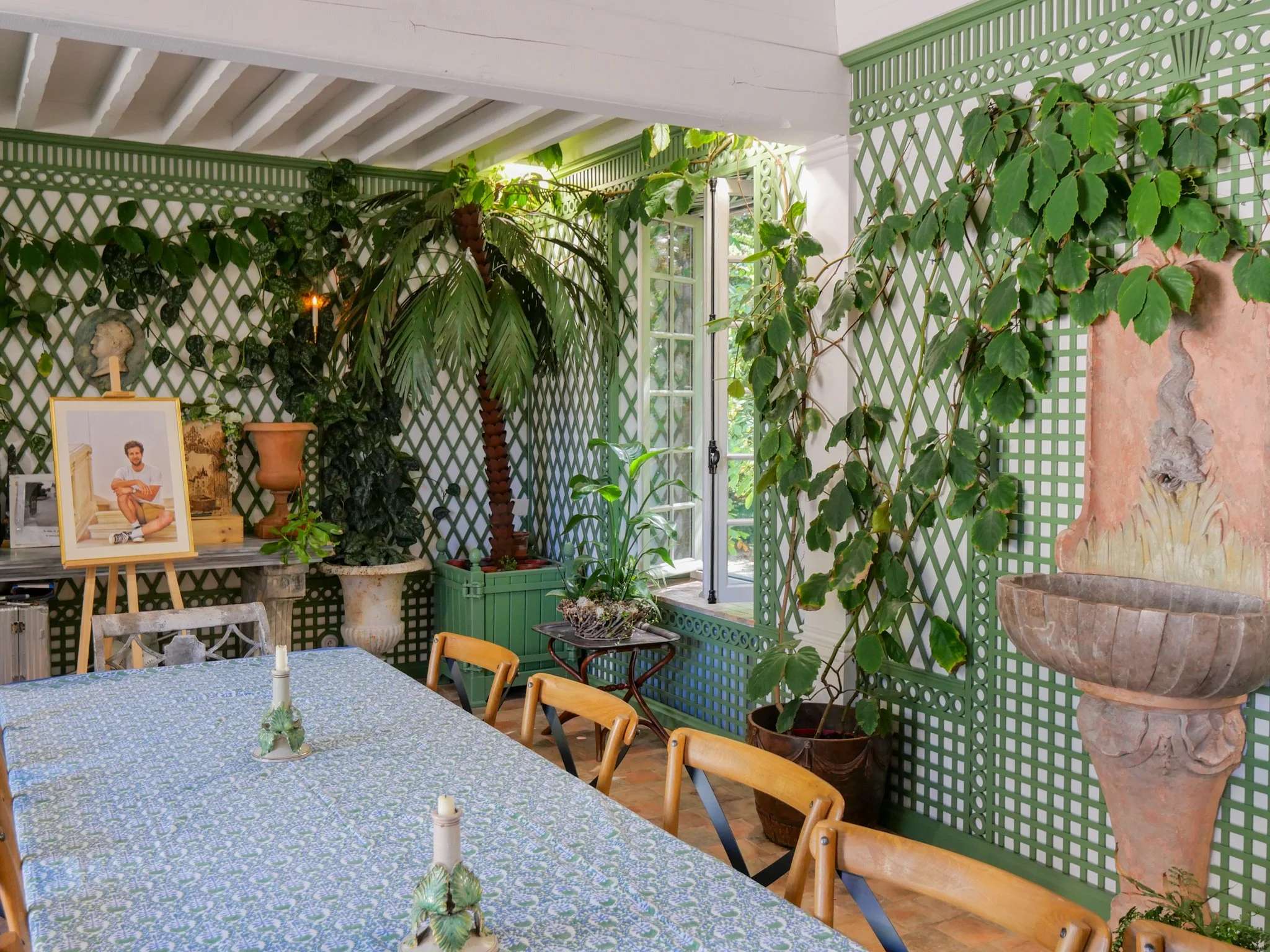
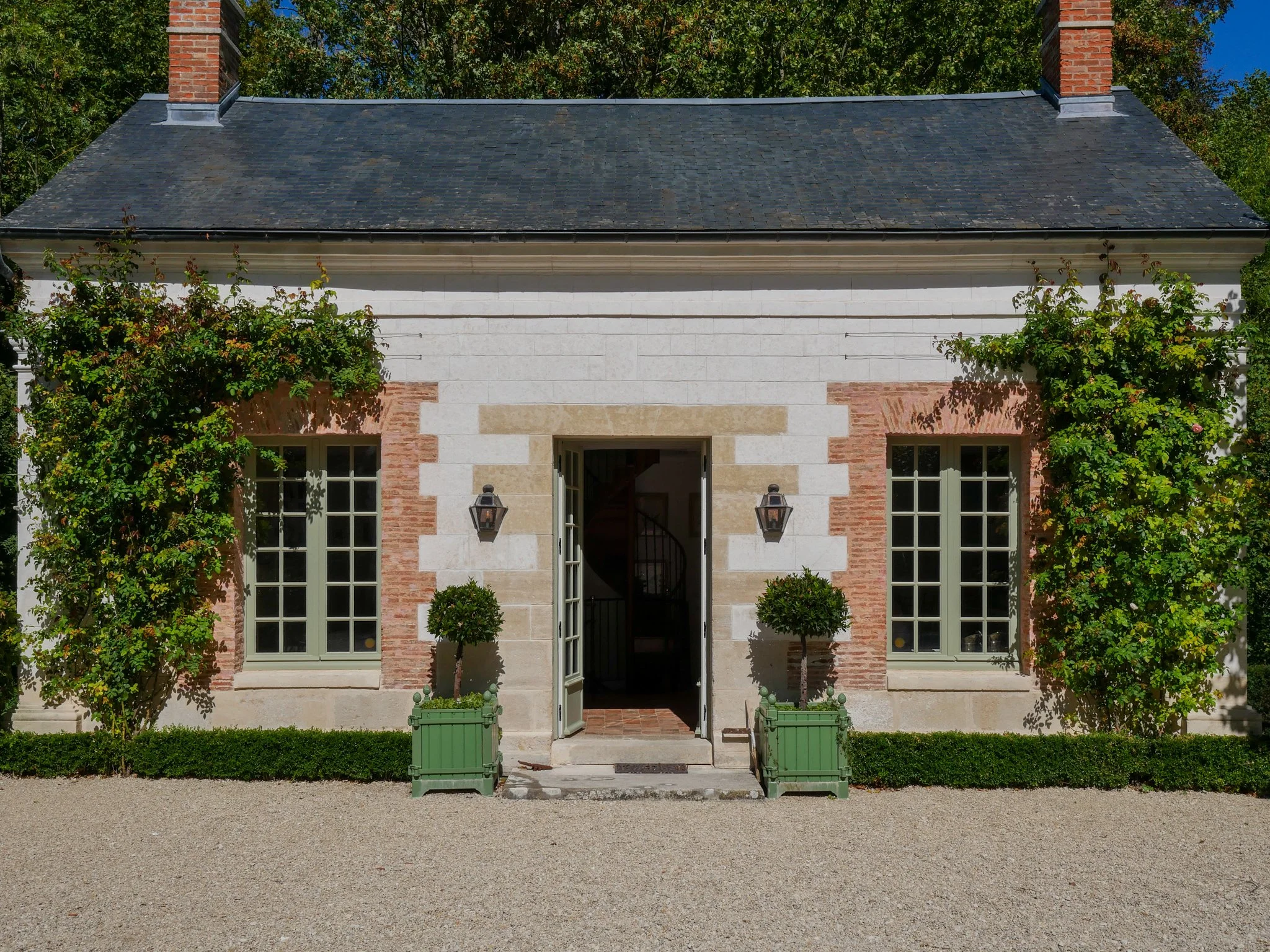
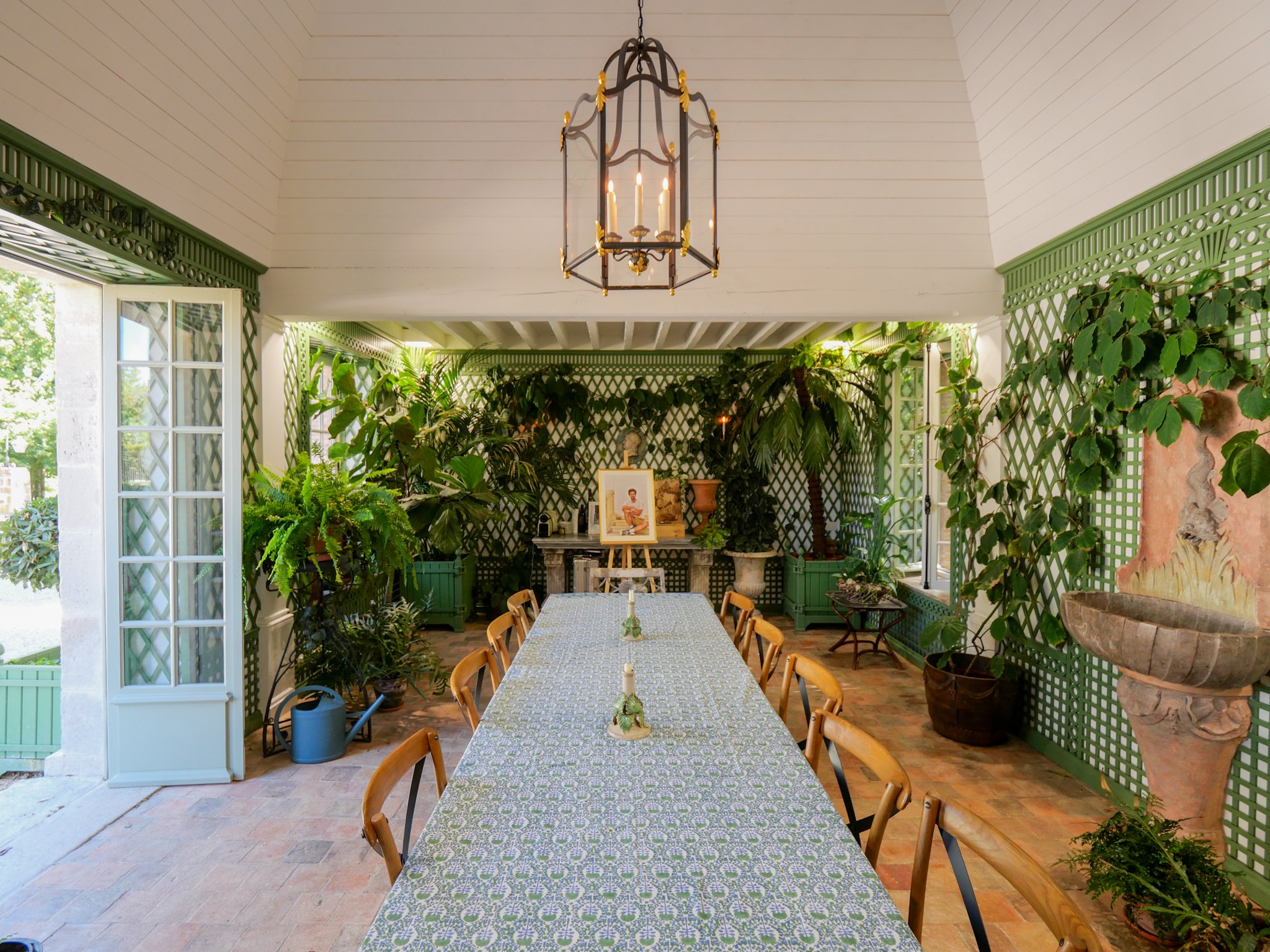
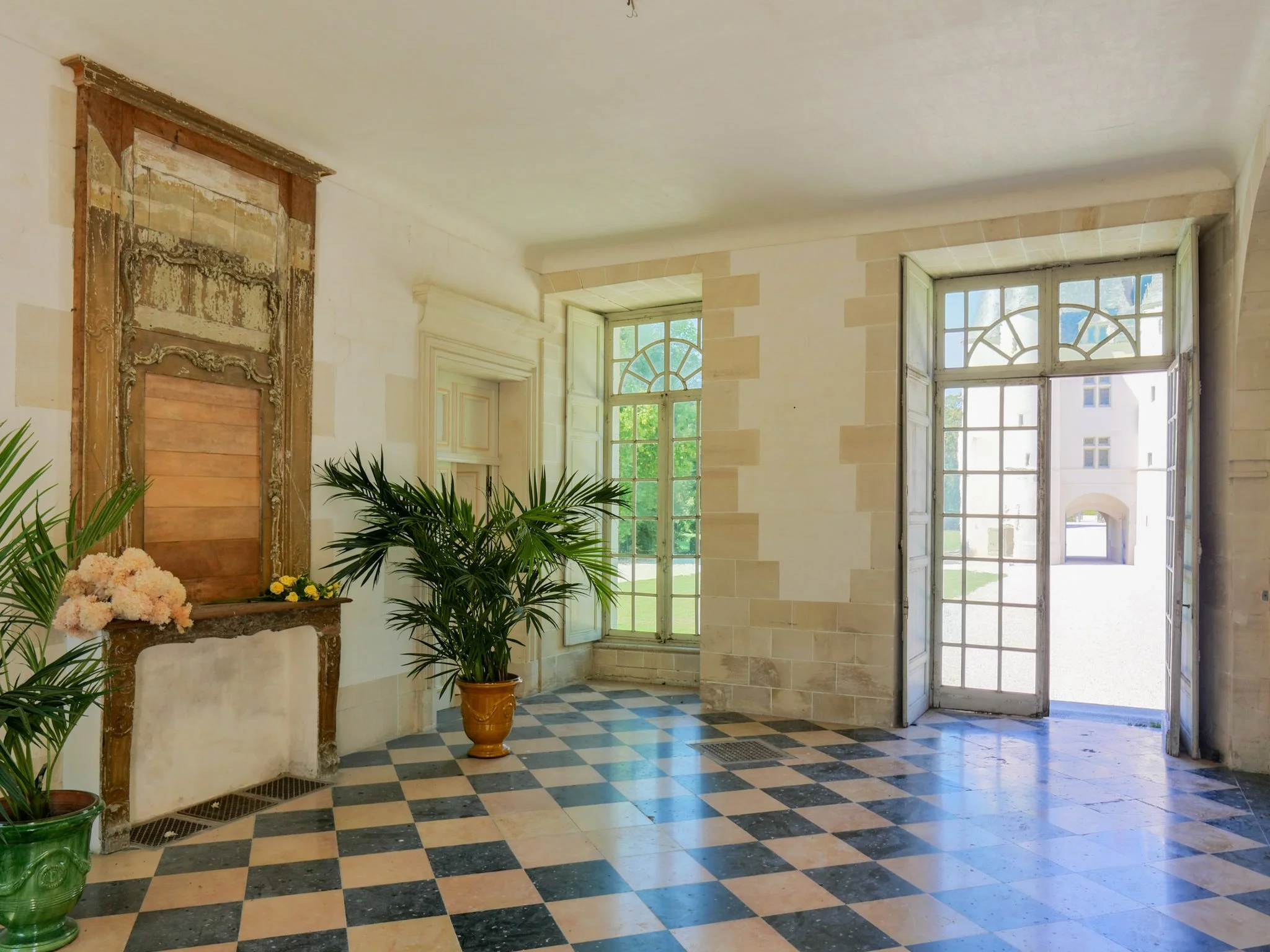
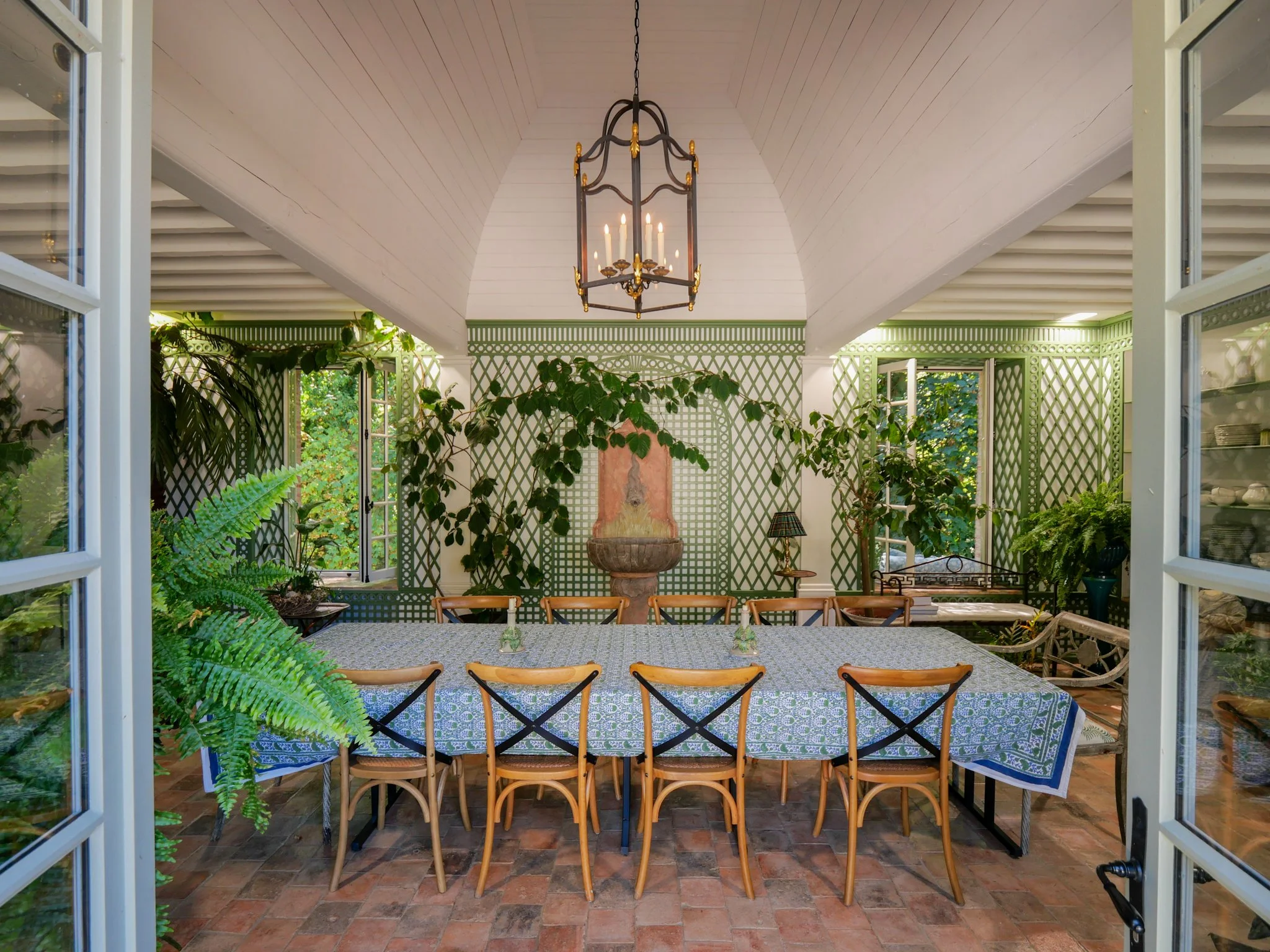
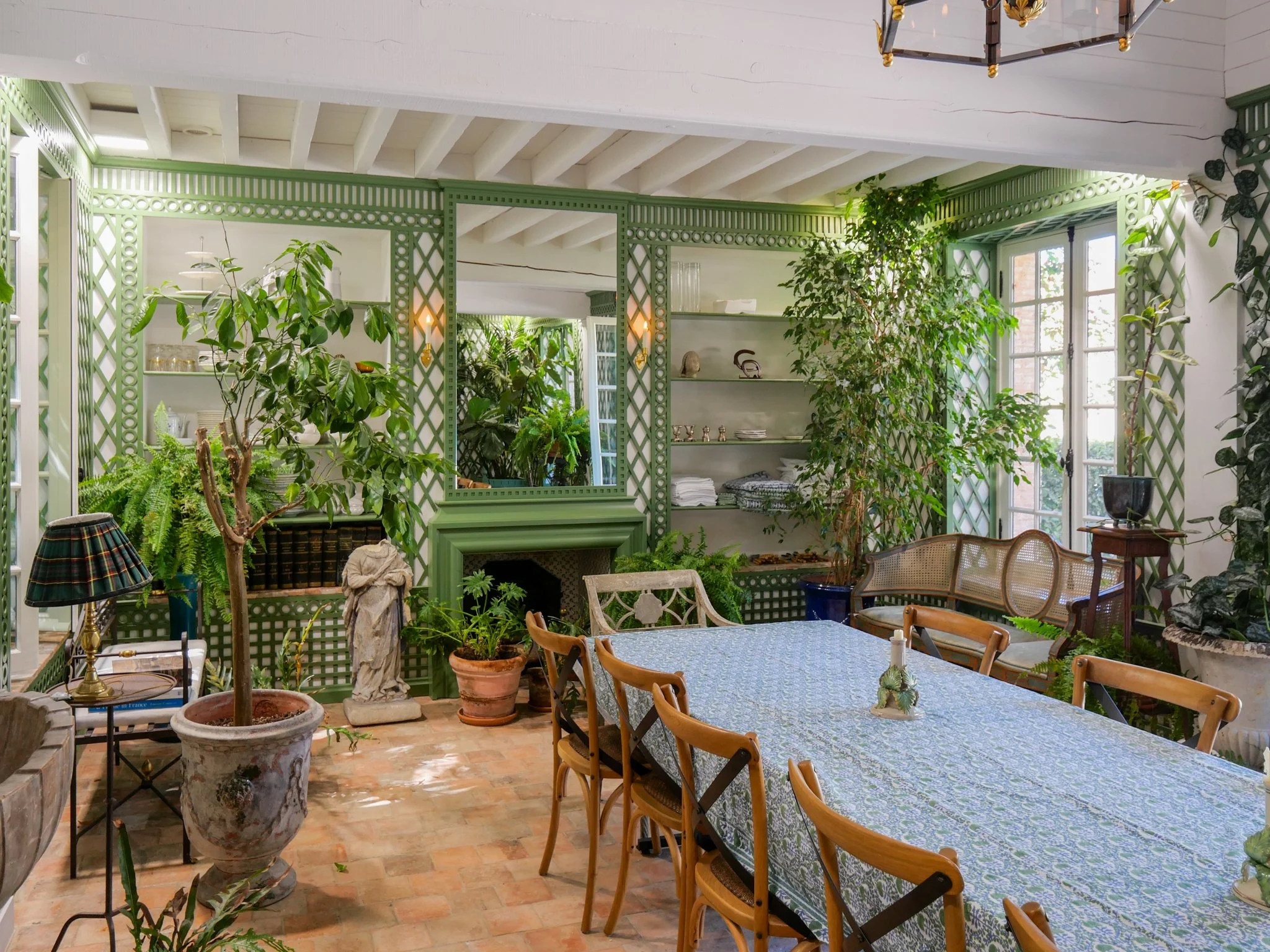
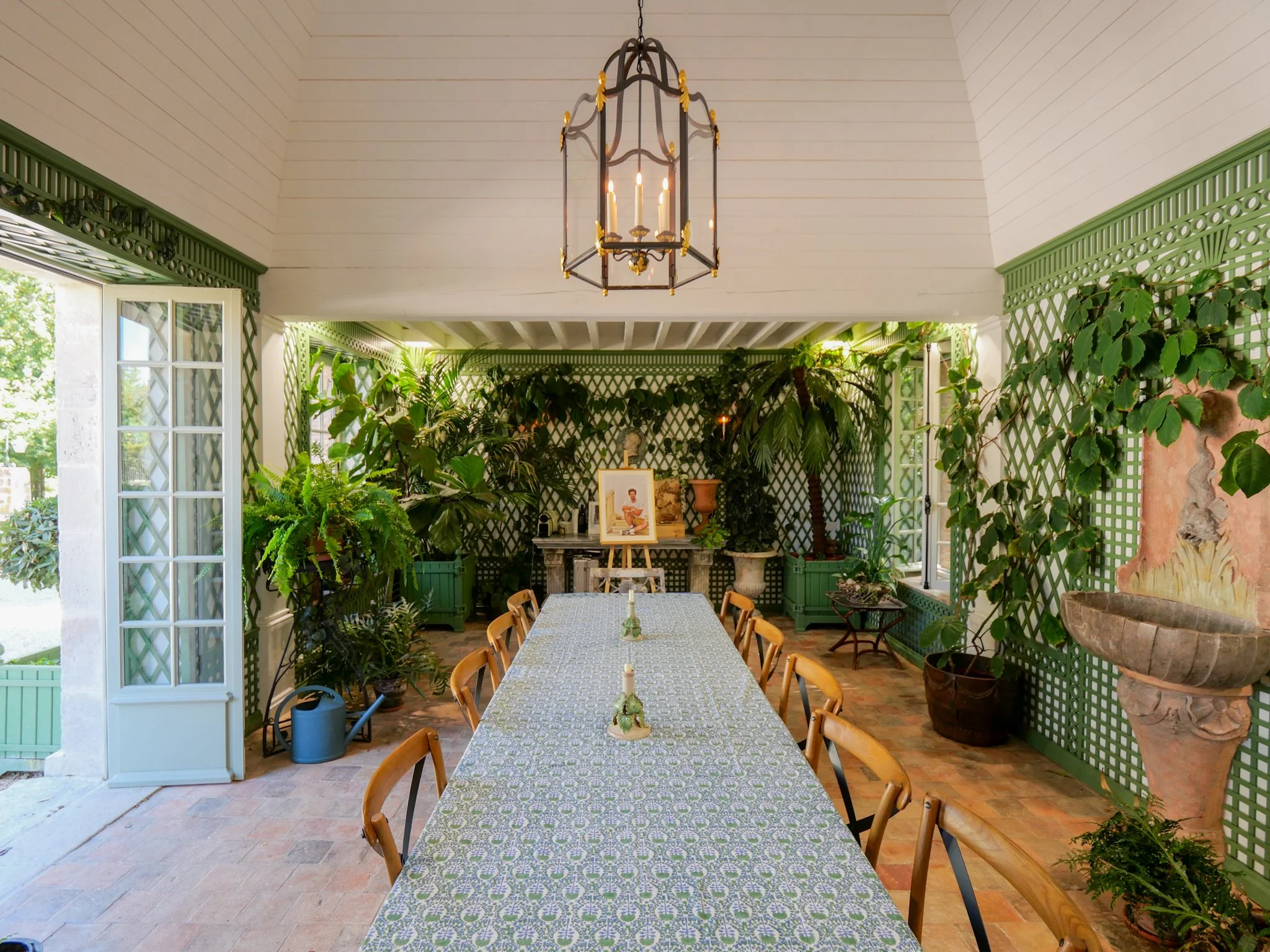
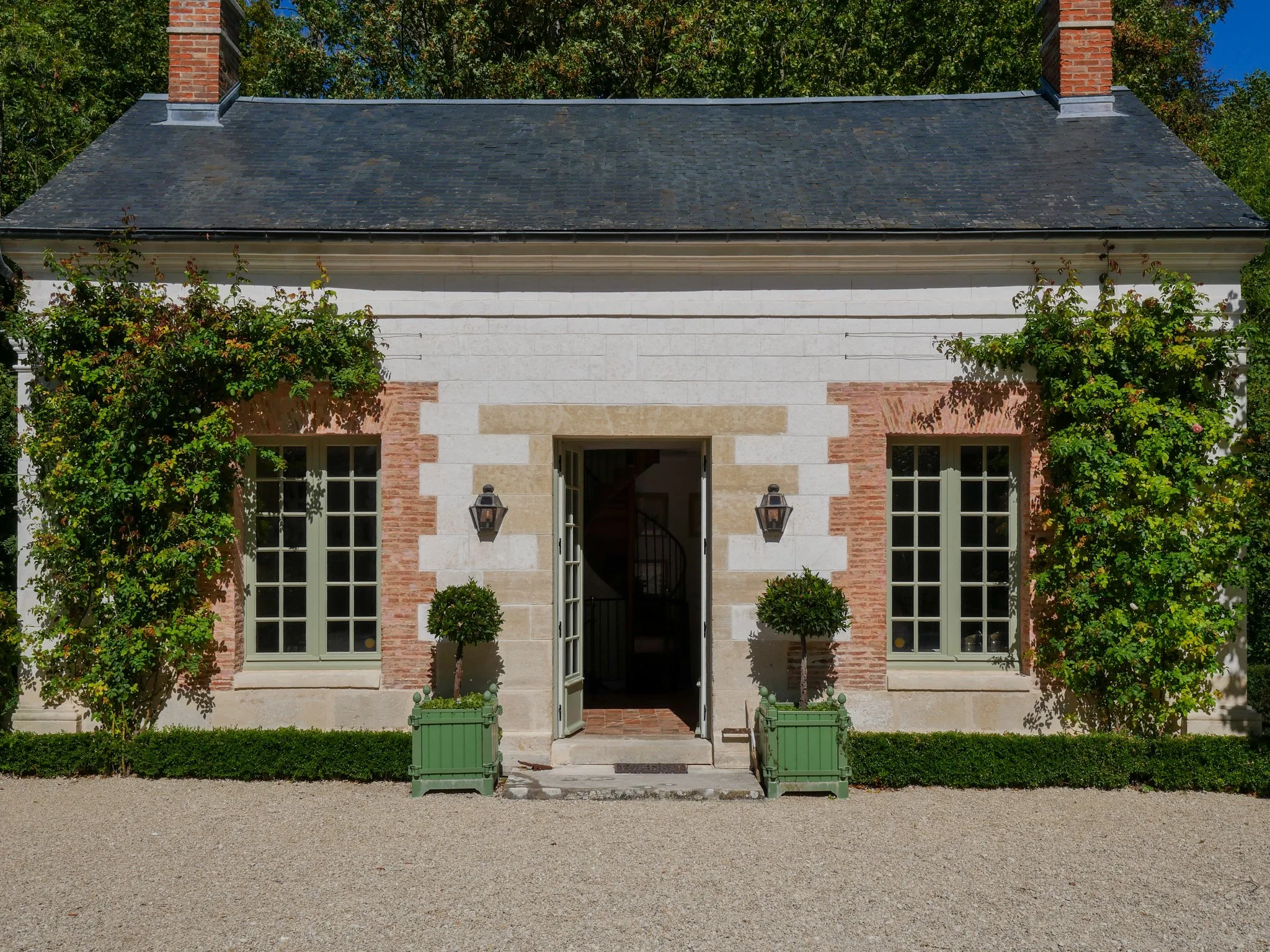
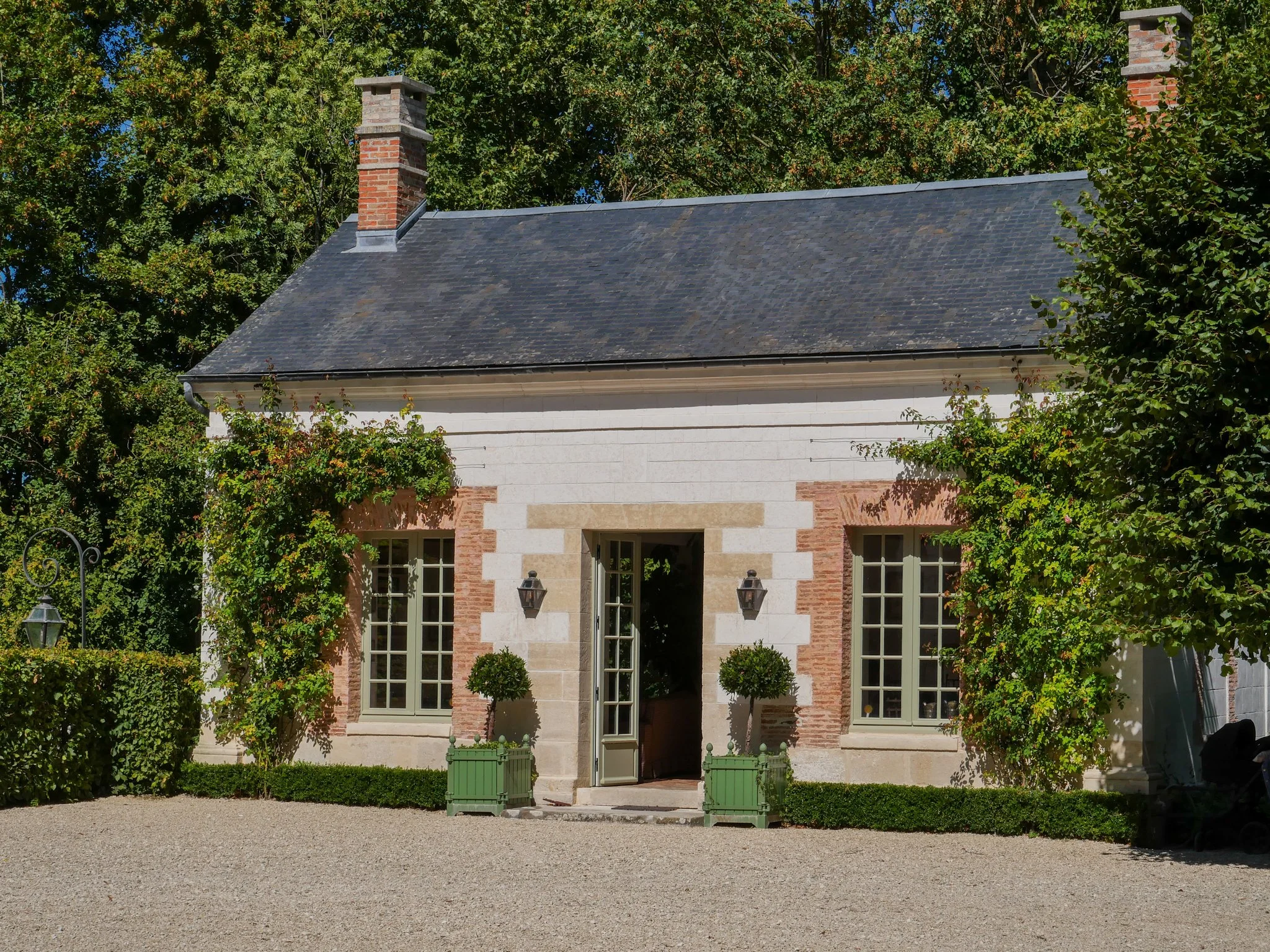
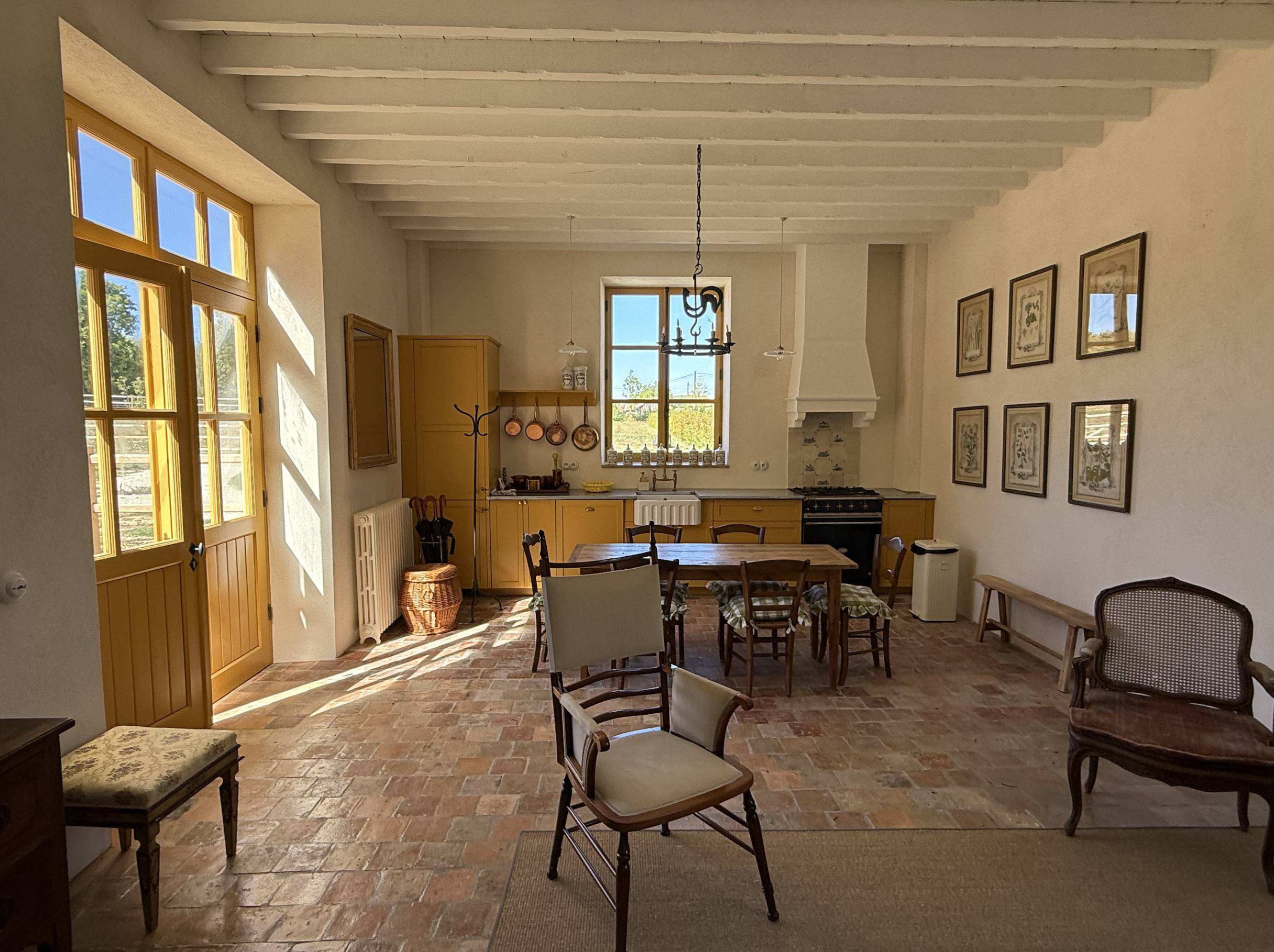
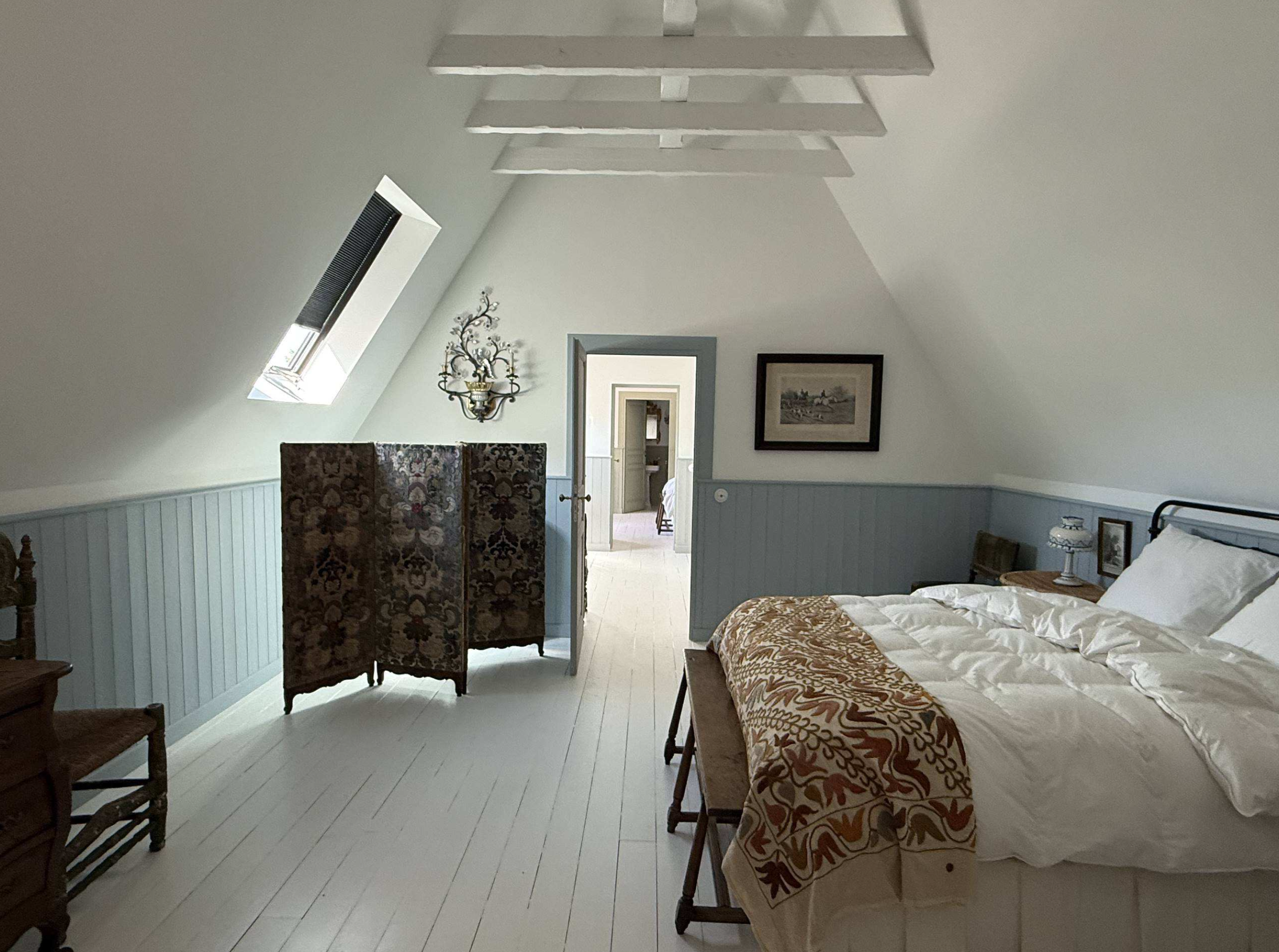
At the entrance, two classical pavilions from the 17th and 18th centuries were fully restored using reclaimed materials, solid oak and traditional finishes. One now provides residential accommodation, including a kitchen with a Lacanche range, a panelled living room and three bedrooms. The other was converted into a winter garden, with decorative trelliswork beneath a dome, a fireplace and terracotta floors.
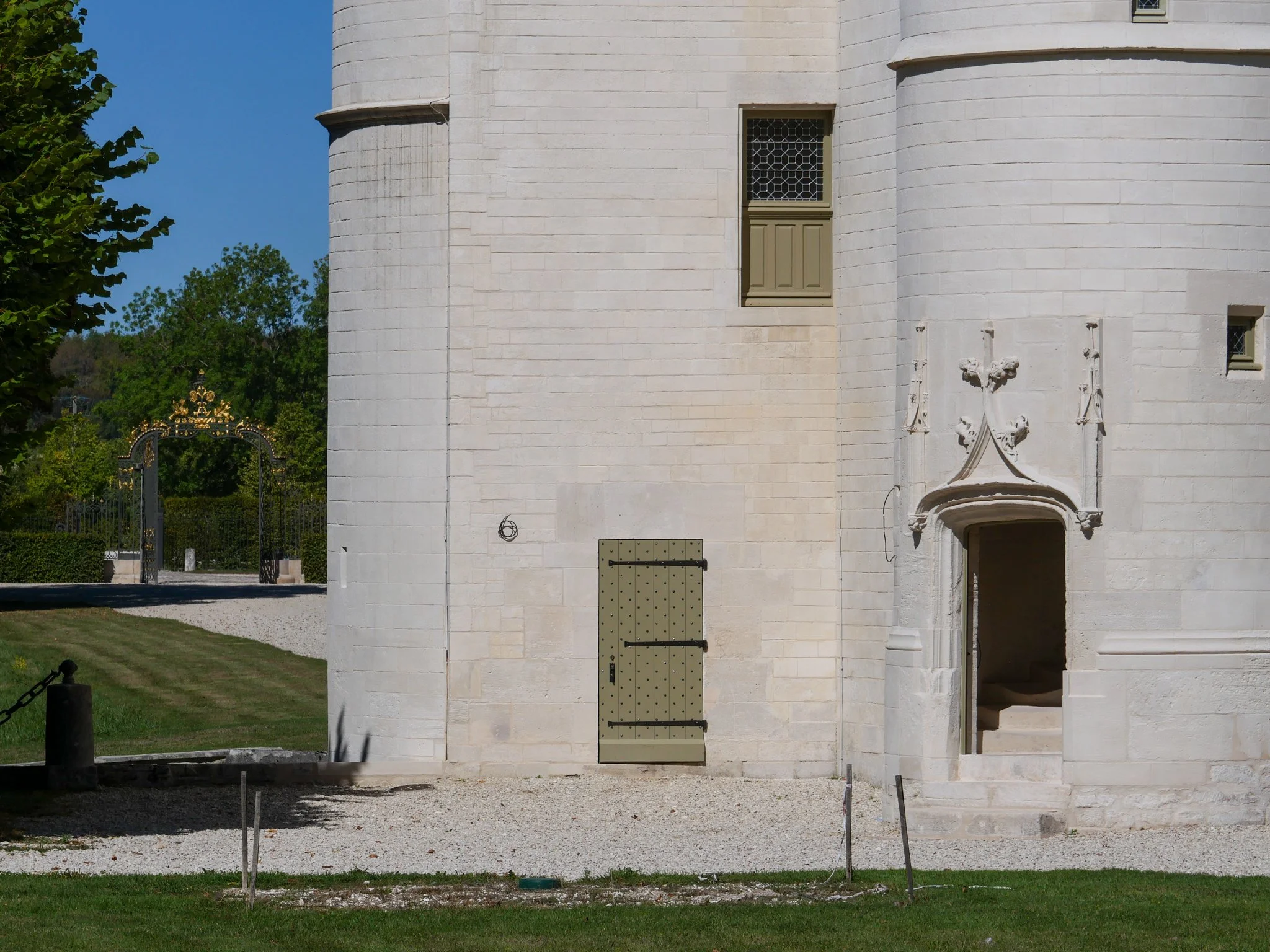
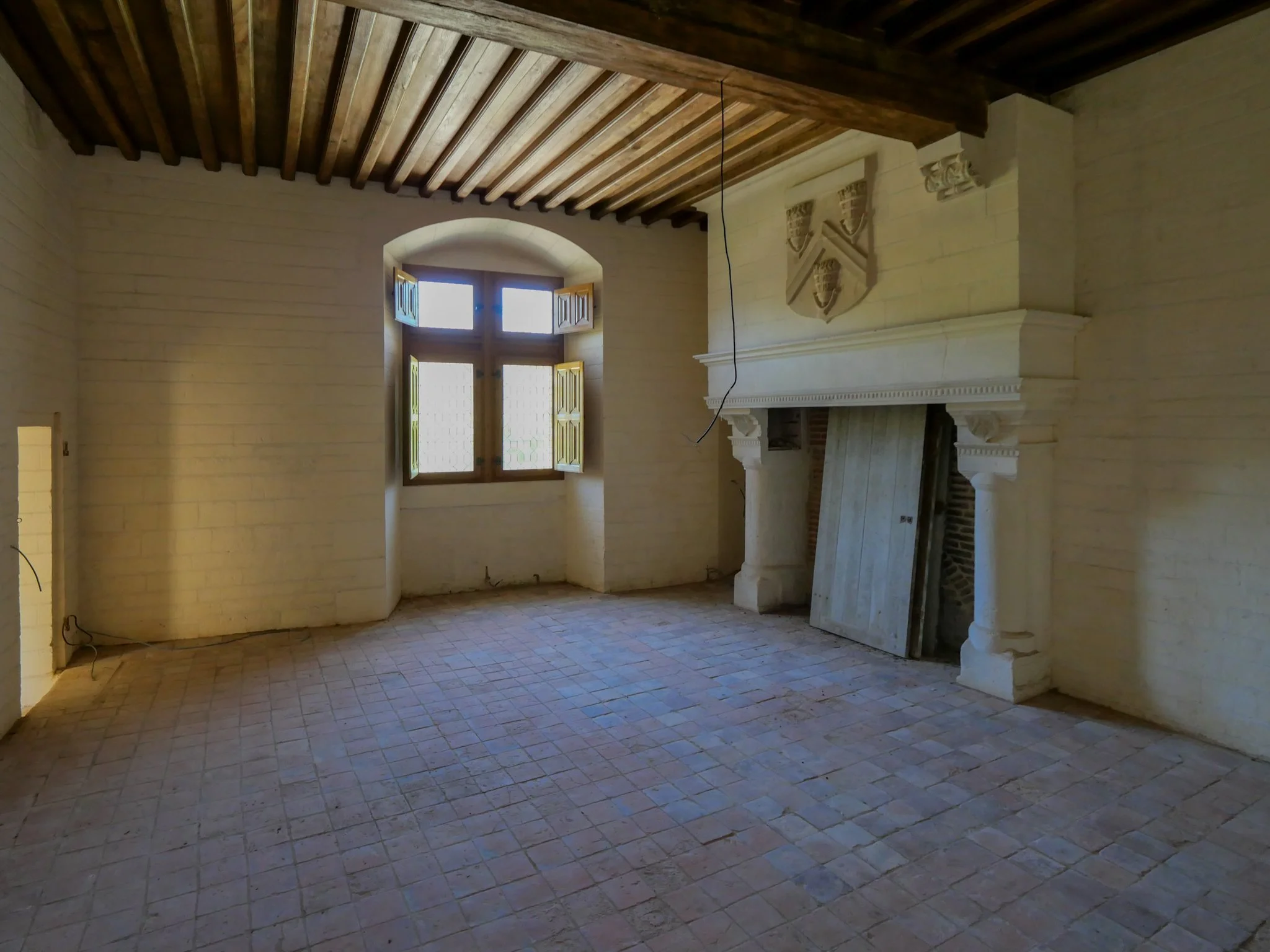
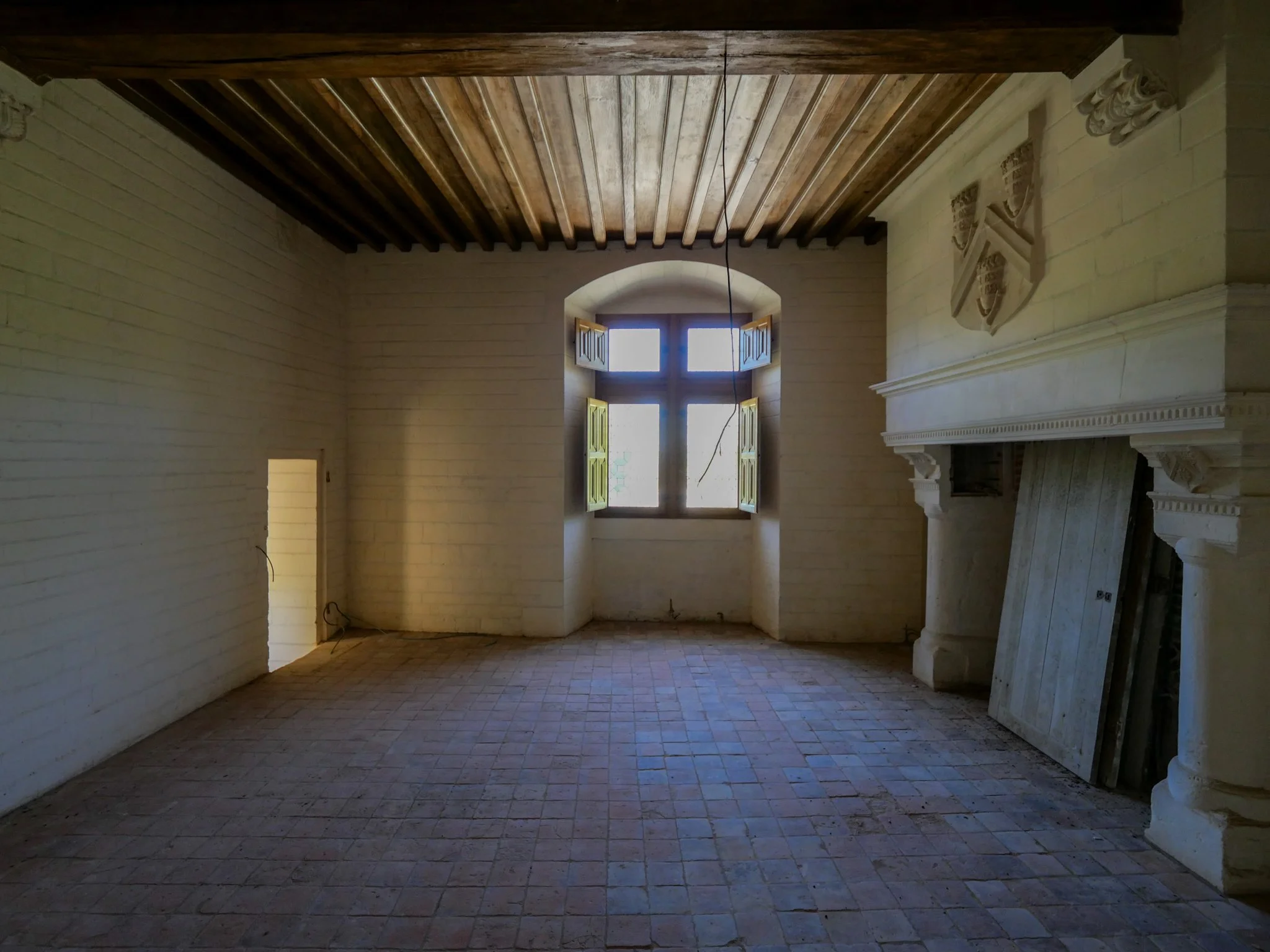
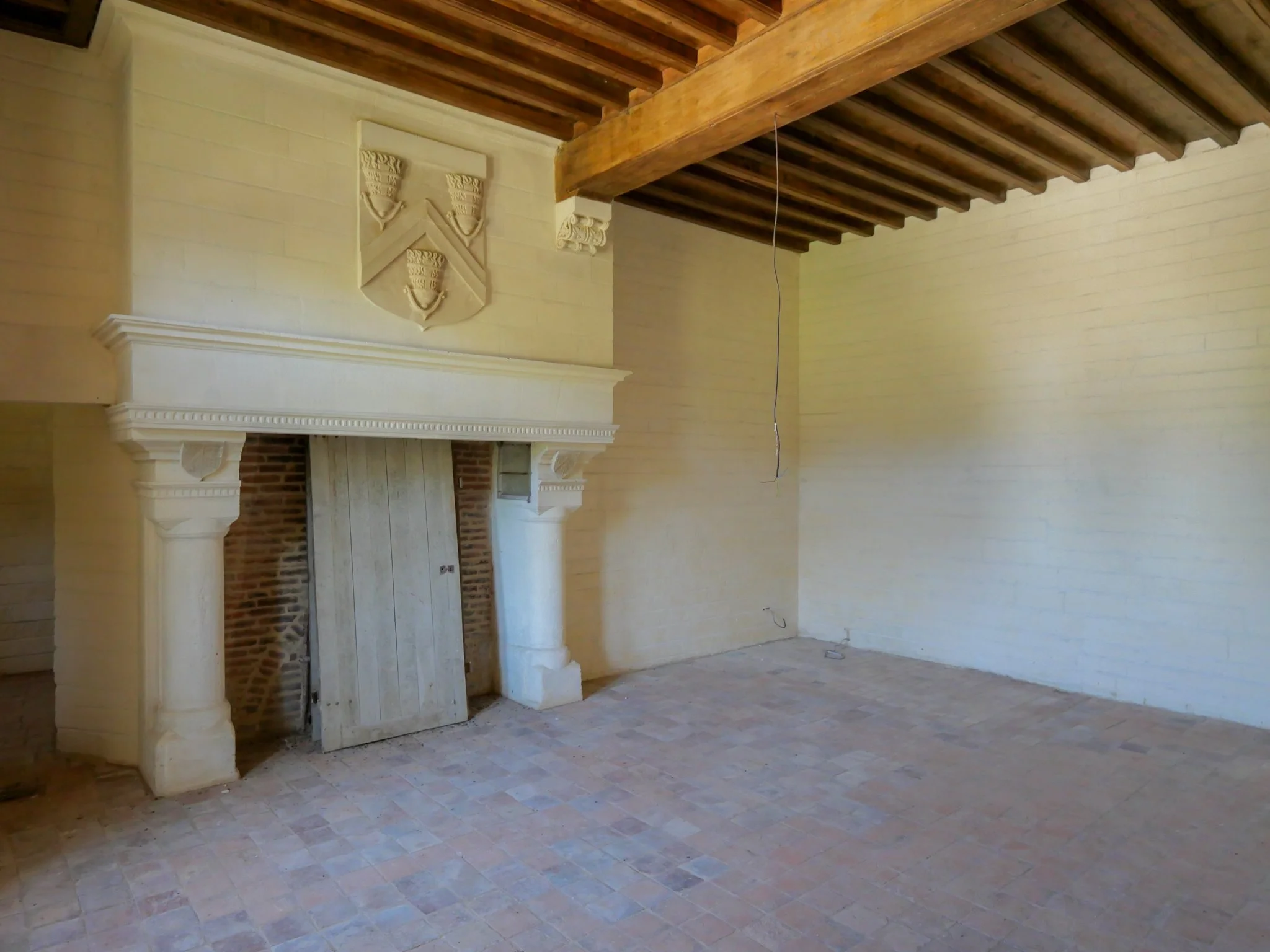
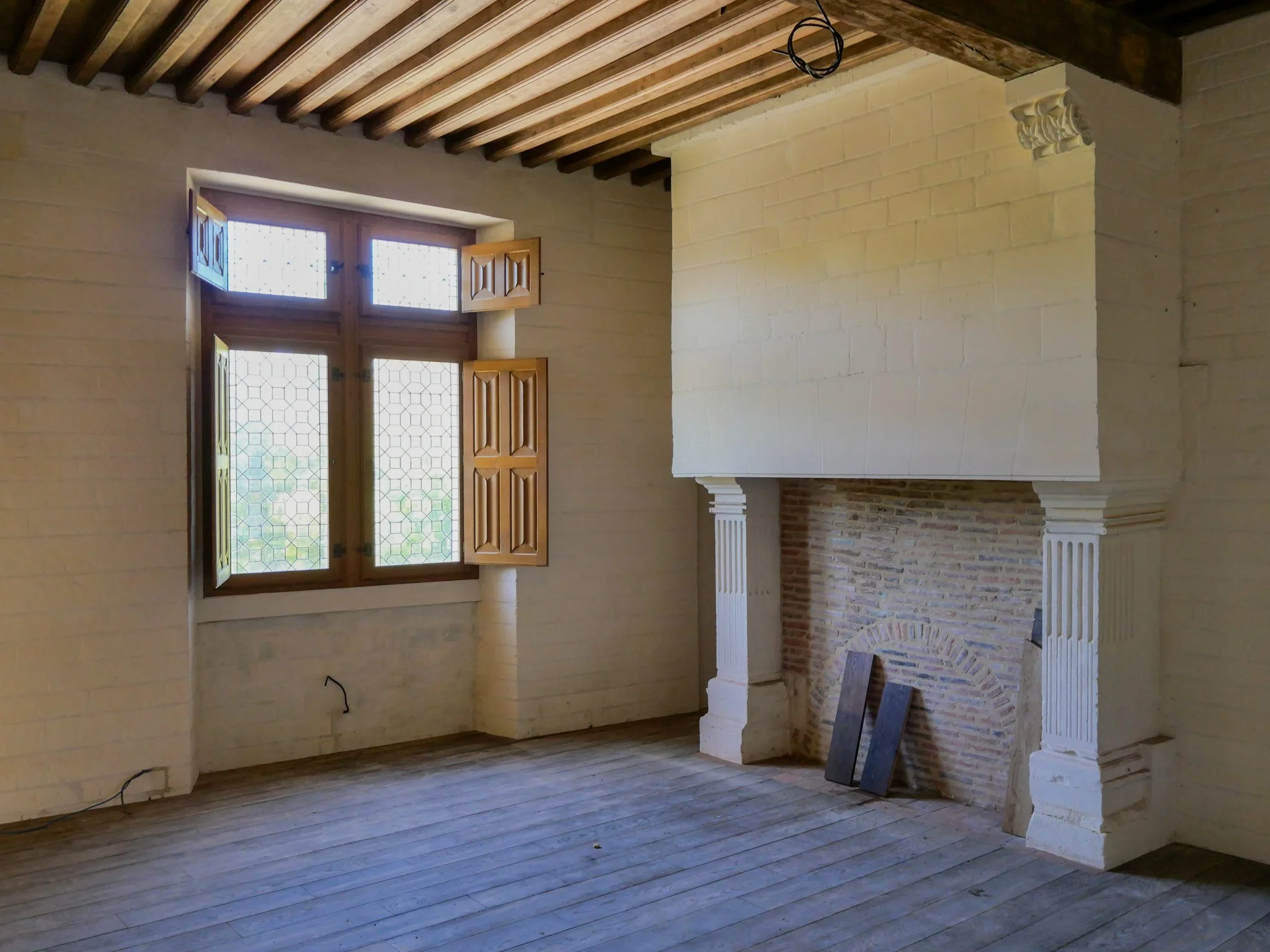
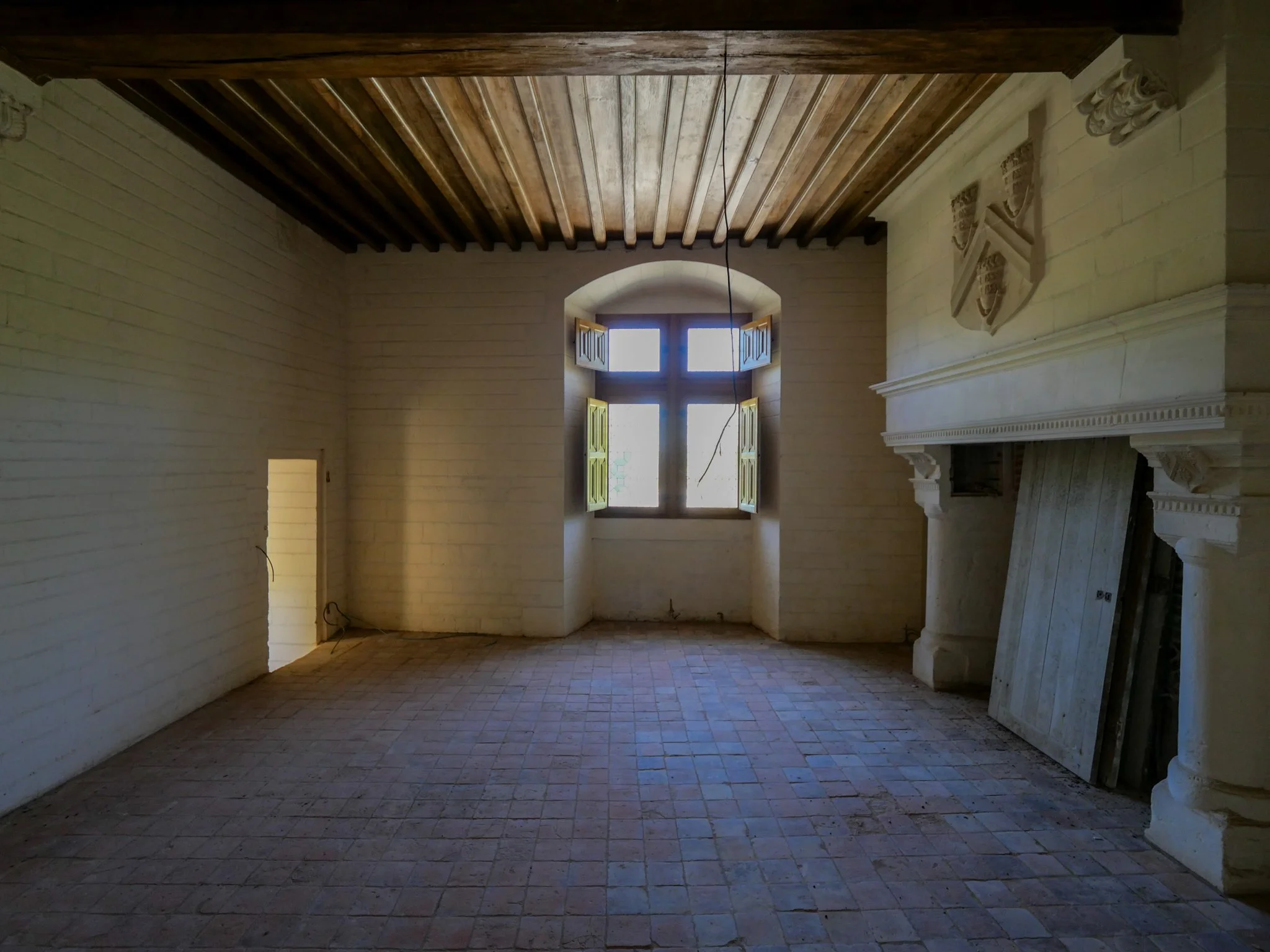
The fortified gatehouse underwent substantial structural restoration, including work to its roof, exterior walls, oak windows and interior floors. Its four corner turrets contain a stone spiral staircase and vaulted rooms, while a fireplace on the first floor retains the Picot family's coat of arms. Interior finishing work remains outstanding.
One of the first buildings Antoni Calmon restored was the entrance pavilion, which he converted into a three-bedroom residence so he could live on the estate while overseeing the wider project.
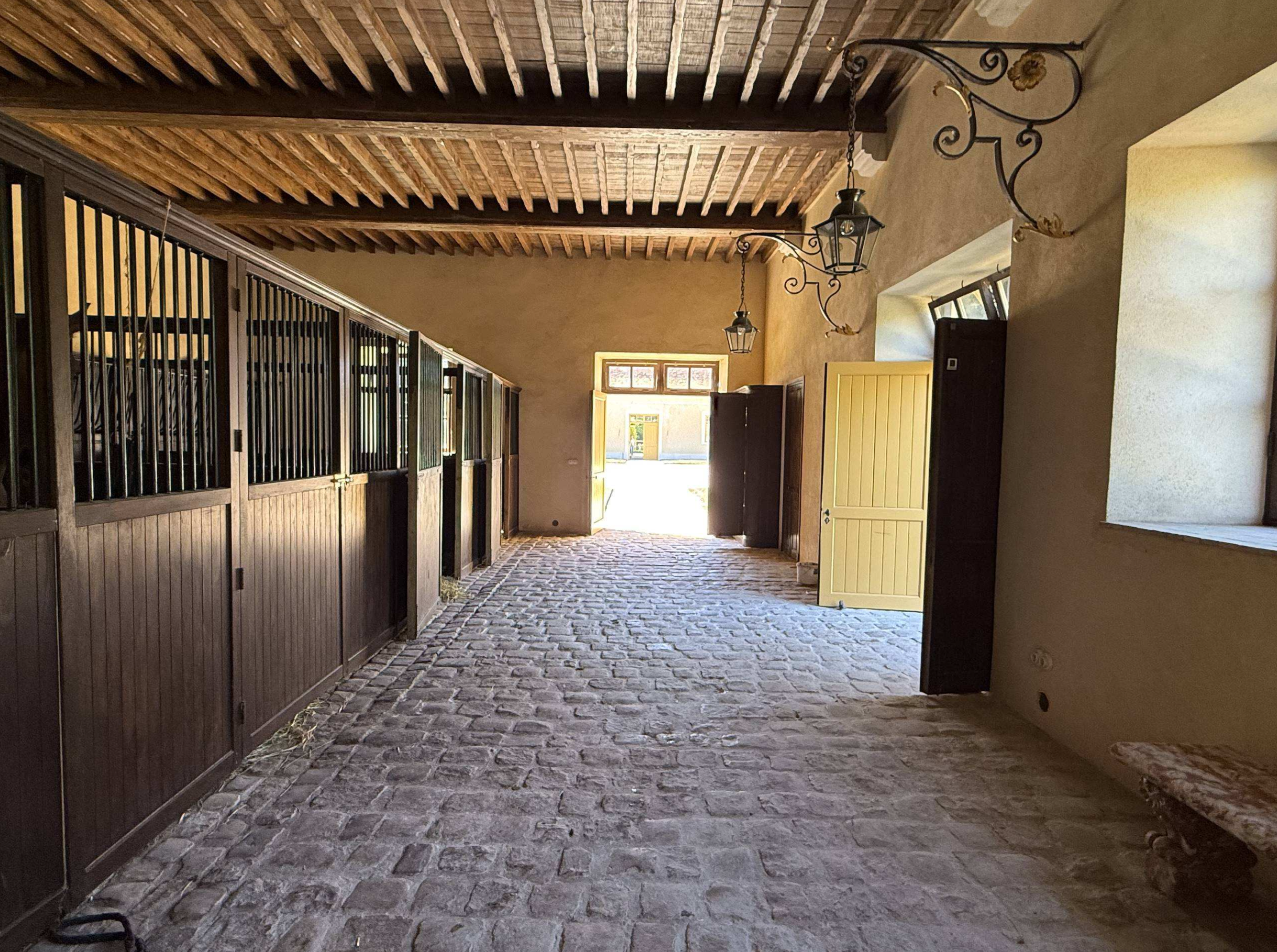
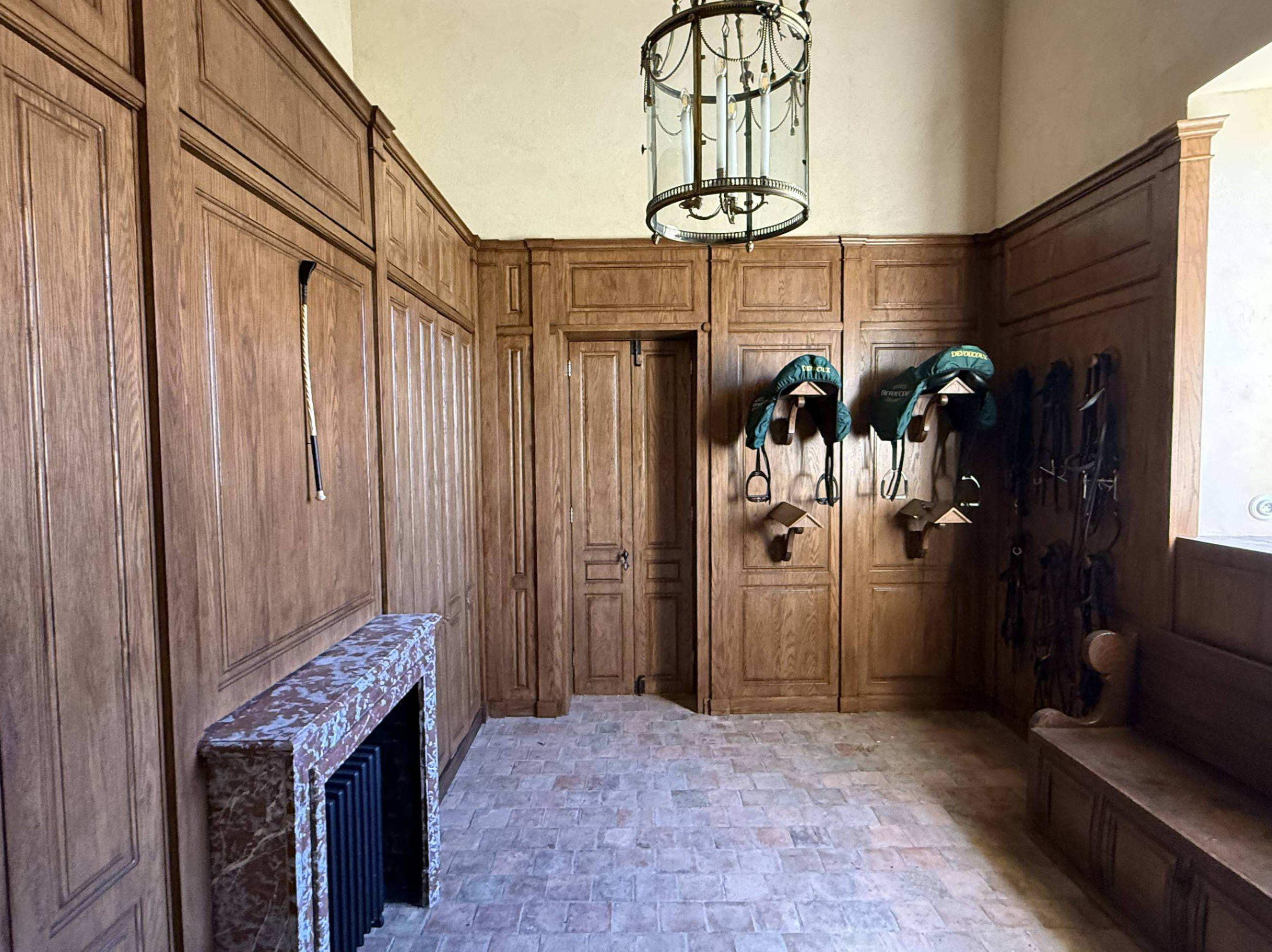
Calmon also restored one of the estate's historic stable buildings and constructed a matching building in 2025. The equestrian facilities include four large horse boxes with Pyrenean marble detailing, a wood-panelled tack room, an indoor riding school, a 70 × 30-metre outdoor arena and a horse walker.
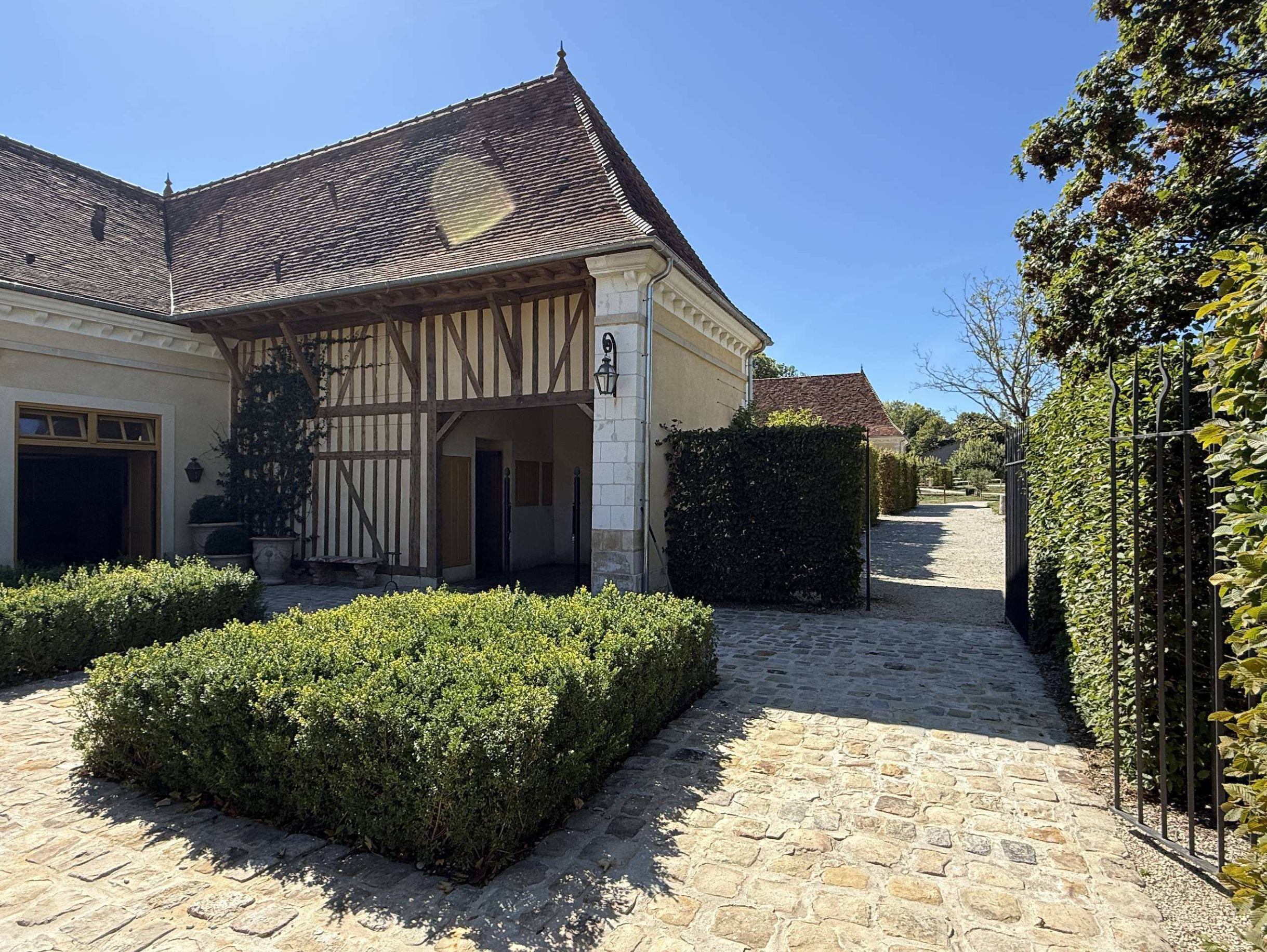
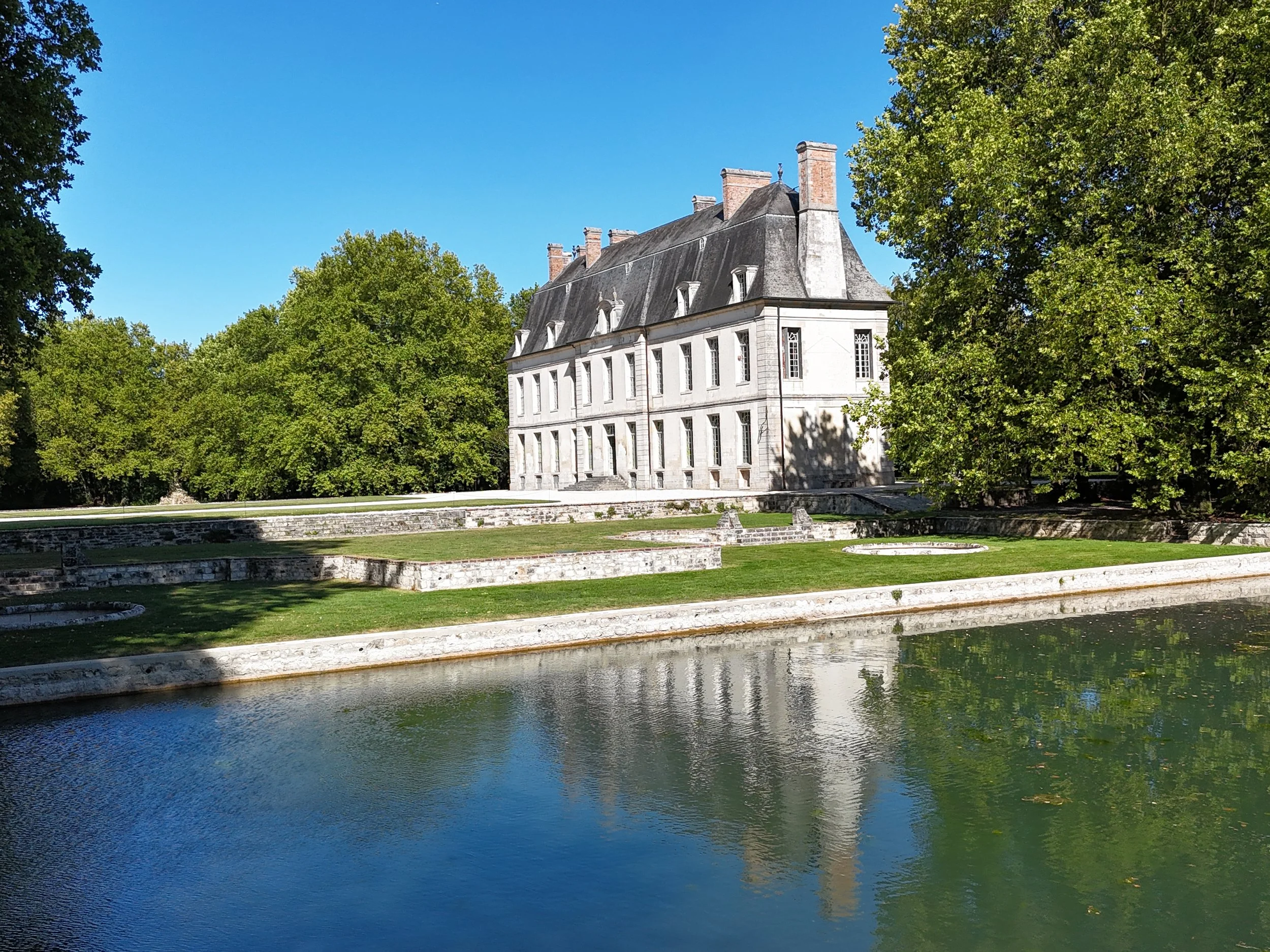
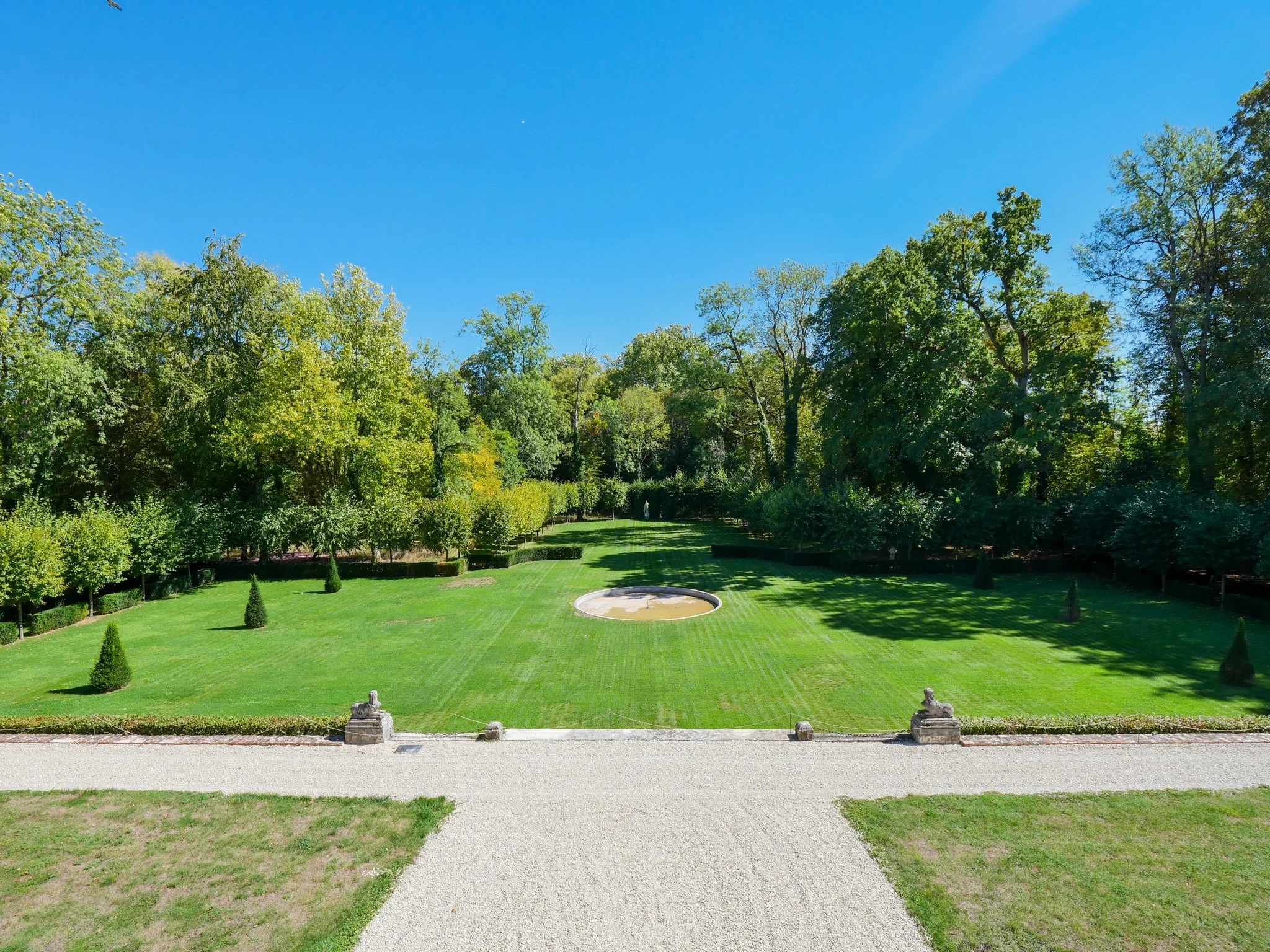
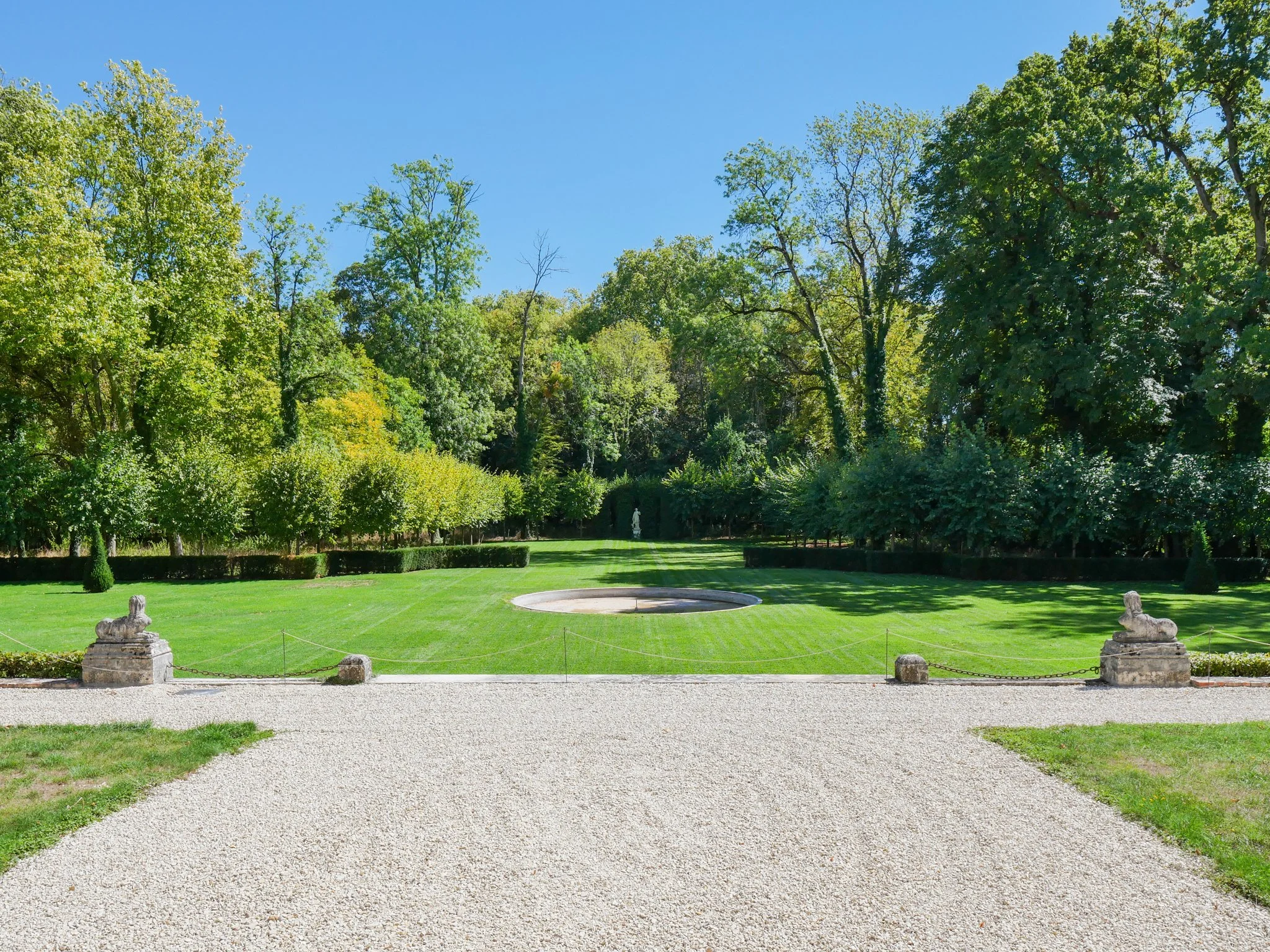
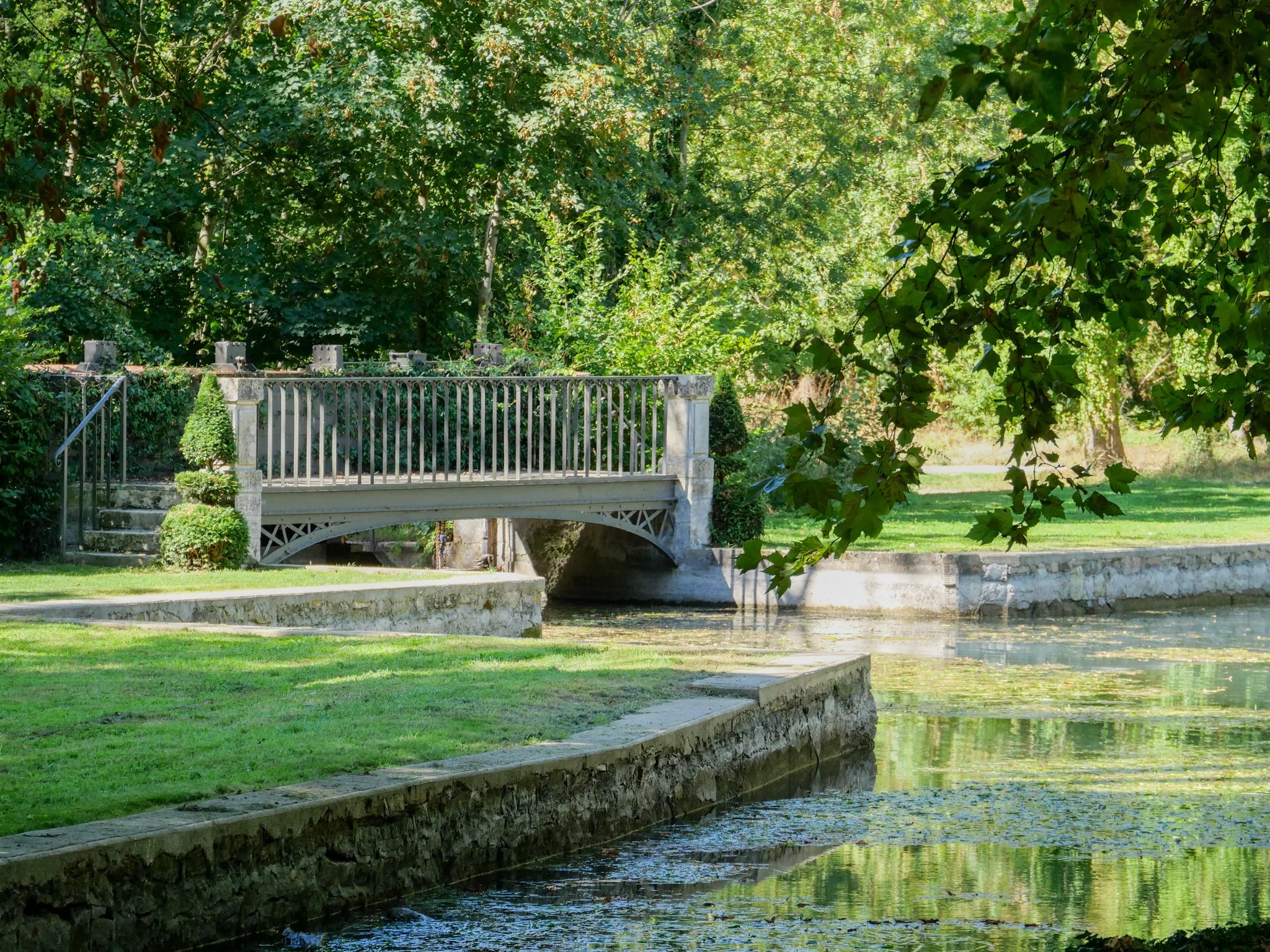
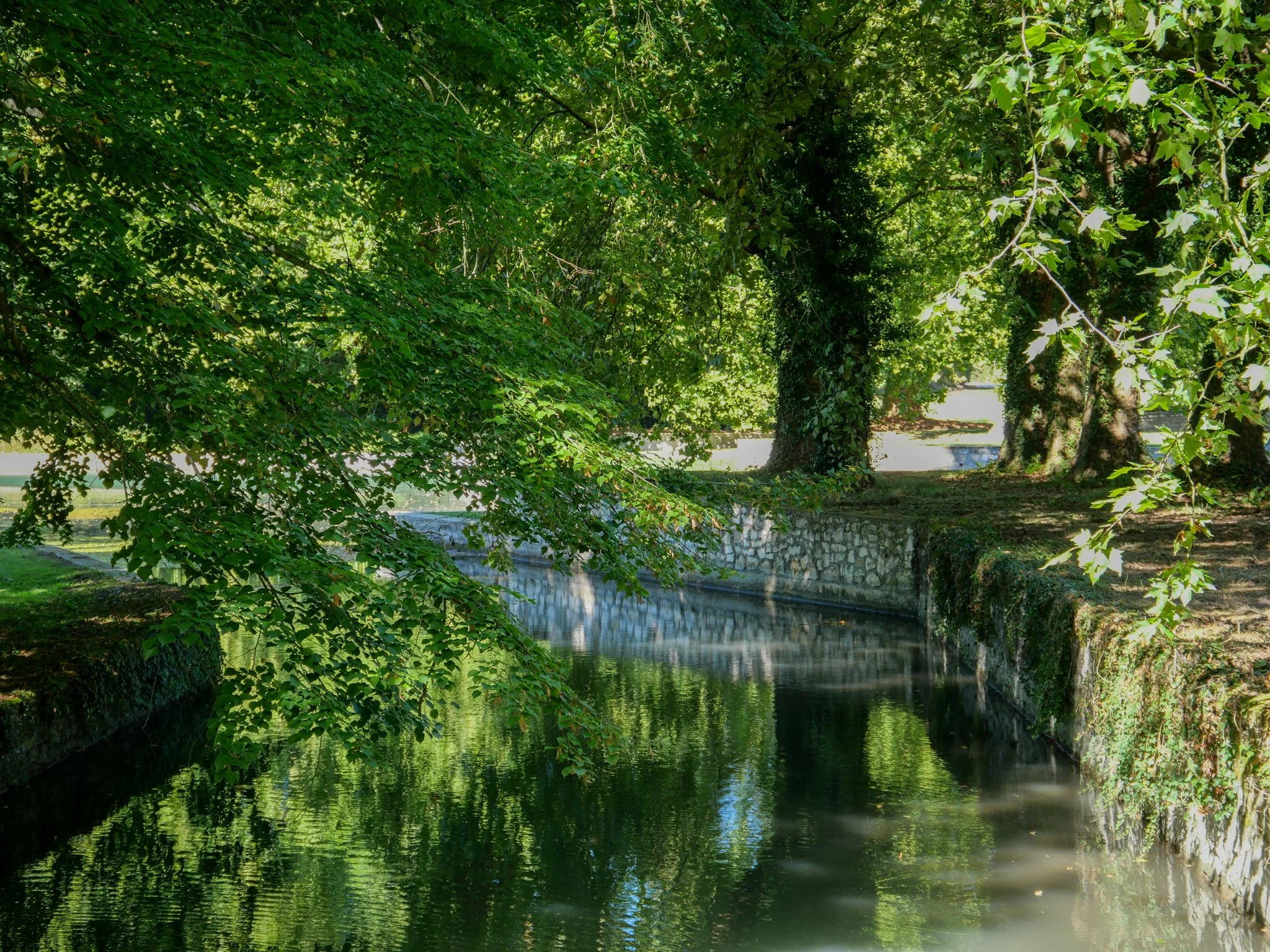
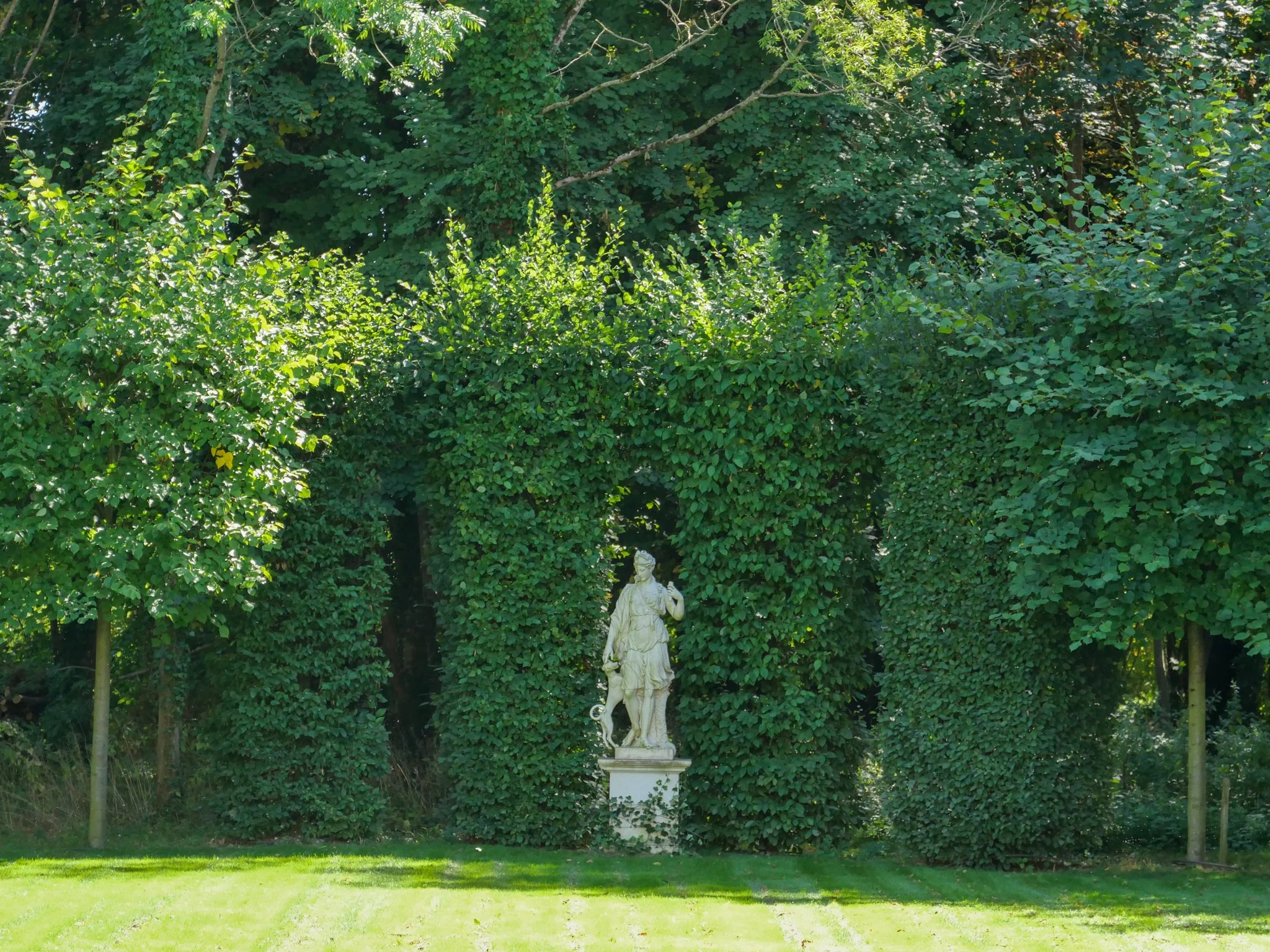
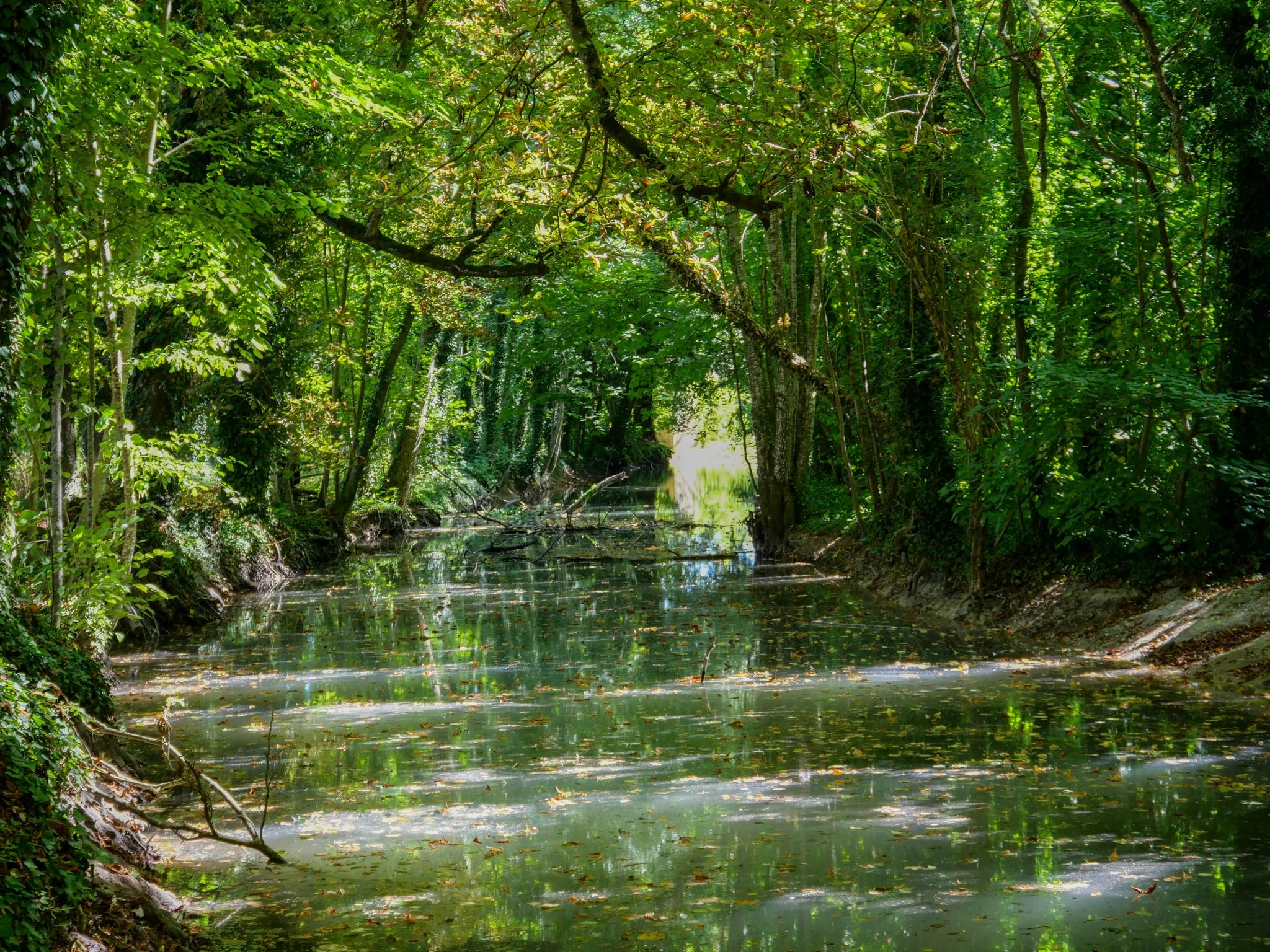
The surrounding park was another major part of the project. Its reflecting pool and ponds were cleaned and reconstructed, terrace walls repaired, and extensive new planting introduced. The gardens include boxwood, yew and hornbeam hedges, lime trees and mature specimens. Approximately 15 kilometres of irrigation piping were installed throughout the grounds, alongside new water and electrical infrastructure.
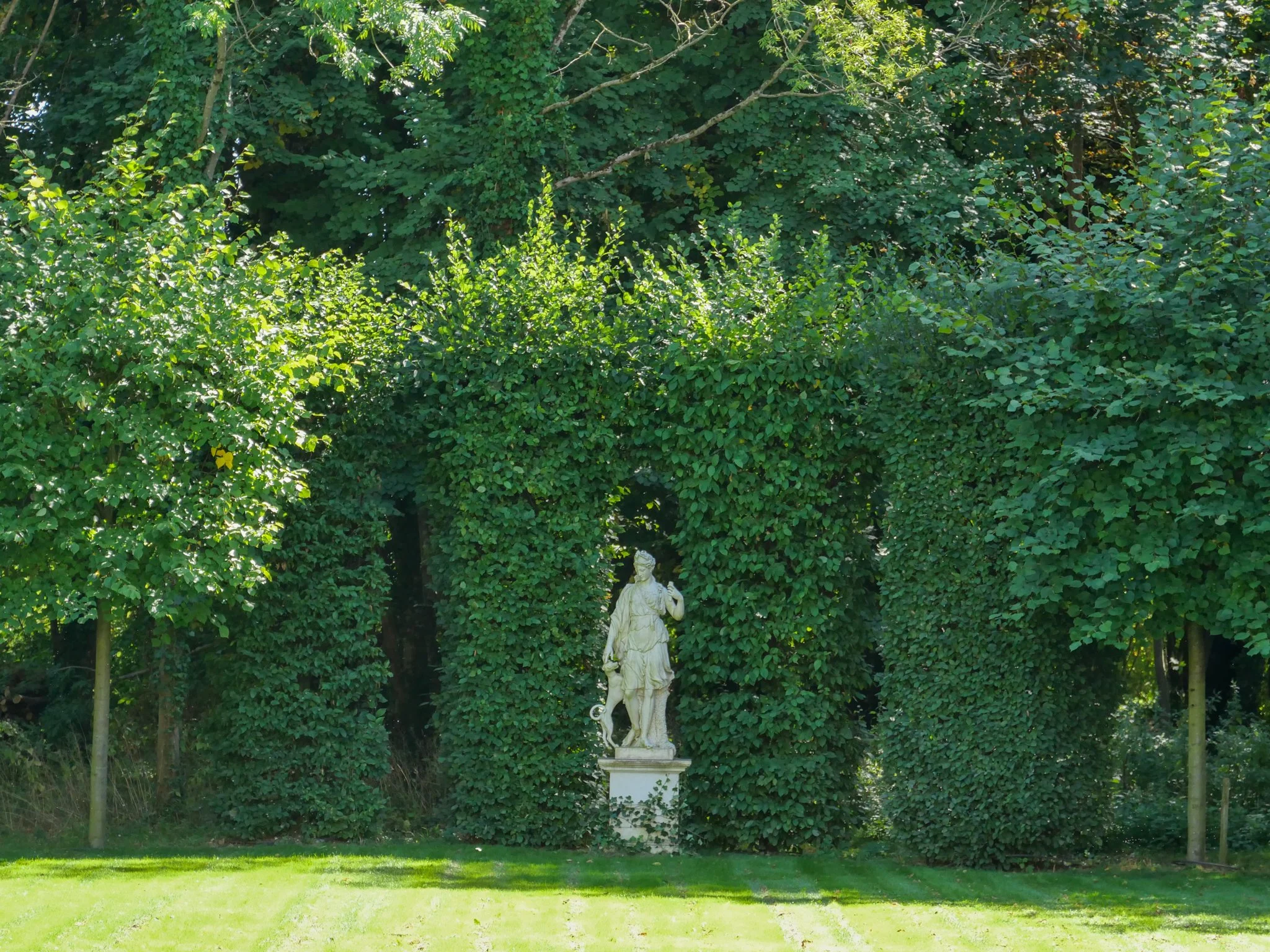
Calmon undertook an extensive restoration of the château's grounds, reconstructing the reflecting pool and ponds, repairing terraces and introducing formal planting. The work included approximately 15 kilometres of irrigation piping.
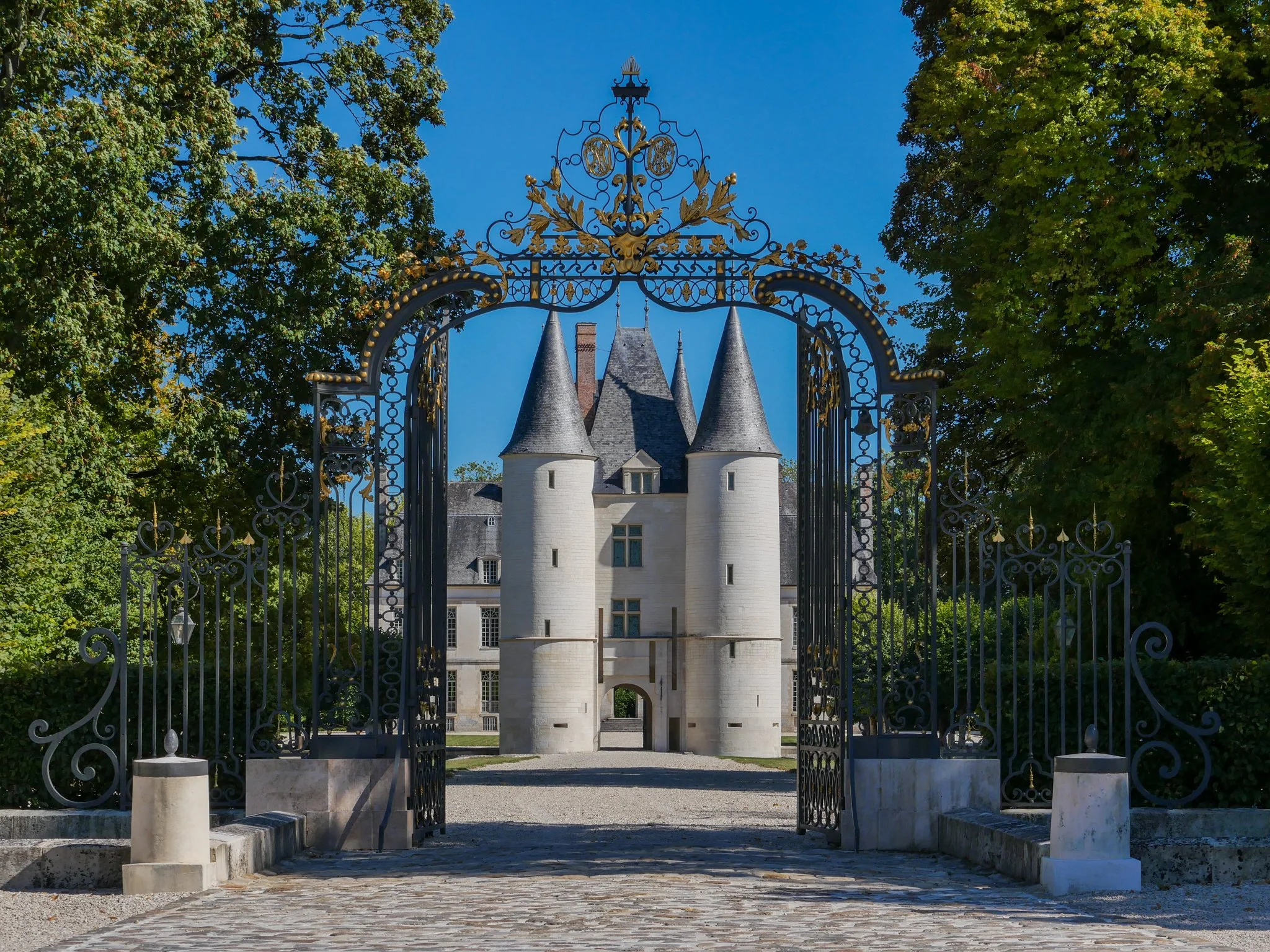
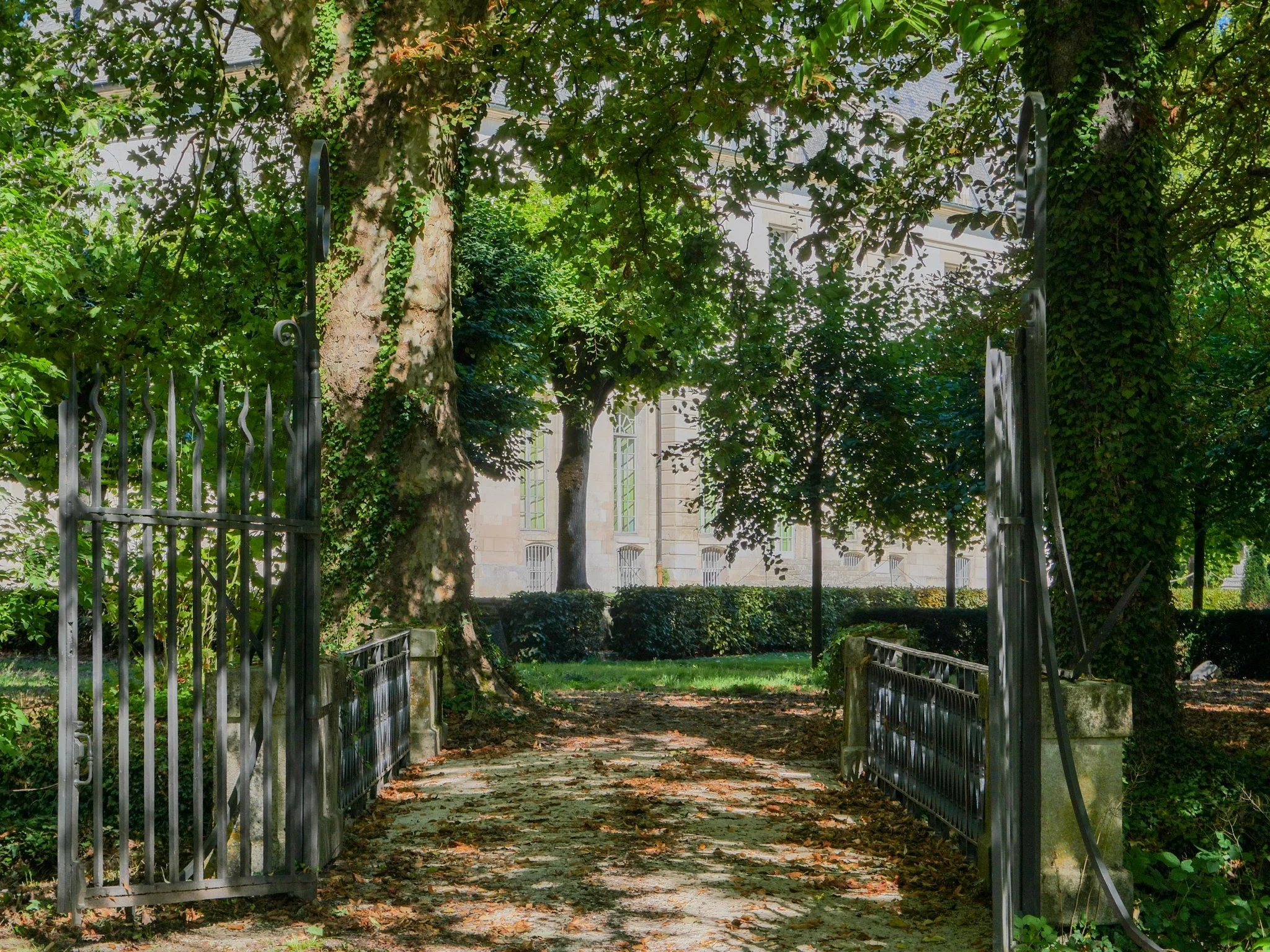
The approach to the château is marked by a painted and gilded wrought-iron gate, attributed to the school of Jean Lamour, the ironworker associated with the celebrated gates of Place Stanislas in Nancy.
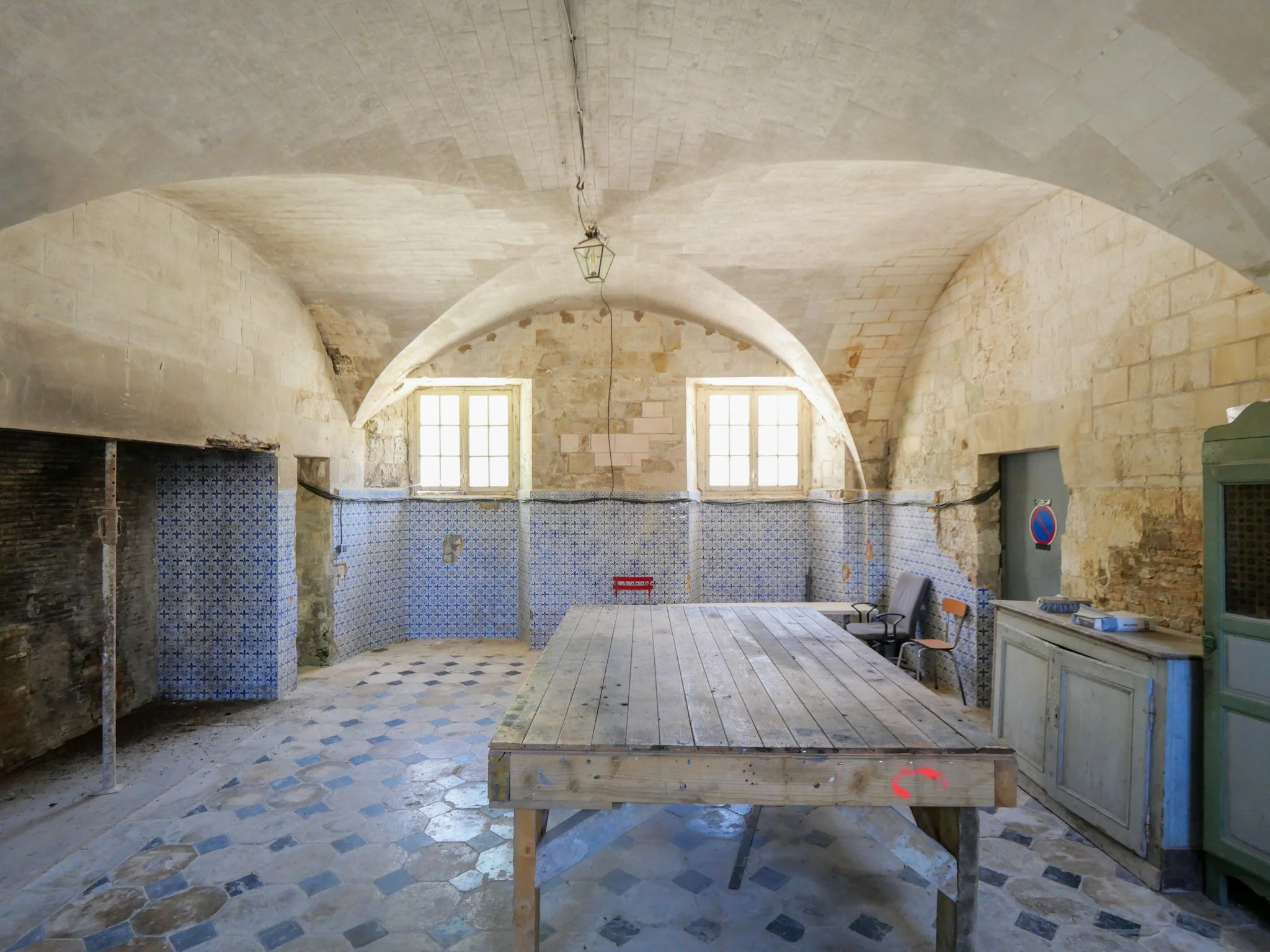
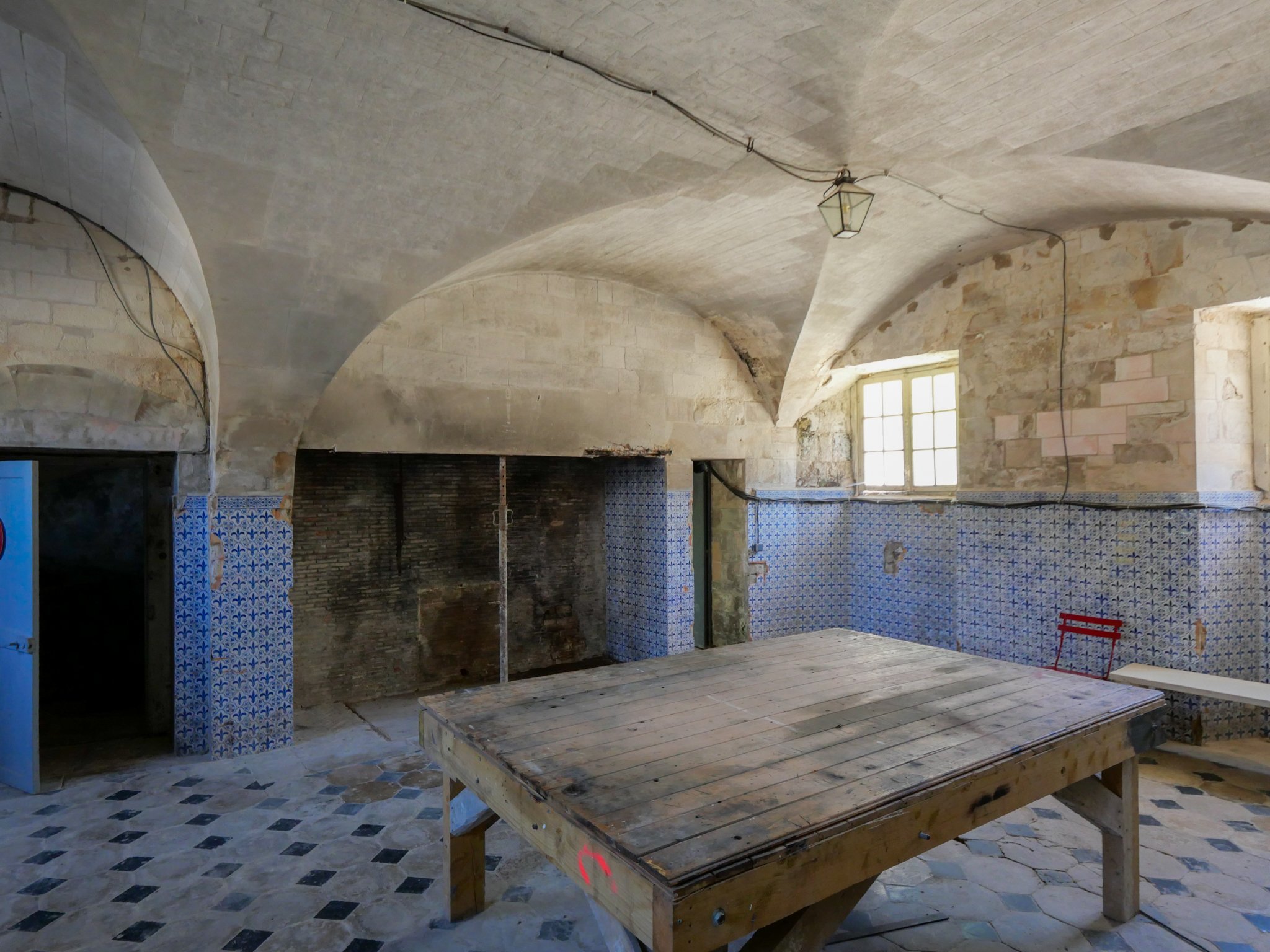
The restoration was carried out under the supervision of the French historic-monuments authorities. Parts of the property have been protected as a Monument Historique since 1929, including the château's façades and roof, grand staircase, vaulted basement kitchen, fortified gatehouse, reflecting pool and adjoining terrace. The project also received support through the Fondation du patrimoine and France's Mission Patrimoine heritage programme.
Throughout the restoration, Calmon shared his progress through the château's website and a dedicated YouTube channel developed in collaboration with So Châteaux. The project attracted tens of thousands of followers, while videos of the property reached millions of viewers across French- and English-language channels.
His first video tour of Château de Dampierre, filmed with So Châteaux before restoration began, attracted more than three million views across French- and English-language channels. He subsequently launched his own dedicated YouTube channel, which grew to more than 60,000 subscribers.
Guillaume and Alexandre Denniel also regularly filmed videos with Calmon for their Instagram accounts, documenting the work as it progressed. What began as a personal ambition had become a restoration project followed by a substantial online audience.
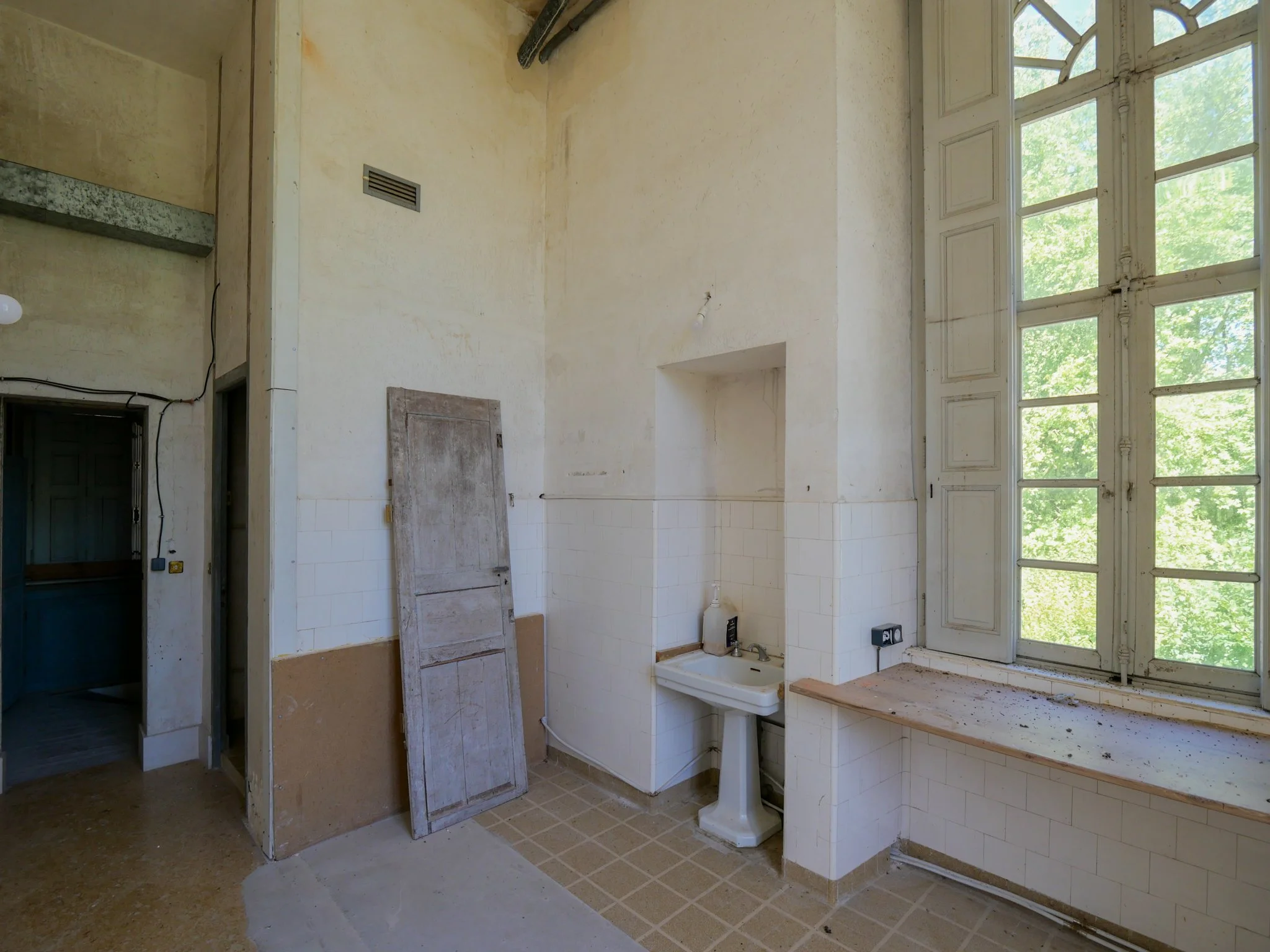
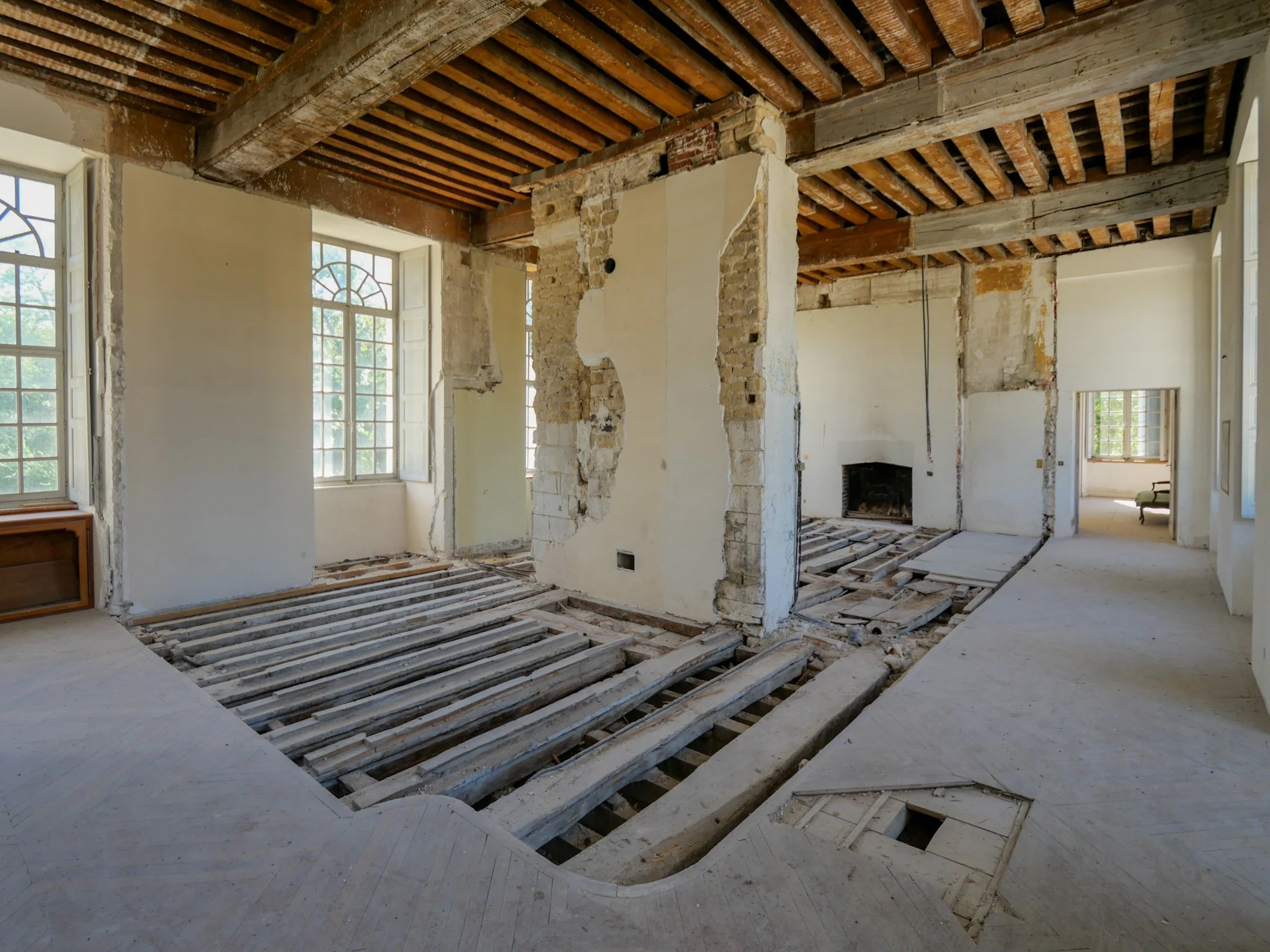
Despite the scale of the completed work, the principal château remained unfinished. Calmon had planned to begin its interior restoration in 2026 and had already prepared architectural plans for the next phase.
Two weeks before his death, Antoni had dinner with his sister Magali, with whom he worked in aesthetic medicine. During their conversation, he unexpectedly told her, “If anything happens to me, please sell the château.”
Magali later explained that her brother understood the château was his dream rather than hers, and that he did not want to leave her responsible for completing such an extensive restoration. Although she initially explored ways of retaining the property, the financial demands of the succession and the remaining work ultimately led her to sell.
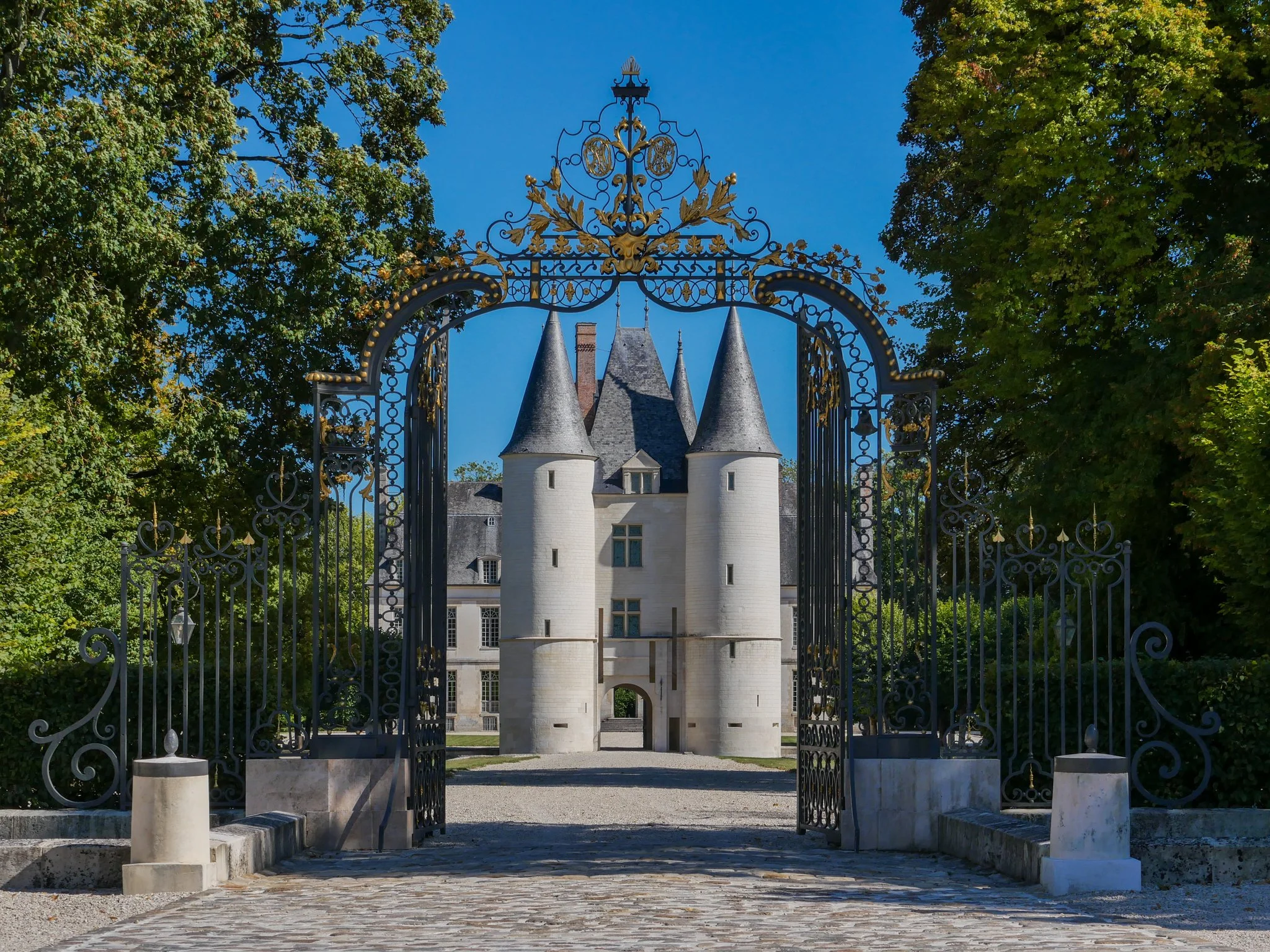
The château's restored wrought-iron entrance gates are attributed to the school of Jean Lamour, the 18th-century ironworker behind the celebrated gilded gates of Place Stanislas in Nancy.
In September 2026, six months after his death, the château's restored entrance gates were officially inaugurated during the European Heritage Days, with his family and friends present. It was one of the projects Calmon had begun shortly after acquiring the estate.
Guillaume and Alexandre Denniel, who had helped Antoni purchase the château and followed its restoration closely, are now handling the sale.
“We will do our utmost to support his family in memory of Antoni, with the goal of finding a passionate buyer who will continue his extraordinary work in preserving French heritage,” Guillaume Denniel wrote to Francis York.
The agency estimates that completing the interior restoration of the principal château would require approximately €3 million. The historic hydroelectric installation also remains to be restored, while planning permission has been granted for a swimming pool.
The next owner will acquire an estate with its gardens, entrance buildings and equestrian facilities extensively restored, alongside a 17th-century château still awaiting its transformation.
Calmon fulfilled the childhood ambition that brought him to Dampierre and completed much of the work needed to revive the estate. The opportunity now is to continue the restoration he began, building on five years of progress and the architectural plans he left behind.
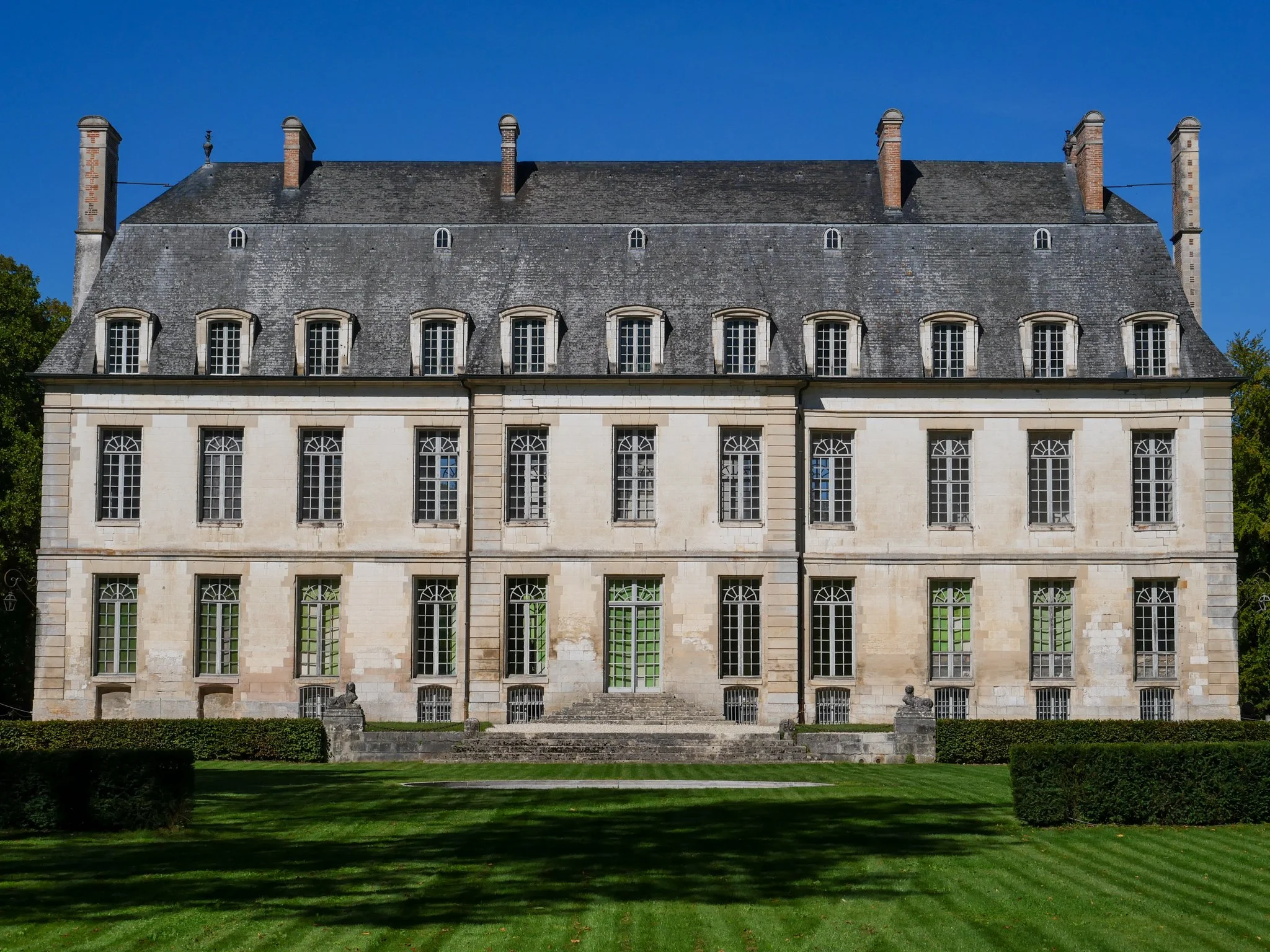
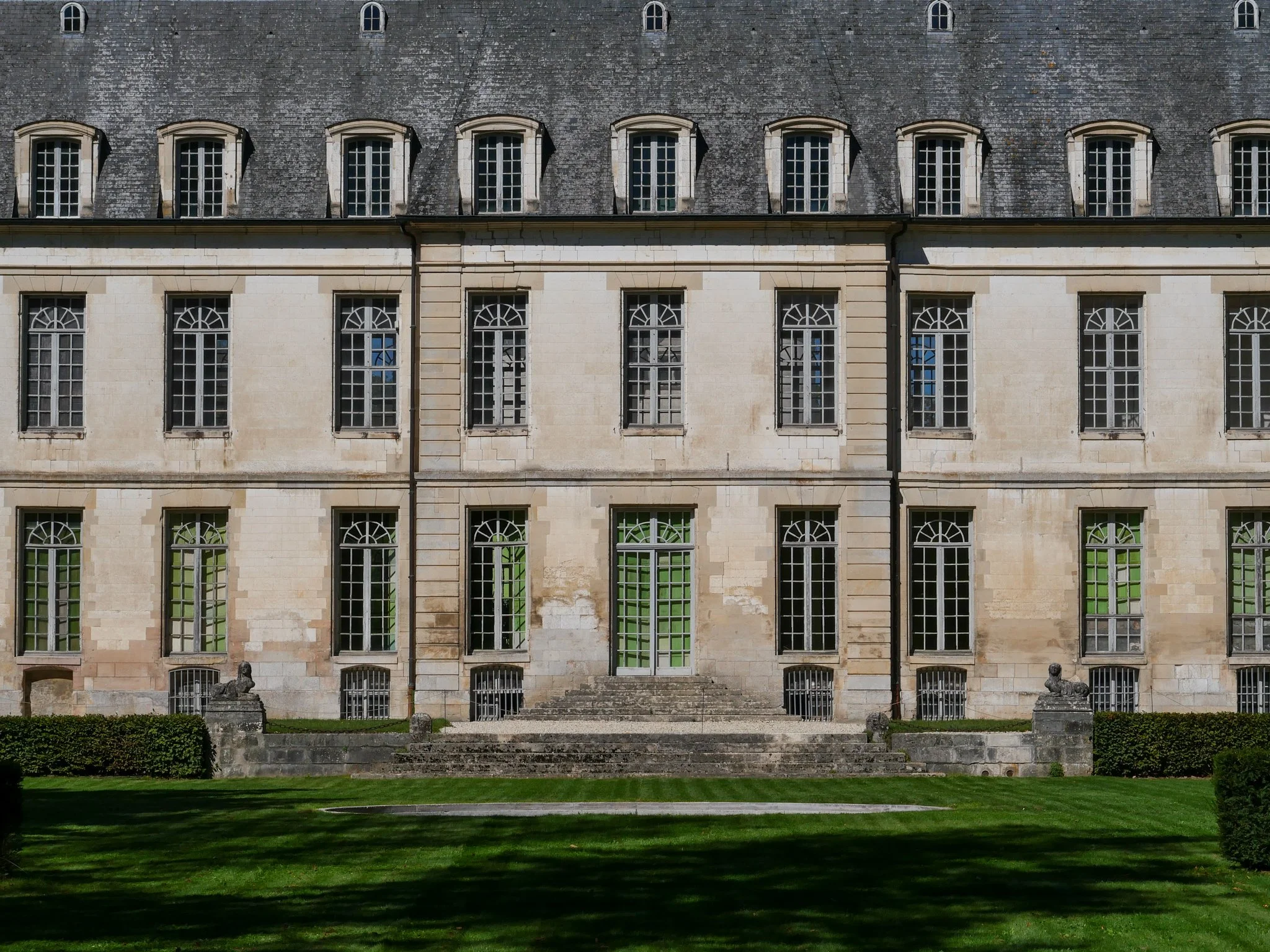
All photographs courtesy of the listing agency. See more at Denniel Immobilier.