A Provençal Farmhouse Within Walking Distance of One of the Luberon’s Most Beautiful Villages
Bedrooms: 9 Bathrooms: 9 Interior: 550 m² / 5,920 ft² Lot: 3 Ha / 7.4 Acres
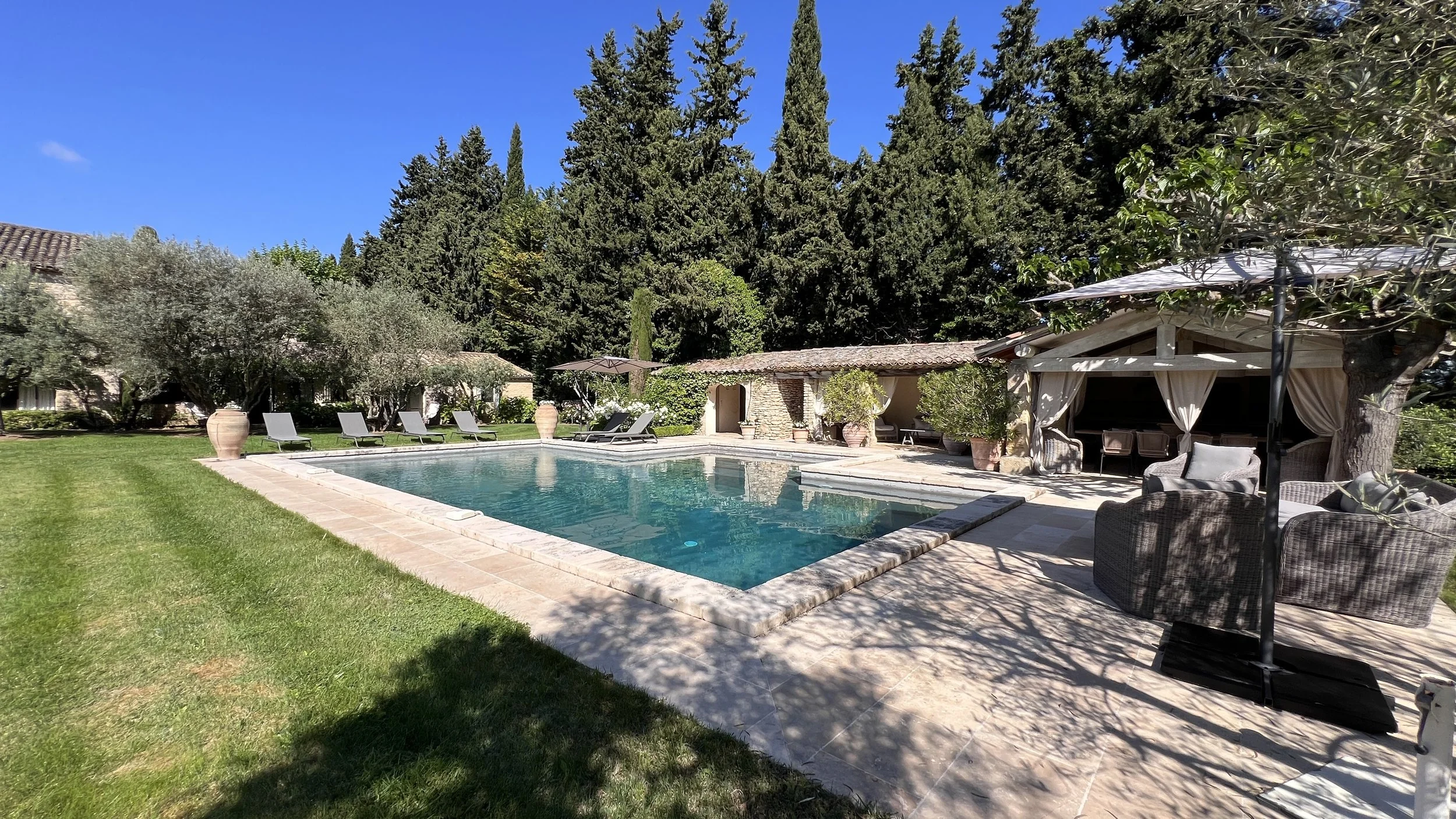
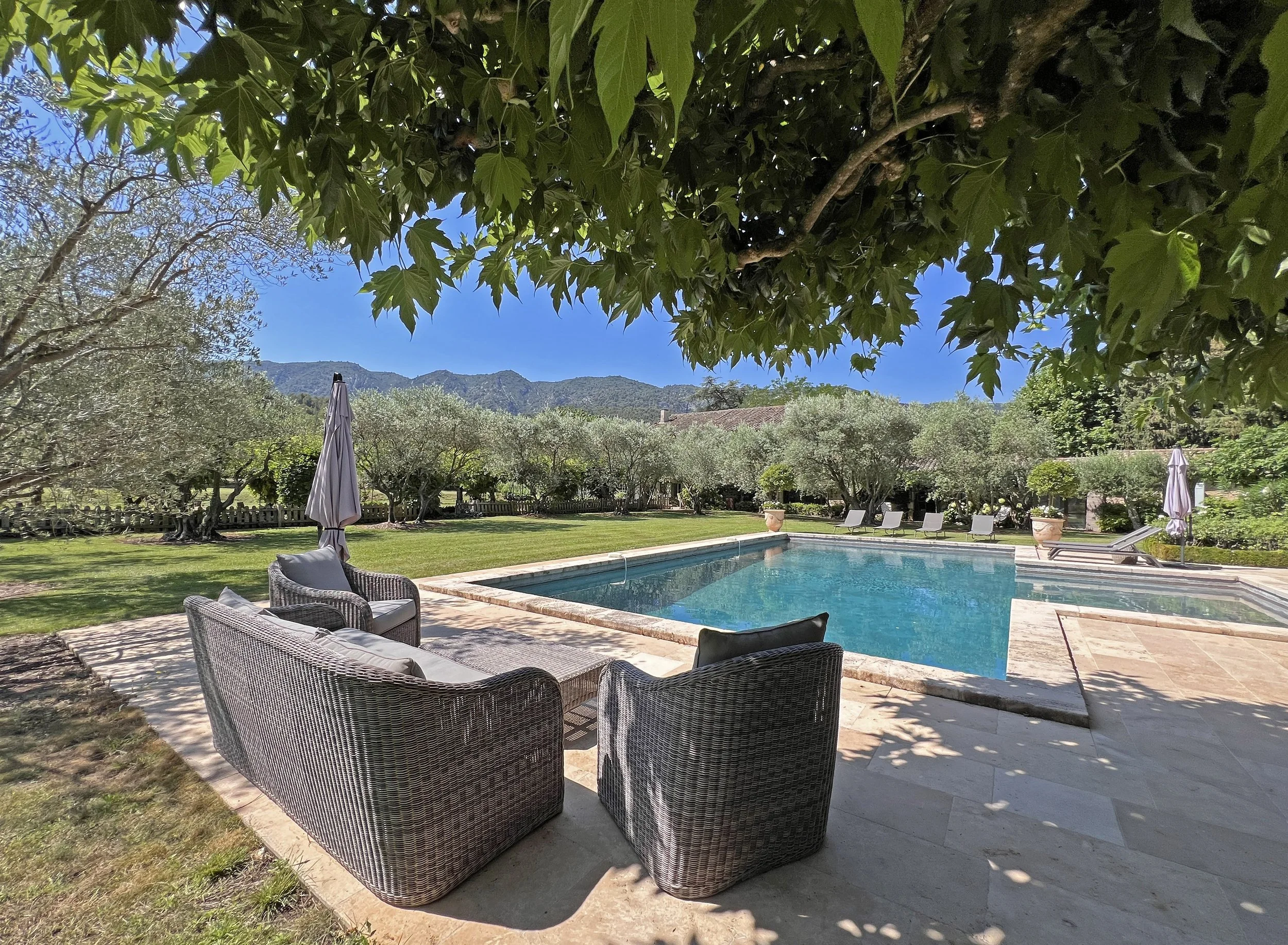
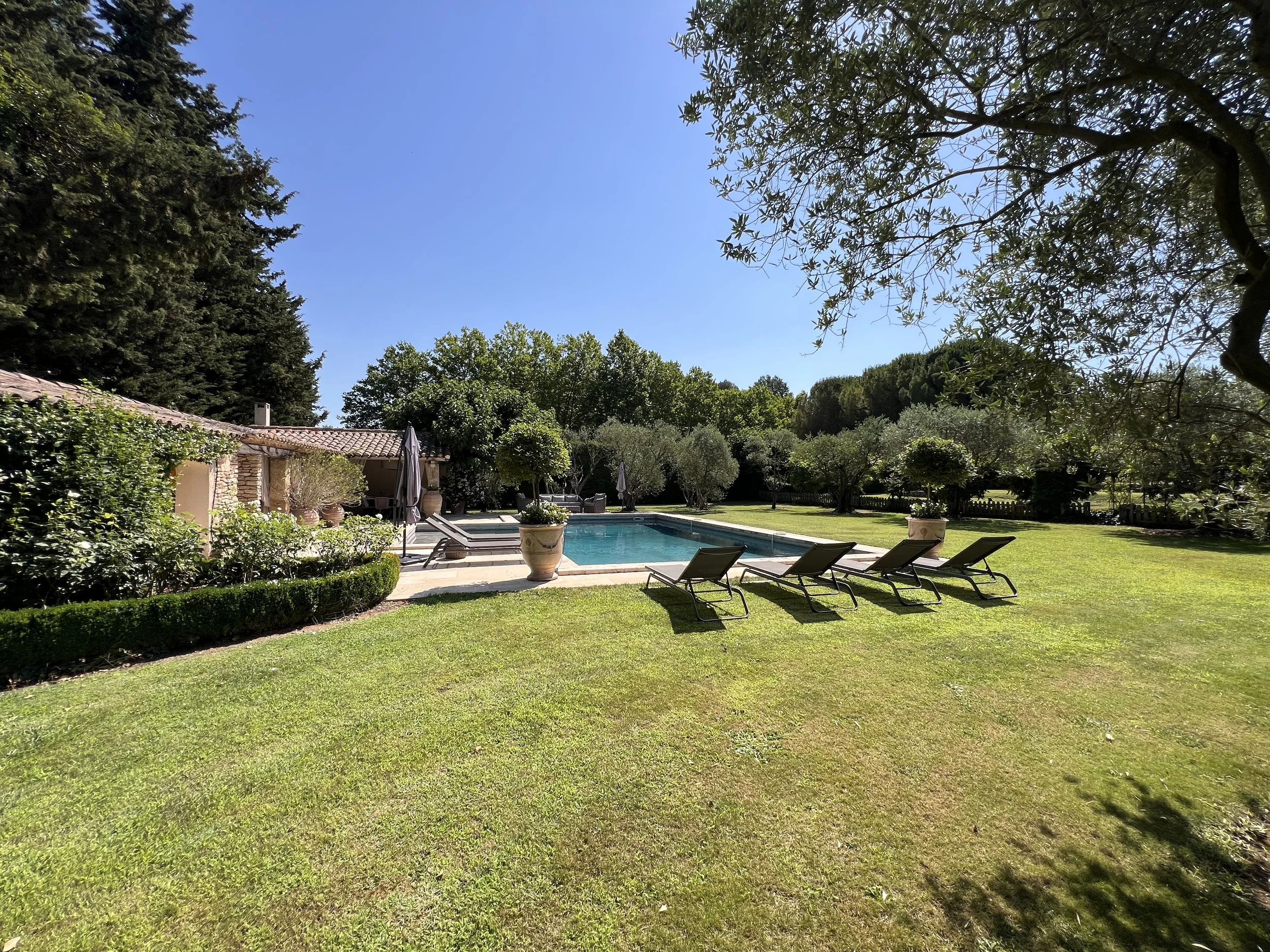
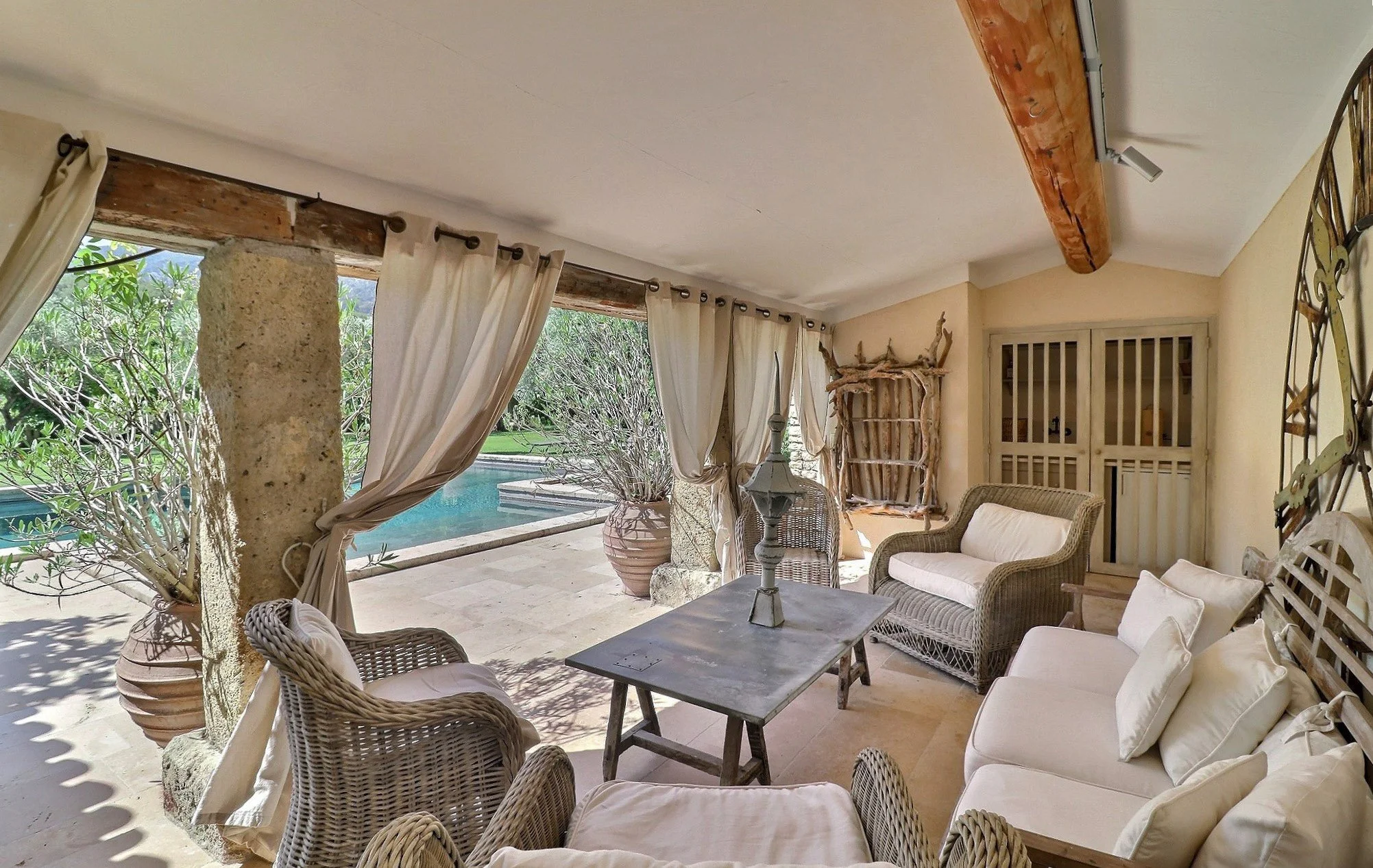
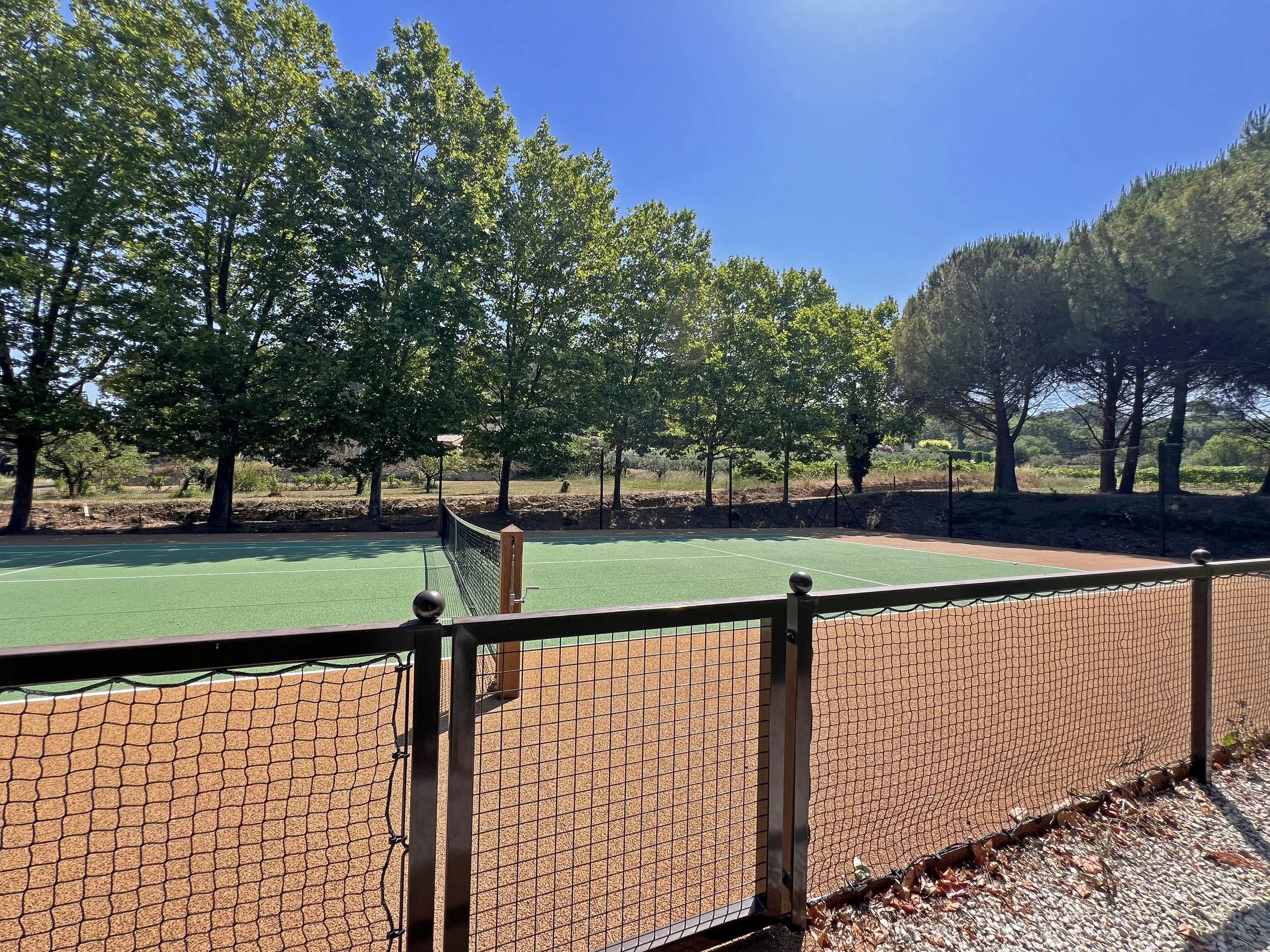
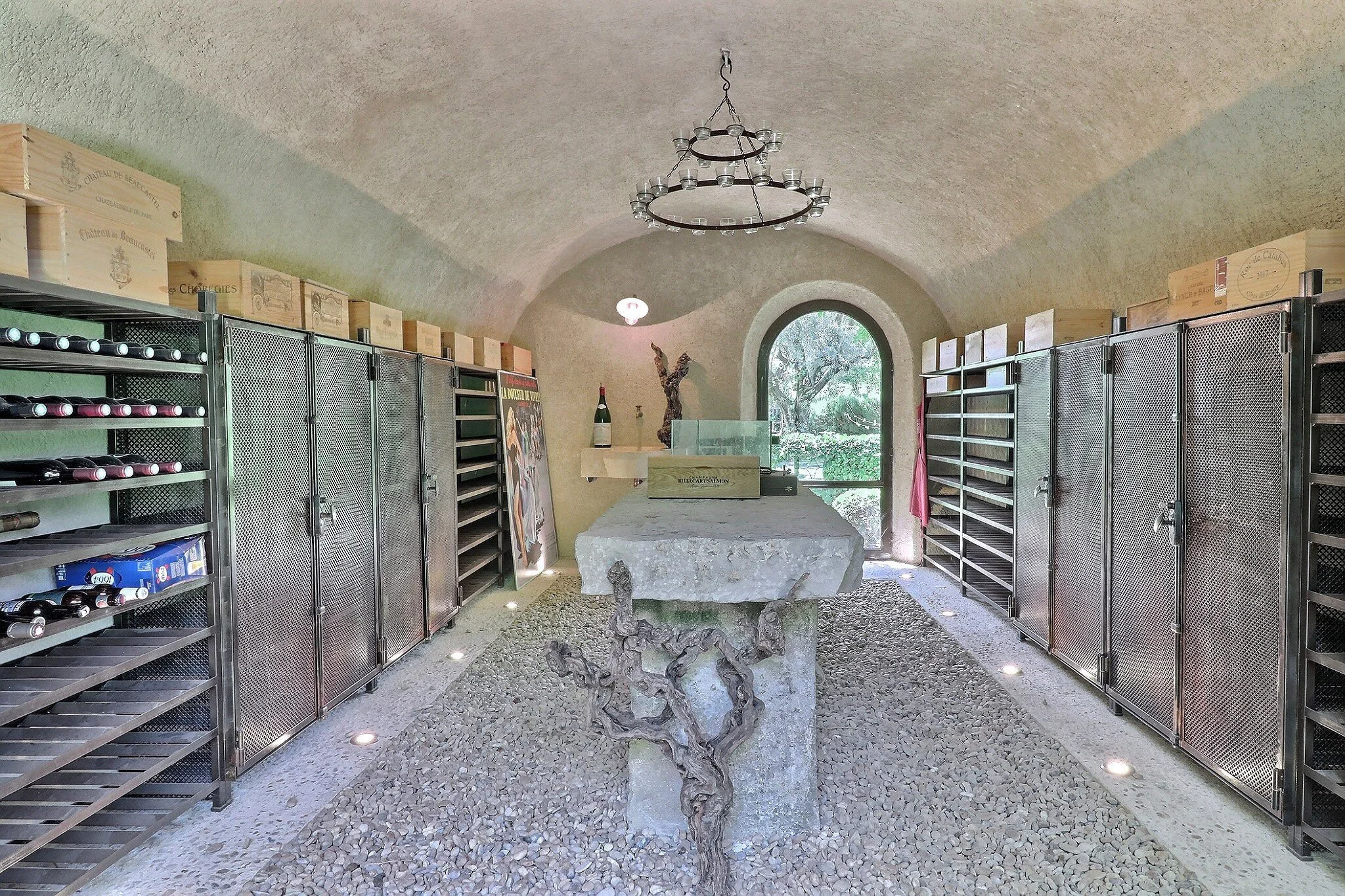
Amenities: Swimming Pool, Pool House, Tennis Court, Landscaped Gardens, Olive Trees, Lavender, Rose Garden, Two Courtyards, Wisteria-Covered Arch, Cinema Room, Bar, Wine Cellar, Fireplace, Caretaker’s House, Garage, Carport, Air Conditioning, Alarm System
An 18th-century Provençal farmhouse is for sale within walking distance of Oppède-le-Vieux, one of the Luberon’s most beautiful and atmospheric medieval villages. The property is listed with Emile Garcin, with pricing disclosed upon application. Contact the listing agency directly for further details.
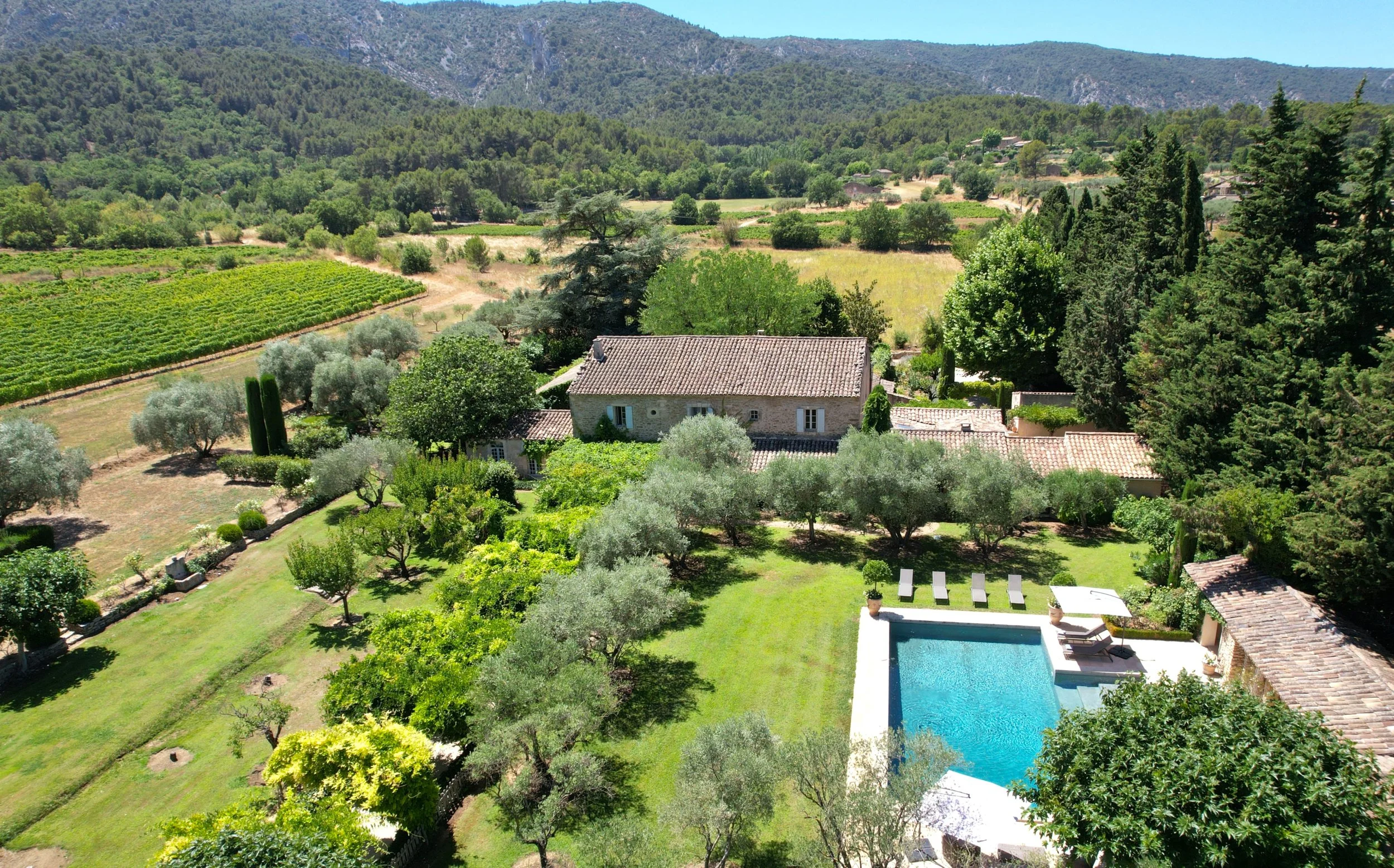
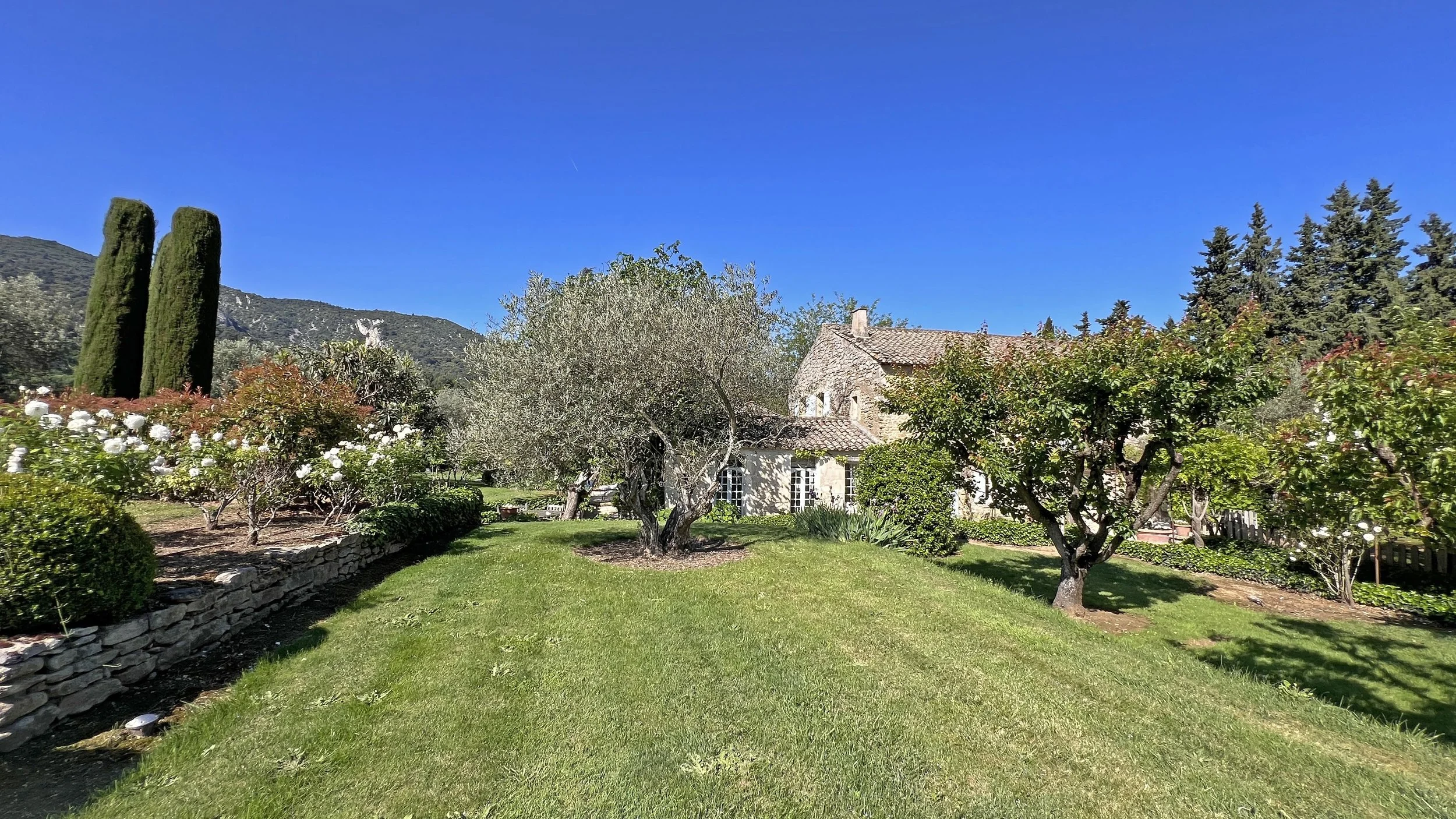
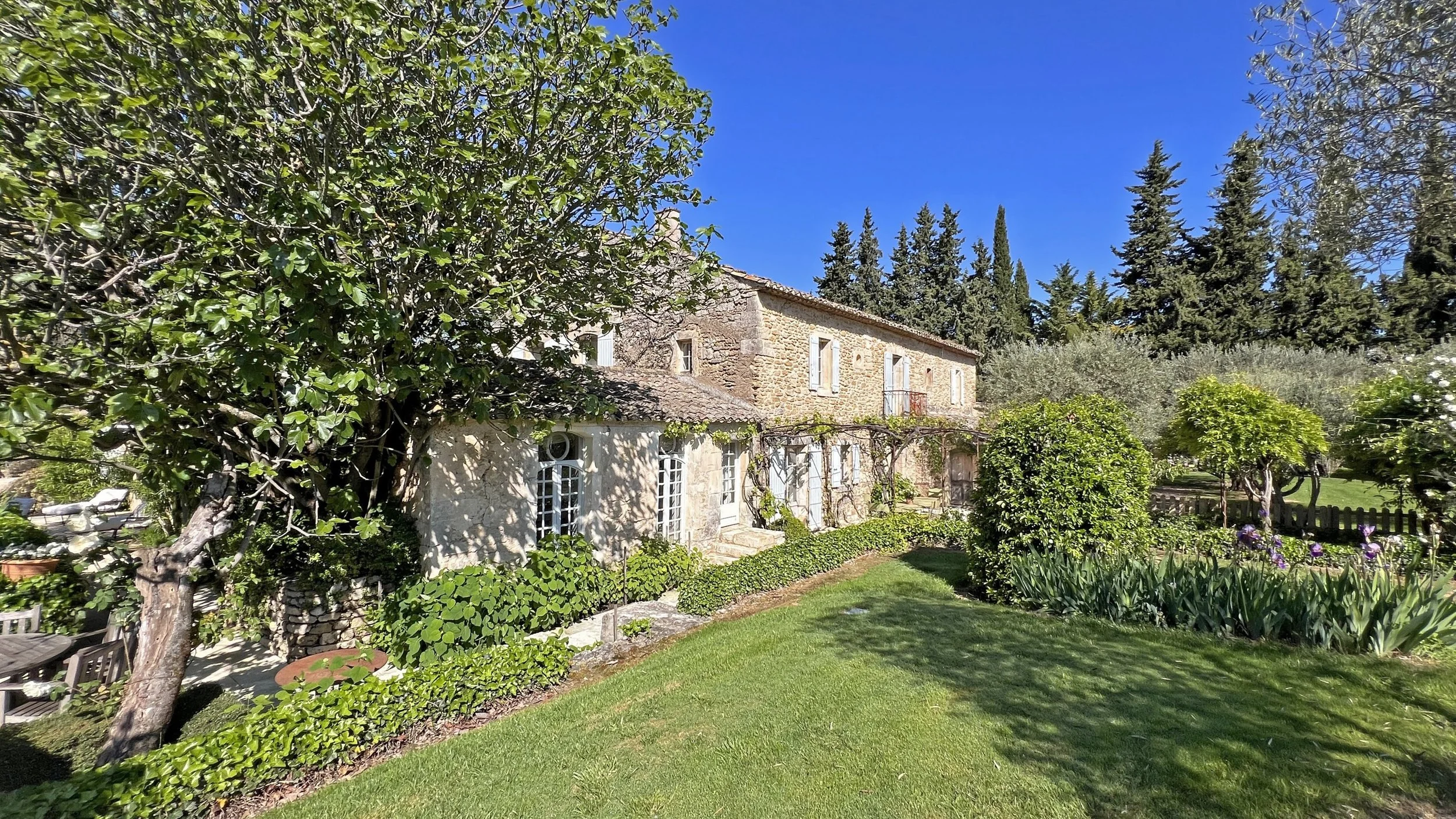
The approximately 550 m² / 5,920 ft² farmhouse is set across three hectares / 7.4 acres of landscaped grounds in the countryside surrounding the old village. At that scale, the property occupies its own secluded Provençal landscape, with gardens, olive trees, lavender and Mediterranean planting creating a natural buffer around the house.
Emile Garcin
It is a particularly peaceful setting in one of the most evocative corners of the Luberon.
Oppède-le-Vieux rises above the surrounding plain on a rocky spur at the foot of the Petit Luberon. Its steep stone lanes climb through the remains of the medieval settlement towards the church of Notre-Dame-d’Alidon and the ruins of its old fortress.
Unlike some of the Luberon’s more polished hilltop villages, Oppède has retained a noticeably wilder character. Old stone walls, partially ruined buildings and dense Mediterranean vegetation remain woven together across the hillside, while the steep historic village is still largely explored on foot.
The village was gradually abandoned as residents moved towards the more accessible plain below. By the Second World War, however, its quiet and relative isolation had begun to attract a very different community.
In 1940, a group of young architects and artists gathered at Oppède under the architect Bernard Zehrfuss, forming what became known as the Groupe d’Oppède. Painters, sculptors, architects and writers lived and worked around the old village during the war years, among them Consuelo de Saint-Exupéry, the artist and writer married to Antoine de Saint-Exupéry. She later drew on the period in her 1947 book, Oppède.
Today, Oppède-le-Vieux remains one of the Luberon’s most atmospheric villages. The same sense of seclusion that once drew artists and architects here is central to its appeal now: steep stone lanes, historic houses and remnants of the medieval settlement unfold across a hillside of dense Mediterranean vegetation, with the limestone landscape of the Petit Luberon rising behind it.
While nearby Gordes and Ménerbes have become internationally recognised destinations, Oppède-le-Vieux retains a quieter, less polished character. Its artistic history forms part of a wider cultural landscape that has long drawn painters, writers, designers and collectors to the Luberon, but the village’s particular appeal lies in how intact and slightly wild it still feels.
This is Provence at a slower scale, surrounded by vineyards, olive groves and pale-stone villages, yet within easy reach of some of the Luberon’s best-known cultural and gastronomic destinations. For a property close enough to reach Oppède-le-Vieux on foot, the attraction is not simply proximity to a historic village, but access to the particular rhythm of life that continues to make this part of Provence so desirable.
Emile Garcin
A short walk from the old village, the 550 m² / 5,920 ft² property occupies a considerably more private setting.
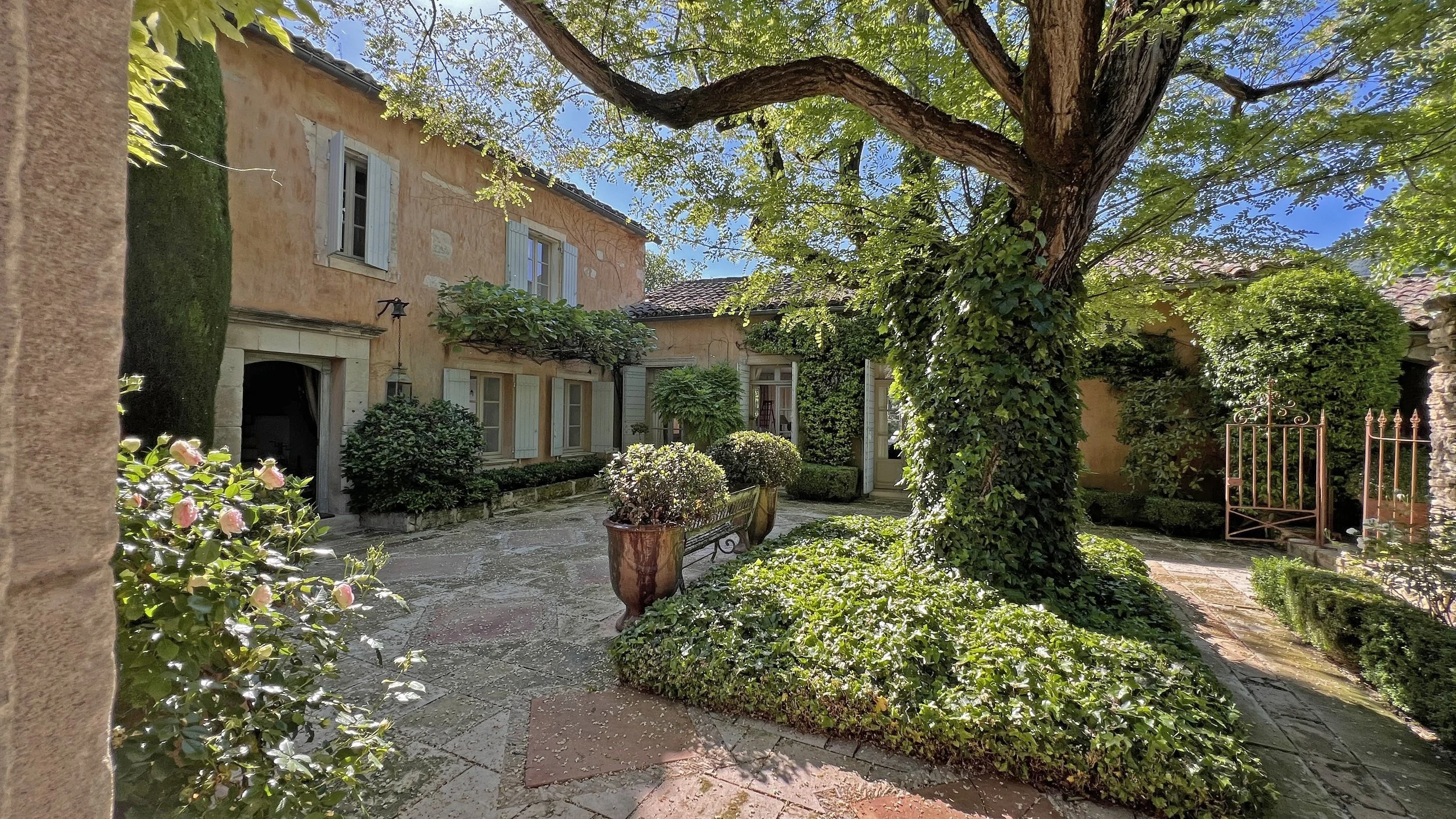
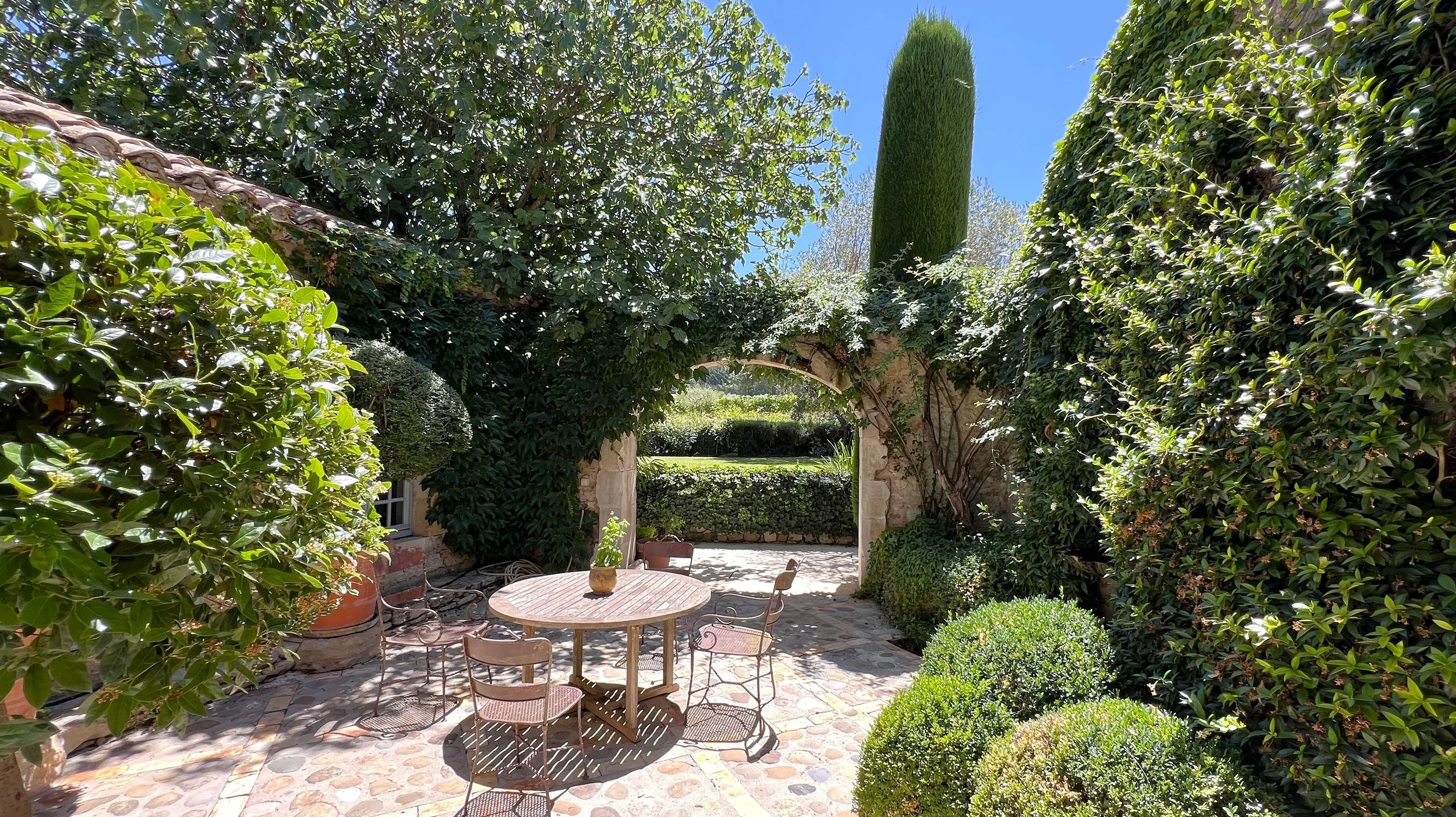
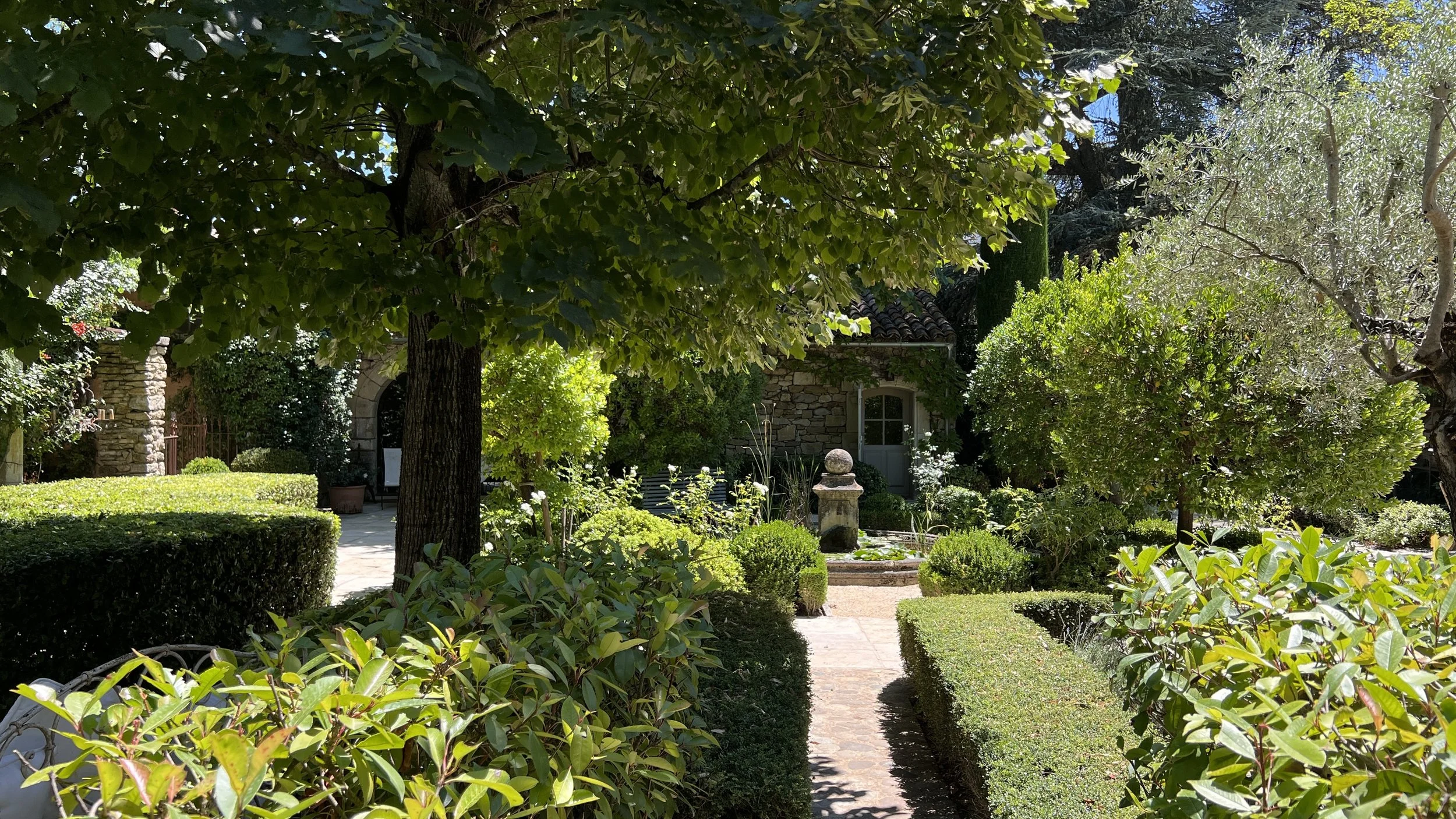
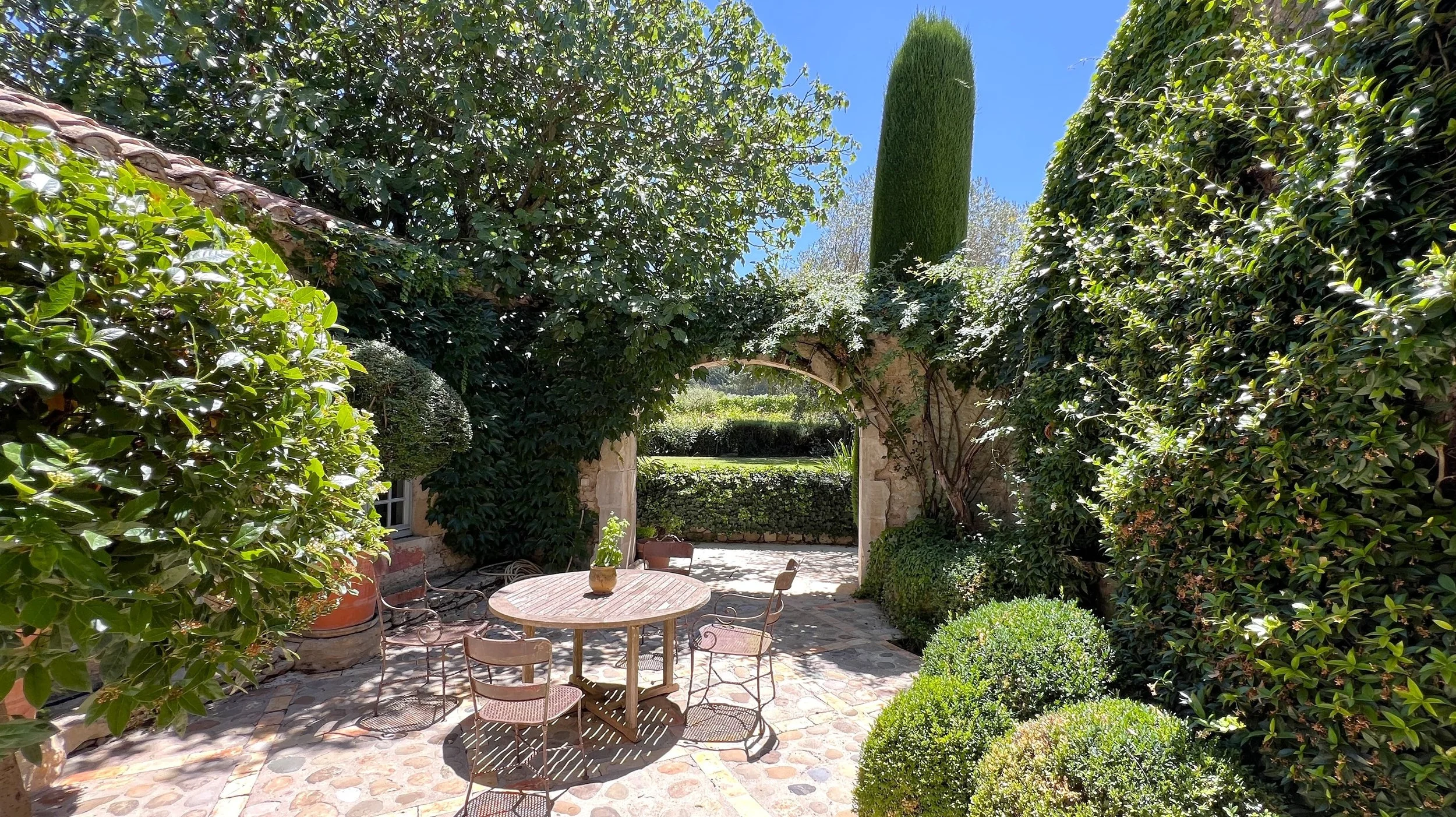
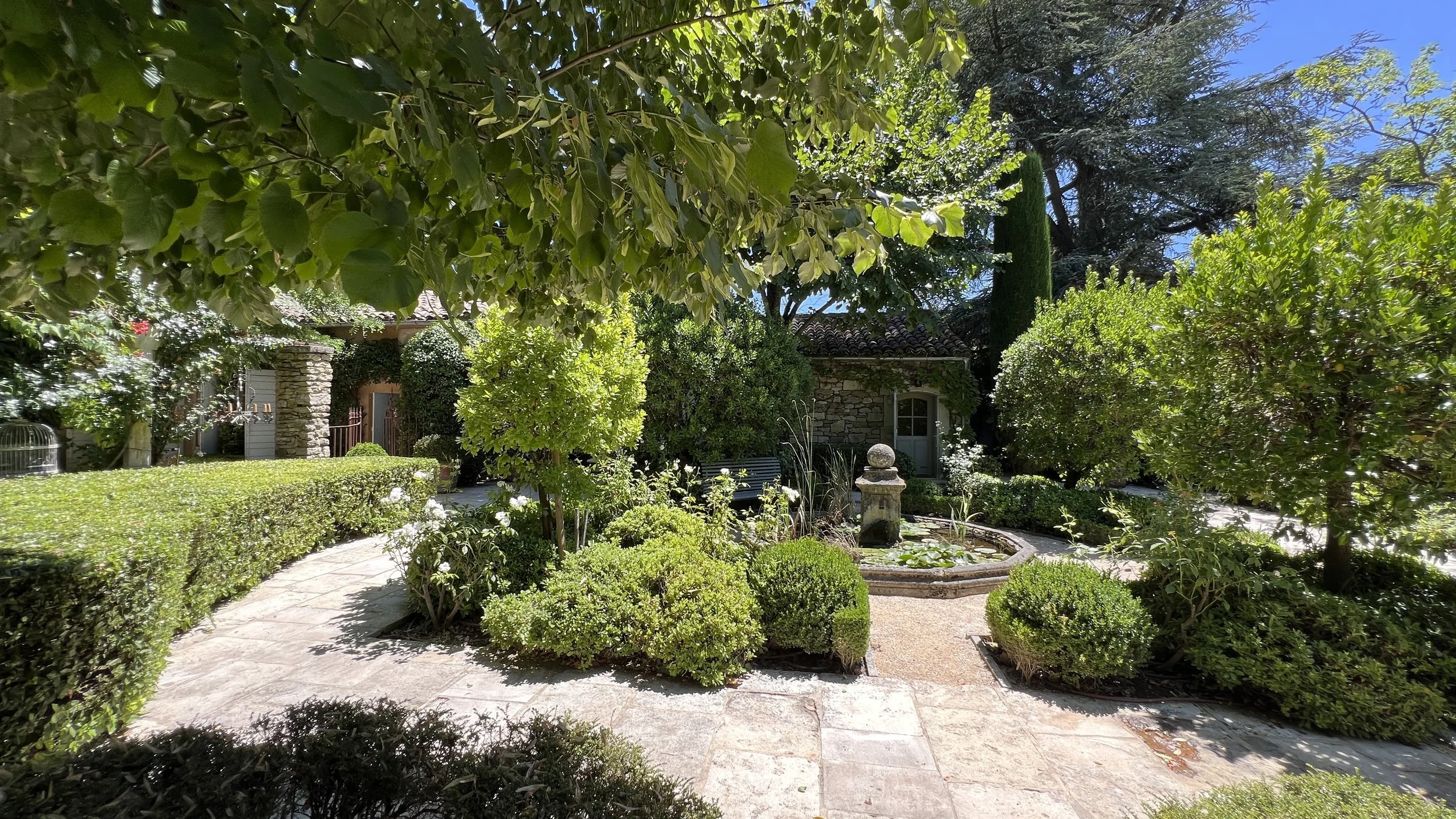
Behind its time-worn stone walls, the 18th-century mas unfolds in a U-shape around two intimate courtyards. Its east to south-west orientation brings sunlight through the house throughout the day, while the main reception rooms open directly onto patios and gardens.
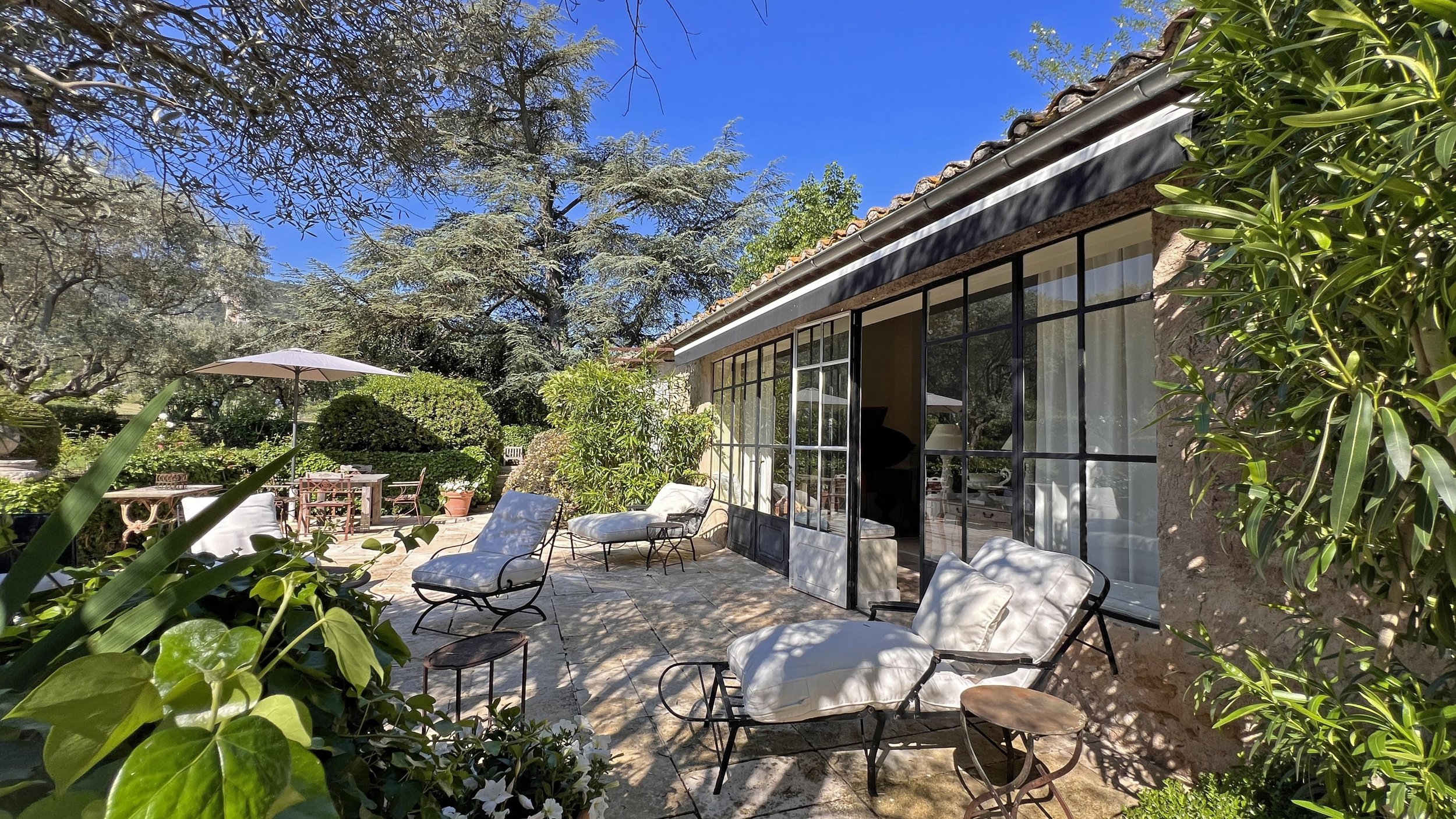
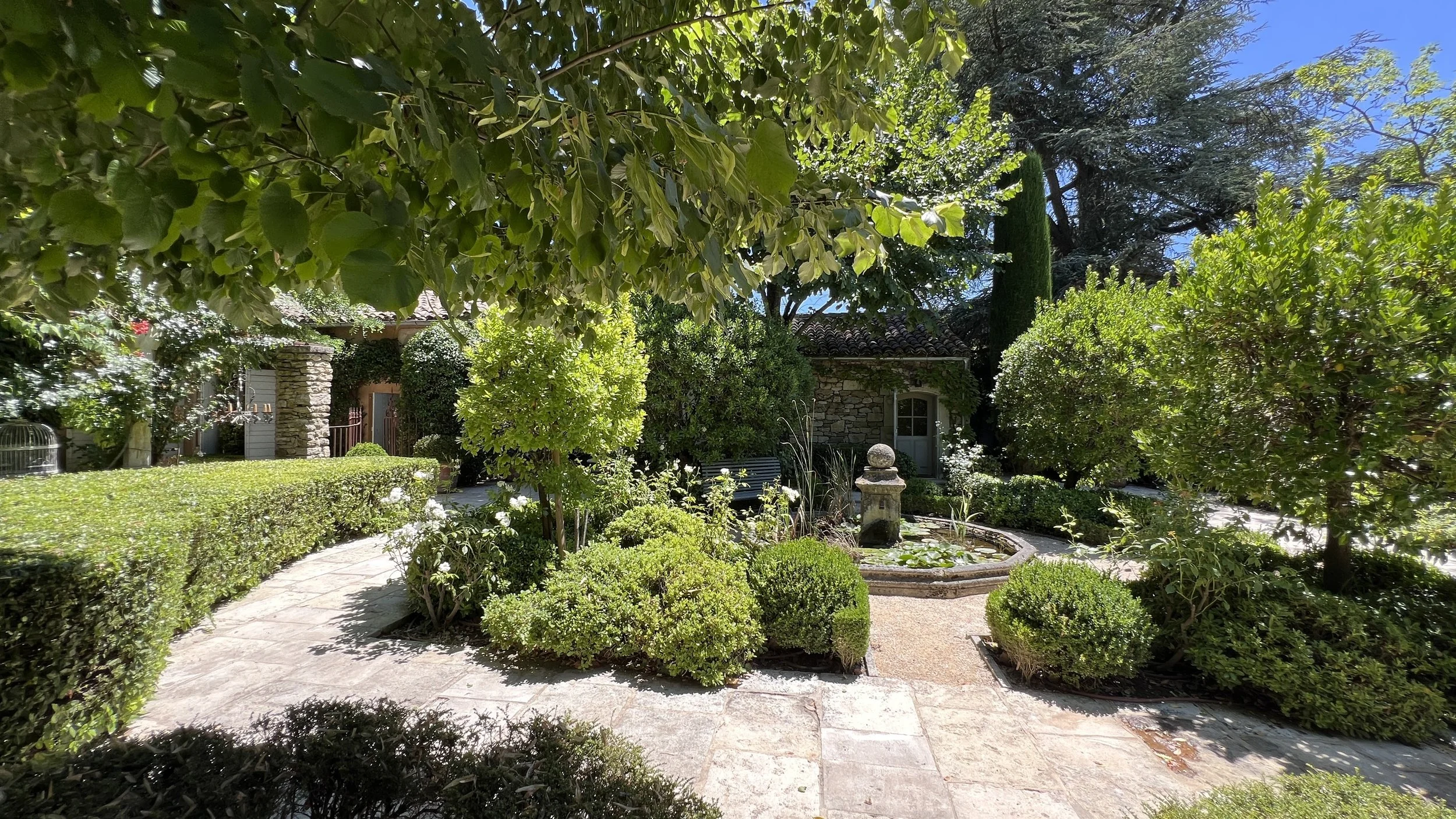
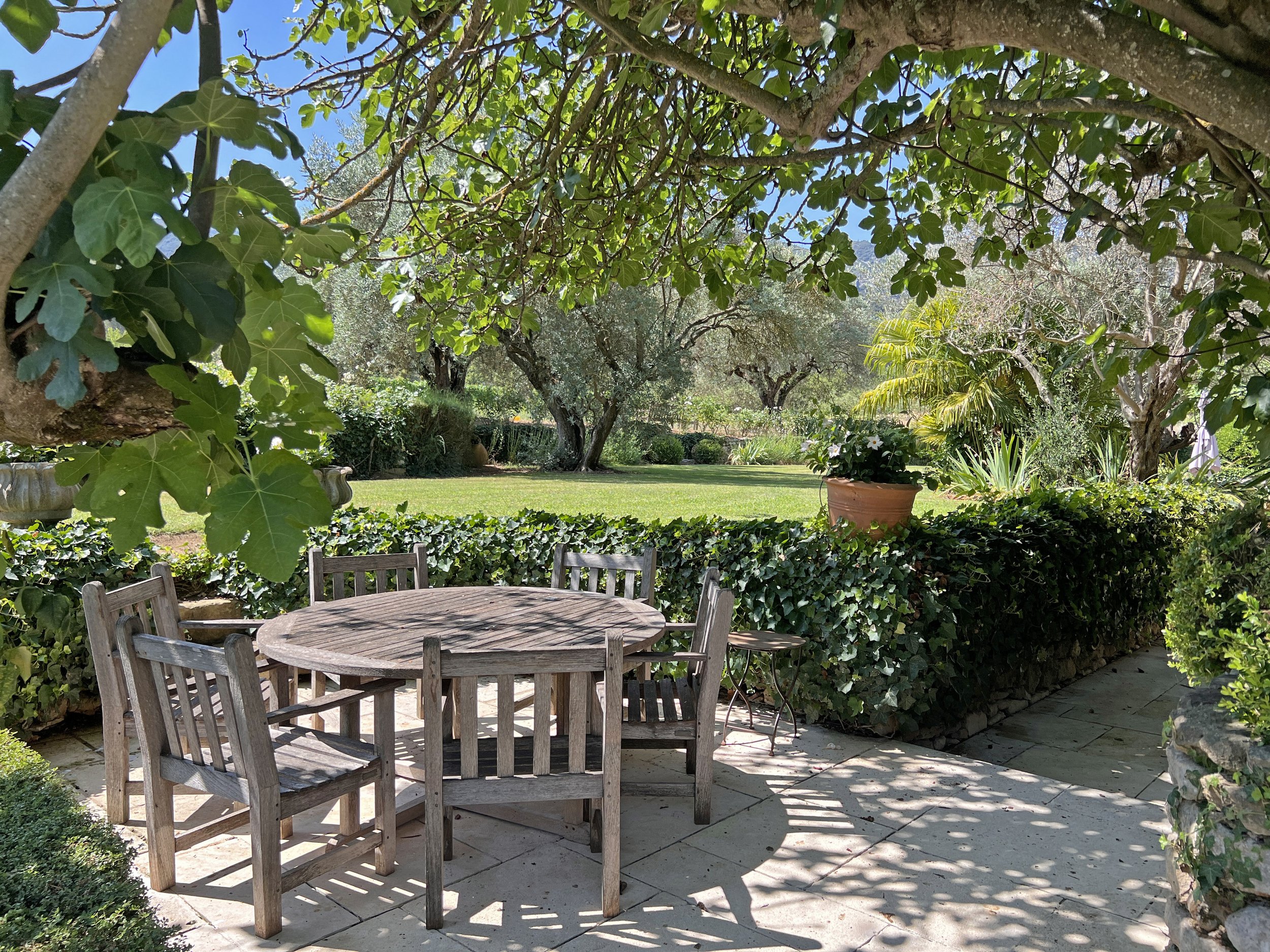
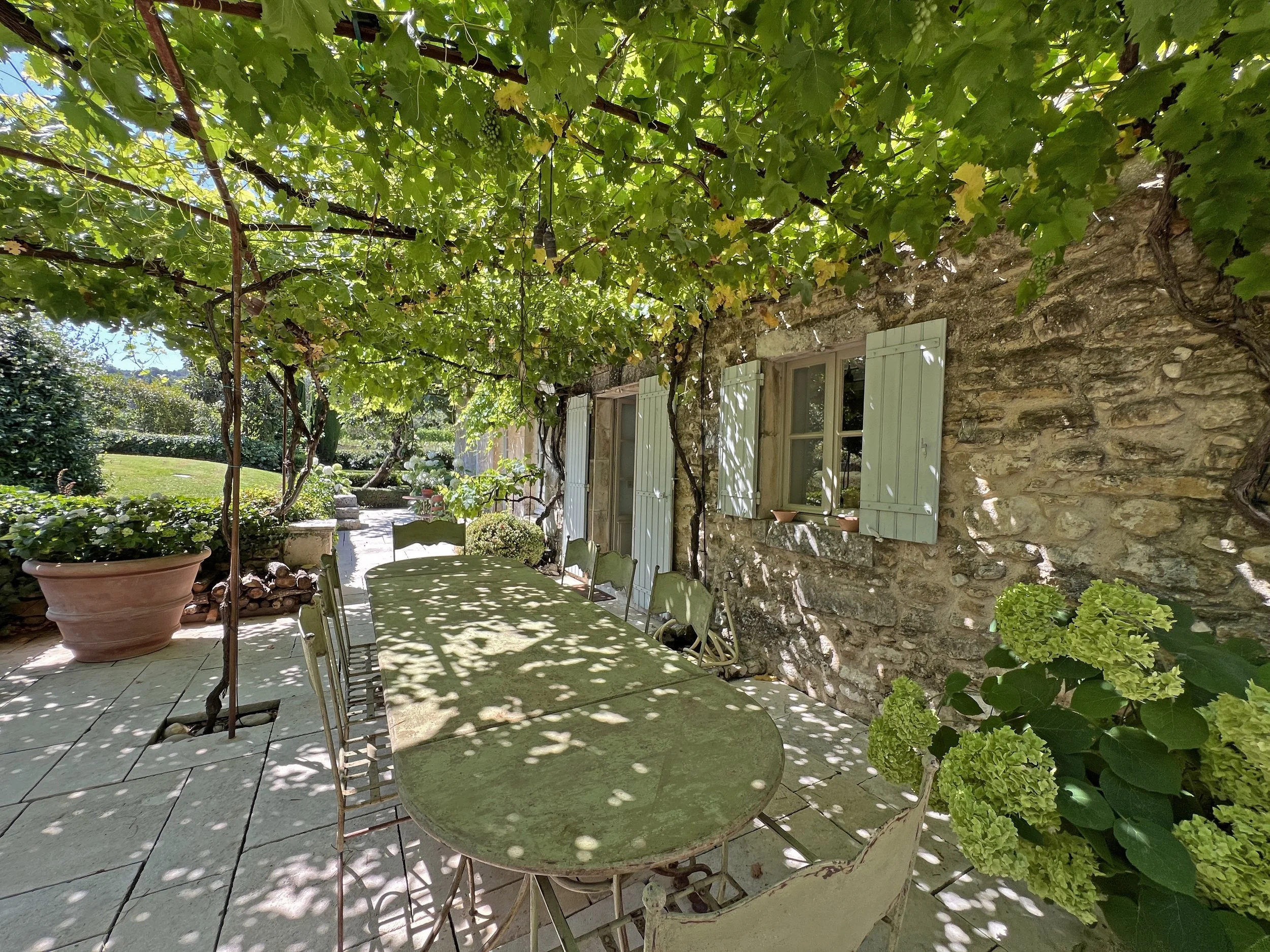
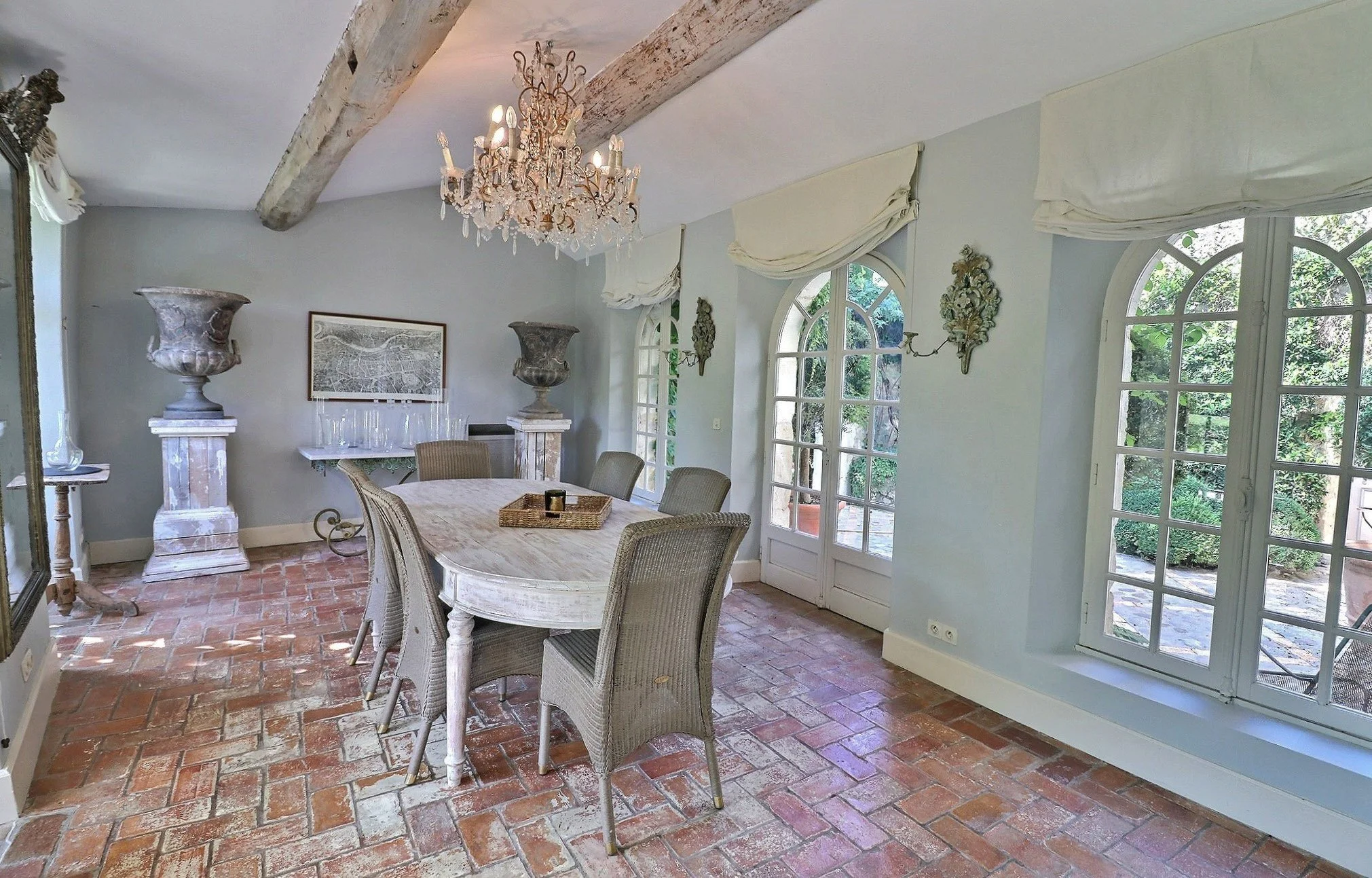
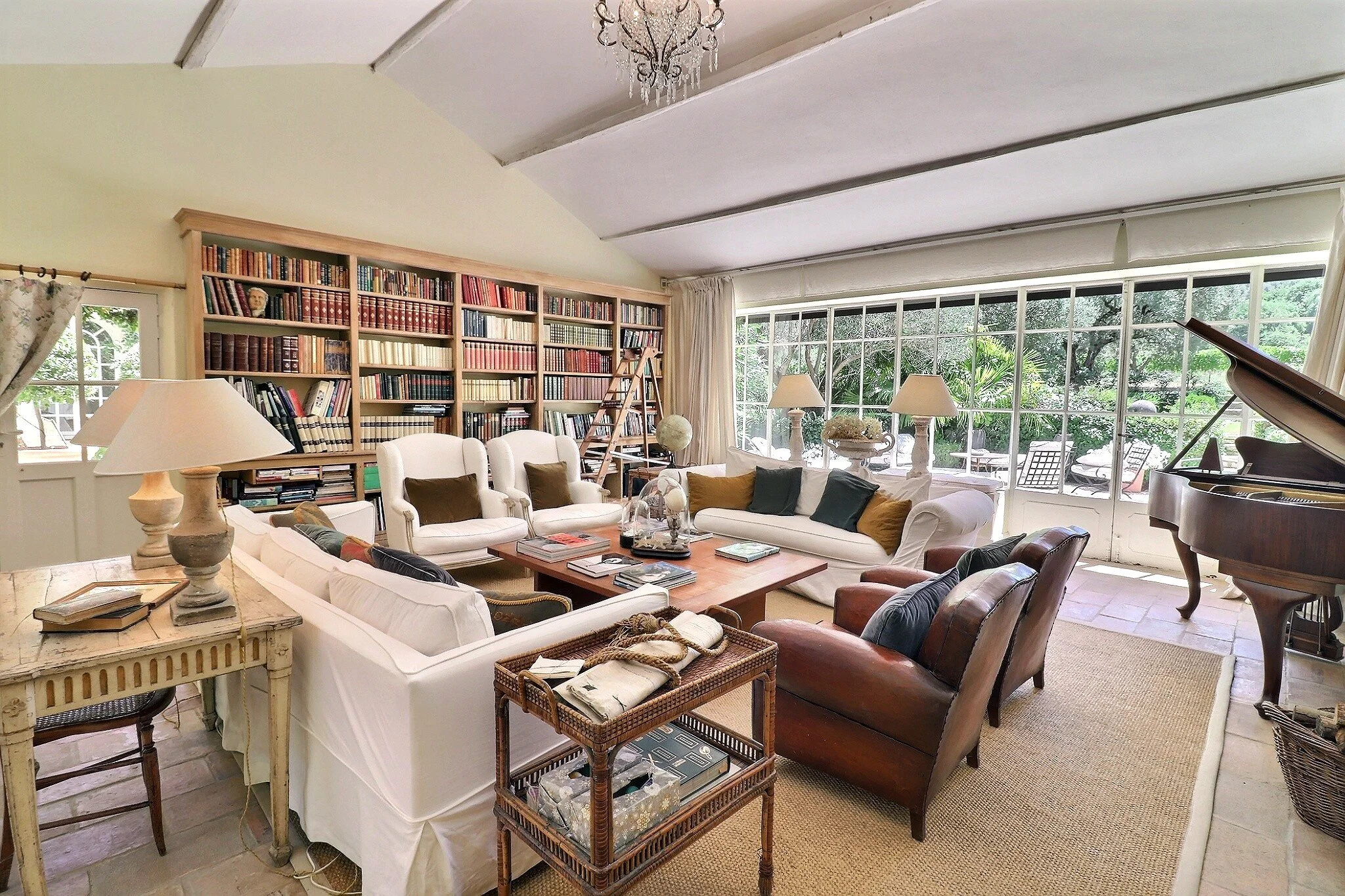
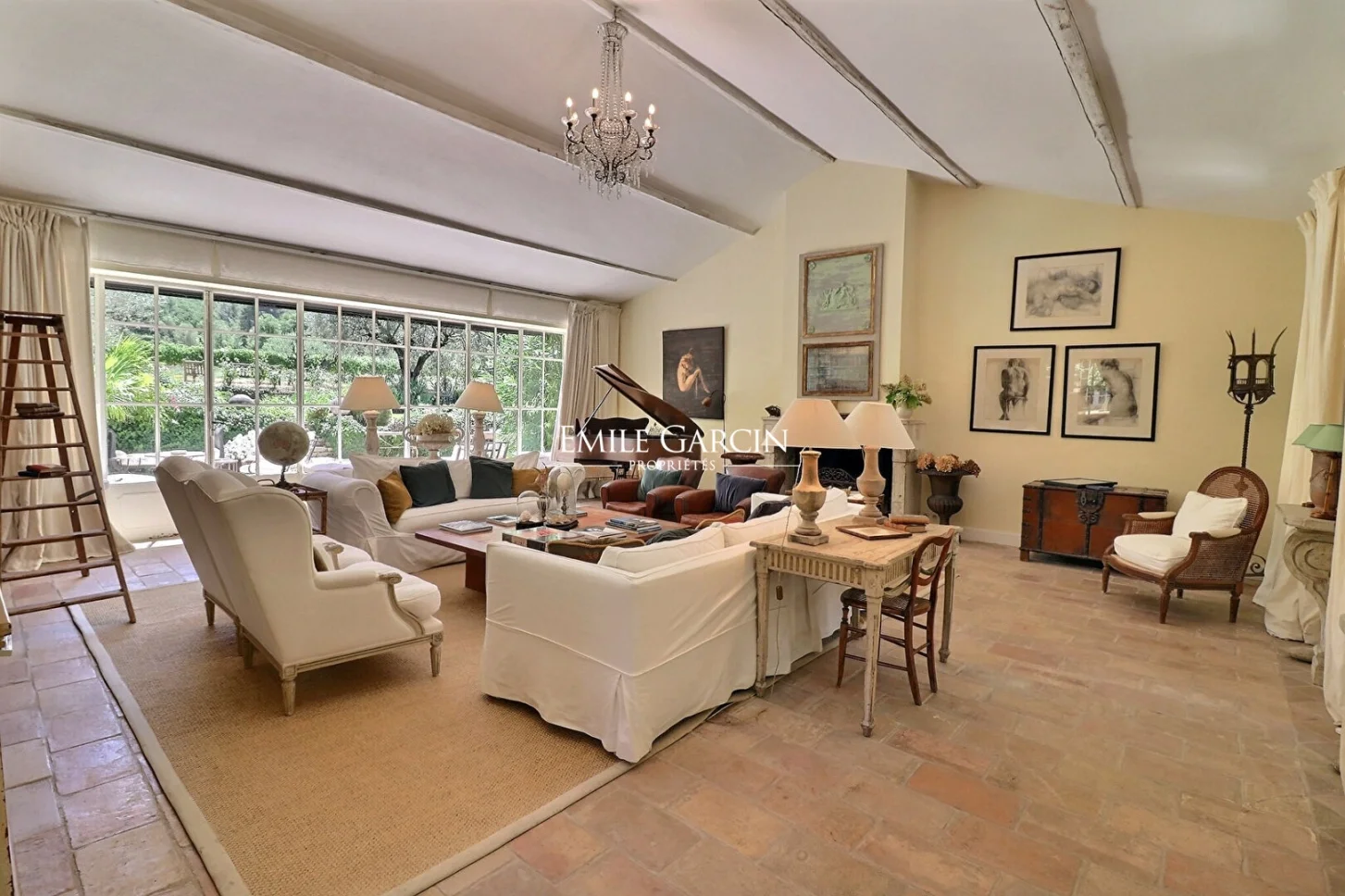
On the ground floor, a generous kitchen has space for informal dining, while the separate dining room opens onto a flower-filled courtyard centred around a fountain. The living room, with its fireplace, opens to both the garden and a sheltered patio.
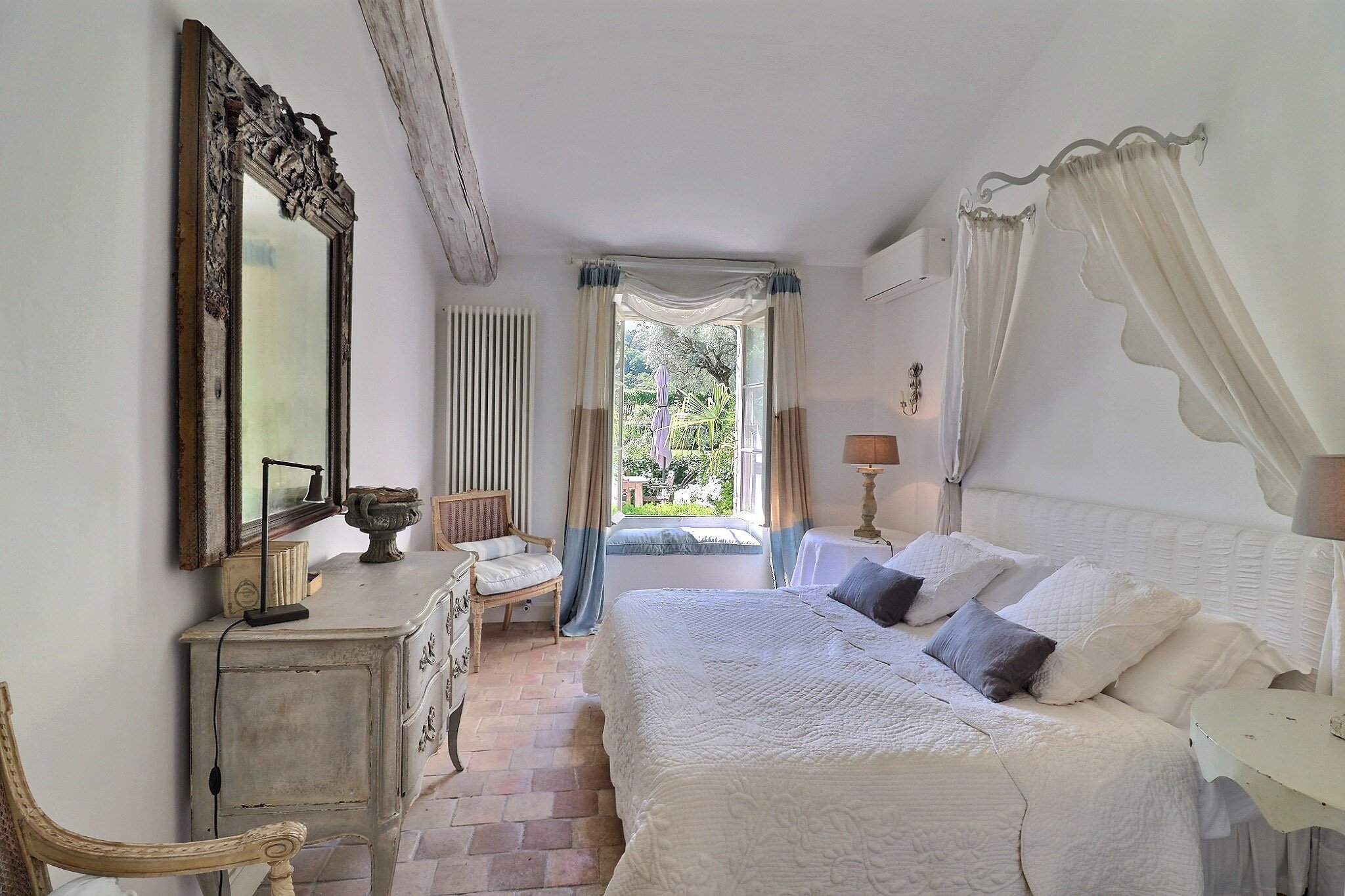
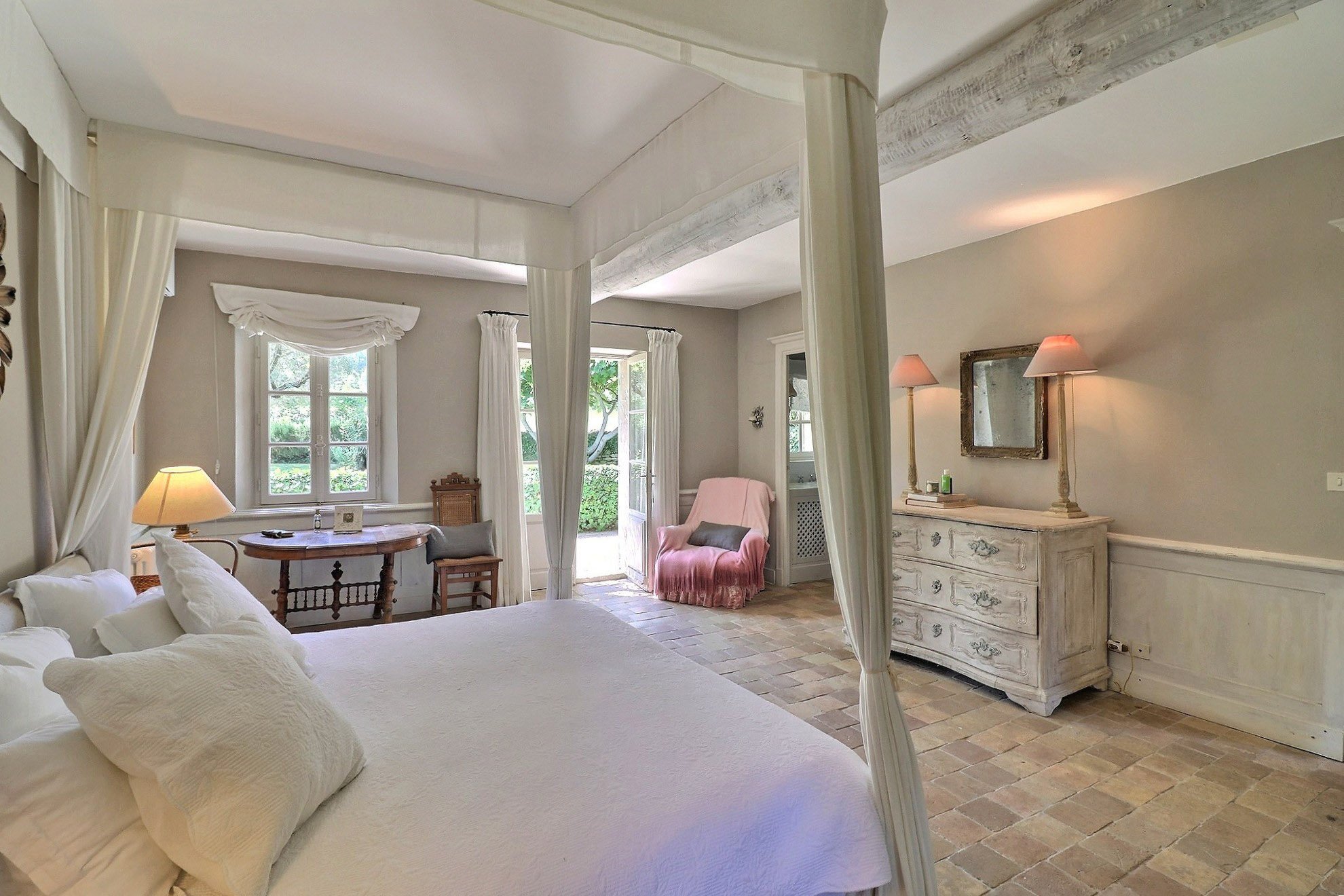
The farmhouse has seven bedrooms in total. Two en-suite bedrooms are found on the ground floor, alongside three further guest bedrooms with independent access and their own bathrooms or shower rooms.
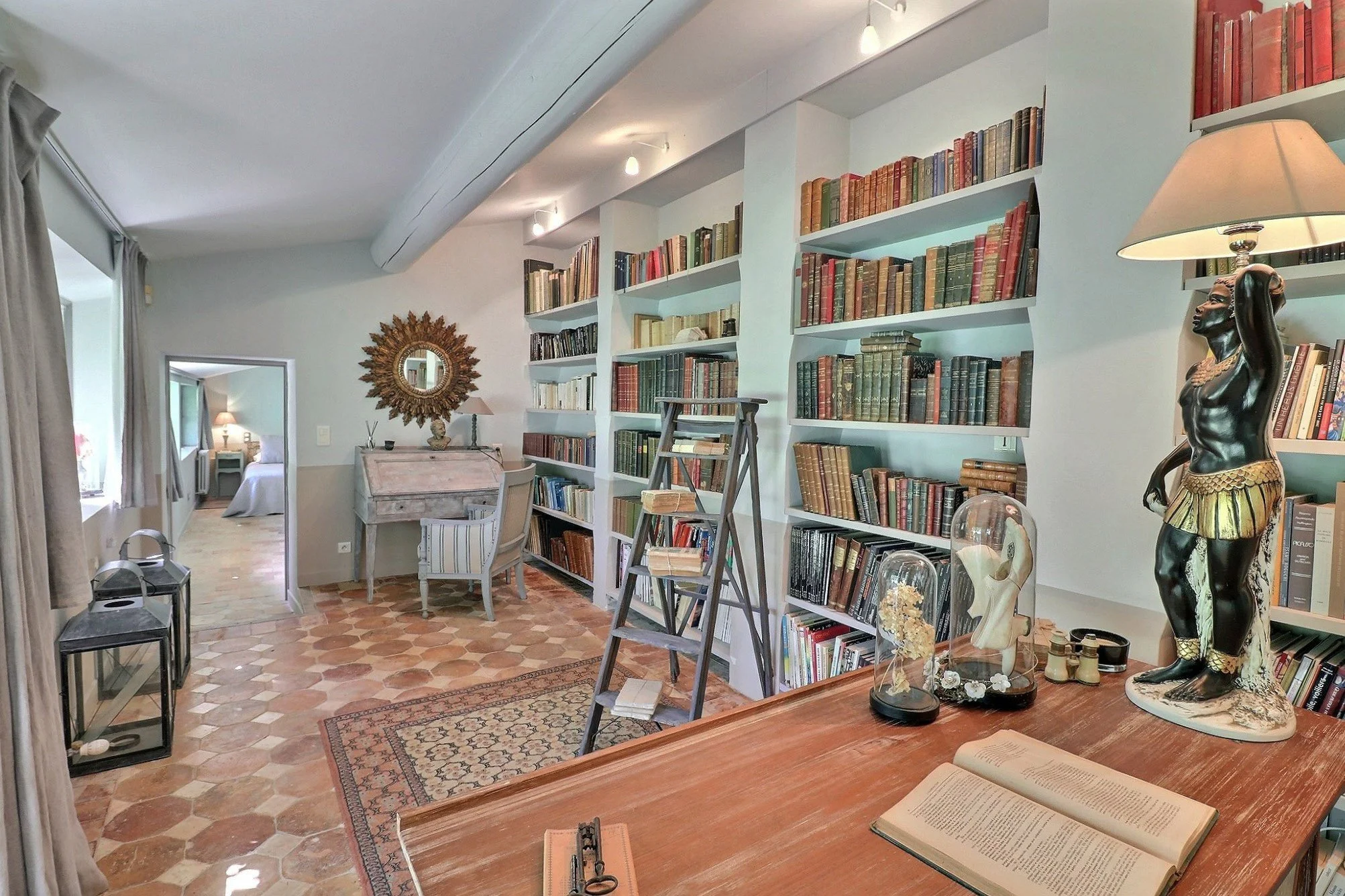
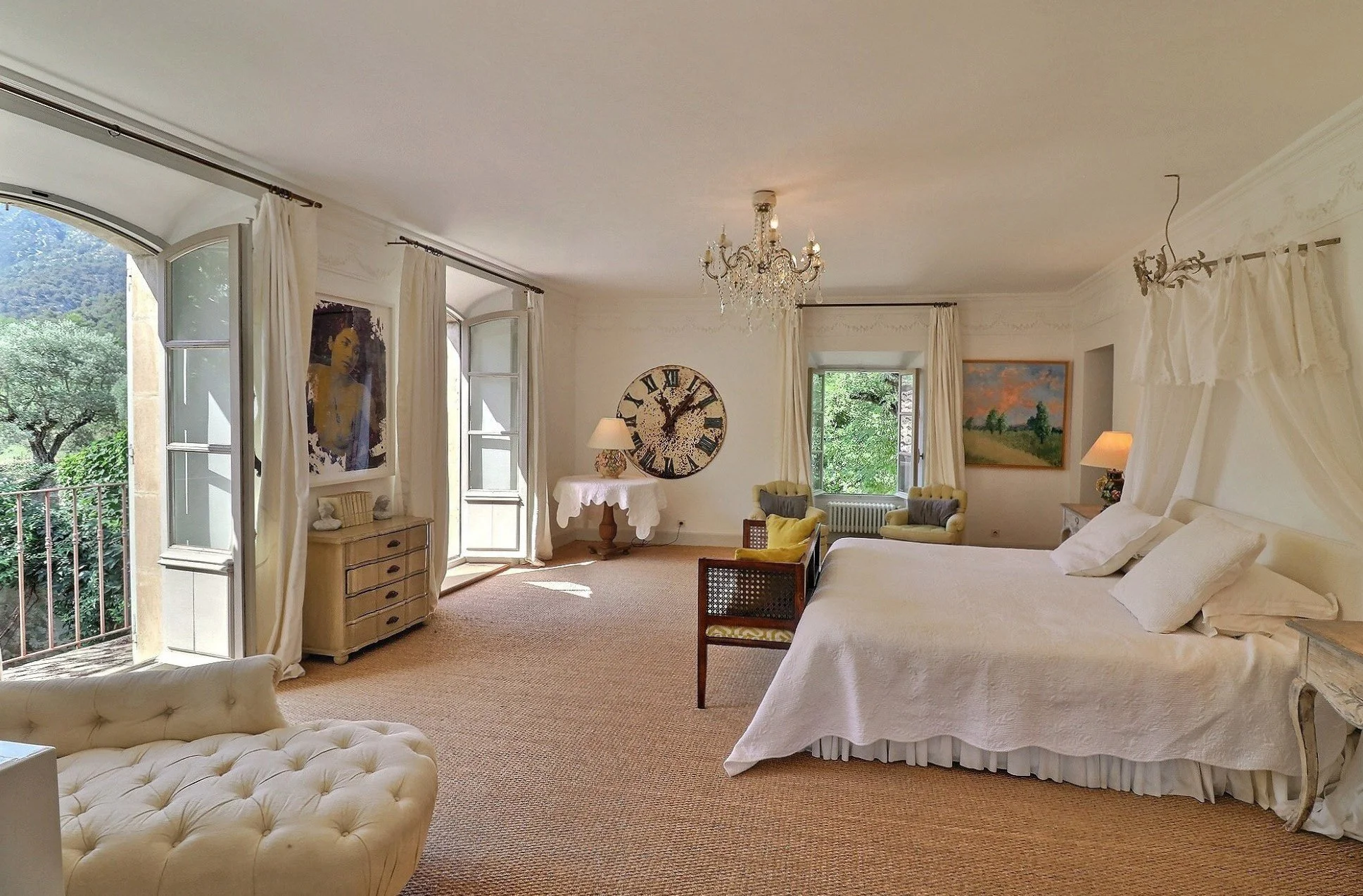
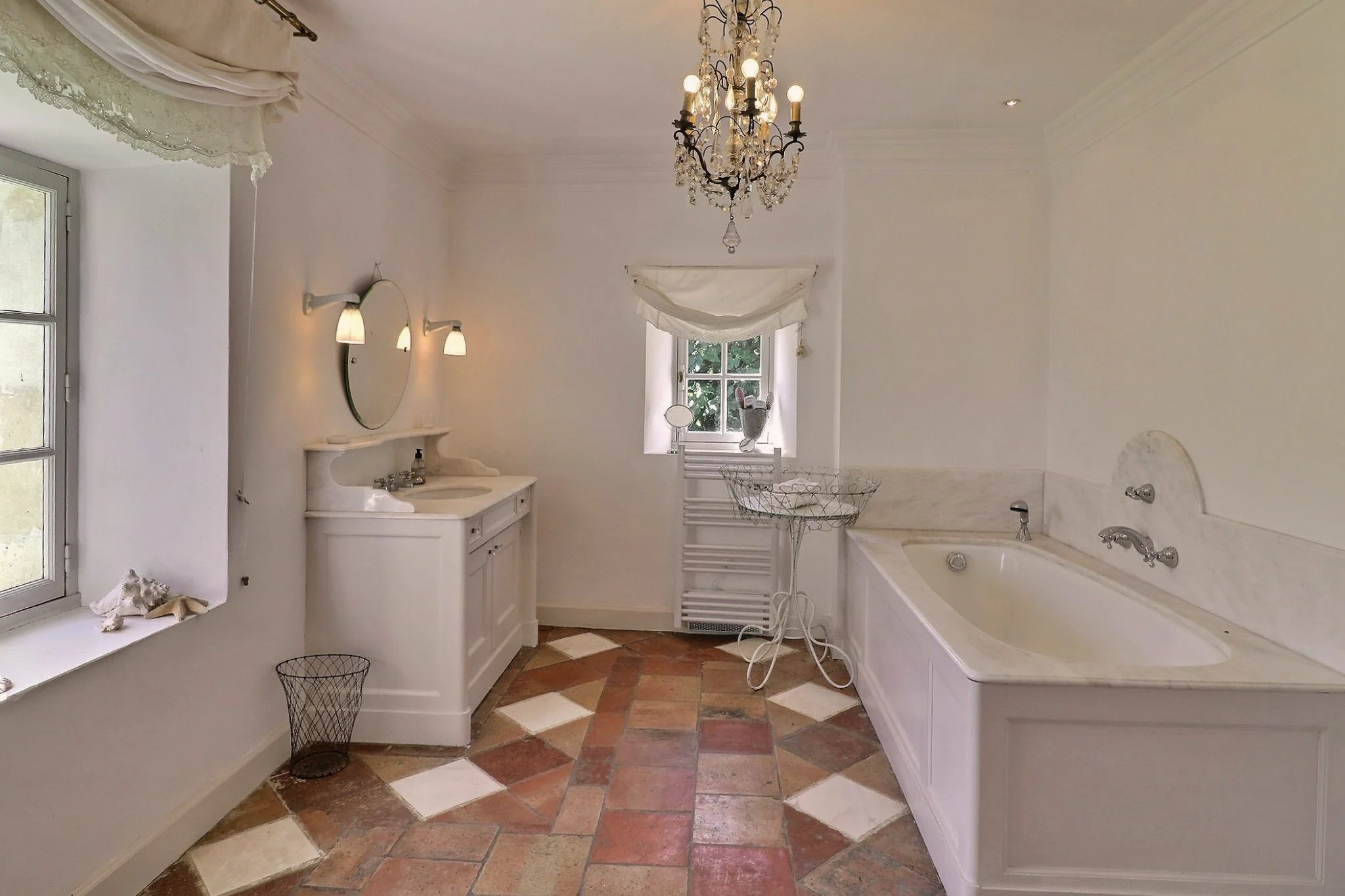
Upstairs, the principal suite includes a dressing room and private bathroom, while a further bedroom with its own shower room sits alongside a cinema room and bar.
A separate caretaker’s house adds two further bedrooms, bringing the property to nine bedrooms overall. It also includes a kitchen, living room and two bathrooms, and can be connected directly to the main residence or kept independent.
A short walk from the old village, the 550 m² / 5,920 ft² property occupies a considerably more private setting.
Behind its time-worn stone walls, the 18th-century mas unfolds in a U-shape around two intimate courtyards. Its east to south-west orientation brings sunlight through the house throughout the day, while the main reception rooms open directly onto patios and gardens.
On the ground floor, a generous kitchen has space for informal dining, while the separate dining room opens onto a flower-filled courtyard centred around a fountain. The living room, with its fireplace, opens to both the garden and a sheltered patio.
The farmhouse has seven bedrooms in total. Two en-suite bedrooms are found on the ground floor, alongside three further guest bedrooms with independent access and their own bathrooms or shower rooms.
Upstairs, the principal suite includes a dressing room and private bathroom, while a further bedroom with its own shower room sits alongside a cinema room and bar.
A separate caretaker’s house adds two further bedrooms, bringing the property to nine bedrooms overall. It also includes a kitchen, living room and two bathrooms, and can be connected directly to the main residence or kept independent.
Emile Garcin
The grounds are central to the estate.
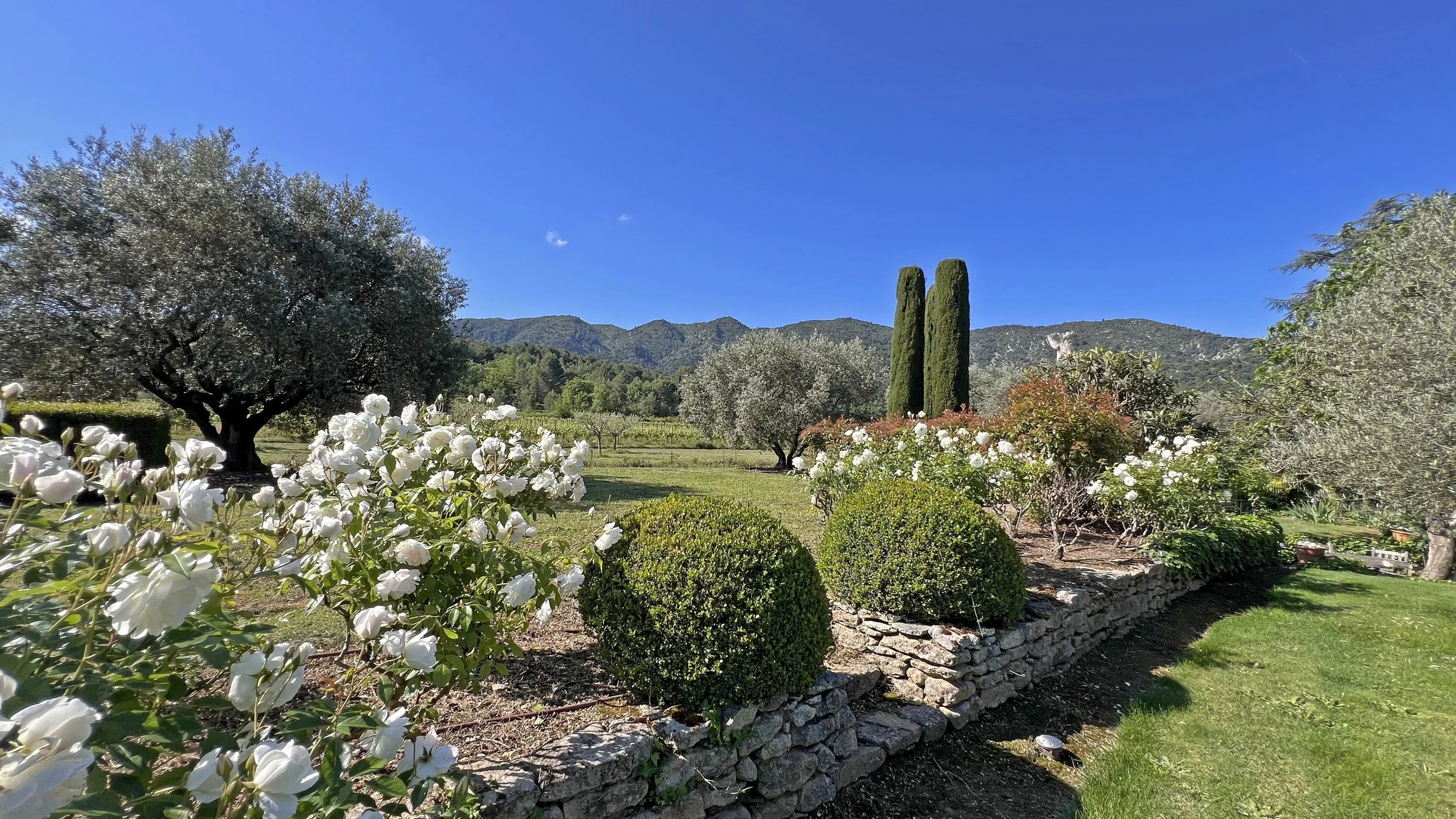
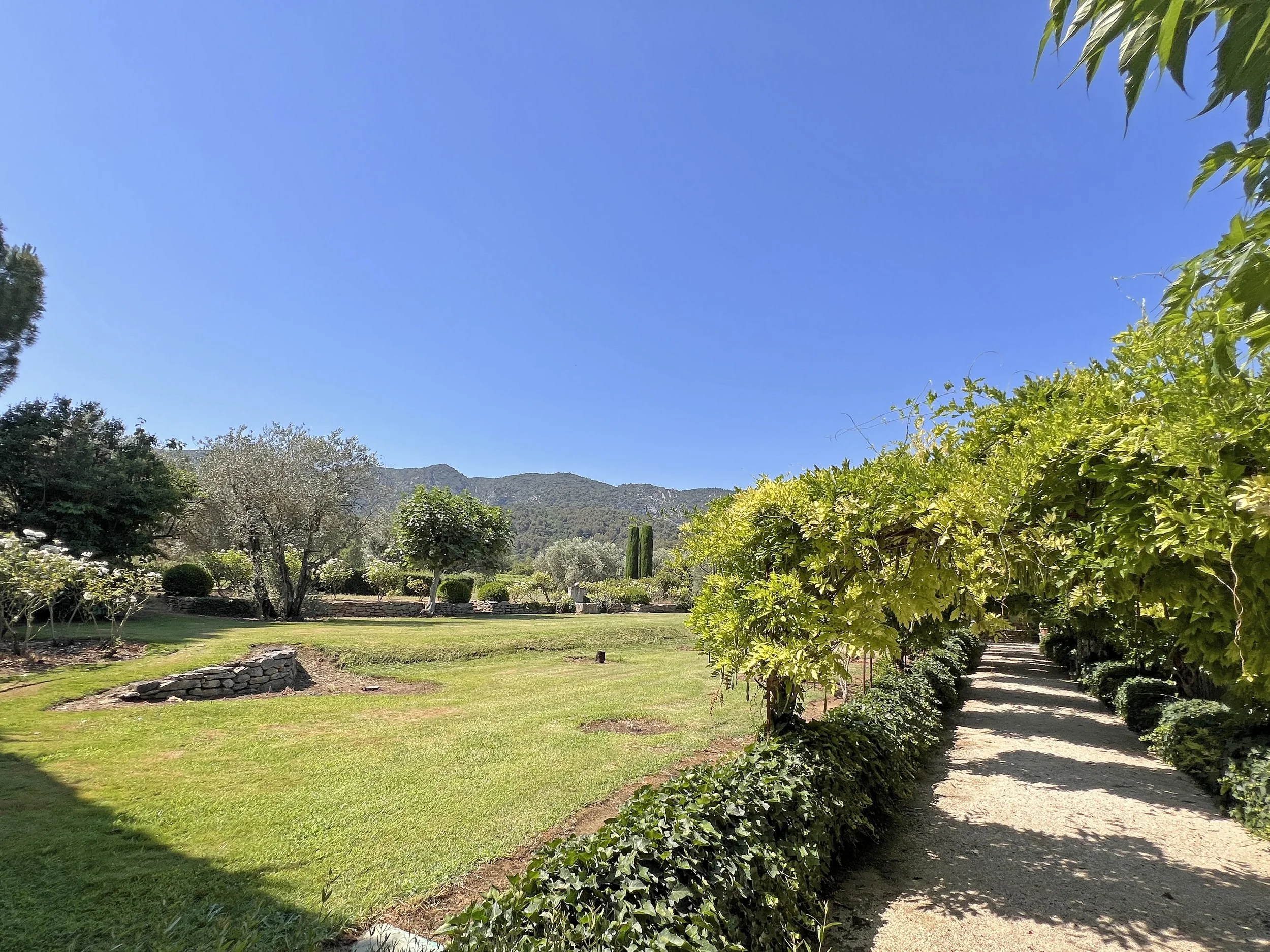
Across more than seven acres, olive trees and lavender are joined by a rose garden and a succession of landscaped spaces, each with a slightly different character. Rather than a single formal garden surrounding the house, the property unfolds through a series of planted areas and courtyards, allowing the buildings to sit within the wider Luberon landscape.
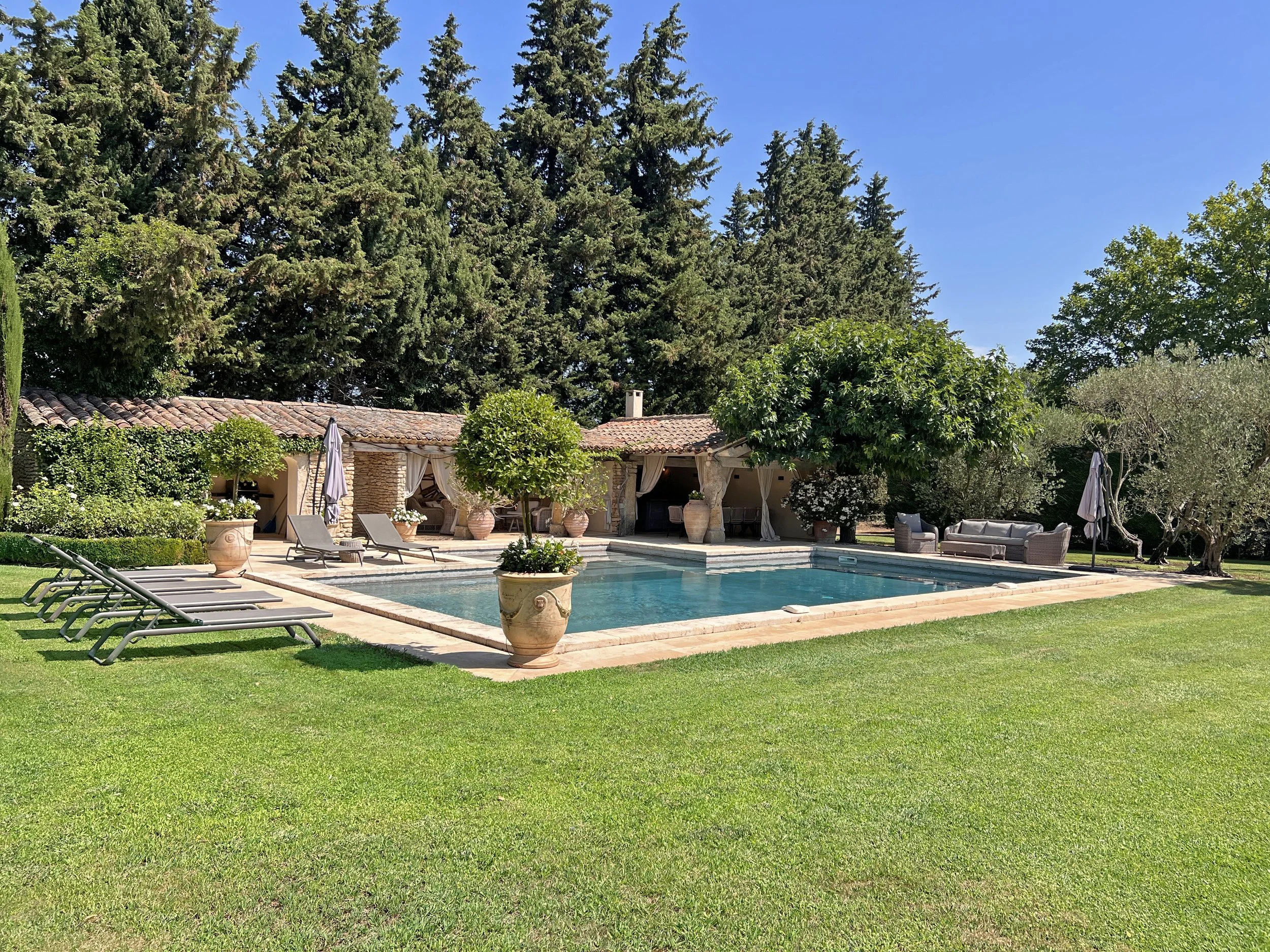
One of the property’s most romantic details is a wisteria-covered arch connecting the farmhouse to the tennis court. Elsewhere in the grounds, a swimming pool and sheltered, fully equipped pool house sit within the surrounding gardens.
The location offers the seclusion associated with the Provençal countryside without being completely removed from village life. Oppède-le-Vieux is close enough to reach on foot, while the property is approximately 40 minutes from Avignon TGV station and 50 minutes from Marseille-Provence International Airport.
This part of the Luberon has long been defined by the relationship between landscape, architecture and village life. Limestone hills rise above cultivated valleys of vines and olive trees, while historic villages including Oppède, Ménerbes, Lacoste and Gordes punctuate the surrounding countryside.
All photographs belong to the listing agency. The property is listed with Emile Garcin, with pricing disclosed upon application. Contact the listing agency directly for further details.