
Cisco Co-Founder Sandy Lerner Lists 571-Acre Virginia Estate
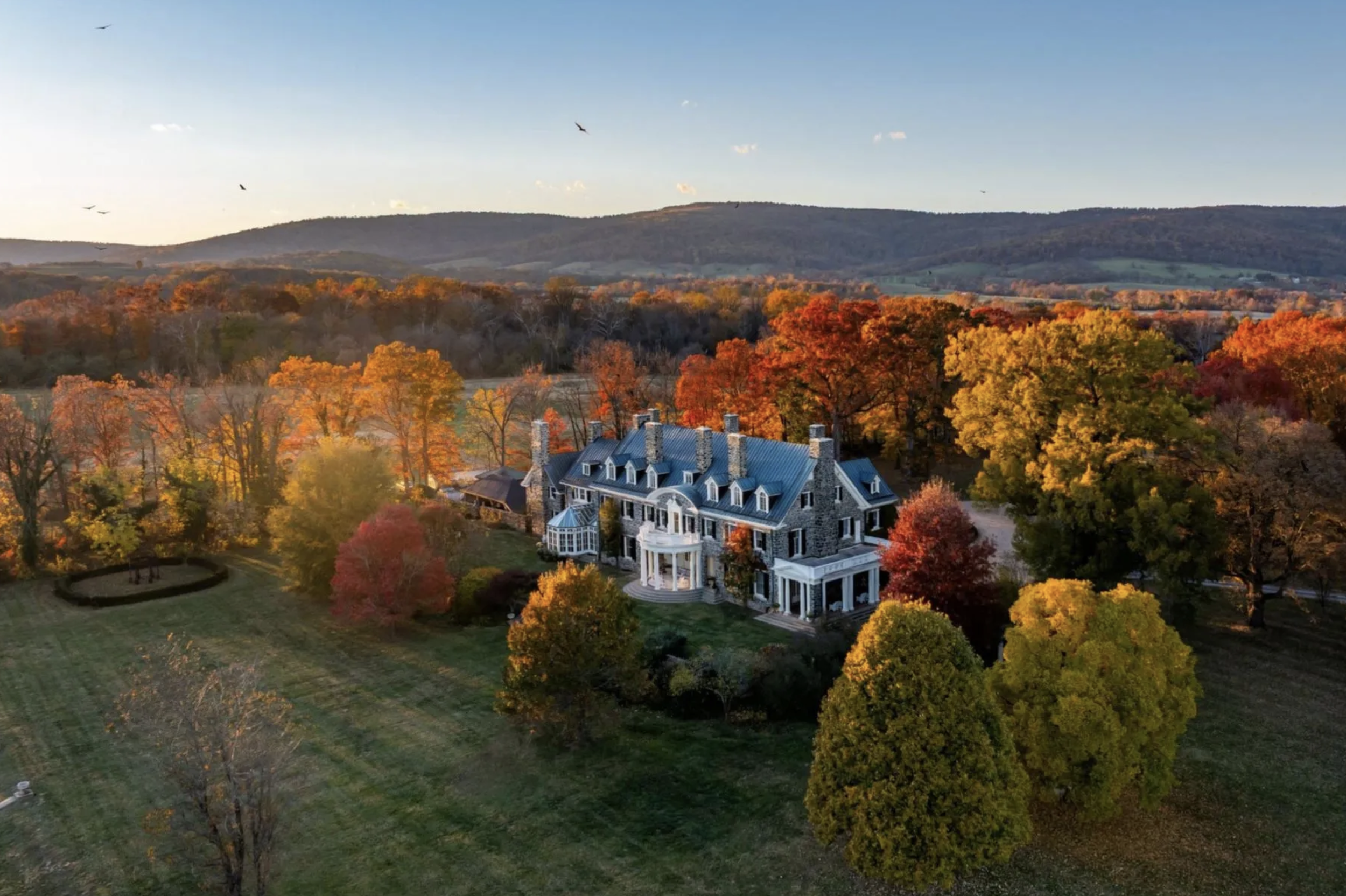
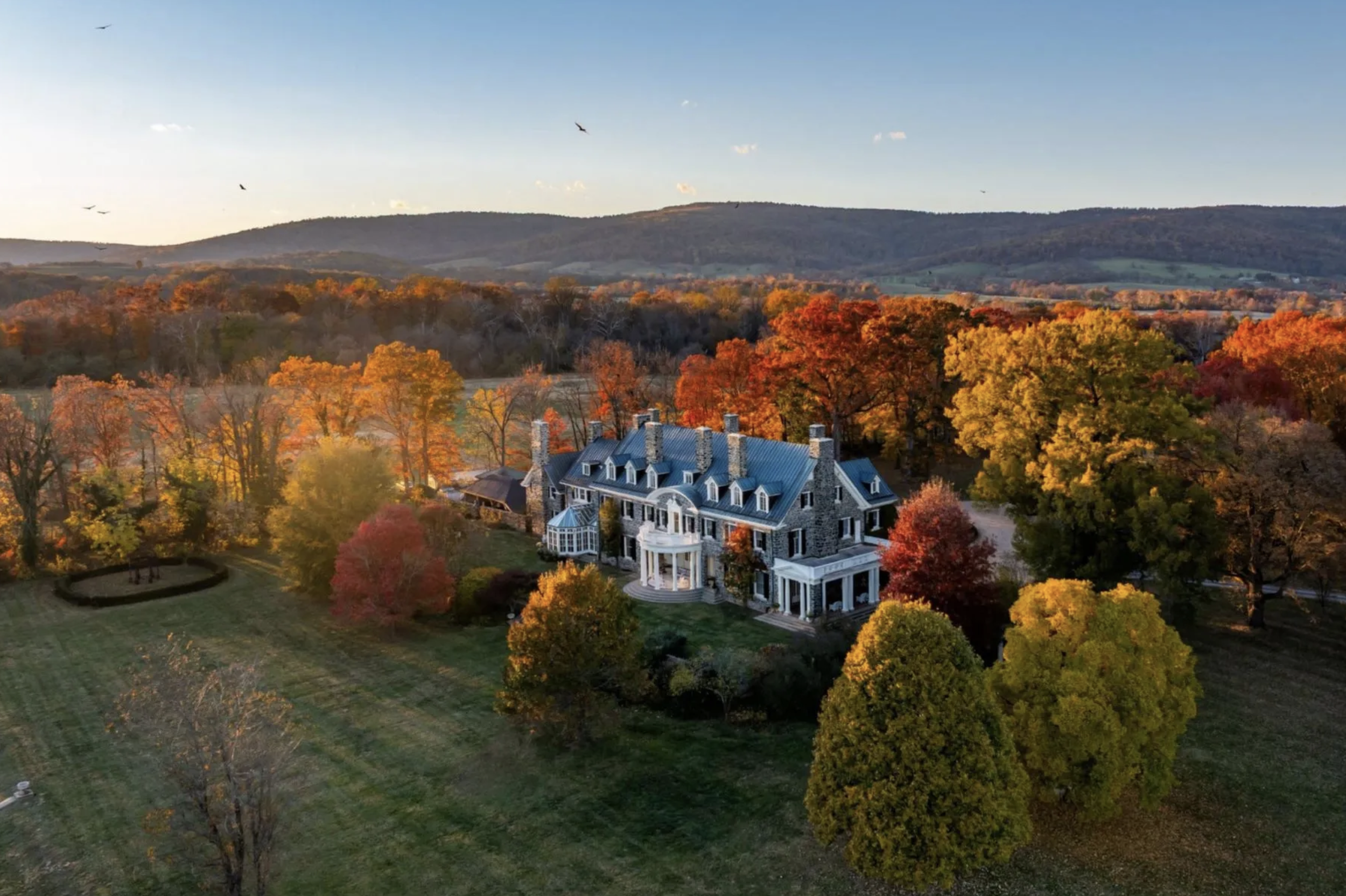
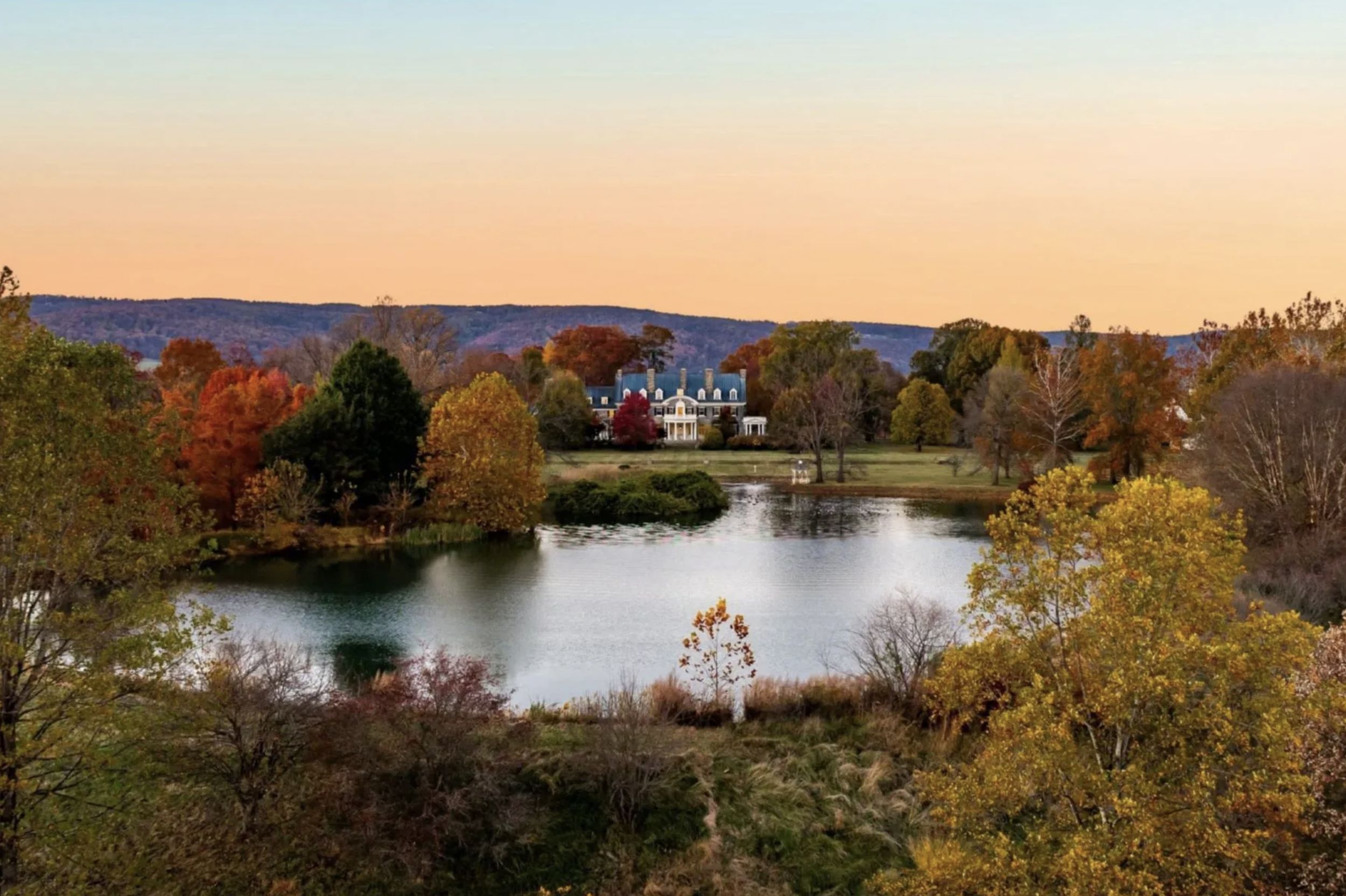
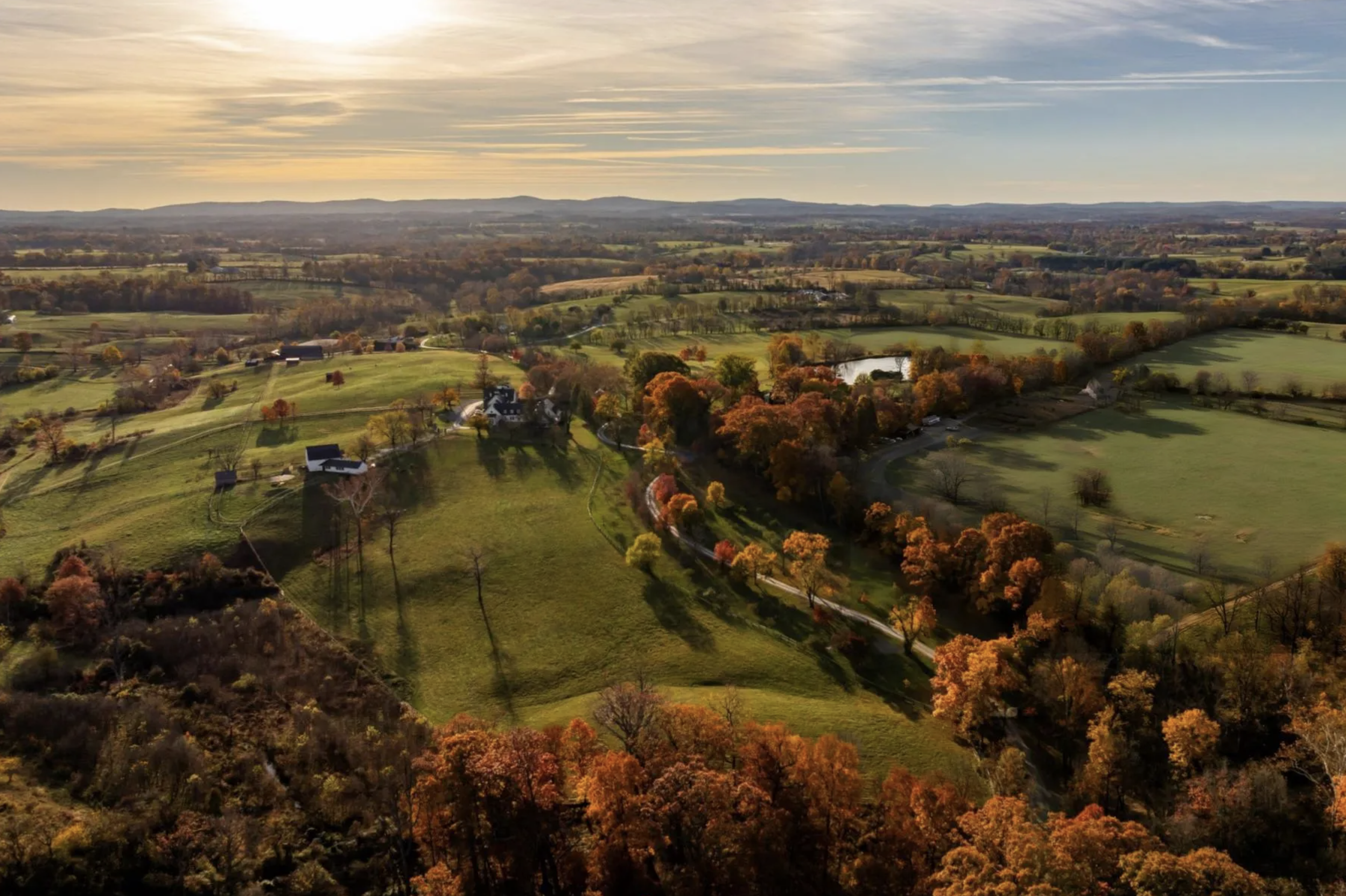
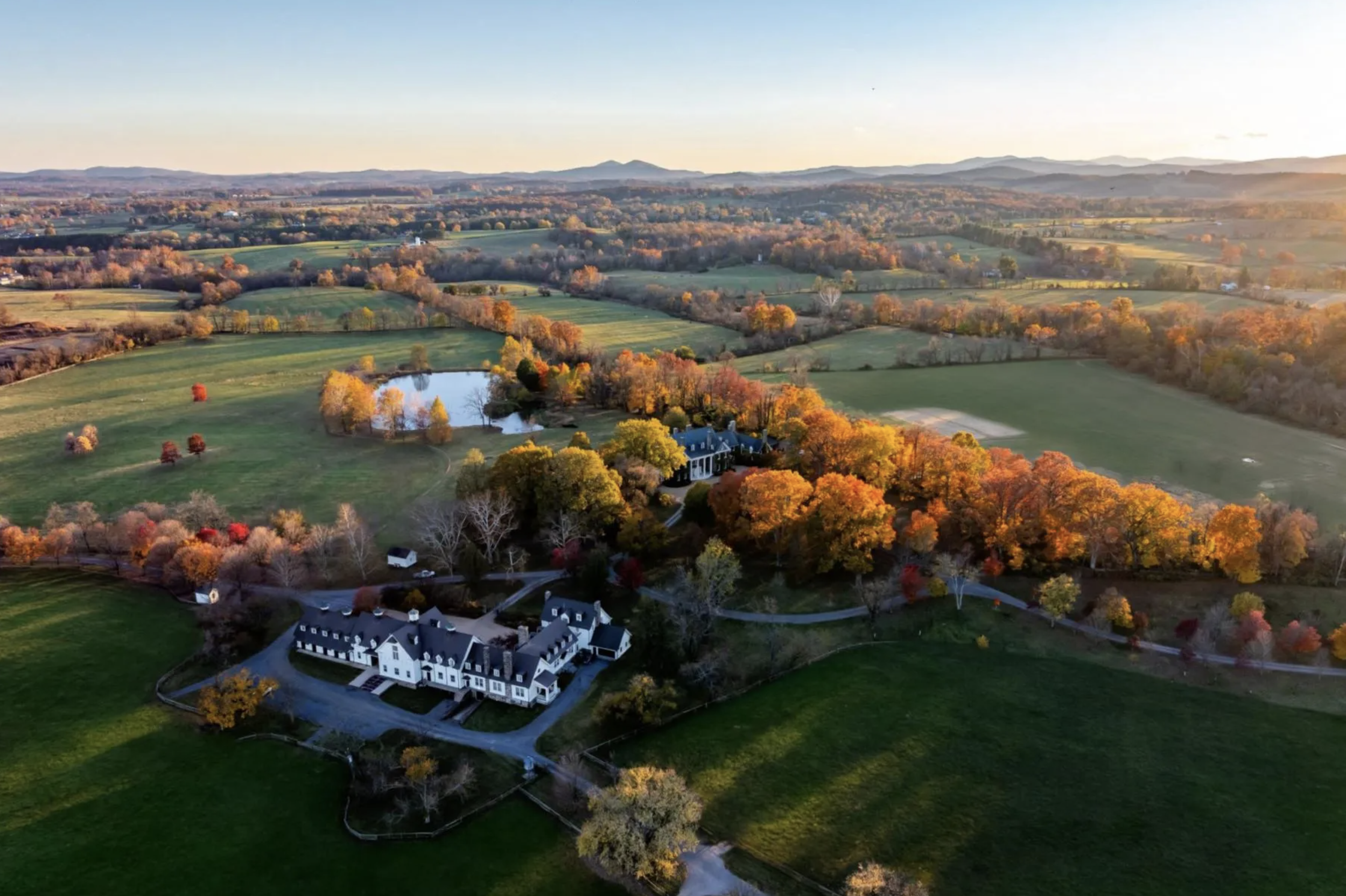
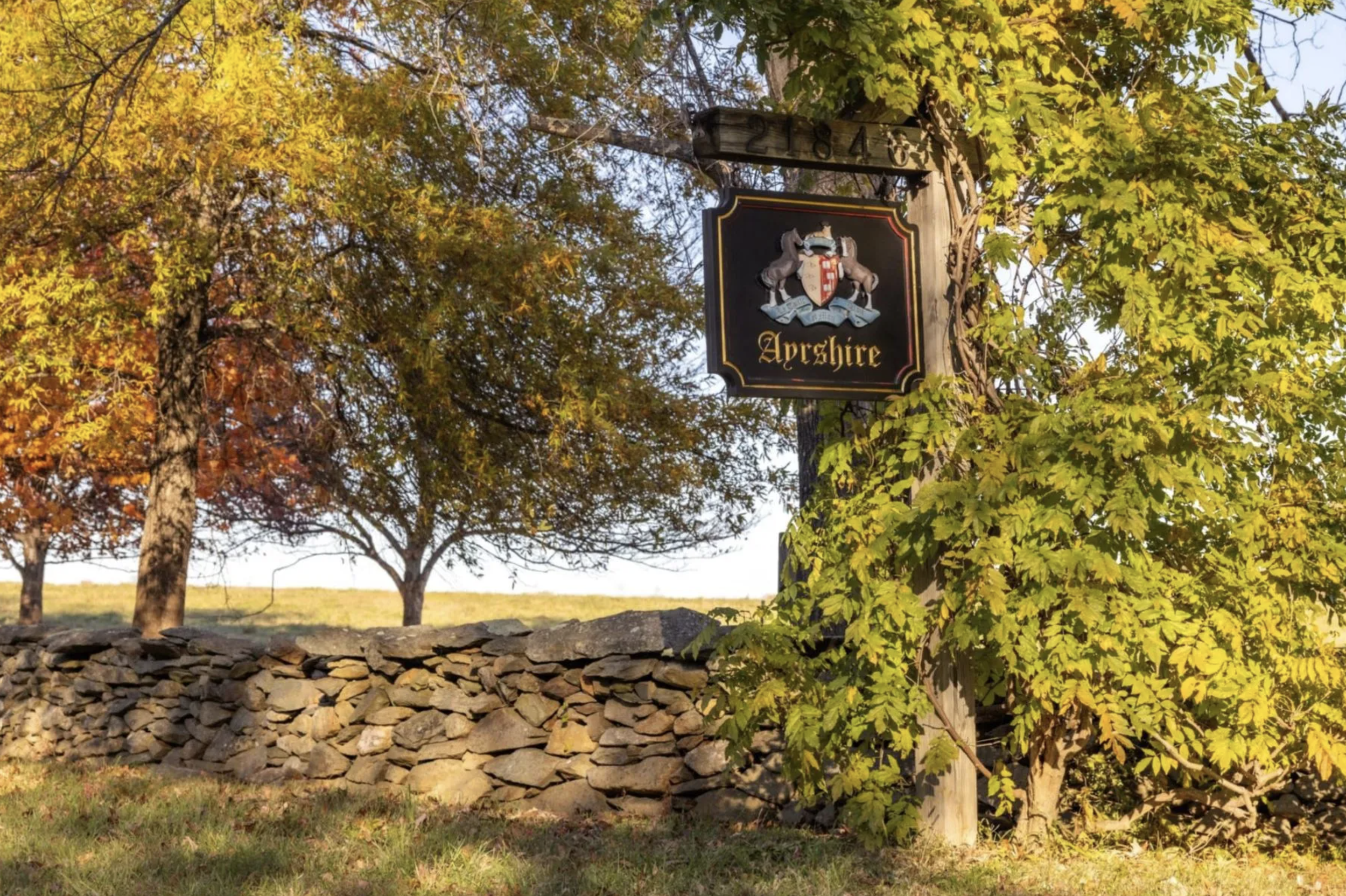
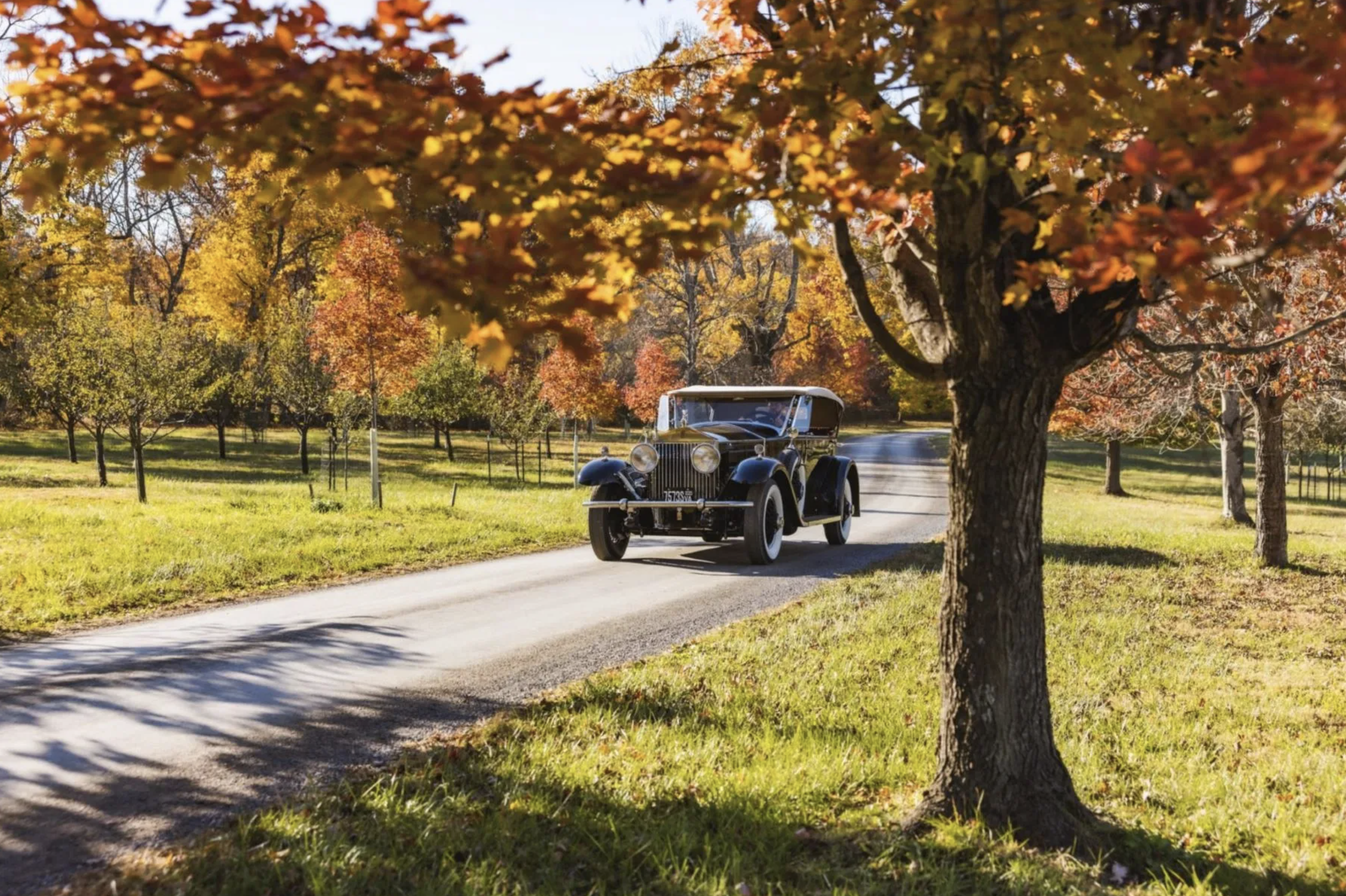
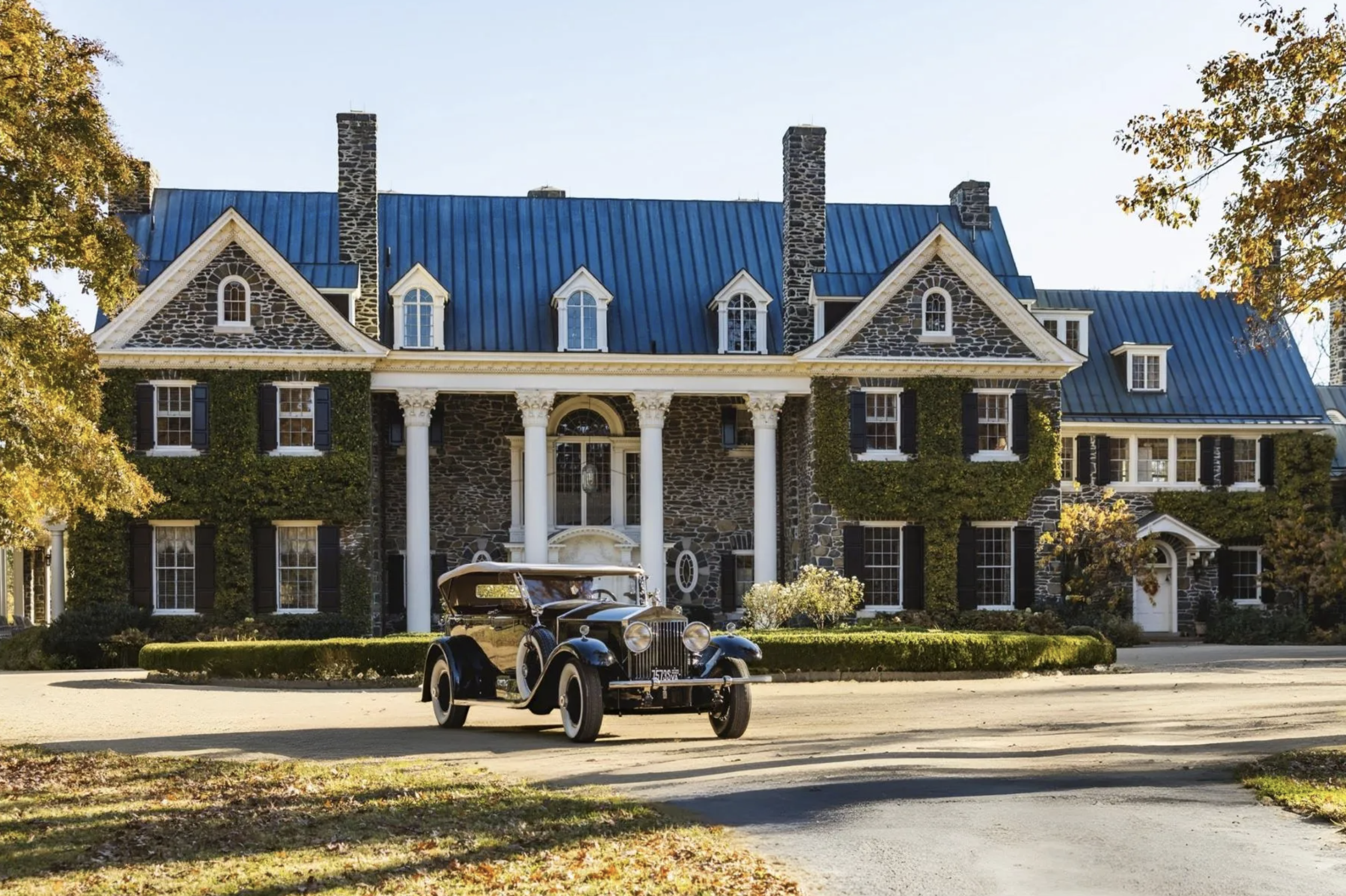
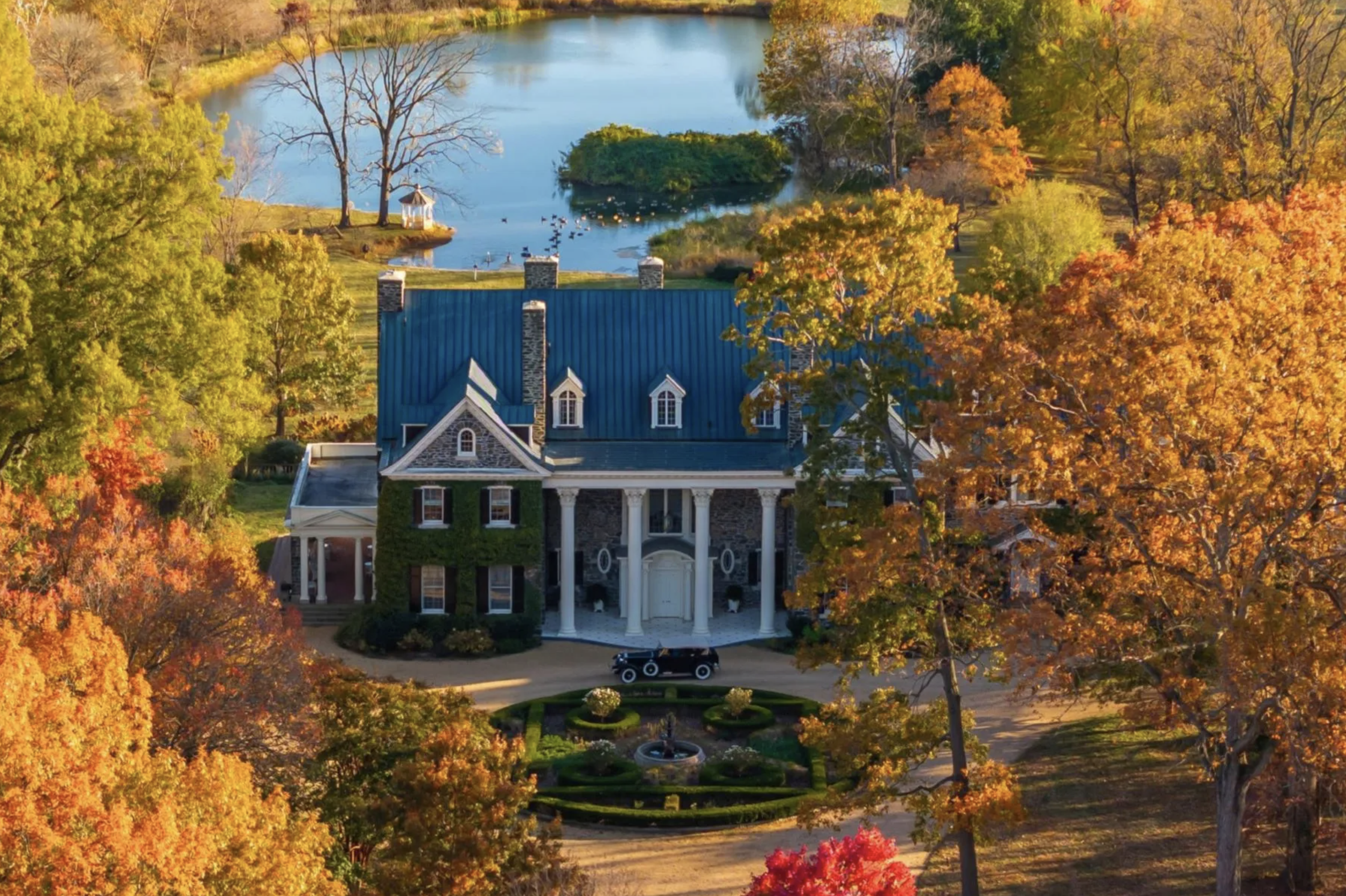
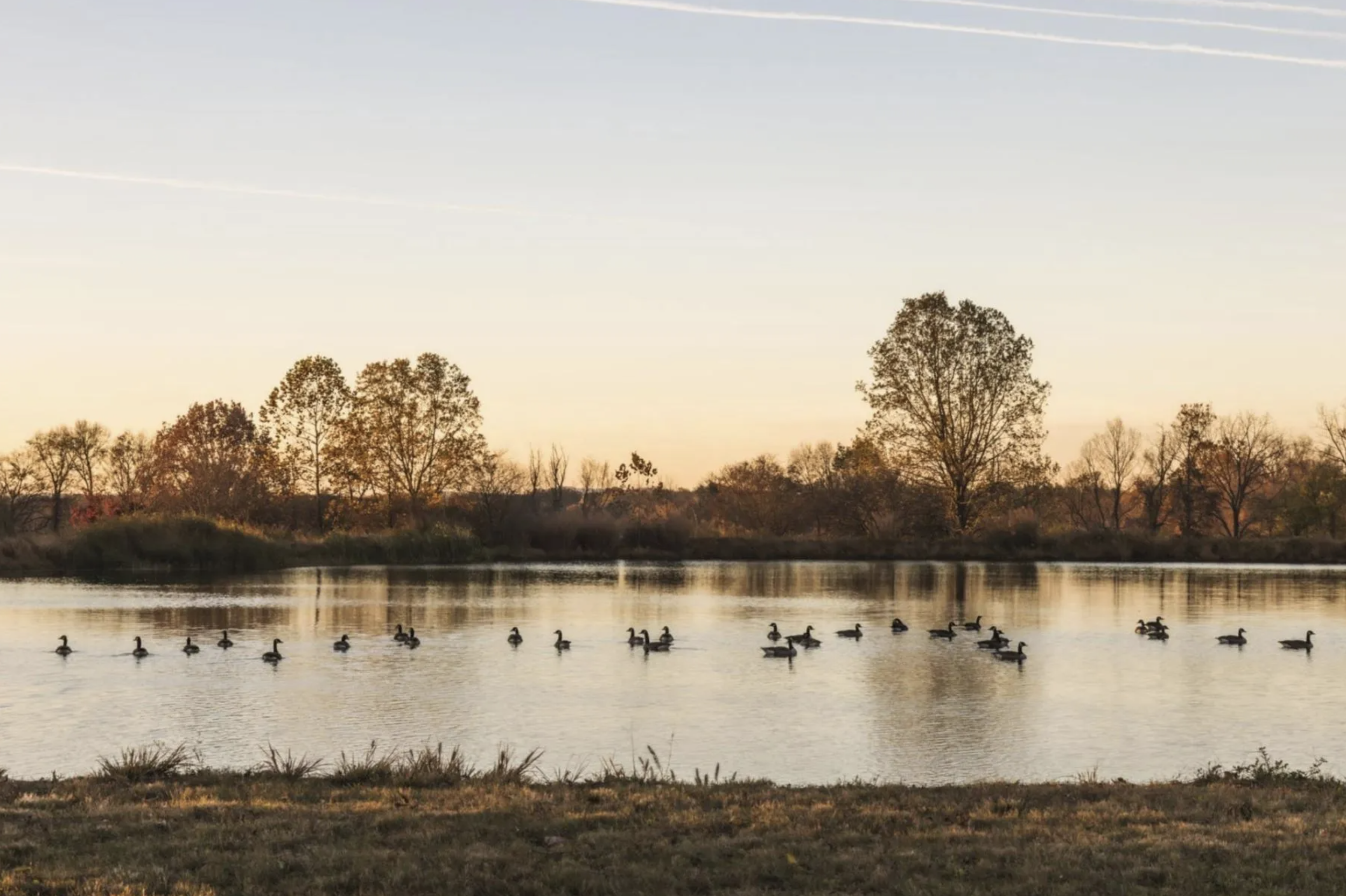
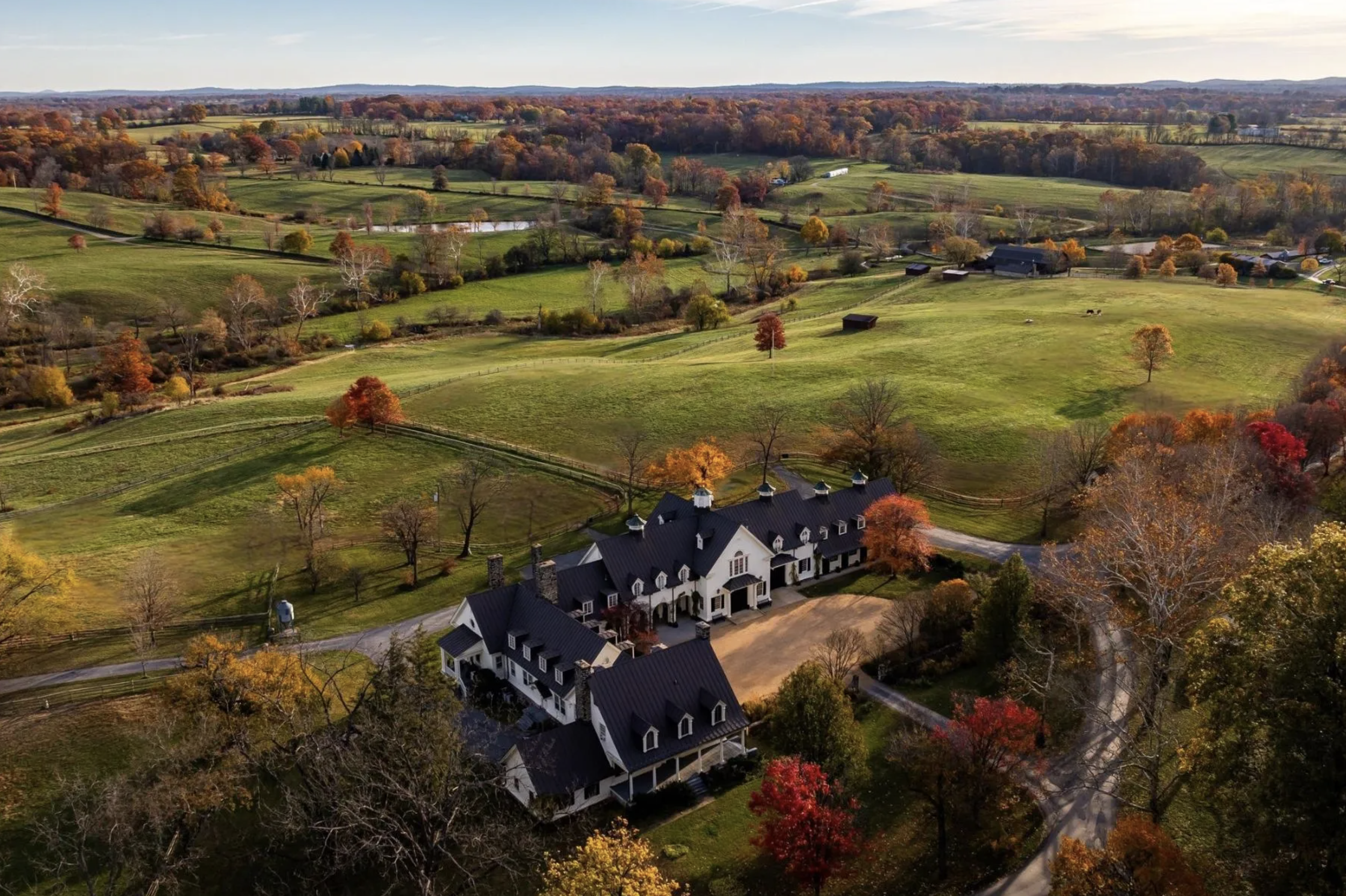
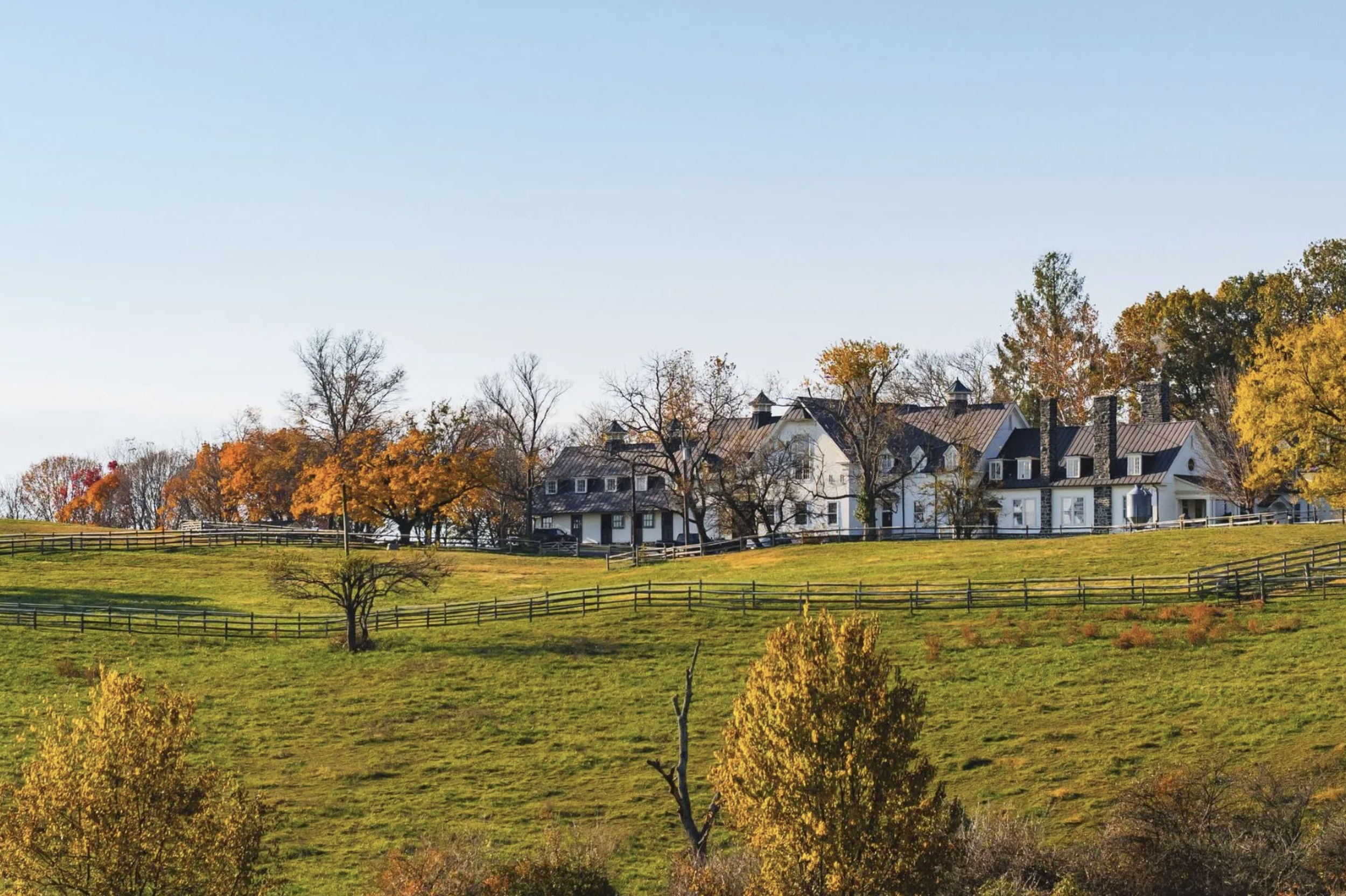
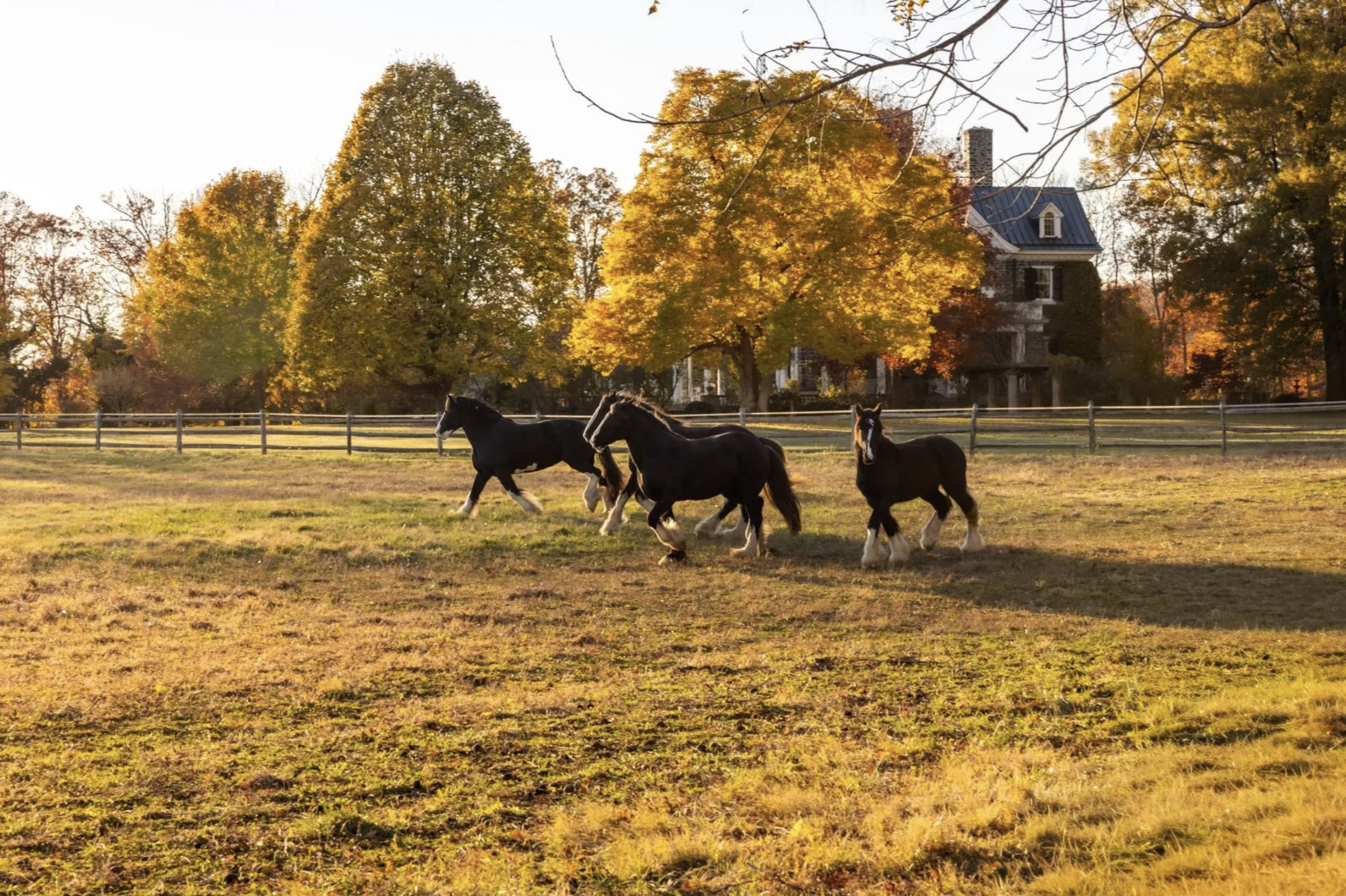
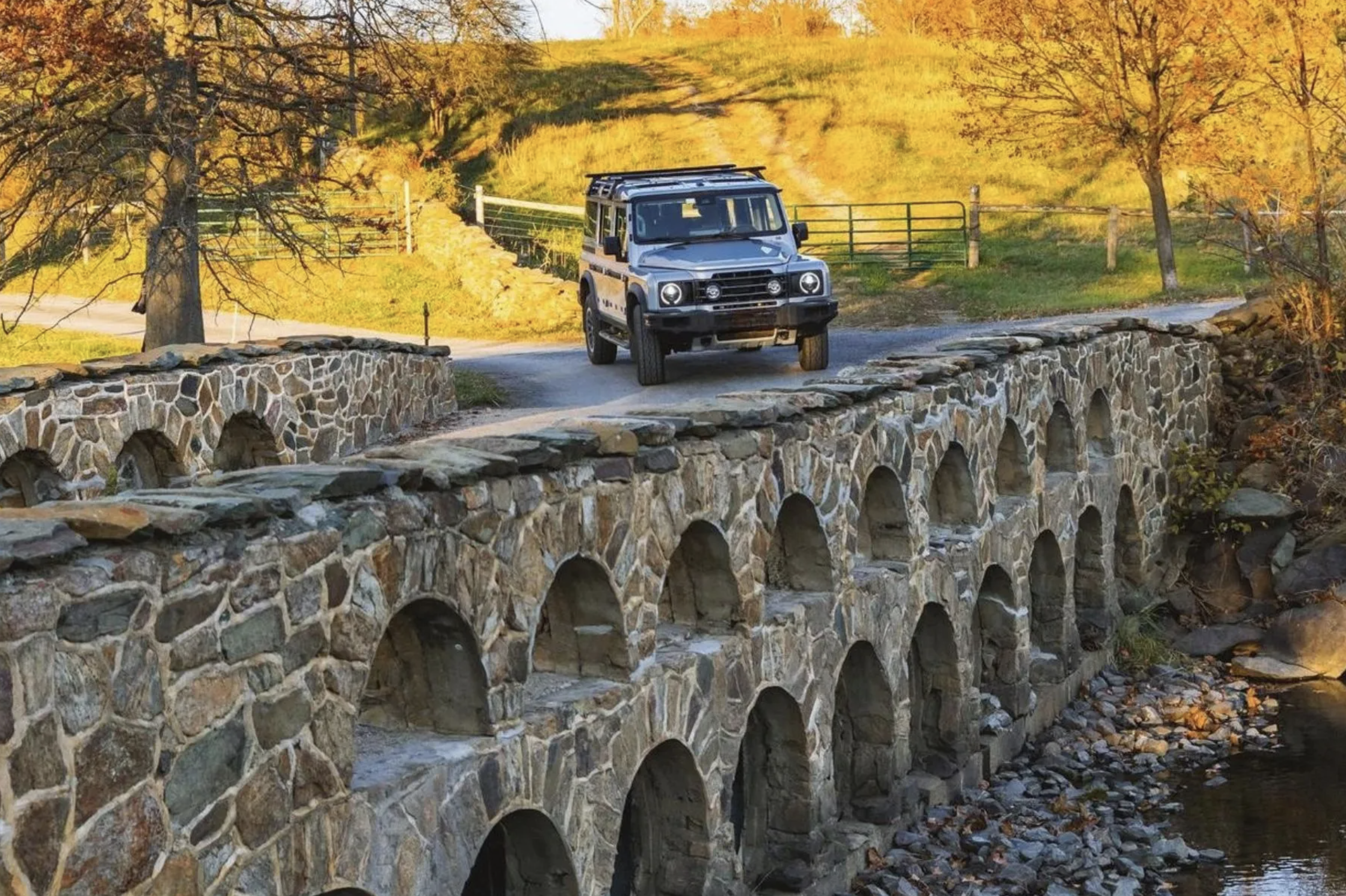
Ayrshire Farm, the 571-acre Virginia estate owned by Sandy Lerner, is on the market at $19.8 million, listed with TTR Sotheby’s International Realty. Anchored by a restored 1912 manor house, the Upperville property occupies a singular position in the Virginia Piedmont—part historic country estate, part working organic farm, and part personal reinvention.
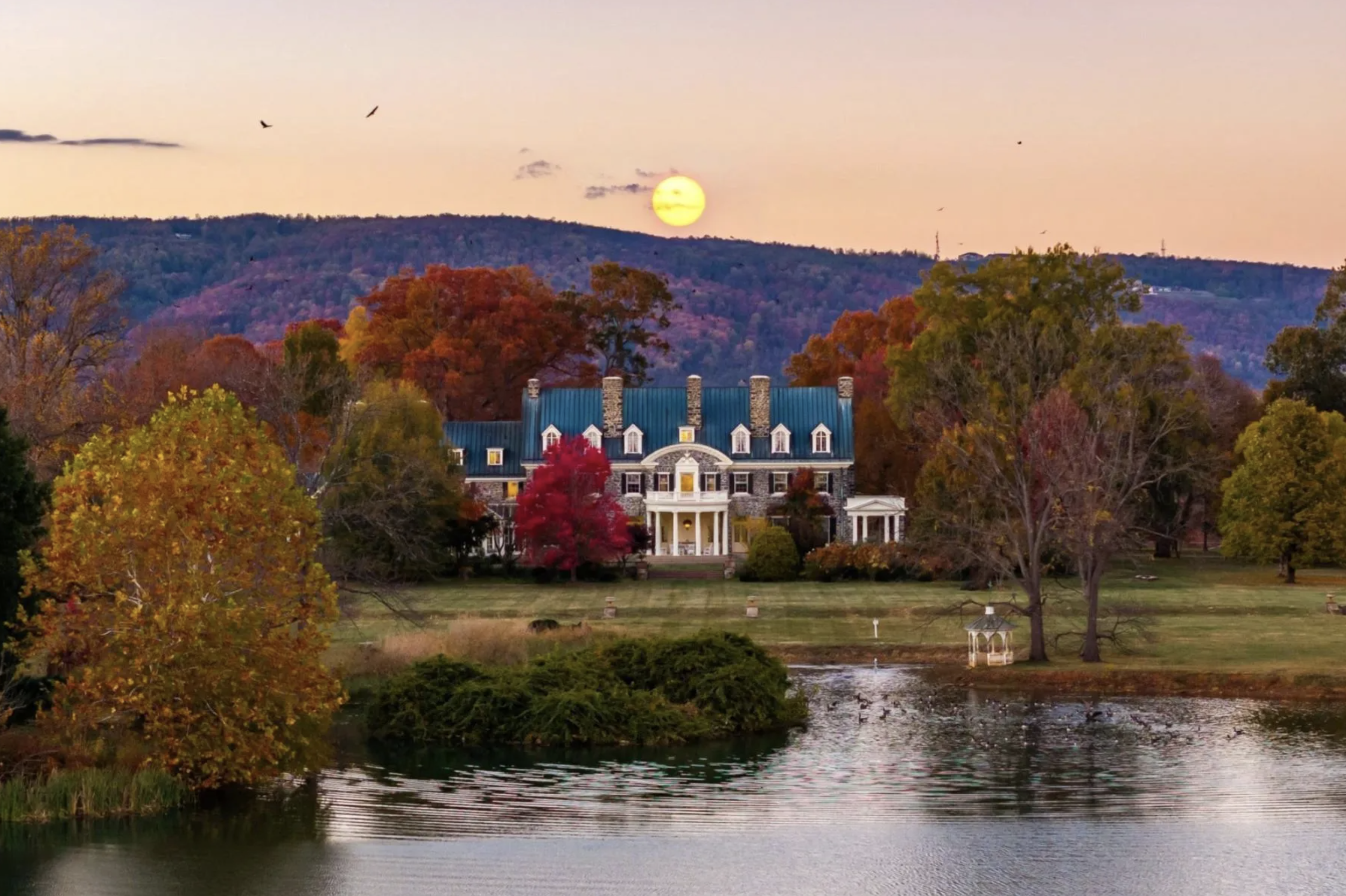
Lerner is best known as a co-founder of Cisco Systems, but at Ayrshire she redirected her focus toward land stewardship, restoring both the manor and the farm into one of Virginia’s most significant organic estates.
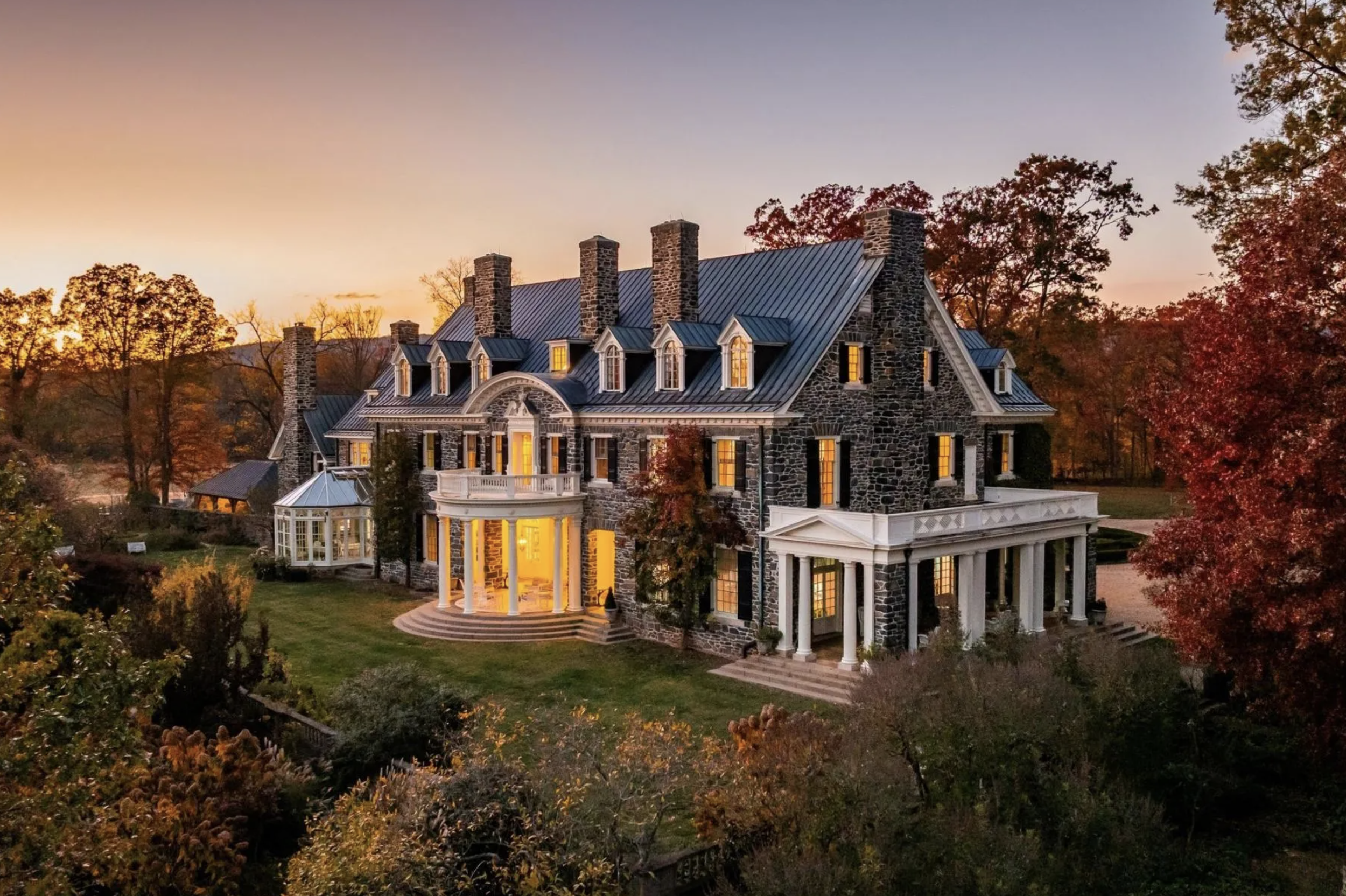
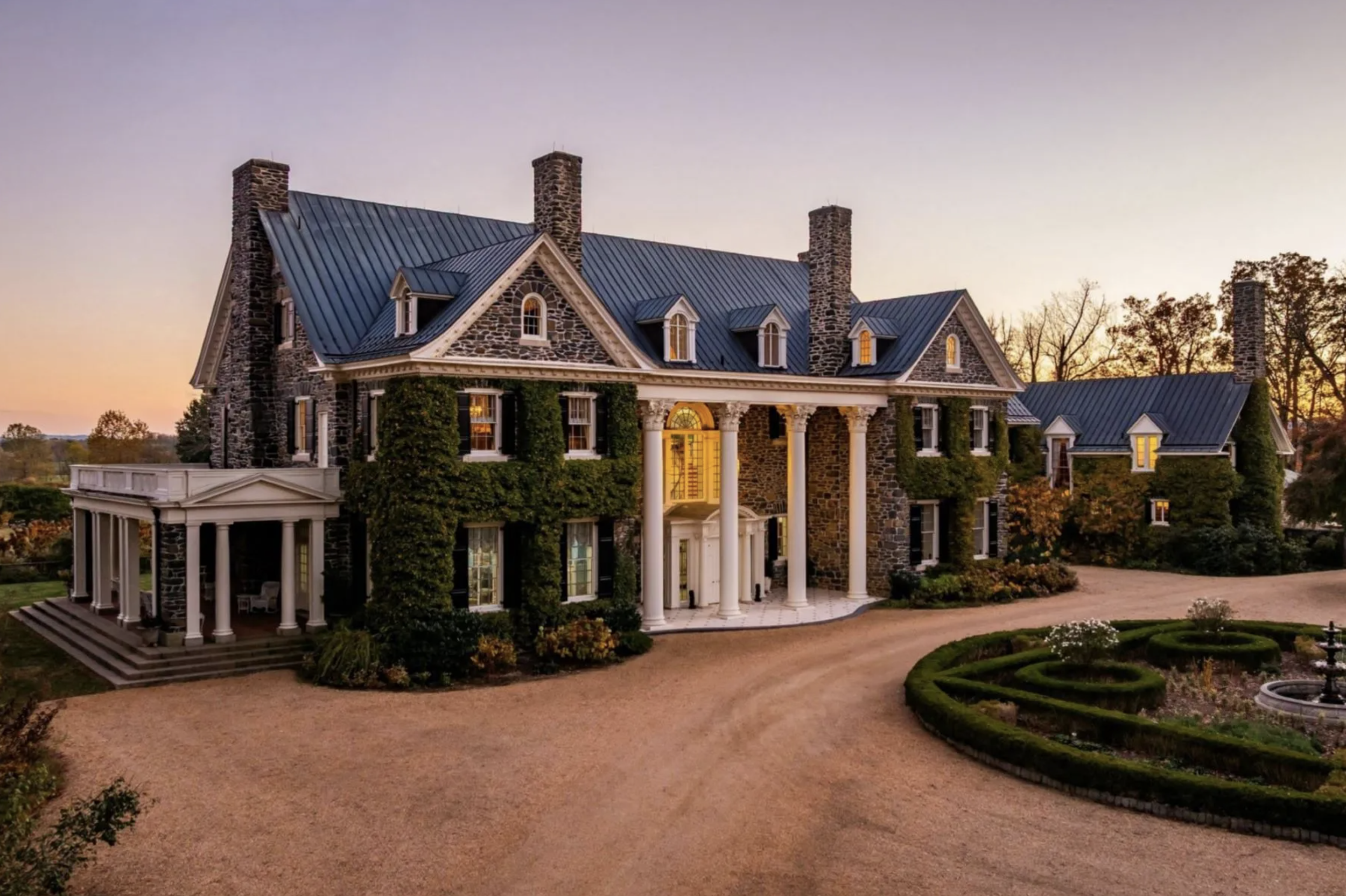
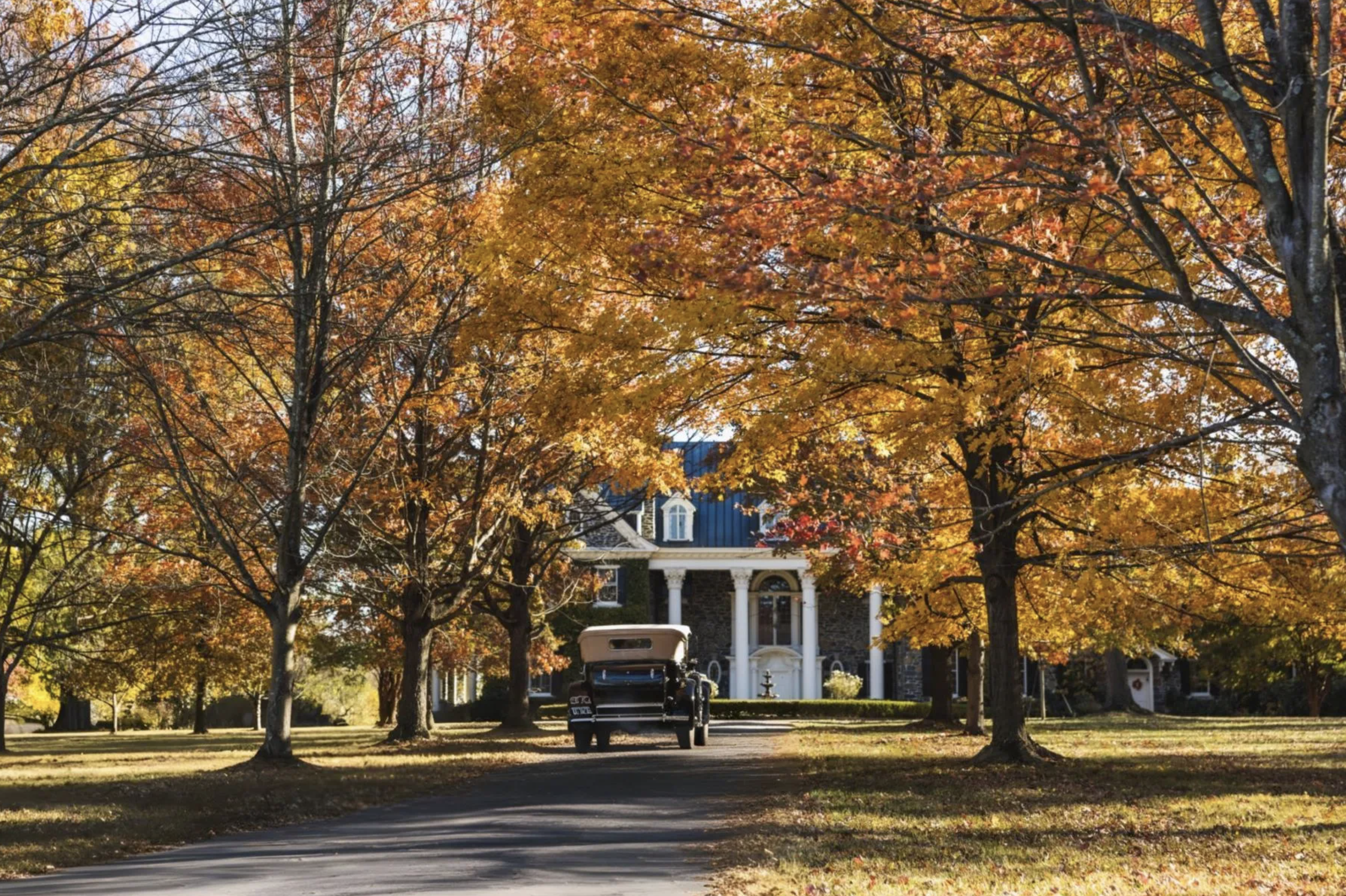
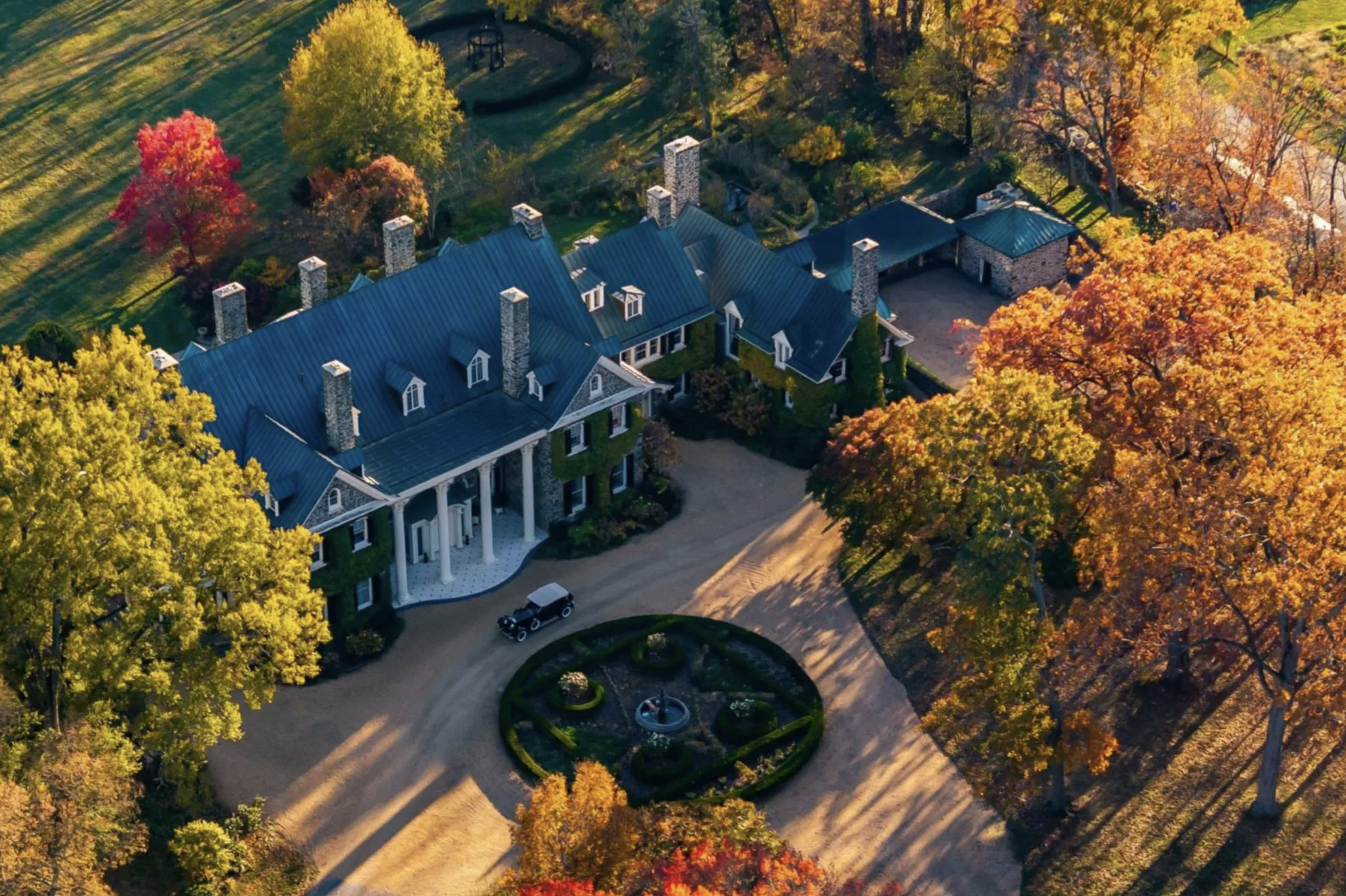
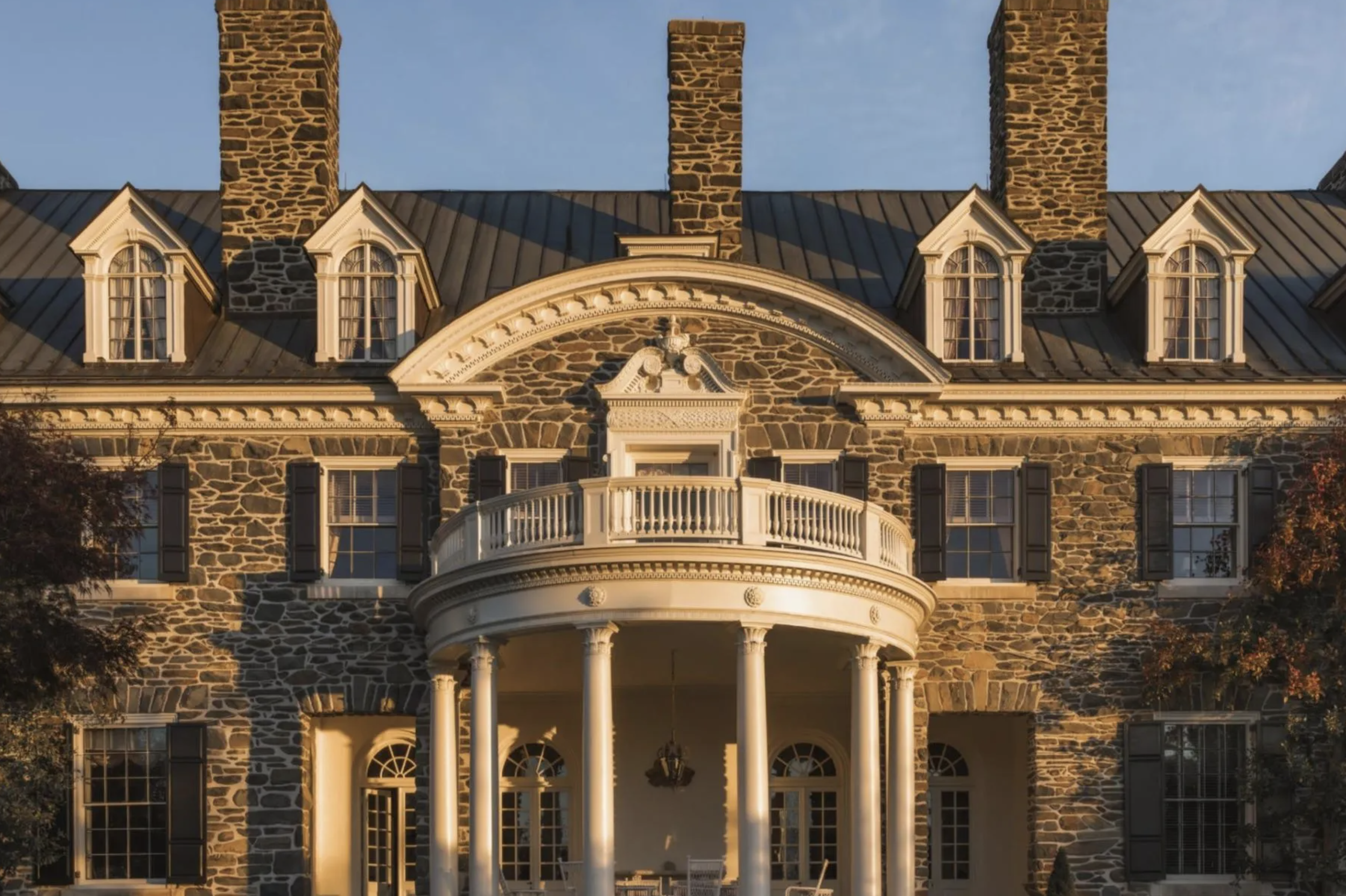
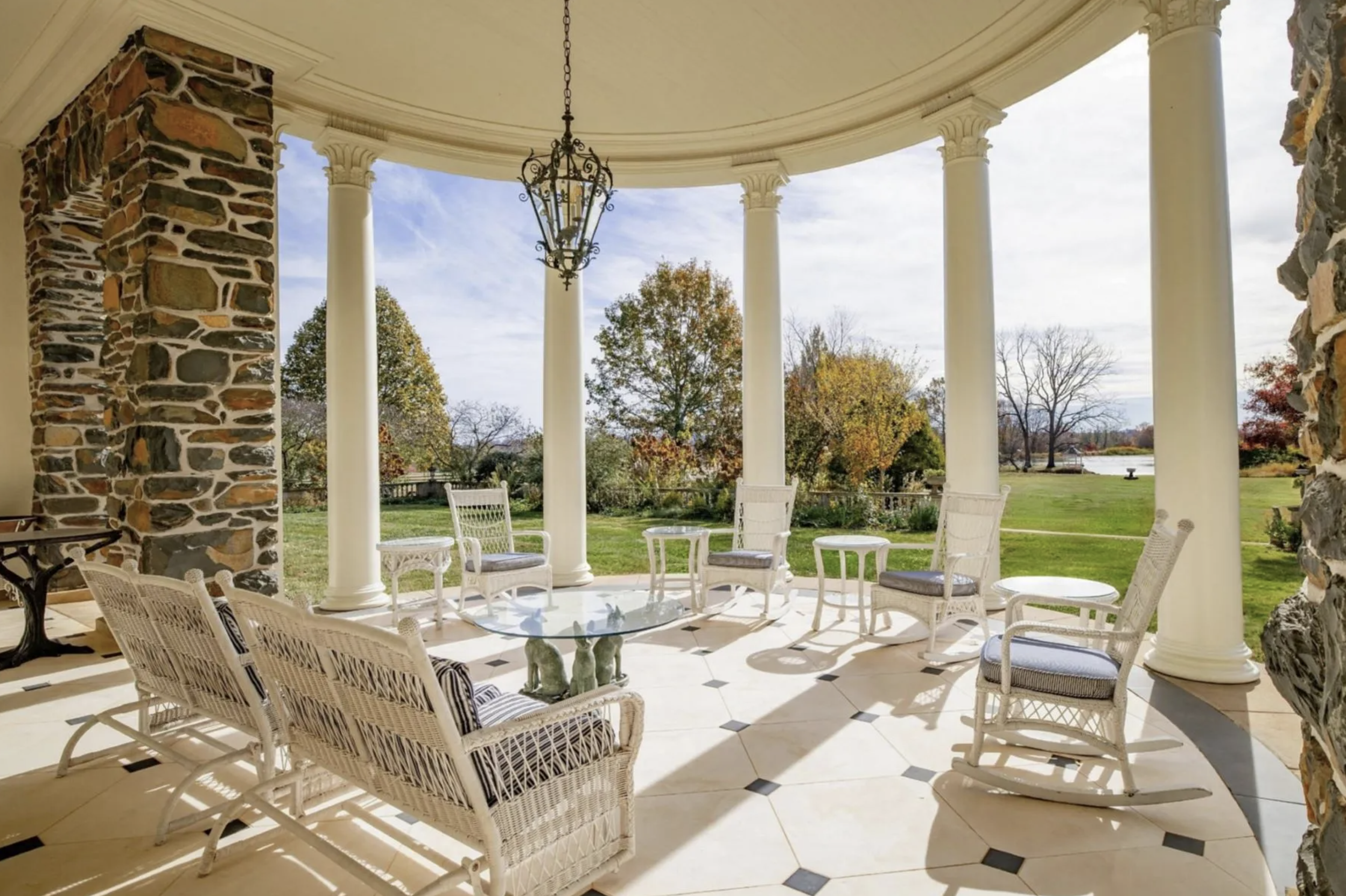
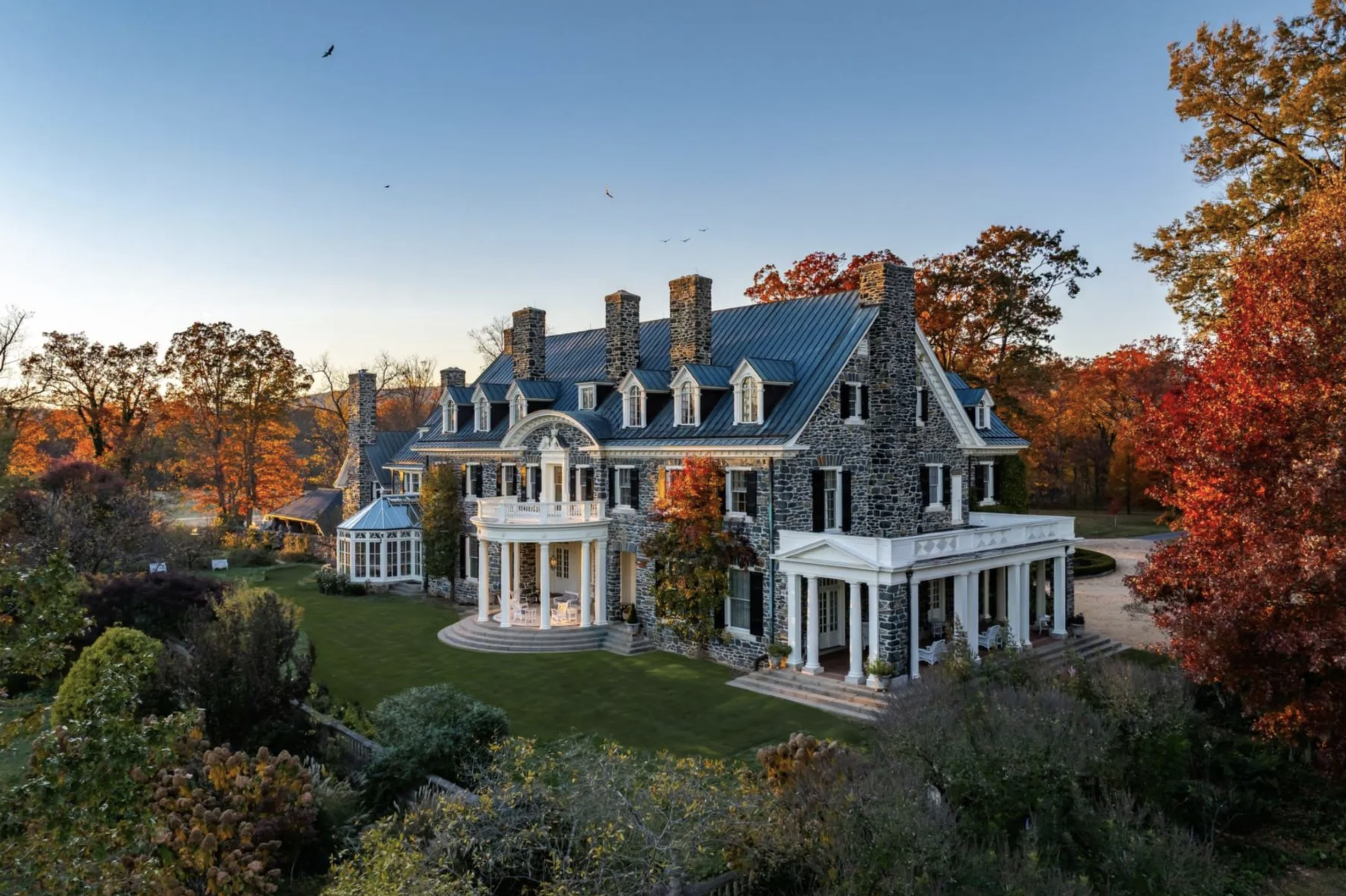
The approximately 17,000-square-foot manor, completed in 1912 for Brigadier General James A. Buchanan, was constructed using fieldstone quarried directly from the property, with four-foot-thick walls and a steel-reinforced structure—an ambitious undertaking for its time. When completed, the house stood apart for its modern comforts, offering electricity, indoor plumbing, and central heating decades before such amenities were common in rural Virginia. Originally arranged with 14 bedrooms, expansive reception rooms, and full service areas, it was designed as a serious country house rather than a seasonal retreat.
By the time Lerner acquired Ayrshire in 1996, the manor had been vacant for nearly a decade and was in significant disrepair. Pipes had burst, the basement had flooded, and decorative elements were failing. “The joke was that if you stood in one place long enough, something would hit you on the head,” Lerner told The Wall Street Journal. Despite its condition, she proceeded with a full restoration.
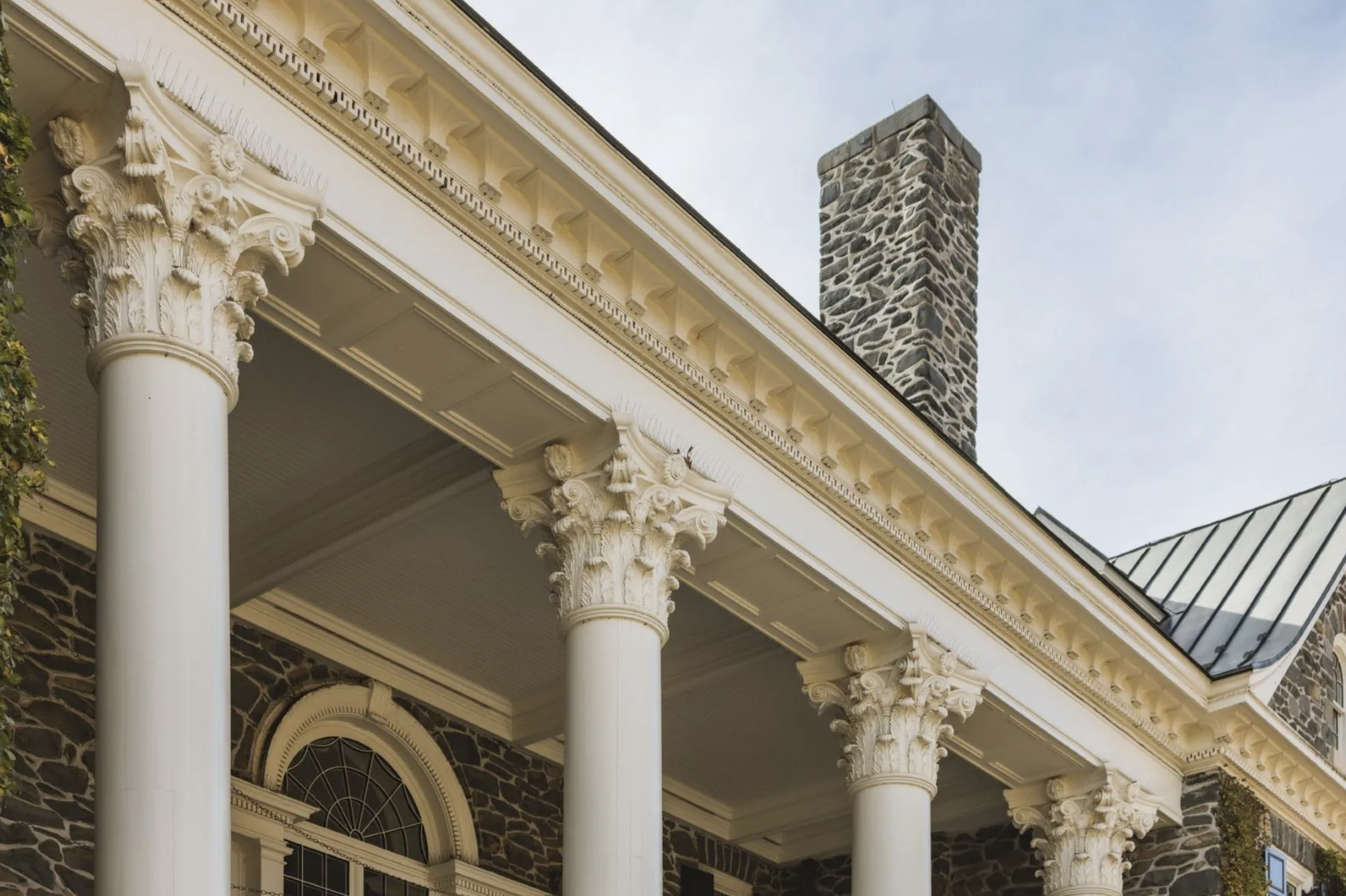
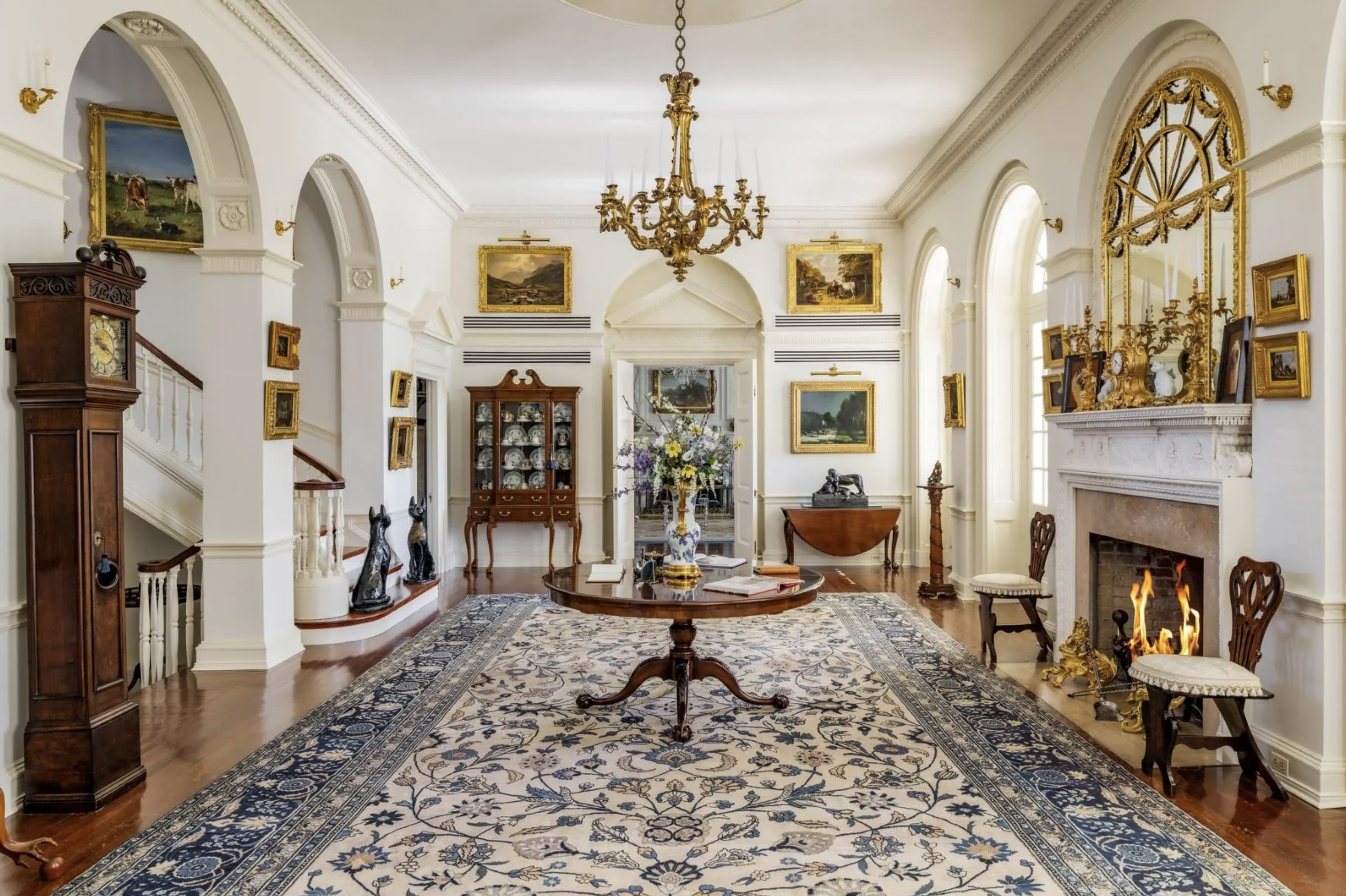
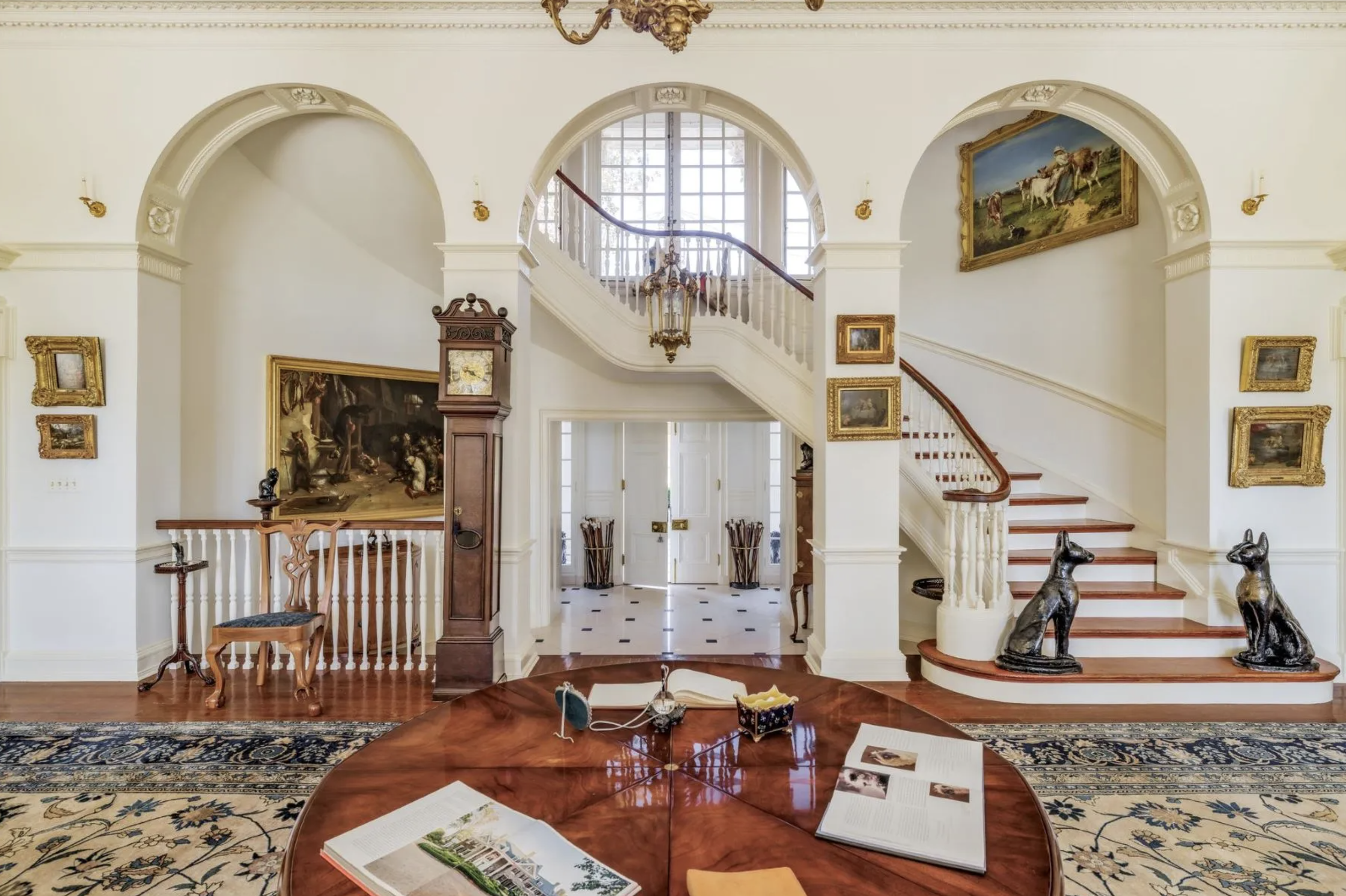
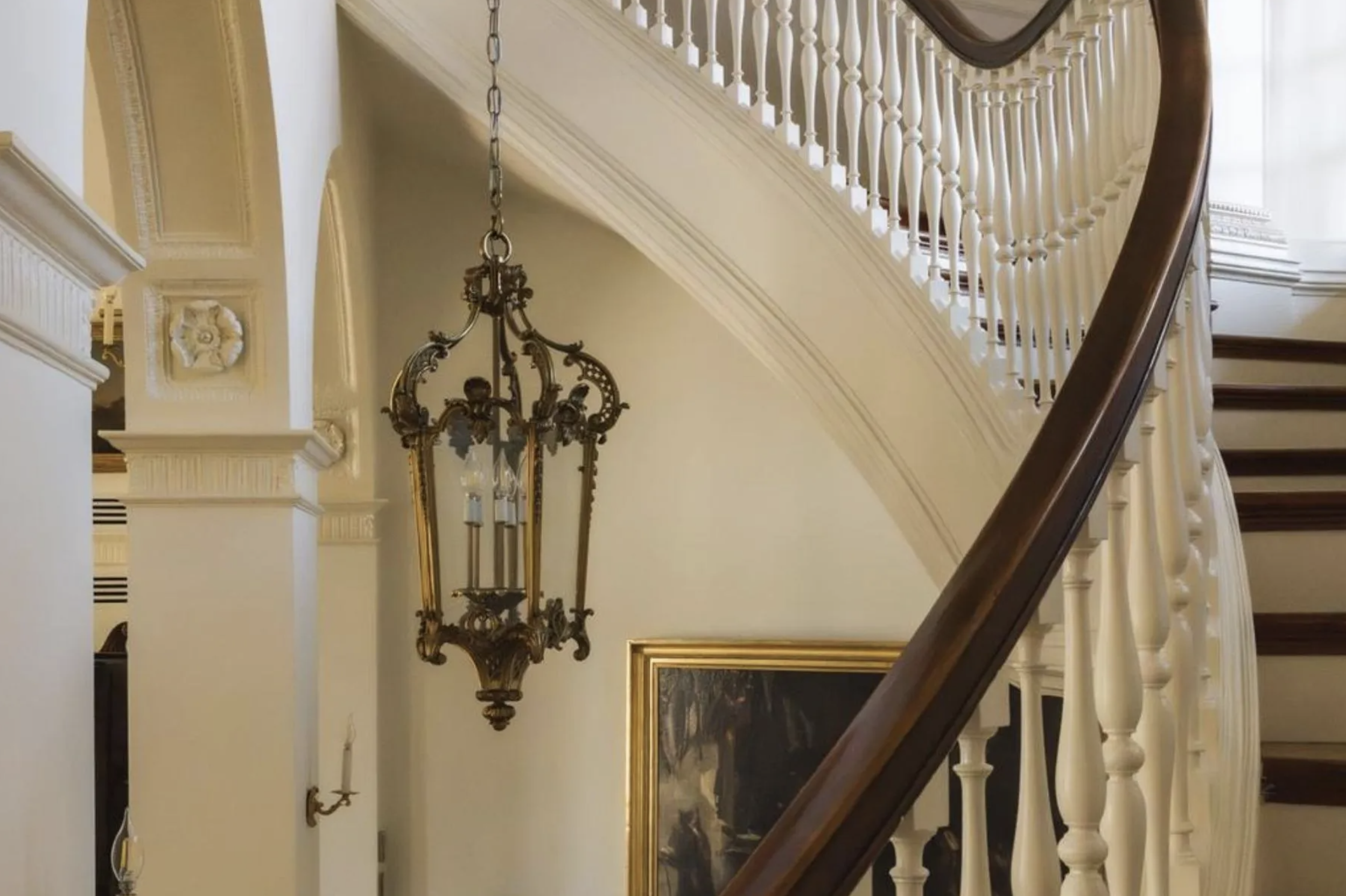
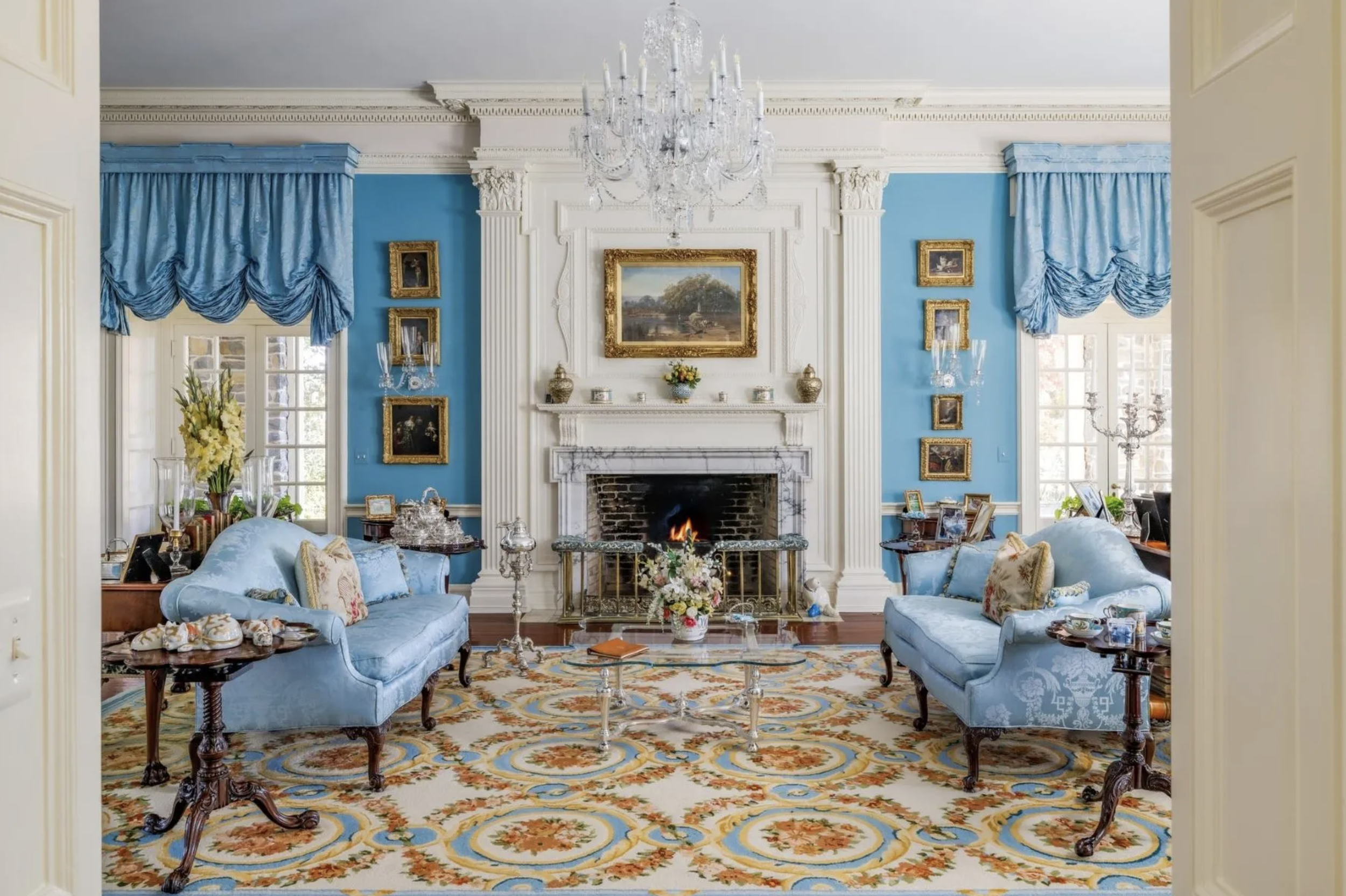
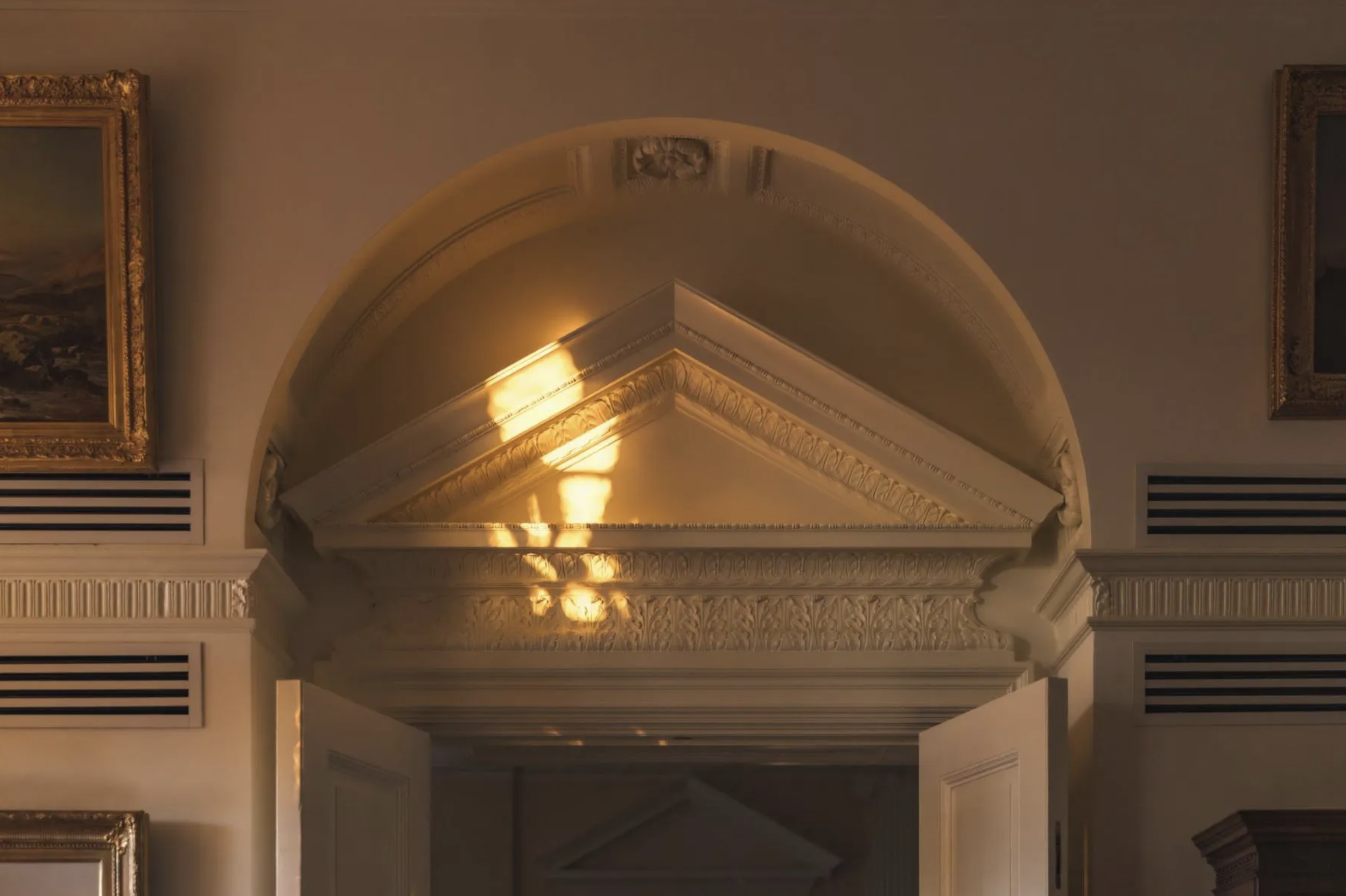
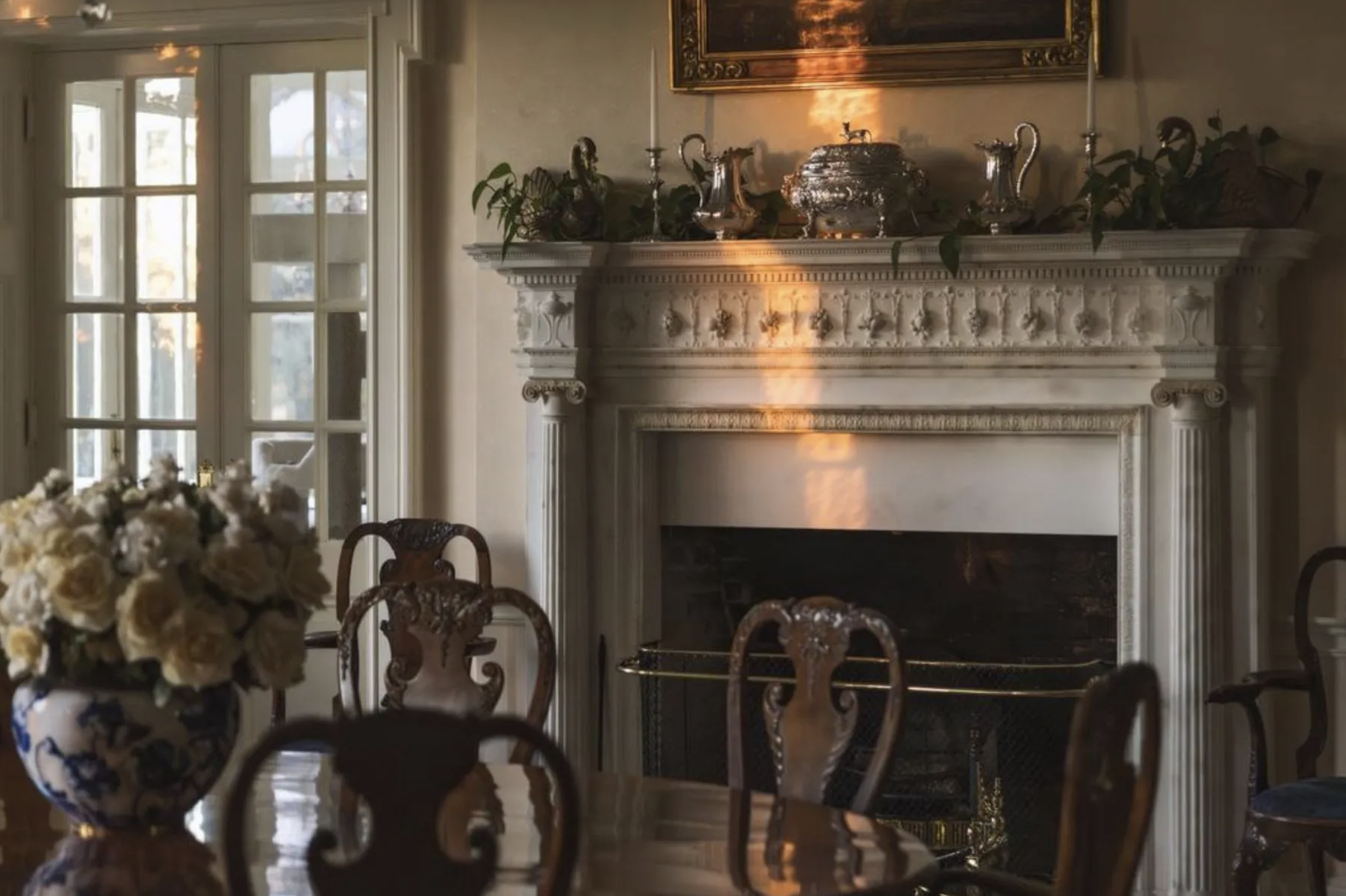
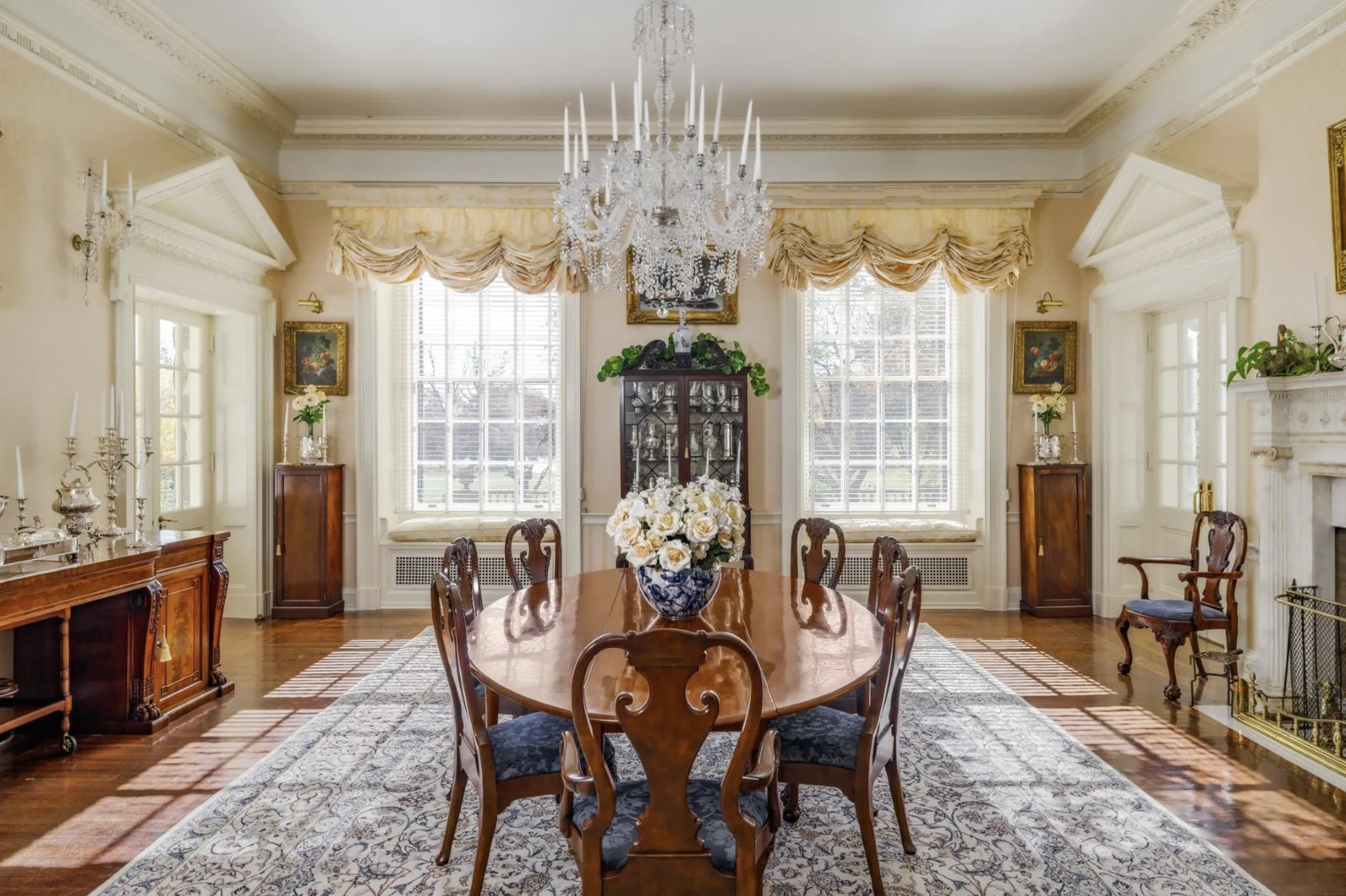
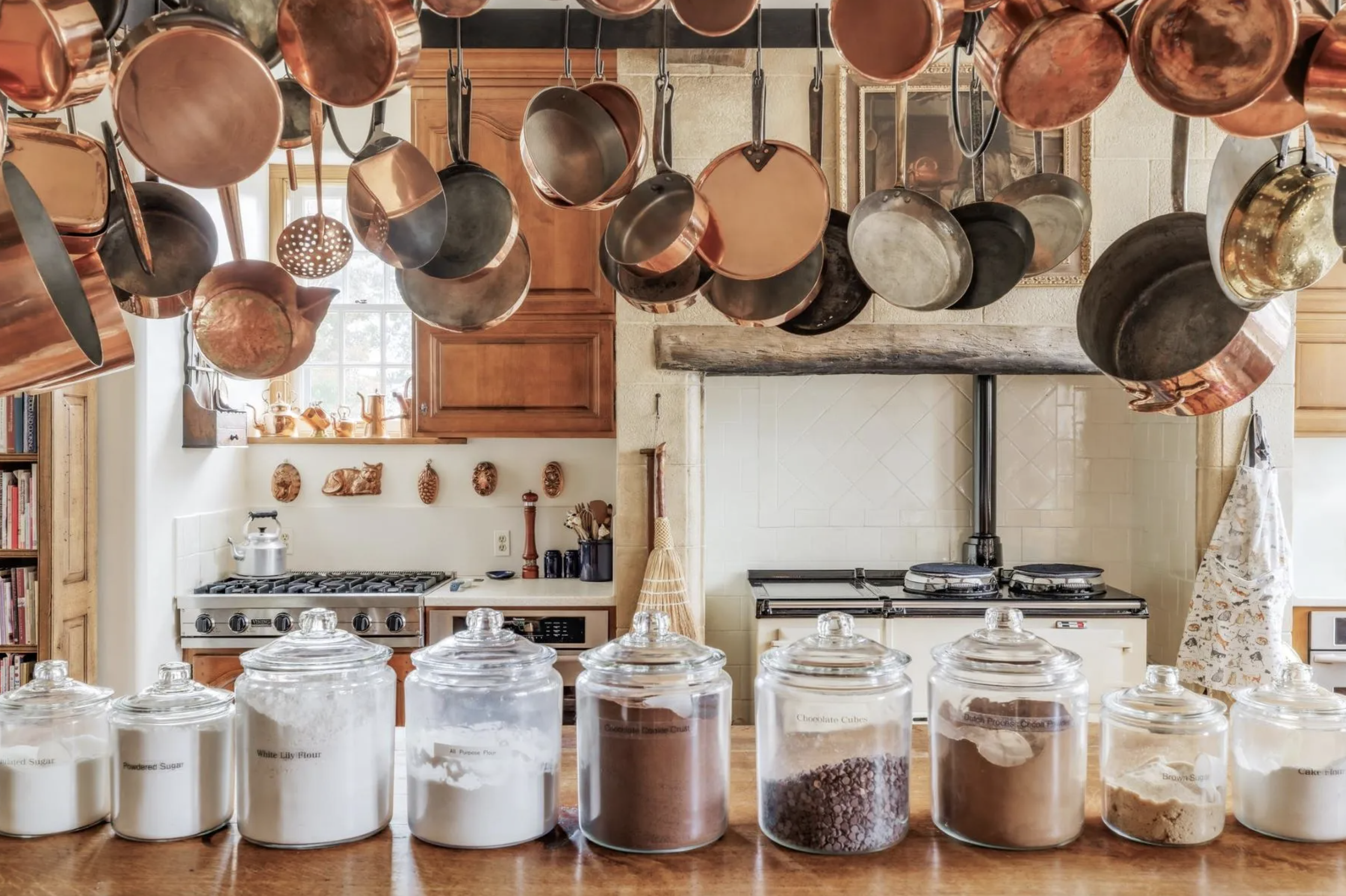
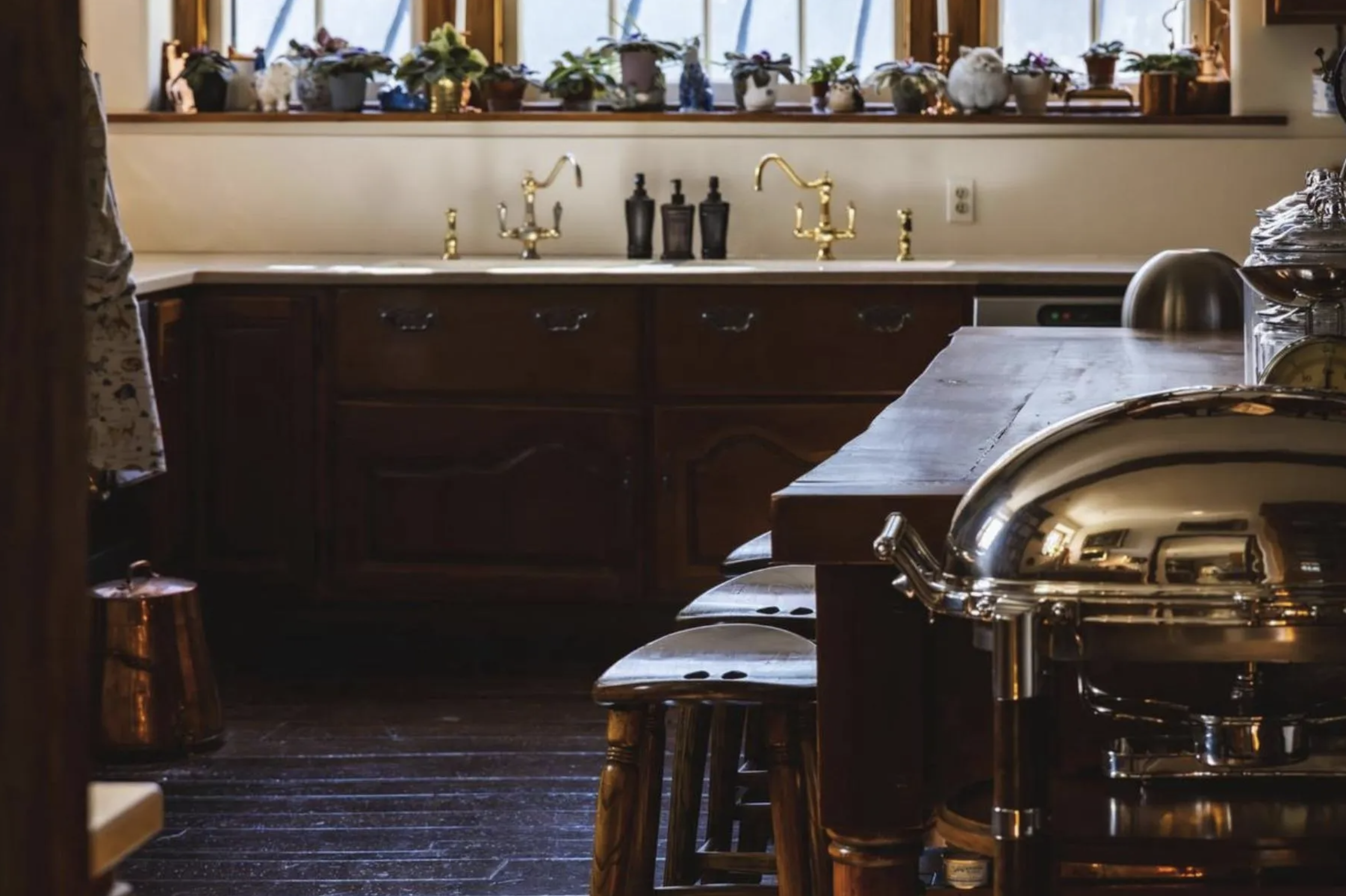
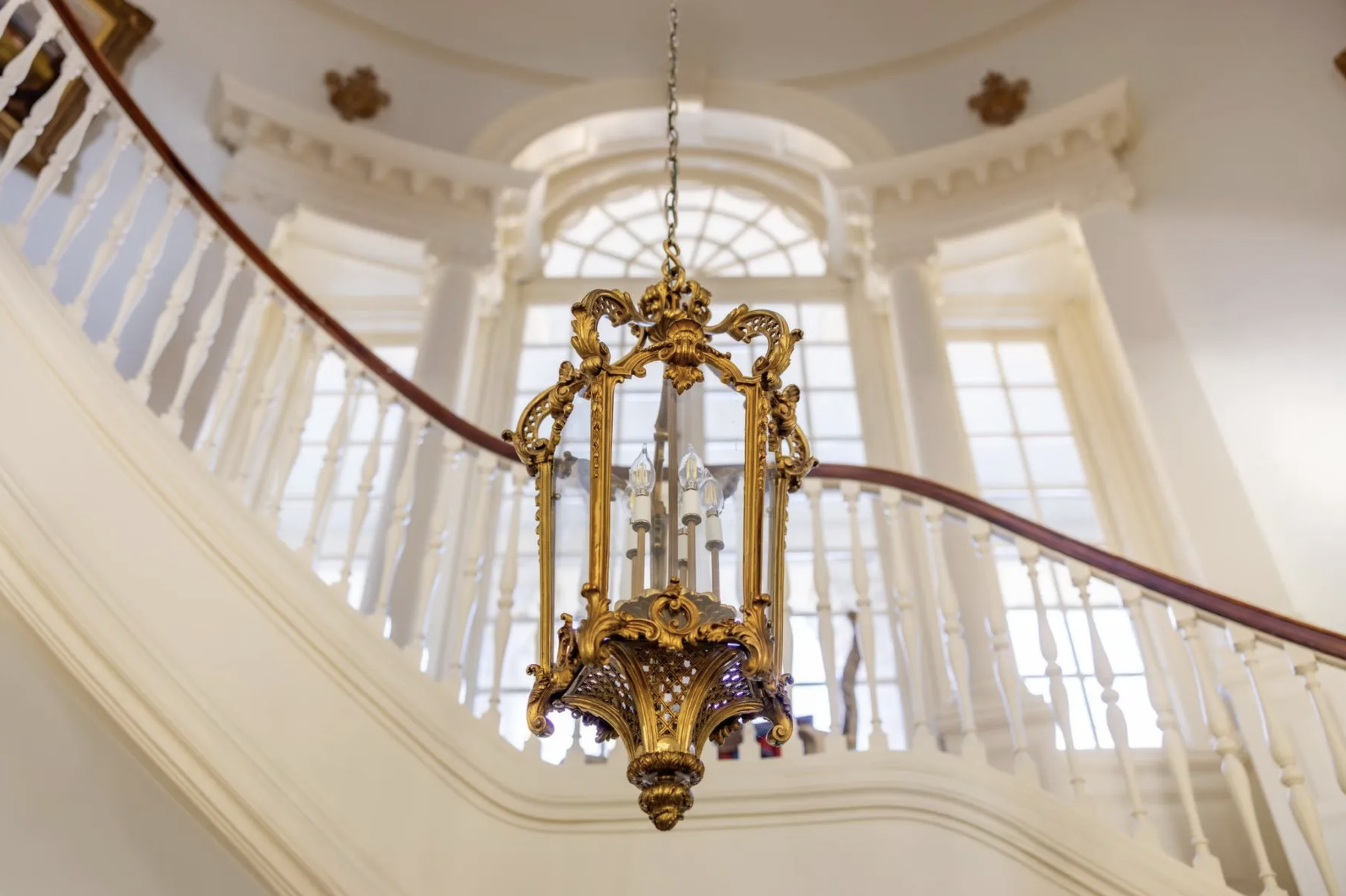
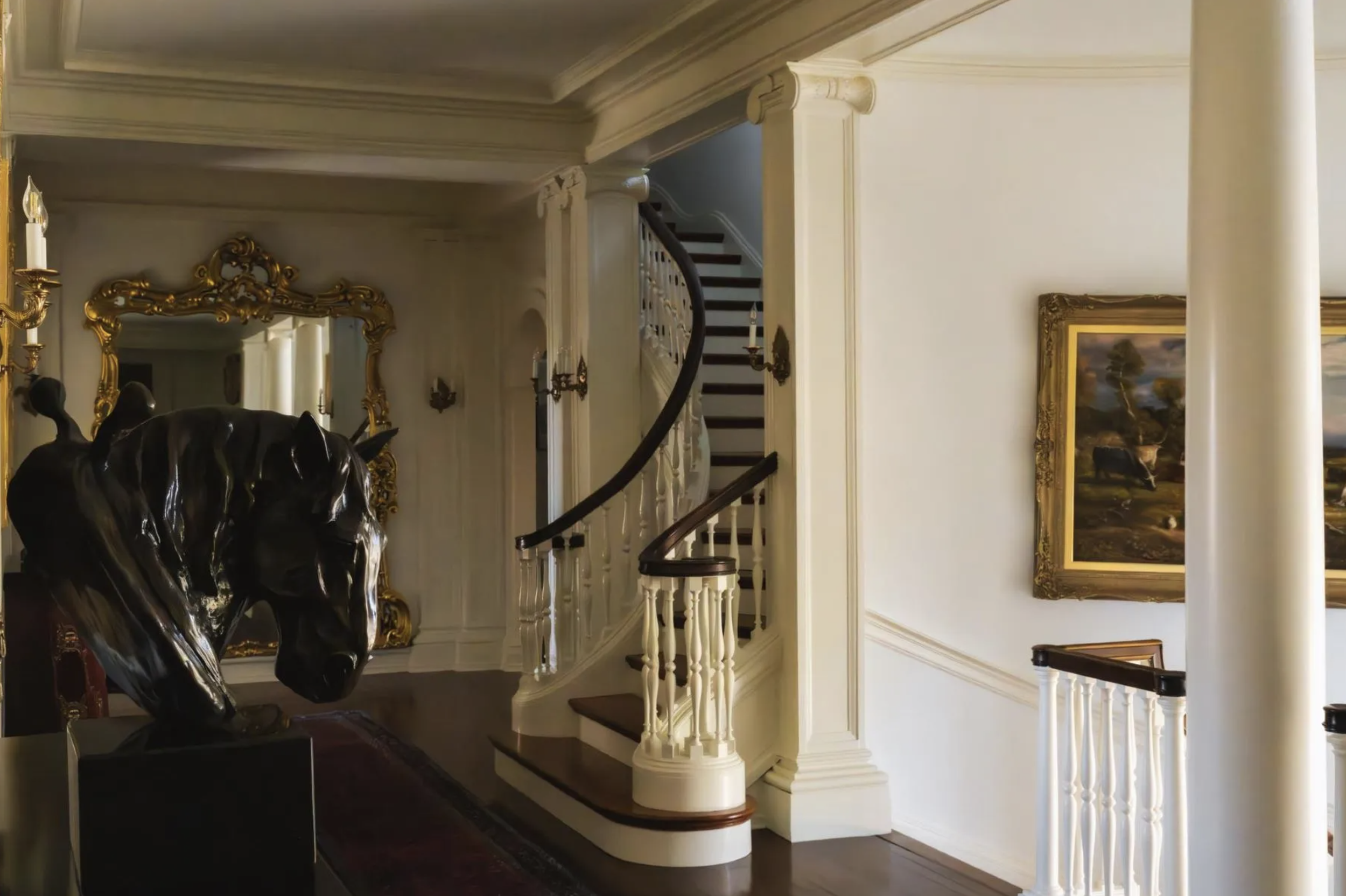
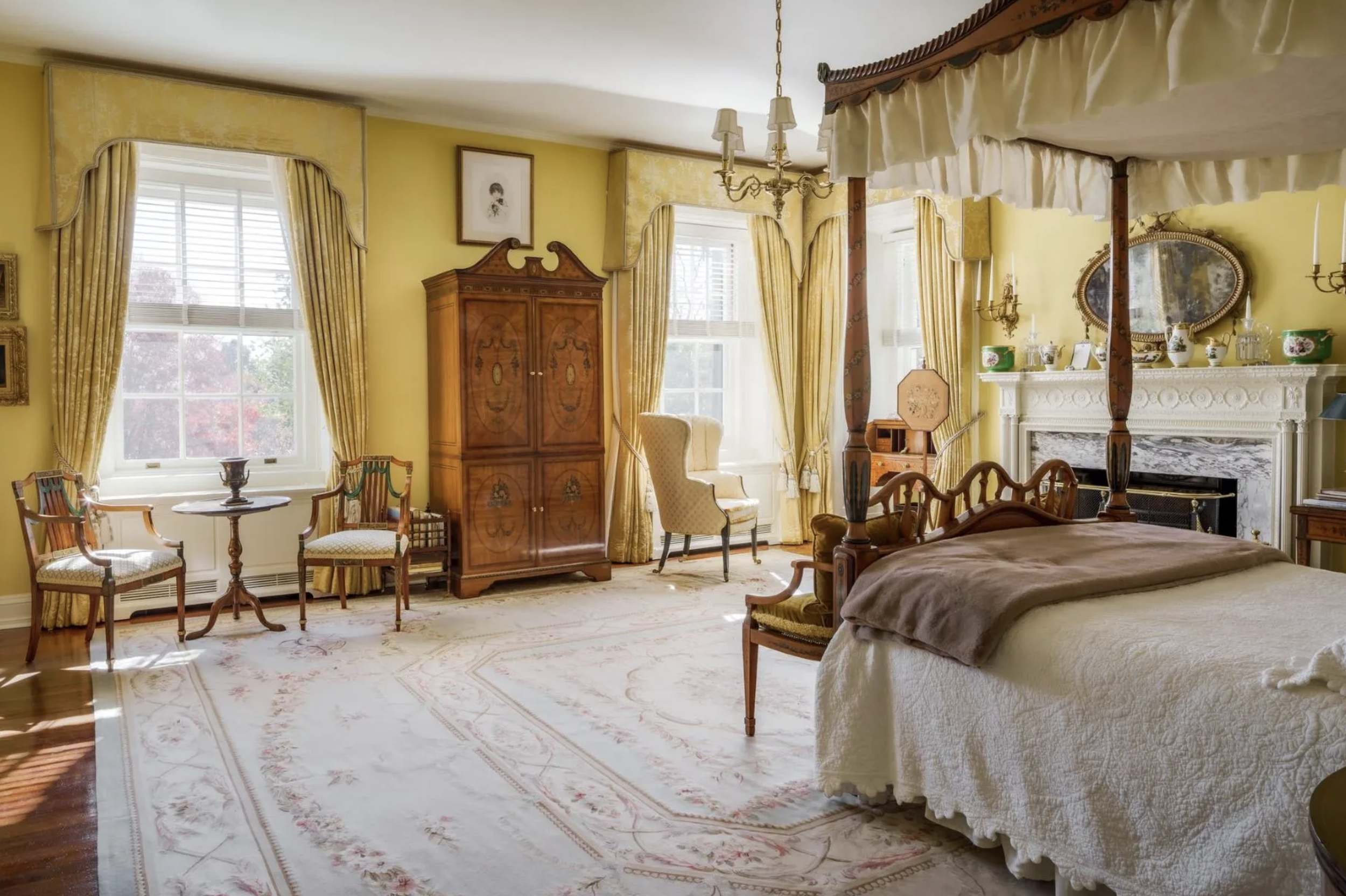
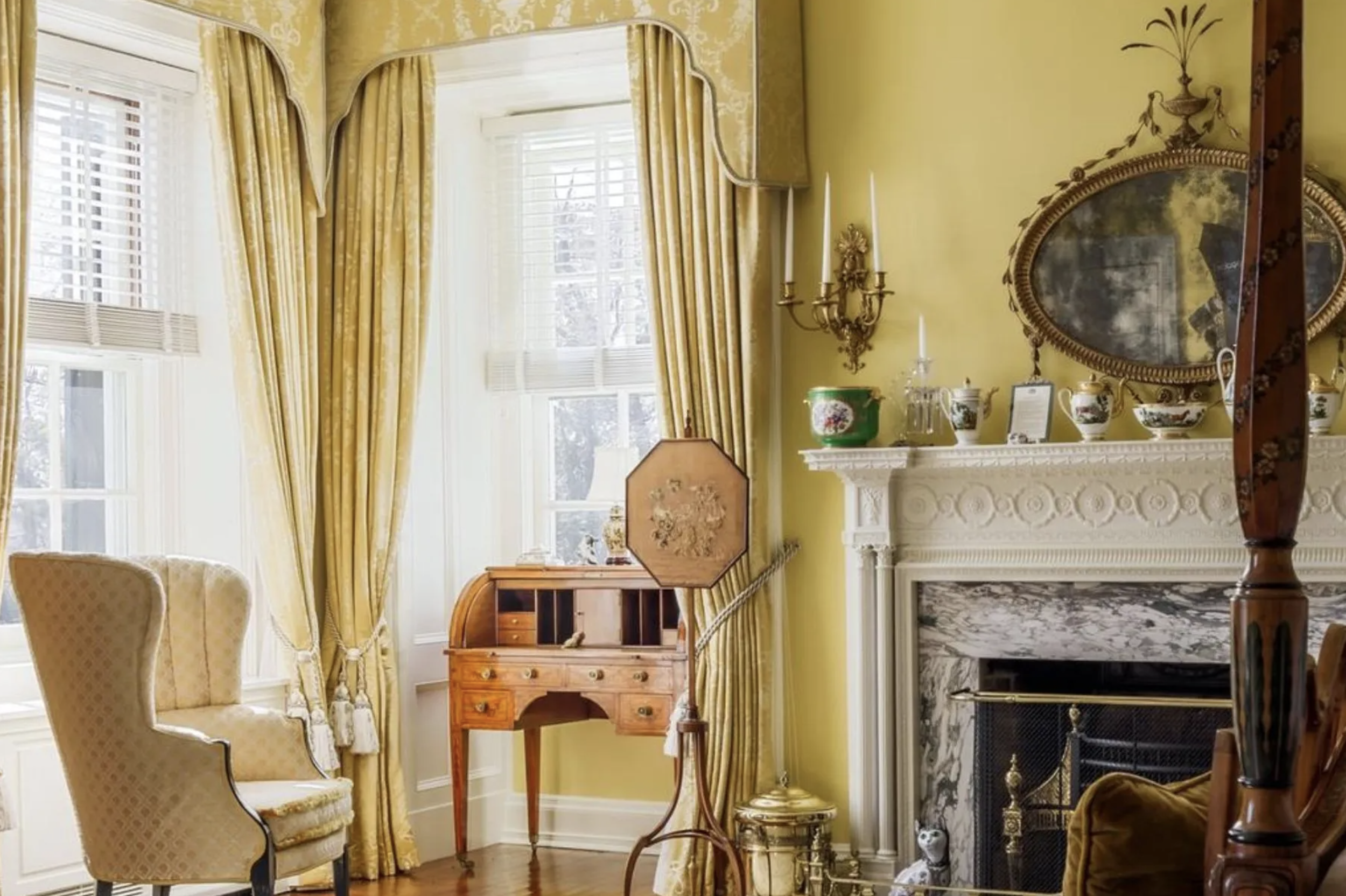
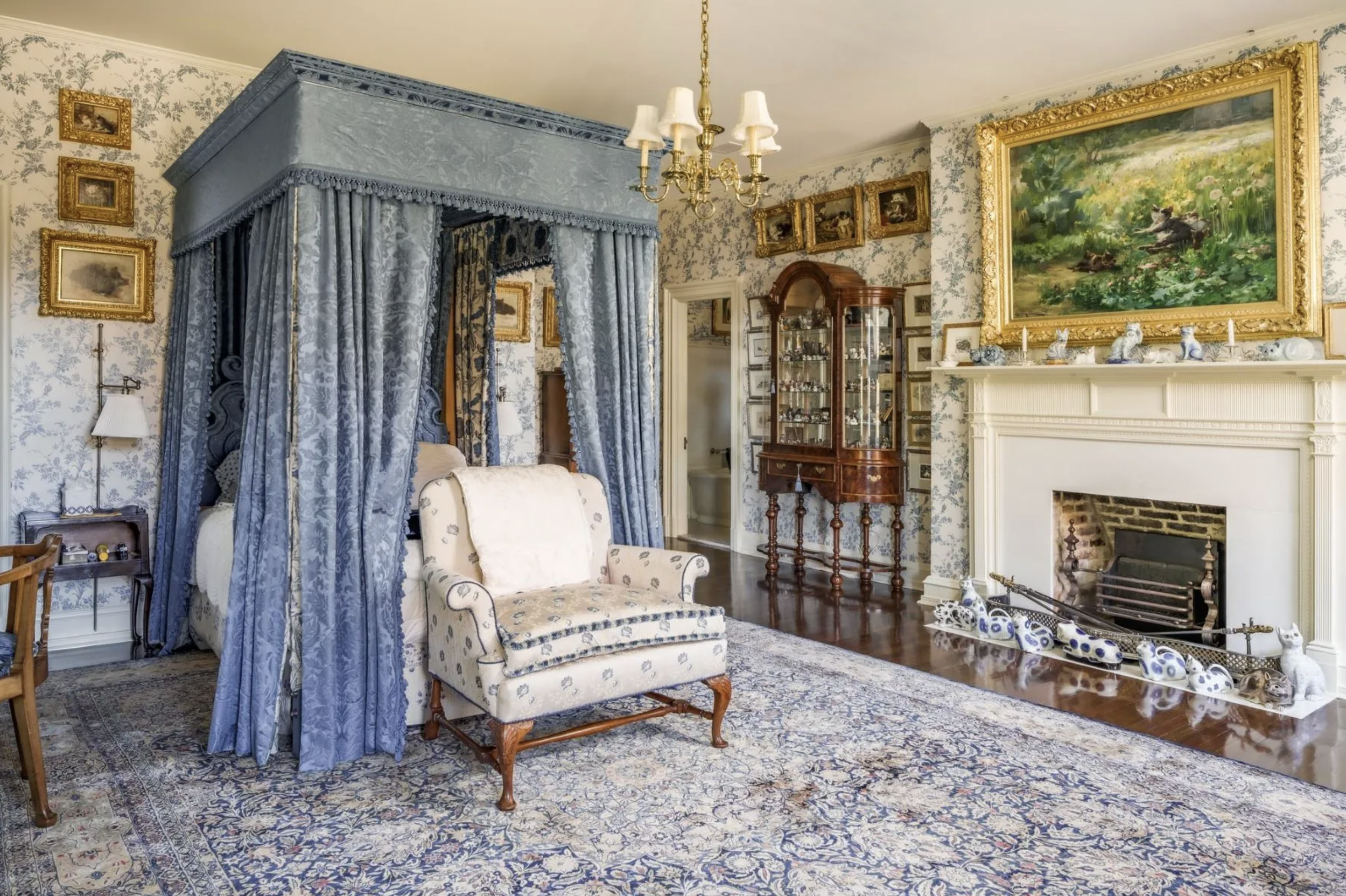
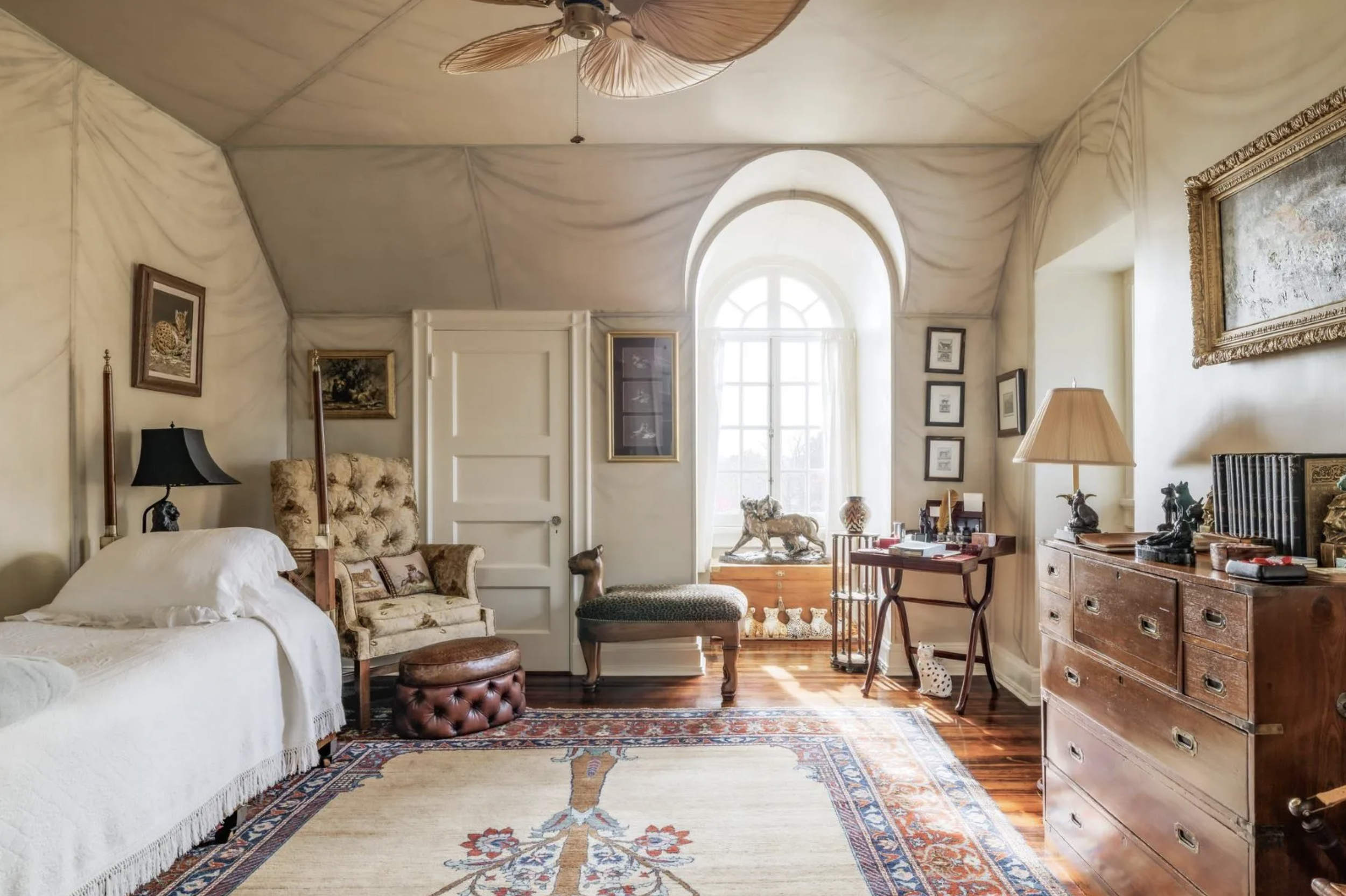
What followed was a multi-year, comprehensive rehabilitation that balanced structural renewal with architectural restraint. The residence was fully rewired and replumbed, upgraded with three-phase power, central air conditioning, underground utilities, and integrated security and communications systems. Original cypress windows and beams, historic moldings, and intricate masonry were preserved throughout. The library and butler’s pantry retain their original working safes, while twelve fireplaces were restored and returned to use. Locally crafted cabinetry and calibrated lighting reinforce a sense of permanence rather than display.
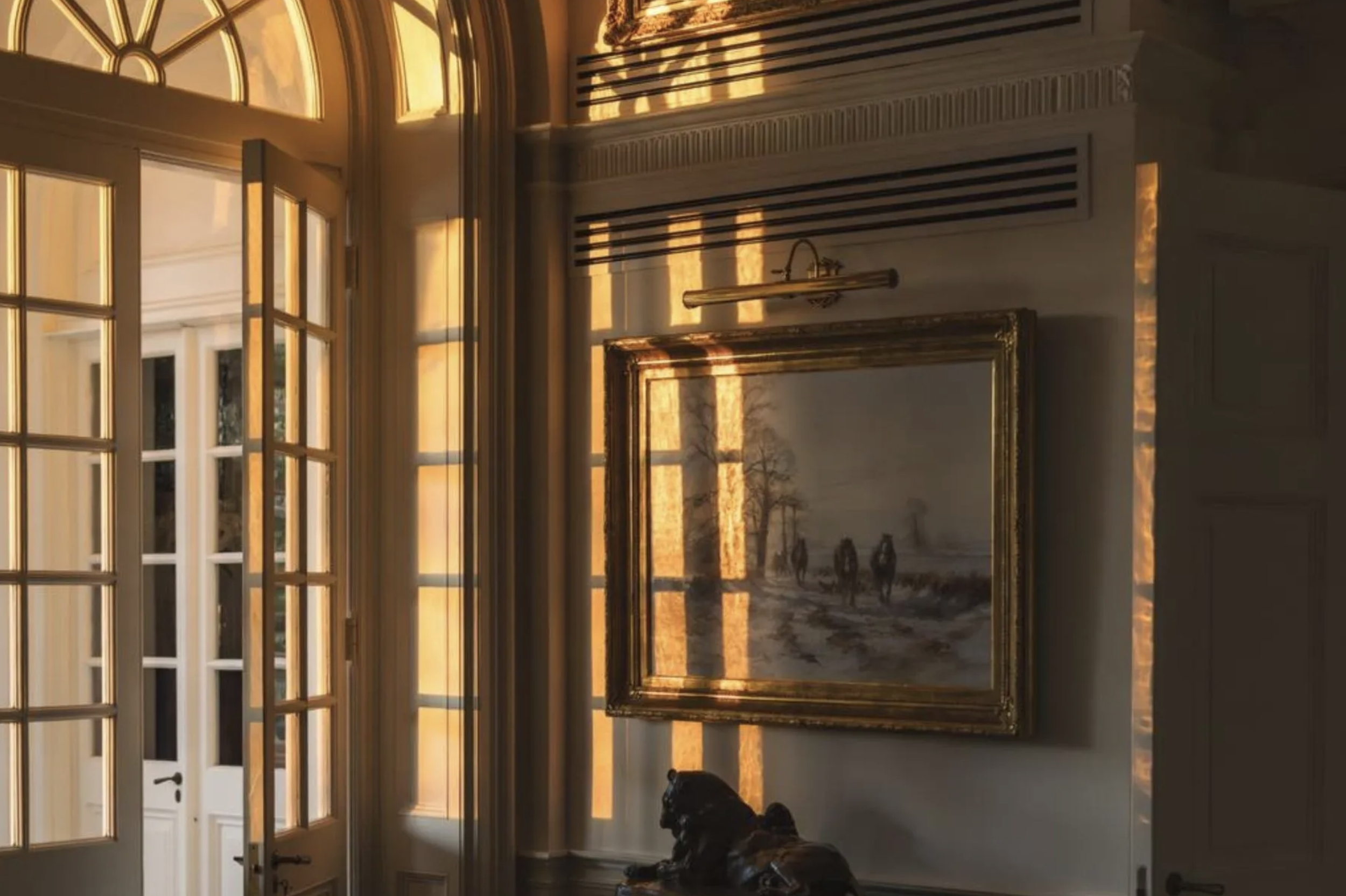
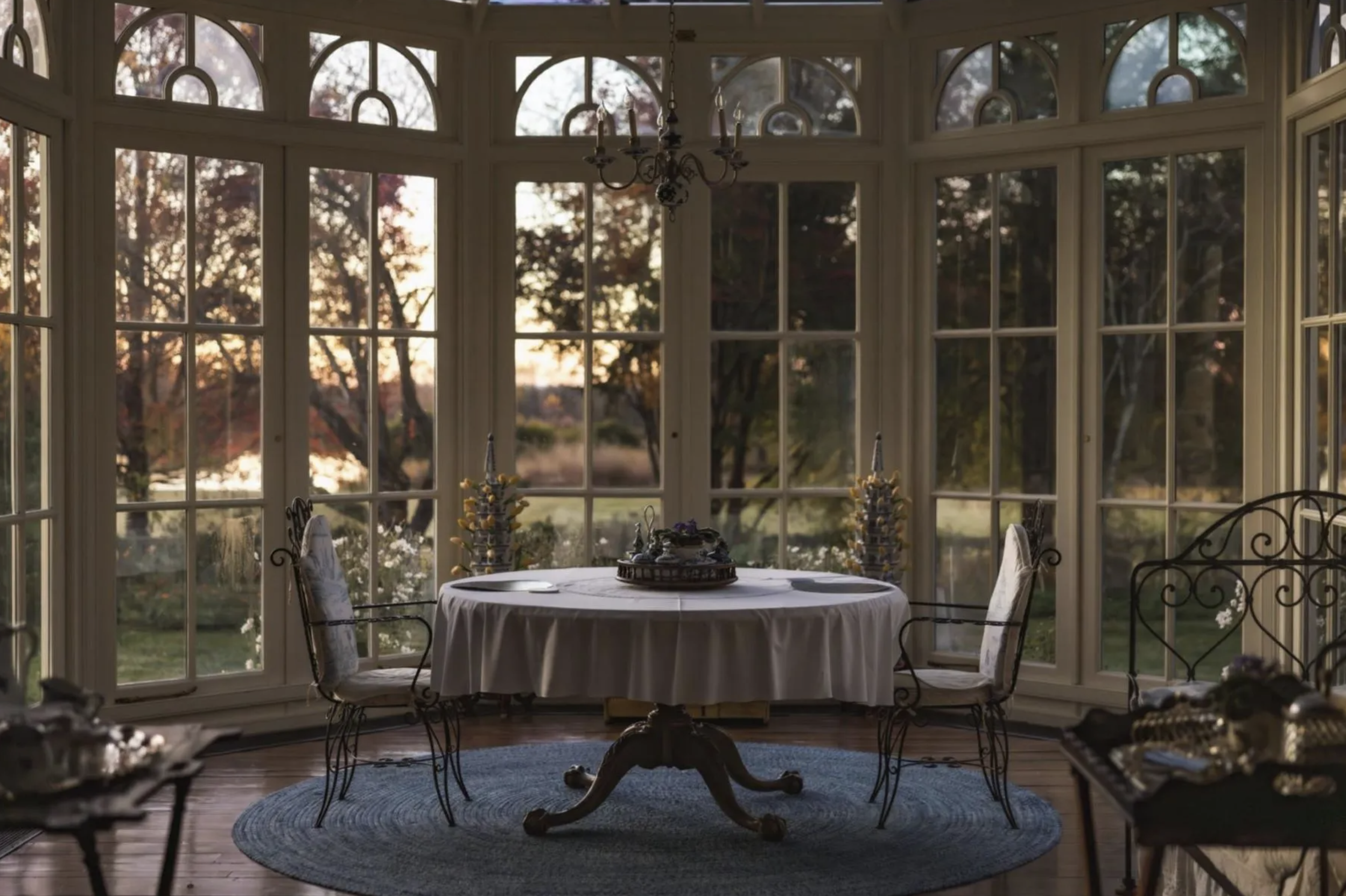
One of the most distinctive interventions is a glass-walled conservatory imported from England, introduced to replace a portion of the original structure. The addition brings light and transparency to the interiors while remaining secondary to the house’s mass and materiality, preserving the integrity of the original architecture.
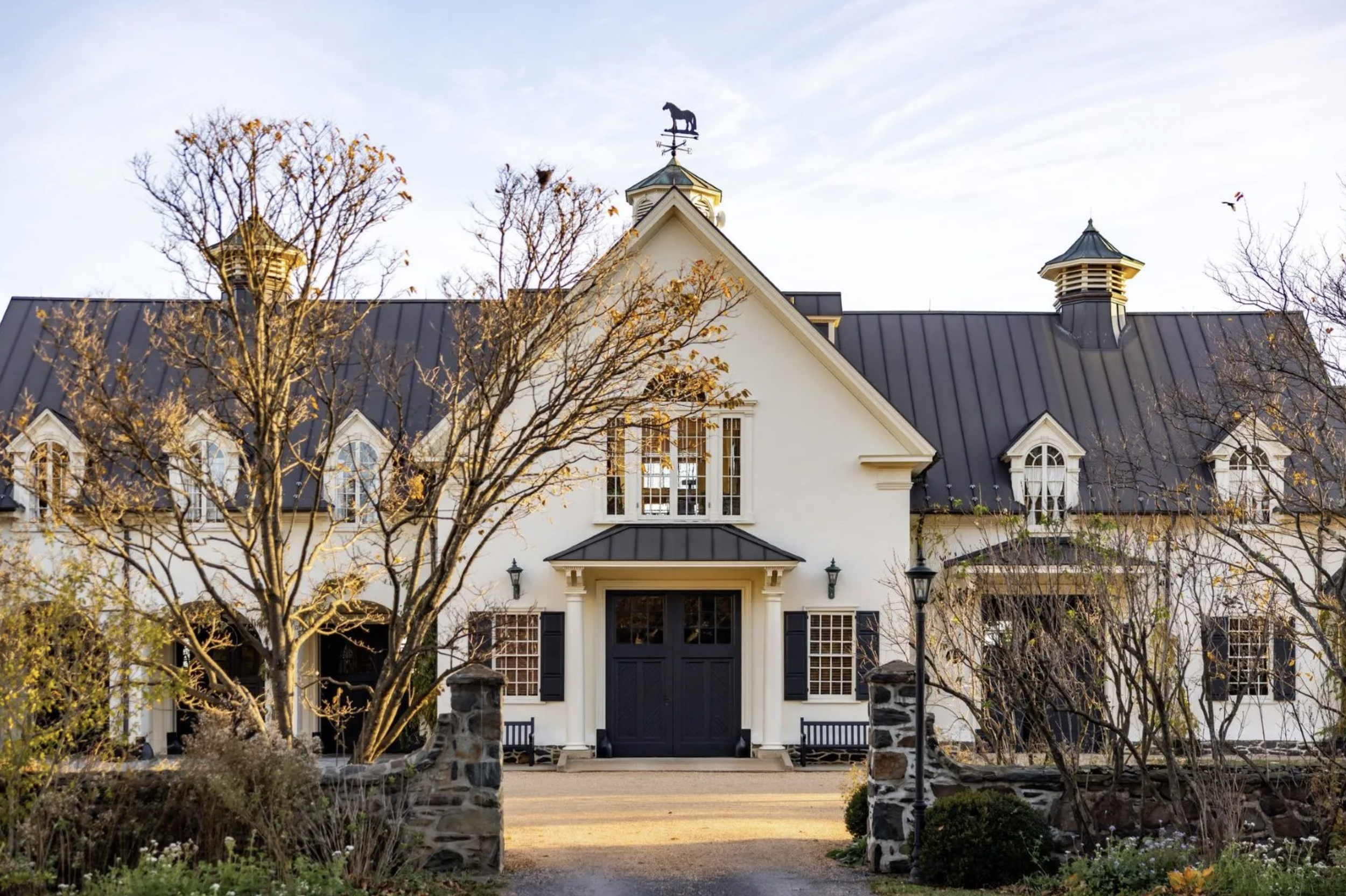
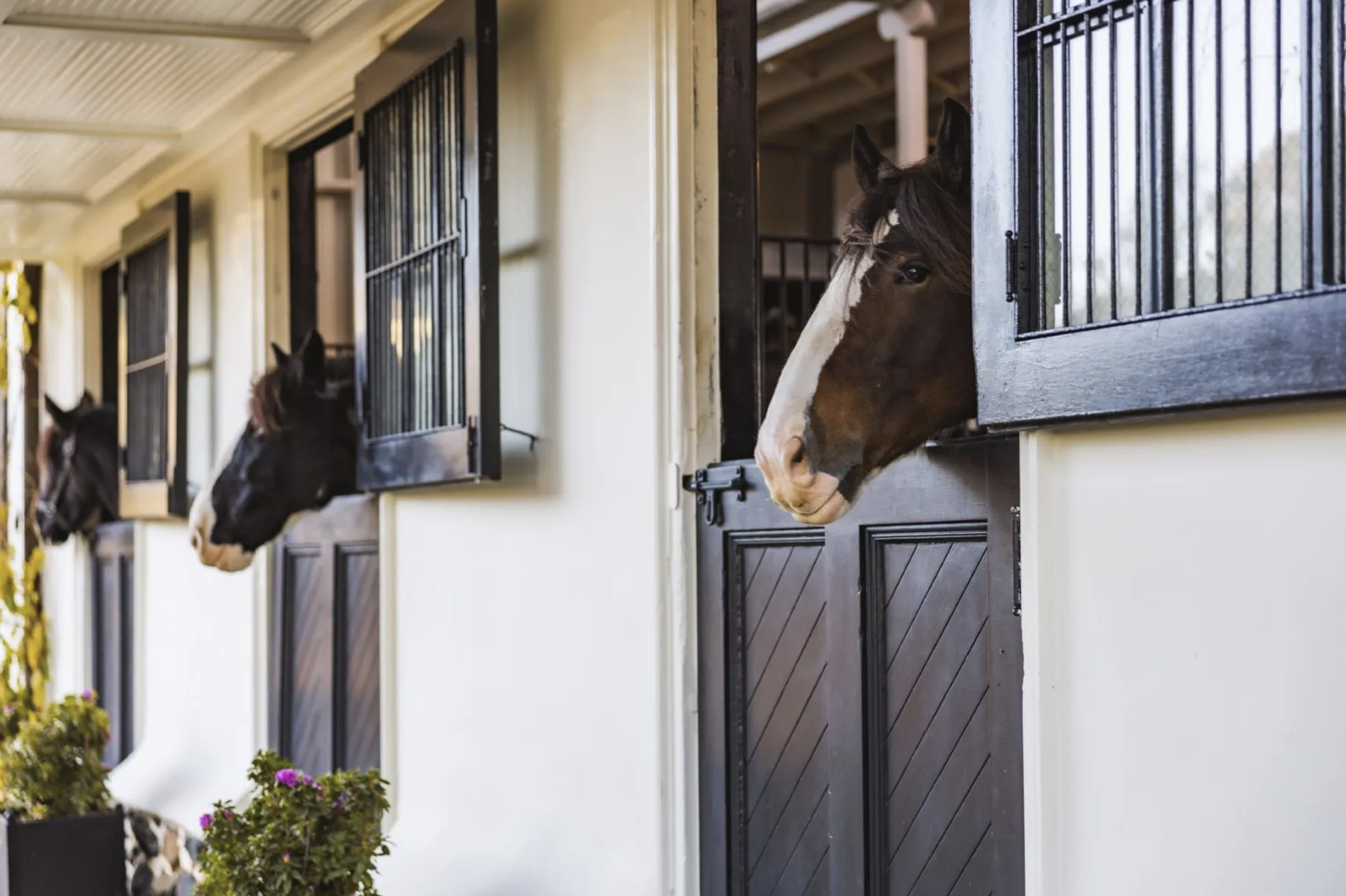
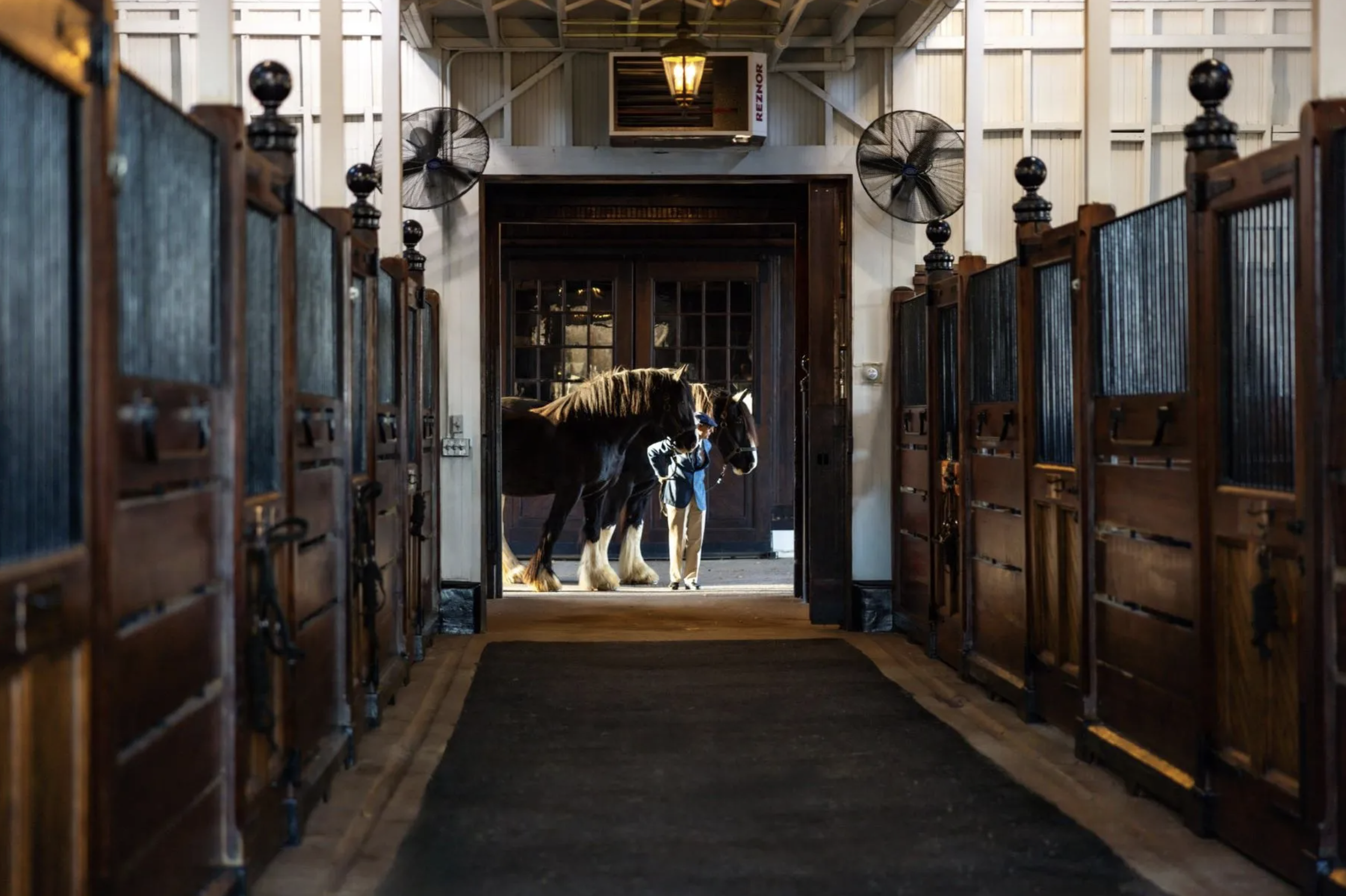
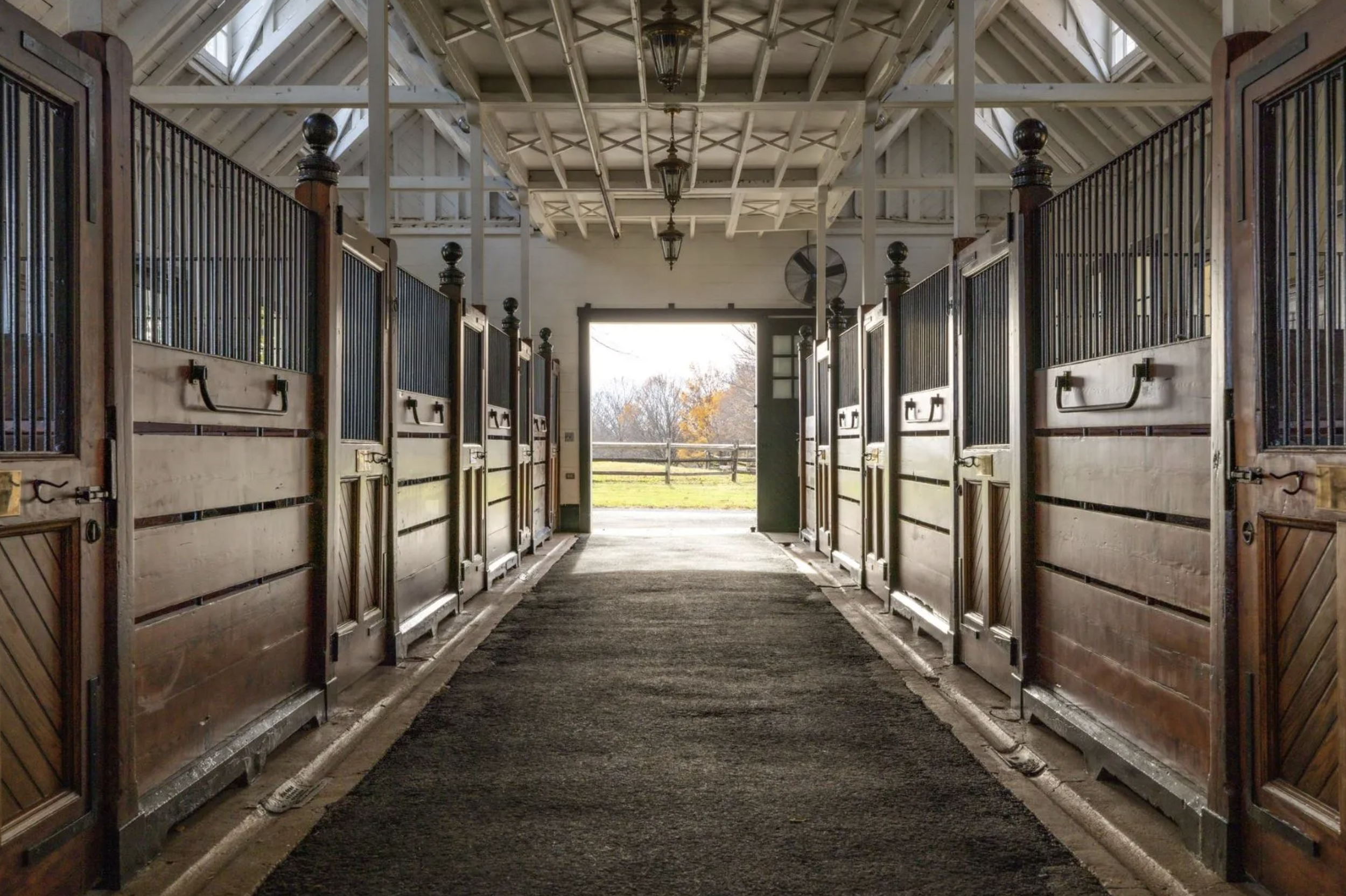
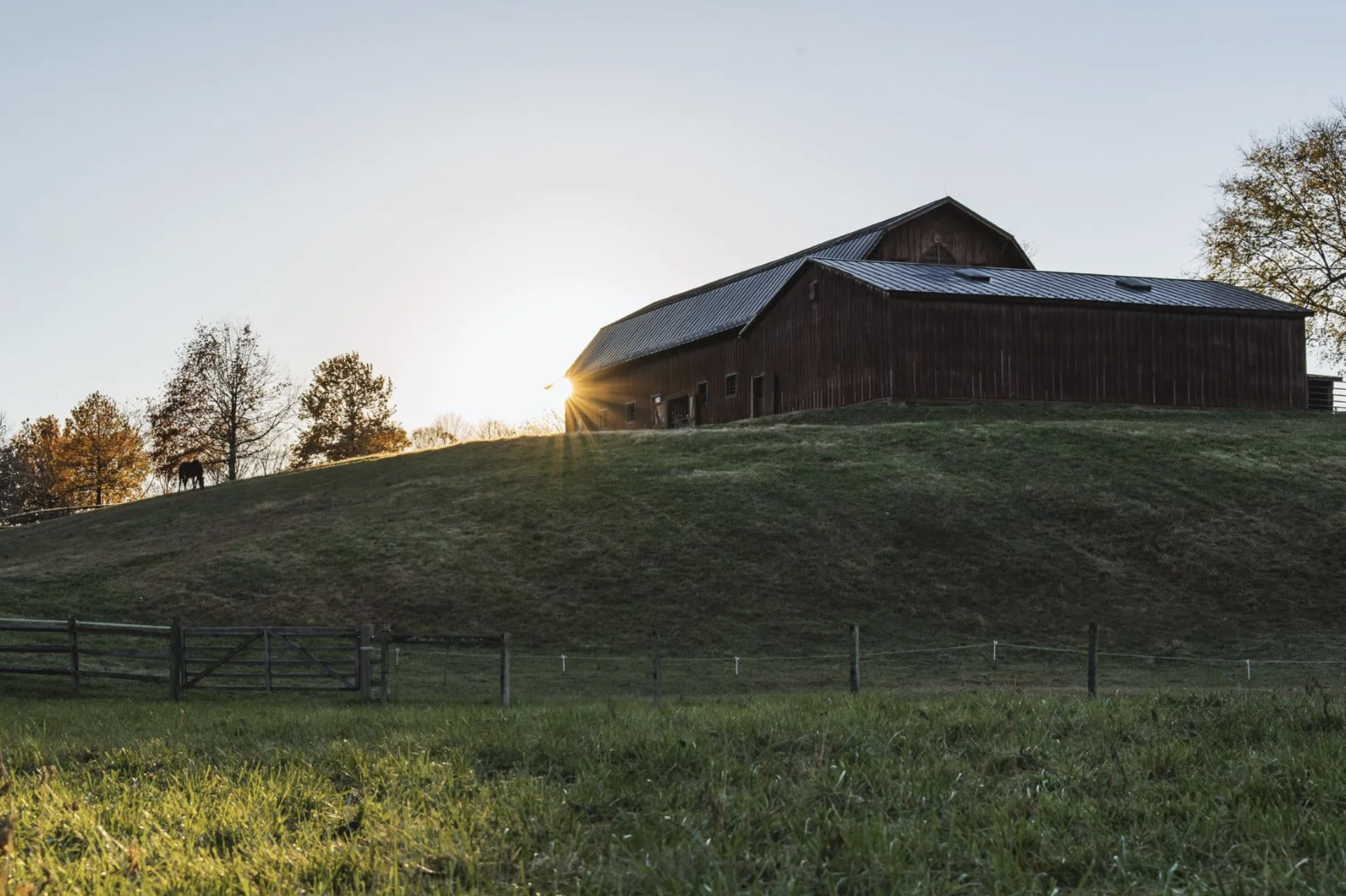
Notably, the restoration began not with the house, but with the land. Lerner restored the estate’s historic stables before turning to the manor itself, underscoring that Ayrshire was conceived as a working landscape rather than a static heritage asset. That sequencing shaped the broader evolution of the property.
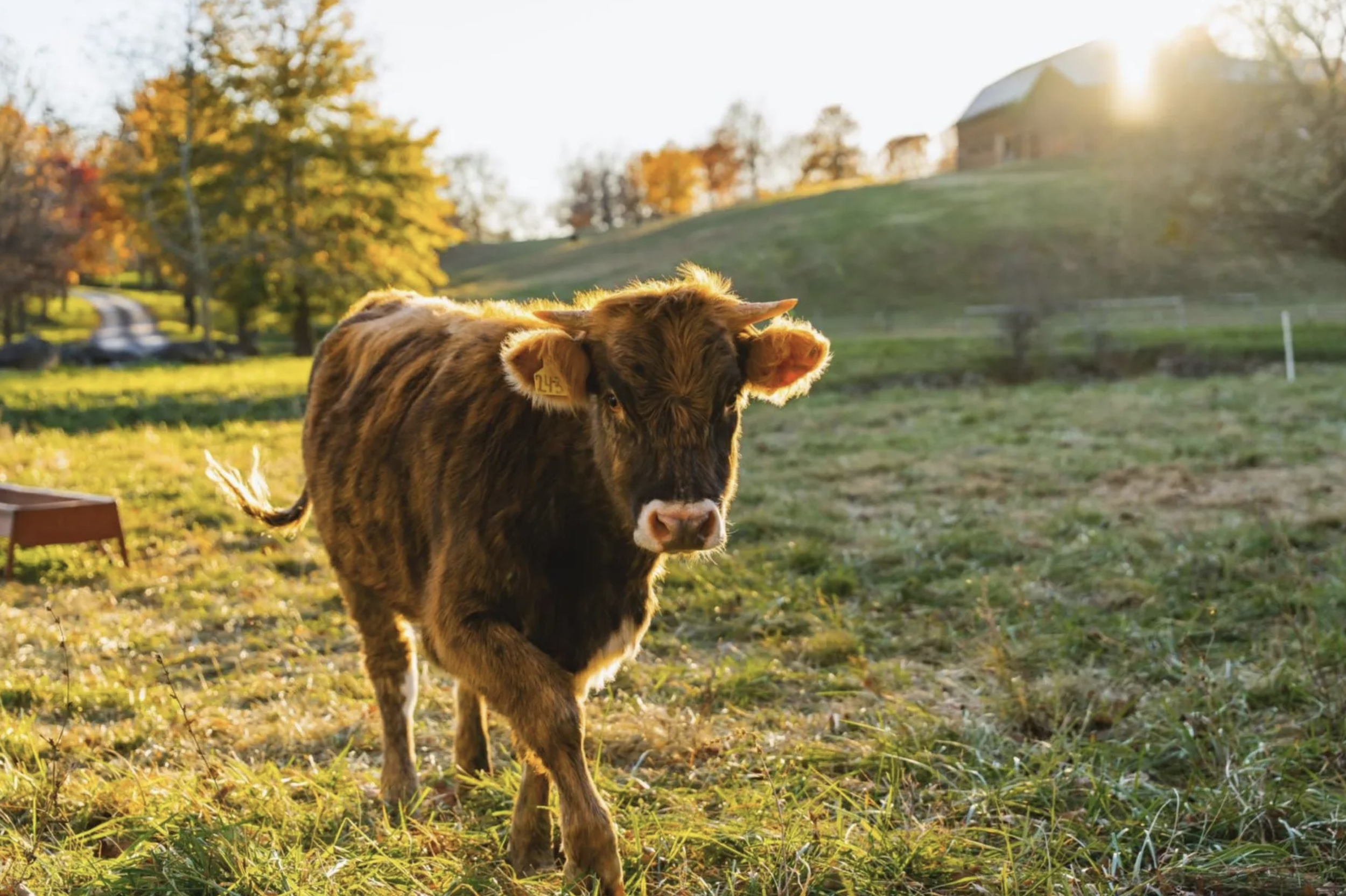
At its height, Ayrshire operated at a scale rarely seen on a private estate. The farm supported approximately 2,000 head of cattle and as many as 20,000 chickens per month, functioning as a fully operational organic enterprise rather than a symbolic pastoral backdrop. This scale and rigor made Ayrshire the first farm in Virginia to earn both Certified Humane® and USDA Organic certification, helping set early benchmarks for pasture-based farming in the region. The livestock are not included in the sale, though they may be available by separate arrangement.
In recent years, the main house has been largely unused, with the owner, now 70, residing in a smaller cabin on an adjacent parcel to be retained. “It’s an easy house to live in,” Lerner noted, “but it does get a little bit weird with just one person.”
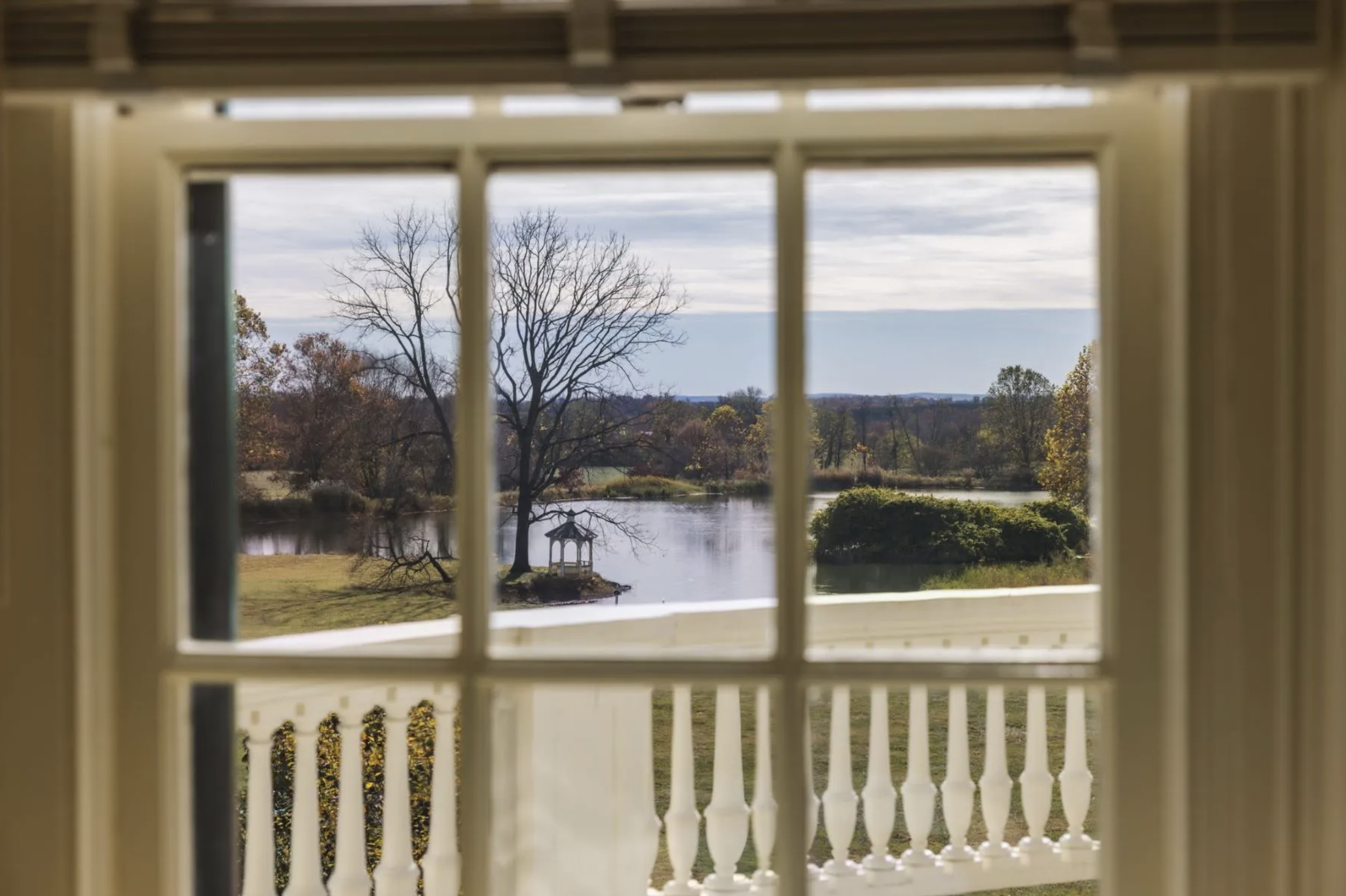
Set in Upperville, roughly 60–65 miles from Washington, D.C., Ayrshire sits at the center of Virginia horse country, surrounded by landscapes long associated with equestrian estates and generational landholdings. According to listing agent Daniel Heider, it is among the most significant properties to come to market in the region in recent years.
Ayrshire Farm is not simply a restored manor or a pastoral backdrop. It is the cumulative result of long-term stewardship—where early-20th-century architecture, modern restoration, and a serious agricultural legacy converge. In a region defined by heritage estates, it stands apart not for spectacle, but for purpose.
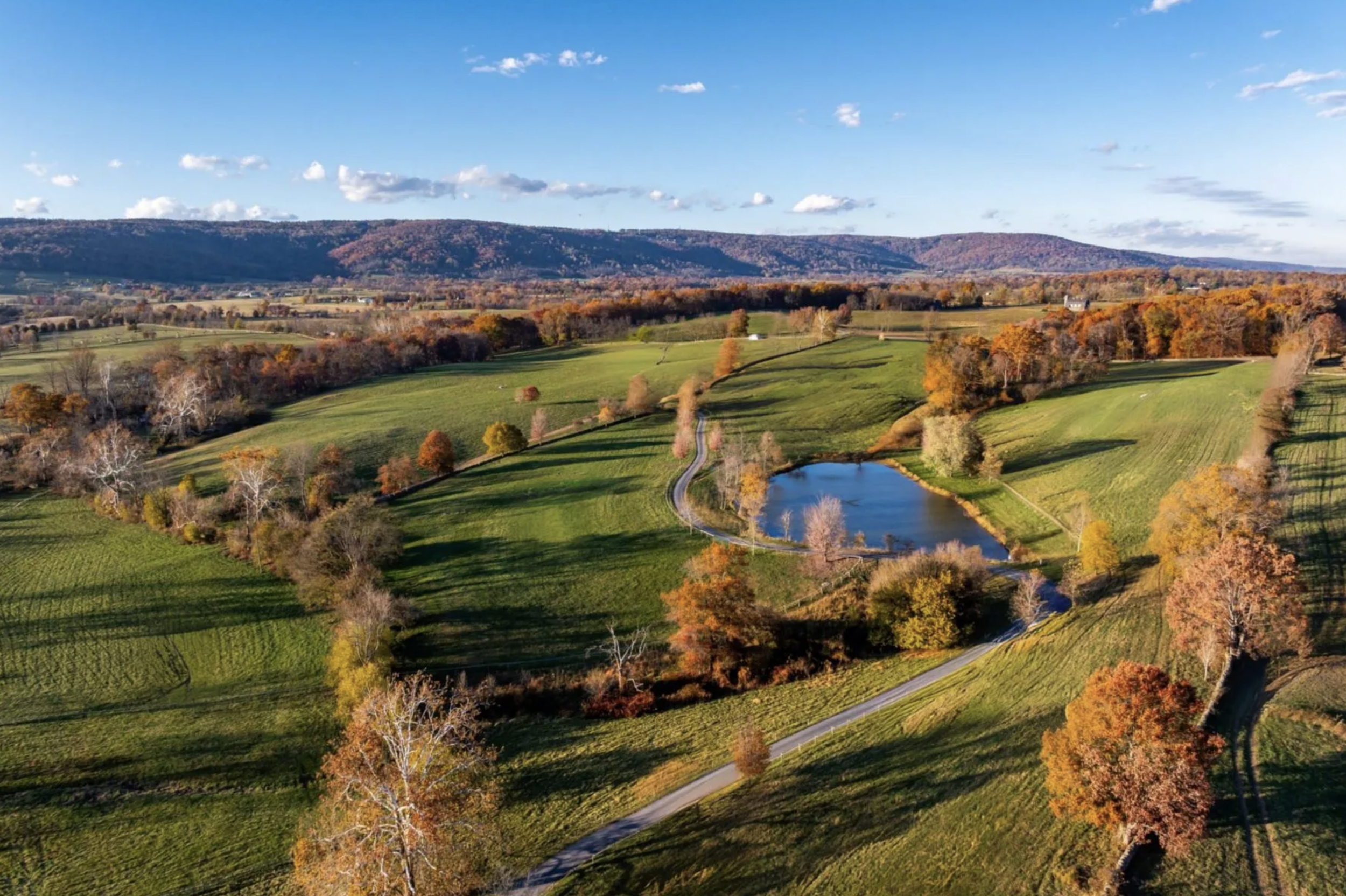
All photos belong to the listing agency.