
Loir Valley Château Built for the Orange-Liqueur-Making Cointreau Family
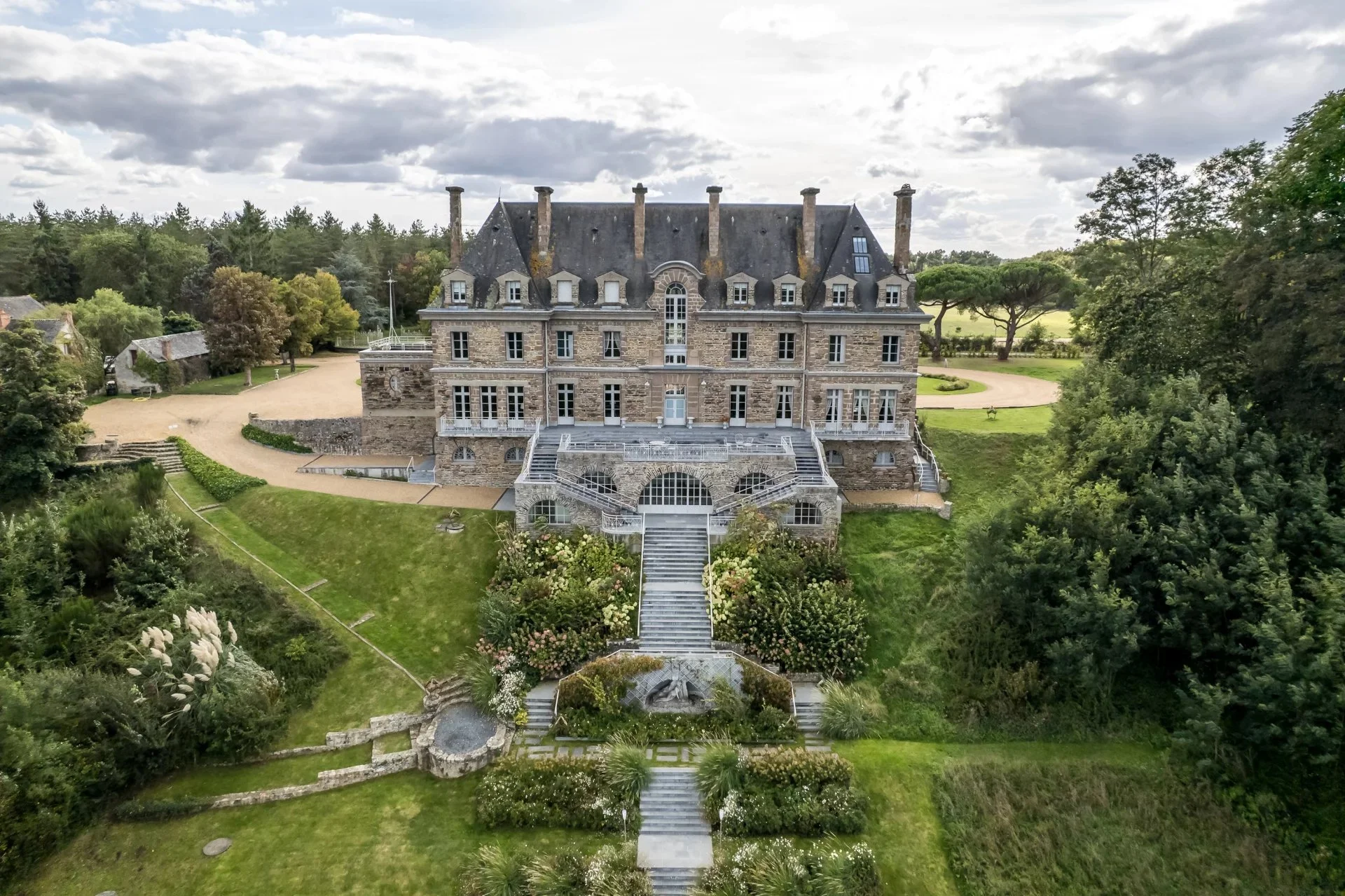
A pink-granite château completed in the early 1930s for the Cointreau family—one of France’s leading liqueur houses—has come to market in the Loir Valley, listed with John D Wood & Co. at €3,990,000.
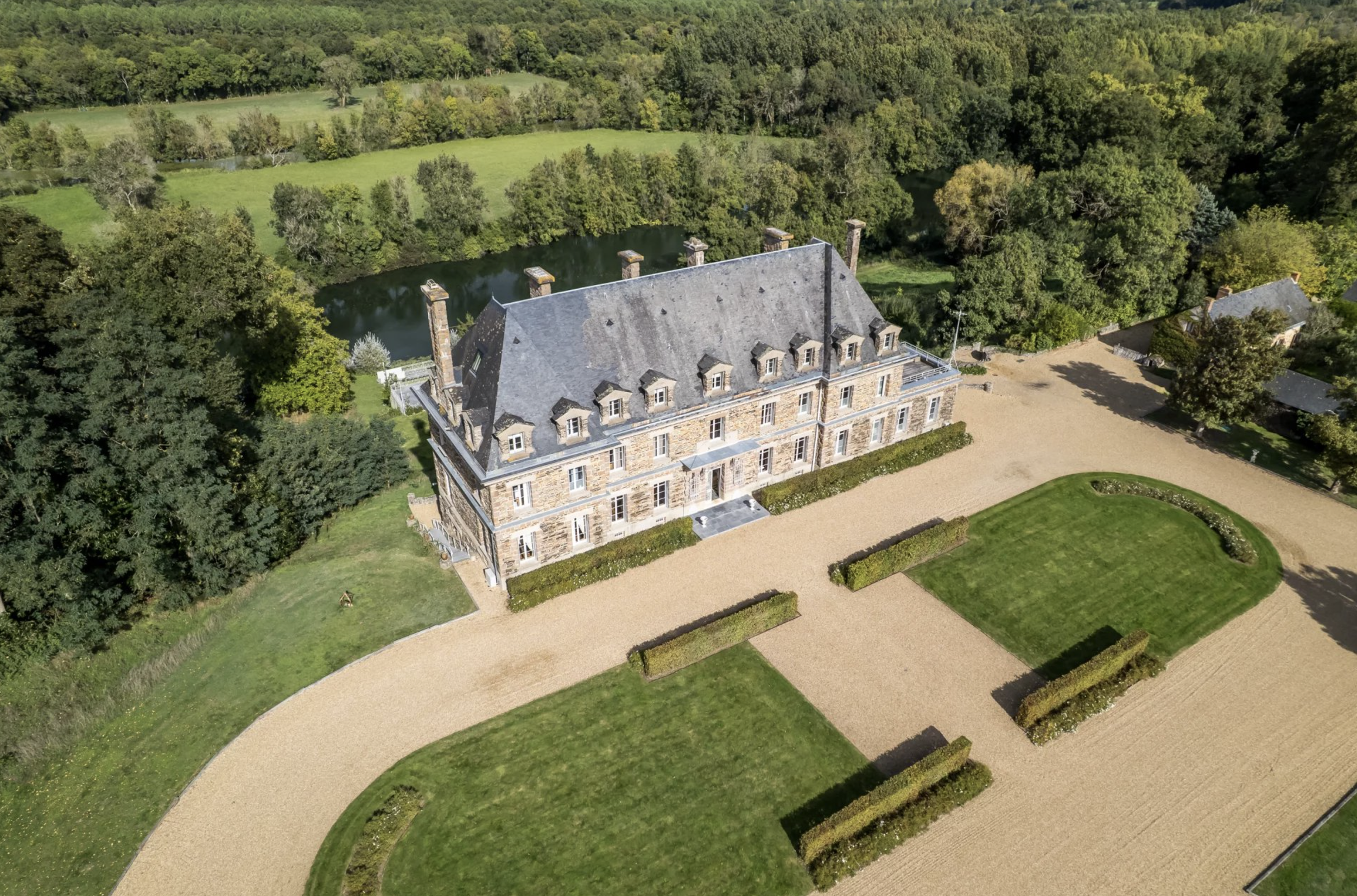
The château is set above the banks of the Loir River in historic Anjou—not to be confused with the Loire Valley.
Known as La Richardière, the house was commissioned by Louis Cointreau, a descendant of the family behind the orange-liqueur maker Cointreau, at a point when Cointreau was already a globally recognised, privately held liqueur house.
Set above the Loir River in the village of Montreuil-sur-Loir, in Maine-et-Loire, the château lies within historic Anjou, the region where the Cointreau family originated. Approximately 250 kilometres (155 miles) from Paris by road, it sits in the Loir Valley—a distinct river valley separate from the Loire, though part of the wider Loire basin.

LOIR, NOT LOIRE
The Loire Valley follows France’s longest river and is a nationally recognized cultural region, famous for its châteaux and UNESCO status.
The Loir Valley, named after the smaller Loir River, runs roughly 50–70 km to the Loire’s north—about an hour’s drive—and is far quieter, more rural, and less formal, known mainly for its small towns, gentle landscapes, and discreet wine appellations.
Domaine La Richardière
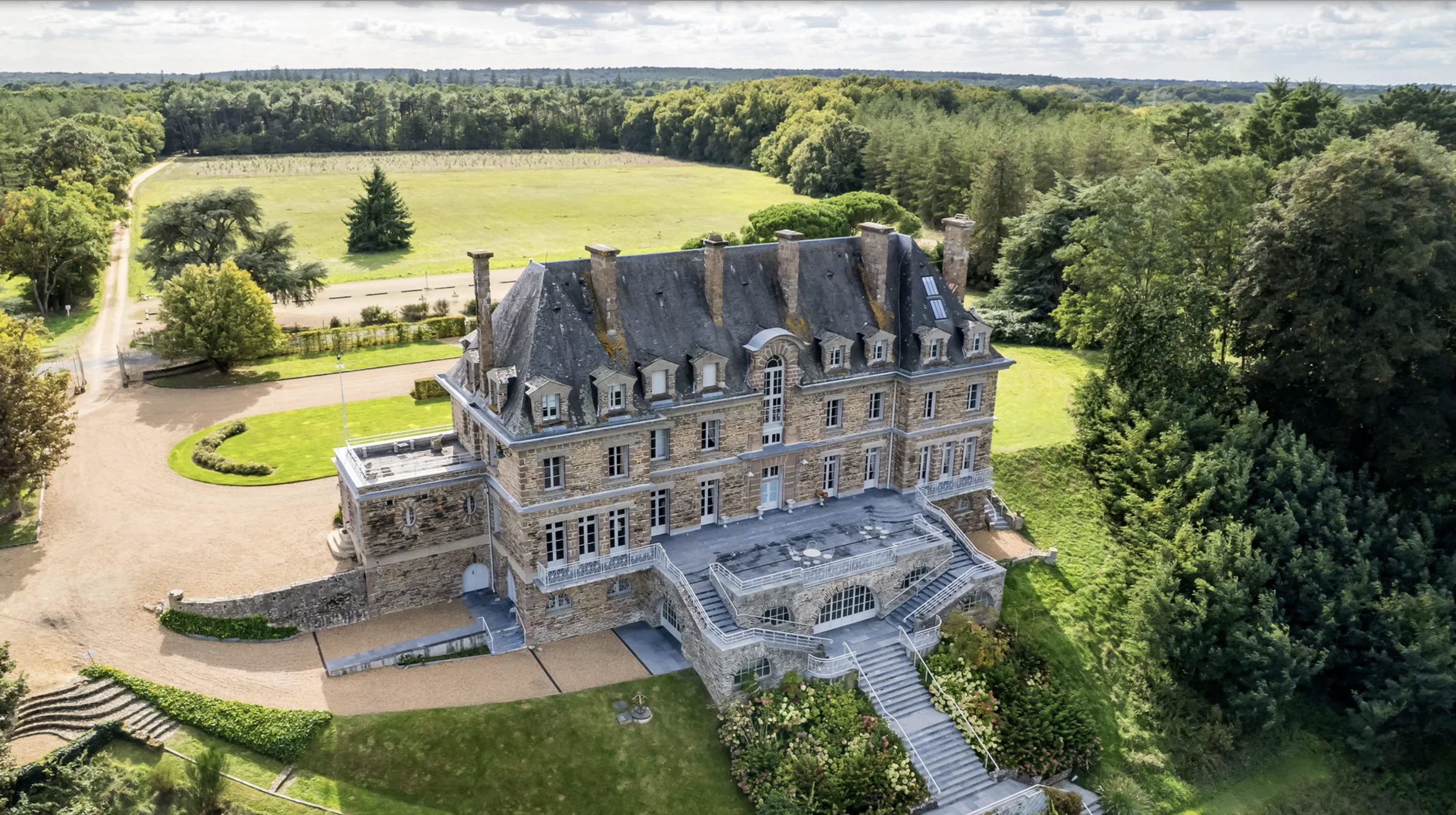
Constructed between the late 1920s and early 1930s, Domaine La Richardière occupies an elevated position overlooking the river valley. Its siting, materials, and layout reflect an interwar approach to country-house design that combined formal tradition with modern construction and an emphasis on hospitality.
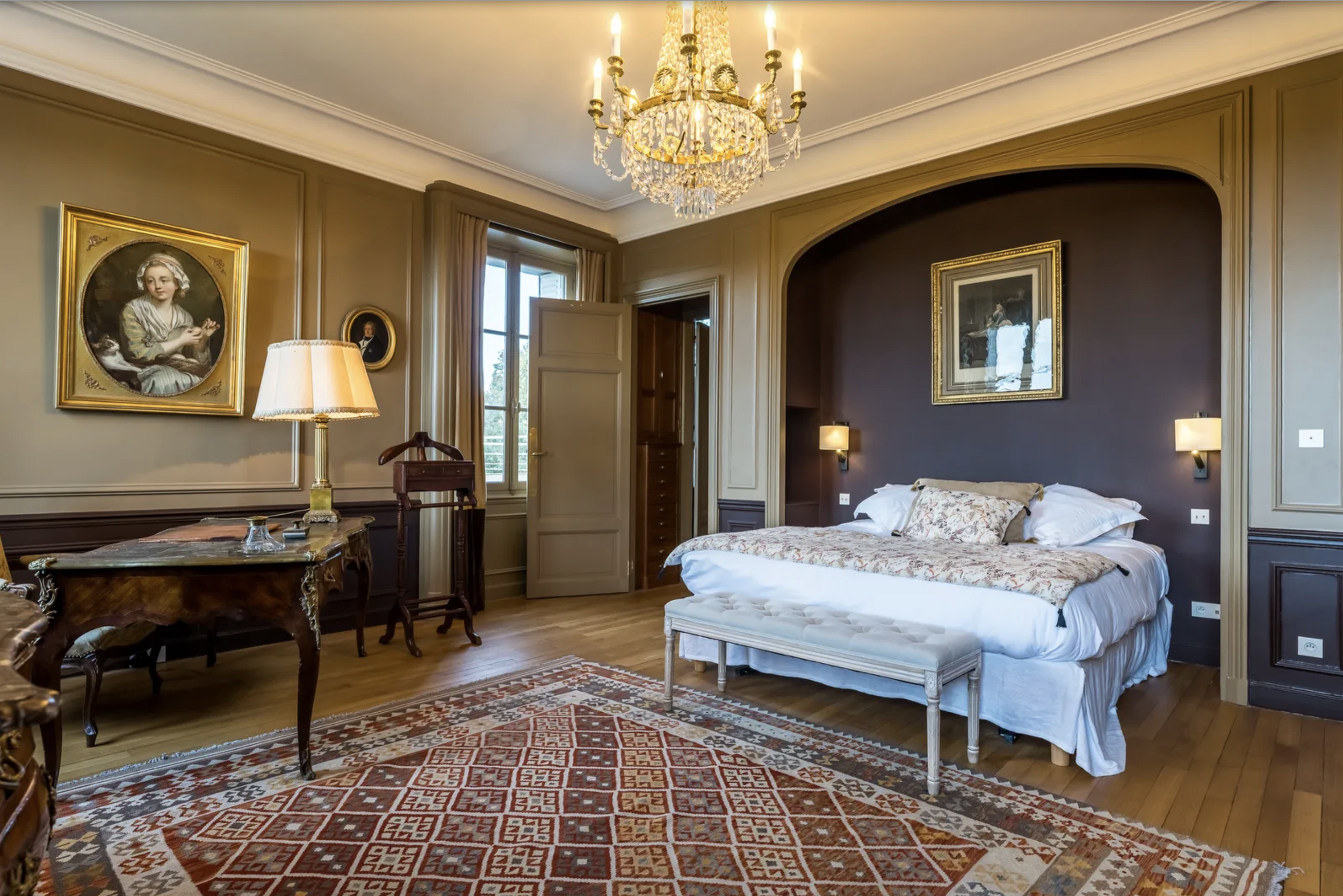
Ownership remained within the Cointreau family for several generations. In the late 2010s, members of the sixth generation undertook a comprehensive restoration, completed around 2018–2019, updating structure and services while preserving original materials and spatial relationships. Since then, the château has occasionally been used for private gatherings and cultural events, continuing the role it was built to serve. The identity of the original architect has not been conclusively documented in public records, though the family’s close involvement in shaping the programme of the house is well established. Hospitality, circulation, and views over the valley took priority over any agricultural function.
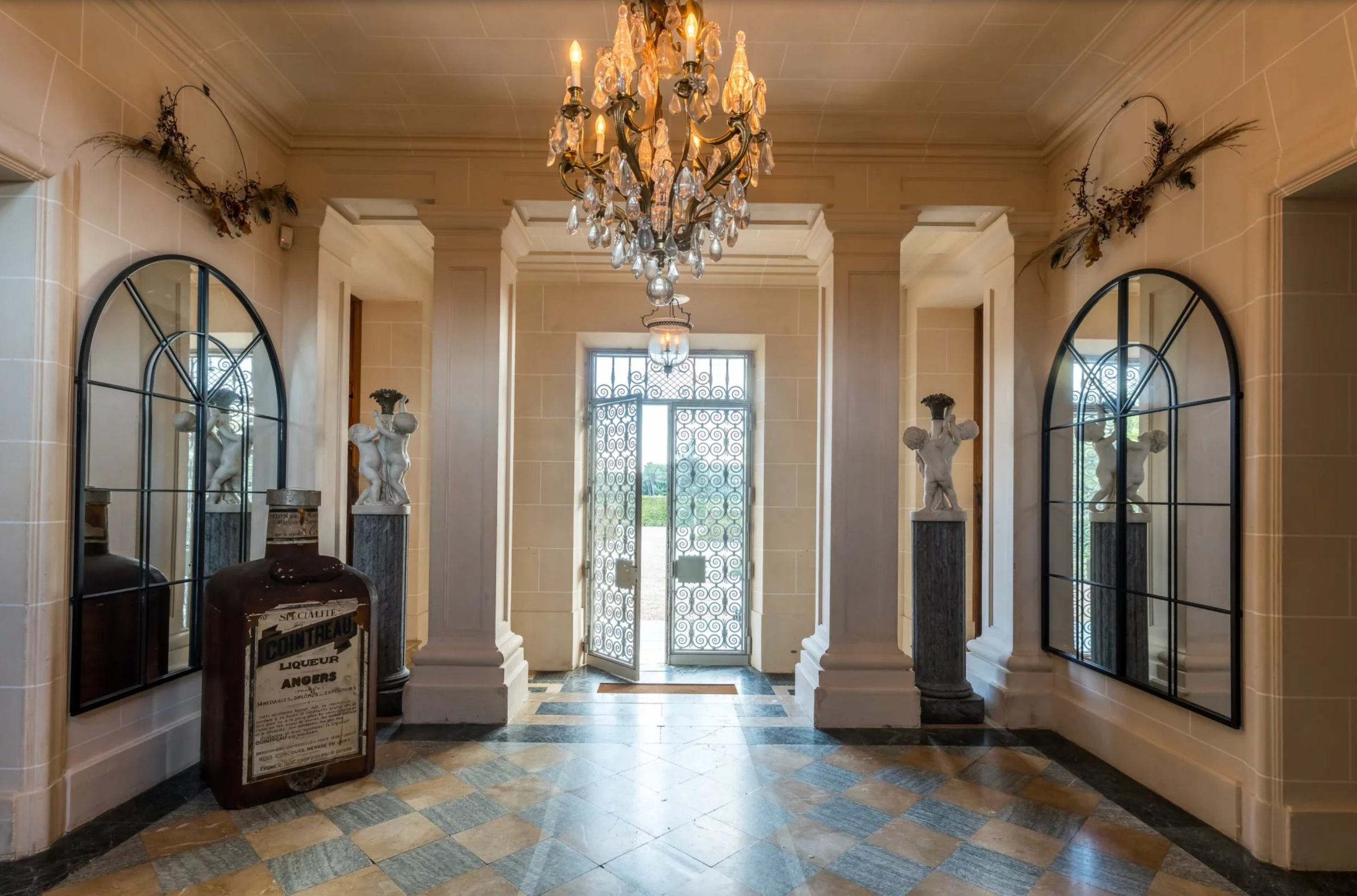
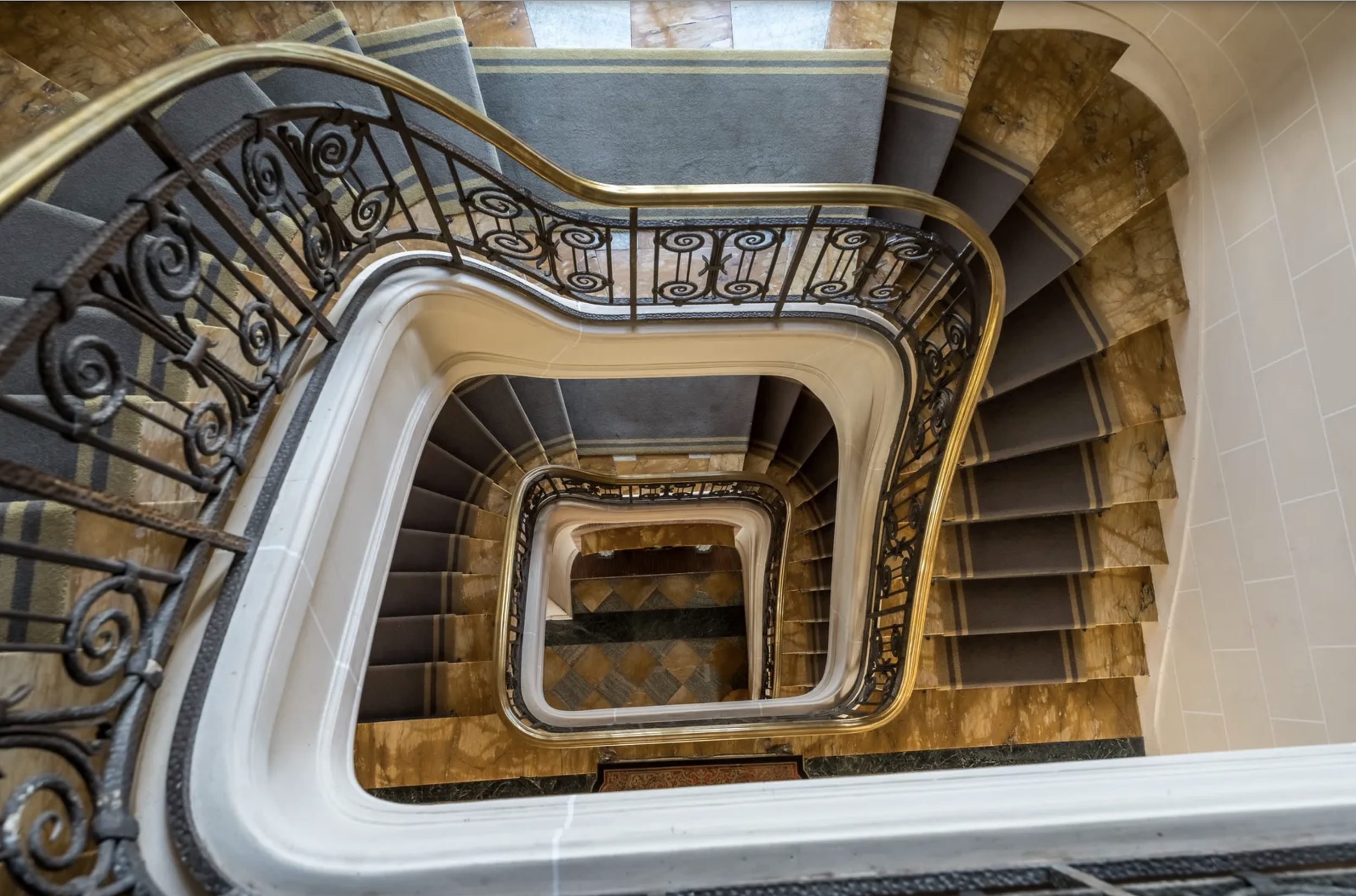
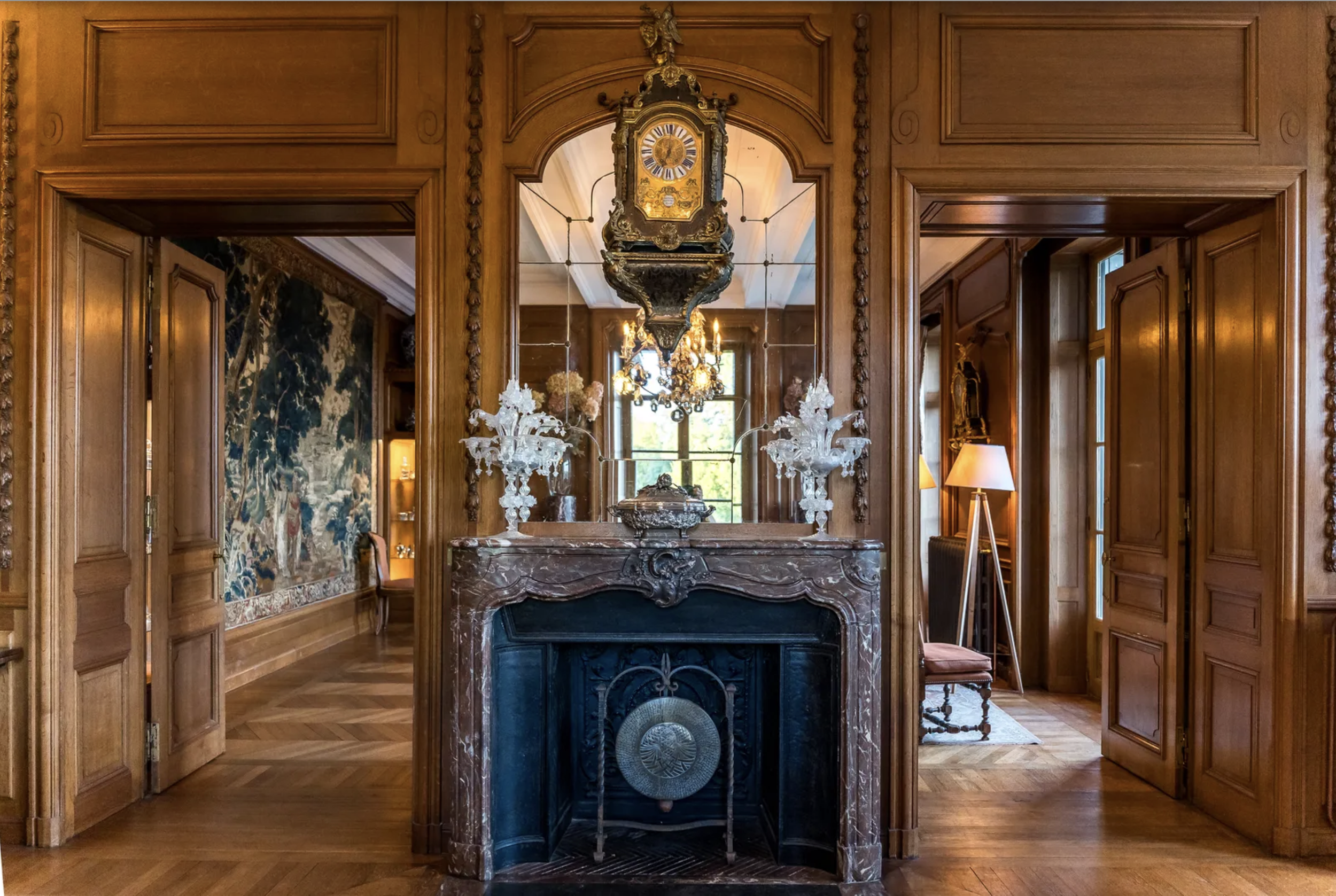
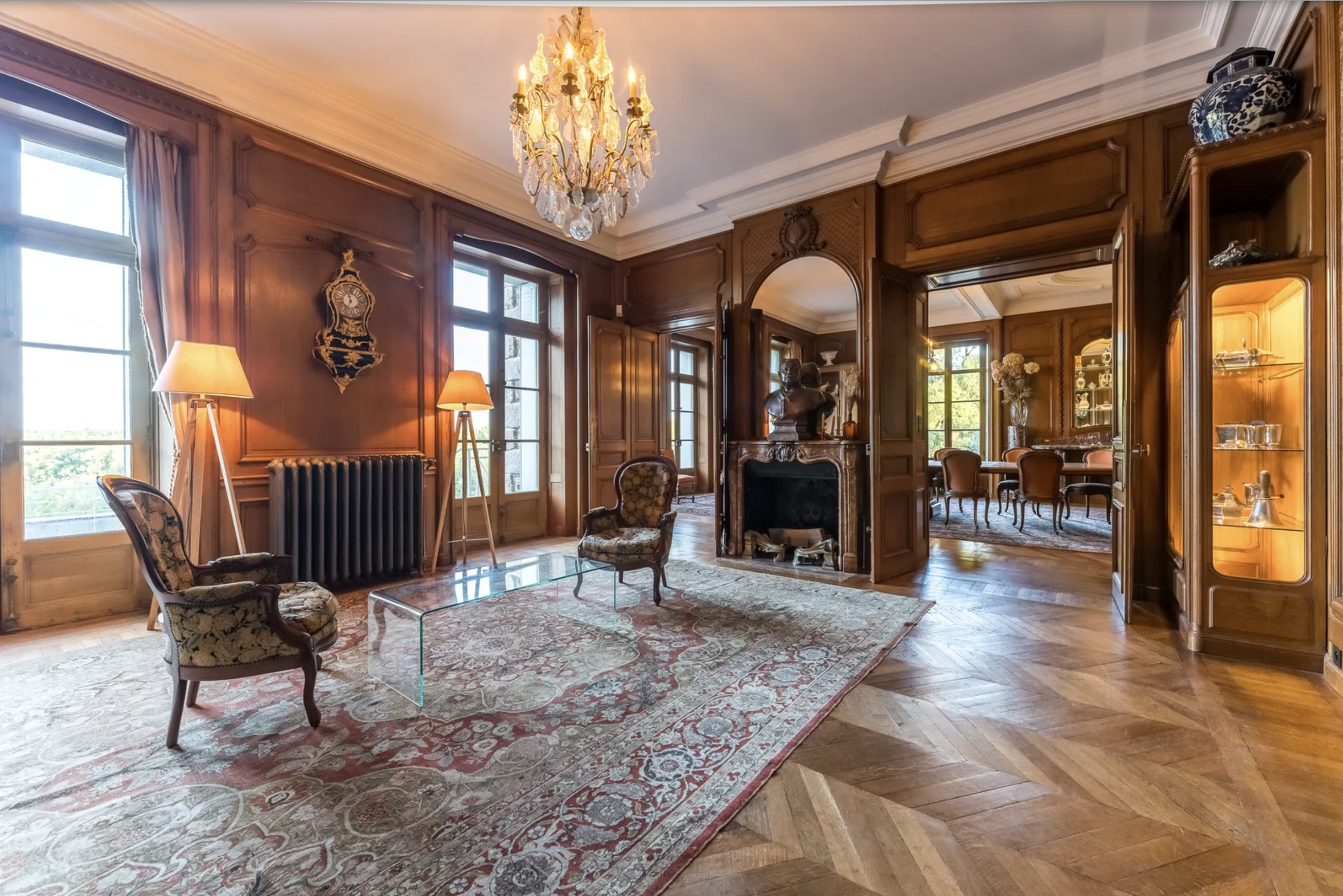
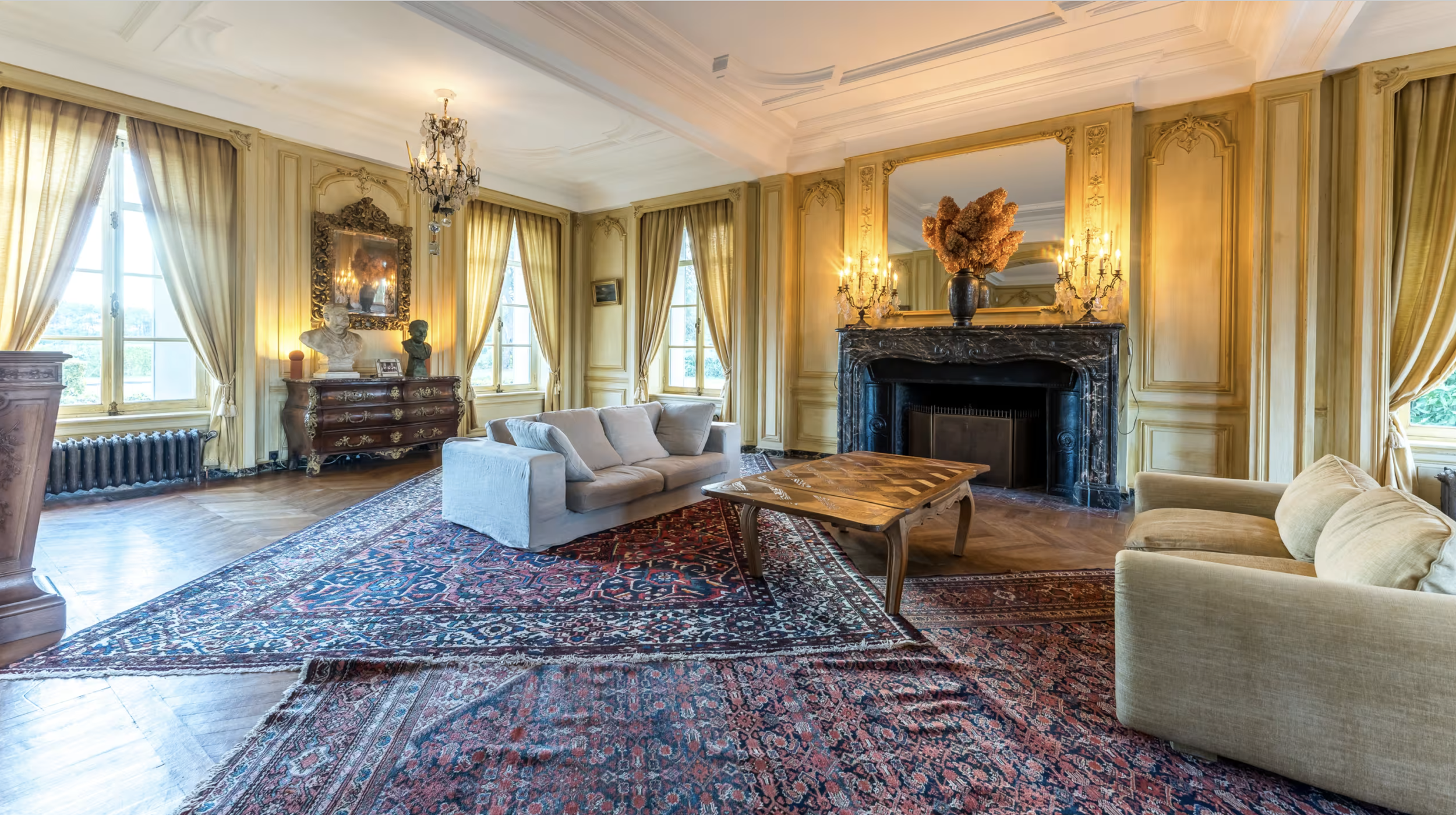
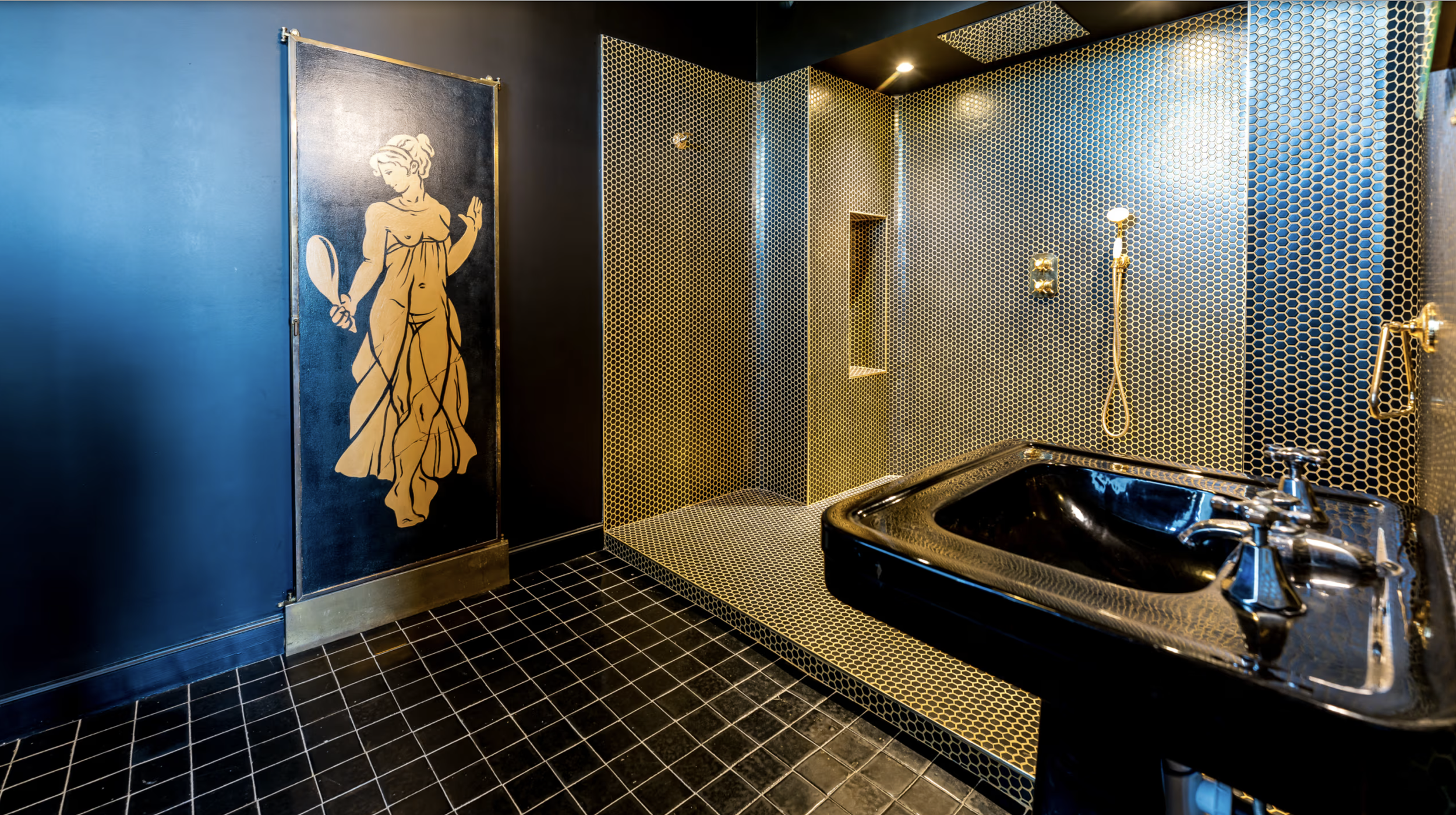
The residence totals approximately 931 square metres (around 10,000 square feet), arranged over multiple floors, with 12 bedrooms and 12 bath and shower rooms. A marble entrance hall anchors the plan, opening onto a sequence of reception rooms that include a large salon, a dining room designed to seat around twenty-four guests, and a smoking room—an expected feature in upper-class French houses of the period.
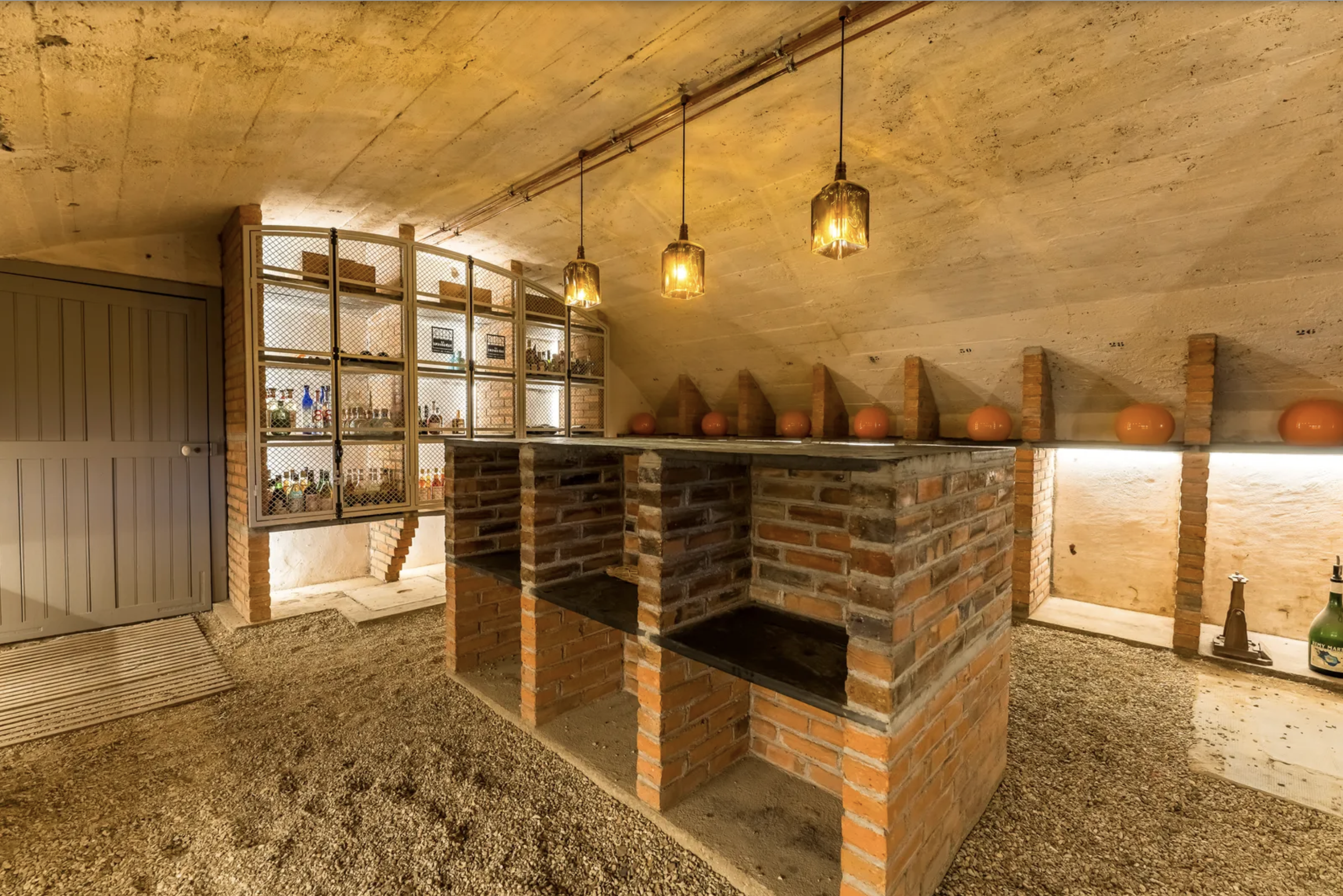
Below ground, a vaulted cellar originally used for storing family liqueurs has since been adapted as a tasting room. An orangerie extends the main reception spaces into the landscape, reinforcing the house’s role as a place designed for entertaining rather than agricultural production. Pink granite paired with Anjou schist and reinforced concrete—signals contemporary building methods. Reinforced concrete was still relatively uncommon in domestic country houses when construction began.
The Cointreau Story
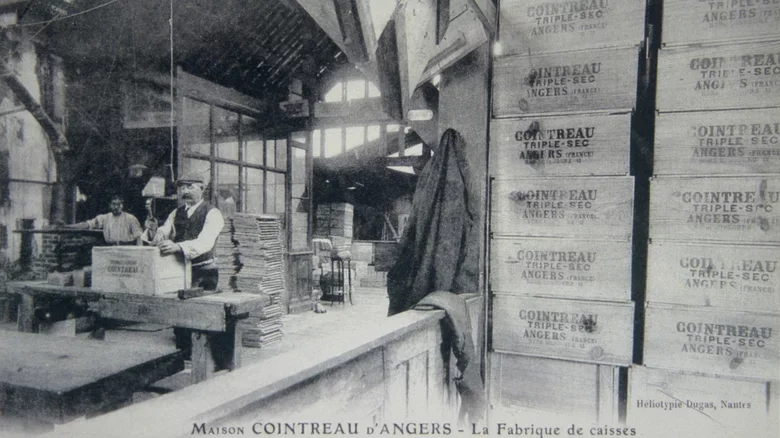
The Cointreau story began not in distilling, but in confectionery. In early-19th-century Angers, the family operated a bakery and sweets business, working with sugar and fruit at a time when preservation and flavour were closely linked trades. That background proved decisive.
In 1849, brothers Adolphe and Édouard-Jean Cointreau expanded the family business into fruit-based liqueurs. One of their early commercial successes was the Guignolet, a traditional cherry liqueur with medieval origins, long produced in western France from guigne cherries. Although Cointreau no longer produces Guignolet, it can be found widely across France and is had as an aperitif.
The Cointreau Guignolet sold well and helped finance further experimentation. Strawberry, plum, and orange were all tested as the family searched for a product that could stand apart.
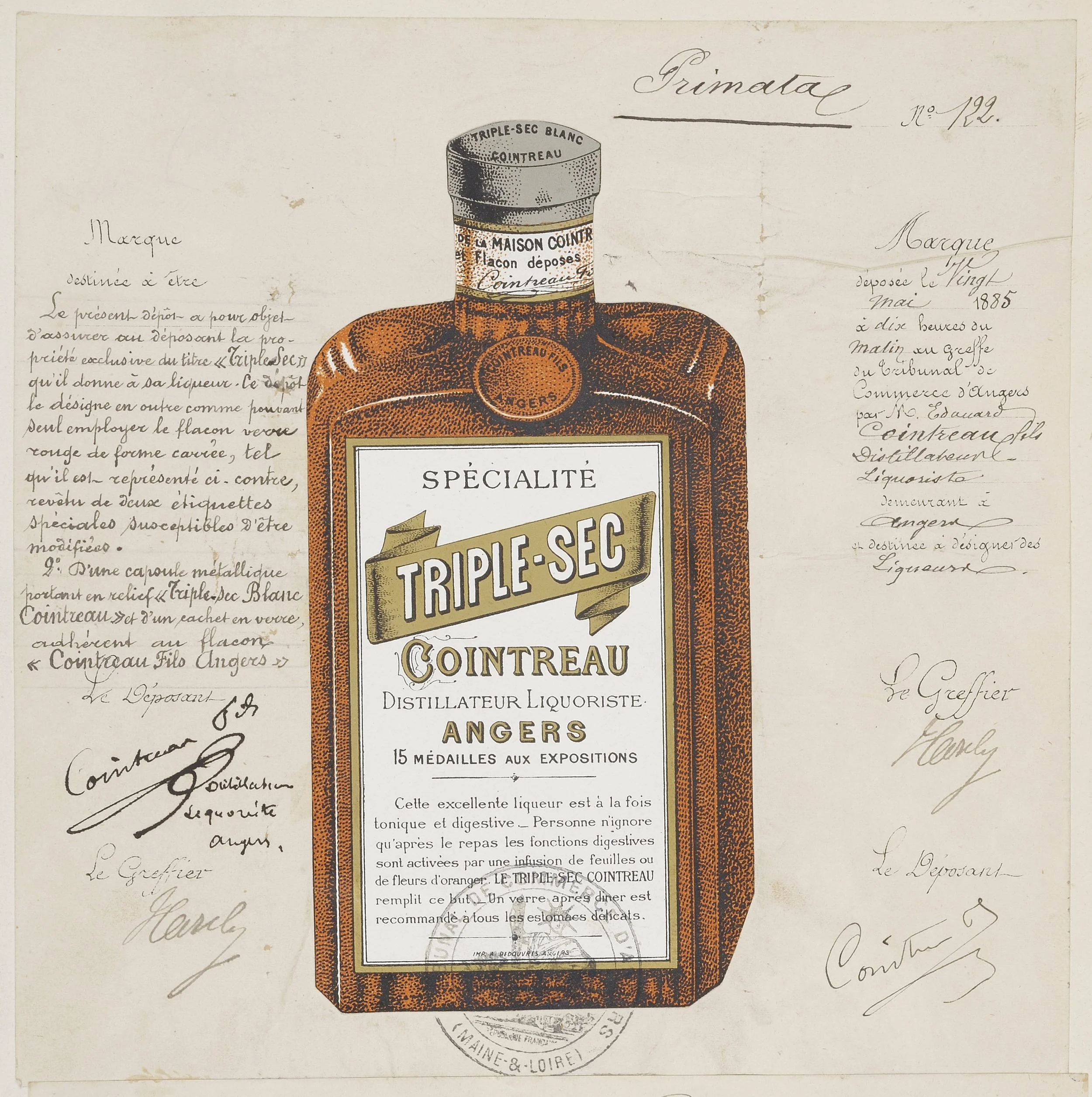
The breakthrough came in 1875, Cointreaucreated their version of triple-sec. The liqueur distinguished itself not only by taste but by presentation: the square bottle, designed to be immediately recognizable, set it apart in a crowded market.
What is Cointreau?
Cointreau is an orange-flavoured liqueur first sold in 1875 and produced in Saint-Barthélemy-d’Anjou near Angers. Made from a blend of sweet and bitter orange peels, it is consumed as both an apéritif and digestif and is a key ingredient in classic cocktails including the Cosmopolitan. Today, the brand forms part of the Rémy Cointreau group and is distributed globally.
From that point, Cointreau moved beyond regional production. Exports expanded, the brand embedded itself in international cocktail culture, and the business grew into one of France’s most recognisable privately held liqueur houses. By the early 20th century, it occupied a rare position: family-owned, globally distributed, and closely associated with visual culture and advertising.
From an early stage, the family understood that success in spirits depended as much on image as on production. By the late 19th century, Cointreau had brought advertising in-house, commissioning artists and tightly controlling its visual identity at a time when few producers treated branding as a strategic asset. The Pierrot figure introduced in early poster campaigns became one of the most recognisable images in European spirits advertising, extending the brand’s visibility well beyond France.
Cointreau was also an early adopter of emerging media. In the late 1890s, just a few years after motion pictures first appeared in public exhibition, the company commissioned a short filmed piece featuring Pierrot—often cited as one of the earliest examples of advertising created specifically for cinema. It positioned the brand at the forefront of a medium still in its infancy.
By the interwar period, Cointreau’s packaging had become so familiar that it circulated far beyond commercial settings. One documented episode from the early 1940s records that a wooden case of Cointreau bottles was used, without the family’s knowledge or involvement, to conceal an explosive device in a failed assassination attempt on Adolf Hitler. The plot, organised by German resistance figures, ultimately failed due to a malfunction, but the incident has since been cited as an illustration of how ubiquitous and unremarkable the brand’s packaging had become across Europe at the time.
That level of cultural saturation was the product of decades of deliberate image-making. Long-running collaborations with artists such as Jean-Adrien Mercier helped define Cointreau’s visual language in the early 20th century—the same period in which La Richardière was conceived—linking the château directly to a moment when the family’s domestic life, commercial success, and public image were closely aligned.
In 1990, the family business merged with Rémy Martin to form Rémy Cointreau, transitioning from sole family ownership into a publicly traded group while family members remained closely associated with its heritage and stewardship. La Richardière itself, however, remained a private family holding long after, preserving a tangible link between domestic life and commercial legacy.
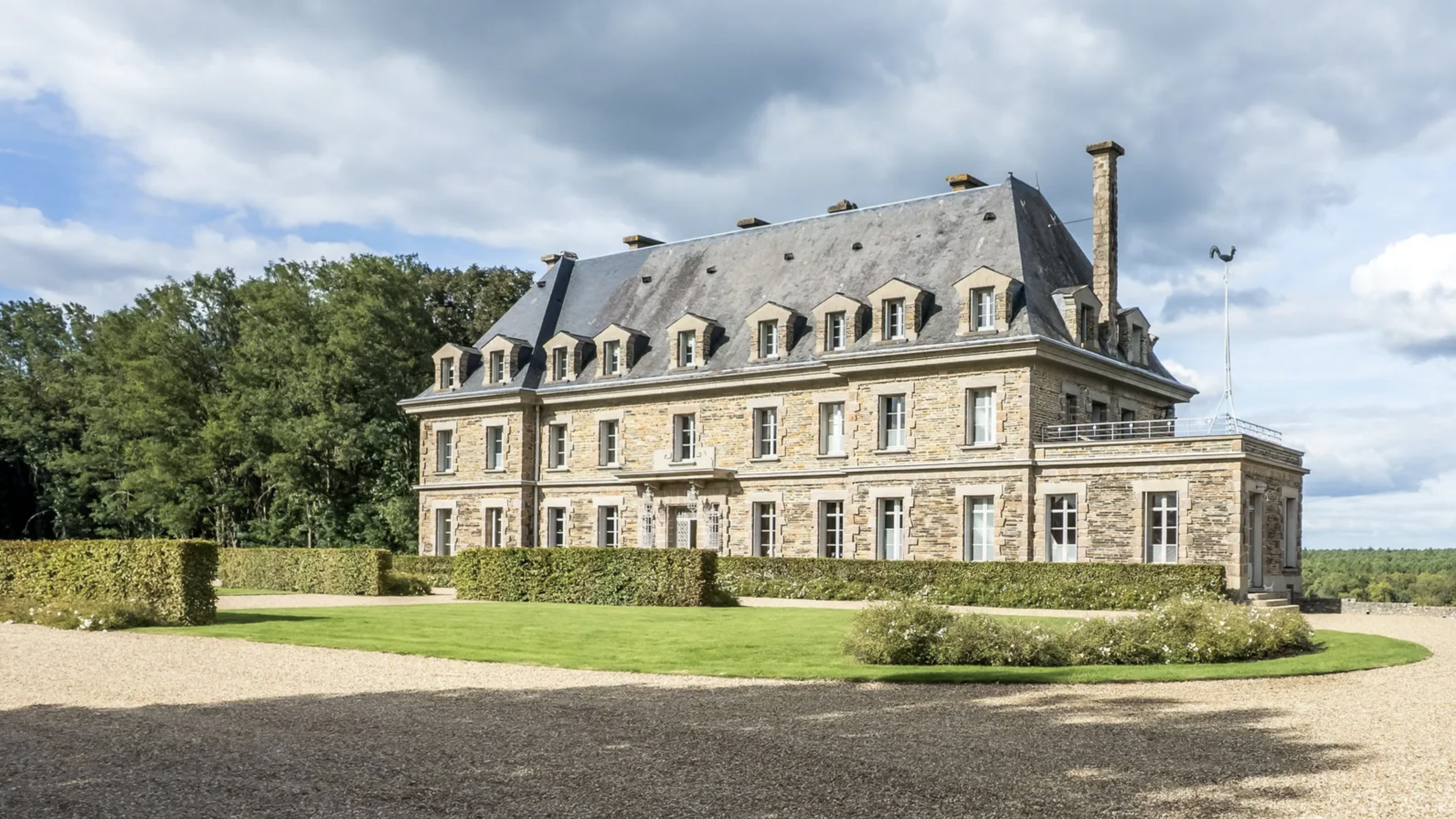
The property offers views across the 500 acres of the Boudré Forest.
The château’s grounds descend toward the Loire River and include terraces, mature trees, and access to the water, with a boathouse positioned along the riverbank. The property looks toward the Forêt de Boudré, a protected woodland, and sits within the wider landscape of the Basses Vallées Angevines, an area recognised for its river systems and wetlands rather than monumental tourism.
Montreuil-sur-Loir remains a small rural commune shaped historically by river transport, forestry, and estate landholdings. It is a quieter corner of the Loire, closer in character to private country life than to the region’s more heavily visited château corridors.
All photographs belong to the listing agency.