
A 16th-Century Private Mansion in the Medieval Core of Grignan Lists for €930,000
Bedrooms: 4 Bathrooms: 3 Interior: 440 m² / 4,736 sq ft Levels: 5
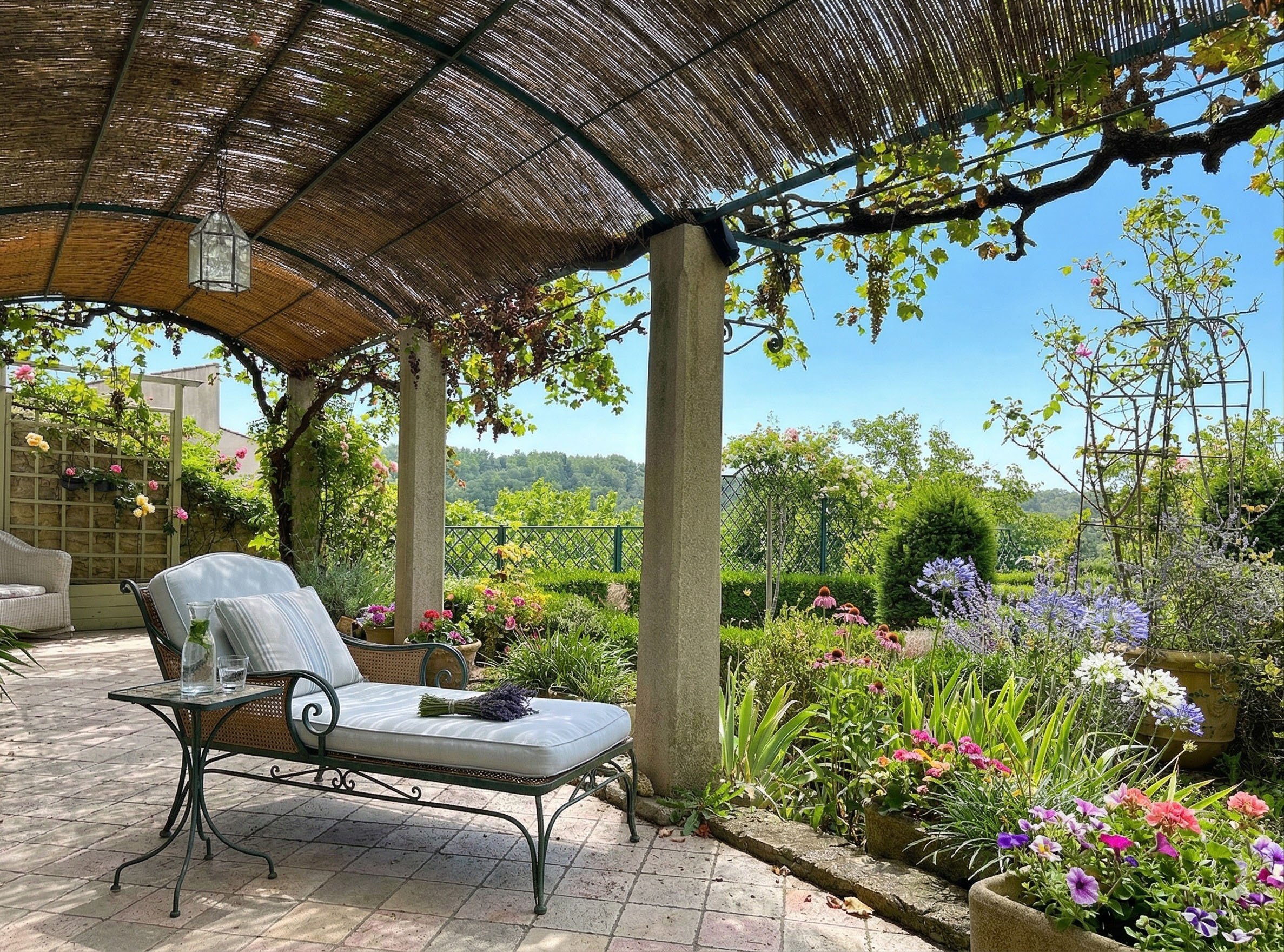
Amenities: Elevator; double garage; private garden; independent studio; vaulted stone rooms; Renaissance fireplace; Versailles parquet flooring; terracotta tile floors; vine-covered arbor; countryside and church views.
The property is listed with Emile Garcin for €930,000 (~$1,081,000). Located in the hilltop village of Grignan in the Drôme Provençale region of southern France, the property sits roughly halfway between Lyon and Marseille, about 2 hours north of the Mediterranean coast and within driving distance of Provence, the French Alps, and the Italian border.
The broader Drôme Provençale region sits between Provence, the Rhône Valley, and the foothills of the Alps. The area is known for vineyards, lavender cultivation, olive groves, sunflower fields, and limestone landscapes that share many of the visual characteristics associated with Provence while remaining less densely developed than the Mediterranean coast.
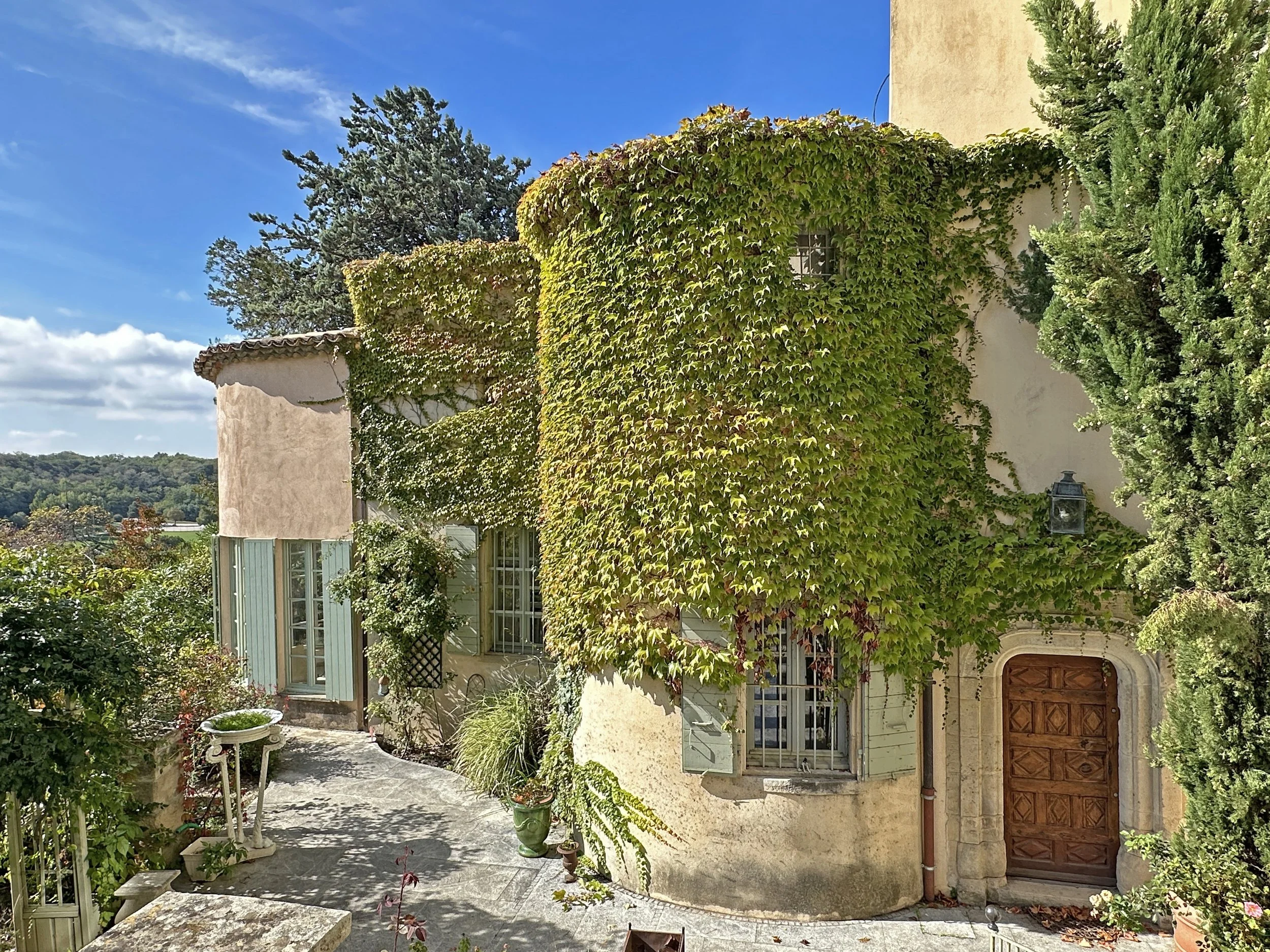
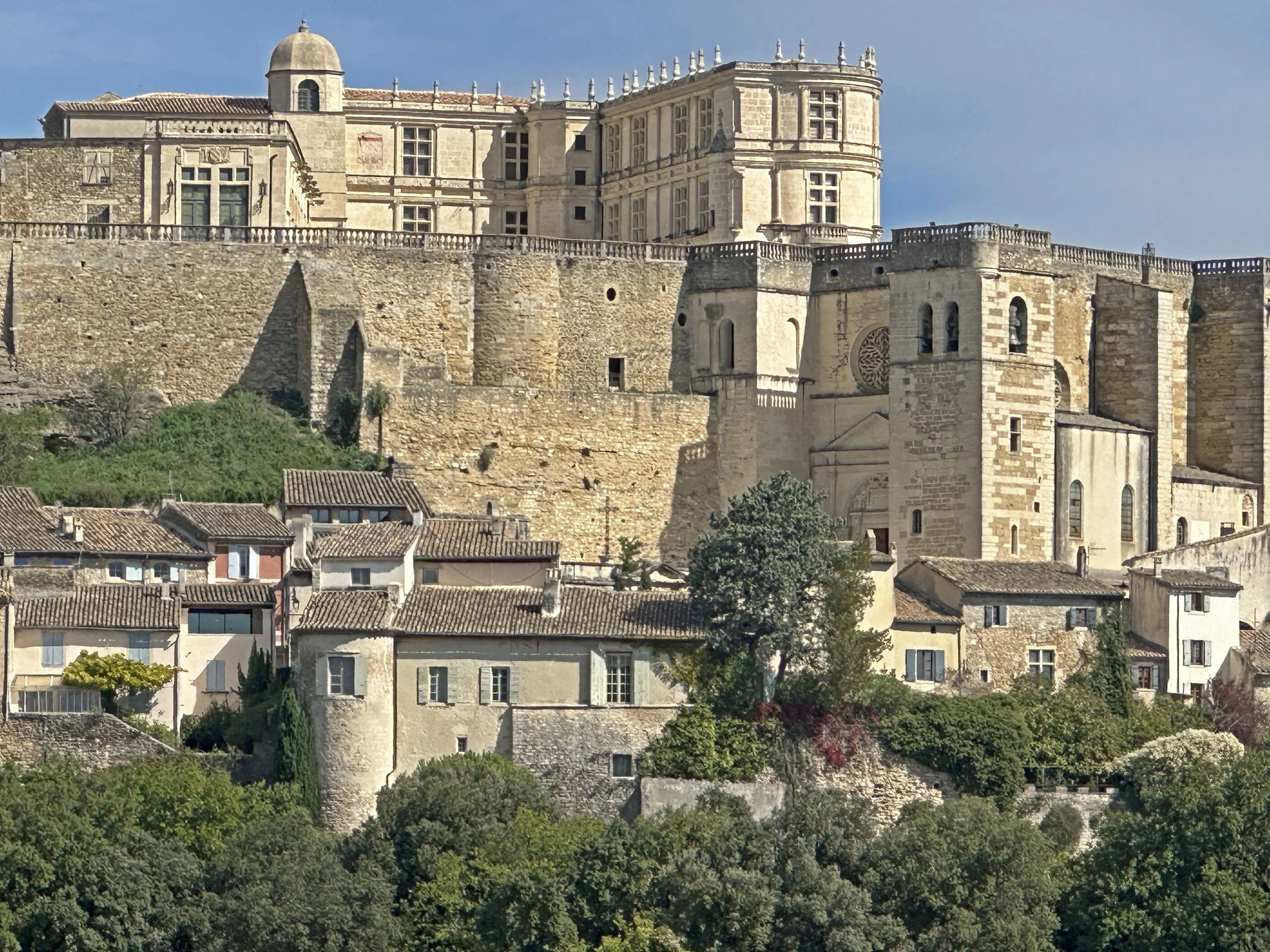
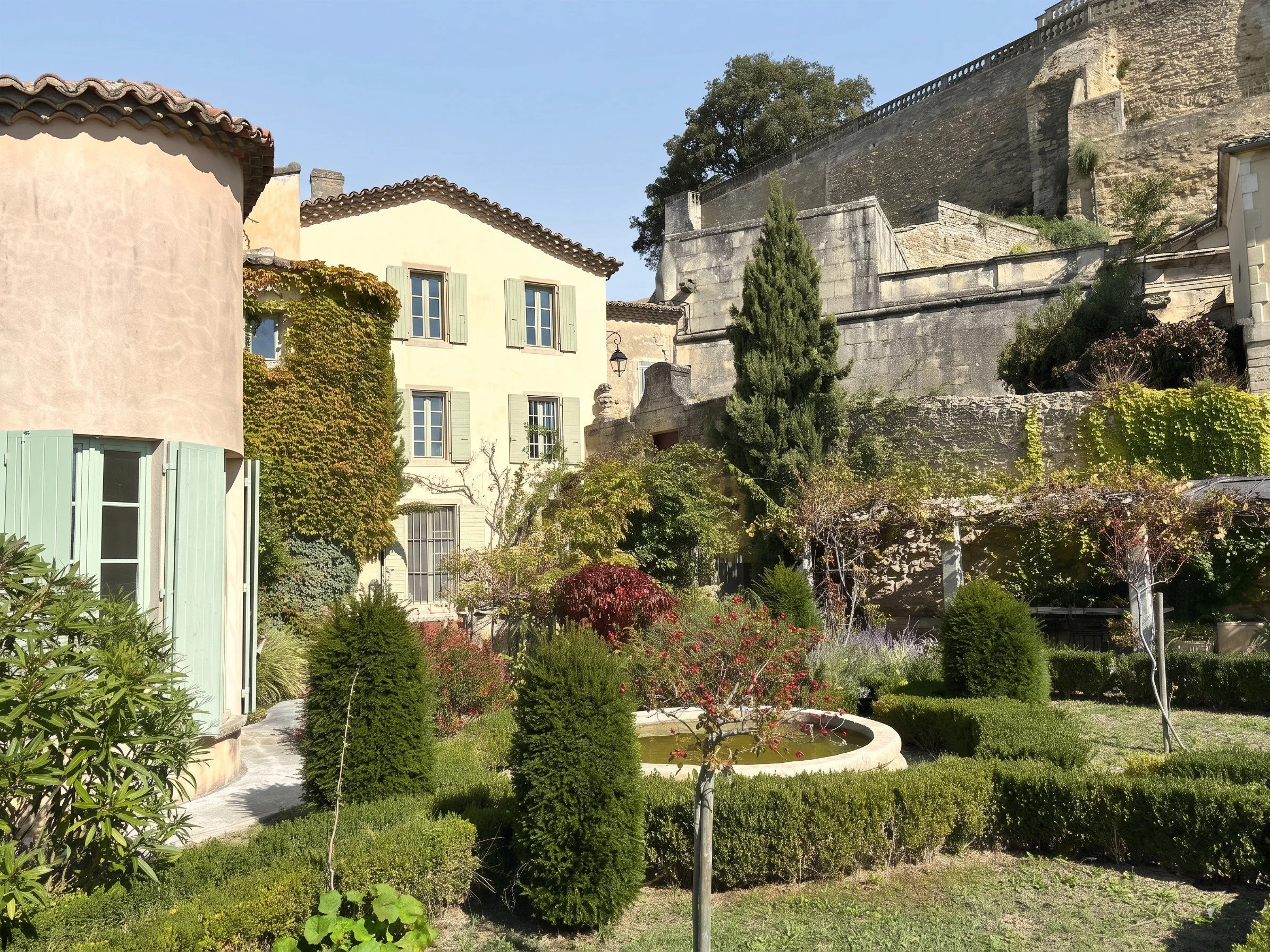
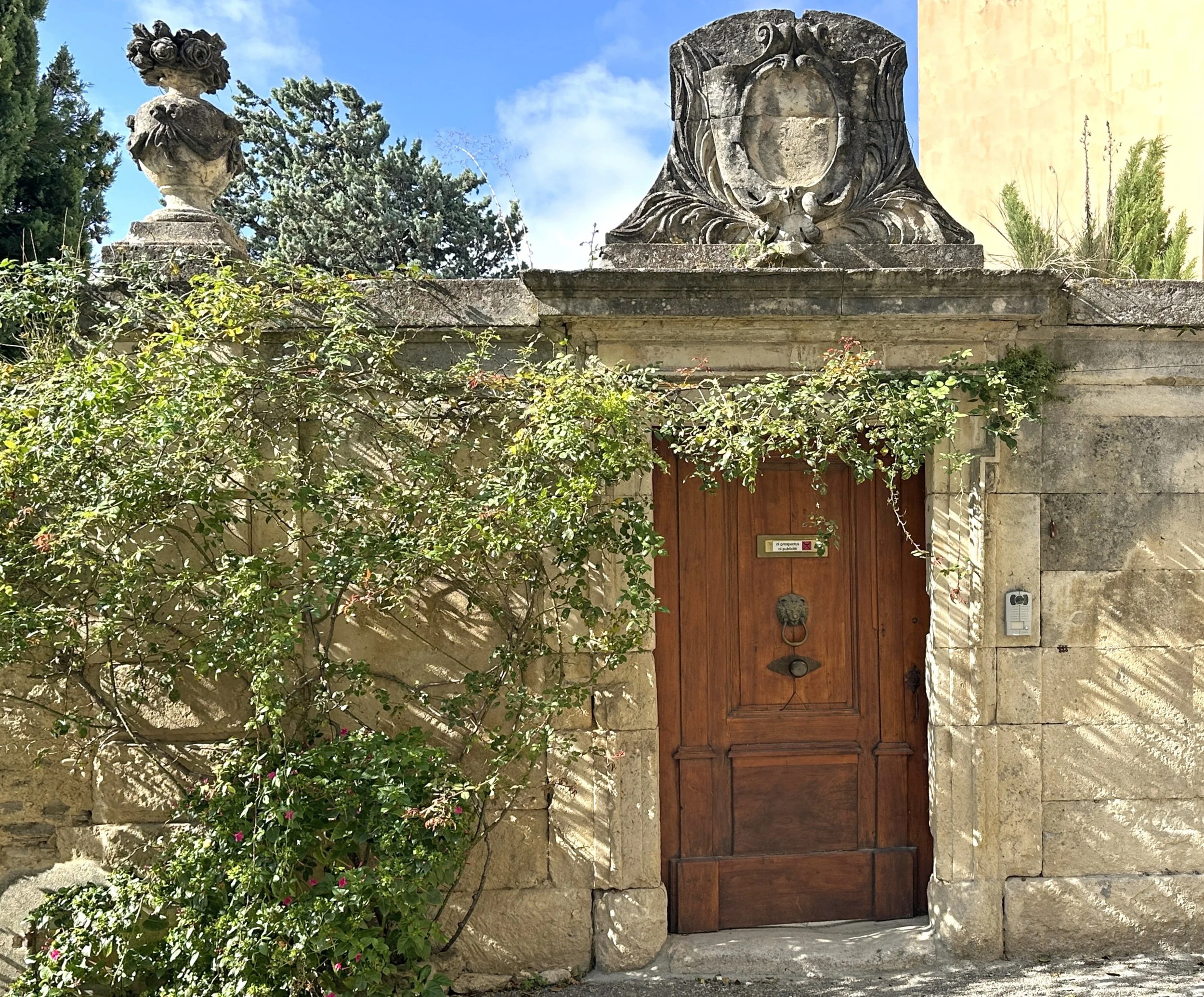
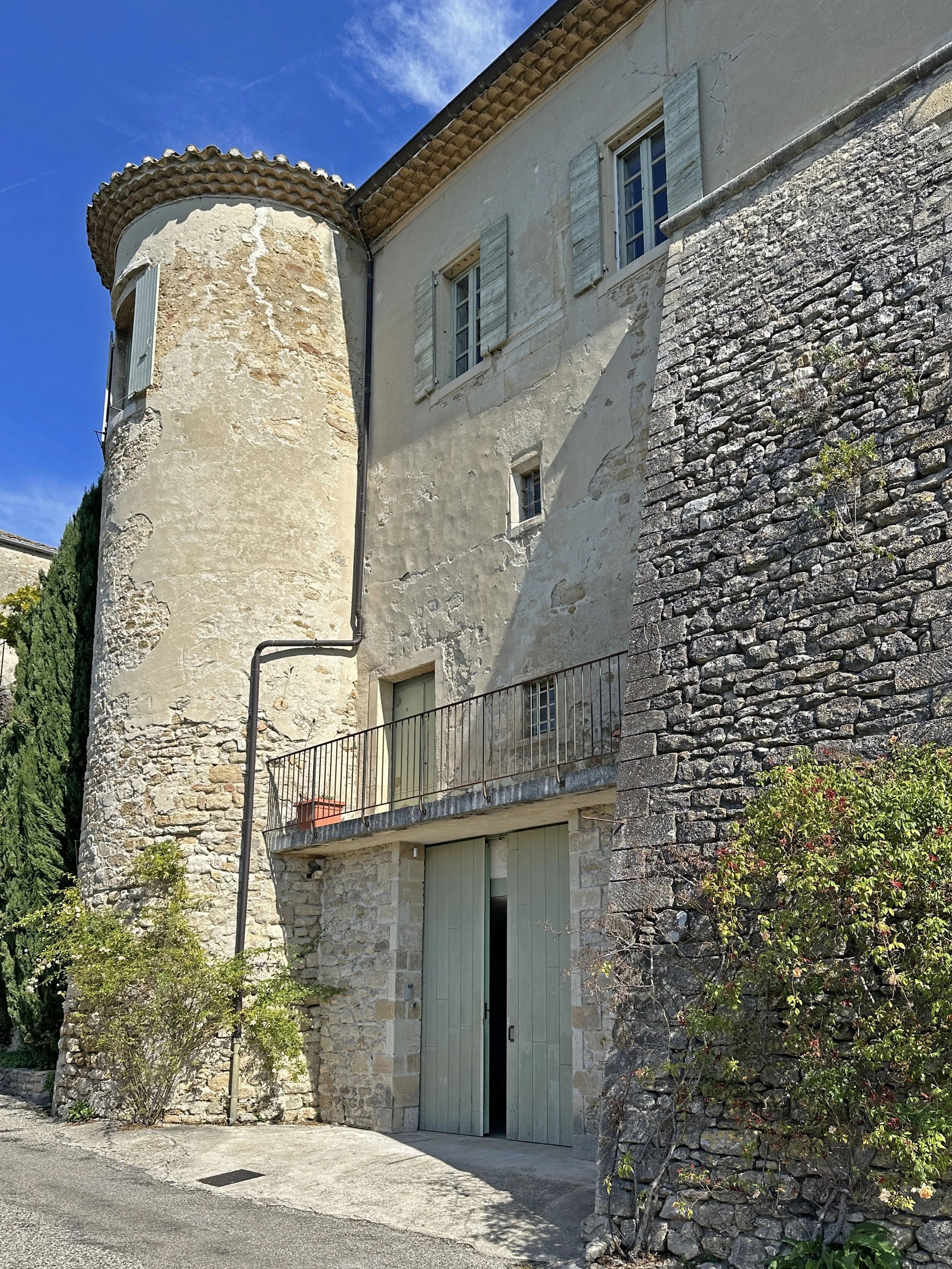
Set within the village’s historic center beneath the Château de Grignan, the residence measures approximately 440 m² / 4,736 sq ft across 5 levels connected by an elevator. The home includes 4 bedrooms, large reception rooms, a private garden, and an integrated garage — an uncommon feature within historic village centers. An independent studio can be detached and rented separately.
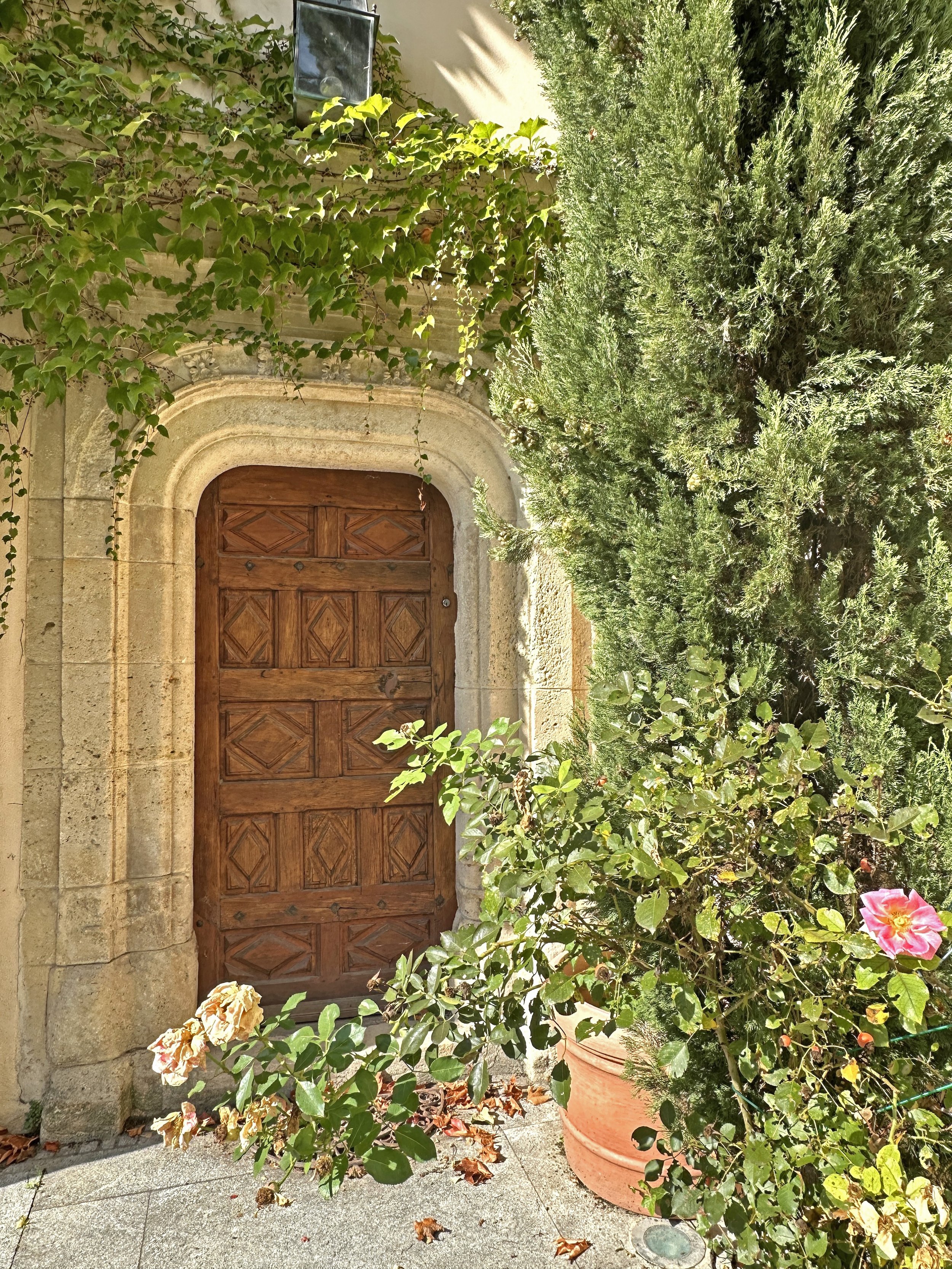
Dating back to the 16th century, the residence was originally known as the Hôtel Gédouin, named after Gédouin, squire and steward to Louis Adhémar, for whom the property was likely built. Over the following centuries, the building passed through several prominent owners connected to the village’s religious and political history, including Jean de Sompi, Abbot of Aiguebelle and Dean of the Chapter of Saint-Sauveur.
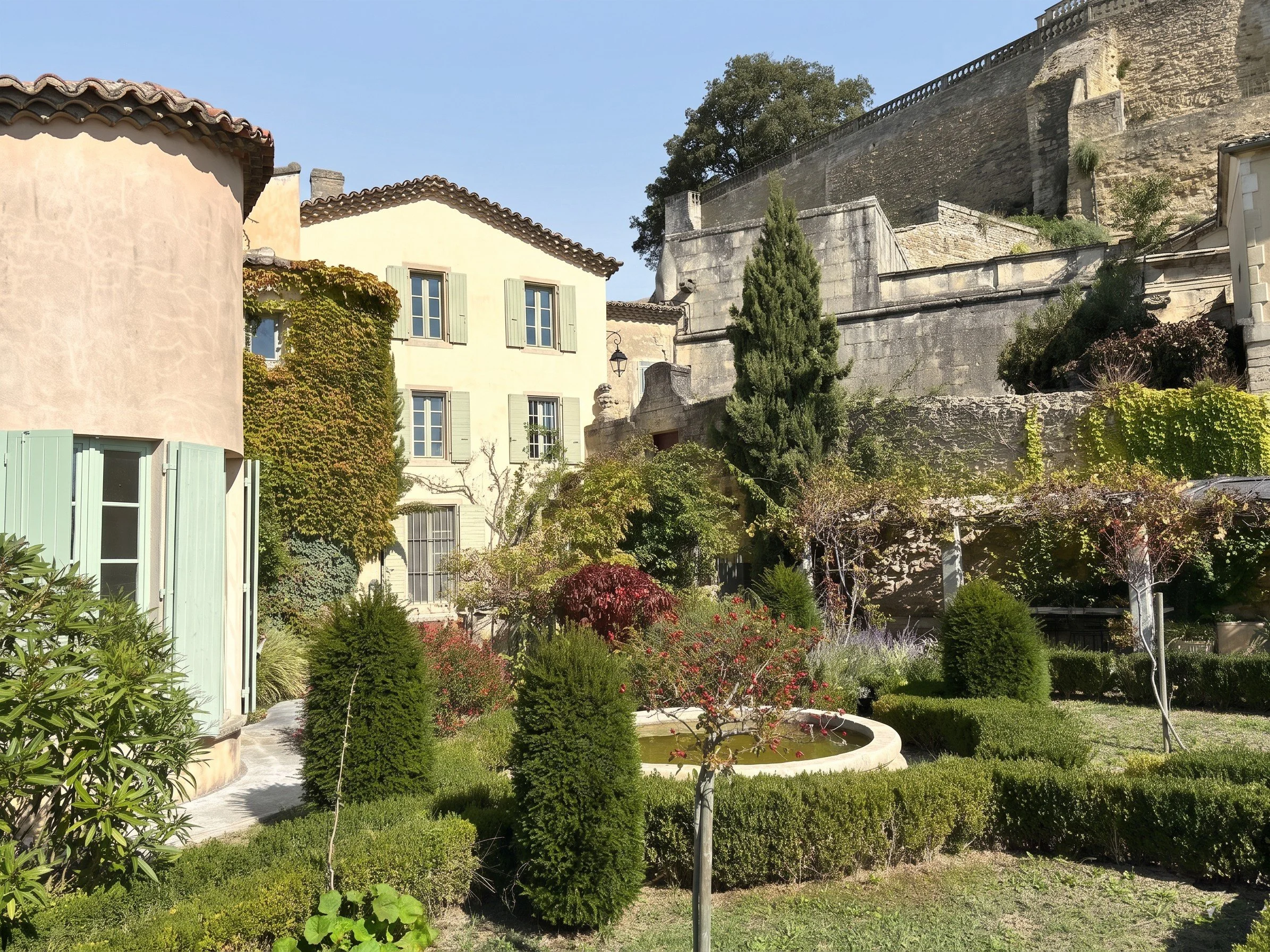
From the early 17th century until the French Revolution, the residence was occupied by the deans of the collegiate chapter of Saint-Sauveur. Following the Revolution, the property was seized and later used as Grignan’s town hall and seat of the local Justice of the Peace before eventually returning to private ownership in the late 20th century.
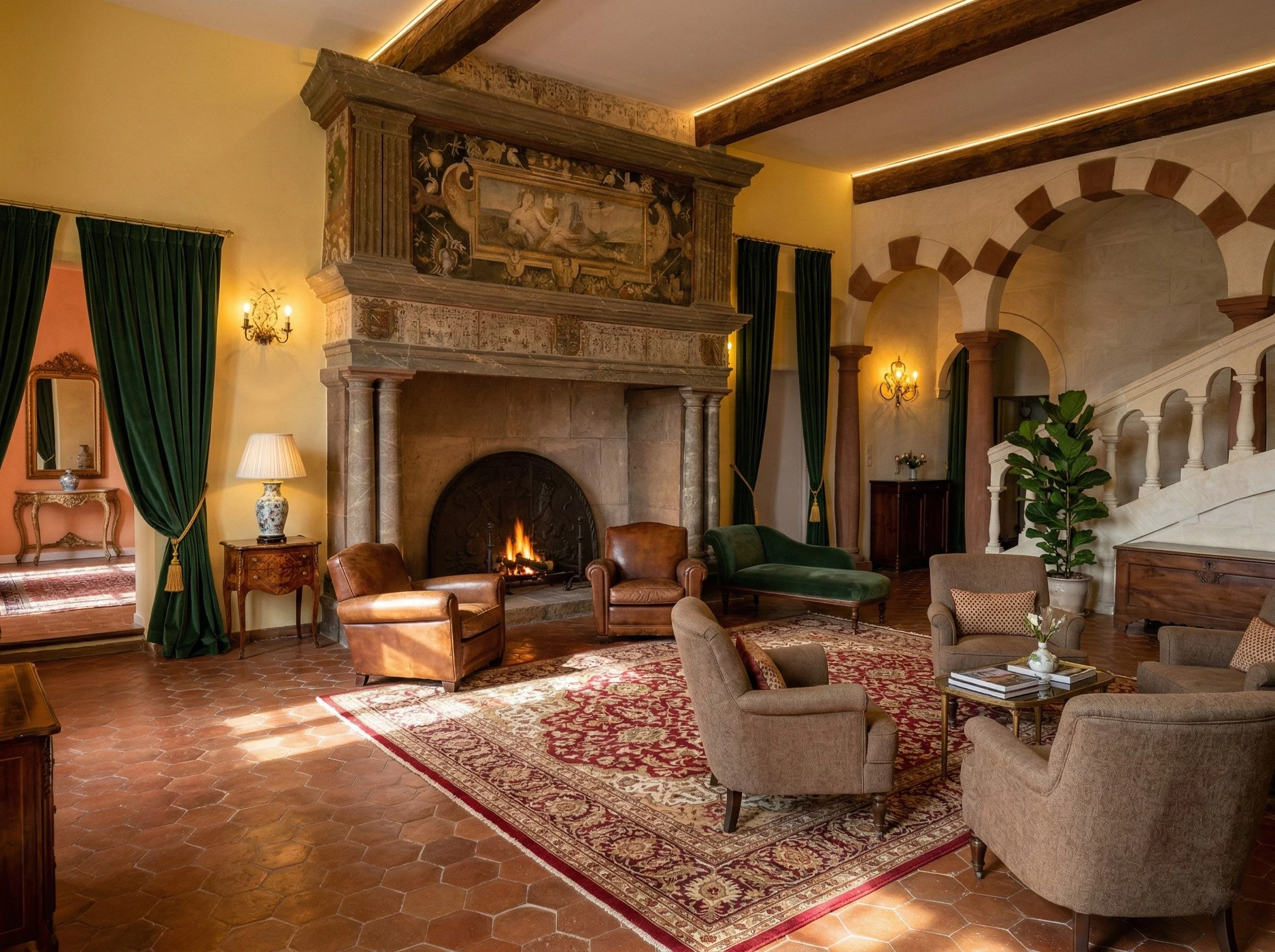
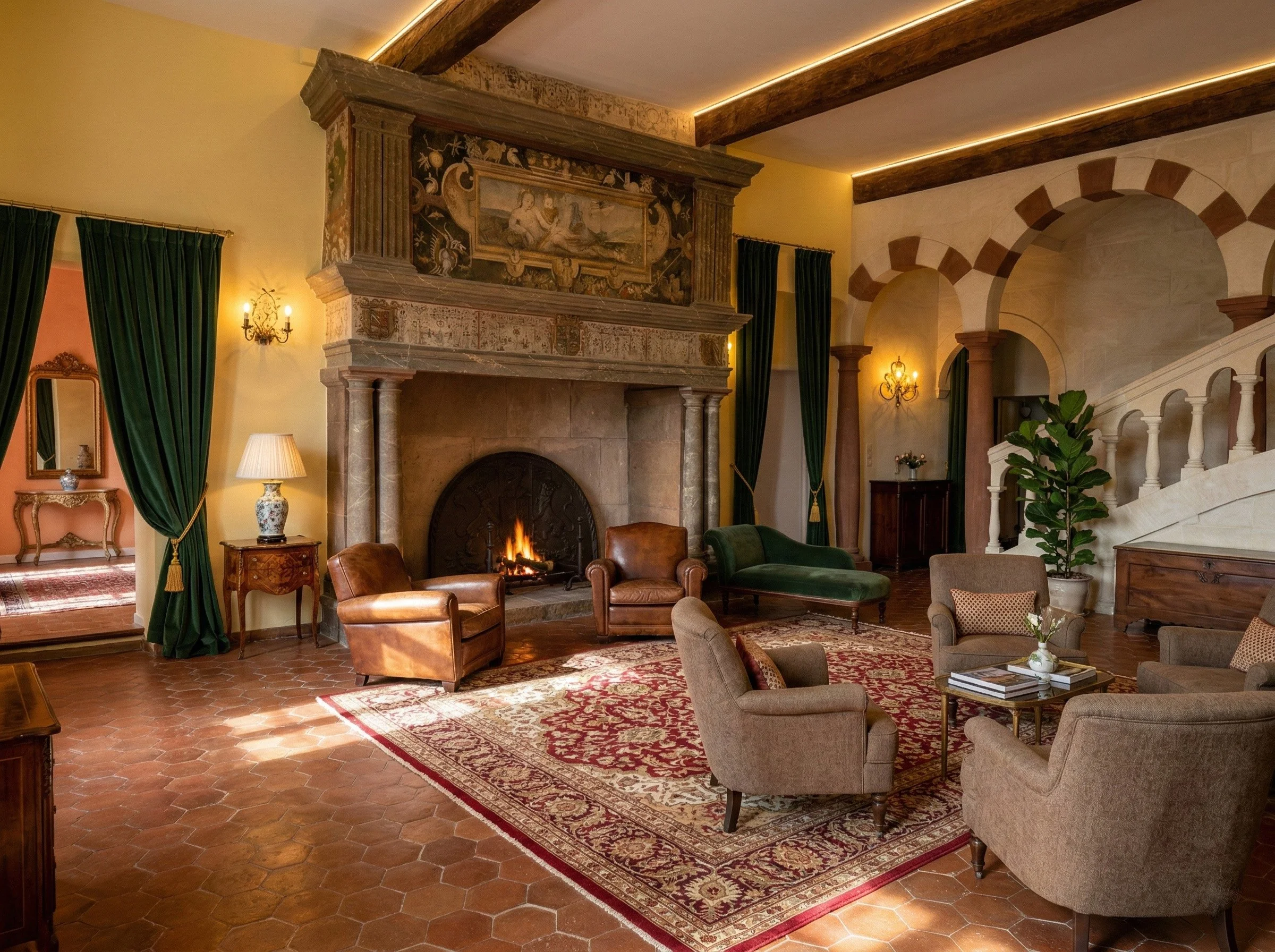
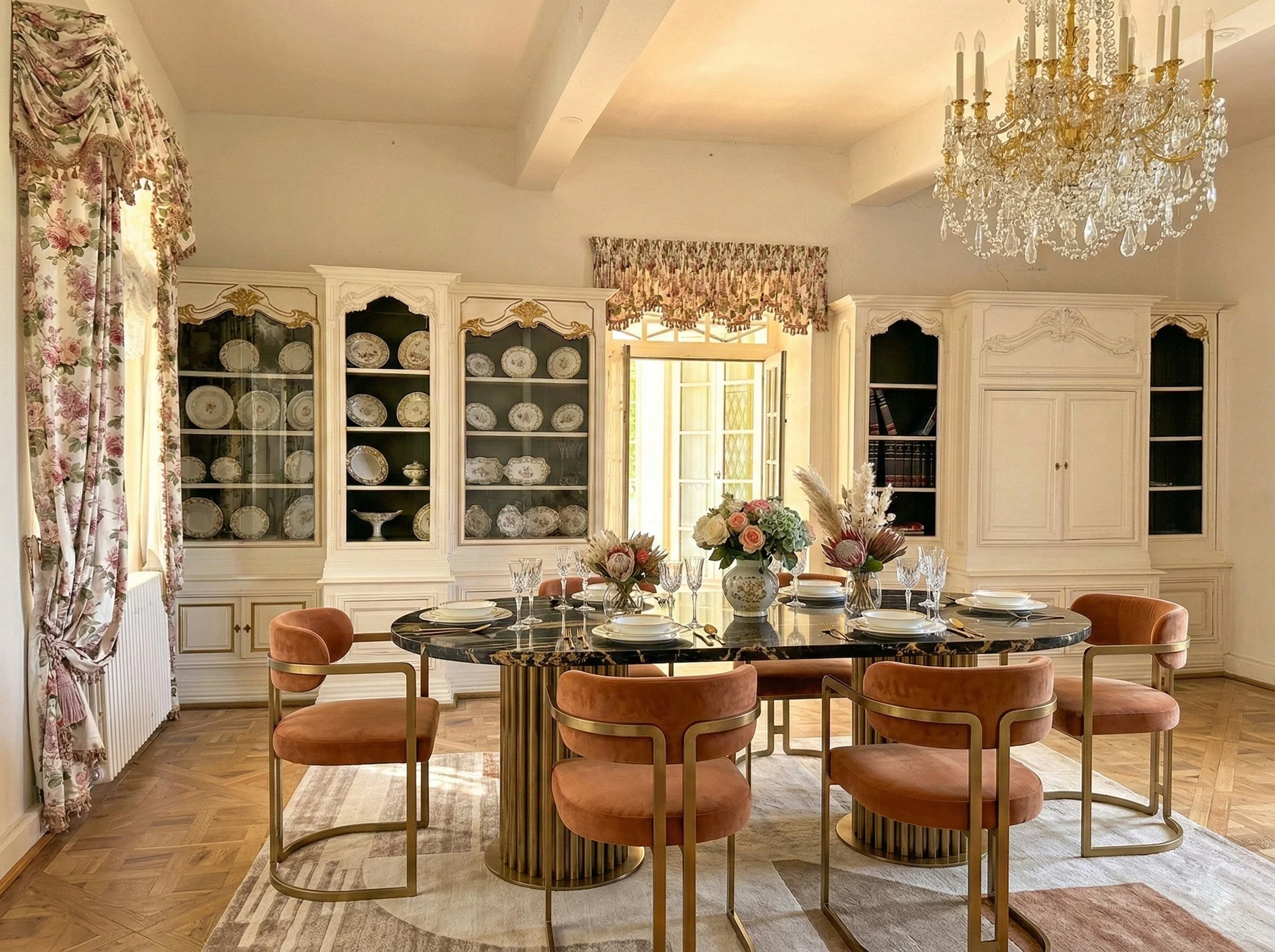
Interior details include vaulted stone rooms, terracotta tile floors, Versailles-pattern parquet flooring, and a Renaissance-style fireplace with painted decoration. The garden level reception rooms open toward the landscaped garden through large windows and a bow window overlooking the property’s outdoor spaces.
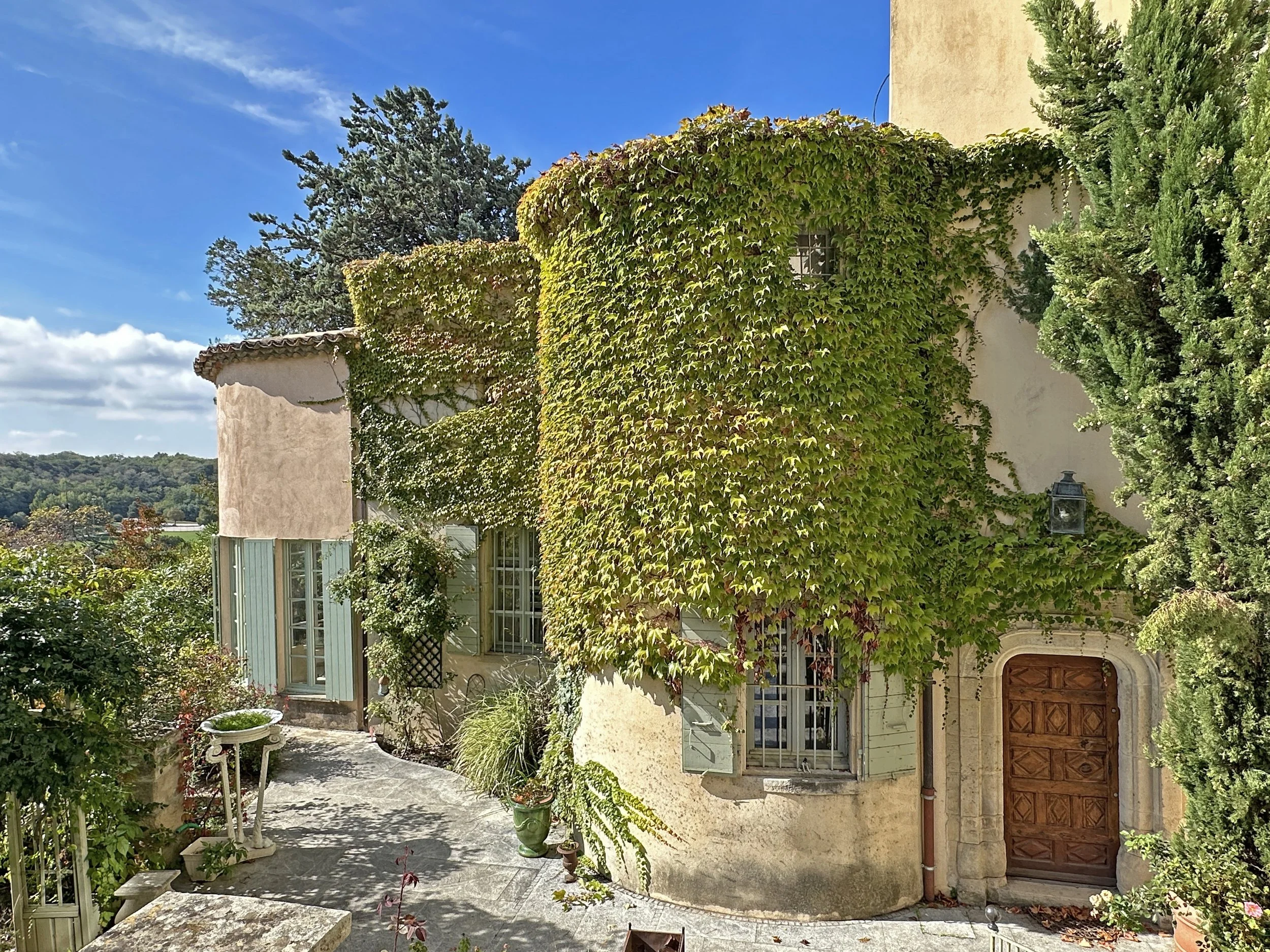
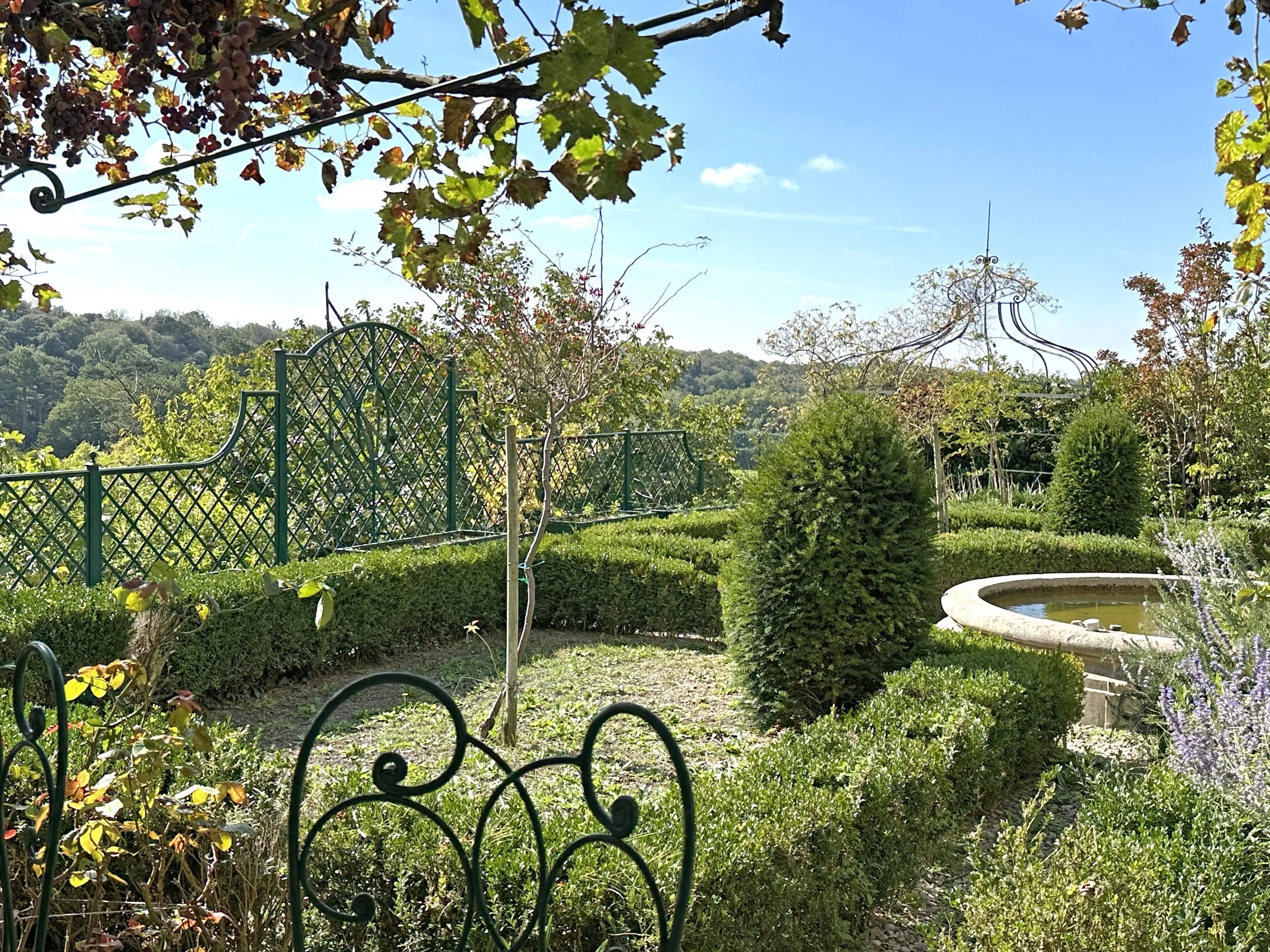
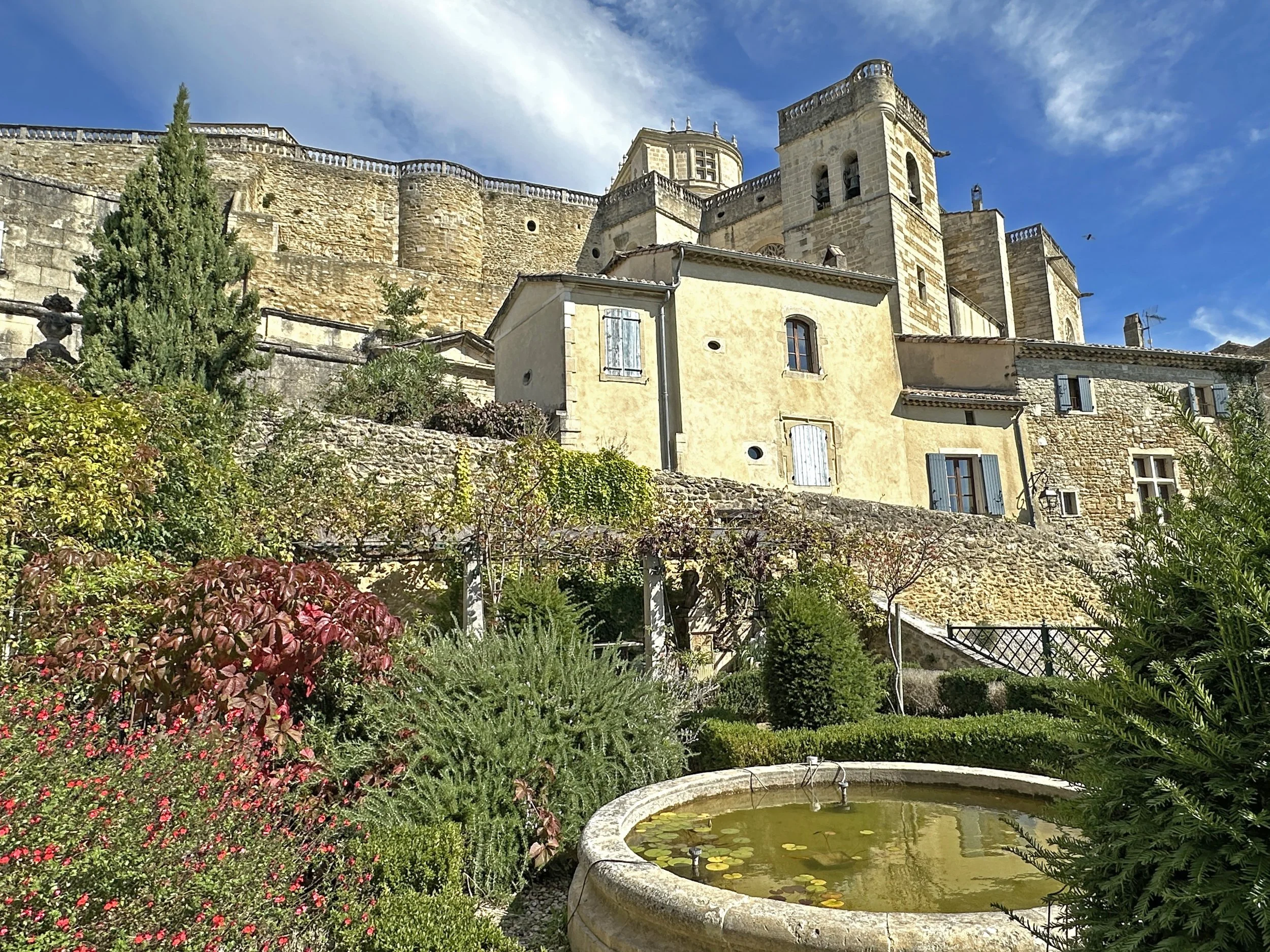
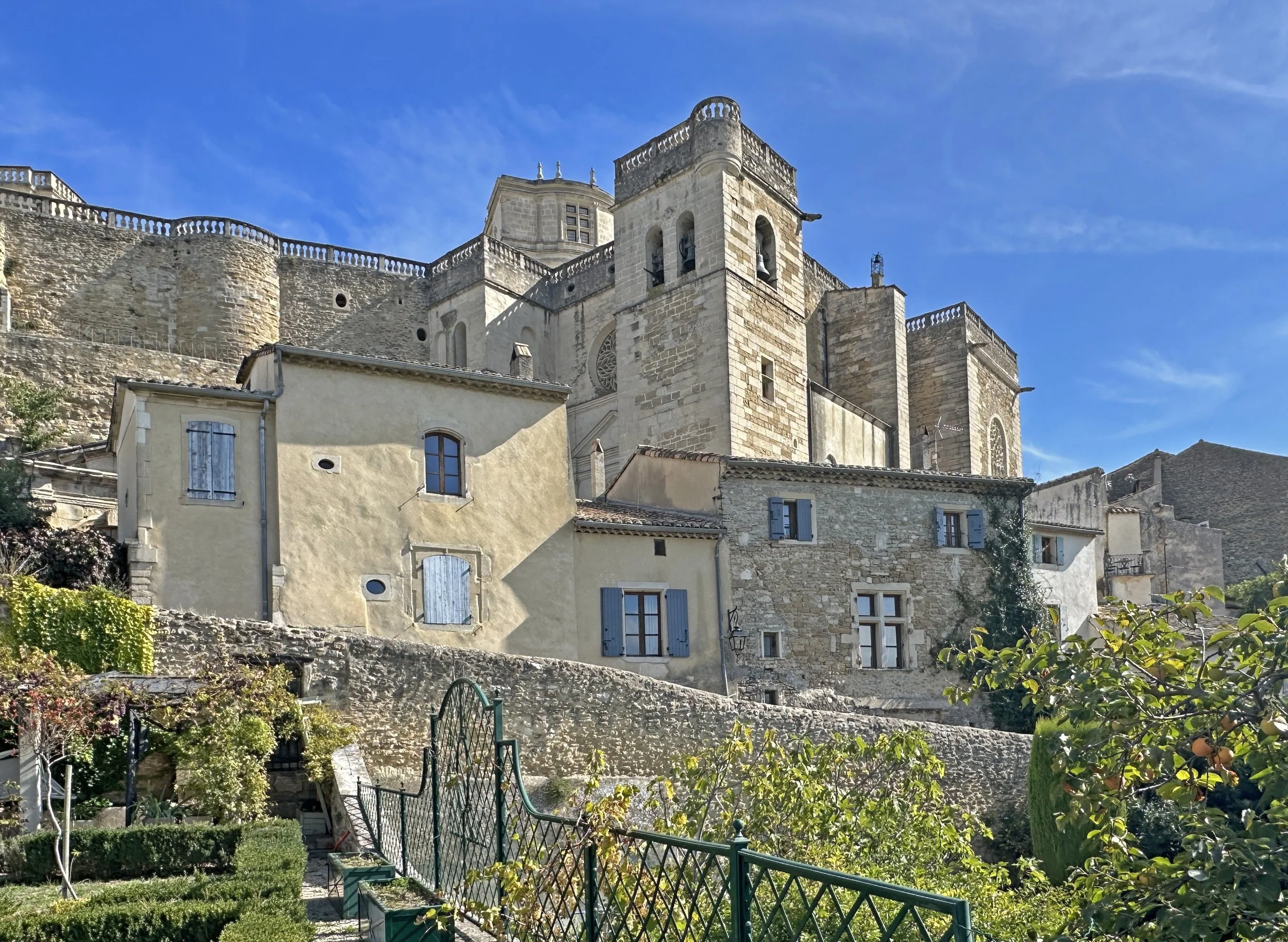
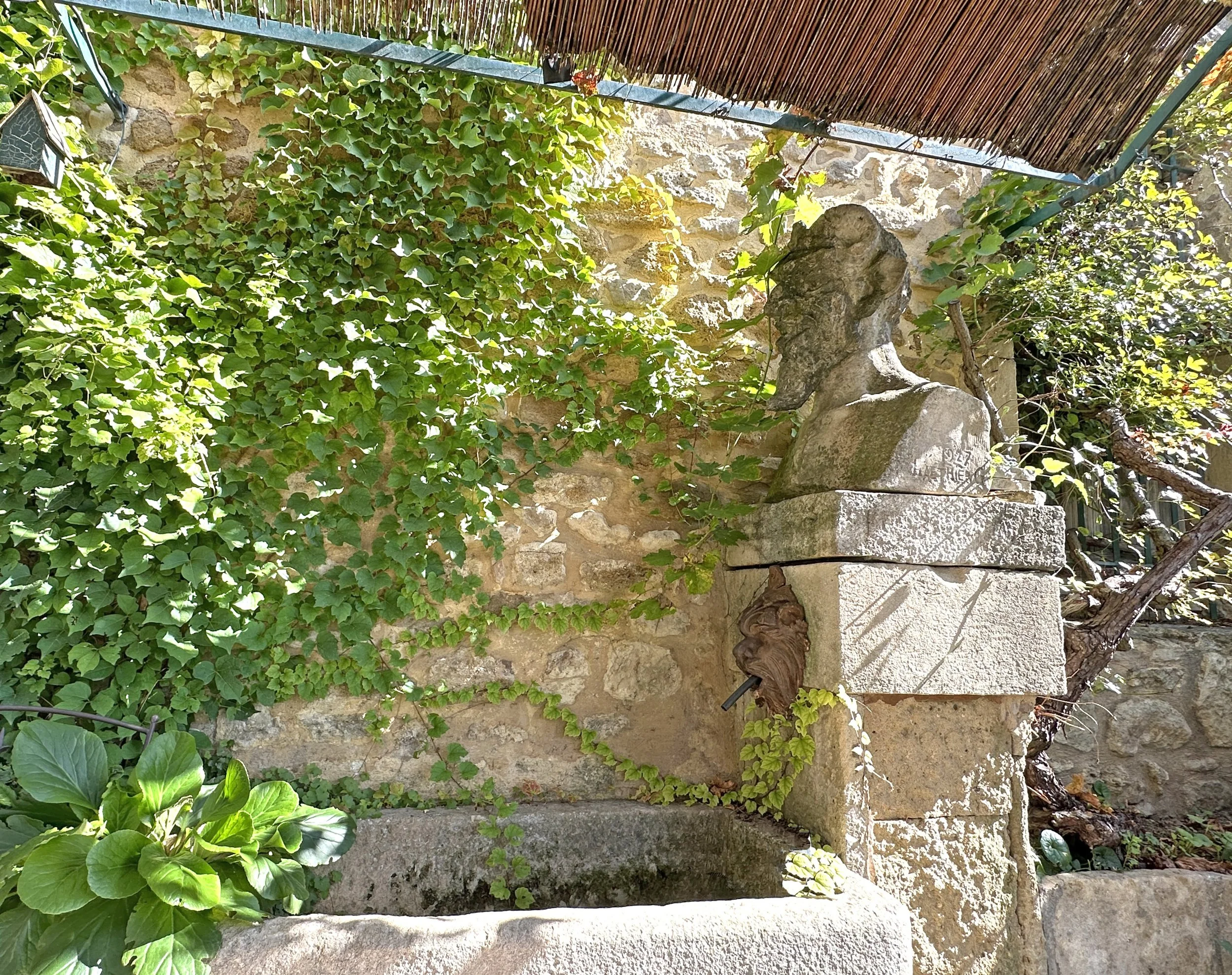
The garden itself includes a stone basin, shaded vine-covered arbor, and views toward the Collegiate Church of Saint-Sauveur and the surrounding countryside.
Grignan is officially classified among Les Plus Beaux Villages de France (“The Most Beautiful Villages of France”), a designation recognizing villages with notable architectural and cultural heritage. The village is known for its preserved stone architecture, Renaissance history, and long association with Madame de Sévigné, the 17th-century French aristocrat and writer whose published letters became some of the best-known literary correspondence in French history.
The village of Grignan itself developed around the château, which became an important Renaissance residence for the House of Adhémar during the 16th century. The House of Adhémar was a powerful French noble family that controlled territory across parts of southeastern France during the Middle Ages and Renaissance. The family originally held a medieval fortress on the site, which was later expanded and transformed into the Renaissance-style Château de Grignan seen today. During the 16th century, members of the family modernized the château, shifting it from a defensive fortress into a residence designed for status, administration, and court life.
By the 17th century, the château became closely associated with Madame de Sévigné through her daughter’s marriage to François Adhémar de Monteil, Count of Grignan. Madame de Sévigné spent extended periods in the village, where she wrote many of the letters that later became famous throughout France. She died at the château in 1696.
Today, the château functions as a cultural landmark hosting exhibitions, concerts, and seasonal events, while the village remains active year-round with cafés, bakeries, restaurants, and weekly markets.
Nearby destinations include Nyons, known for olive production and regional markets; Vaison-la-Romaine, home to extensive Roman archaeological remains; and Montélimar, a regional center historically associated with nougat production. Mont Ventoux, frequently featured in the Tour de France, is also within driving distance.
The property is located approximately 25 minutes from the A7 motorway and around 30 minutes from a TGV rail station, providing access to Paris, Lyon, and Marseille while remaining within one of southern France’s historically preserved rural regions.
All photographs courtesy of the listing agency. See more on Emile Garcin.