To Restore: A French Château Built Across Six Centuries — €3.18 Million
Back on the market at €3.18 million with Denniel Immobilier, this fully classified Monument Historique estate is the kind of property that moves quietly among heritage buyers, long-term investors, and family offices—not the broader market. It sits just two hours from Paris at the edge of a small Perche village, offering the exact combination that serious preservation-focused buyers look for: scale, architectural integrity, and a site that has evolved coherently across six centuries.
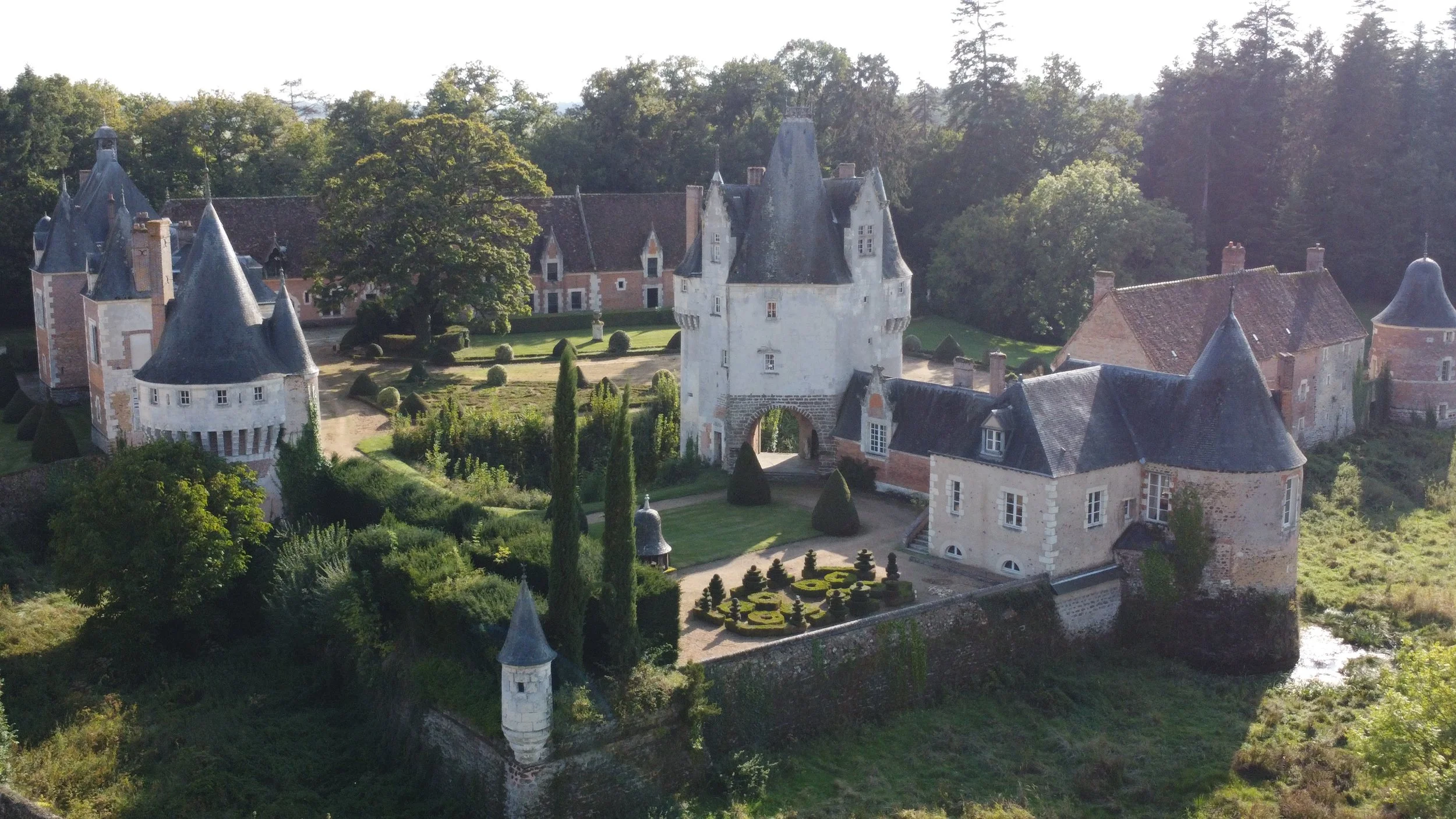
The château stands on the footprint of an earlier medieval fortress burned in the first half of the 15th century by the Earl of Salisbury during the Hundred Years’ War. The fortified structures that followed—rebuilt at the end of that century—form the architectural anchor of the property today. They are exceptionally uncommon in this condition.
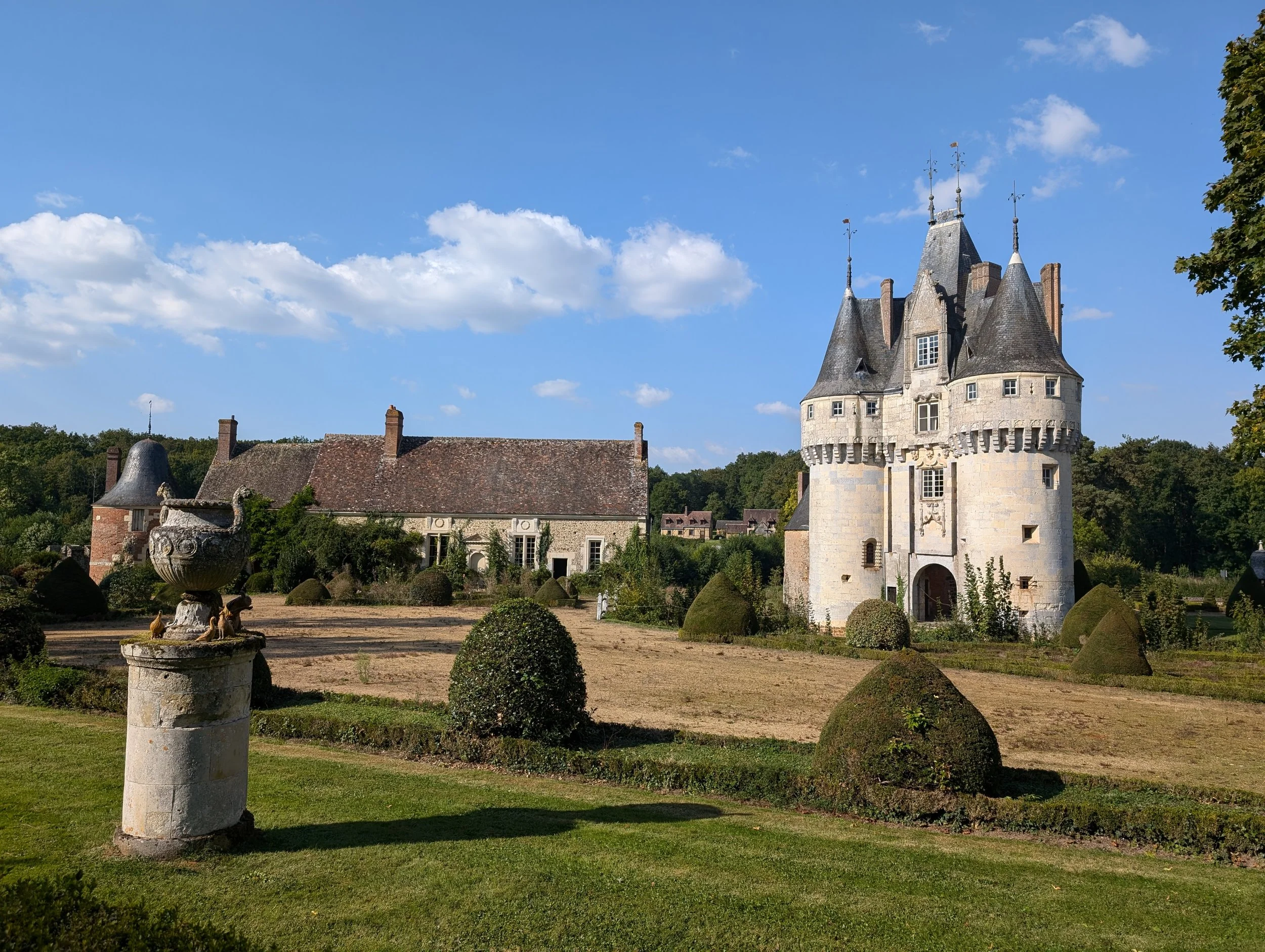
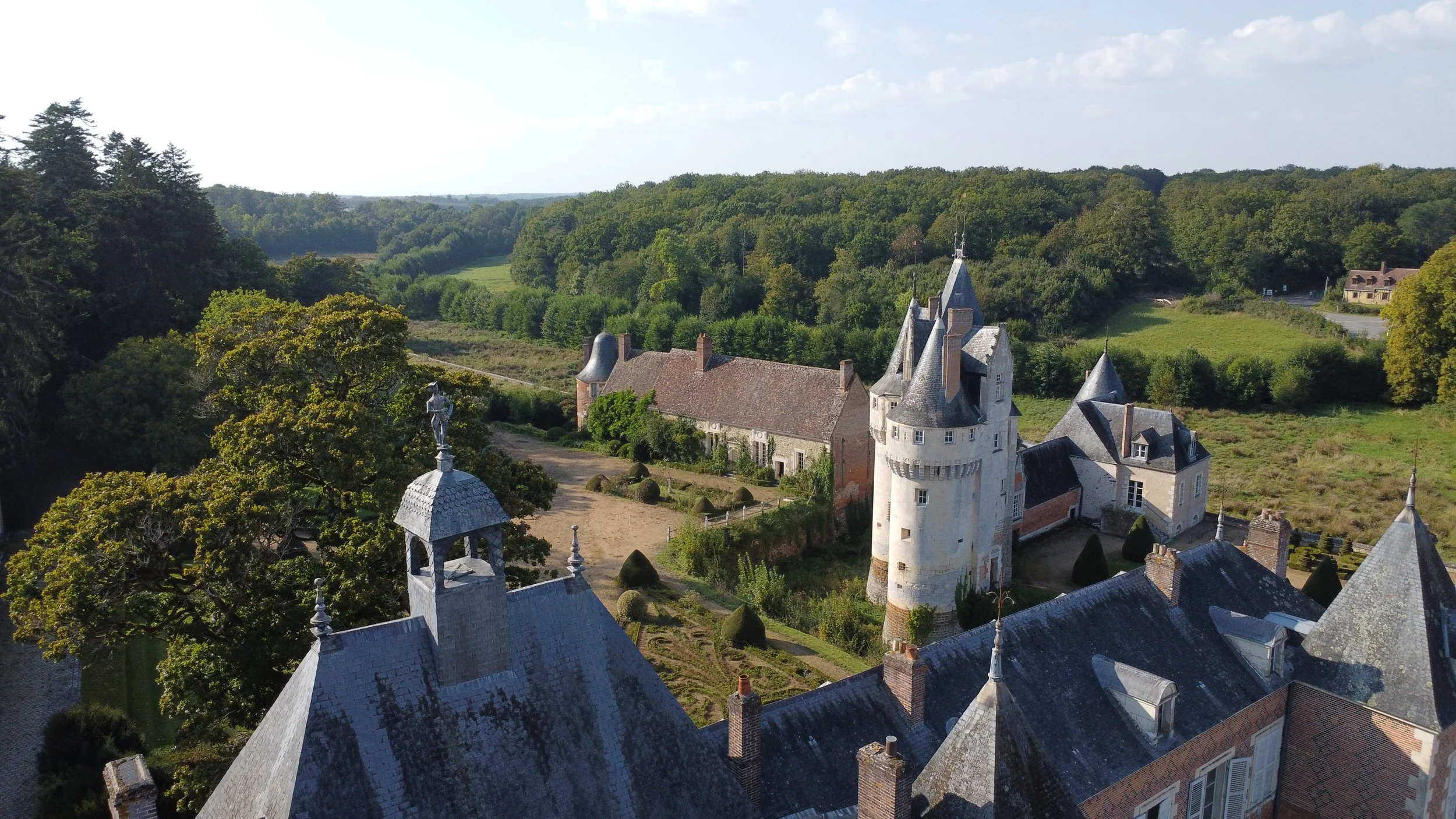
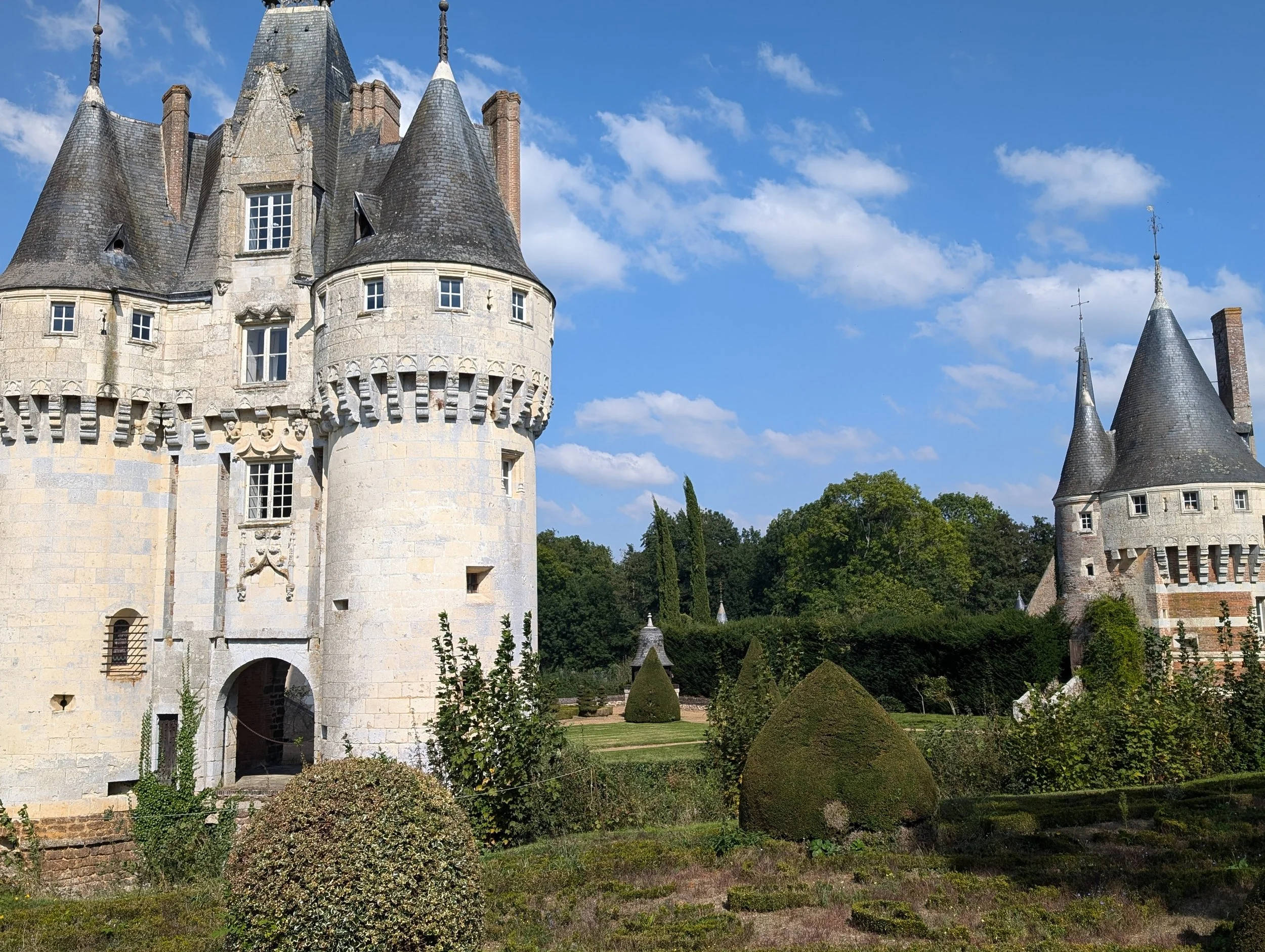
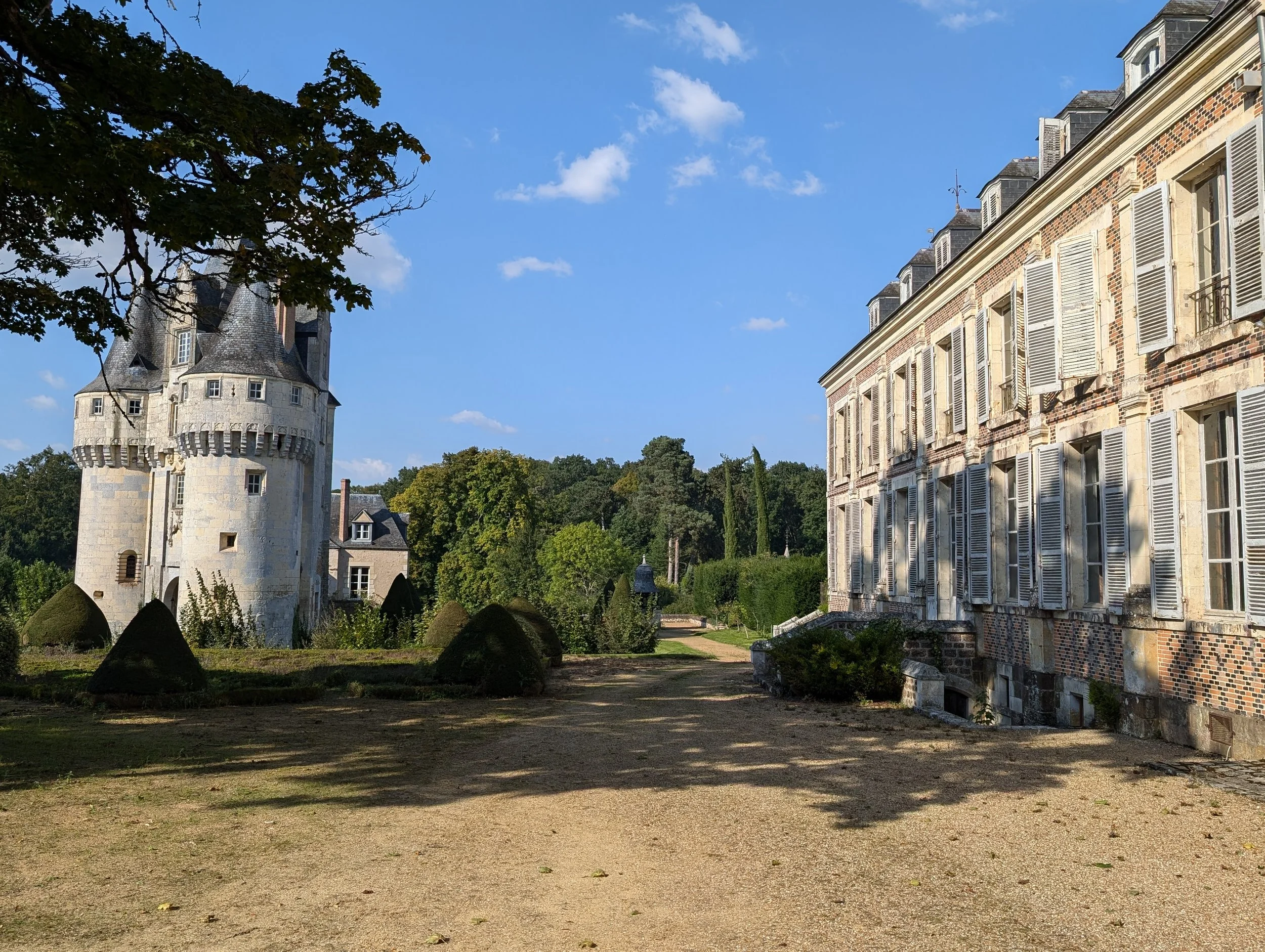
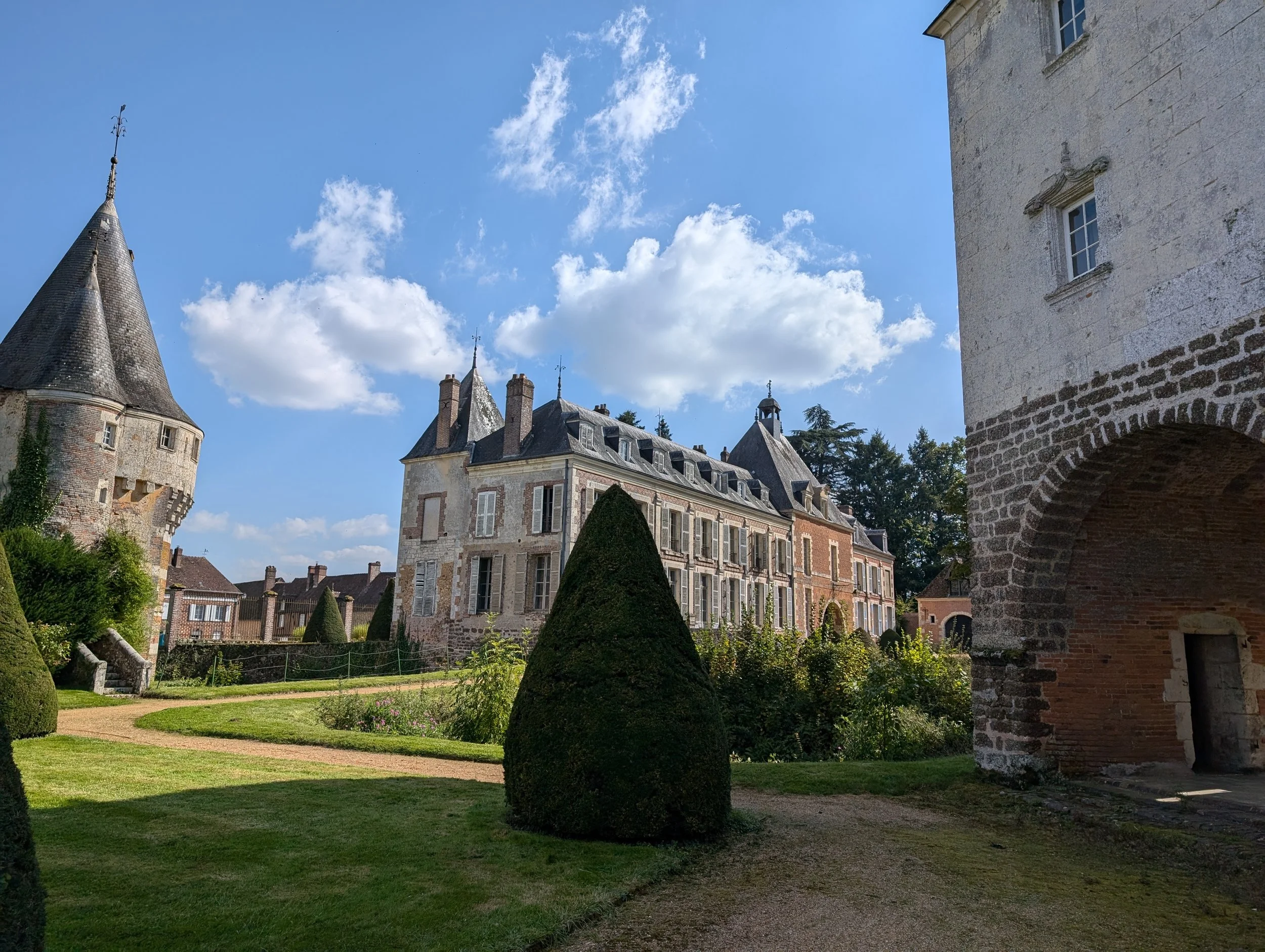
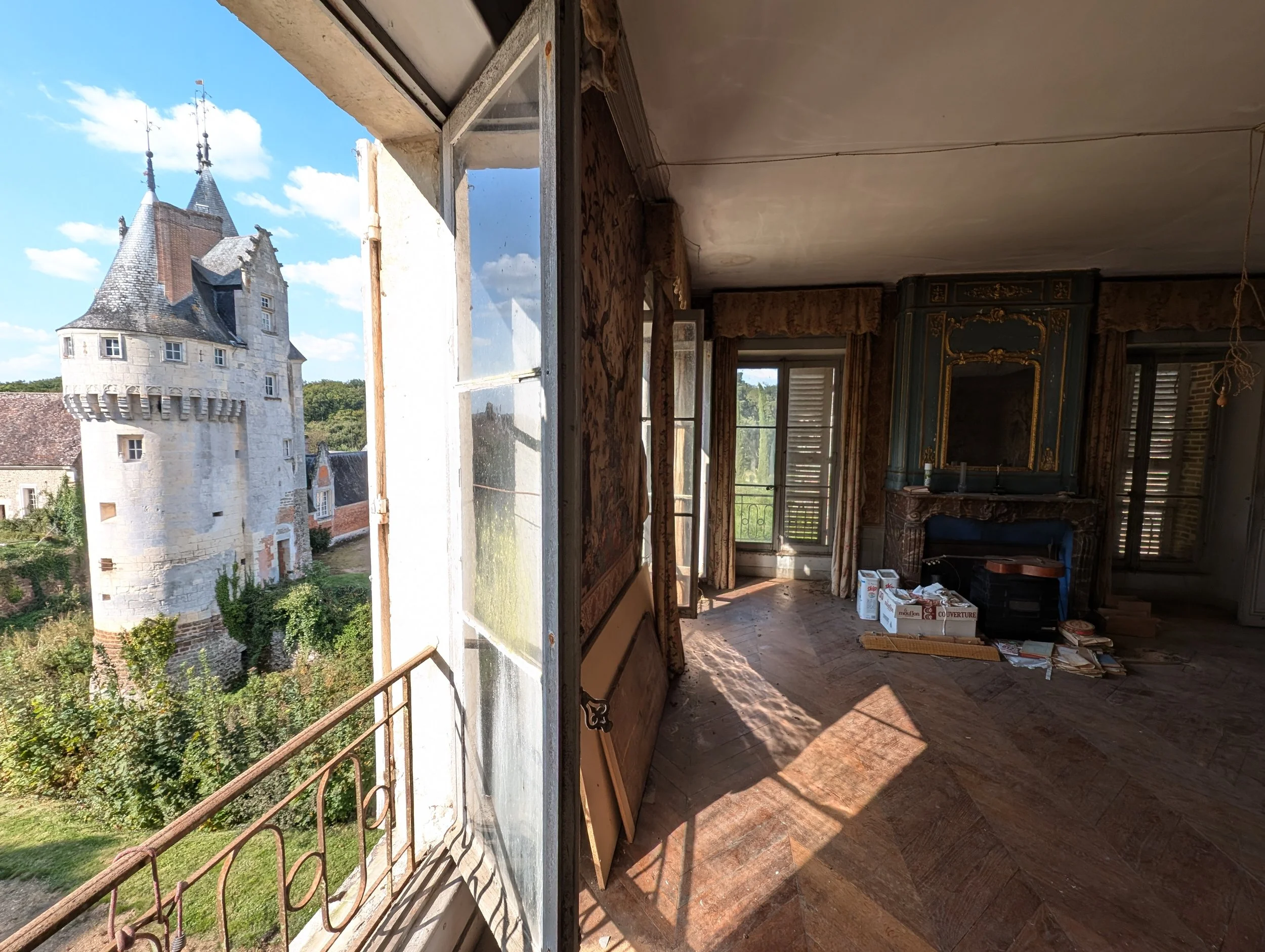
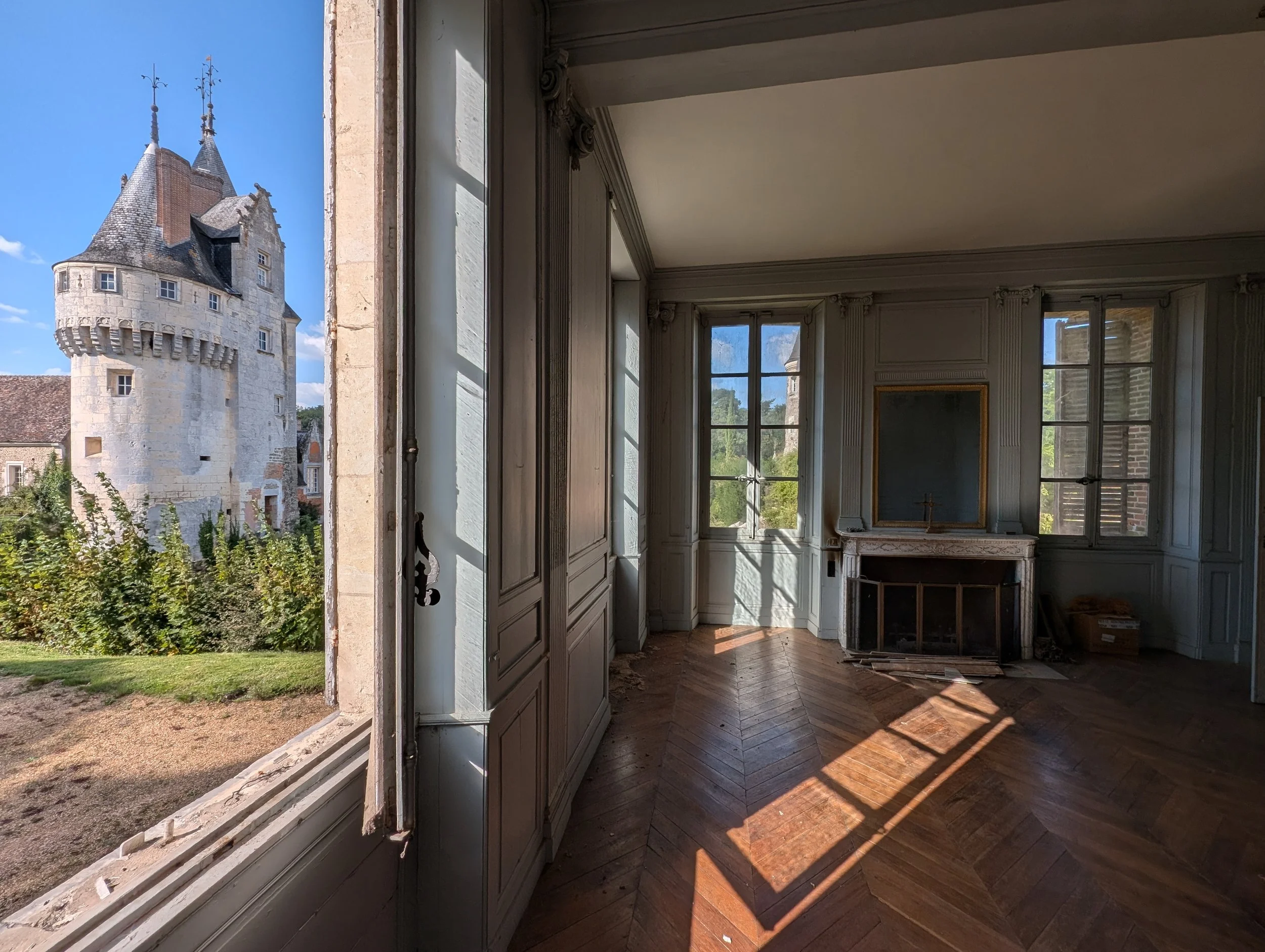
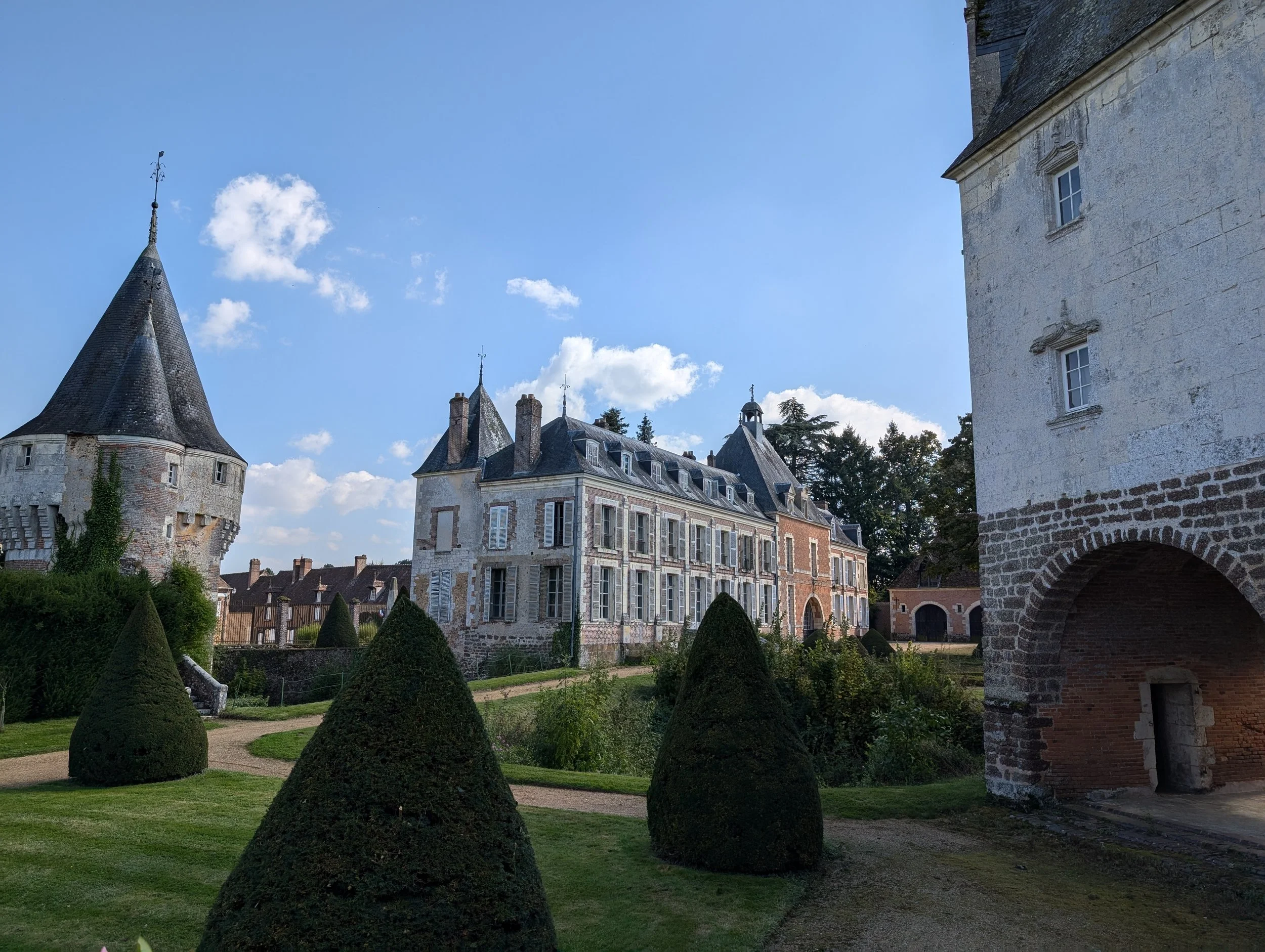
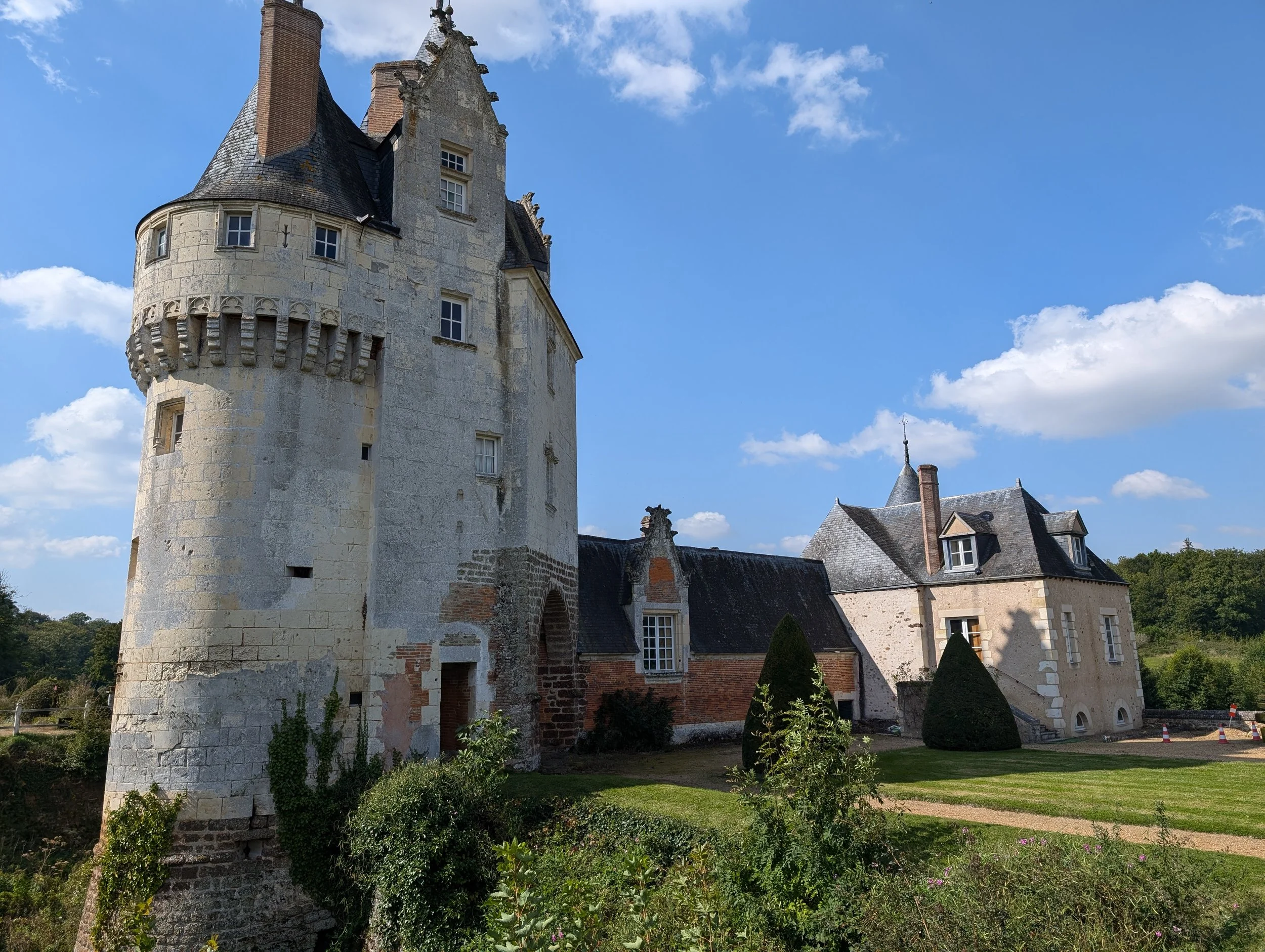
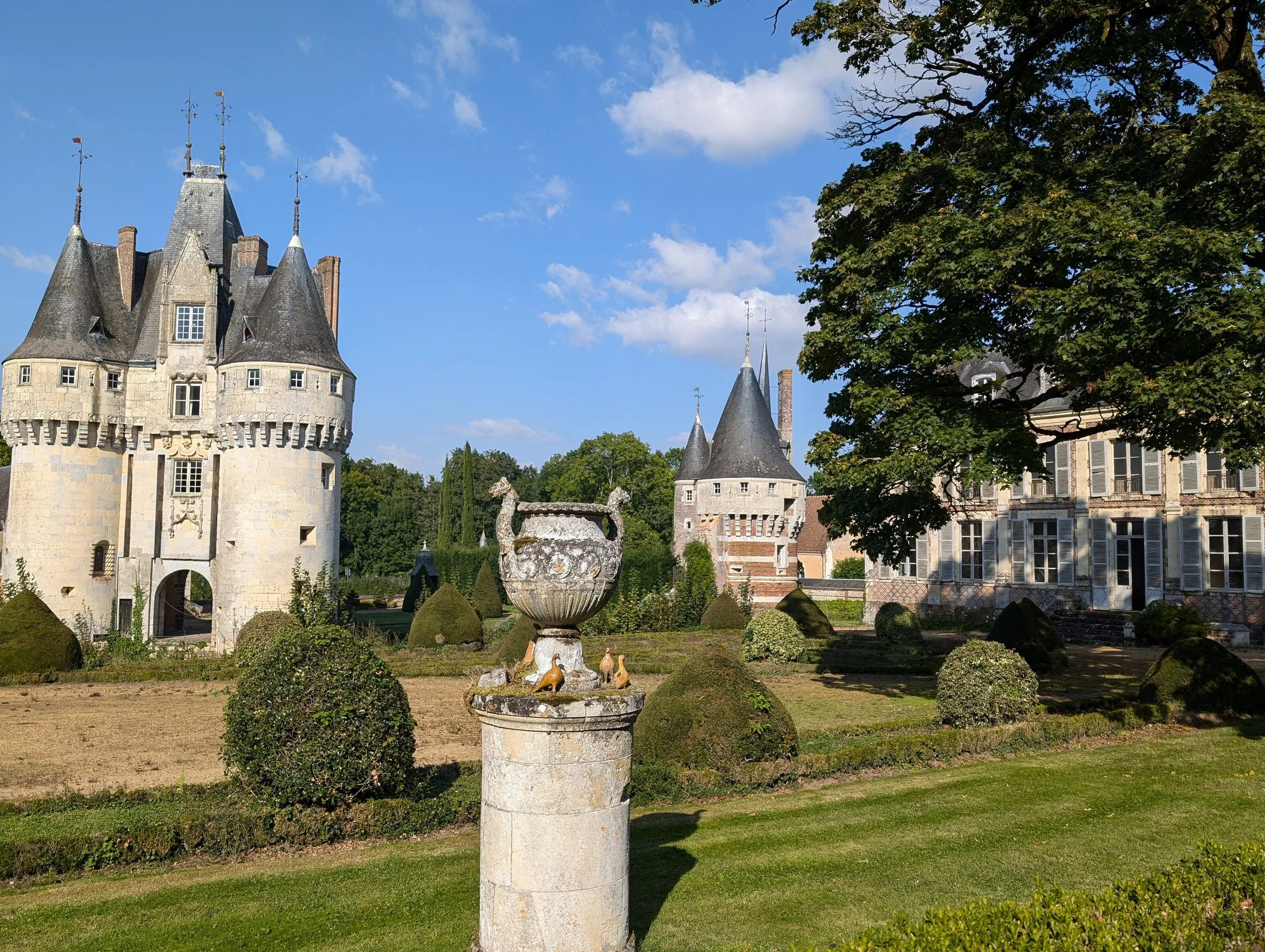
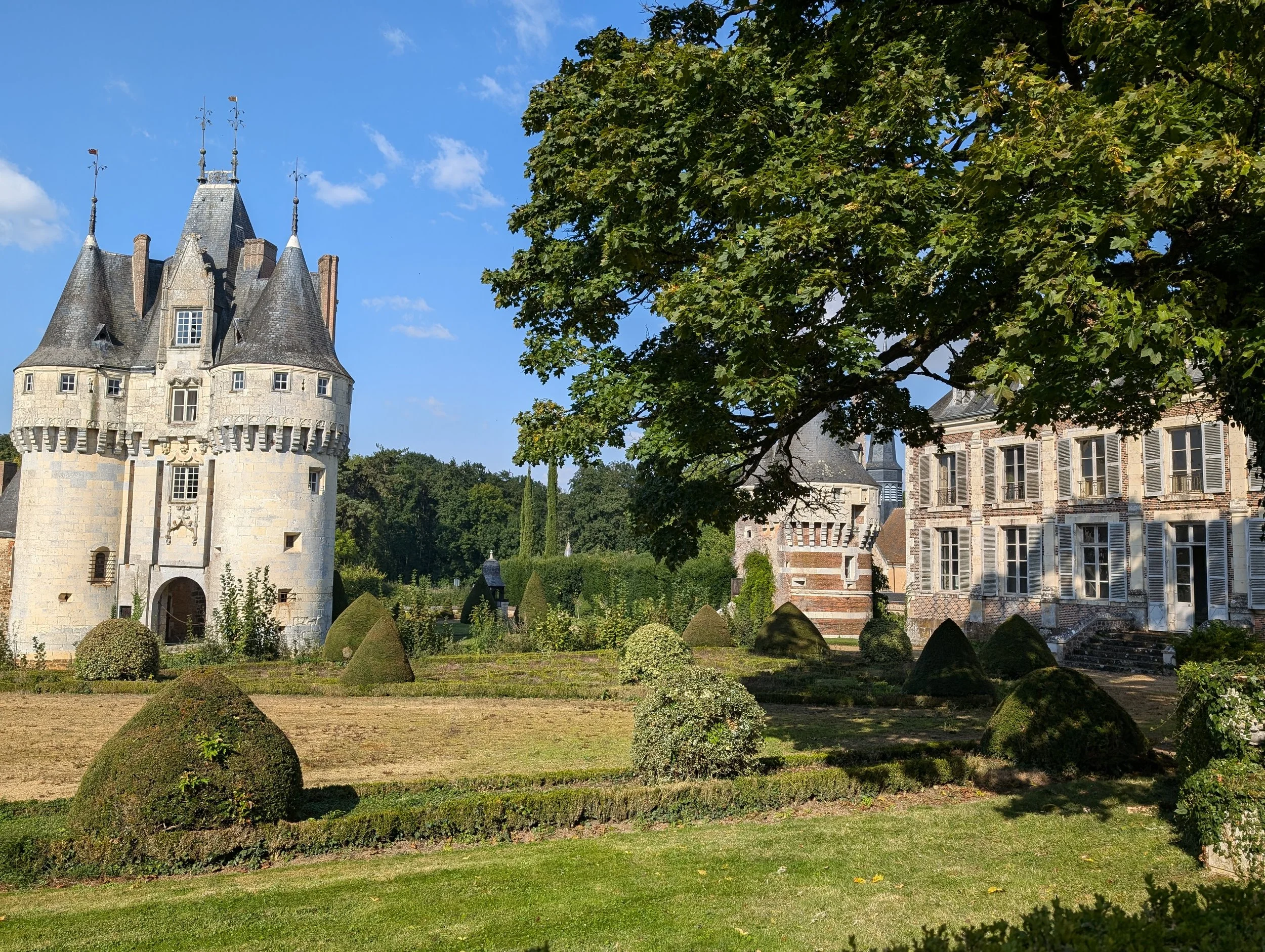
At the centre is the 15th-century fortified donjon, a true medieval châtelet with round towers, machicolations, poivrière roofs, a vaulted seigneurial chapel, and even the remnants of a garderobe or oubliette. In multi-era estates, defensive gatehouses are usually the first casualties of time: many were destroyed in the Wars of Religion, dismantled in the 17th–18th centuries for comfort, or heavily reworked in the 19th century. A medieval châtelet surviving in its original form—and still structurally legible inside a larger ensemble—is rare. Surviving in private hands is rarer still. This element alone elevates the estate into a different heritage category and explains much of its significance.
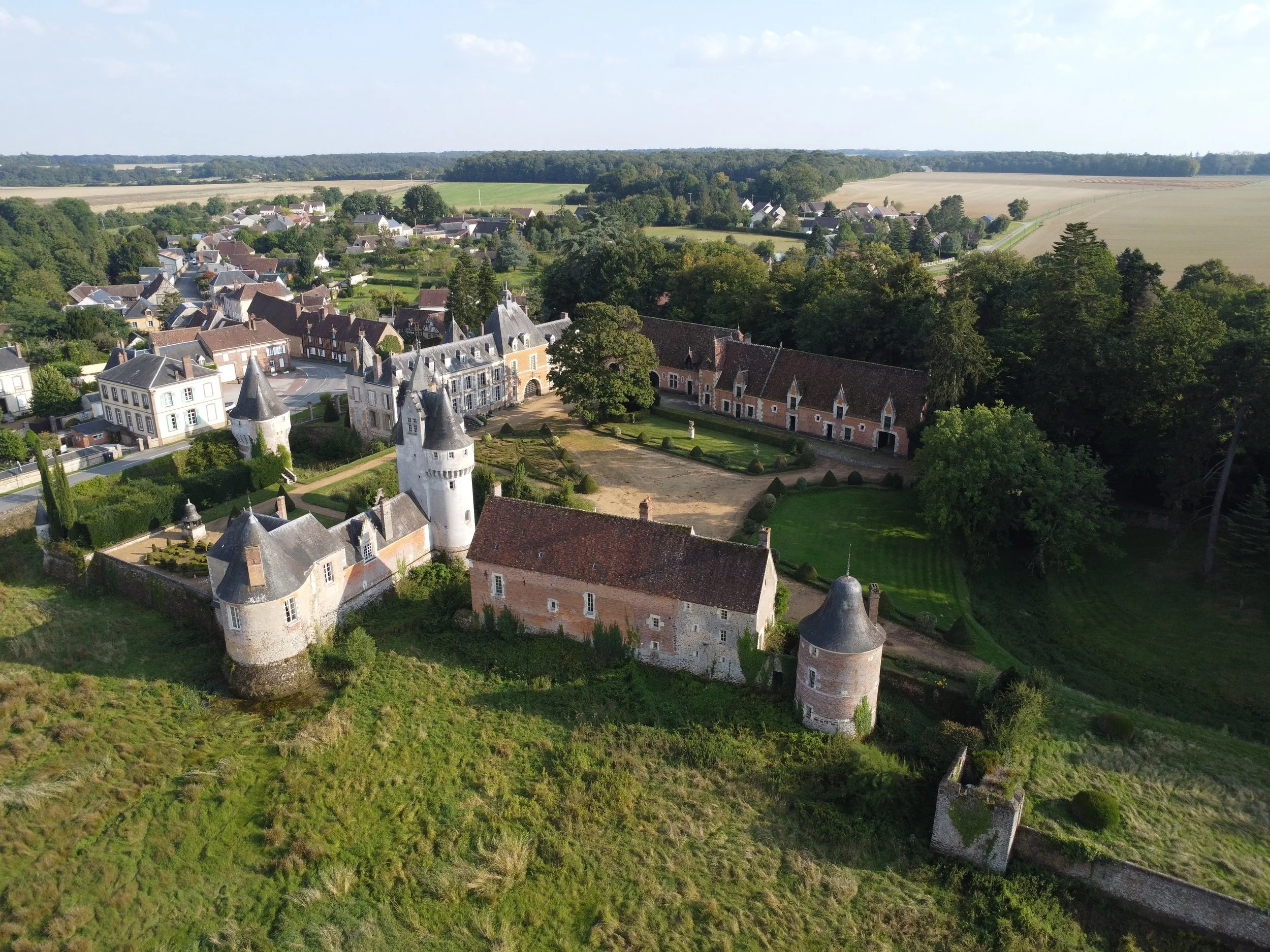
The property is organized around five principal buildings, each marking a different period of development:
• the 15th-century donjon and its chapel;
• the Saint-François Tower, encircled mid-height by a carved Franciscan cord;
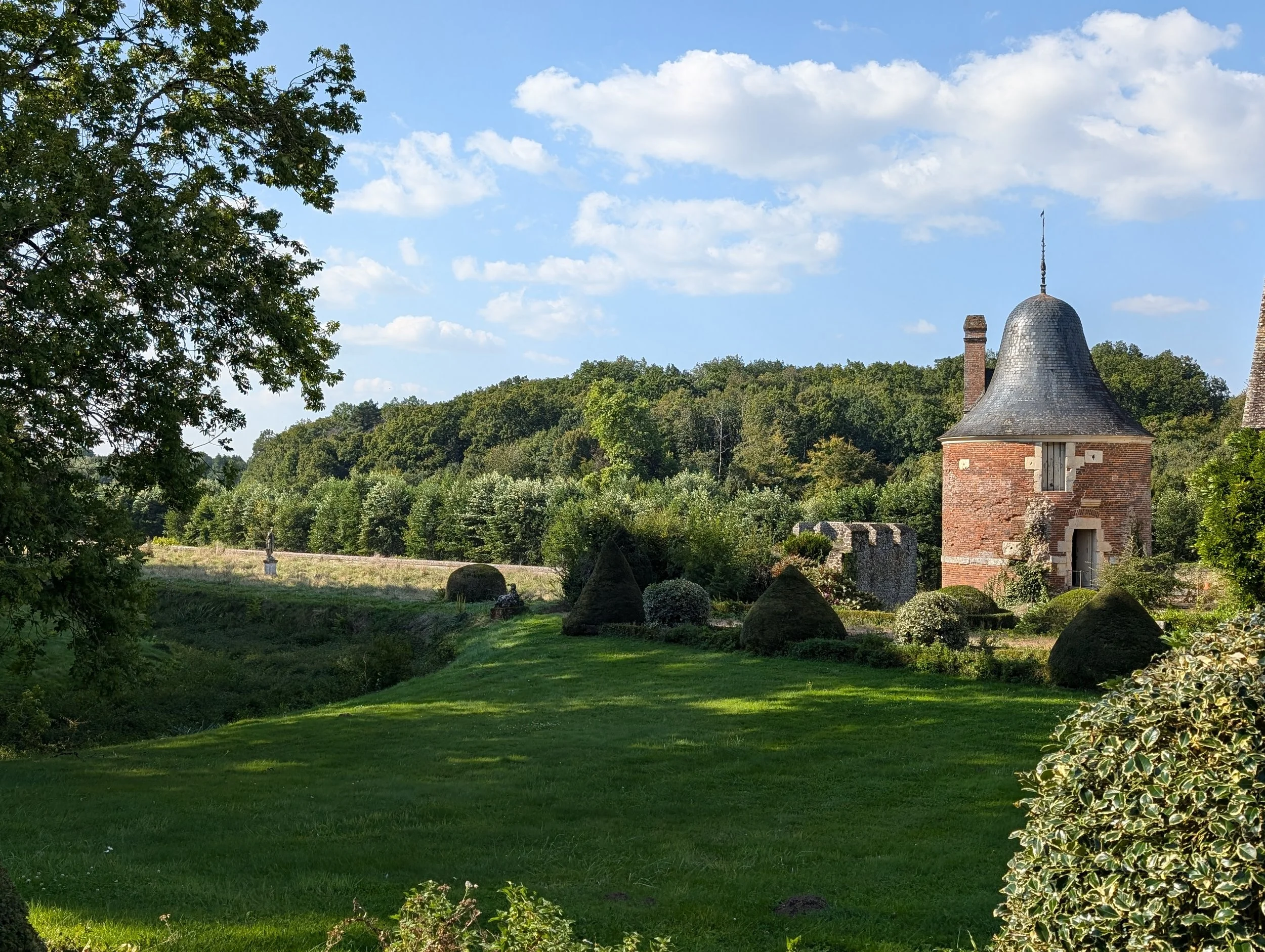
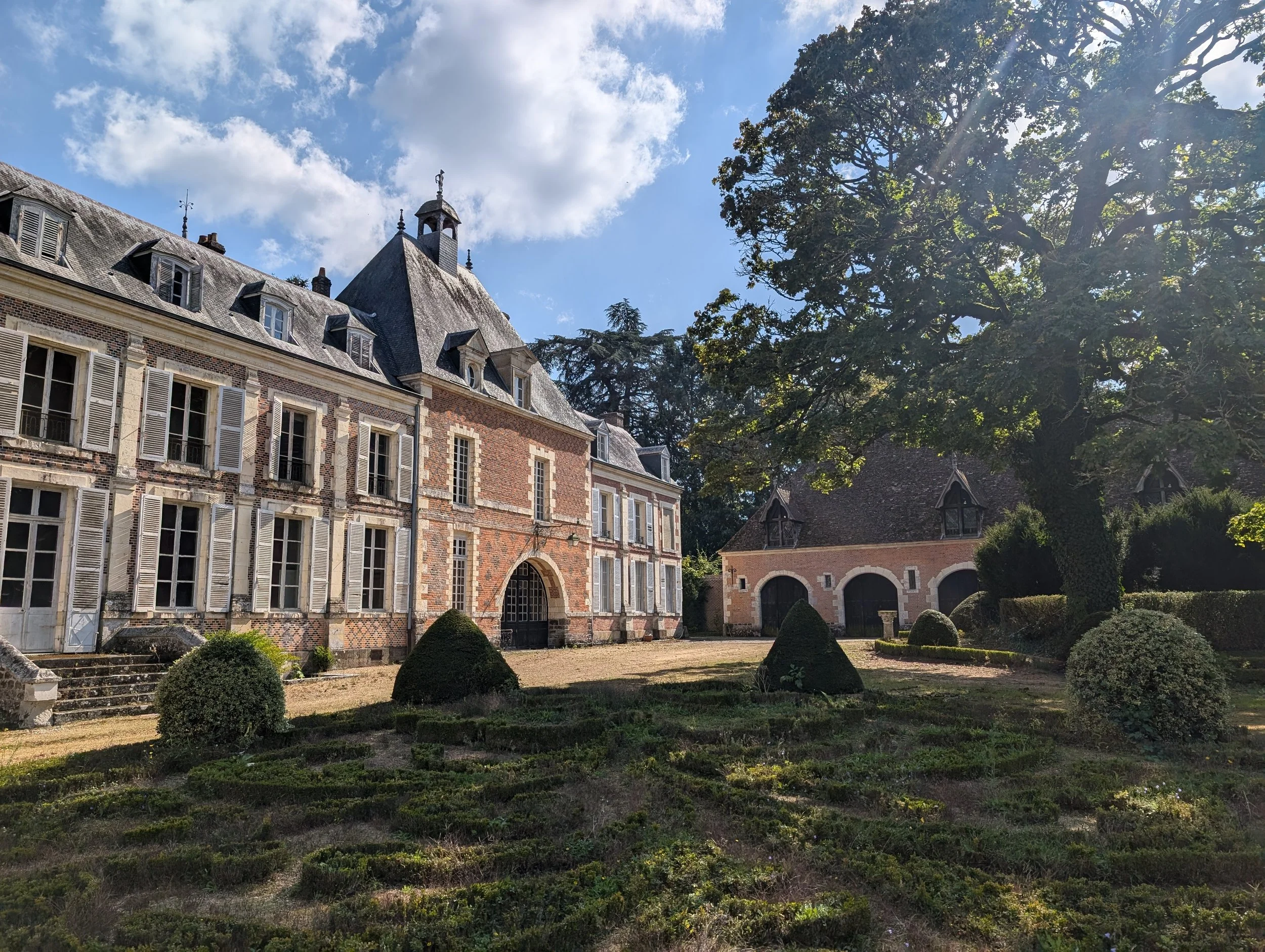
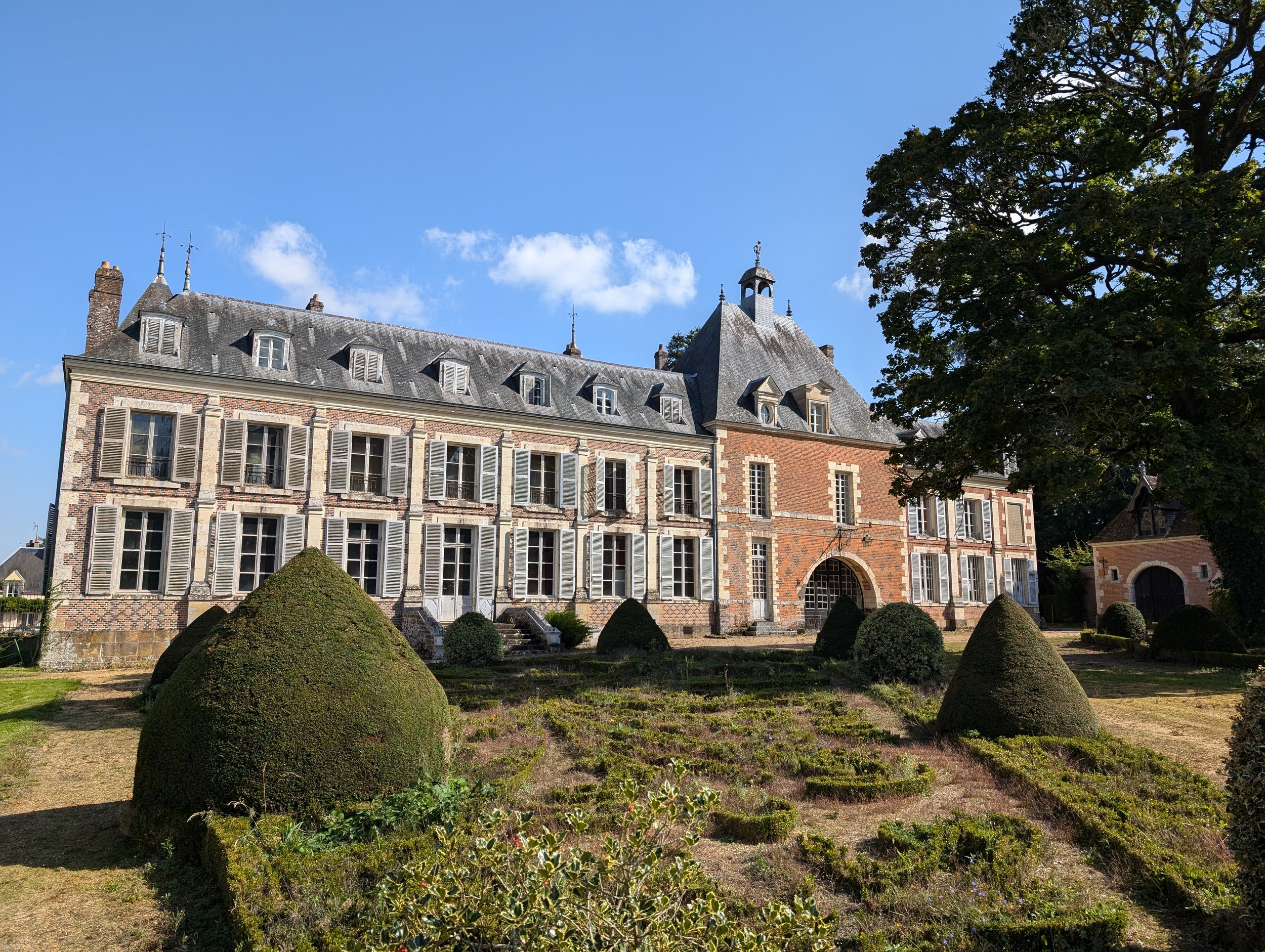
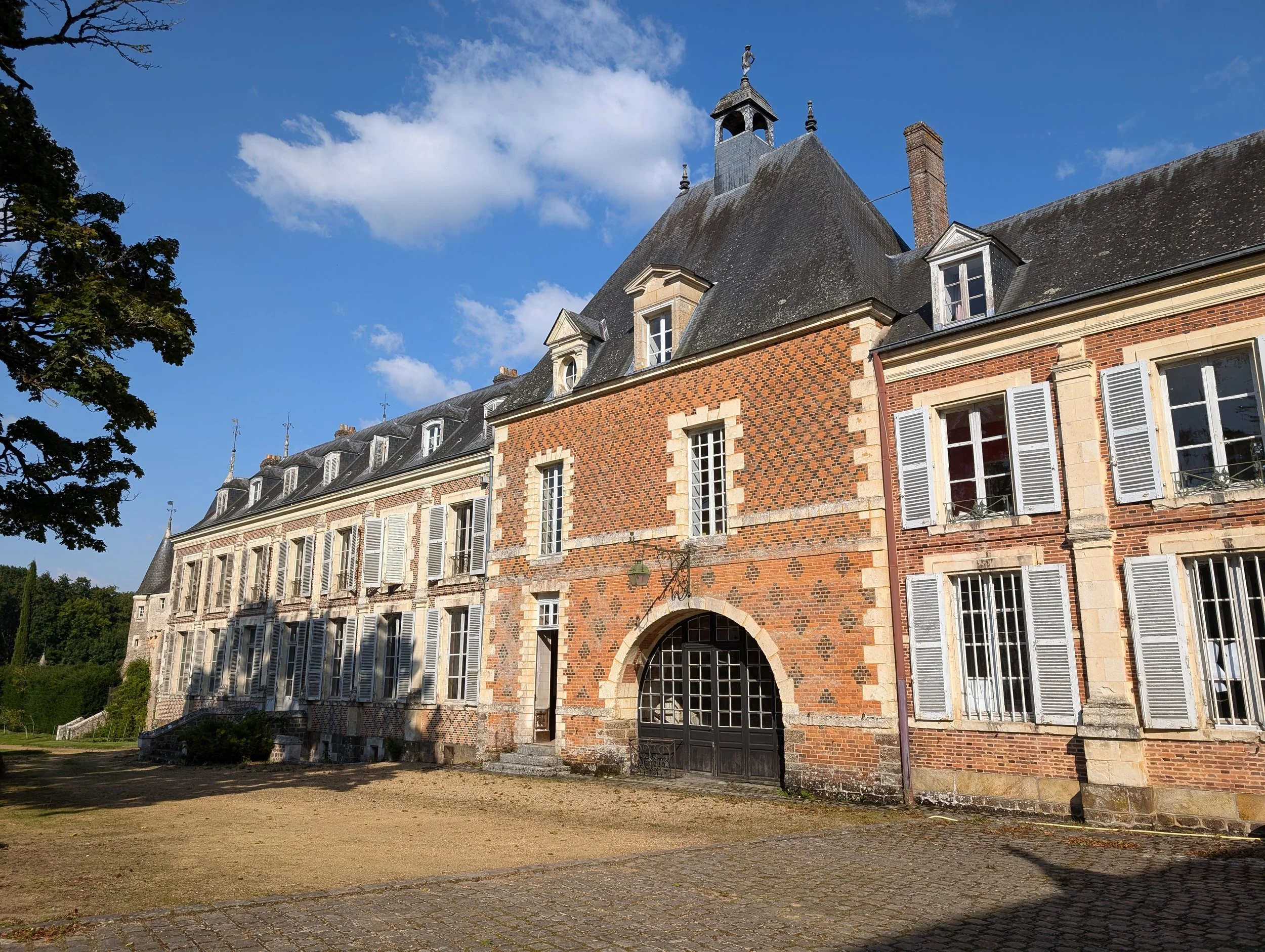
• a Renaissance and Louis XVI pavilion with its distinctive bell-shaped tower;
• the village-side Pavillon du Bourg, developed from the 16th to 18th centuries;
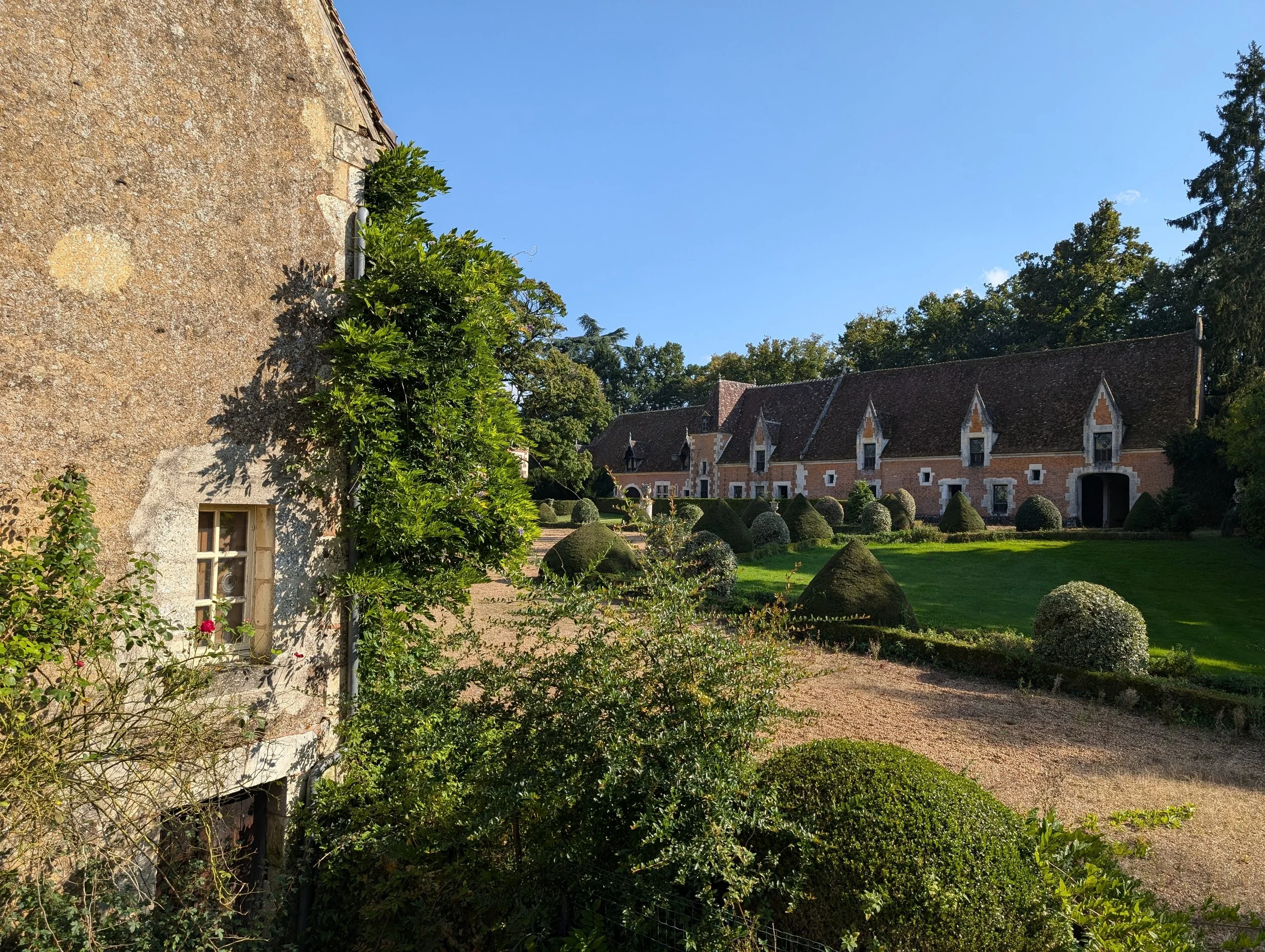
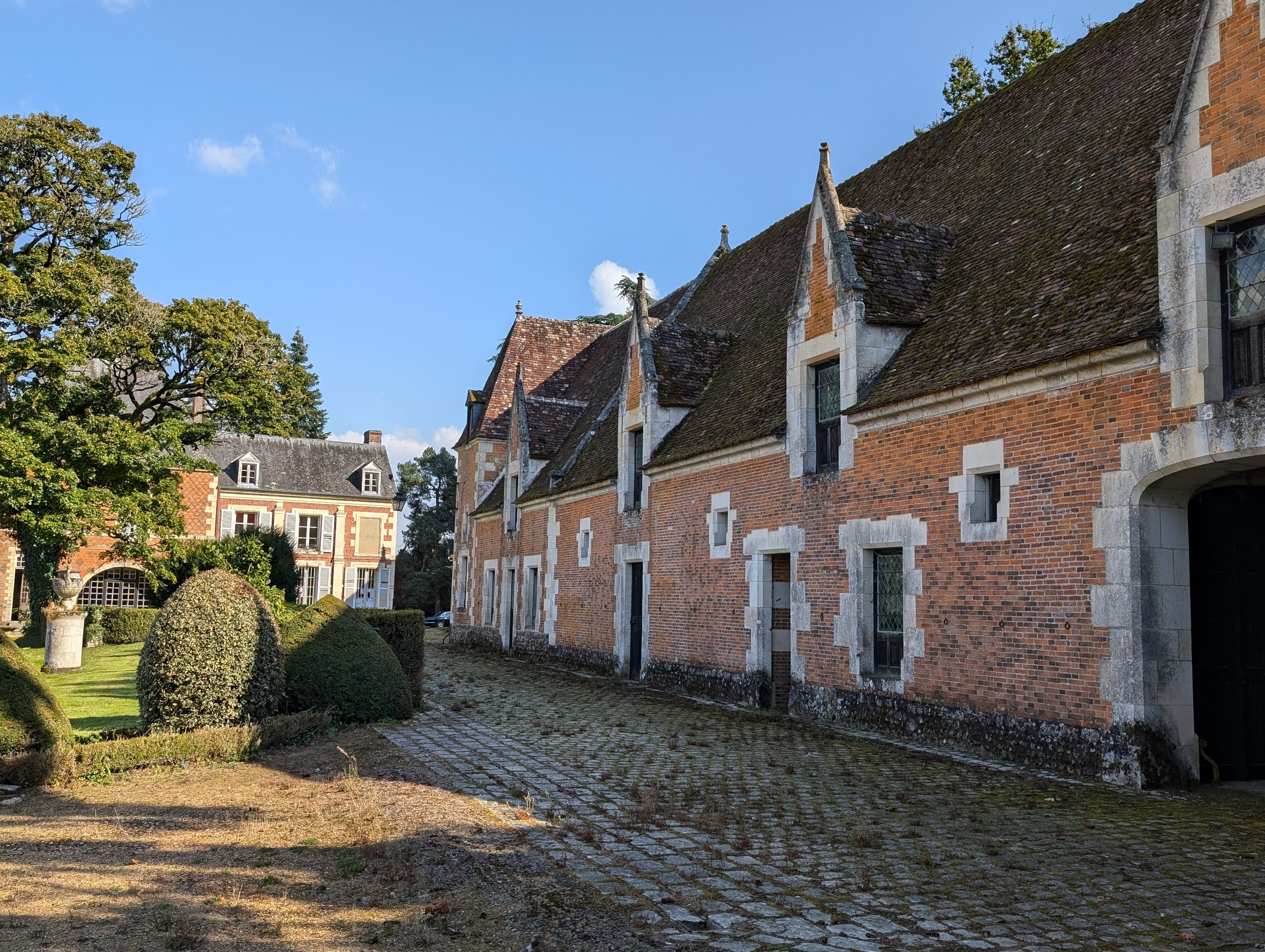
• and a long line of 16th–20th century outbuildings with notably early timber frames.
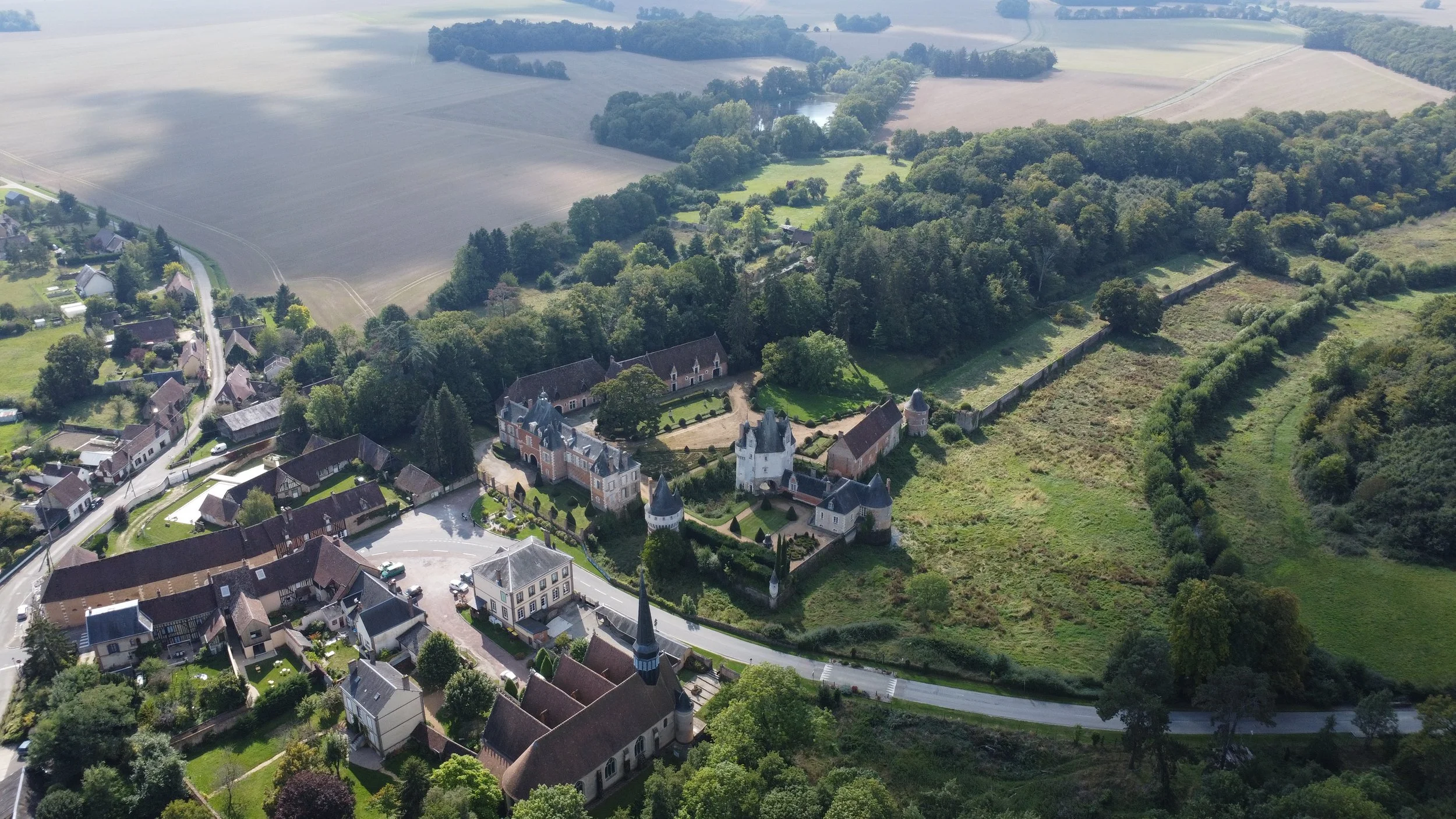
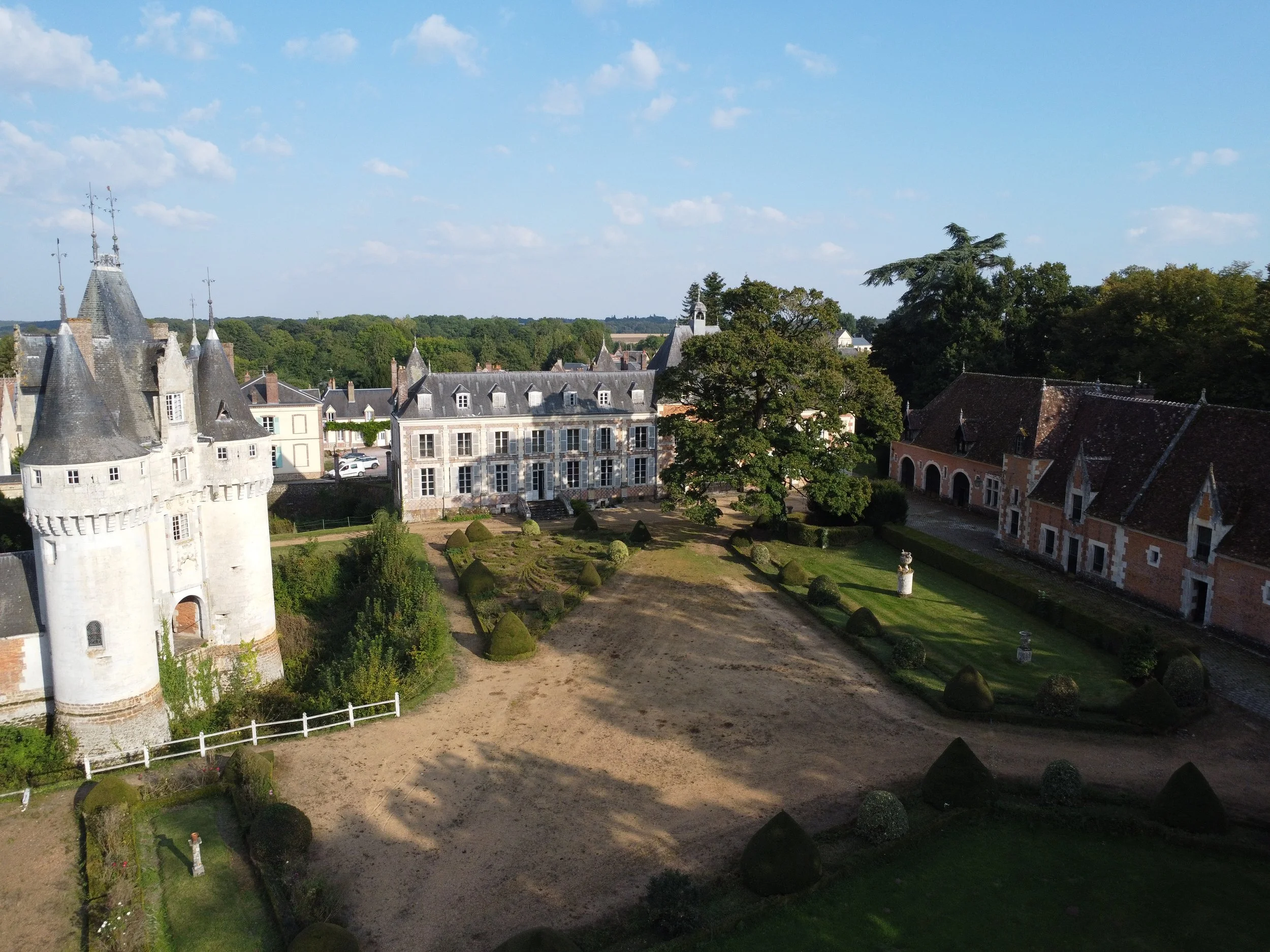
Together, these structures frame a U-shaped courtyard, opening onto a 200-metre west-facing terrace, topiary-edged parterres, a canal, and meadows leading into mature woodland across nearly 50 acres.
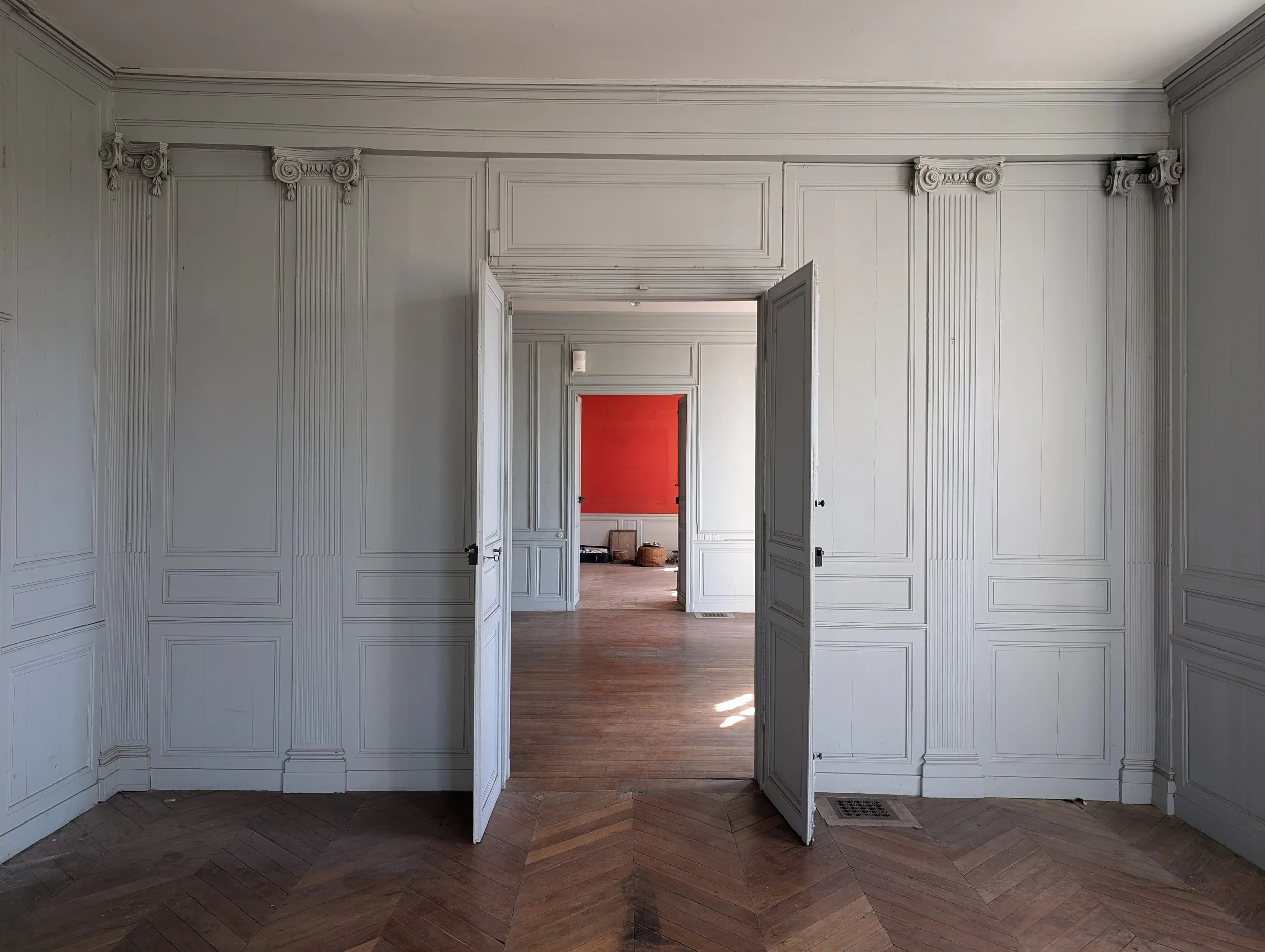
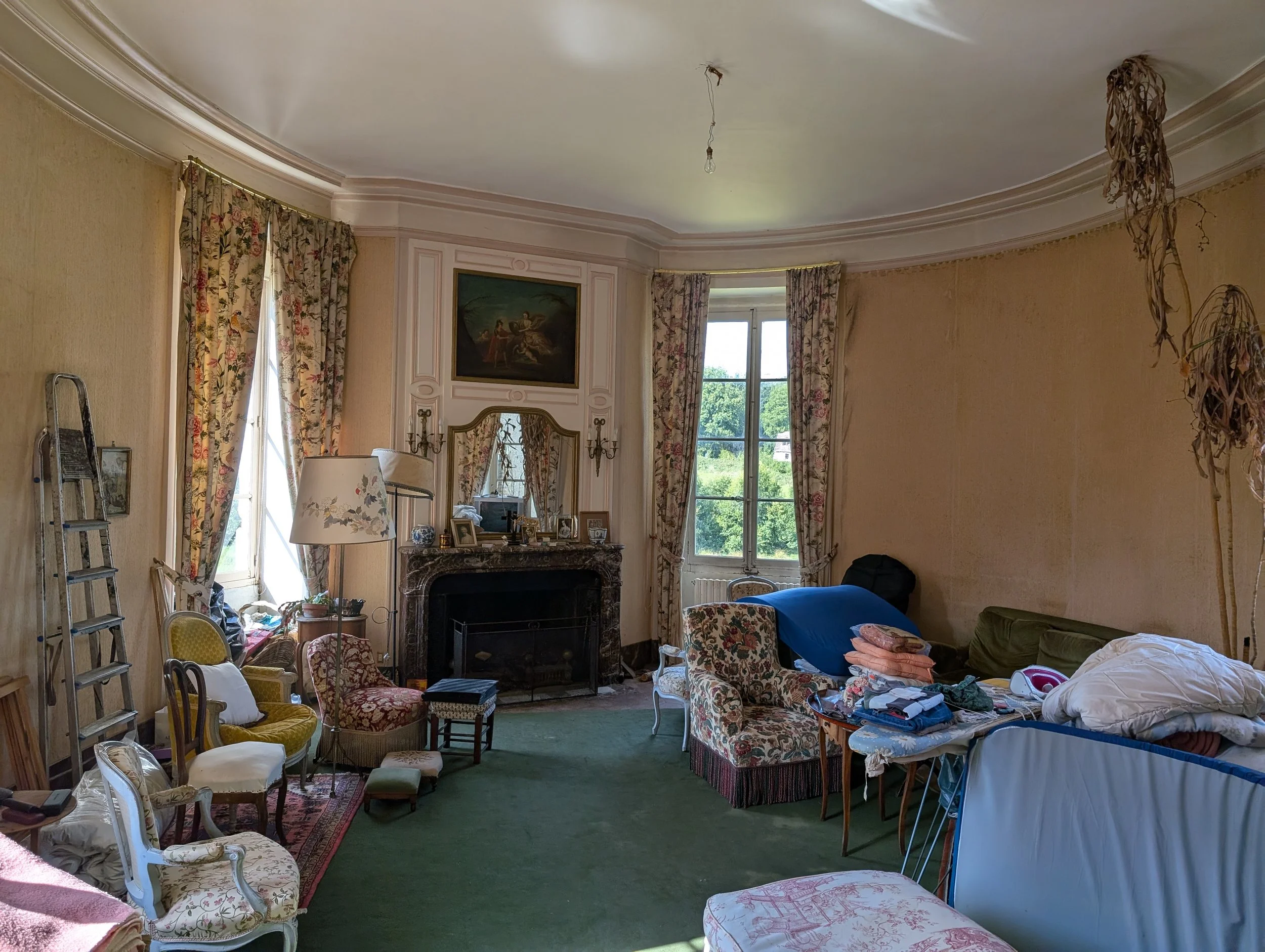
The structural envelope is reported to be sound, but the interiors require full restoration. For lifestyle buyers, this signals work. For heritage-minded owners, it signals possibility: a protected architectural ensemble that has not been diluted by later interventions and can be restored with coherence.
Heritage Note (for serious buyers)
Most French châteaux are protected only in part—a staircase, a façade, a salon, or certain alleys of a formal park. Full Monument Historique classification of an entire estate—château, outbuildings, and park—is strikingly uncommon. It means the site has kept its original spatial logic, free from the fragmentation or 20th-century additions that complicate many restorations. For investors, that distinction matters: you’re not spending the first years undoing a century of incoherent choices. You’re working from an intact baseline—rare, valuable, and increasingly impossible to find.
Full classification places the property in the small group recognized by the French State as having national-level historical, artistic, or architectural importance. It isn’t simply old or beautiful. It is nationally significant, and the restoration framework reflects that. Fully classified estates can access DRAC grants, Fondation du Patrimoine support, regional cultural subsidies, and the specialized heritage restoration teams reserved for top-tier patrimony—covering, in some cases, 20–40% of major works. For UHNWIs and family offices, the fiscal structure is equally relevant: 50–100% tax deductions on restoration, deductible maintenance, and eligibility for mécénat or foundation vehicles that make long-term stewardship economically rational. In short: this is a legacy asset, backed by a heritage framework designed for serious custodians.
With 20 hectares, a preserved architectural sequence spanning 600 years, and motorway access within reach, the château’s valuation reflects scarcity rather than finish. And while two hours from Paris isn’t “close” in the commuter sense, it is the radius where cultural foundations, Parisian families, and long-horizon investors quietly acquire estates with real depth. The Perche appeals precisely because it offers distance without isolation, authenticity without performance, and enough landscape to take on a meaningful restoration.
For a buyer who thinks in decades—not seasons—this is the kind of opportunity that rarely returns to market.


All photos belong to the listing agency.