

A Stunning Restored Chateau in Central France
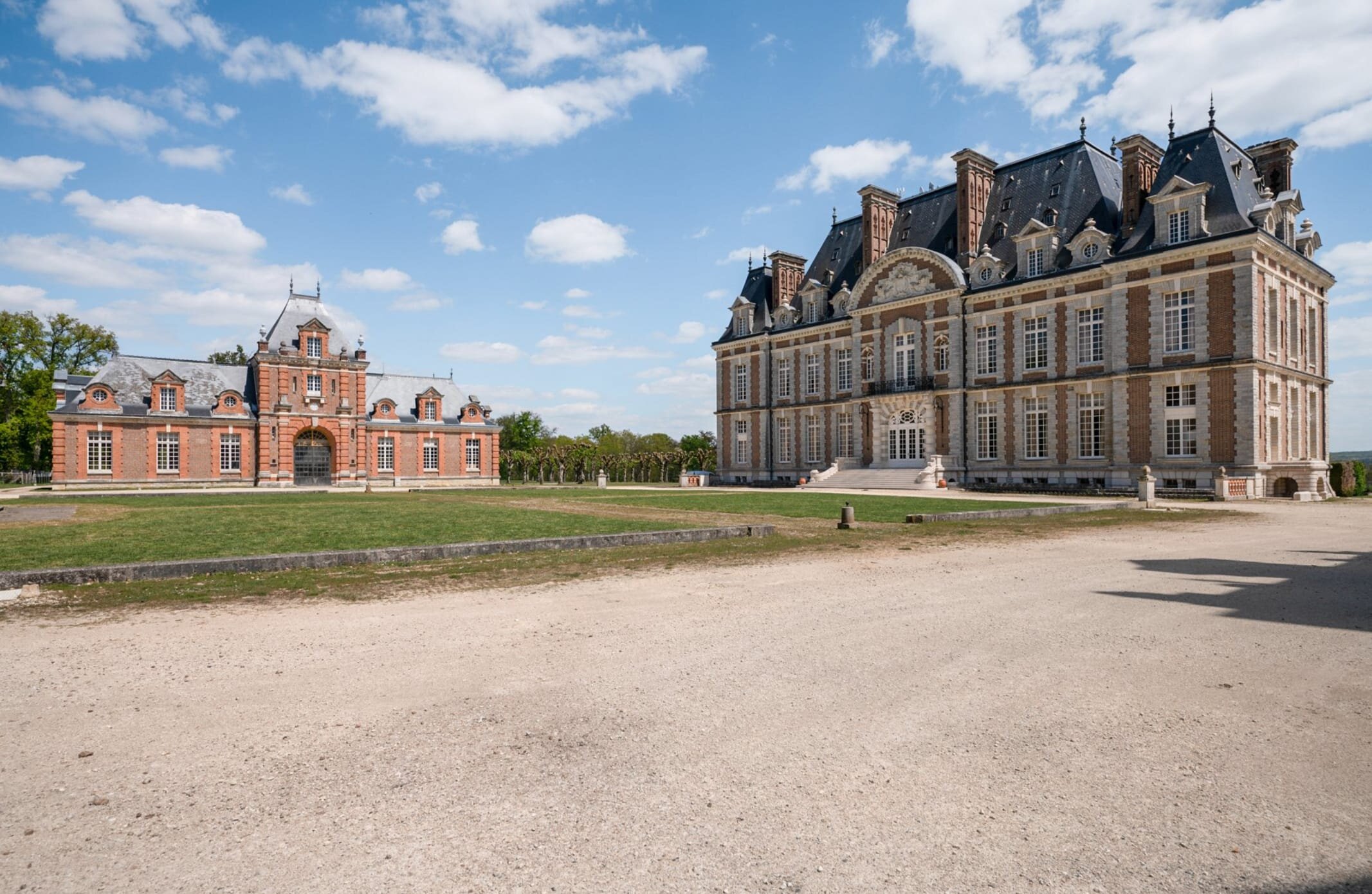
The historic chateau is set in the heart of its 101 acre estate near the cities of Bourges and Vierzon, just 2 hours from Paris.

The historic chateau is set in the heart of its 101 acre estate near the cities of Bourges and Vierzon, just 2 hours from Paris.
The property was commissioned for the Marquis de Bozas and built from 1893 to 1897 by French architect Albert-Félix-Théophile Thomas, one of the architects of the Grand Palais in Paris.
Built as a grand residence dedicated to hunting with hounds, the facade of the chateau is early 17th century in style, with the chateau flanked by the former stables and orangerie, creating a cour d'honneur at the front of the property.
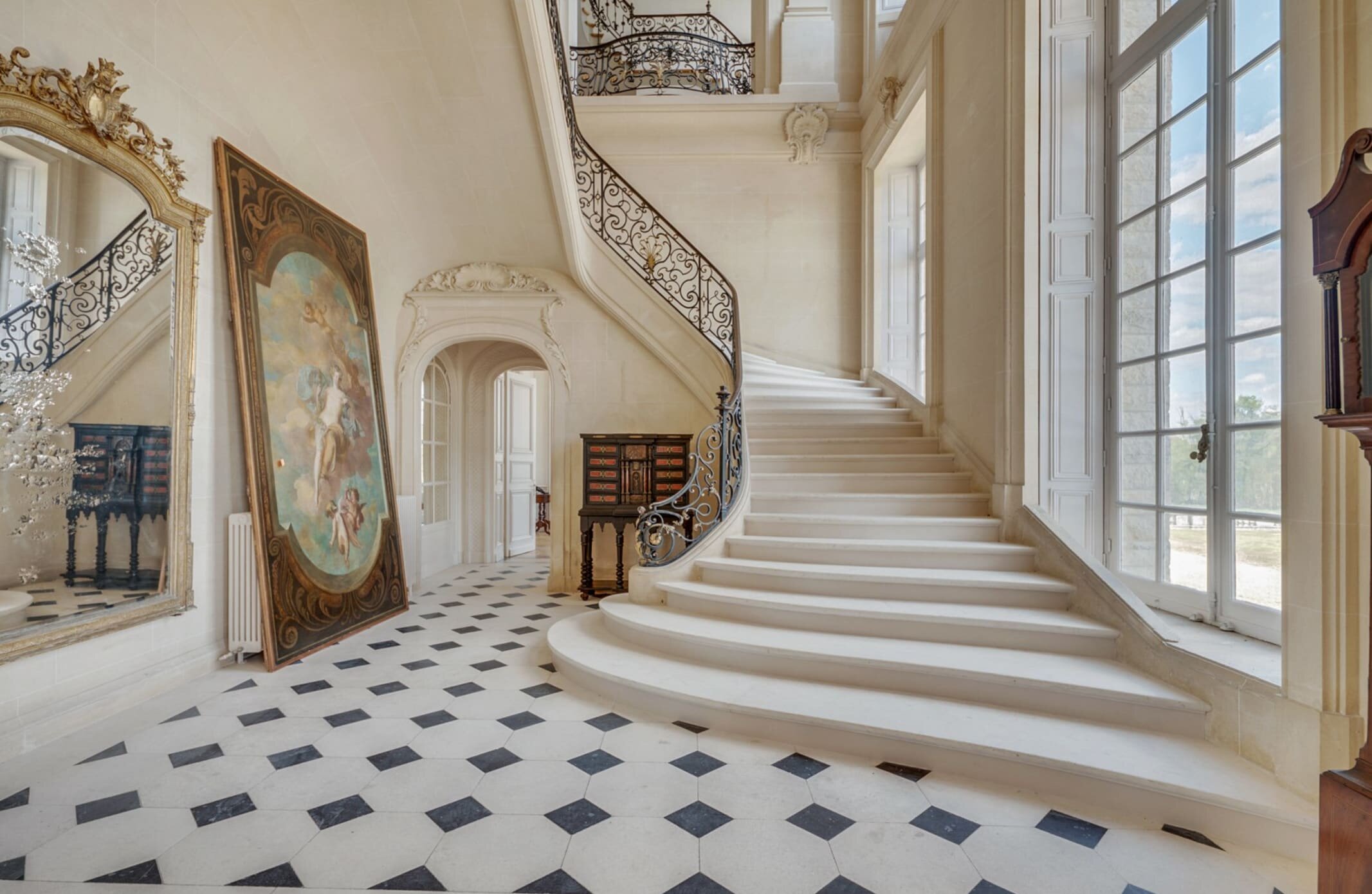
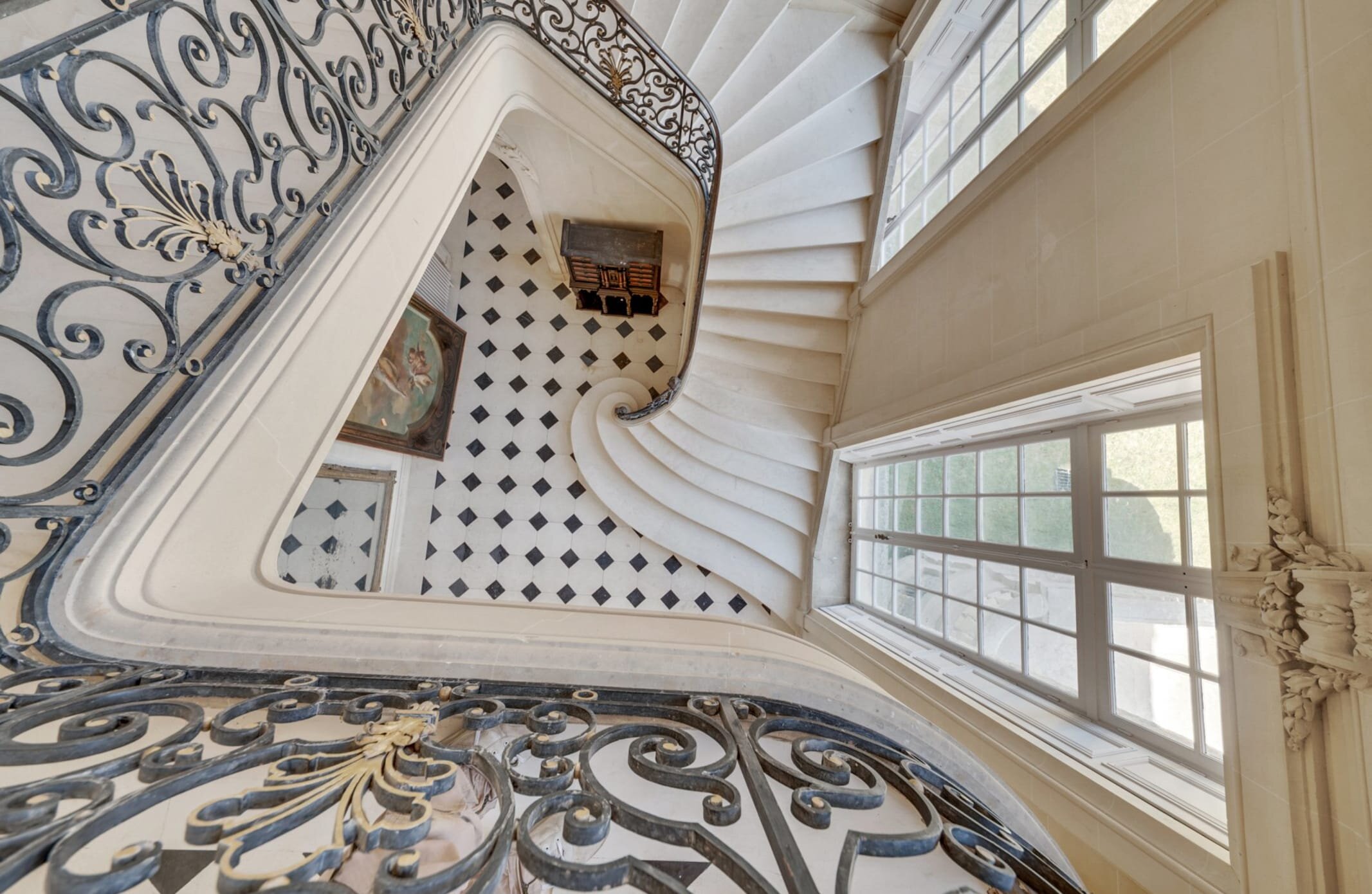
The rear of the chateau has a monumental staircase, which leads to a terrace overlooking the formal gardens and fountain, inspired by Versailles.
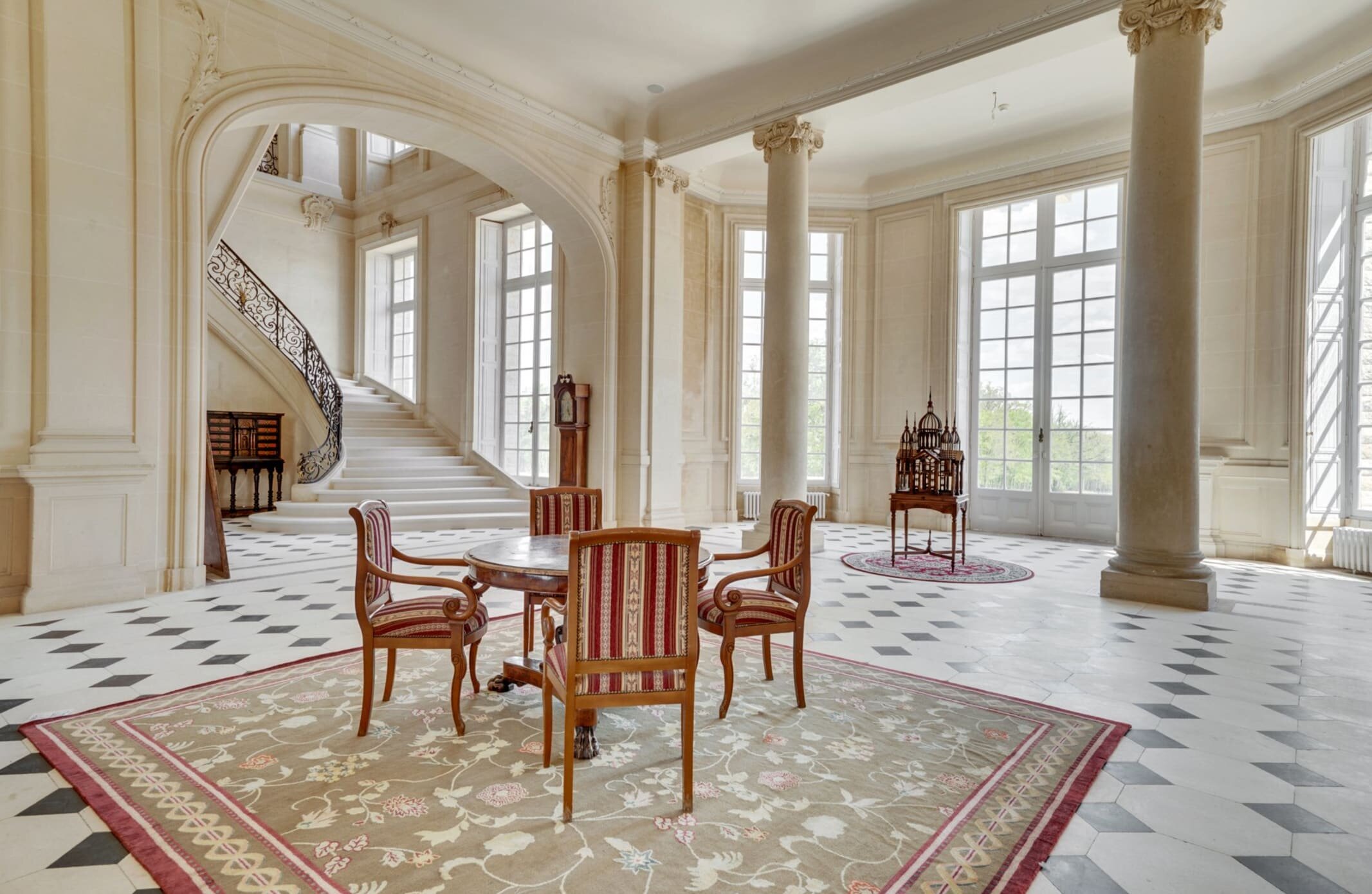
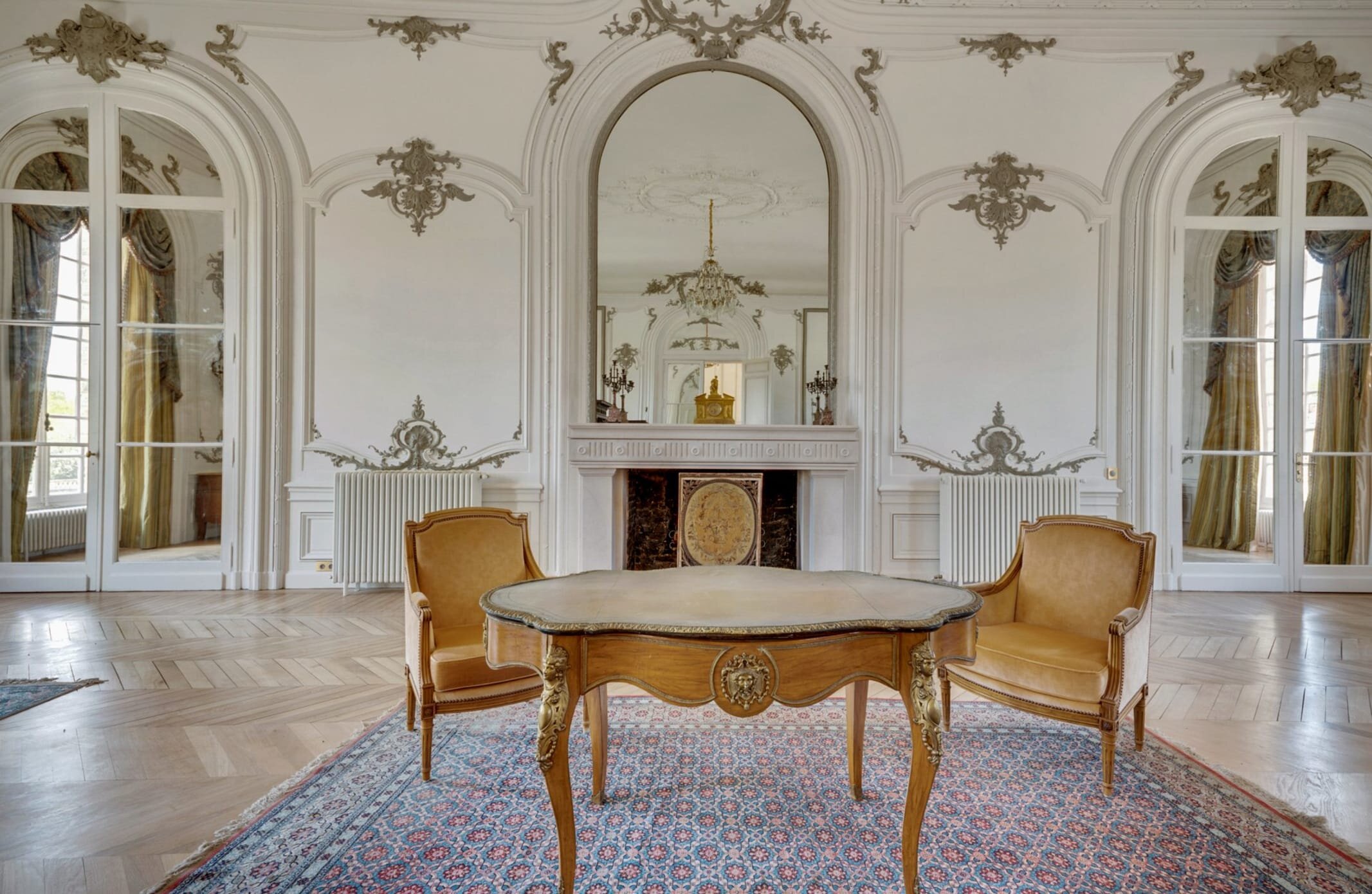
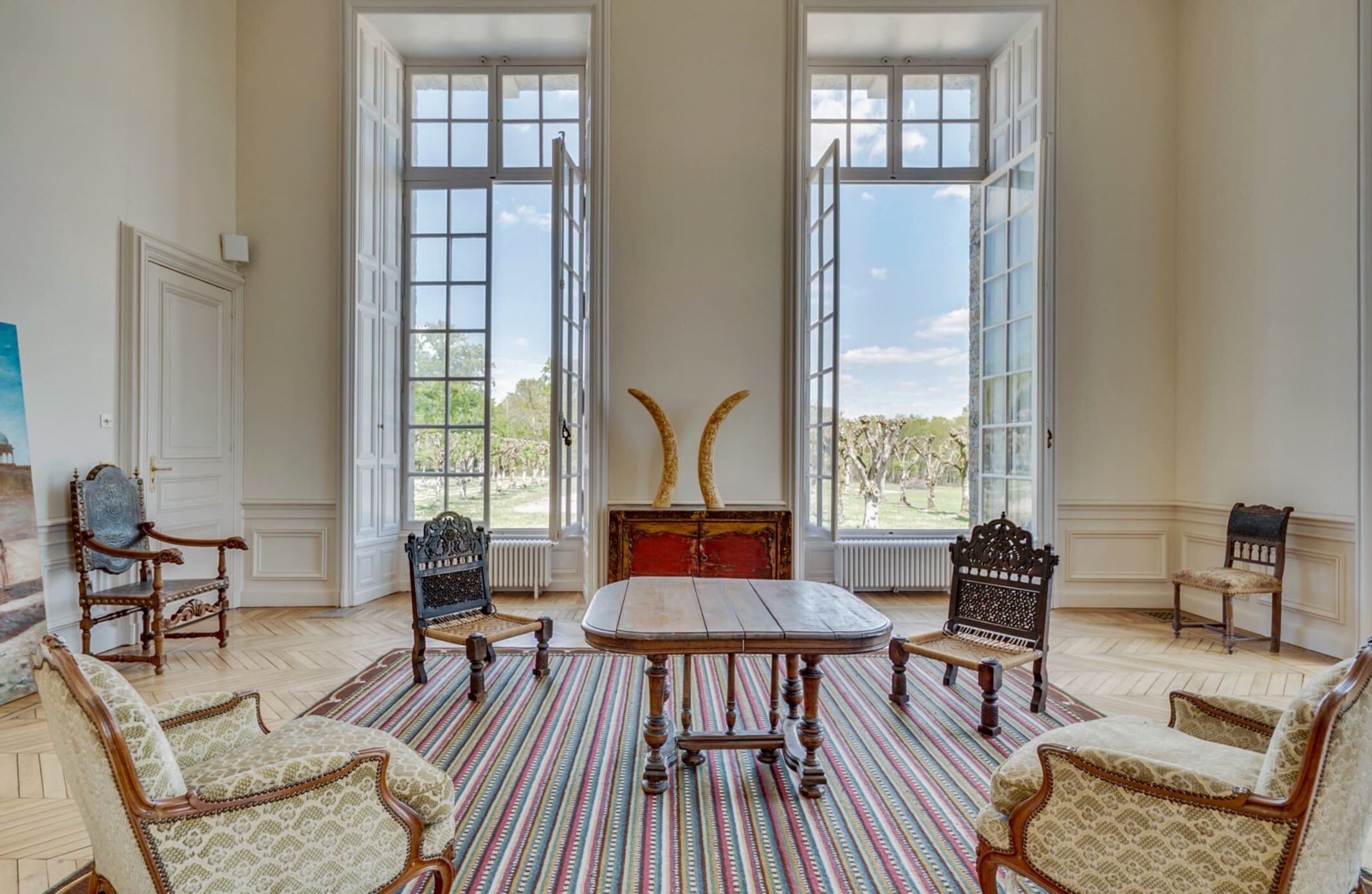
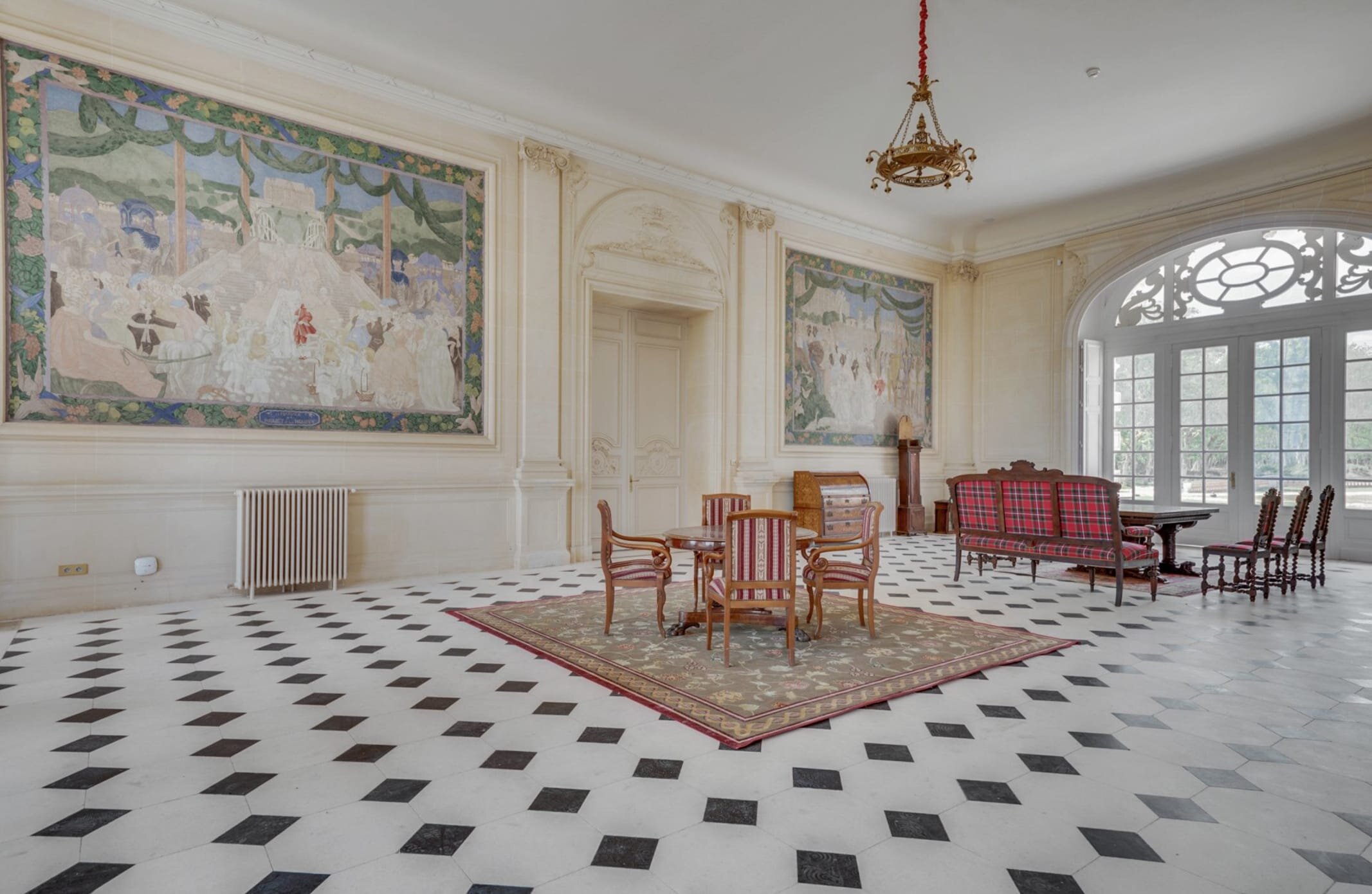
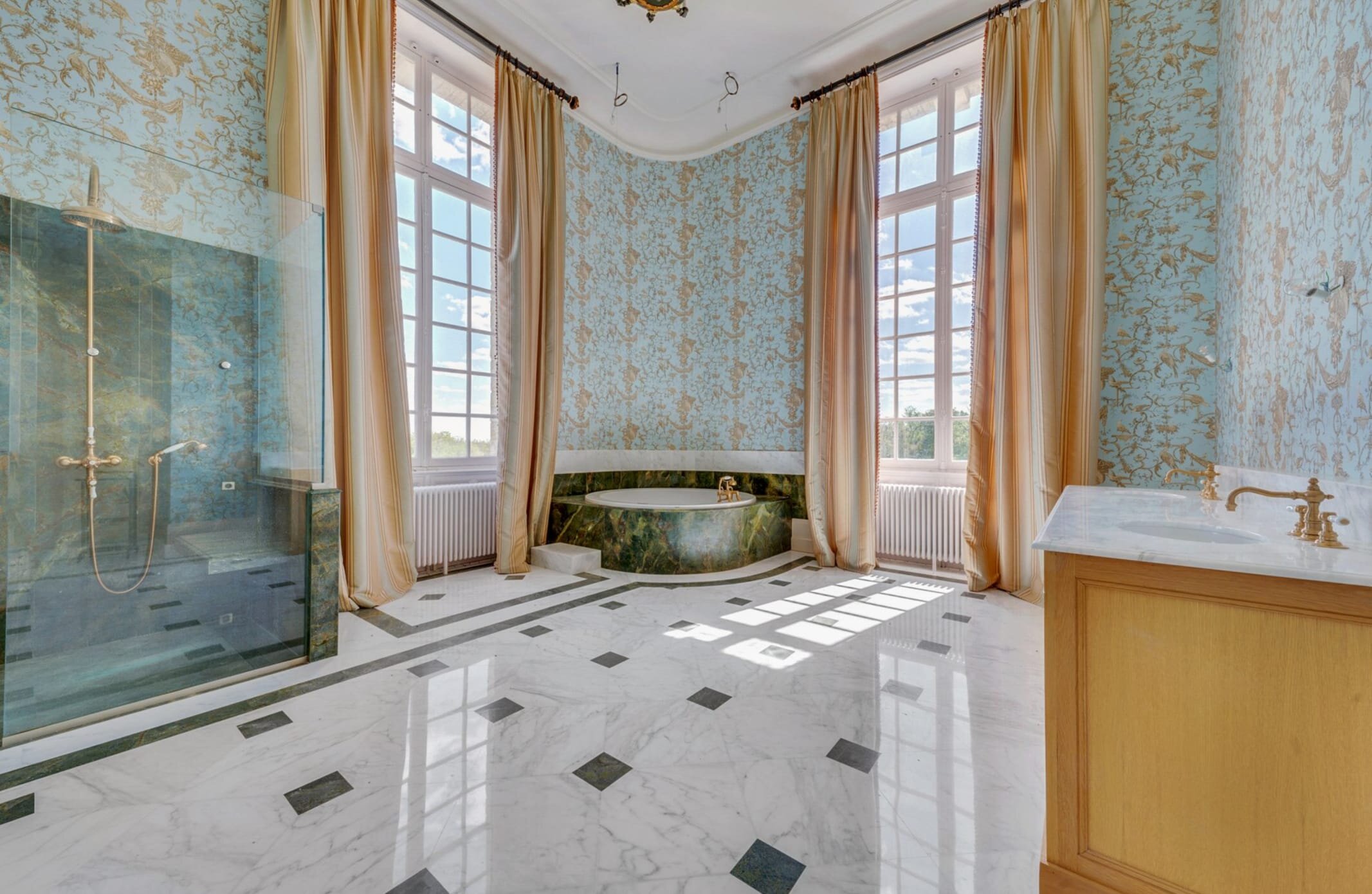
Inside, the historic chateau has been reimagined by a renowned American interior designer to enhance classic period details.
The 52-room property is composed of several grand reception rooms on the ground floor, with 18 bedroom suites spread across the grand chateau, with an elevator and 2 service staircases.
The estate is complete with a caretaker’s house, a chapel, and an outbuildings with 3 additional apartments.
All photos belong to the listing agency.

A 16th Century Elizabethan Country Manor
The Grade II* listed Markyate Cell is nestled in 10 acres of formal gardens, with an additional 65 acres of parkland, 40 km north of London.

The Grade II* listed Markyate Cell is nestled in 10 acres of formal gardens, with an additional 65 acres of parkland, 40 km north of London.
The country manor was once the home of Lady Katherin Ferrers, known as the “Wicked Lady”.
Married at 13 to Sir Thomas Fanshawe, the heiress had her property and assets sold off by her husband. Taking her financial future into her own hands, legend says she went on to become one of the most famous highwaywomen, dressing in disguise in breeches and a cloak, with a mask and tricorn hat, while out on her outlaw adventures.
Ferrers died in 1660, aged 26, of a gunshot wound in a botched robbery.
Spanning some 12,000 square feet, Markyate Cell has been beautifully restored by its current owners and features stunning Elizabethan detail throughout, with grand, stone windows, wood panelling, ornate ceilings and doorframes, and a Jacobean oak staircase.
The 11-bedroom property also has a Tudor fireplace which conceals a secret passageway, rumored to be how Lady Katherine snuck in and out of the house.
Just north of Markyate village, the property dates back to the 1100s, built by a monk from St Albans who founded a hermitage at the mansion.
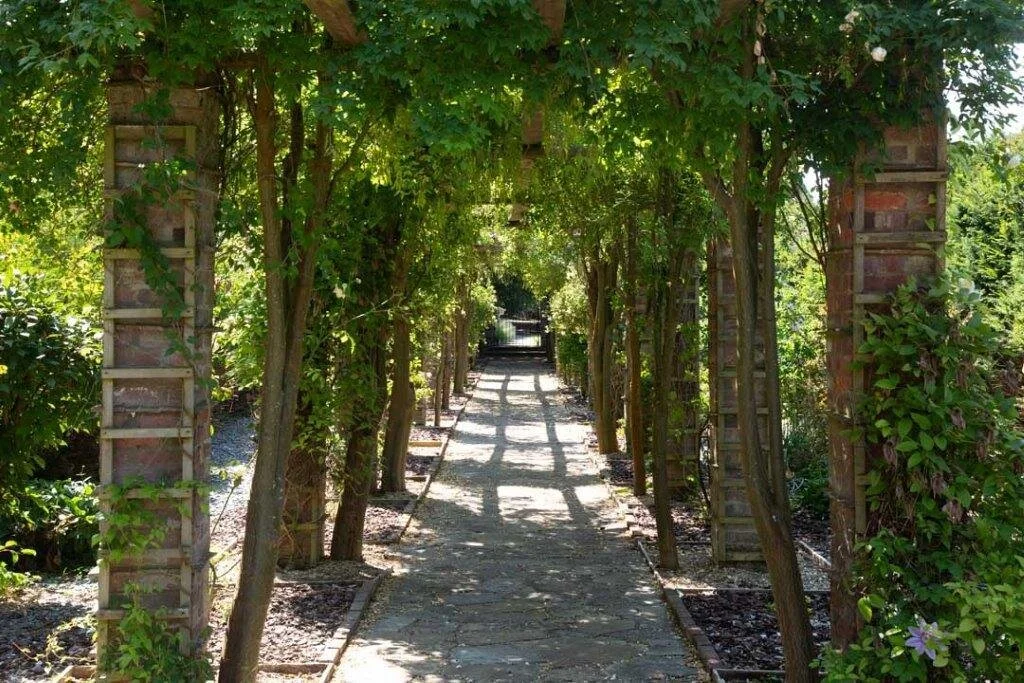
Updated over the centuries, the south-facing formal gardens were added at the beginning of the 20th century, consisting of a terrace and landscaped lawn, with elevated walled gardens.
Approached through a tree-lined drive, the property comes with additional outbuildings, a 2-bedroom cottage, and a 1-bedroom staff apartment.



All photos belong to the listing agency.

Montauk Founder’s East End Estate
“Crazy Carl Fisher” bought 10,000 acres of Montauk peninsula in 1925 for $2.5M, and spent another $7M laying the infrastructure and building to create the “most fabulous summer resort ever imagined in the western world”.

The timeless residence was built in the 1920s by Carl G. Fisher, “Mr. Miami”, a visionary entrepreneur known for transforming swampland into the Miami Beach strip we know today, creating the American Riviera—and making millions.
The multi-passionate businessman is also known for revolutionizing the design of headlights in early cars, was involved in building the country’s first coast-to-coast highway, and created the Indianapolis Motor Speedway and the Indy 500.
“Crazy Carl Fisher” bought 10,000 acres of Montauk peninsula in 1925 for $2.5M, and spent another $7M laying the infrastructure and building 30 homes to create the “most fabulous summer resort ever imagined in the western world”, the “Miami Beach of the North”.
At a time when a Gatsby-level of decadence was all the rage, Fisher built the ultimate gentlemen’s playground, with a hotel, golf course, tennis complex, polo club, marina, etc. Unfortunately after the Wall Street crash of ‘29, his legacy in Montauk was one of failure.
Montauk wasn’t developed again until the ‘70s, and has slowly been built back into Fisher’s dream with a reputation today as one of the most exclusive places to be in the Hamptons.
Set on 7.6 acres with exceptional views, this timeless mansion was built for Carl G. Fisher has his private home in Montauk.
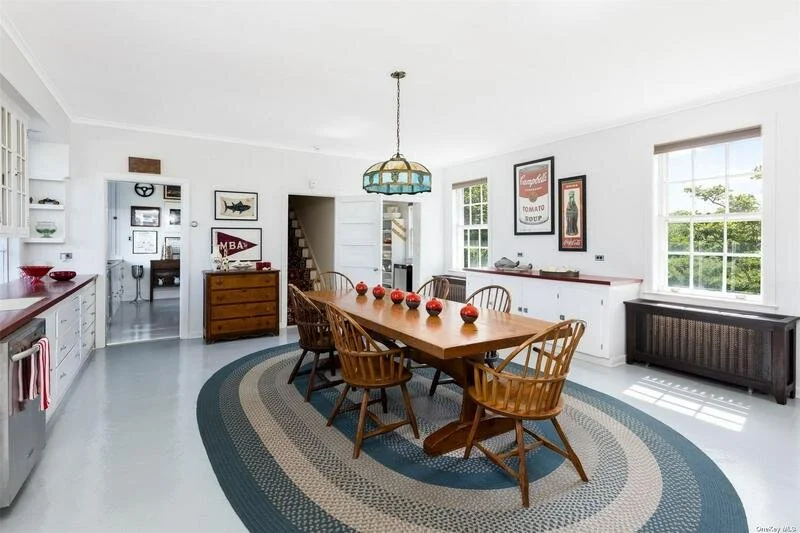
Neighbouring 100 acres of protected land, the East End home offers 8000 square feet of interior space with 11 ensuite bedrooms and large, comfortable spaces for gathering with several grand fireplaces, as well as a large country kitchen.
A perfect summer playground, the estate comes with a guest house, swimming pool, and tennis court.




All photos belong to the listing agency.

A Legacy Estate in Hancock Park
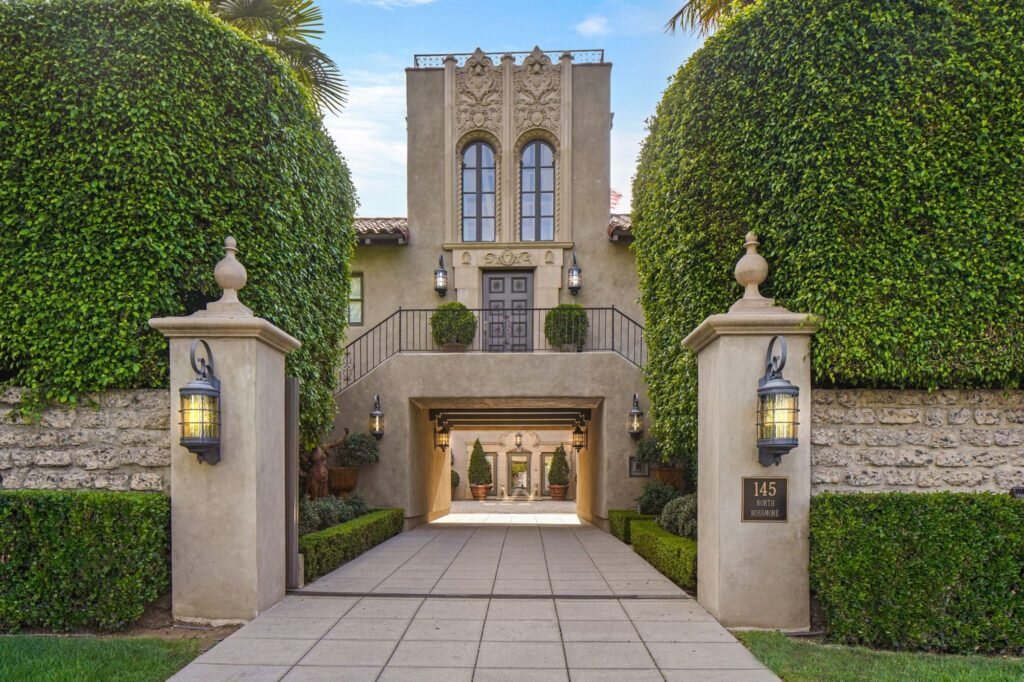
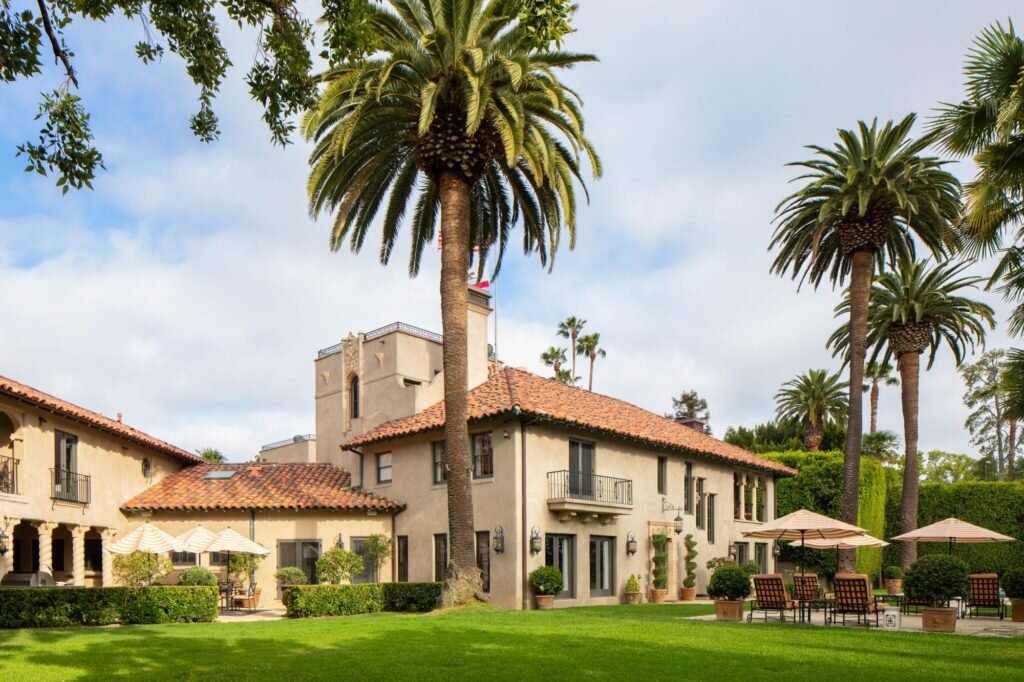
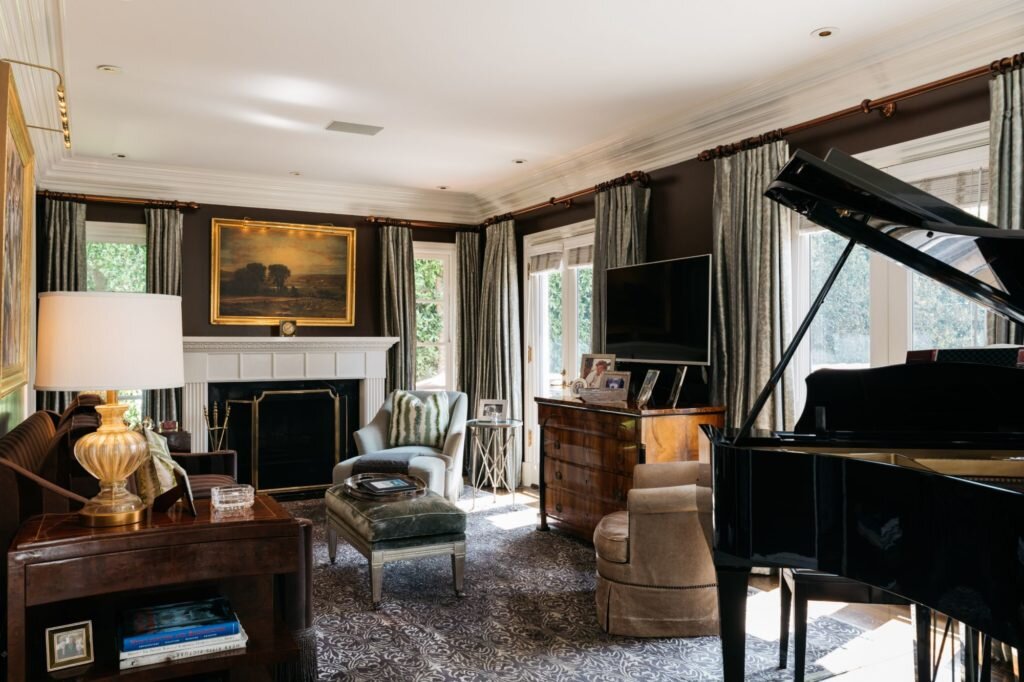
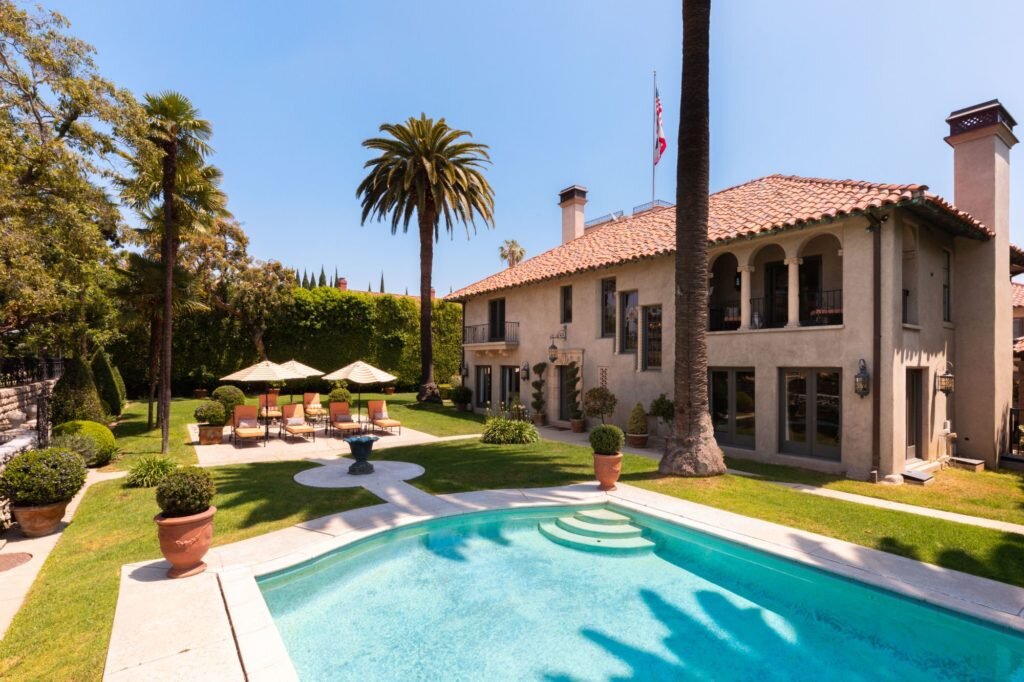
The Spanish Gothic property was built in 1923 by local Los Angeles architect Arthur E. Harvey, and has been transformed by one of the most prominent designer couples in the area, interior designer Brian Little and lifelong partner and realtor, Timothy Enright.
This property is on the market for $14,850,000, co-listed with Ernie Carswell of Douglas Elliman and Boni Bryant and Joe Reichling of Compass.

The Spanish Gothic property was built in 1923 by local Los Angeles architect Arthur E. Harvey, and has been transformed by one of the most prominent designer couples in the area, interior designer Brian Little and lifelong partner and realtor, Timothy Enright.
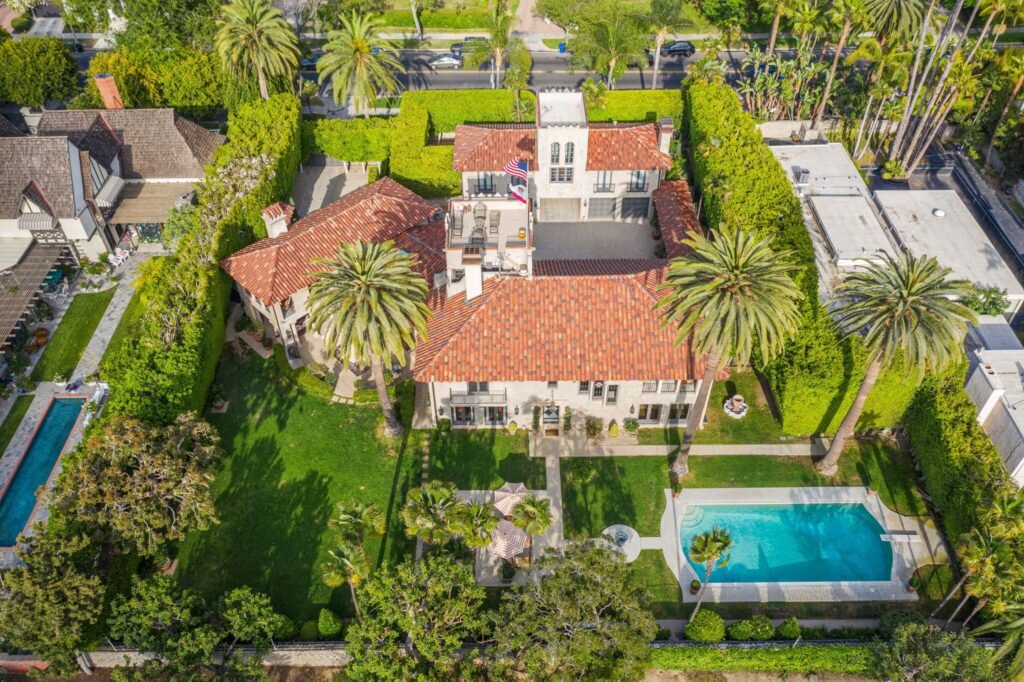
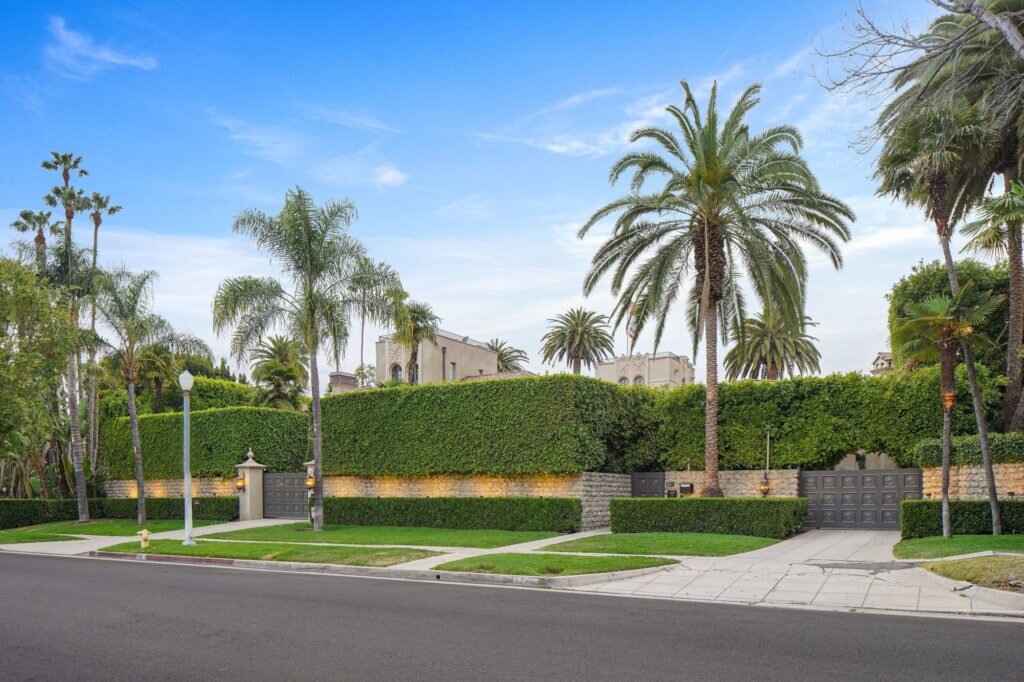
Set on one of Hancock Park’s most illustrious streets, the fully walled and gated compound offers total privacy and 200 feet of frontage onto the Wilshire Country Club fairways.
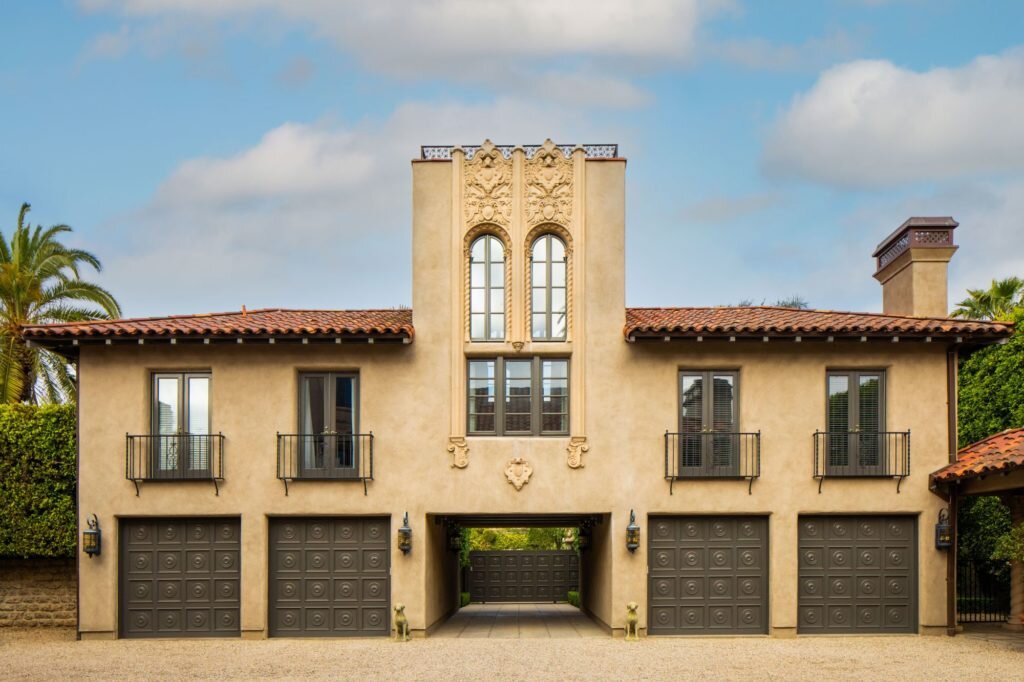
Enter the property through the gates and via a tunnelled drive, above which is the 1-bedroom gatehouse, complete with its own private yard and plunge pool.
The towering property makes quite the impression from its gravel courtyard, featuring manicured topiaries, a fountain, and a 4-car garage.
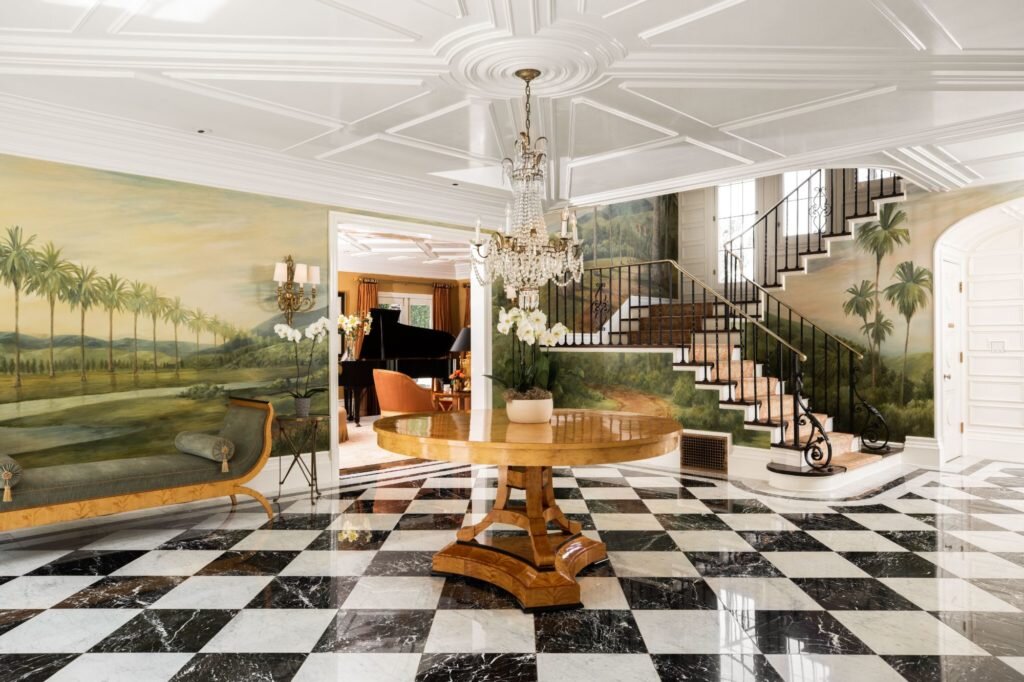
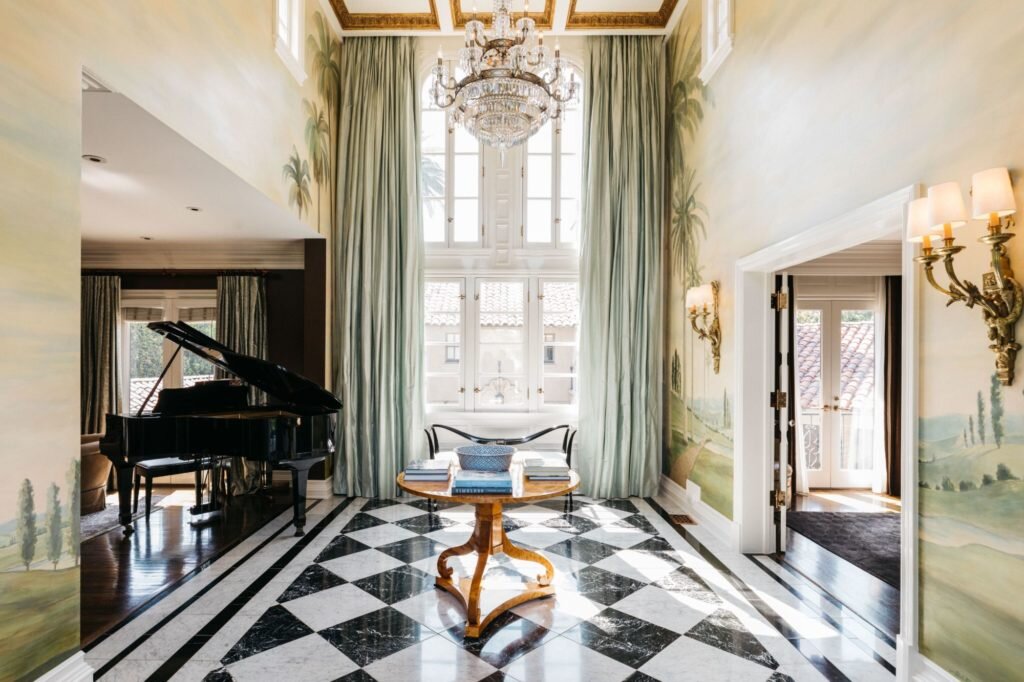
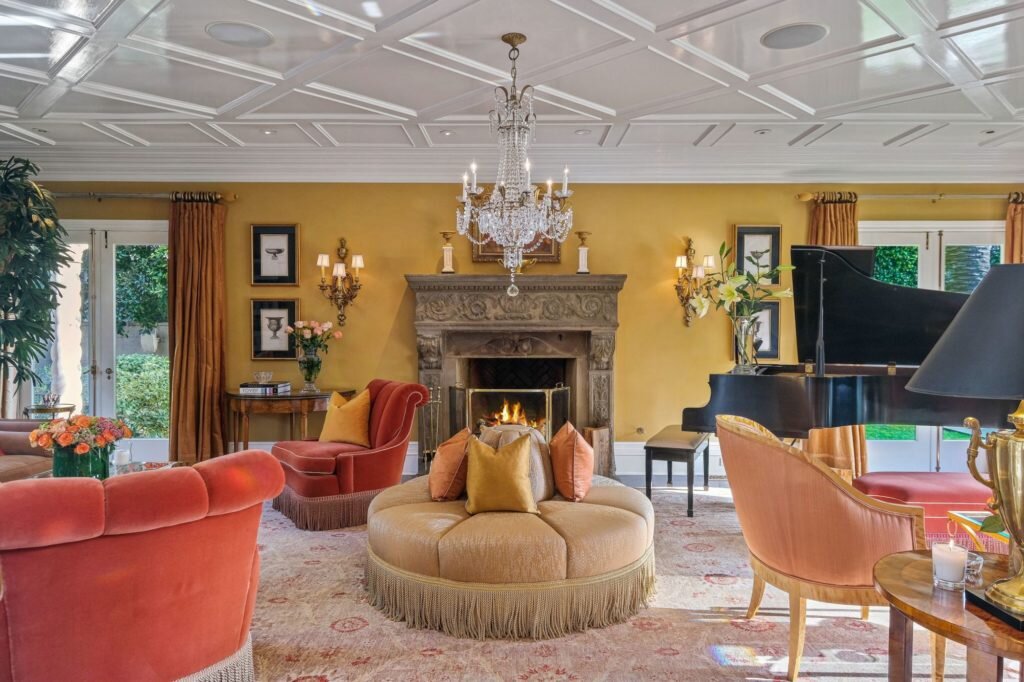
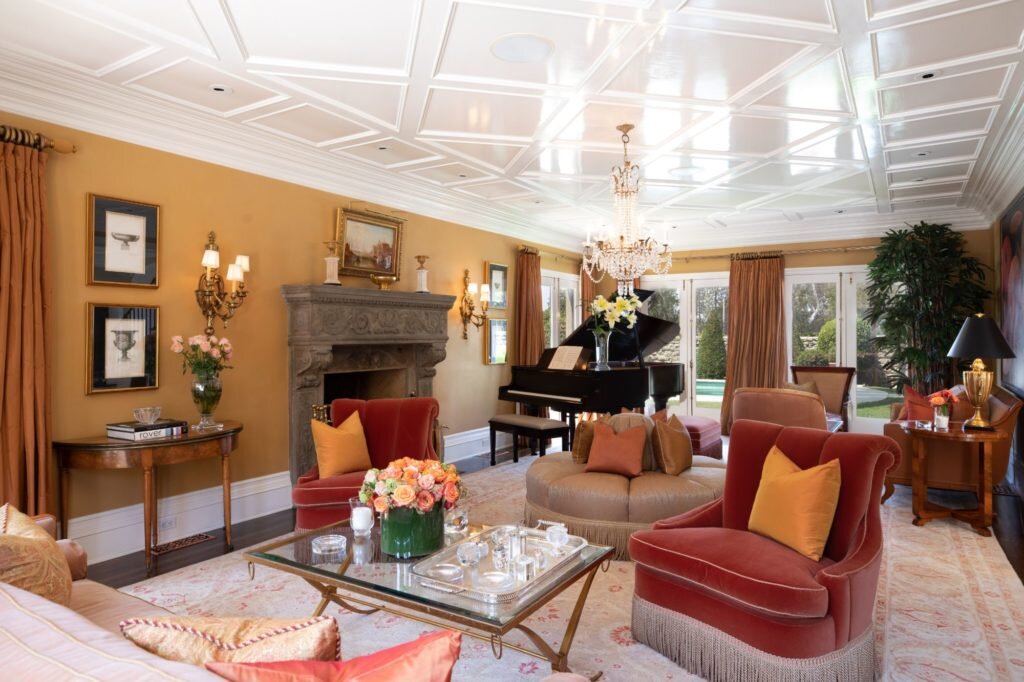
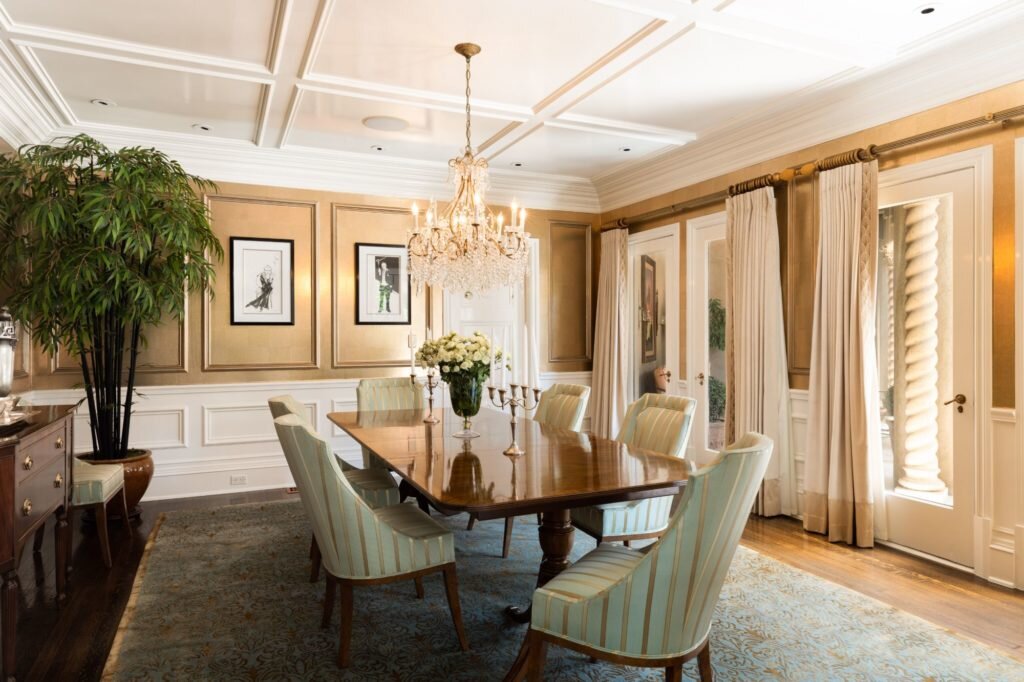
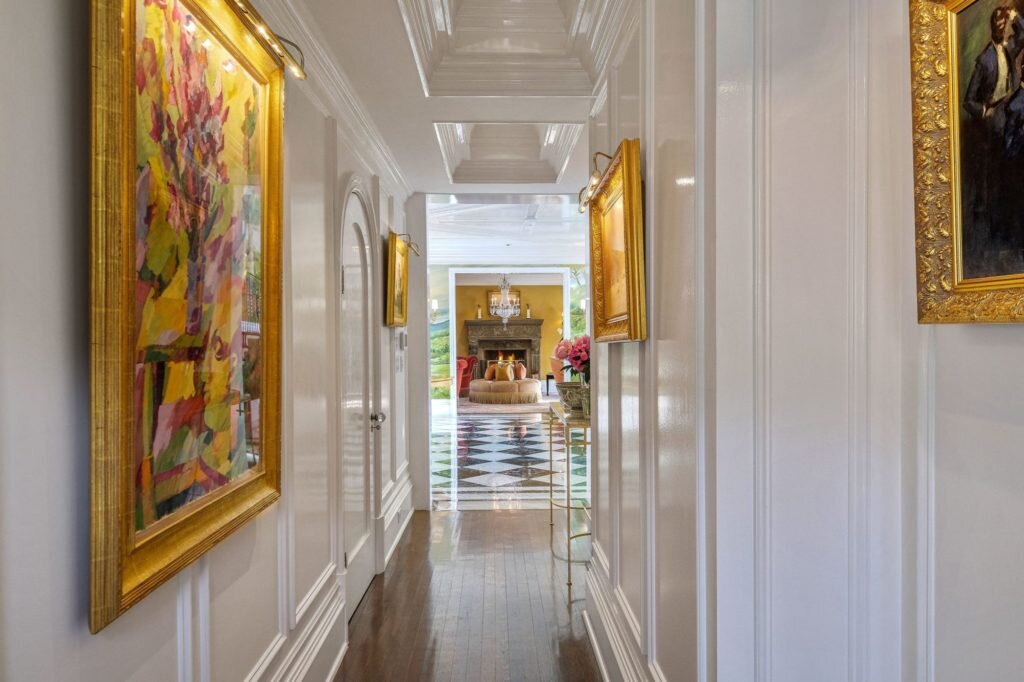
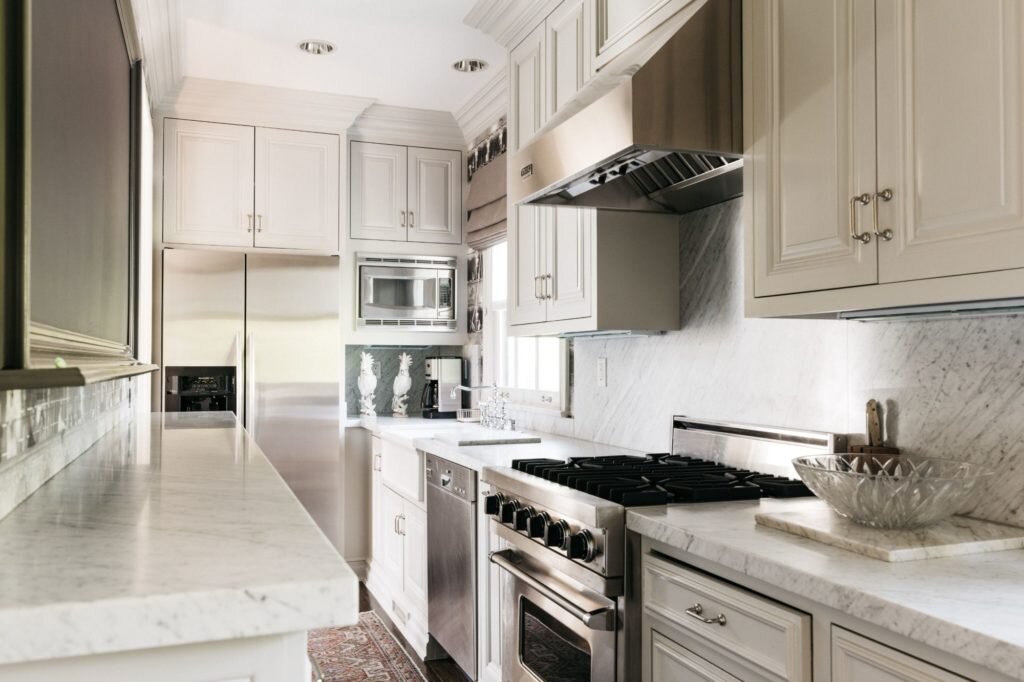
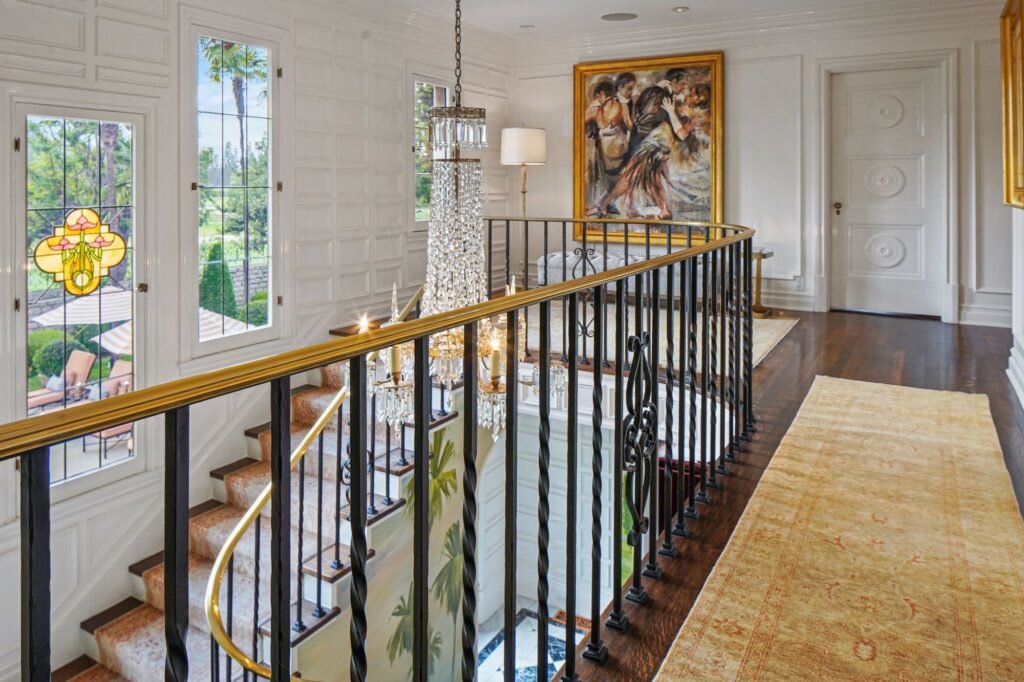
Inside the 8000 square foot home, the interiors are spacious and classic, with a whimsical twist; the tropical wallscape in the foyer is of particular note.
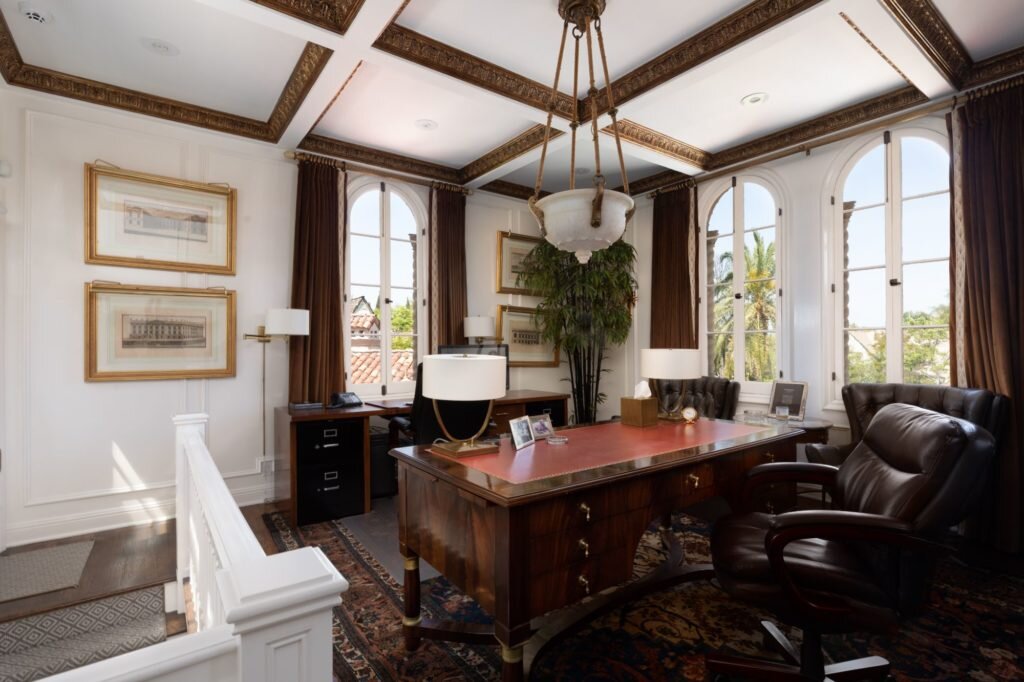
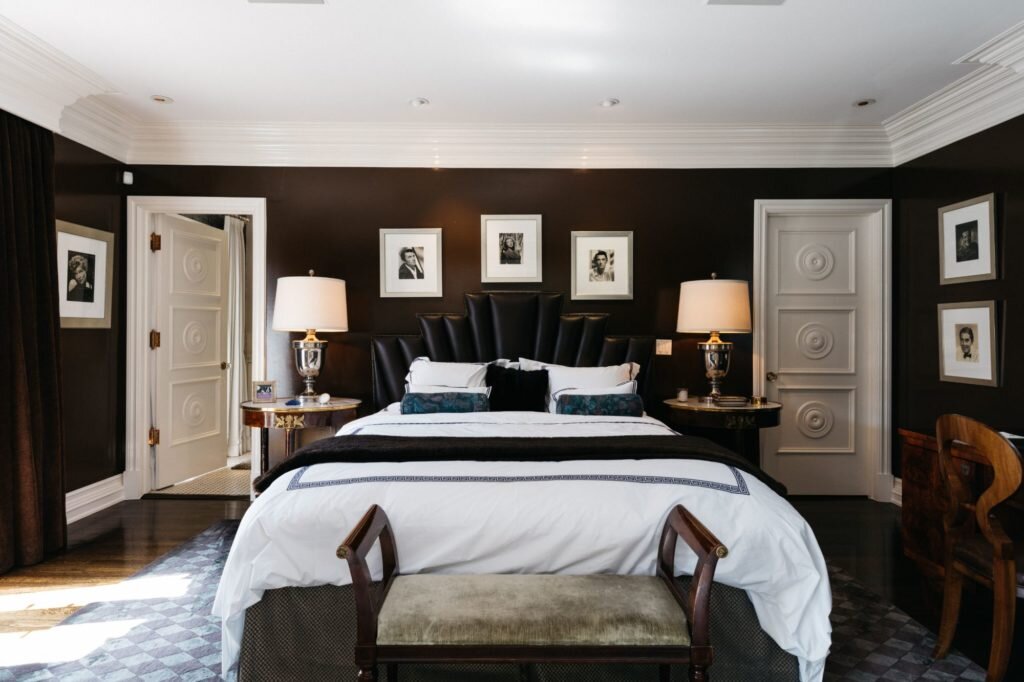
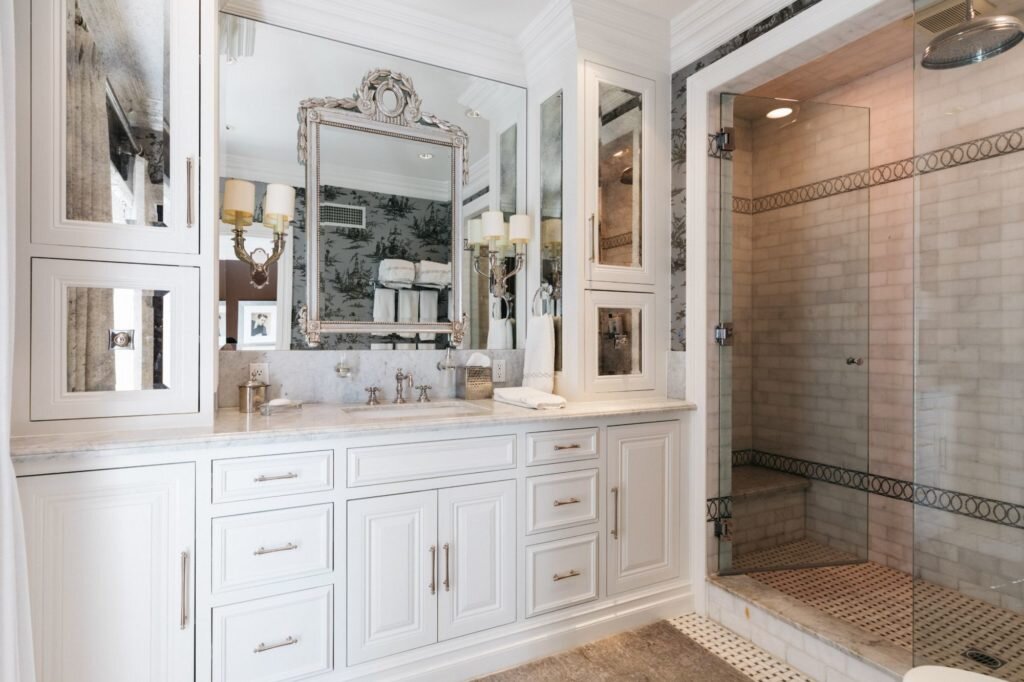
The legacy estate has 6 bedrooms and 7 bathrooms, with the bedroom suites designed with privacy in mind. Two of the primary suites offer arched privacy balconies, and there is also a serene tower office with a rooftop deck.
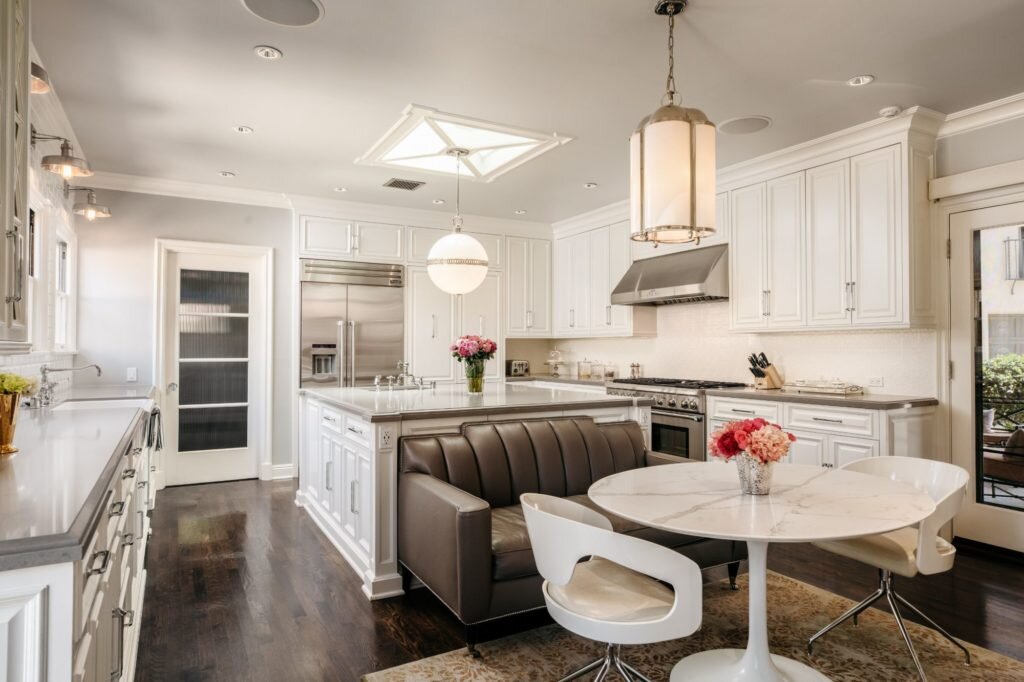
The kitchen opens out onto the 400 square foot heated outdoor living room, perfect for dining al fresco.
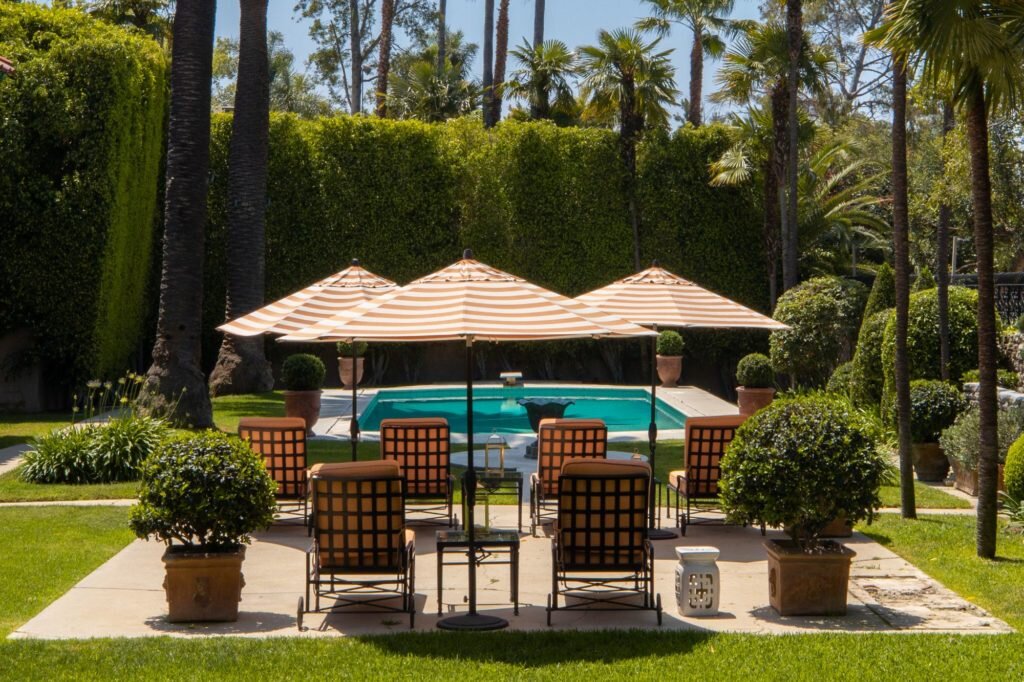
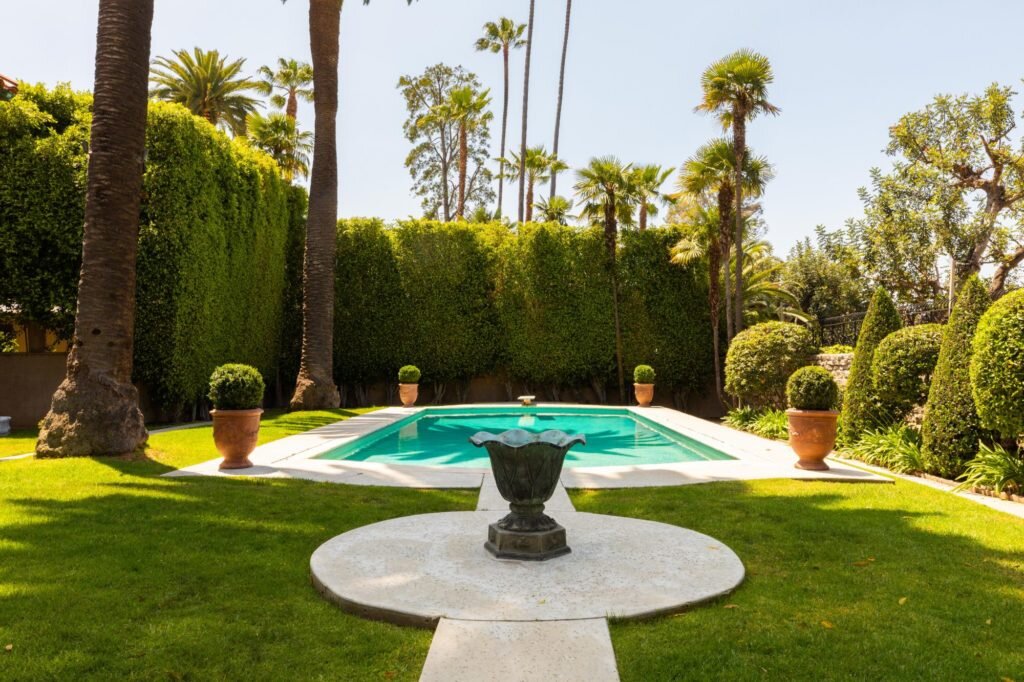
The backyard oasis is a study in symmetry and proportion, with an elegant swimming pool flanked by palms and a sunny lounge area.
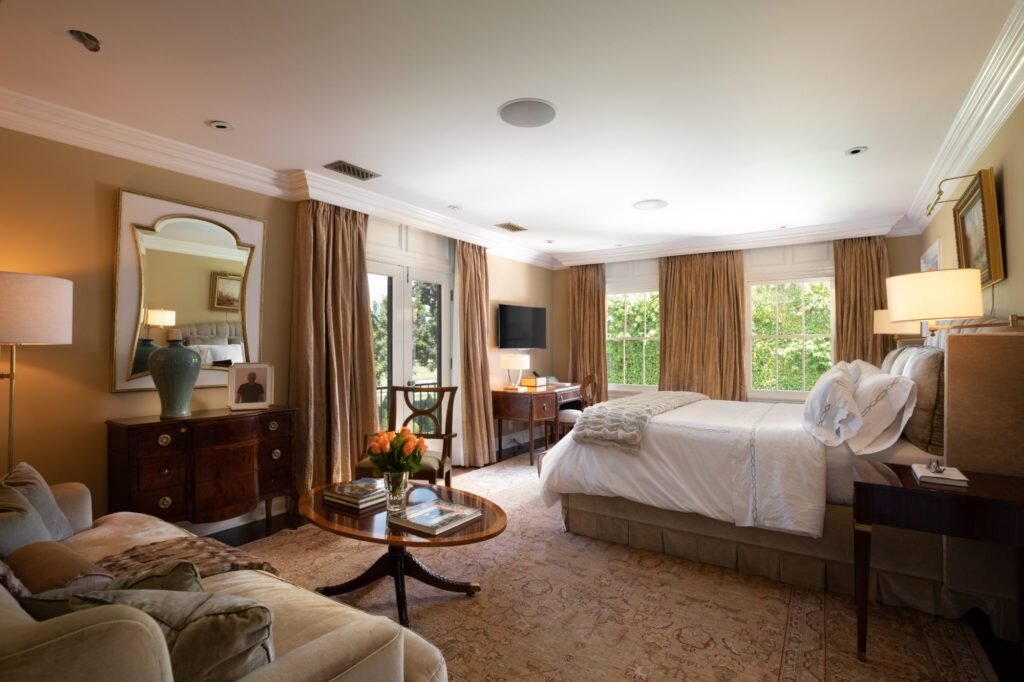
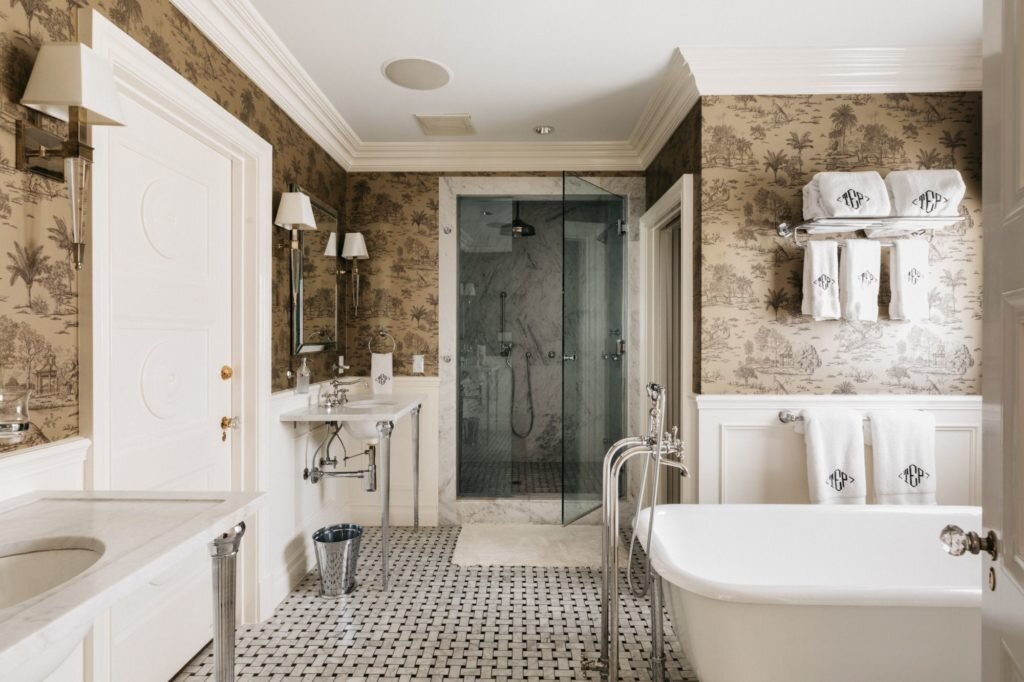
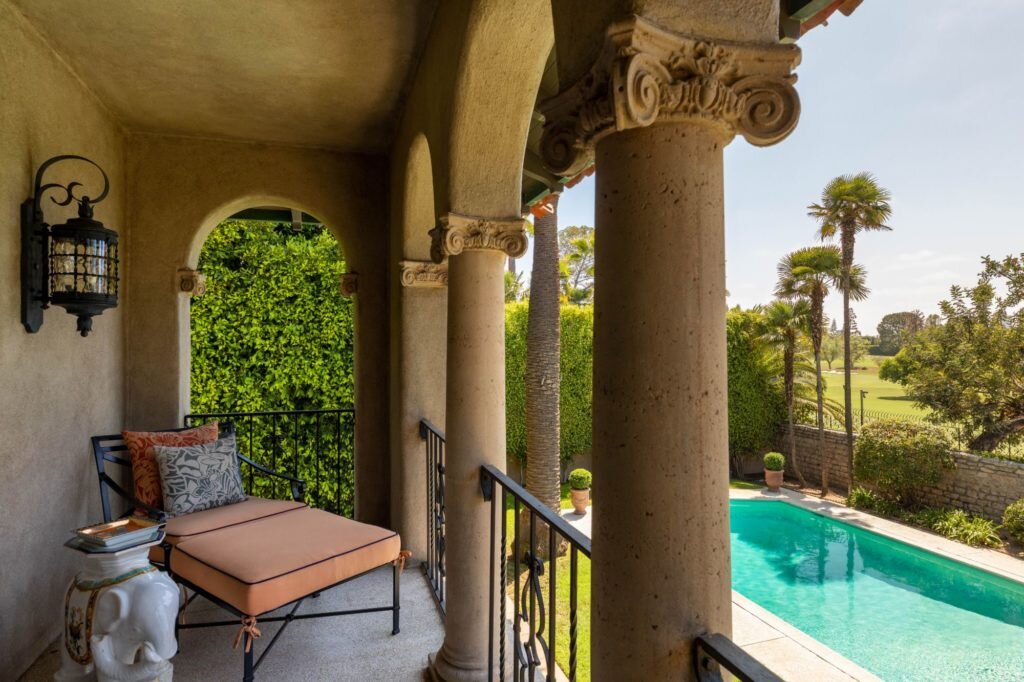
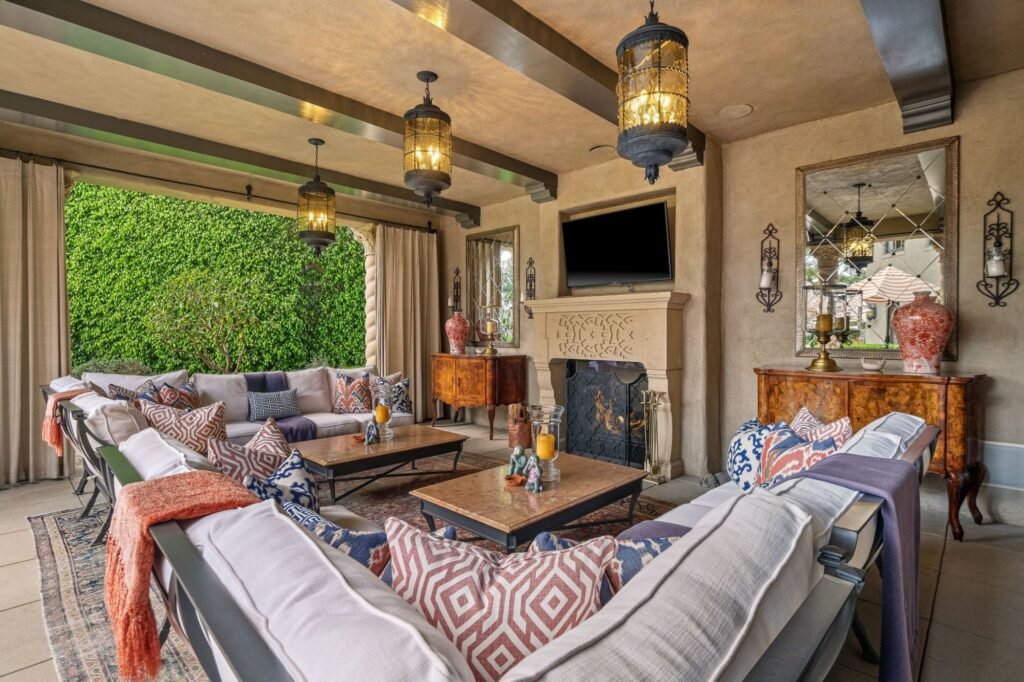
All photos belong to the listing agency.

The Patino Palace on the Portuguese Riviera
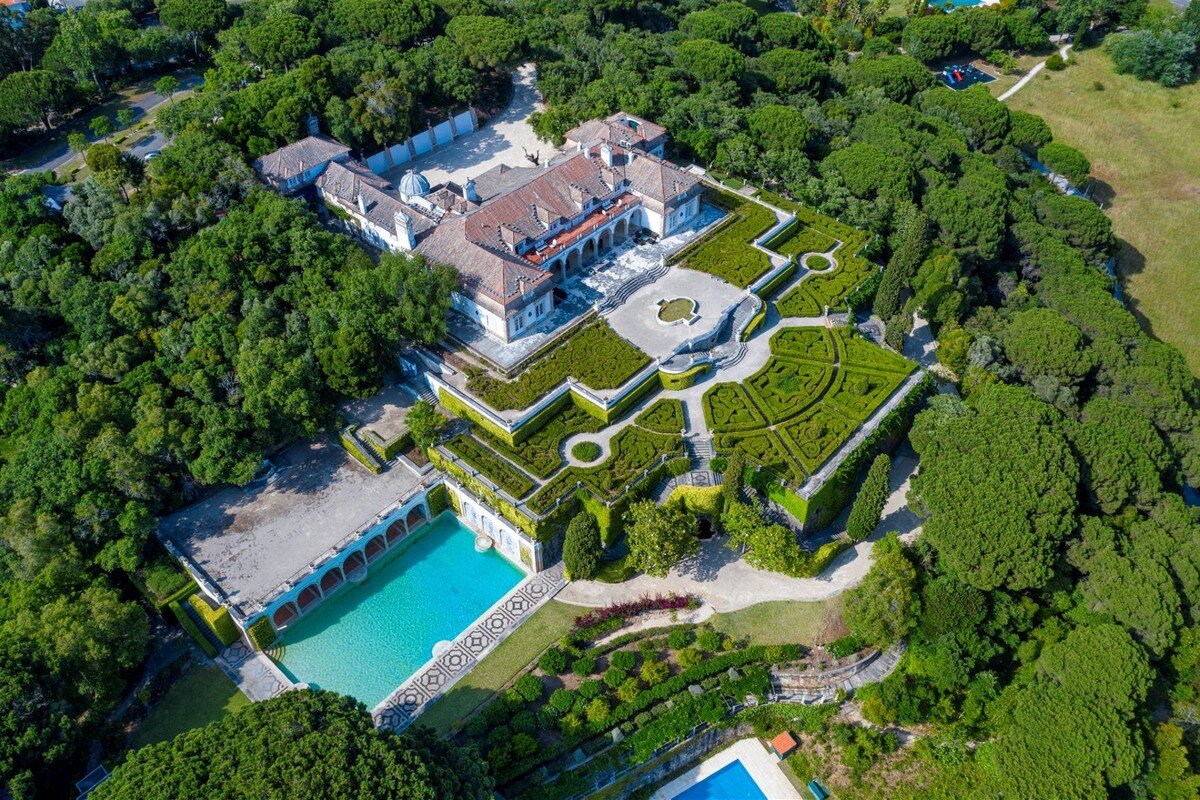
Built in the 1950’s for the Bolivian tycoon, Antenor Patiño, the summer residence quickly became a destination for the international jetset, famous for parties that attracted guests like Audrey Hepburn, Zsa Zsa Gabor, Henry Ford, the Rothschilds, and the Rockefellers.

Quinta Patiño was built in the 1950’s for the Bolivian tycoon, Antenor Patiño, heir to his father, known as “The King of Tin''.
Símon Patiño had a rags-to-riches story of striking it rich after being granted a mine as payment for a debt by a Portuguese prospector. The family rode mules into the mountains, spent years digging for ore until he came across a lode of tin, and by 1910, he was a millionaire.
Antenor Patiño was considered one of the wealthiest men in the world at one time, the billionaire maintained homes in Europe and North America, including an apartment on Fifth Avenue and another on Avenue Foch in Paris.
Although the property is distinctly 18th century in style, Quinta Patiño was built in 1957 as his summer residence in Portugal.
Antenor Patiño fell in love with the hills around Estoril when visiting the marquise of Castéja in the 1950s. A hotspot for European royalty since the 18th century, the region was then known as a “golden exile”, considered a haven for European nobles and aristocrats escaping their war-torn countries.
The current 7.66 acre property was originally a 124 acre farm estate, comprising many property lots he would purchase and combine. Patiño built his palace where the view was “most spectacular”—sparing no expense.
The summer home quickly became a destination for the international jetset, famous for its parties that attracted distinguished guests from industry, high finance, cinema, music, fashion, and aristocracy.
The “Party of the Parties” took place here in 1968, with a guest list that included Audrey Hepburn, Zsa Zsa Gabor, Henry Ford, the Rothschilds, and the Rockefellers.

PRIVATE COLLECTION OF THE DUCHESS OF CADAVAL
With its large terraced lawns, formal gardens, and an incredible pool area with loggia, the property is ideal for entertaining.
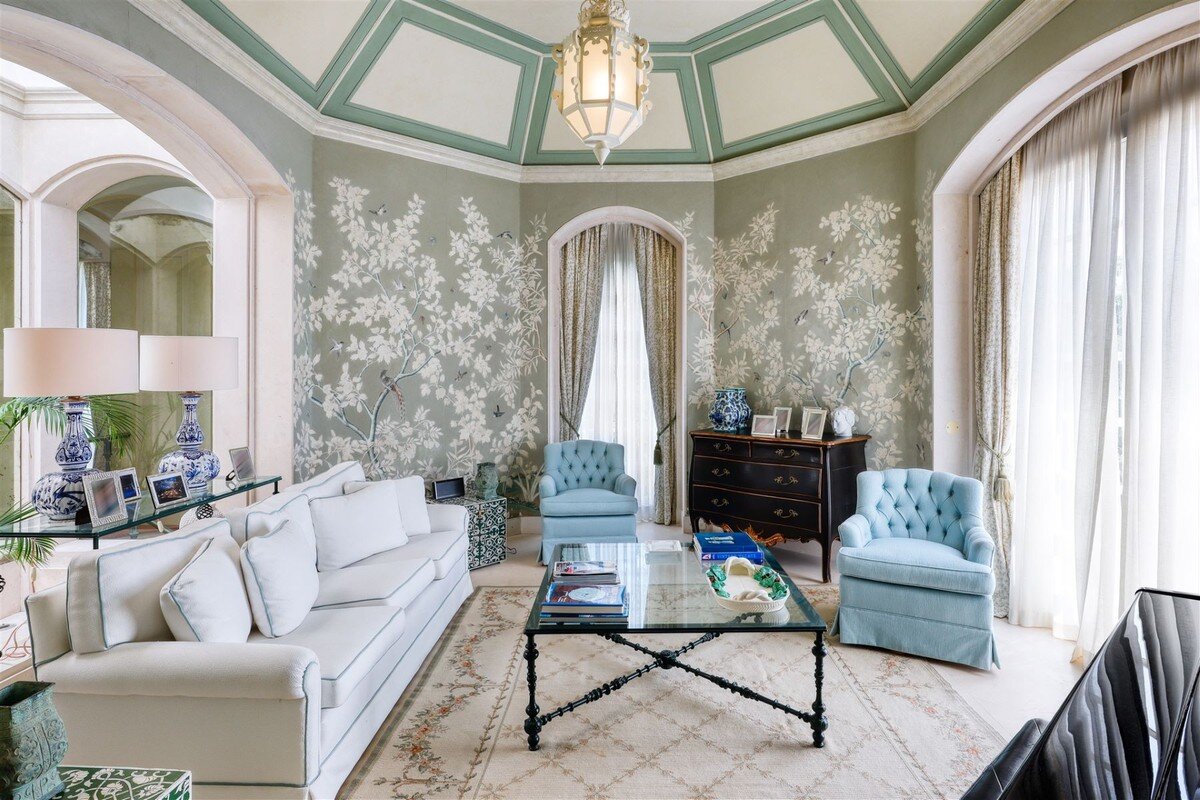
Inside, the 36,000+ square foot property features frescoed walls, and wooden ceilings, with authentic Portuguese tiles from the 17th and 18th centuries.
The library is a miniature replica of the Joanina library at the University of Coimbra, and the 14-bedroom palace comes with 17 bathrooms, a sauna and steam room, and a massage room.
Amenities include a screening room (with its original 1960s projector), as well as a bowling hall, and a lounge.
All of the rooms on the ground floor open out onto the terraces, which overlook the gardens with a tea pavilion, and offer sea views.
Just 20 minutes to Lisbon, the property is set near the coastal resort town in Portugal offers a level of comfort and security comparable to that of the best European cities.





All photos belong to the listing agency.
Additional sources:
http://directoriodeco.com/quinta-patino/
https://www.publico.pt/2010/12/18/jornal/da-bolivia-com-amor-20628373

Linden Hill, a Legacy Property in Pennsylvania
The French country style property is nestled in a 67.7 acre property that feels a world away, with its fenced pastures, stunning gardens, and a world-class leisure complex.

Linden Hill is a legacy property just outside Pennsylvania.
The French country style property is nestled in a 67.7 acre property that feels a world away, with its fenced pastures, stunning gardens, and a world-class leisure complex which includes a 10-car garage, stables, two swimming pools with a pool house, and a tennis court.
The legacy property was built between 1928 and 1931 by the American architect Edmund B. Gilchrist, known for his English-Cotswold and French-Norman suburban houses.
Gilchrist built the property for Rodman Ellison Griscom, a Philadelphia stockbroker and son of shipping magnate Clement Griscom, basing his design on the father’s nearby estate, Dolobran, built by architect Frank Furness. Thus, the property was originally named Dolobran II.
In 1944, the estate was purchased by John T. Dorrance, Jr., the son of the former president of the Campbell Soup Company. Renamed Cedar Crest, it was home to the Dorrance family for over 50 years.
The estate was purchased in 1999 by American writer, Robert Burch, who renamed the estate once again to Linden Hill.
The expansive property offers a unique opportunity for estate living or further development, offering nearly 15,00 square feet of living space inside the French Normandy-style mansion.
The 11 bedroom, 10 bathroom home is designed for formal living and entertaining, with comfortable private quarters.
Guest houses flank the main residence, creating the cour d'honneur, the principal court (or forecourt) of the grand house.
Linden Hill is set at the end of a narrowed wall lane which starts at an initial courtyard, containing the garages, stables, and additional staff houses, including a turreted caretakers house.
An incredible legacy property, located in Philadelphia Main Line’s most exclusive areas.


All photos belong to the listing agency.

An 18th Century Chateau on the Emerald Coast
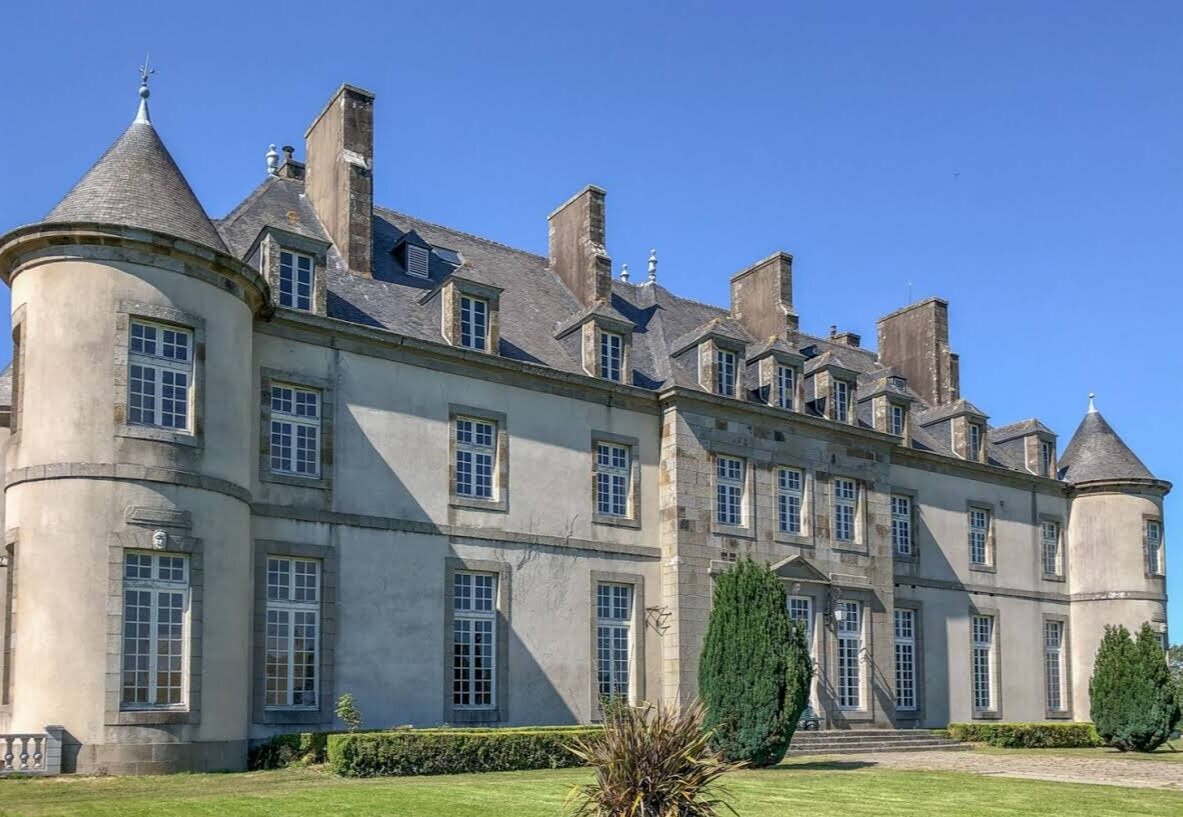
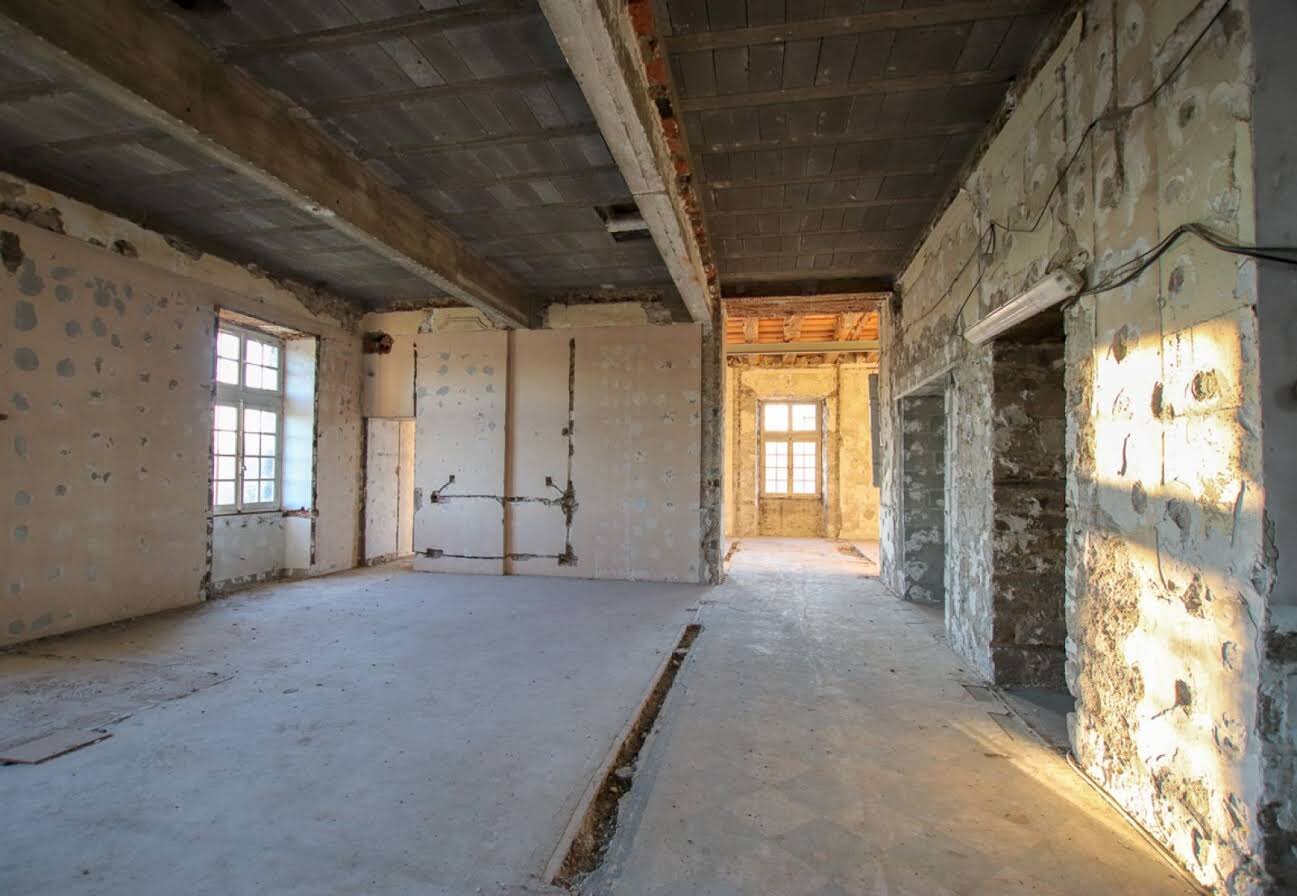
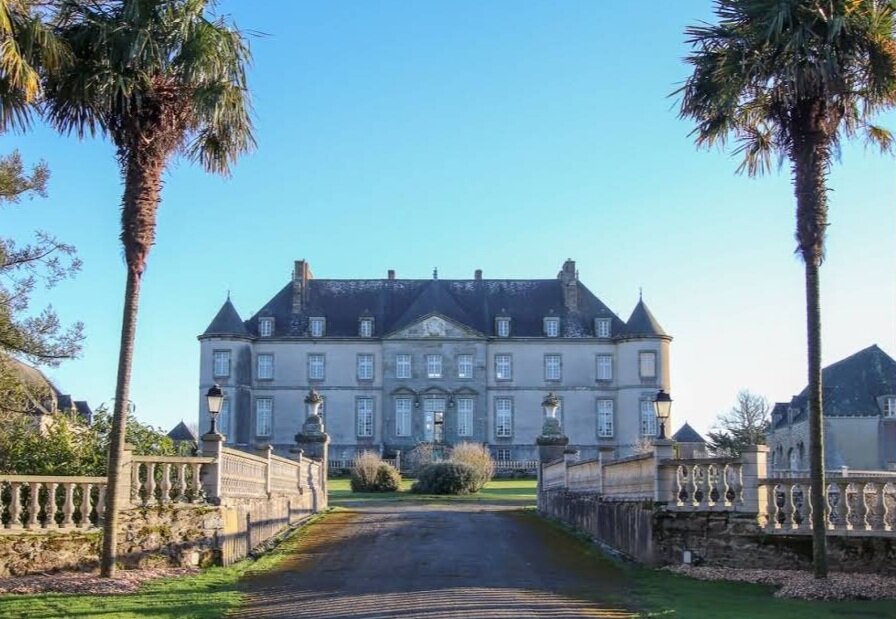
The dreamiest fixer-upper, this 18th century chateau is set on the Emerald coast of Bretagne, France.

The dreamiest fixer-upper, this 18th century chateau is set on the Emerald coast of Bretagne, France.
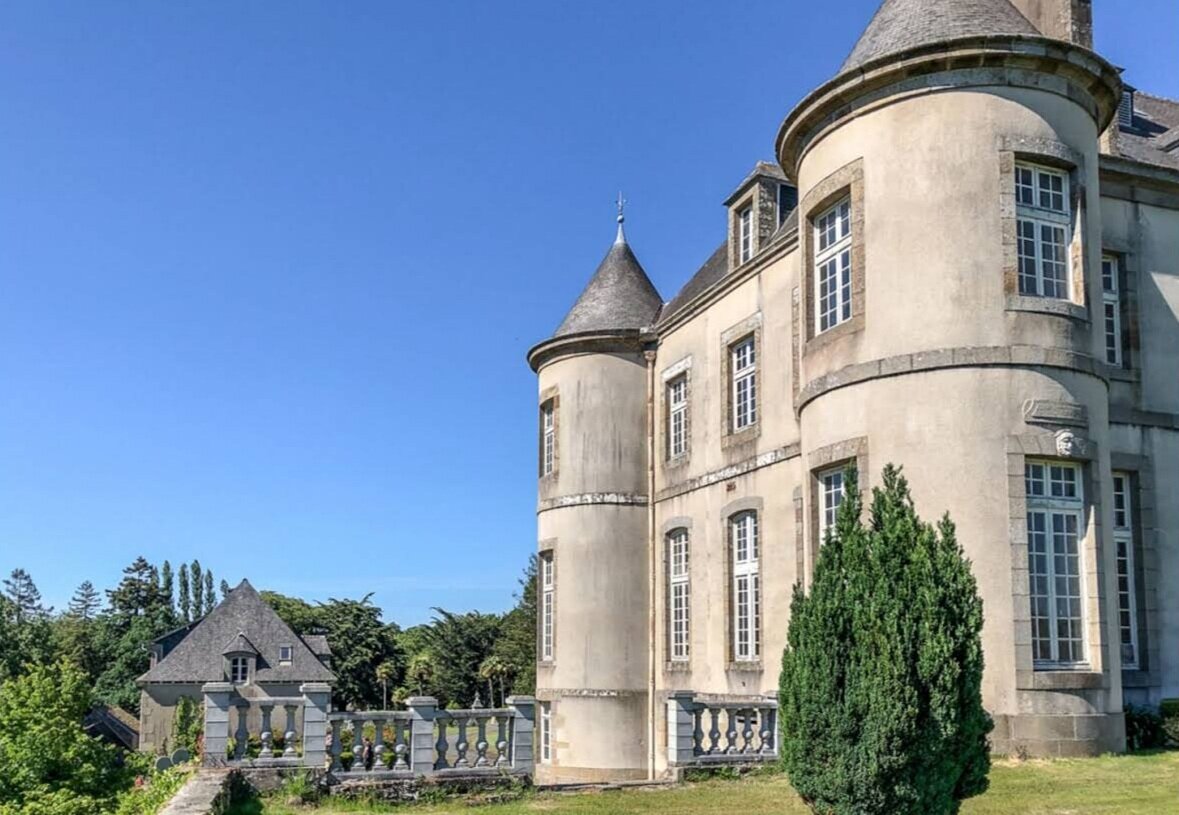
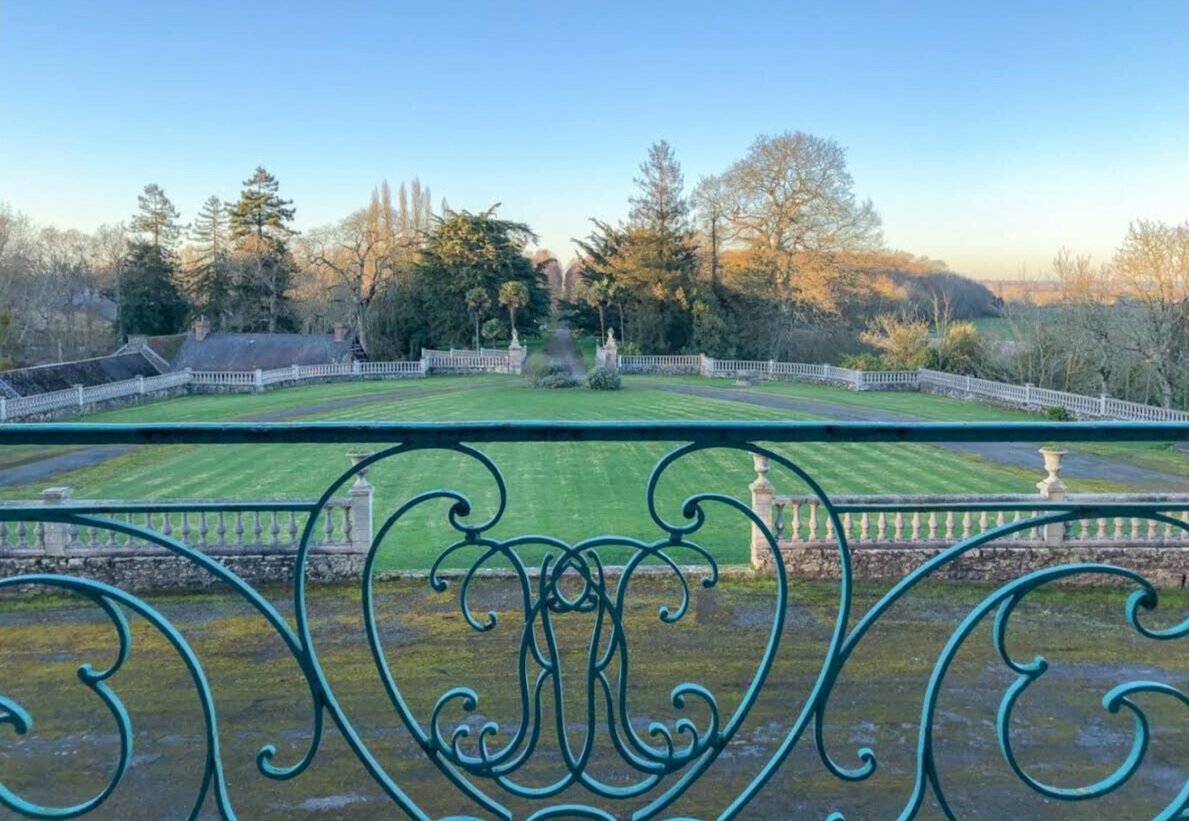
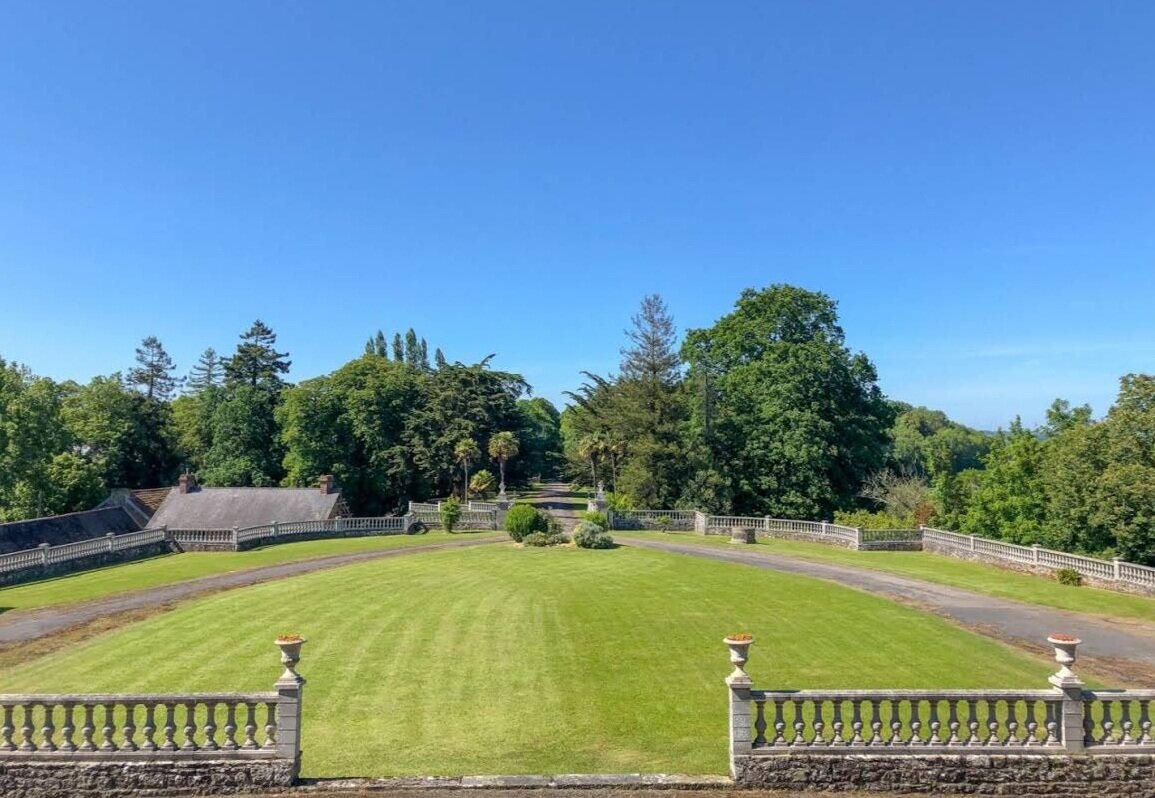
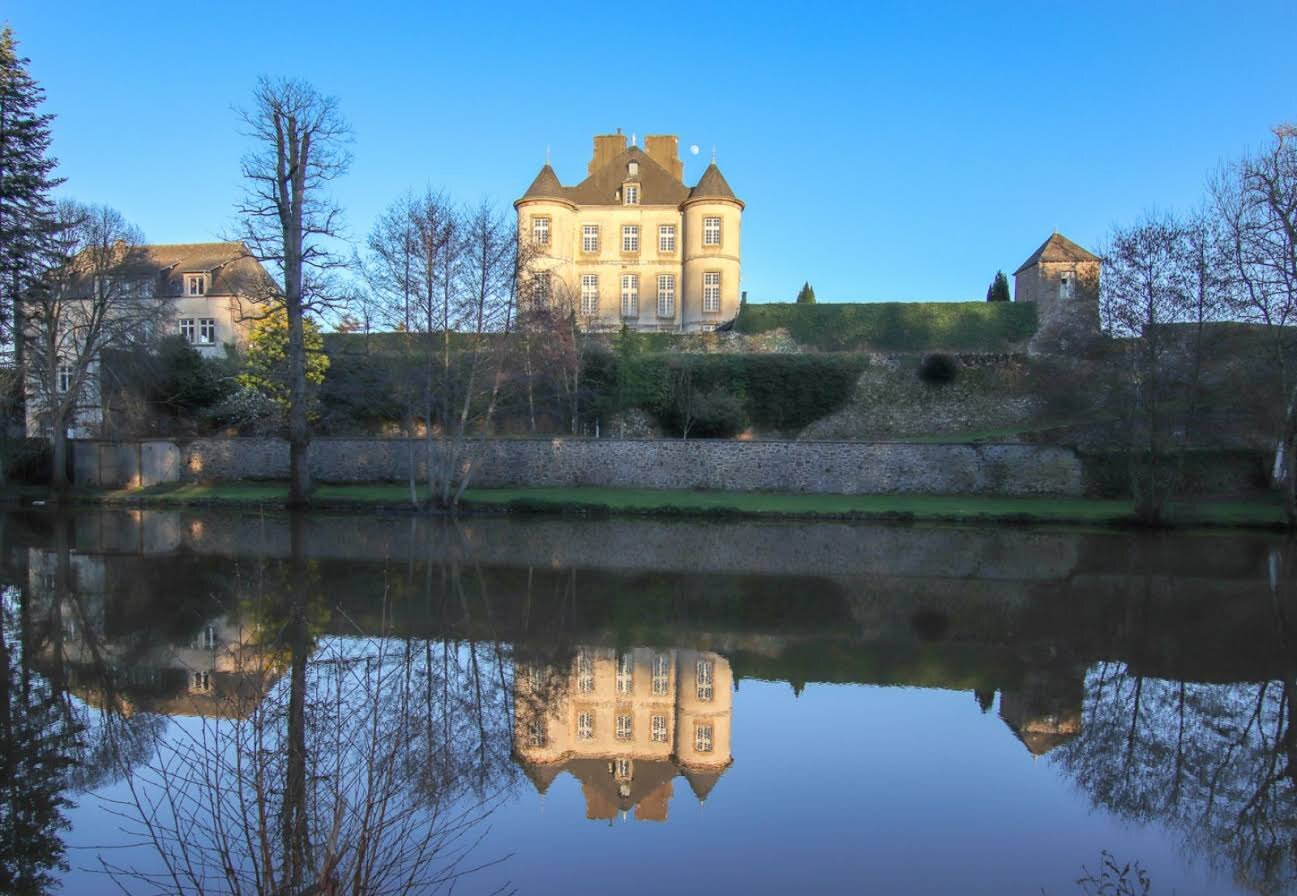
Considered a jewel of local heritage, the chateau is nestled in a 64 acre estate with woodland and parkland, just 5km from the sea and overlooking Mont-Saint-Michel Bay.
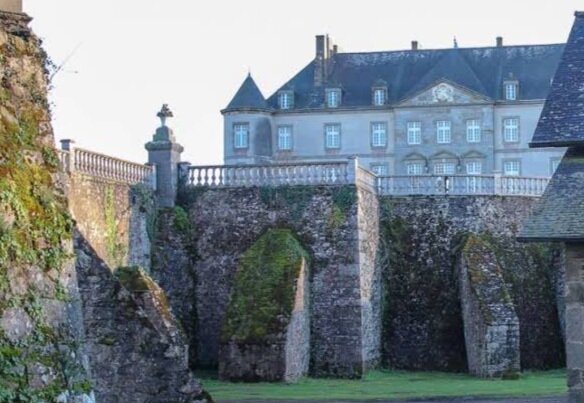
Originally built in the 18th century for the Bonabes-de-Rougé, the chateau was destroyed and rebuilt on its site in 1776 for the Le-Fer-de-La-Saudre family, shipowners from Saint-Malo, incorporating Gênes marble and Chausey granite.
The French writer Chateaubriand famously referenced the chateau in his memoir d'Outre-Tombe (1849), describing its "magnificence of which we have no idea in Paris".
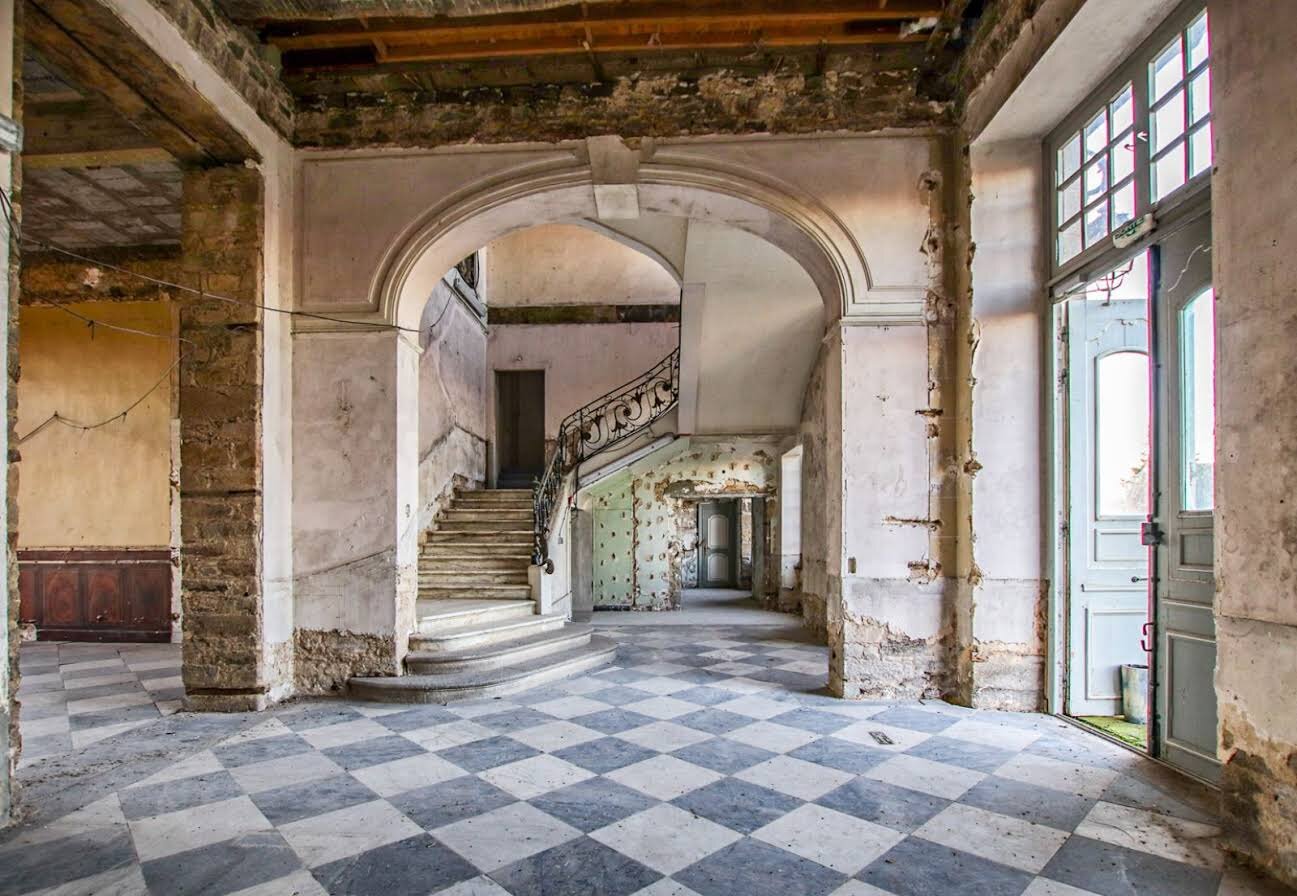
Inside the listed chateau—part-way through a restoration project—find a grand hall paved with French monochrome stone tiles, flanked by a monumental staircase made of Carrara marble.
With soaring ceilings, an abundance of French windows illuminate the spaces, just waiting to be reimagined by its next owner.
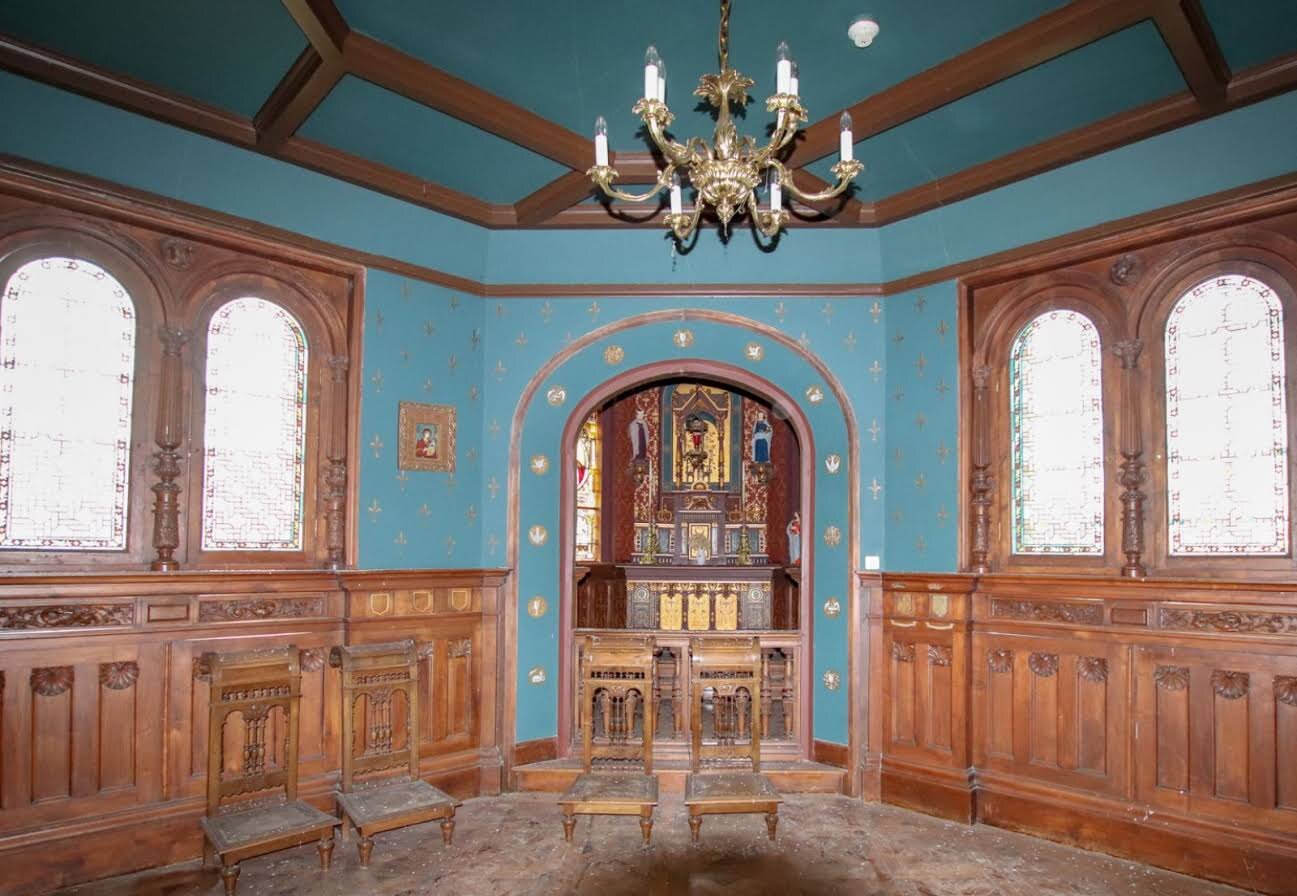
The chateau offers accommodations across 3 levels, with a basement and attics. An original chapel from 1871 is tucked inside one of its towers.
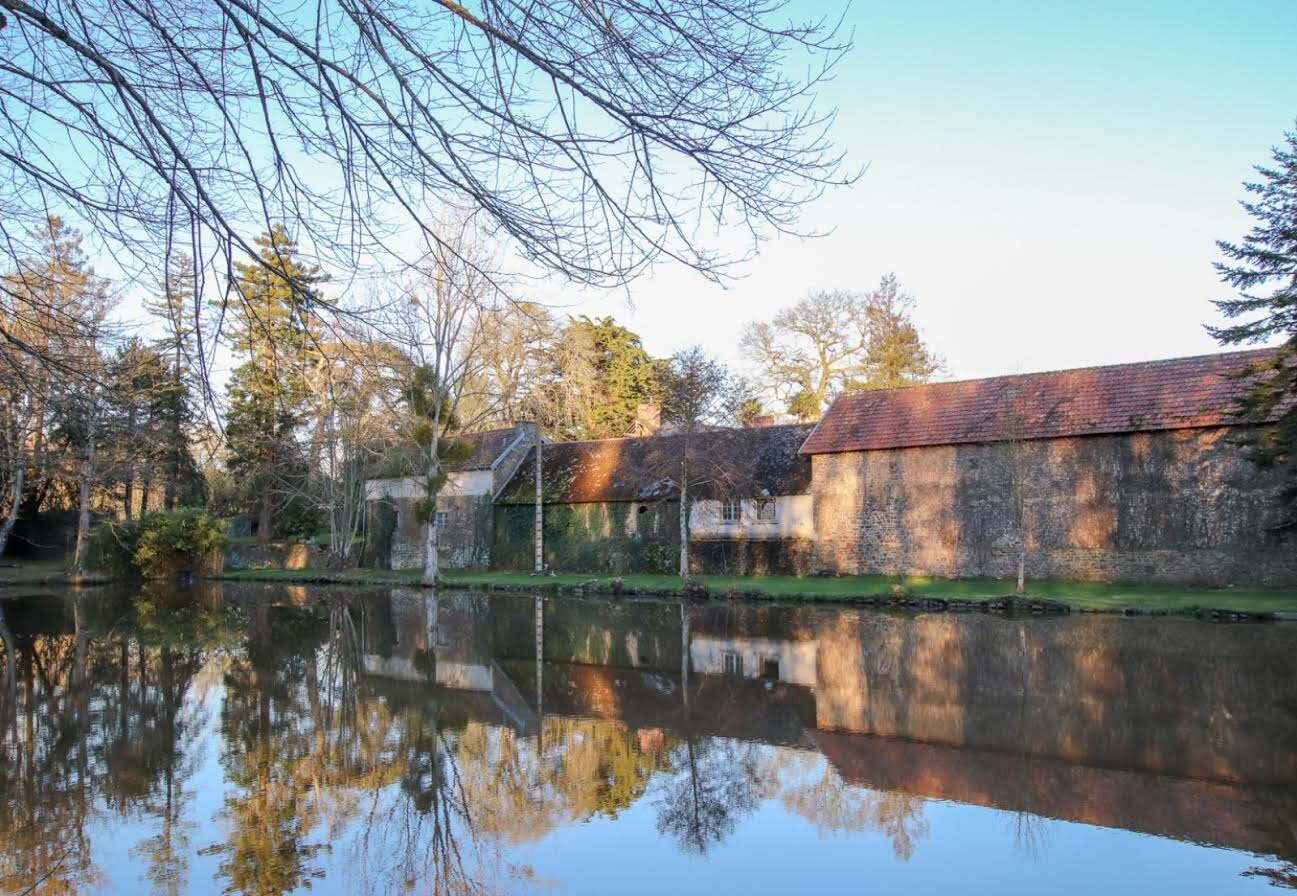
The entrance gates to the chateau are located on the fringes of a small town, with the chateau hidden from view until you approach. Built on a feudal moat and accessible via a quarry stone block bridge, the chateau dominates the surrounding countryside and features a large courtyard with surrounding outbuildings.
The property includes a caretaker’s cottage, dovecote, greenhouse, and a tennis court.
An incredible project in the dynamic coastal region of Brittany, the chateau is a 2h15 train ride into the capital (with train access in town), and just 20 minutes from Dinard airport and the ferry ports.
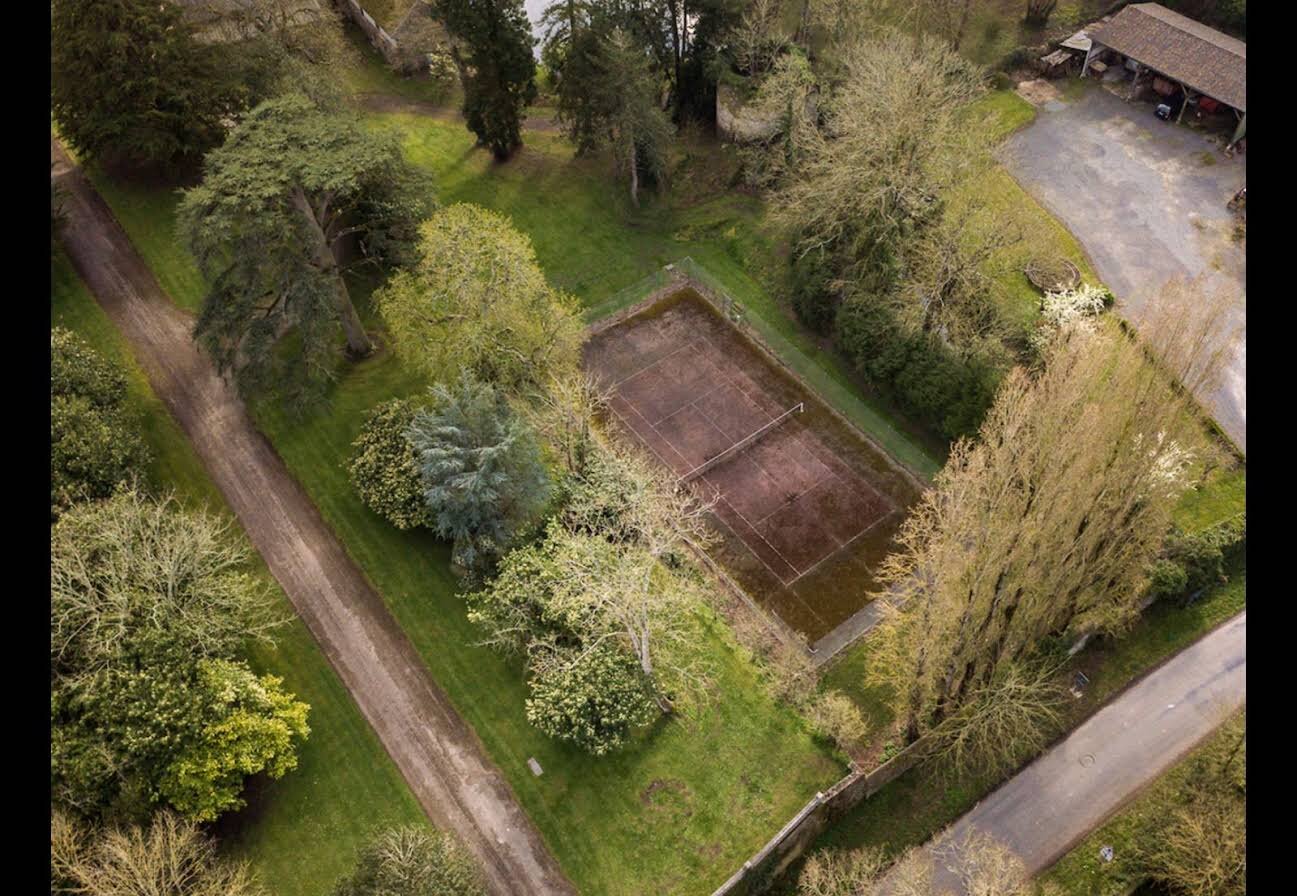
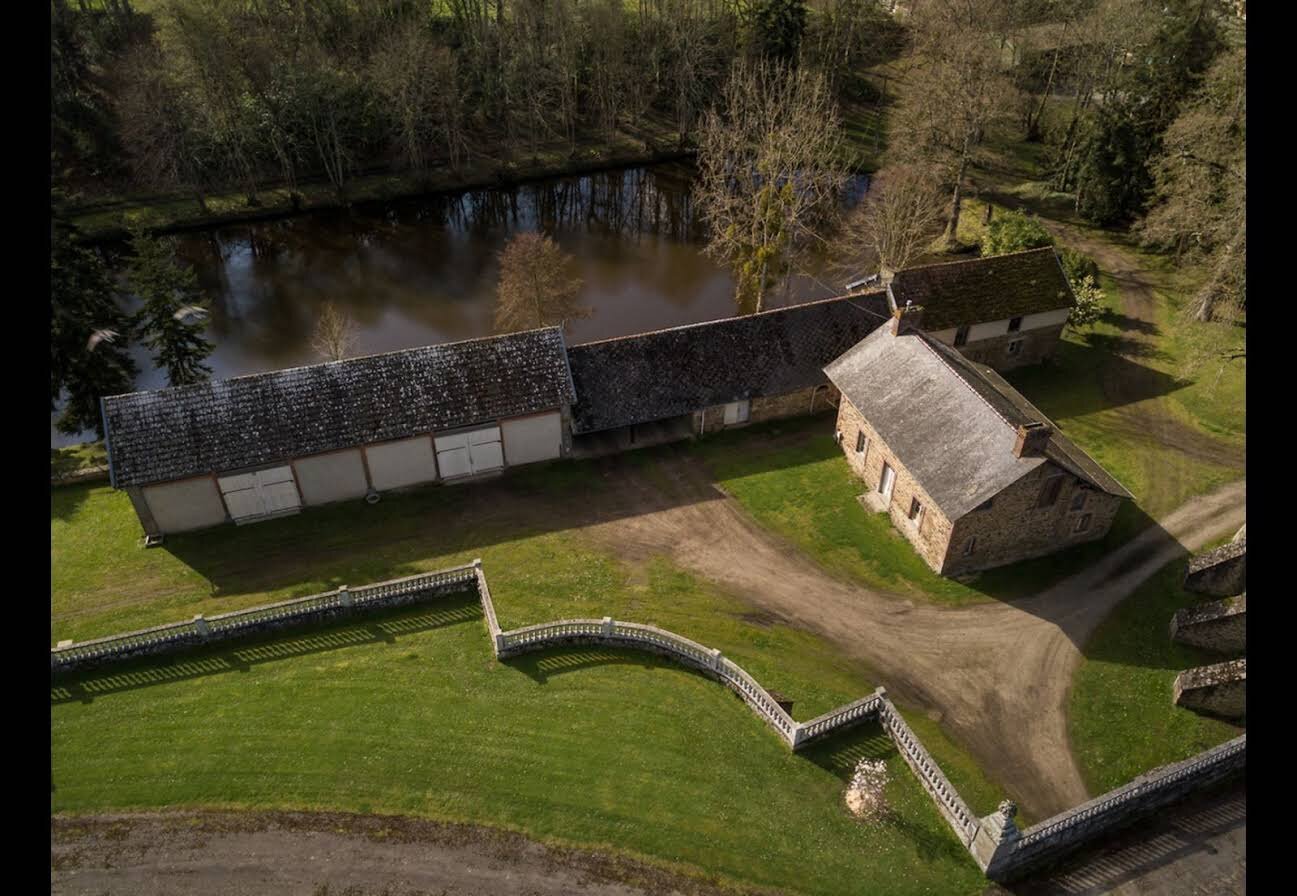
All photos belong to the listing agency.

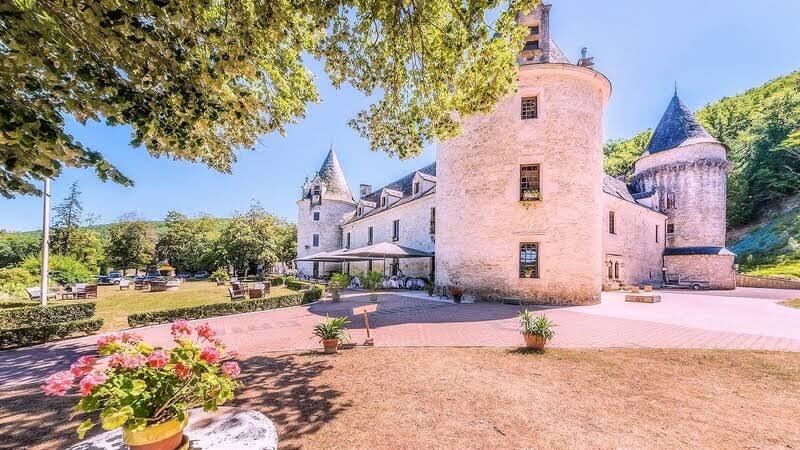
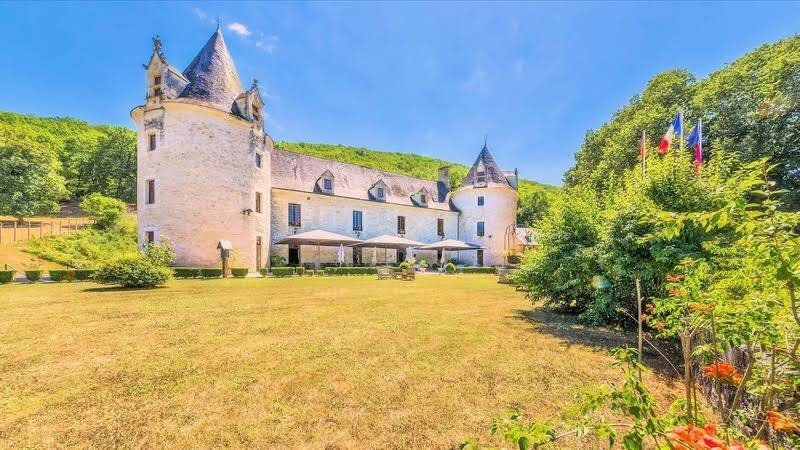
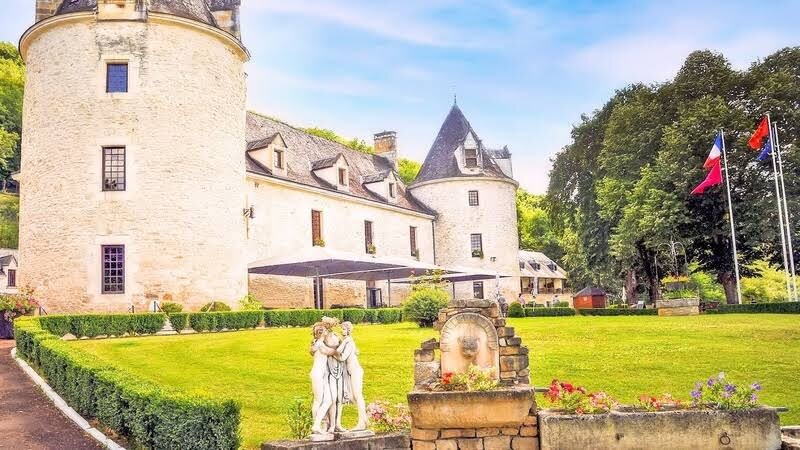
Boutique Medieval Castle in the Périgord Noir
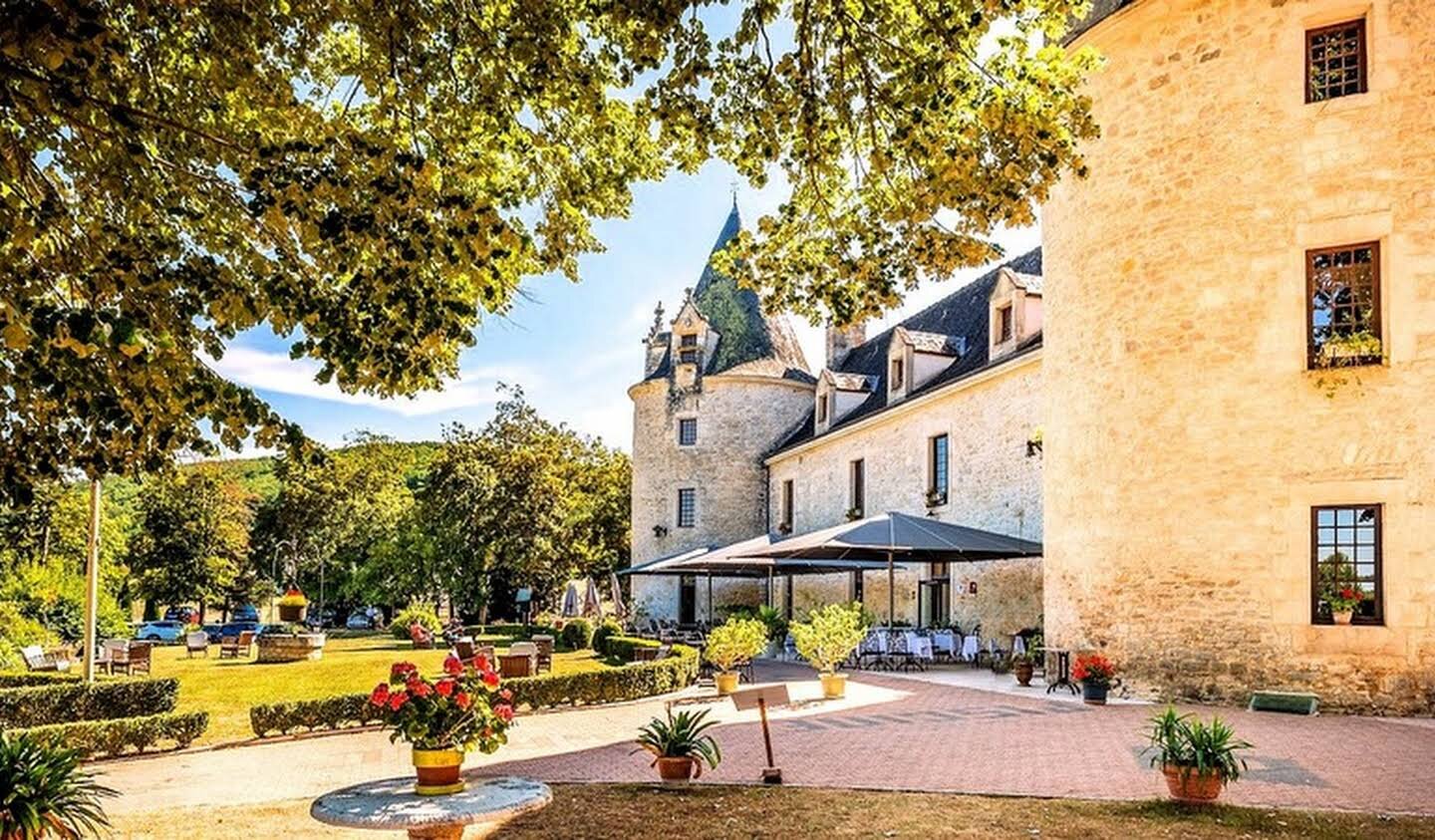
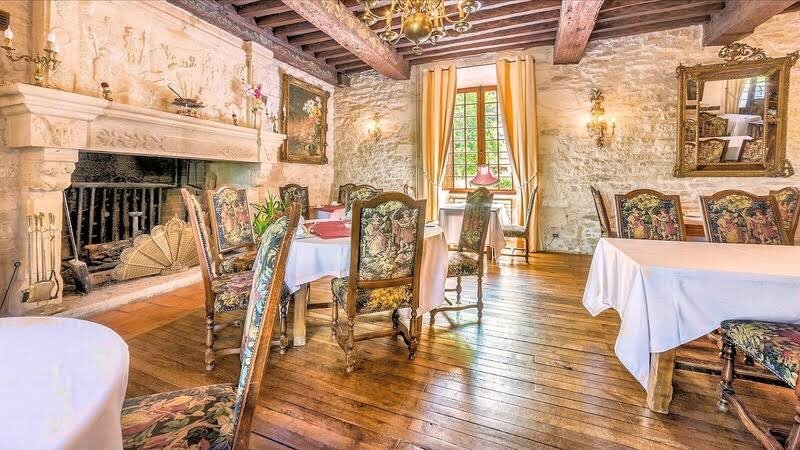
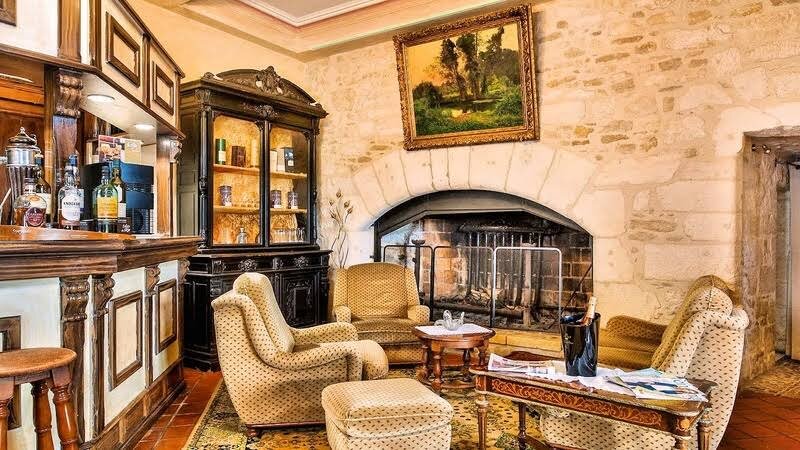
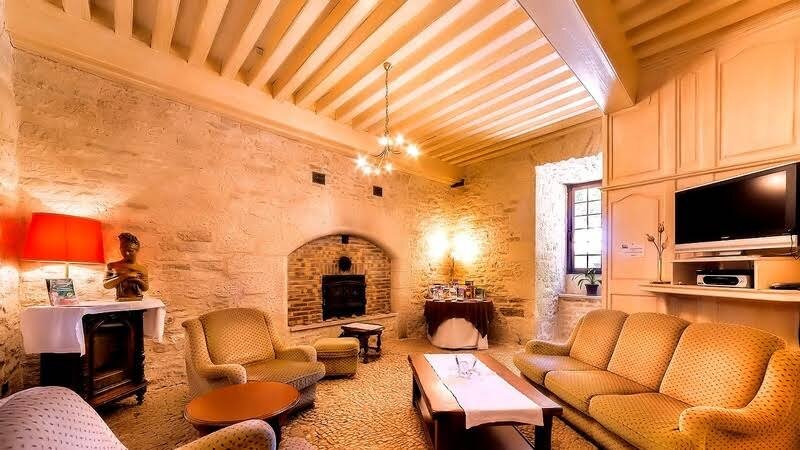
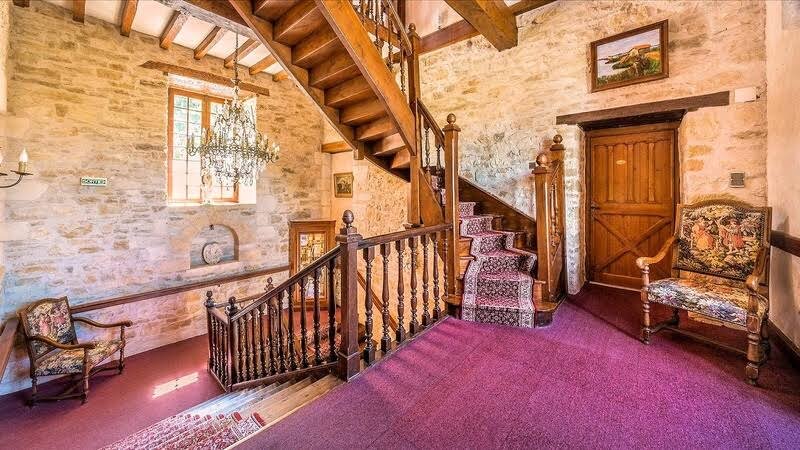
Run as a boutique hotel, the medieval castle is perfectly positioned to enjoy the best of this romantic corner of France, offering total privacy on the secluded 260 acre estate.
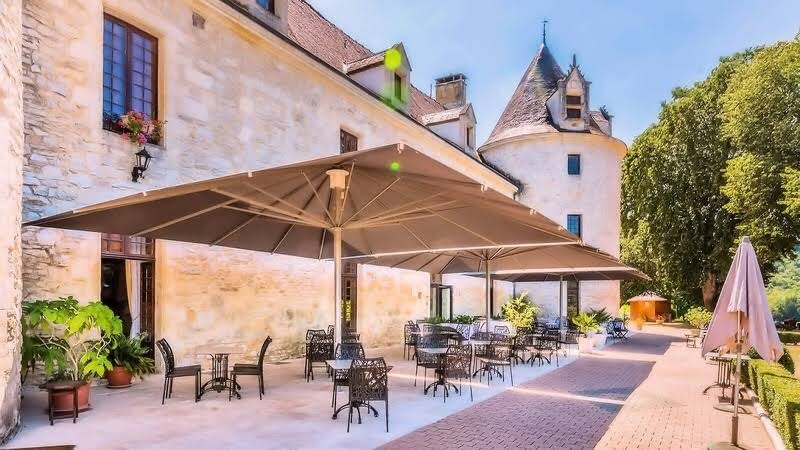
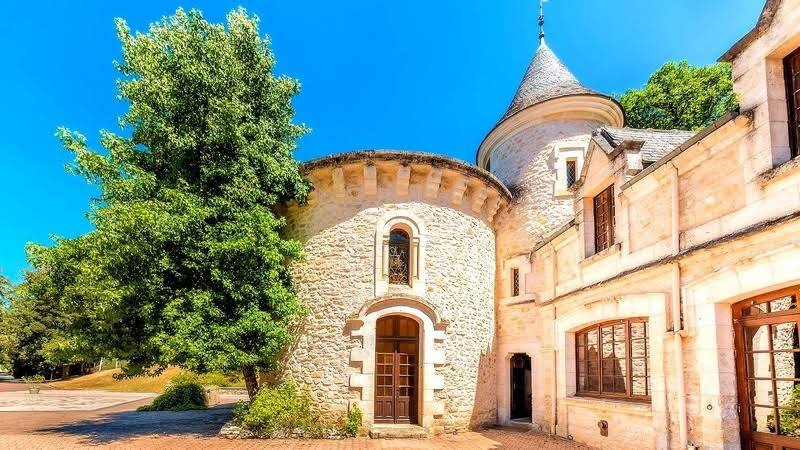
Run as a chateau-hotel, this boutique medieval castle is located in the Dordogne region of southwest France.
The castle was built in the 12th century by the Order of Saint John of Jerusalem, later known as the Order of Malta.
The monastic knights owned the chateau for several centuries, built on land given to them by the Viscounts of Turenne as a reward for services during the first crusades.
By the 15th century, the property passed to local nobility and became a pleasure residence, largely dedicated to the cultivation of vines throughout history.
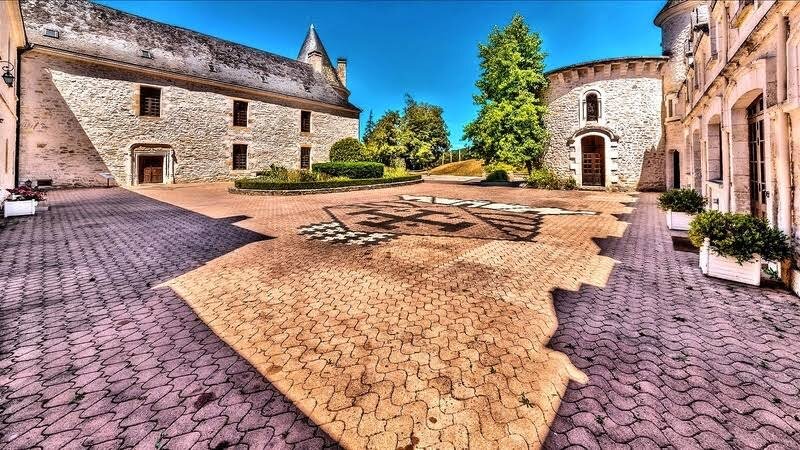
Grapes are carved in the stone of the entrance to the internal courtyard, where the old cellars and stables have been converted into large reception halls for weddings and events.
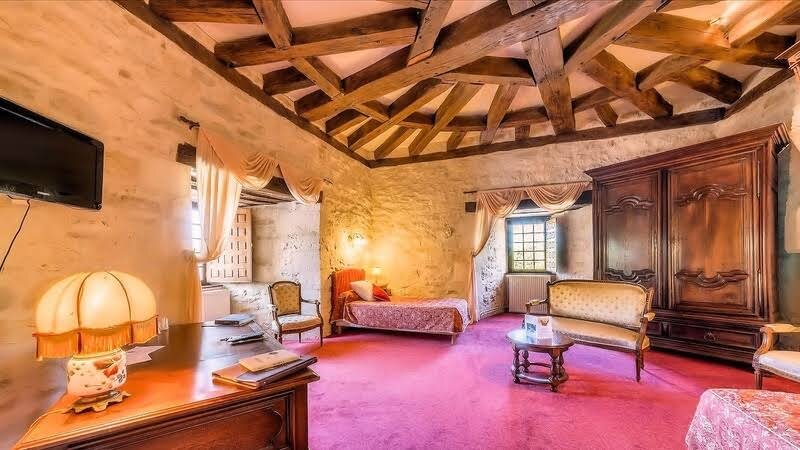
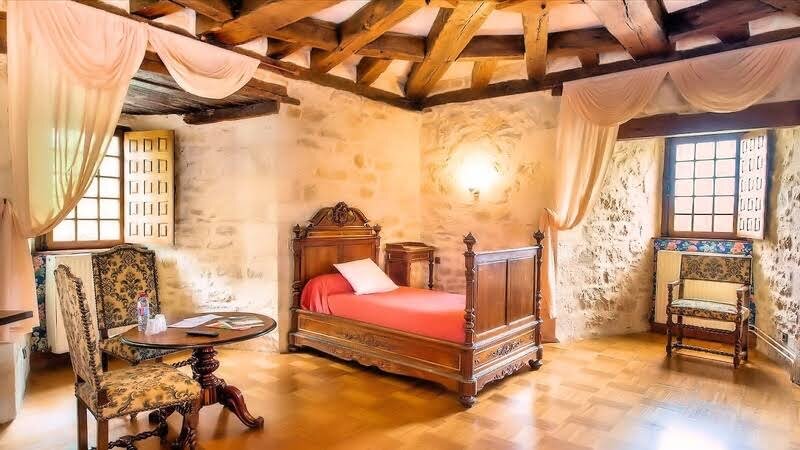
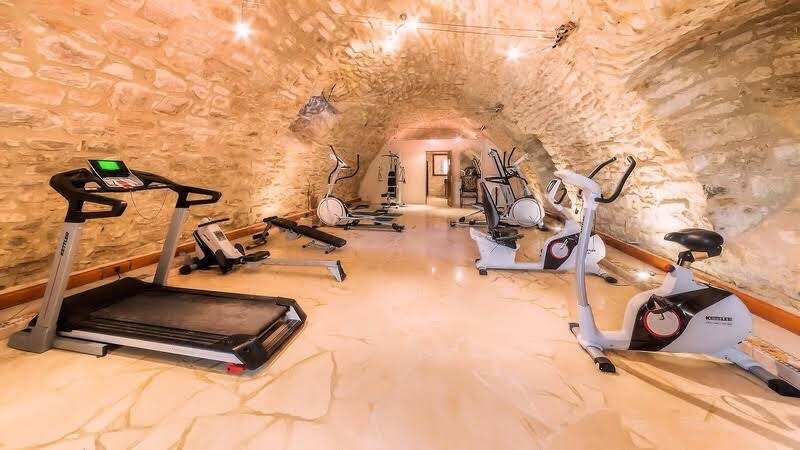
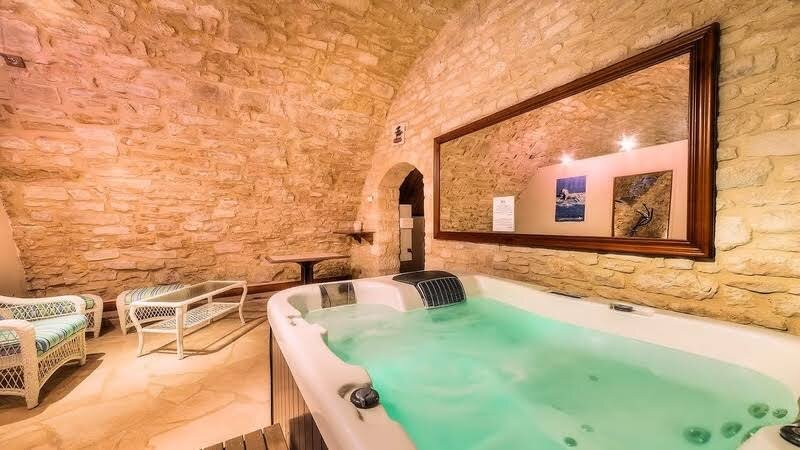
The medieval castle was fully restored in 1990, preserving its unique character and charming period details, with a medieval flair throughout the 33-room property. A fitness room and a spa are tucked in the vaulted basement.
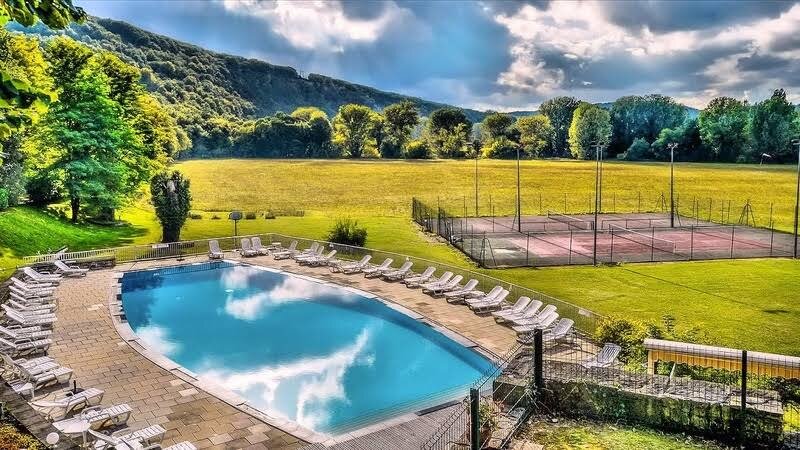
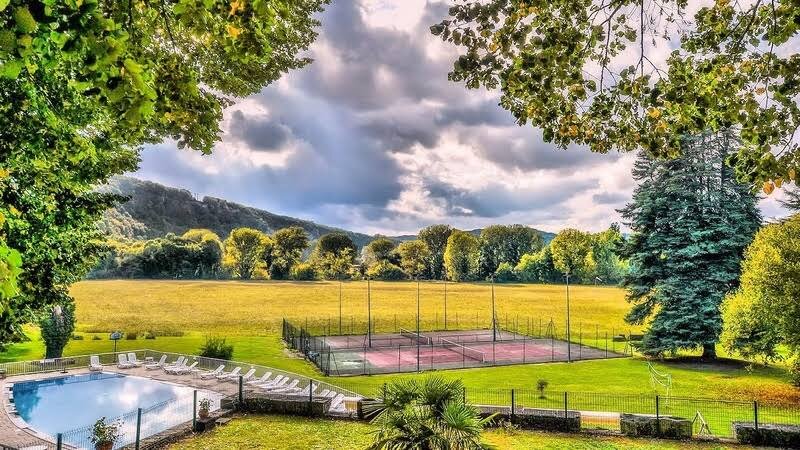
Additional leisure amenities include 2 tennis courts, a golf practice, and an 80+ foot swimming pool with a summer pavilion containing a kitchen, bar, and grill.
Run as a boutique hotel, the medieval castle is perfectly positioned to enjoy the best of this romantic corner of France, offering total privacy on the secluded 260 acre estate.
The historic property is set in the heart of the Périgord Noir, in the Dordogne in the UNESCO-listed Vézère valley, not far from the Lascaux caves.
This region in southwest France is known for its remarkable heritage, bucolic scenery, and local gastronomy.
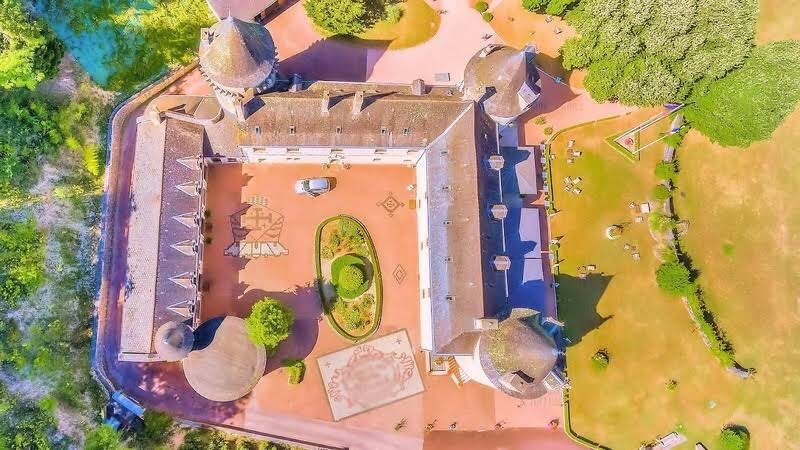
All photos belong to the listing agency.

A Provencal Micro Estate in Super Cannes
This Provencal bastide is located in one of the most exclusive neighbourhoods on the French Riviera and offers breathtaking panoramic views over the Cap d’Antibes from across its terraced lawns.

This Provencal bastide is located in one of the most exclusive neighbourhoods on the French Riviera and offers breathtaking panoramic views over the Cap d’Antibes from across its terraced lawns.
Inside, the 5 bedroom French country house has been thoughtfully updated, and features formal rooms for gathering, a charming panelled study, and a large Provencal kitchen with a fireplace.
The reception rooms open out onto the terraces and outdoor living space, like the summer kitchen, fireplace, and BBQ area.
A 2-bedroom guest house and a 1-bedroom apartment offer additional accommodation on the property.
The Provencal bastide is nestled in 2.15 acres of landscaped grounds with a tennis court, boules pitch, and a large swimming pool with pool house.
The lush micro estate is located in the heart of Super Cannes, which is not in Cannes at all. Set on the hillside above Vallauris (once the home of Picasso), Super Cannes is one of the most desirable addresses on the Cote d’Azur.
A peaceful haven away from the bustle of the city, with the entire French Riviera is at your doorstep


All photos belong to the listing agency.

500 Acre California Wine Country Estate
A legacy property with incredible quality and craftsmanship, Villa Montana is a true gem. The timeless residence has real patina, with much of the architectural elements and furniture imported in from Europe.

Villa Montana, a 500 acre California wine country estate in Napa Valley was custom-built in the early 2000s for the current owners, San Francisco 49ers great Joe Montana and his wife Jennifer, inspired by the historic properties they visited on their travels throughout Italy and France.
The timeless residence has real patina, with much of the architectural elements and furniture imported in from Europe.
The couple spent years hunting down incredible pieces at flea markets, brocantes, and stone yards across Italy and France, with finds like 16th century iron gates, old marble floors, and carved statues.
The Italianate-style 3-bedroom residence is accessed by a bridge over a moat, and the property includes a guesthouse and a caretaker’s cottage, as well as a professional equestrian complex for 30 horses, with staff accommodation.
Two turreted towers provide panoramic views over Mt. St. Helena, and the Mediterranean-style villa is complete with a 3500 bottle wine cellar, with a tasting room and outdoor terrace.
Villa Montana is fit for royalty, with vaulted and beamed ceilings throughout, and several grand fireplaces—one featuring a fresco of the family crest.
The California wine country estate has a swimming pool, various sports courts (bocce, tennis), as well as streams for canoeing and ponds for fishing.
Landscaped with groves of ancient Tuscan varietals, the property can produce up to 60 gallons of house olive oil each year.
A legacy property with incredible quality and craftsmanship, Villa Montana is a true gem.


All photos belong to the listing agency.