A Romantic 18th-Century Château in Southwest France
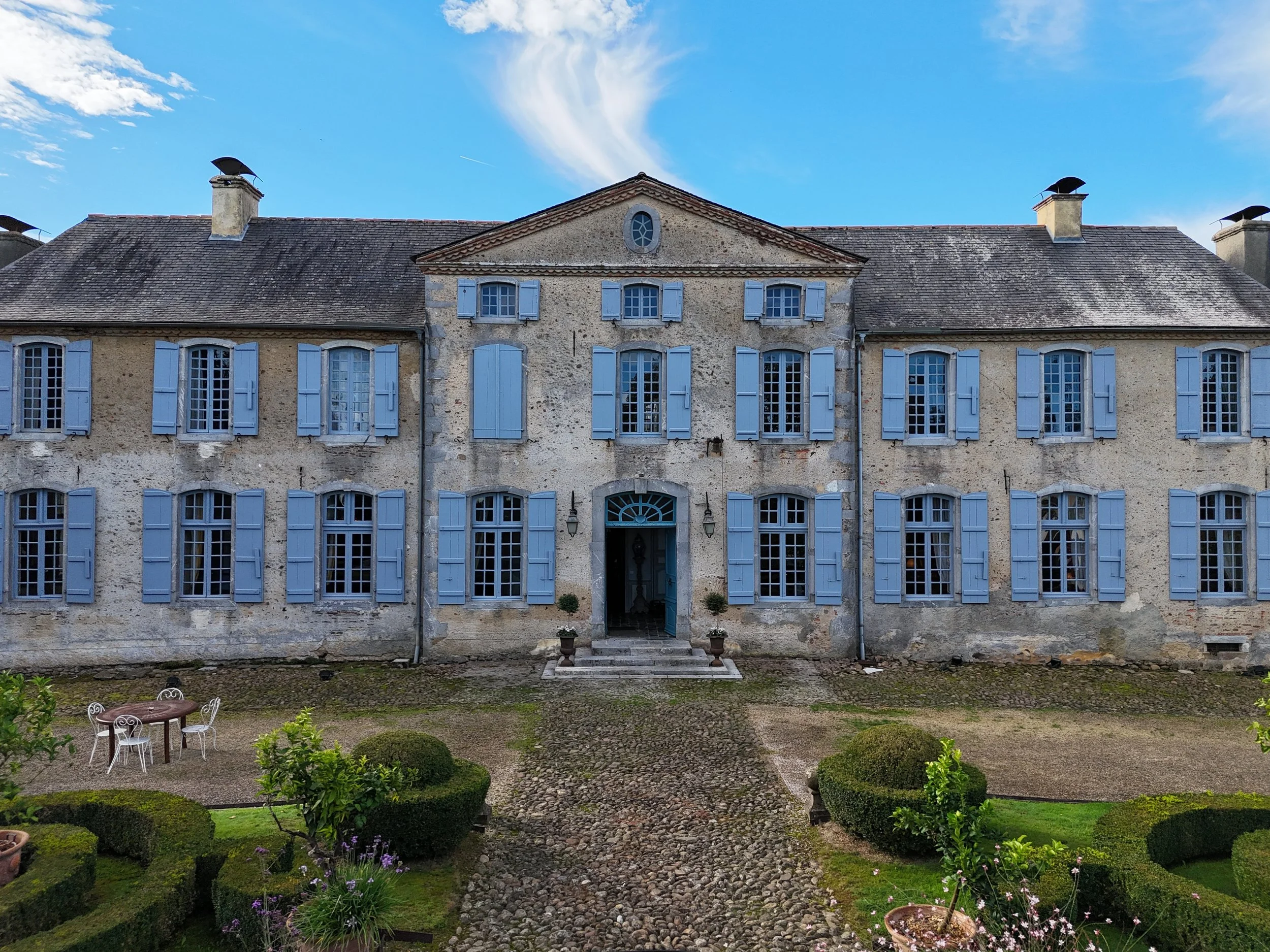
The château occupies a rare position in southwest France, on the historic borders of Gascony—set on the edge of a small village, yet oriented almost entirely toward its own private grounds.
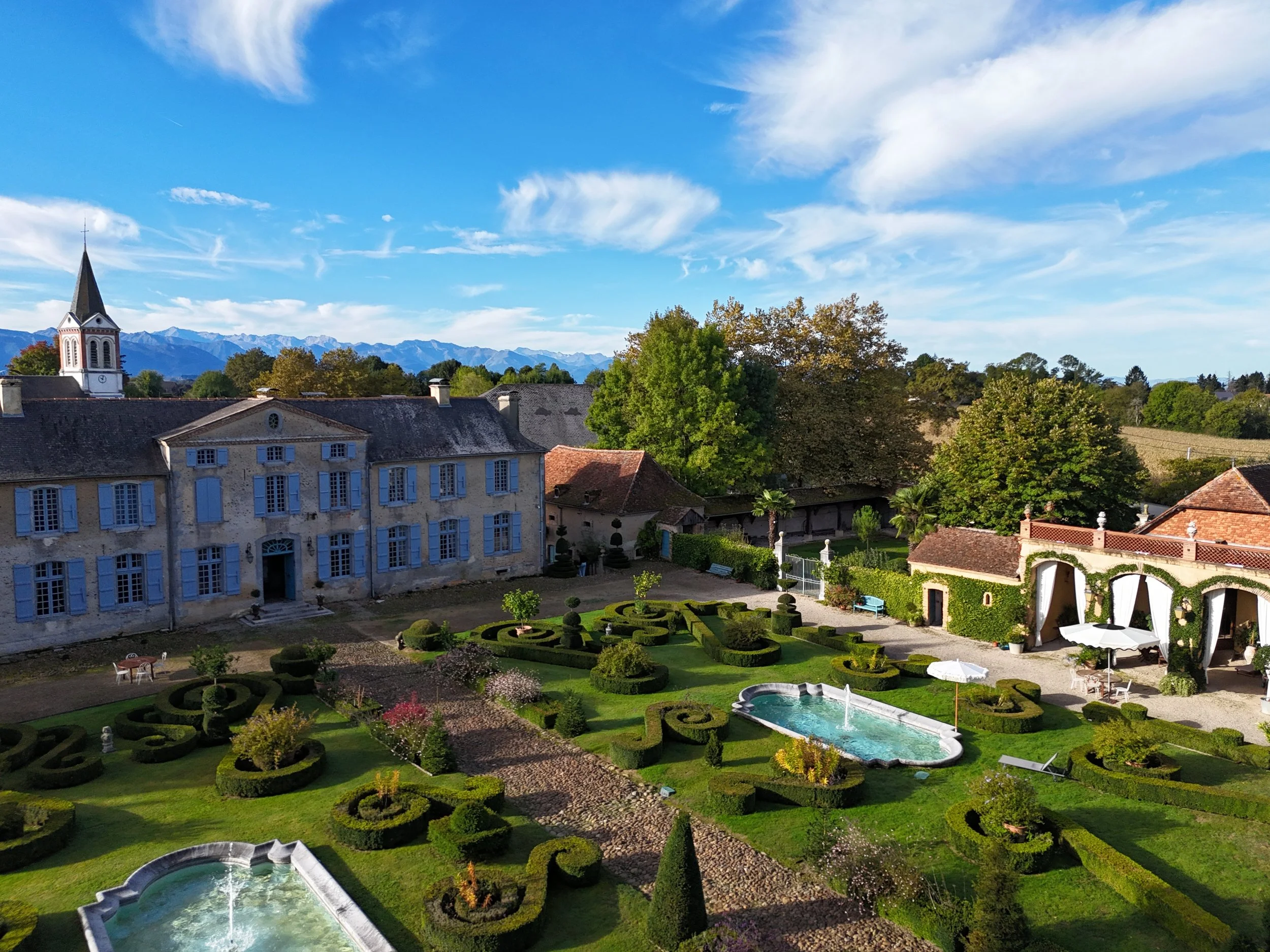
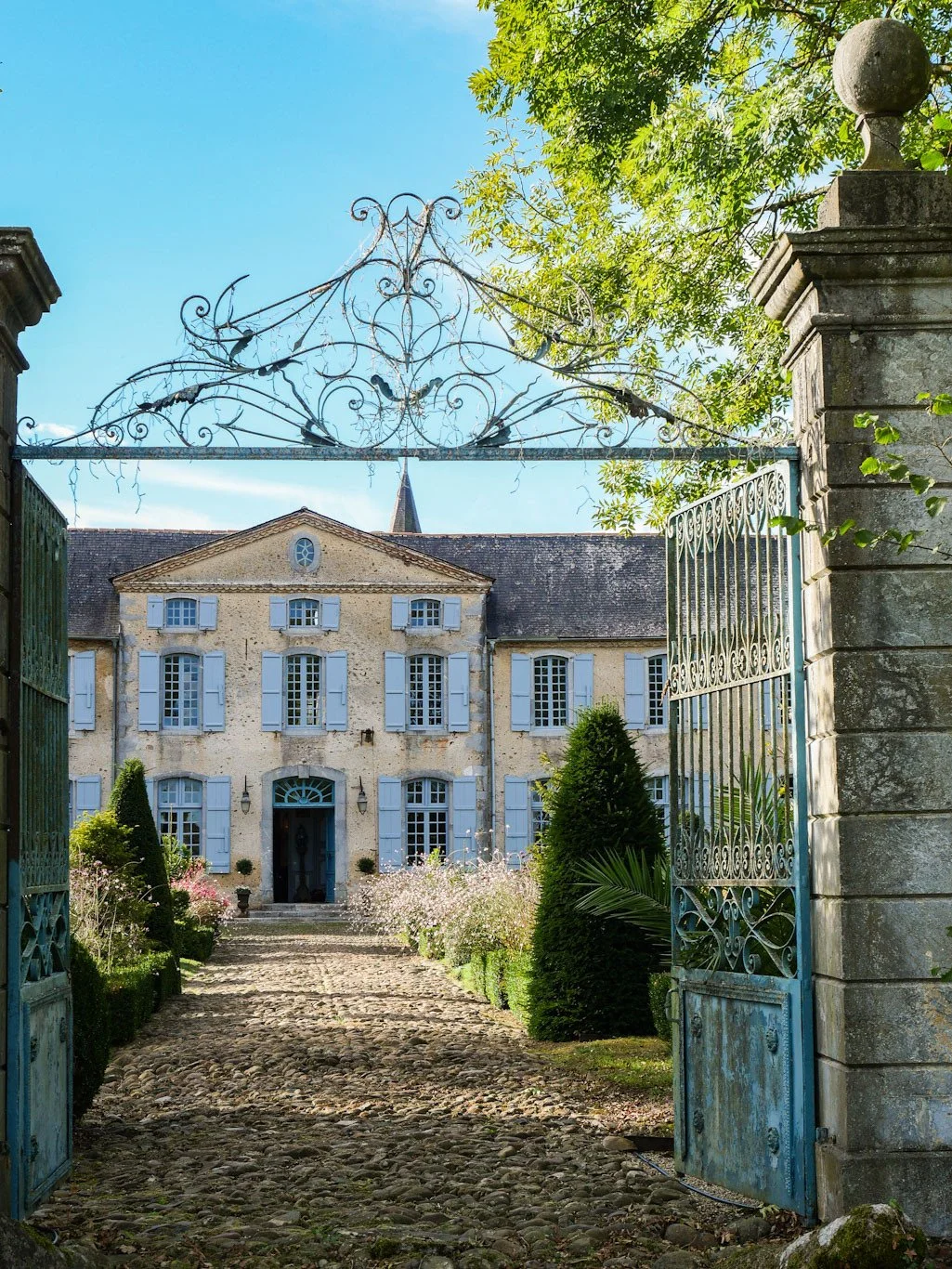
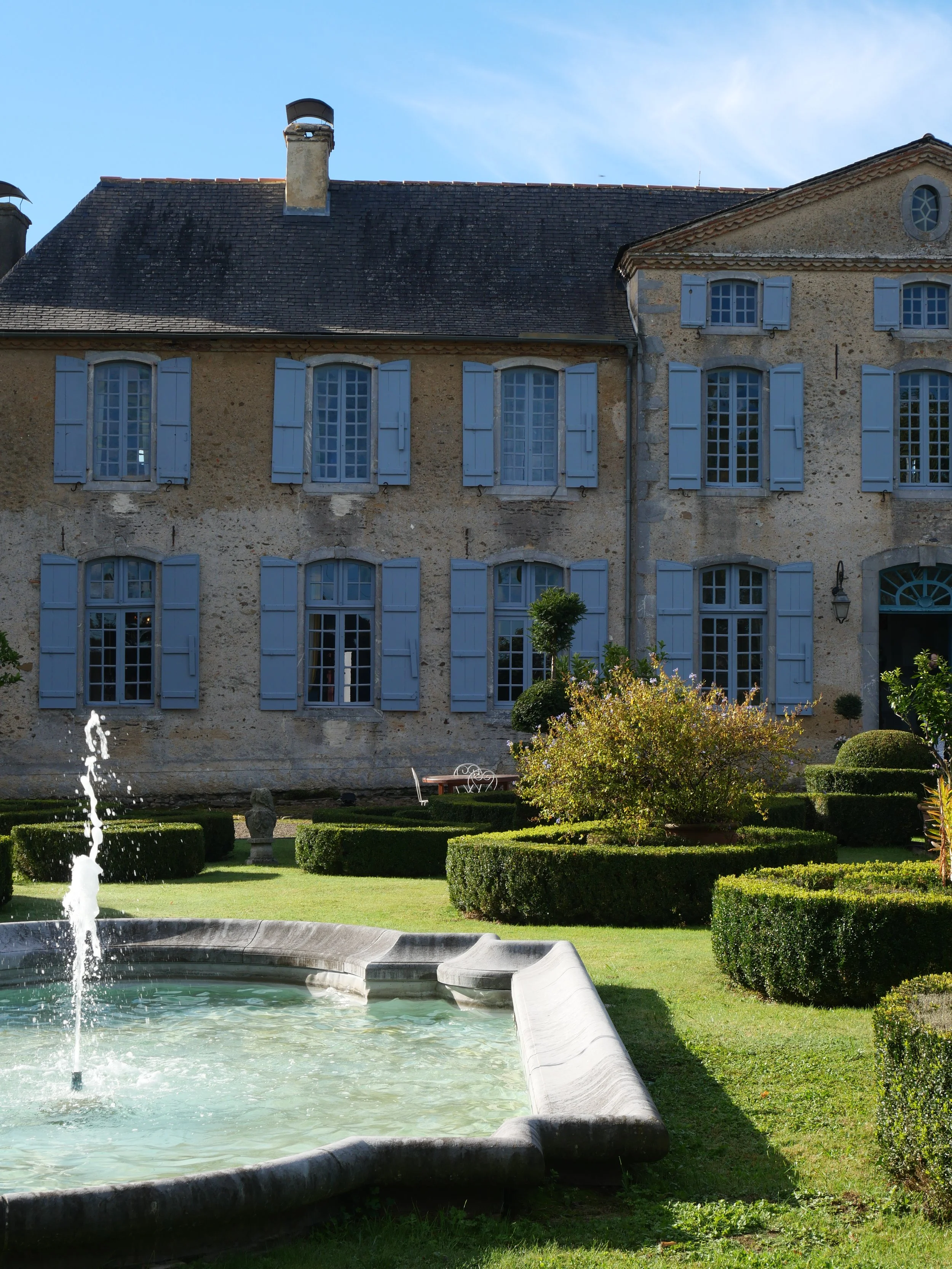
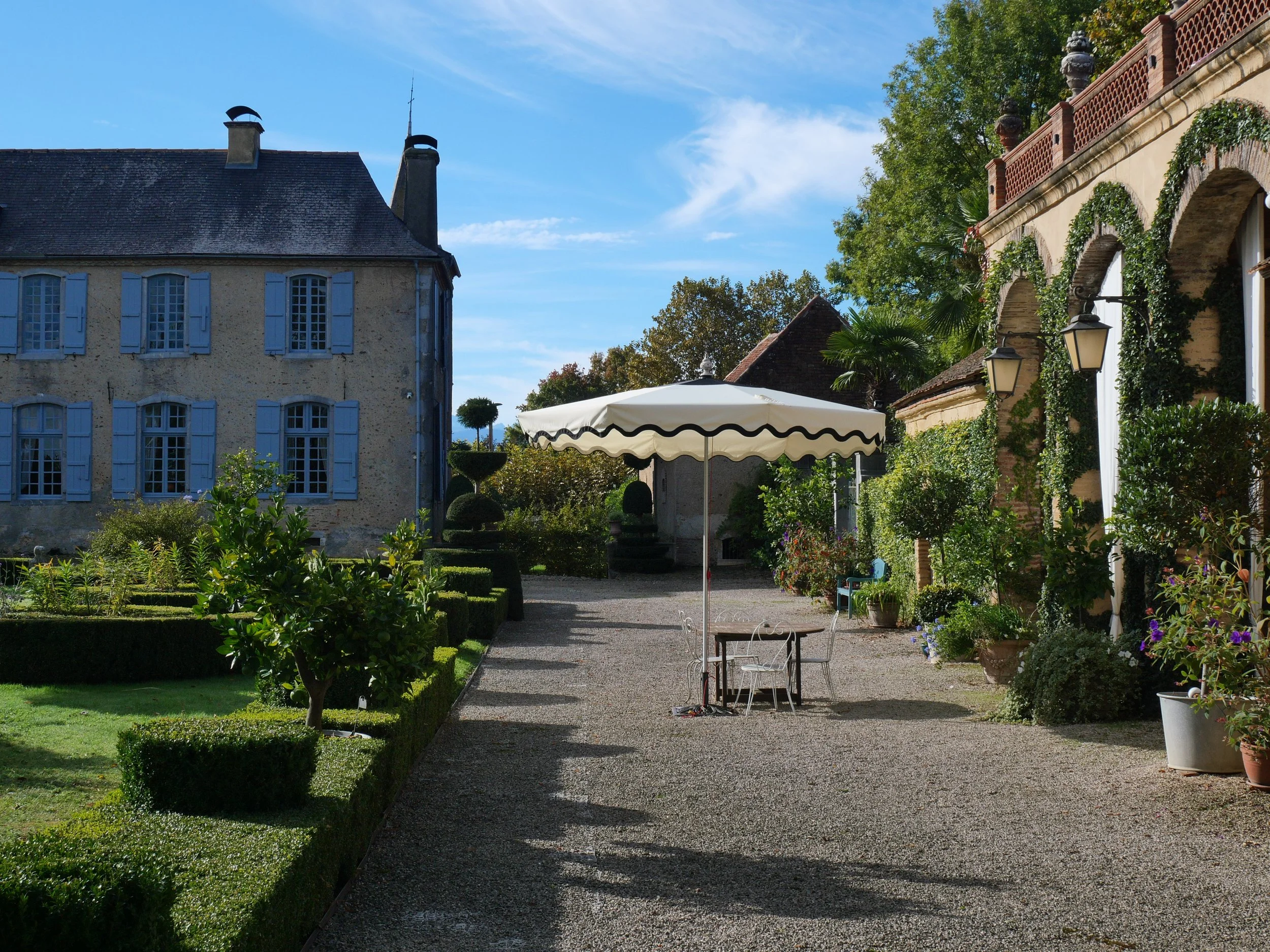
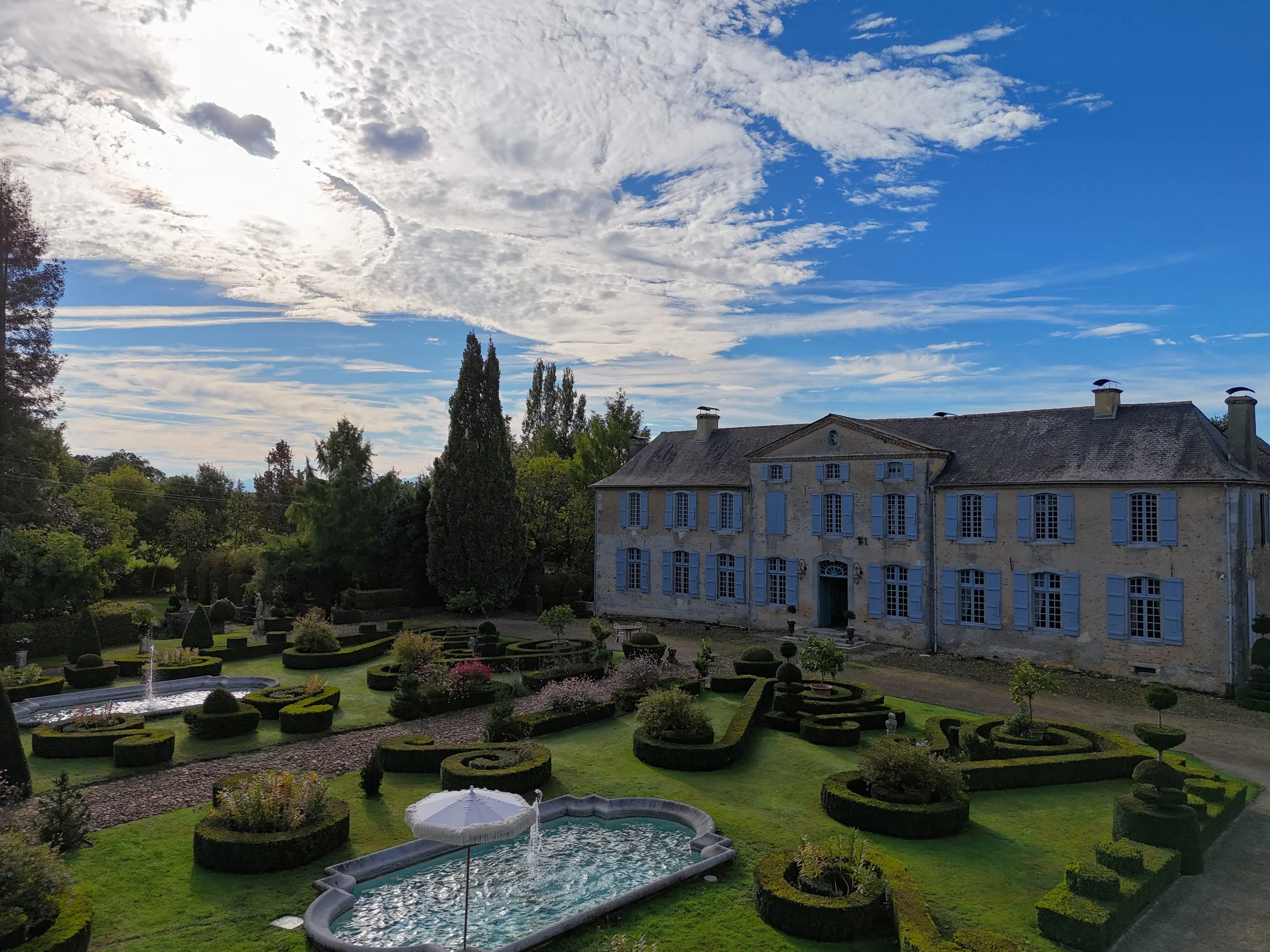
Its south-facing façade looks onto the village square, church, and town hall, a reminder that houses of this period were often designed to play a civic role rather than sit apart from local life. Step around to the other side and the atmosphere shifts: the park-side façade opens onto formal gardens, an orangery, and a series of landscaped follies, all private and without overlooking neighbours.
Built around 1750 on earlier foundations, the château is now on the market with Denniel Immobilier for €1.68 million. Listed as a Monument Historique, it offers approximately 800 sq m (8,600 sq ft) of interior space and has been restored gradually over more than 20 years, with a clear emphasis on preservation rather than reinvention. The architecture retains its classical symmetry and human-scale proportions, typical of refined 18th-century country houses rather than grand aristocratic estates.
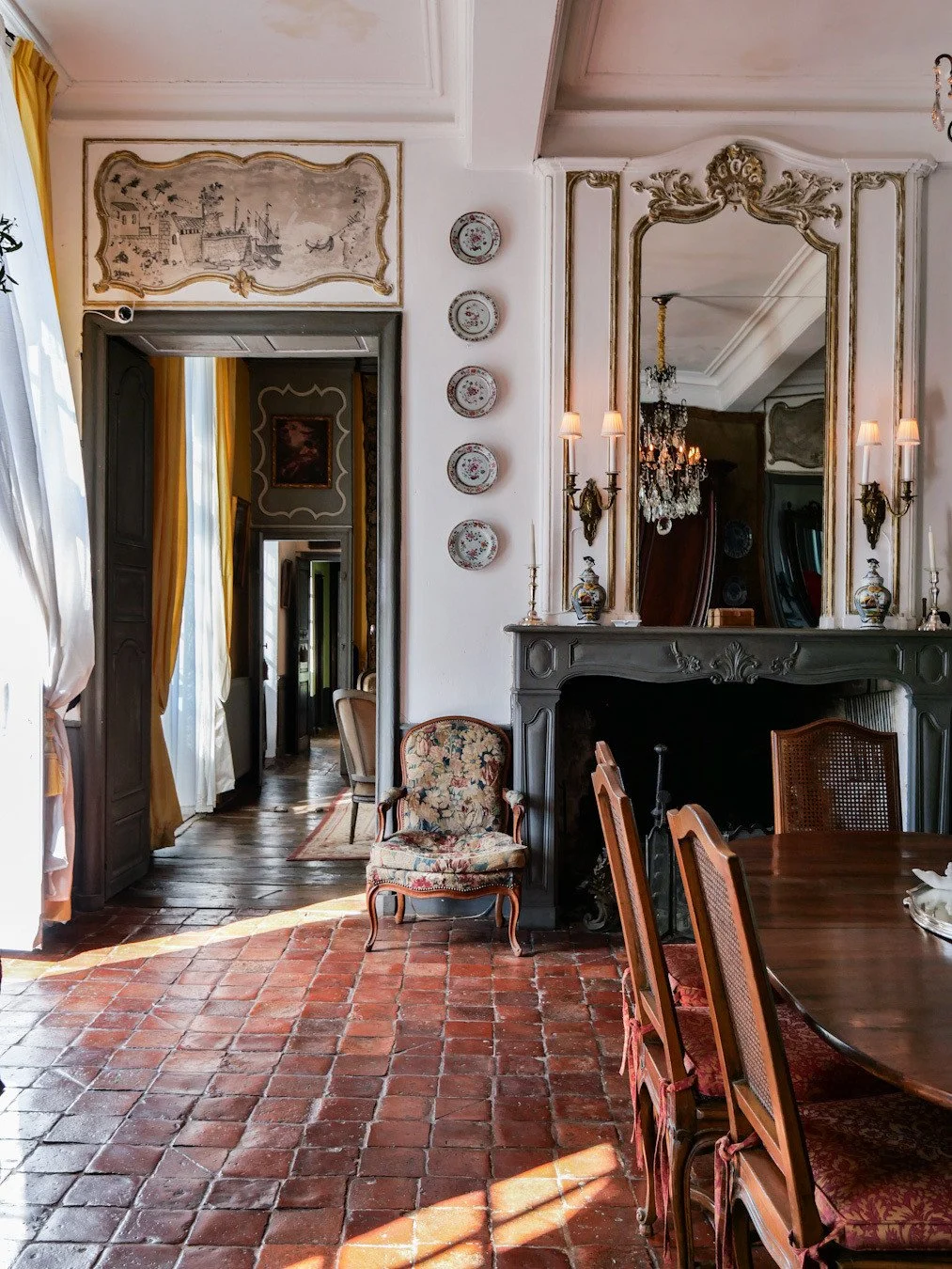
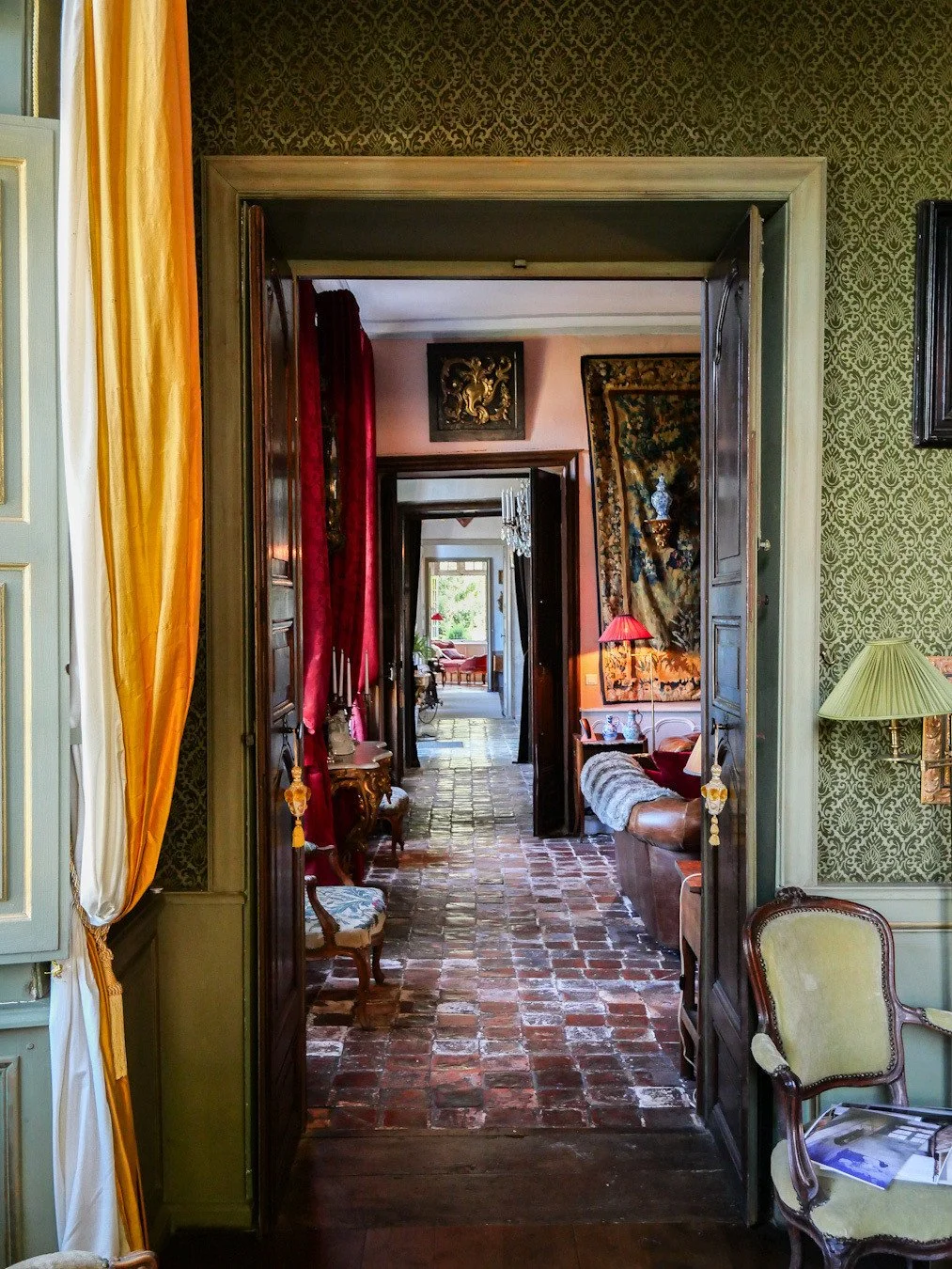
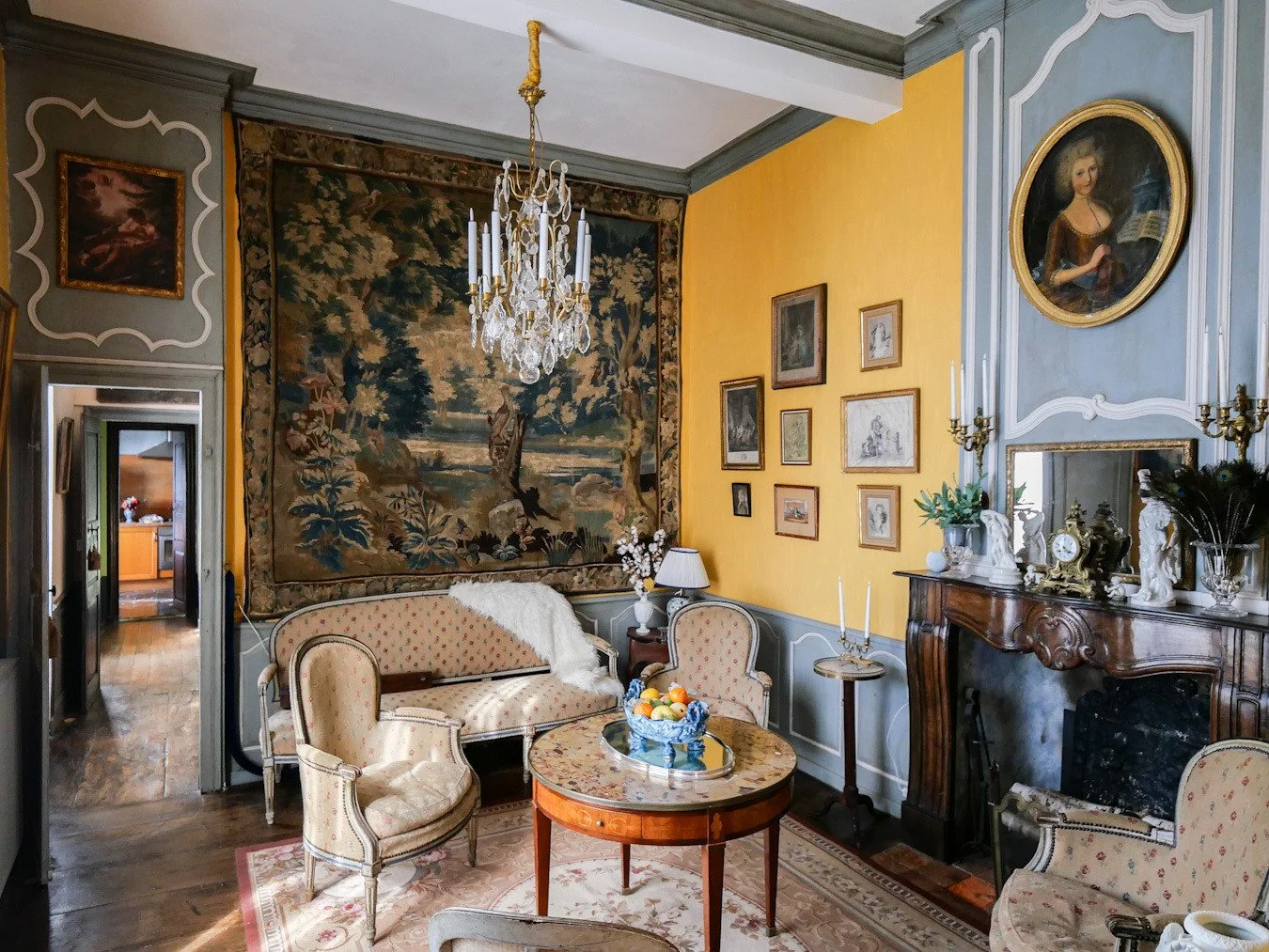
Much of the original fabric remains intact. Floors alternate between wide planks, Versailles parquet, terracotta tiles, and stone paving, while period woodwork, fireplaces, wainscoting, overmantel mirrors, and original doors appear throughout the principal rooms. The ground floor is arranged as a sequence of five interconnected reception rooms, all dual-aspect and filled with natural light, alongside a wood-paneled dining room, an Empire-style library, a study with painted wood paneling designed to resemble marble, and an 18th-century alcove bedroom. Circulation is straightforward and intact, centered on an entrance hall with its original stone floor and a grand staircase with a carved wooden banister.
Upstairs, a central hall leads to eight bedrooms, many finished with museum-quality, hand-blocked wallpaper, fireplaces, mirrors, and built-in wood-paneled storage. Two bathrooms serve this level, including one with marble flooring and an early 20th-century marble and pitch pine vanity. Below, extensive cellars include the original château kitchen with its monumental fireplace, along with pantries and service rooms that preserve the historical working layout of the house.
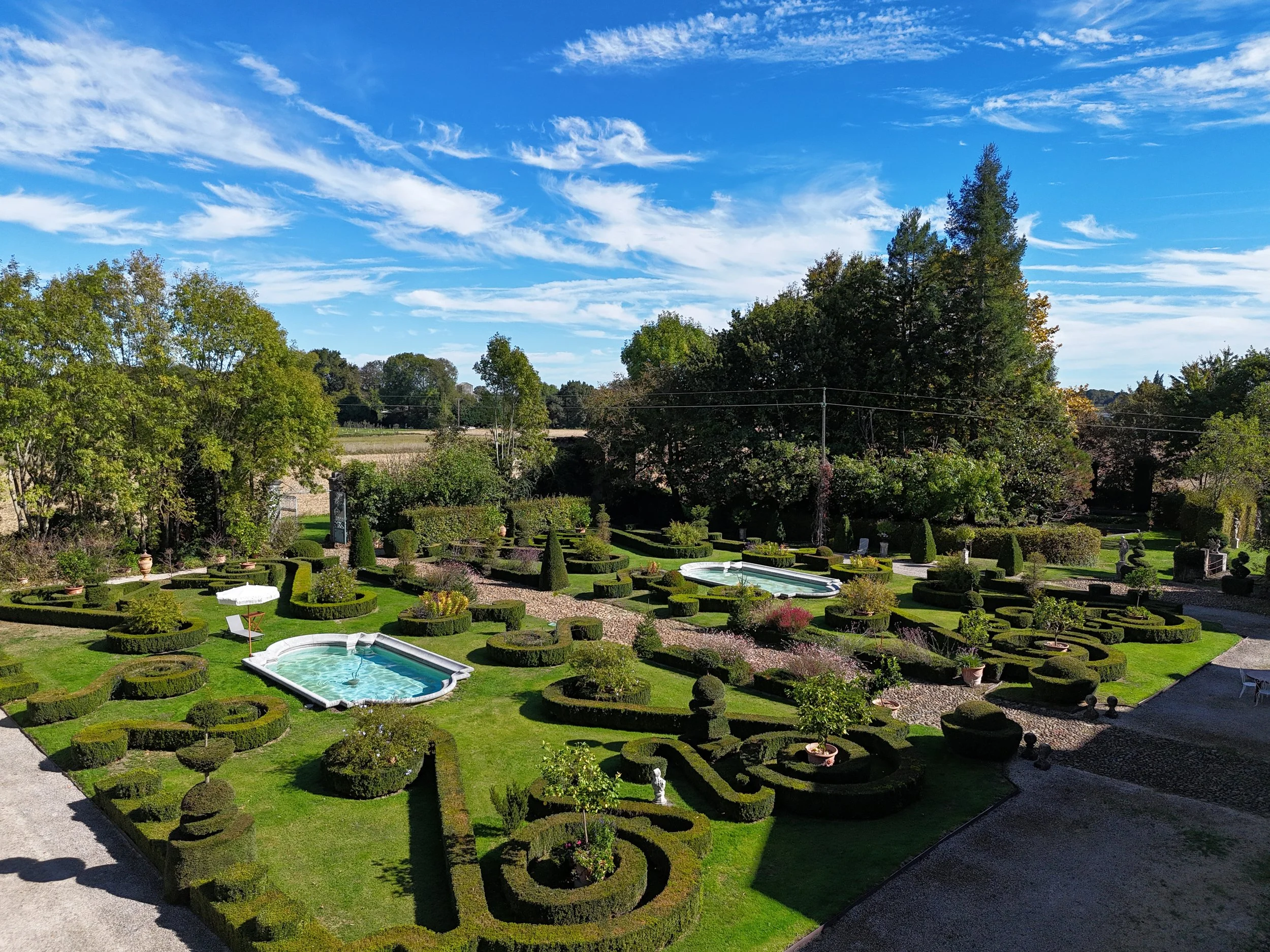
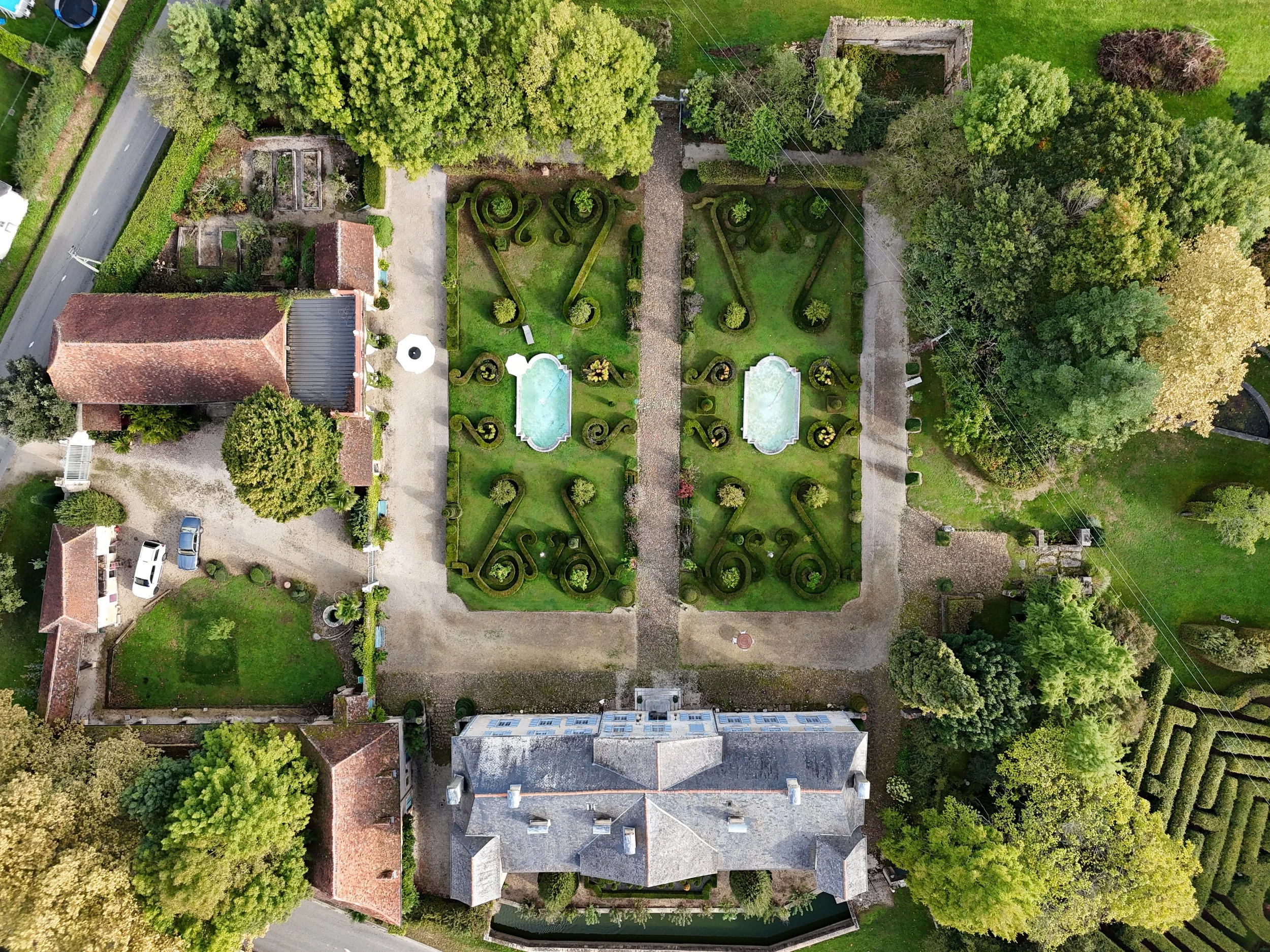
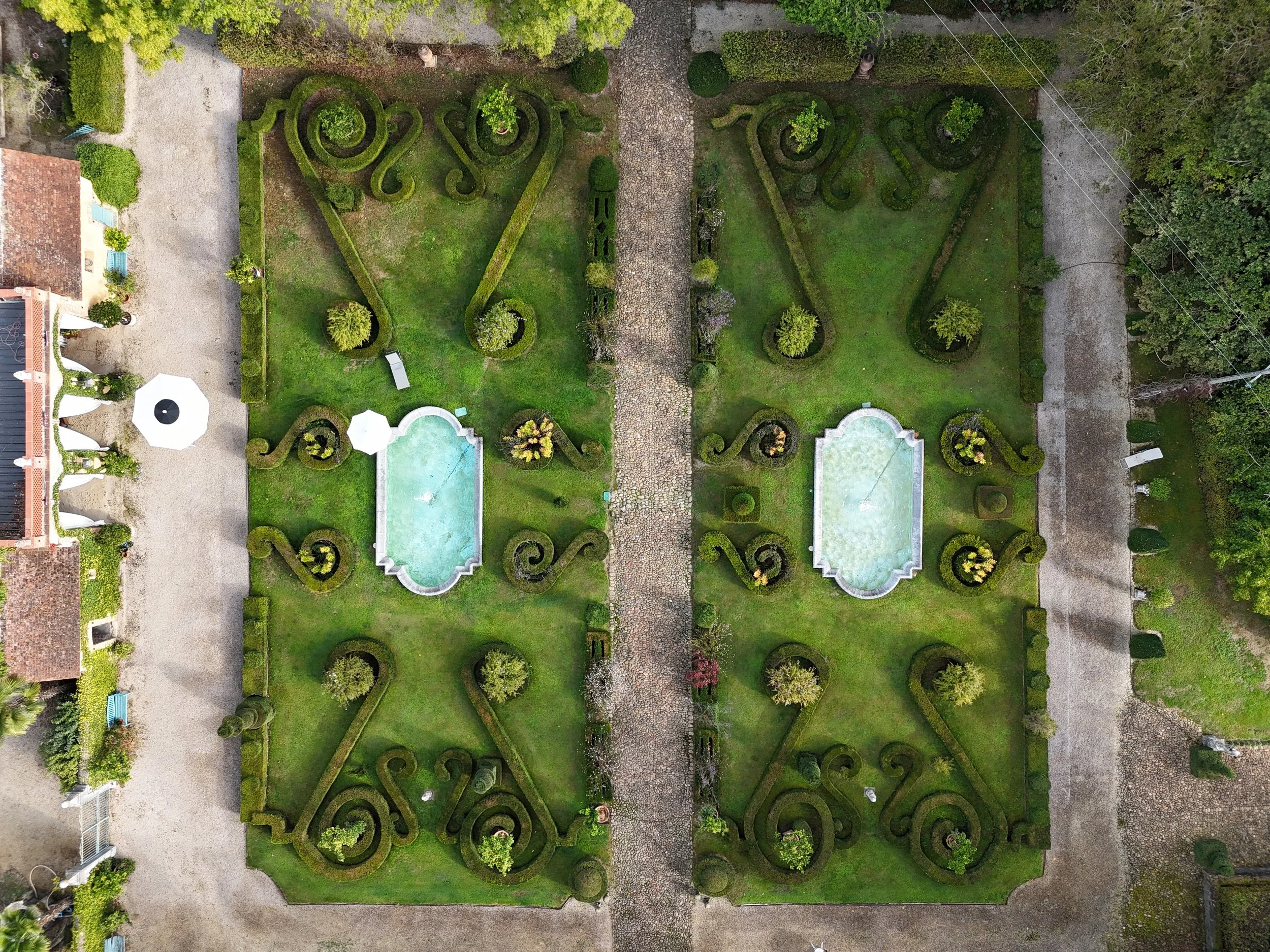
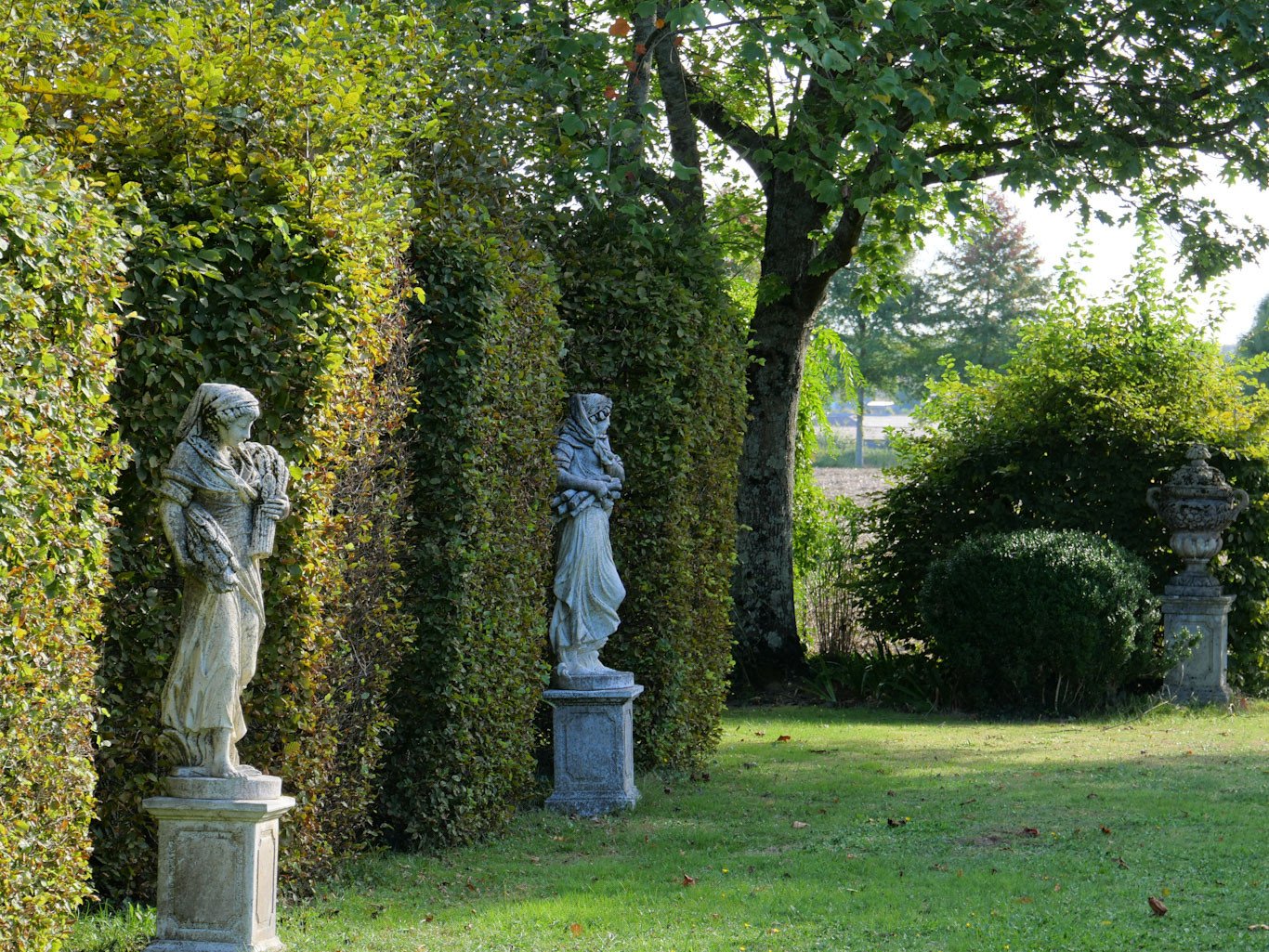
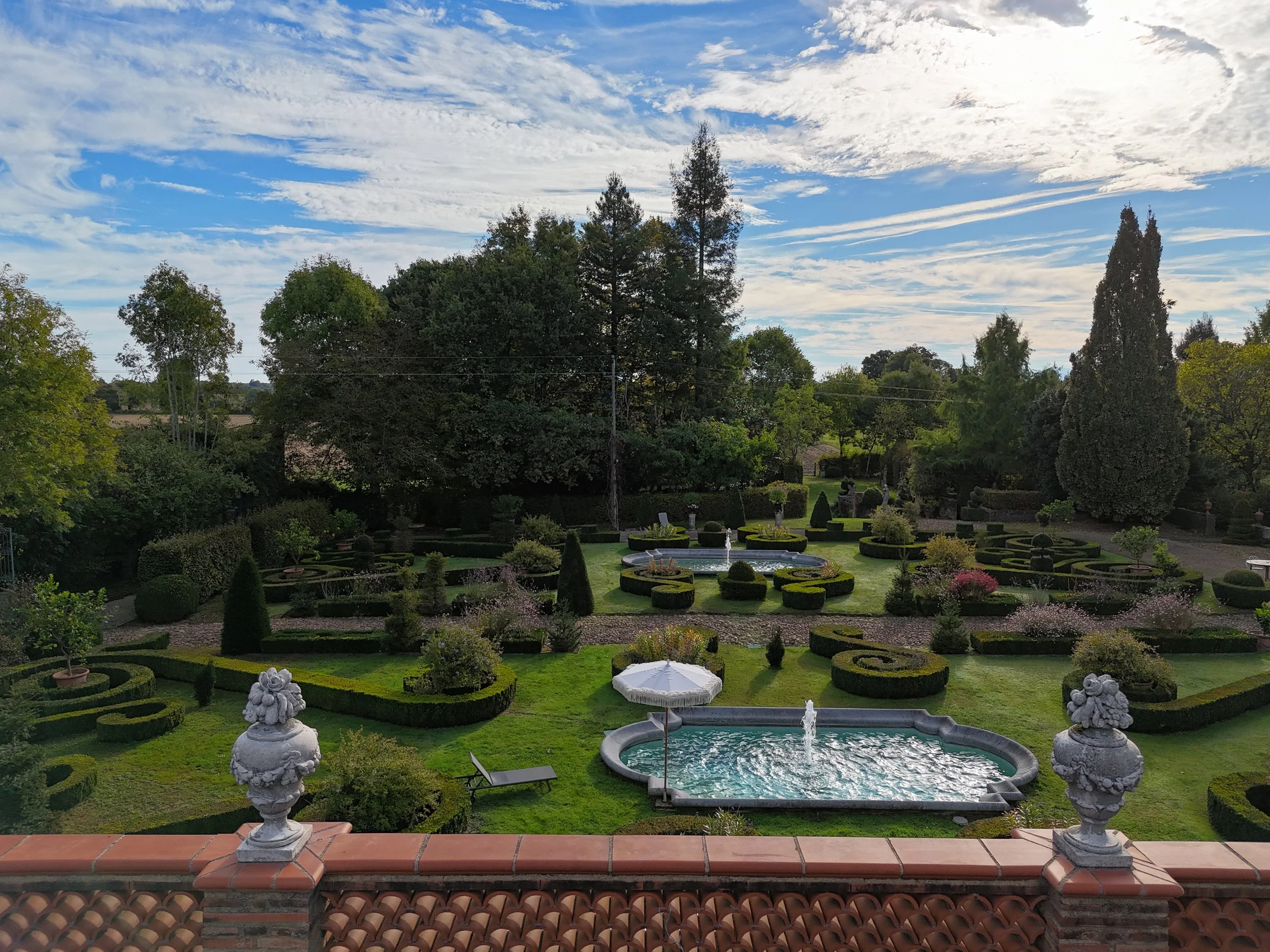
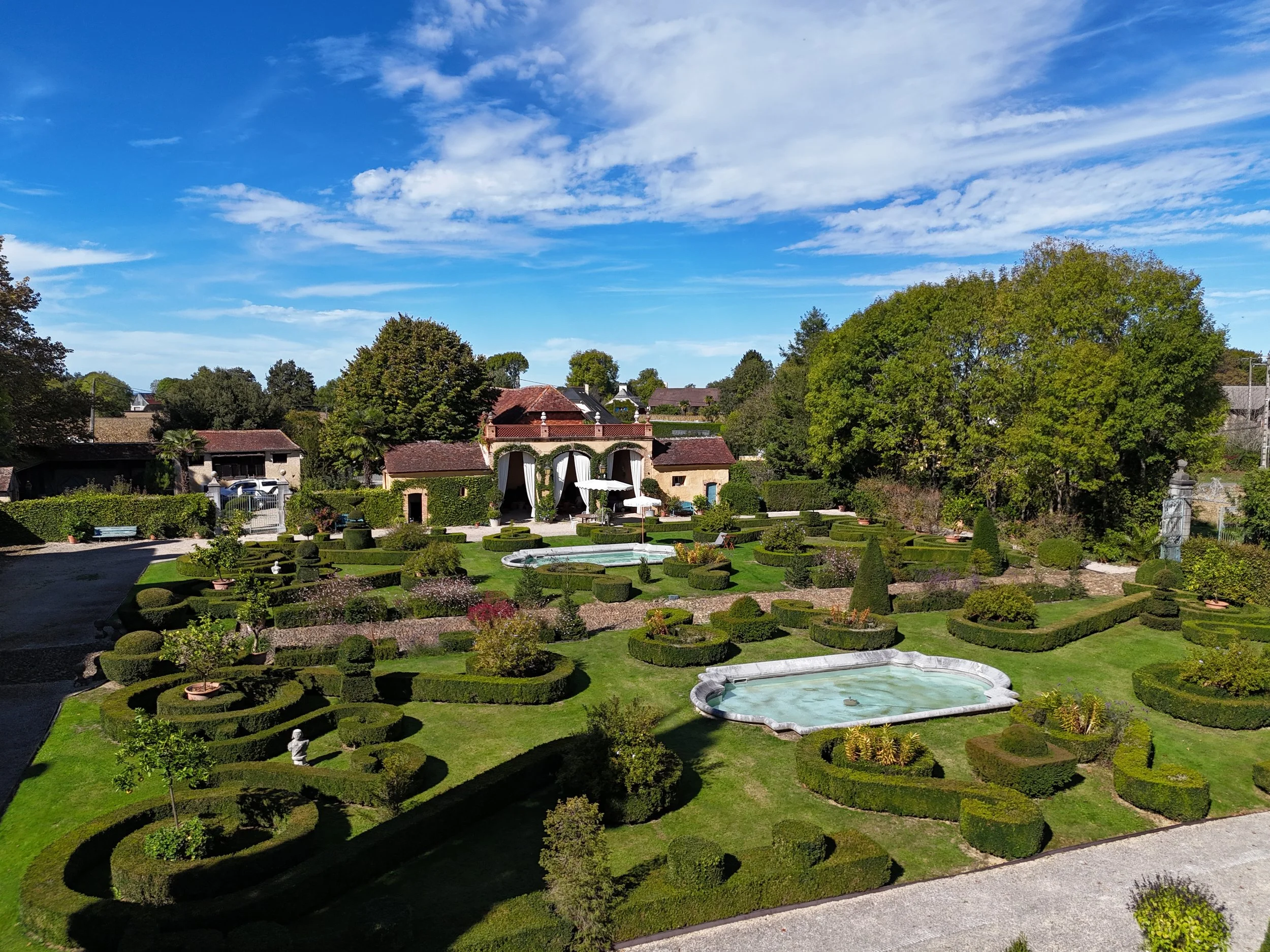
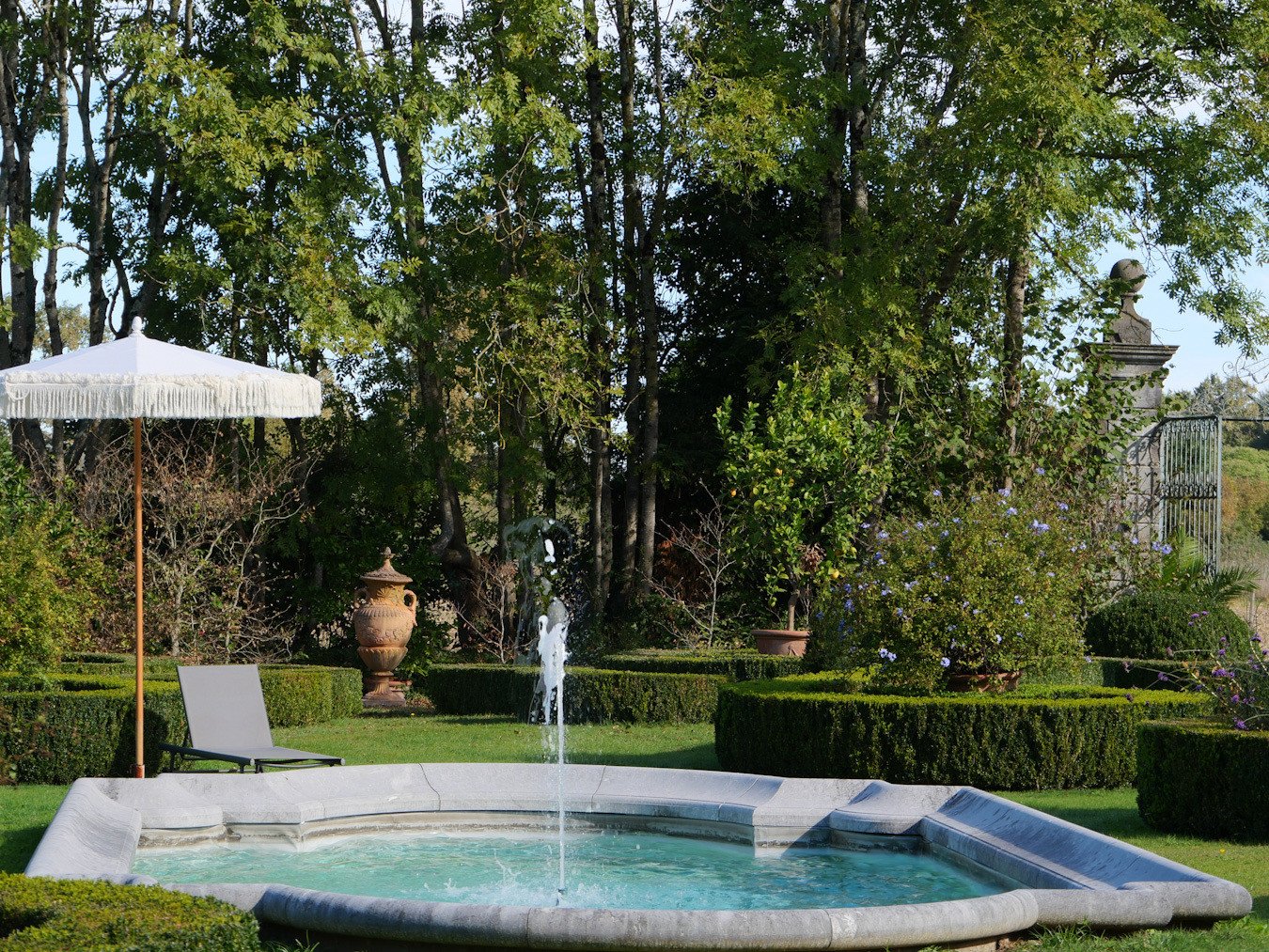
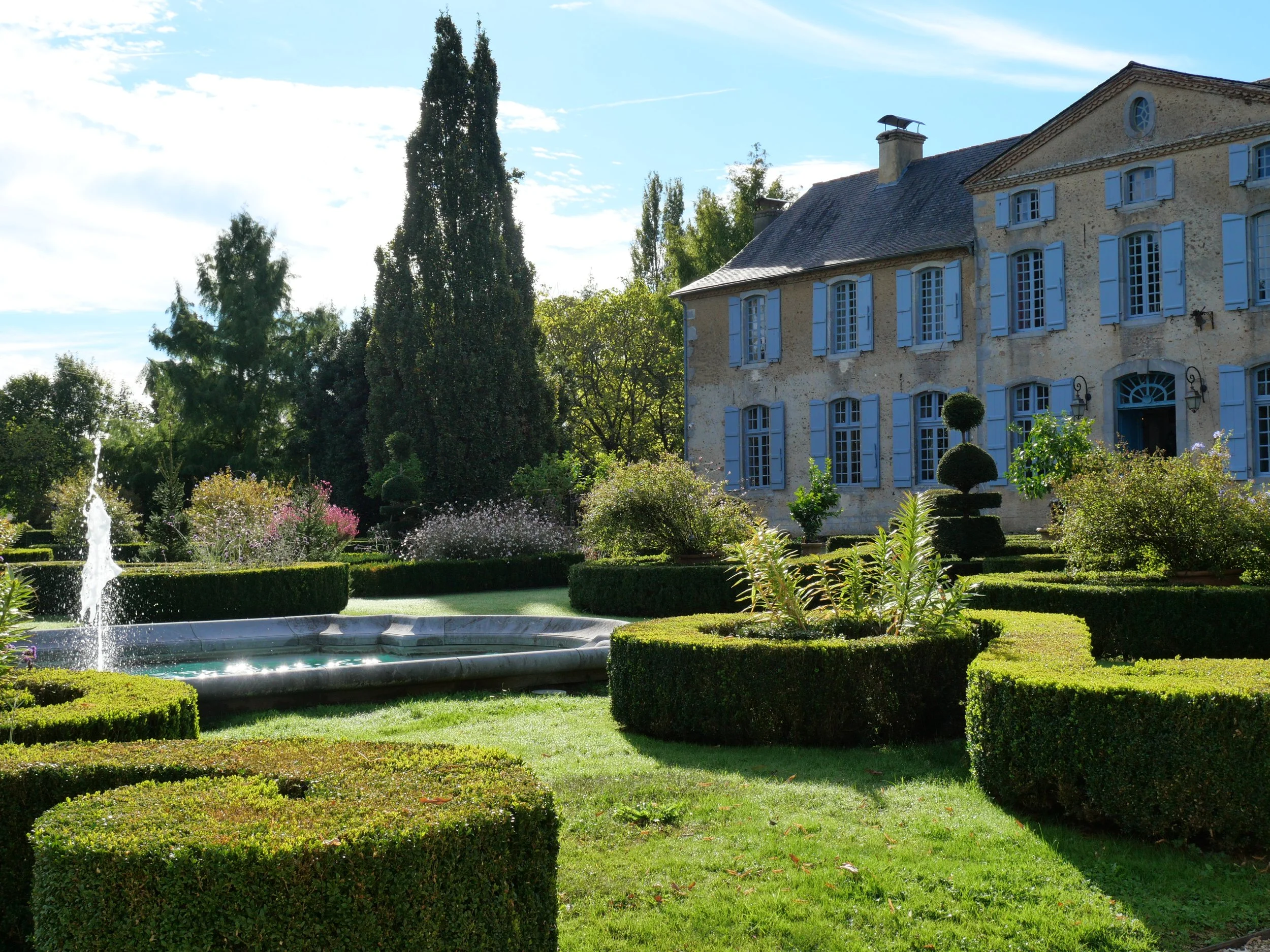
The estate extends to approximately 1.5 hectares (3.7 acres). The gardens were designed and planted around 20 years ago and are now fully mature. Formal boxwood parterres and topiary establish strong axial views facing the château, linked by a central walkway paved in traditional calade stone. Beyond a small bridge crossing the former moat, the landscape opens into a series of garden rooms, including a green theatre with semicircular tiered seating set around a schist-lined pond, sculptural vistas framed by hornbeam and beech hedges, and a rare beech-hedge labyrinth inspired by the great gardens of the 18th century. A swimming pool is discreetly integrated into ornamental basins with marble coping.
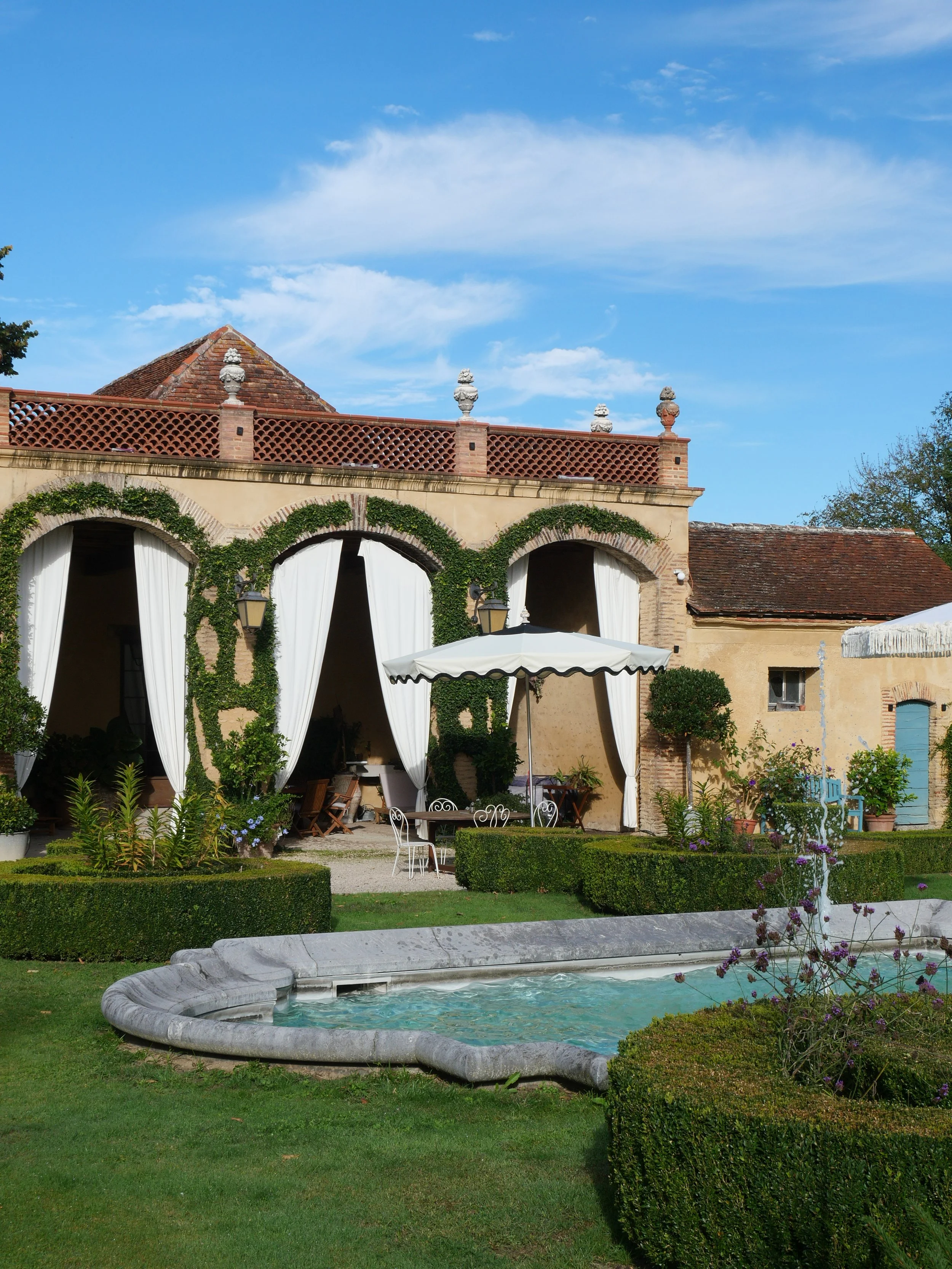
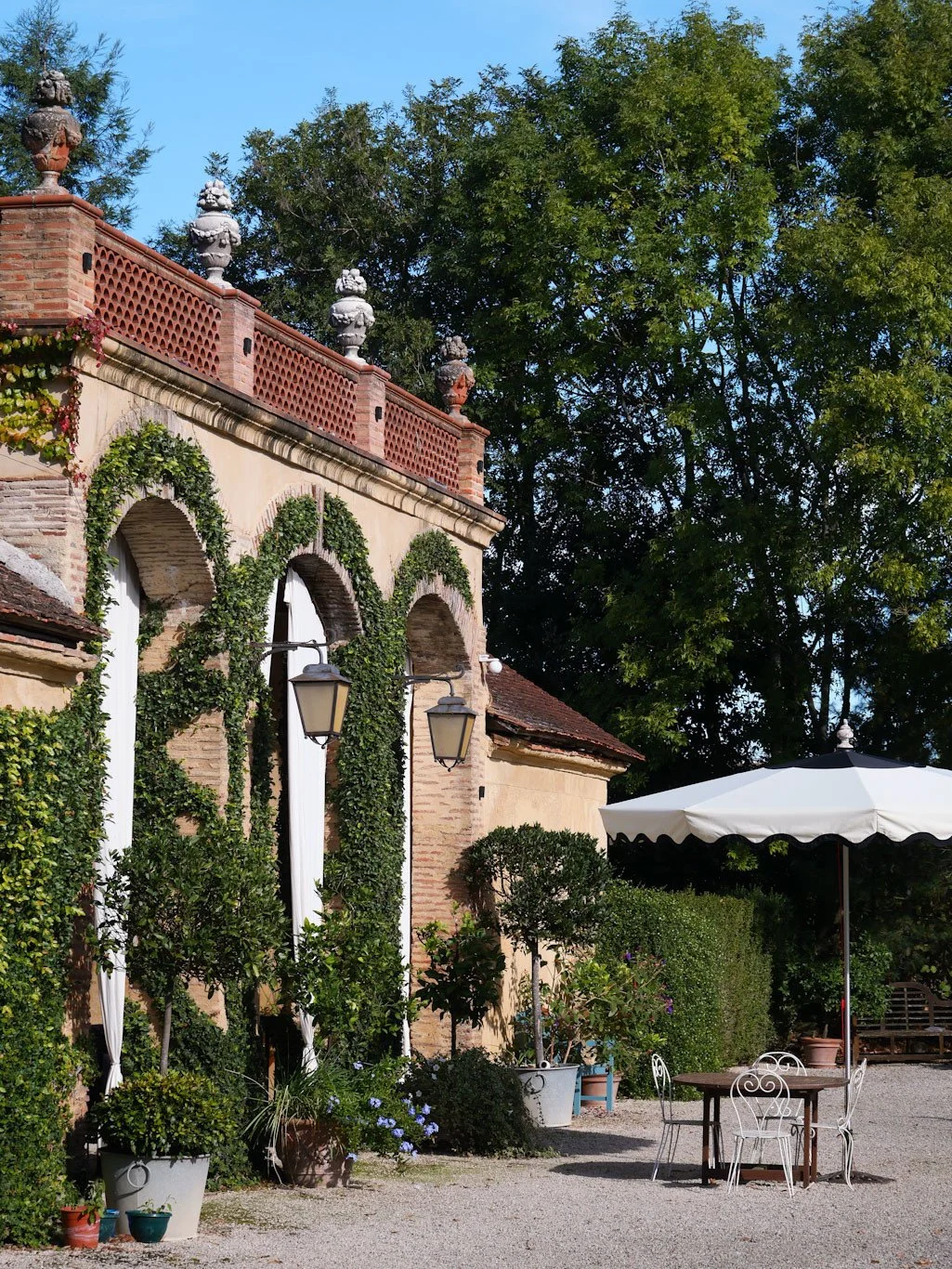
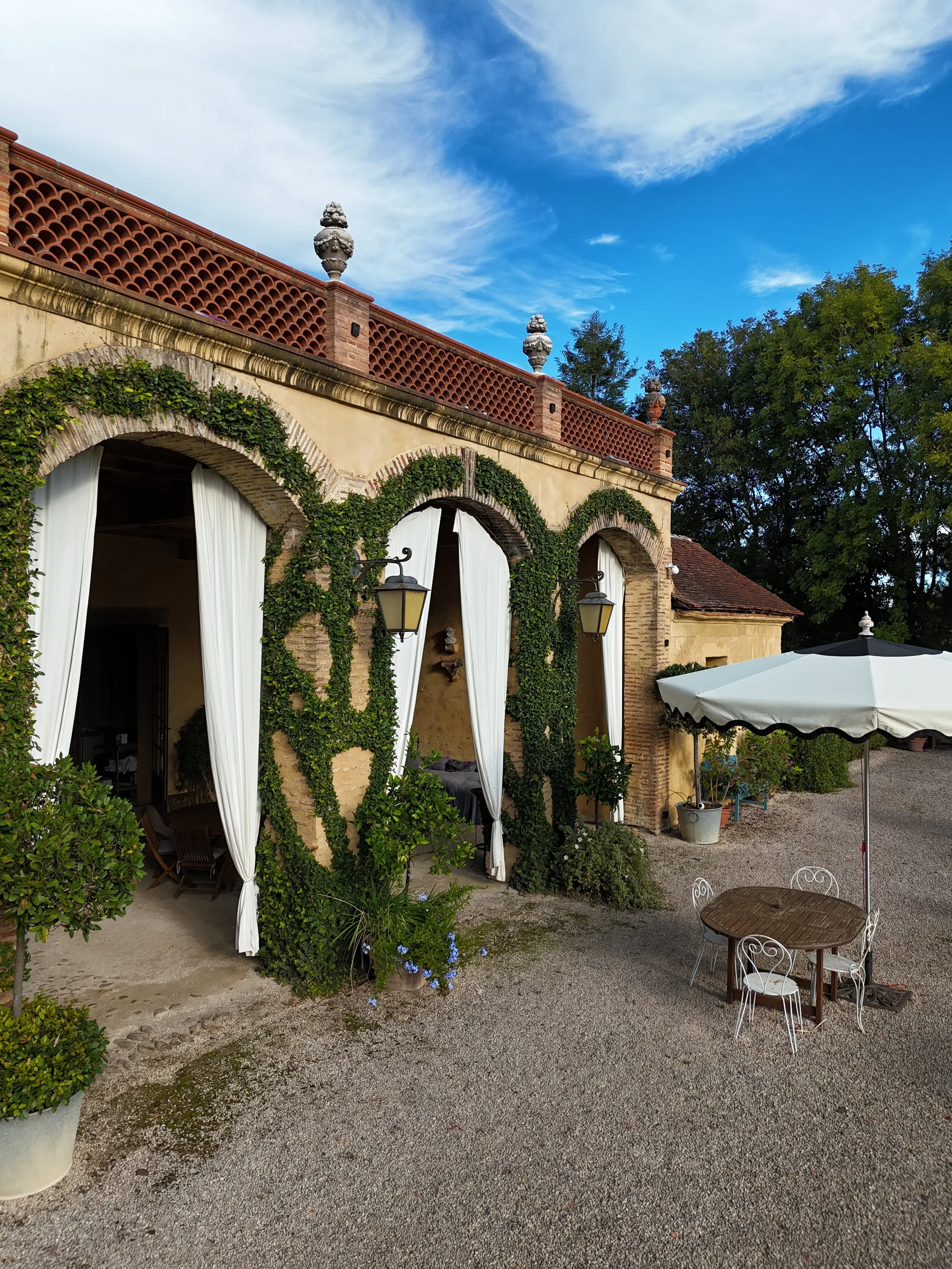
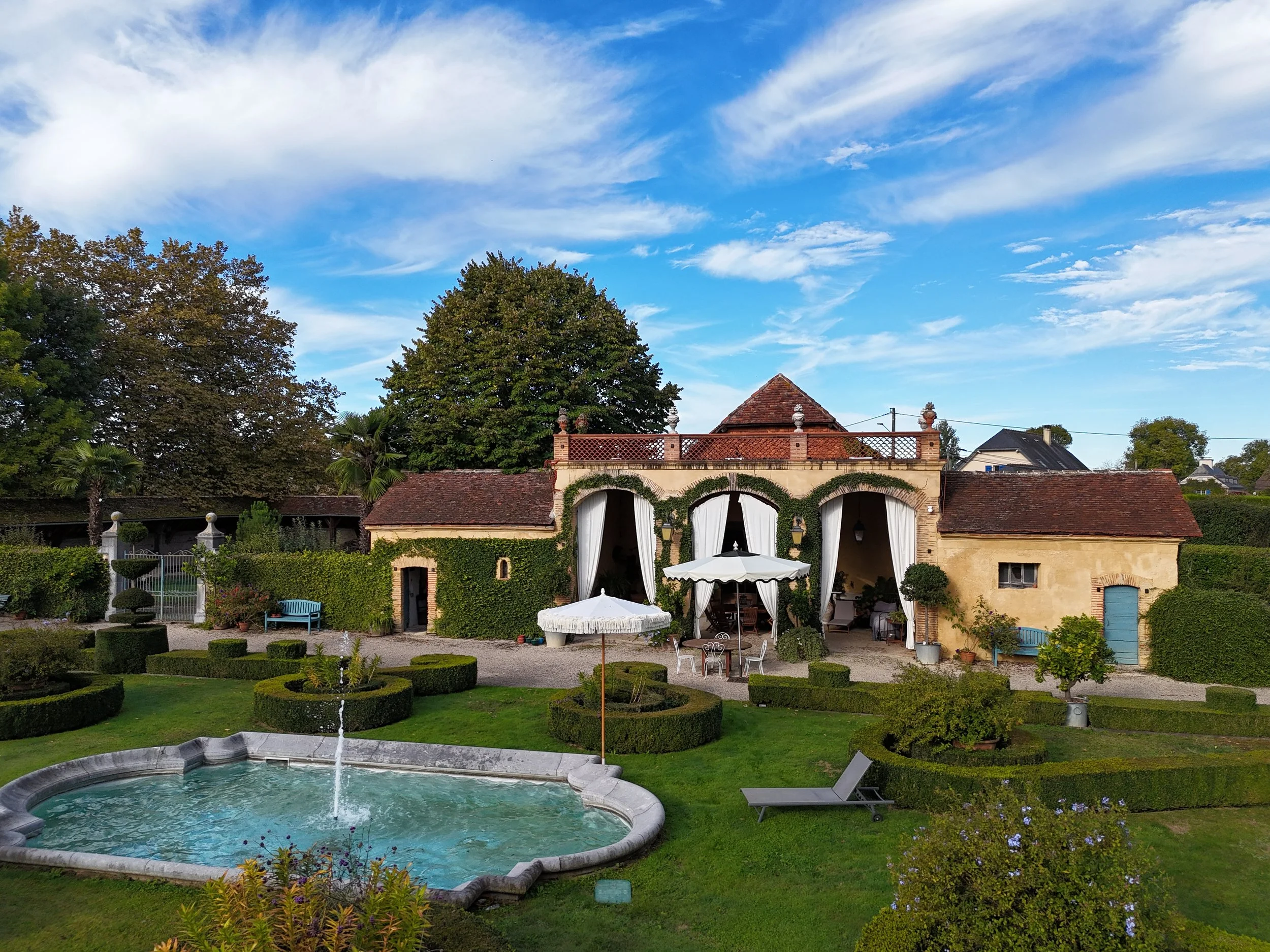
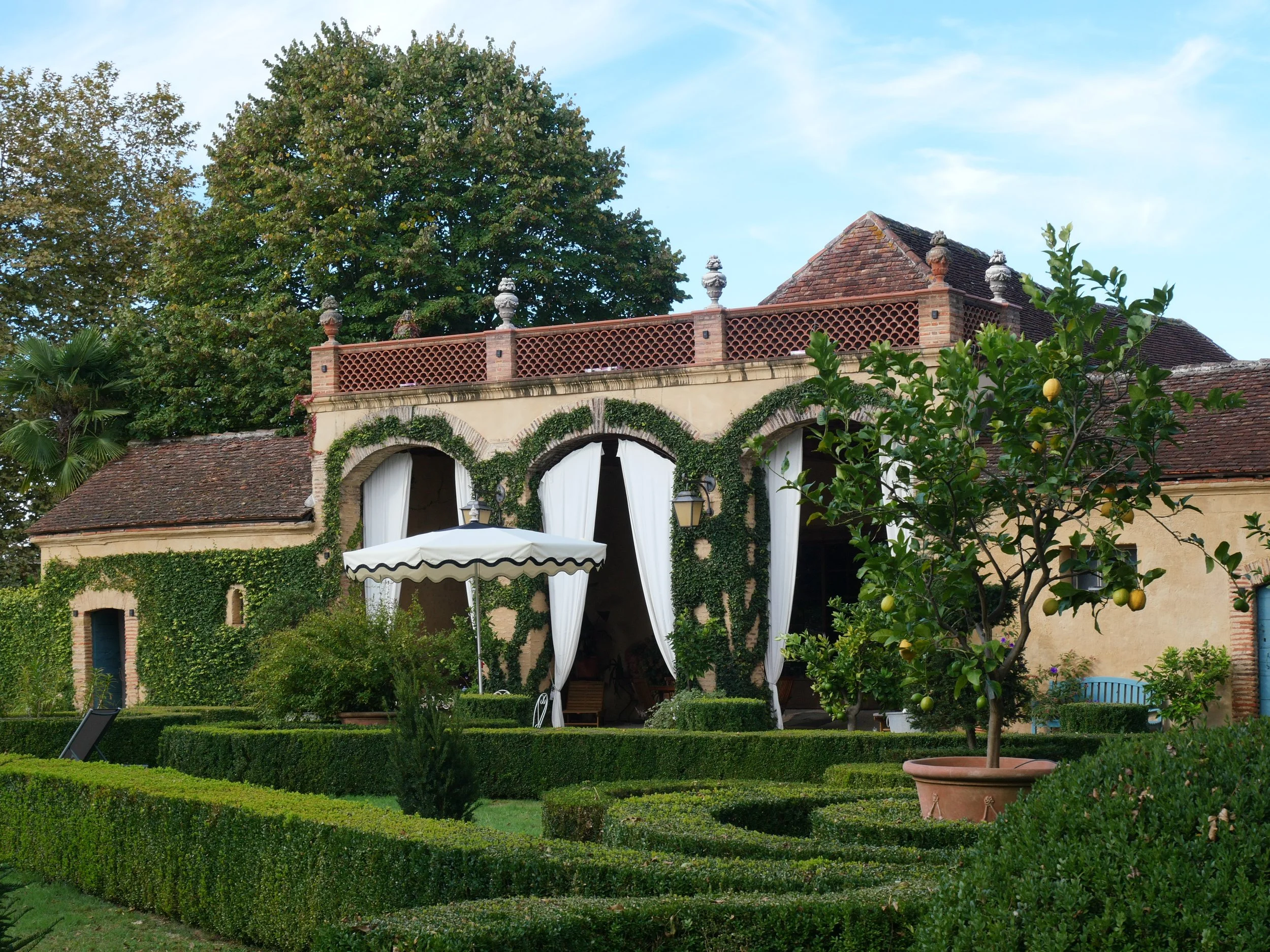
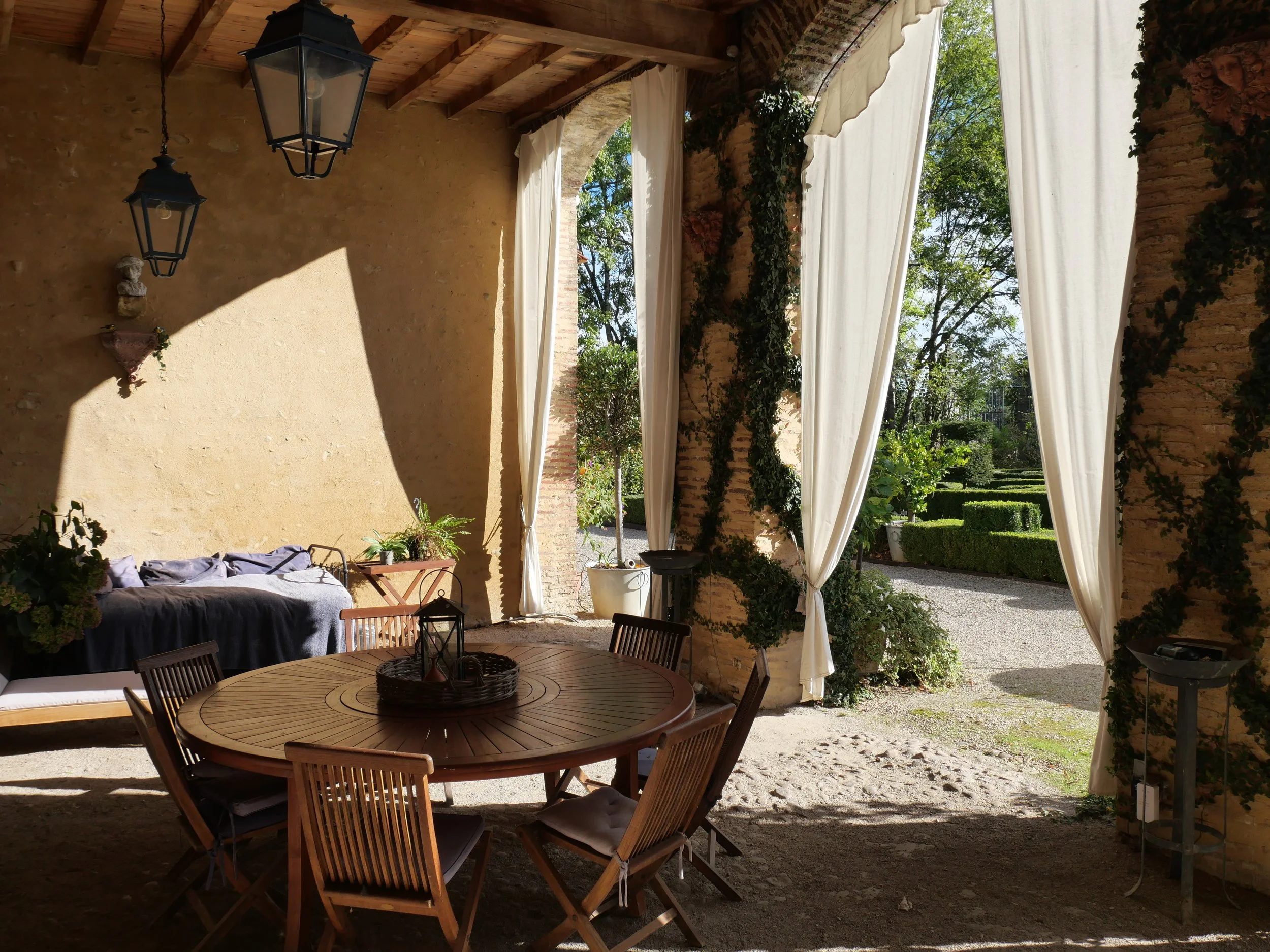
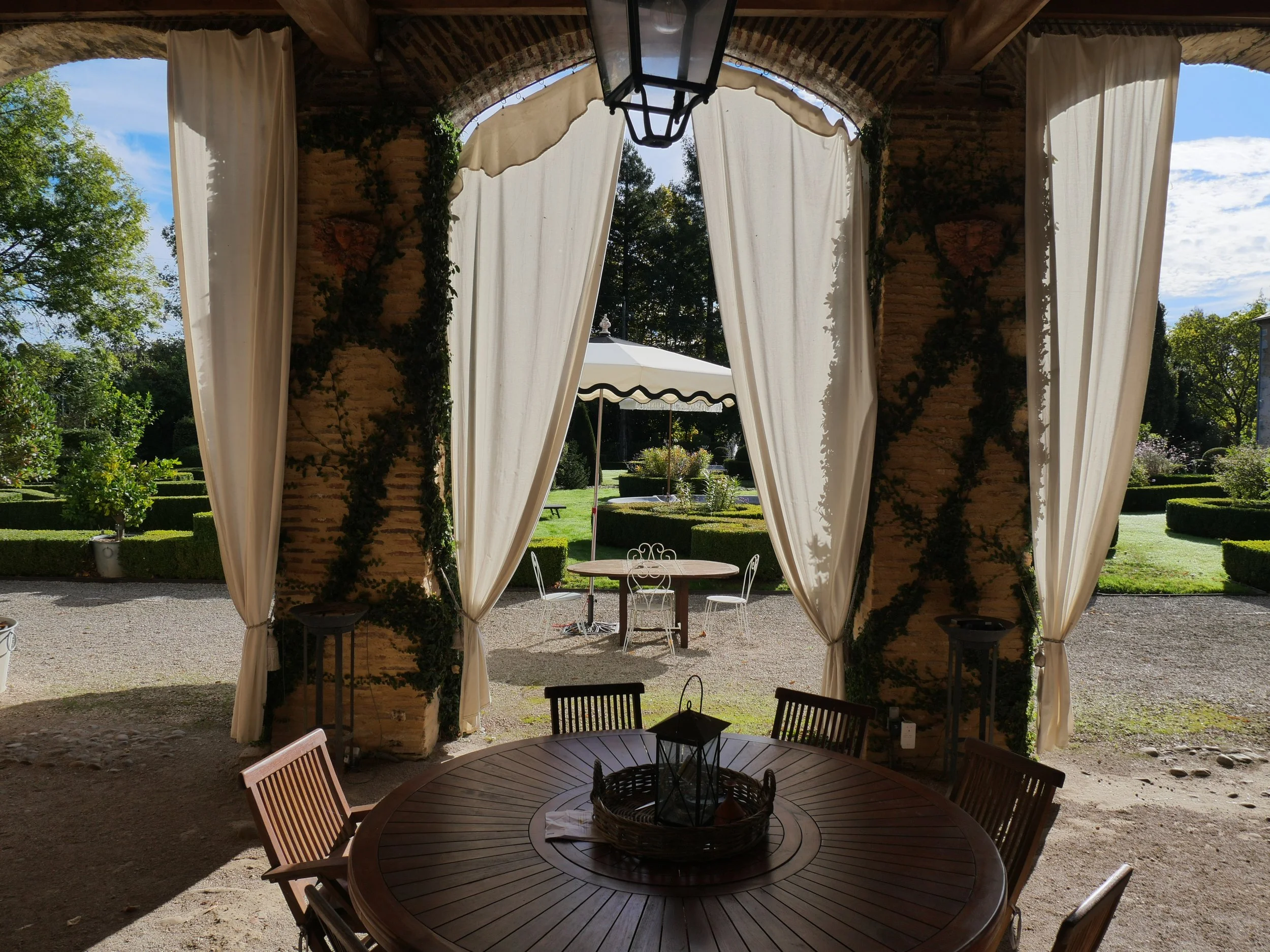
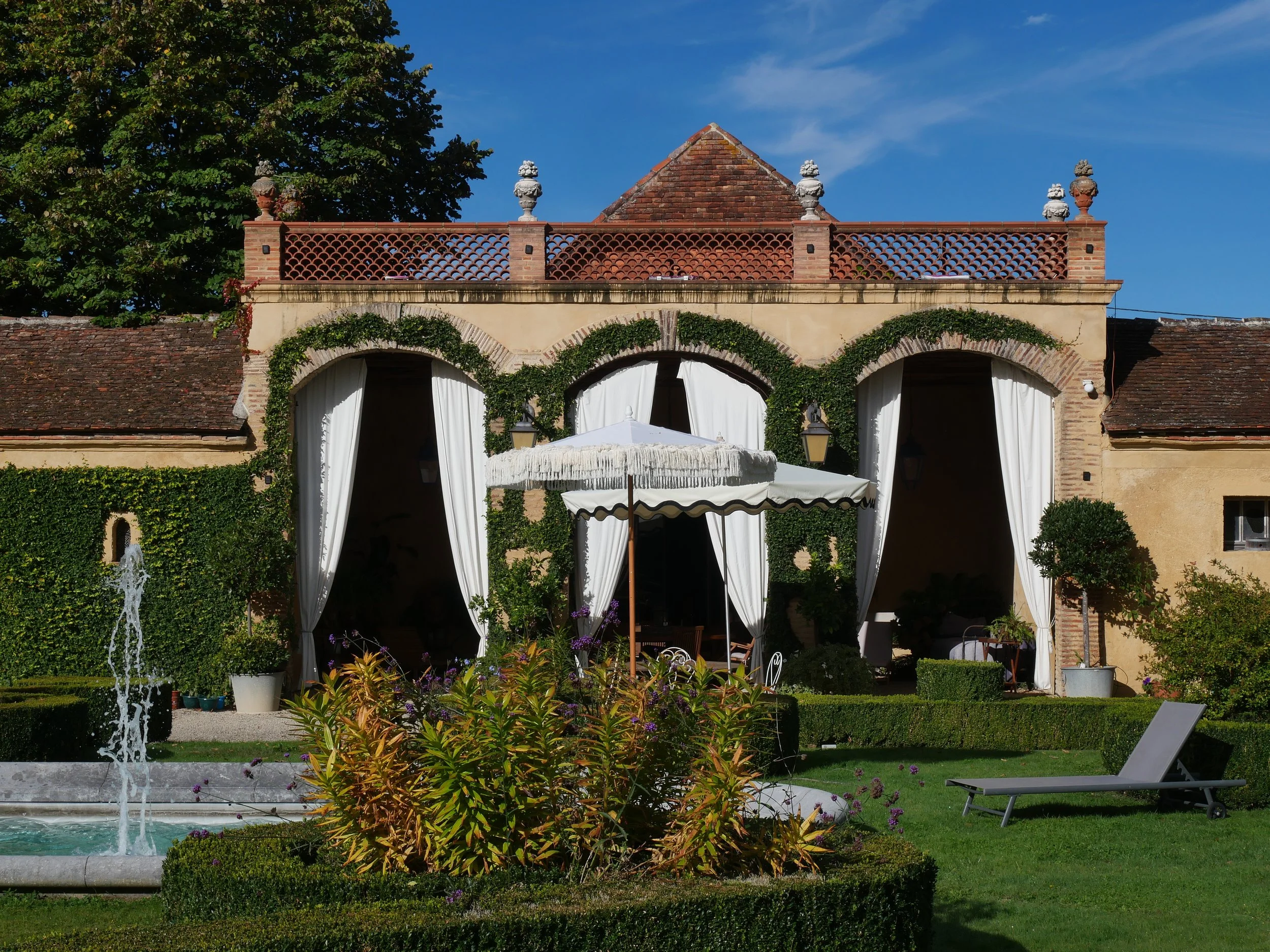
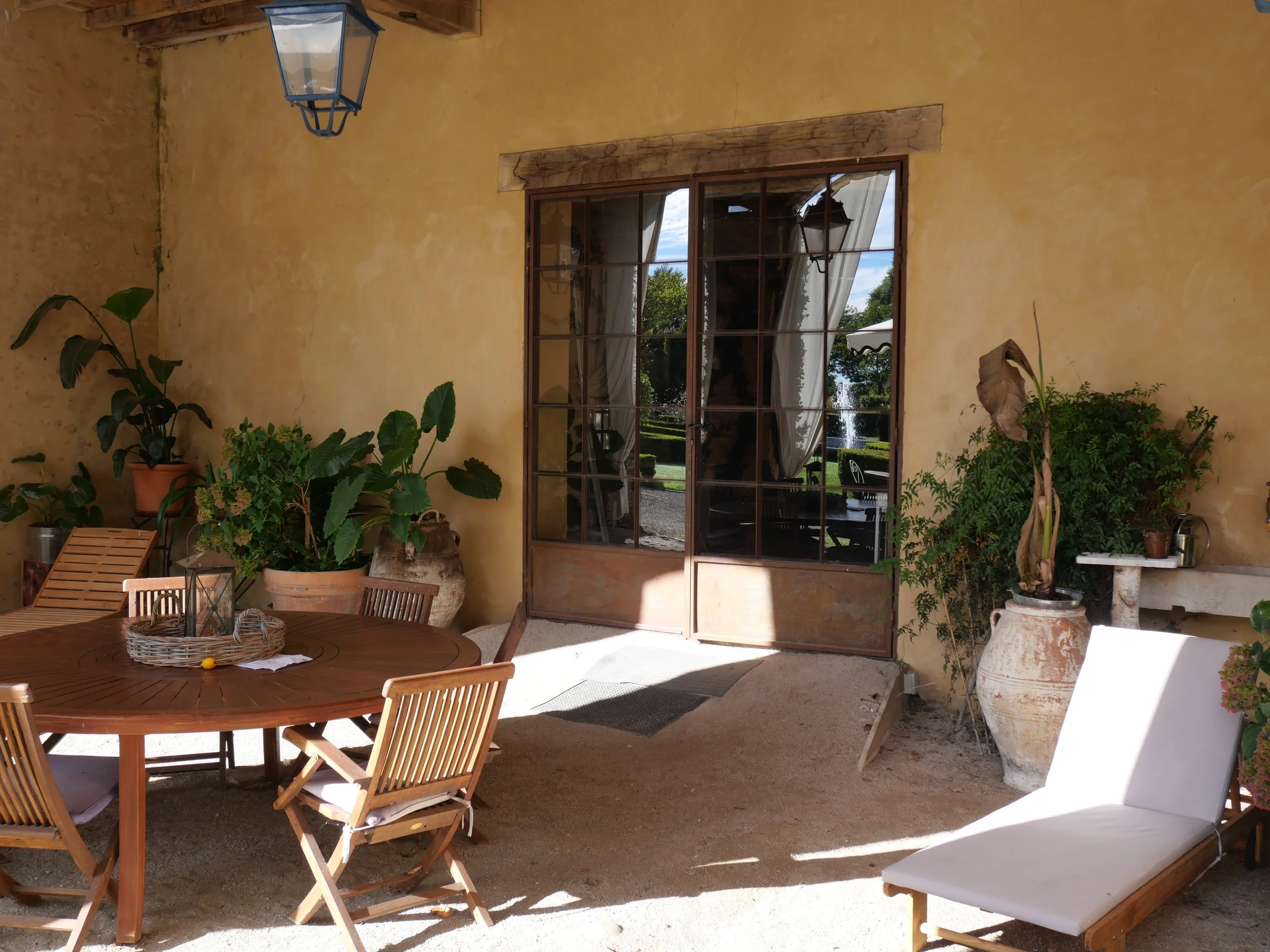
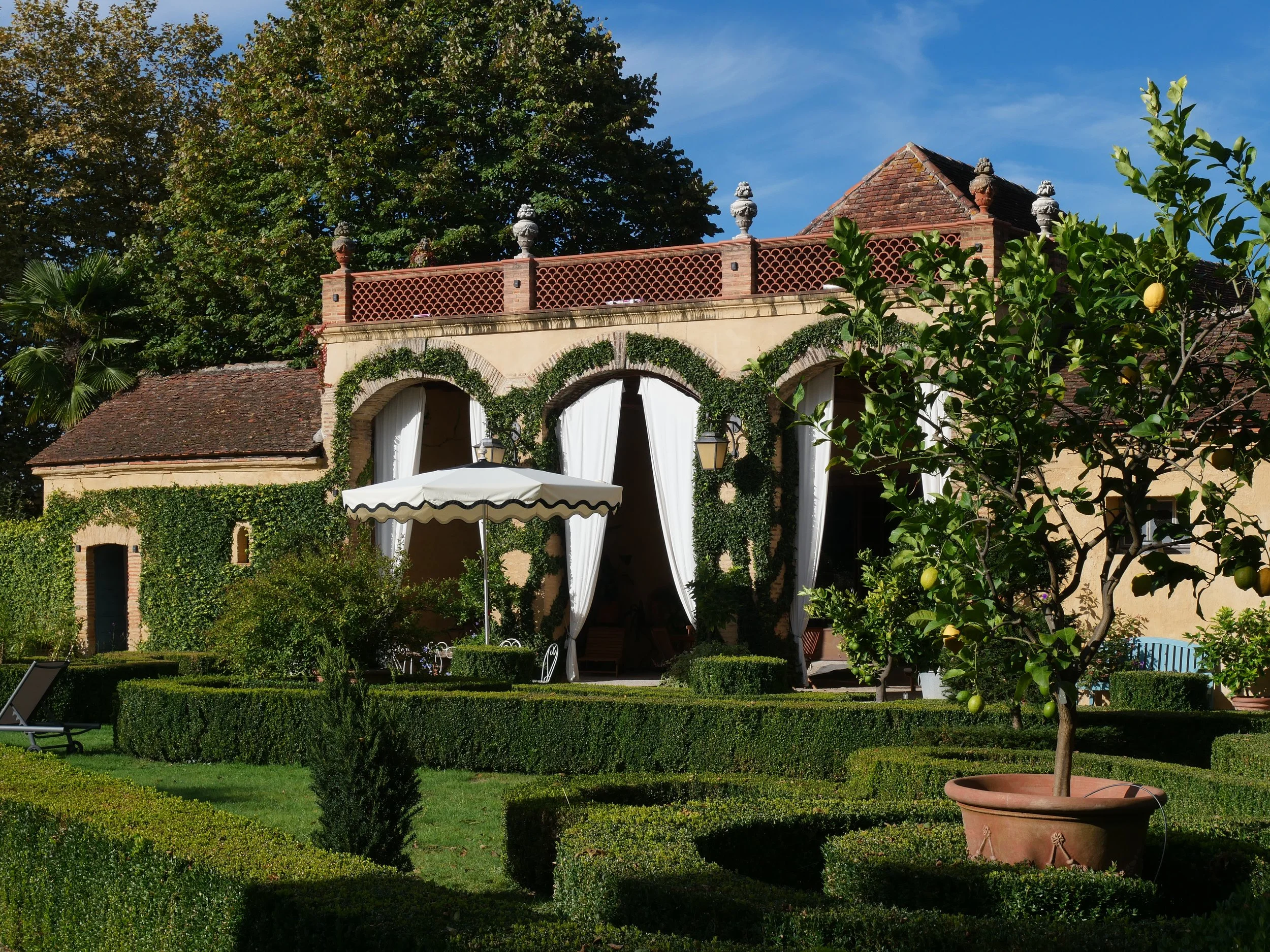
The outbuildings form a coherent extension of the château. The most striking is a monumental orangery, fully restored around seven years ago, with three south-facing arches beneath a soaring ceiling, finished with refined acroteria and Louis XIV–style finials. A large barn, now fitted with a professional kitchen, is currently used as an event space. Additional structures include a farmyard, former service buildings with conversion potential, and a discreet chapel featuring a 17th-century polychrome carved wooden altarpiece beneath a painted blue vault.
From a technical standpoint, the property is in excellent overall condition, including the gardens. The roof was fully redone in 2000 and inspected in July 2025. The orangery and outbuildings are well maintained. The only noted update required is the sanitation system, which is currently non-compliant.
The château lies within easy reach of regional transport, approximately 26 km (16 miles) from Pau Airport, 20 km (12 miles) from Tarbes, and 30 km (19 miles) from Lourdes Airport. The Atlantic coast and Biarritz are around 143 km (89 miles) away, under two hours by car, keeping the property firmly inland while still connected to the coast. The cultural life of the Gers, including Marciac’s jazz festival, is about 40 minutes away. Annual property tax is €549.
What sets this château apart is not scale or isolation, but coherence. Architecture, interiors, gardens, and village setting remain legible and intact, shaped by long-term stewardship rather than redevelopment. It is a property defined by balance—between public presence and private life, history and daily use—now offered as a complete ensemble.
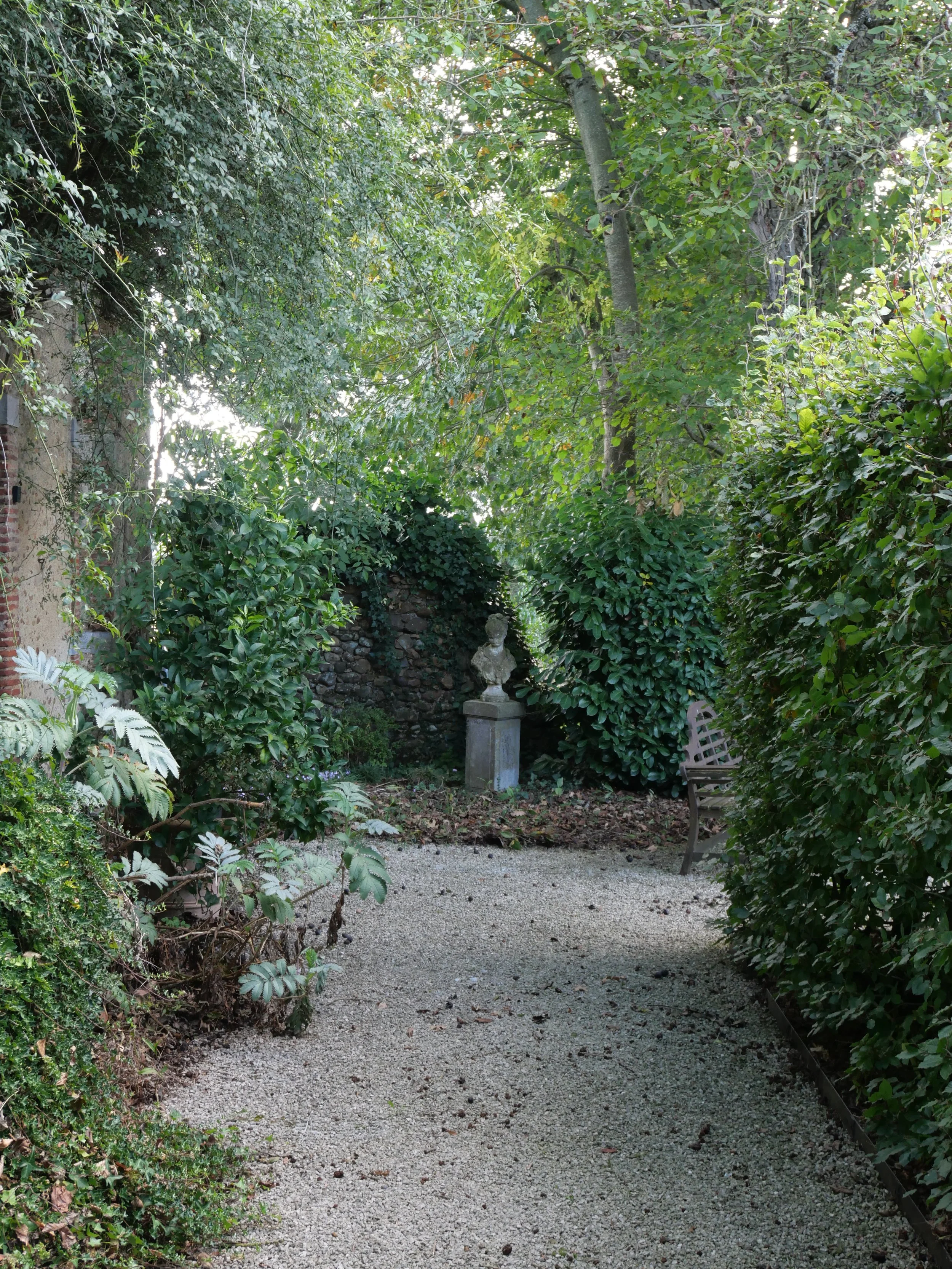
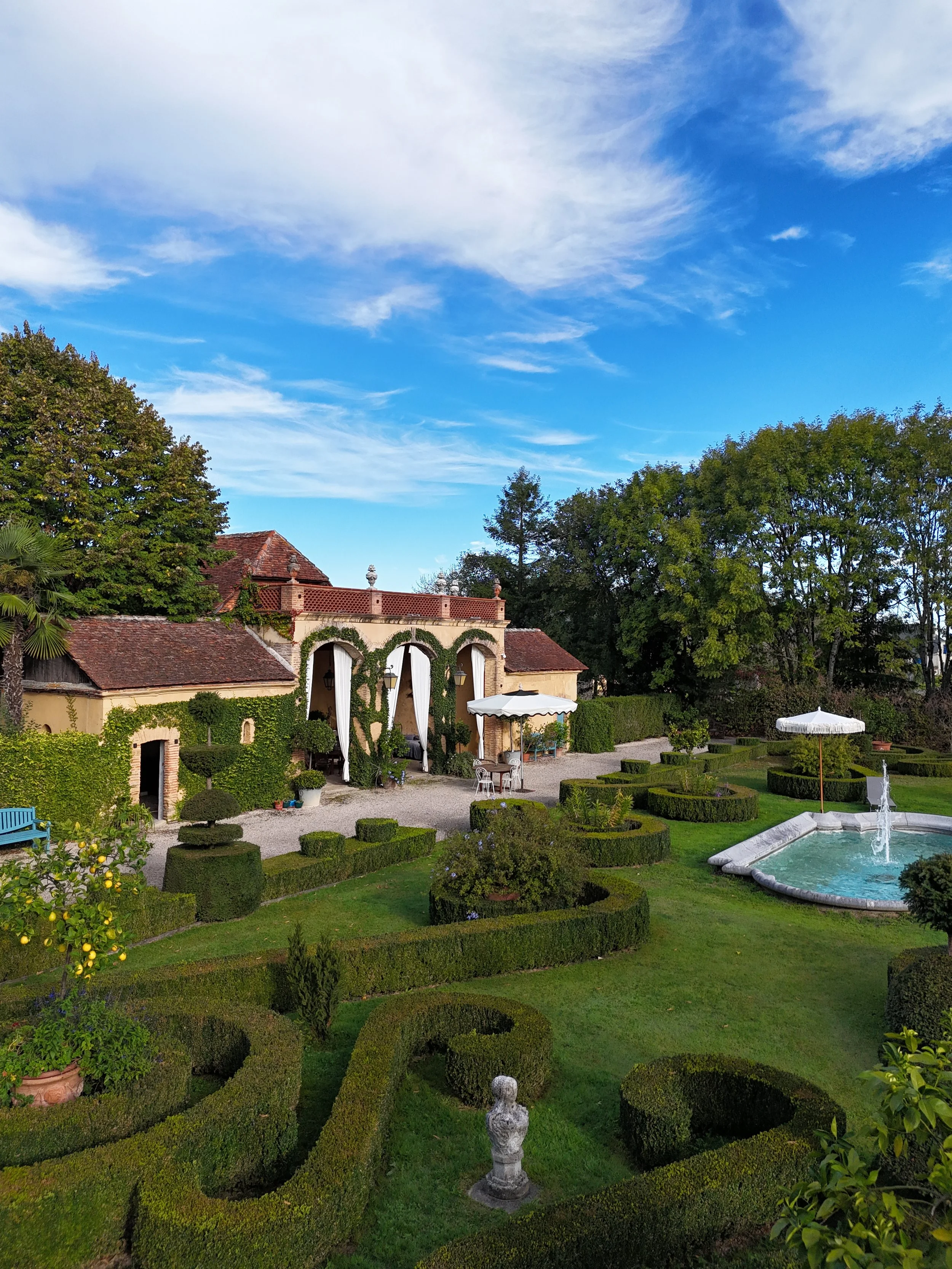
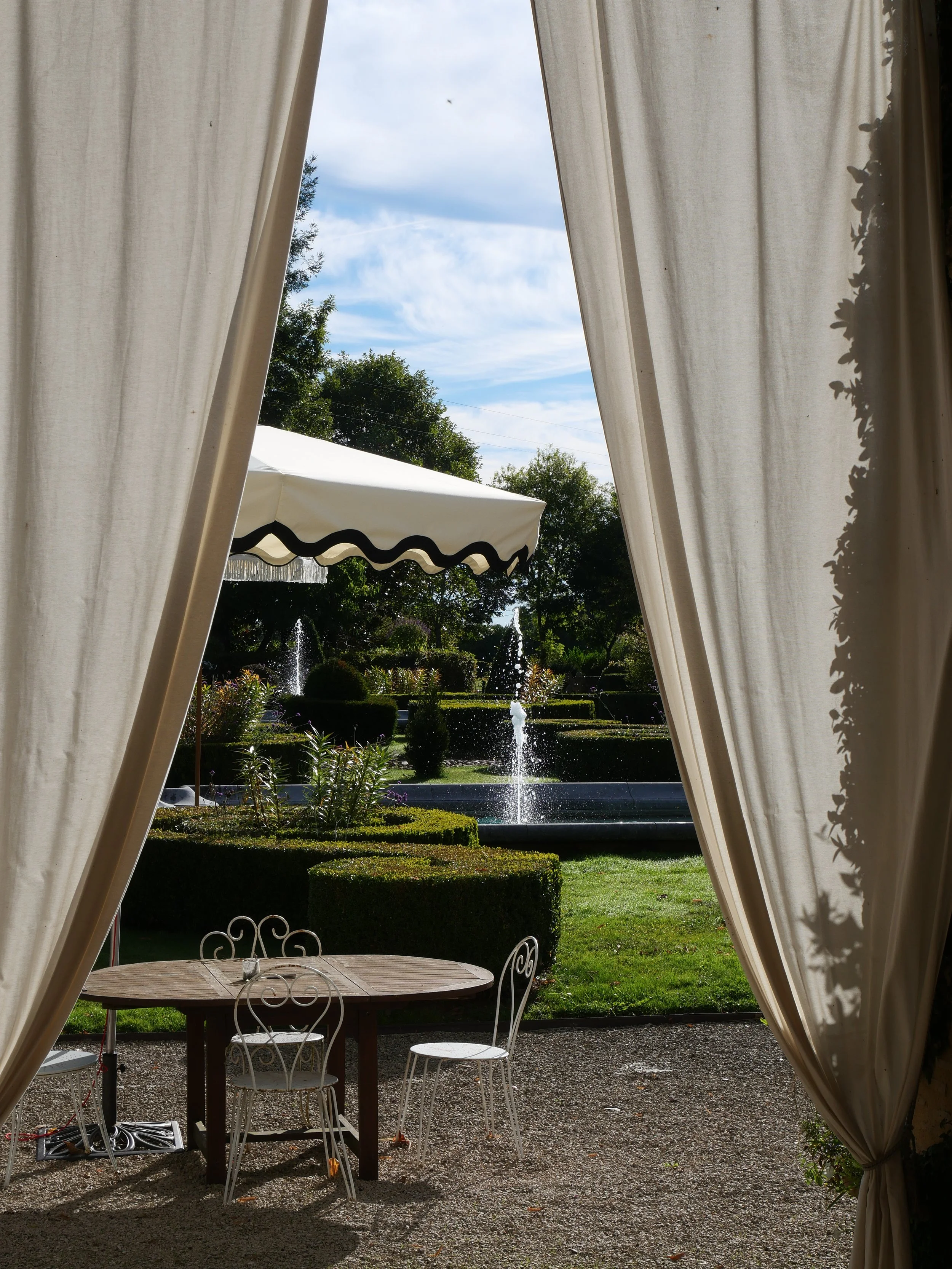
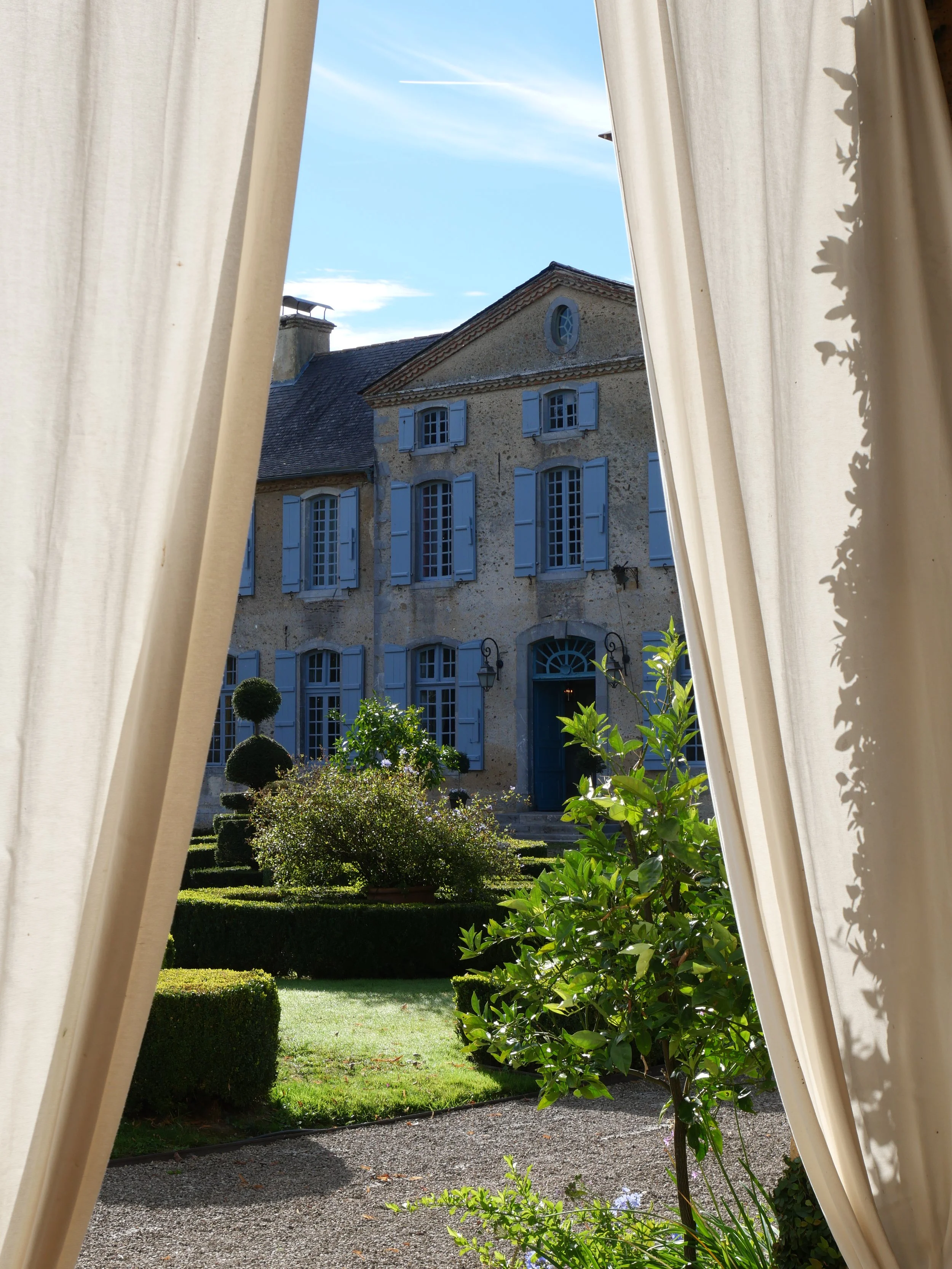
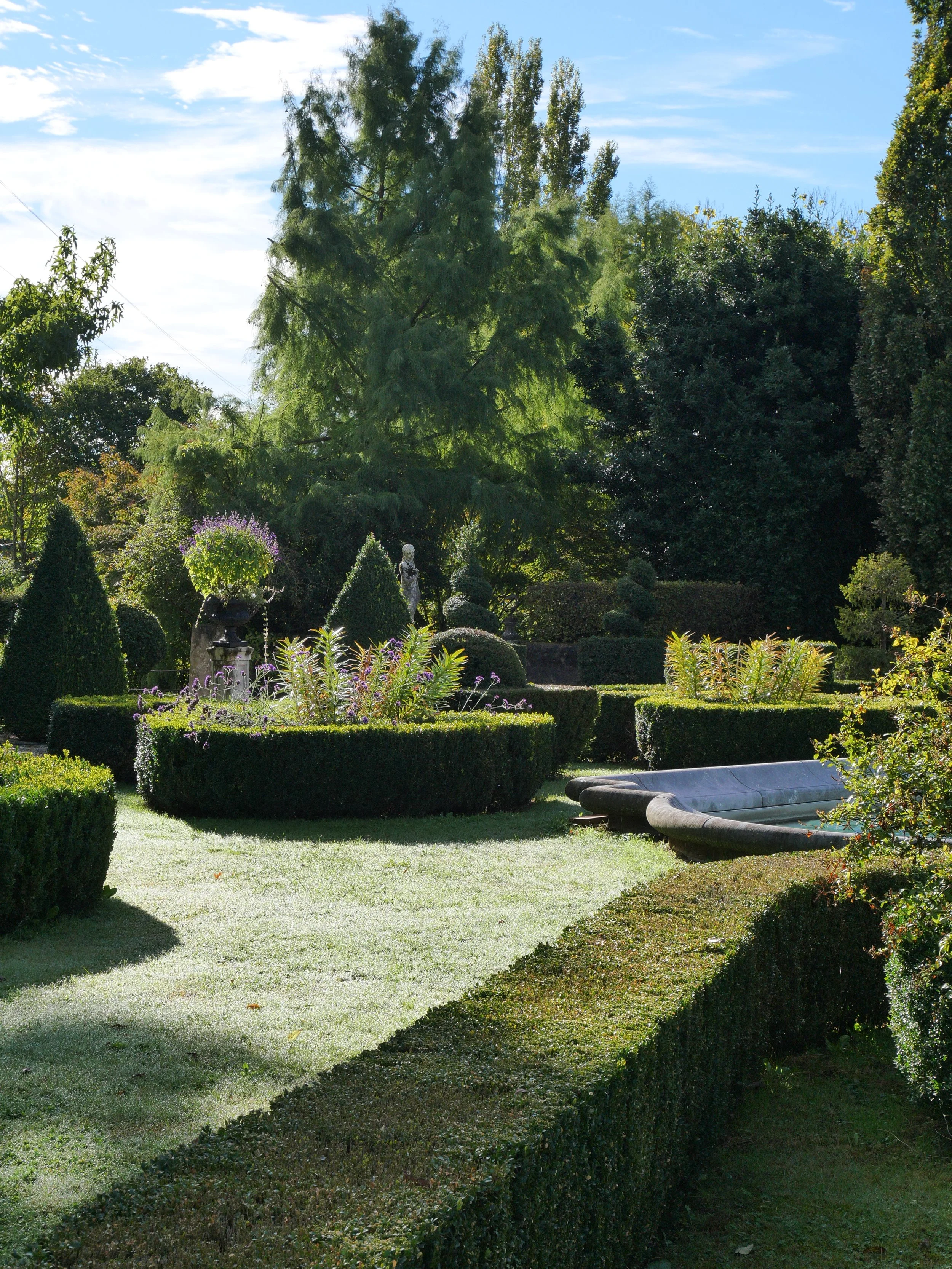
The estate extends to approximately 1.5 hectares (3.7 acres). The gardens were conceived and planted around 20 years ago and are now fully mature. Formal boxwood parterres and topiary establish strong axial views facing the château, connected by a central walkway paved in traditional calade stone. Beyond a small bridge crossing the former moat, the landscape opens into a sequence of garden rooms, including a green theatre with semicircular tiered seating set around a schist-lined pond, sculptural vistas framed by hornbeam and beech hedges, and a rare beech-hedge labyrinth inspired by the great gardens of the 18th century. A swimming pool is discreetly integrated into ornamental basins with marble coping.
The outbuildings form a coherent architectural extension of the château. The most notable is a monumental orangery, fully restored approximately seven years ago, with three south-facing arches beneath a soaring ceiling, crowned with refined acroteria and Louis XIV–style finials. A large barn, now equipped with a professional kitchen, is currently used as an event space. Additional structures include a farmyard, former service buildings with conversion potential, and a discreet chapel featuring a 17th-century polychrome carved wooden altarpiece beneath a painted blue vault.
From a technical standpoint, the property is in excellent overall condition, including the gardens. The roof was fully redone in 2000 and inspected in July 2025. The orangery and outbuildings are well maintained. The only noted upgrade required is the sanitation system, which is currently non-compliant.
The château lies within easy reach of regional transport links, approximately 26 km (16 miles) from Pau Airport, 20 km (12 miles) from Tarbes, and 30 km (19 miles) from Lourdes Airport. The Atlantic coast and Biarritz are around 143 km (89 miles) away, under two hours by car, keeping the property firmly inland while remaining connected to the coast. The cultural life of the Gers, including Marciac’s jazz festival, is approximately 40 minutes away. Annual property tax is €549.
What distinguishes this château is not scale or isolation, but coherence. Architecture, interiors, gardens, and village setting remain intact and legible, shaped by long-term stewardship rather than redevelopment. It is a property defined by balance—between public presence and private life, history and use—now offered as a complete ensemble.
All photos belong to the listing agency.