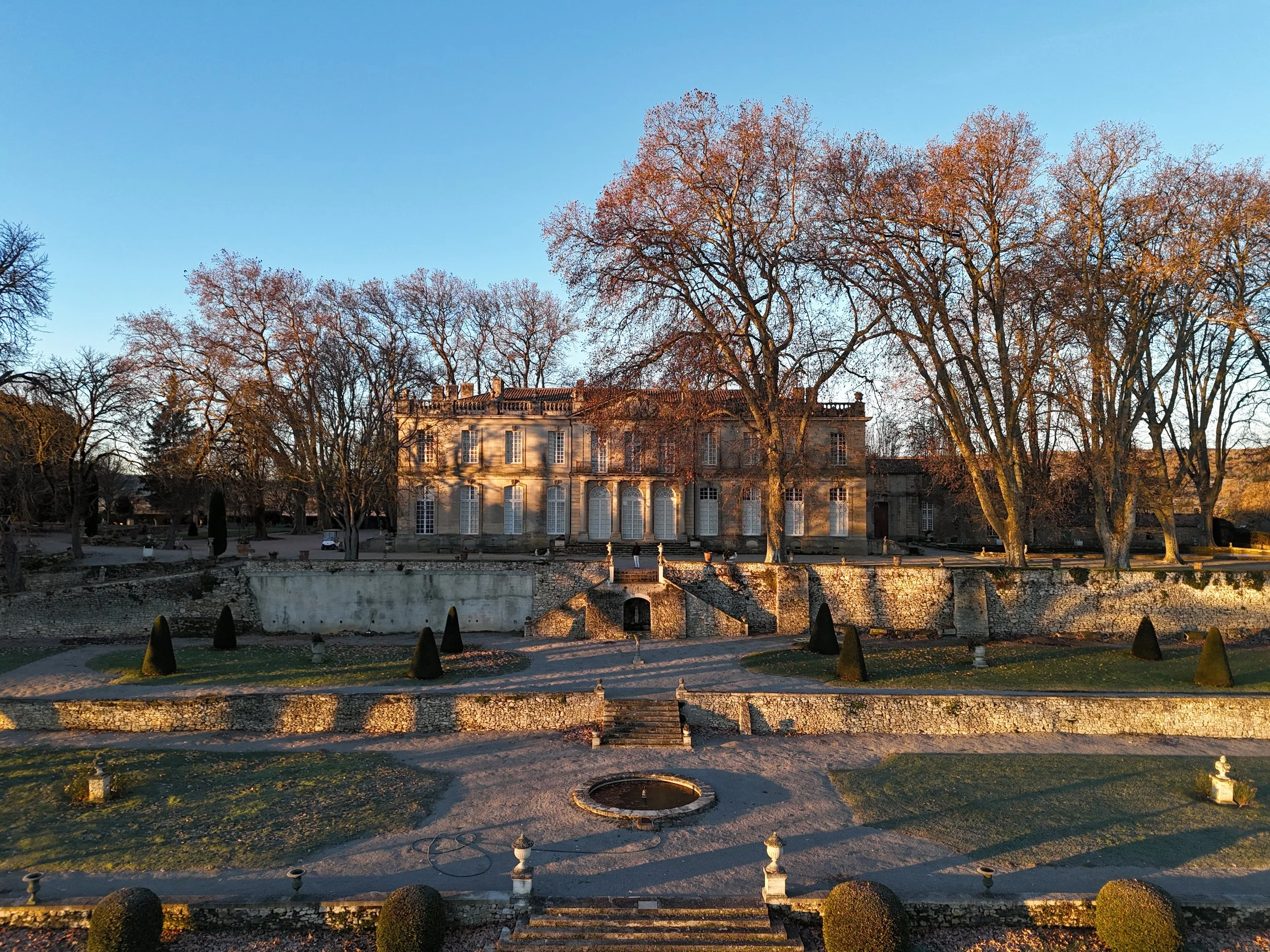
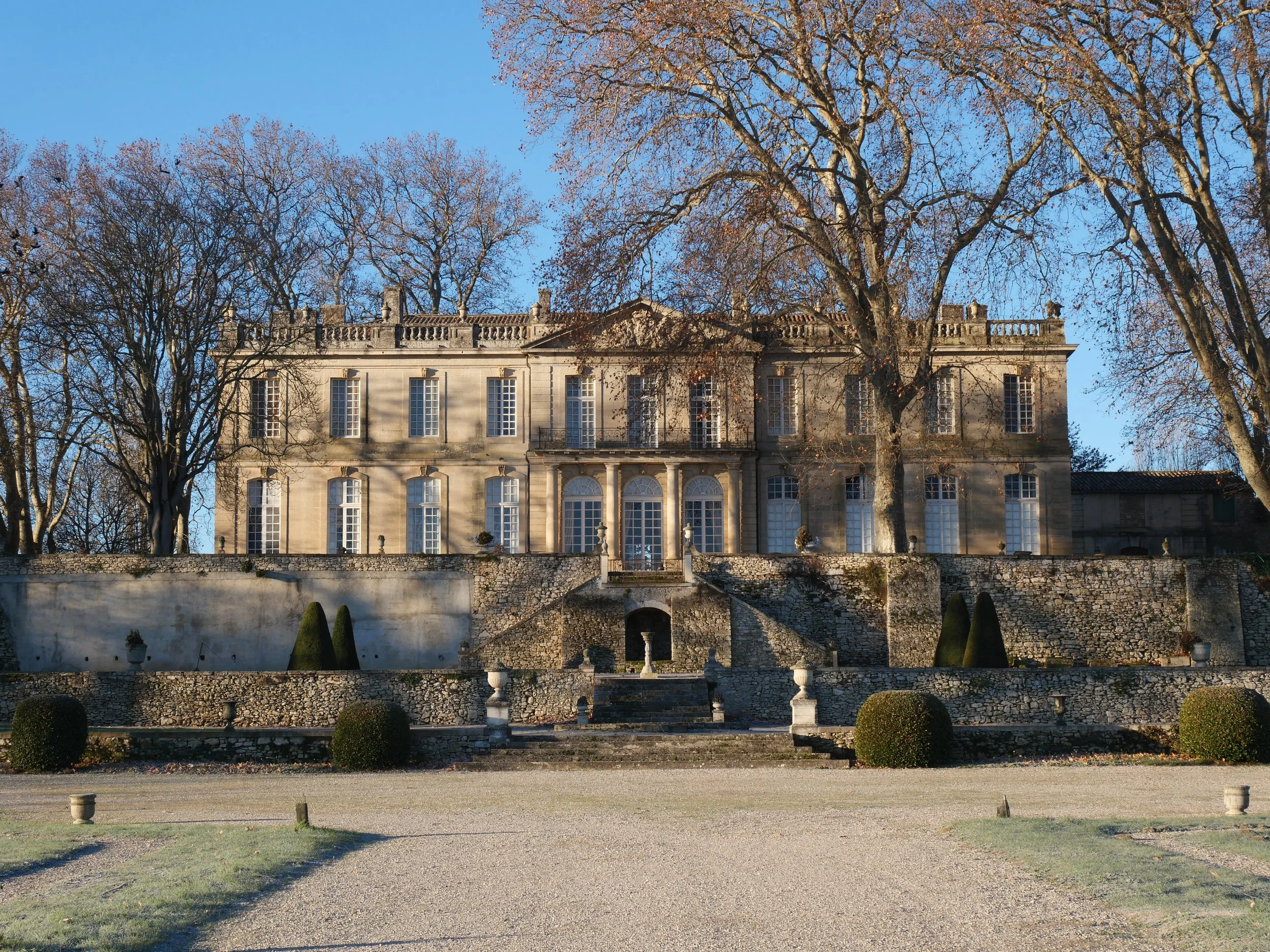
Set within a sweeping Provençal landscape, this early 18th-century classical estate is regarded as one of the region’s finest châteaux of its period and it’s on the market for 5.9 million with Denniel Immobilier.
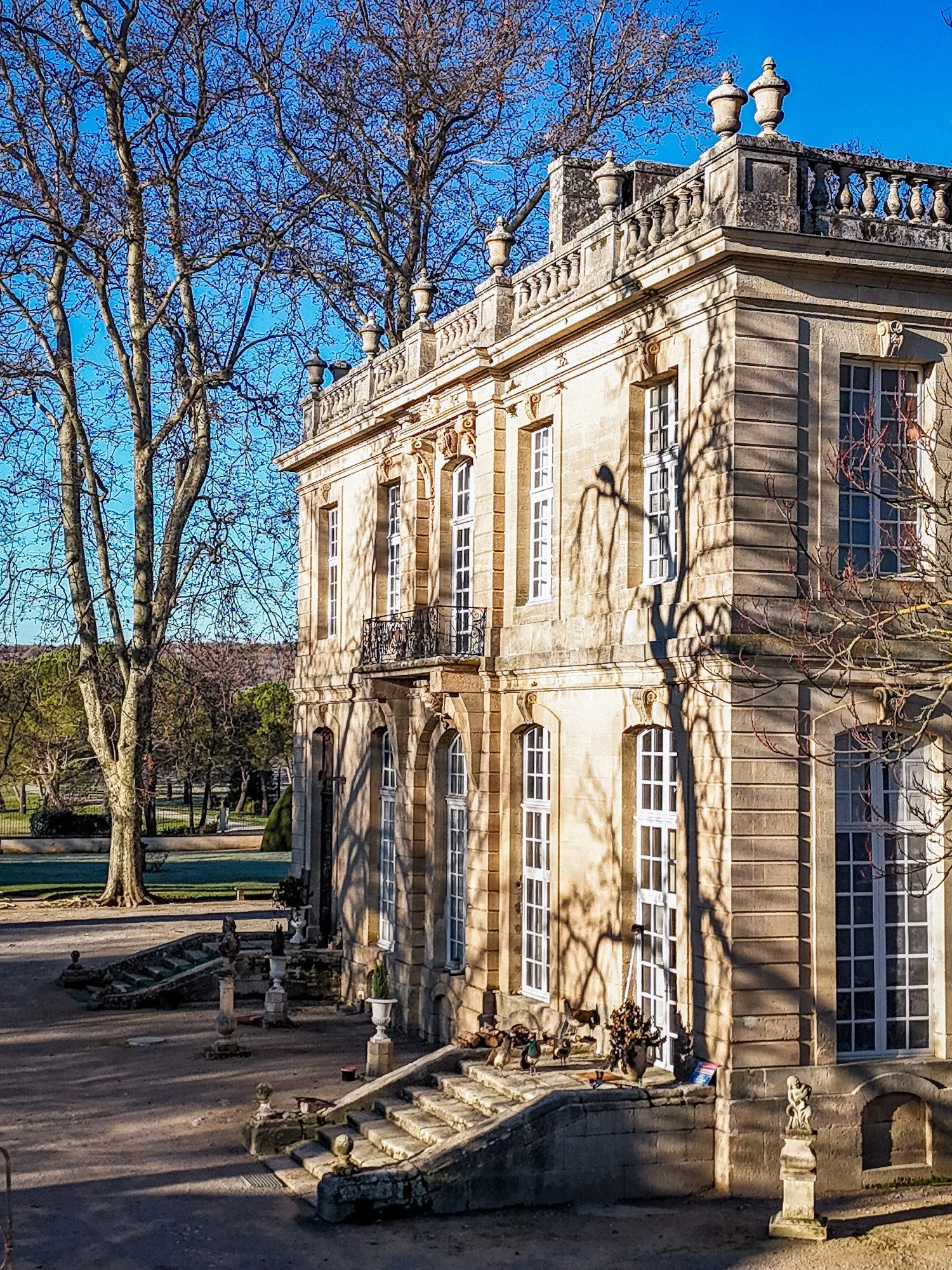
Built in the early 1720s, the estate was designed by Pierre-Alexis Delamair—the Parisian architect behind the Hôtel de Soubise in the Marais, now part of the French National Archives—and executed by Jean-Baptiste Franque, one of Provence’s foremost 18th-century master builders. Commissioned for the Forbin-Janson family, an established noble lineage, its symmetry, refined classical lines, and expansive formal layout later earned it the long-standing nickname “the Little Trianon of Provence.”
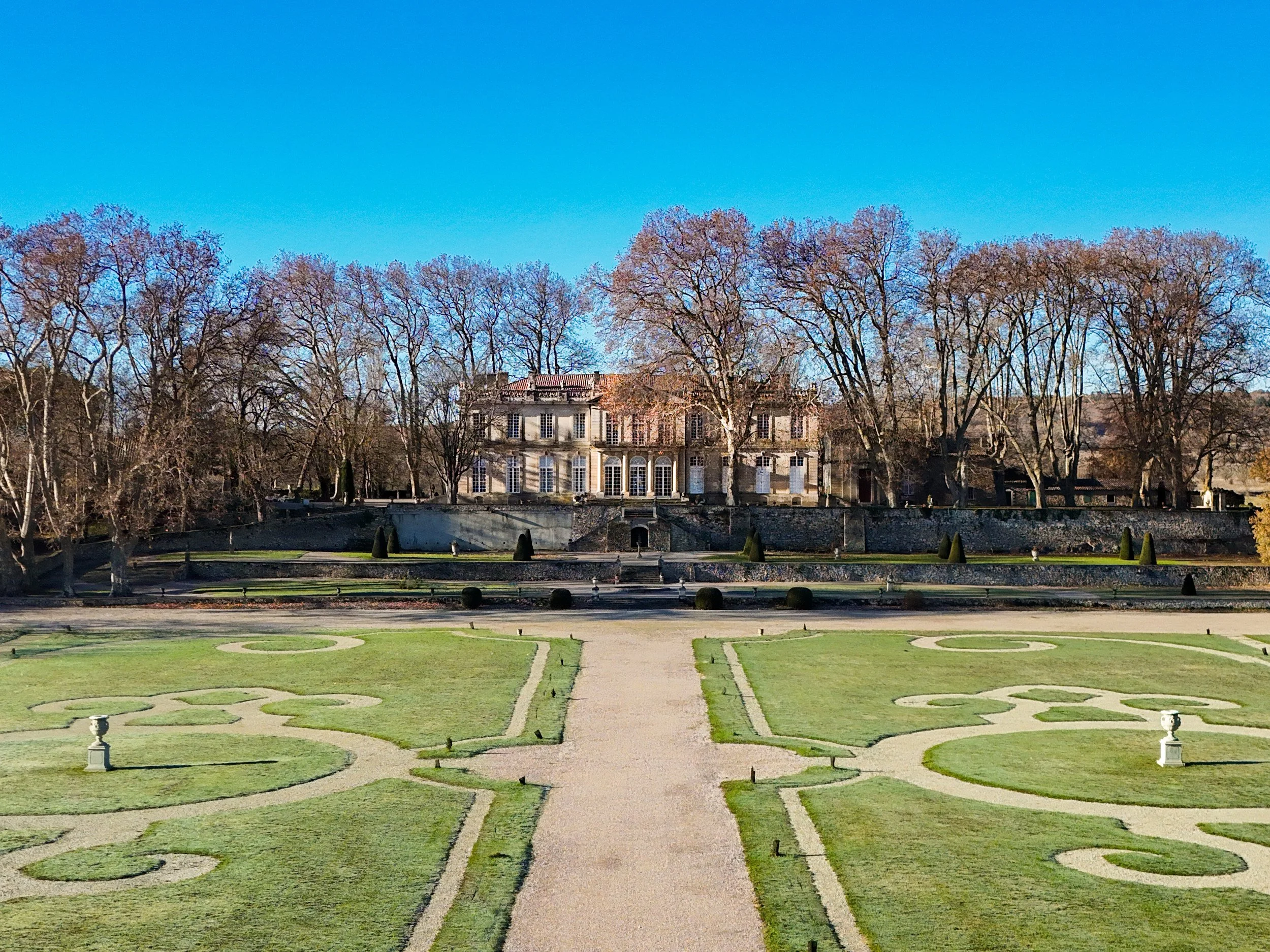
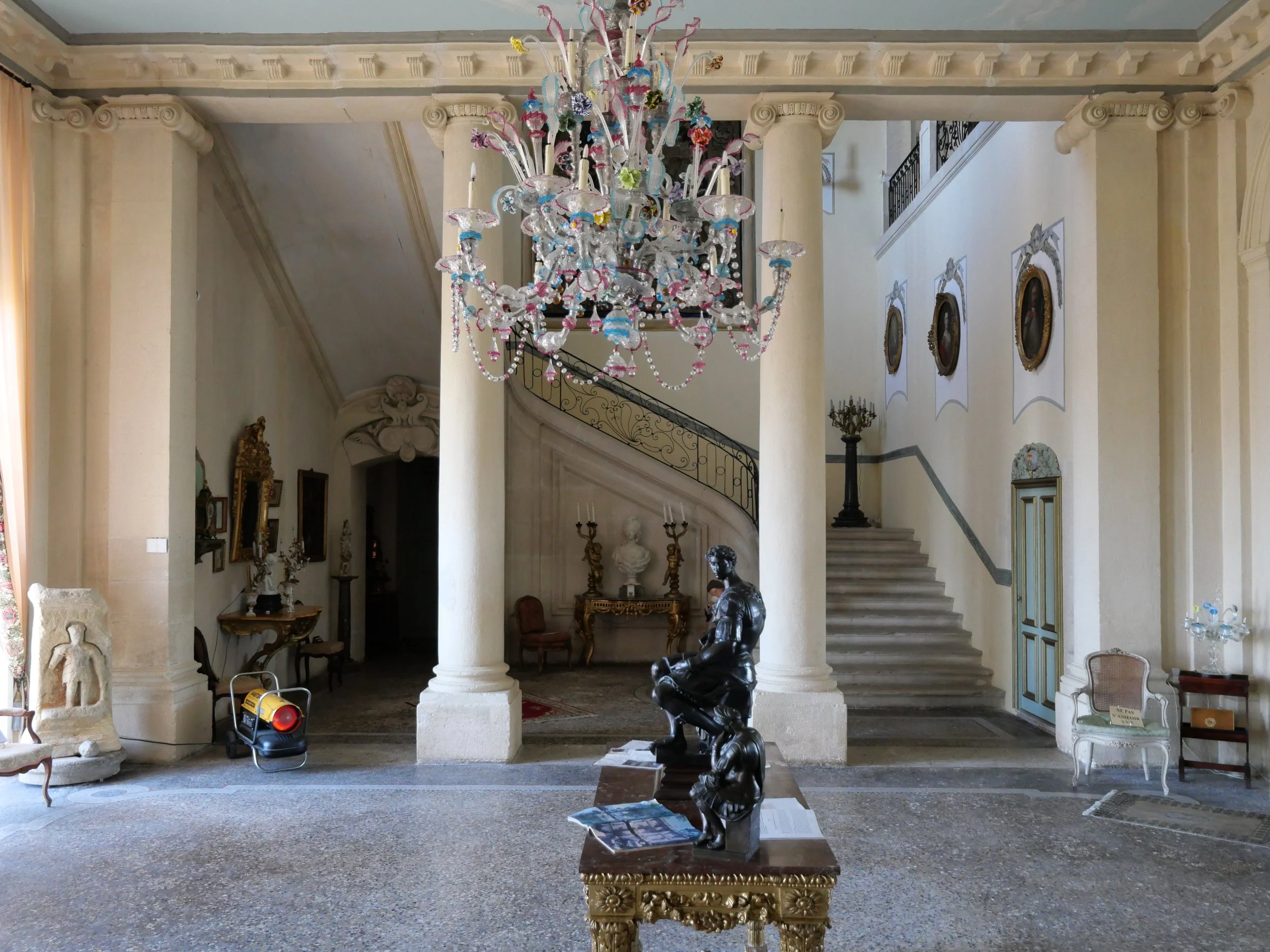
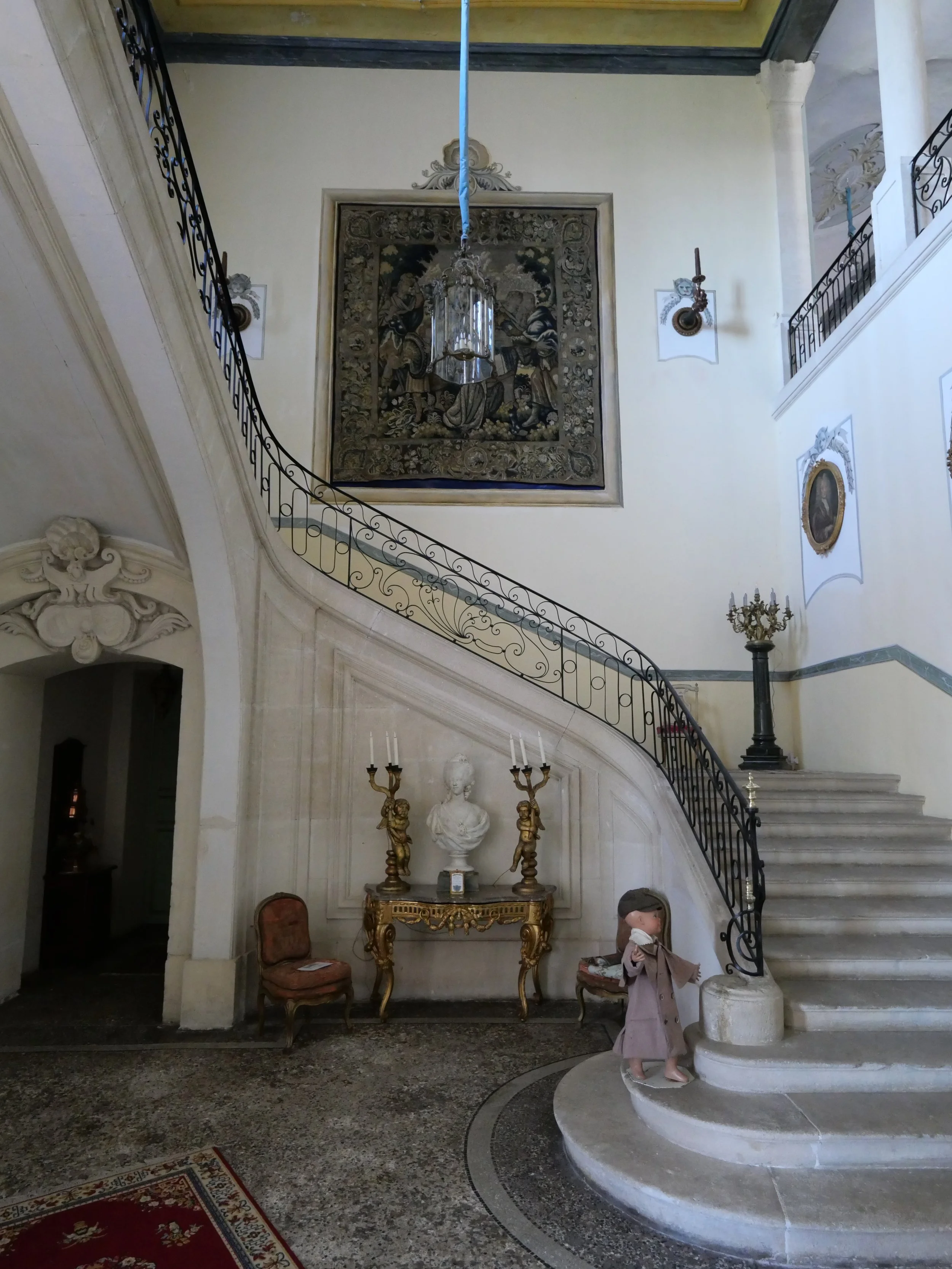
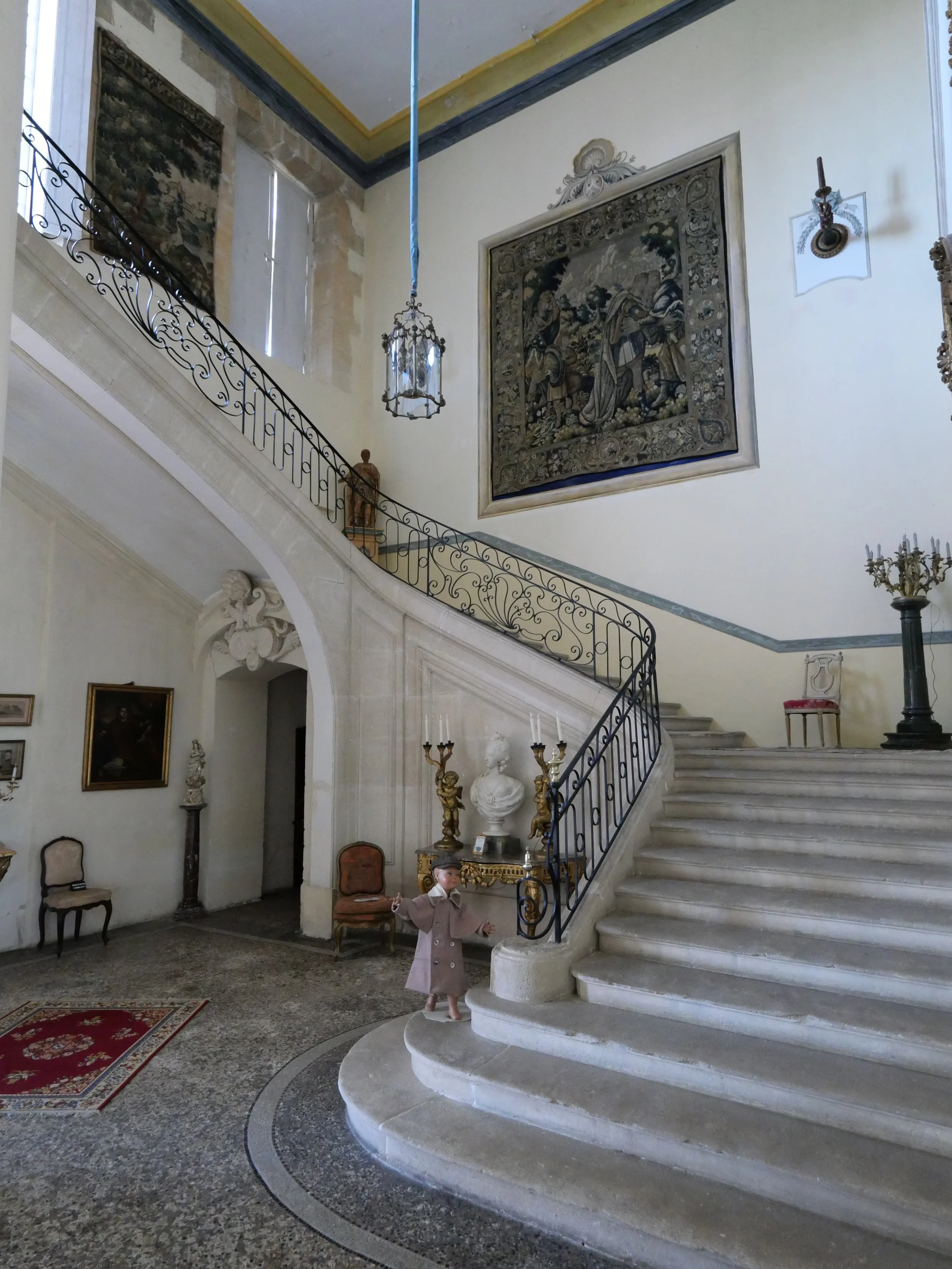
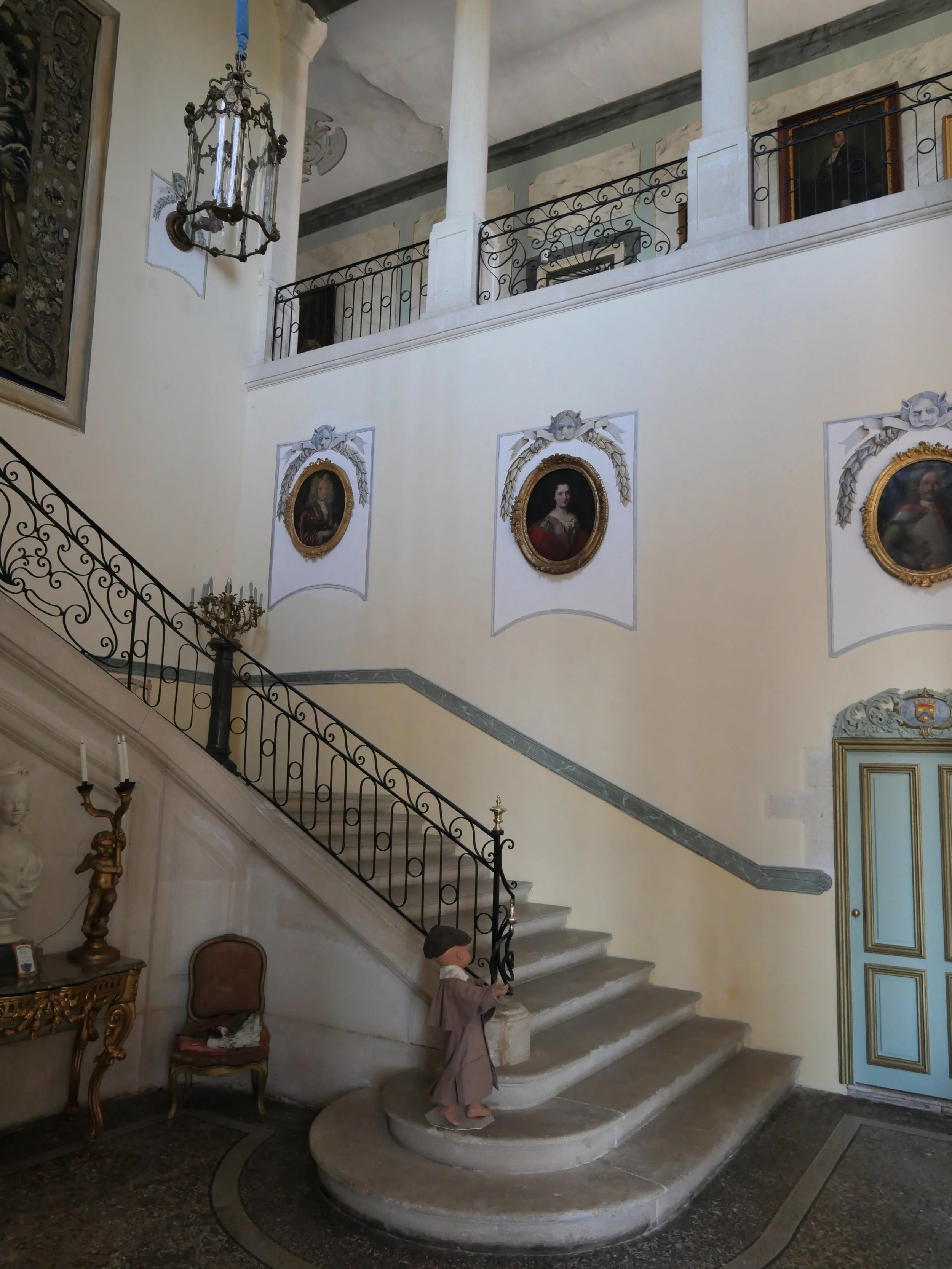
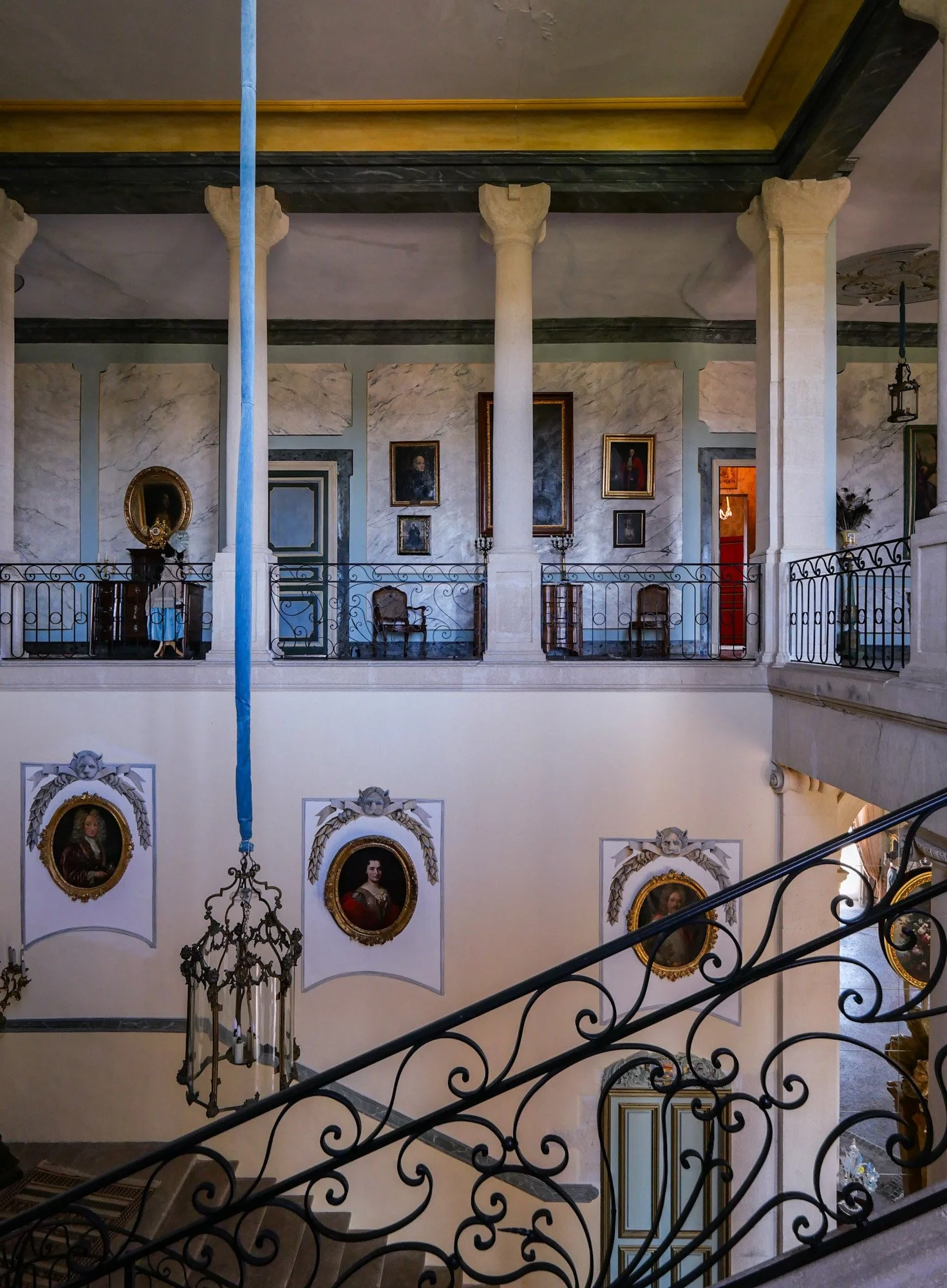
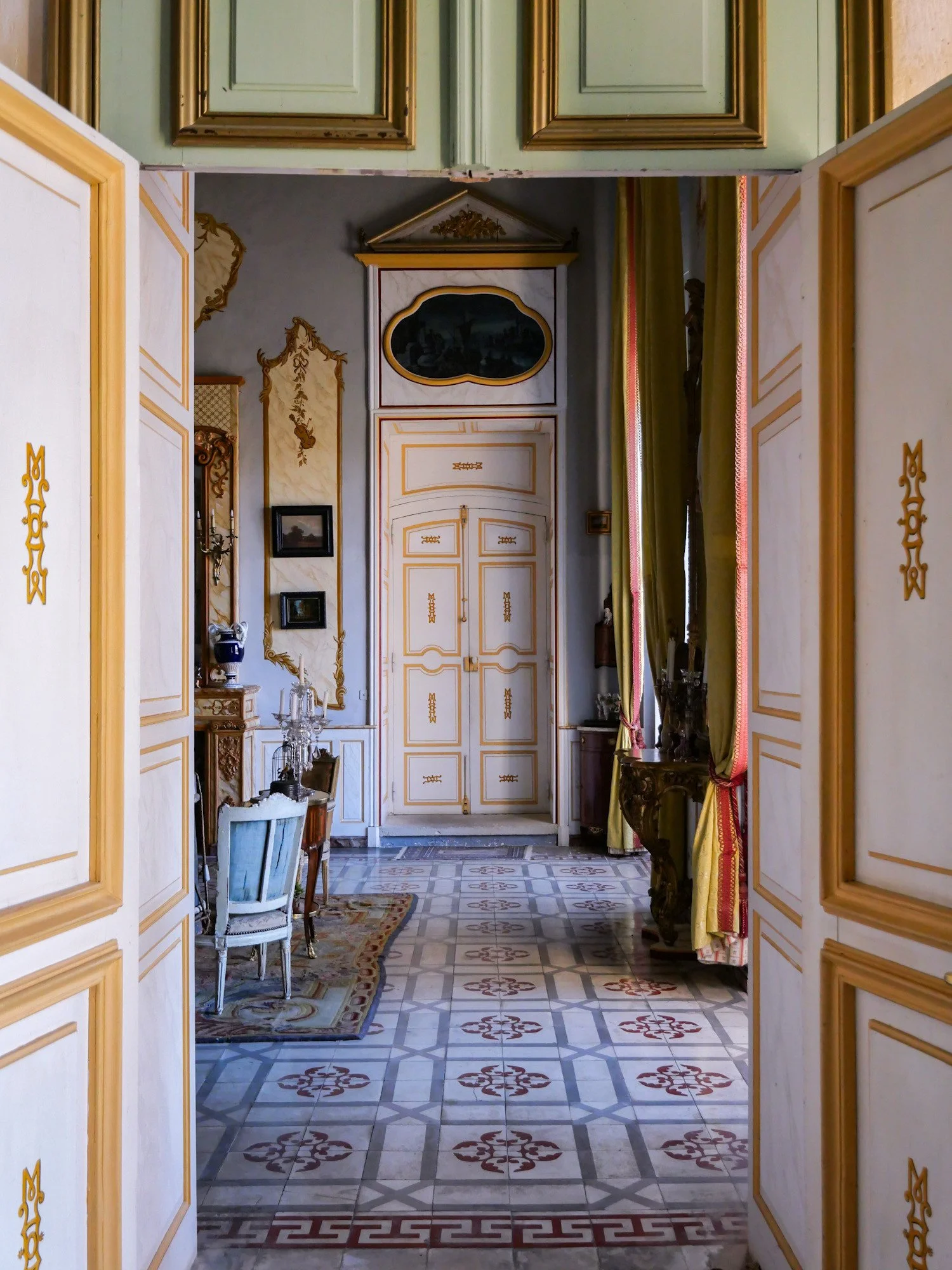
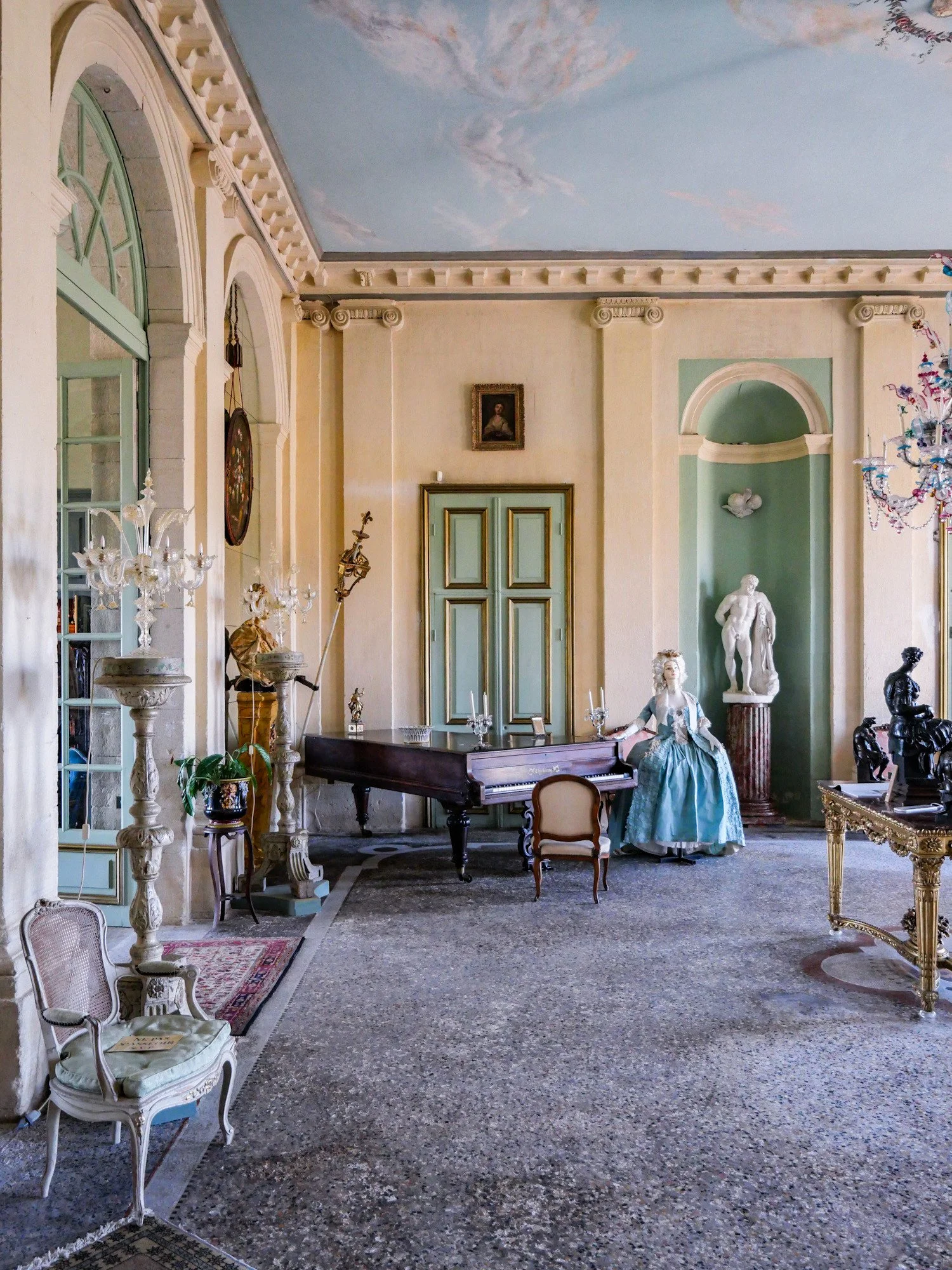
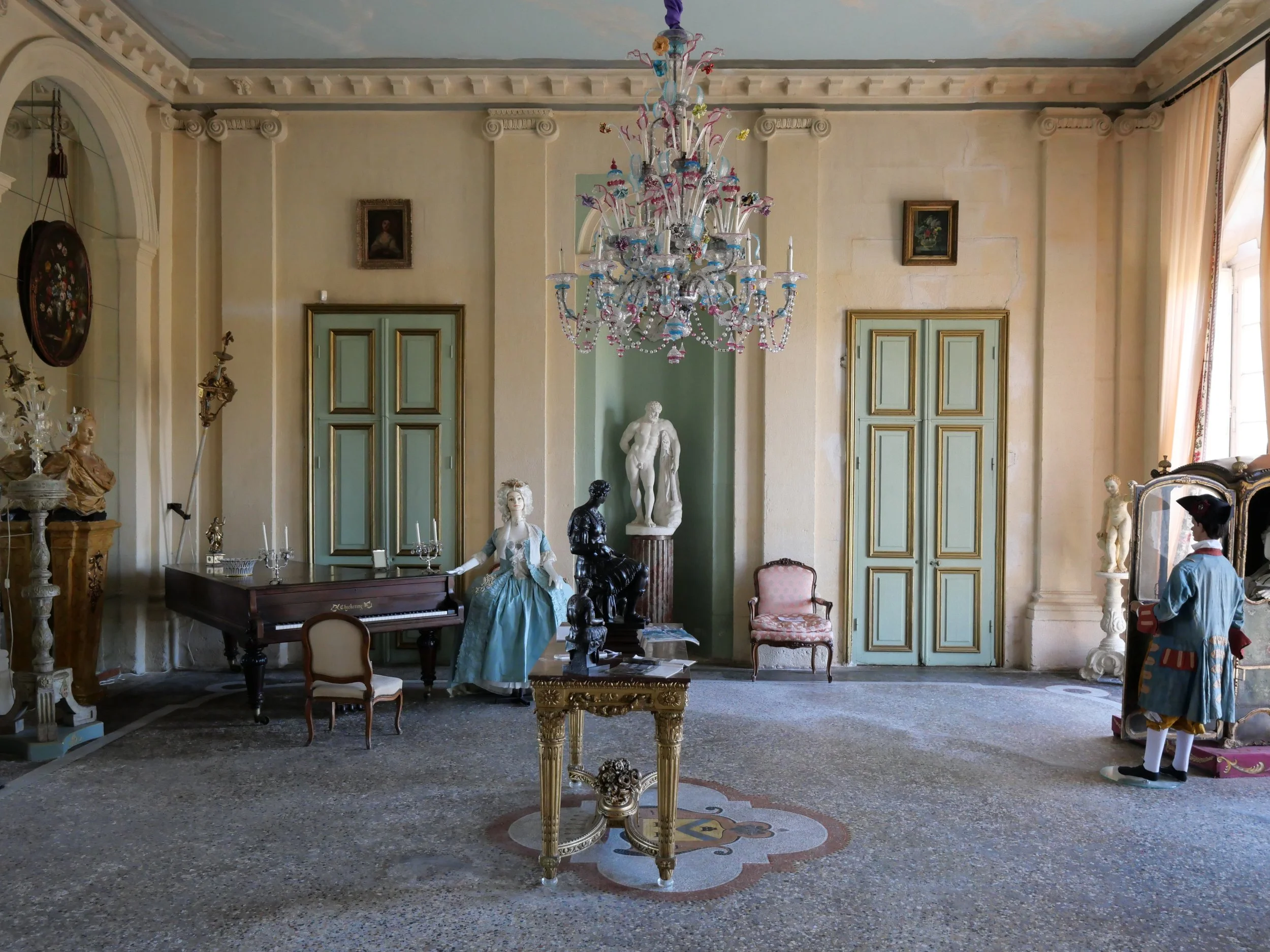
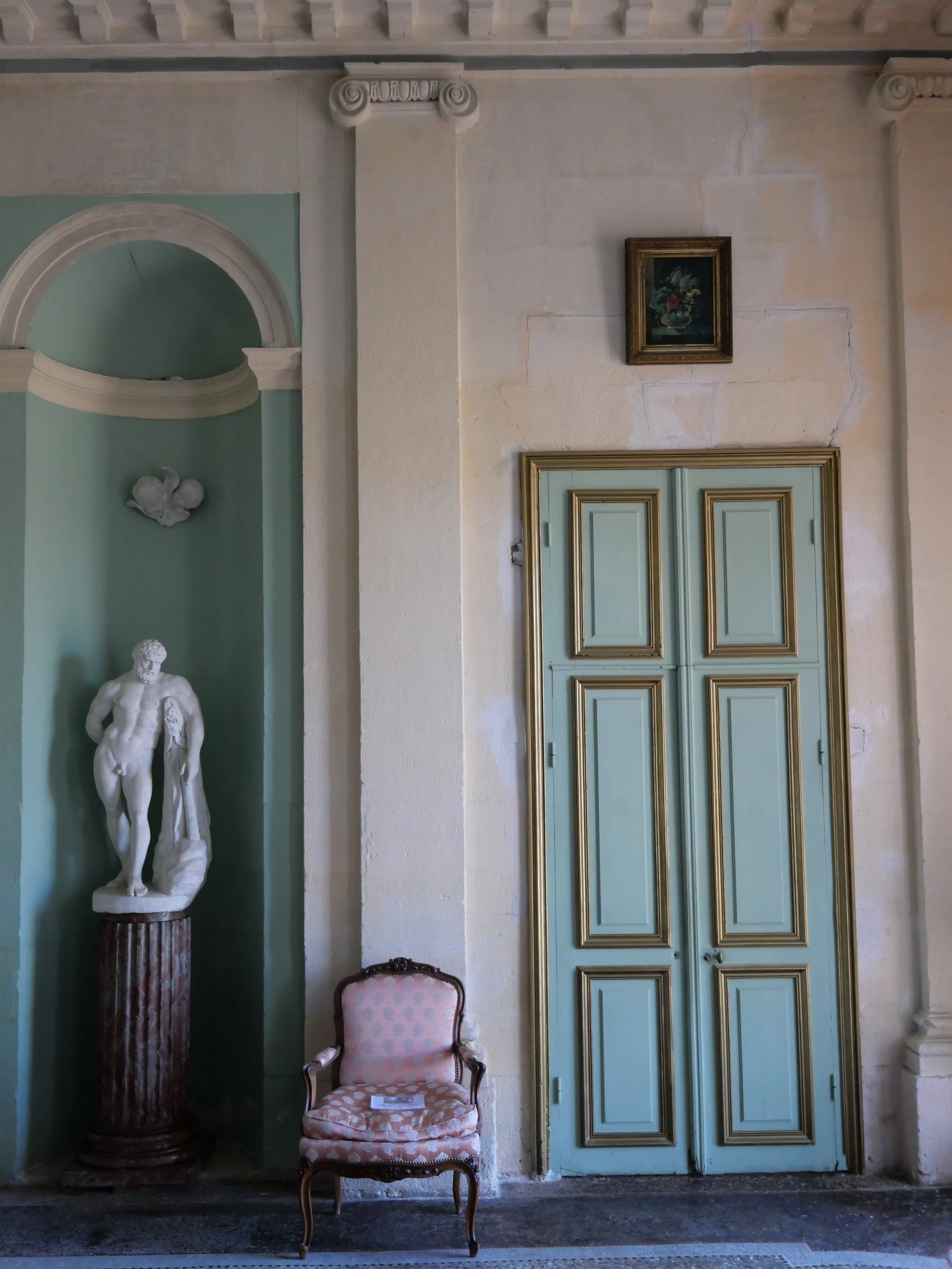
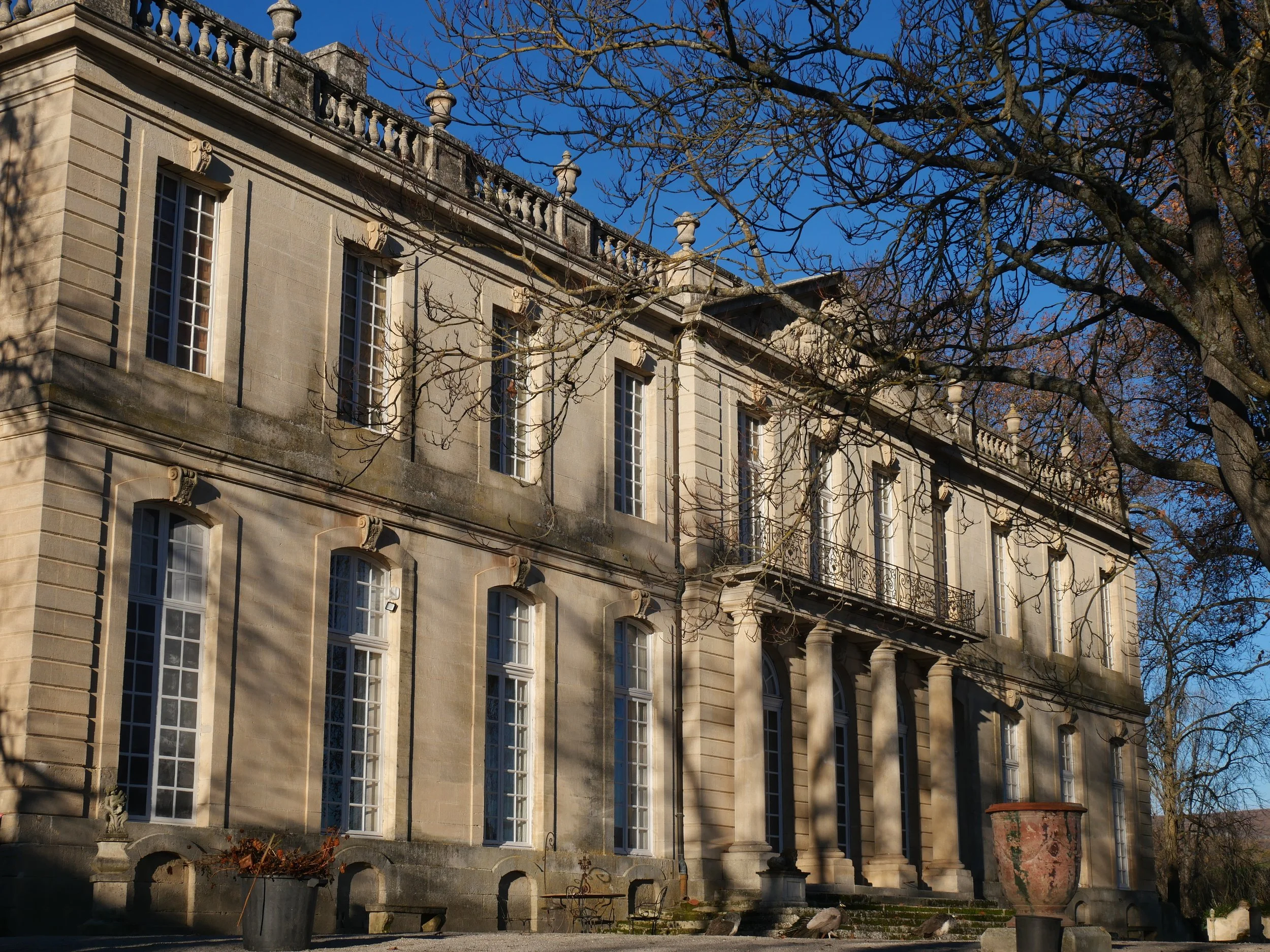
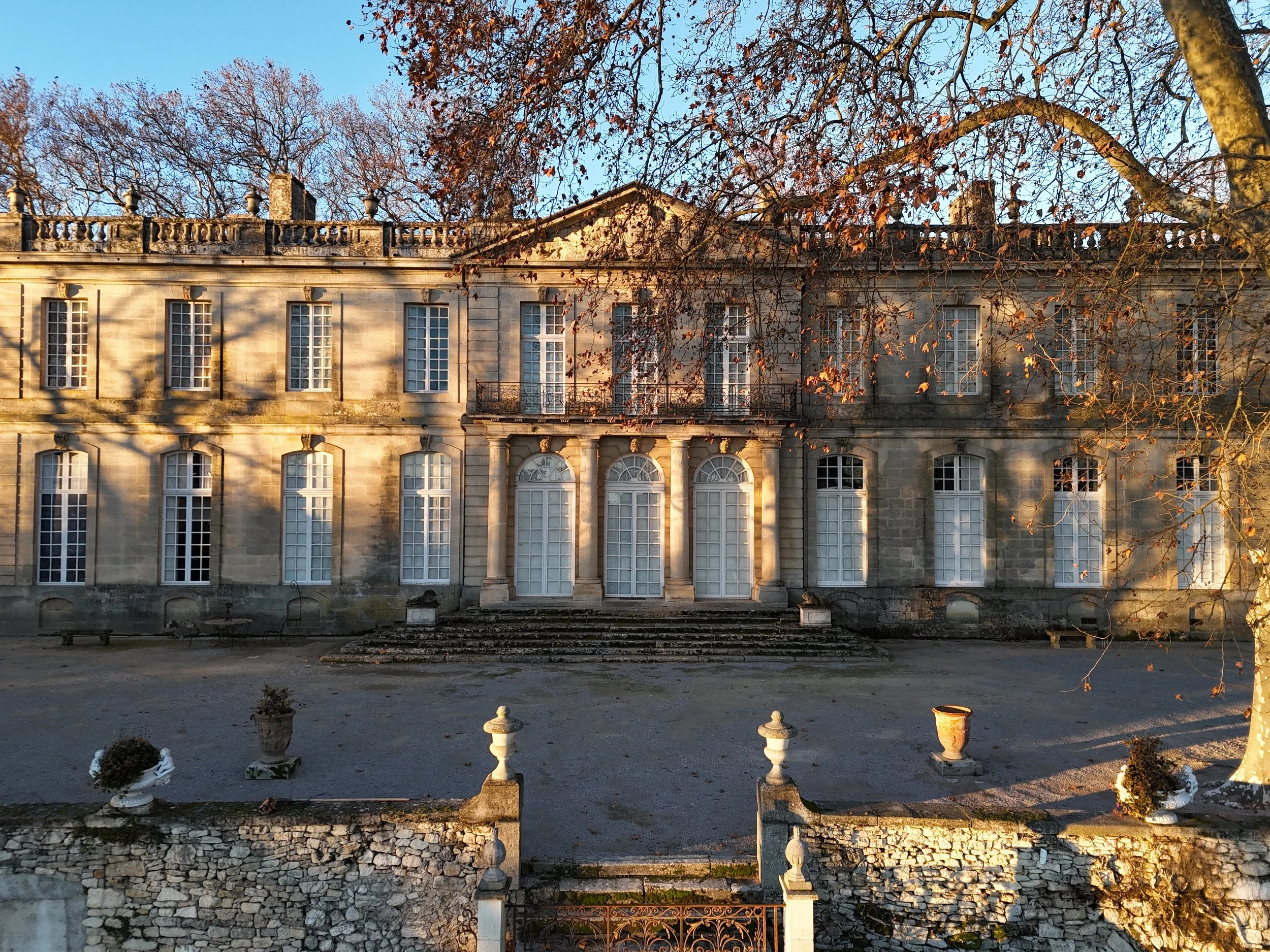
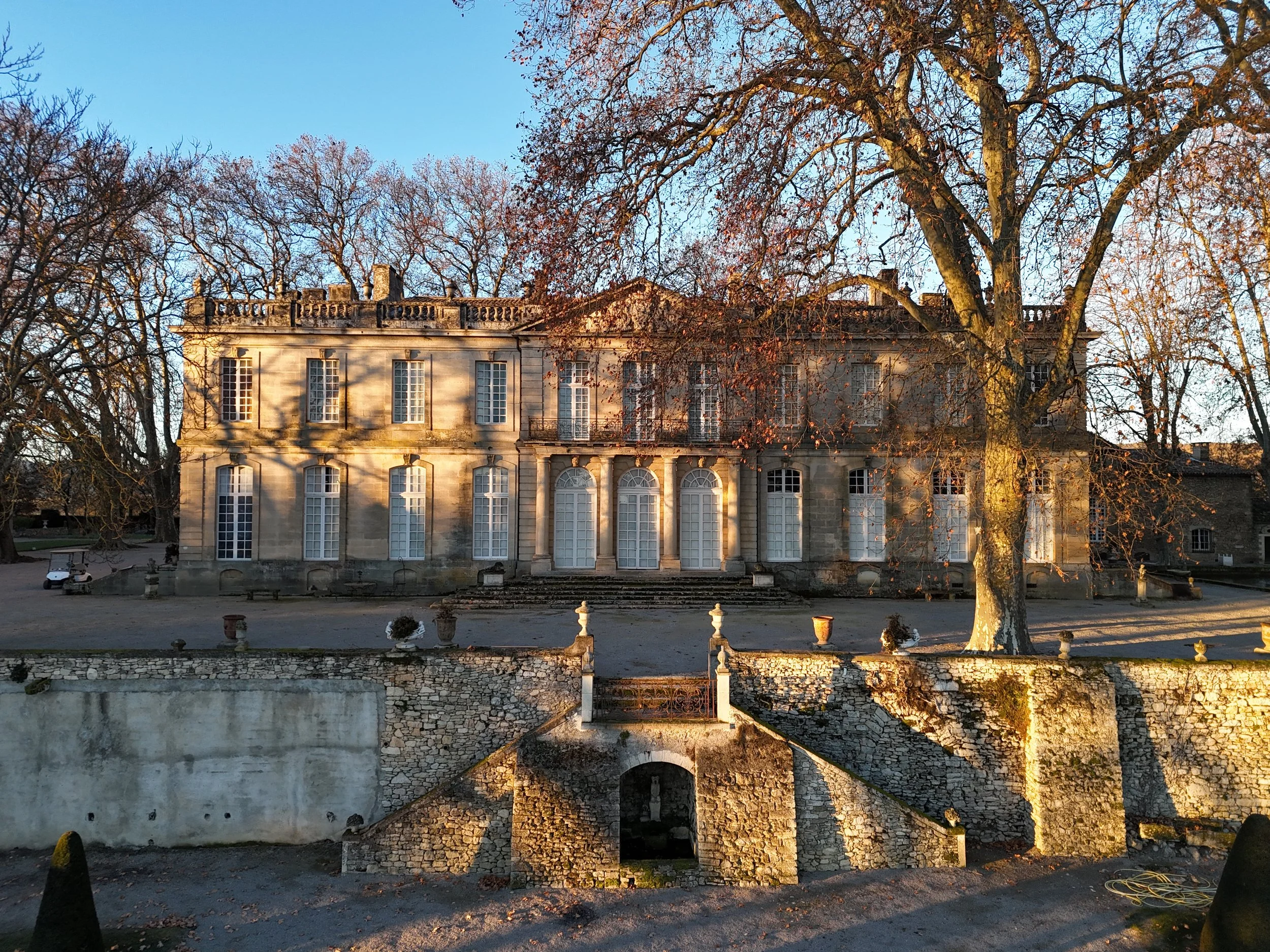
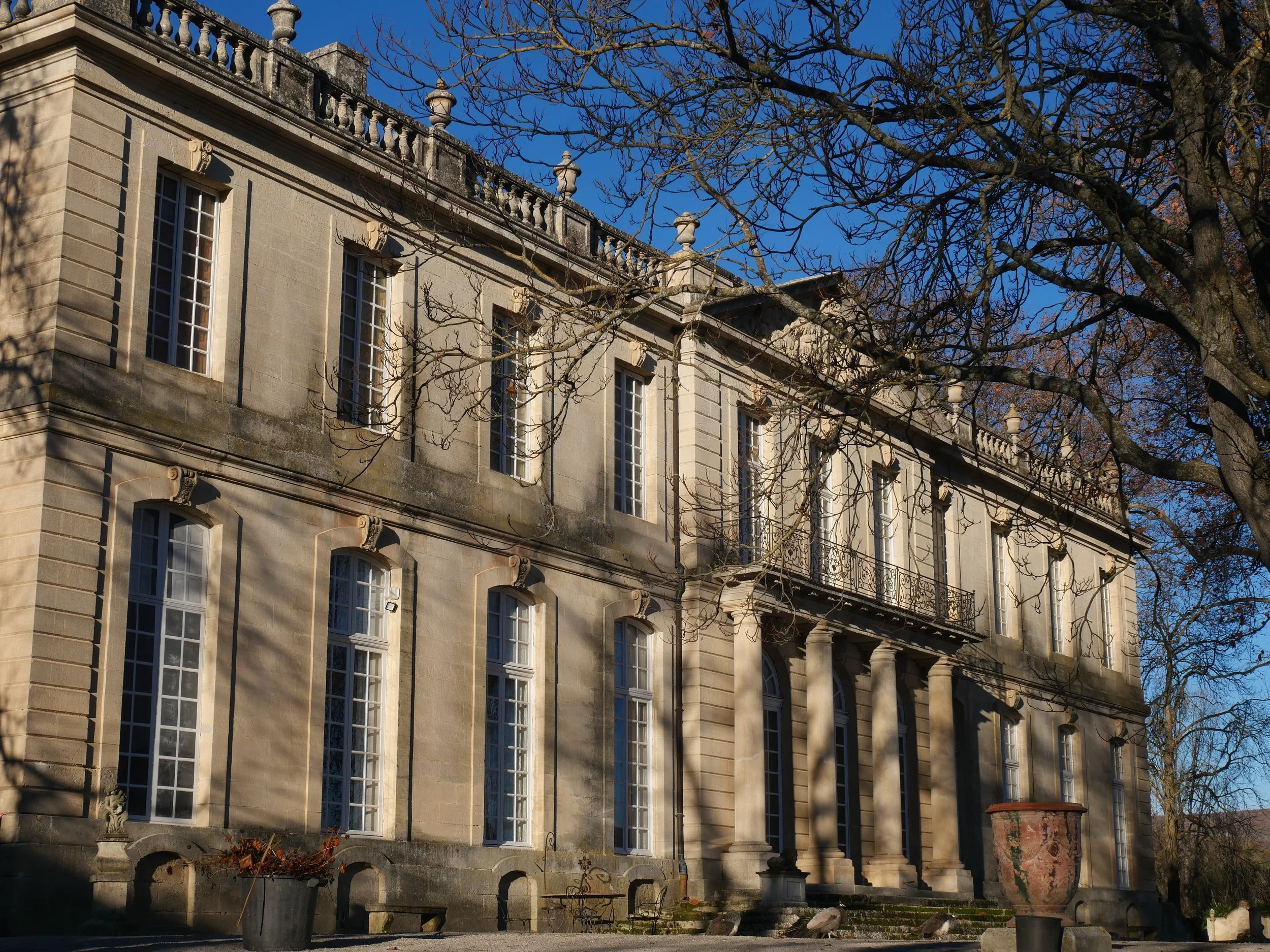
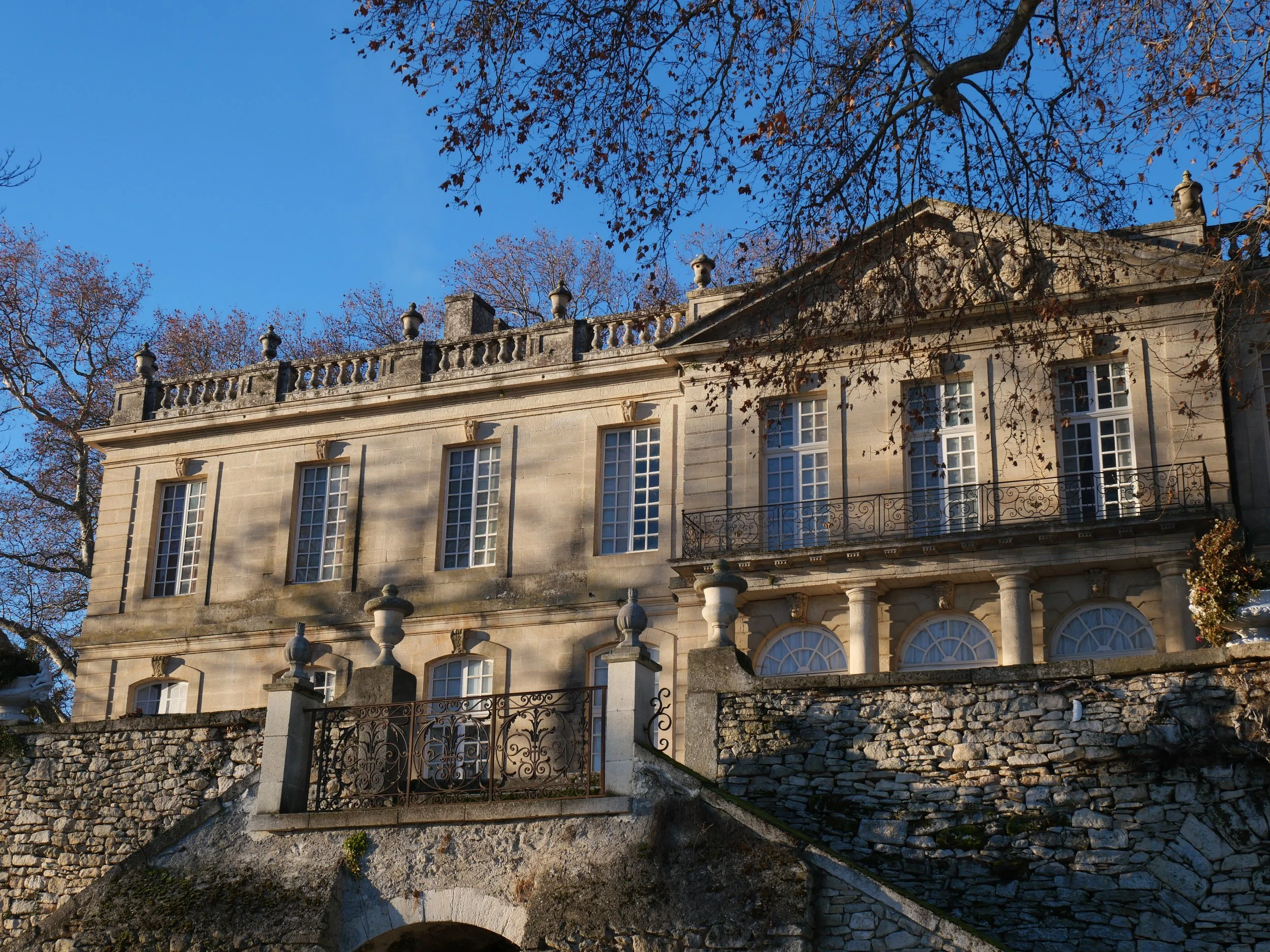
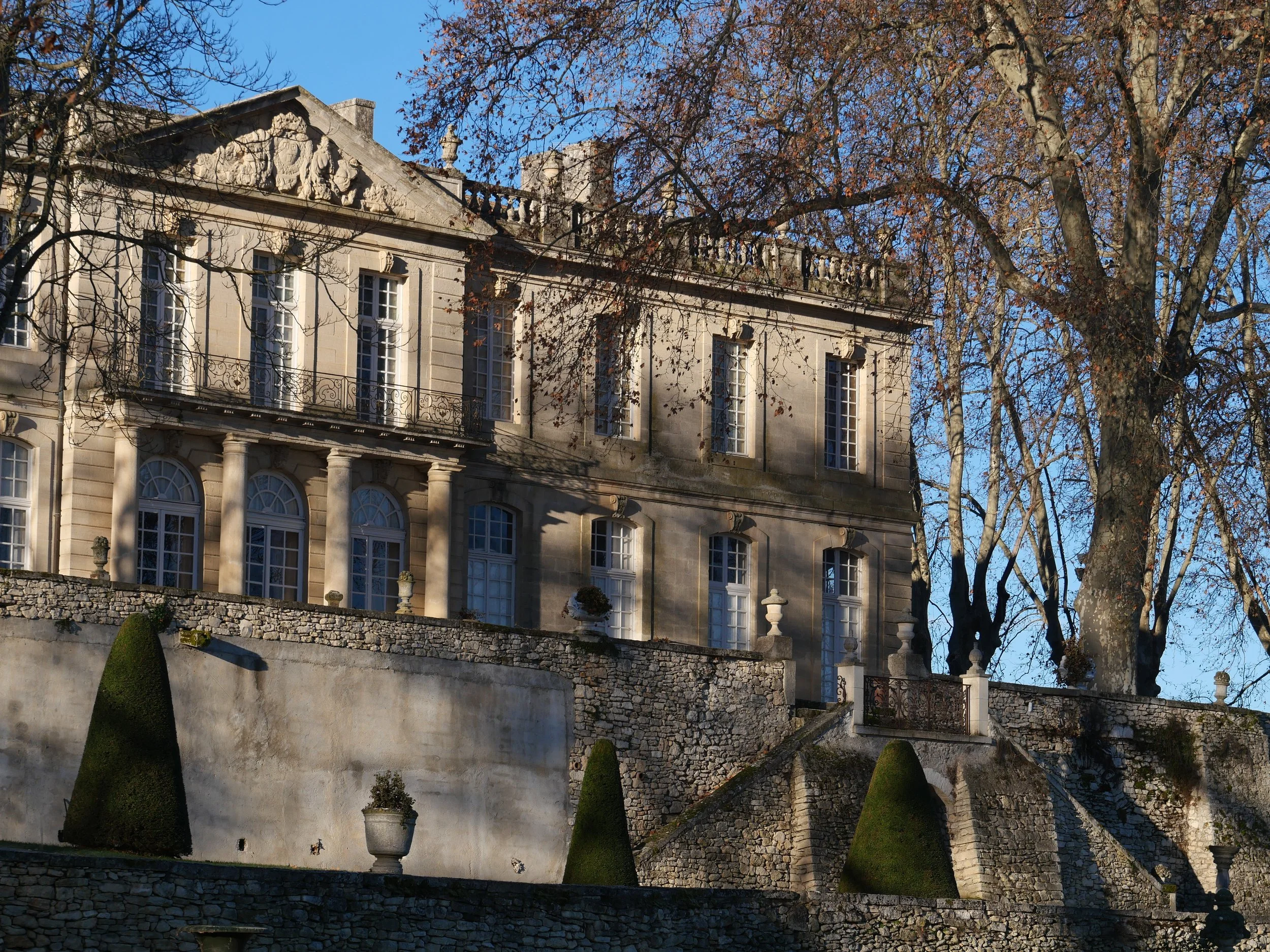
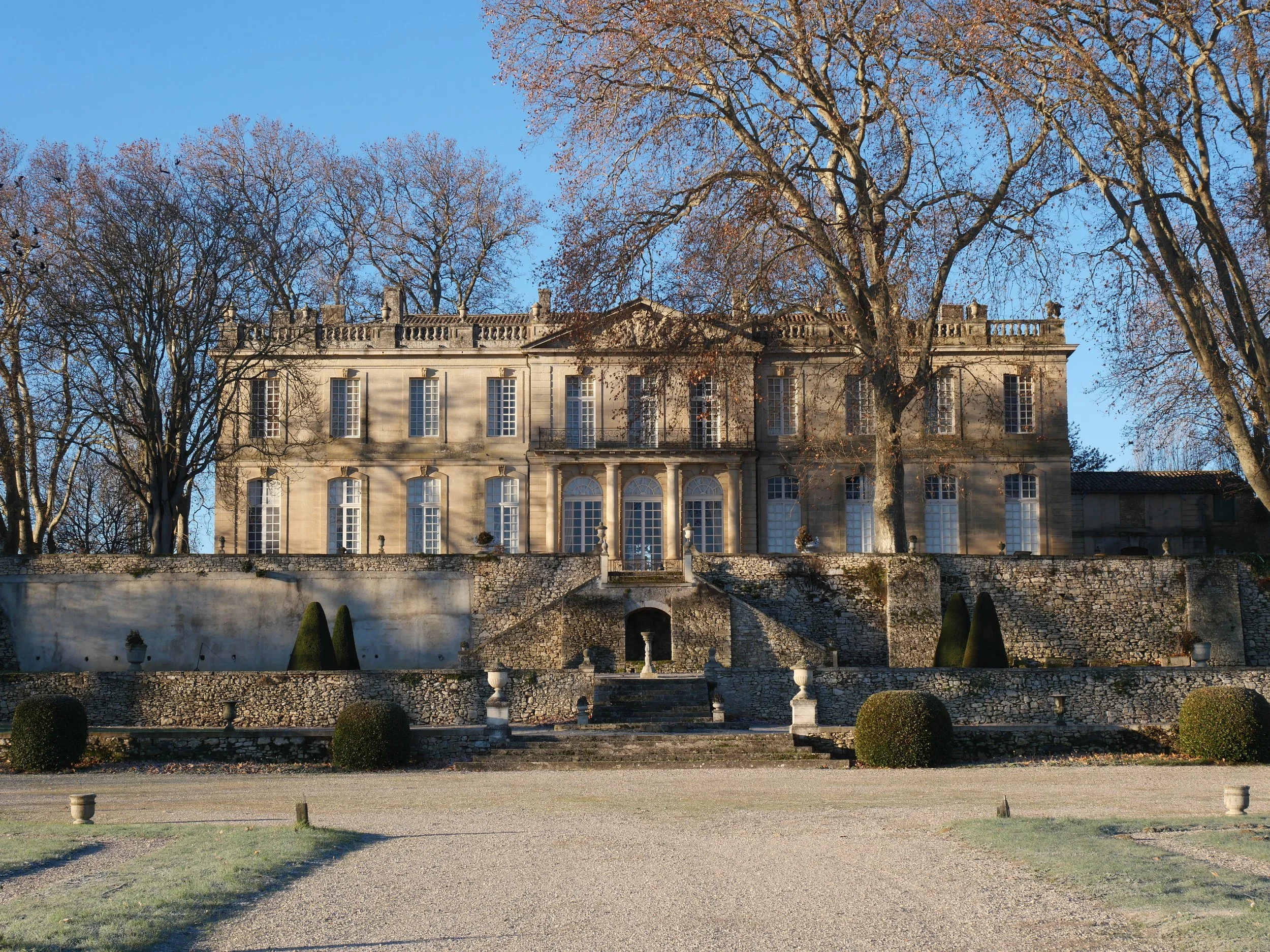
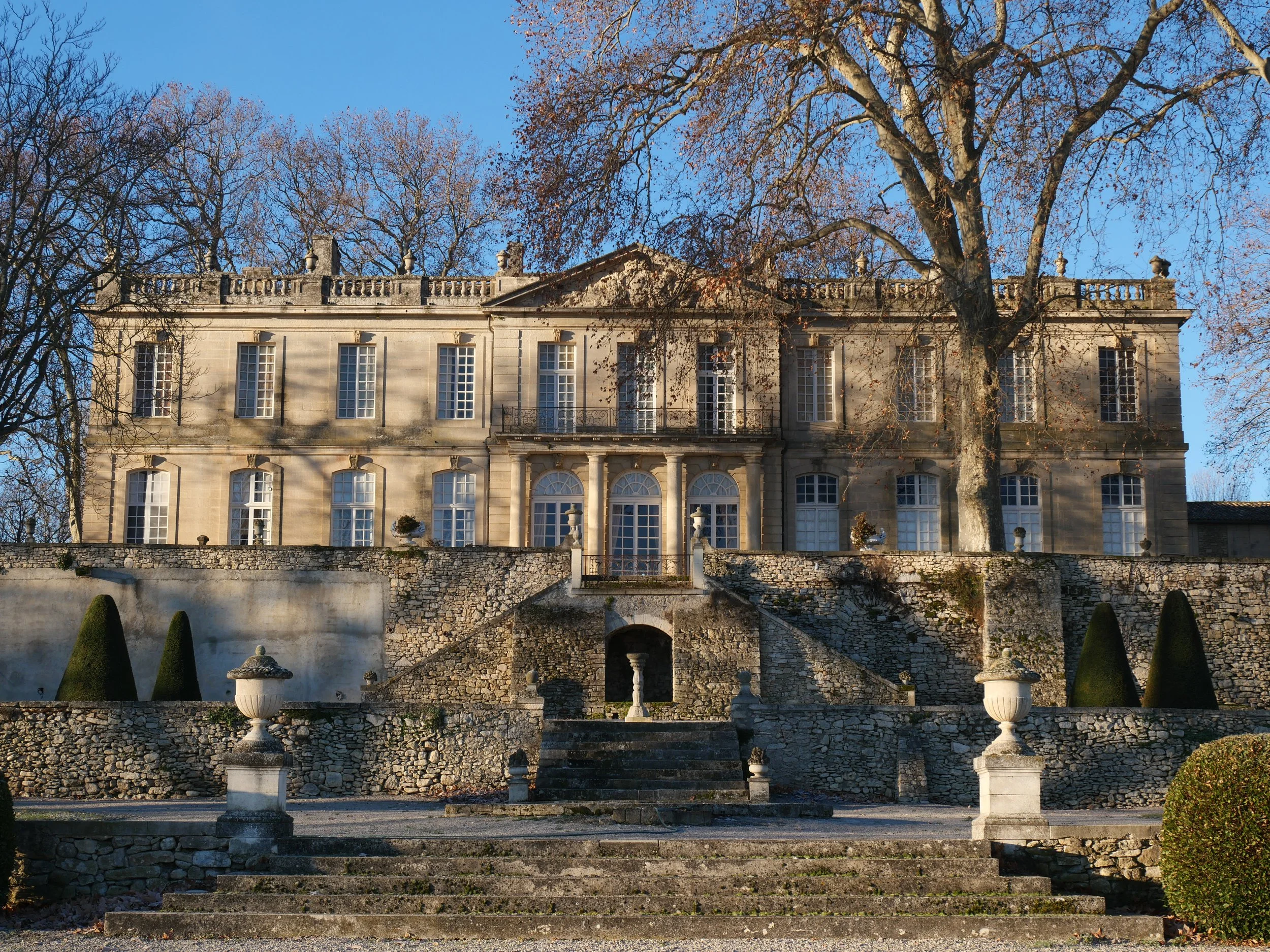
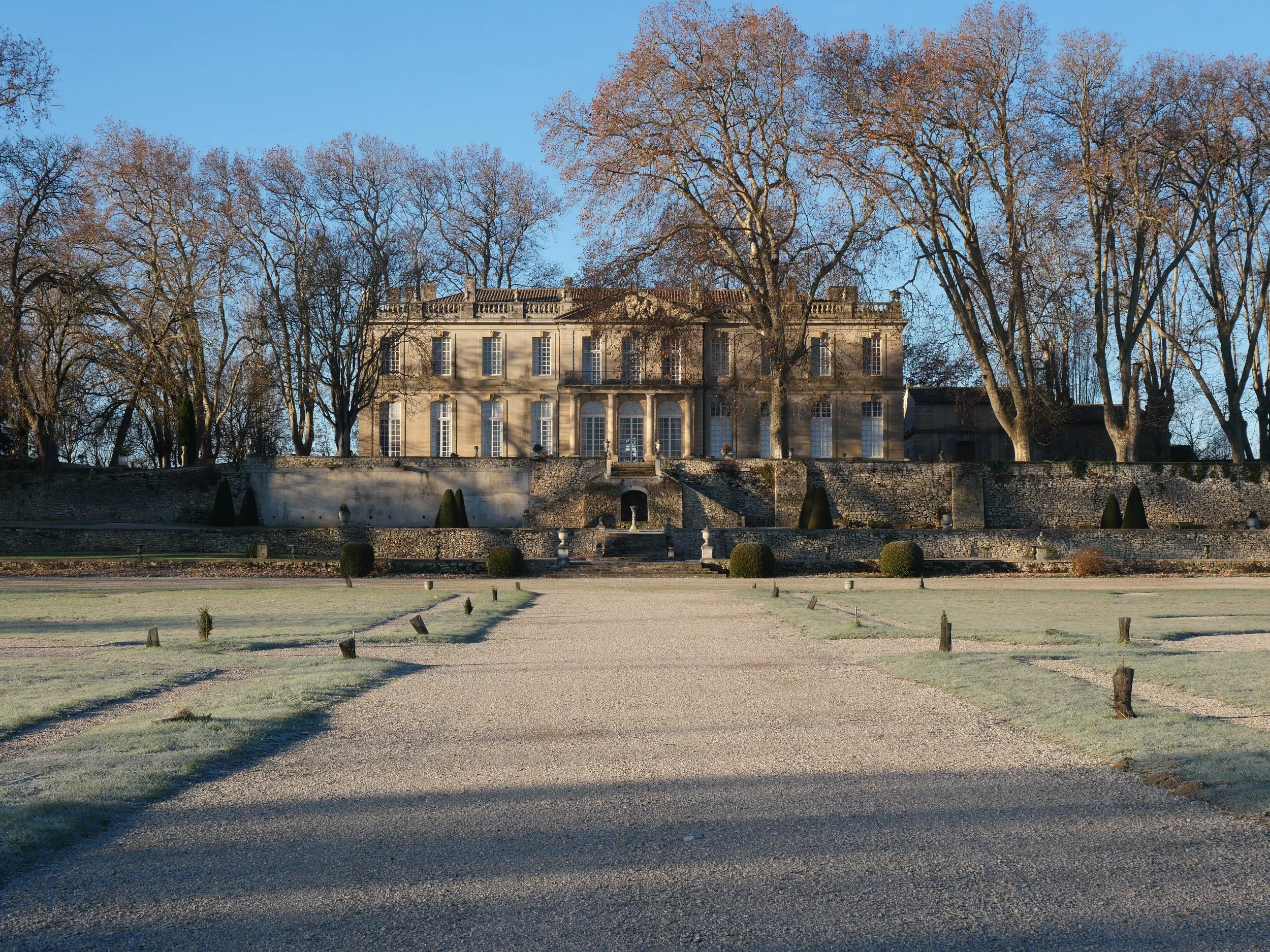
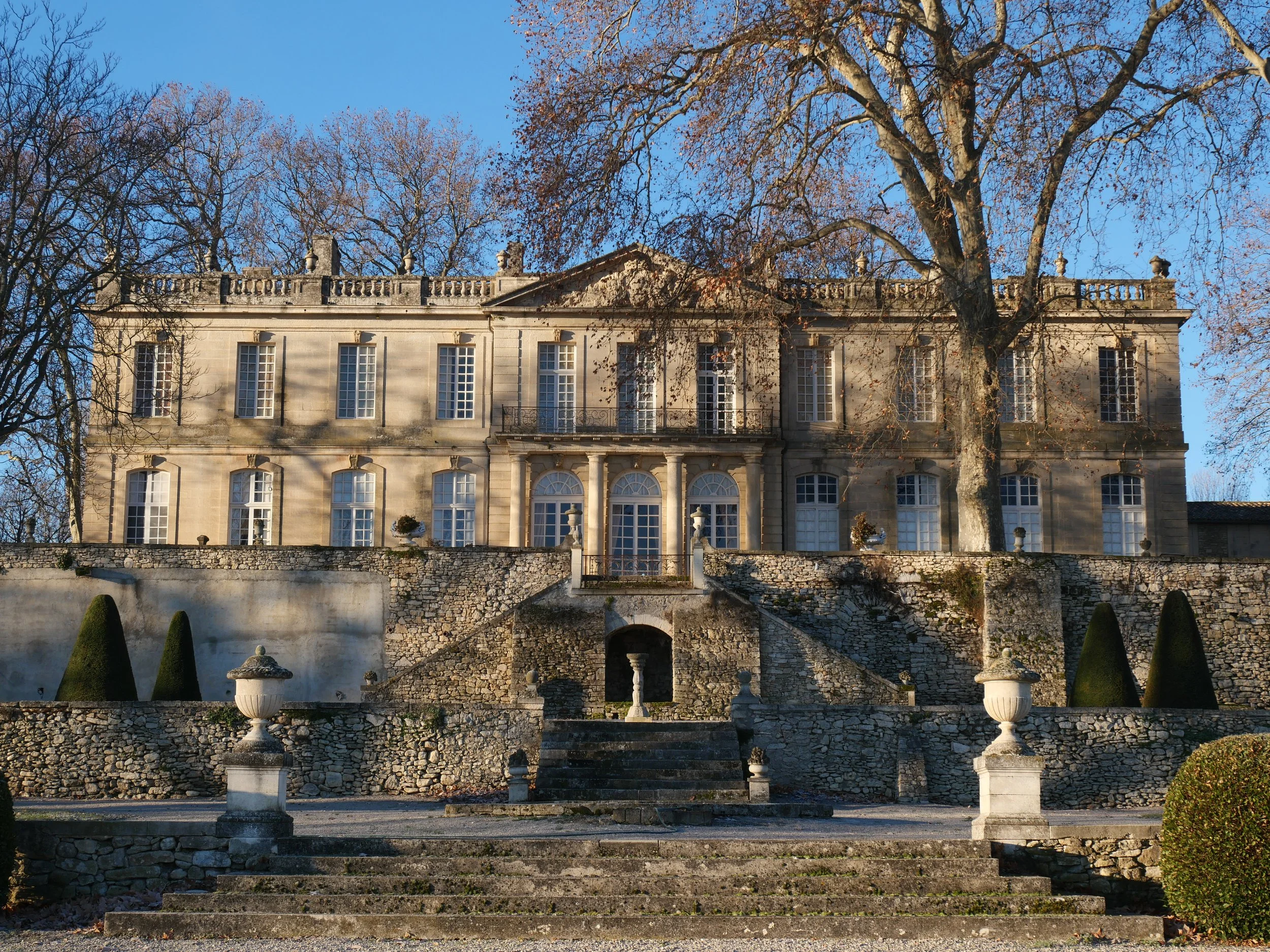
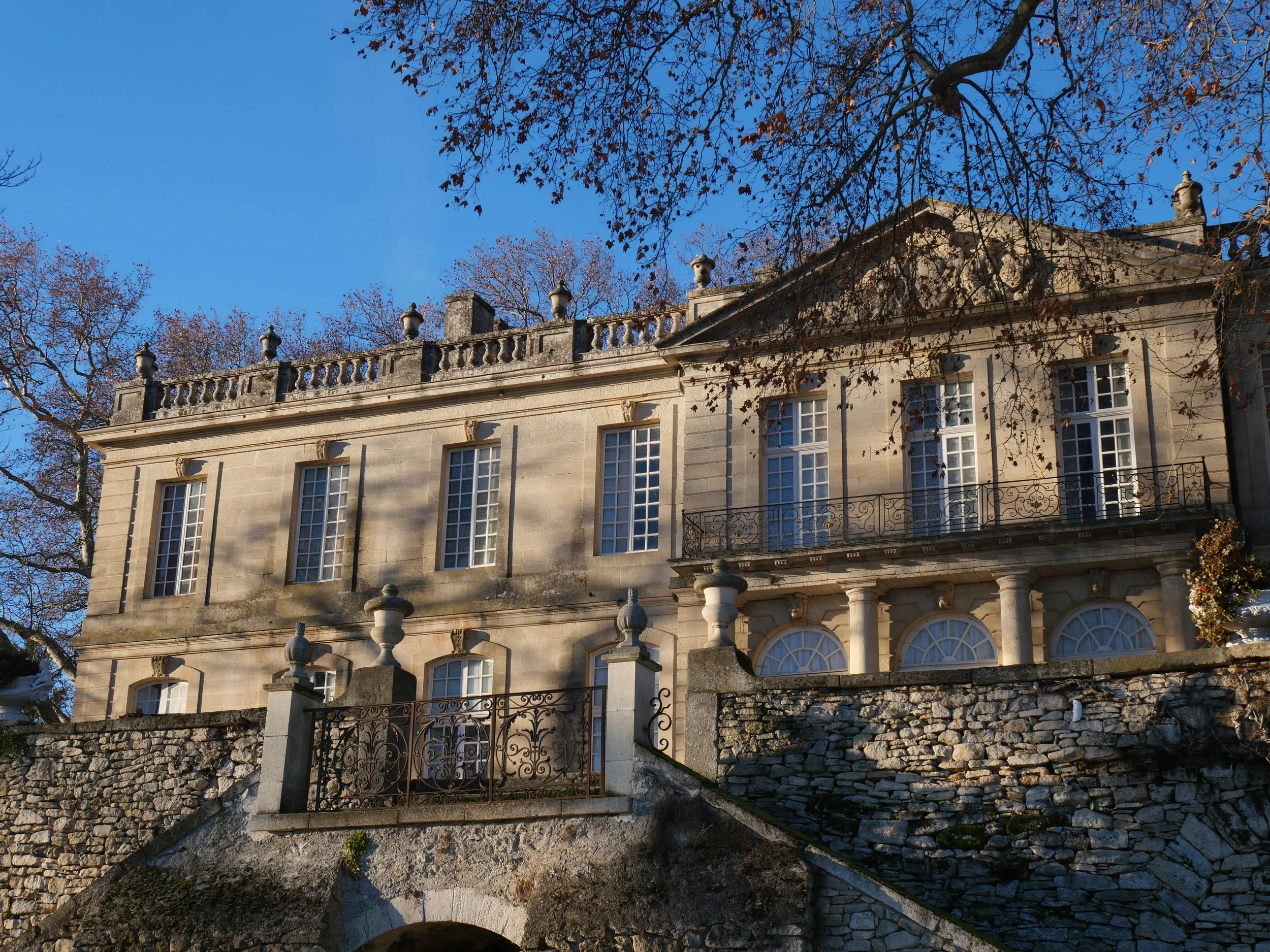
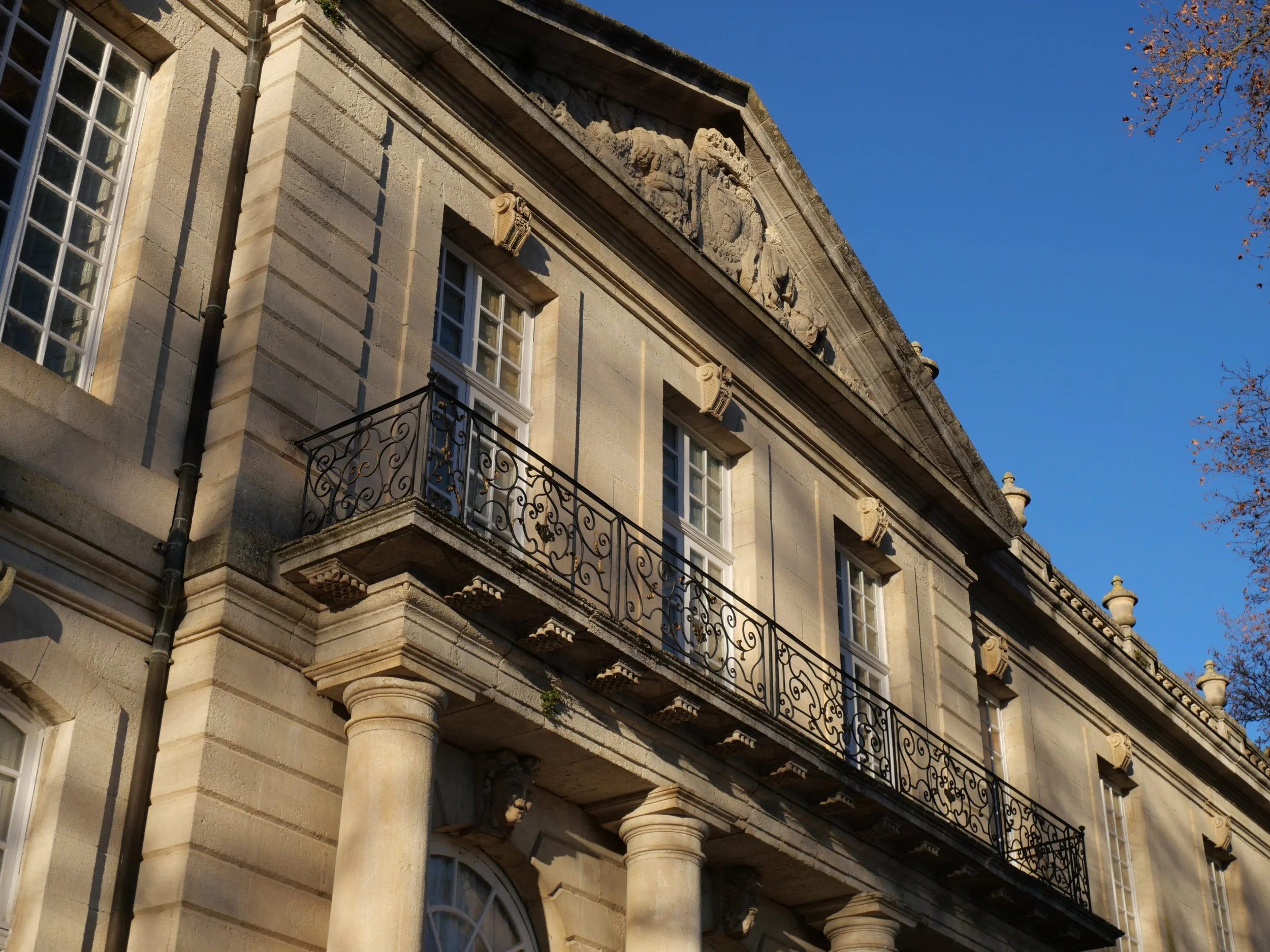
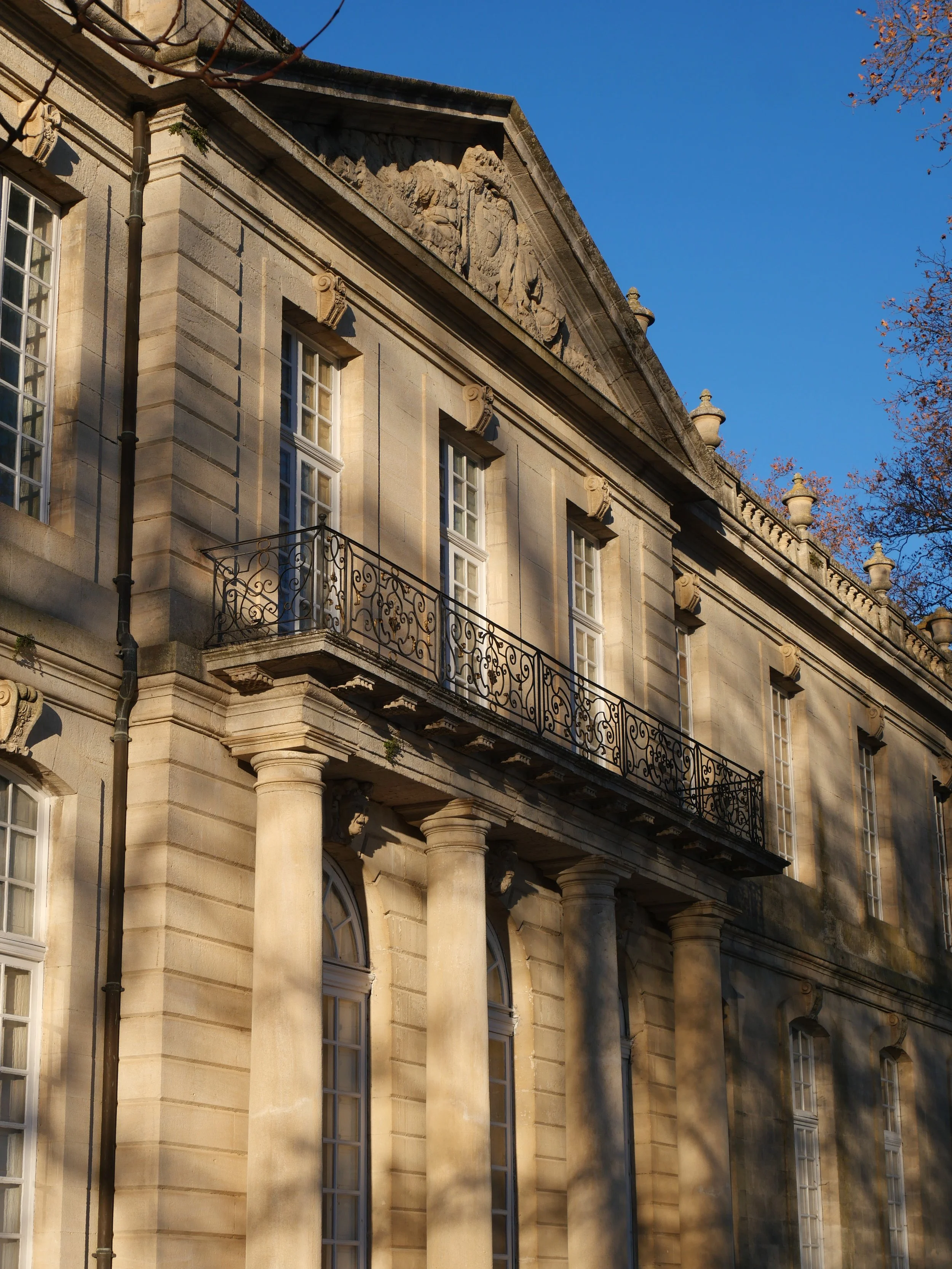
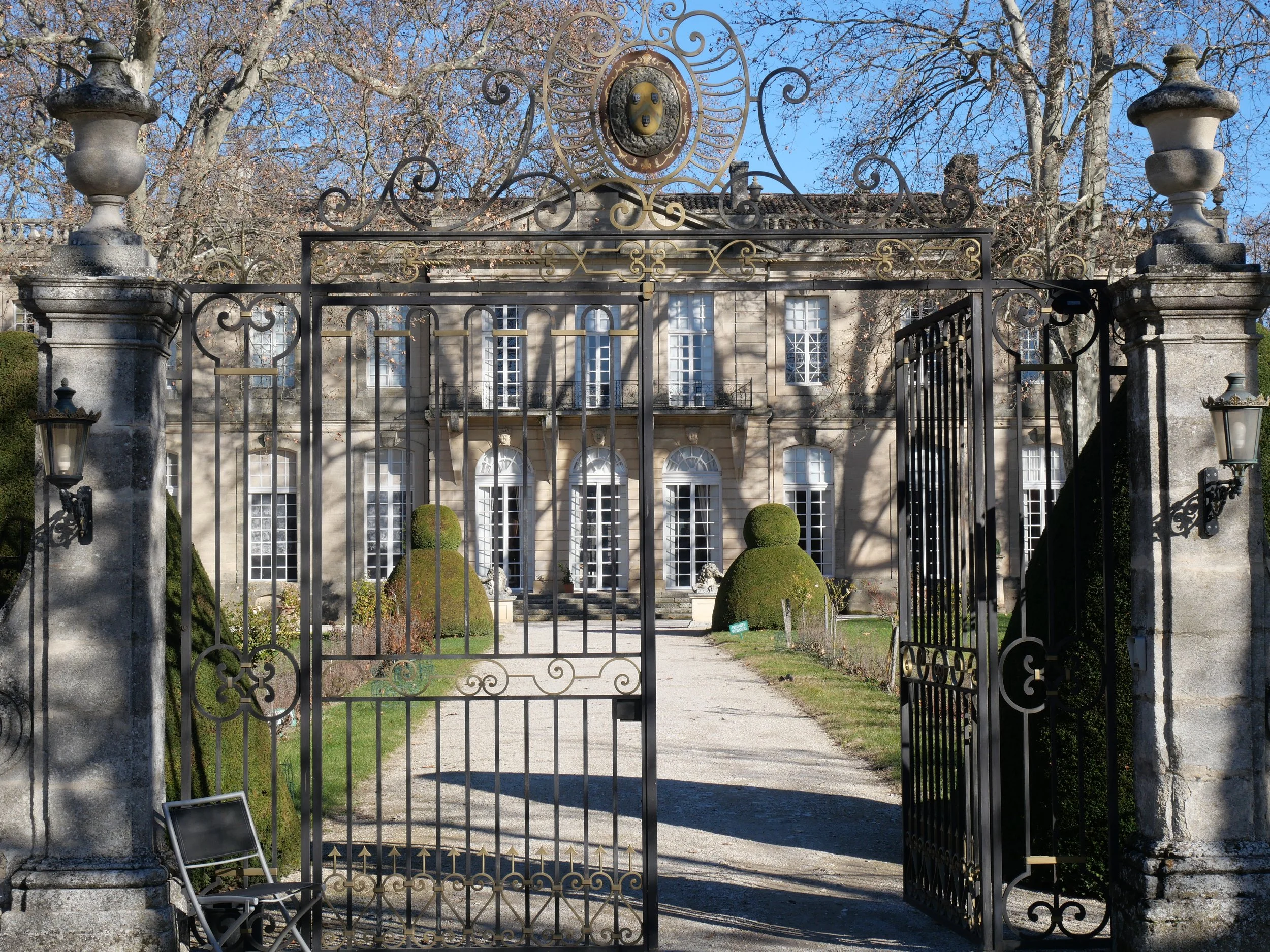
Across 2,200 m² (23,680 sq ft) and 40 rooms, including 19 bedrooms, the estate mirrors the architectural ambition of the Régence era. The main façade centers on a three-bay avant-corps crowned by a pediment, while the garden elevation features a rare portico of four freestanding columns—an architectural gesture typically reserved for the highest ranks of nobility. Inside, ceilings rise over five metres, and natural light fills the enfilade of salons. The through-hall opens onto an 80 m² grand salon articulated with Ionic pilasters, while a sweeping open staircase—one of the most remarkable private 18th-century staircases in France—ascends to a 45-metre-long gallery.
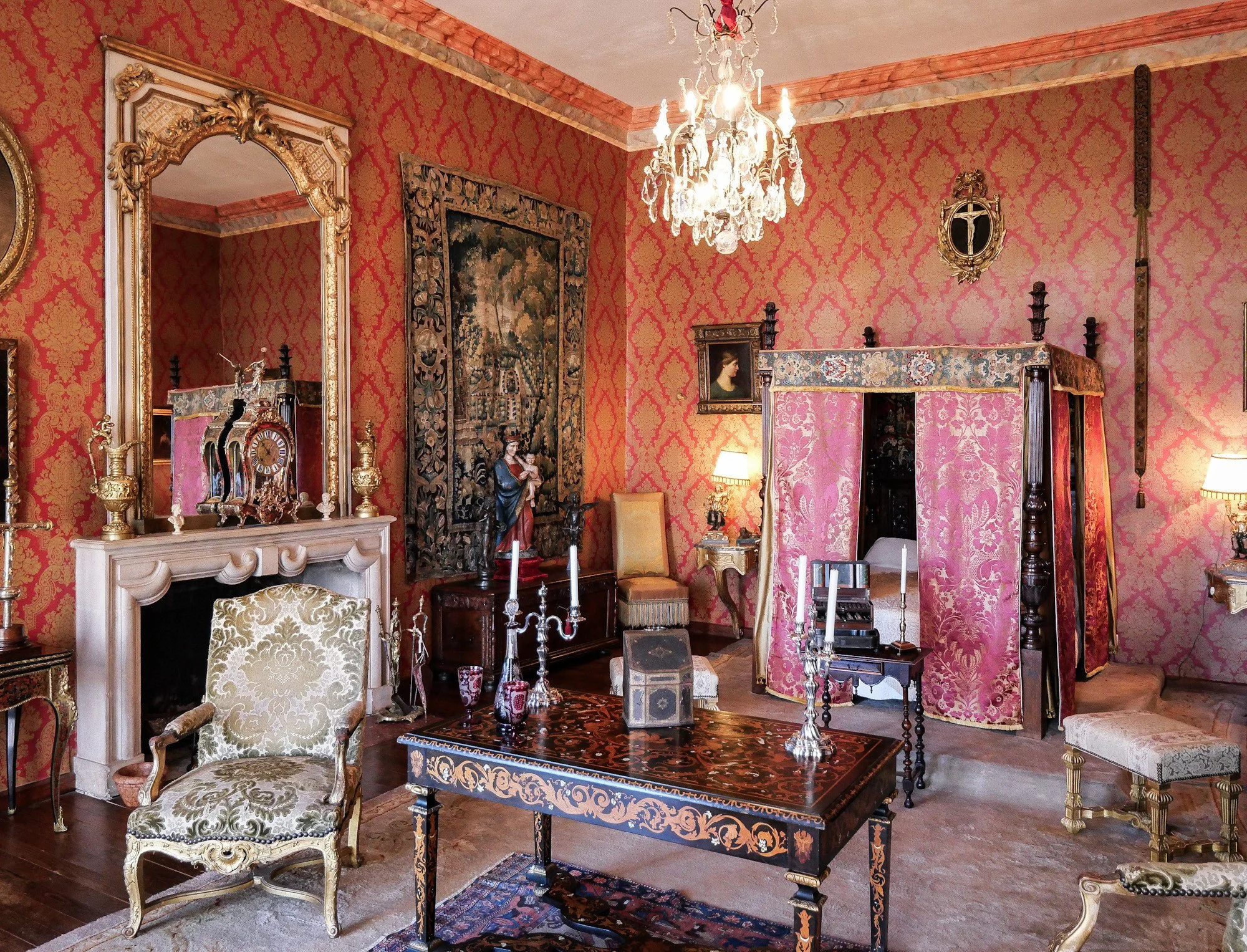
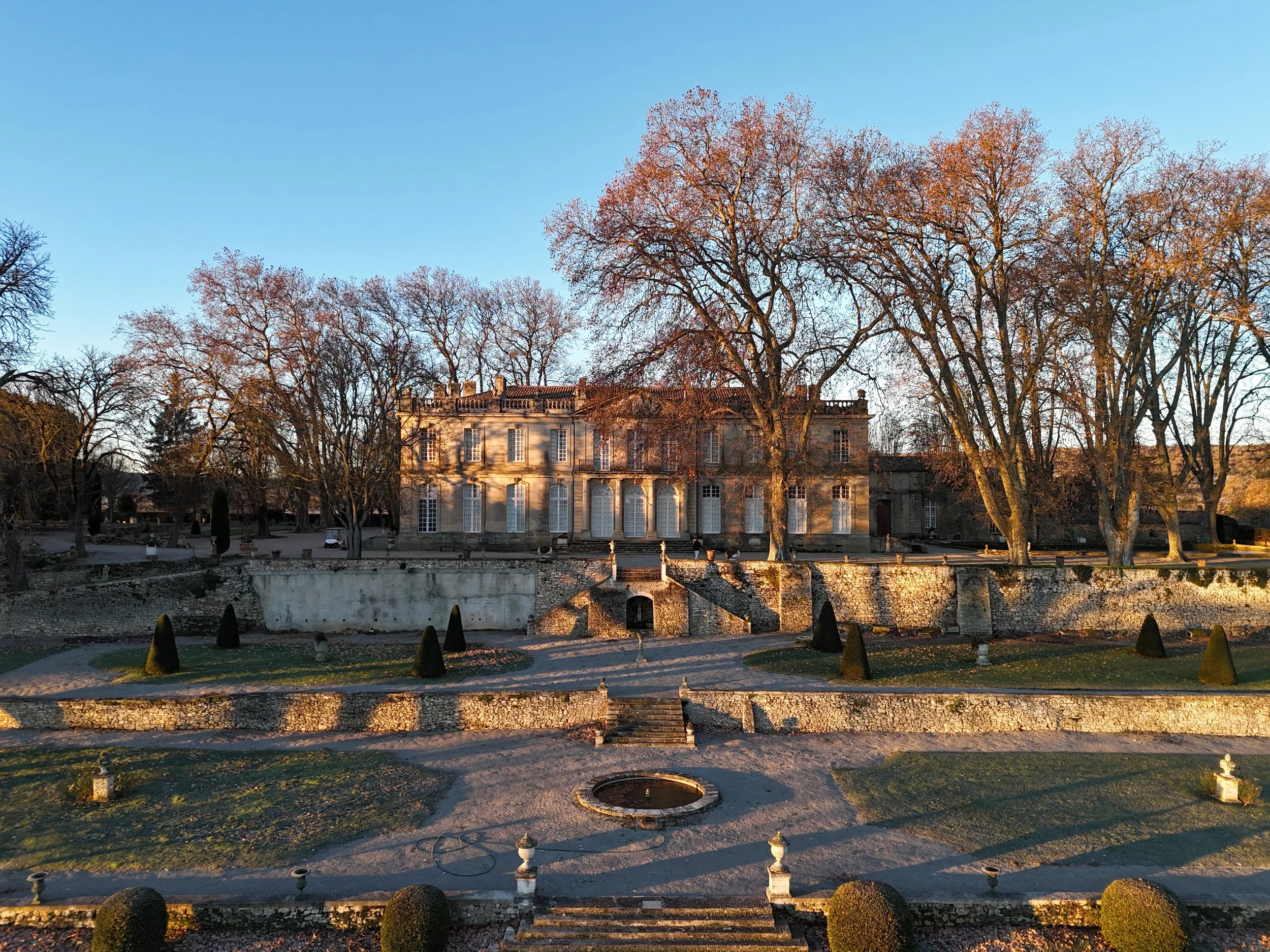
The ground floor includes a suite of salons, a music room with mezzanine balustrade, a large dining room, and two rooms formerly used as visitor shops. Private quarters occupy the upper level, alongside a billiard-library room and chapel. Extensive vaulted cellars, wine storage, and a long tunnel sit below. The broader program includes two gîtes, a three-bedroom dwelling, a former orangery converted into a 150-guest reception hall with a professional kitchen, and a swimming pool—all set within 13.6 hectares (33.6 acres) of grounds.
Ambitiously built during the speculative boom triggered by John Law’s financial system in the early 1720s, the estate reflects a rare moment when France was flooded with newly issued paper money—made legal tender by Law’s Banque Royale—and when shares in his Mississippi Company soared on promises of vast colonial wealth. The sudden liquidity encouraged aristocratic families to embark on unusually grand architectural projects, particularly in Paris and Provence. Although no primary record details the Forbin-Jansons’ exact exposure to the system, the estate is frequently cited by historians as an example of the era’s boom-and-bust dynamic: when Law’s financial structure collapsed in 1720 and fortunes evaporated almost overnight, several salons were left in their original, unfinished state, preserving the abrupt shift in circumstances that ended the speculative frenzy.
A layer of Revolutionary intrigue surrounds the estate through an unverified but persistent regional retelling involving Sophie de Galléan Forbin-Janson. Said to resemble Marie Antoinette, Sophie is portrayed in 19th-century accounts as offering both her identity and her fortune to take the queen’s place in a clandestine escape from the Conciergerie. In these narratives, the queen is said to have refused the gesture, sending a final note that read, “I must not, nor will I accept the sacrifice of your life, farewell.” Though unsupported by surviving archival evidence, the story endures in local memory and adds a dramatic dimension to the estate’s Revolutionary-era history.
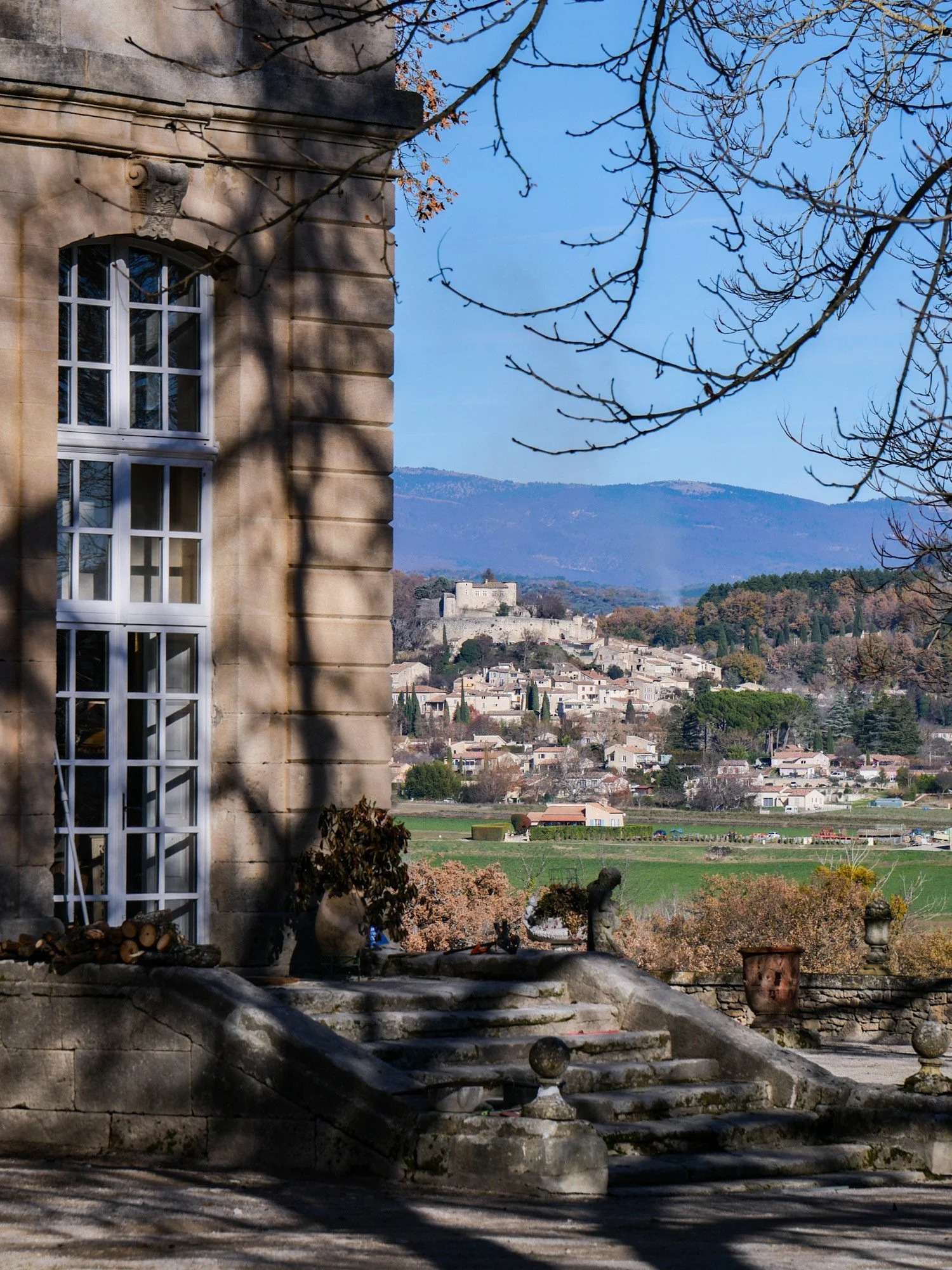
The landscaping restores another aspect of the estate’s original grandeur. The formal gardens were restored in 2023, recreated from Delamair’s 18th-century plans to revive their classical axial geometry, a defining feature of early French garden design. Terraced lawns, embroidered parterres, a large basin, monumental obelisk, and an 18th-century double-flight staircase structure the garden along a long visual axis, re-establishing the classical order intended by the original architect. Peacocks, long visible in publicly documented views of the estate, animate the terraces and formal gardens.
Located within easy reach of nearby villages, hotels, and services, and approximately one hour from Aix-en-Provence, the estate combines architectural pedigree, expansive grounds, and historical depth. As one of Provence’s most distinguished classical properties, it stands today as a rare Régence-era landmark with its defining features remarkably intact.
All photos belong to the listing agency.